Finland in Space PDF Free Download
1 / 2/2
100%

Finland in Space
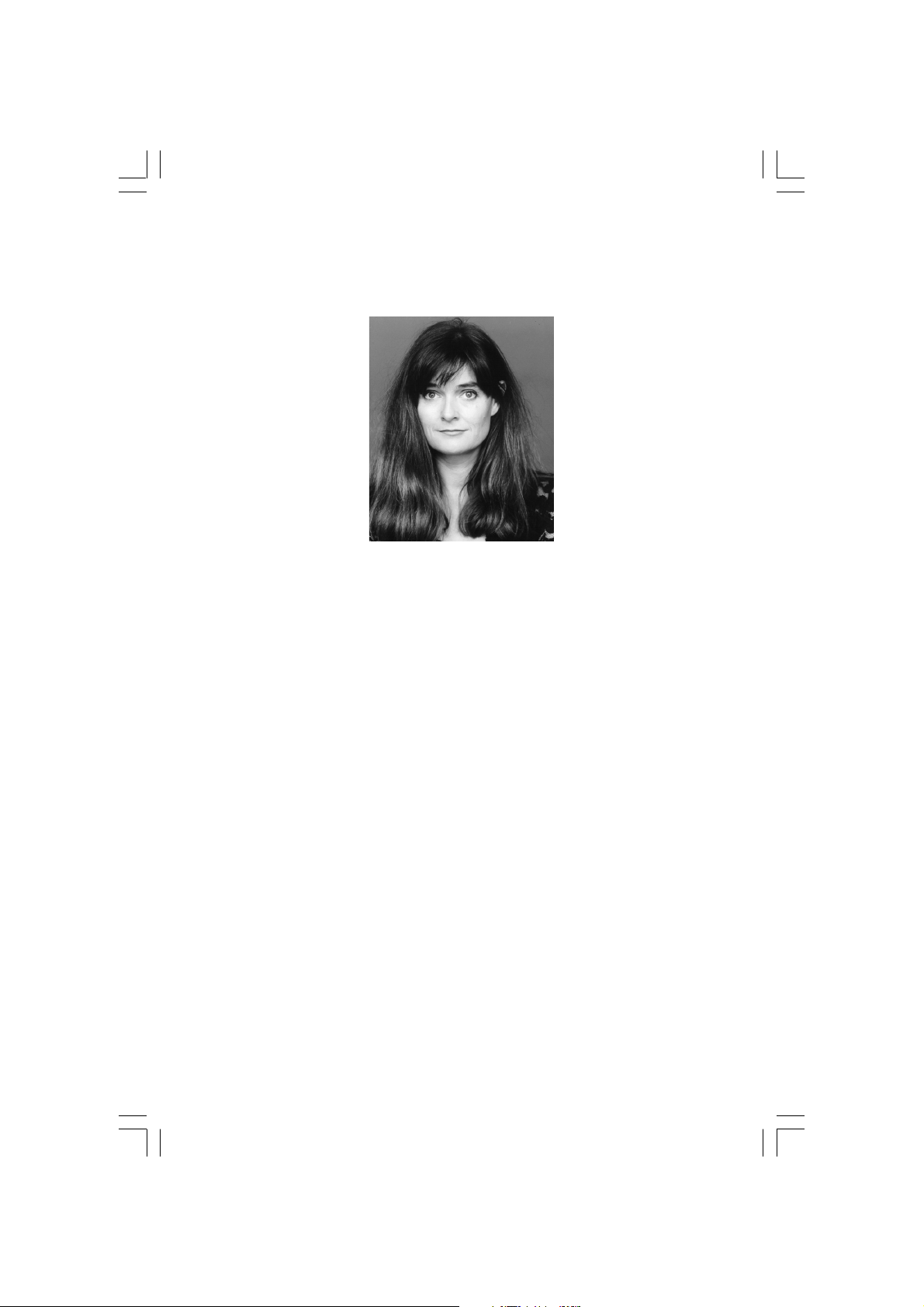
Summarized by Joachim Kehr,
Editor Journal of SpaceOperations & Communicator
from Space Research in Finland Report to COSPAR 2014, Helsinki 2014, ISSN 0788-7434
The 2014 report to COSPAR marked also 50 years of Finland as member of the Committee on Space
Research (COSPAR) and outlines its space activities from the very beginning. The detailed report is
available on the website of the Finnish national Committee of COSPAR. [1], a brief summary is
presented here.
Policy
Finnish space activities fall in the areas of space research, Earth observation, navigation,
telecommunication, and instrument development. International and national collaboration continues to
be at the heart of the Finnish space strategy: Finnish membership in the European Space Agency and
targeted participation in the ESA programs forms the backbone of the Finnish space activities.
Opportunities offered by Finland’s membership in the European Meteorological Satellite Organization
(EUMETSAT) and European Union whose space activities are rapidly increasing guide the strategic
choices also in the national arena.
Tight collaboration between universities, research institutes and companies are fostered and developed
in different sectors of the space segment from instrument building to scientific exploitation of the data,
product and service development. Space science is in a research-intensive phase, as ESA missions
such as Cluster, SOHO, MarsExpress, and Venus Express continue to bring results on the processes by
which solar activity influences the space environment of the Earth, Mars and Venus, Planck has
completed its full sky surveys, and the community is actively preparing for upcoming astrometric
measurements from Gaia and cometary data from Rosetta. In Earth observation, a major milestone was
reached when Envisat completed its decade of observations and the full and rich dataset now is
exploited in conjunction with other still ongoing missions such as NASA’s EOS program satellites.
The space strategy emphasizes opportunities for new businesses in the space sector. For example,
navigation, communications and remote sensing service industry are all heavy users for space
technology. Several small enterprises are already operative in the field of navigation, new
opportunities are offered by the new navigation systems from Europe (Galileo), Russia (Glonass) and
China (Compass). The use of Earth observation data utilization in commercial products is both
increasing and transferring from research institutes to commercial activities. Strong research institutes
in the field support the growth of the private sector.
Applications based on remote sensing, satellite communications and navigation aim for global
business. However, they are equally important in securing the safety of the people (e.g., marine safety,
forest fires, landslides, etc.) , operations of the society (seafaring in icy conditions, hydropower
generation), or economical activity and environmental protection (mining activities, global change).
Participation in European Galileo and Copernicus programs and GEO (Group on Earth Observation) is
a vital element to gain access to the vast body of observations needed for these services to be useful.
Space assets are also important in guarding the safety and security of the society including monitoring
of environmental changes as well as managing rescue missions or logistic services. In order to reach
these strategic aims, we have identified several key areas that Finland will focus on in the next year to
come: • Development of space-based applications for Arctic regions; • Opening positioning data to
foster growth of applications industry; • Active participation in ESA and EU space research
programmes to increase the impact of basic research; • Increasing the volume of the space industry by
specialization.
Programs and Co-operations
Finnish space science instrumentation and industrial participation in ESA space science missions as
well as international co-operations are listed in the following tables

Reference: [1] http://www.cospar.fi/report