2020-21 Course Catalog Gettysburg College PDF Free Download
1 / 396/396
100%

2020-21 Course Catalog
Gettysburg College

1
The provisions of this catalog are not to be regarded as an irrevocable contract between the College and
the student. The College reserves the right to change any provision or requirement at any time. This
right to change provisions and requirements includes, but is not limited to, the right to reduce or
eliminate course offerings in academic fields and to add requirements for graduation.
It is the policy of Gettysburg College not to discriminate improperly against any matriculated student,
employee or prospective employee on account of age, race, color, religion, ethnic or national origin,
gender, sexual orientation, or being differently abled. Such policy is in compliance with the
requirements of Title VII of the Civil Rights Act of 1964, Title IX of the Education Amendments of 1972,
the Rehabilitation Act of 1973, and all other applicable federal, state, and local statutes, ordinances, and
regulations. Inquiries concerning the application of any of these laws may be directed to the Affirmative
Action Officer at the College or to the Director of the Office for Civil Rights, Department of Education,
Washington, D.C. for laws, such as Title IX of the Education Amendments of 1972 and the Rehabilitation
Act of 1973, administered by that department.
Gettysburg College is a highly selective national, four-year residential college of liberal arts and sciences.
With a student body of approximately 2,600, it is located on a 200- acre campus adjacent to the
Gettysburg National Military Park in Pennsylvania. The College was founded in 1832. Gettysburg College
is accredited by the Middle States Association of Colleges and Secondary Schools.
Table of Contents
Academic Policies ............................................................................................................................ 2
Admissions Policies ....................................................................................................................... 17
Financial Policies ........................................................................................................................... 20
Degree Requirements .................................................................................................................... 26
Programs of Study ......................................................................................................................... 31
2
Academic Policies
Academic Level
A student's academic level or class year is determined on the basis of the number of course units
completed for the degree according to the following listing:
Class Year Units
First Year 6 or fewer
Sophomore 7 to 14
Junior 15 to 22
Senior 23 or more
Academic Standing
Students generally maintain an academic record that will enable them to complete the requirements for
graduation in the normal eight semesters. To accomplish that goal, a student needs to achieve at least a
2.00 accumulative average, a 2.00 average for the semester, and a 2.00 average in the major field of
study by the end of the junior year and during the senior year and to make appropriate progress in
acquiring the credits and completing the various requirements for graduation. Students who do not
meet these normal standards will be given a warning, placed on academic probation, placed on
suspension alert, or, if not making satisfactory progress toward graduation, suspended or dismissed
permanently from the College.
The student who falls below the following minimum standard is subject to suspension or permanent
dismissal: for the first year-1.50 GPA and six course units completed; for the second year-1.80 GPA and
thirteen course units completed; for the third year-1.90 GPA and twenty course units completed; for the
fourth year-2.00 GPA and twenty-six course units completed; and for the fifth year-2.00 GPA and thirty-
two to thirty-three course units completed. First-year students may be suspended after one semester if
their GPA is 1.00 or below.
A student on one of the forms of academic warning listed above is permitted to remain at the College as
long as the student is making satisfactory progress toward graduation by removing the academic
deficiency during the following semesters. Normally, a student may not remain at the College with three
consecutive semester averages below 2.00.
While students on warning, academic probation, or suspension alert are permitted to participate in
extracurricular activities at the College, they are reminded that their first priority is the academic
program and that they must therefore give careful consideration to time commitments and
responsibilities associated with extracurricular activities.
These students are urged to consult with their faculty advisors and the deans of Academic Advising
about curricular and extracurricular choices.
Accommodation of Physical and Learning Disabilities
Gettysburg College provides equal opportunities to students with disabilities admitted through the
regular admissions process. The College promotes self-disclosure and self-advocacy for students with
disabilities. Students seeking accommodation should contact the Office of Academic Advising.
3
For students with physical disabilities, the College provides accessibility within its facilities and programs
and will, within the spirit of reasonable accommodation, adapt or modify those facilities and programs
to meet individual needs.
For students with learning disabilities, the College accommodates on a case-by-case basis. All requested
accommodation, which must be consistent with the data contained in documentation that meets the
College's standards, is reviewed by the College's own consultant. Reasonable accommodation for
students with learning disabilities may result in some curricular modifications that do not substantially
alter course content or involve waiving requirements essential to the academic program.
The deans in Academic Advising assist students with disabilities with their requests for accommodation.
Alcohol and Drug Required Leave
A key component of Gettysburg College's mission is to provide a safe environment where students are
able to pursue their academic and social goals. The College may require a student to take a leave of
absence if a student illustrates that he or she is repeatedly unable to make sound and safe decisions
about alcohol and drug use, or the student engages in drinking or drug use that threatens the life, health
and safety of one's self or others. This term of Alcohol and Drug Required Leave will be invoked for
significant or repeated violations of the terms of the College's Alcohol and Drug Policy Points System.
The Vice President for College Life and Dean of Students or his/her designee will determine the terms of
the Alcohol and Drug Required Leave. If a student violates the terms of the Alcohol and Drug Policy
Points System by reaching or exceeding ten points, the terms of the Alcohol and Drug Required Leave
will normally include a provision for the student to receive care (medical, psychiatric, psychological,
counseling, or therapy) while on leave. Our procedures will follow the protocol outlined in the Medical
Leave of Absence and Withdrawal Policy. The Vice President for College Life and Dean of Students or
his/her designee may identify additional criteria in order to return to campus. The Vice President for
College Life and Dean of Students or his/her designee, in consultation with Health and Counseling
Services, will determine if all criteria have been met and if the student is eligible to return. If a student is
required to leave during the fall semester, normally the leave will be extended to the entire spring
semester as well.
A student returning from Required Leave will have 5 points on their record upon return.
A student that accumulates 10 or more points for a second time during their Gettysburg career will be
referred to the Student Conduct Review Board for consideration of suspension or expulsion, along with
any sanctions assigned through the point system process.
Instances of any of these behaviors, whether alcohol-related or not, could also be referred to the
Student Conduct Review Board for consideration of possible suspension or expulsion (along with other
sanctions, as detailed in the Handbook of Student Rights and Responsibilities).
Note on Suspension: students who are suspended from the College during an academic semester
normally do not receive any refund on their tuition or housing fees for that semester.
Center for Global Education
If you are thinking about making global study a part of your education, you will be joining over 350 of
your peers who study globally each year (almost 60% of the class of 2018). Gettysburg College considers
global study to be a vital part of its academic program.

4
Students study globally for many different reasons. Whether you want to learn a new language, improve
your skills in a language you have been studying, make your resume stand out from the crowd, or to add
a special facet to your degree, you will find that global study gives you these opportunities—and many
more. Students can study globally as soon as the first semester of their sophomore year, and as late as
the first semester of senior year.
Students with specific needs are encouraged to discuss their global study plans with CGE. Many
programs can accommodate students with specific requirements.
All students must be in good academic and disciplinary standing in order to apply for global study.
Specifically, students must have a minimum 2.0 cumulative GPA and a 2.0 in their major, and obtain a
2.0 or above the semester prior to applying. Also, students must not be on conduct probation and have
4 or fewer points on the Gettysburg College Alcohol & Drug Policy Points System. Accepted students
must maintain their good academic and disciplinary standing in order to participate and permission will
be rescinded for any student who fails to maintain good standing at any time in the global study process.
Students who participate in affiliated programs will earn both credits and grades, and will continue to
receive any financial aid. For detailed information about the Center for Global Education, please visit our
website at https://www.gettysburg.edu/offices/center-for-globaleducation
Class Attendance General Policies and Policies for Athletics and Other
Extracurricular Activities
From Faculty Handbook, 2005 Edition
“At the heart of Gettysburg College,” insists the College’s Statement of Purpose “is the academic
program.” Commitments to the academic program take priority over other College activities. But, the
College also offers students the opportunity to participate in extracurricular activities because it believes
that these activities can make important contributions to their education as whole persons. The
following statement describes the appropriate relationship between academic and extracurricular
activities.
Gettysburg College’s Policy on Class Attendance
The College recognizes that regular attendance at all classes is an essential part of its academic purpose
and clearly is the responsibility of the individual student. Each student is accountable for all work missed
because of absences from class, and instructors are under no obligation to make special arrangements
for students who are absent from classes. Instructors must explain their individual or departmental
attendance policy during the first class meeting and/or in their course outlines.
Instructors may contact a student who has accumulated excessive absences directly to remind the
student of her/his obligation concerning class attendance and of the consequence of continued absence
from class and may notify the Office of Academic Advising that such a warning has been given. If a
student incurs further absences after being warned and exceeds the limit set by the instructor’s policy or
the departmental policy, she/he may be required to withdraw from the course with a failing grade.
Class absences will be dealt with on a case-by-case basis by the instructor of the course. If a student will
miss class for any reason (for example, religious observances, college trips, family emergencies, or
illness), the student must discuss this absence with her/his instructor in advance whenever possible. The
student will be ultimately responsible for making up any missed work as a result of a class absence.
[Approved by the Faculty, December 3, 1992 and revised by the Faculty on May 1, 1997]
5
Practice and Activities Times
The period from 4:00 p.m. to 6:30 p.m. on Monday through Friday has traditionally been set aside for
athletic practices and other extra-curricular activities. It is intended that activities such as band, choir,
theatre productions, community service activities, and athletic practices will ordinarily take place during
this time without conflict with scheduled classes or with other academic obligations, including make-up
tests.
It is a violation of NCAA regulations for a coach to require an athlete to attend a practice that conflicts
with a class. Therefore, no student will be expected to miss a class or leave class early in order to be at
practice.
Sometimes, especially early in the second semester, indoor athletic practices must be scheduled.
Because the College lacks sufficient space for all teams to practice indoors between 4:00 p.m. and 6:30
p.m., practices will occasionally meet at other times. No practice scheduled at a time other than 4:00
p.m. to 6:30 p.m. can be made mandatory for athletes. If such a practice conflicts with an assigned
academic activity, the academic activity must take precedence. Apart from the condition just specified,
no formal or informal team practices, training sessions, etc. should be scheduled at times other than
4:00 p.m. to 6:30 p.m.
It is especially important that faculty let students know if testing; review sessions, extra classes, etc. will
be scheduled in the 4:00 p.m. to 6:30 p.m. period. Faculty members should make every effort to avoid
the situation where the only opportunity for a student to make up a test or complete some other
required activity occurs between 4:00 p.m. and 6:30 p.m.
An administrator from the College Life Division shall act as a liaison between students, faculty, coaches,
and advisors of extra-curricular organizations should complaints or misunderstandings arise concerning
the implementation of this policy. It will be the responsibility of coaches and advisors of extra-curricular
activities to be sure that all students involved in athletics and these activities are aware of this person
and his or her function.
Absences Due to Athletic Contests or Other Extracurricular Activities
As noted in the College’s Policy on Class Attendance, it is the student’s responsibility to request
permission from faculty members to miss class because of a scheduled event and to make arrangements
with the faculty members to make up any work missed because of an athletic contest or other
extracurricular activity. If the level of anticipated absences is so high that the student may have
problems in reasonably meeting the requirements of the course for class attendance and other matters,
the student has the responsibility of determining whether or not it is possible for him or her to continue
to participate in that extracurricular activity. If it is not possible to continue to participate in the
extracurricular activity and still meet the requirements of the class, the student must decide whether to
withdraw from the activity or, in certain circumstances, to postpone the class to a later semester.
If, for any reason, (including injury or disciplinary sanction by a coach), a student will not be playing in an
away game and this is known before the team leaves for the game, a student should be so informed and
not be required to travel with the team. Coaches will encourage students who will not be playing in a
contest (where the trip to the contest requires them to miss a class) to attend class rather than miss the
class.
6
Advance Notice of Absence
Students should notify their professors when they know in advance that they will be absent from class.
At Gettysburg College it is the students’ obligation to let the professors know in advance, if possible,
when they are going to be absent. Students should talk to the professors in person if at all possible. If
not, a telephone call to the professor is recommended. If students cannot talk to the professors in
person or over the telephone, they can send a note through campus mail or an e-mail message. There is
no such thing as an “officially excused” absence from a class at Gettysburg. Whenever students are
absent, they need to notify the professors why they are absent and to work out the details of making up
any missed work.
Professors will want to know at least the following information. Students should be prepared to provide
it orally or include it in any written message:
• The dates of anticipated absences.
• The reason or reasons for absence. If it is a medical matter, students can simply say for a
doctor’s appointment, tests, etc. They don’t have to tell the details of the illness.
• Students should make it clear that they understand that they are responsible to make up any
missed work.
• Students should ask the professor to let them know if they have any questions about the
absence(s) or any instructions to give about making up the missed work.
• Students should include in any written or e-mail message their campus box number, telephone
number, and e-mail address.
Academic Advising occasionally notifies faculty of certain categories of student absences if they are
asked to do so by the Health and Counseling Services, parents, or students themselves. Such notification
normally is limited to absences where the student is unable to notify the faculty directly. The Health
Center does not write notes for students but will contact Academic Advising about student visits or
certain diagnoses at a student’s request. These notifications are not to be construed as “official excuses”
sanctioned by Academic Advising; individual faculty are far better suited to assess the veracity of
students’ explanations for absence than is the Academic Advising office. Academic Advising does not
notify faculty of sports or college related absences.
See also the policy covering “Athletics and Other Extracurricular Events.”
Dean List
The names of those students who attain an average of 3.60 or higher for the semester are placed on the
Deans Honor List in recognition of their academic achievements. Also, those students who attain an
average from 3.30 to 3.59 are placed on the Deans Commendation List. To be eligible for these honors,
students must take a full course load of at least four courses, with no more than one course taken under
the S/U grading option during that semester (except for students participating in the Lutheran College
Washington Semester program, who may take two units S/U). First-year students who attain an average
of 3.00 to 3.29 are placed on a First-Year Recognition List for commendable academic performance in
their first or second semester.
Exemption from Degree Requirements
The College may recognize work on the college-level completed elsewhere by a student. This recognition
may take the form of exemption from degree requirements and may carry academic credit. Students
should present their requests for exemption to the Registrar. They should be prepared to demonstrate
7
their competence on the basis of their academic record, Advanced Placement Examination results of the
College Board, or examinations administered by the department concerned. Decisions on exemption
and credit rest with the department and the Registrar.
International and other students who learned in a language other than English during the final three
years of secondary school may petition for exemption from the second language requirement. Please
contact Office of the Registrar for additional information.
Grading System
Courses are normally graded A through F, with these grades having the following significance:
A (excellent); B (good); C (fair); D (poor); and F (failing). Instructors may modify their letter grades with
plus and minus signs.
In successfully completing a course under this grading system, a student earns a number of quality
points according to the following scale.
A+ 4.33
A 4
A- 3.67
B+ 3.33
B 3
B- 2.67
C+ 2.33
C 2
C- 1.67
D+ 1.33
D 1
D- 0.67
F 0
A student's accumulative average is computed by summing his or her quality points and dividing by the
number of course units taken. The average is rounded to the second decimal place.
The College reserves the right to make changes and adjustments in the grading system even after a
student enrolls.
The College offers a satisfactory/unsatisfactory grading option. This option is intended to encourage
students to be adventurous intellectually in courses with subject matter or approaches substantially
different from their prior academic experience or attainment. An S signifies satisfactory work, and is
given if a student performs at the C- level or higher; a U signifies unsatisfactory work, and is given for
work below the C- level. Courses graded S/U do not affect a student's quality point average, but a course
completed with an S grade will count toward the total number of courses needed for graduation. A
student may elect to take a total of six courses on an S/U basis during his or her four years at Gettysburg
College; however, no more than two S/U courses may be taken in any one year. This grading option may
not be selected for requirements for graduation, or for courses taken in a student's major field.
8
Exceptions may be made with regard to the major in cases where a department specifies that a
particular course is available under the S/U grading system only, and in cases where the student
declares the major after taking the course. A student must choose the S/U grading option during the
first ten class days of the semester.
Students who enroll in Education 476: Student Teaching may take an additional course under the S/U
option during the senior year, provided that their total number of S/U courses does not exceed six.
When a student registers for and completes a course which he or she has already taken at Gettysburg
College, both the credit and the grade previously earned are canceled, but they are not removed from
the permanent record. The credit and grade earned in repeating the course are counted toward the
student's requirements.
A grade of Inc (Incomplete) is issued through the Office of Academic Advising when emergency
situations, such as illness, prevent a student from completing the course requirements on time. The
missing work must be completed by the end of the add/drop deadline of the semester following the one
in which the incomplete was incurred.
A student who withdraws officially from a course after the ten-day add/drop period, but within the first
eleven weeks of the term, receives a W (withdrew) grade. If a student 8 withdraws from a course during
the last five weeks of the semester, he or she will receive an F (failure) in the course. A student who
withdraws officially for medical reasons receives a W regardless of the time of withdrawal. The W grade
is not used in computing averages.
The symbol N/F is used in cases where a student registers for a course but does not attend or participate
in the course and then fails to withdraw properly. It is assigned 0 quality points and is used in the GPA.
Graduation, Honors, and Commencement
The College awards the following honors to members of the graduating class. These senior honors are
intended for students with four years of residence at Gettysburg College; grade point average
computations are based on four years' performance.
• Valedictorian - to the senior with the highest accumulative average.
• Salutatorian - to the senior with the second highest accumulative average.
• Summa Cum Laude - to those seniors who have an accumulative average of 3.90 or higher.
• Magna Cum Laude - to those seniors who have an accumulative average of 3.70 through 3.89.
• Cum Laude - to those seniors who have an accumulative average of 3.50 through 3.69.
The Academic Standing Committee may grant the above honors to students with transfer credit if they
have satisfied the conditions of the honor during at least two years in residence at Gettysburg College
and have presented excellent transfer grades. To arrive at a decision, the Committee will factor in all
grades earned at other institutions and during off-campus study programs.
In addition to the above, departments may award Departmental Honors for graduating seniors based
upon their academic performance in a major field of study. Departmental Honors are awarded to
transfer students on the same terms as to other students, as computation for this award is not
necessarily based on four years in residence at Gettysburg College.
Participation in the May Commencement exercises shall be limited to those students who have
completed all graduation requirements by that Commencement ceremony.

9
Honor Code
In May of 1957, the Faculty approved in principle an Honor Code and accepted in fact a Constitution for
the Honor Code at Gettysburg College. With these measures, the Faculty delegated to the Honor
Commission responsibility for the regulation of student academic conduct. The final responsibility for
the regulation of student conduct remains with the Faculty. The current version of the Honor Code is the
result of substantial revision approved by the Faculty, Honor Commission, and Student Senate in 2006.
The Gettysburg College Honor Code articulates the relationship between our shared values of honesty
and integrity and our mission as an institution devoted to learning and the pursuit 9 of knowledge. In
short, this mission depends on trust and trust requires honesty and integrity. The entire College
community is enjoined to actively support our principles of honesty and integrity as summarized in the
Gettysburg College Pledge:
I affirm that I will uphold the highest principles of honesty and integrity in all my endeavors at
Gettysburg College and foster an atmosphere of mutual respect within and beyond the classroom.
For information about responsibilities to support the principles of the Honor Code and information
about procedures for addressing breaches of the Honor Code, students should consult the full text of
the Honor Code and the summary in the next section or at the following website:
http://www.gettysburg.edu/honorcode
Honor Societies
Phi Beta Kappa
Phi Beta Kappa, founded in 1776, is the oldest Greek-letter society in America and exists to promote
liberal learning, to recognize academic excellence, and to support and encourage scholars in their work.
The Gettysburg College chapter was chartered in 1923 and is today one of 270 Phi Beta Kappa chapters
in American colleges and universities, twenty of which are in Pennsylvania. The Gettysburg College
chapter elects to membership about ten to fifteen percent of the senior class who have distinguished
academic records and exhibit high moral character and intellectual curiosity. Election to Phi Beta Kappa
is perhaps the most widely recognized academic distinction in American higher education.
Other Academic Honorary Societies
The College promotes excellence in the academic program by supporting the following honorary
societies for students with outstanding academic records in a particular major or area of study.
Alpha Kappa Delta: International sociology honor society, open to junior and senior students who have
taken at least four courses in sociology, have a GPA of 3.2 or better in sociology and a 3.0 overall GPA,
and are in the top 35 percent of their graduating class.
Ankh Maat Wedjau Honor Society: Non-secret, non-profit organization which promotes scholarly study,
research, publication and other scholarly activity in the field of Africana Studies among students at
academic institutions, and among academic professionals in the field of Africana studies
Delta Phi Alpha: National honorary society that recognizes excellence in the study of German, provides
incentives to higher scholarship, and promotes the study of the German language, literature, and
civilization.
10
Eta Sigma Phi: Classics honorary society for students who have taken at least two courses in the Classics
Department with a B or better average and who are enrolled in an additional classics course.
Kappa Delta Pi: International honor society in education. To qualify for membership, a student must
meet the following criteria: a cumulative GPA of 3.0 or greater, have at least 6 credit hours in education
course work completed; have completed at least 24 credits of collegiate course work.
Lambda Alpha: Honorary society for anthropology majors and minors. Student must have completed at
least four anthropology courses, be a junior anthropology major or minor, have at least a 3.5 average in
anthropology, have at least a 3.33 average overall, and be in the top 35 percent of his or her graduating
class.
Omicron Delta Epsilon: This organization is the national economics honorary society. Students can be
considered for membership once they have achieved the following: Taken at least four courses in
Economics, including two Introductory Economics courses (101 and one course from those numbered
201-239), and the two Intermediate Theory courses (243 and 245). Achieved a grade point average of
3.2 or above in the major, and 3.1 or above overall.
Phi Alpha Theta: Honorary society that recognizes academic achievement in history and that actively
carries on dialogue about history-related issues outside the classroom.
Phi Sigma Iota: Romance languages honorary society for junior and senior majors in French and/or
Spanish with at least a B average in the major and overall.
Pi Lambda Sigma: National honorary society for majors in management, economics, and political science
with at least five courses in their major with a GPA of 3.1 or better.
Pi Sigma Alpha: Nu Psi chapter of the national political science honor society for junior and senior majors
in political science. To qualify for membership, a student must meet the following criteria: a 3.0 grade
point average overall, a 3.2 grade point average in the major, completion of four courses in the major,
and rank in the top third of his or her class. Student officers administer the organization and plan
programs as well as social events.
Psi Chi: Honorary society in psychology that serves to advance the science of psychology; for students
who have completed a minimum of three courses and are enrolled in their fourth and who have
achieved an average of at least 3.0 in the major and overall.
Sigma Alpha Iota: International society for women in music, advocating and encouraging excellence in
scholarship, advancement of the ideals and aims of the Alma Mater, and adherence to the highest
standards of citizenship and democracy.
Sigma Pi Sigma: National honorary society that recognizes outstanding scholarship in physics,
encourages interest in physics among students at all levels, and promotes an attitude of service of its
members toward their fellow students, colleagues, and the public.
Theta Alpha Kappa is the national honor society for excellence in Religious Studies. To be admitted
students must earn a Grade Point Average of 3.5 in at least four courses in Religious Studies, have an
overall GPA of 3.0, and be ranked in at least the up 35% of their class at the time of induction.
Suspension, Leaves of Absence, and Reinstatement
Students are expected to be enrolled continuously from their matriculation through graduation.
Understanding that unexpected events may occur, however, the College allows for leaves of absence. If
11
a student withdraws from a course during the last five weeks of the semester, the student will receive
an F (failure) in the course unless granted a withdrawal for approved medical reasons.
For enrollment accounting purposes, all students will be withdrawn after 180 days from the last day of
class attendance. Students who have been suspended, placed on leave, or withdrawn do not have to
reapply for admission to the College, but they may be required to submit information for review and
approval before being reinstated. Any such requirements will be set forth when the suspension or leave
is initiated. Students may also voluntarily, permanently withdraw from the College.
Students who have been suspended, placed on leave, or withdrawn may not remain on campus, may
not participate in College activities, and may not visit campus.
Gettysburg College reserves the right to initiate or require a leave or suspension for academic,
disciplinary, medical, or behavioral reasons and reserves the right to defer or refuse reinstatement or
return.
Suspensions
A student may be suspended for academic or disciplinary reasons. Please refer to the College policy on
Academic Standing for additional information on academic related suspensions or the Student Code of
Conduct for additional information on disciplinary related suspensions. At the time of suspension, the
student will be notified of the semester that the student may be eligible for readmission to the College.
A student academically suspended for a second time is not eligible for readmission.
Leaves of Absence
The College has three types of leaves of absence: Personal, Medical, and Behavioral (College-Initiated).
All leaves are administered through the Office of Academic Advising. To initiate a leave of absence, a
student must submit a leave of absence request form to the Office of Academic Advising. A student who
is on leave may petition the Academic Standing Committee to transfer credit for courses taken at
another institution. Proposals for such study must be submitted in advance to the Registrar for review
by the Academic Standing Committee. All leaves will be refunded in accordance with the College’s
refund schedule. For further details about regulations and policies, consult the Academic Advising
website.
1. Personal Leave. A student may request a Personal Leave at any time. If the College has
information to suggest that a Medical Leave is appropriate, however, the College may refer the
request to Health and Counseling for review and recommendations.
2. Medical Leave. Medical Leave requires the support and approval of Health or Counseling
Services. All applications for medical leave are reviewed on a case-by-case basis. Students who
are hospitalized during the semester require approval from Health or Counseling before being
allowed to return to campus. Students may be advised to take a health leave following
hospitalization, pending review on a case-by-case basis.
Students who are granted a Medical Leave after the last day to withdraw from courses without
grade penalty are expected to be on leave for the remainder of the semester and the
subsequent semester. Students who are granted late course withdrawals from some but not all
courses are generally expected to take a Medical Leave for the subsequent semester.
3. Behavioral Leave (College Initiated). The College will apply the procedures outlined in this policy
to determine, at its discretion, whether a Behavioral Leave is necessary. Behavioral Leave
generally carries the expectation that: a) student is withdrawn for the remainder of the current
12
semester and the subsequent semester; and, b) completes associated requirements before
being allowed to return to campus. Students are normally encouraged to consider a voluntary
leave before the College initiates a Behavioral Leave. The College may implement Interim
Measures (see “Interim Measures” below) during this process. Alcohol and Other Drugs leaves
are addressed separately in the Student Code of Conduct.
The College may initiate a Behavioral Leave if, in the judgment of Dean of Students’ Office, the student
meets one or more of the following standards:
a. The student’s behavior compromises the health and safety of self or others. This may include
behavior that necessitates unreasonable measures to ensure the student’s and/or others’
wellbeing.
b. The student’s behavior is disruptive to others. This includes behavior that causes emotional,
psychological or physical distress substantially above that normally experienced in daily life or
that disrupts College operations.
c. The student fails to comply with an assessment, intervention or Medical Leave recommended by
the College because of academic, medical, or behavioral concerns. Where the recommended
assessment is impossible, as with the student’s failure to comply, indirect behavioral
observations will constitute the basis for judgment.
d. The student requires specialized care or interventions to manage behavioral issues that the
College cannot reasonably provide.
e. The student is enrolled but has a pattern of class absences demonstrating failure to maintain
their enrollment status (full- or part-time).
Procedures for a Behavioral Leave
Any individual who believes that a student meets one or more of the standards described above should
contact the Dean of Students’ Office, which will refer the matter to an administrator designated as the
Coordinator of the student’s case. The Coordinator will appoint other personnel to form a Review
Committee, which the Coordinator heads.
The Review Committee may require an assessment of the student by a medical/psychiatric provider on-
or off-campus to determine if the student meets the standards above. An assessment is not required in
determining whether the standards above have been met, however. The Review Committee will
consider all medical, psychological, observational and 13 academic reports submitted with regard to or
on behalf of the student that are relevant to determining the appropriateness of a Behavioral Leave.
Treatment and evaluation reports should include information pertaining to diagnosis, treatment and
prognosis. With the information available, the Review Committee will also determine if a reasonable
accommodation can be made to maintain the student’s enrollment.
If the Review Committee concludes that the student does not meet any of the standards for a
Behavioral Leave, it will inform the student in writing and this process will terminate. Generally, a
member of the Review Committee will meet with the student to consider appropriate alternatives,
including a behavioral contract or disciplinary action.
If the Review Committee concludes that the student does meet one or more of the standards for a
Behavioral Leave, the Review Committee will notify the student of its decision in writing and will include
reasons for its conclusion. The Review Committee’s decision will become effective immediately.

13
Appeal Process for a Behavioral Leave
A decision reached by the Review Committee may be appealed by the student to the Dean of Students’
Office within five (5) calendar days of the decision. Such appeals should be in writing and include specific
points the student wishes the Dean of Students’ Office to consider.
The Dean of Students’ Office has five (5) calendar days to review the information presented and inform
the student of the decision in writing. The Dean of Students’ Office may (1) uphold the decision of the
Review Committee, (2) adjust the finding, (3) refer the matter back to the Review Committee for further
proceedings, or (4) reverse the decision of the Review Committee and reinstate the student. The appeal
decision is final.
Interim Measures
To ensure the safety of individual students and the community, the College may take interim measures
while working through disciplinary and Behavioral Leave reviews. Interim measures include residential
separation or relocation, class schedule changes, restrictions from College activities and/or facilities,
work or job assignment changes, “no contact” directives, temporary separation from the College, a
health evaluation (see “Health Evaluation” below), or other measures to ensure the well-being of all
students.
Health Evaluations
Health evaluations must address 1) attendance dates of the evaluation and any previous dates of
contact; 2) a description of the evaluation procedures (tests, interviews, etc.); 3) specifics about
recommended courses of treatment; 4) an opinion about the fitness of the student to return to
residential living OR suggestions for alternative arrangements; 5) an opinion about whether the student
appears to represent a danger to self or others. Based on the information submitted, the Director of
Health or Counseling may refer students for additional evaluation if it is determined by the Director that
more information is needed to determine eligibility for reinstatement.
Students undergoing health evaluations must sign releases of information that allow 1) their
medical/psychiatric providers to communicate with Health and/or Counseling Services; and, 2) Health
and/or Counseling Services to communicate information to College Life. Releases are available on the
Counseling Services website at https://www.gettysburg.edu/offices/health-counseling-
services/counseling-services/returnfrom-medical-leave-of-absence-forms
Note that securing a valid health evaluation can take weeks; thus when a health evaluation is required,
the student may be advised/required to take a leave.
Process for Reinstatement after Suspension or Leave
Students must resolve all incomplete coursework before they will be permitted to return from leave.
Students placed on Suspension or Leave must follow the requirements set forth in writing at the time
they left. Failure to do so or to provide accurate and complete information is grounds for denying
reinstatement. Return may include stipulations concerning class schedule, extracurricular activities,
place of residence or other conditions as may be judged to be in the best interest of the student and the
College community. While the College seriously considers the opinions of external individuals (medical
providers, e.g.), the ultimate decision about reinstatement belongs to the College. Thus, a
14
recommendation for return from a student’s healthcare provider(s) is not in itself sufficient grounds for
reinstatement.
Students may participate in upcoming registration activities after being officially approved for
reinstatement.
All students wishing to return from suspension/leave must notify Academic Advising of their intent to
return per the following dates:
Notification to Academic Advising:
Suspension:
April 15 for fall return
November 1 for spring return
All other leaves:
May 1 for fall return
November 1 for spring return
All students must then submit required supporting materials (set forth in writing at the time the leave
was taken) to these offices by the designated dates:
Suspension:
Academic Advising
May 15 for fall
Dec 1 for spring 15
All other leaves:
Counseling & Health
June 1 for fall
December 1 for spring
Registration
Students must be registered officially for a course in order to earn academic credit. By formally
registering for courses, the student pledges to abide by College regulations. Students may also enroll in
a course for credit during the first ten days after the beginning of the semester. Students may not enroll
in a course after the ten-day enrollment period.
Many departments establish limits to class enrollments in particular courses to insure the greatest
opportunity for students to interact with their instructors and other students. As a result, students
cannot be assured of enrollment in all of their first choice courses within a given semester.
The College may withdraw a student from classes and withhold transcripts and diplomas for failure to
pay college charges. The College may deny future enrollments for a student with a delinquent account.
15
Residence Requirements and Schedule Limitations
The normal program consists of eight courses per year, with four courses in each semester. (Thus, a
student will complete graduation requirements in four years of full-time academic work in the
September-through-May academic year.) A minimum of sixteen course units must be taken at
Gettysburg College or in an approved College program. The last full year of academic work must be
completed as a full-time student. Unless given approval, students may not complete requirements as
part-time students during their last semester of residence.
Students proposing to complete graduation requirements in less than four full years must have their
programs approved by the Academic Standing Committee through the Office of the Registrar. Such
approval should be sought at least a year before the proposed completion of requirements.
A full-time student for academic purposes is one carrying a minimum of three courses during a
semester. No student who is a candidate for a degree may take fewer courses than this without
permission of the Academic Standing Committee.
After the first semester, students may enroll in five courses in any two semesters without petitioning for
the right to do so; after two such five course unit enrollments, students will have to petition to overload.
For the purposes of determining a full load of four courses, summer internship credit recorded in a
subsequent semester will not count. The four course load will apply to study abroad programs. In all
cases, students will be allowed to preregister for only four one-unit courses, and those eligible for an
overload may add a fifth course unit during the start-of-term registration period.
Majors and minors in music must take quarter courses, in addition to the normal course load. Other
students may take quarter courses in applied music, with the approval of the music department at an
additional charge.
A student may audit informally any College course with the permission of the instructor. No charge will
be made for such an audit and no record of auditing will appear on the student's transcript.
The College offers a limited opportunity for students to register for and complete a course of study
during the summer. Primarily these are off-campus individualized study or internship courses and are
arranged through academic departments.
Special Interest and Dual Degree Programs
Special Interest Programs
Students may petition the Academic Standing Committee for permission to take courses at another
college, university or study site that offers a program in a special interest area not fully developed at
Gettysburg College. Examples of special interest areas are urban studies, media and communication,
and journalism. Interested students should consult the Office of the Registrar.
Dual-Degree Programs
For all of our Dual-Degree programs, once Gettysburg students apply for and are accepted to an
affiliated university, they become students of that university while retaining an affiliation with
Gettysburg College through graduation. Students who qualify for financial aid at Gettysburg College are
not guaranteed a similar financial aid package at our affiliated universities. Financial aid at the affiliated
university must be applied for directly through that university. All other services will also be provided by
that university.
16
Transcripts
The College supports students in their candidacy for graduate or professional school admission or in
their search for appropriate employment by providing a responsive transcript service. Requests for
transcripts must include the student's written signature and should be directed to the Office of the
Registrar. There is no charge for this service unless special handling is required. The College reserves the
right to deny a student's request for a transcript when there is a debt or obligation owed to the College
or when there is an unresolved disciplinary or honor code action pending against the student.
Transfer Credit
This policy applies to all courses presented for transfer to Gettysburg College except those completed
through the Central Pennsylvania Consortium or through an affiliated program administered by the
Center for Global Education.
After enrolling at Gettysburg College, students may transfer a maximum of three course credits. Transfer
credit may be presented at the time of matriculation. After matriculation, all transfer credit must be pre-
approved by the Office of the Registrar. Students entering Gettysburg College as a transfer student must
satisfy all additional course requirements and a minimum of 16 course credits at Gettysburg College or
through a regular College approved program of off-campus study.
Credit for academic work completed at another institution may be awarded based upon the following
criteria:
1. Student must arrange for the transfer institution to send an official transcript to the Gettysburg
College Office of the Registrar.
2. Transfer institutions within the United States must be regionally accredited. Institutions outside
of the United States must be recognized as degree granting institutions by their home country.
International transcripts may require a third-party evaluation by World Education Services
(WES) or the American Association of Collegiate Registrars and Admissions Officers (AACRAO)
International Education Services.
3. Credit of at least two semester hours or three-quarter hours and a grade of C- or better (or its
equivalent) must be earned to be eligible for transfer.
4. Courses must be similar to Gettysburg College courses in content, method of instruction, and
rigor. Online, hybrid, distance learning courses: Normally credit is not accepted for courses
without regular meeting times, or contact time with the course instructor. Transfer credit for
this type of course can be considered on an individual basis only with the support of the
appropriate department chair.
To insure that a full load under another credit system equates to a full load at Gettysburg College, the
following conversion scheme applies to students presenting more than three transfer course credits for
evaluation:
Semester Hours Gettysburg Units Quarter Hours Gettysburg Units
4 1.00 6 1.00
3 .80 5 .80
2 .50 4 .65
3 .50
Exemption from these rules may be considered on a case-by-case basis.
17
Admissions Policies
Admission Evaluation Criteria
Gettysburg College students come from a wide variety of backgrounds and secondary school programs.
The College encourages applications from students of differing ethnic, religious, racial, economic, and
geographic backgrounds who have demonstrated a capacity for academic achievement, responsiveness
to intellectual challenge, eagerness to contribute their special talents to the College community, and an
awareness of social responsibility. Such persons give promise of possessing the ability and the
motivation that will enable them to profit from the many opportunities that Gettysburg College offers.
Since admission is highly competitive, the admission staff gives careful consideration to each
application. Its decisions are based on two categories of evidence described below.
Evidence of high academic achievement as indicated by the secondary school record.
Gettysburg College considers grades in academic courses, quality and distribution of subjects, and rank
in class as highly significant parts of the applicant's credentials. Participation in accelerated, enriched,
honors, International Baccalaureate and advanced placement courses is highly desirable. The College
regards superior facility in the use of the English language and an understanding of fundamental
mathematical processes as essential to a successful college experience.
It also assumes graduation from an approved secondary school or home-school program.
Students also must submit the SAT I of the College Board or the test results of the American College
Testing (ACT) program. Strong applicants who believe that standardized tests do not represent their
academic achievement can choose to apply testing-optional.
Evidence of personal qualities.
There is high interest in individuals of character who will contribute in positive ways to the College
community. In estimating such qualities, the admissions staff relies on what students say about
themselves in essays and interviews, and the confidential statements from secondary school principals,
headmasters, teachers, and guidance counselors; Essentially, any evidence of in-depth involvement in
secondary school activities and/or participation in community affairs is favorably considered in the
admission process.
All acceptances by Gettysburg College are conditional and dependent upon students continuing to do
satisfactory work in all subjects, avoiding disciplinary circumstances, and earning a secondary school
diploma.
Application Process
Early Decision
Students for whom Gettysburg College is a first choice are strongly encouraged to apply for Early
Decision admission. The deadline for Early Decision I is November 15 and the deadline for Early Decision
II is January 15. A non-refundable fee of $60 must be sent with the application. Those students accepted
under this admission plan are obligated to enroll at Gettysburg College and to withdraw applications
submitted to other institutions. Notification of the decision on admission will be mailed within a month
after the deadline. Payment of a $500 deposit is required to validate this offer of acceptance. Although
the Early Decision applicant should take the SAT I or the ACT in the junior year, scores from the

18
October/November testing date of the senior year will also be considered. Some Early Decision
applicants who are not offered acceptance at that time will be deferred to the Regular Decision
admission pool and their application will be reviewed again. Additional semester grades or new test
scores may be submitted for students deferred to Regular Decision.
Regular Decision
Students applying as Regular Decision candidates to Gettysburg College should submit an application by
January 15; a nonrefundable fee of $60 must be sent with the application. Most offers of acceptance will
be mailed by late March. Payment of a $500 deposit is required to validate the offer of acceptance.
Since Gettysburg College subscribes to the principle of the Candidate's Reply Date, students have until
May 1 to make their decision and pay the advance fee.
More information
Sunderman Conservatory Application Process
Prospective students for the Bachelor of Arts in Music, Bachelor of Music in Performance, Bachelor of
Music Education and Music Minor programs will interview with a member of the conservatory faculty
and audition in their performance area. Students who are interested in the music minor may elect to
audition after they arrive on campus.
All students who wish to enroll in a Sunderman Conservatory of Music degree program must be
admitted to Gettysburg College by the admissions office through the standard admissions process and
must be accepted for study by the conservatory faculty through audition.
More information
International Student Application Process
The College welcomes applications from international students who can read, write, speak, and
understand the English language with considerable proficiency. International applicants should send the
completed application form with official secondary school transcripts and an explanation of grading
procedures; the SAT of the College Board or the test results of the American College Testing (ACT)
program, either of which is very strongly recommended; the Test of English as a Foreign Language
(TOEFL) or the International English Language Testing System (IELTS) results; the application essay; and
The College Board Certification of the Finances Form. International students applying for financial aid
must also file the College Board's International Student Financial Aid Form.
More information
Transfer Student Application Process
Gettysburg welcomes applications from students interested in transferring to the College. Transfer
students applying for the spring semester should submit their application by November 1, and students
applying for the fall semester should apply by April 15; transfers applying after those preferred deadline
dates should do so as soon as possible.
Reactivating the application
Students who have previously applied to Gettysburg College and now wish to reactivate their
application must submit a Gettysburg College Application Reactivation form. In order to update and

19
complete the application, send the final secondary school transcript, college transcript(s), the College
Report, and the Instructor Evaluation form.
Applying for the first time
Transfer students should submit an application for admission, the final secondary school transcript, SAT
and/or ACT results, college transcript(s), the College Report, and the Instructor Evaluation form. Transfer
students who do not wish to have SAT or ACT results considered for admission can choose to apply
under the College's Test Optional Policy.
Transfer of credits
Transfer credits are granted provisionally for individual courses passed with a C or better at approved
institutions, provided that these courses fit reasonably well into the Gettysburg curriculum. During the
first semester, transfer students must review the graduation requirements with their academic advisor
or the Registrar. Transfers are required to earn all additional credit at Gettysburg College or through a
regular College-approved program of off-campus study. In order to complete the transfer of course
credits, transfer students are required to complete one year of satisfactory work at Gettysburg College.
All transfer students must satisfy the course requirements in their major area of interest.
More information
Guest Student Application Process
A high school graduate, not a candidate for a degree, may apply for admission as a nonmatriculated
student. Normally, such a student may enroll in a maximum of two courses per semester and take no
more than eight courses as a non-matriculated guest student.
Taking courses as a guest student requires filing an application for guest student status with the
admissions office as well as permission of the instructor(s) of the course(s) involved.
A guest student who may later wish to become a candidate for a degree and a matriculated student at
Gettysburg must submit an application under regular admission procedures as either a first-year or
transfer student. Guest students have the same academic classroom duties and privileges as regular full-
time students, but no promise is made in advance that the guest student will be admitted as a candidate
for a degree.
Advanced Placement (AP), International Baccalaureate (IB), and Advanced Credit
Students who have taken advanced placement courses in secondary school and wish to be considered
for advanced credit or placement must take advanced placement tests of The College Board. All entering
students who submit a score of four or five on these tests may receive one course credit for each tested
area toward the 32-course graduation requirement. Course credit for advanced placement will be lost if
a student takes the equivalent course at Gettysburg. Those high school students who have taken regular
courses at the college level in regionally accredited junior or four-year colleges may receive credit for
these courses. Gettysburg College recognizes the quality of the International Baccalaureate (IB) Diploma
in the admission process. In addition, the College awards one course credit in each subject area for
Higher Level examination scores of five or higher.

20
Visiting campus
A campus visit through the admissions office is strongly recommended as it gives prospective students a
personal look at the rich opportunities and variety offered in the academic and extracurricular program.
Prospective students are welcome to visit the campus for a tour and/or a group session at any time.
Interviews may be scheduled between April 1 of the junior year and mid-February of the senior year.
Students can arrange an interview, group session, or campus tour by calling the Office of Admissions at
717-337-6100 or 800-431-0803 or scheduling an appointment online. During the academic year, the
admissions office is open from 9:00 to 5:00 on weekdays and from 9:00 to 12:00 on Saturdays; summer
hours are between 8:00 and 4:30 weekdays.
More information
Financial Policies
Semester Tuition, Room and Meals (Comprehensive Fee)
Gettysburg College bills each full-time student tuition, room and meals (also referred to as the
comprehensive fee), on a semester by semester basis. A full-time student is one registering for at least
three courses per semester. Fees for books and supplies, telephone, certain private music lessons,
optional off-campus courses, and optional health insurance coverage are in addition to the
comprehensive fee.
2019-20 Fees
Tuition - Full Time Student $56,390
Meal Plans
USA Plan (Unlimited Servo Access) $6,240 - required for all First year students
Servo Plus – (Includes $125 Dining Dollars, Plus Lite Fare, Plus Portability) $6,240 - Not available to First
Year students
Traditional 12/$200 Meal Plan $5,220
Apartment 7 Meal Plan $2,740
Room Rates
Regular Room $7,220
Middle Rate Room $8,240
Single or Apartment Room $9,080
Special Student Fees and Per Course Charges
Part-time matriculating students will be charged $7,310 per course.
Students completing their student teaching requirement as a 9th semester course will be charged a Post
Graduate Student Teaching course charge of $4,690.
21
Any student who is not a candidate for a degree will be charged at the rate of $3,650 per course.
Music Lesson charges for non-majors are $275 - one weekly half hour lesson.
Students electing to participate in a non-affiliated global study program will be billed a Non-Affiliated
Global Study Fee (each semester) that covers the administrative services provided by Gettysburg College
for the student. The fee for this year is $1,975.
Payment of Bills and Billing Statements
The College operates on a two-semester calendar. An itemized statement of charges for each semester
will be available online approximately one month before the payment due date.
During the semester, monthly billing statements will be available online by the fifth business day of the
month and will include any additional charges or fees incurred during the prior month.
Billing Statement Availability Due
Fall Semester Mid-June August – First business day
Spring Semester Early December January – First business day
Monthly Statements Fifth business day Monthly – on the 25th
The College uses an online billing and payment system for Student Account statements and optional
online payments. Student account statements are distributed monthly to the student’s official
Gettysburg College email address and to anyone designated as an Authorized Payer within the online
billing system. Establishing an authorized payer allows someone other than the student to receive and
view, and/or make a payment to the student account. Gettysburg College encourages students to
consider identifying parents or guardians as authorized payers. Students and their parents/guardians
may print a billing statement from the online system if a paper copy is desired. Instructions and the link
for authorized payers to access the online billing system are available online on the Student Accounts
Webpage.
Students and their parents/guardians may make payments online from a personal checking or savings
account (without a fee) or via credit card (with payment of a convenience fee) using the online billing
and payment system. PLEASE NOTE: Credit card usage is limited to VISA, MasterCard, Discover, and
American Express. There will be a convenience fee of 2.75% added to each credit card payment when
using this service. This fee is not associated with or passed on to Gettysburg College.
Payment may also be made in the form of cash, personal check, cashier's check, certified check, or
money order. Checks should be made payable to Gettysburg College and should include the student's ID
number to ensure proper credit to the student account. Checks should be mailed to Gettysburg College,
Student Accounts Office, Campus Box 437, 300 North Washington Street, Gettysburg, PA 17325. Please
note: A $35 charge will be assessed for all returned checks and returned online ACH payments.
By registering for classes at Gettysburg College, students agree that they are financially responsible for
all charges related to their course registration, meal plan, housing, and other related fees. Students may
choose to enroll in extracurricular programs or participate in other related activities that require a fee
for participation. In addition, students may also incur fines, penalties or damage fees, which may be
processed through the student account.
Students are to complete payment of their tuition and fees by the due dates on the billing statements to
maintain active enrollment status and their ability to register for courses for future semesters.

22
Delinquent accounts are subject to a penalty charge of 1% per month.
Gettysburg College policy provides for the withholding of all credits, educational services, and issuance
of transcripts and certification of academic records from any person whose financial obligations to the
College (including delinquent accounts, deferred balances and liability for damage) are due and unpaid.
If any overdue obligation is referred for either College internal collection efforts or an outside agency or
attorney for collection efforts and/or legal suit, the debt shall be increased to cover all reasonable
collection fees, allowed by State and Federal law, including, but not limited to a reasonable collection
agency fee which may be based on a percentage at a maximum of 33% of the delinquent account,
together with all costs and expenses, including reasonable attorney’s fees and court costs, necessary for
the collection of the delinquent account balance. In the event that additional collection services are
required, the debt may be increased to cover reasonable collection agency fees which may be based on
a percentage at a maximum of 42.87% of the delinquent account, together with all costs and expenses,
including reasonable attorney’s fees and court costs, necessary for the collection of the delinquent
account balance.
By providing a cellphone number or wireless device information to Gettysburg College, students
authorize Gettysburg College, the Department of Education, Collection Agencies, the Federal Perkins
and College loan servicer and their respective agents and contractors to contact them, at the current or
any future number that is provided, using automatic telephone dialing equipment or artificial or pre-
recorded voice or text messages, regarding their student account balance and/or any loan(s) including
the payment of their student account balance or the repayment of their loan(s) to Gettysburg College.
To assist in payment of past due balances, College and other resources may be available to a student. If
a student’s family financial status changes or a student is otherwise unable to make a payment when
scheduled, the student is encouraged to contact the Student Accounts Office prior to the scheduled due
date to discuss alternative payment arrangements or the Financial Aid office to discuss the potential
opportunity for additional aid.
Enrollment Deposit
A $500 enrollment deposit is payable by all students prior to enrollment or readmission following a
withdrawal. This non-interest bearing deposit remains with the College for the duration of a student's
enrollment. An enrollment deposit is refundable when the student graduates or withdraws with the
following exceptions:
• Unpaid charges at the time of graduation or withdrawal will be deducted from the enrollment
deposit prior to refund.
• The deposit is forfeited if a student, who pre-registered for classes for the upcoming academic
year, withdraws subsequent to June 1.
• The deposit is forfeited if a first-year student withdraws prior to the start of the academic year.
Payment Plans
The College offers an interest-free optional monthly payment plan through Tuition Management
Systems for those who wish to make installment payments over a twelve- or ten-month period. There is
a nonrefundable fee of $60 to enroll in this plan. For details, contact Tuition Management Systems at
www.gettysburg.afford.com or by calling 1-888- 713-7234.
23
Refund Policy
A student must notify the Office of Academic Advising in writing that he or she intends to withdraw or
request a leave of absence from Gettysburg College. (See withdrawal and leave of absence policy.) The
date of withdrawal will be the last day of attendance in classes or of residence in college housing.
Financial aid recipients who leave the College during a term will have their Title IV aid recalculated
according to the federal refund requirements, which state: "Up through the 60% point in each payment
period or period of enrollment, a pro rata schedule is used to determine the amount of Title IV funds the
student has earned at the time of withdrawal. After the 60% point in the payment period or period of
enrollment, a student has earned 100% of the Title IV funds he or she was scheduled to receive during
the period."
(See FSA Handbook: Award Year 2016-2017, Volume 5, Chapter 1, pp. 5-3.)
Title IV funds include and will be returned in the following order: Unsubsidized Direct Stafford Loan,
Subsidized Direct Stafford Loan, Federal Perkins Loan, Direct PLUS Loan, Federal Pell Grant, Federal
Supplemental Educational Opportunity Grant (FSEOG), and other Title IV grant funds.
(FSA Handbook: Award year 2016-2017, Volume 5, Chapter 1, pp. 5-98)
Students receiving financial assistance may have a portion of their original award returned to the
programs as required by federal regulation and the Gettysburg College refund policy, thus creating a
balance due to the College. For this reason, students contemplating withdrawing during a term of
enrollment are strongly encouraged to meet with the Financial Services and Financial Aid Office prior to
leaving the College.
Refunds for Tuition, Room, and Meals
Refunds for tuition, room, and meals are calculated as follows: 100 percent, if notice is received by the
tenth day of classes; 80 percent, if notice is received by the third week of classes; 50 percent, if notice is
received by the fourth week of classes; 25 percent, if notice is received by the sixth week of classes.
No refund will be calculated after the end of the sixth week of classes.
Required Withdrawal: A student who is required to withdraw for disciplinary reasons, after the stated
refund period, will forfeit all fees which he or she has paid.
Tuition Refund Insurance
We recommend every family consider GradGuard’s™ Tuition Protection Plan from Allianz Global
Assistance.
We believe it’s important to offer an easy, affordable way to protect the investment your family has
made in higher education. That’s why Gettysburg College has negotiated with GradGuard™ to provide
our families with tuition insurance by Allianz Global Assistance featuring special plans and rates not
available to the general public.
This coverage expands the scope of our refund policy by ensuring reimbursement for tuition, room and
board and other fees for covered withdrawals at any time during the semester. Plans also include
Student Life Assistance: a 24-hour emergency hotline that offers students and parents even greater
peace of mind.

24
At Gettysburg College, we want the best for our students, and Allianz Global Assistance is the world-
leader in specialty insurance and assistance—helping over 200 million people protect their tuition
payments, travel plans and more each year.
Learn more at www.gradguard.com/tuition/gettysburg or call 866-724-4384.
College Store
The Gettysburg College Bookstore, conveniently located in the College Union Building (CUB) strives to be
a first-class partner in our student's academic success. The College Bookstore allows students to charge
course materials, school supplies and general merchandise to their student Bookstore account. This
account has a monthly revolving credit limit of $350.00 ($750.00 for the first month of each semester)
and is for purchases only. Cash withdrawals are not permitted.
On the first of every month, the student Bookstore account balance is transferred to Financial Services
where it appears on the monthly tuition statement. The monthly Bookstore transaction statement is
available to view in the online billing system by the 5th business day of the month.
The student Bookstore account remains open for the duration of the student’s education at Gettysburg
College. A student Bookstore account may be closed upon written request or at the discretion of
Financial Services due to an unpaid student account balance. The Gettysburg College Bookstore also
accepts cash, checks, Bookstore gift cards, MasterCard, Visa, and Discover as methods of payment.
Visit our website at http://bookstore.gettysburg.edu/ for details regarding our Bookstore Rewards
Student Loyalty Program, Course Material Rental Program and more!
Insurance
Student Health Insurance
The College requires all students to have adequate health insurance coverage. Student Health Insurance
is billed to each student on the fall bill. This coverage is optional for those who already have an existing
health plan. The College will waive the charge for those with an existing health plan upon completion of
the proof of health insurance waiver found under the Self Service link in the Student Center.
Personal Property Insurance
The College does not carry insurance on personal property of students and is not responsible for the loss
or damage of such property. Students are encouraged to provide their own personal property insurance.
Meal Plan Policy
First-year students are required to participate in the USA Meal Plan. Transfer students transferring in as
a sophomore or higher class year may choose from any plan, initiated members of fraternities living in
College owned housing and upper-class students residing in non-apartment style housing are required
to enroll in a plan listed as an option for their particular residence hall. Students residing in housing that
has no meal plan requirement may choose any meal plan. Please see the Gettysburg College Dining
Services web site for current meal plan residency requirements. Students who have special dietary
needs associated with a medical condition are urged to contact Dining Services for assistance. Dining
Services staff members are very familiar with special diets and can provide foods necessary to meet
these requirements.

25
Dining Accommodations
Dining Services offers a variety of dining options for every student. Upperclass students may select Servo
Plus, which provides 20 meals per week and includes 125 Dining Dollars per semester, plus free lite fare
in the Dining Center. Up-to-date meal plan offerings can be found on the Dining Services webpage at
https://www.gettysburg.edu/offices/diningservices/meal-plan-information/. Dining Dollars and meals
are not transferable or refundable and must be used in the semester in which they are purchased.
Cooking is not allowed in residence hall rooms. An important part of the residential experience is the
philosophy of “table sharing.” Students are urged to select a meal plan that enables them to eat a
majority of their meals in the Dining Center which is an all-you-care-to-eat facility.
ID cards and meal plans are nontransferable and use of someone else’s ID card will be considered theft.
Unauthorized entrance into the Dining Center and/or removing food, plates, silverware, trays, cups,
mugs, etc. from the Dining Center will be treated as theft. Our no-limits policy in the Dining Center
provides students with all they care to eat while in the dining room and does not entitle you to take
food from the dining hall for later consumption. Taking items from the Bullet Hole, The Dive, the
Commons, and Ike’s without paying will be treated as theft.
Dining Services Hours of Operation
For hours of all Dining Services operations, please visit the Dining Services website.
Merit-Based Scholarships
The Abraham Lincoln, Presidential, David Wills, and 1832 Founders Scholar Programs reward
prospective students for academic excellence, with no consideration of financial need. Conservatory
Scholarships are awarded to musicians pursuing a music major or music minor, and occasionally to
highly talented non-majors.
More information
Need-Based Financial Aid
Gettysburg College has a financial aid program for worthy and promising students who are unable to
finance their education from personal and/or family resources. Access to such aid is considered a
privilege, not a right. The qualifications for assistance, in addition to need, are academic ability,
academic achievement, and promise of contribution as a student and citizen. The amount of aid in any
particular case is based upon the financial need of the student.
More information
Veterans Benefits
Gettysburg College has made the necessary arrangements whereby eligible veterans, dependents, and
members of the military may receive monthly payments from the Department of Veterans Affairs in
accordance with the appropriate laws and regulations. Please contact the Office of Financial Aid
regarding the Yellow Ribbon Program and how Veterans Benefits are included as a part of financial aid
awards or the Office of the Registrar regarding certification of enrollment.

26
Degree Requirements
Credit System
The course unit is the basic measure of academic credit. For transfer of credit to other institutions, the
College recommends equating one course unit with 4 semester hours. Half unit courses equate to 2.0
semester hours. The College offers a small number of quarter unit courses in music and these courses
equate to 1.0 semester hour. Half unit and quarter unit courses may not be accumulated to qualify as
course units for graduation; however, these courses are included in GPA calculations. Half unit and
quarter unit courses may be 28 accumulated to qualify as course units for graduation toward the 36 unit
Bachelor of Music and Bachelor of Music Education Degrees.
Requirements for the Degree
The College confers four undergraduate degrees: Bachelor of Arts (B.A.), Bachelor of Science (B.S.),
Bachelor of Music (B.Mus.), and Bachelor of Music Education (B.M.E.). The general graduation
requirements are the same for all degree programs except where indicated for B.Mus., and B.M.E
degree students.
• 32 course units (may include a maximum of 1.00 unit of music ensembles and 1.00 unit of music
applied lessons)
• 36 course units for the B.Mus. and B.M.E. degrees
• Minimum accumulative GPA of 2.00 and a GPA of 2.00 in the major field
• Fulfillment of the goals of the Gettysburg Curriculum
• Minimum of the last year of academic work as a full-time student in residence at Gettysburg
College or in an approved College program.
• Discharge of all financial obligations to the College
A list of the specific courses that may be used to satisfy the curricular goals may be found on the
Registrar's web page. Curricular goals may be satisfied, with or without course credit, by students who
can qualify for exemption. (See Exemption from Degree Requirements). Individualized study courses and
internships may not be used to fulfill curricular goals.
The Gettysburg Curriculum
The overarching goal of the Gettysburg College Curriculum is the development of lifelong learners who
• Are able to acquire and process information and ideas in multiple ways
• Are integrative thinkers
• Are skilled in communication
• Are prepared for the responsibilities of informed citizenship
Students demonstrate their progress toward achieving these goals through their performance in a range
of courses or comparable faculty-sponsored experiences, their completion of a major field of study, and
their ability to demonstrate connections across the curriculum.
Multiple Inquiries Goal
The development of an understanding of multiple frameworks of analysis and of proficiency in reading
texts that span the breadth of human expression. The divisional requirements are designed to begin this
process of development. Students must take:
27
• One course in the division of the arts
• One course in the division of the humanities
• One course in the division of the social sciences 29
• Two courses in the division of natural sciences, at least one of which must have a laboratory
component (B.Mus. and B.M.E. degree students complete one science course with lab)
• One course in quantitative, inductive, and deductive reasoning
Through these courses, students encounter the perspectives and modes of inquiry and analysis that
characterize academic disciplines, an encounter that continues in greater depth in the major field of
study.
Integrative Thinking Goal
The development of a critical and open mind that seeks to adopt well-argued points of view through the
active consideration and integration of alternative methodologies, perspectives, and foundational
presuppositions. This process of development receives special emphasis in the curriculum in three
different ways.
• The Interdisciplinary/Course Cluster Requirement, normally completed by the end of the
sophomore year, in which students take two designated interdisciplinary courses or a two-
course cluster that emphasizes interdisciplinary or multidisciplinary approaches to a common
theme. The Course Cluster is a noncredit integrative experience connecting two courses that is
graded satisfactory/unsatisfactory (S/U). Through these experiences, students gain an
understanding of the connections and tensions among approaches to common issues, texts, and
phenomena.
• The Capstone Requirement, a course or faculty-sponsored experience in which students bring
together what they have learned in their major curriculum and demonstrate mastery over the
chosen area of concentration.
Effective Communication Goal
The development of proficiency in writing, reading, and the use of electronic media. Central to these
skills is the ability to articulate questions clearly, identify and gain access to appropriate kinds of
information, construct cogent arguments, and engage in intellectual and artistic expression. Emphasis
on this goal begins in the first year of study and continues in the major.
• First-Year Writing Requirement, a course that introduces students to the essentials of college-
level writing. The course may be Introduction to College Writing (ENG 101), a specially
designated First-Year Seminar, or an introductory course in a particular discipline.
• Major Field Communication Requirement, a course or series of courses or experiences through
which students demonstrate they have learned the communication conventions of their chosen
field of study. The means through which students will learn these conventions and demonstrate
their mastery are determined by the individual departments.
Writing Policy
Since the ability to express oneself clearly, correctly, and responsibly is essential for an educated person,
the College cannot graduate a student whose writing abilities are 30 deficient. Instructors may reduce
28
grades on poorly written papers, regardless of the course, and, in extreme cases, may assign a failing
grade for this reason.
Informed Citizenship Goal
The development of the skills, understandings, appreciations, and moral dispositions enabling students
to be committed members of and meaningful contributors to their local, national, and global
communities. Three requirements have been developed to assist students in achieving this curricular
goal.
• Second Language Requirement: All students must complete one year of language study or its
college-level equivalent, as a college graduation requirement. The two courses sequence will be
in the same language. Students who are native speakers of a language other than English may
petition for exemption from this requirement. International and other students who learned in a
language other than English during the final three years of secondary school may petition for
exemption from the second language requirement. Please contact the Office of the Registrar for
additional information.
(All B.Mus. degree vocal performance students are to complete four courses in language, one
year minimum studying each in two of the following approved languages: Italian, French,
German, Spanish)
• Cultural Diversity Requirement: two courses designed to help students develop a
comprehensive understanding of human diversity by a focus on cultures, roles and experiences
of peoples who have historically been underrepresented in the curriculum, and/or on analysis of
the construction of social identity and social difference. Students must take one Global
Understanding course that has a principal focus people of Africa, Asia (including the Middle East,
but excluding European Russia), the Caribbean, Latin America, and/or indigenous peoples. These
courses will help students to engage the distinctive ways in which the identified people(s) view,
experience, and/or act in the world. Students must also take one Conceptualizing Diversity
course with a focus on the experiences of groups that have been marginalized due to
race/ethnicity, gender, religion, class, sexuality, age, different ability, etc. Key themes typically
include a combination of inequality, power, privilege, subaltern agency, intersection of
identities, and/or social justice. These courses will help students pay attention to marginality in
society, whether in the US or elsewhere.
• Science, Technology, and Society Requirement: one course with a focus on the methodological
analysis, historical context, or discussion of the social ramifications of some aspect of natural
science or technology.
A major field of study, including a capstone experience. (See Major Requirements following this section.)
No course used to obtain a bachelor's degree elsewhere may be counted toward the requirements for a
Gettysburg College degree.
Each student is responsible for being sure that graduation requirements are fulfilled by the anticipated
date of graduation. The College normally requires students to complete degree requirements in effect at
the time of their original enrollment and the major requirements in effect at the time that students
declare the major at the end of the first year or during the sophomore year.
29
Major Requirements
Each student must successfully complete the requirements in a major field of study. Most majors consist
of eight to twelve courses and may include specific courses from one or more other departments and/or
programs. No more than twelve courses may be required from a single subject area, with the exception
of the B.Mus. and B.M.E. degrees. Since the general graduation requirements are essentially the same
for all degree programs, students completing the major requirements leading to two different degrees
must choose which degree to receive at graduation. (Requirements of the various majors are listed in
the department and program introductions in the Courses of Study section.)
The following are major fields of study at Gettysburg College:
Bachelor of Arts
• Africana Studies
• Anthropology
• Art History
• Art Studio
• Biology
• Chemistry
• Cinema and Media Studies
• Classics
• Computer Science
• East Asian Studies - China
• East Asian Studies – Japan
• Economics
• English
• Environmental Studies
• French
• German Studies
• Globalization Studies
• Greek
• Health Sciences
• History
• International Affairs
• Italian Studies
• Mathematics
• Music
• Organization & Management Studies
• Philosophy
• Physics
• Political Science
• Psychology
• Public Policy
• Religious Studies
• Sociology
• Spanish
30
• Spanish/Latin American, Caribbean, and Latino Studies
• Theatre Arts
• Women, Gender, and Sexuality Studies
Bachelor of Science
• Biology
• Biochemistry and Molecular Biology
• Chemistry
• Computer Science
• Environmental Studies
• Health Sciences
• Mathematical Economics
• Physics
Bachelor of Music
• Music Performance with tracks for Keyboard, Strings, Voice, Winds and Percussion
Bachelor of Music Education
• Music Education
Optional Minor:
Students may declare a minor concentration in an academic department or area that has an established
minor program. Not all departments offer minor programs.
A minor shall consist of six course units, no more than two of which shall be 100-level courses. Because
of the language required, an exception to the two 100-level course limitation may occur in classical
studies. Students must maintain a 2.00 average in the minor field of study. Although a certain minimum
number of courses constitute a minor field of study, all courses in the minor field will be considered in
determining the minor average.
Minors are offered in all major fields listed earlier, except for management, music education, music
performance, psychology, biochemistry and molecular biology, Globalization Studies, International
Affairs, Spanish/Latin American Studies, Organization & Management Studies, and Public Policy. In
addition, minor fields of study are possible in the following areas:
• Business
• Civil War Era Studies 33
• East Asian Studies
• Elementary Education
• Film Studies
• Greek
• Judaic Studies
• Latin
• Latin American Studies
• Middle East and Islamic Studies
• Neuroscience

31
• Peace and Justice Studies
• Public History
• Secondary Education
• Writing
Academic Internships
Gettysburg College students have the opportunity to participate in internships during their four years of
study. All students who wish to participate in an internship should schedule an appointment with a
career counselor in the Center for Career Engagement, which maintains information on internship sites
located in both the United States and abroad, as well as resources that can connect students to even
more opportunities. The Center staff will also educate and assist students in looking for an internship
site in their geographic location of preference. Internships taken for academic credit are carefully
designed to provide a program with a substantial academic component, as well as practical value. These
interns are generally advised by a faculty member within a student's major field of study. Academic
credit is awarded by the appropriate department once the student completes the requirements of the
department. Internships provide students with a valuable opportunity to apply academic theory to the
daily task of business, nonprofit, and government settings. This experience also helps students identify
career interests and gain valuable work experience. Students are encouraged to begin the process of
finding an internship early in their college career.
Programs of Study
Each year the Office of the Registrar issues a listing of courses to be taught during the fall and spring
semesters and the times they will be taught. Students should consult this announcement of courses to
obtain the most current information about course offerings, as the College does not offer every course
listed in the following pages each year.
Courses numbered 100-199 are usually at a beginning level. Intermediate courses are numbered 200-
299. Courses numbered 300-399 are at an upperclass level. Courses numbered 400 and above are
advanced seminars, internships, and individualized studies.
Courses with two numbers, e.g., ARTH 111,112, span two semesters. For courses separated by a hyphen,
the first numbered course must be taken as a prerequisite for the second. Where the two numbers are
separated by a comma, either of the semesters of the course may be taken independently of the other.
Africana Studies
Program Description
Learn critical approaches that will enable you to better conceptualize and engage the complex and
distinctive experiences, lives, and contributions of peoples of African descent throughout the Diaspora
with an Africana Studies major or minor.
Among students of all backgrounds, you will:
• Explore the varied expressions of traditional and contemporary African, African American, and
Caribbean cultures.
• Re-assess the ways in which Africans and Afro-descendants engage with past and present social,
economic, spiritual, and psychological realities in the United States, Africa, and the Caribbean.
32
• Establish a solid grounding in philosophical traditions, epistemological approaches, theories, and
paradigms of people of African descent.
• Learn contemporary strategies for achieving justice and equality and enhancing life
opportunities for people of African descent.
• Develop interdisciplinary skills of investigation, analysis, and communication.
As an Africana Studies graduate, you will be well prepared for graduate study or a career in a variety of
fields (international development, government and nongovernmental organizations, and the private
sector), incorporating analyses of race, culture, and identity— essential in an increasingly globalized
world.
Program Requirements
Major Requirements
The Africana Studies major requires that you take 10 courses. Students can take the courses in any
sequence, although we recommend starting with the lower-level courses. All majors must take 2 of the
introductory courses and the Africana intellectual history course. In line with the diasporic outlook of
the program, students must take at least one course on each of the geo-cultural regions: Sub-Saharan
Africa, the Caribbean, and Black America (US). Students are also required to take a gender-specific
course. In addition to these requirements, majors must complete 3 elective courses. Finally, all majors
must have a capstone/senior seminar experience. Please note that at least 2 of the courses for the
major must be at the 300-level and no more than 3 of the 10 courses may be individualized study
courses, including the capstone. Details are provided below:
I. Core Requirements:
• Two from the AFS introductory courses: AFS 130, 131, 132
• One course on Sub-Saharan Africa from the following: AFS 233, 262, 321, HIST 271, 272, 371,
373, 376, ECON 212 or other approved Africa-specific course. [AFS 131 may be used if not taken
as introductory course requirement]
• One course on the Caribbean from the following: AFS 225, 236, 238, 246, 251, 270, 274, 325,
346, 370, 374, LAS 223 or other approved Caribbean-specific course. [AFS 132 may be used if
not taken as introductory course requirement]
• One course on gender from the following: AFS 248, 267, 274, ENG 258, WGS/LAS/ANTH 231 or
other approved gender-specific course.
II. Intellectual History Course:
• AFS 331
III. Senior Seminar/Capstone:
• Senior Seminar/Capstone: AFS 450, 460, 470 (Individualized Study-Internship-Study Abroad)
IV. AFS Electives:
• Three additional AFS, cross-listed or affiliated courses. May include AFS 130 (if not taken as
introductory course), ANTH 239, ECON 250, 253, EDUC 220, ENG 235, 236, 353, FREN 331, HIST
236, 238, 270, 271, 272, 346, 364, 373, 374, 413, 424, MUS_CLAS 110, POL 363, SOC 209,
WGS/LAS 231. At least one must be at the 300-400 level.
Minor Requirements
33
Students wishing to minor in Africana Studies are required to complete 6 courses: two from AFS 130,
AFS 131, and AFS 132; the intellectual history course—AFS 331, a second 300- level AFS course, and two
(2) other core, cross-listed, or affiliated courses. Students should consult with an Africana Studies
advisor for guidance. Please see details below:
I. Requirements:
• Two from the following: AFS 130, 131, 132
• AFS 331
• 300-level AFS course, cross-listed or affiliated course
• And two other AFS, cross-listed or affiliated courses: May include ANTH 239, ECON 250, 253,
EDUC 220, ENG 235, 236, 250, 252, 263, 353, 403, FREN 331, HIST 106, 236, 238, 270, 271, 272,
346, 364, 373, 374, 413, 424, MUS_CLAS 102, 110, POL 363, SOC 209, WGS/LAS 231
Acceptable Non-AFS Courses
History
• HIST 106: The Atlantic World 1600-1850
• HIST 238: African American History
• HIST 270: Topics in African History
• HIST 271: African History & Society to 1880s
• HIST 272: African History & Society since 1880s
• HIST 346: Slavery, Rebellion and Emancipation 36
• HIST 350: The Modern Black Freedom Struggle
• HIST 364: Social Difference in Brazilian History
• HIST 371: Modern African Environments
• HIST 373: Sub-Sahara Africa in the 20th Century
• HIST 376: France and Sub-Saharan Africa
• HIST 413: Decolonization in Africa
• HIST 424: Race on Trial
English
• ENG 235: Survey of African American Literature
• ENG 252: 20th Century African American Literature
• ENG 262: Contemporary African American Literature
• ENG 263: Voice & Visibility
• ENG 362: LGBTQ African American Literature
• ENG 367: James Baldwin in Fiction and Essays
• ENG 378: Autobiography in African American Narrative
• ENG 403: The Bible & African American Literature Economics
• ECON 212: African Economic History & Development
• ECON 250: Economic Development
• ECON 253: Intro to Political Economy & African Diaspora
Anthropology
• ANTH 231: Gender & Change in Africa and Afro-Latin America (cross-listed with WGS/LAS 231)
• ANTH 239: African Modernities
Philosophy
34
• PHIL 247: Philosophy of Race
• PHIL 366: Great Philosophers (if only on Anna Julia Cooper & W.E.B. Dubois)
Sociology
• SOC 209: Race and Ethnicity
French
• FREN 331: Francophone Identities (French proficiency required)
Political Science
• POL 363: Politics of Developing Areas
Music
• MUS_CLAS 102: World Music Survey
• MUS_CLAS 110: Survey of Jazz 37
• MUS_ENS 171: Jazz Ensemble (note below)
• MUS_ENS 194: Jazz Dispatch (note below)
Note: Credit for these courses are granted on a case-by-case basis. For details, see Chair of Africana
Studies or Prof. Paul Austerlitz
Course Listing
AFS-130 Introduction to African-American Studies
Consideration of African Americans within the broader context of the African Diaspora. Students are
introduced to a broad range of themes in their historical context, from the African origin of world
civilization to the formation of African American societies and cultures. Other themes include the
enslavement of Africans, rise and fall of slavocracy, Civil Rights and Black Power struggles, and the
emergence of African-centered scholarship and praxis.
AFS-131 Introduction to African Studies
Introduction to the study of the history and culture of various regions and groups in Africa. This course
focuses on both the actual history and culture and how these have been portrayed from different
intellectual perspectives. Topics covered include, African philosophical beliefs; an examination of the
slave trade, the participants and its impact; political traditions and systems in Africa; economic systems
and the impact of, and resistance to imperialism.
AFS-132 Introduction to Caribbean Studies
Sunny skies, white sands, and mixed drinks with a dash of Bob Marley: that's the image many have of
the Caribbean. Once the preeminent site of imperialist expansion and a major cog in the development of
capitalism, the Caribbean now sits at the margins of the global economy. This multi-disciplinary course
will traverse a geographically tiny, yet politically, historically, and culturally rich terrain. This course
seeks to enliven the many other aspects of life in the Caribbean outside of tourism; it will commence
with the historical influences of the Indigenous peoples as well as the colonizers, and cover
contemporary issues such as international and sustainable development, climate change, race-based
politics, and syncretic art forms and religions.
35
AFS-215 Race, Language, and the American Media
Pop culture provides us with the stories, images, and scripts that enable us to imagine and practice
racial identities. These images and practices, in turn, are imbued with gender and sexuality values and
characteristics as well. The racial and ethnic norms generated by popular culture are reproduced in the
ways in which audiences both perform and navigate racial terrain in their own lives. Media consumers
absorb these norms in the ads they see, the movies/television they watch, and the music they listen to.
This course enables students to do critical thinking about these images, practices, and stories. AFS 215
and CIMS 215 are cross-listed.
AFS-221 Francophone African Women Writers: Breaking the Mold
A study of Francophone African literature by major women authors. The course covers themes pertinent
to the contemporary representation of African society and women’s place in it. A small and accessible
body of post-colonial and critical theory supplements the works of fiction to help place the novels in
their literary and cultural context.
AFS-224 African American Religions
Examination of the religious traditions of black Americans from 'slave religion' to the present. Course
focuses on the religious beliefs of African Americans and the ways those beliefs have been used to
develop strategies to achieve freedom and justice. Subjects covered include the influence of African
religion, African American religious nationalism, Pentecostalism, spirituals and gospel music, and the
Civil Rights movement. Offered in alternate years.
AFS-225 The Haitian Diaspora in Fiction
Study of the evolving identity of Haitians from the diaspora through careful reading of literary works
from Haitian diasporic writers. The focus is on the experience of the protagonists who are exiled, and
subsequently need to negotiate their past roots as independent Haitians with their new identity as
displaced subjects in Europe or North America. Major emphasis is placed on the study of literary texts,
but the historical context is also covered as well as themes such as slavery, racism, post/colonialism,
women, displacement, trauma, disaster and death. A small and accessible body of postcolonial and
critical theory supplements the works of fiction, and will help place the novels in their literary and
cultural context.
AFS-236 Mapping Caribbean Identities
Study of the evolution of the Caribbean people from colonial to post-colonial times through careful
reading of literature. Course includes novels from the English, Spanish, and French Caribbean. A small
and accessible body of post-colonial theory supplements the works of fiction. Focus is on the different
political, economic, and cultural realities imposed on the various islands and their populations by the
respective colonizing powers. AFS 236 and LAS 223 are cross-listed.
AFS-244 Jazz: African American Classical Music
Jazz is appropriately considered to be African American classical music because 1) its major innovators
are black; 2) it is acknowledged as a uniquely American art form, and, 3) like European and Asian
classical musics, it stresses virtuosity, is performed by professionals, and (nowadays) is meant primarily
for listening. This course surveys the development of jazz in relation to African American history and
aesthetics, addressing socio-political contexts as well as musical style. AFS 244 and MUS_CLAS 244 are
cross-listed.
36
AFS-246 Human Rights Policy and Practice in the Caribbean
“Everyone has the right to leave any country”; “Everyone has the right to work and to receive equal pay
for equal work”; “Everyone has the right to education”: These are excerpts from the Universal
Declaration of Human Rights (UDHR), a document adopted in 1948. This course involves exploration of
the rise and spread of human rights; various human rights policies and practices in different parts of the
world, with an emphasis on the Caribbean.
AFS-247 History of African American Music
A survey of the history of African American music in the United States, beginning with a perusal of music
in Africa and the Caribbean and tracing its development from spirituals to hip-hop. Disciplinary
perspectives range from ethnomusicology (the study of music in its cultural context) to anthropology,
religious studies, critical race theory and gender studies. No previous academic experience with music is
required. Cross-listed with AFS 247.
AFS-248 African American Women Writers
Survey of poems, essays, novels, short stories and plays written by African American women. Starting
with late 18th century poet Phillis Wheatley and ending with 1993 Nobel Prize Laureate Toni Morrison,
we investigate the political, social, and aesthetic concerns with which these women writers contend:
spiritual conversion; woman's labors under slave bondage; reconstructing the womanhood and family
ties in the post-Emancipation Era; protest against racist violence, specifically lynching and rape; black
women's moral reform movement; racial passing and socioeconomic mobility; government challenges
to black women's reproductive rights; and collaborative methods to organize black women-centered
communities. Cross-listed with AFS-248. Offered occasionally. Fulfills humanities and conceptualizing
diversity requirements.
AFS-250 Topics in Africana Studies
Rigorous, detailed examination of the philosophical and intellectual traditions that shape a common
social heritage shared by Africans and African Americans. Course assumes a cultural perspective toward
human organization to understand the social dimensions of the historical and contemporary ordering
and governance of the African life by systems of religious, economic, and educational thought. Fulfills
either the Global Understanding or Conceptualizing Diversity requirement.
AFS-251 Topics in Musicology: Global - Music of the Caribbean
An examination of music in Cuba, the Dominican Republic, Haiti, Puerto Rico, Jamaica, and Trinidad.
Disciplinary perspectives come from ethnomusicology (the study of music as culture), Africana Studies,
and Latin American Studies. Covers recreational musics (such as reggae and salsa) as well as religious
musics (such as bata drumming) in relation to broader cultural currents such as national identity, race,
social class, gender, sexuality, and religion. MUS 251, AFS 251, and LAS 251 are cross-listed.
AFS-262 Africa in Fiction, History, and Memory
A critical examination of the literary, filmic, historical, and memorial representations of Africa. The
course traces and analyzes the politics that informs the cultural constructions of Africans as people who
live in particular spaces and times. The course compares various African(ist) literary, cinematic, and
historical traditions and maps out the areas of convergence and differences as far as the representation
of Africa is concerned. Engaging with history as a discipline, it highlights alternative ways in which
intellectuals and laypeople have laid claim to the interpretation of the African past. Finally, moving away
37
from Euro-centrism, the course emphasizes cultural productions of African writers, film directors, and
public historians to show that Africans are not just subjects of history; they are equally agents of
historical representation in its various guises. AFS 262 and HIST 273 are cross-listed. Offered as staffing
permits.
AFS-264 Education for Social Change
This course explores how schooling has made us the people that we are today, and asks if formal
education has prepared us for the challenges that we face in this age of globalization. The course
assaults the status quo nature of education and challenges us to imagine a pedagogy that is central to
social change. This interrogation of education is not meant to raze the entire historical edifice to the
ground, but rather to lead us to critically reflect on the far too frequent manifestations of dull
educational processes that produce conformists, rather than inspire us to creatively overturn structures
of inequities.
AFS-267 Race, Gender and The Law
A study of how U.S. law has dealt with African Americans and Women, from their status as property to
the current cases about affirmative action and 'reverse discrimination.' Includes an introduction to
Critical Race Theory and Critical Feminist Theory as approaches to viewing the law. Each student will
work with their own Supreme Court case, wrestling not only with the legal concepts contained in the
case, but the historical context from which it arose, with both a broad (national) and local (parties to the
case's community) focus, as well as who represented whom and how were they paid, applying theory in
a direct and practical fashion. Offered as staffing permits.
AFS-270 The Postcolonial Condition: Race, Gender & Identity in the Caribbean
After World War II, decolonization gained momentum across the world, and in its wake, emerged many
newly-minted sovereign nation- states. Most countries in the Caribbean became independent in the
1960s, yet the Caribbean has remained a geo-political space demarcated by rupture, fragmentation and
disjuncture. Myriad races/ethnicities (including indigenous, European- mostly English, Spanish, French,
Dutch-, Africans, Indians, Chinese, Syrians and Lebanese) came together in the Caribbean under the
rubrics of colonialism, slavery and indentureship. In this course we will spend considerable time
exploring many theories of postcoloniality around the world, then connect them to various fragments of
postcolonial life in the Caribbean, centering on issues of race/ethnicity, gender and identity.
AFS-274 Globalization and its Discontents: The Caribbean Case
Globalization is one of today’s buzzwords. It is at once everywhere and sometimes nowhere. It is a
maddening nexus of seeming contradictions. Although the course utilizes the Caribbean as a case study
for many of the issues pertaining to globalization processes, it also pays close attention to global forces
that connect seemingly divergent locales. In essence, from week to week, the course shifts from the
macro to the micro and back. This affords a more comprehensive sense of the complicatedness of both
the homogenizing trajectory of globalization as well as the disjunctures it engenders. The course spans
disciplines and topics such as history, political economy, sociology, international relations, culture,
media, (im)migration, environment, race, class, and gender.
AFS-280 African American English: Language in Black and White
38
Investigation of the variety of English referred to as African American English (or Ebonics) with specific
focus on the following areas: grammatical structure, pragmatics, history, and educational issues.
AFS-290 Language, Race and Education
An exploration of the educational consequences of linguistic and cultural diversity and a broad overview
of sociolinguistic topics, with the goal of introducing students to current issues in the field. Topics
include language contact and language prestige, multilingualism and bidialectalism, communicative
competence, language and social identity, code switching and diglossia, language socialization and
language ideology and their consequences for educational policy and practice.
AFS-318 Africana Music: Juju to Hip Hop
An interdisciplinary perusal of issues surrounding Africana musics ranging from African music such as
juju to Afro-Caribbean styles such as salsa and African American forms such as jazz and hip-hop. This
discussion-oriented course calls upon perspectives from Africana studies, ethnomusicology (the study of
music in its cultural context), anthropology, religious studies, history, philosophy, critical race theory,
gender studies, and literary criticism. Cross-listed with AFS 318.
AFS-321 Francophone African Women Writers: Breaking the Mold
A study of Francophone African literature by major women authors. The course covers themes pertinent
to the contemporary representation of African society and women’s place in it. A small and accessible
body of post-colonial and critical theory supplements the works of fiction to help place the novels in
their literary and cultural context.
AFS-325 The Haitian Diaspora in Fiction
Study of the evolving identity of Haitians from the diaspora through careful reading of literary works
from Haitian diasporic writers. The focus is on the experience of the protagonists who are exiled, and
subsequently need to negotiate their past roots as independent Haitians with their new identity as
displaced subjects in Europe or North America. Major emphasis is placed on the study of literary texts,
but the historical context is also covered as well as themes such as slavery, racism, post/colonialism,
women, displacement, trauma, disaster and death. A small and accessible body of postcolonial and
critical theory supplements the works of fiction, and will help place the novels in their literary and
cultural context.
AFS-331 Africana Intellectual History
Exploration of the evolution, links, and applications of black thought in the Atlantic World. Efforts
toward political, economic, and social change in the African Diaspora are examined through the lenses
of various ideologies and historical contexts, such as black emancipation and nationalist movements,
black and African feminism, and global expansion of hip hop culture. Students conduct extensive
analysis and discussion of oral traditions and primary writings, stretching from Sundiata to C. L. R. James,
Sojourner Truth to Franz Fanon, and Frederick Douglass to Angela Davis. AFS 331 and HIST 274 are cross-
listed. Offered every other year.
AFS-346 Human Rights Policy and Practice in the Caribbean
39
“Everyone has the right to leave any country”; “Everyone has the right to work and to receive equal pay
for equal work”; “Everyone has the right to education”: These are excerpts from the Universal
Declaration of Human Rights (UDHR), a document adopted in 1948. This course involves exploration of
the rise and spread of human rights; various human rights policies and practices in different parts of the
world, with an emphasis on the Caribbean.
AFS-348 Advanced Topics in Africana Studies
Examinations of the political, cultural, historical, or economic experience and expressions of the people
of the African Diaspora. Topics numbered 348 fulfill cultural diversity domestic conceptual, 349 fulfill
cultural diversity nonwestern and 350 fulfill either goal.
AFS-349 Advanced Topics in Africana Studies
Examinations of the political, cultural, historical, or economic experience and expressions of the people
of the African Diaspora. Topics numbered 348 fulfill cultural diversity domestic conceptual, 349 fulfill
cultural diversity nonwestern and 350 fulfill either goal.
AFS-350 Advanced Topics in Africana Studies
Examinations of the political, cultural, historical, or economic experience and expressions of the people
of the African Diaspora. Fulfills either the Cultural Diversity Domestic/Conceptual or Nonwestern Goal
AFS-367 Black Men, White Law
This course offers an in-depth study of the interaction between law in America and its most adversely
affected subject: black men. From slavery to the death penalty, from cocaine sentencing to hate crime
prosecutions, no other group has been punished more. In the practice of law, while other groups suffer
from a glass ceiling, for black men it is bulletproof Plexiglas. This course will address the causes,
conditions, and consequences of this separate and unequal treatment of black men by the law. Offered
as staffing permits.
AFS-370 The Postcolonial Condition: Race, Gender & Identity in the Caribbean
After World War II, decolonization gained momentum across the world, and in its wake, emerged many
newly-minted sovereign nation- states. Most countries in the Caribbean became independent in the
1960s, yet the Caribbean has remained a geo-political space demarcated by rupture, fragmentation and
disjuncture. Myriad races/ethnicities (including indigenous, European- mostly English, Spanish, French,
Dutch-, Africans, Indians, Chinese, Syrians and Lebanese) came together in the Caribbean under the
rubrics of colonialism, slavery and indentureship. In this course we will spend considerable time
exploring many theories of postcoloniality around the world, then connect them to various fragments of
postcolonial life in the Caribbean, centering on issues of race/ethnicity, gender and identity.
AFS-374 Globalization and its Discontents: The Caribbean Case
Globalization is one of today’s buzzwords. It is at once everywhere and sometimes nowhere. It is a
maddening nexus of seeming contradictions. Although the course utilizes the Caribbean as a case study
for many of the issues pertaining to globalization processes, it also pays close attention to global forces
that connect seemingly divergent locales. In essence, from week to week, the course shifts from the
macro to the micro and back. This affords a more comprehensive sense of the complicatedness of both
the homogenizing trajectory of globalization as well as the disjunctures it engenders. The course spans
40
disciplines and topics such as history, political economy, sociology, international relations, culture,
media, immigration, migration, environment, race, class, and gender.
AFS-375 Aid and Volunteering in Africa: From Missionary Service to Peace Corps
A critical examination of the evolution of foreign aid provision and volunteering in Africa. The course
analyzes the international and transnational politics of assisting Africans in their quests for a better life.
The course also examines the various ways in which aid provision and volunteering have constructed
Africa as the ultimate “paradigm of difference.¿? It assesses the impact of aid and volunteering on
African societies and investigates the possibility of alternative approaches to aid provision. The course
finally explores how Africans have historically been instrumental in the development/modernization of
their respective societies. AFS 375 and HIST 375 are cross-listed. Offered as staffing permits.
AFS-401 Africana Studies Seminar
Topics vary each year.
AFS-410 Africana Studies Senior Seminar
Intensive culminating experience for Africana Studies majors. Under the direction of a faculty member,
students work to integrate their major and their understanding of the field(s) of Africana Studies.
Prerequisite: AFS 331. The course reinforces students’ understanding of the intellectual foundations and
theoretical frameworks that shape the field(s) of Africana Studies, informs and sharpens their awareness
of current scholarly debates in Africana Studies, provides an opportunity for student collaboration in
constructing reading lists and devising project methodologies, and builds intellectual accountability
among students and faculty.
AFS-450 Individualized Study-Tutorial
Individualized tutorial counting toward the minimum requirements in a major or minor, graded A-F
AFS-451 Individualized Study-Tutorial
Individualized tutorial counting toward the minimum requirements in a major or minor, graded S/U
AFS-452 Individualized Study-Tutorial
Individualized tutorial not counting toward minimum requirements in a major or minor, graded A-F
AFS-453 Individualized Study-Tutorial
Individualized tutorial not counting toward the minimum requirements in a major or minor, graded S/U
AFS-460 Individualized Study-Research
Individualized research counting toward the minimum requirements in a major or minor, graded A-F
AFS-461 Individualized Study-Research
Individualized research counting toward the minimum requirements in a major or minor, graded S/U
AFS-462 Individualized Study-Research
Individualized research not counting toward minimum requirements in a major or minor, graded A-F
41
AFS-463 Individualized Study-Research
Individualized research not counting toward the minimum requirements in a major or minor, graded S/U
AFS-470 Individualized Study-Internship
Internship counting toward the minimum requirements in a major or minor, graded A-F
AFS-471 Individualized Study-Internship
Internship counting toward the minimum requirements in a major or minor, graded S/U
AFS-472 Individualized Study-Internship
Internship not counting toward the minimum requirements in a major or minor, graded A-F
AFS-473 Individualized Study-Internship
Internship not counting toward the minimum requirements in a major or minor, graded S/U
AFS-474 Summer Internship
Summer Internship graded A-F, counts for minimum requirements for a major or minor only with
written permission filed in the Registrar's Office.
AFS-475 Summer Internship
Summer Internship graded S/U, counts for minimum requirements for major or minor only with written
permission filed in the Registrar's Office.
AFS-477 Half Credit Internship
Half credit internship, graded S/U.
Anthropology
Program Description
Indulge your curiosity about the world and how people make their way in it as an Anthropology major or
minor. You’ll learn about human cultures throughout history, explore the richness and diversity of
human life in the present as well as the past, and investigate human practices, relationships, and value
systems—both their commonalities and what sets them apart.
Your studies can focus on two of the four major branches of anthropology - cultural and archaeological -
and you’ll have flexibility to set your own direction.
You might:
• Focus on a particular world area, such as Latin America, Asia-Pacific, Africa, Europe, North
America, or the Middle East.
• Attend archaeological field schools or volunteer with projects. Past students have worked in the
United States, Italy, Honduras, England, Macedonia, South Africa, and more.
• Perform anthropological research on a topic of interest. Recent students have written theses on
surfing and sexuality in Costa Rica, the social role of women in ancient Celtic society, the Korean

42
drama wave in Japan, education and development in South Africa, social hierarchy among the
Susquehannock, and social divisions in a Pennsylvania courtroom.
Through discussion-based, lively, and interactive classes, you’ll develop strong critical thinking and
communication skills. You’ll learn to think like a global citizen, gaining enhanced cultural awareness and
sensitivity, as well as insight into some of the world’s most pressing social problems.
Our graduates have gone on to attend graduate programs in top anthropology programs; join service
programs such as City Year, Teach For America, and the Peace Corps; and enter fields as varied as law,
medicine, education, government, finance, and the nonprofit sector.
Program Requirements
Major Requirements
The Anthropology major consists of 5 required and 5 elective courses.
Core Courses - All students are required to take the following courses:
ANTH 103: Introduction to Cultural Anthropology
ANTH 106: Introduction to Archaeology and Physical Anthropology
ANTH 300: History of Anthropological Theory
ANTH 323: Field Methods in Cultural Anthropology
ANTH 400: Capstone Experience in Anthropology
Students must earn a minimum of a C-minus in ANTH 103 and 106. No course may be taken
Satisfactory/Unsatisfactory (S/U).
Electives - The five electives may be chosen from 200- and 300-level Anthropology courses.
At least one elective must be a 300-level course. Up to two courses taken while studying abroad may
count as 200-level electives subject to departmental approval. 400-level courses (Individualized Study,
including internships and tutorials) do not generally count as electives. No course may be taken
Satisfactory/Unsatisfactory (S/U). An archaeological field school may count as an elective or may even
substitute for ANTH 323 (but not both), subject to departmental approval.
Minor Requirements
The Anthropology minor consists of six courses:
Anth 103: Introduction to Cultural Anthropology
Anth 106: Introduction to Archaeology and Physical Anthropology
Anth 300: History of Anthropological Theory
3 electives which may include 200- and 300-level Anthropology courses.
One course taken while studying abroad may count as a 200-level elective for the minor subject to
departmental approval.
Students must earn a minimum of a C-minus in ANTH 103 and 106. No course may be taken
Satisfactory/Unsatisfactory (S/U).
43
Course Listing
ANTH-103 Introduction to Cultural Anthropology
Comparative study of social practices and cultural systems, using a series of case studies of non-Western
and Western cultures, including our own. Course gives overview of history of cultural anthropology,
major questions and theoretical debates, fieldwork and research methods, and the relevance of
anthropology to the modern world. No prerequisites.
ANTH-106 Introduction to Archaeology and Physical Anthropology
Study of how archaeologists and physical anthropologists reconstruct what people's lives were like in
the past. Course uses case studies drawn from historical and ancient societies to examine how
archaeology and physical anthropology contribute to anthropology's goal of understanding and
comparing human behavior, religious beliefs, political structure, social organization, and economy.
Students are introduced to the range of materials that archaeologists and physical anthropologists
study, including burials, buildings, monumental art, trash, and texts; and to important theoretical
concepts and methods. No prerequisites.
ANTH-205 Primate Behavior & Human Origins
Introduction to the anthropological study of human origins. Course focuses on primatology (the study of
monkeys and apes) and human paleontology (the study of the human and pre-human fossil record.)
Topics include different explanations for the evolution of humans from prehuman ancestors; current
debates, such as the relationship between humans and Neanderthals; and the role of culture in human
evolution. Prerequisites: Anthropology 103 or 106.
ANTH-210 Civilizing the Barbarians?
Investigation of the impact that the Roman Empire had on the indigenous Celts and other peoples of
Western Europe. The course takes a critical look at the idea that the spread of Roman "civilization" was
ultimately beneficial to the supposed "barbarians" brought under imperial rule. The course also
compares Roman colonialism with modern empires and imperial projects, and analyzes how examples of
modern colonialism used the Roman Empire as a model and ideological justification for European
colonial expansion and domination. ANTH 210 and CLA 210 are cross-listed.
ANTH-212 Archaeology of Pennsylvania: From the First Nations to Modern Times
Survey of the major archaeological sites and time periods of Pennsylvania from the earliest peoples to
the twentieth century. The class focuses in particular on archaeological practice, including participation
in excavations and working with artifacts. Other important themes include the use of both archaeology
and historical texts to understand the past, and the ethics of archaeological practice and interpretation,
especially in regard to the material record of the state's original peoples.
ANTH-214 Celts: Ancient and Modern
Survey of the ancient peoples of Europe during the first millennium B.C. and their relation to the seven
modern Celtic nations of the Atlantic fringe. Through an examination of archaeology, ancient history,
mythology, and anthropology, this course investigates the relation between ancient and modern Celtic
cultures, and the ways in which the archaeology of the ancient Celts has been used to construct modern
Celtic identities. Prerequisite: ANTH 103 or ANTH 106.
44
ANTH-215 Ethnographic Film: Theory and Practice
Survey and overview of the use of film in anthropological analysis and documentation. Course includes
viewing and analysis of films, digital video production, and the making of short ethnographic films.
Explores historical and contemporary trends in ethnographic filmmaking as these relate to the concerns
of anthropology, including technical limitations and ethical issues encountered by ethnographic
filmmakers. This course involves reflexive writing and hands-on film production work. Prerequisites:
Anthropology 103 or 106, or Film Studies 101.
ANTH-217 Exploring French Foodways
Study of the relationship between food and national identity in the French context. Through close
readings of historical, sociological, and anthropological texts, as well as analysis of debates surrounding
recent food controversies (rising obesity rates, genetically modified foods, regionally certified
“authentic” foods), this course aims to develop students’ understanding of important anthropological
theory in the study of food (taste, consumption, gifts), while building their awareness of the role food
plays in the construction and expression of individual and group identity. Prerequisite: FREN 310. FREN
315 and ANTH 217 are cross-listed.
ANTH-218 Islam and Women
Ethnographic look at the lived experiences of Muslim women. The course explores how these
experiences are informed or mediated by religious texts and practices, as well as by political systems,
ethnicity, sectarianism, class, family, migration, and other factors. A major focus is women’s rights and
how activists are shaping their discourses of rights through reinterpretation of Islamic texts and critiques
of state governments and legal institutions. Prerequisite: Anthropology 103 or 106.
ANTH-221 Language and Culture
Introduction to the anthropological study of language and communicative behavior. The course
compares human language with non-human primate communication; examines language acquisition
among children; looks at ethnographies of communication from around the world; and explores
linguistic relativity. In addition, the course touches on sociolinguistics to elucidate how communicative
behavior varies within communities and nations according to age, gender, race, ethnicity, caste, and
class. Students explore how languages change over time, and ask how people cope with linguistic
difference during the contemporary era of globalization. Prerequisites: Anthropology 103 or 106.
ANTH-223 Indigenous Peoples, the Environment, and the Global Economy
Examination of the ways that indigenous peoples are integrated into the global economy and
international environmental movements. Will focus on such topics as informal economies, transnational
migration, off-shore factory production, eco-tourism, toxic dumping, interactions between Western
environmentalists and indigenous peoples, and the effects of environmental degradation on non-
Western societies. Will examine how global inequalities are solidified or destabilized by contemporary
economic and environmental practices. Will also review the emerging activism of indigenous peoples.
Prerequisites: Anthropology 103 or 106.
ANTH-225 Food, Culture, and Globalization
Study of food as a lens for understanding culture and globalization. The course considers religion,
gender, ethnic identity, socioeconomic inequality, exchange, and nationalism through the study of the
production and consumption of food in local and global settings. The course examines debates on the
45
impact of globalization on local cultures through case studies of colonial food trades and contemporary
global food industries.
ANTH-226 Archaeology of the Body
Examination of archaeological and physical anthropological research on the human body. Course
considers how such research is carried out, what it contributes to our understanding of prehistoric and
ancient societies, and what are the ethical issues unique to the analysis of human remains.
Prerequisites: Anthropology 103 or 106.
ANTH-227 Religion, Power, and Belief
Study of theories of religion and aspects of religious systems in cross-cultural perspective. Through
ethnographic case studies of religious practices among indigenous peoples, the course explores debates
in anthropology regarding the definition of religion. Other central themes include: the role of religious
leaders and ritual practitioners, myth and ritual, politics and religion, gender and religion, religious
movements, and the role of religion in sociocultural change. Prerequisites: Anthropology 103 or 106.
ANTH-228 Cross-Cultural Perspectives on Gender and Sex Roles
Examination of the social roles of women and men, the dynamics of sexual identity, and the ideologies
of gender in various societies. Course explores broad theoretical issues (such as biological vs. cultural
determinants; gender stratification and inequality; the effects of social, cultural, and economic
variables), as well as a range of specific societal studies. Prerequisites: Anthropology 103 or 106.
ANTH-229 Tourism and Culture in China
Study of the literary and bodily encounters between places, people, capital, and cultures in the context
of China’s modernization and globalization. Students read historical and contemporary travel writings,
view documentary films, and analyze ethnographically-based research to explore what happens on the
meeting grounds between "hosts" and "guests" and how these encounters shape landscapes, nation
building, ethnic identities, traditions, and gender and class boundaries. All readings are in English.
Prerequisites: One of the following courses: ANTH103, ANTH 106, HIST 103, HIST 106, HIST 110, HIST
301, REL 101, or ARTH 131. Cross-listed with Asian Studies.
ANTH-231 Gender and Change in Africa and Afro-Latin America
An exploration of the diversity of women's familial, political, economic and social realities and
experiences in West Africa and the African Diaspora in South America and the Caribbean. Particular
attention is given to the processes by which indigenous West African gender and cultural patterns and
their inherent power relations have shifted since pre-colonial times and across the Atlantic into the New
World. Finally, the course examines the concept of Diaspora and theories relative to processes of
cultural change, resistance, and retentions, as well as the role gender plays in these processes. No
prerequisites. ANTH 231, WGS 231 and LAS 231 are cross-listed.
ANTH-232 Precolumbian Civilizations of Mesoamerica
Introduction to the organization and development of Native American civilizations in Mexico and Central
America. Evidence from archaeological and ethnographic research, Native texts and art, and Spanish
Colonial writings is used to study religious beliefs, sociopolitical organization, economic relationships,
and intellectual achievements of such groups as the Olmec, Maya, and Aztecs. Period prior to the
sixteenth-century Spanish conquest is emphasized, but modern indigenous cultures are also studied.
46
Prerequisites: Anthropology 103 or 106; or Latin American Studies 140 or 147. ANTH 232 and LAS 232
are cross-listed.
ANTH-233 Plural France
Study of how social and cultural differences are understood, used, and managed in contemporary
France. Through close readings of historical, anthropological, and sociological works, as well as analysis
of literary, philosophical, and political texts, this course aims to shed light on recent polemics concerning
headscarves, the banlieue, gay marriage, affirmative action, and the new Paris museums of immigration
and “primitive” art. In the process, it invites reflection on the relativity of such notions as race, ethnicity,
gender, and national identity. Prerequisite: French 310. Cross-listed with ANTH 233.
ANTH-236 Precolumbian Civilizations of South America
Introduction to the organization and development of Native American civilizations in South America.
Evidence from archaeological and ethnographic research, Native texts and art, and Spanish Colonial
writings is used to study religious beliefs, sociopolitical organization, economic relationships, and
intellectual achievements of such groups as the Inka, Moche, and Chavin. Period prior to the sixteenth-
century Spanish conquest is emphasized, but modern indigenous cultures are also studied.
Prerequisites: Anthropology 103 or 106; or Latin American Studies 140 or 147. ANTH 236 and LAS 236
are cross-listed.
ANTH-239 African Modernities
Study of contemporary African peoples and cultures based on anthropological readings, films, and
novels. Course explores how global processes of colonialism, trade, and international development have
influenced the lifestyles and social structures of different culture groups throughout the continent.
Course examines, from an anthropological perspective, such contemporary topics as family life, gender
and patriarchy, religion and the occult, ethnicity, migration, violence and war, child soldiers, youth crisis,
environmental degradation, popular culture, informal economies, and emerging diseases. Prerequisites:
Anthropology 103 or 106.
ANTH-240 Modernity and Change in Asia/Pacific
Examination of contemporary societies in Southeast Asia and the Pacific from an anthropological
perspective. Focus is on current ethnographic writings about modernity and change among indigenous
peoples. Major themes include migration and urbanization, transformations of gender and religion,
ethnic conflict and violence, environmental change and environmental movements, and the effects of
globalization at the local level. Prerequisites: Anthropology 103 or 106.
ANTH-242 Scandinavia Today: Culture, Politics, and Immigration
Exploration of work in anthropology on Scandinavian cultural values, with particular emphasis on
contemporary Denmark, Sweden and Norway. Examines egalitarianism in Scandinavian societies,
national identities, and social welfare policies. Key topics include ethnographic work on childhood and
youth socialization, immigration and the incorporation of immigrants, and the role of religion and
secularism in contemporary Scandinavia, including Norse neo-pagan religious movements and
reenactment relating to the Viking age.
ANTH-243 Conflict and Crisis in Contemporary France
47
Study of political and social unrest in France. By examining such issues as anti-immigrant sentiment, fear
of homegrown Islamic fundamentalism, youth uprisings, and panic over food safety, this course aims to
shed light on shifting conceptions of French national identity. More broadly, it invites reflection on what
it means to belong to any society in the context of an increasingly globalized, pluralistic world where the
risks we face are ever more complex and diffuse. Prerequisite: ANTH 103 or 106; or permission of the
instructor.
ANTH-245 Language, Culture, and Identity in the Middle East
Study of cultural variety in Middle East/North Africa region. The course introduces various ethnic and
language groups as well as religious sects across national borders in the region. An understanding of the
lived experiences of individuals and groups is encouraged through ethnographic readings. A major focus
is how stereotypical notions of culture are deployed in political claims both within and concerning the
region, including claims about group origins and homelands, women’s rights, and political Islam.
Prerequisites: Anthropology 103 or 106.
ANTH-250 Topics in Anthropology
Exploration of a particular topic, chosen by a faculty member
ANTH-255 Archeology of the Ancient Mediterranean World
Survey of various sites and material cultures of the Mediterranean world, from c. 1500 BCE through 500
CE, including some discussion of the goals, methods, and cultural/ legal issues involved in archaeological
research. Normally offered every other year.
ANTH-300 History of Anthropological Theory
Analysis of the rise of anthropology and development of its major theoretical models. Course traces the
precursors of anthropology, the emergence of the field of "anthropology" and its subdisciplines in the
nineteenth century, the elaboration of the culture concept and fieldwork methods in the twentieth, and
recent trends in post-colonial anthropology. Prerequisites: Anthropology 103 and 106.
ANTH-301 Social Life of Things
A cross-cultural exploration of how members of various societies, past and present, invest objects with
symbolic meanings as they produce, utilize, and exchange them in everyday life. Drawing primarily on
non-Western case studies, the course will integrate perspectives from studies of material culture in
fields such as economic anthropology, archaeology, and the anthropology of art. These resources will
illuminate the many ways that things acquire a kind of metaphorical life in association with the lives of
people who use them. Prerequisites: Anthropology 103 or 106, and one 200-level Anthropology course.
ANTH-302 Human Rights through an Anthropological Lens
A study of human rights examined cross-culturally. The course focuses on gendered violence, violation
of children's rights, genocide and ethnic persecution, refugees and exile, and disease and healthcare.
Students explore linkages between non-Western peoples and transnational advocacy networks; media
representation of indigenous peoples and human rights victims; processes of truth and reconciliation;
and the fragility of domestic and national bonds in the face of human rights abuses. Students view these
topics primarily through the lens of cultural anthropology, but include works by medical and forensic
anthropologists. Prerequisites: Anthropology 103 or 106, and one 200-level Anthropology course.
48
ANTH-304 Anthropology of Violence and Conflict
Exploration of anthropological approaches to the study of war, violence, conflict, and conflict resolution.
The course considers anthropological theorizing on the causes and effects of diverse forms of violence
and conflict, including state and ethnic violence. Ethnographic examples provide insight into how
ethnicity, sectarianism, class, kinship, poverty, nationalism, religion and other factors cause and mediate
conflict. The course serves as an introduction to political and legal anthropology and examines ethical
issues surrounding anthropologists’ study of and involvement in conflict situations. Prerequisites:
Anthropology 103 or 106, and one 200-level Anthropology course
ANTH-310 Advanced Topics in Anthropology
Intensive exploration of an advanced anthropology topic, chosen by a faculty member.
ANTH-323 Field Methods in Cultural Anthropology
Seminar on how anthropologists conduct ethnographic fieldwork. The course covers participant
observation, semi-structured interviews, and other ethnographic methods. Students examine the ethics
of these methods along with strategies for organizing and analyzing fieldnotes. Assignments include
writing a research proposal, carrying out original fieldwork, and writing a final research paper. In
addition, students read about and discuss the subjective challenges of working with communities
different from their own, confronting such issues as cultural relativism, poverty, political activism, and
gender bias. Prerequisite: ANTH 103 and one additional course in anthropology.
ANTH-325 Technology in Ancient Societies
Study of technology as a social process and as part of a cultural system in prehistoric and ancient
societies. The course considers how and why archaeologists try to reconstruct technologies from earlier
eras through analysis of material culture, experimentation, and comparative research in cultural
anthropology and related disciplines. The relationship between technology and social roles, economic
organization, the development and transmission of skills and knowledge, and the reproduction of
cultural values is central to the course. Prerequisites: Anthropology 103 or 106, and one 200-level
Anthropology course.
ANTH-345 Inequality in the Ancient World
Study from both a theoretical and methodological level of the various forms of social inequality that
emerged in the ancient world, as well as the forms of egalitarianism that have persisted throughout the
world to the present day. The course emphasizes in particular a critical understanding of the ways in
which ancient forms of inequality compare and contrast to what we see today in the modern world.
ANTH 345 and CLA 345 are cross-listed.
ANTH-400 Capstone Experience in Anthropology
Intensive culminating research experience for anthropology majors. Seminar is designed around
particular topics or debates, which provide unifying themes for students' research projects. Course
guides students as they consolidate their understanding of the anthropological perspective.
Prerequisites: Anthropology 103, 106, and 300, or consent of instructor.
ANTH-450 Individualized Study-Tutorial
49
Individualized Study Independent study in fields of special interest outside the scope of regular course
offerings. Prerequisite: Consent of department.
ANTH-451 Individualized Study-Tutorial
Individualized tutorial counting toward the minimum requirements in a major or minor, graded S/U
ANTH-452 Individualized Study-Tutorial
Individualized tutorial not counting toward minimum requirements in a major or minor, graded A-F
ANTH-453 Individualized Study-Tutorial
Individualized tutorial not counting in the minimum requirements in a major or minor, graded S/U
ANTH-460 Individualized Study-Research
Individual investigation of a research topic in anthropology under the guidance of a faculty member.
Topic must be approved by department. Project culminates in written and oral presentations of a formal
paper to the faculty. Required for departmental honors. Students must submit a proposal a minimum of
two weeks before the end of the semester preceding the proposed study. Prerequisite: Consent of
department. Open to juniors and seniors only.
ANTH-461 Individualized Study-Research
Individualized research counting toward the minimum requirements in a major or minor, graded S/U
ANTH-462 Individualized Study-Research
Individualized research not counting toward minimum requirements in a major or minor, graded A-F
ANTH-463 Individualized Study-Research
Individualized research not counting in the minimum requirements in a major or minor graded S/U
ANTH-466 Field Research in Archaeology
ANTH-470 Individualized Study-Internship
Internship counting toward the minimum requirements in a major or minor, graded A-F
ANTH-471 Individualized Study-Internship
Internship counting toward the minimum requirements in a major or minor, graded S/U
ANTH-472 Individualized Study-Internship
Internship not counting toward the minimum requirements in a major or minor, graded A-F
ANTH-473 Individualized Study-Internship
Internship not counting toward the minimum requirements in a major or minor, graded S/U
ANTH-474 Summer Internship
50
Summer Internship graded A-F, counts for minimum requirements for a major or minor only with
written permission filed in the Registrar's Office.
ANTH-475 Summer Internship
Summer Internship graded S/U, counts for minimum requirements for a major or minor only with
written permission filed in the Registrar's Office.
Art & Art History
Program Description
Creativity, a passion for hands-on work and a drive to cross boundaries and explore cultures— an Art
and Art History major or minor will give you the skills to take these interests to new levels, whether as a
form of personal expression or to enrich other fields of study. In an ever-increasing visual world, our
Studio and Art History programs provide crucial tools for understanding the power of images, exploring
why works of art are made and why art has played such a significant role in cultures and societies
throughout history. Our students love their work here and have gone on to prosper in various jobs and
graduate programs, whether it be in Art Therapy, museum work or street art.
From curating shows to exhibiting your own work, we promote dynamic student research and creative
activity by engaging the diverse and rich world of artistic expression. Working with objects first-hand is
key, with numerous field trips to major museums in Baltimore and Washington, D.C. as well as an
extended visit to New York City. Our majors and minors will be encouraged to expand their learning
through Study Abroad for one or even two semesters.
Studio majors learn the technical and conceptual skills to develop and professionally exhibit their own
body of work, including a digital portfolio and artist’s statement, with faculty experts and facilities in
drawing, painting, sculpture, ceramics, printmaking and photography. You will have numerous chances
to exhibit and discuss your artwork in a variety of spaces, from Introductory class work in the West
Gallery to a competitive Juried Show in Schmucker Art Gallery, which includes awards. Seniors have their
own private studios and work with a Graphic Designer on a professionally-produced Capstone catalog
for their senior exhibition.
As an Art History major, you’ll develop skills in visual analysis, historical research, writing and public
speaking as well as curation and exhibition display. You will learn from faculty experts in Asian Art,
African American Art and Art of the African Diaspora, 19th-century America and the Italian Renaissance.
Our students regularly carry out original research on works in Musselman Library’s Special Collections
and have curated a vast range of exhibitions and objects, from Renaissance prints by Albrecht Dürer to
polaroids by Andy Warhol to an Ethiopian magic scroll in a Chamber of Wonders.
Art History seniors craft their own senior thesis research topic with funding available for travel and
professionally present their work as part of an Art History Symposium to the campus public. You'll be
prepared for graduate study in Art History or Museum Studies or a career in a range of fields.
Program Requirements
Major in Art History Requirements
To complete a major in art history students are required to complete eleven courses:
51
• ARTH 125 or ARTH 126
• Methods Course ARTH 214
• One course in ancient or medieval fields (ARTH 201 or 202)
• One course in Renaissance or Baroque fields (ARTH 203, 284, 303, 306, 307, 308 or FYS 188-1,
FYS 197)
• Two courses in 19th century or modern fields (ARTH 206, 210, 217, 221, 240, 318, 322)
• One course in a non-western field (ARTH 131, 234, 235, 236)
• One additional course in art history or theory (May include approved Internships and
Independent Studies)
• Two Studio Courses
• Major Capstone course (ARTH 400)
May use no more than two transfer or off-campus study courses toward the minimum requirements for
the major.
Major in Studio Art Requirements
To complete a major in studio art students are required to take the following courses:
• ARTS 141
• Four Core Studio classes (ARTS 251, 255, 261, and 263)
• Two second-level Studio core courses (or a second level drawing)
• One elective Studio (may use approved media or internship)
• Three courses in theory and history (Must include one entry-level survey in art history (ARTH
125 or ARTH 126) and one upper-level course on the history of art after 1945 (ARTH 318). Third
course may include FYS 188, 197, PHIL 334 or any other art history course.
• Major Capstone course ARTS 401
May use no more than two transfer or off-campus study courses toward the minimum requirements for
the major.
Minor in Art History Requirements
To complete a minor in art history students are required to take the following courses.
• ARTH 214 or substitute at the discretion of the department chair
• Three 200-400 level Art History or Theory courses
• One course in a non-western field (ARTH 131, 234, 235, 236)
• One studio course
Please note that no more than two 100-level courses are acceptable to fulfill the requirements for the
minor. The art history courses used in a Studio Art major may not count in the Art History minor.
Minor in Studio Art Requirements
To complete a minor in studio art students are required to take the following courses
• ARTS 141
• Must take two of the following:
o ARTS 251 Introduction to Painting
o ARTS 255 Introduction to Printmaking
o ARTS 261 Introduction to Sculpture
52
o ARTS 263 Introduction to Ceramics
• Must take one second-level of the core you chose above. May include second-level drawing
here as well.
• Must include one entry-level survey in art history, and one other art history
The minor must include 6 courses; no more than two of which shall be 100-level courses. May use no
more than two transfer or off-campus study courses toward the minimum requirements for the minor.
May not double count courses toward art history major or minor except for ARTS 141 and one entry-
level art history survey.
Course Listing
ARTS-141 Introduction to Drawing
Drawing from models and controlled studio problems. Intended to promote coordination of the hand
and the eye to achieve a degree of technical mastery over a variety of drawing tools. Emphasis is placed
on line quality, techniques of shading, negative-positive relationships, figure-ground relationships, form,
structure, and an awareness of the total field. Offered fall semester only. Prerequisite: First-year
students and sophomores only.
ARTS-251 Introduction to Painting
Development of a series of paintings according to a thematic image. Assigned problems are designed to
introduce a variety of conceptual, procedural, and experimental possibilities. Prerequisite: ARTS 141 or
permission of instructor. Recommended course: ARTH 322. Offered once a year. Offered once a year.
ARTS-252 Intermediate Painting
Development of unique and experimental techniques, procedures, images, presentations, and textural
applications. Series of paintings is developed. Alternative concepts and methodology are discussed.
Students are referred to works by artists who have related aesthetic interests. Prerequisites: ARTS141,
251, or permission of instructor. Offered once a year.
ARTS-255 Introduction to Printmaking
Creative process as conditioned and disciplined by intaglio techniques. Discussion of past and
contemporary methods, and the study of original prints. Prerequisites: ARTS141 or permission of
instructor. Offered once a year.
ARTS-256 Intermediate Printmaking
Introductory course in experimental work, with a primary concentration on cameo techniques.
Lithography and seriography are often introduced in alternate semesters. Prerequisite: ARTS 255.
Offered once a year.
ARTS-261 Introduction to Sculpture
Introduction to fundamentals of three-dimensional forms and modes of expression involving creative
problems in the organization of space, mass, volume, line, and color. Correlated lectures and
demonstrations are used to acquaint students with those aspects of sculptural history and theory
53
relevant to studio projects. Course is intended for both general students, and art majors. Prerequisite:
ARTS 141 or permission of instructor. Recommended course: ARTS 335. Offered once a year.
ARTS-262 Intermediate Sculpture
Program of studio projects (arranged by instructor and student) concerned with developing an individual
approach to three-dimensional form, using fabrication and construction techniques involving a series of
experiments in spatial organization. Prerequisite: ARTS 261. Offered once a year.
ARTS-263 Introduction to Ceramics
Introduction to clay as a medium for personal three-dimensional expression. Material is approached in a
utilitarian and sculptural way. Both wheel and hand-building will be practiced. Introduction to kilns and
glaze techniques. Offered once a year. Prerequisite: ARTS 141
ARTS-265 Introduction to Photography
Introductory course with a concentration on camera usage, design theory, and darkroom techniques in
the black-and-white creative process. Additional emphasis on origins, evolution, and relationship of the
photographic image to contemporary materials and methods. Prerequisite: ARTS 141, or permission of
instructor. Offered once a year.
ARTS-267 Special Topics in Studio
Focuses on materials, techniques, and compositional parameters not systematically covered in the
regular curriculum. Topics are chosen by individual studio faculty members and may include cast metal
sculpture, welded sculpture, calligraphy, computer graphics, color photography, figurative drawing,
watercolor painting, assemblages, installations and earthworks. Not offered every year.
ARTS-341 Advanced Drawing
Emphasis on individual concepts as developed in a series of interrelated drawing problems, materials,
and techniques. Prerequisites: ARTS 141 or permission of instructor. Offered infrequently.
ARTS-351 Advanced Painting
Emphasis on advanced painting concepts and the development of individual student concerns in a
series. Prerequisites: ARTS 251 and 252. Offered infrequently.
ARTS-361 Advanced Sculpture
Exploration of individual three-dimensional concerns, with concentration in one media and technique.
Prerequisites: ARTS 261, 262. Offered infrequently.
ARTS-401 Senior Portfolio
Creation of a cohesive, individualized body of work for inclusion in the Senior Show, accompanied by
portfolio presentation and faculty review. Emphasis is placed on extending unique student interests and
strengths in an exploration of media, imagery, and technique, which result in mature, high quality
aesthetic conclusions. Students participate in all aspects of offering the public a provocative, thoughtful
series of well-crafted work that is displayed professionally. Offered every spring semester.
ARTS-450 Individualized Study-Tutorial
54
Individualized tutorial counting toward the minimum requirements in a major or minor, graded A-F
ARTS-451 Individualized Study-Tutorial
Individualized tutorial counting toward the minimum requirements in a major or minor, graded S/U
ARTS-452 Individualized Study-Tutorial
Individualized tutorial not counting in the minimum requirements in a major or minor, graded A-F
ARTS-453 Individualized Study-Tutorial
Individualized tutorial not counting in the minimum requirements in a major or minor, graded S/U
ARTS-460 Individualized Study-Research
Individualized research counting toward the minimum requirements in a major or minor, graded A-F
ARTS-461 Individualized Study-Research
Individualized research counting toward the minimum requirements in a major or minor, graded S/U
ARTS-462 Individualized Study-Research
Individualized research not counting in the minimum requirements in a major or minor, graded A-F
ARTS-463 Individualized Study-Research
Individualized research not counting in the minimum requirements in a major or minor graded S/U
ARTS-470 Individualized Study-Intern
Internship counting toward the minimum requirements in a major or minor, graded A-F
ARTS-471 Individualized Study-Intern
Internship counting toward the minimum requirements in a major or minor, graded S/U
ARTS-472 Individualized Study-Internship
Internship not counting in the minimum requirements in a major or minor, graded A-F
ARTS-473 Individualized Study-Internship
Internship not counting in the minimum requirements in a major or minor, graded S/U
ARTS-474 Summer Internship
Summer Internship graded A-F, counting in the minimum requirements for a major or minor only with
written permission filed in the Registrar's Office.
ARTS-475 Summer Internship
Summer Internship graded S/U, counting in the minimum requirements for a major or minor only with
written permission filed in the Registrar's Office
55
ARTH-125 Survey of Western Art
An introduction to Western art from about 25,000 BC to the 21st century. Students learn some of the
many relationships of visual art to various environmental contexts and some of the ways humans have
employed art as a means to respond to life's experiences and also to influence those experiences.
Additionally, students learn various methodologies of approaching art, such as formalist, feminist,
Marxist. Through practice, students learn techniques of visual analysis and build skills to evaluate visual
images.
ARTH-126 Introduction to Modern and Contemporary Art
Study of the history of art from the mid-nineteenth-century to today, loosely from Post-Impressionism
to art made within the past five years. We critically engage with the works themselves and situate them
with their larger global and cultural context and trace the evolution of artists’ various formal, social, and
political commitments. In this class we will ask: What constitutes a vital artistic intervention into any era
and why? What are the aesthetic, social, and technological conditions that variously inform the making
and interpretation of modern and contemporary art? What publics and whose politics do art and its
institutions aim to engage, contest, or occlude? In attending to these questions, we will move more or
less chronologically from the mid- nineteenth century up the present, surveying major trends and
thematic, while also homing in on specific artists, exhibitions, and works that emblematize both the
cultural contradiction of the modern and contemporary moment and the transformative potential of
aesthetics within culture.
ARTH-131 Introduction to Asian Art
A survey of the Arts of Asia from Neolithic period to Modern times. Three general topics, including
Ancient Civilization, Asian Religion and Art, Traditional China and Japan will be discussed. The course
covers different art forms primarily painting, sculpture and architecture from several regions: India,
China, Japan, Central Asia and Southeast Asia. The works of art are important in their own contexts and
we want to learn what they reveal about their parent cultures. Offered every semester.
ARTH-201 Arts of Ancient Greece and Rome
Introductory survey of the art and architecture of Ancient Greece and Rome, beginning with the Bronze
Age in the Aegean to the reign of emperor Constantine. The course covers the history, culture and social
context of major works produced by these civilizations and analyzes developments in style, taste and
use of materials. Recommended ARTH 125. Offered once a year.
ARTH-202 Medieval Art
Survey of the arts of the Middle Ages and their development from the Roman catacomb through the
high Gothic cathedral. Analysis of art as a reflection of changing political and social conditions in Europe,
with particular emphasis on liturgical arts in the Middle Ages. Recommended prior course: ARTH 125.
ARTH-203 Northern Renaissance Art
Introductory survey of the art of the Northern Renaissance, ranging from the meticulous detail of Jan
van Eyck to the superb workmanship of Albrecht Dürer to the mysterious and grotesque figures of
Hieronymus Bosch. In lectures, readings and class discussions, students explore the artistic styles,
history, culture and social context of works produced during the 15th-16th centuries in Northern
Europe. Topics include the rise of naturalism in the Renaissance, the pioneering advances in oil painting
56
and printmaking, the use of “disguised symbolism”, portraiture and genre subjects, and the impact of
religious conflict and the Reformation.
ARTH-206 European Painting 1700-1900
Introduction to eighteenth-century painters in Italy, France, and England and their relationship to the
Enlightenment. Major emphasis on the evolution of painting in France during the nineteenth century in
relation to the changing social, political, and philosophical climate. Alternate years. Prerequisite: any
100-level ARTH, ARTH 201, or permission of instructor.
ARTH-210 20th Century European Painting
Study of the schools and critical writings surrounding the major figures in the first half of the 20th
century. Such movements as Art Nouveau, Nabis, Fauvism, Cubism, Futurism, German Expressionism, De
Stijl, Dada, and Surrealism are examined. Recommended prior courses: ARTH111, 112, or 120.
ARTH-214 Methods in Art History
An introduction to the history of the art historical discipline and its research and interpretive methods. A
broad goal of the course is to have students build a foundation of knowledge and methodology from
which to approach works of art with understanding and critical appreciation. Through lectures and class
discussions students will develop a thorough familiarity with various art-historical methodologies and be
able to evaluate their applicability to the analysis of individual works of art. Students in the class will
curate an exhibition of artworks from the college special collection in the Schmucker art gallery. The
theme for this year’s exhibition is Nature in Art. Prerequisite: ARTH 125, or permission of the instructor.
ARTH-221 18th & 19th Cent Amer Painting
Survey of American painting from the Colonial Period to 1900, studied in relationship to developments
in Europe, and with emphasis on the response of art to the changing social and technological
environment in America. Alternate years.
ARTH-225 History and Theory of Photography
"History and Theory of Photography" explores critical issues in photography from its invention in 1839
through the present. The course examines the following themes: the photograph as document,
landscape photography in the American West, the relationship between photography and painting, the
practice of street photography, and postmodern photography.
ARTH-234 Arts of China
An introduction to a world of visual and intellectual richness of Chinese art. The course will provide a
base for the students to understand how the Chinese have viewed themselves and the world through
time and how this has been expressed in the visual arts. Various art forms will be discussed
chronologically. Within each period the arts are not only analyzed visually and stylistically, but are
examined in their cultural, social and political contexts. Offered once a year.
ARTH-235 Chinese Painting and Aesthetics
A study of Chinese painting and the art forms that have long held prestige positions in Chinese art. This
course is intended to introduce the students to artistic practices created by both professional artists and
scholar-painters. Class lecture and discussion focus on painting, the history of collections, theories on
57
connoisseurship and aesthetics from the 3rd c to modern times. The interplays between painting and
poetry, philosophy and politics are emphasized. Ink and brushworks is also analyzed and demonstrated
in class.
ARTH-240 Arts of the African Diaspora
We are examining the transnational flows and exchanges that make up the cultures of the African
diaspora. We survey theoretical approaches to the African diaspora and visual approaches to race, as
well as the processes of forced migration and dispersal that gave birth to a Black Atlantic world.
Throughout this process, we encounter a broad set of visual practices and aim to understand how issues
such as modernity, race, and coloniality can be complicated when investigated through African diasporic
aesthetics.
ARTH-267 Topics in Visual Arts History
Focuses on specific aspects of the history and theory of art and architecture not usually covered in the
regular curriculum. Topics are chosen by individual faculty members; not offered every year.
ARTH-284 Wonders of Nature and Artifice: The Renaissance Quest for Knowledge
Examination of Renaissance collections and the social context of their development. The course explores
the quest for knowledge by Renaissance naturalists and collectors, whose wonders of nature and artifice
were displayed in curiosity cabinets, gardens, and writings. The interaction of art and science and the
role of economics, politics and culture are explored. Students engage in hands-on work, analyzing a
Renaissance chamber of wonders at the Walters Art Museum and putting together their own "cabinet"
in the Schmucker Art Gallery.
ARTH-303 Art of the Italian Renaissance
Survey of the art and architecture of the Italian Renaissance from the thirteenth to the beginning of the
sixteenth century. Course explores the characteristics of this important historical period, traditionally
defined as a time of rebirth. Class material introduces students to primary sources and biographies of
prominent artists, including Michelangelo, Leonardo da Vinci and Raphael, as well as the broader
historical context of patronage, politics and social customs. Prerequisite: ARTH 115, or 125, or 201, 202;
or permission of the instructor. Offered once a year.
ARTH-306 Michelangelo and the Age of Mannerism
Seminar-style course on the late work of Michelangelo Buonarroti, including the Last Judgment, the San
Lorenzo projects, and the later Pietas, and his influence on art and architecture in sixteenth-century
Italy. The class will study various aspects of his life and working conditions and explore the Age of
Mannerism, the 'stylish style', and how artists such as Pontormo, Rosso Fiorentino, Bronzino, Cellini and
Vasari reinterpreted Michelangelo's style and celebrated his achievements as part of their own legacy.
Readings will include Michelangelo's poetry and biographies by Vasari and Cellini. Prerequisite: ARTH
115, or 125, or any 200-level art history course, or permission of the instructor. Offered alternate years.
ARTH-307 Baroque Art in the Age of Caravaggio and Vermeer
Art Study of painting, sculpture, and architecture in Europe, from the first decades after the Reformation
through their transformation under the impact of the Counter Reformation. Artistic developments in
Italy are discussed, as well as allied approaches in northern Europe and Spain. Works of some of the
world's best known artists are examined, including Bernini, Caravaggio, Rubens, Rembrandt, Vermeer, El
58
Greco, Velasquez, and Poussin. Prerequisite: ARTH 115, or 125, or any 200-level art history course; or
permission of the instructor. Alternate years.
ARTH-318 Art After 1945
Critical examination of the art forms and issues that identify the current post-modern phase of
twentieth-century art. Past and current usages of the terms 'modern' and 'avant-garde' are explored in
the context of contemporary modes of visual expression, art criticism, communications technology, and
cultural pluralism. Prerequisite: two courses in art history and/or theory or permission of the instructor.
ARTH-322 Painting in America, 1900 to 1960
Since 1900 Survey of twentieth-century painting. Course concentrates on two basic themes: the
changing social role of painting as America's needs and self-image change, and the on-going eclectic
process in which American painters extend and deepen their familiarity with world art.
ARTH-400 Seminar in Art History
Discussion of methods, approaches and professional practices of Art History alongside the development
of individual research projects and the organization of an academic symposium. Topics for critical
discussion include formalism, iconography, social history, feminism and gender, high and low culture,
challenging the canon and postmodernism. Students define and carry out an advanced research topic,
the results of which will be written as a scholarly paper and delivered as a professional presentation
with images in an Art History Symposium open to the public. Prerequisites: Senior Art History majors
only. Offered in Spring semester.
ARTH-450 Individualized Study-Tutorial
Individualized tutorial counting toward the minimum requirements in a major or minor, graded A-F
ARTH-451 Individualized Study-Tutorial
Individualized tutorial counting toward the minimum requirements in a major or minor, graded S/U
ARTH-452 Individualized Study-Tutorial
Individualized tutorial not counting in the minimum requirements in a major or minor, graded A-F
ARTH-453 Individualized Study-Tutorial
Individualized tutorial not counting in the minimum requirements in a major or minor, graded S/U
ARTH-460 Individualized Study-Research
Individualized research counting toward the minimum requirements in a major or minor, graded A-F
ARTH-461 Individualized Study-Research
Individualized research counting toward the minimum requirements in a major or minor, graded S/U
ARTH-462 Individualized Study-Research
Individualized research not counting in the minimum requirements in a major or minor, graded A-F
59
ARTH-463 Individualized Study-Research
Individualized research not counting in the minimum requirements in a major or minor graded S/U
ARTH-470 Individualized Study-Intern
Internship counting toward the minimum requirements in a major or minor, graded A-F
ARTH-471 Individualized Study-Intern
Internship counting toward the minimum requirements in a major or minor, graded S/U
ARTH-472 Individualized Study-Internship
Internship not counting in the minimum requirements in a major or minor, graded A-F
ARTH-473 Individualized Study-Internship
Internship not counting in the minimum requirements in a major or minor, graded S/U
ARTH-474 Summer Internship
Summer Internship graded A-F, counting in the minimum requirements for a major or minor only with
written permission filed in the Registrar's Office.
ARTH-475 Summer Internship
Summer Internship graded S/U, counting in the minimum requirements for a major or minor only with
written permission filed in the Registrar's Office
Biochemistry & Molecular Biology
Program Description
Emphasizing independent research and one-on-one collaboration with faculty members, Gettysburg’s
interdisciplinary biochemistry-molecular biology (BMB) major requires study in the biology, chemistry,
mathematics, and physics departments, consistent with recommendations of the American Society of
Biochemistry and Molecular Biology.
Students gain hands-on experience with state-of-the-art biochemical analysis and recombinant DNA
technology as they examine the structures and chemical reactions within living cells. A capstone
research project frequently results in professional publications co-authored by students and professors
or presentations at scientific meetings.
Students receive excellent preparation for graduate study, medical school, or careers in a broad range of
fields.
Program Requirements
Students may earn a B.S. degree in biochemistry and molecular biology by completing the following
requirements:
• Biology 111 Introduction to Ecology and Evolution (or Biology 113)
• Biology 112 Form and Function of Living Organisms or Biology 118 The Chemistry of Life
60
• Biology 211 Genetics
• Biology 212 Cell Biology
• Biology 351 Molecular Genetics (Note below)
• Chemistry 105 Fundamental Chemistry: Down on the Farm or Chemistry 107 Chemical Structure
and Bonding
• Chemistry 108 Chemical Reactivity or Chemistry 118 The Life of Chemistry
• Chemistry 203 Organic Chemistry
• Chemistry 204 Organic Chemistry
• Chemistry 305 Physical Chemistry
• Chemistry 333 Biochemistry I
• Chemistry (or Biology) 334 Biochemistry II (Note below)
• Mathematics 111 Calculus I
• Mathematics 112 Calculus II
• Physics 109 Introductory Physics I
• Physics 110 Introductory Physics II
In addition, students must complete any two of the following courses (at least one must be at the 300
level and at least one must contain a laboratory component):
• Biology 315 Molecular and Genome Evolution
• Biology 320 Developmental Biology (Note below)
• Biology 335 Neurobiology
• Biology (or Chemistry) 359 X-Lab: Drugs and Cells
• Chemistry 246 Physics of Life
• Chemistry 317 Instrumental Analysis
• Chemistry 320 Materials Science
• Chemistry 358 X-Lab: Salty and Fatty
• Chemistry 375 Advanced Inorganic Chemistry
• Research (Biology 460 or 461 or Chemistry 460 or 465) (Note below)
Note: Biology 320, Biology 351, Biology/Chemistry 334, Biology 460, Biology 461, Chemistry 460, and
Chemistry 465 have components that fulfill the capstone experience for the biochemistry and molecular
biology major.
In addition, first-year students interested in developing research skills in molecular biology may take
either Bio 114 Phage Genomics (as part of a year-long sequence beginning with Bio 113) or Bio 115
Molecular Responses to DNA Damage. These courses provide first-year students an opportunity to
engage in original research leading to public presentation and possible publication. Bio 114 and Bio 115
count toward the college graduation requirement but do not count toward the BMB major.
The program is directed by a Biochemistry and Molecular Biology Committee (BMBC), consisting of
biology and chemistry faculty members.
Individualized Study projects (Biology 460, Biology 461, Chemistry 460, or Chemistry 465) may be
directed by any BMBC member. Otherwise, the project requires the approval of the BMBC.

61
Biology
Program Description
Explore the complexities of living things as a Biology major or minor. This hands-on, experiential
program will give you a solid foundation in biological concepts and principles, as well as lab experience
and research opportunities.
Studies span a range of biological specialties, allowing you to focus on a particular area of interest, such
as:
• Cell biology
• Genetics
• Physiology
• Microbiology
• Immunobiology
• Developmental biology
• Neurobiology
• Animal behavior
• Ecology
• Evolution
You’ll have access to modern scientific instrumentation—the same tools practicing scientists use—such
as specialized microscopes, a greenhouse, environmental chambers, ultracentrifuges, and other
molecular equipment.
In collaboration with faculty, you’ll perform research that often leads to co-authored papers and
presentations to campus or at scientific meetings.
Gettysburg Biology majors have an outstanding record of success in the nation's leading graduate and
professional schools, medicine, science-related careers, and many other fields.
Unique opportunities
Combine your biological studies with other scientific pursuits through the Cross-Disciplinary Science
Institute.
Discover new viruses in the Phage Hunting Research Experience for First-Year Students.
Program Requirements
Students who major in biology may pursue a Bachelor of Arts degree or a Bachelor of Science degree.
All courses taken to satisfy the requirements for the B.A. or B.S. degree or for the minor must be taken
using the A-F grading system (except for Bio 461 which can be taken Satisfactory/Unsatisfactory). Bio
453 does not count towards the requirement of the Biology major/minor.
Bachelor of Arts (B.A.) in Biology Requirements
• Nine courses in Biology, which include:
o The four-course core sequence: Biology 110 or 111 or 113, 112 or 118, 211, and 212
o One course from each of these three areas:

62
▪ Cellular/Molecular: Biology 114, 115 (Spring 2016), 230, 251, 315(note 2 below),
320, 330, 332, 333, 334, 335, 340, 351, 359
▪ Organismal: Biology 115 (Spring 2015), 202, 204,206 (note 1 below), 217, 221,
223, 224, 227, 228, 229 (see note 1 below), 307(note 1 below).
▪ Population/Community: Biology 205, 206 (note 1 below), 225, 229 (note 1
below), 240, 306, 307 (note 1 below), 314, 315(note 2 below), 316, 361, 390; ES
211, ES 350
o Two additional elective courses, selected from the areas listed above or in Research
Methodology (Biology 260 (note 1 below), 460, and 461)
Note 1: Bio 206, 229, and 307 may count for the Organismal group or the Population/Community group.
Note 2: Bio 315 may count for the Cellular/Molecular or the Population/Community group.
Bio 111 (or 110) and 112 are prerequisites for all upper level Biology courses.
Bio 113 can substitute for Bio 111 (or Bio 110)
Bio 110 is intended as a prerequisite to Bio 112 for non-Biology majors.
• Four courses in related departments, to include:
o Chemistry 107 (or 105) and 108 (or 118) - to be typically taken in the first year
o A mathematics course, selected from: Biology 260 (note 3 below); Mathematics 105-
106, 107, 111, 112, Psychology 205
o One elective, selected from: Chemistry 203, 204; Chemistry/Physics 246; Computer
Science 111 (or 107); Environmental Studies 223; Physics 103, 104 or 109; 110, 111, or
112; Psychology 236, 237, or 238; HS326.
Note 3: If Biology 260 is chosen to meet the mathematics course requirement, it may not also count as a
biology elective course.
• A Capstone Experience - Fulfilled by Biology 307, 314, 320, 334, 335, 351, 460, or 461. All of
these courses require independent research as well as a research or review paper.
Note: Bio 340 no longer fulfills the capstone experience. Bio 335 Neurobiology does now fulfill
the capstone experience.
Bachelor of Science (B.S.) in Biology Requirements
Students seeking the B.S. in Biology must fulfill all of the requirements listed for the B.A., plus the
following:
• One additional elective biology course (for a total of 10 biology courses)
• One additional course in a related department (from the above list for a total of five courses in
related departments - only one of the CS courses can count for the Biology major)
For those considering graduate or medical school
Students applying to most medical school programs, and some other medically-related graduate
schools, such as dental school, are required to complete two years of Chemistry (105 or 107, 108, 203, &
204), one year of Physics (103-104 or 109-110 or 111-112), and one or two courses in Mathematics
(usually 105-106, or 111 and/or 112). Most PhD programs are more flexible (see: Graduate school for a
masters or doctoral program), but some do also prefer students to take both Organic Chemistry (Chem
203 & 204) and Physics, in addition to the usual Biology major requirements. Students who do complete
all of these courses only need 5 Biology electives (instead of 6) for the B.S., or 4 Biology electives
(instead of 5) for the B. A. Students considering any graduate program should work closely with their
advisor to plan their course of study.
63
Minor in Biology Requirements
Students qualify for a minor in Biology by completing six courses in Biology:
• Biology 111 (or 110 or 113) and 112 (or 118). Both courses with at least a C- grade.
• Four additional Biology courses that count toward the major.
Students selecting upper-level courses to meet the requirements for the minor must also fulfill any
prerequisites that may be required for those courses
Course Listing
BIO-101 Basic Biological Concepts
Course covers basic topics in cell biology, bioenergetics, gene expression, and patterns of inheritance
with a focus on important topical issues. Designed for nonscience majors. Laboratory emphasizes the
experimental nature of biological investigation. Three class hours and laboratory. Students may not
receive credit for both BIO 101 and BIO 110.
BIO-102 Contemporary Topics in Biology: Biological Basis of Disease
Designed for nonscience majors. Course covers selected biological topics related to human diseases and
focuses on contemporary problems and their possible solutions. Three class hours and laboratory.
BIO-103 Contemporary Topics in Biology: Plants and Society
Designed for nonscience majors. Course covers selected biological topics related to the importance of
plants to humans.
BIO-110 Introductory Biology: Molecules, Genes & Cells
Introduction to cell biology, bioenergetics, gene expression, and patterns of inheritance with a focus on
important topical issues. Laboratory emphasizes the experimental nature of biological investigation.
Students not majoring in biology but who are interested in the health professions may, with a grade of
C- or better in Biology 110, enroll in Biology 112. Three class hours and laboratory. Students may not
receive credit for both BIO 101 and BIO 110.
BIO-111 Introduction To Ecology and Evolution
Designed to introduce students to general biological principles, with a focus on ecology and evolution.
Topics include adaptation, nutrient cycling and energy flow, population growth and species interactions,
Mendelian and population genetics, speciation, and the history of life. Laboratory emphasizes the
experimental nature of biological investigation. Designed for science majors with a high school
background in biology, chemistry, and mathematics. Three class hours and laboratory.
BIO-112 Form and Function in Living Organisms
Designed for science majors. Morphology and physiology of plants and animals are emphasized. Lecture
and laboratory topics include nutrition, energetics, internal regulation, neural and hormonal integration,
and reproduction. Prerequisite: Bio 111, or 101 (prior to Fall 11), Bio 110 (starting Fall 11), with a C- or
better. Three class hours and laboratory.
BIO-113 Introduction to Phage Biology
64
Designed to introduce potential science majors to general biological principles – cell biology, gene
expression, inheritance, ecology and evolution. Laboratory emphasizes the experimental nature of
biological investigation using the biology of viruses (bacteriophages) and their bacterial hosts as a
model. Six lecture/laboratory hours, and two discussion hours.
BIO-114 Phage Genomics
Covers basic topics in genome science, focusing on describing and annotating a newly sequenced phage
genome obtained by students in the previous fall semester. Designed for science majors. Laboratory
emphasizes the experimental nature of biological investigation. Three lecture/computer laboratory class
hours. Pre-requisite Bio 113.
BIO-115 First Year Research
One-semester research experience for first-year students. This course alternates between two different
topics, one that is lab-based, and the other, which is a combination of lab- and field-work. On even-
numbered years students will investigate mechanisms that protect DNA and the cancer-enabling
properties of cells in which critical cancer-protective proteins are missing, with a view to understanding
“why normal cells get it right every time they divide, and why cancer cells get it wrong every time they
divide”. Projects use techniques of genetics, molecular biology, and genetic engineering to investigate
how genome instability, marked by loss of cell cycle control and impairment of DNA repair, accelerates
cancer progression. On odd-numbered years students will investigate the startling global declines of
amphibians (salamanders, frogs, and caecilians). Projects will include work on limb deformities,
estrogenic compounds, ecosystem services, emerging infectious diseases, and species "arks." Students
will learn techniques in experimental design, modeling, field sampling, histology, quantitative PCR, and
project-specific methodologies (e.g. diet analysis, GIS, etc.).
BIO-118 The Chemistry of Life
Taught in coordination with CHEM 118, this class covers the fundamental principles of chemical
reactivity and explores how those principles enlighten our understanding of modern biological
processes, with an emphasis on the physiological function of the major organ systems. Both lectures and
labs integrate chemistry and biology to convey a holistic view of how these subjects interrelate to
resolve current questions in science. Prerequisites: BIO 110 or 111 or 113, with a grade of C- or better;
and CHEM 105 or CHEM 107; and concurrent enrollment in CHEM 118. Equivalent to BIO 112.
BIO-202 Structural Plant Development
Anatomical approach to the study of higher plant structures. The origin and differentiation of tissues
and organs, environmental aspects of development, and plant anomalies are studied. Six hours in class-
laboratory work.
BIO-204 Biology of Flowering Plants
Identification, classification, structural diversity, ecology, and evolutionary relationships of the
angiosperms. Course includes field work for collection and identification of local flora. Three class hours
and laboratory-field work.
BIO-205 Ecology
Principles of ecology, with emphasis on three levels of the biological hierarchy-organisms, populations,
and communities-that are needed to understand the factors that determine the abundance and
65
distribution of any species. Course includes a number of field trips. Three class hours and laboratory-
field work. Credit cannot be received for both this course and Environmental Studies 211.
BIO-206 Physiological Ecology
Exploration of environmental effects on fundamental physiological processes and adaptations used by
animals to cope with both abiotic factors such as temperature and water availability and biotic forces
such as herbivory, predation and competition. Factors determining the distribution and abundance of
animals will also be discussed. The history of studies in physiology and ecology will be introduced.
Prerequisite: BIO 111 & 112 (grade of C or better in each course) AND permission of instructor. BIO 110
is an acceptable pre-requisite for students who also have completed an Ecology course such as ES 211
BIO-211 Genetics
Overview of principles of genetics. Topics include chemical nature of genes, Mendelian and non-
Mendelian inheritance, gene regulation, genetic engineering, molecular evolution, and population
genetics. Three class hours and laboratory. Prerequisite: Bio 112 with a grade of C- or better and Chem
107.
BIO-212 Cell Biology
Structure and function of eukaryotic cells. Topics include protein structure, enzyme function, membrane
structure and transport, protein sorting, energy transduction by mitochondria and chloroplasts,
chromosome structure, cell division and cell-cycle control, cell communication, cell motility, and cell
biology of cancer. Three class hours and laboratory. Prerequisite: Bio 112 and Chem 108 with a grade of
C- or better in both courses.
BIO-217 An Evolutionary Survey of the Plant Kingdom
Synopsis of embryo-producing plants, primarily liverworts, mosses, fern allies, ferns, and seed plants.
Emphasis is on comparative morphology or vegetative and reproductive characters, unique features,
and evolutionary trends in plants. Six hours in class-laboratory work.
BIO-221 Symbiosis
Exploration of common themes in symbiotic associations between organisms, techniques used to
investigate these relationships, and future trends of this increasingly important field of biology. Topics
include components of animal behavior, development, genomics, evolution, and ecology. Primarily a
lecture format although will also include in-class demonstrations and projects. These projects will
occasionally require a greater time commitment than the scheduled class meetings. Prerequisite:
Biology 112. Counts as an Organismal course within the BIO major.
BIO-223 Entomology
This course uses evolutionary theory as a framework to introduce students to insect biology. An
emphasis is placed on insect ecology and its influence on major group radiations. Students learn major
concepts in insect form and function as well as in the ecology, behavior, development, and conservation
of insects. This course also addresses the impact of insects in human society. Laboratories provide
students with a hands-on introduction to insect anatomy, identification and entomological techniques.
We experience insects in their natural habitats with a series of field trips and a semester-long research
project on insect diversity.
66
BIO-224 Vertebrate Zoology
Introduction to systematics, distribution, reproduction, and population dynamics of vertebrates. Field
and laboratory emphasis on natural history, collection, and identification. Optional trip to North
Carolina. Six hours in class, laboratory, and field work.
BIO-225 Animal Behavior
Study of animal behavior through readings, discussions, and field and laboratory observations.
Phenomena considered range from simple reflex response to complex social organization. Role of
behavioral adaptations in the biology of animal species is emphasized. Three class hours and laboratory.
BIO-227 Invertebrate Zoology
Study of the structure, physiology, and behavior of the major groups of animals representing 99 percent
of the animal kingdom. Focus is on functional morphology and evolutionary adaptation. Course includes
individual or group research projects. Six hours in class-laboratory work.
BIO-228 Tropical Marine Biology
Biology of tropical marine organisms and study of the geological, chemical and physical processes in
tropical marine ecosystems. Course requires a 2-week summer field/lab program at a marine research
station in the Bahamas (additional costs). In the field, the students snorkel to observe diverse marine
organisms in habitats such as coral reefs and rocky/sandy intertidal zones. Prerequisite: Permission of
the instructor.
BIO-229 Tropical Terrestrial Biology
This course familiarizes students with current and relevant topics in tropical biology. Students learn
major concepts in tropical biodiversity, community ecology, and conservation and discuss current
research advances in these areas. Students also develop an appreciation for the diversity of life and the
processes than contribute to this diversity. This course combines a lecture/seminar section during the
Spring semester with a lab section/field trip to Manu National Park in Perú, at the beginning of the
summer break. Prerequisite: Bio 111, BIO 112 and permission of the instructor
BIO-230 Microbiology
Biology of viruses and bacteria, with emphasis on morphology, metabolism, taxonomy, reproduction,
and ecology. Laboratory includes isolation, culture, environmental influences, identification, and
biochemical characterization of bacteria and their viruses. Three class hours and laboratory.
BIO-232 Immunobiology
Introduction to the vertebrate immune system at the molecular, cellular, and organismal levels.
Antibody structure, antigen-antibody interaction, the genetics of antibody diversity, the immune
response, and the bases of self/non-self discrimination are emphasized. Three class hours. Prerequisite:
BIO 112
BIO-240 Paleobiology
67
Paleobiology. Diversity, biology and ecology of ancient life; the major biological and geological changes
that had a significant impact on our evolutionary history and the key geological and physical processes
that shaped our earth during its 4.5 billion year history. Laboratory component introduces students to
the techniques required for the proper collection, preservation, identification and cataloging of fossils;
and involves visits to local fossil collection sites and museums. Students are required to develop a
personal fossil collection during this course.
BIO-251 Introduction to Bioinformatics
Introduction to the emerging field of bioinformatics, where biology and computer science intersect to
interpret and use the rapidly expanding volume of biological information produced by genome
sequencing and proteomic exploration of life processes. Application of bioinformatic software tools to
the analysis of gene sequences and protein structures is emphasized. Students undertake a laboratory
project combining in silico and in vitro approaches to isolate and then analyze a segment of their own
DNA. An introduction to computer algorithms used in bioinformatic software is provided. Three class
hours and laboratory. Biology 251 and CS 251 are cross-listed.
BIO-260 Biostatistics
Designed for students in biology who plan to engage in individualized study and/or research. Topics
include the nature of biological data and the statistical procedures to analyze them. Special attention
given to experimental design and hypothesis testing. Three class hours and one hour discussion. Credit
cannot be received for both this course and Health Science 232, Mathematics 107, Psychology 205, or
Economics 241.
BIO-290 Mentored Research Internship
Quarter credit internship graded S/U.
BIO-306 Marine Ecology
Analysis of the ecology of marine systems. The open ocean, estuaries, salt marshes, beaches, mud and
sand flats, seagrass beds, rocky shores, coral reefs, and deep sea are examined. Problems of pollution,
beach erosion, and the management of declining fisheries is also presented. Quantitative field work in a
variety of coastal habitats is conducted on a required field trip to Duke University Marine Laboratory
and the Outer Banks barrier island chain. Three class hours and laboratory-field work. Alternate years.
Prerequisite: ES 211.
BIO-307 Freshwater Biology
Study of the physical, chemical, and biological characteristics of inland waters. Topics include nutrient
cycling, biological interactions, and effects of human activities. Course includes individual research
projects and a number of field trips. Six hours in class, laboratory, and field work. Capstone Course.
Prerequisite: Junior or Senior Standing.
BIO-314 Evolution
Study of the transformation and diversification of populations through time. Topics include history of
life, adaptation, selection and population genetics, speciation and extinction, evolutionary innovations,
and patterns of diversity. Three class hours and laboratory. Capstone course. Prerequisite: Bio 211.
68
BIO-315 Molecular and Genome Evolution
The study of the factors that shape the evolution of genes and genomes. The organization, origin, and
mechanisms of change of viral, prokaryotic and eukaryotic genomes are explored. Topics include:
structure and function of genes, chromosomes, and genomes; the roles of natural selection and chance
as drivers of molecular evolution; rates and patterns of DNA and amino acid sequence evolution;
molecular phylogeny; reticulate evolution; gene duplication and mobile elements; genome evolution.
Prerequisite: BIO 211
BIO-316 Conservation Biology
A discipline comprising pure and applied science, which focuses on the preservation of biological
diversity. Focus implicitly recognizes that preserving the genetic and ecological features of a species
requires preservation of that species' niche. Topics include food web organization, spatial heterogeneity
and disturbance, consequences of small population size and inbreeding, captive propagation,
demographics of population growth, and species reintroduction and management. Prerequisite:
Environmental Studies 211 or BIO 111. BIO 316 and ES 316 are cross-listed.
BIO-320 Developmental Biology
Survey of the phenomena and principles of animal development. Major attention is given to the genetic
and cellular mechanisms that control cell differentiation and the development of form in several model
organisms. Vertebrates are emphasized in the study of organ development. Three class hours and
laboratory. Capstone course. Prerequisite: Bio 211 and 212.
BIO-330 Microbial Pathogenesis
Will explore the various strategies employed by microbial pathogens and will focus on the molecular
mechanisms of virulence, gene regulation, pathogenesis, host-pathogen interactions and epidemiology.
Prerequisite: BIO 230 Microbiology or permission of instructor
BIO-333 Molecular Basis of Biofilms
Biofilms are communities of microbes that adhere to each other and to surfaces. This course focuses on
the molecular mechanisms of biofilms in disease, the natural environment, and the built environment.
You will develop an understanding of the strategies biofilm residents employ to form, persist, and
disperse. Advanced concepts of molecular and cell biology will be integrated with basic bioinformatics.
You will use web-based & commercial applications to examine the structure and function of proteins
using computation analysis, statistics, and pattern recognition. Prerequisite: BIO 211 or BIO 212
BIO-334 Biochemistry II
Detailed survey of the primary and secondary metabolic processes in living cells. Topics discussed
include the overall organization of metabolic pathways, carbohydrate and fatty acid metabolism,
biological oxidation and reduction and energy production. Special attention is given to regulation,
hormone action, metabolic disorders and disease. Laboratory work includes an independent research
project. Three lecture hours and one laboratory afternoon. Capstone course for Biology majors.
Prerequisite: Biology majors- Bio 212 and Chem 204, or permission of the instructor.
BIO-335 Neurobiology
69
An exploration of the biological basis of brain function, including: electrical and chemical signaling of
nerve cells; modulation and plasticity of signaling occurring in different behavioral states or during
learning; and the structure, function, and development of circuits of interconnected nerve cells involved
in sensory perception and motor coordination. Emphasis is placed on the behavioral and clinical aspects
of modern neurobiology: how particular properties of the brain underlie specific behaviors, and how
malfunctions of neural mechanisms lead to various neurological disorders. Capstone course for Biology
majors. Prerequisite: Bio 212 with a C- or better or Bio 112 and Psych 236 both with a C- or better.
BIO-340 Comparative Animal Physiology
Regulation of basic physiological processes in animals. Unifying principles are studied using a
comparative approach. Three class hours and laboratory. Credit cannot be received for both this course
and HS 210. Prerequisite: grade of C or better in Bio 212.
BIO-351 Molecular Genetics
Study of the basic mechanisms of information storage and retrieval from DNA and RNA. Topics include
genome organization and the regulation of gene expression in prokaryotes and eukaryotes; DNA
replication and repair; molecular genetics of cancer and human-inherited disorders; and recombinant
DNA technology. Three class hours and laboratory. Capstone course. Prerequisite: Bio 211 and 212.
BIO-359 X-lab: Drugs and Cells
Combined upper-level biology/chemistry/health sciences laboratory where students design and
synthesize organic compounds and determine the impact of structural modifications on these
compounds’ biological activity. The semester is divided into two parts: the synthesis, isolation, and
characterization of a derivative of a known, biologically active organic compound; and the assessment of
its effect on cellular biology in vitro.
BIO-361 Evolutionary Medicine
Study of the application of evolutionary thinking to human health issues. Topics to be covered include
evolution of pathogens and virulence; mal-adaptations to modern lifestyles; genetic conflicts associated
with reproduction including pregnancy; evolution of aging and age-related diseases. Seminar will
address if and when medical treatment or public health policies benefit from incorporating an
evolutionary perspective. Prerequisite: Bio 211 and Bio 212.
BIO-390 Ecology, Evolution, and Molecular Biology of Viruses
Viruses are the most diverse group of organisms on the planet. This course will introduce students to
this diversity with respect to both virus structure and virus/host interactions. In addition it will integrate
this systematic knowledge with an understanding of the processes that generate and maintain viral
diversity. The laboratory component of the course will introduce students to the techniques required for
the isolation and culture of viruses in the laboratory, the visualization of viruses via transmission
electron microscopy, and the bioinformatic analysis of viral nucleic acid sequences. Prerequisite: Bio 211
and Bio 212.
BIO-450 Individualized Study-Tutorial
Individualized tutorial counting toward the minimum requirements in a major or minor, graded A-F
BIO-451 Individualized Study-Tutorial
70
Individualized tutorial counting toward the minimum requirements in a major or minor, graded S/U
BIO-452 Individualized Study-Tutorial
Individualized tutorial not counting in the minimum requirements in a major or minor, graded A-F
BIO-453 Individualized Study-Tutorial
Independent investigation of a topic of special interest, directed by a faculty member familiar with the
general field of study. May be used as preparation for enrollment in Biology 460. Prerequisite: Approval
of directing faculty member.
BIO-460 Individualized Study-Research
Independent investigation of a topic of special interest, normally including both literature and
laboratory research. Directed by a faculty member. Results of investigation are presented to the
department. Open to juniors and seniors. Capstone course Prerequisite: Approval of both the directing
faculty member and department.
BIO-461 Individualized Study-Research
Individualized research counting toward the minimum requirements in a major or minor, graded S/U
Capstone course
BIO-462 Individualized Study-Research
Individualized research not counting in the minimum requirements in a major or minor, graded A-F
BIO-463 Individualized Study-Research
Individualized research not counting in the minimum requirements in a major or minor graded S/U
BIO-470 Individualized Study-Internship
Internship counting toward the minimum requirements in a major or minor, graded A-F
BIO-471 Individualized Study-Internship
Internship counting toward the minimum requirements in a major or minor, graded S/U
BIO-472 Individualized Study-Intern
Internship not counting in the minimum requirements in a major or minor, graded A-F
BIO-473 Individualized Study-Intern
Independent internship experience under the direct supervision of professional personnel in a variety of
biology-related areas. Internship may be arranged by the department or the student. Must combine
practical work experience with an academic dimension. Library research paper on a subject related to
the experience is required. Prerequisite: Approval of both supervisor and department. Contact Center
for Career Development for application and further assistance.
BIO-474 Summer Internship

71
Summer Internship graded A-F, counting in the minimum requirements for a major or minor only with
written permission filed in the Registrar's Office.
BIO-475 Summer Internship
Summer Internship graded S/U, counting in the minimum requirements for a major or minor only with
written permission filed in the Registrar's Office
BIO-477 Half Credit Internship
Half credit internship, graded S/U.
Business
Program Description and Requirements
The business minor-which includes courses in finance, marketing, accounting, organizational behavior,
and economics, plus one elective-is designed to give students in any major a solid grounding in the core
principles of business.
The six-course business minor offers the opportunity to integrate fundamentals of business literacy into
any major field of study. The minor is intended to give basic skills and knowledge to operate an
organization, whether that organization is economic, social, or political in nature.
The department also offers a Pre-Business Advising program, offered to all students regardless of major
or whether they plan to complete the business minor. The program is for any student who has questions
about business study or careers, including those considering graduate school in business or related
fields.
Business Minor Check Sheet (PDF)
Business Minor Elective (PDF)
Chemistry
Program Description
Put your curiosity to work in the dynamic field of chemistry. Whether you’re exploring the building
blocks of the universe or uncovering chemical reactions that could save lives, chemistry’s challenges are
vast and thrilling. With a background in chemistry, you could create new medicines, contribute to clean
energy, or develop advanced materials, such as those used in medical implants, to name a few.
As a Chemistry major or minor or a Biochemistry and Molecular Biology (BMB) major, you'll gain a
foundation in the basic theories and methods of chemical investigation and apply them to unique
problems using state-of-the-art technology.
You’ll have the opportunity to participate in:
• Interdisciplinary courses
• Faculty-mentored research
• Co-authorship with faculty on scientific publications
• Seminars by and discussions with speakers from academia, industry, and government labs
• A summer research program with >50 students in the sciences from all across campus

72
• Regional and national conferences where you will present your research findings
As a graduate of this program, you’ll obtain strong problem solving and quantitative skills that will
prepare you for graduate study in chemistry or biochemistry, medical and dental schools, industrial and
government research laboratories, secondary school teaching, or careers in a broad range of fields.
Unique opportunity:
Combine your Chemistry studies with other scientific pursuits through the Cross-Disciplinary Science
Institute.
Program Requirements
Bachelor of Arts in Chemistry Requirements
Students may earn a Bachelor of Arts in chemistry by completing the following requirements in the
chemistry department
• Chemistry 107
• Chemistry 108
• Chemistry 203
• Chemistry 204
• Chemistry 222
• Chemistry 305
• Chemistry 306
• Chemistry 317
In addition, students must complete the following courses from other departments
• Physics 109
• Physics 110
• Math 111
• Math 112
• Math 211
Bachelor of Science in Chemistry Requirements
Those students who wish to pursue a Bachelor of Science in chemistry are required to complete the
Bachelor of Arts plus the following courses.
• Chemistry 375
• Chemistry 410
• One additional 300-level chemistry course
American Chemical Society Accredited Degree Requirements
Students who wish to pursue an American Chemical Society accredited degree must complete the
Bachelor of Science degree plus one of the following courses.
• Chemistry 333
• Chemistry 334
Minor in Chemistry Requirements
73
Students who wish to pursue a minor in chemistry must complete the following courses
• Chemistry 107
• Chemistry 108
• Three courses at or above the 200-level
• One course at or above the 300-level
Course Listing
CHEM-105 Fundamental Chemistry: Down on the Farm
Application of the fundamental chemical principles to agricultural and environmental topics. The
properties of matter, atomic and molecular structure, and chemical reactions are studied using as
examples chemicals important in agricultural and environmental processes as examples. Laboratory
component complements lectures, field trips and research projects involving the local community are
included. Three lecture hours and one laboratory.
CHEM-107 Chemical Structure and Bonding
Study of fundamental chemical principles focusing on properties of matter and theories of chemical
bonding, atomic and molecular structure and chemical reactions. This material will be taught through
the lens of a specific theme and highlight applications to convey how chemistry is used to resolve
current questions in science. Laboratory experiments are designed to offer a hands-on familiarity with
the principles discussed in the lectures. Three lecture hours and one laboratory.
CHEM-108 Chemical Reactivity
Covers the fundamental principles of chemical reactivity, including kinetics, equilibrium,
electrochemistry and thermodynamics. This material will be taught through the lens of a specific theme
and highlight applications to convey how chemistry is used to resolve current questions in science.
Laboratory work is designed to illustrate and complement materials discussed in class. Three lecture
hours and one laboratory.
CHEM-118 The Life of Chemistry
Covers the fundamental principles of chemical reactivity, including kinetics, equilibrium,
electrochemistry and thermodynamics, and explores how those principles enlighten our understanding
of modern biological processes. Lectures integrate chemistry and biology to convey a holistic view of
how these subjects interrelate to resolve current questions in science. Laboratory work is designed to
illustrate and complement materials discussed in class. Three lecture hours and one laboratory.
Prerequisites: BIO 110 or 111 or 113, with a grade of C- or better; and CHEM 105 or CHEM 107.
Equivalent to CHEM 108.
CHEM-203 Organic Chemistry
Study of the fundamental concepts of the chemistry of carbon compounds, with emphasis on molecular
structure, reaction mechanisms, stereochemistry, and the application of spectroscopy to problems of
identification. Three lecture hours, one lab discussion hour, and one laboratory.
CHEM-204 Organic Chemistry
74
Study of the various classes of organic compounds, including substitutions in the aromatic nucleus, cyclic
compounds, and natural products such as amino acids, carbohydrates and peptides. Three lecture
hours, one lab discussion hour, and one laboratory.
CHEM-216 Introduction to Forensic Science
An overview of the field of forensic science. The course touches upon the breadth of forensic
investigation and focuses on the microscopic and spectroscopic analysis of crime scene material. In its
broadest definition, forensic science includes consumer and environmental protection, as well as
murder, robbery, arson, explosives, fraud, illicit drugs and poisoning. This course focuses on the practical
application of the familiar chemical principles and experimental methods found in introductory and
organic chemistry.
CHEM-221 Chemical Applications of Spectroscopy
Study of the theories and applications of infrared, 1H and 13C nuclear magnetic resonance, and mass
spectroscopy in relation to the importance of these spectroscopic methods in the analysis of chemical
systems. Scope and limitations of each type of spectroscopy are covered. Course work includes lectures,
discussions, student oral presentations, and laboratory sessions. Lab periods involve use of
spectrometers in the identification of organic compounds. Three lecture hours and one laboratory.
CHEM-222 Chemistry: Contemporary Issues and Practices
Understand the different subfields of chemistry and the implications of each of those fields on society.
This course covers topics ranging from historical development of the field to the medical,
environmental, and industrial applications of chemistry on modern society. Students will gain hands on
experience in modern chemical techniques through problem based, interdisciplinary laboratory projects.
Prerequisite: CHEM 203; Recommended corequisite CHEM 204.
CHEM-231 Challenges and Opportunities in Medical Science in the 21st Century
Overview of major disease challenges worldwide and potential strategies to combat those diseases.
Developing human health related products drives the pharmaceutical industry, research community,
and responsible governments worldwide. Success depends on increasing specialization across chemistry,
biology, physics and mathematics. The goal is to expose students to professional opportunities beyond
college. Topics include global health priorities such as AIDS, influenza, malaria, tuberculosis, the war
against cancer, and vaccine and therapeutic development.
CHEM-246 The Physics of Life
The course is designed to provide a basic familiarity with the most common techniques used in
structural biology and their applications to challenging biochemical, biotechnology and medical
problems. Course focuses on current state-of-the-art biophysical methods that are being applied to
study structure and function of biological macromolecules and biological systems with a focus on the
most informative methods, such as X-ray crystallography, NMR spectroscopy, and single molecule
techniques. Theoretical underpinnings and the practical applications are covered.
CHEM-290 Mentored Research Internship
Quarter credit internship graded S/U.
CHEM-305 Physical Chemistry
75
Study of the principles of statistical thermodynamics and chemical kinetics as applied to the states of
matter, chemical reactions and equilibria, and electrochemistry, using lectures, readings, problems,
discussions, and laboratory exercises. Computers are used as a tool for solving problems and for the
reduction of experimental data. Prerequisites: Chemistry 108, Phys 110, mathematics through calculus
(usually Math 211). Three lecture hours, one discussion hour, and one laboratory.
CHEM-306 Physical Chemistry
Introduction to theories of quantum mechanics, spectroscopy, and molecular reaction dynamics and
their application to chemical systems through the use of problems, lectures, readings, discussions, and
laboratory investigations. Three lecture hours, one discussion hour, and one laboratory afternoon.
Prerequisite: Chemistry 305 or permission of instructor.
CHEM-317 Instrumental Analysis
Study of chemical analysis by use of modern instruments. Topics include complex equilibria,
electroanalytical methods, quantitative spectroscopy, chromatography, and Fourier transform methods.
Analytical techniques will be studied from both a chemical and an instrumental point of view. The
laboratory stresses quantitative analytical procedures and includes an independent project. Three
lecture hours and one laboratory afternoon.
CHEM-320 Materials Chemistry
Synthesis, properties, and characterization of materials. Topics include mechanical, electrical, and
optical properties, synthesis and fabrication of materials including semiconductors and nanoparticles,
surface chemistry, surface sensitive spectroscopies, electron and probe microscopies, and applications
of these materials in advanced technology.
CHEM-333 Biochemistry I
Detailed study of the structure and function of macromolecules and macromolecular assemblies as they
pertain to living organisms. Topics include the structure and chemistry of proteins; the mechanisms and
kinetics of enzyme catalyzed reactions; and the structure, chemistry, and functions of carbohydrates,
lipids, nucleic acids, and biological membranes. Classic and modern bioanalytical methods are
emphasized. Three lecture hours and one laboratory afternoon
CHEM-334 Biochemistry II
Detailed survey of the primary and secondary metabolic processes in living cells. Topics discussed
include the overall organization of metabolic pathways, carbohydrate and fatty acid metabolism,
biological oxidation and reduction and energy production. Special attention is given to regulation,
hormone action, metabolic disorders and disease. Laboratory work includes an independent research
project. Three lecture hours and one laboratory afternoon. Capstone course for Biology majors.
Prerequisite: Biology majors- Bio 212 and Chemistry 204, or permission of the instructor.
CHEM-353 Advanced Organic Chemistry
Study of synthetic, mechanistic, and theoretical concepts in organic chemistry. Particular emphasis is on
the study of methods used to determine organic reaction mechanisms, stereospecific reactions,
pericyclic reactions, and the design of multistep syntheses of complex molecules. Three lecture hours.
76
CHEM-358 X-Lab: Salty and Fatty
Combined upper-level chemistry and physics lab designed to emphasize the use of tools in these
disciplines to answer questions in biology. This course concentrates on the role of lipids (fats) and ions
(salt) in biology. Utilizing multiple biochemical and biophysical techniques, students will perform
multiple experiments to ultimately answer a complex biological problem.
CHEM-359 X-lab: Drugs and Cells
Combined upper-level biology/chemistry/health sciences laboratory where students design and
synthesize organic compounds and determine the impact of structural modifications on these
compounds’ biological activity. The semester is divided into two parts: the synthesis, isolation, and
characterization of a derivative of a known, biologically active organic compound; and the assessment of
its effect on cellular biology in vitro.
CHEM-375 Advanced Inorganic Chemistry
Study of valence bond, crystal field, and molecular orbital theories; boron chemistry; organometallic
compounds; structural, kinetic, and mechanistic studies of coordination compounds. Group theory and
symmetry are applied to various systems. Three lecture hours and one laboratory.
CHEM-410 Senior Research Seminar
Senior research seminar for all Chemistry majors and for BMB majors doing research in the Chemistry
Department. Students perform independent research projects, present their results in oral
presentations, compose a senior thesis, critique their classmates’ and their own work, and take part in
literature discussions. A student who plans to receive credit for independent research supervised in the
Chemistry Department as part of the Chemistry or BMB major should register for this course in the
spring semester of the senior year.
CHEM-450 Individualized Study-Tutorial
Individualized tutorial counting toward the minimum requirements in a major or minor, graded A-F
CHEM-451 Individualized Study-Tutorial
Individualized tutorial counting toward the minimum requirements in a major or minor, graded S/U
CHEM-452 Individualized Study-Tutorial
Individualized tutorial not counting in the minimum requirements in a major or minor, graded A-F
CHEM-453 Individualized Study-Tutorial
Individualized tutorial not counting in the minimum requirements in a major or minor, graded S/U
CHEM-460 Individualized Study-Research
Independent investigation in an area of mutual interest to the student and faculty director. Project
normally includes both a literature and a laboratory study. An oral report to staff and students and a
final written thesis are required. A student wishing to enroll in this course should consult with the
faculty director at least two weeks before the end of the semester preceding the semester in which this
course is to be taken. Open to junior and senior chemistry majors. Offered both semesters.
77
CHEM-461 Individualized Study-Research
Individualized research counting toward the minimum requirements in a major or minor, graded S/U
CHEM-462 Individualized Study-Research
Individualized research not counting in the minimum requirements in a major or minor, graded A-F
CHEM-463 Individualized Study-Research
Individualized research not counting in the minimum requirements in a major or minor graded S/U
CHEM-464 Individualized Study-Research
CHEM-465 Individualized Study-Research
Funded eight to ten week independent investigation in an area of mutual interest to the student and
research director. Project normally includes both a literature and a laboratory study. Oral reports to staff
and students and a final written thesis are required. Students wishing to enroll should consult with a
chemistry department faculty member early in the spring semester.
CHEM-470 Individualized Study-Internship
Internship counting toward the minimum requirements in a major or minor, graded A-F
CHEM-471 Individualized Study-Intern
Internship counting toward the minimum requirements in a major or minor, graded S/U
CHEM-472 Individualized Study-Internship
Internship not counting in the minimum requirements in a major or minor, graded A-F
CHEM-473 Individualized Study-Intern
Internship not counting in the minimum requirements in a major or minor, graded S/U
CHEM-474 Summer Internship
Summer Internship graded A-F, counting in the minimum requirements for a major or minor only with
written permission filed in the Registrar's Office.
CHEM-475 Summer Internship
Summer Internship graded S/U, counting in the minimum requirements for a major or minor only with
written permission filed in the Registrar's Office
Cinema and Media Studies
Program Description
Cinema, television and other media are arguably the most ubiquitous and globalized cultural forms in
our world today. Yet they are often not well understood and frequently understudied. Gettysburg
College offers a program and Cinema and Media Studies that will provide a broad liberal arts perspective
78
on a powerful part of students’ lives today. This program offers both a major and minor in Cinema and
Media Studies that include approaches from both Cinema Studies and paradigms for studying popular
culture commonly known as Cultural Studies. Students will understand these media as not merely
artistic forms, but also as cultural, economic and socio-political entities.
Program Requirements
Major in Cinema and Media Studies Requirements
Required Core Courses
• CIMS 101 Introduction to Cinema & Media Studies
• CIMS 220 Introduction to Video Production
• CIMS 250 History of World Cinema, 1895 to 1945 or CIMS 251 History of World Cinema, 1945 to
the Present
• CIMS 252 Film Aesthetics: Analysis & Theory or IDS/CIMS 226 Media & Cultural Theory
• IDS/CIMS 219 Global Media Industries or IDS/CIMS 218 Global Media Cultures
• CIMS 464 CIMS Senior Capstone Project
Electives
Select three from the list below
Two 300-level seminars
Note: Either CIMS 350 (Topics) or CIMS 375 (Comparative National Cinemas) must be taken spring
semester of the senior year.
On Campus Approved Elective Courses:
• ANTH 215
• CIMS 230
• CIMS 261
• CIMS 262
• CIMS 270
• CIMS 272
• CIMS 284
• CIMS 290
• CIMS Independent Studies
• ES 241
• ES 319
• GER 260 (CIMS 260)
• GER 280 (CIMS 280)
• IDS 217
• IDS 280
• ITAL 280
• ITAL 285
• JOUR 203
• LAS 304
• PHIL 335
• SOC 102

79
• SOC 204
• SOC 237
• THA 105
• THA 120
• THA 212
• THA 214
• THA 215
• THA 255
• THA 282
• WGS 220
Recommended Off-Campus Programs
Minor in Cinema and Media Studies Requirements
The Cinema & Media Studies minor consists of six courses:
• CIMS 101 Introduction to Cinema & Media Studies
• Either CIMS 250 or CMS 251, History of World Cinema, 1895-1945 or 1945-present
• Four other courses approved for the minor (Note below).
It is strongly recommended that one of these be CIMS 220, Introduction to Video Production. Having
hands-on experience like this is invaluable even for those who do not go into the field.
CIMS 252 Film Aesthetics and Analysis, will also provide a wide range of critical skills, and will touch on
film theory as well.
Note: Other than CIMS courses, electives may include: Anth 215, AS 220, Eng 303 or 413, Fren 332, 333,
IDS 217, Phil 335, Soc 204, Span 353, WGS 220, one FYS film course, one Individualized Study or
Internship.
For further information please contact Prof. Jim Udden.
Course Listing
CIMS-101 Intro Cinema & Media Studies
Introduction to cinema and other media such as television. This course provides an overview of the basic
properties of cinema and television as visual media. Topics include technological/economic factors, form
and style, plus a basic introduction to the deeper issues in both cinema studies and cultural studies, the
main paradigm used to study television and other media as popular art forms.
CIMS-215 Race, Language, and the American Media
Pop culture provides us with the stories, images, and scripts that enable us to imagine and practice
racial identities. These images and practices, in turn, are imbued with gender and sexuality values and
characteristics as well. The racial and ethnic norms generated by popular culture are reproduced in the
ways in which audiences both perform and navigate racial terrain in their own lives. Media consumers
absorb these norms in the ads they see, the movies/television they watch, and the music they listen to.
This course enables students to do critical thinking about these images, practices, and stories. AFS 215
and CIMS 215 are cross-listed.
80
CIMS-218 Global Media Cultures
Consideration of the current state of international media, combining theoretical approaches to
globalization with case studies of films, websites and broadcasting systems. Lecture and discussion is
complemented by live interactions (either in person or online via skype) with media producers from
across the world. The course emphasizes the development of students’ abilities to merge theoretical
insights with empirical data, allowing class participants to engage in original analyses of specific aspects
of the rapidly growing world of international media.
CIMS-219 Global Media Industries
Global overview of media industries in the world today. With a primary focus on cinema and TV, this
course interrogates the political economy of the globalized media industries through economic, political,
legal, and aesthetic analysis. Topics include the rise of multimedia, multinational conglomerates,
followed by the impact of new technologies creating media convergence, and ending with sections on
key global players in Europe and outside of the west.
CIMS-220 Video Production
Introduction to the basics of video production. This course provides the basic hands-on skills and
requisite conceptual backing to understand the entire production process for video. Students learn the
basic properties of camera optics, mise-en-scene, lighting, sound design, editing, screen-writing,
narrative, documentary and experimental forms. Students also come away with basic terminology and
concepts that apply over a wide range of technical situations, as well as how the medium is used in
varying social, political and historical contexts.
CIMS-226 Media and Cultural Theory
Investigation of the major theories that guide the study of media texts and systems. This course aims to
enhance the student’s ability to analyze film, radio, television, the Internet and video games from a
perspective that emphasizes the cultural significance of these media. Through an overview of thinkers
from traditions including structuralism, Marxism and British Cultural Studies, students will learn to write
about specific texts in a manner that engages deeply with broader traditions of social thought.
CIMS-228 Feminism and Pornography
This course investigates the controversial issues of pornographic discourse within a feminist context by
examining the arguments that continue to divide feminists to this day. This course tracks the debate
from a historical, theoretical and critical perspective. Particular focus is given to topics such as power
structures and sexual oppression, the effects of pornography, the problems of a common definition, the
implications of censorship, gender and representation, homosexual production and consumption of
pornography, female subjectivity and agency, and the difference between pornography and erotica.
CIMS-230 The Social Network
Introduction to computer-mediated communication technologies (CMC) examining how digital media is
used for interpersonal interactions and collective action. Social connections through various new media
platforms (Facebook, Twitter, Instagram, and more) are explored to convey the possibilities and
limitations of using digital platforms for social interaction. We will draw from various academic
disciplines such as cultural studies, communications, and new media studies to critically evaluate the
influence of social media on activism, politics, mainstream media, relationships and identity. Students
81
will maintain an online blog throughout the semester and utilize social media during the course to
engage with new media content.
CIMS-250 History of World Cinema, 1895 to 1945
Exploration of the origins and evolution of world cinema from its official inception in 1895 up to the end
of World War II. Notable developments, such as the invention and diffusion of cinema, early Italian
features, French Impressionism, German Expressionism, Soviet Montage, Japanese cinema in the 1930's
and the Rise of American cinema as the dominant economic force, are all covered. In lab, students
watch a film or films that represent a particular time period and/or a particular national or regional
cinema. In lectures, these films are analyzed and discussed in light of every possible contextual factor
(cultural, national, political, industrial, etc.) which explains why films are made in certain ways under
different conditions.
CIMS-251 History of World Cinema, 1945 to the Present
Exploration of world cinema from the end of World War II up to the present day. In labs, students watch
a film or films representing a particular time period and/or larger transnational trends, including films
from Hollywood, Europe (i.e. Italy, France, Germany, Denmark), Africa (i.e. Senegal), the Middle East (i.e.
Iran), East Asia (i.e. Japan, South Korea). In lectures, these films are analyzed and discussed in light of
every possible contextual factor (cultural, political, industrial, transnational, etc.), which explains why
films are made in certain ways under different conditions including how cinema is a leading force in
cultural globalization.
CIMS-252 Film Aesthetics: Theory and Analysis
Study of various types of films and what makes them complete works of art resulting in certain aesthetic
effects. This course provides various critical, analytical and theoretical models which help students
understand a single film in its entirety, noting how various discrete parts make up a single aesthetic
whole. The films shown in labs include popular Hollywood films, independent films, European art
cinema, Asian cinema and others. Students are asked to write in-depth analyses of these films, and to
note their own aesthetic responses. Prerequisite: Film 101 or permission of the instructor.
CIMS-255 Film Genres: Comedy & Horror
In-depth study of a range of issues revolving around film genres. Topics include basic theories of film
genres (including their deep cultural implications), followed by a historical overview of comedy and
horror using philosophical, industrial, socio-political, psychoanalytic and postmodern approaches.
Exemplary films from both genres are shown in labs, including both American and non-American
examples for sake of comparison.
CIMS-260 Media Violence/Violence in the Media
Discussion of the aesthetics and political function of violence in literature and visual culture. Topics
include cultural negotiations of hierarchies of power in the family, abuse, trauma, terror, war and the
representation of the Holocaust. Shorter secondary readings will complement the close reading of
German literary texts, film and TV productions, and the discussion of digital games and their (alleged)
contribution to the propensity for violence.
CIMS-261 Japanese Media: From National to Global
82
Overview of Japanese Media past and present. This course explores Japanese cinema and other media
through the twin lens of culture and economics and how these two interact in a modernizing East Asian
setting. It examines why Japanese cinema is arguably the most successful national cinema historically. It
also explores how Japan went from a national to a global media entity, with special emphasis place on J-
Horror, J-Drama and anime.
CIMS-262 Hong Kong Cinema: Local, Regional, Global
A historical investigation of Hong Kong Cinema from the 1960's to the Present. This course explores the
works of Bruce Lee, Jet Li, Jackie Chan, Michael Hui, Ann Hui, Tsui Hark, John Woo, Chang Cheh, King Hu,
Lau Kar-leung, Stanley Kwan, Wong Kar-wai and others to determine how this is arguably the most
physical and energetic popular cinema ever created. Generic, cultural and industrial backgrounds are
provided to explain a cinema that actually kept Hollywood at bay for decades.
CIMS-263 Asian Media & Globalization
Study of Asian media in relation to globalization. A particular focus is placed on the dynamic relationship
between culture and economic development and how Asia's success in economics general has also
translated into success in media that far surpasses even Europe. Case studies include Japan and Hong
Kong as models, with in-depth look at India, South Korea and China.
CIMS-265 Authorship in Cinema & TV
Study of thorny issues concerning authorship for both film and TV. This courses critiques the various
ways the ideas of authorship have been used both past and present. It also contextualizes a wide range
of film and TV soothes such as Francois Truffaut, Alfred Hitchcock, John Ford, Federico Fellini, Alfonso
Cauron, Terrence Malick, Alexandr Sokurov, Lucrecia Martel, Wong Kar-wai, Shonda Rhimes, David
Chase, Sam Esmail and Jenji Kohan.
CIMS-270 Topics in Film
Study of a variety of directors, genres, techniques and other aspects of film and filmmaking.
CIMS-272 Introduction to Documentary Film Studies
Introductory course in the history and theory of documentary film practice. Students explore the ethical
issues of representing "reality", as well as the social, political, and cultural functions of the medium
through the examination of various types of documentary films. Students analyze the components of
documentary style including narrative, cinematography, mise-en-scene, sound, and editing; as well as
the different modes of documentary representation.
CIMS-275 Comparative National Cinemas & TV
A study of comparative national cinemas. This course is an in-depth look at the notion of "national
cinemas." This concept seems straightforward as numerous film courses and film festivals are organized
around it. But there are numerous issues raised by trying to define a national cinema, none of which are
easily resolved. This course explores these issues by comparing four distinct "national" responses to a
globalizing medium. Prerequisite: One course in Film
CIMS-280 European Cinema
83
Introduction to the cinemas of Europe of the twentieth and twenty-first centuries. Study of well-known
movements such as Weimar Expressionism, Italian Neorealism, French Nouvelle Vague, etc. The course
challenges the widely accepted binary opposition between European Art Cinema and Hollywood by also
considering popular genre cinema. Similarities and differences between national cinemas are studied in
their respective historical, cultural, and commercial contexts. Conducted in English. Cross-listed with
Film Studies.
CIMS-284 Arab Film
This course will introduce students to the culture of the Arab World and its diasporas through the study
of major films from Egypt, Morocco, Palestine, Lebanon, and others. We will focus on popular realist,
feminist, and postcolonial Arab films. The topics of discussion will range from modernity, nationalism,
secularism, Islam, politics, gender and human rights or censorship. Different cinematic genres, themes
and common trends will be the focus of this course. Students examine the socio-political and cultural
contexts in which Arabic films operate and which are necessary for their critical comprehension. Films
are also studied as artistic works.
CIMS-290 Television History and Criticism
Exploration of broadcasting content and technology from the origin of television to the present day.
Major technical, regulatory, cultural and aesthetic developments are placed within a historical context.
Students engage with the preeminent schools of thought in television criticism, including those
emerging from Marxism, feminism, post-colonialism and critical race theory. Although the United States
plays a major role in the course material, international topics are also discussed at length.
CIMS-291 Italian Cinema and Culture
This course provides a close look at Italy’s cinematic tradition from the perspectives of history,
aesthetics, and cultural studies. Topics include Italian Neorealism, the Spaghetti Western, the Mafia, and
the "cinema d’autore." By employing an interdisciplinary approach, students analyze internationally
acclaimed films by directors such as Federico Fellini, Sergio Leone, and Paolo Sorrentino. In addition,
they investigate Italian history and culture as they delve into issues like migration, gender, race, political
corruption, and organized crime. In English. ITAL 291 and CIMS 291 are cross-listed.
CIMS-350 Topics Seminar in Film Theory
Study of a variety of directors, genres, techniques and other aspects of film theory. Prerequisite: One
course in Film.
CIMS-355 Film Genres: Comedy & Horror
In-depth study of a range of issues revolving around film genres. Topics include basic theories of film
genres (including their deep cultural implications), followed by a historical overview of comedy and
horror using philosophical, industrial, socio-political, psychoanalytic and postmodern approaches.
Exemplary films from both genres are shown in labs, including both American and non-American
examples for sake of comparison.
CIMS-361 Japanese Media: From National to Global
Overview of Japanese Media past and present. This course explores Japanese cinema and other media
through the twin lens of culture and economics and how these two interact in a modernizing East Asian
setting. It examines why Japanese cinema is arguably the most successful national cinema historically. It
84
also explores how Japan went from a national to a global media entity, with special emphasis place on J-
Horror, J-Drama and anime.
CIMS-362 Hong Kong Cinema: Local, Regional, Global
A historical investigation of Hong Kong Cinema from the 1960's to the Present. This course explores the
works of Bruce Lee, Jet Li, Jackie Chan, Michael Hui, Ann Hui, Tsui Hark, John Woo, Chang Cheh, King Hu,
Lau Kar-leung, Stanley Kwan, Wong Kar-wai and others to determine how this is arguably the most
physical and energetic popular cinema ever created. Generic, cultural and industrial backgrounds are
provided to explain a cinema that actually kept Hollywood at bay for decades.
CIMS-363 Asian Media & Globalization
Study of Asian media in relation to globalization. A particular focus is placed on the dynamic relationship
between culture and economic development and how Asia's success in economics general has also
translated into success in media that far surpasses even Europe. Case studies include Japan and Hong
Kong as models, with in-dpeth look at India, South Korea and China.
CIMS-365 Authorship in Cinema & TV
Study of thorny issues concerning authorship for both film and TV. This courses critiques the various
ways the ideas of authorship have been used both past and present. It also contextualizes a wide range
of film and TV soothes such as Francois Truffaut, Alfred Hitchcock, John Ford, Federico Fellini, Alfonso
Cauron, Terrence Malick, Alexandr Sokurov, Lucrecia Martel, Wong Kar-wai, Shonda Rhimes, David
Chase, Sam Esmail and Jenji Kohan.
CIMS-375 Comparative National Cinema
A study of comparative national cinemas. This course is an in-depth look at the notion of "national
cinemas." This concept seems straightforward as numerous film courses and film festivals are organized
around it. But there are numerous issues raised by trying to define a national cinema, none of which are
easily resolved. This course explores these issues by comparing four distinct "national" responses to a
globalizing medium. Prerequisite: One course in Film.
CIMS-400 Senior Seminar in Cinema and Media Studies
Intensive capstone experience for senior CIMS majors. This seminar will aim to reinforce the main
learning outcomes of the Cinema and Media Studies major, such as visual literacy, contextual/historical
analysis, theoretical analysis, plus issues regarding globalization and media. Select examples of media
and readings will be used every week to cover different topic areas with assessment exams. In addition,
students will each do their own capstone projects, whether a production project, a research project or a
combination of the two.
CIMS-450 Individualized Study-Tutorial
Individualized tutorial counting toward the minimum requirements in a major or minor, graded A-F
CIMS-452 Individualized Study-Tutorial
Individualized tutorial not counting in the minimum requirements in a major or minor, graded A-F
CIMS-453 Individualized Study-Tutorial
85
Individualized tutorial not counting in the minimum requirements in a major or minor, graded S/U.
CIMS-460 Individualized Study-Research
CIMS-461 Individualized Study-Research
Individualized research counting toward the minimum requirements in a major or minor, graded S/U
CIMS-462 Individualized Study-Research
Individualized research not counting in the minimum requirements in a major or minor, graded A-F
CIMS-464 Individualized Study-Research
Required Capstone for the Cinema and Media Studies Major
CIMS-470 Individualized Study-Intern
Internship counting toward the minimum requirements in a major or minor, graded A-F.
CIMS-471 Individualized Study-Intern
CIMS-474 Summer Internship
Summer Internship graded A-F, counting in the minimum requirements for a major or minor only with
written permission filed in the Registrar's Office.
CIMS-475 Summer Internship
Summer Internship graded S/U, counting in the minimum requirements for a major or minor only with
written permission filed in the Registrar's Office
Civil War Era Studies
Program Description
If you’re a history enthusiast, you’ll love the setting of Gettysburg College and its unique window into
the Civil War era. Atop one of the most famous battlefields of the war and within driving distance of
many other iconic sites, Gettysburg allows you to immerse yourself in the military, social, intellectual,
and political history of the period.
Civil War Era Studies minor to any course of study to take full advantage of your time in this history-rich
environment.
You’ll leave this program with an appreciation for America and its enduring impact on the US today.
Program Requirements
Minor in Civil War Era Studies Requirements
Six course credits are required, including Civil War Era Studies 205. The remaining five courses may be
selected from the CWES cross-listed elective courses. One elective must be from a department outside
of CWES. Students must take one additional CWES designated course beyond CWES 205. Students may
86
receive credit for an independent study or internship as part of their course of study through the
approval of the program director.
Required Course:
• CWES 205: Intro to the Civil War Era
Electives:
• CWES 215: Intro to War Studies
• CWES 310: War in the 19th Century
• CWES 320: The Aftermath of War
• CWES 330: John Brown
• CWES 337: The Legacy of the Civil War
• CWES 340: Mark Twain's Civil War
• CWES 345: Gone With The Wind
• CWES 350: American Civil War in the West
• CWES 360: Interpreting Public CW Landscapes
• CWES 421: Core Seminar
• ANTH 106: Intro to Archeology
• ANTH 212: The Archaeology of Pennsylvania
• FYS 121-3: Soldiers' Tales
• FYS 133-3: Structures of Memory: Why we Build and Topple Monuments
• FYS 183: Investigate the Battlefield
• FYS 183-4: Blood on the Moon: Lit of CW
• FYS 185-3: Visualizing Emancipation: The African American Image, In and Around the Civil War
• HIST 244: American Military History
• HIST 245: Gender and the American Civil War
• HIST 339: Old South/New South
• HIST 344: Lincoln
• HIST 345: The Civil War
• HIST 346: Slavery & Emancipation
• HIST 347: Gettysburg
• ENG 237: American Realism and Naturalism
• ENG 241: Literature of the Civil War Era
• ENG 243: Riot, Rebellion, Revolution: The Tradition of Protest in Nineteenth-Century US
Literature
• ENG 341: American Gothic
• ENG 404 Seminar: American Literature
• IDS 217: Civil War in Film
Course Listing
CWES-205 Introduction to the American Civil War Era
Interdisciplinary introduction to the Civil War Era (roughly 1848-1877) in American history. Student is
introduced to the basic history of the Civil War, with an emphasis on the fundamental causes of the war,
the war years themselves, both at home and on the battlefield, and Reconstruction period. Assigned
87
readings include a mix of primary sources and a basic survey text. History majors may count CWES 205
as a major course.
CWES-215 Introduction to War Studies
This course introduces students to the study of warfare from an interdisciplinary context. Students will
approach the subject of war through five distinct perspectives: the philosophy of war; the history of war;
the experience of war; war, culture, and society; and the memory of war. The overall goal of the class
for students to develop a sophisticated approach to the study of war through an interdisciplinary way of
analyzing conflicts both in the past, but also, in our present. By the end of the semester, students will
endeavor to answer the following questions: what is war; how does war affect participants/victims; how
do societies remember war.
CWES-225 Cameras, Canvas & Cannons: Visual Culture of the Civil War Era
This course examines American visual culture in the Civil War period, encompassing painting, sculpture,
prints, and photography. It treats works that directly depict aspects of the conflict, and those that
address how everyday life and perceptions of what it meant to be American were shaped by the war
and its aftermath. We examine how the making and circulation of images shifted during this pivotal
period.
CWES-310 War in the Nineteenth Century
This is a course designed to give students and understanding of the nature of war on a global scale
during the nineteenth century. Students will study the history of specific conflicts – their origins and
nature – but also the ways in which war changed and transformed over the course of the ‘long’
nineteenth century. The hope for this course is that students who are interested in the American Civil
War can gain further appreciation of the political and military changes associated with an age marked by
conflicts of state formation and imperial expansion.
CWES-320 Aftermath: The Experience of War and ‘Modern’ Memory
This is a course that will examine, primarily, two conflicts in modern history and their lasting
representations in cultural history and literary memory. Wars have long cultural legacies. Both the
American Civil War and First World War changed not only the ‘war generation’ of each conflict, but also,
demonstrate case studies of the representation of war and the polemics of memory within nation
states. In this class students will engage with the cultural and military histories of two different conflicts
and compare their lasting impact in our contemporary perception of war and society. As such, the
‘experience of war’ will be our broad topic of consideration. We will access this theme by examining
memory sources that detail and represent these experiences over time. The class’s methodological
themes will address the following: conceptions of victory and defeat, the memory of participants and
their representations of war, the writing of history and the mythologies created by conflicts and their
chroniclers. By studying the cultural history of combat and its aftermath, students will learn something
about the way history is written and historical events depicted over time. Through interdisciplinary
representations of war in film and literature, it is hoped that students will gain an understanding of the
changing perceptions of wars, within the conception of modern memory.
CWES-330 John Brown: Freedom Fighter or Fanatic?,
Martyr or terrorist? Freedom fighter or fanatic? These questions remain controversial 150 years after
John Brown’s failed attempt to foment a slave insurrection by seizing the federal arsenal at Harpers
88
Ferry. The course examines the events in Brown’s life and also contextualizes him within the broader
cultural, intellectual and economic developments of his era. A variety of interpretations is explored in
order to assess Brown’s role in history and his legacy as a symbol in the struggle for freedom and racial
equality.
CWES-337 Reconstruction and the Legacy of the American Civil War
An exploration of the various aspects of Reconstruction, including political conflicts over how the
defeated South would be treated, the struggle over civil rights for African Americans, an overview of
Reconstruction historiography, the contested nature of Civil War memory, and the enduring legacy of
this vital yet often overlooked period of our past.
CWES-340 Mark Twain's Civil War
Soldier in the Confederate Army, Connecticut Yankee, friend of U. S. Grant, favorite speaker at Grand
Army of the Republic Reunions. Mark Twain called himself "not an American, but THE American." No
American author wrote more incisively about race, war, reconstruction, and the American Way. Mr.
Clemens fought his own personal civil war against Mark Twain, and lost.
CWES-345 Gone With The Wind
Study of the role of Civil War history and mythology in America's self-understanding and its continuing
problem of race. Integrating Civil War Era Studies, Literature, Film Studies, and Political Science, the
class seeks to understand the Jim Crow Era, the Civil Rights Movement, and the elections of 2008 and
2016. The class centers on the book and movie, Gone With The Wind, but will view other significant
films pertaining to "race and reunion."
CWES-346 American Women and the Civil War Era
This course examines the experience of women during the Civil War Era. The principal focus of the
course is to understand how mothers, wives and daughters negotiated significant wartime transitions.
We will explore how women created and reacted to their shifting social, political, and cultural roles.
Arranged thematically and chronologically, this course surveys primary and secondary sources that
highlight recent historiographical trends and theoretical frameworks
CWES-350 The American Civil War in the West
An examination of the Civil War in the West from the Appalachian Mountains to the Mississippi River.
The course covers the actions of both the Union and Confederate armies and navies, ethnic minorities,
and military technology (especially naval technology). Using primary and secondary materials, students
master the historical content as well as develop their research and writing skills.
CWES-360 Interpreting Public Civil War Landscapes
Investigation of modern practices of interpretation using Civil War landscapes. Historic landscapes are
vibrant places where history comes to life. Heritage interpretation is the practice of doing just that. This
course investigates the history and practice of interpretation, using the Civil War landscapes around
Gettysburg as a lens and laboratory. Students will learn the ever-evolving tools of interpretation,
discover historical lenses through which to craft public history products and develop interpretive
presentations centering on the campus, town and battlefield.
CWES-400 Seminar: American Civil War Era
89
Interdisciplinary seminar which addresses the social, political and cultural history of the Civil War era.
Seminar focus shifts on a revolving basis to feature society, politics, and culture through institutions, art,
philosophy, political formation, and print culture. This course is the capstone seminar for the CWES
Minor, but it is open to other students as well.
CWES-421 Seminar: Interpretation of the American Civil War
Seminar which surveys the most influential historical interpretations of the Civil War. Intensive reading
of interpretive work on Civil War era religion, slavery, gender identity, home-front issues, postwar
adjustment, and soldier motivations. A major research project, based on topics connected with
resources and collections in Gettysburg, Philadelphia, Harrisburg, Carlisle, Baltimore and Washington, is
the principal responsibility of this course. Serves as a core course for The Gettysburg Semester.
CWES-425 Field Experience in Civil War Era Studies
Seminar devoted to the military experience of the Civil War. Involves detailed examination of the 19th
century American military, and the major battles and battlefields of the eastern theater of the Civil War.
Students participate in a series of day-long field trips to Harpers Ferry, Manassas, Antietam,
Fredericksburg, Chancellorsville, Harpers Ferry, and Washington, D.C. There are three formal tours of
the Gettysburg battlefield and borough, and a weekend trip to the Richmond/Petersburg battle sites.
Students compile a weekly journal to comment on the battle sites, and to respond to readings to an
assigned list of significant battle narratives. Serves as a core course for THE GETTYSBURG SEMESTER.
CWES-450 Individualized Study-Tutorial
Individualized tutorial counting toward the minimum requirements in a major or minor, graded A-F.
CWES-451 Individualized Study-Tutorial
Individualized tutorial counting toward the minimum requirements in a major or minor, graded S/U.
CWES-452 Individualized Study-Tutorial
Individualized tutorial not counting in the minimum requirements in a major or minor, graded A-F.
CWES-453 Individualized Study-Tutorial
Individualized tutorial not counting in the minimum requirements in a major or minor, graded S/U.
CWES-460 Individualized Study-Research
Individualized research counting toward the minimum requirements in a major or minor, graded A-F.
CWES-461 Individualized Study-Research
Individualized research counting toward the minimum requirements in a major or minor, graded S/U.
CWES-462 Individualized Study-Research
Individualized research not counting in the minimum requirements in a major or minor, graded A-F.
CWES-463 Individualized Study-Research
Individualized research not counting in the minimum requirements in a major or minor graded S/U.
90
CWES-470 Individualized Study-Internship
Internship counting toward the minimum requirements in a major or minor, graded A-F.
CWES-471 Individualized Study-Internship
Internship counting toward the minimum requirements in a major or minor, graded S/U.
CWES-472 Individualized Study-Internship
Internship not counting in the minimum requirements in a major or minor, graded A-F.
CWES-473 Individualized Study-Internship
Internship not counting in the minimum requirements in a major or minor, graded S/U.
CWES-474 Summer Internship
Summer Internship graded A-F, counting in the minimum requirements for a major or minor only with
written permission filed in the Registrar's Office.
CWES-475 Summer Internship
Summer Internship graded S/U, counting in the minimum requirements for a major or minor only with
written permission filed in the Registrar's Office.
CWES-477 Half Credit Internship
Half credit internship, graded S/U.
Classics
Program Description
The field of Classics is by its very nature interdisciplinary, consisting of multiple interrelated sub-
disciplines. This department offers study in two ancient languages (Greek; Latin), as well as courses
covering the histories, mythologies, several genres of literature, and material cultures of the ancient
Mediterranean world.
The study of language not only is a necessary foundation for erudition in this field but also is valuable in
and of itself. The systematic acquisition of grammar and syntax and of the ability to read texts in an
ancient language is not equaled or paralleled by any other educational experience, and students of
Classics greatly improve their vocabulary skills, broaden their understanding of English grammar, and
enhance their ability to communicate effectively in both speech and writing.
Through in-depth examination of classical literature students grapple with such issues as socio-political
privileges, duties, and ethics on a public level and such weighty concepts as death, love, and morality on
a personal one. The conflicting views of life and reality espoused by the works of ancient authors
provoke close reconsideration of students’ own lives, cultures, and personal ideals.
History, mythology, and archaeology all combine the examination of texts with the consideration of
material culture, thus providing a variety of approaches for studying the ancient Mediterranean world.
Because the available source material is selectively preserved and incomplete, students engaged in

91
these subfields by necessity exercise and improve their analytical reading, critical thinking, and creative
problem-solving skills.
Program Requirements
Major in Classics Requirements
Classics Major Check Sheet - Effective with the Class of 2018
Classics Major Check Sheet - Effective with the Class of 2022
Note: Students from the Class of 2020 and 2021 should refer to the 2018 Check Sheet and see the
Department Chair.
Eleven courses to be distributed as indicated below. Students majoring in Classics are not permitted to
earn a minor in Greek or Latin. All Classics students should consider Study Abroad and consult with their
advisors about appropriate course work while abroad.
Two courses of Introductory Survey
• 2 Introductory Courses from the following list: CLA 103, CLA 130, CLA/HIST 102, ANTH 106.
• 1 CLA course at the 300-level
• 2 CLA courses at the 200 or 300-level
• 4 Latin or Greek courses, 102-level or above
• 1 Extra-disciplinary course from the following list: ANTH 221, 235, 300; ENG 298, 299; ES 230,
263; HIST300; PHIL 205; POL102; THA 203; ARTH 201; or other course approved by the
department
• Capstone Seminar (CLA 400) or approved CLA 464 or other 400-level course
Total Courses Required: 11
Minor in Classics Requirements
Classics Minor Check Sheet
Classics Minor Check Sheet – Effective with the Class of 2022
SIX courses are required:
• No more than 2 Introductory Courses from the following: CLA 103, CLA 130, CLA/HIST 102, ANTH
106.
• Any Classics course beyond the 100 level, or any Greek or Latin course at any level.
Greek Minor
A minor in Greek (GRK) shall consist of any six courses at any level; OR any five courses in Greek (GRK) at
any level, plus one course in Classics (CLA) at any level. (See course offerings under “Greek.”)
Latin Minor
Any six courses in Latin (LAT) at any level; OR any five courses in Latin (LAT) at any level, plus one course
in Classics (CLA) at any level. (See course offerings under “Latin.”)
Course Listing
CLA-102 Alexander the Great to Cleopatra: Forging Multicultural Empires
92
A period of upheaval and chaos succeeded Alexander’s death, but it gave way to an era of
unprecedented political and cultural interaction around the Mediterranean. As Alexander’s successors
struggled to maintain their hold on the vast empire that the great general had conquered, they soon
discovered that it was impossible to impose their rule on an established nation, or nations, without
assimilating and respecting that nation’s culture, at least to some degree.
CLA-103 Gods and Heroes, Death and Desire: Great Books of Ancient Greece and Rome
Exploration of great works of ancient Greek and Latin literature, including epic, lyric poetry, drama,
philosophical dialogue, and literary criticism. Through analysis of these texts in discussion and writing,
we consider what it means to be human, the shape of justice and morality, the power of rhetoric, social
and political dynamics of gender, race, and class, and strategies of representation. Authors read may
include Homer, Aeschylus, Sophocles, Euripides, Aristophanes, Plato, Aristotle, Virgil, Ovid, Cicero,
Lucretius, Seneca, and others.
CLA-121 Survey of Greek Civilization
Survey of history, literature, art, architecture, etc. of Greece from the 8th century BCE through the death
of Alexander the Great, with emphases on material culture and selected literary texts. Normally offered
every year. Seniors need permission of instructor.
CLA-122 Survey of Roman Civilization
Survey of history, literature, art, architecture, etc. of Rome from its founding to the Council of Nicaea,
with emphasis on the material culture of an empire encompassing the whole Mediterranean world.
Normally offered every year. Seniors need permission of instructor.
CLA-125 Archeology of the Ancient Mediterranean World
Survey of various sites and material cultures of the Mediterranean world, from c. 1500 BCE through 500
CE, including some discussion of the goals, methods, and cultural/ legal issues involved in archaeological
research. Normally offered every other year.
CLA-130 Classical Mythology
Survey of classical mythology, with attention to the process of myth-making, the development of
religion and various critical approaches to mythology.
CLA-204 History, Literature, and Religion of the Hebrew Scriptures
Study of the history, literature, and religion of the Hebrews, from the time of Abraham to about 500
B.C.E. History and culture of Israel are related to those of surrounding nations, with special emphasis on
the relevancy of archeological data.
CLA-205 History, Literature, and Religion of the New Testament
Introduction to writings of the New Testament as they originated in their Greco-Roman milieu. Emphasis
is on the distinctive purposes and main content of each writing. Use of source, form, and redaction
criticism as tools for the academic study of the New Testament is demonstrated.
CLA-210 Civilizing the Barbarians?
93
Investigation of the impact that the Roman Empire had on the indigenous Celts and other peoples of
Western Europe. The course takes a critical look at the idea that the spread of Roman "civilization" was
ultimately beneficial to the supposed "barbarians" brought under imperial rule. The course also
compares Roman colonialism with modern empires and imperial projects, and analyzes how examples of
modern colonialism used the Roman Empire as a model and ideological justification for European
colonial expansion and domination. ANTH 210 and CLA 210 are cross-listed.
CLA-214 Celts: Ancient and Modern
Survey of the ancient peoples of Europe during the first millennium B.C. and their relation to the seven
modern Celtic nations of the Atlantic fringe. Through an examination of archaeology, ancient history,
mythology, and anthropology, this course investigates the relation between ancient and modern Celtic
cultures, and the ways in which the archaeology of the ancient Celts has been used to construct modern
Celtic identities. Prerequisite: ANTH 103 or ANTH 106
CLA-230 Classical Mythology
Survey of classical mythology, with attention to the process of myth-making and the development of
religion.
CLA-235 Topics in Classics
Exploration of a special topic in Classics chosen by a faculty member or visiting faculty member. Topic
varies with the interest and expertise of the instructor. Recent offerings included the Greco Roman City,
Women in the Classical World, and Ancient Technology. Offered occasionally.
CLA-240 Gender & Sexuality in Ancient Greece
What determines our sex and gender? What sorts of romantic and sexual relationships are acceptable,
and why? Who and what define the binaries of male and female, gay and straight, and can individuals
move fluidly between them? How do people’s gender and/or sexuality relate to their social and
economic positions? This course investigates ancient Greece as a case-study for the way that gender and
sexuality works, providing new perspective on our own world. WGS 240 and CLA 240 are cross-listed.
CLA-251 Greek History
Survey of Hellenic civilization from the Bronze Age to the Hellenistic period. CLA 251 and HIST 251 are
cross-listed. Offered every other year.
CLA-252 Roman History
History of the Republic and Empire. Offered every other year. CLA 252 and HIST 252 are cross-listed.
CLA-253 Being Jewish in a Greco-Roman World
This course aims to explore how Jews in the ancient Mediterranean world, both those in Judaea and in
the Diaspora interacted with and participated in a world dominated politically by pagans, first Greeks,
then Romans. Major historical events, from the Babylonian exile, through the Maccabean revolt, and
subjugation of Judaea by Rome will form the basic structure for the course. Within this framework, we
will explore issues of religious expression (What form did the practice of Judaism take within different
pagan societies?), religious tolerance, imperialism and subjugation, and forms of religion-centered
protest. CLA 253 and HIST 253 are cross-listed.
94
CLA-254 History of Roman Literature
A chronological and thematical overview of the literature of the ancient Roman world, Latin and Greek,
in English translation. Both major and minor works of Roman literature are considered against the
historical background: who was writing what, when, for whom, and why? Selections from representative
authors of drama, history, poetry, rhetoric, philosophy, biography, and the distinctly Roman genre of
satire are read, from the beginnings in late 3rd/early 2nd century BC to the Christian and pagan polemics
of Late Antiquity.
CLA-255 Egypt and the Ancient Near East
Survey of the history and archaeology of the Ancient Near East, c. 3000-300 BCE, including Anatolia,
Egypt, and Mesopotamia, with emphasis on international affairs during the Late Bronze Age (c. 1550-
1200 BCE) and the subsequent rise of Israel and Judah in the Levant. Normally offered every other year.
CLA-262 Ancient Epic
Reading and analysis of a selection of epic poems and tales from the ancient Mediterranean world, in
translation. Works examined may include the epic of Gilgamesh, the Ba’al Cycle, the Iliad, the Odyssey,
the biblical books of Joshua and Judges, the Argonautica, the Aeneid, the Pharsalia, the Posthomerica,
the Daredevils of Sassoun, and/or others.
CLA-264 Ancient Tragedy
In this course, we will study a selection of Ancient Greek tragedies by Aeschylus, Sophocles, and
Euripides, and Roman tragedies by Seneca. We will consider the following questions: what defines
tragedy as a genre, how and in what context were ancient tragedies performed, what do tragedies tell
us about Greek and Roman values and beliefs, what were the social and political functions of tragedy in
the ancient world, and what meanings and uses can re-performance of these tragedies have in diverse
contexts in the modern world? Course activities may include performance and/or adaptation of ancient
tragedy, and attending a live production of a tragedy.
CLA-266 Ancient Comedy
Study of Aristophanes, Plautus, and Terence. Class culminates in a public performance of a comic play.
Normally offered once every three years.
CLA-270 Ancient Drama
Study of Ancient Greek and Roman plays, both tragic and comic, by way of reading, writing about,
discussing, and performing 10-12 plays. Unlike other ancient drama courses offered in this department,
this course permits juxtaposition and comparison of tragic and comic plays. By being less constrained by
a narrow (though valuable and ancient) notion of genre, the approach offers richer opportunities for
thematic interpretation. Normally offered once every three years.
CLA-275 Warfare in the Ancient Mediterranean World
Examination of the origins, development, and diversity of military strategies, tactics, technologies, and
ideologies in the Mediterranean world, c. 1500-150 BCE, with emphasis on the role of warfare in shaping
societies. Primarily seminar in format, the course design involves in-class discussion of select ancient
texts in translation, together with some of the recent scholarship regarding these sources.
95
CLA-280 Constructions of Race and Ethnicity in the Classical World
This course explores the ways in which people in the Classical world constructed race and ethnicity.
Using sources ranging from Minoan frescoes, to the Bible, and Roman love poetry, we examine
questions such as: What criteria did people in the Classical world use to create constructions of race and
ethnicity? How was self-definition developed as a contrast/comparison to an “Other". In what ways do
ancient views of race and ethnicity differ from our own? CLA 280 and HIST 280 are cross-listed.
CLA-314 Celts: Ancient and Modern
Survey of the ancient peoples of Europe during the first millennium B.C. and their relation to the seven
modern Celtic nations of the Atlantic fringe. Through an examination of archaeology, ancient history,
mythology, and anthropology, this course investigates the relation between ancient and modern Celtic
cultures, and the ways in which the archaeology of the ancient Celts has been used to construct modern
Celtic identities. Prerequisite: ANTH 103 or ANTH 106
CLA-320 Imperial Roman and Late Antique Architecture
Study of major examples of public and private architecture in the Roman and Early Byzantine Empire
between the first and sixth centuries CE. Attention will be given to the basic forms and techniques of
Roman buildings, to differences between architecture in the Hellenistic, urbanized eastern empire and
in the less developed western part, and to the transformations from the buildings of the Early Empire to
that of Diocletian and Constantine and finally to the Late Antique world with Christian churches.
CLA-330 Classical Mythology
Examination of ancient myth in written and visual media, with special attention to mythic traditions, the
development of religion, contexts for the creation and performance of myth, and various critical
approaches to mythology.
CLA-335 Topics in Classics
In-depth exploration of a unifying topic in Classics, using appropriate historical, literary, or other
analytical frameworks. Topics vary with the interest and expertise of the instructor. Examples of topics:
Religions of the Mediterranean World, Warfare in the Ancient Mediterranean World. Prerequisite: One
100 or 200 level Classical Studies course or permission of the instructor.
CLA-337 Death and Burial in the Ancient Mediterranean World
Study of both the attitudes toward death and the practices of disposal of the body, from the end of the
Greek Bronze Age through the classical Greek and Roman periods to the end of antiquity. The approach
is primarily archaeological and historical, but includes relevant classical literature on the afterlife and on
burial customs as well as a look at tomb inscriptions. Prerequisite: One 100 or 200 level Classics course
or permission of the instructor.
CLA-340 Gender & Sexuality in Ancient Greece
What determines our sex and gender? What sorts of romantic and sexual relationships are acceptable,
and why? Who and what define the binaries of male and female, gay and straight, and can individuals
move fluidly between them? How do people’s gender and/or sexuality relate to their social and
economic positions? This course investigates ancient Greece as a case-study for the way that gender and
sexuality works, providing new perspective on our own world.
96
CLA-341 The City in the Greek and Roman World
Study of plans and monuments of Greek and Roman cities as well as writings of classical authors about
cities and urban life. A combined archaeological, historical, and literary approach is used, with an
emphasis on how the growth of cities depended on the development of technology for the construction
of fortifications, large buildings, aqueducts, and other urban necessities. The course begins with the
Mycenaean period in Greece and concludes with Roman cities of the 6th century AD. Prerequisite: One
100 or 200 level Classics course or permission of the instructor.
CLA-345 Inequality in the Ancient World
Study from both a theoretical and methodological level of the various forms of social inequality that
emerged in the ancient world, as well as the forms of egalitarianism that have persisted throughout the
world to the present day. The course emphasizes in particular a critical understanding of the ways in
which ancient forms of inequality compare and contrast to what we see today in the modern world.
ANTH 345 and CLA 345 are cross-listed.
CLA-354 History of Roman Literature
A chronological and thematical overview of the literature of the ancient Roman world, Latin and Greek,
in English translation. Both major and minor works of Roman literature are considered against the
historical background: who was writing what, when, for whom, and why? Selections from representative
authors of drama, history, poetry, rhetoric, philosophy, biography, and the distinctly Roman genre of
satire are read, from the beginnings in late 3rd/early 2nd century BC to the Christian and pagan polemics
of Late Antiquity.
CLA-355 Egypt & the Ancient Near East
Survey of the history and archaeology of the Ancient Near East, c. 3000-300 BCE, including Anatolia,
Egypt, and Mesopotamia, with emphasis on international affairs during the Late Bronze Age (c. 1550-
1200 BCE) and the subsequent rise of Israel and Judah in the Levant. Normally offered every other year.
CLA-375 Warfare in the Ancient Mediterranean World
Examination of the origins, development, and diversity of military strategies, tactics, technologies, and
ideologies in the Mediterranean world, c. 1500-150 BCE, with emphasis on the role of warfare in shaping
societies. Primarily seminar in format, the course design involves in-class discussion of select ancient
texts in translation, together with some of the recent scholarship regarding these sources.
CLA-400 Senior Seminar
The Senior Seminar is offered periodically and meets the Capstone requirement for the major. Using
appropriate analytical frameworks, students explore a topic selected by the instructor in a collaborative
seminar format.
CLA-420 Imperial Roman and Late Antique Architecture
Study of major examples of public and private architecture in the Roman and Early Byzantine Empire
between the first and sixth centuries CE. Attention will be given to the basic forms and techniques of
Roman buildings, to differences between architecture in the Hellenistic, urbanized eastern empire and
97
in the less developed western part, and to the transformations from the buildings of the Early Empire to
that of Diocletian and Constantine and finally to the Late Antique world with Christian churches.
CLA-435 Topics in Classics
In-depth exploration of a unifying topic in Classics, using appropriate historical, literary, or other
analytical frameworks. Prerequisite: permission of instructor. With departmental permission this course
can be used for the Capstone requirement for the Classics major.
CLA-441 The City in the Greek and Roman World
Study of plans and monuments of Greek and Roman cities as well as writings of classical authors about
cities and urban life. A combined archaeological, historical, and literary approach is used, with an
emphasis on how the growth of cities depended on the development of technology for the construction
of fortifications, large buildings, aqueducts, and other urban necessities. The course begins with the
Mycenaean period in Greece and concludes with Roman cities of the 6th century AD. Prerequisite: One
100 or 200 level Classics course or permission of the instructor.
CLA-450 Individualized Study-Tutorial
Individualized tutorial counting toward the minimum requirements in a major or minor, graded A-F
CLA-451 Individualized Study-Tutorial
Individualized tutorial counting toward the minimum requirements in a major or minor, graded S/U
CLA-452 Individualized Study-Tutorial
Individualized tutorial not counting in the minimum requirements in a major or minor, graded A-F
CLA-453 Individualized Study-Tutorial
Individualized tutorial not counting in the minimum requirements in a major or minor, graded S/U
CLA-455 Egypt & the Ancient Near East
Survey of the history and archaeology of the Ancient Near East, c. 3000-300 BCE, including Anatolia,
Egypt, and Mesopotamia, with emphasis on international affairs during the Late Bronze Age (c. 1550-
1200 BCE) and the subsequent rise of Israel and Judah in the Levant. Normally offered every other year.
CLA-460 Individualized Study-Research
Individualized research counting toward the minimum requirements in a major or minor, graded A-F
CLA-461 Individualized Study-Research
Individualized research counting toward the minimum requirements in a major or minor, graded S/U
CLA-462 Individualized Study-Research
Individualized research not counting in the minimum requirements in a major or minor, graded A-F
CLA-463 Individualized Study-Research
Individualized research not counting in the minimum requirements in a major or minor graded S/U
98
CLA-464 Independent Research Capstone
CLA-470 Individualized Study-Internship
Internship counting toward the minimum requirements in a major or minor, graded A-F
CLA-471 Individualized Study-Internship
Internship counting toward the minimum requirements in a major or minor, graded S/U
CLA-472 Individualized Study-Internship
Internship not counting in the minimum requirements in a major or minor, graded A-F
CLA-473 Individualized Study-Internship
Internship not counting in the minimum requirements in a major or minor, graded S/U
CLA-474 Summer Internship
Summer Internship graded A-F, counting in the minimum requirements for a major or minor only with
written permission filed in the Registrar's Office.
CLA-475 Summer Internship
Summer Internship graded S/U, counting in the minimum requirements for a major or minor only with
written permission filed in the Registrar's Office
GRK-101 Ancient and New Testament Greek I
Introduction to ancient Greek in preparation for reading Attic and New Testament texts, with emphasis
on vocabulary, pronunciation, morphology, and syntax.
GRK-102 Ancient & New Testament Greek II
Continuation of Greek I, introduction to ancient Greek in preparation for reading Attic and New
Testament texts, with emphasis on vocabulary, pronunciation, morphology, and syntax. Offered every
spring. Prerequisite: Greek 101 or placement.
GRK-201 Intermediate Greek I
Designed to increase the student's skill in reading texts. Selections chosen at the discretion of the
instructor. Offered every fall. Prerequisite: Greek 102 or placement.
GRK-202 Intermediate Greek II
Designed to increase the student's skill in reading texts. Selections chosen at the discretion of the
instructor. Prerequisite: Greek 102
GRK-300 Plato
Select dialogues by Plato, chosen at the discretion of the instructor. Prerequisite: Greek 202 or
placement.
GRK-301 Homer
99
Selections from the Iliad and/or the Odyssey, with attention to Homeric syntax, meter, style, and
composition. Prerequisite: Greek 202 or placement.
GRK-302 Greek Historians
Selections from the histories of Herodotus, Thucydides, or other ancient historians. Prerequisite: Greek
202 or placement.
GRK-303 Greek Comedy
Select plays from Aristophanes and/or Menander, with attention to meter and style. Prerequisite: Greek
202 or placement.
GRK-304 Greek Tragedy
Select plays from Aeschylus, Sophocles, and/or Euripides, with attention to meter and style.
Prerequisite: Greek 202 or placement.
GRK-306 Greek Oratory
Reading and analysis of selected speeches of Aeschines, Demosthenes, Isocrates, Lysias, and/or other
Athenian orators. Not offered every year. Prerequisite: Greek 202 or placement.
GRK-450 Individualized Study-Tutorial
Individualized tutorial counting toward the minimum requirements in a major or minor, graded A-F
GRK-451 Individualized Study-Tutorial
Individualized tutorial counting toward the minimum requirements in a major or minor, graded S/U.
GRK-452 Individualized Study-Tutorial
Individualized tutorial not counting in the minimum requirements in a major or minor, graded A-F.
GRK-453 Individualized Study-Tutorial
Individualized tutorial not counting in the minimum requirements in a major or minor, graded S/U.
GRK-460 Individualized Study-Research
Individualized research counting toward the minimum requirements in a major or minor, graded A-F.
GRK-461 Individualized Study-Research
Individualized research counting toward the minimum requirements in a major or minor, graded S/U.
GRK-462 Individualized Study-Research
Individualized research not counting in the minimum requirements in a major or minor, graded A-F.
GRK-463 Individualized Study-Research
Individualized research not counting in the minimum requirements in a major or minor graded S/U.
GRK-470 Individualized Study-Internship
100
Internship counting toward the minimum requirements in a major or minor, graded A-F.
GRK-471 Individualized Study-Internship
Internship counting toward the minimum requirements in a major or minor, graded S/U.
GRK-472 Individualized Study-Internship
Internship not counting in the minimum requirements in a major or minor, graded A-F.
GRK-473 Individualized Study-Internship
Internship not counting in the minimum requirements in a major or minor, graded S/U.
GRK-474 Summer Internship
Summer Internship graded A-F, counting in the minimum requirements for a major or minor only with
written permission filed in the Registrar's Office.
GRK-475 Summer Internship
Summer Internship graded S/U, counting in the minimum requirements for a major or minor only with
written permission filed in the Registrar's Office.
LAT-101 Beginning Latin I
Introduction to reading and pronunciation of Latin, with emphasis on vocabulary, morphology, syntax.
Juniors and Seniors need permission of Department Chair.
LAT-102 Beginning Latin II
Continuation of Latin I, introduction to reading and pronunciation of Latin, with emphasis on vocabulary,
morphology, syntax.
LAT-201 Intermediate Latin I
Designed to increase skill in reading texts. Selections from Latin prose and poetry are read, with
continuing grammatical review and analysis. Offered every fall. Prerequisite: Latin 102 or placement.
LAT-202 Intermediate Latin II
Designed to increase skill in reading texts. Selections from Latin prose and poetry are read, with
continuing grammatical review and analysis. Prerequisite: Latin 201 or placement.
LAT-301 Topics in Latin
Exploration of historical, literary, or philosophical topics with special attention to the careful reading of
select Latin texts. Prerequisite: Latin 202 or placement.
LAT-303 Latin Prose Topics
The purposes of this course are to develop students’ Latin reading skills and to familiarize them with the
distinguishing features of various genres and authors of Latin prose. In addition to developing students’
command of Latin grammar and vocabulary acquired in prior study, the course will focus on central
questions involved in the interpretation of Latin prose and the significance of particular authors and
101
their works in the broader context of Roman literary history and culture. Authors and texts studied will
vary from semester to semester. With departmental permission, students may repeat the course.
Students who enroll in this course at the 303 level will have additional/special assignments as set by the
instructor. Pre-requisite: At least one Latin course at the 200 or above, or by departmental permission or
placement
LAT-304 Latin Poetry Topics
The purposes of this course are to develop students’ ability to read Latin verse, familiarizing them with
various meters, genres, and authors of Latin poetry. In addition to developing students’ command of
Latin grammar and vocabulary acquired in prior study, the course will focus on central questions
involved in the interpretation of Latin poetry and the significance of particular poets and their works in
the broader context of Roman literary history and culture. Poets and texts studied will vary from
semester to semester. With departmental permission, students may repeat the course. Students who
enroll in this course at the 304 level will have additional/special assignments as set by the instructor.
Pre-requisite: At least one Latin course at the 200-level or above, or by departmental permission or
placement.
LAT-305 Ovidian Transformations
Readings in Latin in various works of the Augustan poet Ovid, with an emphasis on elegy and epic. The
course focuses on technical matters such as grammar, syntax, scansion, rhetorical figures, oral
recitation, and on interpretation. Typically, interpretation needs to be distinctly secondary in order to
convey the degree to which sophisticated interpretation depends on technical precision as well as on
exegetical finesse. Prerequisite: Latin 202 or placement.
LAT-306 St. Augustine
Selections from Confessions, with attention to the differences between Late Latin and Classical Latin.
Not offered every year. Prerequisite: Latin 202 or placement.
LAT-308 Roman Satire
Selections from Horace, Martial, and Juvenal, with attention to the changes in language and style from
the Classical to the Post Classical period. Not offered every year. Prerequisite: Latin 202 or placement.
LAT-309 Roman Historians
Selections from Livy and Tacitus, with attention to their peculiarities of language and style. Not offered
every year. Latin 202 or placement.
LAT-311 Lucretius
Extensive reading in On the Nature Of Things, with attention to Lucretius' metrical forms, science, and
philosophy. Not offered every year. Prerequisite: Latin 202 or placement.
LAT-435 Topics in Classics
In-depth exploration of a unifying topic in Classics, using original Latin texts and appropriate historical,
literary, philosophical or other analytical frameworks. Topics vary with the interest and expertise of the
instructor. Prerequisite: 300-level course in Latin or permission of the instructor.
102
LAT-450 Individualized Study-Tutorial
Individualized tutorial counting toward the minimum requirements in a major or minor, graded A-F
LAT-451 Individualized Study-Tutorial
Individualized tutorial counting toward the minimum requirements in a major or minor, graded S/U
LAT-452 Individualized Study-Tutorial
Individualized tutorial not counting in the minimum requirements in a major or minor, graded A-F
LAT-453 Individualized Study-Tutorial
Individualized tutorial not counting in the minimum requirements in a major or minor, graded S/U
LAT-460 Individualized Study-Research
Individualized research counting toward the minimum requirements in a major or minor, graded A-F
LAT-461 Individualized Study-Research
Individualized research counting toward the minimum requirements in a major or minor, graded S/U
LAT-462 Individualized Study-Research
Individualized research not counting in the minimum requirements in a major or minor, graded A-F
LAT-463 Individualized Study-Research
Individualized research not counting in the minimum requirements in a major or minor graded S/U
LAT-470 Individualized Study-Internship
Internship counting toward the minimum requirements in a major or minor, graded A-F
LAT-471 Individualized Study-Internship
Internship counting toward the minimum requirements in a major or minor, graded S/U
LAT-472 Individualized Study-Internship
Internship not counting in the minimum requirements in a major or minor, graded A-F
LAT-473 Individualized Study-Internship
Internship not counting in the minimum requirements in a major or minor, graded S/U
LAT-474 Summer Internship
Summer Internship graded A-F, counting in the minimum requirements for a major or minor only with
written permission filed in the Registrar's Office.
LAT-475 Summer Internship
Summer Internship graded S/U, counting in the minimum requirements for a major or minor only with
written permission filed in the Registrar's Office
103
Computer Science
Program Description
Our program emphasizes systematic approaches to problem-solving and soft skills within a computing
environment. As a student, your studies may involve ongoing research in collaboration with faculty in
addition to wide range of advanced topics in Computer Science.
You will build a strong foundation in both the theory and application of computer science, as well as
clear thinking, logical reasoning and the ability to adapt to the fast-changing computing environment.
As a graduate, you will be prepared for a career or graduate study in computer science. Through your
capstone experience you will learn business or research skills appropriate for your chosen path.
Program Requirements
Bachelor of Arts in Computer Science Requirements
The requirements for a Bachelor of Arts in computer science are 10 courses in computer science at the
level of Computer Science 107/111 or above. One of the courses may be selected from a list of approved
courses offered by other departments.
The 10 courses must include:
• Computer Science 107/111: Computer Science I
• Computer Science 112: Computer Science II
• Computer Science 201: The Mathematics of Computation OR Math 215: Abstract Mathematics I
• Computer Science 216: Data Structures
• Computer Science 221: Computer Organization and Assembly Language Programming
• Computer Science 301: Theory of Computation
• Computer Science 440: Advanced Systems Design (taken during the senior year)
Plus three CS elective courses (non-core) at the 200- or 300-level, optionally including at most one from
the following list:
• Biology 251
• Mathematics 353 and 366
• Physics 240
• Psychology 315, 316 or 338
In addition to the 10 courses in computer science, students must take:
• Equivalent of Mathematics 111 or above (usually taken during the first year)
Bachelor of Science in Computer Science Requirements
A Bachelor of Science major in Computer Science has the same requirements as a Bachelor of Arts
major in Computer Science plus four additional courses from formal and/or natural science
departments. At most two of the additional courses may be at the 100-level.
Computer Science Minor Requirements
104
The minor in Computer Science consists of any six Computer Science courses numbered 107/111 or
above and must include CS216.
Grade Requirements: All courses taken to satisfy the requirements for the major or minor must be taken
using the A–F grading system. To advance to a course with prerequisites, a minimum grade of C– is
required for each prerequisite course. A student completing a Computer Science major course may not
concurrently or subsequently be enrolled in a prerequisite, alternate prerequisite, or non-major
Computer Science course. For example,
• 216 disallows 103, 107, 111, 112.
• 112 disallows 103, 107, 111.
• 111 disallows 103, 107.
• 107 disallows 103, 111.
Course Listing
CS-103 Introduction to Computing
Liberal arts introduction to the discipline of computer science and the use of computers in a variety of
fields. Topics include a historical survey of technology and the use of computers, computer application,
software systems design, programming with scripts, computer hardware and digital logic design, and
implications of computing. Course is laboratory-oriented and includes several hands-on laboratory
projects. Concurrent registration with CS 107 or CS 111 is not allowed; credit cannot be received for CS
103 after credit received for CS 107 or CS 111. Prerequisite: none.
CS-107 Introduction to Scientific Computation
Introduction to computer science with a scientific computation language (e.g., MATLAB). Emphasis is on
fundamental programming constructs, algorithmic thinking and problem-solving, fundamental data
structures, and recursion. Student projects include common scientific computing challenges and data
visualization. Tailored for students interested in mathematics or the sciences. May be taken as an
alternative to Computer Science 111, the usual beginning course for a major or minor in computer
science. Concurrent registration with CS 111 is not allowed; credit cannot be received for both CS 107
and CS 111. Prerequisite: none.
CS-111 Computer Science I
Introduction to computer science with an emphasis on fundamental programming constructs,
algorithmic thinking and problem-solving, fundamental data structures, and recursion. Students
implement projects using the Java programming language. This course is the usual beginning course for
students planning to pursue a major or minor in computer science. Concurrent registration with CS 107
is not allowed; credit cannot be received for both CS 107 and CS 111. Prerequisite: none.
CS-112 Computer Science II
Second course in the introductory sequence for computer science majors and students interested in the
principles of programming. Special attention is given to object-oriented program design methods,
algorithms, and elementary data structures. Prerequisite: Computer Science 107 or 111.
CS-201 The Mathematics of Computation
105
Study of the mathematics needed for an understanding of the theoretical foundations of computation.
Topics include mathematical logic, set theory, mathematical induction, mathematical definitions and
proofs, graph theory, and an introduction to finite-state automata. Applications and illustrative
examples are drawn from computer science topics such as digital circuits, analysis and correctness of
algorithms, automata, decidable problems, and efficient searching. Prerequisites: Computer Science
107/111 and Mathematics 111.
CS-216 Data Structures
Introduction to major data structures and some of their applications. Topics include sets, queues, stacks,
linked lists, string processing, trees, graphs, arrays, tables, files, and an introduction to the analysis of
algorithms. Prerequisite: Computer Science 112.
CS-221 Computer Organization and Assembly Language Programming
Programming at the machine level, with emphasis on the logical connection of the basic components of
the computer and systems programs. Topics include machine and assembly language programming,
basic computer operations, data representation, hardware organization, systems software, and
compilers. Prerequisite: Computer Science 112.
CS-251 Introduction to Bioinformatics
Introduction to the emerging field of bioinformatics, where biology and computer science intersect to
interpret and use the rapidly expanding volume of biological information produced by genome
sequencing and proteomic exploration of life processes. Application of bioinformatic software tools to
the analysis of gene sequences and protein structures is emphasized. Students undertake a laboratory
project combining in silico and in vitro approaches to isolate and then analyze a segment of their own
DNA. An introduction to computer algorithms used in bioinformatic software is provided. Three class
hours and laboratory. Biology 251 and CS 251 are cross-listed.
CS-301 The Theory of Computation
Study of the basic theoretical principles of the computational model. Topics include finite automata,
regular expressions, context-free grammars, Turing Machines, Church’s Thesis, P and NP classes, the
halting problem, unsolvability, computational complexity, and program verification. Prerequisite:
Computer Science 201.
CS-322 Introduction to Computer Networks
Introduction to principles used to analyze and build a network of computers. Course covers concepts
and issues relating to low-level communications and protocols of computer networking. Students study
formal methods for integrating communication events into normal process cycles of the computer, then
concentrate on a study of practices for defining and specifying a formal communications protocol.
Throughout the course, students apply principles that they study to existing networks within the
department. Prerequisite: Computer Science 216. Offered alternate years.
CS-324 Principles of Operating Systems
Study of fundamental concepts of operating systems. Topics include sequential processes, concurrent
processes, processor management, memory management, scheduling algorithms, and computer
security. Projects include writing of a program to simulate major components of an operating system.
Prerequisite: Computer Science 216. Offered alternate years.
106
CS-327 Parallel and Distributed Processing
Introduction to techniques used to implement multiple processor problem-solving environments.
Investigation includes several different environments for parallel computing, including SIMD (Single
Instruction Multiple Data stream), MIMD (Multiple Instructions Multiple Data stream), and computing in
a distributed workstation environment. Students work with actual implementations of each of these
environments and explore their advantages and design algorithms appropriate for these environments.
Prerequisite: Computer Science 216. Offered alternate years.
CS-341 Survey of Programming Languages
Study of fundamental concepts in the design of programming languages. Concepts include BNF grammar
specification, abstract syntax trees, variables, expressions typing, scope, lexical address, procedures,
data types, static/dynamic binding, and environment-passing interpreters. Special emphasis is placed on
the development of an interpreter using a functional programming language. Other languages are
introduced to further illustrate these concepts. Prerequisite: Computer Science 216. Offered alternate
years.
CS-360 Principles of Database Systems
Study of fundamental concepts of database systems. Topics include physical organization of databases,
indexing techniques, and query processing. Particular models studied include the Entity-Relationship
and Relational. Class projects stress design and implementation of a database. Prerequisite: Computer
Science 216. Offered alternate years.
CS-371 Introduction to Artificial Intelligence
Study of modern techniques for creating software that behaves intelligently. Topics include uninformed
and heuristic search, constraint satisfaction, stochastic optimization, game-tree search, propositional
reasoning, probabilistic reasoning, Bayesian networks with Markov chain Monte Carlo techniques, and
robotics. Course concludes with a class robotics project. Prerequisite: Computer Science 216. Offered
alternate years.
CS-373 Computer Graphics
Study of methods and issues surrounding the construction of graphical images on the computer. Topics
include windowing systems and user input, two-dimensional graphics packages, curve drawing
techniques, modeling in three dimensions, use of lighting and shading techniques, and the process of
rendering images. Student work consists both of using existing packages to create images and of
implementing algorithms used in graphical systems. Prerequisite: Computer Science 216. Offered
alternate years.
CS-374 Compilers
Introduction to techniques used to translate high-level computer languages into machine code. Course
covers current implementation techniques and relevant theory. Topics include lexical scanning, parsing,
abstract syntax trees, semantic analysis, intermediate code generation, and code generation. Students
complete a major project involving the compilation of a particular computer language. Prerequisite:
Computer Science 216. Offered alternate years.
107
CS-391 Selected Topics
CS-392 Selected Topics
CS-440 Advanced Systems Design
Senior capstone course teaching a formal approach to techniques of computer project development.
Integral part of course is the involvement of students, working as a team, in the development of a large
project. Topics include formal requirement and specification, software testing techniques, written and
spoken communication skills in technology, and user interfaces. Research option is available by
permission of the instructor with a faculty research sponsor and recommendation from a previous
research supervisor. Prerequisites: Computer Science 216, one 300-level computer science course, and
senior status or permission of department.
CS-450 Individualized Study-Tutorial
Individualized tutorial counting toward the minimum requirements in a major or minor, graded A-F
CS-460 Individualized Study-Research
Intensive study of a selected topic in computer science or a related area. Research project is completed
in collaboration with a faculty member. Prerequisites: Computer Science 216 and permission of
department.
CS-477 Half Credit Internship
Half credit internship, graded S/U.
East Asian Studies
Program Description
Expand your understanding of the world by studying its most populous continent and birthplace of some
of its oldest civilizations and most exciting contemporary pop cultures. As an East Asian Studies major or
minor, with a concentration in either China or Japan, your studies will take an interdisciplinary approach
to exploring the region through:
• Languages
• Literature
• Folklore
• Film and media
• Archeology and history
• Political science
• Economy
• Religion
You’ll also have the opportunity to study abroad through one of our affiliate programs in Beijing,
Shanghai, Tokyo, and Hirakata City (halfway between Osaka and Kyoto). Your experiences there may
include living with a host family, field trips to cultural and historical sites, visits to businesses,
internships, and local art shows or viewings.

108
As a graduate, you’ll be prepared for graduate study or any career that requires cultural competency in
a region that continues to grow in global significance.
Program Requirements
Chinese Track Requirements
The Chinese Studies major and minor are interdisciplinary in nature. Students are offered a structured
approach to the study of Chinese history, art, language, literature, customs, culture, economy, and
politics while allowing the flexibility to pursue individual areas of interest.
Students pursuing a program in Chinese Studies are strongly encouraged to study abroad for a semester
or a year in China. Gettysburg College is affiliated with study-abroad programs in Beijing and Shanghai
jointly administered by CET Academic Programs, Capital Normal University, and Donghua University. In
addition to language study through the advanced level, the program offers a wide range of courses
appropriate to the China specialization within the East Asian Studies major or minor.
East Asian Studies Major – Chinese Track Requirements
(Effective with the class of 2018)
Students pursuing the East Asian Studies Major – Chinese Track must complete eleven courses
consisting of three core courses, two language study courses, two electives, three disciplinary cluster
courses, and a capstone course.
• Core Courses:
o AS 151 Chinese Culture & Society, HIST 223 Modern China, and one comparative course.
A comparative is either a course with a broad East Asian Focus or a course on Japan.
• Potential Comparative Courses:
o PHIL 240: World Philosophy
o REL 244: Introduction to Buddhism
o ARTH 131: Introduction to Asian Art
o ECON 213: East Asian Economic History and Development
o HIST 221: History of East Asia to 1800
o HIST 222: History of East Asia from 1800 to the Present
o PSYCH 210: Cultural Psychology
o REL 210: Buddhist Spiritual Autobiographies
• Language study:
o CHN 301 and CHN 302 or their equivalent as determined by placement tests.
o Kindly note that CHN 101 & 102: Beginning Chinese and CHN 201 & 202: Intermediate
Chinese are pre-requisites for CHN 301 and CHN 302, but do not count towards the
major. However, students who have previously studied Chinese may enter the 200-level
as determined by the language placement exam. Chinese language proficiency at the
202 level is required and determined by the department.
• Electives:
Students will select two courses that focus on China from the following three categories: Arts &
Humanities, History & Social Sciences, and Language (beyond CHN 302 or in Japanese).
Arts & Humanities:
o ARTH 131: Introduction to Asian Art
109
o ARTH 234: Arts of China
o ARTH 235: Chinese Painting and Aesthetics
o FILM 262: Hong Kong Cinema
o AS 225: Contemporary Chinese Writers
o AS 222: China: 30 Years in Literature and Film
o REL 210: Buddhist Spiritual Autobiographies
o REL 244: Introduction to Buddhism
o REL 248: Religions of China
o REL 254: Intro to Confucianism
History & Social Sciences:
o AS 224: Chinese Folklore
o AS/ANTH 229: Tourism and Culture in China
o ECON 213: East Asian Economic History and Development
o HIST 221: East Asia to 1800
o HIST 222: East Asia 1800 to the Present
o HIST 223: Modern China
o POL 270: Government and Politics in China
o PSYCH 210: Cultural Psychology
o SOC 243: Chinese Diaspora
Language:
o CHN 401: Advanced Chinese
o CHN 407: China in Literature and Media – High Advanced Level Chinese
o JPN 101: Elementary Japanese
o JPN 102: Elementary Japanese
• Disciplinary cluster:
Students will select two courses in a discipline and the methods course of that discipline.
Courses must be approved by the East Asian Studies Department, and at least one course must
focus on China or East Asia. Potential areas of disciplinary focus are listed below:
Potential Areas of disciplinary focus:
Anthropology:
o ANTH 103: Intro to Cultural Anthropology
o AS/ANTH 229: Tourism & Culture in China
o ANTH 323: Field Methods in Cultural Anthropology
o Art History:
o ARTH 131: or other approved 100-level
o ARTH 214: Methods
o ARTH 234 or 235
History:
o HIST 110 or other approved 100-level
o HIST 300: Methods
o Course on East Asian history
o Political Science:
o POL 104: Intro to Comparative Politics
o POL 215: Methods

110
o POL 270: Politics of China
Economics:
o ECON 104: Intro to Macroeconomics
o ECON 213: East Asian Economics
o ECON 251: International Economics
Religious Studies:
o REL 244: Intro to Buddhism
o REL 200 level Research/Methods
o East Asian Religion course
Sociology:
o SOC 101, 102, or 103
o SOC 243: Chinese Diaspora
o SOC 302: Methods
Film Studies:
o FILM 101: Introduction to film
o FILM 252 or FILM/IDS226
o East Asian film course
Literature:
o ENG 298 or 299: Methods
o ENG 111 or other approved 100-level
o AS Literature/Theater class
• Capstone experience:
Students will complete one capstone course taken in the form of seminar or an independent
study to be completed in the senior year. A substantial paper (25+ pages) and an oral
presentation open to the faculty, majors and minors and guests are required. The topic of the
paper must be mutually agreed upon by the student and his or her advisor. It is expected that
the paper will build upon the courses constituting the student's "disciplinary focus."
Check Sheet for East Asian Studies Major-Chinese Track – Effective with the Class of 2018
East Asian Studies Minor – Chinese Track Requirements
(Effective with the class of 2018)
The East Asian Studies minor with a specialization in China requires six courses.
• Core Courses: Students take one core course: AS 151: Chinese Culture & Society
• Electives: Students take three elective courses specializing in China. These courses must come
from three different disciplines, with at least one course from the arts & humanities and one
from the history & social sciences. (Note 1 below)
• Comparative Course: Students take one course that offers a comparative perspective within
East Asia or focuses on Japan. (Note 1 below)
• Language: Students specializing in China must take CHN 201: Intermediate Chinese. (Note 2
below)(

111
Note 1: Categories and potential courses appear above in the description for the Chinese major
requirements.
Note 2: CHN 101 & 102: Beginning Chinese are pre-requisites for CHN 201 but do not count towards the
minor. However, students who have previously studied Chinese may enter the 200-level as determined
by the language placement exam. Chinese language proficiency at the 202 level is required and
determined by the department.
Check Sheet for East Asian Studies Minor - Effective with the Class of 2018
The Japanese Studies major and minor are interdisciplinary in nature. Students gain a broad
understanding of the language, culture, literature, history, art, film, music, theatre, religion, and politics
of Japan.
Students pursuing a program in Japanese studies are strongly urged to study abroad for a semester or
year at a Japanese university. Gettysburg College is affiliated with Kansai Gaidai University and Temple
University Japan. Kansai Gaidai is located in Hirakata City, between the business and industrial center of
Osaka and the ancient capital of Kyoto. Temple University is located in downtown Tokyo. Both
universities offer not only instruction in Japanese language and a full range of courses on Japanese
topics in English, but also offer many opportunities outside the classroom: living with a Japanese host
family, field trips to cultural and historical sites, study of traditional arts, visits to Japanese businesses,
and internships. Students may also choose to attend other universities in Japan.
Credit for courses taken at Kansai Gaidai and Temple University may be transferred and counted toward
the electives for the major and minor with departmental approval. Kindly note, 300 level content
courses taken while studying abroad, do not count as 300-level courses required for the major. 300-level
courses must be taken at Gettysburg College.
East Asian Studies Major – Japanese Track Requirements
(Effective with the class of 2018)
Students pursuing the East Asian Studies Major – Japanese Track must complete eleven courses
consisting of three core courses, two language study courses, two electives, three disciplinary cluster
courses, and a capstone course.
• Core Courses
o AS 150: Japanese Culture & Society (Note 1 below), HIST 224 Modern Japan, and one
comparative course. A comparative is either a course with a broad East Asian Focus or a
course focusing on China.
Potential Comparative Courses
o PHIL 240: World Philosophy
o REL 244: Introduction to Buddhism
o ARTH 131: Introduction to Asian Art
o ECON 213: East Asian Economic History and Development
o HIST 221: History of East Asia to 1800
o HIST 222: History of East Asia from 1800 to the Present
o PSYCH 210: Cultural Psychology
Note 1: AS 150 is recommended for first and second year students, and cannot be taken
by those who have already studied in Japan.
• Language Study
112
o JPN 301 & JPN 302: Advanced Japanese, or their equivalent as determined by placement
tests.
o Kindly note that JPN 101 & 102: Elementary Japanese and JPN 201 & 202: Intermediate
Japanese are pre-requisites for JPN 301 and JPN 302, but do not count towards the
major. However, students who have previously studied Japanese may enter the 200-
level as determined by the language placement exam. Japanese language proficiency at
the 202 level is required and determined by the department.
• Electives
Students will select two courses that focus on Japan from the following three categories: Arts &
Humanities, History & Social Sciences, and Language (beyond JPN 302 or in Chinese).
Arts & Humanities:
o AS 238: Classical Japanese Literature
o AS 247/347: Extraordinary Fiction in Japan and the World
o AS 248/348: Traditional Japanese Theatre
o AS 250/350: The Ebb and Flow: Japanese Women's Literature, the First 1200 Years
o AS 340/401: Modernity in Modern Japanese Fiction
o AS 241/341/402: Genre in Modern Japanese Literature
o AS 343/403: Who Dunnit and Why? Japanese Detective Fiction, Past and Present
o FILM 261: Japanese Cinema
o PHIL 240: World Philosophy
o REL 244: Introduction to Buddhism
o REL 249: Religions of Japan
o ARTH 131: Introduction to Asian Art
o FYS 149-2: Japanese Popular Culture Goes Global
History & Social Sciences:
o ECON 213: East Asian Economic History and Development
o HIST 221: History of East Asia to 1800
o HIST 222: History of East Asia from 1800 to the Present
o HIST 224: Modern Japan
o HIST 226: History and Science of the Atomic Bombings of Japan
o HIST 323: Gender in Modern Japan
o HIST 325: Tokugawa Japan
o HIST 422: The Pacific War, 1931-1945
o POL 271: Government and Politics in Japan
o PSYCH 210: Cultural Psychology
o FY 149: Geisha and Samurai
Language:
o JPN 303: Advanced Reading, Comprehension & Conversation
o JPN 304: Advanced Reading, Comprehension & Conversation
o CHN 101: Beginning Chinese
o CHN 102: Beginning Chinese
• Disciplinary cluster:
Students will select two courses in a discipline and the methods course of that discipline.
Courses must be approved by the East Asian Studies Department, and at least one course must
focus on Japan or East Asia. Potential areas of disciplinary focus are listed below:
Potential Areas of disciplinary focus:
Literature:
o ENG 298 or 299: Methods

113
o ENG 111 or other approved 100-level
o AS Literature/Theater class
Art History:
o ARTH 131: Intro to Asian Art
o ARTH 214: Methods
o ARTH 100 or 200-level
History:
o HIST 110 or other approved 100-level
o HIST 300: Methods
o Course on East Asian history
Political Science:
o POL 104: Intro to Comparative Politics
o POL 215: Methods
o POL 271: Politics of Japan
Economics:
o ECON 104: Intro to Macroeconomics
o ECON 213: East Asian Economics
o ECON 251: International Economics
Religious Studies
o REL 244: Intro to Buddhism
o REL 200 level Research/Methods Course
o East Asian Religion course
Theatre Arts:
o THA 105: Intro to Theatre
o THA 203: History of Theatre
o AS/THA 248: Traditional Japanese Theatre
Film Studies:
o FILM 101
o FILM 252 or FILM/IDS226
o East Asian film course
• Capstone experience:
Students will complete one capstone course taken in the form of seminar or an independent
study to be completed in the senior year. A substantial paper (25+ pages) and an oral
presentation open to the faculty, majors and minors and guests are required. The topic of the
paper must be mutually agreed upon by the student and his or her advisor. It is expected that
the paper will build upon the courses constituting the student's "disciplinary focus."
Check Sheet for East Asian Studies Major- Japan Track - Effective with the Class of 2018
East Asian Studies Minor – Japanese Track Requirements
(Effective with the class of 2018)
The East Asian Studies minor with a specialization in Japan requires six courses.
• Core Courses: Students take one core course: EAS 150: Japanese Culture & Society (Note 1
below)
• Electives: Students take three elective courses specializing in Japan. These courses must come
from three different disciplines, with at least one course from the arts & humanities and one
from the history & social sciences. (Note 2 below)

114
• Comparative Course: Students take one course that offers a comparative perspective within
East Asia or focuses on China. (Note 2 below)
• Language: Students specializing in Japan must take JPN 201: Intermediate Japanese. (Note 3
below)
Note 1: AS 150 is recommended for first and second year students, but cannot be taken by those who
have studied in Japan.
Note 2: Categories and potential courses appear above in the description for the Japanese major
requirements.
Note 3: JPN 101 & 102: Elementary Japanese are pre-requisites for JPN 201 but do not count towards
the minor. However, students who have previously studied Japanese may enter the 200-level as
determined by the language placement exam. Japanese language proficiency at the 202 level is required
and determined by the department.
Check Sheet for East Asian Studies Minor - Effective with the Class of 2018
Japanese Track Requirements
The Japanese Studies major and minor are interdisciplinary in nature. Students gain a broad
understanding of the language, culture, literature, history, art, film, music, theatre, religion, and politics
of Japan.
Students pursuing a program in Japanese studies are strongly urged to study abroad for a semester or
year at a Japanese university. Gettysburg College is affiliated with Kansai Gaidai University and Temple
University Japan. Kansai Gaidai is located in Hirakata City, between the business and industrial center of
Osaka and the ancient capital of Kyoto. Temple University is located in downtown Tokyo. Both
universities offer not only instruction in Japanese language and a full range of courses on Japanese
topics in English, but also offer many opportunities outside the classroom: living with a Japanese host
family, field trips to cultural and historical sites, study of traditional arts, visits to Japanese businesses,
and internships. Students may also choose to attend other universities in Japan.
Credit for courses taken at Kansai Gaidai and Temple University may be transferred and counted toward
the electives for the major and minor with departmental approval. Kindly note, 300 level content
courses taken while studying abroad, do not count as 300-level courses required for the major. 300-level
courses must be taken at Gettysburg College.
East Asian Studies Major – Japanese Track Requirements
(Effective with the class of 2018)
Students pursuing the East Asian Studies Major – Japanese Track must complete eleven courses
consisting of three core courses, two language study courses, two electives, three disciplinary cluster
courses, and a capstone course.
• Core Courses
AS 150: Japanese Culture & Society (Note 1 below), HIST 224 Modern Japan, and one
comparative course. A comparative is either a course with a broad East Asian Focus or a course
focusing on China.
Potential Comparative Courses:
o PHIL 240: World Philosophy
o REL 244: Introduction to Buddhism
115
o ARTH 131: Introduction to Asian Art
o ECON 213: East Asian Economic History and Development
o HIST 221: History of East Asia to 1800
o HIST 222: History of East Asia from 1800 to the Present
o PSYCH 210: Cultural Psychology
Note 1: AS 150 is recommended for first and second year students, and cannot be taken by
those who have already studied in Japan.
• Language Study
PN 301 & JPN 302: Advanced Japanese, or their equivalent as determined by placement tests.
(Note 2 below)
Note 2: Kindly note that JPN 101 & 102: Elementary Japanese and JPN 201 & 202: Intermediate
Japanese are pre-requisites for JPN 301 and JPN 302, but do not count towards the major.
However, students who have previously studied Japanese may enter the 200-level as
determined by the language placement exam. Japanese language proficiency at the 202 level is
required and determined by the department.
• Electives:
Students will select two courses that focus on Japan from the following three categories: Arts
and Humanities, History and Social Sciences, and Language (beyond JPN 302 or in Chinese).
Arts and Humanities:
o AS 238: Classical Japanese Literature
o AS 247/347: Extraordinary Fiction in Japan and the World
o AS 248/348: Traditional Japanese Theatre
o AS 250/350: The Ebb and Flow: Japanese Women's Literature, the First 1200 Years
o AS 340/401: Modernity in Modern Japanese Fiction
o AS 241/341/402: Genre in Modern Japanese Literature
o AS 343/403: Who Dunnit and Why? Japanese Detective Fiction, Past and Present
o FILM 261: Japanese Cinema
o PHIL 240: World Philosophy
o REL 244: Introduction to Buddhism
o REL 249: Religions of Japan
o ARTH 131: Introduction to Asian Art
o FYS 149-2: Japanese Popular Culture Goes Global
History & Social Sciences:
o ECON 213: East Asian Economic History and Development
o HIST 221: History of East Asia to 1800
o HIST 222: History of East Asia from 1800 to the Present
o HIST 224: Modern Japan
o HIST 226: History and Science of the Atomic Bombings of Japan
o HIST 323: Gender in Modern Japan
o HIST 325: Tokugawa Japan
o HIST 422: The Pacific War, 1931-1945
o POL 271: Government and Politics in Japan
o PSYCH 210: Cultural Psychology
o FY 149: Geisha and Samurai
Language:
o JPN 303: Advanced Reading, Comprehension & Conversation
o JPN 304: Advanced Reading, Comprehension & Conversation
o CHN 101: Beginning Chinese

116
o CHN 102: Beginning Chines
Disciplinary cluster:
Students will select two courses in a discipline and the methods course of that discipline.
Courses must be approved by the East Asian Studies Department, and at least one course must
focus on Japan or East Asia. Potential areas of disciplinary focus are listed below:
Potential Areas of disciplinary focus:
Literature:
o ENG 298 or 299: Methods
o ENG 111 or other approved 100-level AS Literature/Theater class
Art History:
o ARTH 131: Intro to Asian Art
o ARTH 214: Methods
o ARTH 100 or 200-level
History:
o HIST 110 or other approved 100-level
o HIST 300: Methods
o Course on East Asian history
Political Science:
o POL 104: Intro to Comparative Politics
o POL 215: Methods
o POL 271: Politics of Japan
Economics:
o ECON 104: Intro to Macroeconomics
o ECON 213: East Asian Economics
o ECON 251: International Economics
Religious Studies:
o REL 244: Intro to Buddhism
o REL 200 level Research/Methods Course
o East Asian Religion course
Theatre Arts:
o THA 105: Intro to Theatre
o THA 203: History of Theatre
o AS/THA 248: Traditional Japanese Theatre
Film Studies:
o FILM 101
o FILM 252 or FILM/IDS226
o East Asian film course
• Capstone experience
Students will complete one capstone course taken in the form of seminar or an independent
study to be completed in the senior year. A substantial paper (25+ pages) and an oral
presentation open to the faculty, majors and minors and guests are required. The topic of the
paper must be mutually agreed upon by the student and his or her advisor. It is expected that
the paper will build upon the courses constituting the student's "disciplinary focus."
Check Sheet for East Asian Studies Major- Japan Track - Effective with the Class of 2018
East Asian Studies Minor – Japanese Track Requirements
(Effective with the class of 2018)

117
The East Asian Studies minor with a specialization in Japan requires six courses.
• Core Courses: Students take one core course: EAS 150: Japanese Culture & Society (Note 1
below)
• Electives: Students take three elective courses specializing in Japan. These courses must come
from three different disciplines, with at least one course from the arts & humanities and one
from the history & social sciences. (Note 2 below)
• Comparative Course: Students take one course that offers a comparative perspective within
East Asia or focuses on China. (Note 2 below)
• Language: Students specializing in Japan must take JPN 201: Intermediate Japanese. (Note 3
below)
Note 1: AS 150 is recommended for first and second year students, but cannot be taken by those who
have studied in Japan.
Note 2: Categories and potential courses appear above in the description for the Japanese major
requirements.
Note 3: JPN 101 & 102: Elementary Japanese are pre-requisites for JPN 201 but do not count towards
the minor. However, students who have previously studied Japanese may enter the 200-level as
determined by the language placement exam. Japanese language proficiency at the 202 level is required
and determined by the department.
Check Sheet for East Asian Studies Minor - Effective with the Class of 2018
Course Listing
AS-150 Japanese Culture & Society
An introduction to the culture and society of Japan, exploring themes, issues, and institutions in Japan,
as seen through the lens of Japanese culture. The course investigates how Japanese culture evolved
within the changing socio-political milieu from the 6th century onward. Major topics include cultural
notions used in the construction of self, family, education, work, and religious practice. Students acquire
the skills and mindset to facilitate the study of Japan, a non-western culture, in a culturally appropriate
manner. Readings in English.
AS-151 Chinese Culture & Society
An introduction to the culture and society of China, exploring themes, issues, and institutions in China,
as seen through the lens of Chinese culture. The course investigates how Chinese culture evolved within
the changing socio-political milieu from early state formation (~10th c. bce) to the present. Major topics
include cultural notions used in the construction of self, family, education, work, and religious practice.
Students acquire the skills and mindset to facilitate the study of China, a non-western culture, in a
culturally appropriate manner. Readings in English.
AS-214 East Asian Cultures and Societies: Exploring Connections
Study of Chinese and Japanese cultures and societies from a comparative perspective. This course
explores the transnational connections between the two East Asian countries from premodern times to
the contemporary. By studying the similarities and differences in various social and cultural topics and
issues between China and Japan, students examine and compare the core values and identities of the
118
two cultures. The course prepares students for further study in China and/or Japan. All readings are in
English.
AS-222 China: 30 Years in Literature and Film
China: 30 Years in Literature and Film aims to familiarize students with key issues in contemporary China
through the medium of literature and film. Key issues and topics include memory and trauma,
modernization and globalization, youth and popular culture.
AS-224 Chinese Folklore
Study of the history, transformation, and practices of Chinese folklore both in China and Chinese
communities abroad. Focus is on the rich repertoire of Chinese folklore; its representations in literature,
pop culture, daily life, and political discourse; and its significant roles in shaping ideas about morality,
nation, gender, ethnicity, and heritage; its contribution to the spread of religion, the pursuit of status,
and the achievement of modernity. The course helps students to understand the ways Chinese at the
grass-roots level live and think.
AS-225 Contemporary Chinese Writers
In the 30 years after the end of the Cultural Revolution (1966-76), the literary world of China has
undergone various changes that mirror and anticipate social and political shifts. In this course we will
read representative works of the so-called scar literature, reflection literature, reform literature, avant-
garde literature, new realist literature, and modernist literature. Authors include mainland writers Yu
Hua, Mo Yan, Su tong, Wang Anyi, Wang Shuo, Wang Meng, Chi Zijian, as well as Chinese expatriates
Gao Xingjian, Ha Jin, Yan Geling, and Dai Sijie. We will also watch a few films that are based on some of
the readings for this class.
AS-227 Folktales and Fairy Tales: From the Brothers Grimm to China
Study of the history, uses, and reshaping of folktales and fairy tales in the oral, literary, and filmic
traditions of both the Western world and China. Focus is on the underlying forces and reasons for the
radical transformations of these tales in form and meaning; their significant roles in constructing nation,
ethnicity, class, gender, and morality; and their nature as an art form of questioning the larger culture. It
introduces the methods of narrative analysis and cultural criticism in folktale research.
AS-229 Tourism and Culture in China
Study of the literary and bodily encounters between places, people, capital, and cultures in the context
of China’s modernization and globalization. Students read historical and contemporary travel writings,
view documentary films, and analyze ethnographically-based research to explore what happens on the
meeting grounds between "hosts" and "guests" and how these encounters shape landscapes, nation
building, ethnic identities, traditions, and gender and class boundaries. All readings are in English.
Prerequisites: One of the following courses: ANTH103, ANTH 106, HIST 103, HIST 106, HIST 110, HIST
301, REL 101, or ARTH 131. Cross-listed with Asian Studies.
AS-230 Defining Chinese Identity in Chinese Literature
This course introduces students to some of the representative works of Chinese literature. More
importantly, it helps students understand and reevaluate the concepts of China, Chinese people, and
Chinese literature. Discussions include questions such as: "What is China (the Middle Kingdom)?" and
119
"What does it mean to be Chinese?" The works discussed explore a variety of topics, and all highlight the
volatile interactions between the representation of Chinese identity and their cultural contexts.
AS-237 Japan in Film
Japanese culture that is depicted in international cinema does not address this society in all its
complexity. This course utilizes influential Japanese films whose themes touch on Japanese society in
areas such as gender and sexuality, popular culture, politics, crime/deviance, and ethnic identity. The
films in this course are utilized as a way into a deeper analysis of Japanese society, not only in
comparison to Western culture but also as a means to understand Japan in its own terms.
AS-238 Classical Japanese Literature and its Modern Interpretations
Survey of Japanese literature, beginning with the creation myth recorded in 712 and continuing to the
dramatic arts of the 1600s. Course examines legends, folk tales, fairy tales, poetic anthologies, diaries
and fiction. Lecture/ discussion format. Readings in English; no knowledge of Japanese required.
AS-241 The Pure and Popular: Genre in Modern Japanese Literature
Study of various genres of literature from the Meiji Period (1868-1912) to the present, which includes
both "pure" and "popular" works. Genres include diaries, plays, and various kinds of novels such as the
"I-novel," lyrical novels and modern thrillers. Seminar format with intensive reading and writing in
Japanese and English at an advanced level. Authors to be read include Ishikawa Takuboku, Yasunari
Kawbata, Kirino Natsuo, and Murakami Haruki.
AS-247 What is REAL? Extraordinary Fiction in Japan and the World
Study of various permutations of the science fiction genre-legends, fairy tales, myths, supernatural and
futuristic short stories, and novels. Major emphasis is on Japanese works, with cross-cultural
comparisons to offer diverse perspectives. Course focuses on the literary analysis of the individual texts,
while exploring the real purpose served by these unreal creations. Reading in English.
AS-248 Traditional Japanese Theatre
Study of traditional Japanese theatre, focusing on Noh, Bunraku Puppet Theatre, and Kabuki from the
fourteenth century to the present. The course examines major theories and a variety of representative
plays of the three theatrical forms and investigates their artistic, religious, and socio-cultural
significances. Emphasis is on adaptation of literary canons, treatment of convention, seminal
playwrights, and performance styles. Instruction in performing Noh chanting and dancing unites theory
and performance to deepen understandings of the non-western tradition. Readings in English
AS-250 The Ebb and Flow: Japanese Women's Literature-The First 1200 Years
Examination of a variety of Japanese women writers, genres, and movements ranging from 800 to 2002.
Using feminist and other literary criticism, the course analyzes the category Joryubungaku (women's
literature) and its import in relation to the Japanese literary canon. Authors include Murasaki Shikibu,
Enchi Fumiko, Nogami Yaeko, Machi Tawara, and Yoshimoto Banana. Readings in English.
AS-253 Japanese Religions, Myth, Folklore in Visual Media
This course explores the beliefs, ritual practices, and material culture of Shinto and Buddhism in Japan as
well as those of Shugendo, “new religions", myth, folklore, Yokai, and urban legends. It examines how
120
the Shinto- and Buddhism-derived beliefs, practices, and stories are shown in visual media (anime, films,
manga, video games). Students learn to critically interpret how these media representations are
perceived by the targeted audience in Japan and across the world. AS 253 and REL 253 are cross-listed.
AS-255 Coming of Age in East Asian Literature and Film
Study of modern literary and cinematic representations of coming of age in China, Korea, Japan, Taiwan,
and Vietnam. Students examine how characters learn to navigate their worlds, overcome obstacles, and
mature. Focal points are: gender; income level, education, and cultural and national history related to
internal and external conflict, modernization, occupation, or relocation. Texts include graphic novels,
animated films, short stories, novels, and feature films. Readings in English.
AS-261 Nuclear Disaster and Education in Fukushima
Insights from Fukushima invites students to examine how Japan has lived in between their desire for
development through technological advancement and its consequences including war, pollution, and
nuclear disaster. The particular focus of will be placed on residents' lives in post-disaster Fukushima and
education projects that have been implemented there to cope with the effects of the disaster, to
reconstruct its economy, and to recreate new types of communities in the age of risk society. Based on
their understanding of these issues, students will be invited to re-think the meaning of development and
imagine education based on that renewed notion of development, which can be implemented in post-
disaster Fukushima and elsewhere as we prepare to face the effects of risk society in the increasingly
globalizing world. Multiple types of texts including scholarly articles, films, literature and comics will be
used. Students have an option of reading the texts either in English or Japanese. EDUC 261 and AS 261
are cross-listed.
AS-265 Methods for Japanese Studies
Introduction to Japanese studies as an interdisciplinary subject. Students study a prominent literary text
(Tale of Genji or modern novel) and the various literary methods for analysis while also being introduced
to other disciplinary methods, including history, art, anthropology, drama, translation studies, women's
studies, and religion.
AS-266 Methods for Japanese Studies
Examination of the cultural development of Japan in various disciplines. Students investigate and
analyze the topic from various perspectives using a variety of texts and visual documents to construct a
framework that encompasses disciplines such as politics, religion, language and literature, art, and
theatre. Students develop an understanding of the research methods and critical theories relevant to
these disciplines and the topic, and a mastery of effective communications skills.
AS-338 Classical Japanese Literature and its Modern Interpretations
Survey of Japanese literature beginning with the creation myth recorded in 712 and continuing to the
dramatic arts of the 1600s. Course examines legends, folk tales, fairy tales, poetic anthologies, diaries
and fiction as well as their modern variations such as video games, anime, manga and film. Lecture/
discussion format. Readings in English; no knowledge of Japanese required. Same course as AS 238 with
additional reading and assignments designed for Japanese Studies majors.
AS-340 Notions of Modernity in Modern Japanese Fiction
121
Fiction Seminar on the modern Japanese novel from the late Meiji period to the present. Of primary
concern is the fictional and psychological portrayal of the changes Japan faces as it emerges from a
feudal society to a modern nation. Notions of self, other, gender, class, and race are considered
alongside the concepts of modernism, post-modernism, and pure and popular literature. Authors
include Tanizaki Junichiro, Oe Kenzaburo, and Murakami Haruki. Readings in English and Japanese
AS-341 The Pure and Popular: Genre in Modern Japanese Literature
Study of various genres of literature from the Meiji Period (1868-1912) to the present, which includes
both "pure" and "popular" works. Genres include diaries, plays, and various kinds of novels such as the
"I-novel," lyrical novels and modern thrillers. Seminar format with intensive reading and writing in
Japanese and English at an advanced level. Authors to be read include Ishikawa Takuboku, Yasunari
Kawbata, Kirino Natsuo, and Murakami Haruki.
AS-343 Japanese Detective Fiction
Who Dunnit and Why? Japanese Detective Fiction - Past and Present : Seminar on detective fiction and
mysteries and their evolution in Japan from the Taisho period (1912-1926) to present day. From
Edogawa Rampo’s short mystery stories to Kirino Natsuo’s modern day novels of crime, students explore
the social, political, and historical connections to these "who dunnit" works. Topics of discussion include:
narrative technique, style, influence from other literary traditions (east and west), as well as issues of
class, gender, and concepts of justice. Prerequisites: AS 265 or 266 and for 343: B or better in a Japan
related course; For 403: Junior or senior standing with Japanese Studies major or minor; majors must
write their senior thesis as part of the course.
AS-344 War and Peace in Japanese Literature from Genji to Godzilla
Course examines Japanese works written during and about war and peace from antiquity to present,
including some non-Japanese works with interviews of war survivors. Students investigate the social,
political, and intellectual background associated with each work while navigating various issues such as
sponsorship, censorship, overt propaganda, implicit and explicit political views, and shifts in authorial
tone and content over time. Covers all genres including film. 400 level is capstone for Japanese Studies
major and thesis and oral presentation are required.
AS-347 What is REAL? Extraordinary Fiction in Japan and the World
Study of the various permutations of the science fiction genre - legends, fairy tales, myths, supernatural
and futuristic short stories and novels. Major emphasis is on Japanese works, yet occasional, cross-
cultural comparisons to offer diverse perspectives. Course focuses on the literary analysis of the
individual texts, while exploring the real purpose served by these unreal creations. Same course as AS
247 with additional reading and assignments designed for Japanese Studies majors
AS-348 Traditional Japanese Theatre
Advanced study of traditional Japanese theatre, focusing on Noh, Bunraku Puppet Theatre, and Kabuki
from the fourteenth century to the present. the course examines major theories and a variety of
representative plays of the three theatrical forms and investigates their artistic, religious, and socio-
cultural significances. Emphasis is on adaptation of literary canons, treatment of convention, seminal
playwrights, and performance styles. Instruction in performing Noh chanting and dancing unites theory
and performance to deepen understandings of the non-western tradition. Same as AS 247 with
additional readings and assignments designed for Japanese Studies majors
122
AS-350 The Ebb and Flow: Japanese Women's Literature-The First 1200 Years
Examination of a variety of Japanese women writers, genres, and movements ranging from 800 to 2002.
Using feminist and other literary criticism, inquiry analyzes the category Joryubungaku (women's
literature) and its import in relation to the Japanese literary canon. Authors include Murasaki Shikibu,
Enchi Fumiko, Nogami Yaeko, Machi Tawara, and Yoshimoto Banana. Readings in English. Same as AS
250 with additional readings and assignments designed for Japanese Studies majors.
AS-353 Japanese Religions, Myth, Folklore in Visual Media
This course explores the beliefs, ritual practices, and material culture of Shinto and Buddhism in Japan as
well as those of Shugendo, “new religions", myth, folklore, Yokai, and urban legends. It examines how
the Shinto- and Buddhism-derived beliefs, practices, and stories are shown in visual media (anime, films,
manga, video games). Students learn to critically interpret how these media representations are
perceived by the targeted audience in Japan and across the world.
AS-355 Coming of Age in East Asian Literature and Film
Study of modern literary and cinematic representations of coming of age in China, Korea, Japan, Taiwan,
and Vietnam. Students examine how characters learn to navigate their worlds, overcome obstacles, and
mature. Focal points are: gender; income level, education, and cultural and national history related to
internal and external conflict, modernization, occupation, or relocation. Texts include graphic novels,
animated films, short stories, novels, and feature films. Readings in English.
AS-401 Seminar: Modernity in Modern Japanese Fiction
Fiction Seminar on the modern Japanese novel from the late Meiji period to the present. Of primary
concern is the fictional and psychological portrayal of the changes Japan faces as it emerges from a
feudal society to a modern nation. Notions of self, other, gender, class, and race are considered
alongside the concepts of modernism, post-modernism, and pure and popular literature. Authors
include Tanizaki Junichiro, Oe Kenzaburo, and Murakami Haruki. Readings in English and Japanese. For
junior/senior Japanese Studies majors, who write their senior thesis as part of the course.
AS-402 Seminar Genre in Modern Japanese Literature
Advanced seminar for the study of various genres of literature from the Meiji Period (1868-1912) to the
present, which includes both "pure" and "popular" works. Genres to be read include diaries, plays, and
various kinds of novels such as the "I-novel," lyrical novels and modern thrillers. Seminar format with
intensive reading and writing in Japanese and English at an advanced level. Authors to be read include
Ishikawa Takuboku, Yasunari Kawbata, Kirino Natsuo, and Murakami Haruki. For junior/senior Japanese
Studies majors, who write their senior thesis as part of the course.
AS-403 Japanese Detective Fiction
Who Dunnit and Why? Japanese Detective Fiction - Past and Present : Seminar on detective fiction and
mysteries and their evolution in Japan from the Taisho period (1912-1926) to present day. From
Edogawa Rampo’s short mystery stories to Kirino Natsuo’s modern day novels of crime, students explore
the social, political, and historical connections to these “who dunnit” works. Topics of discussion
include: narrative technique, style, influence from other literary traditions (east and west), as well as
issues of class, gender, and concepts of justice. Prerequisites: AS 265 or 266 and for 343: B or better in a
Japan related course; For 403: Junior or senior standing with Japanese Studies major or minor; majors
must write their senior thesis as part of the course.
123
AS-404 War and Peace in Japanese Literature from Genji to Godzilla.
Course examines Japanese works written during and about war and peace from antiquity to present,
including some non-Japanese works with interviews of war survivors. Students investigate the social,
political, and intellectual background associated with each work while navigating various issues such as
sponsorship, censorship, overt propaganda, implicit and explicit political views, and shifts in authorial
tone and content over time. Covers all genres including film. 400 level is capstone for Japanese Studies
major and thesis and oral presentation are required.
AS-450 Individualized Study-Tutorial
Individualized tutorial counting toward the minimum requirements in a major or minor, graded A-F.
AS-452 Individualized Study-Tutorial
Individualized tutorial not counting in the minimum requirements in a major or minor, graded A-F.
AS-453 Individualized Study-Tutorial
Individualized tutorial not counting in the minimum requirements in a major or minor, graded S/U.
AS-460 Individualized Study-Research
Individualized research counting toward the minimum requirements in a major or minor, graded A-F.
AS-462 Individualized Study-Research
Individualized Research not counting in the minimum requirements in a major or minor, graded A-F.
AS-463 Individualized Study-Research
Individualized research not counting in the minimum requirements in a major or minor graded S/U.
Economics
Program Description
If you’re looking for an engaging, rigorous, and contemporary field of study that explains how the world
around you works, you may be a fit for Economics. As a major or minor, you'll study the exchange of and
competition for goods and services that influences everything from small-scale community decisions to
global geopolitics.
In this program, you will:
• Examine economics in both historical and contemporary contexts.
• Learn economic theories focused on individual decisions and economic aggregates.
• Explore how economic forces contribute to contemporary social problems and solutions.
• Develop critical thinking by learning how to gather, analyze, and synthesize information.
With a degree in Economics, you’ll build a foundation for success in a wide range of corporate,
nonprofit, and public sector careers, and be well prepared for graduate work in economics,
management, business, law, and other fields.

124
Program Requirements
The Economics Department recommends that students complete their core requirements (100-level and
200-level courses) as early as possible. This strategy will not only make the more advanced courses
easier to handle, but will give the student flexibility in planning course schedules in the third and fourth
year of study.
• Careful planning is especially important for students who plan to attend off-campus programs.
The most appropriate time for going abroad is during the third year of study.
• Having completed core requirements prior to off-campus study, students can undertake the off-
campus experience knowing that they are on track for timely completion of their major
program.
Major in Economics Requirements
A minimum of eleven courses is required for the major. Students completing the major in economics
must take the following:
Major Course Checklist
Core Courses
• Economics 103 and 104
• Economics 241, 243, 245 and 249
• Economics 350
Additional Courses
• Three courses above 250, two of which must be above 300 (not including Econ 350 or Econ 420)
• One senior seminar
Course Guidelines
• Economics 350 is a core course and cannot also count as one of the required 300-level courses
in the major.
• All courses above the 100-level require the completion of 103 and 104.
• Some 200-level courses are recommended for some 300-level courses and required by others.
• All 400-level courses require the completion of all core requirements plus at least two 300-level
courses. However, a student may petition the instructor of a course for waiver of course
prerequisites. Further, the student must also demonstrate achievement in mathematics
equivalent to one semester of college-level calculus. This may be demonstrated by successful
completion of Mathematics 105-106 or 111. Students may not take core courses off-campus.
Minor in Economics Requirements
Six courses are required for the Economics minor.
Minor Course Checklist
Requirements
• Economics 103 and 104
• Two courses from among Economics 241, 243, 245, 249, 350
• Two additional courses from among those numbered 241 and above.
125
Course Listing
ECON-103 Principles of Microeconomics
Courses provide general understanding of economic systems and economic analysis, with emphasis on
the operation of the U.S. economy. Topics include the price system, theory of consumer behavior,
theory of production, theory of the firm, income distribution, welfare economics, and the micro aspects
of international trade.
ECON-104 Principles of Macroeconomics
Courses provide general understanding of economic systems and economic analysis, with emphasis on
the operation of the U.S. economy. Topics include national income accounting, employment, inflation,
monetary and fiscal policies, aggregate demand and supply analysis, economic growth, the monetary
aspect of international economics, and comparative economic systems.
ECON-211 American Economic History
An examination of the economic history of the United States from the colonial era to the present. Topics
include the evolution of economic and political institutions and their impact on growth of the U.S.
economy, the economics of slavery and the economic status of blacks in America after slavery, changes
in technology from the industrial revolution to the internet, labor unions and the structure of
businesses, changes in the distribution of income, central banking and monetary systems, the U.S. in the
global economy, and the business cycle. Econ 104 (Principles of Macroeconomics) is a prerequisite, Econ
103 (Principles of Microeconomics) is strongly recommended.
ECON-212 African Economic History and Development
Intensive examination of Africa, using the framework of economic analysis and political economy to
consider economic history, growth, and development. Economic theory provides the primary paradigm
within which this region is studied, but consideration is also given to historical events that conditioned
the economic outcomes. Reviews the pertinent theory and focuses on application of that theory to
specific historical events. Prerequisites: Economics 103.
ECON-213 East Asian Economic History and Development
Intensive examination of East Asia, using the framework of economic analysis and political economy to
consider economic history, growth, and development. Economic theory provides the primary paradigm
within which this region is studied, but consideration is also given to historical events that conditioned
the economic outcomes. Reviews the pertinent theory and focuses on application of that theory to
specific historical events. Prerequisites: Economics 104.
ECON-214 Latin American Economic History and Development
Intensive examination of Latin America, using the framework of economic analysis and political
economy to consider economic history, growth, and development. Economic theory provides the
primary paradigm within which this region is studied, but consideration is also given to historical events
that conditioned the economic outcomes. Reviews the pertinent theory and focuses on application of
that theory to specific historical events. Prerequisites: Economics 103 or 104.
ECON-241 Introductory Economics and Business Statistics
126
Topics include nomenclature of descriptive statistics; probabilities using the normal, binomial, and
Poisson distributions; Chi-square; sampling; estimation of parameters; hypothesis testing; linear
regression; and correlation. A student may not receive credit for both this course and Mathematics 107,
Psychology 205, or Biology 260. Prerequisites: Econ 103 and 104, and one of the following: Math 105-
106, 111 or the equivalent; or permission of the Econ department. Math 105 is a prerequisite; MATH
106 or MATH 111 can be taken concurrently as a co-requisite.
ECON-243 Intermediate Macroeconomic Theory
Examination of classical, neoclassical, Keynesian, monetarist, new classical, and post-Keynesian
economics, with particular focus on various theories and policies that relate to the determination of
national (aggregate) income and price level, the determination and role of interest rates, and the part
played by monetary and fiscal authorities in stabilizing the economy. Prerequisites: Econ 103 and 104,
and one of the following: Math 105-106, 111 or the equivalent; or permission of the Econ department.
ECON-245 Intermediate Microeconomic Theory
Course uses the methodological tools of economics to examine consumer and producer behavior and
economic behavior, both individual and collective, under different input and output market structures.
Also analyzes implications of such behavior for general equilibrium and economic welfare. Prerequisites:
Econ 103 and 104, and one of the following: Math 105-106, 111 or the equivalent; or permission of the
Econ department.
ECON-249 History of Economic Thought and Analysis
Study of the development of economic ideas and policies in relation to the evolution of economics as a
discipline from its roots in philosophical discourse to its modern form. Schools of economic thought
from Physiocrats to neoclassical economics are examined. Emphasis is placed on the ideas of major
contributors to economic thought from Plato to Keynes. Prerequisites: Econ 103 and 104.
Recommended Econ 243 and 245.
ECON-250 Economic Development
Examination of economic and noneconomic factors accounting for economic growth and development
in less developed areas of the world. Various theories of economic growth and development are
analyzed and major policy issues discussed. Primary focus is on the study of the development experience
in the Third World and the roles of international trade, aid, multinational corporations, as well as the
World Bank and the International Monetary Fund, in the formation and application of Third World
strategies for economic development. Satisfies distribution requirement in non-Western culture.
Prerequisites: Econ 103 and 104.
ECON-251 International Economics
Introduction to the history and development of international commerce and its relation to the rise of
the capitalist system. Fundamentals of international trade and finance are also elaborated, and these
tools are applied to such issues as international business cycles, global competition and technical
change, balance of payments and trade deficits, and the international debt crisis. Prerequisites: Econ
103 and 104.
ECON-253 Introduction to Political Economy and African Diaspora
127
Examination of the origins and development of capitalism and the contribution of Third World peoples
and minorities in the U.S. to the process and continued growth of capitalist development. Primary focus
is on the contributions of Africa and people of African descent. Prerequisites: Econ 103 and 104.
ECON-255 Poverty, Disease, and Underdevelopment in Latin America
Introduction to issues, terminology, and methods in global health research, with particular emphasis on
Latin America. The course focuses on the critical impact of poverty and inequality on health outcomes,
due to differential exposure to causes of disease and injury, differential vulnerability in the face of
health risks, and differential consequences of exposure and resultant disease and injury. Instruction,
discussion, and reading materials will be in Spanish. Prerequisites: Econ 103, and Span 301 or proficiency
in Spanish.
ECON-258 Energy and Security
Energy fundamentals and security issues. Course covers technological, economic and political aspects of
energy production originating from oil, coal, conventional gas, shale gas, nuclear power, hydropower
and other renewable sources. It examines how energy resources affect the national security and shape
the domestic as well as global political economy. Topics include national oil companies, government
control and regulation, OPEC dynamics, oil reserves, pipeline politics, LNG international trade, water-
energy nexus, climate change, critical energy infrastructure, terrorism, energy diplomacy. Prerequisites:
Economics 103 (or equivalent) or permission of instructor
ECON-262 Monetary Policy
This course examines the conduct of monetary policy in the United States and other countries. Students
learn about the objectives of monetary policy, the way monetary policy affects the macro economy over
the course of the business cycle, and the tools that central banks use. Special attention is paid to the
economic challenges currently facing the United States and world economies. Students participate in
the Fed Challenge, a competition sponsored by the Federal Reserve System. Prerequisites: Econ 103 and
104
ECON-265 Financial Regulation Policy
Regulation of financial markets and institutions. The course examines risk-taking by financial market
participants and attempts by government to regulate in the interests of financial stability. Special
attention to the 2007 world financial crisis, the Dodd-Frank regulatory reform act of 2010, and current
regulatory reform proposals. Taught from the perspectives of public policy, economics, and business
management. Prerequisite: ECON 103 and 104. Cross-listed as PP 265, ECON 265, and BUS 360.
ECON-267 Finance
Emphasis is on financial planning, investment analysis, asset management, and sources and costs of
capital. Prerequisites: Econ 103 or 104, and ECON 241 or an equivalent statistics course. ECON 267 and
BUS 267 are cross-listed.
ECON-301 Labor Economics
Theoretical and empirical study of the functioning of labor markets, with emphasis on wage and
employment determination. Topics include time allocation, wage differences, discrimination,
investment in education, mobility and migration, impact of legislation, unions and labor relations, and
imperfect markets. Prerequisite: Econ 241 and 245.
128
ECON-303 Money and Financial Intermediaries
Course examines role of money, credit, and financial institutions in the determination of price and
income levels. Coverage includes the commercial banking system, the Federal Reserve System,
monetary theory, and the art of monetary policy. Emphasis is placed upon evaluation of current theory
and practice in the American economy in the context of increased internationalization of financial
activity. Prerequisite: Econ 241 and 243.
ECON-305 Public Economics
Introduction to principles, techniques, and effects of government obtaining and spending funds and
managing government debt. Nature, growth, and amount of expenditures of all levels of government in
the U.S. are considered, along with numerous types of taxes employed by various levels of government
to finance their activities. Domestic and international implications of government debt are also
considered. Prerequisite: Econ 241 and 245.
ECON-307 The Economics of Growth and Technological Change
Role of innovation in the evolution of economic systems. Topics include how profit incentives affect the
research and development (R&D) process, the impact of technological change on occupational structure
and the distribution of income, the particular market failures that exist in the market for "new
knowledge," and what government policies can be used to arrive at "optimal" growth paths. The course
concludes with an empirical examination of the "most important" sources of economic growth.
Prerequisite: Econ 241 and 243.
ECON-308 Political Economy
An investigation into political economic and policy problems not directly confronted by mainstream
economics. The focus is on the power relations, especially on who gains and who loses in a given set of
economic relationships. Examples of significant issues include: the challenge for governments caused by
the power of multinational corporations in a globalized world; the implications of inequalities
attributable to gender, ethnic, and class relations; the proliferation of speculative financial activities and
their implications for productivity; growing poverty in both the rich and the poor countries. Prerequisite:
Econ 241, 243 and 245.
ECON-309 International Finance and Open Economy Macroeconomics
Study of international financial markets and their interactions with the macroeconomy. Topics include
balance of payments accounting and foreign exchange markets. A theoretical model if the
macroeconomy that incorporates international trade and foreign exchange markets is used to address a
number of policy issues, such as the operation of fixed exchange rate systems, exchange rate crises, the
evolution of the international monetary system, economic integration, and problems in the global
capital market. Prerequisite: Econ 241 and 243.
ECON-312 Game Theory
Mathematical analysis of strategic interaction and decision making. Topics include normal form games
and Nash equilibrium, dynamic games of complete and perfect information and subgame perfect
equilibrium, static Bayesian games and Bayesian Nash equilibrium, and dynamic games with incomplete
information and perfect Bayesian equilibrium. Specific topics and applications include: prisoner’s
dilemma, duopoly and oligopoly, bargaining, auctions, collective action problems, voting, and public
choice. Prerequisite: Econ 241 and 245.
129
ECON-314 Advanced Macroeconomic Theory
An exploration of advanced topics in modern macroeconomic theory. Topics include neoclassical growth
theory, rational expectations, real business cycle and New Keynesian macroeconomic models, the time
consistency problem in macroeconomic policy, search and matching models of the labor market. Open
to all economics majors but especially recommended for Mathematical Economics majors and those
planning to attend graduate programs in Economics. Prerequisites: Econ 243 and 245
ECON-315 Macroeconomic History and Policy
An examination of macroeconomic policy from a historical perspective. We study perennial economic
controversies and important episodes in macroeconomic history. We draw lessons from history for
recent macroeconomic events, in particular, the recession of 2007-2009 and recovery. Prerequisite:
ECON 243.
ECON-338 Economic Development
Examination of economic and noneconomic factors accounting for economic growth and development
in less developed areas of the world. Various theories of economic growth and development are
analyzed and major policy issues discussed. Primary focus is on the study of the development experience
in the Third World and the roles of international trade, aid, multinational corporations, as well as the
World Bank and the International Monetary Fund, in the formation and application of Third World
strategies for economic development. Prerequisite: Econ 241, and 243 or 245.
ECON-341 Environmental Economics
Investigation of the relationship between the economy and the environment, conditions for a
mainstream theories and policies, including those based on externalities and social costs, property
rights, cost-benefit analysis, and discounting, are studied in the light of conditions required for
sustainability. Problems and prospects of both market controls and government regulation are
considered. Special topics include renewable resources, valuation techniques, accounting for pollution
and resource depletion in GDP statistics, and sustainable development. Prerequisite: Econ 245
ECON-342 Industrial Organization and Public Policy
Application of microeconomic theory to the structure of industry. Course considers traditional, as well as
recent and interdisciplinary theories of firm and industry behavior, with particular focus on oligopoly
and game theory. Course also reviews the economic history of U.S. antitrust and regulatory policies and
examines the effect of greater global interdependence. Students evaluate alternative policies for static
economic efficiency, technological change, and equity. Prerequisite: Econ 241 and 245.
ECON-344 Energy Economics & Public Policy
This course explores the key aspects of energy supply and demand covering issues in electricity, natural
gas and oil sectors of the economy. It discusses the role of markets, regulation and deregulation of the
industry. The course addresses market design questions related to energy generation, transmission and
distribution. It also provides an overview of economic institutions designed to control pollution
emissions and examines other public policies affecting energy markets. Prerequisites: Econ 241 and 245.
ECON-348 The Economics of Spatial Environmental Analysis
130
Application of advanced economic analysis to environmental problems. New media, technology and
data have rapidly enhanced the economist's abilities to study problems in the environment and offer
policy recommendations. Topics include national and global resource use, resource valuation,
environmental justice, and economic and environmental policy through the frameworks of integrated
resource policy and spatial analysis. Economic problems posed by imperfect information, uncertainty,
and secondary data sources are considered. Prerequisites: Econ 245 or ES 196.
ECON-350 Econometrics
Advanced statistical theory and the use of computers in data analysis. Topics include some applications
of mathematics to economics, hypothesis testing and model specification, multiple regression and the
determination of model acceptability. Prerequisite: Econ 241, 243 and 245.
ECON-351 Application of Mathematics to Economics and Business
Introduction to the application of calculus and matrix algebra to economics and business. Numerous
illustrations of mathematically formulated economic models are used to integrate mathematical
methods with economic and business analysis. Prerequisite: Econ 241, 243, 245 and 350.
ECON-352 Advanced Econometrics
Study of the application of mathematical economic theory and statistical procedures to economic data.
Coverage includes the development of appropriate techniques for measuring economic relationships
specified by economic models and testing of economic theorems. Prerequisite: Econ 350, plus one other
300-level course.
ECON-360 Experimental Economics
Foundations of experimental methodology in the field of economics. Course covers the major types of
economics experiments that are utilized to investigate the economic decisions of individuals as well as
their interactions in markets and other socio-economic environments. Students design, program and
analyze laboratory experiments in order to examine the validity of alternative theories as well as
performance and effectiveness of various policy solutions to economic problems. Prerequisites: ECON
241 and ECON 245.
ECON-362 Monetary Policy
This course examines the conduct of monetary policy in the United States and other countries. Students
learn about the objectives of monetary policy, the way monetary policy affects the macro economy over
the course of the business cycle, and the tools that central banks use. Special attention is paid to the
economic challenges currently facing the United States and world economies. Students participate in
the Fed Challenge, a competition sponsored by the Federal Reserve System. Prerequisites: Econ 103 and
104
ECON-367 Applied Finance: Advanced Financial Economics
This course is the natural extension of Econ/Bus 267 Finance. Students learn advanced skills in the area
of Financial Economics. Students develop the concept of risk -adjusted returns, how financial assets
price, how markets operate and Companies allocate Capital in complete mathematics. They will tackle
portfolio optimization models of Modern Portfolio theory, derivatives pricing using the Black-Scholes
Option Pricing Model. The course is designed as an advanced preparation for either the CFA or Actuarial
131
exams. Each weekly lesson will incorporate problems contemporaneous with current world events and
Financial news, offering excellent training in real world applications. Prerequisite: Econ 267
ECON-401 Advanced Topics: History of Economic Thought
Investigation of different perspectives in economics. Close readings of classic primary texts are used to
examine issues in the history of economics and alternative approaches to understanding the
contemporary economy. Topics include competition, endogenous growth, technical change, effective
demand, money and credit, and economic policy. Prerequisite: Econ 241, 243, 245, 249, 350 and at least
one 300-level elective Econ course.
ECON-402 Advanced Topics in Theoretical and Applied Macro-and Monetary Economics
Examination of advanced topics in macroeconomics and monetary theory and applications. Particular
focus rotates, and includes such topics as the new neoclassical theory, rational expectations and post-
Keynesian theory, monetary issues in international trade and economic development, econometric
studies of money, regulation, and banking safety. Prerequisite: Econ 241, 243, 245, 249, 350 and at least
one 300-level elective Econ course.
ECON-403 Advanced Topics in Theoretical and Applied Microeconomics
Examination of special topics in advanced microeconomic theory and applications. Particular focus
varies, and includes such topics as new household economics, industrial organization and public policy,
game theory, information costs-structure-behavior, production and cost functions, welfare economics,
and micro aspects of international trade. Prerequisite: Econ 241, 243, 245, 249, 350 and at least one
300-level elective Econ course.
ECON-404 Capstone Seminar in Mathematical Economics
This course develops the language of mathematics in the context of economics. The course considers
the mathematics and economic applications of equilibrium, slopes and derivatives, differentials,
optimization (maximizing profits or utility and minimizing costs or expenditures), constrained
optimization (e.g., maximizing utility subject to the budget constraint), and integration. Applications
include problems in consumer and producer theory, general equilibrium, welfare economics, growth
and discounting, oligopoly behavior, game theory, statistics, and econometrics. Prerequisite: Econ 241,
243, 245, 249, 350 and at least one 300-level elective Econ course.
ECON-420 Honors Research Seminar
Seminar for students writing the senior theses. Each participant completes an original research project
under the supervision of a faculty thesis adviser. Students discuss course readings, review research
methods, and present and discuss their findings. Prerequisite: By department invitation only.
ECON-450 Individualized Study-Tutorial
Individualized tutorial counting toward the minimum requirements in a major or minor, graded A-F
ECON-451 Individualized Study-Tutorial
Individualized tutorial counting toward the minimum requirements in a major or minor, graded S/U
ECON-452 Individualized Study-Tutorial
132
Individualized tutorial not counting in the minimum requirements in a major or minor, graded A-F.
ECON-453 Individualized Study-Tutorial
Individualized tutorial not counting in the minimum requirements in a major or minor, graded S/U.
ECON-460 Individualized Study-Research
Topics of an advanced nature for well qualified students. Individual reading and research, under the
supervision of a faculty member. A student wishing to pursue independent study must present a
proposal at least one month before the end of the semester preceding the semester in which the
independent study is to be undertaken. Prerequisites: Permission of supervising faculty member and
department chairperson. Offered both semesters.
ECON-461 Individualized Study-Research
Individualized research counting toward the minimum requirements in a major or minor, graded S/U
ECON-462 Individualized Study-Research
Individualized research not counting in the minimum requirements in a major or minor, graded A-F
ECON-463 Individualized Study-Research
Individualized research not counting in the minimum requirements in a major or minor graded S/U
ECON-470 Individualized Study-Internship
Internship counting toward the minimum requirements in a major or minor, graded A-F
ECON-471 Individualized Study-Internship
Internship counting toward the minimum requirements in a major or minor, graded S/U
ECON-472 Individualized Study-Intern
Internship not counting in the minimum requirements in a major or minor, graded A-F
ECON-473 Individualized Study-Internship
Internship not counting in the minimum requirements in a major or minor, graded S/U
ECON-474 Summer Internship
Summer Internship graded A-F, counting in the minimum requirements for a major or minor only with
written permission filed in the Registrar's Office.
ECON-475 Summer Internship
Summer Internship graded S/U, counting in the minimum requirements for a major or minor only with
written permission filed in the Registrar's Office.
ECON-477 Half Credit Internship
Half credit internship, graded S/U.

133
Engineering – Dual Degree
Program Description
Gettysburg College's engineering dual-degree program combines the enhanced communication skills
and creativity of a liberal arts education with the focused rigor of a highly regarded engineering
program.
Gettysburg College offers dual-degree engineering programs in conjunction with Columbia University in
New York City, Rensselaer Polytechnic Institute in Troy, New York, Washington University in St. Louis,
Missouri, and the University of Pittsburgh in Pittsburgh, Pennsylvania.
Dual Degree Engineering Program (PDF)
Upon successful completion of the program, the student is awarded the bachelor–of-arts degree from
Gettysburg and the bachelor-of-science degree in an engineering discipline from one of the four
affiliated universities. Since the student graduates with two degrees, all degree requirements from both
institutions must be completed, including a major at each institution. The Gettysburg College major can
be in any discipline provided the student completes the pre-engineering courses and the Gettysburg
College curricular requirements before starting at the engineering school. The affiliation agreement
between schools allows many courses to transfer so that the student can complete both degrees in 5
years. American students who qualify for financial aid at Gettysburg College will usually be eligible for
similar aid at the engineering affiliate universities. International students who qualify for aid at
Gettysburg are not guaranteed financial aid, although it is sometimes available.
In addition to their college advisor, candidates for this program are advised by the Engineering Advisor
who is a member of the physics department. Normally, a student will be recommended to Columbia,
RPI, Washington University, or Pitt during the fall semester of the junior year. Under the typical "3-2"
option, students spend three years at Gettysburg and two at the partner institution.
Links:
Washington University at St. Louis
• Pre-Combined Plan Curriculum Guide (PDF)
Columbia University
• Pre-Combined Plan Curriculum Guide (PDF)
Rensselaer Polytechnic Institute
University of Pittsburgh
• Pre-Dual-Degree Curriculum Guide (PDF)
The grade requirements for guaranteed admission are different for each program, but at a minimum
students need a 3.0 GPA to be recommended. However, admission to Columbia University will no longer
be guaranteed for the students enrolling in Fall 2019 and thereafter. The specific courses required for
admission by each affiliated institution vary and students should schedule courses in close cooperation
with the Engineering Adviser at Gettysburg.
All dual-degree engineering students must take Physics 111, 112, 211 or Physics 109, 110 (depending on
engineering field this is likely the preferred option for non-physics majors); Mathematics 111, 112, 211,
(plus 212 and 225 for many engineering fields); Chemistry 107; and Computer Science 107 or 111
134
(depends on engineering field). Students interested in Columbia University should also take Economics
103 or 104. All dual-degree engineering students must complete the Gettysburg College curricular
requirements while at Gettysburg. We recommend that 3-2 students begin working on their Gettysburg
College major their first year.
While the 3-2 option is considered typical, our affiliate schools also allow the 4-2 option, whereby
students complete four years at Gettysburg before transferring. In both cases the student receives two
bachelor degrees at the end of the program. For financial aid reasons it is strongly recommended that
students delay their Gettysburg College graduation until the end of their work at the engineering school
(the 5th or 6th year depending whether 3-2 or 4-2). Both 3-2 and 4-2 students are allowed to march at
the Gettysburg College graduation with their graduating class even if they are not graduating provided
certain criteria are met.
Some students choose to transition to engineering by finishing 4 years at Gettysburg College and then
applying to graduate schools in engineering. In this case students can apply to a broad range of schools,
though some of our affiliate schools have special programs our students can consider. The graduate
school option changes the financial aid picture as the student would no longer be an undergraduate. In
addition, skipping the undergraduate degree in engineering usually prevents the student from sitting for
professional licensure exams.
Yoshi Sato – Engineering Advisor
English
Program Description
Develop crucial writing, reading, and analytical skills in the English Department with a major or minor to
fit your interests.
Engage in careful interpretation through close reading of literature from diverse cultures and historical
periods. Become a sophisticated critical thinker and writer. Dive into fact-based research. Learn the art
of principled and coherent argumentation. Write original essays, poems, stories, and plays in our
creative writing courses.
Benefit from small class size, lively discussion, sustained work with our faculty, and visits from critically
acclaimed writers and scholars. Expand your view of the world through the study of texts from Medieval
drama to the contemporary global novel, and a variety of theoretical perspectives.
Find your means of expression in the written word. Read widely. Think deeply. Write boldly.
Program Requirements
Major in English Requirements
The major in English requires eleven courses in language and literature. To obtain the desired mix,
majors select courses from several categories and levels, including introductory, intermediate, and
advanced courses.
Requirements:
• Three 200-level intermediate literature courses. ENG 210 - 289

135
• One 200-level Theories and Methods course. English 290 - 299, prerequisite for 400-level
seminar.
• Four 300-level advanced literature courses. Courses 310 - 399.
• One 400-level seminar
• Two electives:
o One may be a 100-level literature course. (note below)
o One may be a 200-level writing course, includes Jour 203.
o Additional 200-or 300-level literature courses may count.
o English 101 may not be used to fulfill the department's major.
o One may be an academic-year internship or individualized study.
Note: ENG 111, 112, 113, CLA 103, or designated FYS in literature.
Three of the eleven courses must focus on literature before 1800.
One literature course taken outside of the English Department may count toward the major. (Advisor
must provide approval to Registrar's Office for course to count in English.)
Study Abroad: Two courses (one 200-level and one 300-level) from a semester-abroad program may
count toward the major. A third course (200- or 300-level) from a full-year abroad program may count.
English Major Checksheet
Major in English with Writing Concentration Requirements
English with a Writing Concentration is designed for those students who want a concentration of writing
courses while still earning an English degree.
This major requires fourteen courses — more than the standard English major, but less than the
combination of an English major with a writing minor. Students experience a balance of literature and
writing courses.
Requirements:
• ENG 205, pre-requisite for all 300-level writing courses.
• Three 200-level literature courses. Eng 210 - 289
• One 200-level Theories and Methods course. Eng 290 - 299, pre-requisite for 400-level seminar.
• Four 300-level literature courses. Eng 310 - 399.
• Three advanced writing courses. Eng 300 - 309.
• One 400-level seminar. Eng 400-405
• One elective.
o May be a 100-level literature course. (note below)
o Additional 200-or 300-level literature or writing courses may count, includes JOUR 203
o English 101 may not be used to fulfill the department's major.
o May be an academic-year internship or individualized study.
Note: ENG 111, 112, 113, CLA 103, or designated FYS in literature.
Three of the fourteen courses must focus on literature before 1800.
Up to two literature courses taken outside the English Department may count toward the Writing
Concentration major. (Advisor must provide approval to Registrar's Office for such courses to count in
English.)

136
Study Abroad: Two courses (one 200-level and one 300-level) from a semester-abroad program may
count toward the major. A third course (200- or 300-level) from a full-year abroad program may count.
English Major with Writing Concentration Checksheet
Major in English with Education Minor
The English major can be combined with a minor in secondary education, along with a teaching
certification. All English majors who are interested in receiving certification in secondary education
should meet with their major advisor and the chair of the Education department no later than the fall of
their sophomore year to begin planning how they will meet departmental, college, and state
requirements.
Students pursuing education certification take a range of courses in literature, in writing, and in the
history or structure of the English language. They develop both historical depth and awareness of the
diverse voices that have helped shape literary tradition. The secondary education program also requires
an “education semester” of student teaching in the senior year, or as an additional semester after
graduation.
More information on requirements for adding an Education Minor to the major in English.
English majors seeking teaching certification follow the standard English major except, instead of their
two electives, they must take:
• A 200-level intermediate writing course. ENG 205 fulfills the Multiple Inquiries Arts requirement.
• One elective, which may be ENG 111, 112, 113, CLA 103, or designated FYS in literature; a
second 200-level writing course or a 300-level literature or writing course; or an academic-year
internship or individualized study.
Secondary education students should take a variety of English, American, and African American
literature. They are also encouraged to take a Shakespeare course. THA 214, 329, or 331 may serve as a
substitute for one ENG literature course.
English Major with Teacher Certification Program Checksheet (PDF)
Minor in English
An English minor requires six courses in English. Although it is not necessary to declare an English minor
before the senior year, students are encouraged to talk to an English professor if interested in pursuing
a minor.
Requirements:
• Two 200-level intermediate literature courses. ENG 210 - 289.
• Two 300-level advanced literature courses. ENG 310 - 399.
• Two electives:
o No more than one introductory literature course (English 111, 112, 113, CLA 103, or
designated FYS in literature).
o Writing courses at 200- or 300-level may be counted for one or both electives, includes
Jour 203.
o One may be an academic-open internship or individualized study.
Study Abroad: Two courses (one 200-level and one 300-level) from a semester-abroad program may
count toward the minor. A third course (200- or 300-level) from a full-year abroad program may count.

137
English Minor Checksheet
Course Listing
ENG 101 Introduction to College Writing
Course develops students' ability to express themselves in clear, accurate, and thoughtful English prose.
Offered regularly. Fulfills first-year writing requirement. Open to first-year students only.
ENG 112 Writing the Classics
An introduction to academic writing based on the close reading of classical texts from the Greek,
Roman, and/or Judeo-Christian traditions. Students write regularly in response to reading assignments
and take a series of essays through an extensive revision process. Critical thinking and links with a
variety of academic disciplines are stressed along with research, documentation, editing, and writing
fundamentals. Offered regularly. Fulfills first-year writing requirement. Open to first-year students only.
ENG-113 Writing In and About the Native American Tradition
Study of ancient and contemporary Native American poetry and fiction with emphasis on academic
writing. Students write regularly in response to reading assignments and engage in extensive revision of
their work. Close attention is given to the development of academic voice, editing, documentation,
critical thinking, research skills, and writing a reflective preface that is representative work from a first
year writing course. Offered regularly. Fulfills first-year writing, Global Understanding, and
Conceptualizing Diversity requirements. Open to first-year students only.
ENG-201 Writing the Public Essay
An examination of public essays: reviews, political commentary, letters to the editor, op-ed articles, art
criticism, problem analysis, proposals for change. Students practice the craft of writing with grace,
clarity, and fluency. Students read, study, and debate essays about significant topical issues by writers
whose prose styles have much to teach about the art of writing. The course is for all students, majors,
minors, and those interested in developing their expository and persuasive writing skills. Offered
regularly. Prerequisite: English 101 or equivalent.
ENG-205 Introduction to Creative Writing
Workshop in the writing of short stories, verse, and plays, with an analysis of models. Offered regularly.
Prerequisite: English 101 or equivalent. Fulfills arts requirement.
ENG-210 Topics in Medieval and Renaissance Literature
Intermediate study of a variety of authors, themes, genres, and movements, ranging from Anglo-Saxon
literature through Shakespeare’s works.
ENG-211 Shakespeare: the Major Plays
This course attempts to comprehend Shakespeare's evolution as a dramatist and the continuing appeal
of his tragic, magical and historical worlds. We will also examine Shakespeare's plays in their own time,
attempting to understand how they were influenced and influenced the culture of early modern
England. Because he was so attuned to the everyday lives of Elizabethan Englishmen and women, he
was able to explore the deeply felt interactions of human society and imaginatively recreate characters
138
with an unprecedented complexity and emotional realism. We will seek to understand the power with
which his creations spoke the theatregoers four hundred years ago and continue to speak to us today.
Fulfills humanities requirement and English department Pre-1800 requirement.
ENG-212 Survey of English Literature: Medieval & Renaissance
Selective survey of medieval and early modern English literature from the likes of Beowulf through the
death of Queen Elizabeth in 1603 - almost a millennium. The goals of the class are to introduce students
to several major writers and works of these centuries, to give an outline of the development of the
literature, and to help develop skills in reading critically and discussing and writing about literature.
Fulfills humanities requirement and English department Pre-1800 requirement.
ENG-213 Medieval Epic Literature
Course replete with folkloric, legendary, and mythic elements which can be linked to an evocative
material record. These traditions are chock-full of gods and goddesses, heroes and villains, monsters,
magic, trickery, and treachery. Begins with a discussion of the natures of oral narratives and of mythic
archetypes, and an introduction to theoretical concepts which aid in understanding the cultural
functions of storytelling and mythmaking; students then move on to discuss the development of
Medieval Epic literary traditions founded upon far earlier oral materials. Fulfills humanities requirement
and English department Pre-1800 requirement.
ENG-214 C17th English Drama
This course will chart the development of English drama from Shakespeare to Gay. Our exploration of
the drama will include the thematic, the dramatic, and the theoretical and will be informed by an
understanding of early modern history and culture. Students will read works by Marlowe, Shakespeare,
Kydd, Jonson, Dekker, Milton, Etherege, Congreve, and Gay and think about the role the theater --
public, private, and closeted -- played in early modern England. Offered occasionally. Fulfills humanities
requirement, and English department Pre-1800 requirement.
ENG-215 Literature and Politics in Early Modern England
Poets, playwrights, and essayists in the early modern period were often in the thick of political intrigue,
dispute, and faction. The playwright Christopher Marlowe was rumored to be a spy and an atheist and
was killed in a mysterious bar fight that many attribute to his political involvement. John Milton not only
is responsible for the great epic poem Paradise Lost, he was also jailed for his involvement in the English
Civil War. We will study the interplay between early modern texts and their political contexts,
investigating the role of drama, poetry, and prose in the power of the state and the ideological conflicts
that abounded during this period. In the process we will be interested in the manner of political
expression and resistance during this period, from the court-influenced writings of Thomas More and
Edmund Spenser to the wonderfully equivocal public poetry of Andrew Marvell, as well as the central
influence that literature and the printed text generally had on the rapidly changing politics of early
modern England. Fulfills humanities requirement and English department Pre-1800 requirement.
ENG-216 The Thief with a Heart of Gold? The Fact & Fiction of Robin Hood and the Myth of the Outlaw
Hero
Course charts the development of Robin Hood, beginning with the earliest sources and analogues; after
exploring how this misty medieval figure became a commonplace of modern popular entertainment,
course examines Outlaw Heroes from around the globe. Course explores why Outlaw Heroes in general
are popular, as well as why Robin Hood in particular is reborn for each succeeding generation.
139
ENG-221 Survey of English Literature:17th &18th Century
Course examines representative literary works from the period in which England experiences the crisis
of civil war, the turn to constitutional government, and the expansion of an overseas empire. The turn to
modernity registers in a range of literary forms, from over-the-top Jacobean tragedy to Milton’s epic
Paradise Lost, and from the rapidly-developing novel to the witty satires of an expanding public sphere.
Class discussion focuses on strategies of close reading, with some attention to historical and cultural
context. Fulfills humanities requirement, and English Department Pre-1800 requirement.
ENG-222 The Unreasonable Age of Reason
The eighteenth century has been called "The Age of Reason," a designation that implies straight and
narrow thinking about straight and narrow subjects. To those of us who know and love the eighteenth
century, it is hardly that. In Fact, its literature is full of such things as horses that talk like humans, gangs
of criminals that sing operatic arias in praise of their "profession," and young men who journey to
London in search of adventure and get much more than they bargained for. Through plays, poems,
novels, and personal journals, we will discover just why the "Age of Reason" is a misnomer for the
eighteenth century in England. Offered occasionally. Fulfills humanities requirement, and English
Department Pre-1800 requirement.
ENG-223 Milton and the Eighteenth Century
Course introduces students to Milton’s masterpiece, Paradise Lost, and reads representative eighteenth-
century British texts that respond to and re-imagine the key questions that shape the poem.
Representative authors and genres of the period are studied, and students practice basic skills of literary
analysis in regular writing assignments that introduce them to resources and research methods in
literary studies. Fulfills Humanities requirement and English Department Pre-1800 requirement.
ENG-224 Gender and Sexuality in 18th Century British Literature
Eighteenth-century Britain witnessed important changes in the ways in which sexuality and gender roles
were defined, from the rise of the “two sex” theory of the body to the development of an ideology of
domesticity that continues to shape family and social arrangements today. Literature of the period not
only explores such changes but also uses representations of gender and sexuality to mediate broader
cultural changes, such as the rise of a credit economy and the shift to a limited monarchy. Rakes ruled
the Restoration stage; Joseph Addison threatened to prosecute the hoop skirt for concealing women’s
sexual indiscretions; and more than one novel of the period narrates a “harlot’s progress” from iniquity
to respectability. This course explores how such representations helped contemporary readers make
sense of their cultural environment and shaped modern identity. Literary readings will be supplemented
by short theoretical readings from the history of gender and sexuality. Fulfills Humanities and
Conceptualizing Diversity requirements and English Department Pre-1800 requirement.
ENG-232 Romanticism to Modernism
Students will look at the changing shape of English literature from the nineteenth to the early twentieth
century. At a time when some theorists are asking "Is literary history possible?" we will attempt to
understand a small portion of English literary history and some of the terms used to define it:
"Romanticism," Victorianism," and Modernism." Among the representative authors, we may study from
these three periods are Wordsworth, Coleridge, Shelley, Tennyson, Browning, Rossetti, Yeats, Eliot, and
Woolf. Through the fiction and poetry of these authors, we will also explore some of the ideas and
140
anxieties of this age, such as the relationship between science and faith, the role of women, and the
impact of colonialism. Offered occasionally. Fulfills humanities requirement.
ENG-233 Survey of American Literature to 1865
A chronological study of American writing from colonial days through the present, with some attention
to the social, political, and intellectual backgrounds. Primary emphasis during the first half of the
sequence falls on the Puritans and American Romantics; the second half surveys writers from the
Romantics forward, including such figures as Twain, Chopin, James, Williams, Stevens, Faulkner, Hughes,
as well as selected contemporary writers. Offered occasionally. Fulfills humanities requirement.
ENG-235 Survey of African American Literature
Overview of African American literature from early slave narratives to realist novels and twenty-first
century poetry. This course asks how foundational nineteenth-century African American writers
invented and adapted literary forms to redefine the United States and construct new images of
blackness. Further, we explore how their work speaks to our own moment by discussing recent
literature, political discourse, and popular culture. Authors considered will include Phillis Wheatley,
Frederick Douglass, Frances Harper, Charles Chesnutt, Claudia Rankine, and Ta-Nehesi Coates.
ENG-237 American Realism and Naturalism
In 1901, Charles Chesnutt observed that the United States "was rushing forward with giant strides
toward colossal wealth and world-dominion," an assertion that captures the energy, anxieties, and
priorities of the later decades of the nineteenth century. The nation’s "rushing" vigor, simultaneously
exhilarating and troubling, is likewise evident in the period’s literature, which sought to document how
vast cultural, technological, economic, and political changes impacted individual American lives. In this
course, we will explore these decades through the works of Rebecca Harding Davis, William Dean
Howells, Mark Twain, Henry James, Sarah Orne Jewett, Charles Chesnutt, Pauline Hopkins, Frank Norris,
Theodore Dreiser, Edith Wharton, and Paul Dunbar, among others. Offered occasionally. Fulfills
humanities requirement.
ENG-238 The Early American Novel
For a variety of reasons -- cultural, political, and logistical -- the development of the American novel is
delayed until political independence from England is won. In this course, we will examine novels written
during the early years of the nation, tracing the ways in which the works attempt to define a distinct
national identity. Authors considered will include Brown, Foster, Tenney, Cooper, Sedgwick, Child, Poe,
and Dana. Offered occasionally. Fulfills humanities requirement.
ENG-240 Antebellum American Literature
American literature written between 1830 and 1860 is the focus of this course, a period that has come
to be known as the “American Renaissance.” As students explore the texts and contexts of these three
decades, they will consider the implications of this name, what it assumes, and what it excludes. The
reading list will likely include Cooper, Emerson, Poe, Thoreau, Fuller, Hawthorne, Stowe, Douglass,
Brown, Whitman, and Melville, among others. Fulfills humanities requirement.
ENG-241 Literature of the Civil War Era
141
Course introducing students to American literature written around, or about, the Civil War. Beginning
with a novel rumored (wrongly) to have started the conflict, students read a series of works that engage
the political and social turmoil, from both Northern and Southern perspectives. Fulfills humanities
requirement.
ENG-242 Down the Rabbit's Hole: The Golden Age of Children's Literature
An exploration of children’s literature focused on the period from 1865, when Alice’s Adventures in
Wonderland was published, through the first decade of the twentieth century which saw the publication
of such classic works as The Secret Garden and Peter Pan. Along the way, we will consider the way
authors such as Lewis Carroll, Christina Rossetti, Rudyard Kipling, Robert Louis Stevenson, Beatrix Potter,
Frances Burnett, and James Barrie broke away from the tradition of didactic children’s literature and
created works that celebrated the imagination of the child. We will consider biographical as well as
social and historical backgrounds to the works, and we’ll explore how these works – many of which are
now considered literary classics – influenced the development of other forms of literature. Fulfills
humanities requirement.
ENG-243 Riot, Rebellion, Revolution: The Tradition of Protest in Nineteenth-Century US Literature
From slave rebellions to civil war, passive resistance to armed revolt, the US experienced regular social
upheaval—sometimes peaceful, more often violent—across the nineteenth century. In this course, we
will explore what it means that American literature is motivated by protest. Beginning with US
responses to the Haitian Revolution and ending with early twentieth-century labor unrest, we will
examine the tensions between insurrection and the “domestic Tranquility” promised by the
Constitution. Consulting works by authors including Tom Paine, David Walker, Leonora Sansay, Robert
Montgomery Bird, Herman Melville, Frederick Douglass, Henry David Thoreau, Harriet Beecher Stowe,
John Brown, Charles Chesnutt, Ida B. Wells, and Theodore Dreiser, we will consider the myriad roles
protest might play in forming “a more perfect Union.” Fulfills humanities requirement.
ENG-250 Topics in 20th & 21st Century Literature
Intermediate study of a variety of authors, themes, genres, and movements during the 20th and/or
early 21st centuries. Courses may cover American, British, transnational, and/or post-colonial
literatures. Fulfills Humanities requirement.
ENG-251 Survey of American Literature Since 1865
Survey of major literary works, produced throughout the world from antiquity to the present, that have
had a significant influence beyond their regional and historical origins. While on the one hand, this
course aims to introduce students to the respective contexts of these distinct works, thus promoting an
understanding of cultural diversity, its primary goal is to research the continuing human concerns that
bring together literary traditions. In addition, the course provides students with a literary history of
globalization by considering how exploration, colonization, religion, economics, and the circulation of
ideas have linked disparate populations. Lastly, it asks important questions about the endurance of
literature by examining broader issues such as canonization, translation, publication, dissemination, and
digitization. Written assignments will focus on developing critical reading, writing, and thinking skills
with a comparative approach. Although this course is taught in English and open to all students, those
with reading fluencies in languages other than English will be encouraged to produce their own original
translations of primary texts and to pursue research projects that allow them to work multi-lingually. In
142
addition, declared English majors will be encouraged to investigate the wider impact of English language
literature outside of Anglophone societies. Fulfills Humanities requirement
ENG-252 20th Century African American Literature
This course will examine major works, themes, and concerns of the African American literary tradition,
focusing primarily on writings produced from the Harlem Renaissance to the Black Arts Movement.
Centering our discussions around the social, political, and cultural movements of the 20th century, we
will consider the manner by which literature has been utilized to give voice to the reality of African
Americans, thereby re-writing narratives that previously sought to exclude and negate them. This course
will engage novels, short stories, poetry, essays, autobiography, and drama as a means of not only
exploring African American culture, but also ultimately considering the African American presence as
central to understanding American culture as a whole. Offered occasionally. Fulfills humanities and
conceptualizing diversity requirements.
ENG-254 American Poetry
Study of the development of American poetry from 1620 to 1945. Though other writers are studied,
course emphasizes Taylor, Whitman, Dickinson, Frost, Eliot, and Stevens. Offered occasionally. Fulfills
humanities requirement.
ENG-256 Twentieth-Century Literature of the British Isles
An overview of modernist and post-modernist fiction, poetry, and drama of Great Britain and Ireland of
the twentieth century. Fulfills humanities requirement.
ENG-258 African American Women Writers
Survey of poems, essays, novels, short stories and plays written by African American women. Starting
with late 18th century poet Phillis Wheatley and ending with 1993 Nobel Prize Laureate Toni Morrison,
we investigate the political, social, and aesthetic concerns with which these women writers contend:
spiritual conversion; woman's labors under slave bondage; reconstructing the womanhood and family
ties in the post-Emancipation Era; protest against racist violence, specifically lynching and rape; black
women's moral reform movement; racial passing and socioeconomic mobility; government challenges
to black women's reproductive rights; and collaborative methods to organize black women-centered
communities. Cross-listed with AFS-248. Offered occasionally. Fulfills humanities and conceptualizing
diversity requirements.
ENG-259 Amerika: Global Perspectives on the United States
Now more than ever America’s role in the world is being decided in other places perhaps even more
vigorously than it is in the U.S. itself. "Amerika" takes an international approach to the study of
American literature. This course examines the idea of America in relation to the place of the United
States, considering how it may be transferred, reflected, perceived, and debated globally, as we read
fiction written about the United States by foreign writers. For some, such as Kafka, this means imagining
an entirely fabricated space, whereas for others, such as Nabokov and Lorca, it means critiquing a
culture found in a newly-adopted homeland. Although we will cover early accounts, such as those by
Tocqueville and Columbus, the syllabus is weighted toward the 20th century fiction from countries as
wide-ranging as Germany, France, Egypt, and Palestine in order to engage current questions about the
reception and creation of American culture in the twenty-first century. Offered occasionally. Fulfills
humanities requirement.
143
ENG-261 After Auschwitz: Literature of Witness
In the decades following the Holocaust, a “poetry of witness” rose into prominence. This poetry is
motivated by the desire to remember and to record the horror, as well as to memorialize those who
were silenced. In “After Auschwitz: A Literature of Witness,” we will read memoirs and poems written by
survivors and collaborators of the Holocaust. Additionally, we will read a memoir and many poems by
the next generation of Jews, often the children of survivors. At a moment in history when the last
survivors of the holocaust are passing away, it is important that we study and remember their
experiences. Fulfills humanities requirement.
ENG-262 Contemporary African American Literature
This course will examine the literary and cultural production of African Americans in the 21st Century,
considering ways that contemporary African American writers have—through form and content—
honored and built upon the expressive traditions that preceded them. Taking a multi-genre approach,
we will also consider the manner by which fiction, poetry, film, essays, and music have presented and
reflected upon the contemporary reality of African Americans. Potential themes and events considered
within the literature include: the aftermath of 9/11, responses to Hurricane Katrina, Blackness in the age
of Obama, post-Blackness/post-Raciality, African diasporan identity and immigration, identity formation
and social media, popular culture, intersectionality, #BlackLivesMatter, and social justice movements of
the 21st Century. Fulfills humanities requirement.
ENG-263 Voice and Visibility: African Americans and the Power of Spoken Word
While the immediate focus of this course will be directed toward the contemporary Hip Hop and Spoken
Word Movements, we will engage the contemporary moment as part of an African American cultural
legacy that is built upon a bedrock of oral tradition. We will consider the significance of orality in crafting
and cultivating the forms, styles, and content of African American cultural expression. Examining oral
expressions that range from music to public speeches, this course positions the spoken word as central
to understanding the complex issues of identity, culture, and politics that shape the African American
presence in American society Offered occasionally. Fulfills humanities and conceptualizing diversity
requirements.
ENG-265 U.S. Latino Voices
The study of selected masterpieces of Latino literature from the United States. Special emphasis is given
to writers representing the largest segments of the U.S. Latino population: Mexican Americans, Puerto
Ricans, Cubans, and Dominicans. Other Latino communities are represented in shorter reading
selections. This is primarily a literature course engaging students in literary analysis of each text’s
themes, structure and style. ENG 265 and LAS 265 are cross-listed. Fulfills humanities and
conceptualizing diversity requirements.
ENG-266 Latinx Literatures of the United States
Survey of Latinx literatures and their historical contexts. Students analyze novels, poems, and films to
investigate what Latinx identity means along the lines of race, class, gender, and sexuality as they
intersect with issues of code-switching, immigration, diaspora, revolution, exile, and citizenship.
Students compare the experiences and aesthetic choices of different Latinx communities in the United
States, while thinking more broadly about their transnational contexts in the Caribbean and Latin
America.
144
ENG-267 Ethnic American Literatures of the United States
Survey of African American, Native American, Latinx, and Asian American works across the 20th and 21st
centuries. In this course, students encounter literary expressions of colonialism and racialization; double
consciousness and code-switching; migration and diasporic writing; alienation and assimilation, while
considering complex intersections of class, gender, and sexuality. In this way, students assess how ethnic
literature challenges more traditional forms of American culture, thereby revising traditional notions of
American identity.
ENG-270 Topics in Genre
Intermediate study of literature focused on a specific type, or genre, of literature over a broad time-
frame. Fulfills Humanities requirement
ENG-280 Topics in Integrative Approaches
Intermediate study of literature which crosses disciplines and/or periods, or combines subjects in a
unique way. Fulfills Humanities requirement
ENG-281 History of the English Language
Course provides an historical understanding of the vocabulary, forms, and sounds of the language from
the Anglo-Saxon or Old English period to the twentieth century. Important: This course counts only as an
elective toward an English major and toward Education certification. It DOES NOT count as a 200-level
intermediate literature course. Recommended for Education minors Fulfills Humanities requirement
ENG-297 Introduction to Book History
The invention of the printed book stands as a key development in human history – a technological
innovation perhaps only recently matched by the Invention of digital technologies that allow for new
forms of communication and human connection--just like the book. This course serves as an
introduction to the vibrant field of the history of the book, which focuses on the material life of texts
and the way that their materiality shapes books’ cultural impact. We will consider the book as a physical
object; study the relationship between books and their cultures; and explore links between books and
theories of textuality. Along the way, we will explore such issues as the evolving figure of the author, the
development of copyright, and how people have experienced their reading of books over the centuries.
The over-arching goal is to become attuned to the practical and theoretical consequences of books’
materiality. The work of the course will take advantage of Musselman Library’s Special Collections, and
students will have the opportunity to learn about and engage in archival research. This course may
appeal especially to students wishing to gain a broad foundation in issues relevant to librarianship and
editing. Fulfills Science, Technology, and Society requirement
ENG-298 Critical Methods: History of Literary Criticism
This course will trace changing ideas and assumptions about literature from antiquity to the nineteenth
century. In order to appreciate more fully the various ideas about literary value (broadly conceived), we
will consider the arguments in tandem with examples of the specific genres literature being celebrated
as exemplary or, in some cases, derided as dangerous. Throughout the semester, our goal will be to
acquire a sense of the historical basis for the practice of literary criticism, as well as an appreciation of
the kinds of questions and problems raised by the study of literature. Students may expect to read
selections from some of the following: Plato, Aristotle, Horace, Longinus, Sidney, Boileau-Despreaux,
Pope, Vico, Hume, Burke, Kant, Schiller, Marx, Nietzsche, and Freud. Offered occasionally.
145
ENG-299 Critical Methods
Introduction to advanced literary study. Attention is placed on close reading, using the library and
electronic resources and incorporating scholarly perspectives. Course also considers a variety of
theoretical approaches to literature and their place within contemporary literary scholarship. Offered
regularly.
ENG-300 Forms of Fiction Writing
Discussion course in the writing and reading of alternative forms of fiction. Aim is to enhance
understanding and implementation of various alternatives to short fiction, including short-short fiction,
the novella, and the novel. Each student completes two short stories and a fragment of a novella or the
opening of a novel. All styles and subjects are welcome, and students are encouraged to discover and
exercise their unique writing voices. Offered regularly. Prerequisite: English 205.
ENG-301 Writing Short Fiction
Workshop in the reading and writing of short stories. Aim is to understand and implement various
techniques and strategies of short fiction, including characterization, character development, variance
of voice, transport, and resonance. Each student is to complete a number of exercises and two short
stories (with both revised), as well as written critiques. Offered regularly. Prerequisite: English 205.
ENG-302 The Writing of Poetry: New Poems, New Poets
Course will provide a sampling of the vital new poetry being published today. We will read powerful
volumes of poetry published within the last couple of years. Reading with attention craft, students will
study the art and practice of writing poems.
ENG-304 Writing the Personal Essay
Workshop in the personal essay. The personal essay presents an idea from a personal point of view,
requiring both persuasiveness and a distinctive voice. Students develop a series of essays over the
semester, and read a wide variety of published essays for analysis and inspiration. Students are
expected to serve as peer critics, and to complete various exercises and revisions in order to write
ambitious, compelling essays. Offered occasionally. Prerequisite: English 205.
ENG-305 Free Verse & Form in Poetry
Whether writing in form or free verse, poets make careful choice of sound, diction, and line length. This
course will pay particular attention to the way a poem’s form (the way it looks on the page and sounds
to the ear) reflects and amplifies its meaning. Readings may include poems by James Merrill, Anthony
Hecht, Greg Williamson, Linda Gregerson, and Jorie Graham. Requirements will include seven original
poems with revisions, two short papers (“close-readings” of particular poems), and a presentation.
Prerequisite: ENG 205.
ENG-306 Writing the Memoir
Workshop in the reading and writing of memoir. Students develop narratives based on personal
experience and address the question of how to transform memory into compelling writing through the
analysis of appropriate models and discussion of student work. Each student is expected to complete
various exercises and critical responses, as well as a substantial memoir project. Offered regularly.
Prerequisite: English 205.
146
ENG-308 Writing the Literary Review
This course provides students with the skills necessary to write reviews of literature for print and online
publications. Students enrolled in the course will learn how to write both short and long form reviews as
well as how to find and choose work to review, how to pitch reviews for publication, where to pitch
their articles, how to self-edit, and how to work with editors. At the end of the course, in addition to
having written a variety of reviews, all students will have written an actual pitch that they have sent to
an editor. Although the focus of this course is on writing reviews of literature — whether fiction,
nonfiction, poetry, plays, or hybrid genres — the skills students learn will apply to reviewing other art
forms as well. Therefore, part of the course will involve writing reviews of events in the Gettysburg
community such as concerts, theatrical productions, gallery shows, architecture, public lectures, et al.
Furthermore, “Writing the Review” treats the review as a significant literary genre. As such, it has a
heavy reading component; students will be introduced to the long history of the review and exposed to
a broad range of contemporary reviewing platforms and publications, ranging from the Times Literary
Supplement (TLS) to Avidly. In addition to writing reviews, they will write papers about the reviews they
have read. Therefore, this course is open both to creative writing students advancing their writing skills
and English students interested in the history and practice of cultural criticism. Prerequisite: ENG 205.
ENG-309 Topics in Writing
Advanced level writing workshops that are organized according to theme, motif, or subgenre, or that
address the problem of writing with a specific audience in mind. Offered regularly. Prerequisite: English
205.
ENG-312 Medieval Drama
Exploration of conflicting theories concerning the origin and development of medieval drama. Course
examines social roles, discusses issues of text and performance, and compares the relative merits of
'good literature' and 'good drama.' Students read examples drawn from a variety of genres of drama,
and view performances of several plays on videotape. Class stages its own production of the Noah story.
Counts toward Theater Arts major. Offered occasionally.
ENG-313 In Search of Beowulf: Fact, Fiction, & Fantasy
Students in this course explore ancient Denmark and Scandinavia with Beowulf—the archetypal Tough
Guy—as guide, maneuvering a mystical landscape of trolls, dragons, and witches, plying icy waters with
Grettir the Strong, tasting Fafnir’s blood with Sigurd the Dragon-Slayer, swearing blood-brotherhood
with Boðvar Bjarki, Bear-Warrior, and oh, so much more! Placing the Anglo-Saxon epic in the context of
ancient Germanic legend, folklore, and myth, this course helps students to understand the literary
geography of the poem, as well as giving them the tools to navigate this topography by introducing
them to the rudiments of manuscript study and the Old English language. Beowulf is well-known to
students of English literature everywhere and even the manuscript itself is now readily available through
the Electronic Beowulf project. Less familiar, though, are the sites of the epic. The location of the great
hall of Heorot has long been postulated to have been somewhere in the vicinity of Roskilde in Denmark.
For generations no physical evidence seemed likely to corroborate such suppositions, but recent
discoveries at Lejre have reinvigorated this investigation. Archaeological work now is allowing us to
place the poem in a physical geography; this opens up more fully our understanding of the world which
produced the poem. In addition to a fantastic literary work, therefore, we may now begin to understand
Beowulf as an artifact in a historical setting. Fulfills Humanities requirement and English Department
Pre-1800 requirement.
147
ENG-314 Love in the Renaissance
“Love at first sight.” “Head over heels in love.” Modern cliches abound about the onset and emotions of
love. But how did people think and write about love four hundred years ago? This course will explore
the flood of love poetry, essays on marriage, and romantic comedies that began in the Renaissance with
the Petrarchan poet Thomas Wyatt. What did these authors have to say about courtship, sex, marriage
and the opposite sex? What did they say to capture the interest of their audience? We will not only be
reading representations of more traditional male-female relationships in the drama and love poetry of
the period, but also the homoerotic sonnets of Shakespeare, the homosocial poetry of Amelia Lanyer
and Katherine Philips, and the strange figurations of divine love in the poetry of John Donne and George
Herbert. Fulfills Humanities requirement and English Department Pre-1800 requirement.
ENG-315 Seventeenth-Century Poetry: Forms and Pressures
In this course we will investigate the major generic forms and preoccupations of the poetry of the
seventeenth-century, a period in which England stood on the verge of our modern world. This period
marked a series of radical changes and conflicts that altered the nature of society, and perhaps more
importantly for our purposes, literature as well. Our focus for much of the semester will be on learning
advanced techniques for reading and analyzing some of the great poetry in the English language, poetry
by John Donne, George Herbert, John Milton and Andrew Marvell. We will study scansion, meter, rhyme
patterns as well as a variety of poetic modes and forms. By the end of the semester, you will be expert
readers of poetry, as well as better writers of it (if you are so inclined). As we hone our poetic skills, we
will connect our enhanced understanding of these poems to some of the important developments of the
century, including: the political upheavals of Civil War and Restoration; the growth and spread of a
Protestant and Puritan poetics and politics; the widening public sphere and rising literacy rate; the
burgeoning literary marketplace and professionalization of the author; the changing role of women both
in the public and domestic spheres; the profound expansion of, and centrality of London to, English
culture. This is a tremendously fascinating period in British history, both historically and literarily, and
there will be a lot into which to delve. Fulfills Humanities requirement and English Department Pre-1800
requirement.
ENG-316 Medieval Romance
This ain’t your mother’s Harlequin Romance, baby! Love you’ll find, all right, but not the sappy
sentimental kind you might expect, and in these tales battles, dragons, and the knights of King Arthur
are every bit as common as lovers’ tears, instant infatuation, and bodice-ripping passion. The genre of
the Medieval Romance had its earliest vernacular genesis in French and Anglo-Norman translations of
Latin epic poetry, and eventually it evolved into an extremely popular courtly narrative aimed at a
secular aristocratic audience. Because of these origins and aims we might expect Romances to deal with
the interests and values of the courtly class, and this is indeed often the case: Spectacles of battles,
tournaments, feasts, quests, and the hunt abound, along with elaborate descriptions of clothes, arms,
armor, and rituals, most notably those related to “courtesy,” or polite courtly behavior. Perhaps the
most well-known conventions of the Medieval Romance to modern readers are those of courtly love
and “chivalry,” the code of knightly virtue and conduct. These are indeed common facets of the genre,
and often Romances in fact might be said to articulate and to validate the cultural values and practices
of the elite classes of the Medieval West. The Romance is much more than a mere series of re-assertions
of fundamental interests and principles, however, and often it critiques the very cultures it seems
designed to laud. The Medieval Romance may be—for these reasons—more difficult to define
accurately than it seems upon first inspection. Offered occasionally.
148
ENG-317 Shakespeare and the Early Modern Stage
What did the original performances of Shakespeare look like, sound like, smell like, feel like? This course
attempts to answer this question, studying the performance spaces, the costuming, the acting styles,
the lighting of the early modern stage. We will do so while also reading some of Shakespeare’s greatest
plays, using our knowledge of the conditions of performance to understand more fully what meanings
are being conveyed in these texts.
ENG-321 Restoration & Early 18th Century Literature
Course focuses on literature written between 1660 and 1743, and examines dominant literary forms and
modes, as well as such issues as the education of women and marriage, changing social behavior, and
growing consumerism. Through plays, prose writings, diaries, and poetry, students sample the literary
richness of the period. Offered occasionally.
ENG-322 Eighteenth-Century British Public Sphere
In 1675, King Charles II tried to shut down London’s coffee-houses, declaring them dens of scandal and
sedition. In 1710, Joseph Addison declared that he would bring philosophy out of the colleges and
libraries into the very same coffee-houses. This debate over coffee-houses represents one element of a
larger contest over the emergence of an eighteenth-century "public sphere," a space for supposedly free
debate and investigation that also promised participants the chance to talk their way into a new
understanding of both their own social status and their relationship to state authority. This course will
examine how the eighteenth-century British public sphere was thought and brought into being, paying
particular attention to the ways its emergence was defined in and by literary texts. We will also
investigate broader questions about how the ways in which individuals imagine their communities and
their social relationships helps to define the scope of their agency, and how the debates that structured
the eighteenth-century public sphere give us ways to approach the shifts in our own public sphere
brought about by the digital revolution and the rise of Web 2.0. Offered occasionally.
ENG-323 The Secret History of the Novel
Most accounts of novel’s “rise” in eighteenth-century Britain emphasize the genre’s “formal realism”
and attribute its development to a triumvirate of male novelists—Defoe, Fielding, and Richardson. But
behind and alongside that story exists a “secret history of the novel”: a story largely about fiction by
women frequently more salacious, less realistic, and more formally experimental than the mainstream
novel. Students will learn about this alternate tradition while practicing skills of formal analysis,
historical research, and critical reading and writing.
ENG-324 The Eighteenth-Century City
“When a man is tired of London,” Samuel Johnson famously opined in 1777, “he is tired of life.” In the
eighteenth century, London was bursting with life. One tenth of England’s population called it home.
Many who migrated to or flourished in London found in the city a way of life that was fresh, exciting,
and novel—in short, modern. In this course, we will explore how eighteenth-century cities, from London
to Dublin to Philadelphia, give rise to distinctly modern forms of experience. We will examine the role
that cities play in the eighteenth-century literary imagination by reading works of poetry, prose, and
drama. We will focus on the nature of the individual who inhabits the modern city, and on the people
who live in modernity’s shadow, at the margins of the city. Throughout, we will keep in mind Johnson’s
further observation that “a great city is, to be sure, the school for studying life.”
149
ENG-325 Rise of the Novel
In this course, we will explore what was “novel,” or new, about the formal conventions and the style of
the novel; we will examine what questions, problems, and themes preoccupied eighteenth-century
novelists; and we will make connections between the novel and its historical and cultural context. Many
of the texts we will be reading were bestsellers in their day, and one of our main tasks will be to
understand how these works delighted, absorbed, and scandalized eighteenth-century readers. We will
investigate the early novel's relationship with other forms of prose fiction, and we will explore the
relationship between the so-called "realist novel" and some of its alternatives. Offered occasionally.
ENG-326 The Literature of Sentiment
In the sentimental literature of the late eighteenth century, hearts flutter, pulses race, and ladies swoon.
The fineness of one’s feelings signifies one’s social refinement and one’s moral virtue alike. This course
investigates the philosophical and social origins of this shift to sentiment and examines the poetry,
novels, and plays in which sentiment circulated in late eighteenth-century Britain. Students will
investigate why the late eighteenth century witnesses a shift to the body as a sign of one’s character;
how the literature of sentiment represents ideals of masculinity and femininity; how sentiment is used
to enforce social boundaries; and assess the reliability of moral judgments grounded in feeling. Fulfills
Humanities requirement and English Department Pre-1800 requirement
ENG-332 Moving Through Nineteenth-Century American Narrative
Nineteenth-century Americans were, seemingly, always on the go. This course will explore narratives --
novels, poems, plays, and autobiographies -- that represent the possibilities and limitations associated
with mobility, broadly understood. To provide critical perspective on the train trips and sea voyages
depicted in these works, we will also explore critical writings on space, place, geography, and mapping.
Offered occasionally.
ENG-333 Victorian Aesthetics
In this course, we will explore the intersection between literature and the visual arts in mid to late
Victorian England, with special attention paid to the Pre-Raphaelite, Aesthetic, and Decadent
movements. Beginning with the Great Exhibition of 1851, which celebrated all things English, we will
look at the ways architects, artists, poets, craftspeople, socialists, novelists, and dandies sought to
breathe life into an era which many felt had become unbearably materialistic, mechanistic, and
downright ugly. Throughout the course, we will try to understand how the search for beauty can have
profound political, social, and even economic implications. Counts towards WGS major.
ENG-336 Romanticizing History
Momentous historical events, including the fairly recent French Revolution, helped catalyze some of the
most significant poems of the romantic era. Our inquiry will focus on writing that responds to and also
reimagines history. The central question facing us will be whether the past, as it is appropriated for
modern purposes, remains recognizable. Most of the reading will come from well known British
romantic writers-particularly Mary Shelley, Sir Walter Scott, and Lord Byron-but we will also spend a few
weeks taking a comparative approach, and read a play by Schiller and a novel by Stendhal. Offered
occasionally.
ENG-337 The Romantic Mind
150
The writers who helped shape the Romantic movement in England were particularly fascinated by the
experience of interiority. As a group they became preoccupied with the mind/body problem. They
speculated about the relationship between emotions and cognition and studied the operations of what
they termed "the passions" on the individual consciousness. Some believed the mind created the world
it perceived; some puzzled over madness and whether it was remediable and whether it conferred
insight. They recounted memories and assigned philosophical weight to Memory; they gave free reign to
their imaginations, and elaborated intricate theories of Imagination. In this course, we will read a wide
range of poems, letters and essays by the principal writers of this generation, and we will read several
longer works-Blake’s Milton, Wordsworth’s The Prelude, and Shelley’s Prometheus Unbound-that try to
anatomize consciousness, to put forward challenging symbolic representations of it, and to narrate ways
in which it can be dramatically transformed. Offered occasionally.
ENG-338 Romanticism: Revolution in Language
Study of the British Romantic movement, with attention to two of its dominant concerns: renovating the
language of poetry and documenting the revolutionary changes in late eighteenth and early nineteenth
century European life and thought. While the course will explore the relationship between these two
facets of romanticism, it will largely fall into two halves. During the first, attention will mainly be given to
the close analysis of the language of the writers we will explore, along with a reading of some of the key
statements about their stylistic aims. During the second half, the focus will be on romanticism as urging
a radical political agenda. Offered occasionally.
ENG-339 Birth of Modernism: 1880-1920
In this course, we will take an interdisciplinary look at the literature and culture of the "transitional"
period from Victorianism into Modernism, i.e., 1880-1920. The course traces the movement in art away
from representationalism towards the abstract and the surrealistic, which parallels the movement in
literature away from realism towards stream-of-consciousness narrative techniques and symbolist
poetry and also explore the period's interest in psychology, primitivism, and decadence. Offered
occasionally.
ENG-340 Early Romantics: Blake, Wordsworth, Coleridge, and Contemporaries
A study of the way in which Romanticism became a dominant presence in British culture during the last
decade of the eighteenth century and in first years of the nineteenth. We will concentrate on the
generation of writers -- most familiarly Blake, Wordsworth, and Coleridge -- who established themselves
during these years, and who were united by a desire to create a new poetic idiom, grounded in the
claims they could make for imagination, less conventionalized and perhaps less formal than that which
they saw as dominating British culture. Crucial contexts to explore will be their differing responses to
problems posed by Enlightenment thought, the French Revolution, the subsequent outbreak of war, the
industrial revolution, the rise of modern science, and the dominance of English politics by Tory
ministries. Writers to be introduced, in addition to those already mentioned, may include such figures as
Charlotte Turner Smith, Mary Darby Robinson, Walter Scott, and William Godwin. Fulfills Humanities
requirement
ENG-341 American Gothic
In this course, we will examine the conjoined roles of sensation and sentiment in American literature
from the early national period until the Civil War. In addition to considering how the gothic challenges
assumptions about the primacy and reliability of reason and rationality, we will examine how these texts
151
negotiate issues of identity, race, gender, and sexuality. We will consider the writings of Alcott, Brown,
Freneau, Melville, Poe, and Stoddard, among others. Offered occasionally.
ENG-342 Early 19th Century Fiction in Britain
An exploration of three writers whose first and anonymously-published novels appeared between 1810
and 1820: Jane Austen, Walter Scott, and Mary Shelley. Because they initially staked out discrete areas
of their fictional works -- domestic life, English and Scottish histories, the findings of modern science --
studying these writers alongside one another should permit students to appreciate the range of
concerns that preoccupied British readers of fiction during this period. Each of these novelists was
situated to observe important institutions from within: Scott as a member of the bar, who was also
deeply involved in publishing; Austen, with family connections to the church and the navy; and Shelley,
who grew up at the intellectual center of English radical thought. And because two of them had sharply-
opposed political stances at a time of national crisis, the course should also help students recognize
some of the fault lines that divided those same readers. Fulfills Humanities requirement
ENG-343 Romantic Poetry and Poetics
During the romantic period in Britain, poetic culture was strongly influenced by a range of aesthetic
concepts, often the focus of vigorous debate, that affected both the composition and reception of much
of the writing of the period. Among the concerns taken up by the writers of the period are attempts to
define sublimity and beauty, the possibility of writing in an organic form in keeping with spontaneity of
expression, the prizing of gusto, the aspiration to reconcile competing desires and aims, the effort to use
figurative language as a means of exploration and revelation, the recovery of “the real language of men”
for artistic purposes, the naming (through “romantic irony”) of the gap between the real and the ideal.
Readings include an extensive sampling of poems from this period, important statements about the
nature of poetry by several of these writers themselves, salient reviews of their work, aesthetic
retrospective statements from later in the nineteenth century about the tenor of romantic writing.
Poets on the syllabus will include Wordsworth, Coleridge, Blake, Keats, Percy Shelley, Smith, Robinson,
and Hemans. Fulfills Humanities requirement.
ENG-344 Victorians Abroad
This course will explore the complex relationship between British Victorians – poets, novelists, explorers,
adventurers – and the larger world. The nineteenth century witnessed the beginnings of what we now
call globalization. The British Empire stretched around the globe, and for the first time, the “common
people” (rather than simply the military and merchant class) were able to travel far beyond the British
Isles. From the Brownings’ and Ruskin’s love affairs with Italy, to Darwin’s voyages to the South Pacific,
to Joseph Conrad’s fictional journey into Africa, Victorians explored the world at large in unprecedented
numbers. This course will explore the accounts, in poetry and prose, both fictional and actual, of these
explorations. Authors may include John Ruskin, Elizabeth Barrett and Robert Browning, Charles Dickens,
Charles Darwin, Anna Leonowens, Joseph Conrad, Rudyard Kipling, Richard Francis Burton, Mary
Kingsley, and Isabella Bird. Fulfills Humanities requirement.
ENG-345 Second Generation Romantics
A study of the poetry, and their writing about poetry, of Byron, Shelley, and Keats, particularly as a
response to the conservative turn of the best known and most influential poets of their world. Alongside
them we will look at representative novelists—Scott and Austen—whose sympathies inclined more
toward a tradition their poetic contemporaries tended to resist.
152
ENG-348 The Victorian Novel
Between 1837 (when Victoria was crowned) and 1901 (when she passed away), approximately 60,000
novels were written and published in England. If the eighteenth century witnessed the birth of the novel
as a legitimate literary genre, and the twentieth century has seen its dissolution, then the nineteenth
century must be seen as the novel's heyday. Because most of the novels written during this period were
"triple-deckers," long three-volume novels, it is impossible to study more than a few in a single
semester. But even our short list of six works shows the variety of presentation possible within the limits
of the term "novel."
ENG-350 Topics in 20th & 21st Century Literature
Advanced study of a variety of authors, themes, genres, and movements during the 20th and/or early
21st centuries. Courses may cover American, British, transnational, and/or post-colonial literatures.
Fulfills Humanities requirement
ENG-352 Contemporary American Fiction
Course studies form, content, and diversity in American fiction since the 1940s, drawing on a selection
of novels and short stories by such writers as Updike, Nabokov, Carver, Bellow, Pynchon, and others.
Offered occasionally.
ENG-353 Fitzgerald Hemingway & Circle
Intensive study of the writings of F. Scott Fitzgerald and Earnest Hemingway, especially during their
salad days in the 1920s, with a look at some other contemporary writers who influenced them or were
associated with them. Course examines the nature of Fitzgerald and Hemingway's imaginations, the
development and characteristics of their distinctive fictional voices, and the causes of their declining
powers in the 1930s. Offered occasionally.
ENG-354 Wharton, Dreiser, Cather
A study of three early twentieth-century American novelists: Edith Wharton, the cultivated member of
high society in old New York; Theodore Dreiser, the relentlessly unsentimental journalist from Indiana;
and Willa Cather, the nostalgic Nebraskan. We will read two or three novels by each writer, focusing on
each novel individually, to place it in its biographical, geographical, literary and cultural context; but also
stepping back to look at the three writers in relation to one another, looking for both connections and
diverging outlooks among them. We will also look at critical works and some primary documents, such
as correspondence and memoirs. Among the novels to be read will be The House of Mirth, Ethan Frome,
The Age of Innocence, Sister Carrie, Jennie Gerhardt, My Ántonia, and Death Comes for the Archbishop.
Offered occasionally.
ENG-355 Radical American Women
This course will look at the ways in which women writers in the U.S. have experimented with and
invented new literary forms in their respective engagements with personal identity, starting with Emily
Dickinson and running through the 21st century. Writers under analysis may include H.D., Gertrude
Stein, Mina Loy, Marianne Moore, Elizabeth Bishop, Adrienne Rich, Joan Didion, Mary McCarthy,
Theresa Haak Kyung Cha, Susan Howe, Lyn Hejinian, Haryette Mullen, Mónica de la Torre, and Myung Mi
Kim. The course will include field trips and author visits.
ENG-356 The Beats and Beyond
153
Students begin by examining the work of key figures in the beat movement. Our focus here will be on
the autobiographical imperatives behind the work of these writers; specifically, they sought to make
their everyday lives the bases of their literary art. Our next concern will be with extensions of the beat
impulse beyond the 1950s. In the 1960s certain comically inclined writers continued the linguistic
innovations of the beats yet at the same time began to scrutinize beat efforts to construct an alternative
identity. Specifically, we will look critically at the "primitivist" impulses informing the desire to become a
"White Indian." We will then read works that emerged out of the more politically explosive 1960s as the
hipster gave way to the hippie. Throughout this course we will be making reference to adjacent
developments and innovations in the field of avant-garde or underground film practice. In addition we
will investigate the decline of utopian aspirations in the 70s in the aftermath of the Vietnam War.
Among the writers included are Burroughs, Kerouac, Ginsberg, Snyder, Pynchon, Percy, Doctorow,
Acosta, Berger, Kesey, Barth, Didion, Brautigan, and Southern. Offered occasionally.
ENG-358 Contemporary Women Writers
At the end of A Room of One’s Own, Virginia Woolf foresees the coming of a new generation of women
writers. It is now over 70 years since Woolf wrote her manifesto. Since then, many women have written
many books. Perhaps now it is time to explore the new directions taken by modern women writers. How
have they used their new "habit of freedom"? Are they writing exactly what they think? What are they
writing about? What innovations have they made on literary tradition? What shapes do their
imaginative visions take? How have they revised literary history? In this course, student will read such
contemporary women writers as Julie Alvarez, Margaret Atwood, A.S. Byatt, Angela Carter, Maryse
Conde, Allegra Goodman, Bharati Mukherjee, Jewell Parker Rhodes, and Jeanette Winterson. During the
second half of the semester, we will read and discuss writers selected by the students. Offered
occasionally.
ENG-359 British Writers 1918-1939
A study of the literature of the two decades between the two great European wars of the first half of the
20th century, including poetry, fiction and non-fiction. Writers to be studies include Eliot, Yeats, Auden,
Woolf, Waugh and Greene. Offered occasionally.
ENG-361 The Worlds of William Faulkner
This course will undertake an in-depth study of William Faulkner’s major works of fiction and their
impact on -- and place within -- literary Modernism. We will begin by looking at some of Faulkner’s early
influences, such as Sherwood Anderson, and then trace the arc of Faulkner’s major novels and stories,
considering both their experimental and their more conventional aspects, particularly in light of the
literary movements and artistic developments surrounding him and the reception of his work
throughout the twentieth-century. Of particular concern will be Faulkner’s invented Yoknawpatapha
County in Mississippi, his various methods of narration, and his interest in "truth," all in an effort to
explore what he meant when he stated, "I don’t care much for facts, am not much interested in them,
you can’t stand a fact up, you’ve got to prop it up, and when you move to one side a little and look at it
from that angle, it’s not thick enough to cast a shadow in that direction." At the end of the semester, we
will discuss Faulkner’s film work in Hollywood. Finally, we will begin to consider his legacy as it is
expressed in more recent cultural production, particularly in literature of the Global South by writers
such as Gabriel Garcia Marquez. Offered occasionally.
ENG-362 LGBTQ African American Literature
154
This course explores the prominence of LGBTQ identities and narratives within African American literary
and cultural traditions. Through a purposefully multi-genre exploration of African American literature,
spanning from the Harlem Renaissance to the contemporary moment, we will focus on writers who
identify as part of the LGBTQ community, as well as those artists who prominently feature LGBTQ
subjects and figures within their work. While examining the intersections of race, sexuality, and gender
in creative expression, we will also engage the broader social, political, and cultural implications of these
works, considering themes of marginalization, identity formation and articulation, social justice, and
activism. Fulfills Humanities and Conceptualizing Diversity requirements.
ENG-363 Non Fiction Late 20th Century America
The books read in this course might be described as both based in reality and, at times, taking off from
reality. Authors read will include: Norman Mailer, Hunter Thompson, James Baldwin, Annie Dillard, Peter
Matthiessen, Mary Karr, Kathryn Rhett, Melanie McGrath, and Paul Theroux. The goal is to explore the
literary and philosophical properties of a genre that parallels the actual all the while turning experience
into art. Students should be prepared to write a lot, including some creative non fiction of their own.
ENG-364 Afrofuturism
Afrofuturism is an artistic and critical movement concerned with the place of science fiction and
technology in black culture. This interdisciplinary course investigates the origins and influences of
African/ African American contributions to science fiction in the forms of literature, comic book arts,
film, music, performance, and visual culture. Beginning by highlighting the historical roots of
Afrofuturism in African American speculative fiction dating back to the nineteenth century, this course
then focuses on the different ways African/ African American artists and thinkers have used science
fiction to critique contemporary forms of racial difference and imagine alternate futures. Additional
topics of discussion will include Afro-pessimism, Afro-optimism, utopia, futurity, blackness, and
metaphysics.
ENG-367 James Baldwin in Fiction and Essays
Over the course of the semester, we will explore the literary output of one of the 20th Century’s most
prolific writers, James Baldwin. Students will have the opportunity to deeply engage and critically reflect
on Baldwin’s fiction, essays, and poetry. Moreover, Baldwin’s writing will serve as the foundation for our
exploration of themes of race, class, gender, and sexuality that continue to make his work as relevant in
the contemporary moment as when they were first published. Fulfills Humanities and Conceptualizing
Diversity requirements.
ENG-372 The American South in Literature
A study literature about the American South. The South is not only a region, but an idea — both loved
and hated. Southern literature reflects both attitudes (and much in between). This course will look at
works from and about the South, from nineteenth-century writers like George Washington Cable, Mark
Twain, Kate Chopin, and Joel Chandler Harris, to twentieth-century writers like William Faulkner and
Flannery O’Connor.
ENG-378 Autobiography in African American Narrative
This course will examine the role of autobiography in African American literary and historical narratives
during the nineteenth and twentieth centuries, considering autobiography, memoir, autobiographical
fiction, and fictional narratives that are written in an autobiographical style. Understanding that
155
autobiography offers personal reflection on lived experiences, we will broaden our scope to consider
how African American writers create narratives that center around personal experience yet speak to the
shared reality of their community. Fulfills Humanities and Conceptualizing Diversity requirements.
ENG-382 Civil War in American Imagination
Students will examine literary interpretations of the American Civil War, with particular emphasis on
nineteenth-century representations. Not only a critical political and social event, the Civil War also
provided a flexible reference to postbellum thinkers and writers; students will explore the different ways
in which figurations of the War and the myths it spawned were manipulated to endorse or critique
various political, social, economic, and racial practices. Fulfills Humanities requirement
ENG-383 Truth and the American Way
This course will examine the problems and parameters of truth in the American literary traditions of
realism and naturalism. While considering the sundry implications of a fictional practice that defines
itself according to standards of accuracy and truthfulness, we will also explore the ways in which such a
program challenges basic assumptions about the purpose of literature, the limits of fiction, and the
nature of reality. Although the focus of the course will be on nineteenth-century American literature, we
will also consider the ways in which the evolution of photography, the development of various academic
disciplines (like, for example, psychology or anthropology), and changing information technologies
impacted the definitions of truth, of reality, and of fiction. The reading list will include works by Dreiser,
Howells, Wharton, Norris, Chesnutt, James, and Twain. Offered occasionally.
ENG-386 Rethinking Race & Nation
This course examines the complex relationship between writers of color and America, emphasizing
concepts such as patriotism, racial and ethnic marginalization, social critique, nationalism, and diasporan
identity. Centering literature—to include fiction, non-fiction, poetry, and lyric—in debates over slavery,
immigration, imperialism, civil rights, and citizenship across the arc of American history, this course
maintains a particular emphasis on social justice movements as inspiration and context for literary
production, but also as key moments for critical exploration of American identity.
ENG-391 Feminine/Feminist Aesthetics
Students will explore questions of difference. Do women and men write differently? Do women and
men read differently? Do men and women represent themselves and each other differently? According
to Cynthia Ozick, the answer is no: "When we write we are not women or men but blessed beings in
possession of a Promethean art." However, many people disagree with her. According to Whitney
Chadwick, "Patriarchal power is structured through men’s control over the power of seeing women."
We are all involved in power struggles to name the real. "It is crucial," writes Felicity Nussbaum, "to
open texts to the power struggles that define subjectivities." Students will look at how different
subjectivities are constructed and at how they are challenged and subverted. Readings will include both
theoretical texts about aesthetics as well as literary texts. Offered occasionally.
ENG-392 Speculation, American Style
This course will explore the philosophical impulses, and pretensions, of American literature in the
nineteenth century. Students will read the prose of Emerson, Poe, Thoreau, Melville, Fuller, Douglass,
and James in tandem with philosophical and theoretical works by Cavell, Arsic, Agamben, Deleuze,
156
Nussbaum, and others. It is strongly recommended that students complete a course at the 290 level
before enrolling in this class. Offered occasionally.
ENG-400 Seminar: Special Seminar Themes
Intensive studies of announced special themed literature. Prerequisite: one course from 290-299.
ENG-401 Seminar: Medieval & Renaissance Lit
Intensive studies of announced topics in Medieval and Renaissance literature. Prerequisite: one course
from 290-299.
ENG-402 Seminar: Seventeenth and Eighteenth Century Literature
Intensive studies of announced topics in seventeenth and eighteenth century literature. Prerequisite:
one course from 290-299.
ENG-403 Seminar: Nineteenth and Twentieth Century Literature
Intensive studies of announced topics in nineteenth and twentieth century literature. Prerequisite: one
course from 290-299.
ENG-404 Seminar: American Literature
Intensive studies of announced topics in American literature. Prerequisite: one course from 290-299.
ENG-405 Seminar in Writing
An advanced writing workshop, focused on any of several genres, including, but not restricted to, fiction
drama, screen-writing, poetry, and personal memoir. Prerequisite: ENG 205 and one 300-level course in
creative writing.
ENG-450 Individualized Study-Tutorial
Individualized tutorial counting toward the minimum requirements in a major or minor, graded A-F
ENG-451 Individualized Study-Tutorial
Individualized tutorial counting toward the minimum requirements in a major or minor, graded S/U
ENG-452 Individualized Study-Tutorial
Individualized tutorial not counting in the minimum requirements in a major or minor, graded A-F
ENG-453 Individualized Study-Tutorial
Individualized tutorial not counting in the minimum requirements in a major or minor, graded S/U
ENG-460 Individualized Study-Research
Individualized research counting toward the minimum requirements in a major or minor, graded A-F
ENG-461 Individualized Study-Research
Individualized research counting toward the minimum requirements in a major or minor, graded S/U
157
ENG-462 Individualized Study-Research
Individualized research not counting in the minimum requirements in a major or minor, graded A-F
ENG-463 Individualized Study-Research
Individualized research not counting in the minimum requirements in a major or minor graded S/U
ENG-464 Honors Thesis
Individualized study project involving the research of a topic and the preparation of a major paper under
the direction of a member of the department. Research and writing are done during the fall semester of
the senior year. Prerequisites: By invitation of department only.
ENG-466 Honors Thesis
ENG-470 Individualized Study-Intern
Internship counting toward the minimum requirements in a major or minor, graded A-F
ENG-471 Individualized Study-Intern
Internship counting toward the minimum requirements in a major or minor, graded S/U
ENG-472 Individualized Study-Intern
Internship not counting in the minimum requirements in a major or minor, graded A-F
ENG-473 Individualized Study-Intern
Internship not counting in the minimum requirements in a major or minor, graded S/U
ENG-474 Summer Internship
Summer Internship graded A-F, counting in the minimum requirements for a major or minor only with
written permission filed in the Registrar's Office.
ENG-475 Summer Internship
Summer Internship graded S/U, counting in the minimum requirements for a major or minor only with
written permission filed in the Registrar's Office
ENG-477 Half Credit Internship
Half credit internship, graded S/U.
Environmental Studies
Program Description
An Environmental Studies major or minor teaches you to analyze complex environmental issues from a
variety of disciplinary perspectives, including natural sciences, social sciences, and humanities.

158
In the classroom or laboratory, at an internship or on a service-learning project, in the comfort of the
library or under demanding field conditions, you’ll learn to approach environmental issues with an open
mind, examine alternatives carefully, and write and speak effectively.
You’ll gain field experience in locations such as:
• Mines in coal country and agricultural farms in Pennsylvania
• Forests of the world-famous Gettysburg National Military Park and the Appalachian Mountains
• Beaches of North Carolina’s Outer Banks
• Decision-making centers of Washington D.C.
• Headquarters of national news agencies
• Renowned film festivals
• Summer offers you a departmental field course on the Rocky Mountain West, as well as
regional, national, and international internships and research opportunities.
Each of our faculty actively involves students in their research–an essential part of the most
comprehensive environmental program among nationally ranked liberal arts colleges.
You’ll finish the program prepared for graduate study or careers in environmental science,
management, and communication, law, public policy, environmental humanities, urban planning,
geographic information systems (GIS), the nonprofit sector, and other fields.
Program Requirements
Major in Environmental Studies Requirements
The Environmental Studies major is interdisciplinary with courses that draw from the natural sciences,
humanities, and social sciences. Students choose either a Bachelor’s of Arts degree (BA) or a Bachelor’s
of Science degree (BS), and pursue an in-depth area of concentration. It is strongly recommended that
upon declaring of the ES Major, students develop an ES major plan in consultation with an ES advisor.
The plan should include a brief outline of future courses, internships, off-campus study, and
independent research. While the plan may change, it encourages students to think intentionally about
their academic careers and better prepare them to take full advantage of the learning opportunities
available both on and off campus. Graduate schools often require particular coursework for admission,
so students considering graduate school should speak with their ES advisors as early as possible.
Core Curriculum
Environmental studies majors, both BA and BS, take six core courses. Students typically take ES196 in
their first year, and complete the 200-level core courses (211, 223, 225, and 230) by the end of the
sophomore year. The 400-level capstone requirement is met in the senior year.
• ES 196 Environmental Science and Society
• ES 211 Principles of Ecology
• ES 223 Earth System Science
• ES 225 Introduction to Environmental Humanities
• ES 230 Introduction to Geographic Information Systems
• ES 400 Environmental Studies Seminar OR ES 460 Honors Thesis
Bachelor of Arts Requirements

159
The Bachelor of Arts degree comprises a minimum of 11 courses. In addition to the six core courses
listed above, students must take five elective courses at the 200 or 300 level outside the core. Up to two
elective courses may be taken off-campus or in other departments, subject to advisor approval. All
majors should complete an area of concentration through their choice of electives.
Bachelor of Science Requirements
The Bachelor of Science degree comprises a minimum of 14 courses. In addition to the six core courses
listed above, students will take:
• Two year-long sequences in different natural science disciplines (pick sequences from two
different columns below, 4 courses in total).
Bio 111 and Bio 112
Chem 107 and Chem 108
Phy 103 and Phy 104
Bio 111 and Bio 118
Phy 109 and Phy 110
Bio 113 and Bio 114
Phy 111 and Phy 112 (note
below)
Note: Physics double majors only. Must also take PHYS211 to complete the introductory sequence.
• One course in Mathematics and Statistics, chosen from the following:
o Bio 260 Biostatistics
o Econ 241 Intro. Econ. & Business Statistics
o HS 232 Statistics for the Health Sciences
o Math 106 Calculus w/Precalculus
o Math 107 Applied Statistics
o Math 111 Calculus I
o Math 112 Calculus II
o Pol 215 Political Science Research Methods
o Psych 205 Statistics & Research Methods I
o Those who have already satisfied the Math and Statistics requirement are
recommended to take additional math or computer science courses, such as CS 111
Computer Science I or Math 212 Linear Algebra.
• Three elective courses at the 200 or 300 level outside the core. Up to two elective courses may
be taken off-campus or in other departments, subject to advisor approval. All majors should
complete an area of concentration through their choice of electives.
Area of Concentration
All majors should complete an area of concentration through their electives. The area of concentration
can be selected from the list below or self-designed in consultation with an ES advisor. Examples of self-
designed concentrations include Environmental Education, Environmental Health, Environmental Film,
and Nature & Culture. Concentrations comprise a minimum of two upper-level courses, but we
recommend that you take as many courses as you can. For example, when course options are separated
by “OR”, take both classes if possible. To dive even deeper into a subject, take the courses listed as “also
recommended”. If you are abroad when a course for your concentration is offered, your advisor may be
able to suggest a substitute course.
Earth System Science.
160
Requires the completion of the BS degree and:
• ES 318 Glaciers and Records of Climate Change
• ES 323 Geologic Disasters & Global Change
• Also recommended: ES 363, ES 312
Energy and the Environment
• ES 240 Energy Production and Use
• Econ 258 Energy and Security (pre-req: Econ 103 or permission of instructor)
• Also recommended: Economics Minor, Econ 341, Econ 344
Environmental Humanities
• ES 319 Environmental Film OR ES 241: Environmental Journalism
• Two of the following: Hist 230 Native American-European Encounter in North America, Hist 371
Modern African Environments: History, Ecology, and People, Rel 226 Native American Religion,
Rel 264 Religion and the Environment
• Also recommended: Phil 233, Phil 107
Environmental Policy and Management
• ES 333 Environmental Policy
• ES 240 Energy Production and Use OR ES 251/252 Rocky Mountain West OR ES/Bio 316
Conservation Biology OR ES 334 Global Environment and Development
• Also recommended: ES 241, Anth 223, Econ 341, Econ 344, Pol 221
Environmental Science
Requires the completion of the BS degree and:
• Two ES Natural Science Electives: ES 251, ES 302, ES 304, ES/Bio 306, ES/Bio 316, ES 318, ES 323
Environmental Writing and Popular Media
• ES 241 Environmental Journalism
• Eng 201 Writing the Public Essay
• Also recommended: English or Cinema & Media Studies Minor
GIS and Spatial Analysis
• ES 312 Environmental Applications of GIS
• ES 363 Remote Sensing
• A statistics course (see list under BS core requirements)
• Also recommended: CS 111
Marine and Freshwater Ecology
Requires the C=completion of the BS degree and:
• ES/Bio 306 Marine Ecology
• Bio 307 Freshwater Ecology or Bio 228 Tropical Marine Biology
• Also recommended: ES 312, ES/Bio 316, ES 317, Bio 227, Bio 260
Sustainable Development
• ES 334 Global Environment and Development
161
• ES 333 Environmental Policy OR ES 240 Energy Production and Use OR ES 335 Gender and
Environment.
• Also recommended: ES 274, AFS 251, Anth 223, Econ 341, Econ 344, Hist 371, Pol 252, Pol 363
Wildlife and Conservation Biology
Requires the completion of the BS degree and:
• ES 302 Wildlife Ecology OR ES/Bio 316 Conservation Biology
• ES 312 Environmental Applications of GIS OR ES/Bio 306 Marine Ecology OR Bio 224 Vertebrate
Zoology
• Also recommended: ES 334, Bio 260
Self-designed Concentration
• 2 to 3 upper level courses centered on a theme, chosen in consultation with your advisor
Electives
Environmental Studies Courses
• ES 240 Energy: Production, Use, and Environmental Impact
• ES 241 Environmental Journalism
• ES 251 The Rocky Mountain West: Physical Geography
• ES 252 The Rocky Mountain West: Cultural Geography
• ES 363 Remote Sensing
• ES 302 Wildlife Ecology
• ES/Bio 306 Marine Ecology
• ES 312 Environmental Applications of GIS
• ES/Bio 316 Conservation Biology
• ES 317 Chesapeake Bay: Science, Policy and Environmental Issues
• ES 318 Glaciers and Records of Climate Change
• ES 319 Environmental Film
• ES 323 Geologic Disasters and Global Change
• ES/Pol 333 Environmental Policy
• ES 334 Global Environment and Development
• ES 335 Gender and Environment
Generally electives must be taken at the 200 or 300 level. However, students may petition to count a
100-level ES or FYS course as an elective if it is the first ES course taken. ES121 cannot count toward the
ES major or minor.
Sample Courses from other Departments
• Anth 223 Indigenous Peoples, the Environment, and the Global Economy
• AFS 274 Globalization and its Discontents: The Caribbean Case
• Bio 211 Genetics
• Bio 217 An Evolutionary Survey of the Plant Kingdom
• Bio 224 Vertebrate Zoology
• Bio 227 Invertebrate Zoology
• Bio 228 Tropical Marine Biology
• Bio 229 Tropical Terrestrial Biology

162
• Bio 307 Freshwater Biology
• Bio 314 Evolution
• Chem 203 or 204 Organic Chemistry
• Chem 317 Instrumental Analysis
• Econ 258 Energy and Security
• Econ 341 Environmental Economics
• Econ 344 Energy Economics & Public Policy
• Eng 201 Writing the Public Essay
• Hist 230 Native American-European Encounter in North America
• Hist 371 Modern African Environments: History, Ecology, and People
• Phil 2xx: Environmental Ethics
• Phil 233 Philosophy and Science
• Pol 221 The Politics of Public Policy
• Pol 252 North-South Dialogue
• Pol 327 State Politics and Policy
• Pol 363 Politics of Developing Areas
• Phy 352 Optics and Laser Physics
• Rel 226 Native American Religions
• Rel 264: Religion and the Environment
• Soc 203: Population
Minor in Environmental Studies Requirements
The Environmental Studies minor consists of six courses:
• ES 196 Environmental Science and Society
• ES 211 Principles of Ecology OR ES 223 Earth System Science (May take both and use second
course as elective)
• ES 225 Introduction to Environmental Humanities
• ES 230 Introduction to Geographic Information Systems
• Two ES elective courses at the 200 or 300 level. One elective may be taken off-campus or in
another department.
Generally electives must be taken at the 200 or 300 level. However, students may petition to count
a 100-level ES or FYS course as an elective if it is the first ES course taken. ES121 cannot count
toward the ES major or minor.
Additional Opportunities
Public Policy
Students interested in Environmental Policy have the option of doing Public Policy as a second major.
The public policy major at Gettysburg College offers a flexible, rigorous, multidisciplinary curriculum that
provides training for students interested in problem-solving in domestic or international public arenas.
More about the Public Policy Major.
Dual Degree Programs in Environmental Engineering
Students spend 3 years at Gettysburg College and 2 years at an engineering institution in order to earn a
BA or BS from Gettysburg and a BS in an engineering discipline. Read more about the Dual Degree
Engineering program.

163
Please contact department chair Salma Monani (smonani@gettysburg.edu) if you have further
questions.
Course Listing
ES-121 Environmental Issues
Introduction to national and global environmental issues. Students learn the basic concepts of ecology,
including population growth models, species interactions, and ecosystem and biosphere processes.
Building on this scientific base, students use an interdisciplinary approach to analyze economic, ethical,
political, and social aspects of environmental issues. Topics include human population dynamics, air and
water pollution, toxic wastes, food production, land use, and energy utilization.
ES-122 Natural Catastrophes and Geologic Hazards
Investigation of natural disasters and the fundamental geologic principles that cause them. Topics
include earthquakes, volcanoes, landslides, floods, and tsunamis. The importance of geologic
information to land-use planning is discussed. Preparation for these hazards and establishing prediction
methods are also evaluated.
ES-123 The Biodiversity Crisis
Exploration of the causes and consequences of the current species extinction crisis. The focus is on why
and how the loss of biodiversity is an important environmental threat. Topics will include the
importance of biodiversity and healthy ecosystems, the intrinsic and utilitarian values of biodiversity,
the social and political issues associated with this issue. Topics will be explored through active
engagement in service learning activities and through reading of diverse sources.
ES-125 Marine Megafauna
Introduction to the ecology and conservation of large marine animals including marine mammals, sea
turtles, sea birds, invertebrates, bony fishes, and sharks. Using marine megafauna examples and case
studies, this lecture course integrates fundamental ecological concepts with interdisciplinary discussion
of ocean ecosystems, animal physiology and behavior, methodological approaches and technologies,
social value and cultural use, and national and international conservation and management.
ES-126 Climatology
Study of the localized weather of a region. Influencing factors of climate are examined, including
continental vs. oceanic/lake effects, temperature and precipitation, the role of cyclones and
anticyclones, and topographic and organismic alterations. Also analyzed are specific climatological
disturbances, such as thunderstorm formation, tornado development and occurrence, hurricane
structure and movement, El Nino, and the Southern Oscillation (ENSO), and La Nina.
ES-127 Plants, People and the Environment
Our lives depend on, are enhanced by, and at times even threatened by plants. From the oxygen we
breathe to the carbon dioxide we release, our lives (biological, cultural and spiritual) are thoroughly
integrated with plants. In this course "Plants, People and the Environment" we examine the biology of
plants including the traditional botanical disciplines of anatomy, evolution, ecology, physiology as well
as the cultural uses of plants from agriculture to religion. Further, we consider the developing
164
applications of plants in human well-being like pollution remediation, food production and
pharmaceuticals.
ES-128 Oceanography
Introduction to our planet's oceans, beginning with the history of oceanography and focusing on the
fundamental concepts of chemical, physical, geological, and biological oceanography. Important
environmental problems in marine habitats are also explored. Topics include ocean exploration, plate
tectonics, hydrothermal vents, currents, tides, upwelling, waves, tsunamis, ocean-climate interactions,
El Nino, global nutrient cycles, primary production, biodiversity, pollution, overfishing, and the law of
the sea.
ES-129 Environmental Health
Examines the effects of the environment on human health in the United States and globally. Topics
include how the body reacts to environmental pollutants in the water, air, and soil; the agents of
environmental contamination; hazardous waste; environmental justice and policy decisions; and
emerging global environmental health issues.
ES-130 The Chesapeake Bay Ecosystem
Introduction to the physical, chemical, and biological components of the Chesapeake Bay ecosystem.
Emphasis is placed on the history of the Bay, primary production dynamics, habitat types, and pelagic
and bottom-dwelling organisms. Human impacts on the Bay and its watershed are discussed, including
contemporary issues such as crab and oyster fisheries, aquaculture, nutrient inputs, toxic chemicals,
exotic species invasions, and the management goals of the Chesapeake Bay Program
ES-161 Human Geography
Studies of human activities in its locational context. Topics include basic place name geography,
population trends and characteristics, health and human development, culture and language,
technology and economic development, human ecology, and environmental problems.
ES-162 World Regional Geography
An introduction to geography through the study of world regions. This course serves to broaden and
diversify students’ worldviews on contemporary issues while providing powerful conceptual tools for
clearer understanding. Geographic applications emphasize the importance of region, place, spatial scale,
and diffusion. Course focuses on the interaction within and between regional cultures, environments,
politics, and processes of globalization from a variety of scales. Topics include: human-induced
environmental change, population and migration, culture change, international development, regional
conflict, and global inequality.
ES-165 Native American Environmental Issues
Examination of past and present environmental challenges facing indigenous communities in the United
States with a focus on tribal activism and indigenous voices. Students analyze land and natural resource
disputes in the context of European conquest, indigenous traditions, law, and human rights. Course
includes in-depth analysis of contemporary environmental conflicts related to climate justice, fossil fuel
extraction, and environmental health.
ES-196 Environmental Science and Society
165
Introduction to the methods and assumptions underlying environmental science as applied to current
environmental problems and their intersection with modern society. Building from a foundation in the
natural sciences, an interdisciplinary approach is used to investigate the social causes and consequences
of air and water pollution, human population, food production, energy, natural resource use, toxic
waste, endangered species, land conservation, and environmental health.
ES-211 Principles of Ecology
Introduction to current ideas in theoretical and empirical ecology. A quantitative approach is used to
examine population dynamics, competition, predator-prey interactions, life-history strategies, species
diversity patterns, community structure, energy flow, biogeochemical cycling, and the biosphere. Course
provides a foundation for further work in environmental studies. Three class hours and laboratory.
Prerequisite: ES 196 or one year of college science.
ES-223 Earth System Science
Introduction to the natural environment and human interaction with it. Course examines the physical
processes of the Earth's atmosphere, hydrosphere, lithosphere, and biosphere. Topics include geological
processes and hazards, water resources, waste management, energy and mineral resources, and human
impact on global climate change. Lab sessions provide practical exercises on basic earth systems
principles and environmental applications. Local field trips to environmental and geological sites are
included. Prerequisite: ES 196 or one year of college science.
ES-225 Environmental Humanities
Introduction to environmental humanities. Using the interdisciplinary lenses of literary studies, history,
philosophy, and communication studies, students consider how human beings imagine nature, how they
communicate ideas about nature, and the ways in which these understandings affect the material
environment. Discussions and assignments emphasize humanities research methods and explore topics
such as wilderness, environmental justice, and consumerism, highlighting how language and media
shape (and are shaped by) cultural perceptions of the environment. Prerequisite: ES 196
ES-230 Introduction to Geographic Information Systems
Introduction to geographic information systems and science, and applications to environmental studies.
Topics include GPS and spatial data input, cartography and map projections, data models and database
development, spatial analysis, and evaluation of uncertainty. Laboratory exercises use ArcGIS software
to provide hands-on experience in the use and analysis of geographic data. Prerequisites: ES 196
ES-240 Energy: Production and Use
Conventional and alternative energy sources are examined with respect to supply, price, technology,
and environmental impact. U.S. consumption patterns are studied and the potential of conservation is
addressed. Topics include nuclear reactors, fossil fuel supply, photovoltaics, air pollution, greenhouse
effect, and energy efficient architecture. Alternate Years. Prerequisite: ES196 or one year of college
science
ES-241 Environmental Journalism
Exploration of environmental issues through the reading and writing of journalistic prose. Highlighting
the historical roots of environmental journalism and contemporary practices, the course focuses on
reporting and writing stories for the public in formats typical to newspapers, magazines, and online
166
media such as blogs. Fundamentals to such writing include developing: 1) basic techniques for
organizing stories that evoke interest and convey scientific and technical information accurately; 2)
newsgathering techniques like researching credible sources and interviewing; 3) clean, crisp writing
through attention to the iterative process of drafting, peer reviewing, and revising. Alternate Years.
Prerequisite: ES 225, or ENG writing class at 110 or above and ES 196, or Permission of Instructor.
ES-242 Environmental Issues in Global Literature
Literature as a lens through which to understand contemporary global environmental issues. These
courses uses the study of literature to help connect scientific, data-driven approaches to the
environment with the aesthetic and affective power of the written-word. By reading both fiction and
nonfiction, students consider how different modes and genres of writing produce a wide range of
emotional responses to current environmental issues. The result is an understanding of how literature
can be a vital tool for effecting change.
ES-246 Animals in Society, Culture, and Literature
Animals in Society, Culture, and Literature. How do we engage with the animals that we encounter in
“human” spaces? How do and how should we treat them? These animals might be companions,
metaphors, food, tools, characters, objects, friends, or monsters. They are found not only in our homes,
on our plates, in the lab, and at the zoo, but in our stories and imaginations. In this course, students
consider what it means to be human in relation to nonhuman animals.
ES-251 The Rocky Mountain West: Physical Geography
Intensive two-week field-based examination of the physical and cultural geography of the Rocky
Mountain West. Focusing on the San Juan Mountain Range in Southwest Colorado, students participate
in home stays, service-learning activities, and other field-based projects to examine regional social-
environmental relations from diverse multi-cultural, institutional, and political-economic perspectives. In
this way, students develop a critical place-based understanding of how recent "New West" socio-
economic changes are impacting these relations, including new efforts to achieve ecologically
sustainable and socially just solutions to land management problems
ES-252 The Rocky Mountain West: Cultural Geography
Intensive two-week field-based examination of the physical and cultural geography of the Rocky
Mountain West. Focusing on the San Juan Mountain Range in Southwest Colorado, students participate
in home stays, service-learning activities, and other field-based projects to examine regional social-
environmental relations from diverse multi-cultural, institutional, and political-economic perspectives. In
this way, students develop a critical place-based understanding of how recent "New West" socio-
economic changes are impacting these relations, including new efforts to achieve ecologically
sustainable and socially just solutions to land management problems
ES-290 Topics in Environmental Humanities
Study of a topic not normally covered in depth in the regular curriculum of Environmental Studies.
Topics vary and may include environmental literature, history, philosophy, religion, or art. Offered
irregularly.
ES-302 Wildlife Ecology
167
Wildlife Ecology. Study of ecological applications for managing terrestrial vertebrate populations and
their habitats. Building on topics in Principles of Ecology (ES211), this lecture and laboratory develops an
in-depth understanding of wildlife ecology, management techniques, ecological survey techniques, and
data analysis. Emphasis is on application through the use of current field protocols and analytical
techniques. The class draws on literature and examples from around the world. Alternate Years.
Prerequisite: ES 211 or BIO 111.
ES-306 Marine Ecology
Analysis of the ecology of marine systems. The open ocean, estuaries, salt marshes, beaches, mud and
sand flats, seagrass beds, rocky shores, coral reefs, and deep sea are examined. Problems of pollution,
beach erosion, and the management of declining fisheries is also presented. Quantitative field work in a
variety of coastal habitats is conducted on a required field trip to Duke University Marine Laboratory
and the Outer Banks barrier island chain. Three class hours and laboratory-field work. Alternate years.
Prerequisite: ES 211.
ES-309 Marine and Freshwater Fisheries
Fisheries are an important source of protein and income for the growing world population and are
incredibly diverse, ranging from small-scale, subsidence-based to large-scale, commercial operations.
Although the amount of fish caught in marine and freshwater systems has remained stable since the
1980s, a growing number of species are considered overfished. This course covers the history and
impacts of fishing, the current state of global fisheries, the scientific methods used to assess fish stocks,
and the scientific and policy tools used to sustainability manage fisheries. Prerequisite: ES 211
ES-312 Environmental Applications of Geographic Information Systems
Application of geographic information systems and spatial analytic methods to selected environmental
problems. Students will solidify their existing GIS skills, as well as learn new analytic strategies such as
exploratory spatial data analysis, quantitative landscape analysis, and spatial interpolation. Lab exercises
focus on environmental applications such as constructing habitat suitability models, quantifying habitat
fragmentation, mapping wilderness, and identifying environmental health "hot spots". Each student will
also complete a final project related to an environmental issue, where they will define project needs,
develop a GIS database, conduct spatial analyses, and present results. Prerequisite: Environmental
Studies 230. Alternate Years.
ES-316 Conservation Biology
A discipline comprising pure and applied science, which focuses on the preservation of biological
diversity. Focus implicitly recognizes that preserving the genetic and ecological features of a species
requires preservation of that species' niche. Topics include food web organization, spatial heterogeneity
and disturbance, consequences of small population size and inbreeding, captive propagation,
demographics of population growth, and species reintroduction and management. Prerequisite:
Environmental Studies 211 or BIO 111. BIO 316 and ES 316 are cross-listed.
ES-317 Chesapeake Bay: Science, Policy and Environmental Issues
Examines the ecology of the Chesapeake Bay region in the context of society's exploitation of a natural
system. We will trace the settlement of the region with an emphasis on how the Bay affected the society
that developed along its shores and, in turn, how the Bay was affected by this human development.
Readings from the scientific literature will be combined with those from history, sociology, and
168
economics to form a coherent portrait of the interplay between society and the environment.
Prerequisite: Environmental Studies 211. Alternate Years
ES-318 Glaciers and Record of Climate Change
Introduction to glacial geology and records of climate change over the last 2 million years. Course
examines basic glaciology, glacial erosion and depositional processes. Analysis of landforms is used to
make interpretations of climatic variability. Climate records from ice cores and sediment cores are
evaluated. Natural and human induced climate change is discussed. Alternate Years. Prerequisite:
Environmental Studies 223 or permission of instructor.
ES-319 Environmental Film
Study of environmental films and their role in shaping environmental imaginations and actions in
contemporary life. Applies fundamentals of film analysis to critical stylistic, textual and contextual
(historical and political-economic) investigations of both fictional and documentary environmental films.
Topics include Hollywood films about wildlife, wilderness, land use, technology and pollution, and
documentaries on wildlife conservation, wilderness-adventure, and socio-nature themes. Alternate
Years. Prerequisite: ES 225 and any 200 level Environmental Studies course or permission of the
instructor.
ES-323 Geologic Disasters and Global Change
Investigation of geologic disasters and their relationship to global change. Course focuses on natural
disasters that affect the surface of the Earth, including landslides, floods, El Nino, coastal erosion, sea
level rise, droughts and desertification. The interaction between natural surface processes and human
modification of landscapes are discussed. Prerequisite: Environmental Studies 223 or permission of
instructor. Alternate Years
ES-333 Environmental Policy
Analysis of the policies that guide the use, control and management of natural resources. Students
examine the laws, bureaucracies, economics, politics and ideologies underlying policy making processes
in order to understand how and why certain policies emerge as well as their social and ecological
effects. The primary focus is on the United States, but the growing international dimension of
environmental policies and the ambiguous role of the US in these efforts is also considered.
Prerequisite: ES 196 or POL 101. Cross-listed: Political Science 333 and ES 333
ES-334 Global Environment and Development
Examination of the cultural, political, and economic processes driving uneven environmental change and
socioeconomic development from an interdisciplinary political ecology perspective. Course focuses on
sustainable development issues in the developing world, but includes discussion of the industrialized
countries to a lesser extent. Topics covered include: population, poverty, and the environment; cultural
adaptation to environmental change; conservation-development dilemmas; environmental justice; role
of non-governmental organizations; international environmental policy. Prerequisite: ES 196 and ES 225.
Alternate Years
ES-335 Gender and Environment
Introduction to the interdisciplinary field of gender, environment, and development. A theoretically
grounded, historical approach is taken to study of relevant debates in ecofeminism, feminist political
169
ecology, queer ecologies, masculinity studies, and gender/development. Topics will be explored through
classic and contemporary case studies and may vary depending on student interest. Sample topics:
Gender issues in natural resources management; Gender and environmental activism; Gender-based
strategies for sustainable development; Gender mainstreaming policy initiatives; Gender, disasters, and
climate change. Alternate Years.
ES-363 Remote Sensing
An introduction to the theory and practice of remote sensing, the science of acquiring information about
the earth from air or space borne sensors. The first part of the course focuses on principles of remote
sensing, sensor technology, and basic image processing. The course culminates in a change detection
project where students acquire, process, and analyze image pairs to map an environmental change such
as deforestation, urbanization, or flooding. Alternate Years. Prerequisite: ES 230, or permission of
instructor.
ES-390 Topics in Environmental Humanities
Study of an advanced topic not normally covered in depth in the regular curriculum of Environmental
Studies. Topics vary and may include environmental literature, history, philosophy, religion, or art.
Offered irregularly. Prerequisite: ES 196 and ES 225
ES-391 Topics in Environmental Science
Lab and field-based seminar focusing on an advanced topic in environmental science. Offered
irregularly. Prerequisite: ES 211.
ES-400 Seminar
Advanced study of an important national or global environmental issue. Interdisciplinary approach is
used to analyze the problem from a variety of viewpoints in the humanities, social sciences, and natural
sciences. Students are responsible for a major term paper involving independent research. Topics differ
each semester. Prerequisite: Senior standing as a minor or major in environmental studies or permission
of instructor; and ES 196, 211, 223, 225, and 230.
ES-450 Individualized Study
Individualized tutorial counting toward the minimum requirements in a major or minor, graded A-F
ES-451 Individualized Study-Tutorial
Individualized tutorial counting toward the minimum requirements in a major or minor, graded S/U
ES-452 Individualized Study-Tutorial
Individualized tutorial not counting in the minimum requirements in a major or minor, graded A-F
ES-453 Individualized Study-Tutorial
Individualized tutorial not counting in the minimum requirements in a major or minor, graded S/U
ES-460 Individualized Study-Research
Independent investigation of an environmental topic of interest to the student. In conjunction with a
faculty member, the student writes a research proposal due the tenth week of the spring semester of
170
the junior year for a project to be conducted in the senior year. Student usually defines a research
question and collects data to test a hypothesis. Such work may be done in the laboratory or field or with
a computer database. A substantial paper is written and presented orally. Studio, performance, and
writing projects may also be appropriate individualized study activities. Prerequisite: Senior standing as
a major in environmental studies and a departmental GPA of at least 3.30.
ES-461 Individualized Study-Research
Individualized research counting toward the minimum requirements in a major or minor, graded S/U
ES-462 Individualized Study-Research
Individualized research not counting in the minimum requirements in a major or minor, graded A-F
ES-463 Individualized Study-Research
Individualized research not counting in the minimum requirements in a major or minor graded S/U
ES-472 Individualized Study-Internship
Internship not counting in the minimum requirements in a major or minor, graded A-F
ES-473 Individualized Study-Intern
Internship not counting in the minimum requirements in a major or minor, graded S/U
ES-474 Summer Internship
Summer Internship graded A-F, counting in the minimum requirements for a major or minor only with
written permission filed in the Registrar's Office.
ES-475 Summer Internship
Summer Internship graded S/U, counting in the minimum requirements for a major or minor only with
written permission filed in the Registrar's Office
ES-477 Half Credit Internship
Half credit internship, graded S/U.
French
Program Description
When you study French at Gettysburg, you learn more than a second language. You develop an
understanding of other people’s worldview.
By removing yourself from the comfort of your habitual forms of self-expression, foreign language
study—whether contemporary or ancient—teaches you to translate abstract ideas into concrete form in
new ways. You come to learn that language involves not only vocabulary in the crafting of expression
but also syntax and idiom, and that cultural idiosyncrasies permeate any language, including your own.
As a French major or minor, you’re encouraged to study abroad to build upon your understanding of
French culture—and the world. We offer programs in Nantes, Paris, and Dakar.

171
You’ll also explore France’s past and present achievements through an in-depth study of the nation’s
literature, film, society, and culture.
French study affords you invaluable insight into what The Economist calls “unquestionably top of the
list” of truly global languages, preparing you for graduate study and for careers in teaching, interpreting,
international business and government, medicine, science, or technology.
Program Requirements
Major in French Requirements
The French major, which includes a minimum of ten courses at or above the 300 level, is made up of two
sequences:
• A group of four required courses, three of which-300 first, then 305 and 310-should be taken
before further progress in the major program unless there is a valid reason for exception. (305
or 310 may be taken simultaneously with 300 with permission of the department chair.) French
400 must be taken in the spring semester of the senior year.
• A set of six electives chosen from the other departmental offerings at the 300 level.
All French majors are required to spend at least one semester studying abroad in a program approved
by the department. The number of courses taken abroad for credit toward the major is limited to three.
Students planning on certification in secondary education must include a history/geography/civilization
course, a phonetics course and a linguistic component in their program of study. These requirements
can be met by completing Education 304 and by taking the equivalent courses in a program of study
abroad.
Individualized study may be taken only once as part of the minimum requirements for the major. All
majors must take at least one course within the department during their senior year. These
requirements may be waived in special cases at the discretion of the department.
Minor in French Requirements
Six courses are required for a minor in French. For students who begin in the 101-102 or 201-202
sequences, 202 will count toward the minor. In addition, students must take 300 and 305 or 310 and
three additional courses at the 300 level.
Students who begin at the 300 level must take 300 and 305 or 310 and four additional courses at the
300 level. As with the major, courses taken abroad may be counted toward a minor, subject to the
approval of the department chair. The number of courses taken abroad for credit toward the minor is
limited to two. Courses taken S/U may not count toward the minor.
Students contemplating a minor in French should register with the department chairperson.
French 305 or French 310 are prerequisites for majors and minors for all literature courses. Students
who have completed the language requirement and who wish to continue in French, but do not
contemplate either a major or minor, may take 300, 305 or 310. Permission of the department
chairperson is required for entry into all other courses.
Study Abroad for Majors
Juniors and first-semester seniors who have completed French 300 or its equivalent may study for one
or two semesters at the College's affiliated program in Paris and Nantes, France; or Dakar, Senegal. Both
172
credits and grades from this program will be transferred, and Financial Aid may be applied to
participation. Students live with French-speaking families.
Study Abroad for Minors
Students pursuing a minor in French may study for a semester at the College's affiliated program in
Paris, Nantes, or Dakar. Both credits and grades from these programs will be transferred, and Financial
Aid may be applied to participation. Students live with French-speaking families.
Course Listing
FREN-101 French for Beginners
Elements of speaking, reading, and writing French. Enrollment limited to those who have not studied
French previously. A student may not receive credit for both 101 and 103.
FREN-102 French for Beginners
Elements of speaking, reading, and writing French. Enrollment limited to those who have not studied
French previously. Successful completion of 101 is a prerequisite for entry into 102. A student may not
receive credit for both 102 and 104.
FREN-103 Elementary French
Fundamentals of French grammar, composition and pronunciation. Emphasis on oral comprehension,
verbal communication, reading and writing in the broader context of French and Francophone culture.
Classroom interaction stresses oral-aural method of language learning. Enrollment limited to those with
previous study of French or according to achievement on the Departmental Placement Examination. A
student may not receive credit for both 101 and 103.
FREN-104 Elementary French
Fundamentals of French grammar, composition and pronunciation. Emphasis on oral comprehension,
verbal communication, reading and writing in the broader context of French and Francophone culture.
Classroom interaction stresses oral-aural method of language learning. Enrollment limited to those with
previous study of French. Successful completion of 103 is a prerequisite for entry into 104 unless a
student is placed in 104 according to the Departmental Placement Examination. A student may not
receive credit for both 102 and 104.
FREN-201 Intermediate French
Grammar review and practice in oral French, with stress on reading and written expression in the spring.
Contact with French culture is maintained throughout. Enrollment limited to those who have previously
studied French and who have completed 101-102, or who are enrolled according to achievement on the
Departmental Placement Examination. Successful completion of 201 is a prerequisite for entry into 202,
unless student is placed there according to the placement examination.
FREN-202 Intermediate French
Grammar review and practice in oral French in the fall semester, with stress on reading and written
expression in the spring. Contact with French culture is maintained throughout. Enrollment limited to
those who have previously studied French and who have completed 101-102, or who are enrolled
173
according to achievement on the Departmental Placement Examination. Successful completion of 201 is
a prerequisite for entry into 202, unless student is placed there according to the placement examination.
FREN-300 Practice in Communication
Oral, aural, and written practices of French structures. Collaborative writing, group discussions,
individual compositions, and presentations. Recent French films serve as text. Course is a prerequisite
for all 300-level courses. Offered every semester.
FREN-305 Approach to Literary Analysis
Reading and analysis, in their entirety, of representative selections of prose, poetry, and theatre. Course
aims to introduce students to interpretive strategies, and to make them more aware of and competent
in the art of reading. Prerequisite: French 300. Required of all majors. Course is a prerequisite for all
literature courses at the 300-level. Offered in the fall.
FREN-310 French Revolutions: Political, Social & Cultural Upheaval Since 1789
Overview of the various literal and figurative revolutions in France following the Revolution of 1789.
Course examines the many political changes from the rise of the French Republic to the political, social,
demographic, economic, intellectual and artistic developments in the multicultural France of the 21st
century, including its place and role in the expanding European Union. Prerequisite: French 300.
Required of all majors. Offered in the spring.
FREN-315 Exploring French Foodways
Study of the relationship between food and national identity in the French context. Through close
readings of historical, sociological, and anthropological texts, as well as analysis of debates surrounding
recent food controversies (rising obesity rates, genetically modified foods, regionally certified
“authentic” foods), this course aims to develop students’ understanding of important anthropological
theory in the study of food (taste, consumption, gifts), while building their awareness of the role food
plays in the construction and expression of individual and group identity. Prerequisite: FREN 310. FREN
315 and ANTH 217 are cross-listed.
FREN-320 Contemporary French and Francophone Cinema
Study of critically-acclaimed contemporary French and Francophone films. The selections for
“Contemporary French and Francophone Cinema,” explore how political and social issues centered
around various forms of discrimination (unemployment, immigration, illness, gender and sexual identity)
are conceptualized and addressed today in France. Major emphasis is placed on cinematography as
students learn the vocabulary and visual grammar of film. Literature from the fields of cinema,
sociology, history, and literature, as well as excerpts of foundational films, complement film screenings.
Prerequisite: FREN 305 or 310.
FREN-331 Francophone Identities
Study of literary texts from the Francophone world (French-speaking countries in North Africa, Sub-
Saharan Africa, the Caribbean, Quebec, and Vietnam). In addition to their intrinsic literary worth, the
selections bring to light the changing identities of formerly colonized people in a post-colonial world.
Major emphasis placed on the study of the literary texts, but the historical and cultural context is also
covered. Prerequisite: French 305 or equivalent.
174
FREN-336 Immigrants and Young Ethnics: The French Paradox
Study of an emerging body of literature in France written by Beur authors as well as first generation of
French African authors. The focus is on the experience of the protagonists who, when trying to mix their
cultural heritage to the French culture, encounter a myriad of reactions. Major emphasis is placed on
the study of literary texts, but the historical and cultural context is also covered as well as themes such
as racism, post/colonialism, women, and religion. Prerequisite: French 305 or equivalent.
FREN-337 Plural France
Study of how social and cultural differences are understood, used, and managed in contemporary
France. Through close readings of historical, anthropological, and sociological works, as well as analysis
of literary, philosophical, and political texts, this course aims to shed light on recent polemics concerning
headscarves, the banlieue, gay marriage, affirmative action, and the new Paris museums of immigration
and “primitive” art. In the process, it invites reflection on the relativity of such notions as race, ethnicity,
gender, and national identity. Prerequisite: French 310. Cross-listed with ANTH 233.
FREN-338 Law and Order: Famous French and Francophone Detectives
Study of a genre often considered minor though a variety of documents: novels, bande dessinée, cinema
and TV series both in France and the francophone world. The focus is on the variety of styles and
authors throughout time, as well as the analysis of various narrative and aesthetics theories and choices.
Major emphasis is also placed on the socio-historical and political context, such as the history of the
police, famous serial killers, and the daily life of the criminal police. Prerequisite: FREN 305
FREN-340 Masterpieces of French Literature
Reading and discussion of masterworks of French poetry, prose, and theater in their historical, artistic
and social contexts. Works by such authors as Villon, Montaigne, Moliere, Mme de Lafayette, Voltaire,
Balzac, Flaubert, Colette and Beckett are read in their entirety. Prerequisite: French 305 or equivalent.
FREN-341 Elsewhere: Of Tourism and Travel in the French and Francophone World
This course explores the ideological and aesthetic stakes of tourism and voyage in the French and
Francophone world. From Imperial France to the postcolonial world, it interrogates what travel writings
tell us about fantasies and anxieties haunting our imagination. Have travel writings, tourism, and voyage
served to perpetuate or undermine racial stereotypes? What impact (ideological, economic,
environmental) has tourism had on local populations? Prerequisite: FREN 305.
FREN-342 Paris, Capital of the 19th Century
Study of 19th-century Paris as a site of major cultural and social upheavals that have contributed to
shaping modernity. Through an examination of figures populating the 19th-century changing Parisian
urban space (the flâneur, the prostitute, the department store clerk, etc.), this seminar investigates the
evolution of cultural, economic, and political institutions toward modernity. Topics covered include
avant-garde literary and artistic movements; photography; urban planning; retail; finance; politics; and
shifting paradigms of gender and economic class. Prerequisite: FREN 305 or equivalent
FREN-345 Turmoil and Loss in Quebecois Literature by Women
Study of Quebecois identity through careful reading of major literary works by women authors from
French Canada. Course focuses not only on the literal periods of unrest as well as on the losses suffered
175
by the Quebecois people but also on the metaphorical turmoil and loss experienced by the characters in
the chosen novels. Various aspects of the cultural background are presented (language, religion, music,
and art) in an effort to understand the evolution of Quebec's literary tradition and its impact in today's
society. A small and accessible body of theory supplements the works of fiction. Prerequisite: French
305 or equivalent.
FREN-350 Advanced Stylistics
Intensive practice in the refinement of writing skills directed toward a sophisticated and idiomatic use of
the language. Coursework includes composition, translation, comparative stylistics, French for use in
commercial and other correspondence, and work in the spoken language.
FREN-352 Translation
Study and practice in translating from French to English and from English to French. Course develops the
ability to render idiomatic French into idiomatic English, and vice-versa.
FREN-353 Business French
Study of economic and business practices in France and other French-speaking regions, with a focus on
effective communication. Students will develop specialized vocabulary and gain cultural knowledge in
preparation for working in an international environment. Previous coursework in business or economics
is not required. Prerequisite: FREN 300
FREN-400 Seminar
Intensive study of a particular aspect of French literature, civilization, or culture to be determined by the
instructor. Past offerings include The Art of Emile Zola, The Image of Women in French Literature: A
Feminist Perspective, The Gaze and Self-Image in French Film, 1959-89 and Postcolonial Immigrations in
France. Course is for seniors (in the final semester) to complete undergraduate work in French.
Prerequisites: Limited to seniors, except with permission of instructor and approval of department
chairperson. Offered every spring.
FREN-450 Individualized Study-Tutorial
Individualized tutorial counting toward the minimum requirements in a major or minor, graded A-F
FREN-451 Individualized Study-Tutorial
Individualized tutorial counting toward the minimum requirements in a major or minor, graded S/U
FREN-452 Individualized Study-Tutorial
Individualized tutorial not counting in the minimum requirements in a major or minor, graded A-F
FREN-453 Individualized Study-Tutorial
Individualized tutorial not counting in the minimum requirements in a major or minor, graded S/U
FREN-460 Individualized Study-Research
Individualized research counting toward the minimum requirements in a major or minor, graded A-F
FREN-461 Individualized Study-Research
176
Individualized research counting toward the minimum requirements in a major or minor, graded S/U
FREN-462 Individualized Study-Research
Individualized research not counting in the minimum requirements in a major or minor, graded A-F
FREN-463 Individualized Study-Research
Individualized research not counting in the minimum requirements in a major or minor graded S/U
FREN-470 Individualized Study-Intern
Internship counting toward the minimum requirements in a major or minor, graded A-F
FREN-471 Individualized Study-Intern
Internship counting toward the minimum requirements in a major or minor, graded S/U
FREN-472 Individualized Study-Internship
Internship not counting in the minimum requirements in a major or minor, graded A-F
FREN-473 Individualized Study-Internship
Internship not counting in the minimum requirements in a major or minor, graded S/U
FREN-474 Summer Internship
Summer Internship graded A-F, counting in the minimum requirements for a major or minor only with
written permission filed in the Registrar's Office.
FREN-475 Summer Internship
Summer Internship graded S/U, counting in the minimum requirements for a major or minor only with
written permission filed in the Registrar's Office
German Studies
Program Description
When you study German at Gettysburg, you learn more than a second language. You also develop an
understanding of the literature, history, culture, and politics of German-speaking Europe in the context
of modern society.
By removing yourself from the comfort of your habitual forms of self-expression, foreign language
study—whether contemporary or ancient—teaches you to translate abstract ideas into concrete form in
new ways. You come to learn that language gives you access to cultural idiosyncrasies.
As a German Studies major or minor, you’re strongly encouraged to study abroad to expand your
understanding of German culture—and the world. We offer programs in Berlin, Freiburg, and Vienna.
You’ll also gain access to unique benefits of the German Studies Department, including:
177
• Our resident German teaching assistant, sponsored through the Fulbright Program, who assists
you with grammar and organizes co-curricular activities such as films, Stammtisch, and
Kaffeeklatsch
• German Club
• German House
• Department events (picnics, dinners, immersion days, Winterfest)
• Excursions to cultural centers in Washington DC and Baltimore
• Musselman library’s impressive collection of literary texts, films, journals, newspapers, and
critical work in German Studies
You’ll leave our program prepared for graduate study in law, public health, German Studies, student
affairs, or the field of your choice, or for careers ranging from teaching to working for the government.
We also have a strong record of sending graduates to Germany and Austria as Fulbright Teaching
Assistants.
Program Requirements
Major in German Studies Requirements
By the time a student graduates from Gettysburg College with a German Studies major they will be able
to demonstrate:
• Knowledge of the interdisciplinary conceptual framework of German Studies.
• In-depth knowledge of the cultural history of Germany and/or German-speaking Europe.
• The ability to critically synthesize knowledge and methods acquired over the course of the major
in a senior thesis and public presentation.
• At minimum the language proficiency level defined by the ACTFL as Advanced-Low.
Requirements
A major consists of a minimum of eleven courses beyond the elementary language level, including:
• 201: Intermediate German (if relevant)
• 202: Intermediate German (if relevant)
• 240: Introduction to German Studies: Methods and Theories
• 301: Advanced German
• 302: Advanced German
• A minimum of three 300-level courses taught in German above the 302 level
• 400: Senior Seminar
• No more than two courses taught in English, selected from the following list of courses:
o First-Year Seminars taught by members of the German Department
o 120: German Literature in Translation
o 225: Yiddish Literature in Translation
o 250: Fairy Tales from Grimms to Disney
o 260: Media Violence/Violence in the Media
o 270: Transnational Writing and Film: Gender, Race, and Ethnicity in the New European
Context
o 280: European Cinema
o 285: European Jews: History, Holocaust, Future
o 351: The German-Jewish Experience
178
o HIST-218: Modern Germany
o MUS_CLAS-109: W.A. Mozart: The Man and His Music
o PHIL-208: Kant and the 19th Century
o PHIL-366: Great Philosophers – Nietzsche
Majors must spend at least one semester studying in an approved program in a German-speaking
country. Majors may count no more than two courses per semester abroad toward the major, or four
courses for a year abroad. All majors are required to take at least two German courses in their senior
year.
Majors who, by the end of the junior year, have not demonstrated a satisfactory level of competency in
reading, writing, speaking, and listening comprehension of German, as determined by the department's
staff, will be assigned additional work as necessary and appropriate to the attainment of such
competency by the end of the senior year.
Minor in German Studies Requirements
By the time a student graduates from Gettysburg College with a German Studies minor they will be able
to demonstrate:
• Familiarity with contemporary issues in Germany.
• Some knowledge of modern German culture, including film and literature.
• At minimum the language proficiency level defined by the ACTFL as Intermediate-High.
Requirements
German 202 or equivalent proficiency is considered a prerequisite to all higher-numbered German
courses, unless specified otherwise.
A minor consists of a minimum of six courses, including:
• 201: Intermediate German (if relevant)
• 202: Intermediate German (if relevant)
• 301: Advanced German
• 302: Advanced German
• Any 300-level course taught in German above the 302 level.
Students who place into 201 will be permitted to take no more than one course in English that counts
toward the minor. Students who place into 301 will be permitted to take two courses in English that
count toward the minor. These courses are listed above under the German Major and include GER-240.
Minors are strongly encouraged, but not required, to study abroad in a German-speaking country.
Minors may count up to two courses taken abroad for minor credit.
Course Listing
GER-101 Elementary German
Essentials of grammar, composition, pronunciation. Course includes oral and written work, readings,
and use of cultural materials. Intended for students with no previous knowledge of German. Students
may not receive credit for 101 and 103.
GER-102 Elementary German
179
Essentials of grammar, composition, pronunciation. Course includes oral and written work, readings,
and use of cultural materials. Prerequisite: German 101 or permission of instructor. Prepares for
German 201. Students may not receive credit for 102 and 104.
GER-103 Fundamental German
Essentials of grammar, composition, pronunciation. Course includes oral and written work, readings,
and use of cultural materials. Intended for students with some previous knowledge of German who
place into 103 through achievement on the language placement exam. Students may not receive credit
for 101 and 103.
GER-104 Fundamental German
Essentials of grammar, composition, pronunciation. Course includes oral and written work, readings,
and use of cultural materials. Prerequisite: German 103 or permission of the instructor. Prepares for
German 201. Students may not receive credit for 102 and 104.
GER-120 German Literature in Translation
Critical analysis and appreciation of form and content of selected German literary texts, films, and other
works, together with an examination of the cultural, socio-historical, and political circumstances that
produced them. Theme varies each year; contact the German Studies Department for more details.
Conducted in English; no knowledge of German required. Fulfills Multiple Inquiries, Humanities
curricular requirement.
GER-201 Intermediate German
Review of grammar from either the 101/102 or 103/104 sequence with added complexities of structure
and syntax. Progressively more challenging texts introduce German culture. Intended for students who
have completed either 102 or 104, or who place into 201 through achievement on the language
placement exam.
GER-202 Intermediate German
Continuation of German 201. Progressively more complex texts introduce different aspects of German
culture. Prerequisite: German 201 or permission of the instructor. Prepares for German 301.
GER-225 Yiddish Literature in Translation
Introduction to Yiddish literature in modern European and American contexts. Texts examined include
short stories, dramas, novels, and poetry by both classic and lesser-known authors, as well as
supplementary films and artwork. Topics range from the Germanic origins of the Yiddish language to
representations of the shtetl and Eastern Europe, Jewish immigrants in the United States, and marginal
figures with respect to gender and sexual difference. Conducted in English. Counts toward minor in
Judaic Studies. Fulfills Conceptualizing Diversity curricular requirement.
GER-240 Introduction to German Studies: Methods and Theories
Examines the concept of German Studies as a branch of Cultural Studies. A critical theory seminar that
trains students in the analysis of texts from different disciplines and helps to develop a critical
vocabulary for scholarly reflection. Aims to develop an awareness and understanding of the manifold
linguistic and cultural contexts that have contributed to the body of theory at our disposal in studying
180
culture, and German culture in particular. Conducted in English. Open to all students, but required for all
German majors. As a foundational course, it should be taken as early as possible along the major track.
Offered every other fall semester (in odd years: 2019, 2021 etc)
GER-250 Fairy Tales from Grimms to Disney
An introduction to both the genre and the analysis of fairy and folktales structured around well-known
European fairy tales like those collected and edited by the Brothers Grimm, their variations, and
contemporary film adaptations. The first half of the semester is dedicated to becoming familiar with
different theories and approaches to fairy tale scholarship. The second half of the semester explores
archetypes of the folk narrative and uses different analytical approaches to question meaning.
GER-260 Media Violence/Violence in the Media
Discussion of the aesthetics and political function of violence in literature and visual culture. Topics
include cultural negotiations of hierarchies of power in the family, abuse, trauma, terror, war and the
representation of the Holocaust. Shorter secondary readings will complement the close reading of
German literary texts, film and TV productions, and the discussion of digital games and their (alleged)
contribution to the propensity for violence.
GER-265 Antisemitism and Jewish Responses in Lit and Film
Exploration of antisemitic representations of Jews in European and American literature and film, as well
as responses to specific works and figures by Jewish writers and filmmakers. Topics include Shylock;
Fagin; Nazi propaganda; how names and surgery work to render someone Jewish or non-Jewish; the
Jewish American Princess and Jewish Mother stereotypes; twenty-first-century stories; and the
difference between antisemitism and anti-Zionism. Conducted in English.
GER-270 Transnational Writing and Film: Gender, Race, and Ethnicity in the New European Context
Introduction to transnational writing and film in the European context. Applies theoretical writings on
transnationalism to the artistic works of transnational writers and filmmakers living primarily in German-
speaking lands. Contemplates the cultural aspects of globalization and mass migrations in the European
context and examines the roles gender, race, and ethnicity play in transnational identifications.
Conducted in English. Fulfills Conceptualizing Diversity curricular requirement.
GER-275 Science + Fiction = Science Fiction?
Art, Science, “Truth”… This course traces the relationship of science and literature within social
discourses since the Enlightenment. Module 1 examines literary works that draw inspiration from
scientific breakthroughs—biology, astronomy, geology—to produce texts whose truths invoke the
natural world. Module 2 examines art and literature’s antagonism of science through films and texts
critical of physics, astronomy, and animatronics. Module 3 examines science fiction as either science,
fiction, or a new hybrid. Conversations explore evolving attitudes and anxieties towards science and
technology that continue to shape our world.
GER-280 European Cinema
Introduction to the cinemas of Europe of the twentieth and twenty-first centuries. Study of well-known
movements such as Weimar Expressionism, Italian Neorealism, French Nouvelle Vague, etc. The course
challenges the widely accepted binary opposition between European Art Cinema and Hollywood by also
considering popular genre cinema. Similarities and differences between national cinemas are studied in
181
their respective historical, cultural, and commercial contexts. Conducted in English. Cross-listed with
Film Studies.
GER-285 European Jews: History, Holocaust, Future
Introduction to modern European Jewish history (1780-present). Topics include medieval ghettos,
emancipation, assimilation, antisemitism, racism, persecution, Zionism and Israel, refugees and
displaced persons, and European Jewish communities after 1945. Four weeks of the course focus on the
Holocaust: survivor testimony, Jewish responses to the Holocaust, and representations of the Holocaust
in film and Jewish literature. The course also explores present and future options for twenty-first-
century European Jewish communities. Conducted in English.
GER-301 Advanced Stylistics, Composition, and Conversation
Continuation of the work of German 201, 202. Designed for advanced work in language and intended for
students who have successfully completed German 202 or its equivalent. 301 and 302 offers the
opportunity to increase sophistication of written and spoken German in a variety of contexts. Students
write professional letters, creative pieces, editorials, film reviews, etc. Media and popular culture
provide insight into contemporary German life. Collaborative learning is encouraged; students read and
edit each other's work.
GER-302 Advanced Stylistics, Composition, and Conversation.
Designed for advanced work in language and intended for students who have successfully completed
German 301. 301 and 302 offer the opportunity to increase sophistication of written and spoken
German in a variety of contexts. Students write professional letters, creative pieces, editorials, film
reviews, etc. Media and popular culture provide insight into contemporary German life. Collaborative
learning is encouraged; students read and edit each other's work.
GER-305 Germany Today
Study of the cultural, social, economic, and political developments in postwar German from 1945 to the
present. Extensive use of critical/analytical readings, memoirs, literature, film, newspapers/magazines,
and German television. Conducted in German, with additional language practice integrated into the
course. Recommended as a bridge course between advanced German language and other 300-level
courses.
GER-306 Introduction to German Cinema
This course introduces students to the history of German film from its origins in the late nineteenth
century to the present. Study of basic film terminology and theory in order to create the vocabulary and
conceptual frameworks necessary to discuss the films under consideration. This course explores the film
cultures of the Weimar period, the Third Reich, the postwar era in East and West, and post-unification
Germany in their respective social, political, and cultural contexts. Conducted in German, with additional
language practice integrated into the course. Recommended as a bridge course between advanced
German language and other 300-level courses.
GER-312 Cultural History from Hegel to Hitler
Examines issues in German cultural history from the Enlightenment through World War II. An endeavor
in interdisciplinary cultural studies, this course examines social, political, philosophical, and artistic
traditions for the two centuries under consideration. It engages a variety of documents: manifestos,
182
literary and journalistic texts, paintings, films, scholarly articles, etc. It explores broader social and
cultural trends, conflicts, and debates, many of which continue to shape Germany today. Conducted in
German.
GER-320 Generational Shifts in Contemporary German Culture
Exploration of different generational perspectives on key events in twentieth-century German history
using contemporary cultural texts. Highlighted are first- and second-, sometimes even third generation
views on World War Two, the Holocaust, East Germany, the student movement, and migration. The
course offers insight into both the contemporary German cultural landscape as well as ongoing debates
on national identity in the post-unification era. Conducted in German. Fulfills Conceptualizing Diversity
curricular requirement.
GER-325 German Lit Since 1945
Study of the literature of German-speaking countries from the end of World War II to the present.
Course introduces students to authors and genres representing important literary currents and historical
developments of the postwar era. Individualized Study Guided reading or research under the
supervision of a faculty member. Prerequisite: Permission of department.
GER-329 German Television: History and Stories from East and West Germany
Explores the history and the cultural and political implications of the most important form of audiovisual
communication in Germany in the second half of the 20th century: the TV. Objects include German TV
productions and films produced for TV from the 1930s to the 1990s as well as several primary texts
(reviews, printed tv magazines). Shorter theoretical texts will accompany the film analysis.
GER-331 The Politics of Memory in German Media
A study of contemporary literary, filmic, and journalistic texts as well as monuments and architecture
that represent the German history of the twentieth century. What is remembered? What is forgotten?
Analysis aims to understand the processes that form cultural memory and national identity, and the
tensions inherent in private memory and public commemoration. Conducted in German.
GER-333 German Intellectual History between Utopia and Catastrophe
This course is designed to familiarize students with intellectual traditions and formations such as
German idealism, Marxism, anarchism, psychoanalysis, the Frankfurt School, environmentalism, etc. The
main focus lies on how these traditions have informed and shaped larger cultural developments not only
within Germany but across the globe. Conducted in German.
GER-335 Redefining German: Gender, Nation, Migration
Critical inquiry into changing notions of Germany, Germanness, and the German language. What does it
mean to be German in the twenty-first century? Through close examination of literature, film, and other
cultural texts, this course considers current topics such as citizenship, national pride, guest workers,
religion, ethnicity, gender, and minority visibility. It addresses the pressing question of multiculturalism
versus integration. Conducted in German. Counts toward major/minor in Women, Gender, and Sexuality
Studies. Fulfills Conceptualizing Diversity and Interdisciplinary curricular requirements.
GER-337 A Year at the Edge of Time
183
This course explores the historical, political, and, most importantly, cultural situation of a year adjacent
to a world-changing event in Germany. For example, the course might focus on 1913, the year before
the outbreak of the Great War, or 1988, the year before the fall of the Berlin Wall. Topics differ
according to which year is considered, but always include relevant historical events, literary works, films,
and excerpts from newspapers and political outlets of the time. Shorter theoretical texts will accompany
the primary texts.
GER-340 Modernity and the Metropolis
Investigation of cities such as Berlin, Vienna, and Prague as sites of early twentieth-century cultural
development and contestation that have shaped contemporary notions of urban space in today’s
globalizing world. Taking the modern city as a point of departure, this seminar examines various media
forms popularized within German-speaking metropolitan centers. Topics covered include avant-garde
literary and artistic movements; coffeehouse culture; theater and cinema; the role of mass
transportation; and shifting paradigms of gender, work, and economic class. Conducted in German.
Fulfills Conceptualizing Diversity curricular requirement.
GER-341 Echoes of Vienna: Austrian Modernism in Lit & Film
Splendor. Sex. Pressure. Art. This course explores these and other cultural themes that defined Viennese
modernism. Discussions begin with the primary literary texts, including texts by Freud, Schnitzler, Musil,
and Zweig. Subsequent units profile the adaptation and afterlife of these texts and crises through
literary works and films. The final unit examines the fin-de-siècle in contemporary films, from India to
Budapest, to reflect on the parallels between Vienna’s past and our global existence in the 21st Century.
Conducted in German. Prerequisite: GER 302 or equivalent.
GER-351 The German-Jewish Experience
Exploration of the history, literature, and culture of Jews in German-speaking lands. With a focus on
topics including emancipation, acculturation, religion, race, women and gender, identity, anti-Semitism,
and Zionism, this course also considers the impact of East European Jews and Yiddish on German
culture. Texts examined range from memoirs and fiction to film, music, and art. Conducted in English;
additional German component available for German majors and minors. Counts toward major/minor in
Women, Gender, and Sexuality Studies and minor in Judaic Studies. Fulfills Conceptualizing Diversity and
Interdisciplinary curricular requirements.
GER-352 The Dream of Flying
Explores the history of human fascination with flying from the myth of Icarus to Fritz Lang’s “Woman in
the Moon” and discuss numerous canonical works of German literature and German audio-visual culture
(film and German television). A number of shorter theoretical texts will provide a framework for the
discussion of differences and a number of surprising similarities between different periods of German
cultural thought.
GER-375 Talking and Silence
Explores a number of canonical works of German literature and audio-visual culture from the 18th to
the 21st century. All works discussed partake in the discourse of "Schweigen" - a German term that
refers not just to silence but also to the absence of communication, thus connecting romantic notions of
"unspeakability", the limits of language, negotiations of trauma, and depictions of censorship.
184
Schweigen will be a common denominator for the discussion of poetry and prose, film, and television
productions.
GER-400 Senior Seminar
Capstone course for German majors. Intensive study of selected aspects of German culture. Students
begin working with instructor at the end of their Junior year to choose individual senior thesis topics.
The course culminates in a written thesis and public presentation of the thesis. Conducted in German.
GER-450 Individualized Study-Tutorial
Individualized tutorial counting toward the minimum requirements in a major or minor, graded A-F
GER-451 Individualized Study-Tutorial
Individualized tutorial counting toward the minimum requirements in a major or minor, graded S/U
GER-452 Individualized Study-Tutorial
Individualized tutorial not counting in the minimum requirements in a major or minor, graded A-F
GER-453 Individualized Study-Tutorial
Individualized tutorial not counting in the minimum requirements in a major or minor, graded S/U
GER-460 Individualized Study-Research
Individualized research counting toward the minimum requirements in a major or minor, graded A-F
GER-461 Individualized Study-Research
Individualized research counting toward the minimum requirements in a major or minor, graded S/U
GER-462 Individualized Study-Research
Individualized research not counting in the minimum requirements in a major or minor, graded A-F
GER-463 Individualized Study-Research
Individualized research not counting in the minimum requirements in a major or minor graded S/U
GER-470 Individualized Study-Internship
Internship counting toward the minimum requirements in a major or minor, graded A-F
GER-471 Individualized Study-Intern
Internship counting toward the minimum requirements in a major or minor, graded S/U
GER-472 Individualized Study-Internship
Internship not counting in the minimum requirements in a major or minor, graded A-F
GER-473 Individualized Study-Internship
Internship not counting in the minimum requirements in a major or minor, graded S/U

185
GER-474 Summer Internship
Summer Internship graded A-F, counting in the minimum requirements for a major or minor only with
written permission filed in the Registrar's Office.
GER-475 Summer Internship
Summer Internship graded S/U, counting in the minimum requirements for a major or minor only with
written permission filed in the Registrar's Office
Globalization Studies
Program Description
Globalization is a multifaceted and highly complex phenomenon whose historical dynamics have
increased the speed and consequences of a culturally, politically, linguistically and economically
interconnected world. An understanding of globalization demands a strong multidisciplinary approach,
integrating perspectives, sources and methodologies from the humanities, social sciences, arts, and
natural sciences.
Our Globalization Studies major, fully embedded in a liberal arts curriculum, consists of core courses,
and a flexible sequence of courses combining a regional and a thematic track. The regional track
provides an informed approach to one region of the world; and the thematic track allow students to
explore an issue such as economics, public health, education, international relations, environment,
human rights, media, conflict, justice, etc., within a global perspective. All majors study abroad, and
each collaborates closely with faculty to formulate a research project that will be completed in the GS
capstone, addressing a specific and situated global-scale challenge.
Because the two tracks are self-designed, students must complete an application for the major working
closely with one of the faculty members of the Globalization Studies Academic Committee (GSAC).
Applications for the Globalization Studies major must be submitted no later than fall of the junior year.
As a graduate, you'll be well prepared for graduate study or careers in any government, nonprofits, or
the private sector.
Important deadline:
You must apply for the major and specify your course selections no later than fall of your junior year.
Program Requirements
The globalization studies major is both interdisciplinary and multidisciplinary. Students must apply to the
major and design their own course of study following the guidelines outlined below. Course
requirements for the twelve-course major consist of five core courses, three courses in each of two
tracks, and a senior capstone project. Globalization Studies majors must also study abroad or complete
some other off-campus program. The requirements are outlined below.
Core Requirements (five courses)
Core requirements for the major include four foundation courses and one methods course. Students are
encouraged to complete the core requirements by the end of the sophomore year. The purpose of these
core courses is to provide a common base of knowledge for all students as well as a basic set of skills
and tools with which they can analyze global issues from the perspective of cultures, states, non-state
186
actors, and systems. All five core courses must be taken on campus. Foundation courses, for which
majors must earn a grade of C- or better, include the following:
• Anth 103 Introduction to Cultural Anthropology
• Econ 104 Principles of Macroeconomics
• GS 225
• Pol 103 Introduction to International Relations or Pol 104 Introduction to Comparative Politics
No AP credits will be accepted for foundation courses.
Students take one course from among the discipline-based methods courses currently offered on
campus. Students should take the methods course that best fits with the thematic track they choose for
the globalization studies major. This course must be taken before the capstone, and majors must earn a
minimum grade of C-. The methods courses students may choose from include, but are not limited to:
• ANTH 323 Field Methods in Cultural Anthropology
• ARTH 214 Methods in Art History
• CIMS 226 Media and Cultural Theory
• ECON 241 Introductory Economics and Business Statistics
• ES 230 Introduction to Geographic Information Systems or
• ES 196 Environmental Science and Society
• GER 240 Intro to German Studies: Methods and Theories
• HIST 300 Historical Method
• HS-232 Statistics for the Health Sciences
• HS-326 Epidemiology
• OMS 235 Statistical Methods
• Pol 215 Political Science Research Methods
• SOC 302 Research Methods
• SPAN 304 Hispanic Linguistics Today
• SPAN 305 Intro to Literary/Cultural Studies
• WGS 340 Methods
Tracks (six courses)
Students take courses in each of two self-designed tracks. Up to three courses may be taken off campus,
and students who study abroad two semesters may apply four off-campus courses to the major, though
no single track may contain more than two off-campus courses.
Regional track
The major requires three courses that focus on a single region of the student’s choosing. The purpose of
these courses is to ground students in the realities of a particular geographic region's experiences with
the processes of globalization. Students can choose to take courses that examine independently and
comparatively the history, politics, economics, cultures, literatures, and fine arts of sub-Saharan Africa,
South Asia, East Asia, Western Europe, Latin America, or the Middle East and North Africa. Students may
also define other regions for study, provided that the proposed curriculum and rationale are approved.
One of the three courses should focus on some historical aspect of the region in question and one
course on some aspect of society and culture in the region. The courses that make up the regional track
must draw from at least two disciplines. As part of the process of declaring the globalization studies
major, students are asked to provide a rationale for their choice of regional track. The courses for the
regional track must be taken at the 200 level and above, with at least one course at the 300 level or

187
higher. Finally, students should complete the College's foreign language requirement in a language
appropriate to the region on which they have chosen to focus plus one additional year of language. See
language requirements below.
Thematic track
The major requires three courses with a thematic focus. The purpose of these courses is for students to
gain in-depth knowledge of some substantive area of globalization studies that combines different
disciplines. The courses that make up the thematic track must draw from at least two disciplines. As part
of the process of declaring the globalization studies major, students are asked to provide a rationale for
their choice of thematic track and must demonstrate a link between their thematic track and methods
course. The courses for the thematic track must be taken at the 200 level and above, with at least one
course at the 300 level or higher.
Capstone/Senior Seminar
Students take an interdisciplinary capstone seminar, GS 440, during the spring of their senior year. The
seminar, offered by faculty teaching in the globalization studies program, requires students to conduct
research on some challenge currently facing the global system. Majors must earn a minimum grade of C-
. Students must complete the methods course and off-campus study before enrolling in the capstone.
GS 440: An intensive seminar experience in which students in the final semester of their GS major will
have an opportunity to interact, learn, and bond as a cohort. The capstone will meet once a week for 2.5
hours, during which time students will undertake a common core of coursework related to Globalization
as an interdisciplinary field of study. A major objective of the capstone is the completion of an individual
capstone project or thesis which reflects a synthesis of the student's regional studies, thematic tracks,
study abroad experience, and capstone-related independent research. Students are expected to present
their work in a public forum.
Study Abroad or other off-campus study
Globalization Studies majors are required to spend at least one semester studying abroad or
participating in some other off-campus program, such as the Washington, D.C., semester programs
offered through American University and Lutheran College. Students should select a program that
complements the Regional Track of their major.
Language Requirements for GS Majors
All GS majors graduating in 2014 or later must also take four foreign language courses. The first two
courses are required to meet the college's language requirement. The next two courses can be in the
same language or in one or two additional language(s). These can be taken on campus or off campus.
Half-credit language courses, such as those offered by SIT in less-commonly taught languages, will count.
Languages should be appropriate to the regional track.
For Those Planning to Double Major
Students who declare a major in addition to the globalization studies major may count up to three
courses from their other major toward the requirements for the globalization studies major.
Course Listing
GS-225 Conceptualizing Globalization: Theories, Debates, and Methods
188
Examines the phenomenon of globalization and the interdisciplinary field of globalization studies. Gives
students a conceptual and historical understanding of globalization, a review of key debates about
globalization, and an overview of specific globalization processes and problems. Helps students to
recognize and understand the agents of globalization, focusing on key institutions, while providing a lens
through which to view the local experiences of people enmeshed in globalization. Reviews discipline-
specific methodologies for conducting research on globalization, and explores global citizenship and
applies approaches.
GS-310 Special Topics in Globalization Studies
Study of a topic not normally covered in depth in the regular curriculum of the Globalization Studies
program. Offered irregularly.
GS-440 Globalization Studies Capstone
An intensive seminar experience in which students in the final semester of their GS major will have an
opportunity to interact, learn, and bond as a cohort. The capstone will meet once a week for 2.5 hours,
during which time students will undertake a common core of coursework related to Globalization as an
interdisciplinary field of study. A major objective of the capstone is the completion of an individual
capstone project or thesis which reflects a synthesis of the student’s regional studies, thematic tracks,
study abroad experience, and capstone-related independent research. Students will be expected to
present oral and written presentations of their work in a public forum.
GS-450 Individualized Study-Tutorial
Individualized tutorial counting toward the minimum requirements in a major or minor, graded A-F
GS-451 Individualized Study-Tutorial
Individualized tutorial counting toward the minimum requirements in a major or minor, graded S/U.
GS-452 Individualized Study-Tutorial
Individualized tutorial not counting in the minimum requirements in a major or minor, graded A-F
GS-453 Individualized Study-Tutorial
Individualized tutorial not counting in the minimum requirements in a major or minor, graded S/U.
GS-460 Individualized Study-Research
Individualized research counting toward the minimum requirements in a major or minor, graded A-F
GS-461 Individualized Study-Research
Individualized research counting toward the minimum requirements in a major or minor, graded S/U
GS-462 Individualized Study-Research
Individualized research not counting in the minimum requirements in a major or minor, graded A-F
GS-463 Individualized Study-Research
Individualized research not counting in the minimum requirements in a major or minor graded S/U
189
GS-470 Individualized Study-Intern
Internship counting toward the minimum requirements in a major or minor, graded A-F.
GS-473 Individualized Study-Internship
Internship not counting in the minimum requirements in a major or minor, graded S/U.
GS-475 Summer Internship
Summer Internship graded S/U, counting in the minimum requirements for a major or minor only with
written permission filed in the Registrar's Office.
Greek
Program Description
Gettysburg College's Department of Classics offers a minor in Greek. Studying ancient languages helps us
to understand our own language more clearly and to express ourselves in English with greater precision
and persuasive power. Classical literature not only offers the opportunity to examine Greek and Roman
cultures through the observations and sentiments of their own writers but may also confront us with
such issues as political realism and ethical idealism on a public level and love and death on a personal
one.
Program Requirements
Minor in Greek Requirements
Any six courses in Greek (GRK) at any level; OR any five courses in Greek (GRK) at any level, plus one
course in Classics (CLA) at any level.
Health Sciences
Program Description
Take a multidisciplinary approach to studying the human body with a Bachelor of Science or Bachelor of
Arts degree in Health Sciences. You'll build on a liberal arts foundation to study biology, chemistry,
physics, and the science of the human body in conditions of health and disease.
Topics include:
• Human anatomy and physiology
• Neuromuscular physiology
• Cardiorespiratory physiology
• Exercise as medicine
• Environmental physiology
• Chronic diseases
• Nutrition
• Health assessment
• Orthopedic anatomy
• Public health

190
• Global health
• Epidemiology
• Advanced nutrition & metabolism
An emphasis of the Health Sciences program is preparing students for success in a variety of post-
graduate programs. Our health sciences program is one of the only in the country that emphasizes the
fusion of a liberal arts education with the human sciences.
You’ll gain invaluable hands-on experience through internships in a variety of professional
environments, such as physical therapy, nursing, medicine, physician assistant, and dentistry. You may
also perform independent research, which often results in presentations at scientific meetings and co-
authored papers with faculty members.
Health Sciences majors have a strong record of career success in the nation’s leading professional
schools in the health professions, including physical therapy, physician assistant, medicine, nursing,
dentistry, and many other fields.
Program Requirements
Gettysburg College confers a Bachelor of Science or Bachelor of Arts degree in Health Sciences. The
major integrates a liberal arts foundation with biology, chemistry, physics, and other courses to cover a
range of topics about the human body in health and disease.
The graduation requirements for either degree are:
• 32 course units
• Only full-unit courses will count toward the total units
• The standard course load will be four one-unit courses per semester
• Minimum accumulative GPA of 2.00 and a GPA of 2.00 in the major field.
Major in Health Sciences Requirements
Health Sciences Bachelor of Science (HS BS)
Health Sciences Bachelor of Science (HS BS) majors develop a solid scientific foundation for the study of
the human body, focusing on the structure and function of the body in conditions of wellness and
disease. HS BS majors complete a very rigorous selection of science courses in the HS, Biology,
Chemistry, and Physics Departments. The capstone experience for HS BS students is a capstone
internship. The required courses in this major meet the entrance requirements for medical school.
Students with this major typically attend medical school or other rigorous graduate programs.
Core Courses
• HS 209 Human Anatomy and Physiology I
• HS 210 Human Anatomy and Physiology II
• Capstone Experience (Capstone Internship) or HS 460 Research (by Invitation)
HS Statistics Requirement (Choose 1 course)
• HS 232 Statistics for the Health Sciences
• HS 326 Epidemiology (lab)
• BIO 260 Biostatistics
Electives (Choose 4 courses)

191
• HS 309 Exercise is Medicine (lab)
• HS 310 Assessment in the Health Sciences (lab)
• HS 311 Neuromuscular Physiology (lab)
• HS 312 Cardiorespiratory Physiology
• HS 318 Orthopedic Anatomy (lab)
• HS 319 Environmental Physiology
• HS 322 Global Health
• HS 326 Epidemiology (lab)
• HS 330 Advanced Nutrition
• HS 376 Chronic Disease
Requirements from Other Departments
• BIO 110 (General Biology 1)
• BIO 112 (General Biology 2)
• BIO 211 (Genetics)
• BIO 212 (Cell Biology)
• CHEM 107 (General Chemistry 1)
• CHEM 108 (General Chemistry 2)
• CHEM 203 (Organic Chemistry 1)
• CHEM 204 (Organic Chemistry 2)
• PHY 103 (General Physics 1)
• PHY 104 (General Physics 2)
Note: HS BS majors are required to earn a B-minus or higher in both HS 209 and HS 210 the first time
these courses are taken.
HS BS Major Checksheet
HS BS Major Suggested Course Sequence
Health Sciences Bachelor of Arts (HS BA)
Health Sciences Bachelor of Arts (HS BA) majors also develop a solid scientific foundation for the study
of the human body, focusing on the structure and function of the body in conditions of wellness and
disease. This program includes a strong base of natural science courses, combined with human science
courses. The capstone experience for HS BA students is a capstone internship. HS BA students typically
go to graduate school in a variety of allied health fields, including physical therapy, physician assistant,
cardiac rehabilitation, exercise physiology, nursing, occupational therapy and others.
Core Courses
• HS 209 Human Anatomy and Physiology I
• HS 210 Human Anatomy and Physiology II
• HS 230 Nutrition or HS 120 Public Health (one is required but both may be taken)
• Capstone Experience (Capstone Internship)
HS Statistics Requirements (Choose 1 course)
• HS 232 Statistics for the Health Sciences
• HS 326 Epidemiology (lab)
• Math 107 Applied Statistics

192
Electives (Choose 4 courses)
• HS 309 Exercise is Medicine (lab)
• HS 310 Assessment in the Health Sciences (lab)
• HS 311 Neuromuscular Physiology (lab)
• HS 312 Cardiorespiratory Physiology
• HS 318 Orthopedic Anatomy (lab)
• HS 319 Environmental Physiology
• HS 322 Global Health
• HS 326 Epidemiology (lab)
• HS 330 Advanced Nutrition
• HS 376 Chronic Disease
Requirements from Other Departments
• BIO 110 (General Biology 1)
• BIO 112 (General Biology 2)
• CHEM 107 (General Chemistry 1)
• CHEM 108 (General Chemistry 2) or PHY 103 (General Physics 1)
• PHY 104 (General Physics 2)
Note: HS BA majors are required to earn a C- or higher in both HS 209 and HS 210 the first time these
courses are taken.
HS BA Major Checksheet
HS BA Major Suggested Course Sequence
Course Listing
HS-120 Public Health
This course introduces students to the core disciplines of public health including epidemiology,
biostatistics, environmental health, social and behavioral sciences, and health policy. Using a social-
ecological framework, emphasis is placed on understanding the determinants of health and approaches
to public health challenges in the United States.
HS-209 Human Anatomy and Physiology I
Systems approach to study the structure and function of the human body. Emphasis is placed on the
levels of organization within the human body, and the anatomy and physiology of the integumentary,
skeletal, muscular, and nervous systems. (The remaining systems are covered in HS 210 Human
Anatomy and Physiology II.) Three class hours and three laboratory hours. Prerequisite: Bio 111 or 113
and Bio 112.
HS-210 Human Anatomy and Physiology II
Systems approach to study the structure and function of the human body. Emphasis is placed on the
anatomy and physiology of the cardiovascular, lymphatic, respiratory, urinary, digestive, reproductive,
and endocrine systems of the human body. (The remaining systems are covered in HS 209 Human
Anatomy and Physiology I) Three class hours and three laboratory hours. Prerequisite: HS 209; or with
permission of the instructor
193
HS-230 Nutrition
An integrated overview of human nutrition. Emphasis is placed on understanding how dietary choices
impact general health and the development of chronic diseases. Prerequisite: BIO 111 or 113.
HS-232 Statistics for the Health Sciences
An introduction to statistical methods commonly employed in the health sciences. Emphasis is placed on
research design, descriptive statistics, fundamental probability theory, and hypothesis testing, and how
to use common statistical software packages. Three class hours and three laboratory hours. Credit
cannot be received for both this course and Biology 260, Economics 241, Mathematics 107, Psychology
205, or OMS 235.
HS-290 Mentored Research Internship
Quarter credit internship graded S/U.
HS-309 Exercise is Medicine
The primary goal of this course is to help one develop an understanding of the physiological benefits of
exercise as well as the pharma kinetics of commonly prescribed medications. Special attention will be
placed on developing the knowledge and skills needed to assess individuals to ascertain their health
risks, assess their current state of fitness and ultimately develop a customized and clinically appropriate
exercise prescription. Students will also learn the underlying physiological mechanisms that allow
exercise and medications to be effective interventions to promote health and combat disease. Three
class hours and three laboratory hours. Prerequisite: HS 209 & HS 210.
HS-310 Assessment in the Health Sciences
A practical and theoretical overview of various physical assessments related to health and disease.
Students learn the underlying physiological basis for different assessment techniques as well as the
practical skills needed to perform and interpret them. Emphasis is placed on understanding the
underlying technology and methodology used for each technique. Three class hours and three
laboratory hours. Prerequisites: HS 209 and HS 210.
HS-311 Neuromuscular Physiology
An examination of the neurological and physiological properties of skeletal muscle. An emphasis is
placed on the structural adaptation caused by use and disuse as well as exposure to acute and chronic
stimuli. Students gain an in depth understanding of variety of topics related to skeletal muscle including:
skeletal muscle microstructure, temporal summation, excitation-contraction coupling, isokinetics, force-
velocity dynamics, fiber typing, electrical stimulation, and immobilization. Three class hours and three
laboratory hours. Prerequisites: HS 209 and HS 210.
HS-312 Cardiorespiratory Physiology
In-depth study of the structure and function of the cardiovascular and respiratory systems. Special
attention will be given to the integrated function of the two systems, both in normal and pathological
states. Prerequisites: HS 209 and HS 210.
HS-318 Orthopedic Anatomy
194
Examination of the interaction of the skeletal, muscular, and nervous systems that create movement.
Areas of study include the osteology, arthrology, myology, and neurology of the head, neck, trunk, and
limbs. Various skills are analyzed to determine joint motion, types of muscle contraction, and involved
muscles. Three class hours and three laboratory hours. Prerequisites: HS 209 and HS 210.
HS-319 Environmental Physiology
Introduction to the physiological effects of, and adaptations to, extreme environments in humans,
including hyperthermia (heat), hypothermia (cold), hyperbaric (high atmospheric pressure), hypobaric
(low atmospheric pressure) and microgravity (space flight physiology). Prerequisite: HS 209 & HS 210.
HS-322 Global Health
Introduction to the complex social, economic, environmental, political, biological, and cultural
intersections that influence the global burden of disease. Emphasis is placed on understanding health
inequities and the challenges to improving health outcomes on a global scale. Prerequisite: Juniors and
Seniors only.
HS-326 Epidemiology
Introduction to the basic concepts of epidemiology and biostatistics as applied to public health
problems. Emphasis will be placed on the principles and methods of epidemiologic investigation,
appropriate summaries and displays of data, and the use of statistical approaches to describe the health
of populations. Three class hours and three laboratory hours. Prerequisite: Juniors and Seniors only.
HS-330 Advanced Nutrition and Human Metabolism
Study of the physiological function and metabolic fate of carbohydrates, lipids, and proteins and their
involvement in fulfilling energy needs for maintenance, growth, and work. Specific topics include the
various pathways by which nutrients are stored, accessed and oxidized to provide energy; how exercise
and disease affects these systems; the role of hormones and enzymes in regulating energy balance and
substrate utilization; the role of diet and energy balance in metabolic syndrome X, obesity and other
prevalent lifestyle diseases. Prerequisite: HS 230 or permission of Instructor
HS-376 Chronic Disease
This is an entry level pathophysiology course. Emphasis is placed on the signs, symptoms, diagnosis, and
treatment of the chronic diseases most commonly found in western society. Course specifically focuses
on Cardiovascular Diseases (Hypertension, Atherosclerosis, Heart Attack, Stroke), Respiratory Diseases
(Emphysema, Asthma, Bronchitis), Metabolic Disorders (Diabetes Mellitus, Hyperlipidemia, Obesity),
Cancer, Chronic Inflammation and others. Prerequisites: HS 209 and HS 210.
HS-390 Special Topics in Health Sciences – Seminar
Study of a topic not normally covered in depth in the regular curriculum of Health Sciences. Topics vary
and will often correspond to a faculty members area of academic research or a unique area of expertise.
Offered irregularly. Prerequisite: HS 209 & HS 210 or permission of the instructor.
HS-460 Individualized Study-Research
Independent investigation of a topic of special interest, including both literature and laboratory/field
research. An oral presentation to the department and a written thesis are required.
195
HS-473 Individualized Study-Internship
Independent internship experience under the direct supervision of professional personnel in a variety of
HS-related areas. Internship must be approved by the Center for Career Development and the HS
Department Internship Coordinator. Graded S/U.
HS-475 Summer Internship
Independent internship experience under the direct supervision of professional personnel in a variety of
HS-related areas. Internship must be approved by the Center for Career Development and the HS
Department Internship Coordinator. Graded S/U.
HS-476 Individualized Study: Capstone Internship
Independent internship experience under the direct supervision of professional personnel in a variety of
HS-related areas. Internship must be approved by the Center for Career Development and the HS
Department Internship Coordinator. Graded A-F.
HS-478 Summer Capstone Internship
Independent internship experience under the direct supervision of professional personnel in a variety of
HS-related areas. Internship must be approved by the Center for Career Development and the HS
Department Internship Coordinator. Graded A-F.
History
Program Description
If you want to help solve the world’s pressing societal challenges, you'll first need to understand their
context. As a History major or minor, you'll compare societies across time and geography to gain insight
into the diversity of the human experience and your own place in the world.
In this program, you’ll hone your investigation and information literacy skills by exploring and analyzing
varied sources across a range of periods and developments in the Western and non-Western worlds.
Course topics include:
• Developments in the Age of Discovery in the 15th century
• Evolving relations between the United States and the Middle East
• Life in the medieval era
• Women’s history
• Urbanism in American history
Your coursework will take place both inside and outside the classroom and will include research,
collaboration with faculty, and hands-on fieldwork.
As a graduate, you'll be well prepared for graduate study or careers in government, non-profits, or the
private sector, as well as for a lifetime of informed citizenship.
Program Requirements
Major in History Requirements

196
History Major Check Sheet
Requirements for a major in history consist of ten courses.
• A 100-level world history course
• A Historical Method course that provides special opportunities for group work and collaborative
research
• At least three courses at the 300 (advanced) level
• Four courses at the 200 or 300 level, chosen from at least four of the following groups: North
American, European, Asian, Latin American, African, Islamic, Comparative History.
View list of 200-300 level History Courses counting towards the History Major Field Distribution
Requirements.
View list of First Year Seminars that may be counted as 100-level electives for credit towards the History
Major.
View a list of Non-Departmental Courses eligible for credit toward the History Major.
The Capstone Experience: Senior Research Seminar
As a senior, each history major must select a research seminar as the capstone course in the history
program.
A selection of senior seminars is offered each year. They provide students with an opportunity to work
in small groups with a faculty member in research of a selected topic. Typically, participants are
expected to engage in reading, discussion, oral reports, writing of formal papers based on individual
research, and critiques of each other's work.
Minor in History Requirements
History Minor Check Sheet
The minor consists of six courses.
• No more than two of the courses may at the 100 level
• At least two must be at the 300 level, and one of which must be History 300: Historical Method
• One course may be from the Courses from Other Departments list for the major.
• No more than one AP or transfer credit may count toward the minor
Minor courses may not be taken S/U.
Course Listing
HIST-102 Alexander the Great to Cleopatra: Forging Multicultural Empires
A period of upheaval and chaos succeeded Alexander’s death, but it gave way to an era of
unprecedented political and cultural interaction around the Mediterranean. As Alexander’s successors
struggled to maintain their hold on the vast empire that the great general had conquered, they soon
discovered that it was impossible to impose their rule on an established nation, or nations, without
assimilating and respecting that nation’s culture, at least to some degree.
HIST-103 Europe Africa and Asia 1750-1900
197
Introduction to the history of the modern world (app. 1750-1930). Focus is on the comparative global
history of Asia, Africa, and Europe during this period. Course examines economic, political, and cultural
interactions between these three continents, and includes some history of the Americas to round out
the picture of world history. Themes include global economics (slave trade, industrial revolution(s),
world markets), imperialism, nationalism, and world war. Course is intended as an introductory history
class for all students and fulfills one of the Humanities requirements. Course also fulfills the global
history requirement for majors. Offered annually.
HIST-105 The Age of Discovery
Course focuses on cultural and economic interactions between Europe, Asia, the Muslim World, and the
Americas, and places great 'discoveries' of Western history--the new World, conquests, the 'rebirth' of
antiquity, and the beginnings of modern science-within their context of cross-cultural exchange.
Students consider literary, scientific, and religious influences on individual encounters, as well as
historians' explanations for long-term global realignments during a dynamic period in world history.
Offered annually.
HIST-106 The Atlantic World 1600-1850
Examination of the development of an Atlantic world system that connects Europe, Africa, and the
Americas. Students study Atlantic communities in a comparative context that emphasizes international
trade and communication, encounters between native and colonial peoples, the rise and fall of New
World slavery, and the development of new national identities. Offered annually.
HIST-110 The Twentieth Century World
Historical change in the global setting, from the ascendancy of the pre-First World War empires to the
present. Topics include technological development, imperialism and decolonization, world wars, political
revolutions, social and economic forces, and the reshaping of thought and the arts in the diverse
cultures of humanity. Offered annually.
HIST-200 Topics in European History
Exploration of an announced topic in European History. Offered as staffing permits.
HIST-203 History of the British Isles
Survey of British history from ancient times to 1800. Includes Ireland, Scotland, and the overseas
empire. Offered every other year.
HIST-204 History of the British Isles
Survey of British history from 1800 to the present. Includes Ireland, Scotland, and the overseas empire.
Offered every other year.
HIST-206 Spain and the New World
Examination of the social, cultural, and political history of Spain and the New World from 1450 to 1700.
Special attention is given to the effects which the discovery of the New World had on Spain and Latin
America and the manner in which Spain imparted its institutions, culture, and beliefs to the peoples it
conquered. Offered as staffing permits.
198
HIST-208 Islamic History 600-1500
Introduction of Islamic history from Pre-Islamic Arabia to the Conquest of Constantinople. Analysis
covers the rise of Islam, the impact of the life of the Prophet Muhammad, and the rapid growth and
expansion of the Islamic empire. Examines the socio-religious debates of the Islamic community against
a backdrop of political intrigue, civil war, revolution, and mass migration. Covers a broad range of Islamic
culture from architecture, miniature art, banquets and erotic poetry to science, maps, travel, education,
and tulips. Offered annually.
HIST-209 Women's History Since 1500
Survey of the history of women since 1500, with particular attention on women's participation in the
political, economic, cultural, and familial realms. Focus is primarily on European women, with occasional
comparisons to the United States. Offered as staffing permits.
HIST-210 History of Early Modern France
Examination of major themes in French social, economic, and cultural history, from the reign of Francis I
and the emergence of the Renaissance state to the Revolution with its sweeping away of the order
associated with that state. Course concentrates on the changing social and economic structure of the
period, as well as on the contemporaneous evolution of 'popular' and political culture. Offered as
staffing permits.
HIST-211 Popular Culture in Early Modern Europe, 1500-1800
Survey of developments in French, Italian, English and German popular culture over three centuries.
Inquiry covers whether elite culture-makers were waging war upon popular culture in early modern
Europe, and whether popular culture was being driven underground from the sixteenth to the
eighteenth centuries. Topics of study include Carnival, community policing, ritual behavior, family life,
violence, deviant behavior, religion, magic, and the transmission of culture. Offered as staffing permits.
HIST-212 History of Modern France
Course covers the social, political, and cultural history of France from the end of the French Revolution
to the present. Topics to be discussed in detail include: the legacy of the French Revolution, the
expansion of the French imperial world and "nation-building" in rural France, the twin catastrophes of
two world wars, the post-World War II economic miracle, challenges of urbanization, decolonization and
immigration, and France’s changing role in the world and Europe. Offered as staffing permits.
HIST-216 Modern Russia and the Soviet Union
Introduction to the history of modern Russia and the Soviet Union. Course follows political, economic,
cultural, and social developments in Russia from the time of Catherine the Great and the French
Revolution to the collapse of the former Soviet Union. Topics include Tsarist Russia, Russia in World War
I, the Russian Revolution of 1917, Stalinism, the Cold War, the Post-1945 period, and Gorbachev and the
end of single-party rule. Course also addresses the role of women, minorities, and social classes in the
history of modern Russia. Offered every other year.
HIST-218 Modern Germany
Introduction to the history of modern Germany, addressing political, economic, cultural, and social
developments since 1800, with special attention given to the Bismarckian and Wilhelminian era, World
War I, the Weimar and Nazi periods, World War II, the Holocaust, and the era of the two Germanys.
199
Students may not receive credit for this course and Hist 218-GC taught in Cologne. Offered every other
year.
HIST-219 The Great War
One hundred years ago Europe’s Great Powers went to war. The resulting conflict forever altered the
nations that fed its human destruction. This course examines the First World War’s history, cultural
legacy, and memory from 1914 to the present. It does so through both traditional study of the
examination of the causes, conduct, and consequences of the war, but also, investigates the Great War
as a cultural experience, one that went far beyond the battlefields of Europe, its legacy deeply felt to the
present day. Students will learn not only the history of the war itself, but how war’s change people, how
they alter notions of identity, how their legacies develop and change over time. Through detailed study
of the war’s history, cultural production, and by problematizing its lasting memory, students will
understand not only the history of a conflict important in world history, but lenses for understanding
war itself, that go far beyond the years 1914-1918. Offered every other year.
HIST-220 Topics in Asian History
Exploration of an announced topic in Asian History. Offered as staffing permits.
HIST-221 History of East Asia to 1800
Survey of East Asian civilizations to approximately 1800 and of East Asian political, social, and
intellectual developments since the beginning of the Qing Dynasty. Offered as staffing permits.
HIST-222 History of East Asia:1800 to Present
Survey of East Asian civilizations since 1800 and of East Asian political, social, and intellectual
developments since the beginning of the Qing Dynasty. Offered as staffing permits.
HIST-223 Modern China
Study of Chinese history since the beginning of the Qing Dynasty, with emphasis on transformations of
the nineteenth century and the Nationalist and Communist revolutions. Offered annually.
HIST-224 Modern Japan
Examination of Japanese history and culture from the beginning of the Tokugawa period (ca. 1600) to
the present. Explores Japan's attempts at constructing a nation that would meet the challenges of
modernity, while at the same time preserving Japanese traditions. Offered annually.
HIST-226 The Birth of a Deadly "Boy": The History and Science of the Atomic Bombings of Japan
Exploration of the events surrounding the 1945 destruction of Hiroshima and Nagasaki. The history of
the Pacific War leading up to the bombings is presented as well as the cultural, ethical, and political
repercussions that followed in both the U.S. and Japan. A basic understanding of the science behind the
weapons used and the biological damage done is given through appropriate atomic, nuclear, and
medical physics. The controversy of the U.S. decision to use atomic weapons is discussed. Offered as
staffing permits.
HIST-228 Modern Australia
200
Survey of Australian History since first European settlement. Major themes include political, economic,
social and cultural developments. Significant attention paid to Australia's role in world affairs, racial
policies, and demographic change. Offered annually.
HIST-230 The Native American-European Encounter in North America
Course focuses on encounters and adaptations between native American and European peoples in
North America from 1500 to the present. Topics include the demographic consequences of contact;
impact of European trade, religion, and war on native societies; relations between native Americans and
the U.S. government; and the question of native American identity in the modern world. Offered every
other year.
HIST-231 United States to 1877
Survey of United States, from colonization through Reconstruction. Major topics include: encounters
and adaptations between European, African, and Native American peoples; origins, operation, and
destruction of American slavery; ideological and political origins of American democracy; nineteenth-
century urbanization and industrialization; origins and consequences of the Civil War. Offered every
other year.
HIST-232 U.S. since 1865
This class is a survey of U.S. History since 1865 that will focus on how various groups in American society
have defined themselves as citizens. Why people have collectively come together to pursue and defend
a common set of interests, often to the point of violence, is the primary line of inquiry of this class. In
pursuing this question, we will examine the various claims that American citizens have placed upon
government, both at the state and federal level. Offered as staffing permits.
HIST-236 Urbanism in American History
Introduction to American history from the perspective of urbanism. Beginning with the colonial town
and continuing to the megalopolis of the late twentieth century, students investigate the nature of
urban life and its influence on the course of American development. Offered as staffing permits.
HIST-238 African American History: A Survey
A broad overview of the African and African American experience in colonial North American and the
United States. This course considers how black peoples have responded to and been shaped by their
experience during slavery and freedom, as well as examining the considerable economic, cultural, social
and political impact of their presence in the United States. Offered annually.
HIST-240 Topics in United States History
Exploration of an announced topic in United States History. Offered as staffing permits.
HIST-244 American Military History
A survey of the American military experience from the early colonial period to the most recent
experiences in the Gulf War and Afghanistan. The course encompasses a study of the relationships and
impact of warfare and military forces in the establishment, expansion, preservation and development of
the United States. Emphasis is placed on the context of American warfare and how it has influenced our
201
history and way of life. The course analyzes factors which have influenced military operations, such as
strategy, tactics, organization, technology, logistics, national will, leadership and luck. Offered annually.
HIST-245 Gender and the American Civil War
Study of the experiences of women and men during the Civil War era (app. 1840-1870s), with particular
attention given to the following questions: How did the public role of women evolve during these
decades? How did the experiences of women and men vary according to race, class, condition of
servitude and location? How did the war illuminate or challenge existing gender roles? How did the
military experiences of the war shape notions of masculinity? Offered as staffing permits.
HIST-248 Poverty and Welfare in American History
Survey of the history of poverty and responses to poverty in America, from the colonial period to the
passage of recent welfare reforms. Class focuses on three interrelated clusters of questions. Who were
the poor and how have they lived? What have Americans thought about poverty? And what have been
the public and private policy responses to poverty? Course has a required service-learning component.
Offered as staffing permits.
HIST-249 American Intellectual History
A study of the history of American ideas and the ways Americans have invoked ideological or
philosophical interventions to change or protect their moral lives and cultures, whether in the form of
literature, philosophical treatises, protest writings, or writings about art and architecture. Readings
include primary sources by William Ames, Jonathan Edwards, Charles Hodge, William James, W.E.B.
DuBois, Reinhold Niebuhr, Richard Rorty and interpretive essays. Offered every other year.
HIST-251 Greek History
Survey of Hellenic civilization from the Bronze Age to the Hellenistic period. CLA 251 and HIST 251 are
cross-listed. Offered every other year.
HIST-252 Roman History
History of the Republic and Empire. Offered every other year. CLA 252 and HIST 252 are cross-listed.
HIST-253 Being Jewish in a Greco-Roman World
This course aims to explore how Jews in the ancient Mediterranean world, both those in Judaea and in
the Diaspora interacted with and participated in a world dominated politically by pagans, first Greeks,
then Romans. Major historical events, from the Babylonian exile, through the Maccabean revolt, and
subjugation of Judaea by Rome will form the basic structure for the course. Within this framework, we
will explore issues of religious expression (What form did the practice of Judaism take within different
pagan societies?), religious tolerance, imperialism and subjugation , and forms of religion-centered
protest . CLA 253 and HIST 253 are cross-listed.
HIST-260 Topics in Latin American History
Exploration of an announced topic in Latin American History. Offered as staffing permits.
HIST-261 Colonial Latin American History
202
Exploration of Spanish and Portuguese America from its roots in Iberia and indigenous America through
three centuries of change. During the period, Native Americans, Europeans, and Africans transformed
their economies and cultures and created new societies. Hist 261 and LAS 261 are cross-listed. Offered
every other year.
HIST-262 Modern Latin American History
Survey of Latin American history from independence through the formation of national identity and the
quest for modernity to dictatorship, democracy, and neoliberalism. Hist 262 and LAS 263 are cross-
listed. Offered every other year.
HIST-264 Brazil: Earthly Paradise to Industrial Giant
Major themes in Brazilian history from early Portuguese-indigenous relations, expanding frontiers,
colonial society, and the development of African slavery, through nineteenth-century formation of
national identity, to twentieth-century industrialization, political struggle, and cultural change. Hist 264
and LAS 264 are cross-listed. Offered as staffing permits.
HIST-270 Topics in African History
Exploration of an announced topic in African History. Offered as staffing permits.
HIST-271 African History and Society to 1880s
Study of African history from the pre-colonial era to the 1880s covering traditional societies, state
formations, Africa's relationship to the world economy, and European exploration and conquest.
Offered annually.
HIST-272 African History and Society From 1880s
Study of African history from the 1880s examining developments leading to the colonization of Africa,
changes in African societies under colonial rule, African responses to colonialism, African nationalist
movements, and post-colonial socioeconomic and political experiments. Offered annually.
HIST-273 Africa in Fiction, History, and Memory
A critical examination of the literary, filmic, historical, and memorial representations of Africa. The
course traces and analyzes the politics that informs the cultural constructions of Africans as people who
live in particular spaces and times. The course compares various African(ist) literary, cinematic, and
historical traditions and maps out the areas of convergence and differences as far as the representation
of Africa is concerned. Engaging with history as a discipline, it highlights alternative ways in which
intellectuals and laypeople have laid claim to the interpretation of the African past. Finally, moving away
from Euro-centrism, the course emphasizes cultural productions of African writers, film directors, and
public historians to show that Africans are not just subjects of history; they are equally agents of
historical representation in its various guises. AFS 262 and HIST 273 are cross-listed. Offered as staffing
permits.
HIST-274 Africana Intellectual History
Exploration of the evolution, links, and applications of black thought in the Atlantic World. Efforts
toward political, economic, and social change in the African Diaspora are examined through the lenses
of various ideologies and historical contexts, such as black emancipation and nationalist movements,
203
black and African feminism, and global expansion of hip hop culture. Students conduct extensive
analysis and discussion of oral traditions and primary writings, stretching from Sundiata to C. L. R. James,
Sojourner Truth to Franz Fanon, and Frederick Douglass to Angela Davis. AFS 331 and HIST 274 are cross-
listed. Offered every other year.
HIST-278 History of Islamic Technology
Study of Islamic technology, as the set of arts and crafts that impart a distinctive atmosphere to the
predominantly Muslim societies of the Middle East and North Africa. Concentrates on technologies that
contribute strongly to the particular qualities associated with life in the Muslim world. Offered as
staffing permits.
HIST-280 Constructions of Race and Ethnicity in the Classical World
This course explores the ways in which people in the Classical world constructed race and ethnicity.
Using sources ranging from Minoan frescoes, to the Bible, and Roman love poetry, we examine
questions such as: What criteria did people in the Classical world use to create constructions of race and
ethnicity? How was self-definition developed as a contrast/comparison to an “Other". In what ways do
ancient views of race and ethnicity differ from our own? CLA 280 and HIST 280 are cross-listed.
HIST-300 Historical Method
Course introduces majors to the techniques of historical investigation, considers the nature of history,
and examines the relation of history to other fields of study. Prerequisite: Two courses in history.
Offered annually.
HIST-301 Introduction to Public History
This class introduces students to ideas, debates, and best practices in the field of public history. Public
history is a term that defines a constellation of historical practices outside of the academy, but most
often refers to historians who work in institutions such as museums, historic sites, preservation offices,
archives, and cultural resource agencies. This course will introduce students to the historical origins of
public history in the United States and current ideas about the practice of public history. Offered
annually.
HIST-302 Historiography
Topics covered begin with the origins of history-writing in Herodotus, Xenophon and Thucydides and
continue to the post-Enlightenment models of deconstruction, environmental history, and the ‘clash of
civilizations.’ Students will address four basic questions: What is history? How have ‘the great historians’
gone about the task of choosing what to write about the past? What are the literary genres they have
adopted? Can we ever get at the truth of history? Offered as staffing permits.
HIST-303 Topics in European History
Exploration of an announced topic in European History. Offered as staffing permits.
HIST-306 Italian City States
A study of the Italian City-states of the Middle Ages and Renaissance. This course examines the
evolution of the city-states of northern and central Italy from the ninth through the seventeenth
centuries. The purpose of the course is to compare political, social, economic and cultural systems of
204
several city-states in order to understand how the unique evolution of this area contributed to the
development of modern western political theory, the rise of bourgeois society, European expansion and
the ascendancy of humanism in western culture. Offered as staffing permits.
HIST-308 Women, Power, and Politics in Early Modern Europe
Study of women's access to political power and their participation in politics in early modern and
modern Europe. Consideration is given to different ways women exercised authority and influence and
how they expressed a political voice. Includes an analysis of perceptions of politically powerful women.
Offered as staffing permits.
HIST-311 Medieval Europe
Survey of the period from the breakdown of Roman institutions in the West to the coming of the Black
Death in 1347. Special emphasis is given to political, cultural, and social developments, including such
topics as the Germanic invasions, the reign of Charlemagne, the struggle between secular rulers and the
papacy, the Crusades, and the twelfth-century renaissance. Offered every other year.
HIST-312 Britain, Nation and Empire, 1660-1815
Study of the simultaneous creation of the modern British nation and the first British Empire. Topics
include Britain’s recovery of its Roman past in architecture, arts, and literature; Scotland’s and Ireland’s
place in the nation and empire; encounters with the indigenous peoples of the Americas, Africa, India,
and the South Pacific; geopolitical rivalries with other European powers; and the long-term impact of
imperialism on modern notions of British identity. Offered every other year.
HIST-313 Renaissance & Reformation
Study of the gradual transition from the medieval to the early modern world, from ca. 1350 to the end
of the sixteenth century. Course covers the cultural, political, economic, and religious changes and
discusses such seminal figures as Petrarch, Machiavelli, Luther, Calvin, and Loyola. Offered every other
year.
HIST-314 Early Modern Europe 1555-1750
Course begins with the sixteenth-century wars of religion and continues with a study of the Habsburgs'
attempts to dominate Europe, the emergence of France to predominance, and the development of the
absolute state. The cultural and social impact of those political changes form a central part of the class.
Offered every other year.
HIST-315 Europe and the Age of Revolution
Intensive analysis of the origins and implications of the French Revolution. Course explores the differing
aspirations of the nobles and peasants, lawyers and artisans, clerics and women, soldiers and
philosophers whose world was transformed during the revolutionary decades. Students assess diverse
interpretations of the revolution's causes and its consequences for the development of modern political
culture. Offered as staffing permits.
HIST-316 Transformations in Nineteenth Century Europe
In-depth analysis of the history of nineteenth-century Europe. Course follows political, economic,
cultural, and social developments in Europe beginning with the Ancien Regime and the French
205
Revolution. Focus is on the transformations in the nineteenth century that brought Europe and much of
the world into the modern era. Topics include the industrial revolution, Napoleon, political ideologies,
the creation of new social classes, and scientific and medical revolutions. Course emphasizes the
differences between the world before 1789 and the world in which we live today. Offered every other
year.
HIST-317 Europe 1871-1919
Period from the Paris Commune of 1871 to the settlement of the Great War in 1919. Course explores
transformations in European economies, states, foreign relations, society, and thought that formed the
backdrop for the Great War.
HIST-318 Europe 1914 to 1945
Studies of selected aspects of European history from the outbreak of the First World War in 1914 to the
end of the Second World War in 1945. Offered every other year.
HIST-319 Europe Since 1945
Perspectives on postwar Europe: reconstruction, de-Nazification, de-Stalinization, the end of the
colonial empires, nationalism and European integration, and the role of the state and of religion, with
the reflection of these in culture and society. Offered every other year.
HIST-320 Topics in Asian History
Exploration of an announced topic in Asian History. Offered as staffing permits.
HIST-323 Gender in Modern Japan
Examination of Japanese history from the 1600s to today using gender as the main category of analysis.
Course explores connections between gender constructions(of proper masculine and feminine roles)and
the modernizing process. Topics and themes include class differences, religious attitudes, political
participation, sexual orientation, legal rights, militarism, educational and employment opportunities,
participation in sports and the arts, and the role of the family. Offered every other year.
HIST-325 Tokugawa Japan: 16th-19th Century
Study of early modern Japan beginning with mid-sixteenth century civil war and unification and ending
with the collapse of the Tokugawa shogunate in 1868. Emphasis is on the social, cultural, and political
transformations during this extended period of peace and relative isolation. Encounter samurai, geisha,
kabuki actors, rebellious peasants, wealthy merchants, Confucian scholars, and more. Offered every
other year.
HIST-326 Science and Technology in Modern Society: A U.S.-China-Japan Comparison
Offered as staffing permits.
HIST-330 The Ottoman Empire: 1300-1923
Survey of the history of the Ottoman Empire. Topics include the arrival of the first Turks in Anatolia;
origins of the Ottoman ghazi warriors; Ottoman conquests in Eastern Europe, South-west Asia, and
North Africa; government, religion, and socio-economic aspects of daily life and material culture.
Concludes with the demise of the Ottoman Empire: the Tanzimat (rejuvenation period); the "Eastern
206
Question;" and the onset of the nationalist movements that frame the Middle East of today. Offered
annually.
HIST-331 The Austrian Empire
History of the Austrian Empire from its rise in the late medieval and early modern period until its demise
at the end of the First World War. The course looks at many dimensions of this sprawling, multi-lingual,
multi-ethnic state, which was for long periods of its history a European and even global power. In
particular, the course looks at the construction of the empire, its ability to adapt to the pressures of the
Enlightenment and the French Revolution, its evolution in the nineteenth century, its dissolution in the
twentieth century, and its legacies for contemporary Europe.
HIST-334 Law and Society in United States History
Determining and applying law goes far beyond judicial decisions of which laws are relevant for a
particular case. Course will consider how culture, politics, economics, and other forces have shaped the
law, and have been shaped by the law, in order to better understand how the law actually works. By
examining a spectrum from sensational murder cases to routine legislation, this course explores the
law's power to shape the lives and thinking of ordinary Americans. Offered every other year.
HIST-335 American Social and Cultural History
Course traces America's major social, religious, artistic, and philosophical movements and their
immediate and long-range impact on American life and culture, beginning with the American Revolution
to the Civil War. Offered as staffing permits.
HIST-336 America Social and Cultural History
Course traces America's major social, religious, artistic, and philosophical movements and their
immediate and long-range impact on American life and culture, beginning with the Civil War to the
present. Offered as staffing permits.
HIST-337 Borderlands of the Americas
Explores geographical regions from the Great Lakes to the South American pampas beyond the effective
control of Spanish, Portuguese, British, or French empires or early nation states. Often transitional
environmental zones, ecological and human variables shaped these spaces of ethnic, cultural, and
economic exchange, where competing spheres of indigenous and European influence overlapped. The
histories of these places have often been memorialized and mythologized in the development of
national identities. Offered as staffing permits.
HIST-339 From Old South to New South
Romantic legends of the Old South and the Reconstruction era serve as a point of departure for the
entire class. Exploring the origins and development of a slave system, and the ways that human bondage
infused all aspects of Southern life is the dominant line of inquiry for the first half of the class. How
Southerners of all backgrounds came to grips with Union victory, emancipation, and military occupation
after Appomattox is the primary line of investigation for the second half of the class. Offered every other
year.
HIST-340 Topics in United States History
207
Exploration of an announced topic in United States History. Offered as staffing permits.
HIST-341 Colonial America
Examination of the colonization of North American from ca. 1500-1750, with emphasis on the European-
Indian encounter, the origins of slavery, and comparative analysis of family, gender, and labor relations.
Students also study provincial American culture from different regional perspectives and within a wider
British-Atlantic world. Offered every other year.
HIST-342 Revolutionary America
Examination of the origins, conduct, and results of the American Revolution, from ca. 1750-1790.
Emphasis is on the social and cultural transformation of American life and the political ideology of the
revolutionaries. War for Independence is explored from the perspectives of soldiers, civilians, women,
African Americans, loyalists, and Indians. Offered every other year.
HIST-343 The Early Republic
Course covers the period from the 1790s to the Mexican War and explores currents of American
national life under such influences as Jefferson's agrarian republicanism, the emergence of liberal
capitalism, and the democratic movements of the Jacksonian period. Attention is paid to slavery and
sectionalism. Offered every other year.
HIST-344 Lincoln
An exploration of the life and significance of Abraham Lincoln, with a particular focus on his intellectual
development in legal, political, philosophical and religious terms, and on the major issues of his
presidency. Assignments will include intensive readings in Lincoln documents, the reading of significant
interpretations of Lincoln life, and a research paper. Offered every other year.
HIST-345 Civil War
The trauma of America from the end of the Mexican War to Appomattox, moral judgments in history,
political culture, economic interests, diplomacy, and war. Offered every other year.
HIST-346 Slavery, Rebellion and Emancipation in the Atlantic World
Comparative study of slave systems, enslaved peoples, and emancipation in the Atlantic world. This
course examines processes of slavery, resistance, and emancipation in Africa, the Caribbean, and the
Americas from the 1500s to today. The course analyzes the effectiveness of emancipations and conclude
by heightening awareness of ongoing slavery in Sudan and other countries. Offered every other year.
HIST-347 Gettysburg in History and Memory
An examination of the Confederate invasion of Pennsylvania in the summer of 1863, involving an
understanding of the major protagonists, the regional history into which they thrust themselves, a
comparative history of battle at Gettysburg and elsewhere in the 19th century, and an overview of the
consequences of the battle. Assignments will include readings in primary sources on the battle, outdoor
forays across the Gettysburg National Military Park and adjacent sites, and a research paper on a
particular aspect or personality connected with the battle. Offered every other year.
HIST-348 Early Twentieth Century America
208
Focus is primarily on the major political, economic, and social developments in the U.S. from about 1900
to 1945. Some attention is given to the role of the U.S. in the world during this period. Offered every
other year.
HIST-349 The United States since 1945
Examination of major political, economic, and social developments in the U.S. since 1945, including
demands made on the U.S. as a leading world power. Offered every other year.
HIST-350 The Modern Black Freedom Struggle in America
This course will explore the twentieth-century African-American struggle for equal rights. Special
attention will be paid to the legacy of Brown v. Board of Education, the role of women, young people &
college students in the movement, the relationship between legal equality and economic justice, black
power, the connections between the Cold War and domestic civil rights campaigns, the “long civil rights
movement, and the relationship between past inequalities and contemporary policies. Offered every
other year.
HIST-360 Topics in Latin American History
Exploration of an announced topic in Latin American History. Offered as staffing permits.
HIST-361 The Mexican Revolution
Study of the background, precursor movements, participants, events, and outcome of the violent social
revolution; that swept the Mexican countryside between 1910 and 1917. Hist 361 and LAS 361 are
cross-listed. Offered every other year.
HIST-362 The U.S. & Latin America since 1898
The United States and Latin America since 1898. This course examines the evolution of U.S. policy
toward Latin America, identifying the historical developments that have shaped that policy. It also
investigates the effects these policies have had in the region and the ways in which Latin Americans
have reacted to them. While the course centers on traditional diplomatic history in its orientation, it also
examines interactions among non-state actors and the broader cultural and social dimensions of
international relations. Offered as staffing permits.
HIST-364 Social Difference in Brazilian History
Intensive study of Brazilian history with an emphasis on the creation of social difference, the formation
of concepts of race and ethnicity, and the construction of colonial, imperial, and national identities.
Exploring historiographical trends and recent scholarship, the course emphasizes topics such as early
contact, colonial society, Indian and African slavery, immigration, religion and culture, and indigenism.
Prerequisite: HIST 106, LAS/Hist 261, LAS 263/Hist 262, HIST/LAS 264, HIST 300; or instructor permission.
Hist 364 and LAS 364 are cross-listed. Offered as staffing permits.
HIST-370 Topics in African History
Exploration of an announced topic in African History. Offered as staffing permits.
HIST-371 Modern African Environments: History, Ecology, and People
209
Study of the evolution of the interactions between people and the environment in Africa. Using the early
19th century as its starting point, the course examines the ways in which Africans (and others) not only
managed Africa’s natural resources over the course of the 19th and 20th centuries and how they
perceived the ecological system around those resources, but also explores various struggles to control
the environment in Africa. The course equally inquires into the ways in which outsiders have created
and propagated myths regarding Africans in connections with their environments. Offered as staffing
permits.
HIST-373 History of Sub-Sahara Africa in the Twentieth Century
Study of the impact of European colonial rule on African cultures, African responses to colonialism, and
the impact of the colonial experience on contemporary African nations. Course also examine various
methods of African resistance to colonial rule. Offered as staffing permits.
HIST-375 Aid and Volunteering in Africa: From Missionary Service to Peace Corps
A critical examination of the evolution of foreign aid provision and volunteering in Africa. The course
analyzes the international and transnational politics of assisting Africans in their quests for a better life.
The course also examines the various ways in which aid provision and volunteering have constructed
Africa as the ultimate “paradigm of difference? It assesses the impact of aid and volunteering on African
societies and investigates the possibility of alternative approaches to aid provision. The course finally
explores how Africans have historically been instrumental in the development/modernization of their
respective societies. AFS 375 and HIST 375 are cross-listed. Offered as staffing permits.
HIST-376 France and Sub-Saharan Africa in Global Context
A critical examination of the rise and evolution of the shared, but also contested, history between
France and the nation-states that once formed France’s empire in Africa south of the Sahara. The course
will begin by briefly introducing the French colonial expansion in Africa in the late 19th century and
mapping out its geographic contours. Offered as staffing permits.
HIST-379 US-Middle East Interaction: 1776 – 1979
Traces US relations with the Middle East from the earliest encounters in the eighteenth century with the
Barbary States of North Africa to American involvement in the Iranian Revolution. We examine the
symbiotic relationship of Islamo-Christian civilization from 600 C.E. until today, the irony of American
slavery in the Middle East, the impact of European Orientalism on American views, Holy Land fantasy
and missionary ventures, the impact of the Cold War on American policies regarding the Middle East,
the quest for control of oil, the effects of the Iranian Revolution, and the development of the Muslim
community in America. Offered as staffing permits.
HIST-380 Conquest Narratives in Islamic History
This course provides an extensive survey of the military, economic, social, and political history of the
early Islamic conquests from the Rashidun Caliphate (632–661 CE) onwards. The course examines
historical and historiographical topics including seventh-century conditions, causes of expansion,
geography of warfare, and battle narratives. This course covers the conquest of Arabia, the
incorporation of former Byzantine provinces, the expansion into the northern Mesopotamian frontier,
and the fall of the Sasanian Empire.
HIST-410 Sem: Abraham Lincoln
210
Offered as staffing permits.
HIST-412 Sem: Eisenhower & His Times
Dwight Eisenhower's career as a soldier, educator and statesman will be examined, with primary
attention focused on his popular and consequential presidency. Exploring how Ike responded to
challenges and how is actions as president reflected his sensitivity to moral issues as well as the practical
demands of politics, managing domestic affairs, and national security is a central concern of this
seminar. We will attempt to evaluate the Eisenhower presidency in the context of the history of the
modern presidency, to make some judgments about the validity of the popular presidential "ratings"
systems. The course will be organized primarily around readings in primary and secondary sources, and
in the discussion of papers. Offered every other year.
HIST-413 Sem: Decolonization in Africa
The purpose of this seminar is to familiarize senior history majors with the debate about the decline of
the European colonial empires in Africa. Basically, the course will provide perspectives for the
assessment of the years 1940-1960 in Africa. The wider goal is to acquaint students with both European
and African conditions which contributed to the rise of African anti-colonial sentiments and the ultimate
forcing of the major colonial powers out of Africa. The heart of the seminar is the research paper.
Students will choose one of two topics: whether or not (a) World War II served as a catalyst not a cause
of the independence movements in Africa; (b) Africa's economic dependency on the former colonial
powers has had the effect of limiting political independence in most African nations. For his/her topic
each student will select an African country and leader. Offered every other year.
HIST-416 Sem: The Spanish Inquisition
In the words of Cardinal Ximenez, character in the Monty Python sitcom: “Nobody expects the Spanish
Inquisition. Our chief weapon is surprise and fear...and ruthless efficiency.¿? How accurate is the
popular conception of the Spanish Inquisition? Was it an instrument of sadistic torture and cruelty? In
this seminar we will examine the history of the Spanish Inquisition, considering the myths and legends
which have circulated about the “Holy Office.¿? We will set the Inquisition in the context of early
modern Spanish history to understand its origin, development, and operation. We will also consider new
scholarly approaches to the documentary history left by the Inquisition. What can its documents tell us
about Spanish culture and society in the early modern period? Offered as staffing permits.
HIST-417 Sem: Meaning of Independence
In this seminar students will study the transformations in political ideology, social structure, and cultural
values that accompanied American independence during the Revolutionary Era. Seminar participants
will compare the meaning of independence for some of the leading figures of the Revolution - including
George Washington, Thomas Jefferson, and John Adams - as well as the ways in which commonfolk -
husbands and wives, slaves, working people - experienced independence in their everyday lives. Offered
as staffing permits.
HIST-418 Sem: Nazism
Senior research seminar on Nazism which is a shorthand term for National Socialism. National Socialism,
the German variety of Fascism, dominated that country from 1933 to 1945. Students in the seminar will
consider the origins, development, and effects of Nazism. In particular, students will examine the Nazi
seizure of power, Nazi domestic and foreign policy, the Second World War, and the Holocaust. In
211
addition students will look at major figures such as Hitler, Himmler and Heydrich, but will also read and
discuss broader social and cultural issues. These issues will involve a look at life inside the Third Reich
and how Nazism affected women, minorities and the young. Offered every other year.
HIST-421 Sem: The U.S. and World War II
This course explores the American experience during the second World War. It will examine the origins
of the war, the major military theaters, and the home front. Special attention will be paid to such
themes as the state and society, race, and gender in context of a nation at war. Offered every other
year.
HIST-422Sem: The Pacific War, 1931-1945
Senior seminar exploring the events, ideas, individual experiences and long-term significance of the
Pacific War. Emphasis is on the conflict and its human impact through events that include the 1931
Manchurian Incident, the Rape of Nanjing and war with China, Pearl Harbor, expansion into Southeast
Asia, and the dropping of the atom bombs. Offered every other year.
HIST-423 Sem: Comparative Frontiers of the Americas
Seminar that takes a comparative approach to studying frontier regions of the Americas. Topics include
colliding empires, inter-ethnic conflict and interdependence, shifting alliances, economic ties, social
development, and cultural exchange and transformation. We will explore the concept of the frontier in
the historiography, from Frederick Jackson Turner to recent re-evaluations. Offered as staffing permits.
HIST-424 Sem: Race on Trial
This seminar examines how law and race have intersected in US history. The course will begin with an
examination of legal scholarship from an interdisciplinary field, Law and Society in order to introduce
students to basic legal concepts and schools of thought such as positive law, critical legal studies, and
critical race theory. The goal is for students to understand the cultural, political, and social forces that
have acted on the law, and vice versa, as well as understanding the complex ways in which law and race
have shaped one another. After this introduction, the seminar will explore these theories in historical
contexts of legal case studies, legislation, and rights discourse. Students will conduct preliminary
research in the same sets of microfilmed and local court records in order to construct models of how
historians might interpret legal sources, which will help prepare them for their final paper. Their own
research paper will based on original research in primary sources, and clearly link that research with the
appropriate historiographical and legal schools of thought. Offered every other year.
HIST-425 Seminar in the American Civil War
The seminar will focus senior history majors on one major problem of the Civil War through primary and
secondary sources and will help each student to create an original research paper that will emulate
articles published in the scholarly press. The major problem considered by the seminar will change from
year to year. Offered every other year.
HIST-426 Sem: Pennsylvania's Indians
Senior research seminar on Pennsylvania's original inhabitants, from prehistory through twentieth
century. Course materials focus on the colonial era, c. 1680-1800, with examination of fur trade,
religion, diplomacy, captivity, and warfare. Native and colonial groups studied include: Delaware,
Shawnee, Iroquois, Quakers, Moravians, Scots-Irish. Offered every other year.
212
HIST-427 Sem: Mediterranean Encounters
The Mediterranean is a geographical and cultural space, a circuit of lands and sea linked by a shared
history. This seminar will investigate the cultural and literary dynamics of Mediterranean history,
concentrating on encounters between Muslims, Christians, and Jews across the "Greater
Mediterranean" from the Islamic Conquests to the Reconquista. Against the template of crusades and
personal ambitions, issues related to trade and commerce, socio-cultural interactions, perceptions and
misperceptions, geographical accounts, travel narratives, maps, art, and theories about the role that the
sea itself played in Mediterranean history, will be discussed. Offered every other year.
HIST-428 Letters and Letter-Writing
Course will examine the history of letter-writing, concentrating particularly on the early modern period.
We will look at the development of letter writing from the medieval to the Renaissance period,
considering such famous letters as those of Petrarch (1404-1374) and those of the Paston family (1422 -
1509). We will examine the conventions that correspondents used as well as their goals in writing,
considering also the material aspects of letters, epistolary culture, and gender. Offered every other year.
HIST-429 Sem: History and Higher Criticism
This seminar locates the Qur'an in its late antique context in order to fully appreciate the historical
conditions that shaped it. The course examines an extensive range of scholarly approaches to scripture
in higher criticism, including historical criticism, form criticism, redaction criticism, and genre criticism.
Since the Qur'an is the only extant primary source from which to reconstruct the history of Islam at its
origins, higher criticism establishes the crucial link between life and literature in the past. While the
Qur'an will be the primary focus, the comparative methods developed in this seminar are equally
applicable to Judeo-Christian texts. Offered every other year.
HIST-430 Sem: Expedition Chronicles of the Americas
Senior research seminar focusing on a single historical genre: eyewitness accounts of journeys in the
Americas prior to independence. From the turn of the sixteenth century on, European explorers used
this traditional literary form to record their land and sea voyages in the Americas. Their texts enthralled
contemporary readers with descriptions of exotic places and people. For the historian, the accounts
elucidate such subjects as environmental and indigenous history, interethnic contact, cultural practices
and transformations, trade, transportation, and European imperial competition. Seminar participants
will write a close textual analysis and a historiography as they develop an original interpretation of one
of these classic texts. Offered every other year.
HIST-450 Individualized Study-Tutorial
Individualized tutorial counting toward the minimum requirements in a major or minor, graded A-F
HIST-451 Individualized Study-Tutorial
Individualized tutorial counting toward the minimum requirements in a major or minor, graded S/U
HIST-452 Individualized Study-Tutorial
Individualized tutorial not counting in the minimum requirements in a major or minor, graded A-F
HIST-453 Individualized Study-Tutorial
213
Individualized tutorial not counting in the minimum requirements in a major or minor, graded S/U
HIST-460 Individualized Study-Research
Individualized research counting toward the minimum requirements in a major or minor, graded A-F
HIST-461 Individualized Study-Research
Individualized research counting toward the minimum requirements in a major or minor, graded S/U
HIST-462 Individualized Study-Research
Individualized research not counting in the minimum requirements in a major or minor, graded A-F
HIST-463 Individualized Study-Research
Individualized research not counting in the minimum requirements in a major or minor graded S/U
HIST-470 Individualized Study-Internship
Internship counting toward the minimum requirements in a major or minor, graded A-F
HIST-471 Individualized Study-Internship
Internship counting toward the minimum requirements in a major or minor, graded S/U
HIST-472 Individualized Study-Intern
Internship not counting in the minimum requirements in a major or minor, graded A-F
HIST-473 Individualized Study-Internship
Internship not counting in the minimum requirements in a major or minor, graded S/U
HIST-474 Summer Internship
Summer Internship graded A-F, counting in the minimum requirements for a major or minor only with
written permission filed in the Registrar's Office.
HIST-475 Summer Internship
Summer Internship graded S/U, counting in the minimum requirements for a major or minor only with
written permission filed in the Registrar's Office
HIST-477 Half Credit Internship
Half credit internship, graded S/U.
Individualized Major (Self-Designed)
Program Description and Requirements
The individualized major exemplifies the hallmarks of a liberal arts education at Gettysburg College.
Individualized majors are integrated, interdisciplinary, self-designed majors that combine coursework
214
and other experiences from at least two departments or fields with other experiences such as
internships and off-campus study.
Students who complete an individualized major make connections across courses and achieve an
education that is more than a transcript of self-contained courses. In addition, they are self-reflective
and able to write and think in ways that express a growing self-awareness about the progress and
impact of their education. The individualized major program is for students who want to chart a truly
original path through the Gettysburg Curriculum by designing their own course of study.
To create an individualized major, you must develop a concept that is focused on a problem, question,
or area of investigation of special interest, and that cannot be adequately addressed within a single
department or discipline, or by an existing major at the college. You must submit an application to the
Interdisciplinary Studies (IDS) Committee explaining your concept and proposing the courses through
which you will explore it. Faculty sponsors (from two separate departments) will work with you to help
you polish your application and will advise and guide you through your course of study.
Your individualized major must be an integrated plan of study that incorporates coursework from a
minimum of two departments or fields. In addition, an individualized major includes:
• twelve courses, no more than two of which may be at the 100-level;
• three or more courses at the 300-level or above;
• a designated Methods course;
• a 400-level capstone (IDS 464) taken during the senior year.
After consulting with a member of the IDS Committee and meeting several times with two prospective
faculty advisors, students should submit their applications to the IDS Committee for review. All
applications for individualized major must be approved by the end of the second year. No new
applications for an individualized major will be considered from students in their junior or senior year.
Students must have a 2.5 overall GPA to be accepted into the program. Students should be aware that
an individualized major may require departmental methods or theory courses and additional advanced
coursework particular to each of the fields within the program. In addition, it is often possible to build a
significant internship or component of off-campus study into your major.
ONCE YOU ARE ACCEPTED: If you need to make changes in the course list after the IDS Committee has
approved your individualized major, you must submit a “Course Change Request Form” to the IDS
Committee. This form must be signed electronically by both faculty advisors, indicating their approval.
Students may change up to three courses from their originally approved individualized major. If a
student needs to change more than three courses, then they must submit a new individualized major
application that explains and justifies the new course of study. Note that students may not request a
course change for a course that has already been completed. Furthermore, students must pass all
courses approved for their major.
Students must earn a minimum grade of C in their designated Methods course and they may only retake
their designated Methods course one time. Failure to earn a minimum grade of C in their designated
Methods course requires a withdrawal from the individualized major.
The individualized major Capstone (IDS 464) must be worked out with a student’s faculty advisors and
approved by the IDS Committee by the end of a student’s junior year (or by the end of the fall semester
if studying abroad during the spring of their junior year). Since your proposal must be approved before
you can register for IDS 464, the lack of an approved capstone proposal constitutes a lack of a
graduation plan, which is reason to delay your graduation date. A capstone cannot be conducted in the
same semester that it is approved.
215
A student may graduate with Honors with an individualized major. Honors designation requires a high
GPA (as calculated at the end of the seventh semester), the endorsement of both faculty advisors, and a
464 Capstone project that is deemed to be outstanding by the capstone supervisor when the IDS
Committee is ready to request an evaluation.
Interdisciplinary Studies
Program Description
Interdisciplinary study and integrative thinking are the foundations of a liberal arts education, and
essential tools to command in today’s complex world. Our unique interdisciplinary programs encourage
you to blaze your own path and let your ideas take flight. We offer specialized programs in each of the
following areas:
• Individual Major program
• Peace & Justice Studies (minor)
• Middle East & Islamic Studies (minor)
• Public History (minor)
• Arabic Language Instruction
The faculty of Interdisciplinary Studies also assists in the coordination of major programs in Globalization
Studies, Public Policy, and Cinema & Media Studies, in addition to offering a unique array of courses that
address enduring questions in history, literature, religious studies, philosophy, popular culture, and
several other fields. If you’re searching for a way to truly maximize your liberal arts experience, IDS is
the place for you. After all, IDS is the place for ideas.
Course Listing
IDS-104 Literary Foundations of Western Culture
Exploration of the development of major genres of Western literature and thought (from the fall of the
Roman Empire to the 18th century), including epic and narrative poetry, drama, the novel, and literary
nonfiction. Authors read may include St. Augustine, Dante, Rabelais, Shakespeare, Milton, Voltaire, and
others. Through reading, writing, and discussion of complete works, the student is introduced to those
humanistic skills and critical methods that have traditionally distinguished the liberally education
person. Course not offered every year.
IDS-121 Introduction to Peace and Justice Studies
Multidisciplinary survey of issues, concepts, and approaches to peace and justice at individual, social,
and cultural levels. Topics include models of peace, the nature and causes of conflict, theory and
practice of nonviolence, arms and disarmament, international peace-keeping strategies, and the
relationship between peace, human rights, and social justice. This course may contain a service learning
and/or internship component.
IDS-125 The Love of Wisdom and the Wisdom of Love
This course will examine the nature of philosophy (‘the love of wisdom’) through a particular question:
what is the meaning of love? Love is arguably one of the most basic, most universal, most natural things
that human beings do, and yet it is also one of the most complex and paradoxical; and many of our most
216
basic intuitions about love are irreconcilable. We believe that love should be passionate, and yet that it
should transcend bodily desires. We believe that love is the fusion of two incomplete selves, and yet, we
also believe that love should be grounded in one’s own emotional and moral strength. We believe in
‘soul mates,’ while also holding that ‘there are a lot of fish in the sea.’ We believe that love makes us
stronger, and that ‘love hurts.’ We see it as both a basic biological impulse, and as a reflection of the
divine in humanity. In this course we shall examine the nature of this complex phenomenon through the
lenses of religious thought, film, and philosophy.
IDS-150 Service Learning Project
IDS-150 Summer Service Learning
IDS-206 Native American Studies
Introduction to Native American culture, history, and identity with an interdisciplinary approach and
attention to the on-going indigenous struggles since European colonization. Students consider issues of
Native perspectives on the people-land relationship, religion, and contemporary cultural expression and
politics.
IDS-208 Linguistics: Perspectives on Language
Introduction to linguistics and language pedagogy. The main goal of this course is to learn ways of
looking at languages to gain perspectives that are necessary in teaching languages as second, foreign, or
heritage languages. Students learn about the nature of human language and become familiar with
subfields of formal and functional linguistics, first and second language acquisition, bilingualism and
heritage languages, and language pedagogy.
IDS-215 Graphic Novels to Film
Graphic novels and their film adaptations examination. Graphic Novels to Film investigates the linkage
between graphic literature, especially in its comic narrative form, and cinema. Through readings and
screenings, the course seeks to compare and contrast the storytelling techniques unique to graphic
novels with cinematic language systems.
IDS-217 American Civil War on Film
An examination of how the Civil War has been presented by various American filmmakers from the
silent era to the present. Students are asked to consider the various themes common to Civil War films:
violence, race, politics, and iconography, among others. The class serves as an introduction to cinematic
language systems while using Hollywood images of the Civil War as its central documents for analysis.
Course not offered every year.
IDS-218 Global Media Cultures
Consideration of the current state of international media, combining theoretical approaches to
globalization with case studies of films, websites and broadcasting systems. Lecture and discussion is
complemented by live interactions (either in person or online via skype) with media producers from
across the world. The course emphasizes the development of students’ abilities to merge theoretical
insights with empirical data, allowing class participants to engage in original analyses of specific aspects
of the rapidly growing world of international media.
217
IDS-219 Global Media Industries
Global overview of media industries in the world today. With a primary focus on cinema and TV, this
course interrogates the political economy of the globalized media industries through economic, political,
legal, and aesthetic analysis. Topics include the rise of multimedia, multinational conglomerates,
followed by the impact of new technologies creating media convergence, and ending with sections on
key global players in Europe and outside of the west.
IDS-224 Justice & the Contested Corporation
Introduction to continuing debates about purposes and legitimacy of the corporation in American
society. Three contrasting conceptions of the modern corporation are critically assessed through justice
and historical inquiry. Contested meanings of the corporation are studied using a variety of texts,
including fiction, nonfiction, poetry, autobiography, and social criticism. Course is designed as a cluster-
friendly opportunity for students to fulfill the Integrative Thinking goal in the Gettysburg Curriculum.
IDS-226 Media and Cultural Theory
Investigation of the major theories that guide the study of media texts and systems. This course aims to
enhance the student’s ability to analyze film, radio, television, the Internet and video games from a
perspective that emphasizes the cultural significance of these media. Through an overview of thinkers
from traditions including structuralism, Marxism and British Cultural Studies, students will learn to write
about specific texts in a manner that engages deeply with broader traditions of social thought.
IDS-241 Modern Irish Drama
Exploration of the evolution of modern Irish theatre within the matrix of the esthetic and political
revolutions that occurred, and continue to occur, in twentieth-century Ireland. Irish dramatists have
produced a body of literature remarkable for both its unparalleled artistic achievement and its acute
political and social responsiveness. Major emphasis is accorded W. B. Yeats, Lady Augusta Gregory, John
M. Synge, Sean O'Casey, Samuel Beckett, and Brian Friel. Course not offered every year.
IDS-247 Modern Irish Literature
Survey of Irish literature since the 1940s. Course examines how poets, dramatists, and writers of fiction
have responded to the problems of maintaining an Irish identity on a partitioned island and in the
contemporary world. Special attention is given to the interrelationship of Catholic and Protestant and
rural and urban traditions. Authors studied include dramatists such as Samuel Beckett, poets such as
Seamus Heaney, and fiction writers such as Sean O'Faolain. Not offered every year.
IDS-250 Topics in Interdisciplinary Studies
Interdisciplinary analysis of one subject, topic, or discipline as viewed through distinct disciplinary
methodologies or through the methods and inquiries of one discipline as viewed through the lens of
another discipline. Course not offered every year.
IDS-252 Youth and New Media in the Middle East
This course will introduce the numerous ways in which Arab youth charted an alternative path towards
social and political change in the Middle East through the use of new media and modern technologies.
Discussions focus on the challenges Arab youth face in their 21st-century, globalized environments, and
on their engagement with their regimes and societies, particularly in the context of the Arab Spring.
218
Arab youth’s artistic and political expressions are discussed as a primary aspect for the transformation in
the region. This course will place engagement in new media platforms within the broader context of the
Arab media landscape and its history, as well as examine the socially constructed category of “youth”
within a regional and historical context. Additionally, contemporary cultural and political events in the
Arab world will be frequent sources of discussion. Readings for this course will be drawn from a variety
of fields of scholarship, including sociology, anthropology, and media studies, among others.
IDS-255 Science, Technology & Nuclear Weapons
Study of the effect of technology on the many issues related to nuclear weapons and the scientific
principles associated with their production. Coverage includes nuclear weapons effects, strategic
arsenals, past and current attempts at arms control, environmental impact of weapons production,
testing and dismantlement the post cold war climate, and nuclear disarmament. Special emphasis is
given toward understanding current nuclear non-proliferation efforts.
IDS-265 Jewish Thought and the Enlightenment
Explores the role of Enlightenment thinking in the context of Jewish intellectual history. While the
Enlightenment marked a genuine revolution that affected every corner of the Western world, its radical
impact is all the greater against the backdrop of Jewish intellectual life, as the cultural and intellectual
space of Judaism itself within the history of the West has always been precarious and ill-defined. As a
result, the collisions and renegotiations between Enlightenment thinking and Jewish thinking provide
rich and fertile soil for intellectual exploration and innovations. This course will look at some of the key
writings of Jewish thinkers who grappled with the implications of Enlightenment thinking, and who left a
lasting impact on Jewish and Christian thinking, and on Western thought more broadly, exploring
questions concerning the relation between revelation and reason, religion and the state, humanity,
nature, and God.
IDS-270 Marx, Darwin, Nietzsche, Freud: Four Horsemen of the Apocalypse
In the span of a single century, and from completely different areas of study, these four thinkers
completely revolutionized the way that human beings understand themselves and their place in the
cosmos. Displacing the Enlightenment notion of the self-interested, rational agent who reflects the
image of God with an innate sense of the Good, these thinkers tore back the veils of all of our most
cherished idols – God, language, justice, morality, rationality, market forces, and cosmic order. Their
works not only overturned millennia of cultural assumptions; they prophesied the horrors of the 20th
century, and established the framework of critical suspicion that informs much of humanistic study to
this day.
IDS-278 Introduction to Arab Culture
This course will offer a general mosaic survey of the linguistic, geographical, historical, social, religious,
cultural, and artistic aspects of the modern Arab world. Special attention will be given to the education,
politics, family, gender relations, the Arab experience in the U.S., Arab American relations, the role of
the past and of social change, and Arab art and music. The course also, analyzes and discusses Arab
Spring and modern post-colonial concerns, problems and challenges. A good deal of the course is
specifically intended to increase students' sensitivity to racial bias and sharpen awareness of
multicultural issues.
IDS-280 Media and the Arab World
219
Study of the broad thematic and linguistic content of the media of the contemporary Middle East,
especially news media and the new social media. The course examines contemporary social and political
issues through an historical and cultural lens, focusing on such themes as dissent and revolutionary
resistance, globalization and Arab mass media, media culture and political discourse, gender and
national identity, media and social life, and youth culture, Facebook and the blogosphere.
IDS-282 Language and Conflict in the Middle East
Examination of the interrelationship of linguistics, culture and politics with emphasis on the
interpretation of conflict. Readings examine how differences in pronunciation, vocabulary choice, non-
verbal communication, and communicative style serve as social markers of identity and differentiation in
Arab cultures. Emphasis is given to discourse analysis of news media, political speeches, regime and
opposition media, blogs and Facebook communities, and virtual political dialogue.
IDS-284 Wonders of Nature and Artifice: The Renaissance Quest for Knowledge
Examination of Renaissance collections and the social context of their development. The course explores
the quest for knowledge by Renaissance naturalists and collectors, whose wonders of nature and artifice
were displayed in curiosity cabinets, gardens, and writings. The interaction of art and science and the
role of economics, politics and culture are explored. Students engage in hands-on work, analyzing a
Renaissance chamber of wonders at the Walters Art Museum and putting together their own "cabinet"
in the Schmucker Art Gallery.
IDS-285 Interpreting and Preserving Museum Artifacts
Museums are repositories of the various facets of human experience. This course will examine the
history of museums, the philosophy behind the human practice of collecting objects of all types
(including art, history, natural history, archaeology, and ethnography), the methods used to understand
the significance of objects and collections, the techniques used to bring them to light in the exhibit
environment, and the principles and practices that ensure their longevity for future visitors and scholars.
IDS-305 Power, Punishment, and Pleasure: Michel Foucault
Explores some of the major works of 20th century French thinker and cultural critic, Michel Foucault.
Few thinkers of the 20th century had a greater or more lasting impact than Foucault. Giving a new
meaning to the adage, ‘knowledge is power,’ Foucault’s work challenges accepted orthodoxies regarding
the concept of ‘truth’ by examining fundamental questions of power and knowledge, demonstrating the
ways in which they are intertwined, as well as how that ‘knowledge’ shapes our understanding of
ourselves. Fueled by the turmoil of the 1960s, Foucault’s writing crosses traditional disciplinary
boundaries, leaving an indelible mark in areas as diverse as philosophy of education, history, literary
theory, sociology, aesthetics, health studies, epistemology, gender and sexuality studies, and prison
reform.
IDS-325 Interdisciplinary Course in London
An interdisciplinary course taught in London by a Gettysburg College faculty member during the one-
month precession to the Gettysburg in England program. Topics will vary. The topic during the fall of
2010 will be Global Cities.
IDS-350 Topics in Interdisciplinary Studies
220
Interdisciplinary analysis of one subject, topic, or discipline as viewed through distinct disciplinary
methodologies or through the methods and inquiries of one discipline as viewed through the lens of
another discipline. Course not offered every year.
IDS-401 Senior Scholars' Seminar
Seminar for selected senior students addressing an important contemporary issue affecting the future of
humanity. Approach to this issue is multidisciplinary. Authorities of national stature are invited to serve
as resource persons, and seminar participants present a final report on the topics discussed. Course not
offered every year.
IDS-450 Individualized Study-Tutorial
Individualized tutorial counting toward the minimum requirements in a major or minor, graded A-F
IDS-451 Individualized Study-Tutorial
Individualized tutorial counting toward the minimum requirements in a major or minor, graded S/U
IDS-452 Individualized Study-Tutorial
Individualized tutorial not counting in the minimum requirements in a major or minor, graded A-F
IDS-453 Individualized Study-Tutorial
Individualized tutorial not counting in the minimum requirements in a major or minor, graded S/U
IDS-460 Individualized Study-Research
Individualized research counting toward the minimum requirements in a major or minor, graded A-F
IDS-461 Individualized Study-Research
Individualized research counting toward the minimum requirements in a major or minor, graded S/U
IDS-462 Individualized Study-Research
Individualized research not counting in the minimum requirements in a major or minor, graded A-F
IDS-463 Individualized Study-Research
Individualized research not counting in the minimum requirements in a major or minor graded S/U
IDS-464 Individualized Study-Research
Required Capstone Thesis or Research for the Special Major
IDS-470 Individualized Study-Intern
Internship counting toward the minimum requirements in a major or minor, graded A-F
IDS-471 Individualized Study-Internship
Internship counting toward the minimum requirements in a major or minor, graded S/U
IDS-472 Individualized Study-Intern
221
Internship not counting in the minimum requirements in a major or minor, graded A-F
IDS-473 Individualized Study-Intern
Internship not counting in the minimum requirements in a major or minor, graded S/U
IDS-474 Summer Internship
Summer Internship graded A-F, counting in the minimum requirements for a major or minor only with
written permission filed in the Registrar's Office.
IDS-475 Summer Internship
Summer Internship graded S/U, counting in the minimum requirements for a major or minor only with
written permission filed in the Registrar's Office.
IDS-477 Individualized Study-Internship
Half credit internship, graded S/U.
IDS-477 Half Credit Internship
ARB-101 Elementary Arabic
Elements of understanding, speaking, reading, and writing Arabic.
ARB-102 Elementary Arabic
Elements of understanding, speaking, reading, and writing Arabic. This course is a continuation of work
begun in Arabic 101. Enrollment limited to those who have completed Arabic 101 or its equivalent
successfully.
ARB-201 Intermediate Arabic
Practice in oral and written expression, grammar review, readings, and discussions of writing in Arabic.
Prerequisite: Arabic 102 or its equivalent.
ARB-202 Intermediate Arabic
Continuation of practice in oral and written expression, grammar review, readings, and discussions of
writing in Arabic. Prerequisite: Arabic 201
ARB-301 Advanced Arabic
Study of advanced level of Modern Standard Arabic with careful attention paid to all four language skills:
speaking, listening, reading and writing in addition to culture. Significant stress will be placed on
vocabulary expansion, particularly during the second half of the course. Acquisition of more advanced
grammatical structures will take place primarily through directed in-class practice, coupled with an
emphasis on the functional use of language through communication in context.
ARB-302 Advanced Arabic
Study of advanced level of Modern Standard Arabic with careful attention paid to all four language skills:
speaking, listening, reading and writing in addition to culture. Acquisition of more advanced grammatical
222
structures will take place primarily through directed in-class practice, coupled with an emphasis on the
functional use of language through communication in context.
ARB-450 Individualized Study-Tutorial
Individualized tutorial counting toward the minimum requirements in a major or minor, graded A-F
ARB-452 Individualized Study-Tutorial
Individualized tutorial not counting toward minimum requirements in a major or minor, graded A-F
ARB-453 Individualized Study-Tutorial
Individualized tutorial not counting in the minimum requirements in a major or minor, graded S/U
JOUR-203 Journalistic Writing
Instruction in basic skills for writing news and feature stories. Students develop an understanding of
what makes news; how to analyze news stories; how to conduct interviews and gather information; and
how to construct stories, both in traditional and alternative forms. Trips to newspaper offices in the area
are offered. Priority will be given to IDS students and writing majors/minors.
Law-250 Criminal Justice
Overview of the criminal justice system in the U.S. and the role of police, attorneys, judges, trials, and
prisons. Primary goal is for students to gain an understanding of how the criminal justice system works
in the U.S., both from a criminal justice studies and legal perspective. Major U.S. Supreme Court cases
are read to illustrate the nature of legal reasoning and criminal justice problems, with each student
having his or her own case to work on throughout the term.
Law-251 The Law in Film
Introduction to the application of law and legal reasoning by analyzing films as stories to which the law
is to be applied. Students are asked to analyze elements of films based on the actual statutes, rules of
evidence, and/or attorney ethics rules in force at the time and place that is the film's setting. Traditional
law-based films are not the primary subject of this course, although several will be used to help
understand certain legal principles.
Law-260 American Trial: Reality and the Media Mirror
Introduction to advocacy in the American courtroom, both in reality and in his media reflections. Trials
will be analyzed as narratives, and then this analysis will be applied to the current year’s American Mock
Trial Association’s competition case. We will be working in particular with the Rules of Evidence and how
they can be used to further, or hinder, the attorney’s desired story. Students are not required to
participate on the College’s Mock Trial team, although are encouraged to try out.
Law-352 Down By Law
An examination of law as a tool of oppression, beginning with the Code of Hammurabi, with its detailed
class-specific codes, and working up through the various slave codes of the enlightenment era to
modern times. Recent U.S. laws have attempted to rectify some of the oppression caused by US law in
the past, and this course asks is it working or is it just another way to keep people down by law.

223
Law-369 Intergalactic Super Law
Course asks students to apply comparative law theory to the worlds represented in the modern fictional
settings of superheroes and science fiction. While comparative law generally involves the consideration
of theory as applied to EU countries, “Intergalactic Super Law” takes the Marvel and DC universes and
the worlds in Star Wars and Star Trek as case studies to cogently argue that Gotham has a Continental as
opposed to an Anglo-American System, or that the Empire under Palpatine followed Hindu law closely,
drawing on real world global examples to sustain their arguments.
Law-462 Individualized Study-Research
Individualized research not counting in the minimum requirements in a major or minor, graded A-F.
International Affairs
Program Description
International Affairs (IA) is offered only as a dual major; therefore, it must be combined with another
major.
International Affairs offers students an opportunity to understand the factors and forces that shape the
contemporary scene. The program covers all facets of international relations. Students focus on issues
facing the international community, the interdependence of political, social, economic, and
environmental factors, and the interactions of states and other actors attempting to achieve their
foreign policies or goals.
The program enables students to gain specialization in the multidisciplinary field of international
relations while also developing a strong foundation in a second major field. In recent years, students
have combined their IA major with majors in Anthropology, Computer Science, Chinese Studies,
Economics, Environmental Studies, French, German, History, Japanese Studies, Management, Math,
Philosophy, Political Science, Sociology, and Spanish. IA majors can also develop a specific regional track,
focusing on Latin America, Europe, Africa, or Asia.
Students who graduate with an IA major are well prepared to pursue careers in the international arena,
whether they choose to enter the professional world following graduation or go on to graduate school.
Applying to International Affairs
IA is a selective program and students must apply for admission. IA is offered only as a dual major, which
means that all students must also choose a second major field before applying. Application must be
made to the Chair of the IA program and will be reviewed by the Chair and the IA advisers.
Application Form (PDF)
Minimum Requirements for Acceptance to the IA Major
To be considered for acceptance into the IA program, students must have a minimum overall GPA of
3.00 and a minimum GPA of 3.00 in their other major. Students must maintain the minimum College and
department GPA and at least a 3.00 average in the IA courses to remain in the program. Meeting the
minimum requirements does not guarantee acceptance to the program; the Chair and advisors have the
final say on whether a student will be admitted to IA.
When To Apply

224
Students are encouraged to apply for IA between the second semester of their first year and the middle
of the second semester of their sophomore year. First-year students who are accepted into the program
will be assigned a provisional standing until the completion of the spring semester of the first year. At
that time the Chair and advisors will review the student’s performance and decide whether or not to
grant permanent standing.
Program Requirements
In addition to completing the requirements for their other major, International Affairs majors must
complete the requirements outlined below. All students must take some Select Electives . Students with
a dual major in Economics, History, or Political Science must also take additional Select Electives outside
of those major fields. These requirements are explained in more detail below.
Students must maintain at least a 3.00 G.P.A. in the major.
IA advising
IA advising is very important for students in the IA major. All students who are accepted into the IA
program will be assigned an advisor.
Economics Courses
• Economics 103 - Principles of Microeconomics
• Economics 104 - Principles of Macroeconomics
• Economics 251 - International Economics
History
• History 103: Europe, Asia, and Africa, 1750 to 1920 OR History 110 - Twentieth Century World
• History Elective: Choose one Select Elective in History at the 200 or 300 Level
Political Science
• Political Science 103 - Introduction to International Relations
• Political Science 242 - U.S. Foreign Policy
• Political Science Elective: One Select Elective in Political Science
Methods
All IA majors must successfully complete a methods course. The courses applicable to this requirement
are:
• ANTH-323 Field Methods in Cultural Anthropology
• CS-201 The Mathematics of Computation
• HS-232 Statistics for the Health Sciences
• HIST-300 Historical Method
• ENG-299 Critical Methods
• ECON-241 Introductory Economics and Business Statistics
• ES-230 Introduction to Geographical Information Systems
• MATH-107 Applied Statistics
• OMS-235 Statistical Methods
• POL-215 Methods of Political Science
• PSYCH-205 Introduction to Statistics
• SOC-302 Research Methods

225
• SOC-303 Data Analysis and Statistics
IA 400 - Capstone Senior Seminar:
Students must complete a senior capstone seminar that draws on the program’s multi- and
interdisciplinary features to examine an issue of international significance.
Additional Select Electives for Dual Majors in Economics, History and Political Science:
All IA majors with a dual major Economics, History, or Political Science must take three additionalSelect
Electives, outside of their primary major. This is required because of the overlap between the IA major
requirements and the major requirements in those disciplines
Encouraged, But Not Required:
Language Courses and Off-Campus Programs
All students in the IA program are strongly encouraged to participate in a one-semester overseas
program; information is available from the Center for Global Education. Students who are not language
majors are strongly encouraged to continue with foreign language study beyond the intermediate level
Internships
IA students are encouraged to participate in internship programs through their primary major, especially
those pertaining to international relations.
Information for Students Pursuing Interdisciplinary, Cross-disciplinary and Individual Majors
IA cannot be paired with Globalization Studies, Individualized Major (Self Designed), or Public Policy.
Course Listing
Africana Studies
Courses Currently Offered
• AFS-246 Human Rights in the Caribbean AFS 270 The Post-Colonial Condition
Courses Offered Occasionally or No Longer Offered
• AFS-233 Southern African: History, Conflict, and Change
• AFS-325 The Congo, Diaspora, and Memory
• AFS-236 Mapping Caribbean Identities
• AFS-250 African Politics
• AFS-250 Democracy, Elections and Voting
• AFS-274 Globalization and Discontents
• AFS-375 Aid and Volunteering in Africa
Anthropology
Courses Currently Offered
• ANTH-218 Islam and Women
• ANTH-223 Indigenous Peoples, the Environment, and the Global Economy
• ANTH-245 Language, Culture, Identity in the Middle East
• ANTH-302 Human Rights through an Anthropological Lens
226
Courses Offered Occasionally or No Longer Offered
• ANTH-220 World Cultures
• ANTH-225 Food, Culture, and Globalization
• ANTH-227 Anthropology of Religion
• ANTH-228 Cross-Cultural Perspectives on Gender and Sex Roles
• ANTH-239 Peoples and Cultures of Africa
• ANTH-239 African Modernities
• ANTH-240 Modernity and Change in Asia/Pacific
• ANTH-240 Peoples and Cultures of Southeast Asia and the Pacific
• ANTH-240 Conflict and Crisis in France
• ANTH-245 Culture and Politics in the Middle East
• ANTH-250 Topics in Anthropology: Contemporary Scandinavia
• ANTH-304 Anthropology of Violence and Conflict
Art and Art History
Courses Currently Offered
• ARTH- 125 Survey of Western Art
• ARTH-131 Introduction to Asian Art
• ARTH-234 Arts of China
• ARTH-318 Art After 1945
Courses Offered Occasionally or No Longer Offered
• ARTH-115 World Art Survey
• ARTH-210 Twentieth Century European Painting
Asian Studies
Courses Currently Offered
• AS-150 Japanese Culture and Society
• AS-151 Chinese Culture and Society
Courses Offered Occasionally or No Longer Offered
• AS-218 Chinese Popular Culture and Society
• AS-271 South Asia: Contemporary Issues in Historical Perspective
Cinema and Media Studies
Courses Currently Offered
• CIMS-250 History of World Cinema Since 1945
• CIMS-284 Arab Film
Courses Offered Occasionally or No Longer Offered
• CIMS-251 History of World Cinema Since 1945
Economics
Courses Currently Offered
227
• ECON-214 Latin American Economic History and Development
• ECON-249 History of Economic Thought and Analysis
• ECON-258 Energy and Security
• ECON-308 Political Economy
• ECON-309 International Finance and Open Economy Macro Economics
• ECON-338 Economic Development
• ECON-341 Environmental Economics
• ECON-344 Energy Economics and Public Policy
Courses Offered Occasionally or No Longer Offered
• ECON-208 Energy Economics
• ECON-212 African Economic History and Development
• ECON-213 East Asian Economic History and Development
• ECON-216 Political Economy of Oil
• ECON-222 Issues in Environment and Resource Economics
• ECON-232 Economics and Gender
• ECON-235 The Great Depression
• ECON-250 Economic Development
• ECON-255 Poverty and Health: Latin America
• ECON-307 The Economics of Growth and Technological Change
Environmental Studies
Courses Currently Offered
• ES-121 Environmental Issues
• ES-127 Plants, People and the Environment
• ES-161 Human Geography
• ES-196 Environmental Science and Society
• ES-223 Earth System Science
• ES-333 Environmental Policy
Courses Offered Occasionally or No Longer Offered
• ES-162 World Regional Geography
• ES-240 Energy: Production and Use
• ES-323 Geologic Disasters and Global Change
• ES-334 Global Environment and Development
French
Courses Currently Offered
• FREN-310 Revolutions: Political, Social and Cultural
Courses Offered Occasionally or No Longer Offered
• FREN-211 French Civilization
• FREN-315 Immigrants and Young Ethnics: The French Paradox
German Studies
228
Courses Offered Occasionally or No Longer Offered
• GER-305 Germany Today
• GER-340 Topics in Modern German Culture
• GER-351 Women and Nazism
• GER-351 The German – Jewish Experience
Globalization Studies
Courses Currently Offered
• GS-225 Conceptualizing Globalization
Health Science
Courses Currently Offered
• HS-322 Global Health
History
Courses Currently Offered
• HIST-208 Islamic History 600-1500
• HIST-216 Modern Russia and the Soviet Union
• HIST-218 Modern Germany
• HIST-219 The Great War
• HIST-223 Modern China
• HIST-224 Modern Japan
• HIST-228 Modern Australia
• HIST-264 Brazil: Earthly Paradise to Industrial Giant
• HIST-272 African History and Society From 1880s
• HIST-318 Europe 1914 to 1945
• HIST-319 Europe Since 1945
• HIST-325 Tokugawa Japan 16th – 19th Centuries
• HIST-330 The Ottoman Empire: 1300-1923
• HIST-361 The Mexican Revolution
• HIST-373 History of Sub-Sahara Africa in the Twentieth Century
Courses Offered Occasionally or No Longer Offered
• HIST-203 History of the British Isles to 1800
• HIST-204 History of the British Isles since 1800
• HIST-222 History of East Asia:1800 to the Present
• HIST-226 The History and Science of the Atomic Bombings of Japan
• HIST-262 Modern Latin American History
• HIST-270 Topics in African History: History of Islam in Africa
• HIST-271 African History and Society to 1880s
• HIST-278 History of Islamic Technology
• HIST-279 U.S. and the Middle East
• HIST-312 Britain, Nation and Empire, 1660-1815
• HIST-313 Renaissance and Reformation
229
• HIST-314 Early Modern Europe, 1555-1750
• HIST-316 Transformations in Nineteenth Century Europe
• HIST-323 Gender in Modern Japan
• HIST- 326 Science and Technology in Modern Society
• HIST-346 Slavery, Rebellion, and Emancipation
• HIST-348 Early Twentieth-Century America
• HIST-349 The United States since 1945
• HIST-350 The Modern Black Freedom Struggle in America
• HIST-364 Creating Social Difference in Brazilian History
• HIST -371 Modern African Environments
• HIST-376 France and Sub-Saharan Africa
• HIST-379 US-Middle East Interaction: 1776 – 1979
• HIST-380 Conquest Narratives in Islamic History
Interdisciplinary Studies
Courses Offered Occasionally or No Longer Offered
• IDS-121 Introduction to Peace and Justice Studies
• IDS-252 Youth and New Media in the Middle East
• IDS-322 Science, Technology and Nuclear Weapons
Italian Studies
Courses Currently Offered
• ITAL-260 Italian Culture
• ITAL-302 Italy in the New Millennium
Courses Offered Occasionally or No Longer Offered
• ITAL-250 Modern Italy 1860 to Present
• ITAL-240 Immigration and Contemporary Italy
• ITAL-285 Wartime Italy: Cinema and Novel
Latin American, Caribbean, and Latino Studies
Courses Currently Offered
• LAS-147 Contemporary Latin American Culture
• LAS-262 Social Development of Latin America
• LAS-263 Modern Latin American History
• LAS-264 Brazil: Earthly Paradise to Industrial Giant
• LAS-267 Society and Politics in Latin America
• LAS-331 Reinventing Latin American Societies
• LAS-361 The Mexican Revolution
Courses Offered Occasionally or No Longer Offered
• LAS-214 Latin American Economic History and Development
• LAS-231 Gender and in Africa and Afro-Latin America
• LAS-275 Latin American Politics
• LAS-276 Contemporary Mexican State and Society
230
• LAS-364 Creating Social Difference in Brazilian History
Music
Courses Currently Offered
• MUS_CLAS102 World Music
• MUS_CLAS211 Western Art Music II
OMS
Courses Currently Offered
• OMS-385 International Management
Philosophy
Courses Currently Offered
• PHIL-105 Contemporary Moral Issues
• PHIL-207 Early Modern European Philosophy
• PHIL-208 Kant and the Nineteenth Century
• PHIL-215 Latin American and Caribbean Philosophy
• PHIL-221 Philosophy of Mind
• PHIL-224 Philosophy and Human Rights
• PHIL-247 Philosophy of Race
Courses Offered Occasionally or No Longer Offered
• PHIL-107 Environmental Ethics
• PHIL-108 Philosophy and Food
• PHIL-216 Philosophy and Human Nature
• PHIL-219 Philosophy of Peace and Nonviolence
• PHIL-222 Philosophical Perspectives on Justice
• PHIL-223 Gandhi and Philosophy
• PHIL-226 Philosophy of Resistance
• PHIL-227 Beyond Terrorism
• PHIL-228 Imprisonment Identity and Liberation
• PHIL-233 Philosophy of Science
• PHIL-237 Philosophy of Religion
• PHIL-240 World Philosophy
• PHIL-252 Social and Political Philosophy
• PHIL-318 Ethics, Choices, and Economic Life
• PHIL-328 Deliberative Democracy
• PHIL-341 Contemporary Continental Philosophy
Political Science
Courses Currently Offered
• POL-202 Topics in Political Theory: Democratic Political Theory
• POL-203 Topics in IR: International Human Rights
231
• POL-203 Topics in IR: Governing the World
• POL-204 Topics in Comparative Politics: Introduction to the EU
• POL-252 North-South Dialogue
• POL-253/303 Nationalism and Ethnic Conflict
• POL-270 Government and Politics in China
• POL-271 Government and Politics in Japan
• POL-303 Topics in International Politics: Ethics and International Relations
• POL-304 Topics in Comparative Politics: Politics of Global Regions: Europe
• POL-304 Topics in Comparative Politics: Comparative Civil Military Relations
• POL-333 Environmental Policy
• POL-344 U.S. National Security Policy
• POL-347 Global Conflict Management
• POL-351 The Political Economy of Armed Conflict
Courses Offered Occasionally or No Longer Offered
• POL-202 Topics in Political Theory: Foundations of Political Order
• POL-202 Topics in Political Theory: Politics and Philosophy
• POL-203 US Foreign Policy and the Middle East
• POL-203 International Political Economy
• POL 203 Fragile States and Security
• POL-260 West European Politics
• POL-261 Introduction to East and Central European Politics
• POL-267 Settler States and Indigenous Peoples
• POL-275 Latin American Politics
• POL-303 Topics in International Politics: War and Politics
• POL-303 Topics in International Politics: Political Economy of Globalization
• POL-303 NATO and the EU
• POL-304 Topics in Comparative Politics: Issues in Middle East Politics
• POL-304 Topics in Comparative Politics: Europe and the EU
• POL-346 International Relations Theory
• POL-362 Peasants, Politics and Rebellion
• POL-363 Politics of Developing Areas
• POL-383 The Holocaust and Modern Political Thought
Religious Studies
Courses Currently Offered
• REL-214 Introduction to Judaism
• REL-220 Religion and Colonialism
• REL-238 Religion and Politics in the Middle East
• REL-244 Introduction to Buddhism
• REL-248 Religions of China
• REL-338 Ethics After The Holocaust
• REL-241 Introduction to Hinduism
• REL-362 Violent/Non Violent Global Religious Perspectives
232
Courses Offered Occasionally or No Longer Offered
• REL-138 Topics in Religious Thought: Introduction to the Quran
• REL-227 Religion and Society
• REL-237 Twentieth Century Jewish Thought
• REL-238 The Holocaust and Jewish Thought
• REL-247 Introduction to Religions of South Asia
• REL-249 Religions of Japan
• REL-251 Introduction to Chinese Classical Thought
• REL-254 Confucianism
• REL-264 Religion and the Environment
• REL-270 Introduction to Islam
• REL-271 Sufism: The Mystic Path in Islam
• REL-272 Islam in the Modern World
• REL-320 Religion and Colonialism
• REL-360 Religious Diversity and Conflict in South Asia
• REL-358 Islam in South Asia
Sociology
Courses Currently Offered
• OC-202 Wealth, Power and Prestige
• SOC-204 Sociology of Mass Media and Popular Culture
• SOC-244 Global Sexualities
• SOC-262 Social Development of Latin America
• SOC-267 Society and Politics in Latin America
• SOC-331 Reinventing Latin American Societies
Courses Offered Occasionally or No Longer Offered
• SOC-209 Race and Ethnic Relations
• SOC-217 Gender Inequality
• SOC-241 Globalization
• SOC-243 The Chinese Connection: Chinese Demographics From a Global Perspective
• SOC-312 Theories of Social Change
Spanish
Courses Currently Offered
• SPAN-301 CCC Hispanic Cultures
• SPAN-306 Cultural Topics: Spain
Courses Offered Occasionally or No Longer Offered
• SPAN-301 Culture and Human Rights in Latin America
• SPAN-307 Cultural Topics: Latin America
• SPAN-309 Current Events Hispanic World
Women, Gender, Sexuality
233
Courses Currently Offered
• WGS-210 Topics: Gender and Global Migrations
• WGS-210 Queer Globalization
• WGS-226 Feminism in Global Perspective
Courses Offered Occasionally or No Longer Offered
• WGS-210 Topics in Women's Studies: Women in Islamic Society
• WGS-230 Women and Development
• WGS-231 Gender and Change in Africa and Afro-Latin America
• WGS-251 Women and Nazism
Italian Studies
Program Description
When you study Italian at Gettysburg, you learn more than a second language. You also develop an
understanding of language systems, opening the door to a country rich in art, music, literature, history,
and cinematography.
By removing yourself from the comfort of your habitual forms of self-expression, foreign language
study—whether contemporary or ancient—teaches you to translate abstract ideas into concrete form in
new ways. You come to learn that language involves not only vocabulary in the crafting of expression
but also syntax and idiom, and that cultural idiosyncrasies permeate any language, including your own.
As an Italian Studies major or minor, you’ll have access to:
• Beginning and intermediate language learning
• Courses in Italian cinema and culture taught in English
• Dynamic, grammar-based oral activities that improve both passive (reading and comprehension)
and active (speaking and writing) skills
• Exposure to Italian film, websites, contemporary events, music, and lifestyle
• At all levels of Italian study, you’ll have the opportunity to study abroad in Ferrara, Italy,
completing your language requirement in one semester. You’ll have a true immersion
experience, taking all courses in Italian.
You’ll leave our program prepared for graduate school or careers ranging from teaching to working for
the U.S. Government in Washington.
Program Requirements
Major in Italian Studies Requirements
Twelve (12) courses with the following distribution:
• ITAL 201 and ITAL 202
• Five (5) courses at the 300 or 400 level taught in Italian
• Five (5) courses at the 200-400 level taught in English.
Note 1: With the approval of the chair, one (1) of these five (5) courses may include a First Year Seminar
with an Italian theme.
234
Note 2: With the approval of the chair, two (2) of these five (5) courses may include courses with other
departments taken in English at or above the 200 level that have an Italian theme.
Note 3: If a first-year or transfer student places into the 300 level upon admittance to Gettysburg
College, the requirement for ITAL 201 and ITAL 202 above will be waved, and the student will need only
ten (10) courses, outlined above, to obtain the Italian Studies Major.
Majors must take at least one 300 or 400 level course in Italian each semester beginning no later than
their Junior year if they have not qualified to do so already. If a student completes an intensive
combined 201 and 202 course abroad in the first semester of the sophomore year, he or she may take a
300 level course in the second semester of the sophomore year.
Majors must study at least one (1) semester in Italy prior to the Senior year. The Program will allow a
maximum of three (3) courses from this study abroad experience to count toward the Italian Studies
Major.
Three (3) courses at the 300 or 400 level taught in Italian and three (3) courses at the 200-400 level
taught in English with an Italian theme must be taken at Gettysburg College. The Chair will specifically
approve courses at this level taught by other faculty members outside of the department. All courses
taken through CIEE in Ferrara, Syracuse University in Florence and Arcadia University in Perugia at these
levels automatically qualify.
Majors in their Senior year will do extra work in 300 or 400 level courses regardless of whether or not a
particular course is a capstone. The capstone course may be offered either in the fall or spring semester
in a 300 or 400 level course taught in Italian.
Minor in Italian Studies Requirements
The Italian Studies Minor consists of ITAL 202, plus five courses. Three of these five courses are core
courses in Italian at the 300 or 400 level. Two of these three courses are courses at the 200 level in
English. For students who test into the 300 level, four courses at the 300/400 level are needed along
with two courses at the 200 level in English.
Three Core Courses: Students choose any three core courses from the 300 or 400 level: Italian 301/401,
302/402, 303/403, 304/404, 306/406, 307/407, 309/409, 330/430, 350/450.
Two Elective Courses: These are courses with an Italian theme taught in English, and they may be
chosen from classes offered within the Italian section (Italian 235, 250, 251, 260, 270, 275, 280, 285,
290, and 295) or in other departments (for instance, IDS 248, ARTH 303 and 306)
No more than two courses taken abroad may count toward the minor. Courses with an Italian theme
offered by other departments at Gettysburg (other than the ones listed above) may count toward
electives with the approval of the department chair.
If a student begins her or his study of Italian at the 300-level, then she or he must take five more
courses, three at the 300 or 400 level, and two elective courses at the 200 level taught in English.
Course Listing
ITAL-101 Elementary Italian
Fundamentals of Italian grammar, composition, pronunciation. Emphasis on oral comprehension, verbal
communication, reading, and writing. Classroom interaction stresses aural-oral method of language
learning. Regular laboratory work reinforces grammar and writing skills and is required of all students.
235
Course includes use of audio-visual materials and introduction to important aspects of Italian culture.
Taught exclusively in Italian.
ITAL-102 Elementary Italian
Fundamentals of Italian grammar, composition, pronunciation. Emphasis on oral comprehension, verbal
communication, reading, and writing. Classroom interaction stresses aural-oral method of language
learning. Regular laboratory work reinforces grammar and writing skills and is required of all students.
Course includes use of audio-visual materials and introduction to important aspects of Italian culture.
Taught exclusively in Italian. Prerequisite: ITAL 101 or equivalent.
ITAL-104 Fundamental Italian
Fundamental Italian for students who have completed 2 - 3 years of Italian language study in high
school. This elementary language and culture course develops students' abilities in listening, reading,
writing, and speaking Italian by providing a broad re-introduction to Italian grammar, conversation, and
culture through the use of authentic texts (Italian websites, newspaper/magazine articles, literary
pieces, songs, film clips, and videos). This course meets five days per week, thereby fulfilling the fourth
hour requirement in class time.
ITAL-105 Fundamental Italian
Fundamental Italian for students who have completed 2 - 3 years of Italian language study in high
school, and Fundamental Italian 104 at Gettysburg College. This elementary language and culture
course, second in the sequence, further develops students' abilities in listening, reading, writing, and
speaking Italian by continuing their college-level re-introduction to Italian grammar, conversation, and
culture through the use of authentic texts (Italian websites, newspaper/magazine articles, literary
pieces, songs, film clips, and videos). This course meets five days per week, thereby fulfilling the fourth
hour requirement in class time.
ITAL-190 Individualized Study-Tutorial
Graded A-F
ITAL-201 Images of Italy I: Intermediate Italian
Review of grammar, as well as further development of speaking, reading, and writing skills. Text includes
culturally authentic excerpts from Italian newspapers and magazines. Course content helps students
learn about modern Italian civilization and current social problems. Regular compositions develop
students' writing skills; audiovisual materials and required listening assignments improve listening and
speaking abilities. Taught exclusively in Italian.
ITAL-202 Images of Italy II: Intermediate Italian
Review of grammar, as well as further development of speaking, reading, and writing skills. Text includes
culturally authentic excerpts from Italian newspapers and magazines. Course content helps students
learn about modern Italian civilization and current social problems. Regular compositions develop
students' writing skills; audiovisual materials and required listening assignments improve listening and
speaking abilities. Taught exclusively in Italian. Prerequisite: ITAL 201 or equivalent.
ITAL-235 Monsters, Madness, and Mayhem in Modern Italian Literature
236
This Italian literature course primarily explores late Nineteenth-century fiction from Italy (in English
translation) that belongs to the fantastic genre, and in some cases compares the stories to their English-
language counterparts. Students read novels (or novel excerpts) and short stories, and are asked to
think critically about language and literary devices; to engage in close readings; to incorporate some
theoretical discourses (such as structuralism, deconstruction, and psychoanalysis); and to consider the
text's socio-cultural, political, psychological, and existential implications.
ITAL-240 Immigration in Contemporary Italy: Negotiating Racial and Ethnic Identities
An accessible Mediterranean peninsula, Italy has become a country of great interest for immigrants,
refugees, and asylum seekers. Date on immigrant population indicate that by 1992, there were over
648,000 documented foreign citizens living in Italy. By the end of 2011, the immigrant population was
over five million. Employing a cross-cultural and multi-disciplinarian approach, students investigate
issues of immigration, race, and ethnicity that have shaped contemporary Italy.
ITAL-250 Modern Italy 1860 to Present
A survey of modern Italian history taught in English. The course provides an in-depth analysis of the
Risorgimento (The Italian Unification Movement), Italian immigration to America, Italy in World War I,
Fascism, Italy in World War II, the Resistance, the Reconstruction, the Economic Miracle of the 1950s,
the Student-Worker protests of the 1960s, Terrorism, the Second Economic Miracle of the 1980s, and
the fall of the First Republic. Taught in English.
ITAL-251 Italian American Culture: Faith, Family, Food and the Moon
Interdisciplinary inquiry into the historical texts, literature and film which address the historical and
sociological conditions of 19th Century Italy, the odyssey of immigration to and assimilation in the
United States, and life in the ethnic neighborhood. Other topics include the mafia, forms of prejudice,
and ways Italians uniquely manifested their social values in labor unions, religion and education. Taught
in English.
ITAL-260 Italian Culture
Exploration of some of the most influential examples of Italian history, literature, art, music, film, and
philosophy in their historical context, from the Roman period to the present, with emphasis on the 20th
century. Students will come away with a familiarity of a wide range of Western culture's most
celebrated accomplishments, a solid appreciation of Italian history, and an enriched ability to think
critically about their own culture. Taught in English.
ITAL-262 Beyond The Godfather: New Perspectives on the Mafia
An exploration of the Mafia and its effects inside and outside of Italy through the analysis of historical,
literary, and cinematic texts. In English.
ITAL-270 Objects of Desire/Desiring Subjects: A Survey of Italian Women Writers of the 20th Century
A survey of some of Italy's most prominent women writers of the twentieth century in English
translation. The course covers a variety of themes dealing with the existential condition of women that
surface in the writers' texts. Topics such as gendered writing, feminism, violence, gender (ex)change,
feminine monstrosities and motherhood are the subject of students' analyses. Taught in English. ITAL
270 and WGS 270 are cross-listed.
237
ITAL-275 Dante's Commedia: The Poet, The Pilgrim, The Prophet
Course on the three cantos of the Divine Comedy: Hell, Purgatory, and Paradise. Students examine the
life of Dante Alighieri and his times. Discussion focuses on the characters and events of this classic
poem. Questions students ponder include: what happens to us after death? What does it really mean to
be a good person? Why do bad things happen to good people? How far would a person go for love?
Taught in English.
ITAL-280 Women and Italian Film
A study of the work of four prominent Italian women directors: Liliana Cavani, Lina Wertmuller,
Francesca Archibugi and Francesca Comencini. While focusing on their depictions of social, cultural and
historical issues affecting modern and contemporary Italian society, the course also analyzes the
relationship between gender and theories of visual and filmic representation. Topics include social
realism, social satire, World War II, concept of family, violence, mechanisms of gender construction,
gender and film. Taught in English. ITAL 280 and WGS 280 are cross-listed.
ITAL-285 Wartime Italy: Cinema and Novel
A focus on Italian memory of World War II and efforts at Reconstruction. Through textual and visual
analysis students discuss the Italian experience of World War II, the Resistance and Italian Civil War, the
Italian Holocaust, the struggles of forging a new Italian republic, and the myth-making processes that
explained the suffering and casualties. Through this inquiry, students come to comprehend
contemporary Italian society, thought, and culture. Taught in English.
ITAL-290 D'Annunzio:Novel of Decadence
An examination of the early works of the Italian writer Gabriele D'Annunzio, specifically in the context of
Decadentism, a literary movement of the turn of the 20th century. Topics of analysis include the
author's treatment of Dandyism, malady, aestheticism, sexual promiscuity, deception and infidelity.
Given the notorious connection between the male fascist Ideal and the author's adaptation of Friedrich
Nietzsche's "Superman," the course also focuses on the development of both male and female
characters. Taught in English.
ITAL-291 Italian Cinema and Culture
This course provides a close look at Italy’s cinematic tradition from the perspectives of history,
aesthetics, and cultural studies. Topics include Italian Neorealism, the Spaghetti Western, the Mafia, and
the "cinema d’autore." By employing an interdisciplinary approach, students analyze internationally
acclaimed films by directors such as Federico Fellini, Sergio Leone, and Paolo Sorrentino. In addition,
they investigate Italian history and culture as they delve into issues like migration, gender, race, political
corruption, and organized crime. In English. ITAL 291 and CIMS 291 are cross-listed.
ITAL-295 Great Italian Masters of Science and Technology: Two Thousand Years of Genius
This course explores Italian contributions to the practice and critique of science and technology across
the centuries. Students read literary and non-literary texts that explore cosmology, architecture,
astronomy, anatomy, optics, medicine, engineering, flight, and infinity. Texts include treatises, letters,
dialogues, epic poetry, drawings, paintings, science fiction, manifestos and more. The positive and
negative implications of scientific and technological advancements are discussed as students adopt a
critical approach toward the texts, and the phenomena they depict.
238
ITAL-299 Individualized Study-Tutorial
Graded A-F
ITAL-301 Advanced Writing in Italian
A focus on refining students reading and writing skills. Throughout the semester students write different
literary and popular genres such as poems, a mini screenplay, a short story, advertisements and journal
articles. In order to familiarize students with such literary genres, models are introduced to the class and
closely analyzed before each written assignment. Taught exclusively in Italian. Prerequisite: ITAL 202 or
equivalent; or placement.
ITAL-302 Italy in the New Millennium
A course designed to refine students' fluency in Italian by combining linguistic proficiency with a cultural
exploration of one of Europe's most fascinating countries. Students will develop a familiarity with Italy's
literary and cultural patrimony through texts, articles and film. Through an analysis and a comparison of
cultural differences, students will have the opportunity of exposing and sharing their discoveries
through presentations, discussions and brief essays. Brief grammatical reviews will be performed
throughout the semester. Taught exclusively in Italian. Prerequisite: ITAL 202 or equivalent; or
placement.
ITAL-303 Italian Film Study: The 1980s and 1990s
An introduction to several contemporary Italian films of the last twenty-five years that have achieved
worldwide recognition with the aim to increase conversational and writing skills. Students advance their
proficiency in these areas, as well as their listening and reading abilities, through discussion of questions
answered from text readings, self-guided reviews of grammar, and short essays. Fifth semester course
taught in Italian. Prerequisite: ITAL 202 or equivalent; or placement.
ITAL-304 Italian Cinema in the New Millennium
A study of Italian movies produced in the first decade of the 21st century as a medium for refining
students' language skills. The viewing of each film is preceded and followed by oral and written activities
in order to familiarize students with the vocabulary and topics covered in the movie. The movies thus
serve to improve students' oral, written, spoken and comprehension skills. Students also learn to discuss
complex topics as well as discover diverse aspects of contemporary culture, socio-economic issues,
history and politics in Italy today. Taught exclusively in Italian. Prerequisite: ITAL 202 or equivalent; or
placement.
ITAL-306 Italian Film Classics (1946 – 1960)
A study of classic Italian Film (1946-1960) to refine students' language skills. Students view videos, learn
vocabulary and cultural topics, and conduct activities in class. The videos serve to improve students'
oral, written, spoken, and comprehension skills. From class discussions and exercises, students learn
aspects of recent Italian history, culture mores, politics, and social conventions. Taught exclusively in
Italian. Prerequisite: ITAL 202 or equivalent; or placement.
ITAL-307 At the Opera: Italian Language, Culture, and Conversation
Course uses Italian opera to refine students’ language skills. Students view videos and listen to CDs,
learn vocabulary and cultural topics, and conduct activities in class. The videos and CDs serve to improve
239
students’ oral, written, spoken, and comprehension skills. From class discussions and exercises, students
learn aspects of Italian history, culture mores, politics, and social conventions. Taught exclusively in
Italian. Prerequisite: ITAL 202 or equivalent; or placement.
ITAL-309 Italian Film: Continuing the Classics (1961-1981)
A study of classic Italian Film (1961-1981) to refine students' language skills. Students view videos, learn
vocabulary and cultural topics, and conduct activities in class. The videos serve to improve students'
oral, written, spoken, and comprehension skills. From class discussions and exercises, students learn
aspects of recent Italian history, culture mores, politics, and social conventions. Taught exclusively in
Italian. Prerequisite: ITAL 202 or equivalent; or placement.
ITAL-330 The Dark Side of Italy
This course examines the “dark side” of Italian literature and film by delving into the literary genres of
the gothic and the fantastic, and the cinematic genre of horror. In the first part of the course, we will
read novel excerpts and short stories from the late Nineteenth and early Twentieth Centuries that
belong (often problematically) to such literary movements as the Scapigliatura, Verismo, and
Decadentismo. In the second part of the course, we will view early Italian horror films from the 1950s
and 1960s. This course will provoke questions related to identity, desire, the unconscious, the abject,
the uncanny, fear, and pleasure.
ITAL-350 Italy Since Fascism: A Topical Approach
Study of a variety of aspects of recent Italian history and culture. Students learn topics that range from
politics and the economy, to environmental issues, the Southern Question, emigration, Carnevale, and
popular music. Students advance their reading and language skills through discussion of questions
answered from text readings, through short, argumentative papers, and through a review of grammar.
Prerequisite: ITAL 300-level language course, or placement.
ITAL-402 Italy in the New Millennium
A course designed to refine students' fluency in Italian by combining linguistic proficiency with a cultural
exploration of one of Europe's most fascinating countries. Students will develop a familiarity with Italy's
literary and cultural patrimony through texts, articles and film. Through an analysis and a comparison of
cultural differences, students will have the opportunity of exposing and sharing their discoveries
through presentations, discussions and brief essays. Brief grammatical reviews will be performed
throughout the semester. Taught exclusively in Italian. Prerequisite: ITAL300-level language course, or
placement.
ITAL-406 Italian Film Classics (1946 – 1960)
A study of classic Italian Film (1946-1960) to refine students' language skills. Students view videos, learn
vocabulary and cultural topics, and conduct activities in class. The videos serve to improve students'
oral, written, spoken, and comprehension skills. From class discussions and exercises, students learn
aspects of recent Italian history, culture mores, politics, and social conventions. Taught exclusively in
Italian. Prerequisite: ITAL 300-level language course, or placement.
ITAL-407 At the Opera: Italian Language, Culture, and Conversation
Course uses Italian opera to refine students’ language skills. Students view videos and listen to CDs,
learn vocabulary and cultural topics, and conduct activities in class. The videos and CDs serve to improve
240
students’ oral, written, spoken, and comprehension skills. From class discussions and exercises, students
learn aspects of Italian history, culture mores, politics, and social conventions. Taught exclusively in
Italian. Prerequisite: ITAL 300-level language course, or placement.
ITAL-450 Individualized Study-Tutorial
Individualized tutorial counting toward the minimum requirements in a major or minor, graded A-F
ITAL-451 Individualized Study-Tutorial
Individualized tutorial counting toward the minimum requirements in a major or minor, graded S/U
ITAL-452 Individualized Study-Tutorial
Individualized tutorial not counting in the minimum requirements in a major or minor, graded A-F
ITAL-453 Individualized Study-Tutorial
Individualized tutorial not counting in the minimum requirements in a major or minor, graded S/U
ITAL-460 Individualized Study-Research
Individualized research counting toward the minimum requirements in a major or minor, graded A-F
ITAL-461 Individualized Study-Research
Individualized research counting toward the minimum requirements in a major or minor, graded S/U
ITAL-462 Individualized Study-Research
Individualized research not counting in the minimum requirements in a major or minor, graded A-F
ITAL-463 Individualized Study-Research
Individualized research not counting in the minimum requirements in a major or minor graded S/U
ITAL-470 Individualized Study-Internship
Internship counting toward the minimum requirements in a major or minor, graded A-F
ITAL-471 Individualized Study-Internship
Internship counting toward the minimum requirements in a major or minor, graded S/U
ITAL-472 Individualized Study-Internship
Internship not counting in the minimum requirements in a major or minor, graded A-F
ITAL-473 Individualized Study-Internship
Internship not counting in the minimum requirements in a major or minor, graded S/U
ITAL-474 Summer Internship
Summer Internship graded A-F, counting in the minimum requirements for a major or minor only with
written permission filed in the Registrar's Office.

241
ITAL-475 Summer Internship
Summer Internship graded S/U, counting in the minimum requirements for a major or minor only with
written permission filed in the Registrar's Office
Judaic Studies
Program Description and Requirements
In this interdisciplinary minor, Jewish and non-Jewish students are empowered to identify and examine
critically: the roles and influences of Jewish civilization in Western Civilization; the interaction of
overlapping civilizations; and inherited Hellenic-Christian assumptions about religion, ethics, philosophy,
community and more. Students use Judaic paradigms to analyze ethical, social, labor, and technological
issues and to consider how Jewish thinkers illuminate passages from a text. Credit is given for Hebrew
instruction and other Judaic Studies courses at the Lutheran Theological Seminary at Gettysburg and
Dickinson College. Activities of Gettysburg College's Hillel chapter complement the minor.
Stephen J. Stern - Director of Judaic Studies
Affiliated Departments
• English
• Classics
• German Studies
• History
• Political Science
• Religious Studies
Requirements include:
• One introductory core course
o Introduction to Judaism
• Two or more core courses, cross-listed or affiliated mid-level courses that include:
o One course that focuses on history, such as History and Literature of the Hebrew Bible
o One course that focuses on literature or philosophy
• One or more cross-listed or affiliated upper division courses
Judaic Studies Minor check sheet
Latin
Program Description and Requirements
Gettysburg College’s Department of Classics offers a minor in Latin. Studying ancient languages helps us
to understand our own language more clearly and to express ourselves in English with greater precision
and persuasive power. Classical literature not only offers the opportunity to examine Greek and Roman
cultures through the observations and sentiments of their own writers but may also confront us with
such issues as political realism and ethical idealism on a public level and love and death on a personal
one.
Minor in Latin Requirements
242
Any six courses in Latin (LAT) at any level; OR any five courses in Latin (LAT) at any level, plus one course
in Classics (CLA) at any level.
Latin American, Caribbean, and Latino Studies/Spanish
Program Description and Requirements
Be ready to participate in a multicultural world—one with civic and social responsibilities that extend
beyond national borders—with a major or minor in Latin American, Caribbean, and Latino Studies.
With a focus on the interdependence of the Americas, you will take a multidisciplinary approach to the
history, politics, culture, and society of Latin America, the Caribbean, and Latinx communities within the
United States and around the world.
In this program, you’ll have opportunities to:
• Attend lecture series, musical performances, panel discussions, art exhibits, and films focused
on Latin America.
• Participate in service-learning-based courses.
• Volunteer with local Hispanic/ Latinx community groups.
• Pursue internships in Washington D.C. with organizations such as the Organization of American
States and the Washington Office on Latin America.
You will spend a semester studying abroad in one of our sites in Latin America and the Caribbean.
Complete the program as a minor or combine it with Spanish for a major that draws on multiple
disciplines to prepare you for graduate school or careers in government, nonprofits, or the private
sector.
Latin American, Caribbean, and Latino Studies
Program Description and Requirements
To minor in Latin American, Caribbean, and Latino Studies, students must fulfill the College's language
distribution requirement in Spanish or one of the other principal languages spoken in Latin America.
Students on the alternate-language track may also minor in Latin American, Caribbean, and Latino
Studies.
Minor in Latin American, Caribbean, and Latino Studies Requirement
• To minor in Latin American, Caribbean, and Latino Studies, students must fulfill the College's
language distribution requirement in Spanish, or one of the other principal languages spoken in
Latin America.
• Students must take six courses from the combined major course offerings:
• No more than two may be at the 100 level
• At least one must be a 300 LAS course taken at the College.
• Minors are strongly encouraged to take LAS 140, LAS 145, or LAS 147.
• Courses must be in at least two of the College's divisions -- i.e., the courses must draw on both
humanities and the social sciences.
• Students on the alternate-language track may also minor in Latin American, Caribbean, and
Latino Studies.
243
Study Abroad
• A maximum of two courses taken on a study abroad program in Latin America may be
substituted for any course except the 300 or 400-level LAS course.
Course Options in Latin American, Caribbean, and Latino Studies
Core Courses (required of all LACLS/Spanish majors):
• One 100-level course chosen from the following:
o LAS 140 Introduction to Latin America: Social Sciences
o LAS 145 Introduction to Latinx Studies: Cultural Studies
o LAS 147 Introduction to Latin America: Cultural Studies
o One of the LAS First-Year Seminars: FYS 133-2, FYS 199-2, FYS 199-3
• One 200-level course chosen from LAS 220, LAS 222, LAS 228, LAS/HIST 261, LAS/SOC 262, LAS
263/HIST 262, LAS 268
• One 300-level course chosen from LAS 300, LAS 322, LAS/SOC 331, or LAS/HIST 361
Elective Courses (select three of the following):
• FYS 133-2 Gender and Politics in Latin America
• FYS 199-2 On the Road in Latin American Film
• FYS 199-3 Film, Fabrication, and Latin America
• LAS 140 Introduction to Latin America: Social Sciences
• LAS 145 Introduction to Latinx Studies
• LAS 147 Introduction to Latin America: Cultural Studies
• LAS/Econ 214 Latin American Economic History and Development
• LAS 220 Topics in Latin American Literature
• LAS 222/WGS 221 Bridging the Borders: Latina and Latin American Women Writers
• LAS 223/AFS 236 Mapping Caribbean Identities
• LAS 228 Latin American Cinema
• LAS 231/WGS 231/ANTH 231 Gender and Change in Africa and Afro-Latin America
• LAS/Anth 232 Precolumbian Civilizations of Mesoamerica
• LAS/Anth 236 Precolumbian Civilizations of South America
• LAS/MUS/AFS 251 Topics in Musicology: Global-Music of the Caribbean
• LAS/Hist 261 Colonial Latin American History
• LAS/Soc 262 Social Development of Latin America
• LAS 263/Hist 262 Modern Latin American History
• LAS/Hist 264 Brazil: Earthly Paradise to Industrial Giant
• LAS/ENG 265 U.S. Latino Voices
• LAS/Soc 267 Society and Politics in Latin America
• LAS 268 Gender and Sexuality in Latino/a Cinema
• LAS 276/SOC 276 Contemporary Mexican State and Society
• LAS 300 Special Topics in Latin American Studies
• LAS 304 Film and Revolution in Latin America
• LAS 322 The Hispanic Heritage in the United States
• LAS 331/Soc 331 Reinventing Latin American Societies
• LAS 337 – Borderland of the Americans
• LAS/Hist 361 The Mexican Revolution
244
• LAS 362/Hist 362 The U.S. and Latin America since 1898
• LAS/Hist 364 Social Difference in Brazilian History
• LAS 460 Individualized Study
Course Options in Spanish Department
Core Courses (required of all LACLS/Spanish majors):
• Span 301/302 (Heritage Learners) Spanish Composition and Conversation
o Students who demonstrate an exceptional command of the Spanish language may
petition the department to be exempted from this requirement.
• Span 305 The Pleasure of the Text
Elective Courses (select four of the following):
• Span 351 Poetry and Song in the Hispanic World
• Span 354 The Nineteenth-Century Hispanic World
• Span 355 Hispanic Theater
• Span 370 Becoming Latino/a and Chicana/o in Latino Literature
• Span 376 Latin American Contemporary Prose
• Span 378 Contemporary Literature of the Hispanic Caribbean
• Span 379 Colonialism, the Atlantic World and Latin America
Course Listing
LAS-140 Introduction to Latin America: Social Sciences
This course introduces students to Latin American Studies via disciplinary approaches from the Social
Sciences, including Sociology, Anthropology, Political Sciences, and Economics. It explores the formation
and development of Latin American and Caribbean societies by looking at a number of topics, including
the conquest of Amerindian civilizations, colonialism, neocolonialism, nationalism, revolution,
modernization, social movements, democracy, and neoliberal globalization.
LAS-145 Introduction to Latinx Studies
This course introduces students to the range of issues and analytical approaches that form the
foundation of Latinx studies. By tracing the history of the “Latina/o or Latinx¿? concept in relation to key
elements of sociocultural life, such as time, space, identity, community, power, language, nation, and
rights, students develop understandings of the particular ways in which Latina/o and Latinx studies takes
shape as an intellectual and political enterprise.
LAS-147 Introduction to Latin America: Cultural Studies
This course introduces students to Latin American Studies via disciplinary approaches from Cultural
Studies, including Music, Visual Arts, Literature, History, Philosophy, and Religious Studies. It explores
the construction of Latin America and the Caribbean by looking at aesthetics and cultural artifacts from
pre-Columbian times to our days in order to understand the ongoing formation of cultural communities,
sensibilities, and imaginaries.
LAS-214 Latin American Economic History and Development
245
Intensive examination of Latin America, using the framework of economic analysis and political
economy to consider economic history, growth, and development. Economic theory provides the
primary paradigm within which this region is studied, but consideration is also given to historical events
that conditioned the economic outcomes. Reviews the pertinent theory and focuses on application of
that theory to specific historical events. Prerequisites: Economics 103 or 104.
LAS-220 Topics in Latin American Literature
Study of Latin American literature and related arts from varying perspectives. Taught in English.
LAS-222 Bridging the Borders: U.S. Latina and Latin American Women Writers
This course will explore the identity and the condition of women in Latin America and the United States.
Latina and Latin American-women writers have illustrated women’s lives and experiences through their
works and criticism. Their works have created women’s’ identities primarily from a borderline
perspective, and sometimes from what Gloria Anzaldúa or Mary Louise Pratt refer to as a third space.
For writers, the concept of space, gender, race, and class--as well as intersections and borderlands--play
an important role when depicting Latin American women’s’ representation and Latina women in the
United States and their experiences. We will use a comparative analysis utilizing texts from Latina and
Latin American women writers to look feminist discourse across physical, geographic or abstract
borders. The concept of space as an analytical tool will facilitate our textual analysis, and will serve to
establish a common ground to discuss similarities and difference regarding women’s identity and their
condition in Latin America and the United States. WGS 221 and LAS 222 are cross-listed.
LAS-223 Mapping Caribbean Identities
Study of the evolution of the Caribbean people from colonial to post-colonial times through careful
reading of literature. Course includes novels from the English, Spanish, and French Caribbean. A small
and accessible body of post-colonial theory supplements the works of fiction. Focus is on the different
political, economic, and cultural realities imposed on the various islands and their populations by the
respective colonizing powers. AFS 236 and LAS 223 are cross-listed.
LAS-228 Latin American Cinema
Overview of the development of Latin American Cinema from its early decades to the 21st century. The
course examines how films are part of, represent, and respond to Latin American historical, political and
cultural contexts, as well as the ways in which filmmakers have used cinema as a tool in social struggles.
The course traces the evolution of film style, and how formal aspects contribute to the construction of
the films' meanings in the Latin American context.
LAS-231 Gender and Change in Africa and Afro-Latin America
An exploration of the diversity of women's familial, political, economic and social realities and
experiences in West Africa and the African Diaspora in South America and the Caribbean. Particular
attention is given to the processes by which indigenous West African gender and cultural patterns and
their inherent power relations have shifted since pre-colonial times and across the Atlantic into the New
World. Finally, the course examines the concept of Diaspora and theories relative to processes of
cultural change, resistance, and retentions, as well as the role gender plays in these processes. No
prerequisites. ANTH 231, WGS 231 and LAS 231 are cross-listed.
LAS-232 Precolumbian Civilizations of Mesoamerica
246
Introduction to the organization and development of Native American civilizations in Mexico and Central
America. Evidence from archaeological and ethnographic research, Native texts and art, and Spanish
Colonial writings is used to study religious beliefs, sociopolitical organization, economic relationships,
and intellectual achievements of such groups as the Olmec, Maya, and Aztecs. Period prior to the
sixteenth-century Spanish conquest is emphasized, but modern indigenous cultures are also studied.
Prerequisites: Anthropology 103 or 106; or Latin American Studies 140 or 147. Anth 232 and LAS 232 are
cross-listed.
LAS-236 Precolumbian Civilizations of South America
Introduction to the organization and development of Native American civilizations in South America.
Evidence from archaeological and ethnographic research, Native texts and art, and Spanish Colonial
writings is used to study religious beliefs, sociopolitical organization, economic relationships, and
intellectual achievements of such groups as the Inka, Moche, and Chavin. Period prior to the sixteenth-
century Spanish conquest is emphasized, but modern indigenous cultures are also studied.
Prerequisites: Anthropology 103 or 106; or Latin American Studies 140 or 147. Anth 236 and LAS 236 are
cross-listed.
LAS-251 Topics in Musicology: Global - Music of the Caribbean
An examination of music in Cuba, the Dominican Republic, Haiti, Puerto Rico, Jamaica, and Trinidad.
Disciplinary perspectives come from ethnomusicology (the study of music as culture), Africana Studies,
and Latin American Studies. Covers recreational musics (such as reggae and salsa) as well as religious
musics (such as bata drumming) in relation to broader cultural currents such as national identity, race,
social class, gender, sexuality, and religion. MUS 251, AFS 251, and LAS 251 are cross-listed.
LAS-261 Colonial Latin American History
Exploration of Spanish and Portuguese America from its roots in Iberia and indigenous America through
three centuries of change. During the period, Native Americans, Europeans, and Africans transformed
their economies and cultures and created new societies. Hist 261 and LAS 261 are cross-listed. Offered
every other year.
LAS-262 Social Development of Latin America
A study of the development of Latin American states and societies. It first examines the various
strategies employed by Latin American elites to develop capitalist societies that serve their interests.
Mexico, Brazil, and Argentina are used to illustrate the implementation of these strategies. The second
part of the course focuses on social movements to analyze the popular reaction to elites’ strategies of
social development. It looks at social movements generally in the region, but it pays particular attention
to Mexico, Brazil, and Argentina. SOC 262 and LAS 262 are cross-listed.
LAS-263 Modern Latin American History
Survey of Latin American history from independence through the formation of national identity and the
quest for modernity to dictatorship, democracy, and neoliberalism. HIST 262 and LAS 263 are cross-
listed. Offered every other year.
LAS-264 Brazil: Earthly Paradise to Industrial Giant
Major themes in Brazilian history from early Portuguese-indigenous relations, expanding frontiers,
colonial society, and the development of African slavery, through nineteenth-century formation of
247
national identity, to twentieth-century industrialization, political struggle, and cultural change. Hist 264
and LAS 264 are cross-listed. Offered as staffing permits.
LAS-265 U.S. Latino Voices
The study of selected masterpieces of Latino literature from the United States. Special emphasis is given
to writers representing the largest segments of the U.S. Latino population: Mexican Americans, Puerto
Ricans, Cubans, and Dominicans. Other Latino communities are represented in shorter reading
selections. This is primarily a literature course engaging students in literary analysis of each text’s
themes, structure and style. ENG 265 and LAS 265 are cross-listed. Fulfills humanities and
conceptualizing diversity requirements.
LAS-267 Society and Politics in Latin America
A study of historical, social and political development of the Dominican Republic. The course looks at the
tensions between dictatorship, democracy, social development, and international migration to explain
contemporary Dominican society. These factors are seen in the context of international capitalist
development and the nation’s re-insertion into globalization. SOC 267 and LAS 267 are cross-listed.
LAS-268 Gender and Sexuality in Latino/a Cinema
Critical exploration of the representation of gender and sexuality in Latino/a cinema in the United
States. The course invites students to ponder questions like: How has the cinematic representation and
self-representation of Latinos/as evolved since the 1920s? How do gender and sexuality interact with
race, class, and the politics of language to construct specific images of Latinos/as in film? How do
gender, sexuality, and politics interact to construct different representations of Latino history on film?
LAS-276 Social and Political Problems: The Case of Mexico
Study of the development of Mexico’s economic and social development in the Twentieth Century. The
course focuses on two tasks: it provides an outline of economic and social development since
independence and evaluates the process of industrialization in the twentieth century. The basic
conceptual framework is that a socio-historical approach may help us understand the successive periods
of growth and stagnation in Mexican society. What does the sociological analysis teach us about the
current obstacles to social and economic development?
LAS-300 Topics in Latin American Studies
A study of Latin American societies as seen through the lenses of Anthropology, Political Science,
Literature, History, Economics or Sociology.
LAS-304 Film & Revolution in Latin America
Investigation of Latin American movies that urge revolutionary change. Special attention to films of the
Cuban Revolution and to underground cinema, neorealist films, and indigenous film movements in other
Latin American countries. Attention to the social and political context in which the films were made.
Analysis of the contrasting presuppositions and assertions in revolutionary filmmakers’ theoretical
writings, of the impact of their theories on their films, and of the evolution of revolutionary movies.
LAS-322 The Hispanic Heritage in the United States
248
Study of the Hispanic experience in the territory that is now the United States, from the early Spanish
explorations to the present. This course examines the historical roots of the various groups that belong
to this large and diverse segment of the U.S. population, looking at the issues that distinguish each
group, as well as those that join all the groups under the Hispanic umbrella. Readings, films, guest
speakers, and contact with the local Hispanic community provide sources of information for reflection
on the ways in which the various groups have faced the challenges of integration into American society.
LAS-331 Political Sociology of Latin America
A study of the changing pattern of democratic development in Latina America. It will first analyze the
processes of transition and consolidation of the region’s democracies from the 1980s to 2009 and, then,
focus, on issues of clientelism, citizenship, and populism. What is holding back the consolidation of
democracy in the region? Prerequisite: LAS 140 or any other course with a focus on Latin America. SOC
331 and LAS 331 are cross-listed.
LAS-337 Borderlands of the Americas
Explores geographical regions from the Great Lakes to the South American pampas beyond the effective
control of Spanish, Portuguese, British, or French empires or early nation states. Often transitional
environmental zones, ecological and human variables shaped these spaces of ethnic, cultural, and
economic exchange, where competing spheres of indigenous and European influence overlapped. The
histories of these places have often been memorialized and mythologized in the development of
national identities. Offered as staffing permits.
LAS-361 The Mexican Revolution
Study of the background, precursor movements, participants, events, and outcome of the violent social
revolution; that swept the Mexican countryside between 1910 and 1917. HIST 361 and LAS 361 are
cross-listed. Offered every other year.
LAS-362 The U.S. & Latin America since 1898
The United States and Latin America since 1898. This course examines the evolution of U.S. policy
toward Latin America, identifying the historical developments that have shaped that policy. It also
investigates the effects these policies have had in the region and the ways in which Latin Americans
have reacted to them. While the course centers on traditional diplomatic history in its orientation, it also
examines interactions among non-state actors and the broader cultural and social dimensions of
international relations. Offered as staffing permits.
LAS-364 Social Difference in Brazilian History
Intensive study of Brazilian history with an emphasis on the creation of social difference, the formation
of concepts of race and ethnicity, and the construction of colonial, imperial, and national identities.
Exploring historiographical trends and recent scholarship, the course emphasizes topics such as early
contact, colonial society, Indian and African slavery, immigration, religion and culture, and indigenism.
Prerequisite: HIST 106, LAS/HIST 261, LAS 263/HIST 262, HIST/LAS 264, HIST 300; or instructor
permission. HIST 364 and LAS 364 are cross-listed. Offered as staffing permits.
LAS-450 Individualized Study-Tutorial
Individualized tutorial counting toward the minimum requirements in a major or minor, graded A-F.
249
LAS-451 Individualized Study-Tutorial
Individualized tutorial counting toward the minimum requirements in a major or minor, graded S/U.
LAS-452 Individualized Study-Tutorial
Individualized tutorial not counting in the minimum requirements in a major or minor, graded A-F.
LAS-453 Individualized Study-Tutorial
Individualized tutorial not counting in the minimum requirements in a major or minor, graded S/U.
LAS-460 Individualized Study-Research
Individualized research counting toward the minimum requirements in a major or minor, graded A-F.
LAS-461 Individualized Study-Research
Individualized research counting toward the minimum requirements in a major or minor, graded S/U.
LAS-462 Individualized Study-Research
Individualized research not counting in the minimum requirements in a major or minor, graded A-F.
LAS-463 Individualized Study-Research
Individualized research not counting in the minimum requirements in a major or minor graded S/U.
LAS-464 Individualized Study-Research
LAS-470 Individualized Study-Internship
Internship counting toward the minimum requirements in a major or minor, graded A-F.
LAS-471 Individualized Study-Internship
Internship counting toward the minimum requirements in a major or minor, graded S/U.
LAS-472 Individualized Study-Internship
Internship not counting in the minimum requirements in a major or minor, graded A-F.
LAS-473 Individualized Study-Internship
Internship not counting in the minimum requirements in a major or minor, graded S/U.
LAS-474 Summer Internship
Summer Internship graded A-F, counting in the minimum requirements for a major or minor only with
written permission filed in the Registrar's Office.
LAS-475 Summer Internship
Summer Internship graded S/U, counting in the minimum requirements for a major or minor only with
written permission filed in the Registrar's Office.

250
Mathematical Economics
Program Description and Requirements
The bachelor of science major in mathematical economics comprises at least 11 economics courses plus
six specific courses in mathematics and computer science, permitting a deeper engagement with the
discipline than the bachelor of arts economics major and providing enhanced preparation for graduate
study.
Contemporary economics is intertwined with mathematics. For example:
• The New Keynesian Model uses differential equations and partial derivatives to model how
market equilibrium is achieved even when buyers’ demand and desired production levels do not
match.
• Microeconomics models how price changes for one good affect demand for another, using
multivariable calculus that students should master prior to the intermediate theory course.
• Econometrics employs linear algebra to analyze data and estimate the marginal impacts of
numerous variables on a particular phenomenon.
Major in Mathematical Economics Requirements
Mathematical Economics BS Major Checklist
Economics:
Core Courses
• Economics 103 and 104
• Economics 241, 243, 245, and 249
• Economics 350 and 352
Additional Courses
• Two courses from 250-399, at least one from 300-399
• One senior seminar
Math:
Core Courses
• Math 111 and 112
• Math 211 and 212
Additional Courses
Math or Computer Science Electives: Two courses from the list below
• Math 225, 321, 353
• CS107 or 111, CS216
Senior Seminar:
• 351/404 - Capstone Seminar in Mathematical Economics

251
Mathematics
Program Description
Mathematics is beautiful and useful. Students of mathematics learn both how to explore abstract
mathematical ideas and also how to solve quantitative problems from the natural and social sciences.
Available as a major or minor, the Mathematics program will help you learn to use mathematical tools
to solve both theoretical and practical problems, and to communicate mathematical ideas effectively.
You’ll gain familiarity with computer tools such as R, Mathematica, and MATLAB, and collaborate one-
on-one with faculty on mathematical research projects.
Mathematics majors have gone on to great success in graduate programs and careers in mathematics
and science, as well as a wide range of other careers including education, law, finance, management,
medicine, and engineering.
Program Requirements
Major in Mathematics Requirements
The Mathematics Major consists of the following courses:
• Mathematics 111 (or 105-106), 112, 211, 212, and 215
• Computer Science 107 or 111
• Four 300-level Mathematics courses, which must include at least one selected from
Mathematics 315, 321, or 331
• Capstone requirement: In addition to the courses listed above, a 300-level math course from the
list of departmentally designated “math capstone courses,” to be taken senior year (unless
special permission is granted by the department)
• One additional elective at the 200-level or above
Students considering graduate study in mathematics are advised to take both Mathematics 321 and 331.
Minor in Mathematics Requirements
The minor in mathematics consists of six mathematics courses numbered 111 or higher, including at
least one course at the 300 level.
Grade Requirements
By College policy, once declaring a major or minor in mathematics, students must take all courses in
mathematics using the A–F grading system. To advance to a course with prerequisites, a minimum grade
of C– is required for each prerequisite course.
Course Listing
MATH-103 Mathematical Ideas
Introduction to the power and scope of mathematical ideas by investigating several particular topics.
Topics vary among sections. Example of topics include basic mathematical modeling, dynamic geometry,
puzzles and recreational mathematics, linear programming, game theory, voting power, legislative
252
representation, and cryptology. Course is intended for first year and sophomore students in the arts,
humanities, and social sciences who do not plan to take calculus. Students who have received credit for
any Mathematics course at Gettysburg College, whether through course completion, transfer credit, or
AP credit, may not enroll in Mathematics 103. No prerequisites.
MATH-105 Calculus with Precalculus I
Study of precalculus and differential and integral calculus. Topics include basic algebraic concepts,
equations and inequalities, functions, introduction to limits, continuity, the derivative, and the definite
integral. No prerequisites.
MATH-106 Calculus with Precalculus II
Study of precalculus and differential and integral calculus. Topics include basic algebraic concepts,
equations and inequalities, functions, introduction to limits, continuity, the derivative, and the definite
integral. Prerequisite: Math 105 with a C- or better.
MATH-107 Applied Statistics
Introduction to statistical methods with applications from social, biological, and health sciences. Topics
include descriptive statistics, fundamentals of probability theory, probability distributions, hypothesis
testing, linear regression and correlation, analysis of categorical data, and analysis of variance.
Laboratory work is designed to utilize the computational power of a statistical computer package. Credit
cannot be received for both this course and Biology 260, Economics 241, Health Sciences 232, or
Psychology 205. No prerequisites.
MATH-111 Calculus I
Differential and integral calculus of one real variable. Topics include introduction to limits, continuity,
the derivative, the definite integral. Applications are drawn from the natural and social sciences. No
prior experience with calculus is assumed. Students who have received credit for Mathematics 105-106
cannot also receive credit for Mathematics 111. No prerequisites.
MATH-111 Calculus I (Honors)
MATH-112 Calculus II
Differential and integral calculus of one real variable. Topics include the definite integral, integration
techniques, improper integrals, differential equations and sequences and series. Applications are drawn
from the natural and social sciences. Prerequisite: Math 105 and 106 or Math 111 with a C- or better or
First Year Standing with no credit for any other mathematics course at Gettysburg.
MATH-112 Calculus II (Honors)
MATH-201 Introduction to Research in Mathematics
Introduction to the methodology and procedures of research in mathematics. After selecting one or
more of the open-ended research projects discussed in class, students will individually or in small groups
carry out an investigation, culminating in a written report and its public presentation. No prerequisites.
MATH-211 Multivariable Calculus
253
Vectors, vector functions, functions of several variables, partial differentiation, optimization, multiple
integration, transformation of coordinates, line integrals and Green's Theorem. Prerequisite: Math 112
with a C- or better.
MATH-212 Linear Algebra
Systems of linear equations, algebra of matrices, determinants, abstract vector spaces, linear
transformations, eigenvalues, and quadratic forms. Prerequisite: Math 112 with a C- or better.
MATH-215 Abstract Mathematics I
Introduction to abstract mathematical thinking, emphasizing mathematical reasoning and exposition.
Students examine the concepts and methods of abstract mathematics, such as primitives and
definitions, axioms and theorems, conjectures and proofs; study the topics of higher-level mathematics,
such as logic, sets, quantifiers, and mathematical structures; learn the skills of reading, understanding,
writing, and presenting rigorous mathematics; and gain an appreciation for the history and culture of
mathematics. No prerequisites.
MATH-225 Differential Equations
Analysis of one and two-dimensional differential equations, with an emphasis on the qualitative
behavior of solutions. Topics include graphical exploration, numerical approximation, separable and
linear equations, phase line and phase plane analysis, conservative and dissipative systems,
linearization, and applications to biology, chemistry, and physics. Prerequisite: Math 112 with a C- or
better.
MATH-301 Intermediate Research in Mathematics
Development of intermediate level research in mathematics. After selecting one or more of the open-
ended research projects discussed in class, students will individually or in small groups carry out an
investigation which provides a careful and complete proof of their results. The research will culminate in
a written report and its public presentation. Prerequisite: Math 212 or Math 215 with a C- or better.
MATH-308 Introduction to Combinatorics
Topics selected from partition and permutation theory, enumeration, recursion, partially ordered sets,
Markov chains, generating functions, algebraic combinatorics, combinatorial geometry, and design and
coding theory. Applications are chosen from computer science, optimization, and the social and life
sciences. Prerequisite: Math 212 or Math 215 with a C- or better.
MATH-309 Introduction to Graph Theory
Topics are selected from extremal graph theory, network flow and design, coloring, Ramsey theory,
matching and transversal theory, random graphs, and algebraic and topological graph theory.
Applications are chosen from computer science, optimization, and the social and life sciences.
Prerequisite: Math 215 with a C- or better.
MATH-314 From Zero to Infinity: Philosophical Revolutions in Mathematics
Study of the philosophical foundations of mathematics starting with the concept of number and
culminating the Godel's groundbreaking incompleteness result. Specific topics include the historical
254
developments and mathematical and philosophical ramifications of zero, rational, irrational, imaginary,
and transfinite numbers as well as an examination of the completeness of arithmetic.
MATH-315 Abstract Mathematics II
Further development of the skills of abstract mathematical reasoning and writing proofs, as well as the
rigorous development of the elements of advanced mathematics. Topics include a variety of advanced
proof techniques, relations, functions, order, limits, finite enumeration, infinite cardinalities, and
number systems. Prerequisite: Math 215 with a C- or better.
MATH-321 Real Analysis
Rigorous treatment of concepts studied in elementary calculus and an introduction to more advanced
topics in analysis. Topics include elements of logic and set theory, properties of real numbers, elements
of metric space topology, continuity, the derivative, the Riemann integral, sequences and series, and
uniform convergence. Prerequisite: Math 215 with a C- or better.
MATH-325 Partial Differential Equations
Course focuses on the solution, analysis and numerical exploration of partial differential equations,
including the heat equation, wave equation and Laplace's equation. Topics include boundary value
problems, the method of separation of variables, Fourier series, Sturm-Liouville eigenvalue problems
and the method of characteristics. Applications to physics are emphasized. Prerequisite: Math 211 and
Math 225, both with a C- or better
MATH-331 Abstract Algebra
Study of basic structures of modern abstract algebra, including groups, rings, fields, and vector spaces.
Prerequisite: Math 215 with a C- or better.
MATH-337 Number Theory
Study of topics in elementary number theory. Topics include factorization and the prime numbers,
Diophantine equations, quadratic reciprocity, and the Fundamental Theorem of Arithmetic. Applications
of these ideas to cryptography are explored. Prerequisite: Math 215 with a C- or better.
MATH-342 Applied Linear Algebra
Rigorous continuation of first-semester linear algebra, with applications both within mathematics and to
the social and natural sciences. Topics, chosen by the instructor, may include matrix powers and
exponentials, nonnegative matrices and Markov chains, coding theory, design theory, graph theory, the
Perron-Frobenius theorem, ranking theory, data clustering, and max-plus algebra. Prerequisite: Math
212 with a C- or better.
MATH-343 Geometry
Study of both synthetic and analytic approaches to geometry. Topics include axiomatic systems,
Euclidean geometry, non-Euclidean geometries, projective geometry, and subgeometries of projective
geometry. Prerequisite: Math 215 with a C- or better.
MATH-344 Topology
255
Introduction to essential ideas in topology and their applications. Core topics include topological spaces,
bases, subspaces, product spaces, quotient spaces, continuous maps, homeomorphisms,
connectedness, compactness, and separation axioms. Additional topics vary and may include homotopy
and the fundamental group, fixed point theorems, knot theory, manifolds, and classification of surfaces.
Prerequisite: MATH 215 with a C- or better.
MATH-351 Mathematical Probability
Combinatorics, discrete and continuous random variables and their distributions, expected value and
variance, functions of random variables, the Law of Large Numbers, the Central Limit Theorem,
generating functions, and applications such as Markov chains, random walks, and games of chance.
MATH-352 Mathematical Statistics
Expectation, special probability distributions and densities, bivariate and multivariate distributions,
sampling distributions, theory and applications of estimation, hypothesis testing, regression, correlation,
analysis of variance, and nonparametric methods
MATH-353 Probability and Statistics
Study of topics in probability and statistics. Topics include discrete and continuous random variables and
their distributions, expected value and variance, the Law of Large Numbers, the Central Limit Theorem,
sampling distributions, theory and application of estimation, hypothesis testing, regression, correlation,
and analysis of variance. Applications to problems in the social and natural sciences will also be
considered. Prerequisites: Math 211 and Math 212 with a C- or better.
MATH-361 Chaos and Dynamical Systems
Dynamical systems and chaos theory. Topics include linear and nonlinear systems, mappings and orbits,
bifurcations, stability theory and applications of dynamical systems. Prerequisite: Math 212 and 215,
both with a C- or better
MATH-362 Operations Research
Study of techniques and tools used in mathematical models applied to the biological and social sciences.
Topics are selected from optimization, linear and nonlinear programming, transportation problems,
network analysis, dynamic programming, and game theory.
MATH-363 Wavelets and Their Applications
Introduction to discrete wavelet transformations and their applications in digital image processing and
other areas. Topics may include basic complex analysis, Fourier series, convolution and filters, and the
Haar and Daubechies Wavelet Transformations. Mathematica (or similar software) is used as a tool to
explore and to manipulate images stored as large matrices. Prerequisite: Math 212 with a C- or better.
MATH-364 Complex Analysis
Complex numbers, analytic functions, complex integration, Cauchy's Theorem, Taylor and Laurent series,
contour integrals, the residue theorem, and conformal mapping. Prerequisite: Math 211 with a C- or
better.
MATH-366 Numerical Analysis
256
Numerical techniques for solving mathematical problems. Topics include solutions of equations,
solutions of simultaneous linear equations, interpolation and approximation, numerical differentiation
and integration, the eigenvalue problem, numerical solutions of ordinary differential equations, and
error analysis.
MATH-381 Selected Topics
Study of an advanced phase of mathematics not otherwise in the curriculum. Subject matter and
frequency of offering depend on student interest. Possible areas for study are point set topology,
combinatorics, graph theory, partial differential equations, differential geometry, and number theory.
Prerequisite: Depends on the topic
MATH-401 Advanced Research in Mathematics
Development of advanced level research in mathematics. Students work on open-ended research
projects that they have previously worked on in Math 301 (Intermediate Research in Mathematics). The
emphasis in this course is on developing professional writing and presentation skills. The goal of the
course is for students to complete a formal paper on their research, including an abstract, an overview
of the history of the project, a statement of new results, an explanation of methods, a description of
possible questions for future research, and a complete bibliography. Students are also expected to
present their research off campus. Prerequisite: Math 301 with a C- or better.
MATH-450 Individualized Study-Tutorial
Individualized tutorial counting toward the minimum requirements in a major or minor, graded A-F
MATH-451 Individualized Study-Tutorial
Individualized tutorial counting toward the minimum requirements in a major or minor, graded S/U
MATH-452 Individualized Study-Tutorial
Individualized tutorial not counting in the minimum requirements in a major or minor, graded A-F
MATH-453 Individualized Study-Tutorial
Individualized tutorial not counting in the minimum requirements in a major or minor, graded S/U
MATH-460 Individualized Study-Research
Individualized research counting toward the minimum requirements in a major or minor, graded A-F
MATH-461 Individualized Study-Research
Individualized research counting toward the minimum requirements in a major or minor, graded S/U
MATH-462 Individualized Study-Research
Individualized research not counting in the minimum requirements in a major or minor, graded A-F
MATH-463 Individualized Study-Research
Individualized research not counting in the minimum requirements in a major or minor graded S/U

257
MATH-470 Individualized Study-Internship
Internship counting toward the minimum requirements in a major or minor, graded A-F
MATH-471 Individualized Study-Internship
Internship counting toward the minimum requirements in a major or minor, graded S/U
MATH-472 Individualized Study-Internship
Internship not counting in the minimum requirements in a major or minor, graded A-F
MATH-473 Individualized Study-Internship
Internship not counting in the minimum requirements in a major or minor, graded S/U
MATH-474 Summer Internship
Summer Internship graded A-F, counting in the minimum requirements for a major or minor only with
written permission filed in the Registrar's Office.
MATH-475 Summer Internship
Summer Internship graded S/U, counting in the minimum requirements for a major or minor only with
written permission filed in the Registrar's Office
MATH-477 Half Credit Internship
Half credit internship, graded S/U.
Middle East and Islamic Studies
Program Description and Requirements
The Middle East and Islamic Studies (MEIS) program at Gettysburg College gives students a wide breadth
of opportunities to pursue his or her interests on a most critical part of the world: home to our oldest
civilizations, cradle to three great monotheistic religions, and a most vital and dynamic focus of current
events. The minor reflects the need to understand more about this region, the peoples who live there,
and the ways that Islam has shaped societies around the world. Students who choose to pursue a minor
in MEIS will have many study abroad, internship, and career opportunities with the knowledge they
learn here. Additionally, the small class sizes give students many opportunities to build relationships
with their professors and others, allowing them to pursue their own MEIS interests on the side.
Student research is a focal point of the MEIS program. Past students have conducted research on Middle
Eastern regime changes, Near Eastern archaeology, and Muslim youth in America.
The study of Arabic language is a centerpiece of the MEIS program and demonstrated proficiency in
Arabic or another Middle Eastern/Islamic World language is a requirement. The program emphasizes the
study of languages and cultures, histories, identities, and the world views of the people who live in the
greater Middle East, contributing to a broader understanding of multiple expressions of Islam and how
the peoples of the Middle East have shaped human experience in the past and present.
Please contact Abdulkareem Said Ramadan, MEIS coordinator, at aramadan@gettysburg.edu for
additional information or Triada Chavis, IDS Administrator, at tchavis@gettysburg.edu
258
Music / Sunderman Conservatory of Music
Program Description
The Sunderman Conservatory of Music devotes itself to the development of the art of music in the lives
of the campus and broader community by blending excellent, comprehensive musical training with
Gettysburg College's strengths as one of the nation's leading liberal arts colleges.
Music-the traditions of classical, jazz, and world musics working side-by-side and crossing boundaries-
provides the lens through which students achieve a rich, well-rounded education. The Conservatory
offers a wide range of music opportunities for its majors and minors and for those majoring in other
fields who are interested in having music as an important part of their lives. It is our belief that the
whole person can be fostered through the transforming and transcendent power of music.
A program of rigorous study in specialized music disciplines, coupled with a core curriculum in music
theory, history, and literature, not only prepares music majors for distinction as performers, scholars,
and teachers but also inspires success in a broad array of potential career choices.
Three degrees- Bachelor of Arts in Music, Bachelor of Music in Performance, and Bachelor of Music
Education-are offered, as is a minor in music.
A successful audition and a music theory placement assessment are required for acceptance into the
music major and minor programs.
The Sunderman Conservatory is an accredited institutional member of the National Association of
Schools of Music (NASM).
Program Requirements
There is a distinctive vibrancy to a Sunderman Conservatory education.
The Conservatory offers three music degrees and an extraordinary range of opportunity for all students.
As part of Gettysburg College, the Conservatory resides within an energetic liberal arts community that
blends academic pursuits and engaged commitment to a broad spectrum of activities, service and
creative endeavors.
But most of all, the Conservatory prides itself on the synergy between its students and the notable
faculty who span the breadth of musical excellence. Indeed, it's this invaluable sharing of ideas,
creativity and knowledge that enables Conservatory students to develop their voices as musicians as
they rise to their full potential as adults.
The Sunderman Conservatory is an accredited institutional member of the National Association of
Schools of Music (NASM).
Bachelor of Arts in Music
The Bachelor of Arts in music degree is designed for students with serious preparation for and interest in
the study of music within a liberal arts context. Students build strong musical foundations through
performance, applied study, music theory, music history, and world music. Advanced work in the major
continues with a selection of courses that serve to concentrate and contextualize students'
understanding of music.
259
Some students may choose to work with a faculty mentor to focus on particular areas of interest within
music (for example, composition, conducting, teaching, jazz studies, musicology, ethnomusicology)
through coursework, independent study, or internships.
The BA in Music offers a broad array of options, including the opportunity to pursue a second major or a
minor in another disciplinary field. Graduates have gone on to pursue careers in music performance,
composition, conducting, teaching, musicology, and ethnomusicology and in related fields such as arts
management, arts marketing, music recording, and music librarianship. Others have completed
graduate or professional programs in law, medicine, chemistry, physics, math, and numerous other
fields while continuing to remain involved in music as an avocation. Admission to the Bachelor of Arts in
Music is by audition.
Major Requirements
• MUS_CLAS 141, 142, 210, 211, 212, 241, 242, 442
• One additional restricted elective course in music theory or history at the 300-level (MUS_CLAS
304, 318, 341, 342) or other with Conservatory approval
• Major ensemble participation on the student’s principal instrument/voice all semesters in
residence
• Minimum of 6 semesters of applied lessons at the 200 level on the student's principal
instrument/voice. Concurrent registration in applied lessons required during semester of senior
capstone
• Senior Capstone (Mus 456)
Bachelor of Music in Performance
This 36-course degree typically leads to graduate work in performance for those who seek careers as
performers and studio teachers. It also provides the foundation for those pursuing careers as singers in
opera and musical theater, as instrumentalists in orchestras and bands, as solo recitalists, collaborative
pianists, conductors, college instructors, and church musicians. It is considered a professional music
degree with approximately two-thirds of the course work in music. Admission to the Bachelor of Music
is by audition.
Major Requirements
Voice Track
• Eight semesters of Applied Study that includes a weekly studio class and, during the junior and
senior years, preparation and performance of the junior and senior recitals (MUSIC 157, 158,
257, 258, 357, 358, 457, 458; 1.0 course units each)
• Major ensemble participation on the student’s principal instrument/voice all semesters in
residence (0.25 course units each)
• One semester of Chamber Music (MUS_ENS 191; 0.25 course units)
• Two semesters of MUS_CLAS 250 Opera Workshop
• Vocal Diction 1 and 2 (MUS_CLAS 207, 208; 0.50 course units each)
• Vocal Literature 1 and 2 (MUS_CLAS 213, 214; 0.50 course units each)
• Vocal Pedagogy (MUS_CLAS 334; 0.50 course units)
• Five courses in music theory (MUS_CLAS 141, 142, 241, 242, and a choice among the following:
304, 341, or 342)
• Conducting (MUS_CLAS 205)
• Four courses in music history (MUS_CLAS 210, 211, 212, 442)
260
• An elective course.
Voice students must also take one year minimum studying each of two approved languages, which are
Italian, French, German, and Spanish.
Keyboard Track
• Eight semesters of Applied Study that includes a weekly studio class and, during the junior and
senior years, preparation and performance of the junior and senior recitals (MUSIC 157, 158,
257, 258, 357, 358, 457, 458; 1.0 course units each)
• Major ensemble participation on the student’s principal instrument/voice all semesters in
residence (0.25 course units each)
• Two semesters of Chamber Music (MUS_ENS 191; 0.25 course units each)
• Four semesters of Accompanying
• Keyboard Literature (MUS_CLAS 332; 0.50 course units)
• Keyboard Pedagogy (MUS_CLAS 334; 0.50 course units)
• Five courses in music theory (MUS_CLAS 141, 142, 241, 242, and a choice among the following:
304, 341, or 342)
• Conducting (MUS_CLAS 205)
• Four courses in music history (MUS_CLAS 210, 211, 212, 442)
• Four elective courses.
Strings Track
• Eight semesters of Applied Study that includes a weekly studio class and, during the junior and
senior years, preparation and performance of the junior and senior recitals (MUSIC 157, 158,
257, 258, 357, 358, 457, 458; 1.0 course units each)/li>
• Major ensemble participation on the student’s principal instrument/voice all semesters in
residence (0.25 course units each)
• Seven semesters of Chamber Music (MUS_ENS 191/192; 0.25 course units each)
• String Literature (MUS_CLAS 332; 0.50 course units)
• String Pedagogy (MUS_CLAS 334; 0.50 course units)
• Five courses in music theory (MUS_CLAS 141, 142, 241, 242, and a choice among the following:
304, 341, or 342)
• Conducting (MUS_CLAS 205)
• Four courses in music history (MUS_CLAS 210, 211, 212, 442)
• 3.5 elective courses.
Wind/Percussion Track
• Eight semesters of Applied Study that includes a weekly studio class and, during the junior and
senior years, preparation and performance of the junior and senior recitals (MUSIC 157, 158,
257, 258, 357, 358, 457, 458; 1.0 course units each)
• Major ensemble participation on the student’s principal instrument/voice all semesters in
residence (0.25 course units each)
• Seven semesters of Chamber Music (MUS_ENS 191; 0.25 course units each)
• Woodwind, Brass, or Percussion Literature (MUS_ENS 332; 0.50 course units)
• Woodwind, Brass. or Percussion Pedagogy (MUS_ENS 334; 0.50 course units)
• Five courses in music theory (MUS_CLAS 141, 142, 241, 242, and a choice among the following:
304, 341, or 342)
261
• Conducting (MUS_CLAS 205)
• Four courses in music history (MUS_CLAS 210, 211, 212, 442)
• 3.5 elective courses.
Bachelor of Music Education
This 36-course degree prepares students for careers as music educators at all levels in public and
independent schools upon graduation. The curriculum treats all aspects of music education, including
general music, vocal/choral music, and instrumental music. Music education students are given a wealth
of classroom experience prior to graduation and will develop the performance skills essential to good
teaching through applied lessons, large and small ensemble participation, and an impressive variety of
performance opportunities. Non-Western traditions and approaches to popular music are integrated
throughout the music education curriculum. While the majority of graduates move immediately into a
teaching career, some may also choose to pursue graduate work in music education or in music
performance, composition, or arts administration. Approximately one-half of the coursework is in music,
while another 15 percent is in education courses. Students earn Pennsylvania K-12 music teaching
certification upon successful completion of all requirements. Admission to the Bachelor of Music
Education is by audition.
Major in BM Music Requirements
• Music courses (MUS_CLAS 141, 142, 205, 210, 211, 212, 241, 242, 341)
• Music education courses (MUS_CLAS 120, 121, 149, 150, 152, 154, 156, 159, 320, 321, 410, 412,
440, 476)
• Education courses (MUS_CLAS 149, EDUC 201, 298/320, 340)
• Electives must include two semesters of a foreign language, two math courses, one writing
course, and one literature course in American or British literature.
• Performance requirements include a degree recital performance, major ensemble participation
on the student’s principal instrument/voice all semesters in residence, small/chamber ensemble
for two semesters (MUS_ENS 191), applied study on the principal instrument/voice each
semester in residence at the 200-level, and participation in an ensemble outside the student’s
primary performance area for one semester (students whose primary area is instrumental to
participate in a choral ensemble; students whose primary area is voice to participate in an
instrumental ensemble)
• Other requirements include successful completion of a piano proficiency exam and all state
education exams, as well as acceptance into music teacher education in the spring of the
sophomore year (sophomore assessment and interview) and teacher education in the fall of the
junior year
Minor in Music
For students whose involvement with music and the Conservatory forms an essential aspect of their
undergraduate career, the minor in music offers both formal recognition and structural coherence to
their musical studies. The music minor encourages students to engage with musical theories, materials,
and techniques, the study of music in history and culture, and performance. Admission to the music
minor is by audition.
Minor in Music Requirements
• Two courses in music theory (MUS_CLAS 141, 142)
• Two courses in musicology (MUS_CLAS 210, 212)
262
• Minimum of 4 semesters of major ensemble participation on the student’s principal
instrument/voice (0.25 course units each)
• Minimum of 4 semesters of applied lessons (at the 100 level) on the student's principal
instrument/voice culminating in a jury in the fourth semester of applied study. Music minors on
Wagnild scholarships will enroll in applied study for a minimum of 4 semesters at the 200-level
and follow guidelines for music majors with regard to applied study, including performance of a
jury each semester of enrollment (0.25 course units each)
Course Listing
MUSIC-121 Applied Voice
Private instruction in singing technique, with emphasis on breath support, resonance, tone quality,
diction and interpretation. Study includes song literature in various styles and languages. Weekly half-
hour applied lesson and studio class; juried performance in 4th semester of enrollment. Repeated every
semester. Open to music minors, non-music majors, and music majors studying secondary performance
areas. Prerequisite: Permission of instructor. 0.25 course credit. Four semesters of repeated enrollment
satisfy MI: Arts requirement.
MUSIC-123 Applied Piano
Private instruction in the development of the necessary techniques for facility in reading and
interpreting a musical score at the keyboard, with emphasis on tone production, physical comfort,
efficient practice, ease of performance, and musical style. Literature includes representative
compositions of various styles and periods. Weekly half-hour applied lesson and studio class; juried
performance in 4th semester of enrollment. Repeated every semester. Open to music minors, non-
music majors, and music majors studying secondary performance areas. Prerequisite: Permission of
instructor. 0.25 course credit. Four semesters of repeated enrollment satisfy MI: Arts requirement.
MUSIC-125 Applied Organ
Private instruction designed to include literature of various periods. Weekly half-hour applied lesson;
juried performance in 4th semester of enrollment. Repeated every semester. Open to music minors,
non-music majors, and music majors studying secondary performance areas. Prerequisite: Satisfactory
piano skills and permission of instructor. 0.25 course credit. Four semesters of repeated enrollment
satisfy MI: Arts requirement.
MUSIC-126 Jazz Improvisation
Private or small group instruction emphasizing fundamentals of jazz improvisation including the study of
modes, scales, the blues, and standard progressions used by jazz musicians. Literature study of a variety
of jazz styles periods and transcribing solos by seminal jazz musicians are also an integral part of the
class. Weekly half-hour applied lesson. Repeated every semester. Open to non-music majors and music
majors/minors studying secondary performance areas. Prerequisite: Permission of instructor. 0.25
credit.
MUSIC-127BA Applied Bassoon
Private instruction emphasizing fundamentals and representative repertoire for the performance of the
bassoon. Weekly half-hour applied lesson and studio class; juried performance in 4th semester of
enrollment. Repeated every semester. Open to music minors, non-music majors, and music majors
263
studying secondary performance areas. Prerequisite: Permission of instructor. 0.25 course credit. Four
semesters of repeated enrollment satisfy MI: Arts requirement.
MUSIC-127CL Applied Clarinet
Private instruction emphasizing fundamentals and representative repertoire for the performance of the
clarinet. Weekly half-hour applied lesson and studio class; juried performance in 4th semester of
enrollment. Repeated every semester. Open to music minors, non-music majors, and music majors
studying secondary performance areas. Prerequisite: Permission of instructor. 0.25 course credit. Four
semesters of repeated enrollment satisfy MI: Arts requirement.
MUSIC-127DS Applied Drum Set
Private instruction emphasizing fundamentals of drumset techniques, basic sticking, swing, backbeat,
basic hand/foot patterns, basic drumset styles, chart reading, and rhythm section interaction. Weekly
half-hour applied lesson. Repeated every semester. Open to non-music majors and music majors/minors
studying secondary performance areas. Prerequisite: Permission of instructor. 0.25 course credit.
MUSIC-127EU Applied Euphonium
Private instruction emphasizing fundamentals and representative repertoire for the performance of the
euphonium. Weekly half-hour applied lesson and studio class; juried performance in 4th semester of
enrollment. Repeated every semester. Open to music minors, non-music majors, and music majors
studying secondary performance areas. Prerequisite: Permission of instructor. 0.25 course credit. Four
semesters of repeated enrollment satisfy MI: Arts requirement.
MUSIC-127FL Applied Flute
Private instruction emphasizing fundamentals and representative repertoire for the performance of the
flute. Weekly half-hour applied lesson and studio class; juried performance in 4th semester of
enrollment. Repeated every semester. Open to music minors, non-music majors, and music majors
studying secondary performance areas. Prerequisite: Permission of instructor. 0.25 course credit. Four
semesters of repeated enrollment satisfy MI: Arts requirement.
MUSIC-127HN Applied Horn
Private instruction emphasizing fundamentals and representative repertoire for the performance of the
horn. Weekly half-hour applied lesson and studio class; juried performance in 4th semester of
enrollment. Repeated every semester. Open to music minors, non-music majors, and music majors
studying secondary performance areas. Prerequisite: Permission of instructor. 0.25 course credit. Four
semesters of repeated enrollment satisfy MI: Arts requirement.
MUSIC-127OB Applied Oboe
Private instruction emphasizing fundamentals and representative repertoire for the performance of the
oboe. Weekly half-hour applied lesson and studio class; juried performance in 4th semester of
enrollment. Repeated every semester. Open to music minors, non-music majors, and music majors
studying secondary performance areas. Prerequisite: Permission of instructor. 0.25 course credit. Four
semesters of repeated enrollment satisfy MI: Arts requirement.
MUSIC-127PE Applied Percussion
264
Private instruction emphasizing fundamentals and representative repertoire for the performance of
percussion instruments. Weekly half-hour applied lesson and studio class; juried performance in 4th
semester of enrollment. Repeated every semester. Open to music minors, non-music majors, and music
majors studying secondary performance areas. Prerequisite: Permission of instructor. 0.25 course credit.
Four semesters of repeated enrollment satisfy MI: Arts requirement.
MUSIC-127SX Applied Saxophone
Private instruction emphasizing fundamentals and representative repertoire for the performance of the
saxophone. Weekly half-hour applied lesson and studio class; juried performance in 4th semester of
enrollment. Repeated every semester. Open to music minors, non-music majors, and music majors
studying secondary performance areas. Prerequisite: Permission of instructor. 0.25 course credit. Four
semesters of repeated enrollment satisfy MI: Arts requirement.
MUSIC-127TB Applied Trombone
Private instruction emphasizing fundamentals and representative repertoire for the performance of the
trombone. Weekly half-hour applied lesson and studio class; juried performance in 4th semester of
enrollment. Repeated every semester. Open to music minors, non-music majors, and music majors
studying secondary performance areas. Prerequisite: Permission of instructor. 0.25 course credit. Four
semesters of repeated enrollment satisfy MI: Arts requirement.
MUSIC-127TR Applied Trumpet
Private instruction emphasizing fundamentals and representative repertoire for the performance of the
trumpet. Weekly half-hour applied lesson and studio class; juried performance in 4th semester of
enrollment. Repeated every semester. Open to music minors, non-music majors, and music majors
studying secondary performance areas. Prerequisite: Permission of instructor. 0.25 course credit. Four
semesters of repeated enrollment satisfy MI: Arts requirement.
MUSIC-127TU Applied Tuba
Private instruction emphasizing fundamentals and representative repertoire for the performance of the
tuba. Weekly half-hour applied lesson and studio class; juried performance in 4th semester of
enrollment. Repeated every semester. Open to music minors, non-music majors, and music majors
studying secondary performance areas. Prerequisite: Permission of instructor. 0.25 course credit. Four
semesters of repeated enrollment satisfy MI: Arts requirement.
MUSIC-128 Applied Guitar
Private instruction emphasizing skills of technique, interpretation, reading, and fretboard knowledge.
Classical and other styles are offered according to needs of students. Weekly half-hour applied lesson;
juried performance in 4th semester of enrollment. Repeated every semester. Open to music minors,
non-music majors, and music majors studying secondary performance areas. Prerequisite: Permission of
instructor. 0.25 course credit. Four semesters of repeated enrollment satisfy MI: Arts requirement.
MUSIC-129BA Applied Bass
Private instruction, with emphasis on tone production, physical comfort, efficient practice, ease of
performance, and musical style. Literature includes representative compositions of various styles and
periods. Weekly half-hour applied lesson and studio class; juried performance in 4th semester of
enrollment. Repeated every semester. Open to music minors, non-music majors, and music majors
265
studying secondary performance areas. Prerequisite: Permission of instructor. 0.25 course credit. Four
semesters of repeated enrollment satisfy MI: Arts requirement.
MUSIC-129CE Applied Cello
Private instruction, with emphasis on tone production, physical comfort, efficient practice, ease of
performance, and musical style. Literature includes representative compositions of various styles and
periods. Weekly half-hour applied lesson and studio class; juried performance in 4th semester of
enrollment. Repeated every semester. Open to music minors, non-music majors, and music majors
studying secondary performance areas. Prerequisite: Permission of instructor. 0.25 course credit. Four
semesters of repeated enrollment satisfy MI: Arts requirement.
MUSIC-129HP Applied Harp
Private instruction, with emphasis on tone production, physical comfort, efficient practice, ease of
performance, and musical style. Literature includes representative compositions of various styles and
periods. Weekly half-hour applied lesson and studio class; juried performance in 4th semester of
enrollment. Repeated every semester. Open to music minors, non-music majors, and music majors
studying secondary performance areas. Prerequisite: Permission of instructor. 0.25 course credit. Four
semesters of repeated enrollment satisfy MI: Arts requirement.
MUSIC-129VA Applied Viola
Private instruction, with emphasis on tone production, physical comfort, efficient practice, ease of
performance, and musical style. Literature includes representative compositions of various styles and
periods. Weekly half-hour applied lesson and studio class; juried performance in 4th semester of
enrollment. Repeated every semester. Open to music minors, non-music majors, and music majors
studying secondary performance areas. Prerequisite: Permission of instructor. 0.25 course credit. Four
semesters of repeated enrollment satisfy MI: Arts requirement.
MUSIC-129VN Applied Violin
Private instruction, with emphasis on tone production, physical comfort, efficient practice, ease of
performance, and musical style. Literature includes representative compositions of various styles and
periods. Weekly half-hour applied lesson and studio class; juried performance in 4th semester of
enrollment. Repeated every semester. Open to music minors, non-music majors, and music majors
studying secondary performance areas. Prerequisite: Permission of instructor. 0.25 course credit. Four
semesters of repeated enrollment satisfy MI: Arts requirement.
MUSIC-157 Applied Studies I
The first of an eight-semester course sequence of music performance instruction for students in the
Bachelor of Music degree in Performance. Weekly one-hour applied lesson and studio class; culminates
in juried performance. Prerequisite: audition and acceptance to the Bachelor of Music in Performance
degree. Offered each fall.
MUSIC-158 Applied Studies II
The second of an eight-semester course sequence of music performance instruction for students in the
Bachelor of Music degree in Performance. Weekly one-hour applied lesson and studio class; culminates
in juried performance. Prerequisite: MUSIC 157; audition and acceptance to the Bachelor of Music in
Performance degree. Offered each spring.
266
MUSIC-221 Voice
Private instruction in singing technique, with emphasis on breath support, resonance, tone quality,
diction and interpretation. Study includes song literature in various styles and languages. Weekly one-
hour applied lesson and studio class; culminates in juried performance. Repeated every semester. Open
to B.A. and B.M.E. students majoring in music or music education, as well as music minors on Wagnild
Scholarships. Prerequisite: Audition and declared music major or Wagnild Scholarship. 0.25 course
credit. Four semesters of repeated enrollment satisfy MI: Arts requirement.
MUSIC-223 Applied Piano
Private instruction in the development of the necessary techniques for facility in reading and
interpreting a musical score at the keyboard, with emphasis on tone production, physical comfort,
efficient practice, ease of performance, and musical style. Literature includes representative
compositions of various styles and periods. Weekly one-hour applied lesson and studio class; culminates
in juried performance. Repeated every semester. Open to B.A. and B.M.E. students majoring in music or
music education, as well as music minors on Wagnild Scholarships. Prerequisite: Audition and declared
music major or Wagnild Scholarship. 0.25 course credit. Four semesters of repeated enrollment satisfy
MI: Arts requirement.
MUSIC-225 Applied Organ
Private instruction designed to include representative literature of various periods. Weekly one-hour
applied lesson; culminates in juried performance. Repeated every semester. Open to B.A. and B.M.E.
students majoring in music or music education, as well as music minors on Wagnild Scholarships.
Prerequisite: Audition and declared music major or Wagnild Scholarship. 0.25 course credit. Four
semesters of repeated enrollment satisfy MI: Arts requirement.
MUSIC-227BA Applied Bassoon
Private instruction emphasizing fundamentals and representative repertoire for the performance of the
bassoon. Weekly one-hour applied lesson and studio class; culminates in juried performance. Repeated
every semester. Open to B.A. and B.M.E. students majoring in music or music education, as well as
music minors on Wagnild Scholarships. Prerequisite: Audition and declared music major or Wagnild
Scholarship. 0.25 course credit. Four semesters of repeated enrollment satisfy MI: Arts requirement.
MUSIC-227CL Applied Clarinet
Private instruction emphasizing fundamentals and representative repertoire for the performance of the
clarinet. Weekly one-hour applied lesson and studio class; culminates in juried performance. Repeated
every semester. Open to B.A. and B.M.E. students majoring in music or music education, as well as
music minors on Wagnild Scholarships. Prerequisite: Audition and declared music major or Wagnild
Scholarship. 0.25 course credit. Four semesters of repeated enrollment satisfy MI: Arts requirement.
MUSIC-227EU Applied Euphonium
Private instruction emphasizing fundamentals and representative repertoire for the performance of the
euphonium. Weekly one-hour applied lesson and studio class; culminates in juried performance.
Repeated every semester. Open to B.A. and B.M.E. students majoring in music or music education, as
well as music minors on Wagnild Scholarships. Prerequisite: Audition and declared music major or
Wagnild Scholarship. 0.25 course credit. Four semesters of repeated enrollment satisfy MI: Arts
requirement.
267
MUSIC-227FL Applied Flute
Private instruction emphasizing fundamentals and representative repertoire for the performance of the
flute. Weekly one-hour applied lesson and studio class; culminates in juried performance. Repeated
every semester. Open to B.A. and B.M.E. students majoring in music or music education, as well as
music minors on Wagnild Scholarships. Prerequisite: Audition and declared music major or Wagnild
Scholarship. 0.25 course credit. Four semesters of repeated enrollment satisfy MI: Arts requirement.
MUSIC-227HN Applied Horn
Private instruction emphasizing fundamentals and representative repertoire for the performance of the
horn. Weekly one-hour applied lesson and studio class; culminates in juried performance. Repeated
every semester. Open to B.A. and B.M.E. students majoring in music or music education, as well as
music minors on Wagnild Scholarships. Prerequisite: Audition and declared music major or Wagnild
Scholarship. 0.25 course credit. Four semesters of repeated enrollment satisfy MI: Arts requirement.
MUSIC-227OB Applied Oboe
Private instruction emphasizing fundamentals and representative repertoire for the performance of the
oboe. Weekly one-hour applied lesson and studio class; culminates in juried performance. Repeated
every semester. Open to B.A. and B.M.E. students majoring in music or music education, as well as
music minors on Wagnild Scholarships. Prerequisite: Audition and declared music major or Wagnild
Scholarship. 0.25 course credit. Four semesters of repeated enrollment satisfy MI: Arts requirement.
MUSIC-227PE Applied Percussion
Private instruction emphasizing fundamentals and representative repertoire for the performance of
percussion instruments. Weekly one-hour applied lesson and studio class; culminates in juried
performance. Repeated every semester. Open to B.A. and B.M.E. students majoring in music or music
education, as well as music minors on Wagnild Scholarships. Prerequisite: Audition and declared music
major or Wagnild Scholarship. 0.25 course credit. Four semesters of repeated enrollment satisfy MI: Arts
requirement.
MUSIC-227SX Applied Saxophone
Private instruction emphasizing fundamentals and representative repertoire for the performance of the
saxophone. Weekly one-hour applied lesson and studio class; culminates in juried performance.
Repeated every semester. Open to B.A. and B.M.E. students majoring in music or music education, as
well as music minors on Wagnild Scholarships. Prerequisite: Audition and declared music major or
Wagnild Scholarship. 0.25 course credit. Four semesters of repeated enrollment satisfy MI: Arts
requirement.
MUSIC-227TB Applied Trombone
Private instruction emphasizing fundamentals and representative repertoire for the performance of the
trombone. Weekly one-hour applied lesson and studio class; culminates in juried performance.
Repeated every semester. Open to B.A. and B.M.E. students majoring in music or music education, as
well as music minors on Wagnild Scholarships. Prerequisite: Audition and declared music major or
Wagnild Scholarship. 0.25 course credit. Four semesters of repeated enrollment satisfy MI: Arts
requirement.
MUSIC-227TR Applied Trumpet
268
Private instruction emphasizing fundamentals and representative repertoire for the performance of the
trumpet. Weekly one-hour applied lesson and studio class; culminates in juried performance. Repeated
every semester. Open to B.A. and B.M.E. students majoring in music or music education, as well as
music minors on Wagnild Scholarships. Prerequisite: Audition and declared music major or Wagnild
Scholarship. 0.25 course credit. Four semesters of repeated enrollment satisfy MI: Arts requirement.
MUSIC-227TU Applied Tuba
Private instruction emphasizing fundamentals and representative repertoire for the performance of the
tuba. Weekly one-hour applied lesson and studio class; culminates in juried performance. Repeated
every semester. Open to B.A. and B.M.E. students majoring in music or music education, as well as
music minors on Wagnild Scholarships. Prerequisite: Audition and declared music major or Wagnild
Scholarship. 0.25 course credit. Four semesters of repeated enrollment satisfy MI: Arts requirement.
MUSIC-228 Applied Guitar
Private instruction emphasizing fundamentals and representative repertoire for the performance of the
guitar. Repeated every semester. Weekly one-hour applied lesson; culminates in juried performance.
Repeated every semester. Open to B.A. and B.M.E. students majoring in music or music education, as
well as music minors on Wagnild Scholarships. Prerequisite: Audition and declared music major or
Wagnild Scholarship. 0.25 course credit. Four semesters of repeated enrollment satisfy MI: Arts
requirement.
MUSIC-229BA Applied Bass
Private instruction, with emphasis on tone production, physical comfort, efficient practice, ease of
performance, and musical style. Literature includes representative compositions of various styles and
periods. Weekly one-hour applied lesson and studio class; culminates in juried performance. Repeated
every semester. Open to B.A. and B.M.E. students majoring in music or music education, as well as
music minors on Wagnild Scholarships. Prerequisite: Audition and declared music major or Wagnild
Scholarship. 0.25 course credit. Four semesters of repeated enrollment satisfy MI: Arts requirement.
MUSIC-229CE Applied Cello
Private instruction, with emphasis on tone production, physical comfort, efficient practice, ease of
performance, and musical style. Literature includes representative compositions of various styles and
periods. Weekly one-hour applied lesson and studio class; culminates in juried performance. Repeated
every semester. Open to B.A. and B.M.E. students majoring in music or music education, as well as
music minors on Wagnild Scholarships. Prerequisite: Audition and declared music major or Wagnild
Scholarship. 0.25 course credit. Four semesters of repeated enrollment satisfy MI: Arts requirement.
MUSIC-229HP Applied Harp
Private instruction, with emphasis on tone production, physical comfort, efficient practice, ease of
performance, and musical style. Literature includes representative compositions of various styles and
periods. Weekly one-hour applied lesson and studio class; culminates in juried performance. Repeated
every semester. Open to B.A. and B.M.E. students majoring in music or music education, as well as
music minors on Wagnild Scholarships. Prerequisite: Audition and declared music major or Wagnild
Scholarship. 0.25 course credit. Four semesters of repeated enrollment satisfy MI: Arts requirement.
MUSIC-229VA Applied Viola
269
Private instruction, with emphasis on tone production, physical comfort, efficient practice, ease of
performance, and musical style. Literature includes representative compositions of various styles and
periods. Weekly one-hour applied lesson and studio class; culminates in juried performance. Repeated
every semester. Open to B.A. and B.M.E. students majoring in music or music education, as well as
music minors on Wagnild Scholarships. Prerequisite: Audition and declared music major or Wagnild
Scholarship. 0.25 course credit. Four semesters of repeated enrollment satisfy MI: Arts requirement.
MUSIC-229VN Applied Violin
Private instruction, with emphasis on tone production, physical comfort, efficient practice, ease of
performance, and musical style. Literature includes representative compositions of various styles and
periods. Weekly one-hour applied lesson and studio class; culminates in juried performance. Repeated
every semester. Open to B.A. and B.M.E. students majoring in music or music education, as well as
music minors on Wagnild Scholarships. Prerequisite: Audition and declared music major or Wagnild
Scholarship. 0.25 course credit. Four semesters of repeated enrollment satisfy MI: Arts requirement.
MUSIC-257 Applied Studies III
The third of an eight-semester course sequence of music performance instruction for students in the
Bachelor of Music degree in Performance. Weekly one-hour applied lesson and studio class; culminates
in juried performance. Prerequisite: MUSIC 158; audition and acceptance to the Bachelor of Music in
Performance degree. Offered each fall.
MUSIC-258 Applied Studies IV
The fourth of an eight-semester course sequence of music performance instruction for students in the
Bachelor of Music degree in Performance. Weekly one-hour applied lesson and studio class; culminates
in sophomore assessment and interview. Prerequisite: MUSIC 257; audition and acceptance to the
Bachelor of Music in Performance degree. Offered each spring.
MUSIC-357 Applied Studies V
The fifth of an eight-semester course sequence of music performance instruction for students in the
Bachelor of Music degree in Performance. Weekly one-hour applied lesson and studio class; culminates
in juried performance or a half recital to be given in either the fall or spring of the junior year as a
component of this curriculum. Prerequisite: MUSIC 258; audition and acceptance to the Bachelor of
Music in Performance degree. Offered each fall.
MUSIC-358 Applied Studies VI
The sixth of an eight-semester course sequence of music performance instruction for students in the
Bachelor of Music degree in Performance. Weekly one-hour applied lesson and studio class; culminates
in juried performance or a half recital to be given in either the fall or spring of the junior year as a
component of this curriculum. Prerequisite: MUSIC 357; audition and acceptance to the Bachelor of
Music in Performance degree. Offered each spring.
MUSIC-450 Individualized Study-Tutorial
Individualized tutorial counting toward the minimum requirements in a major or minor, graded A-F.
MUSIC-456 Senior Capstone
270
Summative capstone of the B.A. music major curriculum which demonstrates mastery over the area of
concentration and the communication conventions of the major. Possible formats include a
performance or composition recital with a summative component, a recital that combines performance
and a second discipline, and a thesis or presentation. Required for all B.A. students majoring in music.
Prerequisite: Permission of instructor and music faculty. Co-requisite: registration in applied lessons as
appropriate at the 200-level.
MUSIC-457 Applied Studies VII
The seventh of an eight-semester course sequence of music performance instruction for students in the
Bachelor of Music degree in Performance. Weekly one-hour applied lesson and studio class; culminates
in juried performance or a full recital to be given in either the fall or spring of the senior year as a
component of this curriculum. Prerequisite: MUSIC 358; audition and acceptance to the Bachelor of
Music in Performance degree. Offered each fall.
MUSIC-458 Applied Studies VIII
The eighth of an eight-semester course sequence of music performance instruction for students in the
Bachelor of Music degree in Performance. Weekly one-hour applied lesson and studio class; culminates
in juried performance or a full recital to be given in either the fall or spring of the senior year as a
component of this curriculum. Prerequisite: MUSIC 457; audition and acceptance to the Bachelor of
Music in Performance degree. Offered each spring.
MUS_CLAS-101 Introduction to Music Listening
This course for the general student population considers the vocabulary of music and presents a variety
of important musical forms and genres of western music in relation to the cultural contexts in which
they are found. Through a study of landmark works in classical and/or popular music, students develop
and apply listening techniques that sharpen critical perception and enjoyment of music. Topics may vary
by semester. Requires attendance at several live concerts. Offered each semester. Fulfills MI Arts.
MUS_CLAS-102 World Music
Study of music found in selected cultures around the world, which may include Africa, the Middle-East,
and Asia, as well as selected ethnic cultures within the Americas. Related arts are examined in relation
to the cultural contexts in which they are found. Music making activities and small group projects are
part of the course. Special event attendance is required.
MUS_CLAS-105 Intro to Contemporary Music
Study of music from a variety of Western and non-Western genres from the beginning of the twentieth
century to the present. Emphasis is placed on the development of perceptive listening skills and the
analysis of cultural context. Offered occasionally. Specific topics on contemporary music may vary.
MUS_CLAS-110 Jazz: The Evolution of America's Music
Study of America's indigenous musical art form from early blues and Dixieland through current trends.
Concert attendance and listening assignments are required to attain an understanding of the genesis
and development of jazz.
MUS_CLAS-111 Fundamentals of Music
271
This course teaches fundamental materials of music through the creative experiences of music reading,
functional keyboard skills, aural analysis, and singing. Introduction to the basics of music theory.
Prerequisite: the ability to read in treble or bass clef and to match pitch vocally. Offered as needed.
MUS_CLAS-120 Introductory Piano
First of a two-course sequence. Students will begin to gain skills in piano performance, piano technique,
reading from the grand staff, transposition, harmonization, improvisation, and performing
accompaniments for typical songs used in the public and private school music curriculums. Required for
music education majors. Offered each fall.
MUS_CLAS-121 Teaching Classroom Piano
Students will continue to develop performance, transposition, harmonization, and improvisation skills
and technique for piano first introduced in MUS_CLAS 120. Students will develop and implement
teaching practices commonly found in piano lab settings. Includes required field experience hours with
area music teachers. Prerequisites: state and federal clearances for working with children and a grade of
C or higher in MUS_CLAS 120 or permission of instructor. Offered each spring.
MUS_CLAS-141 Test Credit in Music Theory
MUS_CLAS-141 Theory I
MUS_CLAS-142 Theory II
The course builds upon principals from MUS_CLAS 141 to develop a harmonic vocabulary through
analysis, use of seventh chords, secondary functions, and simple modulation. Correlated sight-singing
using solfege, aural perception skills, and keyboard harmony. Prerequisite: MUS_CLAS 141 with a grade
of C or better. Offered each spring.
MUS_CLAS-149 Social Foundations of Music Education
Orientation to the practice of teaching and learning music. Students are provided both theoretical and
practical experience in understanding the social, cultural, and historical development and
implementation of various models used in teaching and learning music in the U.S. and across the globe.
Students will learn to develop optimum environments for learning that address the needs of diverse
populations and evaluate the effectiveness of instruction. Includes required field experience hours with
area music teachers. Open to all music majors. Prerequisites for music education majors: state and
federal clearances for working with children. Offered each fall.
MUS_CLAS-150 Teaching and Learning Woodwinds
Instruction and practice in the technique of playing and approaches to teaching woodwind instruments.
Includes required field experience hours with area music teachers. Prerequisite: state and federal
clearances for working with children and declared major in music education or permission of instructor.
0.25 course credit. Offered spring of odd-numbered years.
MUS_CLAS-152 Teaching and Learning Brass
Instruction and practice in the technique of playing and approaches to teaching brass instruments.
Includes required field experience hours with area music teachers. Prerequisite: state and federal
272
clearances for working with children and declared major in music education or permission of instructor.
0.25 course credit. Offered spring of even-numbered years.
MUS_CLAS-154 Teaching and Learning Strings
Instruction and practice in the technique of playing and approaches to teaching string instruments.
Includes required field experience hours with area music teachers. Prerequisite: state and federal
clearances for working with children and declared major in music education or permission of instructor.
0.25 course credit. Offered each fall.
MUS_CLAS-156 Teaching and Learning Percussion
Instruction and practice in the technique of playing and approaches to teaching percussion instruments.
Includes required field experience hours with area music teachers. Prerequisite: state and federal
clearances for working with children and declared major in music education or permission of instructor.
0.25 course credit. Offered fall of even-numbered years.
MUS_CLAS-159 Teaching and Learning Voice
Instruction and practice in solo and ensemble vocal music performance and teaching. Includes required
field experience hours with area music teachers. Prerequisite: state and federal clearances for working
with children and declared major in music education or permission of instructor. 0.25 course credit.
Offered fall of odd-numbered years.
MUS_CLAS-170 Video Game Music: Style, Technology, and Culture
Survey of technological, sociological, and artistic issues related to games and game music. Students will
critically examine notions of play; explore the evolution of video game soundtracks; analyze how music
operates in games; explore and critique "music games" such as Guitar Hero; and explore music and
sound in game-related cultural phenomena (such as video game soundtrack concerts and tribute bands).
The course includes a substantial multimedia component. Offered occasionally.
MUS_CLAS-203 Film Music
A critical and historical survey of film music, with a particular focus on the Hollywood film industry.
Students will become familiar with the history of film music from the silent era through the twenty-first
century, and will consider the ways music and film have co-existed throughout history. We will also
explore the contexts of film music: its relationship with other musical genres (including opera and
popular music) and musical developments (trends in twentieth-century music both popular and
classical). Prerequisites: Basic familiarity with music theory and notation. Offered occasionally.
MUS_CLAS-205 Conducting I
Development of basic conducting technique. Areas of study include conducting gestures, baton skills,
score reading, basic rehearsal techniques, introductory score analysis and interpretation. Prerequisite:
MUS_CLAS 142. Offered each spring.
MUS_CLAS-207 Vocal Diction 1
A detailed study of the International Phonetic Alphabet, with particular attention to the principles and
symbols of Italian and German diction. Application of principles through written assignments, oral drill,
273
lab work, and individual performance in class. Normally offered in the fall of odd-numbered years. 0.50
course credit.
MUS_CLAS-208 Vocal Diction 2
A detailed study of the International Phonetic Alphabet, with particular attention to the principles and
symbols of English and French diction. Application of principles through written assignments, oral drill,
lab work, and individual performance in class. Normally offered in the spring of even-numbered years.
0.50 course credit.
MUS_CLAS-210 Musicology I: Western Music in the Medieval through Romantic Eras
This course presents a historical survey of Western art music from the Medieval through Modern
Romantic eras. Students engage with representative and canonic texts of art music (through both
listening and score-study) as well as discuss the various contexts for these texts: the composers who
wrote them, the performers who performed them, the patrons who supported them, and the audiences
and critics who wrote about them. In addition, students explore the relationship between these texts
and the world beyond music, looking at contemporary developments in art, literature, drama,
philosophy, religion, and politics. Prerequisite: declared music major or minor, or permission of the
instructor. Offered each spring.
MUS_CLAS-211 Musicology II: Western Music in the Twentieth and Twenty-first Centuries
In this seminar-style course students will think, write, and listen critically to Western art music,
American vernacular music, and jazz, exploring a broad array of genres, topics, and issues. Students
engage both representative and neglected texts of music through study of scores and performances,
historical primary sources, and scholarly secondary sources. Students will explore in more depth the
relationship between these various types of texts, the intellectual and historical world beyond music,
and broader cultural currents such as race/ethnicity, gender/sexuality, and social class. Prerequisite:
MUS_CLAS 210 or permission of the instructor. Fulfills Multiple Inquiries—Humanities. Offered each fall.
MUS_CLAS-212 Musicology I: Introduction to Ethnomusicology
This course is an introduction to ethnomusicology, the study of music in its cultural context. Students
develop skills to think and write about music from cross-cultural perspectives, and world music
repertoires from Africa, Asia, and the Americas are covered. Emphasis is placed on roles that music has
played in struggles for social justice. Prerequisite: MUS_CLAS 210, MUS_CLAS 211, or permission of
instructor. Fulfills Multiple Inquiries—Arts and Conceptual Diversity—Global Understanding. Offered
each spring.
MUS_CLAS-213 Vocal Literature 1
Survey of solo vocal literature from the 17th to the 21st century focusing on works in English and Italian
through the context of history, culture, and musical tradition with emphasis on evolving poetic and
harmonic styles. The course highlights the significant features and development of the art song and
provides approaches and resources for studying this literature. Works of oratorio and chamber music, as
well as art songs in Russian, Spanish, Czech, Slavic and Scandinavian languages may be included as
special projects. The course requires extensive listening assignments and in-class performances.
Normally offered in the fall of even-numbered years. 0.50 course credit.
MUS_CLAS-214 Vocal Literature 2
274
Survey of solo vocal literature from the 17th to the 21st century focusing on works in German and
French through the context of history, culture, and musical tradition with emphasis on evolving poetic
and harmonic styles. The course highlights the significant features and development of the art song and
provides approaches and resources for studying this literature. Works of oratorio and chamber music, as
well as art songs in Russian, Spanish, Czech, Slavic and Scandinavian languages may be included as
special projects. The course requires extensive listening assignments and in-class performances.
Normally offered in the spring of odd-numbered years. 0.50 course credit.
MUS_CLAS-218 American Roots Music and Dance
An exploration of American globalization through the lens of music and dance. This course focuses on
music and dance traditions at their center of origin, but also their diffusion and change over time.
Students discover cultural contexts in which these traditions function, using music and dance as lenses
on various societies, events, and individual creators. Studying American music as a process, in tandem
with its dance, reflects recent conceptual shifts in ethnomusicology. Offered occasionally.
MUS_CLAS-220 Performance and Analysis in Music
An intensive two-week experience in performance and analysis off-campus as part of a summer music
festival. Students rigorously study the elements of analysis, coherent interpretation, and performance of
musical compositions. Particular emphasis is placed on solo and chamber music repertoire with
opportunities to perform in concerts and master classes with international musicians. Prerequisite:
permission of the instructor. Offered occasionally.
MUS_CLAS-241 Theory III
Building on skills gained in MUS_CLAS 141 and 142, students explore musical structure through small
forms and composition projects. Other topics include advanced modulation techniques, and chromatic
harmony. Correlated skills in sight-singing, aural perception, and keyboard harmony include singing
chromatic melodies and melodies that modulate and notating and playing progressively more complex
melodic, rhythmic, and harmonic idioms. Prerequisite: MUS_CLAS 142 with a grade of C or better.
Offered each fall.
MUS_CLAS-242 Theory IV
Theoretical study of compositional techniques and musical vocabularies of the late 19th century to the
present, including extension of tonality, developments in rhythm, atonality and serialism, set theory,
notational innovations, and assumptions and practices of the avant-garde. Analysis of larger forms, a
20th-21st-century research component, and composition projects. Correlated increasingly advanced
skills in sight-singing and aural perception. Prerequisite: MUS_CLAS 241 with a grade of C or better.
Offered each spring.
MUS_CLAS-244 Jazz: African American Classical Music
Jazz is appropriately considered to be African American classical music because 1) its major innovators
are black; 2) it is acknowledged as a uniquely American art form, and, 3) like European and Asian
classical musics, it stresses virtuosity, is performed by professionals, and (nowadays) is meant primarily
for listening. This course surveys the development of jazz in relation to African American history and
aesthetics, addressing socio-political contexts as well as musical style. AFS 244 and MUS_CLAS 244 are
cross-listed.
275
MUS_CLAS-247 History of African American Music
A survey of the history of African American music in the United States, beginning with a perusal of music
in Africa and the Caribbean and tracing its development from spirituals to hip-hop. Disciplinary
perspectives range from ethnomusicology (the study of music in its cultural context) to anthropology,
religious studies, critical race theory and gender studies. No previous academic experience with music is
required. Cross-listed with AFS 247.
MUS_CLAS-250 Opera Workshop
Intensive performance-based course providing students with an appropriate educational environment
for the preparation and performance of scenes from operas, operettas, and/or musical theatre from the
standard repertoire. Emphasis is on musical preparation, vocal coaching, diction, acting techniques,
written in-depth character analysis, and stage movement, culminating in a public performance. Open to
all students by audition or consent of instructor. Offered each spring. May be taken two times for credit.
MUS_CLAS-251 Topics in Musicology: Global - Music of the Caribbean
An examination of music in Cuba, the Dominican Republic, Haiti, Puerto Rico, Jamaica, and Trinidad.
Disciplinary perspectives come from ethnomusicology (the study of music as culture), Africana Studies,
and Latin American Studies. Covers recreational musics (such as reggae and salsa) as well as religious
musics (such as bata drumming) in relation to broader cultural currents such as national identity, race,
social class, gender, sexuality, and religion. MUS 251, AFS 251, and LAS 251 are cross-listed.
MUS_CLAS-304 Counterpoint and Composition
Introduction to contrapuntal techniques of the eighteenth century and species counterpoint. Original
composition projects for small ensembles are an integral part of the course. A working knowledge of
Sibelius software is helpful. Completion of MUSIC 242 or permission of instructor is required.
Prerequisite: MUS_CLAS 242. Offered in the fall of odd-numbered years.
MUS_CLAS-305 Conducting II
Concentration on advanced conducting skills and technique. Areas of study include more highly
developed conducting gestures, advanced interpretive and rehearsal techniques, and a more intensive
study of literature and score analysis. Prerequisites: MUS-CLAS 205, MUS-CLAS 242, MUS_CLAS 210, and
MUS_CLAS 211 (or permission of instructor). Offered occasionally.
MUS_CLAS-317 Topics in String Music Literature
Study of selected string quartets and string ensemble works with strong emphasis on the application of
analysis to performance. The class explores the development of the music's compositional styles against
the backdrop of historical and social settings. Particular attention is given to studying the harmonic and
melodic language of the composers within the context of their writing for strings with particular
emphasis on stylistic comparisons among the works studied and performed during the semester. May
be repeated once for credit. Prerequisites: Open to string instrumentalists by permission of instructor.
Offered occasionally.
MUS_CLAS-318 Africana Music: Juju to Hip Hop
An interdisciplinary perusal of issues surrounding Africana musics ranging from African music such as
juju to Afro-Caribbean styles such as salsa and African American forms such as jazz and hip-hop. This
276
discussion-oriented course calls upon perspectives from Africana studies, ethnomusicology (the study of
music in its cultural context), anthropology, religious studies, history, philosophy, critical race theory,
gender studies, and literary criticism. Cross-listed with AFS 318.
MUS_CLAS-320 Teaching Children Music
Study and evaluation of philosophies, approaches, and materials of teaching and learning music with
children from birth to adolescence. Students will explore approaches for guiding children to listen to,
respond to, create with, and perform music. Creative and collaborative projects include: writing
culturally responsive lessons, unit plans, and curricula for different stages of childhood. Includes
required field experience with area music teachers. Prerequisites: state and federal clearances for
working with children, declared major in music education and MUS_CLAS 120, 121, 149, and 159.
Offered fall of odd-numbered years.
MUS_CLAS-321 Teaching Adolescents Music
Study and evaluation of philosophies, approaches, and materials of teaching and learning music with
adolescents. Students explore music as a medium for enacting social change. Topics center around
diversity, creativity, identity formation, and the use of popular, culturally responsive, and critical
pedagogies in music. Creative and collaborative projects include building ukuleles; composing; recording
and mastering original songs; writing, performing, filming, and showcasing an original musical; and
developing and implementing lessons and curricula for a wide variety of learning contexts outside of
large ensemble settings. Includes required field experience with area music teachers. Prerequisites:
state and federal clearances for working with children and MUS_CLAS 149. Offered each spring.
MUS_CLAS-332 Literature of the Applied Instrument
Survey of the musical literature of a particular performance area for students pursuing instrumental
tracks in the BM in Performance degree. Students channel their research and study toward their own
performance specialty and survey the general body of compositions written for that medium.
Prerequisite: audition and acceptance to the Bachelor of Music Performance degree or permission of
instructor. 0.50 course credit. Offered as needed.
MUS_CLAS-334 Pedagogy of Applied Music
A comprehensive survey of learning theories, various pedagogical methods, appropriate literature, and
laboratory application for the principal instrument or voice. Students will develop skills for private studio
teaching and be introduced to the practical considerations of studio administration. Prerequisite:
audition and acceptance to the Bachelor of Music Performance degree or permission of instructor. 0.50
course credit. Offered as needed.
MUS_CLAS-341 Theory V: Orchestration
Study of capabilities and limitations of the standard wind, string, and percussion instruments. Included is
score study, transcription, transposition, arranging and emphasis on applied orchestration projects for
laboratory performance and critique. Prerequisite: MUS_CLAS 242. Normally offered fall of even-
numbered years.
MUS_CLAS-342 Theory VI: Form and Analysis
Course designed to give advanced music majors the opportunity to study common forms and procedural
types, and other musical processes in depth and to challenge them to grapple with music's complexities
277
using a variety of analytical methodologies. Prerequisites: MUS_CLAS 212 and 242, or permission of
instructor. Offered occasionally.
MUS_CLAS-410 Teaching and Conducting Choral Ensembles
Study of philosophies and approaches of teaching and conducting choral ensembles. Students learn
advanced skills of conducting choral ensembles, including score analysis, musical interpretation,
rehearsal techniques, and approaches for communicating musical intent through conducting gestures.
Other topics include the organization of choral ensembles and music programs and a survey of musical
literature appropriate for choral ensembles of various ages and contexts. Partially fulfills the certification
requirement for field experience hours with area music teachers. Prerequisites: state and federal
clearances for working with children, declared major in music education, and MUS_CLAS 120, 121, 149,
159, and 205. Offered fall of even-numbered years.
MUS_CLAS-412 Teaching and Conducting Instrumental Ensembles
Study of philosophies and approaches of teaching and conducting instrumental groups including
orchestra and wind band ensembles. Students learn advanced skills of conducting instrumental
ensembles, including score analysis, musical interpretation, rehearsal techniques, and approaches for
communicating musical intent through conducting gestures. Other topics include the organization of
instrumental ensembles and music programs and a survey of musical literature appropriate for
instrumental ensembles of various ages and contexts. Partially fulfills the certification requirement for
field experience hours with area music teachers. Prerequisites: state and federal clearances for working
with children, declared major in music education, and MUS_CLAS 149, 150, 152, 154, 156, and 205.
Offered fall of even-numbered years.
MUS_CLAS-440 Music Student Teaching Seminar
The seminar, an accompaniment to the semester of music student teaching, explores approaches for
teaching culturally and linguistically diverse students in pre-adulthood school music settings. It also
addresses informal and formal assessment techniques within an interactive assessment-instruction
framework, the processes for implementing assessments, and adapting instruction for students with
learning differences. Students will learn how to apply for and interview for jobs and create and present a
reflective teaching portfolio and website. Co-requisite: MUS_CLAS 476. Offered as needed, normally
every spring.
MUS_CLAS-442 Topics Seminar
In-depth study, using historical and other appropriate methodologies, of a unifying musical topic such as
the works of a single composer or small group of composers, a study of a particular musical genre,
geographical place, or a focused look at an important musical issue. Prerequisites: MUS_CLAS 210, 211,
242, or permission of the instructor.
MUS_CLAS-450 Individualized Study-Tutorial
Individualized tutorial counting toward the minimum requirements in a major or minor, graded A-F.
MUS_CLAS-451 Individualized Study-Tutorial
Individualized tutorial counting toward the minimum requirements in a major or minor, graded S/U.
MUS_CLAS-452 Individualized Study-Tutorial
278
Individualized tutorial not counting toward minimum requirements in a major or minor, grades A-F.
MUS_CLAS-453 Individualized Study-Tutorial
Individualized tutorial not counting in the minimum requirements in a major or minor, graded S/U.
MUS_CLAS-460 Individualized Study-Research
Individualized research counting toward the minimum requirements in a major or minor, graded A-F.
MUS_CLAS-461 Individualized Study-Research
Individualized research counting toward the minimum requirements in a major or minor, graded S/U.
MUS_CLAS-462 Individualized Study-Research
Individualized research not counting toward minimum requirements in a major or minor, graded A-F.
MUS_CLAS-463 Individualized Study-Research
Individualized research not counting in the minimum requirements in a major or minor graded S/U.
MUS_CLAS-470 Individualized Study-Internship
Internship counting toward the minimum requirements in a major or minor, graded A-F.
MUS_CLAS-471 Individualized Study-Internship
Internship counting toward the minimum requirements in a major or minor, graded S/U.
MUS_CLAS-472 Individualized Study-Internship
Internship not counting in the minimum requirements in a major or minor, graded A-F.
MUS_CLAS-473 Individualized Study-Internship
Internship not counting in the minimum requirements in a major or minor, graded S/U.
MUS_CLAS-474 Summer Internship
Summer internship graded A-F, counts for minimum requirements for a major or minor only with
written permission filed in the Registrar's Office.
MUS_CLAS-475 Summer Internship
Summer Internship graded S/U, counts for minimum requirements for a major or minor only with
written permission filed in the Registrar's Office.
MUS_CLAS-476 Music Student Teaching
Teaching in school settings with varied age groups in cooperation with and under the supervision of
experienced teachers. Individual conferences and seminars with the College supervisor and cooperating
teacher are required. Students spend at least 15 weeks in the classroom. Prerequisites: state and federal
clearances for working with children, declared major in music education, and MUS_CLAS 320, 321, 410,
412. Co-requisite: MUS_CLAS 440. 3 course units. Offered as needed, normally every spring.
279
MUS_CLAS-477 Half Credit Internship
Half credit internship, graded S/U.
MUS_ENS-161 Wind Symphony
The premier wind band in the Sunderman Conservatory designed for the development of the
professional performer, music educators, and dedicated musicians. A select group of 40-50 players, the
ensemble rehearses and performs a combination of wind band masterworks and new repertoire. The
Wind Symphony is open to all Gettysburg College students. Prerequisite: audition/permission of
instructor. Four hours of rehearsal weekly. Graded A-F. Offered fall and spring. 0.25 course credit. Four
semesters of participation earn MI: Arts credit.
MUS_ENS-162 Marching Band
The Bullets Marching Band performs at all home football games and various other functions throughout
the fall semester. Participation is open to any Gettysburg College student who plays a wind or
percussion instrument, as well as to visual performers in Color Guard (Flag/Rifle/Saber). Four hours of
rehearsal weekly. Graded A-F. Offered each fall. 0.25 course credit. Four semesters of participation earn
MI: Arts credit.
MUS_ENS-163 Symphony Band
Symphony Band is a large concert ensemble performing a wide range of traditional wind literature and
new works for band. The ensemble meets during the spring semester and is open to any interested
Gettysburg College student who plays a wind or percussion instrument. Faculty, staff, and community
members are welcome to participate. There are no auditions; seating will be determined at the first
rehearsal. Two hours of rehearsal weekly. Graded A-F. Offered each spring. 0.25 course credit. Four
semesters of participation earn MI: Arts credit.
MUS_ENS-165 Orchestra
The orchestra is dedicated to performing a wide variety of works of orchestral music ranging from the
Baroque period through the present. The Orchestra is open to all Gettysburg College Students.
Prerequisite: audition/permission of instructor. Four hours of rehearsal weekly. Graded A-F. Offered fall
and spring. 0.25 course credit. Four semesters of participation earn MI: Arts credit.
MUS_ENS-171 Jazz Ensemble
A traditional jazz ensemble of 18-22 musicians dedicated to preserving and advancing America's
indigenous musical art form. All styles of jazz are studied from big band swing through contemporary
fusion. Campus, community, and festival performances. The jazz ensemble is open to all Gettysburg
College students. Prerequisite: audition/permission of instructor. Two hours of rehearsal weekly. Graded
A-F. Offered fall and spring. 0.25 course credit. Four semesters of participation earn MI: Arts credit.
MUS_ENS-181 College Choir
Mixed (SATB) choral ensemble for experienced singers. This choir of 40-50 singers performs choral
literature from all periods of music history. Performances on campus and in the region, with periodic
national or international tours. Open to all Gettysburg College students. Prerequisite:
audition/permission of instructor. Four hours of rehearsal weekly. Graded A-F. Offered fall and spring.
0.25 course credit. Four semesters of participation earn MI: Arts credit.
280
MUS_ENS-182 Concert Choir
Mixed choral ensemble of 70-90 singers that performs sacred and secular music for large choirs. Open to
all Gettysburg College students. Faculty, staff, and community members are welcome to participate.
Prerequisite: audition/ permission of instructor. Two hours of rehearsal weekly. Graded A-F. Offered fall
and spring. 0.25 course credit. Four semesters of participation earn MI: Arts credit.
MUS_ENS-183 Audeamus
Advanced ensemble that performs music for treble voices from various periods and styles. Ensemble
performs in major choral concerts each semester and in other campus or community performances.
Open to all Gettysburg College students. Prerequisite: audition/permission of instructor. Two hours of
rehearsal weekly. Graded A-F. Offered fall and spring. 0.25 course credit. Four semesters of participation
earn MI: Arts credit.
MUS_ENS-191 Chamber Music
Chamber ensembles perform a wide variety of music representing all historical periods. Emphasis is on
"one-to-a-part" performance without conductor. Size of the groups will typically range from trios to
sextets. Examples of ensembles may include: brass quintet, flute ensemble, piano trio, woodwind
quintet, saxophone quartet, string quartet, vocal quartet, chamber opera, and other/mixed ensembles.
Instrumental/vocal combinations vary depending upon student availability and demand. Prerequisite:
permission of instructor. Graded A-F. Offered fall and spring. 0.25 course credit.
MUS_ENS-192 Sunderman Strings
All string chamber ensembles are known as Sunderman Strings. The size of individual groups can cover
the gamut from duos to un-conducted chamber orchestra. Combinations may vary from year to year.
Graded A-F. Offered fall and spring. 0.25 course credit.
MUS_ENS-193 Percussion Ensemble
Performs a wide variety of percussion ensemble literature drawn from many eras and styles. Open to all
percussionists, including music majors, music minors, and all Gettysburg College students. Musicians
whose primary performance area is not percussion may be admitted with permission of instructor. Two
hours of rehearsal each week. Graded A-F. Offered each spring. 0.25 course credit.
MUS_ENS-194 Jazz Dispatch
Focuses on small group jazz improvisation. Repertoire covers the gamut of musical types found in
contemporary jazz, stressing the bebop language and the popular song form but also modal, Latin, and
free approaches. The group performs both on and off campus. Prerequisites: audition/permission of
instructor and concurrent enrollment in MUS_ENS 171 Jazz Ensemble. Two hours of rehearsal each
week. Graded A-F. Offered fall and spring. 0.25 course credit.
MUS_ENS-195 Camerata
Advanced vocal chamber ensemble performing music written for small ensembles, from madrigals to
vocal jazz. Ensemble performs in choral concerts and in other campus or community performances.
Prerequisite: audition/permission of instructor and concurrent enrollment in a choral ensemble
(MUS_ENS 181, 182, or 183). Two hours of rehearsal each week. Graded A-F. Offered fall and spring.
0.25 course credit.
281
MUS_ENS-196 Afro-Latin Percussion Group
The Afro-Latin Percussion Group is open to all Gettysburg College students, regardless of major. This
course is designed to for beginners as well as for experienced drummers. Students will explore a number
of different cultures, learning traditional rhythms from Cuba, Puerto Rico, Brazil, Peru and West Africa.
While course emphasis is on the enjoyment of music and on learning, students will also perform
publicly. Graded A-F. Offered each fall. 0.25 course credit.
MUS_ENS-197 Gamelan Gita Semara
Gamelan Gita Semara is an instrumental ensemble from Bali, Indonesia consisting of metallic barred
instruments, gongs, bronze pots, drums, cymbals, and flutes. The ensemble is open to any interested
Gettysburg College student, regardless of major. The course is designed for beginning as well as
experienced musicians. Music is learned without notation and taught through an aural transmission
process. Each semester, the ensemble performs programs of traditional and contemporary Balinese
music on campus and at venues throughout the region. Faculty, staff, and community members are
welcome to participate. There are no auditions. Two hours of rehearsal weekly. Graded A-F. Offered
each semester. 0.25 course credit.
Neuroscience
Program Description & Requirements
Neuroscience is the interdisciplinary study of the relationship between the brain, the mind, and
behavior. It is available as a minor at Gettysburg College. Oversight for the Neuroscience minor is
provided jointly by the Biology and Psychology departments although any student can minor in
Neuroscience.
With the minor, students have the opportunity to gain expertise in the various aspects of neuroscience
while pursuing a major in Biology, Psychology or another course of study.
• The interdisciplinary nature of neuroscience is reflected in the courses that comprise the minor.
These include offerings in biology, chemistry, health sciences, philosophy, physics, and
psychology.
• The minor not only prepares students for graduate study in neuroscience, but provides tools for
graduate work in other areas of biology and psychology, as well as medical school.
Requirements
The neuroscience minor consists of four core courses and two electives.
• The core courses provide an introduction to neurobiology, behavioral and cognitive
neuroscience, and an exploration of animal behavior and evolution.
• The electives may be selected from a variety of courses, allowing students to focus their studies
on a particular aspect of neuroscience.
Students intending to go to graduate school in a field of neuroscience are strongly encouraged to
complete an independent empirical research project with a neuroscience emphasis in their major
discipline, as well.
Courses
282
Core Courses
• Psychology 236 Introduction to Brain and Behavior
• Psychology 238 Cognitive Neuroscience
• Biology 225 Animal Behavior
• Biology 335 Neurobiology
Electives
Two courses from the following:
• Biology 211 Genetics
• Biology 212 Cell Biology
• Biology 227 Invertebrate Zoology
• Biology 251 Introduction to Bioinformatics
• Biology 334 Biochemistry
• Biology 340 Comparative Animal Physiology
• Biology 351 Molecular Genetics
• Chemistry 203 Organic Chemistry
• Chemistry 204 Organic Chemistry
• Chemistry 334 Biochemistry
• HS 209 Human Anatomy and Physiology I
• HS 311 Neuromuscular Physiology
• Philosophy 221 Philosophy of Mind
• Physics 240 Electronics
• Psychology 215 Human Cognition
• Psychology 216 Sensation and Perception
• Psychology 237 Psychopharmacology
• Psychology 336 Behavioral Neuroscience
• Psychology 338 Experimental Cognitive Neuroscience
About the Electives
It's important to note that there are restrictions as to which electives can be used towards the
neuroscience minor.
• For Biology and Psychology majors: Courses taken within the major discipline -- or which
otherwise satisfy a major requirement -- may not be used as electives towards the minor.
• Any other majors may use any of the above elective courses towards the minor, with no
restrictions.
Students should tailor choices of electives to their specific interests in consultation with one of the
coordinators of the neuroscience minor.
Organization and Management Studies
Program Description
The Department of Management offers a major in Organization and Management Studies (OMS) and a
minor in Business, which integrate the study of these important fields into the liberal arts and sciences.
283
The OMS major explores organizations, how they behave within the context of societal issues, how
people in those organizations behave, and how those organizations are managed. Students gain a strong
foundation in organization theory and behavior, statistics, research methods, and systems thinking.
The major is anchored in the social sciences, and reaffirms the central role of the liberal arts in studies of
organizations and management. Critical thinking, rigorous inquiry, and the acquisition of knowledge-
instead of just skills-are central to the OMS curriculum. The curriculum stresses intellectual boldness,
creative problem solving, entrepreneurial thinking, and the practice of responsible management. It is an
ideal major for anyone aspiring to a management or leadership position in business, government, the
nonprofit sector, or any other organizational environment.
Program Requirements
The Department of Management offers a major in Organization and Management Studies (OMS) and a
minor in Business, which integrate the study of these important fields into the liberal arts and sciences.
The OMS major explores organizations, how they behave within the context of societal issues, how
people in those organizations behave, and how those organizations are managed. Students gain a strong
foundation in organization theory and behavior, statistics, research methods, and systems thinking.
The major is anchored in the social sciences, and reaffirms the central role of the liberal arts in studies of
organizations and management. Critical thinking, rigorous inquiry, and the acquisition of knowledge-
instead of just skills-are central to the OMS curriculum. The curriculum stresses intellectual boldness,
creative problem solving, entrepreneurial thinking, and the practice of responsible management. It is an
ideal major for anyone aspiring to a management or leadership position in business, government, the
nonprofit sector, or any other organizational environment.
Students who major in Organization and Management Studies (OMS) choose one of two tracks:
Organizations and Society or Intra-Organizational Dynamics. Courses cover such topics as organizational
culture, social responsibility, ethics, leadership, motivation, gender and diversity in organizations, and
organizational change. The major gives an opportunity to dig deeply into some of the most important
issues organizations grapple with today, including sustainability, corporate ethics, and globalization.
Organizations and Society Track
This track explores the dynamic relationships between organizations and society. Throughout history,
organizations have played a pivotal role in shaping society. Rather than just studying organizations from
a managerial perspective, courses in this track allow students to study organizations from a critical
perspective. Equal consideration is given to various theories, such as stakeholder theory versus
shareholder theory. Other topics include the purpose of corporations, organizations and global
sustainability, organized labor and the distribution of wealth, organizing for green markets, ethics,
corporate welfare, globalization, and organizations and social justice.
Intra-Organizational Dynamics Track
Intra-Organizational Dynamics examines the complex relationships among individuals, institutions,
policies, structures, and organizational climate. A diverse range of courses gives students the
opportunity to study topics related to organizational culture, workplace motivation, work and family
balance, operations management, human resources, selection, organizational assessment, leadership,
and organizational change.

284
Students majoring in OMS must complete six core courses, at least three courses from their chosen
track (Organizations and Society or Intra-Organizational Dynamics), one course from the other track, and
the capstone experience for their chosen track.
OMS Major Checksheet
Course Listing
BUS-155 Accounting for Management Decisions
Integration of financial and managerial accounting topics, emphasizing what accounting information is,
why it is important, and how it is used. Topics such as understanding, interpreting and analyzing
financial statements, coupled with cost behavior, decision making and budgeting, will form a solid
accounting foundation for future managers. Prerequisite: ECON 103.
BUS-267 Finance
Emphasis is on financial planning, investment analysis, asset management, and sources and costs of
capital. Prerequisites: Econ 103 or 104, and ECON 241 or an equivalent statistics course. ECON 267 and
BUS 267 are cross-listed.
BUS-360 Financial Regulation Policy
Regulation of financial markets and institutions. The course examines risk-taking by financial market
participants and attempts by government to regulate in the interests of financial stability. Special
attention to the 2007 world financial crisis, the Dodd-Frank regulatory reform act of 2010, and current
regulatory reform proposals. Taught from the perspectives of public policy, economics, and business
management. Prerequisite: ECON 103 and 104. Cross-listed as PP 265, ECON 265, and BUS 360.
BUS-361 Marketing Management
Study of the dynamic nature of contemporary marketing: the marketing concept, consumer buying
behavior, marketing research, the promotional mix, and international marketing. Incorporates case
studies, current problems, and ethics of marketing. Prerequisite: ECON 103 and an approved statistics
course.
BUS-363 Business Law
Legal environment of business and how law affects managerial decision-making; introduction to law of
torts, business crimes, contracts, sales, product liability, consumer protection, bankruptcy, leases,
formation of corporations and partnerships, employer-employee rights, environmental regulation,
intellectual property, Uniform Commercial Code; examination of court systems, legal process; discussion
of international business law, governmental regulation of business, constitutional issues relevant to
business; use of case study method where appropriate. Prerequisite: Sophomore, Junior or Senior status
only.
BUS-368 Investment Management
Investment practices, risks of investment, and selection of appropriate investment media for individuals,
firms, and institutions. Theories and techniques for maximizing investment portfolio performance are
studied. Emphasis is on analysis and selection of securities, portfolio management, and operation of
securities markets.
285
BUS-381 Entrepreneurship and Small Business Management
Study and critical analysis of principles and procedures for establishing, developing, and managing a
small business. Relevant differences between large and small business management are examined.
There is a focus on sustainability.
BUS-400 Policy & Strategy
Integrative capstone course concerned with the role of senior executives in business enterprises. Course
focuses on problems of strategy formulation, organization design, and organization renewal.
BUS-460 Individualized Study-Research
BUS-462 Individualized Study-Research
Individualized research not counting in the minimum requirements in a major or minor, graded A-F
BUS-470 Individualized Study-Internship
Internship counting toward the minimum requirements in a major or minor, graded A-F.
BUS-471 Individualized Study-Internship
Internship counting toward the minimum requirements in a major or minor, graded S/U.
BUS-472 Individualized Study-Internship
Internship not counting in the minimum requirements in a major or minor, graded A-F.
BUS-473 Individualized Study-Internship
Internship not counting in the minimum requirements in a major or minor, graded S/U.
BUS-474 Summer Internship
Summer Internship graded A-F, counting in the minimum requirements for a major or minor only with
written permission filed in the Registrar's Office.
BUS-475 Summer Internship
Summer Internship graded S/U, counting in the minimum requirements for a major or minor.
BUS-477 Half Credit Internship
Half credit internship, graded S/U.
OMS-111 Organization Theory
Conceptual and empirical understanding of the structure of organizations and the managerial principles
that affect productivity and organizational effectiveness. The ambiguity and complexity of human
organizations will be examined by systematizing and interrelating basic concepts of organization theory
from both managerialist and critical perspectives. An open systems approach recognizes the dynamic
interaction of organizations with their environments. Prerequisite: Sociology 101 or 103; or Psychology
101.
286
OMS-235 Statistical Methods
The introduction of quantitative thinking in organization and management studies which develops
students’ capacity to understand the use of statistics at the level of college mathematics. Topics include
measurement, statistical methods, logic and decision making, and quantitative aids.
OMS-270 Organizational Behavior
Theory of behavioral sciences applied to the organization, with emphasis on the interaction of the
individual and the organization. Topics range from individual attitudes and behavior to organizational
culture. Pre-requisites: SOC 101 or PSYCH 101 or a declared business minor.
OMS-301 Research Methods
Introduction to scientific methods as they apply to research (whether public or internal research) in
management and organizations, as well as ethical considerations throughout the process. Emphasis will
be placed on the various analytic procedures most appropriate for different types of research and
populations, including qualitative and quantitative analyses, advanced measurement, and sampling
strategies. Prerequisite: OMS 235.
OMS-303 Systems Thinking
Feedback systems, causal loop diagrams, systems archetypes, and systems dynamic modeling for
complex social and organizational issues. Emphasis is placed on the basic differences between
mechanistic problem solving and systemic thinking, as well as how systems thinking and modeling can
be used to clarify complex issues and provide actionable leverage points for change. Prerequisite: OMS
111 and OMS 235 or permission of the instructor.
OMS-304 Decision Making
Rational decision making, bounded rationality, heuristics, game theory, and dynamic decision making for
social systems. The successful functioning of any social system is dependent on the quality of the
decisions being made throughout the system. This course will enrich students’ understanding of both
prescriptive and descriptive decision making techniques and strategies.
OMS-321 Topics in Operations Management
An introduction to the models and theories of operations management used in manufacturing and
service industries. The course focuses on analyzing and evaluating current process management issues
currently challenging industry. Introduces quantitative and qualitative techniques for improving both
manufacturing and service firms’ operations in terms of quality, cost and customer response.
Prerequisite: OMS 235 or a declared business minor that has completed the statistics requirement.
OMS-330 Organizational Culture
A conceptual and empirical examination of the study of organizational culture. The course will focus on
the major theories used to understand and assess organizational culture with an emphasis on how
culture influences change and decision making within an organizational context. Both quantitative and
qualitative methods will be used to analyze cultural influences. Prerequisite: OMS 270 or permission of
the instructor.
OMS-332 Organizations and Society
287
Social, political, and economic perspectives used to explore the dynamic relationship between
organizations and society from both historical and contemporary perspectives. Special emphasis will be
placed on the evolution of the purpose of corporations from the 17th century to the present.
Prerequisite: OMS 111 or permission of the instructor.
OMS-334 Knowledge Management
Concept of Knowledge Management and the formal and informal systems that enable people to acquire,
store, distribute and process knowledge in various forms. Will investigate knowledge in explicit and tacit
forms, such as insights and experiences. Understand how systems thinking is integral to understanding
and managing knowledge.
OMS-335 Negotiation and Conflict Management
The concept of negotiation and conflict management with a focus on strategic aspects of negotiations
such as interests, goals, positions, rights, and power. A basic premise of the course is that, while you will
need analytical skills to discover optimal solutions to problems, you will also need a broad array of
negotiation skills to implement these solutions and make sure that they are truly effective. Your long-
term effectiveness—both in your professional and personal life—is likely to depend on your negotiating
abilities. This course will give you the opportunity to develop these skills experientially and to
understand the analytical frameworks that underlie negotiations. Prerequisites: OMS 270
OMS-338 The Bandits of Wall Street: White Collar Crime in the 21st Century
A review of white collar crime from Enron, Worldcom and Adelphia; to Medicaid fraud by local doctors.
Students engage in a case study-based look at the costs of corporate crime, from the legal structure set
up to protect society from fraud, the concept of fiduciary duties, and the current regulatory systems
that govern corporate America. Students prepare and present a project based on individual instances of
white-collar crime, discussing not only the causes and costs of the crime, but also proposing solutions to
prevent further similar crimes from occurring, or from occurring undetected. The solutions must address
all of the management concerns of implementing or complying with the new law(s), as well as a cost-
benefit analysis of the new law(s) versus the status quo. The goal is for the project to be of a quality to
be submitted to the Senator and/or Representative of the student.
OMS-350 Women, Organizations & Society
This course addresses what sex and gender have to do with organizations. Following a review of
empirical evidence for differences in where women and men tend to show up in organizational
structures and how they tend to behave once there, we will examine how scholars from a wide range of
humanities and social science disciplines study and interpret this data. Throughout, the focus will be on
what it all means for you. Topics to be investigated include: women and men in the history of
organizations; gender roles and gendered expectations; sex and gender discrimination; leadership and
management styles; women’s organizing and women’s organizations; intersections of race, class, and
culture with sex, gender, and organizational structure; and, representations of women and organizations
in popular media. Prerequisite: OMS 111 and OMS 270
OMS-365 Topics in Human Resources Management
Topics could include theoretical and applied concepts in recruitment, selection, performance appraisal,
labor relations, compensation, training, and productivity improvement. Focus is also on relevant issues
288
of the decade, such as privacy, cultural diversity, workplace discrimination, and legal issues. Project work
within organizations anticipated. Prerequisite: OMS 270.
OMS-367 Work, Family, and Life Balance
The examination of the work-family interface. The course will focus on how work and family interactions
are defined in bi-directional ways, and illustrate how the work-family interface is of concern for
organizations. Students will be able to identify the impact of the work domain onto family as well as the
impact of the family domain onto the work domain, addressing issues surrounding the presence, lack
thereof, and implementation of family-friendly policies, supervisor support for work-life balance, and
family-supportive organizational culture. Prerequisite: OMS 270 or special permission may be granted to
Psychology majors on a case by case basis.
OMS-370 Workplace Motivation
The investigation of theories of motivation as they apply to workplace situations. Classic theories are
critically reviewed, including needs-based and processed-based theories of work motivation, as well as
theories of goal setting and the role of intrinsic and extrinsic motivation. Other issues might include the
application of such theories to performance management, the distinction between control and
facilitation, learning and mastery goals, the role of pay as a motivator, and the role of self- and group-
efficacy. Prerequisite: OMS 270 or special permission may be granted to Psychology majors on a case by
case basis.
OMS-385 International Management
Examination of problems and opportunities confronting business enterprises that operate across
national borders, with emphasis on adaptation to different cultural, legal, political, and economic
environments. Prerequisite: OMS 270 preferred.
OMS-395 Organizational Ethics
Exploration of the relationship between law and ethics, of ethical factors and restraints, recognition of
ethical dilemmas affecting managerial decision-making, and policy in private and public sector
organizations. The course content will focus on a variety of ethical issues, such as those relevant to the
environment, consumer protection, discrimination in the workplace, conflict of interest, global
economy, social responsibility of organizations, and professionalism; emphasis on case study method.
Prerequisite: OMS 111 and Junior or Senior status or permission of the instructor.
OMS-397 Ethics and the Playing Fields of Competition
A study of competition as a human endeavor infused with ethical significance. The course focuses on the
playing fields of competition as places where human beings strive intensely in one another's company
and search for proper arrangements for the conduct of their competition. Students consider case
studies of competition in public discourse, science, diplomacy, politics, business and sports. Prerequisite:
OMS 111 and Junior or Senior status or permission of the instructor.
OMS-400 Advanced Topics in Organizations and Society
Intensive culminating experience for organizations and society-track majors. Under the direction of a
faculty member, students work to integrate their major and their understanding of the organizations
and society perspective by focusing on an advanced topic in the field.
289
OMS-405 Advanced Topics in IOD and OS
Intensive culminating experience for intra-organizational dynamics or organizations and society-track
majors. Under the direction of a faculty member, students work to integrate their major and their
understanding of the intra-organizational dynamics and organizations and society perspectives by
focusing on an advanced topic in the field.
OMS-406 Organizations, Civil Society, Water
A study of the historical influence of a business enterprise (e.g., agriculture, mining) on the private
associations (e.g., family, church, neighborhood, union) that matter greatly for the human beings who
belong to them; emphasis on a particular region of North America. Prerequisite: OMS 111 and Junior or
Senior status or permission of the instructor.
OMS-410 Advanced Topics in Intra-organizational dynamics
Intensive culminating experience for intra-organizational dynamics-track majors. Under the direction of
a faculty member, students work to integrate their major and their understanding of the intra-
organizational dynamics perspective by focusing on an advanced topic in the field.
OMS-415 Corporate Social Responsibility
Exploration of corporate social responsibility as a framework for the private sector, alongside
government and civil society, to develop strategies that enable the alleviation of poverty and sustainable
development. Emphasis will be placed on the sometimes dichotic relationship between traditional free
market systems and corporate social responsibility.
OMS-417 Law and Organizations: Property, Liberty, and Society
A systems approach to the examination of landmark court cases, statutes, and administrative directives
concerned primarily with organizations and secondarily on the impact upon society and individuals.
Using systems methodology, cases, and statutes students will examine intended, foreseeable, and
unintended consequences of historic cases on organizations, individuals, and society. The philosophical
and ethical dimensions will be considered along with the legal.
OMS-419 Personnel Selection and Job Analysis
An analysis of jobs and subsequent selection systems for individuals applying for those jobs. Students
are guided through the process of organizational, individual, and job-level analysis. The psychometrics of
assessment and measurement are applied to selection systems, with focus on validity. Students propose
selection systems based on their analyses of the jobs and their understanding of assessment.
Prerequisite: OMS 235 and OMS 270.
OMS-439 Leadership Theories
A conceptual and empirical understanding of leadership theory. The goal is to both simplify and
complicate the picture of leadership—to simplify by systematizing and interrelating some basic
leadership concepts and to complicate by unpacking the ongoing debates, controversies, and unknowns
within the leadership literatures. Topics of these deliberations include the leadership construct,
arguments for and against innate leadership abilities, gender issues, and the role of followership in the
leadership equation. Prerequisite: OMS 270 or permission of the instructor.
290
OMS-460 Individualized Study-Research
Topics of an advanced nature pursued by well qualified students through individual reading and
research, under the supervision of a faculty member. Students wishing to pursue independent study
must present a proposal at least one month before the end of the semester preceding the semester in
which the independent study is to be undertaken. Prerequisite: Permission of supervising faculty
member. Please note that the department and College have a policy for students interested in credit for
their internship experience. Students interested in this option should obtain a copy of the procedures
and must discuss the internship with a faculty advisor prior to the internship experience.
OMS-461 Individualized Study-Research
Individualized research counting toward the minimum requirements in a major or minor, graded S/U
OMS-462 Individualized Study-Research
Individualized tutorial not counting in the minimum requirements in a major or minor, graded A-F
OMS-463 Individualized Study-Research
Individualized research not counting in the minimum requirements in a major or minor graded S/U
OMS-470 Individualized Study-Intern
Internship counting toward the minimum requirements in a major or minor, graded A-F
OMS-471 Individualized Study-Internship
Internship counting toward the minimum requirements in a major or minor, graded S/U.
OMS-472 Individualized Study-Internship
Internship not counting in the minimum requirements in a major or minor, graded A-F.
OMS-473 Individualized Study-Internship
Internship not counting in the minimum requirements in a major or minor, graded S/U.
OMS-474 Summer Internship
Summer Internship graded A-F, counting in the minimum requirements for a major or minor only with
written permission filed in the Registrar's Office.
OMS-475 Summer Internship
Summer Internship graded S/U, counting in the minimum requirements for a major or minor.
OMS-477 Half Credit Internship
Half credit internship, graded S/U.

291
Peace and Justice Studies
Program Description & Requirements
Peace and Justice Studies is a multidisciplinary minor that explores the causes and nature of conflict and
war, the connections between violence, terrorism, war and social life, and models of peacebuilding,
healing and reconciliation in the resolution and transformation of conflict. Students who minor in Peace
and Justice Studies are encouraged to explore opportunities relevant to Peace and Justice Studies
through fieldwork, service learning, internships and study abroad.
Faculty across the campus contribute courses to the Peace and Justice Studies Minor representing a
wide variety of perspectives and methodologies.
Requirements for the Minor are six courses: one Core course - PHIL 219, PHIL 222, PHIL 224, PHIL 226,
or AFS/EDU 264 (or any course the Director approves); at least two courses at the 200-level; at least two
at the 300 level or above. If a Peace and Justice minor elects one of the Philosophy courses as their core
course, they are exempted from the 100-level prerequisite in the Philosophy department. Of the courses
taken beyond the Core course, students are encouraged to take at least one with a global focus and one
with a domestic focus. Students should consult this list of approved courses, or email the program
director with a request to have another course count.
No more than two courses for the minor may be in the major field of study, or from any one particular
discipline/department.
Minors have to create and implement a peace and/or justice related project on campus or the wider
community, and submit a report before they graduate.
Students who want to declare a Peace and Justice Studies Minor should complete the form below with
the Director of Peace and Justice Studies: Declaration of Minor form and submit a one page single-
spaced write up explaining why they wish to be a minor and how the 6 chosen classes fit together.
Interested students should contact the Director of the program: Professor Hakim Mohandas Amani
Williams (hwilliam@gettysburg.edu).
Minors are encouraged to join the Peace and Justice Minor Student Council which plans the annual
Peace and Justice Week and other events, and/or apply for the Maihan Wali Peace and Justice Studies
Fellowship.
Philosophy
Program Description
At Gettysburg College, we see philosophy as a part of the well-lived life and as a bridge to all intellectual
pursuits. Philosophy is not about memorizing the views of past thinkers; it involves learning to think
critically about life’s deepest questions, developing the skills of rational argument and graceful
expression, and confronting the world’s challenges in ways that lead to insight, wisdom, and
engagement. Philosophy points to the world, examines questions that elude empirical research, and
considers the implications of what we know about the world and the human predicament.
Our classes include a wide range of topics and approaches, and we connect with other disciplines in
courses like Philosophy of Art, Ethics & Economic Life, Social & Political Philosophy, the Philosophy of
Mind, Philosophy of Film, and the Philosophy of Science. Our work is usually interdisciplinary; this leads
292
to team teaching with faculty from other departments and offering First-Year Seminars with
philosophical themes.
Program Requirements
This program applies to students who enroll at Gettysburg in fall 2017 and after (other students see
below).
Students should begin by enrolling in a 100-level Philosophy course or a First-Year Seminar taught by a
Philosophy faculty member. Completion of one such course is normally required for enrollment in any
Philosophy course at the 200-level or above (rare exceptions are noted in course descriptions).
Major in Philosophy Requirements
The major requirement consists of a minimum of ten courses, including:
• A 100-level PHIL course or FYS taught by a philosophy instructor (taken first as prerequisite to
200- and 300-level courses.)
• Three courses from our “texts in context” series including:
• Two courses in the history of “Western” philosophy: PHIL 205, 206, 207, 208); and
• One course featuring figures from other traditions or areas (PHIL 240, 215, or other designated
courses)
• Logic (PHIL 211)
• Ethics or Justice (PHIL 230 or 222)
• At least two PHIL courses at the 300-level or above; plus
• Senior Seminar (PHIL 400)
• An additional elective (No more than two 100-level courses may be counted toward the major.)
(Note: PHIL 466: Senior Thesis is recommended but not required and is taken as an Individualized Study
in either the fall or spring term. Students work closely with the entire Philosophy faculty on a subject of
their choice.)
Minor in Philosophy Requirements
The minor requirement consists of a minimum of six courses, structured as follows:
• A 100-level PHIL course or FYS taught by a philosophy instructor
• At least one course from our “texts in contexts” listings (205, 206, 207, 208, 215, 240 or other
specially designated courses).
• Ethics: (PHIL 230 or 222)
• At least one PHIL course at the 300-level
• Two additional PHIL electives above the 100-level.
The following program applies to all students who enrolled at Gettysburg prior to fall 2017.
Major Requirements
Students must begin by enrolling in any 100-level philosophy course or in a First-Year Seminar taught by
a member of the Philosophy faculty. Those courses require no prior experience, but completion of one
of them is required for enrollment in a 200- or 300-level philosophy course. (The rare exceptions are
noted in the course descriptions.)
293
A philosophy major consists of a minimum of nine courses in philosophy. No more than two 100-level
courses may be counted toward the major. For the major, students must complete:
• a 100-level course or FYS taught by a philosophy instructor
• at least two courses from our history of philosophy sequence: PHIL 205, 206, 207, and 208;
• Philosophy 211: Logic
• one or more advanced 300-level courses
• PHIL 400: Senior Seminar.
Note: PHIL 466: Senior Thesis is also recommended for all majors and is taken as an individualized
study in either the fall or spring term. Students work closely with faculty on a subject of their choice.
Minor Requirements
A philosophy minor consists of six philosophy courses in the department, including at least one 100-level
course but not more than two.
Course Listing
PHIL-101 Introduction to Philosophy
Study of selected philosophical issues that deal with such themes as knowledge, happiness, justice,
death, and the nature of reality. The goals are to develop an ability to read philosophical texts with
understanding and, through analysis and reflection, to form arguments regarding philosophical issues.
PHIL-102 [Title Censored]: An Introduction to Philosophy
In considering the answers to many of the traditional questions in philosophy, a standard approach is to
consider the exemplars of the practice. For example, when Aristotle asks how we ought to live, he
considers what it would be to be a virtuously magnanimous person. But perhaps insight could come
from the other direction as well. In this class we will consider the ethically despicable character of the
asshole as explicated by Aaron James and in terms of the search for truth, we will examine the nature of
bullshit as analyzed by Harry Frankfurt. Using these accounts of how not to be and think, we will turn to
traditional questions in logic, metaphysics, epistemology, ethics, and social/political philosophy.
PHIL-103 Critical Thinking
Informal logic course designed to help students reflect on and enhance their ability to think analytically
and creatively. Discussions and exercises focus on techniques characteristic of informal logic
(classification of arguments, analysis and evaluation of arguments, identifying informal fallacies, etc.), as
well as strategies for intuitive and creative thinking.
PHIL-105 Contemporary Moral Issues
Study of moral problems and larger philosophical questions they raise about such issues as the
defensible use of violence, limits of freedom, extent of our obligations to others and to nature, rightful
state authority, and the nature of duties and obligations. Selected readings focus on moral disputes as
they arise in law and medicine, in international affairs, and in private moral reflection. Particular
attention is given to ethical theories and to worldviews that shape positions on moral issues and guide
moral decision-making.
PHIL-107 Environmental Ethics
294
Exploration of ethical issues that arise regarding what responsibilities human beings have to the natural
world. Specific issues such as population, land use, wilderness preservation, biodiversity, and our
treatment of animals are examined in light of larger philosophical questions regarding nature and
human purpose, obligations to future generations, the aesthetic and religious value of nature, and the
possibility of an environmental ethic.
PHIL-109 Wrong Science, Bad Science, Pseudoscience
Examination of three related issues: (1) the definition of science, what criteria distinguish real science
from pseudoscience?, (2) the qualities of good science, what are the properties that make one theory or
one research program better than another?, and (3) the relation between scientific research and the
broader culture within which it is placed, what special moral responsibilities do scientists take on?
PHIL-110 Einstein and the Big Questions
Revolutionary thinkers give us new ways to view old problems. So it is with Albert Einstein who wrote
not only on science, but on philosophy, politics, economics, and religion. This course looks at some of
the classic problems in various parts of philosophy through traditional texts and then sees how Einstein
challenged the standard positions.
PHIL-131 Bioethics
Introduction to bioethics through the study of specific cases and problems. Students will be introduced
to major principles in contemporary Western bioethical thought and practice, including concepts of
personhood, consent, autonomy, justice, altruism, truth-telling and caring, as well as strategies that
promote ethical decision-making. Students will also examine bioethical theories critically and
comparatively, while considering ethical dilemmas in various domains of medical research and practice.
PHIL-150 Stand-up Philosophy: Humor, Art, and Ethics
An examination of philosophical questions raised by humor. Humor is a ubiquitous human behavior, yet
has long been denigrated as not a serious subject of intellectual inquiry. This is mistaken. In closely
examining humor, we can raise traditional human questions and see philosophical methodology in
action.
PHIL-180 God, Death, and the Meaning of Life
An introduction to the methods, subfields, and questions of philosophy through the lenses of questions
about religion and the meaningfulness of human life. Questions of evidence for the existence of God,
the existence and immortality of the human soul, and the meaning of life will be considered.
PHIL-205 Ancient Greek and Roman Philosophy
Study of philosophers and philosophies of ancient Greece and Rome. Emphasis is on the Pre-Socratics,
Plato, Aristotle, Stoicism, and Skepticism.
PHIL-206 Medieval & Renaissance European Philosophy
Study of leading thinkers in the western philosophical tradition, from the fifth to the fifteenth century.
Special emphasis is on such figures as Augustine, Bonaventure, Anselm, Thomas Aquinas, and Pico della
Mirandola.
295
PHIL-207 Early Modern European Philosophy
Study of such major figures as Descartes, Locke, Berkeley, Hume in seventeenth- and eighteenth-
century European philosophy.
PHIL-208 Kant & 19th Century European Philosophy
Study of the philosophy of Immanuel Kant and selected nineteenth-century European philosophers such
as Hegel and Nietzsche.
PHIL-211 Logic
Introduction to formal logic and a study of the formal uses of language, with particular reference to the
nature of inference from premises to conclusion; rules for deductive inference; construction of formal
proofs in sentential and predicate logic; and the nature of language.
PHIL-212 Philosophical Methods
Study of the distinctive methods by which philosophical arguments are explored and defended across
cultures, traditions, and historical contexts. The course will examine four broad methodological
categories: interpretation, translation/comparison, critique, and argument/analysis. Emphasis will be
given to both the theoretical articulation and practical application of different methodologies. In
addition to more traditional methods of argument and analysis, the course will include such approaches
as phenomenology, hermeneutics, genealogy, dialectic, decoloniality, critical philosophy of race,
feminist theory and gender theory. Readings will be drawn from diverse philosophical traditions,
historical periods, and philosophical movements and schools. Prerequisite: 100-level PHIL course, or
permission of the instructor.
PHIL-214 Choice, Chance, Luck, and Fate
An examination of a central issue of metaphysics: free will and the factors that may constrain or deny it.
The affirmation that human beings may choose their actions, which provides the basis for moral
responsibility, is set against the deterministic view that all changes in behavior, all “choices” are caused.
The course considers various theories—libertarianism, compatibilisim, and “hard” and “soft”
determinism; in addition, attention is given to interpretations of chance, randomness, luck, and fate as
affecting human possibilities.
PHIL-215 Latin American and Caribbean Philosophy
Historical survey of philosophy in the Americas, highlighting authors from various eras. Students will be
exposed to ideas in all branches of philosophy, discussing metaphysics, epistemology, ethics, and
aesthetics through the study of philosophical ideas from various sources, including indigenous, enslaved,
and female authors. This course of study questions geographical and disciplinary boundaries, including
the very idea of Latin America, itself.
PHIL-216 Classical Chinese Philosophy
Critical panorama of the most significant contributions to Chinese philosophy from the beginnings of
recorded civilization (first millennium B.C.E.) to the Han Dynasty (first century B.C.E.). Students read,
analyze and discuss a variety of textual materials ranging from inscriptions in bronze vessels to
philosophical treatises such as the Laozi and mantic poems from the Book of Change. Problem-oriented
296
approach focusing in the underlying worldviews and philosophical arguments of the most influential
classical Chinese thinkers.
PHIL-218 Gender and Identity
An examination of the question of whether or not gender is an essential and defining feature of personal
identity, largely socially constructed, or perhaps a more fluid and dynamic interplay between nature and
culture. Readings will explore biological accounts of sexual identity, the distinction between sex and
gender, the significance of gender in the history of philosophy, the influence of race and class on gender,
and the contemporary theory of gender as performance.
PHIL-219 Philosophy of Peace and Nonviolence
Study of philosophical arguments about pacifism and nonviolence. Readings and films will explore the
concepts and issues involved in considering peace as the absence of war between nations, peace as a
social and economic goal, peace as an ethical principle, and peace as a personal ideal. Particular
attention will be paid to an analysis of different ways to conceptualize peace; as eradication of conflict,
dialectical tension between diverse perspectives, or harmony and consensus.
PHIL-221 Philosophy of Mind
An exploration of the nature of mind and leading theories of the relationship between mind and brain
such as dualism, behaviorism, and mind/brain identity. In light of contemporary developments in
neuroscience and cognitive science, topics include consciousness and subjectivity, the language of
thought and other accounts of mental content, the problem of other minds, physical versus
psychological accounts of personal identity, and ethical issues in contemporary neuroscience.
PHIL-222 Philosophical Perspectives on Justice
Study of the meanings and significance of justice for individuals and societies. Course examines
principles and questions regarding distributive and retributive justice raised in central texts of the
western philosophical tradition and uses them to analyze students' own views and engage
contemporary challenges for individual, local, and global justice.
PHIL-224 Philosophy and Human Rights
Study of practical and theoretical issues of human rights and the philosophical questions they raise. Are
human rights applicable to all cultures? Are women's rights human rights? Can economic rights override
political rights? Are some rights more important than others? How should we understand charges of
cultural relativism against the universal applicability of human rights? The course will explore methods
of terror such as killing, torture, disappearance, sexual assault and forceful recruitment by oppressive
governments and war zone combatants.
PHIL-225 Existentialism
Inquiry into what it means, in the view of existentialist philosophers, to "step forth" in the journey of
becoming a self, a journey involving freedom, anxiety, despair, risk, choice and the possibility of
inauthenticity. The writings of Kierkegaard, Nietzsche and Dostoyevsky are examined as the inspiration
for twentieth-century existentialism (Sartre, de Beauvoir, Beckett) as well as the phenomenological and
postmodern responses to existentialism.
PHIL-226 Philosophy of Resistance
297
Study of the philosophy of social and political resistance as it arises from social unrest and the
experience of structural violence. Emphasis is placed on the relationship between injustice and social
resistance, and on systems of structural violence such as slavery, caste systems and dictatorships.
Selected readings explore such issues as the nature of political and social resistance, the social
conditions underlying resistance, the relationship between resistance and social change, and the
paradox of violent resistance against injustice.
PHIL-227 Beyond Terrorism
A study to provide a sound knowledge of the issues of terrorism and counter terrorism, and its impact
on civil society. By encouraging debate on practical and theoretical aspects of terrorism and counter
terrorism, the course challenges students to develop a deeper understanding of many faces and
consequences of terrorism. Students look at successful negotiations; ceasefire and peace settlements in
ending terrorism. Overall this course addresses the question of how to preserve the values of civil
society in the face of terrorism and counter terrorism.
PHIL-230 Ethics
Study of major figures and schools in the Western ethical tradition. Attention is paid to selections from
representative philosophers, from Plato through Rawls. Specific issues examined include the nature of
rights and responsibilities, virtue, and moral obligation.
PHIL-232 Environmental Philosophy
A study of the foundational issues, questions and philosophical frameworks that shape our relationship
with the natural environment. The course will examine some of the most fundamental and influential
movements and schools of thought within contemporary environmental philosophy and environmental
ethics, including ecofeminism, ecophenomenology and deep ecology. Fatal flaws within the history of
the Western philosophical tradition will also be assessed as we address the pressing issues and
questions raised by the various ways in which we understand the environment and our relationship to it.
Questions addressed in the course will include: How ought we to value nature and the environment?
How should we understand the distinction between nature and culture? What ethical obligations do we
have to non-human animals? How ought we to understand justice in relation to our environment and
the environment we leave for future generations? Other issues including biodiversity loss, global climate
change and environmental activism will also be explored throughout the course.
PHIL-233 Philosophy of Science
Examination of the foundations of scientific reasoning. Science draws conclusions about the working of
the universe from observational evidence, but what kinds of arguments do they use to arrive at their
results? Applying the theoretical views of philosophers of science to case studies in the history of
science, this course examines what is meant by "the scientific method." Prerequisite: one course in
philosophy or one course in any social or natural science.
PHIL-235 Philosophical Ideas in Literature
A study of the relationship of philosophy to literature and the philosophical questions which arise from
reflection on selected literary and philosophical works. Readings explore themes of narrative
masquerade, human identity, and the search for meaning, and debate questions of textual
interpretation and the reader-text relationship.
298
PHIL-237 Philosophy of Religion
Study of philosophical efforts to understand and justify religious beliefs. Course examines writings of
philosophers who have answered such questions as: What is Religion? What is the importance or
significance of specifically religious experiences? What account can we give of the meaning of religious
claims? How can we mediate between apparently conflicting religious beliefs?
PHIL-240 World Philosophy
Study of selected writings from the world's philosophical traditions. Such themes as self and world,
knowledge and its limits, the meaning and purpose of life, the nature of reality and ideals of moral
perfection are explored in diverse philosophical traditions.
PHIL-243 American Philosophy
Study of selected topics in colonial, early republic, nineteenth- and twentieth-century U.S. philosophy.
Topics include deism, transcendentalism, pragmatism and historicism. Important secondary movements
such as puritanism and evolutionism may also be considered.
PHIL-247 Philosophy of Race
Study of race and racism from a philosophical perspective. Racial categories shape human lives, not
simply by highlighting difference, but also by defining social, political, and cultural realities. In an effort
to understand these realities, this course considers philosophical treatments of race alongside concrete
social issues to address the following questions: What are the origins of the idea of race? What is the
relationship between the use of racial categories and racial oppression? What role does race play in
forming human identities?
PHIL-252 Social and Political Philosophy
An examination of the most influential philosophers in the history of social and political theory and an
assessment of how their philosophical frameworks succeed or fail to provide guidance regarding
contemporary political problems and issues.
PHIL-253 Philosophy of Technology
Exploration of the social and cultural impact of technology and the philosophical questions that
technology raises. Readings will explore issues related to the autonomy of technology, virtual worlds,
technology, power and knowledge, the globalization of technology, the social technologies and
emergent lifeworlds, and ethics and technology. Discussion will also focus on the social construction of
facts and artifacts and the technological mediation of the relationship of self to world.
PHIL-260 Truth, Belief, and Knowledge
An examination of the nature of knowledge. Traditionally, knowledge has been defined as true, justified
belief. We will examine each of these three notions in detail and the various views about what they are.
We will then question the traditional definition and look at contemporary challenges to the existence of
objective knowledge.
PHIL-265 Jewish Humor: From Teyve to Seinfeld
Examination of the development and cultural context of American Jewish humor through the 20th
century. Jews played a significant role in the development of American comedy on stage, on radio, on
299
the big screen, and on television. This contribution comes from a cultural context in which Jews were
both assimilating into the mainstream culture and aware of their alienation from it. The use of humor is
a double-edged sword, both bringing joy and laughter, but also allowing an oppressed minority group to
make sharp points about injustices in the culture in which they live -- sometimes uncomfortably.
PHIL-303 Analytic Philosophy
An examination of the development of analytic philosophy. Starting with the crisis in mathematics at the
end of the 19th century, leading to the development of formal logic and a re-evaluation of epistemology
as a result of Einstein's theory of relativity, analytic philosophy developed new tools to solve and
dissolve long-standing philosophical problems.
PHIL-314 From Zero to Infinity: Philosophical Revolutions in Mathematics
Study of the philosophical foundations of mathematics starting with the concept of number and
culminating the Godel's groundbreaking incompleteness result. Specific topics include the historical
developments and mathematical and philosophical ramifications of zero, rational, irrational, imaginary,
and transfinite numbers as well as an examination of the completeness of arithmetic.
PHIL-315 The Nature of Space: Philosophical Revolutions in Physics
Study of the notion of space as it has developed from Aristotle to Einstein. Particular focus will be given
to relations between scientific accounts of the structure of space and the larger philosophical context in
which they arose. Course cross-listed as Philosophy 315. Course does not count toward the physics
major.
PHIL-316 Philosophical Revolutions in Geometry
Study of the philosophical foundations and ramifications of the historical development of geometry.
Euclid's axiomatic system was held up by philosophers for centuries as the template for all thought. But
the development of non-Euclidean geometry gave rise to crucial questions about the foundations of
mathematics and about the nature of knowledge more broadly. Is geometry, or mathematics more
broadly, a science? Why are its results exact where other sciences are not? If it is not a science, why is it
indispensable for science?
PHIL-318 Ethics and Economic Life
A seminar on issues at the intersection of philosophy, psychology, and economics: the explanation and
evaluation of human actions and choices. Are we-as many thinkers have claimed-rational, self-
interested, autonomous decision-makers? How do such factors as altruism, risk and uncertainty,
discounting the future, fairness, luck, and loyalties affect our choices? How do pleasure, happiness, and
well-being, and life itself serve as economic and ethical values? How can we be both moral agents and
consumers, making rational, ethical choices in an uncertain world?
PHIL-320 Social Epistemology
Study of the social dimension of knowledge, collective intelligence and group decision-making and
agency. Traditional epistemology has focused largely on individual knowers abstracted from social
contexts. Social Epistemology focuses on knowledge as a collective enterprise and on the social creation
and dissemination of knowledge. Issues of epistemic dependence and epistemic authority, testimony,
peer disagreement, community standards of justification and critique, the nature and function of
expertise and issues of social and moral responsibility are examined.
300
PHIL-328 Deliberative Democracy
Study of different conceptions of democracy and what procedures insure fair and inclusive deliberation.
Students consider what constitutes the best form of government and whose vision should prevail?
Emphasis is placed on the debate between liberalism and communitarianism, the role of religion in
democracies, the limits of free speech, the role of dissent, the basis of human rights, and the risks
entailed in open spaces. Particular focus is given to transitional and emerging democracies across the
globe.
PHIL-329 Shapes of Evil
Examination of the construction of notions of evil. Using classical and contemporary texts from Western
philosophy, religious thought, and literature, the course thematically engages five shapes of evil: 1) Evil
and the Tragic (guilt and innocence in Greek thought); 2) Evil as Sin (the wicked will and God's role vis-a-
vis evil); 3) Evil and Power; 4) The Mystique of Evil (the attraction of evil as embodied in the demonic
"hero"); 5) Genocide and the Rhetoric of Evil.
PHIL-330 Language, Truth & Reality
Study of some major contemporary efforts related to traditional metaphysical issues. Topics include:
Can philosophy tell us anything about the nature of our world? If so, how and what? To what extent is
reality mind dependent? What is the relationship between language and reality?
PHIL-331 Emotion
A philosophical exploration of the nature and role of emotion in human life. Course examines
emotionality as a human capacity, emotional response as an experience, and specific emotion types,
such as anger or fear. Topics include the traditional opposition between reason and passion, between
the cognitive and the emotive; the relation of emotion to morality; the possibility of "educating the
emotions"; and philosophical issues related to particular emotions such as envy, jealousy, and
embarrassment.
PHIL-332 Philosophy and Mysticism
Philosophical examination of mystical texts in the western tradition. In readings drawn from Jewish
Christian, and Muslim traditions, students will explore the mystical understanding of God and human
nature, the nature of love, the relationship between morality and mysticism, and the truth status of
mystical experiences.
PHIL-334 Philosophy of Art
A study of the contentious and, at times, subversive role that the artist and artwork have played in
diverse philosophical traditions. Drawing on readings from within and beyond Western aesthetics, as
well as traditional and contemporary poetry, painting, and music, the course examines the threat that
the persuasive power of art poses to the philosopher, the homecoming that is promised by our
experience of an artwork’s beauty, and the methods of resistance and critique that are opened up by
artistic expression in a global and postcolonial world.
PHIL-335 Philosophy of Film
The study of film as an artifact that both illuminates philosophical problems and poses new questions
for philosophers about the nature of the self and community. The course will examine how humans
301
experience time and organize events and information through viewing film as a model of consciousness.
Students will also study film to identify how culture shapes both our identity and our perception of the
"Other".
PHIL-338 Philosophy of Law
Study of enduring themes of legal philosophy, such as the nature of law, law and morality, liberty,
responsibility, and justice, as well as such specific issues as civil disobedience, freedom of expression,
privacy, compensation, and punishment. Emphasis is placed on differing philosophical perspectives that
underlie disagreements about the law and on ethical questions that arise from the practice of law.
PHIL-339 Philosophy of Music
A course that addresses philosophical questions about music, such as: What is music? What is a
(particular) musical composition? How is music related to our cognitions and emotions? What is the tie
between music and mathematics? What is the relation of music to moral character? Exploring such
concepts as musical understanding, representation, expression, performance, and profundity, the
course draws upon readings and music that span the centuries and the globe, and research from a range
of disciplines.
PHIL-341 Contemporary European Philosophy
Study of contemporary European and European-influenced philosophy. Course readings may include
works by Heidegger, Derrida, Foucault, the French Nietzscheans (Bataille, Blanchot, Klossowski, Haar,
Deleuze), French feminists (Kristeva, Irigaray, Cixous), and critical theorists (Adorno, Horkheimer).
Course explores the interrelations between philosophy and disciplines- such as literature,
psychoanalysis, political theory, and cultural criticism-and the ways in which contemporary continental
philosophers both take up and alter the historical traditions of philosophy.
PHIL-342 Philosophy of Chemistry
Examination of philosophical issues underlying chemistry. Does all of chemistry reduce to physics or are
there purely chemical laws of nature? Does the use of models in chemistry mean that chemical
explanations are true or merely useful heuristics? Is there a single method underlying chemistry from
physical to organic or is it a historical accident that these fields are grouped together?
PHIL-343 From Babylonia to the Big Bang: The History and Philosophy of Cosmology
Examination of the development of views about the origin and evolution of the universe. From ancient
times, humans have tried to answer the biggest of the big questions: where did it all come from? This
course traces the course of the answers given from ancient mythology through contemporary models of
contemporary Big Bang cosmology, focusing the interaction between advances in physical science and
their philosophical ramifications.
PHIL-344 Philosophy of Place
An exploration of the concept of place (versus space) and how place matters in our lives. The course
examines the meaning of particular places-home, gardens, cemeteries, battlefields (and athletic fields),
prisons, sacred places, etc.-in the context of philosophical theories of place (historical and
contemporary), moral geography, the representation of place, and the philosophy of architecture. These
issues are studied in dialogue with the contrasting claim that the human good is independent of place.
302
PHIL-345 Philosophy & Christianity
Exploration of the relationship between philosophy and Christian belief. Course examines the extent to
which a "Christian philosophy" is possible; epistemic, metaphysical, and normative analyses of selected
Christian doctrines; and critical examination of Christian and non-Christian perspectives on whether
philosophy and faith are compatible. Readings are drawn primarily from contemporary analytic and
continental traditions.
PHIL-346 The Philosophy of Color
A philosophical exploration of the phenomenon of color. Our experience of color - an important aspect
of our experience of the world - poses puzzling problems of metaphysics, epistemology, and aesthetics.
To address these and related philosophical issues, this course draws upon multidisciplinary sources,
examining: the science, natural history, and aesthetics of color; the symbolism of colors and color
patterns in culture and in literature; the relation of color and emotion; and the claim of Western
“chromophobia.”
PHIL-351 Philosophy of Humor
The purpose of this course is to examine the development of the philosophy of humor. We will examine
two primary areas – humor theory (what is humor?) and humor ethics (are there humor acts that are
morally problematic?). We will examine the history of philosophical discussions concerning humor, but
focus on contemporary works in the field.
PHIL-366 Great Philosophers
An immersion in the life and works of a single major philosopher. The course offers a three-dimensional
perspective on the writings, biography, social context, and intellectual development of a significant
philosopher, including interests that cut across disciplines. It also incorporates the best of contemporary
scholarship on the subject’s thought and its continuing relevance. The figure chosen will vary, but
exemplars are: Plato, Rousseau, Tagore, Nietzsche, Mill, Heidegger, de Beauvoir, or James.
PHIL-368 Reading (A Non-Philosopher)
An immersion in the life and works of an important thinker who, though not normally identified as a
philosopher, produced a body of work with philosophical significance. The course offers a close reading
of major works, in the context of biography, social milieu, and intellectual developments. The
philosophical impact and continuing importance of the selected thinker will be examined also through
contemporary scholarship. Exemplars include: Wollstonecraft, Darwin, Freud, Gandhi, or Einstein.
PHIL-400 Senior Seminar
The capstone course in Philosophy, in which a range of philosophical and other texts are examined
through the lens of a selected theme or topic. Recent topics include: the Image, the Meaning of Life, the
Seven Deadly Sins, Forgiveness, and Propaganda. This course is required for the major and is normally
limited to senior majors.
PHIL-450 Individualized Study-Tutorial
Individualized tutorial counting toward the minimum requirements for the major or minor, graded A-F.
This is an instructor-guided study of a philosophical topic not otherwise available in the curriculum
303
during the student’s tenure. Open to philosophy students who arrange with a faculty member for
supervision.
PHIL-451 Individualized Study-Tutorial
Individualized tutorial counting toward the minimum requirements in a major or minor, graded S/U.
PHIL-452 Individualized Study-Tutorial
Individualized tutorial counting toward the minimum requirements for the major or minor, graded A-F.
This is an instructor-guided study of a philosophical topic not otherwise available in the curriculum
during the student’s tenure. Open to philosophy students who arrange with a faculty member for
supervision.
PHIL-453 Individualized Study-Tutorial
Individualized tutorial not counting in the minimum requirements in a major or minor, graded S/U.
PHIL-460 Individualized Study-Research
An individualized, philosophical research project that applies work from previous courses to a more
advanced or specialized inquiry. An original product of philosophical scholarship is required. Open only
to philosophy majors who arrange for supervision of their project with a faculty member.
PHIL-461 Individualized Study-Research
Individualized research counting toward the minimum requirements in a major or minor, graded S/U.
PHIL-462 Individualized Study-Research
Individualized research not counting in the minimum requirements in a major or minor, graded A-F.
PHIL-463 Individualized Study-Research
Individualized research not counting in the minimum requirements in a major or minor graded S/U.
PHIL-466 Senior Thesis
An individualized project of original philosophical research. Thesis writers are coached by an individual
mentor, but meet as a group with the department faculty several times during the term. The resulting
thesis is defended before the faculty and also given a public presentation.
PHIL-470 Individualized Study-Internship
Internship counting toward the minimum requirements in a major or minor, graded A-F.
PHIL-471 Individualized Study-Internship
Internship counting toward the minimum requirements in a major or minor, graded S/U.
PHIL-472 Individualized Study-Internship
Internship not counting in the minimum requirements in a major or minor, graded A-F.
PHIL-473 Individualized Study-Internship

304
Internship not counting in the minimum requirements in a major or minor, graded S/U.
PHIL-474 Summer Internship
Summer Internship graded A-F, counting in the minimum requirements for a major or minor only with
written permission filed in the Registrar's Office.
PHIL-475 Summer Internship
Summer Internship graded S/U, counting in the minimum requirements for a major or minor only with
written permission filed in the Registrar's Office.
Physics
Program Description
Uncover the “nature of things” with a Physics major or minor. Perfect for curious tinkerers, Physics
explores the fundamental laws and structure of the universe, the nature of matter and energy, the
forces by which objects interact, and the behavior of objects at all scales, from the smallest subatomic
particles to the entire observable universe. Physics principles and problem-solving skills lay the
foundation for technological innovation and the generation of new knowledge.
You’ll learn both theory and applied reasoning in fields such as:
• Astronomy
• Electromagnetism
• Optics
• Elementary particles
• Relativity
• Quantum mechanics
• Atomic and nuclear physics
Laboratory training stresses the design of experiments, the techniques of precise measurement, the
interpretation of data, and written and oral communication.
In advanced classes, you’ll apply your skills through independent study and research projects in
collaboration with our involved faculty, who often form mentorship relationships with students.
Whatever career you pursue in the future, a background in physics will provide you with the
foundational and technological skills needed to excel in the 21st century.
Gettysburg College physics majors have succeeded in diverse careers, including government, law,
management, engineering, particle physics, and molecular biology. You’ll also be well prepared for
graduate study in fields including astronomy; astrophysics; biophysics; business; geophysics; and
environmental, electrical, nuclear, and mechanical physics and engineering.
Unique opportunity
Combine your physics studies with other scientific pursuits through the Cross-Disciplinary Science
Institute.

305
Program Requirements
The department offers both a Bachelor of Science and Bachelor of Arts degree for the major. This
diverse, flexible major is well suited for a variety of careers, including secondary school physics teaching,
industrial research, and graduate school in such fields as engineering, computer science, law, and
medicine.
B.A. in Physics Requirements
A minimum of ten physics courses is required for the major. This includes the following six core courses,
Physics 111, 112, 211, 255, 310, and an advanced lab course (Physics 324, Physics 352, Chemistry 306, or
an approved course from on-campus or abroad); three additional courses at the 200-level or higher, at
least one of which must be from Physics 312, 319, 330, and 341; and a capstone of either Physics 420 or
Physics 460. Physics 460 requires departmental approval by the beginning of the senior year (preferably
by the end of the junior year). Students starting the physics major in their sophomore may opt to take
Phy109, 110 and one additional elective at the 200-level or higher instead of the Phy111-112-211
sequence. In addition, all physics majors are required to complete mathematics courses through
Mathematics 211 or its equivalent.
First-year students who are considering a major should enroll in Physics 111, 112, and Mathematics 111
and 112 if possible. Those planning on attending graduate school in physics should plan to take the
additional courses listed under the B.S. requirement below. Those considering graduate work in
astronomy, engineering, or related fields are encouraged to augment their physics major with relevant
additional courses in astronomy, mathematics, computer science, and chemistry. Students are not
permitted to take more than twelve courses in the department without permission of the department,
unless the thirteenth course is Physics 460 (Independent Study).
B.A. Requirements Checklist
B.S. in Physics Requirements
In addition to the six core courses, required Mathematics courses, and required capstone of Physics 420
or Physics 460 mentioned above, the B.S. degree requires at least three courses from Physics 312, 319,
330, and 341 and any two courses at the 200 level or above. Candidates for the B.S. degree must also
complete Mathematics 225.
B.S. Requirements Checklist
Typical 4 Year Schedule of Courses (pdf)
Minor in Physics Requirements
A minor in physics consists of six Physics courses which include either the 109-110 or 111-112-211
introductory sequence. The remaining courses must be at the 200-level or above. The minor represents
an appropriate complement to a variety of majors, including mathematics and computer science.
Minor Requirements Checklist
Course Listing
PHY-101 The Evolving Universe
306
Overview of the fundamental principles of classical physics (including gravitation and
electromagnetism), the theory of relativity, and quantum physics. Course includes a discussion of the
four fundamental forces of nature; nuclear and atomic physics; elementary particles; grand unified
theories; and cosmology, including the origin and fate of the universe. Does not count toward the
physics major, appropriate course for non-science majors. Three class hours and three laboratory hours.
PHY-103 Elementary Physics
General coverage of the fields of classical and modern physics. Course is for students in biology,
environmental science, the health professions. Non-science majors should enroll in PHY101.
Prerequisite: Sophomore status and facility in algebra and geometry. Three class hours and three
laboratory hours.
PHY-104 Elementary Physics
General coverage of the fields of classical and modern physics. Course is for students in biology,
environmental science, the health professions, etc. Prerequisite: Physics 103 and facility in algebra and
geometry. Three class hours and three laboratory hours
PHY-107 Physics of Music
An introduction to the physical basis of music and sound production. Topics include the mechanical and
sonic characteristics of common musical instruments, room acoustics, human perception of sound, and
the mechanics of the human ear. Special emphasis is placed on how fundamental concepts from math
and physics (vibrations and waves, logarithmic measurement scales, the Fourier Series, frequency
spectra) explain many of the aspects of how music is produced and perceived.
PHY-109 Introductory Physics I
Standard first semester calculus based Physics course designed to support the curricula of Chemistry
and Biochemistry & Molecular Biology majors. The course will explore a wide range of topics including
Newtonian mechanics, work & energy, circular motion, rotational kinematics/dynamics, fluids, concepts
of heat & temperature, kinetic theory, and thermodynamics. Prerequisite: Calculus 111 (can be taken
concurrently) and sophomore or higher status and CHEM or BMB Major. Three class hours and three
laboratory hours.
PHY-110 Introductory Physics II
Standard second semester calculus based Physics course designed to satisfy the major requirements for
Chemistry, and Biochemistry and Molecular Biology majors but can be taken by other students that
meet the requirements. The course will explore a wide range of topics including vibrations and sound,
light, optics, electricity and magnetism, and electric circuits. Prerequisite: Physics 109. Three class hours
and three laboratory hours.
PHY-111 Introductory Modern Physics I
An introduction to conservation laws and modern physics: the conservation of momentum, energy, and
angular momentum as fundamental laws, vectors and the concept of velocity, superposition and the
interference of waves, physical optics, introductory principles of quantum physics, and applications in
atomic, nuclear, and particle physics. Four class hours and three laboratory hours.
PHY-112 Introductory Modern Physics II
307
An introduction to classical and relativistic mechanics: Newton’s dynamical laws of motion, orbital
mechanics, the Newtonian synthesis of terrestrial and celestial mechanics, and the special theory of
relativity. Differential and integral calculus is introduced and used. Prerequisites: Physics 111 and Math
111, which may be taken concurrently, or permission of instructor. Four class hours and three laboratory
hours.
PHY-211 Intermediate Physics
An introduction to classical electromagnetic theory and applications: electrostatic fields, currents,
magnetic fields, magnetic induction, and Maxwell's equations. Other topics include electric circuits,
waves, light as a propagating electromagnetic disturbance, and radiating charge. Prerequisites: Physics
112 and Mathematics 112, which may be taken concurrently; or permission of instructor. Three class
hours and six laboratory hours.
PHY-240 Electronics
Principles of electronic devices and circuits using integrated circuits, both analog and digital, including
amplifiers, oscillators, and logic circuits. Prerequisites: Physics 211, Physics 110 or permission of
instructor. Three class hours and six laboratory hours.
PHY-246 The Physics of Life
The course is designed to provide a basic familiarity with the most common techniques used in
structural biology and their applications to challenging biochemical, biotechnology and medical
problems. Course focuses on current state-of-the-art biophysical methods that are being applied to
study structure and function of biological macromolecules and biological systems with a focus on the
most informative methods, such as X-ray crystallography, NMR spectroscopy, and single molecule
techniques. Theoretical underpinnings and the practical applications are covered.
PHY-255 Math Techniques for Physicists
Intermediate treatment of mathematical methods used in physics. Topics include elements of vector
calculus, complex variables, ordinary and partial differential equations, solution of Laplace's equation,
special functions, determinants, and matrices. Prerequisites: Physics 211 and Math 112. Three class
hours.
PHY-290 Mentored Research Internship
Quarter credit internship graded S/U.
PHY-310 Introduction to Quantum Mechanics
Introduction to quantum mechanics. Quantum interference, potential wells, barriers, and one electron
atoms are studied. Other topics include the quantum mechanical basis for solid state, nuclear and
particle physics. Co-requisite: Physics 255. Three class hours plus 1-hour problem session.
PHY-312 Thermodynamics & Statistical Physics
Temperature, heat, first and second laws of thermodynamics, and introductory statistical mechanics of
physical systems based on the principle of maximum entropy. Topics include the ideal gas, Fermi-Dirac
and Bose-Einstein 'gases,' electrons in metals, blackbody radiation, low temperature physics, and
elements of transport theory. Prerequisite: Physics 211. Three class hours.
308
PHY-319 Classical Mechanics
Intermediate-level course in mechanics for upper class physics majors. Topics include chaos, nonlinear
dynamics, central forces, oscillations, and the formalisms of Lagrange and Hamilton. Prerequisites:
Physics 211, Physics 255 and Math 211. Three class hours.
PHY-324 Experiments in Quantum Mechanics
Following a lecture-based course Phy310, An Introduction to Quantum Mechanics, the proposed course,
Phy324, will give students the opportunity to explore in a laboratory setting many of the peculiar,
interesting, and important aspects of quantum physics. In addition to a suite of experiments exploring
the statistical nature of quantum particles (single photons) and their counter-intuitive correlations using
state-of-the art optics equipment, students will use a variety of experimental equipment to explore
other quantum systems and effects, such as Bragg Scattering in crystals, positron annihilation, and
alpha-, beta-, gamma-spectroscopy. In a subset of experiments, students will not be given detailed
instructions, but rather will be asked to design and carry out the measurement using techniques and
knowledge gained during the semester. During the course, topics in statistics and error analysis not
already treated earlier in the curriculum will be covered. Students will also practice writing formal,
journal-article style reports on experiments.
PHY-330 Electricity & Magnetism
Intermediate course in electromagnetism, including vector fields and vector calculus, electrostatic field
theory, dielectrics, magnetic phenomena, fields in matter, Maxwell's equations, Laplace's equation and
boundary value problems, and electromagnetic waves. Prerequisites: Physics 211 and Physics 255. Three
class hours.
PHY-335 Computational Physics
Upper-level physics course focusing on computational methods in various topics including classical
mechanics, electrodynamics, quantum mechanics and statistical mechanics. Python computer language
is used throughout the course. Prerequisite: PHY 310.
PHY-341 Quantum Mechanics
Introduction to the Schrodinger and Heisenberg formulations of quantum mechanics. Topics include free
particles, harmonic oscillator, angular momentum, hydrogen atom, matrix mechanics, spin wave
functions, helium atom, and perturbation theory. Prerequisites: Physics 255 and Physics 310; or
permission of instructor.
PHY-343 From Babylonia to the Big Bang: The History and Philosophy of Cosmology
Examination of the development of views about the origin and evolution of the universe. From ancient
times, humans have tried to answer the biggest of the big questions: where did it all come from? This
course traces the course of the answers given from ancient mythology through contemporary models of
contemporary Big Bang cosmology, focusing the interaction between advances in physical science and
their philosophical ramifications.
PHY-350 Observational Astronomy
Observational astronomy provides an introduction to the acquisition, processing and analysis of
astronomical images. Obtaining a science-quality astronomical image requires knowledge of photons’
309
complete path from their source through the telescope and finally onto the detector. Along this path,
the light may be attenuated or contaminated by various sources (atmospheric, mechanical and
electronic). In order to produce images that most faithfully represent the light from a source, students
identify and account for all of these sources of contamination. Prerequisites: Physics 211, Physics 110 or
permission of instructor.
PHY-352 Optics and Laser Physics
Intermediate treatment of modern optics and laser physics. Topics include radiometry and optical
detector technology, geometric optics and human vision, electromagnetic theory of light, interference,
polarization, coherence, holography, fundamentals of laser operations, laser spectroscopy and other
contemporary laser applications. Prerequisites: Physics 211 and Math 211 or permission of instructor.
Three class hours and six laboratory hours.
PHY-358 X-Lab: Salty and Fatty
Combined upper-level chemistry and physics lab designed to emphasize the use of tools in these
disciplines to answer questions in biology. This course concentrates on the role of lipids (fats) and ions
(salt) in biology. Utilizing multiple biochemical and biophysical techniques, students will perform
multiple experiments to ultimately answer a complex biological problem.
PHY-381 Special Topics in Physics
Topics in physics not covered in the usual curriculum. Topics vary from year to year and may include
relativity; astrophysics; advanced topics in modern optics, solid state physics and electromagnetism;
fundamental particles and nuclear structure; the physics of plasmas and various mathematical topics in
physics (topology, special functions, fractals). Prerequisites: Upper division standing and approval by
instructor. Three class hours.
PHY-420 Advanced Research Methods in Physics
Laboratory course with experiments drawn from various areas of physics, such as optics,
electromagnetism, atomic physics, and nuclear physics, with particular emphasis on contemporary
methods. Error analysis, experimental techniques, and written and oral communication are stressed.
Prerequisite: Physics 310 and either Physics 324, Physics 352, Chemistry 306 or an approved junior-level
laboratory course.
PHY-450 Individualized Study-Tutorial
Individualized tutorial counting toward the minimum requirements in a major or minor, graded A-F.
Designed to cover physics or physics-related topics not otherwise available in the curriculum. Open to
upper class physics majors who arrange with a staff member for supervision. Possible areas of study
include advanced electronics, medical physics, astrophysics, acoustics, nuclear physics and plasma
physics. Prerequisite: Approval by Department.
PHY-451 Individualized Study-Tutorial
Individualized tutorial counting toward the minimum requirements in a major or minor, graded S/U.
Designed to cover physics or physics-related topics not otherwise available in the curriculum. Open to
upper class physics majors who arrange with a staff member for supervision. Possible areas of study
include advanced electronics, medical physics, astrophysics, acoustics, nuclear physics and plasma
physics. Prerequisite: Approval by Department.
310
PHY-452 Individualized Study-Tutorial
Individualized tutorial not counting in the minimum requirements in a major or minor, graded A-F.
Designed to cover physics or physics-related topics not otherwise available in the curriculum. Open to
upper class physics majors who arrange with a staff member for supervision. Possible areas of study
include advanced electronics, medical physics, astrophysics, acoustics, and optics. Prerequisite: Approval
by department.
PHY-453 Individualized Study-Tutorial
Individualized tutorial not counting in the minimum requirements in a major or minor, graded S/U.
Designed to cover physics or physics-related topics not otherwise available in the curriculum. Open to
upper class physics majors who arrange with a staff member for supervision. Possible areas of study
include advanced electronics, medical physics, astrophysics, acoustics, and optics. Prerequisite: Approval
by department.
PHY-460 Individualized Study-Research
Individualized research counting toward the minimum requirements in a major or minor, graded A-F.
Experimental or theoretical investigation of a research-level problem selected by a student in
consultation with a faculty member. Students should arrange for supervision by the end of the junior
year. Open only to senior physics majors. Results of the investigation are reported in a departmental
colloquium and senior thesis. Prerequisite: Approval by department by the end of junior year.
PHY-461 Individualized Study-Research
Individualized research counting toward the minimum requirements in a major or minor, graded S/U.
Experimental or theoretical investigation of a research-level problem selected by a student in
consultation with a faculty member. Students should arrange for supervision by the end of the junior
year. Open only to senior physics majors. Results of the investigation are reported in a departmental
colloquium and senior thesis. Prerequisite: Approval by department by the end of junior year.
PHY-462 Individualized Study-Research
Individualized research not counting in the minimum requirements in a major or minor graded A-F.
Experimental or theoretical investigation of a research-level problem selected by a student in
consultation with a faculty member. Students should arrange for supervision by the end of the junior
year. Open only to senior physics majors. Results of the investigation are reported in a departmental
colloquium. Prerequisite: Approval by department.
PHY-463 Individualized Study-Research
Individualized research not counting in the minimum requirements in a major or minor graded S/U.
Experimental or theoretical investigation of a research-level problem selected by a student in
consultation with a faculty member. Students should arrange for supervision by the end of the junior
year. Open only to senior physics majors. Results of the investigation are reported in a departmental
colloquium. Prerequisite: Approval by department.
PHY-473 Individualized Study-Internship
Internship not counting in the minimum requirements in a major or minor, graded S/U. Prior approval by
Department required. Results of the internship are reported in a departmental colloquium.

311
Political Science
Program Description
Political science is the study of governments, public policies and political processes, systems, and
political behavior (APSA).
The department offers courses in four of the subfields of political science: political theory (the history of
political thought and normative theory); American government (institutions, political processes and
political behavior); international relations(interstate behavior, international organizations international
political economy, and transnational actors); and comparative politics (institutions, political processes of
other states, political and economic development). The department uses both normative and empirical
methodologies to examine political issues in all of the subfields, and a principal goal of the department is
to teach students how to think analytically, write clearly and persuasively, and be inquisitive and
imaginative as they contend with these issues.
The College’s location gives students an excellent historical vantage point from which to ponder
contemporary political questions. As part of the liberal arts tradition, political science students acquire a
variety of skills that prepare them for a wide range of careers in the public and private sectors.
Political science students may experience a rich array of activities, including internships in a variety of
settings; class visits from people in academia, the public and private sectors; and participation in
approved study abroad programs or programs in Washington, D.C.
Finally, students are encouraged to build curricular bridges to related academic disciplines, such as
environmental studies, economics, and history.
Program Requirements
All majors specialize in two of the four subfields in political science; therefore, they should give
considerable thought to which subfields they pursue as they complete the major. View the Political
Science Major Check Sheet (PDF).
Major in Political Science Requirements
A minimum of 10 courses in political science. The courses are categorized in four general subfields(PDF)
of the discipline: American Politics, Comparative Politics, International Relations, and Political Theory.
Students take three introductory courses, two 200 and two 300 level courses, an elective at the 200 or
300 level, the methods course, and the capstone.
Introductory Courses: Majors are required to take three of the four introductory courses. The options
are: Political Science 101 American Government; 102, Introduction to Political Theory; 103 Introduction
to International Relations; or 104 Introduction to Comparative Politics. Courses at this level introduce
students to the core set of themes that define Political Science including the manner in which they are
conceptualized by the particular subfield. The 100-level courses may be taken in any order, and should
be completed by the end of the sophomore year. Occasionally, certain First Year Seminars offered by
members of the department may be used to satisfy one of the introductory courses. Students should
consult their First Year Seminar instructors to see if their seminar is applicable. Introductory courses are
prerequisites for all advanced courses. Students who submit an AP score of 4 or 5 in American
Government may receive course credit for POL 101. Course credit for advanced placement will be lost if
a student takes POL 101 at Gettysburg.
312
Political Science Methods: All students must take Political Science 215, Political Science Research
Methods, as sophomores or first-semester juniors. Starting with the Fall Term 2012, students must earn
a grade of C (2.0) or better in POL 215 to graduate with a major in political science.
Subfield Specialization: 200 level courses: Courses at this level explore key themes and related issues in
greater depth. Students learn about the research process and how to pursue their own research
questions. All students must choose two subfields from the three represented in their introductory
courses. All students must take at least one 200 level course in each of these subfields.
Subfield Specialization: 300 level courses: At this level students engage in a critical and deeper
examination of specific topics that exemplify the core set of themes of importance to political scientists.
All students must follow up the 200 level courses with at least one 300 level course in each of their
selected subfields.
Elective: Students may fulfill the elective requirement by taking either a 200 or 300 level course in one
of the three subfields taken at the introductory level.
Capstone: The capstone course serves as the culmination of the communication conventions in the
discipline. Students will be immersed in a specific area of scholarship, will read, analyze and finally
produce research relevant to the topic of the course. All seniors must enroll in a senior capstone course.
The course must be in one of the two subfields pursued in the major. Capstone seminars in American
Politics, International Relations, and Comparative Politics will be offered every year. The capstone in
Political Theory will be offered every other year. Students who are unable to take the Political Theory
capstone in their senior year may enroll in it in their junior year.
Honors: Majors will receive Honors in Political Science if they maintain a 3.67 grade point average in the
major and complete the senior capstone with a 4.00 (A) grade.
Off Campus Courses: Students are encouraged to pursue off campus programs. Political Science course
credit will be given to those courses that are consistent with the department’s subfield designations.
Political science courses taken off campus will satisfy 200-level requirements only, and only two political
science courses taken off campus can satisfy major requirements.
Internships: Students are encouraged to take internships for academic course credit, but they are
graded S/U and do not fulfill any major requirements. Students need to work with the Center for Career
Development and consult with a faculty member on the nature of the internship and its academic
requirements.
Individualized Study: Individualized study provides an excellent opportunity for students to work with a
faculty member on an important political topic and produce a significant research paper. Students need
to consult with a faculty member on choosing the topic and arranging the requirements of the course.
Individualized Study is graded A-F, is calculated in the major grade point average, but does not fulfill any
major requirements.
Minor in Political Science Requirements
Students intending to minor in political science need to understand the subfield orientation of the minor
as well as the minor requirements. Prof. Roy Dawes is the department advisor for the minor and
students should consult with him on choosing courses to fulfill the minor requirements. At this time,
students should formally declare the minor. Prof. Dawes will sign their minor declaration form which
they will then turn in to the Registrar’s office.
313
The minor in political science consists of six courses in political science. All minors specialize in two of
the four subfields in political science; therefore, they should give considerable thought to which
subfields they pursue as they complete the minor.
Introductory Courses: Minors are required to take two of the four introductory courses. The options
are: Political Science 101 American Government; 102, Introduction to Political Theory; 103 Introduction
to International Relations; or 104 Introduction to Comparative Politics.
Advanced Courses: Minors are required to take four courses at the 200 or 300 level that are consistent
with the subfields chosen at the introductory level. These courses cannot all fall in the same subfield.
The usual sequence of courses is two courses in each subfield but some students take three in one and
one in the other. Students may substitute POL 215 Political Research Methods for one of these courses.
Course Listing
POL-101 American Government
Examination of the institutional structure and policy-making process of national government as
reflections of assumptions of liberal democracy and the American social and economic systems. In
addition to the legislative, executive, and judicial branches of government, political parties, interest
groups, and elections are considered.
POL-102 Intro to Political Thought
Analysis of political philosophies relating to fundamental problems of political association, past and
present. Course examines concepts of power, authority, freedom, equality, social justice, and order, as
expressed in works of major political philosophers.
POL-103 Intro International Relations
Examination of the behavior of states and non-state actors in the international system. Topics include
systems analysis, nationalism, power, foreign policy, international institutions, interdependence and the
world economy, conflict and cooperation, global environmental and ecological issues.
POL-104 Intro to Comparative Politics
Introduction to structures and processes of political institutions in major types of political systems,
including parliamentary systems, countries of the former Soviet Bloc system, and systems in developing
countries.
POL-201 Topics in American Government
Exploration of announced topics in American Government. Prerequisite: POL 101
POL-202 Topics in Political Theory
Exploration of announced topics in political theory at the intermediate level. Prerequisite: POL 102
POL-203 Topics in International Politics
Exploration of announced topics in international politics at the intermediate level. Prerequisite: POL 103
POL-204 Topics in Comparative Politics
314
Exploration of announced topics in Comparative Politics at the intermediate level. Prerequisite: POL 104
POL-215 Methods of Political Science
Introduction to quantitative research methods and their application to the study of politics. Topics
include empiricism, survey research and polling, electoral behavior, and public opinion. Special attention
is given to research design, data collection, data processing, and statistical analysis. Prerequisite:
Completion of one from the following: POL 101,102,103,104; and Sophomore or above class standing.
POL-223 U.S. Congress
Study of the United States Congress, focusing on theories of representation, nomination and electoral
processes, internal organization of Congress, influences on Congressional policy-making, and
Congressional interaction with other participants in the policy process. Prerequisite: POL 101
POL-224 The American Presidency
Study of the presidency in the American political system, including presidential selection, presidential
leadership and decision-making, the president's advisors, and the role of the presidency in the policy-
making process. Prerequisite: POL 101
POL-225 Constitutional Law I: Institutional Powers & Constraints
Examines U.S. constitutional law with a focus on institutional powers & constraints. This course
addresses the jurisprudence surrounding federalism and separation of powers. Prerequisite: POL 101
POL-228 Race and Politics in the United States
An examination of the impact of race on political representation in the United States. Using the concept
of political representation as our framework, students explore topics such as race and the electoral
process, voting trends and public opinion among racial minorities, race and representation in the
American party system and the U.S. Congress, and race and public policy. The intense struggle of African
Americans to gain fair political representation in the United States is a special focus of this course.
Prerequisite: POL 101
POL-242 United States Foreign Policy
Examination of the sources, goals and patterns of foreign policy. Attention is given to the processes by
which policy is formulated and implemented and to the evaluation of the effectiveness of policy. Topics
include decision making, foreign economic policy, deterrence, instruments of foreign policy, regionalism,
multilateralism, and the development of post-Cold War objectives. Prerequisite: POL103
POL-252 North-South Dialogue
Course investigates the political economy of North-South relations. Examining the distribution of wealth
between the developed and developing countries of the world, course focuses on political and economic
factors that have made global inequality a central characteristic of the relationship between the North
and South. Important issues of the contemporary period such as North-South trade, the debt crisis,
foreign aid, and famine are investigated and the developmental prospects for the South are assessed.
Prerequisite: POL 103
POL-253 Nationalism and Ethnic Conflict
315
Ethnically based hostilities continue to pose a significant threat to contemporary international security.
This course aims to develop an understanding of the nature of ethnicity, ethnic identity and role of
ethnic groups in international politics. The goal of the course is to introduce fundamental concepts and
major theoretical approaches to contemporary analysis of ethnic groups with a specific focus on eight
cases of ethnic conflict across the globe. Prerequisite: POL 103
POL-260 European Politics
This course examines the government and politics in Europe with emphasis on the processes of state-
formation, democratization and democratic consolidation, welfare state policy and European
integration. Particular attention will be paid to the U.K., France and Germany but additional cases from
Southern Europe, Central and Eastern Europe and/or the Nordic countries will be considered depending
on student interest. Prerequisite: POL 104
POL-270 Government & Politics in China
Introduction to the domestic politics of China, particularly since 1949. Topics include the historical
legacy, ideology, political institutions, elite-mass relations, policy process, developmental strategies, and
efforts at reform. Prerequisite: POL 104
POL-271 Government & Politics in Japan
Introduction to post-World War II Japanese politics, involving comparison with political patterns
elsewhere in the industrialized world. Topics include the historical legacy, political structures and
processes, elite-mass relations, and the nature of the connection between business and government.
Prerequisite: POL 104
POL-299 Judicial Politics & Behavior
This course introduces students to the scientific study of law and courts, with a focus on courts as
political institutions and judges as political actors. Topics covered throughout the semester include
agenda setting, decision making, judicial selection, modeling the law, judges and their audiences,
cognition and judging, the judicial hierarchy, public opinion and court legitimacy, the judicialization of
governance, and international adjudication. Prerequisite: POL 101
POL-301 Topics in American Government
Exploration of announced topics in American Politics at the advanced level. Prerequisite: POL 101
POL-302 Topics in Political Theory
Exploration of announced topics in political theory at the advanced level. Prerequisite: POL 102
POL-303 Topics in International Politics
Exploration of announced topics in international politics at the advanced level. Prerequisite: POL 103
POL-304 Topics in Comparative Politics
Exploration of announced topics in comparative politics at the advanced level. Prerequisite: POL 104
POL-321 Gender in American Politics
316
An examination of the expanding role of women in American political life. Students gain historical
background regarding the women's movement in America and an understanding of how and why
women and men come to politics with different information, experience and priorities. This political
analysis includes economic, social and psychological factors that enhance or diminish women's
opportunities for an effective political voice. Prerequisite: POL 101
POL-322 Constitutional Law II: Civil Rights & Liberties
Examines U.S. constitutional law with a focus on civil rights and liberties. This course addresses the
jurisprudence surrounding the Bill of Rights and the Reconstruction Amendments. Prerequisite: POL 101
(Note: POL 225 is not a prerequisite)
POL-323 Religion and Politics in the United States
An investigation of religious factors in American political life through the examination of the historical
and contemporary effects of religion on political culture, political coalitions, individual political behavior,
and public policy. Legal perspectives on the religion clauses of Article VI and the First Amendment are
reviewed. In addition, empirical analyses on such religion-related issues as parochial school aid,
abortion, gay rights, and gender equality are presented. The relationship between religion and
democracy is explored. Prerequisite: POL 101
POL-324 Executive Policy Making
Study of the constraints in the presidential policy-making process. Included is an examination of the
bureaucratic, constituent, and congressional impact on the development of policy options in executive
decision making. Students are responsible for a major term paper, which involves considerable
independent research. Prerequisite: POL 101 and 224
POL-327 State Politics and Policy
Comparative analysis of politics and the policy process in the fifty states. An empirical analysis of the
operation and functions of state political systems. Prerequisite: POL 101 and 215
POL-331 Political Parties in American Politics
Examination of political parties, their role in democracy, and the nature of the party system in relation
to other social and political processes. Aspects of voting behavior and campaign techniques are
considered. Prerequisite: POL 101 and 215
POL-333 Environmental Policy
Analysis of the policies that guide the use, control and management of natural resources. Students
examine the laws, bureaucracies, economics, politics and ideologies underlying policy making processes
in order to understand how and why certain policies emerge as well as their social and ecological
effects. The primary focus is on the United States, but the growing international dimension of
environmental policies and the ambiguous role of the US in these efforts is also considered.
Prerequisite: ES 196 or POL 101. Cross-listed: Political Science 333 and ES 333
POL-344 U.S. National Security Policy
Examination of the domestic and foreign policies developed by the U.S. to defend itself and its interests.
Attention is given to the structure within which policy is formulated and implemented and the transition
to post-Cold War defense objectives and strategies. Topics include decision making, defense spending,
317
military intervention and peacekeeping, regionalism, terrorism, nuclear proliferation, and war fighting
strategies. Prerequisite: POL 103 and junior or senior status
POL-346 International Relations Theory
Examination of the study of international relations from the perspective of the realist/ neorealist and
liberal/neoliberal theoretical traditions. Attention is also given to the theories' impact on policy making.
Topics include power, war, peace, integration, international organization and law. Prerequisite: POL 103
POL-347 Global Conflict Management
An examination of some basic forms of conflict prevalent in the international system. The course focuses
on conditions that provoke conflict, attempts to prevent conflict, the ways to manage conflict, the
means to end conflict, and what happens when conflict can't be resolved. Cases are drawn from global
and regional examples. Prerequisite: POL 103
POL-351 The Political Economy of Armed Conflict
Employment of a political economy approach to study both interstate and intrastate conflicts. Students
examine the relationship between war and economics, ranging from the role these factors play in the
development of the modern nation-state to civil wars and the virtual collapse of the state in
contemporary civil conflicts. Prerequisite: POL 103
POL-363 Politics of Developing Areas
Introduction to the study of political development and underdevelopment, including approaches to
Third World politics, nature of traditional politics, disruptions caused by colonialism and imperialism,
reformation of domestic politics, and contemporary political processes and problems. Prerequisite: POL
104
POL-370 Contemporary Issues in Turkish Politics
Turkey is a democratic, secular, and predominantly Muslim country. It has a rapidly growing economy,
making it one of the twenty largest economies in the world. Moreover, due to its geographic proximity
to Iraq, Iran and Israel, and energy reserves of the Caspian Sea and Central Asia, Turkey is an important
international actor especially for the West. Turkey’s unique domestic political attributes and
international role in between Europe and the Middle East makes it an intriguing case for political
scientists. This course seeks to familiarize students with the main issues around which politics revolves
in Turkey during the post-1980 period. Using scholarly work conducted on different dimensions of
politics in Turkey, special attention will be paid to the discussion of the issues of the consolidation of
democracy, civil society, secularism, the rise of Islam, nationalism, identity politics, socio-economic
changes, political parties and modernity in order to be able to capture the essence of the changing
nature of Turkish politics.
POL-381 American Political Thought
Study of the development of political thought in America from the colonial period to the present. Course
examines individual writers and movements, and considers the relationship of the ideas examined both
to current issues and politics and to the broader tradition of political philosophy. Prerequisite: POL 102
POL-382 Feminist Theory in American Politics
318
Course examines the role of feminist political thought in American politics. Topics include various strains
of feminist theory, including liberal, Marxist, radical, and anarchist theories, with particular emphasis on
kinds of feminist political participation that emerge from liberal and anarchist political ideals. Course
also provides a context in which key concepts such as politics and power may be reconceptualized from
an American feminist point of view. Prerequisite: POL 101 or POL 102.
POL-383 The Holocaust and Modern Political Thought
Examination of ideas of modern political thinkers, from Machiavelli to Wiesel, which provide insight into
human behavior during the Holocaust: the systematic destruction of six million European Jews, and
other targeted populations, by the Nazi German regime and their collaborators during the 1930s and
1940s. Explores the values of those thinkers which help explain the documented behavior of people
involved in the Holocaust, including perpetrators and rescuers, victims and resisters, as well as apathetic
and indifferent publics.
POL-399 Legal Analysis
This course introduces students to fundamental legal analysis, research, and writing. During the
semester, students will have the opportunity to hone these skills and must rely on them to draft
objective and persuasive legal documents, culminating in oral advocacy on behalf of their mock clients.
Upon successfully completing this course, students will be better able to effectively organize and analyze
complex legal issues.
POL-401 Capstone-American Government
Advanced study of American politics. A common core of reading and written reports by each student is
provided. Topics differ each year.
POL-402 Capstone-Political Theory
Advanced study of political theory. A common core of reading and written reports by each student is
provided. Topics differ each year.
POL-403 Capstone-International Relations Seminar
Advanced study of international relations. A common core of reading and written reports by each
student is provided. Topics differ each year.
POL-404 Capstone-Comparative Politics
Advanced study of comparative politics. A common core of reading and written reports by each student
is provided. Topics differ each year.
POL-410 Individualized Capstone
POL-450 Individualized Study-Tutorial
Individualized tutorial counting toward the minimum requirements in a major or minor, graded A-F
POL-451 Individualized Study-Tutorial
Individualized tutorial counting toward the minimum requirements in a major or minor, graded S/U
319
POL-452 Individualized Study-Tutorial
Individualized tutorial not counting in the minimum requirements in a major or minor, graded A-F
POL-453 Individualized Study-Tutorial
Individualized tutorial not counting in the minimum requirements in a major or minor, graded S/U
POL-460 Individualized Study-Research
Individualized research counting toward the minimum requirements in a major or minor, graded A-F
POL-461 Individualized Study-Research
Individualized research counting toward the minimum requirements in a major or minor, graded S/U
POL-462 Individualized Study-Research
Individualized research not counting in the minimum requirements in a major or minor, graded A-F
POL-463 Individualized Study-Research
Individualized research not counting in the minimum requirements in a major or minor graded S/U
POL-470 Individualized Study-Intern
Internship counting toward the minimum requirements in a major or minor, graded A-F
POL-471 Individualized Study-Internship
Internship counting toward the minimum requirements in a major or minor, graded S/U
POL-472 Individualized Study-Internship
Internship not counting in the minimum requirements in a major or minor, graded A-F
POL-473 Individualized Study-Intern
Internship not counting in the minimum requirements in a major or minor, graded S/U
POL-474 Summer Internship
Summer Internship graded A-F, counting in the minimum requirements for a major or minor only with
written permission filed in the Registrar's Office.
POL-475 Summer Internship
Summer Internship graded S/U, counting in the minimum requirements for a major or minor only with
written permission filed in the Registrar's Office
POL-477 Half Credit Internship
Half credit internship, graded S/U.

320
Pre-Health Professions Advising
Program Description
Introduction
Gettysburg College helps students meet the challenges of planning for and applying to medical school
and other graduate programs in the health professions.
In addition to a strong, flexible curriculum and excellent facilities, Gettysburg College provides:
• Individualized guidance for four years
• Shadowing, externship, and internship opportunities
• Affiliations with professional schools
Preparing for graduate school in the health professions within a liberal arts context at Gettysburg
College is increasingly valuable because health professions graduate schools demand:
• Well-rounded students
• Students trained in critical thinking and problem solving
• Students demonstrating exceptional communication skills
• Students with a life-long desire to learn
Getting Started
If you are considering a health professions career, the first thing to do is to complete the Registration
Form (Please refrain from completing the form until you are assigned a valid Gettysburg College email
address). You will then receive e-mail updates and information on a variety of programs, lectures, and
other events happening on and off campus.
In the meantime, you are encouraged to become familiar with the vast array of helpful materials
available here within the Pre-Health Professions pages, to turn your health professions dream into a
reality!
Pre-Law Advising
Program Description
Gettysburg College is committed to helping students who are interested in pursuing careers in the legal
field. While there is no designated major or program curriculum (nor is it necessary for entry into law
school), faculty and staff are available to help students navigate the challenges of preparing for and
applying to law school.
Gettysburg provides many resources for students, including:
• Personalized advisement when thinking about and planning for Law School
• Law School Planning Guide
• Courses dealing with legal issues and social responsibility
• LSAT preparation
• Pre-Law Club
• Mock Trial Association

321
In addition to the resources listed above, Gettysburg College has a Moot Court, which is coached by
Professor Scott Boddery. Professor Boddery also offers Legal Analysis (POL 399), which is mirrored after
the first year law course taken by all law students nationwide. Legal Analysis is a unique course that is
rarely offered at the undergraduate level, and it sets apart Gettysburg College’s pre-law curriculum from
those programs at peer institutions and large research universities.
Likewise, the Center for Career Engagement works closely to help students gain exposure and hands-on
experience through job shadows, externships, campus programs with alumni/parents in the legal field,
and more! Combining academics with opportunities such as these, students are able to explore the field
of law in a broader sense and build skills that will serve them well in law school or in other professions
they wish to pursue.
Students who are interested in pre-law advising can contact Professor Boddery
(sboddery@gettysburg.edu) in Political Science, or Tiffany Kurzawa (tkurzawa@gettysburg.edu) in the
Center for Career Engagement to arrange an appointment.
Course Suggestions
As there is no designated pre-law major at Gettysburg, students are encouraged to take courses and
select a major that they are passionate about, are challenged in, and enjoy – all of which should lead to
academic success. While there are a few majors that may seem ‘typical’ in choosing a law school path,
many law schools aren’t focused on your particular major, so find something the fits your interests!
Courses (or extracurricular activities) that involve research, critical thinking, writing, and public
speaking are great to consider. You’ll be expected to do a lot of each of these in law school and it is
important to practice these skills.
We’ve put together a few course options to consider, which can equip you with some knowledge and
skills for taking the LSAT and/or attending law school.
Courses of Potential Interest
• AFS 267 Race, Gender, & the Law
• BUS 363 Business Law
• HIST 334 Law and Society in United States History
• HIST 350 Modern Black Freedom Struggle in America
• HIST 424 Race on Trial
• LAW 250 Criminal Justice
• LAW 260 American Trial
• OMS 338 The Bandits of Wall Street
• OMS 417 Law and Organizations: Property, Liberty, and Society
• PHIL 103 Critical Thinking
• PHIL 211 Logic
• PHIL 222 Philosophical Perspectives on Justice
• PHIL 338 Philosophy of Law
• POL 101 American Government
• POL 225 American Constitutional Law
• POL 299 Judicial Politics & Behavior
• POL 322 Constitutional Law II: Civil Rights & Liberties
• POL 399 Legal Analysis

322
Note: Please review the course catalog for availability, as not every course is offered each semester or
every year, and for related course/major pre-requisites.
Psychology
Program Description
As a psychology major you’ll learn how mental processes work and why humans behave as they do.
In this program, you’ll take an empirical approach to the field—one based on knowledge,
observation,and analytical reasoning skills. You won’t be given simple answers. Instead, you’ll be given
tools to investigate psychological questions creatively and scientifically, and you’ll conduct your own
original research.
The Psychology major includes:
• Classes exploring the breadth of the field
• Advanced laboratory classes
• Independent research
• Internships and community based learning
• Seminars
• Opportunities for student/faculty research collaboration
You’ll gain direct experience with the major research methods and theoretical frameworks of
psychology while developing a scientific attitude and appreciation for the complexity of human
behavior.
Psychology graduates are routinely accepted to the nation's leading MA/PhD programs—in fact, more
than half go on to graduate school.
Program Requirements
Psychology requires only 10 courses for a major. This provides students with maximum flexibility to
explore other disciplines and integrate that new knowledge into their ongoing study of psychology.
• A hallmark of the Gettysburg psychology major is its focus on research.
• In fact, all majors take two advanced research laboratory courses, and many conduct
independent research, working one-on-one with a faculty mentor.
Double Major/Minor: With early planning, many psychology majors double major in psychology and
one of the other disciplines, or minor in neuroscience, education, or another field.
Departmental Honors are awarded to graduating majors who have:
• Demonstrated academic excellence in course work in the major (in the combined judgment of
the faculty), and
• Completed an individualized empirical research project, honors research, or an honors thesis.
Major in Psychology Requirements
Requirements for a major include Psychology 101, 205, 305, 341; four additional 200-level courses in
psychology, two from each of the following groups: a) 215, 216, 236, 237, 238 and b) 210, 214, 221,
222, 223, 225, 226; two advanced laboratories (taken in separate semesters), one from each of the
323
following groups: a) 315, 316, 317, 336, 338 and b) 310, 314, 321, 327, 328; and two laboratory
courses in the Division of Natural Sciences from among those that will satisfy the natural science
requirement. Psychology 101 is a prerequisite for all psychology courses. Psychology 205 and 305 are
prerequisites for all lab courses. Majors must earn a grade of C or better in Psychology 205. Psychology
205 may not be repeated for the major. Majors not receiving a grade of C of better in Psy 305 should
consider retaking the class. The Department also has a special Honors Research Program. Refer to the
catalog for more information.
200 – Level Courses
Group A (must take 2):
• Psy 215 - Human Cognition
• Psy 216 - Sensation and Perception
• Psy 236 - Intro to Brain and Behavior
• Psy 237 - Psychopharmacology
• Psy 238 - Cognitive Neuroscience
Please Note: students are strongly encouraged to take a broad range of 200-level courses that serve as
prerequisites for multiple advanced labs within Group A.
Group B (must take 2):
• Psy 210 - Cultural Psychology
• Psy 214 - Social Psychology
• Psy 221 - Personality Psychology
• Psy 222 - Abnormal Psychology
• Psy 223 - Child & Adolescent Psychopathology
• Psy 225 - Developmental Psychology: Infancy and Childhood
• Psy 226 - Developmental Psychology: Adolescence
Please Note: students are strongly encouraged to take a broad range of 200-level courses that serve as
prerequisites for multiple advanced labs within Group B.
Advanced Laboratory Courses (taken in separate semesters)
Group A (must take 1; Psy 305 is required):
• Psy 315 - Laboratory in Thinking and Cognition (prereq: 215)
• Psy 316 - Laboratory in Perception (prereq: 216)
• Psy 317 - Laboratory in Memory and Social Cognition (prereq: 215)
• Psy 336 - Laboratory in Behavioral Neuroscience (prereq: 236 or 237)
• Psy 338 - Laboratory in Cognitive Neuroscience (prereq: 238)
Group B (must take 1; Psy 305 is required):
• Psy 310 - Laboratory in Cultural Psychology (prereq: 210)
• Psy 314 - Laboratory in Social Psychology (prereq: 214)
• Psy 321 - Laboratory in Personality and Psychopathology (prereq: 221, or 222, or 223)
• Psy 327 - Laboratory in Cognitive and Perceptual Development (prereq: 216 or 225 or 226)
• Psy 328 - Laboratory in Social and Emotional Development (prereq: 225 or 226)
Additional Courses (optional)
324
• Psy 400 - Seminar (prereq: permission of instructor)
• Psych 450-453 - Individualized Study Tutorial (prereq: permission of instructor)
• Psych 460-463 - Individualized Study Empirical Research (prereq: permission of instructor)
• Psych 464 - Honors Research (by invitation of Department only)
• Psych 470-473 - Individualized Study Internship (see Internship Coordinator)
• Psych 474-475 - Individualized Study Summer Internship (see Internship Coordinator)
• Psych 466 - Honors Thesis (by invitation of Department only)
Course Listing
PSYCH-101 Introduction to Psychology
Introduction to basic scientific logic, facts, theories, and principles of psychology, including topics such
as human motivation, learning, emotion, perception, thought, intelligence, and personality.
PSYCH-205 Statistics & Research Methods I
Introduction to descriptive and inferential statistical methods with applications in psychology.
Laboratory work involves the use of a computer software package that allows for the application of
statistical procedures. Prerequisite: Psychology 101. Required of all majors in Psychology; open only to
declared Psychology majors. Three class hours and three laboratory hours.
PSYCH-210 Cultural Psychology
Introduction to cross-cultural study of areas such as personality, motivation, socialization, interpersonal
behavior, psychological environments, cognitive development, ethnocentrism and stereotypes. The
course emphasis is on the bi-directional relationship between cultural factors, such as cultural traditions,
environments and psychological processes and its application to cross-cultural differences. The focus of
the course is on cultural psychology theories and methodological issues. Prerequisite: Psychology 101.
PSYCH-214 Social Psychology
Review of current psychological theory and research in social psychology. Topics include attitude and
behavior change, conformity, attraction, stereotypes, helping behavior, aggression, and other aspects of
social interaction. Prerequisite: Psychology 101.
PSYCH-215 Human Cognition
Introduction to cognitive psychology. Topics covered include perception, attention, memory, learning,
forgetting, language comprehension, reasoning, and problem solving. Theories are presented
concerning cognitive processes, and empirical evidence is considered that might challenge or support
these theories. Prerequisite: Psychology 101.
PSYCH-216 Sensation and Perception
Explores phenomena of sensation and perception from the perspective of experimental psychology.
Emphasis is on understanding the mechanisms and processes that underlie our experiences of the
material world. Research projects explore special topics and areas of current research. Prerequisite:
Psychology 101 or Biology 101 or 111.
PSYCH-221 Personality Psychology
325
Introduction to contemporary research in personality in the context of major theoretical perspectives
that have shaped the field, including psychodynamic, behavioral, humanistic, social-cognitive, biological,
and trait models. Issues that arise in the conceptualization, assessment, and empirical study of
personality are emphasized. Prerequisite: Psychology 101.
PSYCH-222 Abnormal Psychology
Introduction to psychopathology, with particular attention to conceptual, methodological, and ethical
issues involved in the study of abnormal behavior. Approaches to defining, assessing, and treating
psychological disorders are discussed and evaluated in light of current empirical evidence. Prerequisites:
Psychology 101
PSYCH-223 Child and Adolescent Psychopathology
Child and Adolescent Psychopathology provides a general introduction to psychological disorders seen
in children and adolescents, specifically, neurodevelopmental disorders (e.g. Autism spectrum disorders,
learning disabilities, ADHD), behavioral disorders (e.g., conduct disorders) and emotional disorders (e.g.,
mood and anxiety disorders). This course covers issues related to the diagnosis, assessment, and
treatment of specific disorders. Each disorder is also examined in the context of family, peer group,
school, and community. Please refer to the attached syllabus for a listing of topics.
PSYCH-225 Developmental Psychology: Infancy & Childhood
Psychological development of the individual, from conception up to early adolescence. Theory,
methodology, and research are presented in the areas of perception, learning, cognition, language,
social, and moral development. Prerequisite: Psychology 101.
PSYCH-226 Developmental Psychology: Adolescence
A developmental approach to the study of adolescence and emerging adulthood. Theory, methodology,
and research are presented in the areas of physical, cognitive, social, emotional, and moral
development. This course will discuss research addressing the role of family, peers, schools, and culture
in adolescence and emerging adulthood. Prerequisite: Psychology 101
PSYCH-229 Human Growth and Development through the Lifespan
This course provides an overview of development across the lifespan from the prenatal period to death.
We will examine various theoretical currents in developmental psychology and explore the physical,
cognitive, and social/emotional changes in each major developmental stage: prenatal, infancy, early
childhood, middle childhood, adolescence, young adulthood, middle adulthood, and late adulthood.
Particular topics will be expanded upon to increase your understanding of current issues in development
using empirical research. Prerequisite: Psych 101. This course is intended for students, primarily those
majoring in Health Sciences, who plan to pursue a career in the health professions. Does not count
toward the psychology major. Credit may not be granted for this course and Psychology 225.
PSYCH-236 Introduction to Brain & Behavior
Introduction to the anatomical, physiological, and biochemical bases of human behavior. Topics include
the neurobiology of motivation, emotions, and psychopathology. Topics are discussed within
comparative and evolutionary frameworks, with a particular emphasis on developing an ability to
conceptualize psychological phenomena in biological terms. Prerequisite: Psychology 101 or permission
of instructor.
326
PSYCH-237 Psychopharmacology
Examination of how psychoactive compounds affect the brain, behavior, and cognition. The major
neurochemical systems of the brain and how psychoactive compounds affect these systems are
discussed at length. Topics include both recreational and psychotherapeutic agents. Methods used in
psychopharmacology research are emphasized throughout the course. Prerequisite: Psychology 101 or
permission of instructor.
PSYCH-238 Cognitive Neuroscience
An exploration of the field of cognitive neuroscience. Emphasis is on understanding the neural bases of
higher mental functions such as memory, attention, emotion, and language. Major themes include the
relationship between the mind and brain, localization of function, and the multi-methodological
approach to cognitive neuroscience research. Students will be introduced to basic neuroanatomy, brain
imaging, and research involving people with focal brain damage. Prerequisite: Psychology 101 or
permission of instructor.
PSYCH-290 Mentored Research Internship
Quarter credit internship graded S/U.
PSYCH-310 Laboratory in Cultural Psychology
Advanced reading and discussion concerning specific cultural psychology topics. The focus of this course
is on empirical research and methodological limitations. Systematic study of the effect of cultural factors
on individual and group behaviors is central to the course. Students design, conduct, analyze and write
up their own research project. Prerequisites: Psychology 206 and 210. Three class hours and three
laboratory hours.
PSYCH-314 Laboratory in Social Psychology
Advanced study of specific content areas in social psychology. Discussion focuses on current theories,
experimental research, and methodological issues specific to social psychology. Laboratory work
includes design, execution, and analysis of original experimental research. Prerequisites: Psychology 206
and 214. Three class hours and three laboratory hours.
PSYCH-315 Laboratory in Thinking and Cognition
In-depth examination of the theory of embodied cognition. Current empirical support for this theory is
discussed, and we consider whether this may be a unifying perspective in psychology. Students design,
conduct, analyze, and present an independent research project concerning a topic in advanced
cognition. Prerequisites: Psychology 206 and 215. Three class hours and three laboratory hours.
PSYCH-316 Laboratory in Perception
In-depth investigation of current topics in perception through review of empirical research and theory.
Focus is on high-level vision, taste/flavor perception, or the perception-action system, with an emphasis
on cognitive and developmental influences on the perceptual process. In laboratory, students design
and conduct original research. Prerequisites: Psychology 206 and 216. Three class hours and three
laboratory hours.
PSYCH-317 Laboratory in Memory and Social Cognition
327
Introduction to human memory and social cognition. Focus is on the cognitive structures and processes
involved in social judgment. Errors and biases in human judgment are also examined. Three class hours
and three laboratory hours. Prerequisites: Psychology 206 and 215.
PSYCH-321 Laboratory in Personality and Psychopathology
Advanced study of topics in personality and abnormal psychology. Discussion focuses on current
theories and methodological issues specific to the experimental study of individual differences.
Laboratory work includes design, execution, and analysis of original experimental research.
Prerequisites: Psychology 221 or 222 and 206. Three class hours and three laboratory hours.
PSYCH-327 Laboratory in Cognitive and Perceptual Development
Intensive study of one or more areas of cognitive and perceptual development. Emphasis is on the
unique characteristics of research with children. Laboratory work is conducted in a preschool or day care
center. Design, execution, and analysis of several research projects is required. Prerequisites: Psychology
216 or 225 or 226 and 206. Three class hours and three laboratory hours.
PSYCH-328 Laboratory in Social and Emotional Development
Intensive study of one or more areas of social and emotional development, utilizing observational and
experimental methods. Emphasis is on the unique characteristics of research with children. Laboratory
work is conducted in a preschool or child care center. Requires design, execution, and analysis of a
research project. Prerequisites: Psychology 225 or 226 and Psychology 206. Three class hours and three
laboratory hours.
PSYCH-336 Laboratory in Behavioral Neuroscience
Advanced discussion of topics included in Psychology 236, as well as an in-depth treatment of brain
development and the neurochemical basis of behavior. Prerequisites: Psychology 236 or 237 and 206; or
permission of instructor. Three class hours and three laboratory hours.
PSYCH-338 Laboratory in Cognitive Neuroscience
Advanced study of one or more specific content areas in cognitive neuroscience. Discussion focuses on
current theories, experimental research, and the multi-methodological approach to cognitive
neuroscience research. Laboratory work includes design, execution, and analysis of original research
involving cognitive neuroscience methods. Three class hours and three laboratory hours. Prerequisites:
Psychology 206 and 238.
PSYCH-341 History of Psychological Science
Review of the historical development of scientific psychology. Emphases are on early foundations of
major conceptual issues and on the role of the reference experiment in setting the course of modern
psychological research. Prerequisite: Psychology 206.
PSYCH-400 Seminar
Opportunity to work on a selected topic in a small group under the guidance of a faculty member. Not
offered every year. Topic for a given semester is announced in advance. May be repeated. Open to
junior and senior majors. Prerequisite: Permission of instructor.
328
PSYCH-450 Individualized Reading
Tutorial opportunity to do intensive and critical reading and to write a term paper on a topic of special
interest. Student is expected to become thoroughly familiar with reference books, microfilms, and
scientific journals available for library research in the field of psychology. Prerequisite: Permission of
instructor. May be repeated.
PSYCH-451 Individualized Study-Tutorial
Individualized tutorial counting toward the minimum requirements in a major or minor, graded S/U
PSYCH-452 Individualized Reading
Individualized tutorial not counting in the minimum requirements in a major or minor, graded A-F
PSYCH-453 Individualized Study-Tutorial
Individualized tutorial not counting in the minimum requirements in a major or minor, graded S/U
PSYCH-460 Individualized Study-Research
Design and execution of an empirical study involving the collection and analysis of data in relation to
some psychological problem under the supervision of a faculty member. Students are required to
present an acceptable research proposal no later than four weeks following the beginning of the
semester or to withdraw from the course. Research culminates in a paper. Prerequisite: Permission of
instructor. May be repeated, graded A-F.
PSYCH-461 Individualized Study-Research
Individualized research counting toward the minimum requirements in a major or minor, graded S/U
PSYCH-462 Individualized Study-Research
Design and execution of an empirical study involving the collection and analysis of data in relation to
some psychological problem under the supervision of a faculty member. Students are required to
present an acceptable research proposal no later than four weeks following the beginning of the
semester or to withdraw from the course. Research culminates in a paper. Prerequisite: Permission of
instructor. May be repeated. Does not count in the minimum requirements in a major or minor, graded
A-F.
PSYCH-463 Individualized Study-Research
Individualized research not counting in the minimum requirements in a major or minor graded S/U
PSYCH-464 Honors Research
Students in the Honors Research Program take this course in their senior year. Course has two
components: (a) a research project, similar to that described under Individualized Empirical Research, in
which each student designs and executes an empirical study under the supervision of a staff member;
and (b) an honors seminar in which honors students present and discuss their research projects.
Students may elect to do their research project in either the fall or spring semester. Seminar meets both
semesters, and all students participate in all of the seminar meetings. One course credit is given in the
spring semester. Prerequisites: Participation in the Honors Research Program is by invitation of the
329
department. Best consideration is given to students who have completed an advanced lab by the end of
their junior year.
PSYCH-466 Honors Thesis
Designed to meet needs of the clearly superior student. During the senior year each participant engages
in an original program of research under the direction of a thesis committee. In addition to completing a
formal thesis, each student presents and discusses his or her research before the entire staff. Successful
completion of the program entitles the student to receive credit for two courses that can be applied
towards a psychology major. Prerequisite: By invitation of the department only.
PSYCH-470 Individualized Study-Internship
Internship counting toward the minimum requirements in a major or minor, graded A-F
PSYCH-471 Individualized Study-Internship
Internship counting toward the minimum requirements in a major or minor, graded S/U.
PSYCH-472 Individualized Study-Internship
Internship not counting in the minimum requirements in a major or minor, graded A-F
PSYCH-473 Individualized Study-Internship
A minimum of 160 hours of on-the-job experience in a mental health, human service, human resource,
or research position. Interns also complete a daily log of their job activities and write a review of related
research literature. Students must be sponsored by a faculty member, and receive approval by the
internship coordinator. Available during the fall or spring semesters or during the summer. Does not
count in the minimum requirements for the major; graded S/U.
PSYCH-474 Summer Internship
Summer Internship graded A-F, counting in the minimum requirements for a major or minor only with
written permission filed in the Registrar's Office.
PSYCH-475 Summer Internship
Summer Internship graded S/U, counting in the minimum requirements for a major or minor only with
written permission filed in the Registrar's Office.
PSYCH-477 Half Credit Internship
Half credit internship, graded S/U.
Public History
Program Description & Requirements
Gettysburg College’s historic location, well-established partnerships with a wide range of museums and
historical organizations, and commitment to experiential education provide a solid foundation for the
minor in Public History.

330
What Is Public History?
As a discipline, public history revolves around the politics and practice of preservation and
interpretation, in public settings and in conversation with public audiences. A wide variety of subfields
cluster under the umbrella of public history, ranging from curation, museum education, and historic
preservation to interpretation, documentary film, and archival management.
The coursework for the minor will enhance students’ skills in historical research, cultural analysis,
presentation, public engagement, collaboration with community partners, and digital technology. The
interdisciplinary curriculum will provide students rich perspectives on the complex relationship between
cultural practices, historical narratives, and material objects, and include substantial emphasis on field
education and hands-on work. As future professionals, minors will be well-positioned to continue their
education on a graduate level, while as citizens, they will be better equipped to advocate for more
democratic, intellectually rigorous representations of history in the public sphere.
Students with a focus on Public History can pursue graduate study in history, public history, museum
studies, art history, anthropology, library science, film studies, public policy, education, ethnic studies,
public humanities, geography, sociology, or American Studies. They can also seek employment in fields
ranging from museums, libraries and historic preservation to education, consulting, and government.
Contact Information
For more information about the Public History minor, please contact Prof. Jill Ogline Titus
(jtitus@gettysburg.edu) or Prof. Peter Carmichael (pcarmich@gettysburg.edu).
Minor in Public History Requirements
• HIST 301 (Introduction to Public History)
• 1 Archaeology course
• 1 content course in History
• 1 course in Visual & Material Culture
• 1 course in Memory & Interpretation
• Internship (IDS 470)
Please see below for a list of courses approved by the Advisory Committee to meet these requirements.
Introductory Course
HIST 301: Introduction to Public History
Archaeology Requirement
• ANTH 106: Introduction to Archaeology & Physical Anthropology
• ANTH 212: Archaeology of Pennsylvania
• ANTH 250: Topics in Anthropology (Archaeology of Landscape)
• CLA 125/ANTH 255: Archaeology of the Ancient Mediterranean World
History Content Requirement
• HIST 230: Native American – European Encounter
• HIST 318: Europe 1914-1945
• HIST 319: Europe Since 1945
• HIST 339: From Old South to New South
331
• HIST 341: Colonial America
• HIST 345: Civil War and Reconstruction
• HIST 348: Early Twentieth Century America
• HIST 349: US Since 1945
• HIST 350: Black Freedom Struggle in America
Visual & Material Culture Requirement
• ARTH 125: Survey of Western Art
• ARTH 131: Introduction to Asian Art
• ARTH 201: Arts of Ancient Greece & Rome
• ARTH 202: Medieval Art
• ARTH 214: Methods in Art History
• ARTH 225: History & Theory of Photography
• ARTH 267: Art & Public Policy
• FILM 220: Video Production
• IDS 285: Interpreting and Preserving Museum Artifacts
Memory & Interpretation Requirement
• AFS 262: Africa in Fiction, History, and Memory
• ANTH/AS 229: Tourism & Culture in China
• CWES 320: Aftermath
• EDUC 306: Teaching Social Studies
• ENG 201: Writing the Public Essay
• IDS 217: The American Civil War on Film
• SOC 250: Recollections (this course has a prerequisite)
Internship
IDS 470: Individualized Study – Internship
Courses chosen to fulfill the minor requirements must be selected from at least three different
departments/programs. No more than two courses may be transferred in from off-campus study.
Students who would like to substitute other related courses (taken either on or off-campus) for the
approved courses or make a case for an alternative path to meeting a minor requirement may formally
petition the advisory committee.
Public Policy
Program Description
If you’re driven to serve or make meaningful changes in public arenas, a Public Policy major can give you
the foundation you need. You’ll focus on quantitative and economic analysis and the study of domestic
and international institutions that make policy—governments, nonprofits, and international
organizations.
Topics include:
• Problem recognition and articulation
332
• Policy development
• Ethical and legal deliberation
• Analytic methods and policy impact assessment
• Economic concepts
• History
In advanced courses, you’ll focus on policy areas of particular interest to you, working with a faculty
coordinator to define your unique course of study. Your capstone seminar will include a formal analysis
of a substantial public policy problem, and you’ll gain field experience through a required internship.
Public Policy graduates regularly pursue graduate studies in business administration, economics,
environmental studies, health policy and administration, law, political science, psychology, public
administration, public policy analysis, social work, sociology, and urban affairs.
Dual Major
Use the public policy major as a complement to another field of study. A public policy dual major can
give you a rich understanding of policy with the eye of a specialist.
If you’re interested in:
• Science policy, you might dual major in Public Policy and Physics
• Health policy, you might dual major in Public Policy and Health Sciences or Biology
• Family policy, you might dual major in Public Policy and Sociology.
Program Requirements
The public policy major at Gettysburg College offers a flexible, rigorous, multidisciplinary curriculum that
provides training for students interested in problem-solving in domestic or international public arenas.
Core courses focus on the nature of public policy, including the process of problem recognition and
articulation, policy development, ethical and legal deliberation and methods of policy impact
assessment.
The public policy major is intended to accommodate students from a wide range of interests that
include a public policy dimension and serves as a second major for students whose study of public policy
builds on the substantive knowledge of the first major. Students interested in science policy might
choose the public policy major after their declaration of physics as a first major. Students interested in
health policy might choose the public policy major after a declaration of health sciences or biology as
their major. Students interested in family policy might choose the public policy major in conjunction
with a sociology major.
The major in public policy emphasizes quantitative and economic analysis, the study of political
institutions that make policy, and the examination of specific policy areas chosen by the student.
Courses include analytic methods, economic concepts, ethical analysis of political institutions, grounding
in history, and field experience gained from a required internship. Students choose advanced courses
focusing on particular policy areas according to their interests, with the guidance of a faculty
coordinator. A formal analysis of a substantial public policy problem is undertaken in a capstone policy
seminar.
The major encourages students to achieve many of the goals that shape the Gettysburg College vision of
a liberal arts education. Students are expected to draw upon skills from multiple disciplines, to learn to
write well, to read critically, to assess significant ethical issues that affect policy debate, and to think
analytically about global and domestic problems.

333
Public Policy graduates regularly pursue graduate studies in business administration, economics,
environmental studies, health policy and administration, law, political science, psychology, public
administration, public policy analysis, social work, sociology and urban affairs.
Major in Public Policy Requirements
All Public Policy majors are required to have another major in addition to Public Policy.
All public policy majors are required to take:
• Pol Sci 101 or Pol Sci 104
• Pol Sci 221 Intro to Public Policy or PP 201 Topics in Public Policy
• Econ 103 and Econ 104
• Pub Pol 400 (capstone)
An additional six requirements can be filled in a variety of ways:
• Stats I (choose from six statistics courses)
• Values and Public Policy (choose from nine philosophy, two religion courses, and one ES course)
• Econ Theory and Public Policy (choose from 14 economic courses)
• Policy and Policy Making (choose from political science, history, and other relevant options)
• Elective course related to the student's policy interest (approval by public policy advisor)
• PP 470 Public Policy Internship (approval by public policy advisor)
Courses that Fulfill the Stats I Requirement
• BIO 260 Biostatistics
• ECON 241 Introductory Economics and Business Statistics
• HS 232 Statistics for Health Sciences
• HS 326 Epidemiology
• MATH 107 Applied Statistics
• OMS 235 Statistical Methods
• POL 215 Methods in Political Science
• PSYCH Introduction to Statistics
• SOC 302 Research Methods
• SOC 303 Data Analysis and Statistics
Courses that Fulfill the Values and Public Policy Requirement
• ES 225 Introduction to Environmental Humanities
• HS 120 Public Health
• HS 322 Global Health
• PHIL 105 Contemporary Moral Issues
• PHIL 230 Ethics
• PHIL 222 Philosophical Perspectives of Justice
• PHIL 218 Gender and Identity
• PHIL 219 Philosophy of Peace and Nonviolence
• PHIL 224 Philosophy and Human Rights
• PHIL 318 Ethics, Choices and Economic Life
• PHIL 364 Philosophy of Law
• PHIL 328 Deliberative Democracy
334
• REL 331 Religion and Technology
• REL 320 Religion and Colonialism
Courses that Fulfill the Economic Theory and Public Policy Requirement
• ECON 211 American Economic History
• ECON 212 African Econ Development & History
• ECON 213 East Asian Economies
• ECON 214 Latin American Economic History & Development
• ECON 243 Intermediate Macroeconomics
• ECON 245 Intermediate Microeconomics
• ECON-249 History of Economic Thought and Analysis
• ECON-250 Economic Development
• ECON-251 International Economics
• ECON-253 Introduction to Political Economy and African Diaspora
• ECON-255 Poverty, Disease, and Underdevelopment in Latin America
• ECON-262 Monetary Policy
• ECON-267 Finance
Courses that Fulfill the Policy and Policy Making Requirement
• HIST 236 Urbanism in American History
• HIST 248 Poverty and Welfare in American History
• POL 242 United States Foreign Policy
• POL 251 Political Economy Advanced Industrialized Societies
• POL 252 North-South Dialogue
• POL 324 Executive Policy Making
• POL 327 State Politics and Policy
• POL 333 Environmental Policy
• POL 340 Models & Policy Analysis
• POL 344 U.S. National Security Policy
• POL 351 The Political Economy of Armed Conflict
• POL 211 Intro East Central European Politics
• POL 223 U.S. Congress
• POL 224 The American Presidency
• POL 225 American Constitutional Law
• POL 260 West European Politics
• POL 261 Intro East Central European Politics
• POL 265 African Politics
• POL 270 Government & Politics in China
• POL 271 Government and Politics in Japan
• POL 275 Latin American Politics
• POL 312 Transitions to Democracy
• POL 321 Gender in American Politics
• POL 322 Civil Rights & Liberties
• POL 323 Religion and Politics in the United States
• POL 362 Peasants, Politics & Rebellion
335
No more than two courses used to fulfill the requirements of a student’s first major may count toward
the Public Policy major.
Religious Studies
Program Description
Religious Studies takes you to other cultures, traditions, and worlds. You’ll develop a global perspective
that’s fundamental to understanding ethics, ways of living, belief systems, and rituals in civic, civil, and
spiritual space throughout history.
As a Religious Studies major or minor, you’ll explore questions like:
• How are historical religious figures interpreted variously across time and space?
• What is to account for the resurgence of religious extremism the modern world?
• Why are certain religious individuals and communities compelled to act through peace, violence,
and other modes of conflict?
• How does religion shape a community's stance on issues such as the environment, social justice,
and national identity?
Religious Studies graduates have found success in medicine, law, business, nonprofit organizations,
government, education, and graduate studies.
Program Requirements
The study of religion provides all the benefits of any other liberal arts humanities major, and the
department offers a diverse curriculum. Faculty specialize in different geographic regions, time periods,
and methodologies, and we bring the breadth of our global experience into the classroom. We can
acquaint you with the cultures of the Middle East, South Asia, East Asia, Europe, and the Americas.
In this increasingly globalized world, we work with people from many different cultures in our careers,
and it is imperative that we be able to communicate with one another. Religious studies courses
implicitly train students to re-evaluate their own most deeply held values and beliefs. They encourage
critical thinking--that is, objective, informed, and balanced insight and analysis--which can facilitate
open-mindedness and communication.
Major in Religious Studies Requirements
Ten courses are required for the major. At least two courses must be at the 200-level; at least two
courses must be at the 300-level or above. Beginning with the class of 2020, majors must take REL 260:
Theories of Religion (ideally prior to taking the senior capstone), which trains students in the theories
and methods of the academic study of religion. This counts as one of the 200-level courses. In addition
to the two required 300-level or above courses, beginning with the class of 2019 majors must take REL
400: Capstone Experience in Religious Studies in their senior year.
Majors and minors are encouraged to take Religion 101 early in their careers, though it is not a
requirement for the major. Students are encouraged to take courses that examine varying religious
traditions and religion in varying regions and contexts.
Minor in Religious Studies Requirements
336
Six courses are required for the minor. At least one must be at the 200 level, and at least one must be at
the 300 level or above. One of the six may be taken outside the department, but may not be in the
student's major. Minors are encouraged to take REL 260: Theories of Religion.
Up to two courses from outside the department may be counted toward a major or minor upon
permission of the department chair and on a case-by-case basis.
Course Listing
REL-101 Introduction to Religion
Introduction to basic elements entailed in the study of religion such as sacred space, sacred time, ritual,
pilgrimage, cosmology, ritual, scripture, and the afterlife. Course explores case studies from various
cultural traditions throughout the world.
REL-105 The Bible and Modern Moral Issues
Investigation of the relevance of the Bible for life in the twenty-first century. Some issues studied from a
biblical perspective include sex roles and sexual relations, economic inequities, and legal injustices.
Among topics to be covered are marriage and divorce, homosexuality, women's rights, poverty, war,
and peace. Open to first year and sophomores only. No prerequisites.
REL-127 Topics in History of Religions
Intensive study of a religious topic, problem, writer, or theme in the field of the history of religions.
Offered at the discretion of the department.
REL-137 Topics in Religious Thought
Intensive study of a religious topic, problem, writer, or theme in the field of religious thought. Offered at
the discretion of the department.
REL-138 Topics in Religious Thought
Intensive study of a religious nonwestern topic, problem, writer, or theme in the field of religious
thought.
REL-201 Ancient and New Testament Greek I
Introduction to ancient Greek in preparation for reading Attic and New Testament texts, with emphasis
on vocabulary, pronunciation, morphology, and syntax.
REL-202 Ancient & New Testament Greek II
Continuation of Greek I, introduction to ancient Greek in preparation for reading Attic and New
Testament texts, with emphasis on vocabulary, pronunciation, morphology, and syntax. Offered every
spring. Prerequisite: Greek 101 or placement.
REL-204 History, Literature, and Religion of the Hebrew Scriptures
Study of the history, literature, and religion of the Hebrews, from the time of Abraham to about 500
B.C.E. History and culture of Israel are related to those of surrounding nations, with special emphasis on
the relevancy of archeological data.
337
REL-205 History, Literature, and Religion of the New Testament
Introduction to writings of the New Testament as they originated in their Greco-Roman milieu. Emphasis
is on the distinctive purposes and main content of each writing. Use of source, form, and redaction
criticism as tools for the academic study of the New Testament is demonstrated.
REL-209 Topics in Religion
Intensive study of a religious topic, problem, writer, or theme.
REL-210 Buddhist Autobiographies
The story of the life of the Buddha became a pattern for later Buddhist practitioners to emulate in their
own lives. Hence, life stories are a particularly important type of literature in the Buddhist tradition. This
course explores spiritual autobiographies and biographies written by and about men and women of the
Buddhist tradition. Readings include materials from many different geographic regions of the world and
survey sources from the earliest periods of Buddhist history to modern times. Writings are selected from
Buddhist practitioners from all walks of life: monks and nuns, mountain hermits and hermitesses, social
activists, pilgrims, and court ladies. No prior knowledge of the Buddhist tradition is necessary.
REL-214 Introduction to Judaism
Overview of ancient and contemporary Jewish belief and practice through an examination of sacred
texts, theology, and history. Special attention is given to Jewish theology, holidays, and life-cycle.
REL-222 The Reformation in Europe
Careful examination and analysis of efforts – whether ultimately Protestant or Roman Catholic -- to
reform the Christian Church in the 16th and early 17th centuries.
REL-224 African American Religions
Examination of the religious traditions of black Americans from 'slave religion' to the present. Course
focuses on the religious beliefs of African Americans and the ways those beliefs have been used to
develop strategies to achieve freedom and justice. Subjects covered include the influence of African
religion, African American religious nationalism, Pentecostalism, spirituals and gospel music, and the
Civil Rights movement. Offered in alternate years.
REL-225 Religion in the Civil Rights Movement
In this course on the phenomenon of religious organization and faith in the civil rights movement,
students will analytically consider resources from within black American life (faith, preaching, musical
production), resources from America writ large (popular culture, socio-economic growth, and
intellectual development) as well as other various forms of support from the religious institutions of
Christianity, Judaism, Islam, Hinduism, black nationalism, agnosticism, and atheism. Students will further
analyze issues of religion and American regionalism (both U.S. South and North); of religion and social
formation (such as urban, rural, small-town migrations) of religion and racial/cultural identity (concepts
of assimilation and middle-class expansion) as well as the religion and the realities of socio-economic
poverty and urban rioting. Finally, implications for and considerations of gender and sexuality, human
rights, and property concerns as well as the role of media, global awareness and nonprofit
organizational growth (including fundraising efforts) are also discussed.
338
REL-226 Native American Religious Traditions
An introduction to the religious traditions of the Native American peoples. This course considers various
Native American "ways of life" as fundamentally religious. Ethnographic case studies and contemporary
issues are focused upon to reveal the religious importance of land, language, and community to
otherwise diverse Native American peoples. Special attention is paid to the ongoing struggle these same
peoples face for religious freedom in a country where religion is often thought of as a matter of
individual belief rather than communal practice.
REL-227 Religion and Society
Critical examination of relationship between society and religion. Course relies upon theories offered by
key thinkers in the study of religion to reveal religious phenomena in the contemporary world as
inherently social and as having tremendous impact upon all social structures. Critical reading and writing
are emphasized.
REL-228 God Wrestling: Philosophy of Religion
Explores instrumental Western Philosophers’ discussions of the definitions and characteristics of God,
the interrelationship between faith, reason, revelation, the meaning of morality in religious thought and
subsequent existential concerns.
REL-230 Classical Mythology
Examination of ancient myth in written and visual media, with special attention to mythic traditions, the
development of religion, contexts for the creation and performance of myth, and various critical
approaches to mythology.
REL-232 Modern Prophets of Social Change: Martin Luther King Jr., Dietrich Bonhoeffer and Malcolm X
An exploration of how religious, spiritual, philosophical and social forces shaped the lives of Martin
Luther King Jr., Dietrich Bonhoeffer and Malcolm X. Consideration will be given to how their
commitments of justice and their theological understandings impacted movements for change.
Sermons, speeches, film and interviews will be among the resources used.
REL-234 Religion in America
Critical survey of various religious groups and phenomena in the United States. This course will examine
the traditional religions whose adherents played significant roles in founding the United States, while
also paying attention to the religious traditions of the historically enslaved, colonized, and otherwise
oppressed. Special attention will be paid to alternative religious movements and to those religious
groups whose members seek greater visibility, freedom, or influence upon the religious character of the
United States today.
REL-237 Postmodern Jewish Philosophy
An exploration of how 20th century Jewish thinkers critically address many of the religious, spiritual,
existential, social and ethical issues that face contemporary, Western society. Their insights are used to
help us understand the world in which we live. Discussion is an important part of this course.
REL-238 Religion & Politics in the Middle East
339
Religion and Politics in the Middle East is a course designed to introduce students to the variety of ways
that Muslims, Christians and Jews in the contemporary Middle East have struggled to define their
religious traditions and national aspirations in light of the changes brought about by modernity. The
course will specifically look at the role of religion in the political sphere of the Palestinian-Israeli conflict.
REL-241 Introduction to Hinduism
Survey of the Hindu religious tradition from its origins in the Vedic period to the present. Gives attention
to Hindu social formations and cultural expressions through an examination of core texts and practices.
Focuses on central themes of sacrifice, liberation, devotion, and action, and examines ritual practices,
gods and goddesses, temples, pilgrimage, and contemporary guru movements.
REL-242 Religious Worlds of Late Antiquity
A course in the religious imaginations of the world. This class will explore the way that the diverse
religious beliefs of Late Antiquity (ca 100-500) helped shaped the worldviews of men and women.
Students will investigate the cultural contacts that emerged during Late Antiquity, how ideas and
religions developed and grew during this time period, and how men and women in Late Antiquity
conceived of the world around them and used religion to make sense and order of the cosmos.
REL-243 Mythology and Religion
Mythology and religion have always been companions. Course aims at understanding this friendship.
Students familiarize themselves with certain mythological artifacts, as well as current 'surrogate myths.'
Primary focus is an appreciation of the process of 'mythmaking,' which is approached from several
critical viewpoints. Not offered every year.
REL-244 Introduction to Buddhism
Introduction to the beliefs and practices of the Buddhist tradition, from their origins in ancient India to
their modern interpretations in the writings of the Beat generation in twentieth-century America.
Course surveys the development of Buddhism in China, Tibet, and Japan, with attention given to both
primary texts and historical studies.
REL-247 Introduction to Religions of South Asia
A thematic and conceptual introduction to the religious traditions of India, Pakistan and Nepal through a
close examination of primary texts, histories, practices, and founding figures within Hinduism,
Buddhism, Jainism, Sikhism, and Islam. Explores what adherents of these religions have believed and
practiced historically and in the present, and engages the worldviews and claims of these religions in
various reflective, critical ways.
REL-248 Religions of China
General introduction to major religious traditions of China through textual, historical, and social studies
of Confucianism, Taoism, and Buddhism. Attention is also given to an assessment of their contemporary
viability.
REL-249 Religions of Japan
340
Special emphasis on understanding the religious thinking of the Japanese, ancient and modern, through
textual, historical, and cultural study of religious traditions: Shinto and folk beliefs, Buddhism,
Confucianism, and Taoism.
REL-251 Intro to Chinese Classical Thought
Introduction to the major texts of classical Chinese thought. Survey, in English translation, of the most
important thinkers of the Confucian, Taoist, Legalist, and Mohist schools of the fifth to the third
centuries B.C.E. These writings have shaped the thinking of over a fourth of the world's population, and
we will consider their impact in modern Asia in such areas as education, human rights, and gender
issues.
REL-252 Philosophy of Chinese Medicine
Introduction to the philosophical and religious aspects of traditional Chinese healing practices. Course
surveys such topics as the composition of the human body and its relationship with the larger cosmos,
the diagnosis of ailments caused by material and spiritual pathogens, the medical and ritual treatment
of conditions, and preventative practices such as meditation and exercise. Emphasis is on pre-modern
traditions, but some attention is given to their modern applications.
REL-253 Japanese Religions, Myth, Folklore in Visual Media
This course explores the beliefs, ritual practices, and material culture of Shinto and Buddhism in Japan as
well as those of Shugendo, “new religions", myth, folklore, Yokai, and urban legends. It examines how
the Shinto- and Buddhism-derived beliefs, practices, and stories are shown in visual media (anime, films,
manga, video games). Students learn to critically interpret how these media representations are
perceived by the targeted audience in Japan and across the world. AS 253 and REL 253 are cross-listed.
REL-254 Intro to Confucianism
Survey of the religious and philosophical traditions of Confucianism in East Asia from ancient to modern
times. Course explores such notions as ritual, education, human nature, self-cultivation, and quiet
sitting. Attention is also given to women's learning and women's education in ancient and later imperial
times.
REL-260 Theories of Religion
What does religious studies study? Can a religion best be understood from within, or are outsiders
better positioned to understand the human phenomenon of religion? In this course students will study
the most influential theories of religion and learn the different historical, philosophical, sociological,
phenomenological, anthropological, and textual methods that shape the academic discipline of Religious
Studies. Beginning with 20th century thinkers this course examines classic and contemporary theories
about religion and ways of studying it, including influences such as postcolonial studies and feminist
studies, and including critiques of the very idea of “religion” as a universal concept. Prerequisite: One
100 or 200-level course in Religious Studies, or permission of instructor
REL-261 Buddhist Scriptures
Course explores major Buddhist scriptures in English translation. Readings include texts from the time of
the Buddha (500 BCE) to approximately 1000CE and include selections from South and North Asian
traditions. Emphasis is on the scriptures' religious and philosophical content, but consideration is also
given to the ritual use of texts. Prerequisite: prior course in Buddhism or permission of the instructor.
341
REL-264 The Environment and Religion
This course asks the question “what are the relationships between religion and the environment?” To
answer this the course will examine a few key themes: ways in which the environment have been
fundamental in shaping religions, ways in which religious thought and traditions have shaped modern
conceptions of the environment, and new ways in which religions have approached the environment
concerning climate change. Special attention will be paid to Native American relationships with the
environment.
REL-265 Introduction to Christianity
This course surveys the historical development of Christian thought and practice from ancient times to
the present day. Based on original sources, this course will delve into the distinctive creedal, worship,
and prayer traditions - the vision and beliefs-- of the Christian faith. The differences between the
Eastern Orthodox and the Western (Roman) Catholic Churches will be explored as well as the
relationship of Catholicism to Protestantism. A field trip to visit various Christian sites (the National
Cathedral, the Shrine of Immaculate Conception, and St. Sophia Orthodox Church) in Washington, DC, is
planned.
REL-267 Medieval Christianity
A course on the development, thought, and practice of Christianity in the Middle Ages. The class
explores different aspects of medieval religion, with a particular emphasis on the development of
Christian thought in the Middle Ages and popular religious beliefs and practice. Topics include the
conversion of the Barbarian kingdoms, the Carolingian Renaissance, saints and sanctity, monasticism,
heresy, superstition, pilgrimage, the origins of the Renaissance and Reformation, and the connections
between medieval Christianity and modern media.
REL-268 Queering/Querying Religion
A critical exploration of queer theology in Christianity, Islam, and Judaism. This class will explore the
ways that queer theory and theology have questioned and shaped religious traditions in the modern
period. Topics will include the ways LGBTQ individuals have addressed and interpreted religious
traditions and the ways queer readings of traditions have influenced new directions in theology.
REL-270 Introduction to Islam
Survey of the origins and development of Islamic beliefs and practices from inception to the present.
Course examines the growth and development of the cultural, political, legal, theological, and mystical
aspects of Islam from the early to the modern periods. Course readings emphasize primary source
material.
REL-271 Sufism: The Mystic Path in Islam
Survey of the mystical tradition in Islam known as Sufism, from its origins in medieval Iraq to its role in
contemporary Islamic societies. Course focuses on how the Sufi pursuit of unity with, or annihilation in,
God relates to the core monotheistic beliefs of Islam. Sufi theories and practices are studies through
primary source materials and special attention will be paid to issues of orthodoxy, heresy, and anti-
social behavior in the history of Sufism.
REL-272 Islam in the Modern World
342
Course focuses on key issues within the diverse world of global Islam such as gender, justice,
colonialism, orientalism, Islamic law, violence, reform and piety movements, and human rights. Topics
are examined through the study of autobiographies, religious texts, films, literature, historical writings,
and art and architecture.
REL-274 Religion and Democracy in the U.S.
A survey of the strong, vibrant and often mutually beneficial relationship between religion and
democracy in the U.S. from the U.S. founders through nineteenth century reform efforts and touching
upon 20th century movements that aimed to increase American participation in democracy such as civil
rights, ethnic and racial relations, women’s rights, gay rights, etc. When has American religion supported
democracy? When have religious practices taken away from democratic processes in this country? Is
there a particular U.S. version of the connections between religion and democracy? This course
discusses the ideas and case studies utilizing methods and readings from political science, American
history, philosophy and sociology.
REL-275 World Religions in Modern America
Confucianism, Judaism, Christianity, Buddhism, Islam, Hinduism, Shinto, Native American Religions,
African Diasporic Religions all serve as weekly foci of this course that discusses the rise of religious
experiences in modern America with attention to the foundations put in place during the nineteenth
century by American Protestantism, Catholicism and Judaism. While an historical framework will be
provided during the time devoted to each religion, the method will be largely comparative with
attention to dialogue between religious groups during the last weeks.
REL-280 Cosmology of the Body
Exploration of the religious, symbolic, and magical dimensions of cross-cultural concepts of the human
body. Course surveys religious attitudes toward such topics as resurrection, reincarnation, mutilation,
cannibalism, fasting and body decoration. Not offered every year
REL-310 Buddhist Autobiographies
The story of the life of the Buddha became a pattern for later Buddhist practitioners to emulate in their
own lives. Hence, life stories are a particularly important type of literature in the Buddhist tradition. This
course explores spiritual autobiographies and biographies written by and about men and women of the
Buddhist tradition. Readings include materials from many different geographic regions of the world and
survey sources from the earliest periods of Buddhist history to modern times. Writings are selected from
Buddhist practitioners from all walks of life: monks and nuns, mountain hermits and hermitesses, social
activists, pilgrims, and court ladies. No prior knowledge of the Buddhist tradition is necessary.
REL-311 Jesus in First Three Gospels
Examination of the Jesus tradition, as interpreted in the Gospels of Matthew, Mark, and Luke, using
techniques of source, form, redaction, and literary criticism. Special attention is given to the distinctive
perspective of each Gospel. Prerequisite: Religion 205. Not offered every year.
REL-312 The Gospel of John
Exploration of the thought and content of the Fourth Gospel. Effort is made to determine the
background purposes for writing, and the community addressed by John's Gospel. The question of its
343
relationship to the Synoptic Gospels and the Epistles of John is included. Prerequisite: Religion 205. Not
offered every year.
REL-314 The Apostle Paul
Study of the life, letters, and legacy of the early Christian, Paul, through a careful consideration of
primary and selected secondary sources. Particular attention is given to understanding the Pauline
literature in its historical context. Ancient and modern interpretations of Paul's life and work are also
treated. Prerequisite: Religion 205. Not offered every year.
REL-320 Religion, Colonialism, and Resistance
Critical examination of the relationship between religion and colonialism. The use of religion by some
peoples as a colonizing tool is considered alongside the use of religion by other peoples as a tool that
facilitates freedom from colonialism. Case studies of colonialism and indigenous resistance against
colonialism are drawn from the Americas, Africa, and Asia. Theoretical constructions of religion,
colonialism, and postcolonialism are considered, as well.
REL-330 Classical Mythology
Examination of ancient myth in written and visual media, with special attention to mythic traditions, the
development of religion, contexts for the creation and performance of myth, and various critical
approaches to mythology.
REL-331 Religion and Technology
This course explores modern Jewish thinkers who critically address how technology has changed
Western attitudes concerning religion, ethics and community. In addition, we will use the readings as
springboards to discuss such issues as alienation, labor, abortion, cloning and more. The insights of
these thinkers will help us better understand the world in which we live. An exploration of how modern
Jewish thinkers critically address the question of technology and its effect on Western attitudes
concerning religion, ethics and community. The course uses the readings as springboards to discuss such
issues as alienation, labor, abortion, cloning and more. The insights of these thinkers help to better
understand the world in which we live.
REL-338 Ethics after the Holocaust
An exploration of Jewish responses to the holocaust, looking at Jewish religious, literary, ethical, and
philosophical responses to the Holocaust. The theme of the course will be how the Holocaust threatens
traditional understandings of Judaism, and monotheism, social ethics, spirituality, and community.
REL-339 Religion and Public Life in the U.S.
A study of how American religions have shaped public life for centuries. This course analyzes the impact
of the rise of democracy during the colonial and Independence periods, the emergence of American
voluntarism during the early Republic and antebellum years, the nineteenth-century growth of nonprofit
organizations, the evolution of civic participations in the twentieth century, and the presence of
contemporary—and often multi-religious--forms of service at the dawn of the twenty first century.
Meanwhile, students discover their own voice as emerging participants, servants and leaders in public
life—all the while reflecting on issues of race, economics, gender and sexuality.
REL-351 Intro to Chinese Classical Thought
344
Introduction to the major texts of classical Chinese thought. Survey, in English translation, of the most
important thinkers of the Confucian, Taoist, Legalist, and Mohist schools of the fifth to the third
centuries B.C.E. These writings have shaped the thinking of over a fourth of the world's population, and
we will consider their impact in modern Asia in such areas as education, human rights, and gender
issues.
REL-352 Philosophy of Chinese Medicine
Introduction to the philosophical and religious aspects of traditional Chinese healing practices. Course
surveys such topics as the composition of the human body and its relationship with the larger cosmos,
the diagnosis of ailments caused by material and spiritual pathogens, the medical and ritual treatment
of conditions, and preventative practices such as meditation and exercise. Emphasis is on pre-modern
traditions, but some attention is given to their modern applications.
REL-353 Sex and Gender in Early Christianity
A seminar on the construction of sexuality and gender in early Christianity. Given the radical nature of
early Christianity, this seminar will explore the way that early Christian traditions influenced and
reshaped ideas of sexuality in the Late Antique Mediterranean. The seminar will address multiple
varieties of early Christianity and their teachings on gender, sex, the body, and the family.
REL-358 Islam in South Asia
Examines Islam in its diverse forms within South Asia-a region that is home to more Muslims than any
other region of the world. The course explores various individual and collective expressions of Muslim
belief and practice (Sunni, Shi`i, and Sufi) from our earliest records to the present day. Attention will be
given to the historical development of Islam in the region, religious-political movements, popular ritual
and devotion, and Islamic mysticism through the study of religious and historical texts, biographies,
visual art, and novels. Prerequisite: REL 270 or HIST 208 or permission of the instructor.
REL-362 Violence/Non-Violence: Global Religious Perspectives
This course examines the critical issue of inter-religious conflict and cooperation in India, Pakistan, Nepal
and Sri Lanka by examining moments of contact between the region’s various religious traditions,
particularly Hinduism, Islam, and Sikhism. Gives particular attention to historical and contemporary
representations of conflict and cooperation, the religious dimensions of conflict and cooperation, and
the ways in which religion is intertwined with political, social and cultural dimensions of these
phenomena.
REL-400 Capstone Experience in Religious Studies
Intensive culminating research experience for Religious Studies majors. Seminar is designed around
particular topics or areas or debate, which provide unifying themes for students' research projects.
Course guides students as they develop their understanding of the study of religion and of religious
studies theories, methods, debates, and key issues of inquiry. Requirement for the major. Prerequisite:
Declaration of the religious studies major or minor and completion of three 200-level courses. Should be
taken in the senior year. Beginning with class of 2020, Religious Studies 260 will be a prerequisite.
REL-450 Individualized Study-Tutorial
Individualized tutorial counting toward the minimum requirements in a major or minor, graded A-F
345
REL-452 Individualized Study-Tutorial
Individualized tutorial not counting in the minimum requirements in a major or minor, graded A-F
REL-460 Individualized Study-Research
Senior Project must be approved by department.
REL-461 Individualized Study-Research
Individualized research counting toward the minimum requirements in a major or minor, graded S/U
REL-470 Individualized Study-Internship
Internship counting toward the minimum requirements in a major or minor, graded A-F
REL-474 Summer Internship
Summer Internship graded A-F, counting in the minimum requirements for a major or minor only with
written permission filed in the Registrar's Office.
REL-475 Summer Internship
Summer Internship graded S/U, counting in the minimum requirements for a major or minor only with
written permission filed in the Registrar's Office
Reserve Officers’ Training Corps (ROTC)
Program Description
The Dickinson Reserve Officers Training Corps (ROTC), locally known as The Blue Mountain Battalion, is
a leadership development program deepening the liberal-arts experience at Gettysburg by cultivating
the ability to organize, motivate and lead others. It is the cornerstone of Army officer training that
develops students, known as Cadets, into future officers in the U.S. Army. Dickinson is the host school
with Cadets from Gettysburg College, Millersville University and Penn State Harrisburg participating in
the program. Any student may participate in military-science courses without military obligation. Men
and women who choose to contract in and successfully complete the program receive a commission as a
second lieutenant in the U.S. Army, U.S. Army National Guard or U.S. Army Reserve upon graduation.
Gettysburg students can sign up for Military Science Class at Dickinson through the Consortium (see the
Registrar), 1st and 2nd Year classes taught at Gettysburg, in addition each week one PT session and one
Leadership Lab taught at Dickinson.
A Two-Part Program
The four-year program focuses on critical thinking, principles of leadership, management, ethics and
military history. It consists of two parts:
• Basic Course: Typically taken during the first and second years. Includes one class per week,
physical training and a leadership lab.
• Advanced Course: Typically taken during the junior and senior years. Includes one class per
week, physical training and leadership exercises over several weekends each semester.
346
The curriculum includes classroom instruction and practical exercises such as orienteering, paintball,
rappelling and field training exercises. In the summer between their junior and senior years, Cadets
attend a four-week Leadership Development and Assessment Course at Fort Knox, Kentucky.
Extracurricular Activities
Students are encouraged to round out their education through social, cultural and professional activities
outside of class. Opportunities include:
• Study abroad
• Varsity and club athletics
• Ranger Challenge Team (physically challenging competitive events)
• Color Guard
• Voluntary summer training courses
• Government Internships
Career Preparation
Students who complete the Advanced Course are prepared for service as commissioned officers in the
active Army, or part-time in the Army Reserve or Army National Guard. Newly commissioned officers
must serve in the Active or Reserve component for 8 years. (3-4 years on active duty and the remainder
with the Individual Ready Reserve, or part-time with the Army National Guard or Army Reserve.)
Cadets may choose from career fields in Air Defense Artillery, Armor, Aviation, Chemical Corps, Corps of
Engineers, Field Artillery, Infantry, Military Police, Military Intelligence, Signal Corps, Adjutant General’s
Corps, Finance, Ordnance, Quartermaster Corps, Transportation Corps, Medical Service Corps and Nurse
Corps.
Opportunities exist for specialized summer training including: cultural trips abroad, Cadet Troop Leader
Training, Airborne School, Air Assault School, Mountain Warfare School and internships with active-duty
Army units or federal government agencies.
Scholarships and Financial Aid
Various types and lengths of scholarships are available including: General merit-based scholarships up to
4 years, Guaranteed Reserve Force Duty in the Army National Guard or Army Reserve, Science
Technology Engineering and Math Majors, and select Language Majors.
Scholarship Cadets receive: full tuition and fees, a subsistence allowance of up to $500 a month and a
book allowance of $1,200 a year.
Contracted Cadets can earn up to $2000 per semester for attaining a B- average or better in a variety of
strategic languages.
Non-scholarship contracted Cadets receive a subsistence allowance of up to $500 a month.
Non-scholarship and some types of scholarship Cadets may also become part of Army Reserve or Army
National Guard units while in ROTC to receive additional benefits.
Entrance Criteria
Any student may take Military Science classes, but in order to contract into Army ROTC, a student must
be:
• Enrolled full-time, working toward a bachelor’s or graduate degree
• Reasonably physically fit and medically qualified

347
• A U.S. citizen
• Under age 31 at graduation
Although the program is designed to start with new first-year students each fall, it is possible to enter
the program as late as fall of the junior year. Students with prior military service or those who complete
a 28-day summer training camp at Fort Knox, Kentucky, may bypass the basic course-level training.
Time Commitment
Cadets are expected to complete the following during the program:
• Approximately five hours per week of training during the first and second years
• About 10 hours per week of training for juniors and seniors
• A 29-day summer training course between the junior and senior years
If you think you have what it takes and the desire to be a leader in the U.S. Army, take the first step by
signing-up for Military Science class and contacting the Military Science coordinator.
Contact Info
CPT Tom Andersen
andersth@dickinson.edu
Department Coordinator:
Erik Rodney - Recruiting Operations Officer
rodneye@dickinson.edu
Phone: 717-245-1221
Fax: 717-245-1566
Location: 450 W High St, Carlisle, PA
Sociology
Program Description
Social forces shape everything around you. As a Sociology major or minor, you’ll examine the power of
social structure and interaction as a shaping force of individuals, groups, and society.
You’ll analyze social structures and processes to develop a greater understanding of social change and
global and local diversity. Your course topics will include:
• Inequality in race, ethnicity, class, gender, and sexuality
• Power
• Religion
• Culture
• Deviance
• Discrimination
• Family
You’re also encouraged to participate in independent research and study abroad. Past students have
studied race in Sweden; examined job expectations of nannies on Craigslist; and conducted research on
Chinatown in Buenos Aires.
348
As a graduate, you’ll be well prepared for graduate study and careers in fields such as law, human
services, education, business, and public policy.
Program Requirements
Major in Sociology Requirements
Students who major in sociology take a minimum of ten full-credit courses, including:
• Soc 101, 102, or 103 (a prerequisite for all other Sociology courses)
• Soc 296 (a prerequisite for Soc 310, 312, 313 and 315)
Note: Students must earn a grade of C or better in Soc 101, 102, or 103, and in Soc 296.
• One social inequality course: Soc 202, 209, 217, 240 or 244
• Soc 298
• Soc 299
• Upper-level theory course: Soc 310, 312, 313, or 315
• Soc 400/Capstone Seminar (with Soc 296, Soc 298, and Soc 299 as prerequisites)
• Three Sociology electives, excluding Soc 470 courses and normally excluding Soc 450 courses.
One elective may be an Anthropology course.
• Students must take a 200-level before 298 or 299 (methods) for both the major and minor.
Sociology majors typically take courses in this order:
• Soc 101, 102, or 103
• An inequality course or a Soc elective course (see note below)
• Soc 296
• Soc 298 and Soc 299
• Upper-level theory courses
• Capstone Senior Seminar
Note: other Soc course requirements can be taken at any time.
Minor in Sociology Requirements
The Sociology minor consists of six courses:
• Soc 101, 102, or 103 (Students must earn a grade of C or better)
• Soc 296
• Soc 298 or Soc 299
• Three Sociology electives, normally excluding Soc 450 and 470 courses. One elective may be an
Anthropology course.
• Students must take a 200-level before 298 or 299 (methods) for both the major and minor.
Course Listing
SOC-101 Introduction to Sociology
Study of basic structures and dynamics of human societies, focusing on the development of principles
and concepts used in sociological analysis and research. Topics include culture, socialization, social
institutions, stratification, and social change. No prerequisite. Meets four hours per week.
349
SOC-102 Introduction to Sociology: Special Focus-Film
Study of basic structures and dynamics of human societies, focusing on the development of principles
and concepts used in sociological analysis and research. Topics include culture, socialization, social
institutions, stratification, and social change. Emphasis on Sociology through film. No prerequisite.
Meets four hours per week.
SOC-103 Introduction to Sociology
Study of basic structures and dynamics of human societies, focusing on the development of principles
and concepts used in sociological analysis and research. Topics include culture, socialization, social
institutions, stratification, and social change. No prerequisite. Meets three hours per week and has extra
assignments.
SOC-202 Wealth, Power & Prestige
Examination of distribution of valued resources and associated social ranking and rating systems. Topics
include social classes, social mobility, economic and political power, and informal prestige and fame.
Prerequisite: Sociology 101, 102 or 103.
SOC-203 Population
Examination of the components of population composition (fertility, mortality, and migration) to
understand how they interact to produce particular population structures and population growth rates.
Course emphasizes the study of relationships between social and demographic variables, and the
consequences of different population structures and population growth rates for societies as a whole
and for various social groups. Special attention is given to the relationship between population dynamics
and social change in the United States. Prerequisite: Sociology 101, 102 or 103.
SOC-204 Sociology of Mass Media & Popular Culture
Analysis of broadcast and print media institutions and the internet. Perspectives include the 'production
of culture,' cultural content analysis, socialization effects, and media coverage. Various popular culture
genres, both mass and folk, are covered, with special emphasis on music and film. Prerequisite:
Sociology 101, 102 or 103 or permission of instructor.
SOC-205 Sociology of Religion
An exploration of the nature and organization of religion from a variety of perspectives. Topics include
secularization, civil religion, comparative religion (with an emphasis on China), church-sect differences,
relationships with other institutions, social inequality, social change, and new religious movements.
Prerequisite: Sociology 101, 102 or 103.
SOC-206 Sociology of the Family
Analysis of the family as a social institution. Course takes a comparative and sociohistorical approach to
the study of families, with a particular focus on the interaction between family and economy. Topics
include intrafamily relations, work-family links, and family policy. Prerequisite: Sociology 101, 102 or
103.
SOC-207 Criminology
350
Introduction to the sociological study of crime. Course begins with a discussion of theories explaining
criminal behaviors. Course examines different types of crimes, and ways of researching and investigating
crimes. The impact of crimes and laws on the well-being of the actors involved is also examined.
Prerequisite: Sociology 101, 102 or 103.
SOC-208 Global Fertility: Perspectives on Population Change and Policy
Fertility is a fundamental population process, one that varies by (and leads to variation in) cultural,
economic, and demographic characteristics of a time and place. This course places 20th and 21st
century global, regional, and national fertility change in this context, with particular emphasis on
economic development and public policy. Prerequisite: Sociology 101, 102 or 103
SOC-209 Race and Ethnicity
Study of the diverse manifestations of race and ethnicity around the world, with particular focus on the
American experience. Topics include immigration and assimilation, prejudice and discrimination, and the
construction and reconstruction of ethnic and racial boundaries and identities. Prerequisite: Sociology
101, 102 or 103.
SOC-212 Deviance, Diversity & Difference
Examination of the concept of deviance and exploration of various sociological theories and
perspectives for viewing deviant phenomena. Topics include extreme tattooing, alien kidnapping,
obesity, white supremacy, and S&M practices. Prerequisite: Sociology 101, 102 or 103.
SOC-217 Gender Inequalities
Examination of patterns of gender stratification in American social structures. Course centers on how
class, race, and gender influence the experiences of women and men in families and occupations. Topics
include images of women in the media, construction of gender, and movements for change.
Prerequisite: Sociology 101, 102 or 103.
SOC-231 Self and Society
Study of the self, socialization, social roles, social relationships, communication, and group behavior.
Emphases include group dynamics and differences in perception based on class, race and gender.
Prerequisite: Sociology 101, 102 or 103, or permission of instructor.
SOC-233 Science, Knowledge & New Age
Exploration of science as a social institution. History and ideology of science as an objective method are
examined, drawing from Merton, Kuhn and others. 'Antiscience' and 'New Science' perspectives include
postmodernist, feminist, and New Age views. Parapsychology and other paranormal topics receive
special attention as alternative knowledge systems. Prerequisite: Sociology 101, 102 or 103,
Anthropology 103, or permission of instructor.
SOC-235 Collective Recollections: The Sociology of Memory
Study of the influence of culture and groups on individual recollections. The course examines the ways
that collectivities define what is memorable and reinforce and reshape memories. The course explores
the impact of recollections of the past on individual and collective identities and the processes through
which individuals, groups, and societies structure the past to be usable in the present. The course
351
includes the study of difficult pasts and media influence on recollections. Prerequisite: SOC 101, 102, or
103.
SOC-237 Power, Politics & New Media
Interrogates the role and power of new media in the formation of national identities, global
assemblages, international information flows, legal structures, and social change. Students examine:
how the nation-state and technological innovation in media overlapped, interacted and countered one
another over the last century; how community, knowledge, rights and revolution are created,
influenced, reconfigured or damaged by new media; and the structures, dimensions, fractures and
fragmentations of today’s new media worlds. Prerequisite: Any 100 level Sociology or 100 level Political
Science course.
SOC-239 Health, Medicine and Society
Analysis of social factors that influence health and illness and of health care as a social institution. Topics
include the cultural construction of health and illness, the sick role, the effects of social inequality on
health and illness, health occupations and professions, and the social organization of health care
systems in various societies. Prerequisite: Sociology 101, 102 or 103.
SOC-240 Sexualities
Exploration of how sexualities are socially constructed and controlled. In this course we use a
sociological lens to examine how sexualities directly and indirectly shape our daily lives. We adopt both
a life-course perspective and a cross-cultural perspective to understand the fluidity of sexual identities
(lesbian, straight, gay, and bisexual) throughout our lives and within different cultural contexts. Topics
include categorization of sexualities, representation of sexualities, sexual identities, sex practices, sexual
health and disease, commercial sex, and social control of sexualities. Prerequisite: Sociology 101, 102 or
103 or permission of instructor.
SOC-241 Globalization
Examination of the changing relationship between nation, culture, politics and economics in a global
context. Using comparative case studies from around the world, this course examines a variety of
questions about contemporary social change. Prerequisite: Sociology 101, 102 or 103.
SOC-243 Chinese Diaspora
Examination of relationships between China’s political and socio-economic changes and the Chinese
Diaspora over the past century. Course explores how the diaspora has been affected by China's changing
global positions. North America and Singapore are used as case studies to examine the relationship of
overseas Chinese people with China. Prerequisite: Sociology 101, 102 or 103 or permission of instructor.
SOC-244 Global Sexualities
Comparative examination of inequalities within local sexual systems and situating them within a global
context. Topics include social control and categorization of sexualities, and sexual identities and
practices. The course investigates how religion and tradition shape these local systems. It also examines
the hierarchies created by class and race within these systems. Last, the course discusses how these
systems are being contested through activism. Throughout the course, discussions include how these
systems simultaneously resist and accept the influences of globalization. Prerequisite: Sociology 101,
102 or 103 or permission of instructor.
352
SOC-250 Special Topics in Sociology
Exploration of a topic in sociology not usually covered in the regular curriculum. Prerequisite: SOC 101,
102, or 103.
SOC-262 Social Development of Latin America
A study of the development of Latin American states and societies. It first examines the various
strategies employed by Latin American elites to develop capitalist societies that serve their interests.
Mexico, Brazil, and Argentina are used to illustrate the implementation of these strategies. The second
part of the course focuses on social movements to analyze the popular reaction to elites’ strategies of
social development. It looks at social movements generally in the region, but it pays particular attention
to Mexico, Brazil, and Argentina. Soc 262 and LAS 262 are cross-listed.
SOC-267 Society and Politics in Latin America
A study of historical, social and political development of the Dominican Republic. The course looks at the
tensions between dictatorship, democracy, social development, and international migration to explain
contemporary Dominican society. These factors are seen in the context of international capitalist
development and the nation’s re-insertion into globalization. Soc 267 and LAS 267 are cross-listed.
SOC-276 Social and Political Problems: The Case of Mexico
Study of the development of Mexico’s economic and social development in the Twentieth Century. The
course focuses on two tasks: it provides an outline of economic and social development since
independence and evaluates the process of industrialization in the twentieth century. The basic
conceptual framework is that a socio-historical approach may help us understand the successive periods
of growth and stagnation in Mexican society. What does the sociological analysis teach us about the
current obstacles to social and economic development?
SOC-296 Intro to Sociological Theory
Exploration of the nature of sociological theory and major theoretical orientations (paradigms). Course
examines the origins and creation of these paradigms in the nineteenth and early twentieth century -
the period of 'classical sociology' and their development, elaboration, and application in contemporary
sociology. Prerequisite: SOC 101, 102 or 103 with a grade of C or higher and one 200-level Sociology
course.
SOC-298 Field Methods in Social Research
Seminar on conducting qualitative fieldwork. Topics include how theory informs research, ethical issues,
and developing descriptive fieldnotes. Students carry out original research projects, using field methods
such as participant observation and qualitative interviewing, and learn how to gather data, analyze
results, and write research reports. Prerequisite: Any SOC 100-level course and one SOC 200-level
course.
SOC-299 Data Analysis and Statistics
Study of elementary quantitative data analysis, including logic, application, and interpretation of
statistical techniques. Students carry out and present original quantitative research projects. Includes
laboratory. Prerequisite: Any SOC 100-level course and one SOC 200-level course.
353
SOC-310 Seminar in Sociological Theory
Examination of a topic in sociology from a number of theoretical perspectives. Emphasis is on gaining an
in-depth knowledge of the topic, while also learning how theoretical perspectives shape research and
analysis. Prerequisite: C or better in Sociology 296 or consent of the instructor.
SOC-312 Theories of Social Change
Application of sociological theories to understanding social change in the globalizing world. Focus is on
social institutions and the transformations occurring in work, schools, and families. Course considers the
impact of gender, class, race, and position in the world economic system on the experience of change.
Building on classical theories, the work of contemporary theorists including Acker, Giddens, Wallerstein,
Bourdieu and Foucault are examined. Students also consider how groups may shape and direct change
through social activism and movements. Prerequisite: C or better in Sociology 296 or consent of the
instructor.
SOC-313 Theories of Politics & Society
Analysis of the role of power in social and political institutions. Course examines the bases, distribution,
and exercise of power in organizations, communities, and nations, as well as organized attempts to
change existing power relationships. Theoretical perspectives include Marxism, Weberian theory, elitism
and pluralism, resource mobilization, and new social movements theory. Prerequisite: C or better in
Sociology 296 or consent of the instructor.
SOC-315 Theories of Self
Exploration of the nature of the self and how it is shaped by social experiences. Students examine
classical and contemporary explanations of the origins of self and consider how individuals come to
perceive themselves as gendered and sexual beings. Course includes symbolic interaction,
psychoanalytic, and post-modern theories. Emphasis is on the influence of the family, work, and
relationships on emotions and cognitive structures. Prerequisite: C or better in Sociology 296 or consent
of the instructor.
SOC-318 Theories of Capitalism
A survey of how various socio-theoretical perspectives conceive of, and evaluate the political, social, and
economic aspects of capitalism. A variety of issues related to capitalism and capitalistic societies are
explored, ranging from how capitalism emerged historically to more contemporary debates regarding
the contemporary nature of capitalism. These issues are explored through the theoretical lens of Adam
Smith, Karl Marx, Max Weber, Emile Durkheim, Joseph Schumpeter, Milton Friedman, Naomi Klein, Jean
Baudrillard, and others. Prerequisite: C or better in Sociology 296 or consent of the instructor.
SOC-331 Political Sociology of Latin America
A study of the changing pattern of democratic development in Latina America. It will first analyze the
processes of transition and consolidation of the region’s democracies from the 1980s to 2009 and, then,
focus, on issues of clientelism, citizenship, and populism. What is holding back the consolidation of
democracy in the region? Prerequisite: LAS 140 or any other course with a focus on Latin America. Soc
331 and LAS 331 are cross-listed.
SOC-368 Reading (A Non-Philosopher)
354
An immersion in the life and works of an important thinker who, though not normally identified as a
philosopher, produced a body of work with philosophical significance. The course offers a close reading
of major works, in the context of biography, social milieu, and intellectual developments. The
philosophical impact and continuing importance of the selected thinker will be examined also through
contemporary scholarship. Exemplars include: Wollstonecraft, Darwin, Freud, Gandhi, or Einstein.
SOC-400 Sociology Seminar
Intensive culminating experience for sociology-track majors. Under the direction of a faculty member,
students work to integrate their major and their understanding of the sociological perspective.
Prerequisite: Sociology 296, 298, and 299 with a grade of C or better.
SOC-450 Individualized Study-Tutorial
Individualized tutorial counting toward the minimum requirements in a major or minor, graded A-F
SOC-451 Individualized Study-Tutorial
Individualized tutorial counting toward the minimum requirements in a major or minor, graded S/U
SOC-452 Individualized Study-Tutorial
Individualized tutorial not counting in the minimum requirements in a major or minor, graded A-F
SOC-453 Individualized Study-Tutorial
Individualized tutorial not counting in the minimum requirements in a major or minor, graded S/U
SOC-460 Individualized Study-Research
Individual investigation of a research topic in sociology in the student's special area of interest under the
guidance of a faculty member. Topic must be approved by department. Project culminates in written
and oral presentations of a formal paper to the departmental faculty. One way of qualifying for
departmental honors. Students must submit a proposal to the department a minimum of two weeks
before the end of the semester preceding the proposed study. Prerequisite: Consent of department.
Open to juniors and seniors only.
SOC-461 Individualized Study-Research
Individualized research counting toward the minimum requirements in a major or minor, graded S/U
SOC-462 Individualized Study-Research
Individualized research not counting in the minimum requirements in a major or minor, graded A-F
SOC-463 Individualized Study-Research
Individualized research not counting in the minimum requirements in a major or minor graded S/U
SOC-473 Individualized Study-Intern
Internship not counting in the minimum requirements in a major or minor, graded S/U.
355
Spanish
Program Description
When you study Spanish at Gettysburg, you develop an understanding of the literature, linguistics,
history, culture, and politics of the Spanish-speaking world. Spanish language study inspires you to
expand your horizons and to conceptualize and interact with the world creatively.
Our study-abroad programs offer a broader understanding of Spanish-speaking cultures and the world.
We offer programs in Argentina, Chile, Costa Rica, Cuba, Mexico, Peru and Spain.
To integrate Spanish into your everyday life, we encourage you to engage with the local Spanish-
speaking community in the Gettysburg area through after-school programs, adult education programs,
and community-based initiatives.
As a Spanish major, you will be ready for a wide range of careers in an increasingly multifaceted,
integrated, and challenging world.
Program Requirements
Major in Spanish Requirements
Spanish majors study a combination of language, linguistics, culture and literature. The Spanish major
includes 9 courses above the 300 level:
• Spanish 301/302 – Spanish Composition, Conversation & Culture: Topics - A grade of “C” or
better in 301/302 is a prerequisite for all upper level courses.
• One Elective: Any Spanish course above 301/302, taken at Gettysburg or equivalent taken
abroad.
• Spanish 304- Hispanic Linguistics Today: An Introduction (Prerequisite for Spanish 380-389)
• Spanish 305- Textual Cultures: Methods and Theories (Prerequisite for Spanish 350-379)
• Two advanced classes (Literature, Linguistics, and Cultural Studies) (Spanish 350-389)
• Two additional advanced classes (may be taken abroad).
• Spanish 400 (Seminar): This is the senior capstone experience for all Spanish majors.
The Spanish major includes, as can be seen above, 9 courses above the 300 level. Five of these courses,
including 301/302, 305, 400, and two advanced classes, must be taken at Gettysburg College. In
addition, Spanish majors must spend one semester studying abroad in a program approved by the
department. It is recommended that students study abroad as soon as their schedule permits. (Students
with extensive previous experience living or studying abroad may petition the department to be
exempted from this requirement.) None of these 9 courses can be taken S/U.
Minor in Spanish Requirements
• Six courses 301/302 and above
• Three courses must be taken at Gettysburg College; must include Span 301/302
Spanish minors complete Spanish 301/302 (which must be taken at Gettysburg) and 5 other classes at
the 300 level. Students must take 3 courses at Gettysburg. Up to 3 courses may be taken at approved
Study Abroad programs. None of these 6 courses can be taken S/U.
356
Course Listing
SPAN-101 Elementary Spanish
Fundamentals of understanding, speaking, reading, and writing Spanish. Enrollment based on Spanish
placement test results, except for those who have had one year or less of high school Spanish.
SPAN-102 Elementary Spanish
Fundamentals of understanding, speaking, reading, and writing Spanish. For students who have
completed Spanish 101 or its equivalent, or based on Spanish placement test results.
SPAN-201 Intermediate Spanish
Overview of Hispanic cultures through readings and films, with emphasis on written and oral expression
in Spanish. Through community-based education and cultural activities students gain a deeper
understanding of the vast diversity of the Hispanic world. Prerequisite: Spanish 102 or consent of
department. For students who have completed Spanish 102 or its equivalent, or based on Spanish
placement test results.
SPAN-202 Intermediate Spanish
Continuation of an overview of Hispanic cultures through readings and films, with more emphasis on
written and oral expression in Spanish. Through community-based education and cultural activities
students gain a deeper understanding of the vast diversity of the Hispanic world. For students who have
completed Spanish 201, or based on Spanish placement test results.
SPAN-207 Service Learning in Argentina
An intensive summer language course centered on a cross-cultural service-learning experience in
Argentina. The course integrates language classes and diverse cultural activities (folk-dancing and tango
lessons, museums visits, and fieldtrips to archeological sites) with service at an orphanage and at a rural
elementary school. Exposure to the cultural, social and geographical diversity of Argentina enhances
linguistic as well as cultural competencies. This course may be taken after 201 or 202 as part of the two
course sequence that fulfills the foreign language requirement.
SPAN-301 Spanish Composition, Conversation, and Culture: Topics
Exercises in directed and free composition; extensive interaction with Spanish language and Hispanic
cultures through readings, films and other media; group discussion and presentation of individual oral
work; review of grammar and syntax at an advanced level. Organized around a central topic of
importance in the Hispanic world. Prerequisite: Spanish 202, consent of department, or based on
Spanish placement test results. Required for the major or minor (must achieve a “C” or better), and for
the combined Spanish/LACLS major.
SPAN-302 Composition, Conversation and Culture for Heritage Learners of Spanish
Students review grammar and syntax at an advanced level while they engage in various writing styles in
Spanish. Students learn various cultural aspects about the Latino community in the United States and
about Latinos as a diverse group in the Spanish-speaking world through readings, films, and other
media. Students acquire better understanding of Spanish as a heritage language while students discuss
various Latino cultural topics and issues.
357
SPAN-304 Hispanic Linguistics Today: An Introduction
Overview of Spanish syntactic, morphological and phonetic variation in Spain, Latin America and
elsewhere. Spanish variation is used as a vehicle to introduce linguistic theories, methods, and problems
as applied to Spanish. Attention is also given to relevant linguistic topics, such as Spanish dialectology,
sociolinguistics, bilingualism and field research. Offered every semester. Prerequisite: Grade of C or
better in Spanish 301/302 or consent of department. Required for Spanish major and counts toward the
minor.
SPAN-305 Textual Cultures: Methods and Theories
Introduction to basic critical approaches to the reading of literary and cultural texts. Through the careful
study of works in different genres, students acquire a knowledge of analytical skills and critical
terminology in Spanish. Prerequisite: Grade of C or higher in Spanish 301/302, or consent of
department. Required for the Spanish major and counts toward the minor; or towards the combined
Spanish/LACLS major, and as MI-Humanities.
SPAN-351 Poetry and Song in the Hispanic World
A study of song lyrics and lyric poetry from the earliest transcriptions of Spanish medieval song to
contemporary poems and songs of Spain and Latin America. This course focuses on the relationship
between form and content, noting major influences on the poetry of each period. Appreciation is
considered a primary goal as students read, recite, analyze, and discuss a wide array of verse. Alternate
years. Prerequisite: Spanish 305 or consent of the department. Counts toward the Spanish major or
minor, or toward the combined Spanish/LACLS major, and as MI-Humanities.
SPAN-353 The Cinema of Spain
Study of the cinema of Spain with emphasis on films made since the 1975. Examines film theory and
technique. Considers how the interactions between audiences and political and commercial institutions
influence movie content and film art and form. Offered alternate years. Prerequisite: Spanish 305 or
consent of the department. Counts toward the Spanish major or minor, and as MI-Humanities.
SPAN-354 Nineteenth-Century Hispanic World
Study of the transatlantic nineteenth-century Hispanic world, looking particularly into its most decisive
literary, historical and cultural moments. Examinations include narratives, essays, poetry and visual arts.
Facilitates strategies for the interpretation of a selected corpus of texts grounded on aesthetic, cultural
and ideological conflicts, creation of political contexts, and social change. Offered alternate years.
Prerequisite: Spanish 305 or consent of the department. Counts toward the Spanish major or minor, or
toward the combined Spanish/LACLS major, and as MI-Humanities.
SPAN-355 Hispanic Theater
Study of the drama of Spain and Spanish America through the ages. Focus varies from semester to
semester, based on such aspects as literary period, common theme, historical development, and
dramatic theory. Offered alternate years. Prerequisite: Spanish 305 or consent of the department.
Counts toward the Spanish major or minor, or toward the combined Spanish/LACLS major, and as MI-
Humanities.
SPAN-360 After the War: Memory, Violence and the Body in Contemporary Central American
Literature and Film
358
In this course we will analyze the literature and cinema of Central America from the "official" end of the
civil wars that affected the region: Guatemala (1960-1996), El Salvador (1980-1992) and Nicaragua
(1979-1990). We will examine stories, short novels and cinema to understand the legacies of war and
violence. We will focus much on writers and distinguished directors as well as lesser-known artists. We
will study global issues such as injustice, inequality, poverty, the environment and migration for a better
life. At the same time, we will consider the political, social and cultural history of Central America. By
doing this, we will realize that the post-war dilemmas are still connected to other problems such as
colonialism; race, gender and sexuality; war and trauma; indigenous movements and human rights.
Prerequisite: Spanish 305, or consent of the department. Counts toward the Spanish major or minor, or
toward the combined Spanish/LACLS major, and as MI-Humanities
SPAN-363 Plays, Poems, Prose, and Painting of Spain’s Golden Age
Texts include some of Spain’s greatest literary and artistic masterpieces. These works, which address
issues of honor, gender relations, social class, ethics, national identity, and empire, remain as relevant
and engaging in the 21st century as they were 400 years ago. Prerequisite: Spanish 305 or consent of the
department. Counts toward the Spanish major or minor.
SPAN-367 From Realism to the Avant-Garde: Late 19th and Early 20th Century Peninsular Literature.
Studies in the essay, poetry, prose fiction, and drama of the major writers of the late-nineteenth and
early-twentieth centuries in Spain. Offered alternate years. Prerequisite: Spanish 305 or consent of the
department. Counts toward the Spanish major or minor, and as MI-Humanities.
SPAN-368 20th and 21st Century Peninsular Literature and Culture
Study of major literary and cultural trends and works in Spain, beginning with the resurgence of Spanish
literature in the 1940s and continuing to the present day. Offered alternate years. Prerequisite: Spanish
305 or consent of the department. Counts toward the Spanish major or minor, and as MI-Humanities.
SPAN-369 Don Quixote de la Mancha
Study of Miguel de Cervantes’ timeless masterpiece, Don Quixote de la Mancha, considered the first
modern novel, Don Quixote de la Mancha, remains one of the funniest stories ever told. Besides the
complete novel, readings include essays about the European political, social, and religious/philosophical
climate from which this great novel arose. Prerequisite: Spanish 305 or consent of the department.
Counts toward the Spanish major or minor, and as MI-Humanities.
SPAN-370 Becoming Latino/a and Chicana/o in Latino Literature
Examines the development and progression of Latina and Chicana literature written in Spanish since its
emergence due to the Chicano movement during the 1960s in the United States and the massive
migrations from Latin America to the United States during 1980’s. Subsequently, it analyzes the
construction of self-identity through the buildungsroman genre, mainly. Discussions and readings are
based on canonical Chicana and Latina texts (novels, short stories and poems) that demonstrate the
influence of Latin American culture and its migration to the United States. Prerequisite: Spanish 305 or
consent of the department. Counts toward the Spanish major or minor, or toward the combined
Spanish/LACLS major, and as MI-Humanities.
SPAN-376 Latin Amer Contemporary Prose
359
Emphasis on the narrative of the 'boom' and beyond in Latin America. Major writers of the 20 & 21st
centuries. Prerequisite: Spanish 305 or consent of the department. Counts toward the Spanish major or
minor, or toward the combined Spanish/ LACLS major, and as MI-Humanities.
SPAN-378 Contemporary Literature of the Hispanic Caribbean
An advanced course focusing on the contemporary literature of the Hispanic Caribbean. The course
includes an analysis of a variety of literary genres, and considers the ways in which they represent and
help shape their historical and cultural contexts. Prerequisite: Spanish 305 or consent of the
department. Counts toward the Spanish major or minor, or toward the combined Spanish/LACLS major,
and as MI-Humanities.
SPAN-379 Colonialism, Globalization and Latin America
Study of the textual productions resulting from the initial centuries of the Iberian invasion, conquest and
colonization of the Americas in the early stages of globalization. Readings and discussions focuses on the
study of European and pre-Columbian imaginaries, and their impact on long-standing representations of
Latin America. Goals include the analysis of a variety of discursive practices integrated into the process
of colonization and how they have pervaded the understanding of Latin America. Offered alternate
years. Prerequisite: Spanish 305 or consent of the department. Counts toward the Spanish major or
minor, or toward the combined Spanish/LACLS major, and as MI-Humanities.
SPAN-380 Sounds of Spanish: Phonology and Phonetics
Introduction to Spanish phonetic and phonemic theory and analysis, applied to improve pronunciation
skills. Study of variation in pronunciation in Spain and Latin America. Three lecture hours and one
practice. Prerequisite: Spanish 304 or consent of the department. Counts toward the Spanish major or
minor, and as MI-Social Science.
SPAN-381 Spanish Pragmatics: Language and its Cultural Frontiers
An advanced Spanish linguistic survey of language that focuses on the relationship between linguistic
forms and their users across Latin America and the United States. This course exposes students to
linguistic, sociological and anthropological approaches to language and culture. This course also
examines how context contributes to the meaning of utterances in the Spanish language. Prerequisite:
Spanish 304 or consent of the department. Counts toward the Spanish major or minor, and as MI-Social
Science.
SPAN-382 Spanish Morphosyntaxis: From the Word to the Sentence
Synchronic study of different linguistic theories that analyze Spanish words and sentences. The course
presents a broad view of Spanish syntax and morphology, taking into account the results of recent
research, but not assuming familiarity with current theories. A combined descriptive and theoretical
approach is used to help students understand how different elements of the Spanish language relate to
one another and why Spanish is spoken the way it is today. Prerequisite: Spanish 304 or consent of the
department. Counts toward the Spanish major or minor, and as MI-Social Science.
SPAN-383 Spanish in Contact
Introduction to linguistic issues that have arisen in areas of contact between Spanish and other
languages (English, Quechua, Catalan, and African languages, among others). Social and linguistic
features will be addressed. A range of contact situations throughout the Spanish speaking world will be
360
reviewed, with a view to gaining a better understanding of linguistic change in general. Prerequisite:
Spanish 304 or consent of the department. Counts toward the Spanish major or minor, and as MI-Social
Science.
SPAN-384 Spanish Sociolinguistics
An introduction to sociolinguistics, with a focus on research conducted on the Spanish language.
Throughout this course students will examine the theoretic framework and methodologies associated
with the study of linguistic variation. At the end of the course students will be able to identify linguistic
variables, formulate a hypothesis, and choose and apply a methodology to investigate the variable using
data from a spoken corpus. Prerequisite: Spanish 304 or consent of the department. Counts toward the
Spanish major or minor.
SPAN-385 Spanish of the United States
Spanish of the U.S. explores the varieties of Spanish spoken in the United States through an
interdisciplinary perspective. The class looks at the history of Spanish and Spanish speakers in this
country, as well as their current situation. Linguistic variation of Spanish is explored as it relates to
social, geographic, educational, generational and other variables. Effects of Spanish and English in
contact are studied, as well as the politics of language. Prerequisite: SPAN 304
SPAN-400 Seminar
Directed and specialized studies in Spanish. Course is taken by seniors during the final semester in order
to complete their undergraduate work. Offered every spring. Prerequisite: Limited to seniors, except
with permission of the department. Required for Spanish majors.
SPAN-450 Individualized Study-Tutorial
Individualized tutorial counting toward the minimum requirements in a major or minor, graded A-F
SPAN-451 Individualized Study-Tutorial
Individualized tutorial counting toward the minimum requirements in a major or minor, graded S/U
SPAN-452 Individualized Study-Tutorial
Individualized tutorial not counting in the minimum requirements in a major or minor, graded A-F
SPAN-453 Individualized Study-Tutorial
Individualized tutorial not counting in the minimum requirements in a major or minor, graded S/U
SPAN-460 Individualized Study-Research
Individualized research counting toward the minimum requirements in a major or minor, graded A-F
SPAN-461 Individualized Study-Research
Individualized research counting toward the minimum requirements in a major or minor, graded S/U
SPAN-462 Individualized Study-Research
Individualized research not counting in the minimum requirements in a major or minor, graded A-F

361
SPAN-463 Individualized Study-Research
Individualized research not counting in the minimum requirements in a major or minor graded S/U
SPAN-470 Individualized Study-Internship
Internship counting toward the minimum requirements in a major or minor, graded A-F
SPAN-471 Individualized Study-Intern
Internship counting toward the minimum requirements in a major or minor, graded S/U
SPAN-472 Individualized Study-Internship
Internship not counting in the minimum requirements in a major or minor, graded A-F
SPAN-473 Individualized Study-Internship
Internship not counting in the minimum requirements in a major or minor, graded S/U
SPAN-474 Summer Internship
Summer Internship graded A-F, counting in the minimum requirements for a major or minor only with
written permission filed in the Registrar's Office.
SPAN-475 Service Learning Hispanic Comm
Summer Internship graded S/U, counting in the minimum requirements for a major or minor only with
written permission filed in the Registrar's Office
SPAN-477 Service Learning Hispanic Comm
Half credit internship, graded S/U.
Theatre Arts
Program Description
Theatre Arts students at Gettysburg explore the theatrical event as a complex unit grounded in
literature and historical roots, and then translated into performance through the work of playwrights,
actors, directors, dramaturgs, and designers. The study of Theatre Arts offers excellent preparation for a
variety of careers, both within and outside the discipline.
Program Requirements
Major in Theater Arts Requirements
Requirements consist of ten courses, with the specified number of courses from each of the core
categories.
Major Course Checksheet
• THA 105: Introduction to Theatre
• Theatre History: 203

362
• Survey of Dramatic Literature: 214
• Upper Level Literature: 329 or 331 (Prerequisite: THA 214)
• A course in Shakespeare: ENG 211, 318, 319, or FYS 128-2 (choose one)
• Design: 115, 116, 215, or 255
• Acting or Dance: 120, 163, or 220
• Directing or Playwriting: 212, 262, 282, or 382
• Capstone Experience 400
• One elective from the courses above
Additional Course Options
Students may also choose from among theatre-related courses in other departments, such as:
• Interdepartmental Studies (Theatre and Religion)
• Classics (Greek Comedy or Greek Tragedy)
• Language department courses in German, Japanese, Italian, French or Spanish Theatre
Students may also choose to focus on a particular area in a 200- or 300-level independent study one-on-
one with a faculty member. This could include (but is not limited to) such tutorial topics as:
• Period-style acting
• Dramaturgy
• Women in theatre
• Stage lighting
Minor in Theatre Arts Requirements
Requirements consist of six courses. The minor is designed to give students an overview of theatre, and
includes key required theatre courses, studio courses, plus one elective.
Minor Course Checksheet
• THA 105: Introduction to Theatre (1 course)
• Theatre History and Dramatic Literature (2 courses)
• Studio (2 courses) One course from each of the following groups:
o One from the following: Theatre Arts 120, 163, 212
o One from the following: Theatre Arts 115, 116, 215
• Minor Elective (1 course) One additional theatre arts course from the Majors course listed above
OR a theatre-related course from another department. This may include IDS 267 or 268, or FYS
theatre-related course (FYS 180-2, 185, 190, 112-2, 112-3, 119-2, 119-3)
Note: The minor may include no more than two 100-level courses.
Course Listing
THA-105 Introduction to Theatre Arts
Overview of theatre, including historical background, literary works, technical aspects, and performance
techniques. The theatre of today is studied in relation to its predecessors and in terms of its modern
forms in cinema and television. Students read texts and analyze methods used in bringing those works
into production. Field trips offer opportunities to critique performances. Open to first- and second-year
students only.
363
THA-115 Theatre Production
Course provides an extensive investigation of historical and contemporary trends and practices essential
for theatre production. Students gain an understanding of theatre procedures and acquire a grasp of
equipment necessary for the execution of scenery, properties, sound, and stage lighting. Course is a
combination of lecture and laboratory work and requires backstage participation in college productions.
THA-116 Introduction to Costume Design
Overview of the history of theatrical costumes with a look at fashion as dictated by economic, religious,
socio-political, and other factors. Study of costume design and construction with hands-on projects
which foster technical skills (primarily sewing) and minimal drawing skills. Examination of the basic
processes of costume research, design, and construction as they fit into the total production concept of
a play. Introduction to general and specialty stage make-up. Practical experience in preparing costumes
and serving backstage for main stage productions.
THA-120 Fundamentals of Acting
Study of the theory and technique of the art of acting: movement analysis, non-verbal play, complicity.
Devised scenes, status play and improvisation, and scene presentations from contemporary plays
accompany critical analysis of plays, character action, and live performances.
THA-163 Introduction to The Dance
Overview of the history and development of modern dance, with emphasis on the such pioneers as
Duncan, Denis-Shawn, Humphrey, Weidman, Hawkins, and Cunningham. Course develops an
appreciation of dance as an art form. Emphasis is placed on the discipline and control of the body to
best serve the dancer.
THA-203 History of the Theatre
Survey of the theatre from the Greeks to the Renaissance. Emphasis is placed on the relevance of
theatre design, production techniques, and acting styles to the plays of their periods. The course covers
Greek, Roman, Medieval, Spanish Golden Age, Elizabethan, Japanese, and Italian Renaissance.
THA-204 History of the Theatre
Survey of the theatre since the Italian Renaissance to the present. Emphasis is placed on the relevance
of theatre design, production techniques, and acting styles to the plays of their periods. The course is
devoted to French Neoclassical, the Restoration, and the eighteenth, nineteenth, and twentieth
centuries
THA-207 Theatre Practicum: Performance
Rehearsal, performance, or technical aspects of theatrical productions for the Gettysburg Department of
Theatre Arts season. Students work alongside professors of Acting, Directing, and Design and of the
department and under professional direction. ¼ credit awarded (partial credit courses do not count
toward the 32 units needed to complete the degree)
THA-208 Theatre Practicum: Technical
Rehearsal, performance, or technical aspects of theatrical productions for the Gettysburg Department of
Theatre Arts season. Students work alongside professors of Acting, Directing, and Design and of the
364
department and under professional direction. ¼ credit awarded (partial credit courses do not count
toward the 32 units needed to complete the degree)
THA-212 Fundamentals of Directing
Study of the theory and technique of the art of the director. Course explores dramatic action, script and
story analysis, why a play is selected, auditions and casting, and the purpose and techniques of blocking,
movement, and acting, including Viewpoints. Particular attention is given to the preparation of the
director's production promptbook and other written analysis. Students are required to direct scenes in
class and a short play as part of the Laboratory Theatre Series. Prerequisite: THA 105 or THA 120, or
permission of instructor.
THA-214 Survey of Dramatic Literature
Overview of dramatic literature from the Greeks to the present. Play structure is analyzed, and
comparisons made between methods of executing plot, development of character, and theme. Includes
plays from the Greek and Roman periods, medieval, Elizabethan, and seventeenth through twentieth
centuries. Emphasis is placed on written analysis.
THA-215 Fundamentals of Stage Design
Basic theories and technique of design for the stage. The theory behind the design, and the
interrelationship of scene design, lighting, costumes, and properties. How stage design interprets
themes and moods of a play is studied, as well as identification of period and place. Course follows a
lecture-discussion format and involves extensive studio work. Students analyze, create, and execute
basic designs for the Laboratory Theatre Series, in association with students in Theatre Arts 212
THA-220 Advanced Acting
Further study in the theory and techniques of the art of the actor, the analysis and interpretation of
acting roles, and the building of characterization. Analysis and performance of 20th Century Realism,
Shakespeare, Chekhov, and comedic physical play, including mask work and clown. Prerequisite: Theatre
Arts 120 or permission of the instructor.
THA-248 Traditional Japanese Theatre
Study of traditional Japanese theatre, focusing on Noh, Bunraku Puppet Theatre, and Kabuki from the
fourteenth century to the present. The course examines major theories and a variety of representative
plays of the three theatrical forms and investigates their artistic, religious, and socio-cultural
significances. Emphasis is on adaptation of literary canons, treatment of convention, seminal
playwrights, and performance styles. Instruction in performing Noh chanting and dancing unites theory
and performance to deepen understandings of the non-western tradition. Readings in English
THA-255 Advanced Stage Design
Examination of historical and contemporary theories of scene, lighting, and costume design. Students
consider design as the visual manifestation of a playwright's concepts. In addition to designing both a
play for proscenium, arena, thrust, and profile stages and a period play for a period other than its own,
students complete advanced designs in scene, lighting, and costumes, and create designs for the
Laboratory Theatre Series in association with students in Theatre Arts 282. Prerequisite: Theatre Arts
215.
365
THA-262 Playwriting and Devising
Workshop in art of writing and collaborative devising of works for the stage. Students will learn to
identify and analyze play structure, character development, and effective plot construction through
writing and movement exercises, both individually and collaboratively. Through improvisation,
rehearsed readings, and intensive post-reading feedback, students will produce their own scripts,
experimenting with different genres. Students will attend performances, read and analyze playscripts,
and analyze and perform each other’s works, culminating in a public staged reading of texts.
Prerequisite: Theatre Arts 105 or 120.
THA-263 Dance Technique
Modern dance theory and practice exploring basic modern dance technique and movement invention.
Course includes modern dance technique, improvisation, and composition. Students develop an
understanding of movement in relation to space, time, and energy through movement practice and
experimentation. Students explore basic spatial, rhythmic and dynamic movement through individual
and group movement composition studies. No previous dance experience is required.
THA-282 Advanced Directing
Further studies in the theory and technique in the art of the director. Students engage in directional
analyses of plays representing different periods, including Shakespeare. Particular attention on
contemporary and experimental methods of presentation. In addition to directing scenes in class,
students direct scenes and a one-act play for public presentation, the latter as part of the Laboratory
Theatre Series. Prerequisites: Theatre Arts 212.
THA-307 Theatre Arts Practicum: Acting
During a seven-week program, students rehearse and perform in two mainstage productions for
children and families as part of the Gettysburg Theatre Festival (founded 1963). Students work alongside
professional actors, administrators, and designers of the Festival and under professional direction.
Commedia dell'Arte and other improvisational techniques are employed in the creation of each
presentation. A study of the works represented on the mainstage, as well as discussion sessions and
workshops with professional actors and directors are included in class work.
THA-311 Theatre Arts Practicum: Technic
During a seven-week period, students participate in the varied technical aspects of mounting two
mainstage productions for children and families as part of the Gettysburg Theatre Festival (founded
1963). Hands-on experience is gained from the construction, painting and placement of sets, hanging
and running of stage lights, and the construction and gathering of properties and costumes. A study of
the technical and design aspects along with the cultural and aesthetic heritage of the works produced is
integral to the course.
THA-320 Contemporary Theatre Performance
The course aims to expand the range of theatrical means by merging the skill sets of the actor with the
playwright, designer, and director. Emphasis on the student’s personal artistic vision and choice of
expression. Research and creation assignments in self-scripting and ensemble creation; utilizing non-
traditional forms and spaces; and the collision of performance with emerging technologies.
THA-329 20th Century Drama since WW II
366
Study of major dramatists from after World War II to the present and of dramatic movements such as
realism, naturalism, expressionism, as well as Theatre of the Absurd. Prerequisite: Theatre Arts 214.
THA-331 World Drama
Overview of dramatic literature and stage practices of contemporary African, Caribbean, Indian, and
Asian theatre. The course includes an introduction to post-colonial literature and theory, including the
ways that indigenous theatrical practices were affected by colonial traditions. Focus is on the historical
context of each work as well as on themes of national identity, liberation and oppression. Prerequisite:
Theatre Arts 214.
THA-355 Problems in Stage Design
Design Course for students who have demonstrated the skill and talent to undertake further studies in
design. Culminates in an independent study project. Prerequisite: Theatre Arts 155 and 255.
THA-377 Th Arts Practicum: Adv Acting
For students who have demonstrated that their skills in performing before the public (both young and
old) might be further developed. Students continue work begun in Theatre Arts 307; they are expected
to produce mature and advanced work and undertake a broader range of roles and more complex ones.
Prerequisite: Theatre Arts 307.
THA-381 Th Arts Practicum: Adv Technic
For students who have demonstrated that their skills in the technical aspects of theatre might be further
developed. Students continue work begun in Theatre Arts 311 and are expected to undertake more
advanced assignments in set construction, stage lighting, costumes, and properties. Prerequisite:
Theatre Arts 311.
THA-382 Problems in Directing
Course for students who have demonstrated the skill and talent to undertake further studies in
directing. Culminate in an independent study project. Prerequisite: Theatre Arts 212 and 282.
THA-400 Capstone Experience
Examination of concepts, approaches, and professional practices in the Theatre Arts, culminating in an
intensive experience for Theatre majors. Under faculty supervision, students develop and present a final
production or research project, either individually or in collaboration with other seniors. Offered every
spring.
THA-450 Individualized Study-Tutorial
Individualized tutorial counting toward the minimum requirements in a major or minor, graded A-F
THA-451 Individualized Study-Tutorial
Individualized tutorial counting toward the minimum requirements in a major or minor, graded S/U
THA-452 Individualized Study-Tutorial
Individualized tutorial not counting in the minimum requirements in a major or minor, graded A-F
367
THA-453 Individualized Study-Tutorial
Individualized tutorial not counting in the minimum requirements in a major or minor, graded S/U
THA-460 Individualized Study-Research
Individualized research counting toward the minimum requirements in a major or minor, graded A-F
THA-461 Individualized Study-Research
Individualized research counting toward the minimum requirements in a major or minor, graded S/U
THA-462 Individualized Study-Research
Individualized research not counting in the minimum requirements in a major or minor, graded A-F
THA-463 Individualized Study-Research
Individualized research not counting in the minimum requirements in a major or minor graded S/U
THA-470 Individualized Study-Intern
Internship counting toward the minimum requirements in a major or minor, graded A-F
THA-471 Individualized Study-Internship
Internship counting toward the minimum requirements in a major or minor, graded S/U
THA-472 Individualized Study-Internship
Internship not counting in the minimum requirements in a major or minor, graded A-F
THA-473 Individualized Study-Internship
Internship not counting in the minimum requirements in a major or minor, graded S/U
THA-474 Summer Internship
Summer Internship graded A-F, counting in the minimum requirements for a major or minor only with
written permission filed in the Registrar's Office.
THA-475 Summer Internship
Summer Internship graded S/U, counting in the minimum requirements for a major or minor only with
written permission filed in the Registrar's Office
Women, Gender, and Sexuality Studies
Program Description
In the Women, Gender, and Sexuality Studies program, students learn to think critically about diverse
human experiences on local, national and global levels.
We examine cultural constructions of gender and sexuality, and their intersections with race, ethnicity,
class, age and ability in relations to structures of power and inequality.

368
Our curriculum includes both interdisciplinary courses and courses grounded in disciplines such as
history, literature, anthropology, psychology, sociology, economics and cinema/media studies.
In addition to developing theoretical analyses, students participate in hands-on learning experiences.
Opportunities for student-driven research and informed activism are central to the WGS experience.
Empowered to use what they learn, students emerge as engaged citizens.
Program Requirements
Major in Women, Gender, and Sexuality Studies Requirements
Ten courses are required for the major in Women, Gender, and Sexuality Studies:
• WGS 120: Introduction to Women, Gender, and Sexuality Studies
• WGS 300: Theories OR WGS 310: Queer Theories
• WGS 290: Practicum
• WGS 340: Methods
• WGS 400: Senior Seminar
• Five courses from the categories of core, cross-listed, affiliated courses, or approved courses of
Individualized Study:
o At least one course must be a core or cross-listed course above the 100-level that
focuses in depth on the experiences of women outside the United States and Europe.
o At least one must be a core or cross-listed course above the 100-level that focuses in
depth on the experiences of historically marginalized women or on the ways that gender
intersects with other forms of inequality or on LGBT or Queer scholarship.
o No more than two courses may be from the category of affiliated courses
Minor in Women, Gender, and Sexuality Studies Requirements
Six courses are required for the minor in Women, Gender, and Sexuality Studies:
• WGS 120: Introduction to Women, Gender, and Sexuality Studies
• WGS 300: Theories OR WGS 310: Queer Theories
• One core or cross-listed course above the 100-level that focuses in depth on the experiences of
women outside the United States and Europe OR one core or cross-listed course above the 100-
level that focuses in depth on the experiences of historically marginalized women or on the
ways that gender intersects with other forms of inequality or on LGBT and Queer scholarship.
• One core or cross-listed course.
• Two additional WGS courses (core, cross-listed, affiliated, or approved courses of Individualized
Study)
Planning Your Courses
Prospective majors and minors in Women, Gender, and Sexuality Studies are encouraged to talk with a
WGS faculty advisor as early as possible in their academic career. Procedures for declaring a
Major/Minor.
Because there is a preferred sequence of courses, all mandatory courses require careful planning.
Students are strongly encouraged to take:
• WGS 120 in the first or second year

369
• WGS 300 OR WGS 310 (Fall) and WGS 290 (Spring) in the third year.
• WGS 340 (Fall) and WGS 400 (Spring) in the senior year.
• WGS 300 and WGS 310 are offered alternating years in the fall. Students planning to study
abroad are strongly encouraged to do so in their sophomore year or in the spring of their junior
year.
In order to help students design their majors and minors, the Women, Gender, and Sexuality Studies
faculty has designated the following course categories:
• Core courses
• Cross-listed courses
• Affiliated courses
Core Courses with full course descriptions
Cross-Listed Courses
Reflect the latest feminist and LGBTQI scholarship and are located in other academic departments
• AFS 250: Race, Gender, and Economic Outcomes
• AFS 267: Race, Gender, and the Law
• AFS 321: Francophone African Women Writers
• ANTH 218: Islam and Women
• ANTH 228: Cross-Cultural Perspectives on Sex and Gender Roles
• ANTH 231: Gender and Change in Africa and Afro-Latin America
• CLA 235/335 (Topics): Gender and Sexuality in Ancient Greece
• CWES 400: Gender and the Civil War
• ENG 253: Images of Women in Literature
• ENG 258: African American Women Writers
• ENG 330: (formerly 404): Topics (Feminine/Feminist Aesthetics)
• ENG 330: Gender and Genre in American Women's Writing
• ENG 334: Nineteenth-Century English Women Writers
• ENG 350: Virginia Woolf and Her Circle
• ENG 350: Blackness and the Rainbow: LGBTQA African American Literature
• ENG 355: Radical American Women
• ENG 403: The Brontes in Novel and Film
• FYS 128-3: Shakespeare’s Sisters
• FYS 130-1: Women’s Health and Sexuality
• FYS 132-3: Bobs, Beehives, Wigs and Weaves: The Cultural Politics of Hair
• FYS 133-2: Gender and Politics in Latin America
• FYS 172: The Role of Gender in Science and Technology
• FREN 317: Famous French Femmes Fatales from a Feminist Perspective
• HIS 209: Women's History Since 1500
• HIS 245: Gender and the Civil War
• HIS 323: Gender in Modern Japan
• ITAL 270: Objects of Desire/Desiring Objects: A Survey of Italian Women Writers of the 20th
Century
• ITAL 280: Women and Italian Film
• LAS 222: Bridging the Borders: U.S. Latina and Latin American Women Writers
• LAS 231: Gender and Change in Africa and Afro-Latin America

370
• LAS 268: Gender and Sexuality in Latino/a Cinema
• POL 321: Gender and American Politics
• POL 382: Feminist Theory in American Politics
• REL 137: Body, Sexuality, and Religion
• REL 209: Women in Religion
• REL 268: Queering/Querying Religion
• REL 353: Sex and Gender in Early Christianity
• SOC 217: Gender Roles and Inequality
• SOC 240: Sexualities
• SOC 244: Global Sexualities
• SPAN 310: Mujeres Escritoras En La Literatura Peninsular: Siglos XIX-XXI
Affiliated Courses
Offered by academic departments and containing significant feminist or queer content
• ANTH 226: The Archaeology of the Body
• ANTH 240: Modernity and Change in Southeast Asia and the Pacific
• AS 238: Pre-modern Japanese Literature
• ENG 257: Your Heart's Desire: Sex and Love in Jewish Literature
• ENG 250: Langston Hughes and Nora Zeale Hurston
• ENG 330: Rethinking Race and Nation in American Literature
• ENG 371: The Dream of the Artificial Wo/Man: Golems and Cyborgs from Adam to Bladerunner
• ENG 391: Feminist/Feminine Aesthetics
• FREN 345: Turmoil and Loss in Québécois Literature by Women
• FYS 113-5: Women in the Law
• GER 225: Yiddish Literature in Transition
• GER 250: Fairy Tales from Grimm to Disney
• GER 335: German, Nation, Migration
• GER 351: The German-Jewish Experience
• ITAL 240: Immigration in Contemporary Italy: Negotiating Racial and Ethnic Identities
• OMS 350: Women, Organizations, and Society
• SOC 206: Sociology of the Family
Course Listing
WGS-120 Introduction to Women, Gender, and Sexuality Studies
Introduction to the conceptual tools for studying women and LGBTQIA individuals. Course introduces
issues in feminist and sexuality studies theories, examines the diversity of experiences, structural
positions in society, and collective efforts for change of women and LGBTQIA individuals.
WGS-210 Topics in Women, Gender, and Sexuality
Study of a topic not normally covered in depth in the regular curriculum of the Women, Gender, and
Sexuality Studies program. Offered irregularly.
WGS-214 Native American Women
371
Study of traditional roles of primarily Eastern Woodlands indigenous women from pre-colonization to
contemporary times. Indigenous women’s centrality in their nation’s sociopolitical structures,
cosmology, and distribution of wealth is discussed. Additional emphasis is on ceremonial rites for
women and girls, and traditional customs relating to sexuality, childbearing, and marriage. Ways in
which indigenous women and men balance the responsibilities of their nation are a key topic.
WGS-218 Feminism and Pornography
This course investigates the controversial issues of pornographic discourse within a feminist context by
examining the arguments that continue to divide feminists to this day. This course tracks the debate
from a historical, theoretical and critical perspective. Particular focus is given to topics such as power
structures and sexual oppression, the effects of pornography, the problems of a common definition, the
implications of censorship, gender and representation, homosexual production and consumption of
pornography, female subjectivity and agency, and the difference between pornography and erotica.
WGS-220 The Pleasure of Looking: Women in Film
Course explores various images of women as constructed for the male and female spectator in both
dominant and independent film. Traditional ways in which women have been represented in film are
examined critically through the use of feminist theories. Course aims to examine how various feminist
filmmakers challenge the traditional uses of the female voice in their own films. Films from other
cultures than the U.S. are included.
WGS-221 Bridging the Borders: U.S. Latina and Latin American Women Writers
This course will explore the identity and the condition of women in Latin America and the United States.
Latina and Latin American-women writers have illustrated women’s lives and experiences through their
works and criticism. Their works have created women’s’ identities primarily from a borderline
perspective, and sometimes from what Gloria Anzaldúa or Mary Louise Pratt refer to as a third space.
For writers, the concept of space, gender, race, and class--as well as intersections and borderlands--play
an important role when depicting Latin American women’s’ representation and Latina women in the
United States and their experiences. We will use a comparative analysis utilizing texts from Latina and
Latin American women writers to look feminist discourse across physical, geographic or abstract
borders. The concept of space as an analytical tool will facilitate our textual analysis, and will serve to
establish a common ground to discuss similarities and difference regarding women’s identity and their
condition in Latin America and the United States. WGS 221 and LAS 222 are cross-listed.
WGS-222 Women's Movements in the United States
Study of women's activism and social movements organized primarily by women. Through the study of a
broad range of women's activism, the course places the development of U.S feminism in its larger socio-
historical context.
WGS-226 Feminism in Global Perspective
Study of women's activism to improve their lives around the world. Course analyzes similarities and
differences in the issues women activists address in different parts of the world, the theories they
develop to analyze those issues, and the forms their activism takes. Course also considers the
possibilities for a global women's movement and provides theoretical tools for analyzing modern
feminisms in their global context.
372
WGS-230 Women & Development
An analysis of the impact of changing development strategies on the lives of women in the Third World,
especially in Latin America and the Caribbean, as well as a review of how women have responded to
these strategies. One major aim of the course is to examine how colonialism and later development
policies have affected the status of women, and to examine critically the goal of the "integration of
women in development." Differences of ethnicity/race, orientation, age, and class are taken into
consideration.
WGS-231 Gender and Change in Africa and Afro-Latin America
An exploration of the diversity of women's familial, political, economic and social realities and
experiences in West Africa and the African Diaspora in South America and the Caribbean. Particular
attention is given to the processes by which indigenous West African gender and cultural patterns and
their inherent power relations have shifted since pre-colonial times and across the Atlantic into the New
World. Finally, the course examines the concept of Diaspora and theories relative to processes of
cultural change, resistance, and retentions, as well as the role gender plays in these processes. No
prerequisites. ANTH 231, WGS 231 and LAS 231 are cross-listed.
WGS-240 Gender & Sexuality in Ancient Greece
What determines our sex and gender? What sorts of romantic and sexual relationships are acceptable,
and why? Who and what define the binaries of male and female, gay and straight, and can individuals
move fluidly between them? How do people’s gender and/or sexuality relate to their social and
economic positions? This course investigates ancient Greece as a case-study for the way that gender and
sexuality works, providing new perspective on our own world. WGS 240 and CLA 240 are cross-listed.
WGS-270 Objects of Desire/Desiring Subjects: A Survey of Italian Women Writers of the 20th Century
A survey of some of Italy's most prominent women writers of the twentieth century in English
translation. The course covers a variety of themes dealing with the existential condition of women that
surface in the writers' texts. Topics such as gendered writing, feminism, violence, gender (ex)change,
feminine monstrosities and motherhood are the subject of students' analyses. Taught in English. ITAL
270 and WGS 270 are cross-listed.
WGS-280 Women and Italian Film
A study of the work of four prominent Italian women directors: Liliana Cavani, Lina Wertmuller,
Francesca Archibugi and Francesca Comencini. While focusing on their depictions of social, cultural and
historical issues affecting modern and contemporary Italian society, the course also analyzes the
relationship between gender and theories of visual and filmic representation. Topics include social
realism, social satire, World War II, concept of family, violence, mechanisms of gender construction,
gender and film. Taught in English. ITAL 280 and WGS 280 are cross-listed.
WGS-290 Practicum
Examination of the relationship between theory and collective action to improve societal conditions for
women and LGBTQIA individuals. Course considers both theories of collective action and how theories
inform collective action. Format combines seminar meetings with student internships in community
organizations. Readings about collective action and about the relationship between theory and action
provide a basis for analyzing students’ internship experiences. Prerequisites: WGS 120 and one other
core or cross-listed WGS course, or permission of instructor.
373
WGS-300 Theories
Theoretical approaches to the experiences, representations, and relative positions of women and
LGBTQIA individuals in diverse societies. Contemporary and earlier works are discussed in order to
evaluate and synthesize multiple approaches. Prerequisite: WGS 120, or permission of instructor.
WGS-310 Queer Theories
This course will introduce students to the interdisciplinary field of queer studies. We begin with the
history of LGBT identity in the West. We then explore the gay and lesbian liberation movement,
distinguishing between assimilationist and liberationist approaches to LGBT social movements. We then
discuss the difference between LGBT and queer identities, focusing on the rise of queer theory and
queer politics. Throughout the semester, we will consider the relationship between queer studies and
studies of transgender identity, race, ethnicity, disability, class, nation, and globalization. We will end
with a critique of the notion of a global gay identity from the fields of queer globalization studies and
queer of color studies. Prerequisite: WGS 120, or permission of instructor.
WGS-330 Classical Mythology
Examination of ancient myth in written and visual media, with special attention to mythic traditions, the
development of religion, contexts for the creation and performance of myth, and various critical
approaches to mythology.
WGS-340 Methods
Introduction to the various research methodologies represented in the interdisciplinary field of Women,
Gender, and Sexuality Studies. Course studies feminist and LGBTQIA critiques of traditional disciplinary
methods. Goal is to familiarize students with the strengths and weaknesses of the techniques of inquiry
in their disciplinary perspective of choice through explicit examples and a series of lectures. Emphasis is
on preparation for senior research project to be completed during the Senior Seminar. Prerequisite:
WGS 120 and one other core or cross-listed WGS course, or permission of instructor. Recommended:
WGS 300 or 310.
WGS-400 Senior Seminar
Examination of a topic from a variety of in-depth perspectives. Selected topic is broad enough to allow
students to engage in projects of their own devising. Course serves as a bridge between the
undergraduate experience and the world beyond Gettysburg College as students learn to put their
feminism into actions. Prerequisites: WGS 120, WGS 300 or 310, 340 and one additional core or cross-
listed WGS course.
WGS-450 Individualized Study-Tutorial
Individualized tutorial counting toward the minimum requirements in a major or minor, graded A-F
WGS-451 Individualized Study-Tutorial
Individualized tutorial counting toward the minimum requirements in a major or minor, graded S/U
WGS-452 Individualized Study-Tutorial
Individualized tutorial not counting in the minimum requirements in a major or minor, graded A-F
374
WGS-453 Individualized Study-Tutorial
Individualized tutorial not counting in the minimum requirements in a major or minor, graded S/U
WGS-460 Individualized Study-Research
Individualized research counting toward the minimum requirements in a major or minor, graded A-F
WGS-461 Individualized Study-Research
Individualized research counting toward the minimum requirements in a major or minor, graded S/U
WGS-462 Individualized Study-Research
Individualized research not counting in the minimum requirements in a major or minor, graded A-F
WGS-463 Individualized Study-Research
Individualized research not counting in the minimum requirements in a major or minor graded S/U
WGS-464 Honors Thesis in Women, Gender, and Sexuality Studies
WGS-470 Individualized Study-Intern
Internship counting toward the minimum requirements in a major or minor, graded A-F
WGS-471 Individualized Study-Internship
Internship counting toward the minimum requirements in a major or minor, graded S/U
WGS-472 Individualized Study-Internship
Internship not counting in the minimum requirements in a major or minor, graded A-F
WGS-473 Individualized Study-Internship
Internship not counting in the minimum requirements in a major or minor, graded S/U
WGS-474 Summer Internship
Summer Internship graded A-F, counting in the minimum requirements for a major or minor only with
written permission filed in the Registrar's Office.
WGS-475 Summer Internship
Summer Internship graded S/U, counting in the minimum requirements for a major or minor only with
written permission filed in the Registrar's Office
Writing
Program Description & Requirements
The writing minor is designed for students majoring in all academic disciplines who enjoy writing and
want to enhance their writing skills. The six-course minor covers a variety of genres, including essay
writing, fiction, poetry, screenwriting and playwriting, memoir, and other forms.

375
Students who minor in writing often take part in an internship with The Gettysburg Review, the College's
award-winning literary journal that features works by many of the nation's leading writers. Student
interns work closely with the editorial staff of The Gettysburg Review to gain hands-on publishing
experience.
Each year a new Emerging Writer in the early stages of his or her professional career joins the faculty to
work closely with students. In addition, many writers, poets, and scholars visit the campus each year to
present readings and lectures and to interact with students.
Minor in Writing Requirements
The writing minor requires six courses.
• Introduction to Creative Writing (Eng 205)
• Three courses from the grouping Eng 300-309, 405
• One 200-level literature course
• One elective:
o may be 200- or 300-level writing course, JOUR 203 may count.
o may be a 200- or 300-level English literature course.
o may be an academic-year internship or individualized study.
Writing Minor Checksheet
Faculty Registry
Emeriti Faculty
Dates in parentheses indicate years of service.
James Agard (1982-2012), Professor of Art and Art History, Emeritus
Charlotte E.S. Armster (1984-2011), Professor of German, Emerita
Paul Baird (1951-1985), Professor of Economics, Emeritus
Neil W. Beach (1960-1993), Professor of Biology, Emeritus
Temma Berg (1985-2018), Professor of English, Emerita
Marie-Jo Binet (1988-2016), Professor of French, Ermerita
Gareth V. Biser (1959-1999), Professor of Health Sciences, Emeritus
Phillip Bobko (1997-2016), Professor of Management, Emeritus
A. Bruce Boenau (1957-1991), Professor of Political Science, Emeritus
Gabor S. Boritt (1981-2010), Professor and Director of the Civil War Institute, Emeritus
Donald Borock (1974-2018), Professor of Political Science, Emeritus
Lois J. Bowers (1969-1992), Coordinator of Women's Athletics and Professor of Health and Physical
Education, Emerita
Judith A. Brough (1989-2008), Professor of Education, Emerita
Ronald Burgess (1981-2017), Professor of Spanish, Emeritus
376
A. Ralph Cavaliere (1966-2009), Professor of Biology, Emeritus
Frank M. Chiteji (1988-2010), Professor of History, Emeritus
John F. Clarke (1966-1989), Professor of English, Emeritus
Laurel Cohen (2004-2018), Professor of German Studies, Emerita
John Commito (1976-2014), Professor of Environmental Studies, Emeritus
David J. Cowan (1965-2001), Professor of Physics, Emeritus
M. Deborah Cowan (1989-2008), Professor of English, Emerita
David L. Crowner (1967-2001), Professor of German, Emeritus
Daniel DeNicola (1996-2018), Professor of Philosophy, Emeritus
Carolyn M. DeSilva (1982-2003), Professor of Mathematics, Emerita
Ann Harper Fender (1978-2009), Professor of Economics, Emerita
George H. Fick (1967-1995), Professor of History, Emeritus
James B. Fink (1992-2004), Professor of Computer Science, Emeritus
Kermit H. Finstad (1970-1999), Professor of Music, Emeritus
David E. Flesner (1971-2007), Professor of Mathematics, Emeritus
Jean Fletcher (1983-2014), Professor of Economics, Emerita
Donald H. Fortnum (1965-2000), Professor of Chemistry, Emeritus
Lewis B. Frank (1957-1986), Professor of Psychology, Emeritus
Edwin D. Freed (1948-1951), (1953-1986), Professor of Religion, Emeritus
Robert Garnett (1981-2018), Professor of English, Emeritus
R. Michael Gemmill (1958-1999), Professor of Economics, Emeritus
Daniel R. Gilbert Jr. (1999-2014), Professor of Management, Emeritus
Sandra Gill (1984-2017), Professor of Sociology, Emerita
Gertrude G. Gobbel (1968-1989), Professor of Psychology, Emerita
Laurence Gregorio (1983-2018), Professor of French, Emeritus
Joseph Grzybowski (1979-2016), Professor of Chemistry, Emeritus
Louis J. Hammann (1956-1997), Professor of Religion, Emeritus
J. Richard Haskins (1959-1988), Professor of Physics, Emeritus
Barbara Schmitter Heisler (1989-2006), Professor of Sociology, Emerita
Caroline M. Hendrickson (1959-1984), Professor of Spanish, Emerita
Sherman S. Hendrix (1964-2010), Professor of Biology, Emeritus
Donald W. Hinrichs (1968-2004), Professor of Sociology, Emeritus
Helenmarie Hofman (1991-2007), Professor of Education, Emerita
377
John (Buzz) Jones (1994-2017), Professor of Music, Emeritus
John M. Kellett (1968-1999), Professor of Mathematics, Emeritus
Elizabeth Riley Lambert (1984-2008), Professor of English, Emerita
L. Carl Leinbach (1967-2005), Professor of Computer Science, Emeritus
Rowland E. Logan (1958-1988), Professor of Biology, Emerita
Franklin O. Loveland (1972-1998), Professor of Sociology and Anthropology, Emeritus
Laurence Marschall (1971-2014), Professor of Physics, Emeritus
Michael E. Matsinko (1976-2005), Professor of Music, Emeritus
Arthur W. McCardle (1969-2005), Professor of German, Emeritus
Jan Mikesell (1973-2018), Professor of Biology, Emeritus
Carey A. Moore (1955-1956; 1959-2000), Professor of Religion, Emeritus
Kenneth Mott (1968-2017), Professor of Political Science, Emeritus
James P. Myers, Jr. (1968-2012), Professor of English, Emeritus
Katsuyuki Niiro (1972-2004), Professor of Economics, Emeritus
Norman K. Nunamaker (1963-1997), Professor of Music, Emeritus
Paula Olinger (1979-2018), Professor of Spanish, Emerita
William Parker (1967-2018), Professor of Chemistry, Emeritus
Alan H. Paulson (1978-2009), Professor of Visual Arts, Emeritus
Peter Pella (1987-2015), Professor of Physics, Emeritus
Robert A. Pitts (1986-2000), Professor of Management, Emeritus
Jonelle E. Pool (1996-2011), Professor of Education, Emerita
Jean Potuchek (1989-2014), Professor of Sociology, Emerita
Janet M. Powers (1963-1965; 1987-1988; 1998-2004), Professor of Women's Studies and
Interdisciplinary Studies, Emerita
William F. Railing (1964-2003), Professor of Economics, Emeritus
Ray R. Reider (1962-1998), Professor of Health Sciences, Emeritus
Michael L. Ritterson (1968-2008), Professor of German, Emeritus
William E. Rosenbach (1984-2006), Professor of Management, Emeritus
Alex T. Rowland (1958-2001), Professor of Chemistry, Emeritus
Virginia E. Schein (1986-2006), Professor of Management and Psychology, Emerita
Carol Small (1969-2016), Professor of Art & Art History, Emerita
Carolyn Snively (1982-2018), Professor of Classics, Emerita
Ralph Sorensen (1977-2016), Professor of Biology, Emeritus
378
John R. Stemen (1961-1994), Professor of History, Emeritus
Mary Margaret Stewart (1959-1996), Professor of English, Emerita
Peter Stitt (1986-2015), Professor of English, Emeritus
Amie G. Tannenbaum (1968-2001), Professor of French, Emerita
Donal Tannenbaum (1966-2016), Professor of Political Science, Emeritus
C. Kerr Thompson (1985-2015), Professor of Spanish, Emeritus
Robert H. Trone (1956-1997), Professor of Religion, Emeritus
Miguel Vinuela (1988-2009), Professor of Spanish, Emeritus
Elizabeth Richardson-Viti (1984-2015), Professor of French, Emerita
Kerry Walters (1985-2016), Professor of Philosophy, Emeritus
H. Charles Walton (1989-2012), Professor of Management, Emeritus
Janis Weaner (1957-1985), Professor of Spanish, Emerita
Dexter N. Weikel (1962-1988), Professor of Music, Emeritus
Robert B. Winans (1987-2002), Professor of English, Emeritus
John R. Winkelmann (1963-2013), Professor of Biology, Emeritus
Robert F. Zellner (1968-1998), Professor of Music, Emeritus
Current Faculty
Date in parentheses indicates year of appointment to the faculty.
Yasemin Akbaba (2006); Associate Professor of Political Science; B.A., Middle East Technical University
(Ankara, Turkey); Ph.D., University of Missouri-Columbia
Farah Ali (2018); Visiting Assistant Professor of Spanish; B.A., M.A., University of Missouri-Columbia;
PhD., University of Albany
Matthew H. Amster (2002); Professor of Anthropology; B.A., Evergreen State College; M.A., Ph.D.,
Brandeis University
Lidia Anchisi (2002); Associate Professor of Italian; A.B., Barnard College, Columbia University; M.A.,
Ph.D., New York University
Kurt Andresen (2009); Associate Professor of Physics; B.A., Boston University; Ph.D., Cornell University
Paul Austerlitz (2006); Professor of Ethnomusicology in the Sunderman Conservatory of Music and
Africana Studies; B.A., Bennington College; M.A., Teacher's College, Columbia University; M.A., Ph.D.,
Wesleyan University
Bela Bajnok (1993); Alumni Professor of Mathematics; M.Ed., Eótvós University (Hungary); M.S., Ph.D.,
Ohio State University
Rimvydas Baltaduonis (2009); Associate Professor of Economics; B.A., Vilnius University (Lithuania);
M.A., Ph.D., University of Connecticut
Abou Bamba (2010); Associate Professor of History and Department Chair of Africana Studies; B.A.,
M.A., D.E.A., Université D'Abidjan-Cocody; Ph.D., Georgia State University
379
Christopher P. Barlett (2012); Associate Professor of Psychology; B.S., M.S., Kansas State University;
Ph.D., Iowa State University
Richard Barvainis (2004); Research Fellow in Physics; B.S., State University of New York at Buffalo; M.S.,
Ph.D., University of Massachusetts at Amherst
Melanie Rubio Benitez (2016-2018); Native Speaker in the Department of Spanish; B.A., M.A., Univeristy
of Granada, Spain
Megan Benka-Coker (2018); Assistant Professor of Health Sciences; B.A., Gettysburg College; M.P.H.,
Emory University Rollins School of Public Health; PhD., Colorado State University
Kathy R. Berenson (2011); Associate Professor of Psychology; B.A., Macalester College; M.A., Ph.D., New
York University
Duane A. Bernard (2007); Lecturer in Management; B.S., Dickinson College; M.B.A., Rutgers University
Eric Berninghausen (2011); Associate Professor of Theatre Arts; B.S., Skidmore College; M.F.A., Boston
University
Emily Besecker (2014-2017); Assistant Professor of Health Sciences; B.S. Shippensburg University; Ph.D.
Pennsylvania State University College of Medicine
Emelio R. Betances (1991); Professor of Sociology and Latin American Studies; B.A., Adelphi University;
M.A., Ph.D., Rutgers University
Michael J. Birkner (1978-1979), (1989); Professor of History; B.A., Gettysburg College; M.A., Ph.D.,
University of Virginia
Jennifer Collins Bloomquist (2003-2016); (2017); Associate Provost for Academic Technology Initiatives
& Faculty Development; Dean of Social Sciences & Interdisciplinary Programs, and Professor of Africana
Studies and Linguistics; B.A., Clarion University of Pennsylvania; M.A., Ph.D., State University of New
York at Buffalo
Scott Boddery (2017); Assistant Professor of Political Science; B.A., Coastal Carolina University, M.A.,
Binghampton University; Ph.D., Binghampton University; J.D., Florida State University of College of Law
Franziska Boehme (2017); Visiting Assistant Professor of Political Science; B.A., Martin Luther University
Halle-Wittenberg, Germany; M.A., University of Lepizig, Germany; M.A., Syracuse University; Ph.D.,
Syracuse University
Robert E. Bohrer II (1998); Associate Provost and Dean of Public Policy Programs; and Associate
Professor of Political Science; B.S., University of Nebraska at Kearney; Ph.D., Texas A&M University
William D. Bowman (1996); Professor of History and Edwin T. Johnson and Cynthia Shearer Johnson
Distinguished Teaching Chair in the Humanities; B.A., University of San Francisco; M.A., Ph.D., Johns
Hopkins University
Daria Bozzato (2018); Visiting Assistant Professor of Italian Studies; B.A., Universita degli Studi di Roma
“La Sapienza”; PhD., University of North Carolina, Chapel Hill
Josef Brandauer (2008); Associate Professor of Health Sciences; B.A., State College of Education
(Austria); M.A., Ph.D., University of Maryland, College Park
Bennett T. Bruce (2007); Lecturer in Management; B.A., Burlington College; M.A., Vermont College of
Norwich University
380
Katherine Buettner (2016); Assistant Professor of Chemistry; B.S., Lafayette College; M.S., Yale
University; Ph.D., Yale University
John J. Cadigan (2007); Professor and Chair of Economics Department; B.S., James Madison University;
M.A., Ph.D., Indiana University at Bloomington
Kathleen M. Cain (1990); Professor of Psychology, Department Chairperson; A.B., College of the Holy
Cross; A.M., Ph.D., University of Illinois at Urbana-Champaign
Michael Caldwell; Assistant Professor of Biology; B.A. University of California at Santa Barbara; Ph.D.
Boston University
Veronica Calvillo (2011); Associate Professor of Spanish; Department Chair of Latin American, Caribbean
and Latino Studies Program; B.A., M.A., Ph.D., University of New Mexico
Peter S. Carmichael (2010); Robert C. Fluhrer Professor of Civil War Studies and Director of the Civil War
Institute; B.A., Indiana University-Purdue University at Indianapolis; M.A., Ph.D., Pennsylvania State
University
Robert Cavender (2015,2016,2017); Visiting Assistant Professor of Economics; B.S., Missouri State
University; M.A. George Mason University; Ph.D., George Mason University
Vernon Cisney (2012-2017); (2018); Assistant Professor of Philosophy; B.A., Eastern Illinois University;
M.A., The University of Memphis; Ph.D., Purdue University
Ricardo Conceicao (2015); Assistant Professor of Mathematics; B.A., Universidade Estadual de Feira de
Santana; M.S.; Universidade Federal de Pernambuco; Ph.D.; University of Texas at Austin
Bret E. Crawford (1998-2000; 2001); Dr. Ronald J. Smith Professor of Applied Physics and Professor of
Physics; B.S., University of South Carolina; M.S., University of Vermont; M.A., Ph.D., Duke University
Brendan Cushing-Daniels (2000-2001; 2003); Harold G. Evans Professor in Eisenhower Leadership
Studies and Associate Professor of Economics, B.A., University of Notre Dame; M.P.I.A., University of
Pittsburgh; Ph.D., University of California, Berkeley
Christopher D’Addario (2012); Associate Professor of English; B.A., Dartmouth College; M.A., Ph.D.,
Washington University
Paul R. D'Agostino (1969); Professor of Psychology; B.S., Fordham University; M.A., Ph.D., University of
Virginia
Amy B. Dailey (2010); Associate Professor of Health Sciences; B.S., Alma College; M.P.H., Tulane
University; Ph.D., Yale University
Roy A. Dawes (1993); Associate Professor of Political Science; B.A., University of New Orleans; M.S.,
Ph.D., Florida State University
Katherine W. Delaney (2009); Psychology Lecturer; B.A., Hofstra University; M.A., Ph.D., Fordham
University
Véronique A. Delesalle (1993); Professor of Biology; B.Sc., M.Sc., McGill University; Ph.D., University of
Arizona
Aristides Dimitriou (2018); Assistant Professor of English; B.A., University of Miami; PhD., University of
California, Berkeley
Ryan A. Dodd (2011); Assistant Professor of Economics; B.A., The Evergreen State College; Ph.D.,
University of Missouri-Kansas City
381
Avner Dorman (2010); Associate Professor of Music Theory/Composition in the Sunderman
Conservatory of Music; B.A., M.M., M.A., Tel Aviv University; D.M.A., The Juilliard School
Anne Douds (2018); Assistant Professor of Public Policy; B.A., Duke University; J.D., Emory University
School of Law; PhD., George Mason University
Daniel Droz (2018); Visiting Assistant Professor of Mathematics; B.A., Franklin & Marshall College; PhD.,
Pennsylvania State University
Daniel G. Drury (2001); Associate Professor of Health Sciences, Department Chairperson; B.A., Frostburg
State University; M.A., George Washington University; D.P.E., Springfield College
Jennifer K. Dumont (2011); Associate Professor of Spanish; B.A., University of Cincinnati; M.A., Ph.D.,
University of New Mexico
Elizabeth M. Duquette (2003); Professor of English; B.A., Dartmouth College; M.A., Ph.D., New York
University
Felicia M. Else (2004); Professor and Chair of Art and Art History Department; B.A., University of Dallas;
M.A., Ph.D., Washington University
Charles F. Emmons (1974); Professor of Sociology; B.A., Gannon College; M.A., Ph.D., University of
Illinois
Kay Etheridge (1986); Professor of Biology; B.S., M.S., Auburn University; Ph.D., University of Florida
Amy E. Young Evrard (2007); Associate Professor of Anthropology; B.A., Hendrix College; M.A., Ph.D.,
Harvard University
Christopher R. Fee (1997); Professor of English; B.A., Baldwin-Wallace College; M.A., Loyola University;
M.A., University of Connecticut; Ph.D., University of Glasgow (Scotland)
Caroline Ferraris-Besso (2015); Assistant Professor of French; B.A., Université de Savoie; M.A.; Cornell
University; Ph.D.; Cornell University
Rebecca H. Fincher-Kiefer (1988); Professor of Psychology; B.S., Washington College; M.S., Ph.D.,
University of Pittsburgh
Suzanne Flynn (1990); Graeff Chair and Professor of English; B.A., State University of New York at Stony
Brook; M.A., Ph.D., University of Virginia
Peter P. Fong (1994); Professor of Biology; A.B., University of California, Berkeley; M.A., San Francisco
State University; Ph.D., University of California, Santa Cruz
Vivek Freitas (2018); Visiting Assistant Professor of English; B.A., Colby College; M.A., PhD., Tufts
University
Karen J. Frey (1993); Associate Professor of Management; B.S., M.B.A., Shippensburg University of
Pennsylvania; Ph.D., University of Maryland
Shelli Frey (2008); Associate Professor of Chemistry; B.S., Haverford College; M.S., Ph.D., University of
Chicago
Timothy W. Funk (2007); Associate Professor and Chair of Chemistry Department; B.S., Gettysburg
College; Ph.D., California Institute of Technology
Fritz R. Gaenslen (1991); Associate Professor of Political Science; B.A., Miami University (Ohio); M.A.,
Ph.D., University of Michigan
382
Jennifer Gaffney (2016); Assistant Professor of Philosophy; B.A., Rhodes College; M.A., Texas A&M
University; Ph.D., Texas A&M University
Tina M. Gebhart (2012); Assistant Professor of Art and Art History; B.F.A., Pennsylvania State University;
M.F.A., Alfred University, New York State College of Ceramics
Steven J. Gimbel (1999); Professor of Philosophy; B.A., University of Maryland; M.A., Ph.D., Johns
Hopkins University
Darren B. Glass (2005); Alumni Chair and Professor of Mathematics; B.A., Rice University; M.A., Ph.D.,
University of Pennsylvania
Leonard S. Goldberg (1982); Associate Professor of English; B.A., University of Michigan; M.A., Ph.D.,
University of Pennsylvania
Timothy N. Good (1990); Associate Professor of Physics; B.S., Dickinson College; M.S., Ph.D., University
of California-Irvine
Nathalie Goubet (2001); Professor of Psychology; B.A., M.A., Ph.D., University of Massachusetts,
Amherst
Nathifa Greene (2016); Assistant Professor of Philosophy; B.A., Gettysburg College; M.A., Stony Brook
University; Ph.D., Stony Brook University
Allen C. Guelzo (2004); Henry R. Luce Professor of the Civil War Era and Professor of History;
Coordinator of Civil War Era Studies; M.A., Ph.D., University of Pennsylvania
Scott Hancock (2001); Associate Professor of History; Associate Professor of Africana Studies; B.A., Bryan
College; M.A., Ph.D., University of New Hampshire
Brent Harger (2014); Assistant Professor of Sociology; B.S. Indiana University; M.A. Indiana University;
Ph.D. Indiana University
Caroline A. Hartzell (1993); Professor of Political Science; B.A., University of Puget Sound; M.A., Ph.D.,
University of California, Davis
Cassie M. Hays (2011); Assistant Professor of Sociology; B.A., Smith College; M.E.Sc., M.A., M.Phil., Ph.D.,
Yale University
Amanda Heim; (2013-2016); (2017) Lecturer in the Sunderman Conservatory of Music; B.S., Messiah
College; M.M., D.M.A., University of North Carolina at Greensboro
Julia A. Hendon (1996); Associate Provost Pedagogical Initiatives; Director of the Johnson Center
Creative Teaching and Learning; Professor of Anthropology; B.A., University of Pennsylvania; A.M., Ph.D.
Harvard University
Beth M. Campbell Hetrick (2008); Associate Professor of Mathematics; B.S., Villanova University; M.A.,
Ph.D., Bryn Mawr College
Kazuo Hiraizumi (1987); Associate Professor and Chair of Biology Department; B.S., Stanford University;
Ph.D., North Carolina State University
Susan Hochmiller (2015); Assistant Professor of Music and Vocal Studies; B.M.; Susquehanna University;
M.M.; Eastman School of Music; D.M.A.; Eastman School of Music
Eleanor J. Hogan (1999); Associate Professor of Japanese; B.A., Bates College; M.A., Ph.D., Washington
University
383
Amy C. Hooper (2009); Lecturer Department of Management; B.A., Ph.D., University of Minnesota
Lidia Hwa Soon Anchisi Hopkins (2002); Associate Professor of Italian Studies; A.B., Barnard College,
Columbia University; M.A., Ph.D., New York University
Zhining Hu (2004); Associate Professor of Economics; B.A., Nanjing University, International Business
School; M.A., Ph.D., Boston College
Jerrod Hunter (2018); Visiting Assistant Professor of Biology; B.S., PhD, University of Oklahoma
Kathleen P. Iannello (1990); Associate Professor of Political Science; B.A., University of Arizona; M.A. (2),
Ph.D., Pennsylvania State University
Ivaylo Ilinkin (2007); Associate Professor of Computer Science; B.A., Manchester College; Ph.D.,
University of Minnesota
Ian Isherwood (2017); Assistant Professor of Civil War Era Studies; B.A., Gettysburg College; M.A.,
Dartmouth College; Ph.D., University of Glasgow, England
Ari Isaacman-Beck (2017); Visiting Assistant Professor in The Sunderman Conservatory of Music; B.M.,
The Cleveland Institute of Music; M.M., The Juilliard School; Graduate Diploma, New England
Conservatory
Steven W. James (1992); Associate Professor of Biology; Chairperson Biochem/Molecular Biology; B.A.,
Gettysburg College; M.S., Ph.D., University of Minnesota
Donald L. Jameson (1985); Mansdorfer Professor of Chemistry; B.S., Bucknell University; Ph.D.,
University of North Carolina at Chapel Hill
Ryan Johnson (2013); Assistant Professor of Physics; B.S., University of New Mexico; Ph.D., Dartmouth
College
Florence Ramond Jurney (2002); Professor of French; Department Chairperson of French; B.A., M.A.,
D.E.A., Sorbonne University; Ph.D., University of Oregon
Alvaro Kaempfer (2008); Professor of Spanish, Chairperson of Globalization Studies; Graduate,
Universidad Austral (Chile); M.A., Universidad de Santiago (Chile); Ph.D., Washington University in St.
Louis
Christopher J. Kauffman (2004); Associate Professor of Theatre Arts and Department Chairperson; B.A.,
Gettysburg College; M.F.A., Brandeis University
Benjamin B. Kennedy (2007); Associate Professor of Mathematics; Department Chairperson of
Mathematics; B.A., Swarthmore College; M.S., Boston College; Ph.D., Rutgers University
Ryan Kerney (2012); Associate Professor of Biology; B.A., Hampshire College; Ph.D., Harvard University
Anne Kerns; Visiting Assistant Professor of French; B.A., Albright College; M.A., University of Colorado;
Ph.D., University of California Davis
Sunghee Kim (2004); Associate Professor of Computer Science; B.S., University of Utah; M.S., Ph.D.,
University of Minnesota
Yeon-Su Kim (2007); Associate Professor of Music and Coordinator of Strings in the Sunderman
Conservatory of Music; B.M., Guildhall School of Music and Drama (England); M.M., Yale School of
Music; D.M.A., Boston University
384
J. Matthew Kittelberger (2006); Associate Professor of Biology; A.B., Harvard University; Ph.D., Duke
University
Jeremy J. Kuhar (2005); Lecturer in Chemistry; B.S., Gettysburg College; M.Ed., Bloomsburg University
Aaron Lacayo (2017); Assistant Professor of Spanish; B.A., New York University; M.A., New York
University; Ph.D., Rutgers University
Craig D. Lair (2008); Associate Professor of Sociology; B.A., Arizona State University; M.A., Ph.D.,
University of Maryland, College Park
Richard Lambert (2018); Assistant Professor of German Studies; B.A., University of Pennsylvania; PhD.,
Carolina-Duke Graduate Program in German Studies
William H. Lane (2000); Lecturer in English; B.A., Gettysburg College; M.A., Graduate Institute at St.
John's College
Bruce A. Larson (2005); Professor of Political Science and Chairperson of Political Science Department;
B.A., William Paterson College; M.A., Boston College; Ph.D., University of Virginia
Nathalie Lebon (2004); Associate Professor and Coordinator of Women, Gender, and Sexuality Studies;
B.A., University of Nancy II, France; B.A., University of Strasburg, France; M.A., University of Nancy II,
France; M.A., Indiana University of Pennsylvania; Ph.D., University of Florida
Fred G. Leebron (1997); Professor of English; B.A., Princeton University; M.A., Johns Hopkins University;
M.F.A., University of Iowa
Rachel Lesser (2016, 2017); (2018); Assistant Professor of Classics; B.A., Columbia College; M.A.,
Magdalen College, Oxford University; Ph.D., University of California, Berkeley
Jing Li (2006); Associate Professor of Chinese Language and Culture and Chair of East Asian Studies B.A.,
M.A., Beijing University; M.A., Ph.D., University of Pennsylvania
Tsu-ting (Tim) Lin (2012); Assistant Professor of Economics; B.S., Iowa State University; M.A., Ph.D.,
Northwestern University
Koren A. Lipsett (1992); Professor of Chemistry; B.A., Skidmore College; Ph.D., University of Maryland at
College Park
Keir H. Lockridge (2012); Associate Professor of Mathematics; B.A., Rice University; Ph.D., University of
Washington
Dina Lowy (2000); Associate Professor of History; B.A., University of Pennsylvania; M.A., Princeton
University; Ph.D., Rutgers University
Benjamin Luley (2015, 2016, 2017); Assistant Professor of Anthropology; B.A.; Pennsylvania State
University; M.A.; University of Chicago; Ph.D.; University of Chicago
Junjie Luo (2015); Assistant Professor of East Asian Studies; B.A.; Beijing Language and Culture
University; M.A.; Beijing Normal University; Ph.D. University of Illinois at Urbana-Champaign
Marta Maras (2015, 2016);(2017); Assistant Professor of Management; B.A.; University of Zagreb; M.S.;
Universitat Pompeu Fabra, Spain; Ph.D.; Universitat Pompeu Fabra, Spain
Daniel D. McCall (1998); Professor of Psychology; B.A., M.S., Ph.D., University of Massachusetts at
Amherst
385
Russell G. McCutcheon (2008); Associate Professor of Music in the Sunderman Conservatory of Music,
and Director of Bands; B.M., University of Florida; M.S., Troy State University; Ph.D., University of Florida
Brian P. Meier (2005); Professor of Psychology; B.S., M.S., Ph.D., North Dakota State University
McKinley E. Melton (2012); Associate Professor of English; B.A. (2), Duke University; Ph.D., University of
Massachusetts, Amherst
Aisha Mershani; Visiting Gondwe Scholar of Interdisciplinary Studies; B.A.; University of Redlands; M.A.;
Universitat Jaume I, Spain; Ph.D.; (candidate), Universitat Jaume I, Spain
Nadine Meyer (2007); Associate Professor of English; B.A., Johns Hopkins University; M.F.A., George
Mason University; Ph.D., University of Missouri-Columbia
Jacquelynne B. Milingo (2000-2003; 2006); Associate Professor of Physics; B.S., University of Kansas;
M.S., Ph.D., University of Oklahoma
Nicholas Miller (2016); Assistant Professor of Art & History; B.A., University of Wisconsin-Madison; M.A.,
Northwest University; Ph.D., Northwest University
Kaoru Miyazawa (2010); Associate Professor of Education; B.A., Sophia University (Japan); M.Ed.,
Langston University; M.S., Oklahoma State University; Ed.D., Teachers College, Columbia University
Salma Monani (2008); Associate Professor of Environmental Studies; B.A., Mount Holyoke College; M.S.,
University of Wisconsin-Madison; M.A., University of Colorado-Boulder; Ph.D., University of Minnesota
Sahana Mukherjee (2014); Assistant Professor of Psychology; B.A. Christ College; M.A. University of
Kanas; Ph.D. (candidate) University of Kansas
Gary A. Mullen (2008); Associate Professor of Philosophy; B.A., Pennsylvania State University; M.A.,
Ph.D., Southern Illinois University at Carbondale
Drew Murphy (2007); Lecturer in Economics; B.A. Economics; Gettysburg CollegeJohn P. Murphy (2011);
Assistant Professor of French; B.S.L.A., Georgetown University; M.A., Ph.D., New York University
John (Jack) Murphy, III (2011); Associate Professor of French; B.A., Georgetown University; M.A., New
York University, Ph.D., New York University
Charles D. Myers Jr. (1986); Associate Professor of Religious Studies; B.A., Duke University; M.Div., Ph.D.,
Princeton Theological Seminary
Joanne E. Myers (2008); Associate Professor of English; B.A., Ohio University; M.A., Ph.D., University of
Chicago
Kalyan Nadiminti (2018); Assistant Professor of English; B.A., St. Xavier’s College; M.A., Michigan State
University; PhD., University of Pennsylvania
Robert Natter (1998); Associate Professor of Music in the Sunderman Conservatory of Music; B.A., M.A.,
University of California, Santa Cruz; D.M.A., University of Cincinnati College-Conservatory of Music
Todd W. Neller (2000); Professor of Computer Science; B.S., Cornell University; M.S., Ph.D., Stanford
University
Alice Brawley Newlin (2017); Assistant Professor of Management; B.A.; Louisiana Tech University; M.S.,
Clemson University; Ph.D., Clemson University
Yoko Nishimura (2018); Assistant Professor of East Asian Studies; B.S., Loyola University Chicago; M.A.,
PhD., University of California, Los Angeles
386
Eric E. Noreen (2004); Associate Professor of Health Sciences; B.S., University of Wisconsin-Eau Claire;
M.S., Colorado State University; Ph.D., University of Western Ontario
Linus M. Nyiwul (2009); Associate Professor of Economics and Africana Studies; B.Sc., University of Buea
(Cameroon); M.A., American University in Cairo; Ph.D., University of Massachusetts
James O’Brien (2014); Assistant Professor of Economics; B.A. Pomona College; M.A. Georgetown
University; Ph.D. Georgetown University
Heather N. Odle-Dusseau (2008); Associate Professor of Management and David M. Levan Endowed
Chair of Ethics and Management; B.A., Bowling Green State University; M.S., Ph.D., Clemson University
Christopher Oechler (2016); Assistant Professor of Spanish; B.A., The Pennsylvania State University;
M.A., New York University in Madrid; Ph.D., The Pennsylvania State University
Monica Ogra (2006); Associate Professor of Environmental Studies and Globalization Studies; B.S.,
Syracuse University; M.A., University of Denver; Ph.D., University of Colorado at Boulder
William O’Hara (2017); Assistant Professor in The Sunderman Conservatory of Music; B.M.Ed, Miami
University; M.A., University of Wisconsin-Madison; Ph.D., Harvard University
Douglas Page (2016, 2017); Visiting Assistant Professor of Political Science; B.A., Vanderbilt University;
Ph.D., University of South Carolina
Maria (Lola) Fernandez Perez (2001); (2004, 2005); 2017; Lecturer, Spanish Department; Graduate
University of Seville, Spain; Post Graduate Certificate in Second Language Acquisition and Applied
Linguistics; Liverpool England
Alan R. Perry (2002); Professor of Italian Studies, Department Chairperson; B.A., University of Notre
Dame; M.A., Middlebury College; Ph.D., University of Wisconsin-Madison
Donna L. Perry (2003); Associate Professor of Anthropology; B.A., Drew University; Ph.D., Yale University
David F. Petrie (1997); Lecturer in Health Sciences; B.A., Gettysburg College; M.S., University of
Delaware
Charles Phillips (2017); Visiting Assistant Professor of Political Science; B.A., University of Redlands;
Ph.D., Johns Hopkins University
VoonChin Phua (2004); Professor of Sociology, Department Chairperson; B.A., University of Texas at
Austin; A.M., Ph.D., Brown University
Rutherford V. Platt (2004); Professor and Coordinator of Environmental Studies; Department
Chairperson; B.A., Bowdoin College; M.A., Ph.D., University of Colorado at Boulder
Lisa Portmess (1979); Bittinger Chair and Professor of Philosophy; B.A., Gettysburg College; M.A., Ph.D.,
Queen's University
David J. Powell (2008); Associate Professor of Education; A.B., The College of William & Mary; M.Ed.,
Ph.D., University of Georgia, Athens
Jennifer R. Powell (2009), Associate Professor of Biology; B.A., Hendrix College; Ph.D., University of
California at Berkeley
Clifford Presser (2000); Associate Professor of Computer Science, Department Chairperson; B.S.,
Pepperdine University; Ph.D., University of South Carolina
387
Sarah M. Principato (2003); Professor of Environmental Studies; B.A., Mount Holyoke College; M.S.,
University of Wisconsin-Madison; Ph.D., University of Colorado, Boulder
James Puckett (2014); Assistant Professor of Physics; B.S. North Carolina State University; Ph.D. North
Carolina State University
Joseph R. Radzevick (2011); Associate Professor of Management; B.S., M.S., Ph.D., Carnegie-Mellon
University
Radost Rangelova (2009); Associate Professor and Chair of Spanish Department; B.A., Trinity College;
Ph.D., University of Michigan, Ann Arbor
GailAnn Rickert; Chairperson of Classics Department; B.A., Dickinson College; M.A., University of Oxford;
Ph.D., Harvard University
Tyeshia Redden (2017); Derrick K. Gondwe Visiting Scholar; B.A., Armstrong Atlantic State University;
M.S., Savannah State University; Ph.D., University of Florida (expected 2017)
Ivanova Reyes (2014); Assistant Professor of Economics; B.A. Instituto Tecnológico de Santo Domingo;
M.A. Pontificia Universidad Católica de Chile; M.A., Georgetown University
Kathryn Rhett (1997); Professor and Chair of English Department; B.A., M.A., Johns Hopkins University;
M.F.A., University of Iowa
Marta E. Robertson (1997); Professor of Music in the Sunderman Conservatory of Music; B.Mus.,
University of Kansas; M.Mus., Ph.D., University of Michigan
Alicia Rolón (1994); Associate Professor of Spanish; B.A., Instituto Superior del Profesorado "Victor
Mercante" (Argentina); M.A., Temple University; Ph.D., University of Colorado, Boulder
Chloe Ruff (2013); Assistant Professor of Education; B.A., University of Georgia; M.A., Mary Baldwin
College; PhD., Virginia Polytechnic Institute and State University
Richard Russell (2009); Associate Professor of Psychology; B.A., Pomona College; Ph.D., Massachusetts
Institute of Technology
Susan Russell (1998); Associate Professor of Theatre Arts and Chair of Women, Gender, & Sexuality
Studies Program; B.A., Hendrix College; M.A., University of Wisconsin; Ph.D., University of Washington
John E. Ryan (1994); Vice Provost and Dean of Arts & Humanities, and Associate Professor of English;
B.A., New York University; M.A., Ph.D., Case Western Reserve University
Abdulkareem Said Ramadan (2011); Associate Professor of Arabic and Islamic Studies; B.A., M.A., Ph.D.,
University of Damascus
Karim Samji (2014); Assistant Professor of History; B.A. University of California, Los Angeles; M.A.
University of Utah; M.A. University of Michigan; Ph.D. University of Michigan
Magdalena S. Sánchez (1994); Professor of History; B.A., Seton Hall University; M.A., Ph.D., Johns
Hopkins University
Yoshihiro Sato (2015); Assistant Professor of Physics; B.E.; Hokkaido University, Japan; M.S.; University
of Tokyo, Japan; Ph.D.; University of Texas at Austin
Patturaja Selvaraj (2017) (2018); Assistant Professor of Management; B.A., PSG College of Arts and
Science; M.S., PSG College of Technology; Ph.D., Indian Institute of Management Ahmedabad
388
Suvrajit Sengupta (2018); Assistant Professor of Chemistry; B.S., Jadavpur University, India; M.S., Indian
Institute of Technology, India; M.S., PhD., Yale University
Timothy J. Shannon (1996); Professor of History, Department Chairperson; B.A., Brown University; Ph.D.,
Northwestern University
Nursat (Nikki) Shariat (2015); Assistant Professor of Biology; B.S.; University of East Anglia, UK; Ph.D.,
Vanderbilt University
Megan Adamson Sijapati (2007); Associate Professor and Chair of Religious Studies; B.A., Colorado
College; M.A., University of Colorado at Boulder; C.Phil., Ph.D., University of California, Santa Barbara
Sarah Sillin (2014, 2015, 2016, 2017); Visiting Assistant Professor of English; B.A. Colgate University; M.A
University of Maryland; Ph.D. University of Maryland
Stephen M. Siviy (1990); John McCrea and Marion Ball Dickson Chair and Professor of Psychology; B.A.,
Washington and Jefferson College; M.S., Rensselaer Polytechnic Institute; Ph.D., Bowling Green State
University
Stefanie E. Sobelle (2009); Associate Professor of English; B.A., Stanford University; M.A., M.Phil., Ph.D.,
Columbia University
Barbara A. Sommer (2001); Professor of History; B.A., Colorado College; M.A., University of Chicago;
Ph.D., University of New Mexico
Deborah A. Sommer (1998); Associate Professor of Religious Studies; B.A., Case Western Reserve
University; M.A., M.P., Ph.D., Columbia University
Kimberly R. Spayd (2013); Assistant Professor of Mathematics; B.S., University of Notre Dame; M.S.,
University of North Carolina; M.S., Ph.D., North Carolina State University
Alecea Standlee (2017); Assistant Professor of Sociology; B.A., University of Idaho; M.A., University of
Cincinnati; M.A., Syracuse University; Ph.D., Syracuse University
Divonna M. Stebick (2003); Associate Professor and Chair of Education Department; B.S., Indiana
University of Pennsylvania; M.S., McDaniel College, Ph.D., Union Institute and University
Sharon L. Stephenson (1997); Sahm Chair and Professor of Physics; Department Chairperson; B.S.,
Millsaps College; Ph.D., North Carolina State University
Stephen Jay Stern (2002); Associate Professor of Judaic Studies, Department Chairperson; B.A., Pomona
College; Ph.D., University of Oregon
Robert Stevens (2018); Emerging Writer Lecturer in the Department of English; B.A., M.F.A., University
of Pittsburgh
Austin Stiegemeier (2018); Visiting Assistant Professor of Art & Art History; B.F.A., Western Washington
University; M.F.A., Washington State University
Eileen M. Stillwaggon (1994); Benjamin Franklin Chair in the Liberal Arts and Professor of Economics;
B.S., Edmund Walsh School of Foreign Service, Georgetown University; Diploma in Economics, University
of Cambridge, England; M.A., Ph.D., American University
Kristin J. Stuempfle (1997);(2014); Associate Provost for Academic Assessment, and Dean of the Natural
Sciences, Mathematics and Computer Sciences; Professor of Health Sciences; B.S., Ursinus College:
Ph.D., Pennsylvania State University College of Medicine
389
Yan Sun (2002); Professor of Art and Art History; B.A., Beijing University; M.A., Ph.D., University of
Pittsburgh
Gregory Suryn (2018); Lecturer in the Department of Chemistry; B.A., Grinnell College; PhD., University
of California, Irvine
Jocelyn Swigger (2004); Associate Professor of Piano in the Sunderman Conservatory of Music; B.A.,
Oberlin College; B.Mus., Oberlin Conservatory; M.Mus., M.A., D.M.A., Eastman School of Music
Brent C. Talbot (2010); Associate Professor of Music Education in the Sunderman Conservatory of Music;
B.M., Indiana University Jacobs School of Music; M.A., Ph.D., University of Rochester Eastman School of
Music
Nina Tarner (2003-04; 2013-2017); Visiting Assistant Professor of Psychology; B.A., M.S., Shippensburg
University of Pennsylvania; Ph.D., Kansas State University
Lucas B. Thompson (2011); Associate Professor of Chemistry; B.A., The College of Wooster; Ph.D.,
University of Illinois at Urbana-Champaign
Rebecca Thompson (2018); Visiting Assistant Professor of Management; B.A., M.S., PhD., Texas A&M
University
Beatriz M. Trigo (2007); Associate Professor of Spanish; B.A., Santiago de Compostela University (Spain);
M.A., Ph.D., Arizona State University
Paula (Alex) Trillo (2014); Assistant Professor of Biology; B.S. University of California; Ph.D. University of
Montana
Chitvan Trivedi (2015); Assistant Professor of Management; B.Tech; Gujarat Agricultural University,
India; M.B.A.; SL Institute of Management Studies, India; M.S.; Middlesex University, UK; Ph.D.;
University of California
James Udden (2003); Professor and Chair of Cinema & Media Studies; Department Chairperson of
Cinema and Media Studies; B.A., University of Minnesota; M.A., Ph.D., University of Wisconsin-Madison
Istvan A. Urcuyo (2000); Associate Professor of Biology; B.S., The Citadel-The Military College of South
Carolina; Ph.D., Pennsylvania State University
Mercedes Valmisa (2018); Assistant Professor of Philosophy; B.A., University of Seville; B.A.,
Autonomous Madrid University; M.A., National Taiwan University; PhD., Princeton University
Gina Velasco (2015); Assistant Professor of Women, Gender, and Sexuality Studies; B.A.; University of
Texas at Austin; Ph.D.; University of California, Santa Cruz
Kerry Wallach (2011); Associate Professor and Chair of German Studies; B.A., Wesleyan University; M.A.,
Ph.D., University of Pennsylvania
David Walsh (2015); Assistant Professor of Religious Studies; B.A.; Colorado State University; M.A.;
University of Colorado at Boulder; Ph.D.; Arizona State University
Kara Walter (2018); Visiting Assistant Professor of Economics; B.A., University of Southern Indiana; M.A.,
PhD., University of New Mexico
Shirley Anne Warshaw (1987); Professor of Political Science; B.A., M.G.A., University of Pennsylvania;
Ph.D., Johns Hopkins University
Mark K. Warwick (2000); Professor of Art and Art History; B.A., The Polytechnic Wolverhampton in
England; M.F.A., New York State College of Ceramics at Alfred University
390
Laura Watson (2018); Visiting Assistant Professor of Physics; M.S., University College, London; Ed. Cert.,
King’s College, London; PhD., Imperial College, London
Michael R. Wedlock (2000); Associate Professor Chemistry Department; B.S., Hope College; M.S., Ph.D.,
University of Chicago
Charles L. Weise (2000); Professor of Economics and Chairperson of the Public Policy Program; B.S.,
Georgetown University; Ph.D., University of Wisconsin-Madison
Charlotte Werbe (2018); Assistant Professor of French; B.A., Mount Holyoke College; M.A. University of
Massachusetts; M.A., PhD., Princeton University
Charles D. Wessell (2011); Assistant Professor of Mathematics; B.S., M.S., Ph.D., North Carolina State
University
Katheryn Whitcomb (2018); Visiting Assistant Professor of Classics and History; A.B., Bryn Mawr College;
PhD., Rutgers University
Hakim Williams (2012); Associate Professor of Africana Studies and Education; B.A., St. Francis College;
M.A., M.Ed., Ed.D., Columbia University
Andrew M. Wilson (2011); Associate Professor of Environmental Studies; B.Sc., Sheffield Hallam,
University of York, United Kingdom; Ph.D., The Pennsylvania State University
Kevin D. Wilson (2004); Associate Professor of Psychology; Department Chairperson of Interdisciplinary
Studies; B.A., Swarthmore College; M.A., Ph.D., University of Pennsylvania
Randall K. Wilson (2000); Thompson Chair and Professor of Environmental Studies; B.A., Humboldt State
University; M.A., University of Colorado at Boulder; Ph.D., University of Iowa
Henning Wrage (2013); Assistant Professor of German Studies; M.A., Ph.D., Humboldt University, Berlin,
Germany
Kent D. Yager (1986); Associate Professor of Spanish, Department Chairperson; B.A., M.A., University of
California, Santa Barbara; Ph.D., University of New Mexico
Others Holding Faculty Rank
Sally Abma; Laboratory Instructor of Chemistry; B.S., York College of Pennsylvania
Lori Althoff; Adjunct Instructor of Education; B.S.E., Slippery Rock University, M.A. Immaculata
University, PA
Jonathan D. Amith; Research Scholar; Office of the Provost; B.A., University of Michigan; Ph.D., Yale
University
Khaled Amleh; Adjunct Associate Professor of Mathematics and Computer Science Departments; M.S.,
Long Island University; M.S., New York Institute of Technology; Ph.D., Stevens Institute of Technology
Anthony Angelini; Adjunct Instructor Education Department; B.A., Gettysburg College; M.Ed.,
Shippensburg University
Aubrey Baadsgaard; Adjunct Assistant Professor of Anthropology; B.A., Brigham Young University; Ph.D.,
University of Pennsylvania
Nathalie D. Barlett; Adjunct Assistant Professor of Psychology; B.A., Kansas Wesleyan University; M.S.,
Ph.D., Kansas State University
391
Thomas Barstow; Adjunct Instructor; B.S.; University of Maryland; M.S.; Towson University
Khris Baxter; Adjunct Instructor of English; B.S., California State University
Mona Louise Becker; Adjunct Assistant Professor of Environmental Studies; B.S., Millersville University;
M.S., Virginia Tech; PhD., Suny Stony Brook
Kenneth G. Bell; Adjunct Assistant Professor of Music in the Sunderman Conservatory of Music; B.M.,
Eastman School of Music; M.M., Catholic University of America
Christine Biggins; Laboratory Instructor in Biology; B.A., Gettysburg College; M.S., Wilkes University
Lesa B. Bird; Laboratory Instructor in Biology and Advancing Science Mobile Educator in Biology; B.S.,
The Pennsylvania State University
Brent C. Blair; Adjunct Instructor of Art and Art History; B.A., West Virginia University
David T. Booz; Adjunct Instructor of Civil War Era Studies; B.A., Frostburg State College; M.A., West
Virginia University
Teresa Bowers; Adjunct Assistant Professor of Music in the Sunderman Conservatory of Music; B.M.E.,
Susquehanna University; M.Mus., Ohio State University; D.M.A., University of Maryland
Mary Jo Boylan; Laboratory Instructor in Chemistry; B.S., Allegheny College; B.A., McDaniel College
Christiane Breighthaupt; Adjunct Instructor in German Studies; M.A., Humboldt University, Berlin
Luisa Brocavich; Adjunct Instructor of Italian Studies; M.A. (equivalent), University of Padova (Italy)
Michael Brown; Adjunct Instructor of French; B.A., Fredonia State University; M.A., West Virginia
University
J. Mark Bryson; Laboratory Instructor I in Physics; B.S., Oral Roberts University; M.S., Bucknell University
Julie Buehrer; Adjunct Instructor and Costume Designer for the Theatre Arts Department; B.A., Penn
State University
Paul Carr; Adjunct Jazz Ensemble Director for the Sunderman Conservatory of Music; B.A.; Howard
University
Erin Clark; Adjunct Instructor of Psychology; B.A., Gettysburg College; M.E., Temple University, College
of Education
Ian R. Clarke; Adjunct Instructor II of Physics and Director of Hatter Planetarium, and Adjunct Assistant
Professor of English; B.A., University of Virginia; M.F.A., University of Iowa
Adam Cordle; Adjunct Instructor of Music in the Sunderman Conservatory of Music; B.M., Baldwin-
Wallace College Conservatory of Music; M.M., Eastman School of Music
Spring Davidson; Adjunct Instructor of Computer Science; B.S., University of Maryland; M.B.A.,
University of Delaware
M. Connie Devilbiss; Adjunct Professor of Sociology; B.A., Keuka College; M.A., Lutheran Theological
Seminary, Gettysburg; M.S., Ph.D., Purdue University; D. Min., Wesley Theological Seminary
Thomas S. Dombrowsky; Adjunct Instructor of History; B.A., University of Rhode Island; M.A., Morgan
State University
Howard Ernst; Adjunct Professor in Public Policy; B.A.; Lehigh University; M.A.; The American University;
Ph.D.; University of Virginia
392
Jeffrey Fahnestock; Adjunct Assistant Professor of Music in the Sunderman Conservatory of Music;
B.Mus., M.Mus., Eastman School of Music, University of Rochester; Artist Diploma, Peabody
Conservatory of Music, Johns Hopkins University
Betty Ferster; Adjunct Assistant Professor of Biology; B.A., PhD, Boston University
Mary Ann Filler; Adjunct Instructor of Mathematics; B.S., M.Ed., Salisbury University, MD
Linda Karine Fiscus; Adjunct Instructor of Mathematics; B.A., Susquehanna University; M.S.,
Shippensburg University of Pennsylvania
Craig Foltz; Lab Instructor in Physics; B.A.; Dartmouth College; Ph.D.; Ohio State University
Timothy Foster; Adjunct Instructor of Music in the Sunderman Conservatory of Music; B.A., Gettysburg
College; M.M., University of Maryland College Park
Robert R. Garrity; Adjunct Assistant Professor of Chemistry; B.A., New England College; M.A., Siena
Heights University; Ph.D., Medical College of Ohio at Toledo
Gretchen Gates; Adjunct Assistant Professor; B.S., Louisiana State University; M.Hlth. Ed., Pennsylvania
State University; Ph.D., Immaculata University
Henry Gepfer; Adjunct Assistant Professor; B.S.E., Millersville University of Pennsylvania; M.F.A.,
Edinboro University of Pennsylvania
Matthew Gerhart; Adjunct Instructor of Mathematics; B.S., M.A.Ed., Virginia Tech; M.S., George Mason
University
Rachel Glover; Adjunct Instructor of English; B.A., M.A., Harvard University; M.L.A., University of
Pennsylvania
Ruth Gorman; German Teaching Assistant; M.A., University of Freiburg, Germany
Kent Gramm; Adjunct Professor of English; B.A., Carroll College; M.Div., Princeton Theological Seminary;
M.A., Ph.D., University of Wisconsin-Milwaukee
Benjamin Greanya; Adjunct Instructor of Music in the Sunderman Conservatory of Music; B.M.,
University of Michigan; M.M., New England Conservatory
Lisa I. Gregory; Laboratory Instructor II in Chemistry; B.A., Gettysburg College
Donna Harrison; Adjunct Instructor of Education; B.S., Shippensburg University; M.S., McDaniel College
Justus Hartzok; Adjunct Assistant Professor of History; B.A., M.A., Shippensburg University; Ph.D.,
University of Iowa
Irene Bramley Beers Hawkins; Adjunct Instructor of EnvironmentalStudies; B.A., Colgate University; M.S.,
Shippensburg University of Pennsylvania
Roger Heckman; Lab Instructor I in Chemistry; B.S., Lebanon Valley College; Ph.D., Iowa State University;
PostDoctoral Fellow, The Ohio State University
Felix Hell; Adjunct Instructor of Music in the Sunderman Conservatory of Music; B.M., Curtis Institute of
Music
Rebecca Henry; Adjunct Assistant Professor in the Sunderman Conservatory of Music; B.M., M.M.,
Indiana University
393
Audrey Hess; Adjunct Instructor of Health Sciences; B.S. Eastern Mennonite University; M.S. University
of Massachusetts
Joel Hillison; Adjunct Assistant Professor of Political Science; B.A., Monmouth College; M.A., University
of Oklahoma; M.S.S., United States Army War College; Ph.D., Temple University
Andrew Hitz; Adjunct Assistant Professor in the Sunderman Conservatory of Music; B.M., Northwestern
University
James R. Hontz; Adjunct Assistant Professor of Music in the Sunderman Conservatory of Music; B.Mus.,
M.Mus., Temple University
Devin Howell; Adjunct Instructor of Music in the Sunderman Conservatory of Music; B.M., New England
Conservatory of Music; M.M., Carnegie Mellon University
Ralph Hubbell; Adjunct Assistant Professor of English; B.A., Oral Roberts University, Tulsa, OK; M.A.,
Cuny Hunter College, New York; M.F.A., John Hopkins University
Lewis Jones; Adjunct Instructor of Anthropology; B.S., Indiana University-Purdue University; B.A., Indiana
University-Purdue University; M.A., Indiana University Bloomington
Charles W. Kann III; Adjunct Professor of Computer Science; BCHE, University of Delaware; M.S., New
Jersey Institute of Technology; D.Sc., The George Washington University
John D. S. Kovaleski; Visiting Assistant Professor of Art and Art History; B.F.A., Rochester Institute of
Technology
James Krysiek; Adjunct Associate Professor of History; B.A., Marquette University; M.A., York University
(Ontario); Ph.D., Marquette University
Daniel J. Levitov; Adjunct Assistant Professor of Music in the Sunderman Conservatory of Music; B.M.,
Oberlin Conservatory of Music; M.M., Manhattan School of Music; D.M.A., City University of New York
Steven Marx; Adjunct Assistant Professor in the Sunderman Conservatory of Music; B.M.; Grand Valley
State University; M.M.; Eastman School of Music; D.M.A.; Eastman School of Music
Karen Salyer McElmurray (2015,2016); Adjunct Assistant Professor of English; B.A.; Berea College;
M.F.A.; University of Virginia; M.A.; Hollins University; Ph.D.; University of Georgia
J. Douglas Miller; Adjunct Professor of English; B.A., M.A., California State University; Ph.D., University of
California, Davis
Sheila Mulligan; Adjunct Assistant Professor of English; B.S., M.F.A., Arizona State University
Michael Newell; Adjunct Assistant Professor of Political Science; B.A., The Ohio State University; M.A.,
University of Chicago; Ph.D., Syracuse University
Matthew Osifchin; Adjunct Assistant Professor in the Sunderman Conservatory of Music; B.M., Indiana
University; M.M., University of Maryland, College Park
James Poppiti; Lab Instructor, Chemistry Department; PhD, George Washington University
Elizabeth Petersen; Adjunct Instructor; B.A, Gettysburg College; M.A., University of Notre Dame, IN;
PhD., Pennsylvania State University
Victoria Reuter; Adjunct Assistant Professor of English; B.A., Rutgers University; Master of Phil,
University of Oxford; Ph.D., University of Oxford
394
John Matthew Rudy; Adjunct Instructor of Civil War Era Studies; B.A., Gettysburg College; M.A.,
Shippensburg University
Carrie Russell; Adjunct Assistant Professor of Environmental Studies; B.A., Columbia University; J.D.,
Harvard Law School
Richard Sautter; Adjunct Instructor of Theatre Arts; B.A., Bates College; M.A., University of Exeter,
England; M.F.A., Virginia Commonwealth University
Aaron D. Scott; Adjunct Assistant Professor in the Sunderman Conservatory of Music; B.M., Youngstown
State University; M.M., University of Cincinnati Conservatory of Music
Lee Siegel; Adjunct Instructor, Economics Department; B.A., Queens College of the City University of
New York; M.A., State University of New York at Buffalo
Stephanie A. Sellers; Adjunct Assistant Professor of English and Women, Gender, and Sexuality Studies;
B.A., American University; M.F.A., Goddard College; Ph.D., Union Institute and University
Dustin Beall Smith; Adjunct Associate Professor of English; Peer Learning Coordinator; B.A., M.F.A.,
Columbia University
Jed Smith; Adjunct Assistant Professor of Economics; A.B., Hamilton College, Clinton, New York; M.S.,
PhD, Purdue University, West Lafayette, Indiana
Barbara J. Sommers; Adjunct Instructor of Spanish; B.A., Gettysburg College; M.A., Middlebury College
Edward L. Stanley; Adjunct Assistant Professor of Music in the Sunderman Conservatory of Music; B.S.,
Western Carolina University; M.Mus., University of Oklahoma
Jonathan Stiles; Adjunct Instructor of Theatre Arts; B.S., Millersville University
Valerie Huey Stone; Laboratory Instructor I in Biology; B.S., University of Akron; M.Ed., University of
Massachusetts, Amherst
Nina Tarner; Adjunct Assistant Professor of Psychology; B.A., M.S., Shippensburg University of
Pennsylvania; Ph.D., Kansas State University
Daniel E. Terlizzi; Adjunct Professor of Environmental Studies; B.S., St. Mary's College of Maryland; M.S.,
Ph.D., University of Maryland
Anthony J. Thoman; Laboratory Instructor I in Chemistry; B.S., Lebanon Valley College
Donald Travis; Adjunct Assistant Professor of Political Science; B.A., Xavier University, OH; M.B.A.,
Embry-Riddle Aeronautical University; M.A., University of Louisville, KY; PhD. University of Cincinnati, OH
Isabel Valiela; Adjunct Associate Professor of Spanish, and Women, Gender, and Sexuality Studies; B.A.,
State University of New York at Albany; M.A., New York University in Madrid; Ph.D., Duke University
Nancy J. Walker; Adjunct Instructor of Theatre Arts; B.A., Mercyhurst College; M.A., Ohio State
University
Astrid Walschot-Stapp; Adjunct Instructor of Music in the Sunderman Conservatory of Music; Docerend
Musicus; Maastricht Conservatory; Uitvoerend Musicus, Maastricht Conservatory; Performer Diploma,
Indiana University
Jeffery M. Williams; Adjunct Instructor in Interdisciplinary Studies; B.A., Frostburg University; M.A.,
McDaniel College
395
David Wills; Adjunct Assistant Professor of Biology; B.S., University of Tennessee; M.S., Vanderbilt
University; Ph.D., University of Georgia
Helen J. Winkelmann; Senior Laboratory Instructor in Biology; B.A., Notre Dame College of Staten Island;
M.S., University of Michigan
Colin J. Wise; Adjunct Assistant Professor in the Sunderman Conservatory of Music; B.M., Eastman
School of Music; M.M., Rice University, Shepherd School of Music
Jennifer Wysocki; Adjunct Lab Instructor in Biology; B.S., Shippensburg University; M.S., Shippensburg
University
James Zartman; Adjunct Instructor of Management; B.S., King’s College; M.B.A., Mount Saint Mary’s
University
Monica Zazworsky; Adjunct Instructor of Economics; B.B.A., M.A., Texas Tech University
Xiaoqing Zhu; Adjunct Assistant Professor; B.A. Beijing Second Foreign Language University, Beijing, PRC;
M.A., Pennsylvania State Univeristy; M.B.A., Lehigh University, PA; PhD, University of Maryland

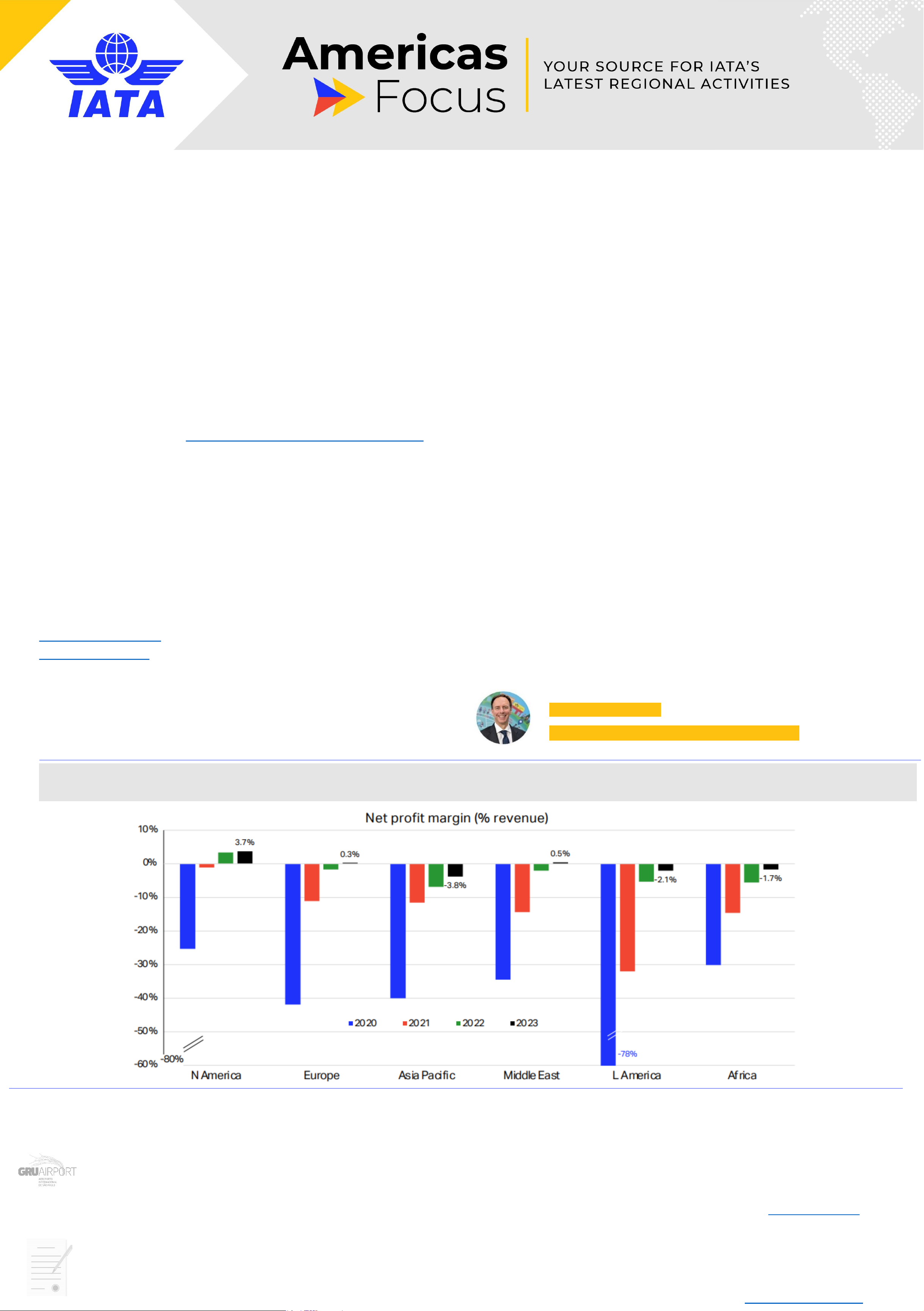


![BIG DATA и анализ высокого уровня = BIG DATA and Advanced Analytics : сб. науч. ст. XI Международ. науч.-практ. конф. (Республика Беларусь, Минск, 23–24 апреля 2025 года) / редкол.: В. А. Богуш [и др.]](https://s3.us-east-1.amazonaws.com/outstation.idea/pdf-mt/2042052390694539264/pdf/1c5e3a2f-8182-49c5-9847-99c726700274/imgs/page1.png)