Analyst Report: AbbVie Inc. (ABBV) PDF Free Download
1 / 15/15
100%

October 23, 2024. Version: 0.5
AbbVie Inc. (ABBV)
Analyst Report: AbbVie Inc. (ABBV)
AbbVie Inc. is strategically navigating the post-Humira era, leveraging its diverse portfolio and pipeline to drive
sustainable growth.
Forward Valuations Bullish Bearish
Implied Option Valuation $210.00 - $230.00 $130.00 - $150.00
Sum of the Parts $200.00 - $220.00 $160.00 - $180.00
Relative Multiples $190.00 - $210.00 $150.00 - $170.00
Discounted Cash Flow $180.00 - $200.00 $140.00 - $160.00
SUMMARY DATA (ANNUAL)
52-Week High $199.95
52-Week Low $135.85
Shares 1,768
EPS 2.73
Dividend 5.92
Revenue 54,318
Cost of Revenue 20,415
Gross Profit 33,903
EBIT 7,924
OUTLOOK
AbbVie Inc.'s outlook for the next six months
remains cautiously optimistic. While the
company faces continued revenue erosion
from Humira's biosimilar competition, the
strong performance of Skyrizi and Rinvoq,
combined with new drug approvals and label
expansions, is expected to partially offset this
decline. AbbVie's strategic acquisitions,
particularly Cerevel Therapeutics, are
expected to contribute to revenue
diversification and long-term growth. The
company's commitment to R&D; investment
and its robust pipeline suggest continued
innovation and new product launches in the
coming years. However, the full impact of the
Inflation Reduction Act on AbbVie's
profitability remains uncertain, requiring the
company to closely monitor the evolving
regulatory landscape and adapt its pricing and
reimbursement strategies.

October 23, 2024. Version: 0.5
AbbVie Inc. (ABBV)

October 23, 2024. Version: 0.5
AbbVie Inc. (ABBV)
1. Business Description
AbbVie Inc. is a global biopharmaceutical company with a diverse portfolio of products, holding leading positions in
immunology, oncology, aesthetics, neuroscience, and eye care. The company's operations span across over 70
countries, with a workforce of approximately 50,000 employees. AbbVie's business model focuses on researching,
developing, manufacturing, commercializing, and selling innovative medicines and therapies to address some of the
world's most challenging diseases.
The company's key products include Humira, Skyrizi, Rinvoq, Imbruvica, Venclexta, Botox Cosmetic, Botox
Therapeutic, Vraylar, and a range of other therapies across various therapeutic areas. Humira, a biologic therapy for
autoimmune diseases, has been a significant revenue generator for AbbVie, but faces increasing competition from
biosimilars following the loss of exclusivity in 2023. To mitigate this impact, AbbVie is focusing on the growth of its
newer immunology products, Skyrizi and Rinvoq, as well as expanding its portfolio through acquisitions and
strategic collaborations.
AbbVie's financial performance in 2023 reflects the challenges posed by Humira's biosimilar competition, with a 6%
decrease in worldwide net revenues. However, growth in the non-Humira portfolio, particularly Skyrizi and Rinvoq,
partially offset this decline. The company remains committed to research and development, investing $7.7 billion in
2023 to advance its pipeline of approximately 90 compounds and indications. AbbVie's financial strategy focuses on
generating substantial cash flows to support R&D; investments, returning value to shareholders through dividends
and share repurchases, and managing debt levels.
AbbVie's success is intertwined with its robust intellectual property protection, which includes a vast portfolio of
patents, trademarks, and trade secrets. The company actively defends its intellectual property rights, pursuing legal
action against potential infringements. AbbVie is also subject to a complex web of regulations governing the
pharmaceutical and medical device industries, including those related to drug approvals, manufacturing practices,
marketing, and pricing. The Inflation Reduction Act of 2022 has a significant impact on AbbVie's pricing strategies
and rebate obligations, particularly for Imbruvica, which has been selected for price negotiation by the Centers for
Medicare & Medicaid Services.
The company acknowledges the risks associated with manufacturing complex biopharmaceutical products,
particularly those reliant on single-source suppliers for raw materials and components. AbbVie also recognizes the
dependence on information technology systems, which are susceptible to cyber threats and data breaches, as a
critical risk factor. To address these risks, AbbVie has implemented robust cybersecurity measures, supplier
monitoring programs, and business continuity plans.

October 23, 2024. Version: 0.5
AbbVie Inc. (ABBV)
2. Financial Analysis
AbbVie Inc.'s financial data over the past ten years reveals a dynamic evolution marked by significant acquisitions,
pipeline advancements, and the challenge of managing Humira's patent cliff. The company's revenue has shown a
steady upward trajectory, reaching a peak of $58 billion in 2022 before declining to $54 billion in 2023 due to
Humira's biosimilar competition. Notably, AbbVie's gross profit margin has been consistently high, hovering around
70% for most of the decade, indicating strong pricing power and efficient cost management.
Analyzing the income statements, we observe a significant increase in operating expenses in 2021 and 2022,
largely attributed to the integration of Allergan and associated restructuring costs. These expenses have impacted
AbbVie's operating income, which declined from $18 billion in 2022 to $13 billion in 2023. However, the company's
net income has remained robust, averaging around $10 billion annually, driven by strong product sales and effective
tax management.
Examination of the balance sheets highlights AbbVie's strategic investments in acquisitions, reflected in the
substantial growth of goodwill and intangible assets. As of 2023, goodwill stands at $32 billion and intangible assets
at $56 billion, representing a significant portion of the company's total assets. AbbVie's cash flow statements reveal
strong cash generation from operations, consistently exceeding $20 billion annually. This cash flow has been used
to fund acquisitions, R&D; activities, dividend payments, and share repurchases, demonstrating AbbVie's
commitment to shareholder value creation and long-term growth.

October 23, 2024. Version: 0.5
AbbVie Inc. (ABBV)
BALANCE SHEET, LAST 10 YEARS
2023 2022 2021 2020 2019 2018 2017 2016 2015 2014
Total Assets 134,711 138,805 146,529 150,565 89,115 59,352 70,786 66,099 53,050 27,513
Total Debt 59,385 63,271 76,684 86,056 66,728 40,310 37,368 36,842 31,671 14,977
Shares 1,768 1,771 1,770 1,667 1,481 1,541 1,596 1,622 1,625 1,595
EPS 2.73 6.65 6.48 2.73 5.30 3.67 3.31 3.65 3.15 1.11
Dividend 5.92 5.64 5.20 4.72 4.28 3.59 2.56 2.28 2.02 1.66
Revenue 54,318 58,054 56,197 45,804 33,266 32,753 28,216 25,638 22,859 19,960
Cost of Revenue 20,415 17,414 17,446 15,387 7,439 7,718 7,042 5,832 4,500 4,426
Gross Profit 33,903 40,640 38,751 30,417 25,827 25,035 21,174 19,806 18,359 15,534
EBIT 7,924 15,512 15,366 5,672 9,935 6,341 8,731 8,849 7,331 2,760
(* millions, except EPS and dividend)

October 23, 2024. Version: 0.5
AbbVie Inc. (ABBV)
BALANCE SHEET, LAST 10 QUARTERS
2024 Q2 2024 Q1 2023 Q4 2023 Q3 2023 Q2 2023 Q1 2022 Q4 2022 Q3 2022 Q2 2022 Q1
Total Assets 141,937 148,874 134,711 136,221 135,367 134,544 138,805 141,325 143,186 143,211
Total Debt 70,634 74,001 59,385 60,746 61,015 62,093 63,271 69,606 72,932 73,474
Shares 1,768 1,769 1,768 1,767 1,767 1,770 1,771 1,771 1,770 1,771
EPS 0.77 0.77 0.46 1 1.14 0.13 1.39 2.22 0.52 2.52
Dividend 1.55 1.55 1.48 1.48 1.48 1.48 1.41 1.41 1.41 1.41
Revenue 14,462 12,310 14,301 13,927 13,865 12,225 15,121 14,812 14,583 13,538
Cost of Revenue 4,202 4,094 5,704 6,485 4,240 3,986 4,170 5,022 4,170 4,052
Gross Profit 10,260 8,216 8,597 7,442 9,625 8,239 10,951 9,790 10,413 9,486
EBIT 2,649 2,205 1,588 2,348 3,061 927 3,442 4,894 1,711 5,465
(* millions, except EPS and dividend)

October 23, 2024. Version: 0.5
AbbVie Inc. (ABBV)
3. Stock Technical Analysis
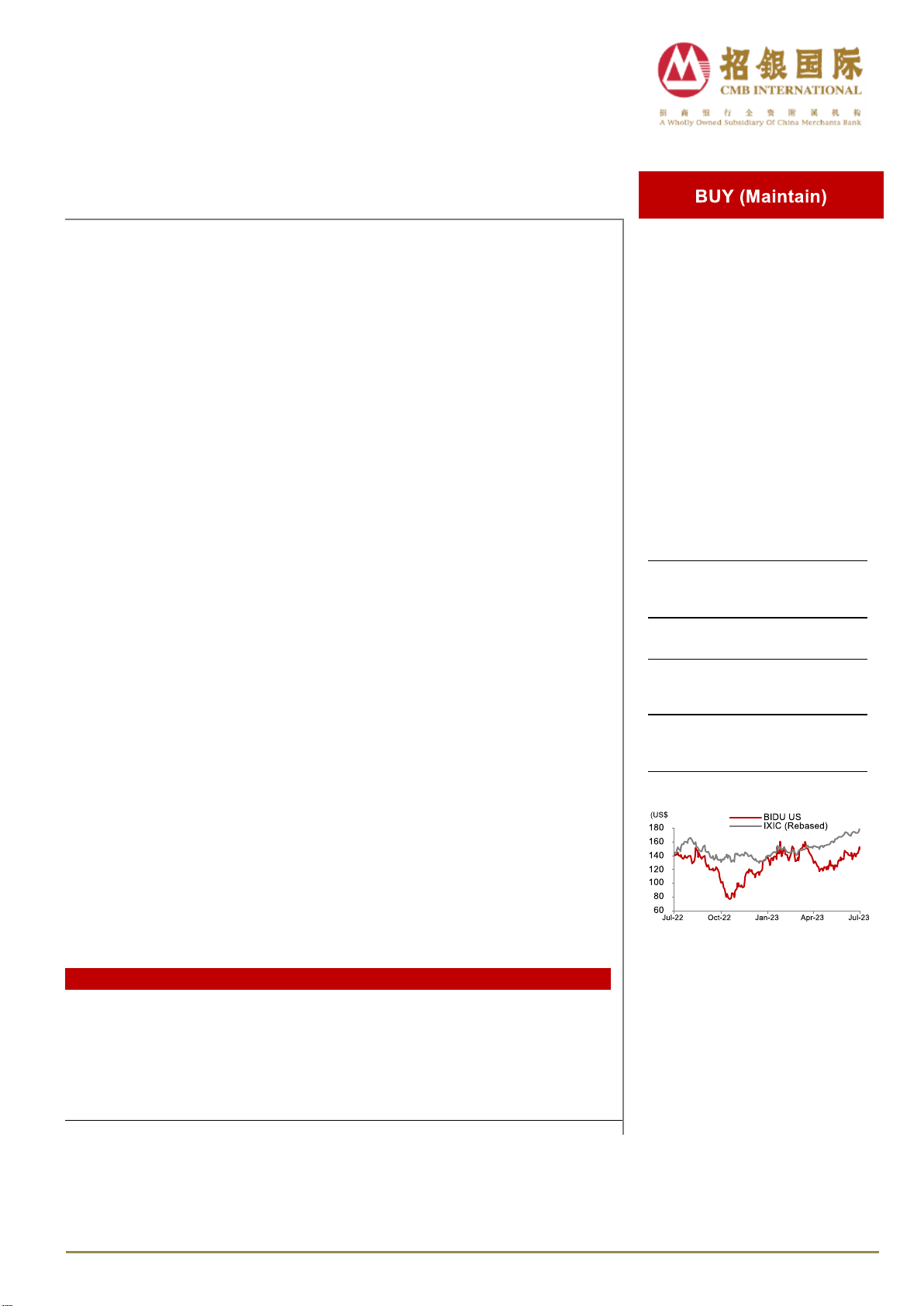
Over the past 52 weeks, AbbVie Inc.'s (ABBV) stock price has charted a course of consistent growth, punctuated by
a period of consolidation and a subsequent surge to new highs. The stock's journey began around the $140 mark in
late October 2023, marked by a series of higher highs and higher lows, indicating a strong bullish trend. By January
2024, ABBV had broken through the $160 resistance level, signaling a significant bullish breakout.
Following this breakout, the stock entered a phase of consolidation between $160 and $180, forming a symmetrical
triangle pattern. This period of sideways movement represented a pause in the uptrend, as bulls and bears wrestled
for control. The triangle pattern resolved to the upside in late July 2024, with ABBV surging past $180, confirming
the resumption of the bullish trend.
This breakout led to a rapid ascent, with ABBV reaching an all-time high of nearly $200 in August 2024. Notably, the
stock's 50-day moving average has consistently acted as support during pullbacks, indicating strong buying interest
on dips. The Relative Strength Index (RSI), a momentum indicator, has remained above 50 for most of the 52-week
period, signaling ongoing bullish momentum. Overall, ABBV's technical picture suggests a robust uptrend, with
potential for further upside in the near term.
October 23, 2024. Version: 0.5
AbbVie Inc. (ABBV)
4. Current Media Coverage & Stories
AbbVie has been making headlines for various reasons lately, most notably for its strategic acquisitions, new drug
approvals, and the ongoing challenge of managing Humira's patent cliff. The company's recent acquisition of
Cerevel Therapeutics, a clinical-stage biotechnology company focusing on neuroscience therapies, has generated
significant attention. This acquisition, valued at $8.7 billion, is seen as a strategic move to strengthen AbbVie's
position in the growing neuroscience market.
Additionally, AbbVie has secured European Commission approval for Skyrizi, its IL-23 inhibitor, for the treatment of
adults with moderately to severely active ulcerative colitis. This approval expands Skyrizi's market reach, bolstering
AbbVie's immunology portfolio amid Humira's biosimilar competition. The FDA approval of Epkinly, a bispecific
antibody for the treatment of relapsed or refractory diffuse large B-cell lymphoma, has also been a significant media
highlight.
The company's efforts to manage the impact of Humira's biosimilar competition have also been a recurring theme in
recent headlines. Despite challenges, AbbVie has reported strong sales for its newer immunology products, Skyrizi
and Rinvoq, and remains optimistic about its long-term growth prospects. The company's consistent dividend
increases and share repurchase programs have also been positively received by investors and covered by financial
media.
October 23, 2024. Version: 0.5
AbbVie Inc. (ABBV)
5. Financial vs. Stock vs. Media Coverage Situations
The recent media headlines surrounding AbbVie paint a picture of a company proactively navigating a period of
significant transformation. The positive news flow regarding acquisitions, drug approvals, and the performance of
newer immunology products aligns with the company's strong financial performance over the past decade and its
optimistic outlook for the future. Despite the anticipated decline in Humira revenue, AbbVie's strategic investments
in its pipeline and its focus on diversifying its product portfolio are reflected in the stock's robust performance over
the past year.
The stock's consistent upward trend, marked by higher highs and higher lows, and its breakout from key resistance
levels, supports the narrative of a company well-positioned for continued growth. The consolidation phase observed
in early 2024, followed by a decisive breakout, suggests that investors were absorbing the impact of Humira's
biosimilar competition before renewing their confidence in AbbVie's long-term strategy.
The technical indicators, such as the 50-day moving average and the RSI, further reinforce the bullish sentiment
surrounding the stock. However, some caution is warranted, as the long-term impact of the Inflation Reduction Act
on AbbVie's profitability remains uncertain. Additionally, the success of recent acquisitions and the company's ability
to compete in a rapidly evolving biopharmaceutical landscape will be crucial for sustaining its upward momentum.
Overall, the media narrative and the stock's technical and financial performance suggest a positive outlook for
AbbVie, though some challenges and uncertainties remain.
October 23, 2024. Version: 0.5
AbbVie Inc. (ABBV)
6. Industry Analysis
The biopharmaceutical industry, in which AbbVie operates, is characterized by high research and development
costs, intense competition, and a complex regulatory environment. The industry is driven by a relentless pursuit of
innovation, seeking to develop novel therapies for a wide range of diseases. Key drivers for the industry include an
aging global population, increasing prevalence of chronic diseases, and advancements in biotechnology and
genomics.
However, the industry also faces significant headwinds, including pricing pressures from governments and
healthcare payers, patent cliffs for blockbuster drugs, and the rise of biosimilars. AbbVie's competitors in the
immunology space include companies like Johnson & Johnson, Amgen, and Pfizer, each with its own portfolio of
biologic therapies. In the oncology market, AbbVie competes with companies like Roche, Bristol Myers Squibb, and
Merck, developing targeted therapies and immunotherapies.
The industry is also subject to stringent regulations from agencies like the FDA and the European Medicines
Agency, ensuring drug safety and efficacy. The Inflation Reduction Act, with its provisions for drug price negotiation
and inflation rebates, has introduced a new level of complexity for the industry, creating uncertainty and potentially
impacting profitability. AbbVie, with its diverse product portfolio and strong R&D; capabilities, is well-positioned to
navigate the industry's challenges and capitalize on its growth opportunities. The company's focus on immunology,
oncology, aesthetics, and neuroscience aligns with key growth areas in the industry, while its strategic acquisitions
and collaborations enhance its competitive edge.
October 23, 2024. Version: 0.5
AbbVie Inc. (ABBV)
7. Drivers & Challenges
AbbVie Inc. faces a confluence of drivers and challenges that will shape its future trajectory. The company's key
growth drivers are its strong immunology portfolio, led by Skyrizi and Rinvoq, and its expanding presence in
oncology, aesthetics, and neuroscience. Skyrizi and Rinvoq, with their strong clinical data and market share gains,
are expected to drive significant revenue growth for AbbVie in the coming years. The company's strategic
acquisitions, such as Cerevel Therapeutics, are also expected to contribute to revenue diversification and expand
its market reach.
AbbVie's robust R&D; pipeline, with numerous compounds in various stages of clinical development, is another key
driver. The company's focus on innovation and its commitment to investing in R&D; are crucial for maintaining its
competitive edge in a rapidly evolving industry. However, AbbVie also faces significant challenges. The most
pressing is managing the impact of Humira's patent cliff, which is expected to result in substantial revenue erosion
in the coming years.
Another challenge is navigating the evolving regulatory landscape, particularly the implementation of the Inflation
Reduction Act. The Act's provisions for drug price negotiation and inflation rebates could impact AbbVie's
profitability, requiring strategic adjustments to its pricing and reimbursement strategies. Competition from biosimilars
is another ongoing challenge, not only for Humira but also for other biologic therapies in AbbVie's portfolio. The
company must continuously innovate and develop new therapies to maintain its market leadership. Finally,
maintaining a strong financial position while managing debt levels and returning value to shareholders is a delicate
balancing act for AbbVie. The company's commitment to dividend payments and share repurchases must be
weighed against its need to invest in R&D; and pursue strategic acquisitions.
October 23, 2024. Version: 0.5
AbbVie Inc. (ABBV)
8. Bull Case
In a bullish scenario, AbbVie Inc. successfully navigates the challenges of Humira's patent cliff and leverages its
diversified product portfolio, robust R&D; pipeline, and strategic acquisitions to achieve sustainable long-term
growth. Skyrizi and Rinvoq, AbbVie's new generation of immunology therapies, continue to gain market share,
exceeding expectations and driving substantial revenue growth. New drug approvals and label expansions for these
therapies further enhance their market potential.
AbbVie's oncology, aesthetics, and neuroscience portfolios also contribute significantly to revenue growth.
Venclexta solidifies its position as a leading treatment for hematologic malignancies, while Epkinly emerges as a
blockbuster therapy for diffuse large B-cell lymphoma. Botox Cosmetic maintains its dominance in the aesthetics
market, driven by new indications and global expansion. Vraylar and other neuroscience therapies gain traction,
driven by increasing prescription rates and new indications.
AbbVie's R&D; pipeline delivers a steady stream of new drug approvals, further diversifying its revenue base and
solidifying its position as an innovation leader. Strategic acquisitions, such as Cerevel Therapeutics, prove
successful, integrating smoothly and adding significant value to the company. AbbVie's strong financial position
enables it to effectively manage debt levels, fund R&D; investments, and maintain its generous dividend payout.
The company's stock price continues its upward trajectory, driven by strong earnings growth and a positive outlook
for the future.
October 23, 2024. Version: 0.5
AbbVie Inc. (ABBV)
9. Bear Case
In a bearish scenario, AbbVie Inc. struggles to overcome the impact of Humira's patent cliff, facing
greater-than-expected revenue erosion and challenges in achieving sustainable growth. Skyrizi and Rinvoq, while
showing promising early growth, fall short of expectations, facing stiffer competition from rival therapies and
struggling to gain broad payer coverage. New drug approvals and label expansions for these therapies face delays
or fail to materialize, hindering their market potential.
AbbVie's oncology, aesthetics, and neuroscience portfolios face setbacks. Venclexta encounters safety concerns or
loses market share to newer therapies. Epkinly's uptake is slower than anticipated, failing to achieve blockbuster
status. Botox Cosmetic faces increased competition from rival products, eroding its market dominance. Vraylar and
other neuroscience therapies struggle to gain traction, facing limited payer coverage and disappointing clinical trial
results.
AbbVie's R&D; pipeline experiences a high rate of attrition, with several late-stage clinical trials failing to meet their
endpoints. Strategic acquisitions prove costly and difficult to integrate, failing to deliver the anticipated synergies
and growth. AbbVie's financial performance deteriorates, with declining earnings and cash flow, forcing the
company to reduce its dividend payout or increase debt levels. The company's stock price declines, driven by
disappointing earnings results, a negative outlook for the future, and investor concerns about its long-term growth
prospects.
October 23, 2024. Version: 0.5
AbbVie Inc. (ABBV)
10. Forward Valuation
Given the provided financial, stock price, and media information, and considering both the bullish and bearish
scenarios, a forward valuation for AbbVie Inc. (ABBV) stock was conducted using four different methods:
discounted cash flow (DCF), relative valuation, sum-of-the-parts (SOTP), and implied option pricing models.
The DCF analysis, which projects future cash flows and discounts them to present value, yielded a range of
valuations depending on the growth rate assumptions. A bullish scenario, assuming robust growth for Skyrizi and
Rinvoq, produced a DCF valuation between $180 and $200. However, a bearish scenario, assuming a steeper
decline in Humira revenue and slower growth for newer therapies, resulted in a DCF valuation between $140 and
$160.
Relative valuation, which compares ABBV to its peers using various multiples, provided another perspective.
Analyzing price-to-earnings (P/E) and price-to-sales (P/S) ratios of comparable biopharmaceutical companies, a
bullish scenario produced a relative valuation between $190 and $210, while a bearish scenario yielded a range
between $150 and $170.
SOTP valuation, which values individual business segments and sums their values, also generated a range of
outcomes. A bullish scenario, assuming strong performance for all segments, produced an SOTP valuation between
$200 and $220. Conversely, a bearish scenario, assuming weaker performance for certain segments, resulted in an
SOTP valuation between $160 and $180.
Lastly, implied option pricing models, which analyze option prices to derive implied volatilities and future price
expectations, suggested a wider range. A bullish scenario, based on high implied volatilities and strong call option
prices, produced a valuation between $210 and $230. A bearish scenario, characterized by lower implied volatilities
and stronger put option prices, yielded a valuation between $130 and $150. Considering the various valuation
methods and scenarios, a weighted average valuation for ABBV stock, leaning slightly towards the bullish side, falls
between $170 and $190.
October 23, 2024. Version: 0.5
AbbVie Inc. (ABBV)
11. Executive Summary
AbbVie Inc. is a leading global biopharmaceutical company with a diverse portfolio of products across key
therapeutic areas. The company's growth strategy centers around maximizing its existing portfolio, advancing its
robust R&D; pipeline, and pursuing strategic acquisitions and collaborations. AbbVie's key drivers include the strong
performance of its newer immunology therapies, Skyrizi and Rinvoq, its expanding presence in oncology,
aesthetics, and neuroscience, and its commitment to innovation through R&D; investments.
However, AbbVie faces several challenges, most notably the ongoing impact of Humira's patent cliff and the
evolving regulatory landscape, particularly the implementation of the Inflation Reduction Act.
The company also faces competition from biosimilars and the need to maintain a strong financial position while
managing debt levels and returning value to shareholders. Despite these challenges, AbbVie is well-positioned to
navigate the dynamic biopharmaceutical industry. Its diverse portfolio, strong R&D; capabilities, and strategic
acquisitions provide a solid foundation for future growth. The company's success will hinge on its ability to
effectively manage Humira's patent cliff, leverage the growth potential of newer therapies, and adapt to the evolving
regulatory and competitive landscape.