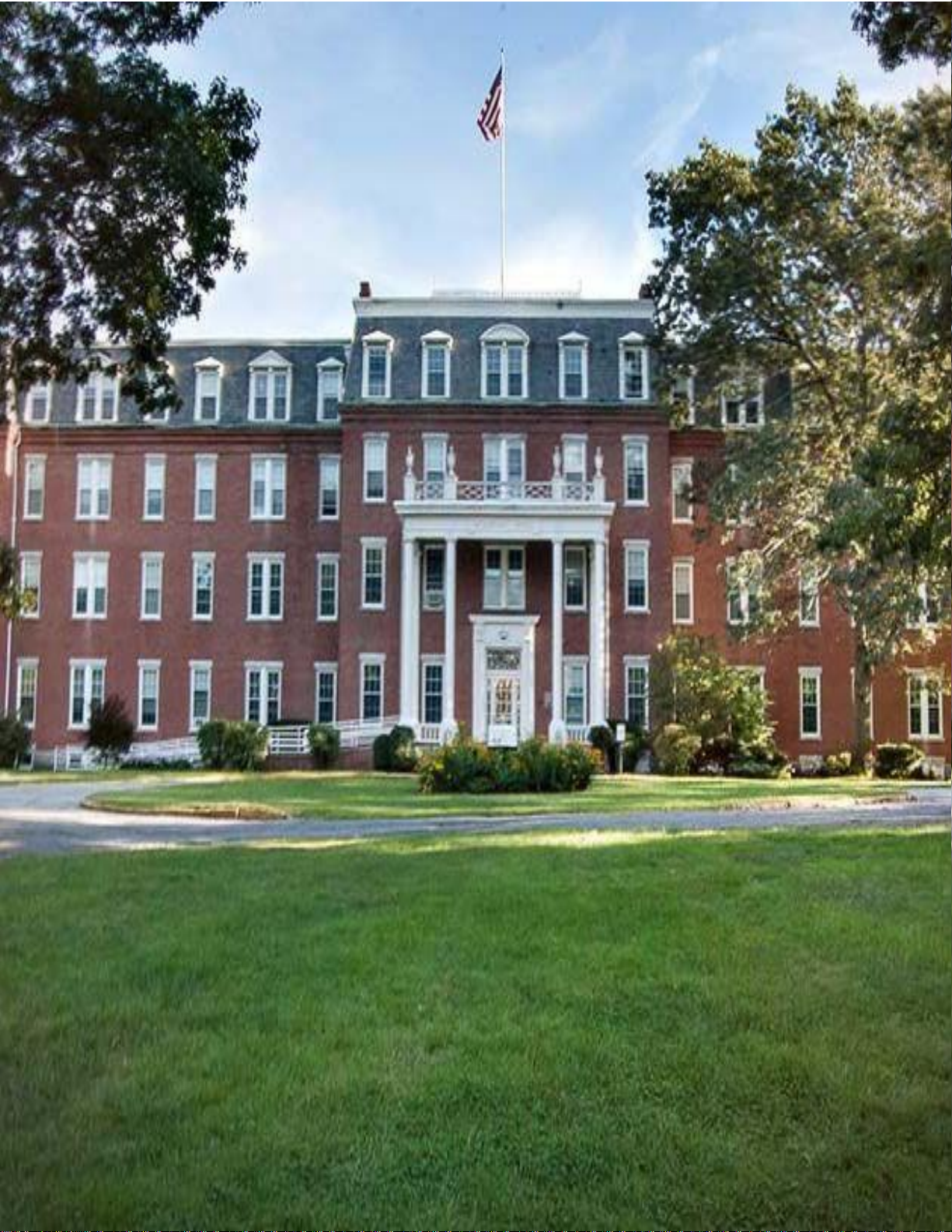
Archdiocese of Boston Parish Services Parish, School and Cemetery Budget Guide FISCAL YEAR 2026 PDF Free Download
1 / 47/47
100%

1 | P a g e
PARISH, SCHOOL AND CEMETERY
BUDGET GUIDE
FISCAL YEAR 2026
ISSUED: February 2026
Archdiocese of Boston
P a r i s h S e r v i c e s

2 | P a g e
TABLE OF CONTENTS
FY 2026 PARISH, SCHOOL AND CEMETERY BUDGET GUIDELINES SECTION
Budgeting Revenue and Expenses 1
Lay Compensation and Benefit Costs 2
Clergy Remuneration and Benefit Costs 3
Women Religious Stipend and Benefit Costs 4
Information Technology Costs 5
Insurance Costs 6
Capital Acquisitions & Improvements 7

3 | P a g e
Parish, School and Cemetery Budget Preparation Guide
SECTION 1
Budgeting Revenue and Expenses
Archdiocese of Boston
P a r i s h S e r v i c e s

4 | P a g e
Adaptive Budgeting
ADAPTIVE BUDGET PLANNING
Adaptive Planning is a cloud-based tool for parishes and schools for budget development and reporting. It is
recommended that all parishes, schools, and cemeteries use Adaptive to build their annual budgets. To receive
training for and access to Adaptive, please contact your Parish Services Consultant.
You may log into Adaptive using the following link: https://login.adaptiveinsights.com
There is an Adaptive User Manual and Adaptive Training Videos to assist users with the Adaptive Budgeting
System available on the RCAB SharePoint Drive. Search “Adaptive” and you will find links to both.
Parish and Cemetery Budgets are due to the Archdiocese on May 31st each year with a copy of the final budget
emailed to Paul Dodd at paul_dodd@rcab.org.
School Budgets are due to the Archdiocese on April 1st each year with a copy emailed to Martha Hultzman
martha_hultzman@rcab.org

5 | P a g e
Parish, School and Cemetery Budget Preparation Guide
SECTION 2
Lay Compensation and Benefit Costs
Archdiocese of Boston
P a r i s h S e r v i c e s

Lay Compensation and Group Benefits
6 | P a g e
Lay Compensation and Group Benefits
Lay staff salaries should be based on planned performance review for budgetary purposes.
The parish will make the determination of whether an individual providing services to the parish should be
classified as an employee or as an independent contractor. This determination is based on specific criteria
guidelines. For information to assist in determining whether an individual is an employee or independent
contractor, please consult the following website from the Massachusetts Attorney General's Office at:
mass.gov/info-details/independent-contractors-0
Benefits Eligibility
catholicbenefits.org/at-a-glance
Employees are eligible to enroll in the RCAB Health, Dental, and Paid Catholic Family and Medical Leave
(“CFML”) Plans if they are scheduled to work at least 1,000 hours per year and 20 hours/week for employees
working 12 months per year or 24 hours/week for employees working 10 months per year. Eligibility for Health
and Dental coverage begins on the first calendar day of the month following the date of hire. If the date of hire or
date first eligible for benefits. If the date of hire/new eligibility is the first of the month, eligibility for these Plans
begins on that date. See the section below regarding CFML and 401(k) Plan eligibility and budget impact. See
the section below regarding CFML and 401(k) Plan eligibility and budget impact.
Employees must make enrollment elections within 30 days of the date of hire or change to benefit-eligible status.
If an enrollment decision is not made within 30 days of the date of hire/eligibility, Health, Dental, and CFML
“Full” benefit Plan coverage will be waived. The employee may only make changes to enrollment in these Plans at
the next Open Enrollment period, which occurs each year in May/June, prior to the start of the following Plan
Year on July 1.
For the Health and Dental Plans, eligible employees may enroll, disenroll, or change their enrollment, or the
enrollment status of eligible dependents, within 30 days of the occurrence of a Life Event even if there has been
no change in benefit eligibility and even if Open Enrollment is not in process. Enrollments will be effective the
first of the month following the life event date, except for in the event of a birth or adoption of a child, in which
case coverage is effective on the date of birth or adoption. Coverage terminations are effective the last day of the
month in which the Life Event occurs. Documentation of the Life Event is required prior to approval of an
enrollment change.
Employees are automatically enrolled in the Life Insurance, Long-Term Disability (“LTD”), and Transition
Assistance Program (“TAP”) benefits on the first day of the calendar month following completion of one year of
eligible service during which the employee worked at least 1,000 hours with one or more participating
employers. Prior benefit-eligible service of at least one year with a participating RCAB location is credited to
employee records.

Lay Compensation and Group Benefits
7 | P a g e
Multiple Location Employees
catholicbenefits.org/mle-letter
Employees who work for multiple employers participating in the RCAB benefit plans should have access to
benefits if they are working enough hours to qualify (i.e., at least 1,000 per year), regardless of whether these hours
derive from work at a single location or multiple locations. Thus, employees who work limited and/or sporadic
hours at a parish (i.e., “non-primary” employment) who are otherwise eligible for benefits due to working at least
1,000 hours per year will be considered eligible at all locations where they work and will be included in all benefit
plans applicable to “non-primary” employment.
Social Security and Medicare
The employer is liable for Social Security and Medicare taxes as follows:
• Social Security: 6.2 % on gross salary up to $176,100 for period Jan 1, 2025 to Dec. 31, 2025.
• Medicare: 1.45% on gross salary for the period Jan 1, 2025 to Dec. 31, 2025.
Health and Dental Insurance Costs
The recommended cost share split for Health and Dental premiums are as follows:
Enhanced Health Plan
Parish/School
Employee
Employee
75%
25%
Employee +1
60%
40%
Family
60%
40%
Basic Health Plan
Parish/School
Employee
Employee
85%
15%
Employee +1
65%
35%
Family
65%
35%
High Deductible Health Plan
Parish/School
Employee
Employee
95%
5%
Employee +1
75%
25%
Family
75%
25%
Dental Plan
Parish/School
Employee
Employee
0%
100%
Family
0%
100%

Lay Compensation and Group Benefits
8 | P a g e
The total annual cost, for budgetary purposes only, are provided below based on the above guidelines. Each
parish/school needs to evaluate the relevant percentage of the costs for Enhanced and Basic that can be covered
by the parish based on their individual budgetary constraints. This budget amount is based on the current
monthly rates as of July 1, 2025. The cost share for the High Deductible Health Plan is set for all parishes as
outlined on page 7.
Health Plan Cost Share/Budget Calculator (7/1/2025-6/30/2026)
The Benefits website provides a calculator to estimate costs for Health Plan enrollment. Search for “calculator”
on the following page:
catholicbenefits.org/administrators
There is no change to the Dental Plan rates. It is recommended that Dental coverage is paid in full by the
employee and should not be included for budgeting purposes.
Enrollment Type
Total Annual Cost
Per Employee
Enhanced Health Plan
Employee 11,952.24$
Employee+1 26,883.72$
Family 33,454.92$
Basic Health Plan
Employee 10,161.48$
Employee+1 22,855.80$
Family 28,442.88$
High Deductible Health
Plan with HSA
Employee 8,725.08$
Employee+1 19,624.92$
Family 24,422.16$
Dental Plan
Employee 568.44$
Family 1,301.64$

Lay Compensation and Group Benefits
9 | P a g e
Health Insurance for Temporary Employees
Pursuant to the Patient Protection and Affordable Care Act (PPACA), employees scheduled or reasonably
expected to be compensated for 30+ hours per week must be offered health insurance coverage no later than 90
days from date of hire. Therefore, when budgeting for employees who are considered “temporary,” including
substitute teachers or per diem employees, locations should include the cost of health insurance (and dental
insurance if paid for by the location) if these individuals will be compensated for 30+ hours per week for more
than 90 days.
Group Life Insurance, Long-Term Disability, Transition Assistance Program, and Paid Catholic Family
and Medical Leave Program
Group Life Insurance ($0.175 per $1,000 of annual salary) based on eligibility.
The life insurance benefit coverage is 2 times annual salary, rounded up to next $1,000, for employees up to age
65; 1.6 times annual salary for employees age 65-70; 1.2 times annual salary for employees age 70+. The salary
used for calculating premiums for Group Life is based on an employee’s prior year of earnings or estimated
annual earnings if the employee has not had a full year of earnings.
LTD ($0.265 per $100 of covered salary per month) based on eligibility.
The salary used for calculating premiums for LTD is the employee’s annual salary based on prior year’s earnings
or estimated annual earnings if the employee has not had a full year of earnings.
TAP (0.375% x annual salary) based on eligibility.
The RCAB is not eligible to participate in the Massachusetts unemployment insurance program. TAP was
instituted in the 1990’s as a self-funded unemployment program that provides eligible employees with
unemployment benefits comparable to state unemployment benefits. The salary used for calculating premiums for
TAP is based on an employee’s prior year of earnings or estimated annual earnings if the employee has not had a
full year of earnings.
CFML – Employer “Baseline” Contributions
Employer billing for CFML begins with the first pay date on or after an employee is newly hired or becomes
benefit-eligible. (Employees are not eligible to file a claim for CFML until they and/or their employer has/have
paid into CFML for at least one continuous 12-month period.) Employers are required to pay into CFML for their
benefit-eligible lay employees as listed below. Employees may elect to pay the same amounts into CFML to
receive larger benefits if/when a claim for CFML benefits is filed (i.e., CFML “Full” benefits). Employer CFML
contributions are calculated on a per paycheck basis, and employer contributions are sent to the Transition
Assistance and CFML Trust through an Agency Check in Paylocity. For budgeting purposes, employer
contributions are calculated as follows:
• Paid Medical Leave: 0.342% x “covered wages”
• Paid Family Leave: 0.228% x “covered wages”
“Covered wages” include overtime, bonuses, commissions, Christmas/Easter honoraria, stipends, etc., as long as
they are paid to employees via payroll as W-2 taxable wages.

Lay Compensation and Group Benefits
10 | P a g e
401(k) Retirement Savings Plan
All benefit-eligible lay employees of RCAB are automatically enrolled in the 401(k) Plan with a 4% pre-tax payroll
deduction during the first pay period following 45 days after hire date, rehire date, or change in the payroll system
to benefit-eligible status. Employees may opt out of this automatic enrollment or may decide to defer more or
less than 4% of pay.
All benefit-eligible lay employees who meet the eligibility criteria below are entitled to a 401(k) Plan employer
matching contribution from the parish equal to a maximum of 4.0% of eligible wages:
• The employee has worked at least 12 months at his current employer (or a prior employer that
participates in the 401(k) Plan); and
• Has worked 1,000 hours during those 12 months of employment.
Priests marked as benefit-eligible in Paylocity are immediately eligible for employer matching contributions as
outlined below for all deferrals made from all parishes or other RCAB locations paid through Paylocity.
The employer contribution formula is a dollar-for-dollar matching contribution on the first 3.0% contributed,
plus 50 cents on the dollar matching contribution on the next 2.0% contributed. Thus, a lay employee must
contribute at least 5.0% of his own compensation to receive the full 4.0% employer contribution. Lay employees
contributing a percentage of pay less than 5% will be automatically escalated by 1% per year to a maximum of
5%. Employees may opt out of this automatic escalation or may decide to escalate by a different percentage.
All lay employees and priests who are paid as W-2 employees but marked as Not Benefit Eligible in Paylocity
are eligible to contribute their own funds to the 401(k) Plan through payroll deductions. Lay employees and
priests in this category are not eligible for an employer matching contribution until they meet the eligibility
criteria listed above, nor are they eligible for other RCAB benefits until they meet the criteria for benefit
eligibility (see page 6, Benefit Eligibility).
All lay employees and priests paid as W-2 employees, whether contributing to the 401(k) Plan or not, should
also be budgeted for a fee of 0.15% of eligible wages to offset Plan expenses. This charge begins with the first
payroll of employment and is pulled automatically by RCAB Finance through Paylocity.
All wages are considered 401(k)-eligible. Imputed income and non-taxable reimbursements are not considered
eligible wages. Because all benefit-eligible lay employees are being encouraged to contribute this minimum
amount, for budget purposes, an amount of 4.15% of eligible wages should be used for the 401(k) Plan.
Budgeting for Pension Plan
For budget purposes, the parish will need to include an amount for the prior frozen Defined Benefit Pension
Plan. For parishes/schools that have annuitized their liability, a monthly amount will be charged to help offset
the unfunded liability for parishes, schools and other RCAB locations that have closed without any assets
remaining to satisfy Pension Plan obligations.

Lay Compensation and Group Benefits
11 | P a g e
These amounts will be reviewed annually and communicated by April 1st. For parishes/schools that have not
annuitized, amounts individually calculated to satisfy the obligations within approximately seven (7) years
(approximately 2032) will be recalculated every year and communicated by April 1st.
Payroll Fees – Paylocity
Standard fees:
• Payroll processing fees - $7.75 per employee per month. The fee is based on active employees as of the
15th of each month.
• Time & Labor - $1.75 PEPM (per employee per month.)
• W-2 fees - $4.00 per W-2. This is billed to each location on the February invoice.
• Delivery fees - $20.00 per delivery
• Paylocity will debit each location’s bank account on the 20th of each month for all fees incurred.
As Incurred:
• W-2C – $5.00 per corrected W-2
• Amended tax returns - $200.00 each amended return.

12 | P a g e
Parish, School, and Cemetery Budget Preparation Guide
SECTION 3
DRAFT
Clergy Remuneration and Benefit Costs
Archdiocese of Boston
P a r i s h S e r v i c e s

13 | P a g e
ARCHDIOCESE OF BOSTON
REMUNERATION AND BENEFITS POLICY FOR
BOSTON AND OTHER DIOCESAN PRIESTS
DRAFT
Introduction
The remuneration and benefits below are standard for any priest of the Archdiocese of Boston and any
priest from another (Arch) diocese who is assigned by the Archbishop of Boston to an assignment within the
Archdiocese. Any variation above or below these figures must be approved on an annual basis by the
Episcopal Vicar for Clergy. For priests who are serving in two or more part-time assignments, combined
remuneration and benefits are not to exceed what is allowed for in this policy. This does not include
remuneration for additional ministry beyond one's official assignment[s] such as a parish priest teaching a
course, a priest in special ministry assisting in a parish on weekends, or a priest invited to give an
address/talk/workshop within or outside the Archdiocese, provided that the additional ministry does not
have a negative impact on a priest's assigned ministry.
Please note the following Archdiocesan policies:
1.
In accordance with the traditional custom, offerings to the parish may be accepted on the occasions of
baptisms, marriages, and funerals. These offerings go to the parish rather than the priest. —
Archdiocesan
Policy Handbook p. 6315, #1
2.
All gifts and offerings of the faithful at Masses and on other occasions belong to the parish, except:
a.
Special collections ordered and authorized by the Archbishop which are to be returned to the
Pastoral Center or other agency in accord with his instructions,
b.
The $10 stipend for a Mass which belongs to the celebrant. As stated in the IRS
Audit Guidelines for
Ministers,
stipends paid to the celebrant for masses should be reported as income and thus processed
through payroll,
(see #3 below)
c.
Personal gifts, individually given, which belong to the recipient when the intention of the donor is
clearly stated. —
Statutes of the Archdiocese of Boston, Book V — 8.
3.
As stated in the decree of the bishops of the Province, in accordance with canon 952, “the offering to be given
for the celebration and application of both an announced Mass and an unannounced Mass is Ten Dollars
($10.00).” This includes a Funeral Mass or Nuptial Mass. Canon 951 permits a priest to accept only one Mass
stipend per day, except on Christmas and All Souls Day up to a maximum of three. When pastoral necessity
requires a priest to celebrate more than one Mass per day to which an intention is joined, the priest is to donate
those stipends to the purpose prescribed by the Ordinary which in the Archdiocese of Boston, is for the
Formation of Candidates for the Priesthood –
Canon 951-1.
4.
Modest and reasonable Christmas and/or Easter bonuses may be accepted from the parish as an
expression of gratitude to priests (including the pastor himself). In total these bonuses should not exceed a
maximum of 5% of a priest’s annual stipend payment. While giving pastors flexibility in this area, the value of
such bonuses should be reflective of those given to other members of the staff. Payment of all bonuses should be
in made in the context of the parishes’ ability to do so. Funds for any bonuses may not be taken from the

14 | P a g e
Christmas, Easter, or September Clergy collections, which belong to the Clergy Trust (aka Clergy Funds or Clergy
Health & Retirement Trust) but may be drawn from parish/institution funds.
All bonuses should be paid through payroll, documented in parish/institution records, and reported in gross
income, as stated clearly in the IRS
Audit Guidelines for Ministers.
5.
The ownership, operation and maintenance of an automobile are the sole responsibility of the individual priest and
not of the parish/institution/agency to which he is assigned.
6.
Parishes are on a common pay period for all priests assigned to a parish. Remuneration for priests is paid in arrears.
If a priest is paid monthly the parish where the priest was assigned as of the last day of the month is responsible to
pay the priest for that month. Both the current parish and the former parish where the priest was assigned should
review to ensure the appropriate amount is paid by the respective parishes during the transition.
If a priest is paid bi-weekly, the parish where the priest is assigned at the end of the pay period is responsible to pay
the priest for that pay period. The previous parish and the new parish shall communicate with each other on the
payroll transition to ensure the payroll is accurate. A priest remuneration payment can be paid on a bi-weekly or
monthly basis.
A priest remuneration payment can be paid on a bi-weekly or a monthly basis.
The above policies are those followed for all audits of parishes, institutions, and agencies. They will also be made
available any time the Archdiocese is asked by the IRS and/or Commonwealth to provide information due to the
tax audit of any individual priest.
TAXABLE INCOME
Remuneration
1.
Base Stipend:
The base stipend for an Archdiocesan priest for fiscal year 2026 is $34,520 effective July 1, 2025. This is a 2.56%
increase based on the COLA (cost of living adjustment) methodology. For details related to the COLA please
see the Appendix.
2.
Professional Allotment:
Each priest is responsible for his professional ministry expenses such as routine mileage,
parking, tolls, and public
transportation related to ministry; study weeks, workshop days and continuing education programs; publications,
books, professional dues, clerical clothing and vestments for personal use; and days of recollection and spiritual
enrichment programs except the Archdiocesan Convocation and the annual retreat [see below]. These ministry
expenses are covered by the $6,710 professional allotment portion of the Archdiocesan priest's remuneration.
3.
Seniority Increment:
All priests ordained 0-10 years receive a ten-year fixed seniority increment of $1,000; beginning at year eleven,
the increment builds $100 each year, capping at the fiftieth year.
4.
Newly Ordained Priests:
Priest that are ordained during this fiscal year will be paid using the Remuneration Schedule in effect for the first year
of ordination listed on the schedule.
5
. Senior Priests In Assignment:
When a senior priest of the Archdiocese of Boston is officially assigned by the Archbishop, the receiving parish or
agency is to pay the priest for the difference of what he would be making as an active priest (based on his year of
ordination) less his senior priest stipend ($1,581.41/month). The parish or agency is not responsible for the senior
priest’s medical insurance.

15 | P a g e
6.
Guidance on Offerings to Visiting Priests:
Pastors may give an offering to a visiting priest for assisting at a parish to which he is not assigned to celebrate a
mass. The suggested offering is $100 and would be considered taxable income. This would include the $10 for an
intention mass and if applicable transportation costs.
Pastors may give an offering to a visiting priest for assisting at a parish to which he is not assigned to hear
confessions. The suggested offering is a range of $50-$100 and would be considered taxable income.
Please Note:
All priests are to enroll in Social Security. Not participating in Social Security may prevent a priest from accumulating
40 quarters which is needed to qualify for Medicare A & B at age 65 and to collect Social Security.
Enrolled priests pay the total 15.3 percent Social Security tax on their income. The remuneration includes a
supplement to assist with Social Security cost, and it is included as part of the base stipend since it is taxable for both
Federal Income and Social Security taxes. There is a separate "Archdiocesan Priest Remuneration Payment
Schedule" for priests "not participating in the Social Security Program." Remuneration for incardinated priests that
do not participate in Social Security is reduced by 25 percent.
To obtain a copy of this payment schedule for priests not
participating in the Social Security Program contact the Episcopal Vicar for Clergy.
Each priest is to notify the parish or institution to which he is assigned as to whether he is part of the Social
Security program. In turn, pastors/administrators/supervisors are to notify the Executive Director of the Clergy
Trust in writing of all priests not participating in the Social Security Program. Each parish/institution will send
Clergy Trust the 25% difference to assist with the greatly increased cost of benefits for priests not eligible for
Medicare.
Automobile Insurance
The parish or institution to which a priest is assigned will pay the first $900 annually to assist with the auto insurance
for the priest. The priest is responsible to pay the remaining balance. The priest must submit a copy of his auto
insurance bill to secure reimbursement. Priests not assigned to a parish or Archdiocesan institution are not eligible
for auto insurance assistance.
A priest who is assigned to a parish or Archdiocesan institution in one of the following areas designated by the
Commonwealth of Massachusetts as a high insurance area - Boston, Brockton, Chelsea, Everett, Lawrence, Lowell, Lynn,
Revere and Somerville - and pays over $1,600 annually, may request an additional amount of compensation for the
cost of his insurance from the parish or institution to which he is assigned, according to the following scale:
This compensation for auto insurance is taxable income for Federal, State and Social Security taxes and must appear
on the W-2 form at the end of the year.
Annual Insurance Premium
Portion of Premium Paid by
Parish or Institution
From $0 to $1,600 $900 paid by parish /institution
From $1,601 to $1,700 $1,000 paid by parish /instituion
From $1,701 to $1,800 $1,100 paid by parish /instituion
From $1,801 to $1,900 $1,200 paid by parish /instituion
From $1,901 to $2,000 $1,300 paid by parish /instituion
From $2,001 to $2,100 $1,400 paid by parish /instituion
From $2,100 to $2,200 $1,500 paid by parish /instituion
From $2,201 and over $1,600 paid by parish /instituion

16 | P a g e
Priests are encouraged to participate in the automobile insurance program offered through the Archdiocese of Boston.
If you would like information on this program contact Joseph McEnness, Executive Director of the Office of Risk
Management at (617) 746-5740 or email Joseph_McEnness@rcab.org.
Room and Board
The parish or institution to which the priest is assigned provides room and board. The fair market value for room
and board remains at $600 per month. This amount is $7,200 annually and is taxable to the individual priest for
Social Security purposes only.
Meals Policy
With many rectories no longer employing a cook, a priest is entitled to reimbursement for his meals, of a reasonable
cost that are eaten offsite, with a properly completed expense report accompanied by receipts. A “stipend” for his
periodic meals unsupported by specific receipts, is not permitted. The pastor/administrator of a parish should
develop a meal policy for the rectory which should be given to the priests living in the rectory in writing.
Moving Expenses at the Time of Transfer
The receiving parish is responsible for assisting with the moving expenses up to a maximum of $800.
This
reimbursement for moving expenses is taxable income for Federal, State and Social Security taxes and must appear on the
W-2 form at the end of the year. Assistance with moving expenses is considered taxable income by the IRS.
For a priest
moving to a seminary, the seminary pays for his moving expenses. For a priest going on Lend Lease, the receiving
institution pays for his moving expenses. Retiring priests pay for their own moving costs unless the parish assists
as a token of gratitude.
NON-TAXABLE INCOME/BENEFITS
Retreat
The parish or institution to which a priest is assigned will pay up to $1,250 annually for a priest's retreat. These
amounts include the fee paid directly by the parish/institution to the institution sponsoring the retreat and
reimbursement for travel expenses up to the annual limit. Priests not assigned to a parish or Archdiocesan
institution are not eligible for this retreat benefit. A priest is entitled to up to 8 days for a retreat annually. The
retreat days do not carry over from one year to the next if not used. Each diocesan priest is to make a spiritual
retreat every year. Priests should inform their Regional Bishop or Episcopal Vicar of their annual retreat.
Priest Convocation(s)
The parish or institution
to which a priest is assigned is to pay the cost for the Archdiocesan priest convocation(s).
These amounts include the registration fee paid directly by the Archdiocese and reimbursement for mileage
expenses.
Continuing Education
It is the expectation of the Church that all priests participate in ongoing formation. This includes regular meetings
with a spiritual director, an annual retreat and continuing education. This expectation is outlined in the documents
Pastores Dabo Vobis
and the
Basic Plan for the Ongoing Formation of Priests
by the United States Bishops. Part of the
$6,710 professional allotment is to help priests cover the cost of continuing education. The priest is entitled to 5
days away from his assignment each year to participate in ongoing education.
Those in the first 5 years of their priesthood are expected to participate in the Cardinal’s program of Ongoing
Formation. The cost for this is covered by the parish where the priest is assigned.

17 | P a g e
Resources for Parish Ministry
It is expected that all priests assigned to parishes
will be given the necessary tools for ministry. This includes a
cell phone and monthly service fees, office, computer, and a credit card for ministry related purchases. These are
to be provided by and paid for by the parish to provide the tools necessary for the priests to carry out his
pastoral ministry. Each priest is responsible for maintaining these items in good working order and ensuring their
security and safe keeping.
When a priest is reassigned, these items are to be returned to the parish or collaborative as they remain the property
of the parish that purchased them. Equipment that is intended for personal use should be purchased directly by a
priest.
Days Off
Priests may take up to two days off per week. The priest may start his time off after his morning responsibilities are
completed.
Vacation Time
A priest is entitled to one month of paid vacation time each year. Each priest in consultation with their pastor or
supervisor is to ensure coverage during this absence. The parish or institution to which a priest is assigned is
responsible to pay the priest while on vacation. Vacation time is an annual allotment that does not carry over if
unused, nor can it be paid out if unused
—
Statutes of the Archdiocese of Boston, Book II — 51, Canon 533.2.
If a priest expects to be away from his assignment for more than 28 consecutive days, the priest must seek permission
from his Regional Bishop/Episcopal Vicar prior to his absence.
Clergy Benefits
The parish or institution to which a priest is assigned pays the Clergy Trust benefits assessment which includes
medical, prescription, dental, wellness and various other benefits. The annual assessment for fiscal year 2026 will
increase to $23,112, which reflects the same overall fiscal year 2026 Remuneration Policy increase of 2.56%.
An incardinated priest who is assigned, with the permission of the Archbishop, to a non-archdiocesan institution will
either receive benefits from his employer, or the employer or the priest himself will pay the Clergy Trust benefits
assessment.
Parish priests are eligible for Medicare at age 65 and should enroll in Medicare Part A & B. For a priest working in a
parish or who recently transferred to a parish with less than 20 employees, Medicare A & B then becomes the Primary
insurance for medical expenses and Harvard Pilgrim Health Plan becomes the Secondary coverage for all other
approved medical expenses.
The parish or institution to which an active priest at age 65 qualifies for Medicare, based on the number of employees,
pays the Clergy Trust benefits assessment minus the monthly cost of Medicare part B for the priest. The parish or
institution reimburses the priest for the Medicare Part B payment.
Non-incardinated diocesan priests assigned by the Archbishop of Boston to an archdiocesan assignment may be
insured through the priest's home diocese with the parish or archdiocesan institution to which he is assigned
reimbursing the home diocese for the actual cost (the annual approved amount as stated above), or, if such coverage is
not available, may, if approved, be insured through the lay-employee health plan of the Archdiocese of Boston, with
the parish or archdiocesan institution paying the premium. Religious priests are provided for in the section of policy
pertaining to them.

18 | P a g e
The parish or Archdiocesan institution is responsible for paying the entire amount of both monthly premiums for
non-incardinated diocesan priests assigned by the Archbishop of Boston to an Archdiocesan assignment that are on
the lay employee health and dental plan of the Archdiocese of Boston. The parish or Archdiocesan institution is
responsible to reimburse the priest for the first $750 in deductibles and/or coinsurance costs under the Blue Cross
Plan. The priest is responsible for deductibles and/or coinsurance costs above the $750 under the Blue Cross Plan.
Retirement Funding
An incardinated priest who is assigned, with the permission of the Archbishop, to a non-archdiocesan
institution will make an annual contribution of $7,200 to the Clergy Trust, either through his employer or by
himself directly, unless he is enrolled in a retirement or pension plan through that institution and, as a result, will
not be eligible for senior priest benefits from the Clergy Trust. Examples of such retirement or pension plans are
priests who qualify for retirement benefits because of service as chaplain for: active-duty military, VA Hospitals,
state prisons, general hospitals or universities.
Incardinated priests assigned to locations within the Archdiocese are eligible to participate in the RCAB 401(k)
Plan. Each eligible priest who makes contributions (either through Roth or pre-tax deferrals) will receive a
matching employer contribution in an amount equal to 100% of the first 3% of compensation contributed, plus
50% of the next 2% of compensation contributed. To receive the full 4.0% employer contribution, the eligible
priest must contribute at least 5.0% of his own eligible compensation to the 401(k) Plan effective January. All
wages (priest stipend, Mass stipends, bonuses, etc.) are considered 401(k)-eligible. Imputed income and non-
taxable reimbursements are not considered eligible wages. Because all eligible priests are being encouraged to
contribute this minimum amount,
for budget purposes, an amount of 4.15% of payroll wages should be used for the 401(k)-
retirement plan.
The employer contribution amounts will be reviewed annually. See appendices for examples of
contribution levels for the 401(k) plan. Information regarding priest participation is available on the Catholic
Benefits website at: catholicbenefits.org/401k and then navigate to the Priests tab on the left menu.
Personal Property Insurance
A priest of the Archdiocesan of Boston serving in an assignment within the Archdiocese is provided $20,000 of
personal effects insurance through the Archdiocese (at no cost to the priest). All individual personal items valued at
$1,500 or more should be inventoried and sent to the RCAB Risk Management Department. Please contact the RCAB
Risk Management Department for further details.
ADDITIONAL PERSONNEL REQUIREMENTS
Form I-9 Requirements
All persons providing services in exchange for wages or other compensation at any RCAB location (Parish, Shrine,
Worship site, School, Hospital, Apostolate, Seminary or Pastoral Center) must comply with federal law using the
Form I-9 process to verify both identity and employment eligibility. There is no exception for priests. If the Form I-
9 process shows that the person is not in fact authorized to work, then the person may not work or provide services
in exchange for compensation or hospitality. All persons in the United States enjoy freedom of worship, and a priest
who lacks employment authorization is still free to say Mass as an act of worship. He is not, however free to provide
religious services in exchange for compensation. Thus, a nonwork-eligible priest should not receive any stipend or
have any appearance of employment such as an office or set schedule of duties.
Priests who are receiving compensation for religious services provided must have a Form I-9 completed on or
before the first date of employment, just as is done for any other employee. The I-9 process is done by the parish
/location of ministry and not by Clergy Personnel.
The following resources are recommended for completing the Form I-9 form:
The handbook for employers: https://www.uscis.gov/i-9-central/handbook-employers-m-274
The most current Form I-9 and instructions: https://www.uscis.gov/i-9

19 | P a g e
R-1 Religious Workers & Sponsorship Requirements
For priests that are not U.S. Citizens nor are Permanent Residents, a common form of temporary work status will be
that of an R-1 Visa. Pastors and other RCAB agency/location heads that are seeking to employ a priest or deacon
who might require temporary work status, should make a formal request to the Archdiocese’s Secretariat for
Ministerial Personnel. The Secretariat is responsible for authorizing all cases involving the sponsorship of priests and
deacons. Costs associated with obtaining such a visa/status are normally borne by the entity requesting it.
Please note that R-1 status only allows the cleric to receive compensation from the entity that sponsored them – no
one else. The name of the sponsoring agency can be found on the R-1 approval documentation. Parishes or
agency/locations that are looking to compensate a priest or deacon who already has R-1 status, should ensure this
compliance in advance. Any questions about this can be brought to the Human Resources Department at the Pastoral
Center.
Priests without a work-authorized status permitting them to work specifically for your organization (e.g., under
appropriate circumstances R-1, CPT, OPT), as evidenced by a properly completed I-9, still have freedom of worship
and may be permitted to celebrate Mass occasionally. They may not receive any form of compensation. They may not
have an office or a set schedule of duties.
Reference Guide on Classifications of Priests
This guide is meant as a resource when determining how priests are paid, their benefits, and forms required based on
the applicable priest category. See Appendices.
REVIEW
This remuneration policy will be in force for fiscal year 2025 and reviewed annually thereafter unless rescinded or
amended by the Archbishop.

20 | P a g e
ARCHDIOCESE OF BOSTON
REMUNERATION AND BENEFITS FOR RELIGIOUS ORDER PRIESTS
ASSIGNED BY THE ARCHBISHOP TO AN ARCHDIOCESAN ASSIGNMENT
DRAFT
Introduction
The remuneration and benefits below are standard for any priest of a religious congregation who is assigned by the
Archbishop of Boston to an Archdiocesan assignment. Any variation above or below these figures must be
approved on an annual basis by the Episcopal Vicar for Clergy. For priests who are serving in two or more part-time
assignments, combined remuneration and benefits is not to exceed what is allowed for in this policy. This does not
include remuneration for additional ministry beyond one's official assignment[s] such as a parish priest teaching a
course, a priest in special ministry assisting in a parish on weekends, or a priest invited to give an
address/talk/workshop within or outside the Archdiocese, provided that the additional ministry does not have a
negative impact on a priest's assigned ministry.
Please note the following Archdiocesan policies:
1.
In accordance with the traditional custom, offerings to the parish may be accepted on the occasion of
baptisms, marriages, and funerals. These offerings go to the parish rather than the priest. —
Archdiocesan
Policy Handbook p. 6315, #1
2.
All gifts and offerings of the faithful at Masses and on other occasions belong to the parish, except:
a.
Special collections ordered and authorized by the Archbishop, which are to be returned to the
Pastoral Center or other agency in accord with his instructions.
b.
The $10 stipend for a Mass which belong to the celebrant;
(see #3 below)
c.
Personal gifts, individually given, which belong to the recipient when the intention of the donor is
clearly stated. —
Statutes of the Archdiocese of Boston, Book V — 8.
3.
As stated in the decree of the bishops of the Province, in accordance with canon 952, “the offering to be given
for the celebration and application of both an announced Mass and an unannounced Mass is Ten Dollars
($10.00).” This includes a Funeral Mass or Nuptial Mass. Canon 951 permits a priest to accept only one Mass
stipend per day, except on Christmas and All Souls Day. When pastoral necessity requires a priest to celebrate
more than one intention Mass per day to which an intention is joined, the priest is to donate those stipends to
the purpose prescribed by the Ordinary which in the Archdiocese of Boston, is for the Formation of Candidates
for the Priesthood –
Canon 951-1.
4.
Modest and reasonable Christmas and/or Easter bonuses may be accepted from the parish as an
expression of gratitude to priests (including the pastor himself). In total these bonuses should not exceed a
maximum of 5% of a priest’s annual stipend payment. While giving pastors flexibility in this area, the value of
such bonuses should be reflective of those given to other members of the staff. Payment of all bonuses should be
in made in the context of the parishes’ ability to do so. Funds for any bonuses may not be taken from the
Christmas or Easter collections, which belong to the Clergy Trust (aka Clergy Funds or Clergy Health & Retirement
Trust) but may be drawn from parish/institution funds.
5.
The ownership, operation and maintenance of an automobile are the sole responsibility of the individual priest
or religious congregation and not of the parish/institution/agency to which he is assigned.
6.
All parishes are on a common pay period for priests assigned to the parish.
While the Priest Remuneration Policy
expresses remuneration as a monthly amount, priest stipends may also be paid on a bi-weekly basis.
If a priest is
paid monthly the parish where the priest was assigned as of the last day of the month is responsible to pay the priest for

21 | P a g e
the month. If a priest is paid bi-weekly, the parish where the priest is assigned at the end of the pay period will is
responsible to pay the priest for that pay period. Remuneration for each priest is paid in arrears.
The above policies are those followed for all audits of parishes, institutions and agencies. They will also be made
available any time the Archdiocese is asked by the IRS and/or Commonwealth to provide information due to the tax
audit of any religious congregation or individual priest.
Remuneration
1.
Base Stipend:
The base stipend for a Religious Order priest for fiscal year 2026 is $31,750 effective July 1, 2025. This is a 2.56%
increase based on the COLA (cost of living adjustment) methodology. For details related to the COLA please
see the Appendix.
2.
Professional Allotment:
Each priest is responsible for his professional ministry expenses such as routine mileage, parking, tolls, and
public transportation related to ministry; study weeks, workshop days and continuing education programs;
publications, books, professional dues, clerical clothing and vestments for personal use; and days of recollection
and spiritual enrichment programs except the Archdiocesan Convocation and the annual retreat [see below].
These ministry expenses are covered by the $5,370 professional allotment portion of the religious order priest's
remuneration.
3.
Seniority Increment:
All priests ordained 0-10 years receive a ten-year fixed seniority increment of $1,000; beginning at year eleven,
the increment builds $100 each year, capping at the fiftieth year.
4.
Stipend Payments:
Stipends for Religious Order priests from another country with a Provincial in the United States are paid directly
to their Religious Order, not to the individual priest – see the Guide on Classifications of Priests at the end of
this policy.
However, when the Religious Order priest from another country does not have a Provincial in the United States
the stipend payments will be made directly to the priest at the rate of an Incardinated priest – see Archdiocesan
Priest Remuneration Payment Schedule. Pease note, the priest will be required to file Federal and State taxes at
the end of a calendar year.
5.
Guidance on Offerings to Visiting Priests:
Pastors may give an offering to a visiting priest for assisting at a parish to which he is not assigned to celebrate a
mass. Typically, such a stipend falls in the range of $75 to $125 and would be considered taxable income. This
would include the $10 for an intention mass and if applicable transportation costs.
Pastors may give an offering to a visiting priest for assisting at a parish to which he is not assigned to hear
confessions. The suggested offering is a range of $50-$100 and would be considered taxable income.
Automobile Insurance
The parish or institution to which a priest is assigned will pay the first $900 annually to assist with the auto insurance
for the priest, and the priest pays the remaining balance. The priest must submit a copy of his auto insurance bill to
secure reimbursement. Priests not assigned to a parish or Archdiocesan institution are not eligible for auto insurance
assistance.

22 | P a g e
A priest who is assigned to a parish or Archdiocesan institution in one of the following areas designated by the
Commonwealth of Massachusetts as a high insurance area - Boston, Brockton, Chelsea, Everett, Lawrence, Lowell, Lynn,
Revere and Somerville - and pays $1,600 or more annually, may request an additional amount of compensation for
the cost of his insurance from the parish or institution to which he is assigned, according to the following scale:
This compensation for auto insurance is taxable income for Federal, State and Social Security taxes and must appear
on the W-2 form at the end of the year.
Priests are encouraged to participate in the automobile insurance program offered through the Archdiocese of Boston. If
you would like information on this program contact Joseph McEnness, Executive Director of the Office of Risk
Management at (617) 746-5740 or email Joseph_Mcenness@rcab.org.
Room and Board
The fair market value for room and board remains at $600 per month. This amount is $7,200 annually. The parish
or institution to which the priest is assigned provides room and board.
Meals Policy
With many rectories no longer employing a cook, a priest is entitled to reimbursement for his meals, of a reasonable
cost that are eaten offsite, with a properly completed expense report accompanied by receipts. A “stipend” for his
periodic meals unsupported by specific receipts, is not permitted. The pastor/administrator of a parish should
develop a meal policy for the rectory which should be given to the priests living in the rectory in writing.
Retreat
The parish or institution to which a priest is assigned will pay up to $1,250 annually for a priest's retreat. These
amounts include the fee paid directly by the parish/institution to the institution sponsoring the retreat and
reimbursement for travel expenses up to the annual limit. Priests not assigned to a parish or archdiocesan institution
are not eligible for this retreat benefit. A priest is entitled to up to 8 days for a retreat annually. The retreat days do
not carryover from one year to the next if not used.
—
Statutes of the Archdiocese of Boston, Book II - 17, Canon 276.
Priests should inform their Regional Bishop or Episcopal Vicar of their annual retreat.
Priest Convocation(s)
The parish or institution
to which a priest is assigned is to pay the cost for the Archdiocesan priest convocation(s).
These amounts include the registration fee paid directly by the Archdiocese and reimbursement for mileage
expenses.

23 | P a g e
Continuing Education
It is the expectation of the Church that all priests participate in ongoing formation. This includes regular meetings
with a spiritual director, annual retreat and continuing education. This expectation is outlined in the documents;
Pastores Dabo Vobis
and the
Basic Plan for the Ongoing Formation of Priests
by the United States Bishops. Part of the
$5,240 professional allotment is to help priests cover the cost of continuing education.
Those in their first 5 years of their priesthood are expected to participate in the Cardinal’s program of Ongoing
Formation. The cost for this is covered by the parish where the priest is assigned. The priest is entitled to 5 days
away from his assignment each year to participate in ongoing education.
Resources for Parish Ministry
It is expected that all priests assigned to parishes
will be given the necessary tools for ministry. This includes a cell
phone and monthly service fees, office, computer and a credit card for ministry related purchases. These are to
be provided by and paid for by the parish to provide the tools necessary for the priests to carry out his pastoral
ministry. Each priest is responsible for maintaining these items in good working order and ensuring their security
and safe keeping.
When a priest is reassigned these items are to be returned to the parish or collaborative as they remain the property
of the parish that purchased them. Equipment that is intended for personal use should be purchased directly by a
priest.
Days Off
Priests may take up to two days off per week. The priest may start his time off after his morning responsibilities
are completed.
Vacation Time
A priest is entitled to one month of paid vacation time each year. Each priest in consultation with their pastor or
supervisor is to ensure coverage during this absence. The parish or institution to which a priest is assigned is
responsible to pay the priest while on vacation. Vacation time is an annual allotment that does not carry over if
unused, nor can it be paid out if unused.
—
Statutes of the Archdiocese of Boston, Book II — 51, Canon 533.2.
If a priest expects to be away for more than 28 consecutive days, the priest shall seek permission from his Regional
Bishop/Episcopal Vicar prior to the vacation.
Medical and Dental Insurance
The parish or institution to which a priest is assigned pays the benefits assessment premium. A religious order priest
may be insured through his religious community with the parish or archdiocesan institution he is assigned to
reimbursing the community for the actual cost of the medical insurance up to $23,112 annually. If such coverage is
not available, a religious order priest may, if approved, be insured through the lay employee medical and dental plan
of the Archdiocese of Boston, with the parish or archdiocesan institution paying the monthly premium.
The parish or Archdiocesan institution is responsible to reimburse the religious order priest for the first $750 in
deductibles and/or coinsurance costs under the Blue Cross Plan. The religious order priest is responsible for
deductibles and/or coinsurance costs above the $750 under the Blue Cross Plan.
Retirement Benefits
Funding for retirement benefits is generally provided to religious communities through the Christmas and Easter
collections of the parishes in the Archdiocese entrusted to the religious community. When a priest is assigned to a
parish or archdiocesan institution other than one entrusted to his religious community, his community shall be entitled
to receive $300 annually from the parish or the archdiocesan institution to which the priest is assigned.

24 | P a g e
Priests not incardinated in the Archdiocese of Boston do not qualify for retirement benefits provided by the
Archdiocese of Boston.
ADDITIONAL PERSONNEL REQUIREMENTS
Form I-9 Requirements
All persons providing services in exchange for wages or other compensation at any RCAB location (Parish, Shrine,
Worship site, School, Hospital, Apostolate, Seminary or Pastoral Center) must comply with federal law using the
Form I-9 process to verify both identity and employment eligibility. There is no exception for priests. If the Form I-
9 process shows that the person is not in fact authorized to work, then the person may not work or provide services
in exchange for compensation or hospitality. All persons in the United States enjoy freedom of worship, and a
priest who lacks employment authorization is still free to say Mass as an act of worship. He is not, however free to
provide religious services in exchange for compensation. Thus, a nonwork-eligible priest should not receive any
stipend or have any appearance of employment such as an office or set schedule of duties.
Priests who are receiving compensation for religious services provided must have a Form I-9 completed on or
before the first date of employment, just as is done for any other employee. The I-9 process is done by the parish
/location of ministry and not by Clergy Personnel.
The following resources are recommended for completing the Form I-9 form:
The handbook for employers: https://www.uscis.gov/i-9-central/handbook-employers-m-274
The most current Form I-9 and instructions: https://www.uscis.gov/i-9
R-1 Religious Workers & Sponsorship Requirements
For priests that are not U.S. Citizens nor are Permanent Residents, a common form of temporary work status will
be that of an R-1 Visa.
Pastors and other RCAB agency/location heads that are seeking to employ a priest or deacon who might require
temporary work status, should make a formal request to the Archdiocese’s Secretariat for Ministerial
Personnel. The Secretariat is responsible for authorizing all cases involving the sponsorship of priests and deacons.
Costs associated with obtaining such a visa/status are normally borne by the entity requesting it.
Please note that R-1 status only allows the cleric to receive compensation from the entity that sponsored them – no
one else. The name of the sponsoring agency can be found on the R-1 approval documentation. Parishes or
agency/locations that are looking to compensate a priest or deacon who already has R-1 status, should ensure this
compliance in advance. Any questions about this can be brought to the Human Resources Department at the
Pastoral Center.
Priests without a work-authorized status permitting them to work specifically for your organization (e.g., under
appropriate circumstances R-1, CPT, OPT), as evidenced by a properly completed I-9, still have freedom of
worship and may be permitted to celebrate Mass occasionally. They may not receive any form of compensation.
They may not have an office or a set schedule of duties.
Reference Guide on Classifications of Priests
This guide is meant as a resource when determining how priests are paid, their benefits, and forms required based
on the applicable priest category. See Appendices.
25 | P a g e
REVIEW
This policy will be in force for fiscal year 2026 and reviewed annually thereafter unless rescinded or amended by
the Archbishop.

26 | P a g e
APPENDICES

27 | P a g e

28 | P a g e

29 | P a g e

30 | P a g e

31 | P a g e

32 | P a g e
Parish, School and Cemetery Budget Preparation Guide
SECTION 4
Women Religious and Religious Brothers
Stipend and Benefit Costs
Archdiocese of Boston
P a r i s h S e r v i c e s

33 | P a g e
Archdiocese of Boston
Stipend and Benefits for Women Religious
Fiscal Year 2026
Stipend
The remuneration and benefits below are standard for any sister or brother working in the Pastoral Center, parishes,
or other Archdiocesan institution. The stipend consists of an annual amount that is disbursed in twelve monthly
payments. The stipend for a sister’s services is determined annually and reflects changes in the economy as much as
possible. Any stipend changes take effect on July 1st each year. The stipend increases for the fiscal year 2026 is
2.56%.
For sisters working in a Catholic School, in their last year of service they would receive the full twelve payments.
The Ordinary, on the recommendation of the Sisters’ Stipend and Benefits Committee, authorizes all stipend and
benefit amounts. This committee is appointed by the Ordinary on the recommendation of the Delegate for
Consecrated Life. The parish or institution cannot make a decision different from this policy without discussing it
with the sister and her major superior. Following this discussion, any changes to the stipend policy by a parish or
institution should be reviewed with the Delegate for Consecrated Life.
If a sister’s position and performance justify a higher stipend, the parish or institution, in consultation with the
Delegate for Consecrated Life, is free to compensate the sister beyond the stipend suggested in this policy.
Medical
The parish or institution employing a sister for full or part-time service shall pay monthly the medical benefit as
stated in this policy. The parish or institution will reimburse the sister for co-pays and out-of-pocket medical
expenses. The combined medical benefit will not exceed the annual amount of $21,250. If the parish or institution
intends to pay a different amount other than what the policy states (e.g., if the sister is enrolled in the Archdiocesan
Lay Health Plan), it should be discussed with the Delegate for Consecrated Life.
The medical benefit is intended to reflect the actual costs for women under the age of sixty-five up to a maximum
of $21,790 in FY 2026. The costs for sisters both under and over the age of sixty-five varies among congregations.
Retirement
The amount suggested in this policy is to be paid toward the retirement of any sister serving the parish or institution
on a full-time basis. Sisters serving part-time receive a retirement amount pro-rated according to service time.
Housing
The parish or institution is responsible for providing a housing allowance for each sister who shares in its apostolate.
The amount of this allowance is determined on an annual basis and is included in the amount of the base stipend.
A rent increase or change in the terms and conditions of a sister’s living arrangements on property owned by the
parish or the archdiocese should be discussed with the major superior of the religious community.

34 | P a g e
The Delegate for Consecrated Life is available to initiate conversation with the religious community.
Sisters who live in a parish convent pay rent to the parish. The rent beginning July 1, 2025, for fiscal year 2026 will
be $370 monthly.
Transportation
The parish or institution is responsible for providing transportation required for the sister’s ministry. Financial
arrangements for the use of a car should be made with the major superior of the religious community and the
pastor/ administrator of the parish, school or Archdiocesan-related institution.
When the parish or institution provides an automobile, the religious community reimburses the parish or institution
the cost of personal or congregational business use of the automobile. When a sister uses other means of
transportation, i.e., train, bus, Uber, for her ministry, the parish or institution will reimburse the congregation the
actual amount she paid for transportation to and from her place of work.
Professional Expenses
The parish or institution is responsible for agreed upon professional expenses involved in the sister’s exercise of
ministry. Such expenses are determined in dialogue between the pastor/administrator and the sister.
Vacation Time
A minimum of four (4) weeks of vacation (20 business days).
Retreat/Study Time
One week for retreat (5 business days) for sisters working in parishes and diocesan offices. In addition, the sisters
have the option of an annual study week (5 business days). Participation in a day or an evening of professional
development will be addressed on an individual basis.
Sick Time
When a sister becomes ill for an extended period of time, i.e., ten business days or more within a calendar year,
and the parish or institution is notified that her absence will be prolonged, the parish or institution continues to
pay her stipend and benefits for a period of ten weeks. This benefit takes effect on the 11th business day of her
illness.
Resolution of Differences
Policy: The pastor/administrator has the right to make personnel changes in the parish, school, or other pastoral
institution. In light of justice and charity, the sister involved should be the first one informed of any impending
changes in her position for purposes of discussion before any action is taken. Further discussion might need to
take place with the sister and her major superior.
Procedure: If a Pastor/Administrator believes that a sister should have a change in her position, he should meet
with the sister prior to taking any action or, if need be, with her major superior. The purpose of the meeting is to
discuss with the sister the reason for the proposed change in her assignment. The Pastor/ Administrator should
identify and review circumstances contributing to or leading up to this change. This would include situations
deemed in the best interest of the church, and in some cases the best interest of the sister herself.
The intent of this discussion is to strive for mutual understanding and fair resolution. The pastor/administrator
is required to document any such conversation(s). A copy of the documentation should be sent to the Delegate
for Consecrated Life.

35 | P a g e
Appeal Process: If the sister does not agree with the change, she may appeal to the Delegate for Consecrated Life
who will review the procedural process with the appropriate authorities.
For Parishes, Agencies and Institutions
For further information please contact:
Sister Germana Santos
Delegate for Consecrated Life
Phone: (617) 746-5637
Email: sistergermana_santos@rcab.org

36 | P a g e
Archdiocese of Boston
Stipend and Benefits for Religious Brothers
Fiscal Year 2026
Stipend
The remuneration and benefits below are standard for any sister or brother working in the Pastoral Center, parishes,
or other Archdiocesan institution. The stipend consists of an annual amount that is disbursed in twelve monthly
payments. The stipend for a brother’s services is determined annually and reflects changes in the economy as much
as possible. Any stipend changes take effect on July 1st each year. The stipend increase for the fiscal year 2026 is
2.56%.
If a brother is teaching in a parochial school, in the last year of service, he receives the full twelve payments.
The Ordinary, on the recommendation of the Stipend and Benefits Committee, authorizes all stipend and benefit
amounts. This committee is appointed by the Ordinary on the recommendation of the Delegate for Consecrated
Life. The parish or institution cannot make a decision different from this policy without discussing it with the
brother and his major superior. Following this discussion, any changes to the stipend policy by a parish or institution
should be reviewed with the Delegate for Consecrated Life.
If a brother’s position and performance justify a higher stipend, the parish or institution, in consultation with the
Delegate for Consecrated Life, is free to compensate the brother beyond the stipend suggested in this policy.
Medical
The parish or institution employing a brother for full or part-time service shall pay monthly the medical benefit as
stated in this policy. The parish or institution will reimburse the brother for co-pays and out-of-pocket medical
expenses. The combined medical benefit will not exceed the annual amount of $21,250. If the parish or institution
intends to pay a different amount other than what the policy states (e.g., if the brother is enrolled in the Archdiocesan
Lay Health Plan), it should be discussed with the Delegate for Consecrated Life.
The medical benefit is intended to reflect the actual costs for men under the age of sixty-five up to a maximum of
$21,790 in FY 2026. The costs for brothers both under and over the age of sixty-five varies among congregations.
Retirement
An amount agreed upon annually will be paid toward the retirement of any brother serving the parish or institution
on a full- time basis. Brothers serving part-time receive a retirement amount pro-rated according to service time.
Housing
The parish or institution is responsible for providing a housing allowance for each brother who shares in its
apostolate. The amount of this allowance is determined on an annual basis and is included in the amount of the
base stipend.
A rent increase or change in the terms and conditions of a brother’s living arrangements on property owned by the
parish or the archdiocese should be discussed with the major superior of the religious community. The Delegate for
Consecrated Life is available to initiate conversation with the religious community.

37 | P a g e
Brothers who live in a parish convent pay rent to the parish. The rent beginning July 1, 2025, for fiscal year 2026
will be $370 monthly.
Transportation
The parish or institution is responsible for providing transportation required for the brother’s ministry.
Financial arrangements for the use of a car should be made with the major superior of the religious community
and the pastor/ administrator of the parish, school or Archdiocesan-related institution.
When the parish or institution provides an automobile, the religious community reimburses the parish or
institution the cost of personal or congregational business use of the automobile. When a brother uses other
means of transportation, i.e., train, bus, Uber, for his ministry, the parish or institution will reimburse the
congregation the actual amount he paid for transportation to and from his place of work.
Professional Expenses
The parish or institution is responsible for agreed upon professional expenses involved in the brother’s exercise
of ministry. Such expenses are determined in dialogue between the pastor/administrator and the brother.
Vacation Time
A minimum of four (4) weeks of vacation (20 business days).
Retreat/Study Time
One week for retreat (5 business days) for brothers working in parishes and diocesan offices. In addition, the
brothers have the option of an annual study week (5 business days). Participation in a day or an evening of
professional development will be addressed on an individual basis.
Sick Time
When a brother becomes ill for an extended period of time, i.e., ten business days or more within a calendar
year, and the parish or institution is notified that his absence will be prolonged, the parish or institution
continues to pay his stipend and benefits for a period of ten weeks. This benefit takes effect on the 11th
business day of his illness.
Resolution of Differences / Change in Position
Policy: The pastor/administrator has the right to make personnel changes in the parish, school, or other
pastoral institution. In light of justice and charity, the brother involved should be the first one informed of any
impending changes in his position for purposes of discussion before any action is taken. Further discussion
might need to take place with the brother and his major superior.
Procedure: If a Pastor/Administrator believes that a brother should have a change in his position, he should
meet with the brother prior to taking any action or, if need be, with his major superior. The purpose of the
meeting is to discuss with the brother the reason for the proposed change in his assignment. The Pastor/
Administrator should identify and review circumstances contributing to or leading up to this change. This
would include situations deemed in the best interest of the church, and in some cases the best interest of the
brother himself.
The intent of this discussion is to strive for mutual understanding and fair resolution. The pastor/administrator
is required to document any such conversation(s). A copy of the documentation should be sent to the Delegate
for Consecrated Life.

38 | P a g e
Appeal Process: If the brother does not agree with the change, he may appeal to the Delegate for Consecrated
Life who will review the procedural process with the appropriate authorities.
For Parishes, Agencies and Institutions
For further information please contact:
Sister Germana Santos
Delegate for Consecrated Life
Phone: (617) 746-5637
Email: sistergermana_santos@rcab.org

39 | P a g e
Parish, School and Cemetery Budget Preparation Guide
SECTION 5
Information Technology Costs

Information Technology
40 | P a g e
Information Technology
As you develop your annual parish budget, the RCAB Information Technology Department (ITD) encourages
you to plan for your Information Technology (IT) needs for the new Fiscal Year. IT plays a vital role in
supporting your efforts to effectively manage the business of running a parish, a school, or a collaborative.
Though specific technology costs will vary by location, by number of staff, and by needs and projects, a parish
or school may expect the average cost of IT services to be between $9,000 to $12,000 per year. The IT budget
would include the following types of expenditures:
• IT services and support, ideally through an outsourced IT provider (sometimes called a Managed Services
Provider or MSP), either via a monthly service plan or on an as needed basis. As the technology landscape
becomes more complex and the risks of being hacked increases, an MSP will provide much needed
expertise and support. ITD discourages the use of volunteers.
• Computers, which should be replaced every three to four years. Microsoft will stop supporting Windows
10 on October 14, 2025. After this, Windows 10 will receive no patches or updates. If possible, plan to
upgrade to Windows 11, or purchase replacement computers. Old computers can be dropped off at the
Pastoral Center for recycling.
• Internet access and Firewall. Check with your Internet Service Provider (ISP) – you may be eligible for
a free replacement of your ISP provided router. Unless well managed, old routers are insecure.
• ITD also recommends looking at both phone and ISP costs annually. Plans offered by providers are
frequently updated. If you have been on the same plan for several years, you will most likely find cheaper
and faster options.
• Off-site data backup and recovery services.
• Software purchases for all devices (desktops, laptops, and mobile devices), business productivity, etc.
Create an account with TechSoup to purchase software at a discount (https://www.techsoup.org). ITD
recommends the use of Microsoft Defender (Office 365) or Windows Defender on computers running
Windows 11. Properly configured, these solutions eliminate the need to purchase a dedicated Anti-Virus
solution. Windows Defender is standard on Windows 10 and Windows 11 computers.
• Online services, such as Flocknote, Constant Contact, etc.
• Website and domain hosting. Host your website with eCatholic. This is the preferred hosting platform
for parish websites with the Archdiocese. Contact Karina Salas for more information.
• Email and office productivity. Consider the RCAB Office 365 solution. ITD discourages the use of
personal email accounts for ministry or parish business activities. Free personal accounts, such as Gmail
or Outlook.com, are not meant for business use. If an account is compromised or credentials are lost
these accounts are not recoverable. Contact Karina Salas for more information.

Information Technology
41 | P a g e
• Training. Due to the ever-increasing volume and negative impacts of cyber incidents, it is strongly
recommended that all staff receive training in the safe use of technology; most significantly email and
web browsing. All staff should quickly identify email phishing and know how to respond. Ransomware
can bring parish or school operations to a complete stop. Reasonably priced online classes can be
obtained from Security Mentor.
• Information Technology assessment. Evaluate your current technology resources and develop a multi-
year plan of IT improvements and replacement to help ensure security and stability.
• Capital Improvements may include upgrades or replacement of network and wiring, wireless access
solutions, phone systems, upgraded audio-visual needs in support of hybrid on-site and virtual meetings,
church video streaming technology. IT is not a “set it and forget it” operation. It is important to plan
for equipment replacement which may be liable to break as it ages or to be cyber compromised.
• Take advantage of the free Cyber Security program offered to parishes and parish schools as port of
Operation Parish Shield. This will protect all your parish computers from all forms of malware. This
freely available program has a proven track record and offers a $250,000 warranty. More information can
be found on the Parish Portal website.
• Unplanned events. When IT issues occur, there is a cost to any resolution or recovery. At times, and
based on the type of issue, the cost may be large. When planning your IT budget, a portion should also
be set aside for unplanned events.
For further information please contact:
Deacon Peter Bujwid
Chief Information Officer
cio@rcab.org

42 | P a g e
Parish, School and Cemetery Budget Preparation Guide
SECTION 6
Insurance Costs
Archdiocese of Boston
P a r i s h S e r v i c e s
Insurance Costs
43 | P a g e
INSURANCE
Although the hard commercial property insurance market had begun to stabilize over the last 12-18 months,
pricing and underwriting will have new challenges this year as a result of the catastrophic fire losses in California.
The July renewal period is still months away, so the circumstances can change at any point due to global events,
catastrophic losses, etc. The majority of reinsurance treaty renewals took place on January 1, prior to the
catastrophic events in southern California. As a result, it is even more difficult to predict the impact those events
will have on the property renewals in July. The total estimated cost of the wildfires to the insurance and reinsurance
industry is still being calculated. The markets also continue to pressure clients with large building portfolios, to
update and increase replacement cost valuations.
On the liability programs, the reduced level in our major claim and litigation activity over the last two years will
aid our negotiations and will keep the renewal premiums changes low. For budgeting purposes, you should plan
for increases in the 3-5% range.
Please remember, the impact on parishes with considerable value increases two years ago is being spread over a
2-3 year period, therefore, those locations may see a slightly higher increase in addition to the negotiated rate
adjustment. Potential property rate increases noted below do not include the impact of increased replacement cost
values, which have the potential to result in additional increases of 3-5%.
We will, again this year, explore a wide range of possible options to mitigate the impact of this market, including
possible increased utilization of Fides Insurance Group, Inc. in the property coverage. However, you should be
prepared for property increases in the 8-10% range.
As noted above, please remember that the markets can turn dramatically in just a few weeks, including the
developing financial impact of the wildfires on reinsurance rates, resulting in much higher increases and more
challenging negotiations on terms and conditions. The global catastrophe activity over the next several months
can impact the entire commercial insurance market.
The workers compensation renewal rates are still under analysis and will be communicated as soon as they are
established. We would anticipate the renewal premiums to increase within a 1-2% range.
We will continue to strive to develop effective education programs and bring them to our parishes in our efforts
to continue to bring safety to your staffs and parish communities, as well as financial benefits to your parishes.

Insurance Costs
44 | P a g e
INSURANCE
We are just beginning the renewal process and negotiations, and we must be cognizant of the fact that should our
loss experience deteriorate any further during this time, or if there is additional catastrophe activity around the
globe, our negotiations and costs could be adversely affected. Conversely, our mitigation efforts and negotiations
may, hopefully, result in an actual increase below those being recommended. With those considerations in mind,
the Office of Risk Management is recommending conservative a conservative approach to the planning in your
budget preparations.
Estimated
insurance cost
adjustments
for FY 2026:
*This is an average and can be higher or lower based upon payroll classification codes.
For further information please contact:
Joseph McEnness, Executive Director
Office of Risk Management
Phone: (617) 746-5740
Joseph_McEnness@rcab.org
Alicia Lucas, Claims Manager
Phone: (617) 746-5743
Alicia_Lucas@rcab.org
Joanmarie Considine, Operations Manager
Phone: (617) 746-5744
Joanmarie_Considine@rcab.org
Jane Dempsey, Automobile Claim Reporting FAX: 617-977-9779
Jane_Dempsey@rcab.org
Doreen Rearden, Publications and Training 617-833-0811
Doreen_Rearden@rcab.org
Property insurance premiums: 10%
Crime: 10%
Boiler and machinery: 8%
Auto: 5%
General liability: 5%
Scheduled property program: 5%
Workers’ compensation: 2%*

45 | P a g e
Parish, School and Cemetery Budget Preparation Guide
SECTION 7
Capital Acquisitions and Improvements
Archdiocese of Boston
P a r i s h S e r v i c e s

Capital Acquisitions and Improvements
46 | P a g e
CAPITAL ACQUISITIONS AND IMPROVEMENTS
CAPITAL ACQUISITIONS AND IMPROVEMENTS
Capital Expenditures
All expenditures, subject to the following conditions should be recorded in the 529xxx series in the chart of
accounts. In general, any acquisition with a life expectancy greater than three years and a cost of $3,000 or more
should be recorded to 529xxx series. All projects should be assigned a unique identifying code which should be
included in the memo for each payment.
Land and Land Improvements
Include all acquisitions of land and any pertinent purchase costs, regardless of the dollar amount in account number
529000. Include expenditures for parking areas, drainage, sewers, cabling, fences, and non-routine land- scaping or
shrubbery costs, if the costs are $3,000 or more in account 529000 –Acquisition/Improvement–Site/Land. If a
project costs less than $3,000, and/or if the project relates to routine maintenance (cutting the grass, snowplowing,
etc.) the costs should be recorded to account 520007 - Maintenance Grounds.
Note:
if individual capital improvements less than $3,000 are part of an overall project that costs more than
$3,000, they should be recorded in account number 529000 -Acquisitions and Improvements/Sites.
Buildings and Improvements
Include the purchase of all buildings and their acquisition costs, regardless of the dollar amount, in account number
529003. Include the acquisition of the structural shell and all other integral parts including heating equipment,
plumbing, central air conditioning, elevators, etc. In addition to these costs, new construction or renovations should
also include architectural and other professional fees, site preparation, legal fees and interest during construction,
etc. in account 529003. Improvements that cost less than $3,000 per event or project should be recorded in building
maintenance. Additionally, if improvements do not increase the useful life of the building, provide a betterment,
adapt the property to a new use or are routine building maintenance the costs should be coded to 520006 –
Maintenance Buildings.
Note:
if individual projects/invoices or improvements less than $3,000 are part of a larger project or action plan
that costs more than $3,000, they should be charged to the appropriate account: 529003 -Acquisitions and
Improvements/Buildings.
All building alterations that enhance the estimated useful life of the building, should be recorded in 529003 -
Acquisition and Improvements/Buildings. Note: consider entire contracts and project expenditures when evaluating
costs as capital expenditures.
Note
that roof repairs should be closely reviewed to determine whether they truly add to the estimated useful life as
originally estimated. Interior painting costs that are not part of a larger project, acquisition or addition should be
coded to 520006 – Maintenance Buildings.
Furniture and Fixtures
Furniture and fixtures include -- furniture, machinery and equipment such as computers, desks, smart boards, etc.
These should be recorded in account 529001 - Furniture & Equipment if costs exceed $3,000 per item. Group
purchases of furniture and fixtures that exceed $3,000, even if individual items do not meet the guide- lines, should
also be recorded in account number 529001.

Capital Acquisitions and Improvements
47 | P a g e
For example, a school may purchase 10 or more computers at a time, a rectory may place air-conditioners in each of
six rooms, and a bedroom set may be purchased. A combination of disparate items may also qualify as a capital
acquisition as in the purchase of a computer, monitor, printer, desk and the necessary software if the total is equal
to $3,000 or more and if these items are purchased as a group or in a relatively short time frame as part of the same
project. When groups of items are purchased, the memo should clearly identify what purchases are part of that
group or project.
Automobiles, Trucks, Plows, Tractors, etc.
All vehicle purchases should be recorded in account number 529004 - Acquisitions of Vehicles if the cost is $3,000
or more and the estimated useful life is three years or more.
Repairs
Repairs should only be recorded to the 529xxx account series if they are considered an improvement to an existing
asset that would extend the useful life greater than three years and the cost is $3,000 or more. Only repairs that
materially increase the value of an item should be recorded to the 529xxx account series. Repairs for normal wear
and tear should not be recorded to the 529xxx account series. Repairs to physical plant, boilers, central air units, etc.
should only be recorded to the 529xxx account series if the repair extends the life of the asset a year or more
beyond the original expected life or if the repair involves replacement of a major component. An example of a
major component would be the engine in a car, not the battery or a starter.
Capital Campaigns
All fundraising expenses for Capital Campaigns should be coded to 535000 – Fundraising Expense as incurred and
never recorded to 529xxx account series. Capital Campaign revenue should never be entered in the 529xxx
accounts. Only direct project/building or acquisition costs relating to a Capital Campaign should be recorded to the
529xxx-account series.
For further information please contact parish and school accounting:
Paul Dodd
Accounting Manager
(617) 746-57148
Paul_Dodd@rcab.org