Education on Electromagnetic Waves Exposure from Smart Devices in Elementary School PDF Free Download
1 / 7/7
100%

International Journal of Community Service Learning
Volume 7, Issue 1, 2023, pp. 56-62
P-ISSN: 2579 -7166 E-ISSN: 2549-6417
Open Access: https://doi.org/10.23887/ijcsl.v7i1.55713
*Corresponding author
E-mail addresses: ekawardhani@ee.untan.ac.id (Eka Kusumawardhani)
A R T I C L E I N F O
Article history:
Received December 20, 2022
Revised December 23, 2022
Accepted February 10, 2023
Available online February 25, 2023
Kata Kunci :
Radiasi Gelombang Elektromagnetik,
Smart Device, Smartphone.
Keywords:
Electromagnetic Wave Radiation, Smart
Device, Smartphone
This is an open access article under the CC
BY-SA license.
Copyright ©2023 by Author. Published by
Universitas Pendidikan Ganesha
Education on Electromagnetic Waves Exposure from Smart
Devices in Elementary School
Eka Kusumawardhani1*, Leonardus Sandy Ade Putra2, Putranty Widha
Nugraheni3, Lalak Tarbiyatun Nasyin Maleiva4, Romario Aldrian Wicaksono5
1,2,3,4,5Universitas Tanjungpura, Pontianak, Indonesia
A B S T R A K
Kemajuan ilmu pengetahuan dan teknologi semakin canggih dan kompleks.
Perangkat pintar, smartphone, tablet, dan media kompleks lainnya menandai
pesatnya perkembangan teknologi komunikasi. Perangkat pintar adalah
perangkat elektronik, umumnya terhubung ke perangkat atau jaringan lain
melalui protokol nirkabel yang berbeda. Salah satu contoh perangkat pintar
yang banyak digunakan adalah smartphone. Orang sering menggunakan
smartphone sebagai alat komunikasi di era global saat ini. Akibatnya,
kebanyakan orang mengandalkan perangkat ini, yang dapat membuat
mereka terkena gelombang elektromagnetik yang berbahaya. Mengingat
bahaya yang dapat ditimbulkan oleh smartphone bagi manusia, maka
disarankan untuk membatasi penggunaan smartphone. Oleh karena itu,
tujuan dari pelaksanaan pengabdian masyarakat ini adalah untuk
mengedukasi masyarakat khususnya siswa dan guru di SDN 16 Bekut
tentang bahaya radiasi smartphone. Hal ini dilakukan dengan mengedukasi
masyarakat tentang perlunya menggunakan smartphone secara
bertanggung jawab dan tidak berlebihan. Berdasarkan hasil kuisioner dan
rekapitulasi hasil kegiatan ini diketahui tingkat pemahaman dan indeks
kepuasan peserta kegiatan mencapai 86,45%.
A B S T R A C T
Advances in science and technology are increasingly sophisticated and complex. Smart devices, smartphones,
tablets, and other complicated media mark the rapid development of communication technology. Smart devices
are electronic devices, generally connected to other devices or networks via different wireless protocols. One
example of a smart device that is widely used is a smartphone. People frequently use smartphones as a
communication tool in the current global era. As a result, most people are dependent on these devices, which can
expose them to harmful electromagnetic waves. Given the dangers smartphones can cause to people, it is
recommended to limit the use of smartphones. Therefore, the purpose of implementing this community service is
to educate the public, especially students and teachers at SDN 16 Bekut, on the dangers of smartphone radiation.
This is done by educating people about the need to use smartphones responsibly and not excessively. Based on
the questionnaire results and recapitulation of the results of this activity, it was found that the level of
understanding and satisfaction index of the actifvity participants reached 86.45%.
1. INTRODUCTION
Advances in science and technology are increasingly sophisticated and complex. The rapid
development of communication technology is marked by various complicated media such as gadgets,
smartphones, tablets, and others known as smart devices (Han & Cho, 2016; Vargo et al., 2021). We, as
modern humans, cannot dismiss the changes that occur, but we can limit the negative impact of the
developments. Responding to this condition, society must be able to keep up with changes and
developments because the necessities of life are increasingly complicated. Smart devices are electronic
devices, generally connected to other devices or networks via different wireless protocols such as
Bluetooth, NFC, Wi-Fi, LiFi, 3G, etc., that can operate to some degree interactively and autonomously (Park,
2019; Thakur et al., 2020). One example of a smart device that is widely used by the public is a
smartphone. In our current global era, smartphones are a mandatory human need since these devices are
communication tools that most people frequently use (Serrano-Estrada et al., 2021; Suminar & Meilani,
2016; Vargo et al., 2021). As a result, most people are dependent on these devices, thereby posing a
significant risk of exposure to harmful electromagnetic waves (Deruelle, 2020; Kohdrata et al., 2019;
Moradi et al., 2016). There is ongoing scientific debate about the potential health effects of low-level
exposure to the electromagnetic radiation emitted by smartphones (Choi & Choi, 2016; J. H. Kim et al.,

International Journal of Community Service Learning, Volume 7, Issue 1, 2023 pp. 56-62 57
Eka Kusumawardhani / Education on Electromagnetic Waves Exposure from Smart Devices in Elementary School
2019; K.-H. Kim et al., 2016; Mertz, 2016). While some studies have suggested a possible link between
exposure to radiofrequency electromagnetic radiation from mobile devices and an increased risk of
certain health problems, such as cancer and fertility issues (Kesari et al., 2018; Meena et al., 2016; Negi &
Singh, 2021; Sari et al., 2017). The evidence is not conclusive and many scientists believe that the levels of
exposure from smartphones are too low to cause harm to humans (Hardell, 2017; Wilmer et al., 2017). The
World Health Organization (WHO) states that there is currently no scientific evidence that the
electromagnetic radiation emitted by mobile phones is harmful to human health (Hardell, 2017; Yan,
2018). However, more research is needed to fully understand the potential long-term health effects of
prolonged exposure to this type of radiation. Likewise, electromagnetic waves are analogous to vehicles
that convey information, such as voice, from a sender, such as the Base Transceiver Station (BTS) or tower,
to achieve a goal (Imansyah et al., 2021; Susilawati & Supriyatno, 2020).
In this case, the recipient is a smartphone or vice versa. From its name, electromagnetic waves are
waves influenced by electric and magnetic fields that produce radiant energy from one place to another
(Atya & Murad, 2022; Sleptcova & Falkenbach, 2020). The energy released by electromagnetic waves is
then absorbed by parts of the human body so that there is additional energy. The addition of energy causes
changes in temperature in these body parts (Bhargava et al., 2019; Howell et al., 2019). Because
smartphones are used in the ear area, they cause a lot of impact (Akhtar et al., 2022; Rahaman, 2017). This
is because they are so close to the source, which is the brain area. The brain fluid heats up as a result of the
influence of energy. Scientifically, the energy released affects health, but how much can be absorbed
depends on whether the smartphone follows the standard . According to the standard, it is not harmful for
a period of time (Miller et al., 2019). Despite the fact that electromagnetic waves are emitted by
smartphones, many parents and children still fail to understand their effects. It is because the effects may
not be immediately visible or felt (Aravinda et al., 2022; Materia et al., 2020). Given the dangers
smartphones can cause to children, it is recommended to limit the amount of time spent on smartphones
for both children and adults (Csibi et al., 2021). To raise awareness about the effects of smartphone
radiation that can affect children's brain development (Akhtar et al., 2022; Yan, 2018). So, the purpose of
implementing this community service is to provide education to the public, especially students and
teachers at SDN 16 Bekut, about the dangers of smartphone radiation. In addition, it will help reduce its
negative impact. This should help educate people so that they are more concerned about using
smartphones wisely and not excessively.
2. METHODS
Based on the problems that have been presented in the introduction section, the solution that can
be offered as a first step to overcome these problems is to provide training in the form of education on the
dangers of electromagnetic wave radiation produced by smartphones and how to reduce their negative
impact so that the audience is more concerned about using smartphones wisely and not overdoing it.
Education program on the effects of exposure to electromagnetic wave radiation is a workshop program
conducted by the Community Service team for teachers, educators, and students at elementary schools.
Later, this program will be shared with the surrounding environment so that you can inform them about
the long-term effects of exposure to electromagnetic wave radiation. The educational program on the
effects of exposure to EM radiation from smart devices aims to participants gained an increased
understanding of electromagnetic wave radiation generated by smartphones and their use in
communication. Participants obtained reliable reference sources regarding the effects of radiation caused
by excessive smartphone use. Participants gain insight into tips for mitigating the effects of radiation and
how to prevent it.
This educational program is delivered in several material sessions with the delivery structure as
introduction to smart devices. Introduction and further explanation of electromagnetic wave radiation.
The use of electromagnetic radiation in communication. The impact caused by electromagnetic wave
radiation produced by smartphones on the body when used excessively. Tips for reducing the influence of
radiation produced by smartphones.The steps are followed to ensure that community service activities
achieve optimal results conduct field observations to obtain data about the service area, sub-districts, and
hamlets that can be reached to implement socialization activities. Preparation of educational activity
proposals containing field orientation activity plans. Preparation of educational materials, leaflets,
posters, papers, or media presentations. The entire media used is in the form of socialization material
about the effect of exposure to electromagnetic radiation produced by smartphones on the body, as well
as tips for reducing the long-term effects of this radiation. Conduct educational activities through lectures
or counselling accompanied by question-and-answer sessions and discussions. Contains how data is

International Journal of Community Service Learning, Volume 7, Issue 1, 2023 pp. 56-62 58
IJCSL P-ISSN: 2579 -7166 E-ISSN: 2549-6417
collected, data sources and data analysis methods. Method used the Community Service activity is
conducted. Lecture method, the purpose of this presentation is to educate teachers, education staff, and
students about electromagnetic wave radiation caused by smartphones, as well as prevention tips.
Discussion and question and answer methods, participants are encouraged to ask questions and
participate in discussions regarding problems related to smartphone use and basic knowledge of
electromagnetic wave radiation. Demonstration method, include examples of activities that can reduce the
impact of electromagnetic radiation caused by smartphones. Simulation method, conducting
presentations using posters and infographics about the dangers caused by the excessive use of
smartphones. In Figure 1, you can see the location in which the education activity on the Effect of Smart
Device Electromagnetic Wave Radiation on the Body was held. This was. This was at SDN 16 Bekut. It is
shown in figure 1 that the distance between community service partners and FT Untan is approximately
207 kilometers. If you use a car, it takes around 4 hours and 47 minutes. This activity is located in Jalan
Daeng Halil Bekut Village, Kec. Tebas, Kab. Sambas, West Kalimantan.
Figure 1. Location and Distance Map from FT UNTAN to SDN 16 Bekut
3. RESULT AND DISCUSSION
Results
After exposing participants to material about electromagnetic waves, their negative impacts, and
ways to reduce the negative impacts of electromagnetic waves, it is possible to measure the extent of their
understanding. To determine the success of the community service program implemented by the Team,
questionnaires were distributed to participants after the activity was completed. A summary of the
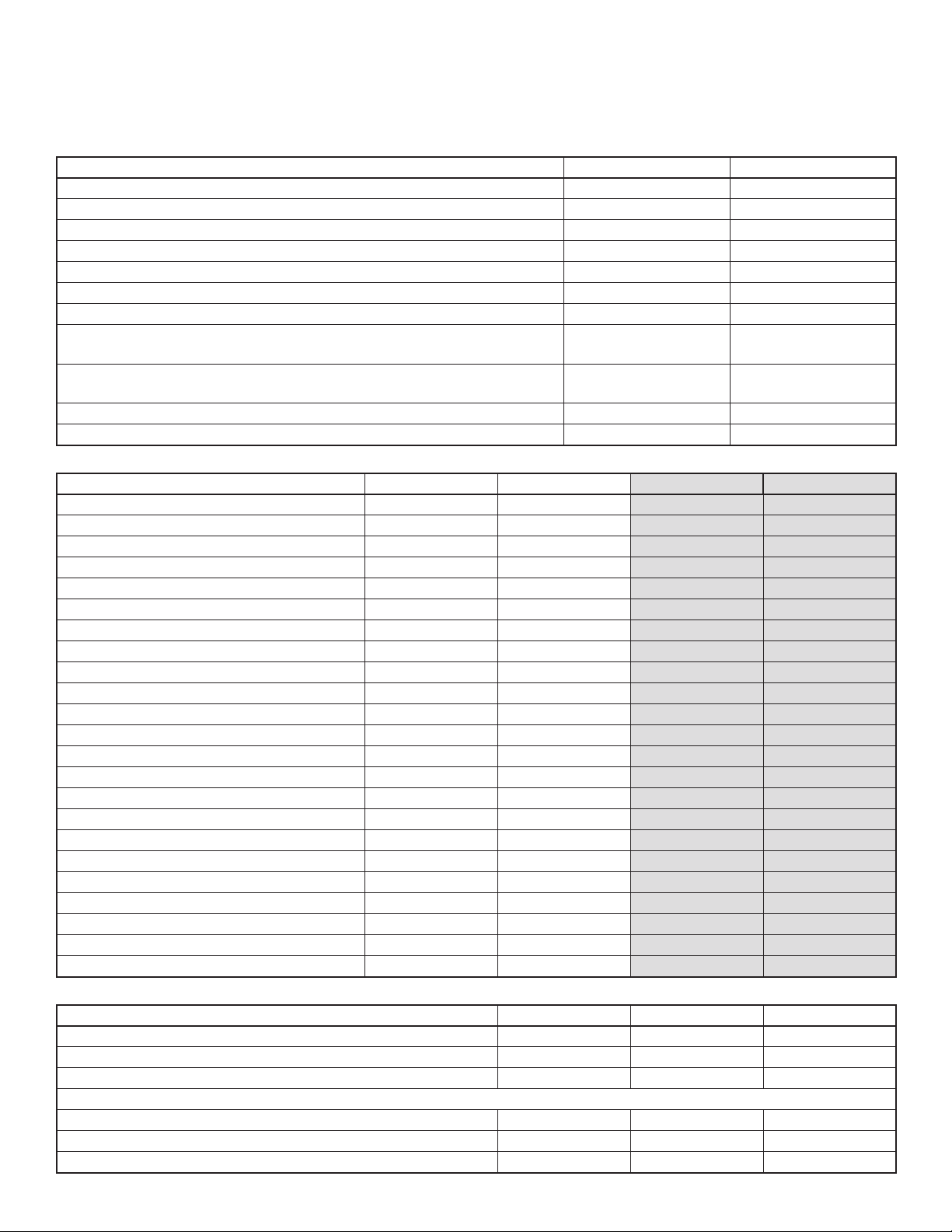
questionnaire results can be found in Figure 2 and Table 1.
Figure 2. The Results of the Questionnaire on Participants' Understanding Before and After the Activity

International Journal of Community Service Learning, Volume 7, Issue 1, 2023 pp. 56-62 59
Eka Kusumawardhani / Education on Electromagnetic Waves Exposure from Smart Devices in Elementary School
Table 1. Satisfaction Index of Community Service Activity
No.
Questions
Satisfaction
Index*
Percentage**
Description
1
Do you know what a smart device is and the
types of smart devices?
3.35
83.75
Very Good
2
Do you already know that smartphones can
emit electromagnetic wave radiation?
3.4
85
Very Good
3
Do you know how smartphones can radiate
electromagnetic waves?
3.45
86.25
Very Good
4
Do you already know the effects of
electromagnetic wave radiation on body
health?
3.5
87.5
Very Good
5
Do you know the precautions to minimize the
effects of smartphone electromagnetic wave
radiation?
3.5
87.5
Very Good
6
Are you motivated to convey the material
delivered to family members and co-
workers?
3.6
90
Very Good
Average
3.46
86.5
Very Good
*Satisfaction’s Index =
0.00 – 1.00 : poor
1.01 – 2.00 : fair
2.01 – 3.00 : good
3.00 – 4.00 : very good
**Percentage
0 – 25% : poor
26 – 50% : fair
51 – 75% : good
76 – 100% : very good
Based on the questionnaire results and recapitulation of the results above, it was found that the
level of understanding and satisfaction index of the technical guidance participants reached 86.45%. This
was in the very good category. Education on Electromagnetic Wave Exposure from Smart Devices at SDN
16 Bekut is well implemented, and the benefits can be reaped right away. The activity closed with a photo
of the community services team with the teachers as participants in this activity as shown in Figure 3,
Figure 4 and Figure 5.
Discussion
This Community Service activity was conducted at SD Negeri 16 Bekut located in Tebas District,
Sambas Regency, West Kalimantan. The educational activity was held on December 2, 2022, and
participants included educators, teachers, and students of SD Negeri 16 Bekut. Through this activity,
teachers and students will gain an understanding of the dangers associated with smartphone radiation
and ways to reduce its negative effects on their families and friends.
Figure 3. Speaker of Educational Activities at SDN 16 Bekut
The UNTAN Faculty of Engineering Lecture Team organized this activity. The targets of this
activity are teachers, educators, and students at SD Negeri 16 Bekut. Educational activities are carried out
using 4 (four) approaches or methods. First, the lecture method delivers educational material about smart
devices, various types of smart devices, and how these devices work. This can lead to exposure to
electromagnetic wave radiation by lecturers to teachers and educators who work in elementary schools.

International Journal of Community Service Learning, Volume 7, Issue 1, 2023 pp. 56-62 60
IJCSL P-ISSN: 2579 -7166 E-ISSN: 2549-6417
Afterward, it can be shared with the public and those closest to the participant to minimize radiation
exposure. This program introduces teachers and students to how to use their smartphones wisely and in
moderation to reduce unwanted negative impacts. The lecturer delivers the material while other lecturers
serve as operators. The material presented was distributed to the participants before the presentation
began, so there was no information gap between the speakers and the participants.
As a second method of interaction, the discussion method is utilised to create an atmosphere of
liquidity, warmth, and insight between presenters and participants. During this discussion session, some
participants were very enthusiastic about interacting with each other. During the discussion, some of the
socialization participants shared their experiences and strategies for teaching and applying what they
learned. However, some participants asked the speaker's opinion about the radiation impact caused by
the BTS tower. This is because the participant lived next door to the BTS tower and the BTS tower itself
also emitted electromagnetic radiation, which had previously been conveyed to the participants. The
presenters answered these questions in the capacity of the presenters as lecturers and provided several
solutions that participants could do (Dong et al., 2020; Khan et al., 2021).
Figure 4. Participants Participate in a Discussion Led by The Speaker.
Lastly, we demonstrate using examples of activities that can assist in reducing the impact of
electromagnetic radiation caused by smartphones. In closing, the Community Service Team with teachers,
education staff, and students participated in a group photo.
Figure 5. Photo with The Community Service Team with Participants at SDN 16 Bekut.
4. CONCLUSION
The results that can be drawn from this activity are the community service activity was positively
received by the participants. Second, all strands of program activities were carried out correctly and on
schedule. To reduce the negative impacts of smartphone use, the habits and discipline of the participants
and community should be continuously monitored and supervised. Third, it is expected that this
socialization activity will continue to take place in the form of education in schools where there are many
students who use smartphones excessively. New habits will be formed to reduce the excessive use of
gadgets. Last, this community service activity increases participants' awareness of the dangers posed by
electromagnetic radiation produced by smartphones and how to reduce their impact.

International Journal of Community Service Learning, Volume 7, Issue 1, 2023 pp. 56-62 61
Eka Kusumawardhani / Education on Electromagnetic Waves Exposure from Smart Devices in Elementary School
5. REFERENCES
Akhtar, F., Patel, P. K., Heyat, M. B. bin, Yousaf, S., Baig, A. A., Mohona, R. A., Mutoffar, M. M., Bhattacharya,
T., Teelhawod, B. N., Li, J., Kamal, M. A., & Wu, K. (2022). Smartphone Addiction among Students
and Its Harmful Effects on Mental Health, Oxidative Stress, and Neurodegeneration towards
Future Modulation of Anti-Addiction Therapies: A Comprehensive Survey Based on SLR, Research
Questions, and Network Visualization. CNS & Neurological Disorders - Drug Targets, 12.
https://doi.org/10.2174/1871527321666220614121439.
Aravinda, V. S. S., Kandregula, C. R., Muppa, R., Krishna, M. M., Nikitha, B. S., & Yenni, M. (2022). A cross-
sectional and histological analysis to understand the cytological effects of cell phone radiation on
buccal mucosa of children. Journal of Indian Society of Pedodontics and Preventive Dentistry, 40(1),
74.
Atya, A. K., & Murad, F. A. (2022). Calculation of the Energy Density Levels of the Rays Emitted from Mobile
Phone Towers in Jableh District Center. Journal of Pharmaceutical Negative Results, 13(7), 156–
162.
Bhargava, D., Leeprechanon, N., Rattanadecho, P., & Wessapan, T. (2019). Specific absorption rate and
temperature elevation in the human head due to overexposure to mobile phone radiation with
different usage patterns. International Journal of Heat and Mass Transfer, 130, 1178–1188.
https://doi.org/10.1016/j.ijheatmasstransfer.2018.11.031.
Choi, Y.-J., & Choi, Y.-S. (2016). Effects of Electromagnetic Radiation from Smartphones on Learning Ability
and Hippocampal Progenitor Cell Proliferation in Mice. Osong Public Health and Research
Perspectives, 7(1), 12–17. https://doi.org/10.1016/j.phrp.2015.12.009.
Csibi, S., Griffiths, M. D., Demetrovics, Z., & Szabo, A. (2021). Analysis of problematic smartphone use
across different age groups within the ‘components model of addiction. International Journal of
Mental Health and Addiction, 19, 616–631.
Deruelle, F. (2020). The different sources of electromagnetic fields: Dangers are not limited to physical
health. Electromagnetic Biology and Medicine, 39(2), 166–175.
https://doi.org/10.1080/15368378.2020.1737811.
Dong, C., Cao, S., & Li, H. (2020). Young children’s online learning during COVID-19 pandemic: Chinese
parents’ beliefs and attitudes. Children and Youth Services Review, 118, 105440.
https://doi.org/10.1016/j.childyouth.2020.105440.
Han, Q., & Cho, D. (2016). Characterizing the technological evolution of smartphones. Proceedings of the
18th Annual International Conference on Electronic Commerce E-Commerce in Smart Connected
World - ICEC ’16, 1–8. https://doi.org/10.1145/2971603.2971635.
Hardell, L. (2017). World Health Organization, radiofrequency radiation and health-a hard nut to crack.
International Journal of Oncology, 51(2), 405–413. https://doi.org/10.3892/ijo.2017.4046.
Howell, R. G., Petersen, S. L., Balzotti, C. S., Rogers, P. C., Jackson, M. W., & Hedrich, A. E. (2019). Using
WebGIS to Develop a Spatial Bibliography for Organizing, Mapping, and Disseminating Research
Information: A Case Study of Quaking Aspen. Rangelands, 41(6), 244–247.
https://doi.org/10.1016/j.rala.2019.10.001
Imansyah, F., Putra, L. S. A., & Kusumawardhani, E. (2021). Measurement and Analysis of Radiation Levels
from Base Transceiver Station in Sambas. Journal of Information Systems and Telecommunication
(JIST), 9(36), 1–9. https://doi.org/10.52547/jist.9.36.1.
Kesari, K. K., Agarwal, A., & Henkel, R. (2018). Radiations and male fertility. Reproductive Biology and
Endocrinology, 16(1), 118. https://doi.org/10.1186/s12958-018-0431-1.
Khan, M. A., Vivek, Nabi, M. K., Khojah, M., & Tahir, M. (2021). Students’ Perception towards E-Learning
During Covid-19 Pandemic In India: An Empirical Study. Sustainability, 13(1).
https://doi.org/10.3390/su13010057.
Kim, J. H., Lee, J.-K., Kim, H.-G., Kim, K.-B., & Kim, H. R. (2019). Possible Effects of Radiofrequency
Electromagnetic Field Exposure on Central Nerve System. Biomolecules & Therapeutics, 27(3),
265–27. https://doi.org/10.4062/biomolther.2018.152.
Kim, K.-H., Kabir, E., & Jahan, S. A. (2016). The use of cell phone and insight into its potential human health
impacts. Environmental Monitoring and Assessment, 188(4), 221.
https://doi.org/10.1007/s10661-016-5227-1.
Kohdrata, N., Suartika, G. A. M., Krisnandika, A. A. K., Yusiana, L. S., & Dharmadiatmika, I. M. A. (2019). The
spectrum of city park service scope: case study of Lapangan Puputan Badung and Lapangan
Puputan Margarana Denpasar-Bali. In IOP Conference Series: Earth and Environmental Science,
396(1), 012042. https://doi.org/10.1088/1755-1315/396/1/012042.
Materia, F. T., Faasse, K., & Smyth, J. M. (2020). Understanding and Preventing Health Concerns About
International Journal of Community Service Learning, Volume 7, Issue 1, 2023 pp. 56-62 62
IJCSL P-ISSN: 2579 -7166 E-ISSN: 2549-6417
Emerging Mobile Health Technologies. JMIR MHealth and UHealth, 8(5), e14375.
https://doi.org/10.2196/14375.
Meena, J., Verma, A., Kohli, C., & Ingle, G. (2016). Mobile phone use and possible cancer risk: Current
perspectives in India. Indian Journal of Occupational and Environmental Medicine, 20(1), 5.
https://doi.org/10.4103/0019-5278.183827.
Mertz, L. (2016). Are Wearables Safe?: We Carry Our Smart Devices with Us Everywhere - Even to Bed -
But Have We Been Sleeping with the Enemy, or are Cautionary Tales Overinflated? IEEE Pulse,
7(1), 39–43. https://doi.org/10.1109/MPUL.2015.2498477.
Miller, A. B., Sears, M. E., Morgan, L. L., Davis, D. L., Hardell, L., Oremus, M., & Soskolne, C. L. (2019). Risks to
Health and Well-Being From Radio-Frequency Radiation Emitted by Cell Phones and Other
Wireless Devices. Frontiers in Public Health, 7. https://doi.org/10.3389/fpubh.2019.00223.
Moradi, M., Naghdi, N., Hemmati, H., Asadi-Samani, M., & Bahmani, M. (2016). Effects of the Effect of Ultra
High Frequency Mobile Phone Radiation on Human Health. Electronic Physician, 8(5), 2452–2457.
https://doi.org/10.19082/2542.
Negi, P., & Singh, R. (2021). Association between reproductive health and nonionizing radiation exposure.
Electromagnetic Biology and Medicine, 40(1), 92–102.
https://doi.org/10.1080/15368378.2021.1874973.
Park, C. S. (2019). Examination of smartphone dependence: Functionally and existentially dependent
behavior on the smartphone. Computers in Human Behavior, 93, 123–128.
https://doi.org/10.1016/j.chb.2018.12.022.
Rahaman, M. N. (2017). Ceramic processing and sintering, second edition. Ceramic Processing and
Sintering, Second Edition, 1–875. https://doi.org/10.1201/9781315274126.
Sari, N., Saputra, M., & Husein, J. (2017). Pengaruh Electronic Word of Mouth Terhadap Keputusan
Pembelian Pada Toko Online Bukalapak.Com. Jurnal Manajemen Magister, 03(01), 96–106.
https://jurnal.darmajaya.ac.id/index.php/jmmd/article/view/968/615.
Serrano-Estrada, L., Martin, T. J., & Marti, P. (2021). Understanding city dynamics: using geolocated social
media in a problem-based activity as an investigative tool to enhance student learning. Journal of
Geography in Higher Education. https://doi.org/10.1080/03098265.2021.2004390.
Sleptcova, M., & Falkenbach, H. (2020). Managerial Skill and European PERE Fund Performance. Journal of
Real Estate Finance and Economics. https://doi.org/10.1007/s11146-020-09779-0.
Suminar, S. O., & Meilani, R. I. (2016). Pengaruh Model Pembelajaran Discovery Learning Dan Problem
Based Learning Terhadap Prestasi Belajar Peserta Didik. Jurnal Pendidikan Manajemen
Perkantoran, 1(1), 80–89. https://doi.org/10.17509/jpm.v1i1.3339.
Susilawati, S., & Supriyatno, T. (2020). Online Learning Through WhatsApp Group in Improving Learning
Motivation in the Era and Post Pandemic COVID -19. Jurnal Pendidikan: Teori, Penelitian, Dan
Pengembangan, 5(6), 852–859. http://journal.um.ac.id/index.php/jptpp/article/vi.
Thakur, H., Master, M., & Bharti, S. (2020). Smart Wall Clock with an Electric Eye. Procedia Computer
Science, 170, 1071–1076. https://doi.org/10.1016/j.procs.2020.03.071.
Vargo, D., Zhu, L., Benwell, B., & Yan, Z. (2021). Digital technology use during COVID‐19 pandemic: A rapid
review. Human Behavior and Emerging Technologies, 3(1), 13–24.
Wilmer, H. H., Sherman, L. E., & Chein, J. M. (2017). Smartphones and Cognition: A Review of Research
Exploring the Links between Mobile Technology Habits and Cognitive Functioning. Frontiers in
Psychology, 8. https://doi.org/10.3389/fpsyg.2017.00605.
Yan, Z. (2018). Child and Adolescent Use of Mobile Phones: An Unparalleled Complex Developmental
Phenomenon. Child Development, 89(1), 5–16. https://doi.org/10.1111/cdev.12821.