GO Virginia Region 2 Executive Committee PDF Free Download
1 / 13/13
100%

GO Virginia Region 2
GO Virginia Region 2 Executive Committee
December 5, 2024 3:30-4:30pm
Via Zoom Webinar:
https://virginiatech.zoom.us/j/89837381050?pwd=6uhslT9LGhG9pTCWCpDQnIToA8iira.1
Webinar ID: 898 3738 1050
Passcode: 859144
Agenda:
• Introductions (3:30-3:35)
• Project Proposal (3:35-4:30)
o Statewide competitive planning project: “AI Landscape Assessment” -Virginia
Chamber of Commerce

GO VIRGINIA
FY25 COMPETITIVE FUND APPLICATION
PLANNING GRANT
Artificial Intelligence Statewide Landscape Assessment
(ASLA)
ECONOMIC IMPACT
1. Provide an overview of the proposed project and project activities included in the project
budget. Describe how this project presents an extraordinary economic opportunity for the
region(s). Specifically, discuss how the proposed project aligns with the GO Virginia
mission of supporting the growth of traded sector industries as identified in GO Virginia
Region 2 and 3's Economic Growth and Diversification Plans.
Overview of the Proposed Project and Project Activities
The proposed Artificial Intelligence Statewide Landscape Assessment (ASLA) aims to engage
with the Virginia Chamber of Commerce's members and stakeholders to explore how artificial
intelligence (AI) will transform Virginia's business landscape and workforce and, for specific
GO Virginia target sectors of statewide significance. As part of the Blueprint Virginia 2035
update, this initiative focuses on sustaining a resilient and industry-responsive talent
pipeline—a key strategic priority for Blueprint Virginia 2035.
The project will be led by a qualified consultant retained by the Virginia Chamber of
Commerce Foundation. The consultant will conduct a statewide assessment to determine
AI's anticipated impacts on workforce development in specific high-priority business sectors.
These targeted sectors align with the Virginia Chamber of Commerce's Blueprint Virginia
2030 and GO Virginia's critical business sectors, including Advanced Manufacturing,
Information and Emerging Technologies [cor. Blueprint Virginia 2035 – Innovation and
Technology], and Life and Health Sciences/Biotechnology [cor. Blueprint Virginia 2035 –
Health Care and Life Sciences].
The key components of the assessment include:
a. Comprehensive AI Report: This report will analyze current and future AI
applications in the workplace, standardize essential terminology and concepts, and
identify prevailing trends.
b. Sector-Specific Impact Analysis: The project will evaluate AI's impact on key
business sectors relative to the workplace in the nine GO Virginia regions.
c. Current Program Evaluation: The project will catalog existing workforce
development programs, especially GO Virginia-funded ones, to determine their
alignment and readiness for AI skill integration.
d. Strategic Recommendations: The assessment will identify skill gaps and outline
strategies for workforce development programs to integrate AI-related skills.
Recommendations will target K-12 and higher education pathways and provide
insights for future regionally focused GO Virginia initiatives to help Virginia's traded
sectors adapt to AI.

e. Additional Considerations: The assessment will address other emerging factors
related to AI integration, as identified during the study.
Key Project Activities
a. Blueprint Virginia 2030 Regional Tour Survey: During regional tour stops,
surveys will be administered to collect real-time insights on AI from businesses and
local chamber members.
b. Interviews with Business Leaders: Leaders from targeted businesses in GO
Virginia regions will be interviewed to capture their perspectives on AI's role in the
workplace. These interviews will include representatives from the Virginia Chamber of
Commerce's local membership.
c. Interviews with Workforce Development Leaders: Discussions will be held with
workforce development leaders to assess the integration of AI skills within existing
programs.
d. Additional Activities: The assessment will address other emerging factors
related to AI integration as identified by the consultant.
Extraordinary Economic Opportunity for Virginia's Regions:
This project presents an extraordinary economic opportunity by positioning Virginia's
business sector to lead in AI-driven workforce innovation. By proactively addressing
potential skill gaps in high-priority, statewide sectors, this project will lead to GO Virginia
implementation projects that will support a skilled workforce capable of adapting to AI
advancements, which can enhance productivity, attract business investments, and
achieve other allied economic and workforce development Virginia Chamber of
Commerce, Virginia Economic Development Partnership, and GO Virginia goals. This
project will fortify Virginia's reputation as the best place for business and talent in the
nation.
Alignment with GO Virginia's Mission and Regional Economic Growth Plans:
The project aligns with GO Virginia's mission to foster growth in Virginia's traded sectors by
supporting the strategic integration of AI in workforce development based on direct employer
input. This focus on innovation and adaptability ensures Virginia remains competitive,
contributing to long-term economic growth and diversification that meets evolving industry
needs.
Additionally, the Virginia Chamber of Commerce and GO Virginia partnership for this project
will:
• Support Virginia's competitive advantage in recruiting business investment
compared to other states.
• Showcase Virginia as a leader in AI workforce development with a business-led
strategy.
• Engage business leaders and council members across all GO Virginia regions,
encouraging interregional collaboration.
• Demonstrate that Virginia prioritizes employer-informed solutions in workforce
program development and implementation.
• Empower the Chamber's statewide network to participate directly in a GO Virginia
project, strengthening its role as the "Voice of Virginia Business."
• Position GO Virginia within the Chamber's Blueprint 2035 as a programmatic asset
within Virginia's business community and its economic development system.
In summary, this project is designed to promote regional economic growth, strengthen AI-
related workforce readiness, and advance GO Virginia's mission of supporting a diversified
economy through strategic investment in Virginia's traded business sectors.
2. What industry clusters, as identified in the Economic Growth and Diversification Plans of
the region(s), will this proposal target? How does this proposal help implement the Plan(s)
identified strategies and goals?
This Planning Grant will focus on three target sectors:
a. Information and Emerging Technologies (all nine GO Virginia Regions incorporate
this sector as a priority traded sector cluster, based on their 2023 Growth &
Diversification Plan updates)
b. Advanced Manufacturing (eight of the nine GO Virginia Regions incorporate this
sector as a priority traded sector cluster, based on their 2023 Growth & Diversification
Plan updates).
c. Life and Health Sciences/Biotechnology (six of the nine GO of the nine GO Virginia
Regions incorporate this sector as a priority traded sector cluster, based on their 2023
Growth & Diversification Plan updates).
This planning project will intentionally seek input from the business sector. By evaluating how
AI technologies influence productivity, operational efficiencies, and quality in products and
services and assessing the changes in workforce requirements needed to adapt continuously,
regions will gain current insights from the private sector about opportunities and challenges
that lie ahead. This assessment allows GO Virginia regional leaders to craft tailored programs
that align workforce development initiatives with the evolving needs of local industries,
ensuring that the workforce is equipped with the necessary skills to thrive in an AI-enhanced
economy.
Moreover, the leadership of the Virginia Chamber Foundation brings a business approach to
this assessment, complemented by the GO Virginia regional lens, which fosters collaboration
among businesses, educational institutions, and government entities. This proactive approach
will provide the Regional Councils and the GO Virginia State Board with a lens through which
future workforce development project applications can be assessed for their readiness and
compatibility to support outcomes that AI affects.

3. Identify the project outcomes and deliverables that will be achieved during the grant
performance period.
The project outcome and deliverable will be a report summarizing AI's current and future state
and impact on the three target sectors, incorporating quantitative data from reliable research
sources and real-time input from employers from each GO Virginia region. The report will
focus on the impact on the workforce in each of these sectors and identify the types of
workforce development programs needed to attract and retain talent continuously. The report
will apply to all nine GO Virginia Regions, enabling them to assess talent and workforce
development project applications supporting the targeted sectors more effectively.
Equally as important, the report will inform the recommendations of the Virginia Chamber of
Commerce's "Blueprint Virginia 2035" business-led initiative, providing direction and long-
term economic development planning for Virginia.
4. Applicants are required to submit a Return on Investment (ROI) report developed by a
DHCD-approved third-party contractor for competitive applications. Please attach the
prepared ROI analysis that demonstrates the State's Return on Investment (ROI) to the
Commonwealth over a 3 and 5-year period. See the Application Review and ROI
Validation Process Memo describing the process for engaging technical assistance the
third-party. Please note that the ROI analysis is an evaluation criterion but not a
requirement for eligibility.
Not applicable.
REGIONAL COLLABORATION
5. Discuss how the Regional Council and project development team consulted with local
government entities regarding the strategy and implementation of the project. Describe
private industry and subject matter experts' involvement in the validation, development,
and implementation of this project.
a. GO Virginia Regions 2 and 3 will support the Virginia Chamber of Commerce
during the development and implementation of the project.
b. A Project Workgroup will be empaneled to receive periodic updates on the project
and provide input at appropriate milestones and include the following stakeholder
representatives:
• VA Chamber/Foundation
• Representatives from each of the other 7 Regions (one staff member and
one Council member from the business sector)
• Economic developers from Region 3
• Economic developers from Region 2
• Representative of VOEE
• Representative of VEDP
• Representative of UBED
• Representative of Community Colleges
• Representative of SCHEV
• Representative of the VA Department of Education
• Representative of the Council of Presidents

• Representative of Virginia Private Colleges
• Representative of the Virginia Association of School Superintendents
• Others TBD
6. Discuss how the Regional Council and project development team consulted with local
government entities regarding the strategy and implementation of the project. Describe
private industry and subject matter experts' involvement in the validation, development,
and implementation of this project.
Not applicable to a planning grant. However, the GO Virginia Regional Program Directors
were consulted on the planning project and its implementation. All supported the project
concept.
7. Describe the service area of the project. What portion of the population of the region(s)
are served by the project?
Given the selected targeted sectors of statewide significance, the project will serve all GO
Virginia's Regions 2 and 3 populations.
8. Name the applicant/fiscal agent and all partner organizations involved with the
implementation of the project. Describe each entity's role in completing the scope of work,
their financial or in-kind match commitment, and their capacity to successfully execute
their duties as they relate to the project. Partners may include but are not limited to school
divisions, community colleges, public and private institutions of higher education,
economic and workforce development entities, local governments, regional organizations,
planning commissions, and nonprofit organizations.
The Virginia Chamber of Commerce Foundation will serve as the applicant and fiscal
agent and is a [IRS Non-Profit designation forthcoming]. It will also partner with members
of the workgroup identified above.
9. Identify cost efficiencies, repurposing of existing funds, leveraging of existing assets, or
other evidence of collaboration that can be demonstrated as a result of the project.
It is not applicable for a planning grant; however, it is essential to note that the timing of this
planning grant is intentionally tied to the Virginia Chamber of Commerce's timeline for the
development of its Blueprint 2030, thus leveraging the existing statewide approach to the
planning process. Additionally, this project application will leverage the time and value of the
staff from the Virginia Chamber of Commerce Foundation's support of its process to engage
regions in the creation of Blueprint 2030.
10. Identify cost efficiencies, repurposing of existing funds, leveraging of existing assets, or
other evidence of collaboration that can be demonstrated as a result of the project.
Not applicable to a planning grant.
PROJECT READINESS
11. Describe the project timeline and the specific project milestones (including deliverables)
that will be utilized to track project progress and fund disbursement. Address the project
administrator's ability to meet these milestones and to take remedial actions in the event
that the milestones are not achieved.
The project applicant is the Virginia Chamber of Commerce Foundation, which has
extensive experience in both stakeholder engagement and grant management. The
project timeline follows the Chamber's Blueprint Virginia timeline, as shown below:
• February 2025: Inaugural Workgroup Meeting
• March 2025: Consulting firm hired
• April 2025: Employers identified; desk research initiated (including
assessment of existing workforce development programs), SWOT analysis
initiated
• May 2025 Workgroup Meetings
• May – July 2025: Employers interviewed through focus groups and
individual interviews; survey conducted
• August 2025: Report drafted for review by Chamber Foundation, GO
Virginia Regions and Workgroup
• August 2025: Workgroup Meeting
• September 2025: Near-final report reviewed by Chamber Foundation for
alignment with Blueprint 2035.
• October 2025: Near-final report and recommendations presented to
Workgroup, Regional Councils, and Virginia Chamber.
• November 2025: Final report and recommendations presented to
Workgroup, Regional Councils, Virginia Chamber, and GO Virginia state
staff.
• December 2025: Report presented to Virginia Chamber's Economic
Summit.
12. Describe the total project budget, explaining how GO Virginia funds will be used, how
matching funds will be used, the sources and uses for matching funds, and any additional
leverage for matching funds, if applicable. Additional leverage may consist of other state
funds not eligible for GO Virginia match, or additional federal resources that contribute to
the full scope of work but are not part of the required match.
a. Does the project have the required $2:1 match?
• Yes.
b. Does the project have the required 20% local match (See the Match Waiver
Request Guidelines)? Currently, at least 20% local match must be provided by
units of local government.
• Sources and Uses Budget will be drafted reflecting a $100k GO Virginia
planning grant and $50k in-kind match from the expenses incurred to develop
and produce Blue Print Virginia 2035.

13. If this is a multi-regional proposal, describe the roles and responsibilities of members of
the project team and how they will implement the project across multiple regions. Describe
the division of responsibility and the plan for communication between project
administrators, support organizations, and partners.
As a multi-regional Competitive Planning Grant, monthly staff calls will be held between the
Virginia Chamber of Commerce Foundation team and the two lead regions (GO Virginia
Regions 2 & 3) support organizations. Subsequent updates will be provided to each Regional
Council or Executive Committee.
Additionally, the staff of each Region will be participating in the Advisory Workgroup and can
attend those meetings to inform their Regional Council leadership. Regional Council staff are
committing to supporting the project by identifying and connecting the consulting firm to
appropriate business leaders in the target sectors in each region, as well as providing input
and feedback as the planning process occurs. The Advisory Workgroup will be convened and
facilitated by the consultant hired by the Virginia Chamber of Commerce Foundation to lead
the research, stakeholder engagement, and report development.
14. Discuss any major barriers to successful implementation and other associated risks along
with a plan to overcome them. How will the project administrator address these barriers?
The Virginia Chamber of Commerce Foundation and GO Virginia Regions 2 & 3 program
support staff anticipate no barriers to the project's successful implementation.
15. Discuss any prerequisite activities undertaken by the project partners to increase
efficiency with regard to program delivery and support for the project once launched.
Not applicable to a planning grant.
PROJECT SUSTAINABILITY
16. Discuss how the program will achieve stable, long-term sustainability beyond the initial
funding period. Have any funding sources been secured to continue implementing the
program or strategy following the exhaustion of these funds? Describe how this project
allows for replication or scalability in other GO Virginia regions.
Not applicable to a planning grant. As noted in the Project Overview, a key assessment
element will be for the consultant to develop actionable strategies for relevant workforce
development programs to address AI's impact on the workforce, including recommendations
for K-12 and higher education career pathways. These strategies should inform potential
regionally driven GO Virginia-funded initiatives that help businesses in Virginia's traded
sectors adapt to AI.
17. Has this request been validated by industry demand?
Not applicable to a planning grant. However, this planning grant application is the result
of reviews of state and national trends as well as the opportunity to localize those
reviews within Virginia through the Blueprint 2035 process. Examples of these state and
national trends include reports and studies from:

•Federal Reserve Bank of Atlanta
•Virginia Economic Development Partnership
REQUIRED ATTACHMENTS
•Executive Summary
•GO Virginia Core Outcomes (N/A)
•Third-Party Commonwealth Return on Investment (ROI) (N/A)
•Match Verification Form
•Milestones Overview and Drawdown Schedule
•Budget Overview (DHCD Sources & Uses Template)
•Virginia Mercury

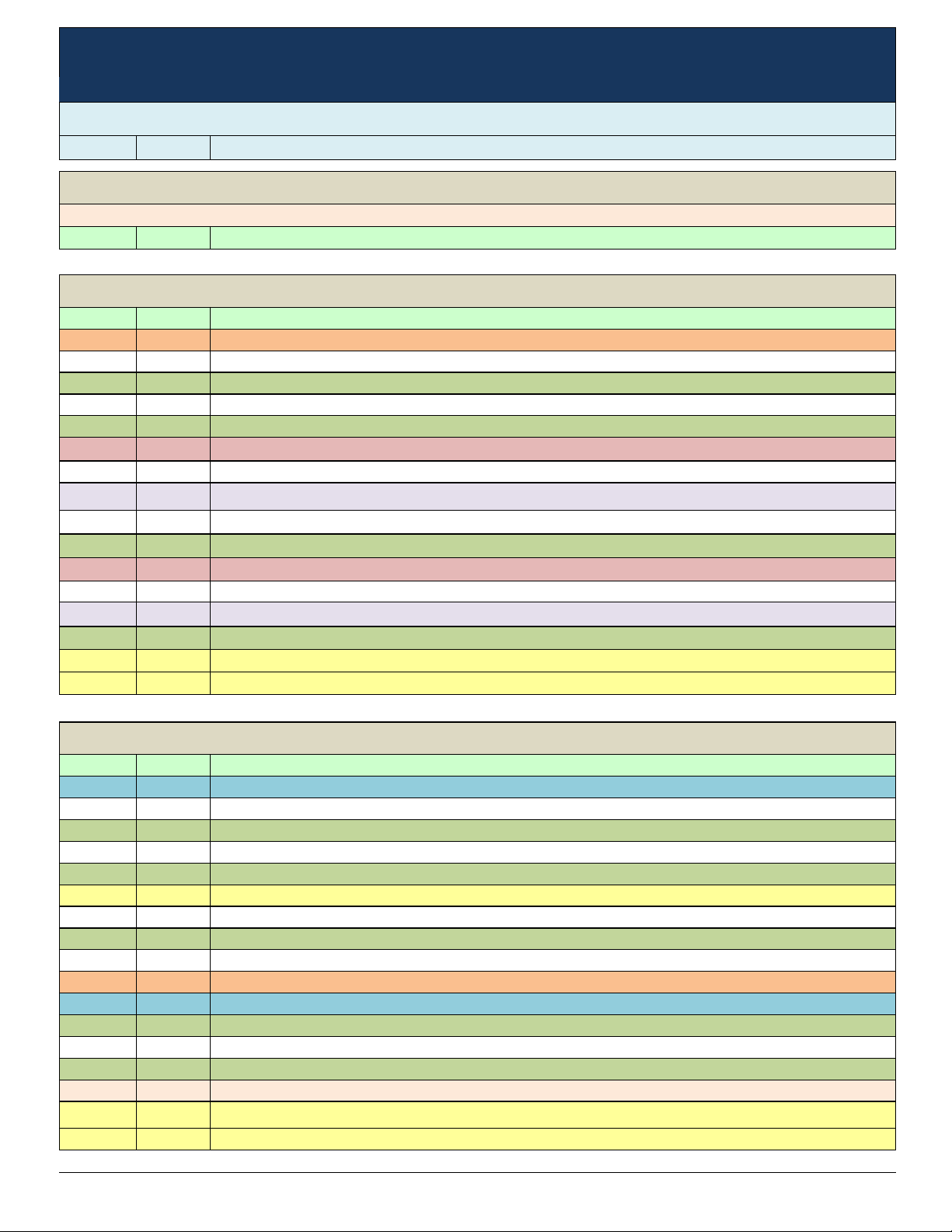
Budget Category (Dropdown) Uses of GO VA Funds Amount ($) Description
Administration Southside PDC grant administration $1,000 Grant administration and project reporting
Contract Services VA Chamber of Commerce Foundation $99,000
Qualified consultant assess AI's anticipated impacts
on workforce development statewide in specific
high-priority business sectors as part of Blueprint VA
2035
$100,000 Total GO Virginia Request
Please include a detailed budget narrative below:
GOVA and match funds will support these project deliverables:
a. Comprehensive AI Report
b. Sector-Specific Impact Analysis
c. Current Program Catalog
d. Strategic Recommendations
Directions: Please list the budget category, associated uses of GO VA funds (how funds are being used), amount, and desciption for each budget category. In the Description column please provide
more detail about the proposed uses of the funding including, if applicable, what organization will be receiving/managing those funds (i.e. grant recipient or third-party). The budget categories and
amounts should match the "DHCD Request" column in the CAMS application budget.

Budget Category (Dropdown) Description of Uses of Matching
Funds Amount ($) Match Source
(Dropdown)
Type of Match
(Dropdown) Source of Match (Details) Documentation Submitted
(Dropdown)
Contract Services Blueprint VA 2035 Production $40,000.00 Private In-Kind Virginia Chamber of Commerce Yes
Contract Services Blueprint VA 2035/GO Virginia
Workgroup (Region 2) $5,000.00 Local In-Kind Montgomery Co., Roanoke City, LRBA
locality (tbd) Yes
Contract Services Blueprint VA 2035/GO Virginia
Workgroup (Region 3) $5,000.00 Local In-Kind Mecklenburg Patrick Co., Prince Edward
Co., Pittsylvania Co. PS, IALR Yes
$ 50,000.00 Total Matching
Funds
$ 10,000.00 Total Local Match
Directions: Please list all budget
categories, description of uses, type
of match, sources associated with
the required matching funds, and if
documentation was submitted. The
budget categories and amounts
should match the "Other Funding"
column in the CAMS application
budget. NOTE: State funds may
NOT be used as match, but may be
listed as additional leverage.

Budget Category (Dropdown) Description of Uses of Additional Leverage Amount ($) Type of Leverage
(Dropdown) Source of Leverage Documentation Submitted (Dropdown)
$ - Total Leveraged Funds
Directions: Please list all sources and
uses associated with additional leverage
beyond the required match. Additional
leverage SHOULD NOT be included in
the CAMS application budget. NOTE:
State funds may only be used as
additional leverage and may not
contribute to the required $2:1 match.

Type of Funds Totals
GO Virginia 100,000.00$
Matching Funds 50,000.00$
Total CAMS Budget 150,000.00$
Additional Leverage -$
Total Project Budget 150,000.00$
Type of Match Totals
Matching Funds 50,000.00$
At least $2:1 YES
Local Match 10,000.00$
*These answers will autofill from previous tabs.