HOME HEALTH CARE SERVICES PAYMENT SYSTEM PDF Free Download
1 / 4/4
100%

payment
basics
425 I Street, NW
Suite 701
Washington, DC 20001
ph: 202-220-3700
www.medpac.gov
ME
AC
M
E
AC
Medicare Payment Advisory Commission
HOME HEALTH CARE SERVICES
PAYMENT SYSTEM
Beneciaries who are generally restricted to
their homes and need skilled care (e.g., from
a nurse or a physical or speech therapist) on
a part-time or intermittent basis are eligible
to receive certain medical services at home.
Home health agency (HHA) personnel visit
beneciaries’ homes to provide:
• skilled nursing care;
• physical, occupational, and speech
therapy;
• medical social work services; and
• home health aide services.
Telehealth services, such as remote patient
monitoring and virtual visits, are also
covered under the home health benet.
Medicare’s home health benet originally
had restrictive coverage standards such
as requiring a prior hospital stay or
limiting the number of visits allowed.
These limitations were later eliminated,
so a beneciary can receive covered home
health services for an unlimited period
of time as long as they meet the other
coverage criteria. Beneciaries are not
required to make any copayments or other
cost sharing for these services.
About 2.7 million beneciaries used home
health care in 2023. Medicare pays for home
health care with both Part A and Part B
funds; in 2023, total payments were $15.7
billion. Over 12,057 agencies participated in
the program in 2023.
Defining the care Medicare buys
Medicare’s home health prospective
payment system (PPS) pays a predetermined
rate intended to cover the operating and
capital costs of furnishing a 30-day period of
home health care, including skilled nursing
care; physical, occupational, and speech
therapy; medical social work services; and
aide services.
Setting the payment rates
Payments to home health agencies are
determined by adjusting a base payment
amount (the amount that would be paid for
a typical home health patient residing in an
average market area) to reect differences
in patient characteristics (case mix) and
in the the level of market input prices in
the geographical area where services are
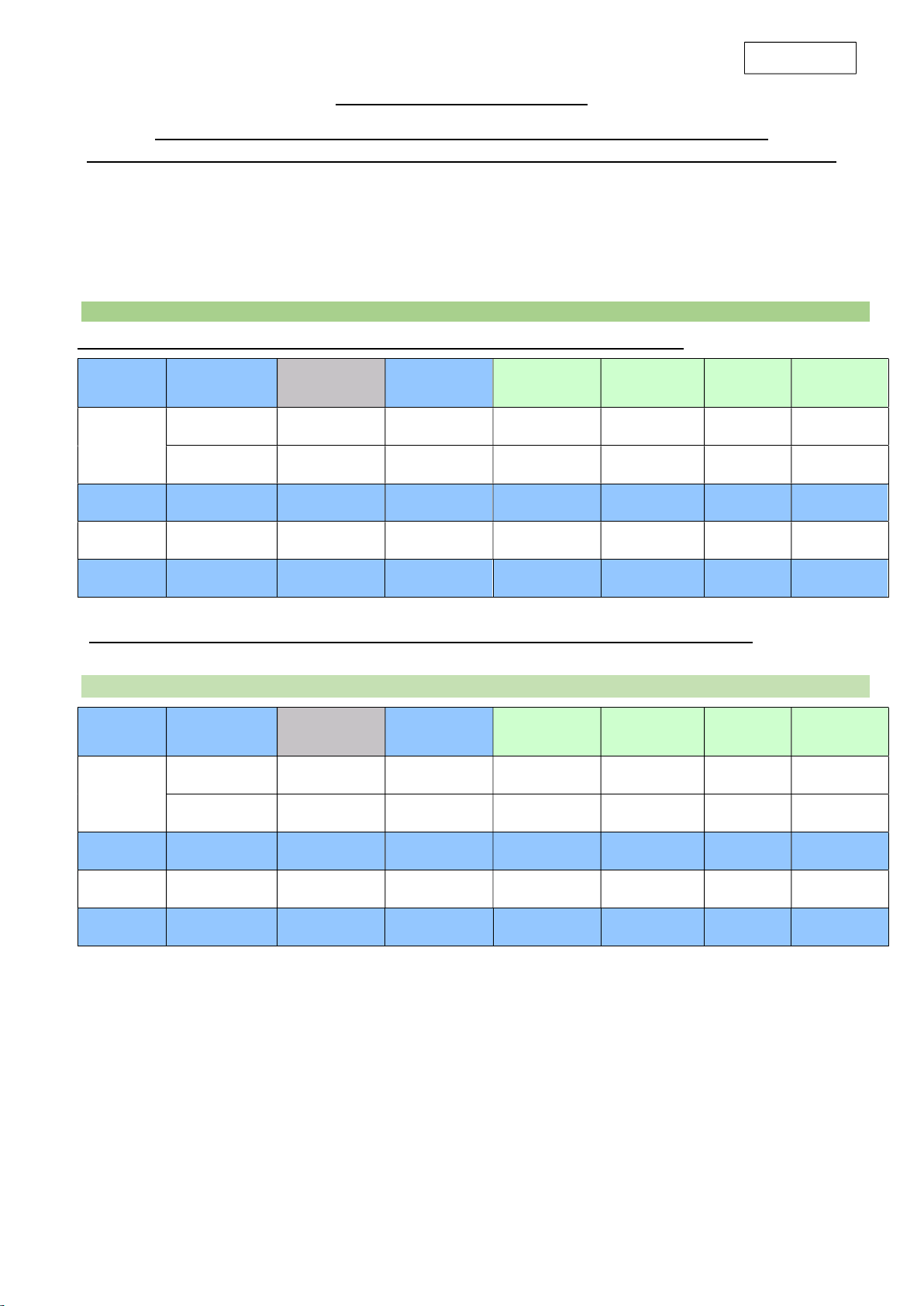
delivered (Figure 1). The base payment
amount for 2025 is $2,057.35.
CMS uses a home health case-mix system,
the Patient-Driven Groupings Model (PDGM),
to adjust payment for differences in patient
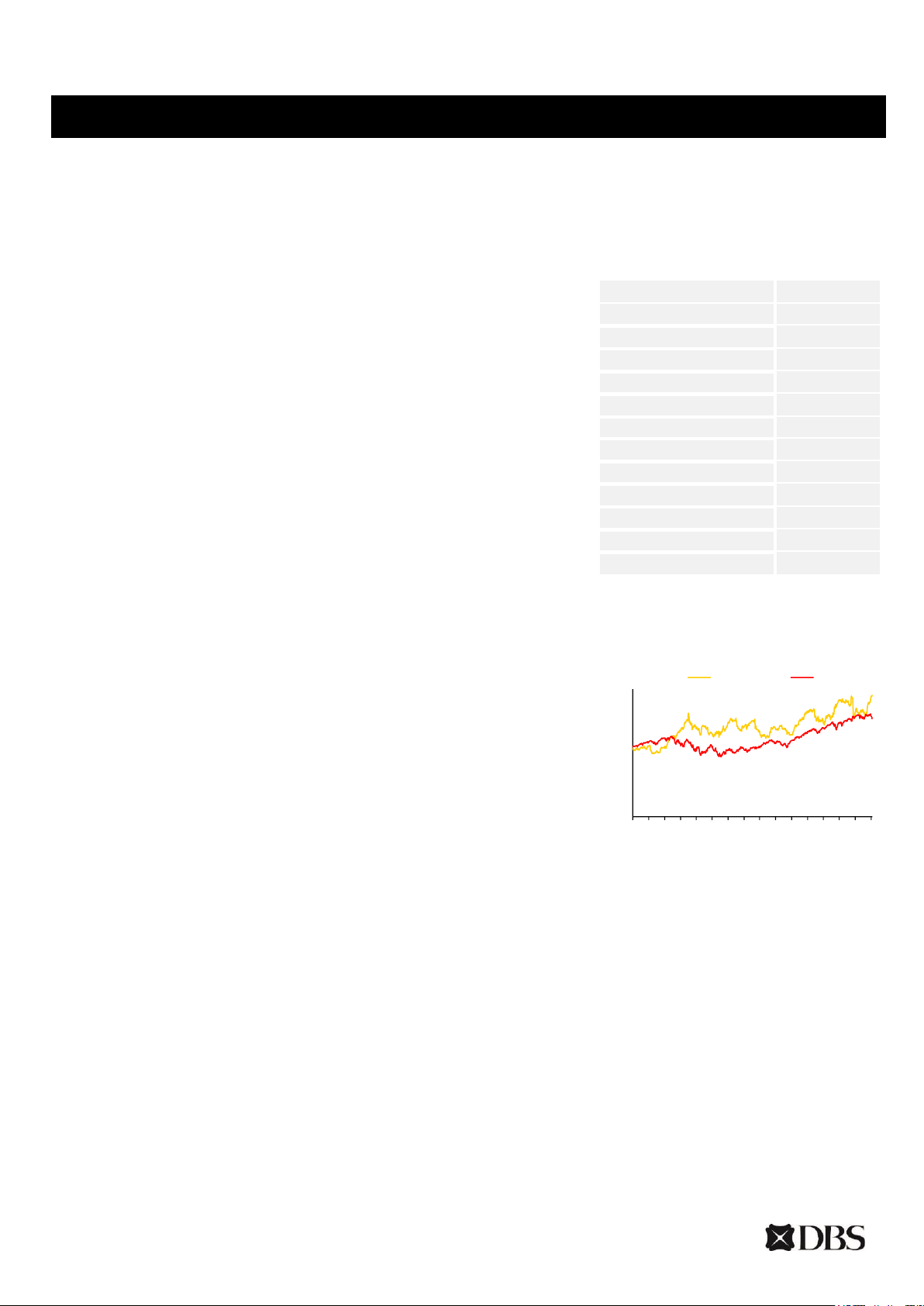
characteristics (Figure 2). The PDGM
categorizes each period into 432 home health
resource groups (HHRGs) based on:
Period timing—A newly initiated home
health period (with no home health services
in the preceding 60 days) is classied as
“early,” while periods that are immediately
preceded by a 30-day period are classied
as “late.”
Referral source—Early periods that
are preceded by a stay at an inpatient
hospital, long-term care hospital, inpatient
rehabilitation facility, or skilled nursing
facility are classied as institutional
periods. Early periods that are not preceded
by a stay in one of those facilities are
classied as community-admitted periods.
Later periods are classied as institutional
if they are preceded by a hospital stay;
otherwise they are classied as community-
admitted periods.
Clinical category—Patients are assigned
to 1 of 12 clinical categories based on their
reported conditions or treatments.
Functional impairment—Patients are
assigned to one of three functional
impairment levels based on reported
cognitive and physical functioning
information.
Revised:
November 2025
The policies discussed
in this document
were current as of
September
30, 2025.
This document does
not reflect proposed
legislation or
regulatory actions.

2 Home health care services payment system paymentbasics
Presence of comorbidities—The case-
mix system also includes a three-tiered
adjustment for selected comorbidities.
Each HHRG has a national relative weight
reecting the average relative costliness of
patients in that group compared with the
average Medicare home health patient.
To adjust for geographic factors, the
per period payment rate is divided into
labor and nonlabor portions; the labor
portion—74.9 percent—is adjusted by
a version of the hospital wage index to
account for geographic differences in
the input-price level in the local market
for labor-related inputs to home health
services. Unlike most other Medicare
payment systems, the local-area adjustment
for home health services is determined by
the beneciary’s residence rather than the
provider’s location. The total payment is the
sum of the adjusted labor portion and the
nonlabor portion.
Low-use periods
Low-use periods (periods with relatively
few visits) are paid on a per visit basis.
The threshold for the low-use payment
adjustment varies from two to six visits,
depending on the payment group to which
a period has been assigned. Periods above
the threshold receive the full case-mix-
adjusted 30-day payment under the
PDGM.
High-cost outliers
When a patient’s period of care involves
an unusually large number or a costly mix
Figure 1 Home health care services prospective payment system, 2025
.
.
.
Note: HHRG (home health resource group). The low-use threshold varies by payment group and ranges from two to six visits.
* The home health care services prospective payment system uses a version of the hospital wage index called the “pre-floor,
pre-classification hospital wage index.”
Home
health
base rate
PaymentPayment
High-
cost
outlier
(full
payment
+
outlier
payment)
Short-
stay
outlier
(per visit
payment)
25.1%
non-labor-
related
portion
74.9%
adjusted
by area
wages
+
Adjusted for
geographic factors
HHRG
Patient characteristics:
Base payment
adjusted for
case mix
• Clinical conditions
• Functional impairment
• Comorbidities
• Admission source and timing
Hospital
wage
index*
If number
of visits
< low-use
threshold
If patient is
extraordinarily
costly
If number
of visits
≥ low-use
threshold

3 Home health care services payment system paymentbasics
Figure 2 The home health Patient-Driven Groupings Model, 2025
.
.
.
Note: MMTA (medication management, teaching, and assessment), GI/GU (gastrointestinal tract/genitourinary system), OASIS (Outcome and
Assessment Information Set).
* Includes neoplasms and blood-forming diseases.
Source:
Centers for Medicare & Medicaid Services, Department of Health and Human Services. 2025. Medicare and Medicaid programs; calendar
year 2026 home health prospective payment system (HH PPS) rate update; requirements for the HH Quality Reporting Program and the
HH Value-Based Purchasing Expanded Model; DMEPOS Competitive Bidding Program updates; DMEPOS accreditation requirements;
provider enrollment; and other Medicare and Medicaid policies. Proposed rule. Federal Register 90, no. 128: 29108–29339.
Admission source and timing (from claims)
Community, early Community, late Institutional, early Institutional, late
Functional impairment level (from OASIS items)
Low Medium High
Comorbidity adjustment (from secondary diagnoses reported on claims)
Home health resource group
LowNone High
Clinical grouping (from principal diagnosis reported on claim)
Neurological/stroke
rehab Wounds Complex
nursing interventions
Musculoskeletal
rehab
Behavioral
health
MMTA–
Other
MMTA–
Surgical aftercare
MMTA–
Endocrine
MMTA–
GI/GU
MMTA–
Infectious disease*
MMTA–
Respiratory
MMTA–
Cardiac & circulatory

4 Home health care services payment system paymentbasics
Additionally, in 2025 Medicare implemented
a nationwide value-based purchasing
program. The program adjusts HHAs’
Medicare payments (upward or downward)
based on their performance on a set of ve
quality, outcome, and patient-experience
measures. The size of any bonus or penalty
varies according to performance. Quality
bonus payments are funded through a
payment withhold.
Payment updates
The base rate is updated annually. The
update is based on the projected change
in the home health market basket, which
measures changes in the prices of goods
and services bought by home health
agencies. The update for 2025 was 2.7
percent, though this update was offset by
a 1.975 percent adjustment required by the
Bipartisan Budget Act of 2018. ■
1 The amount equals 0.35 times the standard base
payment amount in 2025 adjusted by the wage
index.
of visits, the HHA may be eligible for an
outlier payment. To be eligible, imputed
period costs must exceed the payment rate
by a certain amount set annually by CMS.1
The total cost of a period is determined by
multiplying the minutes of patient care for
each covered service by a standardized per
minute cost factor. When these estimated
costs exceed the outlier threshold, the HHA
receives a payment equal to 80 percent of
the difference between the period payment
with the threshold and the period’s
estimated costs.
Payment for quality reporting and
performance
The home health prospective payment
system has two programs intended to
improve quality. The rst is a pay-for-
reporting program under which HHAs must
report quality-of-care data to avoid a 2
percentage point reduction in their annual
market basket update.