Journal of Applied Economics and Policy Studies PDF Free Download
1 / 69/69
100%

ISSN: 2977-5701
9 772977 570770
jaeps.ewapublishing.org
Journal of
Applied Economics
and Policy Studies
Volume 4 | 29 April 2024


Journal of Applied Economics and Policy Studies
Volume 4
(29 April, 2024)
Available at: https://jaeps.ewapublishing.org

Editor-in-Chief
Xuezheng Qin
Peking University Research Center for Market Economy, RCME
ISSN: 2977-5701
ISSN: 2977-571X (eBook)
Publication of record for individual papers is online:
https://jaeps.ewapublishing.org/
Copyright © 2024 The Authors
This work is fully Open Access. Articles are freely available to both subscribers and the wider public with permitted reuse. No special
permission is required to reuse all or part of article, including figures and tables. For articles published under an open access Creative
Common CC BY license, any part of the article may be reused without permission, just provided that the original article is clearly cited.
Reuse of an article does not imply endorsement by the authors or publisher.
The publisher, the editors and the authors are safe to assume that the advice and information in this book are believed to be true and accurate
at the date of publication. Neither the publisher nor the editors or the authors give a warranty, expressed or implied, with respect to the
material contained herein or for any errors or omissions that may have been made. The publisher remains neutral with regard to jurisdictional
claims in published maps and institutional affiliations.
This imprint is published by EWA Publishing
Address: John Eccles House, Robert Robinson Avenue, Oxford, England, OX4 4GP
Email: info@ewapublishing.org
Editorial Board
Editor-in-Chief
Xuezheng Qin, Peking University Research Center for Market Economy, RCME
Editorial Board
Xiaolong Li, Peking University Research Center for Market Economy, RCME
Ján Višňovský, University of Ss. Cyril and Methodius
Alina Cristina Nuţă, Danubius University of Galaţi
Muhammad Ali, Anglia Ruskin University
Muhammad Hafeez, University of Agriculture, Faisalabad
Canh Thien Dang, King's College London
An Nguyen, Coventry University London
Javier Cifuentes-Faura, University of Murcia
Ursula Faura-Martínez, University of Murcia
Ben Adamolekun, Edinburgh Napier University
Yazeed Ghadi, Al Ain University
Muhammad Umer Quddoos, Bahauddin Zakariya University
Preface
Journal of Applied Economics and Policy Studies (JAEPS) is a peer-reviewed, fast-indexing open access
journal hosted by Peking University Research Centre for Market Economy (RCME) and published by
EWA Publishing. AEPS present latest theoretical and methodological discussions to bear on the scholarly
works covering economic theories, econometric analyses, as well as multifaceted issues arising out of
emerging concerns from different industries and debates surrounding latest policies. Situated at the
forefront of the interdisciplinary fields of applied economics and policy studies, this journal seeks to
bring together the scholarly insights centering on economic development, infrastructure development,
macroeconomic policy, governance of welfare policy, policies and governance of emerging markets, and
relevant subfields that trace to the discipline of applied economics, public policy, policy studies, and
combined fields of the aforementioned. JAEPS is dedicated to the gathering of intellectual views by
scholars and policymakers. The articles included are relevant for scholars, policymakers, and students of
economics, policy studies, and otherwise interdisciplinary programs.
JAEPS is an author-friendly journal that strives to meet authors' submission needs while enhancing the
user experience for both authors and reviewers. JAEPS has established a collaborative "journal-author-
reviewer" system (JAR System) to provide maximum support to authors during the reviewing process.
The responsible editors/associate editors are committed to promptly addressing the progress of submitted
manuscripts. JAEPS is devoted to upholding high standards and efficiency as its core principles, with the
primary objective of enhancing the user experience for all kinds of authors.
JAEPS sincerely invites and welcomes scholars from around the world to share their research
accomplishments. In its endeavor to promote global academic equity and contribute to disciplinary
advancement, JAEPS extends additional support and fee waivers to researchers from third-world
countries, as well as underdeveloped regions.
Prof. Xuezheng Qin
Editor-in-Chief of JAEPS
Journal of Applied Economics and Policy
Studies
Table of Contents
Editorial Board ···············································································································································
Preface······························································································································································
The Influencing Factors of Exports of Sichuan under the Belt and Road Initiative: An Empirical
Study Based on the Extended Trade Gravity Model ··············································································· 1
Yaxian Ran, Annop Thananchana
Organizational Sociology Perspectives on University Incubation for Student Entrepreneurship: A
Case Study of the Emerging Internet Company miHoYo····································································· 14
Shuyuan Shen
Analysis of Dilemmas Faced by Rural Revitalization in the Context of Digital Governance and the
Path of Promotion: Taking Xi'an City as an Example ············································································ 19
Rui Wang, Yifen Yin
Factors Influencing the Well-being of Urban Migrant Workers ·························································· 27
Jin Zheng, Mengya Liu, Huifei Zhang, Qiaojie Wang, Ju Tang
Use Machine Learning to Forecast Economic Recession with Covid-19 Evidence ··························· 34
Nuo Xu
Research on the Impact of CEO Gender Differences on Green Innovation Performance ················ 44
Hulin Xiang
The Impact of China's Financial Policies on the Real Estate Industry and Suggestions - A Case
Study of Evergrande Group ······················································································································ 50
Siya Wang, Fazheng Wang, Qihui Wang

JournalofAppliedEconomicsandPolicyStudies(2024)Volume4 EWAPublishing
Publishedonline:28March2024 DOI:10.54254/2977-5701/4/2024019
The Influencing Factors of Exports of Sichuan under the Belt and
Road Initiative: An Empirical Study Based on the Extended Trade
Gravity Model
Yaxian Ran 1, a, Annop Thananchana 1, b, *
1 International College of Digital Innovation, Chiang Mai University, Thailand
a. yaxian_ran@cmu.ac.th, b. Annop.t@cmuic.net,
*Corresponding author
Abstract. This study investigates the influencing factors of exports in Sichuan Province in the context of the Belt and Road
Initiative. Based on the panel data of Sichuan's exports to fifty-three countries along the Belt and Road from 2011 to 2022, this
study tests eleven potential influencing factors using an expanded trade gravity model. And the results show that the economic
development level of both Sichuan and the Belt and Road member countries have significant positive correlation with the export
volume; while the distance, foreign merchant participation in Sichuan, exchange rate of RMB and human capital level of Sichuan
are significantly negative. Moreover, the trade potential coefficient of each Belt and Road member country is calculated to decide
the trade type. Lastly, the c conclusions and strategical suggestions are put up to further explore the trade potential with Belt and
Road countries and expand Sichuan’s export volume.
Keywords: expanded trade gravity model, exports, foreign trade, Belt and Road Initiative, trade potential coefficient
1. Introduction
Since the reform and opening-up from 1978 and joining the WTO in 2001, China has achieved rapid growth of foreign trade
volume and has been fully leveraged the driving effects of export trade on social and economic development. In 1978, China's
total import and export volume was only 20.64 billion US dollars
1
. According to the data revealed by The General Administration
of Customs of China (GACC), in 2021, China’s total foreign trade volume reached 42.07 trillion Yuan (6.31 trillion US dollars),
ranked the first place in the global market. Meanwhile China's imports and exports with countries along the Belt and Road totaled
13.83 trillion yuan, which accounts for 32.87% of total foreign trade of China (Central People's Government of China, 2023).
The Belt and Road Initiative (BRI) is a long-term global strategy put forward by the Chinese government, aiming at promoting
a transnational network of economic development and integration tunnels that connecting China domestic and abroad. It is claimed
that this initiative covers vast regions in Asia, and part of Europe and Africa, which makes up around 64% of world population
and 30% of world GDP (Huang, 2016 ; Herrero and Xu, 2017). Since its announcement in September 2013, this initiative has been
prioritizing infrastructural investment in different covered areas (Nugent, 2021). Taking advantages of the newly built
infrastructure like China-Europe Railway Express, and other favorable policies like China (Sichuan) Pilot Free Trade Zone, it is
undoubted that the BRI has had huge influence on China’s export volume.
There are several reasons to choose Sichuan province as the research object. Sichuan, though being an inland province of China
without any sea transportation, its location is still of strategic importance as it is at the central position of China, Europe and South
Asia. Thus, this geographic location represents a pivotal role in determining the effectiveness of the BRI. Despite that, the
development level of Sichuan is less competitive compared with other developed provinces in China, which makes it a typical
southwest region that the Chinese government wants to develop through the BRI policy. Specifically, Sichuan has the following
strategic superiority as the focal context to study the effect of the BRI. Firstly, it plays a significant role in China’s western
development. As suggested, one goal of BRI is to promote China’s implementation of western region development strategy to a
deeper degree (Wang et al. 2019). Second, Sichuan is located in the upper and middle reaches of the Yangtze River, which can be
integrated with the development of the Yangtze River economic belt through eastward development. Third, Sichuan's opening to
1
Data obtained from China Statistical Yearbook.
Copyright: © 2024 by the authors. Submitted for possible open access publication under the terms and conditions of the Creative Commons
Attribution (CC BY) license (https://creativecommons.org/licenses/by/4.0/). https://jaeps.ewapublishing.org

22|JournalofAppliedEconomicsandPolicyStudies|Vol4|28March2024
the west Asia can be linked with the Silk Road Economic Belt. At the same time, Sichuan is also a strategic base for opening to
South Asia, which is consistent with the maritime Silk Road. Huo (2018) suggested that in fact, a country's major strategic
deployment can be superimposed to achieve regional radiation and overall driving effect, and the role of Sichuan's strategic
significance is very obvious.
From the information revealed by the Chengdu customs, in 2022, the total foreign trade volume of Sichuan province reached
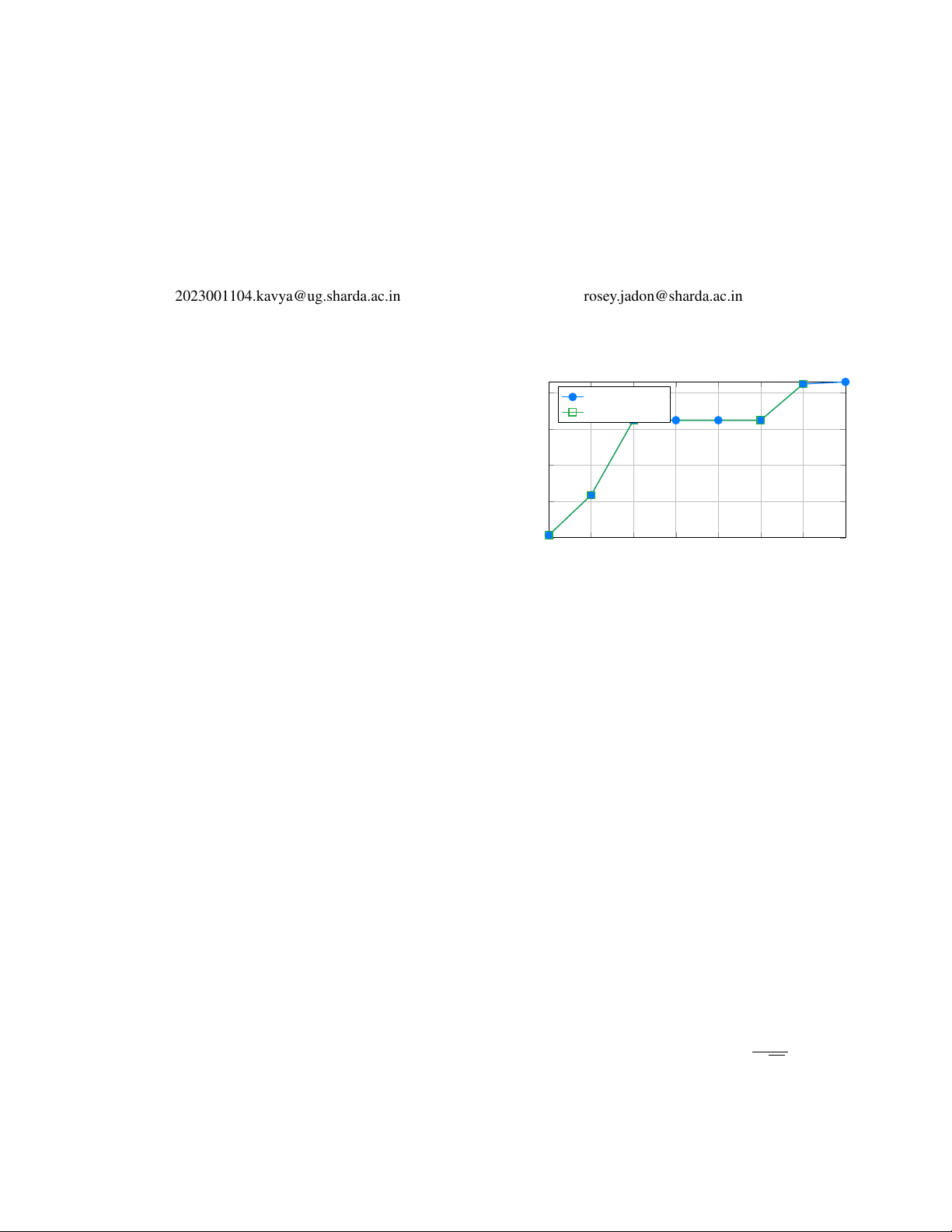
1,007.67 billion yuan, surpassing one trillion yuan for the first time, ranking eighth in China (Chen, 2023). As shown by figure 1,
the export volume of Sichuan illustrated the trend of a continuous gentle increase until 2014, then a decrease from 2014 to 2016,
the following is a sharp increase after 2016. This is consistent with the export trend of China overall and this macroeconomic
phenomenon are caused due to a variety of factors. The authors’ view is that there are three main reasons that can explain from
the global, domestic and provincial level for the sudden decline of Sichuan’s export volume from 2014 to 2016. Firstly, China is
an export-oriented country which means its economic development is closely related to global economic environment. In 2014,
with the tightening of US monetary policy and economic situation, the world economy gradually entered an economic retrograde
period. Secondly, during this period, China's own industrial structure problems became prominent, real estate bubble, local debt
and other problems emerged, which made the financial risks show an upward trend, and the real economy was greatly affected.
Thirdly the momentum of investment-driven economic growth in Sichuan has gradually dried up, and the growth of consumer
demand has slowed down (Deng et al.,2017). The BRI was announced in 2013, just before this downturn period, so it can be
inferred that the Chinese government has foreseen the negative impacts of the international environment and domestic industrial
structure on economic development. It can be speculated that one of the reasons the Chinese government proposed this initiative
is to meet this challenge.
Figure 1. Total exports of Sichuan Province, 2010-2022 (USD 10000). (Source: Sichuan Statistical Yearbook and Commerce
Department of Sichuan Province)
In short, this research contributes to the existing literature in following ways. Firstly, there are some researches about the
influencing factors of China’s exports on the country level, but the influencing factors on a certain province or region level is not
enough. Even with the existed study, they mainly focus on some more developed regions like Beijing, Shanghai or Guangzhou,
and no research on the export of Sichuan Province yet. Then our study further focuses the influencing factors of exports in the
context of the BRI policy, this is the first time in the literature to investigate the influencing factor of a certain region under this
specific international initiative. And the success identification of the influencing factors and trade potential can precisely help the
local government of Sichuan to take advantages of this BRI policy and to promote its exports in a more effective way.
The remaining parts of this article is arranged as follows. Section II reviews the recent related literature and selects the potential
influencing factors to be tested. Section III exhibits the construction of the regression model and reports the empirical results and
corresponding analysis. Section IV estimates the trade potential of each BRI countries with Sichuan. Lastly, section V contains
the conclusions and suggestions proposed by this study.
2. Literature Review and Influencing Factors Selection
2.1. Belt and Road Initiative
At first, this paper is related to a group of studies focusing on the Belt and Road Initiative. The BRI is an acronym of two main
portions, the Silk Road Economic Belt which connects China through Central and Western Asia with Europe, along with the 21st
Century Maritime Silk Road that links China with Southeast Asian, Europe and Africa (Rolland, 2017; Zhou et al., 2022).
According to Lo (2015), this initiative is expected to boost economic growth through investment in infrastructure and new trade
routes, and to create new economic interdependent relationships between China and member countries. So as Li and Wu (2018)
suggest, so as to reach this common purpose, various countries and regions along the route have made joint effect to enhance
infrastructure construction. Although the original motive of the BRI, as demonstrated by Melecky, Roberts and Sharma (2019)
and De Soyres, Mulabdic and Ruta (2020), is to develop transportation, logistics and other infrastructures that would further
connect China with the BRI region, the range of this massive initiative contains far beyond only infrastructural investments. In
fact, it is foreseeable that the prompt achievement of these hardware facilities offers a reliable guarantee for the smooth

JournalofAppliedEconomicsandPolicyStudies|Vol4|28March2024|33
improvement of foreign trade. With the promotion effect from advanced customs clearance, cross-border payment and logistics,
and international warehousing, the BRI has become a significant promoter for the development of China’s exports.
2.2. Influencing Factors of Exports
Most of the existing researches on the influencing factors of exports employ empirical analysis as the tool and the difference of
each research lays in the research perspective and selected explanatory variables. The different research perspectives can be
classified into three kinds. The first category is to investigate the influencing factors from the country level, that is to use the export
volume of the whole country to explore the factors. Yao (1998) uses the methods of principal component analysis, factor analysis,
multiple correlation and regression analysis to decide which economic factors affect the foreign trade in China. Ai (2021) analyzes
the various limiting factors affecting the development of China's foreign trade, and on this basis puts forward feasible suggestions
for the development of China's foreign trade. The second kind of research perspective is from the level of certain province or
region in a country. Zheng and Ju (2007) use GDP, foreign direct investment (FDI), export market structure, product
structure/industry structure, technology innovation and labor factor as the explanatory variables to explore their impacts on
Shandong Province's exports. Dong and Xiao (2005) conduct empirical analysis on the exports of Guangdong, Beijing and
Zhejiang to verify the impacts of GDP of trading partners, RMB exchange rate and retail price index on the regional exports. Wang
(2007) empirically analyzes the factors that affect Xinjiang Province's exports, and finds that Xinjiang's GDP, FDI and economic
growth rate of trading countries all play a positive role in promoting exports, while the effect of exchange rate is complex. The
third level is where the influencing factors of exports are investigated at a specific industry’s perspective. Chen (2011) establishes
a regression equation with the export value of high-tech products as the explained variable, and uses the ridge regression method
to analyze the contribution of each influencing factor to the export value of high-tech products. Ji and Ren (2020) use the expanded
trade gravity model and explore the influencing factors of China's exports of sporting goods to countries along the Belt and Road.
Fang and Ma (2018) focus on the exports of Chinese cultural products to BRI countries and investigate the influencing factors.
Through the above literature review, we can find that there is no comprehensive empirical analysis of the influencing factors
of regional export trade under the BRI in the existing literature. And this study also makes the first attempt to set up the research
object in a relatively undeveloped western province of Sichuan and thus reveal the deeper impacts of BRI.
2.3. Influencing Factors of Exports
By summarizing the existing influencing factors in the existing literature, table 1 is constructed to show the potential factors from
some previous related literature.
Table 1. Influencing Factors in Previous Literature
Year
Author
Title
Influence Factors
1998
Lijiao Yao
Empirical analysis of influencing factors of
China's foreign trade
GDP, Investment, Savings, Utilization of foreign
capital, Foreign exchange reserves, Currency
issuance, Exchange rate, Global growth rate,
Price index, Tariff rate, Trade management degree
2005
Dong&
Xiao
The quantitative analysis of effecting factors of
exports of three eastern areas —— On
Guangdong, Beijing, Zhejiang
GDP of trading countries, RMB exchange rate,
Retail price index
2007
Zheng &
Ju
Theoretical and empirical analysis of the
influencing factors of foreign trade export in
Shandong Province
GDP of exporter, FDI, Export market structure,
Product structure/Industry structure,
Technological innovation, Labor factor
2007
Jingfan
Wang
An empirical analysis of the factors influencing
the export of Xinjiang
GDP of exporter, Import volume, FDI, Exchange
rate, GDP growth rate of trading countries
2011
Hao Chen
An empirical analysis of the factors affecting
the export of high-tech products-based on the
data of 14 provinces
Development of high technology
industrialization, Investment funds in science and
technology, Number of scientific personnel,
Invention patents
2017
Li & Qiu
Research on China's export potential to APEC
members and its influencing factors: An
empirical test based on trade gravity model
GDP, Distance, Trade Pact, Sharing Border,
Common language, FDI,
2017
Jianchun
Shao
The influencing factors of china’s service
exports to high-income economies: An
empirical study using gravity model and
random-effect panel data model
GDP, Distance, Goods export trade variables,
Exchange Rate, FDI, Technical complexity of
service export

44|JournalofAppliedEconomicsandPolicyStudies|Vol4|28March2024
Table 1. Continued
Year
Author
Title
Influence Factors
2018
Fang &
Ma
Potential and influencing factors of cultural
trade between China and countries along the
Belt and Road: an empirical study based on
stochastic frontier gravity model
GDP of trading countries, Population of trading
countries, Distance, Culture distance
2019
Wu &
Xiang
The empirical analysis on the influence of
“Belt and Road” strategy on the development
of small and medium-sized processing trade
enterprises in Chengdu
FDI, Investment in manufacturing, Import and
export volume of foreign trade, Average annual
Wages of employees, Exchange rate of RMB,
Level of science and technology, Proportion of
processing trade industries
2020
Dai & Yang
Foreign trade promotion effect of China’s
“Belt and Road” Initiative
GDP, Population, Tariff barriers, Openness of
trading countries, High-tech endowment of
trading countries
2020
Ji & Ren
Influencing factors and trade potentials of
sports goods export between China and the
countries along "Belt and Road": A test
based on the extended trade gravity model
GDP, Distance, Political stability index of
trading countries, Openness of trading
countries, WTO membership, High-income
countries as identified by the World Bank
2021
Shangle Ai
Analysis of the new pattern of China’s
foreign trade development under the
background of the Belt and Road
Level of economic development (GDP),
Geographical location, Transportation
conditions, Industrial structure, Tariff
2021
Kong, Chen,
Shen & Wong
Has the belt and road initiative improved
the quality of economic growth in China's
cities?
City size, Level of economic development
(GDP), Scale of foreign investment, Human
capital, Infrastructure
2022
Wang & Qu
The impact of the "Belt and Road"
construction on the exports between China
and countries along the routes
Market size (GDP), Economic stability (CPI),
Population, Trade barriers (tariff) of trading
countries
2023
Yu & Ge
Trade facilitation and domestic value -
Added rates of Exports: Empirical analysis
based on countries along the Belt and Road
Import tariffs, Non-tariff trade barriers, GDP,
FDI, Exchange rate, Human capital, Total factor
productivity, WTO membership
It can be inferred from table 1 that there exist some common recognized influencing factors regarding exports, like the GDP
of both sides of trading countries, which is used for 13 out of total 15 articles in table 1. Some other widely considered influencing
factors are exchange rate (6 out of total 15 articles), FDI (6 out of total 15 articles), distance or geographical location (5 out of total
15 articles), tariff (5 out of total 15 articles), and population (3 out of total 15 articles).
Another situation here is that some different influencing factors can be summarized to represent the same type of information
so we cluster these factors as one. These factors include technology level (identified as development of high technology, high-tech
endowment, technological innovation, level of science and technology or invention patents for 5 out of total 15 articles), human
capital level (identify as human capital or labor factor for 3 out of total 15 articles), industry structure (identify as proportion of
processing trade industries or industrial structure for 3 out of total 15 articles) and infrastructure (identify as transportation
conditions or infrastructure for 2 out of total 15 articles).
As a result, this study chooses the top 11 most widely-used influencing factors to test whether they are still significantly
influential for exports under the implementation of BRI in Sichuan province. And the 11 factors chosen are the economic
development level of Sichuan Province and trading countries, distance between Sichuan and trading countries, population of
trading countries, foreign merchant participation of Sichuan, exchange rate of RMB, human capital level in Sichuan, scientific and
technology level in Sichuan, industry structure of Sichuan, infrastructure level of Sichuan and tariff level of trading countries.
Among these factors, the economic development level of trading countries, tariff level of trading countries and population of
trading countries takes the side from trading countries and all other factors are the indexes to describe the situation of Sichuan
Province.
3. Empirical Analysis
3.1. Trade Gravity Regression Model Building
The trade gravity regression model originates from Newton's law of gravitation. Tinbergen (1962) as well as Poyhonen (1963)
introduced the law of gravitation into the field of international trade. They point out that the scale of bilateral trade flows between
two countries is directly proportional to their respective economic scale and inversely proportional to the distance between two
trading countries. Later Anderson (1979) further explores the feasibility of interpretation of cross-section data by gravity model

JournalofAppliedEconomicsandPolicyStudies|Vol4|28March2024|55
from the dimension of time variables and non-time variables. Until now many scholars have expanded the trade gravity model and
introduced other factors that affect bilateral trade flow.
Based on the 11 influencing factors selected by this study, we add 8 more potential influencing factors to be tested to the
original trade gravity model. To sum up, the key explained variables of the model is the export volume of Sichuan to BRI countries,
the explanatory variables is the 11 influence factors chosen in Section II. As we want to study the exports under the BRI, referred
to the research of Yu and Ge (2023), this study identifies the BRI countries as the fifty-nine countries covered by the silk road
economic belt and the 21st century maritime silk road (The name list of the 59 BRI countries is shown in appendix). Given the
availability of data, the export volume of Sichuan with six BRI countries is not separately listed by the Chengdu Custom due to
the trading volume being insignificant or no trading partnership
2
. So this study will focus on the total export value of the remaining
fifty-three BRI countries. In order to avoid the influence of extreme values of variables and overcome the heteroscedasticity
problem, all continuous variables are taken as natural logarithms. Namely exports, GDP of both Sichuan and BRI countries,
distance, population, FDI of Sichuan, patent applications, number of graduates from higher education and length of transport routes
are all taken as natural logarithms. While the exchange rate, industry structure and tariff remain unchanged. And the logarithmic
representation of the model is shown in model 1.
ln EXit = α0 + α1 ln GDPsc + α2 ln GDPi + α3 ln DIS + α4 ln POP + α5 ln FDI + α6 ER + α7 ln HC + α8 STC+ α9 ln TECH + α10
ln IFS +α11 TAR+μij (1)
In model 1, EXPit denotes the export volume of Sichuan to i country in t year, the data is acquired from the Chengdu Custom.
We obtained the export volume of Sichuan to different countries from the Chengdu custom, among the total dataset we kept the
export volume to fifty-three BRI countries defined in this research. GDPsc is the GDP of Sichuan, GDPi is the GDP of i trading
countries, DIS stands for the distance between Sichuan and the trading countries. POP is the population of trading countries, FDI
is the foreign direct investment in Sichuan, ER is the exchange rate of RMB, HC represents the human capital level, STC is the
industry structure, TECH stands for the technology level, IFS is the infrastructure level of Sichuan and TAR represents the tariff
level of trading countries. α0 is the constant term, and αk is the regression coefficient of each variable (k= 1,2,3...... 11), μij is a
random variable. The specific measurement and data source of each explanatory variables is shown in table 2.
Table 2. The Measurement and Data Source of Explanatory Variables
Influencing factors
Symbol
Measurement
Data source
Economic development level of Sichuan
GDPsc
GDP
Sichuan statistical yearbook
Economic development level of trading
country
GDPi
GDP (constant 2015 US$)
WDI database
Distance
DIS
Distance between two countries’
capital city
CEPII Database
Population of trading country
POP
Total Population
WDI database
Foreign Merchant Participation
FDI
Foreign direct investment
Sichuan statistical yearbook
Exchange Rate
ER
Official exchange rate (LCU per
US$, period average)
WDI database
Human Capital Level
HC
Number of Graduates from higher
education
Sichuan statistical yearbook
Industrial Structure
STC
The proportion of tertiary industry
to GDP (%)
Sichuan statistical yearbook
Scientific and Technological
Development Level
TECH
Patent applications
Sichuan statistical yearbook
Infrastructure Level
IFS
Length of Transport Routes3
Sichuan statistical yearbook
Tariff Barrier of trading country
TAR
Tariff rate, applied, weighted mean,
all products (%)
WDI database
Because changes in influencing factors have a lag effect on exports, in the actual regression, we investigate the impacts of
variables with a lag of one year. And the time period is from 2011 to 2022. The basic statistical characteristics of each variable are
shown in Table 3.
3.2. Empirical results and analysis
In this paper, Stata17.0 software is used to conduct the empirical analysis on the constructed extended trade gravity regression
model. Generally speaking, there are three different model settings to test the panel data, and will generate different regression
estimation results. In order to take into account the estimation efficiency and robustness of the model, all three types, which contain
2
Albania, Armenia, Croatia, Czech Republic, Romania and Macedonia.
3
Length of Transport Routes = Railways in Operation+ Highways + Navigable Inland Waterways + Civil Aviation

66|JournalofAppliedEconomicsandPolicyStudies|Vol4|28March2024
the pooled OLS model, the random effect model and the fixed effect model are executed to test the data. The corresponding results
of each regression are shown in table 4, in which model 1, 3 and 5 are the baseline regression results, and model 2, 4 and 6 are the
extended regression results.
Table 3. Descriptive Statistics
Variable
Obs
Mean
Std. Dev.
Min
Max
ln EX
636
19.419
2.282
9.01
24.98
ln GDPsc
636
10.384
.341
9.752
10.894
ln GDPi
633
25.007
1.603
21.15
28.647
ln DIS
636
8.553
.43
7.067
9.868
ln POP
636
16.32
1.739
12.798
21.065
ln FDI
636
13.42
.505
12.41
13.844
ER
636
6.532
.262
6.143
6.908
ln HC
636
12.778
.156
12.537
13.021
STC
636
45.783
6.018
35.1
52.5
ln TECH
636
11.013
.466
10.256
11.898
ln IFS
636
13.991
.358
13.467
14.439
TAR
467
4.065
3.318
.02
20.75
Table 4. The Regression Results of POLS,RE,FE Model
POLS
RE
FE
Model1
Model2
Model3
Model4
Model5
Model6
lnGDPsc
0.345**
6.614
0.341***
5.280*
0.457***
5.171*
(2.54)
(1.48)
(3.52)
(1.74)
(2.92)
(1.72)
lnGDPi
1.204***
1.170***
1.191***
1.242***
0.827**
1.447***
(41.61)
(20.95)
(15.66)
(10.11)
(2.13)
(3.10)
lnDIS
-0.984***
-1.269***
-0.987***
-1.129***
0
0
(-9.15)
(-9.16)
(-3.43)
(-3.67)
(.)
(.)
lnPOP
-0.00130
-0.0426
-1.958***
(-0.02)
(-0.37)
(-2.79)
lnFDI
0.536
0.283
0.254
(0.81)
(0.63)
(0.57)
ER
1.820
1.373
1.324
(1.41)
(1.57)
(1.52)
lnHC
-2.780
-2.456
-2.203
(-1.20)
(-1.56)
(-1.41)
STC
-0.238
-0.173
-0.168
(-0.98)
(-1.06)
(-1.03)
lnTECH
0.523
0.493
0.460
(0.75)
(1.04)
(0.98)
lnIFS
-1.704
-1.646**
-1.557*
(-1.45)
(-2.06)
(-1.96)
TAR
-0.0415**
-0.0286
-0.0272
(-2.49)
(-1.34)
(-1.12)
_cons
-5.849***
-22.09
-5.452*
-11.87
-5.997
1.951
(-3.27)
(-0.42)
(-1.78)
(-0.33)
(-0.71)
(0.05)
N
633
467
633
467
633
467

JournalofAppliedEconomicsandPolicyStudies|Vol4|28March2024|77
t statistics in parentheses
* p < 0.1, ** p < 0.05, *** p < 0.01
Since the influencing factor of distance between two trading countries do not change over time, the parameters of this variables
cannot be estimated using the fixed effect model. Nevertheless, distance is the baseline factor and is crucial in the original trade
gravity model. So the Breusch and Pagan Lagrangian multiplier test for random effects is conducted to choose between the pooled
OLS and random effect model and the result is illustrated in table 5. From the test result, the P value equals to 0 which means the
random effect model is better than the POLS model. Consequently, this research chooses the random effect model to analysis the
influencing factors of Sichuan’s exports volume under the BRI.
Table 5. Breusch and Pagan Lagrangian Multiplier Test for Random Effects
Estimated results:
| Var SD = sqrt(Var)
---------+-----------------------------
EX | 5.223336 2.285462
e | .6421235 .8013261
u | .7534951 .8680409
Test: Var(u) = 0
chibar2(01) = 950.98
Prob > chibar2 = 0.0000
When focusing on the regression results of RE models (model 3 and model 4), the baseline regression (model 3) is good and
all three factors are significant at the 1% level. But when adding together other eight potential influencing factors, most of these
factors become insignificant. Our speculation is that the number of explanatory variables is too many and most of the economic
variables have collinearity. If all independent variables are included at the same time in the regression, multicollinearity problems
may emerge. In order to eliminate multicollinearity problem and obtain the most accurate model, we construct the stepwise
regression analysis, starting with the three basic factors and then adding the potential influencing factors one by one to investigate
the significance of all these factors. And the results are demonstrated in table 6.
Table 6. The Regression Results of Random Effect Model
RE (1)
RE (2)
RE (3)
RE (4)
RE (5)
RE (6)
RE (7)
RE (8)
RE (9)
lnGDPsc
0.341***
0.332***
-0.0177
-0.0815
2.188***
9.447***
9.269***
4.980*
5.280*
(3.52)
(3.38)
(-0.15)
(-0.68)
(5.22)
(4.12)
(3.99)
(1.85)
(1.74)
lnGDPi
1.191***
1.238***
1.245***
1.256***
1.255***
1.260***
1.260***
1.262***
1.242***
(15.66)
(10.31)
(10.39)
(10.52)
(10.56)
(10.61)
(10.61)
(10.65)
(10.11)
lnDIS
-0.987***
-1.030***
-1.032***
-1.037***
-1.034***
-1.037***
-1.037***
-1.038***
-1.129***
(-3.43)
(-3.38)
(-3.38)
(-3.41)
(-3.41)
(-3.41)
(-3.42)
(-3.42)
(-3.67)
lnPOP
-0.0595
-0.0635
-0.0700
-0.0666
-0.0695
-0.0696
-0.0701
-0.0426
(-0.53)
(-0.56)
(-0.62)
(-0.60)
(-0.62)
(-0.62)
(-0.63)
(-0.37)
lnFDI
-
0.383***
-0.662***
-0.730***
0.498
0.500
0.200
0.283
(-4.84)
(-6.57)
(-7.38)
(1.27)
(1.27)
(0.50)
(0.63)
ER
-0.711***
-0.683***
1.790**
1.785**
1.291
1.373
(-4.38)
(-4.31)
(2.29)
(2.28)
(1.63)
(1.57)
lnHC
-5.217***
-4.771***
-4.985***
-2.333*
-2.456
(-5.63)
(-5.14)
(-4.78)
(-1.74)
(-1.56)
STC
-0.405***
-0.399***
-0.164
-0.173
(-3.22)
(-3.15)
(-1.12)
(-1.06)
lnTECH
0.126
0.719**
0.493
(0.45)
(2.13)
(1.04)

88|JournalofAppliedEconomicsandPolicyStudies|Vol4|28March2024
Table 6. Continued
RE (1)
RE (2)
RE (3)
RE (4)
RE (5)
RE (6)
RE (7)
RE (8)
RE (9)
lnIFS
-1.897***
-
1.646**
(-3.11)
(-2.06)
TAR
-0.0286
(-1.34)
_cons
-
5.452*
-
5.210*
3.474
12.40***
56.16***
-39.04
-36.15
-9.004
-11.87
(-1.78)
(-1.65)
(0.96)
(3.00)
(6.40)
(-1.27)
(-1.15)
(-0.28)
(-0.33)
N
633
633
633
633
633
633
633
633
467
t statistics in parentheses
* p < 0.1, ** p < 0.05, *** p < 0.01
To start with, it is notable that the influencing factor of the population of trading countries are not significant in all regression.
The original assumption is that the population of trading countries represents the purchasing power of this country. However, the
coefficient of population is negative which indicates that with the increase of the population of trading countries, the export volume
with that country will decrease. This is opposite to the original assumption and the possible explanation could be that some of the
BRI countries are developing countries and the population of these country is large but the economic conditions of these countries
are relatively backward. This situation causes the correlation between the export volume and population is disturbed with two
opposite trend and become insignificant and negative in our model.
After eliminating the influencing factor of population and comparing the coefficient of RE (1)- RE (9), the optimal RE (5) is
chosen as the final optimal interpretation model. The influencing factors of GDPsc, GDPi, DIS, FDI, ER and HC and the constant
term are all significant at the 1% level. And the detailed analysis of the influencing factors is as follows:
(1) The coefficient of the GDP of Sichuan is 2.188 with a significant level of 1%, which indicates that this is an important positive
factor affecting the exports. With every 1% increase in Sichuan's economic scale and correspondingly improve Sichuan's
production capacity, Sichuan's exports to countries along the Belt and Road will increase by 2.188% when other factors stay
the same. Since the coefficient of Sichuan’s GDP is greater than BRI countries’ GDP, Sichuan’s exports to countries along
the Belt and Road are supply-induced, that is, the supply of Sichuan is a more important factor affecting exports.
(2) The coefficient of the economic scale of BRI countries is 1.255 with high significance. The greater the scale of trading
countries’ economic scale, the greater the potential import and export capacity, and thus the greater the bilateral trade flow.
When other factors remain unchanged, every 1% increase in BRI countries’ economic scale, Sichuan's exports to these
countries will increase by 1.255%.
(3) The distance coefficient between China and the countries along the Belt and Road is -1.034, and the significance is high,
which manifests the distance is an important factor inhibiting Sichuan's exports to BRI countries. If other conditions remain
unchanged, for every 1% increase in the distance between Sichuan and the BRI countries, with the increase of trade costs
such as transportation cost, total exports volume will shrink by 1.034%.
(4) The coefficient of FDI is -0.73, which demonstrates that the foreign merchant participation in Sichuan has not promoted the
development of foreign trade export even inhibited it. This result is inconsistent with some existing literature, Yao (1998)
claimed that foreign direct investment themselves were an important force to carry out foreign trades. Strong capital,
advanced technology and cheap labor in China combined could produce highly competitive products in the international
market to increase the exports. Wang (2011) analyzed the FDI and exports value of China from 1996 to 2009 using co-
integration test and proposed that there is a positive correlation between total foreign trade and FDI. The increase of FDI can
not only bring about the increase of total imports, but also promote the growth of total exports. However, this was correct in
China decades ago, and at present Chinese exports is transferring from quantity to quality. Another reason is that Sichuan’s
foreign direct investment is mainly concentrated in the real estate industry and manufacturing industry in recent years, while
the exports of Sichuan province is mainly focused on the mechanical and electrical products. Therefore, the FDI absorption
does not fully promote the exports. In addition to what mentioned above, there is also situation where part of the FDI of
Sichuan has been applied to meeting domestic demand, thus promoting imports more than exports.
(5) The coefficient of exchange rate is -0.683. It shows that if other conditions remain unchanged, every 1% appreciation of
RMB will reduce the export volume of Sichuan's products to the export target countries by 0.683%. Exchange rate is the
most crucial comprehensive price index for a country to carry out cross-border trading (Shi, 2008). The appreciation of RMB
will lead to the decline of profits of export enterprises in Sichuan, thus weakening their competitiveness in the global market.
(6) The coefficient of human capital is -5.217, which indicates it is the most important influencing factor in the model and is at
a high significant level. This result is opposite to our original assumption. In our original assumption, we use the number of
graduates from higher education to denote the level of human capital. And the result shows that with every increase in the
number of graduates from higher education, the exports will drop by 5.217. One reason for this situation is that Sichuan’s

JournalofAppliedEconomicsandPolicyStudies|Vol4|28March2024|99
exports are mostly manufactured goods, which are labor-intensive products and the quantity rather than the quality of labor
force has a greater impact on the export volume. The improvement of human capital level will lead to the rise of wages,
which is not conducive to the exports of labor-intensive products in Sichuan. Besides as our data is only lagged by one year
and in a relatively shorter period, yet the improvement of human capital will need longer time to appear in the number of
export volume. In general, the total labor endowment has been dominated by low-skilled labor currently in Sichuan, so the
negative effect of human capital level on exports is reasonable.
(7) The impact from the TAR did not pass the significance test and this is because one goal of the BRI is to achieve unimpeded
trade between the member countries. Accordingly, China has signed many bilateral trade agreements with the BRI countries
under the promotion of this policy and the weighted average TAR cannot reflect these reciprocal tariffs.
(8) In the case of the coefficient of the scientific and technology level, industry structure and infrastructure level of Sichuan, in
our regression, after adding this factor, the significance of other factors will decrease. Thus, they are eliminated from the
optimal model.
4. Estimation of Sichuan's Export Trade Potential to BRI Countries
The regression results of the trade gravity model can also be used to estimate the export trade potential between Sichuan and BRI
countries. The principal is to estimate the export trade potential coefficient by comparing the theoretical export volume simulated
by the trade gravity model with the actual export volume. According to the expanded trade gravity model tested above, we select
RE (5) as the regression model and execute the regression again after eliminating the factor of population. The final equation for
calculating the theoretical export volume is derived as:
ln EXit = 55.93 + 2.2 ln GDPsc + 1.202 ln GDPi - 0.985 ln DIS -0.729 ln FDI - 0.682 ER -5.223 ln HC (2)
During the sample observation period, the calculated trade potential results of each country are shown in figure 2, and the trade
potential of each country in 2022 is shown in table 7.

1010|JournalofAppliedEconomicsandPolicyStudies|Vol4|28March2024
Figure 2. Trade Potential Coefficient of Sichuan to BRI Countries
Table 7. Trade Potential Coefficient of BRI Countries in 2022
Country
Trade Potential
Country
Trade Potential
Country
Trade Potential
Malaysia
0.8901
Thailand
0.9787
Tajikistan
1.0152
Belarus
0.8950
Lithuania
0.9790
Serbia
1.0161
Kyrgyz Republic
0.9013
Afghanistan
0.9827
Indonesia
1.0203
Cambodia
0.9051
Philippines
0.9898
Bahrain
1.0208
Maldives
0.9143
Brunei Darussalam
0.9931
Sri Lanka
1.0252
Vietnam
0.9165
Slovak Republic
0.9965
India
1.0278
Bosnia and
Herzegovina
0.9248
Israel
0.9970
Uzbekistan
1.0287
Jordan
0.9256
Moldova
0.9982
Latvia
1.0287
Lao PDR
0.9344
Bulgaria
1.0034
Estonia
1.0330
Singapore
0.9376
Russian Federation
1.0044
Kazakhstan
1.0450
Lebanon
0.9426
Turkey
1.0052
Mongolia
1.0461
United Arab
Emirates
0.9462
Pakistan
1.0063
Azerbaijan
1.0500
Georgia
0.9601
Kuwait
1.0074
Qatar
1.0586
Poland
0.9625
Bangladesh
1.0097
Iran, Islamic Rep.
1.0773
Myanmar
0.9666
Ukraine
1.0112
Bhutan
1.1493
Nepal
0.9668
Oman
1.0144
Hungary
0.9677
Egypt, Arab Rep.
1.0145
Slovenia
0.9780
Saudi Arabia
1.0150
In this study, we drawn on the suggestion of Liu and Jiang (2002) to divide the trade partners into three categories according
to the export trade potential coefficient, with ratio greater than or equal to 1.2 belonging to the "potential reconstruction type",
ratio between 0.8 and 1.2 belonging to the "potential expansion type", and ratio less than or equal to 0.8 belonging to the "great
potential type".
From table 7, the trade potential coefficient for each BRI countries in 2022 are calculated and all 52 countries
4
are between 0.8
to 1.2. On the one hand, this means that all BRI countries are regarded as the “potential expansion type” to Sichuan. There is no
trade potential below 0.8 which indirectly proves that the implementation of the BRI policy is effective as the promotion of trade
agreements and bilateral trade exchanges have built good cooperative relations between Sichuan and BRI countries. On the other
hand, there is also no trade potential higher than 1.2, which means the potential of Sichuan's export development with BRI partners
has not been fully exploited. The coefficient being smaller, the trade potential will be greater. For instance, the greatest trade
potential of Sichuan goes to Malaysia. Referring to the method of Fang and Ma (2018), we divide the fifty-three BRI countries
into six regions as exhibited in Table 8 and calculate the average trade potential of each region.
4
The export volume of Yemen is missed in year 2022.

JournalofAppliedEconomicsandPolicyStudies|Vol4|28March2024|1111
Table 8. Regional trade potential along the Belt and Road
Region
Countries
Average trade
potential
Central Asia
Kazakhstan, Kyrgyz Republic, Tajikistan, Uzbekistan
0.99754
Southeast Asia
Brunei Darussalam, Myanmar, Cambodia, Indonesia, Lao PDR, Malaysia,
Philippines, Singapore, Thailand, Vietnam
0.95322
Mongolia and Russia Region
Mongolia, Russian Federation
1.02526
South Asia
Afghanistan, Bangladesh, Bhutan, India, Maldives, Nepal, Pakistan, Sri
Lanka
1.01024
West Asia and Middle East
Bahrain, Iran, Islamic Rep., Israel, Jordan, Kuwait, Lebanon, Oman, Qatar,
Saudi Arabia, Turkey, United Arab Emirates, Yemen, Rep. , Egypt, Arab
Rep., Georgia, Azerbaijan
1.00249
Central and Eastern Europe
Bulgaria, Hungary, Poland, Estonia, Latvia, Lithuania, Belarus, Moldova,
Ukraine, Slovenia, Slovak Republic, Bosnia and Herzegovina, Serbia,
Montenegro
0.97960
Above all, it is notable that among the top 10 most potential trading partners, half of them (Malaysia, Cambodia, Vietnam, Lao
PDR, Singapore) are ASEAN countries. As demonstrated in Table 7, Southeast Asia is the region with the largest trade potential
in the case of Sichuan. This demonstrates the strategical significance of ASEAN countries to Sichuan’s exports considering the
specific geographical location of Sichuan province. Because Sichuan locates in the south west of China and is regarded as the open
hub to southeast Asia. Overall, the “potential expansion type” countries already have a good basis for trading with Sichuan, but
perhaps due to historical, political or geographical reasons and Sichuan being a less developed area in China, the trade potential
has not been fully exploited. Therefore, to develop trade relations with this type of countries, Sichuan on the one hand needs to
strengthen communication and exchanges, continue to deepen economic cooperation and remove trade obstacles to fully tap the
potential. On the other hand, it is also essential for Sichuan enterprises and government to cultivate new elements of trade potential.
5. Conclusions and Suggestions
5.1. Conclusions
Based on the panel data of Sichuan's exports to the fifty-three countries along the Belt and Road from 2011 to 2022, eleven
explanatory variables (economic development level of Sichuan Province and trading countries, distance between Sichuan and
trading countries, population of trading country, foreign merchant participation of Sichuan, exchange rate of RMB, human capital
level in Sichuan, scientific and technology level in Sichuan, industry structure of Sichuan, infrastructure level of Sichuan and tariff
level of trading countries) are tested, using the expanded trade gravity model, to explore the significant influencing factors of
Sichuan’s exports to the BRI countries. According to the final model, the theoretical export value of Sichuan's exports to BRI
countries in 2022 was calculated, and the trade type of each country was determined by the ratio of trade potential coefficient. The
results show that:
(1) The economic development level of both Sichuan and BRI countries has significant positive correlation with the export
volume while the distance, foreign merchant participation in Sichuan, exchange rate of RMB and human Capital level of
Sichuan are significantly negative correlated with the exports. The influence from the population of trading countries,
scientific and technological development level of Sichuan, industry structure of Sichuan, infrastructure level of Sichuan and
tariff barrier of trading countries are not significant. Judging from the regression coefficient, the human capital level, the
economic development level of both Sichuan and BRI countries have relatively larger influence on the export volume. The
impacts from the distance, foreign merchant participation in Sichuan, exchange rate of RMB are comparatively smaller.
(2) In the export trading between Sichuan and the BRI countries, all of the trading countries’ trade potential have not been fully
developed notwithstanding the existing optimistic trading foundation. It is necessary for Sichuan to further remove trade
barriers and cultivate new elements of trade potential to further expand the export volume.
5.2. Suggestions
Based on above research, this paper believes that in order to deepen the economic exchanges between Sichuan and BRI countries,
expand bilateral trade, and explore the international market, further efforts are recommended for the Sichuan government from the
following aspects:
(1) Keep strengthening the incentives of exports. The economic development level of both Sichuan and the trading countries
have significant positive impacts on the exports volume, while the promotion effect of Sichuan's own economic scale is
greater. Therefore, Sichuan should maintain a good economic development trend to promote exports. The Sichuan

1212|JournalofAppliedEconomicsandPolicyStudies|Vol4|28March2024
government need to continue to deepen the reform of the domestic economic structure, strengthen technological innovation,
optimize industrial structure, maintain long-term and stable economic growth of Sichuan province, and consequently exert
its own economic strength to drive exports. Next the Sichuan government should attach importance to building deeper
relations with neighboring countries considering its geographic location and give full play to factors such as geographical
proximity, cultural affinity and language similarity in promoting bilateral trades. Lastly it is necessary to attach importance
to the role of various non-governmental organizations and other social groups, and to promote the smooth flow of trade with
cultural exchanges as a link.
(2) Addressing the negative factors of exports. Geographical distance will increase the cost of communication and transportation
between both parties of trades, and hinder the development of exports. This objective limitation cannot be changed, but it can
be offset by improving the transportation convenience of both sides. For Sichuan, the China-Europe railway linking Chengdu
and Europe has been operated for ten years from 2013. According to the report by Ye and Song (2023), the Chengdu-Europe
international railway ran more than 4700 trains in 2022. The rail track is westward and goes through the BRI countries like
Kazakhstan, Russia, Belarus and other countries and the destination is Lodz, Poland. Moreover, in terms of people-to-people
connectivity, through the provision of more convenient visa services for business travelers, students, technical personnel, etc.,
to facilitate cross-border trade, cross-border education and cross-border technical exchanges and cooperation. Through fully
taking advantages of these measures, the barrier effect of spatial distance is expected to be greatly weakened.
(3) On the basis of the trade potential coefficient, different strategies should be adopted for different export markets. For instance,
the ASEAN countries have relatively greater trade potential and require more attention to further expand the trade potential.
On July 2023, the first Lanmei-Rong Europe Expressway operated, which connects the China-Laos Railway with the China-
Europe freight train in Chengdu. The expressway starts from Rayong, Thailand, routes through Vientiane, Laos, to Chengdu
International Railway Port via China-Laos Railway, and then continues the China-Europe train to Europe and arrives at the
destination of Budapest, Hungary. This new railway line starts from southeast Asia area, which is the most potential trade
region as identified, and ends in the central and eastern Europe, which is the region with the second largest trade potential. It
is foreseeable that this railway line may represent great opportunity to boost the trade potential with the ASEAN countries as
well as the central and eastern European countries. And it is crucial that the Sichuan government will attach strategical
importance to operate this railway and use it as a breakthrough point to further explore its trade potential under this favorable
policy environment cultivated by the BRI. For other BRI countries with higher potential coefficient, measures should also be
taken to maintain the stability of exports and actively explore new growth areas. By stabilizing existing trade foundation and
exploring emerging market potential, Sichuan can establish a diversified product exports market system.
References
[1] Ai, S. (2021). Analysis of the new pattern of China’s foreign trade development under the background of the Belt and Road. Prices Monthly
(Jiage Yuekan), 11, 58–63.
[2] Anderson, J. (1979). A theoretical foundation for gravity equation. American Economic Review, 69(1), 106-116.
[3] Central People's Government of China. (2023, January 13). In 2022, China's foreign trade imports and exports increased by 7.7%, and the
total value exceeded 40 trillion yuan. https://www.gov.cn/xinwen/2023-01/13/content_5736830.htm
[4] Chen, H. (2011). An empirical analysis of factors affecting the export of the high-tech products ——Based on the data of 14 provinces.
The World of Survey and Research(Diaoyan Shijie), 3, 37–39.
[5] Chen, B. (2023, January 16). Sichuan's foreign trade reached 1007.67 trillion yuan. Sichuan Daily. https://www.gov.cn/xinwen/2023-
01/16/content_5737192.htm
[6] Dai, X., & Yang, S. (2020). Foreign trade promotion effect of China’s “Belt and Road” Initiative. Economist (Jingji Xuejia), 6, 68–76.
[7] De Soyres, F., Mulabdic, A., & Ruta, M. (2019). Common transport infrastructure: a quantitative model and estimates from the belt and
road initiative. Policy Research Working Paper Series.
[8] Deng, X., Zhu, H., Lu, Z., & Liu, X. (2017). The analysis of the integration of inland areas into the "Belt and Road" -- A case study of the
"Europe-Chengdu +" strategy. Journal of Southwest Minzu University (Xinan Minzu Daxue Xuebao), 38(5), 121-125.
[9] Dong, X., & Xiao, S. (2005). The quantitative analysis of effecting factors of exports of three eastern areas —— On Guangdong, Beijing,
Zhejiang. International Economics and Trade Research (Guoji Jingmao Tansuo), 21(3), 4–7.
[10] Fang, Y., & Ma, R. (2018). Potential and influencing factors of cultural trade between China and countries along the Belt and Road: An
empirical study based on stochastic frontier gravity model. World Economy Studies (Shijie Jingji Yanjiu), 1, 112-121+136.
[11] Herrero, A., & Xu, J. (2017). China’s Belt and Road Initiative: Can Europe expect trade Gains? China & World Economy, 25(6), 84–99.
[12] Huang, Y. (2016). Understanding China's Belt & Road Initiative: motivation, framework and assessment. China Economic Review, 40,
314-321.
[13] Huo, W. (2018). One belt, one road, Sichuan starts again, the future direction of Sichuan. Sichuan Provincial Conditions(Sichuan
Shengqing), 7, 25–28.
[14] Ji, W., & Ren, W. (2020). Influencing factors and trade potentials of sports goods export between China and the countries along "Belt and
Road": A test based on the extended trade gravity model. Journal of Shanghai University of Sports (Shanghai Tiyu Xueyuan Xuebao),
44(4), 70–77.
[15] Kong, Q., Chen, A., Shen, C., & Wong, Z. (2021). Has the belt and road initiative improved the quality of economic growth in china's
cities? International Review of Economics & Finance, 76, 870-883.
[16] Li, J., & Qiu, J. (2017). Research on China's export potential to APEC members and its influencing factors: An empirical test based on
trade gravity model. Asia-pacific Economic Review (Yatai Jingji), 6, 5–13.

JournalofAppliedEconomicsandPolicyStudies|Vol4|28March2024|1313
[17] Li, S., & Wu, Y. (2018). The development strategy of cross-border E-commerce in Quanzhou area under the "One Belt and One Road"
strategy. Proceedings of the 2018 1st International Conference on Internet and E-Business, 13–15.
[18] Liu, Q., & Jiang, S. (2002). China's bilateral trade arrangement from the perspective of trade gravity model. Zhejiang Social Sciences
(Zhejiang Shehui Kexue), 6, 17-20.
[19] Lo, C. (2015). China’s silk road strategy. The International Economy, 29(4), 54–55.
[20] Melecky, M., Roberts, M., & Sharma, S. (2019). The wider economic benefits of transport corridors: a policy framework and illustrative
application to the China-Pakistan Economic Corridor. Cambridge Journal of Regions, Economy and Society, 12(1), 17–44.
[21] Nugent, J., & Lu, J. (2021). China's outward foreign direct investment in the belt and road initiative: what are the motives for Chinese firms
to invest? China Economic Review, 68
[22] Poyhonen, P. (1963). A tentative model for the volume of trade between countries. Weltwirtschafliches Archive, 90 (1), 93-100.
[23] Rolland, N. (2017). China's “Belt and Road Initiative”: underwhelming or game-changer? Washington Quart, 40 (1), 127–142.
[24] Shao, J. (2017). The influencing factors of china’s service exports to high-income economies: An empirical study using gravity model and
random-effect panel data model. Economic Survey (Jingji Jingwei), 34 (1), 69–74.
[25] Shi, W. (2008). China's bilateral trade arrangement from the perspective of trade gravity model. Market Modernization, 14, 354-355.
[26] Tinbergen, J. (1962). Shaping the World Economy, Appendix VI: An Analysis of World Trade Flows. New York: The Twentieth Century
Fund.
[27] Wang, J. (2007). An empirical analysis of the factors influencing the export of Xinjiang. HLJ Foreign Economic
Relations&Trade(Heilongjiang Duiwai JIngmao), 5, 48–49.
[28] Wang, J., & Qu, L. (2022). The impact of the "Belt and Road" construction on the exports between China and countries along the routes.
Times of Economy & Trade (Shidai Jingmao), 19 (10), 71–76.
[29] Wang, M., Qiu, Q., & Choi, C. (2019). How will the Belt and Road initiative advance China’s exports? Asia Pacific Business Review, 25
(1), 81–99.
[30] Wang, R. (2011). Study on the correlation between foreign direct investment and import and export trade in Sichuan Province. Economic
Research Guide (Jingji Yanjiu Daokan), 7, 189-190.
[31] Wu, X., & Xiang, M. (2019). The empirical analysis on the influence of “Belt and Road” strategy on the development of small and medium-
sized processing trade enterprises in Chengdu. Journal of Chengdu Technological University (Chengdu Gongye Xueyuan Xuebao), 22 (1),
82-89.
[32] Yao, L. (1998). Empirical analysis of influencing factors of China's foreign trade. Statistical Research (Tongji Yanjiu), 5, 26–30.
[33] Ye, Y., & Song, J. (2023, April 26). Run! Towards the dazzling light of the "Belt and Road", towards the bright future of more than 130
cities. Chengdu Commercial Daily, https://baijiahao.baidu.com/s?id=1764227402521359451&wfr=spider&for=pc
[34] Yu, J., & Ge, C. (2023). Trade facilitation and domestic value - Added rates of Exports: Empirical analysis based on countries along the
Belt and Road. Finance and Trade Research (Caimao Yanjiu), 34 (2), 26-40.
[35] Zheng, Y., & Ju, L. (2007). Theoretical and empirical analysis of the influencing factors of foreign trade export in Shandong Province.
Shandong Social Sciences (Shandong Shehui Kexue), 5 (5), 128–132.
[36] Zhou, K., Kumar, S., Lu, F., Fang, Q., & Yu, L. (2022). Has the Belt and Road Initiative improved the quality of food imported by Chinese
enterprises? China & World Economy, 30(2), 60–83.
Appendix
List of "Belt and Road Initiative" (BRI) countries
Afghanistan
Malaysia
Vietnam
Moldova
Bahrain
Maldives
Kazakhstan
Russian Federation
Bangladesh
Mongolia
Kyrgyz Republic
Ukraine
Bhutan
Nepal
Tajikistan
Slovenia
Brunei Darussalam
Oman
Uzbekistan
Slovak Republic
Myanmar
Pakistan
Egypt, Arab Rep.
Bosnia and Herzegovina
Cambodia
Philippines
Bulgaria
Serbia
India
Qatar
Hungary
Montenegro
Indonesia
Saudi Arabia
Poland
Albania
Iran, Islamic Rep.
Singapore
Estonia
Armenia
Israel
Sri Lanka
Latvia
Croatia
Jordan
Thailand
Lithuania
Czech Republic
Kuwait
Turkiye
Georgia
Romania
Lao PDR
United Arab Emirates
Azerbaijan
Macedonia
Lebanon
Yemen, Rep.
Belarus

JournalofAppliedEconomicsandPolicyStudies(2024)Volume4 EWAPublishing
Publishedonline:28March2024 DOI:10.54254/2977-5701/4/2024020
Organizational Sociology Perspectives on University Incubation for
Student Entrepreneurship: A Case Study of the Emerging Internet
Company miHoYo
Shuyuan Shen
Nanjing Universiy of Science and Technology, Nanjing, PRC, 210023
2323877692@qq.com
Abstract. Nowadays, the employment situation is grim, and the postponement and reemployment of college students have become
the mainstream employment solutions. School-enterprise cooperation and university business incubation are particularly important
at this juncture. From the perspective of organizational sociology, it is a win-win way for enterprises to place talent training before
universities. In this process, there will be institutional construction born from the perspective of new institutionalism, emphasizing
three institutional elements: regulatory, normative and cultural cognitive [1]. There are both restrictions and constraints on talents
within the framework, as well as rewards based on prospects and future. In the existing research in China, many scholars focus on
the dilemma, relatively critical and examine it; but there is a lack of dismantling and research on extremely excellent cases.
Therefore, the author conducts research through the new institutionalism perspective of organizational sociology, giving full play
to its interdisciplinary (including sociology, economics, psychology, etc.) many roles, so that organizational sociology, a
knowledge so rich and connotative, can complete a complete analysis and study through composite materials, and provide some
insignificant reference experience and significance for the field.
Keywords: organizational sociology, new institutionalism, graduate entrepreneurship
1. Background
As is known to all, in China, the employment situation of college graduates is now very noticeable, and its severity will cause
widespread social concern every year. In the era of artificial intelligence technology update, more and more posts are easy to be
replaced, and the employment pressure is increasing rapidly. At this time, if only the entrepreneurship option is internally viewed,
the fact that college students embark on the road of entrepreneurship itself, as well as the employment pressure relief of other
college students, has been greatly improved. The recognition of the famous scholar of the new institutionalism Masahiko Aoki on
the cooperation between universities and enterprises is based on the division of two very different areas. He believes that the
interaction between universities and enterprises (or industries) in society will produce synergistic effects, and this process itself
will improve the potential of universities and enterprises respectively [2]. Therefore, from the perspective of organizational
sociology, we regard universities and enterprises as two independent forms of social organization, which are related to each other
and have resource dependence [3].
In organizational sociology, there are six main theoretical frameworks and analytical methods derived from Scott's division
[4]. The author chooses the new institutionalism perspective belonging to the institutional theory to observe the following case.
2. Framework
This study is based on the following basic framework, which is shown below.
Starting from the perspective of the three elements of institutional theory in organizational sociology—regulative, normative,
and cultural-cognitive—this research preliminarily analyzes the manifestations of miHoYo as a company in the process of
university incubation and corporate-university cooperation, focusing on regulatory, normative, and cultural-cognitive aspects.
Through the supportive policy of university incubation for student entrepreneurship, the legitimacy mechanisms of rules and
Copyright: © 2024 by the authors. Submitted for possible open access publication under the terms and conditions of the Creative Commons
Attribution (CC BY) license (https://creativecommons.org/licenses/by/4.0/). https://jaeps.ewapublishing.org

JournalofAppliedEconomicsandPolicyStudies|Vol4|28March2024|1515
frameworks, as well as future prospects, which are essentially constraints and incentives, are applied to both enterprises and
universities. The author also observes that most enterprises choose to give back to their alma mater, and miHoYo, as a case study
in this paper, is a prime example.
Figure 1. The Basic Framework of the New Institutionalism Perspective on University Student Entrepreneurship Incubation: Self-
drawn by the Author
The main part of this paper is divided into two parts: case overview and case analysis.
3. Case Overview
Due to the complexity of the company's background, this paper focuses on one of its founders, Wei Liu, as the narrative thread.
The content is largely derived from official media interviews with Liu, information from miHoYo's official website, and numerous
online reports. The case analysis section is primarily based on the new institutionalism perspective in organizational sociology,
complemented by interdisciplinary perspectives. By integrating knowledge and applying a professional lens, the analysis aims to
distill and showcase the success of miHoYo as a university incubation case.
Wei Liu, the president of miHoYo, was born in 1987 and enrolled at Shanghai Jiao Tong University at the age of 18 in 2005.
As graduation approached in 2008, amidst the financial crisis, he chose to stay in Shanghai to pursue dual majors in Electronic
Engineering at Shanghai Jiao Tong University and Electronic Computer Engineering at the Georgia Institute of Technology. In
2009, Liu, along with two dormitory mates, participated in Shanghai Jiao Tong University's entrepreneurship program and
competition, initially developing a web page and community, followed by an engine for the competition. Unlike many other
students who might have stopped at this point due to comprehensive assessments and award honors, they decided to continue.
In 2011, the three graduate students from Shanghai Jiao Tong University—Wei Liu, Haoyu Cai, and Yuhao Luo—formed a
makeshift team to develop a web game using their self-developed Flash engine, Misato. While Liu took on the public-facing role,
Cai and Luo were responsible for behind-the-scenes development. They developed an open-source literary community, which won
them a prize of 200,000 yuan in a competition. This substantial sum could have easily led to complacency, but instead, the trio—
Liu, Cai, and Luo—invested the money into developing a 2.5D game engine.
Notably, as graduation neared, Haoyu Cai, who was interning at a game company, made a significant effort to convince his
superiors to use the engine for a game he wanted to lead, but was rejected. Undeterred, Cai, Liu, and Luo spent months developing
their first game, "Samsara Story," which they entered into the second China Developers Conference and won the top prize.
In January 2011, with the support of Shanghai Jiao Tong University's progressive policies, miHoYo Studio was officially
established in Room 1104-6, Building 1, No. 100 Qinzhou Road, Minhang Campus.
In 2012, 2014, and 2016, miHoYo launched the "Honkai" series, including "Honkai Impact 3rd." In September 2020, miHoYo's
original IP, "Genshin Impact," made a sensational debut. In October, Wei Liu received the "2022 Shanghai May Day Labor Medal."
That same year, he ranked 538th on the "2022 Hurun China Rich List" with a fortune of 11.5 billion yuan. In July 2022, Liu
became a part-time vice president of the Shanghai General Chamber of Commerce [5]; in April 2023, he was awarded the "2023
National May Day Labor Medal."[6]
Years later, people noticed a streak of white hair on Wei Liu, a Shanghai People's Congress representative. It was not dyed; it
was a testament to the challenging times in 2014 when miHoYo faced a marketing conflict with Apple's iOS "buyout" game
mechanism, nearly on the brink of collapse.

1616|JournalofAppliedEconomicsandPolicyStudies|Vol4|28March2024
Figure 2. Wei Liu, a representative of the Shanghai People's Congress
To ensure survival, Wei Liu had to actively participate in various entrepreneurship competitions supported or organized by
Shanghai Jiao Tong University, Xuhui District, the Shanghai Municipal Education Commission, and the Shanghai Municipal
People's Government. Finally, in 2013, Liu secured an angel investment of 1 million yuan from Hangzhou SkyNet Technology
Co., Ltd., which was the only external funding miHoYo has received to date, holding a 15% stake. Whether by chance or due to
the investor's keen eye, this investment later led Mr. Song, the shareholder, to be listed in a small ranking—the "China Rich List
500."
Although miHoYo started with game development, they never gave up on their pursuit of crafting and telling Chinese stories
with finesse. They used games as a medium to convey our culture, our stories, and the passion of our youth to the world—
successfully breaking through the barriers that had previously blocked our cultural domain overseas. miHoYo's positioning is
never simply as "a game company." As Wei Liu later said in an interview, "We prefer to see ourselves as a company driven by
both cultural creativity and technological innovation... We have our own IPs... We have core technologies in areas like cartoon
rendering, artificial intelligence, and cloud computing. I believe we are driven by both cultural creativity and technological
innovation."
Wei Liu's confidence in making such a statement is backed by the success of four games—"Honkai Impact 3rd" in 2016, the
globally acclaimed "Genshin Impact" and "Tears of Themis" since 2020, and the 2023 hit "Honkai Star Rail"—which I would
rather call outstanding IPs. After the success of "Honkai Impact 3rd," Liu mentioned in an interview, "Our team has always been
thinking about what to do next. We returned to our development philosophy: something new, something exciting, something out
of imagination. We've been thinking about what kind of product would excite us and feel out of imagination. We wanted to play
it and were willing to make it, which led to the idea of creating 'Genshin Impact'"[12]. Soon after, on September 28, 2020, "Genshin
Impact," a globally popular game that has amazed young people overseas and earned immense revenue, was launched. [7-8]
Today, miHoYo has become the third-largest publisher in the field of internet technology,in China, especially in cultural IPs
and the gaming industry, following Tencent and NetEase.
miHoYo's journey has been one of rags-to-riches and remarkable achievements, with countless social honors and official
recognitions. The enduring friendship of Wei Liu and his two co-founders, Cai Haoyu and Luo Yuhao, serves as a strong reference
for student entrepreneurship.
What's particularly special is that these three young men have changed my negative impression of the gaming industry through
their passion and successfully shared Chinese culture and stories with young people in Japan, Korea, Southeast Asia, Europe, and
America, reaching a wider global audience [10].
4. Theoretical Analysis
4.1. Normative Institutional Elements
Drawing from the new institutionalism within organizational sociology, normative elements are characterized by a strong sense of
social responsibility. These elements are embedded within the case study's framework, particularly in the realms of "constraints"
and "structures," and are driven by moral imperatives. Both enterprises and academic institutions exhibit a clear motivation to
adhere to these norms.
In the case of miHoYo, the founders' profound ideals and steadfast beliefs in the CPC, the motherland, socialism, and traditional
Chinese culture are paramount. Within` the context of new institutionalism, these values serve as appropriate norms, which are
further reinforced by the cultural milieu in China, granting them a heightened sense of legitimacy, validation, and recognition [14].
JournalofAppliedEconomicsandPolicyStudies|Vol4|28March2024|1717
The establishment of a party branch within miHoYo is noteworthy. Wei Liu, the company's president and a member of the
Communist Party of China, was elected as the party secretary of the Shanghai miHoYo Network Technology Co., Ltd. Committee
on September 24, 2021. Following his election, Wei Liu shared his insights [12]. He emphasized the importance of "telling Chinese
stories”Through the medium of games, as highlighted in the 19th National Congress report. Games, as high-value cultural and
creative products, have the potential to resonate with the youth and enhance China's cultural soft power. In the current international
climate, where China faces significant misrepresentation, cultural dissemination through games offers a unique advantage. By
leveraging Chinese history, games, and values, miHoYo's approach to international cultural output has become a vital conduit for
showcasing China's cultural "soft power."
Beyond these ideals, Wei Liu and miHoYo have consistently demonstrated a strong sense of social responsibility, serving the
people and giving back to society, which is a testament to the nurturing environment they have benefited from [13]. This
commitment is evident in the company's numerous public welfare and charitable initiatives, as detailed in the accompanying charts.
4.2. Cultural-Cognitive Institutional Elements
In the realm of new institutional economics, cultural-cognitive elements are perceived as shared understandings and taken-for-
granted assumptions. These elements form a constructive schema, supported by a common culture that is both comprehensible and
acknowledged.
A distinctive feature of miHoYo is the unbreakable "iron triangle" formed by its top executives. The complementary skills
within the team enhance the entrepreneurs' ability to navigate environmental uncertainties, thereby reducing the risk of failure for
new ventures. For instance, in miHoYo's early days, Cai Haoyu led the technical aspects, Wei Liu engaged in competitive
strategies, and Luo Yuhao worked behind the scenes.
Wei Liu has stated, "The development of our global business is inseparable from the municipal government's commitment to
building an international metropolis and fostering a high-level talent hub." He reflects on miHoYo's roots in Xuhui since 2011, a
student entrepreneurship enterprise that has flourished in Shanghai's innovative and international environment. Wei Liu's
experience in Shanghai, both as a student and an entrepreneur, has given him a profound understanding of the interplay between
enterprise development and urban environment: "Our success, including that of Genshin Impact, in going international, is closely
tied to Shanghai's overall environment."
This perspective elevates the role of university incubation to a level that reflects the capabilities of local governments.
4.3. Conclusion
The cultural institutional legitimacy mechanism, as demonstrated by local universities, has become a widely recognized and
institutionalized cultural atmosphere. This atmosphere serves as both a constraint and a motivator. The "weakly motivational
institutional legitimacy mechanism [1]" fosters the diffusion of cultural-cognitive elements, such as imitation and orthodoxy,
transcending the more superficial or intermediate regulatory and normative institutional factors.
5. Outlook and Reflection
The previous review of the literature on university incubation and university-enterprise collaboration did not delve into the analysis
of exceptional cases, which provided the opportunity for this study. The analysis of outstanding cases can often be superficial and
harmonious, making it challenging to combine theoretical insights to reveal the secrets of their excellence. Moreover, the
replicability of such cases is limited due to factors such as timing, capital, and talent, which are not easily replicated. For instance,
the post-pandemic business environment differs significantly from pre-pandemic conditions, particularly in the recovery phase.
The founders of miHoYo, all graduates of Shanghai Jiao Tong University, stand out nationwide, and their personal circumstances
add further complexity to the analysis. This study's limitations lie in its superficial analysis of the theoretical underpinnings and
the richness of case facts. Future research should aim to delve deeper into the theory and enrich the empirical evidence.
The strength of new institutionalism lies in its flexibility and the profound cultural and cognitive drivers. While these elements
may seem intangible, they provide a lasting impetus. As organizational sociology is not the author's primary field, the process of
tracing the discipline's development to observe prominent events offers a valuable learning and growth opportunity.
Acknowledgement
I would like to express my heartfelt gratitude to all the teachers who have guided me.
First and foremost, I am deeply indebted to my professors and teachers at the university for their immense support throughout
the process of writing this thesis. Their wisdom and patience have been invaluable to me. Additionally, I am immensely thankful
for the unwavering support from my family and friends. Regardless of the naivety and immaturity of my initial arguments, they
have always shown me their utmost care and affection. Their encouragement has been a constant source of strength and motivation.
1818|JournalofAppliedEconomicsandPolicyStudies|Vol4|28March2024
Reference
[1] Xiao, G., Li, W., & Lin, R. (2023). A review and resolution of the institutional construction dilemmas in the integration of industry and
education at local undergraduate colleges: A perspective from new institutionalism in organizational sociology. Higher Education
Exploration, (3), 12-18, 70. DOI:10.3969/j.issn.1673-9760.2023.03.003.
[2] Cai, K. (1997). The important trend in the development of social history: On the importance and urgency of strengthening university-
enterprise cooperation. Higher Education Research, (6), 3-7.
[3] Liu, C., Li, X., Li, G., et al. (2014). Practice and exploration of the college students' innovation and entrepreneurship training program.
Laboratory Research and Exploration, 33(5), 163-166.
[4] Scott, W. R., & Li, G. W. (2006). Reflections on the development of organizational sociology over the past 50 years. Foreign Social
Sciences, (1), 7-14.
[5] Xinhua News. (2022, December 13). List of leaders and members of the 13th Executive Committee of the All-China Federation of Industry
and Commerce [EB/OL]. Retrieved from https://baijiahao.baidu.com/s?id=1752051949087882879&wfr=spider&for=pc
[6] Shanghai Jiao Tong University. (2023, May 12). News [EB/OL]. Retrieved from https://news.sjtu.edu.cn/jdyw/20230512/182719.html
[7] Shi, C. (2022, March 16). After "Genshin Impact," miHoYo wants to tell the story of Shanghai [N]. Liberation Daily, (001).
DOI:10.28410/n.cnki.njfrb.2022.001210.
[8] Sun, Z. (2023, June 07). Brief introduction of the nominated enterprises for the 15th "Top 30 National Cultural Enterprises" [N]. Guangming
Daily.
[9] Li, Y., & Chen, W. (2019). The collectivist dilemma of industry-education integration: Interpretation from transaction cost theory and
empirical verification. China Higher Education Research, (9), 67-73. DOI:10.16298/j.cnki.1004-3667.2019.09.12.
[10] Xue, Q., & He, X. (2023). Research on the international dissemination of Chinese online games in ASEAN. Media, (15), 61-64.
DOI:10.3969/j.issn.1009-9263.2023.15.021.
[11] Zhou, S. (2023, January 13). At the Two Sessions | City People's Congress representative and miHoYo President Liu Wei: More support
should be given to cultural and creative talents [N]. Youth Shanghai.
[12] Liu, W. (2021, December 20). miHoYo President Liu Wei: Upholding innovation with a craftsman's spirit and courageously taking on social
responsibility [N]. Sohu News.
[13] Huang, W. (2008). A study on the current state of entrepreneurship education in local colleges and universities: Taking Ningbo University
as an example [D]. Shanghai: East China Normal University.
[14] Yu, L. (2021). Liu Wei: Taking party building as a banner to root in traditional culture [J]. East China Science and Technology, No. 424(06),
36-39.

JournalofAppliedEconomicsandPolicyStudies(2024)Volume4 EWAPublishing
Publishedonline:28March2024 DOI:10.54254/2977-5701/4/2024017
Analysis of Dilemmas Faced by Rural Revitalization in the Context
of Digital Governance and the Path of Promotion: Taking Xi'an City
as an Example
Rui Wang 1, Yifen Yin 1, *
1 Faculty of Humanities and Social Sciences, Macao Polytechnic University, Macao, 999078, China
* yfyin@mpu.edu.mo
Abstract: This paper provides an in-depth analysis of the dilemmas and paths currently faced by rural revitalization under the
digital governance framework, using Xi'an, China, as an example. Rural revitalization is an important agenda in many developing
countries, where integrating digital technologies into the governance process presents opportunities and challenges, focusing on
how to use digitalization, a key component of modern governance, to promote socio-economic development in rural areas. This
paper aims to reveal the complexities involved through analysis. The study is based on a mixed-methods approach, incorporating
qualitative data from unstructured interviews with residents, as well as quantitative data from surveys and regional economic
reports. It includes technology gaps, infrastructure constraints, digital literacy of the rural population, and how governance policies
are adapted to local needs that affect the implementation and effectiveness of digital governance in rural revitalization. The study
also explores the relationship between digital governance and rural revitalization, the relevance of digital governance ruralization,
an analysis of rural digital governance, and rural digital governance practices. Ultimately, the thesis suggests potential ways to
solve these dilemmas. And, it emphasizes the necessity that digital talent cultivation should be increased, new types of
infrastructures should be improved, a rural governance system should be constructed, and policy frameworks for narrowing the
urban-rural digital divide should be developed. This study contributes to the understanding of rural revitalization in the era of
digital governance and provides insights into sustainable rural development and digital transformation. At the same time, the study
results in the Xi'an region case may provide experience in solving similar situations globally.
Keywords: digital governance, rural revitalization, regional analysis, digital villages, rural development
1. Introduction
In the era of rapid digital transformation, the concept of rural revitalization has received widespread attention, especially within
the framework of digital governance [1-3]. This thesis explores the symbiotic relationship between digital governance initiatives
and the revitalization of rural communities, analyzing the problems currently faced and the means of possible solutions.
Historically, rural areas have faced challenges such as economic decline, population loss, and limited access to services, and
the emergence of digital technologies has provided a new paradigm shift in thinking to address these challenges [4-5]. Current
research on rural revitalization strategies covers a variety of topics, focusing primarily on socioeconomic development, technology
integration, environmental sustainability, and community participation. Scholars have emphasized the critical role of sustainable
economic diversification, the adoption of information and communication technologies to bridge the digital divide, and the
importance of environmental management in rural areas [6-10]. Policy and governance have also figured prominently, with studies
analyzing the impact of various policy interventions on rural communities [11].
However, rural revitalization in a digital governance framework faces many practical problems. Chief among these is the digital
divide, with many rural areas lacking the necessary digital infrastructure and high-speed Internet access, coupled with economic
constraints that limit investment in technology [9]. In addition, rural populations often face education and skills gaps in technology
use, which are further hindered by cultural resistance to adoption [12]. Policy and regulatory frameworks often exhibit an urban
bias and fail to address the specific needs of rural areas. Data privacy, security concerns, and the need for sustainable, long-term
project funding also add to the complexity of the problem and are key aspects that need to be thoughtfully considered in any rural
Copyright: © 2024 by the authors. Submitted for possible open access publication under the terms and conditions of the Creative Commons
Attribution (CC BY) license (https://creativecommons.org/licenses/by/4.0/). https://jaeps.ewapublishing.org
2020|JournalofAppliedEconomicsandPolicyStudies|Vol4|28March2024
digital governance initiative [13].
Recent research has emphasized the role of digital governance in empowering rural communities, arguing that digital tools can
enhance public service delivery, community participation, and economic opportunities in these areas [14-15]. However,
implementing digital governance in rural settings faces unique challenges, including digital divide issues, infrastructure constraints,
and the need for capacity building. Despite these challenges, digital governance has positively impacted rural revitalization in a
number of successful models, demonstrating potential avenues for broader application [16].
Current research, while broad in scope, tends to focus on urban-centered digital initiatives and less on the actual rural context,
with a particular bias towards research that integrates policy with rural realities. This research gap highlights the need to focus on
how digital governance strategies can be tailored to the unique needs and strengths of rural areas [17-18]. By examining various
case studies and theoretical frameworks, this dissertation aims to clarify the vein links between rural revitalization and digital
governance in reality by analyzing the technological gaps, infrastructural constraints, digital literacy of rural populations, and
governance policies in the context of the actual situation of rural communities in Xi'an City, Shaanxi Province, China, to contribute
to the discourse of rural revitalization in the digital era, and to propose a feasible strategy of utilizing digital governance to promote
rural sustainable development as well as rural revitalization. It will contribute to the discourse on rural revitalization in the digital
age, and propose feasible strategies to promote sustainable rural development and rural revitalization through digital governance.
2. The Link Between Digital Governance and Rural Revitalization
2.1. Digital governance for rural revitalization
Digital governance, which essentially refers to the application of digital technologies to the management and delivery of
government services and processes, has great potential to contribute to rural revitalization. First, one of the main ways in which
digital governance enhances connectivity and access to information and contributes to rural revitalization is by bridging the digital
divide. Providing high-speed Internet access in rural areas is critical to connecting these communities to the wider world. Such
connectivity enables access to information, e-learning opportunities, telemedicine, and e-commerce platforms, which are essential
for the socio-economic development of rural areas.
For example, agricultural practices, which are the backbone of the rural economy, can be revolutionized. Through technologies
such as precision agriculture, Internet of Things (IoT) sensors, and satellite imagery, farmers can increase crop yields, monitor soil
health, and efficiently utilize resources such as water [19]. Digital platforms can reduce reliance on middlemen by providing
farmers with real-time data on weather and market prices and connecting them directly with buyers. Digital tools can help manage
natural disasters, which tend to disproportionately affect rural areas. Early warning systems, remote sensing technology, and mobile
applications for emergency response can greatly mitigate the impact of disasters. Similarly, digital tools can help in environmental
monitoring and protection efforts, which are critical in rural areas where livelihoods are closely linked to natural resources [20].
At the same time, digital governance can streamline government services, such as digital platforms for cultivated land records,
online bill payments, digital registries for government-assisted agricultural programs, and virtual platforms for grievance handling
in agricultural disputes. When these services are provided online, they can save rural residents the time and expense of traveling
to distant government offices. E-government can also provide rural entrepreneurs with tools and resources to start and grow their
businesses, including access to online marketplaces (e.g., Taobao, Amazon, Jingdong, etc.), digital payment systems (WeChat,
Alipay, UnionPay online banking, etc.), and government portals for business registration and licensing. In addition, digital
platforms can provide microfinance and crowdfunding opportunities for rural businesses [21-22].
Meanwhile, digital governance can bridge these gaps through telemedicine services and online educational resources.
Telemedicine enables rural patients to consult with specialists in urban centers, connecting remote rural clinics to urban hospitals
through the establishment of extensive telemedicine networks. This initiative has facilitated access to specialized medical services,
combining modern medicine with traditional Chinese medicine, which also played an important role during the COVID-19
pandemic, ensuring continuity of care while minimizing the risk of infection [23]. These efforts have significantly reduced the
healthcare gap between urban and rural areas, made quality healthcare more accessible to China's rural population, and set a
benchmark for rural healthcare globally. In turn, e-learning platforms have provided rural students with access to quality education,
including vocational training and skills development programs. The adoption of e-learning platforms has contributed significantly
to the development of education and effectively narrowed the gap in education quality between rural and urban areas. These
platforms have provided rural students with access to a wide range of resources and high-quality instruction that were previously
limited due to geographic and infrastructural constraints. Facilitating distance learning during the COVID-19 pandemic promoted
digital literacy among students and educators. This digital approach to education improves education in rural areas and promotes
equity in China's education sector.
Digital governance is an important form of grassroots governance practice for the countryside, an important initiative to
promote the rural revitalization strategy, as well as a catalyst for rural revitalization. It is of great theoretical and practical
significance to stimulate the endogenous dynamics of rural revitalization, achieve good governance in the countryside, narrow the
gap between urban and rural areas, and ensure the sustainable development of rural areas.2022 The Guiding Opinions of the State
Council on Strengthening the Construction of the Digital Government released in June also pointed out that it is necessary to
promote the construction of the digital countryside, to support the modern rural governance system with digitization, to accelerate
the mending of the short boards of the information infrastructure in the countryside, to construct an agricultural and rural big data
JournalofAppliedEconomicsandPolicyStudies|Vol4|28March2024|2121
system, and continuously improve the level of comprehensive information services for agriculture and rural areas [24]. The No. 1
document of the central government in 2023, "Opinions on doing a good job of comprehensively promoting the key work of rural
revitalization in 2023", further emphasized the need to deeply implement digital rural development action, and promote the
research and development and promotion of digital application scenarios. From this, it can be seen that digital governance is an
indispensable path to promote rural revitalization.
2.2. Rural Revitalization Feeds Digital Governance Rural Outreach
Rural revitalization policies can play a key role in facilitating the spread of digital governance in rural areas. By incorporating
digital governance strategies into rural revitalization efforts, Governments can effectively bridge the digital divide, enhance service
delivery, and empower rural residents. Rural digital governance is the use of information-based digital technology in the process
of rural governance, making rural social management more modern and democratic. In addition, rural digital governance can also
promote the refinement of comprehensive rural services and the intelligence of rural communities, to maximize the public interests
of rural society. The implementation of the rural revitalization strategy can not only force the upgrading and transformation of
China's rural grass-roots governance but also promote the digital wave of the countryside to keep pace with the times, which will
help the popularization of digital governance for all.
Rural revitalization can effectively stimulate rural infrastructure construction and expand broadband Internet infrastructure to
rural areas. At the same time, fixed broadband deployment can be challenging in remote rural areas, so rural revitalization policies
could also focus on improving mobile network coverage. After all, cell phones are currently the primary means of accessing digital
information for many rural residents. The private sector is encouraged to invest in rural digital infrastructure, including
telecommunications and technology solutions. Policies could strengthen non-governmental organization (NGO) collaboration,
with NGOs experienced in digital literacy training and community engagement. Through NGOs, they can help bridge the access
and education gap.
Rural revitalization policies can also allocate resources for digital literacy training programs [25]. These programs should target
individuals of all ages and emphasize basic digital skills, cybersecurity, and the use of digital tools for various purposes, including
governance. Digital resource centers or community centers equipped with computers and Internet access can also be established
on a village-by-village basis to serve as focal points for digital literacy programs and information dissemination. Awareness-raising
campaigns can also be conducted in the community to sensitize the rural population to the benefits of digital governance. Use local
media, community meetings, and outreach programs to disseminate information. The policy could also encourage the deployment
of IoT and sensor networks in rural areas. These technologies can collect valuable data related to agriculture, weather conditions,
and resource management, informing decisions to process and analyze data collected from rural areas. These insights can guide
policymakers in implementing targeted interventions.
In conclusion, the implementation of the rural revitalization strategy can force the upgrading and transformation of grass-roots
governance in China's villages and promote the digitalization wave of villages to keep up with the needs of the times, and the two
can complement each other to narrow the gap between urban and rural areas.
3. Relevance of Ruralization of Digital Governance
3.1. Individual Level
In the context of the new era of digital governance, digital awareness is invariably developed, both among digital citizens in the
countryside and the digitally poor. Economic efficiency can be improved by giving rural residents access to digital markets,
educational channels, and financial services, thereby expanding their participation in the digital economy and human capital
development. The rapid development of digitalization is also forcing rural residents to learn about apps and recognize the various
types of "Internet+" projects. This is at least not a bad thing for rural residents, rural residents can make full use of the benefits of
the information age, online village affairs, supervision, and evaluation, which not only saves more time costs but also can
effectively prevent the digital economy wave of new "rent-seeking" behavior. The whole process is truly transparent, open, and
democratic, which not only enhances the people's sense of ownership in digital governance but also protects the legitimate rights
of citizens. In addition, rural residents can also use digital platforms such as Jitterbug and Xiaohongshu to promote and sell
agricultural products, increasing their income while also better connecting with the times.
3.2. Social Level
At the societal level, the ruralization of digital governance enhances the dissemination of information, optimizes the delivery of
services, reduces transaction costs for government and rural stakeholders, and improves the efficiency of resource allocation. It
effectively increases agricultural productivity, market access, and income distribution, contributing to overall economic growth
and poverty reduction. In addition, digital governance enhances social capital by strengthening community participation and
promoting collective action and social inclusion, which in turn leads to more sustainable rural development outcomes. Effective
monitoring and evaluation mechanisms aligned with performance indicators and data analytics enable data-driven decision-making,
2222|JournalofAppliedEconomicsandPolicyStudies|Vol4|28March2024
resource optimization, and accountability, ensuring the durability and effectiveness of digital governance initiatives in rural
extension.
Digital rural governance is of great significance to the modernization of rural governance capacity and the realization of rural
revitalization. In recent years, a large-scale "digital revolution" around the countryside has been developing rapidly in various parts
of China, such as Deqing County, which has explored the construction of a "135" framework system for rural digital governance,
and the government reforms of "running at most once", "running only once" and "running once without running" for villages have
also been gradually extended to the village level. More and more villages are joining the new era of digital governance, which not
only enhances the level of digital governance in the whole region of China, but also helps to promote the integrated development
of urban and rural areas, narrow the gap between urban and rural areas, and thus accelerate the realization of the goal of
comprehensive revitalization of villages in the digital era.
3.3. National level
Digital governance can significantly improve the efficiency of rural governance in a country, contributing to greater transparency,
accountability, and efficiency in public service delivery. By utilizing advanced information and communications technologies
(ICTs), such as e-government platforms and digital infrastructure, rural communities can have smoother access to basic services
and information. This can increase social inclusiveness, reduce information asymmetries, and contribute to increased economic
productivity and efficient resource allocation. In addition, digital governance enables data-driven decision-making, contributing
to the development of evidence-based policies and the optimization of resource allocation. Ultimately, the convergence of
technology and governance can create a more robust and equitable socio-economic environment for rural areas, promoting
economic growth and overall development.
4. Rural Digital Governance Issues in Xi'an as an Example
4.1. Lack of Digital Talents and Redundancy of the Digital Poor
In today's booming digital economy, the first challenge to rural digital governance is the lack of awareness of digital technology
and the digital economy. The pressing issue of digital talent scarcity in rural areas has exacerbated the widening gap between urban
and rural areas, creating a clear digital divide. This phenomenon highlights the concept of the "siphon effect", whereby the lure of
urban centers, especially more developed urban areas, lead to a massive exodus of rural talent. The migration of younger
generations in search of better economic prospects and digital opportunities in urban areas has left rural areas facing a shortage of
skilled digital workers. As a result, this digital talent gap hinders the effective implementation of digital governance measures and
the economic development of rural areas in Xi'an.
In the city of Xi'an, for example, it was found during unstructured interviews that more rural residents have low digital
awareness and cannot keep up with the pace of the times and that the phenomenon of more digital poor still exists, with a
predominance of elderly people, who generally lack a basic understanding of digital knowledge. The lack of digital talents is an
important problem for the development of rural areas in Xi'an. After in-depth understanding, we found that the "siphoning effect"
of the city has led the younger generation from the countryside to move to the more developed "Six Districts" (Xincheng District,
Beilin District, Lianhu District, Yanta District, Weiyang District, and Baqiao District), which has led to a gap between the
countryside and the countryside, and between the city and the countryside. As a result, the gap between villages and villages, and
between cities and villages, has become wider and wider [26-27].
4.2. Inadequate Digital Infrastructure in Rural Areas
The problem of inadequate digital infrastructure in rural areas stems largely from economic and regulatory principles, one of the
main reasons being the concept of 'return on investment' (ROI). For telcos and ISPs, the ROI required to expand digital
infrastructure into rural and remote areas tends to be lower due to lower population densities. This economic principle is consistent
with the "market demand" principle, whereby companies focus on areas of higher demand to maximize profits and efficiency. In
addition, this divide is often exacerbated in rural areas by a lack of infrastructure investment. From a managerial perspective, this
situation involves a strategic decision-making dilemma. Companies must balance their profit objectives with the broader need for
social digital inclusion, a concept linked to 'corporate social responsibility' (CSR). The challenge of expanding digital infrastructure
in rural areas is therefore not only a technical issue but also a complex interplay between economic feasibility, market forces, and
social equity considerations.
In a district of Xi'an City, for example, digital governance in the jurisdiction requires digital technology as a support point, and
the rapid development of digital technology is inseparable from the Internet. However, a district in Xi'an, especially in more remote
areas, has a weak digital infrastructure and digital facilities such as 5G networks and fiber-optic network lines have not yet achieved
full coverage. According to the 2022 Statistical Yearbook of the Xi'an Municipal Bureau of Statistics, the statistics of
telecommunication business in the main years, the number of telephones per 10,000 households in rural areas is 21.40, while the
number of telephones per 10,000 households in Xi'an is 240.32, and the number of telephones in rural areas accounts for only
JournalofAppliedEconomicsandPolicyStudies|Vol4|28March2024|2323
8.9%, which indicates that the digital penetration rate in a certain district of Xi'an City is low, which is an important reason for the
slow development of digital governance in the countryside.
4.3. Lack of a Rural Digital Governance System
The system of villagers' autonomy in China has been of great value and relevance to the promotion of democratization in rural
areas and the improvement of grass-roots democracy over a long period of time in the past. Undeniably, villagers' self-governance
has made good achievements, but it has also revealed some thorny problems. At this stage, China's villagers' autonomy appears
"one-person governance" abnormal phenomenon. In some places, the village committee or village cadres hold the decision-making
power and execution power of village affairs, forming the bad trend of "one person taking charge of the overall situation", coupled
with the arrival of the digital information age, will make a lot of affairs process electronically, the so-called "looking for relations
before doing things" may face the risk of failure. The so-called "looking for connections to do things" may face the risk of failure,
so the digital reform will conflict with vested interests, resulting in the effectiveness of digital governance in the countryside
greatly reduced. In addition to the overuse and "abuse" of power, some grassroots organizations are still weak, defunct, and
marginalized, and these problems within the grassroots organizations need to be solved faster to help the construction and
implementation of the new system.
One of the main reasons for the current challenges of rural digital governance is the complexity of policy implementation in
the vast and diverse rural areas. Rural areas in China vary in terms of economic development, digital literacy, and infrastructure
readiness. This heterogeneity poses a significant challenge to a "one-size-fits-all" policy approach, requiring more targeted
strategies to accommodate the unique needs of different rural areas. This requires a nuanced understanding of "localization" in
policy implementation, a concept that emphasizes the adaptation of broad government strategies to local specificities. Central to
this issue is the principle of "intergovernmental relations" in public administration. In China's governance system, policies are
usually formulated at the national level but rely heavily on provincial and local governments for implementation. The effectiveness
of digital governance measures in rural areas therefore depends on seamless coordination and cooperation between all levels of
government. However, this can be hampered by bureaucratic hurdles and differing priorities across administrative levels, which is
referred to in public administration theory as the "principal-agent problem," where the goals of the central government (the
principal) may not be fully aligned with the goals of the local implementers (the agents).
Furthermore, the Chinese government's approach to digital governance in rural areas is influenced by its broader economic
policies, particularly those related to 'infrastructure development' and 'digital economic growth'. Investment in digital infrastructure
is a cornerstone of these policies, but the allocation of resources and funding tends to prioritize areas with higher potential for
economic returns, leaving rural areas at a disadvantage. This reflects the economics of 'opportunity cost', whereby resources
allocated to one region led to lost opportunities in another. At the same time, the "technocratic approach" prevalent in Chinese
policymaking affects rural digital governance. This approach prioritizes technology and expert-driven solutions, sometimes leading
to a disconnect between high-tech solutions and the realities of rural digital literacy and infrastructure capacity. To bridge this gap,
policies should focus not only on technology deployment but also on building human capacity and digital literacy at the grassroots
level.
In sum, the improvement of China's rural digital governance system is shaped by a complex interplay of factors at the policy
and institutional levels. These factors include policy localization challenges, intergovernmental relations, economic priorities,
principles of social stability, technocratic decision-making methods, and national security considerations. Addressing these
challenges requires a comprehensive and adaptive policy approach that recognizes the unique needs and circumstances of different
rural areas in China.
5. Path to Solving the Problem of Digital Governance in Xi'an's Countryside
5.1. Increase the Training of Digital Talents and Enhance the Digital Literacy of the Entire Population
The Government can formulate relevant policies and plans to dispatch talents to villages in a targeted manner to guide the
construction of rural digital infrastructures, cultivate the awareness of the digital economy among rural localized residents, and
master knowledge related to digital governance to participate in rural governance, to enable rural residents to become truly
information- and digitally-literate digital citizens of the new era. In addition, townships can also offer professional knowledge
classes to popularize information technology knowledge and improve the ability to use digital, to improve the digital literacy of
the whole population.
Strengthening rural digital talent development is crucial to bridging the digital divide and improving the economic and social
well-being of rural communities. This can be achieved through four main means:
Targeted education programs and skills training. The foundation for developing rural digital talent lies in education and training
programs designed specifically for rural populations. These programs should focus on imparting relevant digital skills, from basic
computer literacy to more advanced technical skills such as coding, digital marketing, and data analytics. Adapting the content to
the specific needs and context of rural learners is crucial. Collaboration with local schools, vocational training centers, and online
education platforms can facilitate the wide dissemination and popularization of digital education. In addition, integrating digital
2424|JournalofAppliedEconomicsandPolicyStudies|Vol4|28March2024
skills into existing curricula can ensure that digital competencies in rural areas are developed in a sustainable and long-term manner.
Public-private partnerships (PPPs) for resource sharing and investment, developing digital talent in rural areas requires
significant investment in resources and infrastructure, which can be effectively managed through PPPs. Governments can partner
with private sector entities, such as technology companies and NGOs, to leverage their expertise, resources, and networks. These
partnerships can facilitate the establishment of digital training centers, the provision of necessary hardware and software, and the
development of customized training modules. Private sector involvement can also provide insights into current market trends and
skill requirements, ensuring that the training provided is relevant and current. Public-private partnerships can be a catalyst for
innovation and investment in rural digital talent development.
Involving local communities in the digital talent development process through community engagement and local champion
development is critical to ensuring the relevance and effectiveness of training programs. This can be done by identifying and
developing local champions - individuals who can inspire and lead digital learning within their communities. These champions
can be trained to become trainers, which can have a multiplier effect in terms of skill dissemination. Community engagement also
includes understanding the specific needs and challenges of rural populations, which can help design and implement more effective
training programs. Establishing community learning centers, organizing digital literacy workshops, and holding regular feedback
sessions all contribute to a community-centered approach to digital talent development.
Incentives and pathways for continuous learning and application. To encourage continuous learning and practical application
of digital skills, it is important to create incentives and clear career pathways. This could include certifications, skill badges, or
even tangible rewards for completing training programs. Linking training programs to employment opportunities, whether in local
industries or through remote work options, can provide strong incentives for rural individuals to develop and apply digital skills.
Government policies can also play a role in incentivizing businesses to hire locally trained digital talent, creating an enabling
ecosystem for rural digital employment. Encouraging entrepreneurship and providing support for start-ups can further facilitate
the practical application of digital skills and promote economic development in rural areas.
5.2. Improving New Infrastructure and Injecting Vitality into Rural Revitalization
Digital governance in villages must focus on the application of digital technologies such as artificial intelligence, blockchain, and
big data. Therefore, the government should strengthen the construction of new infrastructure in the countryside, such as the
construction of 5G network base stations, big data centers, and artificial intelligence communities. To promote rural revitalization
and information technology innovation as the driving force, the infrastructure system that provides services such as digital
transformation, upgrading and iteration, and cross-fertilization thus injects new vitality into rural revitalization.
Good new infrastructure related to digital governance in rural areas can be effectively realized through the implementation of
three strategic tools:
The first is to provide advanced digital connectivity infrastructure. The cornerstone of effective digital governance is strong
and reliable Internet connectivity. This requires the deployment of high-speed broadband networks, including fiber-optic cables
and wireless technologies such as 5G, especially in remote and underserved rural areas. Governments can incentivize the private
sector to invest in such infrastructure through subsidies, tax breaks or public-private partnerships. In addition, the establishment
of community Internet access points, such as Wi-Fi-enabled public spaces or community centers, can greatly enhance digital
accessibility. Such infrastructure lays the necessary foundational framework for a wide range of digital governance services,
enabling seamless communication, data transfer, and access to online resources for rural populations.
Second, the development of integrated data management systems is essential for efficient digital governance. These systems
should be able to collect, store, process, and analyze large amounts of data from different sources, including government databases,
IoT devices, and citizen feedback. The adoption of cloud computing technologies can provide scalable and secure data storage
solutions, while the use of big data analytics can provide insights for better policy formulation and service delivery. Ensuring
interoperability between different government departments and agencies is critical to creating a cohesive digital governance
ecosystem. This approach not only streamlines administrative processes but also increases transparency and accountability in
governance.
Lastly, there is the cybersecurity and data protection framework. Since digital governance involves the handling of sensitive
data, it is crucial to establish robust cybersecurity measures and data protection frameworks. This includes implementing advanced
security protocols, regular audits, and updating IT systems to protect against cyber threats. In addition, having clear data privacy
policies in place and ensuring that these policies are adhered to are critical to maintaining public trust in the digital governance
system. Training government staff in cybersecurity best practices and raising citizen awareness of data protection rights and safe
online behavior are also important components of a comprehensive cybersecurity strategy.
Together, these tools constitute a comprehensive approach to strengthening digital governance infrastructure and ensuring that
it is not only technologically advanced, but also secure, user-friendly, and accessible to all, especially in rural areas.
5.3. Building a Rural Governance System and Forming a Stable Institutional Framework
Digital governance allows villages to shift from "rule by man" to "rule by numbers", which can effectively eliminate the abuse of
power and corruption. The online process can do "wild goose traces", and clear responsibility for the main body, reducing the
"shirking" between the departments. While improving the top-level design, it is necessary to strengthen the improvement of the
JournalofAppliedEconomicsandPolicyStudies|Vol4|28March2024|2525
local institutional support system to meet the needs of the villagers of the top-down rural governance system, the formation of a
stable institutional framework, and the construction of a new pattern of rural governance of common building, common governance,
sharing and common supervision. At the same time, the government and regulatory authorities should further strengthen the degree
of supervision and enforcement of the application of digital technology, and prevent the improper use of digital technology by
strengthening the construction of regulatory agencies, improving laws and regulations, establishing reporting mechanisms, and
enhancing the intensity of scrutiny, which in turn promotes the sustainable development of digital rural governance.
A nuanced approach is necessary to develop a stable system of digital rural governance, especially in addressing policy gaps,
implementation challenges, and achieving policy goals. Four key instruments are critical in this endeavor:
First, policy frameworks and regulatory reforms, a comprehensive and adaptive policy framework is the cornerstone of a stable
rural digital governance system. This requires governments to identify and address existing policy gaps that hinder the deployment
and adoption of digital technologies in rural areas. Policies must be inclusive, taking into account the diverse needs of rural
populations, and should create an environment conducive to digital innovation and accessibility. There is a need to regularly review
and update regulations to keep pace with the rapidly evolving digital landscape. This framework should also include data protection
laws, cybersecurity regulations, and guidelines for the provision of digital services to ensure a safe and trustworthy digital
governance environment
Second is an effective policy implementation mechanism. Successful implementation of digital governance policies is as
important as policy formulation. This requires the establishment of clear responsibilities and accountabilities among various
governmental and non-governmental stakeholders. Effective policy implementation mechanisms include establishing specialized
working groups or committees, ensuring adequate funding and resource allocation, and developing efficient project management
frameworks. Training and capacity-building programs for local administrators and officials are essential to equip them with the
necessary skills and knowledge to implement digital governance initiatives. Regular monitoring and evaluation processes are also
essential to track progress, identify bottlenecks, and make necessary adjustments to implementation strategies.
The third is public participation and feedback integration, which is essential for building a stable rural digital governance
system. Policies should be designed and implemented with inputs from rural communities to ensure that they meet the actual needs
of the people. The establishment of feedback channels, such as online portals, community meetings, and surveys, allows for the
continuous collection of public opinions and suggestions. Such feedback mechanisms can help to identify policy gaps and
implementation problems so that governance strategies can be revised in a timely and appropriate manner. In addition, involving
rural communities in the policy development process can increase transparency, build trust, and ensure greater policy acceptance
and effectiveness.
Finally, policy outcomes are realized and evaluated. The ultimate goal of policy is the effective realization of desired outcomes.
This requires a systematic approach to assessing the impact and success of digital governance policies in rural areas. Performance
indicators and benchmarks should be developed to measure the extent of digital infrastructure development, digital literacy, service
delivery, and socio-economic impact on rural communities. Regular evaluation (either through third-party audits or independent
research studies) can provide valuable insights into the effectiveness of policies and help to identify areas for improvement. The
evaluation process should also include mechanisms for readjusting policies in response to changing circumstances or unmet goals
to ensure continuous improvement and adaptation of rural digital governance systems.
Together, these tools form a holistic approach to building a stable, effective, and responsive rural digital governance system.
They emphasize the importance of comprehensive policy design, effective implementation, community participation, and
continuous assessment and improvement for realizing the full potential of digital governance in rural areas.
6. Conclusion
As an important driving force of the new round of technological revolution and industrial change, digital technology has profoundly
affected the mode of economic and social governance and the pattern of development. With the implementation of digital village
construction, digital technology has also had a profound impact on rural society. The value concept, technical advantages, and
institutional basis of digital technology have an important enabling effect on the development and change of rural culture, which
provides technical impetus for rural cultural change, bridges the regional divide in rural cultural exchanges, and also facilitates the
effective integration of rural resources. This paper takes the predicament of rural digital governance in the context of rural
revitalization as a breakthrough point, analyzes the relationship between digital governance and rural revitalization, the practical
significance of digital governance ruralization, the analysis of the current situation of rural digital governance, and the practical
path of rural digital governance in four aspects, and then proposes three countermeasures to accelerate the construction of rural
digital governance, namely, to increase the cultivation of digital talents; to improve the new type of infrastructure; to build a rural
governance system, to promote the construction process of rural digital governance, and ultimately realize the modernization and
development of the countryside. It helps to understand rural revitalization in the era of digital governance and provides insights
into sustainable rural development and digital transformation. At the same time, the results of the Xi'an case study can provide a
solution experience for similar situations around the world.
2626|JournalofAppliedEconomicsandPolicyStudies|Vol4|28March2024
Acknowledgments
This research was supported by a grant (Grant Number RP/CHS-01/2022) from the Macao Polytechnic University. The authors
sincerely thank the anonymous reviewers for their valuable and constructive comments. The authors confirm that the data
supporting the results of this study are provided in this paper. Meanwhile, some of the data supporting the results of this study can
be obtained from the statistical database on the official website of the National Bureau of Statistics of China. These data were
obtained from the following public resource: https://www.stats.gov.cn/
References
[1] Zhu, L., Mei, X., & Xiao, Z. (2023). The digital economy promotes rural revitalization: An empirical analysis of Xinjiang in China.
Sustainability, 15(16), 12278.
[2] Luo, G., Yang, Y., & Wang, L. (2023). Driving rural industry revitalization in the digital economy era: Exploring strategies and pathways
in China. Plos one, 18(9), e0292241.
[3] Xing, Q., & Yao, W. (2022). Digital governance and its benchmarking college talent training under the rural revitalization in China—A
case study of Yixian County (China). Frontiers in Public Health, 10, 984427.
[4] Monda, A., Feola, R., Parente, R., Vesci, M., & Botti, A. (2023). Rural development and digital technologies: A collaborative framework
for policy-making. Transforming Government: People, Process and Policy, 17(3), 328-343.
[5] Trendov, M., Varas, S., & Zeng, M. (2019). Digital technologies in agriculture and rural areas: Status report. Digital technologies in
agriculture and rural areas: Status report.
[6] Briones, R. M. (2017). Transformation and diversification of the rural economy in Asia. The IFAD Research Series; Philippine Institute
for Development Studies: Rome, Italy.
[7] Orboi, M. D. (2012). Development of rural communities by diversification of rural economy in the context of sustainable development.
Scientific Papers Animal Science and Biotechnologies, 45(1), 450-453.
[8] Deller, S. C., & Chicoine, D. L. (1989). Economic diversification and the rural economy: Evidence from consumer behavior. Journal of
Regional Analysis and Policy, 19(1100-2016-89628), 41-55.
[9] Rooksby, E., Weckert, J., & Lucas, R. (2002). The rural digital divide. Rural Society, 12(3), 197-210.
[10] Townsend, L., Sathiaseelan, A., Fairhurst, G., & Wallace, C. (2013). Enhanced broadband access as a solution to the social and economic
problems of the rural digital divide. Local Economy, 28(6), 580-595.
[11] Roberts, E., Anderson, B. A., Skerratt, S., & Farrington, J. (2017). A review of the rural-digital policy agenda from a community resilience
perspective. Journal of Rural Studies, 54, 372-385.
[12] Hassel, B. C., & Dean, S. (2015). Technology and rural education. Boise, ID: Rural Opportunities Consortium of Idaho.
[13] Calzada, I. (2022). Citizens’ data privacy in China: The state of the art of the Personal Information Protection Law (PIPL). Smart Cities,
5(3), 1129-1150.
[14] Yu, C. X., & Wang, Y. X. (2023). Development path of rural governance community from the perspective of digital technology. HUBEI
AGRICULTURAL SCIENCES, 62(6), 163.
[15] Chandra, D. G., & Malaya, D. B. (2011). ICT its role in e-governance and rural development. In Advances in Computing and
Communications: First International Conference, ACC 2011, Kochi, India, July 22-24, 2011. Proceedings, Part II (pp. 210-222). Springer
Berlin Heidelberg.
[16] Zhou, Y., Cai, Z., & Wang, J. (2023). Digital Rural Construction and Rural Household Entrepreneurship: Evidence from China.
Sustainability, 15(19), 14219.
[17] Yang, J., Yang, R., Chen, M. H., Su, C. H. J., Zhi, Y., & Xi, J. (2021). Effects of rural revitalization on rural tourism. Journal of Hospitality
and Tourism Management, 47, 35-45.
[18] Gladwin, C. H., Long, B. F., Babb, E. M., Beaulieu, L. J., Moseley, A., Mulkey, D., & Zimet, D. J. (1989). Rural entrepreneurship: One
key to rural revitalization. American Journal of Agricultural Economics, 71(5), 1305-1314.
[19] Pierce, F. J., & Nowak, P. (1999). Aspects of precision agriculture. Advances in agronomy, 67, 1-85.
[20] Girotto, C. D., Piadeh, F., Bkhtiari, V., Behzadian, K., Chen, A. S., Campos, L. C., & Zolgharni, M. (2023). A critical review of digital
technology innovations for early warning of water-related disease outbreaks associated with climatic hazards. International Journal of
Disaster Risk Reduction, 104151.
[21] Fernandes, D. L., & Shailashree, V. (2023). A Review on E-commerce and Rural Consumers: A Study on the Motivational Factors for
Online Shopping among Rural Youth. International Journal of Management, Technology, and Social Sciences (IJMTS), ISSN, 2581-6012.
[22] Lennon, S. J., Ha, Y., Johnson, K. K., Jasper, C. R., Damhorst, M. L., & Lyons, N. (2009). Rural consumers' online shopping for food and
fiber products as a form of outshopping. Clothing and Textiles Research Journal, 27(1), 3-30.
[23] Lian, W., Wen, L., Zhou, Q., Zhu, W., Duan, W., Xiao, X., ... & Tian, J. (2020). Digital health technologies respond to the COVID-19
pandemic in a tertiary hospital in China: Development and usability study. Journal of Medical Internet Research, 22(11), e24505.
[24] Ren, Y. (2023). Rural China staggering towards the digital era: Evolution and restructuring. Land, 12(7), 1416.
[25] Orow, D. (2024). Disparities Between Urban and Rural Literacy Inside and Outside of Mainland China.
[26] Wang, F., & Gu, N. (2023). Exploring the spatio-temporal characteristics and driving factors of urban expansion in Xi'an during 1930–
2014. International Journal of Urban Sciences, 27(1), 39-64.
[27] Chen, J., Ping, Y., Jia, J., & Li, G. (2023). A study of the effect of population aggregation on common prosperity: Evidence from 283
Chinese cities. Plos one, 18(10), e0292265.

JournalofAppliedEconomicsandPolicyStudies(2024)Volume4 EWAPublishing
Publishedonline:28March2024 DOI:10.54254/2977-5701/4/2024022
Factors Influencing the Well-being of Urban Migrant Workers
Zheng Jin 1, *, Liu Mengya 1, Zhang Huifei 1, Wang Qiaojie 1, Tang Ju 1
1 University of South China
* 3114515870@qq.com
Abstract. With the acceleration of urbanization, a large number of rural migrant workers have poured into cities, becoming an
important driving force for urban construction and development. However, due to issues such as urban-rural disparities, inadequate
social security, and lack of social trust, urban migrant workers face many difficulties that affect their sense of well-being and
quality of life. This study quantitatively analyzes the well-being of migrant workers using data from the 2021 China General Social
Survey, aiming to explore the impact of social security, social integration, and social needs on the well-being of urban migrant
workers. Meanwhile, through literature review and theoretical analysis, the inherent connections and impact mechanisms among
these factors are revealed. The results show that an improved social security system, enhanced social trust, and fulfillment of social
needs can significantly enhance the well-being of urban migrant workers, providing important theoretical and practical support for
achieving social harmony and promoting integrated urban-rural development.
Keywords: urban migrant workers, well-being, social security, social needs
1. Introduction
1.1. Background of the Study
Against the backdrop where fundamental breakthroughs in the dual urban-rural system reform have yet to occur, the urban-rural
income gap continues to widen, resulting in an increasingly evident trend of rural migrant workers becoming surplus laborers in
agriculture and shifting towards cities. According to the “2022 Survey Report on Migrant Workers,” the total number of migrant
workers continues to grow, with the growth rate of local migrant workers exceeding that of migrant workers from other areas. In
2022, the total number of migrant workers nationwide reached 295.62 million, an increase of 3.11 million compared to the previous
year, with a growth rate of 1.1% [1]. Migrant workers are gradually becoming the core group of the floating population in cities.
Therefore, paying attention to the integration of new-era migrant workers into cities is crucial for the overall harmony of society
and the sustainable development of the economy. At the rural level, in recent years, both the central and local governments have
successively introduced related talent subsidy and talent introduction policies, encouraging university talents to work at the
grassroots level, which has alleviated the situation of “empty villages due to people leaving” to a certain extent. However, urban
migrant workers still face major contradictions. Due to the higher wages in cities compared to rural areas, they have to stay in
cities for livelihoods, but they lack a sense of belonging to the urban environment. One important reason is their relatively weak
perception of happiness in urban life. The well-being of urban migrant workers directly affects their quality of life and work
efficiency, and also has important implications for China’s economic development, social stability, and social transformation.
1.2. Significance of the Study
Migrant workers represent a unique phenomenon in China’s industrialization and urbanization processes. Every year, a large
number of migrant workers leave their hometowns to work in cities. They not only provide a strong guarantee of human resources
for economic growth and industrialization but also serve as an effective means for industrial areas to support agriculture, cities to
support rural areas, and developed regions to promote the development of underdeveloped areas. Despite the significant
contributions of migrant workers to China’s economic development and urbanization, they face practical difficulties in the process
of integration into cities due to reasons such as lack of knowledge and skills and the urban-rural dual system. They often suffer
from unfair treatment such as identity discrimination, institutional exclusion, and implicit segregation, resulting in a lack of
Copyright: © 2024 by the authors. Submitted for possible open access publication under the terms and conditions of the Creative Commons
Attribution (CC BY) license (https://creativecommons.org/licenses/by/4.0/). https://jaeps.ewapublishing.org
2828|JournalofAppliedEconomicsandPolicyStudies|Vol4|28March2024
emotional bonds with the city and organizations they belong to, frequent job changes, and identity confusion. These negative
impacts not only affect the work and quality of life of migrant workers but also pose significant challenges to China’s ongoing
urbanization process and the construction of a harmonious society. Therefore, in-depth research on the dilemma of “sense of
belonging” among migrant workers in cities holds important theoretical and practical significance.
2. Literature Review and Research Hypotheses
2.1. Connotation of Migrant Workers
Migrant workers are a unique social group that emerged in China after the reform and opening-up. Their origin lies mainly in
China’s unique household registration system and land system. Therefore, fundamentally speaking, migrant workers are a
phenomenon of the system. Due to China’s unique dual urban-rural development model, population migration between urban and
rural areas did not undergo a transformation from peasants to citizens, including a complete transformation of status and occupation,
but rather gradually experienced a unique process from peasants to migrant workers and then to urban residents. Migrant workers
serve as the bridge of identity transformation. Migrant workers are the product of China’s unique urban-rural dual system and have
formed a special social group in a special historical period [2]. Migrant workers include two types of people: one type is rural
laborers employed in local township enterprises who maintain rural ties, and the other type is rural laborers who enter towns to
engage in secondary or tertiary industry jobs and disconnect from rural areas; the latter is mainly referred to as migrant workers.
According to existing research, migrant workers can be defined as a group living and working in cities while maintaining rural
household registration and rights unchanged [3].
2.2. Connotation of Migrant Workers’ Subjective Well-being
The term “happiness” has appeared for a long time. According to different judgments of happiness criteria, happiness can be
divided into subjective well-being and objective well-being. Subjective well-being can clearly identify the relationship between
the factors of happiness, thus becoming the main path of happiness research [4]. The subjective well-being of migrant workers
requires joint efforts from the government, society, and individuals to address a series of institutional problems brought about by
the dual urban-rural system. There should be more attention paid to the mentality of migrant workers, giving them more care and
respect, enabling them to fully integrate into urban life, enjoy the achievements of urban civilization, and obtain better education
and more stable employment [5]. Numerous empirical studies have shown that the factors influencing subjective well-being are
extremely diverse, involving not only demographic characteristics such as age, gender, and marriage but also external factors such
as human capital, social capital, and environment [6-8].
2.3. Social Security and the Well-being of Urban Migrant Workers
Macro-environmental factors are closely related to individual well-being. An individual’s level of education, healthcare status, and
social security system all have an impact on their sense of well-being, with the influence of other factors relatively minor [9].
Currently, China has gradually established a relatively sound social security system [10]. Research indicates that pension insurance
plays a role in enhancing redistribution, helping to alleviate income disparities caused by economic development, thus enhancing
the well-being of migrant worker groups [11]. Based on the above points, the following hypothesis is proposed:
H1: Social security has a significant impact on the subjective well-being of migrant workers.
2.4. Social Integration and the Well-being of Urban Migrant Workers
The social integration of migrant workers mainly manifests in the integration of social network relationships, which varies
according to the distance of migration [12]. Under the dual urban-rural system, the socioeconomic status of most migrant workers
is lower than that of urban residents, and their social interactions in cities are less likely to transform into close personal
relationships and social resources. The impact of urban cultural concepts on the psychology of migrant workers makes it difficult
for them to adapt, resulting in tense urban-rural interpersonal relationships and reducing their level of trust in the people around
them, thereby lowering their subjective well-being [13]. Additionally, migrant worker groups typically have a strong sense of
hometown identity. Even though they live in cities, their social circle is limited to interactions with fellow migrants, and they
rarely participate in activities of local social organizations. This situation to some extent hinders the interaction between migrant
workers and local residents, thus adversely affecting their urban integration [14-15]. Based on the above arguments, the following
hypothesis is proposed:
H2: Social integration has a significant impact on the well-being of migrant workers.
2.5. Housing Demand and the Well-being of Urban Migrant Workers

JournalofAppliedEconomicsandPolicyStudies|Vol4|28March2024|2929
Maslow’s hierarchy of needs theory suggests that humans have five levels of different needs, namely physiological needs, safety
needs, social needs, esteem needs, and the highest level of self-actualization needs. The hierarchy of needs varies among different
groups [4]. Migrant workers in urban areas usually have their basic physiological needs met, but to enhance their sense of well-
being in urban life, they strive to pursue higher-level needs. At the same time, the current migrant worker population has undergone
significant changes [16]. They are no longer like the previous generation, temporarily working in cities before returning to their
hometowns for development, but are more determined to choose to stay in urban areas for living [17]. For migrant workers, owning
their own property has become one of the important factors in determining whether they settle down. Foreign studies have
emphasized the importance of housing property rights, pointing out that families who own housing property rights usually have
higher levels of satisfaction and security [18]. In China, research on the relationship between housing and subjective well-being
emerged relatively late, with some scholars mainly focusing on analyzing the impact of housing property rights on residents’ well-
being. According to data analysis by Lin Jiang et al. [19], individuals who own property have significantly higher levels of well-
being than renters. Further research has found that the size of the housing property has different effects on the well-being of migrant
workers. Owning large-property housing can significantly enhance well-being, while owning small-property housing does not
have a significant impact on well-being [20]. Based on the above arguments, the following hypothesis is proposed:
H3: Housing demand has a significant impact on the subjective well-being of migrant workers.
3.. Research Design
3.1. Data Source
The data used in this study are sourced from the China General Social Survey (CGSS). We selected survey questionnaire results
from 2021, including 19 provinces and municipalities such as Beijing, Hunan, Jiangxi, Anhui, Inner Mongolia, among others, for
screening and summarization. These data cover the eastern, central, and western regions of China. By assigning numerical values
to questionnaire answers, we obtained the quantitative data required for this study. During the data processing process, we excluded
samples that omitted important information variables and filled in some missing values with an “approximately equal” form. Since
the proportion of samples excluded is very small, it does not affect the validity of the samples.
3.2. Variable Assumptions
(1) Dependent Variable. The dependent variable of this study is the happiness index of rural migrant workers in psychological
perception. The happiness index is a positive psychological experience based on life satisfaction, and the specific happiness index
is a subjective indicator value measuring the degree of this psychological experience. Individual happiness indexes are influenced
by various factors, mainly including income, employment, housing, education, environment, health, hygiene, community life,
institutional management, safety, work-family relationships, and satisfaction with living conditions. The happiness data of migrant
workers in this paper are divided into two parts: intrinsic happiness scores and comprehensive weighted scores reflecting extrinsic
happiness. The final result is the weighted average of the two. Intrinsic happiness scores are directly given by the respondents,
while extrinsic happiness scores are numerical values derived from the evaluation of the objective environment.
(2) Independent Variables. The independent variables, namely explanatory variables, in this study include whether
individuals own urban property, whether they hold urban medical insurance, whether they frequently gather with family members,
and whether they get along well with neighbors. In data processing, we assign a value of “1” to positive responses and a value of
“0” to negative responses.
(3) Control Variables. The control variables in this study include stable factors that affect the dependent variable, such as age,
gender, education level, marital status, etc. Through data preprocessing, we score the questionnaire results as follows: during the
data preprocessing stage, we standardize the control variables and uniformly encode factors such as age, gender, education level,
and marital status to ensure data consistency and comparability. This helps effectively control the influence of these factors on the
research results in subsequent data analysis, making the research conclusions more reliable and accurate.
Table 1. Variables’ Category
Variable
Category
Dependent
Comprehensive happiness score
Numeric variable
Independent
Gender
1 = Male
2 = Female
Age
Numeric Variable
Education level
1 = No education
2 = Primary school
3 = Junior high school
4 = High school
5 = University
6 = Graduate and above

3030|JournalofAppliedEconomicsandPolicyStudies|Vol4|28March2024
Table 1. Continued
Variable
Category
Income
Numeric Variable
Marital status
0 = Married
1 = Unmarried
Social insurance
1 = Participated
2 = Not participated
7 = Not applicable
Urban property purchase
1 = Yes
2 = No
Urban car purchase
1 = Yes
2 = No
Satisfaction with surrounding
natural environment
1 = Strongly disagree
2 = Disagree
3 = Somewhat disagree
4 = Somewhat agree
5 = Agree
6 = Strongly agree
Getting along well with
surrounding residents
1 = Strongly disagree
2 = Disagree
3 = Somewhat disagree
4 = Somewhat agree
5 = Agree
6 = Strongly agree
4. Empirical Testing
4.1. Descriptive Statistics
We divided the surveyed individuals into two groups: urban migrant workers and local urban residents, based on their registered
household type and current place of residence. Tables 2 and 3 provide detailed descriptions of the personal characteristics of urban
migrant workers, including their age, gender, personal income level, education level, and marital status.
4.2. Multivariate Regression Analysis
4.2.1. Model Specification
To thoroughly investigate the factors influencing the subjective well-being of migrant workers, we employed a regression
model to analyze the dependent variable. In model specification, we considered external factors such as age, gender, education
level, marital status, etc., as control variables. The preliminary constructed model is as follows:
(1)
Where i=1,2,…,n, and (j=1,2,…,k) represents the regression coefficient.
To study the impact of the six parameters on the subjective happiness index of urban migrant workers, we adjusted the model
as follows:
(2)
In the above model, Yhappy represents the subjective well-being index of migrant workers. is the intercept term, and
through are the coefficients of the respective independent variables, indicating their impact on happiness.
Table 2. Descriptive Statistics
Descriptive Statistics
N
Minimum
Maximum
Mean
Standard
Deviation
Gender
1918
1
2
1.60
0.489
Birthdate
1918
1929
2003
1969.90
17.592
Education Level
1918
0
13
5.37
3.230
Income
1918
0
9,999,999
1,166,178.95
3,147,022.170
Marital Status
1918
1
7
3.30
1.495
Valid Cases (columns)
1918

JournalofAppliedEconomicsandPolicyStudies|Vol4|28March2024|3131
Table 3. Detailed Descriptions of the Personal Characteristics of Urban Migrant Workers
Variable
Frequency
Percentage
Variable
Frequency
Percentage
Gender:
Marital Status:
Male
762
39.7%
Married
135
75.43%
Female
1,156
60.3%
Unmarried
44
24.58%
Education Level:
Province Distribution:
No Education
189
9.8%
Anhui Province
77
4.0%
Primary school
370
19.3%
Beijing
84
4.4%
Junior high
school
594
31.0%
Fujian Province
53
2.8%
High school
366
19%
Gansu Province
83
4.3%
University
377
19.7%
Guangxi Zhuang
Autonomous Region
65
3.4%
Graduate &
above
22
1.1%
Hebei Province
50
2.6%
Age Group:
Henan Province
76
4.0%
Below 18
0
0%
Hubei Province
244
12.7%
19-30
206
10.6%
Hunan Province
214
11.2%
30-40
335
17.4%
Jiangsu Province
82
4.3%
40-50
333
17.5%
Jiangxi Province
119
6.2%
50-60
356
18.5%
Liaoning Province
32
1.7%
Above 60
688
36%
Inner Mongolia
Autonomous Region
5
0.3%
Annual Income
(Labor Income):
Ningxia Hui
Autonomous Region
32
1.7%
0-20000
770
42.4%
Shandong Province
236
12.3%
20000-60000
607
32.7%
Shanxi Province
48
2.5%
60000-100000
221
12.1%
Shaanxi Province
66
3.4%
100000-200000
75
4%
Zhejiang Province
95
5.0%
200000 & above
32
1.8%
Chongqing
257
13.4%
4.2.2. Empirical Analysis
Through calculations using statistical software such as SPSS and Stata, the results indicate a significant linear relationship between
the independent and dependent variables. This suggests that the subjective well-being of urban migrant workers is influenced by
factors such as whether they own urban properties or cars, whether they have social insurance, their satisfaction with the
surrounding natural environment, and the degree of harmony with their neighbors.
Table 4. Coefficient a
Coefficient a
Model
Unstandardized
Coefficients
Standardized
Coefficients
t
Significance
95.0% Confidence
Interval of B
B
Standard
Error
Beta
Lower
Bound
Upper
Bound
1
(Constant)
4.422
0.215
20.605
0.000
4.001
4.842
Xswi
0.184
0.026
0.174
6.954
0.000
0.132
0.235
Xcpi
-0.256
0.042
-0.392
-6.099
0.000
-0.338
-0.174
Xsec
0.537
0.133
0.098
4.036
0.000
0.276
0.798
Xcmi
0.230
0.041
0.362
5.633
0.000
0.150
0.310
Xrelate
0.126
0.023
0.132
5.387
0.000
0.080
0.172
Xbmi
0.072
0.025
0.064
2.845
0.004
0.022
0.121
(where represents participation in urban basic medical insurance, represents harmonious interaction with local
residents, represents participation in commercial medical insurance, represents ownership of property and vehicles,

3232|JournalofAppliedEconomicsandPolicyStudies|Vol4|28March2024
represents participation in commercial endowment insurance, and represents satisfaction with the surrounding
environment).
(a) Social Integration and Subjective Well-being of Migrant Workers
According to the regression results, harmonious interaction with local residents and satisfaction with the surrounding
environment contribute to enhancing the well-being of migrant workers in urban life, thus confirming research hypothesis H1.
(b) Housing Demand and Subjective Well-being of Migrant Workers
The regression analysis results indicate that owning property and vehicles helps migrant workers feel secure, reducing concerns
about inconvenience in transportation and limited rental periods, thereby enhancing their well-being in urban life. Research
hypothesis H2 is confirmed.
(c) Social Security and Subjective Well-being of Migrant Workers
According to the regression analysis results, participating in urban basic medical insurance and commercial medical insurance
significantly improves the well-being of migrant workers, partially supporting research hypothesis H3. It is noted that purchasing
endowment insurance significantly affects the subjective well-being of migrant workers, but its impact does not manifest as a
promoting factor. The reason for this phenomenon may be the internal variability in the impact of different levels of pension
insurance on well-being, leading to different research results.
4.2.3. Model Examination
Table 5. Collinearity Diagnosis a
Collinearity Diagnosis a
Model
Dimension
Eigenvalue
Condition Index
Variance Proportion
(Constant)
x6
x5
x4
x3
x2
x1
1
1
2.773
1.000
0.04
0.03
0.01
0.04
0.01
0.03
0.03
2
1.547
1.339
0.01
0.06
0.02
0.04
0.02
0.07
0.00
3
0.859
1.797
0.07
0.10
0.00
0.03
0.00
0.16
0.50
4
0.841
1.816
0.38
0.03
0.00
0.04
0.00
0.05
0.40
5
0.520
2.309
0.02
0.63
0.00
0.01
0.00
0.68
0.01
6
0.408
2.608
0.48
0.14
0.00
0.84
0.00
0.01
0.06
7
0.053
7.251
0.00
0.00
0.97
0.00
0.97
0.00
0.00
a. Dependent Variable: happiness score
According to the results in Table 4, there is no multicollinearity among the selected independent variables, indicating that the
independent variables are independent of each other, eliminating any potential impact of intercorrelation among the independent
variables on the model results.
5. Conclusion and Policy Suggestions
5.1. Conclusion
According to the research findings, social security, social trust, and social needs all significantly affect the happiness of urban
migrant workers. Specifically, purchasing urban basic medical insurance can enhance the happiness of migrant workers, and
owning property and vehicles also has a positive impact on their happiness. Additionally, satisfaction with the surrounding natural
environment and harmonious interactions with neighbors can also increase the happiness of migrant workers.
5.2. Policy Suggestions
(1) Strengthen the construction of the social security system. Accelerate the establishment of a sound system of social insurance,
social assistance, and social welfare for migrant workers, taking into full consideration their unique characteristics such as income
levels and geographical distribution. The government should continuously improve the social security system for urban migrant
workers, including medical insurance, pension insurance, unemployment insurance, etc., to ensure that migrant workers can
receive timely and effective assistance in case of illness, unemployment, and other emergencies, thereby enhancing their level of
happiness.
(2) Foster an atmosphere of social trust. Efforts from all sectors of society are needed to promote the establishment and
strengthening of social trust through measures such as education and public opinion guidance. At the same time, efforts should be
made to strengthen the rule of law, uphold social fairness and justice, reduce the spread of negative information, enhance the trust
of urban migrant workers in society, and thereby enhance their happiness.
(3) Implement relevant housing security measures. Promote relevant housing security measures, expand the implementation of
housing security for migrant workers, enabling more migrant workers to contribute to urban development and share the fruits of
JournalofAppliedEconomicsandPolicyStudies|Vol4|28March2024|3333
social development. This will not only increase the willingness of migrant workers to stay in cities but also help them integrate
into urban life. By providing housing subsidies and increasing migrant workers’ ability to afford market rental housing, their period
of residence in cities can be extended, enabling them to truly integrate into urban life.
Funding
National Undergraduate Innovation Training Program “An Empirical Exploration of the Dilemma Faced by Rural Migrant
Workers Unable to Settle Peacefully in the City and Unable to Settle Comfortably in the Countryside from the Perspective of
Behavioral Economics” (202210555038).
References
[1] Report on Migrant Workers Monitoring and Survey in 2022. (2023, May 4). China Information News, 002.
[2] Zhang, C. W., Zhao, W., & Li, B. B. (2022). The Phenomenon of Migrant Workers and Its Economic Logic. Economic Research, 57(03),
9-20.
[3] Gao, Z. Y. (2021). Analysis of Urban Settlement Intention and Influencing Factors of Migrant Workers (Unpublished master’s thesis).
Lanzhou University.
[4] Zheng, F. H., Lu, Y. F., & Qin, L. (2015). Public Happiness Index: Why Is Happiness Higher Than Satisfaction? Journal of Public
Management, 12(02), 68-82+156.
[5] Zhang, B., & Zhou, E. Y. (2017). Research on the Influencing Factors and Countermeasures of Happiness of New Generation Migrant
Workers. Zhejiang Social Sciences, (01), 146-154+160.
[6] Furdyna, H. E., Tucker, M. B., & James, A. D. (2008). Relative Spousal Earnings and Marital Happiness Among African American and
White Women. Journal of Marriage and Family, 2, 332-344.
[7] Zhan, J., & Zhao, Y. (2018). Health Status, Community Social Capital, and Subjective Well-being of the Elderly in Unit Communities.
Population and Economics, (03), 67-80.
[8] Lu, H. Y., & Zhang, M. (2020). Integration Strategy, Discrimination Perception, and Happiness of Migrant Workers—Based on Survey
Data of 2393 Migrant Workers in Fujian Province. Social Development Research, 7(02), 90-109+243-244.
[9] Hu, H. S., & Lu, Y. P. (2012). Public Expenditure and Subjective Well-being of Farmers: An Empirical Analysis Based on CGSS Data.
Finance and Trade Economics, (10), 23-33+122.
[10] Xu, S. L., & Li, Y. F. (2019). Measurement and Analysis of Personality Characteristics of Residents in China—Based on Data from China
Family Panel Studies. China Statistics, (08), 31-35.
[11] Li, S., & Zhu, M. B. (2023). Income Redistribution Effects of China’s Social Security System: Some New Findings. Social Security
Review, 7(01), 46-62.
[12] Huang, D. P., & Wang, G. P. (2021). Empirical Analysis of the Impact of Social Integration on the Urbanization Willingness of Migrant
Workers—Based on the 2016 China Migrant Population Dynamic Monitoring Survey. Northwest Population, 42(03), 12-22.
[13] Tian, B. H., & Geng, Y. H. (2013). Study on the Social Interaction between Migrant Workers and Citizens and Its Impact on the
Psychological Integration of Migrant Workers. Learning and Practice, (07), 97-107.
[14] Tang, S., & Feng, J. (2015). Cohort Differences in the Urban Settlement Intentions of Rural Migrants: A Case Study in Jiangsu Province,
China. Habitat International, (49), 357-365.
[15] Liu, L. (2019). Analysis of Factors Affecting the Settlement Willingness of Floating Population: High Housing Segregation or Community
Social Capital. Journal of Hohai University, (1), 87-96+108.
[16] Zhao, K. (2018). The Impact of Urban Settlement on the Happiness of Migrant Workers and Its Generational Differences. Science Decision,
(04), 54-70.
[17] Yin, J., & Liu, Y. W. (2017). The Impact of Job Transition on the Urban Settlement Intention of Migrant Workers. Urban Issues, (04), 70-
76.
[18] KARL E CASE, & JOHN M QUIGLEY. (2008). How Housing Booms Unwind: Income Effects, Wealth Effects, and Feedbacks Through
Financial Markets. European Journal of Housing Policy, 2, 161-180.
[19] Lin, J., & Zhou, S. J. (2012). Urban Housing Prices, Housing Property Rights, and Subjective Well-being. Finance and Trade Economics,
5, 114-120.
[20] Li, T., Shi, P. Y., & Chen, B. K. (2011). Housing and Happiness: Chinese Urban Residents’ Housing Issues from the Perspective of
Happiness Economics. Economic Research, 9, 70-82.

JournalofAppliedEconomicsandPolicyStudies(2024)Volume4 EWAPublishing
Publishedonline:28March2024 DOI:10.54254/2977-5701/4/2024021
Use Machine Learning to Forecast Economic Recession with
Covid-19 Evidence
Nuo Xu
Department of Economics, Univeristy of Illinois at Urbana Champaign, Urbana, IL61801 USA
nuoxu4@illinois.edu
Abstract. This article starts by studying the impact of the COVID-19 pandemic on the United States economy and then delves
into the relationship between the pandemic and the economic mobility in U.S. In addition, this article also uses various models to
predict the US economy, including vector autoregressive model, support vector machines, eXtreme gradient boosting, light
gradient-boosting machine and the long short-term memory network, then comparing the prediction results of the above models
to select the relatively optimal model. To test the model, the model is also used to predict Italy's economy and then XGBoost is
selected. The limitations of the model will be proposed based on the predicted results. Based on the research, XGBoost model
can be applied to forecast economic recession. With further study, we believe such forecast and our understanding of economic
processes and economic recession can be improved, and the government can adopt proper policies to alleviate the economic
recession.
Keywords: COVID-19, economic forecast, machine learning
1. Introduction
Economic recessions are generally characterized by a widespread and substantial decrease in economic performance, persisting
for an extended period, often more than a few months. This downturn is observable in multiple economic measures such as
Gross Domestic Product (GDP), income, employment rates, industrial output, and the volume of sales in wholesale and retail.
Typically, a prevalent method to recognize a recession is the occurrence of two successive quarters of declining GDP.
The COVID-19 pandemic has brought both immediate effects and ongoing consequences on the U.S. economy. The COVID-
19 pandemic significantly affects the economics of healthcare systems. The immediate demands of handling the pandemic have
already led to considerable financial strain (Cater et al., 2020) [1]. Temporary adverse supply shocks induced by the COVID-19
lead to a decrease in both production and employment (Guerrieri et al., 2020) [2]. The real GDP of the United States for the
whole year of 2020 decreased by 3.5% compared to the previous year. This is the first time that the GDP in the United States has
declined since the end of the financial crisis in 2009, and the decline is the largest since World War II. In mid-March 2020,
individuals with higher incomes significantly reduced their spending, particularly in areas with high COVID-19 infection rates
and in sectors requiring in-person interaction. This reduction in expenditure led to a substantial decrease in the revenue of small
businesses in affluent postal code areas. These businesses, facing financial strain, laid off many employees, resulting in
widespread unemployment, especially among low-wage workers in wealthier regions (Chetty et al., 2020) [3]. The COVID-19
pandemic rapidly escalated, dramatically impacting the United States. As an illustration, the unemployment rate in the U.S. was
3.5% in February 2020, matching the lowest level in 67 years. However, just six weeks after, the situation changed drastically:
Almost ten million U.S. citizens applied for unemployment benefits over a two-week period (Chaney & Morath, 2020) [4]. The
COVID-19 catastrophe will lead to a significant reduction in output, with over half of this decline attributed to economic
uncertainty caused by COVID-19 (Baker et al., 2020) [5]. The economic performance of the United States after the pandemic
from the perspectives of GDP, income, employment and output can tell the U.S. economy has experienced economic recessions.
In the post pandemic era, considering the uncertainty caused by the COVID-19 pandemic, this article considers multiple
machine learning models to forecast GDP and predict future macroeconomics. Firstly, this study begins by examining the
relationship between the COVID-19 pandemic and economic mobility, thereby elucidating the pandemic’s impact on the
economy. Subsequently, it delves into machine learning models, utilizing various models to predict the GDP. A comparative
analysis of the results from these models is conducted to identify the most suitable one. In the process of model selection, the
Copyright: © 2024 by the authors. Submitted for possible open access publication under the terms and conditions of the Creative Commons
Attribution (CC BY) license (https://creativecommons.org/licenses/by/4.0/). https://jaeps.ewapublishing.org

JournalofAppliedEconomicsandPolicyStudies|Vol4|28March2024|3535
chosen model will also be used to forecast the GDP of other regions, ensuring a more careful and appropriate choice of model
for GDP forecasting.
2. The Covid-19 Pandemic and Economic Recession
The spread of the COVID-19 pandemic was remarkably fast, prompting governments worldwide to adopt lockdown policies to
reduce infection rates. These policies aimed to decrease contact between individuals, thereby curbing the transmission and
spread of the virus. There was a notable reduction in the growth rate and an extension in the doubling time of cases as a result of
the lockdown measures implemented (Lau et al., 2020) [6]. Stricter restrictions on movement in high-risk areas appear to have
the capability to decelerate the transmission of COVID-19. Such measures, while reducing interactions among people, led to a
decrease or lower efficiency in economic activities within communities, resulting in reduced community income. Evaluating
these policies becomes more complex due to individual behavior changes (also known as community responses) that occur
independently of government actions. A substantial amount of economic research shows that individuals tend to react logically
to information, altering their decisions and behaviors in response to health and various other risks (Mendolia et al., 2021) [7].
Taking Italy as an example, the liquidity changes brought about by the COVID-19 pandemic have a greater impact on towns
with higher fiscal capacity, leading to an exacerbation of poverty and inequality. In regions with lower per capita income, the
mobility contraction is stronger (Bonaccorsi et al., 2020) [8]. Meanwhile, the correlation analysis of Indonesia revealed a
significant association between the pandemic, marked by COVID-19 positive cases, and mortality rates in relation to conditions
including socio-economic factors, displaying an average correlation coefficient exceeding 0.80 (Prawoto et al., 2020) [9]. To
understand the relationship between economic mobility and COVID-19, the correlation analysis can give an idea of community
mobility of U.S. during the pandemic.
2.1. Backgrounds of the Pandemic in US, 2020
The outbreak of the pandemic has negatively impacted socio-economic performance in multiple ways. Firstly, the global supply
chain was disrupted for an extended period due to restrictions on transportation. This not only stalled global economic
development but also led to border closures in many countries, hindering the exchange of resources, especially scarce items like
medical equipment and medicines, thereby exacerbating the pandemic's impact. Secondly, trade restrictions imposed by
countries due to the pandemic caused a decline in global trade volume, a reduction in output for various businesses, and a
decrease in employment rates. Lastly, the financial markets experienced severe turbulence. In addition to the economic losses
caused by the pandemic, the global investors' panic led to a loss of market confidence, further driving the economy into
recession. The U.S. plays an important role in economy all over the world and is also damaged by the COVID-19.
(a) (b) (c)
Figure 1. (a) U.S. Real GDP, (b) Unemployment Rate and (c) Industrial Production. Source: Federal Reserve Bank of St. Louis
From the perspective of stock market, the recovery of the US economy does not depend on macroeconomics, but on the
control of the epidemic (Thorbecke, 2020) [10].
Figure 2. U.S. Aggregate Stock Prices (Source: Datastream database)

3636|JournalofAppliedEconomicsandPolicyStudies|Vol4|28March2024
2.2. Economic Mobility Data
The study of the relationship between community mobility and the Covid-19 pandemic is based on the data of COVID-19
Community Mobility Report from Google.
Table 1. The Community Mobility Variables
Variables
Symbol
Time: 2/15/2020-10/15/2022 (974 samples)
New cases
NEC
Daily new cases
Cumulative cases
CUC
All the cases
New deaths
NED
Daily new deaths
Cumulative deaths
CUD
All the death cases
Retail and recreation
RAC
The mobility trend for places for retail and recreation
Grocery and pharmacy
GAP
The mobility trend for places for grocery and pharmacy
Parks
PAR
The mobility trend for places including all kinds of parks
Transit stations
TRS
The mobility trend for places for public transporting
Workplaces
WOR
The mobility trend for the workplace
Residentials
RES
The mobility trend for residence
Figure 3. Positive Trends and Mortality Rates of the COVID-19 Pandemic per Day in the United States
Figure 4. Mobility of Economic Activities per Day in the United States
The figure can show that the pandemic began in the January 2020 and the first peak of daily new cases happened in January
2021, which was a long period. As the figure 3 shows, the highest peak happened in January 2022. The mobility trend for the

JournalofAppliedEconomicsandPolicyStudies|Vol4|28March2024|3737
workplace and the mobility trend for places including all kinds of parks were low as the figure 4 shows, which is interesting
because they could match to the peak of pandemic.
At the beginning of COVID-19, in the first half of 2020, these variables related to community mobility were greatly affected.
Except for the variables of residences, other factors declined significantly. In the long run, although these factors are gradually
stabilizing now, they still cannot return to the level before the outbreak of the epidemic.
2.3. Correlation Analysis
After WHO announced the COVID-19 epidemic, governments gradually implemented strict stay-at-home orders and social
restrictions. In the United States, such policies have gone through multiple stages of easing and tightening, mainly due to the
following two factors. Firstly, vaccine variants. For example, in mid-2020, the growth in the number of positive COVID-19
cases gradually slowed down, and state governments also relaxed their home stay restrictions. However, due to the Alpha variant
in the second half of 2020, the number of positive COVID-19 cases surged to a small peak in January 2020 and the policy of
staying at home has been tightened. Secondly, the vaccine has not been popularized, making it difficult to control the COVID-19
epidemic. For example, on December 11, 2020, the emergency use authorization application of Pfizer COVID-19 vaccine was
approved by the Food and Drug Administration, allowing the vaccine to be used for people aged 16 and above. In May 2021, the
FDA expanded the scope of emergency use authorization for this vaccine, which could be used urgently for people aged 12 to
15. The Moderna COVID-19 vaccine was officially approved by the European Commission on January 6, 2021. But at the end
of 2021, the number of infected individuals grew rapidly and reached its peak in January 2022.
Table 2. Correlations between COVID-19 and Community Mobility in the United States
Pearson
Correlation
NEC
CUC
NED
CUD
RAC
GAP
PAR
TRS
WOR
RES
NEC
1.000***
0.197***
0.483***
0.223***
-0.122***
-
0.149***
-
0.337***
-0.137***
0.018
0.071*
CUC
0.197***
1.000***
-
0.176***
0.974***
0.364***
0.142***
0.108***
0.393***
0.255***
-
0.445***
NED
0.483***
-0.176***
1.000***
-
0.141***
-0.454***
-
0.416***
-
0.540***
-0.466***
-0.114***
0.323***
CUD
0.223***
0.974***
-
0.141***
1.000***
0.423***
0.183***
0.099**
0.408***
0.249***
-
0.469***
RAC
-0.122***
0.364***
-
0.454***
0.423***
1.000***
0.792***
0.445***
0.831***
0.505***
-
0.710***
GAP
-0.149***
0.142***
-
0.416***
0.183***
0.792***
1.000***
0.454***
0.630***
0.297***
-
0.466***
PAR
-0.337***
0.108***
-
0.540***
0.099**
0.445***
0.454***
1.000***
0.539***
0.151***
-
0.442***
TRS
-0.137***
0.393***
-
0.466***
0.408***
0.831***
0.630***
0.539***
1.000***
0.744***
-
0.897***
WOR
0.018
0.255***
-
0.114***
0.249***
0.505***
0.297***
0.151***
0.744***
1.000***
-
0.871***
RES
0.071*
-0.445***
0.323***
-
0.469***
-0.710***
-
0.466***
-
0.442***
-0.897***
-0.871***
1.000***
*: Correlation is significant at the 0.05 level **: Correlation is significant at the 0.01 level ***: Correlation is significant at the 0.001 level
Table 2 displays the correlation coefficient calculations between the pandemic and economic mobility across various
sectors—imcluding 6 sectors such as residential areas sector, workplaces sector, transit stations sector, parks sector, grocery and
pharmacy sector and retail and recreation sector—within the United States during 2/15/2020-10/15/2022. From Table 2, it can be
showed that RAC, GAP, PAR and TRS are negatively correlated with NEC, implying that the Covid-19 brought negative effects
on economic mobility across sectors of RAC, GAP, PAR and TRS. The correlation between RES and NEC is positive at the
0.05 significance level, which means people should stay at home to decrease the positive cases of COVID-19.
The new death cases also significantly correlated with economic mobility. NED is negatively related with RAC, GAP, PAR,
TRS and WOR, also implying that the Covid-19 brought negative effects on economic mobility across sectors of RAC, GAP,
PAR, TRS and WOR. Only RES is positively related with NED, which means economic mobility within residentials could help
to decrease the new death cases.
The main emphasis lies in containment, treating the sick, and assisting communities in dealing with the epidemic. The
affected countries may face a substantial potential income loss, leading to a global GDP decline of up to 3.9% (Maliszewska et
al., 2020) [11].
3. Predictive Models
The pandemic and COVID-19 have had a huge impact on every part of people’s life. Numerous nations are experiencing
economic disruptions because of the pandemic. However, the harm is not irreversible, and global societies can overcome this

3838|JournalofAppliedEconomicsandPolicyStudies|Vol4|28March2024
setback through collaborative efforts across all aspects of life (Alsolami et al., 2021) [12]. Since March 2020, the global impact
of the COVID-19 pandemic on both the world and economy has been severe. In April, the unemployment rate in the United
States surged to 14.7%, with personal consumption expenditures dropping by nearly 20% compared to the February peak. The
economy in the United States has been severely affected. Industries like entertainment and aviation faced widespread stagnation
in various parts of the country. Compared with the historical disasters happened in the United States, the Covid-19 might bring
even more pessimistic outcomes. (Ludvigson et al.,2020) [13]. Predicting the future macroeconomic effects of the pandemic is
essential for guiding appropriate policy responses and aiding decision-making for businesses and households (Primiceri &
Tambalotti, 2020) [14]. Even if the predictions are based on many assumptions, this undertaking is expected to yield valuable
insights into the origins of economic fluctuations and how they spread across different sectors and over time in the economy.
3.1. Data
From the FRED, 12 variables related to the US economy are collected. GDP is chosen as the dependent variable to show the
development of the economy and other 11 variables such as unemployment rate, CPI, PPI and so on are chosen to be the
independent variables.
Table 3. Economic Variables in the United States
Variable
1983-01-01--2023-01-01(quarterly, 161 samples)
GDP
Gross Domestic Product
UER
Unemployment Rate
MCPI
Median Consumer Price Index
PPI
Producer Price Index by All Commodities
HPI
All-Transactions House Price Index
POP
Population(thousand)
TMCI
Wilshire 5000 Total Market Full Cap Index
T1YM
1-Year Treasury Constant Maturity Minus Federal Funds Rate
ASTC
Moody's Seasoned Aaa Corporate Bond Yield Relative to Yield on 10-Year Treasury Constant
Maturity
NEGS
Net Exports of Goods and Services(billions)
PSR
Personal Saving Rate
SPPE
S&P 500 PE Ratio
3.2. Models
3.2.1. Vector Autoregressive Model
The Vector Autoregressive (VAR) Model is a statistical method employed in time series analysis and econometrics. It
concurrently models several variables by expressing each variable as a linear combination of its prior values and the preceding
values of other variables in the system (Sims, 1980) [15]. VAR models are beneficial for predicting and comprehending the
interconnections among various time series variables, making them valuable in economic and financial analyses.
A VAR with p lags can be written as:
(1)
: the ith lag of
: the constant as the intercept of the model (k-vector)
: a time-invariant matrix (k*k)
: error terms (k-vector)
Besides, the error terms should satisfy the following conditions:
(2)
(3)
(4)

JournalofAppliedEconomicsandPolicyStudies|Vol4|28March2024|3939
3.2.2. Machine Learning Models
By learning patterns of data, repetitive tasks can be automatically completed, thereby improving work efficiency and accuracy,
so it can be more efficient to predict the economy by applying the Machine Learning (ML) models. Besides, to better train the
model, the feature extraction method involving converting raw data into a set of numerical features, diminishing dimensionality
while preserving essential information is also applied to select proper features (Guyon & Elisseeff, 2006) [16].
(1) Support Vector Machines model
Support Vector Machines (SVMs) are supervised machine learning models used for classifying and regressing data. They
identify a hyperplane in the feature space to distinguish between different classes, with support vectors being the closest data
points to this boundary. Well-suited for high-dimensional spaces, SVMs employ a kernel trick to handle intricate relationships
by transforming features. Found in applications like image and text classification, as well as financial forecasting, SVMs are
valued for their robustness and versatility across diverse domains.
Linear SVM: Vapnik (1963) [17] initialed maximum-margin hyperplane technique created a linear classifier. Given a
training dataset , is either 1 or -1, which is used to indicate the class to the which is, and is a real
vector (p-dimensional). The hyperplane that divides the group of points is defined as a set of points x satisfying:
(5)
w: normal vector (not necessarily) to the hyperplane
: the distance by which the hyperplane is shifted from the origin along the normal vector w.
What’s more, the maximum-margin hyperplane is what we want to find so that the distance between the (the nearest point)
from each group can be maximized.
Nonlinear SVM: Boser et al. (1992) [17] developed a method of applying the kernel trick — first put out by Aizerman et al.
(1964) [18] — to maximum margin hyperplanes to produce nonlinear classifiers. The nonlinear kernel function is used to replace
the dot product. Even when operating in a higher-dimensional feature space, which raises the generalization error of support
vector machines, the nonlinear approach could perform well.
(2) XGBoost model
XGBoost (eXtreme Gradient Boosting) is a popular ML method that is commonly used for complex regression and various
classification problems. As a kind of the gradient boosting framework, it can use various methods including ensemble learning,
regularization, parallelization, tree pruning, and automatic handling of missing variables to produce accurate and useful
prediction models. Besides, this model has great efficiency with its high speed.
(3) LightGBM model
LightGBM (light gradient-boosting machine) is also a kind of gradient boosting framework, which is widely used to
effectively train the big datasets. It applies the main idea of a leaf-wise tree growth technique for faster training and focuses on
classification and regression application. As a member of gradient boosting framework, it is also well-known for its speed and
scalability (Brownlee,2020) [19], which can handle large datasets in a variety of machine learning applications.
(4) Deep learning methods (LSTM network)
As a method to build the forecast model, the deep learning method also plays an important part in the machine learning
system. The Long short-term memory (LSTM) network is a type of recurrent neural network (RNN) which is developed to deal
with prolonged dependencies in time series. This model applied memory cells and gated mechanisms so that the model can
understand complex patterns, thereby making the model ideally suited for undertakings including natural language processing
and time series predictions. (Memory, 2010) [20]
3.3. Results
3.3.1. Vector Autoregressive Model
By applying the VAR model, two models including var (12) with lowest AIC and var (2) with lowest BIC are presented in the
following table.
Table 4. Results of VAR Model
Forecast Accuracy of: GDP
Model selected by AIC
Model selected by BIC
MAPE
0.0588
0.0038
ME
-1,538.8557
-5.7208
MAE
1,538.8557
97.7101
MPE
-0.0588
-0.0003
RMSE
2,003.0563
118.033
CORR
0.3423
0.9925
MINMAX
0.0588
0.0038

4040|JournalofAppliedEconomicsandPolicyStudies|Vol4|28March2024
Figure 5. Model Selected by AIC (var (12)), Model Selected by BIC (var (2))
The AIC-selected model appears to have higher values according to accuracy compared to the BIC-selected model,
indicating a potential trade-off between model complexity (captured by AIC) and goodness of fit (captured by BIC). MAPE,
MAE, and RMSE provide insights into the accuracy of GDP forecasts. Lower values are generally desired for these metrics,
indicating better predictive performance. The correlation values (0.3423 for AIC and 0.9925 for BIC) with the actual GDP
suggest the strength of the relationship captured by each model. A higher correlation indicates a better fit. Besides, the
MINMAX reflects the difference between predicted and actual values, and the model of var (2) selected by BIC has lower
outcome, which means the outcomes and predictions are closer. Both models have advantages and disadvantages, so further
study is needed to forecast the economy in the United States.
3.3.2. Machine Leaning Model
From the results of feature selection, 7 variables with score>1 including UER, POP, T1YM, ASTC, NEGS, PSR and SPPE are
chose by the model of feature extraction, which means in the machine process of forecasting future economy of the United
States with the dependent variable GDP, the independent variables are Unemployment Rate, Population, 1-Year Treasury
Constant Maturity Minus Federal Funds Rate, Moody's Seasoned Aaa Corporate Bond Yield Relative to Yield on 10-Year
Treasury Constant Maturity, Net Exports of Goods and Services, Personal Saving Rate and S&P 500 PE Ratio.
Table 5. Feature Extraction Scores (the United States)
Feature
UER
MCPI
PPI
HPI
POP
TMCI
T1YM
ASTC
NEGS
PSR
SPPE
Score
1.289
0.639
0.8
0.762
2.598
0.963
3.247
1.902
1.579
1.665
8.849
By using the result of feature selection, the SVMs model, XGBoost model, LightGBM model and LSTM network are trained.
The results are as followed.
Table 6. Machine Learning Results
Machine Learning Model
Deep Learning Model
Model
SVMs
XGBoost
LightGBM
LSTM
Testing MSE
6,203,722.73
46,004.79
498,666.30
2,532.998
Testing R-squared
0.81
1.00
0.98
0.857
Testing MAE
2,163.75
157.34
411.43
45.194
According to the results, XGBoost model outperforms other machine learning models with the lowest MSE, indicating
superior accuracy in predicting testing data. Considering R-squared, XGBoost model also has the largest result, signifying an
excellent fit to the testing data, which means it can explain all the variability and the model’s predictions are closer to the actual
data points. Besides, as for the deep learning model, LSTM also works well, but its R-squared is 85.7%, which means some
variability cannot be explained. All in all, the XGBoost model demonstrates outstanding performance.

JournalofAppliedEconomicsandPolicyStudies|Vol4|28March2024|4141
4. Model Predictions of Italy
4.1. Data
To investigate whether the above models are universal, similar economic data of Italy are also collected to test the models. Table
7 presents 101 samples of Italy economic data, which are collected form the FRED.
Table 7. Economic Variables in Italy
Variable
1998-01-01--2023-01-01 (quarterly,101 samples)
GDP
Gross Domestic Product
UER
Unemployment Rate
REER
Real Effective Exchange Rates: Overall Economy: CPI for Italy, Index 2015=100
LGBY
Long-Term Government Bond Yields: 10-Year
RPP
Real Residential Property Prices for Italy
WAP
Working Age Population: Aged 15-64
SPG
Share Prices: All Shares/Broad: Growth rate previous period
CPI
Consumer Price Index: All Items: Total for Italy
ITE
International Trade: Exports: Value (Goods): Total for Italy, US Dollar
EWI
EWI tracks a market-cap-weighted index of Italian companies excluding small-caps. It
covers the top 85% of Italian companies by market cap.
NTG
International Trade: Net Trade: Value (Goods): Total for Italy, Euro
PPI
Producer Prices Index: Economic Activities: Manufacturing: Domestic for Italy, Index
2015=100
4.2. Models and Predictions
From the study of the model trained for the United States, the XGBoost model performs best, so in this part, the XGBoost model
is also trained with the data of Italy.
Table 8. Feature Extraction Scores (Italy)
Feature
UER
REER
LGBY
RPP
WAP
SPG
CPI
ITE
EWI
NTG
PPI
Score
0.107
0.087
0.075
0.095
0.083
0.087
0.085
0.094
0.108
0.09
0.089
Firstly, by applying the method of feature extraction, 8 features including with higher scores including UER, REER, RPP,
SPG, ITE, EWI, NTG and PPI are selected. Therefore, unemployment rate, real effective exchange rates, real residential
property prices for Italy, share prices, export, market cap, net trade and producer prices index are significant in training the
prediction model for the economy in Italy. Then, using the selected 8 variables to train the XGBoost model. To compare the
performance, the LightGBM model is also applied.
Table 9. Model results (Italy)
Model
XGBoost
LightGBM
Training MSE
0.01
74,127,857.79
Training R-squared
1.00
0.97
Training MAE
0.07
7159.13
Testing MSE
65,080,699.34
231,388,921.47
Test R-squared
0.98
0.92
Testing MAE
6,495.77
12,418.70
By comparing the results of XGBoost and LightGBM, we can easily see that the XGBoost performs better not only at the
accuracy but also at the fitness.
5. Limitations of Models
Although XGBoost model outperforms than other models, it has three main limitations. Firstly, due to limited samples reflecting
the post-pandemic U.S. economy, there are constraints related to data availability. With a limited dataset, it is difficult for the
model to fully grasp all the scenarios and dynamics within the economic landscape, potentially leading to biased or incomplete
4242|JournalofAppliedEconomicsandPolicyStudies|Vol4|28March2024
forecasting. Furthermore, the model encounters difficulties in fine-tuning its parameters, which has a significant impact on its
overall performance. The optimal configuration of hyperparameters is crucial for achieving the optimal performance, but the
complexity of the model makes this process difficult. The difficulty in parameter tuning can result in suboptimal predictions and
compromises the model’s adaptability to different datasets. Lastly, XGBoost inherently struggles to capture intricate
relationships within datasets featuring complex interdependencies among variables. In cases where the economic factors exhibit
complex and nuanced connections, the model may struggle to uncover and incorporate these deep relationships, leading to a lack
of nuanced predictive accuracy.
Macroeconomic forecast is challenging (Klein,1991) [21]. Macroeconomic forecast requires improvment because they are
used by both public and private sector organizations for a wide range of objectives, and any enhancements have been
demonstrated to have a high return on investment (Fildes & Stekler, 2002) [22]. Addressing the above limitations can pave the
way for more accurate predictions and a deeper understanding of the economic phenomena under consideration. Future
researchers should consider alternative models or methodological adjustments to overcome these constraints and refine
predictive capabilities.
6. Conclusion
The COVID-19 pandemic caused significant disruptions in several different areas of the U.S. economy. Reduced consumer
spending, supply chain interruptions, and lockdown procedures all contributed to the severe economic downturn. The number of
unemployed people increased, companies closed, and the financial markets became unstable. During the pandemic, the
socioeconomic mobility of the United States is impacted by the COVID-19. The relationship between COVID-19 pandemic and
economic mobility can show that more people are remaining at home while the virus is spreading at a faster pace, so stay-at-
home is helpful in reducing the impact brought by the pandemic. Nowadays, the pandemic also has profound impact on
economy in the United States. To forecast the economic recessions, XGBoost model can be considered and applied. However,
further study and improvements are needed to better explain the economic phenomenon and predict the economy. We also have
reason to believe that with a deeper and more comprehensive understanding of economic development trends and phenomena,
the government can better adopt various policies to alleviate the impact of the epidemic on the economy.
References
[1] Carter, P., Anderson, M., & Mossialos, E. (2020). Health system, public health, and economic implications of managing COVID-19
from a cardiovascular perspective.
[2] Guerrieri, V., Lorenzoni, G., Straub, L., & Werning, I. (2022). Macroeconomic implications of COVID-19: Can negative supply shocks
cause demand shortages?. American Economic Review, 112(5), 1437-1474.
[3] Chetty, R., Friedman, J. N., & Stepner, M. (2020). The economic impacts of COVID-19: Evidence from a new public database built
using private sector data (No. w27431). National Bureau of Economic Research.
[4] Chaney, S., & Morath, E. (2020). Record 6.6 million Americans sought unemployment benefits last week. Wall Street Journal,3.
[5] Baker, S. R., Bloom, N., Davis, S. J., & Terry, S. J. (2020). Covid-induced economic uncertainty (No. w26983). National Bureau of
Economic Research.
[6] Lau, H., Khosrawipour, V., Kocbach, P., Mikolajczyk, A., Schubert, J., Bania, J., & Khosrawipour, T. (2020). The positive impact of
lockdown in Wuhan on containing the COVID-19 outbreak in China. Journal of travel medicine, 27(3), taaa037.
[7] Mendolia, S., Stavrunova, O., & Yerokhin, O. (2021). Determinants of the community mobility during the COVID-19 epidemic: The
role of government regulations and information. Journal of Economic Behavior & Organization, 184, 199-231.
[8] Bonaccorsi, G., Pierri, F., Cinelli, M., Flori, A., Galeazzi, A., Porcelli, F., ... & Pammolli, F. (2020). Economic and social consequences
of human mobility restrictions under COVID-19. Proceedings of the National Academy of Sciences, 117(27), 15530-15535.
[9] Prawoto, N., Priyo Purnomo, E., & Az Zahra, A. (2020). The impacts of Covid-19 pandemic on socio-economic mobility in Indonesia.
[10] Thorbecke, W. (2020). The impact of the COVID-19 pandemic on the US economy: Evidence from the stock market. Journal of Risk
and Financial Management, 13(10), 233.
[11] Maliszewska, M., Mattoo, A., & Van Der Mensbrugghe, D. (2020). The potential impact of COVID-19 on GDP and trade: A
preliminary assessment. World Bank policy research working paper, (9211).
[12] Alsolami, F. J., ALGhamdi, A. S. A. M., Khan, A. I., Abushark, Y. B., Almalawi, A., Saleem, F., ... & Khan, R. A. (2021). Impact
assessment of COVID-19 pandemic through machine learning models. Comput. Mater. Contin, 68, 2895-2912.
[13] Ludvigson, S. C., Ma, S., & Ng, S. (2020). COVID-19 and the macroeconomic effects of costly disasters (No. w26987). National Bureau
of Economic Research.
[14] Primiceri, G. E., & Tambalotti, A. (2020). Macroeconomic Forecasting in the Time of COVID-19. Manuscript, Northwestern University,
1-23.
[15] Sims, C. A. (1980). Macroeconomics and reality. Econometrica: journal of the Econometric Society, 1-48.
[16] Guyon, I., & Elisseeff, A. (2006). An introduction to feature extraction. In Feature extraction: foundations and applications (pp. 1-25).
Berlin, Heidelberg: Springer Berlin Heidelberg.
[17] Boser, B. E., Guyon, I. M., & Vapnik, V. N. (1992, July). A training algorithm for optimal margin classifiers. In Proceedings of the fifth
annual workshop on Computational learning theory (pp. 144-152).
[18] Aizerman, A. (1964). Theoretical foundations of the potential function method in pattern recognition learning. Automation and remote
control, 25, 821-837.
JournalofAppliedEconomicsandPolicyStudies|Vol4|28March2024|4343
[19] Brownlee, J. (2020). Gradient boosting with scikit-learn, xgboost, lightgbm, and catboost. Machine Learning Mastery.
[20] Memory, L. S. T. (2010). Long short-term memory. Neural computation, 9(8), 1735-1780.
[21] Klein, L. R. (Ed.). (1991). Comparative performance of US econometric models. Oxford University Press, USA.
[22] Fildes, R., & Stekler, H. (2002). The state of macroeconomic forecasting. Journal of macroeconomics, 24(4), 435-468.

JournalofAppliedEconomicsandPolicyStudies(2024)Volume4 EWAPublishing
Publishedonline:28March2024 DOI:10.54254/2977-5701/4/2024025
Research on the Impact of CEO Gender Differences on Green
Innovation Performance
Hulin Xiang
School of Economics and Management, Lanzhou University of Technology, Lanzhou, China
3577348239@qq.com
Abstract. Green innovation is a crucial strategic measure for the construction of ecological civilization, promoting high-quality
development, and achieving modernization with Chinese characteristics. Based on data from Chinese A-share listed companies
from 2010 to 2021, this study explores the impact mechanism of CEO gender differences on green innovation from the perspective
of CEO individual characteristics. The results show that CEO gender differences inhibit the green innovation performance of
enterprises. A test of the mediating effect found that R&D investment plays a partial mediating role between CEO gender
differences and green innovation performance.
Keywords: CEO gender differences, green innovation, innovation investment
1. Introduction
The "Green Development in the New Era of China" white paper, issued by the State Council in 2023, emphasizes the construction
of a green, low-carbon, and circular development production system, vigorously promoting green innovation. However, an
increasing number of scholars realize that the lag in the construction of ecological civilization behind economic and social
development is not only due to policies and regulations but also because enterprises still have a very weak sense of responsibility
towards ecological civilization [1], leading to generally low output of corporate green innovation [2]. Compared with traditional
innovation, it is not easy for enterprises, as independent market entities, to engage in green innovation activities voluntarily.
Therefore, clarifying the driving factors of corporate green innovation is key to promoting the construction of ecological
civilization and high-quality development of enterprises.
Since innovation requires breaking traditions and norms, the impact of female managers, who are characterized by low-risk
preference and pro-social characteristics, on corporate green innovation has become a focal point for scholars. Some scholars
believe that compared to men, women are more risk-averse [3], more conservative towards high-risk innovation decisions [3,4],
which is not conducive to enterprise innovation activities. Thus, how CEO gender differences affect corporate green innovation is
significant for deeply understanding the impact of executive gender differences on corporate strategic decisions.
This paper, from the perspective of executive individual characteristics, studies the impact of CEO gender differences on
corporate green innovation, potentially contributing in two areas: (1) It expands the research on the factors affecting the
performance of corporate green innovation. This paper, based on CEO individual characteristics, studies the impact of CEO gender
differences on green innovation performance, addressing the gap in previous research that focused only on CEO experiences and
psychological traits while overlooking gender, a fundamental demographic characteristic. (2) It constructs an "executive
characteristics - innovation investment - green innovation performance" analysis framework, revealing the impact path of CEO
gender differences on green innovation performance and clarifying the transmission mechanism of how executive characteristics
influence organizational performance.
2. Theoretical Analysis and Research Hypotheses
Studies have found that compared to men, women possess a more intrinsic trait of risk aversion [5]. According to upper echelon
theory, this gender trait directly influences the decision-making style of CEOs with gender differences, prompting them to avoid
Copyright: © 2024 by the authors. Submitted for possible open access publication under the terms and conditions of the Creative Commons
Attribution (CC BY) license (https://creativecommons.org/licenses/by/4.0/). https://jaeps.ewapublishing.org

JournalofAppliedEconomicsandPolicyStudies|Vol4|28March2024|4545
high-risk and uncertain decisions. Research indicates that CEOs with gender differences become more cautious in complex
investment environments and when facing risky investment opportunities [6,7,8], thereby diminishing the willingness for green
innovation investment and adversely affecting the company’s green innovation activities. Furthermore, the risk-averse character
trait of CEO gender differences indirectly influences the risk preference of the entire executive team. Studies have shown that an
increased proportion of women in the executive team allows female perspectives to be more fully expressed [9,10], and the
conservative decision-making style of women significantly impacts team strategic decisions [11,12]. It is not difficult to deduce
that the gender differences of CEOs make the decision-making style of the executive team more conservative and cautious, actively
avoiding the high risks and uncertainties that innovative decisions may bring, thus suppressing the enthusiasm for undertaking
green innovation activities, which is not conducive to the green innovation output of the company. Therefore, under the hypothesis
of CEO gender differences and risk-averse gender traits, this paper proposes the following hypothesis:
H1: CEO gender differences have a negative impact on corporate green innovation performance.
Companies need to invest corresponding funds and resources to ensure the continuous progress of green innovation, which
helps companies gain competitive advantages and ensures their long-term success [12]. As the precursor to a company's innovation
activities such as the development of new technologies and products, the importance of corporate innovation investment is self-
evident. The more a company invests in innovation, the more it helps to improve corporate green innovation performance. However,
the risk-averse gender trait of CEO gender differences suppresses the enthusiasm for innovation investment in their companies.
Based on upper echelon theory, women are generally considered more conservative and cautious [13,14], having a reserved attitude
towards high-risk innovation and R&D investments, therefore the willingness for innovation investment is relatively lower among
CEOs with gender differences. It is apparent that R&D investment may be an important channel through which the risk aversion
of CEO gender differences operates. Hence, this paper examines the relationship between CEO gender differences, R&D
investment, and green innovation performance.
H2: Innovation investment mediates the relationship between CEO gender differences and green innovation performance
Based on the above theoretical analysis, this paper constructs the following theoretical model:
Figure 1. Theoretical Model
3. Sample Selection and Research Design
3.1 Data Description
This study selects China's A-share listed companies from 2010 to 2021 as research samples. The data on CEO gender differences
were sourced from the CSMAR database; data on green innovation performance come from the National Patent Statistics Bureau;
other financial and governance data were also collected from the CSMAR database. The research samples were processed as
follows: (1) excluding samples from the financial and insurance service industries; (2) excluding samples labeled as ST or *ST;
(3) excluding samples with missing or abnormal data; (4) to reduce the impact of outliers, all continuous variables were winsorized
at the 1% level. After screening, a total of 8,819 valid samples were obtained.
3.2. Definition of Main Variables
Independent variable: CEO gender differences. Following the research by Xue Kunkun et al. [12], the CEO's gender is coded as 1
for females, and 0 otherwise.
Dependent variable: Green innovation performance. Referring to the research by Li Huiyun et al. [13], this study measures
corporate green innovation performance using the natural logarithm of the total number of green patent applications plus one.
Mediating variable: Innovation input. Based on the research by Zhang Yuming et al. (2023) [14], this paper measures
innovation input as R&D intensity, i.e., R&D expenditure divided by total assets.
Control variables: Following the research by Lu Chao and Zhu Tianqi [15], the following control variables were selected. At
the corporate level: company size, board size, proportion of independent directors, ownership nature, debt ratio, years listed, and
concentration of equity; at the individual level: CEO duality, CEO age, and CEO tenure. In addition to the above control variables,
industry and year variables were also controlled. The definitions and calculations of the variables are shown in Table 1.

4646|JournalofAppliedEconomicsandPolicyStudies|Vol4|28March2024
Table 1. List of Variables
Code of
variables
Variable definition
Independent
Variable
Female
If the gender of the CEO is female, the value is 1; otherwise, it is 0
Dependent
Variable
GI
Natural logarithm of total green patent applications plus one
Control Variable
Size
Natural logarithm of the firm's total assets
Bsize
Natural logarithm of the number of directors
Indep
Proportion of the number of independent directors to the total number of directors
Soe
The value is 1 for soes and 0 otherwise
Lev
Total liabilities/total assets
Listage
Natural logarithm of the number of years a firm has been listed
Top1
share proportion of the largest shareholder
Dual
If the chairman and general manager are held by the same person, the value is 1;
otherwise, the value is 0
Age
Natural logarithm of CEO age
Tenure
The CEO's tenure
Ind
Industry dummy variable
Year
Year dummy variable
3.3 Model Design
Based on the research hypotheses and variable design, the following model was constructed:
GI=α0+α1Female+α2controls+ε (1)
RD=b0+b1Female+b2controls+ε (2)
𝐺𝑟𝑒𝑒𝑛_𝑃𝑇=c0+c1Female+c2RD+c2controls+ε (3)
Where controls represent the control variables and ε represents the random error term.
Model (1) is used to test the relationship between CEO gender differences and Green innovation performance.;Model (2) and
Model (3) are used to verify the mediating effect.
4. Empirical Analysis
4.1 Descriptive Statistics
Table 2 presents the results of the descriptive statistics. It is noted from Table 2 that within the sample period, the average value
for CEO gender difference is 0.060, with a minimum of 0 and a maximum of 1, indicating that the proportion of female CEOs in
the sample is 5.9%, which is relatively low. The average value for green innovation performance is 0.985, with a maximum of
3.736 and a minimum of 0, and a variance of 0.893, suggesting that the overall level of corporate green innovation is low, with
significant differences between companies.
Table 2. Descriptive Statistics
Number of
observations
Average number
Standard
deviation
Median
number
Minimum value
Maximum
value
Female
8819
0.059
0.207
0
0
1.000
GI
8819
0.958
0.893
0.099
0
3.736
RD
8819
2.423
2.083
2.030
0.009
11.542
Size
8819
7.924
1.092
7.044
3.357
10.280
Bsize
8819
2.039
0.188
2.003
1.089
2.763
Indep
8819
0.296
0.064
0.457
0.338
0.601
Soe
8819
0.189
0.451
0
0
1.000
Lev
8819
0.381
0.211
0.389
0.050
0.877

JournalofAppliedEconomicsandPolicyStudies|Vol4|28March2024|4747
Table 2. Continued
Number of
observations
Average number
Standard
deviation
Median
number
Minimum value
Maximum
value
Listage
8819
1.983
0.683
2.279
0
3.532
Dual
8819
0.350
0.468
0
0
1.000
Age
8819
3.795
0.235
3.812
3.597
4.000
Tenure
8819
3.818
2.943
3.633
0.089
13.480
4.2 Correlation Analysis
This study employs the Pearson correlation coefficient to test the correlation between variables. According to the results of the
correlation test, there is a significant negative correlation between CEO gender differences and green innovation performance,
which is consistent with the expected hypothesis, laying the foundation for subsequent empirical analysis. The correlation
coefficient between the main variables of this study is less than 0.7, and the VIF (Variance Inflation Factor) test for
multicollinearity shows that all variables in the model have a VIF value of less than 3. This indicates that there are no severe
multicollinearity issues between the variables, and the model is suitable for regression analysis.
4.3 Baseline Regression
To test the relationship between CEO gender differences and green innovation performance, a mixed OLS regression analysis was
conducted based on the established model (1). The regression results, as shown in column (1) of Table 3, indicate that the estimated
coefficient for CEO gender differences is -0.154, significant at the 1% level and negative. This suggests that CEO gender
differences, when making green innovation decisions, are more likely to be influenced by a risk-averse gender trait, thereby having
a negative impact on corporate green innovation, confirming H1.
4.4. Mediating Effect Test
The results are shown in Table 3, which shows that the impact of CEO gender difference on green innovation performance is
negative, and Column (2) of Table 3 shows that the estimated coefficient for CEO gender difference is -0.137, significant at the
1% level, confirming that CEO gender difference has a significant negative impact on innovation input. In Column (3), after
introducing the mediating variable of innovation input, the estimated coefficient of CEO gender difference remains negatively
significant, with the impact coefficient decreasing from -0.154 to -0.145. Additionally, the estimated coefficient for innovation
input is positively significant, suggesting that the willingness to invest in innovation partially mediates the relationship between
CEO gender difference and green innovation performance. The study also conducted a Sobel test to further validate the mediating
role of internal control, with a Sobel Z statistic of -2.897 significant at the 1% level, confirming the mediating effect of innovation
input. These results imply that CEO gender differences, due to their risk-averse characteristics, are reluctant to engage in activities
such as R&D investment, which are high-risk and have uncertain returns, thereby negatively affecting the firm’s green innovation
performance.
Table 3. Benchmark Regression and Mediating Effect
Variables
(1)
GI
(2)
RD
(3)
GI
Female
-0.154***
-0.137***
-0.145***
(-3.590)
(-3.300)
(-2.910)
RD
0.208***
(20.270)
Size
0.198***
0.051***
0.197***
(22.960)
(3.430)
(20.530)
Bsize
0.020
-0.214***
0.078
(0.240)
(-3.850)
(1.090)
Indep
-0.391*
-0.710***
-0.333
(-1.590)
(-3.750)
(-0.880)
Soe
0.229***
0.039
0.345***
(10.590)
(0.680)
(10.670)
Lev
0.374***
-0.750***
0.370***
(13.710)
(-11.190)
(14.240)
Listage
-0.025
-0.248***
0.044*

4848|JournalofAppliedEconomicsandPolicyStudies|Vol4|28March2024
Table 3. Continued
Variables
(1)
GI
(2)
RD
(3)
GI
(-0.720)
(-13.860)
(1.810)
Top1
-0.004***
-0.006***
-0.003***
(-5.440)
(-8.290)
(-4.600)
Dual
0.094***
0.087***
0.076***
(3.290)
(3.590)
(2.500)
Age
0.141
-0.187**
0.182**
(1.410)
(-2.360)
(2.120)
Tenure
0.002
0.015***
-0.002
(0.480)
(4.930)
(-0.460)
Ind
YES
YES
YES
Year
YES
YES
YES
_cons
-3.431***
-4.109***
-2.675***
(-8.330)
(-10.600)
(-6.470)
N
8819
8819
8819
F
110.776
200.684
123.636
R2
0.2830
0.406
0.309
Sobel Z Value
-2.897***
Note: *, **, *** indicate the significance level of 10%, 5%, and 1%
Table 4. Robustness Test
Variables
PSM
GI
Female
-0.196***
(-3.220)
Size
0.179***
(5.650)
Bsize
-0.163
(-1.160)
Indep
-0.901
(-1.420)
Soe
0.049
(1.350)
Lev
0.319***
(5.670)
Listage
-0.049
(-1.060)
Top1
-0.003
(-1.580)
Dual
0.063
(1.060)
Age
0.390*
(1.740)
Tenure
-0.001
(-0.149)
Ind
YES
Year
YES
_cons
-2.732**
(-2.300)
N
1434
F
10.542
R2
0.230
Note: *, **, *** indicate the significance level of 10%, 5%, and 1%
JournalofAppliedEconomicsandPolicyStudies|Vol4|28March2024|4949
4.5 Endogeneity and Robustness Test
To address the potential endogeneity problem caused by sample selection bias, this study follows the methodology of Zhang
Shaozhe and Shi Haoyue [16] by employing a propensity score matching (PSM) method. Companies with female CEOs were
selected as the treatment group, and those with male CEOs as the control group, to isolate the difference in green innovation
performance. Subsequent regression analysis using the matched samples is presented in Table 4, where the estimated coefficient
for CEO gender difference is significantly negative, indicating that H1 still holds.
5. Conclusions and Policy Recommendations
This paper, based on green innovation data from listed companies in Shanghai and Shenzhen A-shares from 2010 to 2021,
examines the relationship between CEO gender differences and green innovation performance, as well as the moderating roles of
the external institutional environment, internal executive team, and individual CEO level. The findings indicate that compared to
pro-social gender traits, CEO gender differences are more likely to be influenced by risk-averse gender traits when making green
innovation decisions, thereby negatively affecting the firm’s green innovation performance. Mediation effect tests reveal that
innovation input plays a partial mediating role, meaning CEO gender differences primarily inhibit green innovation performance
by suppressing the firm's innovation investment.
Based on these findings, the following suggestions are offered: Recognize scientifically the role of female executives in
corporate decision-making and actively guard against the adverse impact of female executives' risk-averse gender traits on
corporate innovation strategies. Companies can mitigate the adverse effects brought by the risk-averse gender traits of female
executives and thus promote green development through measures such as establishing diverse decision-making teams, cultivating
executives’ awareness and ability for risk management, encouraging an open and inclusive cultural atmosphere, and setting up
incentive mechanisms.
This study has some limitations that warrant further investigation in the future. First, it only explores the impact of CEO gender
differences on green development from the perspective of green innovation performance. Future research could explore other more
specific variables of green innovation performance, such as green process innovation and green product innovation, for a deeper
understanding. Second, while this paper tests the transmission path of innovation investment between CEO gender differences and
green innovation, future steps could involve exploring and testing additional transmission paths.
References
[1] Li, J.C., Peng, Y.C., & Yang, L. (2023). Informal institutions, Confucian culture, and corporate green innovation. Journal of Wuhan
University (Philosophy & Social Sciences), 76(5), 125-135.
[2] Fang, X.M., & Na, J.L. (2020). Research on the green innovation premium of companies listed on the GEM board. Economic Research,
55(1), 106-123.
[3] Hoang T T,Nguyen C V,Van Tran H T.Are Female CEOs more Risk Averse than Male Counter Parts? Evidence from Vietnam[J].
Economic Analysis&Policy,2019,63:57-74.
[4] Xie, F., & Hou, Q.S. (2017). Female executives and R&D innovation. Modern Management, 37(5), 44-46.
[5] Qiu, R.G. (2021). How female chairpersons affect R&D investment in listed companies: A corporate lifecycle perspective. Science and
Technology Progress and Policy, 38(5), 87-96.
[6] Barber B M, Odean T.Boys Will Be Boys:Gender, Overconfidence, and Common Stock Investment[J].The quarterly journal of
economics,2001,(4):261-292.
[7] Eckel,Catherine C.,Sascha C.,Füllbrunn.Thar She Blows?Gender,Competition,and Bubbles In Experimental Asset markets[J].American
Economic Review,2015,105(2):906-920.
[8] Jiménez JMR,Fuentes MDMF.Management Capabilities,Innovation,and Gender Diversity in The Top Management Team:An Empirical
Analysis in Technology-based SMEs [J].Business Research Quarterly,2016(19)107-121.
[9] Du, X.Q., Lai, S.J., & Pei, H.M. (2017). Can female executives always curb earnings management? Empirical evidence from the Chinese
capital market. Accounting Research, (1), 39-45. Beijing.
[10] Lv, Y., Wang, Z.B., & An, S.M. (2014). Theoretical foundations and empirical research review on the impact of female directors on
corporate social responsibility. Foreign Economics & Management, 36(8), 14-22+32.
[11] Li, G.P., Li, Y.G., & Quan, J.M. (2018). Environmental regulation, R&D investment, and corporate green technological innovation
capability. Studies in Science of Science and Science and Technology Management, 39(11), 61-73.
[12] Xue, K.K., Wu, Y.Y., & Wang, Z.Y. (2022). Female CEOs, risk-taking, and corporate strategic transformation. Soft Science, 36(11), 123-
128.
[13] Li, H.Y., Liu, Q.Y., Li, S.Y., et al. (2022). Environmental, social, and governance information disclosure and corporate green innovation
performance. Statistical Research, 39(12), 38-54.
[14] Zhang, Y., Liu, H. & Li, S. Information transparency, environmental concern and green innovation of heavy polluting enterprises [J].
Science and Technology Progress and Policy,2023,40(08):118-129.
[15] Lu, C., & Zhu, T.Q. (2023). Can overseas returnee executives promote corporate green innovation? Empirical evidence from Chinese A-
share listed companies. Journal of Guizhou University of Finance and Economics, 222(1), 81-90.
[16] Zhang, S.Z., & Shi, H.Y. (2022). The academic background of CEOs and corporate green technology innovation. Research on Science
and Technology Management, 42(3), 135-144.

JournalofAppliedEconomicsandPolicyStudies(2024)Volume4 EWAPublishing
Publishedonline:28March2024 DOI:10.54254/2977-5701/4/2024026
The Impact of China's Financial Policies on the Real Estate Industry
and Suggestions - A Case Study of Evergrande Group
Siya Wang 1, a, *, Fazheng Wang 1, b, Qihui Wang 1, c
1 University of Glasgow, Glasgow, UK
a. Bela2751291178@outlook.com, b. 1609617863@qq.com, c. 1004357823@qq.com
*Corresponding author
Abstract. Real estate industry is important for every county, because is linked to the country's economic prosperity, social stability
and people's happiness. In recent years, a severe problem with real estate in China has been that some speculators have used media
propaganda to encourage people to buy houses, raise prices by changing the structure of supply and demand, and then turn around
and make a profit. In order to curb this phenomenon, China has proposed the "Three Red Lines" policy. With this policy, the
Chinese government hopes to curb excesses in the real estate market, thereby stabilizing housing prices and enhancing the well-
being of its people. In order to assess the effectiveness of this policy, this paper will use both literature analysis and case study
methodology to firstly assess the impact of this policy on real estate and analyze its problems. On this basis, Evergrande Group is
selected as a research case to point out the drawbacks of the current policy based on the principles of behavioral finance. On this
basis, based on the literature and our own experience, we put forward corresponding suggestions. The aim of this paper is to reveal
the problems of existing policies and provide suggestions for the sustainable development of China's financial industry.
Keywords: financial policy, real estate industry, Evergrande group, financing management
1. Introduction
The rapid expansion of real estate investment, coupled with saturated consumer demand soaring housing prices, has spurred
discussions regarding the effect of real estate on China's economic landscape (Zhang et al., 2016) [12]. The real estate sector plays
a pivotal role in driving China's economic growth by generating employment opportunities, fostering the development of ancillary
industries, and bolstering consumer spending. Moreover, it serves as a crucial source of funding for local governments, supporting
the advancement of public services and infrastructure. Fluctuations in the real estate market often serve as indicators of economic
status, the distribution of wealth, and/or customer confidence levels. Although many benefits, the development of Chinese real
estate industry also leads to some concerns. Since 2018, the vast majority of Chinese real estate companies have seen their gearing
ratios surpass 70%. In the absence of macro-policy regulation, company operations are likely to descend into a negative cycle.
Simultaneously, the liberalization of the credit sector has led to enhanced purchasing power for prospective homeowners, a surge
in demand for houses, and escalating property prices. Speculators perceived real estate as a type of investment, resulting in a real
estate bubble (Jacob & Nair, 2023) [1].
Government and regulatory authorities globally, as well as each country, have instituted macro-prudential policies, such as
loan-to-value (LTV) limitations and debt-to-income (DTI) limits, to mitigate excessive borrowing and systemic risk. Due to their
aims to ensuring financial stability, which inevitably curb excessive growth in the property market. Thus, these regulations may
also affect the real estate market. However, so far, few studies have analyzed the impact of financial policies on the real estate
sector.
Prior research has extensively examined real estate investment, consumer demand, and market bubbles to understand the
workings of the real estate market. However, there is a lack of in-depth exploration regarding the challenges and strategies of
macro policies for highly leveraged enterprises within the framework of the "Three Red Lines" policy. Prior research has
extensively examined real estate investment, consumer demand, and market bubbles to understand the workings of the real estate
market. Additionally, many studies focus on the effects of financial policies on the entire sector, and a detailed examination based
on case studies of the underlying reasons contributing to the success or failure of these policies is still lacking. Specifically, there
Copyright: © 2024 by the authors. Submitted for possible open access publication under the terms and conditions of the Creative Commons
Attribution (CC BY) license (https://creativecommons.org/licenses/by/4.0/). https://jaeps.ewapublishing.org

JournalofAppliedEconomicsandPolicyStudies|Vol4|28March2024|5151
is a lack of in-depth exploration regarding the challenges and strategies of macro policies for specific enterprises within the
framework of the "Three Red Lines" policy.
Since Evergrande was the first real estate enterprise to go bankrupt under the influence of the Three Red Lines policy, we chose
it as a study case. We analyzed the impact of the "Three Red Lines" legislation on the real estate market by using behavioral
finance theory, with particular attention given to its effects on highly indebted businesses. While the policy aims to reduce
excessive risk buildup, our study reveals that it also causes problems for company finance and raises the possibility of corporate
bankruptcy. This policy, implemented without considering variations in size, operational structure, and market position of different
organizations, has placed in financial strain on certain companies, highlighting the shortcomings of the strategy. This emphasizes
the need for evaluating and modifying real estate financing rules to foster the robust growth of the business.
This paper contributes to the existing research from the following aspects. First, this article delves into the case of the initial
real estate enterprise that succumbed to bankruptcy as a result of the Three Red Lines policy. As such, it offers a thorough
elucidation of the potential ramifications of the policy on other enterprises, thereby providing valuable insights. Also, through the
application of behavioral finance principles to the Evergrande case, this study contributes to the practical utilization of behavioral
finance within the real estate sector. From a practical standpoint, this study sheds light on the challenges and deficiencies in
implementing the "Three Red Lines" policy, offering valuable guidance for future policy formulation and adjustment. Amidst a
complex macroeconomic environment, real estate enterprises can glean valuable insights for strategic adaptation and effective risk
mitigation. Furthermore, this research underscores the pivotal role of regulatory measures in safeguarding market stability and
mitigating financial risks. It also highlights the complexities faced by market regulators in determining policy priorities and actions.
For foreign investors, market analysts, and policymakers alike, the Evergrande case offers valuable lessons in risk assessment and
crisis management, while also shaping the trajectory and strategic decisions of China's real estate industry.
2. The Evolution of China’s Real Estate Policies
China's real estate sector has undergone multiple policy and regulatory cycles. The first cycle began with the "Four Trillion Plan"
in 2008, implemented in response to the global financial crisis and domestic economic downturn. This initiative aimed to boost
market vitality via livelihood programs, infrastructure development, and other measures. Following numerous Central Bank
interest rate reductions and property policy adjustments, the property market rebounded. In 2010, the Chinese property industry
faced regulatory measures involving restrictions on home purchases and loans nationwide. The government introduced the
"National Eleven Rules" and other measures for the first time to curb excessive buying and borrowing. Subsequently, in 2011,
control measures were further strengthened, including limitations on down payments and lending rates for the acquisition of second
homes, along with the initiation of property tax trials in Chongqing and Shanghai. Since 2012, China has begun devising new
regulatory policies aimed at stabilizing economic growth. The government relaxed monetary policy through interest rate reductions
and adjusted local government real estate policies to stimulate demand. However, as economic growth weakened and real estate
inventories remained high in 2013, the government tightened regulations, issuing stricter control policies, such as the "National
Five Principles
1
."
The beginning of 2015 witnessed policies aimed at reducing interest rates. This period coincided with a slowdown in the global
economy and the onset of a domestic economic downturn, prompting the government to introduce a series of measures to stabilize
growth. However, as excessive leverage in the real estate sector became a prominent issue, "deleveraging" emerged as a key
objective of supply-side structural reform. In 2016, the concept of "housing without speculation" was introduced, leading to the
implementation of stricter property market regulations in many regions. Subsequently, the fifth round of control measures was
initiated in 2019, reflecting a new wave of more stringent corrections in the property market. In July, the central government
explicitly stated that it would not use the real estate sector as a means to stimulate immediate economic expansion.
In the sixth round of the regulatory cycle, commencing in 2022, the government initiated the deregulation of the real estate
sector as a response to the economic downturn. Various policies were introduced to bolster the real estate sector, including
measures related to credit, bond, and equity financing. These policies aimed to provide additional financing channels for real estate
enterprises, such as the "16 Articles on Finance
2
," the "Three Arrows
3
," and the November 2023 Banking Symposium. Local
governments have taken a proactive role in establishing urban real estate financing coordination mechanisms in cities at the
prefectural level and above. These mechanisms assess market conditions and industry financing requirements, while addressing
challenges and issues in real estate financing. Following principles of fairness and impartiality, efforts are made to integrate real
estate project development and construction with the development plans of concerned enterprises. Eligible real estate projects are
1
General Office of the State Council. Notice of the General Office of the State Council on Continuing to Do a Good Job of Regulating the
Real Estate Market. 2013.3.1. https://www.gov.cn/govweb/zwgk/2013-03/01/content_2342885.htm
2
People's Bank of China China Banking and Insurance Regulatory Commission. Notice on Doing a Good Job in Supporting the Stable and
Healthy Development of the Real Estate Market. 2022.11.23. https://www.gov.cn/xinwen/2022-11/23/content_5728454.htm
3
The Central Committee of the Communist Party of China and the State Council. Opinions on Promoting the Development and Strengthening
of the Private Economy. 2023.7.19. https://www.gov.cn/zhengce/202307/content_6893056.htm

5252|JournalofAppliedEconomicsandPolicyStudies|Vol4|28March2024
identified for financing support, and financial institutions are encouraged to provide effective financing assistance
4
.
3. Analysis of the Impact of China's Real Estate Finance Policies from the Perspective of Behavioral
Finance: Evergrande Group as A Case Study
3.1. China Evergrande Group's Expansion Strategy and Behavioral Deviations
Evergrande Group, established in Guangzhou in 1996, is a private enterprise boasting trillions in total assets. Since 2004,
Evergrande Group has consistently ranked among China’s top ten real estate enterprises, boasting impressive enterprises scale and
market share within the industry. However, on January 29, 2024, the High Court of Hong Kong issued a winding-up order against
Evergrande Group due to its long-term highly leveraged business model and debt-ridden financial position. This marks the first
real estate company to declare bankruptcy since the introduction of the "Three Red Lines" policy.
In its formative years, Evergrande Group adopted a distinctive development strategy centered on large-scale land reserves.
While this strategy laid the foundation for future development, it also introduced significant financial risks. Land serves as the
fundamental element of real estate development, and ample land reserves signify development potential. Evergrande Group has
provided abundant resources for subsequent property development by purchasing a large amount of land. However, land
acquisition entails substantial capital investment, posing an initial challenge for Evergrande Group. From a behavioral finance
standpoint, Evergrande Group's large-scale land banking strategy may have been motivated by an overconfidence bias, assuming
perpetual market demand growth to support their rapid expansion. While this approach may prove effective in bull markets, it puts
the business at great risk in bear markets and when regulations tighten. From the standpoint of behavioral finance, Evergrande
Group's large-scale land banking approach would have been impacted by an overconfidence bias, which held that market demand
would rise and support the company's rapid expansion mode (Costa, 2017) [3]. While this tactic may prove effective in bull markets,
businesses that overextend themselves run a greater risk when the economy is unstable and regulations are tightened.
Evergrande Group has utilized a variety of funding avenues, such as corporate bonds, bank loans, and advance receipts, to
address the capital issue. These funds provided strong support for Evergrande Group's acquisition of land. However, this also led
Evergrande Group to carry a heavy debt burden. In the medium term, Evergrande Group relies on credit to ease the pressure on
capital. Evergrande's diversified financing structure reflects its strategy of attempting to diversify risks through multiple financing
methods when facing financial risks. However, the prevalence of herd behavior in the financial market means individuals rely
excessively on the behavior or opinions of others when making decisions, rather than basing them on their own information or
analysis (Banerjee, 1992) [2]. Especially when Evergrande's financial crisis erupted, the public's inclination toward the inefficient
behavior of "blindly following the herd" rather than "leveraging their own strengths and weaknesses" may have contributed to a
decline in the credit market's overall confidence in the real estate industry. This, in turn, could be heightened the risk that
Evergrande and its subsidiaries eroding confidence in the real estate industry. Consequently, such diminished confidence might
have led to a broader decline in the credit market’s overall confidence in the real estate industry, potentially making it more
challenging for Evergrande and its peers to secure funding (Xia, 2021) [11].
Figure 1. Changes in Evergrande Group's Long and Short-term Borrowings, 2015-June 2023 (Source: Evergrande Group Financial
Statements)
4
General Office of the State Council. Circular of the General Administration of Financial Supervision on the Establishment of a Coordination
Mechanism for Urban Real Estate Financing.2024.1.5.
https://www.mohurd.gov.cn/gongkai/zhengce/zhengcefilelib/202401/20240112_776209.html

JournalofAppliedEconomicsandPolicyStudies|Vol4|28March2024|5353
However, relying on credit was merely a temporary solution, and in the later stages, Evergrande Group still had to rely on the
sale of commercial properties to recover funds to repay the initial loans. Throughout this process, the risk factor cannot be
underestimated. Any issue arising at any stage could rpotentially disrupt the capital chain and deliver a significant blow to the
enterprise.
According to Table1 and Figure1, between 2015 and June 2023, the volume of bank loans, corporate bonds, and senior notes
issued by Evergrande Group continued to rise, thereby amplifying financial risks. This indicates the accumulation of risks in
China's real estate market from a certain perspective. The real estate market is characterized by significant capital requirement,
lengthy cycles, and slow returns on capital. Evergrande Real Estate Company finances its own cash, stocks, bank and other
borrowings, senior notes, Chinese bonds, perpetual bonds, and convertible bonds. An analyzing Evergrande's primary financing
channels reveals a heavy reliance on national policy leniency and the strength of bank lending.
Table 1. Evergrande Group Financing Sources
Vintages
Bank and other
borrowings
Senior note
Chinese bonds
Perpetual bond
Convertible bond
Amo
unt
Milli
on
Real interest
rate
Amount
Million
Real
intere
st rate
Amount
Million
Real
interes
t rate
Amount
Million
Real
interest
rate
Amount
Million
Real
interest
rate
2015
2357
7.98%
199
10.18
%
396
7.01%
757
6.72%
-
-
2016
4592
7.74%
221
9.81
%
538
7.04%
1129
9.43%
-
-
2017
6211
7.62%
577
8.33
%
539
7.18%
-
-
-
-
2018
5369
7.99%
799
8.99
%
437
7.50%
-
-
127
10.71%
2019
6048
8.85%
1366
10.06
%
452
7.08%
-
-
134
10.71%
2020
5056
9.52%
1513
10.09
%
450
6.83%
-
-
135
10.71%
2021
3421
-
1273
-
530
-
-
-
66
-
2022
3642
-
1396
-
532
-
-
-
72
-
2023.6
3786
-
1449
-
535
-
-
-
75
-
Source: Evergrande Group Annual Report
In 2021, the significant decline in Evergrande Group's long-term borrowing has garnered widespread attentions. To address
this phenomenon, this paper will explain it from three key perspectives: Firstly, as of December 31, 2021, Evergrande Group had
602,653 million 1-year borrowings, 4,574 million 1-2-year borrowings, 150 million 2-5-year borrowings, and 0 long-term
borrowings. This breakdown of borrowing maturity illustrates that Evergrande Group's borrowing structure is predominantly
comprised of short-term borrowings, with a comparatively limited presence of long-term borrowings. Secondly, the
implementation of China’s "Three Red Lines" in 2020 placed limitations on the financing options available to real estate companies.
The approach may have made it harder for Evergrande Group to get long-term funding, thereby significantly reducing its long-
term borrowings. Additionally, concerns about Evergrande Group's financial health within the market have contributed to the
decline in its long-term borrowings. Some banks and financial institutions have exhibited caution in lending to Evergrande Group
due to its diminishing credit ratings. Consequently, many long-term loans have been reduced or not renewed due to this cautious
attitude.
Evergrande Group needed short-term financing to fund long-term investments to meet repayment commitments and build
projects. Businesses are more vulnerable to macroeconomic upheavals and market policy changes due to their fragile financial
structure, especially during economic downturns. The mismatch between short-term borrowings and long-term investments, the
industry slowdown, and tighter credit conditions led Evergrande Group's cash holdings to quickly shrink and create financial risks.
Until 2020, Evergrande Group's long-term borrowings exceeded its short-term borrowings and made up a large share of its
liabilities. This suggests increased long-term liability pressure on the firm.
3.2 Gearing and Market Reaction
The gearing ratio, a crucial financial indicator, delineates the proportion of a firm's assets financed through debt. Figure 2 illustrates
Evergrande Group's leverage ratio trajectory from 2015 to June 2023, shedding light on the substantial risks associated its rapid
expansion. Evergrande Group's excessively high gearing ratio could precipitate liquidity issues and diminish solvency,
highlighting the critical need for balanced financial management to mitigate such risks (Sun & Cao, 2021) [8].

5454|JournalofAppliedEconomicsandPolicyStudies|Vol4|28March2024
According to the table, Evergrande Group's gearing ratio oscillated between 81.34% and 86.31% from 2015 to 2017, evidencing
a marginal increase. Subsequent to the strategic shift towards a "three highs and one low" model post-2017, the ratio witnessed a
decrease. However, by 2020, the gearing ratio surged back to 85.04%, surpassing the “first red line” set by the regulatory policy.
This exceedance signifies escalating enterprise risk as it implies an increased obligation for Evergrande to service debt through
interest and principal payments. The firm is under significant financial strain and increased risk due to the recurrence of a high
gearing ratio of 85.04%. As a result, strict financial management is required to minimize potential liquidity concerns and solvency
issues.
Figure 2. Changes in Evergrande Group's Gearing Ratio Excluding Advance Receipts 2015-June 2023 (Data source: Evergrande
Group Financial Statements)
By 2021, the magnitude of the company's liabilities had exceeded its assets, creating formidable barriers to growth. Excessive
debt limits a company's ability to grow and develop (Zhang et al., 2015) [13]. Moreover, the market trust of Evergrande Group is
undermined by this financial approach. Growing debt levels might make investors less optimistic about the company's prospects
going forward, which would be bad for the market capitalization and share price. Market confidence may be negatively impacted
by high company debt (Molnár & Lu, 2019) [4].
From a behavioral finance perspective, Evergrande Group's elevated gearing ratio mirrors market optimism regarding leverage.
During periods of real estate market expansion and economic prosperity, heavy leverage is sometimes seen as a good way to
expand capital. However, changes in market attitude and policy-related uncertainty, such as the adoption of the "Three Red Lines"
regulation, might quickly turn into negative opinions about highly indebted companies, increasing Evergrande's financial strain.
Market participants' propensity to overreact to new information further fuels price volatility (Shiller, 2016) [7].
3.3 Analysis of Behavioral Financial Bias Under Changes in Net Debt Ratio
A more in-depth examination of an organization's financial status is facilitated by the net debt ratio, a crucial measure of financial
leverage and solvency. To provide a more accurate depiction of their financial position, businesses must highlight the role that
cash and cash equivalents play in repaying external debt in order to use this indicator The concept of framing effects delves into
how individuals' decision-making processes are influenced by the context in which options are presented. It furnishes a theoretical
framework to understand why decision-makers at Evergrande Group might ignore financial risks if they have an optimistic outlook
(Kahneman & Tversky, 1981) [9]. The decision-makers at Evergrande may have justified the company's high-risk expansion and
excessive debt as a means of "pursuing growth" when assessing its financing and investment choices. This positive framing leads
decision-makers to overlook the potential financial risks that come with it. As shown in Figure 3, the changes in Evergrande
Group's net debt ratio from 2015 to June 2023 are presented. Since 2016, Evergrande Group's total liabilities have significantly
surged, with the net gearing ratio reaching as high as 78% by 2020. This figure indicates that China Evergrande exceeded the
second "red line" stipulated by the policy in 2020. Evergrande's decision-makers may have overlooked the warning signs of
heightened external debt risk owing to confirmation bias. This cognitive bias renders decision-makers more inclined to accept and
seek information that supported their continued expansion strategy while ignoring or underestimating the risks associated with
high debt, reflecting a clear blind spot in the company's assessment of and response to financial risk (Nickerson, 1998) [6].
Taking Evergrande Group as a case study to analyze its external debt, excessive optimism has led Evergrande Group to
overestimate its ability to cope with risks and its expectation of future returns. This overoptimism is reflected in its continuous
asset expansion and large amount of external debt financing. As of now, Evergrande still has US$20 billion in external debt to be
repaid, which exposes the risk perception of an over-optimistic estimation of market fluctuations and policy changes (Weinstein,
1980) [10]. In the project development process, Evergrande Group contributes only a small proportion of the funds, with the bulk
being fronted by the construction side. While this model was previously effective, as the construction side would advance the

JournalofAppliedEconomicsandPolicyStudies|Vol4|28March2024|5555
majority of the funds while Evergrande Group contributed only a minor proportion to the project development, the frequent
utilization of this approach in business and asset expansion has unveiled Evergranda Group's highly leveraged and indebted
business model. The mounting liabilities of Evergrande Group primarily stem from its aggressive land purchasing behavior. Since
its listing, Evergrande has resorted to raising debt to purchase a large amount of land. Especially in 2017, despite the policy
emphasis on "housing without speculation," Evergrande Group continued to purchase large amounts of land, contrary to industry
policy. To support this counter-market expansion, incurring debt became a crucial financing method. In the first half of 2019,
Evergrande's interest-bearing debt reached a historical pinnacle. Despite the “Three Red Lines” policy implemented by the
government between 2016 and 2019, Evergrande Group struggled to curtail its interest-bearing debt. Table 2 shows Evergrande
Group's international bonds. It is evident that Evergrande Group has a significant funding gap, indicating that the debt risk is in an
unsatisfactory state.
Figure 3. Changes in Evergrande Group's Net Debt Ratio, 2015-2021 (Source: Evergrande Group Annual Report)
Table 2. Evergrande Group's Overseas Bonds
Stock code
Issue date
Expiry date
Current balance
($ billion)
Interest rate
Type of securities
ZAQB.SG
2020-01-20
2023-01-20
10.0
10.0
Overseas debt
Y7XB.SG
2020-03-15
2024-03-15
11.0
11.0
Overseas debt
IGMB.SG
2019-03-13
2024-03-13
6.0
10.0
Overseas debt
W8LB.SG
2019-03-20
2023-03-20
8.0
9.8
Overseas debt
NWUB.SG
2019-05-09
2022-05-09
13.0
9.0
Overseas debt
75VB.SG
2017-05-27
2023-05-27
11.5
7.0
Overseas debt
75WB.SG
2017-04-25
2025-04-25
45.5
8.0
Overseas debt
6K7B.SG
2017-03-26
2024-03-26
10.0
8.5
Overseas debt
617B.SG
2017-03-15
2022-03-15
20.5
8.5
Overseas debt
Source: Wind
Figure 4. Change in Cash Short Debt Ratio, 2015 - June 2023 (Source: Evergrande Group Financial Statements)
5656|JournalofAppliedEconomicsandPolicyStudies|Vol4|28March2024
3.4 Cash to Short-term Debt Ratio and Liquidity Risk
The cash-short debt ratio analysis assesses a company's liquidity and solvency by comparing cash and cash equivalents to short-
term debt. Evergrande Group's cash-to-short-term debt ratio from 2015 to June 2023 is shown in Figure 4. Evergrande Group has
struggled to adhere to the government's "Three Red Lines" regulation for real estate companies, leading to an uptick in its short-
term borrowings. Especially in 2017, Evergrande issued a large number of senior notes to repay old debts, while a substantial
portion of borrowings were classified as debt, leading to a rapid decline in the cash-short debt ratio. Loss avoidance preferences
in behavioral finance may have prompted firms to take short-term measures to maintain liquidity in the face of financial stress,
which has led to a more intuitive rather than analytical investment decision-making process, such as the issuance of short-term
debt, at the expense of long-term financial stability. Such short-term behavior may exacerbate firms' financial distress when
policies become more stringent (Virigineni & Rao, 2017) [5].
Against this backdrop, finance assumes a pivotal role as a critical component of exogenous funding. Exogenous financing—
borrowing and other methods—usually involves higher interest charges. Evergrande's net profit is hampered by rising finance
expenses due to its high dependence on external capital. Evergrande Group's net profit is compressed owing to high financing
costs, reducing endogenous financing, or operating revenue. Evergrande Group's cash flow suffers from this combination.
4. Conclusions and Recommendations
4.1. Conclusions
Real estate is of great significance to China. While improving people's well-being, real estate is also important for promoting
economic growth and maintaining social stability. But the rapid development of the real estate industry, coupled with the wake of
government intervention, has exposed the industry to serious financial risks, such as excessive leverage. By taking Evergrande
Group as a specific case, we analyze the main reasons for Evergrande Group's bankruptcy. The authors found that in the primary
stage of the development of the enterprise, due to the enterprise failed to manage the risk well, and the management in the decision-
making there are certain mistakes, which directly led to the later Evergrande Group's bankruptcy. At the same time, the enterprise's
lack of seriousness about its own situation, leading to excessive optimism, is also an important reason. In addition to its own impact,
the bankruptcy of Evergrande Group has also generated a certain threat to the entire financial market.
Macro-control is very important for the development of real estate enterprises. As an industry sensitive to government
intervention, the development of the real estate industry has always attracted much attention. Analyzing and judging the impact of
national financial policies on real estate enterprises is conducive to helping enterprises accurately position themselves and adjust
their business strategies in a timely manner. Although the initial intention of the " Three Red Lines" policy is to help enterprises
avoid risks in their operations, its implementation process as well as its effects remain to be evaluated. Moreover, as enterprises
are more heterogeneous in terms of scale needs, it is necessary to provide them with personalized credit program options based on
their actual situation.
4.2. Suggestion
Different from other industries, real estate industry is an industry affected by government laws and regulations. A timely
understanding of the impact of real estate business policies on enterprises is important for enterprises to accurately identify their
own situation and actually adjust their business decision-making strategies. Although the "Three Red Lines" policy was originally
intended to help the industry reduce the risks it faces in its business decision-making process, its implementation is still uncertain
due to the lack of flexibility in the policy itself. It is therefore necessary to evaluate the effectiveness of the policy's implementation
so as to ensure the orderly operation of the real estate market. In addition, given the significant differences in size, needs and
development strategies of enterprises, it is necessary to develop individualized credit programs based on the actual situation of
enterprises.
The biggest drawback of the "Three Red Lines" policy is that there are uniform financial criteria for all real estate companies,
which lack consideration of the specific characteristics of real estate companies. Under such a rigid rule, companies with good
financial standing are likely to be better off, while companies with poor financial standing are likely to be hit by bankruptcy and
other shocks. It's advisable to categorize businesses based on more appropriate financial criteria aligned with their characteristics
and development stages. Reinforcing budgetary control, especially for companies with high obligation proportions, by actualizing
stricter obligation administration rules, upgrading money-related straightforwardness, and forcing review oversight seems to
decrease the hazard of over-the-top borrowing and avoid the breakdown of capital chains.
The policy's short-term focus overlooks the potential for long-term development and the positive showcase commitments of
companies. This short-sightedness might constrain businesses to compromise on long-term planning and innovation to meet
arrangement prerequisites. The government ought to encourage companies to prioritize long-term key arranging and maintainable
speculation, progress the straightforwardness of policy-making, and guarantee all partners completely get the eagerness and
JournalofAppliedEconomicsandPolicyStudies|Vol4|28March2024|5757
necessities of the approach. Normal intuition with industry agents and input collection can lead to convenient alterations and
enhancements in approaches, guaranteeing they reflect showcase needs and contribute to the vigorous improvement of the division.
In addition, it is crucial to provide enterprises in a highly leveraged position with reasonable transition periods and risk
mitigation measures. Temporary financial relief, loan extensions, or restructuring support could help these enterprises navigate
policy adjustments smoothly and alleviate sudden financial pressure and liquidity crises.
Real domain endeavors ought to closely screen the government's macro-control arrangements, counting counter-cyclical and
cross-cyclical measures like unused loaning laws and outside obligation recovery. To dodge capital chain disturbances as these
rules, fix, endeavors must alter their financing technique and monetary arrangements. Given the limitations and risks associated
with external credit financing, real estate companies should strengthen their internal finances by increasing internal savings
reserves and reducing external funds. Cost control, operational effectiveness, and cash flow administration are critical to an
enterprise's self-financing and budgetary stability. To optimize project management and market analysis, real estate companies
should leverage information technology and big data analytics to enhance operational efficiency and decision-making quality. This
includs optimizing cash flow management, strengthening cost control, and improving operational efficiency to enhance the self-
financing capability and financial stability of the business.
Within the setting of constrained supply, solid demand, and cruel showcase competition, companies ought to avoid aggressive
cost wars and aimless development activities, which might begin a negative industry cycle. In step, firms may separate themselves
and grow reasonably by actualizing competitive estimating strategies, making strides in item quality, and raising benefit guidelines.
Companies need to focus on item development and particular competitive techniques due to changing client inclinations and
advertising divisions. This methodology meets the market's expanded requests and plans the company for long-term victory in a
changing business climate. The creation of retirement homes and rental lodging for certain populations may open unused markets
and boost competitiveness. Risks must be mitigated through prudence, collaboration, and diversification. Investors, financial
institutions, and other stakeholders must collaborate over the long term to manage market volatility effectively.
Authors Contributions
According to the specific works, Siya Wang and Fazheng Wang have the equal contributions.
References
[1] Adit Jacob & Suraj Nair. (2023). The historical political economy of Chinese housing regulation and price speculation. Journal of student-
scientists' research.
[2] Banerjee, A. V. (1992). A Simple Model of Herd Behavior. The Quarterly Journal of Economics, 107(3), 797–817.
https://doi.org/10.2307/2118364
[3] Costa, D. F., de Melo Carvalho, F., de Melo Moreira, B. C., & do Prado, J. W. (2017). Bibliometric analysis on the association between
behavioral finance and decision making with cognitive biases such as overconfidence, anchoring effect and confirmation bias.
Scientometrics, 111(3), 1775–1799. https://doi.org/10.1007/s11192-017-2371-5
[4] Molnar, M., & Lu, J. (2019). State-owned firms behind China’s corporate debt. Www.oecd-Ilibrary.org. https://doi.org/10.1787/7c66570e-
en
[5] Mydhili Virigineni, & Madasu Bhaskara Rao. (2017). Contemporary Developments in Behavioural Finance. DergiPark (Istanbul
University).
[6] Nickerson, R. S. (1998). Confirmation bias: A ubiquitous phenomenon in many guises. Review of General Psychology, 2(2), 175–220.
https://journals.sagepub.com/doi/10.1037/1089-2680.2.2.175
[7] Shiller, R. J. (2016). Irrational Exuberance. Irrational Exuberance. https://doi.org/10.1515/9781400865536
[8] Sun, Y., & Cao, Z. (2021). Financing Mode Analysis of Chinese Real Estate Enterprises – A Case Study of Evergrande Group. 2021 2nd
Asia-Pacific Conference on Image Processing, Electronics and Computers. https://doi.org/10.1145/3452446.3452575
[9] Tversky, A., & Kahneman, D. (1981). The Framing of Decisions and the Psychology of Choice. Science, 211(4481), 453–458.
https://doi.org/10.1126/science.7455683
[10] Weinstein, N. D. (1980). Unrealistic optimism about future life events. Journal of Personality and Social Psychology, 39(5), 806–820.
https://doi.org/10.1037/0022-3514.39.5.806
[11] Xia Zihang. (2021, Aprial). The Corporate Financialisation Cohort Effect: "Complementing Strengths" or "Blindly Following the Wind"?
https://xuebao.zuel.edu.cn/2021/0722/c4066a275919/page.htm
[12] Zhang, H., Li, L., Chen, T., & Li, V. (2016). Where will China’s real estate market go under the economy’s new normal? Cities, 55, 42–
48. https://doi.org/10.1016/j.cities.2016.03.014
[13] Zhang, W., Han, G., Ng, B., & Chan, S. W.-W. (2015). Corporate Leverage in China: Why Has It Increased Fast in Recent Years and
Where Do the Risks Lie? SSRN Electronic Journal. https://doi.org/10.2139/ssrn.2597451


Volume 4 | 29 April 2024
Editor-in-Chief
Xuezheng Qin
Peking University Research Center for Market
Economy, RCME
Ján Višňovský
University of Ss. Cyril and Methodius
Alina Cristina Nuţă
Danubius University of Galaţi
Muhammad Ali
Anglia Ruskin University
Muhammad Hafeez
University of Agriculture, Faisalabad
Canh Thien Dang
King's College London
Xiaolong Li
Peking University Research Center for
Market Economy, RCME
An Nguyen
Coventry University London
Javier Cifuentes-Faura
University of Murcia
Ursula Faura-Martínez
University of Murcia
Ben Adamolekun
Edinburgh Napier University
Yazeed Ghadi
Al Ain University
Muhammad Umer Quddoos
Bahauddin Zakariya University
Editorial Board
,