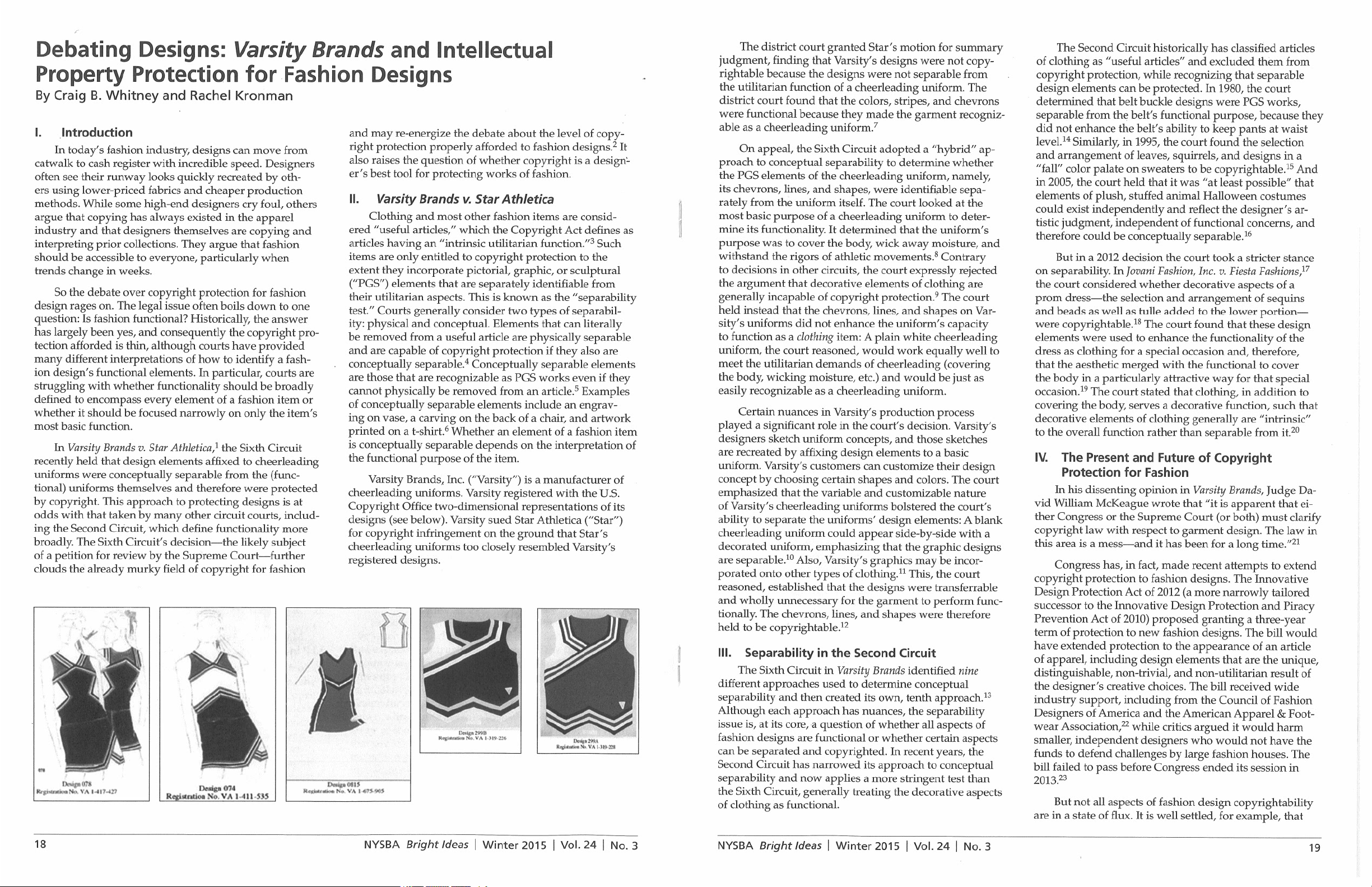
Next-Gen Data Migration: AI & ML Solutions for Seamless Software Modernization PDF Free Download
1 / 6/6
100%

J Arti Inte & Cloud Comp, 2023 Volume 2(1): 1-6
Review Article Open Access
Next-Gen Data Migration: AI & ML Solutions for Seamless Software
Modernization
Vijayasekhar Duvvur
Journal of Articial Intelligence &
Cloud Computing
*Corresponding author
Vijayasekhar Duvvur, USA.
Received: March 10, 2023; Accepted: March 17, 2023; Published: March 24, 2023
ISSN: 2754-6659
ABSTRACT
Data migration is a critical aspect of software systems modernization, often fraught with challenges such as data compatibility, security, and integrity.
Traditional approaches to data migration can be resource-intensive, error-prone, and time-consuming. However, Artificial Intelligence (AI) and Machine
Learning (ML) offer transformative techniques to automate, optimize, and validate data migration processes. This paper discusses the role of AI and ML
in streamlining data migration for software systems modernization, detailing specific techniques, methodologies, and real-world applications that enhance
migration efficiency, accuracy, and scalability.
Keywords: Data Migration, AI in Data Migration, Machine
Learning, Software Modernization, Data Quality Assurance,
Predictive Analytics, Automated Data Mapping, Federated Learning,
Explainable AI, Anomaly Detection, Legacy Systems, Scalability,
Data Integrity, Real-Time Migration
Introduction
Data migration is central to any software modernization eort,
ensuring that essential information transitions seamlessly from
legacy to modernized systems. Traditionally, data migration has
been a manual process, involving extensive data mapping, extraction,
transformation, and loading (ETL). Such methods are labor-intensive
and susceptible to errors, making it challenging to maintain data
integrity, especially in complex legacy systems. AI and ML provide
solutions that address these challenges by automating data mapping,
identifying patterns, and enhancing data validation, thus making data
migration faster, more reliable, and cost-eective.
Challenges in Traditional Data Migration for Modernization
Data migration is a fundamental part of modernizing legacy systems.
However, traditional migration methods encounter several challenges
that can impact the success of modernization projects. These include
data mapping and compatibility issues, data quality concerns, high
costs and time requirements, and security risks. Addressing these
challenges is essential for ensuring a smooth transition from outdated
systems to modern infrastructures.
Data Mapping and Compatibility Issues
Mapping data from legacy systems to modern platforms is a complex
task that requires in-depth knowledge of both source and target data
structures. Legacy systems often use outdated or proprietary formats
that lack documentation, making it dicult to map data accurately
to new, standardized formats in modern systems [1].
•
Schema Disparities: Legacy systems may have unique
data schemas or non-standardized data structures that are
incompatible with current technologies. For example, a eld
representing “Customer Name” in a legacy system might be
stored as a single string, whereas modern systems may require it
to be split into “First Name” and “Last Name” elds. Resolving
such discrepancies can be time-consuming and requires manual
adjustments.
•
Inconsistent Data Types and Formats: Dierent data types and
formats (e.g., text vs. integer or dierent date formats) between
legacy and target systems create compatibility issues. This is
especially problematic in systems that store data in custom
formats, requiring additional transformation and validation steps.
•
Loss of Contextual Information: Data elds in legacy systems
may contain embedded context that does not directly translate
to modern data structures. For example, a eld labeled “Status”
might have coded values (e.g., “1” for active, “0” for inactive)
without explicit documentation. Translating these values into
meaningful representations in the new system often requires
signicant manual eort and consultation with legacy system
experts.
Data mapping and compatibility issues can lead to prolonged
migration timelines, increased project costs, and a higher risk of
errors, as manual intervention is often needed to resolve discrepancies
between the two systems.
Data Quality and Integrity
Maintaining data quality and integrity during migration is critical,
as data from legacy systems often contains errors, duplicates, or
inconsistencies. Poor data quality can lead to inaccurate analytics,
awed business decisions, and ultimately, reduced value from the
modernized system [1, 2].
•
Data Inconsistencies and Redundancies: Legacy systems,
especially those lacking eective data governance, often contain
inconsistencies (e.g., dierent spellings of names or addresses)
and redundant entries. These issues need to be identied and
corrected before data is transferred to the new system, which
can be labor-intensive.
USA

Citation: Vijayasekhar Duvvur (2023) Next-Gen Data Migration: AI & ML Solutions for Seamless Soware Modernization. Journal of Articial Intelligence & Cloud
Computing. SRC/JAICC-E198. DOI: doi.org/10.47363/JAICC/2023(2)E198
J Arti Inte & Cloud Comp, 2023 Volume 2(1): 2-6
• Data Loss and Corruption Risks: Legacy data may be stored
in outdated formats or databases prone to corruption, and there
is a risk that essential data could be lost or altered during the
migration process. Additionally, legacy systems with limited
storage capabilities may have archived or compressed data,
further complicating the migration.
•
Data Validation Requirements: Legacy systems may not
enforce the same validation rules as modern systems. For
example, a eld for phone numbers may have inconsistent
formats (with or without country codes), leading to errors
when the data is moved to a system with stricter formatting
requirements. Ensuring that migrated data adheres to the target
system's validation rules requires extensive preprocessing and
quality checks.
These data quality and integrity challenges can result in signicant
data cleaning eorts, which slow down the migration process,
increase costs, and require specialized skills in data validation and
error correction.
High Costs and Time Consumption
Data migration can be both costly and time-consuming, particularly
when using traditional, manual methods. The complexity of legacy
systems and the need for custom solutions add to the overall project
costs and duration.
•
Resource-Intensive Process: Traditional data migration
methods often require extensive manual labor for data extraction,
mapping, transformation, and validation. Skilled personnel must
manually identify mappings, write transformation scripts, and
perform quality checks, which consumes valuable time and
resources.
• Prolonged Project Timelines: Complex migration tasks, such
as data mapping, validation, and integration, can extend project
timelines signicantly. When dealing with large datasets, the
need for thorough quality checks further delays the process,
making it challenging to meet project deadlines.
• Hidden Costs and Maintenance Requirements: In addition
to the initial costs, traditional migrations often incur hidden
expenses due to ongoing maintenance, system downtime, and
data revalidation. Legacy systems are prone to unexpected
breakdowns, which can interrupt migration workows and
require additional troubleshooting and recovery eorts.
The high costs and prolonged timelines associated with traditional
migration approaches can be especially burdensome for organizations
with limited budgets, delaying modernization benets and reducing
the project’s return on investment.
Security and Compliance Risks
Data migration frequently involves transferring sensitive and
regulated information, such as personal identiers, nancial data,
or health records, from legacy systems to modern environments.
Ensuring the security and compliance of this data throughout the
migration process is crucial but challenging [2].
• Risk of Data Breaches: Migrating data from one environment
to other exposes it to potential security threats, especially if the
data must be temporarily stored or moved through multiple
systems. Cybersecurity measures, such as encryption and access
controls, must be in place to prevent unauthorized access during
the migration [2].
•
Compliance with Regulatory Standards: Many industries are
governed by data protection regulations, such as the General
Data Protection Regulation (GDPR) or the Health Insurance
Portability and Accountability Act (HIPAA). Data migration
processes must comply with these regulations, requiring that
data is handled securely and that audit trails are maintained.
Failing to comply can result in legal consequences, including
nes and reputational damage.
•
Data Privacy Concerns: When migrating customer data,
especially personal or sensitive information, organizations
must take precautions to protect individual privacy. Legacy
systems may lack privacy features, and handling sensitive data
requires anonymization, masking, or encryption techniques.
Implementing these measures adds complexity to the migration
process, and organizations must be vigilant to ensure no data
leaks occur.
•
Limited Security Protocols in Legacy Systems: Many legacy
systems do not have built-in security features that meet current
standards, such as encryption or multi-factor authentication. As
a result, data may be vulnerable during extraction and transfer
phases. Protecting this data requires additional security protocols,
which can increase the cost and complexity of the migration.
The security and compliance risks in data migration necessitate
comprehensive security measures, which add complexity to the
project and require specialized expertise to execute eectively.
Role of AI & ML in Modernizing Data Migration
In software modernization, data migration is an intricate process
that requires meticulous planning and execution to avoid data loss,
maintain integrity, and ensure compatibility with modern systems.
AI and ML enhance this process by automating tasks, detecting
errors, and providing predictive insights. These technologies help
address traditional challenges in data migration, enabling a faster,
more accurate, and reliable transition [3].
Figure 1: Role of AI& ML in Modernizing Data Migration
Automated Data Mapping and Transformation
One of the most challenging aspects of data migration is mapping
data from the source structure (legacy system) to the target structure
(modernized system). This task traditionally requires a deep
understanding of both data models and extensive manual eort to map
elds accurately. AI algorithms, especially those leveraging Natural
Language Processing (NLP) and pattern recognition, automate this
process by analyzing data schemas, metadata, and even contextual
descriptions of data elds [4].
•
Pattern Recognition: AI algorithms identify relationships
between data elds by analyzing patterns across columns, tables,
and datasets. For instance, machine learning can recognize that
an “Employee ID” eld in the legacy system corresponds to a
“Sta ID” eld in the new system based on common patterns,
even if names and formats dier [4, 5].
•
Schema Matching: AI uses schema-matching techniques
to establish connections between similar entities in dierent
databases. This reduces the reliance on manual data mapping,
allowing AI to match elds, identify hierarchical structures, and
map multi-level data to a target system with greater accuracy [6].
• Data Transformation: Once mapped, data often needs to be
transformed to meet the structural and format requirements of
the new system. AI-driven data transformation tools convert

Citation: Vijayasekhar Duvvur (2023) Next-Gen Data Migration: AI & ML Solutions for Seamless Soware Modernization. Journal of Articial Intelligence & Cloud
Computing. SRC/JAICC-E198. DOI: doi.org/10.47363/JAICC/2023(2)E198
J Arti Inte & Cloud Comp, 2023 Volume 2(1): 3-6
data automatically, handling tasks such as format conversion,
unit standardization, and language translations. This automation
reduces manual intervention, speeding up migration and
enhancing accuracy [7].
Data Quality Assurance
Data quality is crucial in migration projects to avoid inaccuracies,
duplications, and data loss. Machine learning models ensure data
integrity by identifying and addressing quality issues during the
migration process, maintaining the reliability of migrated data [8].
•
Anomaly Detection: AI and ML algorithms use anomaly
detection to ag unusual or incorrect data entries, such as outliers,
inconsistent data formats, or unexpected values. Anomalies may
indicate data corruption or discrepancies in legacy systems, and
identifying them early prevents potential errors in the target
system [3].
•
Deduplication: Legacy systems often accumulate duplicate data
over time, creating clutter and ineciencies. ML models can
analyze records for similarities across elds, even with minor
variations, to identify and remove duplicates. Techniques such
as clustering, fuzzy matching, and probabilistic record linkage
are used to ensure only unique records are migrated.
•
Data Validation: AI can be congured with business rules
to validate data against specic parameters, checking for
completeness, correctness, and relevance. For example, an ML
model might verify that phone numbers meet specic format
requirements or validate postal codes according to geographical
constraints. By validating data at multiple stages, AI ensures a
high level of quality and consistency.
Predictive Analytics for Data Migration Planning
Data migration is a complex process, and unforeseen issues can result
in project delays, data loss, or cost overruns. Predictive analytics,
driven by AI, helps in forecasting these challenges by analyzing
historical migration data and system performance metrics to create
an optimized migration roadmap.
•
Risk Assessment: AI-driven predictive models evaluate
historical migration data to identify factors that contributed
to previous issues, such as data loss or latency problems. By
understanding these risks, organizations can develop mitigation
strategies to prevent similar issues from arising during future
migrations [6].
•
Resource Optimization: Predictive analytics informs resource
allocation by analyzing the scope and complexity of migration
tasks. For example, if certain phases are identied as high-risk,
additional resources can be allocated to those areas to ensure
smooth completion. This approach optimizes resources and
minimizes project costs [3].
•
Timeline Estimation: Predictive models estimate project
timelines by analyzing task complexity and historical data from
similar migrations. These estimates help project managers set
realistic goals, plan dependencies, and minimize downtime,
which is especially valuable in environments where time is a
critical factor.
Adaptive Migration Processes
AI-driven migration systems are adaptive, meaning they learn and
improve over time by analyzing data ows, usage patterns, and the
outcomes of past migrations. This self-learning capability ensures
that AI-based migration tools evolve to handle new data structures
and complexities with increased precision and eciency.
•
Self-Learning Algorithms: Machine learning models
continuously rene their migration techniques based on feedback
from previous migrations. For example, if certain types of data
mappings consistently lead to errors, the model adjusts future
mappings to avoid similar mistakes. This adaptive approach
reduces the time and eort needed to rene mappings and
transformations manually [5].
•
Contextual Adaptation: ML models adapt to contextual changes
in data. For instance, if data from a legacy system includes both
structured and unstructured data (e.g., relational data combined
with free-text elds), AI algorithms can dynamically adjust
processing methods. NLP techniques enable AI to extract
meaning from unstructured data, making the model adaptable
to various data types [8].
•
Continuous Improvement Through Feedback Loops: AI
models incorporate feedback loops, where they assess the
eectiveness of each migration step and adjust accordingly.
For example, if an ETL (extract, transform, load) process
encounters a bottleneck due to data volume, the AI model adjusts
by segmenting the data into smaller, manageable chunks. These
adaptive changes ensure migration eciency while minimizing
downtime [9].
AI & ML Techniques for Data Migration in Modernization
Data migration is complex, involving the transfer of data from legacy
systems to modern environments. AI and ML technologies streamline
and enhance this process by automating data mapping, cleansing,
transformation, and security checks. The following techniques
illustrate how AI and ML improve eciency, accuracy, and security
in data migration for modernization projects.
Figure 2: AI& ML Techniques for Data Migration in Modernization
Automated Data Mapping Using NLP
Automated data mapping is a critical component of data migration,
as it establishes a relationship between legacy data elds and those in
the new system. Traditional mapping requires detailed knowledge of
both source and target data schemas, often resulting in time-intensive
manual processes. NLP (Natural Language Processing) algorithms
oer a solution by interpreting schema labels, metadata, and even
documentation to automate this process [2].
•
Schema Interpretation: NLP algorithms examine the metadata,
descriptions, and column headers of datasets, identifying
potential correlations between elds. For instance, an NLP model
might recognize that a eld labeled “DOB” in a legacy system
corresponds to “Date of Birth” in the new system, even if they
are not identical.

Citation: Vijayasekhar Duvvur (2023) Next-Gen Data Migration: AI & ML Solutions for Seamless Soware Modernization. Journal of Articial Intelligence & Cloud
Computing. SRC/JAICC-E198. DOI: doi.org/10.47363/JAICC/2023(2)E198
J Arti Inte & Cloud Comp, 2023 Volume 2(1): 4-6
• Contextual Understanding: NLP enables AI systems to infer
relationships based on contextual clues. For example, a model
might deduce that elds named "Emp_ID" and "Employee_ID"
in dierent datasets refer to the same entity.
•
Entity Recognition and Semantic Matching: NLP techniques
such as Named Entity Recognition (NER) and semantic matching
help AI models understand complex mappings, particularly
when elds do not match exactly. Semantic matching allows the
system to map similar but non-identical elds by understanding
synonyms and related terms, signicantly reducing manual
intervention.
This automated mapping saves substantial time, minimizes human
error, and provides a foundational structure for subsequent migration
steps.
Data Cleansing with Machine Learning
Data cleansing ensures that only high-quality, relevant, and consistent
data is transferred, reducing errors in the target system. ML algorithms
streamline data cleansing by identifying and rectifying errors,
duplications, and inconsistencies within datasets [9].
• Clustering and Duplicate Detection: Clustering algorithms,
such as k-means or hierarchical clustering, group similar
records together to identify duplicates, even when there are
slight variations (e.g., “John A. Smith” and “John Smith”). This
deduplication reduces clutter and ensures data integrity.
•
Anomaly Detection for Error Correction: Classication
models detect outliers or anomalies in datasets, agging them
for review or correction. For example, a model may identify a
transaction date outside expected ranges, highlighting potential
data corruption.
•
Standardization and Normalization: ML models automate
data standardization (e.g., converting date formats or units of
measure), ensuring uniformity across elds. This consistency is
essential when migrating data to systems with strict formatting
requirements, such as ERP or CRM platforms.
Automated data cleansing with ML enhances data quality, reducing
manual oversight and improving the reliability of the nal migrated
data.
Predictive Analytics for Risk Assessment
Data migration projects are often susceptible to delays, errors, and
resource drain, which can impact the success of the modernization
initiative. Predictive analytics leverages historical migration data to
identify potential risks and provide insights that inform proactive
planning.
•
Risk Modeling: Predictive models analyze historical migration
logs to identify patterns associated with issues such as data loss,
corruption, or latency. These models quantify risks and assign
scores to various parts of the migration process, enabling project
managers to focus on high-risk areas.
•
Forecasting Challenges: Predictive analytics can foresee
potential challenges by analyzing similar migration projects.
For example, if past migrations indicate data integrity issues
with certain data types, predictive models can alert teams to
prepare additional checks for those types.
•
Resource Allocation Optimization: By understanding potential
risks, teams can allocate resources eectively to high-risk areas,
such as assigning more personnel to oversee sensitive data or
allocating additional processing power to reduce latency. This
targeted approach optimizes resource use, helping teams stay
within budget and timeline constraints.
Predictive analytics empowers migration teams to develop proactive
mitigation strategies, ensuring smooth transitions and reducing the
likelihood of disruptions.
Automated Data Transformation
Data often requires transformation to align with the format, structure,
and rules of the target system. AI-driven data transformation engines
automate this process, converting data formats, units, and structures as
needed, which simplies the ETL (extract, transform, load) pipeline.
• Transformation Rules Generated by ML Models: Machine
learning algorithms analyze both source and target schemas
to generate transformation rules that adapt data to meet target
system requirements. For example, if a target system requires
dates in "YYYY-MM-DD" format, the ML model automatically
reformats dates from the source system.
•
Data Structuring and Parsing: AI engines can restructure nested
data (such as JSON or XML formats) and parse unstructured
data into structured formats compatible with relational databases.
This transformation is particularly useful when migrating from
complex data storage systems to relational databases.
•
Format Standardization: Automated transformation tools
apply predened or learned rules to convert data, ensuring that
all elds match the requirements of the new system. For instance,
they may convert a currency eld from USD to EUR if required
by the target system.
AI-driven data transformation simplies the ETL process, minimizing
errors, ensuring compatibility, and signicantly reducing manual
intervention.
Self-Learning ETL Pipelines
ETL pipelines are the backbone of data migration, and optimizing
them is essential for eciency. Self-learning ETL pipelines use
reinforcement learning to continuously improve their processes by
learning from each migration.
•
Reinforcement Learning for Process Optimization: Self-
learning pipelines use reinforcement learning algorithms to adapt
ETL tasks based on past migration outcomes. For example, if the
pipeline encounters bottleneck due to large data loads, it might
segment data dynamically to optimize throughput.
•
ErrorCorrectionandProcessRenement: As pipelines
process data, they learn from errors encountered in previous
migrations. This adaptive learning allows pipelines to avoid
repeating the same mistakes, enhancing accuracy over time.
•
Handling Diverse Data Structures: Self-learning pipelines
adjust to new data structures or formats, adapting transformation
and validation processes accordingly. This adaptability
is particularly valuable when migrating complex or non-
standardized data formats.
Self-learning ETL pipelines reduce manual tuning and conguration,
making them more ecient and cost-eective over successive
migrations.
Data Security with AI-Powered Anomaly Detection
During data migration, ensuring the security and integrity of sensitive
information is paramount. AI-powered anomaly detection algorithms
monitor access patterns and ag suspicious activities that could
indicate potential security breaches.
•
Real-Time Monitoring: Anomaly detection algorithms
continuously analyze access logs, tracking user behavior and
identifying irregular patterns, such as unusual access times or IP
addresses. This real-time monitoring is essential for safeguarding
sensitive data during migration [3].
•
Pattern Recognition for Threat Detection: ML models trained
Citation: Vijayasekhar Duvvur (2023) Next-Gen Data Migration: AI & ML Solutions for Seamless Soware Modernization. Journal of Articial Intelligence & Cloud
Computing. SRC/JAICC-E198. DOI: doi.org/10.47363/JAICC/2023(2)E198
J Arti Inte & Cloud Comp, 2023 Volume 2(1): 5-6
on past security breaches can recognize similar patterns in
migration activities, such as unauthorized data access or unusual
download volumes, allowing for immediate responses.
• Compliance and Audit Trail Generation: AI-driven security
solutions create detailed logs of all data migrations, providing
a comprehensive audit trail that demonstrates compliance with
data protection regulations, such as GDPR or HIPAA. This
traceability is essential for organizations that handle regulated
data.
AI-powered anomaly detection adds an extra layer of security,
reducing the risk of data breaches and ensuring compliance with
regulatory standards during the migration process.
BenetsofUsingAI&MLforDataMigration
AI and ML bring signicant advancements to data migration
by enhancing accuracy, eciency, and security. These benets
allow organizations to transition from legacy systems to modern
environments more seamlessly and eectively.
1. IncreasedAccuracyandEciency
AI-powered automated data mapping and validation streamline
data migration by eliminating many of the manual steps that are
prone to errors. NLP techniques identify relationships between
legacy and modern data structures, minimizing mismatches and
increasing accuracy. Validation models run checks at every stage
to ensure data consistency, reducing the likelihood of corrupt
or incomplete data reaching the target system. These automated
processes not only accelerate the migration process but also
reduce the time required for post-migration corrections [4].
2. Cost Savings
Data migration projects traditionally require extensive human
labor for mapping, data cleansing, and quality checks. AI-
driven automation reduces the need for such labor, minimizing
project costs. By automating repetitive and labor-intensive tasks,
organizations can reduce project stang requirements, allowing
smaller teams to complete migration eciently. The cost savings
also extend to reduced downtime, as faster migrations minimize
business disruptions, and optimized resource allocation ensures
ecient use of budget and personnel.
3. Improved Data Quality
Machine learning algorithms identify and correct data issues,
such as duplicates, inconsistencies, and outliers, before they
are transferred to the new system. ML models, including
clustering and anomaly detection, enhance data quality by
spotting irregularities that may be overlooked in manual checks.
For example, clustering techniques detect and merge duplicate
records, while classication models ag suspicious entries for
review. This improved data quality ensures that the modernized
system begins with clean, reliable data, reducing potential errors
in downstream processes [9].
4. Enhanced Security
AI-powered anomaly detection algorithms monitor data access
and usage patterns in real-time, safeguarding sensitive data
throughout the migration. Security is essential, especially when
handling personal information or proprietary data. AI-based
security protocols help maintain compliance with regulatory
standards (e.g., GDPR, HIPAA) by monitoring for unusual
activities, such as unauthorized access attempts or irregular
data transfers. This proactive security approach minimizes data
breach risks and builds trust with stakeholders concerned about
data integrity during migration.
5. Scalability
AI-driven approaches are inherently scalable, allowing
organizations to handle large volumes of data eciently. By
leveraging distributed computing and parallel processing,
AI can manage complex migrations involving vast data sets
and intricate structures without signicant slowdowns. This
scalability ensures that as data volumes increase, AI-driven tools
can accommodate them, making it possible to execute extensive
migration projects across multiple departments or even entire
enterprises. Additionally, self-learning algorithms adapt to new
data environments, supporting continuous scalability as data
needs evolve.
Challenges and Limitations of AI & ML in Data Migration
Despite its benets, AI-driven data migration faces challenges that
organizations must consider to ensure successful implementation.
1. Initial Setup Complexity
2.
Implementing AI for data migration requires specialized
expertise, from setting up data pipelines to training ML models
for accurate mapping and validation. The initial setup involves
conguring and ne-tuning algorithms, integrating with legacy
systems, and establishing secure environments for AI operations.
Organizations often need to invest in training and infrastructure,
making the initial implementation phase time-consuming and
costly. Smaller organizations or those with limited technical
resources may struggle to implement AI-driven migration fully.
3. Data Privacy Concerns
Data privacy is a signicant concern when using AI for migration,
especially when sensitive data, like personal or nancial
information, is involved. Organizations must ensure compliance
with regulatory standards and protect data from unauthorized
access during migration. Privacy-preserving techniques, such as
data anonymization or encryption, must be incorporated into the
migration process, which can add complexity. Additionally, as
AI algorithms require access to data for processing, balancing
data accessibility with privacy controls is essential.
4. Adaptability to Legacy Systems
AI models may encounter diculties when dealing with outdated
or highly customized legacy systems. These systems often lack
standardized structures, which can complicate data extraction,
mapping, and transformation. Legacy databases may contain
undocumented elds or unique formats that AI algorithms are
not immediately compatible with, requiring additional manual
intervention. The adaptability of AI models can be limited by
these legacy constraints, which may reduce automation benets
in certain scenarios.
5. Reliance on High-Quality Data
The accuracy of AI and ML models depends heavily on the
quality of data. Inconsistent, incomplete, or erroneous data can
hinder the eectiveness of AI-driven migration by leading to
incorrect mappings or validation errors. AI models trained on low-
quality data may misclassify elds or overlook inconsistencies,
which can result in migration errors. Ensuring high-quality data
throughout the migration process requires pre-processing steps
and ongoing monitoring, which can increase project complexity.
Future Trends in AI & ML for Data Migration
As AI and ML evolve, new trends are emerging that enhance their
capabilities in data migration, making the process more ecient,
secure, and adaptable.
1. Federated Learning for Distributed Data Migration
Federated learning allows AI models to learn from distributed
data sources without moving the data itself, which is valuable
for organizations with sensitive or decentralized data. By
training models locally on each data source and aggregating
the insights, federated learning supports secure data migration
while maintaining privacy. This is particularly relevant for

Citation: Vijayasekhar Duvvur (2023) Next-Gen Data Migration: AI & ML Solutions for Seamless Soware Modernization. Journal of Articial Intelligence & Cloud
Computing. SRC/JAICC-E198. DOI: doi.org/10.47363/JAICC/2023(2)E198
J Arti Inte & Cloud Comp, 2023 Volume 2(1): 6-6
industries like healthcare and nance, where data privacy is
critical. Federated learning enables AI to improve migration
processes without compromising data condentiality [6].
2. Explainable AI for Transparent Data Migration
Explainable AI (XAI) oers insights into the decision-making
process of AI models, making data mapping, validation, and
other migration tasks more transparent. XAI helps stakeholders
understand why certain data elds were mapped or validated
in specic ways, increasing trust in AI-driven processes.
This transparency is essential for regulated industries or for
organizations that require audit trails for data handling. By
providing clear explanations of AI actions, XAI allows teams to
verify and adjust AI-driven migration steps as needed, enhancing
control over the migration process.
3.
Adaptive Algorithms for Real-Time Migration Adjustments
Adaptive algorithms represent a future in which AI models can
respond to changes in data formats, volumes, and structures in
real-time. As data migration occurs, adaptive models make instant
adjustments, allowing the migration process to remain resilient
even when unexpected changes arise, such as new data elds
or schema modications. Real-time adaptability ensures that
migration processes continue without interruptions, maintaining
data accuracy and reducing downtime. These algorithms can
learn and adapt dynamically, optimizing performance across
diverse and evolving data environments.
Conclusion
The integration of AI and ML in data migration processes is
revolutionizing software systems modernization by addressing
challenges traditionally associated with legacy systems. By
automating tasks such as data mapping, cleansing, and transformation,
AI-driven solutions increase accuracy, reduce resource consumption,
and enhance data security. Predictive analytics oers foresight into
potential risks, allowing teams to proactively address issues, while
self-learning models continuously improve the migration process
over time. Furthermore, trends like federated learning, explainable
AI, and adaptive algorithms promise even more secure, transparent,
and exible migration processes in the future. As these technologies
continue to evolve, they will play an increasingly essential role in
making data migration more ecient, scalable, and cost-eective,
empowering organizations to modernize legacy systems with
condence and precision.
References
1. Morris J (2020) Practical Data Migration (3rd ed.). BCS, The
Chartered Institute for IT.
2. Blokdyk G (2021) Data Migration A Complete Guide - 2021
Edition. 5STARCooks.
3. Hale K (2019) Data Migration: A Practical Guide for Business
and IT Professionals. Technics Publications.
4.
Moroney L (2020) AI and Machine Learning for Coders: A
Programmer's Guide to Articial Intelligence. O'Reilly Media.
5.
Huyen C (2022) Designing Machine Learning Systems: An
Iterative Process for Production-Ready Applications. O'Reilly
Media.
6. Gupta BB, Colace F (Eds.) (2023) Handbook of Research on
AI and ML for Intelligent Machines and Systems. IGI Global.
7.
Mathur P (2018) Machine Learning Applications Using Python:
Cases Studies from Healthcare, Retail, and Finance. Apress.
8.
Saha B, Srivastava D (2014) Data Quality: The Accuracy
Dimension. Morgan Kaufmann.
9.
Subramanian S, Natu S (2021) AWS Certied Machine Learning
Study Guide: Specialty (MLS-C01) Exam (1st ed.). Sybex.
Copyright: ©2023 Vijayasekhar Duvvur. This is an open-access article
distributed under the terms of the Creative Commons Attribution License,
which permits unrestricted use, distribution, and reproduction in any medium,
provided the original author and source are credited.