Smartphones Out of the Classroom: What States are Doing NOW to Confront These Digital Distractions PDF Free Download
1 / 20/20
100%

Smartphones Out of the Classroom:
What States are Doing NOW to Confront These Digital Distractions
July 2025 Update

2
Executive Summary
The 2025 edition of this white paper reflects a dramatic shift in how U.S. policymakers, educators, and
parents perceive and address cellphone use in schools. This time last year, few states had formal policies
in place, relying instead on district-led efforts. But as more research is emerging on the detrimental
impact of personal digital devices in the classroom, there has been a nationwide pivot toward
comprehensive, statewide regulation.
1. From Local Control to Statewide Mandates:
More than half of U.S. states have now enacted or proposed legislation to restrict or ban
cellphone use in K–12 classrooms. This marks a significant departure from prior years, when
decisions were left almost entirely to local school boards.
2. Wider Scope of Bans:
Earlier efforts often focused on classroom-only or teacher-discretion policies. The 2025 wave of
legislation introduces “bell-to-bell” bans, prohibiting phone use throughout the entire school
day (class, lunch, transitions), and in some cases, school property altogether.
3. Standardization and Support Infrastructure:
New laws increasingly include funding for implementation (e.g., secure storage pouches,
signage), require policy review cycles, and mandate exceptions for health, IEP/504 plans, and
emergencies.
4. Surge in Legislative Activity:
Between fall 2024 and mid-2025, more than 30 states passed or advanced new policies,
including Alabama, Arizona, Nebraska, North Dakota, Oklahoma, and Virginia. Several others—
like Massachusetts and Oregon—have strong legislative momentum or executive backing.
5. Pilot Programs and Research-Driven Approaches:
States such as Delaware and Colorado are using state-funded pilot programs to evaluate policy
efficacy before mandating broader adoption, indicating a data-informed approach to reform.
6. Growing Bipartisan Support and Public Concern:
Legislative efforts are now frequently bipartisan, driven by public health data on mental health,
rising disciplinary incidents, and academic concerns. Research from institutions like Pew,
Rutgers, and the London School of Economics continues to show that cellphone use harms
academic performance and social development.
7. Legal Standing Reinforced:
Courts have upheld the constitutionality of school cellphone bans, reinforcing districts’ legal
authority to impose restrictions.

3
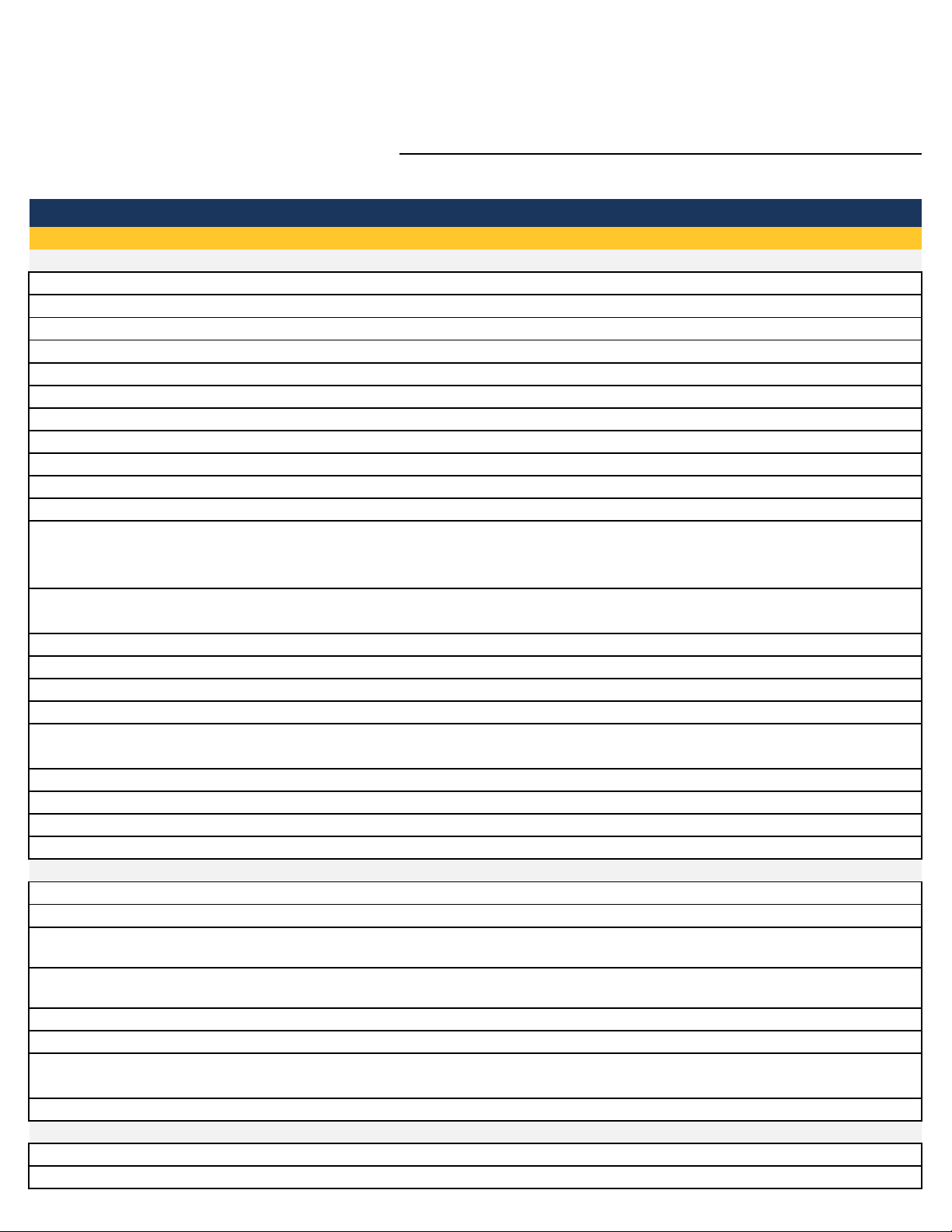
State-wide Ban
Imposed
State-wide Ban
Pending
District
Discretion
Pilot Program in
Place
No Movement
Alabama
Arkansas
Florida
Georgia (K–8)
Indiana
Iowa
Kentucky
Louisiana
Nebraska
Nevada
New Mexico
New York
North Dakota
Oklahoma
Tennessee
Texas (pending
signature but
presumed)
Utah
Virginia
West Virginia
Wisconsin
Arizona
California
Hawaii
Idaho
Illinois
Maryland
Massachusetts
Michigan
Minnesota
Missouri
New Hampshire
New Jersey
Oregon
Pennsylvania
Rhode Island
Vermont
Washington
Alaska
Connecticut
Maine
Maryland (pre-
guidance)
Montana
Wyoming
Colorado
Delaware
Kansas
(recommendations,
not binding)
South Carolina
(state model policy
via funding
mandate)
Idaho (with grants)
Massachusetts
(Attorney General’s
toolkit; STUDY Act
in progress)
None — all states
have shown at
least pilot or
policy interest

4
Introduction
Across the country there has been growing concern around the role technology plays in the lives of
America’s children – especially when it comes to school. But it has not always been this way. In the
1990s and early 2000s, education policy experts warned that America’s students would fall behind the
rest of the world unless they learned how to use computers from an early age. By the early 2000s, many
school systems were buying laptops in bulk and issuing them to students; assigning school e-mail
addresses that they would keep until graduation; and skipping right past spelling and grammar lessons
in favor of word processing software that would correct students’ spelling and grammar for them.
By the 2010s, some school districts experimented with “Bring Your Own Device” (BYOD) or “Bring Your
Own Technology” (BYOT) policies, which was intended to leverage students’ attachment to their own
devices while saving the district money. The Volusia County School District in Central Florida was one
early adopter of BYOT in 2011, and news and media outlets trumpeted the success of these programs.
“The Volusia County School District…is one of the places that used to have signs around its schools that
admonished students: no cellphones allowed. But the signs have been replaced over the last two years
with new ones that read: B.Y.O.T.”
“Volusia school officials say that they realized they should take advantage of, rather than fight, students’
deep connections with their devices. At the same time, the district found that the cost of providing and
maintaining computers for students was becoming prohibitive.”1
Another was Mamaroneck Union Free School District in Westchester County, New York. Mamaroneck
administrators defended the choice, saying, “Our high school is one of the few in the country with an
open campus. The students can come and go as they please. This is an extension of that freedom, which
helps students learn responsibility. We recognize that students are living in a digital age, and BYOD helps
students establish the foundations of digital citizenship.”2
But with the rapid way technology has changed – including the introduction of the smartphone to the
world – our society is grappling with the use of phones in schools. And now New York and Florida are
among half a dozen states that have either passed or are considering bills to ban cellphones in
classrooms state-wide.
1 https://www.nytimes.com/2013/03/23/technology/in-some-schools-students-bring-their-own-technology.html
2 https://apnews.com/many-schools-now-urge-kids-to-bring-their-own-screens-
89e11121ea4a49f4a8cfa641d7f2253d

5
Changing Perspectives on Teens and Technology
In the 2010s when these school technology policies were being adopted, smartphones were still
relatively new. Apple released the first iPhone in January 2007. By 2014, nearly three-quarters of U.S.
teens had a smartphone.34
Public health data collected in the ensuing decade points to a troubling pattern. 87% of Gen Z youth
(defined as those born in the late 1990s and early 2000s) now face some form of mental health
challenge.5 After a brief drop in 2009, emergency room admissions for self-harm behaviors among U.S.
girls and young women have climbed sharply every year since. Suicide rates for boys aged 10-14 have
increased 91% since 2010, and for girls in that same age group, 167% over the same period.6
Beyond concerns about mental health challenges
exacerbated by internet-connected, highly portable
technology, teachers and school administrators are also
observing classroom disruptions and disciplinary problems
arising from students bringing their phones into class,
while others are concerned that these devices, far from
being learning aids, are actually impairing learning and
negatively impacting student achievement and retention.
According to a Pew Research Center survey conducted in
fall 2023, 72% of U.S. high school teachers consider
cellphone distraction a major problem in their classrooms.
Middle school teachers (33%) and elementary school
teachers (6%) also share concerns about student
distraction due to cellphones. 7
A 2018 Rutgers University-New Brunswick study found that
when students use cellphones for non-academic purposes
during lectures, their performance in end-of-term exams
tends to be worse.8
3 https://www.pewresearch.org/internet/2022/08/10/teens-social-media-and-technology-2022/pj_2022-08-
10_teens-and-tech_0-04-png/
4 According to Away for the Day, 56% of middle schools in the U.S. allow students to carry their phones on them all
day, while public middle schools are twice as likely to allow students to have their phones than private middle
schools. The organization’s data also showed that more than 80% of parents don’t want their kids using phones in
school.
5 https://news.blueshieldca.com/2023/08/03/new-poll-mental-health-challenges-prevalent-among-gen-z-youth-
more-than-three-in-four-have-discussed-their-struggles-with-others/
6https://wisqars.cdc.gov/reports/
7 https://www.pewresearch.org/short-reads/2024/06/12/72-percent-of-us-high-school-teachers-say-cellphone-
distraction-is-a-major-problem-in-the-classroom/
8 https://www.aau.edu/research-scholarship/featured-research-topics/cellphone-distraction-classroom-can-lead-
lower-grades

6
“The study… also found that students who don’t use electronic devices in class, but attend lectures
where their use is permitted, also do worse – suggesting that phone and tablet use damages the group
learning environment.”9
Likewise, a study from the London School of Economics also found that the “mere presence of a
smartphone” by a neighboring student can lower test scores for a non-phone student by approximately
16%.10
A meta-analysis across 14 countries published earlier this year revealed that student mobile phone use
negatively impacts educational outcomes, including test scores, grade point average, and self-rated
academic performance. Researchers found that both educators and students support regulating
students’ phone use at the school level, even if they did not fully support an all-out ban. “Mobile phones
were viewed as a distraction to student learning and compromised student safety through inappropriate
use (e.g., photos and videos being taken at school and shared), cyberbullying, and social media-related
issues.”11
In a 2015 study, Away For the Day, an initiative pushing to transform schools into cell phone-free spaces,
found that high school students increased their test scores by 6.4% after their school banned cell
phones.
A November 2022 study examining smartphone use among elementary school students concluded that
the overall effect on student outcomes was negative and a potential hindrance to learning.12
Perhaps it is not surprising, then, that by 2020, the National Center for Education Statistics reported that
77% of U.S. schools had moved to prohibit cellphones for nonacademic purposes.13 But a significant
codicil to that impressive statistic is that fewer than half (43%) of public high schools have such a rule,
and at many of them, the bans are not strictly enforced. To the extent they are, the burden often falls
on teachers to enforce them.14
Other countries have gone even further: In 2018, French lawmakers outlawed cellphone use for children
under 15, and in 2022, China implemented a nation-wide ban on phones for school children.
9 Ibid
10 https://cep.lse.ac.uk/pubs/download/dp1350.pdf
11 https://www.mdpi.com/2227-7102/14/4/351
12https://link.springer.com/article/10.1007/s10639-022-11430-9
13 https://nces.ed.gov/programs/digest/d21/tables/dt21_233.50.asp
14 https://stateline.org/2024/03/13/if-schools-wont-ban-kids-cellphones-some-lawmakers-say-they-will/

7
State by State
Across the United States, policymakers and educators are re-evaluating the role of cellphones in K–12
classrooms. With concerns ranging from distraction and declining academic performance to mental
health and cyberbullying, states are adopting a range of approaches. Some have enacted or proposed
statewide policies, while others continue to leave decisions to local school districts. Following is a state-
by-state summary of current cellphone use policies in K–12 public schools as of mid-2025
.
Image Source: Associated Press
The map reflects a national shift: many states have moved from local efforts to statewide mandates,
with over half now taking formal action, and numerous others testing or introducing policy reform.

8
Alabama
Alabama enacted a state-wide cell phone ban in May 2025. HB166 stipulates that beginning with the
2025-2026 school year, “no student may possess a wireless communication device in any public
elementary or secondary school building or on the grounds thereof during the instructional day unless
the wireless communication device is turned off and stored off their person in a locker, car, or similar
storage location."15
Alaska
In May 2025, Alaska enacted a law requiring districts to establish cell phone policies to regulate the
“possession and use of non-school-issued wireless telecommunications devices during regular school
hours, including lunch and passing periods.” 16
Arizona
In April 2025, the Arizona legislature passed HB2484, which limits cell phone usage in classrooms, but
gives broad discretion to local school boards to prescribe and enforce policies. Under this bill, teachers
can give students access to social media platforms “to the extent necessary for educational purposes”
but otherwise “limit the use of wireless communication devices by students during the school day.”17
Arkansas
The Arkansas legislature passed SB 142 in February 2025, which prohibits the use of a personal
electronic device during the school day.18
California
In September 2024, California Governor Gavin Newsom approved Assembly Bill 3216 which aims to limit
cell phone use in the classroom. The bill appears to be an attempt to mollify complaints from California
School Boards Association, which believes that regulations over student smartphone use should be
determined at the local level by individual school districts. As passed, the bill would require the
“governing body of a school district, a county office of education, or a charter school to, by July 1, 2026,
develop and adopt, and to update every 5 years, a policy to limit or prohibit the use by its pupils of
smartphones while the pupils are at a school site or while the pupils are under the supervision and
control of an employee or employees of that school district, county office of education, or charter
school, as provided. By imposing additional duties on local educational agencies, the bill would
constitute a state-mandated local program."19
Colorado
Since summer 2024, many of the larger school districts in Colorado have begun enforcing bans on phone
use during class time, although there is wide variability in the implementation of those bans from
district to district. Attorney General Phil Weiser launched the Smartphone Challenge Initiative, a pilot
program designed to assess which phone-restriction tools work best. HB 25-1135 was filed in
15 https://legiscan.com/AL/text/HB166/id/3231651
16 https://www.akleg.gov/PDF/34/Bills/HB0057Z.PDF
17 https://legiscan.com/AZ/text/HB2484/id/3216028
18 https://arkleg.state.ar.us/Home/FTPDocument?path=%2FACTS%2F2025R%2FPublic%2FACT122.pdf
19 https://leginfo.legislature.ca.gov/faces/billTextClient.xhtml?bill_id=202320240AB3216

9
January 2025 with bipartisan support which would require all Colorado school districts to adopt formal
cell phone policies by July 2026, with allowances for health/emergency exceptions.
Connecticut
Connecticut had previously issued a position statement and policy guidance on cell phone use in the
classrooms. 20 Across the state cellphone bans have been implemented at the district level. There are
efforts to formalize a state-wide policy, but no final iteration of a state-wide ban has been passed.
Delaware
Delaware lawmakers enacted and funded a $250,000 pilot program to test cell-hiding pouches in middle
and high schools. “The Delaware Department of Education will be responsible for gathering experts,
creating the system for the pilot program and later evaluating it. The department will also create the
regulations for the applications districts will use when applying for funding.”21 The move was applauded
by state educators and prompted, in part, because of concerns around the state’s falling standardized
test scores. The Department of Education will assess pilot outcomes by May 1, 2025, which may
influence future statewide policy guidance.
Florida
Florida was the first state to pass a bill banning cellphone use during instructional time for grades K-12.
This includes a ban on social media access while using a school’s Wi-Fi. Teachers can confiscate devices if
used inappropriately during class or collect phones before lessons start. Florida is moving toward stricter
and more comprehensive phone restrictions in schools, pushing from classroom-only bans to bell-to-bell
policies with the introduction of HB 949 in the state legislature and SB 1296 in the state senate.
Georgia
In early 2025, Georgia Governor Brian Kemp signed House Bill 340 into law. The bill prohibits personal
communications devices in public school classrooms from kindergarten through eighth grade and will go
into effect in the summer of 2026. School districts will be responsible for creating and implementing
policies for storing students’ phones during the school day in an effort to reduce distractions and
improve student engagement. The law may eventually extend to high schools.22
Hawaii
In February of this year, the Hawaii House of Representatives introduced House Bill 1343, aimed at
banning the use of cellphones and related devices in public schools during school hours. The bill
mandates the Board of Education to establish a "phone-and-related-devices-free, bell-to-bell policy,"
which is set to be implemented starting with the 2025-2026 school year. This policy would encompass
not only cellphones but also smartwatches, earbuds, and other Bluetooth-connected devices.23
20 https://portal.ct.gov/-/media/sde/board/position_statement_cell_phone_use.pdf
21 https://www.delawareonline.com/story/news/education/2024/07/08/delaware-education-cellphone-pouches-
to-be-piloted-at-schools/74311859007/
22 https://www.savannahnow.com/story/news/education/2025/05/13/schools-will-have-to-ban-communications-
devices-from-classes-by-2026/83587609007/
23 https://www.citizenportal.ai/articles/2464213/Hawaii/Hawaii-legislature-mandates-statewide-ban-on-student-
cellphone-use-in-schools

10
Idaho
In the fall of 2024, Governor Brad Little signed an executive order, the Phone-free Learning Act,
encouraging all Idaho public and charter schools to adopt district-wide cell phone policies by the end of
the school year.24 The Idaho Department of Education will provide support to school districts and
charter schools in developing and implementing this policy, including the policy check list. Participating
districts are eligible for a one-time $5,000 grant to cover policy rollout costs such as storage solutions
and signage.
In addition, both the state legislature and senate are considering bills to formalize state-wide bans,
mandating every public school district adopt a “distraction-free learning policy” governing the use of
personal electronic devices by the end of 2025 and extending funding for grants to enable districts to
enact their own policies.25
Illinois
In the past year, Illinois has shifted school cellphone policy from localized district initiatives to statewide
legislative action, aiming to make in-class restrictions on personal devices a universal standard in public
schools by the 2026–27 school year. Earlier this year, Governor Pritzker announced plans for statewide
legislation (SB 2427/HB companion) requiring public-school districts to restrict personal electronic
devices during classroom instruction, effective for the 2026–27 school year. The proposal mandates in-
class bans, secure-but-accessible storage (e.g. lockers, pouches), and policy review at least every three
years. Exemptions include emergencies, teacher-approved educational use, medical necessity, IEP/504
accommodations, and support for English learners.26
Indiana
In April, lawmakers in Indiana approved a state-wide ban on wireless devices—applying to cellphones,
tablets, laptops or gaming devices—during class.27
Iowa
Starting with the 2025-26 school year, Iowa K-12 public schools will be required to set policies that, at a
minimum, ban the use of cellphones during class time following the passage HF 782, signed into law by
Governor Reynolds in April of this year. The bill establishes a minimum standard, that all Iowa school
districts will be required to adopt by July 1, 2025. Under the bill, students would not be able to access
“personal electronic devices,” including electronic communication equipment, mobile phones, smart
phones, video game devices, and portable media players during instructional time.28
24 https://www.sde.idaho.gov/topics/cell-phone-policy/
25 https://idahoea.org/news/this-weeks-bills-funding-formula-compulsory-education-more-phone-legislation
26 https://capitolnewsillinois.com/news/cell-phone-ban-legislation-clears-senate-committee
27 https://iga.in.gov/legislative/2024/bills/senate/185/details
28 https://governor.iowa.gov/press-release/2025-04-30/gov-reynolds-signs-hf-782-bill-limit-cell-phones-schools-
law

11
Kansas
In December, 2024 the Kansas Board of Education voted to implement policy recommendations made
by the Blue-Ribbon Task Force on Student Screen Time headed by Commissioner of Education Randy
Watson. While it does not carry the weight of law, it does offer guidance and policy recommendations
for school districts that includes bell-to-bell cellphone bans in K-12 schools, secure storage during the
day to make phones inaccessible, and safety and emergency procedures “that are not dependent on
students contacting authorities or family with personal electronic devices or school-issued devices.”29
Kentucky
Kentucky is also moving from localized school district experiments to a unified, state-wide approach.
HB 208, which passed unanimously in the House this past March, mandates that all school districts
prohibit cell phone use during instructional time, with built-in exceptions for emergencies, medical
accommodations, and teacher-approved educational uses. Enforcement will still be left to districts. The
legislation also mandates that these policies be included in students’ conduct codes and directs districts
to block social media sites on school networks. The bill still needs to pass the state senate before going
to the governor to be signed into law.30
Louisiana
With the passage of SB 207, Louisiana implemented a strict “bell-to-bell” statewide cell phone ban in
public K–12 schools that took effect at the start of the 2024–25 school year.31
Maine
Maine still has not enacted any state-level law or guidance on cell phones in the classroom. The
momentum remains locally driven, with more school systems tightening rules.
Maryland
Maryland has no statewide ban yet, but its largest districts are already restricting phone use during
school hours. The Maryland State Department of Education (MSDE) formed a Task Force on Cell Phone
Use in early 2025 to develop statewide guidance. Several bills were introduced in the 2025 General
Assembly. In particular HB 630/SB 368 (the “Maryland Phone‑Free Schools Act”) would require every
county board to ban cell phones during instructional time and secure storage by the 2026–27 school
year. Additional bills (HB 192/other proposals) target middle- and elementary-grade restrictions.32 If
enacted, statewide policies would take effect in the 2026–27 school year.
Massachusetts
Massachusetts remains without a statewide ban—but many districts have already enacted or
strengthened restrictions, often using phone pouches and structured use policies. State-level
momentum is building. Attorney General Andrea Campbell released the “Cell Phones & Social Media in
Schools Toolkit” in January 2025, outlining policy frameworks—bell-to-bell, off-and-away, and limited
use—and recommended bell-to-bell as most effective. She also introduced the STUDY Act (“Safe
Technology Use and Distraction-Free Education Youth Act”) in early 2025. This would require all public
29 https://www.ksnt.com/news/kansas/education-officials-approve-new-cell-phone-rules-in-kansas-classrooms/
30 https://apnews.com/article/kentucky-legislature-schools-cellphones-9ed3947e579d4550b7c04d200aac56ed
31 https://www.brproud.com/news/louisiana-news/bill-to-ban-cell-phone-use-in-public-school-passes-senate-
heads-to-governors-office/
32 https://www.cbsnews.com/baltimore/news/proposed-legislation-cell-phone-ban-maryland-schools/

12
schools to enact policies preventing student access to devices during the school day, paired with
mandates for digital media literacy and social media platform accountability, pending legislative
approval.
Michigan
Though no state-wide laws have yet been enacted, there is growing momentum and widespread
support for limiting phones in schools. House Bill 5921, introduced in Sept 2024, proposed a grade-
differentiated policy (complete bans in K–5, restricted use in 6–8, and classroom bans in high schools). It
passed committee but stalled in the legislature. In early 2025, similar bills were introduced and
Governor Whitmer endorsed development of bipartisan limits on phones in classrooms in her 2025
State of the State speech.
Minnesota
Minnesota has moved from limited local discretion to a uniform requirement for districts to set
cell-phone policies, with widespread use of pouches, off-and-store rules, and bell-to-bell bans at the
district level. The proposed SF 508/HF 2516 would elevate this to a more structured statewide K–8 ban
and HS classroom limits, if passed.
Missouri
In May 2025, the Missouri senate passed a wide-ranging education bill that includes a ban on cellphones
in public schools throughout the entire length of the school day, including class time and lunch breaks;
however, the bill gives room for individual school districts to craft their own cellphone policies.33 The
bill now awaits the Governor’s signature.
Mississippi
In October 2024, a committee tasked with studying young people’s mental health made
recommendations to the state Legislature, which included a recommendation that all school districts
implement policies on cellphones and social media use in classrooms. One state representative who
served on the taskforce is drafting a bill to ban cellphones in schools statewide with possibly leaving it
up to each of the state’s 144 school districts to determine how to do that.34
Montana
In August 2024, Governor Greg Gianforte asked Montana superintendents and school board trustees to
adopt policies to establish "cell phone-free” schools.35 Montana School Boards Association has
previously offered member districts three separate model policies governing phones in schools, ranging
from unlimited use to absolute prohibition. More than 100 Montana districts have already implemented
some sort of restriction or control on in-school smartphone use.36 There is currently no state-wide ban.
33 https://missouriindependent.com/briefs/missouri-lawmakers-pass-ban-on-cell-phones-in-public-school-
classrooms/
34 https://mississippitoday.org/2024/10/29/will-mississippi-schools-join-the-cellphone-ban-bandwagon/
35 https://news.mt.gov/Governors-Office/Governor_Gianforte_Calls_for_Cell_Phone-Free_Schools
36 https://montanafreepress.org/2024/08/27/student-smartphone-restrictions-catch-on-in-montana-public-
schools/

13
Nebraska
In May 2025, Governor Jim Pillen signed Legislative Bill 140, which requires public school districts to
adopt policies prohibiting students from using cell phones on school property. The Nebraska
Senate approved the bill 48-1 on May 14. The law will take effect before the 2025-2026 school year.37
Nevada
In late May, 2025, Governor Joe Lombardo signed Senate Bill (SB) 444, requiring school boards in
Nevada to adopt policies limiting the use of electronic communication devices, including cellphones,
during instruction in schools. The law required school boards to prohibit students from accessing their
cellphones during class. The measure passed both chambers of the Nevada legislature unanimously.
New Hampshire
New Hampshire has momentum and backing to pass a state-wide ban, with one “bell to bell” bill having
already cleared the House with overwhelming support, but if lawmakers fail to reach a compromise by
the June 19th deadline, legislation will be tabled until next year. Competing versions of the bill give more
or less discretion to individual school districts to come up with and enact their own policies.38
New Jersey
Several New Jersey school districts already have policies in place either banning or restricting cellphone
use in school. In March of this year, the New Jersey Assembly’s education committee advanced a bill
that would set policy state-wide. Under the bill, the state’s education commissioner would develop a
policy for K-12 students regarding cellphone and social media use in school, on buses, or during school-
sanctioned events. At a minimum, such a policy would ban the non-academic use of a cell phone or
social media during classroom instruction. School boards would be required to adopt their own policies
reflecting the state’s policy. The education commissioner could approve waivers for districts that ask to
be exempt.39
New Mexico
In April 2025, Governor Michelle Lujan Grisham signed into law Senate Bill 11, requiring all New Mexico
school districts and charter schools to develop rules for students’ use during instructional time of cell
phones, smart watches, tablets, laptops and gaming devices. Public school districts have until August 1
to develop phone-free policies for student.40
New York
Governor Hochul’s distraction-free schools policy is set to be implemented for the 2025-26 school year.
The policy creates a consistent statewide standard banning the use of smartphones and internet-
enabled personal devices during the entire school day. This restriction applies during all school periods,
including classroom time, lunch, and study halls, and covers all public school districts, charter schools,
37 https://news.ballotpedia.org/2025/05/29/fourteen-states-have-passed-policies-on-k-12-public-school-cell-
phone-use-in-2025/
38 https://www.nhpr.org/nh-news/2025-06-17/proposed-ban-on-cellphones-in-nh-schools-is-placed-on-hold-as-
ayotte-renews-push
39 https://newjerseymonitor.com/2025/03/11/bill-advances-to-restrict-students-use-of-cellphones-in-school/
40 https://www.tricityrecordnm.com/articles/anti-distraction-policy-in-schools-becomes-law-in-new-mexico/

14
and BOCES programs. The state budget also allocates $13.5 million to help schools purchase secure
storage solutions for phones.41
North Carolina
Since summer 2024, North Carolina has moved from local, voluntary initiatives toward a coordinated
statewide framework. Senate Bill 55, filed earlier this year, would ask public school districts to create
policies to ban students from using wireless communication devices during class time and would apply
to cellphones, tablet computers, laptops, pagers, radios, gaming devices or any device that can provide
voice, messaging or other data communication.42
North Dakota
North Dakota has gone from local discretion to a comprehensive statewide approach. A bill signed into
law in April 2025, and set to go into effect August 1st, mandates all K–12 public schools require devices
(including phones, tablets, smartwatches, gaming devices) to be turned off and stored in lockable
pouches or lockers during the school day. Exceptions include approved medical/device exceptions (e.g.
IEP/504 accommodations), instructional use at teacher discretion, and authorized off-site activities. The
bill also allocates funding for equipment and requires schools to submit reports on behavioral, mental
health, disciplinary, attendance, and academic outcomes.
Ohio
Governor Mike DeWine signed HB 250 in May 2024 requiring every school district to adopt a written
policy on student cellphone use by July 1, 2025. These policies must minimize phone use during the
school day, address and reduce distractions in classrooms, and include exceptions for health needs and
educational support. The Ohio Department of Education also released a model policy and toolkit to
guide districts in compliance. But the state is also moving toward a state—wide policy model. In May
2025, the Ohio Senate passed Senate Bill 158, directing schools to ban student phone use during the
school day, while still allowing medical/IEP exceptions.
Oklahoma
Like many other states, Oklahoma has moved from from voluntary guidelines enacted at the district
level, to compulsory statewide enforcement. In May, 2025 Governor Kevin Stitt signed into law SB139
mandating a state-wide ban on cellphones and personal electronics from first bell to dismissal during
the 2025-26 school year, with exceptions allowed for school-issued devices, emergencies and medical
necessity (like health monitoring). The ban is mandatory for one year (2025–26); but starting in the
2026–27 school year, districts may opt out or adjust policies. The legislation also includes grant funding
(up to $2 million) to help districts acquire locking pouches or other storage solutions.43
41 https://www.fingerlakes1.com/2025/05/07/smartphone-ban-explained-new-york-schools/
42 https://www.axios.com/local/raleigh/2025/02/06/new-bill-would-ban-cell-phones-north-carolina-schools
43 https://oklahomavoice.com/2025/05/06/oklahoma-governor-signs-mandatory-one-year-school-cellphone-ban-
into-law
15
Oregon
In April 2025, the Oregon House passed House Bill 2251 (36–21), which would require statewide bell-to-
bell restrictions, stipulating that each district must adopt policies that prohibit phone use throughout
the school day, with exemptions for educational tools, medical needs, IEPs/504 plans, and emergencies.
Districts maintain control over enforcement and disciplinary measures. However, the bill stalled in the
Senate Education Committee. Governor Tina Kotek pledged to revive the initiative, signaling potential
executive action or reintroduction in 2026.
Pennsylvania
Pennsylvania, too has moved from state-funded pilot programs toward a state-wide mandated ban with
the introduction of HB 1238 in April of this year. The bill aims to amend the Public School Code to
require every district to adopt a device-restriction policy, including prohibiting possession or use during
instructional time; mandating secure storage (e.g., lockboxes or pouches), and carving out exemptions
for medical, IEP, translation, volunteer-duty, or teacher-directed educational use.
Rhode Island
Senate Bill 771 was introduced in March 2025, mandating that every public school district—and charter
school—adopt a personal electronic device policy specifying that students cannot physically access
devices during the school day. The house version has not yet gone to the floor for a vote, and is still
undergoing study and review in committee.
South Carolina
As part of the state’s 2024–25 budget (Proviso 1.103), the Legislature mandated that districts must
implement a policy banning “personal electronic communication devices” during the school day to
continue receiving State Aid to Classrooms. The State Board of Education was tasked with creating a
model policy, issued in September 2024, to guide districts.
South Dakota
In early 2025, the Legislature passed a non-binding resolution that encourages but does not compel
every school board to adopt policies limiting personal device use during instructional time. While not
enforceable, the resolution provides official state support and sanction for districts pursuing bans.
Texas
The Texas legislature overwhelmingly passed HB 1481, which also received unanimous Senate approval.
If signed, the law would take effect on September 1, 2025 and would require districts to adopt written
cellphone policies within 90 days, enforce disciplinary measures for infractions, and maintain
exemptions for medical or instructional uses. It was sent to Governor Abbott in late May 2025.
Tennessee
In March 2025, HB 13/HB 932 passed both the House and Senate. The legislation mandates policies
prohibiting wireless device use during instructional time, with flexibility on enforcement methods (bag-
locking, storage, etc.). Districts must publish their policies online, but teachers are permitted to
confiscate devices if students violate district policy. The ban takes effect for the 2025–26 school year
16
(covering instructional hours or full school day, per district determination). There are exemptions for
teacher-approved educational use, IEPs/504 plans, emergency communication and medical use.
Utah
Governor Spencer Cox signed SB 178 into law on April 4, 2025, and the bill is set to go into effect on July
1, 2025. The bill's default provision flips the current policy—phones are banned unless expressly
permitted by the district. It mandates no device use during classroom instruction but offers districts
flexibility for “bell-to-bell” bans, lunch or passing period exemptions, Medical/IEP accommodations or
emergency exceptions. The Utah State Board of Education is tasked with creating a model policy for
districts.
Vermont
As of mid-May 2025, H.480 has committee backing and advanced toward potential passage prior to the
legislative adjournment. If signed, it would constitute Vermont’s first statewide cellphone restrictions,
effective in the 2026–27 school year.
Virginia
By executive order, Virginia has implemented a statewide ban on student cellphone use during
instructional time in public schools, effective January 1, 2025. While the policy mandates a "bell-to-bell"
restriction, it allows districts to implement various methods for device storage and to establish
communication protocols for emergencies.
Washington
To-date, Washington has not enacted a statewide ban on student cellphone use during school hours.
However, there has been a significant push at both the state and district levels to limit cellphone use in
schools.
In August 2024, State Superintendent Chris Reykdal issued guidance urging all 295 public school districts
to update their cellphone policies by the start of the 2025–26 school year. While the guidance is not a
mandate, it reflects a growing concern among educators and policymakers about the impact of
smartphones on educational outcomes and mental health.
West Virginia
West Virginia has enacted a statewide law that empowers local school districts to restrict or ban the use
of personal electronic devices, including cellphones, during instructional time. House Bill 2003 grants
county boards of education the authority to develop and implement policies regarding the use of
personal electronic devices in classrooms. The law requires districts to document offenses in the West
Virginia Education Information System and allows for the confiscation of devices from repeat offenders.
Exceptions to the policy may be made for students with individualized education programs (IEPs) or
those who rely on devices for medical purposes, such as diabetic students using continuous glucose
monitors. The bill was signed into law by Governor Patrick Morrisey on April 29, 2025.
Wisconsin
Wisconsin is in the process of implementing a statewide policy to restrict student cellphone use during
instructional time. The Wisconsin State Assembly passed Assembly Bill 2 (AB 2) in February 2025, which
mandates that all public school districts adopt policies prohibiting cellphone use during class by July
2026. The bill allows for exceptions in emergencies, for students' health care needs, and for educational
purposes.
17
Wyoming
Wyoming does not have a statewide law mandating restrictions on student cellphone use during school
hours. However, there is a growing trend among individual school districts to implement stricter
cellphone policies, driven by concerns over distractions and student well-being. In January 2025, the
Wyoming State Senate voted down Senate File 21, a bill that would have required local school boards to
adopt policies restricting cellphone use during instructional time. The bill did not dictate specific policies
but aimed to ensure that districts had some form of regulation in place.
Objections (and how to get past them)
How will I be able to reach my child if there’s an emergency?
While this is a valid concern, most schools already encourage parents to call the school office
should they need to reach their child. Encourage students to memorize important emergency
numbers (like yours and other contacts) – just as you probably had to do when you were a child.
A phone helps my child stay organized!
Student planners and paper organizers are very effective at keeping track of homework
assignments, extracurricular activities, and project deadlines. In fact, research shows that
handwriting helps your brain retain information better than typing it into a phone. There is a
persuasive argument to be made that phones becomes a crutch that the child relies on, rather
than a tool that empowers them to be better organized.
Phones can be used to enhance learning by making lessons more interactive and fun!
Although school systems still wedded to technology use in the classroom will stress that any
“problems” are only associated with “non-academic” use of cell phones in the classroom, their
supposed benefits may have been oversold, especially by tech companies that stand to benefit
from keeping these tools in classrooms. Technology in the classroom can lead to less retention
and depth of understanding compared to traditional methods; it can be distracting, pulling
students away from educational content and into social media or unrelated websites. But in an
age when children are struggling socially, excessive reliance on technology in the classroom may
decrease face-to-face interactions among students, affecting social skills development. Finally,
Implementing technology effectively requires time and expertise, which educators may lack.
I want my child to be able to record incidents at school for their own safety and protection.
If you have legitimate concerns about your child’s safety at school, raise those concerns with the
teachers and administrators directly. Recording a dangerous encounter not only won’t keep
your child safe, but may in fact escalate the situation.

18
School phone bans could make it harder for kids to use tech in healthy ways.
Smartphone use triggers the release of dopamine and can become addictive. Even adults often
find that they have a hard time putting their phones down. Saying that kids must learn how to
use tech responsibly in school would be like saying kids need to learn how to drink responsibly in
school. Neither was intended for children, and learning how to use both responsibly can come
later, when they are adults, when their brains are more fully developed.
School phone bans are difficult to enforce.
The key to enforcement is setting out clear guidelines and consistently enforcing them. Even
with strict rules, some students may find ways to use their phones during class. It is important
(1) to make sure parents and students alike are aware of what the school/district/state policy is
with respect to cellphones and that they will be strictly enforced, and (2) to provide secure
storage for phones during class hours. Requiring students to lock-up their phones at the
beginning of the day, and keep them locked-up until school is over will relieve teachers of the
burden of enforcing rules during class time so they can focus on instruction.
Phone bans make it harder for parents to communicate with their children
In recent years -- and particularly during the COVID lockdowns -- parents got used to being able
to reach their child/children throughout the day, every day. But “helicopter parenting” can
negatively impact a child’s development and growth, fueling anxiety, making children less willing
to take healthy risks, and reducing their ability to regulate their emotions, exhibit self-control,
and solve problems on their own. Much of the resistance to cellphone bans comes not from
students themselves, but from their parents, who want and expect to be in constant
communication with their child throughout the day, making it harder for students to focus on
their schoolwork.44
What if there’s a school shooter situation at my child’s school? How will I reach them?
There are emergency alert systems already in place in most school districts for bad weather or
school cancellations. This system can be used to alert parents in case of such an emergency. Kids
texting their parents during that kind of situation could actually put them in greater danger if
they are listening to mom or dad’s instructions, for example, instead of the instructions of the
adults and first responders who are actually there on the ground and have more first-hand
knowledge of the situation and protocols for safely evacuating.
Can School Phone Policies Stand Up to Legal Challenges?
In Koch v. Adams, 361 S.W.3d 817, 819 (Ark. 2010), a student sued the school district after his phone
was confiscated by a teacher because he was using his phone during class, in violation of the school
44 https://slate.com/human-interest/2024/03/phone-free-schools-movement-parents-teenagers.html

19
district’s policy. The court rejected the student’s argument that the school policy was illegal and
unconstitutional. The ruling was upheld by the Arkansas Supreme Court, which held that confiscation
policy did not violate Arkansas education statutes and did not violate the student’s constitutional due
process rights.
A New York court also upheld a cellphone ban in schools, emphasizing that it reasonably relates to
legitimate educational concerns.45
How to Change Policy in Your District
As a concerned citizen, you can take several steps to advocate for a school cell phone ban in your
district, county, or state:
Research and Understand Existing Policies:
o Familiarize yourself with the current policies in your area. Understand whether there
are any existing restrictions on cell phone use in schools.
o Gather data on the impact of cell phones on student learning, behavior, and well-being.
This report includes many of those data points. Use this information to build your case.
Engage with Local School Boards and Administrators:
o Attend school board meetings and express your concerns. Share evidence supporting
the need for a ban.
o Collaborate with teachers, parents, and administrators to raise awareness about the
issue. Encourage open discussions.
Petition and Gather Support:
o Create an online or physical petition advocating for a cell phone ban. Collect signatures
from parents, teachers, students, and community members.
o Present the petition to school board members, legislators, or other decision-makers.
Contact Your State Representatives:
o Write letters or emails to your state representatives, urging them to consider legislation
for statewide cell phone bans.
45 https://aasb.org/you-cant-take-my-phone-legal-issues-related-to-policies-restricting-students-mobile-devices/
20
o Explain the benefits of such a ban and emphasize its positive impact on student focus,
safety, and overall well-being.
Collaborate with Parent-Teacher Associations (PTAs):
o PTAs have influence within schools. Attend PTA meetings and discuss the issue.
o Encourage PTAs to pass resolutions supporting cell phone restrictions and advocate for
them at the district level.
Educate the Community:
o Organize informational sessions or workshops for parents, teachers, and students.
Discuss the effects of excessive cell phone use during school hours.
o Use social media platforms to share relevant articles, studies, and success stories from
other districts.
Leverage Media and Public Awareness:
o Reach out to local newspapers, TV stations, and radio shows. Share your perspective on
the importance of cell phone bans.
o Positive media coverage can raise awareness and put pressure on decision-makers.