State of the States Tech Forecast 2025: All Aboard! PDF Free Download
1 / 24/24
100%

Representing Chief Information Officers of the States
January 14, 2025
Doug Robinson, Executive Director
@N ASCIO
N AS CIO . o r g N AS CIO m e d iaN AS CIO N AS CIO
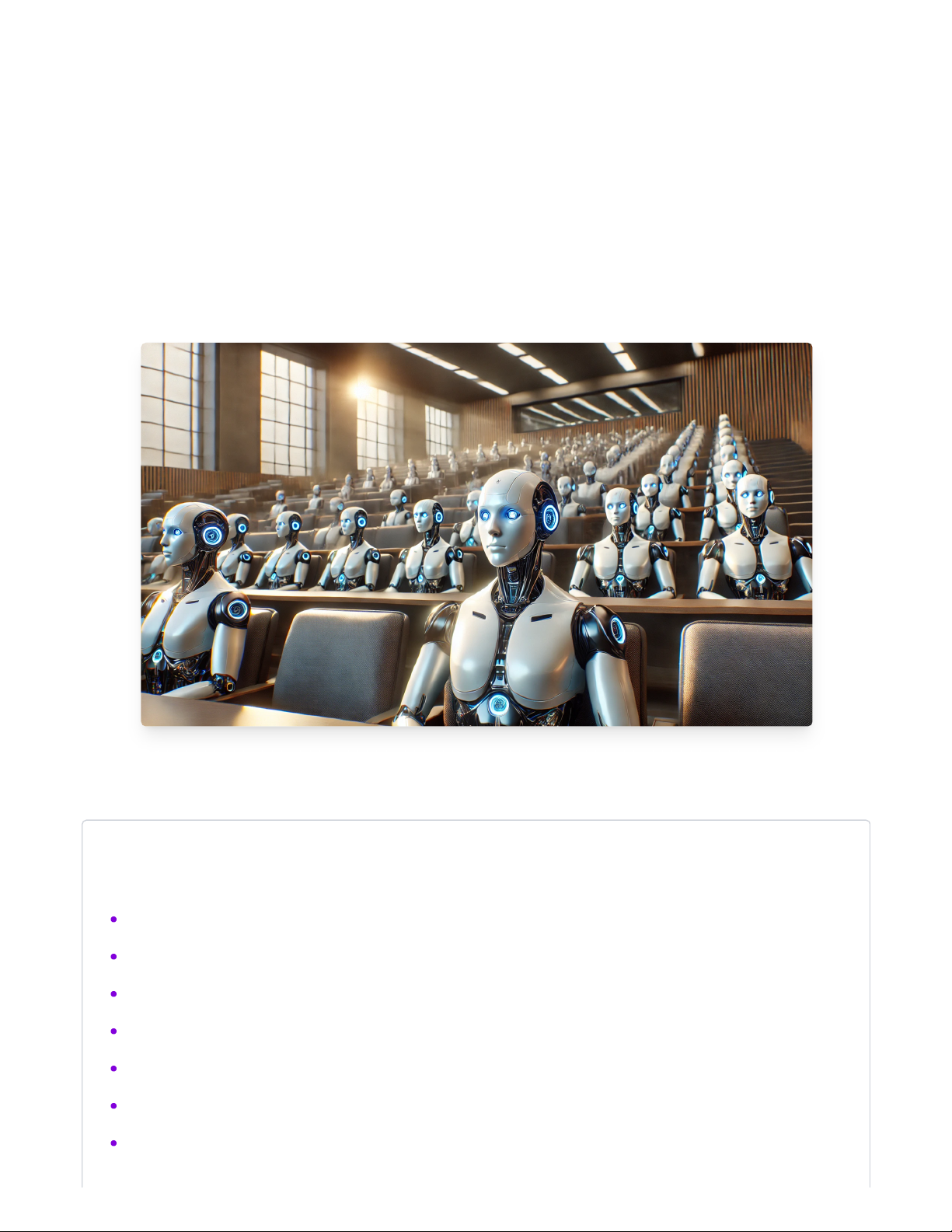
State of the States Tech Forecast 2025:
All Ab o a r d !

Representing Chief Information Officers of the States
2025 STATE CIO TOP 10 PRIORITIES
Priority Strategies, Management Processes and Solutions
1CYBERSECURITY AN D RISK MAN AGEMEN T ARTIFICIAL INTELLIGENCE / MACHINE LEARNING
/ ROBOTIC PROCESS AUTOMATION
DIGITAL GOVERNMENT / DIGITAL SERVICES
LEGACY M O DERN IZATIO N
WORKFORCE
DATA MANAGEMEN T AN D ANALYTICS
CLO UD SERVICESIDENTITY AND ACCESS MANAGEMENT
BUDGET / COST CON TROL / FISCAL
MAN AGEM EN T
ACCESSIBILITY
2
3
5
7
9
4
6
8
10

Representing Chief Information Officers of the States
State CIO Transitions
(January 2025)
DC
AK
HI
WA
OR
CA
MT
IN
IL
ID
NV
UT
AZ
NM
TX
OK
WY
ND
SD
NE
CO
KS
LA
MO
AR
IA
MN
KY
TN
AL
MS
FL
GA
SC
NC
VA
OH
ME
WV
PA
MI
WI
VT
NH
NJ
MA
CT
RI
MD
DE
No Change
PR
VI
NY
2024 Transitions (12)
2025 Transitions (3)

Representing Chief Information Officers of the States
What emerging IT area will be the most
impactful in the next 3-5 years?
NASCIO 2023 State CIO Survey
4

Representing Chief Information Officers of the States
NASCIO AI Publications Since 2018
Nascio.org/resource-center

Representing Chief Information Officers of the States
NASCIO Considerations for Developing AI Roadmaps
1. Align AI in itia tive s to
strategic drivers for the
o rga n iza tio n
2. Establish governance and
oversight processes
3. Inventory and document
e xis tin g AI a p p lica tio n s
4. Address data quality
and sourcing
5. Co lla b o ra te with
stakeholders and industry
6. Assess privacy and
cybersecurity risks of
AI adoption
7. Infrastructure and
technology
8. Create acquisition and
development guidelines
9. Identify potential
use cases
10.Expand AI workforce
expertise and training
11.Create guidelines for
responsible use, ethics
and transparency
12.Measure and
com m unicate effectively
6
Source: NASCIO Your AI Blueprint: 12 Key Considerations as States Develop
Th e ir Artificia l In te llige n ce Ro a d m a p s , De ce m b e r 2023

Representing Chief Information Officers of the States
Top AI Actions Taken by States
►The creation of advisory committees and task forces (78%)
►Implementing enterprise policies and procedures on
development/use (72%)
►Re sp o n s ib le u se / fle xib le gu a rd ra ils / se cu rity / e th ics (67%)
►Inventory / documenting uses in agencies and applications (61%)
2024 State CIO Survey

Representing Chief Information Officers of the States
State AI Committees and Task Forces
January 2025
DC
AK
HI
WA
OR
CA
MT
IN
IL
ID
NV
UT
AZ
NM
TX
OK
WY
ND
SD
NE
CO
KS
LA
MO
AR
IA
MN
KY
TN
AL
MS
FL
GA
SC
NC
VA
OH
ME
WV
PA
MI
WI
VT
NH
NJ
MA
CT
RI
MD
DE
Committee/Task Force
PR
VI
NY

Representing Chief Information Officers of the States
Top Business Processes in Which States Are Using GenAI
2024 State CIO Survey

Representing Chief Information Officers of the States 10
Top Business Process Where States are Using
GenAI

Representing Chief Information Officers of the States
State IT Use Cases for Generative AI
Supporting virtual agent chatbots to help citizens
Generating ideas, crafting emails and streamlining research
Language translation for online services
Analyzing survey data and making recommendations
Cataloging databases and identifying their owners
Downloading and reposting PDFs in more accessible formats
Converting outdated computer code to modern
programming languages
Fraud prevention and detection
Representing Chief Information Officers of the States
State IT Use Cases for Generative AI (cont.)
Cybersecurity threat detection, identify anomalies
Analyzing vehicle crash data
Streamline health care facility inspections
AI-enabled bots to assist call center agents
Monitoring new legislation and creating a summary
Human resources: writing effective job descriptions,
interview questions
Streamline procurement (repetitive forms, communication)
Improve traffic patterns and reduce congestion

Representing Chief Information Officers of the States

Representing Chief Information Officers of the States
“Ge n e ra tive AI so m e tim e s will give in co rre ct a n s we rs , o r p a rtia lly co rre ct o n e s. So , with
AI-assisted solutions, our government services have to be very carefully crafted and
te ste d to m in im ize th is.”
“Ge n AI can document large scales of what this code is meant to do, give
recommendations on how to break it up or modernize it, and then recode it,”
“Our potential use cases span from human resources, correspondence, policy
development, review and access, GIS modeling, data analytics, customer engagement,
accelerating legacy code review for m odernization efforts, coding, security, contracts
and procurement process improvement efforts.”
“We w a n t Ge n AI to get to the point where we don’t have unintended consequences.”
“We have to consider the public perception, while it may not always be fair or accurate,
artificial intelligence requires us to go carefully and be transparent in everything we are
doing. We must over share, be thoughtful and have a steady approach.”
“There won’t be less jobs, but there will be different jobs. We have to make sure that the
workforce is ready for an AI economy (or what’s to come) and we must learn how to
build an adaptive workforce.”
Representing Chief Information Officers of the States
Recommendations for States Using Generative AI
1. En cou ra ge Explora t ion a n d Se t Policie s. Promote a culture of exploration and learning with
ge n e ra tive AI. Em p loye e s a re like ly a lre a d y exp e rim e n tin g with th e s e to ols, so sta te CIO o rga n iza tio n s sh o u ld
lead the way by setting clear policies and guidelines for their use.
2. Establish Strong Governance and Regulatory Frameworks. Ensure that a robust regulatory
and governance framework is in place before widespread AI adoption. This includes setting up guardrails to
protect privacy and ensure responsible use, as well as creating a risk-based maturity scale to manage AI
deployment from low to high risk.
3. Focus on Data Quality. The effectiveness of AI systems is heavily dependent on the quality and
a cce ssib ility o f d a ta . Prio ritize d a ta gove rn a n ce , in clu d in g d a ta re te n tio n p o licie s, a n d wo rk clo se ly with sta te
CDOs to ensure clean and reliable data.
4. Bu ild Pa rtn e rsh ips a n d Fost e r Colla bora t ion . Develop strong partnerships with peers across
different departments and agencies.
5. Adopt an Incremental Approach. Sta rt with s m a ll, lo w-risk p ilo t p ro je cts to id e n tify p o te n tia l
use cases and build on lessons learned.
6. Be Transparent. Communicate openly about AI initiatives, including successes and limitations.
Transparency with constituents about data practices and AI usage is crucial for building trust.

Representing Chief Information Officers of the States
Cybersecurity Priorities Today
Ta le n t crisis: recruitment, retention, reform, compensation
Ge n AI impacts on cyber
More centralized operating model; zero trust framework
Adopting w h ole -of-state cybersecurity re s ilie n ce
Executing Year 2 of $1B State & Local cybersecurity grant
Support and partnerships with loca l gove rn m en t s
Software supply chain risks

Representing Chief Information Officers of the States
Leading causes of a
cybersecurity incident in
states over the last year
2024 Deloitte-NASCIO Cybersecurity Study

Representing Chief Information Officers of the States
Current and
planned use of
Ge n AI in state
cybersecurity
operations
2024 DELOITTE-NASCIO CYBERSECURITY STUDY

Representing Chief Information Officers of the States
Challenges for States: Ge n AI Adoption
Poor da t a qu a lit y/in t e grit y
Lack of enterprise governance
Workforce skills ga p / la ck of t ra in in g
Shadow Ge n AI use by employees
Lo n g -term costs
Legal issues; public records creation
Technical infrastructure

Representing Chief Information Officers of the States
Do you anticipate increased adoption of AI and
Ge n AI impacting data management importance?
Initia l fin d in gs : EY-NASCIO survey on Data Management, April 2024

Representing Chief Information Officers of the States
Do you have a data
qu a lit y progra m ?
How would you rate the importance of
da t a qu a lit y in you r orga n iza t ion ?
Initia l fin d in gs : EY-NASCIO survey on Data Management, April 2024
91%

Representing Chief Information Officers of the States 2222
Concerns Regarding the Impact of GenAI on State
Governm ent Technology Workforce
53%
49%
47%
43%
39%
27%
14%
10%
4%
2%
Lack of necessary skills
Security concerns
Privacy issues
Bias and fairness
Inaccuracy
Ethical concerns
Adoption
Loss of human touch and personalized services
Workforce/labor displacement
Infrastructure
% of states
N ASCIO -McKinsey Study: Generative AI and its Impact on State Government IT Workforces, April 2024

Representing Chief Information Officers of the States
AI and Generative AI:
gove rn a n ce , le gisla tio n ,
fram ewo rk, p olicy, use case s,
data quality, privacy,
se cu rity, wo rkfo rce skills
Increase in state tech policy
and le gisla t ion : focus on
data privacy, AI, deepfakes,
so cia l m e d ia sa fe ty,
cybersecurity, prohibited
products
Focus on digital services and
modernization: improved
cit ize n expe rie n ce , m o r e AI
and automation, citizen
identity management
Continued investments in
le ga cy m ode rn iza t ion ,
growing hybrid cloud and
SaaS adoption
Changing IT workforce:
re m ot e /h ybrid flexibilit y,
skills -based hiring,
e lim in a tin g 4-year degree
requirement
Impact of the new Congress
a n d a dm in ist ra t ion on
state and local government
te ch n o lo gy p o licy?
The Tech Forecast for 2025

Representing Chief Information Officers of the States
Resource Center at NASCIO.org