BIODEGRADABLE PACKAGING INNOVATIONS FOR SUSTAINABLE DISTRIBUTION OF PREMIUM TEA AND COFFEE PRODUCTS GLOBALLY PDF Free Download
1 / 7/7
100%

https://iaeme.com/Home/journal/IJTCR 1 editor@iaeme.com
International Journal of Tea and Coffee Research (IJTCR)
Volume 2, Issue 1, January-June 2025, pp. 1-7, Article ID: IJTCR_02_01_001
Available online at https://iaeme.com/Home/issue/IJTCR?Volume=2&Issue=1
Journal ID: 8607-4192
© IAEME Publication
BIODEGRADABLE PACKAGING INNOVATIONS
FOR SUSTAINABLE DISTRIBUTION OF
PREMIUM TEA AND COFFEE PRODUCTS
GLOBALLY
Wanjiku Anyango
Green Supply Strategist, Kenya.
ABSTRACT
The global demand for premium tea and coffee has catalyzed a corresponding rise
in environmentally conscious packaging alternatives. Biodegradable packaging
innovations offer a sustainable solution for reducing the environmental footprint of
high-end beverage distribution. This paper examines cutting-edge advancements in
biodegradable materials used in the tea and coffee industry, analyzing the benefits,
challenges, and global applications of such packaging. Drawing on existing literature
and industrial case studies, the research emphasizes the ecological and economic
implications of shifting toward biodegradable packaging. Furthermore, it evaluates the
lifecycle of such materials and their market acceptance.
Keywords: Biodegradable Packaging, Tea Industry, Coffee Packaging, Sustainable
Supply Chain, Compostable Materials, Green Innovation, Eco-Friendly Distribution,
Sustainable Design.
Cite this Article: Wanjiku Anyango. (2025). Biodegradable Packaging Innovations for
Sustainable Distribution of Premium Tea and Coffee Products Globally. International
Journal of Tea and Coffee Research (IJTCR), 2(1), 1-7.
https://iaeme.com/MasterAdmin/Journal_uploads/IJTCR/VOLUME_2_ISSUE_1/IJTCR_02_01_001.pdf

Wanjiku Anyango
https://iaeme.com/Home/journal/IJTCR 2 editor@iaeme.com
1. Introduction
With the surge in global consumption of premium tea and coffee, packaging has become
a key focus for brands aiming to balance quality assurance with environmental responsibility.
Traditional plastic-based packaging materials, while offering durability and barrier properties,
contribute significantly to environmental pollution due to their non-biodegradable nature.
Growing consumer awareness and regulatory pressures have prompted the tea and coffee
sectors to explore sustainable alternatives that ensure both product protection and eco-
compatibility.
Biodegradable packaging materials, derived from natural polymers like cellulose,
polylactic acid (PLA), and starch blends, are gaining traction for their compostability and
minimal environmental impact. In the context of premium beverage products, where branding
and presentation play pivotal roles, innovative biodegradable solutions are emerging to meet
aesthetic, functional, and ecological standards. These developments are driven not only by
sustainability goals but also by evolving market preferences and global legislative frameworks.
This paper provides a systematic overview of the innovations shaping the biodegradable
packaging space within the high-end tea and coffee industries.
2. Literature Review
Several studies and reviews have laid the foundation for understanding the impact and
advancement of biodegradable packaging in the beverage sector:
Year
Author(s)
Key Contribution
2020
Olejnik & Masek
Bio-based packaging with tea and coffee
extracts for antimicrobial properties.
2021
Nilsen-Nygaard &
Fernández
Overview of biobased packaging materials and
food quality preservation.
2021
Rajesh & Subhashini
Waste-based packaging materials and their
sustainability benefits.
2022
Li & Cheng
Tea packaging designs as cultural and
ecological tools for destination branding.
2023
Hernández-Varela et al.
Use of coffee residues in biodegradable films.
2023
Ashiwaju et al.
Pharmaceutical industry’s shift to biodegradable
packaging.

Biodegradable Packaging Innovations for Sustainable Distribution of Premium Tea and Coffee Products
Globally
https://iaeme.com/Home/journal/IJTCR 3 editor@iaeme.com
2023
Versino et al.
Infographic analysis of compostable food
packaging performance.
2023
Peluso
Economic reuse of coffee by-products in
packaging materials.
2023
Drago et al.
Zein-based packaging using spent coffee for
functional food wrapping.
2023
Sarifudin et al.
Business-consumer views on tea packaging
sustainability in Southeast Asia.
2023
Farmer
Packaging trends and global industry shifts
toward biodegradable models.
2019
Triantafillopoulos et al.
Paper-based coffee cup biodegradability
innovations.
2021
De Pilli et al.
Microbial polymer-based packaging innovations
from food waste.
2021
Zhou & Li
Role of tea by-products and green
manufacturing in packaging development.
2021
Petaloti & Achilias
Biocomposite packaging using coffee silverskin
residues.
2021
Shaik et al.
Consumer drivers behind the adoption of
bioplastic cups and sustainable materials.
3. Market Drivers and Trends
Biodegradable packaging is increasingly driven by consumer preference for eco-
conscious brands and regulations targeting plastic reduction. Global regions, particularly the
EU, are enforcing stringent directives on single-use plastic usage. The premium beverage sector
is adapting by investing in packaging that aligns with these regulations without compromising
product integrity.

Wanjiku Anyango
https://iaeme.com/Home/journal/IJTCR 4 editor@iaeme.com
Table 1: Key Market Trends in Sustainable Beverage Packaging
Trend
Description
Regulatory Compliance
EU Green Deal, Extended Producer Responsibility
(EPR) mandates
Brand Differentiation
Green packaging as a marker of premium, ethical
positioning
Cost Competitiveness
Advances in bioplastics reducing material costs
Consumer Expectation
Strong preference for recyclable/compostable
packaging from Gen Z, Millennials
4. Material Innovation and Technology
The shift from petroleum-based to bio-based materials involves significant R&D in
polymer science. Materials like polylactic acid (PLA), cellulose acetate, and starch blends
dominate innovation due to their availability and compostability. Additives from tea
polyphenols and coffee silverskin enhance antimicrobial properties and shelf-life.
Figure 1: Common Biodegradable Materials in Premium Packaging

Biodegradable Packaging Innovations for Sustainable Distribution of Premium Tea and Coffee Products
Globally
https://iaeme.com/Home/journal/IJTCR 5 editor@iaeme.com
5. Global Applications and Case Studies
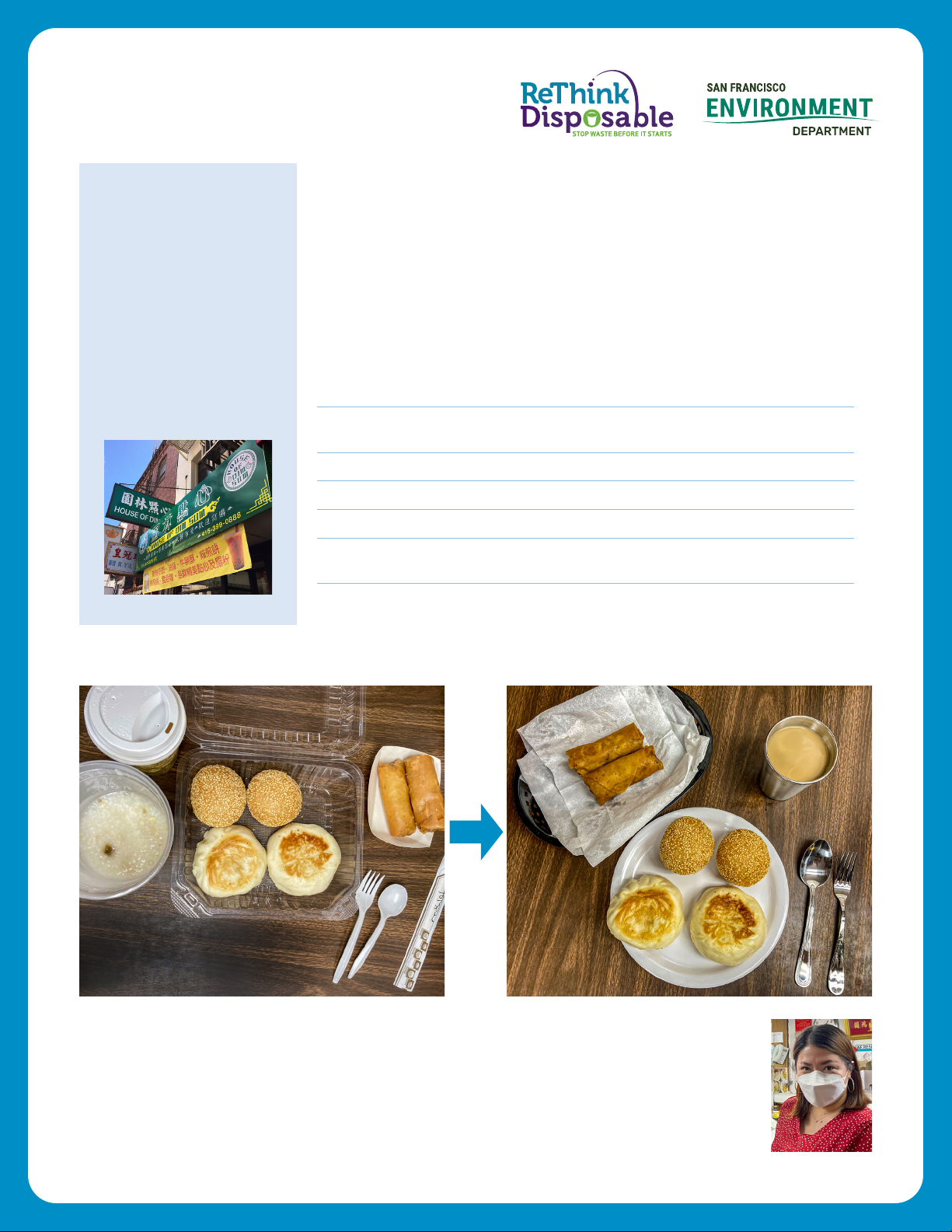
Premium coffee brands in Europe and North America have piloted compostable pods
and biodegradable films. Similarly, organic tea brands in Asia and Oceania have implemented
rice paper and PLA-based sachets. Businesses also leverage storytelling in packaging to
enhance product value and educate consumers.
Figure 2: Adoption of Biodegradable Packaging
6. Consumer Perception and Behavioral Impact
Consumer perception plays a crucial role in the success of biodegradable packaging
innovations. As awareness of environmental issues grows, purchasing decisions are
increasingly influenced by a product’s sustainability credentials. Studies show that consumers
are more likely to associate biodegradable packaging with brand responsibility, quality, and
health consciousness, particularly in the premium tea and coffee segments.
Incorporating clear labeling, transparency about material sources, and end-of-life
disposal instructions enhances trust and engagement. However, a knowledge gap still exists
regarding composting infrastructure and material degradability, which can lead to confusion or
skepticism. Addressing these through educational campaigns and packaging storytelling can
significantly improve consumer acceptance and loyalty.

Wanjiku Anyango
https://iaeme.com/Home/journal/IJTCR 6 editor@iaeme.com
7. Challenges and Future Outlook
Despite the optimism, challenges remain around the scalability, shelf-life limitations,
and cost variability of biodegradable materials. Infrastructure for industrial composting is
unevenly distributed globally, limiting the full ecological benefit of such packaging.
Future innovations are expected in smart biodegradable films with embedded freshness
indicators, nanocellulose-based coatings, and blockchain-enabled traceability in supply chains.
Collaboration between material scientists, marketers, and policymakers is key to overcoming
current barriers.
8. Conclusion
Biodegradable packaging stands at the intersection of innovation, sustainability, and
consumer experience in the global distribution of premium tea and coffee. While challenges
persist, the industry is witnessing robust momentum toward sustainable design solutions.
Integrating these packaging innovations not only enhances ecological outcomes but also
strengthens brand credibility in a competitive market.
References
[1] Olejnik, O., & Masek, A. “Bio-based packaging materials containing substances
derived from coffee and tea plants.” Materials, 2020.
[2] Nilsen-Nygaard, J., & Fernández, E. N. “Current status of biobased and biodegradable
food packaging materials.” Comprehensive Reviews in Food Science and Food Safety,
2021.
[3] Rajesh, P., & Subhashini, V. “Sustainable packaging from waste material: A review.”
Springer, 2021.
[4] Li, W. T., & Cheng, Y. H. “Creating sustainable development of the destination with
tea packaging.” Sustainability, 2022.
[5] Hernández-Varela, J. D., & Medina, D. I. “Revalorization of coffee residues for eco-
friendly packaging.” Polymers, 2023.
[6] Ashiwaju, B. I., Orikpete, O. F., & Fawole, A. A. “Biodegradable packaging in
pharmaceuticals.” Matrix Science Pharma, 2023.
[7] Versino, F., et al. “Sustainable and bio-based food packaging.” Foods, 2023.
[8] Peluso, M. “Coffee by-products for sustainable packaging.” Proceedings, 2023.
[9] Drago, E., et al. “Zein and coffee extract in active packaging.” Applied Sciences, 2022.

Biodegradable Packaging Innovations for Sustainable Distribution of Premium Tea and Coffee Products
Globally
https://iaeme.com/Home/journal/IJTCR 7 editor@iaeme.com
[10] Sarifudin, N. S., et al. “Sustainable packaging in bubble tea industry.” Idealogy Journal,
2023.
[11] Farmer, N. “Trends in packaging of food and beverages.” Elsevier, 2013.
[12] Triantafillopoulos, N., & Koukoulas, A. A. “Biodegradable coffee cups.” Paper
Conference, 2019.
[13] De Pilli, T., et al. “Sustainable innovations in food packaging.” Springer, 2021.
[14] Zhou, J., & Li, M. “Innovations in tea product development.” Journal of Tea Science
Research, 2021.
[15] Petaloti, A. I., & Achilias, D. S. “Biocomposites using coffee silverskin.” Sustainability,
2021.
[16] Shaik, A. R., et al. “Consumer drivers for bioplastic coffee cup usage.” Green
Technologies, 2021.
Citation: Wanjiku Anyango. (2025). Biodegradable Packaging Innovations for Sustainable Distribution of
Premium Tea and Coffee Products Globally. International Journal of Tea and Coffee Research (IJTCR), 2(1),
1-7.
Abstract Link: https://iaeme.com/Home/article_id/IJTCR_02_01_001
Article Link:
https://iaeme.com/MasterAdmin/Journal_uploads/IJTCR/VOLUME_2_ISSUE_1/IJTCR_02_01_001.pdf
Copyright: © 2025 Authors. This is an open-access article distributed under the terms of the Creative Commons
Attribution License, which permits unrestricted use, distribution, and reproduction in any medium, provided the
original author and source are credited.
Creative Commons license: Creative Commons license: CC BY 4.0
✉ editor@iaeme.com