Charles Dickens and his A Christmas Carol: the society of sentiment and Christmas PDF Free Download
1 / 67/67
100%

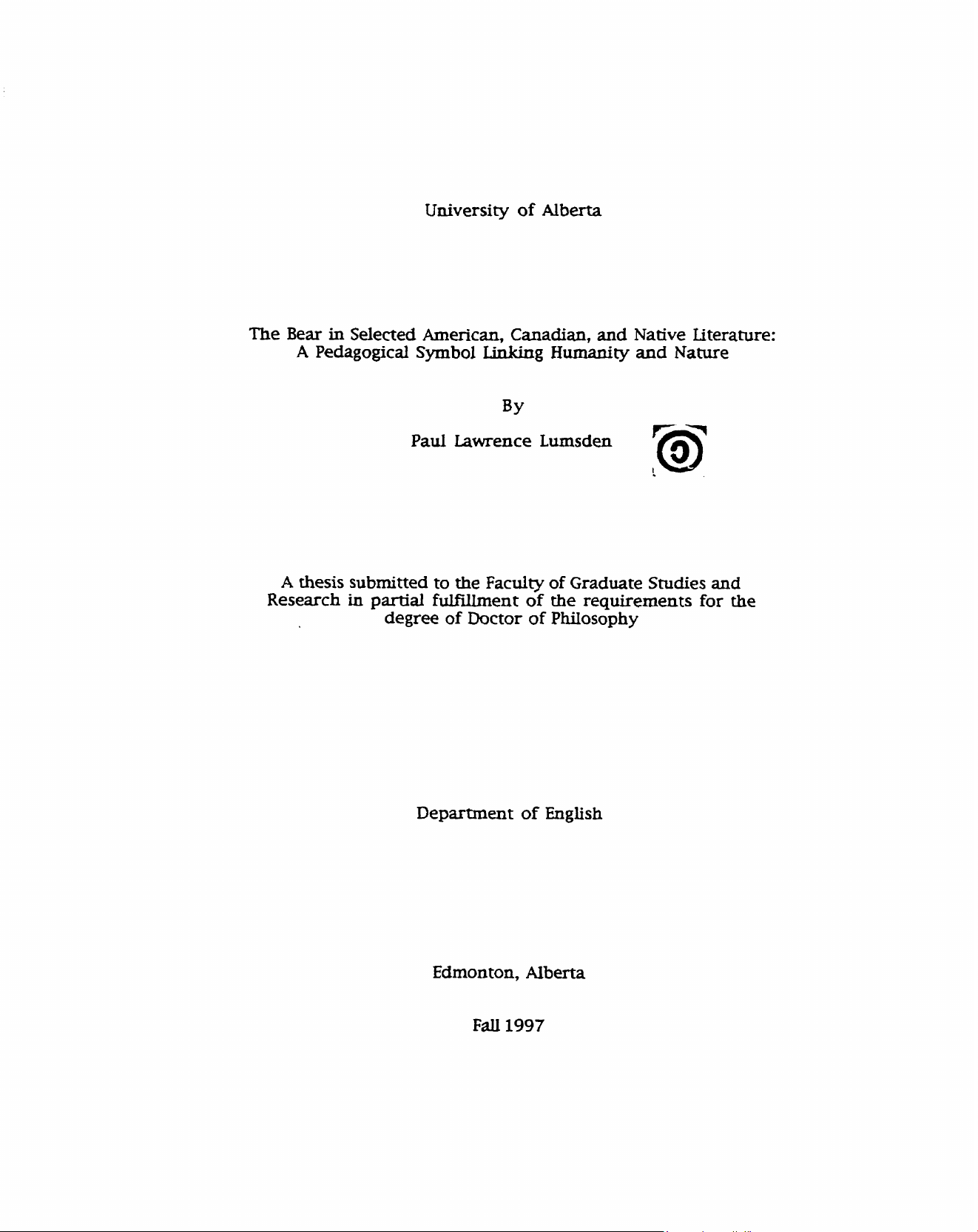
Masaryk
University
Faculty
of
Arts
Department
of
English
and American
Studies
English
Language and Literature
Viktoria
Euptakova
Charles
Dickens
and his A
Christmas
Carol:
the society of
sentiment
and
Christmas
Bachelor's
Diploma
Thesis
Supervisor: Stephen Paul Hardy, Ph.D.
2017

/
declare
that
I
have
worked
on
this
thesis
independently,
using
only
the primary and
secondary
sources
listed
in the bibliography.
Author's
signature

Acknowledgments:
I
would
especially
like
to
thank
my
supervisor, Stephen
Paul
Hardy,
Ph.D.,
for
helping
me
with
this thesis
and
giving
me
valuable advice.
I
appreciate everything
you
have done
to
help
me.
Furthermore, I
would
like
to thank
the
entire
staff
of
our
department
for
giving
me
much more than
knowledge.

Table
of
Contents
1 Introduction 1
2
Chapter One: Charles Dickens 5
3 Chapter
Two:
The development of Christmas in
Victorian
England 15
4 Chapter Three:
Analysis
of A Christmas
Carol
24
5 Chapter
Four:
Christmas Books 43
6
Conclusion
52
7 Works
Cited
55
8 Resume (English) 62
9 Resume (Czech) 63

1
Introduction
This
bachelor thesis deals
with
the story A Christmas Carol written by an
English
writer
and
social
critic
of
Victorian
era, Charles
Dickens.
A Christmas Carol is a
well-
known
story about a cold-hearted miser, Scrooge, who is
visited
by spirits
which
want to
show
him the
true
importance of one's
life
and the meaning of
Christmas.
The aim of this
thesis is to show
that
A
Christmas Carol can be considered a story
that
depicts the defects
of
humanity and emphasizes the importance of
charity.
This
thesis also
presents
the other
four
books
with
a Christmas theme
that
have been written by
Dickens.
All
of them are
referred to under one common name - Christmas
Books.
Last, but not least, the thesis
provides
the reader
with
an introduction to the development of Christmas in
Victorian
England
and examines if, and to what extent, Dickens and his A Christmas Carol
contributed
to the expanding popularity of the holiday.
The
beginning of this thesis focuses on the
life
of Charles Dickens himself. It
provides
insight into his
life
from
earliest
childhood
up
until
the time he became a popular
novelist.
Dickens's
life
was not easy and his childhood memories, especially those
that
he gained during
working
at the
blacking
factory, had a
great
impact on his future
life
and
career. His experiences helped him understand the
social
situation of his country and as
an adult, he spent a lot of
his
energy
trying
to point out important
social
issues. He decided
to become a writer in order to make people listen to (or read in this case) what he had to
say. In his stories,
Dickens
often
included
personal experience. In his career as a novelist,
he was primary interested in working-class and
lower-middle-class,
who, in his
opinion,
underwent the
greatest
injustices.
Many
of his works are packed
with
social
criticism.
However,
this
criticism
is often hidden,
which
means
that
he does not point out issues
directly
but instead
uses
various ways to make his
readers
aware of his opinions.
This
thesis shows
that
A Christmas Carol is an example of such a piece of
work.
A story
that
1

may
resemble a
fairy
tale Christmas book, is actually a story
full
of
criticism
directed
especially
towards upper
social
classes.
The
second chapter of the thesis concentrates on the development of
Christmas
in
Victorian
England.
Even
though Christmas as such was already celebrated in England
before
Dickens
had written A Christmas Carol,
there
are many people who
claim
that
this
book,
with
its idea of
charity,
hope and
possibility
for
a
better
future, had a
great
influence
on
the way people
treat
Christmas today. However, it is not
only
Dickens
who should be
given
the credit for the expansion of the Christmas spirit. It was Queen
Victoria,
and
particularly
her husband Prince
Albert,
who brought the concept of the decoration of
evergreens for Christmas and sending Christmas cards to
family
and friends to people in
England.
During
this time,
there
were also other innovations concerning Christmas such
as Christmas crackers, roast turkey and the act of
giving
gifts to each other.
Although
neither the
royal
family
nor Dickens invented Christmas in England, their influence on
making
the holiday popular among the widespread public is evident.
Moving
on to the third and most
crucial
chapter, the thesis draws the
reader's
attention to A Christmas Carol itself. The thesis provides citations
from
various part of
the book supplemented by judgements of different writers to support the idea
that
A
Christmas Carol is more than just a
fairy
tale about Christmas. It shows to what extent
Dickens
with
his two main characters - Scrooge and
Tiny
Tim
-
criticises
the upper
social
classes.
Additionally,
this chapter shows how Dickens
uses
the condition of
Tiny
Tim
to
appeal to the need for charity and humanity among all
social
classes. His concept of time
travelling
should make people reconsider the way of
life
they
live
and perhaps even make
them feel the need of becoming
better
persons. The thesis portrays how Dickens
incorporates his own
past
through Scrooge's memories
while
travelling
with
the Ghost
of
2

Christmas
Past.
Moreover,
the
usage
of ghosts makes the story somehow frightening but
fascinating,
which
may also be a reason why the book gained so such success.
In
the fourth chapter, the thesis summarises the
rest
of the Christmas
Books.
It
presents
the general description of each of the story,
illuminating
the issues Dickens
wanted to point out
with
these
stories.
Even
though their popularity did not match
that
of
A
Christmas Carol, they
still
share
the
"Carol
philosophy" and no
matter
how
critical
they might have been, their main idea is
still
the celebration of
family,
friends, charity
and goodness of people,
which
are all strengthened during the period of the special time
of
year - Christmas.
The
thesis
uses
printed books and online sources (pdf
files,
websites) by various
authors
from
different time periods to cover all of the above mentioned topics and to
provide
objective
judgments supporting the thesis' arguments. One of the most significant
is
Dickens (2002) by Peter
Ackroyd.
In this biographical book about
Dickens,
Ackroyd
in
detail depicts Dickens's
life
from
his early
childhood,
through
working
in a
blacking
factory
and his later success as a writer
till
his death. The book is essential for the first
chapter of the thesis
which
concentrates on Charles Dickens himself. Moreover, it
contains a few
pages
about
A
Christmas Carol and Christmas
Books.
The next important
secondary source is A Christmas Carol and Other Christmas
Books
edited
with
an
Introduction
and Notes by Robert Douglas-Fairhurst (2011). The book provides a
profound
analysis of Dickens's Christmas
Books,
particularly A Christmas Carol. It
contains many valuable and relevant ideas about the story,
which
makes the book
meaningful
for the third chapter of the thesis -
"Analysis
of
A
Christmas Carol".
Many
ideas of Douglas-Fairhurst are supported by
Michel
Faber in his article "Spectral
pleasure," published on The Guardian website (2005). Furthermore, Faber comments on
various
symbols used in A Christmas Carol. One more
crucial
work is an article by
3

Christine
Lalumia
titled "Scrooge
And
Albert:
Christmas in the 1840s," published online
on
the History Today website (2001).
Lalumia
here
presents
a development of Christmas
in
England and
suggests
to what
extent
Dickens and the royal family influenced what
today's
Christmas looks
like.
Many
arguments
in the third
chapter
are drawn from this
work
to provide a thorough description of Christmas.
All
secondary
sources
used in this
thesis
are listed in "Works
Cited".
4

2 Chapter One: Charles
Dickens
Charles
John
Huffam
Dickens (February 7, 1812 - June 9, 1870) was an
English
writer,
social
critic
and by the end of 1870, as Sir
Arthur
Quiller-Couch
in his book
Charles
Dickens &
other
Victorians (1910) claims, "a
great
National
Institution" (4).
Dickens
was and
still
is a very popular author. F.E.
Baily
in his Six Great Victorian
Novelists (1947) even
suggests
that
Dickens
could
be considered "a
great
enigma among
novelists"
(47). In the second part of From Dickens to Hardy (1982), R. C.
Churchill
supports
these
arguments when he
states
that
Dickens's books have
great
power and
permanent interest and he is one of the
English
"classics" whose work is probably most
acceptable to a wide range of
readers
who
differ
in age,
social
status
or mental capacity.
Moreover,
his books are not
only
read, but very often re-read and enjoyed by hundreds of
people (117). Peter
Ackroyd
in his biography Dickens (2002) points out
that
Dickens
in
his
writings "opened up the
world
for those who were already
living
in it" (144).
Dickens
himself
(as can be seen later in this chapter) had an advantage
that
he
experienced both poverty and wealth, so he
could
empathise
with
a wide range of
social
classes.
This
fact
could
be the reason why he was
adept
at attracting various types of
readers; he was very
well
aware of the feeling of being poor but he also understood the
opposite. Notwithstanding, the power of his books also is
that
they are often read by
children
who, when grown up, come back to them and can see them
from
different a
perspective. What once seemed to be a fairy-tale story is later considered a story
with
a
deeper meaning. A Christmas Carol is a very good example, as the reader can see in the
fifth
chapter of this thesis
which
deals
with
the book itself. Nevertheless, as
Ackroyd
observes,
Dickens
was a novelist of
his
age and in his works we can see the "character of
19th
century
life"
(xii) since he was trying to make as realistic an image of the era as he
possible
could.
One might say
that
in today's
world
he is
still
as
well
known among
5

scholars as among ordinary people who have at least some interest in literature.
Baily
makes the point
that
when
alive,
Dickens was popular because he was a reporter who
"reported
life,
or what he took to be
life"
(48). He did not bother, and very probably even
did
not want to bother,
with
any idealistic descriptions. He preferred picturing things as
they were, or
better
to say, as he found them to be. One may sometimes
find
his works
too
critical,
but generally it can be said
that
by the
criticism
he
simply
wanted to point at
the things
that
should be changed or at least make people realize
that
there
was something
wrong
with
the country and/or society and it should be
fixed.
Why
it was considerably easy for
him
to write and why his works were so popular,
according
to Charles E. May in his "Charles
Dickens"
(2016), is due to several reasons.
First
of
all,
in many of his works Dickens found an inspiration in his own
life
and the
people he was surrounded by. Secondly, he was
writing
about
English
society, about
ordinary
people and everyday situations
which
were happening in the
streets
of
London.
And
thirdly,
no matter how realistic his stories might have felt, they were
still
fiction,
yet
Dickens
was a master at
storytelling
and the characters "seem real precisely because they
are so
artificial"
(May
n.p.). Geoffrey
Tillotson
in his book
A
View
of
Victorian
Literature
(1978) supports
May's
argument,
claiming
that
Dickens
was an author who "had a power,
beyond
most writers, of so describing a common thing
that
we seem to be
looking
at it
again
with
opened eyes" (124).
Many
of
Dickens's
books
including
A
Christmas Carol,
were packed
with
social,
cultural or
political
criticism
but the
criticism
was somehow
hidden
so people may not have noticed it when reading the book for the first time. In A
Christmas Carol
particularly,
behind the touching story about Christmas
which,
because
of
its fantastic features resembles a
fairy
tale story,
social
criticism
can be found (this
argument is more profoundly discussed in the
fifth
chapter of the thesis).
6

Dickens's
works were published in a serialized way - he tried to approach
different social classes and he pointed at issues
that,
in his view, needed to be changed or
improved.
Serialization as such might be considered as not the
easiest
way of writing
regarding the fact
that
the writer was under
constant
pressure
to
finish
his or her chapter
on
time. Dickens seemed to have no problem with
that.
What is more, once he finished a
book, he was able to automatically switch and
start
a new one. In addition,
Ackroyd
also
mentions Dickens's love for
theatres
and the ambitions he had for his works to get to the
theatrical platform, since he had written many of his books in a way to have at least "a
potential for dramatic adaptation" (249). Yet this desire of his was never really
fulfilled.
One way or
another,
Tillotson
claims, Dickens had a mind of a novelist as
well
as a
dramatist and
like
"Shakespeare, Dickens provides each
fiction
with its own
'world'
or
'atmosphere' or 'climate' or 'colour'" (141).
Even
though he did not succeed as a play-
writer, his literary qualities should not be denied.
Dickens
was born to a
family
in which his father frequently had troubles with
money. This is one of the
strongest
memories Dickens had from his childhood which, as
Baily
observes, resulted in the fact
that
"he never knew the
sense
of security, which . . .
is
indispensable if childhood is to be happy" (49).
Ackroyd
also
suggests
that
this
insecurity
made
Dickens
feel
that
only
financial
well-being
could help him feel
safe
(106).
That is why he did not mind serialized writing. It
meant
that
even though he was often
very
busy, as long as he was
writing,
he had a
permanent
income. But despite everything,
as
Baily
observes,
there
was
still
this "plague by his
parents"
(54) which continued
through
all
his adulthood as once
Dickens
got
rich,
he
still
had to help his father whenever
he, again, got into
debts.
Ackroyd
argues
that
there
was a
desperate
fear in
Dickens;
"the
fear of ruin, of being
thrust
down again into poverty, to go the way of his father into a
debtors' prison, all the success and fame he has achieved to be stripped from him" (234).
7

This
memory from his childhood had a
great
influence on him even when he was not
dependent
on his
parents
anymore. The experience of poverty was for him a total bottom,
a
stage
of
life
which cannot get worse. As a consequence, the fact
that
he knew the feeling
of
having financial problems
meant
that
he could not
bear
the idea of returning to such a
way
of
life.
Tillotson
claims
that
this fear can be seen in the majority
of
Dickens's
novels
where
there
is "evidence
that
he was drawing on his own painful knowledge [and
experience]" (150) and he did not want to go through it ever again.
The period when his father was imprisoned and the young Dickens had to work in
the blacking factory was incredibly
difficult
and
Ackroyd
stresses
that
"for a talented and
ambitious
child
there
is no
hell
worse than this, all the dirt, all the dreariness, all the
poverty" (40).
Baily
agrees
with
Ackroyd
when he confirms
that
working in the factory
truly
had a
huge
impact on Dickens as he was considered to be a "bookish
child
who
longed
to learn" (51) and not to work, especially not at such an early age.
While
working
in
the factory Dickens used to
visit
his father in the prison. What influenced him was the
way
that
all
the images which surrounded him at a considerably young age were haunting
him
over and over again
until
he eventually reached the
stage
when, as
Ackroyd
states,
"within
his
fiction
the whole
world
itself
is described as a type of prison and all of its
inhabitants, prisoners" (48).
Many
of his books which deal with lower-class society are
written in this fashion; poor
heroes
who
live
in their poor
houses
with little chance for
improvement, prisoners of their own
lives.
However, no
matter
how small the chance for
improvement might have been, it was
still
a chance. Maybe
that
is the also the reason why
people, especially the lower-middle classes, enjoyed reading his books,
perhaps
they gave
them hope
that
their
life
could get
better
as
well.
In A Christmas Carol, the
life
of
Tiny
Tim
improves rapidly after being helped by Scrooge, a character from a higher social
8

class.
Additionally,
Scrooge, after showing the act of charity, also gains the feeling of
satisfaction
(this argument can be seen in the fourth chapter of the thesis).
Dickens's
childhood is thoroughly expressed in
Ackroyd's
biography where he
makes several observations.
First
of
all,
when Dickens was a
little
child,
he was taught
by
his mother and even though he did get a chance to attend a school later on he,
Ackroyd
remarks, always found the majority of the schools to be, "archaic institutions" and was
"implacable
in his
hostility
to them" (21-22).
Although,
once he was forced to quit school
in
order to
start
working
in the
blacking
factory because of his father's debts, he indeed
missed
school to a
great
extent and felt
that,
in spite of its faults, he
would
do anything
just to be
sent
back to school again (40). He realized
that
even though the school system
was not perfect, it
provided
him
with
an opportunity to
gain
knowledge
needed for a
better
future. Secondly, the period when he was
working
in the factory was probably also the
time when he started to
long
to escape, to go back to "his happier years ... or going
somewhere away,
like
the hero in a story to seek his fortune" (50) or to meet some
"kind
strangers" who
would
set him free
from
his misery (57). Someone
like
the spirits in his
later piece of literary work A Christmas Carol,
which
came at the very last minute to
make Scrooge open his eyes and helped him change his
life
while
there
was
still
a chance
for
him.
Stronger in his personality, however, brings the idea of
being
a master of
his
own
life,
being independent and having control over the situation he was put into.
Young
Dickens
did not have this advantage. He was forced to work whether he
liked
it or not
and his father's situation left him totally helpless.
Thirdly,
it was here, in the factory,
where his childhood "came suddenly to an end, together
with
that
world
of reading and
of
imagination
in
which
the years of
his
childhood
had been passed" (46).
This
period of
his
life
had a
great
impact on him and even though it is not known for sure, for how
long
Dickens
worked in the
blacking
factory, what is known is
that
he felt very ashamed and
9

there
were just a few people who knew about this period of
his
life
(56-57).
Clearly,
given
his
popularity later on in his career, being a
child
labourer was not something he was
proud
of or wanted to
share
with
others, especially when considering
that
it was
something Dickens himself never entirely got through. He was able to talk about his
father's debts, about his relationship
with
his
parents,
but not about him working in the
blacking
factory.
Dickens
was not an ordinary
child.
Baily
claims
that
he was never
really
interested
in
playing
games
so he
"spent
majority of his free time reading books" (49).
Ackroyd
describes Dickens as a boy who was "making up his own fantasies and creating his own
world"
(34)
which
was
better
than the one around him so
that,
as early as in his childhood,
he showed potential for being a writer in his need to
create
something new and
exceptional.
Young
Dickens seemed to prefer reading books over the company of the
boys of his age as they had not been through what Dickens had and were
still
at the age
when
there
was no need for them making up any fantasies about a
better
world.
The young
Dickens
seemed to have been very sensitive, anxious, quick to get angry and keep
emotions to himself and as
Ackroyd
observes
"there
is a reflection of this when in A
Christmas Carol, Ebenezer Scrooge is led helplessly back to his childhood and
sees
his
younger self, intent upon his reading," all alone (Dickens 34-35).
From
this image it is
clear
that
as Scrooge so Dickens "suffered, but suffered in
secret;
[as for
Dickens]
never
once did he complain to his working companions, or even to his
parents"
(Ackroyd
50).
Ackroyd
also claims
that
Dickens
was
full
of sentiment and after everything he had been
through it is natural
that
"Dickens
was a man of
infinite
nostalgia about himself (72) and
that
questions of emotionalism and as sentiment
spills
over into his
fiction
so also
does
it
spill
into his own
life
(183).
Churchill,
on the other hand, claims
that
even though it was
not unusual
that
he "laughed and cried as he wrote" and his Christmas stories (along
with
10

some other books) are considered to be one of the
greatest
sentiments especially in his
later works, "the sentimentality is sometimes carried to ridiculous lengths" (119-120).
The
question of whether or not he was too sentimental depends on what one considers to
be too sentimental. What may seem to be just an ordinary piece of work can be regarded
by
someone else as oversentimental and certainly it also works the other way around.
Dickens
was primary interested in the working-class and lower-middle-classes
and as
Tillotson
observes, his audience was "mainly lower-middle-class" (121).
This
explains
why, after he had started seriously
writing,
always when he had a chance he
would,
as
Baily
expresses, "strike a
blow
against injustice, oppression, and hypocrisy in
high
places, and against all the wretchedness and pain
that
they brought upon gentle and
innocent creatures" (52) so to defend those who were not able to defend themselves.
This
is
one of the reasons why he was popular among lower-middle classes; he was a writer
who
could
empathize
with
these
people and who wanted to show the
rest
of society the
problems
which
were present everywhere around them.
Ackroyd
claims
that
"Dickens
could
directly intervene in
social
matters
of the day" (260) and
Churchill
supports this
argument saying
that
he was very good at "always putting his finger on the
social
evil
which
hurt the sufferer the most" (124). For example, in 1848 Dickens was
writing
a
series of articles on baby-farming1
which
was quite an issue in
Victorian
England
concerning
mistreated children and, according to
Ackroyd
in 1839, "almost
half
of the
funerals in
London
were conducted for children under the age of ten, carried off by
sickness or
malnutrition"
(183).
Dickens
was very often
criticised
for the many
deaths
in
his
novels, but as one can see, death was something
that
surrounded him and was present
every day and he wanted people to be aware of
that.
He was
simply
writing
about things
1
Baby
farming was
a
practise
of
accepting custody
of a
child
in
exchange for payment.
See
the article
by
Dorothy
L.
Halier "Bastardy and
Baby
Farming in Victorian England"
11

he had seen or experienced.
Ackroyd
also
notes
that
Dickens "brought together many
different
aspects
of the society he was surrounded by"
(xiii).
Even
though he mainly
criticised
the society
itself
it was the people who created it and the fact
that
there
was
something wrong
with
the society meant
there
must have been something wrong the
people as such. For people
realizing
this fact should be the first
step
in order to try to fix
that
and become more human.
Experiences
from
his childhood appear over and over again in his works.
Baily
suggests
that
it might have become some sort of obsession for
Dickens
to bring it up in
nearly
every story he had written (47) but
Ackroyd
argues
that
"his childhood does not
pass
untrammelled into his
fiction;
that
is one reason why he was an artist and not a
memoirist"
(122). He was not
writing
memoirs but stories
which
were inspired by his
childhood
which
is essential whereas a combination of personal experience and fantasy
should,
indeed, end up in a satisfactory piece of literary work.
Moreover,
as May points
out, his
strengths
were also "his amazing aptitude for
visualizing
scenes
in
concrete detail,
his
ability
to control and develop
highly
elaborate plots ... his
puzzling
method of
creating characters
that
. . . seem somehow more real in their
fictionality
than most
realistic
characters are"
(n.p.).Additionally,
Ackroyd
observes
that
Dickens
in his works
used some "characteristics of the people whom he met or knew . . . perceived a
striking
characteristic, or mood, or piece of behaviour, and then in his imagination proceeded to
elaborate upon it
until
the character
bears
only
a passing resemblance to the real person"
and the person very often happened to be a member of
his
real
family
(65, 251).
This
was
another one of many reasons why his works were popular. The heroes were just ordinary
people
with
ordinary
lives;
a person one
could
meet in the
street
but no matter how
ordinary
they seemed, they
still
were considered heroes and
that
is what made them
exceptional.
12

Dickens,
because of his job in the newspaper and demands of his readers, was
basically
constantly
writing.
Many
of his readers were
following
him and bought every
piece
of work
Dickens
had written. May observes
that
the demand for
"serialization"
could
be compared to
"television
soap operas today" (n.p.).
Ackroyd
argues
that
in spite
of
the fact
that
Dickens's
works might
look
like
a mass
production,
unlike
the producers
of
soap operas,
Dickens
had an intimate relationship
with
his readers as
if
"he were about
to shake hands
with
them, fix them
with
his bright eyes, and
hold
them in leisurely
converse" (358).
Very
often he read his novels aloud in front of the audience.
Ackoryd
also
claims
that
"he had found a
voice
which
penetrated the
hearts
of the
high
as
well
as
of
the
low
... he had created a
national
audience" (110).
Tillotson
says
that
Dickans
knew
how
people behave, how they react and "when he read or spoke, the whole man read or
spoke"
and because
there
are "theatrical elements in [many of] his
novels"
(130, 143) his
reading
might be considered even more popular than the books as such.
Radhika
Jones in
the article "Charles in Charge" (2012) comments
that
the readings
Dickens
used to
preform
created among his readers a
sense
of
intimacy
where his readers had a
feeling
like
Dickens
was
talking
right to them (52-55). He was good at getting close to the people
since
it was something he enjoyed and was naturally good at. He did not need to
feign
interest because he was interested, and even after he got popular, he remembered the
life
he
lived
before, the
life
when his
family
did not have enough so they had to send a
little
boy
to work to the
blacking
factory.
Dickens,
due to his
life
experiences, had a profound understanding for different
social
classes, particularly the lower-classes. His
childhood
was not easy and all the
struggles he had been through influenced his future work.
Many
of his books are
full
of
sentiment and nostalgia about
himself
and the
world
around him but he managed to make
13

stories
popular
with
the public
that
includes both, his inner feelings and opinions written
in
a style
that
is considerably
easy
to read.
14

3 Chapter Two: The
development
of
Christmas
in Victorian
England
As
the title of
Charles
Dickens's
A
Christmas Carol suggests, the book
itself
deals
with
the period of Christmas. The festival as such has changed over the centuries and
many people consider the period of Queen
Victoria's
reign to be a
period
when Christmas
was shaped to the
form
it is known today. However, Charles Dickens is also regarded as
a
person who,
with
his special
treatment,
influenced the way people in England
acknowledge
Christmas.
Since
Christianity spread all over Europe,
Christian
holidays have gained more
and more importance among people. Christmas as a holiday of celebrating the birth of
Jesus
Christ
was and
still
is one of them. Nonetheless, the way people
treated
Christmas
differed
from
country to country and
from
century to century. Tom
Pold
in his article
"Fathering
Christmas: Charles Dickens and the
(Re)Birth
of
Christmas"
(2009) claims
that
even though Christmas in England started to
flourish
in the second
half
of the
seventeenth century, in the nineteenth century it started to "lose its
Christian
importance"
(Fathering
Christmas n.p.). However,
J.A.R.
Pimlott in his article
"Merry
Christmas"
(1953)
argues
that
regardless of the importance of
Christianity
"the
English
Christmas
was [actually] largely reshaped in the nineteenth century" (n.p.) and it started to
look
the
way
people celebrate Christmas today. It became a popular holiday but not necessarily
for
purely religious reasons. It was a festival for
family
reunions and
social
gatherings.
Nevertheless, in a 2014
BBC
article it is
claimed
that
in the nineteenth century, Christmas
in
England was scarcely celebrated and many people did not even consider it to be a real
holiday
(History
of
Christmas
n.p.). They used
it
just as an excuse for having
rest
at home
and spending some time
with
their families but they did not attach any
great
importance
15

to it.
Pold
suggests
that
this changed when Queen
Victoria
ascended the throne and the
truth is
that
many traditions
which
are popular nowadays such as Christmas
trees,
cards,
carols,
presents
and a turkey for Christmas dinner were established during this period
(Fathering Christmas n.p.). These are the things many families cannot imagine their
Christmas
without. They have become an essential
part
for celebrating the holiday and
not only in England but in other countries of Europe as
well.
Today,
a fundamental
part
of Christmas is the Christmas
tree.
The idea of the
Christmas
tree
originally
came from Germany. It was Queen
Victoria's
husband, Prince
Albert,
who,
because
of his German
origin,
brought to England the concept of decorating
evergreens for Christmas. Shortly after the royal
family
started
with
the decoration and
the celebration of Christmas around the Christmas
tree,
it
quickly
spread to the
rest
of the
country
(BBC
History of
Christmas).
Pold
even remarks
that
the Christmas
tree
became
"central to the identity of Christmas" (Fathering Christmas n.p.). The popularity of the
tree
was increasing and even now it is considered to be one of the most significant
symbols
of Christmas in a "Christmas-celebrating"
world.
However, Christine
Lalumia
in
her article "Scrooge and
Albert;
Christmas in the 1840s" (2001)
argues
that
bringing
evergreens home and decorating them was a tradition long before Prince
Albert
came up
with
it. This tradition originated in the sixteenth century when people were using
these
trees
to "bring light to the darkest days of the year" (25). As Christmas was a festival
happening shortly after the winter solstice, the days were short and dark and the conifers
were considered to have appropriate associations and
because
nature
itself
was already
long
"asleep" they were one
of
not many connections between people and
Mother
Nature.
Lalumia
states
that
in
Victorian
England, in addition to the decoration of the
trees,
there
was already a habit of
giving
gifts to one another (26) and according to
BBC,
at first, gifts
were
rather
simple and
small,
often hanging on the Christmas
tree,
but as they got bigger
16

they were moved underneath the Christmas
tree.
Even
though gift
giving
was not a
Christian
tradition, it eventually moved to Christmas time as "Christmas became more
important to the
Victorians"
(History of
Christmas
n.p.). This is also one of the traditions
which
is
present
up to this
date.
Even
though it is evident
that
Queen
Victoria
and Prince
Albert
were not the first
ones
to come up
with
the idea of decoration the evergreens and
creation of the Christmas
trees,
it was they who made it popular among the widespread
public,
so the tradition has persisted to this day.
There were also other innovations
which
appeared at this
period.
One of them was
the rise of Christmas cards. Their history is described in detail on the
BBC
webpage. It
all
started in 1843 when Henry
Cole
had an artist design a card
with
a Christmas
theme
for
an affordable price for a middle-class
Victorian
to be able to buy it. The idea of
Christmas
cards became very popular and many children started to make their own hand
made ones. Thanks to advancing technology, the price of card production became lower
and lower and "by the 1880s sending of the cards had become hugely popular, creating a
lucrative
industry
that
produced 11.5
million
cards in 1880 alone. The commercialisation
of
Christmas was
well
on its way" (History of Christmas n.p.). But actually again, it was
Queen
Victorian
and her own children who produced their own hand made Christmas
cards and their actions encouraged society to
start
sending Christmas cards to each other.
The advanced technology and
relatively
low price caused the increasing popularity of the
cards. One of the ideas of
these
cards was not only creating a new Christmas trend but it
also
meant
that
people started to send their Christmas wishes to their
family
and friends.
It became an important
part
of
social
life
and Christmas as a period for
family
gathering
was the right time for sending them.
Besides
Christmas cards,
there
was another new product: Christmas crackers. As
BBC
points out, "a
British
confectioner Tom Smith invented a striking new way to
sell
17

sweets". When he returned home from France he came up
with
the idea
of
the "Christmas
cracker: a simple package
filled
with
sweets
that
snapped when
pull
apart"
(History of
Christmas
n.p.). It was nothing extraordinary but
because
the Christmas spirit was already
gaining
popularity, simple crackers
with
a "Christmas attribute"
could
easily become a
good
product for business and a good way for
commercialisation
of the holiday.
The next important thing,
which
became popular during the reign of Queen
Victoria,
was roast turkey. It became a popular Christmas dinner in the
Victorian
period
but at the beginning only wealthy people
could
afford to buy it (History of Christmas
n.p.). The reference to turkey can also be seen in A Christmas Carol when Scrooge asks
a
little boy to go and buy the biggest turkey in the Poulterer's and he wants to give it to
his
clerk Bob Cratchit (Dickens 80-82). Scrooge looks forward to Cratchit's reaction as
he knows the turkey is not something they
would
eat often; Cratchit's children may not
even have tried it yet. In Dickens's description it can be seen
that
turkey, no
matter
how
popular it was, and even though Christmas was a special
occasion,
was an expensive thing
to buy and it was not affordable for everyone. Scrooge, after the
visit
of the
three
spirits,
realized
that
Christmas was the right time for being unselfish
whilst
making
others
happy.
This
was one of the main ideas Dickens wanted to
present
to his
readers;
the idea of
charitable
acts
towards one another.
As
was already mentioned, the importance of Christmas and its celebration in
England
developed gradually. When it comes to England at the beginning of the
eighteenth century Christmas did not receive much attention.
Lalumia
in
her article makes
several observations about this. First of
all,
the upper-class "tended to
view
Christmas as
a
rather
down-market festival and reduced their celebrations to nothing more than elegant
dinner parties" (25). It was an opportunity for making a special evening event but they
did
not regard it as a serious festival. The change, though, came
with
Queen
Victoria
and
18

her husband. It was not only the fact of
introducing
Christmas to
British
society but it was
the way the royal
family
celebrated it. They did not make it as an excuse for some
social
gathering but, as
Lalumia
claims it was one of the occasions when the whole
family
managed to get
together
and celebrate. It provided them
with
relief
from their
daily
routine and
official
life
(25). For the royal
family
at
that
time Christmas had
similar
meaning as it has for many people today and this way of celebrating became popular
among the public and "Christmas was once again fashionable"
(Lalumia
26). It is
common
for mankind
that
if the most important and influential people of the society do
something, the
rest
of the country intend to do the
same
and
because
the Queen and her
family
not only celebrated Christmas but they particularly showed why Christmas was
important and worth celebrating, the common people did
follow
them.
Pold
comments
that
during the
Victorian
period "the
family
emerged as the centre of Christmas
celebration" (Fathering Christmas n.p.) and according to the
BBC
expect for spending
time
with
the
family,
the celebration was also centred on decoration of
houses
and gift
giving
(History of Christmas n.p.) and
especially,
as
Lalumia
adds, on children (26). This
all
became an essential
part
for the Christmas celebration and something
that
many
people, even nowadays, cannot imagine their Christmas without. It was not just some
social
celebration but also it was a time for
family
to enjoy each
other's
company and
make each other happy by
giving
them gifts they were longing for. Naturally, children
were the
ones
who enjoyed this atmosphere the most.
It is not just the royal
family,
though, who influenced the way people celebrate
Christmas
today. Charles Dickens and his Christmas books, especially A Christmas
Carol,
are considered to have had a huge impact on this as
well.
Many
agrees
that
even
though Charles Dickens should not be considered a founder or inventor of
Christmas,
his
role
in the people's perception of Christmas should not be doubted.
BBC
claims
that
A
19

Christmas Carol helped popularised the festival and his
"themes
of
family,
charity,
goodwill,
peace
and happiness encapsulate the spirit
of
the
Victorian
Christmas" (History
of
Christmas n.p.).
Pold
suggests
that
thanks to the atmosphere Dickens created
with
"cosy
homes, hearty dinners, and festival pleasures" he managed to bring about the idea
of
Christmas as we know it up to today and "his contribution, most notably his
propagation of what the festival should mean, are essential to the establishment of the
culture of Christmas" (Fathering Christmas n.p.).
Lalumia
states
that
he managed to
"express, through an examination of Christmas, contemporary
social
concerns . . . [and
his
words] captured the
hearts
and minds
of
the nation" (26). Janzen Lorraine
Kooistra
in
her
"Victorian
Christmas in Print" (2010) also points out
that
"he did contribute
substantially to a print culture
vigorously
engaged in defining the
matter
and meanings of
a
revitalized seasonal holiday" (131). In A Christmas Carol, Dickens showed many
different
aspects
of the
world
he was
living
in. He was aware of injustice and huge gap
between
social
classes.
With
his A Christmas Carol, he tried to help people open their
eyes and realize the
social
situation of the country. He managed to do this in an amiable
way.
Having
written a ghost story
with
a serious subject
which
is easy to read he
succeeded in bringing up the ideas of love and caring not only
within
the
family
but also
towards other people. It can be claimed,
that
Dickens was always concerned
with
social
issues but the fact
that
he set up the character of a selfish
rich
man, devoted clerk and
sick
little
boy at Christmas time,
which
is traditionally viewed as a time of happiness and
joy,
could
have been the reason why many people found it touching and why the story became
and
still
is popular. The Christmas period was a suitable time for society to be
better,
forget about vanities and enjoy the little things and through his writings, Dickens tried to
remind
people about
that.
20

A
Christmas Carol and the royal family both played a significant role in the
development of Christmas. Geoffrey
Rowell
in his article "Dickens and the Construction
of
Christmas" (1993) claims
that
Dickens in his work "both reflected and contributed to
the
Victorian
revival of Christmas" (History Today n.p.). The Queen showed people how
to
celebrate
Christmas properly and Dickens
gave
them reason to
celebrate
it.
Nevertheless, Pimlott
makes
an observation when comparing two of Dickens's works
which
deals
with Christmas; Pickwick Papers and A Christmas Carol. He claims
that
whereas
"Pickwick
stressed
the material side of the festival, and looked back to the
eighteenth
century," A Christmas Carol on the
other
hand "looked forward, and was
largely
responsible for the fact
that
Dickens ... is associated with the modern conception
of
Christmas" (Pimlott n.p.). In spite of the fact
that
he had written several works with a
Christmas topic, it is A Christmas Carol which is Dickens's
best
known Christmas story.
It is a story which is often read and reread by many children and
adults
during the period
of
winter vacation. Pimlott also
states
that
A Christmas Carol "without neglecting the
good things of the
season
dwelt upon the spiritual, though not specifically the religious,
aspects
of the festivity" (Merry Christmas n.p.). The idea of the visit of the
three
spirits
which
come to Scrooge in order to show him the
true
importance of
one's
life
through
demonstrating him his own
past,
present
and very possible future gives the
reader
the
feeling
of magic and spirituality without any Christian or
other
religious motives. The
spirits are
like
characters
from fairy
tales
read during childhood, which can show the
reader
hidden
secrets
and
truths.
Pold
explains
that
in A Christmas Carol Dickens aimed,
with
"a strong
sense
of nostalgia"
that
results
in "an increased
interest
in childhood and,
more particularly, of Christmas as a time for children," to put children in the
centre
of
Christmas celebration as Christmas was supposed to be a special time particularly for
children
(Fathering Christmas n.p.). This nostalgia can be
seen
in the second
stave
of A
21

Christmas Carol when the first spirit, the Ghost of Christmas Past, visits Scrooge and
shows him memories
from
his own
childhood.
There the reader can see Scrooge
himself
sitting
all alone when he should be enjoying the holiday
with
his friends and
family
(Dickens
24-30).
Pold
claims
that
this is "one of the most pathetic images in the story"
but
still
"the
sense
of childhood abandonment is essential for creating this mood"
(Fathering
Christmas n.p.). The idea of an innocent
child
who does not have anyone who
would
help him, take care of him and make him happy, is somehow sentimental but
Dickens
was trying to point on on the fact
that
in those times,
there
were many children
like
this.
Children
without
parents
were suffering and many of them were not even
provided
with
basic health care and education. For
Dickens,
Christmas was the right time
to remind people about
that
as Christmas ought to make people more
caring,
more
helpful
and more empathetic.
Pold
further explains
that
this shows the way
Dickens
was
looking
at Christmas, as in his
writing,
so in his personal
life.
There was "the enthusiasm for
looking
backwards" the fact
that
people wanted to prepare for their children special
holiday
as they remembered it
from
their own
childhood
and the
belief
that
Christmas,
as
the holiday
from
past
needs
to be cherished and kept for the next generations (Fathering
Christmas
n.p.). What
Pold
suggests
here
has, again, a feeling of nostalgia, but it should
not be considered to be something bad. Nostalgia was an essential part of
A
Christmas
Carol
as "the nostalgic, child-centric, and charitable
aspects
of the holiday became
increasingly
important during the nineteenth-century"
(Pold
n.p.). Furthermore, it was the
easiest way to get under the people's
skin
because
fiction
stories
with
a realistic idea
written
in a way
that
would
get into men's
hearts
was a guaranteed success.
The
family
was, for many
Victorians,
an important part of their
lives
and
Christmas
was supposed to be the period when they cared about
family
even more.
Pold
suggests
that
A
Christmas Carol helped to
create
"new and
distinctive
traditions"
with
an
22

attention on the
family
and mutual understanding (Fathering Christmas n.p.)
which
can
be seen in a personal change of
Scrooge,
who eventually realises
that
no
matter
how much
money he has,
there
is nothing
that
could
compare to the time
spent
with
family
(Dickens
84).
Moreover,
Lalumia
states
that
family
was considered "the most acceptable
social
unit" and
that
Christmas emphasized the
social
and moral beliefs of the
Victorian
society
(24). She also expresses
that
Christmas, since the
Victorian
period up to this
date,
"has
been a festival of
family
and kinship in
which
charity towards
others
was
perhaps
the
strongest element" and
that
with
Christmas, the
Victorians
tried to
create
a society
which
would
be
better
than the previous one (24). Whether they have succeeded or not is
questionable and not relevant for this thesis, but the fact is
that
regarding
social
and
religious
aspects, the period of Christmas can be considered the most appropriate time for
trying
to change and improve things, as Christmas is considered to be the time when
people are more
willing
to accept
these
changes.
Neither
Queen
Victoria
and her husband nor Charles Dickens and his A Christmas
Carol
invented Christmas, but their influence on the way Christmas is celebrated is
obvious.
Christmas is a festival
which
was known long before they came onto the scene,
but they were important figures who managed to change society's approach towards it.
Regardless of the
religion
aspect,
the celebration of Christmas became a tradition in the
Victorian
society,
which,
in very
similar
fashion, lasts
till
today.
23

4 Chapter Three:
Analysis
of
A
Christmas
Carol
A
Christmas Carol was the first from the Christmas Books series Charles Dickens
wrote. It took him only two weeks to write it and the book became an immediate success.
This
book is a ghost story about an old miser Scrooge who is visited by spirits who are
about to show him the
true
meaning of
Christmas
and values of
life.
Even
though it might
be considered a fairy-tale story for children, A Christmas Carol is a book in
which
Dickens
points out the defects of humanity, criticises
English
society and
addresses
the
need for charity.
Moreover,
the book provides an insight to Dickens's own
past.
Bernard
Darwin
in his book Charles Dickens (Great Lives) (1946) claims
that
"there
is nothing strikingly
original
about the
Carol"
(76). In spite of
Darwin's
opinion
that
there
may be nothing out of the ordinary about A Christmas Carol, the book gained
not only national, but worldwide success. One of the
reasons
why it happened might be
the fact Edgar Johnson in his book Charles Dickens: His
Tragedy
and Triumph (1997)
points out,
which
is
that
"in
A
Christmas
Carol...
he [Dickens]
would
appeal to people's
essential humanity" (256). He used sentiment to touch their soft
spots
so he wrote a story
which
would
appeal to their emotional site. The story of two worlds: a
sick
little boy and
his
poor
family
on one side and a
rich
cold-hearted man on the other, joined by spirits
which
should help (not only) Scrooge realize what really
matters
in
life.
In addition, the
atmosphere of Christmas holiday, sympathy, mercy and love towards each other, made
the story more emotional.
Dickens
describes the holidays as "a good time: a
kind,
forgiving,
charitable,
pleasant
time:
the
only
time I
know
of
in
the
long
calendar of the year, when men
and women seem by one consent to open their shut-up
hearts
freely, and to think
of
other people below them as
if
they
really
were fellow-passengers to the grave,
and not another race of
creatures
bound on other journeys." This was what
24

Dickens
described for the
rest
of
his
life
as the
"Carol
Philosophy"
(David
Perdue
"Christmas
Books")
Dickens
seemed to be fond of
Christmas.
For
him,
Christmas was a period when people
presented
better
sites of themselves and cared more about each other. Inspired by the
Scottish
Enlightenment
Dickens
in his
"Carol
Philosophy"
shows his beliefs in the natural
goodness
of
people.
In
A Christmas Carol, he celebrates the atmosphere of
love
and peace,
something
which
is
still
considered to be the main
message
of Christmas. Except for
Dickens's
glorification
of Christmas in the book, this chapter analyses the story of A
Christmas Carol as a story in
which
Dickens
not only shows his hope for
better
future of
mankind
but also criticises
English
society and the theory of
utilitarianism.
Last, but not
least, it displays a portrait of
Dickens
and Scrooge where Dickens through Scrooge's
life
shows his own personal experiences and feelings.
During
the
Victorian
period the Industrial Revolution was
still
developing. This
period
brought many innovations not only to
British
people but also to the
rest
of
Europe.
Nevertheless, Zachary
Allentuck
in his article "A Dickensian
Utilitarianism"
(2016)
points out
that
it was the Industrial Revolution
that
caused the "growth in income
inequality"
(11-12). It can be claimed
that
the
rich
were becoming richer and the poor
were becoming poorer.
At
that
time, Dickens wrote his A Christmas Carol
with
his appeal
to charity. Christmas for Dickens was the
best
time for
acts
of charity.
According
to
Allentuck,
A Christmas Carol more than any other of his books "focuses heavily on the
idea
of charity ... as
well
as the consequences of not acting charitable" (23). These
consequences may be seen in
Dickens's
A Christmas Carol when Scrooge
with
the
Spirit
of
Christmas
Yet
to Come discovers his own possible death and the fact
that
nobody
cares
about
him.
Unlike Tiny
Tim
whose death is mourned, the death of Scrooge makes people
indifferent
(Dickens 67-70).
Allentuck
also
adds
that
"Dickens
does
not want just people
lb

to feel charitable during
Christmas;
he wants people to feel charitable
all
the time...
(that
is
why) A Christmas Carol is a story about the need for human charity" (23). By showing
the importance and necessity of compassion, Dickens wanted to motivate people in
England
to be less self-centred and help those in need. He did so by demonstrating the
persona of Scrooge who managed to overcome a
great
change of his personality and his
act of charity caused significant consequences to Scrooge and his business so to his
employee Bob Cratchit.
Even
though A Christmas Carol, unlike Hard
Times
or some other of
Dickens's
books,
is more about moral than
political
or economic aspects, it
still
comments on the
situation
in the country. Dickens was influenced by an
English
philosopher and
social
reformer Jeremy
Bentham.
Bentham
with
An Introduction to the Principles of
Morals
and
Legislation
(1789) is regarded as a founder of the theory of utilitarianism. A very
simplified
definition
of
utilitarianism
is the idea
that
an action of
utilitarianism
means the
greatest
good for the
greatest
number of people.
According
to
Askin
Haluk
Yildmm
in
his
article "On the Path to
Social
Change: Dickens and
Victorian
Conflict"
(2012)
"utilitarianism
theorized by Jeremy Bentham, stressed the significance of resorting to
reason rather than moral and
cultural
values in the resolution of
social
problems ... [and]
Dickens
presents
the
conflict
between utilitarian principles and humanitarian values"
(164). The
greatest
issue was
that
"people were becoming things and things were
becoming
more important
that
people" (170). Thus,
Allentuck
agrees
that
"Dickens
dislikes
the idea
of
treating people as objects" (34).
Additionally,
Elaine
Ostry in her book
Social
Dreaming: Dickens and the Fairy Tale (2002)
suggests
that
"Dickens's protest
against
utilitarianism
was
particularly
important in the Hungry Forties ... [and] his
Carol
Philosophy
was intended to address the problems of the poor
that
the utilitarians were, in
his
view,
neglecting" (82). It
seems
that
even though,
there
was the idea about the greater
26

good,
the
target
group did not involve the very bottom of the society. The lower classes
in
England did not belong to the important
part
of the
English
society as they
could
not
contribute much to the new industrial and market era. Dickens did not
agree
with
this
uneven concept.
Sarah Winter in her chapter "Scottish Enlightenment Concepts of Equity in the
Nineteenth-Century
British
Novel"
in The
Scottish
Enlightenment and Literary Culture
(2016) claims
that
"nostalgia or even dread
could
accompany the [English] novel's
adaptation of Scottish Enlightenment conceptions to configure increasingly meditated
social
relations as analogous to participation in a reading audience" (265). The Scottish
Enlightenment was a period in the mid-eighteenth and early nineteenth century Scotland
characterized by importance of human reason and rejection of the authority. It gave raise
to many intellectuals, philosophers and artists. The most significant
representatives
are
David
Hume and
Adam
Smith.
Paul
Schilicke
in his article "Boz in the North" (2012)
claims
that
Adam
Smith in his
Theory
of
Moral
Sentiments
points out
that
"sympathy, by
arousing interest
in
the feelings
of
others, provides the source
of
moral
judgements" (n.p.).
For
Dickens,
who "grew up in the shadow of Sir Walter Scott, and some of his
deepest
convictions
had been articulated by
Scottish
Enlightenment thinkers
of
the
18th
century"
Schilicke
continues, "sensibility, the faculty of feeling, predominated over reason, and
sentiment, the capacity for moral reflection, was innate" (n.p.). That is why,
Schilicke
comments, Dickens from the Scottish Enlightenment "derived the image of the man of
feeling,
predisposed instinctively to benevolence" (n.p.).
Additionally,
Winter
suggests
"moderate
and mediating novelistic forms of equality can entail for the
reader
the
pleasures
of friendship and the possible solidarities of citizenship" (266). These
arguments
suggest
that
Dickens was inspired by the Scottish Enlightenment. It can be
noticed
in
Dickens's
A
Christmas Carol where one of the main ideas is the transformation
27

of
Scrooge from a self-centred indifferent person into a man of feelings and sentiment,
eager
to help
those
in need. By the
great
changes of his personality, Scrooge confirms the
theory of natural goodness in people
which
eventually comes out. No
matter
how
cold-
hearted he might have seemed, the feeling of sentiment and compassion gained victory
over his previously demoralized character.
"If
I
could
work my
will
. . . every idiot who
goes
about
with
'Merry
Christmas'
on
his
lips,
should be boiled
with
his own pudding, and buried
with
a
stake
of
holly
through his
heart.
He should!" (Dickens 4). At the very begging of the story the
reader
can
see a clear evidence
that
Scrooge truly
does
not
like
Christmas. Johnson describes
Scrooge as a man whose "entire
life
is
limited
to cashboxes and
bills
of sales. He
underpays and bullies his clerk. All sentiment, kindness, generosity,
tenderness,
he
dismisses as "humbug."
All
imagination he
regards
as a species of mental indigestion"
(256). As a businessman Scrooge finds Christmas
vain,
not worth the fuss and totally
overrated. Not only is he indifferent towards the holiday but also he considers people who
celebrate it "idiots". In this image of Scrooge Dickens did not point out people who do
not
like
Christmas but he
presents
exaggerated persona of Scrooge so
that
the change he
overcame by the end of the book
would
be even
greater.
It
seems
that
Dickens
used Christmas as an example
because
it belongs to the most
important Christian holidays, people are
looking
forward to spend time
with
their
families,
enjoy themselves and simply have fun and relax. The character of Scrooge
operates
as an antihero who
hates
everything
that
everyone else
likes,
an ideal person no
one should want to become. He also
represents
that
part
of society Dickens
criticised
in
his
book. He is a person who is
rich
enough to help the
others
but he prefers keeping all
the money just for himself as can be seen in the
part
when two gentlemen come to
Scrooge's office to ask for
financial
support for
those
who are in need, but Scrooge makes
28

himself
clear saying "I don't make merry
myself
at Christmas and I can't afford to make
idle
people merry ... if they
would
rather die . . . they had
better
do it" (Dickens 7). He
is
so arrogant and self-centred
that
even the period of Christmas cannot make him more
kind.
He does not care
that
there
are some poor people out
there
and even if
there
are,
they should take care of themselves. He
simply
ignores them. If they are in need it is
totally
their problem and if they die they at least "decrease the surplus population"
(Dickens
7). There is no sign of humanity in Scrooge's behaviour. The
only
thing
that
matters
to him is money.
This
is again something Dickens
criticised.
As was already
mentioned in the first chapter of this thesis Dickens experienced poverty and wealth as
well
and he was aware of
social
differences. That is why, as
Ackroyd
claims, Dickens
"stood
up for the rights of the poor" (362) and according to Humphry House in The
Dickens World (1942)
with
A Christmas Carol Dickens wrote about
"great
Victorian
problems . . . and the use of
Charity"
(54). He longed for people to open their eyes, not to
be
blind
towards
social
problems in the country. Just because some people did not have
as much money as others, it did not mean they were worse human beings.
Although
they
presented a
great
part of
society,
their
voice
was not
loud
enough. That
is
why they needed
someone
like
Dickens,
someone who
would
try to stand up for them and try to protect
their basic human rights and interests.
The
other side of the story
presents
a poor
Cratchit
family
with
their
little
son
Tiny
Tim
who
represents
the
lower-class.
Dickens
uses
the character of
crippled
Tim
to appeal
to people's feelings. Tim is just a
little
innocent
child
who, because of
financial
reasons,
is
not given a proper health care
which
may cost him his
life.
When Scrooge travels
with
the
Spirit
of
Christmas
Present, he is
told
that
"if
these
shadows remain unaltered by the
Future,
the
child
will
die" (Dickens 50).
Given
this information, Scrooge is "overcome
with
penitence and
grief
(Dickens 50) a feeling
that
was before unknown to Scrooge.
29

The
Spirit
also adds
that
"if
he be
liked
to die, he had
better
do it, and decrease the surplus
population"
(Dickens 50). The
Spirit
uses
Scrooge's own words
which
he said when two
gentlemen came to ask for charity support. Suddenly Scrooge understands
that
what he
said
earlier was not right and
that
people do not die just
like
that,
but because
there
is no
one to help them and maybe they
would
not if they had enough money and proper care.
In
Tiny
Tim's
case it is also because his
social
status
was not high enough.
Again,
the
reader can see
that
the utilitarian theory about "the greater good" does not
imply
to the
whole
society.
Here
is the point when it
seems
that
Dickens wants people to feel empathy
with
others.
Tiny
Tim
is a character Scrooge has never met before and he does not know him
at
all,
but
still
he cannot bear the idea of death of an innocent
child.
The reader
here
should
feel
the same. S/he should demonstrate some emotions because emotions are essential for
human beings. It is not important
that
Tiny
Tim belongs to the lower-class but the fact
that
he is a person
like
everyone else and he does not deserve to die at such a young age.
Dickens
here
shows
that
the
social
status
is not relevant and all people should be equal.
The
choice of a crippled
child
as one of a main characters of the story was a clever one
because according to House "the proper heroes and heroines are those who suffer and are
helped"
(61).
A
Christmas Carol is a story of suffering
Tiny
Tim
who is helped eventually
when
a reader comprehends
that
he "did not die" (Dickens 85).
This
information should
make the reader feel sentimental and emotional but
better.
Even
though
Dickens
makes a
criticism
in his book, he does not give up hope on people. Nevertheless, the death of
Tiny
Tim
shows the amount of
control
Scrooge, as an employee, had over the
family.
Allentuck
suggests
that
Dickens
here
"emphasises the
utilitarian
idea
that
a member of government
(or employee in this case) can help
create
happiness" (38) and he continues stating
that
"so
long
as the middle-class continue to remain ignorant about the plight of the
30

impoverished
and working-class, the latter classes
will
be doomed to eternal poverty and
starvation" (39). It was the change of Scrooges personality and his
following
acts
of
charity
that
saved
Tiny
Tim's
life.
Had it not been for Scrooge, Dickens
suggests
that
Tim
would
not have
survived.
The
same
principle
could
apply on society. If the poor are about
to get
better,
they need help from the
rich.
This way,
there
can be the
greater
good for the
greater
number of people.
The happy ending of the story
suggests
Dickens's beliefs
that
mankind can be
changed and get
better.
Furthermore, what House observes about A Christmas Carol is
that
"why Dickens's benevolent sentiment
still
has power to bring
tears
to the eyes ... is
that
it has been so
well
prepared for: he has built up so carefully and
realistically
scenes
of
poverty, depression, and unhappiness
that
the ultimate release . . . brings a break of
tension also for the
reader"
(63).
Even
though the upper-class might have seemed
indifferent
towards the lower-class, it was not totally
blind.
They were aware of
differences they just did not mind them
because
it did not personally concern them. A
Christmas Carol was a story
that
was
meant
to be sentimental in order to appeal to the
wide
public. The character of
Tiny
Tim might not be exceptionally out of the ordinary
but
that
might be the thing
that
makes him beautiful. The persona is simple and realistic
and people believe
it.
Moreover,
he
represents
all
the kids who are left alone in the
streets
of
England.
All
the images are carefully described to provide believable picture of the
lower-class
so when considering whether
Dickens
succeeded in making a touching story
one can say
that
he did and
Tiny
Tim should be acknowledged as the most important
feature
in making a valuable atmosphere.
In
the second
stave
of the book the Ghost of Christmas Past
takes
Scrooge to his
younger years. There is Scrooge's sister who approaches him saying '"I have come to
bring
you home, dear brother!' said the
child,
clapping her tiny hands, and bending down
31

to laugh. 'To bring you home, home, home!' . . . 'Home, for good and
all.'
(Dickens
28).
Ackroyd
claims
that
"in A Christmas Carol he [Dickens] returns to his childhood and
relives
it." (229). In this stave, where Scrooge travels back to his
past
Dickens makes a
connection
with
his own young self. In this
passage
where his sister comes to
tell
him he
can
come back home it might remind of the period when
Dickens,
as a
child,
was
working
in
the
blacking
factory because his father was in the debtor's
prison.
His sister then
would
represent the period when his father came back and
little
Dickens
could
have returned
home. Not
literally
return to his house but go back to his previous
life,
the
life
before the
blacking
factory, back to attend school and behave in accordance
with
his age. He
uses
the word "home" repeatedly so it raises a feeling of a long-expected finale.
Although,
after everything Dickens had been through and the experience in the
factory,
he was not able to get totally over it and
start
again. He had problems to integrate
with
his school
fellows.
He is described as "alone, friendless, bereft of
any
possible future
or
any alternative
life"
(Ackroyd
41). To compare
Dickens's
life
with
the one of Scrooge
in
A Christmas Carol
there
is an image of Scrooge as "a solitary
child,
neglected by his
friends"
(Dickens 26). Scrooge is depicted as a
child
who does not get on
well
with
his
classmates and prefers reading books, being on his own. Dickens was considered to be
the same. He spent
great
amount of time on his own, reading books. It is claimed
that
the
books Scrooge was reading are the ones
Dickens
was fond of
as
well.
Ackroyd
(30) makes
a
comparison of both of them and mentions
that
main characters of some books
that
Dickens
was reading such as
Ali
Baba and
Robinson
Crouse,
are the very same characters
that
show up in Scrooge's
past
(Dickens 27).
This
shows the close connection between
Dickens
and the hero of
his
A Christmas Carol. One
needs
to be careful when comparing
them as even though, Dickens used some of his personal features to give an idea of
32

Scrooge's
life,
Scrooge was
still
mainly
the representative character whose role served to
criticise
society, not to bring the sentiment of
Dickens's
past.
"It is required of every man . . .
that
the spirit
within
him should
walk
abroad
among his fellow-men, and travel far and wide; and if
that
spirit goes not forth in
life,
it
is
condemned to do so after death. It is doomed to wander through the
world
. . . and
witness what it cannot share, but might have shared on earth, and turned to happiness!"
(Dickens
15-16). The spirit
here
mentions
travelling.
It is not
travelling
as such, it is more
an idea of
spiritual
travelling.
House
states
that
"the experience
allegorized
in
the journeys
with
the
three
spirits ... implies a complete change in his [Scrooge's] values, the birth of
love,
and a new
vision
of the
world"
(53). When considering this, a reader should
look
at
travelling
in a spiritual way. It
could
be a
tool
in the process of mental growing and
development. In the context of this growing, the
Spirit
also
suggests
that
sharing is
important. A man is a
social
being for whom it is essential to be part of a greater
social
life.
Whether he
likes
it or not he
needs
to be part of a
community.
Dickens
suggests
that
people should not be so self-centred and should pay more attention towards one another
and
share
not
only
their feelings and opinions but also material things.
For
people
like
Scrooge, who
represents
the
rich
business man, it is essential to be
selfish,
not to bother about poor people
from
the lower class.
This
fact is not something
typical
for
Victorian
society but it is more
typical
for mankind itself. It might seem
that
Dickens
makes an appeal on people to stop for a
while
and consider the purpose of their
lives.
They should rethink their values and realize what is important. He wants people to
become
better
persons, to behave more humanly. If they do not, then as the
Spirit
claims,
they
would
find
the punishment in the afterlife.
This
is a somehow frightening part of the
book.
Spirt, as a powerful creature,
represents
something
which
is not
scientifically
proved
to exist but in a spiritual
level
many people may consider the probability of its
33

existence. As the
Spirit
so the idea of the afterlife is something
that
catches people's
attention and
curiosity.
Dickens
uses
the unknown reality of its existence to make people
start
thinking about their own
lives
and question whether they
live
their
lives
in a way
that
when the last day comes, they
will
not be afraid of what comes afterwards.
The
Spirit
can be viewed as a representative of people's fear of death.
This
fear is
essential because no one knows what
will
happen after s/he dies. When the
Spirit
takes
Scrooge
to the churchyard to show him one particular gravestone, Scrooge is afraid what
he
will
find
there
and he "crept towards it, trembling as he went; and
following
the finger,
read upon the stone of the neglected grave
with
his own name,
EBENEZER
SCROOGE."
After
realizing
his own death "he
cried,
upon his knees" (Dickens 77).
This
is the time
when
Scrooge realizes
that
the
life
he had been
living
was far
from
good and
that
this is
not how he wants it to end up; unloved and
lonely.
When he eventually wakes up and
understands
that
he is
alive
it changes everything for
him.
He is
"best
and happiest of
all,
the
Time
before him was his own, to make amends
in!"
and he was "laughing and
crying
in
the same breath" (Dickens 79).
Darwin
claims
that
"it is impossible to read the story
without
feeling as Scrooge did in Christmas
morning"
(77). It is a
crucial
point in his
life
as he is given a second chance to do things
better
and he is happy and grateful for
that.
The
reader should feel the same and be happy for Scrooge's salvation.
Michel
Faber in his article "Spectral pleasures" (2005)
suggests
that
"Scrooge's
triumph
is
that
he
stares
his own corpse in the face, and, instead of
despairing,
defiantly
resolves to enjoy the
gift
of
life
to the
full...
[as] fun for
him
was the
only
compensation
for
death" (n.p.).
This
is the part when
Dickens
appeals on his
readers
the most. He shows
them
that
it is never too late to take the second chance and Christmas, for
Dickens,
represents
the perfect time for taking this chance. What is necessary is not to forget
that
life
is a
gift.
Farber even
claims
that
what
is
important to realize is the fact
that
for
Dickens
34

"Christmas
should not be predictable and rational ... for
him,
Christmas is a time when
everything
is capable,
with
the
greatest
ease,
of
being
changed into
Anything"
(n.p.).
After
all,
Christmas time is a time when people are reminded to believe in miracles. It was a
miracle
that
Scrooge was visited by the Spirits, it was a miracle
that
he had a chance to
see his probable future in order to be able to change it, it was a miracle
that
Tiny
Tim
did
not die, it was a miracle
that
Scrooge managed to change this much and it
would
be a
miracle
if
people learn their lesson and become
better
persons; a miracle
that
could
come
true
on Christmas. Johnson claims
that
this "Scrooge's conversion is the conversion for
which
Dickens hopes among mankind" (257). Faber
adds
that
"gesture
of kindness can
rescue ... the most grievously damaged souls" (n.p.) and Robert Douglas-Fairhurst in his
Introduction to A Christmas Carol and Other Christmas
Books
(2011)
agrees
claiming
"what
does
Scrooge learn about himself . . . [is] precisely what Dickens's
readers
are
expected to learn about themselves ... [and realize]
that
our actions are "for good" in the
twin
sense
of
being
both morally
improving
and permanent"
(xiv).
Dickens tried to show
people
that
it is never too late to become
better
human beings and
that
it feels good to be
good
and to do good things. As "Scrooge was
better
than his
world"
(Dickens 85) so
everyone can get
better
and make the
world
a
better
place not only for themselves but for
everybody.
Even
though the whole book has an intention to criticise, it
does
that
in a
nonviolent
way
with
an intention to appeal on the good side of people. Dickens did not
mean to show people how bad they can end up but he tried to make an image of a good
character
that
would
inspire
others
to be good.
The presence of Spirits is an impressive
feature
of A Christmas Carol. As was
already mentioned they may
represent
some unknown
magical
reality.
Faber
suggests
that
"A
Christmas Carol is an extravagantly
symbolic
thing" and
that
this presence of Spirits
"promises supernatural fun" (n.p.). In the book
itself
the
Spirit
clarifies the role of spirits
35

saying
to Scrooge
that
"there
are some upon this earth of yours ... who lay
claim
to know
us, and who do their
deeds
of
passion,
pride,
ill-will,
hatred, envy,
bigotry,
and selfishness
in
our name, who are as
strange
to us and all out
kith
and
kin,
as if they had never
lived.
Remember
that,
and charge their doings on themselves, not us" (Dickens 45). Dickens
here
portraits a feature
which
is
typical
for mankind. When people do something, no
matter if it is good or bad, they tend to refer to some superior force not to put the blame
of
their doings on themselves. It is a conventional human characteristic. The message
Dickens
gives to people through the Spirit's speech is
that
he wants them to be more
critical
towards themselves and bear the responsibilities for their actions.
Blaming
some
"spirits"
or bad
luck
for the flaws caused by inappropriate behaviour or bad temper is
childish
and people should realize
that.
However,
making characters of the spirits has more reasons than just the
criticism
itself.
It makes the story more
thrilling
and
gripping.
Faber claims
that
"the real secret of
A
Christmas Carol. . . [lies] in the dark, joyous energy . . . [and] in the
weird
magic of
Scrooge's adventures, the awesome visions of the
Spirits"
(n.p.). Nonetheless, Douglas-
Fairhurst
argues
that
A
Christmas Carol
could
work as "an alternative Christmas story to
its more obviously religious
rival,
in
which
the
three
wise men are replaced by
three
instructive
spirits, and the pilgrimage to a
child
in a manger is replaced by a
visit
to the
house of
Tiny
Tim"
(viii).
These are two
slightly
different views on characters of the
spirits
and none of them should be considered
wrong.
Faber
suggests
that
the spirits make
the story more adventurous and more attractive. Ghost stories fascinate people because
the author can use a wide range of fantasies to shock or please his/her readers. In A
Christmas Carol the idea of
travelling
in time and having a chance to see the future in
order to be able to make it
better
is something many people
long
for. How much easier
36

life
would
be if one was given an opportunity to correct his/her mistake before they are
even done.
Douglas-Fairhurst
s ideas about the spirits representing the
three
wise men is also
worth
considering. As A Christmas Carol is a Christmas tale the
similarity
between
Dickens's
story and the
original
story of Christmas is not accidental. It somehow gives
the story even
greater
Christmas feeling. The spirits then
would
represent
men who save
the
child
from his destiny by showing Scrooge
that
he is the only one who can help
Tiny
Tim
and
Tiny
Tim
would
represent
the saved
child
who brings the feeling of love and
sympathy back to people's
heart.
In this way Douglas-Fairhurst idea corresponds
with
Faber's in a way
that
A
Christmas Carol is a symbolic story.
Ackroyd
also
agrees
with
the idea
claiming
that
Dickens managed to "remove his private concerns into a larger
symbolic
world"
(308). When reading not only A Christmas Carol but also other
Dickens's
books it is always good to look at the text from a symbolic perspective and
read in between the lines in order to get what he really wanted to say by his story.
Considering
Christmas as such Christopher Hibbert in his book The Making of Charles
Dickens (1967) claims
that
"it was
still
a special time for
him
[Dickens],
not as a religious
festival
but as time in
which
selfishness was transformed into charity, friends and families
were reunited" (256).
Ackroyd
argues
that
Dickens
transformed the holiday "by suffusing
it
with
his own particular mixture of aspirations, memories and fears. He invested it
with
fantasy and
with
a curious blend of
religious
mysticism and popular superstition" (231).
Dickens
did not consider the Christian
aspect
of the holiday to be the most
crucial
one.
He
tried to make it special in his own way. Therefore,
with
his A Christmas Carol he
managed to
attract
people regardless of
religion.
He wanted them to enjoy the festival
while
taking care of the others.
37

Dickens
presents
an idea
that
happiness
gets
even
better
when it is shared.
This
is
one of the signs
that
makes the book special. G. K. Chesterton in his Introduction to
Christmas Books (1910) claims
that
there
is a "mystery connection" between Christmas
and Charles
Dickens.
He
suggests
that
Dickens
in his A Christmas Carol reached a
stage
of
"pure
joy"
and happiness
(vii-xiv).
The book made people laugh and cry at the same
time.
It brought them
joy
and fun.
Dickens
liked
A
Christmas Carol and so did his readers.
Even
though it
includes
some sad parts, such as the possible death of
Tiny
Tim,
eventually
everything
ends
up
well.
In A Christmas Carol,
there
is a
passage
saying "every man on
board,
waking or sleeping, good or bad, had had a kinder word for another on
that
day
[Christmas
day] than on any day in the year; and had shared to some extent in its
festivities;
and had remembered those he cared for at a distance, and had
known
that
they
delighted
to remember
him"
(Dickens 54). Douglas-Fairhurst said about the book
that
it
should
be "a reminder of the simple pleasures
that
seem to have been lost sight of
in
the
seasonal scrum of shoppers, an annual
invitation
to the pleasures
of
nostalgia"
(viii).
Even
though it was written in the nineteenth century the topic of A Christmas Carol is
still
up
to
date.
It should remind everyone how important it is to care not
only
about oneself but
about the others and
that
little
things matter. Nostalgia and sentiment are
typical
for this
Dickens's
book because it provides a trustworthy feeling
Dickens
tried to evoke in people.
It can be claimed
that
he wanted to use people's own emotions against them. What is
unfortunate is
that
after Christmas is over many forget about its message and
start
to deal
with
only
their business again.
Many
may even blame "the spirits" and
claim
that
everything
was done in their name. What is, as was mentioned
earlier,
just a poor excuse
and everyone should be responsible for his or her
doing.
Good
thing is
that
thanks to the
great
popularity of the book many people read it over and over again and they are
38

reminded
of the main message of the story, so it may cause the improvement of their
personality
at some point.
At
the beginning of the books Scrooge is describe as "squeezing, wrenching,
grasping,
scraping, clutching, covetous, old sinner!
Hard
and sharp as
flint,
from
which
no steel had ever struck out generous
fire"
(Dickens 2). Not
only
he refuses to provide
any charity but also, as
Allentuck
claims, he does not "just keep the money for greedily
use for himself; he has a compulsion to hoard it; even though doing so does not even
benefit him . . . Scrooge's fear of
losing
money dominates his
life,
even to the point of
ruining
it" (24). The reader knows
that
Scrooge has money, but
Dickens
never mentions
what does he use them for.
Allentuck
even
suggests
that
"just as Scrooge does not even
use his money to "make
himself
comfortable," England's philosophy did not encourage
using
its money to improve the
lives
of its citizens" (25). However, after Scrooge's
journey
with
the
spirits,
he woke up and the first
thing
he
did
was
that
he
charitably
bought
a
Christmas turkey for his employee Bob and his
family.
Not
only
he did so deliberately,
but also he had a
great
feeling about
that
(Dickens 81).
This,
according to
Allentuck,
matches
with
Bentham idea about happiness and success and he adds
that
"in
Bentham's
eyes, a good employer, presumably,
would
be one who cares about his employees and
treats
them
well.
. . and doing so helps the business" (34).
This
idea goes back to the idea
of
charity
as "each charitable act towards the
community,
showing
us
that
charity
adheres
to the principle of
utility,
by producing happiness"
(Allentuck
29). Dickens suggest
that
if
the system is supposed to work
well,
every part of it should be able to benefit somehow.
Thus,
theoretically if the society is supposed to be happy, every part of it
needs
to gain
some profit.
This
can
only
be reached, if every
social
class has an opportunity to develop
itself
and every member of it has a real chance for success.
39

At
the first stave of
A
Christmas Carol
there
is a part when Scrooge is
visited
by
his
dead business partner
Marley
who tries to warn Scrooge
from
what can happen to
him.
All
that
mattered to
Marley
when he was
alive
was money and after he died he found
himself
bounded in chain as a punishment for his sins. Scrooge's "Bah! Humbug!"
attitude is
full
of greed, selfishness, indifference, and a lack of consideration for one's
fellow
man.
All
of
these
negative characteristics predestined him for fate
similar
to
Marley's.
"Business! . . . mankind was my business. The common welfare was my
business; charity, mercy, forbearance, and benevolence, were, all, my business. The
dealings of my
trade
were but a drop of water in the comprehensive ocean of my
business!" (Dickens 17).
Lisa
Toland
in her article "The Darker Side of A Christmas
Carol"
(2009)
suggests
that
what one can see
here
is a "portrayal of
a
social
and economic
world
of
great
inequity and
deep
suffering. It is a
world
more brutal than we sometimes
imagine,
and one
that
in many ways is not too different
from
our
own"
(44). House claims
that
in the book "the effect is largely got by
giving
a proper importance to money" (63)
and Rose adds
that
"Victorian
society
could
be quite pleasant, but
only
depending on your
financial
status"
(n.p.).
Marley
as
well
as Scrooge are "personification of
economic
man"
(Johnson 256).
Marley
himself
confesses
that
all
in
his
life
was about business and money.
He
took a very inhuman stand on everything around
him.
The less the businessman cares
about the poor, the
better.
Poor people are a useless part of the society and economy
because they cannot afford to contribute to the market.
The
rich
did not appreciate the poor. For a businessman, what is important is to
make as much money as possible
while
spending as
little
as they can. The main goal was
to gain the profit regardless of the means used. If it should be at the expense of the others
so be it. What
Dickens
tried to show was an absurd situation in the country. He pointed
out the differences among
social
classes and
criticised
especially the upper-class for its
40

indifferent
attitude towards the
rest
of the society. There were many poor men, women
and children all around England and nobody did anything about it. Yet the
rich
people
cared
only
about their businesses and nothing else. Dickens was s man who was far
from
being
satisfied
with
the way
social
situation looked
like.
In A Christmas Carol, he used
the image of a dead man bounded in chain as a warning
signal.
He wanted people to open
their eyes, consider their values and show sympathy
with
those who need it the most. He
wanted them to be the exact opposite of Scrooge or
Marley.
He tried to remind his
readers
of
the importance in taking notice of the
lives
of those around them. The
social
gap and
differences were huge.
This
is another up to
date
topic of A Christmas Carol because
today's society is far
from
equal as
well
and many people suffer
from
poverty
while
others
have so much money
that
they do not need to work anymore and they can get by easily
for
the
rest
of their
lives.
A
Christmas Carol is a story packed
with
social
criticism.
Dickens does not point
out this
criticism
directly,
that
is why the story can be considered
symbolic.
He criticises
mainly
the upper class but he also refers to people's selfishness as such. He
uses
the
atmosphere of
Christmas
and characters of the
Spirits
to appeal to people in order to make
them stop pretending to be
blind
towards the situation in the society. He also provides a
slight
insight into his own
life
through the memories of his main character.
Even
though
Dickens
criticised
the upper classes and their indifference towards the poor the aim of A
Christmas Carol was also to entertain people. House
suggests
that
for Dickens
"Christmas
means the breakdown for a season of the restraints imposed by normal
social
life,
a sort
of
psychological
release" (52).
Although,
he
mainly
wanted people not to think
just about themselves for a
while,
he also wanted them to enjoy the story. As a matter of
fact, the story
needs
to be good
if
the author wants people to buy it and enjoy
it.
Christmas
time was a time for
rest
and joy so he needed to make a story
that
would
accompany
41

people
while
enjoying the
holiday.
A story
which
would
be easy to read but it
would
still
contain
a moral Dickens wished to spread among the nation. The fact
that
A Christmas
Carol
is
still
re-read and many people come back to it especially during Christmas time
suggests
that
Dickens
succeeded in this task.
42

5 Chapter Four:
Christmas
Books
After
the success of Dickens's Christmas book A Christmas Carol Dickens
decided
to continue in this fashion and by 1848 he had written four more books; all of
them can be referred to as Christmas
Books.
None of
them,
though, enjoyed the popularity
A
Christmas Carol did. Nevertheless, they were something
like
a seasonal necessity for
Dickens's
readers
for several years. They are short stories
that
share
the idea of A
Christmas Carol, referred to as a
"Carol
philosophy," celebrating
family,
friends and
goodness of people, all strengthened during Christmas time.
A
year after A Christmas Carol Dickens wrote the second Christmas
Book
called
The Chimes: A Goblin
Story
of
Some
Bells
that
Rang an Old
Year
Out and a New
Year
In (1844)
which
again, as
well
as A Christmas Carol, deals
with
ghosts, spirits and
magical
visitations.
Ackroyd
claims
that
"Dickens believed The Chimes
would
be even
more successful than
A
Christmas Carol" (245). However, this dream
of
his
did not come
true
and A Christmas Carol can
still
be considered his most famous Christmas
Book.
Nevertheless,
Ackroyd
adds
that
"the book [The
Chimes]
caused some sensation as in this
book, Dickens presented his radical opinions, mainly towards the
political
system in
England"
(247). Perdue
agrees
with
Ackroyd
saying
that
The Chimes was "more topical
than A Christmas Carol,
citing
social
problems more specific to the 1840s" (n.p.). In The
Chimes Dickens continued
with
his
criticism
towards society while making a touching
story about Toby "Trotty"
Veck
who
represents
a poor working-class man who lost his
faith
in humanity and believes
that
his poverty is the result of
his
unworthiness.
Similarly,
as Ebenezer Scrooge
in
A Christmas Carol, Trotty is visited by spirits; this time they are
spirits
of the chimes. Trotty is given a chance to see what
would
have happened to his
family
if he had lost his
life
on New Year's
Eve.
This
visit
should help Trotty
restore
his
43

faith
and show him
that
people are not born
evil,
but rather
that
things
like
crime and
poverty
are created by man.
Rob
Breton in his
"Bourdieu,
The
Chimes,
And The Bad
Economist:
Reading
Disinterest"
(2012) suggests
that
The Chimes is "a more
political
story than
A
Christmas
Carol...
[it shows
that]
the
economically-preoccupied
middle and upper classes never
adjust their attitude toward
working
people, and the story ends
with
the classes
socially,
politically,
and
ideologically divided"
(85). Breton's argument also points out the fact
that
in spite of the Christmas mood, the main idea of The Chimes is once again the
criticism
of, especially, middle and upper middle classes and their indifference towards
the poor. As in A Christmas
Carol
so in The Chimes,
Dickens
tries to show the flaws of
society
and his hope for their change for the better.
Paul
Hechinger in his article "The
Chimes'
- Charles
Dickens'
New Year's
"Carol"'
(2013) also makes an argument about
The Chimes
claiming
that
"as in all of
Dickens'
works, greed, insensitivity, and
social
injustice
are the true obstacles to happier new years, although The Chimes seems to be
more directed against
specific
social
problems and attitudes of the time than A Christmas
Carol"
(n.p.).
All
of the arguments above suggest
that
even though The Chimes may not
receive
such a fame as A Christmas
Carol
did,
it seems to be a
carefully
elaborated piece
of
literary work, maybe even more elaborated than A Christmas Carol. Moreover, The
Chimes may be considered less fairy-tale and more serious story
which
points out the
current
social
issues of the country.
Concerning
The Chimes,
Philip
V.
Allingham
in his article "The
Chimes:
A
Goblin
Story of Some
Bells
That Rang An Old
Year
Out and a New
Year
In" (2007)
makes several
compelling
arguments.
First
of
all,
he claims
that
Dickens
in his book
"focuses upon the pressing necessity for a middle-class change of heart and the
44

development of a
social
consciousness as correctives for the
'Condition
of England'
(n.p.)". This again shows
that
Dickens in his books repeatedly tried to give an impulse
for
a change and improvement of the
social
surrounding he
lived
in. He tried to make
sometimes more and sometimes less evident allusions in order to make people see the
real
England they
lived
in.
According
to
Allingham
Dickens tried to direct
readers'
sympathies "by making the working-class characters three-dimensional and central to the
narrative whereas the middle- and upper-class characters remain flat or undeveloped. His
characterization is perfectly consistent
with
his intention to . . . strike a blow for the poor"
(n.p.). As the working-class characters are main
heroes
of his books it is essential
that
their persona overcomes the
greatest
change. It
seems
that
because
the middle and upper-
middle
classes were indifferent towards the poor, Dickens tried to make them aware of
the situation of
England
by placing the poor to the centre of his stories.
However,
Allingham
claims
that
"much of the point of
Dickens's
social
critique
and
political
satire is probably lost on the modern
reader
because
for its effectiveness
satire relies upon an intimate knowledge of the people and conditions satirized" (n.p.).
Although
nowadays for some, especially young,
readers
it may be
difficult
to imagine
England
in 1840s the fact,
that
Christmas Books are written in a style
that
is easy to read
for
various generations, maintains the popularity of the books. However, some
readers
in
early
age can miss the
criticism
and see only the fairy-tale features. Later though they can
reach the point as Kathryn Hughes in her article "God bless
Tiny
Tim"
(2007) reached
when
she claimed
that
The Chimes is "a dark and bitter book" (n.p.). This
happens
when
the
reader
focuses on the book as a whole and
reads
in between the lines and tries to
understand what the author
with
his story wanted to say. Hughes later in the article
agrees
that
Dickens's Christmas Books were some
kind
of a project "to use Christmas as a time
to wake up the dozing conscience of the prosperous urban middle classes" (n.p.). As
45

Christmas
was and
still
is believed to be the period of happiness and human understanding,
it
could
mean
that
it also
would
be a period when people stop
with
bare
talking and try to
do something to make things
better.
A
year after The Chimes Dickens promoted his new, already the third, Christmas
Book:
The Cricket on the Hearth: A Fairy Tale of Home (1845). The book was associated
with
folk-tale and it was a story
which
Dickens
hoped,
"would
allow
him
to
enter
people's
homes in a winning and immediate way"
(Ackroyd
256). The Cricket on the Hearth is
believed
to be the "best-selling Christmas
Book"
(Gitter 675). The story
centres
on John
Peerybingle
and his much younger
wife
Dot. When confronted
with
the possibility of
Dot's
infidelity
John consults the spirit of the cricket on the hearth. When things go
well,
the cricket on the hearth chirps; if
there
is sorrow, it is silent. Tackleton, a Scrooge-like
character, is
a
jealous old man who poisons John's mind about
Dot.
In the story though,
the cricket through its supernatural powers
restores
John's confidence and all
ends
happily.
Race in his article "Introduction by
Paul
D. Race for
Family
Christmas
Online"
suggests
that
"in England a century ago, having a cricket on the hearth
meant
that
you
were prosperous enough to keep fire burning . . . [or] simply
meant
good luck" (n.p.). In
the article, he also
adds
that
"the
Cricket
is really a household
fairy
who supervises all of
the other household fairies in their work to bring blessings to the Peerybingle
family"
(n.p.). It can be seen
that
even though, in this Christmas
Book
there
is no presence of
spirits,
which
all
of sudden
appear
and show the main character what
could
happen if s/he
continued to
live
the way s/he did, fairy-tale and spiritual
features
can
still
be found
here
-
this time it is the cricket itself. The cricket
represents
a
creature
that
watches over the
Peerybingle
family
and gives them blessings. It is believed
that
as long as the cricket is
on
the hearth, it
would
bring good
luck
to the
family.
It may be considered a guardian
46

angel to the
family.
Therefore, it can be claimed
that
more than a moral story, The Cricket
on the Hearth is a story of
family
and love.
Elisabeth
G. Gitter in her article "The
Blind
Daughter in Charles Dickens's
"Cricket on the Hearth"' (1999) claims
that
The Cricket on the Hearth is a bit different
story than the
rest
of
the Christmas
Books.
She
argues
that
"the plot of The Cricket on the
Hearth is organized around seeing, watching, and spying" (678). What Dickens criticises
in
the book is
attitude
of the
characters
towards each other while pointing out general
behaviour of people in England towards one
another.
People often occupy their minds
with
trifles and lives of others, instead of being concerned on important social issues in
the country. Moreover, Gitter
argues
that
the
characters
are often being
"blind
to what is
going
on around them" (680).
"Being
blind"
is a good metaphor for the upper middle
classes
that
are
blind
or at least they pretend to be
blind
towards social problems,
especially,
to problems of lower classes. This human
attribute
is probably typical for
human race. It
seems
to be natural for people to close their
eyes
when
there
is a problem
and wait
that
it
will
get solved somehow.
Even
though one may miss the Christmas spirit
here,
Dickens's
message,
which
is
contained in every Christmas
Book,
is
still
present.
Philip
V.
Allingham
in his earlier
article "The Roots of
Dickens's
Christmas Books and Plays in
Early
Nineteenth Century
Melodrama
and Pantomime" (2002)
argues
that
in The Cricket on the Hearth
"there
is
still
something of Dickens's earlier emphasis on . . . poverty, misery, miserliness and
misshaping as
well
as the generosity, lovingness and redemptive capacity of the human
heart"
(n.p.). Martha Stoddard Holmes in her annotation on The Cricket on the Hearth
(1998)
suggests
that
The Cricket on the Hearth "was the most popular of Dickens's
Christmas
Books,
which he wrote both to support his large
family
and to
generate
readers'
47

sympathy and charitable
giving,
often through characters who are poor, suffering, and/or
physically
disabled" (n.p.).
Similarly
to
A
Christmas Carol, Dickens again
uses
an image
of
disabled, this time
blind,
young
girl
in order to try to soften people's
hearts.
He
uses
different story to show the
same
ideas and give the
same
criticism
about the
social
issues.
The title of another
Dickens's
Christmas tale was The Battle of Life: A Love
Story.
While
working
on this book Dickens was busy working on several projects at once so he
may not have been absolutely focused on
writing
this Christmas story. However, it
seemed
that
he wanted to
finish
it. At the beginning of his
writing
he seemed to consider
the story to be "too good to be thrown away" as in
that
story "lies the real importance of
Dickens's
creed where he
suggests
that
all
life
is a struggle"
(Ackroyd
282). Nevertheless
later on, as Douglas-Fairhurst argues, "Dickens himself confessed to Forster' I really do
not know what this story is worth'"
(xxiii).
It
seems
that
Dickens was not
sure
about the
outcome of the story, but he published it anyway. Douglas-Fairhurst continues
with
his
studies
claiming
that
after publishing, Dickens was confident about the power of The
Battle of
Life
but "the critics were less convinced. The Times described . . . (The Battle
of Life)' as the worst ... the very worst'"
(xxiii).
Nicholoas
Clark
is his article
"Mary
Hogarth
and The Battle of Life
Dilemma:
Fidelity
in a Dickensian Christmas
Book"
(1997) supports this argument saying "the novel's earliest critics found flaws
that
emphasised its weakness when compared
with
other of
Dicken's
popular works" and he
also
quotes
The
Times'
reviewers who "summarise the strongest and most bitter of
these
attacks by way of a description
that
suggests
the book is
'intrinsically
puerile and stupid,' a
twaddling
manifestation of
silliness,'
and'simply
ridiculous'"
(n.p.).
From
the beginning
the story seemed to have been in
critics'
disfavour. The
critics'
opinion though, is not
always
the most significant one as ordinary people
find
literature mainly as a
means
of
entertainment and they often do not search for a
deep
literal
message. Moreover, the
48

Christmas
Books were already a seasonal sensation. People bought it regardless the story,
just in order to
fulfil
the
collection.
Either
way,
it can be claimed
that
this book never
did,
and probably never
will,
belong to Dickens's most popular and
greatest
piecse of work.
Additionally,
the book can be acknowledged as the least popular of his Christmas
Books.
The central idea is a story of two sisters,
Marion
and Grace, who make sacrifices
in
love and help each other. This story though, unlike the
rest
of the Christmas
Books,
does
not use any supernatural elements
that
would
help the characters in their battle.
According
to
Clark
the main
conflict
lies "between
Marion's
sense
of self-control and the
desire to break free from the
will
of other characters to manipulate her" (n.p.). She
manages
to win her battle eventually and helps not only herself, but also her sister.
More
than his traditional
criticism,
Dickens points out the relationship
within
the
family
and
between siblings.
Even
though the story is a bit different than the
rest
of the Christmas
Books,
everything
ends
up
with
a happy ending
which
is
typical
for all the books from
Dickens's
Christmas series.
Although,
his The Battle of Life did not gain much of a success, Dickens decided
to write one more Christmas
Book.
The
Haunted man and
the
Ghost's
Bargain: A Fancy
for Christmas
Time
was the
fifth
and the last of Dickens's Christmas
Books.
Dickens
finished
the book short after his sister's death in 1848. Therefore, according to
Ackroyd
one should not wonder
that
the book is "mainly concerned
with
the revolving years,
memories of sorrow and the significance of time
past"
(303) and a
reader
can see
there
"features
from his own
life;
the main character, a solitary man is
linked
with
a death of
his
beloved sister" (307). It
seems
that
his sister's death had a
great
impact on him and it
influenced
his
writing
and the general idea and mood of the book. Douglas-Fairhurst
summarizes the content of the book as a story of "an embittered scholar, Redlaw, who is
offered
forgetfulness by his ghostly double, and is brought to recognize
that
without his
49

memories of suffering he is unable to sympathize
with
anyone else"
(xxiii).
It seems,
though,
that
in this book
Dickens
moves
from
general
criticism
of society to
individuals.
The
central idea of
"being
offered forgetfulness" may
look
tempting; one
could
forget all
his
misery, sorrow and mistakes s/he had made.
However,
what should be realized is
that
along
with
forgetting the bad, one
would
also forget
all
the good feelings and memories.
Yet,
it is the feelings and experiences
that
make people who they are.
Even
though, the
book
may seem a bit
gloomy,
it brings an idea of hope and redemption.
The Haunted Man,
similarly
to A Christmas Carol and The Chimes, contains
supernatural element, this time represented by the phantom
that
offers forgetfulness.
However,
James P. Bernens in his article
"Dickens'
Forgotten Christmas
Tale:
The
Haunted Man'" (2013)
claims
that
it is not the supernatural elements
that
make
Dickens's
Christmas
Books,
and especially The Haunted Man
exceptional.
He
argues
that
"the most
remarkable aspect of The Haunted Man is the way in
which
it showcases
Dickens'
keen
understanding of the complexities of the human
soul"
(n.p.). He adds
that
except for
criticism,
Dickens
in this book "very capably illustrates
that
there
are, in fact, hurts more
severe than the most crushing poverty, and faults
which
are less easily healed. In a mark
of
irony, Redlaw's craving to banish every recollection of sorrow is framed as the
universal
desire
of
humanity"
(n.p.).
Probably
the
combination
of approaching Christmas,
ending
of a year and his sister's recent death made Dickens re-evaluate his values. The
book
may be considered a bit more sentimental than the
rest
of his Christmas
Books
but
maybe
that
is why it received quite a popularity. He moved
from
general
criticism
of
mainly
upper-middle classes to
deep
criticism
of the
nature
of human beings as such.
Ackroyd
claims
that
writing
this book
could
have been
difficult
for him and so The
Haunted Man happens to be the last of the series of
Dickens's
Christmas
Books.
It is as
50

if
"he had come to the end of
that
series
which had combined private memory, religious
feeling
and social
satire
in equal
measure"
(308).
All
in all, Dickens's Christmas Books are
short
seasonal stories popular more in
1840s than today. Except for A Christmas Carol they did not gain much of an
acceptance
as Dickens's more popular books did. Although, they vary in their
themes
- from rural
love
story (The Battle of
the
Life)
and story
about
the
danger
of
jealousy (The Cricket on
the
Hearth)
to
ghost
stories (A Christmas Carol, The
Chimes)
and story
about
lost
memory of
past
unhappiness
that
should help the main
character
discover love and
compassion grow from the painful memories (The Haunted Man) - they
share
some
common
features.
They are written and published shortly before the Christmas period and
in
spite of the importance of the (mainly) social
criticism
hidden in the books, their main
idea is to entertain the
reader
and bring them
some
joy during long winter nights.
Moreover,
Dickens in
these
books
celebrates
mercy and charity and the books "provide
an important extension of his relation to his audience"
(Ackroyd
230). He
wants
to get
closer to his
readers,
provided stories
that
should entertain and teach at the
same
time. In
order to maintain the good festival mood of the Christmas, all his Christmas Books end
with
a happy ending.
51

6 Conclusion
Charles
Dickens was a novelist of
Victorian
era whose works gained not
only
national
but
worldwide
success. One of the aims of this thesis was to introduce Charles
Dickens
as a writer for the reader to have a
better
understanding of his novella A
Christmas Carol. The thesis showed
that
he was a man whose
life
(especially his youth)
was a struggle but eventually he became an important person in
English
society and he
had the power to make his
readers
listen to (or
better
say read) his words.
Even
after
becoming
famous, his
past
haunted him and he did not forget about experiences
from
his
childhood.
Because he was very
well
aware of poverty he devoted a
great
amount of his
life
to help those in need to fight for their
better
social
conditions and future. He stressed
the importance of charity and justice for the people in
England.
Many
of
Dickens's
books
are
full
of
social
criticism
but they are written in a way
that
makes his books get under
people's
skin
so they were appreciated already during his
life.
A Christmas Carol is an
example of the piece of
work
which,
ever since had been written had not lost its popularity
and many people read it again and again, particularly during the period of the Christmas
holiday.
Even
though it may not be
Dickens's
finest literary
work,
it deserves a significant
respect and should be studied thoroughly.
Writing
about
A
Christmas Carol
would
not be completed without devoting a couple
of
pages
to the institution of Christmas. Christmas time is the time when people are
supposed to
slow
down for a
while,
spend time
with
their families and friends and try to
think
about their
lives.
The thesis depicted two most important
aspects
that
contributed to
the development of
Christmas
during the
Victorian
period - the
royal
family
and Charles
Dickens.
For
Dickens,
Christmas had a significant value and he believed
that
it was the
special
time of year when
there
was the
greatest
possibility
for people to be
willing
to
accept the changes needed for the improvement of society. That is why he decided to
52

write
another of his
critical
books shortly before Christmas 1843 - A Christmas Carol.
There is no doubt it was a smart move as the book became an immediate success and by
the end of 1840s Dickens wrote four more books
with
the theme of Christmas. A
Christmas Carol is considered to have a significant influence on the widespread
public.
The
story about a poor crippled
child,
old misery man and the spirits
that
can travel in
time contributed to the expanding popularity of Christmas. The idea of
love,
mercy,
charity
and hope for
better
future together created what is known as a
"Carol
Philosophy".
Credit
for the development of Christmas should also be granted to Queen
Victoria
and
her husband, Prince
Albert.
During
their era things
like
Christmas
trees,
Christmas cards,
Christmas
crackers, roast turkey and the idea of
giving
presents
to each other were
introduced.
It can be claimed
that
even though Christmas was already a holiday in
England,
it was they who made it popular among the widespread
public.
The
most important
aim
of the thesis was to make a research about
A
Christmas Carol
itself.
It was in detail studied in the third and longest chapter of the thesis. The chapter
supported the idea presented
in
the Introduction
that
A
Christmas Carol is a story in
which
Dickens
pointed out the defects of humanity,
criticised
English
society and appealed on
the need of
charity.
Moreover, he wanted people to stop pretending to be
blind
towards
the things
which
were happening around them every day on the
streets
of
Victorian
England
and
which
should not be
ignored.
With
A
Christmas Carol,
Dickens
managed to
write
a story of a
deep
literary value. As the story was easy to read, it was appreciated
among various
social
classes and age categories. Besides all of the above mentioned
topics,
the thesis provided a general introduction to the
rest
of Dickens's Christmas
Books.
However, none of them can compete
with
A Christmas Carol
which
is
still
considered
to be his most famous Christmas story. Nonetheless, they all
share
some
common
features
which
is why they
all
belong to this specific category.
53

To
sum up, the thesis concentrated on the
novella
A
Christmas
Carol
while
providing
information
crucial
for the reader to have a complex idea about the meaning of the book
so to be able to
link
all the contexts together.
This
means
that
except for the analyses of
the story, the thesis focused on Charles
Dickens
as an author, his
life,
opinions, feelings
of
nostalgia,
the importance of
Christmas
for
him,
but above
all,
it focused on his ways
to show his
criticism
and what he actually
criticised.
54

7
Works
Cited
Ackroyd,
Peter.
Dickens. Vintage
Press
London.
2002.
Allentuck,
Zachary.
"A
Dickensian
Utilitarianism".
Senior
Honour Project.
Janes
Madison
University,
JMU
Scholarly Commons, pp 4-49. May
2016,
http://commons.lib.jmu.edu/cgi/viewcontent.cgi?article=1188&context
=honors201019.
Accessed 10
March
2017.
Allingham,
Philip
V.
"The Chimes: A
Goblin
Story of Some
Bells
That Rang
An
Old Year Out and a New Year In". The Victorian Web, n.p. 16
January
2007,
www.victorianweb.org/authors/dickens/xmas/chimes2.html. Accessed 1
February 2017.
Allingham,
Philip
V.
"The Roots of
Dickens's
Christmas Books and Plays in
Early
Nineteenth-Century Melodrama and Pantomime". The Victorian
Web, n.p. 14 October 2002,
www.victorianweb.org/authors/dickens/pva/pva56.html#cricket.
Accessed
1
February 2017.
Baily,
F.E.
Six Great Victorian
Novelists.
MacDonald
& co (publishers) Ltd,
1947.
Bernens,
James
P. "Dickens' Forgotten Christmas Tale: The Haunted
Man".
Crisis
Magazine, n.p. 19 December 2013,
www.crisismagazine.com/2013/dickens-forgotten-christmas-tale-the-
haunted-man.
Accessed 5 February 2017.

Breton,
Rob. "Bourdieu, The Chimes, And The Bad Economist: Reading
Disinterest." College Literature,
vol.
39, no 1, pp 74-93. Winter 2012
Academic
Search Complete.
http://eds.a.ebscohost.com/eds/detail/detail?vid=ll&sid=aff5a432-
38af-4837-93c6-
b46c3f29645c%40sessionmgr4007&hid=4210&bdata=JkFldGhUeXBl
PWlwLGNvb2tpZSx
1
aWQmbGFuZz
ljcyZzaXRIPWVkcy
1
saXZUnNj
b3BlPXNpdGU%3d#db=edsglr&AN=edsgcl.279893480.
Accessed 15
February 2017.
Chesterton, G. K. Christmas
Books
with
an
Introduction
by G. K.
Chesterton.
J.
M.
Dent & Sons,
London,
1910.
Churchill,
R.C.
From
Dickens
to Hardy. Edited by
Boris
Ford.
Part II.,
pp.
117-
139.
Penguin
Books,
1982.
Clark,
Nicholoas.
"Mary
Hogarth and The Battle of
Life
Dilemma:
Fidelity
in a
Dickensian
Christmas
Book".
Deep
South,
University
of Otago,
vol.
3,
no. 3, n.p. Spring 1997, www.otago.ac.nz/deepsouth/vol3no3/nick.html.
Accessed
15 February 2017.
Darwin,
Bernard.
Dickens
by Bernard Darwin. Great
Lives.
Duckworth,
Western Printing Services,
Bristol,
1946.
Dickens,
Charles. A Christmas Carol. Batman
Books,
1965.
Dickens,
Charles and Douglas-Fairhurst, Robert. A Christmas Carol and
Other
Christmas
Books.
Edited with an Introduction and Notes by Robert
Douglas-Fairhurst.
Oxford
University
Press, 2011.
56

Faber,
Michel.
"Spectral
pleasures".
The Guardian, n.p. 24 December 2005,
www.theguardian.com/books/2005/dec/24/featuresreviews.guardianrevi
ew22. Accessed 15 December 2016.
Gitter, Elisabeth G. "The
Blind
Daughter in Charles Dickens's' Cricket on the
Hearth'."
Studies
in English Literature
1500-1900,
vol.
39, no. 4, pp.
675-689. Autumn 1999, Rice University.
JSTOR,
www.jstor.org/stable/1556268. Accessed 16 February 2017.
Haller,
Dorothy
L.
"Bastardy and baby farming in
Victorian
England".
Loyal
University,
n.p. 2009. http://lx.iriss.org.uk/content/bastardy-and-baby-
farming-victorian-england. Accessed 3 October.
Hechinger, Paul. "The Chimes' - Charles Dickens' New
Year's'Carol'".
BBC
America, n.p. 2013, www.bbcamerica.com/anglophenia/2012/12/the-
chimes-charles-dickens-new-years-carol. Accessed 27
January
2017.
Hibbert, Christopher. The Making of Charles Dickens. The Chaucer Press,
Bungay, Suffolk 1967.
"History
of Christmas".
BBC,
n.p. Edited 2014,
www.bbc.co.uk/victorianchristmas/history.shtml. Accessed 1
November 2016.
Holmes,
Martha Stoddard. "Annotation to The Cricket on the Hearth". NYU
School
of Medicine, n.p. 18 May 1998,
http://medhum.med.nyu.edu/view/1317. Accessed 5 February 2017.
House, Humphry. The
Dickens
World.
Oxford University Press. London 1942.
57

Hughes,
Kathryn.
"God
bless
Tiny
Tim".
The Guardian, n.p. 22 December
2007,
www.theguardian.com/books/2007/dec/22/classics.charlesdickens.
Accessed
1
February 2017.
Johnson, Edgar. Charles
Dickens
his
Tragedy
and Triumph. Penguin Books
Ltd,
London,
1977.
Jones,
Radhika; Sachs Andrea. "Charles in Charge"
Time,
vol 179, no. 4, 30
January
2012, pp. 52-55. Academic Search Complete.
http://eds.b.ebscohost.com/eds/detail/detail?sid=566b7a5d-0d7f-4438-
a4b6-
f00053324758%40sessionmgr
104&vid=5&hid=
103&bdata=JkF 1
dGhU
eXBlPWlwLGNvb2tpZSx
1
aWQmbGFuZz
ljcyZzaXRIPWVkcy
1
saXZl
JnNjb3BlPXNpdGU%3d##AN=70569739&db=a9h.
Accessed 3
October 2016.
Kooistra,
Lorraine Janzen.
"Victorian
Christmas in Print." Victorian
Studies.
Vol.
53, no 1, pp 131-133. Autumn 2010.
Academic
Search
Complete,
http://eds.a.ebscohost.com/eds/pdfviewer/pdfviewer?sid=aff5a432-
38af-4837-93c6-b46c3f29645c%40sessionmgr4007&vid=6&hid=4210.
Accessed
29 October 2016.
May,
Charles E. "Charles
Dickens".
Salem
Press
Biographical Encyclopedia,
Academic
Search Online, n.p.
January
2016
http://eds.a.ebscohost.com/eds/detail/detail?sid=7f582c85-4d7f-48a2-
9d24-
bbc893364e4f%40sessionmgr4008&vid=l&hid=4210&bdata=JnNpdG

U9ZWRzLWxpdmU%3d#AN=88806937&db=ers
Accessed 10
October 2017.
Lalumia,
Christine. "Scrooge And
Albert:
Christmas in the 1840s" History
Today.
Vol
51, no 12. December 2001.
Academic
Search
Complete.
http://eds.a.ebscohost.com/eds/detail/detail?vid=8&sid=aff5a432-38af-
4837-93c6-
b46c3f29645c%40sessionmgr4007&hid=4210&bdata=JkFldGhUeXBl
PWlwLGNvb2tpZSx
1
aWQmbGFuZz
ljcyZzaXRIPWVkcy
1
saXZUnNj
b3BlPXNpdGU%3d#AN=000172509800015&db=edswah.
Accessed
26 October 2016.
Ostry,
Elaine.
Social
Dreaming:
Dickens
and the Fairy
tale.
Studies in
Major
Literary
Authors. Routledge, New
York,
2002.
Perdue,
David.
"Christmas
Books".
David
Perdue's
Charles
Dickens
Page,
n.p. www.charlesdickenspage.com/christmas_books.html. Accessed 20
January
2017.
Pimlott,
J.A.R.
"Merry
Christmas". History
Today.
Vol.
3, no. 12, n.p.
December 1953, www.historytoday.com/jar-pimlott/merry-christmas.
Accessed
1
November 2016.
Pold,
Tom. "Fathering Christmas: Charles Dickens and the (Re)Birth of
Christmas". Victorian web, n.p. 14 December 2009,
www.victorianweb.org/authors/dickens/xmas/pl.html. Accessed 30
October 2016.
59

Quiller-Couch,
Sir
Arthur.
Charles
Dickens
&
other
Victorians. Cambridge
University
Press, 1927.
Race,
Paul D. "Introduction by Paul D. Race for
Family
Christmas Online".
Family
Christmas
Online, n.p. 2006-2009.
www.familychristmasonline.com/stories_other/dickens/cricket/cricket_i
ntro.htm. Accessed 2 Februry 2017.
Rowell,
Geoffrey. "Dickens and his construction of
Christmas".
History
today.
Vol.
43, no. 12, n.p. December 1993, www.historytoday.com/geoffrey-
rowell/dickens-and-construction-christmas. Accessed 19 October 216.
Schilicke,
Paul.
"Boz in the
North".
Scottish
Review
of
Books,
n.p. 2
March
2012, https://www.scottishreviewofbooks.org/2012/03/boz-in-the-
north/. Accessed 25
March
2017.
Tillotson,
Geoffrey. A
View
of
Victorian
Literature.
Oxford
University Press,
1978.
Toland,
Lisa.
"The Darker Side of A Christmas
Carol'"
Christianity
Today,
n.p. 2 December 2009,
www.christianitytoday.com/ct/2009/december/3.44.html. Accessed 10
December 2016.
Yildinm,
Askin
Haluk.
"On the Path to
Social
Change: Dickens and
Victorian
Conflict.
International
Journal of
Contemporary
Economics
and
Administrative
Science,
vol.
2, no. 3, pp. 155-175. November 2012,
Academic
Search Complete,
http://eds.b.ebscohost.com/eds/pdfviewer/pdfviewer?sid=6d6a5c38-
60

d930-4e49-8237-6c4ec4436e7c%40sessionmgr
120&vid=0&hid=
103.
Accessed
10
March
2017.
Winter,
Sarah. "Scottish Enlightenment Concepts of
Equity
in the Nineteenth-
Century
British
Novel."
The
Scottish
Enlightenment
and Literary
Culture. Edited by Ralph
McLean,
Ronnie
Young,
and Kenneth
Simpson.
Bucknell
University
Press,
Lewisburg,
2016 pp. 245-269.
61

8
Resume
(English)
This
bachelor
thesis
focuses on a well-known novella A Christmas Carol written
during the period of
Victorian
England by the novelist and social critic Charles Dickens.
The aim of the
thesis
is to
present
A
Christmas Carol as a book in which Dickens criticises
the English upper social
classes
because
of their indifference towards the lower
ones
by
depicting two main
characters
- Scrooge and
Tiny
Tim
- where Scrooge
represents
a
rich
businessman,
whereas
Tiny
Tim
stands
for a poor crippled
child
predetermined to die
soon. The
thesis
is divided into several
chapters.
Introduction
presents
the main idea of
the
thesis
and brief information
about
the
following
chapters.
Chapter One
deals
with
Charles Dickens himself while providing the basic information
about
his
life
and gives
some
reasons
why, in many of his books, Dickens
concentrates
on the social criticism.
Chapter Two examines the development of
Victorian
Christmas in England and shows
the role Dickens and the royal family of Queen
Victoria
and her husband, Prince Albert
played in the popularising of Christmas. Chapter Three should be considered as crucial
and the most important one as it provides the analyses of A Christmas Carol
demonstrating not only the
criticism
but also the strong feeling of nostalgia and the need
of
charity Dickens tried to point out, on specific examples. Chapter Four introduces the
remaining four out of five
series
books, all known
under
one common
name
- Christmas
Books.
Conclusion summarises the whole
thesis
showing
whether
or not the
thesis
fulfilled
the aims written in Introduction.
62

9 Resumé
(Czech)
Tato
bakalářská práce se zabývá známou povídkou Vánoční
koleda
napsanou
v éře viktoriánské Anglie
spisovatelem
a kritikem společnosti
Charlesem
Dickensem.
Cílem práce je představit Vánoční
koledu
jako
knihu, ve které
Dickens
kritizuje
vyšší
společenské
vrstvy
Anglie za jejich
bezohlednost
vůči nižším třídám, a to tak, že
poukazuje
na dva hlavní
hrdiny
Scrooge
a malého Tima, přičemž
Scrooge
je bohatý
obchodník, zatímco malý Tim je chudé a zmrzačené dítě, které je předurčeno
brzy
zemřít.
Práce je rozdělená do více kapitol. Úvod podává stručné
informace
o následujících
kapitolách. První
kapitola
se zabývá
samotnou
postavou
Charlese
Dickense,
základními
informacemi
o
jeho
životě a důvody, proč se ve velkém množství svých knih zaměřuje na
kritiku společnosti. Druhá
kapitola
pojednává o rozvoji Vánoc ve viktoriánské
Anglii
a
poukazuje
na
roli,
kterou
sehrál
Dickens
a královská
rodina
v čele s královnou Viktorií a
jejím manželem
princem
Albertem, při
popularizaci
Vánoc. Rozhodující a nej důležitější
je třetí
kapitola,
která
obsahuje
samotnou
analýzu Vánoční
koledy
a která
poukazuje
nejen
na kritiku
jako
takovou,
ale také na silný
pocit
nostalgie
a potřebu
charity,
a to na
konkrétních příkladech. Čtvrtá
kapitola
představuje zbylé čtyři knihy z pěti dílné série,
které
jsou
známé pod společným názvem Vánoční povídky. Závěr je shrnutím celé práce
a
demonstruje
nakolik,
pokud
vůbec, práce splnila cíle dané v úvodu.
63