Clytemnestra's Bind. The House of Atreus PDF Free Download
/1
100%

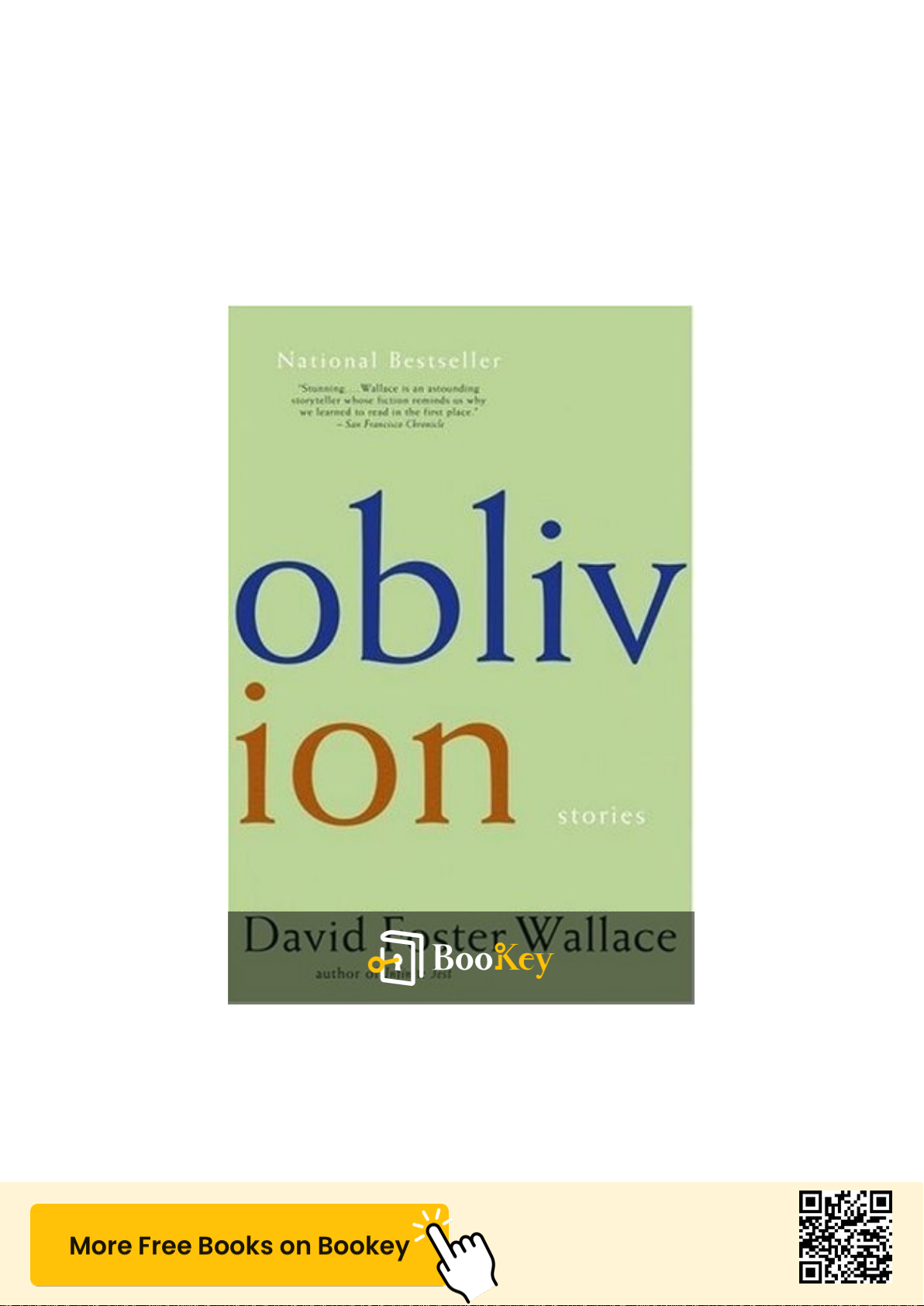
Clytemnestra’s Bind. The House of Atreus
Wilson (S.) Pp. 272, map. London: Neem Tree Press
Ltd., 2023. Paper, £10.99 (Cased, £14.99). ISBN:
9781911107590
Jodie Reynolds
Greenhead Sixth Form College, Huddersfield, UK
JReynolds@greenhead.ac.uk
‘When men plunge a family
into self-destruction, women
must find a way to break the
curse.’Clytemnestra’s Bind is a
fabulous feminist retelling of
part of the House of Atreus
myth –part one of a trilogy,
with the next instalment due
later this year. The basic story-
line of what happens to
Clytemnestra and her family
is well known to anyone with
an interest in the classical world
and there is no attempt to
radically alter the main points
of the traditional story arc. In
deciding to stick fairly faithfully
to much of the original
material, Wilson is able to focus her tale on the impending and
inescapable horror of what is to come for the characters in
her story.
I was completely gripped by the narrative, which is told from
the first-person perspective of Clytemnestra herself. Often quite an
unlikeable character in the original source material, here Wilson
considers the reasons behind her less admirable actions. Her affair
with Aegisthus in her husband’s absence is one which she tries to
resist but is finally forced to give into after years of abuse and ill
treatment at Agamemnon’s hands. The story begins with the
recounting of the tale of Atreus’abominable behaviour –serving
up Thyestes’own sons to him in a greasy, gristly soup. We are
constantly reminded of this original sin of the House of Atreus and
it becomes clear that nothing can stop the inexorable advance of
fate. Initially Clytemnestra, having suffered appallingly when
Agamemnon comes to take control of Mycenae, tries her best to be
a good wife and to raise her children well. However, she is unable to
prevent the events which begin to unfold and Wilson’s talent is
such that reading this book is like watching a car crash in slow
motion. You know what is going to happen and you are powerless
to stop reading just as the characters are powerless to prevent the
inevitable.
Wilson’s characters are well rounded, from the adorable and
loyal Iphigenia, to the troubled Electra and the monstrous bully
Agamemnon. I also enjoyed the way in which the scenes were set,
with lovely descriptions of the citadel of Mycenae with its famous
Lion Gate and engaging accounts of the clothing and objects used.
There is some violence and there are scenes which some readers
may find distressing. However, these are not gratuitous in nature
and will not come as a surprise to anyone versed in Greek Tragedy.
The book would be suitable for Sixth Form students and adults
alike and I, for one, am eagerly looking forward to part 2 which
focuses more on Helen and her decision to leave Sparta with Paris.
doi:10.1017/S2058631024000801
Aristophanes: Lysistrata
Robson (J.), Pp. xiv þ184 ills. London: Bloomsbury
Academic, 2023. Paper, £17.99. ISBN: 978-1-350-
09030-9
Chloë Barnett
Bishop Luffa School, Chichester, Hampshire, UK
thenoblercat@gmail.com
One of the Bloomsbury Ancient Comedy
Companions, James Robson’s short book
runs to just under 150 pages, excluding
notes, an excellent ‘further reading and
works cited’list and the index.
Overtly intended for ‘anyone and every-
one interested in exploring what the
Lysistrata has to offer’, Robson has suc-
ceeded in his aim. Using transliterated
technical terms which are always carefully
explained, the text is lucid, not patronising,
and highly accessible for any A level student. Disappointingly,
there is however, no glossary to allow for revision or clarification.
The book starts with a helpful ‘Timeline of Ancient Events’from
the murder of Hipparchus (514 BCE) to the death of Aristophanes in
386 BCE. There are also maps showing the Aegean world in 432 BCE
and the city of Athens in the late fifth century BCE.
The meat of the book comprises five chapters covering: ‘Lysistrata
in Context’;‘The Action of the Play’;‘Places and Politics’;‘Laughter,
Language and Logic’;and‘Lysistrata in the Modern world’.
The prose is clear and elegantly explores the controversies on
staging as well as placing Lysistrata firmly in the context of Old
Comedy and its historical and political background; all of which
could be very helpful to a student studying the Greek Theatre
component of the OCR A level Classical Civilisation.
‘The Action of the Play’functions as a non-linguistic
commentary and would prove useful to any teacher covering the
Greek text and looking for a broader overview as Robson analyses
the play in some detail. Unless studying the play in depth (as
additional material), this section would be of less use to the A level
student of Greek Theatre under the current OCR Classical
Civilisation specification.
Robson periodically repeats information, which could be very
helpful for a teacher setting a specific section for study. It makes
reading the book occasionally less fluid, but broadly, I think the
benefits outweigh the aesthetics in this case.
There is also a helpful rundown of the scholarship, particularly
in ‘People, Places & Politics’that gives an overview of some of the
underlying ideas and debates on the political aspects to Lysistrata
as well as explorations of the putative relationship between the
contemporary Priestess of Athena ‘Lysimache’and Lysistrata.
Robson’s analysis of humour includes an extensive section on
200 Book Reviews
https://doi.org/10.1017/S2058631024000801
Downloaded from https://www.cambridge.org/core. IP address: 39.96.218.220, on 09 Dec 2025 at 09:31:28, subject to the Cambridge Core terms of use, available at https://www.cambridge.org/core/terms.