ESG MATURITY: The Different Stages of a Sustainable Business PDF Free Download
1 / 24/24
100%

ESG
MATURITY
The Dierent Stages of a Sustainable Business.

Introduction 03
Content
ESG and Business 05
Stages of ESG Maturity 08
What is ESG? 05
What do I Gain by Developing an ESG Strategy? 06
STAGE 1: ESG as an Obligation 09
STAGE 2: ESG as a Process 12
STAGE 3: ESG as Part of the Strategy 15
STAGE 4: ESG as a Brand Prerogative 18
STAGE 5: ESG Leadership 20
Conclusions 21
02ESG MATURITY

“
“
Introduction
03
Despite the growing importance of ESG in the business world, one of the
main obstacles to overcome when implementing an ESG programme is
knowing about the dierent stages of corporate sustainability and, more
importantly, knowing how to jump from one stage to the next.
The exact road to take to reach a sustainable business strategy
depends on the country where the business is located and on the
company’s business model.
In some cases, change is mainly driven by regulations, whereas in others,
the re exerted by stakeholders and aected communities is what forces
change. However, some companies get ahead of such pressure and go
the extra mile because they are fully aware of the benefits of having a
well-developed ESG strategy.
Businesses play a crucial role in the realisation of the
Sustainable Development Goals. Companies can contribute
through their core activities, and we ask companies
everywhere to assess their impact, set ambitious goals and
communicate transparently about the results.
Ban Ki-moon
Former Secretary-General of the United Nations
ESG MATURITY

04ESG MATURITY
“
“
Business leaders and investment decision-makers all over the world
have begun adopting environmental, social and corporate governance
(ESG) considerations at a dizzying pace and they show no signs of
slowing. Consensus among company directors and high-level
executives tells us that incorporating ESG factors that have a financial
bearing on their corporate governance, capital allocation and capital
raising decisions is part of a broader strategy to cut costs, manage risks,
create value and improve investor relations, all of which are able to
generate continued profits.
In addition, investors also carefully scrutinise companies when it comes
to their ESG performance, whether financially relevant or material.
Clients, suppliers, employees, politicians and other sources of capital
are all applying growing pressure as they search for sustainable
investments. In order to meet these expectations, business leaders will
need to collect, use and report on ESG performance data that is pertinent
to investing. All of this and more is confirmed by the results of the 2021
Benchmark ESG® Survey: Investor Attitudes on Company ESG Data.
Whether it’s ensuring compliance with government regulations,
satisfying customers’ demands or meeting the expectations of
employees and investors, a company’s success is closely linked to its
ability to fulfil requirements, whether mandatory or voluntary.
In this guide we will find out more about the balancing act between
meeting requirements and going one step further. This is how you can
improve your company’s ESG performance and, as a result, earn more
profits.
Younger generations in particular value responsible and
inclusive business practices, and sustainability performance is
emerging as an important factor in the ‘war for talent’.
Employee morale, engagement and productivity may further
strengthen within companies that take action to advance the
SDGs.
SDG Compass

05
ESG & Business
Before we begin talking about the dierent
stages of ESG maturity, let’s take a look at
the relationship between ESG and business.
Data on the indicators chosen for each criteria are gathered
and published in an ESG report which details all the company’s
non-financial information.
ESG (Enviromental, Social and Governance) refers to the three key criteria
that companies must consider in order to guarantee long-term
sustainability. Let’s have a look at each one individually:
E FOR ENVIRONMENTAL
It refers to the way in which companies manage their direct and indirect
environmental impact; how they care for their surrounding area and
biodiversity; their commitment to reducing their greenhouse gas
emissions and combating climate change; and the contributions they
make to a decarbonised economy.
S FOR SOCIAL
It is directly linked to how companies manage the people who form part of
their own and their suppliers’ teams; provide decent employment
conditions; implement policies guaranteeing equal opportunities and a
work-life balance; oer training to their employees; respect human rights;
and combat child labour.
G FOR GOVERNANCE
It involves companies’ commitment to good governance, ethical and
behaviour codes, and transparency and corruption prevention in their
boards of directors and management teams.
What is ESG?
ESG MATURITY
06ESG MATURITY
What do I Gain by
Developing an
ESG Strategy?
Companies are interested in levelling up in terms of ESG
because they realise that it forms such an important part of their
risk management and value creation strategies, while clients,
suppliers, employees, politicians and investors are becoming
more demanding than ever before.
A greater importance has been placed on ESG in recent years as investors
and consumers are increasingly looking for companies that worry about
the impact their business activities have on both the environment and
society as a whole.
What’s more, companies who adequately handle environmental, social
and corporate governance issues may have a competitive edge over
other companies in the market, and that’s without mentioning the potential
uptick in long-term profits. This is because companies who take into
account these criteria can mitigate legal and reputational risks, as well as
attract investors and consumers who are increasingly conscious of the
environmental and social impacts.

This guide provides information on how to evaluate and improve ESG
performance, which in turn will help you take full advantage of the
opportunities presented by properly managing these criteria. In addition,
this guide is a systematic and rigorous roadmap with which you can meet the
increasingly demanding ESG expectations of all stakeholder groups.
We’ll take a look at the dierent stages of ESG maturity that a company may
find itself in, as well as ways in which it can improve its sustainability.
83% of consumers think that companies should
actively put into practice the best ESG practices, and
86% of employees prefer to support or work for
companies that are concerned about the same
issues that they are.
PwC Annual Report 2021 - Beyond mere compliance
Consumers and employees want their companies to
do more in terms of ESG.
07ESG MATURITY

08
Stages of
ESG Maturity
According to the classification published by Forrester,
ESG maturity can be divided into five stages, ranging from
ESG as a burden to becoming a leader in the field of ESG.
Below we will present each of these stages, their features
and advice for how to move on to the next stage.
STAGE 1: ESG as an Obligation
STAGE 2: ESG as a Process
STAGE 3: ESG as Part of the Strategy
STAGE 4: ESG as a Brand Prerogative
STAGE 5: ESG Leadership
ESG MATURITY

09ESG MATURITY
Companies that find themselves at this stage are concerned with ESG
insofar as required by law, because it is a requirement for gaining access
to funding, or because stakeholders have compelled them to take an
interest in it.
It’s true that some aspects of ESG are practically unavoidable in a modern
company, but at this stage, information on this matter is merely gathered
to meet an immediate operational need.
This may be due to a number of scenarios:
ESG as an Obligation
Stage 1_
Regardless of the origin, the person responsible for gathering this
information doesn’t see the need for specialised sta, technology or
services to help them in their process. The indicators are gathered without a
materiality analysis being performed first.
It’s likely that many private companies still find themselves at this stage,
although most large-scale companies are well past this point. There are
some questions that you have to ask at this stage.
An investor or analyst has asked specific questions regarding the
company’s ESG performance.
A buyer or financial service provider has given you a survey on
sustainability.
A member of the legal compliance team has uncovered an
obligation to submit certain ESG reports.
Someone in the risk management team has decided that certain
environmental, social or governance risks require continued
monitoring and management.

10
Questions to
Consider
What are the implications of only meeting the
minimum regulation or disclosure requirements?
How would this aect the company’s ability to retain
clients or grow?
Would this have an impact on its capacity to attract
talent in such a complex labour market?
Do we have the right resources to mitigate the risks or
take advantage of the opportunities presented to us?
Does the company really know what it must do to fulfil
its legal requirements?
ESG MATURITY

11
This phase also presents interesting opportunities
that can propel the company on to the next stage.
You could draw up a strategy to boost your key performance
indicators (KPIs) and integrate the ESG strategy into the business
strategy. There is also the chance to increase your market share,
improve your net income and attract better talent.
Opportunities
Improve your
Net Income
Attract Better
Talent
Remember that companies that have just started along this path may
need information on which ESG initiatives have the biggest impact on
operations.
ESG MATURITY
Increase your
Market Share

12ESG MATURITY
There are a number of reasons why a company may want to create a more
professional ESG process, perhaps because management has decided to
place greater importance on these non-financial criteria or on identifying
which specific ESG aspects can improve productivity.
At this level of maturity, there is usually someone within the company who is
dedicated to environmental management or ESG in general, and it is this
person who is normally responsible for gathering ESG data, too.
Now we see a more systematic data collection and management process,
with an established procedure to follow when requesting or handing over
data, in line with a particular set of standards or recommendations (such as
SASB, GRI, GHG Protocol and TCFD, among many others) which sets out
which data must be collected, how they are collected and in what format.
At this stage, ESG rigour is tied to that of the financial information, with
companies starting to use specialised ESG services for their processes, such
as auditors and advisors.
The questions that may arise at this point, however, aren’t of great strategic
importance; instead, they are simply required to help the company
organise itself and continue to make progress.
ESG as a Process
Stage 2_

13ESG MATURITY
Questions to
Consider
Are the available impact investments and tax
incentives being used as best they can?
Are we fully aware of the growth opportunities linked
to ESG and the risks currently facing market?
Have we considered the savings and opportunities
aorded to us by outsourcing our ESG processes?
Does the company have the know-how to create a
more profitable ESG strategy?

14ESG MATURITY
If you have been mainly treating ESG as an exercise in information
or risk management as your strategy has continued to develop, the
opportunity will arise for you to see how ESG criteria play a
fundamental role in your business strategy.
Perhaps you will be able to reduce expenses or improve cash flow by
ecologising or diversifying the supply chain. Or maybe reducing
carbon emissions will attract a new type of client, allow you to create
new products or widen the scope of your business activity, all of
which will increase your company’s profitability.
Attract a New
Type of Client
Create New
Products
Reduce
Expenses
Opportunities
15ESG MATURITY
This stage is when a company’s management recognises that ESG criteria
are an indicator of its competitiveness, at which point ESG data take on
new importance and go from being simply the outcome of an operational
event to becoming a key element with which to improve the business.
Here you could undertake a materiality analysis to show to the company’s
stakeholders which ESG interests and priorities take precedence. We
naturally start placing greater emphasis on issues that are more relevant to
both stakeholders and to the company itself.
Strategic decisions are made based on ESG performance, which in turn is
subject to objectives that are measured regularly. This information is used to
create reports which foster debate throughout all areas, with ESG aecting
the entire company.
It’s worth noting that this stage represents the first time that ESG is
recognised by all parts of the company and it may even be called by its
name: our ESG. However, ESG remains a mostly internal matter to the extent
that its impact doesn’t go beyond employees, business partners and
suppliers; it still isn’t linked to the brand image or the products the company
oers.
Given the importance of ESG to the management culture of the
company, at this stage we usually look to use dedicated,
innovative technologies for monitoring data, automating reports,
striking up conversation, continually improving and forecasting.
ESG as Part of the Strategy
Stage 3_

16ESG MATURITY
Questions to
Consider
What is the competition doing?
What do our clients, suppliers and employees say?
Is the ESG strategy integrated into the brand in a way
that makes it visible to all stakeholders?
How can it be communicated dierently so that its
value can be seen and it positively aects the
company’s profits?

17ESG MATURITY
At this stage you may notice that your ESG performance stands out
from that of other companies, and you can use this to your
advantage by creating new products and services, and by shaking
up the business and operating models. If you have already reached
this level of maturity and you are able to meet the growing
expectations in terms of information and reporting, you may want to
focus on integrating the ESG criteria into all of the company’s
operations in order to sharpen your competitive edge.
Creating New Products
& Services
Shaking up the Business
& Operating Models
Opportunities

18ESG MATURITY
Here, the team managers view ESG issues as an existential priority or a
vital aspect of its future competitiveness. The company and its
sustainability managers have established a refined and documented
understanding of the way they are to act regarding ESG criteria; in other
words, they know exactly which criteria or metrics they need to work on at
all times. Based on this understanding, they have designed sophisticated
mechanisms for collecting and analysing data that combine both internal
and external tools and abilities.
At this level, the company already has clear leaders with specific
responsibilities and budgets with which they can advance the ESG criteria,
and they fully grasp the importance of rigorous data and analysis.
Externally, these companies are confident about how they can refine their
ESG activities:
Sponsoring large events or debates about ESG.
Participating in panels and bodies.
Prioritising ESG in its marketing and public relations statements as
well as in its investor relations.
ESG as a Brand Prerogative
Stage 4_

19ESG MATURITY
Questions to
Consider
How is the value it generates for stakeholders
measured?
What are the pressure points in the ESG ecosystem?
What could erode trust?
How do we protect and participate in the
development of standards and regulatory
frameworks?
Companies that have integrated the ESG strategy into all aspects
of the business can continue to benefit by mapping and measuring
the global value it provides to stakeholders. This is vital in order to
successfully face the future by staying one step ahead of all ESG
matters and eect change.
Opportunities
20ESG MATURITY
The final stage of maturity is when the company spearheads the ESG
agenda in its industry or even in several industries. This is when it may
invest in research and development in the field of ESG, drive innovation in
the way ESG is measured and understood throughout the world, and even
push its main stakeholders – whether consumers, partners, suppliers or
activists – to participate in ESG and continue to make progress.
When you are an ESG leader, every employee in all areas of the company
works towards ESG and traditional financial objectives at the same time, with
such eort being evaluated in their formal performance reviews and forming
part of their reputation within the company. In other words, it is widely
understood that the well-being of all stakeholders – including the
communities located along the supply chain – is a priority in the teams’ work.
ESG leaders recognise that a large part of their value resides in the strength
of their ESG, their contributions and their relationships with stakeholders all
along the supply chain. Some of them may even work to incorporate this in
the company’s governance, ownership structure or remuneration policy so
that if the company is successful, all partners can reap the rewards.
Companies that are ESG leaders are recognised for their work by the
market and consumers thanks to years of dedicated communication,
trustbuilding and focusing on ESG. As a result, these companies’ directors
and executives are called on by governments, media organisations and
special interest groups to give their opinion on new initiatives, ideas and
programmes to help further the ESG cause.
ESG Leadership
Stage 5_

21ESG MATURITY
Ecient data management and the creation of concrete action plans are
vital to becoming an ESG leader. In addition, it’s important to remember that
ESG maturity doesn’t just impact profits; the company’s reputation and its
relationship with all stakeholders will also improve. In order to progress in
this field, companies must:
In brief, reaching a prominent level of ESG maturity doesn’t happen
overnight; it’s a continuous process that requires commitment and
implication across all levels of the company. However, it’s worth the eort
as the financial profits, reputation boost and improved relationship with
stakeholders are a just reward.
If your company is looking to progress to the next stage of ESG maturity,
APLANET is here to assist you by compiling all the information you need in
an easy-to-digest manner, helping you manage it and create personalised
reports.
Identify and understand their ESG data and how these aect their
performance and reputation.
Integrate ESG objectives into their long-term strategies and
goals.
Transparently and coherently communicate their ESG objectives
and progress.
Work with all stakeholders to continue making progress in the
field of ESG.
Invest in research and development in ESG and look for
opportunities to improve their ESG maturity.
Conclusions
Esg maturity Is key to a Company’s Long-term success.

22
About APLANET
APLANET provides technology for decision making. Our ESG management and
analysis technology platform helps companies to:
Organize, measure, analyze and communicate your ESG data in a personalized,
ecient, and cost-eective way.
Have a source to reference information in the ecosystem of sustainable development.
Extract insights that enable them to establish data-driven strategies to optimize their
business decisions, accelerate and lead change, and maximize their positive impact
on stakeholders.
Our software connects the entire value chain of the company
with its ESG objectives and orientates the entire architecture of
the company towards the business and the positive impact.
If you want to generate
reports aligned with the
requirements of the
European Taxonomy
and analyze your
sustainability data with
ease, APLANET's ESG
data management tool
can help you.
CONTACT US BOOK A FREE DEMO NOW!
https://aplanet.org/contact/
https://aplanet.org/demo/
ESG MATURITY

23
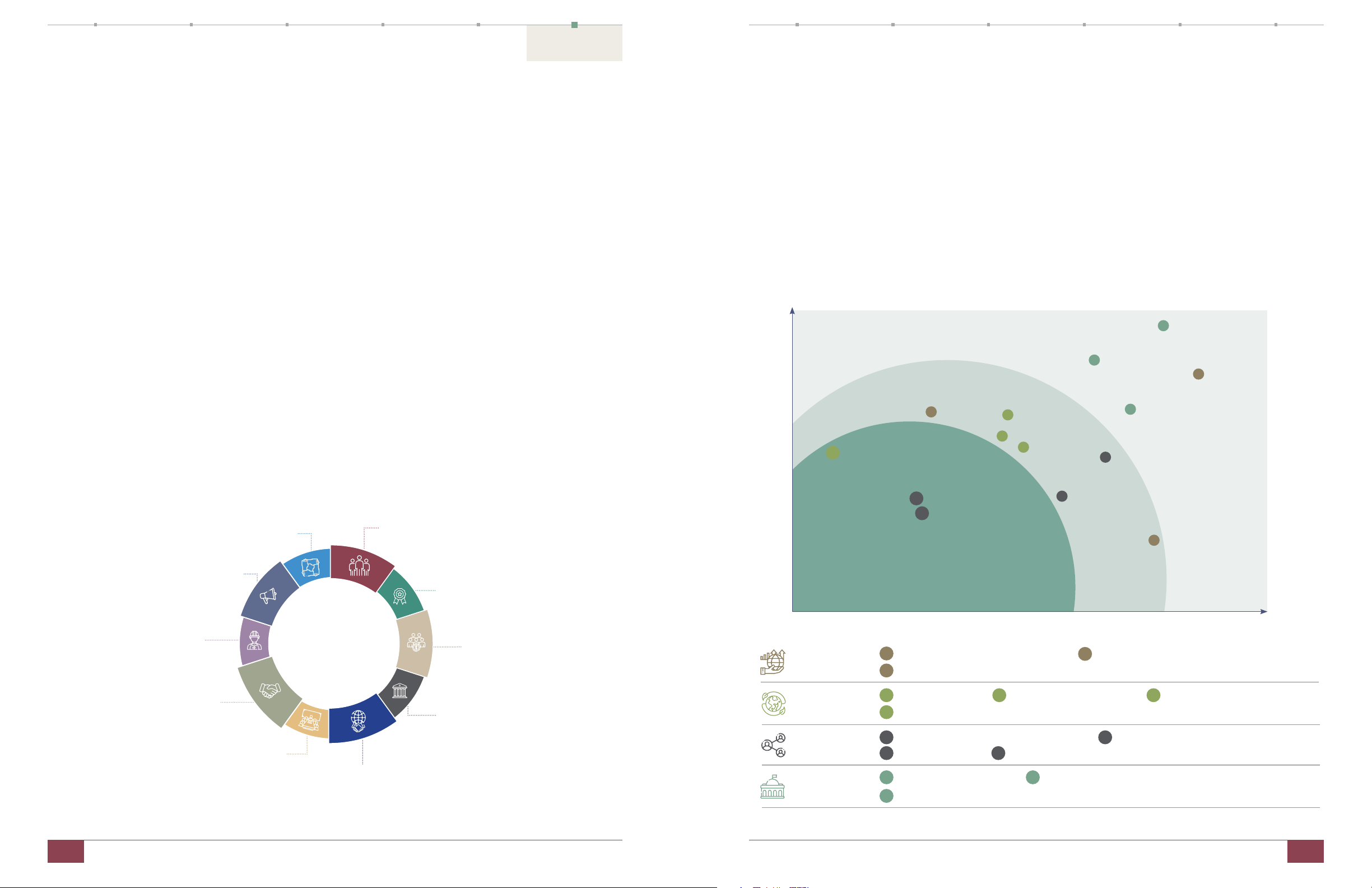
Those Who
Trust the
APLANET Solution
BANKING
Banco Caminos
Singular Bank
CecaBank
Crédito Agrícola
BUSINESS AND
ENTREPRENEURSHIP
MCassab
Aqua Capital Partners
TECHNICAL,
TECHNOLOGICAL &
ENGINEERING
SOLUTIONS
Allonda
Grupo Fagor
PRODUCTION AND
EXPORT
Klabin
REAL ESTATE SERVICES
JLL - Jones
Lang LaSalle
Grupo BC
DIRECT TO CONSUMER
SALES
Walmart
TELEPHONY &
TELECOMMUNICATIONS
Velatia
Dominion
WINERIES
Familia Torres
Entrecanales Domecq e
hijos
COMMUNICATION
Globo
PRODUCTION AND
DISTRIBUTION
Inpasa
Solina
Bunge
TEXTILES
Grupo Lunelli
EDUCATION
IE
Porto Business School
FOOD AND BEVERAGE
Angulas Aguinaga
HEALTH & MEDICAL
INNOVATION
Hospital Care
AGENCY
Portobello Capital
ADVOCACY
Lee
Brock
Camargo Advogados
ENERGY
Unicoba
Grupo Urca Energía
EDP España
Grupo Gransolar
Finerge Renewables
TRANSPORT AND
INFRASTRUCTURE
CAF
Coundril S.A.
NGOS
Fundación Tierra Pura
ESG MATURITY

aplanet.org















![David Foster Wallace: A Complete(sque) Bibliography [in Progress]](https://s3.us-east-1.amazonaws.com/outstation.idea/pdf-mt/2049760773386248192/pdf/aa8792cf-9ba9-4898-8bfb-1d9a42d1b62f/imgs/page1.png)