Introduction to Business PDF Free Download
1 / 534


/534
100%

CONTENTS
Module: Role of BusinessModule: Role of Business........................................................................................................................................................................................................................11
• Why It Matters: Role of Business....................................................................................................................... 1
• Outcome: What Is Business? ............................................................................................................................ 2
• Reading: Getting Down to Business .................................................................................................................. 2
• Outcome: For-Profit vs. Nonprofit ...................................................................................................................... 4
• Reading: Profits and Purpose............................................................................................................................ 4
• Outcome: Factors of Production ........................................................................................................................ 7
• Reading: Factors of Production ......................................................................................................................... 7
• Outcome: Functional Areas ............................................................................................................................. 10
• Reading: Functional Areas of Business........................................................................................................... 10
• Outcome: Stakeholders ................................................................................................................................... 12
• Reading: Business Stakeholders..................................................................................................................... 12
• Outcome: External Forces ............................................................................................................................... 14
• Reading: External Forces ................................................................................................................................ 14
• Putting It Together: Role of Business .............................................................................................................. 17
Module: Economic EnvironmentModule: Economic Environment................................................................................................................................................................................................2020
• Why It Matters: Economic Environment........................................................................................................... 20
• Outcome: What Is Economics? ....................................................................................................................... 21
• Video: Scarcity and Choice.............................................................................................................................. 21
• Reading: Understanding Economics and Scarcity........................................................................................... 22
• Reading: The Concept of Opportunity Cost..................................................................................................... 23
• Video: Opportunity Cost................................................................................................................................... 25
• Reading: Division of Labor and Specialization ................................................................................................ 25
• Video: Micro vs. Macro .................................................................................................................................... 27
• Reading: Microeconomics and Macroeconomics ............................................................................................ 27
• Outcome: Economic Systems.......................................................................................................................... 29
• Reading: Economic Systems........................................................................................................................... 29
• Outcome: Demand........................................................................................................................................... 31
• Video: The Law of Demand ............................................................................................................................. 32
• Reading: What Is Demand?............................................................................................................................. 32
• Video: Change in Demand vs. Change in Quantity Demanded....................................................................... 34
• Reading: Factors Affecting Demand................................................................................................................ 35
• Worked Example: Shift in Demand.................................................................................................................. 39
• Reading: Summary of Factors That Change Demand..................................................................................... 41
• Simulation: Demand for Food Trucks .............................................................................................................. 42
• Outcome: Supply ............................................................................................................................................. 42
• Video: The Law of Supply................................................................................................................................ 42
• Reading: What Is Supply? ............................................................................................................................... 43
• Reading: Factors Affecting Supply .................................................................................................................. 45
• Worked Example: Shift in Supply .................................................................................................................... 48
• Reading: Summary of Factors That Change Supply ....................................................................................... 51
• Simulation: Supply of Food Trucks .................................................................................................................. 52
• Outcome: Equilibrium ...................................................................................................................................... 52
• Reading: Equilibrium, Surplus, and Shortage.................................................................................................. 53
• Video: Market Equilibrium................................................................................................................................ 58
• Reading: Changes in Equilibrium .................................................................................................................... 59
• Worked Example: Supply and Demand........................................................................................................... 61
• Simulation: Food Trucks and Changes in Equilibrium ..................................................................................... 64
• Problem Sets: Supply and Demand................................................................................................................. 65
• Outcome: Health of the Economy.................................................................................................................... 65
• Reading: Health of the Economy ..................................................................................................................... 66
• Outcome: Economic Stages ............................................................................................................................ 71
• Reading: Stages of the Economy .................................................................................................................... 72
• Putting It Together: Economic Environment .................................................................................................... 74
Module: Global EnvironmentModule: Global Environment ..........................................................................................................................................................................................................7777
• Why It Matters: Global Environment ................................................................................................................ 77
• Outcome: Globalization ................................................................................................................................... 78
• Reading: Globalization and Business .............................................................................................................. 78
• Reading: Absolute and Comparative Advantage............................................................................................. 81
• Game: Trade Ruler .......................................................................................................................................... 83
• Reading: Global Markets ................................................................................................................................. 84
• Outcome: Measuring Global Trade.................................................................................................................. 86
• Reading: Balance of Trade and Balance of Payments .................................................................................... 87
• Reading: Countertrade .................................................................................................................................... 90
• Outcome: Global Business Strategies ............................................................................................................. 91
• Reading: Global Business Strategies .............................................................................................................. 92
• Outcome: Global Trade Forces ....................................................................................................................... 97
• Reading: Sociocultural Differences.................................................................................................................. 97
• Reading: Political and Economic Differences ................................................................................................ 100
• Reading: Legal Differences ........................................................................................................................... 103
• Reading: Physical and Environmental Differences........................................................................................ 104
• Reading: Tariff and Nontariff Trade Restrictions ........................................................................................... 105
• Outcome: Global Trade Agreements and Organizations............................................................................... 106
• Reading: The World Trade Organization (WTO) ........................................................................................... 107
• Reading: The World Bank.............................................................................................................................. 109
• Reading: The International Monetary Fund (IMF).......................................................................................... 110
• Reading: Trade Agreements.......................................................................................................................... 111
• Outcome: Ethical Challenges in the Global Environment .............................................................................. 113
• Video: Ethics and International Standards of Behavior ................................................................................. 113
• Reading: Corruption....................................................................................................................................... 114
• Reading: Labor Abuses ................................................................................................................................. 117
• Putting It Together: Global Environment........................................................................................................ 119
Module: Financial Markets and SystemModule: Financial Markets and System ....................................................................................................................................................................121121
• Why It Matters: Financial Markets and System ............................................................................................. 121
• Outcome: Money ........................................................................................................................................... 122
• Reading: What Is Money? ............................................................................................................................. 122
• Reading: Alternatives to Traditional Currency ............................................................................................... 125
• Reading: Bitcoin............................................................................................................................................. 126
• Reading: Mobile Commerce and Mobile Payment Systems.......................................................................... 128
• Outcome: Role of Banks................................................................................................................................ 129
• Reading: Measuring and Tracking the Money Supply ................................................................................... 130
• Reading: Banks As Financial Intermediaries ................................................................................................. 132
• Reading: The Federal Reserve System......................................................................................................... 134
• Reading: How a Central Bank Executes Monetary Policy ............................................................................. 137
• Simulation: Chair the Fed .............................................................................................................................. 139
• Outcome: Financial Markets and Business ................................................................................................... 140
• Reading: Introduction to Financial Markets ................................................................................................... 140
• Reading: How Businesses Raise Financial Capital ....................................................................................... 142
• Putting It Together: Financial Markets and System ....................................................................................... 146
Module: Legal EnvironmentModule: Legal Environment..........................................................................................................................................................................................................148148
• Why It Matters: Legal Environment................................................................................................................ 148
• Outcome: The Meaning and Purpose of Law ................................................................................................ 149
• Reading: The Meaning and Purposes of Law................................................................................................ 149
• Outcome: Statutory and Common Law.......................................................................................................... 152
• Reading: Statutory vs. Common Law ............................................................................................................ 152
• Outcome: Tort Law ........................................................................................................................................ 154
• Reading: Tort Law ......................................................................................................................................... 155
• Reading: Product Liability .............................................................................................................................. 156
• Reading: Compensatory and Punitive Damages........................................................................................... 158
• Outcome: Intellectual Property ...................................................................................................................... 159
• Reading: Intellectual Property........................................................................................................................ 159
• Outcome: Warranties..................................................................................................................................... 160
• Reading: Warranties ...................................................................................................................................... 161
• Outcome: Contracts....................................................................................................................................... 162
• Reading: What Is a Contract?........................................................................................................................ 162
• Outcome: Consumer Protection and Antitrust Laws...................................................................................... 163
• Reading: Consumer Protection and Antitrust Laws ....................................................................................... 164
• Putting It Together: Legal Environment ......................................................................................................... 167
Module: Business Ethics and Corporate Social ResponsibilityModule: Business Ethics and Corporate Social Responsibility ..............................................................................................170170
• Why It Matters: Business Ethics and Corporate Social Responsibility .......................................................... 170
• Outcome: Ethical and Legal Behavior ........................................................................................................... 171
• Reading: Ethical and Legal Behavior............................................................................................................. 171
• Outcome: Business Ethics............................................................................................................................. 173
• Reading: Building Business Ethics ................................................................................................................ 174
• Outcome: Ethical Challenges ........................................................................................................................ 177
• Case Study: Microsoft's Gift to Bloggers ....................................................................................................... 178
• Reading: Ethical Challenges.......................................................................................................................... 181
• Simulation: Ethics .......................................................................................................................................... 185
• Outcome: Corporate Social Responsibility .................................................................................................... 186
• Reading: Corporate Social Responsibility ..................................................................................................... 186
• Case Study: Social Entrepreneurship at Tom's Shoes.................................................................................. 191
• Putting It Together: Business Ethics and Corporate Social Responsibility.................................................... 193
Module: Business OwnershipModule: Business Ownership....................................................................................................................................................................................................195195
• Why It Matters: Business Ownership............................................................................................................. 195
• Outcome: Choosing an Organizational Type................................................................................................. 196
• Reading: Selecting a Form of Business Ownership ...................................................................................... 196
• Outcome: Sole Proprietorships...................................................................................................................... 199
• Reading: Sole Proprietorships ....................................................................................................................... 199
• Outcome: Partnerships .................................................................................................................................. 201
• Reading: Partnerships ................................................................................................................................... 202
• Outcome: Corporations.................................................................................................................................. 204
• Reading: Corporations................................................................................................................................... 204
• Outcome: Hybrid Forms of Ownership .......................................................................................................... 209
• Reading: Hybrid Forms of Ownership............................................................................................................ 210
• Outcome: Franchises..................................................................................................................................... 214
• Reading: Franchises...................................................................................................................................... 214
• Outcome: Mergers and Acquisitions.............................................................................................................. 217
• Reading: Mergers and Acquisitions ............................................................................................................... 217
• Putting It Together: Business Ownership ...................................................................................................... 219
Module: EntrepreneurshipModule: Entrepreneurship ..............................................................................................................................................................................................................221221
• Why It Matters: Entrepreneurship .................................................................................................................. 221
• Outcome: Small Business.............................................................................................................................. 222
• Reading: Small Business and the U.S. Economy.......................................................................................... 222
• Outcome: Entrepreneurs ............................................................................................................................... 227
• Reading: What Is an Entrepreneur? .............................................................................................................. 227
• Reading: Why People Choose to Become Entrepreneurs............................................................................. 231
• Outcome: Advantages, Disadvantages, and Considerations ........................................................................ 232
• Reading: Advantages and Disadvantages of Small-Business Ownership..................................................... 233
• Reading: Why Some Ventures Fail................................................................................................................ 235
• Reading: Important Considerations ............................................................................................................... 236
• Outcome: Steps to Starting a Business ......................................................................................................... 237
• Reading: Ten Steps to Starting a Business ................................................................................................... 238
• Outcome: Business Plans.............................................................................................................................. 241
• Reading: Create Your Business Plan ............................................................................................................ 242
• Putting It Together: Entrepreneurship............................................................................................................ 246
Module: ManagementModule: Management............................................................................................................................................................................................................................248248
• Why It Matters: Management......................................................................................................................... 248
• Outcome: Managers ...................................................................................................................................... 249
• Reading: Managers ....................................................................................................................................... 249
• Outcome: Management Theory ..................................................................................................................... 252
• Reading: Taylor and the Gilbreths ................................................................................................................. 252
• Reading: Fayol............................................................................................................................................... 255
• Outcome: Planning ........................................................................................................................................ 257
• Reading: Planning ......................................................................................................................................... 258
• Outcome: Organizing..................................................................................................................................... 261
• Reading: Organizing ...................................................................................................................................... 261
• Outcome: Leading ......................................................................................................................................... 266
• Reading: Leading........................................................................................................................................... 266
• Outcome: Controlling ..................................................................................................................................... 269
• Reading: Controlling ...................................................................................................................................... 270
• Putting It Together: Management .................................................................................................................. 274
Module: Motivating EmployeesModule: Motivating Employees ..............................................................................................................................................................................................276276
• Why It Matters: Motivating Employees .......................................................................................................... 276
• Outcome: The Hawthorne Effect ................................................................................................................... 277
• Reading: The Hawthorne Studies.................................................................................................................. 277
• Outcome: Need-Based Theories ................................................................................................................... 278
• Reading: Maslow’s Hierarchy of Needs......................................................................................................... 279
• Reading: Alderfer's ERG Theory ................................................................................................................... 281
• Reading: Herzberg's Two-Factor Theory....................................................................................................... 282
• Reading: McClelland's Acquired-Needs Theory ............................................................................................ 284
• Outcome: Process-Based Theories............................................................................................................... 285
• Reading: Equity Theory ................................................................................................................................. 285
• Reading: Expectancy Theory......................................................................................................................... 287
• Reading: Reinforcement Theory.................................................................................................................... 288
• Outcome: Theory X, Theory Y, and Theory Z................................................................................................ 291
• Reading: McGregor's Theory X and Theory Y............................................................................................... 292
• Reading: Ouchi's Theory Z ............................................................................................................................ 294
• Outcome: Strategies for Motivating Employees............................................................................................. 295
• Reading: Job Design and Job Characteristics Theory................................................................................... 296
• Reading: Goal-Setting Theory ....................................................................................................................... 298
• Videos: Motivation in Today's Workplace ...................................................................................................... 299
• Putting It Together: Motivating Employees .................................................................................................... 300
Module: Teamwork and CommunicationModule: Teamwork and Communication..................................................................................................................................................................302302
• Why It Matters: Teamwork and Communication............................................................................................ 302
• Outcome: Teams ........................................................................................................................................... 303
• Reading: Teams ............................................................................................................................................ 303
• Outcome: Team Development and Success ................................................................................................. 307
• Reading: Stages of Team Development........................................................................................................ 308
• Reading: Team Success................................................................................................................................ 310
• Outcome: Effective Communication and Barriers.......................................................................................... 311
• Reading: Effective Communication and Barriers ........................................................................................... 312
• Outcome: Communication Channels, Flows, and Networks.......................................................................... 313
• Reading: Communication Channels .............................................................................................................. 314
• Reading: Communication Flows .................................................................................................................... 316
• Reading: Communication Networks .............................................................................................................. 319
• Outcome: Electronic Communication ............................................................................................................ 320
• Reading: Electronic Communication.............................................................................................................. 321
• Putting It Together: Teamwork and Communication ..................................................................................... 323
Module: Managing ProcessesModule: Managing Processes ..................................................................................................................................................................................................325325
• Why It Matters: Managing Processes ............................................................................................................ 325
• Outcome: Operations Management............................................................................................................... 326
• Reading: Operations Management................................................................................................................ 327
• Outcome: Production Processes ................................................................................................................... 328
• Reading: Production Processes .................................................................................................................... 328
• Outcome: Mining, Warehousing, and Sharing Data ...................................................................................... 330
• Reading: Mining, Warehousing, and Sharing Data........................................................................................ 331
• Outcome: Production Planning ...................................................................................................................... 332
• Reading: Components of Production Planning.............................................................................................. 333
• Reading: Scheduling Tools............................................................................................................................ 336
• Outcome: New Technologies......................................................................................................................... 340
• Reading: New Technologies.......................................................................................................................... 340
• Outcome: Supply Chain Management and Logistics..................................................................................... 342
• Reading: Supply Chain Management and Logistics ...................................................................................... 343
• Outcome: Quality Assurance ......................................................................................................................... 345
• Reading: Producing for Quality...................................................................................................................... 345
• Putting It Together: Managing Processes...................................................................................................... 349
Module: Marketing FunctionModule: Marketing Function ........................................................................................................................................................................................................351351
• Why It Matters: Marketing Function ............................................................................................................... 351
• Outcome: Role of Customers ........................................................................................................................ 352
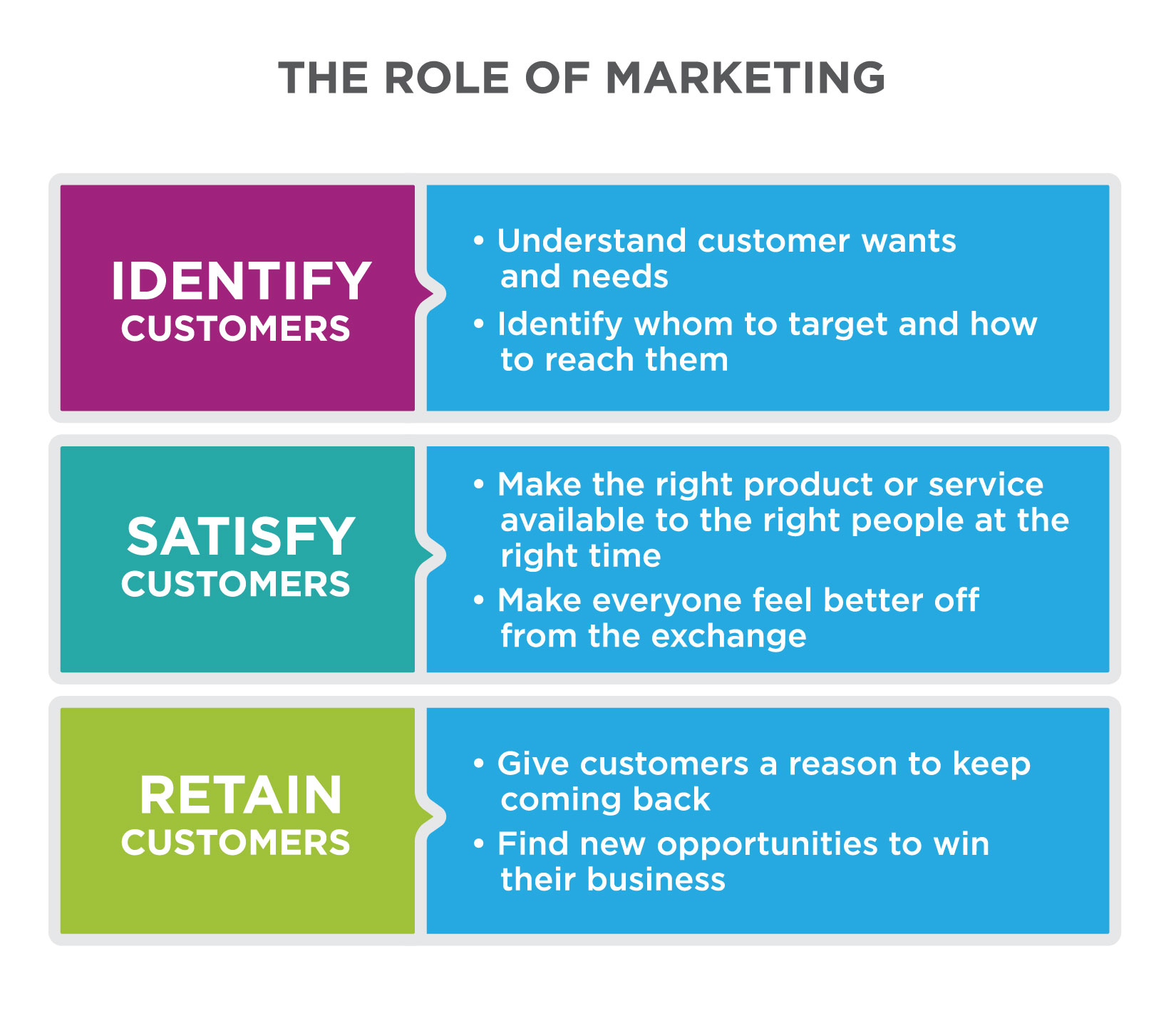
• Reading: Marketing Defined .......................................................................................................................... 352
• Reading: How Companies Approach Marketing............................................................................................ 355
• Reading: Value Proposition ........................................................................................................................... 356
• Reading: Marketing and Customer Relationships ......................................................................................... 359
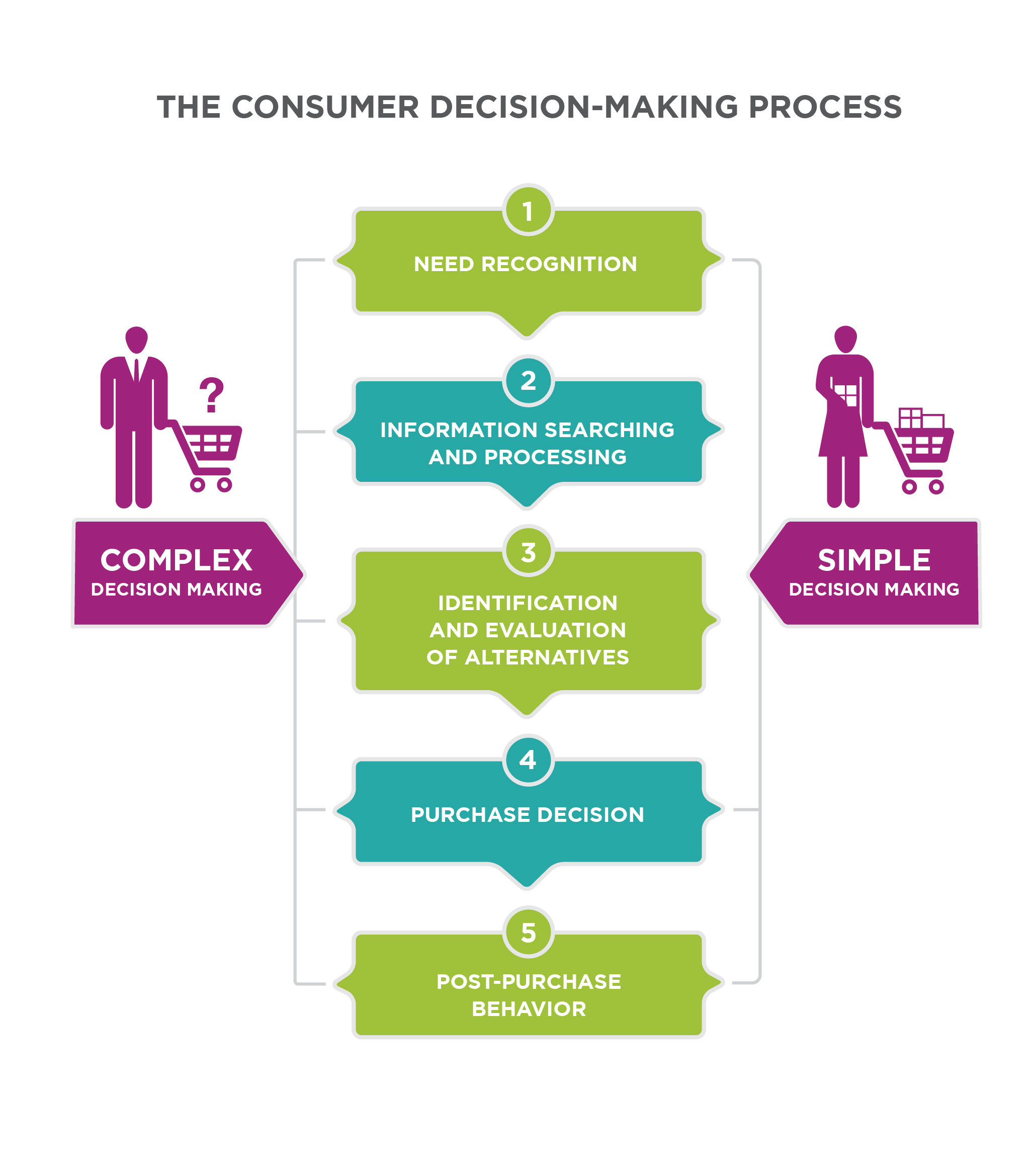
• Reading: Influences on Consumer Decisions................................................................................................ 363
• Reading: Buying-Process Stages .................................................................................................................. 364
• Outcome: Segmentation and Targeting......................................................................................................... 367
• Reading: Defining Your Target Market .......................................................................................................... 368
• Reading: The Importance of Marketing Information and Research ............................................................... 370
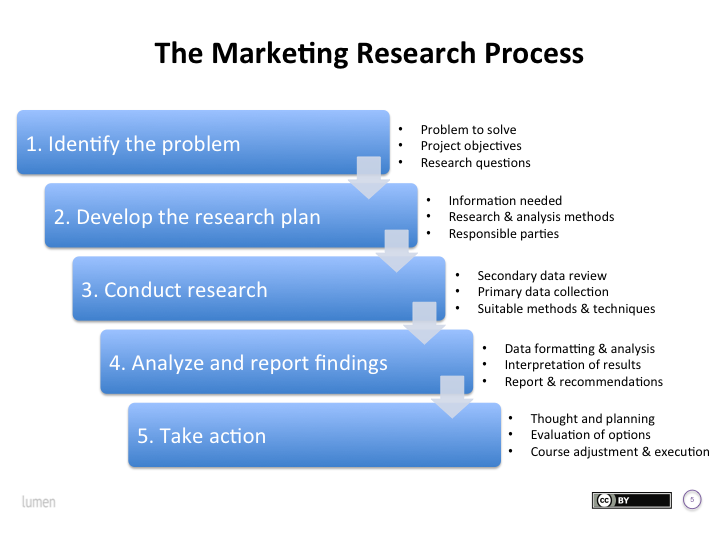
• Reading: The Marketing Research Process .................................................................................................. 373
• Outcome: Marketing Mix Introduction ............................................................................................................ 379
• Reading: Defining the Marketing Mix............................................................................................................. 379
• Reading: Components of the Marketing Mix.................................................................................................. 382
• Reading: Finding the Right Marketing Mix..................................................................................................... 386
• Reading: Creating and Aligning the Marketing Strategy................................................................................ 387
• Putting It Together: Marketing Function......................................................................................................... 388
Module: Marketing MixModule: Marketing Mix ........................................................................................................................................................................................................................390390
• Why It Matters: Marketing Mix ....................................................................................................................... 390
• Outcome: Product Marketing ......................................................................................................................... 391
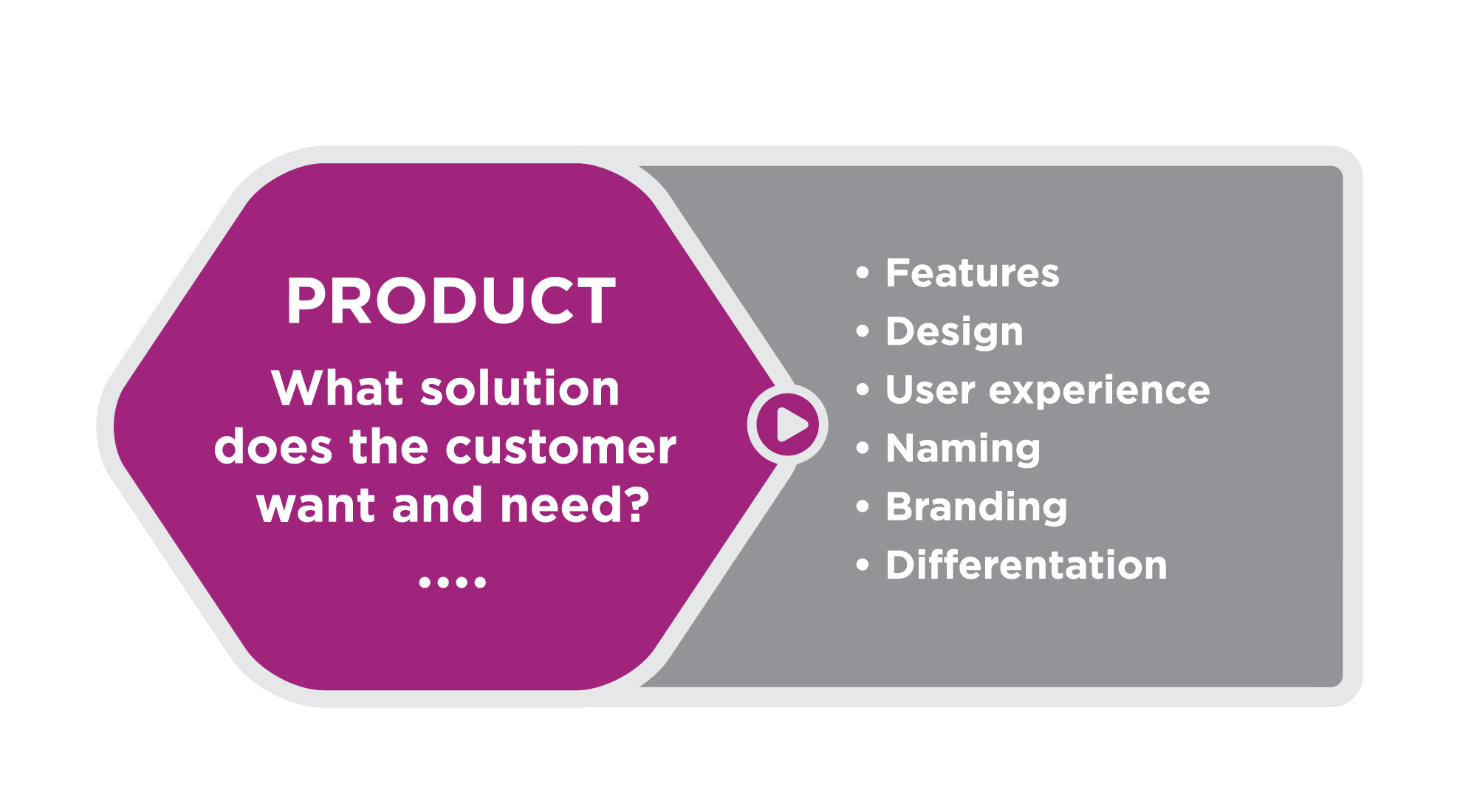
• Reading: Defining Product............................................................................................................................. 391
• Reading: Consumer Product Categories ....................................................................................................... 392
• Reading: Elements of Brand.......................................................................................................................... 394
• Reading: Branding Strategies........................................................................................................................ 396
• Reading: Stages of the Product Life Cycle .................................................................................................... 400
• Reading: Marketing through the Product Cycle ............................................................................................. 403
• Reading: Overview of the New-Product Development Process .................................................................... 405
• Outcome: Pricing Strategies .......................................................................................................................... 408
• Reading: Customer Value and Price ............................................................................................................. 409
• Reading: Pricing Objectives........................................................................................................................... 410
• Reading: Cost-Oriented Pricing ..................................................................................................................... 413
• Reading: Discounting Strategies ................................................................................................................... 414
• Outcome: Place: Distribution Channels ......................................................................................................... 415
• Reading: Channels of Distribution ................................................................................................................. 416
• Reading: Channel Flows................................................................................................................................ 417
• Reading: Marketing Channels ....................................................................................................................... 419
• Reading: The Role of Wholesale Intermediaries ........................................................................................... 421
• Reading: Retailers ......................................................................................................................................... 423
• Reading: Marketing Channels vs. Supply Chains.......................................................................................... 427
• Outcome: Promotion: Integrated Marketing Communication (IMC)............................................................... 428
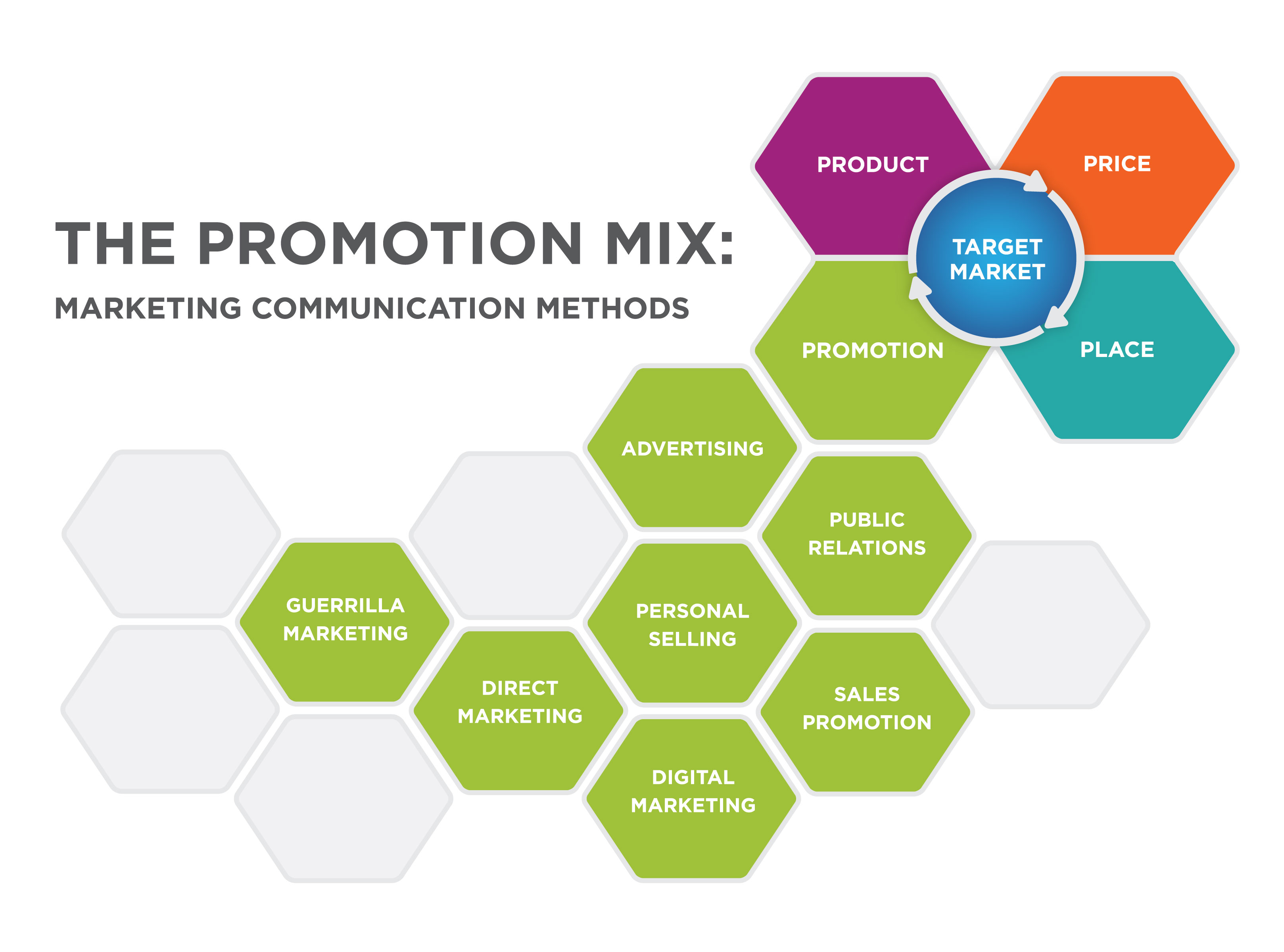
• Reading: Integrated Marketing Communication (IMC) Definition .................................................................. 429
• Reading: Marketing Campaigns and IMC...................................................................................................... 432
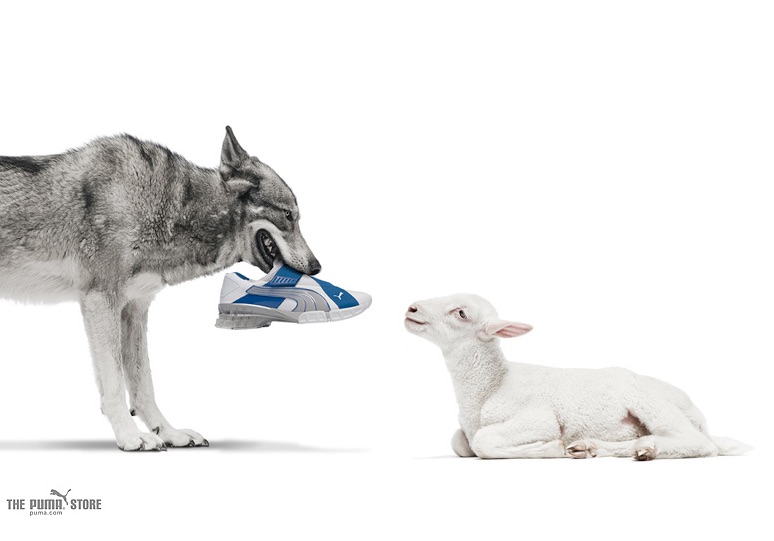
• Reading: Advertising...................................................................................................................................... 434
• Reading: Public Relations.............................................................................................................................. 439
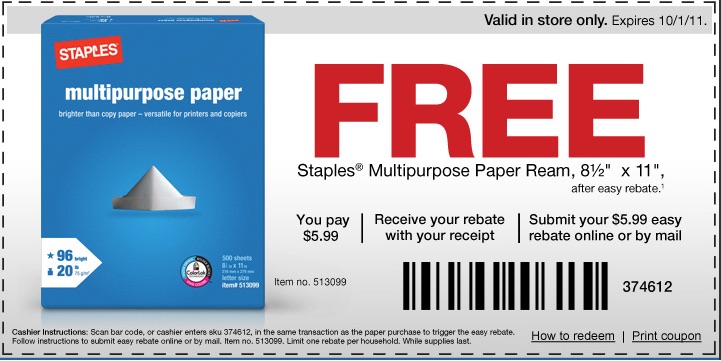
• Reading: Sales Promotions ........................................................................................................................... 443
• Reading: Personal Selling ............................................................................................................................. 447
• Reading: Direct Marketing ............................................................................................................................. 450
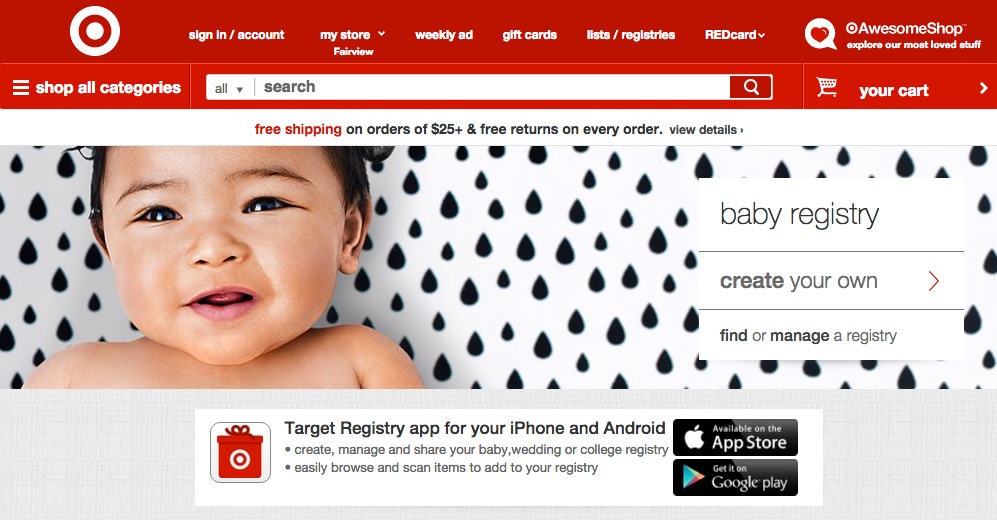
• Reading: Digital Marketing: Web Sites .......................................................................................................... 452
• Reading: Digital Marketing: Social Media ...................................................................................................... 459
• Reading: Guerrilla Marketing ......................................................................................................................... 461
• Putting It Together: Marketing Mix................................................................................................................. 466
Module: Human Resource ManagementModule: Human Resource Management..................................................................................................................................................................468468
• Why It Matters: Human Resource Management............................................................................................ 468
• Outcome: Human Resource Management .................................................................................................... 469
• Reading: Human Resource Management ..................................................................................................... 470
• Outcome: Human Resources and Laws ........................................................................................................ 472
• Reading: Employment Legislation ................................................................................................................. 473
• Outcome: Recruitment and Hiring ................................................................................................................. 476
• Reading: Diversity in Human Resources ....................................................................................................... 477
• Reading: Recruitment .................................................................................................................................... 479
• Reading: Hiring .............................................................................................................................................. 480
• Outcome: Training, Development, and Rewards........................................................................................... 483
• Reading: Training and Professional Development ........................................................................................ 483
• Reading: Performance Appraisals ................................................................................................................. 486
• Reading: Compensation ................................................................................................................................ 488
• Outcome: Termination ................................................................................................................................... 491
• Reading: Terminations................................................................................................................................... 492
• Outcome: HR Challenges .............................................................................................................................. 494
• Reading: Reducing Turnover......................................................................................................................... 494
• Reading: HR Challenges ............................................................................................................................... 496
• Putting It Together: Human Resource Management ..................................................................................... 497
Module: Accounting and FinanceModule: Accounting and Finance ........................................................................................................................................................................................500500
• Why It Matters: Accounting and Finance ....................................................................................................... 500
• Outcome: Accounting in Business ................................................................................................................. 501
• Reading: What Is Accounting? ...................................................................................................................... 502
• Outcome: Key Financial Statements ............................................................................................................. 505
• Reading: Financial Statements...................................................................................................................... 505
• Video: Financial Statements: Interconnectivity .............................................................................................. 510
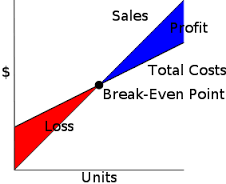
• Outcome: The Break-Even Point ................................................................................................................... 510
• Video: Break-Even Analysis in Three Minutes............................................................................................... 511
• Reading: Finding the Break-Even Point......................................................................................................... 511
• Simulation: The Rise of the Business Guru ................................................................................................... 516
• Outcome: Financial Ratios............................................................................................................................. 516
• Reading: Financial Ratio Analysis ................................................................................................................. 517
• Outcome: Ethical Practices in Accounting ..................................................................................................... 523
• Reading: Ethics in Accounting ....................................................................................................................... 523
• Putting It Together: Accounting and Finance................................................................................................. 525

MODULE: ROLE OF BUSINESS
WHY IT MATTERS: ROLE OF BUSINESS
2>O:?I9KIIJ>;HEB;E<8KI?D;II?DIE9?;JOJ>;FH?C7HO<KD9J?EDI
M?J>?D78KI?D;II7D:;NJ;HD7B<EH9;IJ>7J7Z;9J8KI?D;II
79J?L?J?;I
Are you up for a challenge as you start this course?
As you embark on your study of business, you may be
thinking that so much of what you will learn in school isn’t
applicable to your career or future—you aren’t really going
into business, for instance. Here’s a challenge that may
change your mind.
Stop what you are doing and take a minute to look around
you. What do you see? Perhaps you see your living room,
where you’re sitting at your desk doing your homework.
You might be at a local coffee shop, hanging out with
some friends who are going to help you study. Or maybe
you’re sitting on the beach, reading this on your tablet or
phone while you listen to the sounds of the ocean and
children playing in the sand.
Now, look around again but this time consider everything within your view and ask yourself what all of these
things have in common? If you said that they are all the product of business, then you’re right! How can that be,
you ask? Business is everywhere, in everything we touch, we eat, we see, we smell, and we feel. Oh, not always
directly, but in one way or another business is there. It’s like the air that we breathe—mostly invisible, but always
present.
The next part of the challenge is this: As you work through this first section, keep trying to think of something,
anything, that you can say with certainty has no relationship to business. We will check back later and see what
you came up with!
';7HD?D=*KJ9EC;I
• Explain the concept of business
• Distinguish between for-profit and nonprofit businesses
• List and explain the four factors of production required to sustain a business
• Identify the primary functional areas within a business and describe their contribution to the organization
• Identify business stakeholders and describe their relationship with business organizations
• Identify the external forces that shape the business environment
11

/)+49/4-::8/(;:/549
2/)+49+*)54:+4:8/-/4'2
U;:.58+*(?'?D:72?BB?7CI7D:'KC;D';7HD?D= /)+49+CC BY: Attribution
2/)+49+*)54:+4:".'8+*68+</5;92?
U .EKFO9B; ;:.58+*(?/H7L?I 5)':+*':>JJFIMMMX?9AH9ECF>EJEIM?JJ9E=C8>/)+49+CC BY: Attribution
OUTCOME: WHAT IS BUSINESS?
2>7JOEKRBBB;7HDJE:E;NFB7?D J>;9ED9;FJE<8KI?D;II
The concept of business has enough definitions and applications that we could almost say that everything is
business. Throughout this course we will explore the various functions, roles, and characteristics of business
while keeping in mind that business is like the air we breathe—it’s everywhere!
The specific things you’ll learn in this section include:
• Define the term business
• Distinguish between profit, loss, and value
• Distinguish between goods and services
/)+49/4-::8/(;:/549
2/)+49+*)54:+4:8/-/4'2
U *KJ9EC;2>7J[IKI?D;II ;:.58+*(?'?D:72?BB?7CI7D:'KC;D';7HD?D= /)+49+CC BY: Attribution
READING: GETTING DOWN TO BUSINESS
/E:7ORIKI?D;II!DL?HEDC;DJ
The world of business today can be summed up in a
single word: change. And not just change, but rapid
change. in order to remain profitable and competitive,
businesses today are finding that they need to be more
responsive than ever to customer demands. This is not
only true of big companies like Apple, Nike, and Whole
Foods but of smaller businesses, too—like your local
hardware or grocery store. The rapidly changing business
environment affects them all.
What is the business environment? In some ways
it resembles the natural environment in which we live: It’s
all around us but not always noticeable. It includes things
like technology, competitors (other businesses), advertising, regulations, consumer demands, and money. When
these elements of the business environment change—in the same way that seasons and weather
change—companies need to be able to predict, react, and adapt accordingly. Those who fail to do so may find
themselves out in the rain or cold and struggling to survive.
Although the environment in which businesses operate is always changing, the accelerated pace
of change presents special challenges and opportunities for businesses today. To get a sense of this rapid and
22

Radio Shack: Going out of business
dramatic change, consider something that’s fairly routine for
Americans: getting a prescription filled. A couple of decades ago, you
would have taken a written prescription from your doctor to your local
drugstore and presented it to the pharmacist. Then, while waiting for
it to be filled, you might have leafed through magazines or browsed
the store for extra items—perhaps shampoo or a greeting card.
When your name was called, you probably paid in cash or wrote a
check. All such transactions took place during normal business
hours—Monday–Friday, 9 am–5 pm; larger pharmacies may have
been open for a few hours on Saturday.
What about now? Think about the last time you had a prescription
filled. Did you ever even see it? Chances are you went to the doctor,
and at the end of your visit she faxed the prescription straight to the pharmacy (perhaps a Rite-Aid, Walgreen’s, or
Duane Reed). A little while later, you may have received a text message notifying you that your prescription was
ready. Since it wasn’t convenient for you to pick it up during the workday, and because it’s a 24-hour pharmacy,
you went at night. You pulled up to the drive-through window and paid using Apple Pay or Google Wallet.
Afterward you verified that you received points on your customer loyalty card, which means savings or cash that
can be applied to future purchases. You never set foot inside the store.
Alternatively, you may have gotten your prescription filled online and mailed right to your home by a national
discount supplier or maybe chosen to pick it up at Walmart or Target when you stopped in to shop for a new
garden hose.
You can see from this example that the way companies “do business” is very different today. Some of these
changes are the result of developments in technology, while others are the result of shifting consumer demands
and trends. Regardless of the particular cause, though, all businesses have to cope with the changing nature and
pressures of the business environment. A large part of this course will focus on the ways in which they do just
that.
;WD?D=KI?D;II
So, what is this thing we call “business”? A businessbusiness is
any activity that provides goods or services to
consumers for the purpose of making a profit. Examples
of goodsgoods provided by a business are tangible items such
as cars, televisions, or soda. A serviceservice is a consumable,
one-time benefit. Services include things such as
haircuts, hotel stays, or roller-coaster rides. Business
can generate profits from the sale of goods and/or
services, and profits are the financial reward that comes
from taking the risk of running or owning a business.
More specifically, profitprofit is the amount
of revenue or income that a business owner retains after
paying all the expenses associated with the operation of
the business. If the expenses of the business exceed the
revenue or income generated from operations, then the
business will suffer a lossloss. Businesses that suffer
extraordinary losses during a short period of time, or
slowly see their profits decline, may end up closing or
filing for bankruptcy..
Clearly the goal of most businesses is to generate a
profit by increasing revenue while holding expenses in check, and one of the chief ways they do this is by
providing their customers with value. When businesses talk about valuevalue, they are referring to the relationship
between the price a customer pays for the good or service and the perceived benefits the customer receives in
exchange for his or her time and money. Value has become such a key component of today’s business model
that if you go to almost any fast-food restaurant you’ll find a “value meal” or “value menu” advertised. Such
businesses are sending the message to their customers that they’ll receive the most “bang for the buck” or the
33

highest value in terms of quantity obtained in exchange for money spent. It’s a business model based on the
belief that if you give your customers value, the profit will follow. As you’ll see in the next section, while all
businesses seek to increase their revenue, what a business actually does with those funds can vary and depends
on whether it’s a for-profit or nonprofit organization.
/)+49/4-::8/(;:/549
2/)+49+*)54:+4:8/-/4'2
U -;7:?D=#;JJ?D= EMDJEKI?D;II ;:.58+*(?'?D:72?BB?7CI7D:'KC;D';7HD?D= /)+49+CC BY: Attribution
2/)+49+*)54:+4:".'8+*68+</5;92?
U -7:?E.>79ABEI?D= ;:.58+*(?-E8;HJ. 5)':+*':>JJFIMMMX?9AH9ECF>EJEI8;HD?;F?9IE/)+49+CC BY-NC: Attribution-NonCommercial
U .KC;H-7?D ;:.58+*(?B;AI7D:H&7LKD 5)':+*':>JJFIMMMX?9AH9ECF>EJEI7B;NHA/)+49+CC BY-NC-ND: Attribution-NonCommercial-NoDerivatives
U (;:I ;:.58+*(?>7HB;I2?BB?7CI 5)':+*':>JJFIMMMX?9AH9ECF>EJEI9>7HB;IEDX?9AH/)+49+CC BY: Attribution
OUTCOME: FOR-PROFIT VS. NONPROFIT
2>7JOEKRBBB;7HDJE:E :?IJ?D=K?I>8;JM;;D<EHFHEWJ7D:
DEDFHEWJ 8KI?D;II;I
We defined business earlier as an organization that provides goods, service, or both to their customers, clients, or
consumers in order to make a profit. That definition, although accurate, does not account for those organizations
and businesses that aren’t driven by the “bottom line” or profitability. Instead, some organizations provide their
goods and services in order to generate revenues (income) that can be used to further their purpose or mission. It
is highly likely that you have been involved with a nonprofit organization, and though it may not have seemed like
it at the time, you were actually working with a business! In this section we’ll dig a little deeper into this idea of for-
profit versus nonprofit business.
The specific things you’ll learn in this section include:
• Explain the purpose of for-profit businesses
• Explain the purpose of nonprofit businesses/organizations
/)+49/4-::8/(;:/549
2/)+49+*)54:+4:8/-/4'2
U *KJ9EC;"EH+HEWJLI)ED+HEWJ ;:.58+*(?'?D:72?BB?7CI7D:'KC;D';7HD?D= /)+49+CC BY: Attribution
READING: PROFITS AND PURPOSE
A nonprofitnonprofit or not-for-profitnot-for-profit businessbusiness is one that provides goods or services to consumers, but its primary goal is
not to return profit to the owners of the business (as is the case with a for-profit business). Instead, it uses those
profits to provide a public service, advance a cause, or assist others. The American Red Cross, the local SPCA,
and the American Cancer Society are all examples of nonprofit businesses. They use any revenue generated
from operations to support the continued mission of the organization. In addition, most nonprofits also rely on
donations from individuals and businesses, grants, and government funding to help fund their work, since the
revenue they raise rarely covers all their operating costs.
Much of what differentiates a for-profit business from a nonprofit business goes on behind the scenes and isn’t
very visible to the customer. For example, a nonprofit organization is subject to government regulation and
oversight in ways that differ significantly from a for-profit business: Nonprofits do not pay taxes on their revenue,
but how their funds are disbursed and their operations are managed is tightly regulated.
44

Despite their differences, nonprofits and for-profits have some fundamental business principles and practices in
common. Let’s explore these shared aspects by comparing two businesses—one for-profit and one nonprofit.
Molly’s For-Profit Lemonade Stand
Molly opens a lemonade stand in front of a local museum and intends to use her profits to purchase a new bike at
the end of the summer. There are expenses associated with Molly’s business such as lemons, sugar, cups, and
ice. She also spends money on advertising when she prints up flyers and makes directional signs to alert
customers to her location. She hires Jamie to help her on busy weekends and pays her a percentage of the
stand’s revenue on the days she works. She has T-shirts printed at a local shop with her slogan on the back:
“When life gives you lemons, Molly makes lemonade.” She sells the shirts at her stand for $10 each. A local
bakery owner sees that Molly’s business is thriving and asks if she can sell her cookies at the lemonade stand.
Molly arranges to sell the cookies for the bakery and keep 25 percent of the revenue generated from cookie sales.
Molly is running a for-profit business and generates revenue from several sources (lemonade, T-shirts, and
cookies). Every day, after packing up her stand, she goes home and calculates her profit by subtracting her
expenses (wages to Jamie, advertising, T-shirts, and supplies) from her revenue. She takes the profit and
deposits it in the bank account her father helped her open.
At the end of the summer, Molly can withdraw the money from the bank account and buy the bike she wants. If
she has profits left after she buys the bike, she can do whatever she wants with that money. As a for-profit
business owner, she owns all the profits.
Emma’s Nonprofit Lemonade Stand
55

Emma opens a lemonade stand in front of a local museum and intends to donate her profits to the local Humane
Society to support their Feline Hope program. Besides that difference of purpose, Emma’s business is nearly
identical to Molly’s: There are expenses associated with Emma’s business such as lemons, sugar, cups, and ice.
Emma spends money on advertising when she prints up flyers and makes directional signs to alert customers to
her location. She hires Linda to help her on busy weekends and pays her a percentage of the stand’s revenue on
the days she works. She has T-shirts printed at a local shop with her slogan on the back: “When life gives you
lemons, Emma makes lemonade.” She sells the shirts at her stand for $10 each. A local bakery owner sees that
Emma’s business is thriving and asks if she can sell her cookies at the lemonade stand. Emma arranges to sell
the cookies for the bakery and keep 25 percent of the revenue generated from cookie sales.
Emma is running a not-for-profit business and generates revenue from several sources (lemonade, T-shirts, and
cookies). Like Molly, after packing up her stand, she goes home and calculates her profit by subtracting her
expenses (wages to Linda, advertising, T-shirts, and supplies) from her revenue. She takes the profit and
deposits it in the bank account her father helped her open.
At the end of the summer, Emma can withdraw the money from the bank account and deliver a check to the
Humane Society. If the business has profits in excess of what she promised to donate to the Humane Society,
Emma can pay herself a small wage for running the business all summer, but the majority of the profits will either
need to stay in the bank account to fund future causes or be used to expand the business to support charitable or
social causes later on. Emma isn’t really a business “owner,” because she doesn’t own the profit generated by the
business. We’d expect to hear Emma say that she’s running a not-for-profit (or nonprofit) organization—in
contrast to Molly, who would probably say that she owns a business.
Although these may be very simple examples, they show that, from a customer’s perspective, there is virtually no
difference in the way the two businesses operate. Emma might decide to advertise that her proceeds support an
important cause (the Humane Society’s Feline Hope program) as a way of attracting customers. If not, the two
lemonade stands would seem nearly identical from the outside.
It’s not until you look behind the scenes that you will see the differences between a for-profit and nonprofit
business. The following table compares the attributes of for-profit and not-for-profit businesses and highlights
some of the “hidden” differences.
For-ProfitFor-Profit Not-for-Profit/NonprofitNot-for-Profit/Nonprofit
Incurs expenses for operations Incurs expenses for operations
Provides goods and services customers Provides goods and services customers
Generates revenues from sales Generates revenues from sales and/or contributionsand/or contributions
OwnedOwned by individuals, partners, or shareholdersby individuals, partners, or shareholders Operated by board of directors, trustees, or managersOperated by board of directors, trustees, or managers
Profit is used to pay owners, partners, or
shareholders Profit is used to further the mission of the organization
Pays salaries to employees and managers Pays salaries to employees and managers
Profits are subject to taxation by local, state, andProfits are subject to taxation by local, state, and
federal authoritiesfederal authorities
Profits are NOTProfits are NOT subject tosubject to taxation by local, state, andtaxation by local, state, and
federal authoritiesfederal authorities
/)+49/4-::8/(;:/549
2/)+49+*)54:+4:8/-/4'2
U -;7:?D=+HEWJ7D:+KHFEI; ;:.58+*(?'?D:72?BB?7CI7D:'KC;D';7HD?D= /)+49+CC BY: Attribution
2/)+49+*)54:+4:".'8+*68+</5;92?
U ';CED7:;.J7D: 85</*+*(?+?N787O 5)':+*':>JJFIF?N787O9EC;DB;CED7:;IJ7D:A?:IIKCC;H9>?B:/)+49+CC0: No Rights Reserved
66

OUTCOME: FACTORS OF PRODUCTION
2>7JOEKRBBB;7HDJE:E B?IJ7D:;NFB7?DJ>;<EKH<79JEHIE<
FHE:K9J?EDH;GK?H;:JEIKIJ7?D78KI?D;II
When businesses use resources to produce things we call these factors of productionfactors of production. In this section we will
examine the factors of production and see how they contribute to the outputs of a business.
The specific things you’ll learn in this section include:
• List the four factors of production
• Explain the four factors of production
/)+49/4-::8/(;:/549
2/)+49+*)54:+4:8/-/4'2
U *KJ9EC;"79JEHIE<+HE:K9J?ED ;:.58+*(?'?D:72?BB?7CI7D:'KC;D';7HD?D= /)+49+CC BY: Attribution
READING: FACTORS OF PRODUCTION
[DJHE:K9J?ED
All businesses, both for-profit and nonprofit, need resources in order to operate. Simply put, resources are the
inputsinputs used to produce outputsoutputs (goods and/or services). Resources are also called factors of productionfactors of production. What
makes something a resource? For one thing, it needs to be productive.
The following video will give you an overview of what economists mean when they talk about resources or factors
of production.
Watch this video online: https://youtu.be/0PgP0dXAGAE
There are four categories of resources, or factors of production:
•Natural resources (land)
•Labor (human capital)
•Capital (machinery, factories, equipment)
•Entrepreneurship
)7JKH7B-;IEKH9;I
Natural resourcesNatural resources have two fundamental characteristics: (1) They are found in nature, and (2) they can be used
for the production of goods and services. In order to provide benefit, people first have to discover them and then
figure out how to use them in the the production of a good or service. Examples of natural resources are land,
trees, wind, water, and minerals.
A key feature of natural resources is that people can’t make them. They also tend to be limited. New natural
resources—or new ways of extracting them (such as fracking, for example)—can be discovered, though. These
natural resources can be renewable, such as forests, or nonrenewable, such as oil or natural gas. It’s also
77
possible to invent new uses for natural resources (using wind to generate electricity, for example). Resources that
are cultivated or made with human effort can’t be considered natural resources, which is why crops aren’t natural
resources.
'78EH
LaborLabor refers to human resources (also called human capital)—physical or intellectual. You’re adding to your
own human resources right now by learning. You may possess certain human resources already—perhaps you
have an athletic gift that enables you to play professional ball to earn a living, for example—but you can also
develop them through job training, education, experience, and so on.
The word labor often calls to mind physical labor—working in a factory or field, constructing a building, waiting
tables in a restaurant—but it can refer to any human input (paid or unpaid) involved in the production of a good or
service. This broader definition of labor is particularly important in today’s technology-driven business
environment, which has come to rely much more on the intellectual contributions of the labor force than the
physical labor required of, say, working in a production line. Intellectual contributions include experience in and
out of school, training, skills, and natural abilities. In order to remain competitive, businesses place a premium on
employees who bring these “soft skills” to the table. Many of the advances in our world today are the result of the
application of intellectual human resources.
Finally, labor brings creativity and innovation to businesses. Businesses use human creativity to address changes
in consumer preferences and to invent goods and services that consumers haven’t even imagined yet. Without
creativity, innovation would stall, and economies would stagnate.
7F?J7B
Before we discuss capitalcapital, it’s important to point out that money is NOT a resource. Remember that resources
need to be productive. They have to be used to make something else, and money can’t do that. Money certainly
helps the economy move along more efficiently and smoothly, like grease for the economic machine. But in and of
itself, it can’t produce anything. It’s used to acquire the productive resources that can produce goods and
services. This confusion is understandable, given that businesspeople frequently talk about “financial capital,”
or “investment capital,” which does mean money.
In contrast to natural resources, capital is a resource that has been produced but is also used to produce other
goods and services. This factor of production includes machinery, tools, equipment, buildings, and technology.
Businesses must constantly upgrade their capital to maintain a competitive edge and operate efficiently. In the
last couple decades or so, businesses have faced unprecedented technological change and have had to meet the
demands of consumers whose lives increasingly take place in a virtual world. Almost every business has a Web
presence, and many customers are more accustomed to interacting with a virtual version of the business than a
brick and mortar store.
!DJH;FH;D;KHI>?F
Thus far we have looked at natural resources, human resources, and capital as three inputs needed to create
outputs. The last one we need to consider is perhaps the most important: entrepreneurshipentrepreneurship. This resource is a
special form of labor provided by an entrepreneur. An entrepreneur is someone who is willing to risk his or her
time and money to start or run a business—usually with the hope of earning a profit in return. Entrepreneurs have
the ability to organize the other factors of production and transform them into a business. Without
entrepreneurship many of the goods and services we consume today would not exist.
88

Let’s return to the example given at the beginning of this section: baking a cake.
Factor ofFactor of
ProductionProduction
Natural Resource Wind is harnessed to produce electricity that powers the electric mixer and oven.
Human Resource The baker’s labor combined with the creativity and skills needed to actually bake and
decorate it
Capital Ovens, cake pans, flour, sugar, butter, and other ingredients used to make the cake
Entrepreneurship An individual who starts the bakery or runs a home-based business baking and selling cakes
to customers
If you consider just some of the factors of production involved in baking even a very simple cake, what would
happen if one of the four inputs were missing? What if you lacked electricity or an oven? What if you lacked the
skills to bake or decorate the cake? What if you had the first three factors of production but not the fourth,
entrepreneurship? You can surmise that all fourall four factors of production are required to create the outputs that would
get you into the cake business—or any business.
/)+49/4-::8/(;:/549
2/)+49+*)54:+4:8/-/4'2
U;:.58+*(?'?D:72?BB?7CI7D:'KC;D';7HD?D= /)+49+CC BY: Attribution
2/)+49+*)54:+4:".'8+*68+</5;92?
U />;7A; ;:.58+*(?.EDE<#HEK9>E 5)':+*':>JJFIMMMX?9AH9ECF>EJEIIEDE<=HEK9>E/)+49+CC BY: Attribution
U !F?IE:;-;IEKH9;I ;:.58+*(? H(7HO%(9#B7IIED 5)':+*':>JJFIOEKJK8;+=+:3#!/)+49+CC BY-NC-ND: Attribution-NonCommercial-NoDerivatives
99

OUTCOME: FUNCTIONAL AREAS
2>7JOEKRBBB;7HDJE:E?:;DJ?<OJ>;FH?C7HO<KD9J?ED7B7H;7IM?J>?D
78KI?D;II7D::;I9H?8;J>;?H9EDJH?8KJ?EDJEJ>;EH=7D?P7J?ED
The decisions about how best to use the factors of production to provide the goods or services of the business
require a team of people working in a variety of jobs. As businesses grow larger and their products and services
become more complex, the number of functional areas within a business grows. Each functional area makes
specific and valuable contributions to the organization as a whole. In this section we will explore some of the most
common functional areas in a business and how each contributes to the overall success of the business.
The specific things you’ll learn in this section include:
• Identify the primary functional areas within a business
• Identify key people and explain the activities within each functional area
/)+49/4-::8/(;:/549
2/)+49+*)54:+4:8/-/4'2
U;:.58+*(?'?D:72?BB?7CI7D:'KC;D';7HD?D= /)+49+CC BY: Attribution
READING: FUNCTIONAL AREAS OF BUSINESS
[DJHE:K9J?ED
Just as different functions in the human body are
performed and regulated by different organs, different
functions within a business are performed and controlled
by different parts of the business. One of the reasons for
separating business operations into functional areas is to
allow each to operate within its area of expertise, thus
building efficiency and effectiveness across the business
as a whole. The key functional areas of a business are the
following:
• Management
• Operations
• Marketing
• Accounting
• Finance
(7D7=;C;DJ
The primary role of managers in business is to supervise other people’s performance. Most management
activities fall into the following categories:
• PlanningPlanning: Managers plan by setting long-term goals for the business, as well short-term strategies
needed to execute against those goals.
1010

• Organizing:Organizing: Managers are responsible for organizing the operations of a business in the most efficient
way, enabling the business to use its resources effectively.
• Controlling:Controlling: A large percentage of a manager’s time is spent controlling the activities within the business
to ensure that it’s on track to achieve its goals. When people or processes stray from the path, managers
are often the first ones to notice and take corrective action.
• LeadingLeading: Managers serve as leaders for the organization, in practical as well as symbolic ways. The
manager may lead work teams or groups through a new process or the development of a new product.
The manager may also be seen as the leader of the organization when it interacts with the community,
customers, and suppliers.
*F;H7J?EDI
Operations is where inputs (factors of production) are converted to outputs (goods and services). Operations is
like the heart of a business, pumping out goods and services in a quantity and of a quality that meets the needs of
the customers. The operations manageroperations manager is responsible for overseeing the day-to-day business operations, which
can encompass everything from ordering raw materials to scheduling workers to produce tangible goods.
(7HA;J?D=
Marketing consists of all that a company does to identify customers’ needs and design products and services that
meet those needs. The marketing function also includes promoting goods and services, determining how the
goods and services will be delivered, and developing a pricing strategy to capture market share while remaining
competitive. In day’s technology-driven business environment, marketing is also responsible for building
and overseeing a company’s Internet presence (e.g., the company Web site, blogs, social media campaigns,
etc.). Today, social media marketing is one of the fastest growing sectors within the marketing function.
99EKDJ?D=
Accountants provide managers with information needed to make decisions about the allocation of company
resources. This area is ultimately responsible for accurately representing the financial transactions of a business
to internal and external parties, government agencies, and owners/investors. Financial AccountantsFinancial Accountants are primarily
responsible for the preparation of financial statements to help entities both inside and outside the organization
assess the financial strength of the company. Managerial accountantsManagerial accountants provide information regarding costs,
budgets, asset allocation, and performance appraisal for internal use by management for the purpose of decision-
making.
"?D7D9;
Although related to accounting, the finance function involves planning for, obtaining, and managing a company’s
funds. FinanceFinance managersmanagers plan for both short- and long-term financial capital needs and analyze the impact that
borrowing will have on the financial well-being of the business. A company’s finance department answers
questions about how funds should be raised (loans vs. stocks), the long-term cost of borrowing funds, and the
implications of financing decisions for the long-term health of the business.
/)+49/4-::8/(;:/549
2/)+49+*)54:+4:8/-/4'2
U -;7:?D="KD9J?ED7BH;7IE<KI?D;II ;:.58+*(?'?D:72?BB?7CI7D:'KC;D';7HD?D= /)+49+CC BY: Attribution
2/)+49+*)54:+4:".'8+*68+</5;92?
U 2EHA;H;;I ;:.58+*(?.9EJJ&?::;H 5)':+*':>JJFIMMMX?9AH9ECF>EJEIIA?::;H/)+49+CC BY-NC-ND: Attribution-NonCommercial-NoDerivatives
1111

OUTCOME: STAKEHOLDERS
2>7JOEKRBBB;7HDJE:E ?:;DJ?<O8KI?D;IIIJ7A;>EB:;HI7D::;I9H?8;
J>;?HH;B7J?EDI>?FM?J>8KI?D;IIEH=7D?P7J?EDI
Just as it takes many parts to make a business run smoothly, there are many people, organizations, and entities
that have a “stake” in the success of a business. In this section we’ll take a look at who these stakeholders are
and how they affect business.
The specific things you’ll learn in this section include:
• Define internal and external stakeholder
• Describe stakeholders’ relationship with business organizations
/)+49/4-::8/(;:/549
2/)+49+*)54:+4:8/-/4'2
U *KJ9EC;.J7A;>EB:;HI ;:.58+*(?'?D:72?BB?7CI7D:'KC;D';7HD?D= /)+49+CC BY: Attribution
READING: BUSINESS STAKEHOLDERS
2>7J[I7.J7A;>EB:;H
A stakeholderstakeholder is an individual or group that has a
legitimate interest in a company, organization, or
business; the Stanford Research Institute defines
stakeholders as “those groups without whose support the
organization would cease to exist. Stakeholders can affect
or be affected by the actions (or inactions) of a business,
and they can exist both within and outside of a business.
The impact of a business on its stakeholders is a bit like
the effect of dropping a stone into a pond. The decisions
and actions of the business have a ripple effect that can
extend beyond the pond and even reach those who are
standing far away on the shore.
[DJ;HD7B.J7A;>EB:;HI
Internal stakeholdersInternal stakeholders are groups or people who work directly within the business, such as managers, employees,
and owners. Managers and employees want to earn high wages and keep their jobs, so they have a vested
interest in the financial health and success of the business. Owners want to maximize the profit the business
makes as compensation for the risks they take in owning or running a business.
1212

Figure 1. The picture shows the typical stakeholders of a company. The stakeholders are divided into internal and
external stakeholders.
!NJ;HD7B.J7A;>EB:;HI
External stakeholdersExternal stakeholders are groups outside a business or people who don’t work inside the business but are
affected in some way by the decisions and actions of the business. Examples of external stakeholders
are customers, suppliers, creditors, the local community, society, and the government. CustomersCustomers want the
business to produce quality products at reasonable prices. ShareholdersShareholders have an interest in business operations
since they are counting on the business to remain profitable and provide a return on their investment in the
business. CreditorsCreditors that supply financial capital, raw materials, and services to the business want to be paid on
time and in full. Federal, state, and local governments. Federal, state, and local governments need businesses to thrive in order to pay taxes that support
government services such as education, police, and fire protection. The local communitylocal community has a stake in the
business because it provides jobs, which generate economic activity within the community. SocietySociety as a whole (as
well as the local community) is concerned about the impact that business operations have on the environment in
terms of noise, air, and water pollution. Society also has an interest in the business with regard to the safety of the
goods and services produced by the business. SuppliersSuppliers need the business to continue to buy their products in
order to maintain their own profitability and long-term financial health.
/)+49/4-::8/(;:/549
2/)+49+*)54:+4:8/-/4'2
U -;L?I?ED7D:7:7FJ7J?ED ;:.58+*(?'?D:72?BB?7CI7D:'KC;D';7HD?D= /)+49+CC BY-SA: Attribution-ShareAlike
2/)+49+*)54:+4:".'8+*68+</5;92?
U KI?D;II.J7A;>EB:;HI 85</*+*(?EKD:B;II 5)':+*':>JJFIMMM8EKD:B;II9EC799EKDJ?D=J;NJ8EEAI8EKD:B;II799EKDJ?D=J;NJ8EEA?DJHE:K9J?EDJE799EKDJ?D=EL;HL?;ME<A;O;B;C;DJIE<J>;
8KI?D;II8KI?D;IIIJ7A;>EB:;HI?DJ;HD7B7D:;NJ;HD7B/)+49+CC BY-SA: Attribution-ShareAlike
U D:H;MI.JED; ;:.58+*(?!J>7D"EN 5)':+*':>JJFIMMMX?9AH9ECF>EJEIIF7HJ79KI@KDA?;/)+49+CC BY-NC: Attribution-NonCommercial
1313

OUTCOME: EXTERNAL FORCES
2>7JOEKRBBB;7HDJE:E ?:;DJ?<OJ>;;NJ;HD7B<EH9;IJ>7JI>7F;J>;
8KI?D;II;DL?HEDC;DJ
You are probably aware that businesses do not operate in a vacuum, immune to the forces that shape our
everyday life. Just like people, businesses interact with their surroundings, and just like people, businesses react
differently to their environment. Later in the course, you will explore these external forces in greater depth when
you complete modules covering topics such as the global business environment, business ethics, and marketing.
For the time being, this section will introduce the external forces that have an impact on business operations and
decisions and serve as a foundation for things to come.
The specific things you’ll learn in this section include:
• List the external forces that affect businesses
• Give examples of how various external forces affect the participants in a business and its functional
areas
/)+49/4-::8/(;:/549
2/)+49+*)54:+4:8/-/4'2
U *KJ9EC;!NJ;HD7B"EH9;I ;:.58+*(?'?D:72?BB?7CI7D:'KC;D';7HD?D= /)+49+CC BY: Attribution
READING: EXTERNAL FORCES
!NJ;HD7B"EH9;I/>7J.>7F; KI?D;II9J?L?J?;I
Businesses do not operate in a vacuum, and they are influenced by forces beyond their control. How they
respond—and how quickly they respond—to these external forces can make the difference between success and
failure, especially in today’s fast-paced business climate. We can organize the external forces that affect business
into the following six categories:
1. Economic environment
2. Legal environment
3. Competitive environment
4. Technological environment
5. Social environment
6. Global environment
Businesses operate in all of these environments simultaneously, and factors in one environment can affect or
complicate factors in another.
1414

!9EDEC?9!DL?HEDC;DJ
The economic environment of business has changed dramatically in recent years. After decades of growth and
dominance, the U.S. economy is now challenged by the developing economies of other nations, which are
jockeying to be number one. Since the financial crisis in 2008, the U.S. economy and businesses have struggled
to recover from the greatest economic crisis since the Great Depression of the 1930s. Long-established
companies have closed their doors, costing workers their jobs, retirement savings, and even their homes. Thus
far the U.S. economy has proven resilient, and since the Great Recession in 2008, progress has been made to
stabilize the housing industry, maintain low and affordable interest rates, and provide additional incentives for
businesses to open and/or expand. These economic events have all had a direct impact on businesses,
regardless of size.
';=7B!DL?HEDC;DJ
The legal environment of business is by far the most complex and
potentially dangerous external factor a business faces. There is a
minefield of regulations, laws, and liabilities that companies must
cope with in order to stay in business—just turn on the TV or listen
to the news to verify this fact. Volkswagen teeters on the brink of
ruin because it falsified data about its cars’ emissions. Tide is
airing commercials not to promote the marvels of its laundry
detergent but to warn parents to keep the Tide pods away from
children, who may be tempted to eat them. These days it takes five
minutes and a sharp instrument to open a bottle of Tylenol—the
result of Johnson & Johnson’s move in 1982 to make the product
more difficult to open after a tampering incident in 1982 caused a spate of deaths and illness. Legal developments
in our culture at large—for instance, the legalization of marijuana and same-sex marriage or the strengthening of
privacy laws—can and do have an enormous impact on the way companies do business, on everything from what
companies sell to how their products are manufactured, labeled, and marketed.
1515

ECF;J?J?L;!DL?HEDC;DJ
How do businesses stay competitive and still maintain a level of
profitability that allows them to be successful? The competitive
environment has intensified with the development of new
technologies, the opening up of foreign markets, and the rise of
consumer expectations. The local hardware store now finds itself
competing with “big box” stores such as Lowe’s and Home Depot.
These larger stores have enough clout with suppliers that they can
often sell a product to the consumer for less than an independent
store can purchase it. Customers of these large chains can order
online, get their items the same day, and receive loyalty rewards,
free delivery, customization, and even service and installation.
Staying competitive is a challenge for every business, and
business owners are finding that benefits such as customer
service, employee knowledge, and high quality can help them survive.
/;9>DEBE=?97B!DL?HEDC;DJ
Almost daily, businesses are driven to rethink the business technology they use to reach customers, produce their
products, and provide their services. When we refer to business technologybusiness technology we mean digital tools such as
computers, telecommunications, and the Internet. The expansion of Internet access to virtually every corner of the
world has forced many traditional brick-and-mortar businesses into e-commercee-commerce or online sales. The advantage to
businesses is that their customers no longer have to live in proximity to their stores in order to purchase goods
and services. Consumers can conveniently shop for products and services without leaving their home, their desk,
or their phone. The disadvantage to businesses is that consumers are also able to compare competitors’ prices,
benefits, features, and services (which shows how one environment—technology—can affect another—the
competitive environment). Today’s businesses have to be vigilant about spotting emerging trends not only in
technology but in the way consumers use that technology.
.E9?7B!DL?HEDC;DJ
The social environment of business encompasses the values,
attitudes, beliefs, wants, and desires of the consuming public. The
demographicsdemographics that describe the American population by gender,
age, ethnicity, location, occupation, education and income are
constantly evolving. The American population is steadily becoming
more ethnically diverse: The U.S. Census Bureau estimates that
the Hispanic and Asian populations in the U.S. will double by 2050.
At the same time, America is aging, and with the current median
above thirty-six years of age, it will not be long before the majority
of Americans is ready to retire. In addition to ethnic diversity and
age, the social environment brings forces such as CorporateCorporate
Social Responsibility (CSR)Social Responsibility (CSR), which means that more and more
consumers are demanding that businesses be “good corporate citizens” by supporting charitable causes and
contributing to local communities, adhering to ethical standards in their treatment of workers and others, and
adopting environmentally responsible practices. Combine these factors with the whirlwind of changing
fads, trends, and “hot topics,” and you have some idea of why the social environment can present the greatest
challenge to business.
#BE87B!DL?HEDC;DJ
From a business perspective, it is a small world, and it’s only getting smaller. Free tradeFree trade among nations has
allowed goods and services to flow across international borders more efficiently and cheaply. Formal trade
agreements among nations have forged unprecedented links and interdependencies among economies. Look at
the items on your desk, and you may see items from China, Mexico, Canada, or Japan. It’s possible that you drive
a car that was made in the U.S. but was produced in a plant owned by a Japanese company. The growth of the
1616

Chinese economy has brought a flood of affordable goods into the U.S. and, along with those cheaper prices,
created a reliance on foreign goods and materials. Now, when the Chinese economy slows down, the U.S.
economy is affected. When the price of foreign oil increases or decreases, businesses in the U.S. feel the impact.
So, it’s not just the local economy or even the national economy that businesses must track—they must also keep
an eye on the world economy in order to anticipate and adapt to changes that will impact their products and
services.
Figure 1. Business and its environment
/)+49/4-::8/(;:/549
2/)+49+*)54:+4:8/-/4'2
U -;7:?D=!NJ;HD7B"EH9;I ;:.58+*(?'?D:72?BB?7CI7D:'KC;D';7HD?D= /)+49+CC BY: Attribution
2/)+49+*)54:+4:".'8+*68+</5;92?
U $7H:M7H;.JEH;.?=D ;:.58+*(?!B?P78;J>"H;D?;H; 5)':+*':>JJFIMMMX?9AH9ECF>EJEI<;J>;HDKJJ;H/)+49+CC BY-NC-ND: Attribution-NonCommercial-NoDerivatives
U >7H=?D=KBBK);M4EHA?JO ;:.58+*(?.7C17B7:? 5)':+*':>JJFIMMMX?9AH9ECF>EJEI)/)+49+CC BY: Attribution
U ;DJ;H<EB:.JH?FF;H(?:=;JI ;:.58+*(? 7L?:.>7DA8ED; 5)':+*':>JJFIMMMX?9AH9ECF>EJEII>7DA8ED;/)+49+CC BY: Attribution
U /?:;+E:I'7KD:HO ;J;H=;DJ7FIKB;I ;:.58+*(?KIJ?D&?HA 5)':+*':>JJFIMMMX?9AH9ECF>EJEI7KA?HA/)+49+CC BY: Attribution
PUTTING IT TOGETHER: ROLE OF BUSINESS
.ODJ>;I?I
Now that you have been exposed to some of the terms and definitions we use in business, have you been able to
find something that doesn’t have a link back to business? Let’s go back to where we started.
1717

If you were in your living room, then everything in your
surroundings was most likely manufactured by a business for your
use—chairs, television, computer, pens, pencils.
What if you had been at the coffee shop? Well, this one is easy
because you were doing your studying in a business, surrounded
by people working for a business who were serving the customers
of the business.
The last possibility we suggested was the beach. Well, the ocean
doesn’t have anything to do with business, does it? Remember in
the module we talked about nonprofit organizations as business
entities. Aren’t there organizations that use their profits to support
clean water and preservation of the coastline? What about the
lifeguards at the beach who are paid by a business to keep swimmers safe? Where did the children get the
shovels and pails they were using to play in the sand?
By this time you should begin to see that even though you may not think of business as you go about your daily
routine, it is always there, like the air we breathe. Throughout this text you will learn about how businesses
operate, why they engage in the activities they do, and numerous other components that go into this thing we call
“business.”
In the meantime, don’t stop looking for something that qualifies as “non-business related”—you might find
something after all.
.KCC7HO
This module covered the role of business. Below is a summary of the topics covered in this module.
2>7J[IKI?D;II
We defined business as any kind of organization or action that creates goods or provides services. While this is
usually undertaken with making a profit as the main goal, though this isn’t always the case.
"EH+HEWJLI)ED+HEWJ
For-profit businesses focus on earning a profit. They are concerned with the company’s well-being and success
above all else. Non-profit organizations, on the other hand, are more goal-oriented. They are concerned
with communities or members. Instead of focusing on earning money, NPOs focus on their customers and their
needs (e.g., credit unions, sports clubs, human service programs, aid and development programs).
"79JEHIE<+HE:K9J?ED
In order to produce services or goods, a business needs four resources: land (or other natural resources), labor,
capital, and entrepreneurship. Natural resources are defined as resources found in nature unaltered by man;
these include oil, wind, trees, and so on. Labor can be divided into two general categories: physical labor and
mental labor. Both kinds of work are necessary for success. Capital includes things created by human beings that
are used to make other goods: power tools, computers, and even art (which can be used to create museums or
art shows). Money is not considered to be capital. An entrepreneur is the person who starts the company or
business—without him or her, the business would not exist to begin with.
"KD9J?ED7BH;7I
Businesses are made up of functional areas—different activities that need to be done to maintain the business.
These include management, operations, marketing, accounting, and finance. Management ensures employees
1818

are on task and that each employee is being leveraged in the way that makes the business most efficient.
Operations watches over production and ensures quality of product. Marketing brings in customers, both by
making the business look appealing to customer and by taking customer feedback and improving the business.
Accounting keeps track of the money currently coming in and the money currently being spent. Finance plans for
future expenses and income.
.J7A;>EB:;HI
There are two kinds of stakeholders (individuals who have a vested interest in a company): internal stakeholder
and external stakeholders. Internal stakeholders include employees, managers, and owners. These
individuals are vested in the company because they directly depend on it for income. External stakeholders
include customers, shareholders, creditors, suppliers, and others. These people have a legitimate interest in the
company for various reasons and can all be affected by actions the business takes.
!NJ;HD7B"EH9;I
A business is not just influenced by itself—everything in the world around it can impact a business. A business
may create a fun new toy, but if the economy is suffering and consumers aren’t buying a lot of things they do not
need, the business most likely won’t succeed. Business can be affected by the economy, consumer trends,
government regulations, and many other things.
/)+49/4-::8/(;:/549
2/)+49+*)54:+4:8/-/4'2
U +KJJ?D=[J/E=;J>;H-EB;E<KI?D;II ;:.58+*(?'?D:72?BB?7CI7D:'KC;D';7HD?D= /)+49+CC BY: Attribution
2/)+49+*)54:+4:".'8+*68+</5;92?
U ,K;IJ?ED(7HAI ;:.58+*(?=;H7BJ 5)':+*':>JJFF?N787O9EC;DGK;IJ?EDGK;IJ?EDC7HAH;GK;IJ/)+49+CC0: No Rights Reserved
1919

MODULE: ECONOMIC ENVIRONMENT
WHY IT MATTERS: ECONOMIC ENVIRONMENT
2>O;NFB7?D<KD:7C;DJ7B;9EDEC?9FH?D9?FB;I7D::;I9H?8;>EM
J>;OI>7F;J>;8KI?D;II;DL?HEDC;DJ
Economics is about choices: namely,how we choose to allocate
scarce resources and how our choices impact others. Beyond that,
it’s about the choices made by businesses, government, and other
countries. Let’s begin with ice cream—something familiar and tasty to
most people—and use it as a framework for thinking
about economics.
Let’s say you live in Boise, Idaho, and decide to go out for ice cream
with your friend Charlie, who has been reading about ice cream
flavored with Persian saffron. That’s the kind he wants, but none of
the five ice-cream shops you visit has it. Why not? Why can’t they
meet his demand? Because Charlie is the only person in Boise who
has ever asked for it, and none of the shops has decided to carry something so expensive (the saffron costs
nearly $1,000 per ounce) and, frankly, strange. They have chosen to offer ice cream that is low-cost, high-
demand, and easy to manufacture.
The next day, Charlie is still obsessed with saffron ice cream, and he’s discovered a shop in Dubai, where, for the
mere price of $816 (per scoop, fancy toppings included), one can try this exotic treat. Now Charlie has some
economic choices to make. Including the $1,800 airfare, plus the other travel expenses (hotel, cabs, etc.), the trip
to Dubai will cost $2,600—at least. It will also cost Charlie time: the time it takes to plan the trip, the days off work,
and travel time. Then, there’s the opportunity cost. While he is planning, traveling, and eating his ice cream,
Charlie’s giving up the opportunity to do other things with his time and money. And there are unforeseen choices
and expenses: What if he gets to Dubai and they’ve run out of saffron ice cream? Does he hang around in Dubai,
investing more resources and waiting for them to restock? What if he tries Persian saffron ice cream and says,
“Yuck!”—and wishes he’d bought banana ice cream back in Boise?
This is an extreme, unlikely situation, of course. However, the choices that ice-cream manufacturers, ice-cream
shops, and people like Charlie make every day are all examples of economic decisions: at every turn, a choice
has to be made about the allocation of limited resources. What economic decisions do you make in your life?
The purpose of this module is to give you an understanding of the fundamental principles of economics, some of
the factors that drive economies, and how economics shapes the business environment. You will likely learn more
about economics as you continue your education, but this section should serve as an excellent introduction and
give you some tools to think about the impact of economics on your daily life.
';7HD?D=*KJ9EC;I
• Explain what economics is and why it’s important
• Describe and differentiate between major different economic systems
2020

• Explain the law of demand
• Explain the law of supply
• Explain market equilibrium, surplus, and shortage
• Describe how economists evaluate the health of an economy
• Identify and explain the four stages of an economy (expansion, peak, contraction, and trough), and
describe their impact on business operations
/)+49/4-::8/(;:/549
2/)+49+*)54:+4:8/-/4'2
U 2>O[J(7JJ;HI!9EDEC?9!DL?HEDC;DJ ;:.58+*(?'?D:72?BB?7CI7D:'KC;D';7HD?D= /)+49+CC BY: Attribution
2/)+49+*)54:+4:".'8+*68+</5;92?
U [9;9H;7CX7LEHI7J?9;9H;7CI>EF ;:.58+*(?%!.$**/. 5)':+*':>JJFIF?N787O9EC;D?9;9H;7C?9;9H;7CF7HBEH:;II;HJ/)+49+CC0: No Rights Reserved
OUTCOME: WHAT IS ECONOMICS?
2>7JOEKRBBB;7HDJE:E;NFB7?DM>7J;9EDEC?9I?I7D:M>O?JRI
?CFEHJ7DJ
In order to understand economics it’s important to master a set of key concepts and understand how they
interconnect. We’ll cover these concepts next.
The specific things you’ll learn in this section include:
• Explain scarcity
• Explain opportunity cost
• Explain division of labor and specialization
• Distinguish between macroeconomics and microeconomics
/)+49/4-::8/(;:/549
2/)+49+*)54:+4:8/-/4'2
U *KJ9EC;2>7J[I!9EDEC?9I ;:.58+*(?'?D:72?BB?7CI.J;L;#H;;DB7M7D:'KC;D';7HD?D= /)+49+CC BY: Attribution
VIDEO: SCARCITY AND CHOICE
Throughout this module you’ll encounter short videos that explain complex economic concepts in very simple
terms. Take the time to watch them! They’ll help you master the basics before heading to the readings (which
tend to cover the same information in more depth).
Watch this video online: https://youtu.be/yoVc_S_gd_0
As you watch the video, consider the following key points:
1. Economics is the study of how humans make choices under conditions of scarcity.
2. Scarcity exists when human wants for goods and services exceed the available supply.
3. People make decisions in their own self-interest, weighing benefits and costs.
/)+49/4-::8/(;:/549
2/)+49+*)54:+4:8/-/4'2
U [DJHE:K9JEHO/;NJ 85</*+*(?'KC;D';7HD?D= /)+49+CC BY: Attribution
2/)+49+*)54:+4:".'8+*68+</5;92?
U !F?IE:;.97H9?JO7D:>E?9; ;:.58+*(?(7HO%(9#B7IIED 5)':+*':>JJFIOEKJK8;OE196.6=:6J/)+49+CC BY-NC-ND: Attribution-NonCommercial-NoDerivatives
2121

READING: UNDERSTANDING ECONOMICS AND
SCARCITY
.97H9?JO
The resources that we value—time, money, labor, tools, land, and raw materials—exist in limited supply. There
are simply never enough resources to meet all our needs and desires. This condition is known as scarcity.
At any moment in time, there is a finite amount of resources available. Even when the number of resources is
very large, it’s limited. For example, according to the U.S. Bureau of Labor Statistics, in 2016, the labor force in
the United States contained more than 158 million workers—that’s a lot, but it’s not infinite. Similarly, the total
area of the United States is 3,794,101 square miles—an impressive amount of acreage, but not endless. Because
these resources are limited, so are the numbers of goods and services we can produce with them. Combine this
with the fact that human wants seem to be virtually infinite, and you can see why scarcity is a problem.
!9EDEC?9I
When faced with limited resources, we have to make choices. Again, economics is the study of how humans
make choices under conditions of scarcity. These decisions can be made by individuals, families, businesses, or
societies.
Let’s consider a few decisions that we make based on limited resources. Take the following:
1. What classes are you taking this term?
Are you the lucky student who is taking every class you wanted with your first-choice professor during the perfect
time and at the ideal location? The odds are that you have probably had to make trade-offs on account of scarcity.
There is a limited number of time slots each day for classes and only so many faculty available to teach
them. Every faculty member can’t be assigned to every time slot. Only one class can be assigned to each
classroom at a given time. This means that each student has to make trade-offs between the time slot, the
instructor, and the class location.
2222

2. Where do you live?
Think for a moment, if you had all the money in the world, where would you live? It’s probably not where
you’re living today. You have probably made a housing decision based on scarcity. What location did you pick?
Given limited time, you may have chosen to live close to work or school. Given the demand for housing, some
locations are more expensive than others, though, and you may have chosen to spend more money for a
convenient location or to spend less money for a place that leaves you spending more time on transportation.
There is a limited amount of housing in any location, so you are forced to choose from what’s available at any
time. Housing decisions always have to take into account what someone can afford. Individuals making decisions
about where to live must deal with limitations of financial resources, available housing options, time, and often
other restrictions created by builders, landlords, city planners, and government regulations.
/>;+HE8B;CE<.97H9?JO
Every society, at every level, must make choices about how to use its resources. Families must decide whether to
spend their money on a new car or a fancy vacation. Towns must choose whether to put more of the budget into
police and fire protection or into the school system. Nations must decide whether to devote more funds to national
defense or to protecting the environment. In most cases, there just isn’t enough money in the budget to do
everything.
Economics helps us understand the decisions that individuals, families, businesses, or societies make, given the
fact that there are never enough resources to address all needs and desires.
/)+49/4-::8/(;:/549
2/)+49+*)54:+4:8/-/4'2
U -;L?I?ED7D:7:7FJ7J?ED 85</*+*(?'KC;D';7HD?D= /)+49+CC BY: Attribution
2/)+49+*)54:+4:".'8+*68+</5;92?
U +H?D9?FB;IE<(?9HE;9EDEC?9I>7FJ;H ;:.58+*(?*F;D.J7NEBB;=; 85</*+*(?-?9;0D?L;HI?JO 5)':+*':>JJF9DNEH=9EDJ;DJI;7<;9789:;;</)+49+CC BY: Attribution
/)+49+#+839 EMDBE7:<EH<H;;7J>JJF9DNEH=9EDJ;DJ9EBB7J;IJ
U &7DI7I.KCC;H2>;7J7D:.JEHC+7DEH7C7 ;:.58+*(?%7C;I27JA?DI 5)':+*':>JJFIMMMX?9AH9ECF>EJEI)/)+49+CC BY: Attribution
READING: THE CONCEPT OF OPPORTUNITY COST
/>;[:;7E<*FFEHJKD?JOEIJ
Since resources are limited, every time you make a choice
about how to use them, you are also choosing to forego
other options. Economists use the term opportunity costopportunity cost to
indicate what must be given up to obtain something that’s
desired. A fundamental principle of economics is that every
choice has an opportunity cost. If you sleep through your
economics class (not recommended, by the way), the
opportunity cost is the learning you miss. If you spend your
income on video games, you cannot spend it on movies. If
you choose to marry one person, you give up the opportunity to marry anyone else. In short, opportunity cost is all
around us.
The idea behind opportunity cost is that the cost of one item is the lost opportunity to do or consume something
else; in short, opportunity cost is the value of the next best alternative.
Since people must choose, they inevitably face trade-offs in which they have to give up things they desire to get
other things they desire more.
2323

Lost time can be a significant component of
opportunity cost.
*FFEHJKD?JOEIJ7D:[D:?L?:K7B ;9?I?EDI
In some cases, recognizing the opportunity cost can alter personal behavior. Imagine, for example, that you
spend $8 on lunch every day at work. You may know perfectly well that bringing a lunch from home would cost
only $3 a day, so the opportunity cost of buying lunch at the restaurant is $5 each day (that is, the $8 that buying
lunch costs minus the $3 your lunch from home would cost). Five dollars each day does not seem to be that
much. However, if you project what that adds up to in a year—250 workdays a year × $5 per day equals
$1,250—it’s the cost, perhaps, of a decent vacation. If the opportunity cost were described as “a nice vacation”
instead of “$5 a day,” you might make different choices.
*FFEHJKD?JOEIJ7D: .E9?;J7B ;9?I?EDI
Opportunity cost also comes into play with societal decisions. Universal health care would be nice, but the
opportunity cost of such a decision would be less housing, environmental protection, or national defense. These
trade-offs also arise with government policies. For example, after the terrorist plane hijackings on September 11,
2001, many proposals, such as the following, were made to improve air travel safety:
• The federal government could provide armed “sky marshals” who would travel inconspicuously with the
rest of the passengers. The cost of having a sky marshal on every flight would be roughly $3 billion per
year.
• Retrofitting all U.S. planes with reinforced cockpit doors to make it harder for terrorists to take over the
plane would have a price tag of $450 million.
• Buying more sophisticated security equipment for airports, like three-dimensional baggage scanners and
cameras linked to face-recognition software, would cost another $2 billion.
However, the single biggest cost of greater airline security
doesn’t involve money. It’s the opportunity cost of additional waiting
time at the airport. According to the United States Department of
Transportation, more than 800 million passengers took plane trips
in the United States in 2012. Since the 9/11 hijackings, security
screening has become more intensive, and consequently, the
procedure takes longer than in the past. Say that, on average, each
air passenger spends an extra 30 minutes in the airport per trip.
Economists commonly place a value on time to convert an
opportunity cost in time into a monetary figure. Because many air
travelers are relatively highly paid businesspeople, conservative
estimates set the average “price of time” for air travelers at $20 per
hour. Accordingly, the opportunity cost of delays in airports could
be as much as 800 million (passengers) × 0.5 hours × $20/
hour—or, $8 billion per year. Clearly, the opportunity costs of
waiting time can be just as substantial as costs involving direct
spending.
/)+49/4-::8/(;:/549
2/)+49+*)54:+4:8/-/4'2
U -;L?I?ED7D:7:7FJ7J?ED 85</*+*(?'KC;D';7HD?D= /)+49+CC BY: Attribution
2/)+49+*)54:+4:".'8+*68+</5;92?
U +H?D9?FB;IE<(?9HE;9EDEC?9I>7FJ;H ;:.58+*(?*F;D.J7NEBB;=; 85</*+*(?-?9;0D?L;HI?JO 5)':+*':>JJF9DNEH=9EDJ;DJI;7<;9789:;;<(?9HE;9EDEC?9I
/)+49+CC BY: Attribution/)+49+#+839 EMDBE7:<EH<H;;7J>JJF9DNEH=9EDJ;DJ9EBB7J;IJ
U F7IJ;B879A=HEKD:6:;J7?B ;:.58+*(?4K/?D=2ED= 5)':+*':>JJFIMMMX?9AH9ECF>EJEIMEMOJ/)+49+CC BY-NC-ND: Attribution-NonCommercial-NoDerivatives
U 5M;?/K<9H;D/ME EEHI ;:.58+*(?.J;<7D2 5)':+*':>JJFIMMMX?9AH9ECF>EJEIIJ;<7DM/)+49+CC BY: Attribution
2424

Assembly Line
VIDEO: OPPORTUNITY COST
Watch this video online: https://youtu.be/PSU-_n81QT0
/)+49/4-::8/(;:/549
2/)+49+*)54:+4:".'8+*68+</5;92?
U !F?IE:;*FFEHJKD?JOEIJ ;:.58+*(? H(7HO%(9#B7IIED 5)':+*':>JJFIOEKJK8;+.06D,//)+49+CC BY-NC-ND: Attribution-NonCommercial-NoDerivatives
READING: DIVISION OF LABOR AND
SPECIALIZATION
/>; ?L?I?ED7D:.F;9?7B?P7J?EDE<
'78EH
We have learned that there aren’t enough resources to
fulfill all of our wants and this reality forces us to make
choices that have opportunity costs. How do we get the
most we can from the resources we have? Over time,
markets and trade have come into existence and have
become highly efficient mechanisms for optimizing our use
of resources and bringing us the most and best
combination of goods and services.
Think back to pioneer days, when the average
person knew how to do so much more on his or her own
than someone today—everything from shoeing a horse to
growing, hunting, and preserving food to building a house and repairing equipment. Most of us don’t know how to
do all—or any—of those things. It’s not because we’re not capable of learning them. It’s because we don’t have
to. The reason for this is something called the “division and specialization of labor,” a production innovation first
put forth by Adam Smith.
The formal study of economics began when Adam Smith (1723–1790) published his famous book, The Wealth of
Nations, in 1776. Many authors had written about economics in the centuries before Smith, but he was the first to
address the subject in a comprehensive way.
In the first chapter of the book, Smith introduces the idea of
the division of labordivision of labor, which means that the way a good or service is
produced is divided into a number of tasks that are performed by
different workers, instead of all the tasks being performed by the
same person. To illustrate the division of labor, Smith counted how
many tasks were involved in making a pin: drawing out a piece of
wire, cutting it to the right length, straightening it, putting a head on
one end and a point on the other, packaging pins for sale, and so
on. Smith counted eighteen distinct tasks that were
typically performed by different people—all for a pin!
Modern companies divide tasks, too. Even a relatively simple
business like a restaurant divides up the task of serving meals into
2525
a range of jobs: top chef, sous chefs, less-skilled kitchen help, host/hostess, waiters/waitresses, janitors, a
business manager to handle accounts and paychecks, etc. A complex business like a large manufacturing factory
or a hospital can have hundreds of job classifications.
2>OJ>; ?L?I?EDE<'78EH[D9H;7I;I+HE:K9J?ED
When the tasks involved with producing a good or service are divided and subdivided, workers and businesses
can produce a greater quantity of those goods or services. In his study of pin factories, Smith observed that one
worker alone might make twenty pins in a day, but that a small business of ten workers (some of whom would
need to do two or three of the eighteen tasks involved in pin making), could make forty-eight thousand pins in a
day. How can a group of workers, each specializing in certain tasks, produce so much more than the same
number of workers who try to produce the entire good or service by themselves? Smith offered three reasons.
First, specializationspecialization in a particular small job allows workers to focus on the parts of the production process in
which they have an advantage. People have different skills, talents, and interests, so they will be better at some
jobs than at others. The particular advantages may be based on educational choices, which are shaped, in turn,
by interests and talents. Only those with medical training qualify to become doctors, for instance. For some
goods, specialization will be affected by geography—it’s easier to be a wheat farmer in North Dakota than in
Florida, but easier to run a tourist hotel in Florida than in North Dakota. If you live in or near a big city, it’s easier to
attract enough customers to operate a successful dry-cleaning business or movie theater than if you live in a
sparsely populated rural area. Whatever the reason, if people specialize in the production of what they do best,
they will be more productive than if they produce a combination of things, some of which they are good at and
some of which they are not.
Second, workers who specialize in certain tasks often learn to produce more quickly and with higher quality. This
pattern holds true for many workers, including assembly-line laborers who build cars, stylists who cut hair, and
doctors who perform heart surgery. In fact, specialized workers often know their jobs well enough to suggest
innovative ways to do their work faster and better. A similar pattern often operates within businesses. In many
cases, a business that focuses on one or a few products is more successful than firms that try to make a wide
range of products.
Third, specialization allows businesses to take advantage of economies of scaleeconomies of scale, which means that, for many
goods, as the level of production increases, the average cost of producing each individual unit declines. For
example, if a factory produces only one hundred cars per year, each car will be quite expensive to make on
average. However, if a factory produces fifty thousand cars each year, then it can set up an assembly line with
huge machines and workers performing specialized tasks, and the average cost of production per car will
drop. Economies of scale implies that production is becoming more efficient as the scale of production rises.
The ultimate result of workers who can focus on their preferences and talents, learn to do their specialized jobs
better, and work in larger organizations is that society as a whole can produce and consume far more than if each
person tried to produce all of their own goods and services. The division and specialization of labor has been a
force against the problem of scarcity.
/H7:;7D:(7HA;JI
Specialization only makes sense, though, if workers (and other economic agents such as businesses and nations)
can use their income to purchase the other goods and services they need. In short, specialization requires trade.
You do not have to know anything about electronics or sound systems to play music—you just buy an iPod or
MP3 player, download the music, and listen. You don’t have to know anything about textiles or the construction of
sewing machines if you need a jacket—you just buy the jacket and wear it. Instead of trying to acquire all the
knowledge and skills involved in producing all of the goods and services that you wish to consume, the market
allows you to learn a specialized set of skills and then use the pay you receive to buy the goods and services you
need or want. This is how our modern society has evolved into a strong economy.
2626

/)+49/4-::8/(;:/549
2/)+49+*)54:+4:8/-/4'2
U -;L?I?ED7D:7:7FJ7J?ED 85</*+*(?'KC;D';7HD?D= /)+49+CC BY: Attribution
2/)+49+*)54:+4:".'8+*68+</5;92?
U +H?D9?FB;IE<(?9HE;9EDEC?9I>7FJ;H ;:.58+*(?*F;D.J7NEBB;=; 85</*+*(?-?9;0D?L;HI?JO 5)':+*':>JJF9DNEH=9EDJ;DJI??3C@-$D'I2>7J!9EDEC?9I[I7D:2>O[JI/)+49+
CC BY: Attribution/)+49+#+839 EMDBE7:<EH<H;;7J>JJF9DNEH=9EDJ;DJ9EBB7J;IJ
U 7H:E<EB:F?DI ;:.58+*(?I9H7FFO7DD?; 5)':+*':>JJFIMMMX?9AH9ECF>EJEI)/)+49+CC BY-NC: Attribution-NonCommercial
U -;:2?D=.>E;I"79JEHO/EKH ;:.58+*(?)?D7$7B; 5)':+*':>JJFIMMMX?9AH9ECF>EJEI)/)+49+CC BY: Attribution
VIDEO: MICRO VS. MACRO
Watch this video online: https://youtu.be/w8tUIq7Blsg
/)+49/4-::8/(;:/549
2/)+49+*)54:+4:".'8+*68+</5;92?
U !F?IE:;(?9HEL(79HE ;:.58+*(? H(7HO%(9#B7IIED 5)':+*':>JJFIOEKJK8;MJ0[GBI=/)+49+CC BY-NC-ND: Attribution-NonCommercial-NoDerivatives
READING: MICROECONOMICS AND
MACROECONOMICS
(?9HELI(79HE
It should be clear by now that economics covers a lot of ground. That ground can be divided into two parts:
MicroeconomicsMicroeconomics focuses on the actions of individual agents within the economy, like households, workers, and
2727
businesses; macroeconomicsmacroeconomics looks at the economy as a whole. It focuses on broad issues such as growth,
unemployment, inflation, and trade balance. Microeconomics and macroeconomics are not separate subjects but
are, rather, complementary perspectives on the overall subject of the economy.
To understand why both microeconomic and macroeconomic perspectives are useful, consider the problem of
studying a biological ecosystem like a lake. One person who sets out to study the lake might focus on
specific topics: certain kinds of algae or plant life; the characteristics of particular fish or snails; or the trees
surrounding the lake. Another person might take an overall view and instead consider the entire ecosystem of the
lake from top to bottom: what eats what, how the system remains in balance, and what environmental stresses
affect this balance. Both approaches are useful, and both researchers study the same lake, but the viewpoints are
different. In a similar way, both microeconomics and macroeconomics study the same economy, but each has a
different starting point, perspective, and focus.
Whether you are looking at lakes or economics, the micro and the macro insights should illuminate each other. In
studying a lake, the “micro” insights about particular plants and animals help us to understand the overall food
chain, while the “macro” insights about the overall food chain help to explain the environment in which individual
plants and animals live.
In economics, the micro decisions of individual businesses are influenced by the health of the
macroeconomy—for example, firms will be more likely to hire workers if the overall economy is growing. In turn,
the performance of the macroeconomy ultimately depends on the microeconomic decisions made by individual
households and businesses.
(?9HE;9EDEC?9I
What determines how households and individuals spend their budgets? What combination of goods and services
will best fit their needs and wants, given the budget they have to spend? How do people decide whether to work,
and if so, whether to work full time or part time? How do people decide how much to save for the future, or
whether they should borrow to spend beyond their current means?
What determines the products, and how many of each, a firm will produce and sell? What determines what prices
a firm will charge? What determines how a firm will produce its products? What determines how many workers it
will hire? How will a firm finance its business? When will a firm decide to expand, downsize, or even close? In the
microeconomic part of this text, we will learn about the theory of consumer behavior and the theory of the firm.
(79HE;9EDEC?9I
What determines the level of economic activity in a society or nation?—that is, how many goods and services
does it actually produce? What determines how many jobs are available in an economy? What determines a
nation’s standard of living? What causes the economy to speed up or slow down? What causes firms to hire more
workers or lay them off? Finally, what causes the economy to grow over the long term?
An economy’s macroeconomic health can be assessed by a number of standards or goals. The most important
macroeconomic goals are the following:
• Growth in the standard of living
• Low unemployment
• Low inflation
Macroeconomic policy pursues these goals through monetary policy and fiscal policy:
• Monetary policyMonetary policy, which involves policies that affect bank lending, interest rates, and financial capital
markets, is conducted by a nation’s central bank. For the United States, this is the Federal Reserve.
• Fiscal policyFiscal policy, which involves government spending and taxes, is determined by a nation’s legislative
body. For the United States, this is the Congress and the executive branch, which establishes the federal
budget.
To keep the differences between these policies straight, remember that the term monetary relates to money, and
the term fiscal relates to government revenue or taxes.
2828

Legoland, Billund, Denmark: Picture of a Planned
Economy?
These are the main tools the government has to work with. Americans tend to expect that government can fix
whatever economic problems we encounter, but to what extent is that expectation realistic? These are just some
of the issues that will be explored later in this course.
/)+49/4-::8/(;:/549
2/)+49+*)54:+4:8/-/4'2
U -;L?I?ED7D:7:7FJ7J?ED 85</*+*(?'KC;D';7HD?D= /)+49+CC BY: Attribution
2/)+49+*)54:+4:".'8+*68+</5;92?
U +H?D9?FB;IE<(?9HE;9EDEC?9I>7FJ;H ;:.58+*(?*F;D.J7NEBB;=; 85</*+*(?-?9;0D?L;HI?JO 5)':+*':>JJF9DNEH=9EDJ;DJI;7<;9789:;;<(?9HE;9EDEC?9I
/)+49+CC BY: Attribution/)+49+#+839 EMDBE7:<EH<H;;7J>JJF9DNEH=9EDJ;DJ9EBB7J;IJ
U 1;HC?B?ED'7A; ;:.58+*(?1?9JEH 5)':+*':>JJFIMMMX?9AH9ECF>EJEIL?96/)+49+CC BY-NC-ND: Attribution-NonCommercial-NoDerivatives
OUTCOME: ECONOMIC SYSTEMS
2>7JOEKRBBB;7HDJE:E:;I9H?8;7D::?Z;H;DJ?7J;8;JM;;DC7@EH
:?Z;H;DJ;9EDEC?9IOIJ;CI
In this section, you’ll learn about the basic organizing principles of different types of economies. Understanding
the characteristics of a competitive market, in particular, is an important foundation for understanding the
mechanisms of supply and demand, which you’ll learn about later in this module.
The specific things you’ll learn in this section include:
• Distinguish between market, planned, and mixed economies
/)+49/4-::8/(;:/549
2/)+49+*)54:+4:8/-/4'2
U *KJ9EC;!9EDEC?9.OIJ;CI ;:.58+*(?'?D:72?BB?7CI.J;L;#H;;DB7M7D:'KC;D';7HD?D= /)+49+CC BY: Attribution
READING: ECONOMIC SYSTEMS
/OF;I E< !9EDEC?;I
Consider how complex a modern economy is. It includes
all production of goods and services, all buying and selling,
all employment. The economic life of every individual is
interrelated, at least to a small extent, with the economic
lives of thousands or even millions of other individuals.
Who organizes and coordinates this system? Who insures
that, for example, the number of televisions a society
produces is the same as the amount it needs and wants?
Who insures that the right number of employees works in
the electronics industry? Who makes sure that televisions
are produced in the best way possible? How does it all get
done? The answer to these important questions depends
on the kind of economic system a society uses.
In the modern world today, there is a range of economic systems, from market economies to planned (or
command) economies.
2929

(7HA;J!9EDEC?;I
A marketmarket is any situation that brings together buyers and sellers of goods or services. Buyers and sellers can be
either individuals or businesses. In a market economymarket economy, economic decision-making happens through markets.
Market economies are based on private enterprise: the means of production (resources and businesses) are
owned and operated by private individuals or groups of private individuals. Businesses supply goods and services
based on demand. Which goods and services are supplied depends on what is demanded by consumers or other
businesses. A person’s income is based on his or her ability to convert resources (especially labor) into
something that society values. The more society values the person’s output, the higher the income they will earn
(think Lady Gaga or LeBron James).
Examples of free-market economies include Hong Kong, Singapore, Australia, and the United States.
8++'81+:9
In a market economymarket economy, decisions about what products are available and at what prices are determined through the
interaction of supply and demand. A competitive marketcompetitive market is one in which there is a large number of buyers and
sellers, so that no one can control the market price. A free marketfree market is one in which the government does not
intervene in any way. A free and competitive market economy is the ideal type of market economy, because what
is supplied is exactly what consumers demand.
Price controls are an example of a market that is not free. When government intervenes, the market outcomes will
be different from those that would occur in a free and competitive market model. When markets are less than
perfectly competitive (e.g., monopolistic), the market outcomes will also differ.
+B7DD;:EHECC7D:!9EDEC?;I
Command economies operate very differently. In a commandcommand
economyeconomy, economic effort is devoted to goals passed down from a
ruler or ruling class. Ancient Egypt was a good example: A large
part of economic life was devoted to building pyramids (like the
one at the left), for the pharaohs. Medieval manor life is another
example: The lord provided the land for growing crops and
protection in the event of war. In return, vassals provided labor and
soldiers to do the lord’s bidding. In the last century, communism
emphasized command economies.
In a command economy, resources and businesses are owned by
the government. The government decides what goods and
services will be produced and what prices will be charged for
them. The government decides what methods of production will be
used and how much workers will be paid. Some necessities like
health care and education are provided for free, as long as the state determines that you need them. Currently,
North Korea and Cuba have command economies.
The primary distinction between a free and command economy is the degree to which the government determines
what can be produced and what prices will be charged. In a free market, these determinations are made by the
collective decisions of the market itself (which is comprised of producers and consumers). Producers and
consumers make rational decisions about what will satisfy their self-interest and maximize profits, and the market
responds accordingly. In a planned economy, the government makes most decisions about what will be produced
and what the prices will be, and the market must follow that plan.
Most economies in the real world are mixed; they combine elements of command and market systems. The U.S.
economy is positioned toward the market-oriented end of the spectrum. Many countries in Europe and Latin
America, while primarily market-oriented, have a greater degree of government involvement in economic
decisions than in the U.S. economy. China and Russia, while they are closer now to having a market-oriented
system than several decades ago, remain closer to the command-economy end of the spectrum.
3030

The following Crash Course video provides additional information about the broad economic choices that
countries make when they decide between planned and market economies. The narrators talk fast, so you’ll need
to listen closely and possibly watch the video a second time!
Watch this video online: https://youtu.be/B43YEW2FvDs
Economic systems determine the following:
• What to produce?
• How to produce it?
• Who gets it?
In a planned economy, government controls the factors of production:
• In a true communist economy, there is no private property—everyone owns the factors of production.
This type of planned economy is called a command economy.
• In a socialist economy, there is some private property and some private control of industry.
In a free-market (capitalist) economy, individuals own the factors of production:
• Privately owned businesses produce products.
• Consumers choose the products they prefer causing the companies that product them to make more
profit.
Even in free markets, governments will
• Maintain the rule of law
• Create public goods and services such as roads and education
• Step in when the market gets things wrong (e.g., setting minimum wage, establishing environmental
standards)
In reality, economies are neither completely free-market nor completely planned. Neither exists in “pure” form,
since all societies and governments regulate their economies to varying degrees. Throughout this course we will
consider a number of ways in which the U.S. government influences and controls the economy.
/)+49/4-::8/(;:/549
2/)+49+*)54:+4:8/-/4'2
U -;7:?D=!9EDEC?9.OIJ;CI ;:.58+*(?.J;L;D#H;;DB7M7D:'KC;D';7HD?D= /)+49+CC BY: Attribution
2/)+49+*)54:+4:".'8+*68+</5;92?
U +H?D9?FB;IE<(?9HE;9EDEC?9I ;:.58+*(?*F;D.J7NEBB;=; 85</*+*(?-?9;0D?L;HI?JO 5)':+*':>JJF9DNEH=9EDJ;DJI??3C@D6+*-N$EM!9EDEC?;I7D;*H=7D?P;:/)+49+CC BY:
Attribution/)+49+#+839 EMDBE7:<EH<H;;7J>JJF9DNEH=9EDJ;DJ9EBB7J;IJ
U '!#*2EHB:"7D5ED; ;:.58+*(?H?9AI;J 5)':+*':>JJFIMMMX?9AH9ECF>EJEI8H?9AI;J/)+49+CC BY: Attribution
U .F>?DN ;:.58+*(? 7L?:.J7DB;O 5)':+*':>JJFIMMMX?9AH9ECF>EJEI:7L?:IJ7DB;OJH7L;B/)+49+CC BY: Attribution
228/-.:98+9+8<+*)54:+4:
U !9EDEC?9.OIJ;CI7D:(79HE;9EDEC?9IH7I>EKHI;!9EDEC?9I 85</*+*(?H7I>EKHI; 5)':+*':>JJFIOEKJK8;4!2"L I/)+49+All Rights Reserved/)+49+#+839.J7D:7H:4EK/K8;B?9;DI;
OUTCOME: DEMAND
2>7JOEKRBBB;7HDJE:E ;NFB7?DJ>;B7ME<:;C7D:
Imagine that the price of Ben & Jerry’s ice cream decreases by 25 percent during the next summer. What do you
think will happen to the amount of Ben & Jerry’s ice cream that people will want to buy? Clearly, the demand for
ice cream will increase. By the same token, if the price of the ice cream were to rise by 25 percent, then the
demand for the ice cream would fall. In this section, you will examine the law of demand and see why this simple
concept is essential to understanding economics.
The specific things you’ll learn in this section include the following:
• Explain the law of demand
3131

• Explain a demand curve
• Explain the factors that can change demand
/)+49/4-::8/(;:/549
2/)+49+*)54:+4:8/-/4'2
U *KJ9EC; ;C7D: ;:.58+*(?'?D:72?BB?7CI.J;L;#H;;DB7M7D:'KC;D';7HD?D= /)+49+CC BY: Attribution
VIDEO: THE LAW OF DEMAND
Watch this video online: https://youtu.be/uXlZIn6W7Ew
The law of demand states that, other things being equal,
• More of a good will be bought the lower its price
• Less of a good will be bought the higher its price
Ceteris paribus means “other things being equal.”
/)+49/4-::8/(;:/549
2/)+49+*)54:+4:8/-/4'2
U [DJHE:K9JEHO/;NJ 85</*+*(?'KC;D';7HD?D= /)+49+CC BY: Attribution
2/)+49+*)54:+4:".'8+*68+</5;92?
U !F?IE:; ;C7D: ;:.58+*(? H(7HO%(9#B7IIED 5)':+*':>JJFIMMMOEKJK8;9ECM7J9>LK3B5[D2!M<;7JKH;OEKJK8;/)+49+CC BY-NC-ND: Attribution-NonCommercial-NoDerivatives
READING: WHAT IS DEMAND?
;C7D:<EH#EE:I7D:.;HL?9;I
Economists use the term demanddemand to refer to the amount of
some good or service consumers are willing and able to
purchase at each price. Demand is based on needs and
wants—a consumer may be able to differentiate between
a need and a want, but from an economist’s perspective,
they are the same thing. Demand is also based on ability
to pay. If you can’t pay for it, you have no effective
demand.
What a buyer pays for a unit of the specific good or
service is called the priceprice. The total number of units
purchased at that price is called the quantity demandedquantity demanded. A
rise in the price of a good or service almost always
decreases the quantity of that good or service demanded.
Conversely, a fall in price will increase the quantity
demanded. When the price of a gallon of gasoline goes up, for example, people look for ways to reduce their
consumption by combining several errands, commuting by carpool or mass transit, or taking weekend or vacation
trips closer to home. Economists call this inverse relationship between price and quantity demanded the law oflaw of
demanddemand. The law of demand assumes that all other variables that affect demand are held constant.
An example from the market for gasoline can be shown in the form of a table or a graph. (Refer back to “Reading:
Creating and Interpreting Graphs” in module 0 if you need a refresher on graphs.) A table that shows the quantity
3232

demanded at each price, such as Table 1, is called a demand scheduledemand schedule. Price in this case is measured in dollars
per gallon of gasoline. The quantity demanded is measured in millions of gallons over some time period (for
example, per day or per year) and over some geographic area (like a state or a country).
Table 1. Price and Quantity Demanded of Gasoline
Price (per gallon)Price (per gallon) Quantity Demanded (millions of gallons)Quantity Demanded (millions of gallons)
$1.00 800
$1.20 700
$1.40 600
$1.60 550
$1.80 500
$2.00 460
$2.20 420
A demand curvedemand curve shows the relationship between price and quantity demanded on a graph like Figure 1, below,
with quantity on the horizontal axis and the price per gallon on the vertical axis. Note that this is an exception to
the normal rule in mathematics that the independent variable (x) goes on the horizontal axis and the dependent
variable (y) goes on the vertical. Economics is different from math!
Figure 1. A Demand Curve for Gasoline
The demand schedule (Table 1) shows that as price rises, quantity demanded decreases, and vice versa. These
points can then be graphed, and the line connecting them is the demand curve (shown by line D in the graph,
above). The downward slope of the demand curve again illustrates the law of demand—the inverse relationship
between prices and quantity demanded.
The demand schedule shown by Table 1 and the demand curve shown by the graph in Figure 1 are two ways of
describing the same relationship between price and quantity demanded.
3333

Demand curves will look somewhat different for each product. They may appear relatively steep or flat, or they
may be straight or curved. Nearly all demand curves share the fundamental similarity that they slope down from
left to right. In this way, demand curves embody the law of demand: As the price increases, the quantity
demanded decreases, and conversely, as the price decreases, the quantity demanded increases.
;C7D:LI,K7DJ?JO ;C7D:;:
In economic terminology, demand is not the same as quantity demanded. When economists talk about demand,
they mean the relationship between a range of prices and the quantities demanded at those prices, as illustrated
by a demand curve or a demand schedule. When economists talk about quantity demanded, they mean only a
certain point on the demand curve, or one quantity on the demand schedule. In short, demand refers to the curve
and quantity demanded refers to the (specific) point on the curve.
/)+49/4-::8/(;:/549
2/)+49+*)54:+4:8/-/4'2
U -;L?I?ED7D:7:7FJ7J?ED 85</*+*(?'KC;D';7HD?D= /)+49+CC BY: Attribution
2/)+49+*)54:+4:".'8+*68+</5;92?
U +H?D9?FB;IE<(?9HE;9EDEC?9I>7FJ;H ;:.58+*(?*F;D.J7NEBB;=; 85</*+*(?-?9;0D?L;HI?JO 5)':+*':>JJF9DNEH=9EDJ;DJI;7<;9789:;;<(?9HE;9EDEC?9I
/)+49+CC BY: Attribution/)+49+#+839 EMDBE7:<EH<H;;7J>JJF9DNEH=9EDJ;DJ9EBB7J;IJ
U +H;IJE ;:.58+*(?C?9>7;B=EE:?D 5)':+*':>JJFIMMMX?9AH9ECF>EJEIC?9>7;B=EE:?D/)+49+CC BY-NC-ND: Attribution-NonCommercial-NoDerivatives
VIDEO: CHANGE IN DEMAND VS. CHANGE IN
QUANTITY DEMANDED
Watch this video online: https://youtu.be/aTSwcXJ700c
A change in price does not move the demand curve. It only shows a difference in the quantity demanded.
The demand curve will move left or right when there is an underlying change in demand at all prices.
/)+49/4-::8/(;:/549
2/)+49+*)54:+4:8/-/4'2
U .KCC7HO 85</*+*(?'KC;D';7HD?D= /)+49+CC BY: Attribution
2/)+49+*)54:+4:".'8+*68+</5;92?
U !F?IE:;>7D=;?D ;C7D:LI>7D=;?D,K7DJ?JO ;C7D:;: ;:.58+*(? H(7HO%(9#B7IIED 5)':+*':>JJFIOEKJK8;7/.M93%9/)+49+CC BY-NC-ND: Attribution-NonCommercial-NoDerivatives
3434

READING: FACTORS AFFECTING DEMAND
[DJHE:K9J?ED
We defined demand as the amount of some product that a
consumer is willing and able to purchase at each price.
This suggests at least two factors, in addition to price, that
affect demand. “Willingness to purchase” suggests a
desire to buy, and it depends on what economists call
tastes and preferences. If you neither need nor want
something, you won’t be willing to buy it. “Ability to
purchase” suggests that income is important. Professors
are usually able to afford better housing and transportation
than students, because they have more income. The prices of related goods can also affect demand. If you need
a new car, for example, the price of a Honda may affect your demand for a Ford. Finally, the size or composition
of the population can affect demand. The more children a family has, the greater their demand for clothing. The
more driving-age children a family has, the greater their demand for car insurance and the less for diapers and
baby formula.
These factors matter both for demand by an individual and demand by the market as a whole. Exactly how do
these various factors affect demand, and how do we show the effects graphically? To answer those questions, we
need the ceteris paribus assumption.
/>; Ceteris Paribus IIKCFJ?ED
Ademand curve or a supply curve (which we’ll cover later in this module) is a relationship between two, and only
two, variables: quantity on the horizontal axis and price on the vertical axis. The assumption behind a demand
curve or a supply curve is that no relevant economic factors, other than the product’s price, are changing.
Economists call this assumption ceteris paribus, a Latin phrase meaning “other things being equal.” Any given
demand or supply curve is based on the ceteris paribus assumption that all else is held equal. (You’ll recall that
economists use the ceteris paribus assumption to simplify the focus of analysis.) Therefore, a demand curve or a
supply curve is a relationship between two, and only two, variables when all other variables are held equal. If all
else is not held equal, then the laws of supply and demand will not necessarily hold.
Ceteris paribus is typically applied when we look at how changes in price affect demand or supply, but ceteris
paribus can also be applied more generally. In the real world, demand and supply depend on more factors than
just price. For example, a consumer’s demand depends on income, and a producer’s supply depends on the cost
of producing the product. How can we analyze the effect on demand or supply if multiple factors are changing at
the same time—say price rises and income falls? The answer is that we examine the changes one at a time, and
assume that the other factors are held constant.
For example, we can say that an increase in the price reduces the amount consumers will buy (assuming income,
and anything else that affects demand, is unchanged). Additionally, a decrease in income reduces the amount
consumers can afford to buy (assuming price, and anything else that affects demand, is unchanged). This is what
the ceteris paribus assumption really means. In this particular case, after we analyze each factor separately, we
can combine the results. The amount consumers buy falls for two reasons: first because of the higher price and
second because of the lower income.
3535

/>;!Z;9JE<[D9EC;ED ;C7D:
Let’s use income as an example of how factors other than price affect demand. Figure 1 shows the initial demand
for automobiles as D0. At point Q, for example, if the price is $20,000 per car, the quantity of cars demanded is 18
million. D0also shows how the quantity of cars demanded would change as a result of a higher or lower price. For
example, if the price of a car rose to $22,000, the quantity demanded would decrease to 17 million, at point R.
Figure 1. Shifts in Demand: A Car Example
The original demand curve D0, like every demand curve, is based on the ceteris paribus assumption that no other
economically relevant factors change. Now imagine that the economy expands in a way that raises the incomes
of many people, making cars more affordable. How will this affect demand? How can we show this graphically?
Return to Figure 1. The price of cars is still $20,000, but with higher incomes, the quantity demanded has now
increased to 20 million cars, shown at point S. As a result of the higher income levels, the demand curve shifts to
the right to the new demand curve D1, indicating an increase in demand. Table 1, below, shows clearly that this
increased demand would occur at every price, not just the original one.
Table 1. Price and Demand Shifts: A Car Example
PricePrice Decrease to DDecrease to D22 Original Quantity Demanded DOriginal Quantity Demanded D00 Increase to DIncrease to D11
$16,000 17.6 million 22.0 million 24.0 million
$18,000 16.0 million 20.0 million 22.0 million
$20,000 14.4 million 18.0 million 20.0 million
$22,000 13.6 million 17.0 million 19.0 million
$24,000 13.2 million 16.5 million 18.5 million
$26,000 12.8 million 16.0 million 18.0 million
3636

Now, imagine that the economy slows down so that many people lose their jobs or work fewer hours, reducing
their incomes. In this case, the decrease in income would lead to a lower quantity of cars demanded at every
given price, and the original demand curve D0would shift left to D2. The shift from D0to D2represents such a
decrease in demand: At any given price level, the quantity demanded is now lower. In this example, a price of
$20,000 means 18 million cars sold along the original demand curve, but only 14.4 million sold after demand fell.
When a demand curve shifts, it does not mean that the quantity demanded by every individual buyer changes by
the same amount. In this example, not everyone would have higher or lower income and not everyone would buy
or not buy an additional car. Instead, a shift in a demand curve captures a pattern for the market as a
whole: Increased demand means that at every given price, the quantity demanded is higher, so that the demand
curve shifts to the right from D0to D1. And, decreased demand means that at every given price, the quantity
demanded is lower, so that the demand curve shifts to the left from D0to D2.
We just argued that higher income causes greater demand at every price. This is true for most goods and
services. For some—luxury cars, vacations in Europe, and fine jewelry—the effect of a rise in income can be
especially pronounced. A product whose demand rises when income rises, and vice versa, is called a normalnormal
goodgood. A few exceptions to this pattern do exist, however. As incomes rise, many people will buy fewer generic-
brand groceries and more name-brand groceries. They are less likely to buy used cars and more likely to buy new
cars. They will be less likely to rent an apartment and more likely to own a home, and so on. A product whose
demand falls when income rises, and vice versa, is called an inferior goodinferior good. In other words, when income
increases, the demand curve shifts to the left.
*J>;H"79JEHI/>7J.>?<J ;C7D:KHL;I
Income is not the only factor that causes a shift in demand. Other things that change demand include tastes and
preferences, the composition or size of the population, the prices of related goods, and even expectations. A
change in any one of the underlying factors that determine what quantity people are willing to buy at a given price
will cause a shift in demand. Graphically, the new demand curve lies either to the right (an increase) or to the left
(a decrease) of the original demand curve. Let’s look at these factors.
.'4-/4-#'9:+9588+,+8+4)+9
From 1980 to 2012, the per-person consumption of chicken by
Americans rose from 33 pounds per year to 81 pounds per year,
and consumption of beef fell from 77 pounds per year to 57
pounds per year, according to the U.S. Department of Agriculture
(USDA). Changes like these are largely due to shifts in taste,
which change the quantity of a good demanded at every price:
That is, they shift the demand curve for that good—rightward for
chicken and leftward for beef.
.'4-+9/4:.+53659/:/545,:.+
56;2':/54
The proportion of elderly citizens in the United States population is
rising. It rose from 9.8 percent in 1970 to 12.6 percent in 2000 and
will be a projected (by the U.S. Census Bureau) 20 percent of the
population by 2030. A society with relatively more children, like the
United States in the 1960s, will have greater demand for goods
and services like tricycles and day care facilities. A society with
relatively more elderly persons, as the United States is projected to
have by 2030, has a higher demand for nursing homes and
hearing aids. Similarly, changes in the size of the population can
affect the demand for housing and many other goods. Each of
these changes in demand will be shown as a shift in the demand
curve.
3737

.'4-+9/4:.+8/)+95,!+2':+*55*9
The demand for a product can also be affected by changes in the prices of related goods such as substitutes or
complements. A substitutesubstitute is a good or service that can be used in place of another good or service. As electronic
books, like this one, become more available, you would expect to see a decrease in demand for traditional printed
books. A lower price for a substitute decreases demand for the other product. For example, in recent years as the
price of tablet computers has fallen, the quantity demanded has increased (because of the law of demand). Since
people are purchasing tablets, there has been a decrease in demand for laptops, which can be shown graphically
as a leftward shift in the demand curve for laptops. A higher price for a substitute good has the reverse effect.
Other goods are complementscomplements for each other, meaning that the goods are often used together, because
consumption of one good tends to enhance consumption of the other. Examples include breakfast cereal and
milk; notebooks and pens or pencils, golf balls and golf clubs; gasoline and sport utility vehicles; and the five-way
combination of bacon, lettuce, tomato, mayonnaise, and bread. If the price of golf clubs rises, since the quantity of
golf clubs demanded falls (because of the law of demand), demand for a complement good like golf balls
decreases, too. Similarly, a higher price for skis would shift the demand curve for a complement good like ski
resort trips to the left, while a lower price for a complement has the reverse effect.
.'4-+9/4>6+):':/549(5;:;:;8+8/)+958:.+8'):589#.':
C+):+3'4*
While it is clear that the price of a good affects the quantity demanded, it is also true that expectations about the
future price (or expectations about tastes and preferences, income, and so on) can affect demand. For example, if
people hear that a hurricane is coming, they may rush to the store to buy flashlight batteries and bottled water. If
people learn that the price of a good like coffee is likely to rise in the future, they may head for the store to stock
up on coffee now. These changes in demand are shown as shifts in the curve. Therefore, a shift in demandshift in demand
happens when a change in some economic factor (other than the current price) causes a different quantity to be
demanded at every price.
/)+49/4-::8/(;:/549
2/)+49+*)54:+4:8/-/4'2
U -;L?I?ED7D:7:7FJ7J?ED 85</*+*(?'KC;D';7HD?D= /)+49+CC BY: Attribution
2/)+49+*)54:+4:".'8+*68+</5;92?
U +H?D9?FB;IE<(?9HE;9EDEC?9I>7FJ;H ;:.58+*(?*F;D.J7NEBB;=; 85</*+*(?-?9;0D?L;HI?JO 5)':+*':>JJF9DNEH=9EDJ;DJI;7<;9789:;;<(?9HE;9EDEC?9I
/)+49+CC BY: Attribution/)+49+#+839 EMDBE7:<EH<H;;7J>JJF9DNEH=9EDJ;DJ9EBB7J;IJ
U #;JJ7H=;J;:B;7:IJEI>EF?<OIJEH;I ;:.58+*(?-?9A$7DIED 5)':+*':>JJFIMMMX?9AH9ECF>EJEIH;7BJH7Y9IEKH9;/)+49+CC BY-NC: Attribution-NonCommercial
U #H?BB;:>?9A;D";;J ;:.58+*(?-E=;H.C?J> 5)':+*':>JJFIMMMX?9AH9ECF>EJEIHE=;HIC?J>/)+49+CC BY-NC-ND: Attribution-NonCommercial-NoDerivatives
U .JE9AKF ;:.58+*(?(7H9L7D2EK:;D8;H= 5)':+*':>JJFIMMMX?9AH9ECF>EJEIC?D:97IJ;H;PPEB?9?EKI/)+49+CC BY-NC-ND: Attribution-NonCommercial-NoDerivatives
3838

WORKED EXAMPLE: SHIFT IN DEMAND
"./,:/4 +3'4*;+:5D4)53+D4)8+'9+
A shift in demand means that at any price (and at every price), the quantity demanded will be different than it was
before. Following is a graphic illustration of a shift in demand due to an income increase.
Step 1Step 1. Draw the graph of a demand curve for a normal good like pizza. Pick a price (like P0). Identify the
corresponding Q0. An example is shown in Figure 1.
Figure 1. Demand Curve. A demand curve can be used to identify how much
consumers would buy at any given price.
Step 2Step 2. Suppose income increases. As a result of the change, are consumers going to buy more or less pizza?
The answer is more. Draw a dotted horizontal line from the chosen price, through the original quantity demanded,
3939

to the new point with the new Q1. Draw a dotted vertical line down to the horizontal axis and label the new Q1. An
example is provided in Figure 2.
Figure 2. Demand Curve with Income Increase. With an increase in income,
consumers will purchase larger quantities, pushing demand to the right.
Step 3Step 3. Now, shift the curve through the new point. You will see that an increase in income causes an upward (or
rightward) shift in the demand curve, so that at any price, the quantities demanded will be higher, as shown in
Figure 3.
Figure 3. Demand Curve Shifted Right. With an increase in income,
consumers will purchase larger quantities, pushing demand to the right, and
causing the demand curve to shift right.
/)+49/4-::8/(;:/549
2/)+49+*)54:+4:8/-/4'2
U -;L?I?ED7D:7:7FJ7J?ED 85</*+*(?'KC;D';7HD?D= /)+49+CC BY: Attribution
2/)+49+*)54:+4:".'8+*68+</5;92?
U +H?D9?FB;IE<(?9HE;9EDEC?9I>7FJ;H ;:.58+*(?*F;D.J7NEBB;=; 85</*+*(?-?9;0D?L;HI?JO 5)':+*':>JJF9DNEH=9EDJ;DJI;7<;9789:;;<(?9HE;9EDEC?9I
/)+49+CC BY: Attribution
U [I7DOED;?DJ;H;IJ;:?D7F?PP7F7HJO ;:.58+*(?C?A;J>;W<J> 5)':+*':>JJFIMMMX?9AH9ECF>EJEI)/)+49+CC BY-NC-ND: Attribution-NonCommercial-NoDerivatives
4040

READING: SUMMARY OF FACTORS THAT CHANGE
DEMAND
Six factors that can shift demand curves are summarized in Figure 1, below. The direction of the arrows indicates
whether the demand curve shifts represent an increase in demand or a decrease in demand. Notice that a
change in the price of the good or service itself is not listed among the factors that can shift a demand curve. A
change in the price of a good or service causes a movement along a specific demand curve, and it typically leads
to some change in the quantity demanded, but it does not shift the demand curve.
Figure 1. Factors That Shift Demand Curves (a) A list of factors that can cause an increase in demand from D0 to D1. (b) The
same factors, if their direction is reversed, can cause a decrease in demand from D0 to D1.
/)+49/4-::8/(;:/549
2/)+49+*)54:+4:8/-/4'2
U -;L?I?ED7D:7:7FJ7J?ED 85</*+*(?'KC;D';7HD?D= /)+49+CC BY: Attribution
2/)+49+*)54:+4:".'8+*68+</5;92?
U +H?D9?FB;IE<(?9HE;9EDEC?9I>7FJ;H ;:.58+*(?*F;D.J7NEBB;=; 85</*+*(?-?9;0D?L;HI?JO 5)':+*':>JJF9DNEH=9EDJ;DJI;7<;9789:;;<(?9HE;9EDEC?9I
/)+49+CC BY: Attribution/)+49+#+839 EMDBE7:<EH<H;;7J>JJF9DNEH=9EDJ;DJ9EBB7J;IJ
U ?7=ED7BI>?<JJ;IJ<EB:I ;:.58+*(?-;8;997#?;I;A?D= 5)':+*':>JJFIMMMX?9AH9ECF>EJEIH=?;I;A?D=/)+49+CC BY: Attribution
4141

SIMULATION: DEMAND FOR FOOD TRUCKS
/HO[J
Play the simulation below multiple times to see how different choices lead to different outcomes. All simulations
allow unlimited attempts so that you can gain experience applying the concepts.
Visit this page in your course online to use this simulation.
/)+49/4-::8/(;:/549
2/)+49+*)54:+4:8/-/4'2
U ;C7D:<EH"EE:/HK9AI ;:.58+*(?B7HAB:H?9><EH'KC;D';7HD?D= /)+49+CC BY: Attribution
OUTCOME: SUPPLY
2>7JOEKRBBB;7HDJE:E;NFB7?DJ>;B7ME<IKFFBO
So far you’ve learned about the role of demand in economics—which is the consumer side of the story. In this
section, you’ll learn about the producer side of economics to see what factors impact the amount of
goods supplied in a market. For example, suppose the global price of petroleum falls significantly. What do you
think will happen to the supply of gasoline? How are supply and price connected? In the following readings you’ll
examine the law of supply and see why this counterpart to “demand” is also essential to understanding
economics.
The specific things you’ll learn in this section include the following:
• Explain the law of supply
• Explain a supply curve
• Explain the factors that can change supply
/)+49/4-::8/(;:/549
2/)+49+*)54:+4:8/-/4'2
U *KJ9EC;.KFFBO ;:.58+*(?'?D:72?BB?7CI.J;L;#H;;DB7M7D:'KC;D';7HD?D= /)+49+CC BY: Attribution
VIDEO: THE LAW OF SUPPLY
The law of supply states that more of a good will be provided the higher its price; less will be provided the lower
its price, ceteris paribus. There is a direct relationship between price and quantity supplied.
Watch this video online: https://youtu.be/KccMcf_xOQU
4242

/)+49/4-::8/(;:/549
2/)+49+*)54:+4:8/-/4'2
U .KCC7HO 85</*+*(?'KC;D';7HD?D= /)+49+CC BY: Attribution
2/)+49+*)54:+4:".'8+*68+</5;92?
U !F?IE:;.KFFBO ;:.58+*(? H(7HO%(9#B7IIED 5)':+*':>JJFIOEKJK8;&99(9<6N*,0JI/)+49+CC BY-NC-ND: Attribution-NonCommercial-NoDerivatives
READING: WHAT IS SUPPLY?
.KFFBOE<#EE:I7D:.;HL?9;I
When economists talk about supplysupply, they mean the
amount of some good or service a producer is willing to
supply at each price. Price is what the producer receives
for selling one unit of a good or service. A rise in price
almost always leads to an increase in the quantity
supplied of that good or service, while a fall in price will
decrease the quantity supplied. When the price of
gasoline rises, for example, it encourages profit-seeking
firms to take several actions: expand exploration for oil
reserves; drill for more oil; invest in more pipelines and oil
tankers to bring the oil to plants where it can be refined
into gasoline; build new oil refineries; purchase additional
pipelines and trucks to ship the gasoline to gas stations;
and open more gas stations or keep existing gas stations
open longer hours. Economists call this positive
relationship between price and quantity supplied—that a higher price leads to a higher quantity supplied and a
lower price leads to a lower quantity supplied—the law of supplylaw of supply. The law of supply, like the law of demand,
assumes that all other variables that affect supply (to be explained in the next reading) are held equal.
";662?<9 ;'4:/:?";662/+*
In economic terminology, supply is not the same as quantity supplied. When economists refer to supply, they
mean the relationship between a range of prices and the quantities supplied at those prices, a relationship that
can be illustrated with a supply curve or a supply schedule. When economists refer to quantity suppliedquantity supplied, they
mean only a certain point on the supply curve, or one quantity on the supply schedule. In short, supply refers to
the curve, and quantity supplied refers to the (specific) point on the curve.
Figure 1, below, illustrates the law of supply, again using the market for gasoline as an example. Like demand,
supply can be illustrated using a table or a graph. A supply schedulesupply schedule is a table—like Table 1, below—that shows
the quantity supplied at a range of different prices. Again, price is measured in dollars per gallon of gasoline, and
quantity demanded is measured in millions of gallons. A supply curvesupply curve is a graphic illustration of the relationship
between price, shown on the vertical axis, and quantity, shown on the horizontal axis. You can see from this curve
(Figure 1) that as the price rises, quantity supplied also increases and vice versa. The supply schedule and the
supply curve are just two different ways of showing the same information. Notice that the horizontal and vertical
axes on the graph for the supply curve are the same as for the demand curve.
4343

Figure 1.A Supply Curve for Gasoline
Table 1. Price and Supply of Gasoline
Price (per gallon)Price (per gallon) Quantity Supplied (millions of gallons)Quantity Supplied (millions of gallons)
$1.00 500
$1.20 550
$1.40 600
$1.60 640
$1.80 680
$2.00 700
$2.20 720
The shape of supply curves will vary somewhat according to the product: steeper, flatter, straighter, or curved.
Nearly all supply curves, however, share a basic similarity: They slope up from left to right and illustrate the law of
supply. As the price rises, say, from $1.00 per gallon to $2.20 per gallon, the quantity supplied increases from 500
gallons to 720 gallons. Conversely, as the price falls, the quantity supplied decreases.
/)+49/4-::8/(;:/549
2/)+49+*)54:+4:8/-/4'2
U -;L?I?ED7D:7:7FJ7J?ED 85</*+*(?'KC;D';7HD?D= /)+49+CC BY: Attribution
2/)+49+*)54:+4:".'8+*68+</5;92?
U +H?D9?FB;IE<(?9HE;9EDEC?9I>7FJ;H ;:.58+*(?*F;D.J7NEBB;=; 85</*+*(?-?9;0D?L;HI?JO 5)':+*':>JJF9DNEH=9EDJ;DJI;7<;9789:;;<(?9HE;9EDEC?9I
/)+49+CC BY: Attribution/)+49+#+839 EMDBE7:<EH<H;;7J>JJF9DNEH=9EDJ;DJ9EBB7J;IJ
U #H;;D*?B ;:.58+*(?.;H=?E-KIIE 5)':+*':>JJFIMMMX?9AH9ECF>EJEIN98?A;H/)+49+CC BY-SA: Attribution-ShareAlike
4444

READING: FACTORS AFFECTING SUPPLY
$EM+HE:K9J?EDEIJIZ;9J.KFFBO
A supply curve shows how quantity supplied will change as the price
rises and falls, assuming ceteris paribus, so that no other economically
relevant factors are changing. If other factors relevant to supply do
change, then the entire supply curve will shift. Just as a shift in
demand is represented by a change in the quantity demanded at every
price, a shift in supplyshift in supply means a change in the quantity supplied at
every price.
In thinking about the factors that affect supply, remember what
motivates firms: profits, which are the difference between revenues and costs. Goods and services are produced
using combinations of labor, materials, and machinery, or what we call inputsinputs (also called factors of production)factors of production). If
a firm faces lower costs of production, while the prices for the good or service the firm produces remain
unchanged, a firm’s profits go up. When a firm’s profits increase, it’s more motivated to produce outputoutput (goods or
services), since the more it produces the more profit it will earn. So, when costs of production fall, a firm will tend
to supply a larger quantity at any given price for its output. This can be shown by the supply curve shifting to the
right.
Take, for example, a messenger company that delivers packages around a city. The company may find that
buying gasoline is one of its main costs. If the price of gasoline falls, then the company will find it can deliver
packages more cheaply than before. Since lower costs correspond to higher profits, the messenger company may
now supply more of its services at any given price. For example, given the lower gasoline prices, the company
can now serve a greater area, and increase its supply.
Conversely, if a firm faces higher costs of production, then it will earn lower profits at any given selling price for its
products. As a result, a higher cost of production typically causes a firm to supply a smaller quantity at any given
price. In this case, the supply curve shifts to the left.
Consider the supply for cars, shown by curve S0in Figure 1, below. Point J indicates that if the price is $20,000,
the quantity supplied will be 18 million cars. If the price rises to $22,000 per car, ceteris paribus, the quantity
supplied will rise to 20 million cars, as point K on the S0curve shows. The same information can be shown in
table form, as in Table 1.
4545

Figure 1. Shifts in Supply: A Car Example
Table 1. Price and Shifts in Supply: A Car Example
PricePrice Decrease to SDecrease to S11 Original Quantity Supplied SOriginal Quantity Supplied S00 Increase to SIncrease to S22
$16,000 10.5 million 12.0 million 13.2 million
$18,000 13.5 million 15.0 million 16.5 million
$20,000 16.5 million 18.0 million 19.8 million
$22,000 18.5 million 20.0 million 22.0 million
$24,000 19.5 million 21.0 million 23.1 million
Now imagine that the price of steel—an important component in vehicle manufacturing—rises, so that producing a
car has become more expensive. At any given price for selling cars, car manufacturers will react by supplying a
lower quantity. This can be shown graphically as a leftward shift of supply, from S0to S1, which indicates that at
any given price, the quantity supplied decreases. In this example, at a price of $20,000, the quantity supplied
decreases from 18 million on the original supply curve (S0) to 16.5 million on the supply curve S1, which is labeled
as point L.
Conversely, if the price of steel decreases, producing a car becomes less expensive. At any given price for selling
cars, car manufacturers can now expect to earn higher profits, so they will supply a higher quantity. The shift of
supply to the right, from S0to S2, means that at all prices, the quantity supplied has increased. In this example, at
a price of $20,000, the quantity supplied increases from 18 million on the original supply curve (S0) to 19.8 million
on the supply curve S2, which is labeled M.
4646

*J>;H"79JEHI/>7JZ;9J.KFFBO
In the example above, we saw that changes in the prices
of inputs in the production process will affect the cost of
production and thus the supply. Several other things affect
the cost of production, too, such as changes in weather or
other natural conditions, new technologies for production,
and some government policies.
The cost of production for many agricultural products will
be affected by changes in natural conditions. For
example, the area of northern China that typically grows
about 60 percent of the country’s wheat output
experienced its worst drought in at least fifty years in the
second half of 2009. A drought decreases the supply of
agricultural products, which means that at any given price, a lower quantity will be supplied; conversely, especially
good weather would shift the supply curve to the right.
When a firm discovers a new technology that allows it to produce at a lower cost, the supply curve will shift to the
right, as well. For instance, in the 1960s a major scientific effort nicknamed the Green Revolution focused on
breeding improved seeds for basic crops like wheat and rice. By the early 1990s, more than two-thirds of the
wheat and rice in low-income countries around the world was grown with these Green Revolution seeds—and the
harvest was twice as high per acre. A technological improvement that reduces costs of production will shift supply
to the right, so that a greater quantity will be produced at any given price.
Government policies can affect the cost of production and the supply curve through taxes, regulations, and
subsidies. For example, the U.S. government imposes a tax on alcoholic beverages that collects about $8 billion
per year from producers. Taxes are treated as costs by businesses. Higher costs decrease supply for the reasons
discussed above. Other examples of policy that can affect cost are the wide array of government regulations that
require firms to spend money to provide a cleaner environment or a safer workplace; complying with regulations
increases costs.
A government subsidy, on the other hand, is the opposite of a tax. A subsidysubsidy occurs when the government pays a
firm directly or reduces the firm’s taxes if the firm carries out certain actions. From the firm’s perspective, taxes or
regulations are an additional cost of production that shifts supply to the left, leading the firm to produce a lower
quantity at every given price. Government subsidies reduce the cost of production and increase supply at every
given price, shifting supply to the right.
/)+49/4-::8/(;:/549
2/)+49+*)54:+4:8/-/4'2
U -;L?I?ED7D:7:7FJ7J?ED 85</*+*(?'KC;D';7HD?D= /)+49+CC BY: Attribution
2/)+49+*)54:+4:".'8+*68+</5;92?
U +H?D9?FB;IE<(?9HE;9EDEC?9I>7FJ;H ;:.58+*(?*F;D.J7NEBB;=; 85</*+*(?-?9;0D?L;HI?JO 5)':+*':>JJF9DNEH=9EDJ;DJI;7<;9789:;;<(?9HE;9EDEC?9I
/)+49+CC BY: Attribution/)+49+#+839 EMDBE7:<EH<H;;7J>JJF9DNEH=9EDJ;DJ9EBB7J;IJ
U #EB:;D.FH?D= ;:.58+*(?-EO>;KD= 5)':+*':>JJFIMMMX?9AH9ECF>EJEI7BJ;HD7A?L;/)+49+CC BY-NC: Attribution-NonCommercial
U );M7H$7KB;H ;:.58+*(?+>?B7D:%E.9>?Z87K;H 5)':+*':>JJFIMMMX?9AH9ECF>EJEIF>?B7D:@E/)+49+CC BY: Attribution
4747

WORKED EXAMPLE: SHIFT IN SUPPLY
.>?<J?D.KFFBO K;JE +HE:K9J?ED
EIJ[D9H;7I;
We know that a supply curve shows the minimum price a
firm will accept to produce a given quantity of output.
What happens to the supply curve when the cost of
production goes up? Following is an example of a shift in
supply due to an increase in production cost.
Step 1Step 1. Draw a graph of a supply curve for pizza. Pick a
quantity (like Q0). If you draw a vertical line up from Q0to
the supply curve, you will see the price the firm chooses.
An example is shown in Figure 1.
Figure 1. Supply Curve. The supply curve can be used to show the minimum
price a firm will accept to produce a given quantity of output.
Step 2Step 2. Why did the firm choose that price and not some other? One way to think about this is that the price is
composed of two parts. The first part is the average cost of production: in this case, the cost of the pizza
ingredients (dough, sauce, cheese, pepperoni, and so on), the cost of the pizza oven, the rent on the shop, and
the wages of the workers. The second part is the firm’s desired profit, which is determined, among other factors,
by the profit margins in that particular business. If you add these two parts together, you get the price the firm
wishes to charge. The quantity Q0and associated price P0give you one point on the firm’s supply curve, as
shown in Figure 2.
4848

Figure 2. Setting Prices. The cost of production and the desired profit equal
the price a firm will set for a product.
Step 3Step 3. Now, suppose that the cost of production goes up. Perhaps cheese has become more expensive by $0.75
per pizza. If that is true, the firm will want to raise its price by the amount of the increase in cost ($0.75). Draw this
point on the supply curve directly above the initial point on the curve, but $0.75 higher, as shown in Figure 3.
Figure 3. Increasing Costs Lead to Increasing Price. Because the cost of
production plus the desired profit equal the price a firm will set for a product, if
4949

the cost of production increases, the price for the product will also need to
increase.
Step 4Step 4. Shift the supply curve through this point. You will see that an increase in cost causes a leftward shift of the
supply curve so that at any price, the quantities supplied will be smaller, as shown in Figure 4.
Figure 4. Supply Curve Shifted Left. When the cost of production increases,
the supply curve shifts leftward to a new price level.
/)+49/4-::8/(;:/549
2/)+49+*)54:+4:8/-/4'2
U -;L?I?ED7D:7:7FJ7J?ED 85</*+*(?'KC;D';7HD?D= /)+49+CC BY: Attribution
2/)+49+*)54:+4:".'8+*68+</5;92?
U +H?D9?FB;IE<(79HE;9EDEC?9I>7FJ;H ;:.58+*(?*F;D.J7NEBB;=; 85</*+*(?-?9;0D?L;HI?JO 5)':+*':>JJF9DNEH=9EDJ;DJI;7<;9789:;;<(?9HE;9EDEC?9I
/)+49+CC BY: Attribution/)+49+#+839 EMDBE7:<EH<H;;7J>JJF9DNEH=9EDJ;DJ9EBB7J;IJ
5050

READING: SUMMARY OF FACTORS THAT CHANGE
SUPPLY
Changes in the cost of inputs, natural disasters, new
technologies, and the impact of government decisions all
affect the cost of production. In turn, these factors affect
how much firms are willing to supply at any given price.
Figure 1, below, summarizes factors that change the
supply of goods and services. Notice that a change in the
price of the product itself is not among the factors that
shift the supply curve. Although a change in price of a
good or service typically causes a change in quantity
supplied or a movement along the supply curve for that
specific good or service, it does not cause the supply
curve itself to shift.
Figure 1. Factors That Shift Supply Curves. (a) A list of factors that can cause an increase in supply from S0 to S1. (b) The
same factors, if their direction is reversed, can cause a decrease in supply from S0 to S1.
Because demand and supply curves appear on a two-dimensional diagram with only price and quantity on the
axes, an unwary visitor to the land of economics might be fooled into believing that economics is about only four
topics: demand, supply, price, and quantity. However, demand and supply are really “umbrella” concepts: demand
covers all the factors that affect demand, and supply covers all the factors that affect supply. Factors other than
price that affect demand and supply are included by using shifts in the demand or the supply curve. In this way,
the two-dimensional demand and supply model becomes a powerful tool for analyzing a wide range of economic
circumstances.
/)+49/4-::8/(;:/549
2/)+49+*)54:+4:".'8+*68+</5;92?
U +H?D9?FB;IE<(79HE;9EDEC?9I>7FJ;H ;:.58+*(?*F;D.J7NEBB;=; 85</*+*(?-?9;0D?L;HI?JO 5)':+*':>JJF9DNEH=9EDJ;DJI<<;:9;8:7<.>?<JI?D ;C7D:7D:.KFFBO
<E/)+49+CC BY: Attribution/)+49+#+839 EMDBE7:<EH<H;;7J>JJF9DNEH=9EDJ;DJ9EBB7J;IJ
U DEJ>;HLEBKDJ;;HI>?<J7JJ>;'?=>J8EN ;:.58+*(?'K9O 5)':+*':>JJFIMMMX?9AH9ECF>EJEI<;B?D;8?H:/)+49+CC BY-NC-ND: Attribution-NonCommercial-NoDerivatives
5151

SIMULATION: SUPPLY OF FOOD TRUCKS
/HO[J
Play the simulation below multiple times to see how different choices lead to different outcomes. All simulations
allow unlimited attempts so that you can gain experience applying the concepts.
Visit this page in your course online to use this simulation.
/)+49/4-::8/(;:/549
2/)+49+*)54:+4:8/-/4'2
U .?CKB7J?ED.KFFBOE<"EE:/HK9AI ;:.58+*(?B7HAB:H?9><EH'KC;D';7HD?D= /)+49+CC BY: Attribution
OUTCOME: EQUILIBRIUM
2>7JOEKRBBB;7HDJE:E;NFB7?DC7HA;J;GK?B?8H?KCIKHFBKI7D:
I>EHJ7=;
In this section, you’ll learn how supply and demand interact to determine the price in a market.
The specific things you’ll learn in this section include the following:
• Explain equilibrium price and quantity
• Explain surpluses and shortages
/)+49/4-::8/(;:/549
2/)+49+*)54:+4:8/-/4'2
U *KJ9EC;!GK?B?8H?KC ;:.58+*(?.J;L;D#H;;DB7M7D:'KC;D';7HD?D= /)+49+CC BY: Attribution
5252

READING: EQUILIBRIUM, SURPLUS, AND
SHORTAGE
;C7D:7D:.KFFBO
In order to understand market equilibrium, we need to
start with the laws of demand and supply. Recall that the
law of demand says that as price decreases, consumers
demand a higher quantity. Similarly, the law of supply
says that when price decreases, producers supply a lower
quantity.
Because the graphs for demand and supply curves both
have price on the vertical axis and quantity on the
horizontal axis, the demand curve and supply curve for a
particular good or service can appear on the same graph.
Together, demand and supply determine the price and the
quantity that will be bought and sold in a market. These
relationships are shown as the demand and supply curves
in Figure 1, which is based on the data in Table 1, below.
Figure 1. Demand and Supply for Gasoline
5353

Table 1Table 1.. Price, Quantity Demanded, and Quantity Supplied
Price (per gallon)Price (per gallon) Quantity demanded (millions of gallons)Quantity demanded (millions of gallons) Quantity supplied (millions of gallons)Quantity supplied (millions of gallons)
$1.00 800 500
$1.20 700 550
$1.40$1.40 600600 600600
$1.60 550 640
$1.80 500 680
$2.00 460 700
$2.20 420 720
If you look at either Figure 1 or Table 1, you’ll see that, at most prices, the amount that consumers want to buy
(which we call quantity demanded) is different from the amount that producers want to sell (which we call quantity
supplied). What does it mean when the quantity demanded and the quantity supplied aren’t the same? Answer: a
surplus or a shortage.
.KHFBKIEH!N9;II.KFFBO
Let’s consider one scenario in which the amount that producers want to sell doesn’t match the amount that
consumers want to buy. Suppose that a market produces more than the quantity demanded. Let’s use
our example of the price of a gallon of gasoline. Imagine that the price of a gallon of gasoline were $1.80 per
gallon. This price is illustrated by the dashed horizontal line at the price of $1.80 per gallon in Figure 2, below.
Figure 2. Demand and Supply for Gasoline: Surplus
5454

At this price, the quantity demanded is 500 gallons, and the quantity of gasoline supplied is 680 gallons. You can
also find these numbers in Table 1, above. Now, compare quantity demanded and quantity supplied at this price.
Quantity supplied (680) is greater than quantity demanded (500). Or, to put it in words, the amount that producers
want to sell is greater than the amount that consumers want to buy. We call this a situation of excess supplyexcess supply
(since Qs > Qd) or a surplussurplus. Note that whenever we compare supply and demand, it’s in the context of a specific
price—in this case, $1.80 per gallon.
With a surplus, gasoline accumulates at gas stations, in tanker trucks, in pipelines, and at oil refineries. This
accumulation puts pressure on gasoline sellers. If a surplus remains unsold, those firms involved in making and
selling gasoline are not receiving enough cash to pay their workers and cover their expenses. In this situation,
some producers and sellers will want to cut prices, because it is better to sell at a lower price than not to sell at all.
Once some sellers start cutting prices, others will follow to avoid losing sales. These price reductions will, in turn,
stimulate a higher quantity demanded.
How far will the price fall? Whenever there is a surplus, the price will drop until the surplus goes away. When the
surplus is eliminated, the quantity supplied just equals the quantity demanded—that is, the amount that producers
want to sell exactly equals the amount that consumers want to buy. We call this equilibriumequilibrium, which means
“balance.” In this case, the equilibrium occurs at a price of $1.40 per gallon and at a quantity of 600 gallons. You
can see this in Figure 2 (and Figure 1) where the supply and demand curves cross. You can also find it in Table 1
(the numbers in boldbold).
!GK?B?8H?KC2>;H;.KFFBO7D: ;C7D:[DJ;HI;9J
When two lines on a diagram cross, this intersection usually means something. On a graph, the point where the
supply curve (S) and the demand curve (D) intersect is the equilibriumequilibrium. The equilibrium priceequilibrium price is the only price
where the desires of consumers and the desires of producers agree—that is, where the amount of the product
that consumers want to buy (quantity demanded) is equal to the amount producers want to sell (quantity
supplied). This mutually desired amount is called the equilibrium quantityequilibrium quantity. At any other price, the quantity
demanded does not equal the quantity supplied, so the market is not in equilibrium at that price.
If you have only the demand and supply schedules, and no graph, you can find the equilibrium by looking for the
price level on the tables where the quantity demanded and the quantity supplied are equal (again, the numbers in
boldbold in Table 1 indicate this point).
"?D:?D=!GK?B?8H?KCM?J>B=;8H7
We’ve just explained two ways of finding a market equilibrium: by looking at a table showing the quantity
demanded and supplied at different prices, and by looking at a graph of demand and supply. We can also
identify the equilibrium with a little algebra if we have equations for the supply and demand curves.
Let’s practice solving a few equations that you will see later in the course. Right now, we are only going to
focus on the math. Later you’ll learn why these models work the way they do, but let’s start by focusing on
solving the equations.
Suppose that the demand for soda is given by the following equation:
[latex]Qd=16–2P\\[/latex]
where Qd is the amount of soda that consumers want to buy (i.e., quantity demanded), and Pis the price of
soda.
Suppose the supply of soda is
[latex]Qs=2+5P\\[/latex]
where Qs is the amount of tthat producers will supply (i.e., quantity supplied).
Finally, suppose that the soda market operates at a point where supply equals demand, or
[latex]Qd=Qs\\[/latex]
We now have a system of three equations and three unknowns (Qd, Qs, and P), which we can solve with
algebra. Since Qd=Qs, we can set the demand and supply equation equal to each other:
5555

[latex]\begin{array}{c}\,\,Qd=Qs\\16-2P=2+5P\end{array}\\[/latex]
Step 1: Isolate the variable by adding 2P to both sides of the equation, and subtracting 2 from both sides.
[latex]\begin{array}{l}\,16-2P=2+5P\\-2+2P=-2+2P\\\,\,\,\,\,\,\,\,\,\,\,\,\,\,\,14=7P\end{array}\\[/latex]
Step 2: Simplify the equation by dividing both sides by 7.
[latex]\begin{array}{l}\underline{14}=\underline{7P}\\\,\,\,7\,\,\,\,\,\,\,\,\,\,7\\\,\,\,\,2=P\end{array}\\[/latex]
The price of each soda will be $2. Now we want to understand the amount of soda that consumers want to
buy, or the quantity demanded, at a price of $2.
Remember, the formula for quantity demanded is the following:
Qd=16-2P
Taking the price of $2, and plugging it into the demand equation, we get
[latex]\begin{array}{l}Qd=16–2(2)\\Qd=16–4\\Qd=12\end{array}[/latex]
So, if the price is $2 each, consumers will purchase 12. How much will producers supply, or what is the
quantity supplied? Taking the price of $2, and plugging it into the equation for quantity supplied, we get the
following:
[latex]\begin{array}{l}Qs=2+5P\\Qs=2+5(2)\\Qs=2+10\\Qs=12\end{array}\\[/latex]
Now, if the price is $2 each, producers will supply 12 sodas. This means that we did our math correctly, since
Qd=Qs and both Qd and Qs are equal to 12.
.>EHJ7=;EH!N9;II ;C7D:
Let’s return to our gasoline problem. Suppose that the price is $1.20 per gallon, as the dashed horizontal line at
this price in Figure 3, below, shows. At this price, the quantity demanded is 700 gallons, and the quantity supplied
is 550 gallons.
5656

Figure 3. Demand and Supply for Gasoline: Shortage
Quantity supplied (550) is less than quantity demanded (700). Or, to put it in words, the amount that producers
want to sell is less than the amount that consumers want to buy. We call this a situation of excess demandexcess demand (since
Qd > Qs) or a shortageshortage.
In this situation, eager gasoline buyers mob the gas stations, only to find many stations running short of fuel. Oil
companies and gas stations recognize that they have an opportunity to make higher profits by selling what
gasoline they have at a higher price. These price increases will stimulate the quantity supplied and reduce the
quantity demanded. As this occurs, the shortage will decrease. How far will the price rise? The price will rise until
the shortage is eliminated and the quantity supplied equals quantity demanded. In other words, the market will be
in equilibrium again. As before, the equilibrium occurs at a price of $1.40 per gallon and at a quantity of 600
gallons.
Generally any time the price for a good is below the equilibrium level, incentives built into the structure of demand
and supply will create pressures for the price to rise. Similarly, any time the price for a good is above the
equilibrium level, similar pressures will generally cause the price to fall.
As you can see, the quantity supplied or quantity demanded in a free market will correct over time to restore
balance, or equilibrium.
!GK?B?8H?KC '4*)5453/)B)/+4)?
Equilibrium is important to create both a balanced market and an efficient market. If a market is at its equilibrium
price and quantity, then it has no reason to move away from that point, because it’s balancing the quantity
supplied and the quantity demanded. However, if a market is not at equilibrium, then economic pressures arise to
move the market toward the equilibrium price and equilibrium quantity. This happens either because there is more
supply than what the market is demanding or because there is more demand than the market is supplying. This
balance is a natural function of a free-market economy.
5757

Also, a competitive market that is operating at equilibrium is an efficient market. Economist typically define
efficiency in this way: when it is impossible to improve the situation of one party without imposing a cost on
another. Conversely, if a situation is inefficient, it becomes possible to benefit at least one party without imposing
costs on others.
Efficiency in the demand and supply model has the same basic meaning: The economy is getting as much benefit
as possible from its scarce resources, and all the possible gains from trade have been achieved. In other words,
the optimal amount of each good and service is being produced and consumed.
Figure 4. Demand and Supply for Gasoline: Equilibrium
VIDEO: MARKET EQUILIBRIUM
Watch this video online: https://youtu.be/W5nHpAn6FvQ
Equilibrium occurs at the point where quantity supplied = quantity demanded.
/)+49/4-::8/(;:/549
2/)+49+*)54:+4:".'8+*68+</5;92?
U !F?IE:;(7HA;J!GK?B?8H?KC ;:.58+*(? H(7HO%(9#B7IIED 5)':+*':>JJFIOEKJK8;2D$FD"L,JI/)+49+CC BY-NC-ND: Attribution-NonCommercial-NoDerivatives
5858

READING: CHANGES IN EQUILIBRIUM
/>;"EKH.J;F+HE9;II
Let’s begin this discussion with a single economic event. It
might be an event that affects demand, like a change in
income, population, tastes, prices of substitutes or
complements, or expectations about future prices. It might
be an event that affects supply, like a change in natural
conditions, input prices, technology, or government
policies that affect production. How does an economic
event like one of these affect equilibrium price and
quantity? We’ll investigate this question using a four-step
process.
Step 1.Step 1. Draw a demand and supply model before the economic change took place. Creating the model requires
four standard pieces of information: the law of demand, which tells us the slope of the demand curve; the law of
supply, which gives us the slope of the supply curve; the shift variables for demand; and the shift variables for
supply. From this model, find the initial equilibrium values for price and quantity.
Step 2.Step 2. Decide whether the economic change being analyzed affects demand or supply. In other words, does the
event refer to something in the list of demand factors or supply factors?
Step 3.Step 3. Decide whether the effect on demand or supply causes the curve to shift to the right or to the left, and
sketch the new demand or supply curve on the diagram. In other words, does the event increase or decrease the
amount consumers want to buy or producers want to sell?
Step 4.Step 4. Identify the new equilibrium, and then compare the original equilibrium price and quantity to the new
equilibrium price and quantity.
);MIF7F;HI7D:J>;[DJ;HD;J
According to the Pew Research Center for People and the Press, more and more people, especially younger
people, are getting their news from online and digital sources. The majority of U.S. adults now own smartphones
or tablets, and most of those Americans say they use them in part to get the news. From 2004 to 2012, the share
of Americans who reported getting their news from digital sources increased from 24 percent to 39 percent. How
has this trend affected consumption of print news media and radio and television news? Figure 1 and the text
below illustrate the four-step analysis used to answer this question.
5959

Figure 1. The Print News Market: A Four-Step Analysis
Step 1.Step 1. Develop a demand and supply model to think about what the market looked like before the event. The
demand curve D0 and the supply curve S0 show the original relationships. In this case, the analysis is performed
without specific numbers on the price and quantity axis.
Step 2.Step 2. Did the change described affect supply or demand? A change in tastes, from traditional news sources
(print, radio, and television) to digital sources, caused a change in demand for the former.
Step 3.Step 3. Was the effect on demand positive or negative? A shift to digital news sources will tend to mean a lower
quantity demanded of traditional news sources at every given price, causing the demand curve for print and other
traditional news sources to shift to the left, from D0 to D1.
Step 4.Step 4. Compare the new equilibrium price and quantity to the original equilibrium price. The new equilibrium (E1)
occurs at a lower quantity and a lower price than the original equilibrium (E0).
The decline in print news reading predates 2004. Print newspaper circulation peaked in 1973 and has declined
since then due to competition from television and radio news. In 1991, 55 percent of Americans indicated that
they got their news from print sources, while only 29 percent did so in 2012. Radio news has followed a similar
path in recent decades, with the share of Americans getting their news from radio declining from 54 percent in
1991 to 33 percent in 2012. Television news has held its own during the last fifteen years, with the market share
staying in the mid to upper fifties. What does this suggest for the future, given that two-thirds of Americans under
thirty years old say they don’t get their news from television at all?
/)+49/4-::8/(;:/549
2/)+49+*)54:+4:8/-/4'2
U -;L?I?ED7D:7:7FJ7J?ED 85</*+*(?'KC;D';7HD?D= /)+49+CC BY: Attribution
2/)+49+*)54:+4:".'8+*68+</5;92?
U +H?D9?FB;IE<(79HE;9EDEC?9I>7FJ;H ;:.58+*(?*F;D.J7NEBB;=; 85</*+*(?-?9;0D?L;HI?JO 5)':+*':>JJF9DNEH=9EDJ;DJI;7<;9789:;;<(?9HE;9EDEC?9I
/)+49+CC BY: Attribution/)+49+#+839 EMDBE7:<EH<H;;7J>JJF9DNEH=9EDJ;DJ9EBB7J;IJ
U );MIF7F;H<EH;IJ=H;;D ;:.58+*(?%ED. 5)':+*':>JJFIMMMX?9AH9ECF>EJEI)/)+49+CC BY: Attribution
6060

WORKED EXAMPLE: SUPPLY AND DEMAND
.KFFBO7D: ;C7D:
The example we just considered showed a shift to the left in the demand curve, as a change in consumer
preferences reduced demand for newspapers. Often changes in an economy affect both the supply and the
demand curves, making it more difficult to assess the impact on the equilibrium price. Let’s review one such
example.
First, consider the following questions:
1. Suppose postal workers are successful in obtaining a pay
raise from the U.S. Postal Service. Will this affect the
supply or the demand for first-class mail? Why? Which
determinant of demand or supply is being affected? Show
graphically with before and after curves on the same
axes. How will this change the equilibrium price and
quantity of first-class mail?
2. How do you imagine the invention of email and text
messaging affected the market for first-class mail? Why?
Which determinant of demand or supply is being
affected? Show graphically with before and after curves
on the same axes. How will this change the equilibrium
price and quantity of first-class mail?
3. Suppose that postal workers get a pay raise and email
and text messaging become common. What will the
combined impact be on the equilibrium price and quantity
of first-class mail?
In order to complete a complex analysis like this it’s helpful to
tackle the parts separately and then combine them, while thinking
about possible interactions between the two parts that might affect
the overall outcome.
+7HJ+7O-7?I;<EH+EIJ7B2EHA;HI
A pay raise for postal workers would represent an increase in the cost of production for the Postal Service.
Production costs are a factor that influences supply; thus, the pay raise should decrease the supply of first-class
mail, shifting the supply curve vertically by the amount of the pay raise. Intuitively, all else held constant, the
Postal Service would like to charge a higher price that incorporates the higher cost of production. That is not to
say the higher price will stick. From the graph (Figure 1), it should be clear that at that higher price, the quantity
supplied is greater than the quantity demanded—thus there would be a surplus, indicating that the price the
Postal Service desires is not an equilibrium price. Or to put it differently, at the original price (P1), the decrease in
supply causes a shortage driving up the price to a new equilibrium level (P2). Note that the price doesn’t rise by
the full amount of the pay increase. In short, a leftward shift in the supply curve causes a movement up the
demand curve, resulting in a lower equilibrium quantity (Q2) and a higher equilibrium price (P2).
6161

Figure 1
+7HJ/>;!Z;9JE<!C7?B7D:/;NJ(;II7=?D=
Since many people find email and texting more convenient than sending a letter, we can assume that tastes and
preferences for first-class mail will decline. This decrease in demand is shown by a leftward shift in the demand
curve and a movement along the supply curve, which creates a surplus in first-class mail at the original price
(shown as P2). The shortage causes a decrease in the equilibrium price (to P3) and a decrease in the equilibrium
quantity (to Q3). Intuitively, less demand for first-class mail leads to a lower equilibrium quantity and (ceteris
paribus) a lower equilibrium price.
6262

Figure 2
+7HJEC8?D?D="79JEHI
Parts 1 and 2 are straightforward, but when we put them together it becomes more complex. Think about it this
way: In Part 1, the equilibrium quantity fell due to decreased supply. In Part 2, the equilibrium quantity also fell,
this time due to the decreased demand. So putting the two parts together, we would expect to see the final
equilibrium quantity (Q3) to be smaller than the original equilibrium quantity (Q1). So far, so good.
Now consider what happens to the price. In Part 1, the equilibrium price increased due to the reduction in supply.
But in Part 2, the equilibrium price decreased due to the decrease in demand! What will happen to the equilibrium
price? The net effect on price can’t be determined without knowing which curve shifts more, demand or supply.
The equilibrium price could increase, decrease, or stay the same. You just can’t tell from graphical analysis alone.
6363

Figure 3
/)+49/4-::8/(;:/549
2/)+49+*)54:+4:8/-/4'2
U 2EHA;:!N7CFB;.KFFBO7D: ;C7D: ;:.58+*(?.J;L;D#H;;DB7M7D:'KC;D';7HD?D= /)+49+CC BY: Attribution
U/)+49+Public Domain: No Known Copyright
2/)+49+*)54:+4:".'8+*68+</5;92?
U "HEC!7=B;JE.D7?B ;:.58+*(?:7B?E+>EJE 5)':+*':>JJFIMMMX?9AH9ECF>EJEIC7H9:7B?E/)+49+CC BY-NC-ND: Attribution-NonCommercial-NoDerivatives
SIMULATION: FOOD TRUCKS AND CHANGES IN
EQUILIBRIUM
/HO[J
Play the simulation below multiple times to see how different choices lead to different outcomes. All simulations
allow unlimited attempts so that you can gain experience applying the concepts.
Visit this page in your course online to use this simulation.
/)+49/4-::8/(;:/549
2/)+49+*)54:+4:8/-/4'2
U "EE:/HK9AI7D:>7D=;I?D!GK?B?8H?KC ;:.58+*(?B7HAB:H?9><EH'KC;D';7HD?D= /)+49+CC BY: Attribution
6464

PROBLEM SETS: SUPPLY AND DEMAND
Test your understanding of the learning outcomes in this module by working through the following problems.
These problems aren’t graded, but they give you a chance to practice before taking the quiz.
If you’d like to try a problem again, you can click the link that reads, “Try another version of these questions.”
Use the information provided in the first question for all of the questions in this problem set.
Visit this page in your course online to practice before taking the quiz.
/)+49/4-::8/(;:/549
2/)+49+*)54:+4:8/-/4'2
U +HE8B;C.;JI.KFFBO7D: ;C7D: 85</*+*(?'KC;D';7HD?D= /)+49+CC BY: Attribution
OUTCOME: HEALTH OF THE ECONOMY
2>7JOEKRBBB;7HDJE:E:;I9H?8;>EM;9EDEC?IJI;L7BK7J;J>;
>;7BJ>E<7D;9EDECO
This section will help you understand why economists use terms like GDP, CPI, and unemployment rates to
assess how an economy is doing.
The specific things you’ll learn in this section include:
• Explain the use of GDP as an economic indicator
/)+49/4-::8/(;:/549
2/)+49+*)54:+4:8/-/4'2
U *KJ9EC;$;7BJ>E<J>;!9EDECO ;:.58+*(?'?D:72?BB?7CI7D:.J;L;#H;;DB7M /)+49+CC BY: Attribution
6565

READING: HEALTH OF THE ECONOMY
!9EDEC?9[D:?97JEHI
When you go to the doctor with the flu, one of the first
things they do is they take your temperature. If your
temperature is much above 98.6 degrees, they declare
you to have a fever. Depending on your other symptoms,
they may prescribe you medication to bring down your
fever and fight the infection. How might you (or an
economist) take the temperature of an economy, so to
speak, to check for health or sickness? No single
measurement like body temperature will give a complete
picture, so instead economists rely on what are called
economic indicators. An economic indicatoreconomic indicator is a statistic
that provides valuable information about the
economy. There is no shortage of economic indicators,
and trying to follow them all would be an overwhelming task. Many different economic indicators are tracked in
order to evaluate the economy in different ways or from different perspectives.
Statistics that report the status of the economy a few months in the past are called lagging economic indicatorslagging economic indicators.
One such lagging indicator is the average length of unemployment. If unemployed workers have remained out of
work for a long time, we may infer that the economy has been slow. Indicators that predict the status of the
economy three to twelve months into the future are called leading economic indicatorsleading economic indicators. For example, the number
of building permits issued is often a good way to assess the strength of the housing market. An increase in this
statistic—which tells us how many new housing units are being built—indicates that the economy is improving
because increased building brings money into the economy not only through new home sales but also through
sales of furniture and appliances to furnish these homes. If such a leading indicator rises, the economy is likely to
expand in the coming year. If it falls, the economy is likely to slow down.
Governments, businesses, and investors use economic indicators as a measure of how well an economy is
meeting its goals.
!9EDEC?9#E7BI
The world’s market-based economies all share the following three main goals:
1. Growth
2. High employment
3. Price stability
Economic indicators reveal information about how the economy is doing relative to these goals. Let’s look more
closely at growth, employment, and price stability and the means used to measure them.
#HEMJ>
# +
The size of a nation’s overall economy is typically measured by its gross domestic productgross domestic product (GDP), which is the
value of all officially recognized final goods and services produced within a country in a given period of time
(usually a year). Intermediate goodsIntermediate goods (goods such as steel or plywood that are used as inputs in the production of
other goods) are not included because they would cause double-counting to occur. GDP only refers to goods
6666

produced within a particular country. For instance, if a firm is located in one country but manufactures goods in
another, those goods are counted as part of the manufacturing country’s GDP, not the firm’s home country. BMW
is a German company, but cars manufactured in the U.S. are counted as part of the U.S. GDP.
The measurement of GDP involves counting up the production of millions of different goods and services—smart
phones, cars, music downloads, computers, steel, bananas, college educations, and all other new goods and
services produced in the current year—and summing them into a total dollar value. This task is straightforward:
Take the quantity of everything produced, multiply it by the price at which each product sold, and add up the total.
In 2014, the U.S. GDP totaled $17.4 trillion, the largest GDP in the world.
When a country’s GDP grows, its economy is likewise considered to be expanding and growing. Increases in
GDP are expressed as a percentage rate of increase, and they are often expressed as GDP per capita (per
person). In order to calculate GDP per capita, the GDP is divided by the total population of a country. Also, when
measuring economic growth, agencies use “real GDP,” which is adjusted for inflation. If the GDP figures were not
adjusted for inflation, then steep rises in prices (inflation) could be mistaken for growth. Likewise, if GDP is not
expressed per capita, then a country like India with a massive population would always be regarded as
having one of the largest, fastest growing economies. The map, below, shows the world’s GDP per capita by
country.
$?=>!CFBEOC;DJ
A country’s employment level—as defined by cyclical, structural, and frictional unemployment—is one of the most
important economic indicators. Unemployment has an enormous impact on business operations, from the largest
multinational corporation to the smallest mom-and-pop gift shop. When people are unemployed, even temporarily,
they stop spending money on nonessential goods and services, which slows down the economy. Such a
slowdown leads to a decrease in revenue for businesses, which causes companies to lay off more workers, which
means more unemployed people who can’t purchase their goods and services. Because of this spiraling effect,
unemployment is a closely watched economic indicator.
/>;0D;CFBEOC;DJ-7J;
There are three important categories of unemployment levels that need to be understood in order to evaluate the
effect of employment levels on overall economic performance: cyclical unemployment, structural unemployment,
and frictional unemployment.
6767
O9B?97B0D;CFBEOC;DJ
Cyclical unemploymentCyclical unemployment occurs when there is not enough total demand in the economy to provide jobs for
everyone who wants to work. When demand for most goods and services falls, less production is needed, and, as
a result, fewer workers are needed; wages generally stay put and do not fall to meet the equilibrium level, and
mass unemployment results. With cyclical unemployment, the number of unemployed workers exceeds the
number of job vacancies, so that even if full employment were attained and all open jobs were filled, some
workers would still be without jobs. In economics, full employmentfull employment is the level of employment rate where there is
no cyclical unemployment.
.JHK9JKH7B0D;CFBEOC;DJ
Structural unemploymentStructural unemployment occurs when a labor market is unable to provide jobs for everyone who wants to work
because there is a mismatch between the skills of the unemployed workers and the skills needed for the available
jobs. Structural unemployment may develop or increase as a result of persistent cyclical unemployment: If an
economy suffers from long-lasting low aggregate demand, many of the unemployed may become disheartened,
and their skills (including job-searching skills) become rusty and obsolete. The implication is that sustained high
demand may lower structural unemployment. Seasonal unemployment can be seen as a kind of structural
unemployment, since it’s a type of unemployment that is linked to certain kinds of jobs (construction work or
migratory farm work, for instance).
"H?9J?ED7B0D;CFBEOC;DJ
Frictional unemploymentFrictional unemployment is the time period between jobs when a worker is searching for or transitioning from one
job to another. It’s sometimes called “search unemployment” and can be voluntary depending on the
circumstances of the unemployed individual. Frictional unemployment is always present in an economy, so the
level of involuntary unemployment is really the unemployment rate minus the rate of frictional unemployment.
Frictional unemployment exists because both jobs and workers are heterogeneous, and a mismatch can result
between the characteristics of supply and demand. Such a mismatch can be related to any of the following
reasons:
• Skills
• Payment
•Worktime
• Location
• Seasonal industries
• Attitude
• Taste
There can be a range of other factors, too. New entrants (such as graduating students) and reentrants (such as
former homemakers) can also suffer a spell of frictional unemployment. Workers as well as employers accept a
certain level of imperfection, risk, or compromise, but usually not right away; they will invest some time and effort
to find a better match. This is in fact beneficial to the economy, since it results in a better allocation of resources.
+H?9;.J78?B?JO
The third major goal of all economies is maintaining price stability. Price stability occurs when prices remain
largely unchanged and there isn’t rapid inflation or deflation. InflationInflation is a rise in the general price level of goods
and services during a period of time; deflationdeflation is a decrease in the general price level of goods and services. Price
stability means that the average price for goods and services either doesn’t change or changes very little. Most
economists believe that steady levels of low-to-moderate inflation are ideal.
As inflation pushes prices higher (slowly), businesses increase their revenues, people put more money into the
system, and assets increase in value, which are all positive economic indicators. This is why economists are
careful to say that a steady level of low inflation is a positive sign in the economy. As inflation rises, prices rise
and values rise, which both contribute to an increase in GDP—another measure of the health of an economy.
During the past three decades, inflation has been relatively low (well below 10 percent) in the U.S. economy, and
6868

this has contributed to the general stability of the economy. Inflation doesn’t always increase slowly. A sudden,
rapid rise in inflation is called hyperinflationhyperinflation. Argentina has recently (and repeatedly) experienced runaway
inflation, with consumer prices increasing in some cases by 50 percent in a matter of days.
Figure 1, below, shows the U.S. inflation rate from 1989 to 2009. As you can see,. Looking back at the twentieth
century, there have been several periods when inflation caused the price level to rise at double-digit rates, but
nothing has come close to hyperinflation.
EDIKC;H+H?9;[D:;N+[
The most commonly cited measure of inflation in the United States is the cconsumer price indexonsumer price index (CPI). The CPI
measures changes in the price level of consumer goods and services purchased by households. The CPI in the
United States is defined by the Bureau of Labor Statistics as “a measure of the average change over time in the
prices paid by urban consumers for a market basket of consumer goods and services.”
The CPI market basket represents all the consumer goods and services purchased by urban households. Price
data are collected for over 180 categories, which BLS has grouped into 8 major groups. These major groups, with
examples of categories in each, are as follows:
• Food and beverages (ham, eggs, carbonated drinks, coffee, meals and snacks);
• Housing (rent of primary residence, fuel oil, bedroom furniture);
• Apparel (men’s shirts and sweaters, women’s dresses, jewelry);
• Transportation (new vehicles, gasoline, tires, airline fares);
• Medical care (prescription drugs and medical supplies, physicians’ services, eyeglasses and eye care,
hospital services);
• Recreation (television sets, cable TV, pets and pet products, sports equipment, admissions);
• Education and communication (college tuition, postage, telephone services, computer software and
accessories);
• Other goods and services (tobacco and smoking products, haircuts and other personal care services,
funeral expenses)
The CPI simplifies the measurement of changes in prices over time. By selecting an appropriate reference base
and setting the average index level for that time period equal to 100, it is possible to compare this month’s (or last
year’s) price index level with the reference base period or to any other time period. The current standard
6969

reference base period is 1982–1984=100. That is, all price changes are measured from a base (100) that
represents the average index level of the 36-month period encompassing 1982, 1983, and 1984. (Note: Source:
US Bureau of Labor Statistics http://www.bls.gov/cpi/)
Consumer Price Index 2006 to Present (Source: US BLS)
EDIKC;HEDW:;D9;[D:;N
Another important economic indicator is the consumer confidence indexconsumer confidence index. This indicator measures the degree of
optimism that consumers feel about the overall state of the economy and their personal financial situation. How
confident people feel about the stability of their incomes determines their spending activity and therefore serves
as one of the key indicators for the overall shape of the economy. In essence, if the economy expands, causing
consumer confidence to be higher, consumers will be making more purchases. On the other hand, if the economy
contracts or is in bad shape, confidence is lower, and consumers tend to save more and spend less. A month-to-
month diminishing trend in consumer confidence suggests that in the current state of the economy most
consumers have a negative outlook on their ability to find and retain good jobs.
The ability to predict major changes in consumer confidence allows businesses to gauge the willingness of
consumers to make new purchases. As a result, businesses can adjust their operations and the government can
prepare for changing tax revenue. If confidence is dropping and consumers are expected to reduce their
spending, most producers will tend to reduce their production volumes accordingly. For example, if manufacturers
anticipate that consumers will reduce retail purchases, especially for expensive and durable goods, they will cut
down their inventories in advance and may delay investing in new projects and facilities. The government will get
ready for the reduction in future tax revenues. On the other hand, if consumer confidence is improving, people are
expected to increase their purchases of goods and services. In anticipation of that change, manufacturers can
boost production and inventories. Large employers can increase hiring rates. Government can expect improved
tax revenues based on the increase in consumer spending.
Consumer confidence is formally measured by the Consumer Confidence Index (CCI), a monthly release
designed to assess the overall confidence, relative financial health, and spending power of the average U.S.
7070

consumer. The CCI is an important measure used by businesses, economic analysts, and the government in
order to determine the overall health of the economy.
/)+49/4-::8/(;:/549
2/)+49+*)54:+4:".'8+*68+</5;92?
U !9EDEC?9[D:?97JEHI<HECEKD:B;IIKI?D;II 85</*+*(?EKD:B;II 5)':+*':>JJFIMMM8EKD:B;II9EC8KI?D;IIJ;NJ8EEAI8EKD:B;II8KI?D;IIJ;NJ8EEA;9EDEC?9I7D:8KI?D;IIC;7IKH?D=;9EDEC?9
F;H<EHC7D9;;9EDEC?9?D:?97JEHI/)+49+CC BY-SA: Attribution-ShareAlike
U (;7IKH?D=!9EDEC?9+;H<EHC7D9;<HECEKD:B;IIKI?D;II 85</*+*(?EKD:B;II 5)':+*':>JJFIMMM8EKD:B;II9EC8KI?D;IIJ;NJ8EEAI8EKD:B;II8KI?D;IIJ;NJ8EEA;9EDEC?9I7D:8KI?D;IIC;7IKH?D=
;9EDEC?9F;H<EHC7D9;=HEII:EC;IJ?9FHE:K9J/)+49+CC BY-SA: Attribution-ShareAlike
U (;7IKH?D=J>;.?P;E<J>;!9EDECO<HEC+H?D9?FB;IE<!9EDEC?9I ;:.58+*(?*F;D.J7N 85</*+*(?-?9;0D?L;HI?JO 5)':+*':>JJFI9DNEH=9EDJ;DJI72#:&@M53,3(L(;7IKH?D=J>;.?P;E<
J>;!9ED /)+49+CC BY: Attribution
U !CFBEOC;DJ';L;BI<HECEKD:B;IIKI?D;II 85</*+*(?EKD:B;II 5)':+*':>JJFIMMM8EKD:B;II9EC8KI?D;IIJ;NJ8EEAI8EKD:B;II8KI?D;IIJ;NJ8EEA;9EDEC?9I7D:8KI?D;IIC;7IKH?D=;9EDEC?9
F;H<EHC7D9;;CFBEOC;DJB;L;BI/)+49+CC BY-SA: Attribution-ShareAlike
U EDIKC;H[D9EC;+KH9>7I?D=+EM;H7D:EDW:;D9;<HECEKD:B;II(7HA;J?D= 85</*+*(?EKD:B;II 5)':+*':>JJFIMMM8EKD:B;II9ECC7HA;J?D=J;NJ8EEAI8EKD:B;IIC7HA;J?D=J;NJ8EEAJ>;C7HA;J?D=
;DL?HEDC;DJ;NJ;HD7B<79JEHI9EDIKC;H?D9EC;FKH9>7I?D=FEM;H7D:9EDW:;D9;/)+49+CC BY-SA: Attribution-ShareAlike
U # +F;H7F?J7 85</*+*(?2?A?C;:?7 5)':+*':>JJFI9ECCEDIM?A?C;:?7EH=M?A?"?B;EKDJH?;I68O6# +6+++6+;H67F?J76?D6IL=/)+49+CC0: No Rights Reserved
U !9EDEC?9[D:?97JEH$?I!O;IH;BEE:I>EJ ;:.58+*(??BB(EHHEM 5)':+*':>JJFIMMMX?9AH9ECF>EJEI8?BBCEHHEM/)+49+CC BY: Attribution
U 0.[DX7J?ED-7J; 85</*+*(?2?A?C;:?7 5)':+*':>JJFI9ECCEDIM?A?C;:?7EH=M?A?"?B;0.6[DX7J?EDFD=/)+49+CC0: No Rights Reserved
OUTCOME: ECONOMIC STAGES
2>7JOEKRBBB;7HDJE:E?:;DJ?<O7D:;NFB7?DJ>;<EKHIJ7=;IE<7D
;9EDECO;NF7DI?EDF;7A9EDJH79J?ED7D:JHEK=>7D::;I9H?8;
J>;?H?CF79JED8KI?D;IIEF;H7J?EDI
Spring, summer, fall and winter: the four seasons of the year. Expansion, peak, contraction, trough: the four
seasons of an economy. In this next section you’ll learn about the cyclical nature of economies and how each of
these “seasons” affects business operations.
The specific things you’ll learn in this section include:
• Explain the business cycle
• Differentiate between expansion, recession, and depression
/)+49/4-::8/(;:/549
2/)+49+*)54:+4:8/-/4'2
U *KJ9EC;!9EDEC?9.J7=;I ;:.58+*(?'?D:72?BB?7CI.J;L;#H;;DB7M'KC;D';7HD?D= /)+49+CC BY: Attribution
7171

READING: STAGES OF THE ECONOMY
!9EDEC?9O9B;
The term economic cycle (or boom-bust cycle) refers to
economy-wide fluctuations in production, trade, and
general economic activity. From a conceptual perspective,
the economic cycle is the upward and downward
movements of levels of GDP (gross domestic product) and
refers to periods of expansion and contraction in the level
of economic activities (business fluctuations) around a
long-term growth trend.
.J7=;I E<J>;!9EDECO
Economic cycles are identified as having four distinct economic
stages: expansion, peak, contraction, and trough.
An expansionexpansion is characterized by increasing employment,
economic growth, and upward pressure on prices. A peakpeak is the
highest point of the business cycle, when the economy is
producing at maximum allowable output, employment is at or
above full employment, and inflationary pressures on prices are
evident. Following a peak, the economy typically enters into a
correction which is characterized by a contractioncontraction where growth
slows, employment declines (unemployment increases), and
pricing pressures subside. The slowing ceases at the troughtrough and
at this point the economy has hit a bottom from which the next
stage of expansion and contraction will emerge. In the United
States, it is generally accepted that the National Bureau of Economic Research (NBER) is the final arbiter of the
dates of the peaks and troughs of the economic cycle.
Since the economy is made up of businesses (both private and public), businesses are impacted by the stages of
the economy or perhaps they cause the stages of the economy – or maybe a little of both! When we move from
talking about stages of the economy, the terms used to describe the business cycle differ slightly, but you will see
that they are almost mirror images of the economic stages.
KI?D;IIO9B;"BK9JK7J?EDI
Business cycle fluctuations occur around a long-term growth trend just like economic cycles, but unlike economic
cycles they are measured in terms of the growth rate of real gross domestic product (Real GDP).real gross domestic product (Real GDP). This does not
mean that the GDP is imaginary, but rather that GDP does not take into account inflation. Instead, real gross
domestic product is the inflation adjusted value of the goods and services produced by labor and property located
in the United States.
An expansionexpansion is the period from a trough to a peak, and a recessionrecession is the period from a peak to a trough. The
NBER identifies a recession as “a significant decline in economic activity spread across the economy, lasting
more than a few months, normally visible in real GDP, real income, employment, industrial production.” This is
7272

significantly different from the commonly cited definition of a recession being signaled by two consecutive
quarters of decline in real GDP. If the economy does not begin to expand again, then the economy may be
considered to be in a state of depressiondepression.
[CF79JE<J>;!9EDEC?9O9B;ED
KI?D;II*F;H7J?EDI
How the economic cycle affects business operations may be best
explained by looking at how one business responds to these
cycles. Normal Maintenance is a small business that provides a
variety of construction services to homeowners. They specialize
in roofing, deck installations, siding, and general home
maintenance. They employ three full-time workers, who typically
work forty hours per week for an average of twelve dollars per
hour. The company has been in business in the same town for
than twenty years and has a solid reputation for quality work and
reliability.
!NF7DI?ED
Normal Maintenance is busy and has recently had to turn down jobs because it lacks the capacity to do all the
work offered. Homeowners now want to make home repairs and improvements which they had had to put off
during the sour economy. With the economy improving, others are fixing up their homes to sell. Faced with so
much demand, the owner of Normal Maintenance must decide whether to pay his existing workers overtime
(which will increase the costs for each job and reduce profits) or hire additional workers. The competition for
qualified construction labor is steep, and he is concerned that he will have to pay more than his usual rate of
twelve dollars per hour or possibly get workers who are not as qualified as his current crew. He is, however, able
to charge higher prices for his work because homeowners are experiencing long waits and delays getting bids
and jobs completed. The owner purchases a new truck and invests in additional tools in order to keep up with the
demand for services. Customers are willing to pay more than usual so they can get the work done. Business is
expanding to such an extent that Normal Maintenance and its suppliers are starting to have trouble obtaining
materials such as shingles and siding because the manufacturers have not kept pace with the economic
expansion. In general, business is great for Normal Maintenance, but the expansion brings challenges.
+;7A
At the peak of the business cycle, the economy can be said to be “overheated.” Despite hiring additional workers,
the owner and crews of Normal Maintenance are working seven days a week and are still unable to keep up with
demand. They can’t work any harder or faster. As a result, the crews are exhausted and the quality of their work
is beginning to decline. Customers leave messages requesting work and services, but the owner is so busy he
doesn’t return phone calls. Jobs are getting started and completed late as the crews struggle to cover multiple job
sites. As a result, customer complaints are on the rise, and the owner is worried about the long-term reputation of
the business. Neither the business nor the economy can sustain this level of activity, and despite the fact that
Normal Maintenance is making great money, everyone is ready for things to let up a little.
EDJH79J?ED
As the economy begins to contract, business begins to slow down for Normal Maintenance. They find that they
are caught up on work and they aren’t getting so many phone calls. The owner is able to reduce his labor costs by
cutting back on overtime and eliminate working on the weekends. When the phone does ring, homeowners are
asking for bids on work—not just placing work orders. Normal Maintenance loses out on several jobs because
their bids are too high. The company begins to look for new suppliers who can provide them with materials at a
cheaper price so they can be more competitive. The building material companies start offering “deals” and
specials to contractors in order to generate sales. In general, competition for work has increased and some of the
businesses that popped up during the expansion are no longer in the market. In the short term the owner is
7373

confident that he has enough work to keep his crew busy, but he’s concerned that if things don’t pick up, he
might have to lay off some of the less experienced workers.
/HEK=>
On Monday morning, the crew of Normal Maintenance show up to work and the owner has to send them home:
there’s no work for them. During the week before, they worked only three days, and the owner is down to his
original crew of three employees. Several months ago he laid off the workers hired during the expansion.
Although that was a difficult decision, the owner knows from hard experience that sometimes businesses fail not
because their owners make bad decisions, but because they run out of money during recessions when there isn’t
enough customer demand to sustain them. Without enough working capital to keep the doors open, some are
forced to close down.
Representatives from supply companies are stopping by the office hoping to get an order for even the smallest
quantity of materials. The new truck and tools that the owner purchased during the boom now sit idle and
represent additional debt and costs. The company’s remaining work comes from people who have decided to fix
up their existing homes because the economy isn’t good enough for them to buy new ones. The owner increases
his advertising budget, hoping to capture any business that might be had. He is optimistic that Normal
Maintenance will weather this economic storm—they’ve done it before—but he’s worried about his employees
paying their bills over the winter.
The owner of Normal Maintenance has been in business for a long time, so he’s had some experience with the
economic cycle. Though each stage has its stressors, he has learned to plan for them. One thing he knows is that
the economy will eventually begin to expand again and run through the cycle all over again.
/)+49/4-::8/(;:/549
2/)+49+*)54:+4:8/-/4'2
U [CF79JEDKI?D;II*F;H7J?EDI ;:.58+*(?'?D:7.2?BB?7CI7D:'KC;D';7HD?D= 85</*+*(?/?:;M7J;HECCKD?JOEBB;=; /)+49+CC BY: Attribution
2/)+49+*)54:+4:".'8+*68+</5;92?
U KI?D;IIO9B;#H7F> 5)':+*':>JJF;9EDFEM;HIM?A?IF79;I9ECKI?D;IIO9B;-;9;II?ED ;FH;II?ED/)+49+CC BY-SA: Attribution-ShareAlike
U EKD:B;II!9EDEC?9I 85</*+*(?EKD:B;II 5)':+*':>JJFIMMM8EKD:B;II9EC;9EDEC?9IJ;NJ8EEAI8EKD:B;II;9EDEC?9IJ;NJ8EEA?DJHE:K9J?EDJEC79HE;9EDEC?9IA;OJEF?9I?DC79HE;9EDEC?9I
J>;8KI?D;II9O9B;:;WD?J?ED7D:F>7I;I/)+49+CC BY-SA: Attribution-ShareAlike
U !NJ;H?EH ;9A-;WD?I>?D=?D(7FB;MEE:);M%;HI;O ;:.58+*(?*B=;H"7BB7I 5)':+*':>JJFIMMMX?9AH9ECF>EJEI)/)+49+CC BY-SA: Attribution-ShareAlike
U EEC7D:KIJ.9H788B; ;:.58+*(?%;Z @;L:;J 5)':+*':>JJFIMMMX?9AH9ECF>EJEI@;Z:@;L:;J/)+49+CC BY: Attribution
PUTTING IT TOGETHER: ECONOMIC
ENVIRONMENT
.ODJ>;I?I
In this module you learned about the fundamental economic
principles that affect the environment in which businesses
operate. Understanding the economy is like getting the weather
forecast before you head out the door. Might you need to pack a
sweater or an umbrella or grab some sunscreen? Perhaps, like
Dorothy in the Wizard of Oz, head for the nearest cellar? If you
ignore the forecast, you can find yourself unprepared and
caught in a storm. Of course economic forecasts aren’t
totally reliable—sometimes there’s a freak weather event that
no one saw coming. Nonetheless, having a basic understanding
of how supply and demand work, how different economic
systems function, and how the business cycle connects to the
economy can help you make informed decisions—and make the
best out of a rainy day.
7474
.KCC7HO
In this module you learned about the fundamental principles of economics and how they shape the business
environment. Below is a summary of the key points covered.
2>7J[I!9EDEC?9I
Economics focuses on the ways in which people, businesses, and governments make decisions when faced with
scarce resources. Economists study the economy at either the microeconomic level (focus on individuals) or the
macroeconomic level (focus on systems).
!9EDEC?9.OIJ;CI
Economic systems can be organized as traditional, planned, or market economies. Traditional systems are
hunter-gatherer economies in which people consume what they produce. In command economies such as
communism and socialism, the government exercises a high degree of control over production and pricing. In
market economies such as capitalism, free-market supply and demand drives what is produced and consumed.
The increasing complexity of the world has led to mixed economic systems that have characteristics of both
command and market economies.
;C7D:
Demand is the amount that consumers are willing and able to purchase of a good or service at a given price.
Quantity demanded is a specific quantity that will be supplied at a single point (price) on the demand curve.
.KFFBO
Supply is the amount of a good or service that a business is willing to produce at a given price. Quantity supplied
refers to a specific quantity that will be supplied at a single point (price) on the supply curve.
!GK?B?8H?KC
Equilibrium is said to exist at the point where quantity supplied equals the quantity demanded, and therefore there
is no excess or shortage in the market. The market is “in balance.” The equilibrium price is the price where the
amount that consumers want to purchase is equal to the quantity that the producers are willing to supply. The
equilibrium quantity is the quantity supplied and demanded at the equilibrium price.
$;7BJ>E<J>;!9EDECO
Economists use several measures to evaluate the health of an economy. Among the most important are GDP
(Gross Domestic Product), the unemployment rate, and the CPI (Consumer Price Index). These three key
economic indicators are used to measure how well the economy is achieving the goals of growth, high
employment, and price stability.
!9EDEC?9.J7=;I
The business environment is cyclical, meaning it goes through a cycle of stages, each of which is characterized
by a different set of economic conditions. The four stages of the business environment are expansion, peak,
contraction, and trough.
7575

/)+49/4-::8/(;:/549
2/)+49+*)54:+4:8/-/4'2
U +KJJ?D=[J/E=;J>;H!9EDEC?9!DL?HEDC;DJ ;:.58+*(?'?D:72?BB?7CI7D:'KC;D';7HD?D= /)+49+CC BY: Attribution
2/)+49+*)54:+4:".'8+*68+</5;92?
U +;EFB;M?J>KC8H;BB7I ;:.58+*(?0DIFB7I> 5)':+*':>JJFIF?N787O9EC;DF;EFB;H7?D?D=KC8H;BB7IM;J9?JO/)+49+CC0: No Rights Reserved
7676

MODULE: GLOBAL ENVIRONMENT
WHY IT MATTERS: GLOBAL ENVIRONMENT
2>O:;I9H?8;J>;9>7H79J;H?IJ?9IEFFEHJKD?J?;I7D:9>7BB;D=;IE<
J>;=BE87B8KI?D;II;DL?HEDC;DJ
Grab your book bag, backpack, briefcase or whatever you carry
your school supplies in, and open it up. Sort the contents into two
piles: items made in the United States and items made anywhere
else. Now, how large is the stack of things made in the U.S.
compared to the imported items? Some may be labeled with the
store brand and say something like “Manufactured in China for
Company X.” Others may simply have a tag that reads “Made in the
Philippines.” How many different countries are represented by the
contents of your book bag? Do you realize that you just identified a
small sample of countries that are U.S. trading partners?
You should now have two stacks of items (made in the U.S. and made elsewhere). Now, take everything that is
NOT made in the U.S. and put it aside. From this point forward all you have access to are the things left in the
“100 percent made in the U.S.A.” stack. What do you have left? You will be lucky if you have a pencil and an
eraser. It is global business and global trade that gives you access to everything else in your backpack.
Understanding the global business environment is critical to everyone who consumes any good, service or
resource. Until we understand how the global business environment operates, why businesses and nations trade,
and the forces at work in the global marketplace, we are naive consumers. You need to be informed so that you
can make decisions about where you will work, who you will work for, who you will vote for, and what foreign
policies you will either support or oppose. Without understanding the global business environment, you might find
yourself facing daily life with nothing more than a pencil and an eraser.
';7HD?D=*KJ9EC;I
• Explain why nations and U.S. firms engage in global business
• Describe how nations measure global trade
• Evaluate common strategies used to reach global markets
• Identify and describe forces that affect global trade
• Describe global trade agreements and economic organizations that regulate and promote global trade
• Describe ethical challenges that businesses face in a global environment
7777

/)+49/4-::8/(;:/549
2/)+49+*)54:+4:8/-/4'2
U 2>O[J(7JJ;HI#BE87B!DL?HEDC;DJ ;:.58+*(?'?D:72?BB?7CI7D:'KC;D';7HD?D= /)+49+CC BY: Attribution
2/)+49+*)54:+4:".'8+*68+</5;92?
U >?B:M?J>779AF79A 85</*+*(?+?N787O 5)':+*':>JJFIF?N787O9EC;DF;EFB;9>?B:I9>EEB87=879AF79A/)+49+CC0: No Rights Reserved
OUTCOME: GLOBALIZATION
2>7JOEKRBBB;7HDJE:E;NFB7?DM>OD7J?EDI7D:0.WHCI;D=7=;
?D=BE87B8KI?D;II
In this section you’ll learn about the drivers of the global economy and how companies and countries evaluate
whether or not to pursue global opportunities.
The specific things you’ll learn in this section include:
• Explain the concept of globalization and its impact on global business
• Differentiate between comparative and absolute advantage
• Explain the roles of absolute and comparative advantage in global business
/)+49/4-::8/(;:/549
2/)+49+*)54:+4:8/-/4'2
U *KJ9EC;#BE87B?P7J?ED ;:.58+*(?'?D:72?BB?7CI7D:'KC;D';7HD?D= /)+49+CC BY: Attribution
READING: GLOBALIZATION AND BUSINESS
25('2/@':/54
There was a time when consumers only had access to
goods and services that were available locally. Their
choices were limited by what they could access on foot,
by horse, or by carriage. This is still the case for many
people around the world, and in rural and remote parts of
the U.S., it’s still necessary for families to make weekly
trips to town to stock up on food, household items and
other necessities. However, with the rise of Internet-based
business (think Amazon), there’s been an explosion of
international trade, and more and more consumers
essentially have the world at their door. Of course
international trade isn’t just a twentieth-century phenomenon. Trade across borders and between cultures has
been a feature of human civilization for centuries—there’s evidence of this dating back as far as the nineteenth
century BCE. The Silk Road, one of the best-known and most enduring “international” trade routes,
began sometime around 200 BCE and for centuries was central to cultural interaction from China through regions
of the Asian continent all the way to the Mediterranean Sea.
So, if cultures and nations have been trading with one other for four thousand years, what makes today’s
business landscape different? The answer lies in the distinction between international business and globalization.
7878
International businessInternational business refers to commerce in which goods, services, or resources cross the borders of two or
more nations. This is what the Egyptians were doing when they sent goods across the Red Sea to Assyria.
GlobalizationGlobalization is broader than international business and describes a shift toward a more integrated world
economy in which culture, ideas, and beliefs are exchanged in addition to goods, services, and resources.
Globalization implies that the world is “getting smaller”: As a result of new transportation and communication
technologies, people around the world can more readily connect with one another—both virtually and
geographically.
The following video provides a good introduction to the causes and consequences of globalization.
Watch this video online: https://youtu.be/JJ0nFD19eT8
[CF79JE<#BE87B?P7J?EDED#BE87BKI?D;II
The video, above, provides a good bird’s eye view of the affect of globalization on business—from opening up
new markets to increasing the level of competition within markets and industries. Let’s take a look at particular
example, though, to think through the various implications of conducting business on a global scale. Consider
McDonald’s, which was started by two brothers in San Bernadino, California, sixty-eight years ago. As a result of
globalization, nearly 69 million people in 118 different countries eat at McDonald’s every day. The first
McDonald’s outside the U.S. and Canada was established in Costa Rica in 1970, and since the 1990s, most of
the company’s growth has taken place in foreign countries. The process of building a global presence, entering
new markets, and capitalizing on growing international demand for American fast food has enabled McDonald’s to
expand from a single location to a global corporation with revenues in excess of U.S. $25.4 billion in 2015. (Note:
https://en.wikipedia.org/wiki/McDonald%27s) However, entering new markets—whether at home or
abroad—means contending with increased competition in those markets, including competition with other globally
minded companies. In 2010, Subway surpassed McDonald’s to become the largest single-brand restaurant chain
and the largest restaurant operator globally.
What is it like for companies that decide to take advantage of global opportunities as McDonald’s and Subway
have? Return to the discussion of “external forces” in module 1, but now consider them from a global business
perspective. Globalization certainly means that businesses can reach consumers around the word more rapidly
and efficiently—thanks to cell phones, airplanes, and the Internet, we are all so much more interconnected and
“accessible” now. But globalization also means incredible complexity. The list below sketches out just a few of the
complexities and challenges that an American fast-food company like McDonald’s faces when it takes on the
global business environment.
The Global Economic EnvironmentThe Global Economic Environment: McDonald’s is a corporation based in the United States, where all business
transactions are conducted using the U.S. dollar, but there are 167 official national currencies in the world, each
with a different value and purchasing power. Imagine trying to balance the corporate checkbook at McDonald’s
when your deposits have been made in more than a hundred different currencies.
The Global Legal EnvironmentThe Global Legal Environment: In Greece, there is a $650 fine for eating ice cream at certain historic, artistic, and
culturally important sites. If you are the operator of a McDonald’s near the Parthenon, should you remove the ice
cream cones and McFlurries from your menu to protect your customers against being fined, or not?
The Global Competitive Environment:The Global Competitive Environment: How does McDonald’s recapture the number-one position it lost to Subway
in 2010? The company may need to make substantial changes to its operations, menu offerings, and/or marketing
tactics. This is a steep, uphill climb in the United States alone, but consider trying to accomplish it in 118 different
countries in 188 different markets—where you are competing not only with other global U.S. fast-food
companies like Subway and KFC but with local ones, like “McKebab,” as well!
7979

McKebab, a fast-food restaurant in Slovenia
whose name and golden “M” bear a striking
resemblance to McDonald’s.
McDonald’s Maharaja Mac
The Global Technological Environment:The Global Technological Environment: What does technology have
to do with fast food or McDonald’s? Consider the
company’s presence in China, where there are nearly 1.3 billion
mobile users, and say hello to “McDonald’s Next,” a “modern and
progressive” version of the restaurant that first opened in Hong
Kong, featuring mobile-phone-charging platforms, free Wi-Fi, and
self-ordering kiosks. This next generation of McDonald’s is a
response to increased expectations around speed, service,
economy, and availability across established and developing
economies, mostly fueled by consumers’ growing access to
affordable technology. As global businesses respond to demands
created by technology, they must also leverage technology to move
products, people, and supplies around the globe in a cost-effective
and efficient manner.
The Global Social Environment:The Global Social Environment: McDonald’s has had to adapt in
countless ways to meet the demands of its customers around the
world. While it prides itself on offering a consistent, internationally
recognizable menu and brand, the company has also had to cater to local dining preferences and customs. In
1995, for example, the first kosher McDonald’s opened in a Jerusalem suburb. In Arab countries, the restaurant
chain offers “halal” menus, which comply with Islamic laws governing the preparation of meat. In 1996,
McDonald’s entered India for the first time, where it offered a Big Mac made with lamb called the Maharaja Mac.
(Note: https://en.wikipedia.org/wiki/History_of_McDonald)
McDonald’s is not a complex business—after all, it sells inexpensive
burgers and fries, not automobiles or airplanes or
pharmaceuticals—but clearly the global environment presents
challenges even for them. You may be wondering why nations and
businesses decide to take on such challenges, given the ongoing
difficulty, risk, and uncertainty. We’ll investigate this question
throughout the remainder of this module.
/)+49/4-::8/(;:/549
2/)+49+*)54:+4:8/-/4'2
U #BE87B?P7J?ED7D:#BE87BKI?D;II ;:.58+*(?'?D:7.2?BB?7CI7D:'KC;D';7HD?D= /)+49+CC BY: Attribution
2/)+49+*)54:+4:".'8+*68+</5;92?
U #BE8; 85</*+*(?+?N787O 5)':+*':>JJFIF?N787O9EC;D=BE8;;7HJ>FB7D;J>7D:A;;F/)+49+CC0: No Rights Reserved
U (7>7H7@7(79 ;:.58+*(?- 5)':+*':>JJFIMMMX?9AH9ECF>EJEI:@HK;/)+49+CC BY: Attribution
U (9&;878H7J?IB7L7 ;:.58+*(?KHH;BB 5)':+*':>JJFIMMMX?9AH9ECF>EJEI)?DF>EJEB?IJD;),9;:$9/)+49+CC BY-NC: Attribution-NonCommercial
228/-.:98+9+8<+*)54:+4:
U #BE87B?P7J?ED!7I?BO!NFB7?D;: 85</*+*(?!NFB7?D?JO 5)':+*':>JJFIOEKJK8;%%D" ;//)+49+All Rights Reserved/)+49+#+839.J7D:7H:4EK/K8;B?9;DI;
8080

READING: ABSOLUTE AND COMPARATIVE
ADVANTAGE
[DJHE:K9J?ED
Consider the humble banana. Even if you’re not a big fan
of this yellow fruit, you’ve surely seen them in the grocery
store or in a market somewhere. If you walked through a
U.S. city with a banana and asked people to identify it, it’s
unlikely you would encounter anyone who had no idea
what it was. What if you did the same thing with a picture
of a banana tree? How many people could identify it?
Maybe some, but not all. Why is that? In the United
States, bananas are grown in Hawaii, and not everyone
has been to Hawaii. In fact, most of the bananas in the
world are grown in Ecuador. If we Americans love
bananas and don’t live in Hawaii and can’t get to Ecuador
regularly, without global trade, we’re out of luck: no
bananas for cereal in the morning or as snacks during the
day and, worse, no banana splits at the local ice cream parlor. Why do Ecuador and Hawaii trade away their
bananas instead of keeping them all to themselves? Probably because, although bananas are delicious and
nutritious, it’s hard to build houses out of them. Instead, the state of Hawaii and nation of Ecuador choose to trade
their bananas for things they lack, while considering the cost and profitability of exporting their product.
Ecuador and Hawaii offer an example of comparative advantage. Because bananas are not grown or readily
available everywhere in the world, Ecuador and Hawaii can profitably export theirs to banana-less places like
Iowa and Canada. At the same time, Ecuador may need computer systems to keep track of all of those bananas
they are selling, but Ecuador is not a technologically advanced economy like the United States. The United States
has a comparative advantage in computers, so we sell our computers to Ecuador and let them concentrate on
selling us bananas.
/>;ED9;FJ E< :L7DJ7=;
In order to understand why businesses are willing to operate in a complex global environment, we must first
understand two fundamental concepts that drive almost all business decisions: absolute and comparative
advantage. Countries and companies are willing to assume the risk of engaging in global trade because they
believe that they have an advantage over the competition that they can turn into profits. Not all countries have the
same natural resources, infrastructure, labor force, or technology. These differences create advantages that can
be exploited in global trade, to a country’s (or company’s) benefit.
8IEBKJ;:L7DJ7=;
An entity (country, region, company, or individual) is considered to have an absolute advantageabsolute advantage if either of the
following conditions exists:
(1) It is the only source of a particular product, good, or service. This kind of absolute advantage is very rare and
usually depends on a particular natural resource being available only within a certain region or country. An
example might be the coveted edible red bird’s nests found only in the caves of Thailand (and prized in Chinese
cooking as the main ingredient in bird’s nest soup). Similarly, if Ecuador were the only place in the world where
bananas could be grown, it would have an absolute advantage. However, suppose some sneaky banana spy
goes to Ecuador and pilfers some banana tree seedlings and takes them back to her home country and begins
8181

growing and exporting bananas. At that point Ecuador no longer has an absolute advantage on the basis of the
“only-source” condition.
(2) An entity is also considered to have an absolute advantage if it is able to produce more of something than
another entity while using the same amount of resources (factors of production). When the sneaky banana spy
started growing bananas in her home country, she didn’t actually take away Ecuador’s absolute advantage,
because Ecuador can produce more bananas using the same amount of resources (labor, land, water,
equipment, etc.). Put another way, Ecuador’s direct cost of producing bananas is lower than the banana spy’s.
Assuming that the bananas can be grown in the new country, it will take that country a very long time to
match Ecuador’s skill, efficiency, and output level, and until it does, Ecuador will retain its absolute advantage.
ECF7H7J?L;:L7DJ7=;
An entity (country, region, company, or individual) is considered to have a comparative advantagecomparative advantage over another in
producing a particular good or service if it can produce the good or service at a lower relative opportunity cost.
You’ll recall from the economic environment module that opportunity cost is the value of the next best alternative.
(The video, below, also includes a refresher on this concept.) Since countries and businesses have limited
resources, they are forced to make choices about how they allocate those resources. As a student, you
understand opportunity cost better than you think. You have a limited amount of time, and you must choose
between reading this module and going out with your friends, because you can’t do both. If you choose to go out
with your friends, then the opportunity cost might be failure on your next exam because you did not use the time
to prepare.
Ecuador has a comparative advantage in bananas over a long list of countries, including the United States. This
comparative advantage is even better understood when you consider that their next best alternative product is oil.
The Middle Eastern countries have been pumping oil from the ground for as long as Ecuador has been growing
bananas. It makes as much sense for Kuwait to attempt to export bananas as it does for Ecuador to export oil. It’s
the reality of comparative advantage that encourages countries and businesses to do what they do best—leaving
the production of other goods and services to other countries or companies—and in so doing, focusing on
producing goods and services where they have advantage, thus maximizing their opportunities in a global
environment.
The following video provides an excellent illustration of comparative and absolute advantage and explains why
they are such important considerations in how countries decide to specialize and trade.
Watch this video online: https://youtu.be/38hvvAzgXZY
Still unsure about how these different kinds of advantages play out in the real, complex world of global trade? Up
next: Try your hand at ruling your own island nation and choosing trade partners on the basis of comparative
advantage.
/)+49/4-::8/(;:/549
2/)+49+*)54:+4:8/-/4'2
U D[DJHE:K9J?EDJEKI?D;II ;:.58+*(?'?D:7.2?BB?7CI /)+49+CC BY: Attribution
2/)+49+*)54:+4:".'8+*68+</5;92?
U !F?IE:;ECF7H7J?L;:L7DJ7=;/H7:;C@C<EE:?;C@C<EE:?; ;:.58+*(? H(7HO%(9#B7IIED 5)':+*':>JJFIOEKJK8;>LLP=354/)+49+CC BY-NC-ND: Attribution-NonCommercial-NoDerivatives
U 7D7D7/H;; ;:.58+*(?F>EJE>KC7D 5)':+*':>JJFIMMMX?9AH9ECF>EJEI)/)+49+CC BY-SA: Attribution-ShareAlike
8282

GAME: TRADE RULER
It’s one thing to talk and read about global business and
another to actually engage in global trade. You don’t have
the time or resources to set up your company, apply for
permits, establish trade agreements with other nations,
and manufacture your goods right now, but that’s not a
problem—those things have already been done for you!
The link below will take you to the Nobel Prize Web site,
where you will participate in the simulation “Trade Ruler”
and, as leader of your land, see how well you can
leverage your advantage to increase the wealth of your
island nation.
$EM[J2EHAI
• Once the game launches, you will be prompted
to select one of four islands to control. Choose
wisely, as each of the islands is endowed with
labor and capital, but they aren’t equal. Some
islands offer an abundance of labor but very little
capital (technology), and others are capital rich
but have a very small labor force. Which island
you select will determine what you can produce
to capitalize on your resources.
• After you have chosen your island, you will be
given the opportunity to create an avatar and
enter your name.
• Once you have an identity, you must choose one of the remaining three islands with whom to trade.
Look carefully at what your trade partner has to offer! Consider the “advantages” you have and those of
your trading partner.
• Once you begin production, you will be able to trade cell phones and blue jeans with your partner.
• At any time during the simulation you can ask for “council” by selecting the button on your television set!
Listen carefully to the advice of your counselors, watch the economy of your island (as measured in
seashells), and adjust your production and trade transactions accordingly.
• You’ll be able to play three rounds, with the goal of improving the economic and social conditions of your
citizens.
Good luck, and trade wisely!
Play the game “Trade Ruler” at nobelprize.org
/)+49/4-::8/(;:/549
2/)+49+*)54:+4:8/-/4'2
U;:.58+*(?'?D:7.2?BB?7CI7D:'KC;D';7HD?D= /)+49+CC BY: Attribution
2/)+49+*)54:+4:".'8+*68+</5;92?
U &?D=E<J>;*9;7D ;:.58+*(?"KDA EE8O 5)':+*':>JJFIMMMX?9AH9ECF>EJEI<KDA:EE8O/)+49+CC BY: Attribution
8383

READING: GLOBAL MARKETS
#BE87B(7HA;JI7D:KI?D;II*FFEHJKD?JO
Increasingly nations and business use their comparative or absolute advantages to enter global markets driven by
the same factor: the immense size of these markets.
Let’s return to the banana for a moment. In 2015, Ecuador
exported 6.55 million metric tons of bananas. Without a
large global demand for bananas, every man, woman, and
child in Ecuador would have to eat 834 pounds of them
per year to consume all of the production. Of course that
wouldn’t happen: Instead, the country would simply cut
back on the production of bananas—but, in so doing, it
would lose an export that now accounts for more than 10
percent of its gross domestic product (GDP). Ecuador
needs a large and vibrant global market to keep up with its
tremendous supply of bananas, and it relies on the
revenue from those bananas to purchase the other things
it needs (in the same way that you traded cell phones for
blue jeans in the island trader simulation).
Later in this module we’ll discuss how nations like Ecuador enter foreign markets, but for now let’s look more
closely at the size of the world’s largest markets. The following table shows population and GDP data for the top
five economies in the world as of 2015. (Note: CIA World FactBook https://www.cia.gov/library/publications/the-
world-factbook/rankorder/2001rank.html#ch) You’ll recall from the economic environment module that GDP, or
gross domestic product, is a monetary measure of the market value of all final goods and services produced in a
period, and the GDP growth rate is the increase or decrease in GDP over a period of time, expressed as a
percentage.
8484

CountryCountry GDPGDP PopulationPopulation GDP Growth RateGDP Growth Rate
China $19,390,000,000,000 1,367,485,388 6.90%
European Union $19,180,000,000,000 513,949,445 2.20%
United States $17,950,000,000,000 321,368,864 2.40%
India $7,965,000,000,000 1,251,695,584 7.30%
Japan $4,830,000,000,000 126,919,659 0.50%
Looking at the figures in this table, it isn’t hard to imagine that a country or company would like to have a foothold
in one or all of these markets. Taken together, these five economies represent a lot of people, a lot of purchasing
power, and a lot of economic growth. However, the immensity of the global market offers more than just new
target customers. Consider some of the following benefits nations and firms realize by entering foreign markets.
))+99:5'):5895,85*;):/54
You will recall that the factors of production required for a successful business venture are natural resources,
capital, human capital, and entrepreneurship. Access to global markets enables countries and companies to
acquire these factors of production when they are nonexistent, scarce, or just too costly at home. For example,
India is one of the largest providers of telephone-based customer service (labor) worldwide, which makes sense
given that its population is second only to China and almost four times that of the United States. In addition, labor
costs in India are significantly lower than in the U.S.
D445<':/54'4*D*+'9
Many companies enter global markets and, once there, discover unmet needs or unique products and services.
They are then able to use their discoveries to expand an existing product line or introduce new products in other
markets or at home. For example, many people credit the United Kingdom with inspiring the development of the
craft beer industry in the United States.
!/91!+*;):/54
Given the complexity of operating a business globally, it may seem like a contradiction that risk reduction is one of
the benefits of a large global market, but it’s actually true. If a country or a company trades or does business with
multiple foreign partners, they are less dependent on the success of any single partnership. Likewise, if a nation
or business has multiple global sources for factors of production, then if one source “dries up,” they will still have
access to what they need. For example, in 2010 China halted its export of rare earth minerals to Japan after the
two countries were unable to resolve a territory dispute. Japan used these minerals in the production of
everything from cars to computer chips, and to say that the Japanese were in a state of distress is an
understatement. As a result of this albeit brief reduction in Chinese supply, Japan established a trade agreement
with India for the import of the needed materials. They will no longer be totally dependent upon the Chinese for
these important resources.
In summary, globalization makes business on a global scale possible, and the size of the global market makes it
attractive. By using their absolute and comparative advantages, countries and companies can leverage their
resources to produce and trade the things that benefit them the most.
8585

The following video provides a recap of the main reasons why countries and businesses engage in global trade.
Watch this video online: https://youtu.be/-IW8ZzY3xt8
/)+49/4-::8/(;:/549
2/)+49+*)54:+4:8/-/4'2
U -;7:?D=#BE87B(7HA;JI7D:#BE87BKI?D;II ;:.58+*(?'?D:72?BB?7CI7D:'KC;D';7HD?D= /)+49+CC BY: Attribution
2/)+49+*)54:+4:".'8+*68+</5;92?
U E>;C?7D#HEL; ;:.58+*(?&7J)EHJ>;HD'?=>JI(7D 5)':+*':>JJFIMMMX?9AH9ECF>EJEIEH7D=;=H;;D8BK;/)+49+CC BY-NC: Attribution-NonCommercial
U '!#*+;EFB; 85</*+*(?+?N787O 5)':+*':>JJFIF?N787O9EC;DB;=E:EBBJ>;F;H7CF>?J>;7JH;/)+49+CC0: No Rights Reserved
228/-.:98+9+8<+*)54:+4:
U 2>O EEKDJH?;I/H7:; 85</*+*(?(?D:';L;H!:K7J?ED;DJ;H 5)':+*':>JJFIOEKJK8;[25P4NJ/)+49+All Rights Reserved/)+49+#+839.J7D:7H:4EK/K8;'?9;DI;
OUTCOME: MEASURING GLOBAL TRADE
2>7JOEKRBBB;7HDJE:E:;I9H?8;>EMD7J?EDIC;7IKH;=BE87BJH7:;
In the same way that nations measure their own economic productivity, they use specific tools to measure their
trade with other nations. In this section you’ll learn what some of those tools are and how they’re used.
The specific things you’ll learn in this section include:
• Differentiate between balance of trade and balance of payments
• Differentiate between trade deficits and trade surpluses
• Explain how countertrade contributes to the measure of global trade
/)+49/4-::8/(;:/549
2/)+49+*)54:+4:8/-/4'2
U *KJ9EC;(;7IKH?D=#BE87B/H7:; ;:.58+*(?'?D:72?BB?7CI7D:'KC;D';7HD?D= /)+49+CC BY: Attribution
8686

READING: BALANCE OF TRADE AND BALANCE OF
PAYMENTS
/ME&;O(;7IKH;C;DJI7B7D9;
E</H7:;7D:7B7D9;E<+7OC;DJI
Nations and businesses that trade back and forth, buy and
sell companies, loan one another money, and invest in
real estate around the globe need to have a way to
evaluate the impact of these transactions on the economy.
They need to make decisions about trade policies,
regulations, and trade agreements, and until they can get
a snapshot of what global trade is doing to hurt or help its
economy, they can’t make these decisions. It’s a lot like
your own finances, just on a much larger scale. At the end
of the month have you spent more than you earned? Do
you have a large positive balance in your bank account as
a result of receiving a financial aid check? Did you need to
borrow money from your parents to buy books or clothes?
Until you really examine where your money is coming from and balance your checkbook, it’s hard to make long-
term financial plans—like, say, deciding whether or not to buy a new car or purchase a home. This is very similar
to what countries do when they measure the impact of trade on their economy.
In this section we’ll look at two key measurements of trade: balance of trade and balance of payments.
7B7D9;E</H7:;
One of the ways that a country measures global trade is by calculating its balance of trade. Balance of tradeBalance of trade is the
difference between the value of a country’s imports and its exports, as follows:
value of exports – value of imports = balance of tradevalue of exports – value of imports = balance of trade
NOTE: It’s important to use this formula just as it’s presented, without altering the sequence of values.
The calculation of the balance of trade yields one of two outcomes: a trade deficit or a trade surplus. A tradetrade
deficitdeficit occurs when a nation imports more than it exports. Since 1976, the United States has consistently run
trade deficits due to high imports of oil and consumer products. In recent years, the biggest trade deficits were
recorded with China, Japan, Germany, and Mexico. This shouldn’t come as a surprise to you if you emptied your
backpack and counted up all the items not made in the USA. In contrast, a trade surplustrade surplus occurs when a nation
exports more than it imports. Although the U.S. has run an overall trade deficit since 1976, it doesn’t mean that
we import more from every country than we export. On the contrary, the United States records trade surpluses
with Hong Kong, the Netherlands, the United Arab Emirates, and Australia. Because the balance of trade is
calculated using ALL imports and exports, it’s possible for the U.S. to run a surplus with some nations and a
deficit with others. As with your checkbook, the balance reflects the difference between total exports (“deposits”)
and total imports (“withdrawals”).
Let’s look at the balance of trade for “Candyland.”
8787

Candyland is located in a region that lacks phosphate as a natural resource. However, it does have an
abundance of sugarcane. As a result of its comparative advantages, Candyland imports phosphate from
Christmas Island (it’s a real place in Australia—look it up!) to fertilize the sugarcane it grows, and it uses the
sugarcane to manufacture saltwater taffy, which it exports to Christmas Island. The following table shows
Candyland’s imports and exports with Christmas Island in 2014.
Imports (phosphate)Imports (phosphate) Exports (taffy)Exports (taffy)
20142014 $45,000,000 $75,000,000
Using these figures, we can easily calculate Candyland’s balance of trade in 2014: $75,000,000 (exports) –
$45,000,000 (imports) = $30,000,000. This means that Candyland had a trade surplus of $30,000,00 with
Christmas Island, since exports exceeded imports. We can also say that Candyland was a “net exporter,”
meaning they exported more than they imported.
However, the picture changed in 2015 when the Australian government closed the phosphate mine on Christmas
Island. Candyland had to import phosphate from Morocco, instead, and was not able to get the same favorable
pricing as before. Consequently, sugarcane farmers paid more for fertilizer, the price of sugarcane went up, and
Candyland had to raise the price on its saltwater taffy. Sadly, the people of Morocco aren’t really big fans of
saltwater taffy, so exports fell. The following table shows Candyland’s imports and exports with Morocco in 2015.
Imports (phosphates)Imports (phosphates) Exports (taffy)Exports (taffy)
20152015 $65,000,000 $55,000,000
We can use the figures to calculate Candyland’s balance of trade: $55,000,000 (exports) – $65,000,000 (imports)
= -$10,000,000. The negative number indicates a trade deficit of $10,000, showing that Candyland’s imported
more from Morocco than it exported. We would say that Candyland became a “net importer”—importing more
than it was exporting.
Obviously this is a simple example. A country’s global business doesn’t amount to just trading phosphate and
taffy or cell phones and blue jeans. It includes all kinds of financial transactions: goods and services imported and
exported, foreign investments, loans, transfers, and so on. Tracking all these payments provides another way to
measure the size of a country’s international trade: the balance of payments.
7B7D9;E<+7OC;DJI
Balance of PaymentsBalance of Payments is the difference between the total flow of money coming into a country and the total flow of
money going out of a country during a period of time. Although related to the balance of trade, balance of
payments is the record of allall economic transactions between individuals, firms, and the government and the rest
of the world in a particular period. Thus the balance of payments includes allall external transactions of a country,
including payments for the country’s exports and imports of goods, services, foreign investments, loans and
foreign aid, financial capital, and financial transfers.
8888

• For instance, if a U.S. company buys land or a factory in another country, that investment is included in
the U.S. balance of payments as an outflow. Likewise, if a U.S. company is sold to a foreign company,
it’s included in the balance of payments. Just recently, Didi Chuxing, the Chinese ride-hailing service,
bought Uber’s subsidiary in China in a deal valued at $35 billion. This sale will create a cash inflow to the
U.S., but over the long term it will decrease the revenue flowing in from China through Uber.
• If a nation receives foreign aid or borrows money from another country, this amount is also reflected in
its balance of payments as a cash inflow.. For example, the bailout Greece received from the Eurozone
and IMF in 2010 to help stabilize its failing economy affected the balance of payments for all of the
nations involved. Greece recorded the €110 billion loan as an inflow in its balance of payments, while
the Eurozone members recorded it as an outflow in their balance of payments.
A country’s balance of payments is calculated as follows:
ttotal money coming into a country (inflow) – total money going out (outflow) = balance of paymentsotal money coming into a country (inflow) – total money going out (outflow) = balance of payments
NOTE: It’s important to use this formula just as it’s presented, without altering the sequence of values.
Let’s examine Candyland’s balance of payments in 2015. The following table shows all of its external transactions
during the year.
ImportsImports
(phosphates)(phosphates)
ExportsExports
(taffy)(taffy)
Foreign aid (loan) fromForeign aid (loan) from
HooperlandHooperland
Purchase ofPurchase of
Wandaland assetsWandaland assets
20152015 $65,000,000 $55,000,000 $25,000,000 $30,000,000
When we calculated Candyland’s balance of trade in 2015, we did not take into account the following two
transactions:
1. Candyland received foreign aid in the form of a loan from the government of Hooperland in the amount
of $25,000,000. This inflow of funds will affect Candyland’s balance of payments.
2. Candyland invested in a factory in Wandaland and purchased the factory from the government for
$30,000,000. This outflow of funds will affect Candyland’s balance of payments.
When we calculate Candyland’s 2015 balance of payments, by taking the inflows (revenue from exports and
foreign aid) and subtracting the outflows (payments for imports and purchase of foreign assets), the balance is
negative, as shown below:
($55,000,000 + $25,000,000) (total inflow) – ($65,000,000 + $30,000,000) (total outflow) = -$15,000,000
What effect will this have on Candyland? Well, when Candyland’s leader is briefed by her council of international
economic advisers, they will inform her that the country currently has an “unfavorable balance of payments.” That
is, less money is coming into the country than is going out. If, on the other hand, the balance of payments were a
positive number (inflow exceeded outflow), Candyland could say that it has a “favorable balance of payments.”
At this point it’s tempting to make judgments about these different types of trade measurements and conclude that
trade surpluses and favorable balance of payments are always indicators of a strong economy, but unfortunately
it’s not so cut and dried. Balance of trade and balance of payments are starting points—much in the way that an
individual’s credit rating might be a starting point for seeking a loan. How the numbers are interpreted and viewed
by the country’s leaders, other countries, and the world depends on many factors, such as where a country is in
its economic development, the factors contributing to the balance of trade or payments, the health of the overall
global economy, what the country is doing with its imports, and so on. As you might guess, assessments of these
factors can be intensely political. You’ll learn more about these considerations later in this module when we
discuss how nations attempt to restrict or control trade.
8989

/)+49/4-::8/(;:/549
2/)+49+*)54:+4:8/-/4'2
U D[DJHE:K9J?EDJEKI?D;II ;:.58+*(?'?D:7.2?BB?7CI7D:'KC;D';7HD?D= /)+49+CC BY: Attribution
2/)+49+*)54:+4:".'8+*68+</5;92?
U 7B7D9; ;:.58+*(?B;N7D:;H(KI; 5)':+*':>JJFIMMMX?9AH9ECF>EJEI7B;NCKI;/)+49+CC BY-NC-ND: Attribution-NonCommercial-NoDerivatives
U .7BJM7J;H/7ZO ;:.58+*(?!C?BO(7J>;MI 5)':+*':>JJFIMMMX?9AH9ECF>EJEI;7C7J>;/)+49+CC BY: Attribution
READING: COUNTERTRADE
So far we have discussed global trade measured in
dollars, euros, or other traditional currency, which is the
way that everyone assumes business is conducted today.
For example, here in the United States, we express the
size of the global market, or Global World Product (GWP),
as U.S. $107.5 trillion. If we lived in Japan, we’d measure
GWP using Japanese currency, yen (¥).
However, when we measure global trade only in terms of
currency-based transactions, we omit a portion of the
market known as countertrade. CountertradeCountertrade is a system
of exchange in which goods and services are used as
payment rather than money. There are many types of
countertrading. Some of the most common types are
described below:
1. BarterBarter: Exchange of goods or services directly for other goods or services without the use of money as
means of purchase or payment. Example: One party trades salt for sugar from another party.
2. Switch tradingSwitch trading: Practice in which one company sells to another its obligation to make a purchase in a
given country. Example: Party A and Party B are countertrading salt for sugar. Party A may switch its
obligation to pay Party B to a third party, known as the switch trader. The switch trader gets the sugar
from Party B at a discount and sells it for money. The money is used as Party A’s payment to Party B.
3. CounterpurchaseCounterpurchase: Sale of goods and services to one company in another country by a company that
promises to make a future purchase of a specific product from the same company in that country. Party
A sells salt to Party B. Party A promises to make a future purchase of sugar from Party B.
4. BuybackBuyback: This occurs when a firm builds a plant in a country, or supplies technology, equipment,
training, or other services to the country, and agrees to take a certain percentage of the plant’s output as
partial payment for the contract. Example: Party A builds a salt-processing plant in Country B, providing
capital to this developing nation. In return, Country B pays Party A with salt from the plant.
5. OffsetOffset: Agreement that a company will offset a hard-currency purchase of an unspecified product from
that nation in the future. Agreement by one nation to buy a product from another, subject to the purchase
of some or all of the components and raw materials from the buyer of the finished product, or the
assembly of such product in the buyer nation. Example: Party A and Country B enter a contract where
Party A agrees to buy sugar from Country B to manufacture candy. Country B then buys that candy.
Countertrading is common among countries that lack sufficient hard currency (i.e., cash) or where other types of
market trade are impossible. In developing countries, whose currency may be weak or devalued relative to
another country’s currency, bartering may be the only way to trade. For example, if the value of
Venezuela’s currency, the bolívar fuerte, falls relative to the U.S. dollar (as it has in recent years), the exchange
rate makes it unfavorable for Venezuela to sell its oil to the United States. Countertrade may be a much more
financially beneficial arrangement.
9090

/)+49/4-::8/(;:/549
2/)+49+*)54:+4:8/-/4'2
U -;L?I?ED7D:7:7FJ7J?ED ;:.58+*(?'?D:72?BB?7CI7D:'KC;D';7HD?D= /)+49+CC BY-SA: Attribution-ShareAlike
2/)+49+*)54:+4:".'8+*68+</5;92?
U EKDJ;HJH7:;<HECEKD:B;IIKI?D;II 85</*+*(?EKD:B;II 5)':+*':>JJFIMMM8EKD:B;II9EC8KI?D;IIJ;NJ8EEAI8EKD:B;II8KI?D;IIJ;NJ8EEA?DJ;HD7J?ED7B8KI?D;IIJOF;IE<?DJ;HD7J?ED7B8KI?D;II
9EKDJ;HJH7:;/)+49+CC BY-SA: Attribution-ShareAlike
U /H7:; ;:.58+*(?JHEEB?F 5)':+*':>JJFIMMMX?9AH9ECF>EJEIH?9>;DI6M7J9>C;/)+49+CC BY-NC: Attribution-NonCommercial
OUTCOME: GLOBAL BUSINESS STRATEGIES
2>7JOEKRBBB;7HDJE:E;L7BK7J; 9ECCEDIJH7J;=?;IKI;:JEH;79>
=BE87BC7HA;JI
Globalization introduces a number of challenges that are unique to operating simultaneously in different countries
and global markets. What is the best way to enter or take advantage of a global market? When should you adjust
a product’s features to customize it to consumer needs in a different global market? How do you manage the
costs and complexities of producing and/or promoting products in different locations, with different languages,
cultural sensitivities, and consumer expectations?
While this next section doesn’t attempt to answer all of these questions, it explains common strategies and
approaches used by multinational corporations to take advantage of global business opportunities.
The specific things you’ll learn in this section include:
• Explain how firms use importing and exporting to reach global markets
• Explain how firms use licensing and franchising to reach global markets
• Explain how firms use foreign direct investments (FDI) to reach global markets
• Explain how firms use joint ventures and foreign strategic alliances to reach global markets
/)+49/4-::8/(;:/549
2/)+49+*)54:+4:8/-/4'2
U *KJ9EC;#BE87B.JH7J;=?;I ;:.58+*(?'?D:72?BB?7CI7D:'KC;D';7HD?D= /)+49+CC BY: Attribution
9191

READING: GLOBAL BUSINESS STRATEGIES
Container Ship
[DJHE:K9J?ED
In today’s economy, once a nation or business has developed an advantage—either comparative or absolute—it’s
likely to look beyond its own borders or storefront to seek greater economic opportunity. But how do you enter a
global market? It’s certainly not as simple as loading up your products in a van, driving to the next town, and
knocking on doors. Below are some of the common strategies companies and countries use to get their goods
and services into global markets.
!NFEHJ?D=[CFEHJ?D=
Exporting is the easiest and most straightforward way to engage with the global market. ExportingExporting is taking goods
that were produced within a company’s home country and shipping them to another country. The party sending
the good is called an exporter. It is impossible to discuss exporting without mentioning its complement, importing.
ImportingImporting is the process by which a good is brought into a jurisdiction, especially across a national border, from
an external source. The party bringing in the good is called an importer. Simply put, one country’s exports
become another country’s imports. Examples of U.S. imports are everywhere: Take a look at the labels in your
clothes or the contents of your backpack. From our vantage point, U.S. exports may be a little harder to see, but
they exist all the same and are plenty visible in other countries. According to World’s Top Exports, the following
export product groups represent the highest dollar value in American global shipments during 2015. In
parentheses is the percentage share each export category represents in terms of overall U.S. exports:
1. Machines, engines, pumps: US$205.8 billion (13.7% of total exports)
9292

Garment factory, Jiaxing, China
2. Electronic equipment: $169.8 billion (11.3%)
3. Aircraft, spacecraft: $131.1 billion (8.7%)
4. Vehicles: $127.1 billion (8.4%)
5. Oil: $106.1 billion (7.1%)
6. Medical, technical equipment: $83.4 billion (5.5%)
7. Plastics: $60.3 billion (4%)
8. Gems, precious metals, coins: $58.7 billion (3.9%)
9. Pharmaceuticals: $47.3 billion (3.1%)
10. Organic chemicals: $38.8 billion (2.6%) (Note: United States Top 10 Exports. (2016). Retrieved August
17, 2016, from http://www.worldstopexports.com/united-states-top-10-exports/)
*<'4:'-+9'4*/9'*<'4:'-+9
Since exporting doesn’t require a company to manufacture its products in the target country, the company doesn’t
have to invest in factories, equipment, or other production facilities located halfway around the globe. Most of the
costs involved in exporting are associated with finding a buyer or distributor in the destination market. For these
reasons, exporting is considered to be the quickest and least expensive means to enter the global market.
However, there are disadvantages, too.
Once products arrive in the destination market, the business loses control of them, which can result in products
being misrepresented, copied by other manufacturers, or even sold on a black market. In addition, because the
business isn’t active in the new market, it can’t gain insight into or experience with local consumer preferences
and demand. This lack of information can create uncertainty and potentially cost the company opportunities down
the road. As you will learn later in this module, businesses operating in other countries may find themselves
subject to taxes, regulations, and/or restrictions that can substantially affect the profitability of the entire export
venture.
;:95;8)/4-C9.58/4-
Outsourcing and offshoring are two additional strategies that a
business can use in order to take advantage of the global market.
OutsourcingOutsourcing contracts out a business process to another party and
may include either or both foreign and domestic contracting. You
may be familiar with outsourcing if your college has outsourced the
bookstore to a national chain such as Barnes & Noble, or the food
services are provided by a company such as Starbucks or Aramark.
Although the employees work on your college campus, they are not
college employees. Offshoring,Offshoring, on the other hand, is the actual
relocation of a business process from one country to
another—typically it’s an operational process, such as manufacturing, or sometimes a supporting process, such
as accounting. In the case of offshoring, the employees still work for the company that’s offshoring its operations,
but instead of working in a facility within the United States, they are located in a foreign country. In general,
outsourcing and offshoring are strategies that companies use to try to lower their costs.
If a business chooses outsourcing as a way to engage with the global market, it might have a single component
part manufactured in, say, Tibet and then shipped back to Iowa, where the factory workers in Iowa would use the
outsourced part in the assembly of the final product. The business would have a contract with the company
making the component part at an agreed-upon price, but it would not have an employer-employee relationship
with the workers in Tibet. On the other hand, if the business wants to take advantage of offshoring,it would move
the entire plant from Iowa to Tibet and hire workers in Tibet who would work directly for the business.
The following video is an example of how a small business is outsourcing its manufacturing to China. Especially
for small start-up companies, using established manufacturing facilities located outside of the U.S. allows them to
enter the global marketplace. Cost, logistics, finances, and speed are just some of the things that this type of
arrangement can bring to businesses looking to take advantage of the growing global demand for U.S.-branded
products.
Watch this video online: https://youtu.be/swZFYhe5Vjo
9393

The Star Wars Cookbook
*<'4:'-+9'4*/9'*<'4:'-+9
Offshoring and outsourcing are both the subject of ongoing heated public debate—both in the U.S. and in other
countries. Those in favor assert that these strategies benefit both sides of the arrangement: Free trade is
enhanced, the destination country gains jobs, and the origin country gets cheaper goods and services. Some
supporters go further and assert that outsourcing and offshoring raise the gross domestic product (GDP) and
increase the total number of jobs domestically, too. This claim is based on the idea that workers who lose their
jobs will move to higher-paying jobs in industries where the origin country has a comparative advantage.
On the other hand, job losses and wage erosion “at home” have sparked opposition to offshoring and outsourcing.
Many argue that the jobs that are shipped overseas are not replaced by better, higher-paying ones. And it’s not
just low-skilled workers who are feeling the pain. Increasingly, critics say, even highly trained workers (such as
software engineers) with high-paying jobs are finding themselves replaced by cheaper workers in India and
China. Some firms, while realizing financial gains from lowering their production costs, are finding that offshoring
and outsourcing are very costly in terms of lack of control over product quality, working conditions, and labor
relations. For example, companies like Nike and Apple have come under fire by human rights organizations and
consumers over reports of worker abuse, dangerous working conditions, and ridiculously low wages. It was
recently reported that apparel workers in Bangladesh are sometimes paid as little as $0.21 per hour. We will
explore some of the ethical issues raised by offshoring and outsourcing later in the course in the business ethics
module.
'?9;DI?D=7D:"H7D9>?I?D=
Increasingly, businesses are getting their products and services into
global markets via licensing and franchise agreements. Under a
licensing agreemenlicensing agreement, the licensor agrees to let someone else (the
licensee) use the property of the licensor in exchange for a fee.
License agreements usually cover property that is intangible, such
as trademarks, images, patents, or production techniques. Since its
debut in the late 1970s, Star Wars remains the most
lucrative source of licensing in the entertainment business,
generating more than $42 billion from the sale of licensed
merchandise.
A longer-term and more comprehensive way to access the global market is through franchising. Under the terms
of a franchise agreement, a party (franchisee) acquires access to the knowledge, processes, and trademarks of a
business (the franchisor) in order to sell a product or service under the business’s (franchise’s) name. In
exchange for the franchise, the franchisee usually pays the franchisor both initial and annual fees. McDonald’s,
Holiday Inn, Hertz Car Rental, and Dunkin’ Donuts have all expanded into foreign markets through franchising.
*<'4:'-+9'4*/9'*<'4:'-+9
Licensing and franchising both offer advantages for the involved parties: The licensee and franchisee both gain a
competitive advantage in the market. The licensee/franchisee gets immediate brand recognition and may
quickly overtake the competition by offering a product or service for which there is existing unmet demand. For
example, a local sandwich shop may have a hard time competing when a Subway franchise opens because the
brand is so well known. Also, because franchises are usually “turnkey” operations in which processes, supply
chains, training, and products are already in place, the new business can quickly begin efficient and profitable
operations. For the franchisor, this arrangement enables them to gain inexpensive access to a new market, since
the initial cost of the franchise is borne by the franchisee. Under a licensing agreement, all of the costs of
production, sales, and distribution are the responsibility of the licensee. If financial capital is scarce, both
approaches allow companies to have a global presence without heavy investments.
These methods do contain some risks and disadvantages, however. They are typically the least profitable way
of entering a foreign market, since the profits go to the franchisee or licensee. Although the licensor or franchisor
receives up-front money and/or a small percentage of future sales, the majority of the revenue remains in the
destination country with the licensee or franchisee. Franchising entails a long-term commitment on the part of the
franchisor to provide ongoing support in the form of training, logistics, product development, and brand marketing.
9494

Honey Nut Cheerios
Once a business begins to establish a global franchise presence, the pressure to maintain brand integrity and
fiscal responsibility becomes more intense as the failure of the franchise now has global consequences. For
companies selling licensing rights there is a risk that their intellectual property may be misrepresented or used in
a manner that could tarnish the brand’s image. Also, once a license to use an image or other intellectual property
has been granted to a company in another country, the probability that knock-off products will enter the market
goes up. For both franchisors and licensors, maintaining quality standards on a global scale is a massive
undertaking, and for this reason many companies are choosing to exert a higher degree of control over their
products, brands, and intellectual property than they have in the past.
5/4:$+4:;8+9":8':+-/)22/'4)+9
There are times when businesses have opportunities within the
global market that are better undertaken with a partner. Sometimes
these projects are extremely large and capital-intensive or are so
comprehensive that it makes sense to include multiple businesses
or even governments. These large-scale, global projects usually
take one of two forms: strategic alliances or joint ventures.
A joint venturejoint venture establishes a new business that is jointly owned by
two or more otherwise independent businesses. The most common
joint ventures involve two companies that are equal partners in the
new firm, investing money and resources while sharing control of the newly formed firm. Often, the foreign partner
provides expertise on the new market, business connections and networks, and access to other in-country
aspects of business such as real estate and regulatory compliance. For example, in 2015 Fiat Chrysler entered
into a joint venture with Tata Motors of India to expand the production of Jeeps in India. The company created in
this joint venture is Fiat India Automobiles Private Limited.
Joint ventures require a greater commitment from firms than other global strategies, because they are riskier and
less flexible. Joint ventures may afford tax advantages in many countries, particularly where foreign-owned
businesses are taxed at higher rates than locally owned businesses. Some countries require all business
ventures to be at least partially owned by domestic business partners.
A less permanent, but equally effective way to enter the global market is through a strategic alliance. A strategicstrategic
alliancealliance is formed between two or more corporations, each based in their home country, for a specified period of
time. Unlike a joint venture, a new company is not formed. Generally, strategic alliances are pursued when
businesses find that they have gained all they can from exporting and want to expand into a new geographic
market or a related business. This approach can be particularly useful when a government prohibits imports in
order to protect domestic industry. The cost of a strategic alliance is usually shared equitably among the
corporations involved, and it’s generally the least expensive way for all concerned to form a partnership. An
example of this is the alliance between General Mills and Nestlé: Honey Nut Cheerios are manufactured in bulk
by General Mills in the United States and then shipped to Nestlé Europe, where they are packaged and shipped
to France, Spain, and Portugal.
*<'4:'-+9'4*/9'*<'4:'-+9
The greatest advantage of joint ventures and strategic alliances is the knowledge and experience of the market
offered by the local partner—on everything from consumer preferences to cultural differences, language, and
political/economic systems. Another advantage is that the risk of entering the market with a new product is shared
by more than one firm, thereby reducing each company’s exposure to potential losses.
However, these types of partnerships also have their drawbacks. When companies share their technology and
industry know-how, they run the risk that the partner firm will take that technology or innovation and use it to
become a competitor in the future. This was a primary concern when Boeing collaborated with Mitsubishi (it was
ultimately resolved in the legal details of the partnership agreement, which both companies signed). Conflicts over
control of these partnerships can also arise if the owners of the partner firms do not agree on key business
decisions.
9595

BMW US Manufacturing Company, South
Carolina
58+/-4/8+):D4<+9:3+4:D
Of all of the ways that a business can reach the global market, the
most intensive approach is through foreign direct investment or FDI.
Foreign direct investmentForeign direct investment is an investment in the form of a
controlling ownership in a business enterprise in one country by an
entity based in another country. FDI can take one of two forms:
Greenfield ventures or mergers/acquisitions.
In a Greenfield venture, the company enters a foreign market and
establishes a new subsidiary as a start-up business. A good
example of this is the BMW US Manufacturing Company, a vehicle-
assembly facility located in Greer, South Carolina, that is part of the
BMW Group. Although it’s BMW’s only assembly plant in the United
States, it represents a direct investment inside the United States by the German manufacturer, and it’s one of the
most successful Greenfield ventures in the U.S.
Businesses that are not ready to take on the challenge of establishing a new facility or subsidiary in a
foreign country will usually choose either a merger or acquisition as a means of expanding their global
reach. Mergers and acquisitions represent the vast majority of FDI and range from 50 percent to 80 percent of all
FDI in some industries. According to Forbes,
U.S. companies completed 116 emerging market acquisitions in the first half of 2013, up from 110 in
the second half of 2012. . . . The most popular geographic targets for U.S. companies in the first half of
2013 were Brazil (25 deals), India (18 deals), South American countries excluding Brazil (15), South
and East Asia (15), and Central America and Caribbean (14). (Note: Rapoza, K. (2013, September 13).
U.S. Companies Buying up Foreign Competition. Retrieved August 18, 2016, from
http://www.forbes.com/sites/kenrapoza/2013/09/15/u-s-companies-buying-up-foreign-
competition/#7a6b71ef2177)
Mergers and acquisitions aren’t just carried out by U.S. companies, either—it’s an incredibly pervasive global
business strategy, and ownership of many well-known products and brands has long been separated from
the country of origin. For example, the Chinese just bought Smithfield Foods, Stolichnaya (“Stoli”) Russian vodka
is actually owned by a company in the United Kingdom, Anheuser-Busch is owned by Belgian-Brazilian
conglomerate InBev, and 7-Eleven is owned by the Japanese. (Note: Frohlich, T. C., & Sauter, M. B. (n.d.). Ten
Classic American Brands That Are Foreign-Owned. Retrieved August 19, 2016, from http://247wallst.com/special-
report/2013/11/26/ten-classic-american-brands-that-are-foreign-owned/)
:L7DJ7=;I7D: ?I7:L7DJ7=;I
Because the level of commitment and investment associated with FDI is so high, companies expend a great deal
of time and effort scrutinizing potential opportunities. With Greenfield ventures, the amount of time it takes to
build a presence in the foreign country is substantial. If a business is not already established in other global
locations and lacks experience with FDI, it may be in for a series of unpleasant surprises in the form of
regulations, licensing, taxes, and other “red tape”—much of which we will look at later in this module.
On the other hand, mergers and acquisitions are faster to execute than Greenfield ventures, and by merging with
or acquiring an existing foreign company already in the market, outside companies can quickly take advantage of
that presence. Another benefit is that a merger or acquisition involves the purchase of assets such as property,
plants, and equipment that are already producing a product with a known revenue stream. The key to a
successful merger or acquisition is paying the right price for the company, because, no matter how successful the
business was before it was acquired (or merged), overpaying can turn a formerly profitable operation into a
money pit.
9696

/)+49/4-::8/(;:/549
2/)+49+*)54:+4:8/-/4'2
U -;7:?D=#BE87BKI?D;II.JH7J;=?;I ;:.58+*(?'KC;D.2?BB?7CI7D:'KC;D';7HD?D= /)+49+CC BY: Attribution
2/)+49+*)54:+4:".'8+*68+</5;92?
U $7C8KH= ;:.58+*(?-E8 5)':+*':>JJFIMMMX?9AH9ECF>EJEI)/)+49+CC BY: Attribution
U #7HC;DJ"79JEHO%?7N?D= ;:.58+*(?(7JJ 5)':+*':>JJFIMMMX?9AH9ECF>EJEIC;CD/)+49+CC BY: Attribution
U .J7H27HIEEA8EEA ;:.58+*(?+;OH?$;HH;H7 5)':+*':>JJFIMMMX?9AH9ECF>EJEIF;OH?/)+49+CC BY-ND: Attribution-NoDerivatives
U +*J7F;:?IF;DI;H ;:.58+*(?%EEB?; 5)':+*':>JJFIMMMX?9AH9ECF>EJEI7M;IEC;@EEB?;/)+49+CC BY-NC: Attribution-NonCommercial
U (20.(7DK<79JKH?D=E ;:.58+*(?>H?I"7L;HE 5)':+*':>JJFIMMMX?9AH9ECF>EJEI9<7L;HE/)+49+CC BY-SA: Attribution-ShareAlike
U $ED;O)KJ>;;H?EI ;:.58+*(?>H?I(;J97B< 5)':+*':>JJFIMMMX?9AH9ECF>EJEIB7ZOA/)+49+CC BY: Attribution
U >?D;I;(7DK<79JKH?D=<EHC;H?97D+HE:K9JI 85</*+*(? 5)':+*':>JJFIOEKJK8;IM5"4>;1@E/)+49+CC BY-NC-ND: Attribution-NonCommercial-NoDerivatives
OUTCOME: GLOBAL TRADE FORCES
2>7JOEKRBBB;7HDJE:E?:;DJ?<O7D::;I9H?8;<EH9;IJ>7J7Z;9J
=BE87BJH7:;
In this section you’ll learn about the range of forces that affect global trade. These forces include everything from
culture and politics to the natural environment.
The specific things you’ll learn in this section include:
• Describe the impact of sociocultural forces on global trade
• Describe the impact of political and economic forces on global trade
• Describe the impact of legal differences on global trade
• Describe the impact of physical and environmental forces on global trade
• Describe the impact of tariff and nontariff restrictions on global trade
/)+49/4-::8/(;:/549
2/)+49+*)54:+4:8/-/4'2
U *KJ9EC;#BE87B/H7:;"EH9;I ;:.58+*(?'?D:72?BB?7CI7D:'KC;D';7HD?D= /)+49+CC BY: Attribution
READING: SOCIOCULTURAL DIFFERENCES
KBJKH;
CultureCulture refers to the influence of religious, family,
educational, and social systems on people, how they live
their lives, and the choices they make. Business always
exists in an environment shaped by culture.
Organizations that intend to sell products and services in
different countries must be sensitive to the cultural factors
at work in their target markets. Even cultural differences
between different countries—or between different regions
in the same country—can seem small, but businesses
that ignore them risk failure in their ventures.
Culture is complex, and fully appreciating its influence
takes significant time, effort, and expertise.
Certain features of a culture can create an illusion of similarity, but businesses need to delve deeply to make sure
they truly understand the people and environments in which they work. Even a common language does not
9797
guarantee similarity of interpretation. For example, in the U.S. we purchase “cans” of various grocery products,
but the British purchase “tins.” In India, where English is one of a number of officially recognized languages,
“matrimonial” is used as a noun in casual conversation, referring to personal ads in newspapers seeking marriage
partners.
Several dimensions of culture that require particular attention from global businesses are listed below.
'7D=K7=;
The importance of language differences can’t be overemphasized, and there are nearly three thousand languages
in the world. Language differences can be a challenge for businesses designing international marketing
campaigns, product labels, brand and product names, tag lines, and so on. Finding a single brand name that
works universally in terms of pronunciation, meaning, and “ownability” is a monumental challenge. Of course,
correct and grammatical use of language in business communication is essential for a product, brand, or
company to be viewed as credible, trustworthy, and of high quality.
The language issue becomes more complicated when a country has more than one officially recognized
language. To illustrate, in Canada, national law requires that labels include both English and French. In India and
China, more than two hundred different dialects are spoken. India has more than twenty officially recognized
languages. Mainland China’s official spoken language is Standard Chinese, and several autonomous regions
have designated other additional official languages. Meanwhile in Hong Kong and Macau, Cantonese Chinese,
English, and Portuguese are the official languages. Clearly language can quickly become a very challenging issue
for businesses!
Finally, businesses should be attuned to what they communicate when they choose which languages to use—or
not use. In Eastern Europe, for example, the long history of Soviet occupation during the Cold War has left many
inhabitants with a negative perception of the Russian language. Products that carry Russian labeling may suffer
accordingly.
KIJECI7D:/78EEI
All cultures have their own unique sets of customs and taboos. It’s important for businesses to learn about these
customs and taboos so they’ll know what is acceptable and unacceptable for their foreign operations.
For example, in Japan, the number four is considered unlucky, and products packages containing four items are
avoided by many consumers. In Middle Eastern countries where Islamic law is strictly observed, images
displaying the uncovered arms or legs of the female body are considered offensive. Meanwhile in Egypt, where
many women wear the headscarf or hijab in public, an increasing number of younger women are in work and
educational settings where gender segregation does not exist. Businesses struggle with whether to portray
women with or without the hijab, knowing that they risk offending some of their target audience with either choice.
Businesses should seek guidance from native experts familiar with local culture and customers.
17BK;I
The role of values in society is to dictate what is acceptable or unacceptable. Values are part of the societal fabric
of a culture, and they can also be expressed individually, arising from the influence of family, education, moral,
and religious beliefs. Values are also learned through experiences. As a result, values can influence consumer
perceptions and purchasing behavior. For example, consumers in some countries, such as the United States,
tend to be individualistic and make many purchasing decisions based on their own personal preferences. In other
countries, such as Japan, the well-being of the group is more highly valued, and buying decisions are more
influenced by the well-being of the group, such as the family. Based on these differences in values, it is not
surprising that ads featuring individuals tend to do better in countries where individualism is an important value,
and ads featuring groups do better in countries where the group’s well-being is a higher value.
/?C;7D:+KD9JK7B?JO
Different cultures have different sensitivities around time and punctuality. In some countries, being slightly late to
a meeting is acceptable, whereas in other countries it’s very insulting. For cultures that highly value punctuality,
9898
being on time is a sign of good planning, organization, and respect. In cultures where precise punctuality is less
important, there is often a greater emphasis on relationships. The fact that a meeting happens is more important
than when it happens.
While there are cultural stereotypes about time management (such as the laid-back “island time” many residents
of island nations refer to), the best rule of thumb in business is to be punctual and meet deadlines as promised.
You will not insult people by following this rule. Also, it’s wise not to apply popular stereotypes to individual people
for whom the cultural stereotype may or may not be true. You should let a person’s behavior speak for itself, and
always treat others with the same level of courtesy you would expect from them.
KI?D;II)EHCI
Business norms vary from one country to the next and may present challenges to foreigners not used to operating
according to the particular norms of the host country. In business meetings in Japan, for example, it’s expected
that the most senior person representing an organization will lead the discussion, and more junior-level
colleagues may not speak at all. The role of alcohol in business meetings varies widely by culture: In Middle
Eastern cultures where alcohol is forbidden, it may be insulting to serve or even offer an alcoholic beverage. In
China, many rounds of toasts are customary as part of formal dinner meetings.
Likewise, business norms around greetings and physical contact also vary. American-style handshakes have
become accepted as a business norm in many cultures, but this custom is not universal. In Japan and some other
Asian cultures, a respectful bow is the traditional business greeting, although the handshake is becoming more
common. In Islamic cultures, contact between men and women is a sensitive issue, even in business settings. In
those regions and cultures, it’s best to shake hands with a woman only if she extends her hand first. Similarly,
Western women may avoid causing embarrassment by shaking hands only if a hand is extended to her. In India,
the namaste (a slight bow with hands brought together on the chest) remains a respectful, if traditional, business
greeting particularly when interacting with women and older people.
Always seek guidance from a trusted colleague or friend who has experience in the local customs and can offer
coaching on proper etiquette.
-;B?=?EKI;B?;<I7D:;B;8H7J?EDI
As discussed earlier in this module, religious beliefs and practice can strongly influence what consumers buy (or
don’t buy), when and where they shop, and how they conduct business. It’s important for companies to
understand the influence of religion on consumer culture in the markets where they operate, so that their
business activities can be appropriately sensitive. Failing to respect religious beliefs or cultures can seriously
undermine the reputation of a company or brand. At the same time, businesses that are attuned to the impact of
religion on culture can more easily integrate their operations and employees into the local culture.
For example, all the major world religions observe holidays that include feasting and gift giving. These festival
seasons tend to be prime shopping seasons as well. Holidays originating from the prominent religion of a country
or region create sensitivities about certain products: in the Hindu religion, cows are considered sacred and people
refrain from eating beef. Observant Jews and Muslims consider pork unclean, and they consume only kosher or
halal meats, respectively. Many religions eschew alcohol: for example, devout Sikhs, Muslims, Mormons,
Buddhists, and conservative Southern Baptists all refrain from drinking.
Religious beliefs may cause sensitivities around revealing images or sexually suggestive material. Religious
beliefs associated with the symbolism of different colors may create either preferences for or rejection of certain
products. The link between religious practice and gender roles may affect which members of the family influence
which types of buying decisions. It is important, however, for businesses not to oversimplify how decision making
happens in these settings. Even if a woman, for example, is not the primary buyer, she may exercise strong
influence of many consumer decisions. Here, as in other areas of cultural impact, is it crucial for businesses to
educate themselves about the people and cultures they are targeting for business in order to use cultural
knowledge to their advantage.
9999

/)+49/4-::8/(;:/549
2/)+49+*)54:+4:8/-/4'2
U -;L?I?ED7D:7:7FJ7J?ED ;:.58+*(?'?D:7.2?BB?7CI7D:'KC;D';7HD?D= /)+49+CC BY-SA: Attribution-ShareAlike
2/)+49+*)54:+4:".'8+*68+</5;92?
U />;#BE87B(7HA;J?D=!DL?HEDC;DJ 85</*+*(?'KC;D';7HD?D= 5)':+*':>JJFI9EKHI;I97D:;B7B;7HD?D=9ECFH?D9?FB;ICAJ=NAI9EF;9>7FJ;HJ>;=BE87BC7HA;J?D=;DL?HEDC;DJ/)+49+CC BY-SA:
Attribution-ShareAlike
U 7D=B7:;I>ED<;H;D9; ;:.58+*(?)40.J;HD$- 5)':+*':>JJFIMMMX?9AH9ECF>EJEI)/)+49+CC BY-NC: Attribution-NonCommercial
READING: POLITICAL AND ECONOMIC
DIFFERENCES
The political economypolitical economy of a country refers to its political
and economic systems, together. The political system
includes the set of formal and informal legal institutions
and structures that comprise the government or state and
its sovereignty over a territory or people. As you know,
political systems can differ in the way they view the role of
government and the rights of citizens (compare, for
example, the democratic political system of Canada with
the communist system of North Korea). As you’ll recall,
the economic system refers to the way in which a country
organizes its economy: most are command, market, or
mixed economies.
The nature of a country’s political economy plays a big
role in whether it is attractive to foreign business and
entrepreneurship. Historically, there has been a direct
relationship between the degree of economic freedom in a country and its economic growth—the more freedom,
the more growth, and vice versa. For decades, the Chinese government maintained an ironclad grip on all
business enterprise, which effectively prevented foreign businesses from fully engaging with the Chinese market.
That climate has tempered, however, and now the political economy of China is much more open to foreign
investment, though it is still not as open as Europe or the U.S.
Businesses seeking global opportunities must consider other economic factors beyond a country’s political
economy. For one thing, they will want to target the markets and countries where people have the highest
incomes and the most disposable income. The world map below shows just how much variation there is in the
gross national income (GNI) per person among the nations of the world.
100100

India has the world’s second-largest mobile-
phone user base: 996.66 million users as of
September 2015. Shown here is a rooftop mobile
phone tower in Bangalore.
However, often those markets are not where new opportunity exists, so businesses have to pursue what
economists refer to as “emerging markets.” The four largest emerging and developing economies are the BRIC
countries (Brazil, Russia, India, and China). One means of measuring a country’s level of economic development
is by its purchasing power parity (PPP), which enables economists to compare countries with very different
standards of living. The PPP for a given country is determined by adjusting up or down as compared to the cost of
living in the United States.
However, there is often more to a country’s economic story than its
PPP or GNI. Consider India: As an emerging market, India is
attracting significant attention from businesses all around the globe.
It has the second-fastest-growing automotive industry in the world.
According to a 2011 report, India’s GDP at purchasing power parity
could overtake that of the United States by 2045. During the next
four decades, Indian GDP is expected to grow at an annualized
average of 8 percent, making it potentially the world’s fastest-
growing major economy until 2050. The report highlights key
growth factors: a young and rapidly growing working-age
population; growth in the manufacturing sector because of rising
education and engineering skill levels; and sustained growth of the
consumer market driven by a rapidly growing middle class.
At the same time, surveys continue to emphasize the chasm
between two contrasting pictures of India—on one side, an urban
India, which boasts of large-scale space and nuclear programs,
billionaires, and information technology expertise, and a rural India
on the other, in which 92 million households (51 percent) earn their
living by manual labor. In 2014, a report by the Indian Government
Planning Commission estimated that 363 million Indians, or 29.5
percent of the total population, were living below the poverty line.
Another aspect of a country’s political economy is the stability of its
current government. Business activity tends to grow and thrive
when a country is politically stable. When a country is politically
unstable, multinational firms can still conduct business profitably,
but there are higher risks and often higher costs associated with
business operations. Political instability makes a country less
attractive from a business investment perspective, so foreign and
domestic companies doing business there must often pay higher insurance rates, higher interest rates on
business loans, and higher costs to protect the security of their employees and operations. Alternatively, in
101101

countries with stable political environments, the market and consumer behavior are more predictable, and
organizations can rely on governments to enforce the rule of law.
As you can see, the desirability of a country as a potential market or investment site depends on a host of
complex, interrelated factors. To further complicate matters, once a business arrives in a foreign market, it must
also contend with the uncertainty of exchange rates. An exchange rateexchange rate is the value of one country’s currency
relative to the value of another country’s currency. For example, an exchange rate of 119 Japanese yen (JPY, ¥)
to the United States dollar (US$) means that ¥119 will be exchanged for each US$1, or US$1 will be exchanged
for ¥119.
Each country, using various mechanisms, manages the value of its currency. A market-based exchange rate will
change whenever the value of either of the two component currencies change. A currency will tend to become
more valuable whenever demand for it is greater than the available supply. It will become less valuable whenever
demand is less than the available supply (this does not mean that people no longer want money, only that they
prefer to hang on to their wealth in some other form, possibly another currency).
The video below will provide a complete picture of exchange rates and how they impact trade:
Watch this video online: https://youtu.be/geoe-6NBy10
Clearly, exchanges rates are an important consideration for companies wanting to take their business global,
since they will likely have to buy and sell even the most mundane commodities once they arrive in the foreign
market. Local labor wants to be paid in its nation’s currency, and if the exchange rate of that currency changes in
a way that makes it more valuable, then the business’s costs rise unexpectedly. Although businesses try to
anticipate and plan for fluctuations in exchange rates, currency values are determined by supply and
demand, and businesses are at the mercy of market forces beyond their control.
/)+49/4-::8/(;:/549
2/)+49+*)54:+4:8/-/4'2
U -;L?I?ED7D:7:7FJ7J?ED ;:.58+*(?'?D:72?BB?7CI7D:'KC;D';7HD?D= /)+49+CC BY-SA: Attribution-ShareAlike
2/)+49+*)54:+4:".'8+*68+</5;92?
U !N9>7D=;-7J;I 85</*+*(?2?A?F;:?7 5)':+*':>JJFI;DM?A?F;:?7EH=M?A?!N9>7D=;6H7J;/)+49+CC BY-SA: Attribution-ShareAlike
U 2EHB:(7F.>EM?D=#HEII)7J?ED7B[D9EC; ;:.58+*(?.8M< 5)':+*':>JJFI9ECCEDIM?A?C;:?7EH=M?A?0I;H MH97DC;:?7"?B;#)[6+++6+;H67F?J7FD=/)+49+CC BY: Attribution
U >?D;I;2EHA;HI ;:.58+*(?*Y9;E<J>;+H;I?:;DJ-;FK8B?9E<>?D7 5)':+*':>JJFIMMMX?9AH9ECF>EJEIFH;I?:;DJ?7BEY9;/)+49+CC BY: Attribution
228/-.:98+9+8<+*)54:+4:
U [CFEHJI!NFEHJI7D:!N9>7D=;-7J;IH7I>EKHI;!9EDEC?9I 85</*+*(?H7I>EKHI; /)+49+All Rights Reserved/)+49+#+839.J7D:7H:4EK/K8;'?9;DI;
102102

READING: LEGAL DIFFERENCES
Governments around the world maintain laws that regulate business practices. In some countries, these laws are
more heavy-handed, and in others, the business climate is less regulated and structured. Some laws and
regulations, such ones governing property rights and contracts, are designed to create a stable environment for
business (both domestic and international)—by establishing the establishment and enforcement of property rights
and contracts, for example. Others are designed to protect consumers and the environment, requiring businesses
to adhere to responsible, safe, and ethical practices. Still other laws and regulations privilege domestic
businesses and protect or partially shield them from foreign competition. There are even laws and regulations that
affect what marketers are allowed to include in marketing communications, although these are more strict in some
countries than in others. And of course, some laws and regulations deal with taxation and other costs of
conducting business.
Businesses must understand and conform to the legal and regulatory environments of the countries and regions
in which they operate. The following is a short list of common regulatory areas that affect businesses globally:
• Contract lawContract law governing agreements about the supply and delivery of goods and services
• TrademarkTrademark registration and enforcement for brand names, logos, tag lines, and so forth
• LabelingLabeling requirements for consumer safety, protection, and transparency
• PatentsPatents to enforce intellectual property rights and business rights associated with unique inventions and
“ownable” business ideas
• Decency, censorship, and freedom-of-expressionDecency, censorship, and freedom-of-expression laws to which marketing communications are subject
• Price floors, ceilings, and other regulationsPrice floors, ceilings, and other regulations regarding the prices organizations can charge for
certain types of goods and services
• Product safetyProduct safety, testing, and quality-control
103103

• Environmental protectionEnvironmental protection and conservation regulations and permits governing acceptable and
responsible business practices
• PrivacyPrivacy, including laws governing data collection, storage, use, and permissions associated with
consumers and their digital identities
• Financial reportingFinancial reporting and disclosure to ensure that organizations provide transparency around sound
business and financial practices
In some cases, international laws and regulations designed to simplify these issues among regional allies and
economic partners may also apply.
/)+49/4-::8/(;:/549
2/)+49+*)54:+4:".'8+*68+</5;92?
U ECC?J)E)K?I7D9; ;:.58+*(?H?7D47F 5)':+*':>JJFIMMMX?9AH9ECF>EJEIO;M;DO?/)+49+CC BY-NC: Attribution-NonCommercial
READING: PHYSICAL AND ENVIRONMENTAL
DIFFERENCES
Physical and environmental factors can have a significant
impact on a company’s ability to do business in a foreign
country. Some developing countries lack the infrastructure
such as roads, railways, and port systems needed to
transport goods, or they may not have adequate storage
facilities. You can imagine that this would be a major
barrier for businesses trying to sell fresh food or
perishable goods. Add to that the limited access to
electricity, clean water, and sanitation in many parts of the
world, and you begin to understand some of the practical
and logistical challenges of doing business globally.
A country’s natural environment and the surrounding
regulations aimed at protecting it may pose additional
challenges. Many governments require foreign companies
to undergo a complex permitting process if any of their
planned activities will adversely affect the environment. Even in developing countries, minimum standards for air
emissions, waste disposal, and hazardous-material handling are becoming the norm, and in places where such
regulations are weak or lacking, companies often face considerable pressure from local residents and consumer
groups to clean up their act or leave. While all of these challenges can make companies think twice about setting
up shop in a foreign country, the growing trend of corporate social responsibility shows that more companies are
devising creative, collaborative solutions to doing global business more sustainably.
/)+49/4-::8/(;:/549
2/)+49+*)54:+4:8/-/4'2
U -;7:?D=+>OI?97B7D:!DL?HEDC;DJ7B"79JEHI ;:.58+*(?'?D:72?BB?7CI7D:'KC;D';7HD?D= /)+49+CC BY: Attribution
2/)+49+*)54:+4:".'8+*68+</5;92?
U );F7B!7HJ>GK7A; 85</*+*(?0D?J;:)7J?EDI ;L;BEFC;DJ+HE=H7CC; 5)':+*':>JJFIMMMX?9AH9ECF>EJEIKD?J;:D7J?EDI:;L;BEFC;DJFHE=H7CC;/)+49+CC BY-NC-ND: Attribution-
NonCommercial-NoDerivatives
104104

READING: TARIFF AND NONTARIFF TRADE
RESTRICTIONS
Although many people find it hard to imagine, not every
nation welcomes the expansion of businesses into their
country. When a nation seeks to restrict the flow of
incoming foreign goods and services, economists refer to
this as trade protectionism. Protectionism is the economic
policy of restraining trade between countries through
methods such as tariffs on imported goods, restrictive
quotas, and a variety of other government regulations
designed to foster fair competition between imports and
domestically produced goods and services.
According to proponents, protectionist policies protect the
businesses and workers within a country by restricting or
regulating trade with foreign nations. The doctrine of
protectionism contrasts with the doctrine of free trade,
according to which governments reduce the barriers to
trade as much as possible. There is a broad consensus among economists that the impact of protectionism on
economic growth and prosperity is largely negative.
Let’s take a closer look at several of the most common tools used by nations hoping to protect local industry
through trade restrictions.
[CFEHJ/7H?ZI
Import tariffsImport tariffs are are simply a type of tax that is levied on goods and services coming into a country. They
increase the price of imported goods and services, since the businesses pass the cost of the tariff on to
consumers. Tariffs benefit local producers of goods and services while generating revenue for the government.
They are one of the oldest form of trade protectionism, one of the easiest to implement, and the most common
subject in trade-agreement negotiations.
)EDJ7H?Z-;IJH?9J?EDI
Import quotasImport quotas are another means of restricting the flow of foreign goods into a local economy. An import quota is
exactly what its name implies: a limit on the amount or quantity of a particular good or service that can be
imported into a country. Although not as common today as they have been historically, import quotas seek to
protect local businesses from a flood of cheap foreign imports. Many countries have passed “antidumping” laws
aimed at foreign imports that they believe are priced below fair market value. Dumping is when a company
exports a product at a price lower than the price it normally charges in its own home market. The economic
impact of an import quota is similar to that of a tariff, except that the tax revenue generated by a tariff is instead
paid to those who possess import licenses.
When a country is reluctant to impose quotas and tariffs, another way it can protect domestic markets is with local
content requirements. Local content requirementsLocal content requirements are set by the government and require foreign businesses to
use a certain quantity of local labor, resources, and/or suppliers in their operations. This kind of trade restriction
has been a point of contention in recent trade negotiations between the United States and India. India’s
government has been aggressive about using local content requirements to its “Made in India” program, which it
hopes will establish India as an international manufacturing hub. The United States and other countries argue that
India’s policies are detrimental to foreign competition. The situation is currently under review by the World Trade
Organization, and given the size of the Indian economy, the rest of the world is watching.
105105

The most extreme form of trade restriction is the embargoembargo. An embargo is an official ban on trade or other
commercial activity with a particular country. The reasons for a country to place an embargo on another country
range from human rights violations to ideological differences to national security interests. Embargoes are
considered strong diplomatic measures imposed in an effort, by the imposing country, to elicit a given national-
interest result from the country on which it is imposed. Although trade and commercial activities are barred under
an embargo, medical and humanitarian supplies are usually exempt. The most enduring of all trade embargoes is
the United States’ embargo against Cuba, which, after fifty-five years, appears to be coming to an end.
As you can see, global trade restrictions can be as narrow as a tariff on a particular imported good or as broad as
an embargo, which stops the flow of goods and services between countries altogether. Since these types of
restrictions are imposed by governments, businesses have no choice but to follow their rules—even when it
means walking away from a lucrative opportunity.
The following video discusses the effects of different kinds of trade restrictions.
Watch this video online: https://youtu.be/_e2gQxN1OBg
/)+49/4-::8/(;:/549
2/)+49+*)54:+4:8/-/4'2
U -;L?I?ED7D:7:7FJ7J?ED ;:.58+*(?'?D:72?BB?7CI7D:'KC;D';7HD?D= /)+49+CC BY-SA: Attribution-ShareAlike
2/)+49+*)54:+4:".'8+*68+</5;92?
U /H7:;7HH?;H 85</*+*(?2?A?F;:?7 5)':+*':>JJFI;DM?A?F;:?7EH=M?A?/H7:;687HH?;H/)+49+CC BY-SA: Attribution-ShareAlike
U &;;F*KJ ;:.58+*(?%;Z 5)':+*':>JJFIMMMX?9AH9ECF>EJEIIF79;H?JK7B/)+49+CC BY-ND: Attribution-NoDerivatives
U !F?IE:;/OF;IE</H7:;-;IJH?9J?EDI ;:.58+*(?C@C<EE:?; 5)':+*':>JJFIOEKJK8;6;=,N)*=/)+49+CC BY: Attribution
OUTCOME: GLOBAL TRADE AGREEMENTS AND
ORGANIZATIONS
2>7JOEKRBBB;7HDJE:E:;I9H?8;=BE87BJH7:;7=H;;C;DJI7D:
;9EDEC?9EH=7D?P7J?EDIJ>7JH;=KB7J;7D:FHECEJ;=BE87BJH7:;
In this section, you’ll learn about the organizations that oversee global economic cooperation and help facilitate
global trade agreements.
The specific things you’ll learn in this section include:
• Describe the role of the WTO in promoting global trade
• Describe the role of the World Bank in promoting global economic development
• Describe the role of the IMF in promoting global trade
• Describe the role of trade agreements in global business
/)+49/4-::8/(;:/549
2/)+49+*)54:+4:8/-/4'2
U *KJ9EC;#BE87B/H7:;=H;;C;DJI7D:*H=7D?P7J?EDI ;:.58+*(?'?D:72?BB?7CI7D:'KC;D';7HD?D= /)+49+CC BY: Attribution
106106

READING: THE WORLD TRADE ORGANIZATION
(WTO)
In the post–World War II environment, countries came to
realize that a major component of achieving any degree of
global peace was global cooperation—politically,
economically, and socially. The intent was to level the trade
playing field and reduce economic areas of disagreement,
since inequality in these areas could lead to more serious
conflicts. Nations agreed to work together to promote free
trade and, with the help of key international organizations
like the World Trade Organizations, they entered into
bilateral and multilateral agreements.
#//$EMJ>;2EHB:/H7:;
*H=7D?P7J?ED#EJ[JI.J7HJ
Before you begin your reading on the World Trade Organization (WTO), take a few minutes to watch the following
video that will give you some background on General Agreement on Tariffs and Trade (GATT)General Agreement on Tariffs and Trade (GATT) and explain how it
grew into the WTO we know today. Remember, the world is much smaller today than when your parents and
grandparents were growing up, and international trade hasn’t always been the norm. After watching the video,
consider how impossible world trade would be without some type of agreement among nations.
Enjoy!
Watch this video online: https://youtu.be/27J3CByXKow
As you saw in the video, what began with one agreement (GATT) eventually evolved into the WTO. In fact, GATT
was the only multilateral instrument governing global trade from 1946 until 1995. Given the difficulty of trying to
regulate trade among more than one hundred nations according to a single document, it’s easy to see why the
WTO came into existence. It became clear to the participating nations that GATT was incapable of adapting to an
increasingly globalized world economy. Moreover, when the Uruguay Round of GATT negotiations was launched
in September 1986, it marked the largest global effort to structure trade in history. Today, GATT still exists as the
WTO’s umbrella treaty for trade in goods, but it’s no longer the only legally binding global-trade agreement.
What does the WTO actually do? Among its various functions, the most important are the following:
• Oversees the implementation and administration of the agreements between nations that fall under the
WTO’s scope of authority
• Provides a forum for negotiations and settling disputes among nations.
In recent years, the WTO has also made it a priority to assist developing nations as they come under WTO
regulation. Many developing countries and emerging markets lack the experience and technical expertise needed
to deal with large and very comprehensive trade agreements. The WTO provides them with critical training and
support, thereby ensuring that the WTO is inclusive and equitable toward both the wealthiest and the poorest
nations in the world.
Part of the nondiscrimination mandate of the WTO is most-favored-nation (MFN) status. Most-favored-nation
status requires that a WTO member must apply the same terms and conditions to trade with any and all other
WTO members. In other words if a country grants another country (even a non-WTO member) a special favor,
107107

then every other WTO member must get the same treatment. You probably experienced a version of most-
favored-nation status as a child, when an adult told you that if you were going to take gum or candy to class, you
had to bring enough for everyone. In other words you couldn’t just give gum or candy to your best friends, and if
you didn’t have enough for everyone in the class, then nobody got any. That, in effect, is how most-favored-nation
status works.
One of the other key elements to the success of the WTO is its transparency requirement. WTO members are
required to publish their trade regulations and follow a system that allows external parties to review and evaluate
any administrative decisions and their impact on trade regulations. When a WTO nation changes its trade
policies, those changes must be reported to the WTO.
Overall, the WTO’s mission is to improve the stability and predictability of global trade. As a result, it tends to
support free-trade, as opposed to protectionist, policies, and strongly discourages the use of quotas and other
such restrictions on imports.
Whether or not the WTO is doing its duty and accomplishing its mission is a matter of ongoing debate.
Nonetheless, the WTO currently has 104 members and twenty observer governments. WTO member states
account for almost 97 percent of global trade and 98 percent of global GDP. Once the twenty observer
governments become members, it is possible that the WTO will oversee the entire world economy. What began in
1947 in Geneva, with twenty-three nations focused solely on tariff reduction, has grown into a truly
global organization that deals with agriculture, labor standards, environmental issues, competition, and intellectual
property rights.
/)+49/4-::8/(;:/549
2/)+49+*)54:+4:8/-/4'2
U -;7:?D=/>;2EHB:/H7:;*H=7D?P7J?ED2/* ;:.58+*(?'?D:72?BB?7CI7D:'KC;D';7HD?D= /)+49+CC BY: Attribution
2/)+49+*)54:+4:".'8+*68+</5;92?
U !F?IE:;#//2/* ;:.58+*(?C@C<EE:?; 5)':+*':>JJFIMMMOEKJK8;9ECM7J9>L%O3&EM<;7JKH;OEKJK8;/)+49+CC BY: Attribution
108108

READING: THE WORLD BANK
World Bank Group president Jim Yong Kim visits an integrated child development services and skills center in Delhi,
India.
Created in 1944 at the Bretton Woods Conference in New Hampshire, the World BankWorld Bank is an international financial
institution that provides loans for capital programs to developing countries. It comprises two institutions: the
International Bank for Reconstruction and Development (IBRD), and the International Development Association
(IDA). Originally, the IBRD was tasked with supporting post-war reconstruction, but it has evolved to include the
present-day mandate to alleviate poverty worldwide. The World Bank is a component of the World Bank Group,
which is part of the United Nations system. The World Bank is comprised of 189 member countries represented
by a board of governors. Although headquartered in Washington DC, the World Bank has a presence in almost
every nation in the world.
The World Bank has set two goals to achieve by 2030:
1. End extreme poverty by decreasing the percentage of the world’s population that live on less than
US$1.90 per day to no more than 3 percent
2. Promote shared prosperity by fostering the income growth of the bottom 40 percent in every country
The World Bank’s primary function is providing low-interest loans and grants to developing countries. It tends to
fund projects focused on education, infrastructure, natural-resource management, and public health. In many
instances, the World Bank provides technical assistance as well as research and policy advice to developing
nations. One of the projects currently underway is the Education Sector Support Project for the Republic of the
Congo. The primary objective of this project is to improve education outcomes for primary- and secondary-school
children by providing quality education in an appropriate teaching and learning environment. Other World Bank
projects are aimed at improving basic infrastructure, such as building and maintaining safe water supplies and
sanitary sewer systems in Africa and parts of Asia. For developing nations, many of these improvements would
109109

be impossible without the World Bank’s help. Although the World Bank has come under fire in the past for budget
overruns and poor project oversight, its role in promoting economic development has been undeniable.
The following video shows how a World Bank project works:
Watch this video online: https://youtu.be/_cLgcYCQUPI
/)+49/4-::8/(;:/549
2/)+49+*)54:+4:8/-/4'2
U -;7:?D=/>;2EHB:7DA ;:.58+*(?'?D:72?BB?7CI7D:'KC;D';7HD?D= /)+49+CC BY: Attribution
2/)+49+*)54:+4:".'8+*68+</5;92?
U %?C&?CL?I?JI7D?DJ;=H7J;:9>?B::;L;BEFC;DJI;HL?9;I7D:IA?BBI9;DJ;H 85</*+*(?2EHB:7DA+>EJEEBB;9J?ED 5)':+*':>JJFIMMMX?9AH9ECF>EJEIMEHB:87DA?D:7J;FEIJ;:/)+49+CC BY-
NC-ND: Attribution-NonCommercial-NoDerivatives
228/-.:98+9+8<+*)54:+4:
U $EM72EHB:7DA+HE@;9J2EHAI[DI?:;J>;!Y9?;DJ'?=>J?D=7D:FFB?7D9;I+HE@;9J?D(;N?9E ;:.58+*(?2EHB:7DA/H;7IKHO 5)':+*':>JJFIOEKJK8;69'=94,0+[/)+49+All Rights Reserved/)+49+#+839
.J7D:7H:4EK/K8;'?9;DI;
READING: THE INTERNATIONAL MONETARY
FUND (IMF)
The International Monetary FundInternational Monetary Fund (IMF)(IMF) is an international
organization headquartered in Washington, D.C.,
comprised of 189 member countries. The IMF works to
foster global growth and economic stability by providing
policy, advice, and financing to its members. It also works
with developing nations to help them reduce poverty and
achieve macroeconomic stability. Formed in 1944 at the
Bretton Woods Conference in New Hampshire, it came
into formal existence in 1945 with twenty-nine member
countries and the goal of reconstructing the international
payment system. It now plays a central role in the
management of balance-of-payments difficulties and
international financial crises.
IMF member countries contribute funds to a pool, from
which they can borrow if they are experiencing balance-of-
payments problems. The rationale for this arrangement is that private international capital markets function
imperfectly, and many countries have limited access to financial markets. Without access to IMF financing, many
countries can only correct large external payment imbalances through drastic measures that can have adverse
effects on their own economies and the world’s. The IMF provides alternate sources of financing to countries in
need that would not otherwise be available to them.
When the IMF was founded, its primary functions were to provide short-term capital to aid the balance of
payments and to oversee fixed-exchange-rate arrangements between countries, thus helping national
governments manage their exchange rates and prioritize economic growth. This assistance was meant to prevent
the spread of international economic crises. The IMF was also formed to help put the pieces of the international
economy back together after the Great Depression and World War II. In addition, it also sought to provide capital
investments for economic growth and infrastructure projects.
The IMF’s role was fundamentally altered by floating exchange rates post-1971. At that point the organization
began examining the economic policies of its loan recipients to determine whether a shortage of capital was due
to economic fluctuations or economic policy. The IMF also researched what types of government policy would
ensure economic recovery. The current challenge is to help countries implement economic policies that reduce
the frequency of crises among the emerging-market countries, especially the middle-income countries that are
vulnerable to massive capital outflows. In order to meet this challenge, the IMF’s activities have expanded beyond
the oversight of exchange rates to surveillance of the overall macroeconomic performance of its member
countries. Today it plays an active role in shaping and managing economic policy around the world.
110110

The following video gives a good overview of the IMF and its role in promoting global trade.
Watch this video online: https://youtu.be/XYkUkTkN060
/)+49/4-::8/(;:/549
2/)+49+*)54:+4:8/-/4'2
U -;L?I?ED7D:7:7FJ7J?ED ;:.58+*(?'?D:72?BB?7CI7D:'KC;D';7HD?D= /)+49+CC BY-SA: Attribution-ShareAlike
2/)+49+*)54:+4:".'8+*68+</5;92?
U />;[DJ;HD7J?ED7B(ED;J7HO"KD:<HECEKD:B;IIKI?D;II 85</*+*(?EKD:B;II 5)':+*':>JJFIMMM8EKD:B;II9EC8KI?D;IIJ;NJ8EEAI8EKD:B;II8KI?D;IIJ;NJ8EEA?DJ;HD7J?ED7B8KI?D;II?DJ;HD7J?ED7B
JH7:;7=H;;C;DJI7D:EH=7D?P7J?EDIJ>;?DJ;HD7J?ED7BCED;J7HO<KD:?C</)+49+CC BY-SA: Attribution-ShareAlike
228/-.:98+9+8<+*)54:+4:
U 8EKJJ>;[(" 85</*+*(?/>;[DJ;HD7J?ED7B(ED;J7HO"KD: 5)':+*':>JJFIOEKJK8;34A0A/A)B?IJ+' ""/)+49+All Rights Reserved/)+49+#+839.J7D:7H:4EK/K8;'?9;DI;
;(2/)*53'/4)54:+4:
U 0)[(" 85</*+*(?0) 5)':+*':>JJFI9ECCEDIM?A?C;:?7EH=M?A?"?B;0)[("9@F=/)+49+Public Domain: No Known Copyright
READING: TRADE AGREEMENTS
So far you have seen how international organizations such as the WTO, IMF, and World Bank support
global trade, but this is only part of the story. Where global trade really gets a boost is from trade agreements
(also called trade blocs). This where the term “global economic integration” gets its legs— from the process of
modifying barriers among and between nations to create a more fully integrated global economy. Trade
agreements vary in the amount of free trade they allow among members and with nonmembers; each has a
unique level of economic integration. We will look at four: regional trade agreement (RTA) (also called a “free
trade area”), customs unions, common markets, and economic unions.
111111

Regional trade agreementsRegional trade agreements are reciprocal trade agreements between two or more partners (nations). Almost all
countries are part of at least one RTA. Under an RTA, countries “huddle together,” forming an international
community that facilitates the movement of goods and services between them. For example, the North American
Free Trade Agreement (NAFTA) enacted between Canada, the U.S., and Mexico facilitates trade among these
countries through tariff reductions and elimination. The Association of Southeast Asian Nations (ASEAN), shown
below, provides for the free exchange of trade, service, labor, and capital across ten independent member nations
to provide a balance of power to China and Japan. The Central American Free Trade Agreement (CAFTA) (Costa
Rica, Dominican Republic, Guatemala, Honduras, Nicaragua, and El Salvador) eliminated tariffs on more than 80
percent of U.S. exports and opened U.S. trade restrictions for Central American sugar, textiles, and apparel
imports, thereby reducing costs on these products for American consumers (Note: USTR, CAFTA-DR Dominican
Republic-Central America FTA).
The Association of Southeast Asian Nations (ASEAN) as of 2015.
Customs unionsCustoms unions are arrangements among countries whereby the parties agree to allow free trade on
products within the customs union, and they agree to a common external tariff (CET) on imports from the rest of
the world. It is this CET that distinguishes a customs union from a regional trade agreement. It is important to note
that although trade is unrestricted within the union, customs unions do not allow free movement of capital and
labor among member countries. An example is the customs union of Russia, Belarus, and Kazakhstan, which was
formed in 2010. These countries eliminated trade barriers among themselves but have also agreed to some
common policies for dealing with nonmember countries.
Common marketsCommon markets are similar to customs unions in that they eliminate internal barriers between members and
adopt common external barriers against nonmembers. This difference is that common markets also allow free
movement of resources (e.g., labor) among member countries. An example of a common market is the Economic
Community of West African States (ECOWAS), comprised of Benin, Burkina Faso, Cape Verde, Gambia, Ghana,
Guinea, guinea-Bissau, Ivory Coast, Liberia, Mali, Niger, Nigeria, Senegal, Sierra Leone, and Togo.
An even more economically integrated arrangement is the economic unioneconomic union. Economic unions eliminate internal
barriers, adopt common external barriers, permit free movement of resources (e.g., labor), AND adopt a common
set of economic policies. The best-known example of an economic union is the European Union (EU). EU
members all use the same currency, follow one monetary policy, and trade with one another without paying tariffs.
The following video further explains and compares the different types of trade agreements:
Watch this video online: https://youtu.be/YDUq0DINhYk
112112

/)+49/4-::8/(;:/549
2/)+49+*)54:+4:8/-/4'2
U -;L?I?ED7D:7:7FJ7J?ED ;:.58+*(?'?D:72?BB?7CI7D:'KC;D';7HD?D= /)+49+CC BY: Attribution
2/)+49+*)54:+4:".'8+*68+</5;92?
U !F?IE:;/H7:;BE9I ;:.58+*(?C@C<EE:?; 5)':+*':>JJFIOEKJK8;4 0G [)>4A/)+49+CC BY: Attribution
U KI?D;II"KD:7C;DJ7BI 5)':+*':>JJFI:B:HEF8ENKI;H9EDJ;DJ9ECKKI?D;II"KD:7C;DJ7BIF:</)+49+CC BY: Attribution
U "H;;/H7:;5ED;.>7D=>7? ;:.58+*(?JE;IENBKL;H 5)':+*':>JJFIMMMX?9AH9ECF>EJEIJE;IENBKL;H/)+49+CC BY-NC-ND: Attribution-NonCommercial-NoDerivatives
OUTCOME: ETHICAL CHALLENGES IN THE
GLOBAL ENVIRONMENT
2>7JOEKRBBB;7HDJE:E :;I9H?8;;J>?97B9>7BB;D=;I J>7J8KI?D;II;I
<79;?D7 =BE87B;DL?HEDC;DJ
The ethical landscape of international business is cloudy, and the diverse nature of cultural, political, and legal
systems around the world often makes the line between ethical and unethical business practices difficult to
negotiate. In this section you will learn about some of the ethical challenges and issues that businesses face in
global markets.
The specific things you’ll learn in this section include:
• Explain why forms of corruption such as bribery are so widespread and difficult to regulate
• Summarize the key parts of the Foreign Corrupt Practices Act
• Define sweatshop, and explain how it relates to global business
/)+49/4-::8/(;:/549
2/)+49+*)54:+4:8/-/4'2
U *KJ9EC;!J>?97B>7BB;D=;I?DJ>;#BE87B!DL?HEDC;DJ ;:.58+*(?'?D:72?BB?7CI7D:'KC;D';7HD?D= /)+49+CC BY: Attribution
VIDEO: ETHICS AND INTERNATIONAL
STANDARDS OF BEHAVIOR
In the following video, Joseph R. DesJardins discusses the concept of ethics and asks whether international
standards of behavior are possible. What do you think?
Watch this video online: https://youtu.be/hauUyoYD5-o
/)+49/4-::8/(;:/549
2/)+49+*)54:+4:8/-/4'2
U;:.58+*(?'?D:72?BB?7CI7D:'KC;D';7HD?D= /)+49+CC BY: Attribution
228/-.:98+9+8<+*)54:+4:
U !J>?9I7D:[DJ;HD7J?ED7B.J7D:7H:IE<;>7L?EH ;:.58+*(?[DIJ?JKJ;<EHEHFEH7J;!J>?9I 5)':+*':>JJFIOEKJK8;>7K0OE4 E/)+49+All Rights Reserved/)+49+#+839.J7D:7H:4EK/K8;B?9;DI;
113113

READING: CORRUPTION
[DJHE:K9J?ED
When a large corporation decides to enter a foreign
market, it must usually secure a number of licenses,
permits, registrations, or other government approvals.
Certain types of business may be even be impossible or
illegal unless the corporation is first able to obtain a
change or adjustment to the nation’s laws or regulations.
Since the power to authorize the foreign corporation’s
activities is vested in the hands of local politicians and
officials, and since corporations have access to large
financial resources, it should not be surprising that some
corporate executives resort to financial incentives to
influence foreign officials. While certain financial
incentives, such as promises to invest in local
infrastructure, may be legitimate, any form of direct payment to the foreign official that is intended to influence that
official’s public decisions will cross the line into bribery.
Bribery is one of the archetypal examples of a corporation engaged in unethical behavior. A number of problems
can be attributed to business bribery. First, it is obviously illegal—all countries have laws that prohibit the bribery
of government officials—so the foreign company engaging in bribery exposes its directors, executives, and
employees to grave legal risks. Second, the rules and regulations that are circumvented by bribery often have a
legitimate public purpose, so the corporation may be subverting local social interests and/or harming local
competitors. Third, the giving of bribes may foment a culture of corruption in the foreign country, which can prove
difficult to eradicate. Fourth, in light of laws such as the U.S. Foreign Corrupt Practices Act (FCPA) and the
Organization of Economic Cooperation and Development (OECD) Convention on Anti-Bribery (discussed in
greater detail below), bribery is illegal not only in the target country, but also in the corporation’s home country.
Fifth, a corporation that is formally accused or convicted of illicit behavior may suffer a serious public relations
backlash.
Despite these considerable disincentives, experts report that worldwide business corruption shows little signs of
abating. Transparency International (TI), a leading anticorruption organization based in Berlin, estimates that one
in four people worldwide paid a bribe in 2009. It appears that the total number of bribes continues to increase
annually. The World Economic Forum calculated the cost of corruption in 2011 at more than five percent of global
GDP (US$2.6 trillion) with more than $1 trillion paid in bribes each year.
Governments and intergovernmental organizations have redoubled their efforts to combat the perceived increase
in international business corruption. Globalization, which accelerated in the final decades of the twentieth century,
is often cited by specialists as contributing to the spread of corruption. Corporations and businesses in every
nation have become increasingly dependent on global networks of suppliers, partners, customers, and
governments. The increased interaction between parties in different countries has multiplied the opportunities for
parties to seek advantage from illicit incentives and payoffs. Although outright bribery is clearly unethical and
illegal, there is great deal of behavior that falls into a gray zone that can be difficult to analyze according to a
single global standard. When does a business gift become a bribe? What level of business entertainment is “right”
or “wrong”? Over the past two decades, governments and regulators have sought to clearly define the types of
behavior that are considered unethical and illegal.
Another factor that has heightened the sense of urgency among regulators is the magnitude of recent cases of
corruption (several of which are described in greater detail below). The cost to shareholders as well as
stakeholders and society has proven enormous. Governments and international organizations have ramped up
their enforcement of anticorruption laws and sought increasingly severe penalties, sometimes imposing fines
amounting to hundreds of millions of dollars. Largely as a result of these efforts, most multinational corporations
have developed internal policies to ensure compliance with anticorruption legislation.
114114
The following are recent examples of large-scale corruption in international business.
%'23'8:/4+>/)5
According to a report issued by the Mexican Employers Association in 2011, companies operating in Mexico
spend more than 10 percent of their revenue on corrupt acts. One of the most well-known cases was the Walmart
scandal that came to light in September 2005 and resulted in the company’s stock value dropping by as much as
$4.5 billion. Evidence unearthed by internal and external investigations revealed a widespread use of bribes,
alleged to total more than $24 million. The bribes were paid to facilitate the construction of Walmart stores
throughout Mexico. The country is a huge market for Walmart—one in every five Walmart stores is in Mexico. As
of October 2014, the investigation continued, having implicated Walmart senior level management of complicity or
awareness.
2'>5"3/:.2/4+/4./4'
In September 2013, China’s Xinhua news agency reported that a police investigation into bribes paid by drug
manufacturer GlaxoSmithKline (GSK) indicated that the bribes were organized and paid by GSK China and not by
individuals operating on their own prerogative as had been reported by the company initially. Police also alleged
that the corporate parent merely went through the motions of an internal audit process, indicating a knowledge
and acceptance of the bribery. This very recent case suggests that the Chinese government’s widely publicized
arrests and convictions for bribery have not yet served as a sufficient deterrent to corrupt practices by foreign
corporations.
2)':+2/459:'!/)'
In January 2010, mobile-device manufacturer Alcatel agreed to pay Costa Rica $10 million in reparations for
social damage caused by Alcatel’s payment of $2.5 million in bribes to get a contract to provide mobile phone
services in that country. This case is notable for its application of the concept of social damage and the resulting
order of compensation to the citizens of Costa Rica.
DJ?9EHHKFJ?ED'7MI7D:-;=KB7J?EDI
The first major international anticorruption law was the United States’ Foreign Corrupt Practices Act (FCPA)Foreign Corrupt Practices Act (FCPA),
adopted in 1977. The FCPA criminalized bribery of foreign public officials by American business enterprises.
Initially, the FCPA was not well received. Few other countries followed suit and US companies complained that
the FCPA shut them out of the competition for billions of dollars’ worth of overseas business contracts. Slowly,
however, the push for concerted anticorruption measures gathered momentum, and intergovernmental institutions
such as the OECD, the African Union, and the United Nations eventually adopted anticorruption conventions.
Further support for a global anticorruption agenda was provided by lending institutions such as the World Bank,
by NGOs such as Transparency International, and by the rapidly evolving corporate social responsibility
movement. Notable among these efforts was the Communist Party of China’s promulgation of a code of ethics to
fight the widespread corruption within the Communist Party of China.
The FCPA applies only to bribes paid (or offered) to foreign government officials to obtain or retain business or to
develop an unfair competitive advantage. The concepts of bribe and foreign government official can be
interpreted broadly. While companies and executives charged with FCPA violations have often sought to
characterize their payments as business “gifts,” this has not shielded them from liability when there was evidence
that the payments were intended as a means of obtaining illicit objectives. However, where payments have been
characterized as “facilitation” or “lubrication” payments, meaning that they merely created an incentive for an
official to promptly execute legal actions, such as mandatory customs inspections, the payments have been
allowed. In numerous countries, the state owns all or part of commercial enterprises, so a great number of
business executives could be classified as foreign government officials.
In 1997, the Organization for Economic Cooperation and Development (OECD)Organization for Economic Cooperation and Development (OECD) established legally binding
standards for defining bribery in international business transactions. Similar to the FCPA, the OECD Anti-Bribery
Convention focuses on the bribery of public officials. Like the FCPA, the OECD also potentially creates the
115115

opportunity for companies to circumvent the regulations by hiring consultants or agents. Notably excluded from
the scope of the OECD Convention is a prohibition against bribing private parties. Despite such loopholes, the
OECD Convention was an important step in the right direction. By 2012, forty-three countries had ratified the
agreement and begun its implementation.
EHHKFJ?ED<HEC7HEIIKBJKH7B+;HIF;9J?L;
Compliance with anticorruption legislation raises complex ethical dilemmas for corporations. It remains difficult to
regulate ethical behavior when social and cultural norms vary significantly from country to country. Acts that are
considered unethical in one country may represent a traditional way of doing business in another. One legal
scholar explains the difference as follows:
A common misconception, held in both Western and developing countries, and even among many
researchers on corruption, is to confuse what is corrupt with what is legal. Laws are defined by values,
as are ethical norms, but the two are not equivalent. (Note: Sharon Eiher, “Corruption in International
Business: The Challenge of Cultural and Legal Diversity,” Wichita, KS: Friends University, accessed
October 29, 2013, http://www.ashgate.com/pdf/SamplePages/
Corruption_in_International_Business_Ch1.pdf.)
The West tends to be universalist in its outlook: That is, every society works, or should work, essentially the same
way. Its business practices, for example, should be based on a market system that is characterized by
transparency and regulated by laws that apply to everyone. A country that fails to conform to this model is seen
as underdeveloped or dysfunctional. It follows from this view that that corruption is basically the same in Sweden
as in Sudan.
The reality, however, is that different cultures use radically different systems to get things done. Whereas Western
cultures are primarily rule based, most of the world’s cultures are relationship based. Westerners tend to trust the
system, while non-Westerners are cemented by personal honor, filial duty, friendship, or long-term mutual
obligation. Loyalty to cronies is suspect behavior in the West but represents high moral character in much of the
world.
What is corrupt in the West may be acceptable elsewhere. The classic example of the purchasing agent illustrates
this point. The Western purchasing agent is expected to award contracts based on the quality of bids and
transparently available financial information about the bidders. An agent who favors personal friends is viewed as
corrupt, because cronyism subverts this transparency-based system. It creates a conflict of interest: A choice that
is good for the agent and his or her cronies may not be good for the company.
In much of the world, however, cronyism is a foundation for trust. A purchasing agent does business with friends
because friends can be trusted. He or she may not even ask to see the company financials, since this could insult
the other’s honor. It is assumed that cronies will follow through on the deal, not because they fear a lawsuit, but
because they do not wish to sacrifice a valuable relationship in an economy where relationships are the key to
business. In such a system it is in the company’s interest for the agent to do business with friends, and cronyism
may therefore present no conflict of interest.
/)+49/4-::8/(;:/549
2/)+49+*)54:+4:8/-/4'2
U -;L?I?ED7D:7:7FJ7J?ED ;:.58+*(?'?D:72?BB?7CI7D:'KC;D';7HD?D= /)+49+CC BY-NC-SA: Attribution-NonCommercial-ShareAlike
2/)+49+*)54:+4:".'8+*68+</5;92?
U +7OEZ 5)':+*':>JJFIMMMX?9AH9ECF>EJEIH;<H79J;:CEC;DJI/)+49+CC BY: Attribution
U EHHKFJ?ED?D[DJ;HD7J?ED7BKI?D;II ;:.58+*(?#K?BB;HCE%?C;D;P7D:!B?P78;J>+KBEI 5)':+*':>JJFIC?BD;FK8B?I>?D==;D;I;E;:K=EE:9EHFEH7J?ED87:9EHFEH7J?ED9>7FJ;H9EHHKFJ?ED?D?DJ;HD7J?ED7B
8KI?D;II/)+49+CC BY-NC-SA: Attribution-NonCommercial-ShareAlike
116116

READING: LABOR ABUSES
Garment factory collapse, Rana Plaza, Bangladesh.
.M;7JI>EFI
The term sweatshopsweatshop refers to a factory that is guilty of some sort of labor abuse or violation, such as unsafe
working conditions, employment of children, mandatory overtime, payment of less than the minimum wage,
unsafe working conditions, abusive discipline, sexual harassment, or violation of labor laws and regulations. The
U.S. Government Accounting Office has chosen to define a sweatshop as any manufacturing facility that is guilty
of two or more of the above types of labor abuses. However, it is important to understand that the
term sweatshop is not just a legally defined term but a word that is used broadly and has entered the general
lexicon.
Consider the following recent example of sweatshop labor:
On April 24, 2013, at Rana Plaza on the outskirts of Dhaka, Bangladesh, a building containing apparel factories
collapsed, trapping and killing more than 1,100 employees. It was not only the worst industrial disaster in the
history of the garment industry, it was also the world’s most fatal industrial building collapse. News reports soon
emerged that the factory owners had ignored ominous warning signs, such as visible cracks in the wall, and had
illegally added several stories to the top of the building, creating a weight the building could not bear. Many of the
factories operating in the building were producing apparel for well-known Western brands, such as Walmart, Joe
Fresh, and Mango.
Rescue workers struggled for more than a week to reach trapped survivors, while hospitals tended to the more
than 2,500 workers who had escaped, many with severe injuries. Survivors told heart-rending tales of having lost
mothers and sisters who had worked in the same factories. The deaths of so many innocent workers created a
117117
firestorm of controversy in Bangladesh and around the world. Accusations and recriminations were leveled at
corporations and government officials. A period of intense and profound soul-searching ensued for the global
fashion companies that relied on outsourced factory labor in Bangladesh. Within a few months, two major
initiatives were announced, one American and one European, to increase safety and accountability in
Bangladeshi factories.
How did this situation arise?
Thanks to international efforts to lower import tariffs, such as those instituted by GATT in 1947 and by the WTO in
1995, an outsourcing movement was born, and many companies saw the opportunity to lower their production
costs by moving them overseas. Fashion and apparel companies were among the first to take advantage of the
benefits of outsourcing—namely, gaining access to cheap foreign labor markets. Throughout the period from
1970 to the present, employment in American apparel factories dropped sharply as companies moved production
to countries like Indonesia, Vietnam, China, Mexico, and the Dominican Republic.
The outsourcing movement was accompanied by increasing reports of sweatshop abuses. As a result, a number
of nongovernmental organizations (NGOs), such as the National Labor Committee, became involved in anti-
sweatshop activities. Throughout the 1990s, a number of sweatshop-related abuses came to light in factories
used by American brands. Several of these involved the island of Saipan, a small American protectorate in the
Pacific. A number of factory owners discovered that since Saipan is technically American territory, clothing
produced in Saipan could enter the United States duty-free and carry the label “Made in America.” Since Saipan
is much closer to Vietnam and the Philippines than to the United States, a number of these factories recruited
Vietnamese and Filipino natives as factory workers. Upon their arrival in Saipan, however, some of these workers
were exposed to flagrant human rights abuses and, in the worst of cases, outright slavery. In one notorious case,
workers were literally imprisoned in the factory and forced to work without pay. Eventually, these abuses were
revealed and U.S. prosecutors filed charges against factory owners, some of whom were sentenced to substantial
prison sentences.
In the early 1990s, one of America’s most prominent footwear brands, Nike, also came under attack as reports
emerged from Indonesia and Vietnam of worker abuse. In Vietnam, a young female factory employee was
working on basketball shoes when her machine exploded and sent a bolt through her heart. At first, Nike refused
to accept responsibility, pointing out that Nike had never manufactured its own footwear and apparel. Nike’s
contracts with its sourcing factories required the factories to obey labor regulations and, in Nike’s view, this meant
that any abuses were the factories’ responsibility. However, by 1998, the continuing negative publicity obliged
Nike to reverse its course by instituting a strict code of conduct for its factories.
By 2000, as a result of continued scrutiny from various watchdog organizations like the Worker Rights
Consortium, the National Labor Committee, and other international groups such as the Clean Clothes Campaign,
most large apparel brands developed and publicized their own internal codes of conduct for suppliers. Such
codes of conduct were contractually imposed on all suppliers and required that factories comply with all local
labor laws, refrain from employing children, and maintain safety programs. In addition, most brands began to
require that factories make themselves available for inspections to make sure that they were complying with the
standards set forth in the codes of conduct. A number of inspection companies sprang up to service the needs of
the corporations and groups of young inspectors soon scanned the globe, moving from factory to factory,
checking them for fire violations, reviewing records to make sure that rules on overtime were respected, and so
forth.
Despite all these efforts, reports of violations continued to be heard. The American consumer seemed to have
wearied of the sweatshop issue to some extent, and companies like Walmart and Nike, which had often been
accused of sweatshop abuses, saw their sales and stock valuations continue to rise. Many companies began to
focus more on environmentalism and anti–global-warming issues, and a number of brands began to require that
their supply factories obtain some sort of environmental certification, such as the Bluesign certification that was
established in Germany under the auspices of SGS S.A., the world’s largest inspection company. Then, in 2012
and 2013, a horrific series of accidents reminded the world’s consumers that the sweatshop issue was still with
us.
In 2012, a fire broke out at an apparel factory in Pakistan, killing some 270 Pakistani workers. Among the Western
companies sourcing from that factory were the UK retailer Tesco and the German apparel brand Kix. Kix’s offer to
compensate the victims’ families $2,000 per fatality was viewed by many Pakistanis as insulting. Then, just a few
months later, at the Tazreen Fashions factory in Dhaka, Bangladesh, another 112 factory workers perished in a
fire. Again, it was discovered that well-known Western brands such as Walmart, Disney, and the Gap had
118118

sourced products from the factory. The world’s attention was squarely focused on Pakistan and Bangladesh when
the building collapse at Rana Plaza in Bangladesh became the worst industrial catastrophe in the history of
apparel manufacturing.
/)+49/4-::8/(;:/549
2/)+49+*)54:+4:".'8+*68+</5;92?
U -;L?I?ED7D:7:7FJ7J?ED ;:.58+*(?'?D:72?BB?7CI7D:'KC;D';7HD?D= /)+49+CC BY-NC-SA: Attribution-NonCommercial-ShareAlike
U >7A7.7L7HK?B:?D=EBB7FI; ;:.58+*(?%78;HB)7>?7D 5)':+*':>JJFIMMMX?9AH9ECF>EJEIH?@7DI/)+49+CC BY-SA: Attribution-ShareAlike
U .-7D:.M;7JI>EFI ;:.58+*(?#K?BB;HCE%?C;D;P7D:!B?P78;J>+KBEI 85</*+*(?.0)4/;NJ8EEAI 5)':+*':>JJFIC?BD;FK8B?I>?D==;D;I;E;:K=EE:9EHFEH7J?ED87:9EHFEH7J?ED9>7FJ;H9IH7D:
IM;7JI>EFI/)+49+CC BY-NC-SA: Attribution-NonCommercial-ShareAlike
PUTTING IT TOGETHER: GLOBAL ENVIRONMENT
.ODJ>;I?I
Remember the humble banana we talked about at the start of this
module? Now you know at least some of what it takes to get bananas
from Brazil to your local grocery store: trade agreements, currency
exchange rates, compliance with federal laws, bribery and possible
corruption, national comparative advantages, tariffs, trade restrictions,
cultural differences, and more. Those are just a few of the things that
had to fall into place to get those bananas into your local market and
ultimately into a banana split served at the local ice cream shop!
What is the future of globalization? Take a look at the following video
for some ideas . . .
Watch this video online: https://youtu.be/SG8DCgjkGzY
.KCC7HO
This module covered the global environment of business. Below is a summary of the topics covered in this
module.
#BE87B?P7J?ED
Why do countries trade? Shouldn’t a strong country such as the United States produce all of the computers,
television sets, automobiles, cameras, and VCRs it wants rather than import such products from Japan? Why do
the Japanese and other countries buy wheat, corn, chemical products, aircraft, manufactured goods, and
informational services from the United States? Because countries have different natural, human, and capital
resources and different ways of combining these resources, they are not equally efficient at producing the goods
and services that their residents demand. The decision to produce any good or service has an opportunity costopportunity cost,
which is the amount of another good or service that might otherwise have been produced. Given a choice of
producing one good or another, it is more efficient to produce the good with the lower opportunity cost, using the
increased production of that good to trade for the good with the higher opportunity cost.
(;7IKH?D=#BE87B/H7:;
A nation has a comparative advantage at producing something if it can produce it at a lower cost than another. A
competitive advantage is a term describing attributes that allows a nation to outperform competing nations. These
attributes may include access to natural resources, such as high-grade ores or inexpensive power, highly skilled
personnel, geographic location, high entry barriers, etc.
119119

#BE87BKI?D;II.JH7J;=?;I
The main strategies that companies use to enter the global market are exporting/importing, outsourcing/
offshoring, licensing and franchising, joint ventures/strategic alliances, and foreign direct investment (FDI). Each
has different advantages and disadvantages that must be weighed carefully.
#BE87B/H7:;"EH9;I
Firms desiring to enter international business many forces and barriers. Common barriers to effective global
business are cultural, social, and political barriers, and tariffs and trade restrictions.
!J>?97B >7BB;D=;I?DJ>;#BE87B!DL?HEDC;DJ
Culture plays a big role in shaping and defining ethical behavior. As a result, what may be considered ethical in
one country may be seen as unethical in another. In a global business context, such ethical challenges often arise
in the form of corruption and labor abuse.
#BE87B/H7:;=H;;C;DJI7D:*H=7D?P7J?EDI
The goal of the GATT is to make trade freer, and thus the promises countries make must involve reductions in
trade barriers. The WTO’s main purpose is to monitor the trade liberalization agreements reached by GATT-
member countries in the Uruguay Round. The most important “power” of the WTO is its ability to adjudicate
disputes between member countries regarding compliance with the agreements. The IMF’s key roles are the
following: promote international monetary cooperation; facilitate the expansion and balanced growth of
international trade; promote exchange stability; and assist in the establishment of a multilateral system of
payments. The World Bank has one central purpose: to promote economic and social progress in developing
countries by helping raise productivity so that their people can live a better and fuller life.
/)+49/4-::8/(;:/549
2/)+49+*)54:+4:8/-/4'2
U +KJJ?D=[J/E=;J>;H#BE87B!DL?HEDC;DJ ;:.58+*(?'?D:72?BB?7CI7D:'KC;D';7HD?D= /)+49+CC BY: Attribution
2/)+49+*)54:+4:".'8+*68+</5;92?
U 87D7D7I6 5)':+*':>JJFF?N787O9EC;D87D7D7I<HK?JI<EE:=HE9;HOIJEH;/)+49+CC0: No Rights Reserved
228/-.:98+9+8<+*)54:+4:
U #BE87B(?D:/>;"KJKH;E<#BE87B?P7J?ED7D:[JI[CF79J*D*KH2EHB: ;:.58+*(?;NFEHKII?7 5)':+*':>JJFIOEKJK8;.# =@A#P4/)+49+All Rights Reserved/)+49+#+839.J7D:7H:4EK/K8;'?9;DI;
120120

MODULE: FINANCIAL MARKETS AND
SYSTEM
WHY IT MATTERS: FINANCIAL MARKETS AND
SYSTEM
2>O;NFB7?DJ>;?DIJ?JKJ?EDI7D:C7HA;JIJ>7J9ECFH?I; J>;
WD7D9?7BIOIJ;C7D:;NFB7?D>EMJ>;O?CF79JJ>;;9EDECO7D:
J>;CED;OIKFFBO
All of the words in the word-cloud image, shown at the left,
refer to the same thing: MONEY.
Have you heard the saying “Money makes the world go
around”? In many ways money drives almost all of our
endeavors. Consider why you are here taking this course.
You are obtaining knowledge in order to get a better job, to
obtain a degree or other credential, or to be more informed in
your daily life so that you can support yourself and provide for
those you love. Even if you are interested in charitable
endeavors to improve the human condition, such efforts to
support a cause will require money—even indirectly.
Understanding how money functions—the different forms it
takes and where it goes—is the first step in being able to
comprehend our financial system.
';7HD?D=*KJ9EC;I
• Explain what money is and what makes it useful
• Explain the role of banks in the U.S. monetary system
• Describe common ways in which businesses obtain financial capital (money) to fund operations
/)+49/4-::8/(;:/549
2/)+49+*)54:+4:8/-/4'2
U 2>O[J(7JJ;HI"?D7D9?7B(7HA;JI7D:.OIJ;C ;:.58+*(?'?D:72?BB?7CI7D:'KC;D';7HD?D= /)+49+CC BY: Attribution
2/)+49+*)54:+4:".'8+*68+</5;92?
U (ED;O ;:.58+*(?'?D:72?BB?7CI7D:'KC;D';7HD?D= /)+49+CC0: No Rights Reserved
121121

OUTCOME: MONEY
2>7JOEKRBBB;7HDJE:E ;NFB7?D M>7JCED;O?I7D:M>7J C7A;I?J
KI;<KB
When we think of money, the paper bills in our wallet or the coins that are in our pockets come to mind. But
money is much more than that, and how we define money determines where and how we use it to obtain the
goods and services that businesses offer the consumer. In this section we’ll look at what money is, why it’s useful,
and what may be the future of money.
The specific things you’ll learn in this section include:
• Explain the three key functions of money
• Discuss the advantages of using money versus barter
• Differentiate between commodity money, fiat money, and virtual currency
/)+49/4-::8/(;:/549
2/)+49+*)54:+4:8/-/4'2
U *KJ9EC;(ED;O ;:.58+*(?'?D:72?BB?7CI7D:'KC;D';7HD?D= /)+49+CC BY: Attribution
READING: WHAT IS MONEY?
[DJHE:K9J?ED
MoneyMoney is really anything that people use to pay for goods
and services and to pay people for their work. Historically,
money has taken different forms in different
cultures—everything from salt, stones, and beads to gold,
silver, and copper coins and, more recently, virtual
currency has been used. Regardless of the form it takes,
money needs to be widely accepted by both buyers and
sellers in order to be useful.
7HJ;H7D:J>; EK8B;
E?D9?:;D9;E<27DJI
To understand the usefulness of money, we must consider what the world would be like without money. How
would people exchange goods and services? Economies without money typically engage in the barter system.
BarterBarter—literally trading one good or service for another—is highly inefficient for trying to coordinate the trades in a
modern advanced economy. In an economy without money, an exchange between two people would involve a
double coincidence of wants, a situation in which two people each want some good or service that the other
person can provide. For example, if a hairstylist wants a pair of shoes, she must find a shoemaker who has a pair
of shoes in the correct size and who is willing to exchange the shoes for a certain number of hairdos. Such a
trade is likely to be difficult to arrange. Think about the complexity of such trades in a modern economy, with its
extensive division of labor that involves thousands upon thousands of different jobs and goods.
122122

Another problem with the barter system is that it doesn’t allow people to easily enter into future contracts for the
purchase of many goods and services. For example, if the goods are perishable, it may be difficult to exchange
them for other goods in the future. Imagine a farmer wanting to buy a tractor in six months using a fresh crop of
strawberries. Also, while the barter system might work all right in small economies, it will keep those economies
from growing. The time that individuals might otherwise spend producing goods and services and enjoying leisure
time is spent bartering.
"KD9J?EDIE< (ED;O
Money solves the problems created by the barter system. First, money serves as a medium of exchangemedium of exchange, which
means that money acts as an intermediary between the buyer and the seller. Instead of exchanging hairdos for
shoes, the hairstylist now exchanges hairdos for money. This money is then used to buy shoes. To serve as a
medium of exchange, money must be very widely accepted as a method of payment in the markets for goods,
labor, and financial capital.
In addition, money needs to have the following properties:
1. It must be divisible—that is, easily divided into usable quantities or fractions. A $5 bill, for example, is
equal to five $1 bills. If something costs $3, you don’t have to tear up a $5 bill; you can pay with three $1
bills.
2. It must be portable—easy to carry; it can’t be too heavy or bulky.
3. It must be durable. It can’t fall apart or wear out after a few uses.
4. It must be difficult to counterfeit. It won’t have much value if people can make their own.
Second, money must serve as a store of valuestore of value. Consider the barter between the hairstylist and shoemaker
again. The shoemaker risks having his shoes go out of style, especially if he keeps them in a warehouse for
future use—their value will decrease with each season. Shoes are not a good store of value. Holding money is a
much easier way of storing value. You know that you don’t need to spend it immediately, because it will still hold
its value the next day or the next year. This function of money doesn’t require that money is a perfect store of
value. In an economy with inflation, money loses some buying power each year, but it remains money.
Third, money serves as a unit of accountunit of account, which means that it’s the ruler by which other values are measured. For
example, a hairstylist may charge $30 to style someone’s hair. That $30 can buy two shirts (but probably not a
pair of shoes). Money acts as a common denominator, an accounting method that simplifies thinking about trade-
offs.
So money serves all of these functions—it’s a medium of exchange, store of value, and unit of account.
Uninscribed electrum coin from Lydia, 6th century BCE.
ECCE:?JOL;HIKI"?7J(ED;O
Commodity moneyCommodity money consists of objects that have value in themselves as well as value in their use as money. Gold,
for example, has been used throughout the ages as money, although today it is not used as money but rather is
123123

valued for its other attributes. Gold is a good conductor of electricity and is used in the electronics and aerospace
industry. Gold is also used in the manufacturing of energy efficient reflective glass for skyscrapers and is used in
the medical industry as well. Of course, gold also has value because of its beauty and malleability in the creation
of jewelry.
As commodity money, gold has historically served its purpose as a medium of exchange, a store of value, and as
a unit of account. Commodity-backed currencies are dollar bills or other currencies with values backed up by gold
or another commodity held at a bank. During much of its history, the money supply in the United States was
backed by gold and silver. Interestingly, antique dollars dated as late as 1957 have “Silver Certificate” printed
above the portrait of George Washington, as shown below. This meant that the holder could take the bill to the
appropriate bank and exchange it for a dollar’s worth of silver.
A Silver Certificate and a Modern U.S. Bill. Until 1958, silver certificates were commodity-backed
money—backed by silver, as indicated by the words “Silver Certificate” printed on the bill. Today,
U.S. bills are backed by the Federal Reserve, but as fiat money.
As economies grew and became more global in nature, the use of commodity monies became more
cumbersome. Countries moved toward the use of fiat money. Fiat moneyFiat money is legal tender whose value is backed
by the government that issued it. The United States’ paper money—like the dollar bill, for instance—carries
this statement: “This note is legal tender for all debts, public and private.” In other words, by government decree, if
you owe a debt, then legally speaking, you can pay that debt with the U.S. currency, even though it’s not backed
by a commodity. The only backing of our money is widespread faith and trust that the currency has value—and
nothing more.
The following video discusses some additional characteristics of money:
Watch this video online: https://youtu.be/lQFxbNNk7iQ
124124

/)+49/4-::8/(;:/549
2/)+49+*)54:+4:8/-/4'2
U -;L?I?ED7D:7:7FJ7J?ED ;:.58+*(?'?D:7.2?BB?7CI7D:'KC;D';7HD?D= /)+49+CC BY: Attribution
2/)+49+*)54:+4:".'8+*68+</5;92?
U ;WD?D=(ED;O8O[JI"KD9J?EDI<HEC*F;D.J7N!9EDEC?9I<EH+ ;:.58+*(?*F;D.J7N 85</*+*(?-?9;0D?L;HI?JO 5)':+*':>JJFI9DNEH=9EDJ;DJI">$B$= ;WD?D=(ED;O8O[JI"KD9J?ED/)+49+CC
BY: Attribution
U D9?;DJ#H;;AE?D7=; 85</*+*(?2?A?C;:?7 5)':+*':>JJFI;DM?A?F;:?7EH=M?A?D9?;DJ6#H;;A69E?D7=;C;:?7"?B;(6@F=/)+49+CC BY-SA: Attribution-ShareAlike
U .;C?FH;9?EKI.JED;I 85</*+*(?+?N787O 5)':+*':>JJFIF?N787O9EC;DIJED;IJED;IHE9AIF;88B;I/)+49+CC0: No Rights Reserved
U *D; EBB7H?BBI ;:.58+*(?/>;EC;:?7D 5)':+*':>JJFIMMMX?9AH9ECF>EJEI)/)+49+CC BY: Attribution
U (ED;O 85</*+*(?2?A?C;:?7 5)':+*':>JJFI;DM?A?F;:?7EH=M?A?(ED;O/)+49+CC BY-SA: Attribution-ShareAlike
228/-.:98+9+8<+*)54:+4:
U (ED;OD!9EDEC?IJI+;HIF;9J?L;2>7J?I(ED;O 5)':+*':>JJFIOEKJK8;B,"N8))A?,/)+49+All Rights Reserved/)+49+#+839.J7D:7H:4EK/K8;B?9;DI;
READING: ALTERNATIVES TO TRADITIONAL
CURRENCY
Whoever said that “cash is king” hasn’t been paying attention to how consumers choose to pay for their
purchases, particularly in developed economies. Take a look at the following chart:
Is a cashless future in the cards? A 2013 MasterCard report found that, in 2011, cashless payments made up 66
percent of global spending. Consumers in Belgium, France, and Canada used cash the least in 2011, as cashless
payments made up 93 percent, 92 percent, and 90 percent of payments respectively. In the United States, 80
percent of payments were cashless in 2011.
Consumers expect to make fewer cash payments in the future, while also cutting back on credit- and debit-card
use in favor of other forms of payments. In an Accenture survey, 66 percent of North Americans said they used
cash daily or weekly in 2014 while only 54 percent expected to do so by 2020.
Money is an abstraction built on trust. As such, alternatives to the most tangible form of money—currency or
cash—and its replacement with cashless payments have become possible. In this new emerging landscape, no
transaction requires money in the form of notes and coins, and value can be exchanged through the transfer of
information between transacting parties. There have been multiple waves of such alternatives.
Established alternatives to cash include checks, credit cards, debit cards, and prepaid debit cards. More recently,
innovative options have sprung up that not only threaten to imperil the ubiquity of cash but also upend the
traditional payment ecosystem. These include smartphone-enabled credit-card acquirers, such as Square, and
Automated Clearing House or ACH acquirers, such as PayPal and Dwolla. And then there are even more
ambitious alternatives to cash that have been proposed, such as Bitcoin, a Web-based cryptocurrency.
Unlike traditional money, such alternatives do not derive their value from government fiat—i.e., the government
has not established their legitimacy or value. Each of these alternatives has an evolved network within which it
is uniformly accepted as a means of payment; the more established alternatives, of course, have the widest
networks. (Note: Chakravorti, B., & Mazzotta, B. (2013, September). The Cost of Cash in the United States.
125125

Retrieved September 8, 2016, from http://fletcher.tufts.edu/CostofCash/~/media/Fletcher/Microsites/Cost of Cash/
CostofCashStudyFinal.pdf)
We will examine this trend further in the next readings.
/)+49/4-::8/(;:/549
2/)+49+*)54:+4:8/-/4'2
U -;7:?D=BJ;HD7J?L;IJE/H7:?J?ED7BKHH;D9O ;:.58+*(?'?D:72?BB?7CI7D:'KC;D';7HD?D= /)+49+CC BY: Attribution
READING: BITCOIN
Today, there are more than seven hundred digital
currencies in existence. Entering the marketplace is
undertaken by so many due to the low cost of entry and
the profit opportunity. In 2014, the European Banking
Authority defined virtual currencyvirtual currency as “a digital
representation of value that is neither issued by a central
bank nor a public authority, nor necessarily attached to a
fiat currency, but is accepted by natural or legal persons
as a means of payment and can be transferred, stored, or
traded electronically.” The first and most widely known
instance of such digital, virtual, or cryptocurrency is
Bitcoin.
?J9E?D79A=HEKD:
Bitcoin, a peer-to-peer digital currency or cryptocurrency,
operates without the involvement of traditional financial institutions, and it provides a direct digital alternative to
physical currencies. Bitcoin transactions take place online directly between the buyer and seller, with each
transaction having a unique encryption. Transactions are recorded on a decentralized public ledger available for
network users to verify valid transactions. Special users on the network (“miners”) oversee this verification
process. After verifying a block of transactions, miners are paid with twenty-five newly generated Bitcoins and the
transactions are processed and approved; this is how the total number of Bitcoins grows. The number in
circulation as of January 2015 was approximately 13.7 million, with the maximum set at 21 million. As of April
2015, their total value was $3 to $4 billion.
Governments worldwide generally do not yet see it and other digital currencies as a destabilizing “threat,” and
some scholars have argued that it may best be seen as a speculative investment. Bitcoin has certainly had its ups
and downs: As of April 1, 2015, its value stood at $242 per Bitcoin, after a January 14 low of $177 and a March 11
high of $296. The currency has also had a long run of troubles with hackers and fraud, most spectacularly in 2014
when the exchange Mt. Gox declared bankruptcy after Bitcoins worth $460 million at the time were apparently
stolen. Bitcoin’s decentralized model and degree of anonymity have also raised concerns over its use in illegal
money transfers, fueling potential illicit commerce across the “dark Web” and on sites such as Silk Road.
The organization Bitcoin.org, meanwhile, touts the currency’s potential for opening up a “whole new platform for
innovation”:
Watch this video online: https://youtu.be/Gc2en3nHxA4
126126

:L7DJ7=;I7D: ?I7:L7DJ7=;I
A 2015 Congressional Research Service (CRS) report, “Bitcoin: Questions, Answers and Analysis of Legal
Issues, explores the following technical, functional, and legal issues associated with Bitcoin—and, by extension,
all virtual currencies.
Bitcoin advantages:
• Lower transaction costs: Because Bitcoin operates without a third-party intermediary, merchants are able
to avoid the fees traditionally charged by payment systems such as credit cards.
• The possibility of increased privacy: Bitcoin provides a heightened degree of privacy for purchases and
transactions, though by the system’s nature, a complete list of all transactions is forever recorded to
each user’s encrypted identity.
• Protection from inflation: Since Bitcoin’s circulation is not linked to currency or government regulation, it
is not subject to standard inflation. However, it more than makes up for this in volatility.
Bitcoin disadvantages:
• Severe price volatility: The value of a Bitcoin is determined by supply and demand and, as a result, can
fluctuate rapidly. The value was as high as $1,100 in December 2013, then hit a low of $177 in January
2015. This extreme fluctuation is more characteristic of a commodity than a currency.
• Not legal tender: Debtors are not required to accept it, and without any formal backing other than the
computer program to which it is linked, Bitcoin can be seen as an “unattractive vehicle” for holding and
accumulating wealth.
• Uncertain security against theft and fraud: While the counterfeiting of Bitcoins is allegedly impossible, the
system has at times found itself vulnerable to large security breaches and cyberattacks. Most recently,
Bitstamp, a large European Bitcoin exchange, lost 19,000 Bitcoins (valued at about $5 million) in a digital
security breach. This follows the massive problems with Mt. Gox in 2014 and the collapse of other
exchanges in 2011.
• Vulnerability of Bitcoin “wallets”: Purchased or mined Bitcoins are stored in a digital wallet on the user’s
computer or mobile device, and digital keys can be lost, damaged, or stolen. Paper or offline storage is
an option, but it’s not always practiced.
Federal banking regulators have yet to issue guidance or regulations governing how banks are to deal with
Bitcoins. In a February 2014 statement, Federal Reserve chair Janet Yellen said: “Bitcoin is a payment innovation
that’s taking place outside the banking industry. . . . There’s no intersection at all, in any way, between Bitcoin and
banks that the Federal Reserve has the ability to supervise and regulate.” Some state financial authorities have
taken steps to devise regulations, with New York’s Department of Financial Services (NYDFS) in the lead.
The responsibility to oversee digital currency falls upon Congress. As of now, Congressional actions remain in the
exploratory phase. The tax code lacks clarity on how such currency should be treated: Is it digital currency,
property, barter, or foreign currency? Early concerns have focused more on tackling consumer-protection issues
than tax ambiguities, and as a result, the Consumer Financial Protection Bureau has become involved regarding
questions related to Bitcoin.
The following video explains further some of the gray areas in which this virtual currency is operating.
Watch this video online: https://youtu.be/kqTJU7XNxwk
Whether it’s Bitcoin or another cryptocurrency, the fact that more than seven hundred of these unregulated digital
currencies have emerged in just the last two years is just one more indication that consumers may be breaking off
their longstanding love affair with traditional cash.
/)+49/4-::8/(;:/549
2/)+49+*)54:+4:8/-/4'2
U -;L?I?ED7D:7:7FJ7J?ED 85</*+*(?'KC;D';7HD?D= /)+49+CC BY-SA: Attribution-ShareAlike
2/)+49+*)54:+4:".'8+*68+</5;92?
U ?J9E?D7D:1?HJK7BKHH;D9?;I79A=HEKD:[D<EHC7J?ED7D:&;O/;9>D?97B7D:';=7B[IIK;I ;:.58+*(?H7D:ED27H: 5)':+*':>JJF@EKHD7B?IJIH;IEKH9;EH=IJK:?;IIE9?;JO?DJ;HD;J8?J9E?DL?HJK7B9KHH;D9?;I
A;OJ;9>D?97BB;=7B?IIK;I/)+49+CC BY: Attribution
U ?J9E?D1?HJK7BKHH;D9O 85</*+*(? 5)':+*':>JJFIOEKJK8;AG/%03)NMA/)+49+CC BY-NC-ND: Attribution-NonCommercial-NoDerivatives
U 1?HJK7BKHH;D9O 85</*+*(?2?A?F;:?7 5)':+*':>JJFI;DM?A?F;:?7EH=M?A?1?HJK7B69KHH;D9O/)+49+CC BY-SA: Attribution-ShareAlike
U ?J9E?D ;:.58+*(?/&;O9>7?D 85</*+*(?2?A?C;:?7 5)':+*':>JJFIMMMX?9AH9ECF>EJEI8J9A;O9>7?D/)+49+CC BY: Attribution
228/-.:98+9+8<+*)54:+4:
U 2>7J[I?J9E?D ;:.58+*(?2;0I;E?DI 5)':+*':>JJFIOEKJK8;#9;DD$N/)+49+All Rights Reserved/)+49+#+839.J7D:7H:4EK/K8;B?9;DI;
127127

READING: MOBILE COMMERCE AND MOBILE
PAYMENT SYSTEMS
(E8?B;ECC;H9;
The term mobile commercemobile commerce was first coined in 1997 by Kevin Duffey at the launch of the Global Mobile
Commerce Forum to mean “the delivery of electronic commerce capabilities directly into the consumer’s hand,
anywhere, via wireless technology.” Many think of mobile commerce as “a retail outlet in your customer’s pocket.”
Mobile commerce is worth US$230 billion annually, with Asia representing almost half of the market, and
it’s expected to reach US$700 billion in 2017. According to BI Intelligence, in January 2013, 29 percent of mobile
users have now made a purchase with their phones. Walmart estimated that 40 percent of all visits to their
Internet shopping site in December 2012 was from a mobile device. Bank of America projected that $67.1 billion
in purchases would be made from mobile devices by European and U.S. shoppers in 2015.
(E8?B;+7OC;DJ
Mobile paymentMobile payment, also referred to as mobile money, mobile money transfer, and mobile wallet, generally refers to
payment services operated under financial regulation and performed from or via a mobile device. Instead of
paying with cash, check, or credit cards, a consumer can use a mobile phone to pay for a wide range of services
and digital or hard goods. Although the concept of using non-coin-based currency systems has a long history,
only recently has the technology to support such systems become widely available.
Mobile payment is being adopted all over the world in different ways. In 2008, the combined market for all types of
mobile payments was projected to reach more than $600 billion globally by 2013, which would be double the
figure as of February, 2011. The mobile payment market for goods and services, excluding contactless Near Field
Communication or NFC transactions and money transfers, exceeded $300 billion globally in 2013. Investment on
mobile money services is expected to grow by 22.2 percent during the next two years across the globe. It will
result in revenue share of mobile money reaching up to 9 percent by 2018. Asia and Africa will observe significant
growth for mobile money, with technological innovation and focus on interoperability emerging as prominent
trends by 2018.
In developing countries, mobile payment solutions have been deployed as a means of extending financial
services to communities known as the “unbanked” or “underbanked,” which are estimated to represent as much
as 50 percent of the world’s adult population, according to Financial Access’s 2009 Report “Half the World is
Unbanked.”
128128

"EHCIE<(E8?B;+7OC;DJ
Apple PayApple Pay is a mobile payment service that lets certain Apple mobile devices make payments at retail and online
checkout. It digitizes and replaces the credit or debit magnetic stripe card transaction at credit card terminals. The
service lets Apple devices wirelessly communicate with point of sale systems using a near field
communication (NFC) antenna, a “dedicated chip that stores encrypted payment information” (known as the
Secure Element), and Apple’s Touch ID and Passbook.
The service keeps customer payment information private from the retailer, and creates a “dynamic security code [
. . .] generated for each transaction.” Apple added that they would not track usage, which would stay between the
customers, the vendors, and the banks. Users can also remotely halt the service on a lost phone via the Find My
iPhone service.
Watch this video online: https://youtu.be/3n1c73Etquo
Google WalletGoogle Wallet is a mobile payment system developed by Google that allows its users to store debit cards, credit
cards, loyalty cards, and gift cards among other things, as well as redeeming sales promotions on their mobile
phone. Google Wallet can use near field communication (NFC) to “make secure payments fast and convenient by
simply tapping the phone on any PayPass-enabled terminal at checkout.”
Where this new technology will lead the world economy and what its impact on the existing monetary system will
be remain to be seen, but we are certain it will continue to evolve rapidly!
/)+49/4-::8/(;:/549
2/)+49+*)54:+4:8/-/4'2
U -;L?I?ED7D:7:7FJ7J?ED ;:.58+*(?'?D:72?BB?7CI7D:'KC;D';7HD?D= /)+49+CC BY-SA: Attribution-ShareAlike
2/)+49+*)54:+4:".'8+*68+</5;92?
U 1?:;EFFB;+7O 85</*+*(? 5)':+*':>JJFIOEKJK8;D9!JGKE/)+49+CC BY-NC-ND: Attribution-NonCommercial-NoDerivatives
U (E8?B;ECC;H9; 85</*+*(?2?A?C;:?7"EKD:7J?ED 5)':+*':>JJF;DM?A?F;:?7EH=M?A?(E8?B;69ECC;H9;/)+49+CC BY-SA: Attribution-ShareAlike
U (E8?B;+7OC;DJ 85</*+*(?2?A?C;:?7"EKD:7J?ED 5)':+*':>JJF;DM?A?F;:?7EH=M?A?(E8?B;6F7OC;DJ/)+49+CC BY-SA: Attribution-ShareAlike
U FFB;+7O 85</*+*(?2?A?C;:?7"EKD:7J?ED 5)':+*':>JJF;DM?A?F;:?7EH=M?A?FFB;6+7O/)+49+CC BY-SA: Attribution-ShareAlike
U #EE=B;27BB;J 85</*+*(?2?A?C;:?7"EKD:7J?ED 5)':+*':>JJF;DM?A?F;:?7EH=M?A?#EE=B;627BB;J/)+49+CC BY-SA: Attribution-ShareAlike
U .>EFF?D=M?J>?+>ED; ;:.58+*(?%7IED$EM?; 5)':+*':>JJFIMMMX?9AH9ECF>EJEI@7IED7>EM?;/)+49+CC BY: Attribution
OUTCOME: ROLE OF BANKS
2>7JOEKRBBB;7HDJE:E;NFB7?DJ>;HEB;E<87DAI?DJ>;0.
CED;J7HOIOIJ;C
In this section you’ll learn how banks serve as intermediaries for the flow of money between lenders and
borrowers. You’ll also learn about the system in which which banks operate: the Federal Reserve System.
The specific things you’ll learn in this section include:
• Explain the difference between M1 and M2 money supply and how they are measured
• Explain how banks act as intermediaries between savers and borrowers
• Explain the structure and key functions of the Federal Reserve
• Explain how the Federal Reserve System implements monetary policy
/)+49/4-::8/(;:/549
2/)+49+*)54:+4:8/-/4'2
U *KJ9EC;-EB;E<7DAI ;:.58+*(?'?D:7.2?BB?7CI7D:'KC;D';7HD?D= /)+49+CC BY: Attribution
129129

READING: MEASURING AND TRACKING THE
MONEY SUPPLY
Now that you have a good understanding of money, what
qualifies as money, and how money facilitates exchanges
between buyers and sellers, we need to look at how
money evolves from a medium of exchange to a system.
There was a time in the United States when there was no
monetary system, and buyers and sellers who traveled
from state to state had to carry multiple currencies. The
Confederate States of America dollar was issued by the
newly formed confederacy just before the outbreak of the
American Civil War. It wasn’t backed by hard assets (i.e.,
commodities) but simply by a promise to pay the bearer
after the war, on the prospect of Southern victory and
independence. (Note: https://en.wikipedia.org/wiki/
Confederate_States_dollar) Alabama, Arkansas, Florida,
Georgia, Louisiana, Mississippi, South Carolina, Tennessee, Texas, and Virginia each printed and circulated
currency that had value only within the state. It was not until 1863 when President Lincoln signed the National
Banking Act that the federal dollar was established as the sole currency in the United States.
What about other kinds of currency? Cash in your wallet certainly serves as money, but how about checks or
credit cards? Are they money, too? Rather than trying to determine a single way of measuring money, economists
offer broader definitions of money based on liquidity. LiquidityLiquidity refers to how quickly a financial asset can be used
to buy a good or service. For example, cash is very liquid. Your $10 bill can easily be used to buy a hamburger at
lunchtime. However, $10 that you have in your savings account is not so easy to use. You must go to the bank or
ATM machine and withdraw that cash to buy your lunch. Thus, $10 in your savings account is less liquid.
The Federal Reserve BankFederal Reserve Bank, which is the central bank of the United States, is a bank regulator. It’s responsible for
monetary policy, and it defines money according to its liquidity. You will learn more about the Federal Reserve
System in the next section. There are two definitions of money: M1 and M2 money supply. M1 moneyM1 money
supplysupply includes those monies that are very liquid such as cash, checkable (demand) deposits, and traveler’s
checks. M2 money supplyM2 money supply is less liquid in nature and includes M1 monies plus savings and time deposits,
certificates of deposits, and money market funds.
M1 money supply includes coins and currency in circulationcoins and currency in circulation—the coins and bills that circulate in an economy that
are not held by the U.S. Treasury, at the Federal Reserve Bank, or in bank vaults. Closely related to currency are
checkable deposits, also known as demand depositsdemand deposits. These are the amounts held in checking accounts. They are
called demand deposits or checkable deposits because the banking institution must give the deposit holder his
money “on demand” when a check is written or a debit card is used. These items together—currency, and
checking accounts in banks—comprise the money defined as M1, which is measured daily by the Federal
Reserve System. Traveler’s checks are also included in M1 but have recently decreased in use.
M2 is a broader category of money. It includes everything in M1 but also adds other types of deposits. For
example, M2 includes savings depositssavings deposits in banks, which are bank accounts on which you cannot write a check
directly, but from which you can easily withdraw the money at an automatic teller machine or bank. Many banks
and other financial institutions also offer a chance to invest in money market fundsmoney market funds, where the deposits of many
individual investors are pooled together and invested in a safe way, such as in short-term government bonds.
Another portion of M2 are the relatively small (that is, less than about $100,000) certificates of depositcertificates of deposit (CDs) or
time depositstime deposits, which are accounts that the depositor has committed to leaving in the bank for a certain period of
time, ranging from a few months to a few years, in exchange for a higher interest rate. In short, all these types of
M2 are money that you can withdraw and spend, but which require a greater effort to do so than the items in M1.
Figure 1, below, should help you visualize the relationship between M1 and M2. Note that M1 is included in the
M2 calculation.
130130

Figure 1. The Relationship between M1 and M2 Money.
The Federal Reserve System is responsible for tracking the amounts of M1 and M2 and prepares a weekly
release of information about the money supply. For example, according to the Federal Reserve Bank’s measure
of the U.S. money stock, at the end of February 2015, M1 in the United States was $3 trillion, while M2 was $11.8
trillion. A breakdown of the portion of each type of money that comprised M1 and M2 in February 2015, as
reported by the Federal Reserve Bank, is provided in Table 1.
Table 1. M1 and M2 Federal Reserve Statistical Release, Money Stock Measures
Components of M1 in the U.S. (February 2015, seasonally adjusted)Components of M1 in the U.S. (February 2015, seasonally adjusted) $ billions$ billions
Currency $1,271.8
Traveler’s checks $2.9
Demand deposits and other checking accounts $1,713.5
Total M1 $2,988.2 (or $3 trillion)
Components of M2 in the U.S. (February 2015, seasonally adjusted)Components of M2 in the U.S. (February 2015, seasonally adjusted) $ billions$ billions
M1 money supply $2,988.2
Savings accounts $7,712.1
Time deposits $509.2
Individual money market mutual fund balances $610.8
Total M2 $11,820.3 (or $11.8 trillion)
The lines separating M1 and M2 can become a little blurry. Sometimes elements of M1 are not treated alike; for
example, some businesses will not accept personal checks for large amounts but will accept traveler’s checks or
cash. Changes in banking practices and technology have made the savings accounts in M2 more similar to the
checking accounts in M1. For example, some savings accounts will allow depositors to write checks, use
automatic teller machines, and pay bills over the Internet, which has made it easier to access savings accounts.
As with many other economic terms and statistics, the important point is to know the strengths and limitations of
131131

the various definitions of money, not to believe that such definitions are as clear-cut to economists as, say, the
definition of nitrogen is to chemists.
Where does “plastic money” like debit cards, credit cards, and smart money fit into this picture? A debit card, like
a check, is an instruction to the user’s bank to transfer money directly and immediately from your bank account to
the seller. It is important to note that in our definition of money, it’s checkable deposits that are money, not the
paper check or the debit card. Although you can make a purchase with a credit card, it is not considered money
but rather a short term loan from the credit card company to you. When you make a purchase with a credit card,
the credit card company immediately transfers money from its checking account to the seller, and at the end of
the month, the credit card company sends you a bill for what you have charged that month. Until you pay the
credit card bill, you have effectively borrowed money from the credit card company. With a smart card, you can
store a certain value of money on the card and then use the card to make purchases. Some “smart cards” used
for specific purposes, like long-distance phone calls or making purchases at a campus bookstore and cafeteria,
are not really all that smart, because they can only be used for certain purchases or in certain places.
In short, credit cards, debit cards, and smart cards are different ways to move money when a purchase is made.
But having more credit cards or debit cards does not change the quantity of money in the economy, any more
than having more checks printed increases the amount of money in your checking account.
One key message here is that counting and tracking the money in a modern economy doesn’t just involve paper
bills and coins; instead, money is closely linked to bank accounts. Indeed, the macroeconomic policies concerning
money are largely conducted through the banking system. The next section explains how banks function as an
intermediary to financial transactions.
/)+49/4-::8/(;:/549
2/)+49+*)54:+4:8/-/4'2
U -;L?I?ED7D:7:7FJ7J?ED ;:.58+*(?'?D:7.2?BB?7CI7D:'KC;D';7HD?D= /)+49+CC BY: Attribution
2/)+49+*)54:+4:".'8+*68+</5;92?
U (;7IKH?D=(ED;O<HEC(79HE;9EDEC?9I ;:.58+*(?*F;D.J7N 85</*+*(?-?9;0D?L;HI?JO 5)':+*':>JJF9DNEH=9EDJ;DJI,#$[(=C*[8%H'(;7IKH?D=(ED;OKHH;D9O(7D/)+49+CC BY:
Attribution
U KHH;D9?;I ;:.58+*(?9BK; 85</*+*(?2?A?C;:?7 5)':+*':>JJFIMMMX?9AH9ECF>EJEI)/)+49+CC BY: Attribution
;(2/)*53'/4)54:+4:
U ";:;H7B-;I;HL;.J7J?IJ?97B-;B;7I; 85</*+*(?";:;H7B-;I;HL; 5)':+*':>JJFMMM<;:;H7BH;I;HL;=EL-!'!.!.>9KHH;DJ:;<7KBJ>JCJJ=B?DA/)+49+Public Domain: No Known Copyright
READING: BANKS AS FINANCIAL
INTERMEDIARIES
The late bank robber named Willie Sutton was once asked
why he robbed banks. He answered: “That’s where the
money is.” While this may have been true at one time, from
the perspective of modern economists, Sutton is both right
and wrong. He is wrong because the overwhelming
majority of money in the economy is not in the form of
currency sitting in vaults or drawers at banks, waiting for a
robber to appear. Most money is in the form of bank
accounts, which exist only as electronic records on
computers. From a broader perspective, however, the bank
robber was more right than he may have known. Banking is
intimately interconnected with money and, consequently,
with the broader economy.
Banks make it far easier for a complex economy to carry out the extraordinary range of transactions that occur in
goods, labor, and financial capital markets. Imagine for a moment what the economy would be like if all payments
had to be made in cash. When shopping for a large purchase or going on vacation, you might need to carry
132132

hundreds of dollars in a pocket or purse. Even small businesses would need stockpiles of cash to pay workers
and to purchase supplies. A bank allows people and businesses to store this money in either a checking account
or savings account, for example, and then withdraw this money as needed through the use of a direct withdrawal,
writing a check, or using a debit card.
Banks are a critical intermediary in what is called the payment system, which helps an economy exchange goods
and services for money or other financial assets. Also, people with extra money that they’d like to save can store
their money in a bank rather than look for an individual who is willing to borrow it from them and then repay them
at a later date. Those who want to borrow money can go directly to a bank rather than trying to find someone to
lend them cash. Thus, banks act as financial intermediaries—they bring savers and borrowers together.
An intermediaryintermediary is one who stands between two other parties. Banks are a financial intermediaryfinancial intermediary—that is, an
institution that operates between a saver who deposits money in a bank and a borrower who receives a loan from
that bank. All the funds deposited are mingled in one big pool, which is then loaned out. Figure 1 illustrates the
position of banks as financial intermediaries, with deposits flowing into a bank and loans flowing out.
Figure 1. Banks As Financial Intermediaries.
For some concrete examples of what banks do, watch the following video from Paul Solman’s Making Sense of
Financial News.
Watch this video online: https://youtu.be/ViX4isDx8VY
/)+49/4-::8/(;:/549
2/)+49+*)54:+4:8/-/4'2
U -;L?I?ED7D:7:7FJ7J?ED ;:.58+*(?'?D:7.2?BB?7CI7D:'KC;D';7HD?D= /)+49+CC BY: Attribution
2/)+49+*)54:+4:".'8+*68+</5;92?
U />;-EB;E<7DAI<HEC(79HE;9EDEC?9I ;:.58+*(?*F;D.J7N 85</*+*(?-?9;0D?L;HI?JO 5)':+*':>JJF9DNEH=9EDJ;DJI,#$[(=C*@ $2[/>;-EB;E<7DAI)36!9ED66/)+49+
CC BY: Attribution
U 27DJ;:+EIJ;H ;:.58+*(?-7:J7IJ?9NJ9> 5)':+*':>JJFIMMMX?9AH9ECF>EJEIH7:J7IJ?98NJ9>/)+49+CC BY: Attribution
228/-.:98+9+8<+*)54:+4:
U (EL;4EKH(ED;O ;:.58+*(?.EBC7DB7IIHEEC 5)':+*':>JJFIOEKJK8;1?3?I N14/)+49+All Rights Reserved/)+49+#+839.J7D:7H:4EK/K8;B?9;DI;
133133

Figure 1. Marriner S. Eccles Federal Reserve
Headquarters, Washington, DC. Some of the most
influential decisions regarding monetary policy in the
United States are made behind these doors.
READING: THE FEDERAL RESERVE SYSTEM
[DJHE:K9J?ED
Money, loans, and banks are all tied together. Money is
deposited in bank accounts, which is then loaned to
businesses, individuals, and other banks. When the
interlocking system of money, loans, and banks works well,
economic transactions in goods and labor markets happen
smoothly, and savers are connected with borrowers. If the
money and banking system does not operate smoothly, the
economy can either fall into recession or suffer prolonged
inflation.
The government of every country has public policies that
support the system of money, loans, and banking. But
these policies do not always work perfectly. In this section
we will explore how monetary policy works and what may
prevent it from working perfectly.
/>;";:;H7B-;I;HL;7DA?D=.OIJ;C7D:;DJH7B7DAI
In making decisions about the money supply—that is, the total amount of monetary assets available in an
economy at a specific time—a central bank decides whether to raise or lower interest rates and, in this way, to
influence macroeconomic policy, whose goal is low unemployment and low inflation. The central bank is also
responsible for regulating all or part of the nation’s banking system to protect bank depositors and insure the
health of the bank’s finances.
The organization responsible for conducting monetary policy and ensuring that a nation’s financial system
operates smoothly is called the central bankcentral bank. Most nations have central banks or currency boards. Some
prominent central banks around the world include the European Central Bank, the Bank of Japan, and the Bank of
England. In the United States, the central bank is called the Federal ReserveFederal Reserve—often abbreviated as “the Fed.”
This section explains the organization of the U.S. Federal Reserve and identifies the major responsibilities of a
central bank.
.JHK9JKH;*H=7D?P7J?EDE<J>;";:;H7B-;I;HL;
Unlike most central banks, the Federal Reserve is semi-decentralized, mixing government appointees with
representation from private-sector banks. At the national level, it is run by a board of governors, consisting of
seven members appointed by the president of the United States and confirmed by the Senate. Appointments are
for fourteen-year terms and they are arranged so that one term expires January 31 of every even-numbered year.
The purpose of the long and staggered terms is to insulate the board of governors as much as possible from
political pressure so that policy decisions can be made based only on their economic merits. In addition, except
when filling an unfinished term, each member only serves one term, further insulating decision-making from
politics. Policy decisions of the Fed do not require congressional approval, and the president cannot ask for the
resignation of a Federal Reserve governor as the president can with cabinet positions.
One member of the board of governors is designated as the chair. For example, from 1987 until early 2006, the
chair was Alan Greenspan. From 2006 until 2014, Ben Bernanke held the post. The current chair, Janet Yellen,
has made many headlines already. Why? See the following feature to find out.
134134

Figure 1. Chair of the Federal
Reserve Board. Janet L. Yellen is
the first woman to hold the position
of chair of the Federal Reserve
Board of Governors.
2>E$7IJ>;(EIJ[CC;:?7J;!9EDEC?9+EM;H?DJ>;2EHB:
What individual can make the financial market crash or soar just by making
a public statement? It’s not Bill Gates or Warren Buffett. It’s not even the
president of the United States. The answer is the chair of the Federal
Reserve Board of Governors. In early 2014, Janet L. Yellen, shown in Figure
1, became the first woman to hold this post. Yellen has been described in
the media as “perhaps the most qualified Fed chair in history.” With a PhD in
economics from Yale University, Yellen has taught macroeconomics at
Harvard, the London School of Economics, and most recently at the
University of California at Berkeley. From 2004–2010, Yellen was president
of the Federal Reserve Bank of San Francisco. Not an ivory-tower
economist, Yellen became one of the few economists who warned about a
possible bubble in the housing market, more than two years before the
financial crisis occurred. Yellen served on the board of governors of the
Federal Reserve twice, most recently as vice chair. She also spent two
years as chair of the President’s Council of Economic Advisors. If
experience and credentials mean anything, Yellen is likely to be an effective
Fed chair.
The Fed chair is first among equals on the board of governors. While he or she has only one vote, the chair
controls the agenda, and is the public voice of the Fed, so he or she has more power and influence than one
might expect.
The Federal Reserve is more than the board of governors. The Fed also includes twelve regional FederalFederal
Reserve banksReserve banks, each of which is responsible for supporting the commercial banks and economy generally in its
district. The Federal Reserve districts and the cities where their regional headquarters are located are shown in
Figure 2. The commercial banks in each district elect a board of directors for each regional Federal Reserve bank,
and that board chooses a president for each regional Federal Reserve district. Thus, the Federal Reserve System
includes both federally and private-sector appointed leaders.
135135

Figure 2. The Twelve Federal Reserve Districts. There are twelve regional Federal Reserve banks, each with its own district.
2>7J E;I7;DJH7B7DA E
The Federal Reserve, like most central banks, is designed to perform the following three important functions:
1. To conduct monetary policy
2. To promote stability of the financial system
3. To provide banking services to commercial banks and other depository institutions, and to provide
banking services to the federal government
The Federal Reserve provides many of the same services to banks as banks provide to their customers. For
example, all commercial banks have an account at the Fed where they deposit reserves, and they can obtain
loans from the Fed through the “discount window,” which will be discussed in the next reading. The Fed is also
responsible for check processing. When you write a check to buy groceries, for example, the grocery store
deposits the check in its bank account. Then, the physical check (or an image of that actual check) is returned to
your bank, after which funds are transferred from your bank account to the account of the grocery store. The Fed
is responsible for how these transactions are handled once the check leaves the cash register and is deposited
into the store’s bank account. Does that mean that your check to the grocery store goes all the way to
Washington, DC.? No. Instead the regulations that govern how banks handle checks, deposits, withdrawals are
regulated by The Federal Reserve Act. This act is the reason that a bank must start paying you interest on a
savings deposit the day it is received. It’s also the reason that if you deposit a large check, your bank may tell you
that the funds will not be available for three to five business days.
On a more mundane level, the Federal Reserve ensures that enough currency and coins are circulating through
the financial system to meet public demands. For example, each year the Fed increases the amount of currency
available in banks around the Christmas shopping season and reduces it again in January.
Finally, the Fed is responsible for assuring that banks are in compliance with a wide variety of consumer
protection laws. For example, banks are forbidden from discriminating on the basis of age, race, sex, or marital
status. Banks are also required to publicly disclose information about the loans they make for buying houses and
how those loans are distributed geographically, as well as by sex and race of the loan applicants.
136136

/)+49/4-::8/(;:/549
2/)+49+*)54:+4:8/-/4'2
U -;L?I?ED7D:7:7FJ7J?ED ;:.58+*(?'?D:72?BB?7CI7D:'KC;D';7HD?D= /)+49+CC BY: Attribution
2/)+49+*)54:+4:".'8+*68+</5;92?
U [DJHE:K9J?EDJE(ED;J7HO+EB?9O<HEC(79HE;9EDEC?9I ;:.58+*(?*F;D.J7N 85</*+*(?-?9;0D?L;HI?JO 5)':+*':>JJF9DNEH=9EDJ;DJI,#$[(=C*B04>[DJHE:K9J?EDJE(ED;J7HO+EB?9
/)+49+CC BY: Attribution
U />;";:;H7B-;I;HL;7DA?D=.OIJ;C7D:;DJH7B7DAI<HEC(79HE;9EDEC?9I ;:.58+*(?*F;D.J7N 85</*+*(?-?9;0D?L;HI?JO 5)':+*':>JJF9DNEH=9EDJ;DJI,#$[(=C*&*:+BEN/>;
";:;H7B-;I;HL;7DA?D=.O/)+49+CC BY: Attribution
U 27I>?D=JED ";:;H7B-;I;HL; ;:.58+*(?.J;<7D"KII7D 5)':+*':>JJFIMMMX?9AH9ECF>EJEI:;H<KII?/)+49+CC BY-SA: Attribution-ShareAlike
READING: HOW A CENTRAL BANK EXECUTES
MONETARY POLICY
[DJHE:K9J?ED
The most important function of the Federal Reserve is to conduct the nation’s monetary policy. Article I, Section 8
of the U.S. Constitution gives Congress the power “to coin money” and “to regulate the value thereof.” As part of
the 1913 legislation that created the Federal Reserve, Congress delegated these powers to the Fed. Monetary
policy involves managing interest rates and credit conditions, which influence the level of economic activity, as
described in more detail below.
A central bank has the following three traditional tools to implement monetary policy in the economy:
1. Open market operations
2. Changing reserve requirements
3. Changing the discount rate
In discussing how these three tools work, it is useful to think of the central bank as a “bank for banks”—that is,
each private-sector bank has its own account at the central bank. We will discuss each of these monetary policy
tools in the sections below.
*F;D(7HA;J*F;H7J?EDI
The most commonly used tool of monetary policy in the U.S. is open market operations. Open market operationsOpen market operations
take place when the central bank sells or buys U.S. Treasury bonds in order to influence the quantity of bank
reserves and the level of interest rates. The specific interest rate targeted in open market operations is the federal
funds rate. The name is a bit of a misnomer since the federal funds rate is the interest rate charged by
commercial banks making overnight loans to other banks. As such, it is a very short-term interest rate, but one
that reflects credit conditions in financial markets very well.
The Federal Open Market Committee (FOMC)Federal Open Market Committee (FOMC) makes the decisions regarding these open market operations. The
FOMC is made up of the seven members of the Federal Reserve’s board of governors. It also includes five voting
members who are drawn, on a rotating basis, from the regional Federal Reserve Banks. The New York district
president is a permanent voting member of the FOMC and the other four spots are filled on a rotating, annual
basis, from the other eleven districts. The FOMC typically meets every six weeks, but it can meet more frequently
if necessary. The FOMC tries to act by consensus; however, the chairman of the Federal Reserve has
traditionally played a very powerful role in defining and shaping that consensus. For the Federal Reserve, and for
most central banks, open market operations have, over the last few decades, been the most commonly used tool
of monetary policy. The following video explains how these operations work.
Watch this video online: https://youtu.be/-KdSYnLuNZk
Is it a sale of bonds by the central bank that increases bank reserves and lowers interest rates, or is it a purchase
of bonds by the central bank? The easy way to keep track of this is to treat the central bank as being outside the
banking system. When a central bank buys bonds, money is flowing from the central bank to individual banks in
137137

the economy, increasing the supply of money in circulation. When a central bank sells bonds, then money from
individual banks in the economy is flowing into the central bank—reducing the quantity of money in the economy.
>7D=?D=-;I;HL;-;GK?H;C;DJI
A second method of conducting monetary policy is for the central bank to raise or lower the reserve requirementreserve requirement,
which is the percentage of each bank’s deposits that it is legally required to hold either as cash in their vault or on
deposit with the central bank. If banks are required to hold a greater amount in reserves, they have less money
available to lend out. If banks are allowed to hold a smaller amount in reserves, they will have a greater amount of
money available to lend out. The following video will explain how changing the reserve requirement alters the
money supply.
Watch this video online: https://youtu.be/kTVf-NF2v4Q
In early 2015, the Federal Reserve required banks to hold reserves equal to 0% of the first $14.5 million in
deposits, then to hold reserves equal to 3% of the deposits up to $103.6 million, and 10% of any amount above
$103.6 million. Small changes in the reserve requirements are made almost every year. For example, the $103.6
million dividing line is sometimes bumped up or down by a few million dollars. In practice, large changes in
reserve requirements are rarely used to execute monetary policy. A sudden demand that all banks increase their
reserves would be extremely disruptive and difficult to comply with, while loosening requirements too much would
create a danger of banks being unable to meet the demand for withdrawals.
>7D=?D=J>; ?I9EKDJ-7J;
The Federal Reserve was founded in the aftermath of the Financial Panic of 1907 when many banks failed as a
result of bank runs. As mentioned earlier, since banks make profits by lending out their deposits, no bank, can
withstand a bank run. As a result of the Panic, the Federal Reserve was founded to be the “lender of last resort.”
In the event of a bank run, sound banks could borrow as much cash as they needed from the Fed’s discount
“window” to cover the bank run. The interest rate banks pay for such loans is called the discount rate.discount rate. They are so
named because loans are made against the bank’s outstanding loans “at a discount” of their face value. Once
depositors became convinced that the bank would be able to honor their withdrawals, they no longer had a
reason to make a run on the bank. In short, the Federal Reserve was originally intended to provide credit
passively, but in the years since its founding, the Fed has taken on a more active role with monetary policy.
So, the third traditional method for conducting monetary policy is to raise or lower the discount rate. If the central
bank raises the discount rate, then commercial banks will reduce their borrowing of reserves from the Fed, and
instead call in loans to replace those reserves. Since fewer loans are available, the money supply falls and market
interest rates rise. If the central bank lowers the discount rate it charges to banks, the process works in reverse.
The following video explains the impact of changes to the Fed’s discount rate.
Watch this video online: https://youtu.be/Q01KEwDc1fc
In recent decades, the Federal Reserve has made relatively few discount loans. Before a bank borrows from the
Federal Reserve to fill out its required reserves, the bank is expected to first borrow from other available sources,
like other banks. This is encouraged by the Fed charging a higher discount rate than the federal funds rate. Given
that most banks borrow little at the discount rate, changing the discount rate up or down has little impact on their
behavior. More important, the Fed has found from experience that open market operations are a more precise
and powerful means of executing any desired monetary policy.
/)+49/4-::8/(;:/549
2/)+49+*)54:+4:8/-/4'2
U -;L?I?ED7D:7:7FJ7J?ED ;:.58+*(?'?D:7.2?BB?7CI7D:'KC;D';7HD?D= /)+49+CC BY: Attribution
2/)+49+*)54:+4:".'8+*68+</5;92?
U $EM7;DJH7B7DA!N;9KJ;I(ED;J7HO+EB?9O ;:.58+*(?*F;D.J7N 85</*+*(?-?9;0D?L;HI?JO 5)':+*':>JJF9DNEH=9EDJ;DJI,#$[(=C*05E3->L3$EM7;DJH7B7DA!N;9KJ;I
(E)36!9ED66/)+49+CC BY: Attribution
228/-.:98+9+8<+*)54:+4:
U .;=C;DJ*F;D(7HA;J*F;H7J?EDI ;:.58+*(?+>?B7:;BF>?7";: 5)':+*':>JJFIOEKJK8;&:.4D'K)5A/)+49+All Rights Reserved/)+49+#+839.J7D:7H:4EK/K8;B?9;DI;
U .;=C;DJ-;I;HL;-;GK?H;C;DJI ;:.58+*(?+>?B7:;BF>?7";: 5)':+*':>JJFIOEKJK8;A/1<)"L,/)+49+All Rights Reserved/)+49+#+839.J7D:7H:4EK/K8;B?9;DI;
U [DL;IJEF;:?71?:;E";:I ?I9EKDJ-7J; ;:.58+*(?[DL;IJEF;:?7 5)':+*':>JJFIOEKJK8;,&!M 9<9/)+49+All Rights Reserved/)+49+#+839.J7D:7H:4EK/K8;B?9;DI;
138138

SIMULATION: CHAIR THE FED
9>?;L;'EM0D;CFBEOC;DJ and 'EM[DX7J?ED-7J;I
We have now seen that the Fed has three primary goals and a set of tools at its disposal to help it achieve these
goals. If you were the chairperson of the Federal Reserve, do you think that you could accomplish these goals?
Let’s find out!
After reading the following information, click on the Chair the Fed link below, which will take you to the Federal
Reserve Bank of San Francisco Web site, where YOU will act as the Chair of the Fed. By manipulating the fed
funds rate, you will try to keep inflation and unemployment at target rates.
[DIJHK9J?EDI<EH+B7O?D=J>;#7C;
The game puts the player in the role of setting monetary policy as
Chair of the Fed. The goals are as follows: inflation (2 percent) and
unemployment (5 percent). Remember that the fed funds rate is the
primary tool for monetary policy and is shown on the game screen
(green line in the chart area is initially set at 4 percent rate).
Record the starting levels for inflation, unemployment, and the fed
funds rate (2.11 percent, 4.68 percent, and 4.00 percent, respectively)
in your notes by making a small table with four columns labeled:
Quarters Remaining, Inflation, Unemployment, and Fed Funds Rate.
Review the “rules” and functions of the simulation by clicking on
“YOUR JOB.”YOUR JOB.” Once you have familiarized yourself with the way the
simulation works, you are ready to “GO.”
Start the game by clicking on the “Go”“Go” button. Once the first quarter is
completed (fifteen quarters remaining), record all three rates. Using
the “raise” and “cut” buttons, make adjustments to the fed funds rate. The information in the headline reflects
changes in the levels of inflation and unemployment.
Work through the remaining fifteen quarters, pausing to review each headline and record the new values of
inflation and unemployment.
The game ends on an announcement screen indicating “Congratulations” if the Chair has kept the economy on
track (close to the goals for inflation and unemployment) or “Sorry” if the goals have not been met.
Good Luck!
Play the Chair the Fed SimulationPlay the Chair the Fed Simulation
/)+49/4-::8/(;:/549
2/)+49+*)54:+4:8/-/4'2
U .?CKB7J?ED>7?HJ>;";: ;:.58+*(?'?D:72?BB?7CI7D:'KC;D';7HD?D= /)+49+CC BY: Attribution
U .9H;;DI>EJE<>7?HJ>;";:=H7F>?9 85</*+*(?'KC;D';7HD?D= /)+49+CC BY: Attribution
139139

OUTCOME: FINANCIAL MARKETS AND BUSINESS
2>7JOEKRBBB;7HDJE:E:;I9H?8; 9ECCEDM7OI?DM>?9>8KI?D;II;I
E8J7?DWD7D9?7B97F?J7BCED;OJE<KD:EF;H7J?EDI
In this section you will learn about some of the options businesses have to obtain capital and how they decide
which form of capital best meets their needs.
The specific things you’ll learn in this section include:
• Distinguish between bonds and bank loans as methods of borrowing
• Distinguish between private and public companies
• Define “stock”
• Discuss how firms choose between sources of financial capital
/)+49/4-::8/(;:/549
2/)+49+*)54:+4:8/-/4'2
U *KJ9EC;"?D7D9?7B(7HA;JI7D:KI?D;II ;:.58+*(?'?D:72?BB?7CI7D:'KC;D';7HD?D= /)+49+CC BY: Attribution
READING: INTRODUCTION TO FINANCIAL
MARKETS
In 2006, housing equity in the United States peaked at
$13 trillion. That means that the market prices of homes,
less what was still owed on the loans used to buy these
houses, equaled $13 trillion. This was a very good
number, since the equity represented the value of the
financial asset most U.S. citizens owned.
However, by 2008 this number had gone down to $8.8
trillion, and it declined further still in 2009. Combined with
the decline in value of other financial assets held by U.S.
citizens, by 2010, U.S. homeowners’ wealth had declined
by $14 trillion! This is a staggering loss, and it affected
millions of lives: people had to alter their retirement
decisions, housing decisions, and other important
consumption decisions. Just about every other large
economy in the world suffered a decline in the market
value of financial assets, as a result of the global financial
crisis of 2008–2009.
This section will explain why people buy houses (other than as a place to live), why they buy other types of
financial assets, and why businesses sell those financial assets in the first place. The section will also give us
insight into why financial markets and assets go through boom-and-bust cycles like the one described here.
When a firm needs to buy new equipment or build a new facility, it often must go to the financial market to raise
funds. Usually firms will add capacity during an economic expansion when profits are on the rise and consumer
demand is high. Business investment is one of the critical ingredients needed to sustain economic growth. Even
140140

in the sluggish economy of 2009, U.S. firms invested $1.4 trillion in new equipment and structures, in the hope
that those investments would generate profits in the years ahead.
Between the end of the recession in 2009 through the second quarter 2013, profits for the S&P 500 companies
grew to 9.7 percent despite the weak economy, with much of that amount driven by cost cutting and reductions in
input costs, according to the Wall Street Journal. Figure 1, below, shows corporate profits after taxes (adjusted for
inventory and capital consumption). Despite the steep decline in quarterly net profit in 2008, profits have
recovered and surpassed pre-Recession levels.
Figure 1. Corporate Profits after Tax (Adjusted for Inventory and Capital Consumption). Until 2008, corporate
profits after tax have generally continued to increase each year. There was a significant drop in profits during 2008
and into 2009. The profit trend has since continued to increase each year, though at a less steady or consistent
rate. (Source: Federal Reserve Economic Data (FRED) https://research.stlouisfed.org/fred2/series/CPATAX)
Many firms, from huge companies like General Motors to start-up firms writing computer software, do not have the
financial resources within the firm to make all the investments they want. These firms need financial capital from
outside investors, and they are willing to pay interest for the opportunity to get a rate of return on the investment
for that financial capital.
On the other side of the financial capital market, suppliers of financial capital, like households, wish to use their
savings in a way that will provide a return. Individuals cannot, however, take the few thousand dollars that they
save in any given year, write a letter to General Motors or some other firm, and negotiate to invest their money
with that firm. Financial capital markets bridge this gap: That is, they find ways to take the inflow of funds from
many separate suppliers of financial capital and transform it into the funds desired by demanders of financial
capital. Such financial markets include stocks, bonds, bank loans, and other financial investments.
/)+49/4-::8/(;:/549
2/)+49+*)54:+4:8/-/4'2
U -;L?I?ED7D:7:7FJ7J?ED ;:.58+*(?'?D:7.2?BB?7CI7D:'KC;D';7HD?D= /)+49+CC BY: Attribution
2/)+49+*)54:+4:".'8+*68+</5;92?
U [DJHE:K9J?EDJE"?D7D9?7B(7HA;JI<HEC+H?D9?FB;IE<(?9HE;9EDEC?9I<EH+EKHI;I ;:.58+*(?*F;D.J7N 85</*+*(?-?9;0D?L;HI?JO 5)':+*':>JJF9DNEH=9EDJ;DJIO@-*'29ND3>9B3
[DJHE:K9J?EDJE"?D7D9?7B(7HA/)+49+CC BY: Attribution
U "EH;9BEIKH; ;:.58+*(?7I?9#EL 5)':+*':>JJFIMMMX?9AH9ECF>EJEI87I?9=EL/)+49+CC BY-SA: Attribution-ShareAlike
141141

READING: HOW BUSINESSES RAISE FINANCIAL
CAPITAL
[DJHE:K9J?ED
Firms often make decisions that involve spending money
in the present and expecting to earn profits in the future.
Some examples are: when a firm buys a machine that will
last ten years, or builds a new plant that will last for thirty
years, or starts a research and development project. They
need economic resources—also known as financialfinancial
capitalcapital—to do this. Firms can raise the financial capital
they need to pay for such projects in four main ways: (1)
from early-stage investors; (2) by reinvesting profits; (3) by
borrowing through banks or bonds; and (4) by selling
stock. As you’ll see, each financial option
has different implications for the business in terms of
operations and profits.
!7HBO.J7=;"?D7D9?7B7F?J7B
Firms that are just beginning often have an idea or a prototype for a product or service to sell, but they have few
customers, or even no customers at all, and thus are not earning profits. Banks are often unwilling to loan
money to start-up businesses because they’re seen as too risky. Such firms face a difficult problem when it
comes to raising financial capital: How can a firm that has not yet demonstrated any ability to earn profits pay a
rate of return to financial investors?
For many small businesses, the original source of money is the owner of the business. Someone who decides to
start a restaurant or a gas station, for instance, might cover the start-up costs by dipping into his or her own bank
account or by borrowing money (perhaps using a home as collateral). Alternatively, many cities have a network of
well-to-do individuals, known as “angel investors,” who will put their own money into small new companies at an
early stage of development, in exchange for owning some portion of the firm.
Venture capital firmsVenture capital firms make financial investments in new companies that are still relatively small in size but have
substantial growth potential. These firms gather money from a variety of individual or institutional investors,
including banks, institutions like college endowments, insurance companies that hold financial reserves, and
corporate pension funds. Venture capital firms do more than just supply money to small start-ups. They also
provide advice on potential products, customers, and key employees. Typically, a venture capital fund invests in a
number of firms, and then investors in that fund receive returns according to how the fund performs as a whole.
The amount of money invested in venture capital fluctuates substantially from year to year: As one example,
venture capital firms invested more than $48.3 billion in 2014, according to the National Venture Capital
Association. All early-stage investors realize that the majority of small start-up businesses will never hit it big;
indeed, many of them will go out of business within a few months or years. They also know that getting in on the
ground floor of a few huge successes like a Netflix or an Amazon.com can make up for a lot of failures. Early-
stage investors are therefore willing to take large risks in order to be in a position to gain substantial returns on
their investment.
142142
+HEWJII7.EKH9;E<"?D7D9?7B7F?J7B
If firms are earning profits (their revenues are greater than costs), they can choose to reinvest some of these
profits in equipment, structures, and research and development. For many established companies, reinvesting
their own profits is one primary source of financial capital. Companies and firms just getting started may have
numerous attractive investment opportunities but few current profits to invest. Even large firms can experience a
year or two of earning low profits or even suffering losses, but unless the firm can find a steady and reliable
source of financial capital so that it can continue making real investments in tough times, the firm may not survive
until better times arrive. Firms often need to find sources of financial capital other than profits.
EHHEM?D=7DAI7D:ED:I
When a firm has a record of at least earning significant revenues or, better still, of earning profits, the firm can
make a credible promise to pay interest, and so it becomes possible for the firm to borrow money. Firms have two
main methods of borrowing: banks and bonds.
A bank loan for a firm works in much the same way as a loan for an individual who is buying a car or a house. The
firm borrows an amount of money and then promises to repay it, including some rate of interest, over a
predetermined period of time. If the firm fails to make its loan payments, the bank (or banks) can often take the
firm to court and require it to sell its buildings or equipment to make the loan payments.
Another source of financial capital is a bond. A bondbond is a financial contract: A borrower agrees to repay the
amount that was borrowed and also a rate of interest over a period of time in the future. A corporate bondcorporate bond is
issued by firms, but bonds are also issued by various levels of government. For example, a municipal bond is
issued by cities, a state bond by U.S. states, and a Treasury bond (T-bond) by the federal government through
the U.S. Department of the Treasury. A bond specifies an amount that will be borrowed, the interest rate that will
be paid, and the time until repayment.
A large company, for example, might issue bonds for $10 million; the firm promises to make interest payments at
an annual rate of 8 percent ($800,000 per year), and then, after ten years, it will repay the $10 million it originally
borrowed. When a firm issues bonds, the total amount that is borrowed is divided up. A firm that seeks to borrow
$50 million by issuing bonds might actually issue 10,000 bonds of $5,000 each. In this way, an individual investor
could, in effect, loan the firm $5,000, or any multiple of that amount. Anyone who owns a bond and receives the
interest payments is called a bondholderbondholder. If a firm issues bonds and fails to make the promised interest payments,
the bondholders can take the firm to court and require it to pay, even if the firm needs to raise the money by
selling buildings or equipment. However, there is no guarantee that the firm will have sufficient assets to pay off
the bonds. The bondholders may get back only a portion of what they loaned the firm.
Bank borrowing is more customized than issuing bonds, so it often works better for relatively small firms. The
bank can get to know the firm extremely well—often because the bank can monitor sales and expenses quite
accurately by looking at deposits and withdrawals. Relatively large and well-known firms often issue bonds
instead. They use bonds to raise new financial capital that pays for investments, or to raise capital to pay off old
bonds, or to buy other firms. However, the idea that banks are usually used for relatively smaller loans and bonds
for larger loans is not an ironclad rule: Sometimes groups of banks make large loans, and sometimes relatively
small and lesser-known firms issue bonds.
EHFEH7J;.JE9A7D:+K8B?9 ECF7D?;I
A corporation is a business that “incorporates”—it is owned by shareholders that have limited liability for the debt
of the company but share in its profits (and losses). Corporations may be private or public and may or may not
have stock that is publicly traded. They may raise funds to finance their operations or new investments by raising
capital through the sale of stock or the issuance of bonds.
Those who buy the stock become the owners, or shareholders, of the firm. StockStock represents ownership of a firm;
that is, a person who owns 100 percent of a company’s stock, by definition, owns the entire company. The stock
of a company is divided into shares. Corporate giants like IBM, AT&T, Ford, General Electric, Microsoft, Merck,
and Exxon all have millions of shares of stock. In most large and well-known firms, no individual owns a majority
143143
of the shares of the stock. Instead, large numbers of shareholders—even those who hold thousands of
shares—each have only a small slice of the overall ownership of the firm.
When a company is owned by a large number of shareholders, three important questions emerge:
1. How and when does the company get money from the sale of its stock?
2. What rate of return does the company promise to pay when it sells stock?
3. Who makes decisions in a company owned by a large number of shareholders?
First, a firm receives money from the sale of its stock only when the company sells its own stock to the public (the
public includes individuals, mutual funds, insurance companies, and pension funds). A firm’s first sale of stock to
the public is called an initial public offering (IPOIPO). The IPO is important for two reasons. For one, the IPO, and any
stock issued thereafter, such as stock held as treasury stock (shares that a company keeps in their own treasury)
or new stock issued later as a secondary offering, provides the funds to repay the early-stage investors, like the
angel investors and the venture capital firms. A venture capital firm may have a 40 percent ownership in the firm.
When the firm sells stock, the venture capital firm sells its part ownership of the firm to the public. A second
reason for the importance of the IPO is that it provides the established company with financial capital for a
substantial expansion of its operations.
Most of the time when corporate stock is bought and sold, however, the firm receives no financial return at all. If
you buy shares of stock in General Motors, you almost certainly buy them from the current owner of those shares,
and General Motors does not receive any of your money. This pattern should not seem particularly odd. After all,
if you buy a house, the current owner gets your money, not the original builder of the house. Similarly, when you
buy shares of stock, you are buying a small slice of ownership of the firm from the existing owner—and the firm
that originally issued the stock is not a part of this transaction.
Second, when a firm decides to issue stock, it must recognize that investors will expect to receive a rate of return.
That rate of return can come in two forms. A firm can make a direct payment to its shareholders, called a
dividenddividend. Alternatively, a financial investor might buy a share of stock in Walmart for $45 and then later sell that
share of stock to someone else for $60, for a gain of $15. The increase in the value of the stock (or of any asset)
between when it is bought and when it is sold is called a capital gaincapital gain.
Third: Who makes the decisions about when a firm will issue stock, or pay dividends, or reinvest profits? To
understand the answers to these questions, it is useful to separate firms into two groups: private and public.
A private companyprivate company is owned by the people who run it on a day-to-day basis. A private company can be run by
individuals, in which case it is called a sole proprietorshipsole proprietorship, or it can be run by a group, in which case it is a
partnershippartnership. A private company can also be a corporation, but the stock is not sold to the public. Instead, the
company’s stock is offered, owned, and traded or exchanged privately. A small law firm run by one person, even if
it employs some other lawyers, would be a sole proprietorship. A larger law firm may be owned jointly by its
partners. Most private companies are relatively small, but there are some large private corporations, with tens of
billions of dollars in annual sales, that do not have publicly issued stock, such as farm-products dealer Cargill, the
Mars candy company, and the Bechtel engineering and construction firm.
When a firm decides to sell stock, which in turn can be bought and sold by financial investors, it is called a publicpublic
companycompany. Shareholders own a public company. Since the shareholders are a very broad group, often consisting
of thousands or even millions of investors, the shareholders vote for a board of directors, who in turn hire top
executives to run the firm on a day-to-day basis. The more shares of stock a shareholder owns, the more votes
that shareholder is entitled to cast for the company’s board of directors.
In theory, the board of directors helps to ensure that the firm is run in the interests of the true owners—the
shareholders. However, the top executives who run the firm have a strong voice in choosing the candidates who
will be on their board of directors. After all, few shareholders are knowledgeable enough or have enough of a
personal incentive to spend energy and money nominating alternative members of the board.
$EM"?HCI>EEI;8;JM;;D.EKH9;IE<"?D7D9?7B7F?J7B
There are clear patterns in how businesses raise financial capital. These patterns can be explained partly by the
fact that buyers and sellers in a market do not both have complete and identical information. Those who are
144144

actually running a firm will almost always have more information about whether the firm is likely to earn profits in
the future than outside investors who provide financial capital.
Any young start-up firm is a risk; indeed, some start-up firms are only a little more than an idea on paper. The
firm’s founders inevitably have better information about how hard they are willing to work, and whether the firm is
likely to succeed, than anyone else. When the founders put their own money into the firm, they demonstrate a
belief in its prospects. At this early stage, angel investors and venture capitalists try to get all the information they
need, partly by getting to know the managers and their business plan personally and by giving them advice.
As a firm becomes at least somewhat established and its strategy appears likely to lead to profits in the near
future, knowing the individual managers and their business plans on a personal basis becomes less important,
because information has become more widely available regarding the company’s products, revenues, costs, and
profits. As a result, other outside investors who do not know the managers personally, like bondholders and
shareholders, are more willing to provide financial capital to the firm.
At this point, a firm must often choose how to access financial capital. It may choose to borrow from a bank, issue
bonds, or issue stock. The great disadvantage of borrowing money from a bank or issuing bonds is that the firm
commits to scheduled interest payments, whether or not it has sufficient income. The great advantage of
borrowing money is that the firm maintains control of its operations and is not subject to shareholders. Issuing
stock involves selling off ownership of the company to the public and becoming responsible to a board of directors
and the shareholders.
The benefit of issuing stock is that a small and growing firm increases its visibility in the financial markets and can
access large amounts of financial capital for expansion, without worrying about paying this money back. If the firm
is successful and profitable, the board of directors will need to decide upon a dividend payout or how to reinvest
profits to further grow the company. Issuing and placing stock is expensive, requires the expertise of investment
bankers and attorneys, and entails compliance with reporting requirements to shareholders and government
agencies, such as the federal Securities and Exchange Commission.
/)+49/4-::8/(;:/549
2/)+49+*)54:+4:8/-/4'2
U -;L?I?ED7D:7:7FJ7J?ED 85</*+*(?'?D:7.2?BB?7CI7D:'KC;D';7HD?D= /)+49+CC BY: Attribution
2/)+49+*)54:+4:".'8+*68+</5;92?
U $EMKI?D;II;I-7?I;"?D7D9?7B7F?J7B<HEC(?9HE;9EDEC?9I<EH+EKHI;I ;:.58+*(?*F;D.J7N 85</*+*(?-?9;0D?L;HI?JO 5)':+*':>JJF9DNEH=9EDJ;DJIO@-*'29N(;.K6$EMKI?D;II;I
-7?I;"?D7D9?7B/)+49+CC BY: Attribution
U -;:[DA ;:.58+*(?-KIIBB?IED'E7H 5)':+*':>JJFIMMMX?9AH9ECF>EJEIHKIIBE7H/)+49+CC BY-NC-ND: Attribution-NonCommercial-NoDerivatives
145145

PUTTING IT TOGETHER: FINANCIAL MARKETS
AND SYSTEM
.ODJ>;I?I
Still have that dollar bill handy that you pulled out earlier when
you learned about the Federal Reserve System? Do you think
about it the same way you did before you completed this
module? Perhaps you do, but now you should have a better
understanding of what that dollar bill represents, how it came
into existence, and where its value comes from. Money will
always exist in some form, whether it’s based on NFC
technology in your iPhone or we go back to a barter system
where we trade seashells for bread. It will still motivate people
to work, study, achieve, and unfortunately even break the law.
But, as you consider everything you have read and heard in this
module, is it the money itself that is the motivator or the “store of
value” that we work to obtain? In fact, you can look at that dollar
bill and, really, it’s just a piece of paper with a picture of a dead
president on its face—it has no intrinsic value. So where is the
value in the dollar bill you’re holding? Is it that our society recognizes it as having value, and business and
individuals are willing to “trade” you dollars for shoes, cars, houses, food, and the other things that you need or
want in your day-to-day life? Yes, we could go back to trading chickens for shoes, but technology is pushing us
further and further away from that model, and as the monetary system evolves, it’s unlikely that it will become less
complex. That’s one big reason you’ve spent all this time understanding this thing that “makes the world go
’round.”
.KCC7HO
This module covered the financial markets and system. Below is a summary of the topics covered in this module.
(ED;O
Money serves three basic functions:
• Medium of exchangeMedium of exchange: because you can use it to buy the goods and services you want, everyone’s willing
to trade things for money.
• Measure of valueMeasure of value: it simplifies the exchange process because it’s a means of indicating how much
something costs.
• Store of valueStore of value: people are willing to hold on to it because they’re confident that it will keep its value over
time.
• Virtual currencies, such as BitCoin, are using the traditional concept of “money” but as an alternative to
the established Federal Reserve System. Although gaining in popularity, these virtual currencies are
unregulated and pose some serious risks to those using this medium of exchange.
• Cashless payment systems such as Google Wallet and ApplePay allow consumers to carry their “cash”
in their mobile devices. As more retailers move to “tap to pay” or scanning QR codes to complete
transactions, the need to carry conventional paper money and coin diminishes. The question raised by
this technology is not whether it will lead to a cashless society, but rather which mobile payment service
will rise to the top and capture the market.
146146

-EB;E<7DAI
• The government uses two measures to track the money supply: M-1M-1 includes the most liquid forms of
money, such as cash and checking-account funds. M-2M-2 includes everything in M-1 plus near-cash items,
such as savings accounts and time deposits below $100,000.
• Financial institutions serve as financial intermediaries between savers and borrowers and direct the flow
of funds between the two groups.
• Financial institutions offer a wide range of services, including checking and savings accounts, ATM
services, and credit and debit cards. They also sell securities and provide financial advice.
• A bank holds on to only a fraction of the money that it takes in—an amount called its reservesreserves—and
lends out the rest to individuals, businesses, and governments. In turn, borrowers put some of these
funds back into the banking system, where they become available to other borrowers. The moneymoney
multipliermultiplier effect ensures that the cycle expands the money supply.
• Most large banks are members of the central banking system called the Federal Reserve SystemFederal Reserve System
(commonly known as “the Fed”).
• The Fed’s goals include price stability, sustainable economic growth, and full employment. It uses
monetary policy to regulate the money supply and the level of interest rates.
• To achieve these goals, the Fed has three tools:
◦it can raise or lower reserve requirementsreserve requirements—the percentage of its funds that banks must set
aside and can’t lend out;
◦it can raise or lower the discount ratediscount rate—the rate of interest that the Fed charges member banks
to borrow “reserve” funds;
◦it can conduct open market operationsopen market operations—buying or selling government securities on the open
market.
"?D7D9?7B(7HA;JI7D:KI?D;II
The four main ways that businesses raise financial capital are:
• Early-stage capitalEarly-stage capital: business owner uses his/her own money or seeks money from an angel investor or
venture capital firm
• ProfitsProfits: profits from the business are reinvested in equipment, structures, research and development,
etc.
• Bonds:Bonds: a way to raise capital through borrowing, used by corporations and governments; an investment
for the bondholder that creates return through regular, fixed, or floating interest payments on the debt
and the repayment of principal at maturity; traded on bond exchanges through brokers.
• Stocks:Stocks: a way to raise capital by selling ownership or equity; an investment for shareholders that creates
return through the distribution of corporate profits as dividends or through gains (losses) in corporate
value; traded on stock exchanges through member brokers.
/)+49/4-::8/(;:/549
2/)+49+*)54:+4:8/-/4'2
U +KJJ?D=[J/E=;J>;H"?D7D9?7B(7HA;JI7D:.OIJ;C ;:.58+*(?'?D:72?BB?7CI7D:'KC;D';7HD?D= /)+49+CC BY: Attribution
2/)+49+*)54:+4:".'8+*68+</5;92?
U (ED;O.>?HJ ;:.58+*(?-E8';; 5)':+*':>JJFIMMMX?9AH9ECF>EJEIHE8B;;/)+49+CC BY: Attribution
147147

MODULE: LEGAL ENVIRONMENT
WHY IT MATTERS: LEGAL ENVIRONMENT
2>OIKCC7H?P;J>;HEB;E<J>;B;=7BIOIJ;C?D=EL;HD?D=7D:
I>7F?D=J>;9B?C7J;<EH8KI?D;II
Imagine yourself in the following story: When you were in high school, you sometimes worked for your father, a
house painter. Now that you’re in college, you’ve decided to take advantage of that experience to earn some extra
money during your summer vacation. You’ve set yourself up as a house-painting business and hired your college
roommate to help you out.
One fine summer day, the two of you were putting a coat of Misty Meadow acrylic latex on the exterior of a two-
story Colonial. You were working on the ground floor around the door of the house while your roommate
was working from scaffolding over the garage. Looking up, you noticed that—despite several warnings—your
roommate had placed his can of paint at his feet rather than having fixed it to the ladder bracing the platform.
You were about to say something yet again, but it was too late: He accidentally kicked the bucket (so to speak),
which then bounced off the homeowner’s red sports car, denting the hood, and splattering it with Misty Meadow.
As luck would have it, the whole episode was witnessed by the homeowner’s neighbor, who approached the
scene of the disaster just as your roommate climbed down from the scaffold. “Man, you must be dumber than a
bag of hammers,” the neighbor said to your roommate, who was in no mood for unsolicited opinions—and before
you knew what was happening, he broke the neighbor’s nose with a single well-placed punch.
The homeowner sues you and your roommate for negligence, and the neighbor sues you and your roommate for
assault and battery.
In this module, we will discuss how our legal system shapes the business environment. We will explore how legal
situations like this and others could impact your business. Below are the topics we will cover.
';7HD?D=*KJ9EC;I
• Explain the meaning and purpose of law
• Differentiate between statutory and common law
• Define tort law, and explain the role of product liability in tort law
• Explain the purpose and characteristics of intellectual property law
• Describe warranties
• List and describe the elements of a legally enforceable contract, and explain the consequences of
breach of contract
• Summarize consumer protection and antitrust laws
/)+49/4-::8/(;:/549
2/)+49+*)54:+4:8/-/4'2
U -;L?I?ED7D:7:7FJ7J?ED ;:.58+*(?'?D:72?BB?7CI7D:'KC;D';7HD?D= /)+49+CC BY-NC-SA: Attribution-NonCommercial-ShareAlike
2/)+49+*)54:+4:".'8+*68+</5;92?
U !NFBEH?D=KI?D;II 85</*+*(?.7OBEH97:;CO 5)':+*':>JJFII7OBEH:EJEH==?J>K8?EJ;NJ6;NFBEH?D=8KI?D;IILI9H?C?D7BL;HIKI9?L?BB7M>JCB/)+49+CC BY-NC-SA: Attribution-NonCommercial-
ShareAlike
148148

OUTCOME: THE MEANING AND PURPOSE OF LAW
2>7JOEKRBBB;7HDJE:E ;NFB7?DJ>;C;7D?D=7D:FKHFEI;E<B7M
In this section you’ll be introduced to the terms and concepts needed to understand how law applies to business.
The specific things you’ll learn in this section include the following:
• Define law
• Explain the purposes of law
• Explain “rule of law”
/)+49/4-::8/(;:/549
2/)+49+*)54:+4:8/-/4'2
U;:.58+*(?'?D:72?BB?7CI7D:'KC;D';7HD?D= /)+49+CC BY: Attribution
READING: THE MEANING AND PURPOSES OF LAW
/>;'7M
LawLaw has been defined as “a body of rules of action or
conduct prescribed by a controlling authority, and having
binding legal force. That which must be obeyed and
followed by citizens subject to sanctions or legal
consequence is a law.” (Note: Black’s Law Dictionary, 6th
ed., s.v. “law.”)
Although intended to protect the fundamental rights and
liberties of U.S. citizens, the legal system and its laws are
not always readily understood by the average citizen. At
what point do we cross that fine line between legal and
illegal, and on what basis is that line even drawn in the
first place? Most people understand (and accept) laws
prohibiting acts of murder, thievery, physical harm, and financial malfeasance, but there are plenty of other laws
that might give us pause. For example, in Minnesota, any game in which participants attempt to capture a
greased or oiled pig is illegal. The same laws also prohibits turkey scrambles. (Note: https://www.revisor.mn.gov/
statutes/?id=343.36&year=2013&keyword_type=all&keyword=greased+pig) Don’t attempt to substitute a ferret for
a hunting dog in West Virginia. Anyone who hunts, catches, takes, kills, injures, or pursues a wild animal or bird
with a ferret will face a fine of no less than $100 (but no more than $500) and no fewer than 10 (but no more than
100) days in jail. (Note: http://www.legis.state.wv.us/legisdocs/code/20/
WVC%2020%20%20-%20%202%20%20-%20%20%205%20%20.htm) While you may never have considered
taking part in a turkey scramble or hunting with a ferret, chances are good that you have broken some law at
some time—perhaps even in the last twenty-four hours. Did you exceed a speed limit while driving? Roll through
a stop sign at an empty intersection while riding your bike? Drive to the minimart without wearing your seatbelt?
Although unlikely that you will be prosecuted and jailed for these minor traffic offenses, the fact is that you broke
the law. Why do we have so many laws? Let’s take a closer look at the role of law in society and why laws
are created in the first place.
149149
/>;+KHFEI;IE<'7M
In a society such as the United States, the law informs everyday life in a wide variety of ways and is reflected
in numerous branches of law. For example, contract law regulates agreements to exchange goods, services, or
anything else of value, so it includes everything from buying a bus ticket to trading options on a derivatives
market. Property law defines people’s rights and duties toward tangible property, including real estate (i.e., real
property, such as land or buildings,) and their other possessions (i.e., personal property, such as clothes, books,
vehicles, and so forth), and intangible property, such as bank accounts and shares of stock. Tort law provides for
compensation when someone or their property is harmed, whether in an automobile accident or by defamation of
character. Those are fields of civil law, which deals with disputes between individuals. Offenses against a federal,
state, or local community itself are the subject of criminal law, which provides for the government to punish the
offender.
The law serves many purposes. Four principal ones are establishing standards, maintaining order, resolving
disputes, and protecting liberties and rights.
!IJ78B?I>?D=.J7D:7H:I
The law is a guidepost for minimally acceptable behavior in society. Some activities, for instance, are crimes
because society (through a legislative body) has determined that it will not tolerate certain behaviors that injure or
damage persons or their property. For example, under a typical state law, it is a crime to cause physical injury to
another person without justification—doing so generally constitutes the crime of assault. (Note:
http://www.businesslawbasics.com/chapter-3-purposes-and-functions-law-1)
(7?DJ7?D?D=*H:;H
This is an offshoot of establishing standards. Some semblance of order is necessary in a civil society and is
therefore reflected in law. The law—when enforced—provides order consistent with society’s guidelines. Wildlife
management laws, for example, (such as West Virginia’s prohibition against using ferrets for hunting,) were first
passed in an effort to conserve game that had nearly been hunted into extinction during the nineteenth century.
Such laws reflect the value society places on protecting wildlife for future generations to enjoy. (Note:
http://www.businesslawbasics.com/chapter-3-purposes-and-functions-law-1)
-;IEBL?D= ?IFKJ;I
Disputes are unavoidable in a society comprised of persons with different needs, wants, values, and views. The
law provides a formal means for resolving disputes—the court system. (Note: http://www.businesslawbasics.com/
chapter-3-purposes-and-functions-law-1)
+HEJ;9J?D='?8;HJ?;I7D:-?=>JI
The constitutions and statutes of the United States and its states provide for various liberties and rights. One
function of the law is to protect these various liberties and rights from violations or unreasonable intrusions by
persons, organizations, or government. For example, subject to certain exceptions, the First Amendment to the
Constitution prohibits the government from making a law that prohibits the freedom of speech. Someone who
believes that his free speech rights have been prohibited by the government may pursue a remedy by bringing a
case in the courts. (Note: http://www.businesslawbasics.com/chapter-3-purposes-and-functions-law-1)
150150

/>;-KB; E<'7M
What is the rule of law? Aren’t laws and rules the same thing? You can think of the rule of law as the rules that
govern the law. The rule of lawrule of law is the legal principle that law should govern a nation, as opposed to being
governed by arbitrary decisions of individual government officials. It primarily refers to the influence and authority
of law within society, particularly as a constraint upon behavior, including behavior of government officials. The
phrase can be traced back to sixteenth-century Britain, and in the following century, the Scottish theologian
Samuel Rutherford used the phrase in his argument against the divine right of kings. The concept, if not the
phrase, was familiar to ancient philosophers such as Aristotle, who wrote, “Law should govern.”
Rule of law implies that every citizen is subject to the law, including lawmakers themselves. In this sense, the rule
of law stands in contrast to an autocracy, dictatorship, or oligarchy, in which the rulers are held above the law.
Lack of the rule of law can be found in both democracies and dictatorships, because of neglect or ignorance of
the law, for example, and the rule of law is more apt to deteriorate if a government has insufficient corrective
mechanisms for restoring it. If you’ve ever read Alice’s Adventures in Wonderland (or seen the movie), and you
can recall the Queen of Hearts yelling, “Off with their heads!” at the slightest infraction or offense, you have
some idea of what it would be like to live in a society that is not governed by the rule of law.
The rule of law system in the United States is established in the U.S. Constitution.. The U.S. Constitution itself
became the law of the land well over two hundred years ago, and the tenets set forth in the document remain in
full force today. The way in which the Constitution is applied, though, has always been subject to court
interpretation. As circumstances and public opinion evolve through the years, so too do the interpretations offered
by the courts. From time to time, it even becomes necessary to amend the Constitution to keep pace with
changes in the country’s beliefs and values.
*H?=?DIE<'7M
The establishment of a system of laws was not invented by the founding fathers of the United States. The idea of
written laws goes back to ancient Mesopotamian culture that prospered long before the Bible was written or the
civilizations of the Greeks or Romans flowered. In fact, the oldest known evidence of a law code is tablets from
the ancient city Ebla (Tell Mardikh in modern-day Syria). They date to about 2400 BCE. However, most scholars
151151

credit Hammurabi’s Code as the origin of written laws and a formal legal system. If you haven’t heard of
Hammurabi, you have certainly heard one of his laws: “An eye for an eye, and a tooth for a tooth.” Hammurabi’s
Code, a collection of 282 laws inscribed on an upright stone pillar, contains many fundamental legal concepts we
would recognize in today’s legal system. In fact, Hammurabi’s reasoning for creating this code is not that far
removed from the rationale for our current legal system. In his preface, Hammurabi writes that he sets forth these
laws “to bring about the rule of righteousness in the land, to destroy the wicked and the evil-doers; so that the
strong should not harm the weak.”
/)+49/4-::8/(;:/549
2/)+49+*)54:+4:8/-/4'2
U -;L?I?ED7D:7:7FJ7J?ED ;:.58+*(?'?D:72?BB?7CI7D:'KC;D';7HD?D= 85</*+*(?/?:;M7J;HECCKD?JOEBB;=; /)+49+CC BY-SA: Attribution-ShareAlike
2/)+49+*)54:+4:".'8+*68+</5;92?
U -KB;E<'7M 85</*+*(?2?A?F;:?7 5)':+*':>JJFI;DM?A?F;:?7EH=M?A?-KB;6E<6B7M/)+49+CC BY-SA: Attribution-ShareAlike
U $7CCKH78?IE:;D!O;<EH7D!O; 85</*+*(?/>;[D:;F;D:;D9;$7BBIIE9?7J?ED 5)':+*':>JJFMMMKI>?IJEHOEH=9?L97IF/)+49+CC BY: Attribution
U '7M 85</*+*(?/>;?J?P;DIECF;D:?KC 5)':+*':>JJF;D9?J?P;D:?KCEH=M?A?'7M/)+49+CC BY-SA: Attribution-ShareAlike
U 2EH:BEK: 85</*+*(?+?N787O 5)':+*':>JJFIF?N787O9EC;DHKB;IMEH:9BEK:MEH:9BEK:7=;D9O/)+49+CC0: No Rights Reserved
U K::O ;:.58+*(?.;B8;'ODD 5)':+*':>JJFIMMMX?9AH9ECF>EJEIIJ79OBODD/)+49+CC BY-NC-SA: Attribution-NonCommercial-ShareAlike
OUTCOME: STATUTORY AND COMMON LAW
2>7JOEKRBBB;7HDJE:E:?Z;H;DJ?7J; 8;JM;;DIJ7JKJEHO7D:
9ECCEDB7M
In this section you’ll learn about the differences between statutory and common law.
The specific things you’ll learn in this section include the following:
• Define statutory law
• Define common law
/)+49/4-::8/(;:/549
2/)+49+*)54:+4:8/-/4'2
U *KJ9EC;.J7JKJEHO7D:ECCED'7M ;:.58+*(?'?D:72?BB?7CI7D:'KC;D';7HD?D= /)+49+CC BY: Attribution
READING: STATUTORY VS. COMMON LAW
At both the federal and state levels, the law of the United States can be traced back to the common law system of
English law, which was in force in the American colonies during the time of the Revolutionary War. Since then,
U.S. law has diverged greatly from its English roots both in terms of substance and procedure. The main
departure occurred when the United States ratified the Constitution in 1789. In effect, the Constitution and federal
statutes and laws made in furtherance of the Constitution were established as “the supreme Law of the Land.”
From that point on, the law of the land was no longer based on legal practices in England but became distinctly
American and home grown. When the individual states ratified their state constitutions, the state legislatures
obtained the power to establish state law, or the “Law of the State.” Together, this collection of federal and state
laws constitutes something we often refer to as the “body of law.” This body of law governs the behavior of
individuals, businesses, and even governments. Just like the human body, the “body of law” is comprised of
multiple parts, each performing an individual function while simultaneously working together as a whole. In this
section, we will examine two of the most fundamental types of laws, followed by nearly every nation in the world:
statutorystatutory lawlaw and common law.common law.
152152

William Frantz Elementary School, New Orleans, 1960.
“After a Federal court ordered the desegregation of schools
in the South, U.S. marshals escorted a young Black girl,
Ruby Bridges, to school.”
A statutestatute is a law passed by a legislature; and statutory lawstatutory law is the body of law resulting from statutes. A
statute—or the statutory law—may also be referred to as legislationlegislation. One of the benefits of statutory law is that
whether it’s federal or state law, it’s a written law that you can locate and read at the law library or online. This is
not true of common law, which is also known as “unwritten law, because it’s not collected in a single source.
Suppose you are headed over to a friend’s house to watch football
on Sunday, and on your way you stop in at the local supermarket
to buy some beer and pretzels for the gang. You carry your six-
pack and snacks up to the counter to pay, and the clerk tells you
that she’s sorry, but she can’t sell you the beer. At first you think
it’s because she suspects you’re underage, but before you can
show her your ID, she explains that she can’t sell alcohol before
noon because (1) it’s Sunday and (2) you are in the State of North
Carolina. Shocked, you think she’s joking until she refers you to
the following NC Statute: N.C. General Statute 18B-1004(c) states,
“It shall be unlawful to sell or consume alcoholic beverages on any
licensed premises from the time at which sale or consumption
must cease on Sunday morning until 12:00 noon on that day.” No
amount of begging or pleading will get you the beer, because the
owner of the supermarket knows that if she violates N.C. General
Statute 18B-1004(c), the store’s ABC license could be revoked
and its alcohol sales ended permanently. This is an example of
statutory law.
However, when the federal and state constitutions were written, it
wasn’t possible to anticipate and include every possible law in
those documents. For instance, in 1789 there was no reason to
write laws prohibiting people from operating motor vehicles while
intoxicated, because there were no motor vehicles yet—people still
rode horses. Instead, the Constitution made provisions for law to
evolve as society evolved. In 1803, U.S. Supreme Court Chief
Justice John Marshall stated that “[i]t is emphatically the province and duty of the Judicial Department to say what
the law is.” This kind of judge-made law is common lawcommon law. Case law is developed by judges, courts, and similar
tribunals, and, over time, the decisions in individual cases establish precedents for future cases. PrecedentPrecedent
means that the decisions judges have made in earlier cases guide how future cases are decided. In common law
systems, this principle is called starestare decisisdecisis, and it has a binding effect on judges and courts: Stare decisis
holds that cases should be decided according to consistent principled rules so that similar facts will yield similar
results. If the court finds that the current dispute is fundamentally distinct from previous cases, judges have the
authority and duty to make law by creating precedent. Thereafter, the new decision becomes precedent and will
bind future courts.
In Brown v. Board of Education, the landmark case
concerning racial segregation in U.S. public schools, the
Supreme Court ultimately handed down a decision that
established a new legal precedent. At the heart of the case
was the contention that the separate school systems for
blacks and whites were inherently unequal and thus
violated the Equal Protection Clause of the Fourteenth
Amendment to the U.S. Constitution.
After the case was reheard in 1953, Chief Justice Warren
was able to persuade all of the justices to support a
unanimous decision declaring segregation in public
schools to be unconstitutional. On May 14, 1954, he
delivered the opinion of the Court: “We conclude that in the
field of public education the doctrine of ‘separate but equal’
has no place. Separate educational facilities are inherently
unequal. . .”
Although it would be many years before all U.S.
public schools were desegregated, the Supreme Court’s
153153

ruling in Brown was the legal turning point that paved the way for the this change. Under common law, the
precedent it established was that separate educational facilities for different races are inherently unequal.
/)+49/4-::8/(;:/549
2/)+49+*)54:+4:8/-/4'2
U -;L?I?ED7D:7:7FJ7J?ED ;:.58+*(?'?D:72?BB?7CI7D:'KC;D';7HD?D= 85</*+*(?/?:;M7J;HECCKD?JOEBB;=; /)+49+CC BY-SA: Attribution-ShareAlike
2/)+49+*)54:+4:".'8+*68+</5;92?
U ECCED'7M 85</*+*(?2?A?F;:?7 5)':+*':>JJFI;DM?A?F;:?7EH=M?A?ECCED6B7M/)+49+CC BY-SA: Attribution-ShareAlike
U ;;H ;:.58+*(? ;KI3"BEH?:7 5)':+*':>JJFIMMMX?9AH9ECF>EJEI)/)+49+CC BY: Attribution
;(2/)*53'/4)54:+4:
U +>EJE=H7F>0.(7HI>7BI;I9EHJ;:H?:=;IJE7D:<HECI9>EEB ;:.58+*(?0D9H;:?J;: *%F>EJE=H7F>; 5)':+*':>JJFI9ECCEDIM?A?C;:?7EH=M?D:;NF>F9KH?:/)+49+Public Domain: No
Known Copyright
OUTCOME: TORT LAW
2>7JOEKRBBB;7HDJE:E:;WD;JEHJB7M7D:;NFB7?DJ>;HEB;E<
FHE:K9JB?78?B?JO?DJEHJB7M
In this section you’ll learn about an area of the law that’s especially important for business: tort law and product
liability.
The specific things you’ll learn in this section include the following:
• Define tort law
• Explain the concept of negligence as it relates to tort law
• Explain the concept of strict liability under tort law
• Explain the three major bases for product liability claims
• Differentiate between compensatory and punitive damages
/)+49/4-::8/(;:/549
2/)+49+*)54:+4:8/-/4'2
U *KJ9EC;/EHJ'7M ;:.58+*(?'?D:72?BB?7CI7D:'KC;D';7HD?D= /)+49+CC BY: Attribution
154154

READING: TORT LAW
In common law jurisdictions, a torttort is a civil wrong that
unfairly causes someone else to suffer loss or harm,
resulting in legal liability for the person who commits the
tortious act. Although crimes may be torts, the cause of
legal action is not necessarily a crime, as the harm may
be due to negligencenegligence. The following video explains what
negligence is.
Watch this video online: https://youtu.be/ZZGvV5MVkps
The victim of the harm can recover his or her loss as
damages in a lawsuit. In order to prevail, the plaintiff in the
lawsuit, commonly referred to as the injured party, must
show that the action or lack of action was the legally
recognizable cause of the harm.
Legal injuriesLegal injuries are not limited to physical injuries and may
include emotional, economic, or reputational injuries, as
well as violations of privacy, property, or constitutional rights. Torts include such varied topics as auto accidents,
false imprisonment, defamation, product liability, copyright infringement, and environmental pollution (toxic torts).
While many torts are the result of negligence, tort law also recognizes intentional torts, in which a person has
intentionally acted in a way that harms another. In addition, when it comes to product liability, the courts have
established a doctrine of “strict liability” for torts arising from injury caused by the use of a company’s product and/
or service. Under “strict liability,” the injured party does not have to prove that the company was negligent in order
to win a claim for damages.
Tort law is different from criminal law in two ways: (1) torts may result from negligent as well as intentional or
criminal actions, and (2) tort lawsuits have a lower burden of proof, such as “preponderance of evidence” rather
than “beyond a reasonable doubt.” Sometimes a plaintiff may prevail in a tort case even if the person who
allegedly caused harm was acquitted in an earlier criminal trial. For example, O. J. Simpson was acquitted in
criminal court of murder but later found liable for the tort of wrongful death.
For businesses, torts that arise from product liability can have devastating consequences. Let’s examine product
liability in greater detail.
/)+49/4-::8/(;:/549
2/)+49+*)54:+4:8/-/4'2
U -;L?I?ED7D:7:7FJ?ED ;:.58+*(?'?D:72?BB?7CI7D:'KC;D';7HD?D= /)+49+CC BY-SA: Attribution-ShareAlike
2/)+49+*)54:+4:".'8+*68+</5;92?
U /EHJ 85</*+*(?2?A?F;:?7 5)':+*':>JJFI;DM?A?F;:?7EH=M?A?/EHJ/)+49+CC BY-SA: Attribution-ShareAlike
U 4;7>[=K;IIJ>7JM?BBMEHA ;:.58+*(?7H?88 5)':+*':>JJFIMMMX?9AH9ECF>EJEI97H?88/)+49+CC BY-NC-ND: Attribution-NonCommercial-NoDerivatives
228/-.:98+9+8<+*)54:+4:
U 2>7J[I);=B?=;D9; 85</*+*(?B7M?D<E 5)':+*':>JJFIOEKJK8;55#L1(1AFI/)+49+All Rights Reserved/)+49+#+839.J7D:7H:4EK/K8;B?9;DI;
155155

READING: PRODUCT LIABILITY
[DJHE:K9J?ED
Product liabilityProduct liability is the area of law in which product manufacturers, distributors, and sellers are held responsible for
the injuries caused by their products. Traditionally, product liability cases were decided according to the
theory of negligencenegligence. Negligence is behavior that results in an unintentional injury or causes unintentional harm.
Product liability law has evolved, however, and most states have extended product liability into the category of
strict liability tort, too.. SStrict liability tortstrict liability torts involve actions that are inherently dangerous and for which a party may
be liable no matter how carefully he or she (or it) performs those actions. Regardless of whether the product
liability claim is based upon negligence or strict liability, a product liability claim results from either a design defect,
a manufacturing defect, or a failure to warn. To better appreciate the issues involved in cases of strict liability, let’s
return to where we left you and your summer house-painting business at the beginning of this module.
Having escaped the house-painting business relatively
unscathed, you head back home to rethink your options
for gainful employment during your summer vacation.
You’ve stored your only remaining capital assets—the two
ladders and the platform that you’d used for
scaffolding—in your father’s garage. One afternoon, your
uncle notices them.
Examining one of the ladders, he asks you how much
weight it’s designed to hold, and you tell him what the
department manager at Ladders ’n’ Things told you: three
hundred pounds per rung. Sensing that he might want to
buy them, you hasten to add that, although you got them
at a cut-rate price because of a little rust, they’re virtually
brand-new. As it turns out, your uncle doesn’t want to buy
the ladders, but he does offer to pay you $35 an hour to
take them to his house and help him put up new roofing.
He’s easygoing, he’s family, and he probably won’t sue
you for anything, so you jump at the opportunity.
Everything goes smoothly until day two, when you’re
working on the scaffolding two stories off the ground. In
the process of unwrapping a bundle of shingles, one of
the ladders buckles, and the entire platform comes
down—landing you on your uncle’s stone patio with a
cervical fracture.
Fortunately, there’s no damage to your spinal cord, but
you’re in pain and you need surgery. Now it’s your turn to
sue somebody. But whom? And for what?
+KHIK?D=7B7?CE<+HE:K9J'?78?B?JO
Not surprising, your lawyer advises you to file an action for product liability—a claim of injury suffered because of
a defective product (in your case, the ladder, of course). He goes on to say that in cases of product liability, there
are three major bases for product liability claims. Section 2 of the Restatement (Third) of Torts: Products
Liability identifies the following: manufacturing defect, design defect, failure to warn (also known as marketing
defects). These are explained below:
156156

• Manufacturing defectsManufacturing defects are those that occur in the manufacturing process and usually involve poor-quality
materials or shoddy workmanship.
• Design defectsDesign defects occur where the product design is inherently dangerous or useless (and hence defective)
no matter how carefully manufactured; this may be demonstrated either by showing that the product fails
to satisfy ordinary consumer expectations as to what constitutes a safe product or that the risks of the
product outweigh its benefits.
• Failure-to-warn defectsFailure-to-warn defects arise in products that carry inherent non-obvious dangers that could be mitigated
through adequate warnings to the user, and these dangers are present regardless of how well the
product is manufactured and designed for its intended purpose.
In most states, these defects are not legal claims in and of themselves, but they are the grounds for the action
(negligence or strict liability). For example, a plaintiff might plead negligent failure to warn or strict liability for
defective design.
#HEKD:IE<.JH?9J'?78?B?JO
For the sake of argument, let’s say that your lawyer isn’t very confident about pursuing a claim of negligence
against the manufacturer of your ladder. The company doesn’t appear to have been careless in any of the three
forms prescribed by law, and it will in any case be difficult to demonstrate the elements required in negligence
cases. He suggests instead that you proceed on grounds of strict liability.
In tort law, strict liabilitystrict liability is the imposition of liability on a party without a finding of fault (such as negligence or
tortious intent). The claimant need only prove that the tort occurred and that the defendant was responsible. The
law imputes strict liability to situations it considers to be inherently dangerous. It discourages reckless behavior
and needless loss by forcing potential defendants to take every possible precaution. It also has the effect of
simplifying and thereby expediting court decisions in these cases. In short, strict liability is based on the following
legal theories:
1. Certain products put people at risk of injury no matter how much care is taken to prevent injury.
2. Consumers should have some means of seeking compensation if they’re injured while using these
products.
A classic example of strict liability is the owner of a tiger rehabilitation center. No matter how strong the tiger
cages are, if an animal escapes and causes damage and injury, the owner is held liable. Another example is a
contractor hiring a demolition subcontractor that lacks proper insurance. If the subcontractor makes a mistake, the
contractor is strictly liable for any damage that occurs.
In strict liability situations, although the plaintiff does not have to prove fault, the defendant can raise a defense
of “absence of fault”: that is, the defense can argue that the defect was the result of the plaintiff’s actions—not of
the product—and that no inference of defect should be drawn solely because an accident occurs. On the other
hand, if the plaintiff can prove that the defendant knew about the defect before the damages occurred, in some
jurisdictions additional punitive damages can be awarded to the victim.
We’ll discuss damages at greater length in the next reading.
/)+49/4-::8/(;:/549
2/)+49+*)54:+4:8/-/4'2
U -;L?I?ED7D:7:7FJ7J?ED ;:.58+*(?'?D:72?BB?7CI7D:'KC;D';7HD?D= 85</*+*(?/?:;M7J;HECCKD?JOEBB;=; /)+49+CC BY-SA: Attribution-ShareAlike
2/)+49+*)54:+4:".'8+*68+</5;92?
U +HE:K9J'?78?B?JO 85</*+*(?2?A?F;:?7 5)':+*':>JJFI;DM?A?F;:?7EH=M?A?+HE:K9J6B?78?B?JO/)+49+CC BY-SA: Attribution-ShareAlike
U .JH?9J'?78?B?JO 5)':+*':>JJFI;DM?A?F;:?7EH=M?A?.JH?9J6B?78?B?JO/)+49+CC BY-SA: Attribution-ShareAlike
U '7::;H 85</*+*(?+?N787O 5)':+*':>JJFIF?N787O9EC;DB7::;H>;?=>JH;79>H;F7?HHEEWD=/)+49+CC0: No Rights Reserved
157157

READING: COMPENSATORY AND PUNITIVE
DAMAGES
When someone pursues a claim under a tort, the goal (or legal remedy) is usually the award of damages.
Damages in tort are generally awarded to restore the plaintiff to the position he or she was in had the tort not
occurred.
In law, damagesdamages are an award, typically of money, to be paid to a person as compensation for loss or
injury. Damages are classified as compensatorycompensatory (or actualactual) damagesdamages and punitivepunitive damagesdamages. Compensatory
damages are further categorized into special damagesspecial damages, which are economic losses such as loss of earnings,
property damage, and medical expenses, and general damagesgeneral damages, which are noneconomic damages such as pain
and suffering and emotional distress.
Generally, punitive damages are not awarded in order to compensate the plaintiff but to reform or deter the
defendant and similar persons from pursuing a course of action such as that which damaged the plaintiff. Punitive
damages are awarded only in special cases where a defendant acted in a blatantly negligent, malicious, or
grossly reckless manner.
In the case of Liebeck v. McDonald’s Restaurants (1994), for
example, 79-year-old Stella Liebeck spilled McDonald’s coffee in
her lap, which resulted in second- and third-degree burns on her
thighs, buttocks, groin, and genitals. The burns were severe
enough to require skin grafts. Liebeck attempted to have
McDonald’s pay her $20,000 medical bills as indemnity for the
incident. McDonald’s refused, and Liebeck sued. During the case’s
discovery process, internal documents from McDonald’s revealed
that the company had received hundreds of similar complaints
from customers claiming that McDonald’s coffee caused severe
burns. At trial, this led the jury to find that McDonald’s knew their
product was dangerous and injuring their customers and that the
company had done nothing to correct the problem. The jury
decided on $200,000 in compensatory damages, but attributed 20
percent of the fault to Liebeck, reducing her compensation to
$160,000. The jury also awarded Liebeck $2.7 million in punitive
damages, which, at the time, represented two days’ of McDonald’s
coffee sales revenue. The judge later reduced the punitive
damages to $480,000. The case is often criticized for the very high
amount of damages the jury awarded.
The following videos also explain compensatory and punitive
damages.
Watch this video online: https://youtu.be/_y7Yr9BHa9Y
Watch this video online: https://youtu.be/HkPJlT51jco
/)+49/4-::8/(;:/549
2/)+49+*)54:+4:8/-/4'2
U -;L?I?ED7D:7:7FJ7J?ED ;:.58+*(?'?D:72?BB?7CI7D:'KC;D';7HD?D= /)+49+CC BY-SA: Attribution-ShareAlike
2/)+49+*)54:+4:".'8+*68+</5;92?
U +KD?J?L; 7C7=;I 85</*+*(?2?A?F;:?7 5)':+*':>JJFI;DM?A?F;:?7EH=M?A?+KD?J?L;6:7C7=;I/)+49+CC BY-SA: Attribution-ShareAlike
U 7C7=;I 85</*+*(?2?A?F;:?7 5)':+*':>JJFI;DM?A?F;:?7EH=M?A? 7C7=;IECF;DI7JEHO6EH6;NF;9J7J?ED6:7C7=;I/)+49+CC BY-SA: Attribution-ShareAlike
U $EJEZ;; ;:.58+*(?<H7DA?;B;ED 5)':+*':>JJFIMMMX?9AH9ECF>EJEI7HCO:H;/)+49+CC BY: Attribution
228/-.:98+9+8<+*)54:+4:
U 2>7JH;+KD?J?L; 7C7=;I 85</*+*(?'7EL?9A'7M#HEKF 5)':+*':>JJFIOEKJK8;$A+%B/@9E/)+49+All Rights Reserved/)+49+#+839.J7D:7H:4EK/K8;B?9;DI;
U ECF;DI7JEHO 7C7=;I 85</*+*(?B7M?D<E 5)':+*':>JJFIOEKJK8;6O4H$74/)+49+All Rights Reserved/)+49+#+839.J7D:7H:4EK/K8;B?9;DI;
158158

Patent pending: Solar Puff is a solar-powered inflatable light
that was designed to provide an affordable and renewable
light source to disaster-relief victims. The light uses the
principles of origami and foldable design to “pop” open from
a flat envelope into a cube.
OUTCOME: INTELLECTUAL PROPERTY
2>7JOEKRBBB;7HDJE:E;NFB7?DJ>;FKHFEI;7D:9>7H79J;H?IJ?9IE<
?DJ;BB;9JK7BFHEF;HJOB7M
In this section we’ll discuss the importance of intellectual property law and explain what is covered by it.
The specific things you’ll learn in this section include the following:
• Explain the purpose and characteristics of intellectual property law
• Explain patents
• Explain copyrights
• Explain trademarks
/)+49/4-::8/(;:/549
2/)+49+*)54:+4:8/-/4'2
U *KJ9EC;[DJ;BB;9JK7B+HEF;HJO ;:.58+*(?'?D:72?BB?7CI7D:'KC;D';7HD?D= /)+49+CC BY: Attribution
READING: INTELLECTUAL PROPERTY
[DJHE:K9J?ED
To this point we have discussed laws governing people
and things, but what about laws protecting knowledge or
ideas?
The notion that knowledge is valuable goes back to
ancient times. In the 1st century AD, Juvenal (55–130)
observed, “All wish to know but none wish to pay the
price.” However, the value of knowledge in an economic or
business sense—knowledge recognized as a type of asset
or property that one might wish to protect—is much more
recent, dating back to the seventeenth century or so (the
Statute of Monopolies [1624] and the British Statute of
Anne [1710] are seen as firmly establishing the concept of
“intellectual property”). Since then, a special body of law
concerning the protection of knowledge and ideas has
developed. Known as intellectual property law, these laws
cover intangible assets such as patents, trademarks, and
copyright.
2>7J[I[DJ;BB;9JK7B+HEF;HJO
The term intellectual propertyintellectual property refers to creations of the mind—creative works or ideas embodied in a form that can
be shared or enable others to recreate, emulate, or manufacture them. There are three main ways to protect
intellectual property: patents, trademarks, and copyrights.
159159

PatentsPatents protect inventions and improvements to existing inventions for a limited period of time in exchange for
detailed public disclosure of those inventions.
TrademarksTrademarks include any word, name, symbol, or device, or any combination, used, or intended to be used in
commerce to identify and distinguish the goods of one manufacturer or seller from goods manufactured or sold by
others, and to indicate the source of the goods. Service marksService marks include any word, name, symbol, device, or any
combination, used, or intended to be used, in commerce, to identify and distinguish the services of one provider
from services provided by others, and to indicate the source of the services.
CopyrightCopyright is a form of protection provided by the laws of the United States (title 17, U.S.Code) to the authors of
“original works of authorship,” including literary, dramatic, musical, artistic, and certain other intellectual works.
This protection is available to both published and unpublished works.
A Creative Commons (CC) licenseCreative Commons (CC) license is one of several public copyright licenses that enable the free distribution of
an otherwise copyrighted work. A CC license is used when an author wants to give people the right to share, use,
and build upon a work that they have created. CC provides an author flexibility and protects the people who use
or redistribute an author’s work from concerns of copyright infringement as long as they abide by the conditions
that are specified in the license by which the author distributes the work.
According to Cornell University Law School, “intellectual property is any product of the human intellect that the law
protects from unauthorized use by others.” Take a look at the following video to learn more about what
intellectual property is and why it matters.
Watch this video online: https://youtu.be/rDKxuTi2Cmk
/)+49/4-::8/(;:/549
2/)+49+*)54:+4:8/-/4'2
U -;L?I?ED7D:7:7FJ7J?ED ;:.58+*(?'?D:72?BB?7CI7D:'KC;D';7HD?D= /)+49+CC BY-SA: Attribution-ShareAlike
2/)+49+*)54:+4:".'8+*68+</5;92?
U .EB7H+KZ 85</*+*(?!D=?D;;H?D=<EH>7D=; 5)':+*':>JJFIMMMX?9AH9ECF>EJEI)/)+49+CC BY-SA: Attribution-ShareAlike
U &DEMB;:=;17BK; 85</*+*(?2?A?F;:?7 5)':+*':>JJFI;DM?A?F;:?7EH=M?A?&DEMB;:=;6L7BK;/)+49+CC BY-SA: Attribution-ShareAlike
228/-.:98+9+8<+*)54:+4:
U 2>7J[I[DJ;BB;9JK7B+HEF;HJO7D:2>O E[7H; ;:.58+*(?:E9IJE9/1 5)':+*':>JJFIOEKJK8;H &NK/?CA/)+49+All Rights Reserved/)+49+#+839.J7D:7H:4EK/K8;B?9;DI;
;(2/)*53'/4)54:+4:
U EFOH?=>J7I?9I 85</*+*(?0.EFOH?=>J*Y9; 5)':+*':>JJFMMM9EFOH?=>J=EL9?H9I9?H9F:</)+49+Public Domain: No Known Copyright
U #;D;H7B",I 85</*+*(?0.+7J;DJ7D:/H7:;C7HA*Y9; 5)':+*':>JJFIMMMKIFJE=ELB;7HD?D=7D:H;IEKH9;I=;D;H7B<7GI/)+49+Public Domain: No Known Copyright
OUTCOME: WARRANTIES
2>7JOEKRBBB;7HDJE:E :;I9H?8;M7HH7DJ?;I
In this section you will learn about the different types of warranties that are attached to the goods and services
that businesses provide.
The specific things you’ll learn in this section include:
• Define “warranty”
• Explain express warranties
• Explain implied warranties
• Explain the warranties provided by the Uniform Commercial Code
/)+49/4-::8/(;:/549
2/)+49+*)54:+4:8/-/4'2
U *KJ9EC;27HH7DJ?;I ;:.58+*(?'?D:72?BB?7CI7D:'KC;D';7HD?D= /)+49+CC BY: Attribution
160160

READING: WARRANTIES
A warrantywarranty is a guarantee or promise that provides
assurance by one party to another party that specific facts
or conditions are true or will happen. Some warranties
run with a product, such that a manufacturer makes the
warranty to a consumer with whom the manufacturer has
no direct relationship. For example, your iPhone came
with a warranty, but the people at Apple don’t know who
you are. This fact doesn’t negate the warranty that came
with your phone, though. A warranty may be express or
implied, depending on whether the warranty is explicitly
provided (typically written).
/OF;IE<27HH7DJ?;I
!NFH;II27HH7DJ?;I
Express warranties are just that—expressed in writing. When you purchased a new television set, for example,
somewhere among all of the instructions on how to connect it to your Blue-Ray player and Wi-Fi and XBox was a
small card that expressly stated what warranty the manufacturer was providing to you as the purchaser.
[CFB?;:27HH7DJ?;I
Implied warranties are unwritten promises that arise from the nature of the transaction and the inherent
understanding by the buyer rather than from the express representations of the seller. In the United States, the
Uniform Commercial Code provides that the following two warranties are implied unless they are explicitly
disclaimed (such as an “as is” statement):
• The warranty of merchantabilitywarranty of merchantability is implied unless expressly disclaimed or the sale is identified with the
phrase “as is.” To be “merchantable,” the goods must reasonably conform to an ordinary buyer’s
expectations. For example, a fruit that looks and smells good but has hidden defects may violate the
warranty if its quality does not meet the standards for such fruit “as passes ordinarily in the trade.”
• The warranty of fitness for a particular purposewarranty of fitness for a particular purpose is implied unless disclaimed when a buyer relies upon
the seller to select the goods to fit a specific request. For example, this warranty is violated when a buyer
asks a mechanic to provide tires for use on snowy roads and receives tires that are unsafe to use in
snow.
The following video explains one’s legal rights under implied warranties.
Watch this video online: https://youtu.be/DFOD8VgvePg
/)+49/4-::8/(;:/549
2/)+49+*)54:+4:8/-/4'2
U -;L?I?ED7D:7:7FJ7J?ED ;:.58+*(?'?D:72?BB?7CI7D:'KC;D';7HD?D= 85</*+*(?/?:;M7J;HECCKD?JOEBB;=; /)+49+CC BY-SA: Attribution-ShareAlike
2/)+49+*)54:+4:".'8+*68+</5;92?
U 27HH7DJO 85</*+*(?2?A?F;:?7 5)':+*':>JJFI;DM?A?F;:?7EH=M?A?27HH7DJO/)+49+CC BY-SA: Attribution-ShareAlike
U '?<;/?C;27HH7DJO+B7J; ;:.58+*(?/>EC7I$7MA 5)':+*':>JJFIMMMX?9AH9ECF>EJEIJ>EC7I>7MA/)+49+CC BY-NC: Attribution-NonCommercial
228/-.:98+9+8<+*)54:+4:
U ';=7B-?=>JI0D:;H[CFB?;:27HH7DJ?;I 85</*+*(?B7M?D<E 5)':+*':>JJFIOEKJK8; "* 1=L;+=/)+49+All Rights Reserved/)+49+#+839.J7D:7H:4EK/K8;B?9;DI;
161161

OUTCOME: CONTRACTS
2>7JOEKRBBB;7HDJE:EB?IJ7D: :;I9H?8; J>;;B;C;DJI E<7B;=7BBO
;D<EH9;78B;9EDJH79J7D:;NFB7?DJ>;9EDI;GK;D9;IE<8H;79>E<
9EDJH79J
The contract is probably the most familiar legal concept in American society because it’s so central to deeply held
convictions about the nature of our political, economic, and social life. In this section you’ll learn what contracts
are and why they’re so central to business.
The specific things you’ll learn to do include the following:
• Define “contract”
• Identify the four elements of a legally enforceable contract
• Define “breach of contract”
• Explain the legal remedies for breach of contract
/)+49/4-::8/(;:/549
2/)+49+*)54:+4:8/-/4'2
U *KJ9EC;EDJH79JI ;:.58+*(?'?D:72?BB?7CI7D:'KC;D';7HD?D= /)+49+CC BY: Attribution
READING: WHAT IS A CONTRACT?
A contractcontract is a voluntary arrangement between two or
more parties that is enforceable as a binding legal
agreement.
A contract arises when the parties concur that there is an
agreement. Formation of a contract generally requires an
offer, acceptance, consideration, and a mutual intent to be
bound. Each party to a contract must have capacity to
enter the agreement. Minors, intoxicated persons, and
those under a mental affliction may have insufficient
capacity to enter a contract.
A contract may be oral or written, and the lack of a writing
does not automatically make the contract void. English law and later U.S. law, however, recognized that oral
contracts were subject to fraudulent claims by unscrupulous parties, and so developed the “Statute of Frauds”
requiring that certain types of contracts be put into writing in order to be enforceable.
Under U.S. law, a contract must have four essential elements in order to be valid:
1. Offer and Acceptance
2. Consideration
3. Competent Parties
4. Legal Purpose
The following video explains these requirements in greater detail.
162162

Watch this video online: https://youtu.be/50YEE4UOqGY
We speak of contracts as being either enforceable (legally binding) or unenforceable. An enforceable contract
creates legal obligations, and the failure to comply with them creates a breach of contract.
When a party fails to live up to its obligations under the contract, he is said to have breached the agreement or to
be in breach of contractbreach of contract. In the case of a breach of contract, the party that has suffered as a result of the breach
may be granted one or more of the following remedies:
1. Specific Performance.Specific Performance. In some circumstances a court will order a party to perform his or her promise
under the contract. In this case, the court will make an order of what is called “specific performance,”
requiring that the contract be performed. There may be circumstances in which it would be unjust to
permit the defaulting party simply to buy out the injured party with damages—for example, if an art
collector purchased a rare painting and the vendor refused to deliver, the collector’s damages would be
equal to the sum paid, but that wouldn’t exactly be just, since the contracted stipulated receipt of the
painting.
2. Damages.Damages. Damages may be general or consequential. General damagesGeneral damages are those damages
that naturally flow from a breach of contract. Consequential damagesConsequential damages are those damages that, although
not naturally flowing from a breach, are naturally supposed by both parties at the time of contract
formation. An example would be when someone rents a car to get to a business meeting, but when that
person arrives to pick up the car, it isn’t there. General damages would be the cost of renting a different
car. Consequential damages would be the business lost if that person were unable to get to the meeting,
if both parties knew the reason the party was renting the car. However, there is still a duty to mitigate the
losses. The fact that the car wasn’t there doesn’t give the party a right not to attempt to rent another car.
3. Discharge of Duties.Discharge of Duties. There are some instances when, after the breach, both parties are relieved of their
obligations under the contract. Let’s say you enter into a contract to purchase a house, but the house is
destroyed by a tornado before you can complete the purchase. In this case, the court may decide that
since the house is no longer there, the best remedy is to discharge the contract and relieve both parties
of their obligation to perform under the contract.
Since almost every exchange in business creates some form of contract, it is essential that business owners as
well as consumers understand the fundamental principles of contracts and contract laws.
/)+49/4-::8/(;:/549
2/)+49+*)54:+4:8/-/4'2
U -;L?I?ED7D:7:7FJ7J?ED ;:.58+*(?'?D:72?BB?7CI7D:'KC;D';7HD?D= /)+49+CC BY-SA: Attribution-ShareAlike
2/)+49+*)54:+4:".'8+*68+</5;92?
U EDJH79J 85</*+*(?2?A?F;:?7 5)':+*':>JJFI;DM?A?F;:?7EH=M?A?EDJH79J/)+49+CC BY-NC-SA: Attribution-NonCommercial-ShareAlike
U EDJH79J ;:.58+*(?.J;L;.DE:=H7II 5)':+*':>JJFIMMMX?9AH9ECF>EJEIIJ;L;DIDE:=H7II/)+49+CC BY: Attribution
228/-.:98+9+8<+*)54:+4:
U -;GK?H;C;DJI<EH717B?:EDJH79J 85</*+*(?%7C;I+K8B?I>?D= 5)':+*':>JJFIOEKJK8;4!!0*G#4/)+49+All Rights Reserved/)+49+#+839.J7D:7H:4EK/K8;B?9;DI;
OUTCOME: CONSUMER PROTECTION AND
ANTITRUST LAWS
2>7JOEKRBBB;7HDJE:EIKCC7H?P;9EDIKC;HFHEJ;9J?ED7D:
7DJ?JHKIJB7MI
In this section you’ll learn why consumer protection and antitrust laws are needed and what they’re intended to
do.
The specific things you’ll learn in this section include the following:
• Explain why consumer protection legislation is needed
• Summarize several consumer protection laws
163163

• Explain the goal of antitrust legislation
• Summarize the provisions of the Sherman Act
• Summarize the provisions of the Federal Trade Commission Act
• Summarize the provisions of the Clayton Act
/)+49/4-::8/(;:/549
2/)+49+*)54:+4:8/-/4'2
U *KJ9EC;EDIKC;H+HEJ;9J?ED7D:DJ?JHKIJ'7MI ;:.58+*(?'?D:72?BB?7CI7D:'KC;D';7HD?D= /)+49+CC BY: Attribution
READING: CONSUMER PROTECTION AND
ANTITRUST LAWS
EDIKC;HI7D:>E?9;
A consumer can be broadly defined as a person who
needs, uses, or has used a particular service or product.
In this sense, we are all consumers. Consumers make up
the largest economic group, affecting and affected by
almost every public and private economic decision. Yet
often their views are not heard.
Individual consumers tend to be dispersed, while
producers and traders can be organized and powerful,
with greater access to information. Consumers are
therefore more vulnerable to exploitation through
deceptive advertising and selling, provision of
substandard, fake, and adulterated products, predatory
loans and fraudulent, unethical, and monopolistic trade
practices. This can result in not only poor value for money, which undermines welfare and efficiency, but also
present risks to health and safety. Children, elderly people, disabled people, the poor, uneducated, and illiterate
are particularly vulnerable.
The principle of caveat emptor (“buyer beware”) is not sufficient, and consumers need specific protections, and
the rights to safety, choice, information, and redress. Consumer protection supports economic prosperity, as it
enables honest and efficient businesses to compete, and it helps consumers make the best use of resources.
The choices people make as consumers can affect their health, safety, welfare, and financial security, and that of
those around them and the wider environment. Choices also offer a means by which people can influence society.
Demographic changes, economic growth, international trade, and technology innovation are opening up new
opportunities for consumer welfare, but they’re are also creating new challenges. Enabling people to be informed
and active consumers is critical to developing a participative, critical, and competent citizenship.
164164

Consumer protection laws often mandate the posting of notices such as this one, which appears in
all automotive repair shops in California.
EDIKC;H+HEJ;9J?ED';=?IB7J?ED
In the United States a range of laws at both the federal and state levels regulate consumer affairs. Federal
consumer protection laws are mainly enforced by the Federal Trade Commission, the Consumer Financial
Protection Bureau, the Food and Drug Administration, and the U.S. Department of Justice. The function of such
legislation is to protect consumers from unscrupulous business practices or potentially dangerous products.
Several of the most far-reaching pieces of consumer protection legislation are discussed below.
The Fair Credit Reporting ActFair Credit Reporting Act is U.S. Federal Government legislation enacted to promote the accuracy, fairness,
and privacy of consumer information contained in the files of consumer reporting agencies. It was intended to
protect consumers from the willful and/or negligent inclusion of inaccurate information in their credit reports. To
that end, the FCRA regulates the collection, dissemination, and use of consumer information, including consumer
credit information. Together with the Fair Debt Collection Practices Act (“FDCPA”), the FCRA forms the
foundation of consumer rights law in the United States. It was originally passed in 1970 and is enforced by the
U.S. Federal Trade Commission and the Consumer Financial Protection Bureau.
The Fair Debt Collection Practices ActFair Debt Collection Practices Act (FDCPAFDCPA), is a consumer protection amendment to the Consumer Credit
Protection Act, establishing legal protection from abusive debt collection practices. The statute’s stated purposes
are to eliminate abusive practices in the collection of consumer debts, to promote fair debt collection, and to
provide consumers with an avenue for disputing and obtaining validation of debt information in order to ensure the
information’s accuracy. The act creates guidelines under which debt collectors may conduct business, defines
rights of consumers involved with debt collectors, and prescribes penalties and remedies for violations of the act.
The United States Federal Food, Drug, and Cosmetics ActFederal Food, Drug, and Cosmetics Act is a set of laws passed by Congress in 1938 giving
authority to the U.S. Food and Drug Administration (FDA) to oversee the safety of food, drugs, and cosmetics. It
covers everything from food coloring (Red Dye #6) to bottled water, homeopathic remedies, and medical devices.
At the state level, many states have adopted the Uniform Deceptive Trade Practices Act.Uniform Deceptive Trade Practices Act. This statute allows local
prosecutors or the attorney general to press charges against people who knowingly use deceptive business
practices in a consumer transaction, and it authorizes consumers to hire a private attorney to bring an action
165165
seeking their actual damages, punitive damages, and attorney’s fees. The deceptive trade practices prohibited by
the Uniform Act can be roughly subdivided into conduct involving the following:
1. unfair or fraudulent business practice and
2. untrue or misleading advertising.
Also, the majority of states have a Department of Consumer AffairsDepartment of Consumer Affairs devoted to regulating certain industries and
protecting consumers who use goods and services from those industries. For example, in California, the
California Department of Consumer Affairs regulates about 2.3 million professionals in more than 230 different
professions, through its forty regulatory entities. In addition, California encourages its consumers to act as private
attorneys general through the liberal provisions of its Consumers Legal Remedies Act. Other states have been
the leaders in specific aspects of consumer protection. For example, Florida, Delaware, and Minnesota have
legislated requirements that contracts be written at reasonable readability levels, because a large proportion of
contracts cannot be understood by most consumers who sign them.
DJ?JHKIJ';=?IB7J?ED
Antitrust legislation is essentially another type of consumer protection. The goal of such legislation is to protect
consumers against unfair business practices that limit competition or control prices. In 1980, Congress passed the
first antitrust law, the Sherman Act, as a “comprehensive charter of economic liberty aimed at preserving free and
unfettered competition as the rule of trade.” In 1914, Congress passed two additional antitrust laws: the Federal
Trade Commission Act, which created the FTC, and the Clayton Act. With some revisions, these are the three
core federal antitrust laws still in effect today.
The antitrust laws proscribe unlawful mergers and business practices in general terms, leaving courts to decide
which ones are illegal based on the facts of each case. Courts have applied the antitrust laws to changing
markets, from a time of horse and buggies to the present digital age. Yet for more than one hundred years, the
antitrust laws have had the same basic objective: to protect the process of competition for the benefit of
consumers, making sure there are strong incentives for businesses to operate efficiently, keep prices down, and
keep quality up.
Here is an overview of the three core federal antitrust laws.
The Sherman ActSherman Act outlaws “every contract, combination, or conspiracy in restraint of trade,” and any
“monopolization, attempted monopolization, or conspiracy or combination to monopolize.” Long ago, the Supreme
Court decided that the Sherman Act does not prohibit every restraint of trade, only those that are unreasonable.
For instance, in some sense, an agreement between two individuals to form a partnership restrains trade, but not
necessarily unreasonably, and thus may be lawful under the antitrust laws. On the other hand, certain acts are
considered so harmful to competition that they are almost always illegal. These include plain arrangements
among competing individuals or businesses to fix prices, divide markets, or rig bids. These acts are “per se”
violations of the Sherman Act; in other words, no defense or justification is allowed.
The penalties for violating the Sherman Act can be severe. Although most enforcement actions are civil, the
Sherman Act is also a criminal law, and individuals and businesses that violate it may be prosecuted by the
Department of Justice. Criminal prosecutions are typically limited to intentional and clear violations such as when
competitors fix prices or rig bids. The Sherman Act imposes criminal penalties of up to $100 million for a
corporation and $1 million for an individual, along with up to ten years in prison. Under federal law, the maximum
fine may be increased to twice the amount the conspirators gained from the illegal acts or twice the money lost by
the victims of the crime, if either of those amounts is more than $100 million.
The Federal Trade Commission ActFederal Trade Commission Act bans “unfair methods of competition” and “unfair or deceptive acts or
practices.” The Supreme Court has said that all violations of the Sherman Act also violate the FTC Act. Thus,
although the FTC does not technically enforce the Sherman Act, it can bring cases under the FTC Act against the
same kinds of activities that violate the Sherman Act. The FTC Act also reaches other practices that harm
competition but that may not fit neatly into categories of conduct formally prohibited by the Sherman Act. Only the
FTC brings cases under the FTC Act.
The Clayton ActClayton Act addresses specific practices that the Sherman Act does not clearly prohibit, such as mergers and
interlocking directorates (that is, the same person making business decisions for competing companies). Section
7 of the Clayton Act prohibits mergers and acquisitions where the effect “may be substantially to lessen
166166

competition, or to tend to create a monopoly.” As amended by the Robinson-Patman Act of 1936, the Clayton Act
also bans certain discriminatory prices, services, and allowances in dealings between merchants. The Clayton Act
was amended again in 1976 by the Hart-Scott-Rodino Antitrust Improvements Act to require companies planning
large mergers or acquisitions to notify the government of their plans in advance. The Clayton Act also authorizes
private parties to sue for triple damages when they have been harmed by conduct that violates either the
Sherman or Clayton Act and to obtain a court order prohibiting the anticompetitive practice in the future.
In addition to these federal statutes, most states have antitrust laws that are enforced by state attorneys general
or private plaintiffs. Many of these statutes are based on the federal antitrust laws.
/)+49/4-::8/(;:/549
2/)+49+*)54:+4:8/-/4'2
U -;L?I?ED7D:7:7FJ7J?ED ;:.58+*(?'?D:72?BB?7CI7D:'KC;D';7HD?D= /)+49+CC BY: Attribution
2/)+49+*)54:+4:".'8+*68+</5;92?
U EDIKC;H+HEJ;9J?ED 85</*+*(?*F;D#EL;HDC;DJ#K?:; 5)':+*':>JJFMMMEF;D=EL=K?:;9ECJEF?9I9EDIKC;HFHEJ;9J?ED/)+49+CC BY: Attribution
U H?8 ;:.58+*(?17B;DJ?D7+EM;HI 5)':+*':>JJFIMMMX?9AH9ECF>EJEIL7B;DJ?D7F/)+49+CC BY: Attribution
;(2/)*53'/4)54:+4:
U DJ?JHKIJ'7MI 85</*+*(?/>;";:;H7B/H7:;ECC?II?ED 5)':+*':>JJFIMMM<J9=ELJ?FI7:L?9;9ECF;J?J?ED=K?:7D9;=K?:;7DJ?JHKIJB7MI7DJ?JHKIJB7MI/)+49+Public Domain: No Known Copyright
PUTTING IT TOGETHER: LEGAL ENVIRONMENT
.ODJ>;I?I
Now that you have studied the legal environment of business, let’s go back and check on your roommate. What
do you think the outcome of the lawsuit was?
You probably won’t be surprised to learn that your roommate was liable for negligence in kicking over the paint
bucket, but you may be dismayed to learn that you were, too. When it comes to the claim of assault and battery,
your roommate was also liable for that, but you may be protected from liability. As for the damages that you’ll
have to pay in order to settle the homeowner’s negligence suit, you’ll be happy to know that you can indeed write
them off as “ordinary” business expenses (unless they’re paid by your insurance company).
After working through this module you should be aware that even after paying damages, you still fared better than
your roommate, because assault and battery violates statutes established by two different types of
law—criminal and civil.
It is incumbent on each business professional to become familiar with the legal environment in his or her
profession. Employers may provide training regarding legal environment issues, such as anti-sexual-harassment
training or anti-insider-trading training, but ultimately, becoming familiar with the legal environment is each
person’s individual responsibility. Remember that a defense of “I didn’t know the law!” is no defense at all.
.KCC7HO
This module covered the legal environment of business. Below is a summary of the topics covered in this module.
/>;(;7D?D=7D:+KHFEI;E<'7M
The law as we defined it is a set of rules of conduct or procedure established by custom, agreement, or authority.
It refers to the entire the body of rules and principles governing the affairs of a community and enforced by a
political authority. The main purposes of the law are to establish standards, maintain order, resolve disputes, and
protect liberties and rights.
167167
.J7JKJEHO7D:ECCED'7M
There are different sources of law in the U.S. legal system. The U.S. Constitution is foundational; U.S. statutory
and common law must be consistent with its provisions. Congress creates statutory law (with the signature of the
president), and the courts interpret both statutory and constitutional law. Where there is neither constitutional law
nor statutory law, the courts function in the realm of common law.
/EHJ'7M
In common law jurisdictions, a tort is a civil wrong that unfairly causes someone else to suffer loss or harm,
resulting in legal liability for the person who commits the tortious act. Torts may result from negligent as well as
intentional or criminal actions.
Product liability is the area of law in which product manufacturers, distributors, and sellers are held responsible for
the injuries caused by their products.
When someone pursues a claim under a tort, the goal (or legal remedy) is usually the award of damages.
Damages are an award, typically of money, to be paid to a person as compensation for loss or injury.
[DJ;BB;9JK7B+HEF;HJO
Intellectual property refers to creations of the mind—creative works or ideas embodied in a form that can be
shared or enable others to recreate, emulate, or manufacture them. There are three main ways to protect
intellectual property: patents, trademarks, and copyrights.
27HH7DJ?;I
A first basis of recovery in products-liability theory is breach of warranty. There are two types of warranties:
express and implied. Under the implied category are three major subtypes: the implied warranty of merchantability
(only given by merchants), the implied warranty of fitness for a particular purpose, and the implied warranty of
title. Under warranty law there must have been a sale of the goods; the plaintiff must bring the action within the
statute of limitations; and the plaintiff must notify the seller within a reasonable time. The seller may limit or
exclude express warranties or limit or exclude implied warranties.
EDJH79JI
Every transaction in business creates a contract (agreement) between the parties. In order to determine whether
a valid, enforceable contract exists, the following questions must be answered: (1) Did the parties reach an
agreement? (2) Was consideration present? (3) Was the agreement legal? (4) Did the parties have capacity to
make a contract? (5) Was the agreement in the proper form? Remedies available against someone who breaches
a contract include damages, specific performance, and restitution. Frequently the party who is not in breach must
choose between tort and contract remedies.
EDIKC;H+HEJ;9J?ED7D:DJ?JHKIJ'7MI
A range of laws regulate consumer affairs, and their aim is to protect consumers from unscrupulous business
practices or potentially dangerous products. Some of the most far-reaching consumer protection laws are the Fair
Credit Reporting Act, the Fair Debt Collection Practices Act, the Federal Food, Drug, and Cosmetics Act, and the
Uniform Deceptive Trade Practices Act.
Antitrust legislation is another kind of consumer protection that aims to prevent unfair business practices that limit
competition or control prices. The three core federal antitrust laws are the Sherman Act, the Federal Trade
Commission Act, and the Clayton Act.
168168

MODULE: BUSINESS ETHICS AND
CORPORATE SOCIAL RESPONSIBILITY
WHY IT MATTERS: BUSINESS ETHICS AND
CORPORATE SOCIAL RESPONSIBILITY
2>O;NFB7?DJ>;?CFEHJ7D9;E<8KI?D;II;J>?9I7D:9EHFEH7J;IE9?7B
H;IFEDI?8?B?JO
The car company Volkswagen (which is part of the larger
Volkswagen Group) indicates that its goal is “to offer attractive,
safe, and environmentally sound vehicles that can compete in an
increasingly tough market and set world standards in their
respective class.” (Note:
http://www.strategicmanagementinsight.com/mission-statements/
volkswagen-mission-statement.html)
In September 2015, the Environmental Protection Agency
announced that Volkswagen had installed special software in its
cars to manipulate emissions levels (making it appear that the cars
are less polluting than they are). A week later,
Volkswagen disclosed that 11 million diesel vehicles contained the
devices, and CEO Martin Winterkorn resigned. The price
of Volkswagen stock plunged—losing 30 percent of its value overnight—and the company scrambled to
understand what had happened and control the damage to its reputation.
In the months following the discovery of the deceptive devices, investigators identified a team of Volkswagen
employees who had hatched the plan and implemented it over a number of years. An internal evaluation identified
a “culture of tolerance” for rule breaking at the company. It also came to light that Volkswagen’s emphasis on
“results at any cost” had contributed to the breach in ethical standards. Industry experts believe that the
company’s violation of consumers’ trust will be will be exceedingly difficult to repair and that it may take years to
rebuild the Volkswagen brand.
In this module you’ll learn why business ethics and corporate social responsibility are not just means of “doing the
right thing” but in many cases are good business, too.
';7HD?D=*KJ9EC;I
• Differentiate between ethical and legal behavior
• Explain the concept of business ethics, and outline the steps companies take to encourage ethical
behavior
• Identify common ethical challenges faced by organizations
• Explain the concept of corporate social responsibility (CSR)
170170

/)+49/4-::8/(;:/549
2/)+49+*)54:+4:8/-/4'2
U 2>O[J(7JJ;HIKI?D;II!J>?9I7D:EHFEH7J;.E9?7B-;IFEDI?8?B?JO 85</*+*(?'KC;D';7HD?D= /)+49+CC BY: Attribution
OUTCOME: ETHICAL AND LEGAL BEHAVIOR
2>7JOEKRBBB;7HDJE:E :?Z;H;DJ?7J;8;JM;;D;J>?97B7D:B;=7B
8;>7L?EH
Legal behavior and ethical behavior are different, and both have significant consequences for business. In this
section you’ll get an introduction to ethics and learn why this is an especially challenging issue for companies that
are trying to “do the right thing.”
The specific things you’ll learn in this section include the following:
• Define ethical behavior
• Define legal behavior
• Differentiate between ethical and legal behavior
/)+49/4-::8/(;:/549
2/)+49+*)54:+4:8/-/4'2
U *KJ9EC;!J>?97B7D:';=7B;>7L?EH ;:.58+*(?'?D:72?BB?7CI7D:'KC;D';7HD?D= /)+49+CC BY: Attribution
READING: ETHICAL AND LEGAL BEHAVIOR
/E$?H;EH)EJJE$?H;
.CEA;HIQ/>7J[IJ>;,K;IJ?ED7J
C;H?97D!NFH;II
American Express, a financial services company, found
that smokers were costing the company $5,000–$6,000
more per year than nonsmokers. With medical costs rising
10 percent–15 percent per year, the board of directors
wants to discuss whether the company should refuse to
hire smokers.
Nationwide, about 6,000 companies refuse to hire
smokers. Costs are driving the trend not to hire smokers.
According to the CDC, a smoker will have 50 percent higher absenteeism and, when present, will work 39 fewer
minutes per day because of smoke breaks, which leads to 1,817 lost hours of annual productivity. A smoker will
have higher accident rates, cause $1,000 a year in property damage (from cigarette burns and smoke damage),
and will cost up to $5,000 more a year for annual insurance premiums.
Few people would fault a company for trying to control costs and maintain a productive workforce, but the
question is how far should a company go in pursuit of these goals? Law professor Don Garner believes that “If
171171
someone has the ability to do the job, he should get it. What you do in your home is your own business.” Others
say such policies set a dangerous precedent. “These things are extremely intrusive,” said George Koodray,
assistant U.S. director of the Citizens Freedom Alliance. If companies begin by discriminating against smokers,
they might next discriminate against people who are overweight in order to cut costs.
As a manager, you have a hard decision regarding such a policy because your choice has implications beyond
hiring decisions.
•On what basis should the company decide whether or not to hire smokers: the best interest of the firm,
what the law allows, or individual rights?
•As a manager you have to consider both ethics and social responsibility. Ethical decision making is
concerned with doing right and avoiding wrong. Social responsibility is a broader goal to pursue policies
that benefit society. Should you protect an individual’s right to smoke if it places a burden on society? Is
it ethical to promote society’s rights if it infringes on the rights of the individual?
•The board is charged with increasing shareholder wealth, so they particularly want a decision that’s in
the best interest of the company’s financial health. Do you promote shareholders interests over those of
the individual or society?
If you were in charge at American Express, what would you do?
This scenario enables us to explore fundamental questions about the nature of ethical and legal behavior in
business. It also highlights the tension between our ideals and how they play out in the real world. Sometimes,
acting in ways that are ethical and legal are one and the same thing. Other times, they are not.
!J>?97B;>7L?EH
EthicsEthics are a set of standards that govern the conduct of a person, especially a member of a profession. While
ethical beliefs are held by individuals, they can also be reflected in the values, practices, and policies that shape
the choices made by decision makers on behalf of their organizations (Note: Source: Boundless. “Defining
Ethics.” Boundless Management. Boundless, 20 Sep. 2016. Retrieved 01 Dec. 2016 from
https://www.boundless.com/management/textbooks/boundless-management-textbook/ethics-in-business-13/
ethics-an-overview-95/defining-ethics-446-8310/). Professions and organizations regularly establish a “Code of
Ethics” that serves to guide the behavior of members of the profession or organization. In the medical profession,
for instance, doctors take an ethical oath to “do no harm.” The American Society of Mechanical Engineers’ code
states, “Engineers shall hold paramount the safety, health, and welfare of the public in the performance of their
professional duties.”
';=7B;>7L?EH
Legal behaviorLegal behavior follows the dictates of laws, which are written down and interpreted by the courts. In decision
making, determining the legality of a course of action is facilitated by the existence of statutes, regulations, and
codes. Unlike ethical considerations, there are established penalties for behaving in a way that conflicts with the
law. However, as society evolves, what constitutes legal behavior also changes. For example, until recently, the
possession or use of marijuana was illegal in the State of Colorado. As a result of the legislation that legalized
marijuana, existing laws will need to be reinterpreted, and undoubtedly additional laws will be enacted to govern
what was formerly illegal behavior. Whether or not an individual thinks it is ethical to use a potentially harmful
substance, the fact is that the law now allows such behavior.
Using these as working definitions, let’s return to American Express.
!J>?97BEDI?:;H7J?EDI
If the company decides not to hire smokers, then the company would essentially be interfering with the
individual’s right to engage in a legal activity. If the company dictates to employees about smoking, what else can
they decide for employees? The National Institute for Health reports that the aggregate national cost of
overweight and obesity combined was $113.9 billion. Does the company set Body Mass Index (BMI) limits for
172172

potential employees to reduce the cost of medical coverage for obesity-related illness? As you can see, such
decisions are complex—and, some would say, a slippery slope.
';=7BEDI?:;H7J?EDI
Would American Express’s decision not to hire smokers constitute lifestyle discrimination? A company can require
that employees not smoke during their shift or anywhere on company premises, but does it have the right to
require them not to smoke when not at work or not on company property? According to the ACLU, it can become
lifestyle discrimination if the company requires that employees not smoke when they’re not at work, off duty, and/
or off work premises. In fact, smokers are protected from employment-based discrimination in at least two dozen
states. (Note: Mirabella, L. (2014). In Maryland, smoking could cost you job. Retrieved October 12, 2016, from
http://www.baltimoresun.com/business/bs-bz-no-smoking-hiring-policy-20140705-story.html). More than half of
the states in the U.S. protect employees against employers who impose certain lifestyle requirements, such as
only hiring non-smokers or refusing to hire individuals who are obese or have high cholesterol. Clearly American
Express is dealing with a legal issue when considering the non-smoker policy, but as with the ethical issue, it’s not
cut and dried.
If you were in charge at American Express, what would you do?
As this example shows, people take positions and make choices within different frameworks, and those
frameworks, while overlapping, are not always perfectly aligned. The legal framework establishes laws that
govern behavior while the ethical framework contains sets of standards and rules governing the behavior of
individuals within groups or professions.
As you will see in the rest of this module, when businesses try to “do the right” thing—by the law, by their
shareholders, by their employees, by their customers, and other stakeholders—there is often a complex interplay
of ethical and legal considerations.
/)+49/4-::8/(;:/549
2/)+49+*)54:+4:8/-/4'2
U;:.58+*(?-E8;HJ7HHEBB 85</*+*(?(EDJ=EC;HOEBB;=; /)+49+CC BY: Attribution
U -;L?I?ED7D:7:7FJ7J?ED ;:.58+*(?'?D:72?BB?7CI7D:'KC;D';7HD?D= /)+49+CC BY: Attribution
2/)+49+*)54:+4:".'8+*68+</5;92?
U .CEA;H;7A ;:.58+*(?/>EC7I$7MA 5)':+*':>JJFIMMMX?9AH9ECF>EJEIJ>EC7I>7MA/)+49+CC BY-NC: Attribution-NonCommercial
OUTCOME: BUSINESS ETHICS
2>7JOEKRBBB;7HDJE:E;NFB7?DJ>;9ED9;FJE<8KI?D;II;J>?9I7D:
EKJB?D;J>;IJ;FI9ECF7D?;IJ7A;JE;D9EKH7=;;J>?97B8;>7L?EH
In this section you’ll learn how businesses define ethics and how they encourage their employees to behave
ethically.
The specific things you’ll learn in this section include:
•Explain the concept of business ethics
•Explain how ethics relates to the business and the individual
•Define “corporate code of ethics”
•Explain the role of managers in setting standards for ethical behavior
/)+49/4-::8/(;:/549
2/)+49+*)54:+4:8/-/4'2
U *KJ9EC;KI?D;II!J>?9I ;:.58+*(?'?D:72?BB?7CI7D:'KC;D';7HD?D= /)+49+CC BY: Attribution
173173

READING: BUILDING BUSINESS ETHICS
[DJHE:K9J?ED
Governments use laws and regulations to point business
behavior in what they perceive to be beneficial directions.
BusinessBusiness ethicsethics implicitly regulates behavior that lies
beyond governmental control. Business ethics refers to
contemporary standards or sets of values that govern the
actions and behavior of individuals in the business
organization and the actions of the business itself. It
applies to all aspects of business conduct and is relevant
to the conduct of individuals and entire organizations.
(Note: "Business Ethics (Stanford Encyclopedia of
Philosophy)". Plato.stanford.edu. 2008-04-16.
Retrieved 2013-06-04.) Corporations and professional
organizations, particularly licensing boards, will usually
have a written “Code of Ethics” that governs standards of
professional conduct expected of all in the field.
[D:?L?:K7B7D:EHFEH7J;!J>?9I
As the definition of business ethics above suggests, business ethics is a broad term that applies to the behavior of
the individuals who work at a business as well as the actions of the business itself. There is a narrower term,
“corporate ethics,” that is used for this second area of the actions of a business. Corporate ethics express the
values of an organization to its internal and external stakeholders. Corporate ethics has become such an
important concern that companies such as Covalence EthicalQuote have cropped up to monitor the ethical
behavior of businesses. These private firms track the world’s largest companies in areas such as corporate social
responsibility, ethics, and sustainability, and then provide ratings, news, and data to investors and the general
public. Web sites such as Ethical Consumer promote “ethical consumerism” to help consumers act in the
marketplace in ways that are consistent with their ethics. Year after year, companies such as Nestle, Bayer, and
Monsanto grace the top of the “worst of the worst” lists.
But it’s not all grim news or tattling when it comes to business ethics. For example, the Scottsdale, Arizona-based
Ethisphere Institute—an organization focused on gauging ethical business practices—publishes a list of the
“World’s Most Ethical Companies” on an annual basis. The overall goal of Ethisphere’s rankings is to reward
organizations with good practices and offer a model—and actionable advice—on how corporate entities should
conduct themselves, says chief marketing and strategy officer, Tia Smallwood. “The papers are filled with
scandals and companies that made judgment errors, that made policy errors or that don’t have good practices in
place to handle things like non-retaliation or transparency or open reporting, or have had a crisis and handled it
poorly,” she said. “But there a lot of companies that are really trying to do things the right way.” Notable call-outs
this year are firms that have been honored every year of the list’s existence. Those include Aflac, Fluor
Corporation, GE, Kao Corporation (Japan), Milliken & Company, Starbucks and UPS. (Note:
http://www.forbes.com/sites/karstenstrauss/2016/03/09/the-worlds-most-ethical-
companies-2016/#1a81a32673dcontent here.)
!D9EKH7=?D=!J>?97B;>7L?EH
How, then, do businesses encourage and support ethical behavior? Often the ethical tone of a business is set by
organizational leadership.
174174

Former Volkswagon CEO, Martin Winterkorn
Consider the following observation by the Ethics and Compliance Initiative (ECI) on the results of the National
Business Ethics survey:
Managers–those expected to act as role models or enforce discipline–are responsible for a large share
of workplace misconduct (60 percent) and senior managers are more likely than lower-level managers
to break rules. Surveyed employees said that members of management are responsible for six of every
ten instances of misconduct and they pointed the finger at senior managers in 24 percent of observed
rule breaking. Middle managers were identified as the culprit 19 percent of the time and first-line
supervisors were identified as bad actors 17 percent of the time. (Note: http://www.ethics.org/newsite/
research/eci-research/nbes/nbes-reports/nbes-2013)
If a company is looking for ways to boost or ensuring ethical behavior in an organization, this is an interesting and
alarming finding. In a supplemental report on Ethical Leadership, ECI reports that employees at all sizes of
companies draw conclusions about their leaders’ character primarily on the basis of the following:
•The overall character of their leaders as experienced through personal interactions;
•How senior managers handle crises; and
•The policies and procedures adopted by senior leaders to manage the company.
Employees want to know, for example, whether leaders treat lower level employees with dignity and respect,
share credit when good things happen, and uphold standards even when it reduces revenues and profits. They
watch to see whether leaders are steady in crisis, hold themselves accountable or, alternatively, shift blame to
others. Workers also look at day-to-day management decisions to gauge whether ethical behavior is recognized
and rewarded, or whether praise and promotions go to workers who bend the rules. (Note: http://www.ethics.org/
newsite/research/eci-research/nbes/nbes-reports/ethical-leadership)
These findings suggest the important role that executives play in building ethical organizations—ethics and
integrity tend to start (or fail) at the top and trickle down.
/>;-EB;E<!N;9KJ?L;I7D:(7D7=;HI?D.;JJ?D=!J>?97B.J7D:7H:I
When executives establish specific, measurable objectives for the company, those objectives determine where
people will focus their time and effort. When the objectives cannot be met and there are dire personal
consequences for failure, such conditions can lead to the compromise of ethics and standards. In the National
Business Ethics Survey, 70 percent of employees identified pressure to meet unrealistic business objectives as
most likely to cause them to compromise their ethical standards, and 75 percent identified either their senior or
middle management as the primary source of pressure they feel to compromise the standards of their
organizations.
In the Volkswagen case, internal investigations have
questioned how both the company culture and the
behavior of former CEO Martin Winterkorn contributed to a
systemic ethical breach. Like many chief executives,
Martin Winterkorn was a demanding boss who didn’t like
failure, but critics say the pressure on managers at
Volkswagen was unusual, which may go some way toward
explaining the carmaker’s crisis. When he became CEO in
2007, Winterkorn set an objective to make VW the world’s
biggest carmaker, which would require tremendous growth
in the highly competitive U.S. car market. In the years
since, VW has nearly doubled it global annual sales to 10
million cars and its revenue to $225 billion. In early 2015,
VW finally approached its goal, selling marginally more
vehicles than the world’s number-one automaker, Toyota
of Japan. One former sales executive said that the pressure soared under the target. “If you didn’t like it, you
moved of your own accord or you were performance-managed out of the business,” he said. (Note:
http://www.reuters.com/article/us-volkswagen-emissions-culture-idUSKCN0S40MT20151010)
In describing a Winterkorn’s leadership style, a former VW executive confidentially told Reuters New Agency,
“There was always a distance, a fear and a respect . . . If he would come and visit or you had to go to him, your
175175
pulse would go up. If you presented bad news, those were the moments that it could become quite unpleasant
and loud and quite demeaning.”
A week after U.S. regulators revealed the company’s cheating, Bernd Osterloh, the employee representative on
VW’s supervisory board, sent a letter to VW staff suggesting the change that was needed: “We need in the future
a climate in which problems aren’t hidden but can be openly communicated to superiors,” said Osterloh. “We
need a culture in which it’s possible and permissible to argue with your superior about the best way to go.” (Note:
http://www.reuters.com/article/us-volkswagen-emissions-culture-idUSKCN0S40MT20151010)
In Fortune magazine, Dr. Paul Argenti suggested, “Rather than playing the blame game, executives should ask if
pressures to grow at all costs might have created dishonest employees.” (Note: http://fortune.com/2015/10/13/
biggest-culprit-in-volkswagen-emissions-scandal/)
It seems likely that aggressive corporate objectives (and more specifically marketing objectives related to market
share) played a contributing role in the Volkswagen ethics scandal. Moreover, when executives set aggressive
goals, it becomes more important to cultivate communication channels to openly address issues. This was
obviously not the case at Volkswagon.
Executives play an important role in creating company policies on ethics—and by visibly following
and upholding them. As the survey data cited above suggest, employees look to executives to decide whether
standards-of-business-conduct policies should be observed and respected. When executives bend the rules or
turn a blind eye to bad behavior, the policies lose value and executives lose the respect of employees. This opens
the door to a range of unanticipated issues, as employees look to ethical norms outside stated policy and beyond
the executives’ control.
Internal promotions send very strong signals about what is important to a company. When the company hires an
employee from a different company, she is likely not well known by most employees. If the company promotes an
employee who is already working at the company, others know him and understand what he has done to
deserve the promotion. If the company promotes individuals to management positions when they have displayed
questionable ethics in the workplace, it creates two issues. First, it creates a level of managers who are more
likely to encourage their employees to achieve business results at any cost, even when ethics are compromised.
Second, it sends a message to all employees that business results are more important than ethics.
ECF7DOE:;IE<!J>?9I7D:E:;IE<+H79J?9;
An increasing number of companies requires employees to attend trainings regarding business conduct. These
typically include discussions of the company’s policies, specific case studies, and legal requirements. Some
companies even require their employees to sign agreements stating that they will abide by the company’s rules of
conduct.
As part of more comprehensive compliance and ethics programs, many companies have formulated internal
policies pertaining to the ethical conduct of employees. They are generally documented in one of two ways:
1. Corporate Code of Ethics.Corporate Code of Ethics. A code of ethics begins by setting out the values that underpin the code and
describes a company’s obligation to its stakeholders. The code is publicly available and addressed to
anyone with an interest in the company’s activities and the way it does business. It includes details of
how the company plans to implement its values and vision, as well as guidance to staff on ethical
standards and how to achieve them. It is hoped that having such a policy will lead to greater ethical
awareness, consistency in application, and the avoidance of ethical disasters.
2. Code of Practice.Code of Practice. A code of practice is adopted by a profession or by a governmental or
nongovernmental organization to regulate that profession. A code of practice may be styled as a code of
professional responsibility, and it will discuss difficult issues, difficult decisions that will often need to be
made, and provide a clear account of what behavior is considered “ethical” or “correct” or “right” in the
circumstances. In a membership context, failure to comply with a code of practice can result in expulsion
from the professional organization.
Richard DeGeorge, author of Business Ethics, has this to say about the importance of maintaining a corporate
code:
176176

Corporate codes have a certain usefulness and there are several advantages to developing them. First,
the very exercise of doing so in itself is worthwhile, especially if it forces a large number of people in the
firm to think through, in a fresh way, their mission and the important obligations they as a group and as
individuals have to the firm, to each other, to their clients and customers, and to society as a whole.
Second, once adopted, a code can be used to generate continuing discussion and possible
modification to the code. Third, it could help to inculcate in new employees at all levels the perspective
of responsibility, the need to think in moral terms about their actions, and the importance of developing
the virtues appropriate to their position. (Note: DeGeorge, Richard. Business Ethics. Prentice Hall.
pp. 207–208)
Beyond establishing policies or codes that guide the ethical behavior of the company or employees, many
companies are assessing the environmental factors that can lead employees to engage in unethical conduct. A
competitive business environment may call for unethical behavior. For example, lying has become the norm in
fields such as stock and security trading. Sometimes there is disconnection between the company’s code of
ethics and the company’s actual practices. Thus, whether or not such conduct is explicitly sanctioned by
management, at worst, this makes the policy duplicitous, and, at best, it is merely a marketing tool.
Not everyone supports corporate policies that govern ethical conduct. Some claim that ethical problems are better
dealt with by relying upon employees to use their own judgment. Others believe that corporate ethics policies are
primarily rooted in utilitarian concerns, and that they are mainly to limit the company’s legal liability, or to curry
public favor by giving the appearance of being a good corporate citizen. Ideally, the company will avoid a lawsuit
because its employees will follow the rules. Should a lawsuit occur, the company can claim that the problem
wouldn’t have arisen if the employee had followed the code properly.
To see how companies go beyond a code of ethics, the following video by BAE Systems highlights how,
according to the company, “[W]e continue to embed our program internationally and drive the right behaviors by
supporting employees in making ethical decisions and embedding responsible business practices.”
Watch this video online: https://youtu.be/3VGWlXs8K6g
/)+49/4-::8/(;:/549
2/)+49+*)54:+4:8/-/4'2
U -;L?I?ED7D:7:7FJ7J?ED ;:.58+*(?'?D:72?BB?7CI7D:'KC;D';7HD?D= /)+49+CC BY-SA: Attribution-ShareAlike
2/)+49+*)54:+4:".'8+*68+</5;92?
U KI?D;II!J>?9I 85</*+*(?2?A?F;:?7 5)':+*':>JJFI;DM?A?F;:?7EH=M?A?KI?D;II6;J>?9I9?J;6DEJ;/)+49+CC BY-SA: Attribution-ShareAlike
U !J>?9I ;:.58+*(?%;:.KBB?L7D 5)':+*':>JJFIMMMX?9AH9ECF>EJEI@;:IKBB?L7D/)+49+CC BY-NC: Attribution-NonCommercial
228/-.:98+9+8<+*)54:+4:
U *KH!J>?9I+HE=H7CC; 85</*+*(?!.OIJ;CI 5)':+*':>JJFIOEKJK8;1#2B3I&=/)+49+All Rights Reserved/)+49+#+839.J7D:7H:4EK/K8;'?9;DI;
OUTCOME: ETHICAL CHALLENGES
2>7JOEKRBBB;7HDJE:E?:;DJ?<O9ECCED;J>?97B9>7BB;D=;I<79;:
8OEH=7D?P7J?EDI
In this section you’ll learn some of the special terms for particular kinds of unethical behavior in business.
The specific things you’ll learn in this section include the following:
• Define bribery
• Define conflict of interest
• Define kickback
• Give examples of unethical corporate or business behavior
• Explain how whistleblowers can contribute to a company’s ethical behavior
177177

/)+49/4-::8/(;:/549
2/)+49+*)54:+4:8/-/4'2
U *KJ9EC;!J>?97B>7BB;D=;I ;:.58+*(?'?D:72?BB?7CI7D:'KC;D';7HD?D= /)+49+CC BY: Attribution
CASE STUDY: MICROSOFT'S GIFT TO BLOGGERS
[DJHE:K9J?ED
Gift giving in business is both commonplace and controversial at the same time. Business gifts are usually seen
as an advertising, sales-promotion, and marketing-communication medium. (Note: Cooper,M. J., Madden, C. S.,
Hunt, J. B.,& Cornell, J. E. (1991). Specialty advertising as a tool for building goodwill: Experimental evidence and
research implications. Journal of Promotions Management, 1, Pg 41–54) Such gifting is usually practiced for the
following reasons:
1. In appreciation for past client relationships, placing a new order, referrals to other clients, etc.
2. In the hopes of creating a positive first impression that might help to establish an initial business
relationship
3. As a quid pro quo—returning a favor or expecting a favor in return for something (Note: Arunthanes, W.,
Tansuhaj, P. & Lemak, D.J. (1994), Cross-Cultural Business Gift Giving, International Marketing Review,
Vol 11, Issue 4, Pg 44)
Making good decisions about when business gifts are appropriate is extremely complex in the United States. In a
global business environment, it becomes one of the most challenging ethical issues, since the cultural norms in
other countries can be at odds with standard ethical practices in the United States. For this reason, gifts and
bribes warrant a deeper discussion.
Let’s examine one of Microsoft’s promotions that included a gift.
(?9HEIE<JRI#?<JJEBE==;HI
When Microsoft introduced its Vista operating system, the launch
included a noteworthy promotion. During the 2006 Christmas
season, the company sent out ninety Acer Ferrari laptops, loaded
with Windows Vista Operating system, to approximately ninety
influential bloggers. Different bloggers received different machines,
but the lowest model was worth around two thousand dollars.
Michael Arrington, editor of TechCrunch, shared the message that
accompanied his gift:
This would be a review machine, so I’d love to hear your opinion on the machine and OS. Full
disclosure, while I hope you will blog about your experience with the PC, you don’t have to. Also, you
are welcome to send the machine back to us after you are done playing with it, or you can give it away
to your community, or you can hold on to it for as long as you’d like. Just let me know what you plan to
do with it when the time comes. And if you run into any problems let me know. A few of the drivers
aren’t quite final, but are very close. (Note: http://www.prweek.com/article/1259420/microsoft-vista-
blogger-campaign-causes-controversy)
Clearly, Microsoft was hoping to encourage reviews of Vista and wanted to make sure that the bloggers
experienced Vista on a high-end machine that would optimize performance. Did they also hope to influence the
bloggers’ opinions of the company along the way?
178178
Sending the gift to bloggers was a risky marketing tactic even without the ethical question. Culturally, bloggers are
a highly influential group of people with strong opinions, which they share openly to a wide audience. Many of the
recipients reacted to the gift by sharing the news of the promotion and their opinions about it. A broad range of
ethical issues emerged from the discussions in the blogosphere. Below are several excerpts.
/>;#?<JI ?C?D?I>/HKIJ?DJ>;-;L?;M;HI
Now that I know these guys (any gals?) have access to a tailored laptop, preloaded, etc., I know their
wisdom is no longer that of The Crowd—I suspect it is going to be tainted (even if not the case), so I
have already discounted them. And, since I don’t know who has and has not had the gift, I will distrust
them all on this subject! (Note: http://www.broadstuff.com/archives/97-Why-giving-Ferraris-to-Bloggers-
is-a-bad-idea.html)
/>;'7FJEFI+HEL?:;7-;L?;M!NF;H?;D9;/>7J2?BB)EJ(7J9>0I;HIR
!NF;H?;D9;I
If you’ve ever tried to add a new Microsoft OS to an existing computer, you know you can’t do that
without totally f****** up your computer. The only way to switch to a new Microsoft OS is to start with a
new computer. And, of course, to wait a year or two while they get the kinks out. Microsoft wouldn’t
chance having dozens of bloggers writing about how VISTA screwed up their computers, so they
installed the system on brand-new computers. They gave the computers as gifts instead of lending
them to the bloggers for review, which is the norm when dealing with traditional journalists.
/>;BE==;HI.>EKB: ?I9BEI;J>;#?<J?D/>;?H-;L?;MI
Microsoft’s approach raises some problematic issues . . . How many bloggers have received a
notebook but have not declared it on their blog? Quite a few, I suggest, which highlights the
fundamental problem with blogging, which is that bloggers are not trained journalists and not
necessarily in tune with the ethical problems that gifts entail . . .
Finally, sending bribes to bloggers is not a good look for Microsoft, and this is exactly how this initiative
will be perceived. Even as they try to defend themselves, Microsoft’s PR gurus show that they do not
understand the blogosphere. (Note: http://www.cnet.com/news/microsoft-doesnt-know-when-to-stop/)
Another blogger shared the disclosure concern while supporting the promotion:
That is a GREAT idea. After all, how can anyone have a decent conversation about Windows Vista
without having put a bunch of time on one of the machines? Now, regarding blogger ethics. Did you
disclose? If you did, you have ethics. If you didn’t, you don’t. It’s that black-and-white with me. (Note:
http://scobleizer.com/2006/12/27/i-think-the-microsoft-vista-giveaway-is-an-awesome-idea)
While there was not a clear consensus on the ethics of this promotion, the debate drowned out whatever little
positive opinion Windows Vista had generated in the blogs. The Microsoft case stands as a good example of a
business gift program gone wrong. The company not only wasted the money spent on the gifts (none of the
bloggers reported to have returned the laptops) but suffered weeks of bad press—and soured the commercial
launch of the product.
/>H;; ?C;DI?EDIE<!L7BK7J?D=#?<JI
The Microsoft example provides a three-dimensional framework by which to evaluate whether a gift crosses the
line into bribery. (Remember that a bribe is something given to induce someone to alter their behavior—in this
case, to write a favorable product review.) The framework helps establish guidelines for keeping business gifting
aboveboard.
179179
EDJ;DJ
The chief problem with Microsoft’s gift was the content. Content refers to the nature of the gift itself (a shiny, new,
top-of-the-line laptop) and the price ($2,000 or more). The company claimed that such a high-end machine was
necessary to showcase the full capability of the Windows Vista operating system. And, they asserted, since the
bloggers were given the option of returning the laptops (or giving them away), the issue of bribery didn’t come into
play and the onus of acting ethically fell to the recipients.
Nonetheless, Microsoft’s actions represented a departure from standard industry practice of sending preview
disks of software to opinion-makers. While it might be acceptable to give out $2,000 gifts in other industries (like
sending out expensive fashion clothing to movies stars), and one can dicker about whether $2,000 is or isn’t too
extravagant, the point is that Microsoft broke with the conventions of its own industry.
The key lesson is that what is being given defines the nature of gifting, and extreme care must be taken to
determine whether that gift is appropriate. While the market price of a gift item can be used as a benchmark, the
type of gift is as important as its price. If Microsoft had given out $2,000 worth of software, it wouldn’t have been
so controversial. Another point, which Microsoft surely knew, is that items sent around Christmastime are more
apt to be perceived as gifts.
EDJ;NJ
The other objection to the Microsoft gifts was the company’s motives for giving them. People argued that
Microsoft sent the expensive laptops to bloggers as a quid pro quo. Though the accompanying email said “you
don’t have to write about Vista,” that was mainly a legal disclaimer meant to protect Microsoft against formal
bribery charges (U.S. corruption law prohibits corporate gifts designed to induce action by the recipient). The
company may have kept itself out of legal hot water, but it remained vulnerable to the charge that it tried to exert
psychological pressure on the bloggers to write about their “pleasurable” experiences with Vista.
The other argument was that laptops were given to the bloggers so that they would lack the proper testing
environment of mainstream tech journalists. The bloggers were set up to write good things about Vista by seeing
it function in a brand-new machine, tuned and tested for this purpose by Microsoft engineers. The experience of
actual users—who might be influenced by these bloggers’ opinions—would be different, since they would have to
install the software on older machines with no help from Microsoft. Critics argued that the company’s promotion
was intended to create a false opinion of the market.
While most businesses define what is a bribe and what isn’t in terms of the content of the gift, in most countries
the matter is decided on the basis of context. So, regardless of the size, type, and value of the gift, if it can be
established that the gift was given with the intent to induce an action, it will be regarded as a bribe. The lesson
here is that it isn’t enough for businesses to set clear value/type limits on corporate gifts; it’s also necessary to
scrutinize the motives behind the gift giving, think carefully about how the gift will be received, and stop short of
anything that induces the recipient to crosses the line of ethical behavior.
KBJKH;
Other critics held that Microsoft’s blunder was not caused by the content or context of the gifts but that the
company fundamentally misunderstood the culture of blogging. This view came primarily from marketing
practitioners, who pointed out that giving the laptops to elite bloggers violated the egalitarian and sponsorship-free
nature of social media. It’s a culture whose members loathe any kind of commercial taint to their independence
and are highly sensitive to charges of “selling out.”
Thus, culture is clearly the third very important aspect of gift giving. It’s crucial to establish clear boundaries and
protocols so that gifts are truly received as gifts—not as attempts to influence. To do that means factoring in the
recipient’s mindset and culture, since what may be perceived as a gift in one group may seem like a bribe in
another. The “cultural” dimension is easily understood in personal gift giving (a toy truck might be an excellent
present for your six-year-old nephew, but it wouldn’t be appropriate for your boss or grandparent). Yet, somehow
the idea of discretionary gift giving hasn’t gained much ground in business. However, understanding the cultural
preferences of the receiver is obviously an important issue in international business.
180180

/)+49/4-::8/(;:/549
2/)+49+*)54:+4:8/-/4'2
U -;L?I?ED7D:7:7FJ7J?ED 85</*+*(?'KC;D';7HD?D= /)+49+CC BY-NC-SA: Attribution-NonCommercial-ShareAlike
2/)+49+*)54:+4:".'8+*68+</5;92?
U .KD:7O+EIJIBE= ;:.58+*(?.KFH?OE>7K:>KH? 5)':+*':>JJFIKD:7OFEIJI8BE=IFEJ9ECM>;D:E;I8KI?D;II=?<J8;9EC;8H?8;>JCB1E-)**AG850+):2>;D E;IKI?D;II#?<J;9EC;
H?8;(7HA;J?D=+EB?9O+;HIF;9J?L; /)+49+CC BY-NC-SA: Attribution-NonCommercial-ShareAlike
U 9;H";HH7H?*D; ;:.58+*(?(7I7HK&7C?AKH7 5)':+*':>JJFIMMMX?9AH9ECF>EJEIA7C?AKH7/)+49+CC BY: Attribution
READING: ETHICAL CHALLENGES
[DJHE:K9J?ED
In a perfect world, it’s always clear what’s right or wrong.
In the real world, things are often not so clear. Someone’s
wrong can be your right, which means your right will
definitely, at some point, be someone else’s wrong. Most
of the time, the “right” choice is subjective. In business,
many of these ethical challenges appear in the form of
bribes, conflicts of interest, issues of honesty and
integrity, and whistle-blowing.
H?8;HO
BriberyBribery is the act of giving money, goods, or other forms of compensation to a recipient in exchange for an
alteration of their behavior (to the benefit/interest of the giver) that the recipient would otherwise not alter. Many
types of payments or favors can constitute bribes: tips, gifts, favors, discount, waived fees, free foods, free
advertising, free trips, free tickets, donations, campaign contribution, sponsorship/backing, higher paying job,
stock options, secret commission, or promotions. The key to identifying bribery is that it is intended to alter the
recipients behavior.
The simplest form of bribery: a parent who tells a child that if he behaves while at the grocery store, he will get ice
cream or a toy. This is a common and mostly harmless form of bribery, but does it set the tone for expecting a
future favor in exchange for good behavior? In business, bribery can be very subtle. Consider the following
example:
You are the purchasing manager for a manufacturing company. There are several suppliers from whom you can
purchase component parts used in the production of your finished product. One of the supplier representatives
comes by every Monday morning with biscuits for you and your staff. He calls you on occasion and offers you
tickets to sold-out sporting events and sends a lavish gift basket every Christmas. Is this just good business on
his part, building a personal relationship with you and your staff, or is there an expectation that, in exchange for
his generosity, you will select his company’s product over the competition— even though he’s not the most cost-
effective choice? Are you taking a bribe when you accept the football tickets? These small “tokens of
appreciation” can be construed as bribes, and as a result, many companies prohibit their employees from
accepting gifts from suppliers and vendors.
One of the challenges in determining whether or not someone has taken a bribe or simply accepted a gift is that
the social and cultural norms governing bribery and gift giving can differ from place to place. Certain monetary
transactions are acceptable and appropriate in some cultures but not in others. For example, political campaign
contributions in the form of cash are considered criminal acts of bribery in some countries, but in the United
States, as long as they adhere to election law, they’re legal. Tipping is considered bribery in some societies, but in
others the two concepts are very different.
A kickbackkickback is a form of negotiated bribery in which a commission is paid to the bribe-taker in exchange for
services rendered. Generally speaking, money, goods, or services handed over are negotiated ahead of time.
181181
The kickback varies from other kinds of bribes in that there is implied collusion between agents of the two parties,
rather than one party extorting the bribe from the other. The purpose of the kickback is usually to encourage the
other party to cooperate in the illegal scheme. Consider the following case of a former Fannie Mae employee,
Armando Granillo:
Before dawn one hazy March day in L.A., Granillo pulled his SUV into a Starbucks near MacArthur Park, where
he planned to pick up an envelope full of cash from an Arizona real-estate broker, federal investigators say.
Granillo, a foreclosure specialist at mortgage giant Fannie Mae, expected to drive off with $11,200—an illegal
kickback for steering foreclosure listings to brokers, authorities allege in court records. Granillo would leave in
handcuffs. And investigators are looking into assertions by Granillo and another former Fannie Mae foreclosure
specialist that such kickbacks were “a natural part of business” at the government-sponsored housing finance
company, as Granillo allegedly told the broker in a wiretapped conversation.
Regulators keep a close watch for kickback deals as the housing market heats up and new regulations take hold
following the mortgage meltdown, which exposed widespread corruption in the housing and lending markets.
Consumer Financial Protection Bureau Director Richard Cordray said his agency has moved to shut down
kickback operations not only because they’re illegal but also because they reduce competition and increase costs
to the public.
EDX?9JE<[DJ;H;IJ
Conflict of interest (COI)Conflict of interest (COI) is an ethical challenge that occurs when an individual or organization is involved in
multiple interests that are at odds with one another. COI is especially problematic in situations involving someone
in a position of trust—e.g., a doctor or lawyer—who has competing professional or personal interests. These
competing interests make it hard to act on behalf of one interest without compromising the integrity of the other.
The following are some of the most common forms of conflict of interest:
• Self-dealingSelf-dealing, in which an official who controls an organization causes it to enter into a transaction with
the official, or with another organization that benefits the official, i.e., the official is on both sides of the
“deal”.
• Outside employmentOutside employment, in which the interests of one job contradict another.
• Family interestsFamily interests, in which a spouse, child, or other close relative is employed (or applies for employment)
or where goods or services are purchased from such a relative or a firm controlled by a relative. For this
reason, many employment applications ask if one is related to a current employee. In this event, the
relative may be recused from any hiring decisions. Abuse of this type of conflict of interest is called
nepotismnepotism.
• Gifts from friendsGifts from friends who also do business with the person receiving the gifts (may include non-tangible
things of value such as transportation and lodging).
Consider the following example:
Margaret Hatch is a member of the Pasadena County Zoning Board that is responsible for approving plans for
commercial development in the county. The zoning board is currently in the preliminary stages of reviewing plans
proposing a new shopping center on the north end of the county. The plans include several fast-food restaurants,
a multiplex movie theater, and several national retailers that do not have a presence in the county. Everyone on
the zoning board agrees that this shopping center could create a new “retail/service hub” that would attract
business not just from Pasadena County but from two neighboring counties, as well.
Margaret’s family owns a considerable amount of farmland adjacent to the proposed site, and after talking with
the developer, it becomes clear that future expansion of the shopping center would require the use of her land
plus two parcels she does not own. Margaret talks to her husband, Phil, who is a real-estate broker, about the
proposed development and what she believes it will mean to the future of the area. Several days later, Phil comes
home and tells Margaret that he has spoken to the owners of the other two parcels and they are willing to
sell their land for below current market value if the sale can be closed quickly. Margaret and Phil agree that they
will use the equity line on their home to purchase the two parcels as soon as possible.
How would the Pasadena County Zoning Board view Margaret’s actions? What will be the consequences of their
purchase of the additional parcels of land? What happens when the owners learn that the uncultivated farmland
they sold to Margaret and Phil has been rezoned to commercial and resold to a developer? What would the State
182182
Board of Realtors say about Phil’s actions? Is this just “being in the right place at the right time,” or is it something
much less ethical?
A code of ethics can help to minimize problems with conflicts of interest because it spells out the extent to which
such conflicts are to be avoided and what the parties should do if they do arise (disclosure, etc.). Such codes also
help raise awareness, making it less likely that professionals can legitimately claim that they were unaware that
their behavior was unethical. In addition, the threat of disciplinary action (for example, a lawyer being disbarred)
helps to minimize unacceptable conflicts or improper acts when a conflict is unavoidable.
$ED;IJO7D:[DJ;=H?JO
In business, sometimes ethics comes down to deciding whether or not to tell the truth. Admitting an error,
disclosing material facts, or sending a customer to a competitor are all decisions that business people make
based on issues of honesty and integrity. Because honesty and integrity are often used in the same breath, many
people believe that they are one and the same. However, they are decidedly different, and each is important in its
own way. As Professor Stephen L. Carter of Yale Law School points out in his book Integrity, “one cannot have
integrity without being honest, but one can be honest and yet lack integrity.”
IntegrityIntegrity means adherence to principles. It’s a three-step process: choosing the right course of conduct; acting
consistently with the choice—even when it’s inconvenient or unprofitable to do so; openly declaring where one
stands. Accordingly, integrity is equated with moral reflection, steadfastness to commitments, and trustworthiness.
The major difference between honesty and integrity is that one may be entirely honest without engaging in the
thought and reflection that integrity demands. The honest person may truthfully tell what he or she believes
without the advance determination of whether it’s right or wrong. Sometimes the difference is subtle. Take the
following example:
Being himself a graduate of an elite business school, a manager gives the more challenging assignments to staff
with the same background. He does this, he believes, because they will do the job best and for the benefit of
others who did not attend similar institutions. He doesn’t want them to fail. He believes his actions show integrity
because he is acting according to his beliefs, but he fails the integrity test. The question is not whether his actions
are consistent with what he most deeply believes but whether he has done the hard work of ascertaining whether
what he believes is right and true. (Note: http://allianceforintegrity.com/integrity-articles/honesty-is-not-
synonymous-with-integrity-and-we-need-to-know-the-differencefor-integrity-is-what-we-need/).
Companies that value honesty and integrity can expect to see those values permeate their company culture. In
such a climate, coworkers trust one another, employees view management with less suspicion, and customers
spread the word about the company’s ethical behavior. Honest companies also don’t have to worry about getting
into trouble with the IRS or the media on account of ethical wrongdoing. Even though a company may have to
give up short-term gains in order to maintain an atmosphere of honesty and integrity, in the long run it will come
out ahead.
Read how Binta Brown made a decision to act with honesty and integrity early in her career:
183183

Binta Niambi Brown, CEO and cofounder of
Fermata Entertainment Ltd and lawyer. Photo: Via
Twitter
Fifteen years ago, hours before closing a $3 billion asset
acquisition, Brown, who was a senior associate in her late
twenties, received some information that could have sabotaged
the entire deal. At the time, her partner wasn’t reachable and
Brown had a choice to make: either tell her client and risk losing
the deal, or keep quiet until the papers were signed.
She chose to tell the client.
“It was early in my career,” she says. “Even if the deal had been
blown up for good, honest reasons rooted in decent integrity and
morality, there’s always the fear that you’re going to become the
associate whose deal blew up, and now everybody’s talking
about how the senior person wasn’t around and you’re being
Goody Two-shoes and you ruined the deal.”
After disclosing the information she uncovered to her client,
Brown was able to help both sides come to a solution, and in the
end, a deal was finalized. Her ability to have good judgment, do
what she thought was right, and not let fear drive her decisions
are lessons Brown has carried with her throughout her career.
“Without question, I have repeatedly in my career seen that to be
the case—just proceeding from a place of love and integrity and looking to solve the problem and to move the ball
forward, as opposed to fear. Because usually when there’s a moral dilemma like this, the main thing that’s getting
in the way of the ability to make a good decision is that we’re motivated by our fears,” she explains.
Her advice: “It’s the moment where we start giving in to our fears, that’s when people start making really bad
decisions that can be very hurtful and harmful to others. People are afraid their piece of the pie is going to be cut
up and given to someone else, and so that motivates some of what you see in the business context.” (Note:
https://www.fastcompany.com/3046630/lessons-learned/7-business-leaders-share-how-they-solved-the-biggest-
moral-dilemmas-of-their here.)
2>?IJB;8BEM?D=
A whistleblowerwhistleblower is a person who exposes any kind of information or activity that is deemed illegal, unethical, or
not correct within an organization that is either private or public. Many whistleblowers have stated that they were
motivated to take action to put an end to unethical practices after witnessing injustices in their businesses or
organizations. In addition to ethics, social and organizational pressure are a motivating forces. A 2012 study
found that individuals are more likely to blow the whistle when several others know about the wrongdoing,
because they would otherwise fear consequences for keeping silent.
The motivation for whistleblowing isn’t always virtuous, and the outcome isn’t always positive either. There are
cases involving employees who blew the whistle as an act of revenge against their employer or supervisor, for
instance. While it’s possible for the whistleblower to be viewed as a “hero” for her courage and truth telling, it’s
also possible to be seen as a traitor or tattletale—as just one of the many disgruntled employees who are simply
trying to get even for a perceived but imaginary injustice. One of the barriers to whistleblowing is the
belief—widespread in the professional world—that individuals are bound to secrecy within their work sector.
Accordingly, whistleblowing becomes a moral choice that pits the employee’s loyalty to an employer against the
employee’s responsibility to serve the public interest. As a result, in the United States whistleblower protection
laws and regulations have been enacted to guarantee freedom of speech for workers and contractors in certain
situations. Whistleblowers have the right to file complaints that they believe give reasonable evidence of a
violation of a law, rule, or regulation; gross mismanagement; gross waste of funds; an abuse of authority; or a
substantial and specific danger to public health or safety.
Some of the more notable whistleblowers in recent years include the following: (Note:
https://www.whistleblower.org/timeline-us-whistleblowers)
•2010: Cheryl D. EckardCheryl D. Eckard, a GlaxoSmithKline (GSK) whistleblower, exposed contamination problems at
GSK’s pharmaceutical manufacturing operations, which led to a $750 million settlement with the U.S.
184184

government related to civil and criminal charges that the firm manufactured and sold adulterated
pharmaceutical products. Eckard was awarded $96 million in 2010, at that time a record for an individual
whistleblower.
•2012: Dr. Eric Ben-ArtziDr. Eric Ben-Artzi publicly came forward with his evidence of multi-billion-dollar securities
violations at Deutsche Bank. As an employee, he discovered and internally reported serious violations
stemming from the bank’s failure to report the value of its credit-derivatives portfolio accurately.
•2013: Jim SchrierJim Schrier, a veteran USDA meat inspector, reported clear humane-handling violations involving
market hogs at a Tyson Foods slaughter facility. After raising concerns to his supervisor, he was sent to
work at a facility 120 miles away. His wife started a Change.org petition that has gathered more than
180,000 signatures asking the USDA to move her husband back to his original post near their home.
•2013: USDA poultry inspector Sherry MedinaSherry Medina has collected more than 70,000 signatures in a
Change.org petition asking Tyson Foods to stop its excessive use of hazardous chemicals in poultry
processing. Medina exposed the serious health issues that she and other inspectors have experienced
while working at a Tyson plant in Albertville, Alabama.
•2013: Edward SnowdenEdward Snowden is a former Booz Allen Hamilton federal contractor employee who disclosed
information regarding the NSA’s blanket surveillance of U.S. citizens through a secretive data-mining
program that collects the phone records, e-mail exchanges, and Internet histories of hundreds of millions
of people around the globe.
Whistleblowing is often the subject of heated debate and controversy. The Edward Snowden case is a good
example. Widely discussed in the media and academia, the verdict on Snowden’s actions is still out: did he
behave heroically or traitorously? Is it right to report the shady or suspect practices of the government? How does
one choose between loyalty to one’s employer and loyalty to those affected by the employer’s (or government’s)
wrongdoing? These are the ethical challenges one faces.
/)+49/4-::8/(;:/549
2/)+49+*)54:+4:8/-/4'2
U -;L?I?ED7D:7:7FJ7J?ED ;:.58+*(?'?D:72?BB?7CI7D:'KC;D';7HD?D= /)+49+CC BY-SA: Attribution-ShareAlike
2/)+49+*)54:+4:".'8+*68+</5;92?
U H?8;HO 85</*+*(?2?A?F;:?7 5)':+*':>JJFI;DM?A?F;:?7EH=M?A?H?8;HO/)+49+CC BY-SA: Attribution-ShareAlike
U &?9A879A 85</*+*(?2?A?F;:?7 5)':+*':>JJFI;DM?A?F;:?7EH=M?A?&?9A879A68H?8;HO/)+49+CC BY-SA: Attribution-ShareAlike
U &?9A879AII7)7JKH7B+7HJE<KI?D;II7J"7DD?;(7;BB;=;: ;:.58+*(?9BEIKH;"H7K: 5)':+*':>JJF9BEIKH;<H7K:EH=A?9A879AI7I7D7JKH7BF7HJE<8KI?D;II7J<7DD?;C7;7BB;=;:/)+49+CC
BY-NC: Attribution-NonCommercial
U EDX?9JIE<[DJ;H;IJ<HECEKD:B;IIKI?D;II 85</*+*(?EKD:B;II 5)':+*':>JJFIMMM8EKD:B;II9EC8KI?D;IIJ;NJ8EEAI8EKD:B;II8KI?D;IIJ;NJ8EEA8KI?D;II;J>?9I7D:IE9?7BH;IFEDI?8?B?JO8KI?D;II
;J>?9I9EDX?9JIE<?DJ;H;IJ/)+49+CC BY-SA: Attribution-ShareAlike
U 2>?IJB;8BEM;H 85</*+*(?2?A?F;:?7 5)':+*':>JJFI;DM?A?F;:?7EH=M?A?2>?IJB;8BEM;H/)+49+CC BY-SA: Attribution-ShareAlike
U 2>?IJB;8BEM;H+HEJ;9J?ED?DJ>;0. 85</*+*(?2?A?F;:?7 5)':+*':>JJFI;DM?A?F;:?7EH=M?A?2>?IJB;8BEM;H6FHEJ;9J?ED6?D6J>;60D?J;:6.J7J;I/)+49+CC BY-SA: Attribution-ShareAlike
U />; KA;E<+B7P7/EHE 85</*+*(?2?A?C;:?7 5)':+*':>JJFI;DM?A?F;:?7EH=M?A?/>;6#ED:EB?;HIC;:?7"?B;26.6#?B8;HJ6/>;6 KA;6E<6+B7P7/EHE6H?8;HO=?</)+49+CC BY-SA: Attribution-ShareAlike
SIMULATION: ETHICS
/HO[J
Play the simulation below multiple times to see how different choices influence the outcome. All simulations allow
unlimited attempts so that you can gain experience applying the concepts.
Visit this page in your course online to use this simulation.
/)+49/4-::8/(;:/549
2/)+49+*)54:+4:8/-/4'2
U !J>?9I ;:.58+*(?B7HAB:H?9><EH'KC;D';7HD?D= /)+49+CC BY: Attribution
185185

OUTCOME: CORPORATE SOCIAL RESPONSIBILITY
2>7JOEKRBBB;7HDJE:E;NFB7?DJ>;9ED9;FJE<9EHFEH7J;IE9?7B
H;IFEDI?8?B?JO.-
Corporate social responsibility is a more proactive and recent kind of form of business ethics that is increasingly
playing a large role in corporate missions and strategies.
The specific things you’ll learn in this section include the following:
• Define corporate social responsibility (CSR)
• Describe the impact of CSR on direct and indirect stakeholders
• Give examples of corporate social responsibility
• Discuss controversies surrounding CSR
/)+49/4-::8/(;:/549
2/)+49+*)54:+4:8/-/4'2
U *KJ9EC;EHFEH7J;.E9?7B-;IFEDI?8?B?JO ;:.58+*(?'?D:72?BB?7CI7D:'KC;D';7HD?D= /)+49+CC BY: Attribution
READING: CORPORATE SOCIAL RESPONSIBILITY
$?IJEHOE<EHFEH7J;.E9?7B
-;IFEDI?8?B?JO
American President Calvin Coolidge said in the 1920s that
“the chief business of the American people is business.” It
was a popular observation in a time of economic
prosperity, when issues such as energy security and
climate change were practically nonexistent.
Almost a century later, things are very different. Now,
more than ever, private enterprise is being called upon to
exercise social responsibility, especially when it comes to
the environment. This trend reflects the view that
companies ought to do more than simply meet the letter of
the law and the bare minimum of ethical business
behavior. Today we discuss the idea of “corporate social
responsibility.”
President Coolidge, like many American presidents before and since, kept government out of the affairs of
business as much as possible. But starting in the 1960s and 1970s, the environmental impact of an ever-
expanding economy was generating more and more protest from citizens. The result was a wave of legislation
designed to reduce the pollution produced by business activity. Those laws had positive effects and are now vital
parts of the American regulatory framework. But despite these regulations, controlling pollution continues to be a
challenge. And now there are even larger problems on the horizon.
186186

Even though businesses today are more efficient and use fewer resources to make goods—thanks to
technological advances— many ecosystems continue to suffer. This is because the scale of economic activity
grows every year, despite environmental improvements by individual enterprises.
Starting a few years ago, many citizens in the U.S. and around the world began calls for more action from private
enterprise on these social issues—beyond compliance with regulations and traditional charity-related work. The
result was a new movement known as corporate social responsibility, or CSR.
.- ;WD;:
Corporate social responsibilityCorporate social responsibility (CSR) can be simply and broadly defined as the ethical role of the corporation in
society. The aim of CSR is to increase long-term profits and shareholder trust through positive public relations
and high ethical standards to reduce business and legal risk by taking responsibility for corporate actions. It isn’t
enough for companies to generate a profit and merely meet the letter of the law in their business operations.
Today, many U.S. citizens expect them to generate a profit and conduct themselves in an ethical and socially
responsible manner.
CSR strategies encourage the company to make a positive impact on the environment and stakeholders—that
is, all of the parties who have a stake in the performance and output of the corporation. Stakeholders include the
company’s employees, unions, investors, suppliers, consumers, local and national governments, and
communities that may be affected by corporate activities such as construction, manufacturing, and pollution. For
some companies, CSR means manufacturing their products in a way that doesn’t harm the environment and
protects the consumer from potentially hazardous materials. One such company that has staked it reputation on
ethical manufacturing is LUSH Cosmetics.
Watch this video online: https://youtu.be/yoGMEX1ZLoc
;C7D:I<EHEHFEH7J;.E9?7B-;IFEDI?8?B?JO
Some of the drivers pushing businesses toward CSR include the following:
•Increased Pressure from ConsumersIncreased Pressure from Consumers. Consumers are demanding more from the businesses that get
their hard-earned money. Businesses that are perceived as valuing more than the “bottom line” are
gaining favor with the buying public. Consumers—especially those in North America—are likely to vote
with their wallets against companies whose social and environmental performance is poor. Forty-two
percent of North American consumers reported having punished socially irresponsible companies by not
buying their products. (Note: https://www.iisd.org/business/issues/sr_csrm.aspx) For example, Starbucks
has faced the animosity of anti-globalization rioters. It has been accused of mistreating its staff, avoiding
corporate tax, and even wasting water. As the following video shows, the coffee company has been
forced to react to increasing consumer pressure.
Watch this video online: https://youtu.be/_Z9es2kXLlY
•Pressure from Shareholders and Investors.Pressure from Shareholders and Investors. In the USA, where 61 percent of people own shares, more
than a quarter said they had bought or sold shares on the basis of a company’s social performance. As
the table, below, shows, a similar picture emerged in Canada, Japan, Britain, and Italy. (Note:
https://www.iisd.org/business/issues/sr_csrm.aspx)
Country %
Italy 33
USA 28
Canada 26
Japan 22
187187

Britain 21
France 18
Germany 18
•Supply-Chain Pressure.Supply-Chain Pressure. As consumers pay closer attention to the social responsibility of retailers and
service providers, visibility into their supply chains has also become a priority. For example, Apple has
come under scrutiny and criticism for the poor working conditions and environmental hazards taking
place at assembly facilities in China. Even though these facilities are outside of the U.S. and are
separate corporate entities, Apple has spent considerable corporate resources defending its reliance on
such suppliers. Other companies such as the Swedish international retailer of furniture and household
goods are taking a proactive approach to CSR both internally and within the supply chain. A visit to the
IKEA Web site allows consumers and interested parties to view the company’s sustainability reports and
their policy on “People and Planet.”
Regardless of where the pressure originates, companies are finding that ignoring their social and environmental
responsibility and impact is ultimately bad for business.
ECCEDFFHE79>;IJE.-
Not all companies approach CSR in the same way. Their approach
depends upon their resources, available assets, and corporate
culture. In addition, some companies perceive more benefit from
one type of CSR than another. The personal beliefs and priorities
of senior management/ownership can also influence the
company’s approach to social responsibility. Below are some
different approaches to CSR.
EHFEH7J;+>?B7DJ>HEFO
Corporate philanthropy refers to a corporation’s gifts to charitable
organizations. There is an implication that the corporation’s
donations have no strings attached, which is probably quite rare.
At a minimum, most corporations expect that their donations will be publicly attributed to the corporation, thus
generating positive public relations. When corporations make large cash gifts to universities or museums, they are
usually rewarded with a plaque or with a building or library named after the donor. Such attributions burnish the
corporation’s public image, and in such cases we are not dealing with true corporate philanthropy, strictly
speaking, but something more in the nature of marketing or public relations.
7KI;-;B7J;:(7HA;J?D=
Cause-related marketing (CRM) refers to a corporation’s associating the sales of its products to a program of
donations or support for a charitable or civic organization. An example is provided by the famous Red campaign,
in which corporations such as Nike and Gap pledged to contribute profits from the sale of certain red-colored
products to a program for African development and alleviation of AIDS-related social problems. The basic idea of
cause-related marketing is that the corporation markets its brand at the same time that it promotes awareness of
the given social problem or civic organization that addresses the social problem. Another well-known example is
the pink ribbon symbol that promotes breast-cancer awareness and is used prominently in the marketing of
special lines of products by many corporations, such as Estée Lauder, Avon, New Balance, and Self Magazine. In
addition to marketing products with the pink-ribbon symbol, Estée Lauder has made support for breast cancer
awareness one of the defining features of its corporate philanthropy. Thus, Estée Lauder also frequently refers to
such charitable contributions, currently on the order of $150 million, in its corporate communications and public
relations documents.
188188
.KIJ7?D78?B?JO
Sustainability has become such an important concept that it is frequently used interchangeably with CSR. Indeed,
for some companies it seems that CSR is sustainability. This is perhaps not surprising, given the growing media
attention on issues related to sustainability.
SustainabilitySustainability is a concept derived from environmentalism; it originally referred to the ability of a society or
company to continue to operate without compromising the planet’s environmental condition in the future. In other
words, a sustainable corporation is one that can sustain its current activities without adding to the world’s
environmental problems. Sustainability is therefore a very challenging goal, and many environmentalists maintain
that no corporation today operates sustainably, since all use energy (leading to the gradual depletion of fossil
fuels while emitting greenhouse gases) and all produce waste products like garbage and industrial chemicals.
Whether or not true sustainability will be attainable anytime in the near future, the development and promotion of
sustainability strategies has become virtually an obsession of most large corporations today, as their websites will
attest in their inevitable reference to the corporation’s sincere commitment to sustainability and responsible
environmental practices. No corporation or corporate executive today will be heard to say that they do not really
care about the environment. However, if we observe their actions rather than their words, we may have cause for
doubt.
.E9?7B!DJH;FH;D;KHI>?F7D:.E9?7B!DJ;HFH?I;
Social entrepreneurshipSocial entrepreneurship and social enterprise refer to the use of business organizations and techniques to attain
laudable social goals. As we’ll discuss further in the next reading, Blake Mycoskie decided to create TOMS Shoes
largely as a reaction to his travels in Argentina, which had exposed him to terrible poverty that left many school-
age children without shoes. An important part of the corporate mission of TOMS Shoes lies in its pledge to give
away a free pair of shoes for every pair purchased by a customer. TOMS Shoes’ model has been imitated by
many others, including the popular online eyewear brand, Warby Parker.
The difference between social entrepreneurship and CSR is that, with social entrepreneurship, the positive social
impact is built into the mission of the company from its founding. Other examples of social entrepreneurship
include The Body Shop, Ben & Jerry’s ice cream, and Newman’s Own. The Body Shop was founded by noted
activist Anita Roddick who insisted that all products be derived from ingredients that were natural, organic, and
responsibly sourced. Her employment policies famously allowed every employee to take off one day a month from
work to engage in social or community projects. Similarly, Ben & Jerry’s was founded to promote the use of
organic, locally-produced food. The company’s founders insisted on a policy that executives earn no more than
seven times the salary of factory line-workers (although this policy was eventually relaxed when it became difficult
to recruit a competent CEO at those wages). Ben & Jerry’s engaged in a number of high-profile political activities
in which they encouraged their employees to participate, such as protesting the building of the Seabrook nuclear
power plant in Vermont. Newman’s Own was founded by film actor Paul Newman and his friend A. E. Hotchner
with the goal of selling wholesome products and giving away 100 percent of the profits to charitable ventures. To
date, Newman’s Own has given away more than two hundred million dollars.
.E9?7B(7HA;J?D=
Social marketingSocial marketing refers to the use of business marketing techniques in the pursuit of social goals. Often,
governments and nonprofit organizations make use of social marketing to make their points more forcefully and
effectively to a wide audience. Classic examples are the extremely powerful TV commercials warning of the
dangers of unsafe driving or of failing to use seat belts. Cinematic techniques are employed to portray dramatic,
arresting images of crumpled cars and bodies, children and mothers crying. The source of social marketing
advertisements is usually a local government or nonprofit organization.
Social marketing is usually used to try to convince citizens to drive more safely, eat better, report child and
domestic abuse, and avoid various forms of criminality and drug use. As with ordinary advertising, social
marketing can seem overdone or maudlin, and some social marketing ads have been mocked or considered silly.
For example, former First Lady Nancy Reagan participated in a social marketing campaign that urged young
people to “Just Say No” to drugs, an approach that was ridiculed as simplistic by many. Noted radical activist
Abbie Hoffman said that telling drug users to “just say no” to drugs was like telling manic-depressives to “just
189189
cheer up.” Despite that, drug use in America declined over the time period that the campaign was in progress,
though there is no evidence that any part of this decline was due to the campaign.
.-EDJHEL;HI?;I
From the beginning, CSR has been the subject of much debate. CSR’s critics argue that the main responsibility of
businesses is to maximize return to their shareholders. They point to the corporate legal system as the proper
place for regulating businesses’ conduct with society. And besides, businesses are already fulfilling a key public
service by providing jobs and services that society needs.
Other critics assert that many so-called CSR activities are really just publicity stunts and corporate
“greenwashing.” GreenwashingGreenwashing refers to corporations that exaggerate or misstate the impact of their
environmental actions or promote products as being “eco-friendly” when in fact they’re not.
Supporters of CSR contend that there are significant profit-related benefits in socially responsible behavior.
Companies are using their CSR activities to recruit and keep the best management talent and to establish
partnerships with communities to increase company influence on legislation. And companies that make social
responsibility an integrated part of their business actually are managing risk—a key part of corporate development
strategy.
Despite the ongoing debate, trends indicate that CSR is gathering force and is here to stay. More and more
leading companies in America and worldwide are releasing sustainability reports. Plus, new industries like clean
energy provide social and economic benefits while fighting environmental problems like climate change. The
result of that combination has been called one of the greatest commercial opportunities in history.
The importance and nature of CSR is the topic of ongoing debate and controversy. Consider the following:
.-.?D9;H;!J>?9IEH$OFE9H?J?97B+K8B?9-;B7J?EDI
•Facts:Facts: CSR is a rapidly growing field of study in universities and business schools, and most large
corporations have adopted CSR programs.
•The controversial aspect:The controversial aspect: Is CSR a good thing or is it just corporate window dressing?
•In favor of CSR:In favor of CSR: CSR motivates corporations to address social problems, it energizes and rewards
workers, it strengthens ties to the community, and it improves the image of the corporation.
•Against CSR:Against CSR: Surveys show that citizens are more concerned about corporations treating their workers
well and obeying laws than about engaging in philanthropic activities, and CSR may allow corporations
to distract consumers and legislators from the need to tightly regulate corporations.
B?C7J;>7D=;7D:.-
• Facts:Facts: There is a scientific consensus that global warming and climate change represent an enormous
threat facing mankind.
• The controversial aspect:The controversial aspect: Can corporate CSR really have a significant impact on climate change, or is it
just a public relations vehicle for companies and a distraction from the need for stronger government
action, such as through a carbon tax?
• In favor of global warming–related CSR:In favor of global warming–related CSR: Corporations can have a major impact in the battle against
global warming by reducing their large carbon footprints, by encouraging other corporations to follow
suit, and by helping discover and develop alternative sources of energy.
• Against global warming–related CSR:Against global warming–related CSR: Companies spend a lot of advertising money to boast about small
measures against global warming, but many of these companies are in industries—such as fossil fuels
or automobiles—that produce the most greenhouse gases to begin with; self-serving claims of climate-
change concern are often simply greenwashing campaigns intended to distract us from the need for
society to take more effective measures through taxation and regulation.
190190

EHFEH7J;'E88O?D=7D:#EL;HDC;DJ7B[DXK;D9;
• Facts:Facts: Most large corporations spend money on lobbying and on seeking to influence legislators and
regulators. In the Citizens United decision, the Supreme Court ruled that, as “corporate persons,”
corporations enjoy the same freedom of speech protections as ordinary citizens and are entitled to relief
from strict government control of their rights to political speech.
• The controversial aspect:The controversial aspect: Many citizens are outraged to find that the justice system accords multinational
corporations the same rights as ordinary people on the grounds that corporations are “persons.”
However, others point out that The New York Times and CNN are also corporations, and that it could
have a chilling effect on freedom of speech if all corporations were legally-constrained from speaking out
freely.
• In favor of corporate lobbying:In favor of corporate lobbying: As major employers and technological innovators, corporations benefit
society. They should be free to oppose inefficient and cumbersome government regulations and taxation
that can limit the benefits they provide. In this way, freedom of political speech is so important that we
should be cautious about limiting it in any way.
• Against corporate lobbying:Against corporate lobbying: Corporations are not “persons” in the same sense that humans are, and
therefore, they should not enjoy the same freedom of speech protection. Since corporations can become
vastly wealthier than ordinary citizens, allowing them to participate in politics will enable them to bend
laws and regulations to their will.
In each of the debates outlined above, there are intelligent and well-informed people on both sides of the
issue. How CSR is defined and practiced differs for each enterprise. But for all those companies, the view seems
to be that CSR programs are a good investment.
/)+49/4-::8/(;:/549
2/)+49+*)54:+4:8/-/4'2
U -;L?I?ED7D:7:7FJ7J?ED ;:.58+*(?'?D:72?BB?7CI7D:'KC;D';7HD?D= /)+49+CC BY-SA: Attribution-ShareAlike
2/)+49+*)54:+4:".'8+*68+</5;92?
U EHFEH7J;.E9?7B-;IFEDI?8?B?JO 85</*+*(?2?A?F;:?7 5)':+*':>JJFI;DM?A?F;:?7EH=M?A?EHFEH7J;6IE9?7B6H;IFEDI?8?B?JO/)+49+CC BY-SA: Attribution-ShareAlike
U EHFEH7J;.E9?7B-;IFEDI?8?B?JO?DJ>;0D?J;:.J7J;ID:!KHEF;$EM[CFEHJ7DJ[I[J/>;"KJKH;E<EHFEH7J;.E9?7B-;IFEDI?8?B?JO 85</*+*(?/>;BKJ;[DIJ?JKJ; 5)':+*':>JJFMMM9BKJ;?DIJ?JKJ;9ECE@I
?D:;NF>F[!-7HJ?9B;L?;M"?B;/)+49+CC BY: Attribution
U !J>?97BEIC;J?9I 85</*+*(? 5)':+*':>JJFIOEKJK8;OE#(!35'E9/)+49+CC BY-NC-ND: Attribution-NonCommercial-NoDerivatives
U #EE:EHFEH7J?ED7:EHFEH7J?EDEHFEH7J;.E9?7B-;IFEDI?8?B?JO?DJ>;#BE87B!9EDECO ;:.58+*(?#K?BB;HCE%?C;D;P7D:!B?P78;J>+KBEI 85</*+*(?.0)4 5)':+*':>JJFFH;II8EEAIEF;DIKDOEH=
=EE:9EHFEH7J?ED87:9EHFEH7J?ED9>7FJ;H/)+49+CC BY-NC-SA: Attribution-NonCommercial-ShareAlike
U .J7H8K9AI7D:EDIKC;H+H;IIKH; 85</*+*(? 5)':+*':>JJFIOEKJK8;65;IA3'B4/)+49+CC BY-NC-ND: Attribution-NonCommercial-NoDerivatives
U #BE87B27HC?D= ;:.58+*(??BBO2?BIED 5)':+*':>JJFIMMMX?9AH9ECF>EJEI8?BBO6M?BIED/)+49+CC BY-NC: Attribution-NonCommercial
U )?A;-! B79;I ;:.58+*(?*C7H 5)':+*':>JJFI;DM?A?F;:?7EH=M?A?+HE:K9J6-;:C;:?7"?B;)?A;6-! 6'79;I@F=/)+49+CC BY-SA: Attribution-ShareAlike
;(2/)*53'/4)54:+4:
U EHFEH7J;.E9?7B-;IFEDI?8?B?JO?DC;H?97 85</*+*(?0.!C87IIO 5)':+*':>JJF??F:?=?J7BKI;C87IIO=ELIJ;D=B?I>7K:?E;D?BEH79;>JCB?NPP,5J1.:%/)+49+Public
Domain: No Known Copyright
CASE STUDY: SOCIAL ENTREPRENEURSHIP AT
TOM'S SHOES
While there is no universally accepted definition of social
entrepreneur, the term is typically applied to an individual
who uses market-based ideas and practices to create
“social value,” the enhanced well-being of individuals,
communities, and the environment. Unlike ordinary
business entrepreneurs who base their decisions solely
on financial returns, social entrepreneurs incorporate the
objective of creating social value into their founding
business models. Social entrepreneurship has become
exceedingly popular in recent years and a number of
prestigious business schools have created specific
academic programs in the field. It is often said that social
entrepreneurs are changing the world. They are lauded for
their ability to effect far-reaching social change through
innovative solutions that disrupt existing patterns of
production, distribution, and consumption. Prominent social entrepreneurs are celebrated on magazine covers,
191191

praised at the World Economic Forum in Davos, and awarded millions of dollars in seed money from “angel”
investors, and applauded as “harbingers of new ways of doing business.” Social entrepreneurs are thus often
hailed as heroes—but are they actually effecting positive social change?
Undeniably, social entrepreneurship can arouse a striking level of enthusiasm among consumers. Blake
Mycoskie, social entrepreneur and founder of TOMS Shoes, tells the story of a young woman who accosted him
in an airport, pointing at her pair of TOMS while yelling, “This is the most amazing company in the
world!” Founded in 2006, TOMS Shoes immediately attracted a devoted following with its innovative use of the
so-called One for One business model, in which each purchase of a pair of shoes by a consumer triggers the gift
of a free pair of shoes to an impoverished child in a developing country. The following video explains how it
works:
Watch this video online: https://youtu.be/7MV3HWQHl1s
The enthusiasm associated with social entrepreneurship is perhaps emblematic of increased global social
awareness, which is evidenced by increased charitable giving worldwide. A 2012 study showed that 83 percent of
Americans wish brands would support causes; 41 percent have bought a product because it was associated with
a cause (a figure that has doubled since 1993); 94 percent said that, given the same price and quality, they were
likely to switch brands to one that represented a cause; and more than 90 percent think companies should
consider giving in the communities in which they do business.
Despite the eager reception from consumers, critics of social entrepreneurship have raised concerns about the
creation of social value in a for-profit context. Thus, TOMS is sometimes mistaken for a charity because it donates
shoes to children in developing countries, yet it is also in business to sell shoes. The company earns an estimated
$300 million a year and has made Mr. Mycoskie a wealthy man. While companies are starting to look more like
charities, nonprofits are also increasingly relying on business principles to survive an uncertain economy in which
donors expect to see tangible results from their charitable contributions.
Our understanding of social entrepreneurship is complicated by the absence of any consensus on ways to
measure social outcomes. As a result, there is little concrete statistical data available on the impact of social
entrepreneurship. Indeed, there is not much agreement on a precise definition of social entrepreneurship, so it
becomes difficult to say to what extent any given company is an example of social entrepreneurship. TOMS’ Chief
Giving Officer, Sebastian Fries, recently told the New York Times that the company is “not in the business of
poverty alleviation.” Does this mean that increased social value is merely a happy by-product of the business of
selling shoes? If so, what makes Blake Mycoskie a social entrepreneur?
Some critics go so far as to suggest that social entrepreneurs are merely using public relations tactics to engage
in social or environmental greenwashing—taking advantage of consumers’ desire to do good. In some cases, it
has been argued, social entrepreneurs can even do more harm than good. Lacking a full understanding of the
socioeconomic and cultural dynamic of the developing countries in which they intervene, social enterprises can
undermine fragile local markets and foster dependence on foreign assistance. But in the end, the individual
impact of social entrepreneurial ventures may outweigh some of these concerns.
In the following video, employees of Tom’s Shoes share some of the thank-you letters the company has received.
Watch this video online: https://youtu.be/7b05syjxe2E
/)+49/4-::8/(;:/549
2/)+49+*)54:+4:8/-/4'2
U -;L?I?ED7D:7:7FJ7J?ED ;:.58+*(?'?D:72?BB?7CI7D:'KC;D';7HD?D= /)+49+CC BY-NC-SA: Attribution-NonCommercial-ShareAlike
2/)+49+*)54:+4:".'8+*68+</5;92?
U #EE:EHFEH7J?ED7:EHFEH7J?EDEHFEH7J;.E9?7B-;IFEDI?8?B?JO?DJ>;#BE87B!9EDECO ;:.58+*(?#K?BB;HCE%?C;D;P7D:!B?P78;J>+KBEI 85</*+*(?*F;D.0)4/;NJ8EEAI 5)':+*':
>JJFFH;II8EEAIEF;DIKDOEH==EE:9EHFEH7J?ED87:9EHFEH7J?ED9>7FJ;H/)+49+CC BY-NC-SA: Attribution-NonCommercial-ShareAlike
U /ECI ;:.58+*(? 7D?;BB;$;DHO 5)':+*':>JJFIMMMX?9AH9ECF>EJEIM7J;H7D:=B7II/)+49+CC BY-SA: Attribution-ShareAlike
228/-.:98+9+8<+*)54:+4:
U /*(.#?L;ID;MI>E;IJE9>?B:H;D?DD;;:*D;<EH*D; 85</*+*(?/*(. 5)':+*':>JJFIOEKJK8;(1$2,$BI/)+49+All Rights Reserved/)+49+#+839.J7D:7H:4EK/K8;'?9;DI;
U />7DA4EK)EJ;I"HEC/>;"?;B: 85</*+*(?/*(. 5)':+*':>JJFIOEKJK8;8IO@N;!/)+49+All Rights Reserved/)+49+#+839.J7D:7H:4EK/K8;'?9;DI;
192192

PUTTING IT TOGETHER: BUSINESS ETHICS AND
CORPORATE SOCIAL RESPONSIBILITY
.ODJ>;I?I
Throughout this module you learned about the legal and ethical challenges
businesses face in today’s complex environment. Decisions about doing the “right
thing” are not necessarily represented by a single big decision; rather, they are
often a series of many apparently small decisions that can culminate in an
organization finding itself on the wrong side of its stakeholders, society, and the
law. Even corporate executives who have been imprisoned for unethical conduct
later admit that they knew that what they were doing was wrong, but somewhere
along the line they lost sight of their own standards or honesty and integrity.
Unfortunately, such behavior can have devastating consequences for the public,
the environment, and the company—and it can cast a cloud on businesses that
make good ethical, legal, and socially responsible choices every day. As the
public demands a higher level of corporate social responsibility, companies are
adjusting their strategies to respond to the external environment and conduct
business in a way that promotes trust and loyalty from their customers. In addition, the government has stepped
in and enacted legislation intended to set forth stronger guidelines, processes, and even punishments for
unethical business practices. When you leave school and begin to look for your first job, a new job, or even take a
closer look at your current employer, one of the questions you should now be prepared to ask is whether or not
the ethics of the organization are aligned with your own sense of right and wrong.
.KCC7HO
!J>?97B 7D:';=7B ;>7L?EH
Standards of ethical and legal behavior are intertwined but are separate “codes” arising from different sources.
Legality comes from legislation or case law that establishes standards of behaviors—illegal behavior may be
punished by fines, imprisonment, or both. As a branch of philosophy, ethics investigates the questions “What is
the best way for people to live?” and “What actions are right or wrong in particular circumstances?” In practice,
ethics seeks to resolve questions of human morality, by defining concepts such as good and evil, right and wrong,
virtue and vice, justice and crime.
KI?D;II!J>?9I
Businesses and organizations possess a set of ethical standards just like people. When we refer to “business
ethics” we are referring to the culture, attitudes, or actions governing “right vs. wrong.” Most organizations have a
formal code of ethics that guide the decisions and actions of the company.
!J>?97B>7BB;D=;I
Businesses and their employees, managers, and owners face a variety of ethical issues as they go about their
working lives. Ethical issues include conflicts of interest, bribes, conflicts of loyalty, and issues of honesty and
integrity.
193193

EHFEH7J;.E9?7B-;IFEDI?8?B?JO
Corporate social responsibility (CSR) refers to actions that businesses take or refrain from taking based on the
impact of those actions on the external environment and community. Areas of CSR include environmental
concerns (green business), poverty, human rights, and animal rights. Today, businesses are realizing the
importance of CSR (Corporate Social Responsibility) in attracting and maintaining employees and customers.
Stakeholders are demanding that businesses give back to the larger community in which they operate. Examples
of stakeholder and social responsibility can be seen at companies such as Toms Shoes and Starbucks.
/)+49/4-::8/(;:/549
2/)+49+*)54:+4:8/-/4'2
U +KJJ?D=[J/E=;J>;HKI?D;II!J>?9I ;:.58+*(?'?D:72?BB?7CI7D:'KC;D';7HD?D= /)+49+CC BY: Attribution
2/)+49+*)54:+4:".'8+*68+</5;92?
U D=;B:;L?B ;:.58+*(?=;H7BJ 5)':+*':>JJFIF?N787O9EC;D7D=;B:;L?B=KJ;L?B:;7H/)+49+CC0: No Rights Reserved
194194

MODULE: BUSINESS OWNERSHIP
WHY IT MATTERS: BUSINESS OWNERSHIP
2>O:?IJ?D=K?I>7CED=J>;<EHCIE<8KI?D;IIEMD;HI>?F
The way a business is formed as a legal entity has implications far beyond the business. Did you know that if your
business fails and you can’t repay your business creditors, you could lose your home, car, and most of your
personal belongings? Or, if you select the wrong legal form of ownership, you could find yourself in a position of
owing a large sum of money to the Internal Revenue Service? Did you realize that if your business has not been
formed in a way that protects you if someone slips and falls in your store that you could be personally liable for
their pain and suffering?
These are a few reasons why it’s important to understand the different legal forms of business. Take a look at the
following video and see what happened to a family who ran their own business as a sole proprietorship and
experienced the impact of the recent recession. In the rest of this module you’ll learn about the factors one should
consider when choosing a form of business ownership.
Watch this video online: https://youtu.be/xdg6pR4hDJ0
';7HD?D=*KJ9EC;I
• List and explain the important factors in choosing an organizational type
• Discuss the advantages and disadvantages of sole proprietorships
• Discuss the advantages and disadvantages of partnerships
• Discuss the advantages and disadvantages of corporations
• Discuss the advantages and disadvantages of hybrid forms of business ownership
• Discuss the advantages and disadvantages of franchises
• Describe the two types of mergers and acquisitions
/)+49/4-::8/(;:/549
2/)+49+*)54:+4:8/-/4'2
U 2>O[J(7JJ;HI';=7B*MD;HI>?F ;:.58+*(?'?D:72?BB?7CI7D:'KC;D';7HD?D= /)+49+CC BY: Attribution
2/)+49+*)54:+4:".'8+*68+</5;92?
U DC;H?97D"7C?BO"79;I+EL;HJO 85</*+*(? 5)':+*':>JJFIOEKJK8;N:=F-> %/)+49+CC BY-NC-ND: Attribution-NonCommercial-NoDerivatives
195195

OUTCOME: CHOOSING AN ORGANIZATIONAL
TYPE
2>7JOEKRBBB;7HDJE:EB?IJ7D:;NFB7?D J>;?CFEHJ7DJ<79JEHI?D
9>EEI?D=7DEH=7D?P7J?ED7BJOF;
The organizational type you choose for your business, sometimes called a “legal structure,” can impact your taxes
and income. In this section you’ll learn about the key factors that business owners should consider when choosing
an organizational type.
The specific things you’ll learn in this section include the following:
• List the important factors in choosing an organizational type
• Explain the important factors in choosing an organizational type
/)+49/4-::8/(;:/549
2/)+49+*)54:+4:8/-/4'2
U *KJ9EC;>EEI?D=7D*H=7D?P7J?ED7B/OF; ;:.58+*(?'?D:72?BB?7CI7D:'KC;D';7HD?D= /)+49+CC BY: Attribution
READING: SELECTING A FORM OF BUSINESS
OWNERSHIP
[CFEHJ7DJEDI?:;H7J?EDI
One of the first and most important decisions a business
owner makes is selecting the organizational form under
which he or she will operate. The following are some
common organizational types (also called “legal
structures”):
• Sole proprietorship
• General partnership
• Franchise
• Limited partnerships and limited liability
partnerships (LLP)
• Limited liability company (LLC)
• C corporation
• S corporation
Each form of ownership has advantages, disadvantages, risks, and rewards that can affect the business’s
chances for long-term success. The following are some of the important factors business owners should consider
when selecting a form of ownership.
196196
EIJE<.J7HJKF
Setting up a business can involve little more than printing some business cards, or it may entail hiring a corporate
attorney to draft corporate charters, agreements, and articles of incorporation. As the forms of business
ownership become more complex, the cost associated with establishing the business also increases.
Every business owner must decide how long he/she wants to wait before getting the business up and running and
also how much of his/her own money to invest.
EDJHEBLI -;IFEDI?8?B?JO
One of the primary reasons people give for wanting to start their own business is the desire to be independent
and “be your own boss.” Different legal structures provide the owner with more or less control and authority.
There are trade-offs in each case, though, because with autonomy and control come responsibility. For instance,
if you’re the sole proprietor of a business with no employees, as a one-person show, you retain all the control, but
you also have all the work and responsibility. Other forms of business (such as partnerships, for example,) may
mean relinquishing some control, but, in return, the responsibility (and liability) may be spread among several
principals. You’ll learn more about these trade-offs later in the module.
+HEWJIQJE.>7H;EH)EJJE.>7H;
Many first-time business owners look to people like Bill Gates, Oprah Winfrey, or Ben & Jerry and aspire to their
level of wealth and success. How a business’s profits are shared (or not shared) is determined by the
legal structure. Some owners are willing to share the profits in exchange for assistance and support establishing
and running the business. Other business owners make the conscious decision to limit the scope and nature of
the business to avoid having to bring in others, thereby retaining all of the income themselves.
/7N7J?ED
When planning to start a new business, many people instinctively seek the advice of an attorney as the first step
in the process. However, legal advice is not actually what’s needed initially. Instead, no matter how large or small
your business is going to be, it’s much more important to first get the advice of a seasoned tax professional, such
as a CPA. The reason for this is that each form of business ownership is treated differently by the IRS and by
state and local taxing authorities. Depending on the legal structure of the business, the owner may be taxed at a
lower rate than someone working for a large company, or the owner might see his or her business income taxed
twice, sometimes with additional speciality taxes imposed by governmental agencies. The time for a business
owner to decide how heavy a tax burden he/she is willing to bear is at the start of the business, not on April 15
when taxes are due.
!DJH;FH;D;KH?7B8?B?JO
At some point you’ve probably known someone with a particular knack for something (like fixing cars or baking
bread) and said, “You should start your own business!” But if you are a talented cake decorator, say, does that
necessarily mean you have the requisite knowledge, skills, and abilities to open and run a successful commercial
or retail bakery? It’s often easier said than done. Many businesses fail despite the owner’s enthusiasm and/or
talent, because the owner lacks the deep knowledge and expertise needed to transform an interest or hobby into
a commercial enterprise. Performing an honest and accurate appraisal of one’s skills, background, and
entrepreneurial abilities before launching a business can prevent disappointment and failure later on.
-?IA/EB;H7D9;
Everyone’s tolerance for risk is different. Some people enjoy the rush of skydiving and rollercoasters, while others
prefer to stick to the carousel or keep their feet on the ground. In business, one’s degree of risk tolerance should
be compatible with the form of ownership being considered. For example, a forty-five-year old entrepreneur with
dependents might seek to protect her accumulated assets (real estate, savings, retirement, etc.) and therefore
197197

select a legal structure that carries less personal financial risk. Every prospective business owner must gauge
what he or she is willing to risk losing and choose a form of business accordingly.
"?D7D9?D=
Few business owners start a business with lottery winnings or many years’ worth of savings. Many seek funding
from a bank, venture capitalist, private investor, or credit union in order to get their businesses off the ground.
Lenders may be one of the greatest influences on the choice of business ownership—even more decisive
than the owner’s preference or ambition. Since there is risk inherent in any business venture, especially start-ups,
lenders often require the business to be structured in a way that best assures the repayment of funds (whether
the business makes it or not). Even businesses that have been established for a long time may be forced to
change their legal structure when seeking funding to expand their operations. If an owner anticipates needing
funding at any point during the life of the business, selecting a form of ownership that aligns with lender
requirements from the start may be a wise decision.
EDJ?DK?JO7D: /H7DI<;H78?B?JO
Finally, business owners need to consider if they want their business to outlive them (or carry on after they leave).
If an owner is looking to start a business that can be passed on to his or her children or other family members,
then the legal structure of the business is extremely important. Certain organizational types “die” with the owner,
so it’s crucial for the owner to decide how and whether a business will persist and/or be sold to new ownership.
These are just some of the considerations business owners must weigh when selecting a form of business
ownership. Many of these issues require owners to look far into the future of their business and imagine all of the
“what if’s” associated with being self-employed. Although it is possible to change legal structure once the
business is established, the more complex the business operations are the more complex the change will be. In
some cases, the complexity of the situation can prevent the owner from making the change that’s desired.
Considering as many of these factors as possible from the outset can save countless hours and great
expense down the road.
In the coming sections we will explore the possible legal structures a business owner can choose and look at the
advantages and disadvantages of each. We will begin with the simplest of all organizational types: the sole
proprietorship.
/)+49/4-::8/(;:/549
2/)+49+*)54:+4:8/-/4'2
U -;7:?D=.;B;9J?D=7"EHCE<KI?D;II*MD;HI>?F ;:.58+*(?'?D:72?BB?7CI7D:'KC;D';7HD?D= /)+49+CC BY: Attribution
2/)+49+*)54:+4:".'8+*68+</5;92?
U *D;$EKH);L;H ;:.58+*(?+;J;57HH?7 5)':+*':>JJFIMMMX?9AH9ECF>EJEIJE8O6:/)+49+CC BY-NC: Attribution-NonCommercial
198198

OUTCOME: SOLE PROPRIETORSHIPS
2>7JOEKRBBB;7HDJE:E:?I9KIIJ>;7:L7DJ7=;I7D::?I7:L7DJ7=;I
E<IEB;FHEFH?;JEHI>?FI
In this section we’ll discuss the pros and cons of sole proprietorships.
The specific things you’ll learn in this section include the following:
• Define sole proprietorship
• Discuss the advantages and disadvantages of sole proprietorships
/)+49/4-::8/(;:/549
2/)+49+*)54:+4:8/-/4'2
U *KJ9EC;.EB;+HEFH?;JEHI>?FI ;:.58+*(?'?D:72?BB?7CI7D:'KC;D';7HD?D= /)+49+CC BY: Attribution
READING: SOLE PROPRIETORSHIPS
[DJHE:K9J?ED
A sole proprietorship is the simplest and most common
legal structure someone can choose. It’s an unincorporated
business owned and run by one individual in which there is
no distinction between the business and the owner. If you
own a sole proprietorship, you are entitled to all profits and
are responsible for all your business’s debts, losses, and
liabilities.
583/4-'"52+8568/+:589./6
You don’t have to take any formal action to form a sole proprietorship. As long as you are the only owner, this
status automatically arises from your business activities. In fact, you may already own one without knowing it. If
you are a freelance writer, for example, you are a sole proprietor.
As is the case when you own any kind of business, you may need to obtain the necessary licenses and permits.
For example, certain businesses, like ones that sell alcohol or firearms, require a federal license or permit. Some
states have requirements for other specific businesses. Additionally, some professions such as Certified Public
Accountants (CPAs) may have licensing or certification requirements that must be met before you can promote
yourself as engaging in that business or trade. Regulations vary by industry, state, and locality.
If you choose to operate under a name different from your own, you will most likely have to file a fictitious
name (also known as an assumed name, trade name, or DBA name—short for “doing business as”). This
document is usually filed in the records of the county or city in which you do business. This requirement
199199
exists because if customers want to contact (or sue) the person running the business, the law requires the owner
to inform the public of the person behind the “business.” You must choose an original name; it cannot already be
claimed by another business. In order to check the availability of a business name, business owners may search
the database maintained by the State Secretary of State.
"52+8568/+:58#'>+9
Because you and your business are one and the same, the business itself is not taxed separately—the sole
proprietorship income is your income. It’s your responsibility to withhold and pay all income taxes, including self-
employment and estimated taxes.
*<'4:'-+95,'"52+8568/+:589./6
•Easy and inexpensive to form.Easy and inexpensive to form. A sole proprietorship is the simplest and least expensive legal structure to
establish. Costs are minimal, with legal costs limited to obtaining the necessary license or permits.
•Complete controlComplete control. Because you are the sole owner of the business, you have complete control over all
decisions. You aren’t required to consult with anyone else when you need to make decisions or want to
make changes.
•Easy tax preparationEasy tax preparation. Your business is not taxed separately, so it’s easy to fulfill the tax reporting
requirements for a sole proprietorship. The tax rates are also the lowest of the legal structures. However,
sole proprietors are encouraged to consult a tax adviser regarding taxes that they may have to pay
once an employer is no longer withholding and remitting tax payments on their behalf.
/9'*<'4:'-+95,'"52+8568/+:589./6
•Unlimited personal liabilityUnlimited personal liability. Because there is no legal separation between you and your business, you
can be held personally liable for the debts and obligations of the business. This risk extends to any
liabilities incurred as a result of employee actions. Individuals running a business as a sole proprietorship
should carefully review their insurance policies on vehicles and equipment and verify that they have
adequate liability coverage. Some businesses may require specialized forms of insurance such as
Worker’s Compensation, Liability, or Errors & Omissions. Checking coverage with a reputable insurance
agent will help the owner identify potential risks and the insurance available to mitigate these risks.
•Hard to raise moneyHard to raise money. Sole proprietors often face challenges when trying to raise money. Because you
can’t sell stock in the business, investors won’t often invest. Banks are also reluctant to lend to a sole
proprietorship because of the perceived risk and uncertainty around repayment of funds if the business
fails.
•Heavy burdenHeavy burden. The flip side of complete control is the burden and pressure it can bring. You alone are
ultimately responsible for the successes and failures of your business.
!N7CFB;/2RIEDIJHK9J?ED
Given how easy it is to establish a sole proprietorship, Tom decides that this is the form of ownership he’ll choose.
He doesn’t need to borrow any money to start his business, and since he will be doing all the work himself, at this
point he isn’t worried that this type of ownership will add additional burdens or stress. He also likes the idea that
he is in control of which jobs he takes and who his customers are.
He stops by his accountant’s office and asks her about the taxes, because that part is still a little unclear to him.
She explains that when Tom was working for Bob the Builder, federal and state income taxes were withheld from
his paychecks. Bob the Builder sent those funds to the IRS and state department of revenue on Tom’s behalf.
Those were the taxes he got credit for when he filed his tax return at the end of the year. Bob the Builder also
paid half his social security and medicare taxes for him. The company also paid into the state unemployment
insurance fund in case an employee ever filed for unemployment benefits. The accountant tells Tom that now, as
a sole proprietor, he’ll need to plan for taxes throughout the year, not just in April—no one else will be withholding
or paying taxes for him. This is depressing news, but Tom is happy to learn that he may be able to deduct many
of the expenses he incurs in the course of operating his business. These include things like his work van, tools he
200200

purchases, office supplies, and possibly the small office he has set up in his home. She recommends that Tom
come see her at the end of each fiscal quarter (March, June, September, and December) to make sure that he is
on track with his taxes for the year. He thinks this is great advice and schedules the appointments on the spot.
After leaving the accountant’s office, he goes to the courthouse and files his DBA certificate (for the name of his
business) and begins operating as a sole proprietorship: TW’s Construction. Lastly, he stops by his insurance
agent and makes sure that he has the proper insurance on his vehicles and equipment, verifying that he has
sufficient liability insurance to cover any potential claims against him.
He heads home to start calling homeowners and setting up appointments to bid on jobs. He has joined the ranks
of the self-employed!
/)+49/4-::8/(;:/549
2/)+49+*)54:+4:8/-/4'2
U -;L?I?ED7D:7:7FJ7J?ED 85</*+*(?'KC;D';7HD?D= /)+49+CC BY: Attribution
2/)+49+*)54:+4:".'8+*68+</5;92?
U +EHJH7?JE<7"?I>CED=;H ;:.58+*(?+;J;H 5)':+*':>JJFIMMMX?9AH9ECF>EJEII9>;HCF;J;H/)+49+CC BY-NC-ND: Attribution-NonCommercial-NoDerivatives
;(2/)*53'/4)54:+4:
U >EEI;4EKHKI?D;II.JHK9JKH; 85</*+*(?.C7BBKI?D;IIIIE9?7J?ED 5)':+*':>JJFIMMMI87=ELIJ7HJ?D=8KI?D;II9>EEI;OEKH8KI?D;IIIJHK9JKH;IEB;FHEFH?;JEHI>?F/)+49+Public Domain: No Known
Copyright
OUTCOME: PARTNERSHIPS
2>7JOEKRBBB;7HDJE:E:?I9KIIJ>;7:L7DJ7=;I7D::?I7:L7DJ7=;I
E<F7HJD;HI>?FI
In this section we’ll discuss different kinds of partnerships and the pros and cons of each.
The specific things you’ll learn in this section include:
• Define partnerships as a form of business
• Describe the difference between general and limited partnerships
• Discuss the advantages and disadvantages of partnerships
/)+49/4-::8/(;:/549
2/)+49+*)54:+4:8/-/4'2
U *KJ9EC;+7HJD;HI>?FI ;:.58+*(?'?D:72?BB?7CI7D:'KC;D';7HD?D= /)+49+CC BY: Attribution
201201

READING: PARTNERSHIPS
[DJHE:K9J?ED
A partnership is a single business in which two or more
people share ownership.
Each partner contributes to all aspects of the business,
including money, property, labor, or skill. In return, each
partner shares in the profits and losses of the business.
Because partnerships entail more than one person in the
decision-making process, it’s important to discuss a wide
variety of issues up front and develop a legal partnership
agreement. This agreement should document how future
business decisions will be made, including how the
partners will divide profits, resolve disputes, change
ownership (bring in new partners or buy out current
partners), and how to dissolve the partnership. Although partnership agreements are not legally required, they are
strongly recommended, and it’s considered extremely risky to operate without one.
#?6+95,'8:4+89./69
There are two general types of partnership arrangements:
• General PartnershipsGeneral Partnerships assume that profits, liability, and management duties are divided equally among
partners. If you opt for an unequal distribution, the percentages assigned to each partner must be
documented in the partnership agreement.
• Limited PartnershipsLimited Partnerships (also known as a partnership with limited liability) are more complex than general
partnerships. Limited partnerships allow partners to have limited liability as well as limited input with
management decisions. These limits depend on the extent of each partner’s investment percentage.
Limited partnerships are attractive to investors of short-term projects.
583/4-''8:4+89./6
To form a partnership, you must register your business with your state, a process generally handled through your
Secretary of State’s office.
You’ll also need to establish your business name. For partnerships, your legal name is the name given in your
partnership agreement. If you choose to operate under a name different from the officially registered name, you
will most likely have to file a fictitious name (also known as an assumed name, trade name, or DBA name, short
for “doing business as”).
Once your business is registered, you must obtain business licenses and permits. Regulations vary by industry,
state, and locality.
'8:4+89./6#'>+9
Most businesses will need to register with the IRS, register with state and local revenue agencies, and obtain
a tax ID number or permit. An additional requirement for partnerships is that they must file an “annual information
202202
return” to report the income, deductions, gains and losses from the business’s operations, but the business itself
does not pay income tax. Instead, the business “passes through” any profits or losses to its partners. Partners
include their respective share of the partnership’s income or loss on their personal tax returns. Like sole
proprietors, partners in the partnership are responsible for several additional taxes, including income tax, self-
employment tax, and estimated tax. Since partnerships can be complex, having a professional to advise the
partnership and partners on tax matters is crucial.
*<'4:'-+95,''8:4+89./6
• Easy and Inexpensive.Easy and Inexpensive. Partnerships are generally an inexpensive and easily formed business structure.
The majority of time spent starting a partnership often focuses on developing the partnership agreement.
• Shared Financial Commitment.Shared Financial Commitment. In a partnership, each partner is equally invested in the success of the
business. Partnerships have the advantage of pooling resources to obtain capital. This can be beneficial
in terms of securing credit or by simply doubling the seed money available.
• Complementary Skills.Complementary Skills. A good partnership should capitalize on the benefits of being able to utilize the
strengths, resources, and expertise of each partner.
• Partnership Incentives for Employees.Partnership Incentives for Employees. Partnerships have an employment advantage over other entities if
they offer employees the opportunity to become a partner. Partnership incentives often attract highly
motivated and qualified employees.
/9'*<'4:'-+95,''8:4+89./6
• Joint and Individual Liability.Joint and Individual Liability. Similar to sole proprietorships, partnerships retain full, shared liability
among the owners. Partners are not only liable for their own actions but also for the business debts and
decisions made by other partners. In addition, the personal assets of all partners can be used to satisfy
the partnership’s debt.
• Disagreements Among Partners.Disagreements Among Partners. With multiple partners, there are bound to be disagreements. Partners
should consult one another on all decisions, make compromises, and resolve disputes as amicably as
possible.
• Shared Profits.Shared Profits. Because partnerships are jointly owned, each partner must share the successes and
profits of their business with the other partners. An unequal contribution of time, effort, or resources can
cause discord among partners.
!N7CFB;/2EDIJHK9J?EDEH//EDIJHK9J?ED
For several months Tom has been operating as a sole proprietorship and enjoying the control he maintains
over his work and finances. Business is picking up and he has recently been contacted by a construction firm that
wants to hire him to provide the trim carpentry for several large oceanfront homes they are building. He mentions
this to his friend Todd, who seems very happy that Tom’s new business venture appears to be succeeding.
A month later, Todd calls and asks Tom to meet him for dinner at Sandbar’s. During dinner, Todd proposes to
Tom that the two of them form a general partnership: T&T Construction. Todd points out that taking on several
large jobs as a sole proprietor is very risky—a partnership would mean shared risk and responsibility. He also
offers to contribute some initial capital to the newly formed partnership, which would provide financial support for
their day-to-day operations. Finally, Todd makes the case that, as a frame carpenter, he has skills that would
complement Tom’s and potentially yield additional business opportunities.
Surprised by the proposal, Tom tells his friend that he needs some time to think it over before committing. During
the next few days, he calls his accountant to find out how the partnership would impact his business. He
learns that he would have to share control of the business and also share the profits. That doesn’t sound bad to
Tom, especially if the business really grew—which it might, with the addition of Todd’s skills and labor. Tom is
leaning toward accepting the offer. But when he finds out that he would be held responsible not only for the debts
of the business but also the actions of his partner, he sours on the idea. He knows Todd has made some
business decisions and deals that were a little on the sketchy side. Under the proposed General Partnership
structure, if Todd made similar kinds of decisions or deals without Tom’s knowledge, Tom could still be held
responsible and liable for the consequences. He’s realizes he’s not willing to accept that kind of risk. He decides
to turn down Todd’s offer and keep running his business as a sole proprietor.
203203

As a matter of interpreting the word “person” in the
Fourteenth Amendment, U.S. courts have extended certain
constitutional protections to corporations. Some opponents
of corporate personhood seek to amend the U.S.
Constitution to limit these rights to those provided by state
law and state constitutions.
/)+49/4-::8/(;:/549
2/)+49+*)54:+4:8/-/4'2
U -;L?I?ED7D:7:7FJ7J?ED ;:.58+*(?'?D:72?BB?7CI7D:'KC;D';7HD?D= /)+49+CC BY: Attribution
2/)+49+*)54:+4:".'8+*68+</5;92?
U .J;F>7D?;7D:-E8+7?DJ7D: ;9EH7JEHI ;:.58+*(?%(7HA E::I 5)':+*':>JJFIMMMX?9AH9ECF>EJEIC7HA:E::I/)+49+CC BY-NC-ND: Attribution-NonCommercial-NoDerivatives
;(2/)*53'/4)54:+4:
U +7HJD;HI>?F 85</*+*(?. 5)':+*':>JJFIMMMI87=ELIJ7HJ?D=8KI?D;II9>EEI;OEKH8KI?D;IIIJHK9JKH;F7HJD;HI>?F/)+49+Public Domain: No Known Copyright
OUTCOME: CORPORATIONS
2>7JOEKRBBB;7HDJE:E:?I9KIIJ>;7:L7DJ7=;I7D::?I7:L7DJ7=;I
E<9EHFEH7J?EDI
Although not the most common form of business ownership, corporations account for the majority of the revenue
from business in the U.S. In this section you’ll learn about C and S corporations and, a newcomer to the corporate
scene, the benefit corporation.
The specific things you’ll learn in this section include:
• Summarize the differences between C and S corporations
• Explain the purpose and requirements of a benefit corporation (B corp)
• Discuss the advantages and disadvantages of corporations
/)+49/4-::8/(;:/549
2/)+49+*)54:+4:8/-/4'2
U *KJ9EC;EHFEH7J?EDI ;:.58+*(?'?D:72?BB?7CI7D:'KC;D';7HD?D= /)+49+CC BY: Attribution
READING: CORPORATIONS
EHFEH7J;-?=>JI
Corporations have unique status and rights in the
American legal system. The legal provisions for such
entities extend so far as to even include something called
“corporate personhoodcorporate personhood.” Corporate personhood is the legal
notion that corporations, apart from their associated
human beings (like owners, managers, or employees),
have some, but not all, of the legal rights and
responsibilities enjoyed by natural persons (physical
humans). For example, corporations have the right to enter
into contracts with other parties and to sue or be sued in
court in the same way as natural persons or
unincorporated associations of persons.
The basis for allowing corporations to assert protection
under the U.S. Constitution is that they are organizations
of people, and people should not be deprived of their
constitutional rights when they act collectively. In this view,
204204
treating corporations as “persons” is a convenient legal fiction that allows corporations to sue and to be sued,
provides a single entity for easier taxation and regulation, simplifies complex transactions that, in the case of large
corporations, would otherwise involve thousands of people, and protects the individual rights of the shareholders
as well as the right of association.
Since the Supreme Court’s ruling in Citizens United v. Federal Election Commission in 2010, upholding the rights
of corporations to make political expenditures under the First Amendment, there have been several calls for a
U.S. Constitutional amendment to abolish corporate personhood. While the Citizens United majority opinion
makes no reference to corporate personhood or the Fourteenth Amendment, Justice Stevens’ dissent claims that
the majority opinion relies on an incorrect treatment of corporations’ First Amendment rights as identical to those
of individuals.
The legal status, rights, and responsibilities of corporations continue to evolve in response to cultural and
economic pressures. The forms they take change over time, too. As you’ll see in our discussion of benefit
corporations, some types of business are very recent developments indeed.
58658':/5458658':/54
A corporation (sometimes referred to as a C corporationC corporation) is an independent legal entity owned by shareholders.
This means that the corporation itself, not the shareholders that own it, is held legally liable for the actions and
debts the business incurs. This type of general corporation is called a “C corporation” because Subchapter C of
Chapter 1 of the Internal Revenue Code is where you find general tax rules affecting corporations and their
shareholders.
Corporations are more complex than other business structures because they tend to have costly administrative
fees and complex tax and legal requirements. Because of these issues, corporations are generally suggested for
established, larger companies with multiple employees.
For businesses in that position, corporations offer the ability to sell ownership shares in the business through
stock offerings. “Going public” through an initial public offering (IPO) is a major selling point in attracting
investment capital and high-quality employees.
583/4-'58658':/54
A corporation is formed under the laws of the state in which it is registered.
Because corporations are recognized as entities separate from their owners, the process is much more complex
than establishing a sole proprietorship or partnership. The corporation must be “formed” and then recognized by
the state’s Secretary of State office and/or State Corporation Commission. The way that corporations are “born” is
through the filing of articles of incorporation with the state’s Secretary of State office. Some states require
corporations to establish directors and issue stock certificates to initial shareholders in the registration
process. For this reason, establishing a C Corporation can be expensive. Attorneys are often engaged to draft the
initial articles of incorporation, shareholders agreements, stock option agreements, and other related
documentation. Filing the articles of incorporation, establishing a registered agent, and issuing stock are also
tasks that attorneys perform on behalf of those forming the corporation.
As with other forms of ownership, once the corporation is formed, you must obtain business licenses and permits.
Regulations vary by industry, state, and locality. If you are hiring employees, you will need to understand and
follow federal and state regulations for employers.
58658':/54#'>+9
When you form a corporation, you create a separate tax-paying entityseparate tax-paying entity. Unlike sole proprietors and partnerships,
corporations pay income tax on their profits. In some cases, corporations are taxed twice—first, when the
company makes a profit, and again when dividends are paid to shareholders. These dividends appear on the
shareholder’s personal tax returns and are subject to taxation. It is important to note that only income paid as
dividends is taxed twice. Income distributed as salary or other compensation is a deduction for the corporation.
205205
This means that the amount of compensation paid is deducted from the amount of corporate income that is
subject to taxation.
Just like individuals, corporations are required to pay federal, state, and in some cases, local taxes. Instead of
supplying a social security number for taxpayer identification, corporations must register with the IRS and state
and local revenue agencies, and obtain a tax ID number.
*<'4:'-+95,'58658':/54
• Limited Liability.Limited Liability. When it comes to taking responsibility for business debts and actions of a corporation,
shareholders’ personal assets are protected. Shareholders can generally only be held accountable for
their investment in stock of the company.
• Ability to Generate Capital.Ability to Generate Capital. Corporations have an advantage when it comes to raising capital for their
business—the ability to raise funds through the sale of stock.
• Corporate Tax Treatment.Corporate Tax Treatment. Corporations file taxes separately from their owners. Owners of a corporation
only pay taxes on corporate profits paid to them in the form of salaries, bonuses, and dividends, while
any additional profits are awarded a corporate tax rate, which is usually lower than a personal income
tax rate.
• Attractive to Potential Employees.Attractive to Potential Employees. Corporations are generally able to attract and hire high-quality and
motivated employees because they offer competitive benefits and the potential for partial ownership
through stock options.
/9'*<'4:'-+95,'58658':/54
• Time and Money.Time and Money. Corporations are costly and time-consuming ventures to start and operate.
Incorporating requires start-up, operating, and tax costs that most other structures do not require.
• Double Taxing.Double Taxing. In some cases, corporations are taxed twice—first, when the company makes a profit,
and again when dividends are paid to shareholders.
• Additional Paperwork.Additional Paperwork. Because corporations are highly regulated by federal, state, and in some cases
local agencies, there are increased paperwork and record-keeping burdens associated with this entity.
.EHFEH7J?ED
An S corporation (sometimes referred to as an S CorpS Corp) is a special type of corporation created through an IRS tax
election. An eligible domestic corporation can avoid double taxation (once to the corporation and again to the
shareholders) by electing to be treated as an S corporation.
An S corp is a corporation with the Subchapter SSubchapter S designation from the IRS. To be considered an S corp, you must
first charter a business as a corporation in the state where it is headquartered. According to the IRS, S
corporations are “considered by law to be a unique entity, separate and apart from those who own it.” This limits
the financial liability for which you (the owner or “shareholder”) are responsible. Nevertheless, liability protection is
limited—S corps do not necessarily shield you from all litigation such as an employee’s tort actions as a result of a
workplace incident.
What makes the S corp different from a traditional corporation (C corp) is that profits and losses can pass through
to your personal tax return. Consequently, the business is not taxed itself. Only the shareholders are taxed. There
is an important caveat, however: Any shareholder who works for the company must pay him or herself
“reasonable compensation.” Basically, the shareholder must be paid fair market value, or the IRS might reclassify
any additional corporate earnings as “wages.”
"EHC?D=7D.EHFEH7J?ED
Before you form an S Corporation, you must determine if your business will qualify under the IRS stipulations, and
you must first file as a corporation. After you are considered a corporation, all shareholders must elect your
corporation to become an S corporation. As with the C corp, this process can be complex, and it’s generally
standard practice for an attorney with experience in corporate matters to guide the business owners/shareholders
through the creation and registration of the S corp.
206206

.EHFEH7J?ED/7N;I
Like the C corp, S corps need to register with the IRS, register with state and local revenue agencies, and obtain
a tax ID number or permit.
However, unlike the C corp, all states do not tax S corps equally. Although most state taxing authorities treat them
similarly to the federal government (IRS) and tax the shareholders accordingly, some states (like Massachusetts)
tax S corps on profits above a specified limit. Other states don’t recognize the S corp at all, and they treat the
business as a C corp with all of the tax ramifications. Some states (like New York and New Jersey) tax both the S
corps profits and the shareholder’s proportional shares of the profits. Before deciding upon a corporate structure,
business owners/shareholders need to check with an accounting professional to ensure that they make the proper
election based on their state corporate tax laws.
:L7DJ7=;IE<7D.EHFEH7J?ED
• Tax Savings.Tax Savings. One of the best features of the S corp is the tax savings for you and your business. While
members of an LLC are subject to employment tax on the entire net income of the business, only the
wages of the S corp shareholder who is an employee are subject to employment tax. The remaining
income is paid to the owner as a “distribution,” which is taxed at a lower rate, if at all.
• Business Expense Tax Credits.Business Expense Tax Credits. Some expenses that shareholder/employees incur can be written off as
business expenses. Nevertheless, if such an employee owns 2 percent or more shares, then benefits
like health and life insurance are deemed taxable income.
• Independent Life.Independent Life. An S corp designation also allows a business to have an independent life, separate
from its shareholders. If a shareholder leaves the company, or sells his or her shares, the S corp can
continue doing business relatively undisturbed. Maintaining the business as a distinct corporate entity
defines clear lines between the shareholders and the business that improve the protection of the
shareholders.
?I7:L7DJ7=;IE<7D.EHFEH7J?ED
• Stricter Operational Processes.Stricter Operational Processes. As a separate structure, S corps require scheduled director and
shareholder meetings, minutes from those meetings, adoption and updates to by-laws, stock transfers,
and records maintenance.
• Shareholder Compensation Requirements.Shareholder Compensation Requirements. A shareholder must receive reasonable compensation. The
IRS takes notice of shareholder red flags like low salary/high distribution combinations, and may
reclassify your distributions as wages. You could pay a higher employment tax because of an audit with
these results.
;D;WJEHFEH7J?ED
Over the past few decades, the boundaries between the public
(government), private (business), and social (nonprofit) sectors
have become blurred as many pioneering organizations
merge social and environmental aims with business approaches.
There are many expressions of this trend, including corporate
social responsibility, microfinance, venture philanthropy,
sustainable businesses, social enterprise, privatization, community
development, and others. There are also new forms of corporate
entities. One of the most widely established is the benefitbenefit
corporation (B corp).corporation (B corp). In the U.S., a benefit corporation is a type of
for-profit corporate entity, authorized by thirty U.S. states and the District of Columbia, that includes positive
impact on society, workers, the community, and the environment—in addition to profit—as its legally defined
goals. Benefit corporations differ from traditional C corporations in purpose, accountability, and transparency, but
not in taxation.
In April 2010, Maryland became the first U.S. state to pass benefit corporation legislation.
207207
The purpose of a benefit corporation is to create general public benefitgeneral public benefit, which is defined as a material positive
impact on society and the environment. A benefit corporation’s directors and officers operate the business with
the same authority as in a traditional corporation, but they are required to consider the impact of their decisions
not only on shareholders but on society and the environment, too. In a traditional corporation, shareholders judge
the company’s financial performance; with a benefit corporation, shareholders judge performance based on the
company’s social, environmental, and financial performance. Transparency provisions require benefit
corporations to publish annual benefit reports of their social and environmental performance using a
comprehensive, credible, independent, and transparent third-party standard.
Some well-known examples of benefit corporations are Kickstarter, Patagonia, and King Arthur Flour.
"EHC?D=7;D;WJEHFEH7J?ED
New companies can incorporate as a benefit corporation in any state where benefit corporation legislation has
been passed. (Instead of recognizing benefit corporations, Washington created social purpose corporations in
2012 with a similar focus and intent.) The process varies by state, but many states require benefit corporations to
do the following:
• declare a commitment to creating general public benefit
• adopt a third-party standard
• prepare an annual benefit report
• distribute the annual benefit report to the owners and post it on the company’s Web site
EHF;HJ?W97J?ED
Businesses that want to take their social and environmental commitment even further can become a Certified B
Corporation. This involves a rigorous assessment process by B Lab, which uses a survey to rate a company’s
environmental practices, employee treatment, activism within its community, and other factors. Businesses that
surpass a certain score are certified by B Lab, which then audits them from time to time to ensure that they are
living up to the movement’s standards.
[B Lab certification] is like a Good Housekeeping seal of approval,” said David Murphy, former CEO
of Better World Books, in a 2011 Business News Daily interview. “If your company is a Certified B
Corporation, that really says something. You’re there to serve all those stakeholders, and you’re willing
to prove it. (Note: http://www.businessnewsdaily.com/8734-benefit-corporation.html)
;D;WJEHFEH7J?ED/7N;I
Benefit corporations are treated like all other corporations for tax purposes. B corps elect to be taxed either as a C
or S corp.
:L7DJ7=;IE<7;D;WJEHFEH7J?ED
• Protection of MissionProtection of Mission. Becoming a benefit corporation gives companies more options and protections if
they decide to sell the business to someone else or take it public, because other factors besides price
(e.g., the public benefit mission) must also be taken into account.
• ReputationReputation. Incorporating as a benefit corporation allows companies to stand out as businesses that
have a social conscience and aspire to a standard they consider higher than maximizing profit for
shareholders. For investors and consumers who are committed to social and environmental
responsibility, benefit corporations provide additional choices.
• Creation of ValueCreation of Value. Because it’s committed to considering other stakeholders’ interests, a benefit
corporation may create value via employee engagement and customer loyalty, thereby improving
results for all stakeholders—including the owners/shareholders. As well, certain profit-making
opportunities may not be available without an assured commitment to other stakeholders. (Note:
http://benefitcorp.net/sites/default/files/FAQs%20Directors%20and%20Officers_6_17.pdf)
208208

?I7:L7DJ7=;IE<7;D;WJEHFEH7J?ED
• Transparency and Reporting RequirementsTransparency and Reporting Requirements. Benefit corporations must provide an annual benefit report
according to a third-party standard (such as B Lab) and make the report available on their company Web
sites. The purpose of this is to assess the company’s performance with regard to its public purpose(s).
• Annual Fees to Retain Certified B Corp Status.Annual Fees to Retain Certified B Corp Status. If a B corp elects to receive certification from a third
party, such as B Lab, fees for “certified” B-corp status are based on annual sales, with a minimum of
$500. To keep certification, the company must pay a renewal fee each year and recertify every two
years.
• Compliance and Governance ObligationsCompliance and Governance Obligations. Most states require publicly traded companies with a B corp
designation to have a “benefit director” who is responsible for ensuring that the corporation meets its
stated public purpose.
/)+49/4-::8/(;:/549
2/)+49+*)54:+4:8/-/4'2
U -;L?I?ED7D:7:7FJ7J?ED ;:.58+*(?'?D:72?BB?7CI7D:'KC;D';7HD?D= /)+49+CC BY-NC-SA: Attribution-NonCommercial-ShareAlike
2/)+49+*)54:+4:".'8+*68+</5;92?
U ;D;WJEHFEH7J?ED 85</*+*(?2?A?C;:?7 5)':+*':>JJFI;DM?A?F;:?7EH=M?A?;D;WJ69EHFEH7J?ED/)+49+CC BY-SA: Attribution-ShareAlike
U ;BB?D=>7C-EBB?D=-;8;BB?ED ;:.58+*(?79A8ED;7CF7?=D 5)':+*':>JJFIMMMX?9AH9ECF>EJEI879A8ED;697CF7?=D/)+49+CC BY: Attribution
U &?9AIJ7HJ;H$,'E9A ;:.58+*(?.9EJJ;7B; 5)':+*':>JJFIMMMX?9AH9ECF>EJEIB7K=>?D=IGK?:/)+49+CC BY-NC-ND: Attribution-NonCommercial-NoDerivatives
U />;!C;H=?D="EKHJ>.;9JEH 5)':+*':>JJFMMM<EKHJ>I;9JEHD;JB;7HD<EKHJ>I;9JEH/)+49+CC BY-NC-SA: Attribution-NonCommercial-ShareAlike
;(2/)*53'/4)54:+4:
U EHFEH7J?ED 85</*+*(?. 5)':+*':>JJFIMMMI87=ELIJ7HJ?D=8KI?D;II9>EEI;OEKH8KI?D;IIIJHK9JKH;9EHFEH7J?ED/)+49+Public Domain: No Known Copyright
U .EHFEH7J?ED 85</*+*(?. 5)':+*':>JJFIMMMI87=ELIJ7HJ?D=8KI?D;II9>EEI;OEKH8KI?D;IIIJHK9JKH;I9EHFEH7J?ED/)+49+Public Domain: No Known Copyright
OUTCOME: HYBRID FORMS OF OWNERSHIP
2>7JOEKRBBB;7HDJE:E:?I9KIIJ>;7:L7DJ7=;I7D::?I7:L7DJ7=;I
E< >O8H?:<EHCIE<8KI?D;IIEMD;HI>?F
The concept of “limited liability” has given rise to hybrid forms of business ownership such as LLCs and LLPs. In
this section you’ll learn what these forms are and the pros and cons of each.
The specific things you’ll learn in this section include:
•Define limited liability company (LLC) as a form of business
•Define limited liability partnership (LLP) as a form of business
•Discuss the advantages and disadvantages of LLCs
•Discuss the advantages and disadvantages of LLPs
/)+49/4-::8/(;:/549
2/)+49+*)54:+4:8/-/4'2
U *KJ9EC;$O8H?:"EHCIE<*MD;HI>?F ;:.58+*(?'?D:72?BB?7CI7D:'KC;D';7HD?D= /)+49+CC BY: Attribution
209209

READING: HYBRID FORMS OF OWNERSHIP
'?C?J;:'?78?B?JOECF7DO''
A limited liability company (LLC) is a hybrid business
structure allowed by state statute. LLCs are attractive to
small business owners because they provide the limited
liability features of a corporation and the tax efficiencies
and operational flexibility of a partnership. Each state may
use different regulations, and you should check with your
state if you are interested in starting a limited liability
company.
Owners of an LLC are called members. Most states do not restrict ownership, and so members may include
individuals, corporations, other LLCs and foreign entities. There is no maximum number of members. Most states
also permit “single-member” LLCs, those having only one owner.
Unlike shareholders in a corporation, LLCs are not taxed as a separate business entity. Instead, all profits and
losses are “passed through” the business to each member of the LLC. LLC members report profits and losses on
their personal federal tax returns, just like the owners of a partnership would.
"EHC?D=7D''
While each state has slight variations on forming an LLC, they all adhere to some general principles:
Choose a Business Name.Choose a Business Name. There are three rules that your LLC name needs to follow: (1) it must be different from
an existing LLC in your state, (2) it must indicate that it’s an LLC (such as “LLC” or Limited Company”) and (3) it
must not include words restricted by your state (such as “bank” and “insurance”). Your business name is
automatically registered with your state when you register your business, so you do not have to go through a
separate process.
File the Articles of Organization.File the Articles of Organization. The “articles of organization” is a simple document that legitimizes your LLC and
includes information like your business name, address, and the names of its members. For most states, you file
with the Secretary of State. However, other states may require that you file with a different office such as the
State Corporation Commission, Department of Commerce and Consumer Affairs, Department of Consumer and
Regulatory Affairs, or the Division of Corporations & Commercial Code.
Create an Operating Agreement.Create an Operating Agreement. Most states do not require operating agreements. However, an operating
agreement is highly recommended for multimember LLCs because it structures your LLC’s finances and
organization, and provides rules and regulations for smooth operation. The operating agreement usually includes
percentage of interests, allocation of profits and losses, member’s rights and responsibilities, and other
provisions.
Obtain Licenses and Permits.Obtain Licenses and Permits. Once your business is registered, you must obtain business licenses and permits.
Regulations vary by industry, state, and locality.
Announce Your Business.Announce Your Business. Some states, including Arizona and New York, require the extra step of publishing a
statement in your local newspaper about your LLC formation.
210210
''/7N;I
In the eyes of the federal government, an LLC is not a separate tax entityLLC is not a separate tax entity, so the business itself is not taxed.
Instead, all federal income taxes are passed on to the LLC’s members and are paid through their personal income
tax. While the federal government does not tax income on an LLC, some states do, so check with your state’s
income tax agency.
Since the federal government does not recognize LLC as a business entity for taxation purposes, all LLCs must
file as a corporation, partnership, or sole proprietorship tax return. Certain LLCs are automatically classified and
taxed as a corporation by federal tax law.
:L7DJ7=;IE<7D''
• Limited Liability.Limited Liability. Members are protected from personal liability for business decisions or actions of the
LLC. This means that if the LLC incurs debt or is sued, members’ personal assets are usually exempt.
This is similar to the liability protections afforded to shareholders of a corporation. Keep in mind that
limited liability means “limited” liability—members are not necessarily shielded from wrongful acts,
including those of their employees.
• Less Record Keeping.Less Record Keeping. An LLC’s operational ease is one of its greatest advantages. Compared to an S
Corporation, there is less registration paperwork and there are smaller start-up costs. However, it is very
important to keep proper and separate business financial records. If it appears that the LLC is co-
mingling personal and business funds, it can be legally reclassified and end up assuming additional
liability.
• Sharing of Profits.Sharing of Profits. There are fewer restrictions on profit sharing within an LLC, as members distribute
profits as they see fit. Members might contribute different proportions of capital and sweat equity.
Consequently, it’s up to the members themselves to decide who has earned what percentage of the
profits or losses.
?I7:L7DJ7=;IE<7D''
•PossiblePossible Limited Life.Limited Life. When an LLC is formed, the members must decide on the duration of the LLC. If
an LLC is formed in a state where perpetual life is not permitted, then the death or disassociation of a
member will dissolve the LLC, and the members must fulfill all remaining legal and business obligations
to close the business. For this reason, it is important for individuals seeking to use this form of ownership
verify the requirements for an LLC in the state in which they intend to operate.
• Self-Employment Taxes.Self-Employment Taxes. Members of an LLC are considered self-employed and must pay the self-
employment tax contributions towards Medicare and Social Security. The entire net income of the LLC is
subject to this tax.
'?C?J;:'?78?B?JO+7HJD;HI>?F''+
A limited liability partnershiplimited liability partnership (LLPLLP) is a partnership in which some or all partners (depending on the jurisdiction)
have limited liabilities. It therefore exhibits elements of partnerships and corporations. In an LLP, one partner is
not responsible or liable for another partner’s misconduct or negligence.
In an LLP, some partners have a form of limited liability similar to that of the shareholders of a corporation. Some
states require one partner to be a “general partner” with unlimited liability, meaning he/she is ultimately
responsible for the debts of the business and for any lawsuits such as personal injury or breach of contract. Unlike
corporate shareholders, the partners have the right to manage the business directly. In contrast, corporate
shareholders have to elect a board of directors under the laws of various state charters. The board organizes
itself (also under the laws of the various state charters) and hires corporate officers who, as “corporate”
individuals, then have the legal responsibility to manage the corporation in the corporation’s best interest. An LLP
also has a different level of tax liability compared with that of a corporation.
As in a partnership or limited liability company (LLC), the profits of an LLP are allocated among the partners for
tax purposes, avoiding the problem of “double taxation” often found in corporations.
211211
"EHC?D=7D''+
Verify Eligibility StatusVerify Eligibility Status. In the United States, each individual state has its own law governing the formation of
LLPs. Although found in many business fields, the LLP is an especially popular form of organization among
professionals such as lawyers, accountants, and architects. In California, New York, Oregon, and Nevada, LLPs
can only be formed for such professional uses.
Choose a Business Name.Choose a Business Name. When selecting a name for the LLP, generally the name (1) must be different from an
existing LLP in your state, and (2) most states require the inclusion of “Limited Liability Partnership,” “LLP,” or
another related abbreviation at the end of your business name.
Draft a Limited Liability Partnership Agreement.Draft a Limited Liability Partnership Agreement. Although not required in every state, this agreement is strongly
recommended. A limited liability partnership agreement should define each partner’s role and responsibilities. It
should clearly define the partners’ assets and liability limitations. The agreement should also outline capital
contributions, distribution of profits and losses, buyout agreements, expulsion or addition of partners, etc.
File a Certificate of Limited Liability Partnership.File a Certificate of Limited Liability Partnership. The drafting of an LLP agreement is optional; however all LLPs
must file a certificate of limited liability partnership (sometimes called a certificate of registration as a limited
liability partnership). The certificate of limited liability partnership is more general than the limited liability
partnership agreement, as it does not detail responsibilities, capital contributions, buyouts, etc. The certificate
requires the listing of your business’s name and address, the names and contact information of the partners, and
information on the registered agent of the LLP.
Obtain Licenses and Permits.Obtain Licenses and Permits. Once your business is registered, you must obtain business licenses and permits.
Regulations vary by industry, state and locality.
Announce Your BusinessAnnounce Your Business.. Some states, including Arizona and New York, require the extra step of publishing a
statement in your local newspaper about your LLP formation.
''+/7N;I
The tax treatment for LLPs is similar to general partnerships, as discussed earlier. Profits and losses are passed
through to the partners so the partners reflect them on their individual tax return.
:L7DJ7=;IE<7D''+
•Single TaxationSingle Taxation. The credits and deductions of the company are passed through to partners to file on
their individual tax returns. Credits and deductions are divided by the percentage of individual interest
each partner has in the company.
•Limited LiabilityLimited Liability. The LLP structure protects individual limited partners from personal liability for negligent
acts of other partners or employees not under their direct control. In addition, individual partners are not
personally responsible for company debts or other obligations.
•FlexibilityFlexibility. LLPs provide the partners flexibility in business ownership. Partners have the ability to decide
how they will individually contribute to business operations, both financially and physically. Management
duties can be divided equally or unequally based on the experience of each partner. Partners who have
a financial interest in the company can elect not to have any authority over business decisions but still
maintain ownership rights based on their percentage interest in the company.
?I7:L7DJ7=;IE<7D''+
• DuratioDurationn. The business life of a LLP is unstable because the partnership can be dissolved by agreement
of the partners or upon the death or withdrawal of a partner. A limited liability partnership agreement can
prevent dissolution if a partner dies or withdraws.
• Limitation of FormationLimitation of Formation: Unlike general partnerships, limited liability partnerships are not recognized as
legal business structures in every state. Some states limit the creation of a limited liability partnership to
professionals such as doctors or lawyers.
• Partner Control.Partner Control. If an LLP is formed without a limited liability partnership agreement, individual partners
are not obligated to consult with other participants in certain business agreements. The fact that a
212212

partner can make business decisions without consulting the other partners can be problematic, to say
the least.
Forms of Business Ownership: Comparison
Sole
Proprietorship Partnership LLC LLP Corporation S Corporation
Owner(s)Owner(s) 1 sole
proprietor
2 or more
partners
1 or more
members
2 or more
partners
1 or more
shareholders
1 or more
shareholders
SoleSole
authority forauthority for
decisionsdecisions
Yes No
No*
*Yes, if
only one
member
No
No*
*Yes, if only
one shareholder
No*
*Yes, if only
one shareholder
Easy setupEasy setup Yes Yes Yes Yes No No
MinimalMinimal
regulationsregulations Yes Yes Yes Yes No No
SingleSingle
taxationtaxation Yes Yes Yes Yes No Yes
Easy accessEasy access
to expertiseto expertise No Somewhat Somewhat Somewhat Yes Yes
Easy accessEasy access
to capitalto capital No Somewhat Somewhat Somewhat Yes Yes
Limited legalLimited legal
liabilityliability No No Yes Yes Yes Yes
UnlimitedUnlimited
lifelife No No Possible Possible Yes Yes
EasyEasy
transfer oftransfer of
ownershipownership
No No No No Yes Yes
/)+49/4-::8/(;:/549
2/)+49+*)54:+4:".'8+*68+</5;92?
U '?C?J;: ;:.58+*(?-7WG.7HB?; 5)':+*':>JJFIMMMX?9AH9ECF>EJEIH7WGI/)+49+CC BY-ND: Attribution-NoDerivatives
228/-.:98+9+8<+*)54:+4:
U .9H;;DI>EJE<"EHCIE<KI?D;II*MD;HI>?F.B?:; ;:.58+*(?&;L?D&?C87BB 5)':+*':>JJFIOEKJK8;56CK-2+>&I/)+49+All Rights Reserved/)+49+#+839.J7D:7H:4EK/K8;L?:;E
;(2/)*53'/4)54:+4:
U '?C?J;:'?78?B?JOECF7DO 85</*+*(?. 5)':+*':>JJFIMMMI87=ELIJ7HJ?D=8KI?D;II9>EEI;OEKH8KI?D;IIIJHK9JKH;B?C?J;:B?78?B?JO9ECF7DO/)+49+Public Domain: No Known Copyright
U '?C?J;:'?78?B?JOECF7DO 85</*+*(?[-. 5)':+*':>JJFIMMM?HI=EL8KI?D;II;IIC7BB8KI?D;II;II;B<;CFBEO;:B?C?J;:B?78?B?JO9ECF7DOBB96=7/)+49+Public Domain:
No Known Copyright
213213

OUTCOME: FRANCHISES
2>7JOEKRBBB;7HDJE:E:?I9KIIJ>;7:L7DJ7=;I7D::?I7:L7DJ7=;I
E<<H7D9>?I;I
For aspiring business owners who lack the time, vision, or resources to start from scratch, franchising is a viable
alternative. Everyone is familiar with franchises—many industries such as fast food are almost wholly comprised
of franchises. As appealing as it may seem, there are still risks to franchising for both the franchisor and
franchisee.
The specific things you’ll learn in this section include:
• Define franchises as a form of business
• Discuss the advantages and disadvantages of franchising for the franchisee
• Discuss the advantages and disadvantages of franchising for the franchisor
/)+49/4-::8/(;:/549
2/)+49+*)54:+4:8/-/4'2
U *KJ9EC;"H7D9>?I;I ;:.58+*(?'?D:72?BB?7CI7D:'KC;D';7HD?D= /)+49+CC BY: Attribution
READING: FRANCHISES
[DJHE:K9J?ED
A franchisefranchise is a business model that involves one
business owner (the franchisorfranchisor) licensing trademarks and
methods to an independent entrepreneur (the franchiseefranchisee)
for a prescribed period of time. For the franchisor, the
franchise is an alternative to expanding through the
establishment of a new location, which avoids the
financial investment and liability of a chain of stores.
Ultimately, the franchisor’s success depends on the
success of the franchisees. If the franchisees are
successful then the franchisor can grow its brand and
market presence while the franchisee, in effect, does all of
the work.
The United States is a leader in franchising, a position it has held since the 1930s when it used the approach for
fast-food restaurants, food inns, and, slightly later, motels during the time of the Great Depression. Today, the
world’s largest franchise chains are U.S. companies:
• SubwaySubway: start-up costs $84,300–$258,300; 41,916 locations worldwide in 2015
• McDonald’sMcDonald’s: start-up costs in 2010: $995,900–$1,842,700; 36,368 Locations in 2015
• 7-Eleven Inc.7-Eleven Inc.: start-up costs in 2010: $40,500–$775,300; 56,439 locations in 2015
• Hampton Inns & SuitesHampton Inns & Suites: start-up costs in 2010: $3,716,000–$15,148,800
• Great ClipsGreat Clips: start-up costs in 2010: $109,000 – $203,000; 3,694 locations in 2015
214214
KO?D=7"H7D9>?I;
The decision to purchase a franchise involves many factors, including how much you can afford to invest, what
abilities you have, and what your goals are. Before you decide to purchase a franchise, it’s important to do
thorough research. You could lose a significant amount of money if you don’t investigate a business carefully
before you buy. By law, franchisors must disclose certain information about their business to potential buyers.
Make sure you get all the information you need first before entering into this form of business.
The following strategies can help you gain a solid understanding of what to expect as well as the risks that could
be involved:
• Be a Detective.Be a Detective. In addition to the routine investigation that should be conducted prior to any business
purchase, you should be able to contact other franchisees before deciding to invest. You can obtain a
Uniform Franchise Offering Circular (UFOC), which contains vital details about the franchise’s legal,
financial, and personnel history, before you sign a contract.
• Know What You Are Getting Into.Know What You Are Getting Into. Before entering into any contract as a franchisee, you should make
sure that you would have the right to use the franchise name and trademark, receive training and
management assistance from the franchisor, use the franchisor’s expertise in marketing, advertising,
facility design, layouts, displays and fixtures, and do business in an area protected from other competing
franchisees.
• Watch Out for Possible Pitfalls.Watch Out for Possible Pitfalls. The contract between the two parties usually benefits the franchisor far
more than the franchisee. The franchisee is generally subject to meeting sales quotas and is required to
purchase equipment, supplies, and inventory exclusively from the franchisor.
• Seek Professional Help.Seek Professional Help. The tax rules surrounding franchises are often complex, and an attorney,
preferably a specialist in franchise law, should assist you to evaluate the franchise package and tax
considerations. An accountant may be needed to determine the full costs of purchasing and operating
the business as well as to assess the potential profit to the franchisee.
8'4)./9+#'>+9
The taxation of a franchise depends on the underlying form of ownership. Generally franchises are required by
the franchisor to be established as a corporation or LLC. Ultimately, the franchise agreement governs this, and
individuals looking to purchase a franchise should scrutinize any agreements with regard to prescribed legal
ownership structure.
:L7DJ7=;I<EHJ>;"H7D9>?IEH
• Access to Capital for Growth and ExpansionAccess to Capital for Growth and Expansion. After the brand and formula are carefully designed and
properly executed, franchisors are able to sell franchises and expand rapidly across countries and
continents using the capital and resources of their franchisees.
•Cash Flow for Operations.Cash Flow for Operations. In addition to initial franchise fees that can range from $50,000 to $5 million,
franchisors receive payments in the form of royalties from each franchisee. These royalties typically
range from 4 percent to 8 percent of gross revenues. In addition, franchisees are also assessed for
marketing and advertising.
•Economies of ScaleEconomies of Scale. Once a franchise is established with multiple locations, the company may be able
to leverage its buying power to realize economies of scale with suppliers, advertisers, and vendors. If
purchasing and distribution for the franchise locations can be centralized, then the cost savings will
increase the franchisor’s bottom line, particularly if the franchise agreement provides for a percent-of-
sales payment to the franchisor.
?I7:L7DJ7=;I<EHJ>;"H7D9>?IEH
•Lack of Control.Lack of Control. Despite the language of the franchise agreement, once the franchisee has established
their location, the franchisor may have difficulty ensuring that quality standards are met and the franchise
is operating in a manner that benefits the brand. A Dunkin’ Donuts franchise in Russia had to be closed
215215

after it was discovered that instead of serving donuts and coffee, the franchisee was serving vodka and
meat pies.
•Trade Secrets.Trade Secrets. If the success of a business is based on a trade secret, special process, or innovative
technology, establishing a franchise may make the business vulnerable to knock-offs or imitation.
Although the franchise agreement specifically prohibits the disclosure of trade secrets, the fact that the
franchisee may see opportunities to improve upon the process and become a competitor is not
expressly prohibited.
•Overexposure, Brand DilutionOverexposure, Brand Dilution. One or two locations of a business is unique and may generate enough
demand that the business can charge top dollar for goods or services. When franchises appear on
almost every street corner, the allure of the business may fade and the brand or business may suffer.
:L7DJ7=;I<EHJ>;"H7D9>?I;;
•Less RiskLess Risk. In certain industries, when compared with starting one’s own business from scratch, buying a
franchise enables the franchisee to own a business with a proven track record and an established
market presence, thereby reducing the risk of failure. However, purchasing a franchise still doesn’t
guarantee success, and many franchisees go out of business, losing their initial investment and start-up
capital.
•Name/Brand RecognitionName/Brand Recognition. The franchise has an established image and identity already, which can
reduce or simplify marketing efforts. Many franchises are nationally advertised brands, shortening the
time it takes for the franchisee to establish a market presence.
• Access to Expertise, Ongoing SupportAccess to Expertise, Ongoing Support. Franchisee often receives help with site selection, training
materials, product supply, and marketing plans. The franchisee gets to take advantage of a business
model whose strategies and processes have already been tested and streamlined.
• Relative AutonomyRelative Autonomy. Franchisee must comply with the terms and standards of the franchisor, but
otherwise has a fair amount control over the day-to-day operations of the franchise.
?I7:L7DJ7=;I<EHJ>;"H7D9>?I;;
•CostCost. Buying and running a franchise can be very expensive. Jimmy John’s Subs was listed as one of
the top franchises in 2016, but the initial investment to open a location was
$325,000–$555,000. Franchise fees generally run in the $20,000-to-$30,000 range, though they can top
$100,000 for higher-end, more established brands. Once open, there are ongoing royalties to pay, which
typically range from 4 percent to 8 percent of gross revenues and include an ongoing assessment for
marketing and advertising.
•Unequal PartnershipUnequal Partnership. The franchisor sets the rules, and the franchisee must follow them. The franchisee
doesn’t have much leverage if the franchisor falls short on promises or makes unreasonable demands.
•Rules and Enforcement.Rules and Enforcement. Franchisor rules imposed by the franchising authority are becoming increasingly
strict. Some franchisors are using minor rule violations to terminate contracts and seize the franchise
without any reimbursement. Often this happens when a franchise location becomes very profitable or the
franchisor sees an opportunity to profit by seizing and liquidating the location.
/)+49/4-::8/(;:/549
2/)+49+*)54:+4:8/-/4'2
U -;L?I?ED7D:7:7FJ7J?ED ;:.58+*(?'?D:72?BB?7CI7D:'KC;D';7HD?D= /)+49+CC BY-SA: Attribution-ShareAlike
2/)+49+*)54:+4:".'8+*68+</5;92?
U "H7D9>?I?D= 85</*+*(?2?A?F;:?7 5)':+*':>JJFI;DM?A?F;:?7EH=M?A?"H7D9>?I?D=/)+49+CC BY-SA: Attribution-ShareAlike
U &"(7H?;JJ7 ;:.58+*(?&;L?D/HEJC7D 5)':+*':>JJFIMMMX?9AH9ECF>EJEIAJ/)+49+CC BY-NC-ND: Attribution-NonCommercial-NoDerivatives
;(2/)*53'/4)54:+4:
U "H7D9>?I;KI?D;II;I 85</*+*(?. 5)':+*':>JJFIMMMI87=ELIJ7HJ?D=8KI?D;II>EMIJ7HJ8KI?D;II8KI?D;IIJOF;I<H7D9>?I;8KI?D;II;I/)+49+Public Domain: No Known Copyright
216216

OUTCOME: MERGERS AND ACQUISITIONS
2>7JOEKRBBB;7HDJE:E:;I9H?8;J>;JMEJOF;IE<C;H=;HI7D:
79GK?I?J?EDI
One of the quickest ways for a business to expand into other markets or products lines is either to merge or
acquire/purchase another company. Although this is common in today’s business environment, there are still
many complex factors to consider before deciding whether a merger or acquisition is the optimal solution.
The specific things you’ll learn in this section include:
• Define merger as a business strategy
• Define acquisition as a business strategy
• Explain why companies undertake horizontal mergers and acquisitions
• Explain why companies undertake vertical mergers and acquisitions
/)+49/4-::8/(;:/549
2/)+49+*)54:+4:8/-/4'2
U *KJ9EC;(;H=;HI7D:9GK?I?J?EDI ;:.58+*(?'?D:72?BB?7CI7D:'KC;D';7HD?D= /)+49+CC BY: Attribution
READING: MERGERS AND ACQUISITIONS
[DJ;=H7J?ED.JH7J;=?;I(;H=;HI
7D:9GK?I?J?EDI
When businesses acquire other businesses or operations
that were previously competitors, suppliers, buyers, or
sellers, they are engaging in a strategy known as
integrationintegration. This strategy is based on the possibility of
synergy, the idea that the sum of two entities will be
greater than their individual parts—often expressed as
1+1=3. Integration can be accomplished in two primary
ways: through mergers or acquisitions. A mergermerger is the
consolidation of two companies that, prior to the merger,
were operating as independent entities. A merger usually
creates one larger company, and one of the
original companies ceases to exist. Mergers can be either horizontal or vertical.
A horizontalhorizontal mergermerger occurs between companies in the same industry. This type of merger is essentially a
consolidation of two or more businesses that operate in the same market space, often as competitors offering the
same good or service. Horizontal mergers are common in industries with fewer firms, since competition tends to
be higher, and the synergies and potential market-share gains are much greater in those industries.
217217

')+(551D49:'-8'358/@54:'2+8-+8
When Facebook acquired Instagram in 2012 for a reported $1 billion, Facebook was looking to strengthen its
position in the social-media and social-sharing space. Both Facebook and Instagram operated in the same
industry and were in similar positions with regard to their photo-sharing services. Facebook clearly saw Instagram
as an opportunity to grow its market share, increase its product line, reduce competition, and access new
markets.
A vertical mergervertical merger is characterized by the merger of two
organizations that have a buyer-seller relationship or, more
generally, two or more firms that are operating at different levels
within an industry’s supply chain. Most often the logic behind the
merger is to increase synergies by merging firms that would be
more efficient operating as one.
FFB;/>;&?D=E<1;HJ?97B[DJ;=H7J?ED
Apple Inc. is famous for perfecting the art of vertical integration.
The company manufactures its custom A-series chips for its
iPhones and iPads. It also manufactures its custom touch ID
fingerprint sensor. Apple opened up a laboratory in Taiwan for the
development of LCD and OLED screen technologies in 2015. It
also paid $18.2 million for a 70,000-square-foot manufacturing
facility in North San Jose in 2015. These investments (i.e.,
mergers) enable Apple to move along the supply chain in a
backward integration, giving it flexibility and freedom in its
manufacturing capabilities. (Note: http://www.investopedia.com/
terms/v/verticalintegration.asp#ixzz4PRMbV5zm)
An acquisitionacquisition, on the other hand, occurs when a company purchases the assets of another business (such as
stock, property, plants, equipment) and usually permits the acquired company to continue operating as it did prior
to the acquisition. Acquisition usually refers to a purchase of a smaller firm by a larger one. Sometimes, however,
a smaller firm will acquire management control of a larger and/or longer-established company and retain the
name of the latter for the post-acquisition combined entity.
-;7IEDI<EH(;H=;HI7D:9GK?I?J?EDI
There are many good reasons for growing your business through an acquisition or merger. These include:
1. Obtaining quality staff or additional skills, knowledge of your industry or sector, and other business
intelligence. For instance, a business with good management and process systems will be useful to a
buyer who wants to improve their own. Ideally, the business you choose should have systems that
complement your own and that will adapt to running a larger business.
2. Accessing funds or valuable assets for new development. Better production or distribution facilities are
often less expensive to buy than to build. Look for target businesses that are only marginally profitable
and have large unused capacity that can be bought at a small premium-to-net-asset value.
3. Your business is underperforming. For example, if you are struggling with regional or national growth, it
may well be less expensive to buy an existing business than to expand internally.
4. Accessing a wider customer base and increasing your market share. Your target business may have
distribution channels and systems you can use for your own offers.
5. Diversification of the products, services, and long-term prospects of your business. A target business
may be able to offer you products or services that you can sell through your own distribution channels.
6. Reducing your costs and overheads through shared marketing budgets, increased purchasing power,
and lower costs.
7. Reducing competition. Buying up new intellectual property, products, or services may be cheaper than
developing these yourself.
218218

8. Organic growth (i.e., the existing business plan for growth needs to be accelerated). Businesses in the
same sector or location can combine resources to reduce costs, eliminate duplicated facilities or
departments, and increase revenue.
/)+49/4-::8/(;:/549
2/)+49+*)54:+4:8/-/4'2
U -;L?I?ED7D:7:7FJ7J?ED ;:.58+*(?'?D:72?BB?7CI7D:'KC;D';7HD?D= /)+49+CC BY: Attribution
2/)+49+*)54:+4:".'8+*68+</5;92?
U .OD;H=O ;:.58+*(?(?9>7;B$?9AI 5)':+*':>JJFIMMMX?9AH9ECF>EJEICKB7:/)+49+CC BY: Attribution
U />;);MKH=;H&?D= ;:.58+*(?(?A;'?9>J 5)':+*':>JJFIMMMX?9AH9ECF>EJEIDEJ?EDI97F?J7B/)+49+CC BY: Attribution
;(2/)*53'/4)54:+4:
U ;D;WJIE<7(;H=;HEH9GK?I?J?ED 85</*+*(?(?DEH?JOKI?D;II ;L;BEFC;DJ=;D9O 5)':+*':>JJFMMMC8:7=EL8BE==;HC;H=;HI7D:79GK?I?J?EDI8;D;WJIC;H=;HEH79GK?I?J?ED/)+49+Public Domain:
No Known Copyright
PUTTING IT TOGETHER: BUSINESS OWNERSHIP
.ODJ>;I?I
Now that you have come to the end of this module, you should
understand that there is a range of possibilities for structuring,
starting, and growing a business. Each choice has its advantages
and disadvantages, and there is no single set of choices that will
accommodate all businesses. Just knowing that there are choices to
be made and a variety of possible paths is critical to the success of
any business venture—large or small.
.KCC7HO
In this module you learned about the various legal forms for a
business and the advantages and disadvantages of each. The following are key takeaways from this module:
>EEI?D=7D*H=7D?P7J?ED7B/OF;
Sole proprietorship, partnerships, corporations, and hybrids (LLC, LLP) are all possible options for the legal
formation of a business. Each structure carries risks and rewards, costs and benefits. Which form of business
ownership is best for an individual depends not only upon the nature of the business opportunity but also the level
of personal exposure to risk the owner is willing to accept.
.EB;+HEFH?;JEHI>?FI
Sole proprietorships are the simplest and most common legal structure for a business. These businesses are
owned and run by one person.
+7HJD;HI>?FI
A partnership is a single business in which two or more people share ownership. There are two general types of
partnership arrangements: general partnerships and limited partnerships.
219219

EHFEH7J?EDI
Although not the most common form of business ownership, corporations account for the majority of the revenue
from business in the U.S. They are also the most complex type of organization to start and maintain. Types of
corporations include C corporations, S corporations, and B corporations.
$O8H?:"EHCIE<*MD;HI>?F
Fortunately there are options that enable the business owner to take advantage of limited personal liability and
the benefits of partnership or corporate organization. These include the limited liability corporation (LLC) and
limited liability partnership (LLP). Which type of ownership an owner selects will largely be determined by the size,
objectives, and vision for the business.
"H7D9>?I?D=
For aspiring business owners who do not have the time, vision, or resources to “start from scratch,” franchising is
a viable alternative for business ownership. Everyone is familiar with franchises—many industries such as fast
food are almost wholly comprised of franchises. As appealing as this may seem, there are still risks to franchising
for both the franchisor and franchisee.
(;H=;HI7D:9GK?I?J?EDI
One of the quickest ways for a business to expand into other markets or products lines is either to merge or
acquire/purchase another company. Although this is common in today’s business environment, there are still
many complex factors to consider before deciding whether a merger or acquisition is the optimal solution.
::?J?ED7B-;IEKH9;I
U.S. Small Business Association (SBA) website
/)+49/4-::8/(;:/549
2/)+49+*)54:+4:8/-/4'2
U +KJJ?D=[J/E=;J>;HKI?D;II*MD;HI>?F ;:.58+*(?'?D:72?BB?7CI7D:'KC;D';7HD?D= /)+49+CC BY: Attribution
2/)+49+*)54:+4:".'8+*68+</5;92?
U *FFEHJKD?JO 5)':+*':>JJFF?N787O9EC;DEFFEHJKD?JO:?H;9JEHOEFJ?EDC7DO/)+49+CC0: No Rights Reserved
220220

MODULE: ENTREPRENEURSHIP
WHY IT MATTERS: ENTREPRENEURSHIP
2>O:?I9KIIJ>;HEB;E<;DJH;FH;D;KHI>?F?DIC7BB8KI?D;II
What do all of the following have in common?
They all represent the efforts of entrepreneurs! What if you couldn’t fly to DisneyWorld and see the lights from
Cinderella’s Castle shining after sunset as you rode Space Mountain? For some of you this might not be a great
loss, but think of all of the other things you use and rely on in your daily life that are the result of an entrepreneur’s
willingness to step up and take a risk. Are you using an iPhone or did you Google anything today? Have you
eaten at Wendy’s lately, perhaps on your way to the Ford dealership after you stopped at Walmart to pick up a
lightbulb for your desk lamp? In the same way that we are surrounded by the fruits of business labor, we are the
beneficiaries of the hard work, dedication, and fearlessness of men and women who have taken the plunge and
become entrepreneurs. In this module, you’ll learn about some of these individuals as well as some of the steps it
takes to launch your own business venture. Are you ready to be inspired? Please read on!
';7HD?D=*KJ9EC;I
• Discuss the contributions of small business to the U.S. economy
• Identify the common traits of successful entrepreneurs
• Discuss the advantages, disadvantages, and important considerations of starting a small business
• Describe the steps to starting a business
• List and describe the key components of a business plan
/)+49/4-::8/(;:/549
2/)+49+*)54:+4:8/-/4'2
U 2>O[J(7JJ;HI!DJH;FH;D;KHI>?F 85</*+*(?'KC;D';7HD?D=7D:)#/;7C /)+49+CC BY: Attribution
2/)+49+*)54:+4:".'8+*68+</5;92?
U F>EJE=H7F>E<B?=>J8KB8 ;:.58+*(?EC<H;7A 5)':+*':>JJFF?N787O9EC;DB?=>J8KB89KHH;DJB?=>J=BEM/)+49+CC0: No Rights Reserved
U +>EJE=H7F>E<7?H9H7<J ;:.58+*(?.A;;P; 5)':+*':>JJFF?N787O9EC;D7?HFB7D;7?H9H7<J9ECC;H9?7B/)+49+CC0: No Rights Reserved
U +>EJE=H7F>E<?D:;H;BB7I7IJB; ;:.58+*(?8;J>=EBP 5)':+*':>JJFF?N787O9EC;D:?ID;OMEHB:9?D:;H;BB7I97IJB;/)+49+CC0: No Rights Reserved
221221

OUTCOME: SMALL BUSINESS
2>7JOEKRBBB;7HDJE:E:?I9KIIJ>;9EDJH?8KJ?EDI E<IC7BB8KI?D;II
JEJ>;0. ;9EDECO
In this section you’ll find out some of the ways in which small business contributes to the U.S. economy. It might
surprise you to learn that these contributions aren’t small at all.
The specific things you’ll learn in this section include:
• Define small business
• Discuss the contributions of small business to the U.S. economy
/)+49/4-::8/(;:/549
2/)+49+*)54:+4:8/-/4'2
U *KJ9EC;.C7BBKI?D;II ;:.58+*(?'?D:72?BB?7CI7D:'KC;D';7HD?D= /)+49+CC BY: Attribution
READING: SMALL BUSINESS AND THE U.S.
ECONOMY
2>7J[I7S.C7BBKI?D;IIT
Before we talk about the role of small businesses in the
U.S. economy, it’s important to first specify what we
mean by “small.” The Small Business Administration
(SBA) uses size standards to determine whether a
business counts as small. These thresholds indicate the
largest that a business concern, including all of its
affiliates, can be and still qualify as a small business for
most SBA and federal programs. The SBA has
established two widely used size standards, expressed
either in terms of average number of employees during
the previous twelve months or the average annual
receipts during the previous three years: five hundred (or
fewer) employees for most manufacturing and mining
industries and $7.5 million (or less) in average annual receipts for many non-manufacturing industries. (There are
exceptions to these size standards, however; these are spelled out in the SBA’s Small Business Size
Regulations). In addition to qualifying on the basis of its number of employees or total receipts, small businesses
must also meet the following SBA requirements:
• Is organized for profit
• Has a place of business in the U.S.
• Operates primarily within the U.S. or makes a significant contribution to the U.S. economy through
payment of taxes or use of American products, materials, or labor
• Is independently owned and operated
• Is not dominant in its field on a national basis
222222
The business may be a sole proprietorship, partnership, corporation, or any other legal form. The definition of
“small business” varies somewhat according to industry, but generally when we talk about small business we’re
referring to companies that employ fewer than five hundred people.
.C7BBKI?D;II[I[#
Consider the following impressive statistics:
•The 28 million small businesses in America account for 54 percent of all U.S. sales.
•Small businesses provide 55 percent of all jobs and 66 percent of all net new jobs since the 1970s.
•The 600,000+ franchised small businesses in the U.S. account for 40 percent of all retail sales and
provide jobs for some 8 million people.
•The small business sector in America occupies 30 percent–50 percent of all commercial space—an
estimated 20 billion to 34 billion square feet.
And, the small business sector is growing rapidly. While corporate America has been downsizing, the number of
small business start-ups has grown, and the rate of small-business failure has declined.
•The number of small businesses in the United States has increased 49 percent since 1982.
•Since 1990, as big business eliminated 4 million jobs, small businesses added 8 million new jobs.
!9EDEC?9EDJH?8KJ?EDIE<.C7BBKI?D;II
Small business and entrepreneurs contribute to the larger economy in four very distinct ways:
1. Job creation
2. Innovation
3. Opportunities for individuals to achieve financial success and independence
4. Support large business by providing component parts, services, and product distribution.
Each of these contributions is critical to the overall economic growth and prosperity of the U.S. economy.
%E8H;7J?ED
Small businesses (firms with 1–499 employees) continue to add more net new jobs than large businesses (500+
employees). Through the first three quarters of 2014, small businesses added 1.4 million net new jobs1.4 million net new jobs. Firms with
1–49 employees have contributed the most to job growth recently. The Bureau of Labor Statistics (BLS) reported
that firms of this size accounted for 39 percent of net new jobs in the first three quarters of 2014, while ADP (a
national payroll-processing service) reported an even higher 44 percent for the same period. As shown in the
graphic, below, it’s clear that the economic recovery since the downturn of 2009 has, in large part, been fueled by
small businesses.
223223

On January 15, 2015, Maria Contreras-Sweet, an SBA administrator, reported the following about the role of
small business in job creation:
American businesses added back 252,000 jobs and the unemployment rate fell to its lowest level since
June 2008. We’re in the midst of 58 month of consecutive job growth—the longest streak on record
since the mid-1990s. Once again, it was not large corporations driving this train, but entrepreneurs and
small businesses powering us out of the greatest economic crisis since the Great Depression. Small
businesses created nearly 2 million of the roughly 3 million private-sector jobs generated in 2014. More
than 7 million of the 11 million jobs created during our recovery have been generated by start-ups and
small enterprises. . . . Entrepreneurs have been our life preserver in this economic storm, because of
their resilience in budgeting wisely and effectively deploying their capital.
[DDEL7J?ED
Innovation in the United States has been one of the driving forces in our development as one of the
leading economies in the world. Innovations commercialized by U.S. companies have also benefited
our society by allowing us to attain prosperity and a good quality of life. While large corporations and
the federal government play important roles in the development of innovative products and services, the
story is incomplete without the significant contributions and role of individual entrepreneurs and small,
agile, high-growth businesses in developing innovative products in the fields of science, technology,
and engineering. (Note: https://www.sba.gov/sites/default/files/advocacy/
FINAL_Innovation_Report.pdf)
Small businesses are especially leading the way when it comes to the development of “green”
technologies. Small, innovative firms are sixteen times more productive than large innovative firms in terms of
patents per employee. Small firms’ green-technology patents are cited 2.5 times as often as large firms in other
patent applications, indicating that small firms’ patents are more original and influential. In green technologies,
while four times as many large as small innovative firms have at least one green patent, small firms are more
likely than larger firms to have green technology as a core part of their business.
Innovation is not confined to high-tech or green industries, either. In fact, many of the products and services that
we use on a day-to-day basis are the result of innovations created in a small business environment.
224224

For example, Burt’s Bees is by far one of the biggest names in natural
personal care products. Even though it’s a multi-million-dollar enterprise, the
company had very humble beginnings. In 1984, Burt Shavitz and Roxanne
Quimby founded Burt’s Bees, a mom-and-pop candle company in Maine.
They used the excess beeswax from Shavitz’s honey business to make the
candles in an abandoned one-room schoolhouse that they rented, and
Quimby began making homemade personal care products from the wax and
other natural ingredients. In 1991, Burt’s Bees incorporated, and the
company started selling natural soap, perfume, and their best-selling lip balm.
In 2007, company was purchased by Clorox for a reported $925 million.
In addition to inventing new products, small businesses change the way we do things. When he founded
Amazon—initially a small business—Jeff Bezos transformed the way we read books, watch movies, and shop for
everyday household items. The following short video explains:
Watch this video online: https://youtu.be/C8rGdwd03gg
*FFEHJKD?J?;I
Small business is the portal through which many people enter the economic mainstream. Business ownership
helps individuals, including women and minorities, to achieve financial success and also take pride in their
accomplishments. While the majority of small businesses are still owned by white males, the past two decades
have seen a substantial increase in the number of businesses owned by women and minorities. From 2011 to
2016, the SBA’s flagship 7(a) loan program increased lending to Hispanic American small business owners by 65
percent, by 45 percent to African American small business owners, 44 percent to Asian American small business
owners, 33.8 percent to women-owned small businesses, and 12.9 percent to veteran-owned small businesses.
(Note: https://www.sba.gov/about-sba/sba-performance/sba-accomplishments-fy-2016)
In 2016 the U.S. Census Bureau released its inaugural Annual Survey of Entrepreneurs, which provides annual
estimates on the number of employer firms by economic sector, gender, ethnicity, race, and veteran status. This
survey found that:
•About one-third of employer firms (33.6 percent) in the accommodation and food services sector were
minority owned.
•Among all employer firms in the educational services and the health care and social assistance sectors,
28.0 percent were owned by women.
•About one-quarter (254,260, or 24.0 percent) of all women-owned employer firms were minority owned.
More than half (137,321, or 54.0 percent) of these minority-women-owned employer firms were Asian
owned.
Additional demographic information can be found in Table 1, below.
Table 1: Demographic Characteristics of Business Owners and Employees, 2013 (percent)
OwnersOwners
AgeAge
Under 35
35 to 49
50 to 88
15.6
32.7
51.7
GenderGender Male
Female
64.6
35.4
225225

RaceRace Non-Minority
Minority
85.9
14.1
EducationEducation
High School or Less
Some College
Bachelor’s or Higher
28.0
32.8
39.2
LocationLocation
Metro
Non-Metro
Not Identified
79.1
16.7
4.2
Source: U.S. Small Business Administration, Office of Advocacy. Source data from U.S. Census Bureau, 2004
Survey of Income and Program Participation (SIPP), 2008 SIPP Wave 15 (2013 data).
.C7BBKI?D;II;IJE?=KI?D;II;I
Small firms complement large firms in a number of ways. In many industries, component parts are manufactured
by small businesses and then used to assemble products bearing a big-business name. This relationship was
recognized in 2012 when, as part of the Obama Administration’s American Supplier initiative, IBM created a
coalition of more than a dozen corporations that together spend $300 billion on outside suppliers. This Supplier
Connection effort invites businesses to register online (http://www.supplier-connection.net) for a chance to sell to
large corporations. Companies with less than $50 million in revenue or fewer than 500 employees fill in their basic
information, and large businesses can then search the site looking for potential suppliers. Another way that small
business supports its larger counterparts is through outsourcing. Since the smaller firms can provide fast, flexible,
and cost-effective services, many larger companies are passing off nonessential operations to these other
companies. Food service, accounting, customer service, and tech support are just a few of the services that
small businesses provide to meet the needs of larger companies. Most obvious to the average consumer is the
use of small business as a distributor for the products produced by big business. From the local deli that sells
Coca-Cola from its soda machine to the fashion boutique selling Tory Burch handbags, each of these small
businesses is serving the role of distributor/marketer/sales force. Without a network of small retailers across the
country, big business would have to establish a massive network of outlets and a distribution chain to support
these outlets. So, when a small business opens in your hometown and sells brand-name clothing, computers, or
sporting goods, they are fulfilling a critical role. Big business needs small business to survive.
/)+49/4-::8/(;:/549
2/)+49+*)54:+4:8/-/4'2
U -;L?I?ED7D:7:7FJ7J?ED ;:.58+*(?'?D:72?BB?7CI7D:'KC;D';7HD?D= /)+49+CC BY: Attribution
2/)+49+*)54:+4:".'8+*68+</5;92?
U />;;=?DD?D=E<C7PED 85</*+*(? 5)':+*':>JJFIOEKJK8;H#:M:==/)+49+CC BY-NC-ND: Attribution-NonCommercial-NoDerivatives
U *-*3#H7D:*F;D?D= 85</*+*(?+EHJB7D: ;L;BEFC;DJECC?II?ED 5)':+*':>JJFIMMMX?9AH9ECF>EJEIF:N:;L;BEFC;DJ9ECC/)+49+CC BY-NC: Attribution-NonCommercial
U;:.58+*(?2;IJFEHJ2?A? 5)':+*':>JJFI9ECCEDIM?A?C;:?7EH=M?A?"?B;KHJI6;;I6$7D:6.7BL;6.;F6%+#/)+49+CC BY-SA: Attribution-ShareAlike
;(2/)*53'/4)54:+4:
U ,K7B?<O?D=I7.C7BBKI?D;II 85</*+*(?0..C7BBKI?D;II:C?D?IJH7J?ED 5)':+*':>JJFIMMMI87=EL9EDJH79J?D==;JJ?D=IJ7HJ;:9EDJH79JEHGK7B?<O?D=IC7BB8KI?D;II/)+49+Public Domain: No Known
Copyright
U .C7BBKI?D;II/H;D:I 85</*+*(?0..C7BBKI?D;II:C?D?IJH7J?ED 5)':+*':>JJFIMMMI87=ELC7D7=?D=8KI?D;IIHKDD?D=8KI?D;II;D;H=O;Y9?;D9OIKIJ7?D78B;8KI?D;IIFH79J?9;IIC7BB8KI?D;IIJH;D:I
/)+49+Public Domain: No Known Copyright
U #H;;D/;9>DEBE=O[DDEL7J?ED 85</*+*(?0..C7BBKI?D;II:C?D?IJH7J?ED 5)':+*':>JJFIMMMI87=EL7:LE979OIC7BB8KI?D;II;IB;7:M7O=H;;DJ;9>DEBE=O?DDEL7J?ED/)+49+Public Domain: No Known
Copyright
U );7HBO?DKI?D;II;I2?J>!CFBEO;;IH;);M 85</*+*(?0.;DIKIKH;7K 5)':+*':>JJFIMMM9;DIKI=ELD;MIHEECFH;IIH;B;7I;I98>JCB/)+49+Public Domain: No Known Copyright
U ;CE=H7F>?9>7H79J;H?IJ?9IE<KI?D;II*MD;HI7D:!CFBEO;;I 85</*+*(?.C7BBKI?D;II:C?D?IJH7J?ED 5)':+*':>JJFIMMMI87=ELI?J;I:;<7KBJWB;I7:LE979O
[IIK;6H?;<66 ;CE=H7F>?96>7H79J;H?IJ?9I6F:</)+49+Public Domain: No Known Copyright
226226

“An entrepreneur is an innovator, a job creator, a game-
changer, a business leader, a disruptor, an
adventurer.”—Sir Richard Branson, business magnate,
investor, and philanthropist
OUTCOME: ENTREPRENEURS
2>7JOEKRBBB;7HDJE:E ?:;DJ?<OJ>;9ECCEDJH7?JI E<IK99;II<KB
;DJH;FH;D;KHI
Entrepreneurs are the fuel that drive small businesses and, in turn, much of the U.S. and the world’s economies.
In this section you’ll learn how their creativity and willingness to take a risk or follow a dream generate jobs,
personal wealth, and national economic prosperity.
The specific things you’ll learn in this section include:
• Define entrepreneur
• Identify the different categories of entrepreneurs
• Identify the common traits of successful entrepreneurs
• List common reasons for choosing to be an entrepreneur
/)+49/4-::8/(;:/549
2/)+49+*)54:+4:8/-/4'2
U *KJ9EC;!DJH;FH;D;KHI ;:.58+*(?'?D:72?BB?7CI7D:'KC;D';7HD?D= /)+49+CC BY: Attribution
READING: WHAT IS AN ENTREPRENEUR?
2>7J[I7D!DJH;FH;D;KH
An entrepreneurentrepreneur has traditionally been defined as “a person
who organizes and manages any enterprise, especially a
business, usually with considerable initiative and risk.”
Rather than working as an employee, an entrepreneur runs
a business and assumes all the risk and reward of a given
business venture, idea, or good/service offered for sale.
The entrepreneur is commonly viewed as an innovator—a
designer of new ideas and business processes.
Entrepreneurs tend to be good at perceiving new business
opportunities. They have a knack for discovering new
possibilities and unmet market needs, and their pro-risk-
taking attitude makes them more likely to exploit the
opportunities they find.
Let’s begin our discussion of entrepreneurs by taking a look
at one: David Fox. As you’ll see in the following video, for
this schoolteacher, board games aren’t just a hobby—they’re a way of life. David Fox travels to toy fairs pitching
his ideas in hopes of landing a deal that will turn his big dreams into reality.
Watch this video online: https://youtu.be/R8TTzUo8DwI
227227

Jamie Oliver
7J;=EH?;IE<!DJH;FH;D;KHI
No two entrepreneurs are the same. Anyone with the entrepreneurial spirit who is willing to go out on a limb and
assume the risk of starting a new business has unique reasons and goals for doing so. That said, it is possible to
broadly classify entrepreneurs into one of the following categories: lifestyle entrepreneurs, social entrepreneurs,
and serial entrepreneurs.
/>;'?<;IJOB;!DJH;FH;D;KH
A lifestyle entrepreneurlifestyle entrepreneur develops a business in order to alter his or her own lifestyle, not for the sole purpose of
making money. In a sense, the entrepreneur’s own life—as opposed to a business per se—is the venture. Such
individuals are focused on leading a fulfilling life and cultivating a passion for what they are doing. Unlike other
entrepreneurs who develop their businesses for financial rewards, lifestyle entrepreneurs put their passion before
profits and try to integrate their interests into their business. Of course it may happen that the business itself
becomes successful due to the involvement of someone who is so passionate about what he/she is doing. (Note:
http://www.businessdictionary.com/definition/lifestyle-entrepreneur.html) Consider, for example, an attorney who
puts in eighty hours a week for a multinational corporation and, for years, has little time for anything besides work.
If this person is a lifestyle entrepreneur, she might decide to leave the corporate world and establish a small law
practice in a rural town, giving her a more flexible schedule that leaves time for family and other interests.
/>;.E9?7B!DJH;FH;D;KH
Social entrepreneursSocial entrepreneurs are individuals who act as agents of change for society. (Note:
http://www.businessdictionary.com/definition/social-entrepreneur.html) Social entrepreneurs build companies that
solve problems, hire people in need, or both. Celebrity chef Jamie Oliver is a good example of a social
entrepreneur. In 2002 Oliver launched his company, Fifteen, to give disadvantaged youths (aged 18–24) a means
of creating better futures for themselves by offering culinary training and experience. The restaurant initiative was
named for the fifteen young people who originally entered apprenticeships under this program. The following
information from Fifteen’s Web site describes some of the accomplishments of this social entrepreneur.
"?<J;;DEHDM7BB.E9?7B!DJH;FH;D;KHI>?F?DJ>;0&
The apprentice chefs are the beating heart of Fifteen Cornwall.
Every young person who joins the program has at least one
thing in common: potential.
The Apprentice Program, now in it’s eleventh year, consists of
three months full-time training at Cornwall College, four weeks
work experience in high-quality kitchens and one year in the
Fifteen Cornwall kitchen. Key to its success is a unique welfare
support program that helps young people access the program,
stay on board, and overcome any personal barriers.
Candidates must live in Cornwall; must be between 16 and 24;
and must not be in employment, education, or training. This
year’s graduates bring to 180-plus the number of young chefs
the foundation and Fifteen have successfully trained. Some
have found other jobs, usually in catering, but more than 80
percent are still cheffing, many in prestigious establishments.
• 184 apprentices have been recruited to our kitchen
• 112 chefs have completed the Fifteen Cornwall
Apprentice Program
• 91 percent of graduates remain employed
• 80 percent are still working as chefs
228228

Elon Musk
All the profits from our restaurant Fifteen Cornwall are given to our charity, Cornwall Food
Foundation. The charity is responsible for the Fifteen Cornwall Apprentice Program,The Fifteen
Cornwall Schools Program, and FoodWorks, its community outreach program.
Source: https://www.fifteencornwall.co.uk/apprentices
/>;.;H?7B!DJH;FH;D;KH
A serial entrepreneurserial entrepreneur is one who continually generates new ideas and starts new businesses, one after the
other. In contrast to an entrepreneur who takes an idea, turns it into a business, and remains involved in the day-
to-day business operations over the long term, a serial entrepreneur is more interested in the initial creative
stages of inventing and launching an idea. Once the venture is off the ground, he or she may give the
responsibility to someone else and move on to the next thing. (Note: http://www.businessdictionary.com/definition/
serial-entrepreneur.html)
One of the most famous serial entrepreneurs of our time is Elon Musk,
a South Africa–born Canadian American business magnate, investor,
engineer, and inventor. He is the founder, CEO, and CTO of SpaceX;
cofounder, CEO, and product architect of Tesla Motors; cofounder and
chairman of SolarCity; cochairman of OpenAI; cofounder of Zip2; and
founder of X.com, which merged with PayPal. In addition to his primary
business pursuits, he has also envisioned a high-speed transportation
system known as the Hyperloop and has proposed a VTOL supersonic
jet aircraft with electric-fan propulsion, known as the Musk electric
jet. Musk has stated that the goals of SolarCity, Tesla Motors, and
SpaceX revolve around his vision to change the world and
humanity. His goals include reducing global warming through
sustainable energy production and consumption and reducing the “risk
of human extinction” by “making life multi-planetary” by setting up a
human colony on Mars. As of June 2016, he has an estimated net
worth of US$11.5 billion, making him the eighty-third wealthiest person
in the world.
/H7?JI E<7D!DJH;FH;D;KH
No matter how we might categorize them, all entrepreneurs have
certain traits in common:
• Creativity.Creativity. The first step in starting a business is to come up with an idea or concept. It takes creativity to
develop a new product or service that brings unique value to customers. Sometimes entrepreneurs must
create the means to realize their dream. Other times they must wait for the technology to catch up to
their creative vision. This was the case for movie director James Cameron.For some entrepreneurs,
creativity means looking at problems and inventing new means of solving them. For others, it may
involve taking something that already exists and discovering a new use or new market for it. Art Fry is an
example of entrepreneurial creativity at work. Though his name may not be familiar, his creative use for
an otherwise failed product likely is.
229229

Art Fry
HJ"HO7D:J>;+EIJ?J)EJ;
In 1968, a scientist named Dr. Spencer Silver working at 3M in the United States
was attempting to develop a super-strong adhesive. Instead, he accidentally created
a “low-tack,” reusable, pressure-sensitive adhesive. For five years, Silver promoted
his “solution without a problem” within 3M both informally and through seminars but
failed to generate much interest. In 1974, Art Fry, a colleague who had attended one
of his seminars, came up with the idea of using the adhesive to anchor his bookmark
in his hymnbook. Fry then utilized 3M’s officially sanctioned “permitted bootlegging”
policy to develop the idea. The original notes’ yellow color was chosen by accident,
as the lab next-door to the Post-It team had only yellow scrap paper to work with.
• Risk tolerance.Risk tolerance. Successful entrepreneurs are able to tolerate risk and accept that it’s a part of any
business venture—no matter how well conceived or planned. Failure is not uncommon among start-up
businesses, so the risk is real.
• Persistence and resilience.Persistence and resilience. Businesses take time to grow—very few are profitable right away—and they
often encounter setbacks and failures along the way. Successful entrepreneurs are able to persevere
and bounce back despite adversity. Some of the most famous and accomplished entrepreneurs failed at
some point, but they never gave up. For example, Walt Disney was once fired by an editor because “he
lacked imagination and had no original ideas.” His first animation company went bankrupt, and it’s said
that he was turned down hundreds of times when trying to secure financing for Disney World.
• Flexibility.Flexibility. Even the most well-thought-out business will encounter unexpected developments and
challenges. There are inevitably changes in the market, technology, and customer tastes that lie beyond
the entrepreneur’s (and business’s) control. For this reason, the ability to be flexible and respond to
changes are often the key to a business’s survival. When Netflix first started, the company offered a
subscription-based DVD home-delivery service. In a very short time, technology and consumer behavior
changed: DVD use was declining and digital “on-demand” viewing was growing. Netflix adapted by
expanding their offerings to include downloadable videos and other online options. Today, thanks to the
flexibility of the entrepreneurs at the company’s helm, Netflix is a leader in video entertainment while, in
contrast, many video rental companies such as Blockbuster have gone out of business.
• Passion.Passion. When successful entrepreneurs are asked how and why they put up with the risk, the
uncertainty, the demands, and the setbacks of starting a business, many reveal that having a driving
passion behind their ideas was what helped them get there. Like persistence and resilience, passion can
help fuel an entrepreneur through good times and bad times, and it can be a key ingredient in any start-
up’s success.
“Entrepreneurs are willing to work eighty hours a week to avoid working forty hours a week.” —Lori
Greiner, star shark of ABC’s Shark Tank.[footnote]https://www.entrepreneur.com/article/
224967[/footnote]
230230

/)+49/4-::8/(;:/549
2/)+49+*)54:+4:8/-/4'2
U -;L?I?ED7D:7:7FJ7J?ED ;:.58+*(?'?D:72?BB?7CI7D:'KC;D';7HD?D= /)+49+CC BY-SA: Attribution-ShareAlike
U .9H;;DI>EJE<"?<J;;DEHDM7BB2;8.?J; 85</*+*(?'KC;D';7HD?D= /)+49+CC BY: Attribution
2/)+49+*)54:+4:".'8+*68+</5;92?
U !DJH;FH;D;KHI>?F 85</*+*(?2?A?F;:?7 5)':+*':>JJFI;DM?A?F;:?7EH=M?A?!DJH;FH;D;KHI>?FK7/)+49+CC BY-SA: Attribution-ShareAlike
U ?= H;7CIE7H:#7C;I 85</*+*(? 5)':+*':>JJFIOEKJK8;-//P0E M[/)+49+CC BY-NC-ND: Attribution-NonCommercial-NoDerivatives
U !BED(KIA 85</*+*(?2?A?F;:?7 5)':+*':>JJFI;DM?A?F;:?7EH=M?A?!BED6(KIA/)+49+CC BY-SA: Attribution-ShareAlike
U -?9>7H:H7DIED ;:.58+*(?DHA8;J7 5)':+*':>JJFIMMMX?9AH9ECF>EJEIDHA8;J7/)+49+CC BY-SA: Attribution-ShareAlike
U /;IB7(E:;B ;:.58+*(?.J;L;%KHL;JIED 5)':+*':>JJFI9ECCEDIM?A?C;:?7EH=M?A?"?B;7D:O6-;:6/;IB76(E:;B66JH?CC;:6@F=/)+49+CC BY-SA: Attribution-ShareAlike
U %7C?;*B?L;H 85</*+*(?2?A?C;:?7 5)':+*':>JJFI9ECCEDIM?A?C;:?7EH=M?A?"?B;%7C?;6*B?L;H69HEFF;:@F=/)+49+CC BY-SA: Attribution-ShareAlike
;(2/)*53'/4)54:+4:
U HJ>KH"HO 85</*+*(?2?A?C;:?7 5)':+*':>JJFI9ECCEDIM?A?C;:?7EH=M?A?"?B;"HOB?=>J8KB8ED<EH;>;7:@F=/)+49+Public Domain: No Known Copyright
READING: WHY PEOPLE CHOOSE TO BECOME
ENTREPRENEURS
What leads a person to strike out on her own and start a
business? Perhaps a person has been laid off once or
more. Sometimes a person is frustrated with his or her
current job and doesn’t see any better career prospects
on the horizon. Sometimes a person realizes that his or
her job is in jeopardy. A firm may be contemplating
cutbacks that could end a job or limit career or salary
prospects. Perhaps a person already has been passed
over for promotion. Perhaps a person sees no
opportunities in existing businesses for someone with his
or her interests and skills.
Some people are actually repulsed by the idea of working
for someone else. They object to a system where reward
is often based on seniority rather than accomplishment or where they have to conform to a corporate culture.
Other people decide to become entrepreneurs because they are disillusioned by the bureaucracy or politics
involved in getting ahead in an established business or profession. Some are tired of trying to promote a product,
service, or way of doing business that is outside the mainstream operations of a large company.
Some people evaluate the possibilities for jobs and careers where they live and make a conscious decision to
pursue entrepreneurship.
Then there are those who never consider working for someone else—they are born entrepreneurs. The following
is an excerpt from an interview with a small business owner, who talks about her lifelong desire to own her own
business:
I don’t think I ever considered not owning my own business. My father was an entrepreneur and built
his business from a hole in the wall to a very successful multi-location business just a block from the
White House on Pennsylvania Avenue in Washington DC. The whole family was involved in the
business in some way. My mother did all the bookkeeping, my father ran the business, and when I was
old enough to get a job, I went to work for him. It wasn’t always easy for the family. We didn’t take
vacations like everybody else, sometimes we didn’t have as much money as everybody else, and some
of my friends didn’t understand why my father didn’t have a “real job.” But, I believe that
entrepreneurship can be an inherited trait. My great-grandfather was a clockmaker in Germany, my
grandfather owned a jewelry store in Richmond, Virginia, my father had his business, my sister owned
her own business, and now here I am running my own business. For me and my family,
entrepreneurship is like breathing. —Julia Scheer, owner of Puzzles, Pranks & Games (Kitty Hawk,
NC)
231231

No one reason is more valid than another; none guarantees success. However, a strong desire to start a
business, combined with a good idea, careful planning, and hard work, can lead to a very engaging and profitable
endeavor.
The following short video is an example of the entrepreneurial spirit in action!
Watch this video online: https://youtu.be/jrOXnWs8km0
/)+49/4-::8/(;:/549
2/)+49+*)54:+4:8/-/4'2
U -;L?I?ED7D:7:7FJ7J?ED ;:.58+*(?'?D:72?BB?7CI7D:'KC;D';7HD?D= /)+49+CC BY: Attribution
2/)+49+*)54:+4:".'8+*68+</5;92?
U .H?H79>7 85</*+*(? 5)':+*':>JJFIOEKJK8;@H*3D2IAC/)+49+CC BY-NC-ND: Attribution-NonCommercial-NoDerivatives
U $7DD7>ED>;H'7FJEF7JJ>;;79> ;:.58+*(?+7JJO(EED;O 5)':+*':>JJFIMMMX?9AH9ECF>EJEI9B;EF7JH7/)+49+CC BY-NC: Attribution-NonCommercial
;(2/)*53'/4)54:+4:
U -;7:?D=2>O+;EFB;>EEI;JE;9EC;!DJH;FH;D;KHI ;:.58+*(?%;7DD;$EB:;D 85</*+*(?0. ;F7HJC;DJE<.J7J; 5)':+*':>JJF??F:?=?J7BKI;C87IIO=ELIJ;D=B?I>FK8B?97J?ED
;7?<7I>JCB?NPP,*DO>/)+49+Public Domain: No Known Copyright
OUTCOME: ADVANTAGES, DISADVANTAGES, AND
CONSIDERATIONS
2>7JOEKRBBB;7HDJE:E:?I9KII J>;7:L7DJ7=;I:?I7:L7DJ7=;I7D:
?CFEHJ7DJ9EDI?:;H7J?EDIE<IJ7HJ?D=7IC7BB8KI?D;II
In this section you will explore some of the advantages and disadvantages to small-business ownership and have
a chance to evaluate more thoroughly whether starting a business is the right choice for you.
The specific things you’ll learn in this section include:
• Describe the advantages and disadvantages of starting a small business
• Explain why some business ventures fail
•List important considerations in deciding to start a business
/)+49/4-::8/(;:/549
2/)+49+*)54:+4:8/-/4'2
U *KJ9EC;*FFEHJKD?J?;I7D:>7BB;D=;I ;:.58+*(?'?D:72?BB?7CI7D:'KC;D';7HD?D= /)+49+CC BY: Attribution
232232

READING: ADVANTAGES AND DISADVANTAGES
OF SMALL-BUSINESS OWNERSHIP
Owning a small business has its advantages and
disadvantages. Each entrepreneur must weigh the pros
and the cons carefully and decide whether or not the risk
is worth the reward.
:L7DJ7=;IE<.C7BBKI?D;II
*MD;HI>?F
• Independence.Independence. Entrepreneurs are their own
bosses. They make the decisions. They choose
whom to do business with and what work they
will do. They decide what hours to work, as well
as what to pay and whether to take vacations.
For many entrepreneurs the freedom to control
their destiny is enough to outweigh the potential
risks.
• Financial gain.Financial gain. Entrepreneurship offers a greater possibility of achieving significant financial rewards
than working for someone else. Owning your own business removes the income restraint that exists in
being someone else’s employee. Many entrepreneurs are inspired by the mega-millionaire
entrepreneurs we see today, such as Steve Jobs, Elon Musk, Jeff Bezos, and Mark Zuckerberg.
• Control.Control. It enables one to be involved in the total operation of the business, from concept to design
to creation, from sales to business operations to customer response. This ability to be totally immersed
in the business is very satisfying to entrepreneurs who are driven by passion and creativity and possess
a “vision” of what they aim to achieve. This level of involvement allows the business owner to truly create
something of their own.
• Prestige.Prestige. It offers the status of being the person in charge. Some entrepreneurs are attracted to the idea
of being the boss. In addition, though, there is the prestige and pride of ownership. When someone asks,
“Who did this?” the entrepreneur can answer, “I did.”
• Equity.Equity. It gives an individual the opportunity to build equity, which can be kept, sold, or passed on to the
next generation. It’s not uncommon for entrepreneurs to own multiple businesses throughout their life.
They establish a company, run it for a while, and later sell it to someone else. The income from this sale
can then be used to finance the next venture. If they’re not interested in selling the business, the goal
may be to build something that can be passed down to their children to help ensure their financial future.
One thing is sure: In order to fully reap the financial benefits of a business venture, you need to be the
owner.
• Opportunity.Opportunity. Entrepreneurship creates an opportunity for a person to make a contribution. Most new
entrepreneurs help the local economy. A few—through their innovations—contribute to society as a
whole.
In addition, small businesses have certain advantages over large businesses. Flexibility, generally lean staffing,
and the ability to develop close relationships with customers are among the key benefits of small businesses. The
digital communication revolution has significantly lowered the cost of reaching customers, and this has been a
boon to small startups and big businesses alike.
?I7:L7DJ7=;IE<.C7BBKI?D;II*MD;HI>?F
As the little boy said when he got off his first roller-coaster ride, “I like the ups but not the downs!” Here are some
of the downsides to owning a small business:
233233

Time commitmentTime commitment. When someone opens a small business, it’s likely, at least in the beginning, that they will have
few employees. This leaves all of the duties and responsibilities to the owner. Small-business owners report
working more than eighty hours a week handling everything from purchasing to banking to advertising. This time
commitment can place a strain on family and friends and add to the stress of launching a new business venture.
Risk.Risk. Even if the business has been structured to minimize the risk and liability to the owner, risk can’t be
completely eliminated. For instance, if an individual leaves a secure job to follow an entrepreneurial dream and
the business fails, this financial setback can be hard to overcome. Beyond financial risk, entrepreneurs need to
consider the risk from product liability, employee disagreements, and regulatory requirements
UncertaintyUncertainty. Even though the business may be successful at the start, external factors such as downturns in the
economy, new competitors entering the marketplace, or shifts in consumer demand may stall the businesses
growth. Even entrepreneurs who go through a comprehensive planning process will never be able to anticipate all
of the potential changes in the business environment.
Financial commitment.Financial commitment. Even the smallest of business ventures requires a certain amount of capital to start. For
many people starting small businesses, their initial source of funding is personal savings, investments, or
retirement funds. Committing these types of funds to a business venture makes them unavailable for personal or
family needs. In most cases where a small business receives start-up funding through a loan, the entrepreneur
must secure the loan by pledging personal assets, such as a home. Risking the equity in one’s home is a financial
commitment not all entrepreneurs are willing to make.
In spite of the potential disadvantages, most small-business owners are pleased with their decision to start a
business. A survey conducted by the Wall Street Journal and Cicco and Associates Inc. indicates that small-
business owners and top-level corporate executives agree overwhelmingly that small-business owners “are more
satisfied with their work than their corporate executive counterparts.” (Note: Cicco and Associates Inc., "Type E
Personality—Happy Days—Entrepreneurs Top Satisfaction Survey," Entrepreneur.com)
/)+49/4-::8/(;:/549
2/)+49+*)54:+4:8/-/4'2
U -;L?I?ED7D:7:7FJ7J?ED ;:.58+*(?'?D:72?BB?7CI7D:'KC;D';7HD?D= /)+49+CC BY: Attribution
2/)+49+*)54:+4:".'8+*68+</5;92?
U 7O ;:.58+*(? 7L?:>?B:;HI 5)':+*':>JJFIMMMX?9AH9ECF>EJEI:7L?:9>?B:;HI/)+49+CC BY: Attribution
;(2/)*53'/4)54:+4:
U 2>O;9EC;7D!DJH;FH;D;KH 85</*+*(?0. ;F7HJC;DJE<.J7J; 5)':+*':>JJF??F:?=?J7BKI;C87IIO=ELIJ;D=B?I>FK8B?97J?ED;7?<7I>JCB?NPP,?A*&2K/)+49+
Public Domain: No Known Copyright
234234

READING: WHY SOME VENTURES FAIL
17BK78B;';IIEDI
The odds are definitely stacked against small business
owners and would-be entrepreneurs. According to the
Small Business Administration (SBA), “About half of all
new establishments survive five years or more and about
one-third survive 10 years or more. As one would expect,
the probability of survival increases with a firm’s age.
Survival rates have changed little over time.” (Note: U.S.
Bureau of Labor Statistics, BED, cited in "What Are the
Real Small Business Survival Rates?") That’s why it’s so
important to understand how and where things go
wrong—such information offers valuable lessons on what
to avoid. There are six main causes of small business
startup failure:
'79AE<+B7DD?D=
Starting a business without planning where you want to go is like starting a car journey with no idea of your final
destination or a map to get there; you’re bound to get lost. To avoid this mistake, set a clear goal of where you
want to be and how you plan to get there.
"7?BKH; JE ;B;=7J;
Within every business someone needs to focus on the bigger picture and have an overview of everything
happening internally and externally around the company. That person should be you, but if your your head is
buried in the accounts, you won’t. So delegate and outsource all the tasks that can be done by others, and free
yourself to concentrate on the bigger picture.
0DM?BB?D=D;IIJE>7D=;
As a small business you can’t afford to stand still while your market and the world around you moves forward.
Adapt and develop your small business so it’s forward-thinking and innovative, not behind the times.
"EH=;JJ?D=/>7J7I>[I&?D=
A small business needs to monitor its cash flow closely. As soon as it loses track of the money, it’s vulnerable to
failure. Plot and analyze your incomings and outgoings to make sure your small business stays on the right
financial track. Don’t expect massive profits from the outset, but don’t accept a loss, either.
'79AE<*8@;9J?L;/7H=;JI
Failing to measure the success of campaigns, products, or services can be disastrous for a small business. Is that
PR campaign you’re running really worth the money? Does Twitter really bring traffic to your Web site? Know
what to measure, and you’ll know how successful you are.
235235

"7?BKH;JEIA J>;-?=>J,K;IJ?EDI
When you’re a small-business start-up, knowing which questions (and whom) to ask is difficult. There are
numerous resources, such as the SBA, local economic development agencies, and chambers of commerce, that
are great places to start. Part of the process is “knowing what you don’t know,” and such organizations can help
you figure that out.
While avoiding these pitfalls won’t guarantee small-business success, knowing what not to do can help you to be
proactive and focus on the things you should do.
/)+49/4-::8/(;:/549
2/)+49+*)54:+4:8/-/4'2
U -;L?I?ED7D:7:7FJ7J?ED 85</*+*(?'KC;D';7HD?D=7D:'KC;D';7HD?D= /)+49+CC BY: Attribution
2/)+49+*)54:+4:".'8+*68+</5;92?
U 2>O E.E(7DO.C7BBKI?D;II.J7HJKFI"7?B ;:.58+*(?.J;<7D/E;F<;H 85</*+*(?/>;.C7BBKI?D;IIBE= 5)':+*':>JJFIC;8BE=9ECIC;8BE=M>O:EIEC7DOIC7BB8KI?D;IIIJ7HJKFI<7?B/)+49+
CC BY: Attribution
U .9K87I>EF?BBKIJH7J?ED ;:.58+*(?"H?JI>B;<;B:J"'9EC 5)':+*':>JJFIMMMX?9AH9ECF>EJEI>?A?D=7HJ?IJ/)+49+CC BY-NC-ND: Attribution-NonCommercial-NoDerivatives
READING: IMPORTANT CONSIDERATIONS
The entrepreneur’s challenge is to balance decisiveness
with caution—to be a person capable of seizing an
opportunity but also one who has done enough
preparatory work to be well informed and not assume
unnecessary risk. Preparatory work includes evaluating
the market opportunity, developing the product or service,
preparing a good business plan, figuring out how much
capital is needed, and making arrangements to obtain that
capital.
Economists have analyzed a range of entrepreneurial
successes and failures and identified key issues for up-
and-coming business owners to consider carefully ahead
of time. Taking them into account can reduce risk;
ignoring them can contribute to failure. If you’re
considering entrepreneurship, ask yourself the following questions to make sure you’re thinking about the key
business decisions:
MotivationMotivation: What is your incentive for starting a business? Is it money alone? Are you prepared to spend the time
and money needed to get your business started? True, many entrepreneurs acquire great wealth. However,
money is almost always tight in the start-up and early phases of a new business. Many entrepreneurs don’t even
take a salary until they can do so and still leave the firm with a positive cash flow.
StrategyStrategy: What products or services will your business provide? What differentiates your business idea and the
products or services you will provide from others in the market? Who is your ideal customer? Who is
your competition? Is the plan to compete solely on the basis of selling price? Price is important, but most
economists agree that it’s extremely risky to compete on price alone. Large firms that produce huge quantities
have the advantage in lowering costs. It’s also important to decide how you plan to manage and advertise your
business.
Realistic visionRealistic vision: What kind of business do you want, and how much will it cost to get started? Will you need a
loan? Is there a realistic vision of the enterprise’s potential? How long will it take to make your product or service
available? How long until you start making a profit? Insufficient operating funds are the cause of many business
failures. Entrepreneurs often underestimate start-up costs and overestimate sales revenues in their business
plans. Some analysts advise adding 50 percent to final cost estimates and reducing sales projections. Only then
can the entrepreneur examine cash-flow projections and decide if he or she is ready to launch a new business.
236236

Other Key Decisions and PlanningOther Key Decisions and Planning
Experts can help with many decisions on financing, taxes, insurance, location analysis, or supplier relationships.
Some bankers and insurance agents will give advice at no charge to encourage a relationship. There are even
experts to help with planning itself!
There is no right or wrong way to answer these questions or do the planning. Rather, the answers and approach
will be based on each entrepreneur’s judgment. An entrepreneur gathers as much information and advice as
possible before making these and other crucial decisions.
/)+49/4-::8/(;:/549
2/)+49+*)54:+4:8/-/4'2
U -;L?I?ED7D:7:7FJ7J?ED ;:.58+*(?'?D:72?BB?7CI7D:'KC;D';7HD?D= /)+49+CC BY: Attribution
2/)+49+*)54:+4:".'8+*68+</5;92?
U ;9?I?ED ;:.58+*(??BBEBB?IED 5)':+*':>JJFIMMMX?9AH9ECF>EJEI8?BB9EBB?IED/)+49+CC BY-NC: Attribution-NonCommercial
;(2/)*53'/4)54:+4:
U /M;DJO,K;IJ?EDI;<EH;.J7HJ?D=7KI?D;II 85</*+*(?0..C7BBKI?D;IIIIE9?7J?ED 5)':+*':>JJFIMMMI87=EL9EDJ;DJGK;IJ?EDI8;<EH;IJ7HJ?D=8KI?D;II/)+49+Public Domain: No Known Copyright
U ;9?I?EDI7D: EMD<7BBI 85</*+*(?0. ;F7HJC;DJE<.J7J; 5)':+*':>JJF??F:?=?J7BKI;C87IIO=ELIJ;D=B?I>FK8B?97J?ED;7?<7I>JCB?NPP,M+/J/)+49+Public
Domain: No Known Copyright
OUTCOME: STEPS TO STARTING A BUSINESS
2>7JOEKRBBB;7HDJE:E :;I9H?8;J>;IJ;FI JEIJ7HJ?D=78KI?D;II
The information contained in this section is a list of the best practices for actually starting a small business. The
details, agencies, and contacts needed to accomplish these steps will vary from state to state, so additional
research may be required for a particular business or entrepreneur, but regardless of where you are located, the
steps explained in this section will generally apply.
The specific things you’ll learn in this section include:
• List the steps to starting a business
• Briefly describe the steps to starting a business
/)+49/4-::8/(;:/549
2/)+49+*)54:+4:8/-/4'2
U *KJ9EC;.J;FIJE.J7HJ?D=7KI?D;II ;:.58+*(?'?D:72?BB?7CI7D:'KC;D';7HD?D= /)+49+CC BY: Attribution
2/)+49+*)54:+4:".'8+*68+</5;92?
U .J;F8O.J;F 5)':+*':>JJFF?N787O9EC;DIK99;II=H7:K7B97H;;HIJ7?HI/)+49+CC0: No Rights Reserved
237237

READING: TEN STEPS TO STARTING A BUSINESS
Starting a business involves planning, making key financial
decisions, and completing a series of legal activities. These
ten steps can help you plan, prepare, and manage your
business.
.J;F2H?J;7KI?D;II+B7D
A business plan generally contains the following parts
(which we will expand on later):
• Executive Summary
• Company Description
• Market Analysis
• Organization and Management
• Service or Product Line
• Marketing and Sales
• Funding Request
• Financial Projections
• Appendix
.J;F#;JKI?D;IIII?IJ7D9;7D:/H7?D?D=
Take advantage of free training and counseling services, from preparing a business plan and securing financing
to expanding or relocating a business.
.J;F>EEI;7KI?D;II'E97J?ED
Get advice on how to select a customer-friendly location and comply with zoning laws.
Choosing a business location is perhaps the most important decision a small-business owner or startup will make,
so it requires precise planning and research. It involves looking at demographics, assessing your supply chain,
scoping the competition, staying on budget, understanding state laws and taxes, and much more.
Here are some tips to help you choose the right business location.
;J;HC?D;4EKH);;:I
Most businesses choose a location that provides exposure to customers. Additionally, there are less obvious
factors and needs to consider, such as the following:
• BrandBrand imageimage: Is the location consistent with the image you want to maintain?
• CompetitionCompetition: Are the businesses around you complementary or competing?
• Local labor marketLocal labor market: Does the area have potential employees? What will their commute be like?
• Plan for future growthPlan for future growth: If you anticipate further growth, look for a building that has extra space should you
need it.
• Proximity to suppliersProximity to suppliers: They need to be able to find you easily as well.
• SafetySafety: Consider the crime rate. Will employees feel safe alone in the building or walking to their
vehicles?
238238
• Zoning regulationsZoning regulations: These determine whether you can conduct your type of business in certain
properties or locations. You can find out how property is zoned by contacting your local planning agency.
!L7BK7J;4EKH"?D7D9;I
Besides determining what you can afford, you will need to be aware of other financial considerations:
• Hidden costsHidden costs: Very few spaces are business ready. Include costs like renovation, decorating, IT system
upgrades, and so on.
• TaxesTaxes: What are the income and sales tax rates for your state? What about property taxes? Could you
pay less in taxes by locating your business across a nearby state line?
• Minimum wageMinimum wage: While the federal minimum wage is $7.25 per hour, many states have a higher
minimum. View the Department of Labor’s list of minimum wage rates by state.
• Government economic incentivesGovernment economic incentives: Your business location can determine whether you qualify for
government economic business programs, such as state-specific small-business loans and other
financial incentives.
[IJ>;H;7KI?D;II"H?;D:BO
Understanding laws and regulations imposed on businesses in a particular location is essential. As you look to
grow your business, it can be advantageous to work with a small-business specialist or counselor. Check what
programs and support your state government and local community offer to small businesses. Many states offer
online tools to help small-business owners start up and succeed. Local community resources such as SBA
Offices, Small Business Development Centers, Women’s Business Centers, and other government-funded
programs specifically support small businesses.
/>;EJJEC'?D;
Do your research. Talk to other business owners and potential co-tenants. Consult the small-business community
and utilize available resources, such as free government-provided demographic data, to help in your efforts.
.J;F"?D7D9;4EKHKI?D;II
SBA offers a variety of loan programs for very specific purposes. Take some time to study the programs
described on this Web site to learn more about which types of businesses qualify for different loans.
.J;F ;J;HC?D;J>;';=7B.JHK9JKH;E<4EKHKI?D;II
Decide which form of business ownership is best for you: sole proprietorship, partnership, Limited Liability
Company (LLC), corporation, S corporation, benefit corporation, nonprofit, or cooperative. (Refer to the module on
Business Ownership, which discusses these forms ownership at length.)
;J;HC?D;4EKH";:;H7B/7N*8B?=7J?EDI
Your form of business (e.g., sole proprietorship, partnership, LLC) determines what taxes you must pay and how
you pay them. Most businesses must file annual income tax returns, pay quarterly estimated taxes, and collect
and pay employment taxes for owners and employees. You can visit the IRS here to learn more about the
particular tax requirements for each business structure.
":':+D4)53+#'>+9
Nearly every state levies a business or corporate income tax. Like federal taxes, your state tax requirement
depends on the legal structure of your business. For example, if your business is an LLC, the LLC is taxed
239239
separately from the owners of the business, while sole proprietors report their personal and business income
taxes using the same form used to report their business taxes. Consult the State Tax Obligations section of the
SBA Web site.
.J;F-;=?IJ;H7KI?D;II)7C;S E?D=KI?D;IIIT
Register your business name with your state government. Naming your business is an important branding
exercise, but if you choose to name your business as anything other than your own personal name then you’ll
need to register it with the appropriate authorities. This process is known as registering your “Doing Business As”
(DBA) name.
.J;F#;J7/7N[:;DJ?W97J?ED)KC8;H
Learn which tax identification number you’ll need to obtain from the IRS and your state revenue agency. An
Employer Identification Number (EIN) is also known as a Federal Tax Identification Number, and is used to
identify a business entity. Generally, businesses need an EIN. You may apply for an EIN in various ways, and
now you may apply online. You can find out more EINs here.
.J;F-;=?IJ;H<EH.J7J;7D:'E97B/7N;I
Register with your state to obtain a tax identification number, workers’ compensation, unemployment, and
disability insurance.
An accountant or lawyer can explain your state’s requirement for filing various forms and for taxes.
.J;F*8J7?DKI?D;II'?9;DI;I7D:+;HC?JI
Get a list of federal, state and local licenses and permits required for your business.
";:;H7B'?9;DI;I7D:+;HC?JI
If your business is involved in activities supervised and regulated by a federal agency—such as selling alcohol,
firearms, commercial fishing, etc.—then you may need to obtain a federal license or permit. For example, if your
business broadcasts information by radio, television, wire, satellite, and cable, you may be required to obtain a
license from the Federal Communications Commission. Or, if you import or transport animals, animal products,
biologics, biotechnology, or plants across state lines, you’ll need to apply for a permit from the U.S. Department of
Agriculture (USDA). Visit the SBA’s Web site for more information: Business Licenses and Permits.
":':+/)+49+9'4*+83/:9
Virtually every business needs some form of license or permit to operate legally. However, licensing and permit
requirements vary depending on the type of business you are operating, where it’s located, and what government
rules apply.
To help you identify the specific licenses or permits your business may need, you’ll need to visit the State
Business License Office for the area where your business is located. You can access the directory here.
.J;F0D:;HIJ7D:!CFBEO;H-;IFEDI?8?B?J?;I
Learn the legal steps you need to take to hire employees. To do this, consult with an accountant and lawyer to get
expert advice on employee law and find out what’s required. Many counties and nonprofits such as SCORE offer
free advice.
240240

The eight steps below cover the legal aspects of the hiring process to ensure that you are compliant with key
federal and state regulations:
1. Obtain an Employer Identification Number (EIN)
2. Set up Records for Withholding Taxes
3. Employee Eligibility Verification
4. Register with Your State’s New-Hire Reporting Program
5. Obtain Workers’ Compensation Insurance
6. Post Required Notices
7. File Your Taxes
8. Get Organized and Keep Yourself Informed
In addition to requirements for keeping payroll records of your employees for tax purposes, certain federal
employment laws also require you to keep records about your employees. Complying with standards for
employee rights in regards to equal opportunity and fair labor standards is a requirement. Following statutes and
regulations for minimum wage, overtime, and child labor will help you avoid error and a lawsuit. See the
Department of Labor’s Employment Law Guide for up-to-date information on these statutes and regulations.
/)+49/4-::8/(;:/549
2/)+49+*)54:+4:8/-/4'2
U -;L?I?ED7D:7:7FJ7J?ED ;:.58+*(?'?D:72?BB?7CI7D:'KC;D';7HD?D= /)+49+CC BY: Attribution
2/)+49+*)54:+4:".'8+*68+</5;92?
U .JH7J;=?9+B7DD?D=2EHAI>EF ;:.58+*(?.7CK;B(7DD 5)':+*':>JJFIMMMX?9AH9ECF>EJEI)/)+49+CC BY: Attribution
;(2/)*53'/4)54:+4:
U /;D.J;FIJE.J7HJ?D=7KI?D;II 85</*+*(?0..C7BBKI?D;IIIIE9?7J?ED 5)':+*':>JJFIMMMI87=EL9EDJ;DJ<EBBEMJ>;I;IJ;FIIJ7HJ?D=8KI?D;II/)+49+Public Domain: No Known Copyright
OUTCOME: BUSINESS PLANS
2>7JOEKRBBB;7HDJE:EB?IJ 7D::;I9H?8;J>;A;O 9ECFED;DJIE<7
8KI?D;IIFB7D
In many ways a business plan resembles a map. It’s a map of what you will sell and to whom, how you will run
your business, whom you will rely on, and where you will be located. In this next section you’ll learn about the
components of a well-crafted, solid plan to help entrepreneurs successfully launch a business and get where
they’re trying to go.
The specific things you’ll learn in this section include:
• List the components of a business plan
• Briefly describe the components of a business plan
/)+49/4-::8/(;:/549
2/)+49+*)54:+4:8/-/4'2
U *KJ9EC;KI?D;II+B7DI ;:.58+*(?'?D:72?BB?7CI7D:'KC;D';7HD?D= /)+49+CC BY: Attribution
2/)+49+*)54:+4:".'8+*68+</5;92?
U +>EJEE<I?=DFEIJ ;:.58+*(?#H;O;H878O 5)':+*':>JJFF?N787O9EC;DI?=DFB79;IJH7L;B?D<EHC7J?ED/)+49+CC0: No Rights Reserved
241241

READING: CREATE YOUR BUSINESS PLAN
The following written guide will help you create a business
plan and map out how you will start and run your business
successfully. The different parts are described in the order
in which they appear in a business plan.
!N;9KJ?L;.KCC7HO
The executive summary is often considered the most
important section of a business plan. This section briefly
tells your reader where your company is, where you want
to take it, and why your business idea will be successful. If
you are seeking financing, the executive summary is also
your first opportunity to grab a potential investor’s interest.
The executive summary should highlight the strengths of
your overall plan and therefore be the last section you
write.
Below are several key points that your executive summary should include based on the stage of your business.
[<4EKH;7D!IJ78B?I>;:KI?D;II
If you are an established business, be sure to include the following information:
• The mission statementThe mission statement: This explains what your business is all about. It should be between several
sentences and a paragraph.
• Company informationCompany information: Include a short statement that covers when your business was formed, the names
of the founders and their roles, your number of employees, and your business location(s).
• Growth highlightsGrowth highlights: Include examples of company growth, such as financial or market highlights (for
example, “XYZ Firm increased profit margins and market share year-over-year since its foundation).
Graphs and charts can be helpful in this section.
• Your products/servicesYour products/services: Briefly describe the products or services you provide.
• Financial informationFinancial information: If you are seeking financing, include any information about your current bank and
investors.
• Summarize future plansSummarize future plans: Explain where you would like to take your business.
With the exception of the mission statement, all of the information in the executive summary should be covered in
a concise fashion and kept to one page. The executive summary is the first part of your business plan many
people will see, so each word should count.
[<4EKH;7.J7HJKFEH);MKI?D;II
If you are just starting a business, you won’t have as much information as an established company. Instead, focus
on your experience and background as well as the decisions that led you to start this particular enterprise.
Demonstrate that you have done thorough market analysis. Convince the reader that you can succeed in your
target market; then address your future plans.
242242
ECF7DO ;I9H?FJ?ED
This section of your business plan provides a high-level overview of the different elements of your business. The
goal is to help readers and potential investors quickly understand the goal of your business and its unique
proposition.
2>7JJE[D9BK:;?D4EKHECF7DO ;I9H?FJ?ED
• Describe the nature of your business and list the marketplace needs that you are trying to satisfy.
• Explain how your products and services meet these needs.
• List the specific consumers, organizations, or businesses that your company serves or will serve.
• Explain the competitive advantages that you believe will make your business a success such as your
location, expert personnel, efficient operations, or ability to bring value to your customers.
(7HA;JD7BOI?I
The market analysis section of your business plan should illustrate your industry and market knowledge as well as
any of your research findings and conclusions.
%.'::5D4)2;*+/4&5;8'81+:4'2?9/9
• Industry description and outlookIndustry description and outlook: Describe your industry, including its current size and historic growth
rate as well as other trends and characteristics (e.g., life cycle stage, projected growth rate). Next, list the
major customer groups within your industry.
• Information about your target marketInformation about your target market: One of the first steps in the process is determining your target
market and why they would want to buy from you. Narrow your target market to a manageable size.
Many businesses make the mistake of trying to appeal to too many target markets. Research and
include the following information about your market:
• Distinguishing characteristicsDistinguishing characteristics: What are the critical needs of your potential customers? Are those needs
being met? What are the demographics of the group and where are they located? Are there any
seasonal or cyclical purchasing trends that may impact your business?
• Size of the primary target marketSize of the primary target market: In addition to the size of your market, what data can you include about
the annual purchases your market makes in your industry? What is the forecasted market growth for this
group?
• How much market share can you gain?How much market share can you gain?: What is the market share percentage and number of customers
you expect to obtain in a defined geographic area? Explain the logic behind your calculation.
• Pricing and gross margin targetsPricing and gross margin targets: Define your pricing structure, gross margin levels, and any discount
that you plan to use.
• Competitive analysisCompetitive analysis: Ask which areas are being ignored by your competitors. Creating a niche for your
business is essential. Your competitive analysis should identify your competition by product line or
service and market segment. Assess the characteristics of the competitive landscape (e.g., market
share, strengths and weaknesses, barriers to market entry, etc.). Don’t Become a jack-of-all-trades.
Learn to strategize.
• Regulatory restrictionsRegulatory restrictions: Include any customer or governmental regulatory requirements affecting your
business, and how you’ll comply.
Once you’ve completed this section, you can move on to the Organization and Management section of your
business plan.
*H=7D?P7J?ED7D:(7D7=;C;DJ
This section should include your company’s organizational structure, details about the ownership of your
company, profiles of your management team, and the qualifications of your board of directors.
243243
Who does what in your business? What is their background and why are you bringing them into the business as
board members or employees? What are they responsible for? The people reading your business plan want to
know who’s in charge, so tell them. Give a detailed description of each division or department and its function.
.;HL?9;EH+HE:K9J'?D;
Once you’ve completed the Organizational and Management section of your plan, the next part of your business
plan is where you describe your service or product, emphasizing the benefits to potential and current customers.
Focus on why your particular product will fill a need for your target customers.
2>7JJE[D9BK:;?D4EKH.;HL?9;EH+HE:K9J'?D;.;9J?ED
• A description of your product/serviceA description of your product/service: Include information about the specific benefits of your product or
service – from your customers’ perspective. You should also talk about your product or service’s ability
to meet consumer needs, any advantages your product has over that of the competition, and the current
development stage your product is in (e.g., idea, prototype).
• Details about your product’s life cycleDetails about your product’s life cycle: Be sure to include information about where your product or
service is in its life cycle, as well as any factors that may influence its cycle in the future.
• Intellectual propertyIntellectual property: If you have any existing, pending, or any anticipated copyright or patent filings, list
them here. Also disclose whether any key aspects of a product may be classified as trade secrets. Last,
include any information pertaining to existing legal agreements, such as nondisclosure or non-compete
agreements.
• Research and development (R&D) activitiesResearch and development (R&D) activities: Outline any R&D activities that you are involved in or are
planning. What results of future R&D activities do you expect? Be sure to analyze the R&D efforts of not
only your own business, but also of others in your industry.
(7HA;J?D=7D:.7B;I
Once you’ve completed the Service or Product Line section of your plan, the next part of your business plan
should focus on your marketing and sales management strategy for your business.
Marketing is the process of creating customers, and customers are the lifeblood of your business. In this section,
the first thing you want to do is define your marketing strategy. You’ll learn more about this in the Marketing
module of this course.
After you have developed a comprehensive marketing strategy, you can then define your sales strategy. This
covers how you plan to actually sell your product. Sales is also covered later in the course.
Next, if you are seeking financing for your business, you’ll need to complete the next part of your plan—Funding
Request.
"KD:?D=-;GK;IJ
If you are seeking funding for your business venture, use this section to outline your requirements, including the
following:
• Your current funding requirement
• Any future funding requirements during the next five years
• How you intend to use the funds you receive: Is the funding request for capital expenditures? Working
capital? Debt retirement? Acquisitions? Whatever it is, be sure to list it in this section.
• Any strategic financial situational plans for the future, such as: a buyout, being acquired, debt repayment
plan, or selling your business.
When you are outlining your funding requirements, include the amount you want now and the amount you want in
the future. Also include the time period that each request will cover, the type of funding you would like to have
(e.g., equity, debt), and the terms that you would like to have applied.
244244

Once you have completed your funding request, move on to the next part of your plan—Financial Projections.
"?D7D9?7B+HE@;9J?EDI
You should develop the Financial Projections section after you’ve analyzed the market and set clear objectives.
That’s when you can allocate resources efficiently. The following is a list of the critical financial statements to
include in your business plan packet.
$?IJEH?97B"?D7D9?7B 7J7
If you own an established business, you will be requested to supply historical data related to your company’s
performance. Most creditors request data for the last three to five years, depending on the length of time you have
been in business. Typical financial data to include are your company’s income statements, balance sheets, and
cash flow statements for each year you have been in business. Often, creditors are also interested in any
collateral that you may have that could be used to ensure your loan, regardless of the stage of your business.
+HEIF;9J?L;"?D7D9?7B 7J7
All businesses, whether start-up or growing, will be required to supply prospective financial data. Most of the time,
creditors will want to see what you expect your company to be able to do within the next five years. Each year’s
documents should include forecasted income statements, balance sheets, cash flow statements, and capital
expenditure budgets.
Make sure that your projections match your funding requests; creditors will be on the lookout for inconsistencies.
Lastly, you may want to include an Appendix to your plan.
FF;D:?N
The Appendix should be provided to readers on an as-needed basis and should not be included with the main
body of your business plan. Specific individuals (such as creditors) may want access to this information to make
lending decisions. The appendix can include items such as your credit history, résumés, letters of reference, and
any additional information that a lender may request.Therefore, it is important to have the appendix within easy
reach.
Any copies of your business plan should be controlled; keep a distribution record. This will allow you to update
and maintain your business plan on an as-needed basis.
/)+49/4-::8/(;:/549
2/)+49+*)54:+4:8/-/4'2
U -;L?I?ED7D:7:7FJ7J?ED ;:.58+*(?'?D:72?BB?7CI7D:'KC;D';7HD?D= /)+49+CC BY: Attribution
2/)+49+*)54:+4:".'8+*68+</5;92?
U 2>7J[ E7J2EHA ;:.58+*(?/>;.9EJJ 5)':+*':>JJFIMMMX?9AH9ECF>EJEIJ>;I9EJJ/)+49+CC BY-NC: Attribution-NonCommercial
;(2/)*53'/4)54:+4:
U H;7J;4EKHKI?D;II+B7D 85</*+*(?0..C7BBKI?D;IIIIE9?7J?ED 5)':+*':>JJFIMMMI87=ELMH?J?D=8KI?D;IIFB7D/)+49+Public Domain: No Known Copyright
245245

PUTTING IT TOGETHER: ENTREPRENEURSHIP
.ODJ>;I?I
We began this module by considering the contributions of entrepreneurs not only to the economy but to our daily
lives. Reflecting on what you have learned in this module, think for a moment about how far entrepreneurs have
taken us, our economy, and the world. From two brothers who owned a bicycle shop in Dayton, Ohio . . .
. . . to this:
Watch this video online: https://youtu.be/b2xYwVOJB-U
.KCC7HO
.C7BBKI?D;II
Small business and entrepreneurs fuel the economic engine of the U.S. Without small business, economic growth
and recovery from cyclical downturns would be impossible. Small businesses make valuable contributions to the
larger economy by creating jobs and providing opportunities for individuals to achieve financial success and
independence. Large businesses depend upon their smaller counterparts for support in areas such
as component parts, services, and product distribution.
!DJH;FH;D;KHI
So, who are these entrepreneurs? You have seen that they are creative, risk-taking, determined individuals who,
even after suffering setbacks, refuse to give up on their dreams and business aspirations.
:L7DJ7=;I ?I7:L7DJ7=;I 7D: EDI?:;H7J?EDI
There are advantages and disadvantages of small-business ownership. Each individual must weigh the pros and
cons in order to decide whether small business ownership is the right path for them. Time, lifestyle, finances,
stress, and independence are just a few of the factors involved in making that decision. We would like to think that
every business venture will be as successful as Apple or Starbucks, but the fact is that plenty of start-
246246

ups don’t make it. Knowing why businesses fail is key to planning around and avoiding common pitfalls. If you
know where the land mines are you can work your way around them to get to the other side of the field!
.J;FIJE.J7HJ?D=7KI?D;II
Starting a business is a lot like baking a cake—there’s a recipe and a “procedure.” In this module you learned
that there’s a series of procedures and steps that every business owner goes through in order to establish their
business. Which steps must be taken depend on the business and its location. When we bake a cake there’s a
series of cooking steps (measuring, mixing, baking, cooling, frosting) that results in dessert! Which ingredients
you put into the cake depends on what type of cake you are baking. Which ingredients (steps) you use to
launch a business depends on what type of business you are starting, but the end result is the same—business!
KI?D;II+B7DI
The business plan is the roadmap to business success. The components of the plan cover everything from
financial projections to physical location to products and services. Having a complete and thorough plan is
essential to the success of any business venture—small or large. Remember what we said earlier in this section:
businesses never plan to fail, but they do fail to plan!
::?J?ED7B-;IEKH9;I
The Small Business Administration Web site has a wealth of resources for starting entrepreneurial ventures in the
U.S.
/)+49/4-::8/(;:/549
2/)+49+*)54:+4:".'8+*68+</5;92?
U +>EJE=H7F>E<J>;2H?=>JHEJ>;HI ;:.58+*(?2?A?[C7=;I 5)':+*':>JJFF?N787O9EC;D7?H9H7<JMH?=>J8HEJ>;HI/)+49+CC0: No Rights Reserved
U +KJJ?D=[J/E=;J>;H!DJH;FH;D;KHI>?F 85</*+*(?'KC;D';7HD?D=7D:)#/;7C /)+49+CC BY: Attribution
U +B7DI<EH.F79;/EKH?IC 85</*+*(? 5)':+*':>JJFIOEKJK8;8N4M1*%0/)+49+CC BY-NC-ND: Attribution-NonCommercial-NoDerivatives
247247

MODULE: MANAGEMENT
WHY IT MATTERS: MANAGEMENT
2>O:;I9H?8;J>;FH?C7HO<KD9J?EDIH;IFEDI?8?B?J?;I7D:IA?BBIE<
;Z;9J?L;B;7:;HI>?F7D:C7D7=;C;DJ
You go out for dinner to your favorite restaurant for a special occasion—let’s say graduation. It took a month or
more to save up the money, and your date/spouse bought a new outfit just for this outing. Maybe, if you have
children, you splurged and got a babysitter for the entire evening. Whatever the circumstances, you have planned
an evening to remember. As the night progresses, things are not turning out as you hoped. The hostess has no
record of your reservation, so there’s a delay. When your waiter finally appears, he’s grouchy and unhelpful. You
place your order and anxiously await what Yelp* describes as a “5-star dining experience.” By the time your food
comes, you have devoured the bread on your table, a pack of mints rummaged from your purse, and you’re eying
the leftovers on the neighboring table. When your steak finally arrives, it’s overcooked and sits beside a heap of
steamed broccoli instead of the baked potato you ordered. You hate broccoli. So, who do you call?
No, not Ghostbusters! You want to speak to the manager, because the manager has the responsibility and
authority to resolve the problem (or at least try). But managers do more than just listen to customers complain. As
you will discover in this section, whether they interact with customers, employees, suppliers, contractors or the
general public, managers and leaders play an important, multidimensional role in all business organizations.
';7HD?D=*KJ9EC;I
• Describe the three levels of management and the key skills needed by managers
• Summarize the development of management theory and the key functions of management today
• Identify the types of planning and decision making managers engage in, and explain how these help
organizations reach their goals
• Describe the organizing function of management and common types of organizational structure
• Describe common management and leadership styles, and identify the circumstances under which they
are most effective
• Explain why control is an essential part of effective management, and outline the steps of the control
process
/)+49/4-::8/(;:/549
2/)+49+*)54:+4:8/-/4'2
U 2>O[J(7JJ;HI(7D7=;C;DJ ;:.58+*(?'?D:72?BB?7CI7D:'KC;D';7HD?D= /)+49+CC BY: Attribution
248248

OUTCOME: MANAGERS
2>7JOEKRBBB;7HDJE:E:;I9H?8;J>;J>H;;B;L;BIE<C7D7=;C;DJ
7D: J>;A;OIA?BBID;;:;:8OC7D7=;HI
In this section you’ll learn about top, middle, and first-line managers and the skills needed to be successful at
these different levels.
The specific things you’ll learn in this section include:
• Differentiate between the functions of top managers, middle managers, and first-line managers
• Describe technical skills in relation to management
• Describe conceptual skills in relation to management
• Describe human skills in relation to management
/)+49/4-::8/(;:/549
2/)+49+*)54:+4:8/-/4'2
U *KJ9EC;(7D7=;H?7B.A?BBI ;:.58+*(?'?D:72?BB?7CI7D:'KC;D';7HD?D= /)+49+CC BY: Attribution
READING: MANAGERS
(7D7=;H?7B';L;BI
All industries need management, and the managers who perform
that function need to possess certain skills. Before we talk about
those skills, though, it’s important to understand that the title of
manager actually refers to three distinct groups of people within an
organization: top-level or executive managers, middle managers,
and first-line managers. Each level has a different area of
managerial responsibility and reporting structure.
Top managersTop managers: These are the highest level of managers within an
organization, and they are tasked with setting organizational
objectives and goals. These managers scan the external
environment for opportunities, help develop long-range plans and
make critical decisions that affect the entire organization. They
represent the smallest percentage of the management team. Many
times these managers have titles such as chief executive,
operations manager, or general manager.
Middle managers:Middle managers: Mid-level or middle managers allocate resources
to achieve the goals and objectives set by top managers. Their
primary role is to oversee front-line managers and report back to
top-level managers about the progress, problems, or needs of the
first-line managers. Middle managers span the distance between
production operations and organizational vision. While top
managers set the organization’s goals, middle managers
identify and implement the activities that will help the organization achieve its goals.
249249

Being a successful manager can seem like a
juggling act—keeping many balls in the air while
keeping one’s composure.
First-line managers:First-line managers: The primary responsibility of first-line
managers is to coordinate the activities that have been developed
by the middle managers. These managers are responsible for
supervising non-managerial employees who are engaged in the
tasks and activities developed by middle managers. They report
back to middle managers on the progress, problems, or needs of the non-managerial employees. These
managers are on the front lines, so to speak, where they are actively involved in the day-to-day operations of the
business.
(7D7=;H?7B.A?BBI
The skills needed to succeed at each level of management vary somewhat, but there are certain skills common to
all. Robert Katz identifies three critical skill sets for successful management professionals: technical skills,technical skills,
conceptual skills, and human skillsconceptual skills, and human skills. While these three broad skill categories encompass a wide spectrum of
capabilities, each category represents a useful way of highlighting the key capabilities and their impact on
management at different levels.
/;9>D?97B.A?BBI
Of the three skill sets identified by Katz, technical skills are the broadest, most easily defined category. A
technical skilltechnical skill is defined as a learned capacity in just about any given field of work, study, or even play. For
example, the quarterback of a football team must know how to plant his feet and how to position his arm for
250250
accuracy and distance when he throws—both are technical skills. A mechanic, meanwhile, needs to be able to
take apart and rebuild an engine, operate various machinery (lifts, computer-scanning equipment, etc.), and know
how to install a muffler, for example.
Managers also need a broad range of technical abilities. Front-line managers, in particular, often need to use
technical skills on a daily basis. They need to communicate up the chain of command while still speaking the
language of the workers who are executing the hands-on aspects of the industry. A technical skill for a front-line
manager might include a working understanding of a piece of equipment: the manager must be able to coach the
employee on its operation, but also be able to explain the basic functions of the machinery to upper managers.
Managers in other corporate roles and at higher levels also require technical skills. These can include office-
based competencies such as typing, programming, Web-site maintenance, writing, giving presentations, and
using software such as Microsoft Office or Adobe.
ED9;FJK7B.A?BBI
Conceptual skills are also crucial to managerial success. Conceptual skillsConceptual skills enable one to generate ideas
creatively and intuitively and also show comprehensive understanding of contexts or topics. Conceptual skills tend
to be most relevant to upper-level thinking and broad strategic situations (as opposed to lower-level and line
management). As a result, conceptual skills are often viewed as critical success factors for upper-managerial
functions.
The key to this type of skill is conceptual thinkingconceptual thinking. Although conceptual thinking is difficult to define, it is generally
considered to be the ability to formulate ideas or mental abstractions. When combined with information and a
measure of creativity, conceptual thinking can result in new ideas, unique strategies, and innovative solutions.
While all levels of management benefit from conceptual thinking, upper management spends the most time with
this mindset, since it is largely tasked with identifying and drafting a strategy for the broader operational and
competitive approach of an organization. Because this kind of strategic planning includes generating
organizational values, policies, mission statements, ethics, procedures, and objectives, upper managers need to
possess strong conceptual skills.
While upper management may use the conceptual skill set most, middle managers and front-line managers must
also both understand and participate in the company objectives and values. Of particular importance is the ability
to communicate these critical concepts to subordinates and decide which information to convey to upper
management.
Tracking and collecting the results of conceptual thinking are parts of a feedback loop. Conceptual skills are
important in empowering managers in all levels of an organization to observe the operations of an organization
and frame them conceptually as an aspect of that organization’s strategy, objectives, and policies. Conceptual
thinking allows for accurate and timely feedback and organizational adaptability.
$KC7D.A?BBI
The development of human skills— a combination of social, interpersonal, and leadership skills—is central to the
success of any manager.
Over the years, the conventional definition of management has become less specific, as managerial functions can
include staffing, directing, and reporting. Modern companies have fewer layers of management, as these
companies now tend to delegate (rather than concentrate) responsibilities and authority to achieve goals. As a
result, businesses often expect managers to lead or guide people, rather than giving out instructions for every
action or task. The ability to lead people is therefore a central component of human skills.
Realistically, most organizations need managers who can view their teams analytically and objectively, evaluate
inefficiencies, and make unpopular choices. However, it’s misguided to think that a manager has to be distant
from or disliked by subordinates to execute these responsibilities. Creating a healthy work environment that’s
conducive to development, constructive criticism, and achievement simply requires strong human
skills—especially in the realm of communication.
Good managers understand not only what they are trying to say but also the broader context and implications of
saying it. A sender communicating a message to a receiver is not simply transmitting factual information.
251251

Other dimensions of the exchange are just as important: empathy, self-reflection, situational awareness, and
charisma all play integral roles in communicating effectively and positively.
In sum, technical, conceptual, and human skills are all needed to be an effective manager. As a manager moves
up the organizational ladder, he or she may find that success requires fewer or different technical skills and a
heavier reliance on interpersonal and human skills.
/)+49/4-::8/(;:/549
2/)+49+*)54:+4:8/-/4'2
U -;L?I?ED7D:7:7FJ7J?ED ;:.58+*(?'?D:72?BB?7CI7D:'KC;D';7HD?D= /)+49+CC BY-SA: Attribution-ShareAlike
2/)+49+*)54:+4:".'8+*68+</5;92?
U /;9>D?97B.A?BBIE<(7D7=;HI<HECEKD:B;II(7D7=;C;DJ 85</*+*(?EKD:B;II 5)':+*':>JJFIMMM8EKD:B;II9ECC7D7=;C;DJJ;NJ8EEAI8EKD:B;IIC7D7=;C;DJJ;NJ8EEA?DJHE:K9J?EDJEC7D7=;C;DJ
7::?J?ED7BHEB;I7D:IA?BBIE<C7D7=;HIJ;9>D?97BIA?BBIE<IK99;II<KBC7D7=;HI/)+49+CC BY-SA: Attribution-ShareAlike
U #7D:?D?%K==B?D= ;:.58+*(? 7D?BL7H;P 5)':+*':>JJFIMMMX?9AH9ECF>EJEI:7D?7BL7H;P<EJEI/)+49+CC BY-NC-ND: Attribution-NonCommercial-NoDerivatives
OUTCOME: MANAGEMENT THEORY
2>7JOEKRBBB;7HDJE:EIKCC7H?P;J>;:;L;BEFC;DJE<
C7D7=;C;DJJ>;EHO7D:J>;A;O<KD9J?EDIE<C7D7=;C;DJJE:7O
Management theory got its start during the Industrial Revolution when companies were interested in maximizing
the productivity and efficiency of their workers in a scientific way. In this section you’ll learn about the major
contributors to the field of management theory and how their ideas are used today.
The specific things you’ll learn in this section include:
• Summarize the four principles of Frederick Taylor’s scientific management theory
• Summarize the contributions of Frank and Lillian Gilbreth to scientific management
• Summarize Henri Fayol’s contributions to the field of management theory
• Summarize the key functions of management today
/)+49/4-::8/(;:/549
2/)+49+*)54:+4:8/-/4'2
U *KJ9EC;(7D7=;C;DJ/>;EHO ;:.58+*(?'?D:72?BB?7CI7D:'KC;D';7HD?D= /)+49+CC BY: Attribution
READING: TAYLOR AND THE GILBRETHS
[DJHE:K9J?ED
Just over one hundred years ago Frederick Taylor published Principles of Scientific Management, a work
that forever changed the way organizations view their workers and their organization. At the time of Taylor’s
publication, managers believed that workers were lazy and worked slowly and inefficiently in order to protect their
jobs. Taylor identified a revolutionary solution:
The remedy for this inefficiency lies in systematic management, rather than in searching for some
unusual or extraordinary man.
252252

Frederick Winslow Taylor is considered
the creator of scientific management.
You might think that a century-old theory wouldn’t have any application in today’s fast-paced, technology-driven
world. You’d be wrong, though! In fact much of what you’ve already learned in this course is based
on Taylor’s work, and plenty of what you’ll experience in the workplace will be indebted to him, too. If you
recognize any of the following, you have already seen his principles of scientific management in
action: organizational charts, performance evaluations, quality measurements and metrics, and sales and/or
production goals.
.9?;DJ?W9(7D7=;C;DJ
Scientific management is a management theory that analyzes work flows to improve economic efficiency,
especially labor productivity. This management theory, developed by Frederick Winslow Taylor, was popular in
the 1880s and 1890s in U.S. manufacturing industries.
While the terms “scientific management” and “Taylorism” are often treated as synonymous, a more accurate view
is that Taylorism is the first form of scientific management. Taylorism is sometimes called the “classical
perspective,” meaning that it is still observed for its influence but no longer practiced exclusively. Scientific
management was best known from 1910 to 1920, but in the 1920s, competing management theories and
methods emerged, rendering scientific management largely obsolete by the 1930s. However, many of the themes
of scientific management are still seen in industrial engineering and management today.
"H;:;H?9A2?DIBEM/7OBEH
Frederick Winslow Taylor was an American mechanical engineer who
sought to improve industrial efficiency by determining the amount of time it
takes workers to complete a specific task and determining ways to
decrease this amount of time by eliminating any potential waste in the
workers’ process.
A significant part of Taylorism was time studies. Taylor was concerned with
reducing process time and worked with factory managers on scientific time
studies. At its most basic level, time studies involve breaking down each job
into component parts, timing each element, and rearranging the parts into
the most efficient method of working. By counting and calculating, Taylor
sought to transform management into a set of calculated and written
techniques..
Taylor proposed a “neat, understandable world in the factory, an
organization of men whose acts would be planned, coordinated, and
controlled under continuous expert direction. ” Factory production was to
become a matter of efficient and scientific management—the planning and
administration of workers and machines alike as components of one big
machine.
One of Taylor’s most famous studies was from his time at the Bethlehem
Steel Corporation in the early 1900’s. He noticed that workers used the
same shovel for all materials, even though the various materials differed in
weight. By observing the movements of the workers and breaking the movements down into their component
elements, Taylor determined that the most efficient shovel load was 21½ lb. Accordingly, he set about finding or
designing different shovels to be used for each material that would scoop up that amount.
Taylor summed up his efficiency techniques in his 1911 book The Principles of Scientific Management. Important
components of scientific management include analysis, synthesis, logic, rationality, empiricism, work ethic,
efficiency, elimination of waste, and standardized best practices. All of these components focus on the efficiency
of the worker and not on any specific behavioral qualities or variations among workers.
Taylor’s scientific management consisted of four principles:
1. Replace rule-of-thumb work methods with methods based on a scientific study of the tasks.
253253

Cheaper by the Dozen
2. Scientifically select, train, and develop each employee rather than passively leaving them to train
themselves.
3. Provide detailed instruction and supervision of each worker in the performance of that worker’s discrete
task.
4. Divide work nearly equally between managers and workers, so that the managers apply scientific
management principles to planning the work and the workers actually perform the tasks.
"H7DA7D:'?BB?7D#?B8H;J>
While Taylor was conducting his time studies, Frank and Lillian Gilbreth
were completing their own work in motion studies to further scientific
management. The Gilbreth name may be familiar to anyone who has read
the book Cheaper By The Dozen, a biographical novel about the Gilbreth
family, their twelve children, and the often humorous attempts of the
Gilbreths to apply their efficiency methods in their own household.
The Gilbreths made use of scientific insights to develop a study method
based on the analysis of work motions, consisting in part of filming the
details of a worker’s activities while recording the time it took to complete
those activities. The films helped to create a visual record of how work was
completed, and emphasized areas for improvement. Secondly, the films
also served the purpose of training workers about the best way to perform
their work.
This method allowed the Gilbreths to build on the best elements of the work
flows and create a standardized best practice. Time and motion studies are
used together to achieve rational and reasonable results and find the best
practice for implementing new work methods. While Taylor’s work is often
associated with that of the Gilbreths, there is a clear philosophical divide
between the two scientific-management theories. Taylor was focused on
reducing process time, while the Gilbreths tried to make the overall process
more efficient by reducing the motions involved. They saw their approach
as more concerned with workers’ welfare than Taylorism, in which workers were less relevant than profit. This
difference led to a personal rift between Taylor and the Gilbreths, which, after Taylor’s death, turned into a feud
between the Gilbreths and Taylor’s followers.
Even though scientific management was pioneered in the early 1900s, it continued to make significant
contributions to management theory throughout the rest of the twentieth century. With the advancement of
statistical methods used in scientific management, quality assurance and quality control began in the 1920s and
1930s. During the 1940s and 1950s, scientific management evolved into operations management, operations
research, and management cybernetics. In the 1980s, total quality management became widely popular, and in
the 1990s “re-engineering” became increasingly popular. One could validly argue that Taylorism laid the
groundwork for these large and influential fields that we still practice today.
/)+49/4-::8/(;:/549
2/)+49+*)54:+4:".'8+*68+</5;92?
U EKD:B;IIKI?D;II 85</*+*(?EKD:B;II 5)':+*':>JJFIMMM8EKD:B;II9EC8KI?D;IIJ;NJ8EEAI8EKD:B;II8KI?D;IIJ;NJ8EEACEJ?L7J?EDJ>;EH?;I7D:7FFB?97J?EDIC7D7=;C;DJ7D:CEJ?L7J?ED
<H;:;H?9AJ7OBEH/)+49+CC BY-SA: Attribution-ShareAlike
U EKD:B;II(7D7=;C;DJ 85</*+*(?EKD:B;II 5)':+*':>JJFIMMM8EKD:B;II9ECC7D7=;C;DJJ;NJ8EEAI8EKD:B;IIC7D7=;C;DJJ;NJ8EEAEH=7D?P7J?ED7BJ>;EHO9B7II?97BF;HIF;9J?L;II9?;DJ?W9
C7D7=;C;DJJ7OBEH7D:J>;=?B8H;J>I/)+49+CC BY-SA: Attribution-ShareAlike
U >;7F;HO/>; EP;D 85</*+*(?2?A?F;:?7 5)':+*':>JJFI;DM?A?F;:?7EH=M?A?>;7F;H68O6J>;6 EP;D/)+49+CC BY-SA: Attribution-ShareAlike
U "H;:;H?9A2?DIBEM/7OBEH 85</*+*(?2?A?F;:?7 5)':+*':>JJFI;DM?A?F;:?7EH=M?A?"H;:;H?9A62?DIBEM6/7OBEH/)+49+CC BY-SA: Attribution-ShareAlike
254254

Henri Fayol, ca. 1900
READING: FAYOL
Managers in the early 1900s had very few resources at their
disposal to study or systematize their management practices. Henri
Fayol, who was a French mining engineer and author, saw the
need for this kind of study and, using the mines as the basis for his
studies, developed what is now regarded as the foundation of
modern management theory. In 1914 he published Administration
industrielle et générale, which included his now-famous “fourteen
principles of management.” Fayol’s practical list of principles
guided early twentieth-century managers to efficiently organize and
interact with employees.
Fayol recognized that management is fundamentally a process
involving people. He saw that work could be managed more
efficiently and smoothly by supporting the workers doing the tasks.
He proposed that if managers could instill a sense of team spirit
(esprit de corps) and encourage employees to contribute their own
ideas, the problem of high turnover and instability in the workforce
might be solved. At the time, working conditions in much of the
industrialized world were terrible, and many of Fayol’s
principles ran counter to conventional ways of thinking about and
treating workers. For instance, Fayol said that it’s essential to pay a
fair wage for a fair day’s labor, and he claimed that productivity
would actually increase if managers treated workers fairly and
kindly. These were radical ideas at the time. Fayol argued that that
discipline, while important to organizational success, ought to come
from effective leadership—not from dictatorial or harsh management practices. Fayol recognized that a
company’s people, not its structure, determine success or failure.
Fayol also addressed the role of structure in building an efficient organization. Several of his management
principles deal with the framework in which managers operate, touching on aspects of what we would today call
“organizational structure.” He encouraged companies to arrange men, machines, and materials systematically in
order to maximize efficiency. In short, he applied the adage “a place for everything and everything in its place” to
the operations of a business. He believed that managers ought to communicate to employees about their roles
and responsibilities in a clear and compelling manner, thereby reducing uncertainty and waste. He also brought to
the business environment a concept that had been used in military strategy for centuries: the chain of
command. Fayol’s “scalar chain” was, in effect, an organization chart of the type seen today (and below), showing
the lines of communication and chain of command from the top of a company to the bottom. He believed that by
means of such hierarchies, firms could achieve unity of direction and command.
255255

Organization Chart of a Large Stove-Manufacturing Company, 1914.
The notion of unity of direction and command meant that “for any action whatsoever an employee should receive
orders from one superior only,” a concept Fayol adapted from the biblical teaching that “no man can serve two
masters.” He proposed that organizational activities having the same objective should be directed by a single
manager using a unified plan to attain a single common goal. At the same time, that single manager oversees one
group of workers all working together to reach the goal. By adhering to these principles of unity, organizations can
avoid duplicating efforts and realize efficiencies instead.
These efficiencies were not possible without what Fayol established as his first and perhaps most profound
principle—the division of labor or division of work. Fayol recommended that jobs be broken down to the individual
tasks that comprise the whole and workers be assigned to those individual tasks or series of tasks. He believed
that when someone performs the same task over and over, he acquires speed and accuracy. Fayol observed:
“The worker always on the same post, the manager always concerned with the same matters, acquires an ability,
sureness, and accuracy which increases their output.” (Note: Fayol, H. (1949). General and Industrial
Management (C. Storrs, Trans.). London: Sir Isaac Pitman & Sons.)
Fayol also made an enormous contribution to management theory through his scientific study of the work of
management. He made a clear distinction between operational activities—manufacturing, sales, etc.—and
managerial activities, which he viewed as being fundamentally concerned with human interaction. From there, he
systematically examined the different aspects of the management process and spelled out the functions that
managers perform.
In the following excerpt from General and Industrial Management, Fayol identifies five functions of management:
To manage is to forecast and planplan, to organizeorganize, to commandcommand, to coordinatecoordinate, and to controlcontrol. To foresee
and provide means examining the future and drawing up the plan of action. To organize means building
up the dual structure, material and human, of the undertaking. To command means maintaining activity
among the personnel. To coordinate means binding together, unifying, and harmonizing all activity and
effort. To control means seeing that everything occurs in conformity with established rule and
expressed command. [Emphasis added.] (Note: Fayol, H. (1949). General and Industrial
Management (C. Storrs, Trans.). London: Sir Isaac Pitman & Sons.)
256256

Over the years, management theorists have built upon and refined Fayol’s original work and, more recently, have
combined the “command” and “coordinate” functions into one function: leading. Today, the key functions of
management are considered to be the following: planningplanning, organizingorganizing, leadingleading, and controlling.controlling. All levels of
management perform these functions; however, as with the skills required for effective management, the amount
of time a manager spends on each function depends on the level of management and the needs of the
organization. In the next readings we will explore each of these functions in greater depth.
/)+49/4-::8/(;:/549
2/)+49+*)54:+4:8/-/4'2
U -;L?I?ED7D:7:7FJ7J?ED ;:.58+*(?'?D:72?BB?7CI7D:'KC;D';7HD?D= /)+49+CC BY-SA: Attribution-ShareAlike
2/)+49+*)54:+4:".'8+*68+</5;92?
U $;DHO"7OEB7D:"H;:;H?9A2?DIBEM/7OBEHIEDJH?8KJ?EDJE(7D7=;C;DJ/>EK=>JD*L;HL?;M ;:.58+*(?(-7>C7D 5)':+*':>JJF@EKHD7BI789KIEH=?D:;NF>F789@7H7HJ?9B;L?;M/)+49+CC BY-
NC: Attribution-NonCommercial
U />;-EB;E<(7D7=;C;DJ?D7D*H=7D?P7J?ED<HECEKD:B;II(7D7=;C;DJ 85</*+*(?EKD:B;II 5)':+*':>JJFIMMM8EKD:B;II9ECC7D7=;C;DJJ;NJ8EEAI8EKD:B;IIC7D7=;C;DJJ;NJ8EEAEH=7D?P7J?ED7B
IJHK9JKH;:;WD?D=EH=7D?P7J?EDJ>;HEB;E<C7D7=;C;DJ?D7DEH=7D?P7J?ED/)+49+CC BY-SA: Attribution-ShareAlike
U :C?D?IJH7J?L;(7D7=;C;DJ"7OEBI+H?D9?FB;I<HECEKD:B;II(7D7=;C;DJ 85</*+*(?EKD:B;II 5)':+*':>JJFIMMM8EKD:B;II9ECC7D7=;C;DJJ;NJ8EEAI8EKD:B;IIC7D7=;C;DJJ;NJ8EEA
EH=7D?P7J?ED7BJ>;EHO9B7II?97BF;HIF;9J?L;I7:C?D?IJH7J?L;C7D7=;C;DJ<7OEBIFH?D9?FB;I/)+49+CC BY-SA: Attribution-ShareAlike
U $;DHO"7OEB 85</*+*(?2?A?F;:?7 5)':+*':>JJFI;DM?A?F;:?7EH=M?A?$;DH?6"7OEB"KD9J?EDI6E<6(7D7=;C;DJ/)+49+CC BY-SA: Attribution-ShareAlike
U *H=>7HJE<'7H=;.JEL;(7DK<79JKH?D=ECF7DO 85</*+*(?2?A?F;:?7 5)':+*':>JJFI9ECCEDIM?A?C;:?7EH=M?A?"?B;*H=7D?P7J?ED6>7HJ6E<676B7H=;6ECF7DO6(7DK<79JKH?D=6.JEL;I6@F=/)+49+CC
BY-SA: Attribution-ShareAlike
OUTCOME: PLANNING
2>7JOEKRBBB;7HDJE:E?:;DJ?<OJ>;JOF;IE<FB7DD?D=7D::;9?I?ED
C7A?D= C7D7=;HI;D=7=;?D7D:;NFB7?D>EMJ>;I;>;BF
EH=7D?P7J?EDIH;79>J>;?H=E7BI
Managers engage in many different types of planning. In this section you’ll learn about the differences between
strategic, tactical, operational, and contingency plans and how these plans relate to organizational goals.
The specific things you’ll learn in this section include:
• Differentiate between strategic plans, tactical plans, operational plans, and contingency plans
• Explain the components of a SWOT analysis
• Explain how planning helps organizations reach their goals
/)+49/4-::8/(;:/549
2/)+49+*)54:+4:8/-/4'2
U *KJ9EC;+B7DD?D= ;:.58+*(?'?D:72?BB?7CI7D:'KC;D';7HD?D= /)+49+CC BY: Attribution
257257

READING: PLANNING
Planning is a process of thinking about and organizing the activities needed to achieve a desired goal. By now
you are familiar with the most encompassing of all organizational planning: the business plan. The business plan
provides the foundation for ongoing planning activities, but as the business grows and develops, it’s the
manager’s responsibility to make adjustments and take the plans to the next level. A business without solid
strategic, operational, and contingency plans will have a hard time meeting its organizational goals—unless it
intends to survive by luck alone.
/>;"EKD:7J?EDE<+B7DD?D=
When managers begin to plan, they need to plan based on something – an idea, an opportunity or a dream. The
company vision and mission statements create the foundation for planning by summarizing a company’s business
strategy in a form that can be communicated and understood easily by stakeholders.
•Vision StatementVision Statement: A vision statement gives employees something to rally behind, and for those
businesses that choose to make their vision statement public, it lets the world know where the company
is going. Ikea, the Swedish multinational group of companies that designs and sells ready-to-assemble
furniture, is driven by its corporate vision. This is the IKEA vision: “To create a better everyday life for the
many people.”
•Mission StatementMission Statement: A mission statement outlines how the business will turn its vision into reality and
becomes the foundation for establishing specific goals and objectives. Ikea’s mission is “to offer a wide
range of well-designed, functional home furnishing products at prices so low that as many people as
possible will be able to afford them.” It is this mission that will enable them to realize the vision of “better
everyday life.”
258258
Until a business has determined what its mission is, planning cannot begin. Furthermore, one plan cannot
possibly encompass everything necessary to achieve the organization’s mission, so managers are tasked
with developing sets of plans that, together, guide the organization’s activities.
":8':+-/)2'49
Strategic plans translate the company mission into a set of long-term goals and short-term objectives. In the
process of determining a company’s strategic plan, top-level managers set out to answer the following questions:
1. Where are we now?
2. Where do we want to be?
3. How do we get there?
#'):/)'22'49
Tactical plans translate high-level strategic plans into specific plans for actions that need to be taken up and down
the layers of an organization. They are short-range plans (usually spanning less than one year) that emphasize
the current operations of various parts of the organization. As a company refines or alters its strategic plans, the
tactics must also be adjusted to execute the strategy effectively. A tactical plan answers the following questions:
1. What is to be done?
2. Who is going to do it?
3. How is it to be done?
6+8':/54'22'49
Operational plans establish detailed standards that guide the implementation of tactical plans and establish the
activities and budgets for each part of the organization. Operational plans may go so far as to set schedules and
standards for the day-to-day operations of the business and name responsible supervisors, employees, or
departments.
54:/4-+4)?2'49
Unforeseen events or disasters can be especially harmful to a business. For example, a fire, earthquake, or flood
can make it impossible to continue normal business operations. A contingency plan lays out the course of action a
business will take in response to possible future events.
"%#4'2?9/9
One of the key planning tools managers have at their disposal is the situation analysis, or SWOT analysis.
SWOT stands for strengths,weaknesses,opportunities, and threats. Conducting such an analysis provides a
means of projecting expectations, anticipating problems, and guiding decision making. As shown in the graphic,
below, a SWOT analysis is an examination of the internal and external factors that impact the organization and its
plans.
259259

The external factors include opportunities and threats that are outside of the organization. These are factors that
the company may be able influence—or at least anticipate—but not fully control. Examples of external factors are
technology innovations and changes, competition, economic trends, government policies and regulations, legal
judgments, and social trends.
The internal factors include strengths and weaknesses within the organization currently. Examples of internal
factors are financial resources, technical resources and capabilities, human resources, and product lines. Since
the company has the most control over internal factors, it can develop strategies and objectives to exploit
strengths and address weaknesses.
The benefit of a SWOT analysis is that it gives a managers a clear picture of the “situation” in which it operates
and helps them develop realistic plans. Managers must continually scan the internal and external business
environment for signs of change that may require alterations to their plans. The organization’s strengths and
weaknesses evolve over time, and new threats and opportunities can appear out of the blue. Ignoring signals that
technology, consumer demands, resource availability or legal requirements are changing can leave the business
in an inferior position relative to the competition and can very well mean the end of the business. For this reason,
effective managers should use SWOT analysis as a tool to inform decision making and planning on a
regular basis.
260260

You can see how pervasive planning is within a business and that plans can run the gamut from the broad and
general (as with the strategic plan, for example) to the narrow and specific (as with operational plans), but each
type of plan is important to the overall success of an organization. Furthermore, planning is crucial to fulfilling the
other functions of management. Without plans, effective organizing, leading, and controlling won’t happen. Failure
to plan—or postponing it—can be a real liability for labor-oriented, hands-on managers.
/)+49/4-::8/(;:/549
2/)+49+*)54:+4:8/-/4'2
U -;L?I?ED7D:7:7FJ7J?ED ;:.58+*(?'?D:72?BB?7CI7D:'KC;D';7HD?D= /)+49+CC BY-SA: Attribution-ShareAlike
2/)+49+*)54:+4:".'8+*68+</5;92?
U +B7DD?D=7D: ;9?I?EDI<HECEKD:B;IIKI?D;II 85</*+*(?EKD:B;II 5)':+*':>JJFIMMM8EKD:B;II9EC8KI?D;IIJ;NJ8EEAI8EKD:B;II8KI?D;IIJ;NJ8EEAC7D7=;C;DJ<KD9J?EDIE<C7D7=;HI
FB7DD?D=7D::;9?I?EDI/)+49+CC BY-SA: Attribution-ShareAlike
OUTCOME: ORGANIZING
2>7JOEKRBBB;7HDJE:E:;I9H?8;J>;EH=7D?P?D=<KD9J?EDE<
C7D7=;C;DJ7D:9ECCED JOF;IE<EH=7D?P7J?ED7BIJHK9JKH;
Organizing is a critical part of executing a plan, and it’s a critical part of being a manager. In this section you’ll
learn what organizing entails and the different types of organizational structures that businesses can use.
The specific things you’ll learn in this section include:
• Describe the organizing function of management
• Differentiate between divisional, functional, and matrix structures
/)+49/4-::8/(;:/549
2/)+49+*)54:+4:8/-/4'2
U *KJ9EC;*H=7D?P?D= ;:.58+*(?'?D:72?BB?7CI7D:'KC;D';7HD?D= /)+49+CC BY: Attribution
READING: ORGANIZING
/>;)7JKH;E<*H=7D?P?D=
Once a plan has been created, a manager can begin to
organize. Organizing involves assigning tasks, grouping
tasks into departments, delegating authority, and
allocating resources across the organization. During the
organizing process, managers coordinate employees,
resources, policies, and procedures to facilitate the goals
identified in the plan. Organizing is highly complex and
often involves a systematic review of human resources,
finances, and priorities.
Before a plan can be implemented, managers must
organize the assets of the business to execute the plan efficiently and effectively. Understanding specialization
and the division of work is key to this effort, since many of the “assets” are employees. Recall what Henri Fayol
wrote about the division of work:
261261
The specialization of the workforce according to the skills of a person, creating specific personal and
professional development within the labour force and therefore increasing productivity, leads to
specialization which increases the efficiency of labour. By separating a small part of work, the workers
speed and accuracy in its performance increases. This principle is applicable to both technical as well
as managerial work. (Note: Fayol, H. (1949). General and Industrial Management (C. Storrs, Trans.).
London: Sir Isaac Pitman & Sons)
Where workers are specialists, managers can group those employees into departments so their work is
appropriately directed and coordinated. In short, work should be divided, and the right people should be given the
right jobs to reduce redundancy and inefficiency.
;D;WJIE<*H=7D?P?D=
While the planning function of managers is essential to reaching business goals, lots of careful planning can go to
waste if managers fail to organize the company’s assets and resources adequately. Some of the benefits of
organizing include the following:
• Organization harmonizes employees’ individual goals with the overall objectives of the firm. If employees
are working without regard for the big picture, then the organization loses the cohesion necessary to
work as a unit.
• A good organizational structure is essential for the expansion of business activities. Because
organizational structure improves tracking and accountability, that structure helps businesses determine
the resources it needs to grow. Similarly, organization is essential for product diversification, such as the
development of a new product line.
• Organization aids business efficiency and helps reduce waste. In order to maximize efficiency, some
businesses centralize operations while others arrange operations with customer or regional demands in
mind.
• A strong organizational structure makes “chain of command” clear so employees know whose directions
they should follow. This in turn improves accountability, which is important when outcomes are
measured and analyzed.
This is a short list of the benefits managers (and businesses) realize when they take the time to organize. When it
comes to the particular organizational structure a business follows, a variety of factors, such as size, industry, and
manager preference come into play.
/OF;IE<*H=7D?P7J?ED7B.JHK9JKH;
Organizations can be structured in various ways, with each structure determining the manner in which the
organization operates and performs. An organization’s structure is typically represented by an organizationorganization
chartchart (often called simply an “org chart”)—a diagram showing the interrelationships of its positions. This chart
highlights the chain of command, or the authority relationships among people working at different levels. It also
shows the number of layers between the top and lowest managerial levels. Organizational structure also dictates
the span of controlspan of control or the number of subordinates a supervisor has. An organization with few layers has a wide
span of control, with each manager overseeing a large number of subordinates; with a narrow span of control,
only a limited number of subordinates reports to each manager. The structure of an organization determines how
the organization will operate and perform.
/</9/54'2":8;):;8+
One way of structuring an organization is by division. With this structure, each organizational function has its own
division.
262262

U.S. Department of Energy organization chart: The DOE organization chart shows a divisional structure with different divisions
under each of three under-secretaries for energy. Each of the three divisions is in charge of a different set of tasks: environmental
responsibilities, nuclear-energy responsibilities, or research responsibilities.
Each division can correspond to products or geographies of the organization. Each division contains all the
necessary resources and functions within it to support that particular product line or geography (for example, its
own finance, IT, and marketing departments). Product and geographic divisional structures may be characterized
as follows:
• ProductProduct departmentalizationdepartmentalization: A divisional structure organized by product departmentalization means that
the various activities related to the product or service are under the authority of one manager. If the
company builds luxury sedans and SUVs, for example, the SUV division will have its own sales,
engineering, and marketing departments, which are separate from the departments within the luxury
sedan division.
• Geographic departmentalizationGeographic departmentalization: Geographic departmentalization involves grouping activities based on
geography, such as an Asia/Pacific or Latin American division. Geographic departmentalization is
particularly important if tastes and brand responses differ across regions, as it allows for flexibility in
product offerings and marketing strategies (an approach known as localization).
"KD9J?ED7B.JHK9JKH;
In a functional structurefunctional structure, a common configuration, an organization is divided into smaller groups by areas of
specialty (such as IT, finance, operations, and marketing). Some refer to these functional areas as
“silos”—entities that are vertical and disconnected from one another. Accordingly, the company’s top
management team typically consists of several functional heads (such as the chief financial officer and the chief
263263

operating officer). Communication generally occurs within each functional department and is transmitted across
departments through the department heads.
Functional structure at FedEx: This organizational chart shows a broad functional structure. Each function (e.g., HR, finance,
marketing) is managed from the top down via functional heads (the CFO, the CIO, various VPs, etc.).
Functional departments are said to offer greater operational efficiency because employees with shared skills and
knowledge are grouped together according to the work they do. Each group of specialists can therefore operate
independently, with management acting as the point of cross-communication between functional areas. This
arrangement allows for increased specialization.
One disadvantage of this structure is that the different functional groups may not communicate with one another,
which can potentially decrease flexibility and innovation within the business. Functional structures may also be
susceptible to tunnel vision, with each function seeing the organization only from within the frame of its own
operation. Recent efforts to counteract these tendencies include using teams that cross traditional departmental
lines and promoting cross-functional communication.
Functional structures appear in a variety of organizations across many industries. They may be most effective
within large corporations that produce relatively homogeneous goods. Smaller companies that require more
adaptability and innovation may feel confined by the communication and creativity silos that result from functional
structures.
(7JH?N.JHK9JKH;
The matrix structurematrix structure is a type of organizational structure in which individuals are grouped by two different
operational perspectives at the same time; this structure has both advantages and disadvantages but is generally
best employed by companies large enough to justify the increased complexity.
264264

Matrix structure organized by product and function
In a matrix structure, the company is organized by both product and function. Product lines are managed
horizontally and functions are managed vertically. This means that each function—e.g., research, production,
sales, and finance—has separate internal divisions for each product. In matrix organizations, the company is
grouped by the perspectives it deems most appropriate. Common organizational perspectives include function
and product, function and region, or region and product. In an organization grouped by function and product, for
example, each product line will have management that corresponds to each function. If the organization has three
functions and three products, the matrix structure will have nine (3×3) potential managerial interactions. This
example illustrates how inherently complex matrix structures are compared to other, more linear structures.
Proponents of matrix management argue that this structure allows team members to share information more
readily across task boundaries, which addresses the silo problem of functional management. Matrix structures
also allow for specialization, which can increase depth of knowledge and and enable individuals to be assigned
according to project needs.
A disadvantage of the matrix structure is the increased complexity in the chain of command when employees are
assigned to both functional and project managers. This arrangement can result in a higher manager-to-worker
ratio, which, in turn, can increase costs or lead to conflicting employee loyalties. It can also create a gridlock in
decision making if a manager on one end of the matrix disagrees with another manager. Blurred authority in a
matrix structure can hamper decision making and conflict resolution.
Matrix structures should generally only be used when the operational complexity of the organization warrants it. A
company that operates in various regions with various products may require interaction between product
development teams and geographic marketing specialists—suggesting a matrix may be beneficial. Larger
companies with a need for a great deal of cross-departmental communication generally benefit the most from this
model.
265265

/)+49/4-::8/(;:/549
2/)+49+*)54:+4:8/-/4'2
U -;L?I?ED7D:7:7FJ7J?ED ;:.58+*(?'?D:72?BB?7CI7D:'KC;D';7HD?D= /)+49+CC BY-SA: Attribution-ShareAlike
2/)+49+*)54:+4:".'8+*68+</5;92?
U .OIJ;C 85</*+*(?+?N787O 5)':+*':>JJFIF?N787O9EC;DIOIJ;CD;JMEHAD;MI9EDD;9J?ED/)+49+CC0: No Rights Reserved
U *H=7D?P?D=/7IAI<HECEKD:B;IIKI?D;II 85</*+*(?EKD:B;II 5)':+*':>JJFIMMM8EKD:B;II9EC8KI?D;IIJ;NJ8EEAI8EKD:B;II8KI?D;IIJ;NJ8EEAC7D7=;C;DJ<KD9J?EDIE<C7D7=;HIEH=7D?P?D=
J7IAI/)+49+CC BY-SA: Attribution-ShareAlike
OUTCOME: LEADING
2>7JOEKRBBB;7HDJE:E:;I9H?8;9ECCEDC7D7=;C;DJ7D:
B;7:;HI>?FIJOB;I7D:?:;DJ?<O J>;9?H9KCIJ7D9;IKD:;HM>?9>J>;O
7H; CEIJ;Z;9J?L;
In this section you’ll learn about common management and leadership styles and when they’re most effective.
The specific things you’ll learn in this section include:
• Differentiate between authoritarian, laissez-faire, and democratic management styles
• Identify the circumstances under which different management styles are effective
• Differentiate between transformational, transactional, and narcissistic leadership styles
/)+49/4-::8/(;:/549
2/)+49+*)54:+4:8/-/4'2
U *KJ9EC;';7:?D= ;:.58+*(?'?D:72?BB?7CI7D:'KC;D';7HD?D= /)+49+CC BY: Attribution
READING: LEADING
'4'-+899+'*+89
Regardless of their position within an organization,
managers need to act as leaders. Some people think
leadership means guiding others to complete a particular
task, while others believe it means motivating the
members of your team to be their best selves. Whatever
the differences in emphasis or wording, the following is
probably a fair definition: Leaders are people who know
how to achieve goals and inspire people along the way.
(Note: http://www.businessnewsdaily.com/
3647-leadership-definition.html) In a business setting,
leadership also means being able to share a clear vision
of where the company is heading while providing the
knowledge, information, and methods needed to get there.
266266
A manager can take a number of different approaches to leading and overseeing an organization. A manager’s
style of giving direction, setting strategy, and motivating people is the result of his or her personality, values,
training, and experience. Let’s examine some of the most common management styles and the circumstances
under which each is most appropriate.
'4'-+3+4:":?2+9
;:5)8':/);:.58/:'8/'4
Under an autocratic management style, decision-making power is concentrated in the manager. Autocratic
managers don’t entertain any suggestions or consider initiatives from subordinates. This style of management is
effective for quick decision making but is generally not successful in fostering employee engagement or
maintaining worker satisfaction. When do managers tend to use this style?
• In crisis situations, when it’s impractical to solicit employee input, managers may become autocratic. For
example, a manager might order employees to vacate the building because of fire or another
emergency. Taking the time to seek advice or opinions is not only impractical but could endanger lives.
• Traditionally, if the workforce is comprised of low-skill workers, employee input isn’t encouraged because
it’s considered to be of limited value or importance. However, more forward-thinking managers regard all
worker input as valuable, regardless of skill level.
'/99+@'/8+8++!+/4
The laissez-faire style is sometimes described as “hands-off” management because the manager delegates the
tasks to the followers while providing little or no direction. If the laissez-faire manager withdraws too much, it can
sometimes result in a lack of productivity, cohesion, and satisfaction. Under this type of management,
subordinates are given a free hand in deciding their own policies and methods.When do managers employ this
approach?
• When workers have the skills to work independently, are self-motivated, and are held accountable for
results (physicians are a good example), laissez-faire management may be effective. Highly skilled
employees require less frequent instruction, and managers must rely on them to use their professional
expertise to make sound decisions.
• Managers of creative or innovative employees often adopt this approach in order to foster creativity. For
example, computer programmers, artists, or graphic designers can benefit from a hands-off
management style. Managers step out of the way to make room for new ideas, creative problem-solving,
and collaboration.
'8:/)/6':/<++35)8':/)
Under a participative or democratic style of management, the manager shares the decision-making authority with
group members. This approach values individual interests and perspectives while also contributing to team
cohesion. Participative management can help employees feel more invested in decisions, outcomes, or the
choices they’ve made, because they have a say in them. When is this an appropriate managerial choice?
• When an organization enters a transitional period—a merger or acquisition, expanding into a new
market, closing a facility, or adding new products, for example—managers need to guide the workforce
through the change. Such circumstances involve adjustments and adaptations for a large group of
people, so managers may find that a participative management style is most effective.
• Businesses often encounter new or unexpected challenges. During tough times, resourceful managers
will solicit input from employees at many levels within the organization. A democratic approach can
uncover people with invaluable experience, advice, and solutions.
Each style of management can be effective if matched with the needs of the situation and used by a skilled,
versatile manager. The best managers are adept at several styles and able to exercise good judgement about
which one is suited to the task at hand.
267267
+'*+89./6/4'4'-+3+4:
There was a time when the role of a manager and a leader could be separated. A foreman in a shoe factory
during the early 1900s didn’t give much thought to what he was producing or to the people who were producing it.
His or her job was to follow orders given to him by a superior, organize the work, assign the right people to the
tasks, coordinate the results, and ensure the job got done as ordered. The focus was on efficiency.
In the new economy, however, where value increasingly comes from knowledge—as opposed to skill—and where
workers are no longer undifferentiated cogs in an industrial machine, management and leadership are not easily
separated. People look to their managers not just to assign them a task but to articulate a purpose, too. Managers
are expected to organize workers not just as a means of maximizing efficiency but to nurture abilities, develop
talent, and inspire results.
The late management guru Peter Drucker was one of the first to recognize this shift in the roles and relationships
of managers and employees. He identified the emergence of the “knowledge worker” and the profound impact
that would have on the way business is organized. With the rise of the knowledge worker, “one does not ‘manage’
people,” Drucker wrote. “The task is to lead people. And the goal is to make productive the specific strengths and
knowledge of every individual.” (Note: http://guides.wsj.com/management/developing-a-leadership-style/what-is-
the-difference-between-management-and-leadership/)
With Drucker’s idea of “leading people” in mind, let’s examine the types of leaders most commonly encountered in
business. Keep in mind that the management styles described above are not separate from leadership, but rather
are another dimension to the manager as an individual. Managers don’t put on an autocratic manager hat one day
and a transformational leader hat the next. Instead, every individual fulfilling a managerial role within an
organization must be able to adapt his or her style to the situation at hand. This adds considerable complexity to
the role of a manager and is one of the reasons that a manager may leave a company—it just wasn’t a good “fit.”
A poor fit may be the result of a tug-of-war between management styles, personality, and leadership qualities.
#?6+95,+'*+89
#8'49,583':/54'2
Transformational leaders work with subordinates to identify needed change, create and share an inspiring vision,
and bring about change together with committed members of a group. Transformational leadership serves to
enhance the motivation, morale, and job performance of followers through a variety of mechanisms. These
include connecting the follower’s sense of identity and self to a project and to the collective identity of the
organization; being a role model for followers in order to inspire them and to raise their interest in the project;
challenging followers to take greater ownership for their work; and understanding the strengths and weaknesses
of followers, allowing the leader to align followers with tasks that enhance their performance. Transformational
leaders are often idealized and viewed as moral exemplars for their contributions to a team, an organization, or a
community.
#8'49'):/54'2
Transactional leadership was first described by Max Weber in 1947 and later by Bernard Bass in 1981. This kind
of leadership, also known as managerial leadership, focuses on supervision, organization, and performance.
Unlike transformational leaders, those using the transactional approach are not looking to change the
future—they value the status quo. Transactional leaders pay attention to their followers’ work in order to find fault
or deviation and gain their compliance through a system of rewards and punishments. There are two factors
that form the basis for this reward/punishment system: contingent reward and management by
exception. Contingent reward provides rewards (material or psychological) for effort and recognizes good
performance. Management by exception allows the leader to maintain the status quo; the leader intervenes when
subordinates do not meet acceptable performance levels and initiates corrective action to improve performance.
268268

'8)/99/9:/)
Narcissistic leaders are known for being interested only in themselves, at the expense of others, such as
employees or group members. The leader’s narcissism may be healthy or destructive, although there is a
continuum in between. To critics, the narcissistic leader—especially one with destructive narcissism—is driven by
unyielding arrogance, self-absorption, and a personal egotistic need for power and admiration. A study published
in Personality and Social Psychology Bulletin suggests that when a group is without a leader, a narcissist often
takes charge; researchers found that people who score high in narcissism tend to take control of leaderless
groups. Freud considered “the narcissistic type . . . especially suited to act as a support for others, to take on the
role of leaders and to . . . impress others as being ‘personalities’.”
In reality, leaders come in as many flavors as ice cream. There are many more types than the three described
above. Some leaders are directing; others are more relaxed—acting more like a coach than a boss. Leaders
might not lead with the same style all the time, either. There are occasions when managers must take a firm
stand, making critical decisions on their own, and other times when they work with their employees to build a
consensus before acting. Each style has its place and time, and each manager has his or her own preferred
approach. Consider the CEO of Japan Airlines profiled in the following video and what his actions say about his
management and leadership style.
Watch this video online: https://youtu.be/niUZxpLTbHk
/)+49/4-::8/(;:/549
2/)+49+*)54:+4:8/-/4'2
U -;L?I?ED7D:7:7FJ7J?ED ;:.58+*(?'?D:72?BB?7CI7D:'KC;D';7HD?D= /)+49+CC BY-SA: Attribution-ShareAlike
2/)+49+*)54:+4:".'8+*68+</5;92?
U ';7:;HI>?F.JOB;I<HECEKD:B;II(7D7=;C;DJ 85</*+*(?EKD:B;II 5)':+*':>JJFIMMM8EKD:B;II9ECC7D7=;C;DJJ;NJ8EEAI8EKD:B;IIC7D7=;C;DJJ;NJ8EEAB;7:;HI>?F:;WD?D=B;7:;HI>?F
B;7:;HI>?FIJOB;I/)+49+CC BY-SA: Attribution-ShareAlike
U .JOB;IE<';7:;HI>?F<HECEKD:B;IIKI?D;II 85</*+*(?EKD:B;II 5)':+*':>JJFIMMM8EKD:B;II9EC8KI?D;IIJ;NJ8EEAI8EKD:B;II8KI?D;IIJ;NJ8EEAC7D7=;C;DJ9>7H79J;H?IJ?9IE<=EE:C7D7=;HI
IJOB;IE<B;7:;HI>?F/)+49+CC BY-SA: Attribution-ShareAlike
U )7H9?II?IC 85</*+*(?2?A?F;:?7 5)':+*':>JJFI;DM?A?F;:?7EH=M?A?)7H9?II?IJ?96B;7:;HI>?F/)+49+CC BY-SA: Attribution-ShareAlike
U $KC8B;!* 85</*+*(? 5)':+*':>JJFIOEKJK8;D?05NF'/8$A/)+49+CC BY-NC-ND: Attribution-NonCommercial-NoDerivatives
OUTCOME: CONTROLLING
2>7JOEKRBBB;7HDJE:E;NFB7?DM>O9EDJHEB?I7D;II;DJ?7BF7HJ
E< ;Z;9J?L;C7D7=;C;DJ7D:EKJB?D;J>;IJ;FIE<J>;9EDJHEB
FHE9;II
In this section you’ll learn about the control function of management and become familiar with the steps of the
control process.
The specific things you’ll learn in this section include:
• Explain why control is an essential part of effective management
• Explain what SMART objectives are
• Outline the steps of the control process
/)+49/4-::8/(;:/549
2/)+49+*)54:+4:8/-/4'2
U *KJ9EC;EDJHEBB?D= ;:.58+*(?'?D:72?BB?7CI7D:'KC;D';7HD?D= /)+49+CC BY: Attribution
269269

READING: CONTROLLING
%.':D954:852
Consider the two images above . . . one with control and one without. Think of the two parking lots as two different
organizations. What you can see is that one has management controls in place, and the other . . . well, you can
tell how that’s working out. In the second photo no one is in charge of controlling the actions and activities of the
employees within the company—it’s a free-for-all.
It might seem attractive, at first, to work for a company where people aren’t telling you what to do, how to do it, or
when things are due. But it wouldn’t take too long, probably, for all that freedom to feel like chaos. In this next
section we’ll focus on the control function of management to better understand how it helps people and
organizations achieve goals and objectives.
In business or management context, control is the activity of observing a given organizational process, measuring
performance against a previously established metric, and improving it where possible. Organizations are made up
of operational processes and systems, each of which can be iterated upon and optimized. At the upper-
managerial level, control revolves around setting strategic objectives for the short and long term, as well as
measuring overall organizational success. Developing methods for optimizing operational processes is often done
at the mid-managerial level. The mid-level manager measures success within his or her span of control—which
could be a division, a region, or a particular product. The line manager is then responsible for controlling the
actions of the workers to ensure that activities are carried out in a way that optimizes outcomes and outputs. He
or she will measure the success of individual workers, work teams, or even a shift. What managers up and down
the organizational chart have in common is that they all use the same process for carrying out the control function
of management.
The process of control usually consists of the following four parts:
1. setting standards,
2. measuring performance against those standards,
3. analyzing performance, and
4. taking corrective action.
Take special note of the language that we use when we talk about the control function—process! Controlling the
activities within an organization is a continuous process that resembles navigation. In order to reach a destination,
a ship navigator sets a course and then constantly checks the headings—if the ship has drifted off course, the
navigator makes the necessary corrections. This cycle of check-and-correct, check-and-correct happens over and
over to keep the ship on course and get it to where it’s going. Similarly, the controlling function in business is a
process of repeatedly checking and correcting until standards and objectives are met.
270270
Another feature of the control process is that it’s designed to be proactive. The idea is for managers to intervene
before costly or damaging problems occur, rather than waiting and hoping for the best. It’s better to take
corrective action when you’re drifting off course than try to salvage your ship after you’ve crashed into a rock. For
business, the benefit of a forward-looking, proactive approach is The benefit to managers and organizations from
a forward-looking, proactive is that it reduces customer complaints, employee frustration, and waste.
"+::/4-":'4*'8*9'4*(0+):/<+9
Organizational standards and objectives are important elements in any plan because they guide managerial
decision making. Performance standards and objectives may be stated in monetary terms—such as revenue,
costs, or profits—but they may also be set in other terms, such as units produced, number of defective products,
levels of quality, or degree of customer satisfaction.
Peter Drucker suggests that operational objectives should be SMART, which means specific, measurable,
achievable, realistic, and time constrained:: (Note: https://en.wikipedia.org/wiki/
Operational_objective#3._Factors_that_affect_operational_objectives_of_an_organization)
• An operational objective should be specificspecific, focused, well defined, and clear enough that employees
know what is expected. A specific objective should identify the expected actions and outcomes. This
helps employees stay on track and work toward appropriate goals.
• An operational objective should be measurablemeasurable and quantifiable so people can assess whether it has
been met or not. For example, “increase annual sales revenue by 10 percent” is a measurable objective.
• An objective needs to be achievableachievable. It’s important for all the stakeholders—especially the employees
doing the work—to agree that the objective can be met. Unachievable objectives can be damaging to
employee trust and morale.
• An objective should be realisticrealistic as well as ambitious. It should take into account the available resources
and time.
• Lastly, an objective should be time constrainedtime constrained. Having a deadline can help increase productivity and
prevent the work from dragging on.
It’s important to get employee input during the process of developing operational objectives, as it may be
challenging for employees to understand or accept them after they’re set. After determining appropriate
operational objectives for each department, plans can be made to achieve them.
+'9;8/4-+8,583'4)+
Performance measurement is the process of collecting, analyzing, and/or reporting information regarding the
performance of an individual, group, organization, system, or component. The ways in which managers and
organizations measure performance vary greatly—there is no single systemic approach that fits all companies or
conditions. The most important element of measuring performance is to do them at regular intervals and/or when
particular milestones are reached. The best processes for measuring performance provide information in time for
day-to-day decisions.
The rubric for measuring organizational performance is called a performance metricperformance metric. These metrics measure an
organization’s behavior, activities, and performance. In order to be effective, the metric should relate to a range of
stakeholder needs, including those of customers, shareholders, and employees. Metrics may be finance based or
they may focus on some other measure of performance, such as customer service or customer perceptions of
product value. For example, in call centers, performance metrics help capture internal productivity and the quality
of service. Typical metrics might be calls answered, calls abandoned, average service time, and average wait
time.
In general, performance metrics usually involves the following:
1. Establishing critical processes/customer requirements
2. Identifying specific, quantifiable outputs of work
3. Establishing targets against which results can be scored
271271

4'2?@/4-+8,583'4)+
Once performance has been measured, managers must analyze the results and evaluate whether objectives
have been met, efficiencies achieved, or goals obtained. The means by which performance is analyzed vary
among organizations; however, one tool that has gained widespread adoption is the balanced scorecard.balanced scorecard. A
balanced scorecard is a semi-standardized strategic management tool used to analyze and improve key
performance indicators within an organization. The original design of this balanced scorecard has evolved over
the last couple decades and now includes a number of other variables—mostly where performance intersects with
corporate strategy. Corporate strategic objectives were added to allow for a more comprehensive strategic
planning exercise. Today, this second-generation balanced scorecard is often referred to as a “strategy map,” but
the conventional “balanced scorecard” is still used to refer to anything consistent with a pictographic strategic
management tool.
The balanced scorecard: On a standard balanced scorecard, each “perspective” reminds the user to articulate attributes
necessary for an effective scorecard: the financial perspective, the customer’s perspective, innovation, and internal processes, all
of which come together to form an organization’s vision and strategy.
The following four perspectives are represented in a balanced scorecard:
1. FinancialFinancial: includes measures focused on the question “How do we look to shareholders?”
2. CustomerCustomer: includes measures focused on the question “How do customers perceive us?”
3. Internal business processesInternal business processes: includes measures focused on the question “What must we excel at?”
4. Learning and growthLearning and growth: includes measures focused on the question “How can we continue to improve and
create value?”
272272

Managers generally use this tool to identify areas of the organization that need better alignment and control vis-à-
vis the broader organizational vision and strategy. The balanced scorecard brings each of an organization’s
moving parts into one view in order to improve synergy and continuity between functional areas.
#'1/4-588+):/<+):/54
Once the cause of nonperformance or underperformance has been identified, managers can take corrective
action. Corrective actionCorrective action is essentially a planned response aimed at fixing a problem. At this stage of the
controlling process, problem-solving is key.
The first step managers must take is to accurately identify the problem, which can sometimes be hard to
distinguish from its symptoms or effects. Collecting information and measuring each process carefully are
important prerequisites to pinpointing the problem and taking the proper corrective action. Attempts at corrective
action are often unsuccessful because of failures in the problem-solving process, such as not having enough
information to isolate the real problem, or the presence of a manager or decision maker who has a stake in the
process and doesn’t want to admit that his department made a mistake. Another reason why the problem-solving
process can run aground is if the manager or decision maker was nevery properly trained to analyze a problem.
Once the problem is identified, and a method of corrective action is determined, it needs to be implemented as
quickly as possible. A map of checkpoints and deadlines, assigned to individuals in a clear and concise manner,
facilitates prompt implementation. In many ways, this part of the control process is very much a process itself. Its
steps can vary greatly depending on the issue being addressed, but in all cases it should be clear how the
corrective actions will lead to the desired results.
Next, it’s important to schedule a review and evaluation of the solution. This way, if the corrective action doesn’t
bring the desired results, further action can be taken swiftly—before the organization falls even further behind in
meeting its goals. Organizations may also decide to discuss a problem and potential solutions with stakeholders.
It’s useful to have some contingency plans in place, as employees, customers, or vendors may have unique
perspectives on the problem. Gaining a broader view can sometimes help management arrive at a more effective
solution.
A manager must use a wide range of skills to navigate the management process well. This journey begins with
sound planning, based on a set of SMART goals and objectives. The manager leads both people and processes,
using a blend of leadership and management styles appropriate to the situation. If the manager has done a good
job of placing the right people in the right places, and has implemented sound standards and performance
metrics, then she is well-positioned to take corrective action where needed. Regardless of whether the task is to
get a customer’s order assembled and shipped on time or expand into a new market, the functions of the
manager remain unchanged.
/)+49/4-::8/(;:/549
2/)+49+*)54:+4:8/-/4'2
U -;L?I?ED7D:7:7FJ7J?ED ;:.58+*(?'?D:72?BB?7CI7D:'KC;D';7HD?D= /)+49+CC BY-SA: Attribution-ShareAlike
2/)+49+*)54:+4:".'8+*68+</5;92?
U EDJHEBB?D=9J?L?J?;I<HECEKD:B;IIKI?D;II 85</*+*(?EKD:B;II 5)':+*':>JJFIMMM8EKD:B;II9EC8KI?D;IIJ;NJ8EEAI8EKD:B;II8KI?D;IIJ;NJ8EEAC7D7=;C;DJ<KD9J?EDIE<C7D7=;HI
9EDJHEBB?D=79J?L?J?;I/)+49+CC BY-SA: Attribution-ShareAlike
U +;H<EHC7D9;(;JH?9 85</*+*(?2?A?F;:?7 5)':+*':>JJFI;DM?A?F;:?7EH=M?A?+;H<EHC7D9;6C;JH?9/)+49+CC BY-SA: Attribution-ShareAlike
U EDJHEB+HE9;II<HECEKD:B;II(7D7=;C;DJ 85</*+*(?EKD:B;II 5)':+*':>JJFIMMM8EKD:B;II9ECC7D7=;C;DJJ;NJ8EEAI8EKD:B;IIC7D7=;C;DJJ;NJ8EEA9EDJHEB9EDJHEBFHE9;II/)+49+CC
BY-SA: Attribution-ShareAlike
273273
PUTTING IT TOGETHER: MANAGEMENT
.ODJ>;I?I
Ship captains, jugglers, parking lots . . . Why have we used so many different analogies to describe managers
and management? Because all of them are appropriate given the diversity of roles and responsibilities that
managers have on any given day. They must truly possess a broad range of skills in order to react, adapt, plan,
and change course swiftly to stay ahead of changes inside and outside of the organization. Perhaps the best way
to sum it up is that managers and leaders need to be prepared because . . .
Watch this video online: https://youtu.be/uWzrIX5l0vc
.KCC7HO
(7D7=;HI
Managers wear many hats and must bring with them an entire toolkit of skills—ranging from interpersonal to
technical skills—in order to reach organizational goals and objectives effectively. Without the proper skill set,
managers can find themselves unable to gain the trust and support of those around them, making their job more
difficult and, in some cases, impossible.
(7D7=;C;DJ/>;EHO
Although the world of business has changed tremendously over time, the four functions of
management—planning, organizing, leading, and controlling—originally identified by Fayol in the early 1900s still
hold. What has changed is where and how managers perform these four primary functions.
+B7DD?D=
Planning within a business ranges from the big picture to the very granular, from the organization’s foundational
plan (its mission) and set of strategic plans to its daily operations plans. Each one builds upon the other, and
without a well-developed set of plans that management can implement, an organization will likely drift from one
venture or problem to another without ever really achieving success.
*H=7D?P?D=
The structure of an organization can have a tremendous impact on the organization’s ability to react to both
internal and external forces. Organizational structure also determines the managers’ span of control,
communication channels, and operational responsibilities. The organization should be structured in such a way
that it reflects the company’s mission and supports its customer and product/services goals to the greatest
advantage.
+'*/4-
From autocratic to laissez-faire, leadership styles run the entire spectrum. Some of the most effective leaders are
those who can adopt different styles to fit the situation at hand.
274274

EDJHEBB?D=
The control function of management has two aims: to make order out of chaos and to evaluate whether the
company’s efforts and resources are being maximized. Remember that the “control function” doesn’t give
management license to be manipulative or autocratic. Instead it refers to the importance of control through
evaluation, since evaluation is the key to knowing whether a company is producing the desired results or not.
/)+49/4-::8/(;:/549
2/)+49+*)54:+4:8/-/4'2
U;:.58+*(?'?D:72?BB?7CI7D:'KC;D';7HD?D= /)+49+CC BY: Attribution
228/-.:98+9+8<+*)54:+4:
U '?<;[I'?A;7ENE<>E9EB7J;I"EHH;IJ#KCF ;:.58+*(??=7HI.?BA7BDI 5)':+*':>JJFIOEKJK8;K2PH[3BL9/)+49+All Rights Reserved/)+49+#+839.J7D:7H:4EK/K8;'?9;DI;
275275

MODULE: MOTIVATING EMPLOYEES
WHY IT MATTERS: MOTIVATING EMPLOYEES
2>O;NFB7?D9ECCEDCEJ?L7J?ED7BJ>;EH?;I7D:7FFBOJ>;CJE
8KI?D;II
What motivates you to do what you do? How do you motivate others to help you or to accomplish things on their
own? You have already learned a lot about business and the role people play, both as managers and employees,
in helping the organization reach its goals. As a manager you are expected to lead and manage people. As an
employee you are given job specific duties and responsibilities you are expected to perform. Neither leading nor
following will happen until people are motivated.
The following video on the motivational strategies used by Zappos is a good place to begin our discussion of
motivation in business. What motivates the employees at Zappos? Is it high salaries? Long vacations? The
chance to shave your head at the company picnic once a year? As you watch the video, pay attention to what
really motivates Zappos workers.
Watch this video online: https://youtu.be/dysp4PtHgtQ
Since the 1920s researchers have studied human behavior and developed a variety of theories to explain the
driving force behind motivation. These theories range from the need to provide a safe and secure environment for
oneself and family to the compelling desire not to experience negative consequences from action or inaction.
Understanding the basis for motivation and learning how motivational approaches work in the business
environment can be helpful to your professional and organizational success.
Before you begin this module ask yourself the following questions:
• What motivates me?
• How have others tried to motivate me?
• Which motivational approaches have been the most and least successful?
• When have I been successful in motivating others?
• How can I use this information to be successful in my personal and professional life?
';7HD?D=*KJ9EC;I
•Describe the Hawthorne effect, and explain its significance in management
•Explain need-based theories of worker motivation
•Explain process-based theories of motivation
•Differentiate between Theory X, Theory Y, and Theory Z managers
•Explain how managers can use job characteristic and goal-setting theory to motivate employees
/)+49/4-::8/(;:/549
2/)+49+*)54:+4:8/-/4'2
U 2>O[J(7JJ;HI(EJ?L7J?D=!CFBEO;;I ;:.58+*(?'?D:72?BB?7CI7D:'KC;D';7HD?D= /)+49+CC BY: Attribution
2/)+49+*)54:+4:".'8+*68+</5;92?
U 57FFEI!* 85</*+*(? 5)':+*':>JJFOEKJK8;:OIF+J$=J,/)+49+CC BY-NC-ND: Attribution-NonCommercial-NoDerivatives
276276

OUTCOME: THE HAWTHORNE EFFECT
2>7JOEKRBBB;7HDJE:E:;I9H?8; J>;$7MJ>EHD;;Z;9J7D:;NFB7?D
?JII?=D?W97D9;?D C7D7=;C;DJ
Many of today’s ideas about the connection between human motivation and employee performance can be traced
back to the discoveries of the Hawthorne studies.
The specific things you’ll learn in this section include:
• Describe the Hawthorne effect
• Explain the role of the Hawthorne effect in management
/)+49/4-::8/(;:/549
2/)+49+*)54:+4:8/-/4'2
U *KJ9EC;/>;$7MJ>EHD;!Z;9J ;:.58+*(?'?D:72?BB?7CI7D:'KC;D';7HD?D= /)+49+CC BY: Attribution
READING: THE HAWTHORNE STUDIES
During the 1920s, a series of studies that marked a change in the direction of motivational and managerial theory
was conducted by Elton Mayo on workers at the Hawthorne plant of the Western Electric Company in Illinois.
Previous studies, in particular Frederick Taylor’s work, took a “man as machine” view and focused on ways of
improving individual performance. Hawthorne, however, set the individual in a social context, arguing that
employees’ performance is influenced by work surroundings and coworkers as much as by employee ability and
skill. The Hawthorne studies are credited with focusing managerial strategy on the socio-psychological aspects of
human behavior in organizations.
The following video from the AT&T archives contains interviews with individuals who participated in these studies.
It provides insight into the way the studies were conducted and how they changed employers’ views on worker
motivation.
Watch this video online: https://youtu.be/D3pDWt7GntI
277277

The studies originally looked into the effects of physical conditions on productivity and whether workers were
more responsive and worked more efficiently under certain environmental conditions, such as improved lighting.
The results were surprising: Mayo found that workers were more responsive to social factors—such as their
manager and coworkers—than the factors (lighting, etc.) the researchers set out to investigate. In fact, worker
productivity improved when the lights were dimmed again and when everything had been returned to the way it
was before the experiment began, productivity at the factory was at its highest level and absenteeism had
plummeted.
What happened was Mayo discovered that workers were highly responsive to additional attention from their
managers and the feeling that their managers actually cared about and were interested in their work. The studies
also found that although financial incentives are important drivers of worker productivity, social factors are equally
important.
There were a number of other experiments conducted in the Hawthorne studies, including one in which two
women were chosen as test subjects and were then asked to choose four other workers to join the test group.
Together, the women worked assembling telephone relays in a separate room over the course of five years
(1927–1932). Their output was measured during this time—at first, in secret. It started two weeks before moving
the women to an experiment room and continued throughout the study. In the experiment room, they were
assigned to a supervisor who discussed changes with them and, at times, used the women’s suggestions. The
researchers then spent five years measuring how different variables affected both the group’s and the individuals’
productivity. Some of the variables included giving two five-minute breaks (after a discussion with the group on
the best length of time), and then changing to two ten-minute breaks (not the preference of the group).
Changing a variable usually increased productivity, even if the variable was just a change back to the original
condition. Researchers concluded that the employees worked harder because they thought they were being
monitored individually. Researchers hypothesized that choosing one’s own coworkers, working as a group, being
treated as special (as evidenced by working in a separate room), and having a sympathetic supervisor were the
real reasons for the productivity increase.
The Hawthorne studies showed that people’s work performance is dependent on social issues and job
satisfaction. The studies concluded that tangible motivators such as monetary incentives and good working
conditions are generally less important in improving employee productivity than intangible motivators such as
meeting individuals’ desire to belong to a group and be included in decision making and work.
/)+49/4-::8/(;:/549
2/)+49+*)54:+4:8/-/4'2
U -;L?I?ED7D:7:7FJ7J?ED ;:.58+*(?'?D:72?BB?7CI7D:'KC;D';7HD?D= 85</*+*(?/?:;M7J;HECCKD?JOEBB;=; /)+49+CC BY-SA: Attribution-ShareAlike
2/)+49+*)54:+4:".'8+*68+</5;92?
U EKD:B;II(7D7=;C;DJ 85</*+*(?EKD:B;II 5)':+*':>JJFIMMM8EKD:B;II9ECC7D7=;C;DJJ;NJ8EEAI8EKD:B;IIC7D7=;C;DJJ;NJ8EEAEH=7D?P7J?ED7BJ>;EHO8;>7L?EH7BF;HIF;9J?L;IJ>;>KC7D
I?:;>7MJ>EHD;/)+49+CC BY-SA: Attribution-ShareAlike
228/-.:98+9+8<+*)54:+4:
U //H9>?L;I/>;4;7H/>;O ?I9EL;H;:+;EFB; 85</*+*(?///;9>>7DD;B 5)':+*':>JJFIOEKJK8; F 2J#DJ[/)+49+All Rights Reserved/)+49+#+839.J7D:7H:4EK/K8;B?9;DI;
;(2/)*53'/4)54:+4:
U $7MJ>EHD;2EHAI 85</*+*(?2;IJ;HD!B;9JH?9ECF7DO 5)':+*':>JJFI9ECCEDIM?A?C;:?7EH=M?A?"?B;$7MJ>EHD;62EHAI67;H?7B6L?;M69766F=6@F=/)+49+Public Domain: No Known Copyright
OUTCOME: NEED-BASED THEORIES
2>7JOEKRBBB;7HDJE:E;NFB7?DD;;:87I;:J>;EH?;IE<MEHA;H
CEJ?L7J?ED
In this section we will look at four main theories about how human needs are satisfied: Maslow’s hierarchy of
needs, Alderfer’s ERG theory, Herzberg’s two-factor theory, and McClelland’s acquired-needs theory.
The specific things you’ll learn in this section include:
• List the various levels of needs in Maslow’s hierarchy
278278

• Explain the impact that Maslow’s levels of needs have on worker motivation
• Summarize the changes to Maslow’s hierarchy of needs in Alderfer’s ERG theory
• Explain the difference between intrinsic and extrinsic motivators in Herzberg’s two-factor theory
• Describe how employees might be motivated using McClelland’s acquired needs theory
READING: MASLOW’S HIERARCHY OF NEEDS
Human motivation can be defined as the fulfillment of various needs. These needs can encompass a range of
human desires, from basic, tangible needs of survival to complex, emotional needs surrounding an individual’s
psychological well-being.
Abraham MaslowAbraham Maslow was a social psychologist who was interested in a broad spectrum of human psychological
needs rather than on individual psychological problems. He is best known for his hierarchy-of-needs theory.
Depicted in a pyramid (shown in Figure 1, below), the theory organizes the different levels of human
psychological and physical needs in order of importance.
Figure 1. Maslow’s Hierarchy of Needs
The needs in Maslow’s hierarchy include physiological needs (food and clothing), safety needs (job security),
social needs (friendship), self-esteem, and self-actualization. This hierarchy can be used by managers to better
understand employees’ needs and motivation and address them in ways that lead to high productivity and job
satisfaction.
At the bottom of the pyramid are the physiological (or basic) human needs that are required for survival: food,
shelter, water, sleep, etc. If these requirements are not met, the body cannot continue to function. Faced with a
lack of food, love, and safety, most people would probably consider food to be their most urgent need.
279279

Once physical needs are satisfied, individual safety takes precedence. Safety and security needs include
personal security, financial security, and health and well-being. These first two levels are important to the physical
survival of the person. Once individuals have basic nutrition, shelter, and safety, they seek to fulfill higher-level
needs.
The third level of need is love and belonging, which are psycho-social needs; when individuals have taken care of
themselves physically, they can address their need to share and connect with others. Deficiencies at this level, on
account of neglect, shunning, ostracism, etc., can impact an individual’s ability to form and maintain emotionally
significant relationships. Humans need to feel a sense of belonging and acceptance, whether it comes from a
large social group or a small network of family and friends. Other sources of social connection may be
professional organizations, clubs, religious groups, social media sites, and so forth. Humans need to love and be
loved (sexually and non-sexually) by others. Without these attachments, people can be vulnerable
to psychological difficulties such as loneliness, social anxiety, and depression (and these conditions, when
severe, can impair a person’s ability to address basic physiological needs such as eating and sleeping).
The fourth level is esteem, which represents the normal human desire to be valued and validated by others,
through, for example, the recognition of success or status. This level also includes self-esteem, which refers to
the regard and acceptance one has for oneself. Imbalances at this level can result in low self-esteem or an
inferiority complex. People suffering from low self-esteem may find that external validation by others—through
fame, glory, accolades, etc.—only partially or temporarily fulfills their needs at this level.
At the top of the pyramid is self-actualization. At this stage, people feel that they have reached their full potential
and are doing everything they’re capable of. Self-actualization is rarely a permanent feeling or state. Rather, it
refers to the ongoing need for personal growth and discovery that people have throughout their lives. Self-
actualization may occur after reaching an important goal or overcoming a particular challenge, and it may be
marked by a new sense of self-confidence or contentment.
$?;H7H9>OE<);;:I7D:*H=7D?P7J?ED7B/>;EHO
Maslow’s hierarchy of needs is relevant to organizational theory because both are concerned with human
motivation. Understanding what people need—and how people’s needs differ—is an important part of effective
management. For example, some people work primarily for money (and fulfill their other needs elsewhere), but
others like to go to work because they enjoy their coworkers or feel respected by others and appreciated for their
good work. Maslow’s hierarchy of needs suggests that if a lower need is not met, then the higher ones will
be ignored. For example, if employees lack job security and are worried that they will be fired, they will be far
more concerned about their financial well-being and meeting lower needs (paying rent, bills, etc.) than about
friendships and respect at work. However, if employees receive adequate financial compensation (and have job
security), meaningful group relationships and praise for good work may be more important motivators.
When needs aren’t met, employees can become very frustrated. For example, if someone works hard for a
promotion and doesn’t get the recognition it represents, she may lose motivation and put in less effort. Also, when
a need is met, it will no longer serve a motivating function—the next level up in the needs hierarchy will become
more important. From a management point of view, keeping one’s employees motivated can seem like something
of a moving target. People seldom fit neatly into pyramids or diagrams, and their needs are complicated and often
change over time. For example, Maria is a long-time employee who is punctual, does high-quality work, and is
well liked by her coworkers. However, her supervisor begins to notice that she is coming in late and seems
distracted at work. He concludes that Maria is bored with her job and wants to leave. When he calls her into his
office for her semiannual performance appraisal, he brings up these matters. To his surprise and chagrin, the
supervisor learns that Maria’s husband lost his job six months ago and, unable to keep up with mortgage
payments, the two have been living in a local hotel. Maria has moved down the needs pyramid, and, if the
supervisor wants to be an effective manager, he must adapt the motivational approaches he uses with her. In
short, a manager’s best strategy is to recognize this complexity and try to remain attuned to what employees say
they need.
/)+49/4-::8/(;:/549
2/)+49+*)54:+4:8/-/4'2
U -;L?I?ED7D:7:7FJ7J?ED ;:.58+*(?'?D:72?BB?7CI7D:'KC;D';7HD?D= /)+49+CC BY-SA: Attribution-ShareAlike
2/)+49+*)54:+4:".'8+*68+</5;92?
U EKD:B;II(7D7=;C;DJ 85</*+*(?EKD:B;II 5)':+*':>JJFIMMM8EKD:B;II9ECC7D7=;C;DJJ;NJ8EEAI8EKD:B;IIC7D7=;C;DJJ;NJ8EEAEH=7D?P7J?ED7B8;>7L?EH;CFBEO;;D;;:I7D:CEJ?L7J?ED
C7IBEMI>?;H7H9>OE<D;;:I/)+49+CC BY-SA: Attribution-ShareAlike
U EKD:B;IIKI?D;II 85</*+*(?EKD:B;II 5)':+*':>JJFIMMM8EKD:B;II9EC8KI?D;IIJ;NJ8EEAI8EKD:B;II8KI?D;IIJ;NJ8EEACEJ?L7J?EDJ>;EH?;I7D:7FFB?97J?EDIJ>;EH?;IE<CEJ?L7J?EDC7IBEMI
>?;H7H9>OE<D;;:I/)+49+CC BY-SA: Attribution-ShareAlike
U (7IBEMI$?;H7H9>OE<);;:I+OH7C?: 85</*+*(?2?A?C;:?7 5)':+*':>JJFI9ECCEDIM?A?C;:?7EH=M?A?"?B;(7IBEMI$?;H7H9>O*<);;:IIL=/)+49+CC BY-SA: Attribution-ShareAlike
280280

READING: ALDERFER'S ERG THEORY
Clayton Paul Alderfer is an American psychologist who
developed Maslow’s hierarchy of needs into a theory of
his own. Alderfer’sAlderfer’s ERG theoryERG theory suggests that there are
three groups of core needs: existenceexistence (EE), relatednessrelatedness
(RR), and growthgrowth (GG)—hence the acronym ERG. These
groups align with Maslow’s levels of physiological needs,
social needs, and self-actualization needs, respectively.
“Existence” needs concern our basic material
requirements for living. These include what Maslow
categorized as physiological needs (such as air, food,
water, and shelter) and safety-related needs (such as
health, secure employment, and property).
“Relatedness” needs have to do with the importance of maintaining interpersonal relationships. These needs are
based in social interactions with others and align with Maslow’s levels of love/belonging-related needs (such as
friendship, family, and sexual intimacy) and esteem-related needs (gaining the respect of others).
Finally, “growth” needs describe our intrinsic desire for personal development. These needs align with the other
portion of Maslow’s esteem-related needs (self-esteem, self-confidence, and achievement) and self-actualization
needs (such as morality, creativity, problem-solving, and discovery).
Alderfer proposed that when a certain category of needs isn’t being met, people will redouble their efforts to fulfill
needs in a lower category. For example, if someone’s self-esteem is suffering, he or she will invest more effort in
the relatedness category of needs.
/)+49/4-::8/(;:/549
2/)+49+*)54:+4:8/-/4'2
U -;L?I?ED7D:7:7FJ7J?ED ;:.58+*(?'?D:72?BB?7CI7D:'KC;D';7HD?D= /)+49+CC BY-SA: Attribution-ShareAlike
2/)+49+*)54:+4:".'8+*68+</5;92?
U EKD:B;II(7D7=;C;DJ 85</*+*(?EKD:B;II 5)':+*':>JJFIMMM8EKD:B;II9ECC7D7=;C;DJJ;NJ8EEAI8EKD:B;IIC7D7=;C;DJJ;NJ8EEAEH=7D?P7J?ED7B8;>7L?EH;CFBEO;;D;;:I7D:CEJ?L7J?ED
7B:;H<;HI;H=J>;EHO/)+49+CC BY-SA: Attribution-ShareAlike
U *B:#HEMJ> ;:.58+*(? H;MH7OI>7M 5)':+*':>JJFIMMMX?9AH9ECF>EJEI:HK9B?C8/)+49+CC BY-NC: Attribution-NonCommercial
281281

READING: HERZBERG'S TWO-FACTOR THEORY
American psychologist Frederick HerzbergFrederick Herzberg is regarded as
one of the great original thinkers in management and
motivational theory. Herzberg set out to determine the
effect of attitude on motivation, by simply asking people to
describe the times when they felt really good, and really
bad, about their jobs. What he found was that people who
felt good about their jobs gave very different responses
from the people who felt bad.
The results from this inquiry form the basis of Herzberg’s
Motivation-Hygiene Theory (sometimes known as
Herzberg’s “Two Factor Theory”Two Factor Theory”). Published in his famous
article, “One More Time: How do You Motivate
Employees,” the conclusions he drew were extraordinarily
influential, and still form the bedrock of good motivational
practice nearly half a century later. He’s especially
recognized for his two-factor theory, which hypothesized that are two different sets of factors governing job
satisfaction and job dissatisfaction: “hygiene factors,” or extrinsic motivators and “motivation factors,” or intrinsic
motivators.
Hygiene factorsHygiene factors, or extrinsic motivators, tend to represent more tangible, basic needs—i.e., the kinds of needs
included in the existence category of needs in the ERG theory or in the lower levels of Maslow’s hierarchy of
needs. Extrinsic motivators include status, job security, salary, and fringe benefits. It’s important for managers
to realize that not providing the appropriate and expected extrinsic motivators will sow dissatisfaction and
decrease motivation among employees.
Motivation factors,Motivation factors, or intrinsic motivators, tend to represent less tangible, more emotional needs—i.e., the kinds of
needs identified in the “relatedness” and “growth” categories of needs in the ERG theory and in the higher levels
of Maslow’s hierarchy of needs. Intrinsic motivators include challenging work, recognition, relationships, and
growth potential. Managers need to recognize that while these needs may fall outside the more traditional scope
of what a workplace ought to provide, they can be critical to strong individual and team performance.
The factor that differentiates two-factor theory from the others we’ve discussed is the role of employee
expectations. According to Herzberg, intrinsic motivators and extrinsic motivators have an inverse relationship.
That is, intrinsic motivators tend to increase motivation when they are present, while extrinsic motivators tend to
reduce motivation when they are absent. This is due to employees’ expectations. Extrinsic motivators (e.g.,
salary, benefits) are expected, so they won’t increase motivation when they are in place, but they will cause
dissatisfaction when they are missing. Intrinsic motivators (e.g., challenging work, growth potential), on the other
hand, can be a source of additional motivation when they are available.
282282

If management wants to increase employees’ job satisfaction, they should be concerned with the nature of the
work itself—the opportunities it presents employees for gaining status, assuming responsibility, and achieving
self-realization. If, on the other hand, management wishes to reduce dissatisfaction, then it must focus on the job
environment—policies, procedures, supervision, and working conditions. To ensure a satisfied and productive
workforce, managers must pay attention to both sets of job factors.
Watch the following videos to hear these principles explained by Frederick Herzberg himself (in a smoke-filled
1970s lecture theater no less!).
Watch this video online: https://youtu.be/o87s-2YtG4Y
Watch this video online: https://youtu.be/gtYi4102OvU
/)+49/4-::8/(;:/549
2/)+49+*)54:+4:8/-/4'2
U -;L?I?ED7D:7:7FJ7J?ED ;:.58+*(?'?D:72?BB?7CI7D:'KC;D';7HD?D= /)+49+CC BY-SA: Attribution-ShareAlike
2/)+49+*)54:+4:".'8+*68+</5;92?
U EKD:B;II(7D7=;C;DJ 85</*+*(?EKD:B;II 5)':+*':>JJFIMMM8EKD:B;II9ECC7D7=;C;DJJ;NJ8EEAI8EKD:B;IIC7D7=;C;DJJ;NJ8EEAEH=7D?P7J?ED7B8;>7L?EH;CFBEO;;D;;:I7D:CEJ?L7J?ED
>;HP8;H=IJME<79JEHJ>;EHO/)+49+CC BY-SA: Attribution-ShareAlike
U [DI?:;*KJI?:; ;:.58+*(?!L;BOD;H= 5)':+*':>JJFIMMMX?9AH9ECF>EJEI;8;H=/)+49+CC BY-NC-ND: Attribution-NonCommercial-NoDerivatives
228/-.:98+9+8<+*)54:+4:
U %KCF?D=<EH%;BBO;7DIE< ;:.58+*(?=;9 5)':+*':>JJFIOEKJK8;EI4J#4/)+49+All Rights Reserved/)+49+#+839.J7D:7H:4EK/K8;'?9;DI;
U %KCF?D=<EH%;BBO;7DIE< ;:.58+*(?=;9 5)':+*':>JJFIOEKJK8;=J4?*L0/)+49+All Rights Reserved/)+49+#+839.J7D:7H:4EK/K8;'?9;DI;
283283

READING: MCCLELLAND'S ACQUIRED-NEEDS
THEORY
Psychologist David McClelland’s acquired-needs theoryDavid McClelland’s acquired-needs theory
splits the needs of employees into three categories rather
than the two we discussed in Herzberg’s theory. These
three categories are achievementachievement, affiliationaffiliation, and powerpower.
Employees who are strongly achievement-motivated are
driven by the desire for mastery. They prefer working on
tasks of moderate difficulty in which outcomes are the
result of their effort rather than luck. They value receiving
feedback on their work.
Employees who are strongly affiliation-motivated are
driven by the desire to create and maintain social
relationships. They enjoy belonging to a group and want
to feel loved and accepted. They may not make effective
managers because they may worry too much about how
others will feel about them.
Employees who are strongly power-motivated are driven by the desire to influence, teach, or encourage others.
They enjoy work and place a high value on discipline. However, they may take a zero-sum approach to group
work—for one person to win, or succeed, another must lose, or fail. If channeled appropriately, though, this can
positively support group goals and help others in the group feel competent.
The acquired-needs theory doesn’t claim that people can be neatly categorized into one of three types. Rather, it
asserts that all people are motivated by all of these needs in varying degrees and proportions. An individual’s
balance of these needs forms a kind of profile that can be useful in creating a tailored motivational paradigm for
her. It is important to note that needs do not necessarily correlate with competencies; it is possible for an
employee to be strongly affiliation-motivated, for example, but still be successful in a situation in which
her affiliation needs are not met.
McClelland proposes that those in top management positions generally have a high need for power and a low
need for affiliation. He also believes that although individuals with a need for achievement can make good
managers, they are not generally suited to being in top management positions.
/)+49/4-::8/(;:/549
2/)+49+*)54:+4:8/-/4'2
U -;L?I?ED7D:7:7FJ7J?ED ;:.58+*(?'?D:72?BB?7CI7D:'KC;D';7HD?D= /)+49+CC BY-SA: Attribution-ShareAlike
2/)+49+*)54:+4:".'8+*68+</5;92?
U EKD:B;II(7D7=;C;DJ 85</*+*(?EKD:B;II 5)':+*':>JJFIMMM8EKD:B;II9ECC7D7=;C;DJJ;NJ8EEAI8EKD:B;IIC7D7=;C;DJJ;NJ8EEAEH=7D?P7J?ED7B8;>7L?EH;CFBEO;;D;;:I7D:CEJ?L7J?ED
C99B;BB7D:ID;;:J>;EHO/)+49+CC BY-SA: Attribution-ShareAlike
U ?B87E"?D7B(7IJ;HI ;:.58+*(?(7DK:;B87 5)':+*':>JJFIMMMX?9AH9ECF>EJEI8?B87EWD7BC7IJ;HI/)+49+CC BY-NC: Attribution-NonCommercial
284284

OUTCOME: PROCESS-BASED THEORIES
2>7JOEKRBBB;7HDJE:E ;NFB7?D FHE9;II87I;:J>;EH?;IE<
CEJ?L7J?ED
In this section we will discuss three process-based theories of motivation: equity theory, expectancy theory, and
reinforcement theory.
The specific things you’ll learn in this section include:
• Describe the role of inputs and outcomes in equity theory
• Explain the implications of equity theory for business managers
• Describe the ways in which managers can use expectancy theory to motivate employees
• Explain how reinforcement theory can be used as a management tool
/)+49/4-::8/(;:/549
2/)+49+*)54:+4:8/-/4'2
U *KJ9EC;+HE9;II7I;:/>;EH?;I ;:.58+*(?'?D:72?BB?7CI7D:'KC;D';7HD?D= /)+49+CC BY: Attribution
READING: EQUITY THEORY
In contrast to the need-based theories we have covered
so far, process-based theories view motivation as a
rational process. Individuals analyze their environment,
develop reactions and feelings, and respond in certain
predictable ways.
Equity theory attempts to explain relational satisfaction in
terms of perceived fairness: that is, people evaluate the
extent to which there is a fair or unfair distribution of
resources within their interpersonal relationships.
Regarded as one of many theories of justice, equity theory
was first developed in 1963 by John Stacey AdamsJohn Stacey Adams.
Adams, a workplace and behavioral psychologist,
asserted that employees seek to maintain equity between
what they put into a job and what they receive from it
against the perceived inputs and outcomes of others.
Equity theory proposes that people value fair treatment, which motivates them to maintain a similar standard of
fairness with their coworkers and the organization. Accordingly, equity structure in the workplace is based on the
ratio of inputs to outcomes.
Inputs are the employee’s contribution to the workplace. Inputs include time spent working and level of effort but
can also include less tangible contributions such as loyalty, commitment, and enthusiasm.
Outputs are what the employee receives from the employer and can also be tangible or intangible. Tangible
outcomes include salary and job security. Intangible outcomes might be recognition, praise, or a sense of
achievement.
285285
For example, let’s look at Ross and Monica, two employees who work for a large magazine-publishing company
doing very similar jobs. If Ross received a raise in pay but saw that Monica was given a larger raise for the same
amount of work, Ross would evaluate this change, perceive an inequality, and be distressed. However, if
Ross perceived that Monica were being given more responsibility and therefore relatively more work along with
the salary increase, then he would see no loss in equality status and not object to the change.
An employee will feel that he is treated fairly if he perceives the ratio of his inputs to his outcomes to be equivalent
to those around him.
Equity theory includes the following primary propositions:
1. Individuals will try to maximize their outcomes.
2. Individuals can maximize collective rewards by evolving accepted systems for equitably apportioning
resources among members. As a result, groups will evolve such systems of equity and will attempt to
induce members to accept and adhere to these systems. In addition, groups will generally reward
members who treat others equitably and punish members who treat others inequitably.
3. When individuals find themselves participating in inequitable relationships, they will become distressed.
The more inequitable the relationship, the more distress they will feel. According to equity theory, the
person who gets “too much” and the person who gets “too little” both feel distressed. The person who
gets too much may feel guilt or shame. The person who gets too little may feel angry or humiliated.
4. Individuals who discover they are in inequitable relationships will attempt to eliminate their distress by
restoring equity.
The focus of equity theory is on determining whether the distribution of resources is fair to both relational partners.
Partners do not have to receive equal benefits (such as receiving the same amount of love, care, and financial
security) or make equal contributions (such as investing the same amount of effort, time, and financial resources),
as long as the ratio between these benefits and contributions is similar.
In other words, Ross perceives equity if Monica makes more money but also has more job responsibilities,
because the ratio of inputs (job responsibilities) to outcomes (salary) is about the same. On the other hand,
Ross would perceive inequity if the ratio were different—say if Monica made more money for the same job or if
Monica made a salary equal to Ross’s but had fewer job responsibilities.
When an employee is comparing his input/outcome ratio to his fellow workers’, he will look for other employees
with similar jobs or skill sets. For example, Ross would not compare his salary and responsibilities to those of the
magazine company’s CEO. However, he might look outside the organization for comparison—for instance,
he might visit glassdoor.com to check salaries for positions like his at other publishing houses.
Much like other prevalent theories of motivation, such as Maslow’s hierarchy of needs, equity theory
acknowledges that subtle and variable factors affect people’s assessment and perception of their standing relative
to others. According to Adams, underpayment inequity induces anger, while overpayment induces guilt.
Compensation, whether hourly or salaried, is a central concern for employees and is therefore the cause of equity
or inequity in most, but not all, cases.
In any position, employees want to feel that their contributions and work performance are being rewarded with fair
pay. An employee who feels underpaid may experience feelings of hostility toward the organization and perhaps
coworkers. This hostility may cause the employee to underperform and breed job dissatisfaction among others.
Subtle or intangible compensation also plays an important role in feelings about equity. Receiving recognition and
being thanked for strong job performance can help employees feel valued and satisfied with their jobs, resulting in
better outcomes for both the individual and the organization.
Equity theory has several implications for business managers, as follow:
• Employees measure the totals of their inputs and outcomes. This means a working parent may accept
lower monetary compensation in return for more flexible working hours.
• Different employees ascribe different personal values to inputs and outcomes. Thus, two employees of
equal experience and qualification performing the same work for the same pay may have quite different
perceptions of the fairness of the deal.
• Employees are able to adjust for purchasing power and local market conditions. Thus a teacher from
Vancouver, Washington, may accept lower compensation than his colleague in Seattle if his cost of living
is different, while a teacher in a remote African village may accept a totally different pay structure.
286286

• Although it may be acceptable for more senior staff to receive higher compensation, there are limits to
the balance of the scales of equity, and employees can find excessive executive pay demotivating.
• Staff perceptions of inputs and outcomes of themselves and others may be incorrect, and perceptions
need to be managed effectively.
/)+49/4-::8/(;:/549
2/)+49+*)54:+4:8/-/4'2
U -;L?I?ED7D:7:7FJ7J?ED ;:.58+*(?'?D:72?BB?7CI7D:'KC;D';7HD?D= /)+49+CC BY-SA: Attribution-ShareAlike
2/)+49+*)54:+4:".'8+*68+</5;92?
U EKD:B;IIKI?D;II 85</*+*(?EKD:B;II 5)':+*':>JJFIMMM8EKD:B;II9EC8KI?D;IIJ;NJ8EEAI8EKD:B;II8KI?D;IIJ;NJ8EEACEJ?L7J?EDJ>;EH?;I7D:7FFB?97J?EDICE:;HDL?;MIEDCEJ?L7J?ED
;GK?JOJ>;EHO/)+49+CC BY-SA: Attribution-ShareAlike
U EKD:B;II(7D7=;C;DJ 85</*+*(?EKD:B;II 5)':+*':>JJFIMMM8EKD:B;II9ECC7D7=;C;DJJ;NJ8EEAI8EKD:B;IIC7D7=;C;DJJ;NJ8EEAEH=7D?P7J?ED7B8;>7L?EHFHE9;II7D:CEJ?L7J?ED;GK?JO
J>;EHO/)+49+CC BY-SA: Attribution-ShareAlike
U .97B;IE<%KIJ?9; ;:.58+*(?(?9>7;BE=>B7D 5)':+*':>JJFIMMMX?9AH9ECF>EJEIC?A;9E=>/)+49+CC BY-SA: Attribution-ShareAlike
READING: EXPECTANCY THEORY
Expectancy theory, initially put forward by Victor VroomVictor Vroom at
the Yale School of Management, suggests that behavior is
motivated by anticipated results or consequences. Vroom
proposed that a person decides to behave in a certain
way based on the expected result of the chosen behavior.
For example, people will be willing to work harder if they
think the extra effort will be rewarded.
In essence, individuals make choices based on estimates
of how well the expected results of a given behavior are
going to match up with or eventually lead to the desired
results. This process begins in childhood and continues
throughout a person’s life. Expectancy theory has three
components: expectancy, instrumentality, and valence.
ExpectancyExpectancy is the individual’s belief that effort will lead to
the intended performance goals. Expectancy describes
the person’s belief that “I can do this.” Usually, this belief
is based on an individual’s past experience, self-
confidence, and the perceived difficulty of the performance standard or goal. Factors associated with the
individual’s expectancy perception are competence, goal difficulty, and control.
InstrumentalityInstrumentality is the belief that a person will receive a desired outcome if the performance expectation is met.
Instrumentality reflects the person’s belief that, “If I accomplish this, I will get that.” The desired outcome may
come in the form of a pay increase, promotion, recognition, or sense of accomplishment. Having clear policies in
place—preferably spelled out in a contract—guarantees that the reward will be delivered if the agreed-upon
performance is met. Instrumentality is low when the outcome is vague or uncertain, or if the outcome is the same
for all possible levels of performance.
ValenceValence is the unique value an individual places on a particular outcome. Valence captures the fact that “I find
this particular outcome desirable because I’m me.” Factors associated with the individual’s valence are needs,
goals, preferences, values, sources of motivation, and the strength of an individual’s preference for a particular
outcome. An outcome that one employee finds motivating and desirable—such as a bonus or pay raise—may not
be motivating and desirable to another (who may, for example, prefer greater recognition or more flexible working
hours).
Expectancy theory, when properly followed, can help managers understand how individuals are motivated to
choose among various behavioral alternatives. To enhance the connection between performance and outcomes,
managers should use systems that tie rewards very closely to performance. They can also use training to help
employees improve their abilities and believe that added effort will, in fact, lead to better performance.
287287

It’s important to understand that expectancy theory can run aground if managers interpret it too simplistically.
Vroom’s theory entails more than just the assumption that people will work harder if they think the effort will be
rewarded. The reward needs to be meaningful and take valence into account. Valence has a significant cultural
as well as personal dimension, as illustrated by the following case: When Japanese motor company ASMO
opened a plant in the U.S., it brought with it a large Japanese workforce but hired American managers to oversee
operations. The managers, thinking to motivate their workers with a reward system, initiated a costly employee-of-
the-month program that included free parking and other perks. The program was a huge flop, and participation
was disappointingly low. Why? The program required employees to nominate their coworkers to be considered
for the award. Japanese culture values modesty, teamwork, and conformity, and to be put forward or singled out
for being special is considered inappropriate and even shameful. To be named Employee of the Month would be
a very great embarrassment indeed—not at all the reward that management assumed. Especially as companies
become more culturally diverse, the lesson is that managers need to get to know their employees and their
needs—their unique valences—if they want to understand what makes them feel motivated, happy, and valued.
/)+49/4-::8/(;:/549
2/)+49+*)54:+4:8/-/4'2
U -;L?I?ED7D:7:7FJ7J?ED ;:.58+*(?'?D:72?BB?7CI7D:'KC;D';7HD?D= /)+49+CC BY-SA: Attribution-ShareAlike
2/)+49+*)54:+4:".'8+*68+</5;92?
U EKD:B;IIKI?D;II 85</*+*(?EKD:B;II 5)':+*':>JJFIMMM8EKD:B;II9EC8KI?D;IIJ;NJ8EEAI8EKD:B;II8KI?D;IIJ;NJ8EEACEJ?L7J?EDJ>;EH?;I7D:7FFB?97J?EDICE:;HDL?;MIEDCEJ?L7J?ED
;NF;9J7D9OJ>;EHO/)+49+CC BY-SA: Attribution-ShareAlike
U EKD:B;II(7D7=;C;DJ 85</*+*(?EKD:B;II 5)':+*':>JJFIMMM8EKD:B;II9ECC7D7=;C;DJJ;NJ8EEAI8EKD:B;IIC7D7=;C;DJJ;NJ8EEAEH=7D?P7J?ED7B8;>7L?EHFHE9;II7D:CEJ?L7J?ED;NF;9J7D9O
J>;EHO/)+49+CC BY-SA: Attribution-ShareAlike
U !NF;9J7J?ED ;:.58+*(?4EII?#KHL?JP 5)':+*':>JJFIMMMX?9AH9ECF>EJEIO=KHL?JP/)+49+CC BY-NC-ND: Attribution-NonCommercial-NoDerivatives
READING: REINFORCEMENT THEORY
*F;H7DJED:?J?ED?D=
The basic premise of the theory of reinforcement is both
simple and intuitive: An individual’s behavior is a function
of the consequences of that behavior. You can think of it
as simple cause and effect. If I work hard today, I’ll make
more money. If I make more money, I’m more likely to
want to work hard. Such a scenario creates behavioral
reinforcement, where the desired behavior is enabled and
promoted by the desired outcome of a behavior.
Reinforcement theory is based on work done by B. F.B. F.
SkinnerSkinner in the field of operant conditioning. The theory
relies on four primary inputs, or aspects of operant
conditioning, from the external environment. These four
inputs are positive reinforcementpositive reinforcement, negative reinforcementnegative reinforcement, positive punishmentpositive punishment, and negative punishmentnegative punishment.
This following chart shows the various pathways of operant conditioning, which can be established via
reinforcement and punishment (both positive and negative for each).
288288

-;?D<EH9;C;DJ
Positive reinforcement attempts to increase the frequency of a behavior by rewarding that behavior. For example,
if an employee identifies a new market opportunity that creates profit, an organization may give her a bonus. This
will positively reinforce the desired behavior.
Negative reinforcement, on the other hand, attempts to increase the frequency of a behavior by
removing something the individual doesn’t like. For example, an employee demonstrates a strong work ethic and
wraps up a few projects faster than expected. This employee happens to have a long commute. The manager
tells the employee to go ahead and work from home for a few days, considering how much progress she has
made. This is an example of removing a negative stimulus as way of reinforcing a behavior.
Reinforcement can be affected by various factors, including the following:
• SatiationSatiation: the degree of need. If an employee is quite wealthy, for example, it may not be particularly
reinforcing (or motivating) to offer a bonus.
• ImmediacyImmediacy: the time elapsed between the desired behavior and the reinforcement. The shorter the time
between the two, the more likely it is that the employee will correlate the reinforcement with the behavior.
289289
If an employee does something great but isn’t rewarded until two months after, he or she may not
connect the desired behavior with the outcome. The reinforcement loses meaning and power.
• SizeSize: the magnitude of a reward or punishment can have a big effect on the degree of response. For
example, a bigger bonus often has a bigger impact (to an extent; see the satiation factor, above).
In a management context, reinforcers include salary increases, bonuses, promotions, variable incomes, flexible
work hours, and paid sabbaticals.Managers are responsible for identifying the behaviors that should be promoted,
the ones that should be discouraged, and carefully consider how those behaviors related to organizational
objectives. Implementing rewards and punishments that are aligned with the organization’s goals helps to create
a more consistent, efficient work culture.
One particularly common positive-reinforcement technique is the incentive program, a formal scheme used to
promote or encourage specific actions, behaviors, or results from employees during a defined period of time.
Incentive programs can reduce turnover, boost morale and loyalty, improve wellness, increase retention, and
drive daily performance among employees. Motivating staff can, in turn, help businesses increase productivity
and meet goals.
Let’s look at an IT sales team as an example: The team’s overarching goal is to sell their new software to
businesses. The manager may want to emphasize sales to partners of a certain size (i.e., big contracts). To this
end, the manager may reward team members who gain clients of 5,000 or more employees with a commission of
5 percent of the overall sales volume for each such partner. This reward reinforces the behavior of closing big
contracts, strongly motivating team members to work toward that goal, and likely increases the total number of big
contracts closed.
To maximize the impact of such a reinforcement, every feature of the incentive program must be tailored to the
participants’ interests. A successful incentive program contains clearly defined rules, suitable rewards, efficient
communication strategies, and measurable success metrics. By adapting each element of the program to fit the
target audience, companies are better able to engage participating employees and enhance the overall program
efficacy.
+KD?I>C;DJ
Positive punishment is conditioning at its most straightforward: identifying a negative behavior and providing an
adverse stimulus to discourage future occurrences. A simple example would be suspending an employee for
inappropriate behavior.
Negative punishment entails the removal or withholding of something in order to condition a response. For
example, an employee in the IT department prefers to work unconventional hours, from 10:30 a.m. to 7 p.m.
However, her performance has been suffering lately. A negative punishment would be to revoke her right to keep
the preferred schedule until performance improves.
The purpose of punishment is to prevent future occurrences of a particular socially unacceptable or undesirable
behavior. According to deterrence theory, the awareness of a punishment can prevent people from engaging
in the behavior. This can be accomplished either by punishing someone immediately after the undesirable
behavior, so they are reluctant to do it again, or by educating people about the punishment preemptively, so they
are inclined not to engage in the behavior at all. In a management context, punishment tools can include
demotions, salary cuts, and terminations.
In business organizations, punishment and deterrence theory play a vital role in shaping the work culture to be in
line with operational expectations and to avoid conflicts and negative outcomes both internally and externally. If
employees know exactly what they are not supposed to do, and they understand the possible repercussions of
violating those expectations, they will generally try to avoid crossing the line. Prevention is a much cheaper and
easier approach than waiting for something bad to happen, so preemptive education regarding rules—and the
penalties for violations—is common practice, especially in the area of business ethics.
For a humorous take on operant conditioning, take a look at the following videos from the show The Big Bang
Theory:
Watch this video online: https://youtu.be/Mt4N9GSBoMI
290290

Watch this video online: https://youtu.be/LhI5h5JZi-U
/)+49/4-::8/(;:/549
2/)+49+*)54:+4:8/-/4'2
U -;L?I?ED7D:7:7FJ7J?ED ;:.58+*(?'?D:72?BB?7CI7D:'KC;D';7HD?D= /)+49+CC BY-SA: Attribution-ShareAlike
2/)+49+*)54:+4:".'8+*68+</5;92?
U EKD:B;IIKI?D;II 85</*+*(?EKD:B;II 5)':+*':>JJFIMMM8EKD:B;II9EC8KI?D;IIJ;NJ8EEAI8EKD:B;II8KI?D;IIJ;NJ8EEACEJ?L7J?EDJ>;EH?;I7D:7FFB?97J?EDICE:;HDL?;MIEDCEJ?L7J?ED
H;?D<EH9;C;DJJ>;EHO/)+49+CC BY-SA: Attribution-ShareAlike
U EKD:B;II(7D7=;C;DJ 85</*+*(?EKD:B;II 5)':+*':>JJFIMMM8EKD:B;II9ECC7D7=;C;DJJ;NJ8EEAI8EKD:B;IIC7D7=;C;DJJ;NJ8EEAEH=7D?P7J?ED7B8;>7L?EHH;?D<EH9;C;DJ7D:CEJ?L7J?ED
H;?D<EH9;C;DJ7I7C7D7=;C;DJJEEB/)+49+CC BY-SA: Attribution-ShareAlike
U EKD:B;II(7D7=;C;DJ 85</*+*(?EKD:B;II 5)':+*':>JJFIMMM8EKD:B;II9ECC7D7=;C;DJJ;NJ8EEAI8EKD:B;IIC7D7=;C;DJJ;NJ8EEAEH=7D?P7J?ED7B8;>7L?EHH;?D<EH9;C;DJ7D:CEJ?L7J?ED
FKD?I>C;DJ7I7C7D7=;C;DJJEEB/)+49+CC BY-SA: Attribution-ShareAlike
U EKD:B;II(7D7=;C;DJ 85</*+*(?EKD:B;II 5)':+*':>JJFIMMM8EKD:B;II9ECC7D7=;C;DJJ;NJ8EEAI8EKD:B;IIC7D7=;C;DJJ;NJ8EEAEH=7D?P7J?ED7B8;>7L?EHH;?D<EH9;C;DJ7D:CEJ?L7J?ED
C7D7=;H?7BF;HIF;9J?L;IEDCEJ?L7J?ED/)+49+CC BY-SA: Attribution-ShareAlike
U E=/H?9A ;:.58+*(?&;?J>79ED=9E 5)':+*':>JJFIMMMX?9AH9ECF>EJEIA?JEO/)+49+CC BY: Attribution
228/-.:98+9+8<+*)54:+4:
U ?=7D=/>;EHOEF;H7DJ9ED:?J?ED?D= ;:.58+*(?/;79>?D=?P1?:I 5)':+*':>JJFIOEKJK8;(J)#.E([/)+49+All Rights Reserved/)+49+#+839.J7D:7H:4EK/K8;'?9;DI;
U *F;H7DJED:?J?ED?D=);=7J?L;-;?D<EH9;C;DJLI+EI?J?L;+KD?I>C;DJ ;:.58+*(?(;=7D ;;H?D= 5)':+*':>JJFIOEKJK8;'>[>%5?0/)+49+All Rights Reserved/)+49+#+839.J7D:7H:4EK/K8;'?9;DI;
OUTCOME: THEORY X, THEORY Y, AND THEORY Z
2>7JOEKRBBB;7HDJE:E:?Z;H;DJ?7J;8;JM;;D />;EHO3/>;EHO4
7D:/>;EHO5C7D7=;HI
In this section you’ll learn more about three different managerial styles and their impact on employee motivation.
As you read, see if the descriptions fit anyone you have worked for.
The specific things you’ll learn in this section include:
• Differentiate between Theory X, Theory, Y, and Theory Z managers
• Explain the implications of Theory X, Theory Y, and Theory Z for employee management
/)+49/4-::8/(;:/549
2/)+49+*)54:+4:8/-/4'2
U *KJ9EC;/>;EHO3LI/>;EHO4 ;:.58+*(?'?D:72?BB?7CI7D:'KC;D';7HD?D= /)+49+CC BY: Attribution
291291

READING: MCGREGOR'S THEORY X AND THEORY
Y
The idea that a manager’s attitude has an impact on employee
motivation was originally proposed by Douglas McGregorDouglas McGregor, a
management professor at the Massachusetts Institute of Technology
during the 1950s and 1960s. In his 1960 book, The Human Side of
Enterprise, McGregor proposed two theories by which managers
perceive and address employee motivation. He referred to these
opposing motivational methods as Theory X and Theory Y
management. Each assumes that the manager’s role is to organize
resources, including people, to best benefit the company. However,
beyond this commonality, the attitudes and assumptions they
embody are quite different.
/>;EHO3
According to McGregor, Theory X management assumes the
following:
• Work is inherently distasteful to most people, and they will attempt to avoid work whenever possible.
• Most people are not ambitious, have little desire for responsibility, and prefer to be directed.
• Most people have little aptitude for creativity in solving organizational problems.
• Motivation occurs only at the physiological and security levels of Maslow’s hierarchy of needs.
• Most people are self-centered. As a result, they must be closely controlled and often coerced to achieve
organizational objectives.
• Most people resist change.
• Most people are gullible and unintelligent.
Essentially, Theory X assumes that the primary source of employee motivation is monetary, with security as a
strong second. Under Theory X, one can take a hard or soft approach to getting results.
The hard approach to motivation relies on coercion, implicit threats, micromanagement, and tight controls—
essentially an environment of command and control. The soft approach, however, is to be permissive and seek
harmony in the hopes that, in return, employees will cooperate when asked. However, neither of these extremes
is optimal. The hard approach results in hostility, purposely low output, and extreme union demands. The soft
approach results in a growing desire for greater reward in exchange for diminished work output.
It might seem that the optimal approach to human resource management would lie somewhere between these
extremes. However, McGregor asserts that neither approach is appropriate, since the basic assumptions of
Theory X are incorrect.
Drawing on Maslow’s hierarchy of needs, McGregor argues that a need, once satisfied, no longer motivates. The
company uses monetary rewards and benefits to satisfy employees’ lower-level needs. Once those needs have
been satisfied, the motivation disappears. Theory X management hinders the satisfaction of higher-level needs
because it doesn’t acknowledge that those needs are relevant in the workplace. As a result, the only way that
employees can attempt to meet higher-level needs at work is to seek more compensation, so, predictably, they
focus on monetary rewards. While money may not be the most effective way to self-fulfillment, it may be the only
way available. People will use work to satisfy their lower needs and seek to satisfy their higher needs during their
leisure time. However, employees can be most productive when their work goals align with their higher-level
needs.
McGregor makes the point that a command-and-control environment is not effective because it relies on lower
needs for motivation, but in modern society those needs are mostly satisfied and thus are no longer motivating. In
292292

this situation, one would expect employees to dislike their work, avoid responsibility, have no interest in
organizational goals, resist change, etc.—creating, in effect, a self-fulfilling prophecy. To McGregor, a steady
supply of motivation seemed more likely to occur under Theory Y management.
/>;EHO4
The higher-level needs of esteem and self-actualization are ongoing needs that, for most people, are never
completely satisfied. As such, it is these higher-level needs through which employees can best be motivated.
In strong contrast to Theory X, Theory Y management makes the following assumptions:
• Work can be as natural as play if the conditions are favorable.
• People will be self-directed and creative to meet their work and organizational objectives if they are
committed to them.
• People will be committed to their quality and productivity objectives if rewards are in place that address
higher needs such as self-fulfillment.
• The capacity for creativity spreads throughout organizations.
• Most people can handle responsibility because creativity and ingenuity are common in the population.
• Under these conditions, people will seek responsibility.
Under these assumptions, there is an opportunity to align personal goals with organizational goals by using the
employee’s own need for fulfillment as the motivator. McGregor stressed that Theory Y management does not
imply a soft approach.
McGregor recognized that some people may not have reached the level of maturity assumed by Theory Y and
may initially need tighter controls that can be relaxed as the employee develops.
If Theory Y holds true, an organization can apply the following principles of scientific management to improve
employee motivation:
• Decentralization and delegationDecentralization and delegation: If firms decentralize control and reduce the number of levels of
management, managers will have more subordinates and consequently need to delegate some
responsibility and decision making to them.
• Job enlargementJob enlargement: Broadening the scope of an employee’s job adds variety and opportunities to satisfy
ego needs.
• Participative managementParticipative management: Consulting employees in the decision-making process taps their creative
capacity and provides them with some control over their work environment.
• Performance appraisalsPerformance appraisals: Having the employee set objectives and participate in the process of self-
evaluation increases engagement and dedication.
If properly implemented, such an environment can increase and continually fuel motivation as employees work to
satisfy their higher-level personal needs through their jobs.
/)+49/4-::8/(;:/549
2/)+49+*)54:+4:8/-/4'2
U -;L?I?ED7D:7:7FJ7J?ED ;:.58+*(?'?D:72?BB?7CI7D:'KC;D';7HD?D= /)+49+CC BY-NC: Attribution-NonCommercial
2/)+49+*)54:+4:".'8+*68+</5;92?
U EK=B7I(9#H;=EHI/>;EHO37D:/>;EHO4 85</*+*(?!DL?I?ED.E<JM7H; 5)':+*':>JJFMMM;DL?I?EDIE<JM7H;9EC7HJ?9B;I/>;EHO63>JCB/)+49+CC BY-NC: Attribution-NonCommercial
U /MEC7D7=;HI 85</*+*(?+?N787O 5)':+*':>JJFIF?N787O9EC;D?:;78KI?D;IIC7DC7DEKJB?D;IK?J/)+49+CC0: No Rights Reserved
293293

READING: OUCHI'S THEORY Z
During the 1980s, American business and industry
experienced a tsunami of demand for Japanese products
and imports, particularly in the automotive industry. Why
were U.S. consumers clambering for cars, televisions,
stereos, and electronics from Japan? Two reasons: (1)
high-quality products and (2) low prices. The Japanese
had discovered something that was giving them the
competitive edge. The secret to their success was not
what they were producing but how they were managing
their people—Japanese employees were engaged,
empowered, and highly productive.
Management professor William OuchiWilliam Ouchi argued that
Western organizations could learn from their Japanese
counterparts. Although born and educated in America,
Ouchi was of Japanese descent and spent a lot of time in
Japan studying the country’s approach to workplace
teamwork and participative management. The result was Theory Z—a development beyond Theory X and Theory
Y that blended the best of Eastern and Western management practices. Ouchi’s theory first appeared in his 1981
book, Theory Z: How American Management Can Meet the Japanese Challenge. The benefits of Theory Z, Ouchi
claimed, would be reduced employee turnover, increased commitment, improved morale and job satisfaction, and
drastic increases in productivity.
Theory Z stresses the need to help workers become generalists, rather than specialists. It views job rotations and
continual training as a means of increasing employees’ knowledge of the company and its processes while
building a variety of skills and abilities. Since workers are given much more time to receive training, rotate through
jobs, and master the intricacies of the company’s operations, promotions tend to be slower. The rationale for the
drawn-out time frame is that it helps develop a more dedicated, loyal, and permanent workforce, which benefits
the company; the employees, meanwhile, have the opportunity to fully develop their careers at one company.
When employees rise to a higher level of management, it is expected that they will use Theory Z to “bring up,”
train, and develop other employees in a similar fashion.
Ouchi’s Theory Z makes certain assumptions about workers. One assumption is that they seek to build
cooperative and intimate working relationships with their coworkers. In other words, employees have a strong
desire for affiliation. Another assumption is that workers expect reciprocity and support from the company.
According to Theory Z, people want to maintain a work-life balance, and they value a working environment in
which things like family, culture, and traditions are considered to be just as important as the work itself. Under
Theory Z management, not only do workers have a sense of cohesion with their fellow workers, they also develop
a sense of order, discipline, and a moral obligation to work hard. Finally, Theory Z assumes that given the right
management support, workers can be trusted to do their jobs to their utmost ability and look after for their own
and others’ well-being.
Theory Z also makes assumptions about company culture. If a company wants to realize the benefits described
above, it need to have the following:
• A strong company philosophy and cultureA strong company philosophy and culture: The company philosophy and culture need to be understood
and embodied by all employees, and employees need to believe in the work they’re doing.
• Long-term staff development and employmentLong-term staff development and employment: The organization and management team need to have
measures and programs in place to develop employees. Employment is usually long-term, and
promotion is steady and measured. This leads to loyalty from team members.
• Consensus in decisions:Consensus in decisions: Employees are encouraged and expected to take part in organizational
decisions.
294294

• Generalist employees:Generalist employees: Because employees have a greater responsibility in making decisions and
understand all aspects of the organization, they ought to be generalists. However, employees are still
expected to have specialized career responsibilities.
• Concern for the happiness and well-being of workersConcern for the happiness and well-being of workers: The organization shows sincere concern for the
health and happiness of its employees and their families. It takes measures and creates programs to
help foster this happiness and well-being.
• Informal control with formalized measuresInformal control with formalized measures: Employees are empowered to perform tasks the way they
see fit, and management is quite hands-off. However, there should be formalized measures in place to
assess work quality and performance.
• Individual responsibilityIndividual responsibility: The organization recognizes the individual contributions but always within the
context of the team as a whole.
Theory Z is not the last word on management, however, as it does have its limitations. It can be difficult for
organizations and employees to make life-time employment commitments. Also, participative decision-making
may not always be feasible or successful due to the nature of the work or the willingness of the workers. Slow
promotions, group decision-making, and life-time employment may not be a good fit with companies operating in
cultural, social, and economic environments where those work practices are not the norm.
/)+49/4-::8/(;:/549
2/)+49+*)54:+4:8/-/4'2
U -;L?I?ED7D:7:7FJ7J?ED ;:.58+*(?'?D:72?BB?7CI7D:'KC;D';7HD?D= /)+49+CC BY-NC-SA: Attribution-NonCommercial-ShareAlike
2/)+49+*)54:+4:".'8+*68+</5;92?
U '?C?J7J?EDIE</>;EHO5 85</*+*(?0D?L;HI?JOE< ;B>? 5)':+*':>JJFLB;:K79?DCE:8EEAL?;MF>F?:9>7FJ;H?:/)+49+CC BY-NC-SA: Attribution-NonCommercial-ShareAlike
U /EOEJ7+B7DJ.;D:7? ;:.58+*(?;HJ;B.9>C?JJ 5)':+*':>JJFI9ECCEDIM?A?C;:?7EH=M?A?"?B;/EOEJ76+B7DJ6*>?H76.;D:7?@F=/)+49+CC BY-SA: Attribution-ShareAlike
OUTCOME: STRATEGIES FOR MOTIVATING
EMPLOYEES
2>7JOEKRBBB;7HDJE:E;NFB7?D>EM C7D7=;HI97DKI;@E8
9>7H79J;H?IJ?9I7D:=E7BI;JJ?D=J>;EHOJE CEJ?L7J;;CFBEO;;I
In this section you’ll study two methods used by managers to put motivational theory into practice: job models and
goals. These two practices can be observed in almost every organization, profit and nonprofit alike. You’ll also
see some examples of the way companies are actually implementing those practices today.
The specific things you’ll learn in this section include:
• Explain how job characteristics theory can be used to enhance employee motivation
• Describe ways in which goal setting can improve employee performance
/)+49/4-::8/(;:/549
2/)+49+*)54:+4:8/-/4'2
U *KJ9EC;.JH7J;=?;I<EH(EJ?L7J?D=!CFBEO;;I ;:.58+*(?'?D:72?BB?7CI7D:'KC;D';7HD?D= /)+49+CC BY: Attribution
295295

READING: JOB DESIGN AND JOB
CHARACTERISTICS THEORY
%E8 ;I?=D
Job design is an important prerequisite to workplace
motivation, as a well-designed job can encourage positive
behaviors and create a strong infrastructure for employee
success. Job design involves specifying the contents,
responsibilities, objectives, and relationships required to
satisfy the expectations of the role. Below are some
established approaches managers can take to doing
it thoughtfully and well.
%E8>7H79J;H?IJ?9I/>;EHO
Proposed by Greg R. Oldham and J. Richard Hackman in
1976, job characteristics theory identifies five core characteristics that managers should keep in mind when they
are designing jobs. The theory is that these dimensions relate to, and help satisfy, important psychological states
of the employee filling the role, with the results of greater job satisfaction and motivation and less absenteeism
and turnover.
EH;%E8>7H79J;H?IJ?9I
Below are the core job characteristics:
• Skill varietySkill variety: Doing the same thing day in, day out gets tedious. The solution to design jobs with enough
variety to stimulate ongoing interest, growth, and satisfaction.
• Task identityTask identity: Being part of a team is motivating, but so, too, is having some ownership of a set of tasks
or part of the process. Having a clear understanding of what one is responsible for, with some degree of
control over it, is an important motivator.
• Task significanceTask significance: Feeling relevant to organizational success provides important motivation for getting
a task or job done. Knowing that one’s contributions are important contribute’s to sense of satisfaction
and accomplishment.
• AutonomyAutonomy: No one likes to be micromanaged, and having some freedom to be the expert is critical to job
satisfaction. Companies usually hire people for their specialized knowledge. Giving specialists autonomy
to make the right decisions is a win-win.
• FeedbackFeedback: Finally, everyone needs objective feedback on how they are doing and how they can do
better. Providing well-constructed feedback with tangible outcomes is a key component of job design.
In the following Ted Talk, career analyst Dan Pink examines the puzzle of motivation, starting with a fact that
social scientists know but most managers don’t: Traditional external rewards aren’t always as effective as we
think, and those that speak to a person’s internal motivation are often more potent and lasting:
Watch this video online: https://youtu.be/rrkrvAUbU9Y
+IO9>EBE=?97B.J7J;I
Below are the psychological states that help employees feel motivated and satisfied with their work:
296296

• Experienced meaningfulnessExperienced meaningfulness: This is a positive psychological state that will be achieved if the first three
job dimensions—skill variety, task identity, and task significance—are in place. All three dimensions help
employees feel that what they do is meaningful.
• Experienced responsibilityExperienced responsibility: Dimension four, autonomy, contributes to a sense of accountability, which,
for most, people is intrinsically motivating.
• Knowledge of resultsKnowledge of results: Dimension five, feedback, provides a sense of progress, growth, and personal
assessment. Understanding one’s accomplishments is a healthy state of mind for motivation and
satisfaction.
2EHA*KJ9EC;I
The combination of core job characteristics with psychological states influences work outcomes such as the
following:
• Job satisfactionJob satisfaction: When employees feel that their jobs are meaningful, that positive psychological state
contributes to a sense of satisfaction.
• MotivationMotivation: Employees who experience responsibility in their job, a sense of ownership over their work,
and knowledge of the results tend to be more highly motivated.
• AbsenteeismAbsenteeism: When employees are motivated and satisfied, absenteeism and job turnover decrease.
Overall, the manager’s goal is to design the job in such a way that the core characteristics complement the
psychological states of the worker and lead to positive outcomes.
%E8 ;I?=D/;9>D?GK;I
As a motivational force in the organization, managers must consider how they can design jobs that lead to
empowered, motivated, and satisfied employees. Below are a few established methods to accomplish this
objective:
• Job rotationJob rotation: As noted in the above model, it’s not particularly motivating to do the exact same thing
every day. As a result, rotating jobs and expanding employees’ skill sets accomplish two objectives:
increased employee satisfaction and broader employee skills.
• Job enlargement (horizontal)Job enlargement (horizontal): Giving employees the autonomy to step back and assess the quality of
their work, improve the efficiency of their processes, and address mistakes contributes to satisfaction in
the workplace.
• Intrinsic and extrinsic rewardsIntrinsic and extrinsic rewards: Giving employees autonomy helps generate intrinsic rewards (self-
satisfaction) and motivation. Extrinsic rewards (such as time off, a bonus, or commission) are also
motivating.
• Job enrichment (vertical)Job enrichment (vertical): It’s important for managers to delegate some of their planning to
seasoned employees as they grow into their roles. By turning over control of work-task planning to
employees themselves, they feel a strong sense of engagement, progress in their career, and ownership
of their work outcomes.
/)+49/4-::8/(;:/549
2/)+49+*)54:+4:8/-/4'2
U -;L?I?ED7D:7:7FJ7J?ED ;:.58+*(?'?D:72?BB?7CI7D:'KC;D';7HD?D= /)+49+CC BY-SA: Attribution-ShareAlike
2/)+49+*)54:+4:".'8+*68+</5;92?
U EKD:B;IIKI?D;II 85</*+*(?EKD:B;II 5)':+*':>JJFIMMM8EKD:B;II9EC8KI?D;IIJ;NJ8EEAI8EKD:B;II8KI?D;IIJ;NJ8EEACEJ?L7J?EDJ>;EH?;I7D:7FFB?97J?EDICEJ?L7J?EDJ;9>D?GK;I?DFH79J?9;
@E8:;I?=D/)+49+CC BY-SA: Attribution-ShareAlike
U EKD:B;II(7D7=;C;DJ 85</*+*(?EKD:B;II 5)':+*':>JJFIMMM8EKD:B;II9ECC7D7=;C;DJJ;NJ8EEAI8EKD:B;IIC7D7=;C;DJJ;NJ8EEAEH=7D?P7J?ED7B8;>7L?EH@E8:;I?=D7D:CEJ?L7J?ED@E8
9>7H79J;H?IJ?9IJ>;EHO/)+49+CC BY-SA: Attribution-ShareAlike
U .C?B;O"79; ;:.58+*(?.J;L;D ;FEBE 5)':+*':>JJFIMMMX?9AH9ECF>EJEIIJ;L;D:;FEBE/)+49+CC BY: Attribution
228/-.:98+9+8<+*)54:+4:
U />;+KPPB;E<(EJ?L7J?ED 85</*+*(?/! 5)':+*':>JJFIOEKJK8;HHAHL0804/)+49+All Rights Reserved/)+49+#+839.J7D:7H:4EK/K8;'?9;DI;
297297

Athletes set goals during the training process. Through choice,
effort, persistence, and cognition, they can prepare to
compete.
READING: GOAL-SETTING THEORY
#E7B.;JJ?D=
Research shows that people perform better when they
are committed to achieving particular goals. Factors that
help ensure commitment to goals include the following:
• The importance of the expected outcomes
• Self-efficacy, or belief that the goal can be
achieved
• Promises or engagements to others, which can
strengthen commitment level
In a business setting, managers cannot constantly drive
employees’ motivation or monitor their work from
moment to moment. Instead, they rely on goal setting as
an effective means of helping employees regulate their
own performance and stay on track. Goal setting affects
outcomes in the following important ways:
• ChoiceChoice: Goals narrow attention and direct
efforts to goal-relevant activities, and away
from goal-irrelevant actions.
• EffortEffort: Goals can lead to more effort; for example, if one typically produces four widgets per hour and has
the goal of producing six, one may work more intensely to reach the goal than one would otherwise.
• PersistencePersistence: People are more likely to work through setbacks if they are pursuing a goal.
• CognitionCognition: Goals can lead individuals to develop and change their behavior.
Edwin Locke and his colleagues examined the behavioral effects of goal setting, and they found that 90 percent of
laboratory and field studies involving specific and challenging goals led to higher performance, whereas those
with easy or no goals showed minimal improvement. While some managers believe it is sufficient to urge
employees to “do their best,” these researchers learned that people who are instructed to do their best generally
do not. The reason is that if you want to elicit a specific behavior, you need to give a clear picture of what is
expected. “Do your best” is too vague. A goal is important because it establishes a specified direction and
measure of performance.
298298

Aim for the goal: goal-setting is closely tied to
performance. Those who set realistic but
challenging goals are likely to perform better
than those who do not.
You’ll recall from the discussion of SMART objectives in the
Management module that setting effective goals and identifying the
best means of meeting them are important aspects of the controlling
function of managers. It turns out that setting SMART goals is also a
powerful way to motivate employees, especially when employees are
able to participate in the goal-setting process. SSpecific, MMeasurable,
AAchievable, RRealistic, and TTime-constrained goals give both managers
and employees clear direction and a way to measure performance.
5'29'4*++*(')1
Managers need to track performance so employees can see how
effective they have been in attaining their goals. Without proper
feedback channels, employees find it impossible to adapt or adjust their
behavior. Goal setting and feedback go hand-in-hand. Without
feedback, goal setting is unlikely to work.
Providing feedback on short-term objectives helps to sustain an
employee’s motivation and commitment. When giving feedback,
managers should do the following:
• Create a positive context
• Use constructive and positive language
• Focus on behaviors and strategies
• Tailor feedback to the needs of the individual worker
• Make feedback a two-way communication process
Goal setting may have little effect if the employee can’t evaluate his own performance in relation to the goal. By
giving accurate, constructive feedback, managers can help employees evaluate whether they need to work harder
or change their approach.
Goal-setting theory is very useful in business, but it does have limitations. Using production targets to drive
motivation may encourage workers to meet those targets by any means necessary—resulting in poor quality or,
worse, unethical behavior. You’ll recall that this was the case in the recent Wells Fargo scandal, where
employees created millions of fake bank accounts in order to hit sales targets. Another problem with goal setting
is that a manager’s goals may not be aligned with the goals of the organization as whole, and conflict may ensue,
or the employees may feel uncertain about which goals ought to be prioritized (first the manager’s, then the
organization’s? Or vice versa?). Either way, performance can suffer. In addition, for complex or creative tasks, it is
possible for goal setting to actually hamper achievement, because the individual can become too preoccupied
with meeting goals and distracted from completing tasks. This is especially true is if reviews and pay increases
are strongly tied to goal achievement.
/)+49/4-::8/(;:/549
2/)+49+*)54:+4:8/-/4'2
U -;L?I?ED7D:7:7FJ7J?ED ;:.58+*(?'?D:72?BB?7CI7D:'KC;D';7HD?D= /)+49+CC BY-SA: Attribution-ShareAlike
2/)+49+*)54:+4:".'8+*68+</5;92?
U EKD:B;II(7D7=;C;DJ 85</*+*(?EKD:B;II 5)':+*':>JJFIMMM8EKD:B;II9ECC7D7=;C;DJJ;NJ8EEAI8EKD:B;IIC7D7=;C;DJJ;NJ8EEAEH=7D?P7J?ED7B8;>7L?EHFHE9;II7D:CEJ?L7J?ED=E7B
I;JJ?D=J>;EHO/)+49+CC BY-SA: Attribution-ShareAlike
U EKD:B;IIKI?D;II 85</*+*(?EKD:B;II 5)':+*':>JJFIMMM8EKD:B;II9EC8KI?D;IIJ;NJ8EEAI8EKD:B;II8KI?D;IIJ;NJ8EEACEJ?L7J?EDJ>;EH?;I7D:7FFB?97J?EDICE:;HDL?;MIEDCEJ?L7J?ED=E7B
I;JJ?D=J>;EHO/)+49+CC BY-SA: Attribution-ShareAlike
U EKD:B;II(7D7=;C;DJ 85</*+*(?EKD:B;II 5)':+*':>JJFIMMM8EKD:B;II9ECC7D7=;C;DJJ;NJ8EEAI8EKD:B;IIC7D7=;C;DJJ;NJ8EEAEH=7D?P7J?ED7B8;>7L?EHFHE9;II7D:CEJ?L7J?EDI;JJ?D=J>;
H?=>J=E7BI/)+49+CC BY-SA: Attribution-ShareAlike
VIDEOS: MOTIVATION IN TODAY'S WORKPLACE
The following videos contain examples of motivational theory being used in today’s companies. As you watch, see
if you can recognize any of the theories you’ve studied. Are they need based or process based? What are the
results of the different motivational strategies these companies use?
299299

“You can’t make me.”
Watch this video online: https://youtu.be/QO6AWhDy_Ac
Watch this video online: https://youtu.be/W18DXW8gYZA
Watch this video online: https://youtu.be/4hNu98BQFvI
/)+49/4-::8/(;:/549
2/)+49+*)54:+4:8/-/4'2
U 1?:;EI(EJ?L7J?ED?D/E:7OI2EHAFB79; ;:.58+*(?'?D:72?BB?7CI7D:'KC;D';7HD?D= 85</*+*(?/?:;M7J;HECCKD?JOEBB;=; /)+49+CC BY: Attribution
2/)+49+*)54:+4:".'8+*68+</5;92?
U .J7H8K9AI#?L;I!CFBEO;;I"H;;EBB;=;!:K97J?ED 85</*+*(? 5)':+*':>JJFOEKJK8;,*2> O69/)+49+CC BY-NC-ND: Attribution-NonCommercial-NoDerivatives
U "B;NO;7H 85</*+*(? 5)':+*':>JJFOEKJK8;2 32=45/)+49+CC BY-NC-ND: Attribution-NonCommercial-NoDerivatives
U EDJ7?D;H.JEH;!CFBEO;;;D;WJI 85</*+*(? 5)':+*':>JJFIOEKJK8;>)K,"L[/)+49+CC BY-NC-ND: Attribution-NonCommercial-NoDerivatives
PUTTING IT TOGETHER: MOTIVATING EMPLOYEES
.ODJ>;I?I
Have you ever heard the expression “stubborn as a mule” and
heard it used to describe someone who won’t change their mind
or way of doing things? What would it take to get such a mulish
person to change, to work in a different way—say, more efficiently
or effectively? Well, now that you have some motivational theories
under your belt, you probably have some ideas. Being able to
motivate people is obviously an invaluable skill—in business and
in life—and it’s not surprising that the most effective leaders and
managers are those who can inspire others to work hard and get
things done.
At the beginning of this module you were asked what motivates
you, how you motivate others, and which strategies have worked
(or not worked) for you. Now that you have completed the module,
reflect on your answers to those questions. Can you identify some
of these motivational theories at work in your own motivations? Do
you have a better understanding of where your own motivation comes from?
One last thought as we conclude the module. When you came up with your list of motivating factors, it was your
list. What motivates you might not motivate the person working beside you. So, as you interact with people
throughout your personal and professional life, keep in mind that motivation is highly variable. It doesn’t mean that
the theories are wrong or completely irrelevant—it’s just that everyone, like you, is motivated by a different set of
needs, wants, and aspirations, and you’ll need to understand those differences before creatively engaging with
them. If you can, you’ll be well on your way to being an effective leader and achieving great things.
.KCC7HO
In this module you learned about motivation and how organizations can use motivation theory to achieve
organizational goals and objectives. The following is a summary of the key points.
/>;$7MJ>EHD;!Z;9J
Conducted at the Western Electric Hawthorne Works plant in Cicero, Illinois, Elton Mayo and his colleagues
attempted to apply Taylor’s process of scientific management by conducting experiments in the workplace. What
resulted is a phenomenon known as the “Hawthorne effect,” which occurs when subjects being studied change
their behavior simply because they are being observed and treated differently.
300300

);;:7I;:/>;EH?;I
The first theories used to explain human motivation were need based. These theories proposed that people are
mainly motivated by trying to meet certain needs and that if you can understand their needs, you can better
motivate them. Among the need-based theories are Maslow’s hierarchy of needs, ERG theory, Herzberg’s two-
factor theory, and McClelland’s acquired-needs theory.
+HE9;II7I;:/>;EH?;I
Process-based theories of motivation view motivation as a more rational, deliberate process. The three best-
known process-based theories are equity, expectancy, and reinforcement theories.
/>;EHO3/>;EHO47D:/>;EHO5
Douglas McGregor theorized that worker motivation is closely linked to the way managers view and treat their
workers and that all managers fall into one of two types—Theory X and Theory Y. Later, William Ouchi combined
Eastern and Western management practices to develop Theory Z
.JH7J;=?;I<EH(EJ?L7J?D=!CFBEO;;I
Two methods of applying motivation theory in the workplace are job models and goal setting. Beyond these two
applications, companies have become very aware of the way motivated employees impact organizational
effectiveness and efficiency.
/)+49/4-::8/(;:/549
2/)+49+*)54:+4:8/-/4'2
U +KJJ?D=[J/E=;J>;H(EJ?L7J?D=!CFBEO;;I ;:.58+*(?'?D:72?BB?7CI7D:'KC;D';7HD?D= /)+49+CC BY: Attribution
2/)+49+*)54:+4:".'8+*68+</5;92?
U EDA;OIJ?9A?D=?JIJED=K;EKJ ;:.58+*(?)E(;H9O 5)':+*':>JJFIF?N787O9EC;D:EDA;OJED=K;<7HC9BEI;KF/)+49+CC0: No Rights Reserved
301301

MODULE: TEAMWORK AND
COMMUNICATION
WHY IT MATTERS: TEAMWORK AND
COMMUNICATION
2>O;NFB7?D J>;?CFEHJ7D9;E<J;7CMEHA7D:;Z;9J?L;
9ECCKD?97J?ED?D78KI?D;II;DL?HEDC;DJ
Why do businesses stress teamwork and communication? Why have you been subjected to the dreaded “group
project” in some of your classes? We think of ourselves as individuals, each hired or chosen for our individual
expertise, talents, and experience, and yet we are often asked to work with others on assignments and projects.
Why? Because we are capable of so much more when we work together. In this module you will learn about
teams, why businesses use them, why they succeed, and why they fail. As part of our examination of teamwork,
we’ll also look at the critical role communication plays in helping businesses achieve their goals and objectives,
and also some of the challenges they face in using electronic communication.
In the following video, Steve Jobs explains the value of collaboration at Apple—a company that, he says, is great
at teamwork and relies on trust, not hierarchy.
Watch this video online: https://youtu.be/ShK-dPSIwjw
';7HD?D=*KJ9EC;I
• Differentiate between groups and teams, and describe the characteristics of different types of teams
• Explain the stages of team development and the factors that contribute to team success
• Explain the importance of effective communication within an organization, and describe common barriers
to effective communication
• Describe typical communication channels, flows, and networks within an organization, and explain when
different channels are appropriate
• Identify common risks and ethical issues associated with electronic communication in business
/)+49/4-::8/(;:/549
2/)+49+*)54:+4:8/-/4'2
U 2>O[J(7JJ;HI/;7CMEHA7D:ECCKD?97J?ED 85</*+*(?'KC;D';7HD?D=7D:)#/;7C /)+49+CC BY: Attribution
228/-.:98+9+8<+*)54:+4:
U .J;L;%E8IED(7D7=?D=+;EFB; ;:.58+*(?>H?IJ?7D1E=;B 5)':+*':>JJFIOEKJK8;.>&:+.[M@M/)+49+All Rights Reserved/)+49+#+839.J7D:7H:4EK/K8;'?9;DI;
302302

OUTCOME: TEAMS
2>7JOEKRBBB;7HDJE:E:?Z;H;DJ?7J;8;JM;;D=HEKFI7D:J;7CI
7D::;I9H?8; J>;9>7H79J;H?IJ?9IE<:?Z;H;DJJOF;IE<J;7CI
Not every group of people is a team! Teams within organizations have unique characteristics and are often
created for specific purposes. In this section you’ll learn about the difference between groups and teams and
some types of teams that companies commonly use.
The specific things you’ll learn in this section include:
• Differentiate between a group and a team
•Differentiate between manager-led teams, self-managed teams, functional teams, cross-functional
teams, virtual teams, and project teams
/)+49/4-::8/(;:/549
2/)+49+*)54:+4:8/-/4'2
U *KJ9EC;/;7CI ;:.58+*(?'?D:72?BB?7CI7D:'KC;D';7HD?D= /)+49+CC BY: Attribution
READING: TEAMS
?Z;H;D9;8;JM;;D#HEKF7D:/;7C
Is there a difference between a group and a team? Isn’t a
collection of people just a collection of people regardless of what
we call them? A groupgroup is comprised of two or more individuals who
share common interests or characteristics, and its members
identify with one another due to similar traits. A teamteam, on the other
hand, is a group of people with different skills and different tasks,
who work together on a common project, service, or goal,
combining their functions and providing mutual support along the
way. Watch the following video, keeping those two definitions in
mind.
Watch this video online: https://youtu.be/bSNCnyCUdk8
How many groups could you identify in the video? The bees were a group, the butterflies were a group, and the
dung beetle who got the cap off the bottle was, well, sort of a group of one. What you saw in this commercial was
the transformation of individuals, small groups, and even some larger groups into a team.. In a team, the
members work together toward a common goal and share responsibility for the team’s success. In our video
example, no group alone could have achieved the desired outcome of getting that bottle of Coca Cola open.
Instead of focusing on enterprising insects, our discussion will focus on a specific kind of team: the work team.
2>O*H=7D?P7J?EDIK?B:/;7CI
In the last twenty years or so, teams have become a ubiquitous feature of corporate America. The primary benefit
of teams and teamwork is that they allow an organization to achieve goals that individuals working alone may not.
303303
This advantage arises from several factors, each of which contributes to the overall benefit of teams. Two of
these—higher-quality outcomes and individual context—are described below:
$?=>;H,K7B?JO*KJ9EC;I
Teamwork produces outcomes that make better use of resources and yield richer ideas.
• Higher efficiency: Since teams combine the efforts of individuals, they can accomplish more than an
individual working alone.
• Faster speed: Because teams draw on the efforts of many contributors, they can often complete tasks
and activities in less time.
• More thoughtful ideas: Each person who works on a problem or set of tasks may bring different
information and knowledge to bear, which can result in solutions and approaches an individual may not
have identified.
• Greater effectiveness: When people coordinate their efforts, they can divide up roles and tasks to more
thoroughly address an issue. For example, in hospital settings teamwork has been found to increase
patient safety more than when only individual efforts are made to avoid mishaps.
;JJ;HEDJ;NJ<EH[D:?L?:K7BI
The social aspect of teamwork provides a superior work experience for team members, which can motivate
higher performance.
• Mutual support: Because team members can rely on other people with shared goals, they can receive
assistance and encouragement as they work on tasks. Such support can encourage people to achieve
goals they may not have had the confidence to have reached on their own.
• Greater sense of accomplishment: When members of a team collaborate and take
collective responsibility for outcomes, they can feel a greater sense of accomplishment when they
achieve a goal they could not have achieved if they had worked by themselves.
The total value created by teamwork depends on the overall effectiveness of the team effort.
/OF;IE</;7CI
There are many types of work teams, and they range in the degree of autonomy afforded to team members. As
with the different styles of management (e.g., autocratic, democratic), there are trade-offs with each kind of team
structure, so it’s important to understand when each type of team should be used.
.;B<(7D7=;:/;7CI
A self-managed teamself-managed team is a group of employees working together who are accountable for most or all aspects of
their task. These work teams determine how they will accomplish assigned objectives and decide what route they
will take to meet them. They are granted the responsibility of planning, scheduling, organizing, directing,
controlling and evaluating their own work process. They also select their own members and evaluate the
members’ performance. In this way they share both the managerial and technical tasks. As a result, supervisory
positions take on decreased importance and may even be eliminated.
304304

Electronic Arts Inc. is a leading global interactive entertainment
software company. EA develops, publishes, and distributes
interactive software worldwide for video game systems, personal
computers, wireless devices, and the Internet. The company’s 2016
revenues were more than $3.5 billion, and it has 8,000 employees in
more than 23 countries. Electronic Arts launched internal
collaborative communities (i.e., self-managed teams) in 2009 across
its globally distributed workforce. Its goal was to gain the efficiencies
of a large enterprise without compromising local teams’ autonomy or
creativity. The communities formed at EA were empowered to make
decisions and to deliver. EA’s communities could recommend the
next technology road map or they could change a business process
to become more effective or efficient. There were no limits placed on
the types of communities within EA.
Within the company, the real power of these self-managed teams or
communities is to work collaboratively to achieve a common goal – to
create a new product or service, improve the effectiveness of a
business process, or even to eliminate operational inefficiencies. To
achieve its goals and to empower its communities to make decisions,
EA explicitly focused on a “light” governance structure that promotes the organic interaction of teams and
empowers them to produce a desired business outcome.
+HE@;9J/;7CI
A project teamproject team is a team whose members usually belong to different groups but are assigned activities for the
same project. Usually project teams are only used for a defined period of time and are disbanded after the project
is deemed complete. The central characteristic of project teams in modern organizations is the autonomy and
flexibility given to them in the process of meeting their goals. The project team usually consists of a variety of
members working under the direction of a project manager or a senior member of the organization. Project teams
need to have the right combination of skills, abilities, and personality types to achieve collaborative tension.
When companies develop new products, they frequently
take a project-team approach. A new product requires
expertise from around the company—from marketing,
operations, legal, accounting/analysis, sales, engineering/
operations, and strategy. Omitting any of these vital
perspectives or getting a factor wrong can cause the new
product to fail.
Proctor and Gamble has become a new-product-
development giant by studying this work process. The
company choose small teams comprised of dedicated
employees, since part-timers are often too distracted by
other assignments. P&G sets the team goal as “winning in
the marketplace,” not just getting a product out the door.
(Note: Cooper, R. G., & Mills, M. S. (2005, October).
Succeeding at Product Development the P&G Way. Retrieved March 14, 2017, from http://www.stage-gate.net/
downloads/wp/wp_21.pdf)
HEII"KD9J?ED7B/;7CI
A cross-functional teamscross-functional teams consists of people from different parts of an organization. The team members have
different functional expertise—from finance, marketing, operations, and human resource departments, for
example—and they typically come from different levels of the organization. Members may also come from outside
an organization (in particular, from suppliers, key customers, or consultants). Cross-functional teams typically
function as self-directed teams assigned to particular tasks that require the input and expertise of numerous
departments. The idea is that a multidisciplinary team will increase the level of creativity and out-of-the-box
305305

thinking, since its members bring unique perspectives and skills to the problem at hand. In business today,
innovation is a leading competitive advantage, and cross-functional teams are thought to facilitate and speed that
innovation.
Many business activities require cross-functional collaboration to achieve successful outcomes. A common
example is service improvement. To better meet customer expectations and achieve higher satisfaction rates, a
company first needs to understand what customers are looking for. The marketing department is responsible for
gathering that type of customer data. Operations staff members have expertise in designing the process for
delivering a service, so they would probably need to be involved in making any changes to that system. The
human resources department oversees training, and employees may need new skills to succeed with the new
process. If any information technology is involved in supporting the service improvement, then people from that
department should be on the team. Finally, accountants may be needed to identify any new costs and additional
savings. In this example, the team brings together people from five different functional areas.
(7D7=;H';:/;7CI
In a manager-led teammanager-led team, the team members complete the required tasks, but someone outside the team (i.e., a
manager) performs the executive functions. There is an inevitable tension between the degree of manager control
in a team and the ability of team members to guide and manage their own actions. Manager-led teams provide
more control, but they can also hamper creativity and individual expression.
The Arts Council of the Albemarle has received a significant gift from a community donor to create a drama
workshop for neighborhood youth. As the director of community outreach, Margaret has put together a team to
develop the workshop. Among those selected are a program director, a senior program lead, and a program staff
member who is studying performing arts at the local university. Margaret assigns each of them specific tasks and
responsibilities and creates a schedule for team meetings to discuss progress on the development of the
program. She is interested in cultivating a strong relationship with the community donor, and therefore she is very
involved in the team’s progress. She meets with the members on a regular basis to ensure that all efforts are on
target along the way. While Margaret is, in effect, the team’s manager, the team members must work closely with
one another to integrate the elements of the workshop. For example, the play must appeal to the donors,
students, parents, and audiences while also being within reach of the instructors’ and students’ abilities.
1?HJK7B/;7CI
A virtual teamvirtual team is a group of individuals in different geographic locations who use technology to collaborate on
work tasks and activities. The use of this kind of work team has become prevalent in organizations due to the
306306

reduced costs of technology, the increased availability of collaborative technologies (videoconferencing software,
etc.), the shift toward globalization in business, and greater use of outsourcing and temporary workers. They offer
flexibility around the logistics of doing business since team members can “meet” from any location—wherever
they happen to be, such as a home office, coffee shop, etc.—at any time of the day or week. Many of the other
types of work teams can also be virtual teams, depending on the organization’s needs and resources.
/)+49/4-::8/(;:/549
2/)+49+*)54:+4:8/-/4'2
U -;L?I?ED7D:7:7FJ7J?ED ;:.58+*(?'?D:72?BB?7CI7D:'KC;D';7HD?D= /)+49+CC BY-SA: Attribution-ShareAlike
2/)+49+*)54:+4:".'8+*68+</5;92?
U ?Z;H;D9;I8;JM;;D#HEKFI7D:/;7CI<HECEKD:B;II(7D7=;C;DJ 85</*+*(?EKD:B;II 5)':+*':>JJFIMMM8EKD:B;II9ECC7D7=;C;DJJ;NJ8EEAI8EKD:B;IIC7D7=;C;DJJ;NJ8EEA=HEKFIJ;7CI7D:
J;7CMEHA:;WD?D=J;7CI7D:J;7CMEHA:?Z;H;D9;I8;JM;;D=HEKFI7D:J;7CI/)+49+CC BY-SA: Attribution-ShareAlike
U .;B<(7D7=?D=/;7CI<HECEKD:B;II(7D7=;C;DJ 85</*+*(?EKD:B;II 5)':+*':>JJFIMMM8EKD:B;II9ECC7D7=;C;DJJ;NJ8EEAI8EKD:B;IIC7D7=;C;DJJ;NJ8EEA=HEKFIJ;7CI7D:J;7CMEHAJOF;I
E<J;7CII;B<C7D7=?D=J;7CI/)+49+CC BY-SA: Attribution-ShareAlike
U 1?HJK7B/;7CI<HECEKD:B;II(7D7=;C;DJ 85</*+*(?EKD:B;II 5)':+*':>JJFIMMM8EKD:B;II9ECC7D7=;C;DJJ;NJ8EEAI8EKD:B;IIC7D7=;C;DJJ;NJ8EEA=HEKFIJ;7CI7D:J;7CMEHAJOF;IE<
J;7CIL?HJK7BJ;7CI/)+49+CC BY-SA: Attribution-ShareAlike
U HEII"KD9J?ED7B/;7C 85</*+*(?2?A?F;:?7 5)':+*':>JJFI;DM?A?F;:?7EH=M?A?HEII<KD9J?ED7B6J;7C/)+49+CC BY-SA: Attribution-ShareAlike
U $;BBE*P ;:.58+*(?'7HI+BEK=C7DD 5)':+*':>JJFIMMMX?9AH9ECF>EJEI9H?C?D7B?DJ;DJ/)+49+CC BY-SA: Attribution-ShareAlike
U /OF;IE</;7CI<HECEKD:B;II(7D7=;C;DJ 85</*+*(?EKD:B;II 5)':+*':>JJFIMMM8EKD:B;II9ECC7D7=;C;DJJ;NJ8EEAI8EKD:B;IIC7D7=;C;DJJ;NJ8EEA=HEKFIJ;7CI7D:J;7CMEHA:;WD?D=
J;7CI7D:J;7CMEHAJOF;IE<J;7CI/)+49+CC BY-SA: Attribution-ShareAlike
U (7D7=?D=;OED:J>;*H=7D?P7J?ED7B$?;H7H9>OM?J>ECCKD?J?;I7D:.E9?7B);JMEHAI7J!B;9JHED?9HJI ;:.58+*(?(?9>7;BKJ>H;BB 5)':+*':>JJFMMMC7D7=;C;DJ;N9>7D=;9ECIJEHOC7D7=?D=8;OED:
EH=7D?P7J?ED7B>?;H7H9>O9ECCKD?J?;I7D:IE9?7BD;JMEHAI;B;9JHED?97HJI/)+49+CC BY-NC-SA: Attribution-NonCommercial-ShareAlike
U 0.*BOCF?9-;B7O/;7C ;:.58+*(?/>;$7FFO-EM;H 5)':+*':>JJFIMMMX?9AH9ECF>EJEI@;DD?<;HIJOBBI/)+49+CC BY-NC-ND: Attribution-NonCommercial-NoDerivatives
U HEII<KD9J?ED7B/;7CI#H7F>?9 ;:.58+*(?E9?7D 5)':+*':>JJFI9ECCEDICM?A?C;:?7EH=M?A?"?B;+,+HEII"KD9J?ED7B/;7CFD=/)+49+CC BY: Attribution
U +7D:#.E7F ;:.58+*(?%E;(78;B 85</*+*(?2?A?C;:?7 5)':+*':>JJFI9ECCEDIM?A?C;:?7EH=M?A?"?B;+#6IE7F6@F=/)+49+CC BY-SA: Attribution-ShareAlike
228/-.:98+9+8<+*)54:+4:
U E97EB7$;?IJ 85</*+*(?E97EB7.KF;H8EMB 5)':+*':>JJFIOEKJK8;8.)DO0:A/)+49+All Rights Reserved/)+49+#+839.J7D:7H:4EK/K8;'?9;DI;
OUTCOME: TEAM DEVELOPMENT AND SUCCESS
2>7JOEKRBBB;7HDJE:E;NFB7?D J>;IJ7=;IE<J;7C:;L;BEFC;DJ
7D:J>;<79JEHIJ>7J9EDJH?8KJ;JEJ;7CIK99;II
Building a well-functioning, cohesive team of people doesn’t happen overnight—it’s a process. In this section you
will learn about the stages of team development and the factors that contribute to team success.
The specific things you’ll learn in this section include:
• Differentiate between the forming, storming, norming, performing, and adjourning stages of team
development
• Explain the factors that contribute to team success
/)+49/4-::8/(;:/549
2/)+49+*)54:+4:8/-/4'2
U *KJ9EC;/;7C ;L;BEFC;DJ ;:.58+*(?'?D:72?BB?7CI7D:'KC;D';7HD?D= /)+49+CC BY: Attribution
2/)+49+*)54:+4:".'8+*68+</5;92?
U #HEKFE<C;D97HHO?D=7HK88;HH7<J ;:.58+*(?.A;;P; 5)':+*':>JJFIF?N787O9EC;D8E7JJ;7CMEHAJH7?D?D=;N;H9?I;/)+49+CC0: No Rights Reserved
307307

READING: STAGES OF TEAM DEVELOPMENT
[DJHE:K9J?ED
When teams develop, they move through a series of
stages, beginning when they are formed and ending when
they are disbanded. Bruce Tuckman identified four distinct
stages of team development: forming, storming,
norming, and performing. He later added a fifth stage,
adjourning, which is especially important for self-directed
teams and project-based teams that form to reach a
specific goal. Each stage has a primary purpose and a
common set of interpersonal dynamics among team
members. Tuckman proposed that all of these stages are
inevitable and even necessary parts of a successful
team’s evolution.
#.+583/4-":'-+
The first step in a team’s life is bringing together a group of individuals. Individuals focus on defining and
assigning tasks, establishing a schedule, organizing the team’s work, and other start-up matters. In addition to
focusing on the scope of the team’s purpose and means of approaching it, individuals in the formation stage are
also gathering impressions and information about one another. Since people generally want to be accepted by
others, during this period they usually avoid conflict and disagreement. Team members may begin to work on
their tasks independently, not yet focused on their relationships with fellow team members.
Marcus Enterprises has a new product—the Mouse Zapper 2000—that it believes could revolutionize home pest
control. Mr. Marcus, the founder of the company has decided that putting together a product launch team is the
way to proceed. He selects a group of five employees from across the company and creates the Mouse Zapper
Team. He holds a kickoff meeting and shares with them his vision for the product and what he wants them to
accomplish as a team: successfully introduce the product to the market within six months, maintain the company’s
target profit margin of 25 percent, and ship at least ten thousand units from the warehouse in Poughkeepsie, New
York. The team is formed at this initial meeting, and when Mr. Marcus leaves the meeting his confidence in the
project is high.
#.+":583/4-":'-+
Once their efforts are under way, team members need clarity about their activities and goals, as well as explicit
guidance about how they will work independently and collectively. This leads to a period known as
storming—because it can involve brainstorming ideas and also because it usually causes disruption. During the
storming stage members begin to share ideas about what to do and how to do it that compete for consideration.
Team members start to open up and confront one another’s ideas and perspectives.
Because storming can be contentious, members who are averse to conflict may find it unpleasant or even painful.
This can decrease motivation and effort by drawing attention away from tasks. In some cases storming (i.e.,
disagreements) can be resolved quickly. Other times a team never leaves this stage and becomes stuck and
unable to do its work. Patience and consideration toward team members and their views go a long way toward
avoiding this problem.
Julia, the leader of the Mouse Zapper Team, comes to Mr. Marcus thirty days after the initial meeting. She has a
laundry list of issues to discuss, and none of them is pleasant. Marcie from marketing has scheduled focus group
sessions, but the final prototype of the Zapper will not be completed in time for the first session. John from
308308
production is having to pay overtime to get the prototype finished, which has angered Jim from finance because
now he has to account for higher front-end costs that will eat into the targeted 25 percent profit margin. Jill from
sales has missed the last two team meetings, and Julia thinks it’s because Marcie and Jim got into a heated
discussion at an earlier team meeting, which led to Jim slamming his fist on the table and storming out of the
room. At this point Julia just wants to get the project moving again.
#.+583/4-":'-+
Successfully moving through the storming stage means that a team has clarified its purpose and its strategy for
achieving its goals. It now transitions to a period focused on developing shared values about how team members
will work together. These norms of collaboration can address issues ranging from when to use certain modes of
communication, such as e-mail versus telephone, to how team meetings will be run and what to do when conflicts
arise. Norms become a way of simplifying choices and facilitating collaboration, since members have shared
expectations about how work will get done.
Mr. Marcus sees Julia in the break room sixty days into the project and casually asks how things are going with
the team and the Zapper. Julia reports that things have settled down and she feels like the team is working well
together. She says that she met with each team member individually and explained their role in the project and
gave them a chance to share any concerns they had. She spent a lot of time listening and taking notes. After the
individual meetings, she had Joan from human resources come to a team meeting and conduct some team-
building exercises and engaging teamwork activities. The result of the session with Joan was a Mouse Zapper
Team vision statement that everyone agreed upon.
#.++8,583/4-":'-+
Once norms are established and the team is functioning as a unit, it enters the performing stage. By now team
members work together easily on interdependent tasks and are able to communicate and coordinate effectively.
There are fewer time-consuming distractions based on interpersonal and group dynamics. For this reason,
motivation is usually high and team members have confidence in their ability to attain goals.
The Mouse Zapper Team begins to hold weekly meetings to share and track progress with all of the members.
They have created a channel on the mobile app Slack so the team can instant-message all or some of the
members. Communication is flowing in all directions, everyone is engaged, and it looks like they will meet the
launch date originally set by Mr. Marcus at the first meeting. The cost of the Zapper is within the profit target, and
production has assured everyone that they can produce the required number of Zappers. There are still times
when members disagree and team leader Julia has to step in to referee, but the disagreements are quickly
resolved and everyone is able to get back to the task at hand—getting the Mouse Zapper 2000 to market.
While these four stages—forming, storming, norming, and performing—are distinct and generally sequential, they
often blend into one another and even overlap. A team may pass through one phase only to return to it. For
example, if a new member joins the team, there may be a second brief period of formation while that person is
integrated. A team may also need to return to an earlier stage if its performance declines. Team-building
exercises are often done to help a team through its development process.
/>;:@EKHD?D=.J7=;
Bruce Tuckman, jointly with Mary Ann Jensen, added the adjourning stage to describe the final stretch of a team’s
work together. It includes both the last steps of completing the task and breaking up the team. Some work teams
are ongoing, like a development team in a software company, for example, so they may not actually “adjourn,” but
they may still participate in aspects of this stage—by winding up a particularly intense period of collaboration, for
example. For project-based teams that have been formed for a limited time period, this stage provides an
opportunity to formally mark the end of the project. The team may decide to organize some sort of celebration or
ceremony to acknowledge contributions and achievements before it disbands. The adjourning stage is an
important way of providing closure, and it can help team members successfully move on to the next work project
or team with the sense of a job well done.
309309

Six months and three days after the initial formation of the Mouse Zapper Team, the loading dock of
the Poughkeepsie, New York, warehouse is buzzing with excitement. There are balloons, music, cake, and
streamers everywhere. The entire Mouse Zapper Team and Mr. Marcus are surrounded by employees and
managers from every level within Marcus Enterprises. The celebration? A case of the Mouse Zapper 2000 has
been loaded onto a UPS truck, and in that case is Mouse Zapper 2000 number 10,000—headed to a local
hardware store in Cleveland, Ohio. The Mouse Zapper is a tremendous success, and the team has met its goals.
After the truck pulls away from the loading dock, Mr. Marcus presents each team member with a company-logo
lapel pin and a heartfelt thanks for doing such a good job. Now that the Mouse Zapper 2000 has launched, the
individual team members will go back to their regular duties, but as Julia walks past Jim and Marcie, she hears
Jim say, “I wonder what the next project will be?”
Team Mouse Zapper has formed, stormed, normed, performed, and adjourned—successfully.
/)+49/4-::8/(;:/549
2/)+49+*)54:+4:8/-/4'2
U -;L?I?ED7D:7:7FJ7J?ED ;:.58+*(?'?D:72?BB?7CI7D:'KC;D';7HD?D= /)+49+CC BY-SA: Attribution-ShareAlike
2/)+49+*)54:+4:".'8+*68+</5;92?
U .J7=;IE</;7C ;L;BEFC;DJ<HECEKD:B;II(7D7=;C;DJ 85</*+*(?EKD:B;II 5)':+*':>JJFIMMM8EKD:B;II9ECC7D7=;C;DJJ;NJ8EEAI8EKD:B;IIC7D7=;C;DJJ;NJ8EEA=HEKFIJ;7CI7D:
J;7CMEHA8K?B:?D=IK99;II<KBJ;7CIIJ7=;IE<J;7C:;L;BEFC;DJ/)+49+CC BY-SA: Attribution-ShareAlike
U /K9AC7DI.J7=;IE< ;L;BEFC;DJ 85</*+*(?2?A?F;:?7 5)':+*':>JJFI;DM?A?F;:?7EH=M?A?/K9AC7DI6IJ7=;I6E<6=HEKF6:;L;BEFC;DJ/)+49+CC BY-SA: Attribution-ShareAlike
U #HEKF$K::B; ;:.58+*(?(?B?J7HO$;7BJ> 5)':+*':>JJFIMMMX?9AH9ECF>EJEIC?B?J7HO>;7BJ>/)+49+CC BY: Attribution
READING: TEAM SUCCESS
"79JEHI/>7JEDJH?8KJ;JE/;7C
.K99;II
The way team members function as a group is as
important to the team’s success as the quality of what it
produces. There are many factors that play a role in team
success, and the following is by no means an exhaustive
list. However, teams that lack the factors below will likely
struggle to function well.
TrustTrust
Teams work better when members trust one another.
Trust helps people be more willing to share ideas, ask
questions, seek guidance, and admit mistakes. Lack of
trust can hinder effective communication and efficient work processes.
Effective CommunicationEffective Communication
Effective communication is vital to team success; it’s important for the team to communicate well among its own
members, as well as outside the team with relevant parts of the organization. Communication affects nearly every
aspect of teamwork—from interpersonal discussions and the exchange of ideas to communication about progress
and results.
Common GoalCommon Goal
Having a common goal helps team members build group cohesion and understand that they are working together
with a common purpose. If the goal is vague or isn’t shared by all, team members may be confused about where
their efforts should be directed or reluctant to contribute at all.
Defined Team Roles and ResponsibilitiesDefined Team Roles and Responsibilities
When team members have well-defined roles and responsibilities, they are better able to understand what is
expected, stay on track, make appropriate contributions, and avoid duplicating other team members’ efforts.
310310

Group CohesionGroup Cohesion
Group cohesion arises when bonds link members of a team to one another and to the team as a whole. Members
of strongly cohesive teams are more inclined to participate readily and to stay with the team. Cohesion is thought
to develop from a heightened sense of belonging, task commitment, interpersonal and group-level attraction, and
group pride. In a highly cohesive team, the members like being in the group and find it satisfying.
/)+49/4-::8/(;:/549
2/)+49+*)54:+4:8/-/4'2
U -;L?I?ED7D:7:7FJ7J?ED ;:.58+*(?'?D:72?BB?7CI7D:'KC;D';7HD?D= /)+49+CC BY-SA: Attribution-ShareAlike
2/)+49+*)54:+4:".'8+*68+</5;92?
U /;7C(7D7=;C;DJ 85</*+*(?2?A?F;:?7 /)+49+CC BY-SA: Attribution-ShareAlike
U #HEKFE>;I?L;D;II 85</*+*(?2?A?F;:?7 5)':+*':>JJFI;DM?A?F;:?7EH=M?A?#HEKF69E>;I?L;D;II/)+49+CC BY-SA: Attribution-ShareAlike
OUTCOME: EFFECTIVE COMMUNICATION AND
BARRIERS
2>7JOEKRBBB;7HDJE:E;NFB7?DJ>;?CFEHJ7D9;E<;Z;9J?L;
9ECCKD?97J?EDM?J>?D7DEH=7D?P7J?ED7D::;I9H?8;9ECCED
87HH?;HIJE;Z;9J?L;9ECCKD?97J?ED
In this section you’ll learn why effective communication is so important in business and what can get in the way of
it.
The specific things you’ll learn in this section include:
• Explain the importance of effective communication within an organization
• Describe common barriers to effective communication
/)+49/4-::8/(;:/549
2/)+49+*)54:+4:8/-/4'2
U *KJ9EC;!Z;9J?L;ECCKD?97J?ED ;:.58+*(?'?D:72?BB?7CI7D:'KC;D';7HD?D= /)+49+CC BY: Attribution
311311

READING: EFFECTIVE COMMUNICATION AND
BARRIERS
The simplest model of communication relies on three
distinct parts: sender, message, and receiver. More
complex models add a fourth element: the channel used
to send the message. We’ll talk more about channels later
in this module, but for now, you can think of the channel
as the medium, or form, of the message. Channels can
take verbal, nonverbal, and written forms. Emails,
conversations, video conferences, television ads, and
Web site publications are all examples of specific
communication channels.
In business, the sender and receiver roles can be filled by
many people within and outside of the organization: For
example, a manager (sender) holds a meeting with an
employee (receiver) to discuss the employee’s
performance. The marketing department (sender)
publishes a product launch announcement to
reach potential customers (receivers).
There is also an enormous range in the kinds of communication that take place within and to and from an
organization. For example, business communication is used to promote products, services, or an organization;
relay information within a business; or deal with legal and similar issues. It encompasses a variety of topics
including consumer behavior, advertising, public relations, event management, corporate communication,
research and measurement, and reputation management. Business communication may also refer to internal
communication: In a large company, a communications director may be in charge of managing internal
communication and crafting the messages sent to employees. From an HR point of view, effective communication
within an organization is vital to building trust and job satisfaction among employees.
The following short video touches on some additional benefits of good communication in the workplace:
Watch this video online: https://youtu.be/kaH4xfodN3w
7HH?;HIJEECCKD?97J?ED?DKI?D;II
Failures of human communication can become amplified in professional settings. In business transactions,
especially those involving large amounts of money, a small miscommunication can have devastating effects. Or, if
a company fails to lay out a clear, comprehensible set of objectives, the employees tasked with meeting them will
probably also fail. If a business makes inaccurate or misleading claims about its products, that can have
damaging consequences, as well—possibly causing it to lose customers or, worse, find itself in a lawsuit. For
these reasons and many more, it’s important for businesses to communicate clearly, consistently, and honestly.
It’s also important to be informed about the things that get in the way of communication and seek to overcome
them. The following is a list of common barriers to communication:
• The use of jargonThe use of jargon: The use of unfamiliar, overcomplicated, or technical terms can generate confusion
and obscure meaning of the sender’s message. The solution is to use clear and concise messages that
are easy to understand.
• Withholding information: Within an organization, some information is kept confidential due to company
policies. Make sure the information that is needed is readily available and easily accessible.
• Chain of commandChain of command: The maintenance of an organization’s hierarchy is essential, but its very presence
can reduce the flow of communication. To counteract that tendency, it’s important to reduce unnecessary
hierarchical levels and increase departmental interaction and communication.
312312

• Lack of trustLack of trust: In companies with a competition-driven culture, there may be a lack of trust among
employees, which can hamper communication. Companies should strive to involve their employees in
decisions, emphasize the importance of sharing information, and communicate openly and honestly.
• Physical barriers or disabilitiesPhysical barriers or disabilities: Hearing, vision, or speech problems can make communication
challenging. Organizations need to be aware of accessibility issues for both internal and external
communication.
• BiasBias: Preconceptions or prejudice can lead to stereotyping or false assumptions. Using care to choose
unambiguous, neutral language and explain things clearly can help reduce bias.
• FilteringFiltering: People may hear what they expect to hear or want to hear, rather than what is said. Because
filters are present in every system of communication, the message that the receiver receives is rarely the
same as the one the sender sends. Some distortion of the message is almost inevitable.
• Language and cultural differencesLanguage and cultural differences: Language use and social norms vary enormously from culture to
culture. Companies need to educate themselves about cultural sensitivities and gear their messages to
their audiences.
In the next section, we’ll look more closely at the patterns and uses of business communication—who sends the
messages, who receives them, and the different types of messages businesses typically use.
/)+49/4-::8/(;:/549
2/)+49+*)54:+4:".'8+*68+</5;92?
U (;II7=;?DJ>;EJJB; ;:.58+*(? 7I>7ED:7H;L7 5)':+*':>JJFIMMMX?9AH9ECF>EJEI<KDJ?A/)+49+CC BY-NC: Attribution-NonCommercial
OUTCOME: COMMUNICATION CHANNELS, FLOWS,
AND NETWORKS
2>7JOEKRBBB;7HDJE:E:;I9H?8;JOF?97B9ECCKD?97J?ED9>7DD;BI
XEMI7D:D;JMEHAIM?J>?D7DEH=7D?P7J?ED7D:;NFB7?DM>;D
:?Z;H;DJ9>7DD;BI7H; 7FFHEFH?7J;
In this section, we’ll look more closely at the patterns of communication in business—who sends the messages,
who receives them, and the different types of messages businesses typically use.
The specific things you’ll learn in this section include:
• Differentiate between face-to-face, written, oral, Web-based, and other common channels of business
communication
• Differentiate between appropriate and inappropriate uses of different communication channels
• Differentiate between downward, upward, horizontal, diagonal, and external communication flows
• Differentiate between formal and informal communication networks
/)+49/4-::8/(;:/549
2/)+49+*)54:+4:8/-/4'2
U *KJ9EC;ECCKD?97J?ED"BEMI>7DD;BI7D:);JMEHAI ;:.58+*(?'?D:72?BB?7CI7D:'KC;D';7HD?D= /)+49+CC BY: Attribution
313313

READING: COMMUNICATION CHANNELS
In communications, a channel is the means of passing information from a sender to a recipient. Determining the
most appropriate channel, or medium, is critical to the effectiveness of communication. Channels include oral
means such as telephone calls and presentations, and written modes such as reports, memos, and email.
Communication channels differ along a scale from rich to lean. Think about how you would select a steak—some
have more fat than others; they are richrich and full of flavor and body. If, however, you are on a diet and just want
the meat, you will select a leanlean steak. Communication channels are the similar: rich channels are more
interactive, provide opportunities for two-way communication, and allow both the sender and receiver to read the
nonverbal messages. The leanest channels, on the other hand, trim the “fat” and present information without
allowing for immediate interaction, and they often convey “just the facts.” The main channels of communication
are grouped below from richest to leanest:
•Richest channels: face-to-face meeting; in-person oral presentation
•Rich channels: online meeting; video conference
•Lean channels: teleconference; phone call; voice message; video (e.g., Facetime)
•Leanest channels: blog; report; brochure; newsletter; flier; email; phone text; social media posts (e.g.,
Twitter, Facebook)
314314

Bill Gates speaking at a school. A speaker giving
a large presentation is an example of oral
communication.
Oral communications tend to be richer channels because
information can be conveyed through speech as well as
nonverbally through tone of voice and body language. Oral forms of
communication can range from a casual conversation with a
colleague to a formal presentation in front of many employees.
Richer channels are well suited to complex (or potentially
unsettling) information, since they can provide opportunities to
clarify meaning, reiterate information, and display emotions.
While written communication does not have the advantage of
immediacy and interaction, it can be the most effective means of
conveying large amounts of information. Written communication is
an effective channel when context, supporting data, and detailed
explanations are necessary to inform or persuade others. One
drawback to written communications is that they can be
misunderstood or misinterpreted by an audience that doesn’t have
subsequent opportunities to ask clarifying questions or otherwise respond.
The following are some examples of different types of communication channels and their advantages:
•Web-based communicationWeb-based communication, such as video conferencing, allows people in different locations to hold
interactive meetings. Other Web-based communication, such as information presented on a company
Web site, is suited for sharing transaction details (such as order confirmation) or soliciting contact
information (such as customer phone number and address)
•EmailsEmails provide instantaneous written communication; effective for formal notices and updates, as well as
informal exchanges.
•LettersLetters are a more formal method of written communication usually reserved for important messages
such as proposals, inquiries, agreements, and recommendations.
•PresentationsPresentations are usually oral and usually include an audiovisual component, like copies of reports, or
material prepared in Microsoft PowerPoint or Adobe Flash.
•Telephone meetings/conference callsTelephone meetings/conference calls allow for long-distance interaction.
•Message boardsMessage boards and ForumsForums allow people to instantly post information to a centralized location.
•Face-to-face meetingsFace-to-face meetings are personal, interactive exchanges that provide the richest communication and
are still the preferred method of communication in business.
So, we have written and oral channels, channels that range from rich to lean, and then, within those, multiple
channels from which the sender can choose. How do you decide the best channel for your message? When
deciding which communication channel to use, the following are some of the important factors to consider:
•the audience and their reaction to the message;
•the length of time it will take to convey the information;
•the complexity of the message;
•the need for a permanent record of the communication;
•the degree to which the information is confidential; and
•the cost of the communication.
If you choose the wrong channel—that is, if the channel is not effective for the type of message and meaning you
want to create—you are likely to generate misunderstanding and possibly end up making matters worse. Using
the wrong channels can impede communication and can even create mistrust. For example, a manager wants to
compliment an employee for his work on a recent project. She can use different approaches and channels to do
this. She could send the an employee a text: “Hey, nice work on the project!” Or she could send him an email
containing the same message. She could also stop by his desk and personally compliment him. She could also
praise him in front of the whole department during a meeting. In each case the message is the same, but the
different channels alter the way the message is perceived. If the employee spent months working on the project,
getting a “Hey, nice work on the project!” text message or email might seem like thin praise—insulting even. If the
employee is shy, being singled out for praise during a departmental meeting might be embarrassing. A face-to-
face compliment during a private meeting might be received better. As you can see, getting the channel right is
just as important as sending the right message.
315315

/)+49/4-::8/(;:/549
2/)+49+*)54:+4:8/-/4'2
U -;L?I?ED7D:7:7FJ7J?ED ;:.58+*(?'?D:72?BB?7CI7D:'KC;D';7HD?D= /)+49+CC BY-SA: Attribution-ShareAlike
2/)+49+*)54:+4:".'8+*68+</5;92?
U >EEI?D=J>;/OF;E<ECCKD?97J?ED<HECEKD:B;II(7D7=;C;DJ 85</*+*(?EKD:B;II 5)':+*':>JJFIMMM8EKD:B;II9ECC7D7=;C;DJJ;NJ8EEAI8EKD:B;IIC7D7=;C;DJJ;NJ8EEA9ECCKD?97J?ED
87HH?;HIJE;Z;9J?L;9ECCKD?97J?ED9>EEI?D=J>;JOF;E<9ECCKD?97J?ED/)+49+CC BY-SA: Attribution-ShareAlike
U >EEI?D=J>;-?=>J(;J>E:<EHJ>;(;II7=;<HECEKD:B;IIKI?D;II 85</*+*(?EKD:B;II 5)':+*':>JJFIMMM8EKD:B;II9EC8KI?D;IIJ;NJ8EEAI8EKD:B;II8KI?D;IIJ;NJ8EEA8KI?D;IIMH?J?D=C;7DIE<
9ECCKD?97J?ED9>EEI?D=J>;H?=>JC;J>E:<EHJ>;C;II7=;/)+49+CC BY-SA: Attribution-ShareAlike
U ME9?DJ;9>C?9HEIE<J ;:.58+*(?2*?D/;9>>7J 5)':+*':>JJFIMMMX?9AH9ECF>EJEIME9?DJ;9>9>7J?D:7J;FEIJ;:/)+49+CC BY: Attribution
READING: COMMUNICATION FLOWS
Communication within a business can involve different types of employees and different functional parts of an
organization. These patterns of communication are called flowsflows, and they are commonly classified according to
the direction of interaction: downward, upward, horizontal, diagonal, external. As you learn about each of
these, we will discuss how these flows function at Little Joe’s Auto.
316316

When leaders and managers share information with
lower-level employees, it’s called downward,downward, or top-downtop-down
communicationcommunication. In other words, communication from
superiors to subordinates in a chain of command is a
downward communication. This communication flow is
used by the managers to transmit work-related information
to the employees at lower levels. Ensuring effective
downward communication isn’t always easy. Differences
in experience, knowledge, levels of authority, and status
make it possible that the sender and recipient do not
share the same assumptions or understanding of context,
which can result in messages being misunderstood or
misinterpreted. Creating clearly worded, unambiguous
communications and maintaining a respectful tone can
facilitate effective downward communication.
Little Joe holds a meeting every morning with his entire sales staff. In this meeting he gives them information on
new cars on the lot, current interest rates available to customers, and how close they are to meeting the
company’s monthly sales goals. The most important information shared is a “hot sheet” that lists the cars that
need to be sold ASAP because they have been on the lot for more than forty-five days. Every car sold from the
hot sheet earns the salesperson a $500 bonus, adding more than a little motivation to the mix. As Little Joe goes
through his morning briefing, the sales staff listen, take notes, and sometimes ask a few clarifying questions, but
clearly the purpose of this daily pow-wow is for Little Joe to convey the information his staff need to perform their
jobs and meet the expectations of management.
Upward communicationUpward communication is the transmission of information from lower levels of an organization to higher ones; the
most common situation is employees communicating with managers. Managers who encourage upward
communication foster cooperation, gain support, and reduce frustration among their employees. The content of
such communication can include requests, estimations, proposals, complaints, appeals, reports, and any other
information directed from subordinates to superiors. Upward communication is often made in response to
downward communication; for instance, when employees answer a question from their manager. In this respect,
upward communication is a good measure of whether a company’s downward communication is effective.
The availability of communication channels affects employees’ overall satisfaction with upward communication.
For example, an open-door policy sends the signal to employees that the manager welcomes impromptu
conversations and other communication. This is likely to make employees feel satisfied with their level of access
to channels of upward communication and less apprehensive about communicating with their superiors. For
management, upward communication is an important source of information that can inform business decisions. It
helps to alert management of new developments, levels of performance, and other issues that may require their
attention.
One afternoon, Frances knocks at Little Joe’s office door, which is always open. Frances wants Little Joe to know
that he has a couple interested in one of the new cars on the hot sheet, a 2015 Sonata, but the car is out of their
price range by just a hair. Frances knows the couple from his church and really wants to help them get reliable
transportation, but he also knows he needs to get the deal past the finance manager. Frances wants to know if it’s
possible for him to cut the price to his customers and give up his $500 bonus for selling the car. Little Joe agrees,
since it really makes no difference who gets the $500—Frances or the customer.
Horizontal communicationHorizontal communication, also called lateral communication, involves the flow of messages between individuals
and groups on the same level of an organization, as opposed to up or down. Sharing information, solving
problems, and collaborating horizontally is often more timely, direct, and efficient than up or down communication,
since it occurs directly between people working in the same environment. Communication within a team is an
example of horizontal communication; members coordinate tasks, work together, and resolve conflicts. Horizontal
communication occurs formally in meetings, presentations, and formal electronic communication, and informally in
other, more casual exchanges within the office.
When there are differences in style, personality, or roles among coworkers, horizontal communication may not run
smoothly. According to Professor Michael Papa, horizontal communication problems can occur because of
territoriality, rivalry, specialization, and simple lack of motivation. Territoriality occurs when members of an
organization regard other people’s involvement in their area as inappropriate or unwelcome. Rivalry between
individuals or teams can make people reluctant to cooperate and share information. Specialization is a problem
317317

that occurs when there is a lack of uniform knowledge or vocabulary within or between departments. Finally,
horizontal communication often fails simply because organization members are unwilling to expend the additional
effort needed to reach out beyond their immediate team.
Little Joe picks up his phone and calls Brian, the finance manager. He explains that Frances is going to send a
deal through on a hot-sheet car that is $500 less than the bottom line, but if the rest of the deal is solid, Brian
should approve it. Brian immediately begins to object, when Little Joe cuts him off and says that Frances is
waiving his hot-sheet bonus. When Little Joe hangs up with Brian, he tells Frances he’s set—now go sell that car!
Diagonal communicationDiagonal communication is the sharing of information among different structural levels within a business. This
kind of communication flow is increasingly the norm in organizations (in the same way that cross-functional teams
are becoming more common), since it can maximize the efficiency of information exchange. The shortest distance
between two points is a straight line. Diagonal communication routes are the straight lines that speed
communications directly to their recipients, at the moment communication is necessary. Communications that
zigzag along horizontal and vertical routes, on the other hand, are vulnerable to the schedules and availability of
the individuals who reside at each level.
Frances returns to his customers and tells him he thinks he’s got a way to make the deal work. Brian, the finance
manager, approves the deal per his conversation with Little Joe, so all that’s left is the final inspection in the
service department. The customers have told Frances they need to be home by 3 pm, but when Frances sees the
time and looks over at the line of cars waiting for final inspection, his stomach drops. There’s no way he is going
to get them out of the dealership by three, and he’s afraid he’ll lose the sale. He heads over to the service
department to find Marcie, the service manager. He finds her in one of the service bays and explains his situation,
asking if there’s any way his customer can be moved ahead in the line. Marcie checks her clipboard, does some
quick calculations, and calls over one of the service techs. She tells him to locate the 2015 Sonata and get it up
on the lift next. Smiling, she turns to Frances and says, “Mission accomplished.”
Another type of communication flow is externalexternal, when an organization communicates with people or organizations
outside the business. Recipients of external communication include customers, lawmakers, suppliers, and other
community stakeholders. External communication is often handled by marketing and sales. Annual reports, press
releases, product promotions, financial reports are all examples of external communication.
The last thing Frances does before he hands the keys to his customers is to affix a Little Joe’s Auto license plate
frame to the front and back of the Sonata. Now everyone who sees his customers driving their new car will know
where they bought it. He hopes this sale will generate more business for himself and the dealership, so along with
318318

the keys to the car, he gives them several business cards and a coupon for a free oil change. At 2:30, Frances
waves good-bye to his customers as they drive their new Sonata off the lot.
In order to close this deal, the communication at Little Joe’s Auto has flowed in every direction—upward,
downward, horizontally, diagonally, and externally.
/)+49/4-::8/(;:/549
2/)+49+*)54:+4:8/-/4'2
U -;L?I?ED7D:7:7FJ7J?ED ;:.58+*(?'?D:72?BB?7CI7D:'KC;D';7HD?D= /)+49+CC BY-SA: Attribution-ShareAlike
U .9H;;DI>EJE<'?JJB;%E;IKJE 85</*+*(?'KC;D';7HD?D= /)+49+CC BY: Attribution
U .9H;;DI>EJE< ?7=ED7BECCKD?97J?ED 85</*+*(?'KC;D';7HD?D= 5)':+*':>JJFIMMMIB?:;I>7H;D;JI>EC779EHFEH7J;9ECCKD?97J?ED?D8KI?D;II/)+49+CC BY: Attribution
2/)+49+*)54:+4:".'8+*68+</5;92?
U (7D7=;C;DJ7D:ECCKD?97J?ED<HECEKD:B;II(7D7=;C;DJ 85</*+*(?EKD:B;II 5)':+*':>JJFIMMM8EKD:B;II9ECC7D7=;C;DJJ;NJ8EEAI8EKD:B;IIC7D7=;C;DJJ;NJ8EEA9ECCKD?97J?ED
C7D7=;C;DJ7D:9ECCKD?97J?ED/)+49+CC BY-SA: Attribution-ShareAlike
U .E9?7B);JMEHAD7BOI?I1?IK7B?P7J?ED ;:.58+*(?(7HJ?D#H7D:@;7D 85</*+*(?2?A?F;:?7 5)':+*':>JJFI9ECCEDIM?A?C;:?7EH=M?A?"?B;.E9?7B6);JMEHA6D7BOI?I61?IK7B?P7J?EDFD=/)+49+CC BY-SA:
Attribution-ShareAlike
READING: COMMUNICATION NETWORKS
By now you know that business communication can take
different forms and flow between different kinds of
senders and receivers. Another way to classify
communication is by network.
An organization’s formal communication networkformal communication network is
comprised of all the communication that runs along its
official lines of authority. In other words, the formal
network follows reporting relationships. As you might
expect, when a manager sends an email to her sales
team describing the new commission structure for the next
set of sales targets, that email (an example of downward
communication) is being sent along the company’s formal
network that connects managers to their subordinates.
An informal communication networkinformal communication network, on the other hand, doesn’t follow authority lines and is established around
the social affiliation of members of an organization. Such networks are also described as “grapevine
communication.” They may come into being through the rumor mill, social networking, graffiti, spoof newsletters,
and spontaneous water-cooler conversations.
[D<EHC7BL;HIKI"EHC7B);JMEHAI
• Formal communication follows practices shaped by hierarchy, technology systems, and official policy.
• Formal communication usually involves documentation, while informal communication usually leaves no
recorded trace for others to find or share.
• Formal communications in traditional organizations are frequently “one-way”: They are initiated by
management and received by employees.
• Formal Communication content is perceived as authoritative because it originates from the highest levels
of the company.
• Informal communication occurs in any direction and takes place between individuals of different status
and roles.
• Informal communication frequently crosses boundaries within an organization and is commonly separate
from work flows. That is, it often occurs between people who do not work together directly but share an
affiliation or a common interest in the organization’s activities and/or a motivation to perform their jobs
well.
• Informal communication occurs outside an organization’s established channels for conveying messages
and transmitting information.
319319

In the past, many organizations considered informal communication (generally associated with interpersonal,
horizontal communication) a hindrance to effective organizational performance and tried to stamp it out. This is no
longer the case. The maintenance of personal networks and social relationships through information
communication is understood to be a key factor in how people get work done. It might surprise you to know that
75 percent of all organizations’ practices, policies, and procedures are shared through grapevine communication.
(Note: Keith Davis, "Grapevine Communication Among Lower and Middle Managers," Personnal Journal, April,
1969, p. 272.)
While informal communication is important to an organization, it also may have disadvantages. When it takes the
form of a “rumor mill” spreading misinformation, informal communication is harmful and difficult to shut down
because its sources cannot be identified by management. Casual conversations are often spontaneous, and
participants may make incorrect statements or promulgate inaccurate information. Less accountability is expected
from informal communications, which can cause people to be indiscreet, careless in their choice of words, or
disclose sensitive information.
/)+49/4-::8/(;:/549
2/)+49+*)54:+4:8/-/4'2
U -;L?I?ED7D:7:7FJ7J?ED ;:.58+*(?'?D:72?BB?7CI7D:'KC;D';7HD?D= /)+49+CC BY-SA: Attribution-ShareAlike
2/)+49+*)54:+4:".'8+*68+</5;92?
U [D<EHC7BECCKD?97J?EDI<HECEKD:B;II(7D7=;C;DJ 85</*+*(?EKD:B;II /)+49+CC BY-SA: Attribution-ShareAlike
U [D<EHC7J?ED.KF;H>?=>M7O ;:.58+*(?&?J 5)':+*':>JJFIMMMX?9AH9ECF>EJEIFH79J?97BEMB/)+49+CC BY-NC: Attribution-NonCommercial
OUTCOME: ELECTRONIC COMMUNICATION
2>7JOEKRBBB;7HDJE:E?:;DJ?<O9ECCED H?IAI7D:;J>?97B?IIK;I
7IIE9?7J;:M?J>;B;9JHED?99ECCKD?97J?ED?D8KI?D;II
In this section we’ll touch on some of the risks and ethical issues business face when they rely on electronic
communication.
The specific things you’ll learn in this section include:
• Identify common risks associated with electronic communication
• Identify common ethical issues associated with electronic communication in business
/)+49/4-::8/(;:/549
2/)+49+*)54:+4:8/-/4'2
U *KJ9EC;!B;9JHED?9ECCKD?97J?ED ;:.58+*(?'?D:72?BB?7CI7D:'KC;D';7HD?D= /)+49+CC BY: Attribution
320320

READING: ELECTRONIC COMMUNICATION
Starting in the 1980s with the development of information
and communications technologies, businesses have
increasingly come to rely on electronic channels as
a primary means of communicating and of conducting
business. Such technological advances have been a
tremendous boon, as businesses are now able to transmit
and store vast amounts of information cheaply and
quickly. At the same time, these developments are not
without risks or challenges, particularly where ethics and
security are concerned. In this section we discuss some of
the concerns surrounding the use of electronic
communication technologies.
-?IAIE<!B;9JHED?9ECCKD?97J?ED
Electronic communication and eCommerce have
presented businesses with exciting opportunities that
couldn’t have existed even a couple decades ago. At the same time, they’ve brought unexpected
challenges. When businesses allow customers to shop online, receive discounts by providing personal
information, use live chat to communicate with customer service, they are hoping to enhance their image and
provide a customer experience that is superior to the competition. But, what happens when the information a
customer shares with a business is compromised or stolen by a third party? Consider what Home Depot endured
when their customer database was breached in 2014:
https://youtu.be/MHy8gKEmE48
Data security is on everyone’s mind these days, and the ways that electronic communication can be
compromised seem to evolve as quickly as the technology. The following are just a few of the illicit and illegal
ways that people get their hands on electronic communications:
•Viruses, worms, and Trojan horsesViruses, worms, and Trojan horses. A computer virus is a type of malicious software program
(“malware”) that, when executed, replicates by reproducing itself (copying its own source code) or
infecting other computer programs by modifying them. A computer worm is a stand-alone malware
computer program that replicates itself in order to spread to other computers. A Trojan horse, or Trojan,
is any malicious computer program that is used to hack into a computer by misleading users about its
true intent.
•Spoofing or phishingSpoofing or phishing. Phishing is the attempt to obtain sensitive information such as usernames,
passwords, and credit card details (and, indirectly, money), often for malicious reasons. Often the sender
of the electronic communication is disguised as a trustworthy entity.
•Denial-of-service attacksDenial-of-service attacks. A denial-of-service attack (DoS attack) is a cyber attack in which the
perpetrator seeks to make a machine or network resource unavailable to its intended users by
temporarily or indefinitely disrupting the services of a host connected to the Internet.
The low cost and rapid delivery of electronic communication makes it the preferred method of communication for
both business and consumers, but there can be hidden hazards and costs. The following are common ones:
• Electronic communications are forever.Electronic communications are forever. Electronic messages are permanent (this includes
communications such as email and also audio recordings such as voice mail). Even if a person deletes
the communications from his or her own server or account, there are generally other servers that still
hold this information. One way that these types of communications live in perpetuity is when they are
sent or forwarded to multiple individuals.
• Someone may be watching.Someone may be watching. In many cases, confidential information is leaked by someone else sifting
through his or her messages. The culprit may be a disgruntled employee or even a competitor.
321321

Workstations left unattended, employees remaining logged on to networks and email accounts when
they are away from their desk, and even sharing passwords with coworkers all make it easy for prying
eyes to see information not intended to be shared.
• Innocent messages can still harm you.Innocent messages can still harm you. Civil litigation lawyers will warn you that even innocent messages
can get you in trouble you if they are taken out of context. When a person writes an email or text, he or
she may have only one intent or meaning in mind. However, messages can be misconstrued to apply to
a completely different scenario.
• Email avalanche.Email avalanche. Managers, in particular, are vulnerable to relying on email too heavily for
communication. People use email because it’s quick and easy, and they can send the same information
to a lot of people at the same time. This can lead to information overload and misunderstandings by
recipients, however. Words alone account for only 7 percent of communication, (Note: Mehrabian, Albert
(1981). Silent Messages: Implicit Communication of Emotions and Attitudes (2nd ed.). Belmont, CA:
Wadsworth.) so it’s important for managers to be aware of the limitations of email in getting their
messages across.
:./)'2D99;+9/42+):854/)533;4/)':/54
Technology enables businesses to communicate and store information more readily and efficiently than ever.
However, as much as technology impacts the way that companies do business, it also raises important new
issues for the employer-employee relationship. If you send personal emails from your office computer, do you
have the right to expect that they’re private? Does your employer have a legal and ethical right to “cyber-peek” at
what you are doing with company assets? Twenty years ago this was not an issue; in 2010, it was a case before
the Supreme Court. The case concerned the extent to which the right to privacy applies to electronic
communications in a government workplace, and the city narrowly won. The U.S. Supreme Court has generally
found in favor of employers, giving them the right to monitor any communication that occurs on their equipment
(computers, smartphones, or pagers).
Watch this video online: https://youtu.be/LVTvbpo8oH0
Employers want to use technology to help them screen applicants and verify information about their workforce,
which is understandable. In the module on Human Resource Management you learned about the cost of
recruiting, hiring, and training employees. However, what if the company believes that one of the quickest ways to
gather information about an employee is to access their social media accounts? A company would never ask for
your login credentials for Facebook, Twitter, Instagram, LinkdIn . . . or would they? And if they did, is it legally and
ethically justified? What would you do if you found yourself in the situation presented in the following video?
Watch this video online: https://youtu.be/vsjHABfgaLc
The fact is that technology has put our information at the fingertips of businesses—there for the taking and, in
some cases, the selling. Is it ethical for a business to collect data about a person and then sell that information to
another business? Many organizations collect data for their own purposes, but they also realize that your data
has value to others. As a result, selling data has become an income stream for many organizations. If you didn’t
realize that your data was collected by Company A, it’s even less likely you knew that it was sold to Company B.
Watch this video online: https://youtu.be/nOyvHHWHYSo
/)+49/4-::8/(;:/549
2/)+49+*)54:+4:8/-/4'2
U -;L?I?ED7D:7:7FJ7J?ED ;:.58+*(?'?D:72?BB?7CI7D:'KC;D';7HD?D= /)+49+CC BY-SA: Attribution-ShareAlike
2/)+49+*)54:+4:".'8+*68+</5;92?
U .;BB?D=4EKI 7J7 85</*+*(? 5)':+*':>JJFIOEKJK8;D*OL$$2$4.E/)+49+CC BY-NC-ND: Attribution-NonCommercial-NoDerivatives
U 0.!CFBEO;HI7DD;:<HECIA?D=<EH.E9?7B(;:?7'E=?DI 85</*+*(? 5)':+*':>JJFIOEKJK8;LI@$<=7'9/)+49+CC BY-NC-ND: Attribution-NonCommercial-NoDerivatives
U ;BB+>ED;+H?L79O 85</*+*(? 5)':+*':>JJFIOEKJK8;'1/L8FEE$/)+49+CC BY-NC-ND: Attribution-NonCommercial-NoDerivatives
U +>?I>?D= 85</*+*(?2?A?F;:?7 5)':+*':>JJFI;DM?A?F;:?7EH=M?A?+>?I>?D=/)+49+CC BY-SA: Attribution-ShareAlike
U /HE@7D$EHI; 85</*+*(?2?A?F;:?7 5)':+*':>JJFI;DM?A?F;:?7EH=M?A?/HE@7D6>EHI;69ECFKJ?D=/)+49+CC BY-SA: Attribution-ShareAlike
U ECFKJ;H1?HKI 85</*+*(?2?A?F;:?7 5)':+*':>JJFI;DM?A?F;:?7EH=M?A?ECFKJ;H6L?HKI/)+49+CC BY-SA: Attribution-ShareAlike
U ;D?7BE<.;HL?9;JJ79A 85</*+*(?2?A?F;:?7 5)':+*':>JJFI;DM?A?F;:?7EH=M?A? ;D?7BE<I;HL?9;67JJ79A/)+49+CC BY-SA: Attribution-ShareAlike
U JHE@7D6>EHI; ;:.58+*(?8H7N7I: 5)':+*':>JJFIMMMX?9AH9ECF>EJEIMDOL/)+49+CC BY-NC: Attribution-NonCommercial
U ?JOE<*DJ7H?EL,KED 85</*+*(?2?A?F;:?7 5)':+*':>JJFI;DM?A?F;:?7EH=M?A??JO6E<6*DJ7H?E6L6,KED/)+49+CC BY-SA: Attribution-ShareAlike
322322

PUTTING IT TOGETHER: TEAMWORK AND
COMMUNICATION
.ODJ>;I?I
What did it take for these eight people to jump out of a perfectly
good airplane and join hands to form a figure eight? Yes, nerves
of steel and a measure of pure insanity. But it also took
something else—the very thing you learned about in this module:
teamwork and communication. As for these skydivers, the
consequences of poor teamwork and faulty communication
can be serious and even deadly. Defective parts can wind up
in automobiles and airplanes, the wrong medications can be
given to patients in a hospital, food can be contaminated . . . all
as a result of poor teamwork and communication. Understanding
the ways in which people communicate and overcome potential
barriers can help you be a more effective communicator and a
better team member. Moreover, the skills you’ve learned in this
module are not only important in business—they’re useful in
skydiving and life.
.KCC7HO
In this module you learned about the importance of teamwork and communication in business. Below is a
summary of the key points that were covered.
/;7CI
Teams are groups of individuals with complementary skills who come together to achieve a specific goal. Teams
can be manager-led, self-directed, cross-functional, or even virtual. Companies use teams because they are an
effective means of achieving objectives, and they bring increased efficiency to operations.
/;7C ;L;BEFC;DJ7D:.K99;II
When teams are formed they evolve from individuals into a cohesive unit. The stages of team development are
forming, storming, norming, performing, and adjourning.
What differentiates a successful team from an unsuccessful one? Some of the hallmarks of successful teams are
the following: the members trust one another, common goals, defined team roles and responsibilities, good
communication, and group cohesion.
!Z;9J?L;ECCKD?97J?ED7D:7HH?;HI
Effective communications are thoughtful, clear, specific, brief, and timely. “Getting one’s message across” can be
tricky and challenging due to barriers that impede communication. Among the barriers to effective communication
are filtering, bias, jargon, language and cultural differences, the chain of command, physical disabilities, and lack
of trust.
323323

ECCKD?97J?ED >7DD;BI"BEMI7D:);JMEHAI
Communication involves a sender, a message, and a receiver. The form a message takes is called a channel.
Communication can occur between different kinds of senders and receivers within (and outside of) an
organization. Communication can flow upward, downward, horizontally, diagonally, and externally. It can also flow
through different networks, both informal and informal.
!B;9JHED?9ECCKD?97J?ED
The rise of information technology that makes business communication faster and more efficient brings unique
ethical challenges and risks. Businesses must take steps to keep employee and customer data safe; they must
also establish security measures to protect against cyber threats such as malware, hacking, and theft.
/)+49/4-::8/(;:/549
2/)+49+*)54:+4:8/-/4'2
U +KJJ?D=[J/E=;J>;H/;7CMEHA7D:ECCKD?97J?ED ;:.58+*(?'?D:72?BB?7CI7D:'KC;D';7HD?D= /)+49+CC BY: Attribution
2/)+49+*)54:+4:".'8+*68+</5;92?
U;:.58+*(?.A;;P; 5)':+*':>JJFIF?N787O9EC;DIAO:?L?D=J;7C<EHC7J?ED@KCF/)+49+CC0: No Rights Reserved
324324

MODULE: MANAGING PROCESSES
WHY IT MATTERS: MANAGING PROCESSES
2>O;NFB7?D >EMEF;H7J?EDIC7D7=;C;DJ9EDJH?8KJ;IJE
EH=7D?P7J?ED7BIK99;II
Operations management is just what it sounds like: managing the operations of the business. The role of an
operations manager is broad and encompasses multiple operational areas. While other employees can focus on a
specialized area of operation (for example, finance and marketing), an operations manager wears many hats and
does a bit of everything. While the term may be unfamiliar, you have probably already seen operations
management in action—it even played a role in creating the beautiful turkey dinner in the photo below.
What does it take to make Thanksgiving dinner happen? Planning, scheduling, technology, logistics, supply chain
management, quality assurance—all the aspects of operations management. As an overview to this module, let’s
take Turkey Day as an example:
•Planning. Turkey dinner for fifteen people doesn’t just happen. It takes careful planning and possibly the
delegation of tasks and duties to others. Who sets the table? Who brings the green bean casserole?
What time should everyone arrive?
•Scheduling. A turkey can take up to six hours to cook, and if you have only one oven, you’ll need to
schedule what time the bird goes in and comes out so the rolls and sweet potatoes get a turn in the
oven.
•Technology. Obviously you’ll need an oven (or maybe a high-tech turkey fryer) and any number of
cooking gadgets. Even the humble thermometer counts as technology. Unless you’re preparing a raw,
paleo Thanksgiving dinner, technology will be essential.
•Logistics. Fifteen people won’t all fit around your current table. What should you do? Seat the children at
a card table? Rent a larger table? And where should Uncle Stanley sit so he can’t pick a fight with your
spouse or your dad? Logistics, logistics.
•Supply Chain Management. Aunt Sue is bringing pies, Bob is responsible for rolls, Margaret is bringing
the green beans. The host has to secure a fresh turkey before they sell out at the grocery store. If you
live in the South, then you’ll want to call the local fisherman and reserve some oysters for the oyster
dressing. All are important components of the supply chain—leave one out and you’ll miss a dish.
325325

•Quality Assurance. Anyone who cooks knows you need to taste, season, and taste again to make sure
the food is up to snuff. Quality assurance might also include asking Jean to bring drinks and flowers,
since she’s a terrible cook.
Any undertaking that involves the coordination of effort, tasks, and resources can be considered operations
management. In this module you’ll learn how operations management works in both manufacturing and service
industries—in short, you’ll see how others get their turkey on the table.
';7HD?D=*KJ9EC;I
• Explain operations management in the production of goods and services
• Describe the four main categories of production processes
• Explain how organizations support operations by mining, warehousing, and sharing data
• Explain the components involved in planning and scheduling the production process
• Identify existing and emerging technologies that are changing the way goods are produced and delivered
• Explain the importance of supply chain management and logistics
• Summarize common management techniques used to ensure high-quality goods and services
/)+49/4-::8/(;:/549
2/)+49+*)54:+4:8/-/4'2
U 2>O[J(7JJ;HI(7D7=?D=+HE9;II;I ;:.58+*(?'?D:72?BB?7CI7D:'KC;D';7HD?D= /)+49+CC BY: Attribution
2/)+49+*)54:+4:".'8+*68+</5;92?
U /KHA;O:?DD;H ;:.58+*(?!BI?;$K? 5)':+*':>JJFIMMMX?9AH9ECF>EJEI;BI?;>K?/)+49+CC BY: Attribution
OUTCOME: OPERATIONS MANAGEMENT
2>7JOEKRBBB;7HDJE:E;NFB7?DEF;H7J?EDIC7D7=;C;DJ?DJ>;
FHE:K9J?EDE<=EE:I7D:I;HL?9;I
In this section you’ll get an introduction to the key concepts and functions of operations management.
The specific things you’ll learn in this section include:
• Define operations management
• Explain the role of the operations manager
• Explain how operations management relates to the service industry
/)+49/4-::8/(;:/549
2/)+49+*)54:+4:8/-/4'2
U *KJ9EC;*F;H7J?EDI(7D7=;C;DJ ;:.58+*(?'?D:72?BB?7CI7D:'KC;D';7HD?D= /)+49+CC BY: Attribution
326326

READING: OPERATIONS MANAGEMENT
It’s one thing to be in charge of getting Thanksgiving
dinner on the table, but it’s another to manage a complex
manufacturing process. Before we explore what’s involved
in such an undertaking, let’s begin our study of processes
and operations by defining some key terms you will use
throughout this module.
Operations managementOperations management is the area of management
concerned with designing and controlling the processes of
producing goods and services. It involves ensuring
that business operations are efficient in terms of using as
few resources as needed and effective in terms of
meeting customer requirements. Put differently,
operations management is concerned with managing the
process that converts inputs (in the forms of raw
materials, labor, and energy) into outputs (in the form of
goods and/or services). That process can be as simple as milling trees into lumber or as complex as building an
international space station.
An operations manageroperations manager is in charge of making sure that production processes run smoothly. That includes fine-
tuning production processes to ensure quality, holding down the costs of materials and labor, and cutting costs
that don’t add value to the finished product. As you might expect, the role of an operations manager is broad,
encompassing many operational areas. While other managers may focus on a specific area, such as finance,
accounting, or human resources, an operations manager interacts with every functional area within the
organization. This is because operations management includes so many different kinds of tasks—logistics,
budgeting, supplier relations, purchasing, staffing, and many more. As globalization has increased competition,
the operations manager’s job responsibilities have increased in both scope and importance.
Operations Management in Service IndustriesOperations Management in Service Industries
In businesses that produce services, the need for operations management may seem less obvious, since they
don’t produce tangible goods. Operations management is all about transformation, though—taking inputs and
transforming them into outputs—and it involves things like suppliers, supply chains, and logistics. All of these
things are present in service industries. Consider how “operations” play out in a service business—let’s say in a
theme park like Wally World. Although the company doesn’t manufacture products, it is still producing an
experience. The following breakdown gives you an idea of how and why operations management is so important
to this kind of business:
• How do you control the crowds? How many guests should be let into the park before the line to ride the
Tea Cups is intolerably long?
• How many cars should be attached to the Cyclone of Doom rollercoaster to maximize the number of
riders but still ensure their safety and security?
• For July 4th weekend, how many tons of ice cream need to be ordered to supply all the ice-cream carts
and keep all the hot, tired, and hungry patrons happy?
• Where do you purchase the park’s supplies? That’s everything from souvenir cups with Wally’s picture
on them to paper plates and napkins for the restaurants.
• How do you staff entrances and exits? How much security is enough to let guests feel comfortable letting
their children roam around?
How do you manage the operations of this type of business that produces fun as its primary product? Answer:
You hire an operations manager!
327327

/)+49/4-::8/(;:/549
2/)+49+*)54:+4:8/-/4'2
U -;L?I?ED7D:7:7FJ7J?ED ;:.58+*(?'?D:72?BB?7CI7D:'KC;D';7HD?D= /)+49+CC BY-SA: Attribution-ShareAlike
2/)+49+*)54:+4:".'8+*68+</5;92?
U *H=7D?9.ODJ>;J?9'78?D(KC87?[D:?7 ;:.58+*(?."2;9H;7J;9>;C?IJHO 5)':+*':>JJFIMMMX?9AH9ECF>EJEI87I</)+49+CC BY-NC-ND: Attribution-NonCommercial-NoDerivatives
U *F;H7J?EDI(7D7=;C;DJ 85</*+*(?2?A?F;:?7 5)':+*':>JJFI;DM?A?F;:?7EH=M?A?*F;H7J?EDI6C7D7=;C;DJ/)+49+CC BY-SA: Attribution-ShareAlike
OUTCOME: PRODUCTION PROCESSES
2>7JOEKRBBB;7HDJE:E:;I9H?8;J>;<EKHC7?D97J;=EH?;IE<
FHE:K9J?EDFHE9;II;I
When businesses know what they want to produce, they must still decide which kind of production process will be
the most efficient and effective for their product. In this section you’ll learn about the four main categories of
production processes they can choose from.
The specific things you’ll learn in this section include:
• Describe project- or job-based production
• Describe batch production
• Describe mass production
• Describe continuous or flow production
/)+49/4-::8/(;:/549
2/)+49+*)54:+4:8/-/4'2
U *KJ9EC;+HE:K9J?ED+HE9;II;I ;:.58+*(?'?D:72?BB?7CI7D:'KC;D';7HD?D= /)+49+CC BY: Attribution
READING: PRODUCTION PROCESSES
[DJHE:K9J?ED
The best way to understand operations management in
manufacturing and production is to consider the things you
use on a daily basis: They were all produced or
manufactured by someone, somewhere, and a great deal
of thought and planning were needed to make them
available. Watch the following video on the process used to
manufacture the amazing Peep. It will serve as a point of
reference because it features many of the process
components we will be discussing in this reading.
Watch this video online: https://youtu.be/O37anI51FDc
Businesses know what they want to produce, but the challenge is to select a process that will maximize the
productivity and efficiency of production. Senior management looks to their operations managers to inform this
328328
decision. As we examine the four major types of production processes, keep in mind that the most successful
organizations are those that have their process and product aligned.
+HE@;9JEH%E87I;:+HE:K9J?ED
Project-based productionProject-based production is one-of-a-kind production in which only one unit is manufactured at a time. This type of
production is often used for very large projects or for individual customers. Because the customer’s needs and
preferences play such a decisive role in the final output, it’s essential for the operations manager to maintain open
and frequent communication with that customer. The workers involved in this type of production are highly skilled
or specialists in their field.
The following are examples of project- or job-based production:
• custom home construction
• haircuts
• yachts
':).85*;):/54
Batch productionBatch production is a method used to produce similar items in groups, stage by stage. In batch production, the
product goes through each stage of the process together before moving on to the next stage. The degree to
which workers are involved in this type of production depends on the type of product. It is common for machinery
to be used for the actual production and workers participate only at the beginning and end of the process.
Examples of batch production include the following:
• bakeries
• textiles
• furniture
(7II+HE:K9J?ED
Mass productionMass production is used by companies that need to create standardized products in large quantities as
economically as possible. Products are mass produced in order to generate the inventory needed to meet high
market demand. This type of production usually requires heavy investment in machinery and equipment; workers
are generally needed to assemble component parts to make the finished good.
The following goods are mass produced:
• toilet paper
• cell phones
• automobiles
"BEMEHEDJ?DKEKI+HE:K9J?ED
Flow productionFlow production, also known as continuous production, occurs when a process runs twenty-four hours a day.
Companies whose products are homogeneous use this production approach to reduce cost and increase
efficiency. These systems are highly automated, and workers act as monitors rather than as active participants.
Examples of flow production:
• gas and oil
• steel
• chemicals
While these production methods are different from one another and are suitable for different production needs, it’s
a mistake to conclude that products are manufactured according to one and only one process. Consider the home
329329

in which you live. When the house was built, the contractor used a job process, and highly skilled workers were
brought in to install the plumbing, heating, and electrical systems. The carpet that was installed, however, was
produced according to a batch process. The carpet manufacturer ran up a batch of carpeting in the color and style
that now covers your floors. The kitchen and bathroom light fixtures, however, were probably mass produced
before you or the contractor purchased them from a home improvement store. The paint on the walls of your
house, meanwhile, was likely the product of a continuous or flow process.
So, even though you may not spend a lot of time thinking about the processes used to make different products,
they surround you every day. Every time you come in your front door or eat a meal or even drive your car, you
interact with things that were made by combinations of job-based, batch, mass, and flow production processes.
/)+49/4-::8/(;:/549
2/)+49+*)54:+4:8/-/4'2
U -;7:?D=+HE:K9J?ED+HE9;II;I ;:.58+*(?'?D:72?BB?7CI7D:'KC;D';7HD?D= /)+49+CC BY: Attribution
2/)+49+*)54:+4:".'8+*68+</5;92?
U +;;FI ;:.58+*(?1?9JEH?7+?9A;H?D= 5)':+*':>JJFIMMMX?9AH9ECF>EJEILF?9A;H?D=/)+49+CC BY-NC-ND: Attribution-NonCommercial-NoDerivatives
228/-.:98+9+8<+*)54:+4:
U #?L?D=B?<;JE+;;FI7JJ>;%KIJEHD<79JEHO ;:.58+*(?/>; 7?BO);MI/?C;I 5)':+*':>JJFIOEKJK8;*7D[" 9/)+49+All Rights Reserved/)+49+#+839.J7D:7H:4EK/K8;'?9;DI;
OUTCOME: MINING, WAREHOUSING, AND
SHARING DATA
2>7JOEKRBBB;7HDJE:E;NFB7?D >EMEH=7D?P7J?EDI IKFFEHJ
EF;H7J?EDI8OC?D?D=M7H;>EKI?D=7D:I>7H?D=:7J7
Organizations and operations managers heavily rely on data for critical information about everything from their
customers to their products and and processes to their competitors. In this section you’ll learn what organizations
do with data to make them usable, storable, and shareable.
The specific things you’ll learn in this section include:
• Differentiate between data and information
• Explain how data mining is used by operations
• Explain how data warehousing is used by operations
• Explain how organizations support operations by sharing data
/)+49/4-::8/(;:/549
2/)+49+*)54:+4:8/-/4'2
U *KJ9EC;(?D?D=27H;>EKI?D=7D:.>7H?D= 7J7 ;:.58+*(?'?D:72?BB?7CI7D:'KC;D';7HD?D= /)+49+CC BY: Attribution
330330

READING: MINING, WAREHOUSING, AND
SHARING DATA
Before we discuss how organizations and operations
managers use data to make informed decisions about
production processes, we need to specify what data
means. The terms data and information are often used
interchangeably as though they were the same thing.
However, there is an important difference between them.
DataData refers to a collection of facts, such as numbers,
words, measurements, observations, or even just
descriptions of things. Data aren’t particularly useful on
their own, and don’t become meaningful until they have
been analyzed. The result of data analysis is
information. InformationInformation is that which informs—the answer
to some kind of question, for instance. Data represents
the values attributed to things, whereas information, like
knowledge, represents an assessment or understanding
of those values.
Organizations use data all the time to help them understand things like processes, products, customers, finances,
and markets. To understand how data are collected and used, we’ll follow a small candle
company called Scentfully Yours.
Scentfully Yours collects data from a variety of sources:
• Processes:Processes: As each jar is filled with scented wax, the jars are weighed by an automated scale on the
production line. The data are recorded and stored in the scale’s memory, where they can later be
retrieved by the quality-assurance team.
• Retail sales:Retail sales: Data are collected about which candles the sales department sold during the previous
month. The retail point-of-sale system (POS) captures data about each transaction, including the
candle’s scent and size. These data are transmitted to the national sales manager at the end of each
month.
• Customers:Customers: A customer satisfaction survey is included on customers’ sales receipts. If they complete a
brief online survey, they are entered into a drawing for a $250 gift certificate, redeemable for Scentfully
Yours Candles.
• Suppliers:Suppliers: Data on delivery time, materials cost, and shortages are captured by the purchasing manager
in their material requirement planning (MRP) system.
• Customer service:Customer service: The customer service department collects data from every customer who calls the
1-800 number. The type of data they collect are zip code, reason for the call (complaint or question),
product purchased, and the date of purchase. These data are entered into the company’s customer
resource management (CRM) system, where management can access it.
How does Scentfully Yours turn these different kinds of data into information that are useful for planning and
executing the operations?” Most companies enter their production data in an enterprise resource planning (ERP)
system, where they transformed into useful planning information. This information is used to answer the following
questions:
• StartStart with a questionwith a question: Is the new line of Tub-o-Wax Candles performing as well as the marketing
department projected?
• Identify the data neededIdentify the data needed to answer the questionto answer the question: Access data from customer surveys, customer service,
and retail sales regarding Tub-o-Wax Candles.
• Analyze the dataAnalyze the data: The company is looking for trends, so it might compare Tub-o-Wax Candles and other
products and analyze actual sales versus the original marketing projections.
• ActAct: Based on what the data analysis shows, the company might want to make changes to the Tub-o-
Wax Candles. For example, they might decide to address repeated customer complaints that the
331331

candles are so large they smoke up the house when burned or drop the “lumber” scent because it just
isn’t selling.
The key takeaway is that making changes to the Tub-o-Wax Candle line is informed by the data, but the data
(facts and figures) have been transformed into information (sales trends)—and that information provides the
knowledge needed to improve the outcomes. For a small company, turning data into information is a simple
process, but how does a company with vast amounts of data like General Motors or Apple do it? Much in the
same way Scentfully Yours does but on a much bigger scale.
Large firms make use of their data and gain knowledge about their processes through data mining. Data miningData mining is
the practice of automatically searching large stores of data to discover patterns and trends that go beyond simple
analysis. Data mining uses sophisticated mathematical algorithms to segment the data and evaluate the
probability of future events. The key features of data mining are the following:
• Automatic discovery of patterns
• Prediction of likely outcomes
• Creation of actionable information
• Focus on large data sets and databases
Data mining can answer questions that cannot be addressed through simple query and reporting techniques, as
Scentfully Yours did above. Also, because large firms have so much more data, they must consider how to store
it. Managers in large companies consider the issue of data warehousing essential to efficient operations. DataData
warehousingwarehousing is the electronic storage of a large amount of data by a business. Warehoused data must be stored
in a manner that is secure, reliable, easy to retrieve, and easy to manage.
At the same time, to provide the greatest benefit to an organization, data needs to be sharable. It’s no good if the
collection, analysis, warehousing, and mining of data takes place within a bubble. Data sharingData sharing is the ability to
share the same data resource with multiple applications or users. Having this capability is crucial for operations
managers, who rely on inputs from many different part of the organization. Data sharing implies that the data are
stored in one or more locations in a network and that there is some software mechanism that prevents the same
set of data from being changed by two people at the same time. Data sharing is a primary feature of a database
management system (DBMS). These systems can range from the very simple (single server) to complex Cloud-
based systems. In a small firm, such as Scentfully Yours, sharing data is easy because their size allows them to
pass data and information among the departments that need to answer questions. For larger companies, whose
data needs and uses are complex, data sharing usually necessitates some sort of database management system.
/)+49/4-::8/(;:/549
2/)+49+*)54:+4:8/-/4'2
U -;7:?D=(?D?D=27H;>EKI?D=7D:.>7H?D= 7J7 ;:.58+*(?'?D:72?BB?7CI7D:'KC;D';7HD?D= /)+49+CC BY: Attribution
2/)+49+*)54:+4:".'8+*68+</5;92?
U 7D:B;I ;:.58+*(?>H?II?; 5)':+*':>JJFIMMMX?9AH9ECF>EJEI)/)+49+CC BY-NC-ND: Attribution-NonCommercial-NoDerivatives
OUTCOME: PRODUCTION PLANNING
2>7JOEKRBBB;7HDJE:E;NFB7?D J>;9ECFED;DJI?DLEBL;:?D
FB7DD?D=7D:I9>;:KB?D=J>;FHE:K9J?EDFHE9;II
Depending on the product being manufactured, operations planning needs to decide where the facility will be
located, how the facility will be organized, and the materials needed for production. Another major part of
operations planning is scheduling the various activities that go into the production process. In this section you’ll
learn about the planning and scheduling aspects of the production process.
332332

The specific things you’ll learn in this section include:
• Explain facility location
• Explain facility layout
• Explain materials-requirement planning (MRP)
• Explain just-in-time inventory control (JIT)
• Differentiate between Gantt charts, PERT, and the critical path method
READING: COMPONENTS OF PRODUCTION
PLANNING
[DJHE:K9J?ED
All this production doesn’t happen by magic. Much of an operation manager’s time is spent planning the
production process. Think about hosting a large party for your parents’ anniversary. The first thing you have to do
is find a location that is large enough to accommodate all the people you will be inviting. Once you have
identified the location, you then need to visit the site and decide how it will be laid out. Where should the tables
and chairs go, where will you set up refreshments, and what about a gift table? Once you’ve decided on the
layout, then you need to start making a list of the materials you’ll need for the party. This includes everything from
plates, cups, and napkins to hiring a DJ and a caterer. Lastly, based on the number of guests, you’ll need to
calculate how much of everything—food, drinks, etc.—to order.
Operations managers engage in similar planning, but they use different terminology to describe the different parts
of the plan. In production planning, the components are facility location, facility layout, materials-requirement
planning (MRP), and inventory control.
333333
')/2/:?5)':/54
Of all the pieces of the planning puzzle, facility location is the most strategic and critical. Once you build a new
manufacturing facility, you have made a substantial investment of time, resources, and capital that can’t be
changed for a long time. Selecting the wrong location can be disastrous. Some of the key factors that influence
facility location are the following:
• Proximity to customers, suppliers, and skilled labor
• Environmental regulations
• Financial incentives offered by state and local development authorities
• Quality-of-life considerations
• Potential for future expansion
The next step, after planning the production process, is deciding on plant layout—how equipment, machinery, and
people will be arranged to make the production process as efficient as possible.
')/2/:?'?5;:
The primary aim of facility layout is to design a workflow that maximizes worker and production efficiency. Facility
layout is complex because it must take into account the available space, the work processes, the delivery of
components and parts, the final product, worker safety, and operational efficiency. A poorly laid-out production
facility creates inefficiencies, increases costs, and leads to employee frustration and confusion.
The four most common types of facility layout are process, product, cellular, and fixed position.
85)+99'?5;:
A process layoutprocess layout aims to improve efficiency by arranging equipment according to its function. Ideally, the
production line should be designed to eliminate waste in material flows, inventory handling, and management. In
process layout, the work stations and machinery are not arranged according to the production sequence. Instead,
there is an assembly of similar operations or similar machinery in each department (for example, a drill
department, a paint department, etc.)
85*;):'?5;:
In a product layoutproduct layout, high-volume goods are produced efficiently by people, equipment, or departments arranged in
an assembly line—that is, a series of workstations at which already-made parts are assembled.
In the following video, Jansen, a Swiss steel maker, describes how the company’s offices were designed to
maximize the productivity and creativity of its engineers:
Watch this video online: https://youtu.be/aT-eZXDLQl0
+22;2'8'?5;:
A cellular layoutcellular layout is a lean method of producing similar products using cells, or groups of team members,
workstations, or equipment, to facilitate operations by eliminating set-up and unnecessary costs between
operations. Cells might be designed for a specific process, part, or a complete product. The goal of cellular
manufacturing is to move as quickly as possible and make a wide variety of similar products with as little waste as
possible. This type of layout is well suited for single-piece and one-touch production methods. Because of
increased speed and minimal handling of materials, cells can result in great cost and time savings and reduced
inventory.
334334

/>+*59/:/54
It is easy to move marshmallow candies around the factory while you are making them, but what about airplanes
or ships? For the production of large items, manufacturers use fixed-position layoutfixed-position layout in which the product stays in
one place and the workers (and equipment) go to the product. To see an excellent example of fixed-position
layout, watch the following video that shows how Boeing builds an airplane.
Watch this video online: https://youtu.be/-ovNi1cB7a4
After the facility location has been selected and the best layout has been determined, the next stage in production
planning is to determine our material requirements.
':+8/'2!+7;/8+3+4:92'44/4-!
Material-requirements planningMaterial-requirements planning (MRP)(MRP) is a production planning, scheduling, and inventory control system used
to manage manufacturing processes. Most MRP systems are software-based, but it is possible to do MRP by
hand, as well.
An MRP system is intended to meet the following objectives simultaneously:
• Ensure that materials are available for production and products are available for delivery to customers
• Maintain the lowest possible material and product levels in store
• Plan manufacturing activities, delivery schedules, and purchasing activities
Some manufacturing firms have moved beyond MRP systems and are now using enterprise resource planning
(ERP) systems. ERP systems provides an integrated and continuously updated view of core business processes
using shared databases maintained by a database management system. ERP systems track business
resources—cash, raw materials, production capacity—and the status of business
commitments—orders, purchase orders, and payroll. The applications that make up the system share data from
and between various departments (e.g., manufacturing, purchasing, sales, accounting, etc.). ERP facilitates
information flow between all business functions and manages connections to outside stakeholders.
Even with the implementation of highly integrated planning software, operations managers still need to plan for
and control inventory.
;9:/4#/3+D#'4;,'):;8/4-
Just-in-time (JIT) manufacturingJust-in-time (JIT) manufacturing is strategy that companies employ to increase efficiency and decrease waste by
receiving goods only when they are needed in the production process, thereby reducing inventory costs. In
theory, a JIT system would have parts and materials arriving on the warehouse dock at the exact moment they
are needed in the production process. To make this happen, manufacturers and suppliers must work together
closely to prevent just-in-time from becoming just-isn’t-there. Operations managers must accurately forecast the
need for materials, since even the slightest deviation can result in a slowdown of production.
/)+49/4-::8/(;:/549
2/)+49+*)54:+4:8/-/4'2
U -;L?I?ED7D:7:7FJ7J?ED ;:.58+*(?'?D:72?BB?7CI7D:'KC;D';7HD?D= /)+49+CC BY-SA: Attribution-ShareAlike
2/)+49+*)54:+4:".'8+*68+</5;92?
U85</*+*(?2?A?F;:?7 5)':+*':>JJFI;DM?A?F;:?7EH=M?A?(7J;H?7B6H;GK?H;C;DJI6FB7DD?D=/)+49+CC BY-SA: Attribution-ShareAlike
U HEL;H<H7C?D=B?D; ;:.58+*(?IF;D9;H9EEF;H 5)':+*':>JJFIMMMX?9AH9ECF>EJEIIF;D9;O9/)+49+CC BY-ND: Attribution-NoDerivatives
U *Y9;.F79;%7DI;D 85</*+*(? 5)':+*':>JJFIOEKJK8;7/;53 ',B/)+49+CC BY-NC-ND: Attribution-NonCommercial-NoDerivatives
228/-.:98+9+8<+*)54:+4:
U (7A?D=E<7E;?D=7?HFB7D; ;:.58+*(? ?7B 5)':+*':>JJFIOEKJK8;EL)?97/)+49+All Rights Reserved/)+49+#+839.J7D:7H:4EK/K8;'?9;DI;
335335

READING: SCHEDULING TOOLS
Izmailovo Hotel complex, Moscow, Russia
As you might expect, operations managers find that complex processes involve complex planning and scheduling.
Consider the Izmailovo Hotel in Moscow shown in the photograph at the right. Built to house athletes during the
1980 Olympics, the complex has 7,500 guest rooms and is the largest hotel in the world. Think about cleaning all
those rooms—in four thirty-story-high towers—or checking in the thousands of guests. No small operation!
Although the Izmailovo doesn’t produce a tangible good, it relies on many of the same operations management
principles used in manufacturing to stay in business. To increase operational efficiency in complex processes like
those of running a giant hotel, operations managers use three common planning tools: Gantt charts, PERT, and
the critical path method (CPM).
#7DJJ>7HJI
A Gantt chart—named after the designer Henry Gantt—is an easy-to-use graphical tool that helps operations
managers schedule the activities and determine the status of projects. Devised by Gantt in the 1910s, this chart
illustrates the start and finish dates of the elements of a project. Modern Gantt charts also show the dependency
relationships between activities. Although now regarded as a common planning technique, Gantt charts were
considered revolutionary when they were first introduced.
336336

Let’s look at a Gantt chart for producing a birdhouse. Suppose the following activities are required to build and
package each birdhouse:
1. Determine which birdhouse the customer has ordered
2. Trace pattern onto wood
3. Cut the pieces of wood from the birdhouse pattern
4. Assemble the pieces into a birdhouse
5. Paint birdhouse
6. Attach decorations to the birdhouse
7. Prepare a shipping carton
8. Pack birdhouse into shipping carton
9. Prepare customer invoice
10. Prepare packing slip and shipping label
11. Deliver carton to shipping department
Below is the corresponding Gantt chart:
Figure 1. Gantt Chart
As you can see, the tasks on the list are displayed against time. On the left of the chart are all the tasks, and
along the top is the time scale. A bar represents each work task; the position and length of the bar indicate the
start date, duration, and end date of the task. At a glance, we can determine the following:
337337
• What the various activities are
• When each activity begins and ends
• How long each activity lasts
• Where activities overlap with other ones, and by how much
• The start and end date of the whole project
+!-/
Gantt charts are useful when the production process is simple and the activities are not interdependent. For more
complex schedules, operations managers use PERT, which stands for “program evaluation and review
technique.” This is a method of analyzing the tasks involved in completing a given project, especially the time
needed to complete each task and to identify the minimum time needed to complete the total project. PERT was
developed primarily to simplify the planning and scheduling of large and complex projects. The key to this
technique is that it organizes activities in the most efficient sequence. It can also help managers determine the
critical path, which is discussed below.
8/:/)'2':.+:.5*
The critical path method (CPM) is a step-by-step technique for process planning that identifies critical and
noncritical tasks in order to prevent time-frame problems and process bottlenecks. The CPM is ideally suited to
operations consisting of numerous activities that interact in a complex manner. It’s often used in conjunction with
PERT.
The essential technique for using CPM is to construct a model of the project that includes the following:
1. A list of all activities needed to complete the project
2. The time that each activity will take to complete,
3. The dependencies between the activities and,
4. Logical end points such as milestones or deliverable items.
Using these values, CPM calculates the longest path of planned activities (expressed in time) to logical end points
or to the end of the project, and the earliest and latest that each activity can start and finish without making the
project longer. This process determines which activities are “critical” (i.e., on the longest path) and which can be
delayed without extending the overall project duration. Take a look at Figure 2, below. What was the critical path
in our construction of a birdhouse?
338338

Figure 2. Critical Path
Our critical path was the path that took the longest amount of time! This was sequence of activities that included
the customer invoice and packing and shipping label (from the start to G to H), which totaled 180 minutes. The
problem is that even if we were able to assemble and decorate the birdhouse faster, the birdhouse would just and
wait for the paperwork to be completed. In other words, we can gain efficiency only by improving our performance
in one or more of the activities along the critical path.
?:OEKADEMV
PERT was developed by the U.S. Navy. The Navy’s Special Projects Office devised this statistical technique
for measuring and forecasting progress while they were designing the Polaris-Submarine weapon system and
the Fleet Ballistic Missile capability.
CPM was first used for major skyscraper development in 1966 for the construction of the former World Trade
Center Twin Towers in New York City. (Note: Kerzner, Harold (2003). Project Management: A Systems
Approach to Planning, Scheduling, and Controlling (8th ed.))
/)+49/4-::8/(;:/549
2/)+49+*)54:+4:8/-/4'2
U -;L?I?ED7D:7:7FJ7J?ED ;:.58+*(?'?D:72?BB?7CI7D:'KC;D';7HD?D= /)+49+CC BY-SA: Attribution-ShareAlike
2/)+49+*)54:+4:".'8+*68+</5;92?
U (EI9EM[PC7?BELE>EJ;B9ECFB;N;L;D?D= ;:.58+*(?HJ;C.L;JBEL 5)':+*':>JJFI;DM?A?F;:?7EH=M?A?[PC7?BELE6$EJ;BC;:?7"?B;(EI9EM6[PC7?BELE6>EJ;B69ECFB;N6;L;D?D=6@F=/)+49+
CC BY: Attribution
U #7DJJ>7HJ 85</*+*(?2?A?F;:?7 5)':+*':>JJFI;DM?A?F;:?7EH=M?A?#7DJJ69>7HJ/)+49+CC BY-SA: Attribution-ShareAlike
U +HE=H7C!L7BK7J?ED7D:-;L?;M/;9>D?GK; 85</*+*(?2?A?F;:?7 5)':+*':>JJFI;DM?A?F;:?7EH=M?A?+HE=H7C6;L7BK7J?ED67D:6H;L?;M6J;9>D?GK;/)+49+CC BY-SA: Attribution-ShareAlike
U H?J?97B+7J>(;J>E: 85</*+*(?2?A?F;:?7 5)':+*':>JJFI;DM?A?F;:?7EH=M?A?H?J?97B6F7J>6C;J>E:/)+49+CC BY-SA: Attribution-ShareAlike
U $EC;I<EH.7B; ;:.58+*(?;DD?BEL;H 5)':+*':>JJFIMMMX?9AH9ECF>EJEI)/)+49+CC BY-ND: Attribution-NoDerivatives
339339

OUTCOME: NEW TECHNOLOGIES
2>7JOEKRBBB;7HDJE:E ?:;DJ?<O;N?IJ?D=7D:;C;H=?D=J;9>DEBE=?;I
J>7J7H;9>7D=?D=J>;M7O=EE:I7H;FHE:K9;:7D::;B?L;H;:
Technology has revolutionized the way products are manufactured and delivered. In this section you’ll get a
glimpse of some of the latest technological innovations and see how they’re changing business operations.
The specific things you’ll learn in this section include:
• Describe CAD
• Describe CAM
• Describe 3D printing
• Describe flexible manufacturing
/)+49/4-::8/(;:/549
2/)+49+*)54:+4:8/-/4'2
U *KJ9EC;);M/;9>DEBE=?;I ;:.58+*(?'?D:72?BB?7CI7D:'KC;D';7HD?D= /)+49+CC BY: Attribution
READING: NEW TECHNOLOGIES
With certain kinds of manufacturing processes—especially ones demanding high precision and mass
production—it can be difficult or too costly to find the skilled labor needed to perform the tasks. This pressure has
340340
led to a growing reliance on computers and highly specialized software systems. Some of these new,
sophisticated technologies are described below.
536;:+8/*+*+9/-4
Computer-aided designComputer-aided design (CAD)(CAD) is the use of computer systems (or workstations) to aid in the creation,
modification, analysis, or optimization of a design. CAD software is used to increase the productivity of the
designer, improve the quality of design, improve communications through documentation, and to create a
database for manufacturing. CAD is an important industrial art extensively used in many applications,
including automotive, shipbuilding, and aerospace industries, industrial and architectural design, prosthetics, and
many more. CAD is also widely used to produce computer animation for special effects in
movies, advertising, and technical manuals. The ubiquity and power of computers today means that even
perfume bottles and shampoo dispensers are designed using techniques unheard of by the engineers of the last
century.
536;:+8/*+*'4;,'):;8/4-
Computer-aided manufacturingComputer-aided manufacturing (CAM)(CAM) is the use of software to control machine tools in the manufacturing of
workpieces. Its primary purpose is to speed the production process and produce components and tooling with
more precise dimensions and material consistency. In some cases this enables production using only the required
amount of raw materials—thus minimizing waste and reducing energy consumption.
In the following video, a CNC carving machine uses a computer program (CAD/CAM) to create an amazing
woodcarving:
Watch this video online: https://youtu.be/OX_Pw8XPYMs
536;:+8D4:+-8':+*'4;,'):;8/4-
Computer-integrated manufacturingComputer-integrated manufacturing (CIM)(CIM) is a manufacturing approach that uses computers to control the entire
production process. This integration allows individual processes to exchange information with one another and
initiate actions. Although CIM can be faster and less error prone than conventional manufacturing, the main
advantage is the ability to create automated manufacturing processes.
Watch this short video of a factory in which CIM is used in the factory production line to build the Kia Sportage:
Watch this video online: https://youtu.be/sjAZGUcjrP8
2+>/(2+'4;,'):;8/4-"?9:+39
A flexible manufacturing systemflexible manufacturing system (FMSFMS) offers flexibility in the way the production system reacts to changes,
whether planned or unplanned. This flexibility is typically built into one of the following:
• Machine flexibilityMachine flexibility: the system can be changed to produce new product types or alter the order of
operations executed on a part.
• Routing flexibilityRouting flexibility: the system has multiple machines that can perform the same operation on a part, or
the system can absorb large-scale changes in volume, capacity, or capability.
An FMS has immense advantages over traditional production lines in which machines are set up to produce only
one type of good. When the firm needs to switch a production line to manufacture a new product, substantial time
and money are often spent modifying the equipment. An FMS makes it possible to change equipment set-ups
merely by reprogramming computer-controlled machines. Such flexibility is particularly valuable to companies that
produce customized products.
341341

8/4:/4-
3D printing3D printing (or(or additive manufacturing, AM)additive manufacturing, AM) is any of various processes used to make a three-
dimensional object. In 3D printing, additive processes are used, in which successive layers of material are laid
down under computer control. These objects can be of almost any shape or geometry, and are produced from
a 3D model or other electronic data source. A 3D printer is a type of industrial robot. Several different 3D printing
processes have been invented since the late 1970s. The printers were originally large, expensive, and highly
limited in what they could produce; today they are much cheaper and more versatile.
The following short videos show 3D printing in action:
Watch this video online: https://youtu.be/_n9vPNAzKVY
Watch this video online: https://youtu.be/wD-nV952hTI
The main differences between 3D printing processes are in the way layers get deposited to create parts and in
the materials used to produce those layers. Some methods melt or soften material to produce the layers, while
others cure liquid materials using different sophisticated technologies. The primary considerations in choosing a
3D printer are speed, cost of the machine, cost of the printed prototype, cost and choice of materials, and color
capabilities.
Regardless of the type of technology being used in the production process, consumers benefit greatly from these
advances. Mass customization of everything from Yankee candles to T-shirts to beverage Koozies is possible
because of these exciting advances in computer technology.
/)+49/4-::8/(;:/549
2/)+49+*)54:+4:8/-/4'2
U -;L?I?ED7D:7:7FJ7J?ED ;:.58+*(?'?D:72?BB?7CI7D:'KC;D';7HD?D= /)+49+CC BY-SA: Attribution-ShareAlike
2/)+49+*)54:+4:".'8+*68+</5;92?
U ECFKJ;H?:;: ;I?=D 85</*+*(?2?A?F;:?7 5)':+*':>JJFI;DM?A?F;:?7EH=M?A?ECFKJ;H7?:;:6:;I?=D/)+49+CC BY-SA: Attribution-ShareAlike
U ECFKJ;H?:;:(7DK<79JKH?D= 85</*+*(?2?A?F;:?7 5)':+*':>JJFI;DM?A?F;:?7EH=M?A?ECFKJ;H7?:;:6C7DK<79JKH?D=/)+49+CC BY-SA: Attribution-ShareAlike
U +H?DJ?D= 85</*+*(?2?A?F;:?7 5)':+*':>JJFI;DM?A?F;:?7EH=M?A? 6FH?DJ?D=/)+49+CC BY-SA: Attribution-ShareAlike
U //66H=82?H; ;:.58+*(?D:H;7(K;BB;H 5)':+*':>JJFIMMMX?9AH9ECF>EJEI)/)+49+CC BY-NC: Attribution-NonCommercial
U (7A;H8EJ 85</*+*(? 5)':+*':>JJFIOEKJK8;6DL+)P&14/)+49+CC BY-NC-ND: Attribution-NonCommercial-NoDerivatives
U .JK:;DJK?B:I+HEIJ>;J?9M?J> +H?DJ;H 85</*+*(? 5)':+*':>JJFIOEKJK8;M D1>/[/)+49+CC BY-NC-ND: Attribution-NonCommercial-NoDerivatives
228/-.:98+9+8<+*)54:+4:
U *B?L;H?D9>)[DJ;BB?97HL;7HL?D=(79>?D; ;:.58+*(?8KIO8;;JEEBI:EJ9EC 5)':+*':>JJFIOEKJK8;*36+M3+4(I/)+49+All Rights Reserved/)+49+#+839.J7D:7H:4EK/K8;B?9;DI;
U 7H"79JEHO&?7.FEHJ7=;<79JEHOFHE:K9J?EDB?D; ;:.58+*(?<KH?EKI:H?L?D= 5)':+*':>JJFIOEKJK8;I@5#09@H+/)+49+All Rights Reserved/)+49+#+839.J7D:7H:4EK/K8;'?9;DI;
OUTCOME: SUPPLY CHAIN MANAGEMENT AND
LOGISTICS
2>7JOEKRBBB;7HDJE:E ;NFB7?DJ>;?CFEHJ7D9;E<IKFFBO9>7?D
C7D7=;C;DJ7D:BE=?IJ?9I
In this section you’ll learn about the role of supply chain management and logistics in the production of goods and
services.
The specific things you’ll learn in this section include:
• Summarize the components of supply chain management
• Differentiate between supply chain management and logistics
• Differentiate between inbound and outbound logistics
342342

/)+49/4-::8/(;:/549
2/)+49+*)54:+4:8/-/4'2
U *KJ9EC;.KFFBO>7?D(7D7=;C;DJ7D:'E=?IJ?9I ;:.58+*(?'?D:72?BB?7CI7D:'KC;D';7HD?D= /)+49+CC BY: Attribution
228/-.:98+9+8<+*)54:+4:
U 40[9;H;7CI.KFFBO>7?D(7D7=;C;DJ ;:.58+*(?40.KFFBO>7?D 5)':+*':>JJFIOEKJK8;/M>&H!M-/)+49+All Rights Reserved/)+49+#+839.J7D:7H:4EK/K8;B?9;DI;
READING: SUPPLY CHAIN MANAGEMENT AND
LOGISTICS
The following video provides an overview of the
importance of supply chain management and logistics.
Watch this video online: https://youtu.be/AwemFfdD6VI
.KFFBO>7?D(7D7=;C;DJ
As you saw in the video, supply chain managementsupply chain management is the
process of managing the movement of the raw materials
and parts from the beginning of production through
delivery to the consumer. In many organizations,
operational supply chain decisions are made hundreds of
times each day affecting how products are developed,
manufactured, moved, and sold. The complexity of the
supply chain varies with the size of the business and the
intricacy and quantity of items manufactured, but most
supply chains have elements in common, such as the
following:
• CustomersCustomers: Customers start the chain of events when they decide to purchase a product that has been
offered for sale by a company. If the product has to be manufactured, the sales order will include a
requirement that needs to be fulfilled by the production facility.
• PlanningPlanning: The planning department will create a production plan to produce the products to fulfill the
customer’s orders. To manufacture the products, the company will then have to purchase the raw
materials needed.
• PurchasingPurchasing: The purchasing department receives a list of raw materials and services required by the
production department to complete the customers’ orders.
• InventoryInventory: The raw materials are received from the suppliers, checked for quality and accuracy, and
moved into the warehouse.
• ProductionProduction: Based on a production plan, the raw materials are moved to the production area. These raw
materials are used to manufacture the finished products ordered by the customer and then sent to the
warehouse where they await shipping.
• TransportationTransportation: When the finished product arrives in the warehouse, the shipping department determines
the most efficient method to ship the products so they are delivered on or before the date specified by
the customer.
Take a look at the following video about BYU ice-cream production. Can you identify each of the elements, above,
in BYU’s supply chain?
Watch this video online: https://youtu.be/Twh6KrAEwR0
343343

5-/9:/)9
When used in a business sense, logistics is the management of the flow of things between the point of origin and
the point of consumption in order to meet requirements of customers or corporations. The resources managed in
logistics can include physical items such as food, materials, animals, equipment, and liquids, as well as abstract
items, such as time and information. The logistics of physical items usually involves the integration of information
flow, material handling, production, packaging, inventory, transportation, and warehousing.
There is often confusion over the difference between logistics and supply chains. It is now generally accepted that
logistics refers to activities within one company/organization related to the distribution of a product, whereas
supply chain also encompasses manufacturing and procurement and therefore has a much broader focus, as it
involves multiple enterprises, including suppliers, manufacturers, and retailers, working together to meet a
customer’s need for a product or service.
One way to look at business logistics is “having the right item in the right quantity at the right time at the right
place for the right price in the right condition to the right customer.” An operations manager who focuses on
logistics will be concerned with issues such as inventory management, purchasing, transportation, warehousing,
and the planning and organization of these activities. Logistics may have either an internal focus (inbound
logistics) or an external focus (outbound logistics).
D4(5;4*5-/9:/)9
A manager in charge of inbound logistics manages everything related to the incoming flow of resources that the
company needs to produce its goods or services. These activities will include managing supplier relationships,
accessing raw materials, negotiating materials pricing, and arranging quicker delivery.
;:(5;4*5-/9:/)9
A manager working in outbound logistics will be focused on two issues: storage and transportation. He or she will
use warehousing techniques to keep the finished goods safe and accessible. Since the products may need to be
moved out to a customer at any moment, proper organization is crucial. Having as little product stored as possible
can be advantageous since stored products are not making money, so the outbound logistics manager often has
to balance company cost savings with consumer demand. The transportation function is by far the most complex
part of outbound logistics. Without transport, there simply is no logistics. For that reason it’s critical to be able to
move the product from one location to another in the fastest, most cost-effective, and efficient way possible. Since
transportation involves fluctuations, factors such as delays and changes in fuel costs need to be taken into
account in order to cover all possible scenarios that might jeopardize the efficient movement of goods.
/)+49/4-::8/(;:/549
2/)+49+*)54:+4:8/-/4'2
U -;L?I?ED7D:7:7FJ7J?ED ;:.58+*(?'?D:72?BB?7CI7D:'KC;D';7HD?D= /)+49+CC BY-SA: Attribution-ShareAlike
2/)+49+*)54:+4:".'8+*68+</5;92?
U 'E=?IJ?9I 85</*+*(?2?A?F;:?7 /)+49+CC BY-SA: Attribution-ShareAlike
U (E:;HDM7H;>EKI;M?J>F7BB;JH79AIJEH7=;IOIJ;C ;:.58+*(?N?I7:C7D 5)':+*':>JJFI9ECCEDIM?A?C;:?7EH=M?D:;NF>F9KH?:/)+49+CC BY-SA: Attribution-ShareAlike
228/-.:98+9+8<+*)54:+4:
U 2>7J[I.KFFBO>7?D(7D7=;C;DJ ;:.58+*(?40.KFFBO>7?D 5)':+*':>JJFIOEKJK8;M;C"<: 1[/)+49+All Rights Reserved/)+49+#+839.J7D:7H:4EK/K8;'?9;DI;
U 40[9;H;7CI.KFFBO>7?D(7D7=;C;DJ ;:.58+*(?40.KFFBO>7?D 5)':+*':>JJFIOEKJK8;/M>&H!M-/)+49+All Rights Reserved/)+49+#+839.J7D:7H:4EK/K8;'?9;DI;
344344

OUTCOME: QUALITY ASSURANCE
2>7JOEKRBBB;7HDJE:EIKCC7H?P;9ECCEDC7D7=;C;DJ
J;9>D?GK;IKI;:JE;DIKH;>?=>GK7B?JO=EE:I7D:I;HL?9;I
In this section you’ll learn about common quality-management techniques used in the production of goods and
services. We’ll also discuss the role of national and international quality standards in industry.
The specific things you’ll learn in this section include:
• Differentiate between statistical process control, benchmarking, lean manufacturing, and Six Sigma
• Explain the benefits of national and international quality standards in the production of goods and
services
/)+49/4-::8/(;:/549
2/)+49+*)54:+4:8/-/4'2
U *KJ9EC;,K7B?JOIIKH7D9; ;:.58+*(?'?D:72?BB?7CI7D:'KC;D';7HD?D= /)+49+CC BY: Attribution
READING: PRODUCING FOR QUALITY
[DJHE:K9J?ED
What is quality? According to the American Society for
Quality, quality refers to “the characteristics of a product or
service that bear on its ability to satisfy stated or implied
needs.” (Note: “Basic Concepts, Definitions,” American
Society of Quality, (accessed November 3, 2011).)
As a customer, you’re constantly assured that when
products and services make it to market, they’re of the
highest quality, and if they aren’t—if they fail to meet your
expectations or to live up to claims—you may decide to
avoid certain brands or give up on those products/services
altogether. When companies can’t deliver quality goods or
services, they risk losing trust, loyalty, and business.
Nowhere are the high stakes of quality more evident than
in the case of a product recall—when a company requests the return of a product after the discovery of safety
issues or product defects that might endanger the consumer.
Consider Samsung’s recent recall on its popular tablet computer, the Galaxy Note7, in October 2016:
Samsung has announced an expanded voluntary recall on all original and replacement Galaxy Note7
devices sold or exchanged in the United States in cooperation with the U.S. Consumer Product Safety
Commission and in partnership with carriers and retailers. Since the affected devices can overheat and
pose a safety risk, we are asking consumers with a Galaxy Note7 to power it down and contact the
carrier or retail outlet where they purchased their device.” (Note: Galaxy Note7 Safety Recall and
Exchange Program. (n.d.). Retrieved March 01, 2017, from http://www.samsung.com/us/note7recall/)
345345
If you bought a Galaxy Note7, you probably weren’t expecting that it might catch fire during regular use! If you
held shares of Samsung in your stock portfolio, you probably weren’t expecting that the company’s stock price
would plummet practically overnight, either. After all, Samsung was the number one manufacturer of smart
phones in the world, and as of September 30, 2106, it had sold 2.5 million Galaxy Note7 devices worldwide. Yet
this is exactly what happened. Besides affecting millions of customers and taking a toll on shareholders, the recall
meant lost income for retailers, who had to pull the device from their shelves, and for many of Samsung’s
suppliers. The entire supply chain was impacted by this quality debacle.
Given the devastating financial and, in some cases, legal consequences of selling inferior goods or services, how
do companies actually ensure that they’re producing products and offering services that meet customer
expectations for quality? We will examine just a few of the ways that companies manage the production of quality
goods and services.
":':/9:/)'285)+9954:852
Statistical process controlStatistical process control (SPCSPC) is a method of quality control that uses statistical or mathematical methods to
monitor and control a process. The goal of SPC is to ensure that production operates at its full potential. “Full
potential” indicates the point where the process produces as much conforming product as possible with a
minimum (if not the total elimination) of defective parts, rework, or scrap. SPC can be applied to any process in
which the product can be measured. Key tools used in SPC include control charts with a focus on continuous
improvement.
Example: Margie is the production manager at Wanda’s Widgets. The company uses SPC as their approach to
quality assurance. Several times per day, the quality-assurance team comes to the production floor and takes a
sample of widgets from the production line. These widgets are closely inspected to be certain that they meet the
company standards. Everything from their weight to the uniformity of the paint is closely inspected and entered
into the SPC software program. When the data are analyzed, if the output from the SPC software indicates that
the widgets do not meet the standard, Margie is alerted that there is an issue, and production may be stopped
until the process is producing as many perfect widgets as possible.
+4).3'81/4-
BenchmarkingBenchmarking involves comparing one’s business processes and performance metrics to industry bests and best
practices from other companies. Dimensions typically measured are quality, time, and cost. In the process of
best-practice benchmarking, management identifies the best firms in their industry—or in another industry where
similar processes exist—and compares the results and processes of those studied (the “targets”) to one’s own
results and processes. In this way, management learn how well the targets perform and, more important, the
business processes that explain why those firms are successful.
Benchmarking is used to measure performance using a specific indicator (cost per unit of measure, productivity
per unit of measure, cycle time of x per unit of measure or defects per unit of measure) resulting in a metric of
performance that is then compared to others. Benchmarking may be a one-time event but is often treated as a
continuous process in which organizations continually seek to improve their practices.
+'4'4;,'):;8/4-
The central idea of lean manufacturinglean manufacturing is actually quite simple: Work relentlessly to eliminate waste from the
manufacturing process. In this context, “waste” is defined as any activity that doesn’t add value from the
customer’s perspective. Almost every company has a tremendous opportunity to improve by using lean
manufacturing techniques. Lean principles were developed by the Japanese manufacturing industry—by Toyota
and the Toyota Production System (TPS) specifically. Lean manufacturing is based on the following goals and
assumptions:
• Continuous improvement
• Respect for people
• Long-term approach to process improvement
• The right process will product the right results
346346

• Add value to the organization by developing your people and partners
• Continuously solving root problems
?:4EK&DEM
Toyota originally began sharing the TPS with its parts suppliers in the 1990s. Because of interest in the
program from other organizations, Toyota began offering instruction in the methodology to others. Toyota has
even “donated” its system to charities, providing its engineering staff and techniques to nonprofits in an effort
to increase their efficiency and thus ability to serve people. For example, Toyota assisted the Food Bank For
New York City to significantly decrease waiting times at soup kitchens, packing times at a food distribution
center, and waiting times in a food pantry. (Note: El-Naggar, Mona (26 July 2013). "In Lieu of Money, Toyota
Donates Efficiency to New York Charity".The New York Times. Retrieved 1 September 2013.)
.?N.?=C7
In the United States, another approach to quality management was formulated at Motorola in 1986 and was
named Six Sigma (6σ)Six Sigma (6σ). Whereas lean management is focused on eliminating waste and ensuring efficiency, Six
Sigma focuses on eliminating defects and reducing variability. The following features also set Six Sigma apart
from other quality-improvement initiatives:
• A clear focus on achieving measurable and quantifiable financial returns from any Six Sigma project. To
determine the financial return on a quality initiative, the cost of quality (COQ) must be calculated. The
cost of quality has two parts, added together: the cost of prevention and the cost of failure (or
nonconformance). If spending more on prevention reduces the cost of failure by an even greater amount,
the total cost of quality is reduced, and such a project would make good business sense.
• An increased emphasis on strong and passionate management leadership and support.
• A clear commitment to making decisions on the basis of verifiable data and statistical methods, rather
than on assumptions and guesswork.
Six Sigma identifies individuals considered to be “experts in quality,” and it awards titles like Champion and
Master Black Belt. By the late 1990s, about two-thirds of the top five hundred companies in the United States had
begun Six Sigma projects, including Ford, which had allowed its quality programs to slip.
D4:+84':/54'2 ;'2/:?":'4*'8*9
As a consumer, wouldn’t you like to know which companies ensure that their products meet quality specifications?
Or, might you want to know which companies take steps to protect the environment? Some consumers want to
know which companies continuously improve their performance in both of these areas—that is, practice both
quality management and environmental management. By the same token, if you were a company doing a good
job in these areas, wouldn’t you want potential customers to be aware of your achievements? It might also be
worthwhile to find out whether your suppliers were being conscientious in these areas—and even your suppliers’
suppliers.
D"'4*D"
Through the International Organization for Standardization (ISO), a nongovernmental agency based in
Switzerland, it’s possible to find out the kind of information just mentioned. The resources of this organization will
enable you to identify those organizations that have people and processes in place for delivering products that
satisfy customers’ quality requirements. You can also find out which organizations work to reduce the negative
impact of their activities on the environment. Working with representatives from various countries, the
organization has established the ISO 9000 family of international standards for quality management and the ISO
14000 family of international standards for environmental management.
347347

ISO standards focus on the way a company does its work, not on its output (though there’s certainly a strong
correlation between the way in which a business functions and the quality of its products). Compliance with ISO
standards is voluntary, and the certification process is time-consuming and complex. Even so, hundreds of
thousands of organizations around the world are ISO 9000 and ISO 14000 certified. (Note: “ISO Survey of
Certifications,” 2009 International Organization for Standardization, (accessed November 2, 2011).) ISO
certification has become an internationally recognized symbol of quality management and is increasingly essential
to being competitive in the global marketplace.
'2)523'2*8/-+':/54'2 ;'2/:?='8*
To provide encouragement and a consistent standard, the U.S. government created the Malcolm Baldrige
National Quality Award in 1987 to encourage companies to improve quality; the award was named for Malcolm
Baldrige, who was the U.S. secretary of commerce from 1981 to 1987. (Note: National Institute of Standards and
Technology, “Frequently Asked Questions about the Malcolm Baldrige National Quality Award,” November 25,
2008, (accessed August 14, 2009).) The Commerce Department’s National Institute of Standards and Technology
(NIST) manages the Baldrige Award in cooperation with the private sector. An organization may compete for the
award in one of six categories: manufacturing, service, small business, health care, education, and nonprofit
(including government agencies). An independent board of examiners recommends the Baldrige Award recipients
after evaluating them in the following seven areas defined by the Baldrige Excellence Framework:
• leadership
• strategy
• customers
• measurement
• analysis and knowledge management
• workforce
• operations
• results
Past recipients of the Baldridge Award include the following:
• Price-Waterhouse-Coopers Public Sector Practice, McLean, VA
• Pewaukee School District, Pewaukee, WI
• Concordia Publishing House, St. Louis, MO
• City of Irving, Irving, TX
• Lockheed Martin Missiles and Fire Control, Grand Prairie, TX
• Nestlé Purina PetCare Co., St. Louis, MO
No one knows the cost of a defective product—don’t tell me you do. You know the cost of replacing it,
but not the cost of a dissatisfied customer.
—W. Edwards Deming
/)+49/4-::8/(;:/549
2/)+49+*)54:+4:8/-/4'2
U -;L?I?ED7D:7:7FJ7J?ED ;:.58+*(?'?D:72?BB?7CI7D:'KC;D';7HD?D= /)+49+CC BY-SA: Attribution-ShareAlike
2/)+49+*)54:+4:".'8+*68+</5;92?
U .?N.?=C7 85</*+*(?2?A?F;:?7 5)':+*':>JJFI;DM?A?F;:?7EH=M?A?.?N6.?=C7/)+49+CC BY-SA: Attribution-ShareAlike
U KJ ?7CED: ;:.58+*(?);?B-?9A7H:I 5)':+*':>JJFIMMMX?9AH9ECF>EJEID;?BH?9A7H:I/)+49+CC BY: Attribution
348348
PUTTING IT TOGETHER: MANAGING PROCESSES
.ODJ>;I?I
In this module you were given an overview of and insight into the world of operations management and the key
role it plays in delivering high-quality goods and services to customers. We can sum up operations management
by saying that it’s the functional area within organizations that makes sure that the right customer gets the right
product at the right time for the right price in a form that meets the customer’s quality expectations. It’s a pretty tall
order, and it requires operations managers to be involved in every facet of the business process.
Regardless of how much market demand there is for a given product, good, or service, if the organization
cannot consistently deliver it, then consumers will either find a substitute or simply do without. Consider the
following examples, and you’ll begin to register the impact of poor operations management:
Have you ever . . .
• Left a restaurant because the wait was too long or the service too slow?
• Returned an item to the store because it was defective or broke shortly after you bought it?
• Stayed in a hotel and vowed never to go there again because the hot water didn’t work or the room
wasn’t clean?
• Attended a Thanksgiving dinner where the turkey was bone dry and the sweet potato pie was crunchy?
Doing something a little inefficiently one time is no big deal, but when you do something inefficiently over and
over, hundreds or even millions of times per year, even little mistakes can add up to incredible waste. Mistakes in
an operation that result in defective products, even if they represent only 1 percent1 percent of total output, can alienate
millions of customers. Similarly, if poorly designed operations result in habitually serving customers late, a
company will eventually lose customers to better-functioning competitors.
As you can see, breakdowns in operations management can be very disappointing to the consumer and costly to
the organization!
.KCC7HO
In this module you learned about how operations management contributes to organizational success in business.
Below is a summary of the key points covered.
*F;H7J?EDI(7D7=;C;DJ
Operations management is responsible for all the activities involved in transforming a concept into a finished
product or service. Included in these activities are planning and controlling the systems that produce these goods
and services.
+HE:K9J?ED+HE9;II;I
Operations management includes decisions about the way in which production will proceed. Common production
processes include project-based, batch, mass, and continuous production.
The layout of a facility is most often determined by the product being manufactured. The four types of facility
layouts are process, product, cellular, and fixed position.
349349

(?D?D=27H;>EKI?D=7D:.>7H?D= 7J7
Many aspects of business operations rely on data and information to inform their decisions. Today’s companies
have sophisticated tools for mining, warehousing, and sharing data on everything from customers to inventory
and sales.
+HE:K9J?ED+B7DD?D=
Depending on the product being manufactured, operations planning needs to decide where the facility will be
located, how the facility will be organized, and the materials needed for production. Another major part of
operations planning is scheduling the various activities that go into the production process. Three tools that are
used by operations managers to ensure that projects and tasks are completed on time are the Gantt, PERT, and
the critical path method.
);M/;9>DEBE=?;I
Just as technology has revolutionized the average home, it has also transformed the way products are
manufactured. Using technologies such as CAD (computer-aided design), CAM (computer-aided manufacturing),
CIM (computer-integrated manufacturing), flexible manufacturing, and 3D printing, companies are able to
manufacture products faster and more efficiently.
.KFFBO>7?D(7D7=;C;DJ7D:'E=?IJ?9I
Supply chain management refers to the management activities that maximize customer value and allow the
company to gain a competitive advantage. It represents a conscious effort among firms to work in the most
efficient ways possible. Supply chain activities cover everything from product development, sourcing of materials,
actual production, and transportation logistics.
,K7B?JO IIKH7D9;
The cost of poor quality can range from a small refund to a single, dissatisfied customer to global product recalls.
In order to ensure that their products, goods, and services meet consumer quality standards, companies can
employ quality-control techniques such as SPC, benchmarking, lean manufacturing, and Six Sigma. They can
also seek certification through national and international quality-assurance organizations.
/)+49/4-::8/(;:/549
2/)+49+*)54:+4:8/-/4'2
U;:.58+*(?'?D:72?BB?7CI7D:'KC;D';7HD?D= /)+49+CC BY: Attribution
350350

MODULE: MARKETING FUNCTION
WHY IT MATTERS: MARKETING FUNCTION
2>O;NFB7?DJ>;A;O9ECFED;DJIE<J>;C7HA;J?D=<KD9J?ED
How did your day start today? If you are like most people, you
woke up to an alarm that rang on a Smartphone, and you climbed
of bed and stumbled over to your favorite morning beverage, be it
coffee, soda, or tea. You may have turned on your TV to check the
weather while you got ready for your shower. You washed your
hair, brushed your teeth, and got dressed. If you headed out to
work or school, you probably got in your car or someone else’s car
for the drive. If you were rushed, maybe you went through the
drive-thru of a fast-food restaurant and grabbed breakfast on your
way to your final destination. In between these activities there were
probably a hundred other small things that happened as part of
your routine. Things like giving the dog a treat, applying makeup,
making your lunch, packing up your book bag or briefcase. All of
these activities have a one thing in common: they are all directly related to a company’s marketing efforts.
How is that possible? What type of phone do you have: iPhone, Android, Windows? Which brand of coffee or sofa
did you drink? What shampoo did you use? What make and model of car did you ride in or drive? Which fast-food
restaurant did you visit? Where do you work or go to school? More important: Why do you use the things you
use? Buy the things you buy? Eat where you eat? MARKETING.
Company’s expend a vast quantity of their resources to get their products into your hands, homes, or stomachs.
How? They identify the market for their products, goods, and services and then market to the consumers (you)
who make up that market. By focusing on the consumer, meeting their demands, and keeping them happy,
companies expand their market presence and, as a result, increase their sales and profits.
In this section you will explore the role that customers play in today’s marketing efforts and learn how
companies segment the market to better target prospective customers. You’ll also get an introduction to the mix of
marketing components a company can use to achieve its sales goals. In the words of Stanley Marcus, founder of
the department store Neiman Marcus, businesses use marketing as a way to ensure that they “sell products that
don’t come back, to people who do.”
';7HD?D=*KJ9EC;I
• Explain the role of customers in marketing
• Explain the role of segmentation and targeting in marketing
• Explain the marketing mix
/)+49/4-::8/(;:/549
2/)+49+*)54:+4:8/-/4'2
U 2>O[J(7JJ;HI(7HA;J?D="KD9J?ED ;:.58+*(?'?D:72?BB?7CI7D:'KC;D';7HD?D= /)+49+CC BY: Attribution
U "?HIJ+HE:K9J.>EJ ;:.58+*(?/EHCE:0BI8;H= 5)':+*':>JJFIMMMX?9AH9ECF>EJEIJEHCE:IF?9JKH;I/)+49+CC BY-NC-ND: Attribution-NonCommercial-NoDerivatives
351351

OUTCOME: ROLE OF CUSTOMERS
2>7JOEKRBBB;7HDJE:E;NFB7?DJ>;HEB;E<9KIJEC;HI?DC7HA;J?D=
All marketing centers on creating, delivering, and communicating value to the customer. In this section you’ll learn
why customers play such an important role in a business’s marketing activities.
The specific things you’ll learn in this section include the following:
• Define the term marketing
• Explain the marketing concept
• Identify and describe an organization’s value proposition
• Explain the importance of managing the customer relationship
• Explain the factors that influence customer decisions
• Explain the consumer buying process
/)+49/4-::8/(;:/549
2/)+49+*)54:+4:8/-/4'2
U *KJ9EC;-EB;E<KIJEC;HI ;:.58+*(?'?D:72?BB?7CI7D:'KC;D';7HD?D= /)+49+CC BY: Attribution
READING: MARKETING DEFINED
2>7J[I(7HA;J?D=
MarketingMarketing is a set of activities related to creating, communicating, delivering, and exchanging offerings that have
value for others. In business, the function of marketing is to bring value to customers, whom the business seeks
to identify, satisfy, and retain. This module will emphasize the role of marketing in business, but many of the
concepts will apply to non-profit organizations, advocacy campaigns, and other activities aimed at influencing
perceptions and behavior.
/>;HJE<J>;!N9>7D=;
In marketing, the act of obtaining a desired object from someone by offering something of value in return is called
the exchange processexchange process. The exchange involves:
352352
• the customer (or buyer):the customer (or buyer): a person or organization with a want or need who is willing to give money or
some other personal resource to address this need
• the product:the product: a physical good, a service, experience or idea designed to fill the customer’s want or need
• the provider (or seller):the provider (or seller): the company or organization offering a need-satisfying thing, which may be a
product, service, experience or idea
• the transaction:the transaction: the terms around which both parties agree to trade value-for-value (most often, money
for product)
Individuals on both sides of the exchange try to maximize rewards and minimize costs in transactions, in order to
gain the most profitable outcomes. Ideally, everyone achieves a satisfactory level of reward.
Marketing creates a bundle ofbundle of goods and servicesgoods and services that the company offers at a price to its customers. The bundle
consists of a tangible good, an intangible service or benefit, and the price of the offering. When you compare one
car to another, for example, you can evaluate each of these dimensions—the tangible, the intangible, and the
price—separately. However, you can’t buy one manufacturer’s car, another manufacturer’s service, and a third
manufacturer’s price when you actually make a choice. Together, the three make up a single firm’s offer or
bundle.
Marketing is also responsible for the entire environment in which this exchange of value takes place.
• Marketing identifies customers, their needs, and how much value they place on getting those needs
addressed.
• Marketing informs the design of the product to ensure it meets customer needs and provides value
proportional to what it costs.
• Marketing is responsible for communicating with customers about products, explaining who is offering
them and why they are desirable.
• Marketing is also responsible for listening to customers and communicating back to the provider about
how well they are satisfying customer needs and opportunities for improvement.
• Marketing shapes the location and terms of the transaction, as well as the experience customers have
after the product is delivered.
(7HA;J?D=H;7J;I17BK;<EHKIJEC;HI
According to the influential economist and Harvard Business School professor Theodore Levitt, the purpose of all
business is to “find and keep customers.” Marketing is instrumental in helping businesses achieve this purpose
and is much more than just advertising and selling products and collecting money. Marketing generates value by
creating the connections between people and products, customers and companies.
How does this happen? Boiled down to its essence, the role of marketingrole of marketing is to identify, satisfy, and retain
customers.
Before you can create anything of value, first you must identifyidentify a want or need that you can address, as well as
the prospective customers who possess this want or need.
Next, you work to satisfysatisfy these customers by delivering a product or service that addresses these needs at the
time customers want it. Key to customer satisfaction is making sure everyone feels they benefit from the
exchange. Your customer is happy with the value they get for what they pay. You are happy with the payment you
receive in exchange for what you provide.
Effective marketing doesn’t stop there. It also needs to retainretain customers by creating new opportunities to win
customer loyalty and business.
353353

As you will learn in this module, marketing encompasses a variety of activities focused on accomplishing these
objectives. How companies approach and conduct day-to-day marketing activities varies widely. For many large,
highly visible companies, such as Disney-ABC, Proctor & Gamble, Sony, and Toyota, marketing represents a
major expenditure. Such companies rely on effective marketing for business success, and this dependence is
reflected in their organizational strategies, budget, and operations. Conversely, for other organizations,
particularly those in highly regulated or less competitive industries such as utilities, social services, medical care,
or businesses providing one-of-a-kind products, marketing may be much less visible. It could even be as simple
as a Web site or an informational brochure.
There is no one model that guarantees marketing success. Effective marketing may be very expensive, or it
may cost next to nothing. What marketing must do in all cases is to help the organization identify, satisfy, and
retain customers. Regardless of size or complexity, a marketing program is worth the costs only if it facilitates the
organization’s ability to reach its goals.
/)+49/4-::8/(;:/549
2/)+49+*)54:+4:8/-/4'2
U 2>7J[I(7HA;J?D=(7HA;J?D=H;7J;I17BK;<EHKIJEC;HI ;:.58+*(?'KC;D';7HD?D= /)+49+CC BY: Attribution
U -;L?I?ED7D::7FJ7J?ED ;:.58+*(?'KC;D';7HD?D= /)+49+CC BY: Attribution
2/)+49+*)54:+4:".'8+*68+</5;92?
U >7FJ;H[DJHE:K9?D=(7HA;J?D=<HEC[DJHE:K9?D=(7HA;J?D= ;:.58+*(?%E>DKHD;JJ 85</*+*(?#BE87B/;NJ 5)':+*':>JJFIEBH8997CFKI97899WB;::8;7987<8;
EH;ED9;FJIE<(7HA;J?D=F:</)+49+CC BY: Attribution
U $ED=&ED=0C8H;BB7-;LEBKJ?ED ;:.58+*(?+7IKK4;KD= 5)':+*':>JJFIMMMX?9AH9ECF>EJEIIJK:?EA7DK/)+49+CC BY: Attribution
354354
READING: HOW COMPANIES APPROACH
MARKETING
ECF7DO*H?;DJ7J?ED
When companies develop a marketing strategy, they make decisions about the direction that the company and
their marketing efforts will take. Companies can focus on the customer, product, sales, or production. As the
business environment has changed over time, so has the way that companies focus their marketing efforts.
/>;(7HA;J?D=ED9;FJ
An organization adopts the marketing concept when it takes steps to know as much about the consumer as
possible, coupled with a decision to base marketing, product, and even strategy decisions on this information.
These organizations start with the customers’ needs and work backward from there to create value, rather than
starting with some other factor like production capacity or an innovative invention. They operate on the
assumption that success depends on doing better than competitors at understanding, creating, delivering, and
communicating value to their target customers.
/>;+HE:K9JED9;FJ
Both historically and currently, many businesses do not follow the marketing concept. For many years, companies
such as Texas Instruments and Otis Elevator have followed a product orientation, in which the primary
organizational focus is technology and innovation. All parts of these organizations invest heavily in building and
showcasing impressive features and product advances, which are the areas in which these companies prefer to
compete. This approach is also known as the product concept. Rather than focusing on a deep understanding of
customer needs, these companies assume that a technically superior or less expensive product will sell itself.
While this approach can be very profitable, there is a high risk of losing touch with what customers actually want.
This leaves product-oriented companies vulnerable to more customer-oriented competitors.
/>;.7B;IED9;FJ
Other companies follow a sales orientation. These businesses emphasize the sales process and try to make it as
effective as possible. While companies in any industry may adopt the sales concept, multilevel-marketing
companies such as Herbalife and Amway generally fall into this category. Many business-to-business companies
with dedicated sales teams also fit this profile. These organizations assume that a good salesperson with the right
tools and incentives is capable of selling almost anything. Sales and marketing techniques include aggressive
sales methods, promotions, and other activities that support the sale. Often, this focus on the selling process may
ignore the customer or view the customer as someone to be manipulated. These companies sell what they make,
which isn’t necessarily what customers want.
355355

Ford assembly line, 1913, Highland Park,
Michigan
/>;+HE:K9J?EDED9;FJ
The production concept is followed by organizations that are
striving for low-production costs, highly efficient processes, and
mass distribution (which enables them to deliver low-cost goods at
the best price). This approach came into popularity during the
Industrial Revolution of the late 1800s, when businesses were
beginning to exploit opportunities associated with automation and
mass production. Production-oriented companies assume that
customers care most about low-cost products being readily
available and less about specific product features. Henry Ford’s
success with the groundbreaking assembly-line–built Model T is a
classic example of the production concept in action. Today this
approach is still widely successful in developing countries seeking
economic gains in the manufacturing sector.
.;;?D=J>;2>EB;+?9JKH;
Savvy businesses acknowledge the importance of product
features, production, and sales, but they also realize that in today’s business environment a marketing orientation
will lead to the greatest success when businesses continuously collect information about customers’ needs and
competitors’ capabilities; share the information across departments; and use the information to create a
competitive advantage by increasing value for customers.
/)+49/4-::8/(;:/549
2/)+49+*)54:+4:8/-/4'2
U -;L?I?ED7D::7FJ7J?ED ;:.58+*(?'KC;D';7HD?D= /)+49+CC BY: Attribution
2/)+49+*)54:+4:".'8+*68+</5;92?
U [DJHE:K9?D=(7HA;J?D=>7FJ;H[DJHE:K9?D=(7HA;J?D= ;:.58+*(?%E>DKHD;JJ 85</*+*(?#BE87B/;NJ 5)':+*':>JJFIEBH8997CFKI97899WB;::8;7987<8;
EH;ED9;FJIE<(7HA;J?D=F:</)+49+CC BY: Attribution
;(2/)*53'/4)54:+4:
U "EH:II;C8BO'?D; 85</*+*(?2?A?C;:?7 5)':+*':>JJFI9ECCEDIM?A?C;:?7EH=M?A?"?B;"EH:67II;C8BO6B?D;66@F=/)+49+Public Domain: No Known Copyright
READING: VALUE PROPOSITION
2>7J[I17BK;
Marketing exists to help organizations understand, reach, and deliver value to their customers. In it’s simplest
form, valuevalue is the measure of the benefit gained from a product or service relative to the full cost of the item. In
the process of the marketing exchange, value must be created.
Value = benefit – cost
Let’s look at a simple example: If you and I decide to give each other a $5 bill at the same moment, is value
created? I hand my $5 bill to you, and you hand yours to me. It is hard to say that either of us receives a benefit
greater than the $5 bill we just received. There is no value in the exchange.
Now, imagine that you are passing by a machine that dispenses bus tickets. The machine is malfunctioning and
will only accept $1 bills. The bus is about to arrive and a man in front of the machine asks if you would be willing
to give him four $1 bills in exchange for a $5 bill. You could, of course, decide to make change for him (and give
him five $1 bills), making this an “even exchange.” But let’s say you agree to his proposal of exchanging four $1
bills for a $5. In that moment a $1 bill is worth $1.25 to him. How does that make sense in the value equation?
From his perspective, the ability to use the bus ticket dispenser in that moment adds value in the transaction.
356356

Value is not simply a question of the financial costs and financial benefits. It includes perceptions of benefit that
are different for every person. The marketer has to understand what is of greatest value to the target customer,
and then use that information to develop a total offering that creates value.
17BK;[I(EH;/>7D+H?9;
You will notice that we did not express value as value = benefit – price. Price plays an important role in defining
value, but it’s not the only consideration. Let’s look at a few typical examples:
• Two products have exactly the same ingredients, but a customer selects the higher-priced product
because of the name brand
For the marketer, this means that the brand is adding value in the transaction.
• A customer shopping online selects a product but abandons the order before paying because there are
too many steps in the purchase process
The inconvenience of filling in many forms, or concerns about providing personal information, can add cost (which
will subtract from the value the customer perceives).
• An individual who is interested in a political cause commits to attending a meeting, but cancels when he
realizes that he doesn’t know anyone attending and that the meeting is on the other side of town.
For this person, the benefit of attending and participating is lower because of costs related to personal connection
and convenience.
As you saw in these examples, the process of determining the value of an offering and then aligning it with the
wants and needs of a target customer is challenging. As you continue through this section, think about what you
value and how that impacts the buying decisions you make every day.
17BK;?D7ECF;J?J?L;(7HA;JFB79;
As if understanding individual perceptions of value weren’t difficult enough, the presence of competitors further
complicates perceptions of value. Customers instinctively make choices between competitive offerings based on
perceived value.
Imagine that you are traveling to Seattle, Washington, with a
group of six friends for a school event. You have the option to
stay at a Marriott Courtyard Hotel that is located next to the
event venue for $95 per night. If you pay the “additional
person fee,” you could share the room with one friend for a
cost of $50 per night. However, one of your friends finds an
AirBnB listing for an entire apartment that sleeps six people.
Cost: $280 per night. That takes the price down to $40 per
night, but the apartment is five miles away from the venue
and, since there are seven of you, you would likely be
sleeping on a couch or fighting for a bed. It has a more
personal feel and a kitchen, but you will really be staying in
someone else’s place with your friends. It’s an interesting
dilemma. Regardless of which option you would really choose,
consider the differences in the value of each and how the presence of both options generates unavoidable
comparisons: the introduction of the AirBnb alternative has the effect of highlighting new shortcomings and
benefits of the Marriott Courtyard hotel room.
ECF;J?J?ED.K8IJ?JKJ;I7D: ?Z;H;DJ?7J?ED
Alternatives generally fall into two categories: competitors and substitutes. A competitorcompetitor is providing the same
offering but is accentuating different features and benefits. If, say, you are evaluating a Marriott Courtyard hotel
room vs. a Hilton Hampton Inn hotel room, then you are looking at competitive offerings. Both offerings are hotel
357357

rooms provided by different companies. The service includes different features, and the price and location vary,
the sum of which creates different perceptions of value for customers.
AirBnb is a service that allows individuals to rent out their homes, apartments, or a single room. AirBnb does not
offer hotel rooms; it offers an alternative to, or substitute for, a hotel room. Substitute offerings are viewed by
the user as alternatives. The substitution is not a perfect replication of the offering, which means that it will provide
different value to customers.
Competitors and substitutes force the marketer to identify the aspects of the offering that provide unique value
vis-à-vis the alternatives. We refer to this as differentiation. DifferentiationDifferentiation is simply the process of identifying and
optimizing the elements of an offering that provide unique value to customers. Sometimes organizations refer to
this process as competitive differentiation, since it is very focused on optimizing value in the context of the
competitive landscape.
Finally, organizations seek to create an advantage in the marketplace whereby an organization’s offerings provide
greater value because of a unique strategy, asset, or approach that the firm uses that other cannot easily copy.
This is a competitive advantagecompetitive advantage. The American Marketing Association defines competitive advantage as “as total
offer, vis-à-vis relevant competition, that is more attractive to customers. It exists when the competencies of a firm
permit the firm to outperform its competitors.” When a company can create greater value for customers than its
competitors, it has a competitive advantage.
2>7J[I717BK;+HEFEI?J?ED
We have discussed the complexity of understanding customer perceptions of value. As the company seeks to
understand and optimize the value of its offering, it also must communicate the core elements of value to potential
customers. Marketers do this through a value propositionvalue proposition, defined as follows:
A business or marketing statement that summarizes why a consumer should buy a product or use a
service. This statement should convince a potential consumer that one particular product or service will
add more value or better solve a problem than other similar offerings. (Note:
http://www.investopedia.com/terms/v/valueproposition.asp)
It is difficult to create an effective value proposition because it
requires the marketer to distill many different elements of value
and differentiation into one simple statement that can be easily
read and understood. Despite the challenge, it is very important to
create an effective value proposition. The value proposition
focuses marketing efforts on the unique benefit to customers. This
helps focus the offering on the customer and, more specifically, on
the unique value to the customer. Also, the value proposition is a
message, and the audience is the target customer. You want your
value proposition to communicate, very succinctly, the promise of
unique value in your offering.
A value proposition needs to very simply answer the question:
Why should someone buy what you are offering? If you look
closely at this question it contains three components:
• Who?Who? The value proposition does not name the target buyer, but it
must show clear value to the target buyer.
• What?What? The offering needs to be defined in the context of that
buyer.
• Why?Why? It must show that the offering is uniquely valuable to the
buyer.
358358

$EM E4EKH;7J;7D !Z;9J?L;17BK;+HEFEI?J?ED
When creating or evaluating a value proposition, it is helpful to step away from the long lists of features and
benefits and deep competitive analysis. Stick to the simple, and strive for focus and clarity. A value proposition
should be clear, compelling, and differentiating..
• Clear: short and direct; immediately identifies both the offering and the value or benefit
• Compelling: conveys the benefit in a way that motivates the buyer to act
• Differentiating: sets the offering apart or differentiates it from other offerings
/)+49/4-::8/(;:/549
2/)+49+*)54:+4:8/-/4'2
U 17BK;<EHJ>;KIJEC;H 85</*+*(?'KC;D';7HD?D= /)+49+CC BY: Attribution
2/)+49+*)54:+4:".'8+*68+</5;92?
U .;7JJB;.AOB?D; ;:.58+*(?/;HH;BB2EE:I 5)':+*':>JJFIMMMX?9AH9ECF>EJEIJ;HH;BB9MEE:I/)+49+CC BY-NC-ND: Attribution-NonCommercial-NoDerivatives
READING: MARKETING AND CUSTOMER
RELATIONSHIPS
2>OKIJEC;HI(7JJ;H
Marketing exists to help organizations understand, reach, and deliver value to their customers. For this reason,
the customer is considered the cornerstone of marketing.
With this in mind, what is likely to happen when an organization doesn’t understand or pay attention to what its
customers want? What if an organization doesn’t even really understand who its customers are?
One of the world’s best-known brands, Coca-Cola, provides a high-profile example of misunderstanding customer
“wants.” In the following video, Roberto Goizueta—in his only on-camera interview on this topic—recounts the
disastrous launch of New Coke in 1985 and describes the lessons the company learned. Goizueta was chairman,
director, and chief executive officer of the Coca-Cola Company from August 1980 until his death in October 1997.
Watch this video online: https://youtu.be/BmQs8g9ytRA
KIJEC;H-;B7J?EDI>?F(7D7=;C;DJ.JH7J;=?9[CF;H7J?L;
We have stated that the central purpose of marketing is to help organizations identify, satisfy, and retain their
customers. These three activities lay the groundwork for what has become a strategic imperative in modern
marketing: customer relationship management.
To a student of marketing in the digital age, the idea of relationship building between customers and companies
may seem obvious and commonplace. It certainly is a natural outgrowth of the marketing concept, which orients
entire organizations around understanding and addressing customer needs. But only in recent decades has
technology made it possible for companies to capture and utilize information about their customers to such a
great extent and in such meaningful ways. The Internet and digital social media have created new platforms for
customers and product providers to find and communicate with one another. As a result, there are more tools now
than ever before to help companies create, maintain, and manage customer relationships.
359359

(7N?C?P?D=KIJEC;H'?<;J?C;17BK;
Central to these developments is the concept of customer lifetime value. Customer lifetime value predicts how
much profit is associated with a customer during the course of their lifetime relationship with a company. (Note:
http://dictionary.cambridge.org/us/dictionary/english/customer-lifetime-value) One-time customers usually have a
relatively low customer lifetime value, while frequent, loyal, repeat-customers typically have a high customer
lifetime value.
How do companies develop strong, ongoing relationships with customers who are likely to have a high customer
lifetime value? Through marketing, of course.
Marketing applies a customer-oriented mindset and, through particular marketing activities, tries to make initial
contact with customers and move them through various stages of the relationship—all with the goal of increasing
lifetime customer value. These activities are summarized in the table below.
Relationship StageRelationship Stage Typical Marketing ActivitiesTypical Marketing Activities
Meeting and Getting
Acquainted
• Find desirable target customers, including those likely to deliver a high
customer lifetime value
• Understand what these customers want
• Build awareness and demand for what you offer
• Capture new business
Providing a Satisfying
Experience
• Measure and improve customer satisfaction
• Track how customers’ needs and wants evolve
• Develop customer confidence, trust, and goodwill
• Demonstrate and communicate competitive advantage
• Monitor and counter competitive forces
Sustain a Committed
Relationship
• Convert contacts into loyal repeat customers, rather than one-time
customers
• Anticipate and respond to evolving needs
• Deepen relationships, expand reach of and reliance on what you offer
Another benefit of effective customer relationship management is that it reduces the cost of business and
increases profitability. As a rule, winning a new customer’s business takes significantly more time, effort, and
marketing resources than it does to renew or expand business with an existing customer.
360360

KIJEC;H-;B7J?EDI>?FIECF;J?J?L;:L7DJ7=;
As the global marketplace provides more and more choices for
consumers, relationships can become a primary driver of why a
customer chooses one company over others (or chooses none at
all). When customers feel satisfaction with and affinity for a specific
company or product, it simplifies their buying choices.
For example, why might a woman shopping for a cocktail dress
choose to go to Nordstrom rather than Macy’s or Dillard’s, or pick
from an army of online stores? Possibly because she prefers the
selection of dresses at Nordstrom and the store’s atmosphere. It’s
much more likely, though, that thanks to Nordstrom’s practices,
this shopper has a relationship with an attentive sales associate
who has helped her find great outfits and accessories in the past.
She also knows about the store’s customer-friendly return policy,
which might come in handy if she needs to return something.
A company like Nordstrom delivers such satisfactory experiences
that its customers return again and again. A consistently positive
customer experience matures into a relationship in which the
customer becomes increasingly receptive to the company and its
products. Over time, the customer relationship gives Nordstrom a
competitive advantage over other traditional department stores
and online retailers.
2>;DKIJEC;HI;9EC;4EKH;IJ
(7HA;J?D=/EEB
Customer testimonials and recommendations have always been
powerful marketing tools. They often work to persuade new
customers to give something a try. In today’s digital media
landscape there is unprecedented opportunity for companies to engage customers as credible advocates. When
organizations invest in building strong customer relationships, these activities become particularly fruitful.
For example, service providers like restaurateurs, physical therapists, and dentists frequently ask regular patrons
and patients to write reviews about their real-life experiences on popular recommendation sites like Yelp and
Google+. Product providers do the same on sites like Amazon and CNET.com. Although companies risk getting a
bad review, they usually gain more by harnessing the credible voices and authentic experiences of customers
they have served. In this process they also gain invaluable feedback about what’s working or not working for their
customers. Using this input, they can retool their products or approach to better match what customers want and
improve business over time.
361361

Additionally, smart marketers know that when people take a public stance on a product or issue, they tend to
become more committed to that position. Thus, customer relationship management can become a virtuous cycle.
As customers have more exposure and positive interaction with a company and its products, they want to become
more deeply engaged, and they are more likely to become vocal evangelists who share their opinions publicly.
Customers become an active part of a marketing engine that generates new business and retains loyal customers
for repeat business and increased customer lifetime value.
/)+49/4-::8/(;:/549
2/)+49+*)54:+4:8/-/4'2
U (7HA;J?D=7D:KIJEC;H-;B7J?EDI>?FI ;:.58+*(?'KC;D';7HD?D= /)+49+CC BY: Attribution
U .9H;;D.>EJE<4;BF-;L?;M 85</*+*(?'KC;D';7HD?D= /)+49+CC BY: Attribution
2/)+49+*)54:+4:".'8+*68+</5;92?
U '7:OED7.J7?H97I; ;:.58+*(?JEH87A>EFF;H 5)':+*':>JJFIMMMX?9AH9ECF>EJEI=7P;HEDBO/)+49+CC BY-ND: Attribution-NoDerivatives
228/-.:98+9+8<+*)54:+4:
U BB8EKJ);MEA;<HEC/>;!N9;BB;D9;"?B;I 85</*+*(?!DJ;HFH?I;(;:?71?:;E 5)':+*':>JJFIOEKJK8;C,I=OJ-/)+49+All Rights Reserved/)+49+#+839.J7D:7H:4EK/K8;B?9;DI;
362362
READING: INFLUENCES ON CONSUMER
DECISIONS
2>7J!N79JBO[DXK;D9;I7+KH9>7I?D= ;9?I?ED
While the decision-making process itself appears quite standardized, no two people make a decision in exactly
the same way. People have many beliefs and behavioral tendencies—some controllable, some beyond our
control. How all these factors interact with each other ensures that each of us is unique in our consumer actions
and choices.
Although it isn’t feasible for marketers to react to the complex, individual profiles of every single consumer, it is
possible to identify factors that tend to influence most consumers in predictable ways.
The factors that influence the consumer problem-solving process are many and complex. For example, as
groups, men and women express very different needs and behaviors regarding personal-care products. Families
with young children tend to make different dining-out choices than single and married people with no children.
A consumer with a lot of prior purchasing experience in a product category might approach the decision differently
from someone with no experience. As marketers gain a better understanding of these influencing factors, they
can draw more accurate conclusions about consumer behavior.
We can group these influencing factors into four sets, illustrated in the figure below:
• Situational FactorsSituational Factors pertain to the consumer’s level of involvement in a buying task and the market
offerings that are available
• Personal FactorsPersonal Factors are individual characteristics and traits such as age, life stage, economic situation, and
personality
• Psychological FactorsPsychological Factors relate to the consumer’s motivation, learning, socialization, attitudes, and beliefs
• SocialSocial FactorsFactors pertain to the influence of culture, social class, family, and reference groups
363363

/)+49/4-::8/(;:/549
2/)+49+*)54:+4:8/-/4'2
U -;L?I?ED7D::7FJ7J?ED ;:.58+*(?'KC;D';7HD?D= /)+49+CC BY: Attribution
2/)+49+*)54:+4:".'8+*68+</5;92?
U >7FJ;H0D:;HIJ7D:?D=KO;H;>7L?EH<HEC[DJHE:K9?D=(7HA;J?D= ;:.58+*(?%E>DKHD;JJ 85</*+*(?#BE87B/;NJ 5)':+*':>JJFIEBH8997CFKI97899WB;
::8;7987<8;EH;ED9;FJIE<(7HA;J?D=F:</)+49+CC BY: Attribution
READING: BUYING-PROCESS STAGES
/>;EDIKC;H ;9?I?ED+HE9;II
Figure 1, below, outlines the process a consumer goes through in making a purchase decision. Once the process
is started, a potential buyer can withdraw at any stage before making the actual purchase. This six-stage process
represents the steps people undergo when they make a conscious effort to learn about the options and select a
product–the first time they purchase a product, for instance, or when buying high-priced, long-lasting items they
don’t purchase frequently. This is called complex decision making.
364364

Figure 1
For many products, the purchasing behavior is routine: you notice a need and you satisfy that need according to
your habit of repurchasing the same brand or the cheapest brand or the most convenient alternative, depending
on your personal assessment of trade-offs and value. In these situations, you have learned from your past
experiences what will best satisfy your need, so you can bypass the second and third stages of the process. This
is called simple decision making. However, if something changes appreciably (price, product, availability,
services), then you may re-enter the full decision process and consider alternative brands.
The following section discusses each step of the consumer decision-making process.
);;:-;9E=D?J?ED
The first step of the consumer decision process is recognizing that there is a problem–or unmet need–and that
this need warrants some action. Whether we act to resolve a particular problem depends upon two factors: (1) the
magnitude of the difference between what we have and what we need, and (2) the importance of the problem. A
man may desire a new Lexus and own a five-year-old Ford Focus. The discrepancy may be fairly large but
relatively unimportant compared to the other problems he faces. Conversely, a woman may own a two-year-old
car that is running well, but for various reasons she considers it extremely important to purchase another car this
365365

year. Consumers do not move on to the next step until they have confirmed that their specific needs are important
enough to act on.
[D<EHC7J?ED.;7H9>
After recognizing a need, the prospective consumer may seek information to help identify and evaluate alternative
products, services, experiences, and outlets that will meet that need. Information may come from any number of
sources: family and friends, search engines, Yelp reviews, personal observation, Consumer Reports,
salespeople, product samples, and so forth. Which sources are most important depends on the individual and the
type of purchase he or she is considering.
The information-search process can also identify new needs. As a tire shopper looks for information, she may
decide that the tires are not the real problem, but instead she needs a new car. At this point, her newly
perceived need may trigger a new information search.
!L7BK7J?EDE<BJ;HD7J?L;I
As a consumer finds and processes information about the problem she is trying to solve, she identifies the
alternative products, services, and outlets that are viable options. The next step is to evaluate these alternatives
and make a choice, assuming a choice is possible that meets the consumer’s financial and psychological
requirements. Evaluation criteria vary from consumer to consumer and from purchase to purchase, just as the
needs and information sources vary. One consumer may consider price most important while another puts more
weight on quality or convenience.
Consider a situation in which you are buying a new vacuum cleaner. During
your information search process, you identified five leading models in
online reviews, as well as a set of evaluation criteria that are most
important to you: 1) price, 2) suction power, 3) warranty, 4) weight, 5)
noise level, and 6) ease of using attachments. After visiting Sears and
Home Depot to check out all the options in person, you’re torn between two
models you short-listed. Finally you make the agonizing choice, and the
salesperson heads to the warehouse to get one for you. He returns with
bad news: The vacuum cleaner is out of stock, but a new shipment is
expected in three days. Strangely relieved, you take that as a sign to go for
the other model, which happens to be in stock. Although convenience
wasn’t on your original list of selection criteria, you need the vacuum
cleaner before the party you’re having the next day. You pick the number-
two choice and never look back.
/>;+KH9>7I; ;9?I?ED
After much searching and evaluating (or perhaps very little), consumers at
some point have to decide whether they are going to buy. Anything
marketers can do to simplify purchasing will be attractive to buyers. For
example, in advertising, marketers might suggest the best size of product for a particular use or the right wine to
drink with a particular food. Sometimes several decision situations can be combined and marketed as one
package. For example, travel agents often package travel tours, and stores that sell appliances try to sell them
with add-on warranties.
+EIJFKH9>7I;;>7L?EH
All the behavior determinants and the steps of the buying process up to this point take place before or during the
time a purchase is made. However, a consumer’s feelings and evaluations after the sale are also significant to a
marketer, because they can influence repeat sales and what the customer tells others about the product or brand.
Marketing is all about keeping the customer happy at every stage of the decision-making process, including
postpurchase. It is normal for consumers to experience some postpurchase anxiety after any significant or
366366

nonroutine purchase. This anxiety reflects a phenomenon called cognitive dissonance. According to this theory,
people strive for consistency among their cognitions (knowledge, attitudes, beliefs, and values). When there are
inconsistencies, dissonance arises, which people try to eliminate.
Marketers may take specific steps to reduce postpurchase dissonance. One obvious way is to help ensure
delivery of a quality solution that will satisfy customers. Another step is to develop advertising and new-customer
communications that stress the many positive attributes or confirm the popularity of the product. Providing
personal reinforcement has proven effective with big-ticket items such as automobiles and major appliances.
Salespeople in these areas may send cards or even make personal calls in order to reassure customers about
their purchase.
/)+49/4-::8/(;:/549
2/)+49+*)54:+4:8/-/4'2
U -;L?I?ED7D:7:7FJ7J?ED 85</*+*(?'KC;D';7HD?D= /)+49+CC BY: Attribution
2/)+49+*)54:+4:".'8+*68+</5;92?
U >7FJ;H0D:;HIJ7D:?D=KO;H;>7L?EH<HEC[DJHE:K9?D=(7HA;J?D= ;:.58+*(?%E>DKHD;JJ 85</*+*(?#BE87B/;NJ 5)':+*':>JJFIEBH8997CFKI97899WB;
::8;7987<8;EH;ED9;FJIE<(7HA;J?D=F:</)+49+CC BY: Attribution
U :7CM?J>J>;!KH;A7*FJ?C77 ;:.58+*(?:7C27BA;HB;7L;B7D: 5)':+*':>JJFIMMMX?9AH9ECF>EJEIM7BA;H9B;7L;B7D:/)+49+CC BY-NC-ND: Attribution-NonCommercial-NoDerivatives
OUTCOME: SEGMENTATION AND TARGETING
2>7JOEKRBBB;7HDJE:E;NFB7?DJ>;HEB; E<I;=C;DJ7J?ED7D:
J7H=;J?D=?DC7HA;J?D=
Segmentation and targeting answer a basic question: Who am I trying to reach? In this section, first we will focus
on why segmentation and targeting are so important. Then we will discuss how to conduct segmentation and
targeting and use these tools to guide marketing activity.
The specific things you’ll learn in this section include the following:
• Explain the concepts of segmentation and targeting
• Explain how segmentation and targeting relate to marketing strategy
• Explain the process and goal of market research
• Explain how market research helps marketers validate their target markets
/)+49/4-::8/(;:/549
2/)+49+*)54:+4:8/-/4'2
U *KJ9EC;.;=C;DJ7J?ED7D:/7H=;J?D= ;:.58+*(?'?D:72?BB?7CI7D:'KC;D';7HD?D= /)+49+CC BY: Attribution
367367

READING: DEFINING YOUR TARGET MARKET
2>ECH;4EK/HO?D=JE-;79>
Suppose you are selling automotive detailing products. Is your target
“anyone with money to pay for your product?” Or are you focusing your
efforts on a tightly defined market segment of people with an identified
need for what you are selling? “Anyone with money” is such a broad
audience that it’s difficult to make any impact at all with your marketing
efforts or convince very many people that they need your product. If you
narrow and carefully define your target market, though, your efforts will be
more fruitful because they’re focused on people with a preexisting need or
interest in what you offer.
.J;F[:;DJ?<OJ>;KIJEC;H );;:4EK::H;II
To define your total market, start by stating the needs you will fulfill: Who are your products or services
intended for? Who do you want to do business with? What is unique about your product? If you’re selling products
used in automotive detailing, your total market consists of vehicle owners—that is, all the people who could
potentially buy your product. Your business will help them keep their vehicles clean and shiny.
.J;F .;=C;DJ4EKH/EJ7B (7HA;J
Next, break down this large market into smaller sections, using a process known as segmentation. You can use a
variety of approaches to segment your total market into groups with common wants or needs. In this case, we can
segment by vehicle ownership and related behavior. Specific segments might include the following:
• People who restore classic automobiles
• People who drive old clunkers and run them through the car wash occasionally
• People who own “status” cars
• Truck drivers
• Motorcycle owners
Which of these subgroups are likely to be your most productive market
segment(s)? You recognize that auto owners who don’t care about
keeping their cars clean and shiny probably won’t be very interested in
your products. Then there are those who care, but they lack the time
and interest to do the work themselves. They take their vehicle to a
shop. Others only worry about auto detailing only when it’s time for a
trade-in.
You reject these segments as unsuitable for your niche market
because they probably don’t care enough about what you offer. After
further consideration and research, you decide that your market
segment will be automobile owners who have both the time and the
interest to do their own detailing work—people who enjoy puttering with their vehicles, who have the time to
spend, and who take pride in their vehicle’s appearance.
You need to conduct research to confirm that there are enough potential customers in that group to support your
business. You should also do competitive analysis to confirm that what you are offering is not readily available to
them elsewhere. With this validation, you move to step three.
368368

.J;F +HEWB;4EKH/7H=;JKIJEC;H.;=C;DJI
Next, develop profiles of your target customer(s) to get a true picture of the people you’re trying to serve. Describe
these potential customers as fully as you can. Who will actually buy your product? What do you know about
them? Where do they live and what languages do they speak? How much do they spend on car detailing? Where
do they shop? What is their annual income? What kinds of cars do they drive? If you’re selling online, what
methods do they prefer for online payment? What type of Web sites do they visit? How do they want their product
delivered?
There are many different ways to profile your customers, as shown in the table and graphic, below.
Table 1. Common Market Segmentation ApproachesTable 1. Common Market Segmentation Approaches
Type of ApproachType of Approach Segmentation CriteriaSegmentation Criteria
Geographic nations, states, regions, cities, neighborhoods, zip codes, etc.
Demographic age, gender, family size, income, occupation, education, religion, ethnicity, and nationality
Psychographic lifestyle, personality, attitudes, and social class
Behavioral user status, purchase occasion, loyalty, readiness to buy
Decision maker decision-making role (purchaser, influencer, etc.)
Identify your customer profile before you conduct market planning, so that your planning is a good fit for your
customers’ behavior, interests, and needs.
.J;F -;I;7H9>7D:17B?:7J;4EKH(7HA;J*FFEHJKD?JO
Now that you have fully identified your target market, conduct research to verify that there will be enough
business in this group to support your company in its growth. This process confirms that the need actually exists
and that it’s not just wishful thinking on your part.
369369

Use both primary and secondary sources in your research. You might consult business directories, obtain
statistics regarding automobile owners and their car-care practices, or locate newspaper articles and magazine
stories written on the subject. You can also conduct your own market research using techniques such as surveys,
focus groups, interviews, and so forth.
Your research should also determine the size of the market opportunity in terms of revenue as well as your
potential market share.
You can use primary and secondary sources to find out how many potential customers there are in the
geographic area you have defined and how many businesses are directly or indirectly competing with you. Your
market share will be the number of customers likely to buy from you rather than from your competition.
Having defined and validated your target market, you are now better positioned to develop a marketing plan that
will reach your potential customers. Perhaps your sales will take off right away—a great problem to have!
/)+49/4-::8/(;:/549
2/)+49+*)54:+4:8/-/4'2
U -;L?I?ED7D:7:7FJ7J?ED 85</*+*(?'KC;D';7HD?D= /)+49+CC BY-SA: Attribution-ShareAlike
2/)+49+*)54:+4:".'8+*68+</5;92?
U EKD:B;II(7HA;J?D= 85</*+*(?EKD:B;II 5)':+*':>JJFIMMM8EKD:B;II9ECC7HA;J?D=J;NJ8EEAI8EKD:B;IIC7HA;J?D=J;NJ8EEAC7HA;J?D=IJH7J;=?;I7D:FB7DD?D=IJ;FIJE9H;7J?D=7C7HA;J?D=FB7D
:;WD?D=J>;J7H=;JC7HA;J/)+49+CC BY-SA: Attribution-ShareAlike
U 7HM7I> 5)':+*':>JJFIF?N787O9EC;DH;:>7D:M7J;HM7I>?D=9B;7D?D=/)+49+CC0: No Rights Reserved
U "EH:/>KD:;H8?H: ;:.58+*(?27BJ;H 5)':+*':>JJFIMMMX?9AH9ECF>EJEIM7BJ;HFHE/)+49+CC BY: Attribution
U KIJEC;H+HEWB; ?C;DI?EDI ;:.58+*(?<E=WI> 5)':+*':>JJFIMMMX?9AH9ECF>EJEI<E=WI>/)+49+CC BY-SA: Attribution-ShareAlike
READING: THE IMPORTANCE OF MARKETING
INFORMATION AND RESEARCH
"H;I>KIJEC;H[DI?=>JI
Effective marketing starts with a strong knowledge of your customers: the kind of knowledge that gives you
unique insights into what they want and how to satisfy them better than the competition. The most reliable source
of fresh customer insights is good marketing informationmarketing information. Useful marketing information may come from a variety
of sources both inside and outside your organization. Marketing information is generated by a variety of different
activities, including marketing research.
Marketing researchMarketing research is a systematic process for identifying marketing opportunities and solving marketing
problems, using customer insights that come out of collecting and analyzing marketing information. The
mechanics of marketing research must be controlled so that marketers uncover the relevant facts to answer the
problem at hand. Control over this fact-finding process is the responsibility of the marketing research director, who
must correctly design the research and carefully supervise its execution, to ensure it yields the customer insights
the organization needs.
A marketing information systemA marketing information system is a combination of people, technologies, and processes for managing marketing
information, overseeing market research activities, and using customer insights to guide marketing decisions
and broader management and strategy decisions.
&DEMB;:=;[I+EM;H=7?DIJ J>;ECF;J?J?ED
The business environment is increasingly competitive. With something as simple as a Google search, customers
have unprecedented opportunities to explore alternatives to what any single company offers. Likewise, companies
have ample opportunity to identify, track, and lure customers away from their less-vigilant competitors. A regular
infusion of fresh customer insights can make all the difference between keeping customers and losing them.
Marketing information and research are essential tools for marketers and the management team as they align
strategy with customer wants and needs.
370370

Consider the following examples:
• Before introducing OnStar, the first-ever embedded wireless service in cars, GM used marketing
research to understand what types of applications would make consumers most interested in subscribing
to the service and how much they would pay for it. Of all the benefits OnStar could offer, the research
helped GM prioritize how the initial service would provide value, focusing on driver assistance and
security. Research also helped determine OnStar pricing to help the company build a large subscriber
base quickly. (Note: Vincent P. Barabba, Surviving Transformation: Lessons from GM's Surprising
Turnaround, pp 46–50, https://books.google.com/books?id=VvbDYad7cLoC&pg)
• Enterprise systems provider PeopleSoft recruited a diverse set of universities as early-adopter “Beta”
partners to provide input as it designed a new student information system for higher education. This
marketing research helped PeopleSoft create a versatile system that could support the needs of a
variety of colleges and universities, ultimately leading to strong receptivity and market share when the
new system became widely available. (Note: Proquest, "First We Built, Now We Buy: A Sociological
Case Study for Enterprise Systems in Higher Education," pp 292–203, https://books.google.com/
books?id=rgIAaigKQBIC&pg)
• Marketing research to track brand awareness and perceptions helped the World Wildlife Fund (WWF)
understand that it had an image problem. Although millions of people recognized and liked the brand,
relatively few of them understood what the nonprofit organization actually does for habitat conservation
worldwide. Instead, most thought of it as simply the “endangered species” people. With additional
research, the organization found that when it communicated effectively about the full scope of its
mission, people felt even stronger positive associations, making them more likely to support or affiliate
with the nonprofit. (Note: "The Role of Brand in the Nonprofit Sector: Four Case Studies," pp 1–7,
http://www.ksghauser.harvard.edu/nonprofit-brand-conference/materials/assets/
Case%20Studies%20-%20Dec%208%20Nonprofit%20Brand%20Conference.pdf)
2>7J.>EKB:(7HA;J;HI
[DL;IJ?=7J;0I?D=(7HA;J?D=
[D<EHC7J?ED
An easy—and truthful—answer to this question is
“everything.” There is no aspect of marketing to which
information and research do not apply. Every marketing
concept and every element involved in the marketing
management process can be subjected to a great deal of
careful marketing research and inquiry. Some important
questions include:
• Who is the customer?
• What problems is the customer trying to solve with a given purchase?
• What does s/he desire in the way of satisfaction?
• How does the customer get information about available choices?
• Where does s/he choose to purchase?
• Why does s/he buy, or not buy?
• When does s/he purchase?
• How does s/he go about seeking satisfaction in the market?
Seeking answers to these questions yields insights into the customer’s needs, perceptions, and behaviors.
Another area in which research is critical is profitability. Organizations need to forecast sales and related costs in
order to understand how their operations will be profitable. They also need to plan competitive marketing
programs that will produce the desired level of sales at an appropriate cost. The analysis of past sales and
interpretation of cost information are important in evaluating performance and providing useful facts for future
planning. All these activities rely on marketing information and a rigorous marketing research process to produce
insights managers can trust and act on.
371371

2>;DJE0I;(7HA;J?D= [D<EHC7J?ED7D:-;I;7H9>
Many marketing decisions are made without consulting marketing information or the use of formal marketing
research. For example, a decision maker may feel she already knows enough to make a good decision. The time
required to investigate a question or conduct formal marketing research may not be available. In other cases, the
cost of obtaining the data is prohibitive, or the desired data cannot be obtained in reliable form. In a few instances,
there may be no choice among alternatives and therefore no decision to make because there is little value in
spending time and money to study a problem if there is only one possible solution. But in most business
situations, marketers and managers must choose among two or more courses of action. This is where fact-
finding, marketing information, and research enter to help make the choice.
Marketing information and research address the need for quicker, yet more accurate, decision making by the
marketer. These tools put marketers close to their customers to help them understand who they customers are,
what they want, and what competitors are doing. When different stakeholders have very different views about a
particular marketing-related decision, objective information and research can inform everyone about the issues in
question and help the organization come to agreement about the path forward. Good research should help
align marketing with the other areas of the business.
Marketers should always be tapping into regular sources of marketing information about their organization and
industry in order to monitor what’s happening generally. For example, at any given time marketers should
understand how they are doing relative to sales goals and monitor developments in their industry or competitive
set.
Beyond this general level of “tuning in,” additional market research projects may also be justified. As a rule, if the
research results can save the company more time, money, and/or risk than it costs to conduct the research, it is
wise to proceed. If the cost of conducting the research is more than it will contribute to improving a decision, the
research should not be carried out. In practice, applying this cost-test principle can be somewhat complex, but it
provides useful guidance about when marketing research is worthwhile. Ultimately, successful marketing
executives make decisions on the basis of a blend of facts and intuition.
"79J/EF+;H<EHC;HI -;I;7H9>KIJEC;H+H;<;H;D9;I
In 2010, the management consultancy McKinsey published research about the difference between organizations
that produced top-performing products and those that produced under-performing products. The use of marketing
research was a striking differentiator:
More than 80 percent of the top performers said they periodically tested and validated customer
preferences during the development process, compared with just 43 percent of bottom performers.
They were also twice as likely as the laggards to research what, exactly, customers wanted. (Note:
http://www.mckinsey.com/insights/operations/the_path_to_successful_new_products)
The study also identified other differences between top and bottom performers, but an underlying theme was the
emphasis successful projects and companies placed on understanding their customers and adjusting course
when necessary to better address customers’ needs. This research provides more than anecdotal evidence that
marketing research and well-applied marketing information can make a substantial contribution to an
organization’s success.
/)+49/4-::8/(;:/549
2/)+49+*)54:+4:8/-/4'2
U -;L?I?ED7D::7FJ7J?ED ;:.58+*(?'KC;D';7HD?D= /)+49+CC BY: Attribution
2/)+49+*)54:+4:".'8+*68+</5;92?
U >7FJ;H(7HA;J?D=-;I;7H9>D?:JE ;9?I?ED(7A?D=<HEC[DJHE:K9?D=(7HA;J?D= ;:.58+*(?%E>DKHD;JJ 85</*+*(?#BE87B/;NJ 5)':+*':>JJFIEBH8997CFKI97899WB;
::8;7987<8;EH;ED9;FJIE<(7HA;J?D=F:</)+49+CC BY: Attribution
U 22"$EJ?H7BBEED?DH7P?B ;:.58+*(?%EIK;HKPH 85</*+*(?2?A?C;:?7 5)':+*':>JJFI9ECCEDIM?A?C;:?7EH=M?A?"?B;22"87B7E8H7I?B?7@F=/)+49+CC BY: Attribution
372372

READING: THE MARKETING RESEARCH PROCESS
[DJHE:K9J?ED
Marketing research is a useful and necessary tool for helping marketers and an organization’s executive
leadership make wise decisions. Carrying out marketing research can involve highly specialized skills that go
deeper than the information outlined in this module. However, it’s important for any marketer to be familiar with
the basic procedures and techniques of marketing research.
It’s very likely that at some point a marketing professional will need to supervise an internal marketing research
activity or to work with an outside marketing research firm to conduct a research project. Managers who
understand the research function can do a better job of framing the problem and critically appraising the
proposals made by research specialists. They are also in a better position to evaluate their findings and
recommendations.
Periodically marketers themselves need to find solutions to marketing problems without the assistance of
marketing research specialists inside or outside the company. If you are familiar with the basic procedures of
marketing research, you can supervise and even conduct a reasonably satisfactory search for the information
needed.
373373

.J;F[:;DJ?<OJ>;+HE8B;C
The first step for any marketing research activity is to clearly identify and define the problem you are trying to
solve. You start by stating the marketing or business problem you need to address and for which you need
additional information to figure out a solution. Next, articulate the objectives for the research: What do you want to
understand by the time the research project is completed? What specific information, guidance, or
recommendations need to come out of the research in order to make it a worthwhile investment of the
organization’s time and money?
It’s important to share the problem definition and research objectives with other team members to get their input
and further refine your understanding of the problem and what is needed to solve it. At times, the problem you
really need to solve is not the same problem that appears on the surface. Collaborating with other stakeholders
helps refine your understanding of the problem, focus your thinking, and prioritize what you hope to learn from the
research. Prioritizing your objectives is particularly helpful if you don’t have the time or resources to investigate
everything you want.
To flesh out your understanding of the problem, it’s useful to begin brainstorming actual research questions you
want to explore. What are the questions you need to answer in order to get to the research outcomes? What is
the missing information that marketing research will help you find? The goal at this stage is to generate a set of
preliminary, big-picture questions that will frame your research inquiry. You will revisit these research questions
later in the process, but when you’re getting started, this exercise helps clarify the scope of the project, whom you
need to talk to, what information may already be available, and where to look for the information you don’t yet
have.
FFB?;:!N7CFB;(7HA;J?D=-;I;7H9><EHEEA;D:I
Your uncle Dan owns an independent bookstore called Bookends, and it’s not doing very well. (That’s you in the
picture.) The store’s sales are down, and the rent is going up. Dan has turned to you for help, since you know a
thing or two about marketing.
You need a lot of information if you’re going to help your uncle turn things around, so marketing research is a
good idea. You begin by identifying the problem and then work to set down your research objectives and initial
research questions:
374374

Identifying Problems, Objectives, and QuestionsIdentifying Problems, Objectives, and Questions
Core business problem Dan
needs to solve How to get more people to spend more money at Bookends
Research objectives 1) Identify promising target audiences for Bookends; 2) Identify strategies for
rapidly increasing revenue from these target audiences
Initial research questions
Who are Bookends’ current customers? How much do they spend? Why do
they come to Bookends? What do they wish Bookends offered? Who isn’t
coming to Bookends, and why?
.J;F ;L;BEF7-;I;7H9>+B7D
Once you have a problem definition, research objectives, and a preliminary set of research questions, the next
step is to develop a research plan. Essential to this plan is identifying precisely what information you need to
answer your questions and achieve your objectives. Do you need to understand customer opinions about
something? Are you looking for a clearer picture of customer needs and related behaviors? Do you need sales,
spending, or revenue data? Do you need information about competitors’ products, or insight about what will make
prospective customers notice you? When do need the information, and what’s the time frame for getting it? What
budget and resources are available?
Once you have clarified what kind of information you need and the timing and budget for your project, you can
develop the research design. This details how you plan to collect and analyze the information you’re after. Some
types of information are readily available through secondary research and secondary data sources. Secondary
research analyzes information that has already been collected for another purpose by a third party, such as a
government agency, an industry association, or another company. Other types of information need to from talking
directly to customers about your research questions. This is known as primary research, which collects primary
data captured expressly for your research inquiry. Marketing research projects may include secondary research,
primary research, or both.
Depending on your objectives and budget, sometimes a small-scale project will be enough to get the insight and
direction you need. At other times, in order to reach the level of certainty or detail required, you may need larger-
scale research involving participation from hundreds or even thousands of individual consumers. The research
plan lays out the information your project will capture—both primary and secondary data—and describes what
you will do with it to get the answers you need. (Note: You’ll learn more about data collection methods and when
to use them later in this module.)
Your data collection plan goes hand in hand with your analysis plan. Different types of analysis yield different
types of results. The analysis plan should match the type of data you are collecting, as well as the outcomes your
project is seeking and the resources at your disposal. Simpler research designs tend to require simpler analysis
techniques. More complex research designs can yield powerful results, such as understanding causality and
trade-offs in customer perceptions. However, these more sophisticated designs can require more time and money
to execute effectively, both in terms of data collection and analytical expertise.
The research plan also specifies who will conduct the research activities, including data collection, analysis,
interpretation, and reporting on results. At times a singlehanded marketing manager or research specialist runs
the entire research project. At other times, a company may contract with a marketing research analyst or
consulting firm to conduct the research. In this situation, the marketing manager provides supervisory oversight to
ensure the research delivers on expectations.
Finally, the research plan indicates who will interpret the research findings and how the findings will be reported.
This part of the research plan should consider the internal audience(s) for the research and what reporting format
will be most helpful. Often, senior executives are primary stakeholders, and they’re anxious for marketing
research to inform and validate their choices. When this is the case, getting their buy-in on the research plan
is recommended to make sure that they are comfortable with the approach and receptive to the potential findings.
375375

FFB?;:!N7CFB; EEA;D:I-;I;7H9>+B7D
You talk over the results of your problem identification work with Dan. He thinks you’re on the right track and
wants to know what’s next. You explain that the next step is to put together a detailed plan for getting answers to
the research questions.
Dan is enthusiastic, but he’s also short on money. You realize that such a financial constraint will limit what’s
possible, but with Dan’s help you can do something worthwhile. Below is the research plan you sketch out:
Identifying Data Types, Timing and Budget, Data Collection Methods, Analysis, and InterpretationIdentifying Data Types, Timing and Budget, Data Collection Methods, Analysis, and Interpretation
Types of data needed
1) Demographics and attitudes of current Bookends customers; 2) current
customers’ spending patterns; 3) metro area demographics (to determine types of
people who aren’t coming to the store)
Timing & budget Complete project within 1 month; no out-of-pocket spending
Data collection methods
1) Current customer survey using free online survey tool, 2) store sales data
mapped to customer survey results, 3) free U.S. census data on metro-area
demographics, 4) 8–10 intercept (“man on the street”) interviews with non-
customers
Analysis plan Use Excel or Google Sheets to tabulate data; Marina (statistician cousin) to assist
in identifying data patterns that could become market segments
Interpretation and
reporting
You and Dan will work together to comb through the data and see what insights it
produces. You’ll use PowerPoint to create a report that lays out significant results,
key findings, and recommendations.
.J;F ED:K9JJ>;-;I;7H9>
Conducting research can be a fun and exciting part of the marketing research process. After struggling with the
gaps in your knowledge of market dynamics—which led you to embark on a marketing research project in the first
place—now things are about to change. Conducting research begins to generate information that helps answer
your urgent marketing questions.
Typically data collection begins by reviewing any existing research and data that provide some information or
insight about the problem. As a rule, this is secondary research. Prior research projects, internal data analyses,
industry reports, customer-satisfaction survey results, and other information sources may be worthwhile to review.
Even though these resources may not answer your research questions fully, they may further illuminate the
problem you are trying to solve. Secondary research and data sources are nearly always cheaper than capturing
new information on your own. Your marketing research project should benefit from prior work wherever possible.
After getting everything you can from secondary research, it’s time to shift attention to primary research, if this is
part of your research plan. Primary research involves asking questions and then listening to and/or observing the
behavior of the target audience you are studying. In order to generate reliable, accurate results, it is important to
use proper scientific methods for primary research data collection and analysis. This includes identifying the right
individuals and number of people to talk to, using carefully worded surveys or interview scripts, and capturing data
accurately.
Without proper techniques, you may inadvertently get bad data or discover bias in the responses that distorts the
results and points you in the wrong direction. The module on Marketing Research Techniques discusses these
issues in further detail, since the procedures for getting reliable data vary by research method.
376376

FFB?;:!N7CFB;#;JJ?D=J>; 7J7EDEEA;D:I
Dan is on board with the research plan, and he’s excited to dig into the project. You start with secondary data,
getting a dump of Dan’s sales data from the past two years, along with related information: customer name, zip
code, frequency of purchase, gender, date of purchase, and discounts/promotions (if any).
You visit the U.S. Census Bureau Web site to download demographic data about your metro area. The data
show all zip codes in the area, along with population size, gender breakdown, age ranges, income, and education
levels.
The next part of the project is customer-survey data. You work with Dan to put together a short survey about
customer attitudes toward Bookends, how often and why they come, where else they spend money on books and
entertainment, and why they go other places besides Bookends. Dan comes up with the great idea of offering a 5
percent discount coupon to anyone who completes the survey. Although it eats into his profits, this scheme gets
more people to complete the survey and buy books, so it’s worth it.
For a couple of days, you and Dan take turns doing “man
on the street” interviews (you interview the guy in the red
hat, for instance). You find people who say they’ve never
been to Bookends and ask them a few questions about
why they haven’t visited the store, where else they buy
books and other entertainment, and what might get them
interested in visiting Bookends sometime. This is all a lot
of work, but for a zero-budget project, it’s coming together
pretty well.
.J;F D7BOP;7D:-;FEHJ
"?D:?D=I
Analyzing the data obtained in a market survey involves transforming the primary and/or secondary data into
useful information and insights that answer the research questions. This information is condensed into a format to
be used by managers—usually a presentation or detailed report.
Analysis starts with formatting, cleaning, and editing the data to make sure that it’s suitable for whatever analytical
techniques are being used. Next, data are tabulated to show what’s happening: What do customers actually
think? What’s happening with purchasing or other behaviors? How do revenue figures actually add up? Whatever
the research questions, the analysis takes source data and applies analytical techniques to provide a clearer
picture of what’s going on. This process may involve simple or sophisticated techniques, depending on the
research outcomes required. Common analytical techniques include regression analysis to determine correlations
between factors; conjoint analysis to determine trade-offs and priorities; predictive modeling to anticipate patterns
and causality; and analysis of unstructured data such as Internet search terms or social media posts to provide
context and meaning around what people say and do.
Good analysis is important because the interpretation of research data—the “so what?” factor—depends on it.
The analysis combs through data to paint a picture of what’s going on. The interpretation goes further to explain
what the research data mean and make recommendations about what managers need to know and do based on
the research results. For example, what is the short list of key findings and takeaways that managers should
remember from the research? What are the market segments you’ve identified, and which ones should you
target? What are the primary reasons your customers choose your competitor’s product over yours, and what
does this mean for future improvements to your product?
Individuals with a good working knowledge of the business should be involved in interpreting the data because
they are in the best position to identify significant insights and make recommendations from the research
findings. Marketing research reports incorporate both analysis and interpretation of data to address the project
objectives.
The final report for a marketing research project may be in written form or slide-presentation format, depending on
organizational culture and management preferences. Often a slide presentation is the preferred format for initially
377377
sharing research results with internal stakeholders. Particularly for large, complex projects, a written report may
be a better format for discussing detailed findings and nuances in the data, which managers can study and
reference in the future.
FFB?;:!N7CFB;D7BOI?I7D: [DI?=>JI<EHEEA;D:I
Getting the data was a bit of a hassle, but now you’ve got it, and you’re excited to see what it reveals. Your
statistician cousin, Marina, turns out to be a whiz with both the sales data and the census data. She
identified several demographic profiles in the metro area that looked a lot like lifestyle segments. Then she
mapped Bookends’ sales data into those segments to show who is and isn’t visiting Bookends. After matching
customer-survey data to the sales data, she broke down the segments further based on their spending levels and
reasons they visit Bookends.
Gradually a clearer picture of Bookends’ customers is beginning to emerge: who they are, why they come, why
they don’t come, and what role Bookends plays in their lives. Right away, a couple of higher-priority
segments—based on their spending levels, proximity, and loyalty to Bookends—stand out. You and your
uncle are definitely seeing some possibilities for making the bookstore a more prominent part of their lives. You
capture these insights as “recommendations to be considered” while you evaluate the right marketing mix for
each of the new segments you’d like to focus on.
.J;F /7A;9J?ED
Once the report is complete, the presentation is delivered, and the recommendations are made, the marketing
research project is over, right? Wrong.
What comes next is arguably the most important step of all: taking action based on your research results.
If your project has done a good job interpreting the findings and translating them into recommendations for the
marketing team and other areas of the business, this step may seem relatively straightforward. When the
research results validate a path the organization is already on, the “take action” step can galvanize the team to
move further and faster in that same direction.
Things are not so simple when the research results indicate a new direction or a significant shift is advisable. In
these cases, it’s worthwhile to spend time helping managers understand the research, explain why it is wise to
shift course, and explain how the business will benefit from the new path. As with any important business
decision, managers must think deeply about the new approach and carefully map strategies, tactics, and available
resources to plan effectively. By making the results available and accessible to managers and their execution
teams, the marketing research project can serve as an ongoing guide and touchstone to help the organization
plan, execute, and adjust course as it works toward desired goals and outcomes.
It is worth mentioning that many marketing research projects are never translated into management action.
Sometimes this is because the report is too technical and difficult to understand. In other cases, the research
conclusions fail to provide useful insights or solutions to the problem, or the report writer fails to offer specific
suggestions for translating the research findings into management strategy. These pitfalls can be avoided by
paying due attention to the research objectives throughout the project and allocating sufficient time and resources
to do a good job interpreting research results for those who will need to act on them.
FFB?;:!N7CFB;EEA;D:IR);MKIJEC;H7CF7?=D
Your research findings and recommendations identified three segments for Bookends to focus on. Based on
the demographics, lifestyle, and spending patterns found during your marketing research, you’re able to name
them: 1) Bored Empty-Nesters, 2) Busy Families, and 3) Hipster Wannabes. Dan has a decent-sized clientele
across all three groups, and they are pretty good spenders when they come in. But until now he hasn’t done much
to purposely attract any of them.
With newly identified segments in focus, you and Dan begin brainstorming about a marketing mix to target each
group. What types of books and other products would appeal to each one? What activities or events would bring
them into the store? Are there promotions or particular messages that would induce them to buy at Bookends
378378

instead of Amazon or another bookseller? How will Dan reach and communicate with each group? And what can
you do to bring more new customers into the store within these target groups?
Even though Bookends is a real-life project with serious consequences for your uncle Dan, it’s also a fun
laboratory where you can test out some of the principles you’re learning in your marketing class. You’re figuring
out quickly what it’s like to be a marketer.
Well done, rookie!
/)+49/4-::8/(;:/549
2/)+49+*)54:+4:8/-/4'2
U -;L?I?ED7D::7FJ7J?ED ;:.58+*(?'KC;D';7HD?D= /)+49+CC BY: Attribution
2/)+49+*)54:+4:".'8+*68+</5;92?
U >7FJ;H(7HA;J?D=-;I;7H9>D?:JE ;9?I?ED(7A?D=<HEC[DJHE:K9?D=(7HA;J?D= ;:.58+*(?%E>DKHD;JJ 85</*+*(?#BE87B/;NJ 5)':+*':>JJFIEBH8997CFKI97899WB;
::8;7987<8;EH;ED9;FJIE<(7HA;J?D=F:</)+49+CC BY: Attribution
U 0H87DB?<;1;HI?ED ;:.58+*(?[7D &;7J?D= 5)':+*':>JJFIMMMX?9AH9ECF>EJEI?7D7HB;JJ/)+49+CC BY: Attribution
OUTCOME: MARKETING MIX INTRODUCTION
2>7JOEKRBBB;7HDJE:E;NFB7?DJ>;C7HA;J?D=C?N
The value proposition explains why a consumer should buy a product or use a service and how the product or
service will add more value, or better solve a problem, than other similar offerings. Once you get the value
proposition right, you still have to actually deliver value to your target customer. The marketing mix describes the
tools that marketers use to create value for customers.
The specific things you’ll learn in this section include the following:
• Define price
• Define product
• Define promotion
• Define place
• Give examples of the marketing mix
• Evaluate how marketing strategies align with corporate strategies
/)+49/4-::8/(;:/549
2/)+49+*)54:+4:8/-/4'2
U *KJ9EC;(7HA;J?D=(?N ;:.58+*(?'?D:72?BB?7CI7D:'KC;D';7HD?D= /)+49+CC BY: Attribution
READING: DEFINING THE MARKETING MIX
-;79>?D=KIJEC;HIJ>HEK=>J>;(7HA;J?D=(?N
The value proposition is a simple, powerful statement of value, but it is only the tip of the iceberg. How do
marketing professionals ensure that they are reaching and delivering value to the target customer?
Take yourself, as a “target customer.” Think about your cell phone. What would make you want to buy a new
one? How might the following issues affect your purchasing decision?
• Features: A company has just released a new phone with amazing features that appeal to you.
379379

• Price: You’re concerned about the price—is this phone a good deal? Too expensive? So cheap that you
suspect there’s a “catch”?
• Information: How did you find out about this phone? Did you see an ad? Hear about it from a friend? See
pictures and comments about it online?
• Customer service: Is your cell service provider making it easier for you to buy this phone with a new plan
or an upgrade?
• Convenience: Could you easily buy it online in a moment of indulgence?
You can see there are multiple factors that might influence your thinking and decision about what to buy—a mix of
factors. Taken together, these factors are all part of the “marketing mix.”
Organizations must find the right combination of factors that allow them to gain an advantage over
their competitors. This combination—the marketing mix—is the combination of factors that a company controls to
provide value to its target customers.
The following video illustrates how the marketing mix changes depending on the target customer:
Watch this video online: https://youtu.be/dNDSYW5Zu4E
!LEBL?D= ;WD?J?EDIE<J>;(7HA;J?D=(?N
There are a few different ways the marketing mix is presented. During the 1950s the components of the marketing
mix were conceived as the “four Ps” and were defined as follows:
1. Product: the goods and services offered
2. Promotion: communication and information
3. Place: distribution or delivery
4. Price: ensuring fair value in the transaction (Note: McCarthy, Jerome E. (1964). Basic Marketing. A
Managerial Approach. Homewood, IL: Irwin.)
Today, this categorization continues to be useful in understanding the basic activities associated
with marketing. The marketing mix represents the way an organization’s broad marketing strategies are translated
into marketing programs for action.
380380

Over time, new categories of the marketing mix have been proposed. Most are more consumer oriented and
attempt to better fit the movement toward a marketing orientation and a greater emphasis on customer value. One
example is the four Cs, proposed by Robert F Lauterborn in 1990:
1. Customer solution: what the customer wants and needs
2. Communication: a two-way dialogue with the customer
3. Convenience: an easy process to act or buy
4. Cost: the customer’s cost to satisfy that want or need (Note: Lauterborn, B. (1990). New Marketing
Litany: Four Ps Passé: C-Words Take Over. Advertising Age, 61(41), 26.)
The four Cs include a greater focus on the customer but align nicely with the older four Ps. They also enable
one to think about the marketing mix for services, not just products. While it is difficult to think about hotel
accommodations as a distinct product, it is much easier to think about a hotel creating a customer solution. You
can see how the four Ps compare with the four Cs in the chart below:
Four PsFour Ps Four CsFour Cs DefinitionDefinition
Product Consumer solution
A company will only sell what the consumer specifically wants to buy. So,
marketers should study consumer wants and needs in order to attract them
one by one with something he/she wants to purchase.
Price Cost
Price is only a part of the total cost to satisfy a want or a need. For
example, the total cost might be the cost of time in acquiring a good or a
service, along with the cost of conscience in consuming it. It reflects the
total cost of ownership. Many factors affect cost, including but not limited to
the customer’s cost to change or implement the new product or service and
the customer’s cost for not selecting a competitor’s product or service.
Promotion Communication
Communications can include advertising, public relations, personal selling,
viral advertising, and any form of communication between the organization
and the consumer.
Place Convenience
In the era of Internet, catalogs, credit cards, and smartphones, often people
don’t have to go to a particular place to satisfy a want or a need, nor are
they limited to a few places to satisfy them. Marketers should know how the
target market prefers to buy, how to be there and be ubiquitous, in order to
provide convenience of buying. With the rise of Internet and hybrid models
of purchasing, “place” is becoming less relevant. Convenience takes into
account the ease of buying the product, finding the product, finding
information about the product, and several other factors.
Whether we reference the four Ps or the four Cs, it is important to recognize that marketing requires attention to a
range of different approaches and variables that influence customer behavior. Getting the right mix of activities is
essential for marketing success.
ECF;J?JEHI7D:J>;(7HA;J?D=(?N
The challenge of getting the right marketing mix is magnified by the existence of competitors, who exert
market pressures using strategies defined by their marketing mix alternatives. Remember, the purpose of the
marketing mix is to find the right combination of product, price, promotion, and distribution (place) so that a
company can gain and maintain advantage over competitors.
381381

/)+49/4-::8/(;:/549
2/)+49+*)54:+4:8/-/4'2
U ;WD?D=J>;(7HA;J?D=(?N 85</*+*(?'KC;D';7HD?D= /)+49+CC BY-SA: Attribution-ShareAlike
2/)+49+*)54:+4:".'8+*68+</5;92?
U [DJHE:K9?D=(7HA;J?D= ;:.58+*(?%E>DKHD;JJ 850+):/>;#BE87B/;NJ+HE@;9J /)+49+CC BY: Attribution
U +I7D:I9>7HJ 85</*+*(?2?A?F;:?7 5)':+*':>JJFI;DCM?A?F;:?7EH=M?A?(7HA;J?D=6C?N'7KJ;H8EHDI6<EKH6I/)+49+CC BY-SA: Attribution-ShareAlike
U EKD:B;II(7HA;J?D= 85</*+*(?EKD:B;II 5)':+*':>JJFIMMM8EKD:B;II9ECC7HA;J?D=J;NJ8EEAI8EKD:B;IIC7HA;J?D=J;NJ8EEA?DJHE:K9J?EDJEC7HA;J?D=?DJHE:K9J?EDJEC7HA;J?D=FHE:K9J
FB79;C;DJFHECEJ?ED7D:FH?9;/)+49+CC BY-SA: Attribution-ShareAlike
228/-.:98+9+8<+*)54:+4:
U 17BK;H;7J?ED/>HEK=>J>;(7HA;J?D=(?N 85</*+*(?(9#H7M$?BB$?=>;H!:K97J?ED 5)':+*':>JJFIOEKJK8;:) .425K!/)+49+All Rights Reserved/)+49+#+839.J7D:7H:4EK/K8;B?9;DI;
READING: COMPONENTS OF THE MARKETING
MIX
+HE:K9J
In the marketing mix, the term “product” means the solution that the customer wants and needs. In this
context, we focus on the solution rather than only on the physical product. Examples of the product include:
• The Tesla Model S, a premium electric car
• A Stay at a Holiday Inn Express, a low-price national hotel chain
• Doritos Nachos Cheese, a snack food
• Simple, an online banking service
Each of these products has a unique set of features, design, name, and brand that are focused on a target
customer. The characteristics of the products are different from competitors’ products.
382382

Source: https://www.simple.com/banking
+HECEJ?ED
In the marketing mix, the term “promotion” refers to the communications that occur between the company and the
customer. Promotion includes both the messages sent by the company and messages that customers send to the
public about their experience. Examples of promotion include:
• An advertisement in Cooking Light magazine
• A customer’s review of the product on Tumblr
• A newspaper article in the local paper quoting a company employee as an expert
• A test message sent to a list of customers or prospects
Marketing professionals have an increasingly difficult job influencing promotions that cannot be controlled by the
company. The company’s formal messages and advertising are only one part of promotions.
383383

Marketers often run social media campaigns, rewarding customers
who “Like” the company on Facebook.
+B79;
In the marketing mix, the term “place” refers to the distribution of the product. Where does the customer buy the
product? “Place” might be a traditional brick-and-mortar store, or it could be online. Examples include:
• Distribution through an online retailer such as Amazon.com
• Use of a direct sales force that sells directly to buyers
• Sales through the company’s Web site, such as the shoe purchases at Nike.com
• Sales by a distributor or partner, such as the purchase of a Samsung phone from Best Buy or from a
Verizon store
In today’s world, the concept of “place” in the marketing mix rarely refers to a specific physical address. It takes
into account the broad range of distribution channels that make it easy for the target customer to buy.
How can a company like Starbucks that sells hot drinks from a storefront use mobile technology to improve
distribution? Watch the video, below, to find out:
Watch this video online: https://youtu.be/-FalnLT5irs
+H?9;
384384

In the marketing mix, the term “price” refers to the cost to the customer. This requires the company to analyze the
product’s value for the target customer. Examples of price include:
• The price of a used college textbook in the campus bookstore
• Promotional pricing such as Sonic Drive-In’s half-price cheeseburgers on Tuesdays
• Discounts to trade customers, such as furniture discounts for interior designers
Marketing professionals must analyze what buyers are willing to pay, what competitors are charging, and what the
price means to the target customer when calculating the product’s value. Determining price is almost always a
complicated analysis that brings together many variables.
Sonic offers discounts on cheeseburgers on Tuesday, which is typically a low sales day
of the week. Source: https://www.sonicdrivein.com
/)+49/4-::8/(;:/549
2/)+49+*)54:+4:8/-/4'2
U ECFED;DJIE<J>;(7HA;J?D=(?N 85</*+*(?'KC;D';7HD?D= /)+49+CC BY: Attribution
U .9H;;DI>EJE<.?CFB;7DA?D= 85</*+*(?'KC;D';7HD?D= /)+49+CC BY: Attribution
U .9H;;D.>EJE<"79;8EEA'E=E 85</*+*(?'KC;D';7HD?D= /)+49+CC BY: Attribution
U .9H;;D.>EJE<.ED?9KH=;H: 85</*+*(?'KC;D';7HD?D= /)+49+CC BY: Attribution
228/-.:98+9+8<+*)54:+4:
U #;J-;7:OJE'EL;J>;);M.J7H8K9AI-;M7H:I 85</*+*(?.J7H8K9AIEZ;; 5)':+*':>JJFIOEKJK8;"7BD'/?HI/)+49+All Rights Reserved/)+49+#+839.J7D:7H:4EK/K8;L?:;E
385385

READING: FINDING THE RIGHT MARKETING MIX
How does an organization determine the right marketing mix? The
answer depends on the organization’s goals. Think of the
marketing mix as a recipe that can be adjusted—through small
adjustments or dramatic changes—to support broader company
goals.
Decisions about the marketing-mix variables are interrelated. Each
of the marketing mix variables must be coordinated with the other
elements of the marketing program.
Consider, for a moment, the simple selection of hair shampoo.
Let’s think about three different brands of shampoo and call them
Discount, Upscale, and Premium. The table below shows some of
the elements of the marketing mix that impact decisions by target customers.
Discount Upscale Premium
ProductProduct
Cleansing
product, pleasant
smell, low-cost
packaging
Cleansing product,
pleasant smell,
attractive packaging
Cleansing product, pleasant smell created by named
ingredients, premium packaging
PromotionPromotion
Few, if any,
broad
communications
National commercials
show famous female
“customers” with clean,
bouncy hair
Differentiating features and ingredients highlighted (e.g.,
safe for colored hair), as well as an emphasis on the
science behind the formula. Recommended by stylist in the
salon.
PlacePlace
Distributed in
grocery stores
and drugstores
Distributed in grocery
stores and drugstores Distributed only in licensed salons
PricePrice Lowest price on
the shelf
Highest price in the
grocery store (8 times the
prices of discount)
3 to 5 times the price of Upscale
A number of credible studies suggest that there is no difference in the effectiveness of Premium or Upscale
shampoo compared with Discount shampoo, but the communication, distribution, and price are substantially
different. Each product appeals to a very different target market. Do you buy your shampoo in a grocery store or a
salon? Your answer is likely based on the marketing mix that has most influenced you.
An effective marketing mix centers on a target customer. Each element of the mix is evaluated and adjusted to
provide unique value to the target customer. In our shampoo example, if the target market is affluent women who
pay for expensive salon services, then reducing the price of a premium product might actually hurt sales,
particularly if it leads stylists in salons to question the quality of the ingredients. Similarly, making the packaging
more appealing for a discount product could have a negative impact if it increases the price even slightly or if it
causes shoppers to visually confuse it with a more expensive product.
The goal with the marketing mix is to align marketing activities with the needs of the target customer.
386386

/)+49/4-::8/(;:/549
2/)+49+*)54:+4:8/-/4'2
U "?D:?D=J>;-?=>J(?N 85</*+*(?'KC;D';7HD?D= /)+49+CC BY: Attribution
2/)+49+*)54:+4:".'8+*68+</5;92?
U [DJHE:K9?D=(7HA;J?D= ;:.58+*(?%E>DKHD;JJ 850+):#BE87B/;NJ8EEA+HE@;9J /)+49+CC BY: Attribution
U 17IJHH7OE<$7?H7H;+HE:K9JI ;:.58+*(?.;7/KHJB; 5)':+*':>JJFIMMMX?9AH9ECF>EJEII;7JKHJB;/)+49+CC BY-NC-ND: Attribution-NonCommercial-NoDerivatives
READING: CREATING AND ALIGNING THE
MARKETING STRATEGY
[DFKJI/>7J[D<EHC(7HA;J?D=.JH7J;=O
To a great extent, developing the marketing strategy follows the same sequence of activities used to define
a corporate strategy. The chief difference is that the marketing strategy is directly affected by the overall corporate
strategy; that is, the marketing strategy needs to work with—not apart from—the corporate strategy. As a result,
the marketing strategy must always involve monitoring and reacting to changes in the corporate strategy and
objectives.
In order to be effective, a marketing strategy must capitalize on the resources at its disposal within the company,
but also take advantage of the market forces that are outside the company. One way to assess these different
factors, or inputs, is by conducting a situation analysis (also called a SWOT analysis). As you recall, a SWOT
analysis includes a review of the company’s internal strengths and weaknesses and any external opportunities
and threats that it faces.
;DJ;H?D=EDJ>;/7H=;JKIJEC;H
The marketing strategymarketing strategy defines how the marketing mix can best be used to achieve the corporate strategy and
objectives. The centerpiece of the marketing strategy is the target customer. While the corporate strategy may
have elements that focus on internal operations or seek to influence external forces, each component of the
marketing strategy is focused on the target customer.
Recall the following steps of determining who your target customer is:
1. Identify the business need you will address, which will be driven by the corporate strategies and
objectives;
2. Segment your total market, breaking down the market and identifying the subgroup you will target;
3. Profile your target customer, so that you understand how to provide unique value;
4. Research and validate your market opportunity.
Focusing the marketing strategy on the target customer seems like a no-brainer, but often organizations get
wrapped up in their own strategies, initiatives, and products and forget to focus on the target customer. When this
happens the customer loses faith in the product or the company and turns to alternative solutions.
387387

B?=D?D=EHFEH7J;7D:
(7HA;J?D=.JH7J;=?;I
Objectives can create alignment between corporate
and marketing strategies. If the corporate objectives
are clearly defined and communicated, they can
guide and reinforce each step of the marketing
planning process.
How would good corporate-level objectives inform the
marketing strategy and objectives? Consider the
following examples:
1. Imagine completing a market segmentation
process. You find a target market that will
find unique value in your offering. The
decision to pursue that target market will
depend on whether that segment is large
enough to support the corporate objectives
for market growth.
2. How many new products should the
company launch this year? The answer
should be informed by the corporate
objectives for growth and profitability.
3. The marketing function has identified a
customer relationship management
campaign that would create greater
customer loyalty. Does the cost of the
campaign and its expected returns align with
the company objectives?
As you can see, company objectives provide
important guidance to the marketing planning
process. Likewise, marketing objectives ensure that the goals of the marketing strategy are defined,
communicated, and measured.
/)+49/4-::8/(;:/549
2/)+49+*)54:+4:8/-/4'2
U -;L?I?ED7D:7:7FJ7J?ED 85</*+*(?'KC;D';7HD?D= /)+49+CC BY: Attribution
2/)+49+*)54:+4:".'8+*68+</5;92?
U >7FJ;H[DJHE:K9?D=(7HA;J?D=<HEC[DJHE:K9?D=(7HA;J?D= ;:.58+*(?%E>DKHD;JJ 850+):/>;#BE87B/;NJ+HE@;9J /)+49+CC BY: Attribution
PUTTING IT TOGETHER: MARKETING FUNCTION
.ODJ>;I?I
On February 1, 2015, a notable event occurred in the history of television: 114.5 million Americans watched a
football game on TV, making it the most watched television program in U.S. history. Are there really 114.5 million
football fans in the United States? Probably not. Why did so many people watch? Answer: the commercials!
Advertisers paid $4.5 million for 30 seconds of commercial airtime during this event. That works out to $150,000
per second. What were those companies doing when they made the decision to spend so much money?
Marketing!
388388

This is of course an extreme example of marketing in action, but if you begin to look closely at the world around
you, you’ll find that companies’ marketing efforts are everywhere. Why do you shop where you shop? Are you a
Coke or a Pepsi drinker? Do you only purchase items when they are on sale? Is your keychain (real or virtual) full
of customer-loyalty cards? Marketing efforts are at work practically every time a customer perceives the value of a
product or service and decides to swap some hard-earned money for it. Such marketing triumphs are just not the
happy result of arbitrary circumstances, though—they’re the product of strategic planning and research.
Understanding how marketing efforts are created and conducted can help you be a better-informed consumer of
products, goods, services, and information.
.KCC7HO
This module covered the marketing function and its contributions to business success. Below is a summary of the
topics covered in this module.
-EB;E<KIJEC;HI
All marketing centers on creating, delivering, and communicating value to the customer. A value proposition is a
clear and succinct statement to the customer of the value being offered by a company’s products or services.
.;=C;DJ7J?ED7D:/7H=;J?D=
One of the first steps in effective marketing is identifying and reaching the right customers. Marketers use
segmentation and targeting to do this. Market segmentation is the process of splitting buyers into distinct,
measurable groups that share similar wants and needs. Common segmentation approaches include geographic,
demographic, psychographic, and behavioral criteria. Once different segments are identified, marketers determine
which target segments to focus on to support corporate strategy and growth.
(7HA;J?D=(?N[DJHE:K9J?ED
There are multiple factors that can influence someone’s thinking and decision about what to buy—a mix of
factors. Taken together, these factors are all part of the “marketing mix.” The marketing mix, also known as the
four Ps, is represented by the four main factors below:
1. Product: the goods and services offered
2. Promotion: communication and information
3. Place: distribution or delivery
4. Price: ensuring fair value in the transaction
A major part of marketing is getting the marketing mix right for the target customer.
/)+49/4-::8/(;:/549
2/)+49+*)54:+4:8/-/4'2
U +KJJ?D=[J/E=;J>;H(7HA;J?D="KD9J?ED ;:.58+*(?'?D:72?BB?7CI7D:'KC;D';7HD?D= /)+49+CC BY: Attribution
389389

MODULE: MARKETING MIX
WHY IT MATTERS: MARKETING MIX
2>O;NFB7?D>EMEH=7D?P7J?EDIKI;J>;C7HA;J?D=C?NJEC7HA;JJE
J>;?HJ7H=;J9KIJEC;HI
Watch this video online: https://youtu.be/FHtvDA0W34I
Why did Red Bull sponsor Felix Baumgartner’s record-breaking free fall from outer space? Why does Anheuser-
Busch pay millions of dollars for a 30-second television during the Superbowl? Why does Verizon Wireless put its
name on concert venues and amphitheaters around the country? Think about these three examples and how
appropriate the strategy is to the target market. Energy drinks and skydiving are a great matchup, and football
and beer are a natural fit. What about cell phones and concerts, though? Who goes to concerts? The same
people who have the heaviest cellular phone usage—teenagers and young adults. There is a method to all of this
madness we call marketing. In short, all of these companies have determined that their efforts, although costly,
support a marketing strategy that will give them the highest return on their marketing dollars and reach their target
customers most effectively. Using an appropriate quantity of each component of what we refer to as the
“marketing mix” helps businesses meet their sales goals. This is what we will explore in depth in the coming
readings.
';7HD?D=*KJ9EC;I
• Explain common product marketing strategies and how organizations use them
• Explain common pricing strategies and how organizations use them
• Explain common product distribution strategies and how organizations use them
• Explain how organizations use integrated marketing communication (IMC) to support their marketing
strategies
/)+49/4-::8/(;:/549
228/-.:98+9+8<+*)54:+4:
U ";B?N7KC=7HJD;HIIKF;HIED?9<H;;<7BB<HECA(?II?ED$?=>B?=>JI ;:.58+*(?-;:KBB 5)':+*':>JJFIOEKJK8;"$JL 2[/)+49+Public Domain: No Known Copyright
390390

OUTCOME: PRODUCT MARKETING
2>7JOEKRBBB;7HDJE:E;NFB7?D9ECCEDFHE:K9JC7HA;J?D=
IJH7J;=?;I7D:>EMEH=7D?P7J?EDIKI;J>;C
Often when we hear the word marketing, we think about promotion or perhaps only advertising, but product is the
core of the marketing mix. Product defines what will be priced, promoted, and distributed. If you are able to create
and deliver a product that provides exceptional value to your target customer, the rest of the marketing mix
is easier to manage. A successful product makes every aspect of a marketer’s job easier—and more fun.
The specific things you’ll learn in this section include the following:
• Describe common consumer product categories
• Explain the elements and benefits of branding
• Describe common branding strategies
• Describe the product life cycle
• Explain marketing considerations through the product life cycle
• Explain the stages of the new-product development process
/)+49/4-::8/(;:/549
2/)+49+*)54:+4:8/-/4'2
U *KJ9EC;+HE:K9J(7HA;J?D= ;:.58+*(?'?D:72?BB?7CI7D:'KC;D';7HD?D= /)+49+CC BY: Attribution
READING: DEFINING PRODUCT
A product is a bundle of attributes (features, functions, benefits, and
uses) that a person receives in an exchange. In essence, the term
“product” refers to anything offered by a firm to provide customer
satisfaction, tangible or intangible. Thus, a product may be an idea
(recycling), a physical good (a pair of sneakers), a service (banking), or
any combination of the three. (Note: https://www.ama.org/resources/
Pages/Dictionary.aspx?dLetter=P#product)
Broadly speaking, products fall into one of two categories: consumer
products and business products (also called industrial products and
B2B products). Consumer products are purchased by the final
consumer. Business products are purchased by other industries or
firms and can be classified as production goods—i.e., raw materials
or component parts used in the production of the final
product—or support goods—such as machinery, fixed equipment,
software systems, and tools that assist in the production process.
(Note: http://www.businessdictionary.com/definition/industrial-
goods.html) Some products, like computers, for instance, may be both
consumer products and business products, depending on who
purchases and uses them.
The product fills an important role in the marketing mix because it is
the core of the exchange. Does the product provide the features,
functions, benefits, and uses that the target customer expects and
391391

desires? Throughout our discussion of product we will focus on the target customer. Often companies become
excited about their capabilities, technologies, and ideas and forget the perspective of the customer. This leads to
investments in product enhancements or new products that don’t provide value to the customer—and, as a result,
are unsuccessful.
/)+49/4-::8/(;:/549
2/)+49+*)54:+4:8/-/4'2
U -;L?I?ED7D:7:7FJ7J?ED 85</*+*(?'KC;D';7HD?D= /)+49+CC BY: Attribution
2/)+49+*)54:+4:".'8+*68+</5;92?
U >7FJ;H[DJHE:K9?D=7D:(7D7=?D=J>;+HE:K9J<HEC[DJHE:K9?D=(7HA;J?D= ;:.58+*(?%E>DKHD;JJ 850+):#BE87B/;NJ /)+49+CC BY: Attribution
U );M&?9AI ;:.58+*(?#H79;(?BB;H 5)':+*':>JJFIMMMX?9AH9ECF>EJEI=H79;C?BB;HF>EJE=H7F>O/)+49+CC BY-NC-ND: Attribution-NonCommercial-NoDerivatives
READING: CONSUMER PRODUCT CATEGORIES
Consumer products are often classified into four groups related to different kinds of buying decisions:
convenience, shopping, specialty, and unsought products. These are described below.
EDL;D?;D9;+HE:K9JI
A convenience product is an inexpensive product that requires a
minimum amount of effort on the part of the consumer in order to select
and purchase it. Examples of convenience products are bread, soft
drinks, pain reliever, and coffee. They also include headphones, power
cords, and other items that are easily misplaced.
From the consumer’s perspective, little time, planning, or effort go into
buying convenience products. Often product purchases are made on
impulse, so availability is important. Consumers have come to expect a
wide variety of products to be conveniently located at their local
supermarkets. They also expect easy online purchase options and low-
cost, quick shipping for those purchases. Convenience items are also
found in vending machines and kiosks.
For convenience products, the primary marketing strategy is extensive
distribution. The product must be available in every conceivable outlet
and must be easily accessible in these outlets. These products are
usually of low unit value, and they are highly standardized. Marketers
must establish a high level of brand awareness and recognition. This is
accomplished through extensive mass advertising, sales promotion
devices such as coupons and point-of-purchase displays, and effective
packaging. Yet, the key is to convince resellers (wholesalers and
retailers) to carry the product. If the product is not available when,
where, and in a form the consumer desires, the convenience product
will fail.
.>EFF?D=+HE:K9JI
In contrast, consumers want to be able to compare products categorized as shopping products. Shopping
products are usually more expensive and are purchased occasionally. The consumer is more likely to compare a
number of options to assess quality, cost, and features.
Although many shopping goods are nationally advertised, in the marketing strategy it is often the ability of the
retailer to differentiate itself that generates the sale. If you decide to buy a TV at BestBuy, then you are more likely
to evaluate the range of options and prices that BestBuy has to offer. It becomes important for BestBuy to provide
a knowledgeable and effective sales person and have the right pricing discounts to offer you a competitive deal.
392392

Blizzcon attendees, 2014
BestBuy might also offer you an extended warranty package or in-store service options. While shopping in
BestBuy, consumers can easily check prices and options for online retailers, which places even greater pressure
on BestBuy to provide the best total value to the shopper. If the retailer can’t make the sale, product turnover is
slower, and the retailer will have a great deal of their capital tied up in inventory.
There is a distinction between heterogeneous and homogeneous shopping products. Heterogeneous shopping
products are unique. Think about shopping for clothing or furniture. There are many stylistic differences, and the
shopper is trying to find the best stylistic match at the right price. The purchase decision with heterogeneous
shopping products is more likely to be based on finding the right fit than on price alone.
In contrast, homogeneous shopping products are very similar. Take, for example, refrigerators. Each model
has certain features that are available at different price points, but the basic functions of all of the models are very
similar. A typical shopper will look for the lowest price available for the features that they desire.
.F;9?7B?JO+HE:K9JI
Specialty goods represent the third product classification. From the consumer’s perspective, these products are
so unique that it’s worth it to go to great lengths to find and purchase them. Almost without exception, price is not
the principle factor affecting the sales of specialty goods. Although these products may be custom-made or one-
of-a-kind, it is also possible that the marketer has been very successful in differentiating the product in the mind of
the consumer.
For example, some consumers feel a strong
attachment to their hair stylist or barber. They are
more likely to wait for an appointment than schedule
time with a different stylist.
Another example is the annual Blizzcon event
produced by Blizzard Entertainment. The $200
tickets sell out minutes after they are released, and
they are resold at a premium. At the event,
attendees get the chance to learn about new video
games and play games that have not yet been
released. They can also purchase limited-edition
promotional items. From a marketer’s perspective,
in Blizzcon the company has succeeded in creating
a specialty product that has incredibly high demand.
Moreover, Blizzard’s customers are paying for the
opportunity to be part of a massive marketing event.
It is generally desirable for a marketer to lift her product from the shopping to the specialty class—and keep it
there. With the exception of price-cutting, the entire range of marketing activities is needed to accomplish this.
0DIEK=>J+HE:K9JI
Unsought products are those the consumer never plans or hopes to buy. These are either products that the
customer is unaware of or products the consumer hopes not to need. For example, most consumers hope never
to purchase pest control services and try to avoid purchasing funeral plots. Unsought products have a tendency to
draw aggressive sales techniques, as it is difficult to get the attention of a buyer who is not seeking the product.
/)+49/4-::8/(;:/549
2/)+49+*)54:+4:8/-/4'2
U -;L?I?ED7D:7:7FJ7J?ED 85</*+*(?'KC;D';7HD?D= /)+49+CC BY: Attribution
2/)+49+*)54:+4:".'8+*68+</5;92?
U >7FJ;H[DJHE:K9?D=7D:(7D7=?D=J>;+HE:K9J<HEC[DJHE:K9?D=(7HA;J?D= ;:.58+*(?%E>DKHD;JJ 850+):#BE87B/;NJ /)+49+CC BY: Attribution
U 27BC7HJI9J?EDBB;O 85</*+*(?27BC7HJ 5)':+*':>JJFIMMMX?9AH9ECF>EJEIM7BC7HJ9EHFEH7J;/)+49+CC BY: Attribution
U B?PP9ED ;:.58+*(?1/>H;;F?E 5)':+*':>JJFIMMMX?9AH9ECF>EJEIM7HH?EHFE;J/)+49+CC BY-NC-ND: Attribution-NonCommercial-NoDerivatives
393393
READING: ELEMENTS OF BRAND
2>7J[I7H7D:
As we start our exploration of brand and its role in marketing, take a few minutes to watch the following video
about Coca-Cola, which is perhaps one of the most iconic brands of all time. As you watch this video, look and
listen for the all the different elements that contribute to the thing we call a “brand.”
Watch this video online: https://youtu.be/C_7tMOusVYo
Click here to read a transcript of the video.
Brands are interesting, powerful concoctions of the marketplace that create tremendous value for organizations
and for individuals. Because brands serve several functions, we can define the term “brand” in the following ways:
1. A brand is an identifier:A brand is an identifier: a name, sign, symbol, design, term, or some combination of these things that
identifies an offering and helps simplify choice for the consumer.
2. A brand is a promise:A brand is a promise: the promise of what a company or offering will provide to the people who interact
with it.
3. A brand is an asset:A brand is an asset: a reputation in the marketplace that can drive price premiums and customer
preference for goods from a particular provider.
4. A brand is a set ofA brand is a set of perceptions:perceptions: the sum total of everything individuals believe, think, see, know, feel,
hear, and experience about a product, service, or organization.
5. A brand is “mind share”:A brand is “mind share”: the unique position a company or offering holds in the customer’s mind, based
on their past experiences and what they expect in the future.
A brand consists of all the features that distinguish the goods and services of one seller from another: name,
term, design, style, symbols, customer touch points, etc. Together, all elements of the brand work as a
psychological trigger or stimulus that causes an association to all other thoughts one has had about this brand.
Brands are a combination of tangible and intangible elements, such as the following:
• Visual design elements (i.e., logo, color, typography, images, tagline, packaging, etc.)
• Distinctive product features (i.e. quality, design sensibility, personality, etc.)
• Intangible aspects of customers’ experience with a product or company (i.e. reputation, customer
experience, etc.)
Branding–the act of creating or building a brand–may take place at multiple levels: company brands, individual
product brands, or branded product lines. Any entity that works to build consumer loyalty can also be considered
a brand, such as celebrities (Lady Gaga, e.g.), events (Susan G. Komen Race for the Cure, e.g.), and places (Las
Vegas, e.g.).
H7D:IH;7J;(7HA;J+;H9;FJ?EDI
A successful brand is much more than just a name or logo. As suggested in one of the definitions above, brand is
the sum of perceptions about a company or product in the minds of consumers. Effective brand building
can create and sustain a strong, positive, and lasting impression that is difficult to displace. Brands provide
external cues to taste, design, performance, quality, value, or other desired attributes if they are developed and
managed properly. Brands convey positive or negative messages about a company, product, or service. Brand
perceptions are a direct result of past advertising, promotion, product reputation, and customer experience.
A brand can convey multiple levels of meaning, including the following:
394394

As an automobile brand, the Mercedes-Benz logo suggests
high prestige.
The Dunkin’ Donuts logo, which includes an image
of a DD cup of coffee, makes it easy to spot
anywhere. The coffee is known for being a good
value at a great price.
1. Attributes:Attributes: specific product features. The
Mercedes-Benz brand, for example, suggests
expensive, well-built, well-engineered, durable
vehicles.
2. Benefits:Benefits: attributes translate into functional and
emotional benefits. Mercedes automobiles
suggest prestige, luxury, wealth, reliability, self-
esteem.
3. Values:Values: company values and operational
principles. The Mercedes brand evokes company
values around excellence, high performance,
power.
4. Culture:Culture: cultural elements of the company and
brand. Mercedes represents German precision,
discipline, efficiency, quality.
5. Personality:Personality: strong brands often project a
distinctive personality. The Mercedes brand
personality combines luxury and efficiency,
precision and prestige.
6. User:User: brands may suggest the types of consumers who buy and use the product. Mercedes drivers might
be perceived and classified differently than, for example, the drivers of Cadillacs, Corvettes, or BMWs.
H7D:IH;7J;7D!NF;H?;D9;
Effective branding encompasses everything that shapes the perception of a company or product in the minds of
customers. Names, logos, brand marks, trade characters, and trademarks are commonly associated with brand,
but these are just part of the picture. Branding also addresses virtually every aspect of a customer’s experience
with a company or product: visual design, quality, distinctiveness, purchasing experience, customer service, and
so forth. Branding requires a deep knowledge of customers and how they experience the company or product.
Brand-building requires long-term investment in communicating about and delivering the unique value embodied
in a company’s “brand,” but this effort can bring long-term rewards.
In consumer and business-to-business markets, branding can influence whether consumers will buy the
product and how much they are willing to pay. Branding can also help in new product introduction by creating
meaning, market perceptions, and differentiation where nothing existed previously. When companies introduce a
new product using an existing brand name (a brand extension or a branded product line), they can build on
consumers’ positive perceptions of the established brand to create greater receptivity for the new offering.
H7D:IH;7J;17BK;
Brands create value for consumers and organizations in a variety
of ways.
17BK; E<H7D:?D=<EHJ>;EDIKC;H
Brands help simplify consumer choices. Brands help create trust,
so that a person knows what to expect from a branded company,
product, or service. Effective branding enables the consumer to
easily identify a desirable company or product because the
features and benefits have been communicated effectively.
Positive, well-established brand associations increase the
likelihood that consumers will select, purchase, and consume the
product. Dunkin’ Donuts, for example, has an established logo
and imagery familiar to many U.S. consumers. The vivid colors
and image of a DD cup are easily recognized and distinguished
from competitors, and many associate this brand with tasty
donuts, good coffee, and great prices.
395395

The Starbucks brand is associated with premium,
high-priced coffee.
17BK; E<H7D:?D=<EH +HE:K9J7D:.;HL?9;+HEL?:;HI
For companies and other organizations that produce goods,
branding helps create loyalty. It decreases the risk of losing
market share to the competition by establishing a
competitive advantage customers can count on. Strong brands
often command premium pricing from consumers who are willing
to pay more for a product they know, trust, and perceive as
offering good value. Branding can be a great vehicle for effectively
reaching target audiences and positioning a company relative to
the competition. Working in conjunction with positioning, brand is
the ultimate touchstone to guide choices around messaging,
visual design, packaging, marketing, communications, and
product strategy.
For example, Starbucks’ loyal fan base values and pays premium
prices for its coffee. Starbucks’ choices about beverage products,
neighborhood shops, the buying experience, and corporate social
responsibility all help build the Starbucks brand and communicate
its value to a global customer base.
17BK; E<H7D:?D=<EHJ>;-;J7?B;H
Retailers such as Target, Safeway, and Walmart create brands of their own to create a loyal base of customers.
Branding enables these retailers to differentiate themselves from one another and build customer loyalty around
the unique experiences they provide. Retailer brand building may focus around the in-store or online shopping
environment, product selection, prices, convenience, personal service, customer promotions, product display, etc.
Retailers also benefit from carrying the branded products customers want. Brand-marketing support from retailers
or manufacturers can help attract more customers (ideally ones who normally don’t frequent an establishment).
For example, a customer who truly values organic brands might decide to visit a Babies R Us to shop for organic
household cleaners that are safe to use around babies. This customer might have learned that a company called
BabyGanics, which brands itself as making “safe, effective, natural household solutions,” was only available at
this particular retailer.
/)+49/4-::8/(;:/549
2/)+49+*)54:+4:8/-/4'2
U -;L?I?ED7D:7:7FJ7J?ED 85</*+*(?'KC;D';7HD?D= /)+49+CC BY-SA: Attribution-ShareAlike
2/)+49+*)54:+4:".'8+*68+</5;92?
U -;7:?D=H7D:?D= ;:.58+*(?'?D:72?BB?7CI7D:'KC;D';7HD?D= 5)':+*':>JJFI9EKHI;I97D:;B7B;7HD?D=9ECC7IJ;HO8KI?D;IIND=9NC7IJ;H<7BB9>7FJ;HH;7:?D=8H7D:?D=B78;B?D=7D:F79A7=?D=
/)+49+CC BY-SA: Attribution-ShareAlike
U (;H9;:;I;DPIB ;:.58+*(?(7HJ?D+;JJ?JJ 5)':+*':>JJFIMMMX?9AH9ECF>EJEIC:F;JJ?JJ/)+49+CC BY: Attribution
U E97EB7 85</*+*(? 5)':+*':>JJFIOEKJK8;6J(*KI14E/)+49+CC BY-NC-ND: Attribution-NonCommercial-NoDerivatives
READING: BRANDING STRATEGIES
(7D7=?D=H7D:II.JH7J;=?9II;JI
As organizations establish and build strong brands, they can pursue a number of strategies to continue
developing them and extending their value to stakeholders (customers, retailers, supply chain and distribution
partners, and of course the organization itself).
396396

Steve Jobs, co-founder and CEO of Apple
Kool-Aid Man
H7D:*MD;HI>?F
Who “owns” the brand? The legal owner of a brand is generally the
individual or entity in whose name the legal registration has been filed.
Operationally speaking, brand ownership should be the responsibility of
an organization’s management and employees. Brand ownership is about
building and maintaining a brand that reflects your principles and values.
Brand building is about effectively persuading customers to believe in and
purchase your product or service. Iconic brands, such as Apple and
Disney, often have a history of visionary leaders who champion the brand,
evangelize about it, and build it into the organizational culture and
operations.
H7D:?D=.JH7J;=?;I
A branding strategy helps establish a product within the market and to
build a brand that will grow and mature. Making smart branding decisions
up front is crucial since a company may have to live with their decisions
for a long time. The following are commonly used branding strategies:
SH7D:;:$EKI;T.JH7J;=O
A “branded house” strategy (sometimes called a “house brand”) uses a
strong brand—typically the company name—as the identifying brand name for a range of products (for example,
Mercedes Benz or Black & Decker) or a range of subsidiary brands (such as Cadbury Dairy Milk or Cadbury
Fingers). Because the primary focus and investment is in a single, dominant “house” brand, this approach can be
simpler and more cost effective in the long run when it is well aligned with broader corporate strategy.
S$EKI;E<H7D:IT.JH7J;=O
With the “house of brands” strategy, a company invests in building out a variety of
individual, product-level brands. Each of these brands has a separate name and
may not be associated with the parent company name at all. These brands may
even be in de facto competition with other brands from the same company. For
example, Kool-Aid and Tang are two powdered beverage products, both owned by
Kraft Foods. The “house of brands” strategy is well suited to companies that operate
across many product categories at the same time. It allows greater flexibility to
introduce a variety of different products, of differing quality, to be sold without
confusing the consumer’s perception of what business the company is in or diluting
brand perceptions about products that target different tiers or types of consumers
within the same product category.
+H?L7J;'78;BEH.JEH;H7D:?D=
Also called store branding, private-label branding has become increasingly popular. In cases where the retailer
has a particularly strong identity, the private label may be able to compete against even the strongest brand
leaders and may outperform those products that are not otherwise strongly branded. The northeastern U.S.
grocery chain Wegman’s offers many grocery products that carry the Wegman’s brand name. Meanwhile national
grocery chain Safeway offers several different private label “store” brands: Safeway Select, Organics, Signature
Cafe, and Primo Taglio, among others. (Note: http://www.safeway.com/ShopStores/Brands/Our-Brands.page)
397397

S)EH7D:TH7D:?D=
A number of companies successfully pursue “no-brand” strategies by creating packaging that imitates generic-
brand simplicity. “No brand” branding can be considered a type of branding since the product is made
conspicuous by the absence of a brand name. “Tapa Amarilla” or “Yellow Cap” in Venezuela during the 1980s is a
prime example of no-brand strategy. It was recognized simply by the color of the cap of this cleaning products
company.
+;HIED7B 7D:*H=7D?P7J?ED7BH7D:I
Personal and organizational branding are strategies for developing
a brand image and marketing engine around individual people or
groups. Personal branding treats persons and their careers as
products to be branded and sold to target audiences.
Organizational branding promotes the mission, goals, and/or work
of the group being branded. The music and entertainment
industries provide many examples of personal and organizational
branding. From Justin Bieber to George Clooney to Kim
Kardashian, virtually any celebrity today is a personal brand.
Likewise, bands, orchestras, and other artistic groups
typically cultivate an organizational (or group) brand. Faith
branding is a variant of this brand strategy, which treats religious
figures and organizations as brands seeking to increase their
following. Mission-driven organizations such the Girl Scouts of
America, the Sierra Club, the National Rifle Association (among
millions of others) pursue organizational branding to expand their
membership, resources, and impact.
+B79; H7D:?D=
The developing fields of place branding and nation branding work on the assumption that places compete with
other places to win over people, investment, tourism, economic development, and other resources. With this in
mind, public administrators, civic leaders, and business groups may team up to “brand” and promote their city,
region, or nation among target audiences. Depending on the goals they are trying to achieve, targets for these
marketing initiatives may be real-estate developers, employers and business investors, tourists and tour/travel
operators, and so forth. While place branding may focus on any given geographic area or destination, nation
branding aims to measure, build, and manage the reputation of countries.
The city-state Singapore is an early, successful example of nation branding. The edgy Las Vegas “What Happens
Here, Stays Here” campaign, shown in in the following video, is a well-known example of place branding.
Watch this video online: https://youtu.be/oKJakxIZ8Lg
EH7D:?D=
Co-branding is an arrangement in which two established brands collaborate to offer a single product or service
that carries both brand names. In these relationships, generally both parties contribute something of value to the
new offering that neither would have been able to achieve independently. Effective co-branding builds on the
complementary strengths of the existing brands. It can also allow each brand an entry point into markets in
which they would not otherwise be credible players.
The following are some examples of co-branded offerings:
• Delta Airlines and American Express offer an entire family of co-branded credit cards; other airlines offer
similar co-branded cards that offer customer rewards in terms of frequent flyer points and special offers.
398398

Fiat 500 “Barbie”
Campbell’s “Star Wars” Soup. Source:
http://www.campbells.com/star-wars/
• Home furnishings company Pottery Barn and the paint
manufacturer Benjamin Moore co-brand seasonal color palettes for
home interior paints
• Fashion designer Liz Lange designs a ready-to-wear clothing line
co-branded with and sold exclusively at Target stores
• Auto maker Fiat and toy maker Mattel teamed up to celebrate
Barbie’s fiftieth anniversary with the nail-polish-pink Fiat 500
Barbie car.
Co-branding is a common brand-building strategy, but it can
present difficulties. There is always risk around how well the market will
receive new offerings, and sometimes, despite the best-laid plans, co-
branded offerings fall flat. Also, these arrangements often involve complex
legal agreements that are difficult to implement. Co-branding relationships may be unevenly matched, with the
partners having different visions for their collaboration, placing different priority on the importance of the co-
branded venture, or one partner holding significantly more power than the other in determining how they work
together. Because co-branding impacts the existing brands, the partners may struggle with how to protect their
current brands while introducing something new and possibly risky.
H7D:'?9;DI?D=
Brand licensing is the process of leasing or renting the right to use a brand
in association with a product or set of products for a defined period and
within a defined market, geography, or territory. Through a licensing
agreement, a firm (licensor) provides some tangible or intangible asset to
another firm (licensee) and grants that firm the right to use the licensor’s
brand name and related brand assets in return for some payment. The
licensee obtains a competitive advantage in this arrangement, while the
licensor obtains inexpensive access to the market in question.
Licensing can be extremely lucrative for the owner of the brand, as other
organizations pay for permission to produce products carrying a licensed
name. The Walt Disney Company was an early pioneer in brand licensing,
and it remains a leader in this area with its wildly popular entertainment and
toy brands: Star Wars, Disney Princesses, Toy Story, Mickey Mouse, and
so on. Toy manufacturers, for example, pay millions of dollars and vie for
the rights to produce and sell products affiliated with these “super-brands.”
'?D;!NJ;DI?EDI7D:H7D:!NJ;DI?EDI
Organizations use line extensions and brand extensions to leverage and
increase brand equity.
399399

Diet Coke is a line
extension of the Coke
brand.
A company creates a line extension when it introduces a new variety of offering within
the same product category. To illustrate with the food industry, a company might
add new flavors, package sizes, nutritional content, or products containing special
additives in line extensions. Line extensions aim to provide more variety and hopefully
capture more of the market within a given category. More than half of all new products
introduced each year are line extensions. For example, M&M candy varieties such
as peanut, pretzel, peanut butter, and dark chocolate are all line extensions of the M&M
brand. Diet Coke™ is a line extension of the parent brand Coke ™. While the products
have distinct differences, they are in the same product category.
Abrand extension moves an existing brand name into a new product category, with a
new or somehow modified product. In this scenario, a company uses the strength of an
established product to launch a product in a different category, hoping the popularity of
the original brand will increase receptivity of the new product. An example of a brand
extension is the offering of Jell-O pudding pops in addition to the original product, Jell-O
gelatin. This strategy increases awareness of the brand name and increases profitability
from offerings in more than one product category.
Line extensions and brand extensions are important tools for companies because they
reduce financial risk associated with new-product development by leveraging the equity
in the parent brand name to enhance consumers’ perceptions and receptivity towards
new products. Due to the established success of the parent brand, consumers will have instant recognition of the
product name and be more likely to try the new line extension.
/)+49/4-::8/(;:/549
2/)+49+*)54:+4:8/-/4'2
U -;L?I?ED7D:7:7FJ7J?ED 85</*+*(?'KC;D';7HD?D= /)+49+CC BY-SA: Attribution-ShareAlike
U .9H;;DI>EJ7CF8;BBI.J7H27HI.EKF 85</*+*(?'KC;D';7HD?D= /)+49+CC BY: Attribution
U .9H;;DI>EJ5?FFE+;H<KC; 85</*+*(?'KC;D';7HD?D= /)+49+CC BY: Attribution
2/)+49+*)54:+4:".'8+*68+</5;92?
U H7D:?D= ;:.58+*(?'?D:72?BB?7CI7D:'KC;D';7HD?D= 5)':+*':>JJFI9EKHI;I97D:;B7B;7HD?D=9ECC7IJ;HO8KI?D;IIND=9NC7IJ;H<7BB9>7FJ;HH;7:?D=8H7D:?D=B78;B?D=7D:F79A7=?D=/)+49+CC BY-
SA: Attribution-ShareAlike
U .J;L;%E8I ;:.58+*(?.J;L;%KHL;JIED 5)':+*':>JJFI;DM?A?F;:?7EH=M?A?.J;L;6%E8IC;:?7"?B;.J;L;6%E8I6M?J>6H;:6I>7MB6;:?J@F=/)+49+CC BY: Attribution
U *KJ?D=I.?;HH7BK8# 85</*+*(?.?;HH7BK8# 5)':+*':>JJFIMMMX?9AH9ECF>EJEI=7I?;HH79BK8/)+49+CC BY-NC: Attribution-NonCommercial
U "?7J7H8?; ;:.58+*(?37L?=?L7N 5)':+*':>JJFI;IM?A?F;:?7EH=M?A?"?7J667H8?;C;:?7"?B;"?7J67H8?;6@F=/)+49+CC BY-SA: Attribution-ShareAlike
228/-.:98+9+8<+*)54:+4:
U &EEB?:(7D 85</*+*(?&H7<J"EE:I 5)':+*':>JJFI;DM?A?F;:?7EH=M?A?"?B;&EEB6?:6(7D@F;=/)+49+All Rights Reserved/)+49+#+839"7?HKI;KD:;H0.9EFOH?=>JB7M
U /?C8;HIHCOH;IJ 85</*+*(?/?C8;HIHCO 5)':+*':>JJFI;DM?A?F;:?7EH=M?A?"?B;/?C8;HI6HCO69H;IJFD=/)+49+All Rights Reserved/)+49+#+839"7?HKI;KD:;H0.9EFOH?=>JB7M
U $EB?:7OECC;H9?7B1?I?J'7I1;=7I ;:.58+*(?$EB?:7OJH7L;BJLIFEJI 5)':+*':>JJFIOEKJK8;E&%7AN[5'=/)+49+All Rights Reserved/)+49+#+839.J7D:7H:4EK/K8;B?9;DI;
;(2/)*53'/4)54:+4:
U [DJ;B[DI?:; 85</*+*(?2?A?F;:?7 5)':+*':>JJFIKFBE7:M?A?C;:?7EH=M?A?F;:?79ECCEDIJ>KC8[DJ;B6[DI?:;6'E=EIL=FN[DJ;B6[DI?:;6'E=EIL=FD=/)+49+Public Domain: No Known Copyright
U ?;JEA; 85</*+*(?2?A?C;:?7 5)':+*':>JJFI9ECCEDIM?A?C;:?7EH=M?A?"?B; ?;JEA;7D@F=/)+49+Public Domain: No Known Copyright
READING: STAGES OF THE PRODUCT LIFE CYCLE
A company has to be good at both developing new products and managing them in the face of changing tastes,
technologies, and competition. Products generally go through a life cycle with predictable sales and profits.
Marketers use the product life cycle to follow this progression and identify strategies to influence it. The product
life cycle (PLC) starts with the product’s development and introduction, then moves toward withdrawal or eventual
demise. This progression is shown in the graph, below.
400400

The five stages of the PLC are:
1. Product development
2. Market introduction
3. Growth
4. Maturity
5. Decline
The table below shows common characteristics of each stage.
Common CharacteristicsCommon Characteristics
0. ProductProduct
developmentdevelopment stagestage
1. investment is made
2. sales have not begun
3. new product ideas are generated, operationalized, and tested
1. Market introductionMarket introduction
stagestage
1. costs are very high
2. slow sales volumes to start
3. little or no competition
4. demand has to be created
5. customers have to be prompted to try the product
6. makes little money at this stage
2. Growth stageGrowth stage
1. costs reduced due to economies of scale
2. sales volume increases significantly
3. profitability begins to rise
4. public awareness increases
5. competition begins to increase with a few new players in establishing
market
6. increased competition leads to price decreases
401401

3. Maturity stageMaturity stage
1. costs are lowered as a result of increasing production volumes and
experience curve effects
2. sales volume peaks and market saturation is reached
3. new competitors enter the market
4. prices tend to drop due to the proliferation of competing products
5. brand differentiation and feature diversification is emphasized to maintain
or increase market share
6. profits decline
4. Decline stageDecline stage
1. costs increase due to some loss of economies of scale
2. sales volume declines
3. prices and profitability diminish
4. profit becomes more a challenge of production/distribution efficiency than
increased sales
0I?D=J>;+HE:K9J'?<;O9B;
The product life cycle can be a useful tool in planning for the life of the product, but it has a number of limitations.
Not all products follow a smooth and predictable growth path. Some products are tied to specific business cycles
or have seasonal factors that impact growth. For example, enrollment in higher education tracks closely with
economic trends. When there is an economic downturn, more people lose jobs and enroll in college to improve
their job prospects. When the economy improves and more people are fully employed, college enrollments drop.
This does not necessarily mean that education is in decline, only that it is in a down cycle.
Furthermore, evidence suggests that the PLC framework holds true for industry segments but not necessarily for
individual brands or projects, which are likely to experience greater variability. (Note: Mullor-Sebastian, Alicia.
“The Product Life Cycle Theory: Empirical Evidence.” Journal of International Business Studies 14.3 (1983):
95–105.)
Of course, changes in other elements of the marketing mix can also affect the performance of the product during
its life cycle. Change in the competitive situation during each of these stages may have a much greater impact on
the marketing approach than the PLC itself. An effective promotional program or a dramatic lowering of price may
improve the sales picture in the decline period, at least temporarily. Usually the improvements brought about by
non-product tactics are relatively short-lived, and basic alterations to product offerings provide longer benefits.
Whether one accepts the S-shaped curve as a valid sales pattern or as a pattern that holds only for some
products (but not for others), the PLC concept can still be very useful. It offers a framework for dealing
systematically with product marketing issues and activities. The marketer needs to be aware of the
generalizations that apply to a given product as it moves through the various stages.
/)+49/4-::8/(;:/549
2/)+49+*)54:+4:8/-/4'2
U -;L?I?ED7D:7:7FJ7J?ED 85</*+*(?'KC;D';7HD?D= /)+49+CC BY: Attribution
2/)+49+*)54:+4:".'8+*68+</5;92?
U +HE:K9J'?<;9O9B;(7D7=;C;DJ(7HA;J?D= 85</*+*(?2?A?F;:?7 5)':+*':>JJFI;DM?A?F;:?7EH=M?A?+HE:K9J6B?<;9O9B;6C7D7=;C;DJ6C7HA;J?D=/)+49+CC BY-SA: Attribution-ShareAlike
U >7FJ;H[DJHE:K9?D=7D:(7D7=?D=J>;+HE:K9J<HEC[DJHE:K9?D=(7HA;J?D= ;:.58+*(?%E>DKHD;JJ 85</*+*(?#BE87BJ;NJ 5)':+*':>JJFIEBH8997CFKI97899WB;
::8;7987<8;EH;ED9;FJIE<(7HA;J?D=F:</)+49+CC BY: Attribution
402402

Google Glass
READING: MARKETING THROUGH THE PRODUCT
CYCLE
There are some common marketing considerations associated with each stage of the PLC. How marketers think
about the marketing mix and the blend of promotional activities–also known as the promotion mix–should reflect a
product’s life-cycle stage and progress toward market adoption. These considerations cannot be used as a
formula to guarantee success, but they can function as guidelines for thinking about budget, objectives,
strategies, tactics, and potential opportunities and threats.
Keep in mind that we will discuss the new-product development process next, so it is not covered here.
(7HA;J[DJHE:K9J?ED.J7=;
Think of the market introduction stage as the product launch. This phase of the PLC requires a significant
marketing budget. The market is not yet aware of the product or its benefits. Introducing a product involves
convincing consumers that they have a problem or need which the new offering can uniquely address. At its core,
messaging should convey, “This product is a great idea! You want this!” Usually a promotional budget is needed
to create broad awareness and educate the market about the new product. To achieve these goals, often a
product launch includes promotional elements such as a new Web site (or significant update to the existing site),
a press release and press campaign, and a social media campaign.
There is also a need to invest in the development of the distribution channels and related marketing support. For
a B2B product, this often requires training the sales force and developing sales tools and materials for direct and
personal selling. In a B2C market, it might include training and incentivizing retail partners to stock and promote
the product.
Pricing strategies in the introduction phase are generally set fairly high, as there are fewer competitors in the
market. This is often offset by early discounts and promotional pricing.
It is worth noting that the launch will look different depending on how
new the product is. If the product is a completely new innovation that
the market has not seen before, then there is a need to both educate
the market about the new offering and build awareness of it. In 2013
when Google launched Google Glass—an optical head-mounted
computer display—it had not only to get the word out about the product
but also help prospective buyers understand what it was and how it
might be used. Google initially targeted tech-savvy audiences most
interested in novelty and innovation (more about them later when we
discuss diffusion of innovation). By offering the new product with a lot of
media fanfare and limited availability, Google’s promotional strategy
ignited demand among these segments. Tech bloggers and insiders
blogged and tweeted about their Google Glass adventures, and word-
of-mouth sharing about the new product spread rapidly. You can
imagine that this was very different from the launch of Wheat Thins
Spicy Buffalo crackers, an extension of an existing product line,
targeting a different audiences (retailers, consumers) with promotional
activities that fit the product’s marketing and distribution channels. The
Google Glass situation was also different from the launch of Tesla’s
home battery. In that case Tesla offered a new line of home products
from a company that had previously only offered automobiles. Breaking
into new product categories and markets is challenging even for a well-
regarded company like Tesla. As you might expect, the greater the
403403
difference in new products from a company’s existing offerings, the greater the complexity and expense of the
introduction stage.
One other consideration is the maturity of the product. Sometimes marketers will choose to be conservative
during the marketing introduction stage when the product is not yet fully developed or proven, or when the
distribution channels are not well established. This might mean initially introducing the product to only one
segment of the market, doing less promotion, or limiting distribution (as with Google Glass). This approach allows
for early customer feedback but reduces the risk of product issues during the launch.
While we often think of an introduction or launch as a single event, this phase can last several years. Generally a
product moves out of the introduction stage when it begins to see rapid growth, though what counts as “rapid
growth” varies significantly based on the product and the market.
#HEMJ>.J7=;
Once rapid growth begins, the product or industry has entered the growth stage. When a product category begins
to demonstrate significant growth, the market usually responds: new competitors enter the market, and larger
companies acquire high-growth companies and products.
These emerging competitive threats drive new marketing tactics. Marketers who have been seeking to build broad
market awareness through the introduction phase must now differentiate their products from competitors,
emphasizing unique features that appeal to target customers. The central thrust of market messaging and
promotion during this stage is “This brand is the best!” Pricing also becomes more competitive and must be
adjusted to align with the differentiation strategy.
Often in the growth phase the marketer must pay significant attention to distribution. With a growing number of
customers seeking the product, more distribution channels are needed. Mass marketing and other promotional
strategies to reach more customers and segments start to make sense for consumer-focused markets during the
growth stage. In business-to-business markets, personal selling and sales promotions often help open doors to
broader growth. Marketers often must develop and support new distribution channels to meet demand. Through
the growth phase, distribution partners will become more experienced selling the product and may require less
support over time.
The primary challenges during the growth phase are to identify a differentiated position in the market that allows
the product to capture a significant portion of the demand and to manage distribution to meet the demand.
(7JKH?JO.J7=;
When growth begins to plateau, the product has reached the maturity phase. In order to achieve strong business
results through the maturity stage, the company must take advantage of economies of scale. This is usually a
period in which marketers manage budget carefully, often redirecting resources toward products that are earlier in
their life cycle and have higher revenue potential.
At this stage, organizations are trying to extract as much value from an established product as they can, typically
in a very competitive field. Marketing messages and promotions seek to remind customers about a great product,
differentiate from competitors, and reinforce brand loyalty: “Remember why this brand is the best.” As mentioned
in the previous section, this late in the life cycle, promotional tactics and pricing discounts are likely to provide only
short-term benefits. Changes to product have a better chance of yielding more sustained results.
In the maturity stage, marketers often focus on niche markets, using promotional strategies, messaging, and
tactics designed to capture new share in these markets. Since there is no new growth, the emphasis shifts from
drawing new customers to the market to winning more of the existing market. The company may extend a product
line, adding new models that have greater appeal to a smaller segment of the market.
Often, distribution partners will reduce their emphasis on mature products. A sales force will shift its focus to new
products with more growth potential. A retailer will reallocate shelf space. When this happens the manufacturer
may need to take on a stronger role in driving demand.
404404

We have repeatedly seen this tactic in the soft drink industry. As the market has matured, the number of different
flavors of large brands like Coke and Pepsi has grown significantly. We will look at other product tactics to extend
the growth phase and manage the maturity phase in the next section.
;9B?D;.J7=;
Once a product or industry has entered decline, the focus shifts almost entirely to eliminating costs. Little if any
marketing spending goes into products in this life stage, because the marketing investment is better spent on
other priorities. For goods, distributors will seek to eliminate inventory by cutting prices. For services, companies
will reallocate staff to ensure that delivery costs are in check. Where possible, companies may initiate a planned
obsolescence process. Commonly technology companies will announce to customers that they will not continue
to support a product after a set obsolescence date.
Often a primary focus for marketers during this stage is to transition customers to newer products that are earlier
in the product life cycle and have more favorable economics. Promotional activities and marketing
communications, if any, typically focus on making this transition successful among brand-loyal segments who still
want the old product. A typical theme of marketing activity is “This familiar brand is still here, but now there’s
something even better.”
/)+49/4-::8/(;:/549
2/)+49+*)54:+4:8/-/4'2
U -;7:?D=(7HA;J?D=J>HEK=>J>;+HE:K9JO9B; 85</*+*(?'KC;D';7HD?D= /)+49+CC BY: Attribution
2/)+49+*)54:+4:".'8+*68+</5;92?
U *A#B7II"?D:.F79;I>?F ;:.58+*(?/>EC7I$7MA 5)':+*':>JJFIMMMX?9AH9ECF>EJEIJ>EC7I>7MA/)+49+CC BY-NC: Attribution-NonCommercial
READING: OVERVIEW OF THE NEW-PRODUCT
DEVELOPMENT PROCESS
[DJHE:K9J?ED
There are probably as many varieties of new-product development
systems as there are types of companies, but most of them share
the same basic steps or stages—they are just executed in different
ways. Below, we have divided the process into eight stages,
grouped into three phases. Many of the activities are performed
repeatedly throughout the process, but they become more concrete
as the product idea is refined and additional data are gathered. For
example, at each stage of the process, the product team is asking, “Is this a viable product concept?” but the
answers change as the product is refined and more market perspectives can be added to the evaluation.
Phase I: Generating and
Screening Ideas Phase II: Developing New Products Phase III: Commercializing New
Products
Stage 1: Generating New Product
Ideas Stage 4: Business Case Analysis Stage 6: Test Marketing
Stage 2: Screening Product Ideas Stage 5: Technical and
Marketing Development Stage 7: Launch
405405

Phase I: Generating and
Screening Ideas Phase II: Developing New Products Phase III: Commercializing New
Products
Stage 3: Concept Development
and Testing
.J7=; #;D;H7J?D=);M+HE:K9J[:;7I
Generating new product ideas is a creative task that requires a
particular way of thinking. Coming up with ideas is easy, but generating
good ideas is another story. Companies use a range of internal and
external sources to identify new product ideas. A SWOT analysis might
suggest strengths in existing products that could be the basis for new
products or market opportunities. Research might identify market and
customer trends. A competitive analysis might expose a hole in the
company’s product portfolio. Customer focus groups or the sales team
might identify unmet customer needs. Many amazing products are also
the result of lucky mistakes—product experiments that don’t meet the
intended goal but have an unintended and interesting application. For
example, 3M scientist Dr. Spencer Silver invented Post-It Notes in a failed experiment to create a super-strong
adhesive. (Note: https://en.wikipedia.org/wiki/Post-it_note)
The key to the idea generation stage is to explore possibilities, knowing that most will not result in products that
go to market.
.J7=; .9H;;D?D=+HE:K9J[:;7I
The second stage of the product development process is idea screening. This is the first of many screening
points. At this early stage much is not known about the product and its market opportunity. Still, product ideas that
do not meet the organization’s objectives should be rejected at this stage. If a poor product idea is allowed to
pass the screening stage, it wastes effort and money in later stages until it is abandoned. Even more serious is
the possibility of screening out a worthwhile idea and missing a significant market opportunity. For this reason,
this early screening stage allows many ideas to move forward that may not eventually go to market.
At this early stage, product ideas may simply be screened through some sort of internal rating process.
Employees might rate the product ideas according to a set of criteria, for example; those with low scores
are dropped and only the highest ranked products move forward.
.J7=;ED9;FJ ;L;BEFC;DJ 7D:/;IJ?D=
Today, it is increasingly common for companies to run some small
concept test in a real marketing setting. The product concept is a
synthesis or a description of a product idea that reflects the core
element of the proposed product. Marketing tries to have the most
accurate and detailed product concept possible in order to get accurate
reactions from target buyers. Those reactions can then be used to
inform the final product, the marketing mix, and the business analysis.
New tools for technology and product development are available that
support the rapid development of prototypes which can be tested with
potential buyers. When concept testing can include an actual product
406406

prototype, the early test results are much more reliable. Concept testing helps companies avoid investing in bad
ideas and at the same time helps them catch and keep outstanding product ideas.
.J7=;KI?D;II7I;D7BOI?I
Before companies make a significant investment in a product’s development, they need to be sure that it will bring
a sufficient return.
The company seeks to answer such questions as the following:
1. What is the market opportunity for this product?
2. What are the costs to bring the product to market?
3. What are the costs through the stages of the product life cycle?
4. Where does the product fit in the product portfolio and how will it impact existing product sales?
5. How does this product impact the brand?
6. How does this product impact other corporate objectives such as social responsibility?
The marketing budget and costs are one element of the business analysis, but the full scope of the analysis
includes all revenues, costs, and other business impacts of the product.
.J7=;/;9>D?97B7D:(7HA;J?D= ;L;BEFC;DJ
A product that has passed the screening and business analysis stages
is ready for technical and marketing development. Technical
development processes vary greatly according to the type of product.
For a product with a complex manufacturing process, there is a lab
phase to create specifications and an equally complex phase to
develop the manufacturing process. For a service offering, there may
be new processes requiring new employee skills or the delivery of new
equipment. These are only two of many possible examples, but in
every case the company must define both what the product is and how
it will be delivered to many buyers.
While the technical development is under way, the marketing
department is testing the early product with target customers to find the best possible marketing mix. Ideally,
marketing uses product prototypes or early production models to understand and capture customer responses
and to identify how best to present the product to the market. Through this process, product marketing must
prepare a complete marketing plan—one that starts with a statement of objectives and ends with a coherent
picture of product distribution, promotion, and pricing integrated into a plan of marketing action.
.J7=;/;IJ(7HA;J?D=7D:17B?:7J?ED
Test marketing is the final stage before commercialization; the objective is to test all the variables in the marketing
plan including elements of the product. Test marketing represents an actual launching of the total marketing
program. However, it is done on a limited basis.
Initial product testing and test marketing are not the same. Product testing is totally initiated by the producer: he or
she selects the sample of people, provides the consumer with the test product, and offers the consumer some
sort of incentive to participate.
Test marketing, on the other hand, is distinguished by the fact that the test group represents the full market, the
consumer must make a purchase decision and pay for the product, and the test product must compete with the
existing products in the actual marketing environment. For these and other reasons, a market test is an accurate
simulation of the broader market and serves as a method for reducing risk. It should enhance the new product’s
probability of success and allow for final adjustment in the marketing mix before the product is introduced on a
large scale.
407407

.J7=;'7KD9>
Finally, the product arrives at the commercial launch stage. The marketing mix comes together to introduce the
product to the market. This stage marks the beginning of the product life cycle.
.J7=;!L7BK7J?ED
The launch does not in any way signal the end of the marketing role for the product. To the contrary, after launch
the marketer finally has real market data about how the product performs in the wild, outside the test environment.
These market data initiate a new cycle of idea generation about improvements and adjustments that can be made
to all elements of the marketing mix.
/)+49/4-::8/(;:/549
2/)+49+*)54:+4:8/-/4'2
U -;L?I?ED7D::7FJ7J?ED 85</*+*(?'KC;D';7HD?D= /)+49+CC BY: Attribution
2/)+49+*)54:+4:".'8+*68+</5;92?
U >7FJ;H[DJHE:K9?D=7D:(7D7=?D=J>;+HE:K9J<HEC[DJHE:K9?D=(7HA;J?D= ;:.58+*(?%E>DKHD;JJ 85</*+*(?#BE87B/;NJ 5)':+*':>JJFIEBH8997CFKI97899WB;
::8;7987<8;EH;ED9;FJIE<(7HA;J?D=F:</)+49+CC BY: Attribution
U ;I?=D.A;J9>?D= ;:.58+*(?%EH:7D>?BB.9>EEB / ;FJ 5)':+*':>JJFIMMMX?9AH9ECF>EJEI:;I?=D7D:J;9>DEBE=O:;F7HJC;DJ/)+49+CC BY: Attribution
U ?H9K?J.J?9A;H+HEJEJOF;I ;:.58+*(?%?;,? 5)':+*':>JJFIMMMX?9AH9ECF>EJEI@?;G/)+49+CC BY: Attribution
U *F;D[:;7I 85</*+*(?EF;DIEKH9;9EC 5)':+*':>JJFIMMMX?9AH9ECF>EJEIEF;DIEKH9;M7O/)+49+CC BY-NC: Attribution-NonCommercial
U .9?;D9; ;:.58+*(?,K?DD EC8HEMIA? 5)':+*':>JJFIMMMX?9AH9ECF>EJEIGK?DD7DO7/)+49+CC BY-SA: Attribution-ShareAlike
OUTCOME: PRICING STRATEGIES
2>7JOEKRBBB;7HDJE:E;NFB7?D9ECCEDFH?9?D=IJH7J;=?;I7D:>EM
EH=7D?P7J?EDIKI;J>;C
In this section you’ll learn about some very specific, yet standard pricing strategies that organizations use to meet
their objectives and address consumer perceptions of value.
The specific things you’ll learn in this section include the following:
• Explain pricing from the customer’s viewpoint
• Describe the objectives businesses hope to achieve with product pricing
• Explain the cost-plus pricing method
• Explain the methods businesses use for discounts and allowances
/)+49/4-::8/(;:/549
2/)+49+*)54:+4:8/-/4'2
U *KJ9EC;+H?9?D=.JH7J;=?;I 85</*+*(?'?D:72?BB?7CI7D:'KC;D';7HD?D= /)+49+CC BY: Attribution
408408

Founders Jennifer Carter Fleiss (left) and Jennifer Hyman
(right) at Rent the Runway headquarters
READING: CUSTOMER VALUE AND PRICE
[DJHE:K9J?ED
Rent the Runway is a company that lets customers
borrow expensive designer dresses for a short time at a
low price—to wear on a special occasion, e.g.—and then
send them back. A customer can rent a Theia gown that
retails for $995 for four days for the price of $150. Or,
she can rent a gown from Laundry by Shelli Segal that
retails for $325 for the price of $100. The company offers a
20 percent discount to first-time buyers and offers a “free
second size” option to ensure that customers get the right
fit.
Do the customers get a bargain when they are able to
wear a designer dress for a special occasion at 15 percent
of the retail price? Does the retail price matter to
customers in determining value, or are they only considering the style and price they will pay for the rental?
What does value really mean in the pricing equation?
/>; KIJEC;HRI1?;ME<+H?9;
Whether a customer is the ultimate user of the finished product or a business that purchases components of the
finished product, the customer seeks to satisfy a need through the purchase of a particular product. The customer
uses several criteria to decide how much she is willing to spend in order to satisfy that need. Her preference is to
pay as little as possible.
In order to increase value, the business can either increase the perceived benefits or reduce the perceived costs.
Both are important aspects of price. If you buy a Louis Vuitton bag for $600, in return for this high
price you perceive that you are getting a beautifully designed, well-made bag that will last for decades—in other
words, the value is high enough for you that it can offset the cost. On the other hand, when you buy a parking
pass to park in a campus lot, you are buying the convenience of a parking place close to your classes. Both of
these purchases provide value at some cost. The perceived benefits are directly related to the price-value
equation; some of the possible benefits are status, convenience, the deal, brand, quality, choice, and so forth.
Some of these benefits tend to go hand in hand. For instance, a Mercedes Benz E750 is a very high-status brand
name, and buyers expect superb quality to be part of the value equation (which makes it worth the $100,000 price
tag). In other cases, there are tradeoffs between benefits. Someone living in an isolated mountain community
might prefer to pay a lot more for groceries at a local store than drive sixty miles to the nearest Safeway. That
person is willing to sacrifice the benefit of choice for the benefit of greater convenience.
When we talk about increasing perceived benefits, we refer to this as increasing the “value added.” Identifying
and increasing the value-added elements of a product are an important marketing strategy. In our initial example,
409409

Rent the Runway is providing dresses for special occasions. The price for the dress is reduced because the
customer must give it back, but there are many value-added elements that keep the price relatively high, such
as the broad selection of current styles and the option of trying a second size at no additional cost. In a very
competitive marketplace, the value-added elements become increasingly important, as marketers use them to
differentiate the product from other similar offerings.
Perceived costs include the actual dollar amount printed on the product, plus a host of additional factors. If you
learn that a gas station is selling gas for 25 cents less per gallon than your local station, will you automatically buy
from the lower-priced gas station? That depends. You will consider a range of other issues. How far do you have
to drive to get there? Is it an easy drive or a drive through traffic? Are there long lines that will increase the time it
takes to fill your tank? Is the low-cost fuel the grade or brand that you prefer? Inconvenience, poor service, and
limited choice are all possible perceived costs. Other common perceived costs are the risk of making a mistake,
related costs, lost opportunity, and unexpected consequences, to name but a few.
Viewing price from the customer’s point of view pays off in many ways. Most notably, it helps define value–the
most important basis for creating a competitive advantage.
/)+49/4-::8/(;:/549
2/)+49+*)54:+4:8/-/4'2
U -;L?I?ED7D:7:7FJ7J?ED 85</*+*(?'KC;D';7HD?D= /)+49+CC BY: Attribution
2/)+49+*)54:+4:".'8+*68+</5;92?
U >7FJ;H+H?9?D=J>;+HE:K9J<HEC[DJHE:K9?D=(7HA;J?D= ;:.58+*(?%E>DKHD;JJ 5)':+*':>JJFIEBH8997CFKI97899WB;::8;7987<8;
EH;ED9;FJIE<(7HA;J?D=F:</)+49+CC BY: Attribution
U -;DJJ>;-KDM7O"EKD:;HI ;:.58+*(?&;CFJED 5)':+*':>JJFIMMMX?9AH9ECF>EJEIA?:;7I/)+49+CC BY-NC-ND: Attribution-NonCommercial-NoDerivatives
READING: PRICING OBJECTIVES
[DJHE:K9J?ED
Companies set the prices of their products in order to achieve specific
objectives. Consider the following examples:
In 2014 Nike initiated a new pricing strategy. The company determined from a
market analysis that its customers appreciated the value that the brand
provided, which meant that it could charge a higher price for its products. Nike
began to raise its prices 4–5 percent a year. Footwear News reported on the
impact of their strategy:
“The ability to raise prices is a key long-term advantage in the branded
apparel and footwear industry—we are particularly encouraged that Nike
is able to drive pricing while most U.S. apparel names are calling for
elevated promotional [and] markdown levels in the near-term,” said UBS
analyst Michael Binetti. Binetti said Nike’s new strategy is an emerging
competitive advantage. (Note: http://footwearnews.com/2014/business/news/nike-price-hikes-drive-u-s-
sneaker-growth-144128/)
Nike’s understanding of customer value enabled it to raise prices and achieve company growth objectives,
increasing U.S. athletic footwear sales by $168 million in one year.
In 2015 the U.S. airline industry lost $12 billion in value in one day because of concerns about potential price
wars. When Southwest Airlines announced that it was increasing its capacity by 1 percent, the CEO of American
Airlines—the world’s largest airline—responded that American would not lose customers to price competition and
would match lower fares. Forbes magazine reported on the consequences:
This induced panic among investors, as they feared that this would trigger a price war among the
airlines. The investors believe that competing on prices would undermine the airline’s ability to charge
profitable fares, pull down their profits, and push them back into the shackles of heavy losses. Thus, the
410410
worried investors sold off stocks of major airlines, wiping out nearly $12 billion of market value of the
airline industry in a single trading day. (Note: http://www.forbes.com/sites/greatspeculations/2015/06/
11/airlines-stocks-drop-as-fear-of-price-war-clouds-the-industry/#2715e4857a0b103622d442d5)
ECCED+H?9?D=*8@;9J?L;I
Not surprising, product pricing has a big effect on company objectives. (You’ll recall that objectives are
essentially a company’s business goals.) Pricing can be used strategically to adjust performance to meet revenue
or profit objectives, as in the Nike example above. Or, as the airline-industry example shows, pricing can also
have unintended or adverse effects on a company’s objectives. Product pricing will impact each of the objectives
below:
• Profit objective: For example, “Increase net profit in 2016 by 5 percent”
• Competitive objective: For example, “Capture 30 percent market share in the product category”
• Customer objective: For example, “Increase customer retention”
Of course, over the long run, no company can really say, “We don’t care about profits. We are pricing to beat
competitors.” Nor can the company focus only on profits and ignore how it delivers customer value. For this
reason, marketers talk about a company’s “orientation” in pricing. Orientation describes the relative importance of
one factor compared to the others. All companies must consider customer value in pricing, but some have an
orientation toward profit. We would call this profit-oriented pricing.
+HEWJ*H?;DJ;: +H?9?D=
Profit-oriented pricingProfit-oriented pricing places an emphasis on the finances of the product and business. A business’s profit is the
money left after all costs are covered. In other words, profit = revenue – costs. In profit-oriented pricing, the price
per product is set higher than the total cost of producing and selling each product to ensure that the company
makes a profit on each sale.
The benefit of profit-oriented pricing is obvious: the company is guaranteed a profit on every sale. There are real
risks to this strategy, though. If a competitor has lower costs, then it can easily undercut the pricing and steal
market share. Even if a competitor does not have lower costs, it might choose a more aggressive pricing strategy
to gain momentum in the market.
Also, customers don’t really care about the company’s costs. Price is a component of the value equation, but if
the product fails to deliver value, it will be difficult to generate sales.
Finally, profit-oriented pricing is often a difficult strategy for marketers to succeed with, because it limits flexibility.
If the price is too high, then the marketer has to adjust other aspects of the marketing mix to create more value. If
the marketer invests in the other three Ps—by, say, making improvements to the product, increasing promotion,
or adding distribution channels—that investment will probably require additional budget, which will further raise
the price.
It’s fairly standard for retailers to use some profit-oriented pricing—applying a standard mark-up over wholesale
prices for products, for instance—but that’s rarely their only strategy. Successful retailers will also adjust pricing
for some or all products in order to increase the value they provide to customers.
ECF;J?JEH*H?;DJ;:+H?9?D=
Sometimes prices are set almost completely according to competitor prices. A company simply copies the
competitor’s pricing strategy or seeks to use price as one of the features that differentiates the product. That could
mean either pricing the product higher than competitive products, to indicate that the firm believes it to provide
greater value, or lower than competitive products in order to be a low-price solution.
This is a fairly simple way to price, especially with products whose pricing information is easily collected and
compared. Like profit-oriented pricing, it carries some risks, though. Competitor-oriented pricing doesn’t fully take
into account the value of the product to the customer vis-à-vis the value of competitive products. As a result, the
product might be priced too low for the value it provides, or too high.
411411

As the airline example illustrates, competitor-oriented pricing can contribute to a difficult market dynamic. If
players in a market compete exclusively on price, they will erode their profits and, over time, limit their ability to
add value to products.
KIJEC;H*H?;DJ;:+H?9?D=
Figure 1
Customer-oriented pricingCustomer-oriented pricing is also referred to as value-oriented pricing. Given the centrality of the customer in a
marketing orientation (and this marketing course!), it will come as no surprise that customer-oriented pricing is the
recommended pricing approach because its focus is on providing value to the customer. Customer-oriented
pricing looks at the full price-value equation (Figure 1, above; discussed earlier in the module in “Demonstrating
Customer Value”) and establishes the price that balances the value. The company seeks to charge the highest
price that supports the value received by the customer.
Customer-oriented pricing requires an analysis of the customer and the market. The company must understand
the buyer persona, the value that the buyer is seeking, and the degree to which the product meets the customer
need. The market analysis shows competitive pricing but also pricing for substitutes.
In an attempt to bring the customer voice into pricing decisions, many companies conduct primary market
research with target customers. Crafting questions to get at the value perceptions of the customer is difficult,
though, so marketers often turn to something called the Van Westerndorp price-sensitivity meter. This
method uses the following four questions to understand customer perceptions of pricing:
1. At what price would you consider the product to be so expensive that you would not consider
buying it? (Too expensive)
2. At what price would you consider the product to be priced so low that you would feel the
quality couldn’t be very good? (Too cheap)
3. At what price would you consider the product starting to get expensive, such that it’s not out of
the question, but you would have to give some thought to buying it? (Expensive/High Side)
4. At what price would you consider the product to be a bargain—a great buy for the money?
(Cheap/Good Value)
Each of these questions asks about the customer’s perspective on the product value, with price as one
component of the value equation.
/)+49/4-::8/(;:/549
2/)+49+*)54:+4:8/-/4'2
U +H?9?D=*8@;9J?L;I 85</*+*(?'KC;D';7HD?D= /)+49+CC BY: Attribution
2/)+49+*)54:+4:".'8+*68+</5;92?
U ;IJ+H?9; 5)':+*':>JJFIF?N787O9EC;D7M7H:FH?9;J7=DEJ;8E7H:EZ;H/)+49+CC0: No Rights Reserved
412412

READING: COST-ORIENTED PRICING
EIJ+BKI +H?9?D=
Cost-plus pricing, sometimes called gross margin pricing, is perhaps the most widely used pricing method. The
manager selects as a goal a particular gross margin that will produce a desirable profit level. Gross margin is the
difference between how much the goods cost and the actual price for which it sells. This gross margin is
designated by a percent of net sales. The percent chosen varies among types of merchandise. That means that
one product may have a goal of 48 percent gross margin while another has a target of 33.5 percent or 2 percent.
A primary reason that the cost-plus method is attractive to marketers is that they don’t have to forecast general
business conditions or customer demand. If sales volume projections are reasonably accurate, profits will be on
target. Consumers may also view this method as fair, since the price they pay is related to the cost of producing
the item. Likewise, the marketer is sure that costs are covered.
A major disadvantage of cost-plus pricing is its inherent inflexibility. For example, department stores often find it
hard to meet (and beat) competition from discount stores, catalog retailers, and furniture warehouses because of
their commitment to cost-plus pricing. Another disadvantage is that it doesn’t take into account consumers’
perceptions of a product’s value. Finally, a company’s costs may fluctuate, and constant price changing is not a
viable strategy.
(7HAKFI
When middlemen use the term markup, they are referring
to the difference between the average cost and price of all
merchandise in stock, for a particular department, or for
an individual item. The difference may be expressed in
dollars or as a percentage. For example, a man’s tie costs
$14.50 and is sold for $25.23. The dollar markup is
$10.73. The markup may be designated as a percent of
the selling price or as a percent of the cost of the
merchandise. In this example, the markup is 74 percent of
cost ($10.73 / $14.50) or 42.5 percent of the retail price
($10.73 / $25.23).
EIJ*H?;DJ;:+H?9?D=E<);M
+HE:K9JI
Certainly costs are an important component of pricing. No firm can make a profit until it covers its costs. However,
the process of determining costs and setting a price based on costs does not take into account what the customer
is willing to pay at the marketplace. This strategy is a bit of a trap for companies that develop products and
continually add features to them, thus adding cost. Their cost-based approach leads them to add a percentage to
the cost, which they pass on to customers in the form of a new, higher price. Then they are disappointed when
their customers do not see sufficient value in the cost-based price.
/)+49/4-::8/(;:/549
2/)+49+*)54:+4:8/-/4'2
U -;L?I?ED7D:7:7FJ7J?ED 85</*+*(?'KC;D';7HD?D= /)+49+CC BY: Attribution
2/)+49+*)54:+4:".'8+*68+</5;92?
U +H?9?D=J>;+HE:K9J<HEC[DJHE:K9?D=(7HA;J?D= ;:.58+*(?%E>DKHD;JJ 850+):#BE87B/;NJ /)+49+CC BY: Attribution
U (7D=EI ;:.58+*(?,K?DD EC8HEMIA? 5)':+*':>JJFIMMMX?9AH9ECF>EJEIGK?DD7DO7/)+49+CC BY-SA: Attribution-ShareAlike
413413

READING: DISCOUNTING STRATEGIES
In addition to deciding about the base price of products and
services, marketing managers must also set policies regarding the
use of discounts and allowances. There are many different types
of price reductions–each designed to accomplish a specific
purpose. The major types are described below.
Quantity discountsQuantity discounts are reductions in base price given as the result
of a buyer purchasing some predetermined quantity of
merchandise. A noncumulative quantity discount applies to each
purchase and is intended to encourage buyers to make larger
purchases. This means that the buyer holds the excess
merchandise until it is used, possibly cutting the inventory cost of
the seller and preventing the buyer from switching to a competitor
at least until the stock is used. A cumulative quantity discount
applies to the total bought over a period of time. The buyer adds to
the potential discount with each additional purchase. Such a policy helps to build repeat purchases.
Both Home Depot and Lowe’s offer a contractor discount to customers who buy more than $5,000 worth of goods.
Home Depot has a tiered discount for painters, who can save as much as 20 percent off of retail once they spend
$7,500. (Note: http://www.homedepot.com/c/Pro_Xtra)
Seasonal discountsSeasonal discounts are price reductions given for out-of-season merchandise—snowmobiles discounted during
the summer, for example. The intention of such discounts is to spread demand over the year, which can allow
fuller use of production facilities and improved cash flow during the year.
Seasonal discounts are not always straightforward. It seems logical that gas grills are discounted in September
when the summer grilling season is over, and hot tubs are discounted in January when the weather is bad and
consumers spend less freely. However, the biggest discounts on large-screen televisions are offered during the
weeks before the Super Bowl when demand is greatest. This strategy aims to drive impulse purchases of the
large-ticket item, rather than spurring sales during the off-season.
Cash discountsCash discounts are reductions on base price given to customers for paying cash or within some short time period.
For example, a 2 percent discount on bills paid within 10 days is a cash discount. The purpose is generally to
accelerate the cash flow of the organization and to reduce transaction costs.
Generally cash discounts are offered in a business-to-business transaction where the buyer is negotiating a range
of pricing terms, including payment terms. You can imagine that if you offered to pay cash immediately instead of
using a credit card at a department store, you wouldn’t receive a discount.
Trade discountsTrade discounts are price reductions given to middlemen (e.g., wholesalers, industrial distributors, retailers) to
encourage them to stock and give preferred treatment to an organization’s products. For example, a consumer
goods company might give a retailer a 20 percent discount to place a larger order for soap. Such a discount might
also be used to gain shelf space or a preferred position in the store.
Calico Corners offers a 15 percent discount on fabrics to interior designers who are creating designs or products
for their customers. They have paired this with a quantity-discounts program that offers gift certificates for buyers
who purchase more than $10,000 in a year.
Personal allowancesPersonal allowances are similar strategies aimed at middlemen. Their purpose is to encourage middlemen to
aggressively promote the organization’s products. For example, a furniture manufacturer may offer to pay some
specified amount toward a retailer’s advertising expenses if the retailer agrees to include the manufacturer’s
brand name in the ads.
414414

Some manufacturers or wholesalers also give retailers prize money called “spiffs,” which can be passed on to the
retailer’s sales clerks as a reward for aggressively selling certain items. This is especially common in the
electronics and clothing industries, where spiffs are used primarily with new products, slow movers, or high-
margin items.
When employees in electronics stores recommend a specific brand or product to a buyer they may receive
compensation from the manufacturer on top of their wages and commissions from the store.
Trade-in allowancesTrade-in allowances also reduce the base price of a product or service. These are often used to help the seller
negotiate the best price with a buyer. The trade-in may, of course, be of value if it can be resold. Accepting trade-
ins is necessary in marketing many types of products. A construction company with a used grader worth $70,000
probably wouldn’t buy a new model from an equipment company that did not accept trade-ins, particularly when
other companies do accept them.
Price bundlingPrice bundling is a very popular pricing strategy. The marketer groups similar or complementary products and
charges a total price that is lower than if they were sold separately. Comcast and Direct TV both follow this
strategy by combining different products and services for a set price. Similarly, Microsoft bundles Microsoft Word,
Excel, Powerpoint, OneNote, and Outlook in the Microsoft Office Suite. The underlying assumption of this pricing
strategy is that the increased sales generated will more than compensate for a lower profit margin. It may also be
a way of selling a less popular product—like Microsoft OneNote—by combining it with popular ones. Industries
such as financial services, telecommunications, and software companies make very effective use of this strategy.
/)+49/4-::8/(;:/549
2/)+49+*)54:+4:8/-/4'2
U -;L?I?ED7D:7:7FJ7J?ED 85</*+*(?'KC;D';7HD?D= /)+49+CC BY: Attribution
2/)+49+*)54:+4:".'8+*68+</5;92?
U >7FJ;H+H?9?D=J>;+HE:K9J[DJHE:K9?D=(7HA;J?D= ;:.58+*(?%E>DKHD;JJ 85</*+*(?#BE87B/;NJ /)+49+CC BY: Attribution
U "78H?9EBJI ;:.58+*(?'7KH7 85</*+*(?+?N787O 5)':+*':>JJFIMMMX?9AH9ECF>EJEIBK9AOB7KH7/)+49+CC BY: Attribution
OUTCOME: PLACE: DISTRIBUTION CHANNELS
2>7JOEKRBBB;7HDJE:E ;NFB7?D9ECCEDFHE:K9J:?IJH?8KJ?ED
IJH7J;=?;I7D:>EMEH=7D?P7J?EDIKI;J>;C
Distribution channels—which is “place” in the four Ps—cover all the activities needed to transfer the ownership of
goods and move them from the point of production to the point of consumption. In this section you’ll learn more
about distribution channels and some of the common strategies companies use to take advantage of them.
The specific things you’ll learn in this section include the following:
• List the characteristics and flows of a distribution channel
• Describe the channel partners that support distribution channels
• Explain the role of wholesale intermediaries
• Describe the different types of retailers businesses use to distribute products
• Differentiate between supply chains and distribution channels
/)+49/4-::8/(;:/549
2/)+49+*)54:+4:8/-/4'2
U *KJ9EC;+B79; ?IJH?8KJ?ED>7DD;BI ;:.58+*(?'?D:72?BB?7CI7D:'KC;D';7HD?D= /)+49+CC BY: Attribution
415415

READING: CHANNELS OF DISTRIBUTION
!LEBKJ?EDE<>7DD;BIE< ?IJH?8KJ?ED
As consumers, we take for granted that when we go to a
supermarket the shelves will be filled with the products we want;
when we are thirsty there will be a Coke machine or bar around
the corner, and we count on being able to get online and find any
product available for purchase and quick delivery. Of course, if we
give it some thought, we realize that this magic is not a given and
that hundreds of thousands of people plan, organize, and labor
long hours to make this convenience available. It has not always
been this way, and it is still not this way in many other parts of the
world.
Looking back over time, the channel structure in primitive culture
was virtually nonexistent. The family or tribal group was almost
entirely self-sufficient. The group was composed of individuals who
were both communal producers and consumers of whatever goods
and services could be made available. As economies evolved,
people began to specialize in some aspect of economic activity.
They engaged in farming, hunting, or fishing, or some other basic
craft. Eventually this specialized skill produced excess products,
which they exchanged or traded for needed goods that had been
produced by others. This exchange process or barter marked the
beginning of formal channels of distribution. These early channels
involved a series of exchanges between two parties who were
producers of one product and consumers of the other.
With the growth of specialization, particularly industrial
specialization, and with improvements in methods of transportation
and communication, channels of distribution have become longer
and more complex. Thus, corn grown in Illinois may be processed into corn chips in West Texas, which are then
distributed throughout the United States. Or, turkeys raised in Virginia are sent to New York so that they can be
shipped to supermarkets in Virginia. Channels do not always make sense.
The channel mechanism also operates for service products. In the case of medical care, the channel mechanism
may consist of a local physician, specialists, hospitals, ambulances, laboratories, insurance companies, physical
therapists, home care professionals, and so on. All of these individuals are interdependent and could not operate
successfully without the cooperation and capabilities of all the others.
Based on this relationship, we define a channel of distribution, also called a marketing channel, as sets of
interdependent organizations involved in the process of making a product or service available for use or
consumption, as well as providing a payment mechanism for the provider.
This definition implies several important characteristics of the channel.
First, the channel consists of organizations, some under the control of the producer and some outside the
producer’s control. Yet all must be recognized, selected, and integrated into an efficient channel arrangement.
Second, the channel management process is continuous and requires continuous monitoring and
reappraisal. The channel operates twenty-four hours a day and exists in an environment where change is the
norm.
416416

Finally, channels should have certain distribution objectives guiding their activities. The structure and
management of the marketing channel is thus, in part, a function of a firm’s distribution objective. It’s also a part of
the marketing objectives, especially the need to make an acceptable profit. Channels usually represent the largest
costs in marketing a product.
/)+49/4-::8/(;:/549
2/)+49+*)54:+4:8/-/4'2
U -;L?I?ED7D:7:7FJ7J?ED 85</*+*(?'KC;D';7HD?D= /)+49+CC BY: Attribution
2/)+49+*)54:+4:".'8+*68+</5;92?
U >7FJ;H>7D;BED9;FJI ?IJH?8KJ?D=J>;+HE:K9J<HEC[DJHE:K9?D=(7HA;J?D= ;:.58+*(?%E>DKHD;JJ 85</*+*(?#BE87B/;NJ 5)':+*':>JJFIEBH8997CFKI97899WB;
::8;7987<8;EH;ED9;FJIE<(7HA;J?D=F:</)+49+CC BY: Attribution
U >7DD;BIE<#H79; ;:.58+*(?'?7C(EBED;O 5)':+*':>JJFIMMMX?9AH9ECF>EJEIJ?H6D76DE=/)+49+CC BY: Attribution
READING: CHANNEL FLOWS
>7DD;B"BEMI
One traditional framework that has been used to express the channel mechanism is the concept of flow. These
flows reflect the many linkages that tie channel members and other agencies together in the distribution of goods
and services. From the perspective of the channel manager, there are five important flows.
1. Product flowProduct flow: the movement of the physical product from the manufacturer through all the parties who
take physical possession of the product until it reaches the ultimate consumer
2. Negotiation flowNegotiation flow: the institutions that are associated with the actual exchange processes
3. Ownership flowOwnership flow: the movement of title through the channel
4. Information flowInformation flow: the individuals who participate in the flow of information either up or down the channel
5. Promotion flowPromotion flow: the flow of persuasive communication in the form of advertising, personal selling, sales
promotion, and public relations
(EDIJ;H>7DD;B "BEM
The figure below maps the channel flows for the Monster Energy drink (and many other energy drink brands).
Why is Monster’s relationship with Coca-Cola so valuable? Every single flow passes through bottlers and
distributors in order to arrive in supermarkets where the product will be available to consumers.
417417

Coca-Cola explains the importance of the bottlers in the distribution network:
While many view our Company as simply “Coca-Cola,” our system operates through multiple local
channels. Our Company manufactures and sells concentrates, beverage bases and syrups to bottling
operations, owns the brands and is responsible for consumer brand marketing initiatives. Our bottling
partners manufacture, package, merchandise and distribute the final branded beverages to our
customers and vending partners, who then sell our products to consumers.
All bottling partners work closely with customers — grocery stores, restaurants, street vendors,
convenience stores, movie theaters and amusement parks, among many others — to execute localized
strategies developed in partnership with our Company. Customers then sell our products to consumers
at a rate of more than 1.9 billion servings a day. (Note: http://www.coca-colacompany.com/our-
company/the-coca-cola-system/)
Revisiting the channel flows we find that the bottlers and distributors play a role in each flow. Examples of the
flows are listed below. Remember, while the consumer is the individual who eventually consumes the drink, the
supermarkets, restaurants, and other outlets are Coca-Cola’s customers.
• Product flow: the bottlers receive and process the bases and syrups
• Negotiation flow: the bottlers buy concentrate, sell product and collect revenue from customers
• Ownership flow: distributors acquire the title of the syrups and own the product until it’s sold to
supermarkets
• Information flow: bottlers communicate product options to customers and communicate demand and
needs to Coca-Cola
• Promotion flow: bottlers communicate benefits and provide promotional materials to customers
418418

/)+49/4-::8/(;:/549
2/)+49+*)54:+4:8/-/4'2
U (EDIJ;H>7DD;B"BEMI 85</*+*(?'KC;D';7HD?D= /)+49+CC BY: Attribution
2/)+49+*)54:+4:".'8+*68+</5;92?
U (EDIJ;H!D;H=O ;:.58+*(?(?A;(EP7HJ 5)':+*':>JJFIMMMX?9AH9ECF>EJEI@;;F;HIC;:?7/)+49+CC BY: Attribution
READING: MARKETING CHANNELS
While channels can be very complex, there is a common set of channel structures that can be identified in most
transactions. Each channel structure includes different organizations. Generally, the organizations that collectively
support the distribution channel are referred to as channelchannel partnerspartners.
419419

The direct channeldirect channel is the simplest channel. In this case, the producer sells
directly to the consumer. The most straightforward examples are producers
who sell in small quantities. If you visit a farmer’s market, you can purchase
goods directly from the farmer or craftsman. There are also examples of
very large corporations who use the direct channel effectively, especially
for B2B transactions. Services may also be sold through direct channels,
and the same principle applies: an individual buys a service directly from
the provider who delivers the service.
Examples of the direct channel include:
• Etsy.com online marketplace
• Farmer’s markets
• Oracle’s personal sales team that sells software systems to
businesses
• A bake sale
Retailers are companies in the channel that focuses on selling directly to
consumers. You are likely to participate in the retail channelretail channel almost every
day. The retail channel is different from the direct channel in that the
retailer doesn’t produce the product. The retailer markets and sells the
goods on behalf of the producer. For consumers, retailers provide
tremendous contact efficiency by creating one location where many
products can be purchased. Retailers may sell products in a store, online, in a kiosk, or on your doorstep. The
emphasis is not the specific location but on selling directly to the consumer.
Examples of retailers include:
• Walmart discount stores
• Amazon online store
• Nordstrom department store
• Dairy Queen restaurant
From a consumer’s perspective, the wholesale channelwholesale channel looks very similar to the retail channel, but it also involves
a wholesaler. A wholesaler is primarily engaged in buying and usually storing and physically handling goods in
large quantities, which are then resold (usually in smaller quantities) to retailers or to industrial or business
users. The vast majority of goods produced in an advanced economy have wholesaling involved in their
distribution. Wholesale channels also include manufacturers who operate sales offices to perform wholesale
functions, and retailers who operate warehouses or otherwise engage in wholesale activities.
Examples of wholesalers include:
• Christmas-tree wholesalers who buy from growers and sell to retail outlets
• Restaurant food suppliers
• Clothing wholesalers who sell to retailers
The broker or agentagent channelchannel includes one additional intermediary. Agents and brokers are different from
wholesalers in that they do not take title to the merchandise. In other words, they do not own the merchandise
because they neither buy nor sell. Instead, brokers bring buyers and sellers together and negotiate the terms of
the transaction: agents represent either the buyer or seller, usually on a permanent basis; brokers bring parties
together on a temporary basis. Think about a real-estate agent. They do not buy your home and sell it to
someone else; they market and arrange the sale of the home. Agents and brokers match up buyers and sellers,
or add expertise to create a more efficient channel.
Examples of brokers include:
• An insurance broker, who sells insurance products from many companies to businesses and individuals
• A literary agent, who represents writers and their written works to publishers, theatrical producers, and
film producers
• An export broker, who negotiates and manages transportation requirements, shipping, and customs
clearance on behalf of a purchaser or producer
420420

It’s important to note that the larger and more complex the flow of materials from the initial design through
purchase, the more likely it is that multiple channel partners may be involved, because each channel partner will
bring unique expertise that increases the efficiency of the process. If an intermediary is not adding value, they will
likely be removed over time, because the cost of managing and coordinating with each intermediary is significant.
/)+49/4-::8/(;:/549
2/)+49+*)54:+4:8/-/4'2
U -;L?I?ED7D:7:7FJ7J?ED 85</*+*(?'KC;D';7HD?D= /)+49+CC BY: Attribution
2/)+49+*)54:+4:".'8+*68+</5;92?
U >7FJ;H>7DD;BED9;FJI ?IJH?8KJ?D=J>;+HE:K9J<HEC[DJHE:K9?D=(7HA;J?D= ;:.58+*(?%E>DKHD;JJ 85</*+*(?#BE87B/;NJ 5)':+*':>JJFIEBH8997CFKI97899WB;
::8;7987<8;EH;ED9;FJIE<(7HA;J?D=F:</)+49+CC BY: Attribution
U +EHJB7D:"7HC;HI(7HA;J 85</*+*(?*H;=ED ;F7HJC;DJE<=H?9KBJKH; 5)':+*':>JJFIMMMX?9AH9ECF>EJEIEH7=H?9KBJKH;/)+49+CC BY-NC-ND: Attribution-NonCommercial-NoDerivatives
READING: THE ROLE OF WHOLESALE
INTERMEDIARIES
[DJHE:K9J?ED
While we are probably most familiar with the retail channel,
wholesalers play an important role as intermediaries.
Intermediaries act as a link in the distribution process, but
the roles they fill are broader than simply connecting the
different channel partners. Wholesalers, often called
“merchant wholesalers,” help move goods between
producers and retailers.
For example, McLane Company Inc. is among the largest
wholesalers in the United States. The breadth of its operations is described on the company Web site:
McLane Foodservice and wholly owned subsidiary, Meadowbrook Meat Company, Inc., operates 80
distribution centers across the U.S. and one of the nation’s largest private fleets. The company buys,
sells, and delivers more than 50,000 different consumer products to nearly 90,000 locations across the
U.S. In addition, McLane provides alcoholic beverage distribution through its wholly owned subsidiary,
Empire Distributors, Inc. McLane is a wholly owned unit of Berkshire Hathaway Inc. and employs more
than 20,000 teammates. (Note: https://www.mclaneco.com/content/mclane/en/about-us.html)
Let’s look at each of the functions that a merchant wholesaler fulfills.
+KH9>7I?D=
Wholesalers purchase very large quantities of goods directly from producers or from other wholesalers. By
purchasing large quantities or volumes, wholesalers are able to secure significantly lower prices.
Imagine a situation in which a farmer grows a very large crop of potatoes. If he sells all of the potatoes to a single
wholesaler, he will negotiate one price and make one sale. Because this is an efficient process that allows him to
focus on farming (rather than searching for additional buyers), he will likely be willing to negotiate a lower price.
Even more important, because the wholesaler has such strong buying power, the wholesaler is able to force a
lower price on every farmer who is selling potatoes.
The same is true for almost all mass-produced goods. When a producer creates a large quantity of goods, it is
most efficient to sell all of them to one wholesaler, rather than negotiating prices and making sales with many
421421
retailers or an even larger number of consumers. Also, the bigger the wholesaler is, the more likely it will have
significant power to set attractive prices.
27H;>EKI?D=7D:/H7DIFEHJ7J?ED
Once the wholesaler has purchased a mass quantity of goods, it needs to get them to a place where they can be
purchased by consumers. This is a complex and expensive process. McLane Company operates eighty
distribution centers around the country. Its distribution center in Northfield, Missouri, is 560,000 square feet big
and is outfitted with a state-of-the art inventory tracking system that allows it to manage the diverse products that
move through the center. (Note: https://www.mclaneco.com/content/mclane/en/solutions/grocery-supply-chain-
solutions/locations/mclane-minnesota.html) It relies on its own vast trucking fleet to handle the transportation.
#H7:?D=7D:+79A7=?D=
Wholesalers buy a very large quantity of goods and then break that quantity down into smaller lots. The process
of breaking large quantities into smaller lots that will be resold is called bulk breaking. Often this includes
physically sorting, grading, and assembling the goods. Returning to our potato example, the wholesaler would
determine which potatoes are of a size and quality to sell individually and which are to be packaged for sale in
five-pound bags. (Note: http://unstats.un.org/unsd/cr/registry/regcs.asp?Cl=9&Lg=1&Co=6)
-?IA;7H?D=
Wholesalers either take title to the goods they purchase, or they own the goods they purchase. There are two
primary consequences of this, both of which are both very important to the distribution channel. First, it means
that the wholesaler finances the purchase of the goods and carries the cost of the goods in inventory until they
are sold. Because this is a tremendous expense, it drives wholesalers to be accurate and efficient in their
purchasing, warehousing, and transportation processes.
Second, wholesalers also bear the risk for the products until they are delivered. If goods are damaged in transport
and cannot be sold, then the wholesaler is left with the goods and the cost. If there is a significant change in the
value of the products between the time of the purchase from the producer and the sale to the retailer, the
wholesaler will absorb that profit or loss.
(7HA;J?D=
Often, the wholesaler will fill a role in the promotion of the products that it distributes. This might include creating
displays for the wholesaler’s products and providing the display to retailers to increase sales. The wholesaler may
advertise its products that are carried by many retailers.
Wholesalers also influence which products the retailer offers. For example, McLane Company was a winner of the
2016 Convenience Store News Category Captains, in recognition for its innovations in providing the right products
to its customers. McLane created unique packaging and products featuring movie themes, college football
themes, and other special occasion branding that were designed to appeal to impulse buyers. They also shifted
the transportation and delivery strategy to get the right products in front of consumers at the time they were most
likely to buy. Its convenience store customers are seeing sales growth, as is the wholesaler. (Note:
http://www.csnews.com/industry-news-and-trends/special-features/why-mclane-2016s-general-merchandise-
category-captain?nopaging=1)
?IJH?8KJ?ED
As distribution channels have evolved, some retailers, such as Walmart and Target, have grown so large that they
have taken over aspects of the wholesale function. Still, it is unlikely that wholesalers will ever go away. Most
retailers rely on wholesalers to fulfill the functions that we have discussed, and they simply do not have the
capability or expertise to manage the full distribution process. Plus, many of the functions that wholesalers fill are
422422

performed most efficiently at scale. Wholesalers are able to focus on creating efficiencies for their retail channel
partners that are very difficult to replicate on a small scale.
/)+49/4-::8/(;:/549
2/)+49+*)54:+4:8/-/4'2
U85</*+*(?'KC;D';7HD?D= /)+49+CC BY: Attribution
2/)+49+*)54:+4:".'8+*68+</5;92?
U +EJ7JE;I ;:.58+*(?*B?L?;H79GK;J 5)':+*':>JJFIMMMX?9AH9ECF>EJEIEB?879/)+49+CC BY: Attribution
READING: RETAILERS
[DJHE:K9J?ED
Retailing involves all activities required to market consumer goods and services to ultimate consumers who are
purchasing for individual or family needs.
By definition, B2B purchases are not included in the retail channel since they are not made for individual or family
needs. In practice this can be confusing because many retail outlets do serve both consumers and business
customers—like Home Depot, which has a Pro Xtra program for selling directly to builders and contractors.
Generally, retailers that have a significant B2B or wholesale business report those numbers separately in their
financial statements, acknowledging that they are separate lines of business within the same company. Those
with a pure retail emphasis do not seek to exclude business purchasers. They simply focus their offering
to appeal to individual consumers, knowing that some businesses may also choose to purchase from them.
We typically think of a store when we think of a retail sale, even though retail sales occur in other places and
settings. For instance, they can be made by a Pampered Chef salesperson in someone’s home. Retail sales also
happen online, through catalogs, by automatic vending machines, and in hotels and restaurants. Nonetheless,
423423

despite tremendous growth in both nontraditional retail outlets and online sales, most retail sales still take place in
brick-and-mortar stores.
Beyond the distinctions in the products they provide, there are structural differences among retailers that influence
their strategies and results. One of the reasons the retail industry is so large and powerful is its diversity. For
example, stores vary in size, in the kinds of services that are provided, in the assortment of merchandise they
carry, and in their ownership and management structures.
;F7HJC;DJ.JEH;I
Department stores are characterized by their very wide product mixes. That is, they carry many different types of
merchandise, which may include hardware, clothing, and appliances. Each type of merchandise is typically
displayed in a different section or department within the store. The depth of the product mix depends on the store,
but department stores’ primary distinction is the ability to provide a wide range of products within a single store.
For example, people shopping at Macy’s can buy clothing for a woman, a man, and children, as well as house
wares such as dishes and luggage.
>7?D.JEH;I
The 1920s saw the evolution of the chain store movement. Because chains were so large, they were able to buy
a wide variety of merchandise in large quantity discounts. The discounts substantially lowered their cost
compared to costs of single unit retailers. As a result, they could set retail prices that were lower than those of
their small competitors and thereby increase their share of the market. Furthermore, chains were able to attract
many customers because of their convenient locations, made possible by their financial resources and expertise
in selecting locations.
.KF;HC7HA;JI
Supermarkets evolved in the 192os and 1930s. For example,
Piggly Wiggly Food Stores, founded by Clarence Saunders
around 1920, introduced self-service and customer checkout
counters. Supermarkets are large, self-service stores with
central checkout facilities. They carry an extensive line of food
items and often nonfood products. There are 37,459
supermarkets operating in the United States, and the average
store now carries nearly 44,000 products in roughly 46,500
square feet of space. The average customer visits a store just
under twice a week, spending just over $30 per trip.
Supermarkets’ entire approach to the distribution of food and household cleaning and maintenance products is to
offer large assortments these goods at each store at a minimal price.
?I9EKDJ -;J7?B;HI
Discount retailers, like Ross Dress for Less and Grocery Outlet, are characterized by a focus on price as their
main sales appeal. Merchandise assortments are generally broad and include both hard and soft goods, but
assortments are typically limited to the most popular items, colors, and sizes. Traditional stores are usually large,
self-service operations with long hours, free parking, and relatively simple fixtures. Online retailers such as
Overstock.com have aggregated products and offered them at deep discounts. Generally, customers sacrifice
having a reliable assortment of products to receive deep discounts on the available products.
27H;>EKI;-;J7?B;HI
Warehouse retailers provide a bare-bones shopping experience at very low prices. Costco is the dominant
warehouse retailer, with $79.7 billion in sales in 2014. Warehouse retailers streamline all operational aspects of
424424

their business and pass on the efficiency savings to customers. Costco generally uses a cost-plus pricing
structure and provides goods in wholesale quantities.
"H7D9>?I;I
The franchise approach brings together national chains and local
ownership. An owner purchases a franchise which gives her the
right to use the firm’s business model and brand for a set period of
time. Often, the franchise agreement includes well-defined
guidance for the owner, training, and on-going support. The owner,
or franchisee, builds and manages the local business.
Entrepreneur magazine posts a list each year of the 500 top
franchises according to an evaluation of financial strength and
stability, growth rate, and size. The 2016 list is led by Jimmy
John’s gourmet sandwiches, Hampton by Hilton midprice hotels,
Supercuts hair salon, Servpro insurance/disaster restoration and
cleaning, and Subway restaurants.
(7BBI7D:.>EFF?D=;DJ;HI
Malls and shopping centers are successful because they provide
customers with a wide assortment of products across many stores.
If you want to buy a suit or a dress, a mall provides many
alternatives in one location. Malls are larger centers that typically
have one or more department stores as major tenants. Strip
malls are a common string of stores along major traffic routes,
while isolated locations are freestanding sites not necessarily in
heavy traffic areas. Stores in isolated locations must use
promotion or some other aspect of their marketing mix to attract
shoppers.
*DB?D;-;J7?B?D=
Online retailing is unquestionably a dominant force in the retail industry, but today it accounts for only a small
percentage of total retail sales. Companies like Amazon and Geico complete all or most of their sales online.
Many other online sales result from online sales from traditional retailers, such as purchases made at
Nordstrom.com. Online marketing plays a significant role in preparing the buyers who shop in stores. In a similar
integrated approach, catalogs that are mailed to customers’ homes drive online orders. In a survey on its Web
site, Land’s End found that 75 percent of customers who were making purchases had reviewed the catalog first.
(Note: http://www.nytimes.com/2015/01/26/business/media/catalogs-after-years-of-decline-are-revamped-for-
changing-times.html?_r=0)
425425

7J7BE=-;J7?B?D=
Catalogs have long been used as a marketing device to drive phone and in-store sales. As online retailing began
to grow, it had a significant impact on catalog sales. Many retailers who depended on catalog sales—Sears,
Land’s End, and J.C. Penney, to name a few—suffered as online retailers and online sales from traditional
retailers pulled convenience shoppers away from catalog sales. Catalog mailings peaked in 2009 and saw a
significant decrease through 2012. In 2013, there was a small increase in catalog mailings. Industry experts note
that catalogs are changing, as is their role in the retail marketing process. Despite significant declines, U.S.
households still receive 11.9 billion catalogs each year. (Note: http://www.forbes.com/sites/loisgeller/2012/10/16/
why-are-printed-catalogs-still-around/#75a143e17fcb)
)EDIJEH;-;J7?B?D=
Beyond those mentioned in the categories above, there’s a wide
range of traditional and innovative retailing approaches.
Although the Avon lady largely disappeared at the end of the last
century, there are still in-home sales from Arbonne facial products,
cabi women’s clothing, WineShop at Home, and others. Many
of these models are based on the idea of a woman using
her personal network to sell products to her friends and their
friends, often in a party setting.
Vending machines and point-of-sale kiosks have long been a
popular retail device. Today they are becoming more targeted,
such as companies selling easily forgotten items—such as small
electronics devices and makeup items—to travelers in airports.
Each of these retailing approaches can be customized to meet the
needs of the target buyer or combined to span a range of needs.
426426

/)+49/4-::8/(;:/549
2/)+49+*)54:+4:8/-/4'2
U -;L?I?ED7D::7FJ7J?ED 85</*+*(?'KC;D';7HD?D= /)+49+CC BY: Attribution
U .9H;;DI>EJ;D;WJEIC;J?9I 85</*+*(?'KC;D';7HD?D= /)+49+CC BY: Attribution
2/)+49+*)54:+4:".'8+*68+</5;92?
U >7FJ;H>7DD;BED9;FJI ?IJH?8KJ?D=J>;+HE:K9J<HEC[DJHE:K9?D=(7HA;J?D= ;:.58+*(?%E>DKHD;JJ 85</*+*(?#BE87B/;NJ 5)':+*':/)+49+CC BY: Attribution
U ?A;.A7J; ;:.58+*(?&7HEB"H7DAI 5)':+*':>JJFIMMMX?9AH9ECF>EJEIA7HEB<H7DAI/)+49+CC BY-NC-ND: Attribution-NonCommercial-NoDerivatives
U +?==BO2?==BO ;:.58+*(?.J;L;.DE:=H7II 5)':+*':>JJFIMMMX?9AH9ECF>EJEIIJ;L;DIDE:=H7II/)+49+CC BY: Attribution
U EDIKC;H?IC ;:.58+*(? ;D?I;-EII;H 5)':+*':>JJFIMMMX?9AH9ECF>EJEI<ENHEII;H/)+49+CC BY-ND: Attribution-NoDerivatives
READING: MARKETING CHANNELS VS. SUPPLY
CHAINS
2>7J[I7.KFFBO>7?D
We have discussed the channel partners, the roles they fill, and the
structures they create. Marketers have long recognized the importance
of managing distribution channel partners. As channels have become
more complex and the flow of business has become more global,
organizations have recognized that they need to manage more than just
the channel partners. They need to manage the full chain of
organizations and transactions from raw materials through final delivery
to the customer— in other words, the supply chain.
The supply chainsupply chain is a system of organizations, people, activities, information, and resources involved in moving a
product or service from supplier to customer. Supply chain activities involve the transformation of natural
resources, raw materials, and components into a finished product that is delivered to the end customer. (Note:
Nagurney, Anna (2006). Supply Chain Network Economics: Dynamics of Prices, Flows, and Profits. Cheltenham,
UK: Edward Elgar. ISBN 1-84542-916-8.)
The marketing channel generally focuses on how to increase value to the customer by having the right product in
the right place at the right price at the moment the customer wants to buy. The emphasis is on the providing value
to the customer, and the marketing objectives usually focus on what is needed to deliver that value.
Supply chain managementSupply chain management takes a different approach. The Council of Supply Chain Management Professionals
(CSCMP) defines supply chain management as follows:
Supply chain management encompasses the planning and management of all activities involved in
sourcing and procurement, conversion, and all logistics management activities. Importantly, it also
includes coordination and collaboration with channel partners, which can be suppliers, intermediaries,
third-party service providers, and customers. (Note: http://cscmp.org/)
.KFFBO>7?DLI (7HA;J?D=>7DD;BI
The supply chain and marketing channels can be differentiated in the following ways:
1. The supply chain is broader than marketing channels.The supply chain is broader than marketing channels. It begins with raw materials and delves deeply into
production processes and inventory management. Marketing channels are focused on bringing together
the partners who can most efficiently deliver the right marketing mix to the customer in order to maximize
value. Marketing channels provide a more narrow focus within the supply chain.
2. Marketing channels are purely customer facing.Marketing channels are purely customer facing. Supply chain management seeks to optimize how
products are supplied, which adds a number of financial and efficiency objectives that are more internally
427427

focused. Marketing channels emphasize a stronger market view of the customer expectations and
competitive dynamics in the marketplace.
3. Marketing channels are part of the marketing mix.Marketing channels are part of the marketing mix. Supply chain professionals are specialists in the
delivery of goods. Marketers view distribution as one element of the marketing mix, in conjunction with
product, price, and promotion. Supply chain management is more likely to identify the most efficient
delivery partner. A marketer is more likely to balance the merits of a channel partner against the value
offered to the customer. For instance, it might make sense to keep a channel partner who is less efficient
but provides important benefit in the promotional strategy.
Successful organizations develop effective, respectful partnerships between the marketing and supply chain
teams. When the supply chain team understands the market dynamics and the points of flexibility in product and
pricing, they are better able to optimize the distribution process. When marketing has the benefit of effective
supply chain management—which is analyzing and optimizing distribution within and beyond the marketing
channels—greater value is delivered to customers.
/)+49/4-::8/(;:/549
2/)+49+*)54:+4:8/-/4'2
U (7HA;J?D=>7DD;BILI.KFFBO>7?DI 85</*+*(?'KC;D';7HD?D= /)+49+CC BY: Attribution
U -;L?I?ED7D:7:7FJ7J?ED 85</*+*(?'KC;D';7HD?D= /)+49+CC BY-SA: Attribution-ShareAlike
U .9H;;DI>EJ.KFFBO>7?DE<+;7DKJKJJ;H 85</*+*(?'KC;D';7HD?D= /)+49+CC BY: Attribution
2/)+49+*)54:+4:".'8+*68+</5;92?
U .KFFBO>7?D 85</*+*(?2?A?F;:?7 5)':+*':>JJFI;DM?A?F;:?7EH=M?A?.KFFBO69>7?D/)+49+CC BY-SA: Attribution-ShareAlike
OUTCOME: PROMOTION: INTEGRATED
MARKETING COMMUNICATION (IMC)
2>7JOEKRBBB;7HDJE:E ;NFB7?D>EMEH=7D?P7J?EDIKI;?DJ;=H7J;:
C7HA;J?D=9ECCKD?97J?ED[(JEIKFFEHJJ>;?HC7HA;J?D=
IJH7J;=?;I
The readings in this section cover seven different marketing communication methods that are commonly used
today. This section will help you become familiar with each method, common tools associated with each method,
and the advantages and disadvantages of each one.
The specific things you’ll learn in this section include the following:
• Explain integrated marketing communication (IMC)
• Explain the promotion mix
• Describe common marketing communication methods, including their advantages and disadvantages
• Explain how organizations use IMC to support their marketing strategies
/)+49/4-::8/(;:/549
2/)+49+*)54:+4:8/-/4'2
U *KJ9EC;+HECEJ?ED[DJ;=H7J;:(7HA;J?D=ECCKD?97J?ED[( 85</*+*(?'KC;D';7HD?D= /)+49+CC BY: Attribution
428428

READING: INTEGRATED MARKETING
COMMUNICATION (IMC) DEFINITION
[((7A?D=7D[CF79JM?J>(7HA;J?D=ECCKD?97J?ED
Having a great product available to your customers at a great price does absolutely nothing for you if your
customers don’t know about it. That’s where promotion enters the picture: it does the job of connecting with your
target audiences and communicating what you can offer them.
In today’s marketing environment, promotion involves integrated marketing communication (IMC). In a nutshell,
IMC involves bringing together a variety of different communication tools to deliver a common message and make
a desired impact on customers’ perceptions and behavior. As an experienced consumer in the English-speaking
world, you have almost certainly been the target of IMC activities. (Practically every time you “like” a TV show,
article, or a meme on Facebook, you are participating in an IMC effort!)
2>7J[I (7HA;J?D=ECCKD?97J?ED
Defining marketing communication is tricky because, in a real sense, everything an organization does has
communication potential. The price placed on a product communicates something very specific about the product.
A company that chooses to distribute its products strictly through discount stores sends a distinct message to the
market. Marketing communication refers to activities deliberately focused on promoting an offering among target
audiences. The following definition helps to clarify this term:
429429

Marketing communication includes all the messages, media, and activities used by an organization to
communicate with the market and help persuade target audiences to accept its messages and take action
accordingly.
Integrated marketing communication is the the process of coordinating all this activity across different
communication methods. Note that a central theme of this definition is persuasion: persuading people to believe
something, to desire something, and/or to do something. Effective marketing communication is goal directed, and
it is aligned with an organization’s marketing strategy. It aims to deliver a particular message to a specific
audience with a targeted purpose of altering perceptions and/or behavior. Integrated marketing communication
(IMC) makes this marketing activity more efficient and effective because it relies on multiple communication
methods and customer touch points to deliver a consistent message in more ways and in more compelling ways.
/>;+HECEJ?ED(?N(7HA;J?D=ECCKD?97J?ED(;J>E:I
The promotion mix refers to how marketers combine a range of marketing communication methods to execute
their marketing activities. Different methods of marketing communication have distinct advantages and
complexities, and it requires skill and experience to deploy them effectively. Not surprisingly, marketing
communication methods evolve over time as new communication tools and capabilities become available to
marketers and the people they target.
Seven common methods of marketing communication are described below:
• Advertising:Advertising: Any paid form of presenting ideas, goods, or services by an identified sponsor. Historically,
advertising messages have been tailored to a group and employ mass media such as radio, television,
newspaper, and magazines. Advertising may also target individuals according to their profile
characteristics or behavior; examples are the weekly ads mailed by supermarkets to local residents or
online banner ads targeted to individuals based on the sites they visit or their Internet search terms.
• Public relations (PR):Public relations (PR): The purpose of public relations is to create goodwill between an organization (or
the things it promotes) and the “public” or target segments it is trying to reach. This happens through
unpaid or earned promotional opportunities: articles, press and media coverage, winning awards, giving
presentations at conferences and events, and otherwise getting favorable attention through vehicles not
430430

Guerrilla marketing: a lamppost transformed into a
McDonald’s coffeepot. Source: http://janjan-
design.blogspot.com/2012/06/im-loving-it.html
paid for by the sponsor. Although organizations earn rather than pay for the PR attention they receive,
they may spend significant resources on the activities, events, and people who generate this attention.
• Personal selling:Personal selling: Personal selling uses people to develop relationships with target audiences for the
purpose of selling products and services. Personal selling puts an emphasis on face-to-face interaction,
understanding the customer’s needs, and demonstrating how the product or service provides value.
• Sales promotion:Sales promotion: Sales promotions are marketing activities that aim to temporarily boost sales of a
product or service by adding to the basic value offered, such as “buy one get one free” offers to
consumers or “buy twelve cases and get a 10 percent discount” to wholesalers, retailers, or distributors.
• Direct marketing:Direct marketing: This method aims to sell products or services directly to consumers rather than going
through retailer. Catalogs, telemarketing, mailed brochures, or promotional materials and television
home shopping channels are all common traditional direct marketing tools. Email and mobile marketing
are two next-generation direct marketing channels.
• Digital marketing:Digital marketing: Digital marketing covers a lot of ground, from Web sites to search-engine, content, and
social media marketing. Digital marketing tools and techniques evolve rapidly with technological
advances, but this umbrella term covers all of the ways in which digital technologies are used to market
and sell organizations, products, services, ideas, and experiences.
• Guerrilla marketing:Guerrilla marketing: This newer category of marketing communication involves unconventional,
innovative, and usually low-cost marketing tactics to engage consumers in the marketing activity,
generate attention and achieve maximum exposure for an organization, its products, and/or services.
Generally guerrilla marketing is experiential: it creates a novel situation or memorable experience
consumers connect to a product or brand.
Most marketing initiatives today incorporate multiple methods:
hence the need for IMC. Each of these marketing communication
methods will be discussed in further detail later in this module.
/>;*8@;9J?L;IE<(7HA;J?D=ECCKD?97J?ED
The basic objectives of all marketing communication methods are
(1) to communicate, (2) to compete, and (3) to convince. In order to
be effective, organizations should ensure that whatever information
they communicate is clear, accurate, truthful, and useful to the
stakeholders involved. In fact, being truthful and accurate in
marketing communications is more than a matter of integrity; it’s
also a matter of legality, since fraudulent marketing
communications can end in lawsuits and even the criminal justice
system.
Marketing communication is key to competing effectively,
particularly in markets where competitors sell essentially the same
product at the same price in the same outlets. Only through
marketing communications may an organization find ways to
appeal to certain segments, differentiate its product, and create
enduring brand loyalty. Remaining more appealing or convincing
than competitors’ messages is an ongoing challenge.
Ideally, marketing communication is convincing: it should present
ideas, products, or services in such a compelling way that target
segments are led to take a desired action. The ability to persuade
and convince is essential to winning new business, but it may also
be necessary to reconvince and retain many consumers and customers. Just because a customer buys a
particular brand once or a dozen times, or even for a dozen years, there is no guarantee that the person will stick
with the original product. That is why marketers want to make sure he or she is constantly reminded of the
product’s unique benefits.
431431

/)+49/4-::8/(;:/549
2/)+49+*)54:+4:8/-/4'2
U -;L?I?ED7D:7:7FJ7J?ED ;:.58+*(?'KC;D';7HD?D= /)+49+CC BY-SA: Attribution-ShareAlike
U .9H;;DI>EJ(9 ED7B:I'7CFFEIJ 85</*+*(?'KC;D';7HD?D= /)+49+CC BY: Attribution
2/)+49+*)54:+4:".'8+*68+</5;92?
U .>?<J?D=<HEC"H7=C;DJ;:JE[DJ;=H7J;:ECCKD?97J?EDI 85</*+*(?EKD:B;II 5)':+*':>JJFIMMM8EKD:B;II9ECC7HA;J?D=J;NJ8EEAI8EKD:B;IIC7HA;J?D=J;NJ8EEA?DJ;=H7J;:C7HA;J?D=
9ECCKD?97J?EDI?DJHE:K9J?EDJE?DJ;=H7J;:C7HA;J?D=9ECCKD?97J?EDI?DJHE:K9J?EDJE?DJ;=H7J;:C7HA;J?D=9ECCKD?97J?EDI/)+49+CC BY-SA: Attribution-ShareAlike
U >7FJ;HECCKD?97J?D=JE(7II(7HA;JI<HEC[DJHE:K9?D=(7HA;J?D= ;:.58+*(?%E>DKHD;JJ 85</*+*(?#BE87B/;NJ 5)':+*':>JJFIEBH8997CFKI97899WB;
::8;7987<8;EH;ED9;FJIE<(7HA;J?D=F:</)+49+CC BY: Attribution
U +;EFB;*D[DJ;HD;JH=K;8EKJ H;IIEBEKH ;:.58+*(?IJK:?EJ:;I 5)':+*':>JJFIMMMX?9AH9ECF>EJEIJ>;:7?BO;D=B?I>I>EM/)+49+CC BY: Attribution
READING: MARKETING CAMPAIGNS AND IMC
/>;(7HA;J?D=7CF7?=D
Determining which marketing communication methods and tools to
use and how best to combine them is a challenge for any marketer
planning a promotional strategy. To aid the planning process,
marketing managers often use a campaign approach. A campaign
is a planned, coordinated series of marketing communication
efforts built around a single theme or idea and designed to reach a
particular goal. For years, the term “campaign” has been used in
connection with advertising, and this term applies equally well to
the entire IMC program.
Organizations may conduct many types of IMC campaigns, and
several may be run concurrently. Geographically, a firm may have
a local, regional, or national campaign, depending upon the
available funds, objectives, and market scope. One campaign may
be aimed at consumers and another at wholesalers and retailers.
Different marketing campaigns might target different segments
simultaneously, delivering messages and using communication
tools tailored to each segment. Marketers use a marketing plan
(sometimes called an IMC plan) to track and execute a set of
campaigns over a given period of time.
A campaign revolves around a theme, a central idea, focal point, or purpose. This theme permeates all IMC
efforts and works to unify the campaign. The theme may refer to the campaign’s goals—for example, KCRW
“Capital Campaign” launched by the popular Los Angeles-based public radio station KCRW to raise $48 million
to build a new state-of-the-art media facility for its operations. The theme may also refer to the shift in customer
attitudes or behavior that a campaign focuses on—such as new-member campaigns launched by numerous
member organizations, from professional associations to school parent-teacher organizations. A theme might take
the form of a slogan, such as Coca-Cola’s “Taste the Feeling” campaign or DeBeers’ “A diamond is forever.”
Clear Channel is a marketing company that specializes in outdoor advertising. For their latest advertising
campaign in Switzerland, they created a slogan-based theme, “Where Brands Meet People,” and asked their
clients to participate in dramatizing it. Dozens of Swiss companies gave their logo to be used as individual
“tiles” in three colorful mosaic portraits. (Note: https://www.behance.net/gallery/29879405/Clear-Channel-Where-
brands-meet-people) These mosaics, two of which are below, appeared on the Web and on the streets of
Switzerland. Click here if you want to see a higher-resolution version that reveals all the brands that make up the
mosaics.
432432

Some of the billboards appeared in animated form, as below:
Watch this video online: https://youtu.be/u1b5EtGqUOI
Marketing campaigns may also adopt themes that refer to a stage in the product life cycle, such as McDonald’s
2015 “All-Day Breakfast” rollout campaign. Some organizations use the same theme for several campaigns;
others develop a different theme for each new campaign.
In a successfully operated campaign, all activities will be well coordinated to build on one another and increase
the overall impact. For example, a single campaign might include:
• Advertising:Advertising: A series of related, well-timed, carefully placed television ads coupled with print advertising
in selected magazines and newspapers
• Direct marketing:Direct marketing: Direct-to-consumer mail pieces sent to target segments in selected geographic areas,
reinforcing the messages from the ads
• Personal selling:Personal selling: Preparation for customer sales representatives about the campaign to equip them to
explain and demonstrate the product benefits stressed in advertising
• Sales promotions:Sales promotions: In-store display materials reflecting the same messages and design as the ads,
emphasizing point-of-sale impact
• Digital marketing:Digital marketing: Promotional information on the organization’s Web site that reflects the same
messages, design, and offers reflected in the ads; ads themselves may be posted on the Website,
YouTube, Facebook, and shared in other social media
• Public relations:Public relations: A press release announcing something newsworthy in connection to the campaign
focus, objectives, and target segment(s)
For each IMC campaign, new display materials must be prepared, all reflecting common objectives, messages,
design, and other elements to maximize the campaign’s impact.
People responsible for the physical delivery of the products or services must ensure that the distribution points
are well stocked and equipped to deliver in all outlets prior to the start of the campaign. People managing public
and media relations should be constantly kept aware of marketing planning, allowing them to identify and
433433

A 1900 advertisement for Pears soap.
coordinate opportunities for earned media attention. Because public relations deals with media, conference/event
organizers, and other stakeholders outside the organization, it is extremely important to give enough lead time
for the public relations effort to take advantage of optimal timing in support of the overall campaign.
/)+49/4-::8/(;:/549
2/)+49+*)54:+4:8/-/4'2
U -;L?I?ED7D:7:7FJ7J?ED 85</*+*(?'KC;D';7HD?D= /)+49+CC BY: Attribution
U .9H;;DI>EJB;7H>7DD;B2>;H;H7D:I(;;J+;EFB; 85</*+*(?'KC;D';7HD?D= /)+49+CC BY: Attribution
2/)+49+*)54:+4:".'8+*68+</5;92?
U >7FJ;HECCKD?97J?D=JE(7II(7HA;JI<HEC[DJHE:K9?D=(7HA;J?D= ;:.58+*(?%E>DKHD;JJ 85</*+*(?#BE87B/;NJ 5)':+*':>JJFIEBH8997CFKI97899WB;
::8;7987<8;EH;ED9;FJIE<(7HA;J?D=F:<850+):#BE87B/;NJ /)+49+CC BY: Attribution
U ;:.58+*(?[/0+?9JKH;I 5)':+*':>JJFIMMMX?9AH9ECF>EJEI?JKF?9JKH;I/)+49+CC BY: Attribution
228/-.:98+9+8<+*)54:+4:
U B;7H>7DD;B2>;H;8H7D:IC;;JF;EFB; ;:.58+*(?>7H?I/I;L?I 5)':+*':>JJFIOEKJK8;K8!J#G0*[/)+49+All Rights Reserved/)+49+#+839.J7D:7H:4EK/K8;B?9;DI;
READING: ADVERTISING
:L;HJ?I?D=+7OJE+B7O
Advertising is any paid form of communication from an identified
sponsor or source that draws attention to ideas, goods, services or
the sponsor itself. Most advertising is directed toward groups rather
than individuals, and advertising is usually delivered through media
such as television, radio, newspapers and, increasingly, the
Internet. Ads are often measured in impressions (the number of
times a consumer is exposed to an advertisement).
Advertising is a very old form of promotion with roots that go back
even to ancient times. In recent decades, the practices of
advertising have changed enormously as new technology and
media have allowed consumers to bypass traditional advertising
venues. From the invention of the remote control, which
allows people to ignore advertising on TV without leaving the
couch, to recording devices that let people watch TV programs but
skip the ads, conventional advertising is on the wane. Across the
board, television viewership has fragmented, and ratings have
fallen.
Print media are also in decline, with fewer people subscribing to
newspapers and other print media and more people favoring digital
sources for news and entertainment. Newspaper advertising
revenue has declined steadily since 2000. (Note:
http://www.slate.com/blogs/moneybox/2014/04/28/
decline_of_newspapers_hits_a_milestone_print_revenue_is_lowest_since_1950.html) Advertising revenue in
television is also soft, and it is split across a growing number of broadcast and cable networks. Clearly companies
need to move beyond traditional advertising channels to reach consumers. Digital media outlets have happily
stepped in to fill this gap. Despite this changing landscape, for many companies advertising remains at the
forefront of how they deliver the proper message to customers and prospective customers.
/>;+KHFEI;E<:L;HJ?I?D=
Advertising has three primary objectives: to inform, to persuade, and to remind.
• InformativeInformative AdvertisingAdvertising creates awareness of brands, products, services, and ideas. It announces new
products and programs and can educate people about the attributes and benefits of new or established
products.
434434

• Persuasive AdvertisingPersuasive Advertising tries to convince customers that a company’s services or products are the best,
and it works to alter perceptions and enhance the image of a company or product. Its goal is to
influence consumers to take action and switch brands, try a new product, or remain loyal to a current
brand.
• Reminder AdvertisingReminder Advertising reminds people about the need for a product or service, or the features and
benefits it will provide when they purchase promptly.
Left: Informative Advertising Right: Persuasive Advertising
Reminder Advertising
435435

When people think of advertising, often product-focused advertisementsproduct-focused advertisements are top of mind—i.e., ads that promote
an organization’s goods or services. Institutional advertisingInstitutional advertising goes beyond products to promote organizations,
issues, places, events, and political figures. Public service announcements (PSAs)Public service announcements (PSAs) are a category of institutional
advertising focused on social-welfare issues such as drunk driving, drug use, and practicing a healthy
lifestyle. Usually PSAs are sponsored by nonprofit organizations and government agencies with a vested interest
in the causes they promote.
Public Service Announcement (PSA)
*<'4:'-+9'4*/9'*<'4:'-+95,*<+8:/9/4-
As a method of marketing communication, advertising has both advantages and disadvantages. In terms of
advantages, advertising creates a sense of credibility or legitimacy when an organization invests in presenting
itself and its products in a public forum. Ads can convey a sense of quality and permanence, the idea that a
company isn’t some fly-by-night venture. Advertising allows marketers to repeat a message at intervals selected
strategically. Repetition makes it more likely that the target audience will see and recall a message, which
improves awareness-building results. Advertising can generate drama and human interest by featuring people
and situations that are exciting or engaging. It can introduce emotions, images, and symbols that stimulate desire,
and it can show how a product or brand compares favorably to competitors. Finally, advertising is an excellent
vehicle for brand building, as it can create rational and emotional connections with a company or offering that
translate into goodwill. As advertising becomes more sophisticated with digital media, it is a powerful tool for
tracking consumer behaviors, interests, and preferences, allowing advertisers to better tailor content and offers to
individual consumers. Through the power of digital media, memorable or entertaining advertising can be shared
between friends and go viral—and viewer impressions skyrocket.
The primary disadvantage of advertising is cost. Marketers question whether this communication method is really
cost-effective at reaching large groups. Of course, costs vary depending on the medium, with television ads being
very expensive to produce and place. In contrast, print and digital ads tend to be much less expensive. Along with
cost is the question of how many people an advertisement actually reaches. Ads are easily tuned out in today’s
crowded media marketplace. Even ads that initially grab attention can grow stale over time. While digital ads are
clickable and interactive, traditional advertising media are not. In the bricks-and-mortar world, it is difficult for
marketers to measure the success of advertising and link it directly to changes in consumer perceptions or
behavior. Because advertising is a one-way medium, there is usually little direct opportunity for consumer
feedback and interaction, particularly from consumers who often feel overwhelmed by competing market
messages.
436436

;L;BEF?D=!Z;9J?L;:I/>;H;7J?L;.JH7J;=O
Effective advertising starts with the same foundational components as any other IMC campaign: identifying the
target audience and the objectives for the campaign. When advertising is part of a broader IMC effort, it is
important to consider the strategic role advertising will play relative to other marketing communication tools. With
clarity around the target audience, campaign strategy, and budget, the next step is to develop the creativecreative
strategystrategy for developing compelling advertising. The creative strategy has two primary components: the message
and the appeal.
The messagemessage comes from the messaging framework: What message elements should the advertising convey to
consumers? What should the key message be? What is the call to action? How should the brand promise be
manifested in the ad? How will it position and differentiate the offering? With advertising, it’s important to
remember that the ad can communicate the message not only with words but also potentially with images, sound,
tone, and style.
Effective wordless advertisement
Marketers also need to consider existing public perceptions and other advertising and messages the company
has placed in the market. Has the prior marketing activity resonated well with target audiences? Should the next
round of advertising reinforce what went before, or is it time for a fresh new message, look, or tone?
Along with message, the creative strategy also identifies the appealappeal, or how the advertising will attract attention
and influence a person’s perceptions or behavior. Advertising appeals can take many forms, but they tend to fall
into one of two categories: informational appeal and emotional appeal.
The informational appealinformational appeal offers facts and information to help the target audience make a purchasing decision. It
tries to generate attention using rational arguments and evidence to convince consumers to select a product,
service, or brand. For example:
• More or better product or service features: Ajax “Stronger Than Dirt”
• Cost savings: Wal-Mart “Always Low Prices”
• Quality: John Deere “Nothing runs like a Deere”
• Customer service: Holiday Inn “Pleasing people the world over”
437437

• New, improved: Verizon “Can you hear me now? Good.”
The following Black+Decker commercial relies on an informational appeal to promote its product:
Watch this video online: https://youtu.be/mc_VsL44nWE
The emotional appealemotional appeal targets consumers’ emotional wants and needs rather than rational logic and facts. It plays
on conscious or subconscious desires, beliefs, fears, and insecurities to persuade consumers and influence their
behavior. The emotional appeal is linked to the features and benefits provided by the product, but it creates a
connection with consumers at an emotional level rather than a rational level. Most marketers agree that emotional
appeals are more powerful and differentiating than informational appeals. However, they must be executed well to
seem authentic and credible to the the target audience. A poorly executed emotional appeal can come across as
trite or manipulative. Examples of emotional appeals include:
• Self-esteem: L’Oreal “Because I’m worth it”
• Happiness: Coca-Cola “Open happiness”
• Anxiety and fear: World Health Organization “Smoking Kills”
• Achievement: Nike “Just Do It”
• Attitude: Apple “Think Different”
• Freedom: Southwest “You are now free to move about the country”
• Peace of Mind: Allstate “Are you in good hands?”
• Popularity: NBC “Must-see TV”
• Germophobia: Chlorox “For life’s bleachable moments, there’s Chlorox”
The following Heinz Ketchup commercial offers a humorous example of an ad based entirely on an emotional
appeal:
Watch this video online: https://youtu.be/LOlfhBT8i9I
/)+49/4-::8/(;:/549
2/)+49+*)54:+4:8/-/4'2
U .9H;;DI>EJ&;;F4EKH$;7:+. 85</*+*(?'KC;D';7HD?D= /)+49+CC BY: Attribution
U .9H;;DI>EJ)7A;:%K?9;: 85</*+*(?'KC;D';7HD?D= /)+49+CC BY: Attribution
U .9H;;DI>EJ+KC7: /)+49+Public Domain: No Known Copyright
U .9H;;DI>EJ-E=K;1EE:EE+EHJ;H: 85</*+*(?'KC;D';7HD?D= /)+49+CC BY: Attribution
U -;L?I?ED7D:7:7FJ7J?ED 85</*+*(?'KC;D';7HD?D= /)+49+CC BY-SA: Attribution-ShareAlike
2/)+49+*)54:+4:".'8+*68+</5;92?
U :L;HJ?I?D= 85</*+*(?2?A?F;:?7 5)':+*':>JJFI;DM?A?F;:?7EH=M?A?:L;HJ?I?D=/)+49+CC BY-SA: Attribution-ShareAlike
U ECCKD?97J?D=JE(7II(7HA;JI<HEC[DJHE:K9?D=(7HA;J?D= ;:.58+*(?%E>DKHD;JJ 850+):#BE87B/;NJ /)+49+CC BY: Attribution
U ;>7L?EH7B/7H=;J?D= 85</*+*(? 5)':+*':>JJFIOEKJK8;$J*A7(*C9/)+49+CC BY-NC-ND: Attribution-NonCommercial-NoDerivatives
228/-.:98+9+8<+*)54:+4:
U $
READING: PUBLIC RELATIONS
+K8B?9-;B7J?EDI
#;JJ?D= JJ;DJ?ED JE
+EB?I> 4EKH[C7=;
Public relations (PR) is the process of
maintaining a favorable image and building
beneficial relationships between an
organization and the public communities,
groups, and people it serves. Unlike
advertising, which tries to create favorable
impressions through paid messages,
public relations does not pay for attention
and publicity. Instead, PR strives to earn a
favorable image by drawing attention to
newsworthy and attention-worthy activities
of the organization and its customers. For
this reason, PR is often referred to as “free
advertising.”
In fact, PR is not a costless form of promotion. It requires salaries to be paid to people who oversee and
execute PR strategy. It also involves expenses associated with events, sponsorships and other PR-related
activities.
/>;+KHFEI;E<+K8B?9-;B7J?EDI
Like advertising, public relations seeks to promote organizations, products, services, and brands. But PR activities
also play an important role in identifying and building relationships with influential individuals and groups
responsible for shaping market perceptions in the industry or product category where an organization operates.
Public relations efforts strive to do the following:
• Build and maintain a positive image
• Inform target audiences about positive associations with a product, service, brand, or organization
• Maintain good relationships with influencers—the people who strongly influence the opinions of target
audiences
• Generate goodwill among consumers, the media, and other target audiences by raising the
organization’s profile
• Stimulate demand for a product, service, idea, or organization
• Head off critical or unfavorable media coverage
2>;DJE0I;+K8B?9-;B7J?EDI
Public relations offers an excellent toolset for generating attention whenever there is something newsworthy that
marketers would like to share with customers, prospective customers, the local community, or other audiences.
PR professionals maintain relationships with reporters and writers who routinely cover news about the company,
product category, and industry, so they can alert media organizations when news happens. At times, PR actually
creates activities that are newsworthy, such as establishing a scholarship program or hosting a science fair for
local schools. PR is involved in publishing general information about an organization, such as an annual report, a
newsletter, an article, a white paper providing deeper information about a topic of interest, or an informational
press kit for the media. PR is also responsible for identifying and building relationships with influencers who help
439439

shape opinions in the marketplace about a company and its products. When an organization finds itself facing a
public emergency or crisis of some sort, PR professionals play an important role strategizing and managing
communications with various stakeholder groups, to help the organization respond in effective, appropriate ways
and to minimize damage to its public image.
To illustrate, PR techniques can help marketers turn the following types of events into opportunities for media
attention, community relationship building, and improving the organization’s public image:
• Your organization develops an innovative technology or approach that is different and better than
anything else available.
• One of your products wins a “best in category” prize awarded by a trade group.
• You enter into a partnership with another organization to collaborate on providing broader and more
complete services to a target market segment.
• You sponsor and help organize a 10K race to benefit a local charity.
• You merge with another company.
• You conduct research to better understand attitudes and behaviors among a target segment, and it
yields insights your customers would find interesting and beneficial.
• A customer shares impressive and well-documented results about the cost savings they have realized
from using your products or services.
• Your organization is hiring a new CEO or other significant executive appointment.
• A quality-assurance problem leads your company to issue a recall for one of your products.
It is wise to develop a PR strategy around strengthening relationships with any group that is important in shaping
or maintaining a positive public image for your organization: reporters and media organizations; industry
and professional associations; bloggers; market or industry analysts; governmental regulatory bodies; customers
and especially leaders of customer groups, and so forth. It is also wise to maintain regular, periodic
communications with these groups to keep them informed about your organization and its activities. This helps
build a foundation of familiarity and trust, so these relationships are established and resilient through the ups and
downs of day-to-day business.
The following video, about Tyson Foods’ “Meals That Matter” program, shows how one company cooked up an
idea that is equal parts public relations and corporate social responsibility (CSR). The video covers the Tyson
disaster-relief team delivering food to the residents of Moore, Oklahoma, shortly after tornados struck the area on
May 20, 2013. The company received favorable publicity following the inauguration of the program in 2012. (You
can read one of the articles here: “Tyson Foods Unveils Disaster Relief Mobile Feeding Unit.”)
Watch this video online: https://youtu.be/awsB5_H2PlI
.J7D:7H:+K8B?9-;B7J?EDI/;9>D?GK;I
Public relations encompasses a variety of marketing tactics that all share a common focus: managing public
perceptions. The most common PR tools are listed in the following table and discussed below.
PublicPublic
RelationsRelations
TechniqueTechnique
Role and DescriptionRole and Description ExamplesExamples
Media
Relations
Generate positive news coverage about the
organization, its products, services, people,
and activities
Press release, press kit, and interview leading
to a news article about a new product launch;
press conference
Influencer/
Analyst
Relations
Maintain strong, beneficial relationships
with individuals who are thought leaders for
a market or segment
Product review published by a renowned
blogger; company profile by an industry
analyst; celebrity endorsement
Publications
and Thought
Leadership
Provide information about the organization,
showcase its expertise and competitive
advantages
Organization’s annual report; newsletters; white
papers focused on research and development;
video case study about a successful customer
440440

PublicPublic
RelationsRelations
TechniqueTechnique
Role and DescriptionRole and Description ExamplesExamples
Events
Engage with a community to present
information and an interactive “live”
experience with a product, service,
organization or brand
User conference; presentation of a keynote
address; day-of-community-service event
Sponsorships Raise the profile of an organization by
affiliating it with specific causes or activities
Co-sponsoring an industry conference;
sponsoring a sports team; sponsoring a race to
benefit a charity
Award
Programs
Generate recognition for excellence within
the organization and/or among customers
Winning an industry “product of the year”
award; nominating customer for an outstanding
achievement award
Crisis
Management
Manage perceptions and contain concerns
in the face of an emergency situation
Oversee customer communication during a
service outage or a product recall; execute
action plan associated with an environmental
disaster
Media relationsMedia relations is the first thing that comes to mind when many people think of PR: public announcements about
company news, talking to reporters, and articles about new developments at a company. But media relations is
the tip of the iceberg. For many industries and product categories, there are influential bloggers and analysts
writing about products and the industry. PR plays an important role in identifying and building relationships with
these individuals. Offering periodic “company update” briefings, newsletters, or email updates helps keep these
individuals informed about your organization, so you are top of mind.
The people responsible for PR are also involved in developing and distributing general information about an
organization. This information may be in the form of an annual report, a “state of the company” briefing call, video
pieces about the company or its customers, and other publicationspublications that convey the company’s identity, vision, and
goals. “Thought leadership” publications assert the company’s expertise and position of leading thought, practice,
or innovation in the field. These publications should always be mindful of the same messaging employed for other
marketing activities to ensure that everything seems consistent and well aligned.
While some consider event marketing a marketing communication method of its own, others categorize it with
public relations as we have done here. EventsEvents, such as industry conferences or user group meetings, offer
opportunities to present the company’s value proposition, products, and services to current and prospective
customers. Themed events, such as a community service day or a healthy lifestyle day, raise awareness about
causes or issues with with the organization wants to be affiliated in the minds of its employees, customers, and
other stakeholder groups. A well-designed and well-produced event also offers opportunities for an organization
to provide memorable interaction and experiences with target audiences. An executive leader can offer a
visionary speech to generate excitement about a company and the value it provides—now or in the future. Events
can help cement brand loyalty by not only informing customers but also forging emotional connections and
goodwill.
SponsorshipsSponsorships go hand-in-hand with events, as organizations affiliate themselves with events and organizations by
signing on to co-sponsor something available to the community. Sponsorships cover the gamut: charitable events,
athletes, sports teams, stadiums, trade shows and conferences, contests, scholarships, lectures, concerts, and so
forth. Marketers should select sponsorships carefully to make sure that they are affiliating with activities and
causes that are well managed and strategically aligned with the public image they are trying to cultivate.
441441

Innovation Award, sponsored by IBM and the
United Nations Development Program, being
given to given to Kenya’s Information and
Communication Technology Authority
Award programsAward programs are another common PR tool. Organizations can
participate in established award programs managed by trade
groups and media, or they can create award programs that target
their customer community. Awards provide opportunities for public
recognition of great work by employees and customers. They can
also help organizations identify great targets for case studies and
public announcements to draw attention to how customers are
benefitting from an organization’s products and services.
Crisis managementCrisis management is an important PR toolset to have on hand
whenever it may be needed. Few companies choose this as a
promotional technique if other options are available. But when
crises emerge, as inevitably they do, PR provides structure and
discipline to help company leaders navigate the crisis with
communications and actions that address the needs of all
stakeholders. Messaging, communication, listening, and
relationship building all come to the fore. When handled effectively,
these incidents may help an organization emerge from the crisis stronger and more resilient than it was before.
This is the power of good PR.
:L7DJ7=;I7D: ?I7:L7DJ7=;IE<+K8B?9-;B7J?EDI
Because PR activity is earned rather than paid, it tends to carry more credibility and weight. For example, when a
news story profiles a customer’s successful experience with a company and its products, people tend to view this
type of article as less biased (and therefore more credible) than a paid advertisement. The news story comes
from an objective reporter who feels the story is worth telling. Meanwhile an advertisement on a similar topic
would be viewed with skepticism because it is a paid placement from a biased source: the ad sponsor.
Advantages of Public RelationsAdvantages of Public Relations (Note:(Note: http://edwardlowe.org/digital-library/how-to-establish-a-promotional-mix/http://edwardlowe.org/digital-library/how-to-establish-a-promotional-mix/))
1. The opportunity to amplify key messages and milestones.The opportunity to amplify key messages and milestones. When PR activities are well-aligned with other
marketing activities, organizations can use PR to amplify the things they are trying to communicate via
other channels. A press release about a new product, for example, can be timed to support a marketing
launch of the product and conference where the product is unveiled for the first time.
2. Believable.Believable. Because publicity is seen to be more objective, people tend to give it more weight and find it
more credible. Paid advertisements, on the other hand, are seen with a certain amount of skepticism,
since people that companies can make almost any kind of product claim they want.
3. Employee pride.Employee pride. Organizing and/or sponsoring charitable activities or community events can help with
employee morale and pride (both of which get a boost from any related publicity, too). It can also be an
opportunity for teamwork and collaboration.
4. EngagingEngaging peoplepeople who visitwho visit your Web site.your Web site. PR activities can generate interesting content that can be
featured on your organization’s Web site. Such information can be a means of engaging visitors to the
site, and it can generate interest and traffic long after the PR event or moment has passed. Industry
influencers may visit the site, too, to get updates on product developments, growth plans, or personnel
news, etc.
Disadvantages of Public RelationsDisadvantages of Public Relations (Note:(Note: http://edwardlowe.org/digital-library/how-to-establish-a-promotional-http://edwardlowe.org/digital-library/how-to-establish-a-promotional-
mix/mix/))
1. Cost.Cost. Although publicity is usually less expensive to organize than advertising, it isn’t “free.” A public
relations firm may need to be hired to develop campaigns, write press releases, and speak to journalists.
Even if you have in-house expertise for this work, developing publicity materials can take employees
away from their primary responsibilities and drain off needed resources.
2. Lack of control.Lack of control. There’s no guarantee that a reporter or industry influencer will give your company or
product a favorable review—it’s the price you pay for “unbiased” coverage. You also don’t have any
control over the accuracy or thoroughness of the coverage. There’s always a risk that the journalist will
get some facts wrong or fail to include important details.
3. Missing the mark.Missing the mark. Even if you do everything right—you pull off a worthy event and it gets written up by a
local newspaper, say—your public relations effort can fall short and fail to reach enough or the right part
of your target audience. It doesn’t do any good if the reporter’s write-up is very short or it appears in a
442442

section of the paper that no one reads. This is another consequence of not being able to fully control the
authorship, content, and placement of PR.
/)+49/4-::8/(;:/549
2/)+49+*)54:+4:8/-/4'2
U -;7:?D=+K8B?9-;B7J?EDI ;:.58+*(?'KC;D';7HD?D= /)+49+CC BY: Attribution
U .9H;;DI>EJ+K8B?9-;B7J?EDIK';(7IJ;H#HEKF 85</*+*(?'KC;D';7HD?D= /)+49+CC BY: Attribution
2/)+49+*)54:+4:".'8+*68+</5;92?
U [DDEL7J?EDM7H:I 85</*+*(?[/KJ>EH?JO 5)':+*':>JJFIMMMX?9AH9ECF>EJEIA;DO7?9J8E7H:/)+49+CC BY: Attribution
228/-.:98+9+8<+*)54:+4:
U /OIED"EE:I(;7BI/>7J(7JJ;H 85</*+*(?/OIED"EE:I 5)':+*':>JJFIOEKJK8;7MI6$+B[/)+49+All Rights Reserved/)+49+#+839.J7D:7H:4EK/K8;B?9;DI;
READING: SALES PROMOTIONS
.7B;I+HECEJ?EDI #;JJ?D=9J?ED)EM
Sales promotions are a marketing communication tool for
stimulating revenue or providing incentives or extra value to
distributers, sales staff, or customers over a short time period.
Sales promotion activities include special offers, displays,
demonstrations, and other nonrecurring selling efforts that aren’t
part of the ordinary routine. As an additional incentive to buy, these
tools can be directed at consumers, retailers and other distribution
partners, or the manufacturer’s own sales force.
Companies use many different forms of media to communicate
about sales promotions, such as printed materials like posters,
coupons, direct mail pieces and billboards; radio and television
ads; digital media like text messages, email, websites and social
media, and so forth.
Companies use sales promotions to increase demand for their
products and services, improve product availability among
distribution channel partners, and to coordinate selling, advertising,
and public relations. A successful sales promotion tries to prompt a
target segment to show interest in the product or service, try it,
and ideally buy it and become loyal customers.
There are two types of sales promotions: consumer and trade.
A consumer sales promotion targets the consumer or end-user
buying the product, while a trade promotion focuses on organizational customers that can stimulate immediate
sales.
443443

Free samples of Starbucks Mocha Toffee Latte
EDIKC;H.7B;I+HECEJ?ED/;9>D?GK;I
Most consumers are familiar with common sales promotion
techniques including samples, coupons, point-of-purchase
displays, premiums, contents, loyalty programs and rebates.
Do you like free samples? Most people do. A samplesample is a sales
promotion in which a small amount of a product that is for sale is
given to consumers to try. Samples encourage trial and an
increased awareness of the product. You have probably purchased
a product that included a small free sample with it—for example, a
small amount of conditioner packaged with your shampoo. Have
you ever gone to a store that provided free samples of different
food items? The motivation behind giving away samples is to get
people to buy a product. Although sampling is an expensive
strategy, it is usually very effective for food products. People try the
product, the person providing the sample tells consumers about
it, and mentions any special pricing or offers for the product.
Often paired with samples are coupons. CouponsCoupons provide an immediate price reduction off an item. The amount
of the coupon is later reimbursed to the retailer by the manufacturer. The retailer also gets a handling fee for
accepting coupons. When the economy is weak, more consumers collect coupons and look for special bargains
such as double coupons and buy-one-get-one-free (BOGO) coupons. While many consumers cut coupons from
the inserts in Sunday newspapers, other consumers find coupons for products and stores online. Stores may also
provide coupons for customers with a loyalty card.
Consumers can download coupons on many mobile phones. Mobile marketing and the Internet give consumers in
international markets access to coupons and other promotions. In India, the majority of coupons used are digital,
while paper coupons still have the largest share in the United States. More than 80 percent of diapers are
purchased with coupons; imagine how much easier and less wasteful digital coupons scanned from a mobile
phone are for both organizations and consumers.
Point-of-purchasePoint-of-purchase displaysdisplays encourage consumers to buy a product immediately. These displays draw attention to
a product by giving it special placement and signage. Coupon machines placed in stores are a type of point-of-
purchase display. When a consumer sees a special display or can get a coupon instantly, manufacturers hope the
easy availability or the discount will convince them to buy, increasing overall sales in the process.
A variety of different sales promotions are conducted online. Common online consumer sales promotions include
incentives such as free items, special pricing for product bundles (buying multiple products together), free
shipping, coupons, and sweepstakes. For example, many online merchants such as Bluefly and Zappos offer free
shipping and free return shipping to encourage consumers to shop online. Some companies have found that
response rates for online sales promotions are better than response rates for traditional sales promotions.
Another very popular sales promotion for consumers is a premium. A premiumpremium is a product or offer a consumer
receives when they buy another product. Premiums may be offered free or for a small shipping and handling
charge with proof of purchase (sales receipt or part of package). Remember wanting your favorite cereal because
there was a toy in the box? The toy is an example of a premium. Some premiums are designed to motivate
consumers to a buy product multiple times. What many people don’t realize is that when they pay the shipping
and handling charges, they may also be paying for the premium.
Contests and sweepstakes are also popular consumer sales promotions. ContestsContests are games of skill offered by a
company, that offer consumers the chance to win a prize. Cheerios’ Spoonfuls of Stories contest, for example,
invited people to submit an original children’s story and the chance to win money and the opportunity to have their
story published. SweepstakesSweepstakes are games of chance people enter for the opportunity to win money or prizes.
Sweepstakes are often structured as some variation on a random drawing. The companies and
organizations that conduct these activities hope consumers will not only enter their games, but also buy more of
their products and ideally share their information for future marketing purposes. As the following video shows,
marketers have become increasingly sophisticated in the way they approach this “gaming” aspect
of sales promotions.
444444

Watch this video online: https://youtu.be/1nikw1v5Zjo
You can read a transcript of the video here.
LoyaltyLoyalty programsprograms are sales promotions designed to get repeat business. Loyalty programs include things such as
frequent flier programs, hotel programs, and shopping cards for grocery stores, drugstores, and restaurants.
Sometimes point systems are used in conjunction with loyalty programs. After you accumulate so many miles or
points, an organization might provide you with a special incentive such as a free flight, free hotel room, or free
sandwich. Many loyalty programs, especially hotel and airline programs, have partners to give consumers more
ways to accumulate and use miles and points.
RebatesRebates are popular with both consumers and the manufacturers that provide them. When you get a rebate, you
are refunded part (or all) of the purchase price of a product after completing a form and sending it to the
manufacturer with your proof of purchase. The trick is completing the paperwork on time. Many consumers forget
or wait too long to do so and, as a result, don’t get any money back. This is why rebates are also popular with
manufacturers. Rebates sound great to consumers until they forget to mail them in.
2>?9>.7B;I+HECEJ?EDI2EHA;IJ7D:2>;D
The table, below, summarizes the different types of sales promotions designed for both consumers and
businesses. Although different types of sales promotions work best for different organizations, rebates are very
profitable for companies because, as you have learned, many consumers forget to send in their rebate forms. In a
weak economy, consumers tend to use more coupons, but they also buy more store brands. Coupons available
online or at the point of purchase are being used more often by consumers. Trade shows can be very successful,
although the companies that participate in them need to follow-up on the leads generated at the shows.
Consumer Sales PromotionsConsumer Sales Promotions B2B Sales PromotionsB2B Sales Promotions
Coupons Trade shows and conventions
Sweepstakes or contests Sales contests
Premiums Trade and advertising allowances
Rebates Product demonstrations
Samples Training
Loyalty programs Free merchandise
445445

Consumer Sales PromotionsConsumer Sales Promotions B2B Sales PromotionsB2B Sales Promotions
Point-of-purchase displays Push money
:L7DJ7=;I7D: ?I7:L7DJ7=;IE< .7B;I+HECEJ?EDI )EJ;
>JJF;:M7H:BEM;EH=:?=?J7BB?8H7HO>EMJE;IJ78B?I>7
FHECEJ?ED7BC?N
In addition to their primary purpose of boosting sales in the near term, companies can use consumer sales
promotions to help them understand price sensitivity. Coupons and rebates provide useful information about how
pricing influences consumers’ buying behavior. Sales promotions can also be a valuable–and sometimes
sneaky–way to acquire contact information for current and prospective customers. Many of these offers require
consumers to provide their names and other information in order to participate. Electronically-scanned coupons
can be linked to other purchasing data, to inform organizations about buying habits. All this information can be
used for future marketing research, campaigns and outreach.
Consumer sales promotions can generate loyalty and enthusiasm for a brand, product, or service. Frequent flyer
programs, for example, motivate travelers to fly on a preferred airline even if the ticket prices are somewhat
higher. If sales have slowed, a promotion such as a sweepstakes or contest can spur customer excitement and
(re)new interest in the company’s offering. Sales promotions are a good way of energizing and inspiring customer
action.
Trade promotions offer distribution channel partners financial incentives that encourage them to support and
promote a company’s products. Offering incentives like prime shelf space at a retailer’s store in exchange for
discounts on products has the potential to build and enhance business relationships with important distributors or
businesses. Improving these relationships can lead to higher sales, stocking of other product lines, preferred
business terms and other benefits.
Sales promotions can be a two-edged sword: if a company is continually handing out product samples and
coupons, it can risk tarnishing the company’s brand. Offering too many freebies can signal to customers that they
are not purchasing a prestigious or “limited” product. Another risk with too-frequent promotions is that savvy
customers will hold off purchasing until the next promotion, thus depressing sales.
Often businesses rush to grow quickly by offering sales promotions, only to see these promotions fail to reach
their sales goals and target customers. The temporary boost in short term sales may be attributed to highly price-
sensitive consumers looking for a deal, rather than the long-term loyal customers a company wants to cultivate.
Sales promotions need to be thought through, designed and promoted carefully. They also need to align well with
the company’s larger business strategy. Failure to do so can be costly in terms of dollars, profitability and
reputation.
If businesses become overly reliant on sales growth through promotions, they can get trapped in short-term
marketing thinking and forget to focus on long-term goals. If, after each sales dip, a business offers another sales
promotion, it can be damaging to the long-term value of its brand.
/)+49/4-::8/(;:/549
2/)+49+*)54:+4:8/-/4'2
U -;L?I?ED7D:7:7FJ7J?ED 85</*+*(?'KC;D';7HD?D= /)+49+CC BY-SA: Attribution-ShareAlike
U .9H;;DI>EJ9;$7H:M7H;+HECEJ?ED 85</*+*(?'KC;D';7HD?D= /)+49+CC BY: Attribution
U .9H;;DI>EJ.J7FB;I-;87J; 85</*+*(?'KC;D';7HD?D= /)+49+CC BY: Attribution
2/)+49+*)54:+4:".'8+*68+</5;92?
U .7B;I+HECEJ?ED<HECEKD:B;II(7HA;J?D= 85</*+*(?EKD:B;II 5)':+*':>JJFIMMM8EKD:B;II9ECC7HA;J?D=J;NJ8EEAI8EKD:B;IIC7HA;J?D=J;NJ8EEA?DJ;=H7J;:C7HA;J?D=9ECCKD?97J?EDIJ>;
FHECEJ?EDC?NI7B;IFHECEJ?ED/)+49+CC BY-SA: Attribution-ShareAlike
U ECCKD?97J?D=JE(7II(7HA;JI<HEC[DJHE:K9?D=(7HA;J?D= ;:.58+*(?%E>DKHD;JJ 850+):#BE87B/;NJ /)+49+CC BY: Attribution
U (7HA;J?D=+H?D9?FB;I ;:.58+*(?DEDOCEKI 5)':+*':>JJF8EEAIB7H:8K9A;JEH=8EEAIC7HA;J?D=FH?D9?FB;ILII7B;IFHECEJ?EDI>JCB/)+49+CC BY-NC-SA: Attribution-NonCommercial-ShareAlike
U .7CFB;HJH7OE<.J7H8K9AID;M(E9>7/EZ;;'7JJ; ;:.58+*(?0H87DE>;C?7D 5)':+*':>JJFIMMMX?9AH9ECF>EJEIKH87D8E>;C?7D/)+49+CC BY-NC-ND: Attribution-NonCommercial-
NoDerivatives
U !.EDIKC;H!B;9JHED?9I.>EM ;:.58+*(?%EI;F>$KDA?DI 5)':+*':>JJFIMMMX?9AH9ECF>EJEI@E;:K9A/)+49+CC BY: Attribution
U #7C?W97J?ED 85</*+*(? 5)':+*':>JJFIOEKJK8;D?AML5@E/)+49+CC BY-NC-ND: Attribution-NonCommercial-NoDerivatives
446446

READING: PERSONAL SELLING
+;HIED7B.;BB?D= +;EFB;+EM;H
Personal selling uses in-person interaction to sell products and
services. This type of communication is carried out by sales
representatives, who are the personal connection between a
buyer and a company or a company’s products or services.
Salespeople not only inform potential customers about a
company’s product or services, they also use their power of
persuasion and remind customers of product characteristics,
service agreements, prices, deals, and much more. In addition
to enhancing customer relationships, this type of marketing
communications tool can be a powerful source of customer
feedback, as well. Later we’ll cover marketing alignment with
the sales process in greater detail. This section focuses on personal selling as one possible tool in the
promotional mix.
Effective personal selling addresses the buyer’s needs and preferences without making him or her feel pressured.
Good salespeople offer advice, information, and recommendations, and they can help buyers save money and
time during the decision process. The seller should give honest responses to any questions or objections the
buyer has and show that he cares more about meeting the buyer’s needs than making the sale. Attending to
these aspects of personal selling contributes to a strong, trusting relationship between buyer and seller. (Note:
http://smallbusiness.chron.com/strategic-selling-techniques-15747.html )
ECCED+;HIED7B.;BB?D=/;9>D?GK;I
Common personal selling tools and techniques include the following:
• Sales presentationsSales presentations: in-person or virtual presentations to inform prospective customers about a product,
service, or organization
• ConversationsConversations: relationship-building dialogue with prospective buyers for the purposes of influencing or
making sales
• DemonstrationsDemonstrations: demonstrating how a product or service works and the benefits it offers, highlighting
advantageous features and how the offering solves problems the customer encounters
• Addressing objectionsAddressing objections: identifying and addressing the concerns of prospective customers, to remove any
perceived obstacles to making a purchase
• Field sellingField selling: sales calls by a sales representative to connect with target customers in person or via
phone
• Retail sellingRetail selling: in-store assistance from a sales clerk to help customers find, select, and purchase
products that meet their needs
• Door-to-door sellingDoor-to-door selling: offering products for sale by going door-to-door in a neighborhood
• Consultative sellingConsultative selling: consultation with a prospective customer, where a sales representative (or
consultant) learns about the problems the customer wants to solve and recommends solutions to the
customer’s particular problem
• Reference sellingReference selling: using satisfied customers and their positive experiences to convince target customers
to purchase a product or service
Personal selling minimizes wasted effort, promotes sales, and boosts word-of-mouth marketing. Also, personal
selling measures marketing return on investment (ROI) better than most tools, and it can give insight into
customers’ habits and their responses to a particular marketing campaign or product offer.
447447

2>;DJE0I;+;HIED7B.;BB?D=
Not every product or service is a good fit for personal selling. It’s an expensive technique because the proceeds
of the person-to-person sales must cover the salary of the sales representative—on top of all the other costs of
doing business. Whether or not a company uses personal selling as part of its marketing mix depends on its
business model. Most often companies use personal selling when their products or services are highly technical,
specialized, or costly—such as complex software systems, business consulting services, homes, and
automobiles.
In addition, there are certain conditions that favor personal selling: (Note: http://www.smetimes.in/smetimes/in-
depth/2010/Sep/02/personal-selling-when-and-how500001.html)
• Product situationProduct situation: Personal selling is relatively more effective and economical when a product is of a high
unit value, when it is in the introductory stage of its life cycle, when it requires personal attention to
match consumer needs, or when it requires product demonstration or after-sales services.
• Market situationMarket situation: Personal selling is effective when a firm serves a small number of large-size buyers or
a small/local market. Also, it can be used effectively when an indirect channel of distribution is used for
selling to agents or middlemen.
• Company situationCompany situation: Personal selling is best utilized when a firm is not in a good position to use
impersonal communication media, or it cannot afford to have a large and regular advertising outlay.
• Consumer behavior situationConsumer behavior situation: Personal selling should be adopted by a company when purchases are
valuable but infrequent, or when competition is at such a level that consumers require persuasion and
follow-up.
It’s important to keep in mind that personal selling is most effective when a company has established an effective
sales-force management system together with a sales force of the right design, size, and structure. Recruitment,
selection, training, supervision, and evaluation of the sales force also obviously play an important role in the
effectiveness of this marketing communication method. (Note: http://www.smetimes.in/smetimes/in-depth/2010/
Sep/02/personal-selling-when-and-how500001.html)
:L7DJ7=;I7D: ?I7:L7DJ7=;IE<+;HIED7B.;BB?D=
The most significant strength of personal selling is its flexibility.
Salespeople can tailor their presentations to fit the needs, motives,
and behavior of individual customers. A salesperson can gauge
the customer’s reaction to a sales approach and immediately
adjust the message to facilitate better understanding.
Personal selling also minimizes wasted effort. Advertisers
can spend a lot of time and money on a mass-marketing message
that reaches many people outside the target market (but doesn’t
result in additional sales). In personal selling, the sales force
pinpoints the target market, makes a contact, and focuses effort
that has a strong probability of leading to a sale.
As mentioned above, an additional strength of personal selling is
that measuring marketing effectiveness and determining ROI are far more straightforward for personal selling
than for other marketing communication tools—where recall or attitude change is often the only measurable
effect.
Another advantage of personal selling is that a salesperson is in an excellent position to encourage the customer
to act. The one-on-one interaction of personal selling means that a salesperson can effectively respond to and
overcome objections—e.g., concerns or reservations about the product—so that the customer is more likely to
buy. Salespeople can also offer many customized reasons that might spur a customer to buy, whereas an
advertisement offers a limited set of reasons that may not persuade everyone in the target audience.
A final strength of personal selling is the multiple tasks that the sales force can perform. For example, in addition
to selling, a salesperson can collect payments, service or repair products, return products, and collect product and
448448

marketing information. In fact, salespeople are often the best resources when it comes to disseminating positive
word-of-mouth product information.
High cost is the primary disadvantage of personal selling. With increased competition, higher travel and lodging
costs, and higher salaries, the cost per sales contract continues to rise. Many companies try to control sales costs
by compensating sales representatives through commissions alone, thereby guaranteeing that salespeople
are paid only if they generate sales. However, commission-only salespeople may become risk averse and only
call on clients who have the highest potential return. These salespeople, then, may miss opportunities to develop
a broad base of potential customers that could generate higher sales revenues in the long run.
Companies can also reduce sales costs by using complementary techniques, such as telemarketing, direct mail,
toll-free numbers for interested customers, and online communication with qualified prospects. Telemarketing and
online communication can further reduce costs by serving as an actual selling vehicle. Both technologies can
deliver sales messages, respond to questions, take payment, and follow up.
A second disadvantage of personal selling is the problem of finding and retaining high-quality people.
Experienced salespeople sometimes realize that the only way their income can outpace their cost-of-living
increase is to change jobs. Also, because of the push for profitability, businesses try to hire experienced
salespeople away from competitors rather than hiring college graduates, who take three to five years to reach the
level of productivity of more experienced salespeople. These two staffing issues have caused high turnover in
many sales forces.
Another weakness of personal selling is message inconsistency. Many salespeople view themselves as
independent from the organization, so they design their own sales techniques, use their own message strategies,
and engage in questionable ploys to generate sales. (You’ll recall our discussion in the ethics module about the
unique challenges that B2B salespeople face.) As a result, it can be difficult to find a unified company or product
message within a sales force or between the sales force and the rest of the marketing mix.
A final disadvantage of personal selling is that sales-force members have different levels of motivation.
Salespeople may vary in their willingness to make the desired number of sales calls each day; to make service
calls that do not lead directly to sales; or to take full advantage of the technologies available to them.
/)+49/4-::8/(;:/549
2/)+49+*)54:+4:8/-/4'2
U -;L?I?ED7D:7:7FJ7J?ED 85</*+*(?'KC;D';7HD?D= /)+49+CC BY-SA: Attribution-ShareAlike
2/)+49+*)54:+4:".'8+*68+</5;92?
U +;HIED7B.;BB?D="HECEKD:B;II(7HA;J?D= 85</*+*(?EKD:B;II 5)':+*':>JJFIMMM8EKD:B;II9ECC7HA;J?D=J;NJ8EEAI8EKD:B;IIC7HA;J?D=J;NJ8EEAF;HIED7BI;BB?D=7D:I7B;IFHECEJ?EDF;HIED7B
I;BB?D=L7BK;E<F;HIED7BI;BB?D=/)+49+CC BY-SA: Attribution-ShareAlike
U +>ED;97BB 85</*+*(?2.(7D7=;:$EIJ?D= 5)':+*':>JJFIMMMX?9AH9ECF>EJEI)/)+49+CC BY: Attribution
U ECCKD?97J?D=JE(7II(7HA;JI<HEC[DJHE:K9?D=(7HA;J?D= ;:.58+*(?%E>DKHD;JJ 850+):#BE87B/;NJ /)+49+CC BY: Attribution
449449

READING: DIRECT MARKETING
?H;9J(7HA;J?D=#E?D= .JH7?=>J JE J>;KIJEC;H
Direct marketing activities bypass any intermediaries and communicate directly
with the individual consumer. Direct mail is personalized to the individual
consumer, based on whatever a company knows about that person’s needs,
interests, behaviors, and preferences. Traditional direct marketing activities
include mail, catalogs, and telemarketing. The thousands of “junk mail” offers
from credit card companies, bankers, and charitable organizations that flood
mailboxes every year are artifacts of direct marketing. Telemarketing contacts
prospective customers via the telephone to pitch offers and collect information.
Today, direct marketing overlaps heavily with digital marketing, as marketers
rely on email and, increasingly, mobile communications to reach and interact
with consumers.
/>;+KHFEI;7D:0I;IE< ?H;9J(7HA;J?D=
The purpose of direct marketing is to reach and appeal directly to individual consumers and to use information
about them to offer products, services and offers that are most relevant to them and their needs. Direct marketing
can be designed to support any stage of the AIDA model, from building awareness to generating interest, desire,
and action. Direct marketing, particularly email, also plays a strong role in post-purchase interaction. Email is
commonly used to confirm orders, send receipts or warrantees, solicit feedback through surveys, ask customers
to post a social media recommendation, and propose new offers.
Direct marketing is an optimal method for marketing communication in the following situations:
• A company’s primary distribution channel is to sell products or services directly to customers
• A company’s primary distribution method is through the mail or other shipping services to send directly to
the customer
• A company relies heavily on sales promotions or discounts, and it is important to spread the word about
these offers to consumers
• An advertisement cannot sufficiently convey the many benefits of a company’s product or service, and
so a longer marketing piece is required to express the value proposition effectively
• A company finds that standard advertising is not reaching its target segments, and so better-targeted
marketing communications are required to reach the right individuals; for example, using direct mail to
reach wealthier people according to their affluent zip code
• A company sells expensive products that require more information and interaction to make the sale
• A company has a known “universe” of potential customers and access to contact information and other
data about these customers
• A company is heavily dependent on customer retention, reorders and/or repurchasing, making it
worthwhile to maintain “permissioned” marketing interaction with known customers
7J7/>;&;OJE!Z;9J?L; ?H;9J(7HA;J?D=
The effectiveness of direct marketing activity depends on marketers using databases to capture the information of
target customers and the use of this information to extend ever-more-personalized offers and information to
consumers. Databases record an individual’s residence, geography, family status, and credit history. When a
person moves or makes a significant purchase like a car or a home, these details become part of the criteria
marketers use to identify who will be a good target for their products or services. With electronic media, the
information flow about consumers opens the floodgates: marketing databases capture when a consumer opens
an email message and clicks on a link. They track which links piqued consumers’ interests, what they view and
450450

visit, so that the next email offer is informed by what a person found interesting the last time around. These
databases also collect credit card information, so marketers can link a person’s purchasing history to shopping
patterns to further tailor communications and offers.
Mobile marketing adds another dimension of personalization in direct-to-consumer communications. It allows
marketers to incorporate location-sensitive and even activity-specific information into marketing communications
and offers. When marketers know you are playing a video game at a mall, thanks to your helpful smart phone,
they can send you timing-, location- and activity-specific offers and messages.
?H;9J(7HA;J?D=?D9J?ED
How does this work in practice? If you’ve ever paid off an auto loan, you may have noticed a torrent of mail offers
from car dealerships right around the five-year mark. They know, from your credit history, that you’re nearly done
paying off your car and you’ve had the vehicle for several years, so you might be interested in trading up for a
newer model. Based on your geography and any voter registration information, you may be targeted during
election season to participate via telephone in political polls and to receive “robocalls” from candidates and parties
stomping for your vote.
Moving into the digital world, virtually any time you share an email address with an organization, it becomes part
of a database to be used for future marketing. Although most organizations that engage in email marketing
give the option of opting out, once you become a customer, it is easy for companies to justify continuing to contact
you via email or text as part of the customer relationship you’ve established. As you continue to engage with the
company, your behavior and any other information you share becomes part of the database record the company
uses to segment and target you with offers it thinks will interest you.
Similarly, marketers use SMS (text) for marketing purposes, and direct marketing activity takes place in
mobile apps, games, and Web sites. All of these tools use the data-rich mobile environment to capture
information about consumers and turn it into productive marketing opportunities. QR codes, another direct-to-
consumer mobile marketing tool, enable consumers to scan an image with a mobile phone that takes them to a
Web site where they receive special information or offers.
451451

:L7DJ7=;I7D: ?I7:L7DJ7=;IE< ?H;9J(7HA;J?D=
All this data-driven direct marketing might seem a little creepy or even nefarious, and certainly it can be when
marketers are insensitive or unethical in their use of consumer data. However, direct marketing also offers
significant value to consumers by tailoring their experience in the market to things that most align with their needs
and interests. If you’re going to have a baby (and you don’t mind people knowing about it), wouldn’t you rather
have Target send you special offers on baby products than on men’s shoes or home improvement goods?
Direct marketing can be a powerful tool for anticipating and predicting customer needs and behaviors. Over time,
as companies use consumer data to understand their target audiences and market dynamics, they can develop
more effective campaigns and offers. Organizations can create offers that are more personalized to consumer
needs and preferences, and they can reach these consumers more efficiently through direct contact. Because it is
so data intensive, it is relatively easy to measure the effectiveness of direct marketing by linking it to outcomes:
did a customer request additional information or use the coupons sent? Did he open the email message
containing the discount offer? How many items were purchased and when? And so forth. Although the cost of
database and information infrastructure is not insignificant, mobile and email marketing tend to be inexpensive to
produce once the underlying infrastructure is in place. As a rule, direct marketing tactics can be designed to fit
marketing budgets.
Among the leading disadvantages of direct marketing are, not surprisingly, concerns about privacy and
information security. Target’s massive data breach in 2013 took a hefty toll on customer confidence, company
revenue, and profitability at the time. Direct marketing also takes place in a crowded, saturated market in which
people are only too willing to toss junk mail and unsolicited email into trash bins without a second glance.
Electronic spam filters screen out many email messages, so people may never even see email messages from
many of the organizations that send them. Heavy reliance on data also leads to the challenge of keeping
databases and contact information up to date and complete, a perennial problem for many organizations. Finally,
direct marketing implies a direct-to-customer business model that inevitably requires companies to provide an
acceptable level of customer service and interaction to win new customers and retain their business.
/)+49/4-::8/(;:/549
2/)+49+*)54:+4:8/-/4'2
U ?H;9J(7HA;J?D= ;:.58+*(?'KC;D';7HD?D= /)+49+CC BY: Attribution
U .9H;;DI>EJ(E8?B;:L;HJ?I;C;DJ 85</*+*(?'KC;D';7HD?D= /)+49+CC BY: Attribution
U .9H;;DI>EJ/7H=;J78O-;=?IJHO 85</*+*(?'KC;D';7HD?D= /)+49+CC BY: Attribution
2/)+49+*)54:+4:".'8+*68+</5;92?
U !C7?B(7HA;J?D= ;:.58+*(?-7$K'-E:H?=K;P 5)':+*':>JJFIMMMX?9AH9ECF>EJEIH7>KBHE:H?=K;P/)+49+CC BY-SA: Attribution-ShareAlike
READING: DIGITAL MARKETING: WEB SITES
?=?J7B(7HA;J?D=[D<EHC!DJ?9;!D=7=;
Digital marketing is an umbrella term for using a digital tools to promote and market products, services,
organizations and brands. As consumers and businesses become more reliant on digital communications, the
power and importance of digital marketing have increased. The direct marketing section of this module already
discussed two digital tools: email and mobile marketing, which fit into both categories. This section will discuss
other essential tools in the digital marketing tool kit: Web sites, content marketing and search-engine optimization
(SEO), and social media marketing.
2>7J(7A;I ?=?J7B(7HA;J?D=/EEBI0D?GK;
In part, digital marketing is critically important because people use digital technologies frequently, and marketing
needs to happen where people are. But digital marketing tools also have other unique capabilities that set them
452452
apart from traditional (predigital) marketing communication tools. These capabilities make them uniquely suited to
the goals of marketing. Digital marketing tools are:
• Interactive:Interactive: A primary focus of many digital marketing tools and efforts is to interact with target
audiences, so they become actively engaged in the process, ideally at multiple points along the way.
This may happen by navigating a Web site, playing a game, responding to a survey, sharing a link,
submitting an email address, publishing a review, or even “liking” a post. Asking consumers to passively
view an advertisement is no longer enough: now marketers look for ways to interact.
• Mobile and portable:Mobile and portable: Today’s digital technologies are more mobile and portable than ever before. This
means digital marketing tools are also mobile and portable: consumers can access them–and they can
access consumers–virtually anytime and anywhere through digital devices. Digital marketing can reach
people in places and ways that simply were not possible in the past. A tired mother stuck in traffic might
encourage her child to play a game on her smart phone, exposing both child and mother to marketing
messages in the process. A text message sent to a remote location can remind an adventurer to
renew a subscription or confirm an order. Many physical limitations fall away in the digital world.
• Highly measurable and data driven.Highly measurable and data driven. Digital technologies produce mountains of data about who is doing
what, when, how, and with whom. Likewise, digital marketing tools enable marketers to determine very
precisely whom they want to reach, how to reach them, and what happens when people begin the
process of becoming a customer. By tracking and analyzing these data, marketers can also identify
which channels are most productive for bringing people into the site and what types of interactions are
most efficient at turning them to customers.
• Shareable:Shareable: Because digital marketing tools are digital, it is easy to share them at low or no cost–a benefit
for marketers and for consumers who find content they want to share virally. People routinely share
videos, games, Web sites, articles, images, and brands—any number of overt or covert marketing
artifacts. In fact, the degree to which something is shared has become a key metric to confirm how
successful it is as a marketing vehicle. Sharing has always been a primary means of spreading ideas.
Digital marketing tools now facilitate extremely rapid, efficient, global sharing.
• Synergistic withSynergistic with other marketing activities:other marketing activities: Digital marketing tools offer quick, easy, and inexpensive
ways to repurpose marketing messages and content from other marketing communication methods.
They help amplify and reinforce the messages targeting consumers through other media. For example,
uploading a TV ad to YouTube creates a piece of digital marketing content that can be posted to
Facebook, tweeted on Twitter, embedded in a Web-site page, and shared via an email from a sales
representative engaged in personal selling to a target customer.
As an example of the incredibly potency of sharable digital marketing media, at the time the following Android
video was embedded in this course (education benefits from sharing, too!), it was one of the most viral videos of
2015, with 22,494,575 views:
Watch this video online: https://youtu.be/vnVuqfXohxc
2;8.?J;(7HA;J?D=
Web sites represent an all-in-one storefront, a display counter, and a megaphone for organizations to
communicate in the digital world. For digital and bricks-and-mortar businesses, Web sites are a primary channel
for communicating with current and prospective customers as well as other audiences. A good Web site provides
evidence that an organization is real, credible, and legitimate.
453453

Capital One Web Site
The variety of online Web-site-building services now available make setting up a basic Web site relatively simple
and inexpensive. Once the Web site is established, it can continue to be fairly easy and inexpensive to maintain if
the organization uses cost-effective and user-friendly tools. On the other hand, sophisticated Web sites can be
massively expensive to build and maintain, and populating them with fresh, compelling content can devour time
and money. But organizations can adjust the scope, scale, and resources required for their Web sites in
proportion to their business objectives and the value they want their Web sites to deliver.
2;8.?J;II(7HA;J?D=/EEBI
Web sites are very flexible, allowing organizations to build the kinds of features and capabilities they need to
conduct business effectively. Common marketing objectives and Web-site functions include the following:
• Providing general informationProviding general information about an organization such as the value proposition, products and
services, and contact information
• Expressing the brandExpressing the brand of an organization through design, look and feel, personality, and voice
• Demonstrating products, services, and expertiseDemonstrating products, services, and expertise, including the customer experience, features, benefits,
and value they provide
• Proof pointsProof points about the value a company offers, using evidence in the form of case studies, product
reviews, testimonials, return on investment data, etc.
• Lead generation,Lead generation, capturing information about Web-site visitors to use in ongoing sales and marketing
activity
• Communities and forumsCommunities and forums for target audiences to share information and ask/answer questions
• Publishing value-adding contentPublishing value-adding content and tools for informational or entertainment purposes to bring people in
and draw them back to the Web site
• CommunicationCommunication about company news, views, culture, developments, and vision through an electronic
newsroom or a company blog, for example
454454
• Shopping,Shopping, providing tools for customers to research, find, and select products or services in the digital
environment
• RecommendationsRecommendations that direct customers to information, products, services, and companies that meet
their interests and needs
• SalesSales, the ability to conduct sales and transact business online
• Capturing customer feedbackCapturing customer feedback about the organization, its products, services, content, and the Web-site
experience itself
Before starting to build a Web site, the marketing manager should meet with other company leaders to lay out a
common vision for what the Web site should accomplish and the business functions it should provide. For
example, if a business does not plan to handle sales online, there is no need to build a “shopping cart” function or
an e-commerce engine. If cultivating lively dialogue with an active customer community is an important business
objective, this capability should be incorporated into the Web-site strategy and design decisions from the outset.
The Web-site strategy must be effective at achieving the organization’s goals to inform, engage, entertain,
explore, support, etc.
:L7DJ7=;I7D: ?I7:L7DJ7=;IE<2;8.?J;(7HA;J?D=
Web sites have so many advantages that there is almost no excuse for a business not to have one. Effective
Web-site marketing declares to the world that an organization exists, what value it offers, and how to do business.
Web sites can be an engine for generating customer data and new business leads. An electronic storefront is
often dramatically less expensive than a physical storefront, and it can serve customers virtually anywhere in the
world with internet access. Web sites are very flexible and easy to alter. Organizations can try out new strategies,
content and tactics at relatively low cost to see what works and where the changes pay off.
At the same time, Web sites carry costs and risks. They do require some investment of time and money to set up
and maintain. For many organizations, especially small organizations without a dedicated Web-site team, keeping
Web-site content fresh and up-to-date is a continual challenge. Organizations should make wise, well-researched
decisions about information infrastructure and Web-site hosting, to ensure their sites remain operational with good
performance and uptime. Companies that capture and maintain customer data through their Web sites must be
vigilant about information security to prevent hackers from stealing sensitive customer data. Some company Web
sites suffer from other types of information security challenges, such as electronic vandalism, trolling (offensive or
provocative online posts), and denial-of-service attacks mounted by hackers to take Web sites out of commission.
"+'8).4-/4+6:/3/@':/54'4*54:+4:'81+:/4-
Search-engine optimization (SEO) is the process of using Internet search engines, such as Google, Bing, and
Yahoo, to gain notice, visibility, and traffic from people conducting searches using these tools. SEO works in
lockstep with content marketing, which takes a strategic approach to developing and distributing valuable content
targeted to the interests of a defined audience, with the goal of driving sales or another profitable customer action.
In other words, content marketers create worthwhile Internet content aimed at their target audiences. Then
organizations use SEO tactics to get this content noticed and to generate new traffic and sales leads.
Together, SEO and content marketing can help boost awareness and brand perceptions about the value a
company provides. Content marketing can help an organization gain visibility as an expert or leader in its
competitive set. Together these marketing communications tools help organizations get noticed and stay top of
mind among individuals seeking the types of products or services they offer.
$EM.!*2EHAI
The basic premise behind search-engine optimization is this: People conduct Internet searches. The search terms
they use bring up a given set of results. When someone is searching for the types of things your organization
offers, as a marketer you want your results to be at the top. You can boost your search rankings by identifying
and applying SEO and content marketing strategies to the search terms people use when they are looking for
products or services like yours. It may even be worth paying to get their attention, because people searching for
the things you offer are likely to be better-qualified prospective customers.
455455

Because the supply of Internet content on any given topic is continually expanding, and because search-engine
companies regularly fine-tune their search algorithms to deliver ever more helpful results, SEO is not a one-time
task. It’s an ongoing process that companies should incorporate into their entire approach to digital marketing.
$EMEDJ;DJ(7HA;J?D= 2EHAI
There is a popular saying among digital marketers: “Content is king.” Good content attracts eyeballs, while poor
content does not. Content marketing is based on the premise that marketers can use Web content as a strategic
asset to attract attention and drive traffic of target audiences. As a marketer, part of your job is to help the
organization publish substantive Web content–articles, videos, e-books, podcasts, images, infographics, case
studies, games, calculators, etc.–that will be interesting for your target segments. When you do this, you should
incorporate your optimal search terms into the content, so that it’s more likely to show up in organic search
results. You should also look for ways to link to that content from other Web pages, so that search-engine “bots”
(or computer programs) responsible for cataloguing Web sites will think your content is popular and well regarded
by the Internet-user community. As your content appears in search results, it will rank higher as more and more
people click through to your content and link to it from other locations on the Internet.
Downloadable PDFs from Airbnb, listing things to do and see in cities around the world.
456456

Blog post on Hipmunk’s Web site. Visually simple, clean graphics.
:L7DJ7=;I7D: ?I7:L7DJ7=;IE< .!*7D:EDJ;DJ(7HA;J?D=
Internet search is a fact of life in the modern world. It is a critical tool for customer decision making in B2B and
B2C markets. Practicing the basic tenets of SEO helps an organization get into the search-engine fray. When
marketers do it skillfully, they can easily track the results, see what works, and adjust course to improve
outcomes. When organizations generate high-quality content, it can be relatively inexpensive to achieve great
SEO results, particularly as search engines themselves increasingly reward the “real deal”: good information and
true substance targeted to a specific audience.
While SEO and content marketing are powerful tools, they are also rather like puppies that need ongoing feeding
and care. Both require regular monitoring to check whether they are effective and need refreshing. The Internet is
a crowded and competitive place, where organizations from around the globe can compete with one another for
attention and customer loyalty. It takes persistence and hard work to get on top of the Internet content world and
stay there.
458458

/)+49/4-::8/(;:/549
2/)+49+*)54:+4:8/-/4'2
U ?=?J7B(7HA;J?D= ;:.58+*(?'KC;D';7HD?D= /)+49+CC BY: Attribution
U .9H;;DI>EJ7F?J7B*D;$EC;+7=; 85</*+*(?'KC;D';7HD?D= /)+49+CC BY: Attribution
U .9H;;DI>EJ7JI<EH.7B;.;7H9> 85</*+*(?'KC;D';7HD?D= /)+49+CC BY: Attribution
U .9H;;DI>EJ?H8D8.7D"H7D9?I9E'?IJ 85</*+*(?'KC;D';7HD?D= /)+49+CC BY: Attribution
U .9H;;DI>EJ"7HC;HI[DIKH7D9;2;8.?J; 85</*+*(?'KC;D';7HD?D= /)+49+CC BY: Attribution
2/)+49+*)54:+4:".'8+*68+</5;92?
U #EE=B;:2EH:I 85</*+*(? 5)':+*':>JJFIOEKJK8;)['+*@>L[/)+49+CC BY-NC-ND: Attribution-NonCommercial-NoDerivatives
228/-.:98+9+8<+*)54:+4:
U D:HE?:"H?;D:I"KH;L;H 85</*+*(?D:HE?: 5)':+*':>JJFIOEKJK8;LD1KG<3E>N9/)+49+All Rights Reserved/)+49+#+839.J7D:7H:4EK/K8;B?9;DI;
U .E9?7B"H;I>?DJ;HL?;MM?J>(EH=7D%E>DIJEDE<@;JBK; 85</*+*(?.E9?7B"H;I> 5)':+*':>JJFIOEKJK8;CPI)E!14!/)+49+All Rights Reserved
READING: DIGITAL MARKETING: SOCIAL MEDIA
.E9?7B(;:?7(7HA;J?D=
Social media marketing is the use of online applications, networks, blogs, wikis, and other collaborative media for
communicating brand messaging, conducting marketing, public relations, and lead generation. Social media are
distinctive for their networking capabilities: they allow people to reach and interact with one another through
interconnected networks. This “social” phenomenon changes the power dynamic in marketing: no longer is the
marketer the central gatekeeper for all communication about a product, service, brand, or organization. Social
media allows for organic dialogue and activity to happen directly between individuals, unmediated by a company.
Companies can (and should) listen, learn, and find ways to participate authentically.
Social media marketing focuses on three primary objectives:
1. Creating buzz:Creating buzz: Developing and publishing messages (in a variety of formats–e.g., text, video, and
images) that is disseminated via user-to-user contact
2. Fostering community:Fostering community: Building ways for fans to engage with one another about a shared interest in a
brand, product, or service
3. Facilitating two-way communication:Facilitating two-way communication: Online conversations are not controlled by the organizations.
Instead, social media promotes and encourages user participation, feedback, and dialogue
$EM.E9?7B(;:?7 (7HA;J?D= 2EHAI
Organizations have opportunities to engage in social media for marketing purposes in several ways: paid, earned,
and owned social media activity.
• Paid:Paid: Paid social media activity includes advertisements on social media (placed in various locations),
sponsored posts or content, and retargeting advertisements that target ads based on a consumer’s
previous actions. This type of social media activity is best suited for sales, lead generation, event
participation, and incorporation into IMC campaigns.
• Earned:Earned: Earned social media activity involves news organizations, thought leaders, or other individuals
who create content about an organization. It is particularly suited to supporting public relations efforts.
• Owned:Owned: Owned social media activity happens through social media accounts that an organization owns
(e.g., Facebook page, Twitter handle, Instagram name, etc.). This activity is ideal for brand awareness,
lead generation, and goals around engaging target audiences.
Effective use of social media to reach your target audience requires more effort by an organization than the
traditional marketing methods. Not only must an organization create unique content and messaging, but it must
be prepared to engage in two-way communication regarding the content that it produces and shares on social
media. To be effective at using social media to reach target audiences, an organization must:
• Create unique content, often.Create unique content, often. Social media, unlike traditional methods, cannot rely on static content. An
organization must regularly publish new, unique content to stay relevant on any social media platform.
• Ask questions.Ask questions. To foster engagement, an organization must solicit feedback from users, customers, and
prospects. This is critical to creating conversation, insight, and discussion on social media platforms.
459459

• Create short-form media.Create short-form media. Most social media platforms have character limits per post. Users on social
media expect to be able to scan their feed. Long posts (even within character limits) tend to
underperform. The more succinct an organization can be, the better.
• Try different formats.Try different formats. Most social media platforms provide users with the option to add images and video
to text. Social media is becoming an increasingly visual medium, where content that performs the best
usually includes an image or video. Try to convert messages into images and video when possible for
maximum reach.
• Use a clear, immediate call to action.Use a clear, immediate call to action. Social media works best for achieving marketing goals with a clear
call to action that a user can do immediately from their computer or mobile device. Examples include 1)
Web traffic (click-through), 2) downloads of content (e.g., white papers, articles, etc.), 3) online
purchases, and 4) engagement (comment, like, share, view, read).
ECCED.E9?7B(;:?7(7HA;J?D=/EEBI
What’s hot in social media is a moving target, but the following table provides a listing and description of primary
social media platforms.
ToolTool DescriptionDescription
Blogs Long- or short-form medium for communicating with audiences
YouTube Video-hosting social media site
Twitter Short-form (140 character) “microblogging” medium that is intended for text and image sharing
Facebook Long-form (up to 2,000 characters per post) medium for sharing text, images, videos, and other
multimedia content
Instagram Image-based social network that is intended as a visual medium. Does not have capabilities to
drive click-through rate (CTR) because posts offer no link option
Google+ Long-form medium for sharing text, images, videos, and other multimedia content
Pinterest Medium for sharing photos and visual content categorized by theme
LinkedIn Long- or short-form medium for sharing text, images, videos, and other multimedia content
targeted to the business community
:L7DJ7=;I7D: ?I7:L7DJ7=;IE< .E9?7B(;:?7 (7HA;J?D=
The advantages and benefits of social media marketing focus heavily on the two-way and even multidirectional
communication between customers, prospects, and advocates for your company or brand. By listening and
engaging in social media, organizations are better equipped to understand and respond to market sentiment.
Social media helps organizations identify and cultivate advocates for its products, services, and brand, including
the emergence of customers who can become highly credible, trusted voices to help you sell. Unlike many other
forms of marketing, social media are very measurable, allowing marketers to track online customer behavior and
how target audiences respond to content created by the organization. Social media offers a virtually unlimited
audience for communicating and sharing key messages in the market. It also offers marketers the ability to
relatively easily target and test the effectiveness of content using the various targeting capabilities of social media
for location, interests, income, title, industry, and other sociographic differentiators.
Social media also carry a number of inherent challenges. Social media are dynamic environments that requires
significant effort to monitor and stay current on. It is also difficult to continually create “share-worthy” content. The
variety of social media tools makes it a challenge to understand which platforms to use for which target audiences
and calls to action. Crisis communications can be difficult, too, particularly in the public environment of social
media, in which it is difficult to contain or control communication. This means it can be difficult to mitigate the
impact of a crisis on the brand.
460460

One of the biggest challenges facing organizations is determining who in the organization should “own” the social
media platforms for the organization. Too few hands to help means the burden of content creation is high on a
single individual. However, too many people often results in duplication of efforts or conflicting content.
!NF;HJ[DI?=>JED0I?D=.E9?7B(;:?7%;JBK;
Airline carrier JetBlue has received attention and accolades for its effective use of social media to foster two-way
communication with customers. In this video, JetBlue’s head of social media strategy, Morgan Johnston, explains
the company’s approach to social media and how it complements other corporate and marketing communication
activity. He also shares insights about how the company used social media to manage crisis communications and
respond to customers during Hurricane Sandy, when extreme weather conditions hit the company’s northeastern
U.S. travel routes hard.
Watch this video online: https://youtu.be/mzsN3oEV1YE
/)+49/4-::8/(;:/549
2/)+49+*)54:+4:8/-/4'2
U -;L?I?ED7D:7:7FJ7J?ED ;:.58+*(?'?D:72?BB?7CI7D:'KC;D';7HD?D= /)+49+CC BY: Attribution
2/)+49+*)54:+4:".'8+*68+</5;92?
U ?=?J7B(7HA;J?D= 85</*+*(?'KC;D';7HD?D= 5)':+*':>JJFI9EKHI;IBKC;DB;7HD?D=9ECM7OC7A;H?DJHEC7HA;J?D=NC7IJ;H<7BB9>7FJ;HH;7:?D=:?=?J7BC7HA;J?D=/)+49+CC BY: Attribution
READING: GUERRILLA MARKETING
#K;HH?BB7(7HA;J?D=/>?DA?D=*KJI?:;J>;EN
Guerrilla marketing is a relatively new marketing strategy that relies on unconventional, often low-cost tactics to
create awareness of and goodwill toward a brand, product, service, or even a company. The term “guerrilla
marketing” itself comes from Jay Conrad Levinson, who coined the term in his 1984 book Guerrilla Advertising.
Though “guerrilla” has military connotations (the word means “little war), guerrilla promotion strategies often
combine elements of wit, humor, and spectacle to capture people’s attention and engage them in the marketing
act. Guerrilla marketing is memorable. And, like the renegade militias it was presumably named for, unexpected.
Practitioners of guerrilla marketing today have used other words to describe it: disruptive, antiestablishment,
newsworthy, and a state of mind. By its nature, guerrilla marketing defies precise description, so it may be
worthwhile to view an example before going further.
B7II?9#K;HH?BB7)?A;'?L;IJHED=7JJ>;/EKH:;"H7D9;
Although this campaign was a full-blown IMC effort, at its core it was really a memorable guerrilla marketing stunt:
the spectacle of painting the streets of France during the world-famous Tour de France bicycle race in 2008.
Designed to generate awareness for Nike, the nonprofit Livestrong Foundation, and the cause of fighting cancer,
marketers succeeded in sharing inspiring messages of hope with their target audiences: athletes, sports
enthusiasts and people affected by cancer, particularly young people.
Watch this video online: https://youtu.be/iCLdyKHxBnQ
/;BBJ7B;.?=DIE<#K;HH?BB7(7HA;J?D=
Guerrilla marketing campaigns can be very diverse in their approach and tactics. So what do they have in
common? Guerrilla marketing often has the following characteristics:
• It’s imaginative and surprising, but in a very hip or antiestablishment way
461461

• Doesn’t resemble a traditional marketing initiative, such as a straightforward print or TV advertising
campaign
• Uses combinations of different marketing communications tactics, in creative ways
• Is experiential, drawing in the target audience to participate
• Takes risks in what it aspires to accomplish, even if it might ruffle some feathers
• Is not 100 percent approved by the establishment (i.e. the city, the event planners, the powers that be)
Clever guerrilla marketing campaign: McDonald’s fries crosswalk
462462

Successful guerrilla marketing campaign: AUSTAR’S Discovery Channel in Australia placed “shark-bitten” surfboards around
popular Sydney beaches in an effort to create buzz for its upcoming Shark Week documentary. Source:
https://malteholm.wordpress.com/tag/shark-week/
2>;DJE0I;#K;HH?BB7(7HA;J?D=
This edgy marketing approach focuses on two goals: 1) get media attention, and 2) make a
positive and memorable connection with your target audience. Many noteworthy guerrilla campaigns, like Nike
Livestrong, focus on creating an experience that embodies the spirit of the brand. Often these projects
invite people who encounter the campaign to become co-conspirators in achieving the campaign’s vision and
reach.
Guerrilla marketing experts assert that this technique can work for virtually any brand or organization, so long as
the organization doesn’t mind taking some risks, and so long as the project is true to who you are and what you
represent. The right concept for the guerrilla marketing effort should capture your organization’s authentic voice
and express what is unique about your brand identity. At some point you may be asked to stand up for your
actions if you’re called onto the carpet, so you need to believe in what you are doing. Guerrilla marketing is
particularly suited to small, imaginative organizations that may not have much money but have a burning desire to
do something memorable—to make an entrance or a splash. Severe budget constraints can encourage creative
teams to be very inventive and original. (Note: http://www.entrepreneur.com/article/206202)
Because it is inherently spectacle, guerrilla marketing tactics work very well for building brands and generating
awareness and interest in an organization, product, service, or idea. They aim to put a company on the map–the
mind-share map. It’s interesting that guerrilla marketing often calls on the audience to engage or take action, but
turning participants into a paying customers may not be the goal. However, successful guerrilla marketing can
make audiences undergo a kind of “conversion” experience: if the impact is powerful enough, it can move
consumers further along the path towards brand loyalty.
463463

Take a look at the following guerrilla marketing spectacle organized by Belgium’s most popular TV channel, VTM.
Notice how the event capitalizes on a unique combination of emotional appeal and surprise:
Watch this video online: https://youtu.be/bQLCZOG202k
#K;HH?BB7(7HA;J?D=/79J?9I/>;0IK7B.KIF;9JI
As you saw in the example of the lamppost transformed into a McDonald’s coffeepot, all kinds of spaces and
urban environments present opportunities for the guerrilla marketer. In fact, guerrilla marketing initiatives can be
executed offline or online. Some companies feel that an edgy, unexpected online campaign with creative guerrilla
elements is a little safer than executing a project in the bricks-and-mortar world.
It goes against the very notion of guerrilla marketing to establish a set of tactics or practices that are
“conventional” or “typical.” However, the following list describes some examples of guerrilla marketing tactics from
noteworthy campaigns, which will give you an idea of what’s been used in the past. (Note:
http://www.wordstream.com/blog/ws/2014/09/22/guerrilla-marketing-examples)
GuerrillaGuerrilla
TacticTactic DescriptionDescription
Graffiti Graffiti marketing, a subset of guerrilla marketing, turns walls, alleys, and streets into larger-
than-life canvases for marketing activity.
Stencil
graffiti
Use of stencils to create repeated works of graffiti, with the stencils enabling the project team to
rapidly recreate the same work in multiple locations. Stencils tend to be smaller-scale and
simpler than classic graffiti art.
Undercover,
or stealth
marketing
Use of marketers or paid actors to go “undercover” among peers to engage unsuspecting
people in a marketing activity of some sort. For example, attractive actors are paid to strike up
conversations, rave about a new mobile device, and then ask people to take a photo using the
device, so that they get hands-on experience with the product in question.
Stickers Inventive use of stickers as a temporary medium for creating an image, posing an illusion, or
conveying a message
Flash mobs
A group of people organized to perform an action at a predetermined place and time;
usually they blend in with bystanders initially and then join the “mob” activity at the designated
moment, as in the Do Re Mi video, above.
Publicity
stunts Extraordinary feats to attract the attention of the general public, as well as media
Treasure
hunts
Placing a series of online and offline “treasure hunt” clues in an urban environment and inviting
target audiences to participate in the hunt to win prizes and glory
Sham
events
Staging an activity or event that appears real, but in fact is a fake, for the purposes of drawing
attention and making a statement
Despite the irreverent, antiestablishment spirit of guerrilla marketing, marketers should use good judgment about
seeking permission from building owners, city managers, event planners, or others in a position of authority, to
avoid unpleasant or unnecessary complications. Some coordination, or even a heads-up that something is
happening, can go far toward earning goodwill and a cooperative spirit in the face of an unexpected spectacle.
$EM)*/JE#K;HH?BB7(7HA;J
When three guerrilla marketing veterans spoke with Entrepreneur about their work, they gave their top advice
about what NOT to do with these projects: (Note: http://www.entrepreneur.com/article/206202)
464464

• Adam Salacuse of ALT TERRAIN: “Never aim to upset, scare, or provoke people in a negative way. The
goal should be to implement something that people will embrace, enjoy, and share with friends.”
• Brett Zaccardi of Street Attack: “Don’t be contrived or too bland. Don’t try to be something you’re not.”
• Drew Neisser of Renegade Marketing: “Try not to annoy your target. [It] is generally not a good idea to
do something that will cause someone on the team to go to jail.”
:L7DJ7=;I7D: ?I7:L7DJ7=;IE<#K;HH?BB7(7HA;J?D=
Guerrilla marketing has several notable advantages. It can be inexpensive to execute—it’s often much cheaper
than traditional advertising when you consider the number of impressions and amount of attention generated. It
encourages creativity and inventiveness, since the goal is to create something novel and original. Guerrilla
marketing is about buzz: it is designed for viral sharing, and it taps into powerful word-of-mouth marketing as
people share their memorable guerrilla-inspired impressions and experiences with friends and acquaintances. A
guerrilla marketing phenomenon can take on a life of its own and live in the memories of the people it
affected long after the actual event is over. Finally, when executed effectively, guerrilla tactics are designed with
media and publicity in mind. Media attention can snowball and generate a larger-than-expected “bounce” as local
or even national outlets choose to cover these events.
As suggested above, guerrilla marketing also carries some disadvantages and risks. When an (apparently)
spontaneous activity springs up in a public space, property owners, the police, and other authorities may object
and try to interfere or stop the event. Unexpected obstacles can arise, which even the best-laid plans may have
missed: weather, traffic, current events, timing, etc. Some audiences or bystanders may misinterpret what is
happening, or even take offense at provocative actions or messages. When guerrilla projects are cloaked in
secrecy or mystery, people may become uncomfortable or fearful, or the aura of mystery may cause them to
interpret the message and goals incorrectly. Similarly, if people feel they have been duped by a guerrilla
marketing activity, they may come away with negative impressions. If some people disapprove of a given guerrilla
marketing activity or campaign, there’s a risk of backlash, anger, and frustration.
Intending to guerrilla-market an online gaming site (GoldenPalace.com), this Canadian man
jumped into an Olympic pool at the 2004 Athens games. The authorities and official divers weren’t
pleased (some divers were so rattled they failed to complete their dives). The man was convicted
465465

of various counts of trespassing and creating a disturbance. Source: http://weburbanist.com/2008/
05/06/5-great-examples-of-guerilla-marketing-gone-wrong-from-olympic-fumbles-to-bomb-scares/
Compared to traditional marketing, guerrilla tactics are definitely riskier. Then again, the rewards can be brilliant,
when things go as planned.
/)+49/4-::8/(;:/549
2/)+49+*)54:+4:8/-/4'2
U #K;HH?BB7(7HA;J?D= 85</*+*(?'KC;D';7HD?D= /)+49+CC BY: Attribution
U .9H;;DI>EJ.>7HA2;;A 85</*+*(?'KC;D';7HD?D= /)+49+CC BY: Attribution
U .9H;;DI>EJ#EB:;D+7B79;/KJK(7D 85</*+*(?'KC;D';7HD?D= /)+49+CC BY: Attribution
U .9H;;DI>EJ(9 ED7B:IHEIIM7BA 85</*+*(?'KC;D';7HD?D= /)+49+CC BY: Attribution
228/-.:98+9+8<+*)54:+4:
U )?A;'?L;IJHED=>7BAEJ2;8"?BC 5)':+*':>JJFIOEKJK8;?':O&$ND,B?IJ+'#>D6K4?7[9?D@,>=(+3$MC39B$N/)+49+All Rights Reserved/)+49+#+839.J7D:7H:4EK/K8;B?9;DI;
U $?IJEH?9"B7I>CE8?DDJM;HF/H7?D.J7J?ED E-;(? 85</*+*(?:.>EM 5)':+*':>JJFIOEKJK8;8,'5*#A/)+49+All Rights Reserved/)+49+#+839.J7D:7H:4EK/K8;B?9;DI;
PUTTING IT TOGETHER: MARKETING MIX
.ODJ>;I?I
In this module you have seen how businesses use the marketing
mix to gain market share, enhance the value of their brand, and
attract and retain customers in order to increase revenue and
profit. Let’s take a final look at this from the perspective of the most
valuable brand in the world: Coca-Cola.
Coca-Cola is sold in more than two hundred countries around the
world and represents nearly 43 percent of all carbonated
beverages consumed in the United States annually. About 1.7
billion servings of Coke products are consumed every day. The
productsproducts that Coca-Cola has used to capture the thirst of so many
people go far beyond that iconic red can of soda. In fact, Coke
makes so many different beverages that if you drank one per day,
it would take you more than nine years to try them all. Coca-Cola has a product portfolio of more than 3,500
beverages (and 500 brands)—everything from sodas to energy drinks to soy-based drinks. (Note: https://us.coca-
cola.com/)
The pricing strategy of Coca-Cola is what they refer to as ”meet-the-competition pricing”: Coca-Cola
product pricesprices are set around the same level as their competitors, because Coca-Cola has to be perceived as
different but still affordable. Coca-Cola uses lower price points to penetrate new markets that are especially
sensitive to price. They meet or beat the competition on price to raise brand awareness. Once the brand is
established in the market, Coca-Cola repositions itself as the “premium” brand in comparison to its numerous
competitors (Pepsi, for example). One way they accomplish this is by promoting a brand image of bringing
intangible benefits in lifestyle, group affiliation, joy, and happiness . . . but the marketing strategy still focuses on
an affordable premium product.
Coca-Cola has won a multitude of advertising industry awards for their innovative and effective promotional
strategy. The promotionspromotions that Coca-Cola uses to further enhance its brand image and gain market share have
included things like free hotel vouchers in Europe, Olympic sponsorship, the National Football League “Red Zone”
promotion, and even “peel and win” stickers on Big Gulp cups at 7-Eleven.
Finally, the placeplace, or distribution, of Coca-cola products is truly amazing. If you stacked up Coke’s 2.8 million
vending machines, they would take up 150.2 million cubic feet of space—the size of four Empire State Buildings.
(Note: https://us.coca-cola.com/) But it’s not just the vending machines that matter. The company achieves
its global reach with local focus because of the strength of the Coca-Cola system, which comprises more than
250 bottling partners worldwide. Coca-Cola manufactures and sells concentrates, beverage bases, and syrups to
bottling operations, while it owns the brands and is responsible for consumer brand marketing initiatives. Bottling
partners manufacture, package, merchandise, and distribute the final branded beverages to customers and
466466

vending partners, who then sell Coca-Cola products to consumers. All bottling partners work closely with
customers—grocery stores, restaurants, street vendors, convenience stores, movie theaters and amusement
parks, among many others—to execute localized strategies developed in partnership with Coca Cola. (Note:
https://us.coca-cola.com/)
What does this marketing mix result in for Coca Cola? The Coca-Cola brand is worth an estimated $83.8 billion.
That’s more than Budweiser, Subway, Pepsi, and KFC combined. (Note: SEC Filings, 2015)
.KCC7HO
This module covered the marketing mix in depth and the strategies companies use to develop effective marketing
plans. Below is a summary of the topics covered in this module.
+HE:K9J(7HA;J?D=
Product is the core of the marketing mix. Product defines what will be priced, promoted, and distributed. If you are
able to create and deliver a product that provides exceptional value to your target customer, the rest of the
marketing mix is easier to manage. A successful product makes every aspect of a marketer’s job more effective.
+H?9?D=.JH7J;=?;I
When businesses make decisions about pricing, they can adopt profit-oriented pricing, competitor-oriented
pricing, or customer-oriented pricing. Customer-oriented pricing focuses on the price-value equation: Value =
Perceived Benefits – Perceived Costs. In order to increase value, the business can either increase the perceived
benefits or reduce the perceived costs. Today’s marketing tends to favor customer-oriented pricing because
it prioritizes the customer and the customer’s perception of value.
+B79; ?IJH?8KJ?ED>7DD;BI
Distribution channels cover all the activities needed to transfer the ownership of goods and move them from the
point of production to the point of consumption. These activities can be organized as five important channel flows:
product flow, negotiation flow, ownership flow, information flow, and promotion flow. While channels can be very
complex, there is a set of channel structures that can be identified in most transactions: the direct channel, the
retail channel, the wholesale channel, and the agent channel.
+HECEJ?ED[DJ;=H7J;:(7HA;J?D=ECCKD?97J?ED[(
There are many different marketing communication methods that can be used in the promotion mix. Integrated
marketing communication is the process of coordinating all the promotional activity across these different
methods. In this course you learned about seven common marketing communication: advertising, public relations,
personal selling, sales promotion, digital marketing, direct marketing, and guerrilla marketing.
/)+49/4-::8/(;:/549
2/)+49+*)54:+4:8/-/4'2
U +KJJ?D=[J/E=;J>;H(7HA;J?D=(?N ;:.58+*(?'?D:72?BB?7CI7D:'KC;D';7HD?D= /)+49+CC BY: Attribution
2/)+49+*)54:+4:".'8+*68+</5;92?
U E97EB7EJJB;7FI 85</*+*(?+?N78O 5)':+*':>JJFIF?N787O9EC;D9E979EB79HEMD9EHAIH;:/)+49+CC0: No Rights Reserved
467467

MODULE: HUMAN RESOURCE
MANAGEMENT
WHY IT MATTERS: HUMAN RESOURCE
MANAGEMENT
2>OH;9E=D?P;J>;HEB;E<>KC7DH;IEKH9;C7D7=;C;DJ?D
FB7DD?D=H;9HK?J?D=7D:C7D7=?D=7MEHA<EH9;
It’s the early 1900s and you are twelve years old, living in an American city where industrialization has begun to
boom. On Monday morning at 5 a.m., you line up with the rest of your family to begin your long workday at a
textile factory. If it isn’t terribly busy you will end your day around 8:00 p.m. You visit with your parents and
siblings during your fifteen-minute lunch break. The factory where you work is not heated, has no ventilation
system, and the windows can’t be opened to let out the exhaust fumes from machinery. Since you are small, your
responsibility is to climb in between the machinery and dislodge pieces of material that get caught in the gears
and belts—while the machines are still running. You have to be especially careful because the only light in the
factory is the sunlight that comes through the dirty windows. If you are not killed or maimed by the equipment,
chances are good that your life will be cut short by the toxic fumes you inhale while in the factory. Every member
of your family works there, including your four-year-old sister. Your father, the most highly skilled worker in the
family, makes about ten cents per hour, your mother makes about half that since she’s a woman, and you, as a
child, make even less. Fortunately you don’t have to worry about doing homework, because you don’t attend
school, and you’ll learn to read and write only if your parents teach you on Sunday—the one day of the week
when you don’t go to work.
Similar grim working conditions continued for decades in America until labor unions formed and activists began to
lobby for worker protections. It’s hard, today, to imagine what those conditions really must have been like. We
have always worked in conditions regulated for health and safety. We aren’t forced to work for pennies per day.
Understanding how far we have come in terms of employee rights and protections is an important context for
468468

thinking about human resource management. As you work through this section, try to keep this historical
perspective in mind.
';7HD?D=*KJ9EC;I
• Explain how the functions of human resource management contribute to business success
• Summarize and discuss key laws affecting human resource management
• Discuss how organizations can effectively recruit and hire employees
• Discuss effective approaches to training, developing, and rewarding employees
• Describe the different HR management options for employee termination
• Discuss the challenges facing today’s HR managers
/)+49/4-::8/(;:/549
2/)+49+*)54:+4:8/-/4'2
U 2>O[J(7JJ;HI$KC7D-;IEKH9;I 85</*+*(?'KC;D';7HD?D=7D:)#/;7C /)+49+CC BY: Attribution
;(2/)*53'/4)54:+4:
U (?BB>?B:H;D2EHA?D=?D(79ED# 85</*+*(?'?8H7HOE<ED=H;II 5)':+*':>JJFI9ECCEDIM?A?C;:?7EH=M?A?"?B;(?BB6>?B:H;D6?D6(79ED6@F=/)+49+Public Domain: No Known Copyright
OUTCOME: HUMAN RESOURCE MANAGEMENT
2>7JOEKRBBB;7HDJE:E ;NFB7?D>EMJ>;<KD9J?EDIE<>KC7D
H;IEKH9;C7D7=;C;DJ9EDJH?8KJ;JE8KI?D;IIIK99;II
In this section you’ll discover that human resource management involves a lot more than just hiring and firing
employees. It’s an integral part of any business’s success and it requires a surprisingly diverse skill set to do it
well.
The specific things you’ll learn in this section include:
• Describe the core functions of human resource management
• Explain how the functions of human resource management contribute to business success
/)+49/4-::8/(;:/549
2/)+49+*)54:+4:8/-/4'2
U;:.58+*(?'?D:72?BB?7CI7D:'KC;D';7HD?D= /)+49+CC BY: Attribution
2/)+49+*)54:+4:".'8+*68+</5;92?
U !B;9JH?97BMEHA;HIED;B;9JH?97BFEB;I ;:.58+*(?.A;;P; 5)':+*':>JJFIF?N787O9EC;DMEHA;HIJH7?D?D=;B;9JH?97BFEB;/)+49+CC0: No Rights Reserved
469469

READING: HUMAN RESOURCE MANAGEMENT
What do all businesses have in common regardless of the
product or service? Employees! Unless you are a sole
proprietorship, you will have to navigate the process of
planning for, recruiting, hiring, training, managing, and
possibly firing employees. These responsibilities all fall
under the heading of human resource management.
Human resource managementHuman resource management (HRMHRM or HRHR) is essentially
the management of human resources. It is a function in
organizations designed to maximize employee
performance in service of an employer’s strategic
objectives. HR is primarily concerned with the
management of people within organizations, focusing on
policies and on systems. HR departments in organizations
typically undertake a number of activities, including
employee benefits design, employee recruitment, training
and development, performance appraisal, and rewarding
(e.g., managing pay and benefit systems). HR also
concerns itself with organizational change and industrial relations, that is, the balancing of organizational
practices with requirements arising from collective bargaining and from governmental laws.
HR is a product of the human relations movement of the early twentieth century, when researchers began
documenting ways of creating business value through the strategic management of the workforce. The function
was initially dominated by transactional work, such as payroll and benefits administration, but due to globalization,
company consolidation, technological advances, and further research, HR today includes strategic initiatives like
talent management, industrial and labor relations, and diversity and inclusion.
Most companies focus on lowering employee turnover and on retaining the talent and knowledge held by their
workforce. New hiring not only entails a high cost but also increases the risk of a newcomer not being able to
replace the person who worked in a position before. HR departments strive to offer benefits that will appeal to
workers, thus reducing the risk of losing corporate knowledge. Businesses are moving globally and forming more
diverse teams. It is the role of human resources to make sure that these teams can function and people are able
to communicate cross-culturally and across borders. Due to changes in business, current topics in human
resources are diversity and inclusion as well as using technology to advance employee engagement.
In short, HR involves maximizing employee productivity. HR managers may also focus on a particular aspect of
HRM, such as recruiting, training, employee relations, or benefits. Recruiting specialists are in charge of finding
and hiring top talent. Training and development professionals ensure that employees are trained and receive
ongoing professional development. This takes place through training programs, performance evaluations, and
reward programs. Employee relations deals with employee concerns and incidents such as policy violations,
sexual harassment, and discrimination. Benefit managers develop compensation structures, family-leave
programs, discounts, and other benefits available to employees. At the other end of the spectrum are HR
generalists who work in all areas or as labor relations representatives for unionized employees.
EH;"KD9J?EDIE<$-
Human resources (HR) professionals conduct a wide variety of tasks within an organizational structure. A brief
rundown on the core functions of human resource departments will be useful in framing the more common
activities a human resource professional will conduct. The core functions can be summarized as follows:
470470
.J7YD=
This includes the activities of hiring new full-time or part-time employees, hiring contractors, and terminating
employee contracts.
Staffing activities include:
• Identifying and fulfilling talent needs (through recruitment, primarily)
• Utilizing various recruitment technologies to acquire a high volume and diverse pool of candidates (and
to filter them based on experience)
• Protecting the company from lawsuits by satisfying legal requirements and maintaining ethical hiring
practices
• Writing employee contracts and negotiating salary and benefits
• Terminating employee contracts when necessary
/H7?D?D=7D:+HE<;II?ED7B ;L;BEFC;DJ
On-boarding new employees and providing professional development opportunities is a key investment for
organizations, and HR is charged with seeing that those efforts and resources are well spent and utilized.
Development activities include:
• Training and preparing new employees for their roles
• Providing training opportunities (internal training, educational programs, conferences, etc.) to keep
employees up to date in their respective fields
• Preparing management prospects and providing feedback to employees and managers
ECF;DI7J?ED
Salary and benefits are also within the scope of human resource management. This includes identifying
appropriate compensation based on role, performance, and legal requirements.
Compensation activities include:
• Setting compensation levels to be competitive and appropriate within the market, using benchmarks
such as industry standards for a given job function
• Negotiating group health insurance rates, retirement plans, and other benefits with third-party providers
• Discussing raises and other compensation increases and/or decreases with employees in the
organization
• Ensuring compliance with legal and cultural expectations when it comes to employee compensation
.7<;JO7D:$;7BJ>
HR managers are also responsible for understanding and implementing the best safety and health practices in
their industry and addressing any relevant employee concerns.
Safety and health activities include the following:
• Ensuring compliance with legal requirements based on job function for safety measures (i.e., hard hats
in construction, available counseling for law enforcement, appropriate safety equipment for chemists,
etc.). Many of these requirements are specified by the Occupational Safety and Health Administration
(OSHA).
• Implementing new safety measures when laws change in a given industry
• Discussing safety and compliance with relevant government departments
• Discussing safety and compliance with unions
471471

!CFBEO;;7D:'78EH-;B7J?EDI
Defending employee rights, coordinating with unions, and mediating disagreements between the organization and
its human resources are also core HR functions.
Employee and labor relations activities include:
• Mediating disagreements between employees and employers
• Mediating disagreements between employees and other employees
• Investigating claims of harassment and other workplace abuses
• Discussing employee rights with unions, management, and stakeholders
• Acting as the voice of the organization and/or the voice of the employees during any broader
organizational issues pertaining to employee welfare
In this module you will explore each of these core functions in greater depth and also learn about the main
challenges facing today’s HR professional.
/)+49/4-::8/(;:/549
2/)+49+*)54:+4:8/-/4'2
U -;L?I?ED7D:7:7FJ7J?ED ;:.58+*(?'?D:72?BB?7CI7D:'KC;D';7HD?D= /)+49+CC BY-SA: Attribution-ShareAlike
2/)+49+*)54:+4:".'8+*68+</5;92?
U />;"KD9J?EDI7D:#E7BIE<$-<HECEKD:B;IIKI?D;II 85</*+*(?EKD:B;II 5)':+*':>JJFIMMM8EKD:B;II9EC8KI?D;IIJ;NJ8EEAI8EKD:B;II8KI?D;IIJ;NJ8EEA>KC7DH;IEKH9;C7D7=;C;DJJ>;
<KD9J?EDI7D:=E7BIE<>H/)+49+CC BY-SA: Attribution-ShareAlike
U !CFBEO;;/H7?D?D= 85</*+*(?+?N787O 5)':+*':>JJFIF?N787O9EC;D9B7II;DJH;FH;D;KHFH;F7H7J?ED@E8/)+49+CC0: No Rights Reserved
OUTCOME: HUMAN RESOURCES AND LAWS
2>7JOEKRBBB;7HDJE:E IKCC7H?P;7D::?I9KII A;OB7MI7Z;9J?D=
>KC7DH;IEKH9;C7D7=;C;DJ
Federal and state legislation have a big impact on businesses. There is an important body of anti-discrimination
and labor laws that have a particular effect on human resource management. You’ll learn about those laws here.
The specific things you’ll learn in this section include:
• Explain the function of the Equal Employment Opportunity Commission
• Summarize key anti-discrimination legislation
• Summarize key labor and safety legislation
• Discuss key laws affecting human resource management
/)+49/4-::8/(;:/549
2/)+49+*)54:+4:8/-/4'2
U *KJ9EC;$KC7D-;IEKH9;I7D:'7MI ;:.58+*(?'?D:72?BB?7CI7D:'KC;D';7HD?D= /)+49+CC BY: Attribution
472472

President Lyndon Johnson shakes hands with Martin Luther
King Jr. after presenting him with one of the pens used to
sign the Civil Rights Act of 1964.
READING: EMPLOYMENT LEGISLATION
What happens when businesses make decisions that
violate laws and regulations designed to protect working
Americans? In some cases it costs businesses a great
deal of money. Consider the following headlines:
•South San Francisco Walgreens fired longtime
employee with diabetes over a $1.39 bag of
chips, federal agency charged. (Note:
https://www.eeoc.gov/eeoc/newsroom/release/
7-2-14b.cfm) The cost to Walgreens? $180,000.
•United Airlines pays $850,000 to a class of
current and former employees with disabilities
who were denied employment opportunities at
San Francisco International Airport. (Note:
https://www.eeoc.gov/eeoc/history/45th/ada20/
ada_cases.cfm)
•A Domino’s franchisee agreed to pay 61 delivery
employees $1.28 million to settle a wage-and-
hour lawsuit. (Note: http://www.nytimes.com/
2014/02/01/nyregion/dominos-franchise-settles-
delivery-workers-lawsuit-
for-1-28-million.html?_r=1)
In other cases, the monetary damage may be minimal, but the reputation of the business as a “great place to
work” becomes tarnished, and HR professionals have a difficult time recruiting and retaining quality employees.
Businesses that disregard worker protections may find themselves on a list of “worst places to work.” Such is the
case with the retail clothing store Forever 21.
24/7 Wall St., a financial news service, analyzed thousands of employee reviews from jobs-and-career Web site
Glassdoor. Based on employee reviews of more than 540,000 companies, the worst U.S. company were Family
Dollar Stores, Express Scripts, and Forever 21. (Note: http://247wallst.com/special-report/2016/06/10/the-worst-
companies-to-work-for-2/6/ )
Regarding Forever 21, this year’s report found the following:
Over the years, the store has been hit with several high-profile lawsuits, including several filed by
employees. In 2012, five Forever 21 employees filed a class-action lawsuit against the company. The
plaintiffs claimed that they and their coworkers were routinely detained in the store during lunch breaks
and after their shifts without overtime pay so managers could search their bags for stolen
merchandise—a part of the company’s former loss-prevention policy. Indeed, many employees on
Glassdoor complain of not getting to leave the store until 2:00 a.m. or later, hours after the stores close,
often receiving no overtime pay for the extra hours. (Note: http://247wallst.com/special-report/2016/06/
10/the-worst-companies-to-work-for-2/6/)
DJ? ?I9H?C?D7J?ED';=?IB7J?ED
Protecting workers against unfair treatment is at the heart of U.S. anti-discrimination legislation. In 1964, the
United States Congress passed the first Civil Rights Act. In 1963 when the legislation was introduced, the act
onlyonly forbade discrimination on the basis of sex and race in hiring, promoting, and firing. However, by the time the
legislation was finally passed on July 2, 1964, Section 703 (a) made it unlawful for an employer to “fail or refuse to
hire or to discharge any individual, or otherwise to discriminate against any individual with respect to his
compensation, terms, conditions or privileges or employment, because of such individual’s race, color, religion,
sex, or national origin.”
473473

Over the years, amendments to the original act have expanded the scope of the law, and today the Equal
Employment Opportunity Commission (discussed below) enforces laws that prohibit discrimination based on an
expanded list of protected classes that includes disability, veteran status, citizenship, familial status, and age.
Anti-discriminations laws today apply not only to hiring, promoting, and firing but also to wage setting, testing,
training, apprenticeships, and any other terms or conditions of employment.
While the Civil Rights Act of 1964 did not mention the words affirmative action, it did authorize the bureaucracy to
makes rules to help end discrimination. Affirmative actionAffirmative action “refers to both mandatory and voluntary programs
intended to affirm the civil rights of designated classes of individuals by taking positive action to protect them”
from discrimination. The first federal policy of race-conscious affirmative action emerged in 1967 and required
government contractors to set “goals and timetables” for integrating and diversifying their workforce. Similar
policies began to emerge through a mix of voluntary practices and federal and state policies in employment and
education. These include government-mandated, government-sanctioned, and voluntary private programs that
tend to focus on access to education and employment, specifically granting special consideration to historically
excluded groups such as racial minorities or women. The impetus toward affirmative action is redressing the
disadvantages associated with past and present discrimination. A further impetus is the desire to ensure that
public institutions, such as universities, hospitals, and police forces, are more representative of the populations
they serve.
In the United States, affirmative action tends to emphasize not specific quotas but rather “targeted goals” to
address past discrimination in a particular institution or in broader society through “good-faith efforts . . . to
identify, select, and train potentially qualified minorities and women.” For example, many higher education
institutions have voluntarily adopted policies that seek to increase recruitment of racial minorities. Another
example is executive orders requiring some government contractors and subcontractors to adopt equal
opportunity employment measures, such as outreach campaigns, targeted recruitment, employee and
management development, and employee support programs.
Title VII of the act created the Equal Employment Opportunity Commission (EEOC)Equal Employment Opportunity Commission (EEOC) to implement the law and
subsequent legislation has expanded the role of the EEOC. The EEOC, as an independent regulatory body, plays
a major role in dealing with the issue of employment discrimination. Since its creation in 1964, Congress has
gradually extended EEOC powers to include investigatory authority, creating conciliation programs, filing lawsuits,
and conducting voluntary assistance programs.
Today the regulatory authority of the EEOC includes enforcing a
range of federal statutes prohibiting employment discrimination,
including the following:
• Civil Rights Act of 1964Civil Rights Act of 1964, which prohibits employment
discrimination on the basis of race, color, religion, sex, or
national origin. The prohibition against sexualsexual
harassmentharassment falls under Title VII of this act. As defined by
the EEOC, “It is unlawful to harass a person (an applicant
or employee) because of that person’s sex.” Harassment
can include “sexual harassment” or unwelcome sexual
advances, requests for sexual favors, and other verbal or
physical harassment of a sexual nature.
• Age Discrimination in Employment Act (ADEA) of 1967Age Discrimination in Employment Act (ADEA) of 1967, and its amendments, which prohibits
employment discrimination against individuals 40 years of age or older. The ADEA’s protections apply to
both employees and job applicants. Under the ADEA, it is unlawful to discriminate against a person
because of his/her age with respect to any term, condition, or privilege of employment, including hiring,
firing, promotion, layoff, compensation, benefits, job assignments, and training. The ADEA permits
employers to favor older workers based on age even when doing so adversely affects a younger worker
who is 40 or older.
• Equal Pay Act (EPE)Equal Pay Act (EPE) of 1963of 1963, which prohibits discrimination on the basis of gender in compensation for
substantially similar work under similar conditions. In essence, men and women doing equal jobs must
receive the same pay. According to the Bureau of Labor Statistics, women’s salaries vis-à-vis men’s
have risen dramatically since the EPA’s enactment, from 62 percent of men’s earnings in 1970 to 83
percent in 2014. Nonetheless, the EPA’s equal pay for equal work goals have not been completely
achieved.
• Americans with Disabilities ActAmericans with Disabilities Act (ADA)(ADA) of 1990of 1990, which prohibits employment discrimination on the basis of
disability in both the public and private sector, excluding the federal government. The ADA also requires
covered employers to provide reasonable accommodations to employees with disabilities and imposes
474474

accessibility requirements on public accommodations. “A reasonable accommodation” is defined by the
U.S. Department of Justice as “any modification or adjustment to a job or the work environment that will
enable a qualified applicant or employee with a disability to participate in the application process or to
perform essential job functions.
• Uniformed Services Employment and Reemployment Rights Act of 1994 (USERRA)Uniformed Services Employment and Reemployment Rights Act of 1994 (USERRA), which protects the
civilian employment of active and reserve military personnel in the United States called to active duty.
The law applies to all United States uniformed services and their respective reserve components.
These laws were enacted to protect the average working citizen, but the existence of laws doesn’t guarantee that
employers will follow them. EEOC acts as a watchdog organization and steps in to assist employees who believe
they have suffered workplace discrimination. Just how often do employees turn to the EEOC?
In fiscal year 2014, the EEOC received 88,778 charges of workplace discrimination. During that time, the
percentage of charges alleging retaliation reached the highest level ever: 42.8 percent. The percentage of
charges alleging race discrimination—the second most common allegation—has remained steady at
approximately 35 percent. In fiscal year 2014, the EEOC collected $296.1 million in total monetary relief through
its enforcement program prior to filing lawsuits. The number of lawsuits filed by the EEOC’s Office of General
Counsel throughout the nation was 133, up slightly from the previous two fiscal years. Monetary relief from cases
litigated, including settlements, totaled $22.5 million.
“Behind these numbers are individuals who turned to the EEOC because they believe that they have suffered
unlawful discrimination,” said EEOC Chair Jenny R. Yang. “The EEOC remains committed to meaningful
resolution of charges and strategic enforcement to eliminate barriers to equal employment opportunity.” (Note:
https://www.eeoc.gov/eeoc/newsroom/release/2-4-15.cfm)
'78EH7D:.7<;JO';=?IB7J?ED
There are many other laws designed to regulate the employer-
employee relationship. Several are described below:
•National Labor Relations Act of 1935National Labor Relations Act of 1935, which created
collective bargaining in labor-management relations and
limited the rights of management interference in the right
of employees to have a collective bargaining agent. In
essence, this act both legitimated and helped regulate
labor union activities.
•Fair Labor Standards Act of 1938Fair Labor Standards Act of 1938, which established a
national minimum wage, forbade “oppressive” child labor,
and provided for overtime pay in designated occupations. It declared the goal of assuring “a minimum
standard of living necessary for the health, efficiency, and general well-being of workers.” Today these
standards affect more than 130 million workers, both full‑time and part‑time, in the private and public
sectors.
•Occupational Safety and Health Act of 1970 (OSHA)Occupational Safety and Health Act of 1970 (OSHA), which requires employers to maintain workplace
conditions or adopt practices reasonably necessary to protect workers on the job; to be familiar with and
comply with standards applicable to their establishments; and ensure that employees have and use
personal protective equipment when required for safety and health. The major areas covered by OSHA
standards are toxic substances, harmful physical agents, electrical hazards, fall hazards, hazards
associated with trenches and digging, hazardous waste, infectious disease, fire and explosion dangers,
dangerous atmospheres, machine hazards, and confined spaces.
•Immigration Reform and Control Act of 1986Immigration Reform and Control Act of 1986, which requires employers to verify the identity and
employment authorization of all new hires, whether they are citizens or noncitizens. Employers must do
this by ensuring proper completion of Form I-9 for each individual they hire for employment in the United
States.
•Family and Medical Leave Act of 1993Family and Medical Leave Act of 1993, which requires businesses with fifty or more employees to
provide up to twelve weeks of unpaid leave per year upon the birth or adoption of an employee’s child or
in the event of serious illness to a parent, spouse, or child.
475475

/>;/EF"?L;(7D7=;H(?IJ7A;I/>7J7KI;'7MIK?JI
There has been an explosion in the number of employee lawsuits in the U.S. during the past few years. According
to the EEOC, employee lawsuits have risen 425 percent since 1995, and the trend does not appear to be
diminishing. Sadly, many of these lawsuits can be avoided because manager mistakes are at the center of many
of them. That’s why it’s important to know at least the basics of employment law. In the following video, Business
Management Daily’s editorial director Pat DiDomenico describes the top five manager mistakes that cause
lawsuits.
Watch this video online: https://youtu.be/nHHNk-VtwfA
/)+49/4-::8/(;:/549
2/)+49+*)54:+4:8/-/4'2
U -;L?I?ED7D:7:7FJ7J?ED ;:.58+*(?'?D:72?BB?7CI7D:'KC;D';7HD?D= /)+49+CC BY-SA: Attribution-ShareAlike
2/)+49+*)54:+4:".'8+*68+</5;92?
U H;7J?L;99;II?8?B?JO(7FF?D=/EKH ;:.58+*(?.*5['$!' !) 5)':+*':>JJFIMMMX?9AH9ECF>EJEIIEP?7B>;B:;D/)+49+CC BY: Attribution
U "?H;2EHAI ;:.58+*(?%E>D2[M7DIA? 5)':+*':>JJFIMMMX?9AH9ECF>EJEIKI79>?97=E/)+49+CC BY-NC: Attribution-NonCommercial
U ?L?B-?=>JI(EL;C;DJ 85</*+*(?0.!C87IIO/>;$7=K; 5)':+*':>JJFIMMMX?9AH9ECF>EJEIKI;C87IIOJ>;>7=K;/)+49+CC BY-NC: Attribution-NonCommercial
U C;H?97DIM?J> ?I78?B?J?;I9JE< 85</*+*(?2?A?F;:?7 5)':+*':>JJFI;DM?A?F;:?7EH=M?A?C;H?97DI6M?J>6 ?I78?B?J?;I69J6E<6/)+49+CC BY-SA: Attribution-ShareAlike
U85</*+*(?2?A?F;:?7 5)':+*':>JJFI;DM?A?F;:?7EH=M?A?*99KF7J?ED7B6.7<;JO67D:6$;7BJ>69J60D?J;:6.J7J;I/)+49+CC BY-SA: Attribution-ShareAlike
U *99KF7J?ED7B.7<;JO7D:$;7BJ>9J0D?J;:.J7J;I 85</*+*(?2?A?F;:?7 5)':+*':>JJFI;DM?A?F;:?7EH=M?A?*99KF7J?ED7B6.7<;JO67D:6$;7BJ>69J60D?J;:6.J7J;I/)+49+CC BY-SA: Attribution-ShareAlike
U 0D?<EHC;:.;HL?9;I!CFBEOC;DJ7D:-;;CFBEOC;DJ-?=>JI9J 85</*+*(?2?A?F;:?7 5)':+*':>JJFI;DM?A?F;:?7EH=M?A?0D?<EHC;:6.;HL?9;I6!CFBEOC;DJ67D:6-;;CFBEOC;DJ6-?=>JI69J/)+49+CC BY-SA:
Attribution-ShareAlike
228/-.:98+9+8<+*)54:+4:
U />;JEFC7D7=;HC?IJ7A;IJ>7J97KI;B7MIK?JI 85</*+*(?KI?D;II(7D7=;C;DJ 7?BO 5)':+*':>JJFIOEKJK8;D$$)A1JM</)+49+All Rights Reserved/)+49+#+839.J7D:7H:4EK/K8;'?9;DI;
;(2/)*53'/4)54:+4:
U ?L?B-?=>JI9J 85</*+*(?)7J?ED7BH9>?L;I 5)':+*':>JJFIMMM7H9>?L;I=EL;:K97J?EDB;IIEDI9?L?BH?=>JI79J/)+49+Public Domain: No Known Copyright
U 27=;I7D:$EKHI2EHA;:(?D?CKC27=;7D:*L;HJ?C;+7O 85</*+*(?0. ;F7HJC;DJE<'78EH 5)':+*':>JJFIMMM:EB=EL9ECFB?7D9;=K?:;C?DM7=;>JC/)+49+Public Domain: No Known Copyright
OUTCOME: RECRUITMENT AND HIRING
2>7JOEKRBBB;7HDJE:E:?I9KII>EMEH=7D?P7J?EDI97D;Z;9J?L;BO
H;9HK?J7D:>?H; ;CFBEO;;I
In this section you’ll learn how organizations approach the tasks of recruiting and hiring the best employees.
The specific things you’ll learn in this section include the following:
• Discuss how businesses benefit from diversity in the workforce
• Describe common recruitment strategies
• Describe the components of the hiring process
/)+49/4-::8/(;:/549
2/)+49+*)54:+4:8/-/4'2
U *KJ9EC;-;9HK?JC;DJ7D:$?H?D= ;:.58+*(?'?D:72?BB?7CI7D:'KC;D';7HD?D= /)+49+CC BY: Attribution
476476

READING: DIVERSITY IN HUMAN RESOURCES
%.':D9/<+89/:?
The term diversity often generates controversy, confusion,
and tension. What does it mean? Is it the same as
affirmative action?
When people refer to diversity, they may be thinking first
of ethnicity and race, and then, of gender; however,
diversity is much broader than that. The following
definition, from Workforce America! Managing Employee
Diversity As a Vital Resource, does a good job of
capturing the subjective nature of the term: Diversity is
“otherness or those human qualities that are different from
our own and outside the groups to which we belong, yet
present in other individuals and groups.” In other words,
diversity can apply to anyone you perceive to be different
from yourself. Dimensions of diversity include, but are not limited to age, ethnicity, ancestry, gender, physical
abilities/qualities, race, sexual orientation, educational background, geographic location, income, marital status,
military experience, religious beliefs, parental status, and work experience. (Note: Loden, M., Rosener, J.B., 1991.
Workforce America! Managing Employee Diversity as a Vital Resource. Illinois: Business One Irwin)
$EMKI?D;II;I;D;WJ<HEC ?L;HI?JO
There are many arguments for fostering diversity in business, including the availability of talent, the
enhancement of interpersonal innovation, risk avoidance, and appealing to a global customer base. The business
case for diversity is driven by the view that diversity brings substantial potential benefits, such as better decision
making, improved problem solving, and greater creativity and innovation, which lead to enhanced product
development and more successful marketing to different types of customers.
Innovation.Innovation. It is widely noted that diverse teams lead to more innovative and effective ideas and implementations.
The logic behind this is relatively simple. Innovative thinking requires individuals to go outside of the normal
paradigms of operation, using diverse perspectives to reach new and creative thinking. A group of similar
individuals with similar skills is much less likely to stumble across or generate new ideas that lead to innovation.
Similarity can cause groupthink, which diminishes creativity.
Localization.Localization. Some theorize that, in a global marketplace, a company that employs a diverse workforce is better
able to understand the demographics of the global consumer marketplace it serves, and is therefore better
equipped to thrive in that marketplace than a company that has a more limited range of employee demographics.
With the emerging markets around the world demonstrating substantial GDP growth, organizations need local
talent to enter the marketplace and to communicate effectively. Individuals from a certain region will have a deep
awareness of the needs in that region, as well as a similar culture, enabling them to add considerable value.
Adaptability.Adaptability. Finally, organizations must be technologically and culturally adaptable in the modern economy. This
is crucial to reacting to competitive dynamics quickly and staying ahead of industry trends. Diversity fosters
creative thinking and improved decision making through a deeper and more comprehensive worldview. A
company willing to diversify draws from a larger talent pool and hires individuals with diverse skill sets. The value
of this, particularly at the managerial level, is enormous.
477477

/>;-EB;E<$KC7D-;IEKH9;(7D7=;C;DJ
When it comes to the workplace, the human resource department has a great deal of responsibility in managing
the overall diversity of the organization. Human resources should consider diversity within the following areas:
• Hiring
• Promotion
• Compensation equality
• Training
• Employee policies
• Legal regulations
• Ensuring accessibility of important documents (e.g., translating human resource materials into other
languages so all staff can read them)
The role of human resources is to ensure that all employee concerns are being met and that employee problems
are solved when they arise. Human resource professionals must also pursue corporate strategy and adhere to
legal concerns when hiring, firing, paying, and regulating employees. This requires careful and meticulous
understanding of both the legal and organizational contexts as they pertain to diversity management.
>7BB;D=;IJE ?L;HI?JO
There are various challenges to achieving diversity in the workplace, ranging from the difficulties of defining the
term to the individual, interpersonal, and organizational challenges involved in implementing diversity practices.
Though the advantages of diversity are well established, establishing a more diverse workforce brings with it
obstacles, in both the assimilation of new cultures into the majority and wage-equality and upper-level
opportunities across the minority spectrum. Some of the most common challenges to building a diverse workforce
are the following:
•Stereotypes.Stereotypes. One challenge of creating diversity is the biases individuals in the organization may have
about others similar to or different from them. This is essentially a tendency to stereotype, which
significantly narrows the worldview of the individuals within the organization.
•Culture.Culture. Managers must understand the customs and cultural norms of employees and ensure that they
don’t violate important cultural rules. It is the role of the managers to change the existing organizational
culture to one of diversity and inclusion.
•Communication.Communication. Whether via language or cultural signals, communication can be especially challenging
in the interpersonal arena. Ensuring that all professionals (human resources, management, etc.) have
access to resources for localizing or translating issues is a significant challenge in many situations. Poor
cross-cultural communication can lead to employee misunderstandings or workplace inefficiencies.
While diversity has clear benefits from an organizational perspective, an additional challenge with diversity comes
from mismanagement. Due to the legal framework surrounding diversity in the workplace, there is a potential
threat involving the neglect of relevant rules and regulations. Fair, ethical, and nondiscriminatory hiring practices
and pay equity for all employees are absolutely essential for managers and human resource professionals to
understand and uphold. The legal ramifications of missteps in this particular arena can have high fiscal, branding,
and reputation costs.
/)+49/4-::8/(;:/549
2/)+49+*)54:+4:8/-/4'2
U -;L?I?ED7D:7:7FJ7J?ED ;:.58+*(?'?D:72?BB?7CI7D:'KC;D';7HD?D= /)+49+CC BY-SA: Attribution-ShareAlike
2/)+49+*)54:+4:".'8+*68+</5;92?
U ?L;HI?JO?D$KC7D-;IEKH9;I<HECEKD:B;IIKI?D;II 85</*+*(?EKD:B;II 5)':+*':>JJFIMMM8EKD:B;II9EC8KI?D;IIJ;NJ8EEAI8EKD:B;II8KI?D;IIJ;NJ8EEA>KC7DH;IEKH9;C7D7=;C;DJ:?L;HI?JO
?D>KC7DH;IEKH9;I/)+49+CC BY-SA: Attribution-ShareAlike
U >7BB;D=;IJE9>?;L?D= ?L;HI?JO<HECEKD:B;II(7D7=;C;DJ 85</*+*(?EKD:B;II 5)':+*':>JJFIMMM8EKD:B;II9ECC7D7=;C;DJJ;NJ8EEAI8EKD:B;IIC7D7=;C;DJJ;NJ8EEA:?L;HI?JO?D7=BE87B
8KI?D;IIMEHB:9>7BB;D=;IJE79>?;L?D=:?L;HI?JO9>7BB;D=;IJE79>?;L?D=EH=7D?P7J?ED7B:?L;HI?JO/)+49+CC BY-SA: Attribution-ShareAlike
U 27BDKJI 85</*+*(?+?N787O 5)':+*':>JJFIF?N787O9EC;DDKJI8BK;JKHGKE?I;:?L;HI?JO/)+49+CC0: No Rights Reserved
478478

READING: RECRUITMENT
-;9HK?J?D=2EHA;HI
Recruitment of talented employees is an essential part of
any company’s ability to achieve success and maintain
standards within an organization. Recruiting workers
consists of actively compiling a diverse pool of potential
candidates who can be considered for employment. A
good recruitment policy will do this in a timely, cost-
efficient manner. The ultimate goal of any human
resources recruitment policy is to develop relationships
with potential employees before they may actually be
needed while keeping an eye on the costs of doing so. In
different industries, the constant need for talent creates a
highly competitive marketplace for individuals, and it is
important for any manager to be aware of these factors as
they develop recruitment programs and policies. As
retirement among baby boomers becomes increasing prevalent, victory in the “war for talent” will depend greatly
on recruitment policies.
(;J>E:IE<-;9HK?JC;DJ
There are two principal ways to recruit workers: internally and externally. Most companies will actively use both
methods, ensuring opportunities for existing employees to move up in the organization while at the same time
finding new talent. Depending on the time frame and the specialization of the position to fill, some methods will be
more effective than others. In either case, the establishment of a comprehensive job description for every position
the company seeks to fill will help to narrow the scope of the search and attract more qualified candidates—which
contributes to search efficiency.
Internal recruitmentInternal recruitment is often the most cost-effective method of recruiting potential employees, as it uses existing
company resources and talent pool to fill needs and therefore may not incur any extra costs. This is done in two
principal ways:
•Advertising job openings internallyAdvertising job openings internally: This is a method of using existing employees as a talent pool for
open positions. It carries the advantage of reallocating individuals who are qualified and familiar with the
company’s practices and culture while at the same time empowering employees within the organization.
It also shows the company’s commitment to, and trust in, its current employees taking on new tasks.
• Using networkingUsing networking: This method can be used in a variety of different ways. First, this recruitment
technique involves simply posting the question to existing employees about whether anyone knows
of qualified candidates who could fill a particular position. Known as employee referrals, this method
often includes giving bonuses to the existing employee if the recommended applicant is hired. Another
method uses industry contacts and membership in professional organizations to help create a talent pool
via word-of-mouth information regarding the needs of the organization.
External recruitmentExternal recruitment focuses on searching outside the organization for potential candidates and expanding the
available talent pool. The primary goal of external recruitment is to create diversity and expand the candidate
pool. Although external recruitment methods can be costly to managers in terms of dollars, the addition of a new
perspective within the organization can bring many benefits that outweigh the costs. External recruitment can be
done in a variety of ways:
• Online recruitment:Online recruitment: The use of the Internet to find a talent pool is quickly becoming the preferred way of
recruiting, due to its ability to reach such a wide array of applicants quickly and cheaply. First, the use of
the company Web site can enable a business to compile a list of potential applicants who
479479

are very interested in the company while at the same time giving them exposure to the company’s values
and mission. In order to be successful using this recruitment method, a company must ensure that
postings and the process for submitting résumés are as transparent and simple as possible.
Another popular use of online recruiting is through career Web sites (e.g., Monster.com or
Careerbuilder.com). These sites charge employers a set fee for a job posting, which can remain on the
Web site for specified period of time. These sites also carry a large database of applicants and allow
clients to search their database to find potential employees.
• Traditional advertisingTraditional advertising: This often incorporates one or many forms of advertising, ranging from
newspaper classifieds to radio announcements. It is estimated that companies spend USD 2.18 billion
annually on these types of ads. (Note: Kulik, 2004) Before the emergence of the Internet, this was the
most popular form of recruitment for organizations, but the decline of newspaper readership has made it
considerably less effective. (Note: Heathfield, Use the Web for Recruiting: Recruiting Online)
• Job fairs and campus visitsJob fairs and campus visits: Job fairs are designed to bring together a comprehensive set of employers
in one location so that they may gather and meet with potential employees. The costs of conducting a
job fair are distributed across the various participants and can attract an extremely diverse set of
applicants. Depending on the proximity to a college or university, campus visits help to find candidates
who are looking for the opportunity to prove themselves and have the minimum qualifications, such as a
college education, that a firm seeks.
• Headhunters and recruitment servicesHeadhunters and recruitment services: These outside services are designed to compile a talent pool for
a company; however they can be extremely expensive. Although these service can be extremely efficient
in providing qualified applicants for specialized or highly demanded job positions, the rate for the
services provided by headhunters can range from 20 percent to 35 percent of the new recruit’s annual
salary if the individual is hired. (Note: Heathfield, Recruiting Stars: Top Ten Ideas for Recruiting Great
Candidates)
No matter how a company decides to recruit, the ultimate test is the ability of a recruitment strategy to produce
viable applicants. Each manager will face different obstacles in doing this. It is important to remember that
recruiting is not simply undertaken at a time of need for an organization but rather is an ongoing process that
involves maintaining a talent pool and frequent contact with candidates.
/)+49/4-::8/(;:/549
2/)+49+*)54:+4:8/-/4'2
U -;L?I?ED7D:7:7FJ7J?ED ;:.58+*(?'?D:72?BB?7CI7D:'KC;D';7HD?D= /)+49+CC BY: Attribution
2/)+49+*)54:+4:".'8+*68+</5;92?
U %E8"7?H 85</*+*(?%3+*-/ 5)':+*':>JJFIMMMX?9AH9ECF>EJEIKI:7=EL/)+49+CC BY: Attribution
U KI?D;II"KD:7C;DJ7BI ;:.58+*(? ED7B:%(9K88H;O 5)':+*':>JJFI:B:HEF8ENKI;H9EDJ;DJ9ECKKI?D;II"KD:7C;DJ7BIF:<850+):#BE87B/;NJ /)+49+CC BY: Attribution
READING: HIRING
.;B;9J?L;$?H?D=
In recruiting, it is beneficial to attract not only a large
number of applicants but a group of individuals with the
necessary skills and requirements for the position. After
obtaining a substantial, qualified applicant base,
managers need to identify those applicants with the
highest potential for success at the organization.
According to Pfeffer and Veiga, selecting the best person
for the job is an extremely critical part of the human
resources inflow process. (Note: Pfeffer & Viega, Putting
People First for Organizational Success, 1998) Selective
hiring helps prevent the costly turnover of staff and
increases the likeliness of high employee morale and
productivity.
480480
In order to evaluate the fit, it is important for managers to create a list of relevant criteria for each position before
beginning the recruitment and selection process. Each job description should be associated with a list of critical
skills, behaviors, or attitudes that will make or break the job performance. When screening potential employees,
managers need to select based on cultural fit and attitude as well as on technical skills and competencies. There
are some U.S. companies, such as Southwest Airlines, that hire primarily on the basis of attitude because they
espouse the philosophy that you hire for attitude and train for skill. According to former CEO Herb Kelleher, “We
can change skill levels through training. We can’t change attitude.” (Note: O'Reilly & Pfeffer) After determining the
most important qualifications, managers can design the rest of the selection process so that it aligns with the
other human resource processes.
.9H;;D?D=
Managers strive to identify the best applicants at the lowest cost. Companies have a range of processes for
screening potential employees, so managers must determine which system will generate the best results. The
methods of screening vary both in levels of effectiveness and in cost of application. In addition to biographical
information, companies can conduct background checks or require testing. Because of the costs associated with
these measures, companies try to narrow down the number of applicants in the screening process, choosing only
the most suitable candidates for interviews. In the United States, the selection process is subject to Equal
Employment Opportunity guidelines, which means that companies must be able to show that the process is valid,
reliable, related to critical aspects of the the job, and nondiscriminatory. Taking such measures helps companies
avoid litigation.
[DJ;HL?;MI
As mentioned, it is important to first define the skills and attributes necessary to succeed in the specified position,
then develop a list of questions that directly relate to the job requirements. The best interviews follow a structured
framework in which each applicant is asked the same questions and is scored with a consistent rating process.
Having a common set of information about the applicants to compare after all the interviews have been conducted
helps hiring managers avoid prejudice and ensure that all interviewees are given a fair chance. (Note: Smith G.)
Structured interviews also helps managers avoid illegal questions, such as asking a woman whether she
is pregnant. Many companies choose to use several rounds of screening with different interviewers to discover
additional facets of the applicant’s attitude or skill as well as develop a more well-rounded opinion of the applicant
from diverse perspectives. Involving senior management in the interview process also acts as a signal to
applicants about the company culture and value of each new hire. There are two common types of interviews:
behavioral and situational.
;>7L?EH7B[DJ;HL?;MI
In a behavioral interview, the interviewer asks the applicant to reflect on his or her past experiences. (Note: Janz,
1982) After deciding what skills are needed for the position, the interviewer will ask questions to find out if the
candidate possesses these skills. The purpose of behavioral interviewing is to find links between the job’s
requirement and how the applicant’s experience and past behaviors match those requirements. The following are
examples of behavioral interview questions:
Describe a time when you were faced with a stressful situation. How did you handle the situation?
Give me an example of when you showed initiative and assumed a leadership role?
.?JK7J?ED7B[DJ;HL?;MI
A situational interview requires the applicant to explain how he or she would handle a series of hypothetical
situations. Situational-based questions evaluate the applicant’s judgment, ability, and knowledge. (Note: Latham
& Saari, 1984) Before administering this type of interview, it is a good idea for the hiring manager to consider
possible responses and develop a scoring key for evaluation purposes. Examples of situational interview
questions:
481481

You and a colleague are working on a project together; however, your colleague fails to do his agreed
portion of the work. What would you do?
A client approaches you and claims that she has not received a payment that supposedly had been
sent five days ago from your office. She is very angry. What would you do?
.;B;9J?ED/;IJI
For some companies, understanding the applicant’s personality, values, and motivation for wanting the job is a
critical part of the hiring decision. For some positions, although technical aptitude is required, the candidate’s
attitude is often just as important. Under these circumstances, companies may use behavioral assessments and
personality profiles. The goal of these assessments is to predict how the individual will interact with their
coworkers, customers, and supervisors. Tests such as the IPIP (International Personality Item Pool) and
Wonderlic are popular tools that provide an analysis of an applicant’s personality, attitudes, and interpersonal
skills; however, it is critical that the tests be administered, scored, and interpreted by a licensed professional.
Other selection tests used in hiring may include cognitive tests, which measure general intelligence, work sample
tests, which demonstrate the applicant’s ability to perform specific job duties, and integrity tests, which measure
honesty.
79A=HEKD:>;9AI
Background checks are a way for employers to verify the accuracy of information provided by applicants in
résumés and applications. Information gathered in background checks may include employment history,
education, credit reports, driving records, and criminal records. Employers must obtain written consent from the
applicant before conducting a background check, and the information gathered in a background check should be
relevant to the job.
!L7BK7J?ED
Employers may choose to use just one or a combination of the screening methods to predict future job
performance. It is important for companies to use metrics to assess the effectiveness of their selective hiring
process. This provides a benchmark for future performance as well as a means of evaluating the success of a
particular method. Companies can continuously improve their selection practices to ensure that they hire people
who will successfully meet job requirements as well as fit into the organizational culture. If companies are not
successful in their hiring practices, high turnover, low employee morale, and decreased productivity will result.
Research shows that the “degree of cultural fit and value congruence between job applicants and their
organizations significantly predicts both subsequent turnover and job performance.” (Note: Pfeffer & Viega,
Putting People First for Organizational Success, 1998) Thus, companies need to assess their hiring in terms of
technical success as well as cultural fit. Evaluating the hiring process will help ensure continuing success,
because human capital is often a company’s most important asset.
How do hiring decisions affect a company’s success? Zappos is well known for consistently providing excellent
customer service. In the video below, CEO Tony Hsieh explains how company values drive their hiring decisions.
Watch this video online: https://youtu.be/VQ6rVsqfMiQ
/)+49/4-::8/(;:/549
2/)+49+*)54:+4:8/-/4'2
U -;L?I?ED7D:7:7FJ7J?ED ;:.58+*(?'?D:72?BB?7CI7D:'KC;D';7HD?D= /)+49+CC BY: Attribution
2/)+49+*)54:+4:".'8+*68+</5;92?
U $;BF27DJ;: ;:.58+*(?HO7D)78ED= 85</*+*(?+;DD.J7J; 5)':+*':>JJFIMMMX?9AH9ECF>EJEI8ED=7H7D=/)+49+CC BY-NC-ND: Attribution-NonCommercial-NoDerivatives
U KI?D;II"KD:7C;DJ7BI ;:.58+*(? ED7B:%(9K88H;O 5)':+*':>JJFI:B:HEF8ENKI;H9EDJ;DJ9ECKKI?D;II"KD:7C;DJ7BIF:<850+):#BE87B/;NJ /)+49+CC BY: Attribution
228/-.:98+9+8<+*)54:+4:
U 2>7J(7A;I757FFEI!CFBEO;;7#EE:"?J 85</*+*(?.*+[DJ;HD7J?ED7B 5)':+*':>JJFIMMMOEKJK8;9ECM7J9>L1,H1IG<(?,/)+49+All Rights Reserved/)+49+#+839.J7D:7H:4EK/K8;'?9;DI;
482482

A medieval baker with his apprentice
OUTCOME: TRAINING, DEVELOPMENT, AND
REWARDS
2>7JOEKRBBB;7HDJE:E:?I9KII;Z;9J?L;7FFHE79>;IJEJH7?D?D=
:;L;BEF?D=7D:H;M7H:?D=;CFBEO;;I
In this section you’ll learn about employee training, professional development, performance appraisals, and
employee compensation.
The specific things you’ll learn in this section include:
• Describe different approaches to employee training
• Describe different approaches to professional development
• Describe different approaches to performance appraisals
• Summarize different forms of employee compensation
/)+49/4-::8/(;:/549
2/)+49+*)54:+4:8/-/4'2
U *KJ9EC;/H7?D?D= ;L;BEFC;DJ7D:-;M7H:I ;:.58+*(?'?D:72?BB?7CI7D:'KC;D';7HD?D= /)+49+CC BY: Attribution
READING: TRAINING AND PROFESSIONAL
DEVELOPMENT
[DJHE:K9J?ED
In the late Middle Ages, craft guilds allowed master craftsmen to
employ young people as an inexpensive form of labor in exchange
for food, lodging, and formal training in the craft. Consequently, if a
young man or woman wanted to obtain skills as a craftsperson, he
or she would spend at least seven years as an apprentice,
supervised by a master craftsman before being released to work
independently. Clearly the world of work has changed and so has
the way that individuals obtain and hone their workplace skills.
#8'/4/4-
TrainingTraining is teaching, or developing in oneself or others,
any skills and knowledge that relate to specific useful competencies. Training has specific goals of improving
one’s capability, capacity, productivity, and performance. In business, training is the investment of resources in
the employees of a company so they are better equipped to perform their job. The types of resources invested
may include time and money to develop, implement, and evaluate training programs.
483483
+4+A:95,#8'/4/4-
Training can be a source of a competitive advantage for a company. The primary benefit to the company is the
result of an accumulation of smaller benefits. Training provides greater skill and knowledge to employees, which
translate to improved job performance. Improved job performance, in turn, means greater efficiency, fewer errors,
better productivity. The end result is reduced costs and higher profits. The company is not the only beneficiary of
employee training, though; the employee can realize rewards, too.
The well-trained employee acquires an advantage for him- or herself. By participating in training, employees can
deepen or expand their existing skill set and increase their understanding of the organization. In addition, a well-
trained employee may be able to take advantage of internal promotion opportunities and becomes more
marketable if he or she leaves the company. Other potential benefits are listed below:
• Increased job satisfaction and morale among employees
• Increased employee motivation
• Increased efficiencies in processes, resulting in financial gain
• Increased capacity to adopt new technologies and methods
• Increased innovation in strategies and products
• Reduced employee turnover
• Enhanced company image, e.g., building a reputation as a “great place to work”
• Risk management, e.g. training about sexual harassment, diversity training (Note: Duening & Ivancevich,
2003)
++*,58#8'/4/4-
The need for training exists in every business. However the nature of training varies depending on the type of
business and operations involved. For example, a manufacturing company may have a need for technical skills
training while an insurance company may emphasize customer service training. So, how does a company
determine what sort of training is needed? The process begins with a training needs assessmenttraining needs assessment. A training
needs assessment is a systematic and objective analysis of both the employee and organizational knowledge,
skills, and abilities to identify gaps or areas of need.
Generally, training needs assessments are conducted as follows:
1. Identify the need.Identify the need. In this first step, the assessor looks for answers to questions such as: Why is the
needs assessment being conducted? What is the desired result? What issues are trying to be
addressed? Will training alone resolve the issues?
2. Perform a gap analysis.Perform a gap analysis. This involves comparing current knowledge, skills, and abilities against company
standards. Training assessors may use HR records, interviews, questionnaires, or observation to identify
gaps.
3. Assess training optionsAssess training options. Once completed, the assessment will present a list of options for training that
management can evaluate based on criteria such as cost and duration.
Not all training is the result of a needs assessment. Unforeseen circumstances may create an immediate need for
training. For example, consider the Wells Fargo scandal of 2016, when it came to light that employees had
secretly created millions of unauthorized bank and credit card accounts in order to generate bank fees and boost
their sales figures. The bank fired 5,300 employees and had to put in place a rapid training and retraining program
to mitigate the legal consequences of their employees’ actions. Other situations that might compel a company to
conduct impromptu training are changes in legal requirements, new regulations, natural disasters or other crises.
484484

#?6+95,#8'/4/4-
The goal of training is for the trainee to acquire relevant knowledge,
skills, and competencies from the trainer as a result of being taught
vocational or practical skills. More generally, training is aimed at
improving the trainee’s capability, capacity, and performance.
Generally training is categorized as on-the-job or off-the-job:
On-the-job trainingOn-the-job training takes place in a normal working situation, using the
actual tools, equipment, documents, or materials that trainees will use
once they are fully trained. On-the-job training is not limited to, but is
most commonly used for, technical or skills training.
Off-the-job trainingOff-the-job training takes place away from the normal work situation,
and as a result, the employee is not a directly productive worker while
such training takes place. Businesses often cite this as one of the
disadvantages of off-the-job training. However, this type of training has
the advantage of allowing people to get away from work and
concentrate more thoroughly on the training itself. Off-the-job of training
has proven very effective in helping people acquire and master
new concepts and ideas.
85,+99/54'2 +<+2563+4:
In addition to the basic training required for a trade, occupation, or profession, the labor market recognizes the
need to continue training beyond initial qualifications in order to maintain, upgrade, and update skills throughout
working life. This is known as professional development.
Professional developmentProfessional development refers to skills and knowledge attained for both personal development and career
advancement. Professional development encompasses all types of facilitated learning opportunities, ranging from
college degrees and formal coursework to conferences and workshops.
Individuals who take part in professional development run the gamut from teachers to military officers. Individuals
may pursue professional development because of an interest in lifelong learning, a sense of moral obligation, to
maintain and improve professional competence, enhance career progression, keep abreast of new technology
and practice, or to comply with professional regulatory organizations. In fact, there are many professions that
have requirements for annual professional development to renew a license or certification, such as accountants,
lawyers, and engineers.
There are a variety of approaches to professional development, including consultation, coaching, communities of
practice, lesson study, mentoring, reflective supervision, and technical assistance. Professional development may
include formal types of vocational education—typically post-secondary or technical training leading to a
qualification or credential required to obtain or retain employment. Professional development may also come in
the form of pre-service or in-service professional development programs. These programs may be formal or
informal, group or individual. It’s possible to pursue professional development on one’s own, or through the
company’s human resource departments. Professional development on the job may develop or enhance “process
skills”—sometimes referred to as leadership skills—as well as task skills. Some examples of process skills are
effectiveness skills, team-functioning skills, and systems-thinking skills.
The twenty-first century has seen a significant growth in online professional development. Content providers have
become well informed about using technology in innovative ways, incorporating collaborative platforms such as
discussion boards and Wikis to maximize participant interaction. These content providers offer training on topics
ranging from sexual harassment awareness to promoting diversity in the workplace. The ability to customize
training for a business or industry has placed these providers in a position to supplement or even replace in-
house training departments. Because businesses can purchase access on an as-needed basis for as many or as
few employees as necessary, the cost of training is reduced. Thus, businesses can provide more training and
professional development opportunities to their employees at reduced costs and at times that are more
convenient for both the employer and employee.
485485

Human resource management is all about increasing employee performance to their highest level corresponding
to their role in the organization. Consequently, the importance of training to the organization and as a key
function of HR management cannot be understated.
/)+49/4-::8/(;:/549
2/)+49+*)54:+4:8/-/4'2
U -;L?I?ED7D:7:7FJ7J?ED ;:.58+*(?'?D:72?BB?7CI7D:'KC;D';7HD?D= /)+49+CC BY-SA: Attribution-ShareAlike
2/)+49+*)54:+4:".'8+*68+</5;92?
U KI?D;II"KD:7C;DJ7BI ;:.58+*(? ED7B:%(9K88H;O 85</*+*(?#BE87B/;NJ 5)':+*':>JJFI:B:HEF8ENKI;H9EDJ;DJ9ECKKI?D;II"KD:7C;DJ7BIF:</)+49+CC BY: Attribution
U ;L;BEF?D=!CFBEO;;I<HECEKD:B;IIKI?D;II 85</*+*(?EKD:B;II 5)':+*':>JJFIMMM8EKD:B;II9EC8KI?D;IIJ;NJ8EEAI8EKD:B;II8KI?D;IIJ;NJ8EEA>KC7DH;IEKH9;C7D7=;C;DJ:;L;BEF?D=
;CFBEO;;I/)+49+CC BY-SA: Attribution-ShareAlike
READING: PERFORMANCE APPRAISALS
/>;+KHFEI;E<+;H<EHC7D9;
FFH7?I7BI
A performance appraisalperformance appraisal (PA) or performance evaluation
is a systematic and periodic process that assesses an
individual employee’s job performance and productivity, in
relation to certain pre-established criteria and
organizational objectives. Other aspects of individual
employees are considered as well, such as organizational
citizenship behavior, accomplishments, potential for future
improvement, strengths, and weaknesses. A PA is
typically conducted annually. However, the frequency of
an evaluation, and policies concerning them, varies widely
from workplace to workplace. Sometimes an evaluation
will be given to a new employee when a probationary period ends, after which they may be conducted on a
regular basis (such as every year). Usually, the employee’s supervisor (and frequently, a more senior manager) is
responsible for evaluating the employee, and he or she does so by scheduling a private conference to discuss the
evaluation. The interview functions as a way of providing feedback to employees, counseling and developing
employees, and conveying and discussing compensation, job status, or disciplinary decisions.
Historically, performance appraisals have been used by companies for a range of purposes, including salary
recommendations, promotion and layoff decisions, and training recommendations. (Note: Kulik, 2004) In general,
“performance elements tell employees what they have to do, and standards tell them how well they have to do it.”
(Note: United States Department of the Interior, 2004) This broad definition, however, can allow for appraisals to
be ineffective, even detrimental, to employee performance. “Second only to firing an employee, managers cite
performance appraisal as the task they dislike the most,” and employees generally have a similar feeling. (Note:
Heathfield, Performance Appraisals Don't Work) One key item that is often forgotten during the appraisal process
(by managers and employees alike) is that the appraisal is for improvement, not blame or harsh criticism. (Note:
Bacal, 1999)
;L;BEF?D= 7DFFHEFH?7J;FFH7?I7B+HE9;II
One significant problem in creating an appraisal process is that no single performance appraisal method will be
perfect for every organization. (Note: Kulik, 2004) Establishing an appropriate process involves significant
planning and analysis in order to provide quality feedback to the employee. The most crucial task in the process is
determining proper job dimensions that can be used to evaluate the employee against accepted standards that
affect the performance of the team, business unit, or company. (Note: Fukami, Performance Appraisal, 2007)
Peter Drucker developed a method termed “Management by Objectives,” or MBO, in order to address the need
486486

for specifying such job dimensions. Drucker suggests that objectives for any employee can be validated if they
pass the following SMART test: (Note: Management by Objectives—SMART, 2007)
• SSpecific
• MMeasurable
• AAchievable
• RRealistic
• TTime-related
The process of an evaluation typically includes one or more of the following:
•An assessment of how well the employee is doing. Sometimes this includes a scale rating indicating
strengths and weaknesses in key areas (e.g., ability to follow instructions, complete work on time, and
work with others effectively). It’s also common for the supervisor and manager to discuss and determine
the key areas.
•Employee goals with a deadline. Sometimes the employee may voluntarily offer a goal, while at other
times it will be set by his or her boss. A significantly underperforming employee may be given a
performance improvement plan, which details specific goals that must be met to keep the job.
•Feedback from coworkers and supervisors. The employee may also have the chance to share feelings,
concerns, and suggestions about the workplace.
•Details about workplace standing, promotions, and pay raises. Sometimes an employee who has
performed very well since the last review period may get an increase in pay or be promoted to a more
prestigious position.
(;J>E:IE<+;H<EHC7D9;FFH7?I7B
Numerous methods exist for gauging an employee’s performance, and each has strengths and weaknesses
depending on the environment. The following outlines some of the more commonly used methods, as well as
some recently developed ones that can be useful for various feedback situations:
• Graphic rating scalesGraphic rating scales: This method involves assigning some form of rating system to pertinent traits.
Ratings can be numerical ranges (1–5), descriptive categories (below average, average, above
average), or scales between desirable and undesirable traits (poor ↔ excellent). This method can be
simple to set up and easy to follow but is often criticized for being too subjective, leaving the evaluator to
define broad traits such “leadership ability” or “conformance with standards.” (Note: Kulik, 2004)
• Behavioral methodsBehavioral methods: A broad category encompassing several methods with similar attributes. These
methods identify to what extent an employee displays certain behaviors, such as asking a customer to
identify the usefulness of a sales representative’s recommendation. While extremely useful for jobs
where behavior is critical to success, identifying behaviors and standards for employees can often be
very time-consuming for an organization. (Note: Kulik, 2004)
• 2+22+2: A relative newcomer in performance appraisal methodology, the 2+2 feedback system
demonstrates how appraisals can be used primarily for improvement purposes. By offering employees
two compliments and two suggestions for improvement focused around high-priority areas, creators
Douglas and Dwight Allen suggest that organizations can become “more pleasant, more dynamic, and
more productive.” (Note: Formula 2+2, 2004) If the goal is employee improvement, this system can
provide significant benefits; however, if the goals are compensation changes and rankings, the system
provides little benefit.
Appraisal methodologies depend greatly on the type of work being done; an assembly worker will require a
very different appraisal system from a business consultant. Significant planning will be required to develop
appropriate methods for each business unit in an organization in order to obtain maximum performance towards
the appraisal goals.
/)+49/4-::8/(;:/549
2/)+49+*)54:+4:8/-/4'2
U -;L?I?ED7D:7:7FJ7J?ED ;:.58+*(?'?D:72?BB?7CI7D:'KC;D';7HD?D= /)+49+CC BY-SA: Attribution-ShareAlike
2/)+49+*)54:+4:".'8+*68+</5;92?
U +;H<EHC7D9;-;L?;M ;:.58+*(?.7CK;B(7DD 5)':+*':>JJFIMMMX?9AH9ECF>EJEI)/)+49+CC BY: Attribution
U KI?D;II"KD:7C;DJ7BI ;:.58+*(? ED7B:%(9K88H;O 5)':+*':>JJFI:B:HEF8ENKI;H9EDJ;DJ9ECKKI?D;II"KD:7C;DJ7BIF:</)+49+CC BY: Attribution
U ;L;BEF?D=!CFBEO;;I<HECEKD:B;IIKI?D;II 85</*+*(?EKD:B;II 5)':+*':>JJFIMMM8EKD:B;II9EC8KI?D;IIJ;NJ8EEAI8EKD:B;II8KI?D;IIJ;NJ8EEA>KC7DH;IEKH9;C7D7=;C;DJ:;L;BEF?D=
;CFBEO;;I/)+49+CC BY-SA: Attribution-ShareAlike
487487

READING: COMPENSATION
"EHCIE<!CFBEO;;"?D7D9?7B
ECF;DI7J?ED
People talk about loving or hating their job, but do they
ever mean that they love or hate how much compensation
they receive for the job that they perform? Can someone
pay you enough to take on jobs like Mike Rowe did on his
television show, Dirty Jobs? How much an employee or
manager is paid and the different ways that their
compensation can be structured is an area in which HR
managers find themselves competing with other
employers. As the business environment become more
complex, so do the forms of employee financial
compensation. From a business standpoint, employee
compensation can be thought of as the cost of acquiring human resources for running operations.
.7B7HO
A salary is a form of compensation paid periodically by an employer to an employee, the amount and frequency of
which may be specified in an employment contract. In general, employees paid a salary do not “punch a clock,”
and they work however many hours are necessary to accomplish organizational goals and objectives. Most
managers are paid a salary that is calculated in terms of annual, monthly, or weekly earnings instead of hourly
pay. U.S. employment law distinguishes between exempt (salaried) and nonexempt (hourly) workers. Employers
can require exempt employees to work long hours without paying overtime.
Today, the idea of a salary continues to evolve as part of a system of all the combined rewards that employers
offer to employees. Salary is coming to be seen as part of a “total rewards” system, which includes bonuses,
incentive pay, commissions, benefits, perks, and various other tools that help employers link rewards to an
employee’s measured performance.
Something that has become increasingly common is to offer salaried employees options to purchase stock in the
company. An employee stock option (ESO) is a call option on the common stock of a company, granted by the
company to an employee as part of the employee’s compensation package. The objective is to give employees
an incentive to behave in ways that will boost the company’s stock price. In many cases, the ESO represents an
amount considerably higher than the employee’s base salary. For example, in 2015 Satya Nadella, CEO of
Microsoft, was paid a salary of $4.5 million, but his stock options earned him an additional $79.8 million.
27=;.OIJ;CI
Wage payment systems offer another means by which organizations compensate employees. Unlike salary, wage
systems are based on either hours worked or some other measure of production. Some of the most common
wage systems are the following:
•Time rateTime rate: Under this system, a worker is paid by the hour for time worked. Time worked beyond a set
amount (generally 40 hours per week) is paid as “overtime” and at a higher base hourly wage, usual 1 1/
2 times higher.
•Differential time rateDifferential time rate: According to this method, different hourly rates are fixed for different shifts or
different assignments. The most common differential time rate occurs in production facilities where
workers who are assigned to a graveyard shift (e.g., 11:00 p.m.–7:00 a.m.) are paid a “shift differential”
that can range from a few cents to many dollars per hour.
488488

•Payment by pieceworkPayment by piecework: The worker’s wages depends on his or her output and the rate of each unit of
output; it is in fact independent of the time taken by the worker. In other words, for every “piece” a worker
produces, he or she is paid a set amount. This type of pay has fallen out of favor with many businesses
since it emphasizes quantity over quality. That said, today’s “gig economy” relies on a kind of payment
by piecework. According to Uber, the company’s drivers are independent contractors, receiving payment
for each trip.
Piecework system: A family in New York City making dolls’ clothes by piecework in 1912. Each
family member earns money based on how many pieces he or she produces.
$O8H?:27=;.OIJ;CI
Some employees’ positions are structured in a way that doesn’t fit with conventional salary or wage systems. In
these cases, employers pay their employees by a “hybrid method.” Hybrid wage systems are most common in
sales positions or management positions. The most common hybrid wage
•Straight CommissionStraight Commission. Under a straight commission system, the employee receives no compensation
from their employer unless they close a sale or transaction. Real-estate agents and car sales staff are
two of the best-known examples of professions in which straight commission is the standard form of
compensation. One hundred percent of such employees’ compensation is dependent upon selling the
customer a product, good, or service. This approach to compensation has fallen out of favor in many
businesses because it can lead to salespeople to make high-pressure sales—putting undue pressure on
customers to buy something so the salesperson can get paid.
•Salary plus commission.Salary plus commission. Similar to the straight commission, salary plus commission requires an
employee to make a sale or “close a deal” in order to earn compensation. However, only a portion of the
employee’s compensation is comes from the commission. The employer pays the employee some level
of wages every pay period, regardless of his or her sales level. This reduces the necessity for high-
pressure sales tactics, so long as the base salary is an adequate wage. Wait staff are essentially paid
salary plus commission (they receive an hourly wage plus tips), but the hourly wage for such work can
be as little as $2.10 per hour.
•Salary plus bonusSalary plus bonus. When an employee is paid a salary plus bonus, the bonus is not paid unless sales-
volume or production goals are met or exceeded. For example, the manager of a real-estate firm may be
paid a substantial salary but will earn a bonus only if the office he or she manages exceeds some pre-
established sales figure for the month, quarter, or year. The advantage of a salary plus bonus is that it’s
tied to the performance of a department or division, thereby motivating the entire team to work together
to reach organizational goals or sales targets.
489489
;D;WJI
Compensation includes more than just salary, and benefits are a key legal, motivational, and organizational
consideration when it comes to employee relations. Standard benefits address a range of employee needs, and
they can be a key reason for employees to seek out employers who offer them. Human resource professionals
must familiarize themselves with the various benefit options that are out there. The following lists the most
common types of benefits:
• Relocation assistanceRelocation assistance: Often enough, hiring someone means moving the new employee to a different
location. The talent an employer needs may come from another city or country, and attracting the
right person may entail providing assistance with visas, housing, flights, and a range of other moving
costs.
• Medical, prescription, vision, and dental plansMedical, prescription, vision, and dental plans: Particularly in countries with poor social benefits (such as
the U.S.), medical insurance is a necessity for employers hiring full-time workers (sometimes it’s even
legally required). In countries with strong social welfare systems (such as Canada), these benefits are
provided by the government.
• Dependent careDependent care: Many employees obtain health insurance coverage through their employer not only for
themselves but for their spouse and/or children, too.
• Retirement benefit plans (pension, 401(k), 403(b))Retirement benefit plans (pension, 401(k), 403(b)): Larger employers usually offer employees various
retirement-related benefits such as long-term investments, pensions, and other savings for retirement.
The primary draw for most of these benefits is the tax benefit (the ability to set aside pretax income for
retirement savings).
• Group term life and long-term care insurance plansGroup term life and long-term care insurance plans: Life insurance and long-term care are benefits paid
by employers to insure individuals against various types of risks and disasters. Employees with life
insurance or long-term care insurance will see their dependents (and themselves, in the case of long-
term care) financially supported if a serious ailment or tragedy occurs.
• Legal assistance plansLegal assistance plans: Not quite as standard as the rest of the benefits above, legal assistance plans
can be established for jobs in which personal liability is high. Legal assistance is expensive, and
such plans draw on organizational resources to cover the employee under circumstances when legal aid
is needed.
• Child care benefitsChild care benefits: Supporting employees’ families is absolutely critical to retaining great talent.
Especially in families with two working parents, employer-covered child care is a key benefit that
provides cost savings to the employee while enabling the employee to focus on work (which benefits the
employer).
• Transportation benefitsTransportation benefits: Another common benefit is paid transportation. Particularly in countries/regions
where public transportation is the norm, it’s quite common for the employer to pay for all work-related
transportation.
• Paid time off (PTO) in the form of vacation and sick payPaid time off (PTO) in the form of vacation and sick pay: All organizations must provide paid time off,
vacation, and sick pay under certain circumstances. Many countries have stringent legislation governing
minimum requirements for paid time off and vacation leave to ensure that employees have a healthy
work-life balance.
While there are other, less common benefits that employers can offer, the list above describes the standard
benefits that employees can expect to encounter.
"H?D=;;D;WJI
The term fringe benefits was coined by the War Labor Board during World War II to describe the various indirect
benefits that industry had devised to attract and retain labor when direct wage increases were prohibited. The
term perks (from “perquisites”) is often used colloquially to refer to those benefits of a more discretionary nature.
Perks are often given to employees who are doing notably well or have seniority. Common perks are hotel stays,
free refreshments, leisure activities on work time, stationery, allowances for lunch, and take-home vehicles. When
numerous options are available, certain employees may also be given first choice on such things as job
assignments and vacation scheduling. They may also be given first chance at job promotions when vacancies
exist.
490490

One of the perks this lifeguard enjoys is the use of
a company car.
Benefits may also include formal or informal employee discount
programs that grant workers access to specialized offerings from
local and regional vendors (e.g., movies and theme-park tickets,
wellness programs, discounted shopping, hotels and resorts, and
so on). Companies that offer these types of work-life perks seek to
raise employee satisfaction, corporate loyalty, and worker retention
by providing valued benefits that go beyond a base salary. Fringe
benefits are thought of as the costs of keeping employees
(besides, of course, salary).
/)+49/4-::8/(;:/549
2/)+49+*)54:+4:8/-/4'2
U -;L?I?ED7D:7:7FJ7J?ED ;:.58+*(?'?D:72?BB?7CI7D:'KC;D';7HD?D= /)+49+CC BY-SA: Attribution-ShareAlike
2/)+49+*)54:+4:".'8+*68+</5;92?
U ECF;DI7J?ED<HECEKD:B;IIKI?D;II 85</*+*(?EKD:B;II 5)':+*':>JJFIMMM8EKD:B;II9EC8KI?D;IIJ;NJ8EEAI8EKD:B;II8KI?D;IIJ;NJ8EEA>KC7DH;IEKH9;C7D7=;C;DJ9ECF;DI7J?ED
/)+49+CC BY-SA: Attribution-ShareAlike
U />;7?J ;:.58+*(?D?IJ:> 5)':+*':>JJFIMMMX?9AH9ECF>EJEI)/)+49+CC BY-SA: Attribution-ShareAlike
OUTCOME: TERMINATION
2>7JOEKRBBB;7HDJE:E:;I9H?8;J>;:?Z;H;DJ$-C7D7=;C;DJ
EFJ?EDI<EH;CFBEO;;J;HC?D7J?ED
In this section you’ll learn about the different options available to HR managers when they need to terminate
employees.
The specific things you’ll learn in this section include:
• Differentiate between voluntary and involuntary termination
• Describe the different HR management options for employee termination
/)+49/4-::8/(;:/549
2/)+49+*)54:+4:8/-/4'2
U *KJ9EC;/;HC?D7J?ED ;:.58+*(?'?D:72?BB?7CI7D:'KC;D';7HD?D= /)+49+CC BY: Attribution
491491

READING: TERMINATIONS
Terminations can occur for a range of reasons, both voluntary and involuntary. The type of termination, however,
determines the employee’s future relationship with the employer (or lack thereof).
;?D="?H;:
Being fired is usually thought to be the employee’s fault and considered to be dishonorable and a sign of failure. It
can hinder the job seeker’s chances of finding new employment, particularly if the person has been fired from
earlier jobs. Prospective employees don’t always include jobs they were fired from on their résumés. As a result,
employers may view unexplained gaps in employment or an applicant’s refusal to provide references from
previous employers as “red flags.”
;?D='7?:*Z
A less severe form of involuntary termination is often referred to as a layoff. Usually a layoff isn’t strictly related to
personal performance but is instead the result of economic cycles or the company’s need to restructure itself, the
firm itself going out of business, or a change in the function of the employer. In a postmodern risk economy, such
as that of the United States, a large proportion of workers may be laid off at some point in their life for reasons
other than job competence or performance.
Layoffs may occur as a result of downsizing (a reduction in the size of the workforce) or redundancy (the view that
certain posts aren’t needed). Such layoffs are not technically classified as firings; laid-off employees’ positions are
terminated and not refilled, because either the company wishes to reduce its size or operations or otherwise lacks
the economic stability to retain the position. In some cases, laid-off employees may be offered back their old
positions with the firm, though by that time they may have moved on to a new job.
JJH?J?ED
Some companies resort to attrition as a means of reducing their workforce. Under such a plan, the company
doesn’t force anyone to leave, but those who depart voluntarily are not replaced. Sometimes companies give
workers the option to resign in exchange for a fixed amount of money, typically a few years of their salary. The
U.S. Government under President Bill Clinton in the 1990s and the Ford Motor Company in 2005 have both
followed the practice of attrition.
492492

Gen. David H. Petraeus Retires August 2011:
Most military or armed forces personnel are
subject to a type of forced resignation.
Retirement age for military personnel is between
55 to 65, no matter their level of performance.
(KJK7B=H;;C;DJ/;HC?D7J?ED
Some terminations occur as a result of mutual agreement between the employer and employee. It may be a
matter of debate as to whether such terminations are really mutual. In many of these cases, the employer wants
the employee to quit but decides to offer a mutual-termination agreement in order to soften the firing (as in a
forced resignation). There are also times when a termination date is agreed upon in an employment
contract before the employment starts.
"EH9;:-;I?=D7J?ED
Firms that want an employee to leave of his or her own accord, but don’t wish to pursue firing, may degrade the
employee’s working conditions, hoping that he or she will leave “voluntarily.” The employee may be moved to a
different geographical location, assigned to an undesirable shift, given too few hours if part time, demoted, or
assigned to work in uncomfortable conditions. Companies may use other forms of manipulation to force an
employee’s resignation, often so they won’t have to fill out termination papers in jurisdictions without at-will
employment. (At–will employment is a term used in U.S. labor law for contractual relationships in which an
employee can be dismissed by an employer without warning and for any reason—without having to establish “just
cause” for termination.) In addition, with a few exceptions, employees who leave voluntarily usually cannot collect
unemployment benefits. Such tactics may amount to constructive dismissal, which is illegal in some jurisdictions.
-;>?H;"EBBEM?D=/;HC?D7J?ED
Depending on the circumstances, one whose employment has been
terminated may or may not be able to be rehired by the same
employer. If the decision to terminate was the employee’s, the
willingness of the employer to rehire is often contingent upon the
relationship the employee had with the employer, the amount of
notice given by the employee prior to departure, and the needs of
the employer.
In some cases, when an employee departed on good terms, he or
she may be given special priority by the employer when seeking
rehire. An employee may be terminated without prejudice, meaning
that the fired employee may be rehired readily for the same or a
similar job in the future. This is usually true in the case of a layoff.
Conversely, a person can be terminated with prejudice, meaning
that an employer will not rehire the former employee to a similar job in the future. This judgment can be made for
a number of reasons including incompetence, misconduct, insubordination, or attitude.
/)+49/4-::8/(;:/549
2/)+49+*)54:+4:8/-/4'2
U -;L?I?ED7D:7:7FJ7J?ED ;:.58+*(?'?D:72?BB?7CI7D:'KC;D';7HD?D= /)+49+CC BY-SA: Attribution-ShareAlike
2/)+49+*)54:+4:".'8+*68+</5;92?
U +;H<EHC7D9;+HECEJ?ED7D:"?H?D=<HECEKD:B;IIKI?D;II 85</*+*(?EKD:B;II 5)':+*':>JJFIMMM8EKD:B;II9EC8KI?D;IIJ;NJ8EEAI8EKD:B;II8KI?D;IIJ;NJ8EEA>KC7DH;IEKH9;C7D7=;C;DJ
F;H<EHC7D9;FHECEJ?ED7D:WH?D=/)+49+CC BY-SA: Attribution-ShareAlike
U <J;H'7OEZ!CFJOK?B:?D= ;:.58+*(??BBOE87?D 5)':+*':>JJFIMMMX?9AH9ECF>EJEI7IJHEI/)+49+CC BY: Attribution
493493

OUTCOME: HR CHALLENGES
2>7JOEKRBBB;7HDJE:E:?I9KIIJ>;9>7BB;D=;I<79?D=JE:7ORI$-
C7D7=;HI
Today’s HR managers face special challenges, especially where employee turnover is concerned. In this section
you’ll learn how they can address this issues.
The specific things you’ll learn in this section include:
• Summarize the common causes of employee turnover
• Describe HR strategies for reducing employee turnover
• Summarize the challenges facing today’s HR managers
/)+49/4-::8/(;:/549
2/)+49+*)54:+4:8/-/4'2
U *KJ9EC;$->7BB;D=;I ;:.58+*(?'?D:72?BB?7CI7D:'KC;D';7HD?D= /)+49+CC BY: Attribution
READING: REDUCING TURNOVER
The following is a list of the top reasons why people
change jobs:
• The downsizing or the restructuring of an
organization (54 percent)
• New challenges or opportunities that arise (30
percent)
• Poor or ineffective leadership (25 percent)
• Having a poor relationship with a manager (22
percent)
• For better work-life balance (21 percent)
• Contributions are not being recognized (21
percent)
• For better compensation and benefits (18
percent)
• For better alignment with personal and
organizational values (17 percent)
• Personal strengths and capabilities are not a good fit with an organization (16 percent)
• The financial instability of an organization (13 percent)
• An organization relocated (12 percent)
In a human resources context, turnoverturnover is the rate at which employees leave an organization. Simple ways to
describe it are “how long employees tend to stay” or “the rate of traffic through the revolving door.” Staff turnover
can be optimal when a poorly performing employee decides to leave an organization or dysfunctional when the
high turnover rate increases the costs associated with recruiting and training new employees or if good
employees consistently decide to leave. Turnover is measured for individual companies and for industries as a
whole. If an employer is said to have high turnover relative to its competitors, it means that employees of that
company have a shorter average tenure than those of other companies in the same industry. High turnover may
be harmful to a company’s productivity if skilled workers are often leaving and the worker population contains a
high percentage of novice workers.
494494

Preventing the turnover of employees is important in any business. Without them, the business would be
unsuccessful. However, according to the Bureau of Labor Statistics, more and more employers today are finding
that employees remain for approximately 23 to 24 months. The Employment Policy Foundation reports that it
costs a company an average of $15,000 per employee turnover, which includes separation costs such as
paperwork and unemployment; vacancy costs, including overtime or temporary employees; and replacement
costs including advertisement, interview time, relocation, training, and decreased productivity when colleagues
depart.
Research on employee job turnover has attempted to understand the causes of individual decisions to leave an
organization. It has been found that lower performance, lack of reward contingencies for performance, and better
external job opportunities are the main causes. Other variables related to turnover are the conditions in the
external job market, the availability of other job opportunities, and the length of employee tenure.
Providing a stimulating workplace environment, which fosters happy, motivated, and empowered individuals,
lowers employee turnover and absentee rates. Creating a work environment that supports personal and
professional growth promotes harmony and encouragement on all levels, so the effects are felt companywide.
Continual training and reinforcement also help to develop a workforce that is competent, consistent, competitive,
effective, and efficient. Beginning on the first day of work, providing individuals with the necessary skills to
perform their job is important. Before the first day, it is important for the interview and hiring process to expose
new hires to the mission and culture of the company, so individuals know whether the job is a good fit and their
best choice.
Networking and strategizing within the company provide ongoing performance management and help build
relationships among coworkers. It is also important to motivate employees to focus on customer success,
profitable growth, and the company well-being. Employers can keep their employees informed and involved by
including them in future plans, new purchases, and policy changes, and by introducing new employees to the
employees who have gone above and beyond in meetings. Engagement with employees—by sharing information
with them or giving out recognition rewards—makes them feel included and shows them that they are valuable.
In addition, when organizations pay above-market wages, the worker’s motivation to leave and look for a job
elsewhere is be reduced. This strategy makes sense because it is often expensive to train replacement workers.
When companies hire the best people, newly hired talent and veterans are positioned to reach company goals,
maximizing the investment of each employee. Taking the time to listen to employees and help them feel involved
will create loyalty, which, in turn, can have a big impact on employee turnover.
/)+49/4-::8/(;:/549
2/)+49+*)54:+4:8/-/4'2
U -;L?I?ED7D:7:7FJ7J?ED ;:.58+*(?'?D:72?BB?7CI7D:'KC;D';7HD?D= /)+49+CC BY-SA: Attribution-ShareAlike
2/)+49+*)54:+4:".'8+*68+</5;92?
U -;:K9?D=/KHDEL;H<HECEKD:B;IIKI?D;II 85</*+*(?EKD:B;II 5)':+*':>JJFIMMM8EKD:B;II9EC8KI?D;IIJ;NJ8EEAI8EKD:B;II8KI?D;IIJ;NJ8EEA>KC7DH;IEKH9;C7D7=;C;DJ:;L;BEF?D=
;CFBEO;;IH;:K9?D=JKHDEL;H/)+49+CC BY-SA: Attribution-ShareAlike
U +;H<EHC7D9;+HECEJ?ED7D:"?H?D=<HECEKD:B;IIKI?D;II 85</*+*(?EKD:B;II 5)':+*':>JJFIMMM8EKD:B;II9EC8KI?D;IIJ;NJ8EEAI8EKD:B;II8KI?D;IIJ;NJ8EEA>KC7DH;IEKH9;C7D7=;C;DJ
F;H<EHC7D9;FHECEJ?ED7D:WH?D=/)+49+CC BY-SA: Attribution-ShareAlike
U -;LEBL?D= EEH7J(*( ;:.58+*(?.KI7D.;HCED;J7 5)':+*':>JJFIMMMX?9AH9ECF>EJEI;D/)+49+CC BY-NC-ND: Attribution-NonCommercial-NoDerivatives
495495

READING: HR CHALLENGES
Ultimately, the role of an HR manager is maintaining the
level of human capital needed by the business to meet its
organizational goals. In working to meet the demands for
a high-quality and dedicated workforce, HR managers
must cope with challenges and trends that often lie
beyond their control. How they react to and address these
challenges can have a big effect on the success of the
organization. The following is a summary of the major
challenges facing human resource managers today.
Increased competition for qualified workersIncreased competition for qualified workers. As labor
market conditions improve and economies expand, more
companies are drawing from the same pool of skilled
workers. Employees who possess skills sets that are in
short supply find that they can have their pick of
employers, and HR managers need to be ready to
respond with benefits beyond salary, such as flexible
working hours, employee-oriented working conditions, and
long-term job security. The degree to which an organization is reputed to be a “great place to work” can affect the
success of recruitment and retention efforts, as prospective employees now often rate employers on criteria such
as CSR, intellectual-property policies, and environmental issues.
Changing demographics in the labor pool.Changing demographics in the labor pool. With the aging of the baby-boom generation, older workers are
expected to make up a much larger share of both the population and the labor force than in the past. The aging of
the overall population has a significant impact on the labor pool and its growth. Populations age as a result of
increases in life expectancy and/or a decrease in their fertility rates. According to the U.S. Census Bureau, the
ratio of people 65 years and older to those between 20 and 64 years could doubledouble between now and the middle of
the century. In addition, the ethnic and gender composition of the workforce is changing. Historical data and
projections from the BLS shown in the table below highlight some of the trends in the demographics of the U.S.
workforce.
Median age of the labor force, by gender, race, and ethnicity, 1992, 2002, 2012, and projected 2022
GroupGroup 19921992 20022002 20122012 20222022
TotalTotal 37.1 39.8 41.9 42.6
MenMen 37.2 39.8 41.8 42.2
WomenWomen 37.0 40.0 42.1 43.1
WhiteWhite 37.3 40.2 42.6 43.3
BlackBlack 35.5 38.1 39.7 40.3
AsianAsian 36.2 38.8 40.9 42.9
Hispanic originHispanic origin 32.5 34.0 36.9 38.9
White non-HispanicWhite non-Hispanic 37.8 41.1 44.2 44.8
Source: U.S. Bureau of Labor Statistics.
496496

Increased globalization of economies.Increased globalization of economies. As countries enter into more and more global trade agreements such as
the Trans Pacific Partnership (TPP), companies are finding it easier to go offshore and/or outsource key functions
within the organization. When processes go offshore, an entire division of a company may be relocated to another
country, eliminating jobs in the U.S. permanently. For example, Hewlett Packard laid off five hundred employees
working in customer service and technical support in Conway, Arkansas, when it moved the division to India.
Many colleges now outsource their bookstore services to companies such as Barnes & Noble, thus eliminating
the positions associated with managing and running the college bookstore. In such cases, it often falls to the HR
manager to lay off the personnel in the departments whose responsibilities have been outsourced.
Workplace violence.Workplace violence. While more and more information on the causes of workplace violence and ways of handling
it is available, there is often no reasonable explanation for its occurrence, and, despite everything we know or do,
violent situations happen. No employer is immune from workplace violence, and no employer can totally prevent
it. Today’s HR managers are tasked with informing employees about workplace violence policies and programs,
investigating all acts of violence, threat, and similar disruptive behavior, and encouraging employees who show
signs of stress or possible violence to seek counseling or help through employee assistance programs.
Employee turnover.Employee turnover. In a human resources context, turnover is the rate at which employees leave an organization.
Simple ways to describe it are “how long employees tend to stay” or “the rate of traffic through the revolving door.”
Staff turnover can be beneficial when a poorly performing employee decides to leave an organization or
detrimental when the high turnover rate increases the costs associated with recruiting and training new
employees or if good employees consistently decide to leave. High turnover can be harmful to a company’s
productivity if skilled workers are steadily leaving and the worker population contains a high percentage of novice
workers. HR managers must constantly be on the lookout for ways of reducing employee turnover. As you’ll
recall, it costs a company, on average, $15,000 when it loses an employee.
Data-driven HR practices.Data-driven HR practices. The growing importance of “big data” presents human resource managers with an
opportunity—and puts them under pressure. Business leaders are increasingly demanding that HR professionals,
like their colleagues in other functional areas, use metrics and in-depth analysis to both make good decisions and
demonstrate the return on investment of key expenditures. (Note: https://www.shrm.org/hr-today/news/hr-
magazine/0316/pages/the-big-issues-facing-hr.aspx)
These are just a few of the emerging topics and trends that today’s HR managers must handle, while still
recruiting, hiring, and maintaining the organizations’ existing workforce. As the world becomes increasingly
complex, so do the roles and responsibilities of today’s human resource professionals.
/)+49/4-::8/(;:/549
2/)+49+*)54:+4:8/-/4'2
U -;7:?D=$->7BB;D=;I ;:.58+*(?'?D:72?BB?7CI7D:'KC;D';7HD?D= /)+49+CC BY: Attribution
2/)+49+*)54:+4:".'8+*68+</5;92?
U *KJIEKH9; 85</*+*(?+?N787O 5)':+*':>JJFIF?N787O9EC;DEKJIEKH9;<H;;B7D9;9EDJH79JEH/)+49+CC0: No Rights Reserved
;(2/)*53'/4)54:+4:
U '78EH<EH9;FHE@;9J?EDIJE 85</*+*(?KH;7KE<'78EH.J7J?IJ?9I 5)':+*':>JJFIMMM8BI=ELEFK8CBH7HJ?9B;B78EH<EH9;FHE@;9J?EDIJEJ>;B78EH<EH9;F7HJ?9?F7J?EDH7J;9EDJ?DK;IJE<7BB>JC
/)+49+Public Domain: No Known Copyright
PUTTING IT TOGETHER: HUMAN RESOURCE
MANAGEMENT
.ODJ>;I?I
Since the 1900s, American society has evolved, and the working conditions of employees have improved
dramatically. Workplace discrimination and inequities still exist, however, and human resource professionals play
an important role in reducing and eliminating them. How can such efforts impact your work life?
If your position in a company gives you human resource management responsibilities, then it is essential that you
understand the employer-employee relationship from both a legal and ethical perspective. Failure to properly
497497
apply laws, regulations, and policies in your management of the workforce can result in high turnover rates,
grievances, and even worse—lawsuits. A discrimination lawsuit can potentially be a death blow to a company,
displacing hundreds or thousands of workers and negatively impacting the economy.
If you are an employee, then it’s crucial for you to understand your rights under employment law. Knowing and
exercising your rights is important not only for your own protection but for the general progress of improving
conditions, pay, and benefits for other workers. Human resource managers are skilled in these areas and are a
resource for employees should they experience discrimination, unfair treatment, or unsafe working conditions.
Recall the nineteenth-century workers you read about at the start of this module—they didn’t have a human
resource manager to act as their advocate in the face of dismal and dangerous conditions. Today, the work
environment for most employees is certainly better—not perfect, but better. Just how much has it improved?
Take a few minutes to watch the following video to see just how far we’ve come.
Watch this video online: https://youtu.be/aT-eZXDLQl0
.KCC7HO
$KC7D-;IEKH9;(7D7=;C;DJ
Human resource managers are responsible for the activities needed to recruit, hire, train, develop, and retain a
workforce that meets the requirements of the companies strategic human resource plan. At all levels within the
organization, the process of hiring workers results from a process of job analysis, operational planning, and the
careful crafting of job descriptions that set out clear requirements for job performance.
$KC7D-;IEKH9;I7D:'7MI
Federal and state legislation have been enacted to prevent discrimination, set minimum wages, establish
maximum work hours, and set standards for health and safety. Laws such as the ADA, EEOC, and the Civil
Rights Act combine to create a work environment that affords workers protection from discrimination and
exploitation.
-;9HK?JC;DJ7D:$?H?D=
HR professionals manage the recruitment process in order to identify the pool of qualified applicants. Both internal
and external candidates are selected based on job specifications, which are the result of an analysis of the job/
position.
/H7?D?D= ;L;BEFC;DJ7D:-;M7H:I
Once employees are hired, the HR managers must manage the process by which employees are trained and
compensated, and also evaluate their performance. Performance evaluations involve setting goals, completing a
formal written evaluation, communicating the results to the employee, and then taking corrective action where
needed. HR professionals also oversee employees’ professional development.
/;HC?D7J?ED
Terminations can occur for a range of reasons, both voluntary and involuntary. Types of termination include
layoffs, being fired, attrition, mutual-agreement termination, and forced resignation. Some states allow at-will
employment, which means that an employee can be dismissed by an employer without warning and for any
reason—without the employer having to establish “just cause” for termination.
498498

>7BB;D=;I?D$KC7D-;IEKH9;(7D7=;C;DJ
The future holds many challenges for HR Managers. An aging workforce, increased diversity, working from home,
and advances in technology all create an environment that brings new challenges to human resources.
/)+49/4-::8/(;:/549
2/)+49+*)54:+4:8/-/4'2
U +KJJ?D=[J/E=;J>;H$KC7D-;IEKH9;I 85</*+*(?'KC;D';7HD?D=7D:)#/;7C /)+49+CC BY: Attribution
2/)+49+*)54:+4:".'8+*68+</5;92?
U *Y9;.F79;%7DI;D 85</*+*(? 5)':+*':>JJFIOEKJK8;7/;53 ',B/)+49+CC BY-NC-ND: Attribution-NonCommercial-NoDerivatives
499499

Billy Joel at the 2009
premiere of the
Metropolitan Opera in New
York City.
MODULE: ACCOUNTING AND FINANCE
WHY IT MATTERS: ACCOUNTING AND FINANCE
2>OH;9E=D?P;IEKD:799EKDJ?D=FH79J?9;I7D:KI;WD7D9?7B
IJ7J;C;DJI7D:799EKDJ?D=FH?D9?FB;IJEC7A;?D<EHC;:@K:=C;DJI
78EKJ7DEH=7D?P7J?EDRIWD7D9?7B>;7BJ>
If you don’t immediately recognize the face in the picture, you’d probably recognize his
music.
If you said this is Billy Joel, “The Piano Man,” well done! In case you are unfamiliar with
his accomplishments, read the following, from his Web site:
Billy Joel has had 33 Top 40 hits and 23 Grammy nominations since signing his
first solo recording contract in 1972. In 1990, he was presented with a Grammy
Legend Award. Inducted into the Songwriters Hall of Fame in 1992, Joel was
presented with the Johnny Mercer Award, the organization’s highest honor, in
2001. In 1999 he was inducted into the Rock & Roll Hall of Fame, and has
received the Recording Industry Association of America Diamond Award,
presented for albums that have sold over 10 million copies.
In November, 2014, Billy Joel received The Library of Congress Gershwin Prize
for Popular Song. In 2014 he also received the once-in-a-century ASCAP
Centennial Award, presented to American music icons in recognition of their
incomparable accomplishments in their respective music genres and beyond
(Note: http://www.billyjoel.com/biography)
So, what is Billy Joel pop/rock icon and ex-husband of “Uptown Girl” and supermodel Christie Brinkley doing in
the accounting module? Well, Joel apparently never took accounting or knew enough about its basic principles to
be an informed consumer of his own financial information. How can we tell? Because if he had understood how to
read an income statement or balance sheet, he might not have found himself on the verge of bankruptcy in 1989.
In 1989 Billy Joel filed a $90-million lawsuit against his former manager, Frank Weber, for mishandling his income
and expenses. According to the court documents, just two of the charges were the following:
• Weber double-billed Joel for music videos, cheated him on expenses (including travel and accounting
fees), and mortgaged Joel’s copyrights for $15 million without disclosing it on Joel’s financial statements.
• Weber caused phony financial statements to be issued to Joel, which painted an unrealistic picture of
Joel’s finances and the value of his investments and failed to reflect liabilities, guarantees, loans, and
mortgages on the financial statements.
How was Joel supposed to have known this was happening and prevented it? How could
understanding something about accounting have helped him? How can it help you?
500500

In order to ask a question, you have to possess enough knowledge about a subject to know what to ask. Even
understanding how to compare financial statements between multiple periods could have helped. Knowing what
should have appeared on the various financial statements might have helped Joel spot gaps and missing
information. Does that mean that understanding accounting protects you (or Billy Joel) from unethical business
practices? Unfortunately, if someone is determined to act unethically, they’ll probably find a
way. Nonetheless, becoming an informed consumer of financial and accounting information can teach you what to
look for, tip you off to irregularities, and reduce your likelihood of being a victim of others’ financial dishonesty or
mistakes. In short, there are many good reasons to study accounting even if you don’t plan to be an accountant.
Throughout this module you will learn about key financial statements, financial ratios, measures of corporate
financial health, and some of the ethical issues surrounding accounting practices. By the end, you might not be a
rock star, but you’ll be a more informed user of financial information—without learning the hard way!
';7HD?D=*KJ9EC;I
• Define accounting, and explain its role as a form of business communication
• Identify key financial statements and their components, and explain the primary use of each type of
statement
• Calculate the break-even point, where profit will be equal to $0, using information from financial
statements
• Use financial statements to calculate basic financial ratios to measure the profitability and health of a
business
• Discuss the importance of ethical practices in accounting and the implications of unethical behavior
/)+49/4-::8/(;:/549
2/)+49+*)54:+4:8/-/4'2
U 2>O[J(7JJ;HI99EKDJ?D=7D:"?D7D9; 85</*+*(?'KC;D';7HD?D=7D:)#/;7C /)+49+CC BY: Attribution
2/)+49+*)54:+4:".'8+*68+</5;92?
U ?BBO%E;B.>7DA8ED; ;:.58+*(? 7L?:.>7DA8ED; 5)':+*':>JJFI9ECCEDIM?A?C;:?7EH=M?A?"?B;?BBO6%E;B6.>7DA8ED;6)46@F=C;:?7"?B;?BBO6%E;B6.>7DA8ED;6)46@F=/)+49+CC BY:
Attribution
OUTCOME: ACCOUNTING IN BUSINESS
2>7JOEKRBBB;7HDJE:E:;WD;799EKDJ?D=7D:;NFB7?D?JIHEB;7I7
<EHCE<8KI?D;II9ECCKD?97J?ED
How businesses express their financial health and stability is by presenting an “accounting” of all their financial
transactions. In this section you will explore in depth what accounting is and the vital information it communicates
about the business.
The specific things you’ll learn in this section include the following:
• Define accounting
• Explain the role of accounting as a form of business communication
• Identify the users and uses of financial accounting
• Identify the users and uses of managerial accounting
/)+49/4-::8/(;:/549
2/)+49+*)54:+4:8/-/4'2
U *KJ9EC;99EKDJ?D=?DKI?D;II ;:.58+*(?'?D:72?BB?7CI7D:'KC;D';7HD?D= /)+49+CC BY: Attribution
501501

READING: WHAT IS ACCOUNTING?
2>O EM;);;:"?D7D9?7B
[D<EHC7J?ED
As you learned earlier in the course, businesses have
large groups of stakeholders who have a vested
interested in the continued success of the enterprise. If a
business, whether for-profit or nonprofit, becomes
financially insolvent and can’t pay its bills, it will be forced
to close. Financial information enables a business to track
its accounts and avoid insolvency.
Each business needs financial information to be able to
answer questions such as the following:
• How much cash does the business need to pay its bills and employees?
• Is the business profitable, earning more income than it pays in expenses, or is it losing money and
possibly in danger of closing?
• How much of a particular product or mixture of products should the business produce and sell?
• What is the cost of making the goods or providing the service?
• What are the business’s daily, monthly, and annual expenses?
• Do customers owe money to the business, and are they paying on time?
• How much money does the business owe to vendors (suppliers), banks, or other investors?
The video below gives a brief overview of many of the topics in this section. Before you review the video, consider
these questions:
• What is accounting?
• What is business?
• Who are the three people that want to know the story of your business?
• What language of accounting does the government use?
• What language of accounting do investors use?
• What language of accounting do internal users employ?
Watch this video online: https://youtu.be/Yj24JwZVd54
99EKDJ?D=[IJ>;'7D=K7=;E<KI?D;II
Every business organization that has economic resources, such as money, machinery, and buildings, uses
accounting information. For this reason, accounting is called the language of business. Accounting also serves as
the language providing financial information about not-for-profit organizations such as governments, churches,
charities, fraternities, and hospitals. However, in this module we will focus on accounting for business firms.
The accounting process provides financial data for a broad range of individuals whose objectives in studying the
data vary widely. Bank officials, for example, may study a company’s financial statements to evaluate the
company’s ability to repay a loan. Prospective investors may compare accounting data from several companies to
decide which company represents the best investment. Accounting also supplies management with significant
financial data useful for decision making.
502502
;WD?J?EDE<99EKDJ?D=
As the video explained, accounting is “the language of business.” The American Accounting Association defines
accountingaccounting as “the process of identifying, measuring, and communicating economic information to
permit informed judgments and decisions by the users of the information.”
This information is primarily financial—stated in money terms. Accounting, then, is a measurement and
communication process used to report on the activities of profit-seeking business organizations. As a
measurement and communication process for business, accounting supplies information that permits informed
judgments and decisions by users of the data.
[DJ;HD7B7D:!NJ;HD7B0I;HI
Users of accounting information are separated into two groups, internal and external. Internal usersInternal users are the
people within a business organization who use accounting information. For example, the human resource
department needs to have information about how profitable the business is in order to set salaries and benefits.
Likewise, production managers need to know if the business is doing well enough to afford to replace worn-out
machinery or pay overtime to production workers. External usersExternal users are people outside the business entity that use
accounting information. These external users include potential investors, the Internal Revenue Service, banks and
finance companies, as well as local taxing authorities. Accounting information is valuable to both groups when it
comes time to evaluate the financial consequences of various alternatives. Accountants reduce uncertainty by
using professional judgment to quantify the future financial impact of taking action or delaying action. In short,
although accounting information plays a significant role in reducing uncertainty within an organization, it also
provides financial data for persons outside the company.
Financial accountingFinancial accounting information appears in financial statements that are intended primarily for external use
(although management also uses them for certain internal decisions). Stockholders and creditors are two of the
outside parties who need financial accounting information. These outside parties decide on matters pertaining to
the entire company, such as whether to increase or decrease their investment in a company or to extend credit to
a company. Consequently, financial accounting information relates to the company as a whole, while managerial
accounting focuses on the parts or segments of the company.
Because the external users of accounting information vary greatly, the way that financial information is presented
must be consistent from year to year and company to company. In order to facilitate this, financial accountants
adhere to set of rules called Generally Accepted Accounting Principles (GAAP). GAAPGAAP are a uniform set of
accounting rules that allow users to compare the financial statements issued by one company to those of another
company in the same industry. These principles for financial reporting are issued by an independent non-profit
agency created by the Securities Exchange Commission (SEC) called the Financial Accounting Standards BoardFinancial Accounting Standards Board
(FASB)(FASB). The FASB’s mission is “to establish and improve standards of financial accounting and reporting that
foster financial reporting by nongovernmental entities that provides decision-useful information to investors and
other users of financial reports.”
Tax accountingTax accounting information includes financial accounting information, written and presented in the tax code of the
government—namely the Internal Revenue Code. Tax accounting focuses on compliance with the tax code and
presenting the profit and loss story of a business to minimize its tax liability.
Accounting is more than just reporting income to taxing authorities or providing revenue and expense information
to potential investors. As the language of business, accounting is used for decision-making as well.
Managerial accountingManagerial accounting information is for internal use and provides special information for the managers of a
company. The information managers use may range from broad, long-range planning data to detailed
explanations of why actual costs varied from cost estimates. The employees of a firm who perform these
managerial accounting functions are often referred to as Cost Accountants. Managerial accounting is more
concerned with forward looking projections and making decisions that will affect the future of the organization,
than in the historical recording and compliance aspects of the financial accountants. There are no reporting
guidelines such as GAAP; therefore, managerial accounting reports will vary widely in both scope and content.
Also, much of the information generated by managerial accountants is confidential and not intended to be shared
outside of the organization. Managerial accounting focus on range of topics from production planning to budgets
for raw materials. When a company makes a decision to purchase a component part instead of manufacture it in
503503

house, that decision is based primarily on managerial accounting information. For this reason, many managerial
accountants consider themselves to be provide “accounting information for decision making.”
EEAA;;F?D=LI99EKDJ?D=
Accounting is often confused with bookkeeping. BookkeepingBookkeeping is a mechanical process that records the routine
economic activities of a business. AccountingAccounting includes bookkeeping, but it goes further to analyze and interpret
financial information, prepare financial statements, conduct audits, design accounting systems, prepare special
business and financial studies, prepare forecasts and budgets, and provide tax services.
[CFEHJ7D9;E< 99EKDJ?D=
You probably will find that of all the business knowledge you have acquired or will learn, the study of
accounting will be the most useful. Your financial and economic decisions as a student and consumer involve
accounting information. When you file income tax returns, accounting information helps determine your taxes
payable.
Understanding the discipline of accounting also can influence many of your future professional decisions.
You cannot escape the effects of accounting information on your personal and professional life.
/)+49/4-::8/(;:/549
2/)+49+*)54:+4:8/-/4'2
U -;L?I?ED7D:7:7FJ7J?ED ;:.58+*(?'?D:72?BB?7CI7D:'KC;D';7HD?D= /)+49+CC BY: Attribution
2/)+49+*)54:+4:".'8+*68+</5;92?
U 2>7J[I99EKDJ?D=<HEC"?D7D9?7B99EKDJ?D= ;:.58+*(? ;88?;+EHJ;H7D:'KC;D';7HD?D= 5)':+*':>JJFI9EKHI;IBKC;DB;7HD?D=9ECWD799EKDJ?D=9>7FJ;H9>7FJ;H/)+49+CC BY: Attribution
U 99EKDJ?D= ;WD;:<HEC"?D7D9?7B99EKDJ?D= ;:.58+*(? ;88?;+EHJ;H7D:'KC;D';7HD?D= 5)':+*':>JJFI9EKHI;IBKC;DB;7HD?D=9ECWD799EKDJ?D=9>7FJ;H799EKDJ?D=:;WD;:/)+49+CC BY: Attribution
U "?D7D9?7B99EKDJ?D=.J7D:7H:IE7H: 85</*+*(?2?A?F;:?7 5)':+*':>JJFI;DM?A?F;:?7EH=M?A?"?D7D9?7B699EKDJ?D=6.J7D:7H:I6E7H:/)+49+CC BY-SA: Attribution-ShareAlike
U )KC8;HI7D:"?D7D9; ;:.58+*(?-;OD;HC;:?7 5)':+*':>JJFIMMMX?9AH9ECF>EJEI)/)+49+CC BY: Attribution
228/-.:98+9+8<+*)54:+4:
U 99EKDJ7DJ%E8I2>7J?I99EKDJ?D= ;:.58+*(?99EKDJ7DJ%E8I 5)':+*':>JJFIOEKJK8;4@%M51:/)+49+All Rights Reserved/)+49+#+839.J7D:7H:4EK/K8;B?9;DI;
504504

OUTCOME: KEY FINANCIAL STATEMENTS
2>7JOEKRBBB;7HDJE:E ?:;DJ?<OA;OWD7D9?7BIJ7J;C;DJI7D:J>;?H
9ECFED;DJI7D:;NFB7?DJ>;FH?C7HOKI;E<;79>JOF;E<
IJ7J;C;DJ
In this section you will learn about key financial statements of accounting: the balance sheet, income statement,
statement of owner’s equity, and statement of cash flows. By examining the components of each you will see the
connections between the statements and be able to use this information to help you determine the point at
which your business becomes profitable—the break-even point.
The specific things you’ll learn in this section include the following:
• Define the accounting equation
• Identify the use and components of the balance sheet
• Identify the use and components of the income statement
• Identify the use and components of the statement of owner’s equity
• Identify the use and components of the statement of cash flows
• Explain how the balance sheet, income statement, statement of owner’s equity, and statement of cash
flows are connected
/)+49/4-::8/(;:/549
2/)+49+*)54:+4:8/-/4'2
U *KJ9EC;&;O"?D7D9?7B.J7J;C;DJI ;:.58+*(?'?D:72?BB?7CI7D:'KC;D';7HD?D= /)+49+CC BY: Attribution
READING: FINANCIAL STATEMENTS
[DJHE:K9J?ED
Financial statements are the means by which companies communicate their story. Together these
statements represent the profitability and financial strength of a company. The financial statement that reflects a
company’s profitability is the income statementincome statement. The statement of owner’s equitystatement of owner’s equity—also called the statement ofstatement of
retained earningsretained earnings—shows the change in retained earnings between the beginning and end of a period (e.g., a
month or a year). The balance sheetbalance sheet reflects a company’s solvency and financial position. The statement of cashstatement of cash
flowsflows shows the cash inflows and outflows for a company during a period of time.
Financial statements are summative reports in that they report information obtained from the day-to-day
bookkeeping activities of financial accountants or bookkeepers. After all of the income and expenses of the
business have been recorded, financial accountants prepare financial statements in the following order:
1. Income Statement
2. Statement of Retained Earnings—also called Statement of Owner’s Equity
3. The Balance Sheet
4. The Statement of Cash Flows
The following video summarizes the four financial statements required by GAAP.
505505

Watch this video online: https://youtu.be/dqOCRIcapoI
In order to get a better understanding of financial statements, what they
communicate to the users of accounting information, and how the
statements are connected, we will use the final balances as of January 31,
20XX for a fictitious delivery-service company, Metro Courier Inc. Just as a
financial accountant would do, we will use these figures to prepare the
company’s financial statements required by GAAP.
Before we start, we need to define three terms and an equation that are
used throughout the accounting process.
Asset:Asset: An asset is an economic resource. Anything tangible or intangible
that can be owned or controlled to produce value and that is held to have
positive economic value is considered an asset. Simply stated, assets
represent value of ownership that can be converted into cash (although
cash itself is also considered an asset). Assets include things like cash,
vehicles, buildings, equipment, patents, and debts owed to the company.
LiabilityLiability: A liability is defined as the future sacrifices of economic benefits
that the entity is obliged to make to other entities as a result of past
transactions or other past events, the settlement of which may result in the
transfer or use of assets, provision of services, or other yielding of
economic benefits in the future. Liabilities include things like loans, monies owed to suppliers or creditors that the
business will use assets (i.e., cash) to settle.
Equity:Equity: Equity is the difference between the value of the assets and the amount of the liabilities of something
owned. Owner’s equity consists of the net assets of an entity. Net assets is the difference between the total
assets and total liabilities. When the owners are shareholders, the interest can be called shareholders’ equity; the
accounting remains the same, and it is ownership equity spread out among shareholders.
You can see that these three terms are interconnected, and their interconnection produces an equation that is at
the heart of all financial accounting: The Accounting Equation.The Accounting Equation. The accounting equation represents the
relationship between assets, liabilities, and the owner’s equity of a business. It’s the foundation for the double-
entry accounting system, accepted to be the most reliable and accurate method of recording the financial
transactions of a business. The accounting equation must always “balance”: The left and right side of the equation
must be equal. The accounting equation is as follows:
Assets – Liabilities = Owner’s or Shareholders’ EquityAssets – Liabilities = Owner’s or Shareholders’ Equity
Now that you have a better understanding of the language of financial statements, let’s look at Metro Courier’s
financial information and prepare some financial statements.
Balance of Accounts for Metro Courier Inc. as of January 31, 20XX
Cash Asset $ 66,800
Accounts Receivable Asset $ 5,000
Supplies Asset $ 500
Prepaid rent Asset $ 1,800
Equipment Asset $ 5,500
Truck Asset $ 8,500
Accounts Payable Liability $ 200
506506

Common Stock Equity $ 30,000
Retained Earnings Equity $ 0
Service Revenue Revenue $ 60,000
Salary Expense Expense $ 900
Utilities Expense Expense $ 1,200
[D9EC;.J7J;C;DJ
The income statementincome statement, sometimes called an earnings statement or profit and loss statement, reports the
profitability of a business organization for a stated period of time. In accounting, we measure profitability for a
period, such as a month or year, by comparing the revenues earned with the expenses incurred to produce these
revenues. This is the first financial statement prepared, as you will need the information from this statement for
the remaining statements. The income statement contains the following:
• RevenuesRevenues are the inflows of cash resulting from the sale of products or the rendering of services to
customers. We measure revenues by the prices agreed on in the exchanges in which a business
delivers goods or renders services.
• ExpensesExpenses are the costs incurred to produce revenues. Expenses are costs of doing business (typically
identified as accounts ending in the word “expense”).
• Revenues – Expenses = Net Income.Revenues – Expenses = Net Income. Net income is often called the earnings of the company. When
expenses exceed revenues, the business has a net loss.net loss.
Metro Courier Inc.Metro Courier Inc.
Income StatementIncome Statement
Month Ended January 31, 20XXMonth Ended January 31, 20XX
Revenue:Revenue:
Service Revenue $ 60,000
Total Revenues $ 60,000
Expenses:Expenses:
Salary Expense 900
Utility Expense 1, 200
Total Expenses 2,100
Net Income ($60,000 – 2,100)Net Income ($60,000 – 2,100) $ 57,900$ 57,900
The net income from the income statement will be used in the Statement of Equity.
507507

.J7J;C;DJE<-;J7?D;:!7HD?D=IEH*MD;HRI!GK?JO
The statement of retained earnings,statement of retained earnings, explains the changes in retained earnings between two balance sheet dates.
We start with beginning retained earnings (in our example, the business began in January, so we start with a zero
balance) and add any net income (or subtract net loss) from the income statement. Next, we subtract any
dividends declared (or any owner withdrawals in a partnership or sole-proprietor) to get the ending balance in
retained earnings (or capital for non-corporations)
Metro Courier Inc.Metro Courier Inc.
Statement of Retained EarningsStatement of Retained Earnings
Month Ended January 31, 20XXMonth Ended January 31, 20XX
Beginning Retained Earnings, Jan 1 $ 0
Net income from month (from income statement) 57,900
Total increase $ 57,900
Dividends (or withdrawals for non-corporations) – $0
Ending Retained Earnings, January 31Ending Retained Earnings, January 31 $ 57,900$ 57,900
The ending balance we calculated for retained earnings (or capital) is reported on the balance sheet.
7B7D9;.>;;J
The balance sheetbalance sheet lists the company’s assets, liabilities, and equity (including dollar amounts) as of a specific
moment in time. That specific moment is the close of business on the date of the balance sheet. Notice how the
heading of the balance sheet differs from the headings on the income statement and statement of retained
earnings. A balance sheet is like a photograph; it captures the financial position of a company at a particular
moment in time. The other two statements are for a period of time. As you learn about the assets, liabilities, and
stockholders’ equity contained in a balance sheet, you will understand why this financial statement provides
information about the solvency of the business.
Metro Courier Inc.Metro Courier Inc.
Balance SheetBalance Sheet
January 31, 20XXJanuary 31, 20XX
AssetsAssets Liabilities and EquityLiabilities and Equity
Cash $ 66,800 Accounts Payable 200
Accounts Receivable 5,000 Total LiabilitiesTotal Liabilities 200
Supplies 500
Prepaid Rent 1,800 Common Stock 30,000
Equipment 5,500 Retained Earnings 57,900
Truck 8,500 Total EquityTotal Equity 87,900
508508

Total AssetsTotal Assets $ 88,100$ 88,100 Total Liabilities + EquityTotal Liabilities + Equity $ 88,100$ 88,100
You can see the accounting equation in action here on the balance sheet. The accounting equation is Assets –
Liabilities = Owner’s Equity. For Metro Courier Inc., this is $88,100 – $200 = $87,900.
":':+3+4:5,'9.25=9
The main purpose of the statement of cash flows is to report on the cash receipts and cash disbursements of an
entity during an accounting period. Broadly defined, cash includes both cash and cash equivalents, such as short-
term investments in Treasury bills, commercial paper, and money market funds. Another purpose of this
statement is to report on the entity’s investing and financing activities for the period. The statement of cash flows
reports the effects on cash during a period of a company’s operating, investing, and financing activities. Firms
show the effects of significant investing and financing activities that do not affect cash in a schedule separate from
the statement of cash flows.
Watch this video online: https://youtu.be/QlwZNMdUgAo
The statement of cash flowsstatement of cash flows summarizes the effects on cash of the operating, investing, and financing activities of
a company during an accounting period; it reports on past management decisions on such matters as issuance of
capital stock or the sale of long-term bonds. This information is available only in bits and pieces from the other
financial statements. Since cash flows are vital to a company’s financial health, the statement of cash flows
provides useful information to management, investors, creditors, and other interested parties.
The statement of cash flows presents the effects on cash of all significant operating, investing, and financing
activities. By reviewing the statement, management can see the effects of its past major policy decisions in
quantitative form. The statement may show a flow of cash from operating activities large enough to finance all
projected capital needs internally rather than having to incur long-term debt or issue additional stock.
Alternatively, if the company has been experiencing cash shortages, management can use the statement to
determine why such shortages are occurring. Using the statement of cash flows, management may also
recommend to the board of directors a reduction in dividends to conserve cash.
The statement of cash flows classifies cash receipts and disbursements as operating, investing, and financing
cash flows. Both inflows and outflows are included within each category.
Operating activitiesOperating activities generally include the cash effects (inflows and outflows) of transactions and other events that
enter into the determination of net income. Cash inflows from operating activities affect items that appear on the
income statement and include: (1) cash receipts from sales of goods or services; (2) interest received from
making loans; (3) dividends received from investments in equity securities; (4) cash received from the sale of
trading securities; and (5) other cash receipts that do not arise from transactions defined as investing or financing
activities, such as amounts received to settle lawsuits, proceeds of certain insurance settlements, and cash
refunds from suppliers.
Cash outflows for operating activities affect items that appear on the income statement and include payments: (1)
to acquire inventory; (2) to other suppliers and employees for other goods or services; (3) to lenders and other
creditors for interest; (4) for purchases of trading securities; and (5) all other cash payments that do not arise from
transactions defined as investing or financing activities, such as taxes and payments to settle lawsuits, cash
contributions to charities, and cash refunds to customers.
Investing activitiesInvesting activities generally include transactions involving the acquisition or disposal of noncurrent assets. Thus,
cash inflows from investing activities include cash received from: (1) the sale of property, plant, and equipment;
(2) the sale of available-for-sale and held-to-maturity securities; and (3) the collection of long-term loans made to
others. Cash outflows for investing activities include cash paid: (1) to purchase property, plant, and equipment; (2)
to purchase available-for-sale and held-to-maturity securities; and (3) to make long-term loans to others.
Financing activitiesFinancing activities generally include the cash effects (inflows and outflows) of transactions and other events
involving creditors and owners. Cash inflows from financing activities include cash received from issuing capital
stock and bonds, mortgages, and notes, and from other short- or long-term borrowing. Cash outflows for financing
activities include payments of cash dividends or other distributions to owners (including cash paid to purchase
treasury stock) and repayments of amounts borrowed. Payment of interest is not included because interest
509509

expense appears on the income statement and is, therefore, included in operating activities. Cash payments to
settle accounts payable, wages payable, and income taxes payable are not financing activities. These payments
are included in the operating activities section.
Information about all material investing and financing activities of an enterprise that do not result in cash receipts
or disbursements during the period appear in a separate schedule, rather than in the statement of cash flows. The
disclosure may be in narrative form. For instance, assume a company issued a mortgage note to acquire land and
buildings.
/)+49/4-::8/(;:/549
2/)+49+*)54:+4:".'8+*68+</5;92?
U "?D7D9?7B.J7J;C;DJI<HEC"?D7D9?7B99EKDJ?D= ;:.58+*(? ;88?;+EHJ;H7D:'KC;D';7HD?D= 5)':+*':>JJFI9EKHI;IBKC;DB;7HD?D=9ECWD799EKDJ?D=9>7FJ;HWD7D9?7BIJ7J;C;DJI/)+49+CC BY:
Attribution
U ?9O9B;(;II;D=;H ;:.58+*(?/>EC7I$7MA 5)':+*':>JJFIMMMX?9AH9ECF>EJEIJ>EC7I>7MA/)+49+CC BY-NC: Attribution-NonCommercial
228/-.:98+9+8<+*)54:+4:
U "?D7D9?7B.J7J;C;DJID[DJHE:K9J?ED ;:.58+*(?99EKDJ?D=2[// 5)':+*':>JJFIOEKJK8;:G*-[97FE[850+):';7HD2[// /)+49+All Rights Reserved/)+49+#+839.J7D:7H:4EK/K8;B?9;DI;
U 7I>"BEM[DJHE:K9J?ED ;:.58+*(? ;88?;+EHJ;H 5)':+*':>JJFIOEKJK8;,BM5)(:0=E/)+49+All Rights Reserved/)+49+#+839.J7D:7H:4EK/K8;L?:;E
VIDEO: FINANCIAL STATEMENTS:
INTERCONNECTIVITY
Watch the following video, and pay special attention to the interconnection between the four financial statements
required by GAAP.
Watch this video online: https://youtu.be/9OX3Cnd35LE
/)+49/4-::8/(;:/549
228/-.:98+9+8<+*)54:+4:
U "?D7D9?7B.J7J;C;DJIK[DJ;H9EDD;9J?L?JO ;:.58+*(?99EKDJ?D=2[// 5)':+*':>JJFIOEKJK8;*3D:'!850+):';7HD2[// /)+49+All Rights Reserved/)+49+#+839.J7D:7H:4EK/K8;B?9;DI;
OUTCOME: THE BREAK-EVEN POINT
2>7JOEKRBBB;7HDJE:E97B9KB7J;J>;8H;7A;L;DFE?DJM>;H;FHEWJ
M?BB8;;GK7BJEKI?D=?D<EHC7J?ED<HECWD7D9?7BIJ7J;C;DJI
In this section you will learn to calculate the point where the amount of income you earn results in neither a profit
nor a loss—and “breaks even.”
The specific things you’ll learn in this section include:
• Define the break-even point
• Differentiate between fixed and variable costs
• Calculate the break-even point
• Calculate the contribution margin
• Calculate the contribution margin ratio
• Calculate the margin of safety
/)+49/4-::8/(;:/549
2/)+49+*)54:+4:8/-/4'2
U *KJ9EC;/>;H;7A!L;D+E?DJ ;:.58+*(?'?D:72?BB?7CI7D:'KC;D';7HD?D= /)+49+CC BY: Attribution
510510

VIDEO: BREAK-EVEN ANALYSIS IN THREE
MINUTES
When can you say a business is good or not? Watch the following video to find out.
Watch this video online: https://youtu.be/LDEyu1TR0Rs
/)+49/4-::8/(;:/549
228/-.:98+9+8<+*)54:+4:
U (?DKJ;IH;7A!L;DD7BOI?I!NFB7?D;:<EH1+EIJ1EBKC;+HEWJD7BOI?I ;:.58+*(?(8KBBI>?J EJEC 5)':+*':>JJFIOEKJK8;' !OK/--I/)+49+All Rights Reserved/)+49+#+839.J7D:7H:
4EK/K8;B?9;DI;
READING: FINDING THE BREAK-EVEN POINT
/>;H;7A!L;D+E?DJ
A company breaks even for a given period when sales revenue and costs incurred during that period are equal.
Thus the break-even pointbreak-even point is that level of operations at which a company realizes no net income or loss.
A company may express a break-even point in dollars of sales revenue or number of units produced or sold. No
matter how a company expresses its break-even point, it is still the point of zero income or loss.
In order to grasp the concept of breakeven, it’s important to understand that all costs are not created equal: Some
are fixed, and some are variable. Fixed CostsFixed Costs are expenses that are not dependent on the amount of goods or
services produced by the business. They are things such as salaries or rents paid per month. If you own a car,
then your car payment and insurance premiums are fixed costs because you pay them every month whether you
511511

drive your car or not. Variable CostsVariable Costs are volume related and are paid per quantity or unit produced. For your car,
your variable costs are things like gas, maintenance, or tires because you only incur these costs when you drive
your car. The more miles you drive, the more your gas expenses go up—such costs vary with the level of activity.
Before we turn to the calculation of the break-even point, it’s also important to understand contribution margin.
EDJH?8KJ?ED(7H=?D
Contribution marginContribution margin is the portion of revenue that is not consumed by variable cost. In a simple example, if you
were to buy a candy bar for 75 cents and resell it for $1, then the contribution margin would be 25 cents—the
amount not consumed by cost.
Of course, in business this is generally more complicated. It requires you to understand the variable costs for an
item, or those costs that are directly tied to producing a new unit. When selling lemonade from a stand, the costs
of the water, lemon juice, sweetener, ice, and serving glass are all variable costs that will recur with each item
sold. The cost of the stand is a fixed cost. The labor required to make and serve the lemonade is also generally a
fixed cost, as it doesn’t vary based on the number of glasses sold. Let’s look at this in numeric terms, as follows:
InputsInputs CostCost CategoryCategory
Lemons, sweetener, ice, and water 20 cents per glass Variable
Glasses 5 cents each Variable
Labor $100 per day per employee Fixed
Lemonade stand rental $2,000 per month Fixed
If we know that the stand sells 1,000 glasses of lemonade each day at $3 per glass, and that one employee can
make and serve 1,000 glasses, then we can calculate the contribution margin.
The cost of raw materials is 25 cents per glass (20 for ingredients + 5 for the glass). If the lemonade is sold for $3
per glass, then the contribution margin is $2.75 per glass.
It’s important to know the contribution margin in order to calculate what portion of the revenue from a product is
consumed by the variable costs and what portion can be used to cover, or contribute to, fixed costs.
H;7A;L;D?D0D?JI
To illustrate the calculation of a break-even point in units, Video Productions produces videotapes selling for USD
20 per unit. Fixed costs per period total USD 40,000, while the variable cost is USD 12 per unit.
We compute the break-even point in units by dividing total fixed costs by the contribution margin per unit. The
contribution margin per unit is USD 8 (USD 20 selling price per unit – USD 12 variable cost per unit). In the
following break-even equation, BE refers to the break-even point:
[latex]\displaystyle\text{BE units} = \frac{\text{Fixed costs}}{\text{Contribution margin per unit}} [/latex]
[latex]\displaystyle\text{BE units} = \frac{\text{USD 40,000}}{\text{USD 8 per unit}} [/latex]
[latex]\displaystyle\text{BE units} = \text{5,000 units} [/latex]
512512
The result tells us that Video Productions breaks even at a volume of 5,000 units per month. We can prove that to
be true by computing the revenue and total costs at a volume of 5,000 units. Revenue = 5,000 units X USD 20
sales price per unit = USD 100,000. Total costs = USD 100,000 = USD 40,000 fixed costs + USD 60,000 variable
costs (USD 60,000 = USD 12 per unit X 5,000 units).
Note that the revenue and total cost lines cross at 5,000 units—the break-even point. Video Productions has net
income at volumes greater than 5,000, but it has losses at volumes less than 5,000 units.
H;7A;L;D?D.7B;I EBB7HI
Companies frequently measure volume in terms of sales dollars instead of units. For a company such as General
Motors that makes not only automobiles but also small components sold to other manufacturers and industries, it
makes no sense to think of a break-even point in units. General Motors evaluates breakeven in sales dollars.
The formula to compute the break-even point in sales dollars looks a lot like the formula to compute the
breakeven in units, except we divide fixed costs by the contribution margin ratio instead of the contribution margin
per unit.
[latex]\displaystyle\text{BE units} = \frac{\text{Fixed costs}}{\text{Contribution margin ratio}} [/latex]
HE7:;H+;HIF;9J?L; !L;DEBB;=;I0I;H;7A;L;D
The dean of the business school at a particular university was considering whether to offer a seminar for
executives. The tuition would be USD 650 per person. Variable costs, including meals, parking, and materials,
would be USD 80 per person. Certain costs of offering the seminar, including advertising, instructors’ fees, room
rent, and audiovisual equipment rent, would not be affected by the number of people attending. Such seminar
costs, which could be thought of as fixed costs, amounted to USD 8,000.
In addition to these costs, a number of staff, including the dean, would work on the program. Although the salaries
paid to these staff were not affected by offering the seminar, working on it took these people away from other
duties, thus creating an opportunity cost, estimated to be USD 7,000 for this seminar.
Given this information, the school estimated the break-even point to be (USD 8,000 + USD 7,000)/(USD 650 –
USD 80) = 26.3 students. If the school wanted at least to break even on this program, it should offer the program
only if it expected at least 27 students to attend.
EDJH?8KJ?ED(7H=?D-7J?E
The contribution margin ratio expresses the contribution margin as a percentage of sales. To calculate this ratio,
divide the contribution margin per unit by the selling price per unit, or total contribution margin by total revenues.
Video Production’s contribution margin ratio is:
[latex]\displaystyle\text{Contribution margin ratio} = \frac{\text{Contribution margin per unit}}{\text{Selling price per
unit}} [/latex]
[latex]\displaystyle\frac{\text{USD 20}-\text{USD 12}}{\text{USD 20}} = \frac{\text{USD 8}}{\text{USD 20}} = 0.40
[/latex]
513513

Supposing that Video Productions had a total contribution margin of USD 48,000 on revenues of USD 120,000,
we compute the contribution margin ratio as follows:
[latex]\displaystyle\text{Contribution margin ratio} = \frac{\text{Total contribution margin}}{\text{Total revenues}}
[/latex]
[latex]\displaystyle\frac{\text{USD 48,000}}{\text{USD 120,000}} = 0.40 [/latex]
That is, for each dollar of sales, there is a USD 0.40 contribution to covering fixed costs and generating net
income.
Using this ratio, we calculate Video Production’s break-even point in sales dollars as:
[latex]\displaystyle\text{BE dollars} = \frac{\text{Fixed costs}}{\text{Contribution margin rate}} [/latex]
[latex]\displaystyle\text{BE dollars} = \frac{\text{USD 40,000}}{0.40} =\text{USD 100,000} [/latex]
The break-even volume of sales is USD 100,000 (5,000 units at USD 20 per unit). At this level of sales, fixed
costs plus variable costs equal sales revenue.
In a period of complete idleness (no units produced), Video Productions would lose USD 40,000 (the amount of
fixed costs). However, when Video Productions has an output of 10,000 units, the company has net income of
USD 40,000.
Although you are likely to use break-even analysis for a single product, you will more frequently use it in multi-
product situations. The easiest way to use break-even analysis for a multi-product company is to use dollars of
sales as the volume measure. For break-even analysis purposes, a multi-product company must assume a given
product mix.Product mixProduct mix refers to the proportion of the company’s total sales attributable to each type of product
sold.
To illustrate the computation of the break-even point for Wonderfood, a multi-product company that makes three
types of cereal, assume the following historical data:
ProductProduct
11 22 33 TotalTotal
AmountAmount PercentPercent AmountAmount PercentPercent AmountAmount PercentPercent AmountAmount PercentPercent
Sales $60,000 100% $30,000 100% $10,000 100% $100,000 100%
Less:
Variable costs 40,000 67% 16,000 53% 4,000 40% 60,000 60%
Contribution margin $20,000 33% $14,000 47% $ 6,000 60% $ 40,000 40%
514514

We use the data in the total columns to compute the break-even point. The contribution margin ratio is 40 percent
or (USD 40,000/USD 100,000). Assuming the product mix remains constant and fixed costs for the company are
USD 50,000, break-even sales are USD 125,000, computed as follows:
[latex]\displaystyle\text{BE dollars} = \frac{\text{Fixed costs}}{\text{Contribution margin ratio}} [/latex]
[latex]\displaystyle\text{BE dollars} = \frac{\text{USD 50,000}}{0.40} = \text{USD 125,000} [/latex]
[To check our answer: (USD 125,000 X 0.40) – USD 50,000 = USD 0.]
To find the three product sales totals, we multiply total sales dollars by the percent of product mix for each of the
three products. The product mix for products 1, 2, and 3 is 60:30:10, respectively. That is, out of the USD 100,000
total sales, there were sales of USD 60,000 for product 1, USD 30,000 for product 2, and USD 10,000 for product
3. Therefore, the company has to sell USD 75,000 of product 1 (0.6 X USD 125,000), USD 37,500 of product 2
(0.3 X USD 125,000), and USD 12,500 of product 3 (0.1 X USD 125,000) to break even.
D99EKDJ?D=+;HIF;9J?L; KI?D;II[DI?=>J
The founder of Domino’s Pizza, Inc. nearly went bankrupt several times before he finally made Domino’s a
financial success. One early problem was that the company was providing small pizzas that cost almost as
much to make and just as much to deliver as larger pizzas. Because they were small, the company could not
charge enough to cover its costs. At one point, the company’s founder was so busy producing small pizzas
that he did not have time to determine that the company was losing money on them.
(7H=?DE<.7<;JO
If a company’s current sales are more than its break-even point, it has a margin of safety equal to current sales
minus break-even sales. The margin of safetymargin of safety is the amount by which sales can decrease before the company
incurs a loss. For example, assume Video Productions currently has sales of USD 120,000 and its break-even
sales are USD 100,000. The margin of safety is USD 20,000, computed as follows:
Margin safety = Current sales – Break-even sales
= USD 120,000 – USD 100,000
= USD 20,000
Sometimes people express the margin of safety as a percentage, called the margin of safety rate. Themargin ofmargin of
safety ratesafety rate is equal to [latex]\displaystyle\frac{\text{(Current sales} - \text{Break-even sales)}}{\text{Current sales}}
[/latex]. Using the data just presented, we compute the margin of safety rate as follows:
Margin of safety rate = [latex]\displaystyle\frac{\text{(Current sales} - \text{Break-even sales)}}{\text{Current
sales}} [/latex]
[latex]\displaystyle\frac{\text{(USD 120,000} - \text{USD 100,000)}}{\text{USD 120,000}} = 16.67 \text{percent}
[/latex]
This means that sales volume could drop by 16.67 percent before the company would incur a loss.
515515

/)+49/4-::8/(;:/549
2/)+49+*)54:+4:8/-/4'2
U EDJH?8KJ?ED(7H=?D 85</*+*(?'KC;D';7HD?D= /)+49+CC BY: Attribution
2/)+49+*)54:+4:".'8+*68+</5;92?
U "?D:?D=J>;H;7A!L;D+E?DJ ;:.58+*(?-E=;H$$;HC7DIED%7C;I ED!:M7H:I(?9>7;B2(7>;H%E>D[L7D;L?9> 85</*+*(?.7OBEH 5)':+*':>JJFMMMI7OBEHEH=I?J;MF9EDJ;DJKFBE7:I
/,6+699EKDJ?D=6C7D7=;H?7BF:</)+49+CC BY-NC-SA: Attribution-NonCommercial-ShareAlike
SIMULATION: THE RISE OF THE BUSINESS GURU
/HO[J
Play the simulation below multiple times to see how different choices lead to different outcomes. All simulations
allow unlimited attempts so that you can gain experience applying the concepts.
Visit this page in your course online to use this simulation.
/)+49/4-::8/(;:/549
2/)+49+*)54:+4:8/-/4'2
U />;-?I;E<J>;KI?D;II#KHK ;:.58+*(?B7HAB:H?9><EH'KC;D';7HD?D= /)+49+CC BY: Attribution
OUTCOME: FINANCIAL RATIOS
2>7JOEKRBBB;7HDJE:EKI;WD7D9?7BIJ7J;C;DJIJE 97B9KB7J;87I?9
WD7D9?7BH7J?EI JEC;7IKH;J>;FHEWJ78?B?JO7D:>;7BJ>E<78KI?D;II
Financial ratios allow consumers of financial information to compare how companies are doing relative to their
industry or even how they are faring from one period (month, quarter, year) to another. For the purposes of this
course, you will be working with just a couple of these ratios—namely liquidity and profitability. There are lots of
other financial ratios, but you can save those for a time when you take full courses in finance and accounting.
The specific things you’ll learn in this section include:
• Explain how financial ratios are used
• Calculate the current ratio using information from financial statements
• Calculate the acid-test (quick) ratio using information from financial statements
• Calculate inventory turnover using information from financial statements
/)+49/4-::8/(;:/549
2/)+49+*)54:+4:8/-/4'2
U *KJ9EC;"?D7D9?7B-7J?EI ;:.58+*(?'?D:72?BB?7CI7D:'KC;D';7HD?D= /)+49+CC BY: Attribution
516516

READING: FINANCIAL RATIO ANALYSIS
Financial ratios allow us to look at profitability, use of
assets, inventories, and other assets, liabilities, and costs
associated with the finances of the business. We can also
use them to learn how quickly people pay their bills, how
long it takes the company to recover its costs for new
equipment, how much cash the company has relative to
its debt, and its return (profit) on every dollar the company
invests. Financial ratios also enable a company to
compare itself to other firms in the same industry and
answer questions like “Are the other dog biscuit
companies doing about the same as ours?”
Sometimes it’s not enough to say that a company is in
good or bad financial health, especially if you’re trying to
compare that company with another one. To make
comparisons easier, it helps to assign numbers to
“health.” The following video explains how that can be done.
Watch this video online: https://youtu.be/TZZFBkbC2lA
Logical relationships exist between certain accounts or items in a company’s financial statements. These
accounts may appear on the same statement or on two different statements. We set up the dollar amounts of the
related accounts or items in fraction form called ratios. These ratios include the following:
Ratio Use Components
Liquidity
ratio
indicate a company’s short-
term debt-paying ability
current (or working capital) ratiocurrent (or working capital) ratio; acid-test (quick) ratioacid-test (quick) ratio; cash flow
liquidity ratio; accounts receivable turnover; number of day’s sales
in accounts receivable; inventory turnoverinventory turnover; and total assets
turnover
Equity
(long-term
solvency)
ratio
show the relationship
between debt and equity
financing in a company
equity (or stockholders’ equity) ratio; and stockholders’ equity to
debt ratio
Profitability
test
an important measure of a
company’s operating
success
rate of return on operating assets; net income to net sales; net
income to average common stockholders’ equity; cash flow
margin; earnings per share of common stock; times interest
earned ratio; and times preferred dividends earned ratio
Market
test
help investors and potential
investors assess the
relative merits of the
various stocks in the
marketplace
earnings yield on common stock; price-earnings ratio; dividend
yield on common stock; payout ratio on common stock; dividend
yield on preferred stock; and cash flow per share of common
stock
Many of these ratios are beyond the scope of this course; however, we will examine the ones in bold, above,
which are key to evaluating any business.
517517

KHH;DJEH2EHA?D=7F?J7B-7J?E
Working capitalWorking capital is the excess of current assets over current liabilities. The ratio that relates current assets to
current liabilities is the current (or working capital) ratiocurrent (or working capital) ratio. The current ratio indicates the ability of a company to pay
its current liabilities from current assets, and thus shows the strength of the company’s working capital position.
You can compute the current ratio by dividing current assets by current liabilities, as follows:
[latex]\text{Current ratio} =\Large{\frac{\text{Current assets}}{\text{Current liabilities}}}[/latex]
The ratio is usually stated as a number of dollars of current assets to one dollar of current liabilities (although the
dollar signs usually are omitted). Thus, for Synotech in 2010, when current assets totaled USD 2,846.7 million
and current liabilities totaled USD 2,285.2 million, the ratio is 1.25:1, meaning that the company has USD 1.25 of
current assets for each USD 1.00 of current liabilities.
The current ratio provides a better index of a company’s ability to pay current debts than does the absolute
amount of working capital. To illustrate, assume that we are comparing Synotech to Company B. For this
example, use the following totals for current assets and current liabilities:
SynotechSynotech Company BCompany B
Current assets (a) $ 2,846.7 $120.0
Current liabilities (b) 2,285.2 53.2
Working capital (a – b) $ 561.5 $ 66.8
Current ratio (a/b) 1.25:1 2.26:1
Synotech has eight times as much working capital as Company B. However, Company B has a superior debt-
paying ability since it has USD 2.26 of current assets for each USD 1.00 of current liabilities.
Short-term creditors are particularly interested in the current ratio since the conversion of inventories and
accounts receivable into cash is the primary source from which the company obtains the cash to pay short-term
creditors. Long-term creditors are also interested in the current ratio because a company that is unable to pay
short-term debts may be forced into bankruptcy. For this reason, many bond indentures, or contracts, contain a
provision requiring that the borrower maintain at least a certain minimum current ratio. A company can increase
its current ratio by issuing long-term debt or capital stock or by selling noncurrent assets.
A company must guard against a current ratio that is too high, especially if caused by idle cash, slow-paying
customers, and/or slow-moving inventory. Decreased net income can result when too much capital that could be
used profitably elsewhere is tied up in current assets.
9?:/;IJ,K?9A-7J?E
The current ratio is not the only measure of a company’s short-term debt-paying ability. Another measure, called
theacid-test (quick) ratioacid-test (quick) ratio, is the ratio of quick assets (cash, marketable securities, and net receivables) to current
liabilities. The formula for the acid-test ratio is the following:
[latex]\text{Acid test ratio} =\Large{\frac{\text{Quick assets}}{\text{Current liabilities}}}[/latex]
Short-term creditors are particularly interested in this ratio, which relates the pool of cash and immediate cash
inflows to immediate cash outflows.
The acid-test ratios for 2010 and 2009 for Synotech follow:
518518

DecemberDecember 3131
(USD millions)(USD millions) 20102010 20092009 Amount of increase or (decrease)Amount of increase or (decrease)
Quick assets (a) $1,646.6 $1,648.3 $ (1.7)
Current liabilities (b) 2,285.6 2,103.8 181.8
Net quick assets (a – b) $ (639.0) $ (455.5) $(183.5)
Acid-test ratio (a/b) .72:1 .78:1
In deciding whether the acid-test ratio is satisfactory, investors consider the quality of the marketable securities
and receivables. An accumulation of poor-quality marketable securities or receivables, or both, could cause an
acid-test ratio to appear deceptively favorable. When referring to marketable securities, poor quality means
securities likely to generate losses when sold. Poor-quality receivables may be uncollectible or not collectible until
long past due. The quality of receivables depends primarily on their age, which can be assessed by preparing an
aging schedule or by calculating the accounts receivable turnover.
[DL;DJEHO/KHDEL;H
A company’s inventory turnover ratio shows the number of times its average inventory is sold during a period. You
can calculateinventory turnoverinventory turnover as follows:
[latex]\text{Inventory turnover} =\Large{\frac{\text{Cost of goods sold}}{\text{Average inventory}}}[/latex]
When comparing an income statement item and a balance sheet item, we measure both in comparable dollars.
Notice that we measure the numerator and denominator in cost rather than sales dollars. Inventory turnover
relates a measure of sales volume to the average amount of goods on hand to produce this sales volume.
Synotech’s inventory on 2009 January 1, was USD 856.7 million. The following schedule shows that the inventory
turnover decreased slightly from 5.85 times per year in 2009 to 5.76 times per year in 2010. To convert these
turnover ratios to the number of days it takes the company to sell its entire stock of inventory, divide 365 by the
inventory turnover. Synotech’s average inventory sold in about 63 and 62 (365/5.76 and 365/5.85) in 2010 and
2009, respectively.
DecemberDecember 3131
(USD millions)(USD millions) 20102010 20092009 Amount of increase or (decrease)Amount of increase or (decrease)
Cost of goods sold (a) $5,341.3 $5,223.7 $117.6
Merchandise inventory:
January 1 $929.8 $856.7 $ 73.1
December 31 924.8 929.8 (5.0)
Total (b) $1,854.6 $1,786.5 $ 68.1
Average inventory (c) (b/2 = c) $927.3 $893.3
Turnover of inventory (a/c) 5.76 5.85
519519

Other things being equal, a manager who maintains the highest inventory turnover ratio is the most efficient. Yet,
other things are not always equal. For example, a company that achieves a high inventory turnover ratio by
keeping extremely small inventories on hand may incur larger ordering costs, lose quantity discounts, and lose
sales due to lack of adequate inventory. In attempting to earn satisfactory income, management must balance the
costs of inventory storage and obsolescence and the cost of tying up funds in inventory against possible losses of
sales and other costs associated with keeping too little inventory on hand.
Standing alone, a single financial ratio may not be informative. Investors gain greater insight by computing and
analyzing several related ratios for a company. Financial analysis relies heavily on informed judgment. As guides
to aid comparison, percentages and ratios are useful in uncovering potential strengths and weaknesses.
However, the financial analyst should seek the basic causes behind changes and established trends.
Summary of Ratios
Liquidity RatiosLiquidity Ratios FormulaFormula SignificanceSignificance
Current (or
working capital)
ratio
Current assets / Current liabilities Test of debt-paying ability
Acid-test
(quick) ratio
Quick assets (cash + marketable
securities + net receivables) / Current
liabilities
Test of immediate debt-paying ability
Inventory
turnover Cost of goods sold / Average inventory
Test of whether or not a sufficient volume of
business is being generated relative to
inventory
[DJ;HFH;J7J?ED7D:0I;E<-7J?EI
Analysts must be sure that their comparisons are valid—especially when the comparisons are of items for
different periods or different companies. They must follow consistent accounting practices if valid interperiod
comparisons are to be made.
Also, when comparing a company’s ratios to industry averages provided by an external source such as Dun &
Bradstreet, the analyst should calculate the company’s ratios in the same manner as the reporting service. Thus,
if Dun & Bradstreet uses net sales (rather than cost of goods sold) to compute inventory turnover, so should the
analyst.
Facts and conditions not disclosed by the financial statements may, however, affect their interpretation. A single
important event may have been largely responsible for a given relationship. For example, competitors may put a
new product on the market, making it necessary for the company to reduce the selling price of a product suddenly
rendered obsolete. Such an event would severely affect net sales or profitability, but there might be little chance
that such an event would happen again.
Analysts must consider general business conditions within the industry of the company under study. A
corporation’s downward trend in earnings, for example, is less alarming if the industry trend or the general
economic trend is also downward.
Investors also need to consider the seasonal nature of some businesses. If the balance sheet date represents the
seasonal peak in the volume of business, for example, the ratio of current assets to current liabilities may be
much lower than if the balance sheet date is in a season of low activity.
Potential investors should consider the market risk associated with the prospective investment. They can
determine market risk by comparing the changes in the price of a stock in relation to the changes in the average
price of all stocks.
520520

Potential investors should realize that acquiring the ability to make informed judgments is a long process and
does not occur overnight. Using ratios and percentages without considering the underlying causes may lead to
incorrect conclusions.
Even within an industry, variations may exist. Acceptable current ratios, gross margin percentages, debt to equity
ratios, and other relationships vary widely depending on unique conditions within an industry. Therefore, it is
important to know the industry to make comparisons that have real meaning.
;CEDIJH7J?ED+HE8B;C
The balance sheet and supplementary data for Xerox Corporation follow:
Xerox Corporation Balance Sheet 20XX December 31(USD millions)
20XX20XX
AssetsAssets
Cash $ 1,741
Accounts receivable, net 2,281
Finance receivables, net 5,097
Inventories 1,932
Deferred taxes and other current assets 1,971
Total current assets $ 13,022
Finance receivables due after one year, net 7,957
Land, buildings, and equipment, net 2,495
Investments in affiliates, at equity 1,362
Goodwill 1,578
Other assets 3,061
Total assets $ 29,475
Liabilities and stockholders’ equityLiabilities and stockholders’ equity
Short-term debt and current portion of long-term debt $ 2,693
Accounts payable 1,033
Accrued compensation and benefit costs 662
Unearned income 250
Other current liabilities 1,630
Total current liabilities $ 6,268
Long-term debt 15,404
521521

Liabilities for post-retirement medical benefits 1,197
Deferred taxes and other liabilities 1,876
Discontinued policyholders’ deposits and other operations liabilities 670
Deferred ESOP benefits (221)
Minorities’ interests in equity of subsidiaries 141
Preferred stock 647
Common shareholders’ equity (108.1 million) 3,493
Total liabilities and shareholders’ equity $ 29,475
• Cost of goods sold, USD 6,197.
• Net sales, USD 18,701.
• Inventory, January 1, USD 2,290.
• Net interest expense, USD 1,031.
• Net income before interest and taxes, USD 647.
• Net accounts receivable on January 1, USD 2,633.
• Total assets on January 1, USD 28,531.
Compute the following ratios:
1. Current ratio.
2. Acid-test ratio.
3. Inventory turnover.
.EBKJ?EDJE ;CEDIJH7J?ED+HE8B;C
1. Current ratio: [latex]\Large\frac{\text{Current Assets}}{\text{Current liabilities}}
={\frac{\text{USD}13,022,000,000}{\text{USD}6,268,000,000}}=\normalsize{2.08:1}[/latex]
2. Acid-test ratio: [latex]\Large\frac{\text{Quick Assets}}{\text{Quick liabilities}}
={\frac{\text{USD}9,119,000,000}{\text{USD}6,268,000,000}}=\normalsize{1.45:1}[/latex]
3. Inventory turnover:[latex]\Large\frac{\text{Net Sales}}{\text{Average accounts receivable}}
={\frac{\text{USD}18,701,000,000}{\text{USD}2,457,000,000}}=\normalsize{7.61:1}[/latex]
/)+49/4-::8/(;:/549
2/)+49+*)54:+4:8/-/4'2
U -;L?I?ED7D:7:7FJ7J?ED ;:.58+*(?'?D:72?BB?7CI7D:'KC;D';7HD?D= 85</*+*(?/?:;M7J;HECCKD?JOEBB;=; /)+49+CC BY: Attribution
2/)+49+*)54:+4:".'8+*68+</5;92?
U 99EKDJ?D=+H?D9?FB;IKI?D;II+;HIF;9J?L; ;:.58+*(?%7C;I ED!:M7H:I0D?L;HI?JOE<#;EH=?77D:-E=;H$$;HC7DIED#;EH=?7.J7J;0D?L;HI?JO 85</*+*(?!D:;7LEKH[DJ;HD7J?ED7BEHFEH7J?ED 5)':+*
':>JJFMMMI7OBEHEH=I?J;MF9EDJ;DJKFBE7:I99EKDJ?D=+H?D9?FB;I1EBF:<850+):/>;#BE87B/;NJ+HE@;9J /)+49+CC BY: Attribution
U )7JKH;I#EB:;D-7J?E ;:.58+*(? ED7B:*== 5)':+*':>JJFIMMMX?9AH9ECF>EJEIE==:/)+49+CC BY-NC-ND: Attribution-NonCommercial-NoDerivatives
228/-.:98+9+8<+*)54:+4:
U (?DKJ;I"?D7D9?7B-7J?EI7D:"?D7D9?7B-7J?ED7BOI?I!NFB7?D;: 85</*+*(?(8KBBI>?J:EJ9EC 5)':+*':>JJFIMMMOEKJK8;9ECM7J9>L/55"A8B<;7JKH;OEKJK8;/)+49+All Rights Reserved/)+49+
#+839.J7D:7H:4EK/K8;B?9;DI;
522522

OUTCOME: ETHICAL PRACTICES IN ACCOUNTING
2>7JOEKRBBB;7HDJE:E :?I9KIIJ>;?CFEHJ7D9;E<;J>?97BFH79J?9;I
?D799EKDJ?D=7D:J>;?CFB?97J?EDIE<KD;J>?97B8;>7L?EH
In this section you’ll learn why ethical accounting practices are so important and what happens when they aren’t
ethical.
The specific things you’ll learn in this section include:
• Discuss the consequences of unethical practices in the accounting profession
• Discuss the impact of the Sarbanes-Oxley Act on accounting practices
/)+49/4-::8/(;:/549
2/)+49+*)54:+4:8/-/4'2
U *KJ9EC;!J>?9I?D99EKDJ?D= ;:.58+*(?'?D:72?BB?7CI7D:'KC;D';7HD?D= /)+49+CC BY: Attribution
READING: ETHICS IN ACCOUNTING
!J>?97B;>7L?EHE<99EKDJ7DJI
Due to a series of recent corporate collapses, attention
has been drawn to ethical standards within the accounting
profession. These collapses have caused a widespread
disregard for the reputation of the accounting
profession. To combat the criticism and prevent unethical
and fraudulent accounting practices, various accounting
organizations and governments have developed
regulations and guidelines aimed at improved ethics
within the accounting profession.
The following video is just one example of the type of
activities that have brought the accounting profession
under fire for what can best be described as questionable
business practices.
Watch this video online: https://youtu.be/D8ZbRLGmj6c
2>O.>EKB:7D99EKDJ7DJ ;!J>?97B
Throughout this module you have read about the wide range of people and institutions that rely on accurate
accounting information to make important decisions. Despite the best efforts of FASB and GAAP, accountants
and accounting firms have become increasingly “creative” in reporting the financial position of businesses and in
some cases have committed outright fraud. The consequences of unethical practices in financial reporting
have cost taxpayers billions of dollars, employees their jobs, and the accounting profession its untarnished
reputation. Unfortunately, despite efforts by professional organizations like the AICPA and legislation by the U.S.
Federal Government, there is still a subset of the accounting profession that places profit before ethics.
523523

The AICPA Code of Professional ConductAICPA Code of Professional Conduct is a collection of codified statements issued by the American Institute
of Certified Public Accountants that outline a CPA’s ethical and professional responsibilities. The code establishes
standards for auditor independence, integrity and objectivity, responsibilities to clients and colleagues and acts
discreditable to the accounting profession. Unfortunately, the opening principle of the code is that membership,
and therefore adherence, to the code is voluntary. This means that an accountant is never under a legal
responsibility to adhere to the code and can renounce the code and membership in the AICPA at any time.
#.+"'8('4+9>2+?):
Sarbanes-Oxley (SOX) was named after sponsors U.S.
Senator Paul Sarbanes and U.S. Representative Michael
G. Oxley. President George W. Bush signed it into law,
stating that it included “the most far-reaching reforms of
American business practices since the time of Franklin D.
Roosevelt. The era of low standards and false profits is
over; no boardroom in America is above or beyond the
law.”
The bill, which contains eleven sections, was enacted as a
reaction to a number of major corporate and accounting
scandals, including those affecting Enron, Tyco
International, Adelphia, Peregrine Systems, and
WorldCom. These scandals cost investors billions of
dollars when the share prices of affected companies collapsed, and shook public confidence in the U.S. securities
markets.The sections of the bill cover responsibilities of a public corporation’s board of directors, adds criminal
penalties for certain misconduct, and required the Securities and Exchange Commission to create regulations to
define how public corporations are to comply with the law.
As a result of SOX, top management must individually certify the accuracy of financial information. In addition,
penalties for fraudulent financial activity are much more severe. Also, SOX increased the oversight role of boards
of directors and the independence of the outside auditors who review the accuracy of corporate financial
statements. The Sarbanes-Oxley Act has been cited as a positive influence on the accounting profession for
nurturing an ethical culture as it forces top management to be transparent and employees to be responsible for
their acts whilst protecting whistleblowers. SOX has also been praised by a cross-section of financial industry
experts, citing improved investor confidence and more accurate, reliable financial statements. The CEO and CFO
are now required to unequivocally take ownership for their financial statements under Section 302, which was not
the case prior to SOX.
As in any area of business, ethical practices are “good business,” but when individuals place their personal
interests or wealth above those of the stakeholders, the consequences can be far reaching. It is only through the
adherence to ethical reporting and GAAP that the accounting profession can regain the respect and prestige the
profession once had and deserves.
/)+49/4-::8/(;:/549
2/)+49+*)54:+4:8/-/4'2
U -;L?I?ED7D:7:7FJ7J?ED ;:.58+*(?'?D:72?BB?7CI7D:'KC;D';7HD?D= /)+49+CC BY: Attribution
2/)+49+*)54:+4:".'8+*68+</5;92?
U !J>?9I?D99EKDJ?D=<HEC"?D7D9?7B99EKDJ?D= ;:.58+*(? ;88?;+EHJ;H7D:'KC;D';7HD?D= 5)':+*':>JJFI9EKHI;IBKC;DB;7HD?D=9ECWD799EKDJ?D=9>7FJ;H;J>?9I?D799EKDJ?D=/)+49+CC BY: Attribution
U [+E:;E<+HE<;II?ED7BED:K9J 85</*+*(?2?A?F;:?7 5)':+*':>JJFI;DM?A?F;:?7EH=M?A?[+6E:;6E<6+HE<;II?ED7B6ED:K9J/)+49+CC BY-SA: Attribution-ShareAlike
U .7H87D;I*NB;O9J 85</*+*(?2?A?F;:?7 5)':+*':>JJFI;DM?A?F;:?7EH=M?A?.7H87D;I!*NB;O69J/)+49+CC BY-SA: Attribution-ShareAlike
U .7H87D;I*NB;O 85</*+*(?2?A?F;:?7 5)':+*':>JJFI;DM?A?F;:?7EH=M?A?.7H87D;I!*NB;O69JC;:?7"?B;.7H87D;I*NB;O@F=/)+49+CC BY-SA: Attribution-ShareAlike
U $EKI;E<7H:I ;:.58+*(?8>7LO7 5)':+*':>JJFIMMMX?9AH9ECF>EJEI)/)+49+CC BY: Attribution
228/-.:98+9+8<+*)54:+4:
U /7N.>;BJ;HI 85</*+*(? 5)':+*':>JJFIOEKJK8; 58-'#C@9/)+49+CC BY-NC-ND: Attribution-NonCommercial-NoDerivatives
524524

PUTTING IT TOGETHER: ACCOUNTING AND
FINANCE
.ODJ>;I?I
Whether or not this module convinced you to pursue a
career in accounting, by now you have acquired a working
knowledge of some of the basics of financial accounting, as
well as the importance of accuracy in the presentation of
financial information to stakeholders. Whether you are
running a bake sale or a multinational corporation,
understanding the relationship between revenues and
expenses is critical for success. The misdeeds of corporate
executives and their accountants have peppered the news
for the last decade; but, the vast majority of accountants
and their clients follow a strict code of ethics and observe
the laws and guidance provided by Congress, FASB, and AICPA. One of the best ways to protect yourself and
your business against becoming involved in a financial scandal is to have a solid working knowledge of basic
accounting principles so that you can recognize and correct any irregularities.
.KCC7HO
99EKDJ?D=?DKI?D;II
In short, accounting is the language of business—all business. Accounting represents all of the financial
transactions of a business in a format that can be interpreted and understood by both internal and external
stakeholders.
&;O"?D7D9?7B.J7J;C;DJI
When businesses present their financial condition to external stakeholders, taxing authorities, investors, and the
general public, the most common format for this information is one of four key financial statements. These
four statements are the Balance Sheet, Income Statement, Statement of Owners Equity, and Statement of Cash
Flows. These four statements, although representing different facets of the company’s finances, are all
interconnected and create a birds-eye view of the company’s financial position.
/>;H;7A!L;D+E?DJ
Businesses, both large and small, are concerned with determining the point at which their revenues exceed their
expenses and they begin to make a profit. The point at which revenue equals expenses (and profit is therefore
$0) is called the break-even point.
/4'4)/'2!':/59
Financial ratios allow business to represent the relationships between components of their financial operations as
ratios. Financial ratios are used to measure a firm’s financial health in four areas: liquidity, long-term solvency,
profitability tests, and the market. These ratios can be used to compare the company’s performance across
periods (months, quarters, years) or to similar companies within the same industry.
525525

!J>?97B+H79J?9;I?D99EKDJ?D=
Certified public accountants (CPAs) and certified management accountants (CMAs) are bound to the Code of
Ethics established by their licensing bodies. Generally accepted accounting principles (GAAP) and the Financial
Accounting Standards Board (FASB) have established practices designed to ensure that the financial status of a
company is “fairly and accurately” presented. Legislation such as the Sarbanes-Oxley Act has been passed by
Congress to strengthen the emphasis on ethical practices in accountancy. Although stories of unethical conduct
by companies such as Enron, WorldCom, and HP have made headlines, the overwhelming majority of
individuals working as internal or external accountants follow the code of ethics and work hard to ensure that the
information provided to stakeholders is fair and accurate.
/)+49/4-::8/(;:/549
2/)+49+*)54:+4:8/-/4'2
U +KJJ?D=[J/E=;J>;H99EKDJ?D=7D:"?D7D9; 85</*+*(?'KC;D';7HD?D=7D:)#/;7C /)+49+CC BY: Attribution
2/)+49+*)54:+4:".'8+*68+</5;92?
U [C7=;E<97B9KB7JEH ;:.58+*(?.J;L;+8 5)':+*':>JJFIF?N787O9EC;D97B9KB7JEH97B9KB7J?ED?DIKH7D9;/)+49+CC0: No Rights Reserved
526526



















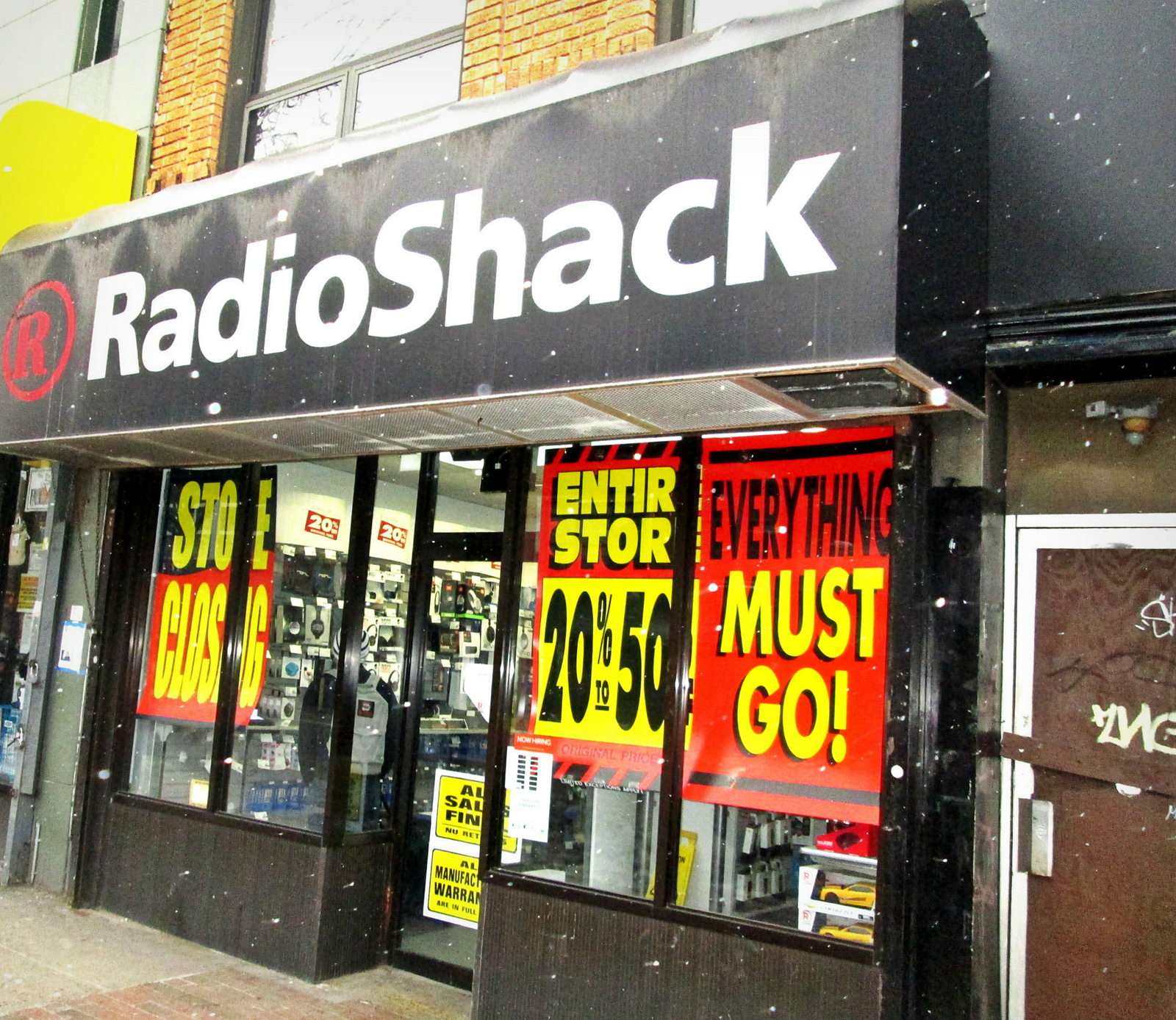








_Per_Capita_in_2015.svg)








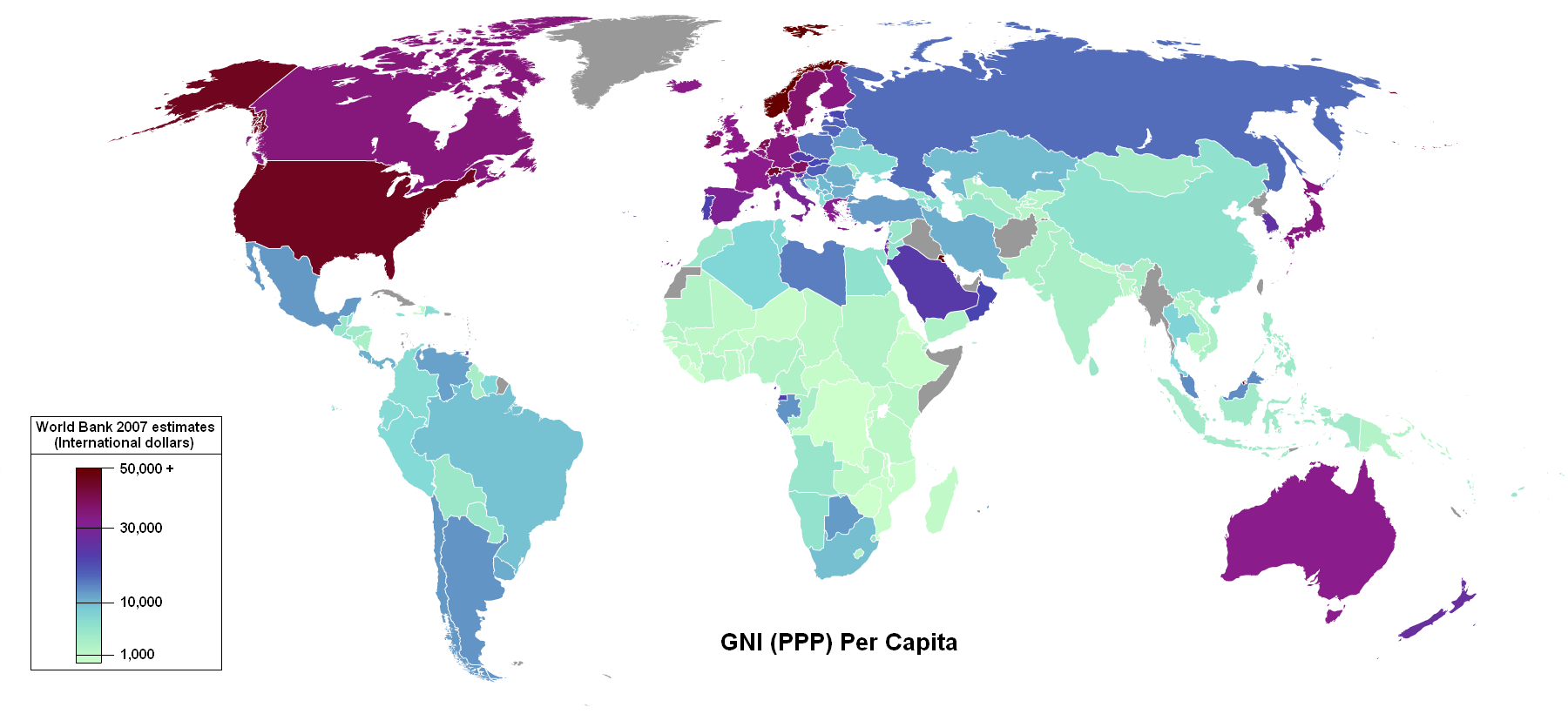










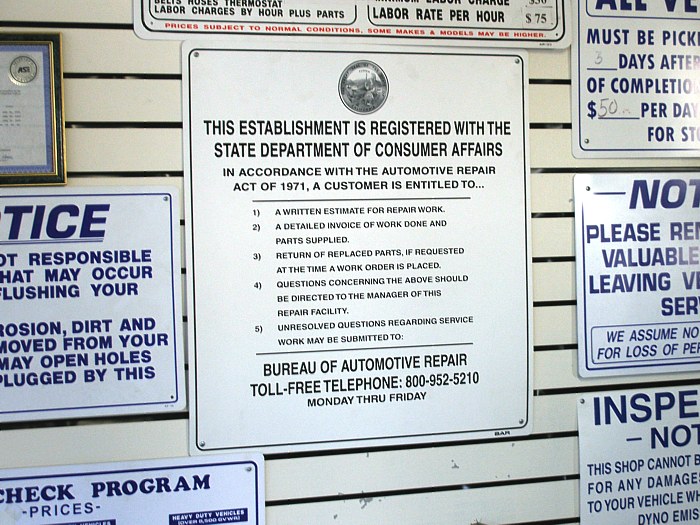


_Laces.jpg)




.jpg)


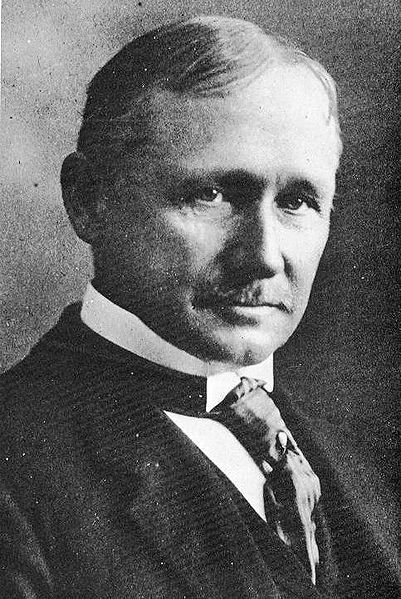


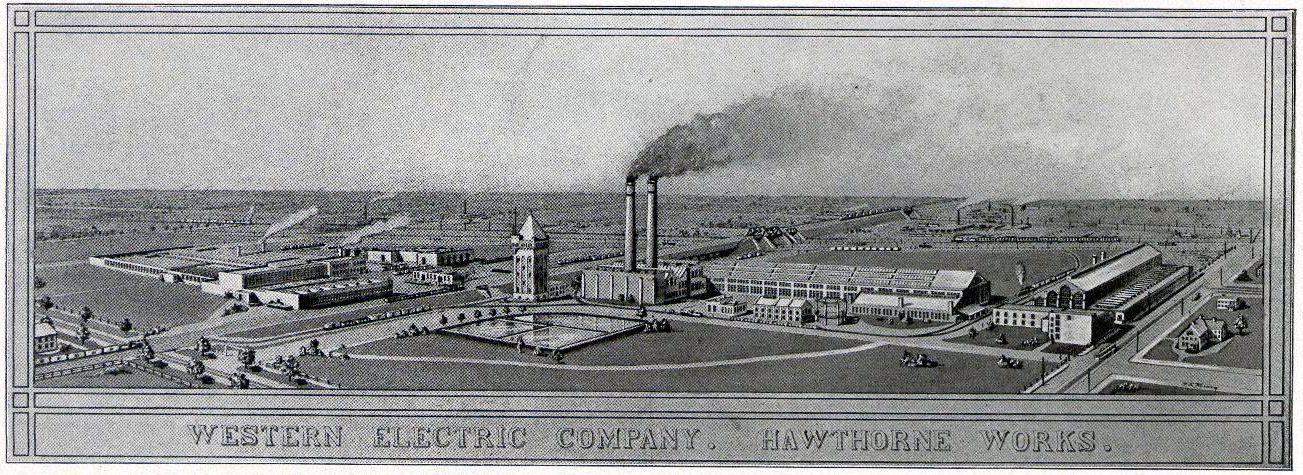


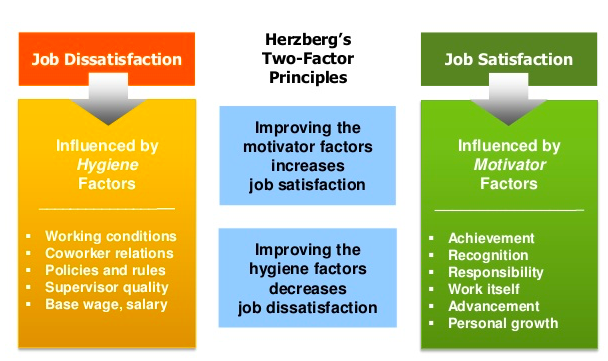



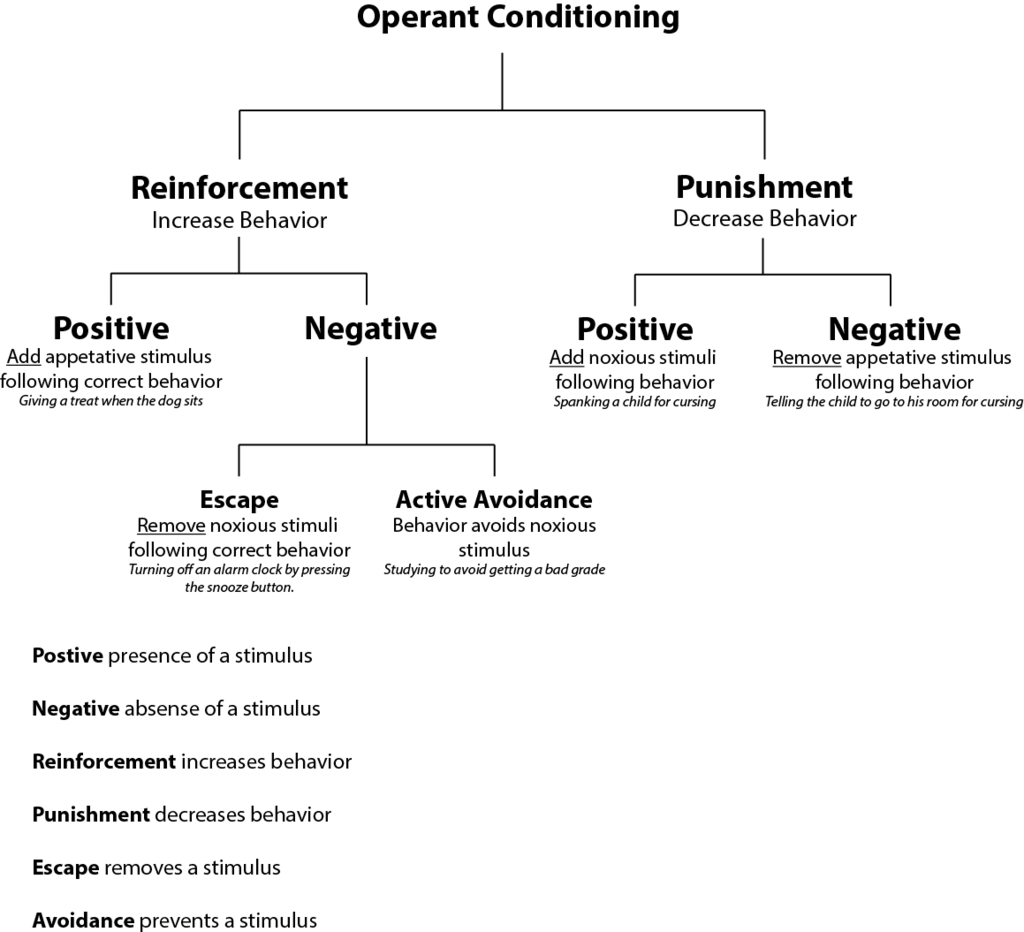


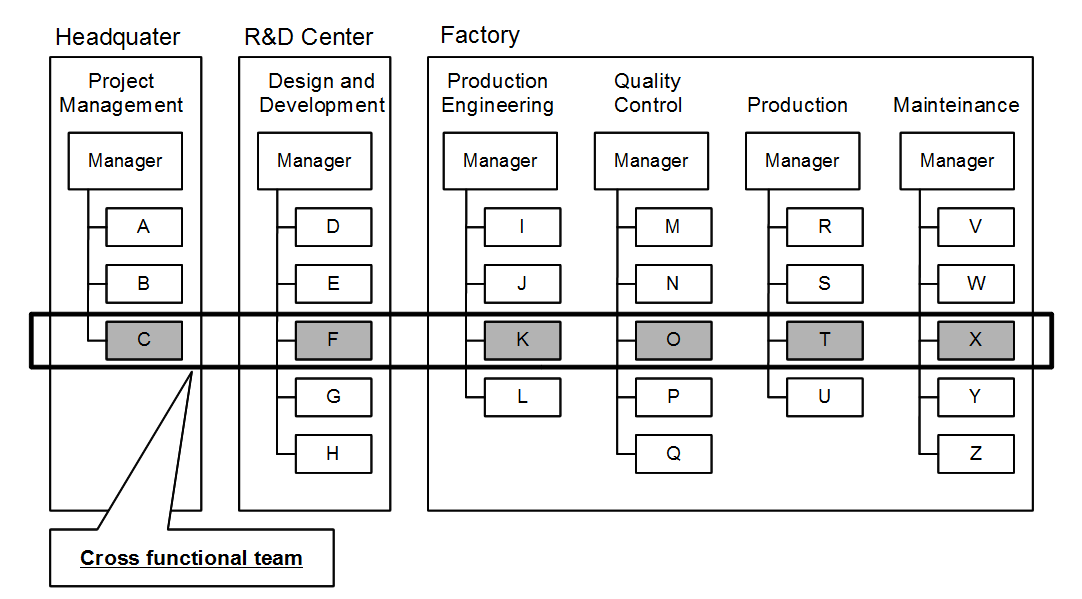





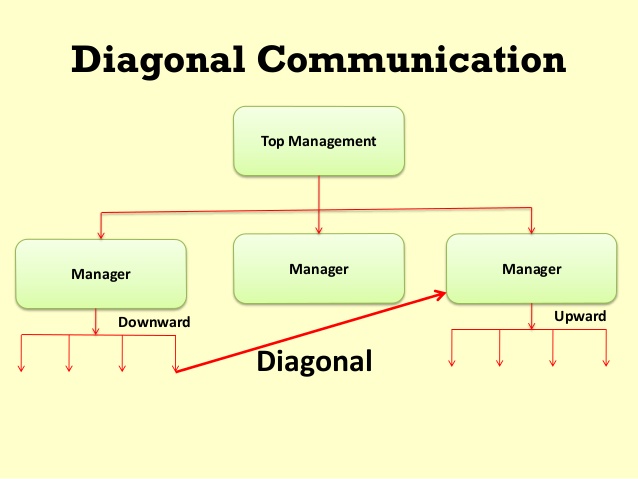





.jpg)