Sustainability and Phenomenon-Based Learning Good Practices Handbook PDF Free Download
1 / 64

/64
100%


Sustainability and Phenomenon Based Learning
Good Practices Handbook
Sustainability and Phenomenon Based Learning
2022-1-HU01-KA210-SCH-000083239
Project teachers from Tikka School, Finland: Eila-Kaarina Asunmaa, Marja-Leena
Kujanpää-Hirsilä, Sari Haapasalo, Sarianna Görsoy, Iina Pöntinen - Teachers; Juhana
Autio - Head of the School
Project teachers from Jankay Bilingual Primary School, Hungary: Emese Bella-Fehér,
Tünde Berczi, Hajnalka Ráczné Csökmei, Erika Rózsa, Hajnalka Velő, Ágnes Tirjákné
Prisztavok - Head of the School
Editor: Orsolya Tuba, Edit Püski
Illustrations, layout, graphic design and cover: Aranka Sallai and Orsolya Tuba
Video materials were recorded and edited by:
Mihály Mohos (Mohos Film), Tamás Balogh (BT Vision)

TABLE OF CONTENTS
Introduction 4
Project Introduction 4
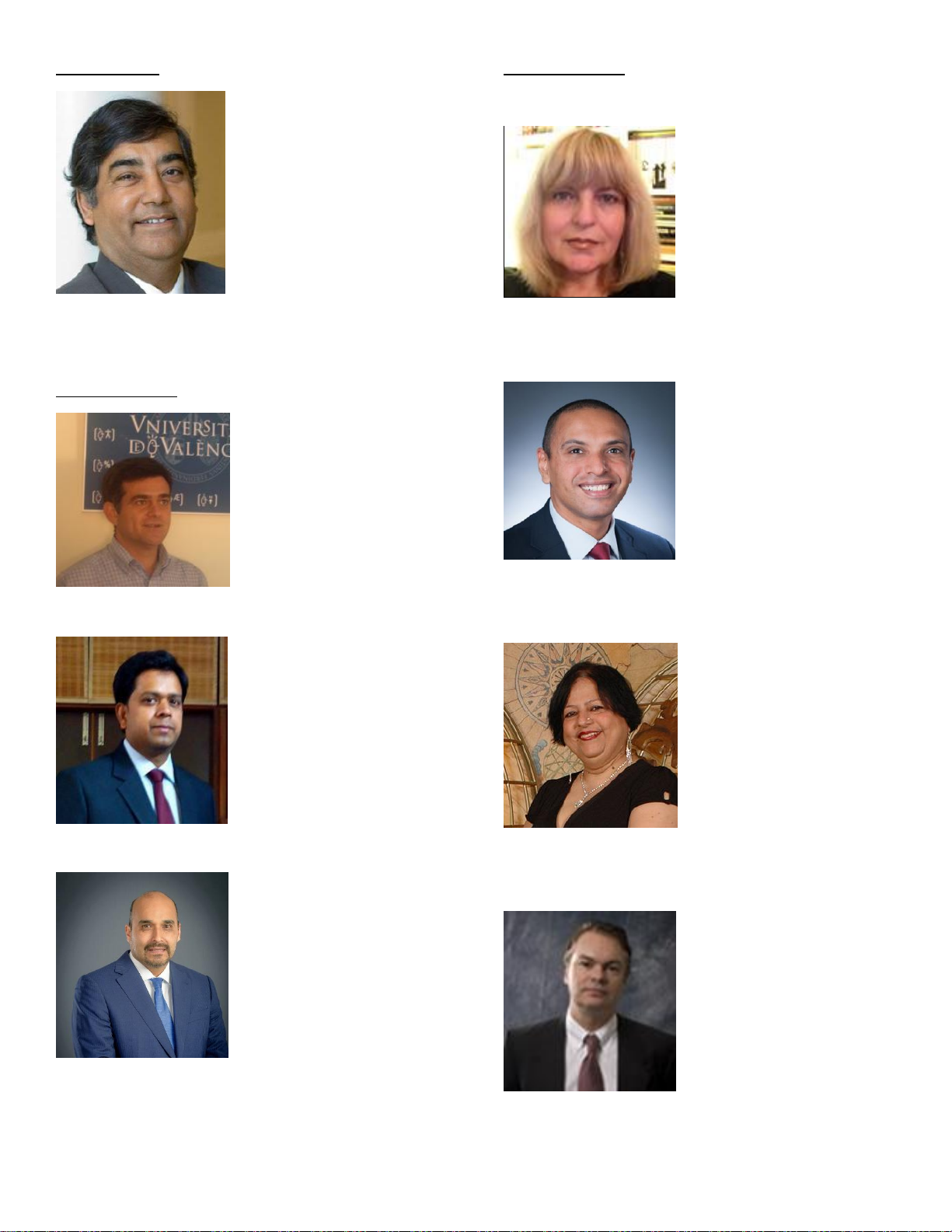
Authors 5
Partners 8
Tikan Koulu 8
Jankay Tibor Bilingual Primary School 8
Alteredu Nonprofit Ltd 9
Finn minta (Glocal Minta Oy) 10
Sustainability Education in Finland 11
Sustainability Education in Jankay Bilingual Primary School, Hungary 15
Phenomenon-based Learning 17
Sustainability Education 19
Sustainability Project Week using Phenomenon Based Learning 21
PhBL Project Week - Finland 21
Grades 1-2 21
Grade 3 22
Grade 4 24
Grade 5 25
Resources 28
Grade 6 28
PhBL Project Week - Hungary 37
Grades 1-2 37
Sustainability week in class 2B 39
Sustainability week in class 2A 40
Resources 41
Grade 3 and 4 44
Project 1: What the label doesn’t tell us I. 46
Project 2: Lifecycle of a T-shirt 55
Project 3: What the label doesn’t tell us II. 57
Comparison: Finnish and Hungarian Education Systems 60
Extra Student Project - Cultural sustainability and Global awareness 62
Closing Remarks 63
Tutorial Videos 64

Introduction
Project Introduction
We firmly believe that education is the most effective tool to promote sustainability and
combat climate change. Many individuals around the world are aware of the complexities of
climate change, but they often struggle to align their lives with sustainable principles.
Furthermore, they may not fully grasp their roles and responsibilities as global citizens. In
line with our project's vision, we are dedicated to achieving Sustainable Development Goal
4.7 by 2030. This goal aims to ensure that all learners acquire the knowledge and skills
necessary to promote sustainable development. It includes education for sustainable
development, the adoption of sustainable lifestyles, understanding of human rights, gender
equality, the promotion of a culture of peace and non-violence, the development of global
citizenship, and an appreciation of cultural diversity, recognizing culture's contributions to
sustainable development (United Nations, n.d.).
We believe that phenomenon-based learning is the most effective method to provide
teachers with the tools they need. Through this approach, teachers can help students see
the connections between various subjects, igniting their motivation and curiosity to explore
further. This, in turn, will nurture them into innovative problem solvers, capable of addressing
climate change and other intricate socio-economic challenges. Our ultimate goal is to
empower students to become change agents and responsible global citizens. The linchpin to
achieving this goal is the teacher, which is why we are committed to equipping educators,
especially those with over a decade of experience, with the essential knowledge and
resources.
As part of our project, we aim to furnish primary school teachers with practical knowledge
and insights into sustainability education and phenomenon-based learning (PhBL). Given the
international nature of this development cooperation, we also encourage the creation of
novel learning and teaching methods through intercultural teacher collaboration. This
collaborative effort was facilitated through a teacher exchange program, where Hungarian
and Finnish teachers joined forces to plan and organise PhBL project weeks in both
countries. The central topic of these project weeks was sustainability, with a focus on
guiding students in exploring practical approaches to sustainable living. They delve into the
true meaning of sustainability and its interconnectedness with climate change.

Authors
Sarianna Görsoy
Teacher of English and Swedish
Classroom teacher
Teacher experience 21 years
Tikka school
Jyväskylä/Finland
Sari Haapasalo
Master of Education
Musician
Teacher experience 25 years
Tikka school
Jyväskylä, Finland
Hajnalka Velő
Lower primary school teacher - English
specialisation
Teacher experience 22 years
Tibor Jankay Bilingual Primary School
Békéscsaba, Hungary

Emese Bella-Fehér
Lower primary school teacher - Hungarian
and English specialisation
Main subjects are: Hungarian (Reading,
Grammar, Creative writing), Environmental
education, English
Teacher experience: 24 years
Tibor Jankay Bilingual Primary School
Békéscsaba, Hungary
Tünde Berczi
Lower primary school teacher - English
specialisation
Vice principal
Teacher experience 31 years
Tibor Jankay Bilingual Primary School
Békéscsaba, Hungary
Erika Rózsa
Lower primary school teacher - English
specialisation
Teacher of English language and literature
Teacher experience 23 years
Tibor Jankay Bilingual Primary School
Békéscsaba, Hungary

Orsolya Tuba
Founder at Finn minta (Glocal Minta Oy)
Project Researcher at the Finnish Institute
for Educational Research
Her areas of research include
multidisciplinary education, sustainability
and sustainable development.
Jyväskylä, Finland.
Edit Püski
Economist, project manager,
CEO of ALTEREDU, startupper
Has been working over 10 years on projects
which include the foundation of an organic
nursery, kindergarten and a community
school based in Békés County
Organisational developper for over 15
years
Sarkadkeresztúr, Hungary

Partners
Tikan Koulu
Tikka School, situated in the city of Jyväskylä, Finland, stands as a prominent primary
institution with a focus on providing comprehensive and secure education for children aged 7
to 13 years. At the core of its mission are four key pillars. Firstly, the school is dedicated to
delivering high-quality, equitable, and secure teaching to foster a conducive learning
environment. Secondly, Tikka School is committed to supporting the holistic growth and
development of its students, ensuring a well-rounded educational experience. Furthermore,
the institution places a strong emphasis on the overall well-being of both pupils and staff,
creating a nurturing atmosphere for optimal learning. Lastly, Tikka School is at the forefront
of innovation, continuously striving to develop new and active teaching and learning
methods.
With 380 students and a dedicated team of 26 constant teachers, Tikka School operates as
a state-owned institution, aligning with the prevailing education structure in Finland. The
school's primary goal is to not only impart knowledge but also to instil a sense of balance
and well-being in its students. By upholding these principles and embracing innovative
teaching methodologies, Tikka School stands as a beacon of primary education, contributing
to the educational landscape of Jyväskylä and exemplifying the excellence synonymous with
Finnish schools.
Jankay Tibor Bilingual Primary School
Jankay Tibor Bilingual Primary School, located in Hungary, operates with a clear vision of
preparing its pupils for a well-rounded future. By implementing high-level educational
practices, the school strives to equip students with essential skills and knowledge across
various domains. These encompass environmental awareness, fostering a commitment to
life-long learning, imparting self-education methods, instilling basic competences, honing
language learning skills, managing talents effectively, nurturing individual development,
upholding national traditions and historical values, providing artistic education, promoting
competitive sports, and emphasising the importance of family values. Through a
comprehensive approach, Jankay Tibor Bilingual Primary School aims to cultivate a holistic
education that goes beyond traditional academic boundaries.

The school's commitment to excellence is evident in its core principles, mirroring those of
many primary schools in Hungary. Jankay Tibor Bilingual Primary School not only offers
high-quality, equal, and secure teaching but also actively supports the balanced growth and
learning of its students. Furthermore, the institution places a strong emphasis on the
well-being of both pupils and personnel, creating a nurturing environment for optimal
learning experiences. In tandem with these values, the school remains dedicated to the
ongoing development of new and active teaching and learning methods, reflecting a dynamic
and forward-thinking approach to education in Hungary.
Alteredu Nonprofit Ltd
ALTEREDU Nonprofit Ltd was established by pedagogists, in order to influence the paradigm
shift of education and to accelerate the quality improvement of education in Hungary, in
2019. In the last five years ALTEREDU has organised several trainings and workshops for
teachers in order to showcase different pedagogical approaches and methodologies. It has
also implemented national marketing campaigns linked to education and has collaborated in
the elaboration of a climate school’s curricula and a community school’s curriculum.
ALTEREDU’s main goal is to strengthen teachers and educators participation in education, to
gather experts together, provide support for them and coordinate their collaboration in order
to update the level of education according to the 21st century’s need, in Hungary. It is
co-working with other NGOs in the elaboration and launch of new approaches of curricula
and methodologies. ALTEREDU is also active in spreading educational techniques in the
digital sphere at international level, supporting teachers and schools of Hungarian minorities
in the Carpathian Basin.
ALTERED main goal is to teach the right attitude in order to strengthen sustainability. It is
also participating in the process of launching the Climate School programme in the County
of Békés, Hungary, mostly in elementary and secondary schools. It has elaborated new
techniques in the field of gamification in education, in order to motivate students and to
provide support in mobile learning in rural regions. ALTEREDU is highly committed to
implement up-to-date skills, knowledge and relevant teaching methods to teachers and
students, as well.

Finn minta (Glocal Minta Oy)
Glocal Minta, also known as Finn minta, is a small company that offers a variety of education
development services in collaboration with partners such as universities, businesses, and
non-profit organisations. Based in Jyväsklä, Finland, we are inspired by the solutions of the
Finnish education system and driven by a sense of social responsibility to address the global
learning crisis. We provide consultancy services, hold workshops, create training programs,
and undertake research on emerging topics in educational development. Our solutions
include workshops and training, consultation, community building and management,
research, and networking events. We provide training in areas such as sustainability
education, SDGs, phenomenon-based learning, multidisciplinary education, positive
pedagogy assessment and evaluation, social entrepreneurship, guidance and counselling.
Over the past three years, our staff has been actively involved in international cooperation
and has adapted to the rapidly changing global circumstances. We are socially aware
entrepreneurs who are concerned about education development, teacher well-being, and
resolving societal issues.
In the upcoming years, we aim to participate in education development partnerships
internationally targeting teachers of all levels of education to become even more aware of
global problems and experienced in designing local education solutions.
Sustainability Education in Finland
Sustainability education in Finland is a well-developed and integral part of the country's
education system. Finland has been recognized for its strong commitment to environmental
and sustainability education, and it is often considered a global leader in this field. Here are
some key aspects of sustainability education in Finland, based on the specific practices and
activities implemented at Tikka School from Jyväskylä.
1. National Curriculum
Sustainability education is integrated into the national curriculum in Finland. Teachers have
the freedom to choose, according to the topics of the subjects, which pedagogical method to
use in order to educate the most efficient way. Teachers in Tikka often do project based
learning, where learning is connected to real life. There are yearly culture oriented trips.,
when pupils visit the Finish National History Museum in Jyväskylä, the Alvar Aalto museum
and the Handicraft Museum, as well.
2. Holistic Approach
Finnish sustainability education often takes a holistic approach, focusing on the
interconnectedness of ecological, social, and economic factors. Students are encouraged to
understand how human actions impact the environment and society. In the “H.E.R.O” project
from AISEC foreign volunteers came to Tikka, to share information and good practices
among students about healthy food, rest and sleep, physical activity, time management, and
media skills. The project lasted 3 weeks. Another H.E.R.O project was about how to handle
and how to avoid bullying.
3. Experiential, Hands-on learning
Sustainability education in Finland emphasises experiential and hands-on learning. Students
are encouraged to engage in practical projects, fieldwork, and real-world problem-solving
related to environmental and social issues. Some class teachers of Tikka School take the
pupils to the forest to pick berries, and then they prepare pie. They go to learn about the
trees, while collecting leaves. During the Religion Project - in cooperation with the local
church, 1st graders get to know what a church is for, what do symbols mean, while 3rd
graders play music together with the organ player. In the Library car project 1st graders learn
how to use the library car; 3rd and 4th graders visit the City Library.
4. Multidisciplinary Approach
Sustainability education is multidisciplinary, involving aspects of science, social studies,
ethics, and economics. This approach helps students develop a comprehensive
understanding of sustainability. 1st graders of Tikka School visit the Forest School, where
they have science lectures. They are observing the animals (elves). They also learn about
how to survive in winter, what to do in nature, how to eat, how to cook - in the forest (eg.: set
a fire), . First graders learn about how to manage in the forest, meanwhile 5th graders learn
about safety on the water. To make a bigger picture, education for life and not for the
grades.
5. Project-based learning to encourage critical thinking
Critical thinking and problem-solving skills are essential components of sustainability
education in Finland. Students are encouraged to analyse complex issues, consider different
perspectives, and propose sustainable solutions. In Tikka school, first graders have lots of
project based learning. In 2023 they worked and learnt a lot during the project Christmas,
Independence day, How to take care of myself; What is it like to become?. In higher grades
teachers have the freedom to learn inside or outside, according to the topics of the lecture
they use the best environment (indoor, outdoor).
6. Non-formal learning environments
Finland's natural environment is utilised for outdoor education, which is an important part of
sustainability education. Students often participate in outdoor activities that help them
connect with nature and appreciate its value. Tikka Students visit the forest on a weekly
basis. They go to pick the blueberries, and leaves. Cultural education also often happens
outside, visiting museums. Skiing and skating are part of PE lessons, sporthall is only used
when the weather is good, both in winter and springtime, mid October-December inside;
April inside–whenever the weather is” not rainy" - they are outside–PE based on the natural
changing of the weather.
7. Global Perspective
Sustainability education in Finland encourages students to have a global perspective. They
learn about international sustainability challenges, such as climate change, and the role of
Finland in addressing these issues. During the “Keep the archipelago tidy” project Tikka's
pupils gathered classroom knowledge about how to keep water clean (sea, lake, river). After
that they cleaned the shore, sorted out the rubbish and reported about the outcome and type
of the rabbish to the NGO organising the project.
8. Teachers’ training and local collaboration
Finnish educators receive training and professional development in sustainability education
to ensure they can effectively teach these topics to students. Tikka school cooperates with
the University of Applied Sciences. There was a music section where the pupils learned how
to compose songs - read and write and draw and make music.
9. School practices as Good Examples
Schools in Finland often practise what they teach by implementing sustainable practices,
such as energy efficiency, waste reduction, and sustainable food choices. There are also
projects for teachers' wellbeing. Once a month there is a teachers wellbeing mentoring
session in Tikka, providing good time for talking about professional and personnel point of
view. There is also a pottery making course for teachers - they bake together while being
together as a group.
10. Social sustainability and Wellbeing
They organise sustainability projects, where students actively engage in initiatives related to
environmental conservation, social justice, and community well-being. Every November there
is a cosy week in one of Tikka’s class teacher 's classes. Noticing that pupils get tired of
learning by November, she implemented the cosy week project. Students are allowed to
study anywhere, where they feel comfortable in the classroom, there is silent music, and the
whole atmosphere is just like at home- with cosy places. Learning environment is adapted to
support pupils' achievement the most in the darkness, by ensuring a combination of resting
and studying. It was also copied by several colleagues, even for one day. Innovation was
successful, it helped pupils to get over the “November rain” period.

Finland's approach to sustainability education aligns with its broader commitment to
environmental protection, social equity, and a high quality of life. By educating the younger
generation about sustainability and equipping them with the knowledge and skills to address
global challenges, Finland contributes to a more sustainable and responsible future.
Tikan Koulu (March 2023) Photo: Mohos Film

Sustainability Education in Jankay Bilingual Primary School, Hungary
Education in Hungary receives less financial support than in Finland, forcing teachers to be
innovative and find new answers to challenges. Sustainability education is present to some
extent in the Hungarian national curricula, but is not given sufficient attention. The majority
of practising teachers are not aware of or cannot apply the phenomenon-based learning
method and new, more practical and exciting tools for sustainability education due to
workload, lack of training. In Hungary, a more subject-based approach predominates, leading
to a more rigid system and clear boundaries between subjects. However, a certain shift is
already visible, in secondary schools there is already a complex science subject. It would
therefore be appropriate to introduce a similar approach to primary education, using the
PhBL methodology.
The Jankay Primary school has a significant experience in sustainability education, as it is a
base school in the area. It means that good practices, new pedagogy methodologies, and
innovative approaches are applied in the school. Their results and outcomes and knowledge
are shared in the frame of lectures or workshops with other colleagues in the county.
1. National Curriculum
Sustainability education is integrated into the national curriculum in Hungary. It may be part
of subjects like Environmental Science, Civics, and Geography, among others. There are
several thema weeks in every year, one of them is about sustainability.
2. Environmental Education
Environmental education is a significant component of sustainability education in Hungary.
Students learn about ecological principles, conservation, and environmental challenges. The
framework is either given by the Institute of Education or the school defines it.
3. Experiential Learning
Sustainability education in Jankay often promotes active and experiential learning. This can
include field trips, nature-based activities, and hands-on projects that engage students in
real-world sustainability issues. “Pick it up” project motivated students to collect old
batteries, old papers, and clothes -and reuse, recycle and dispose of them correctly.

4. Collaboration with local stakeholders
Collaboration with various stakeholders, including governmental bodies, NGOs, and local
communities, is common in sustainability education in Hungary. Jankay School has
cooperated with several stakeholders. In the CSÉN project colleagues from an NGO came to
promote social sustainability through EQ education. In a common project with a bank, the
students learnt about financial - economical sustainability.
5. Responsible Behaviour
Beyond knowledge, sustainability education in Jankay school aims to instil values and
attitudes that promote responsible and sustainable behaviour among students. In
cooperation with the Central Police Headquarters, Jankay school has implemented a social
sustainability project about cyber security and the appropriate use of social media channels.
6. Eco-Schools Programme
The Eco-Schools programme, which operates in many countries, including Hungary, is an
example of an initiative that promotes sustainability in education. Schools participating in
this program work on environmental management, environmental education, and involving
the local community. Jankay Bilingual Primary School is an eco-school.
Jankay Bilingual Primary School (April 2023) Photo: BT Vision

Phenomenon-based Learning
Phenomenon-based learning (PhBL) is an innovative educational approach that explores a
specific phenomena across interdisciplinary boundaries, providing a holistic and experiential
learning model.
Phenomenon-based learning (PhBL) offers a comprehensive educational approach by
integrating real-world problems into the learning process. The core idea is that
problem-solving skills are best developed when academic knowledge is connected to
practical, real-life issues. PhBL achieves this by focusing on specific phenomena, like
'poverty' or 'sustainability,' prompting students to explore these complex concepts from
various disciplinary perspectives (Lonka et al., 2018). As per the 2016 Finnish national core
curriculum, schools are mandated to incorporate PhBL topic weeks at least once a year.
Grounded in real-world issues, PhBL connects education to students' lives, fostering
meaningful engagement.
Emphasising inquiry, curiosity, and collaboration, PhBL encourages students to drive their
learning through project-based activities, enhancing problem-solving and critical thinking
skills. Teachers act as facilitators, guiding students in their exploration. Assessment focuses
on diverse skills, moving beyond memorization. PhBL aims for a holistic understanding of
phenomena and adapts to individual student needs, making education more relevant and
engaging on a global scale.
PhBL goes beyond traditional boundaries and enhances the understanding of sustainability.
It empowers students to relate this concept to their personal lives and encourages them to
adopt sustainable values. For example, a workshop on fast fashion was conducted in both
Finland and Hungary to illustrate PhBL in action. During this workshop, students critically
analysed the social, environmental, and economic dimensions of textile and clothing
production, leading to a reassessment of the importance of sustainability within these
dimensions.
The students engaged in a workshop where they calculated and compared jean prices in
Bangladesh, India, Finland, and Hungary. They examined water usage and man-hours in
production, shedding light on the unfortunate presence of underage workers in garment
factories. Bringing in their own clothes for repair, particularly jeans, the students
collaboratively worked on fixing or repurposing them into items like bags or toys.
Throughout the workshop, students delved into the intricacies of jean production, gaining
insights into overproduction, overconsumption, and the challenges of underage labour. They
also explored the historical aspects of sustainable materials and the geographical
distribution of the garment industry. Beyond acquiring various competencies and
skills—ranging from mathematics, geography, and environmental science to chemistry, arts,
and digital tool use—the students developed an awareness of their role as consumers. This
newfound understanding prompted them to contemplate their global responsibility in the
larger context of sustainable practices.
Sustainability Education
Sustainability education, also known as education for sustainable development, was
introduced to support efforts in “meeting the needs of the present without compromising the
ability of future generations to meet their own needs” (Brundtland, 1987). This educational
approach aims to develop awareness, competences, values, and agency in learners in order
to facilitate local actions for a more sustainable society - or in other words - planetary
wellbeing. The four dimensions of sustainability determine the content of possible
educational scenarios: environmental, social, cultural and economic. These different aspects
are inherently interconnected, since society cannot thrive without the existence of balanced
nature and biomes, social justice and peace, cultural inclusion and equality and financial
safety with responsible consumerism.
We have collected some essential aspects of sustainability education:
●Sustainability education takes a comprehensive approach, integrating concepts from
various disciplines like environmental science, social studies, economics, and ethics.
This interdisciplinary perspective aids learners in comprehending the intricate nature
of sustainability challenges.
●The focus on environmental literacy aims to deepen individuals' understanding of the
natural world, its systems, and the impact of human activities on the environment.
Sustainability education also promotes systems thinking, helping students analyse
and understand the interconnectedness of ecological, social, and economic systems.
●Emphasising experiential and hands-on learning, sustainability education involves
practical activities, field trips, and real-world projects to enhance students' grasp of
sustainability issues. This approach cultivates critical thinking and problem-solving
skills, prompting students to analyse complex problems and propose sustainable
solutions.
●An essential aspect is the inclusion of a global perspective, addressing international
sustainability challenges such as climate change and biodiversity loss. By doing so,
sustainability education aims to instil a sense of global citizenship, encouraging
learners to appreciate their role as global citizens and advocate for global issues.
●Going beyond imparting knowledge, sustainability education endeavours to instil
values and ethics related to sustainability, including stewardship, responsibility,
empathy, and a sense of social, environmental, and climate justice. The concept of
climate justice is particularly emphasised, highlighting the unequal nature of the
climate crisis worldwide and the historical responsibility behind it.
●Community engagement is a common element, involving students in environmental
conservation efforts, community clean-up projects, and initiatives that promote
sustainable practices. Additionally, educational institutions that embrace
sustainability education often implement sustainable practices on campus,
exemplifying the principles they teach, such as energy efficiency, waste reduction,
and sustainable food choices.
Sustainability education is seen as a critical tool in addressing global challenges, such as
climate change, resource depletion, and social inequities. It empowers individuals to make
informed decisions, advocate for sustainability, and work towards a more environmentally
and socially responsible future. In the upcoming chapters we provide concrete lesson plans
and project week activities that focus on sustainability education for primary school
students.

Sustainability Project Week using Phenomenon Based Learning
In the next coming section we would like to provide an insight and share our good practices,
lesson and project week plans, activities we collected during the project weeks, in Hungary
and in Finland, as well. The activities are gathered by grade levels and divided into two
sections: PhBL Project Week Finland and PhBL Project Week Hungary. Teachers share their
approach, learning goals, pedagogical activities, evaluation and the subjects that were
involved in the learning period. We also share useful links and tips that might help education
colleagues.
PhBL Project Week - Finland
Grades 1-2
RECYCLING - What is recycling, why is it important?
1. What do the children know beforehand?
1st grade
●Arousing interest by a didactic conversation led by the teacher or an expert from the
waste sort centre.
●What is waste? What actions produce waste? How much waste does a person produce
per year?
●Task for the pupils: observing photographs of any waste (cloth, plastic, food) and
collecting numbers on how much is a person's/school’s/nation’s waste in a
day/week/year. Pupils compare the amounts: how many kilos of waste - how many
pupils weigh as much?
2nd grade
●Pupils make concept maps about recycling.
●Pupils should get to the conclusions: we have to decrease producing waste. Sorting the
waste is important.
2. Inform how to decrease the amount of waste and how to sort it.
How to recognize plastic and metals.
https://yle.fi/aihe/artikkeli/2019/03/25/rypistystesti-ja-9-muuta-helppoa-vinkkia-muovin-lajitt
eluun
What materials are not recyclable and to be avoided.
How one's decisions in everyday life affect the amount of waste.
How to extend the life cycle of products.
“Garbage Rat” is an educational video series giving a lot of information about this topic.
https://areena.yle.fi/1-3936894

3. Activate!
Learn to fold a bio waste bag from an old newspaper. (Arts & crafts)
Design and prepare a bunny from an old sock. Introduce him to your classmates!
2nd grade: design and prepare a bunny or any other toy from an old sock. Draw a pattern and
write short instructions for the toy!
https://www.kodinkuvalehti.fi/blogit/ruususuu_ja_huvikumpu/kierrata_eriparisukat_ja_tee_its
e_suloinen_paasiaiskoriste_taman (Arts & crafts, drama, Finnish)
Decorate a metal can - it becomes a new pencil holder. (Arts & crafts)
Cardboard-competition: flatten the cardboard box as tight as possible and measure it
homework: how many cardboard boxes your family uses in a week?
Count and compare these results at school.
(Mathematics, economy, environmental science)
Don’t waste food: which class left the smallest amount of food at lunch? Weigh it!
(Mathematics, householding) “Run to the right bin”-game (Sports, recycling)
2nd grade: write and draw sorting instructions for every home (Arts, Finnish)
In the autumn go together for a hike in the forest. Pick lingonberries and prepare a pie. What
were the costs of the pie? (Mathematics, economics, sports, householding).
4. Evaluate
At the end of the week the children can reflect on their development in groups of four.
1st grade
Do they have different attitudes and skills considering waste? How about their decisions in
the dining hall or in shops? What new ideas they got for giving Christmas presents
(recycling)? How much money is it possible to save that way?
After the group discussion let’s share the thoughts with the whole class.
How will these actions affect the earth?
2nd grade
draw another concept map about recycling - how has it changed?
2nd grade (homework): make an interview at home after two weeks; has the sorting
instruction changed the families practises?
Grade 3
Grade 3 students participate in the PhBL Project Week in Finland, which centres around the
phenomenon of recycling. During this engaging initiative, they explore ways to assist

developing countries while also reflecting on Western consumption habits. This unique
project aims to instil a sense of global responsibility and environmental awareness in the
young learners.
1. Raising Interest
●Gets sparked with some pairs of pictures: e.g. a child from a western country next to
a pile of Christmas presents / a child in a sweatshop with torn clothes
●What feelings does this evoke? How is the situation connected on the Earth?
●Interest will be held by bringing this close to the students’ lives.
2. Solving the problem
●The developing countries are paying a high price for western countries'
overconsumption. Students will get to start solving the problem by suggesting
solutions
●We will start with the question “What can I do?”
●Students get to write their ideas down for everyone to see. The padlet or a huge
paper would be a useful format
●(Finnish, co-operation, using technology)
●The teacher will nudge the conversation towards flea markets and buying items
used; and only when you seriously need them
3. Activate!
●let’s collect the students unnecessary clothes, sport equipment and toys, sell them
on a flea market and earn money to the children in developing countries
●find and choose the organisation you want to use. For example WWF, Finn Church
and Red Cross are reliable organisations helping the children in developing countries
●agree on this choice together with the students
Three alternative ways to arrange the flea market:
A. The first circle: arrange the flea market in one class. The kids can buy clothes, toys
and other stuff from each other and donate the money to the chosen organisation
(Mathematics, economy, environmental education)
B. The second circle: arrange the flea market in the school. Several classes bring the
used items to the school and everybody buys them. The students should also
advertise their class or table. This could also be arranged on Saturday, when the
area's occupants can participate as customers. It would also offer a very rewarding
partnership with the parents. This is the most laborious alternative and would also
generate the most money.(Mathematics, arts, Finnish, co-operation, economy)
C. The third circle: take the donated items to the flea market in town; take a sales table
for your class for a week or so. Visit the flea market together with the students and
take care of the sales tables appeal. (Mathematics, co-operation, economy, sports,
aesthetic)

4. Evaluate
●How much money was the class (or the school) able to donate? What can they get
with that sum (how many vaccinations, schoolbooks, water purification tablets etc.)
●(Mathematics)
●Conversation: did the students get new ideas for finding Christmas presents?
●Did they change their habits, especially when planning to buy items?
Grade 4
Grade 4 students participate in the PhBL Project Week in Finland, focusing on recycling and
the Cardboard phenomenon. Throughout this week, they engage in activities involving
cardboard, aiming to promote creativity and environmental awareness. The project is
designed to provide students with hands-on experiences that contribute to their
understanding of recycling and its broader impact.
1. What do the children know beforehand? Arousing interest.
●Get familiar with the international cardboard competition:
https://youtu.be/kXF5L0qHPec
https://kartonkikilpailu.fi/tietoa-kartonkikilpailusta/
●How well do we know recycling already? Can we sort waste at home and at school?
●What effects does waste have on the environment?
https://rinkiin.fi/lajittelu-kotona/lajitteluohjeet/
●Homework: Count and mark at home the number of used/recycled/not
recycled cardboard packages. Compare these results at school.
(Mathematics, economy, environmental science)
2. Inform; learn more about the extended life of different materials
●Visit a waste sort centre.
●Sustainable development: https://sdgs.un.org/goals
●Lifestyle tests:
What is your style to save the planet?
https://yle.fi/aihe/kiertotaloustesti-miten-sina-pelastaisit-maapallon
Carbon Footprint:
https://www.nature.org/en-us/get-involved/how-to-help/carbon-footprint-calculator/
●Get familiar with the possibilities of buying waste food in supermarkets and
restaurants in your hometown or area.

3. Activate!
●Fold cardboard boxes as tiny as possible - who would be the classes “super
flattener”? (perceiving, group skills)
●Campaign: design a clever recycling campaign on the side of a juice can
https://kartonkikilpailu.fi/kilpailun-tehtavat/2-tehtava/ (arts, drawing, writing)
●Spread the word: https://kartonkikilpailu.fi/kilpailun-tehtavat/3-tehtava/
(planning, group skills, information technology, drawing, writing, speech)
●A competition for groups: contact different restaurants selling left-over food and try
to get the best/cheapest offer.
(Mathematics, economics, householding, social skills and manners)
4. Evaluate
●Students make a quiz or kahoot in groups during the visit to the waste centre.
●A quiz or kahoot based on https://rinkiin.fi/lajittelu-kotona/lajitteluohjeet/
●A quiz or kahoot based on https://sdgs.un.org/goals
●Solve each other's quiz or kahoot.
●Compare each other's carbon footprints - how can you decrease it?
Grade 5
Grade 5 students participate in the PhBL Project Week in Finland, with a focus on the Fast
Fashion phenomenon. Throughout this week, they engage in activities that address the
implications of fast fashion, aiming to foster awareness and responsible consumption
habits. The project is designed to equip students with insights into the environmental and
social impacts of the fast fashion industry.
1. Raising Interest
- What are the key contents to learn? What subjects are included?
- What do students know beforehand?
- Prior knowledge will be assessed through a Learning Cafe (see the questions below)
- Students will also watch videos, such as the TV show called "Blood, Sweat, and
T-Shirts," which might interest them.
2. What kinds of skills and broad-based competencies will be fostered in students?
Thinking and Learning to Learn
Participation, Influencing, and Building a Sustainable Future
ICT and Technology Use
3. How are students' participation and active agency taken into account?
- The chosen topic of fast fashion is interesting to students and relevant to their
everyday lives.
- All students have clothes and are likely interested in how clothes are made.

- Students bring their own clothes to the classroom, making the topic personal.
- Students can choose how they want to learn and present their findings to teachers,
whether through posters, videos, Google Slides, etc.
4. How does the plan differ from project-based learning (PBL)? Why is it
Phenomenon-based Learning (PhBL)?
- We include various subjects (maths, environmental studies, Finnish), making it a
cross-disciplinary approach.
- It involves collaborative problem-solving with students, focusing on finding solutions
to complex issues rather than seeking one "correct" answer.
- Students have the autonomy to choose their preferred learning methods, aligning
with phenomenon-based learning principles.
Questions for students in Learning Cafe:
(for assessing prior knowledge)
1. What does fast fashion mean?
2. Do you know where your clothes come from?
3. What natural resources/materials are needed to make clothes? How much?
4. How long do you use one piece of clothing? How often do you receive or buy new or
used clothes?
5. What factors influence your decision when you buy clothes?
Fact Sheet on Fast Fashion
- Link to a page about fast fashion: https://helecleaner.com/pikamuoti-mita-se-on/
- Understanding the Lifecycle of Clothes and Everyday Items
- Determining the product's origin →which clothes come from elsewhere and which
are local.
- Investigate where the products come from (e.g., the country of origin).
- Carbon footprint/water footprint calculator.
- Bring items from home with visible labels that haven't worn out. There was previous
guidance about this for households.
- Explore our own products.
- Describe the products.
- Make a concept list →translate from Finnish into English.
- Create an advertisement video or similar to promote sustainable consumption.
- Start working independently, then move to group work.
"Blood, Sweat, and T-shirts’" →we'll begin with this.
Note: Ready-made questions are available for each episode.

Framework:
1. Clarify preconceptions:
a) What does sustainable development mean? Write on the board (mind map).
b) Learning café (Four posters with different questions. One person can always stay
"teaching" the others). There are no right or wrong answers.
- What does fast fashion mean?
- Do you know which countries your clothes come from?
- What natural resources/materials are needed for making clothes? Which ones are
used the most?
- How long do you use one piece of clothing?
- Where do discarded clothes go?
2. "Blood, Sweat, and T-shirts" Ready-made questions for the first two episodes.
Complete the learning café after watching the video.
3. Bring your own clothes to school. Bring an item whose origin you want to learn more
about.
4. Investigate the product and its origin & home country, manufacturer (are there child
labourers?), and the product's carbon footprint.
5. Present your own clothing item's origin in groups of four. Different items for different
groups.
GROUP WORK:
1. The goal of the project: INFORMATION / INFLUENCE or both.
2. Create a project: poster/video/Google Slides →Students can choose their own
format.
3. Include facts about where clothes are made, under what conditions.
4. Highlight the downsides of using clothing for only a short time.
5. Explain how and why it's beneficial to use clothing for a long time or recycle it.
6. Has your perspective on clothing acquisition changed?
7. How can we influence others to make wiser choices?
Peer Assessment of a Classmate's Work:
Based on self-assessment and peer assessment using a Forms survey
●Whom are you peer assessing?
●What was your classmate's role in group work? (organiser, photographer, researcher,
scribe?)

●How did your classmate perform in their role?
●Which part of the group work did your classmate particularly excel in, and how did
the work progress?
●Where could your classmate have improved further
●What did your classmate do exceptionally well?
Resources
Consumption-related tasks
https://peda.net/pori/perusopetus/opetus/tukimateriaalit/o/kjvk/mokkjvk
Do you know how much water your jeans consume?
https://yle.triplet.io/uutiset/tiedatko-kuinka-paljon-vetta-kuluu-farkkujesi-valmistukseen
(YleMix) - Kids can find out where their clothes come from and how much water is used in
their production.
https://wwf.fi/app/uploads/t/e/e/6v7yvtbefrnlfokrjqz57ab/wwf-vesioppitunnin-pp-esitysteks
tit.pdf WWF Water Lesson PowerPoint Slides (PDF) - Jeans can consume over 10,000 litres
of water (equivalent to ten years of drinking water).
https://prezi.com/p/bbc7y-yj1g_n/vesijalanjalki
Water Footprint for Other Clothing Items (Prezi) - Explore the water footprint of other clothing
items like hoodies, t-shirts, sweaters, leather products, and jeans.
https://www.martat.fi/marttakoulu/kestava-arki/hiilijalanjalkilaskuri
Carbon Footprint Calculator (Martat) - Input a sum of money and see the carbon footprint
associated with it.
Self-assessment of own work
●YOUR NAME:
●What was your role in the group work?
●How did your work progress?
●Where could you have improved?
●Where did you succeed exceptionally well?
Grade 6
Sustainable development and the Future
Sixth-grade students at Tikka School learnt about various aspects of sustainability in a
comprehensive and interactive manner. By exploring the recycling centres of local
supermarkets and through role-playing as global decision-makers, the objective was for
students to become more responsible and knowledgeable decision-makers who take action

against climate change and contribute to the Sustainable Development Goals at the local
level.
Visits:
- The Recycling Point in a Supermarket
- Municipality’s waste management centre: 60 min presentation for the classes
During the project the pupils
- worked as experts and finally as leaders of the World
(based on The Future of our Planet -role playing game by WWF)
- visited local food stores to see how they recycle
- visited Mustankorkea waste management centre
- imagined different kinds of futures together
Every pupil got to know their own area/biome:
- grasslands
- forests and jungles
- freshwater
- oceans
- ice worlds
Questions to be answered:
1. What are the characteristics of this biome? (climate, habitats, species that live there etc.)
2. Why is this biome important? What special qualities does it have?
3. What threats are there to the biome? (climate change, global warming, greenhouse effect)
4. How can the biome be protected?
Future Makers project implementation. How to do it with the pupils?
1. Preconceptions
Think in groups about what comes to your mind when you think about the Earth's future.
Write and draw your thoughts on paper.
The Earth’s future:
1. What does it mean?
- Why is the future of the Earth important?
2. How does it show?
- How can we see or notice what might happen to the Earth?
3. What interests you about it?
- What things about the Earth's future do you find exciting or interesting?
4. What do you know about it?

- Share what you already know about what might happen to the Earth.
5. How can you influence it? Or can you at all?
- Can we do anything to make the Earth's future better? What do you think?
6. What concerns do you have about the future?
- Are there things about the Earth's future that make you worried?
7. What things are going well?
- Can you think of anything good happening for the Earth's future right now?
Remember to use your drawings and writing to tell your ideas in a fun and creative way!
2. Sustainable development
Keep thinking and writing.
- What does sustainable development mean?
- Where do you see it?
- What does it aim for?
- Who does it belong to?
- Is it important?
3. The groups present their thoughts, ideas, drawings etc.
- What similarities and differences can we find?
4. Imagining better futures
Let's have fun imagining the future.
Use Cards of Hope (from Sitra) as a starting point. (see Resources)
Imagine these cards are like magic pictures that show us different things that could happen
in the future. They help us think about what might come next!
In groups, pick four cards.
Each card is like a little story about the future. Talk together about what happened before in
that story and guess what might happen next.
Write a story together.
Use your imaginations and write a story about the future based on the cards. What do you
think the world will be like? How will people live, and what exciting things might happen?
Create something cool from your stories.
Maybe you can make a little book, a pretend newspaper, or even a collection of fun poems
from all your stories. It's like creating a piece of the future with your own ideas and dreams!

5. Future makers - the roleplay
Learning style: Teamwork
The Plan: You're experts!
Imagine you and your friends are experts about different things. When you share what you
know, it makes a complete picture.
Explore Earth's future.
Check how different living communities (biomes) are doing.
Budget for a happy future.
Pretend you have a big imaginary budget of 100 billion to help different countries. Decide
where to spend the money to make the Earth happy.
Think for the whole world.
When all groups share ideas, it's like creating a plan for the whole world to have a great future.
Your Job: Be an expert!
Share what you know about Earth and listen to others. Together, you become experts in
creating a wonderful future.
Plan with your budget!
Decide where money should go to help nature and people worldwide.
Imagine a fantastic future!
Use creativity to think about how Earth can be an amazing place for everyone.
6. Pupils’ own topics/individual tasks
Biomies: Forests, Freshwater, Ice Worlds, Grasslands, Oceans
Activity: Learn about your special place on Earth.
Each of you will become an expert in one place. Read about it at home and remember
important things.
Share what's important.
Tell your friends what makes your place special and why it's important.
Talk about problems.
Discuss what problems your place has. What makes it a bit tricky?
Think about making it better.
Imagine what we can do to make your place really happy. What changes can we make?
Use your creativity! What can we do to make your place the best on Earth?
7. Expert groups (own topics)
Group discussion based on notes and readings:
What did you learn about your topic?

Share with your friends what you found out about your special place on Earth.
Why is this important for the planet?
Talk together about why your place is essential for the Earth.
Creating an impactful poster:
Make a giant poster (A3 size) with your friends. Use text, pictures, and facts to show why
your topic matters.
Each pupil writes or draws something on the poster. It must be full of interesting information!
Prepare to present:
Get ready to talk about your topic to other experts.
8. Experts get together
Share your topics. Listen and discuss what stood out.
Teacher assigns imaginary countries.
Task: You have a 100 billion budget for the world's future.
Your task: Discuss insights.
Talk about what you learned and why it's important.
Get an imaginary country.
Your group will get a pretend country.
Task: Spend a 100 billion budget.

Decide where the money goes for a better future.
Provide reasons.
Explain why you chose to spend money in certain areas.
Outcome: Present your plan.
Share your ideas clearly with others. Explain your choices.
9. Let’s compare the plans
Present plans to other countries. Compare and discuss.
Your Task: Share your plans.
Explain your ideas to other countries.
Compare and discuss.
Talk about what plans were similar and what were different.
Identify reasons.
If there were differences, try to understand why. What could be the reasons?
Outcome: Understanding differences.
Discuss the reasons behind any variations in plans.
10. The plan for the whole Earth’s future
Every country gets an equal share of the budget →Create a joint future plan for Earth →
Groups take turns choosing a target for their budget (5 billion) and justify why they choose it
(write it down on paper) →Finally, examine the joint plan →What if this was true? What
would the future of Earth look like?
Instructions:
➔Equal budgets for each country.
➔Every country receives the same amount of money.
➔Create a joint future plan for Earth.
Work together to plan how to spend the budget for the future of the entire planet.
➔Groups choose targets.
Each group takes turns picking a target for their budget (5 billion) and writes down
the reasons for their choice.
➔Examine the joint plan.
Look at the overall plan created by combining everyone's choices.
➔Discussion points: What if this was true?
Imagine if this plan was real. How do you think the future of Earth would be?
➔Discuss and share ideas about what kind of future the planet might have with this
joint plan.

11. Sustainability in practice
- visit to the municipality’s waste management centre
- visit to a supermarket’s recycling point
12. Future makers - roleplay
https://wwf.fi/app/uploads/5/5/c/sj47raxjn8e11qidsn2ub9/huippukokous_roolipeli.pdf?filen
ame=Planeettamme%20tulevaisuus%20-roolipeli.pdf
13. Assessment
The pupils write a text about their learning outcomes:
- What new things did you learn? Mention at least two issues.
- What was the most interesting topic you learnt? Why?
- What surprised you?
- How did you succeed in the group work?
- What was the most difficult part of the project? Why?
- Did you like the project? Why?/Why not?
RESOURCES
(Grade 6: Future Makers Roleplay)
Ideas and materials for planning
●Based on Agenda 2030 https://sdgs.un.org/goals
●The four "Rs" of sustainable consumption: Reduce, Recover, Recycle and Reuse
(Consume Less, Use Again, Recycle, and Conceive new ways of doing things.)
●https://wwf.fi/app/uploads/6/c/q/lhcn77rffdftimii4otmo6c/wwf_tutkimusretkella_tul
ostus.pdf
●In English:
https://wwf.panda.org/projects/our_planet_netflix_wwf_nature_documentary/educati
on/
Role-play:
●Download the role-play PDF here. You can also find texts in English here. (Our planet
their future)
●https://wwf.fi/app/uploads/5/5/c/sj47raxjn8e11qidsn2ub9/huippukokous_roolipeli.p
df?filename=Planeettamme%20tulevaisuus%20-roolipeli.pdf
●In English:
https://wwf.panda.org/projects/our_planet_netflix_wwf_nature_documentary/educati
on/

●The Finnish Foreign Ministry's Agenda 2030 for schools provides information, Kahoot
games, lesson plans, videos, and collaborative activities. https://maailma2030.fi/
Class Projects:
●Crafts: Laptop bags (e.g., from denim legs, fabric scraps)
●Art: Use of recycled materials, posters, building with recycled materials (dream
playground equipment, vehicles, etc.).
●Mother tongue: Cards of Hope (Sitra), also in English (+ card information).
https://www.sitra.fi/en/publications/cards-of-hope/
●Science: Renewable and non-renewable resources: What are they?
●Sustainable development, global goals: What are these goals and how can we
achieve them?
●Why is it important to be sustainable?
●How can we be more sustainable at school and at home?
Other Topics:
●Yle TV-channel’s Circular Economy Test: How would you save the Earth?
https://yle.fi/aihe/kiertotaloustesti-miten-sina-pelastaisit-maapallon
●Average Finn's Carbon Footprint Statistics and Test: Explore here and take the test.
https://www.sitra.fi/en/articles/carbon-footprint-average-finn/
●Test your own carbon footprint: Lifestyle test
https://www.sitra.fi/en/articles/test-find-whether-threat-opportunity/
Other Resources:
●Climate Education in Elementary School: Global Earth Guide
https://mappa.fi/sv/startsida/
●Game Template: Download the board game template
https://climate.ec.europa.eu/system/files/2017-03/board_en_0.pdf
●Water Footprint: Presentation on river dolphin's water share
https://wwf.fi/app/uploads/b/p/p/z0gf5gefq8w5zbknkpkxl7/vesijalanjalki-esitys-202
1.pdf?filename=Vesijalanjälki-aiheinen%20PowerPoint%20-esitys.pdf
WWF's Water Footprint: Teaching materials
●https://wwf.fi/opettajille/
●https://wwf.fi/opettajille/opetusmateriaalit/?language=suomi&age=10-12&subject=bi
ologia-maantieto
Poster: What happens if the Earth's temperature rises by 2°C?
Discussion Starters:
●What are your preconceptions?

●What questions arise about the future of the Earth?
●What concerns do you have about the future?
●Imagine the future (using cards)
●Informative sessions (using slides or videos).
●Future-focused visits
●Role-play
●Share your findings!

PhBL Project Week - Hungary
Grades 1-2
1. Why?
●In Finland they had the same PhBL topic - Recycling paper - that we tried to copy,
adapt and accomplish into the Hungarian system. Aim: comparability
●The topic is suitable for this specific age, and many practical tasks can be
implemented
●Environmental awareness can be shaped
●There are practical solutions to the problems in this level
2. Aim:
●Emphasising the importance of sorting rubbish, thus environmental protection
●Enhancing environmental awareness
●Getting to know the process of making and recycling paper
●Getting to know the concept of the 3R (reduce, reuse and recycle)
●Reusing in practice (folding fortune tellers from newspaper, crafting musical
instruments - upcycling, making paper bricks, TP-roll toy: frog that catches a fly)
●Getting to know the process of paper immersion
3. Cross curriculum and competences:
●Subjects related: Music, Science, Arts and Crafts
●Competencies included: Communication competence, Interpersonal and social
competences - Cooperation, Cognitive competences - Fact-finding and
systematisation, restructuring, analysing, relation, Competences of creation,
self-expression and cultural awareness, Digital competence
4. Planning:
●In Finland all teachers were involved in PhBL week, in Hungary 5 participants
organised the sustainability week programs and some other teachers were involved
on a voluntary base
●We made a ‘task bank’ to choose from. Teachers cooperated, we opened a Google
Sheet and wrote our ideas into it

●Teachers made their own plans for the week according to their own preferences and
timetable
Co-edited schedule for grades 1-21
5. How can we involve children? - Motivation:
●Talking about the topic
●Sharing our Finnish experiences with the students
●Being a role model
1Co-edited schedule, Jankay teachers, 2023
Program for Finnish teachers

Sustainability week in class 2B
●As a pre task students had to observe what happens to the garbage at home
●In the introductory lesson they talked about their observation so their pre-knowledge
was revealed
●In their free time students could craft hand-made, recycled musical instruments at
home and they could show it to their classmates at school
●In Music lesson every student made a simple shaker that was stored it the classroom
and was used regularly later on
●In English lesson they learnt about sorting rubbish in various and playful ways
●Students could donate old clothes during the thematic week
●Students could experience how re-paper is made

Sustainability week in class 2A
Pre task for students: Talking about recycling at home
●Does your family recycle?
●What do you recycle? What do you put into the recycling bin? They got an empty bin
to draw and write in it.
●Source: My Recycling Bin List
Tasks during the project:
●Students learnt to fold a paper bag from an old newspaper. They used it to collect
paper waste during the week. At the end we put the bags into the recycling bin at
school.
●Students made their own castanets in the Music lesson, and they learnt to use it.
Rhythm Practice for kids: Castanets Level 1
●Students got to know the life cycle of paper. They watched a video. Sesame Street:
Where Does Paper Come From? Then a conversation started, led by the teacher
about a picture. Product life Cycle . Students made posters about the lifecycle of
paper by using the information they got in groups and presented their work in front of
the class.

●Students got to know the concept of 3R: Reduce, Reuse, Recycle. They watched a
video to help the understanding. Reduce, Reuse and Recycle, to enjoy a better life |
Educational Video for Kids. Then they worked in random groups and the 5 groups did
different tasks:
1. Recycling Word Search,
2. I spy Earth Day,
3. Rubbish or Recycling? Activity.
4. Online game on tablets: Recycle Roundup
5. Online game on tablets: Reduce Reuse Recycle Game | Turtle Diary
●Students made their own fly catching frog in the Art lesson
●In the English lesson students learnt a poem and a chant
●Students learnt how to make a paper brick, what it is good for and they made paper
brick with the help of the English lecturer at school.
Resources
Save The Earth Song
🌎
| Songs for Kids | OwlyBird -
YouTube
Earth Were In It Together
Reduce, Reuse and Recycle, to enjoy a better life |
Educational Video for Kids.
Recycle | Earth Day Song for Kids | Jack Hartmann
Five Little Speckled Frogs | Kids Songs | Super
Simple Songs
6. How to organise classwork?
●In both classes students worked mostly frontally under the guidance of the teacher
●Sometimes they worked in groups, in pairs or individually
●The form of classwork depends on the task we want to achieve, of course
7. Project Presentation:
●Students made a presentation to another class and showed their work and crafts
●Students also listened to another class, who summarised their programs, too
●Students visited other graders to share and get experiences

●We prepared together with the kids for this occasion
●Everyone had his or her task
8. Evaluation:
On emojis scale with their own clothespins. The emphasis wasn’t on their output but:
●How much did they learn?
●How did they feel during the project week?
●Which task was their favourite?
After a lesson they drew a stick with a chalk under one heading about how much they
learnt: I have learnt a lot of new things / I have learnt something new / I have learnt a little
new. The last day we used simple icons to think of all the activities we did during the week.
Every student got five counting disks (used in 1st grade Maths) to mark preferences, rank
liking.
9. Feedback and self-reflection by teachers:
●In one class the song they learnt to sing and dance on PhBL week served as a basis
to another school programme presented for the parents
●A month later students wanted to do something with re-paper, so we recalled the
process as to make a Mothers’ day gift
●We realised that our sustainability week made students proud of themselves
●It was easier to active the students and keep up their motivation on the project week
●Let the children do their own craftworks (paper frog). Don’t give templates to them.
●A lot of teachers were reserved about this project week and they got more and more
interested in it as time passed during the week, so we set a good example.
10. Tips for teachers:
●Involve the students even in the planning process
●Choose a problem that the kids can solve. For example, the Finnish topic choice in
4th grade was based on a real problem: they saw a lot of cardboard boxes in the
waste bin: How can the volume be minimised so that more can fit into the bin?
●If possible, work in groups or pairs to make brainstorming easier, let kids motivate
each other and to do so, at the end you may get get various forms of feedback
●Be creative, make your dreams come true
●Trust your students, rely on them
●Cooperate with colleagues, be brave to involve others, share tasks, do not want to do
all on your own
●Set an example, your colleagues get involved in something easier if they can
experience something themselves.
●Get in touch with partner organisations in order to set up extra programs
●Feel free to benefit from your circle of acquaintance
●Take your time, do not rush. You have to provide time for the pupils to get familiar
with the topics you want to deal with. Sometimes less is more effective than
teaching too much
●Let the children do their own craftwork, do not give templates to them. Only show the
possible result and the process and let them plan and use their own creativity.
Intervene only if they need help.
●Evaluation: the main focus is on how much they have learnt. Based on self evaluation,
peer or team evaluation, but the teacher also evaluates the kids
●Evaluation: (it is worth to give a try) preliminary assessment: the students can decide
what kind of assessment they want to receive

Grade 3 and 4
Grade 3 and 4 students participating in the PhBL Project Week in Hungary are delving into
the intricate theme of recycling and fast fashion. During this week, they specifically explore
the lifecycle of a T-shirt, uncovering details that may not be readily apparent from the label.
1. Aim
●to arouse sensitivity of environmental and social problems
●to become conscious customers
●to teach the meaning of the 3R (reduce, reuse and recycle) - know-how of using
unwanted garments
2. Why Fast fashion?
●children are also consumers in this age (having huge importance of wearing
fashionable and branded clothes)
●people must have knowledge of fashion industries’ impact on the environment
●to change families’ attitude to overconsumption of fast fashion through the children
●the same PhBL topic in Finland (we tried to adapt it into Hungarian teaching-method)
●wide variety in approaching of the topic
3. Planning method
●Cross curriculum: Maths, Science (Geography), English, Art & Crafts, Music, ICT,
Hungarian Language
●Connecting with all competencies as recommended by the Hungarian National Core
Curriculum (NAT 2020):
○native language communication
○foreign language communication
○mathematical competence
○natural science competence
○digital competence
○social and civil competence
○initiative and entrepreneurial competence
○aesthetic-artistic awareness and expressiveness

○effective, independent learning
●Planning process based on
○What are the matching points according to our experiences in Finland?
○How to adapt them to Hungarian classes?
○Pre-knowledge of students (what and how much they know)
○local specialities (How to involve partners - teachers, companies, parents, civil
organisations etc.)
○available equipments (school accessories, tools, expendable materials)
●Online co-planning and teacher collaboration
○co-edited schedule (Picture 1) contains:
➢main topic of each grades
➢goals and tasks
➢tools, materials, needs
➢responsible person (teachers)
➢links and images to be used (videos, photos, demonstration pictures,
documents)
➢notes/comments/reminders
●How do teachers collaborate?
During the preparatory period all the participant teachers gave their ideas in the same -
online editable - document. In this way we all have info about each others’ plans.

Co-edited schedule for grades 3-42
4. How can we involve children? - Motivation
As we implemented the PhBL approach, we opted not to provide topic choices for our
students, necessitating alternative methods for motivation.
●Firstly, we relied on the students' personal connection with their class teachers,
engaging them in discussions about Finland, sharing travelogues, and introducing
certain Finnish school practices such as being shoeless in the classroom
●Simultaneously, we focused on cultivating the students' attitude towards fashion as
another avenue for motivation.
5. Implementation: One topic was approached in 3 different ways
Project 1: What the label doesn’t tell us I.
Stirring their interest and emphasising fast fashion, we assigned a pre-task to ensure their
engagement and preparation before the project week commenced.
●Pre-task for children:
○Make your home survey: Fashion in my home (Picture 2)
2Co-edited schedule, Jankay teachers, 2023
Program for Finnish teachers

Fashion in my Home3
We utilised the survey as part of the project by assigning group work to summarise its
findings and create a comprehensive report. Subsequently, one group of children presented
the report to the class, effectively summarising the surveys and drawing attention to the
importance of adopting a conscious lifestyle.
3Emese Bella-Fehér: Fashion in my Home - Home Survey, 2023
Fast fashion home survey

How to organise classwork?
●Make 3 groups (class of 18): What are you interested in? (How to produce cotton?;
Learn about foreign countries - reading maps; I know brands)
●Each group has got tablets, note sheets and a task-card contains video links and all
the questions and info they need to answer or look for (in email they also have the
same cards to use links to the videos)
As a supportive tool, a Sutori presentation was made for this week. It contains all the videos,
questions, pictures and tasks that would like to be used during the lessons. It has got two
main parts: 1. Study the topic of fast fashion, 2. How to recycle your unwanted clothes?
Here you can see the presentation:
https://www.sutori.com/en/story/what-the-label-doesn-t-tell-you-about--7phQd32G59Gm6C
W8Nc9Q3kuT
●Children watched a video in frontal classwork. It has got 4 parts: 1. Manufacturing, 2.
Transportation, 3. Overconsumption, 4. How to combat fast fashion.
●Watching the video part by part; We discussed what children could get to know about
the garment industry.
Group works:
Group 14
4- Molly Hoque: The Environmental Impacts of Fast Fashion:
https://www.youtube.com/watch?v=EFt2zcRhA8Y, 2021
- Bangladesh textile workers struggle to survive: https://www.youtube.com/watch?v=xlt6XUvX0Zw, Al
Jazeera English, 2012

1. Presentation of the group works: Make your label using all the information we have.
All the groups talked about their work - What did they get about this topic?
2. How could you REUSE your own unwanted jeans? - Make a bag or a pencil case
There was a garments collection at school so we had lots of old jeans. Children
made their own handmade bag or pencil case.
-Needs: scissors, hot melt glue gun, buttons, decoration accessories

3. How can you RECYCLE paper? - Make re-paper flowers for Mothers’Day!
Children presented the process of making a re-paper. Later they finished the flowers
when it dried.
Feedback and Evaluation by students:
Concluding the week, we conducted a self-evaluation to assess various aspects, including
the students' work, attitude, and the overall impact of the topic on them. We used the
‘Plickers’ app and its cards.
The questions were:
●Mennyi új dolgot tanultál a divat környezetkárosító hatásáról? How much did you
learn about the harmful effects of fashion?
●Mi volt a legmeglepőbb számodra? What was the most surprising for you?
●Will you be responsible consumer of fashion? Felelősebben választasz-e ezután
ruhavásárlás során?
●What did you like the most during this week? Mi tetszett a legjobban a héten?
●Evaluate your job (activity, group work, presentation) Hogyan értékeled a saját
munkádat? (órai aktivitás, csoport feladatban való részvétel, prezentáció)
At the end of the presentation each student got a mark (1-5) for their job in the one-week long
working process. The grade was made up from their own, their group mates' and the teacher’s
evaluation.

Presentation of the project:
●Students made a presentation to another class and showed their work and crafts.
●Students also listened to another class, who summarised their programs, too.
●Students visited other graders to share and get experiences.
●We prepared together with the kids for this occasion.
●Everyone took part in the presentation.

PhBL at the local recycling centre
Midway through the week, we arranged a visit to the local waste company, Dareh. The
manager provided insights into the garbage selection process, and we had the opportunity to
explore the site. This experience allowed the children to witness firsthand the amount of
recyclable waste generated in their living environment.
Project 2: Lifecycle of a T-shirt
How to organise classwork?
●Make 5 groups (class of 28) choosing a piece of a puzzle representing one of the
moment from a T-shirt’s lifecycle
●Each group has got tablets, note sheets and some cards with the most important
information and data of the production processes
Main goal of each part:
●Focus on: Negative impacts
●Learning about environmental and social impact
●Brainstorming: How to reduce environmental impact?
Group 1. - Cotton cultivation
➢Get to know its method and impact on environment
➢human factors: labour - low payment
Group 2. - Cotton processing
➢transportation
➢chemicals
➢amount of water
➢environmental pollution (rivers, seas, oceans)
➢demand of energy
Group 3. - Production and transportation of T-shirts
➢human factors: labour - low payment (sewing shops)
➢low wages, bad working conditions
➢impact of transportation: carbon dioxide emissions, high amount of fuel etc.
Group 4. - Consumption
➢the most resource-intensive phase of a polo's life:
- washing
- drying in a dryer
- ironing
- energy consumption: water, electricity
- use of chemicals: detergent, fabric softener, bleach, stain remover
➢FAST FASHION: continuous and rapid change, unjustified stimulation of consumption
➢Main goal: How can you be a conscious consumer?
➢How to reuse - reduce - recycle?

Presentation of project
Similar to the previous project, this class extended its collaborative efforts by hosting
another 3rd-grade class. During the interaction, they shared insights about what they had
learned and discussed the most interesting or surprising aspects of the topic.
Project 3: What the label doesn’t tell us II.
Project preparation
Organising collecting rejected clothes for donation at the school during the sustainability
theme week.
Project implementation
●There were two lessons for learning and processing the new topic and two lessons
for crafts.
●Process: Learning about concepts, brainstorming, watching videos, adding text,
writing down key data, creating a demonstration wall
●(e.g. an enlarged label from the garment with information - indication of origin,
composition, etc., assigning more information to these)
The main topics covered during the project
●Compare Fast fashion and Slow fashion, inspired by Finnish lessons observed at
Tikka School.
●Explore the environmental impact of fast fashion through videos, shedding light on
the consequences of buying and discarding clothes. Refer to "The Fast Fashion
Problem - Behind the News." The Fast Fashion Problem - Behind the News
●Examine the information provided on garment labels, raising questions about the
ethics of fast fashion. Highlight the unethical practices in mass production, with
workers enduring long hours in poor conditions for unfair wages.
●Discuss how to be an ethical consumer, emphasising the importance of knowing the
origin of favourite clothes beyond what labels reveal.
●Do you know who made your favourite clothes? The labels don’t even tell the whole
story of the clothes. What is behind the label?

●Address the alarming issue of illegal child labour in the fashion industry, bringing
attention to the exploitation of innocent children for the production of clothes for
global brands Fashion Brands EXPLOIT CHILD LABOUR To Make CHEAP Clothes
●Propose personal actions, urging individuals to become conscious consumers by
buying less and wearing items for a longer duration. Encourage the reuse of old
clothes.
●Showcase a practical example of sustainability by revitalising a worn T-shirt from the
rag bag using a traditional textile dyeing technique (batik), demonstrating the concept
of "Oldie but goodie."
Evaluation
Concluding the project week, students reflected on their learning experiences, with the most
impactful realisation being the issue of child labour. The self-made painted T-shirts became
a source of pride for the children.
In the following week, we visited upper school students to share our knowledge. The
students conveyed insights about fast fashion and proudly exhibited their batik T-shirts. The
topic generated significant interest among the audience.
6. Tips and tricks - self-reflection by the project-leader teachers
●We didn’t have enough scissors to cut jeans material so working on this part was
difficult and needed much more time
●We had to use tools, equipments and accessories taking from home
●the children solved all the tasks successfully thanks to the teachers’ and the
children’s own creativity, situational awareness and practice
●PhBL could be a well adaptionable teaching method in Hungary
●Hungarian teachers are creative, rich in methodology, and well prepared.
●What do we have to do then?
- cooperate with other teachers teaching in the same class
- involve children in planning process more
- Don’t forget: ‘Less is more!’ - let students go deep into the topic.
- Don’t want to teach everything at once!
- Help kids to find their own learning process and support them in making the best
use of their abilities. (What are you good at? - choose what you can/want to do to
help your group.)
- Let children think and solve problems - don’t provide immediate help to them. Never
mind how much it takes in time.
- Positive pedagogy is the most important: support and encourage them for every
little step!
- Forget the expectation of upper grades! We have to build up the child's knowledge
from the bottom up.

Comparison: Finnish and Hungarian Education
Systems
This section of the Good Practices Handbook is not intended to assess the educational
circumstances and conditions of the two countries. The observations presented here were
made by Hungarian project teachers and are utilised purely as factual information within the
context of positive pedagogy. The aim is to assist teachers in enhancing their effectiveness
and adopting a more holistic, children-focused approach.
As a component of the Sustainability and Phenomenon-based project, we facilitated two
round-table discussions, offering participating teachers a platform to contemplate their
experiences, share lessons learned, and discuss good practices.
Similarities
Differences
●ICT tools available at school
(tenders)
●Similar number of lessons
●National curricula, syllabus
●Subjects
●Number of pedagogical assistants;
scope of activity
●Substituting system (In Finland an
extra teacher comes and take the
lessons)
●All state-funded (materials, tools,
musical instruments) and used in
common, excellent quality
●Comfort aspects - 'Well-being'
(elevating table top, raised benches,
kitchenette, they wear socks, not
shoes inside the school)
●Homelike staffroom (sofa, massage
armchair, kitchen area, tables to
chat and work on, TV as a projector)
●Cleanliness (habits)
●Freedom in learning and teaching
styles, supportive atmosphere
●Possibility of movement in the
corridors (e.g. wall climbing,
exercise bike, pullup bar)

Methodology: Our methodological culture is rich, there is a need for renewal -
This area does not require complete reformation!
Similarities
Differences
●'Teaching is teaching everywhere' -
●Striving for experiential learning
●Development of students who
require individual treatment (The
system is the same, there are
specialists who work with the
students)
●Homework
●LESS - MORE! Give less and leave
enough time to the students
●Thinking (and acting) together
●Encourages independence
(decision-making - e.g. lunch in the
canteen:students can choose what
and how much, text comprehension,
problem-solving thinking develops)
●A bottom-up system: It is
non-hierarchical and authoritarian
Evaluation:Positive pedagogical approach
Similarities
Differences
●Daily feedback for parents as well
●Vilma - Crete (exchange of
information)
●Rewarding system (stamp, stars,
etc.)
●No marks only from 5th grade
●Wider rating scale (4-10)
●1-2 tests/year (the end-of-year
assessment does not depend on
this)
●EVERYONE COUNTS EQUALLY!
●Decision-making situation based on
self-knowledge (What do you want
to achieve at the end of the
process? - evaluation)
Our further comments: Mutual respect
Similarities
Differences
●A child is a child everywhere - age
characteristics
●There are conflicts in the
parent-teacher-child relationship
●Social support - importance of home
education, appreciation of the role
of the school
●The school is not a "child care
centre" - there is no daycare, there is
supervision for younger children (1-2
children)
●Financial foundations
●Calm, quiet atmosphere
Extra Student Project - Cultural sustainability and Global awareness
During the course of the project, novel ideas emerged among the participating educators.
Notably, a collaboration between a Finnish and a Hungarian class teacher resulted in the
initiation of a letter exchange program between their respective students. This reciprocal
communication fostered a unique bond between Finnish and Hungarian students, cultivating
not only the enhancement of their English language proficiency but also an appreciation for
international perspectives. As a supplementary component of this initiative, both Finnish and
Hungarian students engaged in the preparation of presentations for their pen pals,
elucidating various facets of their respective localities. Through this exchange, students
offered insights into their cities, regions, and countries, thereby promoting a heightened
awareness of their immediate surroundings. Recognizing the intrinsic values and aesthetic
allure of one's environment contributes significantly to a sense of happiness and
contentment in life, aligning with the well-established principles of Finnish well-being. This
project underscores the importance of cultural exchange and environmental consciousness
in educational endeavours.
Implementation
1. We informed students about the task: to exchange materials and to learn about each
other's culture. We wanted the students to be part of the planning project, so we didn’t
plan that much in advance
2. We showed the kids some materials that had been done in projects like this (videos,
presentations etc.).
3. We formed kids into groups of 4-5 so they could brainstorm together. The task was:
What kind of material our group would like to send to Hungary?
4. Kids wanted to make materials that introduce Tikka School and Finnishness to
Hungarian kids.
5. In smaller groups kids decided that they want to do four different kinds of materials:
Videos with iMovie, Recording Finnish music, Google Slides presentations and
animations about Finnishness
6. We formed those four groups and kids started to plan in smaller groups according to
their interests.
7. By the end of the project we sent the materials to the Hungarian kids.

Closing Remarks
In conclusion, our journey underscores the transformative power of education as the linchpin
in the fight against climate change. Firmly committed to Sustainable Development Goal 4.7,
we believe in equipping learners with the holistic knowledge and skills needed for
sustainable development. Phenomenon-based learning emerges as our chosen
methodology, ensuring that teachers empower students to see the interconnectedness
between subjects, fostering innovation and problem-solving capabilities crucial for
addressing socio-economic challenges.
Central to our vision is the recognition of teachers as catalysts for change. Our deepest
gratitude goes to the dedicated school teachers who embraced and implemented our
sustainability education and phenomenon-based learning initiatives. Their unwavering
commitment and innovative approaches have been instrumental in shaping the minds of the
next generation. We also extend heartfelt thanks to the supportive school principals who
recognized the importance of these projects and enabled their implementation, creating an
environment conducive to transformative education.
As we express gratitude to all who have been part of this journey, let this book stand as a
testament to the collective commitment needed for a sustainable future. Together, with the
invaluable contributions of teachers and principals alike, we pave the way for a legacy of
knowledge, responsibility, and positive change that transcends borders, inspiring
generations to come.
Jankay Bilingual Primary School April 2023 - Hungary
Tikan Koulu, March 2023 - Finland

Tutorial Videos
1. Co-teaching Practices: https://youtu.be/v6ea6pcKy5A
2. Evaluation practices in Finland: https://youtu.be/y9dhdhGrchQ
3. Involving stakeholders in sustainable education: https://youtu.be/iwzqWF3p87Y
4. Conflict management with positive pedagogy: https://youtu.be/DrKvjEk9q4A
5. Positive Pedagogy from Finland: https://youtu.be/ErxkMIzGbzE
6. Cardboard recycling from Finland and from Hungary:
https://youtu.be/UDp6QovBSr0
7. Student-centred learning environment: https://youtu.be/tN0cjXQSyBk
8. Sustainable School Canteen Practices in Finland: https://youtu.be/QB_IPcYbw0M
9. Fast Fashion and Sustainable Fashion (Part 1): https://youtu.be/H-iLEuzDIgA
10.Fast Fashion and Sustainable Fashion (Part 2): https://youtu.be/10XAjjhbJaU
11.Fast Fashion and Sustainable Fashion (Part 3): https://youtu.be/ymeaJylF7DM
12.Decision-makers of the World (Part 1): https://youtu.be/5AgcitsFsnI
13.Decision-makers of the World (Part 2): https://youtu.be/0gh6grCIMMU
14.Waste Processing and Recycling: https://youtu.be/I1ggq146LBE
15. Social Sustainability, Community, Communication: https://youtu.be/NzHI2qz5CHg