We Proceeded On PDF Free Download
1 / 40/40
100%

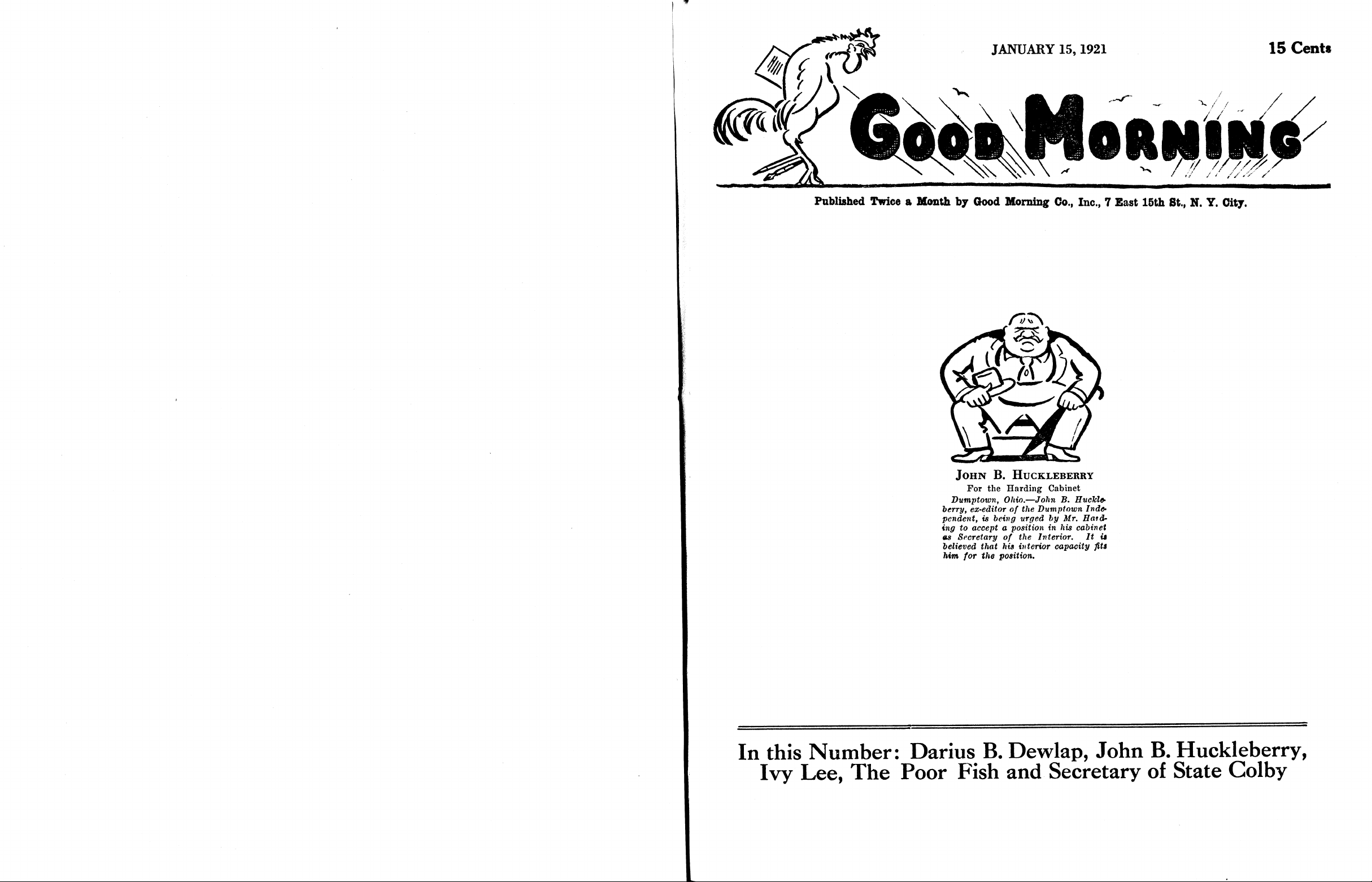
The
Official Publication
of
the
Lewis
and
Clark
Trail
Heritage
Foundation
, Inc.
Vo
l.
24, No. 2
May
1998

THE
LEWIS AND CLARK TRAIL
HERITAGE FOUNDATION, INC.
Incorporated 1969 under Missouri General No
t-
For-Profit Corporation Act IRS
Exem
pt
ion Certificate No. 501 (C)(3)-ldentification No. 51-0187715
OFFICERS ACTIVE PAST PRESIDENTS
President
James M. Pecerson
503 Poplar Avenue
Vermillion.
SD
57069
Preside
nt
Elect
David Borlaug
Box 492
Washburn.
ND
58577
Vice President
C
indy
Orlando
B
ox
604-FC
As
toria, OR 97103
Secretary
Ludd
Tr
ozpek
4 1 4 I Via Padova
Clar
emont
,
CA
91
71
1
Treasurer
Jerry Garrett
I
0174
Sakura Drive
Sc.
Louis.
MO
63 128
Immediate Past President
Clyde G. "Sid" Huggins
Mandeville, LA
Executive Director
Michelle Bussard
7237 E.
20th
Portland.
OR
97202
Irving
W. Anderson
Portland. Oregon
Roben
K.
Doerk, Jr.
Cheyenne.
wyomlng
James R. Fazio
Moscow, Idaho
Ro
b
en
E.
Garten, Jr.
Greensboro,
Nm·ch
Carolina
H.
Jo
hn
Montague
Portland. Oregon
Donald F. Nell
Bozeman.
Montana
William
P. Sherman
Portland
, Oregon
L.
Edwin
Wang
Minneapolis, Minnesota
Wilbur
P.
Werner
Mesa.
Arizona
Stuarc
E.
Knapp
Bozeman.
MT
5971 S
DIRECTORS
AT
LARGE
Jane
Henley
Charlotresvtue. Virginia
Robe
rc
Shattuc
l
~
Gras
s
Valley
.
C<1/iforni
a
Jane Schmoyer-Weber
Grear
Falls.
Montana
Robert Weir
Scranron
.
Pennsylvan
ia
Fra
nk
Muhly
Ph
iladelphia,
Pen
nsylvania
Barbara Kub
ik
Philip
C.
Alchen
Kennewick. Washfngron Stevensville. Montana
James Holmberg Dark
Ra
in
Thom
Louisville.
J<enrncky
Bloomingron. Indiana
Lewis
and
Cla
rk
Trail H
er
l rage
Fo
u
ndalion.
In
c.
Membership
Secretary
•
P.O
.
Box
3434 •
Great
Falls,
MT
59403
ABOUT THE FOUNDATION
The purpose of the Lewis
and
Clark Trail Heritage Founda
tion,
Inc.,
is
to stimulate public Interest
In
matters relating
to
t
he
Lewis
and
Clark
Exped
ition, the contributions
to
American histoiy made by t
he
Expedition members, and events of
time and place concerning
th
e exped
ttion
which are of historical import to our nation. The Foundation recognizes
th
e
value of tourist-oriented programs,
and
supports activities which enhance the emjoyment and understanding of the
L
ewis
and
Clark
stoiy. The scope of lhe activtties of the
Found
ation is broad and diver
se,
and includes
involvemen1
in
pursuits which. In the judgment ol the direclors, are of historical
worth
orcontemporaty social value,
and
commensurate
wtth
the heritage of Lewis and Clark. The activities of the National Foundalion are Intended
to
complement
and
supplement those of slate and local Lewis
and
Cl
ark inte
res
t groups.
The
Foundation may appropriately recognize
and
honor individuals or gr
oups
for
art works of distinction, achievement in the broad
fi
eld of Lewis
and
Clark historical
research, writing, or deeds which
promo
te
the
general purpose and scope of activities
ol
the Foundation. Membership
in the organization comprises a broad spectrum of Lewis and Clark
en
thusiasts including fede
ral,
state,
and local
government official
s,
historians, scholars
and
others of wide-ranging Lewis
and
Clark interests. Officers of t
he
Foundation are el
ec
t
ed
from
the
membe
r
ship
.
The
annual meeting of the Foundation is
tr
ad
itionally
held
d
uring
A
ug
ust,
the bi
rth
month of both Meriwether Lewis and William Cla
rk
. The meeting place
Is
rotated
among
t
he
st
ates,
and tours
generally are a
rr
anged lo visit sites in
th
e a
re
a of the annual meeting which have historic associa
tion
wilh the Lewis
and
Clark Expedition.
We
Pr
oceed
ed
On is the official publication
of
the Lewis and Clark Trail I leritage Foundarion. Inc.
The p
ub
lication's name is derived
from
the phrase
which
appears repeatedly m the colleccive
journa
ls
of
t
he
famous expedicion.
E.G. CHUINARD. M.D., FOUNDER
Ma
ni
n L. Erickso
n.
Edi
tor
12
03
28t
h Street South #82
Great Falls.
MT
59405
(406) 761-4706
EDITORIAL BOARD
Roberc
C.
Carriker, Spokane. WA
Roberc K. Doerk. Jr., Cheyenne.
WY
Roberc R. Hu
nt.
SeaHle, WA
2 WE
PRO
CE
EDED ON
ISSN
0275
-6
706
Editorial Consultant:
Vivian
A.
Paladin
Helena, MT
In
this
issue-
Page
4-
'
:4
Fatal
Rendezvous:"
The
Mysterious
Death
of
Meriwether
Lewis
joh
n
D.W.
Gu
i
ce
Page
13-
Excitement
Building
for
Great
Falls
Extravaganza
Jane Weber
Page
15-
Students
Impr
es
sed
by
Lew
is and
Clark
Kitty
Tob
in
Page
16-
0ne Step at a
Time
... A
Preview
of
the
New
Interpretive
Center
Page
18-
Th
omas Jefferson and the
Pacific
Northwest
Donald Jackson
Page
24-
Monda
y.
June
17,
1805
Phil Scriver
Page
26-
Lewis
and
Clark
and
Dinosaurs
Robe
rt
Moore
Page
34-
News
Update
Page
37-
Book
Reviews
MEMBERSHIP INFORMATION
Membership in the Lewis and Clark Trail
Heritage Foundation, Inc. is open
to
the general
public. Information and an application are avail-
able
by
sending a request to: Membership Sec-
retary; Lewis and Clark Tr
ai
l Heritage Founda-
tion, Inc.; P.O. Bo
x3434
; Great Falls,
MT
59403.
We
Pr
ocee
ded
On, the quarterly magazine
of the Foundation, is mailed to current members
during the months of February, May, August,
and November.
ANNUAL MEMBERSHIP CATEGORIES*
Regular
Family
International
Heritage Club
Regular-3
Yr
.
Explorer Club
Jefferson Club
Discovery Club
Expedition Club
Leadership Club
$ 30.00
40.00
40
.
00
50
.
00
80
.
00
100.00
1
50
.
00
500.00
1,000.00
5,000.00
Lewis
and
Clark Trail Heritage Foundation, Inc. is a tax
exempt
nonprofit corpora/ion: 501(c)(3),
IRS
identification no.
51·
0187715. Individual membership dues are
no
t
tax
deductible.
The portion
of
premium
du
es
over
$30
is tax
de
duc
tible.
MAY 1998
1

by
James M. Peterson
It is
with
genuine pleasure that the foundation
welcomes
our
first full-t
im
e executive to the new of-
fice at Great Fall
s.
Sammye Meadows, a recent resi-
dent
of
Eagle,
Co
lorado, began serving the
foundation on March t . 1 998.
(E
lsewhere in t
hi
s i
s-
sue you
will
find
the editor's
report
about Sammye.)
The fou
ndat
ion's new office is in the
U.S.
Forest
Service's new interpretive center located on the
so
uth
bank
of the Missouri in Great
Fa
ll
s.
The Lewis and Cl
ark
Trail Heritage Foundation,
In
c.
(LCTHF)
is
pr
i
ma
rily a vo
lunt
eer organization.
Paid
staff positions are
limited
to the executi
ve
direc-
tor, the membership secreta
ry
and the editor
of
We
Proceeded On.
(As
one would expect, the pay i
s,
in
ge
neral, modest
ind
ee
d
.)
ju
st
what
is
it
that
our
vol-
unteers do? Some examples
may
serve to answer
that question.
The various
comm
ittees id
ent
ified in
your
copy
of
the "Member's Han
dbook"
const
it
ute the formal
mechanism through which the
memb
ership gets the
work
done.
Fo
r exampl
e,
the annual meeting site
se-
lection committee reviews requests to hold an an-
nual m
ee
ting at a given si
te.
The committee advises
applicants
as
to
what
they
must
do
to
be con
si
dered
as
a potential si
te,
reviews the applications.
may
mak
e an "on-site inspection
of
the faciliti
es
and then
reco
mmends
to the foundation
's
board of directors
as
to the feasibility
of
the site
in
question. The board
then makes i
ts
decision
as
to that site.
Fo
ll
ow
ing the
approval of t
hat
site, the committee may be
ca
lled
upon for advice and help in the task
of
hosting the
attendants at the annual meeting.
The chapter
forma
tion and liaison
comm
ittee pro-
mot
es
and assists
with
the formation
of
new chap-
ters and also
se
rves
as
the fo
und
ation's pr
imary
contact
point
with
existing cha
pt
er
s.
This
committee
's
wo
rkload is increasing sign
ificant
ly
as
the interest in the expedition burgeon
s.
A substantial
(P
resident's
Message
continu
ed
on page 39)
~tzom
the
2.dltotz's
'Z)esk
You
are ri
ght
if you think there
is
so
met
hin
g di
f-
fe
rent a
bout
this i
ssue
of
WPO. There is more to it.
Eight pages more. Twenty five percent more.
Yo
u
can th
ank
Steve Ambrose for the larger magazin
e.
Steve's
mo
st
excellent gi
ft
of
$10,
000
a year to WPO
for I 0 years (or
as
long
as
h
is
book "Undaunted
Courage" continues to
se
ll, up to 10 years). is
what
made this expansion possibl
e.
Fo
r those
of
you
who
don't
keep up on book sales,
"Undaunt
ed
Co
urage"
has topped a
mi
ll
ion
copi
es
so
ld. Not a person to
let
his
mind
be idle, Steve has had another b
ook
pub-
lished on the war in Europe
from
D Day to the end
of
the fighting in Germany (Citizen
So
ldiers), and is
just
starting on a book on the
buildin
g
of
the
Union
Pacific
Ra
il
road west. It
wi
ll
be published in about
t
hr
ee
years.
The add
iti
onal eig
ht
pa
ges
in t
hi
s fine magazine
will mean some n
ew
featur
es
and the
ability
to carry
longer articles when necessary. One
of
th
em
is in
this
issue.
It
is
a fresh
look
at cause
of
the death
of
Meriwether Lewi
s.
A new
fe
a
tur
e
wi
ll be the reprint-
ing
of
articles
from
the
ea
rly days of WPO to ac-
quaint newer
memb
ers
with
what
th
is magazine and
the foundation are all abo
ut
and also refreshing the
me
mor
i
es
of
longt
im
e members. The expansion
will
al
so
help the editor. One
of
the hardest
par
ts in put-
ting this magazine together is that there is
so
much
infor
mation
available abo
ut
Lewis and Clark, the ex-
pedition and related areas, t
hat
it has been a
struggle just to decide w
hat
to
put
in each issu
e-the
curse
of
abundance.
We
have a n
ew
exec
uti
ve
direct
or
for the fou
nd
a-
tion. Her name is Sammye Meadows and
yo
u
will
find
her somewhere
in
this i
ss
ue.
She
will
be in her
new office at the interpretive center here in Great
Falls by the ti
me
you
receive th
is.
Jan
e Weber, the
(Editor's Note continued on page 39)
ON
THE
COVER-A
view
of
the
n
ew
int
e
rpr
etive
ce
nt
er
n
ear
Great Falls, Montana, from
across
th
e Missouri
River.
Photo
by
Wa
yne
Arnst,
Courtesy
of
the Great Falls Tribune
MAY
1998 WE
PROCE
EDED ON 3

"A
Fatal
Rendezvous:"
The
Mysteriwus
J>eatk
"I
Meriwether
Lewi
Editor's Note: This article was
first presented as a paper read at
the Annual Conference
of
the
Western History Association.
It
is
reprinted with the permission
of
the Journal
of
Mississippi History.
by
john
D.W.
Guice
n
the
wee
hours
of
the
morning
of
Oc
tober
11,
1809, thirty-five
year
old Meriwether Lewis died in
a crude log
ca
bin
beside
the
Natchez Trace
some
seventy miles
southwest
of
Nashville.
No
one
witnessed
the actual deed. But
Priscilla, wife
of
john
Grinder
who
owned
t
he
stand
,
heard
two shots. 1
Whose
hand
held the
weapon
or
weapons
remains
a mystery
and
probably will forever. Forensic sci-
ence
may
well provide evidence to
eli
minate
the
possibility
of
suicide.
Otherwise,
the
question
of suicide
or
murder
will
remain
unan
-
swered. Several friends
and
asso-
ciates closest to Lewis
accepted
the
report
of
suicide. So have
many
co
mpetent
historians. Others, how-
ever,
contend
that
he
was
mur-
dered.
We begin
our
account
with the
tr
iumphant
return
of
Lewis
and
his
co-captain William Clark to
the
At-
lantic
Seaboard
in
December
of
1806, following their historic trans-
continental voyage of discovery to
t
he
Pacific Ocean.
No
one
awaited
the
return
of
these
heroes
with
more
eagerness
and
excitement
than
President
Thomas
Jefferson,
who
deemed
the governorship
of
Upper Louisiana
as
an
appropriate
reward for Lewis. Jefferson ap-
pointed
Clark Brigadier General of
4 WE PROCEEDED ON
the
militia
and
Agent
of
Indian
Af-
fairs,
and
at
the
same
ti
me
he
·
named
Frederick Bat
es
as
territo-
rial secretary, a decision t
hat
even-
tually
brought
Lewis
immeasurable
grief.
On March
3,
1807 the
president
signed Lewis's gubernatorial
com-
mission,
but
Lewis did
not
report
to
the
territorial capital
at
St.
Louis
until March 8, 1808.
Proponents
of
suicide place considerable sig-
nificance
on
this delay. Exactly
when
Lewis arrived in Philadelphia
and
the
chronology
of
his
errands
there
remain
undetermined,
but
apparentl
y
one
of his first actions
was to
arrange
for
john
Conrad to
publish the journals.
2 He also re-
cruited a truly
eminent
team
of
illustrators
and
a
mathematician
to
rectify errors in his field notes. In
Philadelphia there were
other
de-
mands
on Lewis's time. He at-
tended
the
April, June,
and
July
meetings
of
the
American Philo-
sophical Society to which
he
had
been
elected in 1 803. There were
pleasant
distractions such
as
the
sittings for portraits,
but
other
chores
such
as
paper
work
for t
he
War
Department
probably were
irritating. And his efforts
at
court-
ship were,
at
best,
bitter sweet.
Because Lewis
cast
his
unreciprocated
affections
upon
at
least two young
women,
his unsuc-
cessful
quest
for a
spouse
explains
in
part
why
he
remained
in Phila-
delphia for over
three
months.3
In la
te
July
or
early August
of
1807, Meriwether Lewis
departed
Philadelphia. Either in Washington
or
Monticello,
he
visited briefly
with Jefferson,
and
at
least
one
his-
torian suggests
that
he
observed
for the
president
the Burr trial in
Richmond which
ended
on August
31. Even if Lewis
spent
part
of
Au-
gust in Richmond, why did
he
tarry in Virginia until
some
time
in
November? He did visit with his
mother
at
Locust
Hill,
and
from his
November
3rd
letter to Mahlon
Dickerson
we
learn
that
affairs
of
the
heart
also explain his delayed
departure
for Louisiana. Lewis
co
mplained
of
being a "perfect
widower with respect to love"
and
of
feeling
"that
restlessness,
that
inquietude,
that
certain indescrib-
able
something
common
to old
bachelors."
Aft
er
vowing "to
get
a
wife,"
he
inquired regarding his
feminine
acquaintances
in Phila-
delphia
and
urged Dickerson to
write him
at
Louisville, Kentucky,
until the last day
of
November
or
afterwards to St. Louis.4
In early November Meriwether
and
his
brother
Reuben Lewis left
their Albemarle County home,
but
before
the
y struck out for Louisville
and
St. Louis, they visited with
George Hancock, William Clark's
father-in-law,
in
Fincastle, Virginia.
There
he
met
Miss Letitia
Breckenridge,
and
though
he
was
in
her
company
for
just
two days,
Lewis later wrote
of
his "passion"
for
the
belle
whom
Reuben de-
scribed
as
"one
of
the
most
beauti-
ful"
he
had
ever
seen.
5
When
Lewis finally arrived in St.
Louis on March 8,
1808-one
year
and
five days after Jefferson
had
signed his
commission-he
found
an
administration racked with con-
tention. Much
of
the
discord
stemmed
from
the
machinations
of
the Territorial Secretary
and
Act-
ing Governor, Frederick Bates, who
immediately
upon
his appoint-
ment
had
scurried to his
post
and
MAY 1
998
--

who
proved a treacherous and im-
placable enem
y.
Despite the delay in taking his
post, Governor Lewis had
not
been
completely inattentive to his re-
sponsibili
ties-e
ndeavoring to di-
rect some
te
rritorial affairs
by
correspo
nd
en
ce.
But
as
biogra-
pher Richard Dillon observed,
"T
h
is
was an
im
possible task, an
incredible folly.6 The
most
pressing
territorial problem related to In-
dian affa
ir
s,
and in this arena,
Bates admitted his inadequacies in
a letter to Lewi
s,
confessing t
ha
t
"O
n the I
nd
ian Subject" he "very
often "
fo
un
d hi
mself
"to
tally in
the dark. 7 Neverthel
ess,
Bates dis-
regarded the advi
ce
of
the absent
governor.
Eve
n
fr
om
a distance
of
over 700 miles, Lewis
qu
ickly per-
ce
ived that Bates was botching In-
dian affair
s.
So
he ordered h
im
to
defer to Cl
ar
k, Pierre Chouteau,
and h
imself
in such matters.
Wh
ile
the secretary pretended compli-
ance, he did n
ot
obey. Regardless
of
the
me
rits
of
h
is
activities in
Philadelphia, Washington and Vir-
ginia, Lewis contributed
by
his ab-
se
n
ce
to the
co
nf
usion,
div
ision,
and host
il
ity
that characterized the
Indian fronti
er
in upper Louisian
a.
On his arrival, however, he dealt
with
th
ese
problems
with
dispatch
and e
ff
ectiven
ess.
Fortunately for Lewis, exce
pt
in
his dealings w
it
h I
nd
ian
s,
Ba
t
es
had
do
ne a tolerably good job
of
administer
in
g the territory. Conse-
quently, Lewis totally immersed
himself
in
In
dian
affairs-eve
n to
the neglect
of
nurtur
i
ng
his friend-
ships back east, even t
hat
wit
h
Thomas Jeffer
so
n, and the neglect
of
such sign
ifi
c
ant
projects
as
the
publication of' his
jo
urnal
s.
Despite his appreciation
of
Bates' accomplishments, Lewis
and Bates
simp
ly were opposite in
t
heir
orientation. Dillon aptly de-
scribes their differences:
"W
hereas
Bates faced
eas
t, Lewis faced the
West, and always would. "8 Bates'
MAY
1998
co
nstant
di
sag
reement and in
te
r-
ference
in
di
cated that he could
not
control his ambition. And there
may
have been some smoldering
ha
tr
ed that dated back to
1801
when President Jefferson
se
lected
Lewi
s,
rather than
Ba
t
es,
as
his pri-
vate secretar
y.
9 Whatever the
cause, the relationship between the
governor and the secretary
of
Lo
ui-
siana deteriorated
to
the
point
t
hat
they ceased to be on speaking
terms.
At
the nad
ir
of
their asso-
ciation,
Ba
t
es
concluded a long
se-
ri
es
of
denigrations
of
Lewis with
the op
ini
on that the gove
rn
or had
been
so
"overwhel
med
by
so
many
flattering caresses
of
the
high and mighty that, like an over-
grown bab
y,
he began to thi
nk
that
eve
rybody about the house
mu
st
regulate their conduct
by
his
ca-
pr
i
ces
." In
su
m,
Bates had become
an "
im
placable enemy."10
Fortunately this debilitating pr
e-
dicament did
not
prevent Lewis
from
effectively performing the
wide
range
of
duties facing the
governor. In particular he was un-
relenting his effort to calm the
prairie
tr
ib
es.
Hi
s a
ffinit
y for the
Native A
mer
ican
did
not
bli
nd
Lewis to the
ir
susceptibili
ty
to
ma-
nipu
lation
by
white
traders. In-
deed, he felt
so
strongly about the
need for a
so
u
nd
Federal Indian
policy that he expounded upon: his
views
in
an article in the Missou
ri
Gazette entitled "Observations and
Reflections on the Subject of Gov-
erning a
nd
Maintaining a State
of
Friendly Intercour
se
With
the
Indi
-
ans
of
the Terr
itory
of Louisian
a."
One wonders
how
different the
ca-
reer
of
Lewis would have been had
he spe
nt
his energi
es
wr
iting Tho-
mas Jefferson instead
of
compo
s-
ing a treati
se
on Indian
po
licy?
Lewis became
so
preoccupied
wi
th events in
Lo
uisiana that he
gave
litt
le thought to the change
of
adm
inistra
ti
ons in Washington.
This
is
und
erstandabl
e,
especially
in view of
th
e succession
of
Jefferson by James Madison, an-
other V
ir
ginia republican.
As
did
scores
of
other territorial officials,
however, Lewis discovered that of-
ten federal bureaucrats presented
mo
re obstacles than the entire
spectr
um
of
territorial residents.
Though he was
irr
itated
by
the re-
turn
of
an $18. 70 voucher and he
recognized
that
the new Secretary
of
War
William
Eustis probably ap-
proved
of
the action, he was totally
unprepared for the failure
of
the
department to
ho
nor a
$500
ex-
penditure relating to the ret
urn
of
Ch
ief Sheheke, al
so
known
as
Big
White,
to
h
is
people by an expedi-
tion headed
by
Pierre Chouteau
and Manuel Lisa,
both
destined to
become
pr
incipal figures
in
the fur
tr
ade.
In his letter, the parsi
mo
ni-
ous Eustis, admonished Lewis that
Madison had replaced Jefferson
and that the new President ap-
proved the decision.
Of
the Eustis
letter. Dillon wrote:
"It
burst on
him
like a grenade, shook
him
badly, and proved to be his death
warrant. "
11
In his reply of August 18, 1809
the stunned Lewis expressed his
outrage and insisted every penny
expended by his administration
was done
so
correctly. After
imply-
ing that Bates was
at
the
so
urce
of
his trouble, Lewis
ass
ured Eustis
t
hat
the terri
tory
presently was in
"the
most
perfect state of tranquil-
i
ty
... it has ever experienced." His
most
poignant line read: "Be
as-
sured,
Sir,
that
my
country can
never make 'a Burr'
of
me.
She
may
reduce
me
to pover
ty,
but
she
can never sever
my
attach
ment
to
her
."
12 In order
to
preserve his
hon
or
and prevent financial disas-
ter. Lewis felt he must plead his
case in Washington
without
delay.
After a flurry
of
last
minute
prepa-
rations and
with
a pile
of
baggage,
on Septemb
er
4, 1809, Meriwether
Lewis boarded a steamboat
for
New Orleans. One of his
tr
unks
contained the unedited, un
pu
b-
WE PROCEEDED ON 5

lished
journals
of
t
he
Pacific Expe-
dition. So
that
th
ey
might sell his
real
estate
if
necessary
to pay his
debts,
the
governor prudently
had
assigned
powers of
attorney
to Wil-
liam Clark, Alexander Stewart
and
William C. Carr. The
governor's
speculative invest
ments
left
him
strapped
for
cash-
not
an
unusual
predicament
on
the
American
frontier. 13
At
New Madrid
on
September
11
Lewis
wrote
a
will
in which
he
left
his
entir~
estate
to his
mother
.
While
some
writers interpr
et
this
decision
as
an
indication
that
he
was
considering
suicide, it could
just
as
reasonably
reflect Lewi
s's
sense
of
responsibility.
14
At
this
t
im
e a
sea
voyage to Washington
was
not
without
peril,
and
his real
estate
represented
a valuable
asset
to
bequeath
to his mother.
After eleven days on
the
Missis-
sippi, Lewis
disembarked
at
Chickasaw Bluffs (now Memphis,
Tennessee)
the
site
of
Fort
Pickering,
commanded
then
by
Captain Gilbert
C.
Ru
sse
ll.
The
date
was
September
15, 1
809.
Ac-
cording to Russell's
January
4,
1810 Jetter to Jefferson, Lewis
was
in a
state
of
"indisposition" which
he
attributed
to
the
intemperate
consu
mption
of
alcohol.
Some
two
years
later, however, Russell
des
cribed his
condition
as a
"state
of
mental
derangement."
In
the
la
ter
report, Russell also
men-
tioned
that
the
boat
crew
had
in-
formed
him
of two
attempts
by
Lewis "to
kill
himself" while
on
board,
though
he
revealed no de-
tails.
Whatever
the
cause
of
Lewis's condition,
apparently
he
was
a sick,
ex
hausted
person
.
Consequently, Captain Russell
pl
aced
him
in t
he
ca
re
of
the
post
Surgeo
n's
Mate
W.
C. Smith
who
prescribed
abstention
from grain
spirits
but
allowed
him
claret
and
wh
ite wine.
By
his sixth day
at
Fort
Pi
ckering, "a
ll
signs
of
de-
rangement
disappeared
and
he
6 WE PROCEEDED ON
was
comp
letely in his
senses,"
and
during
the
remainder
of his two-
week
stay Lewis co
ntinued
to
show
strength
and
stability.
15
Lewis's
cor
respond
e
nc
e from Fort
Pickering
casts
doubt
upon
Russell's description
of
Lewis
as
"deranged
," though
he
may
well
have
been
either
intoxicated
or
with fever, possibly from malaria.
[Today it
is
difficult for us to imag-
ine
the
quantit
y of whiskey con-
sumed
in
the
Old Southwest. It
was
certainly a staple
on
river
boats
and
as
well
as
on
the
Natchez Trace.] The
day
after
Lewis arrived
at
Chickasaw Bluffs
he
wrote
President
Madison.
Some
hi
sto
rians view this letter
as
ev
ide
nce
of
t
he
clarity
of
his
mind
while
others
co
nte
nd
that
his un-
certain
hand
and
the
fr
equency
of
corrections
betray
his
emotional
instability. Lewis
wrote
of
his ex-
haustion
from
the
heat,
of taking
medication,
but
that
he
was feeling
much
better. He continued: "My
apprehension
from
the
h
eat
of
the
lower
cou
ntry
and
my fear
of
the
original
papers
relative to
my
voy-
age to the Pacific
ocean
falling into
the
hands
of
the
British
has
in-
duced
me
to
change
my
rout
and
proceed
by
land
through
the
State
of
Tennisee to t
he
city
of
Washington ... Provided
my
health
permits,
no
time
shall
be
l
ost
in
reaching
Washington." He closed
with
an
apology for allowing his
duties to
prevent
him from writing
frequently. 16
From
Fort Pickering Lewis also
wrote
his old
com
rade Amos
Stoddard
at
Fort
Adams-down
river
just
above
the
thirty-first par-
allel Lewis
explained
that
he
had
decided
to jo
urney
over land
and
asked
Stoddard to
send
$200
that
he
was
holding for Lewis
to
Wash-
ington
where
he
would r
emai
n· un-
ti
l
returning
to St. Louis in
December. Lewis also
wrote
of
his
"ind
isposition"
and
of his confi-
dence
th
at
he
would
"put
matters
right" in
the
nation
's capital.17
Af-
ter
writing Stoddard,
the
governor
also
sent
a la
nd
warrant
to New
Orleans so
that
the
revenue
from it
might
satisfy creditors in St. Louis.
Because Captain Russell also
wanted
to visit Washington to
straighten
out
his own
disputed
payments,
he
had
planned
to ac-
co
mpany
Lewis. However, General
James
Wilkinson
denied
Russell's
furlough r
eq
ue
st. But Major
Jam
es
Neelly,
agent
to the Chickasaws,
was
at
Fort Pickering,
and
he
agreed
to ride with Lewis
as
far
as
Nashv
ill
e.
So
on
September
29,
Lewis with his
fr
ee
mulatto
servant
joh
n Pernier
departed
the
fort in
the
company
of Neelly
and
his
slave. Lewis
was
armed
with two
pistols, a dirk,
and
a
tomahawk,
and
his
pack
hor
se
ca
rried two
trunks
and
a portfolio which in-
cluded
sixteen
r
ed
morocco-bound
journals from
the
Pacific expedi-
tion
and
do
c
umentation
of
the
questioned
bills. Russell
had
agreed
to forward the
remaining
baggage by
boat
.18
From Fort Pickering,
the
party
followed Indian trails
southeast-
ward
toward
the
Chickasaw
Agency
on
the
Natchez Trace
near
the
present
town
of
Houston, in
Chickasaw County, Mississippi.
L
ew
is
was
so
exhausted
after
the
ride of
mor
e
than
100 miles to
the
Chickasaw Agency
that
he
rested
there
for two days. Though Neelly
lat
er
wrote
to Jefferson
that
by
the
time
they
had
arrived
at
t
he
agency Lewis "ap
pear
ed
at
times
deranged
in mind,"
at
least
some
of
his
actions
th
ere
indicate control
of
his faculties. 19 F
or
instance
,
at
the
agency
he
sent
word
by a trav-
eler
bound
for Fort Pickering for
Russell to store his excess baggage
until the receipt
of
further instruc-
ti
o
ns
,
rather
than
to
ship
it to
Washington. lllness on
the
trail
was
fairly
common.
Malaria,
heat
stroke, or
some
other
malady
may
ha
ve
caused
the
symptoms
which
MAY
!9
98 -

Lewis ex
hibited
at Fort Pickering.
Since whiskey was the
drink
of
choice on the Trace,
both
Lewis
a
nd
Neelly could have been
in
the
ir
cup
s.
On October 6, the pa
rty
headed northeastward from t
he
agency toward the Tennessee
River.
If
Neelly's acco
unt
is
co
r-
rect, they covered the 1
50
miles
to
Colbert's
Fe
rr
y in three
days-a
fur
ious, indeed unlikely, pace over
hilly terrain. Exactly when they
crossed the Tennessee
is
no
t
known,
b~t
it
appears that the
party
camped the ni
ght
of
the 9th
a day's ride up the Trace
from
the
river. While they slept, two
of
the
horses
es
caped. According
to
Neell
y,
he re
mai
ned behi
nd
to
rou
nd
up the wandering an
ima
l
s,
and Lew
is
forged ahead
with
Pe
rni
er
and Neelly's sl
ave,
promis-
ing to
wai
t for Neelly "at the first
hou
ses
he came to that was inhab-
ited by
wh
ite peopl
e.
"
20
Grinder's
Stand was the first such pl
ace.
The eveni
ng
of October
10,
1809, Meriwether Lewis reined h
is
horse
off
the trace through clusters
of
oak and mapl
es
toward two
crude log
ca
bin
s.
Seventy-odd
miles
so
uth
of
Nashville, the sta
nd
operated
by
Robert Grinder stood
just across the
Ch
ickasaw
bo
und
-
ary. Rather than paraphra
se
the
two
most
frequently cited accounts
of
what happened there on the
night
of
October I 0-11, below are
pertinent
excerpts.
The first is from
Nee
lly's report
Larry janojj's painting
of
Meriwether Le
wi
s
approa
ching
Grind
er
's
Stand.
MAY 1998
to Thomas Jefferson,
written
on
October 18, 1809. "
..
. he reached
the house of a
Mr.
Grinder about
sun set, the
man
of
the house be-
ing from home, and no person
there
but
a woman who discover-
ing the governor
to
be deran
ge
d,
gave
him
up the hou
se
& slept her-
se
lf in one near it. His servant and
mine
slept in the stable l
oft
some
distance
from
the other houses.
The
woman
reports that about
three O/Clock she heard
two
pistols
fire
off
in the Governors Room; the
se
rvants being awakened by her,
came in
but
too late
to
save him.
He had shot himse
lf
in the head
wit
h one pistol & a little bel
ow
the
Breast w
ith
another
-w
hen his ser-
va
nt
came in he
says;
I have done
WE PROCEEDED ON 7

the
business
my good Servant give
me
some
water. He gave
him
wa-
ter,
he
survived but a
short
time. I
came
up
some
time after &
had
him
as
decently Buried as I could
in
that
place-if
there
is
any
thing
wished by his friends to
be
done
to
his grave I
will
attend
to their In-
structions. "21
In a letter
to
a Philadelphia
friend
on
May 28,
1811
,
the
noted
ornithologist Alexander Wilson
wrote
the
most
often
quoted
ver-
sion
of
events
as
told to
him
by
Mrs.
Grinder
when
he
visited
Lewis's grave. "Governor Lewis,
she
said,
came
there
[to Grinder's
Stand)
about
sunset, alone,
and
in-
quired if
he
could stay for
the
night;
and
alighting, brought his
saddle
into
the
house ...
On
being
asked
if
he
came
alone,
he
replied
that
there
were two servants be-
hind,
who
would soon
come
up.
He called for
some
spirits.
and
drank
a very little.
When
the
ser-
vants arrived ...
he
inquired for his
powder, saying
he
was sure
he
had
some
powder in a cannister. ..
Lewis, in
the
meanwhile, walked
backwards
and
forwards before
the
door, talking to himself. Some-
times,
she
said,
he
would
seem
as
if
he
were walking up
to
her
and
would suddenly wheel
around
and
walk
back
as
fast
as
he could. Sup-
per
being ready
he
sat
down,
but
had
eaten
only a few mouthfuls,
when
he
started
up, speaking to
himself in a violent manner.
At
these
times,
she
says,
she
ob-
served
his face to flush as if it
had
come
on
him
in a fit.
He
lighted
his pipe,
and
drawing a chair to
the
door,
sat
down
saying to
Mrs.
Grinder, in a kind tone
of
voice,
"Madam this
is
a very
pleasant
evening." He
smoked
for
some
time, but quitted his
seat
and
tra-
versed
the
yard as before,
he
again
sat
down
to his pipe,
seemed
again
composed,
and
casting his
eyes wistfully toward
the
west, ob-
served
what
a
sweet
evening it
8 WE
PROCEED
ED
ON
was.
Mrs.
Grinder
was
preparing a
bed
for him, but
he
said
he
would
sleep
on
the floor
and
desired the
servant
to
bring his
bear
skins
and
buffalo robes. which were immedi-
ately
spread
out
for him;
and
it
be-
ing now
dusk
the
woman
went
off
to
the
kitchen,
and
the
two
men
to
the
barn,
which
stands
about
200
yards off. The kitchen
is
only a
few
paces
from the
room
where
Lewis was,
and
the
woman
being
considerably
alarmed
by the be-
havior of
her
guest
could
not
sleep;
but
listened to his walking back-
wards
and
forwards,
she
thinks, for
several hours,
and
talking
aloud ...
she
then
heard
the
report
of
a pistol,
and
something
fall
heavily to
the
floor,
and
the words
"Oh Lord!" Immediately after-
wards she
heard
another
pistol
[shot),
and
in a few
minutes
she
heard
him
calling out:
"O
madam!
Give
me
some
water,
and
heal
my
wounds." The logs being open,
and
unplastered,
she
saw
him
stag-
ger
back
and
fall
against a
stump
that
stands
between
the
kitchen
and
the room. He crawled for
some
distance, raised himself by
the
side
of
a tree,
where
he
sat
[for]
about
a minute. He
once
more
got
to
the
room; afterwards
he
came
to
the kitchen door,
but
did
not
speak;
she
then
heard
him
scraping
the
bucket with a gourd
for water;
but
it
appears
that this
cooling
element
was
denied
the
dying
man.
As
soon as day broke
and
not
before, the terror
of
the
woman
having
permitted
him to
remain
two hours in the
most
de-
plorable situation, she
sent
two
of
her
children to
the
barn, her hus-
band
not
being
home,
to bring
the
servants;
and
on going in they
found him lying
on
the
bed;
he
un-
covered his side
and
showed
them
where
the bullet
had
entered; a
piece
of
his forehead
was
blown
off,
and
had
exposed
his brains,
without having bled much. He
begged
they would take his rifle
and
blow
out
his brains,
and
he
would give
them
all
the
money
he
had in his trunk. He often said,
"I
am
no coward,
but
I
am
so strong,
so hard
to
die." He
begg'd
the
ser-
vant
not to
be
afraid of him, for
he
would not hurt them. He expired
in about two hours,
or
just
as
the
sun
rose above
the
trees. "
22
Neelly provided Pernier with
travel
money
and
sent
him to de-
liver the report
of
Lewis's
death
to
Thomas Jefferson, which
he
did.
Scholars have searched in vain for
any
notations
that
Jefferson
might
have
made
of
his interview
of
Pernier.23 One
suspects
that
Pernier's
account
matched
that
of
Neelly.
At
any
rate, scholars
who
support
the suicide theory cite
Jefferson's
acceptance
of
Neelly's
report as strong evidence in favor
of
their position. Similarly, suicide
proponents
claim
that
Clark's ac-
ceptance
of
the
suicide report also
supports them. On
the
other
hand,
Clark's
correspondence
prior
to
the
sad
news
defends
Lewis's
record as governor
and
indicated
that
he
fully expected Lewis
to
re-
turn to St. Louis.
In
addition,
Nicholas Biddle's 1814 History
of
the Expedition Under the Command
of
Lewis and Clark contained a trib-
ute to Lewis by Thomas Jefferson
in which
he
reiterated
that
Lewis
died by his own
hands
. Jefferson
also stated: "Governor Lewis
had
been
from early lifetime subject to
hypochondriac affections. It
was
a
constitutional disposition in all
branches
of
the family
of
his
name,
and
was
more
immediately
inherited by him from his father.
They
had
not, however,
been
so
strong
as
to
give
uneasiness
to his
family. While
he
lived with
me
in
Washington, I observed
at
times
sensible depressions
of
mind,
but
knowing
the
constitutional source,
I
estimated
their course by
what
1
had
seen
in his family. "
24
Apparently Jefferson's authorita-
tive voice settled the issue in
the
MAY
19
98

minds
of
historians. Except for an
1846 statement
by
the Tennessee
legislature suggesting
assass
in
a-
tion
,
no
sign
ifi
cant
voice was
raised
in
favor
of
murder
until
nearly
the end
of
the
century
when Ell
iott
Coues
in
his· 1 893
publication challenged Mrs.
Grinder's account
as
"wild
ly
im-
probabl
e"
and
"simp
ly incred-
ible.
"25 Coues gave great credence
to a newspaper feature st
ory
by
Tennessee lawyer James
D.
Park
who
placed credence
in
the oral
tradit
ion
among
Gr
ind
er's neigh-
bors
that
Le
wis was murdered. Ap-
parently Coues
left
a strong
imprint
on
such
twentieth
century
writers
as
O
lin
Wh
ee
ler, John
Bakeless, Vardis Fisher, and Rich-
ard Dillon who
find
it
difficult
to
accept the suicide thesis.
Until
the 1 980s
most
present-
day historians viewed the 1
956
ar-
ticle
by
Dawson Phelps
as
the final
word
on
th
is subject.
It
was sui-
ci
de.
No
doubt
about
it
, according
to Phelps, for nearly
thirty
years
the Natchez Trace Parkway histo-
rian. I have retraced his steps
through numerous archival collec-
tions
and
studied his some
twenty
good articles. He was an excellent
historian.
But
Phelps had an axe
to
grind
. He
felt
so
ob
li
gated to
rectify the
myths
re
gard
in
g vio-
lence on the Natchez Trace propa-
gated
by
Robert M. Coates' I
930
best seller, The Outlaw
Years:
The
History
of
the Land Pirates
of
the
Natchez n·ace,
that
he became ob-
sessed w
it
h the safety
of
that
trail.
Yes.
by
1809 the Trace was
not
as
infested
as
it
earlier was w
ith
psy-
chopathic killers such
as
the Harpe
brothers and Samuel Mason. On
the
other
h
and
,
it
was
not
exactly
cr
im
e free.
In
a foreword to the
1986
reprint
of
The Outlaw Years I
agree
with
Phelps on the need to
de-mythologize the
hi
story
of
cri
me
on the Natchez Trace,
but
a
person such
as
Lewis had pl
enty
to
fe
ar while traveling
it
or
any
other
MAY 1998
wi
lderness road.26 That is
why
he
was
so
well armed. Phelps was re-
inforced
in
his conviction
of
the
safety
of
the Trace
by
his associa-
tion
w
it
h
Will
iam
B.
Hamilton.
A
Mississippi native and Duke Uni-
versity professor,
Hamilton
also ab-
horred
the
myths
of
violence
on
the trace. This position is consis-
tent
with
the attacks
by
Hamilton
a
nd
many
other
historians
on
the
"Frontier Thesis"
of
Freder
ick
Jack-
son T
urn
er.
27
In
1
962
, Swallow Press
printed
Suicide
or
Murder?
by
novelist
Vardis Fisher.28 In this
in
triguing
book
Fisher raises
many
questions
regarding the death
of
L
ew
is
and
implies that he was murdered,
but
the Phelps article rema
in
ed the au-
thoritat
ive treatment. Fisher
had
a
Ph.D.
in
history f
rom
Chicago.
Probably because he was
known
as
a novelist and because he had
offe
nded two
highly
regarded his-
torians, Donald
0.
Jackson and
Julian Boyd, this
book
was
not
taken seriously.
When
one studies
the Fisher papers
at
Yale
Univer-
sity, however, one understands
just
how
diligent
ly Fisher tried to
un
-
cover the
trut
h and
that
he
did
n
ot
deserve some
of
the
criticism
heaped
upon
him.
While the same
cannot
be said
of
the correspon-
dence
with
Boyd, the letters be-
tween Fisher and Jackson reflect a
rather
warm
rel
at
ions
hi
p pri
or
to
the publication
of
this book.29
In
the 1980s two
important
ar-
ticles supported the Phel
ps
decla-
ration
of
suicide:
In
1
981
The
William
and
Mary Quarterly pub-
lished "The Suicide
of
Meriwether
Lewis: A Psychoanalytic
Inquiry"
by
Howard l. Kushner;
in
1 986
We
Proceeded On, the official publica-
tion
of
the Lewis and Clark Trail
H
er
itage Foundation, published
"Rest, Rest, Perturbed
Sp
ir
it"
by
Paul Russell Cutright. Kushner
concludes: "L
ew
i
s's
suic
id
e, then,
was
not
merely
a means
of
dying
but
a grisly final
se
lf
-punishment
,
even a
se
lf-e
xecution."
Cutright,
building
upon Phelps a
nd
Kushner,
affirms
"with
unshakable confi-
dence" that, because of the
"intru-
sive problems h
aunt
in
g
him,"
for
Lewis there was
"only
one escape,
a fatal rendezvous. "30
While Donald
D.
Jackson, noted
ed
it
or
of
the Letters
of
the Lewis
and Clark Expedition,
admi
tted in
1 962 th
at
"thoughtfu
l
men
still
hold
opposing views on whether
Lewis killed
himself
or
was slain,"
he al
so
stated
"I
am
in
clined to be-
lieve
that
Lewis died
by
his
own
h
and
." In the 1
978
edition
of
this
work,
Jackson reiterated his posi-
tion before castigating Fisher
's
boo
k
as
"verbose
and
inexact."
Jackson also suggested t
hat
"F
isher
approaches the subject
not
in
the
manner
of
a
hi
storian
but
like a de-
tective foll
owing
a
very
cold
trail. "
31
In May
of
1994 Dr. Reinert
T.
Ravenholt, an epidemiologist, at-
tracted the attention
of
the na-
tional press
with
his
argument
that
the
tertiary
effects
of
syphilis drove
Lewis to kill himself.32 A study
of
the Lewis and Clark journals led
Ravenholt to conclude
that
on the
night
of
August
13
-14, 1
805
Lewis
cont
racted syphili
s.
Here is a sum-
mation
of
his
case.
(1) Lewis began
the
trek
in excellent health. (2)
Syphilis was
endemic
among
some
Indian
tr
ibes encountered. (3)
Sexual intercourse, frequently
urged
by
the Indians, was com-
monplace. (4) At least eight
Co
rps
members
developed syp
hi
lis. (5)
Among
the Shoshoni on the Conti-
nental Divide Lewis had a
"propi-
tious
opportu
ni
ty
and
compell
in
g
need for sexual intercourse." (6)
Several weeks later he developed a
severe
and
disabling illness. (7) F
or
some
months
in
1807, after his re-
turn, he was "incapacitated"
by
ill-
n
ess.
(8)
In
1808-09 he developed
a progressive affliction
of
his cen-
tral nervous system. (9)
During
his
last
months
of
1809 he suffered
WE PROCEEDED ON 9

from
a "progressive, episodic,
fe
-
bri
le illnes
s,
with severe mental
and behavioral disorders highly
characteristic
of
paresis
."
(I
0) He
recognized that he was suffering
from
a fatal illness.
(11
) Thomas
Jefferson and
Wi
lli
am
Clark under-
stood
why
he killed himself.
Ravenholt conclud
es
his article
with a s
ummati
on
of
modern
views on
su
icide and lists famous
people who died
from
syphilis.
Many
of
Ravenholt's assertions are
highly
speculative and
not
sus-
tained by available eviden
ce.
Many
ca
u
ses
other than syphilis
could account for the sympto
ms
catalogued
by
Rave
nh
olt
from the
jou
rnal
s.
And even
if
one con-
cedes
inf
ection
of
Lewis
wit
h
syphili
s,
it
is
unlikely
-t
hough pos-
s
ibl
e-that
the disease would have
advan
ce
d
as
quickly
as
Ravenholt
contends in this
case.
Often
vic
-
tims of the disease live
for
years
and even decad
es
before the ter-
tiary stage is symptomatic.
While
th
e preponderance
of
scholarly opinion n
ow
favors sui-
cide, over the last
ce
ntur
y
numer
-
ous w
rit
ers
of
nat
ional reputation
have argued, at times with great
pa
ss
ion, that
Mer
iwether Lewis
was
murd
er
ed
. The tide
of
opin
ion
may
be swinging away
fr
om
su
i-
cide either to
murder
or
to a
middle ground. In a series
of
ar-
ticles in 1 991-92 the late D
r.
E.
G.
Chuinard, author of Only One Man
Died:
The
Medical Aspects
of
the
Lewis and Cl
ark
Expe
dition
, argued
persuasi
vely-that
someone killed
Lewi
s.
33
A professor of ortho-
paedi
cs
at the Univers
it
y
of
Oregon
Medical
Sc
hool, Chuinard engaged
in an exchange
of
co
rrespondence
wi
th Cutri
ght
and Jackson
as
he
pr
epared his articles. Unfortu-
natel
y,
both C
utri
g
ht
and Jack
so
n
died before the appearance
of
Chuinard's publications.
Ch
uinard
exposes
wh
at he perceiv
es
as
weakn
esses
in Cutright
's
four main
r
eas
ons for suicid
e:
(1)
Th
e failure
of
Lewis
to
find a
wife
. (2) His
I 0 WE PROCEEDED
ON
dr
i
nking
. (3) His failure to edit the
jou
rnal
s.
(4)
The deterioration of
his
fr
iendship
wit
h Jefferson.
Chuinard contends that malaria
ca
us
ed the condition wh
ic
h Russell
describ
es
as
derangement and
ar
-
gues that Lewi
s's
letters from
Fo
rt
Pickering are eviden
ce
that he was
in control
of
his faculties. After r
e-
viewing all available accounts
of
Lewis's demis
e,
Ch
uinard con-
structs his
own
scenario-a
sce-
nario
of
murd
er.
According to
Chuinard's analysis,
it
would have
been physically impossible for
Lewis to have behaved, after his
wounds, in the man
ner
described
by
Mrs. Grind
er.
The
motive
was
robbery; the
mu
rderer was Neell
y.
Mr
s.
Grinder
's
accou
nt
s were
fa
br
i-
cations; no frontier woman
wo
uld
behave as she supposedly did.
Becau
se
both Cutright and Jack-
son pla
ce
gr
ea
t reliance on the
Phelps
artic
l
e,
Ch
uinard attacks
Phelps' explanations
of
Mrs.
Grinder's behavior, his view
of
the
Trace
as
a safe road, his
use
of
ev
i-
dence to portray
Le
wis
as
a de-
pressed person, and his failure to
di
scuss
Neelly's personal prob-
lems.
34 Most references to Phelps
co
nt
a
in
his conclu
di
ng statemen
t:
"In the ab
se
n
ce
of
direct and perti-
nent contemporary eviden
ce
to the
contrar
y,
of
whic
h
not
a scintilla
exists, the verdi
ct
of suicide
mu
st
stand. "
35
Chuinard describes this
statement
as
"absurd" and takes
Donald Jackson to task for
ref
er-
r
in
g to i
t.
36
He also objects
to
Jackson's cr
iti
cism
of
Vardis Fisher.
In light
of
Ja
ckson's letters to
Fi
sher,
not
all,
but
so
me
of
Jack
so
n
's
published remarks
ar
e
curiou
s.
Jackson, for
in
stance,
wrote "You have convinced
me
that
Nee
lly probably was a dishon-
est man and that Mr
s.
Gr
inder was
a real nut.
"37
Chuinard is al
so
br
ave-or
some
wo
uld
say
foolish
-e
nough to
ta
ke
issue with the tremendous wei
ght
ge
nerally g
iv
en
to
the readiness of
Thom
as
Je
ff
er
so
n
to
accept the re-
port
of
suicide and to explain his
su
icide
by
references to his family
h
is
t
ory
of
instabili
ty.
Because
Chuinard endorses Fisher on this
and oth
er
points,
it
is appropriate
here to share
wit
h you
just
one
of
Fisher
's
comments
to
Julian Boyd.
In a let
te
r Boyd criticized Fisher's
"extraordinary analysis of evi-
dence" and contin
ued"
... ! begin
to wonder about
so
met
hin
g even
more
imp
o
rt
ant than civili
ty
-
about honor. "
38
After checking cor-
respondence
wh
ich he had a
lr
eady
deposited in the
Ya
le Library,
Fisher blistered Boyd.
"W
hat
I su
s-
pect,
my
dear
Sir,
is that you have
an idolatrous
att
itude toward
Jefferson, that
my
book
disturbed;
or
that you liked
(sic)
to
fe
el that
Jefferson had settled the
matter
and that nob
ody
l
ess
than a
Jefferson
sc
holar had a right to
raise it;
or
that you
fee
l you have
rig
ht
of
preemption in the
Jeffer
so
n domain and resent i
ntru
-
sions. "
39
Virtually all propone
nt
s
of
sui-
cide list Will
iam
Clark
's
correspon-
dence
as
strong supporting
evidence, and he may have eventu-
ally beli
eve
d that Lewis killed h
im-
self. Letters cited, however,
ca
n be
inter
pr
eted
in
mo
re than one way.
James
J.
Hol
mb
erg, curat
or
of
manu
sc
ripts at the
Fi
lson Club,
states in an article on recen
tly
di
s-
covered Clark letters that "Clark
obviously believed Lewis was un-
stable
ment
ally during this period;
thou
ght
him
ca
pable
of
t
ak
ing his
ow
n li
fe;
a
nd
believed he had."
40
On the other hand, one
of
the let-
ters quoted
by
Holmberg indicates
that Clark,
whi
le he recognized
that Lewis was in a financial
bind,
fully expected Lewis to
pr
evail
in
his mission to Washington and to
ret
urn
to
St.
Lo
u
is.
He wrote: "I
think
that all will be right and he
will retu
rn
with
fl
yi
ng
Co
lours to
this Coun
ty.
"
41
Much has b
ee
n
mad
e
ove
r Clark's respon
se
to
reading the ne
ws
of
Lewis's death
in a Kentucky newspaper: "I fear
MAY
19
98

this report h
as
too much
tr
uth, th
o'
it
may
have no
foundation-my
reason for
thinki
ng
it
possible
is
founded on the le
tt
er I received
from
him
at yo
ur
house ... I fear
O'
I
fear the weight
of
his
mind
has
overcome
him,
what
wi
ll be the
Consequence?"
How
strongly
did
Clark beli
eve
that
"it
may
have no
fo
und
ation?"42
Dillon, whose 1 965 biography
of
Meriwether Lewis was highly
praised, argues that
murder
not
o
nly
was a distinct possibility,
bu
t
it was a probabilit
y.
Here
is
Dillon's rhetoric dialogue:
"Was
Mer
iwether Lewis
mur-
dered?
Yes.
"Is there
proof
of
his murder?
No.
"Could Lewis
's
death have been
a suicide?
Yes.
Not only because
the analysts today
will
insist that
anyone is capable
of
se
lf-destruc-
tion, given t
he
ri
ght
se
t
of
circum-
stan
ces,
even a man
of
courage
lik
e Lewis,
but
because the Gover-
nor
was fatigued, depressed, si
ck
and, at
time
s,
delirious. (No one
has ever suggested that Lewis
killed
himself
wh
ile in full posses-
sion
of
his senses.) And, where
there was
no
proof
of
murder,
there was "evidence"
of
su
icide at
Grinder's
Sta
nd.
"Is
it
lik
ely that the cause
of
Lewis's death was self-murder? Not
at all. By temperament he was a
fighter.
not
a
quitter
..
.
Sens
it
ive he
was; neurotic he was no
t.
Lewis
was one
of
the
most
positive per-
so
nalities in American history. "
43
Many, including Dillon and
Fis
h
er,
are
co
nvinced that a
coroner's
jury
investigated the
d
ea
th, though its records can
not
be found. According to folklore,
the j
ury
suspected
murd
er
but
was
afraid to state
so
formall
y.
In addi-
tion
to
listing potential suspects,
Dillon and Fish
er
challenge the
credi
bility
of
the key informants, a
tec
hniqu
e
whic
h Donald
Ja
ckson
finds disquietin
g.
"
44
Int
erestingl
y,
MAY 1998
Jackson does n
ot
find the
use
of
purely circumstantial evidence
of
suicide equally "disquieting."
Who
cou
ld
have been the kill
er?
Dillon
a
nd
Fisher include
as
likely su
s-
pects Pernier, Neelly, the Grinders,
or even Russell.
Of
th
ese,
Pernier,
wh
om
Lew
is
owed $240, is
most
of
ten mentioned
as
a
prime
s
us
-
pect. More li
ke
l
y,
they
point
out,
the assa
ssi
n was an
unknown
land
pirate
who
naturally
would
have
viewed a person traveling in the
style
of
Lewis
as
a
pr
i
me
ta
r
ge
t
fo
r
robber
y.
While the ideas
of
Dillon
and Fisher deserve consideration,
the conspiracy theory recently ad-
vocated by David Chandler is to-
ta
lly
without
credibili
ty.
45 While
newspaper edit
or
and novelist
Jonathan Daniels in the 1
960s pro-
posed
that
Lewis was the victim
of
a conspiracy, he did
not
list
Jefferson
as
a conspirator.
Concurren
ce
wi
th
Di
llon and
Fisher is based on a careful study
of
the available evidence in the
context
of
co
nsiderable research in
territorial history, on a decade
of
studying conditions
in
the Old
So
uthwest, on
co
ns
ider
ation
of
Lewis's career, and on consultation
with
a c
lin
ical psychologist who
specializes
in
su
icide research.
46
The
do
cu
mentation attributed to
Neelly and
Russe
ll rai
ses
as
man
y
questions
as
it
answers,
as
does
the discrepancy in the test
im
ony
of Mrs. Grin
der.
Lewis
's
achieve-
me
nts during his b
rief
governor-
sh
ip
were
impr
ess
i
ve
in view
of
the
obstacles before him. And
it
would
requi
re
quite a search
to
dis-
cover a territorial official who,
li
ke
Lewis, did
not
spend an undue
amount
of
energy combating the
parsimony, ignorance, and frac-
tiousness
of
Was
hington bureau-
crat
s.
Surely Lewis knew that
man
y
other
territorial officials were
bli
ghted
by
co-workers equally
as
ambitious
and
obstreperous
as
Bates. Though he held Lew
is
in
co
nt
empt, Bates never
did
accuse
Lewis of either alcoholism
or
loss
of
his mental faculties. Lewis's at-
tention to personal busin
ess
mat-
t
ers
enrou
te
to
Was
hington could
reflect
pr
udence rather than de-
spair. Evidence
of
his medical con-
dition
during the expedition, after
his return, and
immedia
tely
prior
to
his death is inconclusi
ve.
How
re
liable was Ru
sse
ll
's
statement r
e-
garding Lewis's con
di
tion and his
alleged suicide attempts aboard
the steamboat
prior
to his arrival
at
Fo
rt Pickerin
g?
How
many
dis-
eases
could have caused an ap-
pearance of derangemen
t?
Ho
w
did
Russell use that term?
Wh
ile
the persuasi
ve
evidence
of
the sta-
bility and good character of the
Grinders compiled
by
family histo-
rians tends to
diminish
the odds
of
their culpability, they can
not
be
totally overlooked
as
suspects.47
And does n
ot
Phelps err when he
comp
letely discounts the likelihood
of
murder
by
an outl
aw
on the
Trace?
Villainous highwaymen
sporadically operated in the region
throughout the antebellum period
and on rare occasions Indians
committed
crimes.
Obviously, something was on
Lewis's
mind
as
he reined his
hor
se
off
the Tra
ce
into Gr
in
der's
Stand the evening
of
October
10,
1809. Because the recovery
of
strayed
or
stolen horses on the
Pa-
cific Expedition consum
ed
so
muc
h traveling t
im
e,
it
may
have
b
ee
n the fate
of
the horses for
which Neelly was supposedly
searching?48
Or
his frustration
with
the War Department?
Or
the
peaceful r
eso
lution
of
Indi
an
rela-
tions in Missouri? Or the safety
of
his unpublished
jo
urnals?
Or
his
own
safety?
Or
simply
food, and
rest?
Or
wishful thoughts
of
women? Or a
dr
i
nk
of
whiskey?
According to Mrs. Grinder, how-
ever, he consumed very
litt
le alco-
hol. Whatever his thoughts,
chances are they
did
not
include a
fatal rendezvous-especially one
of
his own contrivance!
WE
PRO
CE
EDED ON I I

-FOOTNOTES-
' The name was actually Griner. Because
it
is
spelled Grinder in
most
historical accounts,
the name Grinder
is
used in this article.
2Donald
D.
Jackson. ed.,
Lett
ers
of
the Lewis
and
Clark Expedition
with
Related Documents,
1783-1854, Second Edition,
with
Additional
Documents and Notes,
(U
rbana, Ill., 1 978).
II, 394-97.
3This account
of
Lewis's activities prior
to
his arrival
in
St.
Lou
is is based on the follow-
ing:
Paul
Ru
ssell Cutright, "Rest,
Rest,
Per-
turbed Spirit,"
We
Proceeded On
12
(March
1986), 7-16; Harold I. Kushner, "The Suicide
of
Meriwether Lewis: A
Psychoanalytic Inquiry,"
The
William
and
Mary
Quarterly 38
Uu
ly 1
981
),
464-8
1;
Dawson
A.
Phelps, "The Tragic Death
of
Meriwether Lewis,"
The
William
and
Mary
Quarterly
13
Uuly 1956). 305-18.
'Jackson, Letters. II, 719-21.
5lbid., 721.
6Richard Dillon, MeriwetherLewis: A Biogra-
phy (New York, 1965), 290. Dillon's chapter
on
Lewis
as
governor contains an excellent
discussion
of
territorial affairs relating
to
American Indians.
7Thomas Maitland Marshall, ed.,
The
Life
and
Papers
of
Frederick Bates, 2 vols. ,(1925;
reprint ed., vols 1 & 2, New York, 1975).
104.
8Dillon, Meriwether Lewis, 300.
9
lb
id., 297.
IOJbid.,
307.
"Ibid., 324.
'2Lewis
to
William Eustis, August 18th,
1809, Jackson. Letters. II, 459-61.
13Cutright, "Rest.
Rest,
Perturbed Spirit,"
p.
9; Dillon, Meriwether Lewis, 326.
''Kushner, "The
Su
icide
of
Meriwether
Lewis," 466.
'5Phelps, "The Tragic Death
of
Meriwether
Lewis," 312-13, citing
Russell
to
Jefferson,
Jan. 4, 1810, Jefferson
Papers
,
Li
b.
of
Cong.;
Statement
of
Gi
lbert
C.
Russell,
Nov,
26,
1811.
Jackson, Letters. II, 573-75; also
see
Jackson, II, 748; also
see
Vardis Fisher,
Suicide
or
Murder?
The
Strange Death
of
Governor Meriwether Lewis, (1962; reprint
ed., Athens, Ohio, 1993), 80-88, 143-44.
'6Lewis
to
Madison, Sept.
16
, 1809, Jackson.
Letters. II, 464.
'7Jbid., 466-67. This letter clearly weakens
the idea that Lewis was
co
ntemplating
suicide.
'8Ibid., 467-68; Dillon, Meriwether Lewis,
330-31.
'9Neelly
to
Jefferson. Oct.
18
, 1809, Jackson.
Letters, II, 467-68.
20
/bid.
2'lbid.
22Published in Philadelphia in the
Port
Folio
(Vo
l. 7, No.
I.Jan
., 1812), 34-47.
21Despite a diligent search, Vardis Fisher and
ot
hers were unable
to
uncover any notation
that Jefferson may have made concerning
his interview
with
Pernier. Indeed, Fisher
I 2 WE PROCEEDED ON
clear
ly
irritated Julian Boyd
by
his repeated
inquiries.
See
the Julian Boyd and Donald
Jackson file,
in
the Vardis Fisher papers,
Beinecke Library,
Yale
University.
2"Fisher, Suicide
or
Murder?,
17
1-82. Fisher
attempts
to
discredit this statement by
Jefferson.
Of
course, most proponents
of
suicide place great emphasis
on
these com-
ments by Jefferson. stressing that they were
made after considerable deliberation and
investigation.
25
Cu
trigh
t,
"Rest,
Rest,
Perturbed
Spi
rit
,"
13
.
26
Robert
M.
Coates.
The
Outlaw
Years;
The
History
of
the Land Pirates
of
the Natchez
Trace
(1930; reprinted., Lincoln, Neb.,
1986); John
D.
W.
Guice,
"A
Trace
of
Vio-
lence?" Southern Quarterly
29
(Summer
1
991
),
123-43.
27William Baskerville Hamilton, "American
Beginnings
in
the Old Southwest: The Mis-
sissippi
Phase
," Ph.D. diss., Duke University,
1938). Before he turned his interest
to
Brit-
i
sh
history, Hamilton wrote extensively on
the legal and social history
of
the Old South-
west.
28
Fi
sher, Suicide
or
Murder?.
29While I
did
not
study all
of
the data col-
lected by Fisher
in
preparation for
writing
Suicide
or
Murder?, I did study the Julian
Boyd and Donald Jackson fil
es.
T
hese
let-
ters
ind
icate chat Fisher
was,
indeed, a
diligent and meticulous researcher
of
con-
siderable integrity.
He
was convinced that
Russe
ll had a low opinion
of
Neelly and he
clearly felt that Jefferson's word was not
sacro
san
ct. I suspect that a study
of
Fisher's
papers may,
co
a large degree, vindicate
many
of
his contentions.
3
°Kus
hner, "The Suicide
of
Meriwether
Lewis," p. 480; Cutright, "Rest.
Rest.
Per-
turbed
Sp
iri
t,"
16.
''Jackson, Letters. IL 748.
32Reinert Thorolf Ravenholt, "Triumph Then
Despair: The Tragic Death
of
Meriwether
Lewis," Epidemiology 5 (May 1994) 366-79.
As
do most advocates
of
suicide,
Raven
ho
lt
starts
with
his conclusion and forces the
eviden
ce
to
fit it.
33
E.
G. Chuinard,
"How
Did Meriwether
Lewis Die?
It
Was
Murder," We Proceeded
On,
17
(August 1991),
4-1
2;
17
(November
1991), 4-10;
18
uanuary 1992), 4-10.
34
Chuinard's argument regarding the im-
plausibili
ty
of
Mrs.
Gr
in
der's behavior is
supported by the fact that the Tennessee
frontier was one
of
the most violent in the
nation. Also,
if
she refused
to
open the
door out
of
fear
of
an intruder, then Dawson
Phelps' contention
of
the safety
of
the
Trace
is flawed.
35
Phe
l
ps,
"The Tragic Death
of
Meriwether
Lewis," 317
36
Chuinard, "How Did Meriwether Lewis
Die?," 18
We
Proceeded On, Uanuary,
1992),
5.
Despite
my
high regard for
th
e
scholarship
of
Phelps, I am troubled by
so
me
of his unfounded conclusions in his
suicide articl
e.
Take,
for instance, his reac-
tion
to
the quote attributed to Lewis: "I have
done the business
my
Good Servant give
me
some water." Phelps writes
of
this quote:
"These words could refer
only
to
the action
which
Lew
is had from time
co
time been
contemplating since arriving
at
Fort
Pickering."
We
are not sure that Lewis was
quoted correctly and we can only guess
at
what he meant by "the business." Phelps,
"The Tragic Death
of
Meriwether Lewis,"
316,
37Fisher
to
Jackson, September
I,
1960,
Do
nald Jackson file, Vardis Fisher papers,
Beinecke Library,
Yale
University. This corre-
spondence is particularly interesting in light
of
remarks by Jackson in an essay entitled
"Editi
ng
the Lewis and Clark Letters." Some
of
what
Jackson
wri
t
es
in
this
essay
does
not
square with his own letters.
See
Jackson.
Among the Sleeping Giants: Occasional Pieces
on Lewis
and
Clark
(U
rbana, Ill., 1987), 68·
70.
38Boyd
to
Fi
sher,
April 26, 1963.
;9Fisher to Boyd, May
14,
1963.
40Jam
es
J.
Holmberg,
'"
I Wish
You
to
see
&
Know
All': The
Rece
ntly
Discovered Letters
of
William Clark
to
Jonathan Clark,'
We
Proceeded On,
18
(November 1993),
11.
41
Holmberg,
"I
Wish
You
to
See
& Know
All,"
10
.
42
/bid.
43Dillon, Meriwether Lewis,
344
.
44
Jackson, Letters,
ll,
7 48.
45David
Leon
Chandler,
The
Jefferson Con-
spiracies: A President's Role in the Assassina-
tion
of
Meriwether Lewis (New York, 1994);
Jonathan Daniel, author
of
The
Devil's Back·
bone:
The
Story
of
the Natchez Trace (New
York, 1962). apparently believed
chat
Lewis
was the
victim
of
a plot involving
Bates,
Wilkinson, and Pernier.
See
Dillon,
Meriwether Lewis, 348.
•&After reading the Cutright and Kushner
articles,
Dr.
Lillian
Range
of
the Universi
ty
of
Southern Mississippi Department
of
Psy-
chology speculated that the odds
aga
inst
su
icide were 60-40.
47
1 v
is
ited
with
a gentlemen
in
Nashville
several years ago who, after reading Vardis
Fisher's book, spent thousands
of
doll
ars
employing genealogists to prove t
hat
the
Grinders [Griners] really were "good 'folk."
48
Robert
R.
Hunt, "Hoofbeats & Nightmares:
A Horse Chronicle
of
the
Lew
is and Cla
rk
Expedition," We Proceeded On 21 (February,
1995), 4-8.
Abo
ut
the
autho
r ...
Foundation
member
john
D.W.
Guice
is a
histo
ry p
rofessor
at
t
he
Un
i
versity
of
Southern
Mississippi
an
d a
recent
past
preside
nt of
the
Mississipp
i
His-
torical
Society.
The
article
is a
chapter
in
"The
Natchez
Tr
ace:
Pathw
ay
to
Empire"
which
he
is
wr
it
ing.
MAY
19
98

by
Jane Weber
Director.
Lewis
and
Clark National Historic Trail
Interpretive Center
hones are ringing
off
the
hook, hotel bookings
are
fi
lling early, lists
are franti
ca
lly being fi-
nalized for an event-packed
week
in early
July.
Over a decade
ago
the plans were
me
rely
dr
e
am
s.
To
d
ay,
Mo
nt
ana is
pr
eparing for
Independen
ce
Day 1 998 and the
grand opening
of
the Lewis a
nd
Clark National Historic Trail Inter-
pretive Center in Great Falls, Mon-
tana.
Built on a sandstone
bluff
over-
look
ing the waters
of
the Missouri,
the Interpretive Center
is
much
more than an exhi
bit
gallery. Two-
story
windows
provide sweeping
views of Black
Eag
le
fa
lls and the
vast prairie spaces beyond.
Through the plate gl
ass,
geese,
pelicans and
an
occasional bald
eagle soar over th
ese
open water
s,
m
ome
n
ta
rily transforming visitors
to a
time
nearly 200 years
ea
rlier.
In the lobby
of
the Center, a
30
foot canoe
is
strapped to a truck
cart and five men toil to pull the
tonnage
up
a ravine and onto the
prairie. Sweat streams down their
faces, gr
it
fills th
eir
por
es,
and their
expressions betray the bone-t
iring
fatigue of the
ir
labors. The two-
story diorama exhi
bit
reveals a
snapsh
ot
from 1805, a
me
m
ory
of
the times
whe
n the Corps
of
Di
s-
covery struggled over broken,
rocky ground to bypass the gr
ea
t
falls
of
the Mi
sso
uri River always
MAY 1998
on the lookout for Indians and the
hope
of
horses.
No artifacts grace the exhibit
cases
of
the Lewis and Clark Inter-
pretive Cente
r.
In fact, few exhi
bit
cases are found
wit
h
in
its wall
s;
instead its treas
ur
es
are within
ar
ms
reach, mea
nt
to be gently
touched and experienced. The fa-
m
ilia
r smell
of
co
tt
onwood fills the
air
as
you enter the Mandan
ea
rt
hlodge; elk a
ntl
er and bigh
orn
sheep h
orn
invite hand
s-o
n explo-
ration; a tow rope l
ays
on the
fl
oor
awaiting a tug from a
will
in
g crew-
Deaton workmen struggle to
pull
a
loaded canoe up a hillside
in
a display
at
the
Int
erpretive
Center.
man; and reproduction Indian ob-
jects can be handled, albeit gently.
The exhibit story, itself, also has
an
unusual twist. Common
men
in
u
ncommon
circumstances? E
xhibit
panels portray Lewis and Clark
's
ingenui
ty
and unfaltering deter
mi-
nation. These intrepid explorers
were given the rare fortune to
cross the continent and touch the
lives
of
Indians who rarely or never
before had seen
whi
te
me
n.
How
these people lived,
met
and treated
each other is a focus for the Great
Falls Center.
Indian elders. cultural special-
ists, historians and
Fo
undation
members had a hand in the
mak
-
ing
of
these exhibits. The words on
the wall
s,
the original artwork, and
the replica objects depi
ct
ing the
turn
of
the 19th
ce
ntu
ry
were
drafted, reviewed, and edited by
our
ow
n
Fo
undation members and
tribal leaders from across North
Dakot
a,
Montan
a,
Idaho, and
Wash
ington. The messages on the
exhibit walls represent a true col-
laborative effort between the Lewis
and Clark scholars and Indian cul-
tural expert
s.
Many tribes
met
by
Lewis and Clark
as
they crossed
what
James Ronda apt
ly
calls the
crowded wilderness contributed
to
the
ex
hibit
creation. Those
who
have had a hand in the
making
of
this place volunteered unself-
ishly- r
ea
ding pages
of
text, su
g-
ges
ting chan
ges,
and critiquing
ear
ly
drawings
of
the exhibi
ts
themselves. The
ir
combined
know
ledge and opinion inspired
the artists and craf
ts
men
who
pre-
pared the exhibi
ts.
The Great
Fa
lls
WE PROCEEDED
ON
I 3

Int
e
rpr
etive
Ce
nt
er
is
trul
y a
model
of
cooperat
ion.
Together,
from
June
29
through
July
5,
1998, we
will
celebrate the
success
of
o
ur
efforts
du
r
ing
a
Week
of
Discovery
in
Great Falls.
Lik
e t
he
center, the week's festivi-
ties are the res
ult
of
a
partnership
between
the fo
und
at
ion,
the
Great
Falls L
ew
is
and
Cl
ark
co
mmu
nity,
Nat
ive
American
Center,
Malmstrom
A
ir
Force Base, a
nd
city, co
unt
y, and state agencies.
Events
early
in
th
e
week
includ
e
the annual
meeting
of the
Le
wis
and
Cl
ark
Trail Her
itag
e Founda-
tion
membership
and
an
el
de
rhostel,
and
college-level
cou
rse sponsored
by
the Lewis
and
Cl
ari'
Inte
rpr
etive Association.
M
idw
eek, July 1st
marks
the
sta
rt
of
th
e tenth annual Lewis a
nd
Clark
F
es
ti
val, hosted
by
the
Le
wis
and
Cl
ark
Inte
rpr
et
ive Association,
the Po
rt
age Route Chapter
and
the
Lewis
and
Clark
Honor
Guard.
Over
t
he
five
day
festival, visitors
can expe
rien
ce Lewis
and
C
lark'
s
po
rtage
of
the
great falls; w
it
ness
the
making
of
the
iron
boat; listen
to scholarly
sem
in
ars
on
Indian
robe
art
and
lif
e on
Montana's
In-
dian reservations, travel the Por-
tage Route,
boat
throu
gh
the
Gates
of
th
e
Mountains;
feast
on
buffalo
barbe
cue; or
wa
t
er
raft d
ow
n the
Missouri. The
wee
k
's
ac
ti
v
it
ies will
make
history
an
exper
ience to re-
live
with
family
and
friends
.
The
afternoon
of
Ju
ly
4t
h
wi
ll
c
ulm
inate
a decade
of
co
mmit
-
ment
and
unending
determination
with
the
dedication
of
t
he
openi
ng
of
th
e
Lew
is
and
Clark
Nationa
l
Hi
sto
ri
c Trail
Int
erpre
tive
Center.
The festi
viti
es
will
bring
L
ew
is
and
Cl
ar
k afi
cio
nado
s,
tribal
chairmen,
Forest Service
and
National
Park
Service
officia
l
s,
th
e preside
nt
of
the
Natio
nal Co
ngr
ess
of
American
In
dians Ron Allen,
and
Montana
and
Idaho governors Marc Racicot
and
Phil
Batt
to the
podium
for
thi
s
m
omentous
d
ay.
Tribal leaders will
present
items
of their choice
for
14 WE PROCEEDED ON
A winter view
of
the Missouri River
from
the
ne
w interpr
et
ive center in Great
Falls.
permanent
safekeeping
in
a
time
capsule
at
the center.
Chairmen
from
the Crow, Blackfeet, Nez
Perce, Shoshone, S
ho
shone-
Bannock
,
Manda
n-Ar
ika
ra-
Hidat
sa,
and
Sal
ish
tribe
s have all been in-
vited
to participate. The Winds
of
Montana, an
al
l-state ba
nd
, will play
per
iod
music
wh
ile the Lewis
and
Clark H
ono
r Guard
formally
pre-
sents the colors
of
today and I 803.
George Horse Capture,
from
the Na-
ti
ona
l Museum of the
Amer
ican
In
-
dian
,
will
present the invocation,
followed by com
memo
rative
speeches
by
invitees
from
the
W
hit
e House, the
Department
of
Ag
ri
c
ul
ture
and
In
teri
or,
the
Governor
's
office
and
th
e National
CORRECTION
Four error
s,
three incorrect dates
a
nd
a
wro
ng
name, were made in
the article
on
Blanch
Sc
hroer "One
Remarkable Lady"
in
the February
WPO. The au
thor
of
the article takes
responsibility for one of the incorrect
dates
and
name, a
nd
the editor
of
WPO takes full r
es
ponsibility for the
other errors.
The co
rr
ect name
of
the
book
is
"Sacajawea."
Co
ngre
ss
of
the A
me
rica
n
Indian.
Scheduled tours
of
t
he
in
terpretive
center
will
follow the
outdoor
cer-
emo
ni
es
.
The dedication
mar
ks a
new
be-
gin
n
ing
for
Monta
na
,
for
L
ew
is
and
Clark,
and
for
the
Ind
ian people
whose territories Lewis
and
Cl
ark
sa
fely passed throug
h.
T
he
Great
Falls
ce
nt
er is a place
whe
re cul-
tures
mee
t along a trail that
will
long be
remembered.
Meet
yo
ur
colleagu
es
and make n
ew
f
riend
s
on Independence Day
1998
. Jo
ur
-
ney to Gre
at
Falls and
commemo-
rate over a decade's
work
to
make
t
he
Le
wis and Cl
ark
Nationa
l Inter-
pret
i
ve
Center a place
of
di
sti
nct
ion
along
the Lewis and
Clark
Trail.
The date
of
the claimed death
of
Sacagawea (page 9,
co
lumn
2, line
8)
should be 1884.
On pa
ge
9, colu
mn
2, line 5 from
bo
tt
om:
The ti
me
of
W
ind
River Bat-
rez' death (wro
ng
ly listed
as
Jean
Baptiste Charbonnea
u)
should be
1885.
On page
10
,
co
lum
n
1,
line 25
from bottom: The death
of
Sacagawea occurred on December
20,1812.
MAY 19
98

Students
Impressed
by
Lewis and Clark
by
Kitty
Tobin
Sioux City Public Museum
H
ow
would Lewis and Cla
rk
have responded to the "cools" and
"awesomes"
of
studen
ts
hearing
of
the advent
ur
es
of
the
Co
r
ps
of Dis-
covery for the first time? If Lewis
and Clark had visited Sioux City,
Iowa
in the last two year
s,
they
would have heard 6,000 elemen-
tary stude
nt
s react just
that
way.
For many students it was their
first introduction to Lewis and
Clark and the
contribut
ions
of
the
Corps to American h
is
to
ry. They
reali
ze
the 1
00
foot obelisk they
drive by every day in Sioux Ci
ty
is
in honor
of
Se
rge
ant
Floyd, the
on
ly
man
to
die on the expedition.
However, none
of
the over
225
outreach programs would have
been possible
wit
hout assistance
from dedicated members
of
the
Lewis and Cla
rk
Trail Heritage
Foundation. The Great Falls, Mon-
tana Public Schools inspired our
local Lewis and Cl
ark
hist
or
ians,
Bl
air Chi
co
ine and the late Strode
Hinds,
by
passing along a copy of
their
"tr
un
k"
cu
r
ric
ulum
. A lar
ge
bi
nder
contained
information
and
activities. It listed replicas stored in
a wooden
trunk
such
as
Lewis a
nd
Clark would h
ave
taken on the
k
ee
l boat.
After receiving a grant to pro-
du
ce
s
imil
ar trunks
of
rep
li
cas,
Blair contacted the Sio
ux
Ci
ty
Pu
b-
lic Museu
m,
offering
to
share his
good fo
rt
une. Bla
ir
, Strode, and I
spent the n
ext
6
mont
hs develop-
ing
our
trunk
shows.
My
concern
was the accuracy
of
the replicas;
Bla
ir
and Strode's concern was
drowni
ng
me
in readi
ng
material
to make
me
an instant Lewis and
Clark exper
t.
The
only
hitch came
in convincing S
tr
ode that the
school system considered a mus-
ket a weapon, not an a
rtifa
ct. No
weapons would be taken to the
school
s.
Strode was pac
ifi
ed
by
the
fa
ct
t
hat
Blair,
as
director
of
the Sioux
Ci
ty
We
lcome Center
(a
convened
inspection boat called
Sgt.
Floyd,
no l
ess),
gives his version
of
the
trunk
show at the Welcome Center.
His version takes a closer look at
milita
ry aspects
of
the Corp, in-
cluding firing a
mu
sket
To
i
nt
roduce the new program,
4th grade Sioux City teachers were
It
isn't easy starting
afire
using a flint and steel.
MAY
1
998
given an
af
terschool workshop. At
the end
of
the workshop, they
were
as
excited a
nd
im
pressed
by
the expe
dition
as
they were
by
the
replicas themselves.
In the fall of 1995 l began
my
outreach program in the
sc
hool
s.
As
a complement to Blair's presen-
tation, I focus on the dai
ly
life
of
the
men
and the el
em
ents
of
trade.
Dressed in period costume, I touch
on
how
physically different the
U.
S.
was at that time; that the wild
west of Lewis and Clark
's
days was
what
many
of
us
would consider
the
Eas
t today. I explain the
pur
-
pose
of
the exploration, and out-
line the journey and the hardships
endured during the Corps'
tr
ek
through the unknown.
This speech is interspersed
wi
th
the introduction
of
replicas, includ-
ing Indian trade goods, a firestarter
kit, fur skins,
brick
tea, and a to-
bacco twis
t.
The highlight
is
start-
ing a fire with
flint
and steel.
Fo
r t
he
remaini
ng
time the stu-
den
ts
reli
ve
the
pas
t, trying on
clothing and
attempting
to strike a
spark with
fl
int and steel. They are
much more impressed with
my
ability to tight a fire when nearly
all
of
them
fa
il to
ge
t even one
spark.
By the
time
they
put
on the
wamus coat, a full haversack and
p
oss
ibl
es
bag, the thrill of pulling
their keelboat
up
the Missouri has
clearly lost its charm.
While
it
may
not
be possible
to
encapsulate the Lew
is
and Clark
exploration in one ho
ur
,
th
e tru
nk
show is an ideal starting poi
nt
for
students. A
multi
tude
of
students'
letters
re
late a never before ex
pe
ri-
enced fascination
wit
h history, in-
credible admira
ti
on for Lewis and
Clark, and a deep respect
fo
r all
the Corps accomplished and how
they accomplished it.
In
this way
Lewis a
nd
Cl
ark
transcend facts
and figures
to
be
co
me
a personal
part
of the students' li
ves.
WE PROCEEDED
ON
I 5

n~+,
0
er-
-
-+~G)
~;<?_!)
0 T
l,
~:II··
•.
_
i~l
•
J'·-',--:=
• 1 1 ,
l'
1,
r
1,
111--
.1
··
®~~\
f.1
·.L
.
.,.~
.....
1,E-••"'·t-
••
I
~
·
t
1.1,(11_\11'11-.s·~
t
'~
i·
'
·-·
l I I
~
I '
~
j ,· ,·
sa
I .
J1
' >I
"I.I
l
d<
.~·
.
r,-
'5 • - I J ·'
-1
A
PREVIEW
OF
YOUR
NEW
LEWIS
AND
CLARK
NATIONAL
HISTORIC
TRAIL
INTERPRETIVE
CENTER
16
WE PROCEED
ED
ON
From upper
left-A
view
of
the
center from the river side.
The
sign
in front tells the story Grizzly bears
we
re
unique and buffalo were
plentiful as the corps went west
way beyond the
15
united states- a
land that
Jeff
erson never
saw.
MAY 1
99
8

From
a
bov
e
-Thirt
een s
trip
e
squirrels we
re
n
ew
and
pr
i
ck
ly
pear
wa
s a h
az
ard a
nd
Indians
were
no
wh
ere in sight
as
the
expediti
on
head
ed
west f
rom
t
he
Mandan
villages
.
Indian
s t
old
stories
on
buffalo hides but didn't
tell
Le
wi
s and
Clark
which
river
to
fol
low
in
Montana
.
Once
they
portaged beyond
the
Gr
eat
Falls
they f
aced
a
new
cha
ll
enge-
tower
i
ng
mountains and
to
we
ri
ng
wor
ries.
MAY 1998 WE
PR
OC
EE
DED ON I 7

~
6)
-
<"
?,~
v
l~
i,
~
l
11
I:\,.
h
tL
_ 111[• r
pi
_l
l\1
·
<,
111,-1
tXI'
1111111,:...;
tlr,
(1lc
l 6 •
6)
?
C>
\
\
j,
ii)(
l
j()\
'1(9
~
-1
' 1--'::i
Ins
l;c••
I-tu
.Lt:
lr1·::.l
1,,,;S1t1-··"'
\1
f'(
)-
'lll[PI'
l1
l/
I-
·'
l I t
Ir
c- J 1 1 -;-[ er
l't
1 . J e
11
(
Ir
,._
11
C -
Jll
.\
~
<1
n .
'
};'
~~
r
We
include
on
th
is
and
the
following
l.
..
pages the text
of
the address pre-
sented
by
Dr.
Donald Jackson at
Sea-
side, Oregon, on the occasion
of
the
Sixth Annual Banquet
of
the Founda-
tion, August
14,
l 97
4.
Dr.
Donald Jackson has contributed
a wealth
of
literature about the Lewis
and Clark Expedition in his volume
Let-
ters
of
the
Lewis
and
Clark
Expedition;
with
Related
Documents
and
in
his
many articles contributed to historical
periodicals. Lewis and Clark students
and enthusiasts
know
him
best for his
extensive volume on the letters
of
the
expedition which continues to be a
unique reference source. In 1 965, he
received the Western Heritage Award;
in 1966, The American Association
of
State and Local History extended to
him
their "Award
of
Merit". When the
Missouri Histori
cal
Society honored
him
with
their "Regional Award"
in
April 1965,
alluding to his Lewis and Clark volume,
the citation read: "
..
. not
only
an exciting
accompli
shment
in editing the correspon-
den
ce
relating to that famous journe
y,
but
a performance which should serve
as
a
standard
in
re
search methodology for the
future."
As
editor
of
the University
of
Illinois
Pres
s for twenty years, he produced some
600 books for scholars throughout the
world
as
Press
Editor During this period
he turned out several works
of
his
own-
mostly in the field of history. His specialty
was in the field of Trans Mississippi explo-
ration, and in the techniques
of
co
llecting
and "editing" the journals and papers
of
some
of
the early western explorers. In
addition to the Lewis and Clark volume,
he has produced the following books
in
the field
of
history:
Black
Hawk:
An
Autobi-
ography;
The
journals
of
zebu/on
Pike,
with
-~.~
-
-
c~r
Letters
and
Related
Documents.
in
two
J
volumes; and The
Expeditions
ofjohn
Charles
Fremont,
in th
ree
volumes and
map
case.
It
was his experience in edit-
ing the papers
of
these explorers that
finally brought
him
to
his present un-
dertaking at the Alderman Librar
y,
Uni-
versity
of
Virginia,
in
Charlottesville,
where, since 1968, he has been the edi-
tor
of
The
Papers
of
George
Washington,
a
new
project for the publication
of
all
the
le
tters. journals, and other papers
of
the first president. The edition, sched-
uled to appear in
print
over the
next
twenty years, will contain from sixty to
seventy-five volumes.
Dr.
Ja
ckson is a "Sustaining"
mem-
ber of
our
Foundation.
We
were
most
fortunate to have
him
and Mrs. Jackson
at
our Sixth Annual Meeting
at
Seaside,
Oregon, and to have his fine address
presented at our Annual Banquet.
ThomasJefferson and the Pacific Northwest
by
Donald
Jackson
t takes
very
little
time
for a
visitor
to Monticello to dis
cover two
of
the
most
str
iking
objects inside the
main
entrance
to Thomas Jefferson's famous
h
ome
in
Virginia. They are the
antlers
of
a moose and those
of
an elk, hanging
on
either side of
the
front
doors,
and
they are said
to have been brought back from
the West
by
Lewis and Clark.
If
misfortune
had
not
inter-
vened.
we
might
al
so
see there
the
mount
ed head
of
the Rocky
Mountain
bighorn,
definitely
brought
to the East
by
Lewis
and
Clark
and
preserved
by
the Phila-
delphia
painter
and
museum
cu-
I 8 WE PROCEEDED ON
rator, Charles Willson
Peale.
That
uniqu
e spec
im
en, the
only
pre-
served
mammal
head
that
sur-
vived the expedition, was seen at
the Rotunda
of
the University
of
Virginia
by
a naturalist
in
1 825,
having
been presented to the Li-
brary
by
Jefferson. That specimen
appears to have been done
in
by
a
zealous
and
tidy
administrator
who
did
not
care for moth-eaten hide,
dusty
glass eyes, and other trade-
ma
rks
of
the old fashioned natural
history
display. But
now
that the
Rotunda
of
the
University is under-
goi
ng
a massive remodeling,
which
will
restore
it
in accordance
wit
h
Jefferson's
origi
nal plan, one could
wish th
at
a ca
rp
enter, breaking
through the lath and plaster
into
a
long forgotten cubby-hole,
might
encounter that moth-eaten speci-
men
,
with
the eyes powdered
over, another
of
the far too
scanty relics
of
the Lewis
and
Clark Expedition.
However, these bits
of
bone
a
nd
hid
e,
and
all such specimens
and
artifacts,
only
give us the
conventional view
of
Jefferson
as
an ardent collector, scientist, cor-
respondent
with
savants,
and
ac-
cumu
la
tor
of
books
about
his
environment.
There is
more
to
Jefferson the Westerner than
that,
more
in
his early
lifetime
that
made
him
the greatest
arm-
chair explorer
of
America that
we have
known.
It
is hard to believe
that
Jefferson thought
of
himself
as
a
frontiersman, because we
think
MAY
1998

.
~
-.
I •
.:::>
of
h
im
as
a cos
mopo
lite, a
~
citi
ze
n
of
the
wo
rld.
Bu
t
0
1 geography substantiates his
@J
·0 cla
im
. Bo
rn
at Shadwell at
~
the foot
of
the
So
uthwestern
Mountains, in the valley
of
the
Rivanna River, he was
ind
eed
ran early
se
ttler
in
the West
of
his
~
day. He remarks in his a
ut
obiog-
raphy that
hi
s father was the
th
ir
d
or
fourth
se
tt
ler
along the
Ri
va
nna
Ri
ver,
in
the Piedmont
r
eg
ion
of
Virg
in
ia, and this ap-
pears to be tru
e.
Too often
we
th
in
k of h
im
as
sitting in his
study
at
Monticello,
or
in
the
White House in later year
s,
sc
h
em
in
g the co
nqu
est
of
the
West
in
the
midst
of
highly civi-
lized surroundi
ngs.
The
tru
th is,
the itch to explore h
ad
been
co
min
g
on
Jefferson since his
boyhood. And
by
exploring he
meant learning
what
was th
ere.
It
did
n
ot
so
much m
ea
n
going
there, going West
in
person; to
h
im
it
was enough t
hat
men
qua
lif
ied to obser
ve
were giving
h
im
in
fo
rm
ation. Jefferson was a
stu
rdy
young
man
, an
outdoorsman, a surveyor,
but
he
had no reason to go West hi
m-
se
lf
. In those days a
man
ex-
plored
if
that was what he had to
do to fi
nd
the bou
nda
ries on
hi
s
land,
or
survey and
map
the
lands
of
another man,
or
go
off
to counsel with the Indians on
the Ohio. Th
ese
th
in
gs
Je
ff
erson
n
eve
r had to do.
He
was
born
in
comfo
rt
able c
ir
c
um
stan
ces,
hi
s
education provided for, a child
of
the gentile
an
d affluent landhold-
ers and planters
of
Virginia.
Je
ff
erson
's
father, Peter
Jeffer
so
n,
who
died
in
1 757
whe
n you
ng
Thomas was o
nl
y
thirteen, was a frontier planter
but
also a s
ur
veyor. Peter had en-
dured a
most
diff
icult surveying
tr
ip in 17
46
to deter
min
e certain
bound
ari
es
fo
r Lord Thomas
Fairfax,
tr
ave
lin
g
with
an expedi-
tion of 40 men
in
to West V
ir
ginia
to the h
ea
dwaters
of
the
MAY 1998
Potom
ac.
The
re
s
ult
that we kn
ow
best was the
most
famous
map
of
Co
lo
ni
al Virginia
an
d adjacent ter-
ritor
y,
done
by
Peter and his asso-
ciate Joshua Fr
y,
and
pri
nted in
England in
17
51.
Jeffer
so
n could
not
have learned
much from his father
in
te
rm
s
of
actual geography, by age th
ir
teen,
b
ut
the
mood
of
the household.
the atmosphere that suggested
dif
-
ficult
mountain
trips, long days
of
peering
in
to s
ur
veyors' transit
s,
or
dragging the famili
ar
su
rveyor
's
chain across the swa
mp
s,
was very
mu
ch a part
of
yo
un
g Jefferson's
early memories.
At the death of Peter, another
famous Virginian came into Tho-
m
as
Jeff
er
so
n
's
life.
It
is trad
ition
-
al
ly
beli
eve
d that
Dr
. Thomas
Wa
lker was
pr
ese
nt at the bedside
when Peter
di
ed. He w
as
a neig
h-
bor
, living
at
Castle Hill
in
Albe
marle
County, and be
ca
me the
financial guardian of all the
Jeffer
so
n children.
Dr
. Walker was
a physician, planter, land specula-
tor
, active in Virginia politi
cs.
Li
ke
his friend Peter Jefferson, he had
crossed the Blue Ridge, and in
1750,
when
e
mpl
oyed
by
the Loyal
Land Comp
any
-was the first
whi
te
man
to make a record
ed
jo
urney into the Kentucky co
untr
y.
He
discovered the C
umbe
rland
Gap, equivale
nt
in
im
po
rtance to
the discovery
of
the South
Pass
in
the Rockies
in
the
ea
rly
1800s, and
he kept a j
ourna
l.
Thirty
ye
a
rs
later, when Je
ff
er
so
n was governor
of V
ir
gini
a,
he
wou
ld
turn
to
Dr
.
Walk
er
for
in
fo
rmation
on the
western parts of that co
untr
y.
But no
doubt
the activi
ty
of
Dr.
Walker and his friends th
at
in
-
fluenced Je
ff
erson
most
in his early
thinking about the West occu
rr
ed
in
the early 1750s. The
Lo
yal
La
nd
Compan
y,
influenced by the bright
reports that
Dr
.
Wal
ker had brought
back
fr
om his western trip, began
to think seriously ab
out
further
movem
e
nt
s
in
that d
ir
ection. And
three years later the members
of
th
at
com
pany were
making
gran
dio
se
plans indeed. One
~
0
member
of
the co
mpa
ny
wa
s
~
the Revere
nd
James Maur
y,
G·
..-9
and here is h
ow
he later de- J
sc
ribed the plan
s:
~
So
me p
erso
ns
were
to
be
sent
in
searc
h
of
that
riv
er
Miss
o
uri
, if
that
be
the right name
of
it.
in
order
to
discover
whether it
had
any
communication wi
th
the
Pacific
Ocean;
they
were
to
fo
ll
ow
the
river
if they found
it.
an
d make exact reports
of
the
country they passed
thro
u
gh.
the distances they
traveled.
what
worth
of
navigation those
rivers
and lakes afforded.
&c.
The
sc
heme never
mater
ial-
i
ze
d.
bu
t the
man
the Loyal Land
Co
mpa
ny had recommended to
lead the
und
ertak
in
g was
Dr.
Thomas Wa
lk
er. Young Jefferson,
who
was t
en
years old
at
the
tim
e,
must su
re
ly have heard
the
proposed expedition discussed in
his
own
hom
e.
If not, then no
doubt he heard
of
it
whi
le study-
ing geography in
grammar
sc
hool, four years later. for his
teacher was the
Re
verend James
Maury. E
ve
n though no
thing
ever
came
of
the plan. it
se
rved a
wort
hy purpo
se
if
it p
ut
into
young Jefferson
's
head those
dr
ea
ms about the West that later
proved
so
imp
or
tant to American
development.
An eve
r-
present
as
pect
of
Jeffer
so
n
's
view
of
the West was
his early
int
erest in the American
In
dian
.
It
was not unco
mmon
for
Ch
e
rok
ee
chiefs to visit Shadwell
during
Je
ff
erson's boyhood.
While he was attending the Col-
lege
of
William and Mary, in Wil-
l
iam
s
bur
g, he sp
ent
a good deal
of
time
with Indians
who
we
re
visi
ting
that prov
in
cial capital. In
1 762, a c
hi
ef named Outacity
came up
from
the Holston ar
ea
of wh
at
is n
ow
Te
nn
essee.
with
more than 160 Indians, and
Jeffer
so
n saw this entourage r
e-
WE PROCEEDED ON I 9

~+~,
--
-
e
I
~
=>
.
f
I!
ceived
by
the Governor
and
L
J
~
the Council
and
given permis-
f . sion to visit King George III
in
@)\9
London. Here was an early
t example
of
a practice he
wou
ld
follow
during
his
own
governorship
of
Virginia
and
residency: the
invitation
to the
western chiefs to
journey
to
the
capital
for
counsel and entertain-
ment. Indeed, this aspect
of
the
Lewis
and
C
lark
Expedition later
proved
to
be a
most
vital one.
Jefferson learned to
know
Indi-
ans
as
.far west
as
the Illinois
country, then a
county
of
Vir-
ginia,
while
serving
as
governor.
In
June 1
781
he smoked the
peace
pipe
and
delivered a wel-
coming
speech to Chief
jean
Baptiste de Coigne,
who
had
come
with
a delegation
of
his
dwindling
band
of
Illinois Indi-
ans. Even
in
those days. Jefferson
was
av
i
dly
collec
ting
Indian
vocabularies, and later
would
in
-
struct Lewis
and
Cl
ark
to do the
same.
Jefferson's policy toward the
American Indian was
not
one-
dimensional
and
it was
not
static. The sequence
of
his posi-
ti
on toward the Indian is
almost
predictable,
if
we
use a
littl
e
hindsight.
As
a small
boy-
fascination, like the first
time
we
see an elephant. Then,
as
his
mind
began to expand
and
his
reading accelerated, we
find
an
element
of
Rousseau
's
"noble
savage"
in
the Jeffersonian
point
of
view. He even refers to
himself
as
a savage,
preferring
the envi-
ronment
of
a savage,
when
he
writes
of
how
glad
he
is to be
back
on his Little Mountain at
the edge
of
the frontier.
But
when
Jefferson becom
es
governor
of
Virginia, a
new
ele-
ment
enters into his thinking. He
still r
es
pec
ts
the Indian, is fasci-
nated
by
his life and his history
and
prehistory,
but
now
Jefferson
has a
new
responsibility:
as
gov-
ernor, he has an
"Indian
prob-
20 WE PROCEEDED ON
l
em
."
It
will
be
with
him
until
he
no
longer is president.
And
he
knows
he is governor
of
the
Indian
as
well
as
the
white
man.
It
is use-
ful to keep
in
mind
that
until
near
the
end
of
the last century, the
A
meri
can Indian was a factor to be
reckoned
with
in
many
,
many
as-
pects
of
American life.
We
were all
a
little
puzzled
by
those people.
Why
do they
want
all t
hat
land
when
they
don't
use it?
Why
do
they fight brutal wars
among
them-
selves-isn't
one Indian
just
like
any
other?
Why
can't
they
see
what
a
wonderfu
l
thing
it
would be
just
to stake out a
littl
e homestead
and
get a herd
of
cattle and some
chickens?
A few years ago Dee Brown
wrote
a
book
called Bury
My
Heart
at Wounded
Knee.
It was quite
avowedly the history
of
Indian-
white
relationships
from
the
Indian's po
in
t
of
view. Last year a
book
of
quite another nature ap-
peared.
Written
by
Bernard
W.
Sheehan,
it
was called Seeds
of
Ex-
tinction: Jefferson Philanthropy and
the
American
Indian.
It
is perhaps
the
first
book
that
explains
how
the
white
man's
view
of
himself
and
his role on the earth caused
him to
formu
late
hi
s policy to-
wards the American
Indian
. In
Sheehan's view, the Jeffer
so
nia
n
Indian policy was a tragic one, be-
cause
"wit
h the best
of
good
will"
the Jefferson generation "de-
stroyed the
American
Indian
with
benevolence, litera
lly
killing
him
with
kindness." Remember that
Sheehan is talking
about
Jefferson's generation,
not
General
Phil Sheridan's or General George
Custer'
s.
Can you
imagine
General
Sheridan saying, "The
only
good
Indian
is one
who
has been
killed
by
kindness"?
The
Je
fferson philosophy
-a
nd
this is something
that
lasted for a
few
years after Jefferson's death-
involved the conviction that the
I
ndian
co
uld
be incorporated into
0
......
/"
6 • !:"' ,
c
<>"
\
white
society-and
s
hould
be.
\\
Early conversion to a
white
~
\
culture, a
wh
it
e
religion-it
1i
was supposed to be the
@)i$
sa
lvation
of
the Indian and
it
J
wasn't. a
Part
of
the plan was
that
the
Indians would be
moved
west
of
·.
the
Mississippi-using
the
new
L
ou
isiana Purchase
as
a
kind
of
giant reservat
ion-w
here they
would learn to incorporate
them
-
selves back
into
white
society
in
an orderly fashion.
What
Jef-
ferson
did
not
foresee-and
per
-
haps
no
man
could
ha
ve-was
t
hat
the pressure to move west
on
the
part
of
the
white
man
would
destroy the Indian
long
before he co
uld
even begin to ad-
ju
st his ways.
In
1874,
when
white
men had found gold
in
the
Black Hills
of
South Dakota
and
were
clamoring
to go
in
and
take
it
from
the Sioux, the New York
Times said, "We have always ob-
served
that
when
wh
ite
men
want
a reservation,
it
is
at
once
discovered that the
Ind
ians have
no
honest use for it."
Was
the Jeffersonian
Indian
po
licy
doomed
to
fa
il
ure because
it
was
wrong
, or
would
any
In
-
dian
policy have worked, once
Columbus had set foot
in
the
New Worl
d?
And
have we had
enough
time
to know.
Another
soo years
may
prove the wi
sdom
of
Jeffersonian philanthropy.
When
Jefferson
became
gover-
nor
of
Virginia
in
1 779, the coun-
try
was still
at
war
with
E
ng
land.
And
sin
ce
his own state ex-
tended West to the Mississippi
and
Ohio river regions,
he
be-
came involved
in
the so-called
weste
rn
phase
of
the Revol
ution.
One
of
the heroes
of
the
West
already
known
to
him,
but
now
acting
under
hi
s direction, was
Colonel George Rogers Clark.
Clark's exploits at Vincennes,
Kaskaskia,
and
other
places
with
exotic names, were a special
MAY 1998

"'-
/
~
-::>
' ., satisfaction to Jefferson,
who
~ had been advised of Clark's
0 '
~
first plans to conquer the Old
@110
Northwest late in 1777.
t After h
is
term
as
governor.
Jefferson became a delegate to
the Continental Congress. One
f his earliest undertakings was a
letter
to
George
Ro
ge
rs
Clark.
dated D
ece
mber
4, 1783.
Jeffer
so
n thanked Clark for some
shells and
see
ds
whic
h the old
soldier had sent
him,
and urged
him
to keep looking for the
bones·and
te
eth of the
mam-
mo
t
h.
And then he said: "I find they
[the British] have subscribed a
very large sum
of
money in
En
-
gland for exploring the coun
try
from
the Mi
ss
issi
pp
i to
California ... Some of us have
been talking here in a
fe
eble way
of
makin
g the
att
e
mpt
to search
that
country ...
How
would you
lik
e
to
lead such a party?"
Here was Jefferson's
fir
st seri-
ous
attempt
to
mount
an expedi-
tion to the Pacific-
but
he was
to
have no luck with that particular
Clark, who replied from
Ri
ch-
mond
in February I 754: "Your
prop
os
iti
on respecting a tour to
the west and No
rth
west
of
the
Continent would be Extre
mely
agreeable to
me
could I afford
it
but
I have late
ly
discovered that I
knew nothing of the lucrative
policy
of
the
wor
ld
[.
] supposing
my
duty
requ
ir
ed every a
tt
ention
and sacrifice to the Publi
ck
Int
er-
est." In other words, the Revolu-
tion had bankrupted h
im
and he
was setting out to spend the
res
t
of
h
is
days at Loui
sv
ill
e,
fe
e
lin
g
un
kindly
dealt
with
by the state
and nation for
wh
i
ch
he had
fough
t.
For
a few year
s,
Jefferson
would lay
as
ide his plan for an
expedition to the Pacifi
c,
b
ut
not
his plans for the Ameri
ca
n West
as
a whole. Now that the
war
w
as
over, the role
of
the West
MAY 1
998
was a most imperative problem.
So
me
of
the stat
es
were disadvan-
taged becau
se
their
original char-
ters, and later cession
s.
had c
ut
them
off
fr
om this
vit
al region.
When Maryland declined
to
ratify
the Articl
es
of Confede
ra
tion until
Virginia gave up i
ts
western land
claims. Jeffe
rso
n persuaded h
is
state
to
ce
de all i
ts
western lands
except Kentucky and a military
grant to veterans; the
Art
icles
of
Confederation were rat
ifi
ed.
The problem
now
was to create
a government for the
Wes
t, and
part
ic
ularly for t
hat
vast area be-
yond the Ohio and above the Mis-
sissippi
whi
ch came to be
ca
lled
the Northwest Territor
y,
newly ac-
quired from Great Britain. On the
same day in the spring of 1
784
t
hat
Virginia
ce
ded her lands,
Jefferson was appointed to a
committe
e in the Congr
ess
to de-
cide on a governmental
sc
heme
for the new territories that even-
tually were
to
come into the Union.
Led
by
J
ef
fer
so
n, the com
mitt
ee
came forth three w
ee
ks later, pro-
posing a plan under which
se
ttlers
mov
ing into the new western
ar
ea
could organize themselves
fir
st into
territories, later
int
o states, a
nd-
very i
mportant
-to exist on an
equal basis
with
the original thir-
teen stat
es.
It
may be that Jef-
ferson became too fanciful in
creat
in
g proposed names for the
new states: he devised the
nam
es
Sy
lvania, Metropotamia, and
Cherronesus,
amon
g other
s.
But less exotic nam
es
finally
prevailed. The plan
that
he and h
is
fell
ow
Co
ngressmen
proposed w
as
somewhat altered
by Congress, b
ut
it
became the ba-
sis
of
the Northwest Ordinance
of
1787.
As
historian
William
Goetzma
nn
has said, the new law
was
wr
itten in such a creative way
t
ha
t it
so
lv
ed the problem
of
em-
pi
re.
"Along
with
the Consti
tut
ion
proposed in the same year. it was
pe
rh
aps America's most
fa
rsigh
te
d
and cr
ea
tive piece of \ 1
legisla
tion."
~
0
During his final years
as
1 ,
governor of Vir
gi
nia,
~
1
,
-1§
Jeffer
so
n recei
ve
d one of J
those
awf
ul questionnair
es
that
-·
still come to
us
in the
mail
in
this country.
It
was
from
the
se
c-
retary
of
the French legation in
America, the Marquis de
Mar
bois, and it had been sent to
representatives
of
all the states.
The questions were aimed at
finding out what
Am
erica was
really lik
e:
what are
your
bou
nd
-
aries, what are
you
r natural and
commerc
i
al
productions, tell us
about the botanical a
nd
zoologi-
cal specimens you produce. and
your
In
dian
s,
of course. Most
of
the questionnaires seem to have
fallen where they often rightly
belong, in the wastepaper bas-
ke
t.
but
Je
ff
erson the methodical
ma
n could
not
toss his away. He
began to hack away at those
questions.
Some he
co
uld not answer
by
himself. He wrote
to
fr
iends
su
ch
as
George Rogers Clark. and his
old guardian Thomas Walker, and
began compi
ling
his statistics.
The questionnaire a
rr
ived
in
1 78 t and in the fullness of ti
me
he replied to the Marqui
s.
But his
not
es
wouldn
't
stop growin
g.
They finally became the
only
book he ever wrote: Notes on the
State
of
Virginia. published in
1787,
impor
tant in the present
co
nt
ext becau
se
it
was a kind
of
model that Lewis and Clark
might
well have adopted when
they began to observe the Wes
t.
No one
co
uld ever believe t
hat
Lewis, at least, had n
ot
read and
digested Jefferson's Notes
of
the
State
of
Vi
rginia before he set out
for
St.
Louis and points west.
And of course Lewis and Cl
ar
k
were to correct
many
of
Jefferson's misconceptions
as
pub
li
shed in his
book
- such as
the assertion that the Allegheny
WE
PRO
CEEDED ON 21

.
~
-.
...
~/
~ounta
i
ns
might
we
ll be the
~
highest on the continent.
0
~
The
next
phase
of
Jefferson's
@}
~
life was an especia
lly
t happy on
e:
he became
m
in
ister plenipotentiary to the
Court
of
France, charged
wi
th
he task
of
developing
commer
cial ties between America and
Europe
To
Jefferson,
of
course,
"commercial"
meant
most
ly "ag-
ricultural," and we shall soon
see
how
he applied that aspect
of
his
instructions. But first, let
us
take
up
the
matter
of
John Ledyard.
Along came a young
man
named
Ledyard, who sa
id
, I
wi
ll
go to
Rus
sia and into Siberia,
and
across the strait
s,
and some-
how
get
into
North America.
Then I will cross it
from
West to
East. Unburdened
by
maps, un-
burdened
by
infor
mat
ion,
just
sauntering along like J
ohnny
Apple-seed
(if
I
may
mix
up
my
time
periods a little). I'll exp
lor
e
the Northwest.
I
am
not
ready to believe that
the methodical Je
ff
erson,
who
was later to
put
so
much thought
int
o every last detail
of
the Lewis
and Clark Expedition, considered
that
Ledyard
might
suc
cee
d. He
may
have
fe
lt
that any
id
iot
who
proposed to explore the North-
west ought to have a chance to
tr
y.
So
he encouraged L
edyard-
and
as
you
might
expect-
n
ot
h-
in
g came
of
it. Ledyard was
turned back in Russia, and never
got
across the Bering Straits.
And l
et
us
not
forget: the
Ledyard affair came eig
ht
een
years before the Lewis and Clark
Expedition.
A small th
ing
happened
duri
ng
Jefferson's stay in Europe
that
had a
direct
bearing, I thi
nk,
on
the Lewis and Cl
ark
Expedition.
He sprained his wrist. Jumped a
fence and sprained his wrist. His
friends gave
him
a l
ot
of good
advice about
wha
t to do, and t
he
advice that appealed
most
to
22
WE PROCEEDED ON
him was: go
down
to
Aix
en
Provence and take the waters. In
those days,
as
today,
ce
rtain waters
we
re thought to be
of
a healing
quality.
So
he wen
t.
And because
he was
tr
ying
to develop our com-
mercial ties with Europe, he con-
tinu
ed on to the ports
of
southern
Fran
ce
and northern Italy. One
sec-
tion
of
his tour included the cross-
ing
of
the southern Alps between
Nice and Turin. Four days
of
the
journey
he spent on a mule. No
great hardship for an o
ld
horse-
man,
but
still another chance for
him
to practice the chores
of
an
explorer. He made notes, always
notes.
It
took
h
im
three months.
Before he had l
ef
t Paris he pored
over maps
of
all the towns he
cou
ld
find: Lyon, Marseilles, Turin,
Milan, and so on. Careful, almost
compulsive
pr
eparation and record
keeping characterized the man. I
am
r
em
in
ded that a
mong
his pa-
pers there is a list
of
fresh veg-
etables available
in
the markets
of
Philadelphia,
with
the first day
of
their
season and the last day-and
that
list
cove
rs
a period
of
eight
years.
On his journey he made caref
ul
observations and engaged heavily
in
the collecting
of
plan
ts
and
seeds.
He
studied farms, vineyards,
and orchards, and he kept a
jo
ur-
nal. He
mad
e a list
of
plants in the
mounta
ins,
from
the tenderest to
the hardiest in order
of
th
eir
resis-
tance to cold, ranging fr
om
the ca-
per to the orange, palm,
ol
i
ve,
pomegranate, walnut, fig, and al-
mond.
He became excited about
the prospect
of
introducing the ol-
ive tree
into
the United States
as
a
source
of
oil, and he bought some
trees to experi
ment
with.
Finall
y,
he
got
per
so
nally acquainted
with
sn
owy
peaks,
muc
h
more
rugged
than those rounded blue ridges
th
at
he could
see
from
hi
s
north
portico
back home
in
Monticell
o.
The pass through the Alps
from
Nice to Turin puts a travel
er
in
•
mind
of
ce
rta
in
Rocky
Mountain passes, such
as
~
0
Loveland P
ass
in
Colorado.
r.
. And
s~,
years
la~e
r
.
when
@;·®
1t came
time
to
wrne
instruc- i
tions to Lewis and Clar
k,
Jefferson had his own back- ·
ground
of
travel under
va
rious '
conditions and
at
various alti-
tudes, and he
knew
someth
ing
about the observations that could
and should be made. One can
press the analogy too
far.
But
it
is
quite likely that Lewis
had
read
the
journal
that Jefferson kept
and could
form
an
idea
of
how
best to keep such a
journa
l. Here
is a sample
of
Jefferson's journal:
From
La
Baraque
to
Chagny.
On
the left
are
plains which extend
to
the
Saone,
on
the right the
ridge
of
mountains called the
Cote.
The
plains
are
of
a
red
-
dish-brown,
rich
loam,
mixed
with
much
small
stone.
The
Cote
has for its basis a solid
rock
on
which
is
about afoot
of
soil
...
of
midling
quality.
The
plains
are
in
corn,
the
Cote
in
vine
s.
There
is
a good de
al
of
forest.
Fine
mules
whi
ch
come from
Provence
and cost 20
louis.
They
break
them at 2 years old and
they last
to
30.
During all his adult lifetime,
Jefferson had been collecting
books about the North
Ame
rican
continen
t.
There can be
litt
le
doubt that he had the finest li-
brary
of
books about the 't
ra
ns-
Mississippi W
es
t to
be
found
anywhere. He had Daniel Coxe's
Carolana,
which
contained valu-
able theori
es
on geography
in
general. Jeffreys' Naturat and Civil
History
of
the French Dominions
in
America. Baron Lahontan's New
Voyag
es
to North America. Great
travel
nar
ratives such
as
Jonathan
Ca
rver's Travels, and Samwell's
Narrative
of
Captain Cook. And
every atlas he cou
ld
lay his hands
on. When he returned
fr
om
Eu-
rope he wrote to
William
Dunbar
this
commen
t:
M
AY
1998

'
+~
..
/)
"'
...
I <
=>
"Wh
ile I was in Europe I pur-
~ chased everyt
hing
I could lay
r f
my
hands on whi
ch
related to
@
Y
~
any part
of
America, and
t particularly had a pretty
full collection of the Engl
is
h &
Spanish authors on the
su
b
ject
f Louisiana."
He would continue to buy
geographical books for the rest
of
hi
s life,
but
it appears that
he
did
form the real
nuc
leus
of
his geo-
graphi
ca
l library while he was
serving in France and traveling in
Europ
e.
I t
hin
k that one great influence
on Jefferson's
attit
ude toward the
West, and his dete
rmin
ation to
conquer it and
know
it through
the agency
of
others, was his
election to membership
in
the
American
Ph
ilosophi
ca
l Societ
y.
That
was-a
nd still i
s-a
society
"for
prom
oting useful
know
l-
edge," patterned on the old
Royal Society
of
Great Britain,
consisting
of
a sma
ll
group
of
in-
quirers into natural phenomena.
It had b
ee
n founded by Ben-
jam
in Frank
lin
and
ot
hers,
and
Jefferson later became its vice
president and then its president.
As
Nathan Schachner h
as
said,
"The association s
timul
ated him
and enlarged his powers;
wh
ile
his constant corresponden
ce
w
it
h me
mb
ers
such
as
David
Rittenhouse, Charl
es
Thomson,
Ben
jamin
Rush, Caspar
Wistar ... and other intellectual
worthies clar
ified
h
is
concepts
a
nd
crystalli
zed
them on paper."
Jefferson and his
fe
ll
ow
mem-
bers
of
the Society made at least
two attempts to sponsor an ex-
pedition
to
the
Pa
cific. The bota-
nist Moses Marshall was
a
pp
roached in 1 792, and
in
the
following year a more famous
botanist, the French
man
· Andre
Michaux. A fund was raised for
Michaux on a sliding
sca
l
e;
he
was not to be paid in full
unl
ess
he
got
to
the
Pacific-and,
of
course,
go
t back. Michaux had
MAY
1998
gone only
as
far
as
Kentucky when
it was learned that his ch
ief
ai
m,
supported
by
ce
rt
ain officials in
the French Republi
c,
was to raise a
western force
to
attack
Spa
nish
possessions beyond the Mi
ss
i
s-
sippi. When the sche
me
was ex-
posed, Micha
ux
was
re
called by his
government.
Th
ere are li
tt
le ironi
es
about the Michaux expedition.
First, the young
man
who
asked
Jefferson
if
he could be allowed
to
go
with
Michaux, and was turned
down, was Meriwether Lewis. And
second, the
man
in Kentucky
who
was Michaux's contact, and had
agreed to lead a
military
force
against
Spa
in, was t
hat
old
so
l
dier
and long-t
ime
acquaintance
of
Jefferson
's-
George
Roge
rs Cl
ar
k.
And
if
you can sta
nd
one more
irony, it was
of
co
urse
Geo
r
ge
Rogers Clark's young brother
Wi
ll-
iam who
would
finally team up
with
Lewis
to
mak
e the exploration
a r
ea
li
ty.
What
happened late
r,
we all
know. Upon becoming President,
Jefferson had authority to
imp
le-
ment
that which before he could
only
request-an
expedition to the
Pacifi
c.
And
to
those
of
us who
read about the Lewis and
Cla
rk
Ex-
pedition, one of the m
os
t pl
eas
ing
aspects is h
ow
cons
umm
ately sat-
is
fied Jefferson was
wi
th the
un
-
dertakin
g.
His own long years of
th
in
king about
it
, and the careful
plan
ning
t
hat
he and Lewis p
ut
in
to
it, and the amazing skill
with
wh
i
ch
it was carried out
-every-
thing
now
fell into pl
ace.
Also, he
fe
lt a very justifiable proprietorship
in the expedition.
So
much
so
t
hat
on at least one occasion he fended
off
a request
from
another western
traveler
fo
r help in getti
ng
his jour-
nal published.
The request came from the west-
ern part
of
Virgini
a,
now
West
Vir-
ginia, from old
Dav
id Robinson, who
fif
ty
years earlier had been
cap
tain
of a company in the French and
Indian
War.
In
Jun
e 180
5,
while
Lewis and Clark were still on the
• ·'-·
6+
·
C'-i
'
Missouri, David Robinson sent
~
.
Jefferson a journal of his travels
~
in the western
co
unt
ry.
He said. l '
he ha
d three
sons
on t
he
@)@
frontier even now, was going i
back there himself and wanted
to
share with t
he
world t
he
,
things
he
had
see
n in that strange \
country.
Jefferson returned the journal
with
his thank
s,
say
ing that Lewis
and Clark were at that moment
collecting a vast amount of accu-
rate data and implying that
Robinson
's,
then, might not be
worth the cost
of
printing.
So
a potentially valuable
or
at
least interesting nar
ra
ti
ve
of
west-
ern travel h
as
been lost
to
us
-per-
haps a small price
to
pay for the
thou
sands
of
observations made
by Lewis and Clar
k.
Another irony
here. One
of
the
so
ns
mentioned
by the old
so
ldier and traveler w
as
John H.
Rob
inson, a
St.
Louis
phy-
sician. Within a
year,
that young
man would
be
a principal figure in
the second great overland expedi-
tion
across
western
America-the
Zebulon Pike expedition.
So
there
is
a continuity about
the events that opened up the
West, and a continuity in th
ose
experiences
of
Jefferson which led
him to produ
ce
t
he
first frui
ts
of
our nation
's
wes
tern experience.
It
often occurs
to
me that the Lewis
and Clark expedition began
to
grow, and become first a p
ossi
bil-
ity and then a
rea
lit
y,
in that house
ca
ll
ed Shadwell on the
Riva
nna-
to
the great delight
of
a small Vir-
ginia boy who
was
soon
to
hear
his father, his future guardian, and
his future schoolmaster talking ex-
citedly about a plan
to
explore the
waterways that might lead them
to
the Pacifi
c.
eyfrtJm
the
18ut
From
the
Lewiston,
Idaho
Tribune.
March
3,
1957
The State Senate in Boise took the first steps
toward preserving,
as
a point
of
historical
interest, the si
te
on the Clearwater
Ri
ver
where Lewis and Clark
built
dugout canoes
for their trip down the Clearwater, Snake and
Co
lum
bia
[r
ivers] in 1805.
WE
PROCEEDED ON 23

cM'ondaJ,~
cJune
I?,
J 80S
by Phil
Sc
river
A
co
ld, da
rk
ni
ght
gave way to a
clo
ud
y windy overcast morning.
By the early afternoon the clouds
di
sa
pp
eared in favor
of
a w
arm
su
mm
er sun. Dayli
ght
remained
unt
il nearly 10 p.m.
mak
ing
fo
r a
long and
warm
evening. By
dark
everyone was
mo
re than ready
fo
r
a few hours
of
sleep.
The expedition's journa
ls
give us
a
fa
ir
laundry list of the days'
tas
ks
that were
ass
igned. This was the
day that Captain Clark
took
Willar
d,
Colter and three others to
start layi
ng
out the
port
age rou
te.
Cla
rk
says
they left Lower P
or
tage
Ca
mp at 8
a.
m. tr
ave
ling up the
Mi
sso
uri
River then up Portage
Creek (frequently refe
rr
ed to as the
small river)
to
the spot they
co
uld
start the
trek
across country
por
-
taging around the
fa
ll
s.
After reach-
ing flat ground above the river
canyon and skirting two ravines
that fed into the river canyon, the
su
rvey pa
rt
y struck the river at the
first
fa
ll
s.
They followed the river to
deter
mi
ne
how
fa
r they had to go
before p
ut
ting th
eir
canoes back
into the water to
co
ntinue their
jo
urn
ey.
Clark's journ
al
en
tri
es
fo
r this
day and the next describe each
of
the five fall
s,
Giant
Sp
rin
gs,
Medi-
cine
Ri
ver and White B
ea
r Island.
He measured the height
of
each
falls with a
sp
irit level, marked a
cottonwood tree
with
his name
and date, and had ti
me
to
com
-
ment on the
many
buffalo car-
casses in the river and formulate a
theory
why
they were
so
plentiful.
The
su
rvey crew camped the
sec-
ond night, June 18, at what b
e-
ca
me Upper Portage Camp.
While at that
ca
mp the party
sh
ot
a gri
zz
l
y,
seven buffalo and
one
ca
l
f,
one beaver and one el
k.
In separate inciden
ts
Wi
llard and
24
WE PROCEEDED ON
Co
lter were each ch
ase
d
by
grizzly
bears.
Wi
llard eluded h
is
but Colter
went
int
o t
he
water before Clark
w
as
able to scare t
he
bear aw
ay.
After Clark and his crew le
ft
to
s
ur
vey the portage, Lewis
se
nt
t
wo
hunters
out
to get elk for skins to
cover the iron boat.
He
set six
other
men
to
work
building the
carts
or
trucks for hauling t
he
expedition's baggage acr
oss
the
prairi
e.
The rest of the crew were
p
ut
to wo
rk
unloading the white
pirogue and spreading the baggage
to
d
ry
and be repacked and read-
ied for the portage. After the
pirogue was emptied it was
dragged in
to
a
wi
ll
ow
thicket
wh
ere it w
as
sec
ur
ed a
nd
camou-
flaged. Three men were detailed to
build a cache
fo
r st
or
ing excess
baggage. The crew was then d
e-
tailed to take the five canoes up
the Portage Creek to the
po
i
nt
they
wou
ld start the overland trip. There
the canoes were beached to
dry
out. Two
of
the men had a close
call when t
heir
ca
noe overturned
in the rapids
of
the creek.
Lewis prepared an extended en-
try in h
is
journal di
scuss
ing the
buffalo they found in the area and
the large numb
er
who
drowned,
giving his theory
of
h
ow
the on
es
in
front
of
the her
ds
were pushed
over the ravines or the
fa
lls by the
ones in the
rear.
The grizzly,
ac-
cording to Lewis, were
so
trouble-
some because they were
protecting
their
feeding grounds;
the dead buffalo carcasses. He also
reported on Sacagawea's i
mprov
-
ing condition and
what
medicines
he had been treating her with.
The n
ext
day was
much
li
ke
the
I
7t
h, cold early
wit
h overcast skies
and very
wi
n
dy
, becoming warm
and
su
nn
y later in the day. This
day saw the return of the elk hu
nt
-
ers
who
had killed 1 O deer
bu
t
no
elk. This was
not
good in Lewis'
mind b
ut
he
se
tt
led for buffalo
hides in place
of
the
elk
skin
s.
The
portage wagons were completed
by that evening. Lewis was able to
spend some
time
examining the
iron boat fr
ame
in preparation
for
its construction.
The annual Lewis and Clark
Fes-
tival seeks to show
what
an 1
805
camp
of
the expedition would have
been li
ke.
By pr
ese
nting a first per-
so
n li
ving
history
sce
n
e,
they are
try
ing to interpret our herit
age
so
the visitor
wi
ll tru
ly
feel they have
walked into the camp
of
the Corps
of
Discovery.
Af
ter they have
donned the correct clothes and a
c-
quired the correct tools and
eq
uip-
me
nt and
af
ter they have l
ea
rned
what the journals have to say
about what the expedition did on
the par
tic
ular days to be inter-
preted, each
member
must
learn
to
thi
nk
and act like the Corps
of
Discovery would have.
"What
a
co
un
try
! Here
it
is
the
midd
le
of
June and it is still
as
cold
as
it
was in ear
ly
April. The
morn-
ing
su
n
wi
ll sure feel good
to
day."
Th
ese
could have b
ee
n the early
morn
ing thoughts
of
ma
ny on the
expedition.
As
the
morning
wore
on thoughts could well have been
about the lingering cool damp, b
ut
more
wo
uld have focused on the
continual wind.
Cl
ark
and his crew were prob-
ably anxious to get the portage
started
as
well
as
eager to
see
the
falls and other features
of
the land.
Theirs was probably a quick
brisk
step
of
eager anticipation that
made the
climb
up and d
own
the
hills go unnoticed.
F
or
the hunters it was
just
an-
oth
er
day's work. There was a cer-
tain a
ir
of anti
ci
pation since they
were
try
ing
to
get t
he
skins to
cover the iron boat. But they were
MAY
1998

experienced hunters
in
a land
with
plenty
of
game close
by.
When they
returned
without
any elk they were
probably tired and disappointed.
They
knew
Captain Lewis specifi-
cally wanted elk hides. The disap-
pointment
probably weighed
heavier on them than the physical
exertion.
The crews that labored
with
the
baggage faced just another day
of
work. They undoubtedly cussed the
wind. Since
it
was constant and
strong
it
made their
work
more dif-
ficult
in
keeping things where they
were put and
it
took added energy
walking in it.
It
did help the process
of
drying
anything that was wet.
When the
white
pirogue was
cached the
men
probably had cer-
tain thoughts
of
relief from the days
on end they had toiled dragging its
dead weight against the strong cur-
rent
of
the river. Lightening the load
probably lightened their
sp
irits. I
would imagine they had several
comments
re
lative to leaving the
boat
in
the
willow
thicket.
To
the
men
that took the canoes
up Portage Creek
it
was just a day
of
toil. The two
that
came close to
drowning
probably had very anx-
ious
momen
ts and racing hearts. I
doubt even these men who had fre-
quently faced danger could calmly
continue. They
must
have had to
pause and regain control
of
them-
selves. There was undoubte
dly
a
certain
amount
of
cussing
of
all
things from the water and rocks to
maybe the captains and other
members
of
the expedition. Al-
though the journals never
mention
any incidences
of
co
nflict
or any
members
who
were
not
willing
to
unquestioningly
fo
ll
ow
the captains,
there
must
have been some fleeting
thoughts
that
were not suitable for
mixed
company. This close scrape
could have been one
of
those
ti
mes.
When Colter was being chased
by
the
gr
izzly and Clark was
trying
to
scare
it
away
but
could
not
get a
clear shot, Colter very well could
have had thoughts
of
"Well shoot
the blankety bl
ank
thing!"
MAY 1998
Re-ena
ctor josh Simons
(above)
shows
some interested young people
in
the
Lewis and
Clark
Festival
Day
Camp
the intricacies
of
stretching
hides.
Re-
enactors
(right)
portage a
canoe
around
the
falls
during
an
encampment.
Monday June 17, 1805 was like
most
every day on the journey. A
few special events occurred that
caused certain thoughts, both good
and maybe
not
so
good. But for the
most
part the days were filled
with
hard
work
from early
morning
until
the
men
fell into bed exhausted.
The relief
from
the tedious
struggles
of
dragging the boats
upriver helped to make the day
's
work
a
little
easier. The
work
at
h
and
and the need
to
pay clo
se
at-
tention to what they were doing
gave little
tim
e for conversation
or
thinking. Any extra t
ime
or
energy
was devoted to maintai
ning
a vigil
in this
unknown
land they were
crossing.
The best way to
mo
re fully un-
derstand
how
these explorers
would have thought is to
"wa
lk
a
mile
in
their shoes." Don the
clothes, be exposed to the elements
and perform the tasks they did.
MONTANA
LEWIS
AND
CLARK
COMMISSION
APPOINTED
Governor Marc Racicot
has
ap-
pointed nine individuals to serve
on
the
Lewis and Clark Bicentennial
Commission. Appointees
are:
Jeanne
Eder
of
Dillon;
Ha
l
Stearns,
Jr.,
of
Missoula; John Lepley
of
Fort Benton;
Teresa
Korpela
of
Great
Falls;
Edythe
McCleary
of
Hardin; Leif Johnson
of
West
Yellowstone;
Be
tty
Stone
of
Glasgow;
Darrell Kipp
of
Browning;
and Curley
Youpee
of
Popla
r.
Other members
of
the Commis-
sion
are
Montana Historical
Soc
iety
Director Brian Cockhill;
Travel
Mon-
tana Program Director Matthew
Cohn; and Department
of
Fish
, Wild-
life and
Parks,
Parks
Division Admin-
istrator Arnold Olsen.
The
Commission, created by the 1997
Legis
lature, will hire a
fu
ll
-time direc-
tor
to
coo
rdinate
the
200th anniver-
sary
of
the
Lewis
and
Clark Expedition.
WE PROCEEDED ON 25

IL~\?Wtl~
AM~
~nN~~A~~~
by Robert Moore
Historian.
Jefferson National Expansion Memorial
0
ne
of
the
often-repeated
mis
co
nceptions
about
the
Lewis
and
Clark ex-
pedition
is
that
on
their
Voyage of Discovery
they
expected
they
might
see
dinosaurs
or
prehis-
toric
creatures
still living in
the
wild American West. This state-
ment
is
not
correct
for several
rea
-
sons. First
and
foremost, in 18
04
dinosaur
remains
had
not
yet
been
discovered
and
identified
as
such
anywhere
in
the
world. Put an-
other
way,
people
in 1804, even
Thomas
Jefferson
and
the
foremost
scientists
of
the
day,
knew
nothing
about
dinosaurs.
The
notions
of
prehistoric
creatures
and
ex
tinc-
tion
were
so
new
that
President
Jefferson
and
Meriwether Lewis
ca
nnot
really
be
considered
naive
for thinking
that
mammoths
or
mastodons
(which
had
been
dis-
covered)
might
still exist in the
West. For Jefferson
and
Lewis,
mammoths
were
not
necessarily
"prehistoric creatures." Dinosaurs,
however,
were
another
matter
en-
tirely.
The
term
"dinosaur"
wasn't
even
coined
until 1842,
and
the
idea
of
extinct reptilian lifeforms
was
quite radical
even
then,
forty
years
after
Lewis
and
Clark's expe-
dition. Charles Darwin, natural se-
l
ect
ion, evolution,
patterns
of
extinction,
and
the
geological dat-
ing
of
fossil
remains
were all far in
the
future in 1
804.
1
At
the
time
of
Lewis
and
Clark in
the
early 1 800s, scientists
and
phi-
losophers
were
just
beginning to
26
WE
PROCEEDED ON
discover
the
fossilized
remains
of
animals
previously
unknown
to sci-
ence. We
know
today t
hat
most
of
these
animals
were
not
dinosaurs
but
extinct species of
mammals
such
as
mastodons,
sloths
and
mammo
ths.
Whatever
their classi-
fication,
the
y
presented
a startling
new
conundrum
for scientists,
who,
at
the
b
eg
inning
of
the
19th
century,
were
influenced
as
mu
ch
by religion
as
by science. How
long ago
had
these
creatures
lived,
that
their
remains
had
become
fos-
silized
and
been
buried
under
many
layers of
sediment?
Most
Europeans
and
Americans in
the
early 19th
century
believed
tha
t
the
earth
was
created
just
a little
over
5,8
00
years
earlier. This was
the
result
of
Iri
sh Archbishop
James
Ussher's
1650
calculation
of
the
age
of
the
earth. Using
the
Bible
as
his guide, Ussher
went
back
through
the
generations
de-
scribed
in
the
Bible
and
pinpointed
exact
ly
when
Adam
and
Eve
were
created
by God. His conclusion
was
that
the
world
was
created
on
Sunday,
October
23,
4004
B.C..
Of
course, Ussher
was
still
tak
ing
the
description
of
a
year
in the Bible to
mean
literally a
year
as
it
was
de-
fined in
the
modern
era. Geologi-
ca
lly,
then,
it
was
thought
that
the
earth
was
qui
te
young, which left
questions
about
how t
he
bones
of
large
creatures
like
the
mammoth
could
have
become
fossilized
so
quickly.2
Notions
about
the
age
of
the
earth
were
changing
near
the
turn
of
the
19th
ce
ntury
, however, with
the
1
797
publication
of
the
theo-
ries
of
James
Hutton, a
Scotsman
who
has
been
called "t
he
Fath
er
of
Geology." Hutton
described
an
earth
that
was destroying
and
re-
newing itself in a never-ending
cycle
which
showed
"no
vestige
of
a beginning, -
no
prospect
of
an
end."
Some
scientists
and
philoso-
phers
were
beginning
to think
that
the
ear
th
might
be
anywhere
from
100,0
00
years
old
up
to several
million
years
old,
based
on
t
he
amount
of
sedimentary
rock
they
observed
at
different locations.3
The
other
major
notion
of
the
early 1
9th
century
which ma
de
fossil finds difficult to reconcile
was
the
concept
of
extinction.
Why
would God
create
a cr
ea
ture
or
a
species
and
then
let all
of
t
hem
die off? In 1804, it
was
thought
by
most
Europeans
and
Americans
that
all species were
saved by Noah
on
his Ark. The
idea
of
extinction,
then,
seemed
to
go
against
what
was
written
in
the
Bible.
At
the
time
of
Lewis
and
Clark, the
most
extensive
work
on
fossils
had
been
conducted
by
the
French scientist Georges Leopold
Chretien, Baron Cuvi
er
(1
773-
1 83 8). Cuvier
began
his
work
at
the
Jardin
des
Plantes in Paris,
France's
museum
of
natural his-
tory, in 1 799. Cuvier initiated
the
science
of
"comparative anatomy,"
looking
at
the
bones
of
animals
and
identifying
the
functions
of
each,
comparing
them
with similar
creatures.
In
1804, Cuvier was
just
developing his notion that, from
his
study
of fossil remains,
some
of
God's
creatures
had
in
fact become
extinct.4
In
other
words,
at
the
t
ime
of
Lewis
and
Clark, t
he
search
for fossil
remains
had
just
begun
,
M
AY
1
998

and few people believed in the pos-
sibility
of
extinction.
Every story has a li
tt
le grain
of
tr
ut
h
to
it, however, and the story
of
Lewis and Cla
rk
looking "for di-
nosa
ur
s"
is
no exception. By
1804, Th
om
as Jeffer
so
n, Charl
es
Will
so
n P
ea
le, Caspar Wistar and
other scientific Ameri
ca
ns had ex-
cavated the skeletons
of
mam-
moths,
wh
ich they
ca
lled the "great
incog
nitu
m,"
and "a large lion-
lik
e
creature" Jefferson
ca
lled
Mega/onyx (later identified
as
a gi-
ant ground sloth) in New Jersey
and V
ir
ginia.5 They believed that
th
ese
a
nimal
s
might
still be
li
ving
f
urth
er
to
the Wes
t.
Why? B
e-
cause if no creatures ever created
by God had become extinct, then
every creature, even those
fo
r
wh
ich fossilized remains were
found, still existed somewhere on
earth. Jeffer
so
n differed fr
om
mo
st
men
of his
tim
e in that he believed
that extinction
might
be possibl
e,
although the chance that
mam-
mot
hs still
li
ved in the West was
al
so
very real to him. Jefferson
wrote
to
the
prom
in
en
t French
naturalist Bernard Germain Etienne
de la Ville s
ur
Illian, Comte de
Lacepede ( 1 756-1825) on
Feb
ruary
24
, 1803, about the upco
ming
ex-
pedition to be led
by
Meriwether
Lewi
s.
Jeffer
so
n told Lacepede
that
it
was "n
ot
im
probable that this
voyage of discovery
wi
ll proc
ur
e us
furth
er
inform
ation
of
the Mam-
moth, & of
th
e Megath
er
i
um
also
..
.
"T
he Pr
es
ide
nt
described the
Mega/onyx.
whic
h was si
milar
to a
speci
me
n
fo
und in Fran
ce
which
Lacepede had
fo
und. Jefferson
added that there were "symptoms
of
it
's
late and present existe
nc
e.
The route we are exploring
will
perhaps
bring
us
f
urther
ev
iden
ce
of it.
..
"6
Jeffer
so
n had been interested in
fossil remains for
ma
ny years. In
his tangle
with
the Comte de
Buffon,
whic
h resulted in Notes
on
the State
of
Virginia, Je
ff
erson
not
M
AY
1
998
Drawing
of
the claw and hand bones
of
Mega
lon
yx
jeffersonii,je.fferson's
Ground
Sloth, excavated about
1796
in
Greenbrier
County.
West
Virginia.
The
original fossil
is
in
the collections
of
the Academy
of
Natural
Sc
iences
in
Phi
ladelphia.
Illustration by
Sue
Moore.
only
proved that North America
had larger living animals than Eu-
rope
(wit
h the example
of
the
moose), b
ut
also claimed a
foss
il
record
of
larger finds
wi
th the
"gr
ea
t incogni
tum
."
As
a r
es
ult,
Lewis and Clark were on the look-
out for
mammo
t
hs
, sloths,
or
other
creatures
un
kn
ow
n thus far to
sc
i-
en
ce.
7 In Jefferson's orders
to
the
co-captains, they were to obser
ve
"t
he ani
mal
s of the coun
try
gener-
ally, & especially those
not
known
in
the
U.S.
the remains and ac-
co
un
ts
of
any
wh
ich
may
[b
e]
deemed rare or extinct. "8 Lewis
and Cl
ark
found no
mammot
h
s,
but
they
did
fi
nd
many
creatures
previously u
nknown
to
sc
ience: the
grizzly bear, prairie dog, pronghorn
antelope, and mountain goat,
along
wit
h many
ot
her species and
subspecies
of
anim
als.
Perhaps
animals like the prongh
orn
were
every
bit
as
"otherwor
l
dly"
to
th
em
as
dinosaurs seem to us today.
Perhaps the most interest
in
g
side
light
on the exped
iti
on i
tse
lf
with referen
ce
to dinosaurs is
that
although Lewis and Cl
ark
were
not
looking for
di
nosaurs during t
heir
Voyage
of
Discover
y,
they never-
thel
ess
encountered th
em
and d
e-
scribed them for
sc
ience! There
are t
hr
ee
instances where fossil
evidence
of
prehistoric creatu
res
was discussed in the journals
of
the Lewis and Cl
ark
expedition.
The first was on September 28,
1803 in
Ci
ncinnati, Ohi
o.
Dur
ing
a
stopover in Ci
nc
inn
ati, Meriwether
Lewis
met
a local physician named
Dr. William Goforth,
who
was exca-
vating the fossil remains
of
a mast-
odon at the Big Bone Lick in
Ke
ntu
cky. Lewis traveled to Big
Bone Li
ck
hi
ms
elf. a
nd
sent a b
ox
of
specimens back
to
Jefferson,
along
with
an extremely deta
il
ed
letter descri
bing
the finds
of
Go
forth. The le
tt
er
weighed the
pros a
nd
cons
of
wheth
er
the tusks
found
by
Goforth belonged to a
mammoth
or
to another animal.
The letter demons
tr
ates h
ow
we
ll
Lewis had learned
th
e
sca
nt
know
l-
edge
of
the period regardi
ng
fossil
remain
s.
and
see
ms to reveal a
personal i
nte
r
es
t in the subject.
It
is
by
far the lengthiest
su
rviving
let
te
r
wr
itten by Meriwether
Lewis.9
The second instance
of
the dis-
covery
of
fossil re
main
s was on
Au-
gust 6, 1804, when
Se
rgea
nt
Patrick
Gass
found the "Petrified
jawb
one
of
a fish or some other
an
ima
l
...
in a cavern a few m
il
es
di
stance
fr
om
the Missouri" (the
expedition was encamped
midw
ay
between present-day
Oma
h
a,
Ne-
braska and Sioux Ci
ty,
Iowa at the
t
im
e)
. Curiousl
y,
the August 6 fi
nd
was
not
ment
ioned in thejournals
of
Lewis and
Clark,
or
by
Se
rgeant
Gass
in h
is
journal. It was only
found in the descriptions of
miner-
alogical specimens
se
nt
back to
Pr
es
id
ent
Jefferson
from
Fort
Mandan in 1805.
10
WE
PR
OC
EEDED
ON
27

On the return journey, July 25,
1
806
near Pompey's
Pi
llar in Mon-
ta
n
a,
William Clark reported the
third and final fossil find
of
the ex-
pedition
re
lating
to
prehistor
ic
creatures. Clark
sa
id that he em-
ployed himself
in getting pieces
of
the r
ib
of a
fish which was
Se
mented
within theface
of
the rock this
rib
is about 3 inchs in
Secumpherance about the
middle [the fallen rock is near
the
water-the
face
of
the rock
where the
rib
is
is
perpendr. - 4
is.
langthwise. a little barb
projects] it is 3
feet
in
length
tho a part
of
the end appears
to
have been broken
off
I have
Several peces
of
this
rib
the
bone is neither decayed nor
petrified but very rotten. the
pa
rt which I
cou
ld not get out
may be Seen, it is
abo
ut 6 or 7
Miles below Pompey's
Tower
in
the face
of
the Lard.
[larboard]
Clift about 20 feet above the
water.
11
Today we
know
that Clark's
fos
-
sil
find
was in a rock strata
from
the Cretaceous
Per
iod (144-66 mil-
lion years ago), the last of the th
ree
eras
of
the dinosa
ur
s.
It
is in an
area th
at
was a
te
rr
estri
al
zone d
ur
-
ing the
Cre
taceous, th
us
ruli
ng
out
Ca
pt. Clark's guess that he had dis-
covered "the rib
of
a fish." Having
see
n the
ca
r
cass
of a whale on the
Pac
ifi
c coast, Cl
ark
mig
ht be ex-
pected to
jump
to the conclusion
that the giant ribcage he saw pro-
truding from the rock was a large
"fish"
(dolphins and whal
es
were
not
ge
nerally recognized
as
seago-
ing
mammals
in the ea
rl
y 19th
ce
n
tury
, and were often called
fish).
So
wh
at
did Capt. Clark r
e-
ally find?
Th
e
most
common
dino
-
saurs found in the rock strata Clark
described, the Hell Creek
Fo
rm
a-
tion in Montan
a,
are Hadrosau
rs
("duck-billed dinosaurs"), Tricer-
atops, Albertosaurus, and Tyranno-
sa
urus Rex. In
ot
her words.
28
WE PROCEEDED ON
(Top)
Drawing
of
the
partial skull and
horn
cores
of
a
Harlan's
Muskox.
excavated
by
William
Clark
at
Big
Bone
Lick.
Kentucky.
in
1
807.
The
original fossil is
in
the
co
ll
ectio
ns
of
t
he
Academy
of
Natura
l
Scien
ces
in
Philadelphia
.
(Bottom)
Drawing
of
the
fossilized remains
of
the
upper
jaw
and teeth
of
an
American
Mastodon.
also
excavated by
William
Clark
at
Big
Bone
Lick.
Kentucky
in
1807.
This
fossil
is
in
the
collec
tions
of
the
University
of
Virginia
Department
of
Geology.
Illustration by
Sue
Moore
although Lewis and Clark knew
not
hing of dinosau
rs,
and were
not
looking for dinosau
rs
on the
ir
Voy-
age
of
Discovery, they
may
have
found a dinosaur.12
Cl
ar
k
's
dinosaur
fi
nd, although
not
well chronicled in terms
of
ex-
actly
what
he found,
is
commonly
cited in books about paleontology
as
one
of
the earliest
wor
ld
-w
ide
finds
of
dinosaur bones. In addi-
tion
to
all of
th
eir other finds, the
Corps
of
Discovery paved the way
for 1
9t
h
ce
ntury
bo
ne hunters and
20
th
century
paleontologists in the
Amer
ican West.
-FOOTNOTE
S-
' The
te
rm "dinosaur," taken from the
Greek
word
s for "terrible lizard," was
coined
in
England by Professor Richard
Owen. an anatomist. Many credit a
speech
by
Owen to the British Association
for
th
e Advancement
of
Science
at
P
ly
-
mout
h, England
in
184
1
as
bei
ng
the first
use
of
the t
erm
,
al
though
th
is precise
date
h
as
been disputed
by
other
scholar
s.
It
is
known
for certain that Owen was using
the
term
by
I
842.
See
Dinosaur!
by
David
B.
Norman, New York: Prenti
ce
Hall, 1991,
pp. 10,
55-57
. For fu
rt
h
er
general reading
on
dinosa
ur
s and t
heir
discovery.
see
Louie
Ps
ihoyos and
john
Knoebber. Hunting
Dinosaurs New York: Random House,
1994. For more detailed descriptions
of
modern theories about dinosaurs, see
Robert
T.
Bakker The Dinosaur Heresies
New York:
William
Morrow, 1986
and
Sylvia
J.
Czerkas and Everett
C.
Olson
(editors) Dinosaurs Past
and
Present
Los
Angeles: Natural History Museum
of
Los
Angeles County, 1987.
2
See
David Norman, Dinosaur! page 23;
and
Martin
j.S. Rudwick The Meaning
of
Fossils: Episodes in the History
of
Paleontol-
o
gy
Chicago: University
of
Chicago Pr
ess
,
second edition, 1
985.
3Based
on
the later
work
of
Lord Ruther-
ford (I 871-193
7)
and the measures
of
radioac
tivity
in
rocks, today
most
scientists
believe that the ear
th
is at least
3,700,000,000 years o
ld
as
a
so
lid en
tity;
it
may
have taken
780
mi
l
lion
years for
the
planet itself to form
from
mo
lte
n
materia
l.
See
David Norman, Dinosaur! page 23.
4David Norman, Dinosaur!
p.
53;
Louie
Ps
ihoy
os,
Hunting Dinosaurs, pp. 10-21.
5Dr. Caspar Wistar identified the animal
correctly
as
a
ground
sloth
and
n
amed
it
Megalonyxjefjersoni.
See
Paul
Russe
ll
Cutright, Lewis
and
Clark: Pioneering Natu-
ralists, Urbana, Chicago, London: Univer-
sity
of
Illinois Press, 1969, pp. 5-6.
See
also Thomas
Je
fferson, "A
Memoir
of
the
Discovery
of
Certain Bones
of
a Quadru-
ped
of
the Clawed Kind
in
Western Parts
of
Virginia," Transactions
of
the American
Philosophical Society,
IV,
1799.
6
0ona
ld Jackson, ed
it
or, Letters
of
the Lewis
and Clark Expedition. With Related Docu-
ments. 1783-1854, Urbana, University
of
Illinois
Press,
1962. pp.
15-1
6.
7
See
Cutright, Lewis and Clark: Pioneering
Naturalists, pp. 5-6.
8
See
Cutright, Lewis and Clark: Pioneering
Naturalists, Appendix, pp. 292-293.
9Cutright, Lewis
and
Clark: Pioneering Natu-
ralists, pp. 33-34; the e
ntir
e letter is re-
pr
in
ted in
Ja
ckson, Letters
of
the
Lewis
and
Clark Expedition. pp. 126-132.
Cu
tright,
in
note
number
6
on
page 132, relates h
ow
t
he
specimens Lewis sent back to Jefferson
were l
os
t
whe
n the boat on
which
they
were being transported sank
in
the Missis-
s
ipp
i River at Natchez; a
few
surviving
sp
ec
imens were broken i
nt
o by
members
of
the Tennessee
Militia
a
nd
destroyed.
10
see Gary E. Moul
to
n, editor, Thejournals
MAY 1
998

Meadows
Named
Foundation
Executive
Director
Sammye Meadows is from the
Cumberland Mountains
of
E
as
te
rn
Kentucky.
She
graduated from Cen-
tre College
of
. Kentucky and i
mme-
diately moved west
to
Colorado.
She
spent the n
ext
twelve years in
Vail, ski
bu
mmi
ng a
nd
eve
ntually
working
for the town governmen
t.
Then she moved
to
Alaska.
She
lived in Petersburg, Wrangell,
Ju-
neau and Kodiak, spending
fr
ee
time
kayakin
g,
mountain climbing.
camping and skiing in the Arctic
National
Wi
ldlife
Re
fu
ge,
Denali
Nation
al
Park, the Alaska Range,
Kodiak Island, and Glacier Bay Na-
tional P
ar
k. In 1 986
she
re
locat
ed
to Santa
Fe.
New Mexico.
to
w
ork
on the film, "The Milagro Beanfield
War.
" Afterward, she followed the
film's director. Robe
rt
Redford, to
Su
ndan
ce,
Utah,
to
work
as
his en-
vironme
ntal spokesperson. In
1991, she returned
to
New Mexi
co
and Colorado to
work
as
executi
ve
director
of
the
Taos
Art Association
and later
of
the
Vail
Alpine Garden
of
the
Lewis
and
Clark
Expedition,
Augus
t 25,
1804
·April
6,
1805,
Vol.
3, Lincoln and
London, University
of
Nebraska Pr
ess,
pp.
472-474. The jawbone
is
listed
as
Number 9
in "M. Lewis' Donation continued 16 Nov.
180
5."
Moulton notes that this original speci-
men survives today in the
co
ll
ections
of
the
Academy
of
Natural Sciences in Philadelphia.
"See Moulton,
The
journals
of
the
L
ew
is
and
Clark
Expedition,
June I 0
·Septe
mb
er 26,
1806.
Vol.
8,
entry
for July 25, 1806, pp. 226
and 228-229. When Cl
ark
left
information
about where to find the rest
of
the fossil
remains n
ea
r Pompey's Pillar, he did nor
realize that fossils weather and erode along
with rock. Chances are great that only the
fossil remains recovered
by
Clark were saved,
and that the rest of this creature was long •
gone before paleontologists reached the site
again some
70
to
100
years later.
See
David
B.
Norman,
Dinosaur!
p. 21.
'2
See
Moulton,
The
journals of the
Lewis
and
Clark
Expedition,
July 25, 1806, June I 0 -
September 26, 1806,
Vol.
8,
pp. 226 and 228-
229, and Norman.
Dinosaur!
p.
25. The
specimens Clark
co
llected on this date appar-
ently have nor survived.
MAY 1
998
Sammye Meadows is the one
on
the right. She and her friends are posing on top
of
one
of
Colorado's "l
4s"-
I 4.000 foot mountains.
Foundatio
n.
In March 1998,
Sammye
arr
ived in Great
Fal
l
s,
Montana, to serve
as
exec
utiv
e di-
rector
of
the Lewis & Clark Trail
Heritage Foundation.
Sammye is a runner, skier, hiker,
backpacker,
mou
ntain climber,
birder, gardener, and write
r.
Her
novel, "The Ravenmocker," was
published in part in "A Gathering
At The Forks," a 1993 anthology
of
Appalachian writers.
From the
fo
undation
's
bra
nd
new national headquarters. in the
spectacular new Lew
is
& Clark I
nt
erpretive
Ce
nt
er. overlooking the
Mi
sso
ur
i
Ri
ver - to be exact!
I'm
very pl
ease
d to introdu
ce
my
s
el
f
-Sa
mm
ye Meadow
s:
mem
b
er
a
nd
fr
esh
ly appointed executi
ve
director
of
the foundatio
n.
As
you
kn
ow,
last year the foundation and the National Bicentenni
al
Co
un
c
il
hired Michelle Bussard to serve both organizations
as
joi
nt executive
director. Since that
time
both
groups have grown rapidl
y,
and the
time
for each to have its
ow
n professional leadership came sooner than ex-
pected.
So
I'
m the beneficiary
of
that, and I
'm
eager to begin.
I look
fo
rward
to
w
or
king clo
se
ly
wi
th o
ur
bo
ar
d,
co
mm
ittees, the
National Bic
ent
ennial Co
un
cil, and with all
of
you as we move i
nt
o
the expedition's bi
ce
ntenni
al
observance and onto the future.
I hope I'll get to
meet
you at the an
nu
al
meeting-
please introduce
yourself!
Sammye Meadows
Executive Director
WE P
RO
CEEDED ON
29

Forest
Service
Begins
Preparations
for
the
Bicentenn
i
al
To
so
m
e,
t
he
ye
ar
s 2
00
3-2
00
6
see
ms
li
ke a long way o
ff.
But to
stu
de
nts
an
d enthusi
asts
of
the
L
ew
is a
nd
Clark stor
y,
the
Bi
cen-
te
n
nia
l of this epic adventure is
ju
st
arou
nd the
corne
r. In anticipa-
ti
on
of
the growing i
nteres
t to
fo
l-
low the tra
il
and to
see
a
nd
ex
pe
ri
ence what the Corps of Dis-
covery did
on
their explor
at
ions
al
mos
t 200 years ago, the
No
rth-
ern Region
of
th
e
US
F
orest
Servi
ce
has
ste
p
pe
d up its
pr
epara
ti
ons for
the
obse
rv
an
ce of the bice
nt
e
nn
ia
l.
The time L
ew
is
and
Cl
ar
k
spent
overland shatt
er
ing the myth
()fa
n
easy
No
rth
wes
t Pa
ssage
to the
Pa-
ci
fi
c is the p
ar
t of the story that
fo-
cu
ses
on
lan
ds
which are today
cl
ose
ly
assoc
i
ated
with the Na-
ti
onal For
ests
in
Mo
nt
ana
an
d
No
rthern Idaho. Their route
st
ru
g-
gling up a
nd
over t
he
continental
divi
de
pa
ss
es through,
near
, or
l
oo
ks at alm
os
t
all
of
the na
ti
onal
for
es
ts of the Northern R
eg
i
on
(plus the Salmon
NF).
Th
ese
na-
ti
onal
fo
r
ests
provi
de
so
me of t
he
b
est
op
po
rtuniti
es
fo
r public re-en-
a
ct
ment
and
self discovery of the
overla
nd
portion
of
the rou
te
sin
ce
th
ey
have some of the l
east
alt
ere
d
l
an
d
sca
p
es
r
emai
ning
fr
om the
time L
ew
is
a
nd
Clark
saw
th
em.
The bicen
te
nnial is
ex
p
ec
ted
to
crea
te a
stea
dy i
nc
r
ease
in u
se
of
the trail and
assoc
i
ated
sit
es
with a
peaking of group u
se
during t
he
ac
tual 2
00
th anniv
ersa
ry years of
20
05
an
d 2
00
6. To
pr
epa
re for this
incr
ease
in use. the R
egiona
l For-
es
ter
of
t
he
No
rthern Region h
as
ap
po
in
te
d a f
ull
ti
me
coordi
na
t
or
to develop the region's bice
nt
en-
nial obs
er
v
an
ce strategy.
As
sisted
by re
pr
ese
nt
a
ti
ves
fr
om
each
of
t
he
invo
lv
ed n
ationa
l forests, th
ey
w
ill
be
assess
ing the curre
nt
co
ndi-
ti
ons
of
the tra
il
s,
faciliti
es
, i
nte
r-
pr
etation along the route to d
ec
i
de
wh
at
may
be
n
ee
ded to ensure
th
at
peop
le
fo
ll
owing
the
story
wi
ll
have a qua
li
ty
ex
pe
ri
ence during
their visi
t.
It
is the
goa
l
of
this bi-
cente
nni
al
te
am to coordinate with
and
be responsive to a
ll
the other
in
te
r
es
t
s,
local co
mmuniti
es, Na-
ti
ve Am
er
i
ca
n
tr
ibes,
an
d national
ob
serva
nce pl
ans
t
hat
are being
developed for t
hi
s 2
00
year
ann
i-
vers
ar
y.
Fo
r
fu
rth
er
in
fo
r
mation
or
if
you
would
li
ke to discuss bi
cen
-
tennial planning issu
es
con
t
act
Ma
rgaret
j.
Go
rs
ki,
Lewis and Clark
B
icentenn
i
al
Coordinator
at
406-
329-358
7 or
wr
i
te
h
er
at USDA
F
ores
t Servi
ce
No
rthern R
eg
ion
P.
O.
Box 7
669
Mi
sso
ula, M
t.
59
80
7
or e-ma
il:
mgorski/rl@
fs
.
fe
d.u
s.
(More on Margaret
Go
rski on page
39
)
This
is
it! This is the
place!
This is
where
the
action
is!
FOUR
MAJOR
EVENTS
(five
if
you
count
the
Fourth
of
Jul
y c
elebration)
are
happening
and
are
yours
to
enjoy
on
the
banks
of
the
Missour
i
River
in
Great
Falls,
Montana
wher
e
Lewis
and
Clark
faced
a
major
obstacle
in
their
drive
to
r
each
the
Pacific
Ocean.
JUNE
29
-JULY 2
The
30th
Annua
l
Meeting
of
the
Lewis
and
Cl
ark
Trail
Heritage
Foundation
JULY
1 -
JULY
5
Lewis
and
Clark
Festival
and
Encampment-
The
best
of
the
best
according
to
Stephen
Ambrose
aad
...
a
w.o.1tde-4uf,
~
JULY4-
Grand
Opening
Ceremony:
Lewis
and
Clark
National
Histor
ic
Trail
Interpretive
Center
and
national
headquarters
for
the
Lewis
and
Clark
Tr
ail
Heritage
Foundatio
n
JUI
'(
"'
- A
special
round
table
di
scussion
featuring
na
ti
on
ally
re
n
owned
h
is
t
orians
and
aut
h
ors:
Joh
n
Logan
Allen
•
Stephen
Ambrose
•
Dayton
Duncan
•
George
H
orse
Capt
u
re
•J
oe
Hor
se
Capture
•
James
Ronda
• H
erma
n
Viola
I I
"'
EA
ALL
FOP.
YOU BIG E T
WEE
OF
THE SUMMER!
(and
maybe
the
year)
For further information
ca
ll 406-761.:.4
43
4
30
WE PROCEEDED ON MAY
1998

This letter
is
to voice concern and
irritation over two arti
cles
p
rint
ed In
the February 1 998 I
ssue
of
We
Pro-
ceeded On. I ask that this be p
rint
ed
in the next
issue.
Specificall
y,
the two articles of
concern ar
e:
"Roll
On
Col
u
mbia"
by
Martin Plamandon II and "Recreat-
ing The Missouri River A Fitting Trib-
ute
To
Lewis And Clark"
by
Hugh
Ambrose, reprinted from the Great
Falls Tribune. Both are inappropriate
for WPO. In
my
opi
ni
on in that they
smack
of
the
typical environmental-
ist emotional rhetoric
so
common
ly
used
as
a tool in the furtherance
of
the causes
of
the environmental
movement.
We
all
know
that thin
gs
went
down hill since the
tim
e
of
the Corps
of Discovery, it could be
sa
id that's
true since
Co
lumb
us
stumbled onto
the Bahamas. But
it
isn't
the mission
of
the Lewis and Cla
rk
Trail Heritage
Fo
und
ation to join
wi
th the Sierra
Cl
ub
in
sav
ing t
he
world n
or
the pur-
pose
of
WPO to be a messenger for
the Society For The Prevention
Of
Editor's
Response
...
When I edited
Rural
Montana
magazine for the stat
ew
id
e associa-
tion
of
rural electric and telephone
cooperatives, I used to take great
delight in satirically needling the
"radical"
environmen
talists about
the
ir
concerns over such issues
as
car
ibou
not
following traditional
migrati
on
rout
es
because they
wouldn
't
cross under the proposed
Alaska Pipelin
e.
I flew over the
comp
leted pipeline and watched a
herd
of
caribou cross
under
the
pipeline
as
though
it
wasn't
ther
e.
In
an
ot
her case they opposed the
bu
ilding
of
hi
gh voltage power
lin
es
across the mountains in southwest-
ern
Montana on the grounds
that
it
wou
ld disturb and probably kill the
a
nim
als grazing
in
the area. Both
the
wi
ld
anima
ls and cattle and I
(as
I fished a creek) moved under
those power lin
es
with no notice-
able disturbance
or
damage to
our
psyches or physical bodies.
On the
ot
her hand, I never
thought the pipeline
or
the power
lines added any great beau
ty
to
w
hat
nature had a
lr
eady created on
the tundra
or
the mountains.
As
I
drive along the Missouri or the
Co-
lu
mbi
a Rivers, I often dream about
what the rivers
might
have looked
like when Lewis and Clark
ca
me
through. I
think
in all
of
us there is
a desire, a dream, to
know
and be
there "back
when."
MAY 1998
That doesn't make any
of
us
messengers for the Society For The
Prevention
Of
Crue
lt
y To The Spot-
ted Field Mouse.
It
does make us
aware
of
our environment. None of
us would wa
nt
to be with the expe-
dition
when they endured the
stink
of
the rotting buffalo carcasses that
had been swept over the
fa
lls
or
fallen
from
t
he
cliffs along the river.
That is nature's way
as
are forest
fires, earthquakes, floods, droug
ht
,
mosquitoes, prickly pear
and
hail
storms.
However,
so
metim
es
people try
to chan
ge
nat
ur
e for their own ad-
vantage.
It
doesn't always
work
the
way they thi
nk
it
wi
ll. The cha
nn
el-
ing
that
straightened o
ut
the lower
Missouri has ended up causing
mo
re problems than good. Some-
times changes do work. The hydro
electric dams
on
the
upper
Missouri
have been very beneficial for Mon-
tanans. The Missouri, to
many
is a
livin
g
thin
g.
Not
so
much on the
lower part
as
on the upper part.
In
-
cidentall
y,
Hugh Ambrose's essay
was directed to the lower Missouri
River.
Hugh A
mbro
se
and Ma
rtin
Plamandon III speak
of
the Mis-
souri and
Co
lumbia
Ri
vers
as
living
riv
ers.
They are joined
by
Ken
Burns and Willi
am
Least -Heat
Moon
in
"Lewis & Clark: The
jour-
ney
of
the Corps
of
Di
scovery." The
Cruelty
To
the Spotted Field Mouse,
however one
might
weave Lewis a
nd
Cla
rk
through
it
all.
The
Fo
undat
ion
and WPO are
about events and special people
of
t
he
past in special pl
aces
and WPO
should take
us
back
to
those times.
What
so
mebody perceives has hap-
pened
or
should be is for different
organizations and publications. Let's
please leave the political messages
out and keep WPO on the trail
of
Lewis and Clark.
Hank
Deschenes
Great
Fa
ll
s,
MT
rivers speak to them. A
mbro
se
and
Plamondon speak
of
the rivers
as
being alive but dying
from
chan-
neling (
pr
i
ma
rily
in
th
e
lower
Mis-
souri
),
damming,
pollution
from
many
so
ur
ces
, stagnation.
We
are
lu
cky
in
Montana. The Missouri is
sti
ll
alive here
with
an active cur-
rent, an
abu
nd
ance
of
fish and a
wi
ld
and a wondrous sce
ni
c
stretch.
It
tells
it
s story
in
a some-
what
restra
in
ed way,
but
it
can s
till
speak.
Not so with
much
of
the
Co
lum
-
bia
and the lower Missouri. They
have been "civilized" a
lmo
st to
death. Their voices have been
muted.
The lower Missouri rebels
with devastating flooding. The
Co
-
lum
bia is too fi
rml
y c
hain
ed
and
clogged
with
s
il
t to offer
much
re-
sistance.
L
ew
is
and
Clark buffs who travel
the rivers
know
they
aren't
(wit
h a
few exception
s)
seeing wh
at
the
Corps
saw.
But
they
dream
the
ir
dreams
of
how
it
might
have been.
Thousands
of
people were
horri-
fied
when
the Eye
of
the Needle
was vandalized. Few raised their
voices
when
the rivers
of
Lewis
and Clark lore started
dy
ing. Keep-
ing
them
alive is
not
a
polit
ical
message.
It
is keeping the
tra
il
of
L
ew
is and C
lark
alive.
-
Marty
Erickson
WE
PROCEEDED
ON
3 I

WASHINGTON STATE
CHAPTER
FORMED
During last July's annual m
ee
ting
of
the Lewis and Clark Trail Heritage
Foundation, over 50 Washington
residents crowded
int
o a meeting
room and expressed an interest in
forming a local chapter of the Foun-
dat
ion. At this meeting, a steering
committee was
se
lected from the
group
to
proceed with the forma-
tion
of
the chapter. Those commit-
tee membe
rs
include:
Pam
Andersen ·
of
Olympia, Dee Coons
of
Clarkston, L
ee
Edel
of
Longvi
ew,
Marilyn and Murray
Ha
yes
of
Shore-
lin
e,
Rennie Kubik of Kennewick,
Steve
Lee
of
Colton,
To
m Ol
so
n
of
Camano Island, Don Payne of
Fed-
eral Way and
A.G.
Wesse
lius
of
Ce
nt
ra
li
a.
The purpose of the chapter will
be to stimulate public interest in
matters
re
lating
to
the Lewis and
Clark Exped
iti
on
with
particular
emphasis on their activities while in
Washington
state.
Th
e activiti
es
of
the chapter are intended to comple-
ment
those
of
the national founda-
tion, other cha
pt
ers,
the
Bi
centennial Council and the
Was
h-
ington Governor's Lewis and Clark
Tr
ail Commi
ttee.
Meetin
gs
will be
planned for at least t
hr
ee
times
each year in various locals in the
Ev
ergreen State. With the bicenten-
ni
al
of
the Expedition approaching
fast, steering
co
mmitt
ee
me
mb
ers
f
ee
l that exciting opportuniti
es
exist
for a chapter.
F1
st
MPet
1
.J
On November 22, 1997, 50
Corps
of
Discovery enthusiasts
met
in
Tacoma for
th
e first meeting
of
th
e
Was
hington State Chapter of the
Lew
is and Clark T
ra
il He
rit
age
Foun-
dation. It was the culmination
of
more than th
ree
months
of
work
by
the steering com
mitte
e to organize
this new group. The membership
unanimously approved the pro-
posed bylaws and slate of officers
pr
ese
nt
e
d.
Barb
Kub
ik, president
of
W
ash
ington State's Lewis and Clark
32
WE PROCEEDED ON
Trail Committee and
LCTHF
board
member
, reported on the history
and relationship
of
the
va
rious na-
tional and state Lewis and Clark
or
-
ganizations. Bob Hunt, author of
num
erous articles for
We
Proceeded
On during the p
as
t
te
n years, led a
di
sc
u
ss
ion on how
to
personalize
your expedition research,
wi
th addi-
tion
al
comments
co
ntributed by
Dr.
Reinert Ravenholt.
As
of
January
8,
the chapter had 77 members. 1 998
meetings are planned
as
follows:
February-Ilwaco
;
May-joint
meeting
with
the Idaho Chapter in
Lewiston/Clarkston; June/july-
Great
Fa
lls
(d
uring t
he
Fo
undation's
annual meeting); and September/
October
-Wall
a
Wa
ll
a.
For fu
rt
h
er
info
rm
ation about the chapte
r,
our
meetings,
or
joining
us
, contact Don
Payn
e,
president,
32237-3rd
Av-
enue
SW,
Federal
Way,
WA
98023.
ELDERHOSTEL WILL
STUDY EXPEDITION
An elderhostel on the Lewis and
Clark Expedition will be offered this
s
ummer
at Montana State Univer-
s
ity
-Bozeman,
sa
id Marilyn Jarvis,
elderhostel coordinat
or
with
MSU
Extended Studi
es.
One session will be held from
June 14
to
20
and the other from
July
26
to Au
g.
I .
Th
r
ee
cours
es
will
be offered in each
sessio
n.
"O
n the
Tra
il
of
Lewis and Clark:
A Naturalist's Vi
ew"
wi
ll give a non-
t
ec
hni
ca
l review of the Lewis and
Clark Expedition, including maps.
illustrations and comme
nt
ary on
plants, animals, biogeography, dis-
eases
and health problems.
"Lewis and Clark: Forerunners
of
Our
National Exploration Policy"
will follow the histori
ca
l threads that
run through the Louisiana
Pu
rch
ase
and the expedition. Students will
see
how the agents
of
federal explo-
ration
po
li
cies contributed
to
i
nt
er-
national d
eve
lopment and the
eve
ntu
al establis
hm
ent of
Ye
llowstone National Park.
"Cult
ur
al Experiences
of
Indian
Tr
ibes Encountered by Lewis and
Clark" will discuss spiritualit
y,
sa-
cred ceremonies and places,
war
-
fare,
dances, music and roles
of
women in traditional cult
ures.
The
fee
is
$380, J
ess
a $75 de-
posi
t.
F
or
more infor
mat
ion,
ca
ll
Ja
rvis at (406) 994-4820
or
e-mail
her at mjarvis@montana.edu
CATCH
THE
WHITE
CATFISH LIVING
I HISTORY EVENT
Th
e Western Historic Trai
ls
Cen-
ter
is
pleased
to
announce that a
Whi
te
Catfish Living History Event
will be held on our grounds on
Sa
t-
urday and
Su
n
day,
July 25 and 26.
During the event the center
wi
ll also
host guest speakers giving presenta-
tions on Lewis and Clark.
The Discovery Corps, a non-profit
educational group dedicated
to
pr
e-
serving the
memory
of the Lewis
and Clark Expedition,
wi
ll
es
ta
bli
sh
a l
iv
ing history
ca
mp
open for pub-
lic viewing. T
he
eve
nt
would
be
to
commemorate a known Lewis and
Clark rest and repair camp that oc-
curred in this area during July
of
1804.
The Western Historic Trails Cen-
ter is an interpreti
ve
cent
er
situated
on approximately 450 acres
just
off
24th Street in Council Blu
ff
s, Iowa
(E
xit
1 B or 180/29). The facility, de-
signed and built by the National
Par
ks Servi
ce,
interpr
ets
the histor
ic
tr
ails
of
Lewis & Clar
k,
Mormon,
Ca
lifornia and Oregon
Tra
ils.
The
center
is
open daily in the summer
fr
om 9 a:m.-6 p.m.
Free
admission.
For more information please
fee
l
free
to
call 712-366-4900.
llf
you would like to order Coura-
geous
Colter
and
Companions
by
L.R.
Co
lter-Frick, the pub-
lished price
is
$39,50 plus
$4.50
for post
age
and han
dling
for a
total
of
$44.00. Make the check
payable to
Video
Proof
and mail
to: Video Proo
f,
1 585 West Fifth
Street,
Was
hington, MO 63090-
1215.
MAY 1
998

-OBITUARY-
ALLEE
MARGARET
PARKER
OLSEN
All
ee
Margaret Parker Olsen was
born
in
Sea
ttl
e,
Washington on
April 24. 1
911
, the second daugh-
ter
of
Wi
lliam and Margaret Parker.
Her sister, Elva, was also
born
on
April 24, two years earli
er.
Music
was a big
part
of
the
family
as
her
father played trombone, touring
the country
with
joh
n Philip Souza.
He was acclaimed
as
So
uza's finest
trombo
ne player at that time. Her
mother
had a beautiful
si
nging
voi
ce,
a mezzo-soprano. Elva
played the piano, and All
ee
the vio-
li
n. They often had
"little
concerts"
togeth
er.
Fa
mil
y l
ife
was si
mpler
in
those days: picnics
in
th
e
park
as
a
family, riding the street
car,
wh
ich
was the
mode
of
transportation in
. those early Seattle days, for those
un
able to afford an automobile.
The Parkers also could
not
afford
a home,
so
they moved
many
times,
living
in West Seattl
e,
Queen
Anne
Hill
, the
Mont
lake
dist
rict. a
farm in eastern W
as
hington, near
Woodland Park and the Roosevelt
district. Allee was 13 when her
mother
passed away and she and
Elva traveled by sh
ip
to
Ca
lifornia
to li
ve
with
an aunt and uncle. Cali-
fornia proved
to
be lonesome for
the two
gir
ls and when the aunt
and uncle eventually adopted a
boy, Elva and Allee took passage
on a
sh
ip back to Seattl
e.
They settled in the Wallingford
area, li
ving
with
family
fr
iends and
attending Lin
co
ln High School.
Elva continued
with
her piano.
eventually becoming a concert pia-
nist and teaching piano for
man
y
years. The early years linked these
two
girls togeth
er,
attending
many
special events, traveling and "being
there" for each other. Elva passed
away in 1994.
MAY 1
998
Allee and
j.
Louis Olsen were
marr
i
ed
in
Ju
ne
of
l 934. Allee
worked
for
nearly
30
years for
Safeco Insurance.
Th
ree
boys were
born
to
A
ll
ee
and Louie: Terry in August
of
1935,
Tom
in
February
of
1937 and
George in November
of
1944. Allee
was
so
proud
of
"her
boys" and
es-
pecially her eight grandchildren.
Two great-grandc
hildr
en were al
so
added to the fami
ly
tr
ee.
In her later year
s,
she was active
in
the United Daughters
of
the
Confederacy (her father was
born
in Arkansas,
but
many
family roots
are
in
South Carolin
a).
The Daugh-
ters
of
the American Revolution,
The Lewis and C
lark
Trail Heritage
Foundation and her various church
activities.
She
is
a descendant
of
the Lewis and Cl
ark
Corps
of
Dis-
covery exped
ition
, a 4th genera-
tion
of
Alexander Willard, a
gun
smi
th
and blacksmith.
Her
in-
terests included gardening, bridge,
golfing
and
she was an avid reader.
Allee was an
opt
imist, cont
inu
-
ally seeing life
wit
h a positive
att
i-
tude; she was humorous, had a
strong faith
in
God
, was com
pas
-
sionate, always
will
ing
to
p
it
ch
in
and hel
p.
To
all who knew Allee,
she was t
ha
t speci
al
friend.
This ob
itu
ary was taken
from
the memorial service program for
Mrs. Olsen.
CORRECTION
The
book
review in the Novem-
ber 1 997 WPO on Carol
MacGregor's "The Journal
of
Patrick Gass" listed Patrick
Gass
as
having
two
wives. He had only
one. The e
ditor
r
eg
rets the error.
CLASSIFIEDS
FLOAT
THE
JEFFERSON
RIVER
TO
THE
HEADWATERS
OF
THE
MISSOURI.
If
you come
to
Mon-
tana,
don't
miss this
exce
llent
non-whitewater
na
tural and cul-
tu
r
al
history experien
ce.
P
ro
f
es-
sional interpretive guide
se
rvi
ce.
F
ree
Broch
ure.
Northern Rockies
Natural History, POB 42,
Bozeman.
MT
59771
. Phone
406-586
-1155. E-mail:
mtwildlife@aoI.com
FOR
SALE
: Chuinard, "Only One
Man Died". my 3rd printing,
$29.95 foil-stamped hard
case;
$19.95
paper.
Ye
Galleon
Press,
Box
287,
Fa
irfield,
WA
99012.
REWARD
: Want 1st
ed
ition vol-
ume 3
of
Moulton's
"jo
urnals
of
Lewis & Clark" 1987. Will trade
my
3rd printing
of
the volume
pl
us
$100. Pl
ease
contact Mr.
Ours
Koenig,
(707)
887-9788 .
NEW
BOOK:
Fo
llowing The Lewis
and Clark Trail, A
Vaca
tion
Gu
ide
for Campers by Doten
Warner,
22
Maps, 26
Photos,
81
/i
x
11,
110
page
s.
Shows campers where
to
spe
nd an enjoyable summer,
te
JJ
s
the L&C s
to
ry both outbound and
return, with dates
of
their activi-
ti
es
on m
aps
and in text.
$1
1. 95.
Perseverance
Pu
blishing, 15
11
6
15th
St.,
Lutz,
FL
33549.
Tel
8
13-
971
-8
155;
or
Lewis and Clark
Center,
701
Rive
rside
Dr..
St.
Charl
es,
MO 63301,
Tel
314-347-
3199.
LEWIS
&..
CLARK
IN
THE
THREE
RIVERS
VALLEYS
, a compilation
of
th
e known diaries
of
the
expedition and more. journey
from Dearborn River to Lemhi
Pass
together
with
maps show-
ing
ca
mp
sites and current
locations. Donald
F.
Ne
ll and
Dr.
John
E.
Taylo
r,
co-a
uthors.
$23.40 postpaid. Headwaters
Chapter. Lewis & Clark Trail
He
rit
age
F
ou
ndation, Inc., Box
577, Bozeman,
MT
59715.
WE
PROCE
EDED ON 33

U-P-D-A-T-E by Martin
Er
ickson
Thomas
Je
fferson's mockingbird could whistle a
tune while the Preside
nt
played it on the violin.
Incidentally, William McKinley's par
ro
t could
whistle "Yankee Doodle
".
-
L.
M. Boyd's
Tr
ivia
Idaho
to Acquire Lewis
and
C
lark
Camp
on
Lolo Trail
The
whee
ls
are
in
motion
fo
r Idaho to
acqu
ire
an
d
preserve wh
at
scholars consi
der
to
be
an historic
and
cultura
ll
y valuable
si
te on the
Lew
is and Clark
Trai
l.
Gov.
Ph
il
Ba
tt
and
rep
resen
tatives
of
the I
da
ho
H
er
it
age
Trust and
Pl
um Cr
eek
T
imbe
r
Co.
signed a
le
tt
er
of
in
te
nt
March 17th for t
he
Herit
age
Trust to
purch
ase
the
Glade Creek
camps
i
te
fr
om
the
ti
m
be
r
c
ompa
n
y.
In turn, the Heritage Tru
st
w
ill
transf
er
the
1
60-
acre
si
te
to t
he
state.
"This
is
a r
emarkab
le
pu
b
li
c
asse
t and its acquisi-
ti
on
by the st
ate
of
I
da
ho will
be
a k
ey
p
art
of
the
public
commemo
ration
of
the
Bicentennial
of
the
Lewis and Cl
ar
k Expedition,"
Ba
tt said.
-Grea
t F
all
s (MT)
1h
bune
No Merry
Weather
for
Lewi~
and
C'ark
Commen
ting on
the
l
ot
of
Me
ri
wet
h
er
Lewis and
Wi
ll
i
am
Cl
ar
k d
ur
ing their stay
at
F
ort
Cl
atsop
during
the
winter
of
1
805
-06, an
atmosphe
ric science re-
searche
r
at
the
University of Ca
li
fo
rnia, Davis, said
they
may
have
been
caught in the El Ni
no
So
ut
hern
Cycle. T
he
explorers en
dured
rain
96
out
of
the 106
days they
were
on
the
Paci
fic
Coast.
Terry Nath
an
thinks
the
I
9t
h-century explorers
r
ea
ll
y
had
somet
hing to
compla
in
abo
ut. He says the
force
at
play was La Nina, the
op
p
os
ite
of
El Nino.
El
Ni
no
is a
warm
ing
of
the
easte
rn P
ac
ifi
c
Ocea
n, La
Nina is a coo
li
ng
of
the sea. El Nino South
ern
Oscil-
la
ti
on refers to
the
twin
ph
enomena.
Nath
an an
d ot
her
scientists
decipher
weat
h
er
of
the p
ast
u
si
ng proxy
data-
the width
of
tree
rings,
fo
r
exam
ple, from
na
ture, and
fr
om
h
um
an
histor
y,
doc
um
ents
suc
h as
ex
pl
orer's j
ou
rnal
s.
L
ew
is and Clark's
weat
h
er
jou
rna
l in J
an
uary 1806
te
ll
s the
sto
ry with
disma
l repetition. Jan 1
7:
"Rain
ed
in
cessa
ntly a
ll
night, insect(s) in m
ot
i
on
." Jan.1
8:
34
WE PROCEEDED ON
"Rai
ned
very hard last night," jan.1 9: "Rai
ne
d
greater
part
of
last ni
gh
t.
j
an
.
20
: "Rain
ed
greater
p
art
of night .. . " A
nd
so
on.
A few years ago Nathan
got
to thin
ki
n
g:
How mis-
erab
le
was
it? "It's always raining up there," he
sa
id
"Was it an
oma
lous?" He
began
trying to an
swe
r the
qu
est
ion. His pre
li
mi
nary
r
esear
ch suggests
Lew
is
and Clark
did
in
deed
endu
re an unusually
we
t
Or
-
egon winter.
L
ook
ing
at
weat
her records from Astoria
fr
om
1961 to
1996
, Nathan
fo
und th
at
rain fe
ll
on
mo
re
days
dur
ing
the
Cor
ps'
stay th
an
in any m
ode
rn
yea
r
du
ri
ng the
same
pe
ri
od
. The
exp
lor
er's
r
ecorded
rain
on
96
days
betwee
n Dec. 8 a
nd
March 23.
By
com-
par
ison, he co
unt
ed
only
88
days of rain in
the
wet-
test
win
ter
of
the
past
35
yea
rs. That was in
1
974
-7 5, which
has
b
een
ident
ifi
ed
as
a La N ifla
winte
r.
Histori
ca
l
cl
imatologi
sts
have identified the
year
before Lewis and Cl
ark
arr
i
ved
in Oregon
as
an El
Nino year, Nat
han
said. About 50 per
cent
of the
ti
me
El
Ninos are
fo
ll
owed
i
mme
diately
by
La
Ni
n
as
.
Nath
an
has
m
ore
work to
do
to
comp
lete h
is
case
th
at
Lew
is
and
Cl
ark
we
re
drenched
beca
u
se
of
a La
Ni
n
a.
He plans to
check
information co
mp
il
ed
by
scientists who read tr
ee
rings and
st
u
dy
jou
rna
ls
kept by Southern Cali
fo
rnia mi
ss
i
ona
ri
es
that
same
year. -Sacramento
(C
A)
Bee
Historians Criticize
Amb~ose
Boo~
Two
history
pro
f
essors
say
th
at
wh
il
e Steph
en
Ambrose's
best
-
se
ll
er
on the Lewis a
nd
Clark expedi-
tion may
be
an
en
joyable read, it is
fu
ll
of errors.
Steph
en
Sylvester
an
d W
ill
iam Thackeray, both
professors at Montana State
Un
iversity-North
ern
,
contend
"U
n
da
un
ted Courage" is
not
as
muc
h his-
tory
as
dramat
ization,
and
one in which the
author
shou
ld
admit
he takes liberti
es
with the facts.
The two are also critical
of
the
aut
h
or.
"He
de
fini
te
ly did
sl
ipsh
od
wor
k.
He
needs
to
ad
-
dr
ess
his errors and corr
ec
t t
hem
in
th
e ne
xt
edition,
although to
do
th
at
h
e'd
probab
ly have
to
rewrite
the
entir
e book," Sylvest
er
sa
id.
Thackeray is l
ess
criti
ca
l.
MAY 1998

"It's a
good
book,
but
it
has
so
me
consp
i
cuous
mistakes,"
he
said. "And for
someo
ne who
has
fol-
lowed
the
path
of Lewis, it's
strange
th
at
he
made
t:he mistakes
he
made."
Th
ackera
ry
points
to
Ambrose
wrong
ly
say
ing
that
Lewis
saw
the Rocky Mountains
fo
r t
he
first time
from
the
White Cliffs
area
of
the Missouri Breaks.
"We know now
what
he really
saw
were
the
Little
Belts, Highwoods,
Big
Belts, Bear Paw
and
Littl
e
Rockies," Thackeray
sa
id. " .
..
We know
that
Lewis
w
as
mistaken,
but
Ambrose
doesn't
cor
r
ect
it in his
book. This
is
very careless for him
not
on
ly
not
to
correct it b
ut
to
perpetuate
the mistake." ·
While. contesting the professors
on
some
points,
A
mbrose
admitted
the
book
contains
some
errors.
He
sa
id
they
are
correct
ed
as
they are found.
"I
app
r
eciate
having
the
mistakes
made
known.
When
I'
m wrong,
I'm
wrong
and
I correct it,"
Ambrose
sa
id. "I've
co
rrected
some
things in l
ater
editions." -Great Falls (M
T)
Tribune
The
following
editorial
in
the
Great
Falls Tri-
bune
responds
to
the
Amb
rose critics.
Good
th..:torv
Academic nitpickers
are
banging
on
Stephen
Ambrose's best-selling book, "Undaun
ted
Courage."
The
academics-two
professors
at
Montana State
University-North
ern
in Havre-say the
book
is
"laced" with errors
and
isn't
r
ea
ll
y history.
Do th
ey
mean
it's
not
boring
enough
to
be
his-
tory?
"Undau
nt
ed
Co
ur
age"
is
in its
40th
printing wi
th
more
th
an
1 .
25
million copi
es
sold. That's a J
ot
of
peop
le
turned
on
by a 200-year-old event.
Ambrose un
ashamed
ly acknowl
edges
some
mis-
takes
and
co
rrects
them
in successive editions. Most
are
geographic faux
pas
such
as
misplacing a
creek
or
misidentifying a
mountain
range.
And
he
doesn't
agree
th
at
all
of
them
are
mis-
takes.
In any case,
the
cr
iticisms have
some
of
the ring
of sour grapes. It's a good
book
that
has
gotten
mil-
lions of people
interested
in history. Th
at
's a
good
.
thing .
.
ttt
.
.i
i
"Y
Leaves
$250
000
Sell
r
to
Lewis
and
Cla1l~
Ce
+->
The l
ate
Leo
Graybi
ll
Jr, a
prom
in
ent
Great Fa
ll
s
attorney
who died in December,
bequeathed
an
original.
O.C.
Seltzer oil paint
in
g, "Chief Yellow Wea-
sel," to the Lewis
and
Cl
ark
Interpretive Center.
The
painting has
been
app
raised
at
$250,000
, according
MA
Y 1998
to
Dale Gorman,
president
of
the Lewis
and
Cl
ark
In
terpret
ive
Center
Fund, Inc.
The large o
il
was
painted
in
1935
by Seltzer, a re-
nowned
Western painter.
"T
he painting was done,
but
the
person
who h
ad
commissioned
it
didn't
like it
because
the
water
wasn
't cl
ear
blue-it
was muddy," Turner Graybill,
Leo
's
grandson
said
. "Seltzer was offended
by
that.
He
had
worked
hard to
make
the
water
muddy
be-
cause
the
horses
were standing in
it.
When
it was
rejected
by
the
guy
who
was
going to
buy
it,
my
grandfather
either
purchased
it
or
Seltzer gave it to
him.
"My father felt really good
abou
t having the family
give this painting to
the
center
," Grayb
ill
said.
"It
was
one
of
the
last things
he
wanted
to do."
-Gr
ea
t Falls (M
T) Tr
ibune
The
C.M.Russell Auction
of
Original
Western
Art
was
held
in
Great
Falls March 18-22. Lewis
and
Cla
rk
were
a big
part
of
the
auction
activities.
The
following
items
were
gleaned
from
news
reports
·
about
the
auction
.
Highest
~nee
raid
for L & C
painting
The h
ig
h
est
price
pa
id for t
he
work
of
a
li
ving art-
History
you
can
touch
•
•
History
is
a
hands-on
experience
at
the
Lewis
and
Clark
Historic
Festival.
'
Throw
a
tomahawk,
learn
the
art
of
tanning
hides
,
visit
the
spot
that
Lewis
and
Clark
called
Camp
Pleasant.
It's
history
you
can
touch.
Lewis
and
Clark
Historic
Festival
&
Rendezvous
July
18-19,
Chamberlain,
South
Dakota
For
more
information
on
the
event.
call
the
Chamberlain-Oacoma
Area
Chamber
of
Commerce
at
(605)
734-6541.
http
://
www.wcenet.com/
~
chambersd
For
a
free
travel
packet
and
to
request
a
Lewis
and
Clark
Trail
map,
call
1
•BOO•S•DAKOTA
1-B00-732
-5682 I
http://www
.st
ate.sd.us
:
sdinfo@goed.state.sd
.us
--
~_
.. ___
---
---···
--
·
--.!
•
WE PROC
EEDE
D ON 35

ist at this year
's
auction was $10,000 for "
Lege
nd
of
the
Fa
lls," an acrylic by Larry Zabel f
rom
McAllister
in southwestern Montana. Zabel's piece,
which
de-
picts the Great Falls Portage Route Chapter's
Honor
Guard
re
-enactment
of
Lewis and Clark
's
portage
around the falls was this year's People Choice win-
ner for pa
int
in
g.
Zabel
's
Quick Draw at Saturday
evening's auction al
so
brou
ght
top
pri
ce
of
$2,800.
He
did
an acrylic pai
nt
ing
of
a
bu
ffalo on a
sh
ield.
The Qu
ick
Draw is a contest to
see
what
artists can
do in
30
minutes. (Larry Zabel and his Lewis and
Clark paintings
wi
ll be featured in an article in the
August WPO.)
Copies
of
Piece Available But Not
the
Original
Beni
ta
Wheeler
of
Great
Fa
lls has copi
es
of
her
newest watercolor for sale at the Western Heritage
Artists Show,
but
you can't
buy
the originaJ.
It
was
sold before the show even opened. The watercolor
of
the Lewis and Clark Interpretive Center was
co
mm
is-
sioned
by
Maggie Nybo,
who
presented
it
last week
to
Ja
ne
We
ber, director
of
the
ce
nte
r.
-Great Falls (MT) Tribune
Historian: Lewis
and
Clark Fullfllled
Nez Perce Dream
Nez
Pe
r
ce
elders were expecting the Lewis and
Clark Expedition because they had been wa
rn
ed
of
their coming
in
dreams, historian Jim Magera told a
seminar at the Western Art Show (one
of
five art
shows/auctions held in Great Falls during the C.M.
Russell week).
"The Nez Perce had dreams
of
people coming
from
the east who had hair on the
ir
faces, smelled
bad and ate horses and dogs, something they would
n
eve
r d
o,"
Magera, a Havre h
is
tory teach
er
and
sea-
so
ned
U.S.
Par
k
Se
rvice
ra
n
ge
r,
sa
id. "Furt
hermo
r
e,
it
was clear they were incompetent woodsmen be-
ca
u
se
they were
tak
i
ng
all the
wrong
trails and pass-
ing up food," said Magera,
who
was adopted
by
a
Nez Perce brother and
who
h
ea
rd oral traditions
from elders
of
the
tr
i
be.
Magera
aJso
noted Watkuweis, an
el
der
ly
wom
an
of
the trib
e,
who probably
save
d the expedition from
bei
ng
demo
lished by the tribe. She had been treated
kindly
by
Canadian whites after being captured
as
a
child.
She
told the
warr
iors
not
to
hurt
them
when
they were sick from eati
ng
sa
l
mon
and camas
br
ead
and could have
eas
i
ly
been overcome.
"And," Magera said, "Their ti
ming
was critical be-
cau
se
she
died the night
af
ter Cla
rk
came to the
ir
camp. Had they been just one day later.."
36
WE PROCEEDED ON
Benefactor Sees Historical Link Between
Explorers
and
Russell
The Lewis and Clark Exped
itio
n and cowboy artist
Charlie Russell left
their
marks on G
rea
t Falls' history
at different ends
of
the ninet
ee
nth
ce
nt
u
ry.
But the
ti
es
between the
two
may
be closer than people real-
ize, according to Bill
She
rman, a past presi
dent
of
the Lewis and Clark Trail Heritage
Fou
ndation.
Russe
ll,
who
came to Montana in 1880 and died
in
Great Falls
in
1 926, wanted
to
create a large
bronze
of
the explorers in Great Falls,
but
the idea
went
up in smoke
dur
ing World
Wa
r I. (Russell
did
,
however, pai
nt
a
number
of paintings about the
Lewis and Clark Expedition.)
It was Sh
erma
n
's
involvement in the Russell au
c-
tion six decades later that lit the fire that led
to
the
new
Lewis and Clark Interpretive Center at Great
Falls. Sherman, a Montana native, had long argued
that
Gr
eat
Fal
ls was s
it
ting on a gold
mine
of
history
as
a
cr
it
ical sp
ot
in the trek of the Corps
of
Discov-
ery.
It was a conversation with Russell Auction
co-
found
er
Nor
ma
Ashby at the annual event in the
early '80s that led to Sh
erma
n
's
meeting with the
LEWIS
AND
CLARK
TR
o!fers fully
-g
uid
ed (a
nd
geared up!)
fi
ve
-d
ay canoe
tr
ips on the
National
Wild
an
d
Sce
nic
Mis
souri
Ri
ver.
N
h1ST0RvTonAvt
For
a
fi·ee
broclwre
call
or visi
-t
our
webs
i
-te
at
www
.l
ewisandcla
r
~ gu
i
de
.com
MAY 1998

late Bob Bivens, a key player in early efforts to build
Lewis
and
Clark fever.
Sherman
is
adamant
about
giving
credit
to
the
lo-
cal vol
unteers
. "My mission
is
as
a
peddler
and
shov-
ing
good
people
into projects,"
he
said. "They
had
a
bunch
of
live wires
here
and
they
began
to
get
ex-
Lewis and
Clark:
The Journey
of
the
Corps
of
Dis~
covery, by Dayton Duncan, Alfred A Knopf, New
York, 1997,
250
pages
, illustrations, photos,
maps,
hardcover
,
$40.00
Ken Burns closes his preface to "Lewis
and
Clark:
The
Journey
of
the
Corps
of
Discovery," by
quoting
the
philosopher
Jacob
Needleman
who
said,
"America
is
the
land
of
zero. We
start
from zero. We
start
from nothing. We
start
only from
our
own
rea-
son,
our
own
longing,
our
own
search
."
Burns
is
describing
the
making
of
the
documen-
tary film
of
the
same
name,
but
is also describing
what
the
Corps
of
Discovery discovered. They dis-
covered,
he
says,
nothing
but
themse
lves,
and
in so
doing, they discovered us.
It
is
a philosophical view
of
an
amazing
journe
y
of
some
two plus
years
across a land
that
had
previ-
ously
been
partially
charted,
but
was
mostly
un
-
charted
by
either
Europeans
or
any
citi
zens
of
the
United States. It
was
uncharted,
but
not
undiscov-
ered.
It
was
a land al
ready
populated
by
Indians
who
had
a solidly
developed
syste
m of
commerce.
They
were
neither
savages
nor
uncivilized.
Dayton
Duncan's
beautifully written
and
Illus-
trated
book,
the
companion
piece
to the film, gives
us a view
of
the
expedition from
many
different
angles.
The
1 2
chapters
in
the
book
cover
not
on
ly
the
highlights
of
the
journey,
but
expand
on
such
topics
as
the
paternalistic
approach
to
the
various
Indian tribes
as
"childr
en"
of
the
"Great White Fa-
ther
" in Washington. Dun
ca
n's
summary
chapter
"We
Proceeded
On"
looks
at
the
changes
in
the
land,
the
rivers
and
the
people
since
the
expedition
ended
in
1806
. The
preceding
chap
ter looks
at
w
hat
hap-
pened
to the
members
of
the
ex
pedition
and
the
various tribes
they
met
on
their journey.
Interspersed
thro
ughout
the
book
are
sidebars
by
MAY
19
98
ci
ted
about
the
expedition
... it
just
mushroomed
."
He toured
the
center
this
week
with Director
Jane
Weber.
"I
had
tea
rs
in
my
eyes thinking
of
the
kids
who
will
come
here
again
and
again.
What
a wonderful
gift for
Montana
and
the
nation,"
he
said.
Dun
ca
n on topics
as
varied
as
Jeffer
son's
instruc-
tions to the Corps,
Sacagawea
and
the
"Writing
es
t
Explorers
".
I saved
one
of
the
best
things
about
the
book
to
t
he
last.
just
as
in
the
film, the
book
has
essays
by
William L
east
Heat-Moon (Vision Quest),
Stephen
Ambrose
(Friends)
and
Erica
Funkhouser
(Finding
Sacagawea). The
essays
add
another
dimension
to
Gr
CLOTH
EDITION
REPRINTED
IN
MAY
1998
~
17'r
J
111-1als
t?f
Patricll
Gass
Member
of
the Lewis
and
Clark Expedition
edited and annotated
by
:,1,·c
L 1
11
.
JI
L1LGLcg.
1r
"This
book
is priceless in historical
va
lue
."
. -·Eclectic Book Repfrws
"A
marvelous addition to
our
understanding
of
t
he
world
of
Patrick Gass." --
We
Proceeded
On
"A
readable new edition
of
an
import
ant journal." --Book
Tall
l
"A
unique and exciting
SOLLrce
for understanding
more
about
the
Lewis and Clark Expedition." -·011tfitte1'
Mag
azine
~
-
~
The
original 1807 Pittsburgh text
of
the famous journal
complemented by the first appearance
of
Gass's acc
ount
book from his later life in
Well
sburg, (West) Virginia. This
book contains meticulous and thorough aimotations which
shed rich detail
on
the journey, life, and times
of
Lewis and
Clark's most enterprising sergeai1t. Illustrated with
woodcuts from
the
1810 first illustrated edition and with
photographs •
447
pages • map
Send
checl
z for $36
cloth
to
be
delivei-ed
1Vhen
available
from pitblisher,
or
$20 paper available
no1v
to:
l
11dd
1.
Tro:p1l.·E110/:s,
-tl.Jl
r:,
l'ado1'17,
C/11!"(11111:tr,
Cl
tJJ
-11
add
$2 shipping;
CA
residents add 81
11%
sales
tax
WE
PROCEEDED
ON
37

an already well done and very readable book. Least
Heat-Moon looks at the relationship between Lewis
and Clark and the
Ind
ians. Ambrose takes a close
look
at the unique friendship
betw
een the two
le
aders
of
the expedition. Funkhouser who wrote a definitive
poem about the "Birdwoman" gives us an insight into
the
re
lationship between Sacagawea and the two
ca
p-
tai
ns.
The book is essentially a seri
es
of
vignettes
wr
it
ten
in an
easy,
flowing style that will appeal
to
almost all
levels
of
read
ers.
Th
e wonderful photos and illustra-
tions throughout the book (150
in
all) make
it
an ex-
tremely appealing
book
to open
at
any p
oint
and
enjoy.
First
Ac
ross
the
Cont
inent
,
by
Sir Alexand
er
Mackenzie. By Barry
Goug
h (University
of
Ok
lahoma
Press,
1997). Pho
tos.
Index. pp.
xii
i + 232. Ha
rd
cover
$29.95. Paperback S 14.95
l,tJ'1Y
b
...........
f.o
This interesting publi
ca
tion highlights the pioneering
expeditions
of
an elite New World explorer. The author,
a Canadian historian, has studied the i
mpr
ess
ive career
of Alexander Mackenzie
(1
762-1820) who left Scotland
as
a child
in
1774 and ventured across wilderness
Canada to the Pacific Ocean in 1 793 at the
age
of
31
after a 1 789
journ
ey up the now named Mackenzie
River to the Arctic Ocean. His exploration journals
were published in a 1801 book,
VOYAGES
FRO
M
MONTREAL, a
"monumenta
l text
of
his great travels."
This assessment in Professor Gough
's
detail
ed
book
is
based on extensive research discussed in the sources
section-noting some referenced volumes
are
out of
print.
Sir (awarded in 1802) Mackenzie's econ
omic
acti
vity
focused on
es
tabli
sh
ing fur trade business while
se
ek-
ing travel rou
tes
to the Pacific that would generate trad-
ing enhancement
with
China, Japan and
Ru
ssia. He
repeate
dly
urged British government activi
ty
to de-
velop
comme
rcial routes and business
es
tablis
hme
n
ts
across
Ca
nada to the Northwest coast. He
fe
lt effective
Br
it
ish action would sti
mu
late profitable air trade and
help block commercial action by the United St
ates.
While this book has little reference to the Lewis and
Clark expedition a decade lat
er,
it is a good sum
ma
ry
by
Go
ugh
who
researched available historic material
and personally traveled from Mackenzie's birthplace to
Mont
real and across both expe
c;i
ition ventur
es
to
the
Arctic and
Pa
cific oceans. His dedicated research and
assessment
of
the unique M
ac
kenzie
ca
reer is useful
North American
informa
tion for teachers and students.
The discussion
of
Mackenzie's unusual family ar-
range
me
nt, personal beha
vior
a
nd
vigorous desire to
encourage economic action is a useful public service
by the au
thor
who h
as
interest in providing educa-
tional data on events that undoubtedly
inf
luen
ce
d the
leadership activity
of
President Thomas Jefferson
who
got his book in 1802. Both he and Meriwether Lewis
were impressed by the author's business success and
ac
tivi
ty
to
develop continental tradin
g.
Pr
es
ide
nt
Jefferson read the book
with
interest and was con-
ce
rned abo
ut
the author's u
rge
for Brit
is
h regional eco-
nom
ic activi
ty.
This information likely played
an
im
portant
ro
le in
his generating the 1803 good-buy
Lou
isiana Purchase
from
France that doubled the United States geographic
area and undoubtedly encouraged immediate creation
of
the great Lewis a
nd
Clark Corps
of
Discovery exp
e-
d
it
ion that left S
t.
Louis on the Missouri River in May
1804 and
re
turned from the Pacific coast in
Se
ptember
1806 w
it
h valuable informat
io
n that played an impor-
tant role in future public migration and the develop-
ment
of
the western st
ates.
About the author ...
Dr.
Jack DeForest is an environmental economist
and a
memb
er of the
fo
undation.
Fort Clatsop Expansion Takes Step Forward
The
lo
ng-awaited expansion of the Fort Clatsop Na-
tional Memorial
took
a
major
step forward recentl
y.
U.S.
Rep.
Elizabeth Fur
se
(D-Ore.) introduced legisla-
tio
n
in
the
form
of
H.R. 3378
that
will
permit
the ex-
pansion. The legislation is the result
of
years
of
work
by
Fort Clatsop Superintendent Cindy Orlando to ex-
tend the
memorial
to include 143 acres of wh
at
is
now
county-owned land.
"The l
and
will be a buffer to
prot
ect the
park
fo
r
future generations,"
Or
lando
sa
id. "We
want
our chil-
dren and our c
hildr
en
's
children to have a chan
ce
to
38
WE PROCEEDED ON
visit Fort Clatsop and experience what Lewis and
Cl
ark
experienced."
When t
he
memor
ial was created
by
Co
ngress
in
l 958, its si
ze
was restricted to 130 acres. Purse's leg-
islation will
li
ft that restriction and allow Port Clatsop
to
accept the
land
being donated
by
Clatsop
Co
un
ty.
If the
bi
ll passes
Co
ngress and the Board
of
Com- -
missioners do
es
decide to make the
do
nation, the
me
mor
ial
may
develop a s
ma
ll portion
as
a parking
lot
and a boardwalk
to
Sunset Beach and leave the
rest
of
the land in
it
s
nat
ural st
ate.
MAY 1998

PRESIDENT'S MESSAGE
Cont.from p.3
amount
of
travel has been involved
in this
comm
ittee
's
work
in rece
nt
years.
As
would be expected, a com-
mittee chairman is a
most
vital
fac-
tor in the extent and quality
of
a
committee's work. The foundation
has been fortunate indeed in the
choi
ce
of
its chairmen. (Any
mem-
ber
of
the foundation desiring to
become involved in
committee
work
is invited
to
make such
know
n to the appropriate chair-
man, to the president, other of-
ficer, board
memb
er
or
the
executive d
ir
ector.)
As
ide from the work
of
the com-
mittees, a review
of
the events the
foundation finds itself concerned
with
reveals that foundation
mem-
bers, acting on the
ir
own
vo
li
tion,
often make truly sig
nifi
cant contri-
butions.
Memb
e
rs,
for example,
EDITOR'S DESK
Cont.from p.3
ce
nter
director, is already in place
at the
ce
nt
er along
wi
th other staff
members.
The first public event was held
at the center the evening
of
Febru-
ary 21st. Gary Moulton, the editor
of
the new edition
of
"The Journals
of
the Lewis and Clark Expedition,"
spoke in the
ce
nter theater to a full
house. The theater seats I 58
people and, unfortunately, some
people had
to
be turned away at
the door. Are L
ew
is and Clark are
very
much
alive in Great
Fa
lls,
Montana?
You
betcha!
I also attended a slide presenta-
tion on the medical aspects
of
the
expedition by
Dr.
Ron
Loge.
It
was
presented in a town in southwest-
ern Montana and was just r
ea
lly a
swell sh
ow.
Ron
does an excellent
job. His article on the same subject
"Two Dozes
of
Barks and
Opium"
MAY 1
998
have traveled to
St.
Charles, Mis-
souri, to volunteer t
heir
help in the
construction
of
a new keelboat rep-
lica
to
replace the one
wh
ich
burned. Others have labored to
se-
cure signage and other interpretive
information
at historical sit
es
per-
taining to the expedition. One
member
sought a
nd
found the In-
diana burial site
of
an expedition
member. Finding
it
in poor condi-
tion,
he
undertook the task
of
hav-
ing the site refurbished. The same
member
noted some inaccuracies
in
information
displayed at a na-
tional site and called
it
to the atten-
tion
of
the agency in charge
of
t
hat
si
t
e.
Oth
er
members
will
se
r
ve
as
speakers at a vari
ety
of
events, act
as
local guid
es
for people
trying
to
locate local Lewis and Clark sites
or
simply serve
as
so
ur
ces
for au-
thentic
information
about the ex-
pedition. There seems to be
no
li
mit
to
the sort
of
individual con-
tributions which can be made.
appeared in the February l
997
WPO. The
sa
me
evening
Jo
e
Mussulman was in another
town
56
mi
l
es
away
do
i
ng
his presenta-
tion on the music
of
the expedi-
tion.
Joe
also appears
in
WPO.
Bo
th
wer
e sponsored by the Montana
Committee for the
Huma
n
it
i
es.
Lewis and Cl
ar
k are alive in Mon-
tana and I
think
all over the
co
un-
try.
Things are proceeding at a
he
lt
er skelter pace
to
make sure
the 1 998 annual meeting/grand
opening
of
the
int
erpretive center
and the Lewis and Clark Encamp-
ment
are all coordinated
so
that
you have an exciting, fun-filled a
nd
info
rmati
ve
ti
me
when you come
to Great
Falls
June 29-
july
5, 1998.
I'll
see
you here.
Any review
of
the contributions
of
foundation members would be
incomp
lete
wit
h
out
a reference to
the da
ily
efforts
of
o
ur
paid staff.
It
is
all too easy to overlook
their
vital
contributions. They, too,
see
the
ir
work
as
a "labor of love"
-a
fact
for which the foundation
membe
rs
can be thankful indeed!
So,
too,
can we all be thankful for the un-
sung efforts
of
our officers and di-
recto
rs.
None shirk from doing
work
which often can aptly be de-
scribed
as
a chore, and
which
of-
ten has nothing directly to do
with
Lewis and Clark.
In conclusion, I
must
say that I
have never had the pleasure to
work
with
a finer organization.
It
is
indeed an
ho
nor and a
pr
ivilege to
se
r
ve
you!
NORTHERN
REGION
OF
FOREST
SERVICE
NAMES
BICENTENNIAL
COORDINATOR
For the last seven years, Marga-
ret Gorski has been the district
ranger
of
the Powell Ranger Dis-
tr
ict on the Clearwater National
Forest.
She
is famili
ar
with the is-
sues and potential challenges that
may
be
ge
nerated by the bicenten-
nial since she has been responsible
for
ma
naging a
por
tion
of
the Lolo
Trail, a rugged ridgetop route
where Lewis and Cl
ark
struggled
for
11
days through the Bitterroot
Mountains. They followed an an-
cient Nez
Perce
trail
which
is
now
also designated
as
the Nez Perce
National Historic trail.
She
has also
been involved in the develo
pment
plans to renovate the recreation
and interpretive fac
ilit
i
es
at
La
lo
Pass.
Her responsibiliti
es
include coor-
dinating the Northern Region's
bi
-
centennial strategy
wi
th other
federal, stat
e,
and local planning
efforts.
WE PROCEEDED ON
39

Capt.
Wm.
Clark
I
Monday,
June
1rt
h1805
...
we
proceeded
up
the
river
passing
a
Sucession
of
rapids
&
Cascades
to
the
Falls
,
which
we
had
herd
for
Several
miles
makeing
a
dedly
Sound,
I
beheld
those
Cateracts
with astonishment
the
whole
of
the
water
of
this
great
river
Confined
in
a
Channel
of 280
yards
and
pitch~
ing
over
a
rock
of
97
feet 3
14
of
an,
from
the
foot of
the
falls
arrises
a
Continued
mist
which
is
extended for 150
yds.
down
&
to
near
the
top
of
the
Clif
ts
on
L
Sd
..
. .I
in
assendending
the
Clifts
to
take
the
hith of
the
fall
was
near
Slipping
into
the
water,
at
which
place
I must
have
been
Sucked
under
in
an
instant,
and
with deficuelty
and
great
risque
I
assended
again
,
and
decended
the
Clift
lower
down
(but
few
places
Can
be
descended
to
the
river)
and
took
the
hight with
as
much
accuricy
as
possible
with a Spirit
Leavels
&c.