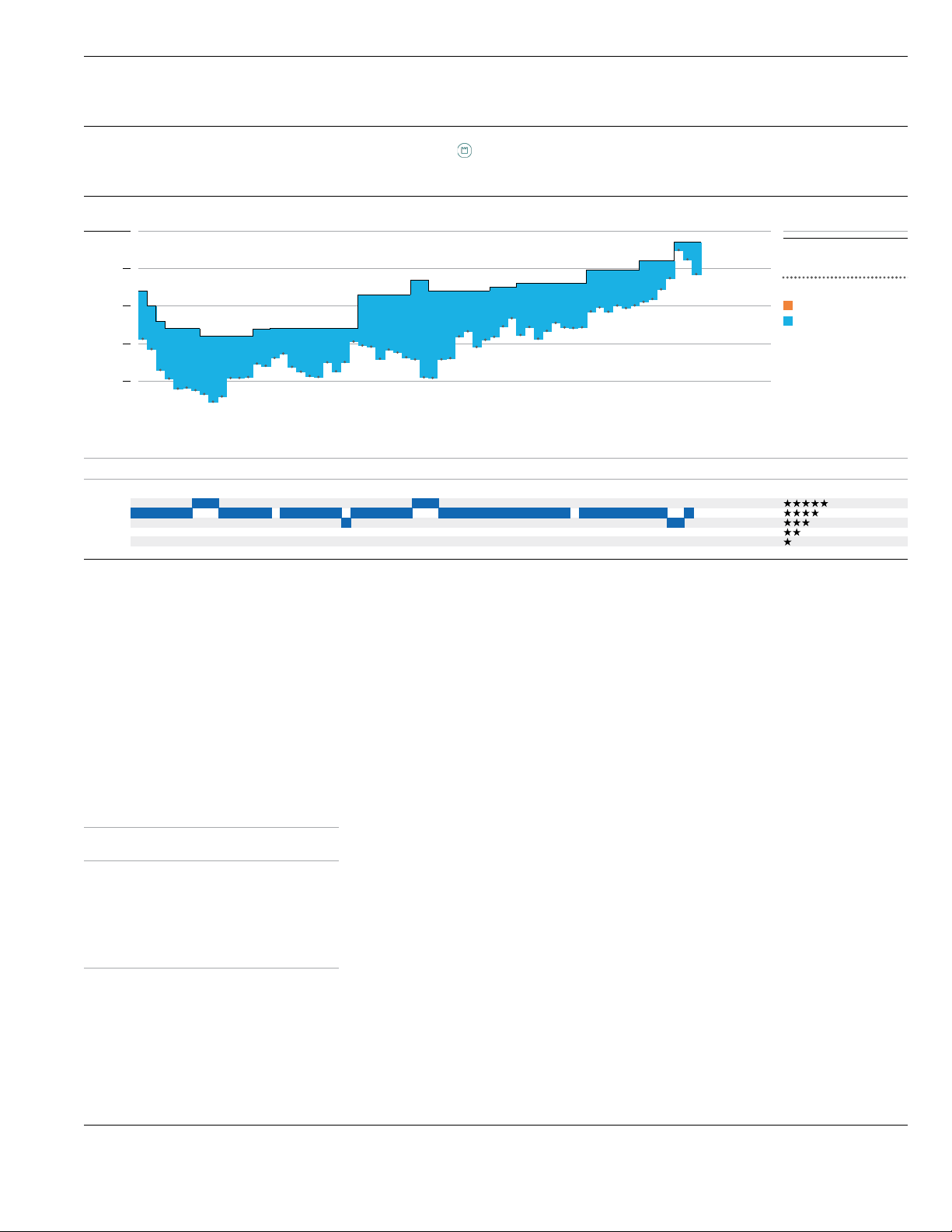
Chapter 8: Venture Capital and Innovation in Energy PDF Free Download
1 / 24/24
100%

Chapter 8: Venture Capital and Innovation in Energy
Josh Lerner*
Draft Only: September 2009
Venture investments in alternative energy development has been booming over the past few
years, reflecting the rising cost of energy. Clean energy has become particularly attractive for investment
due to recent concerns about global warming. From 2004 to 2007, investment in clean energy saw an
almost five-fold surge. The increase in investment activity spanned all geographies, all asset classes, and
all sectors (Figures 1-3). The clean energy financing spectrum encompasses very early-stage investment
in emerging technologies to large established companies raising money on the public markets. In the
United States, investment in clean energy projects has grown dramatically over the past decade,
surpassing $13 billion in 2007.
This surge has been true not just for large firms, but also for new ventures. In 2007 alone, venture
capital investment in clean energy technology companies was $2.5 billion, up from $30 million in 2001.1
In 2008, approximately 80 percent ($104 billion) of funding was provided by third-party investors such as
venture capital and private equity, asset managers, and banks.
However, the effects of the recent global financial crisis starting in 2008, coupled with the
typically cyclic and uneven character of venture financing, have raised questions about the viability of the
venture capital model. As a result of these questions, the volume of funding raised by venture capital
organizations and the amount disbursed to portfolio firms have both dropped. Alarms have been sounded
in particular about the implications of this decline for funding of technological innovation. For instance,
in an influential new volume, Judy Estrin, the former chief technology officer of Cisco Systems, argues
that short-term thinking and a reluctance to take risks are causing a noticeable lag in innovation (Estrin
2008). She argues that venture capitalists who back entrepreneurial firms have been too cautious to make
big bets, particularly after the costly failures experienced during the dot-com bust.
In few places has last year’s drop in venture capital investment been as dramatic as in alternative
energy innovation. The amount disbursed to entrepreneurial firms devoted to alternative energy fell from
$1.3 billion in the second quarter of 2008 to well under $200 million in first quarter of 2009
(PricewaterhouseCoopers 2009).
Venture capital funding has an important role to play in stimulating innovation and economic
growth, but it is perhaps not the silver bullet that many in the energy sector have been hoping. While
infusions of venture funding into creative entrepreneurial pursuits can spur innovation, venture funding in
any sector tends to be cyclical, rigid, and lagging in responsiveness, all of which can reduce the private
and social returns to investments. Therefore, while there are many reasons for believing that on average
venture capital has a powerful effect on innovation, the effect is far from uniform. In particular, during
boom periods, the prevalence of over-funding of particular sectors can lead to a sharp decline in terms of
the effectiveness of the venture funds. Likewise, prolonged downturns may eventually lead to good
companies going unfunded.
*Harvard University and National Bureau of Economic Research. I thank Harvard Business School’s
Division of Research for financial support. This essay is based in part on Gompers and Lerner (2001) and
Lerner (2009). I thank Kathy Han for her invaluable assistance. All errors my own.
1 US Department of Energy (2008). It is important to note, however, that while investment during 2008
was down only slightly from 2007 ($142 billion compared with $148 billion, respectively), a strong start
may disguise a much weaker second half of the year due to the impact of the global financial crisis.

2
The cyclicality of venture capital funding has important implications for the effectiveness of this
sort of private sector investments in energy and in addressing whether and how the government should
play a role.
In this chapter, I explore the unique structure and workings of the venture capital process and its
implications for innovation. In particular, I examine both the value and the challenges of the venture
capital industry in addressing energy innovation, and I consider some of the implications of the venture
capital process for public policy. While the rise of venture capital has been an important contributor to
technological innovation and economic prosperity, it has been only one part of the solution. To date,
many of the steps that policymakers have pursued have had the consequence of throwing gasoline on the
fire—that is, they have exacerbated the cyclicality of venture funding.
[H1] A Venture Capital Primer
The financing of young and growing companies is a risky business. Uncertainty and
informational gaps often characterize these organizations. These information problems make it difficult to
assess these companies and to determine their long run viability. Larger, more traditional institutional
investors have therefore been traditionally unwilling to finance to entrepreneurial businesses. By way of
contrast, venture capital firms have specialized in backing risky businesses by employing both monetary
and nonmonetary tools to understand and foster these kinds of businesses to increase their success. Indeed
it is often the non-monetary aspects of venture capital funders that are critical to success: the screening of
investments, the use of convertible securities, the syndication and staging of investments, and the
provision of oversight and informal coaching.
For example numerous studies have documented that typical venture capital fund managers use
an exhaustive process to assess the large number of business plans they receive each year. One pioneering
study describes a typical process, which involved both face to face meeting and other communications
with the new company’s founders, director, controller, banker, and accountant; a loan officer at a major
insurance company that had turned down financing; a local bank that slightly knew the company; and
multiple users, suppliers, and competitors of the business product (Wells 1974).
In addition, venture capital investors screen potential transactions through financial analyses.
They carefully analyze what the prospective returns will be from these investments. It is not enough for a
venture to be success—a venture capitalist will only invest if the expected rate of return is suitably high.
A high expected return is needed because of the overall high failure rates associated with early-stage and
restructuring investments. Only approximately one-third of venture capital-backed firms complete initial
public offerings, typically the most attractive route for venture capital firms to exit investments. While
some investments are exited successfully though acquisitions, these investments in most cases generate
far lower returns. Even in later-stage investing, the frequency with which things do not go according to
plan leads investors to only enter into projects in which they can expect a high minimum return if things
go well. Despite the expertise and extensive analysis of venture capital investors, disappointment is the
rule rather than the exception (see data in Gompers and Lerner 2004).
One sophisticated individual investor suggests it is likely to take up to 160 hours to properly
screen one investment opportunity (Amis and Stevenson 2001). As part of this extensive process,
investors must make sense of the abundance of data they gather by prioritizing certain investment criteria.
Tyebjee and Bruno (1984) describe the most common criteria as the product’s market attractiveness, its
uniqueness, the managerial skills within the company, the environmental threat resistance (e.g., product
life cycle, barriers to competitive entry), and the investment’s cash-out potential. Similarly, Kaplan and
Stromberg (2004) find that venture capital fund managers, group key decisionmaking criteria into three
overall categories: internal factors (quality of management, performance to date, funds at risk, influence
of other investors, portfolio fit and monitoring costs and valuation), external factors (market size and
3
growth, competition and barriers to entry, likelihood of customer adoption, and financial market and exit
conditions), and difficulty of Execution (nature of the product or technology, and the business strategy
model).
In addition to the careful interviews and financial analysis, venture capitalists will often syndicate
investments—that is, make investments with other investors. Involving other venture capital firms
provides a second opinion on the investment opportunity. In addition, having other investors approve the
deal can limit the danger that bad deals may get funded. This is particularly true when the company is in
an early stage or operating in an uncertain market. Syndication also allows the venture capital firm to
diversify. If the venture capital firm had to invest alone into all the companies in its portfolio, then it
could make far fewer investments. By syndicating investments, the firm can invest in a greater diversity
of projects and reduce firm-specific risk.
The result of this detailed analysis is, of course, a lot of rejections: studies suggest only 0.5 to 1
percent of business plans may be funded (Wells 1974, Fenn et al. 1996). Inevitably as part of this process,
many good ideas are rejected, and many companies are funded that ultimately prove to be
disappointments.
Once the initial selection has been completed, venture capital firms usually become intensely
involved with the firm in ways that sets them apart from traditional institutional lenders and government
programs. Venture capital investors provide advice and intensive oversight of the companies they support.
Gorman and Sahlman (1989) surveyed venture capital investors and found they spent about half their time
monitoring an average of nine portfolio investments and serving on the boards of directors for five of
those nine companies. The investors visited their companies relatively frequently, and spent an average of
80 hours a year on site with the companies on whose boards they served. Frequent telephone
conversations amounted to another 30 hours per year for each company. In addition, they worked on the
company’s behalf by attracting new investors, evaluating strategy against new conditions, and
interviewing/recruiting new management candidates. This important role in boosting the companies
venture capitalists fund accelerates growth, professionalizes and improves management practices, and
assures long-run success (Gurung and Lerner 2008, 2009).
The staging of investment disbursement also improves the efficiency of venture capital funding.
In the venture capital and growth equity process, investors frequently disburse funds in stages, rather than
upfront and all at once. Once the decision to invest is made, a portion of the total funds is released to the
company. The refinancing of these companies is made conditional on achieving certain technical or
market milestones. Providing financing in this fashion allows the venture capital investor to gather more
information before providing additional funding, thus helping investors begin to separate which
investments are likely to be successful and which are likely to fail. The entrepreneurial company must
return repeatedly to their financiers for additional capital, which allows the venture capitalists more
oversight to ensure that the money is not squandered on unprofitable projects. Thus an innovative idea
only continues to be funded if its promoters continue to succeed, and furthermore those projects that
prove promising are able to access capital in a timely fashion. This staging contrasts with the funding
process within large corporations, where research and development budgets are typically set at the
beginning of a project, with few interim reviews planned. Even if projects do get reviewed mid-stream,
few of them are terminated when signs suggest they’re not working out.
[H1] Does VC Funding Increase Innovation?
For most of past three decades, investments made by the entire venture capital sector in the
United States totaled less than the research-and-development (R&D) and capital-expenditure budgets of
large, individual companies such as IBM, General Motors, or Merck. On the face of it, this suggests the
press has exaggerated the importance of the venture capital industry. After all, high-tech startups make for

4
interesting reporting, but do they really redefine the U.S. economy? And could they contribute
significantly to energy solutions?
One way to explore these questions is to examine the impact of venture investing on wealth, jobs,
and other financial measures across a variety of industries. Though it would be useful to track the fate of
every venture-capital-financed company and find out where the innovation or technology ended up, in
reality only those companies that have gone public can be tracked. Consistent information on venture-
backed firms that were acquired or went out of business simply doesn’t exist. Moreover, investments in
companies that eventually go public yield much higher returns than support given to firms that get
acquired or remain privately held.
We do know, however, that those firms that do go public have an unmistakable effect on the U.S.
economy. One way to assess the overall impact of the venture-capital industry is to look at the economic
“weight” of venture-backed companies in the context of the larger economy.2 By late 2008, for example,
venture-backed firms that had gone public made up more than 13 percent of the total number of public
firms in existence in the United States at that time. The same companies represented 8.4 percent ($2.4
trillion) of the total market value of public firms ($28 trillion) and more than 4 percent (nearly $1 trillion)
of total sales ($22 trillion) of all U.S. public firms. Operating income margins for these companies hit an
average of 6.8 percent—close to the average public-company profit margin of 7.1 percent. Finally, those
public companies supported by venture funding employed 6 percent of the total public-company
workforce—most of these jobs high-salaried, skilled positions in the technology sector. Therefore,
venture investing fuels a substantial portion of the U.S. economy.
Venture investing also strengthens particular industries. To be sure, it has relatively little impact
on industries dominated by mature companies, such as the manufacturing industries. This is because
venture investors’ mission is to capitalize on revolutionary changes in an industry, and the more mature
sectors often have a relatively low propensity for radical innovation. By contrast, companies in the
computer software and hardware industry that received venture backing during their gestation as private
firms represented more than 75 percent of the software industry’s value. Venture-financed firms also play
a central role in the biotechnology, computer services, and semiconductor industries. All of these
industries have experienced tremendous innovation and upheaval in recent years. Venture capital has
helped catalyze change in these industries, providing the resources for entrepreneurs to generate
substantial return from their ideas. In recent years, the scope of venture groups’ activity has been
expanding rapidly in the critical energy and environmental field, though the impact of these investments
remains to be seen.
As these statistics suggest, venture capitalists have had a big role in new industries and in seeding
fledgling companies that later dominate those industries. But the question of whether they cause these
changes is not resolved by these statistics.
It might be thought that it would be a simple matter to tease out the effect of venture capital on
innovation. However, determining causality can be difficult because both venture funding and innovation
could be positively related to a third factor: the arrival of technological opportunities. Thus, there could be
more innovation at times that there was more venture capital, not because the venture capital caused the
innovation, but rather because the venture capitalists reacted to some fundamental technological shock
which was sure to lead to more innovation. To date, only two papers address this question of causality.
Hellmann and Puri (2000) examined a sample of 170 recently formed firms in California’s
Silicon Valley. The survey included both venture-backed and non-venture companies. The study finds
2 This analysis is based on the author’s tabulation of unpublished data from SDC Venture Economics,
with supplemental information from Compustat and the Center for Research into Securities Prices
(CRSP) databases.
5
that firms that pursue an “innovator strategy” are significantly more likely and more quickly to obtain
venture capital. The presence of a venture capitalist is also associated with a significant reduction in the
time taken to bring a product to market, especially for innovators (probably because these firms can focus
more on innovating and less on raising money). Furthermore, firms are more likely to list obtaining
venture capital as a significant milestone in the lifecycle of the company as compared to other financing
events. The results suggest a significant role of venture capital in encouraging innovative companies. But
this does not definitively answer the question of whether venture capitalists cause innovation. For
instance, the presence of personal injury lawyers handing out business cards at a crash site does not mean
that the lawyers caused the crash. In a similar vein, the possibility remains that innovative firms are more
likely to seek financing through venture capital, rather than venture capital causing firms to be more
innovative.
In Kortum and Lerner (2000), we visit the same question. Here, we look at the aggregate level:
did the participation of venture capitalists in any given industry over the past few decades lead to more or
less innovation? And if we see an increase in venture funding and a boost in innovation, how can we be
sure that one caused the other? We address these concerns about causality by looking back over the
industry’s history. In particular, a major discontinuity in the recent history of the venture capital industry
was the U.S. Department of Labor’s clarification of the Employee Retirement Income Security Act in the
late 1970s, a policy shift that freed pensions to invest in venture capital. This shift led to a sharp increase
in the funds committed to venture capital. This type of external change should allow an examination of
the impact of venture capital, because it is unlikely to be related to how many or how few entrepreneurial
opportunities there were to be funded. The results of our study suggest that venture funding does have a
strong positive impact on innovation. On average, a dollar of venture capital appears to be three to four
times more potent in stimulating patenting (one indicator of innovation) than a dollar of traditional
corporate R&D. The estimates therefore suggest that venture capital, even though it averaged less than 3
percent of corporate R&D in the United States from 1983 to 1992, is responsible for a much greater
share—perhaps 10 percent—of U.S. industrial innovations in this decade.
Because we looked at patenting as a proxy for innovation, one possible alternative explanation is
that venture funding leads to entrepreneurs to protect their intellectual property with patents, either as an
alternative to other mechanisms such as trade secrets (e.g., they may be trying to fool their investors by
applying for quantities of patents, even if the contributions of many of them are very modest). If this were
true, it might be inferred that the patents of venture-backed firms would be of lower quality than non-
venture-backed patent filings. However, we find the opposite to be true. We examined patent citations—
higher-quality patents, it has been shown, are cited by other innovators more often than lower-quality
ones. We also examined the quality of patents by looking at patent-infringement litigation, because it
makes little sense to pay money to engage in the costly process of patent litigation to defend a low-quality
patent. We found that the patents of venture-backed firms are more frequently cited by other patents and
are more aggressively litigated—thus it can be concluded that they are high quality. Furthermore, the
venture-backed firms more frequently litigate trade secrets, suggesting that they are not simply patenting
frantically in lieu of relying on trade-secret protection. These findings reinforce the notion that venture-
supported firms are more innovative than their non-venture-supported counterparts.
Mollica and Zingales (2007), by way of contrast, focus regionally on the 179 Bureau of
Economic Analysis economic areas, which are composed by counties surrounding metropolitan areas.
The study exploits the regional, cross-industry, and time-series variability of venture investments in the
United States to examine the effect of venture capital activity on innovation and the creation of new
businesses. As an instrument for the size of venture capital investments, they use the size of a state
pension fund’s assets. State pension funds are subject to political pressure to invest some of their funds in
new businesses in the states. Hence, the size of the state pension fund triggers a shift in the local supply of
venture investment, which should help identify the effect of venture capital investments on patents. The
study finds that venture capital investments have a significant positive effect, both on the production of
6
patents and on the creation of new businesses. A one standard deviation increase in the VC investment per
capita generates an increase in the number of patents between 4 and 15 percent. An increase of 10 percent
in the volume of VC investment increases the total number of new business by 2.5 percent.
[H1] Cyclicality in the Venture Capital Industry
As with markets for commodities like oil and semiconductors, shifts in supply and demand shape
the amount of capital raised by venture funds. For example, the venture capital market expanded greatly
after the Department of Labor’s 1979 clarification of the “prudent man” rule of the Employee Retirement
Income Security Act (the rule states that pension managers must invest with the same aims as would a
prudent man). Prior to the labor department’s clarification, pension fund managers avoided investment in
venture funds because of concern that these investment choices were too risky to be considered prudent.
After the clarification that portfolio diversification into a small amount of venture capital funds was not
imprudent, demand increased for venture capital funds. Similarly, major technological discoveries, such as
the development of genetic engineering, are followed by an increase in venture fund demand.
However, the quantity of venture capital raised and the returns it enjoys often do not adjust quickly
and smoothly to the changes in demand. The often slow and uneven adjustment process can lead to
substantial and persistent imbalances. In addition, when the quantity provided does finally react to demand,
the responding shift may overshoot the ideal amount, and lead to yet further problems.
These shifts also drive the returns that investors earn in these markets. And as with other types of
investment, the willingness of investors to commit money to venture capital funds depends upon the
expected rate of return from these investments relative to the return they expect to receive from other
investments. Over the past 40 years, both venture capital fundraising and returns on investment have swung
dramatically (Figures 4 and 5).
A further difference can be seen between the long-run and short-run effects of changes in the demand
for venture capital. A positive demand shock (e.g., discovery of a new scientific approach, such as genetic
engineering, or the diffusion of a new technology, such as the transistor or the Internet) may result in large
companies at first struggling to adjust to the new opportunity, while numerous agile small companies may
react quickly to exploit it. The entry of these new firms implies that for any given level of return demanded
by investors, there now may be many more attractive investment candidates. In the long run, the quantity of
venture capital provided will increase to a new level. Returns will also increase in the months or even years
after the shock. However, the amount of venture capital available may become essentially fixed at that new
level. Instead of leading to more companies entering into the market, the return to the investors may climb
dramatically. Only with time will the rate of return gradually subside as the supply of venture capital adjusts.
There are at least two factors that might lead to such short-run rigidities. These are the structure
of the funds themselves and the slowness with which information on performance is reported back to
investors.
When investors wish to increase their allocation to public equities or bonds, this change is easily
accomplished. These markets are “liquid”: shares can be bought and sold easily, and adjustments in the level
of holdings can be rapidly accomplished. The nature of venture capital funds, however, makes these kind of
rapid adjustments much more difficult.
One major bottleneck to the liquidity of venture funding is the venture capitalists themselves. Many
of the crucial skills in effective capital investing are developed through time-consuming apprenticeship.
Therefore, new venture capitalists do not appear overnight. Furthermore, the organizational challenges
associated with rapidly increasing the size of a venture partnership are often wrenching ones. Thus, many
venture capital groups resist rapidly increasing their size, even when investor demand is so great that they
could easily raise many billions of dollars.

7
A second constraint is with the typical sources of venture funding, which are often large institutions
such as university endowments or pension funds. These institutions may decide to increase their investment
in venture funds, but several years may pass between the point the decision is made to implementation of the
new policy. Additional time may go by while the endowment exhaustively reviews potential candidates for
funding. Once the funds are chosen, the full investments will not be made immediately. Rather, the capital
will be drawn down in stages over a number of years. Finally, further delays in funding may occur if the
pension’s decision to invest takes place out of sync with the venture fund’s fundraising cycle (which
generally occurs every two to three years).
The same delays work in reverse. If the endowment or pension officers decide to scale back
commitment, it is likely to take a number of years to do so. An illustration of this stickiness followed the
stock market correction of 1987. Many investors, noting the extent of equity market volatility and the poor
performance of small high-technology stocks, sought to scale back their commitments to venture capital.
Despite the correction, flows into venture capital funds continued to rise, not reaching their peak until the last
quarter of 1989.3
Another contributing factor is the self-dissolving nature of venture funds. When venture funds exit
investments, they do not reinvest the funds, but rather return the capital to their investors. These distributions
are typically either in the form of cash or stock in firms that have recently gone public. The pace of
distributions varies with the rate at which venture capitalists are liquidating their holdings.
Thus, during “hot” periods with large numbers of initial public offerings and acquisitions—which are
likely to be the times when many investors desire to increase investment in venture capital—current investors
receive large outflows from venture funds. Even to maintain the same percentage allocation to venture funds
during these peak periods, the investors must accelerate their rate of investment. Increasing their exposure is
consequently quite difficult. Conversely, during “cold” periods, when investors are likely to wish to reduce
their allocation to this asset class, they receive few distributions since IPOs and acquisitions are few and far
between. Thus it is often difficult to achieve a desired exposure to venture capital during periods of rapid
change in the market.
Another important factor contributing to the cyclicality of the VC industry is the pervasive
information lags that characterize the field. While mutual and hedge funds holding public securities are
“marked to market” 4 on a daily basis, the delays between the inception of any particular venture
investment and the discovery of its quality is long indeed. Some of these information delays stem from
the start-up companies themselves. The companies that attract venture capital are typically surrounded by
substantial uncertainty and information gaps. Furthermore, venture groups tend to be extremely
conservative in reporting how much the companies they invest in are worth, at least until the companies
are taken public or acquired. While this limits the danger that investors will be misled into thinking that a
company is doing better than it actually is, the practice minimizes the information flow about the current
state of the overall market.5
Because relatively few firms get taken public during “cold” markets and many do during “hot”
ones, during the years with active public markets it appears that the value of venture backed firms
increases dramatically. But the actual value-creation process in venture investments is quite different. In
many cases, the value of a new company actually increases gradually over time, even as it is being held at
cost. Thus, the low returns during cold periods understate the progress being made, just as the high
returns during the peak periods overstate the success.
3This claim is based on an analysis of an unpublished Venture Economics database.
4 That is, priced at current market value.
5The problems with the accounting schemes used by venture capital groups are discussed in Cain (1997),
Gompers and Lerner (1998a), and Reyes (1990).

8
Information lags can have profound effects. For instance, while investments in Internet-related
securities in the mid-1990s yielded extremely high returns, it took many years for the bulk of institutional
investors to realize the size of the opportunity. Similarly, when the investments became substantially less
attractive, as it did during the spring of 2000, investors still continued to plough money into these funds.6
Information lags, combined with the rigidity of the venture fund structure, leads to inappropriate
or lagged responses in the venture capital market. Furthermore, once the markets do adjust to the
changing demand conditions, they frequently go too far. The supply of venture capital ultimately will rise
to meet the increased opportunities, but these shifts often are too large. Too much capital may be raised
for the outstanding amount of existing opportunities. Instead of shifting to the new steady state level, the
short-term supply curve may shift to an excessively high level. This can result in worthy companies
receiving more funding than they can reliably absorb or unworthy companies receiving funds they don’t
deserve. During a downturn, a shift in demand can trigger a wholesale withdrawal from venture capital
financing. While the supply of venture capital will ultimately adjust, in the interim, promising companies
may not be able to attract funding.
[H2] Why Do Venture Markets Over-React?
One possible reason that venture markets over-react is that institutional investors and venture
capitalists may overestimate the shifts that have occurred. They may believe that there are tremendous
new opportunities, and consequentially shift the supply of venture capital to meet that apparent demand.
Such mistakes may arise because of misleading information from the public markets. In some cases,
investors seem to fail to take into account the impact of competitors: firms appear to be valued as if they are
the sole firm active in a sector, and the effect of competitors on revenues and profit margins is not fully
anticipated. The consequences of excessive duplication is frequently the same: highly duplicative research
agendas, intense bidding wars for scientific and technical talent culminating with frequent firm-to-firm
defections, costly litigation alleging intellectual property and misappropriation of ideas across firms, and the
sudden termination of funding for many of these concerns.
One famous example occurred during the early 1980s, when 19 disk drive companies received
venture capital financing.7 Two-thirds of these investments came in 1982–1983, as the valuation of
publicly traded computer hardware firms soared. Many disk drive companies also went public during this
period. While industry growth was rapid during this period of time (sales increased from $27 million in
1978 to $1.3 billion in 1983), it was questioned at the time whether the scale of investment was rational
given any reasonable expectations of industry growth and future economic trends. Indeed, between October
1983 and December 1984, the average public disk drive firm lost 68 percent of its value. Numerous disk
drive manufacturers that had yet to go public were terminated, and venture capitalists then became very
reluctant to fund computer hardware firms.
Another example was the peak period of biotechnology investing in the early 1990s. Reacting to the
substantial potential of biotechnology to address human disease, the venture capital market funded dozens of
firms pursuing similar approaches to the same disease target. Moreover, the valuations of these firms often
were exorbitant—for instance, between May and December 1992, the average valuation of the privately held
biotechnology firms financed by venture capitalists was $70 million. When biotechnology valuations fell
precipitously just one year later, only 42 of the 262 publicly traded biotechnology firms had a valuation over
$70 million.8 Most of the biotechnology firms financed during this period ultimately yielded very
disappointing returns for their venture financiers and only modest gains for society as a whole. In many cases,
6 For further discussion, see Kreutzer (2001).
7 For detailed discussions, see Sahlman and Stevenson (1986) and Lerner (1997).
8These figures are based on an analysis of an unpublished Venture Economics database.
9
the firms were liquidated after further financing could not be arranged. In some cases, the firms shifted their
efforts into other, less competitive areas, largely abandoning the initial research efforts. In other cases, the
companies remained mired with their peers for years in costly patent litigation.
The venture capital boom of 1998–2000 provides many additional illustrations. Funding during these
years was concentrated in two areas: Internet and telecommunication investments, which accounted for 39
percent and 17 percent , respectively, of all venture disbursements in 1999. Once again, considerable sums
were devoted to supporting highly similar firms (e.g., the nine dueling Internet pet food suppliers) or to
supporting efforts that seemed fundamentally uneconomical and doomed to failure, such as companies that
undertook the extremely capital-intensive process of building a second cable network in residential
communities. Meanwhile, many apparently promising areas (e.g., advanced materials, energy technologies,
and micro manufacturing) languished unfunded as venture capitalists raced to focus on the most visible and
popular investment areas.
Unreasonable swings in the public markets may also lead to over- and under-investment in venture
capital as a whole. Institutions typically try to keep a fixed percentage of their portfolio invested in each asset
class. Thus, when public equity values climb, institutions are likely to want to allocate more of their portfolio
to venture capital. If the high valuations are subsequently revealed to be without foundations, the level of
venture capital will have once again over-shot its target.
A second explanation for the market over-shooting in venture capital investment is venture
capitalists’ failure to consider the costly adjustments associated with the growth of their own investment
activity. The very act of growing the pool of venture capital under management may cause distractions
and introduce organizational tensions. Growth frequently leads to changes in the way in which venture
groups invest their capital, which can have a deleterious effect on returns. Rapidly growing venture
organizations frequently attempt to increase their average investment size, rather than investing in
additional companies. In this way, the same number of partners can manage a larger amount of capital
without increasing the number of companies that each needs to scrutinize. This shift to larger investments
frequently entails making larger capital commitments to entrepreneurs up-front, which reduces the
venture capitalist’s control of the company through staged capital commitments. Similarly, venture firms
syndicate less with their peers during these times. By not syndicating, the venture groups can allow to
each of its partners to manage more capital while keeping the number of companies that he is responsible
for down to a manageable level. But venture capital firms that are the sole funders of a company then lose
the advantages of syndication, such as helping reduce the danger of costly investment mistakes.
Organizational tensions may arise when expansion of the venture capital firm’s investments lead to a
fragmentation of the bonds that tie the partnership into a cohesive whole. One poignant illustration is the
experience of Schroder Ventures (Bingham et al. 1996). Schroders’ private equity effort began in 1985 with
funds focused on British venture capital and buyout investments. Over time, however, the firm added funds
focusing on other markets, such as France and Germany, and particular technologies, such as the life
sciences. But as the venture organization grew, substantial management challenges emerged. In particular, it
became increasingly difficult for the parent organization to monitor the investment activities of each of the
groups. Each group saw itself as an autonomous entity, and even in some cases resisted cooperating (and
sharing the capital gains) with the others. The organization eventually restructured to raise a single fund for
all of Europe, but the process of change was slow and painful.
In some cases, organizational tensions have led to groups splitting apart. In other cases, a key partner
has departed a venture group, entailing a real disruption to the organization. In short, rapid growth puts severe
pressures on venture capital organizations. Even when the problems do not result in an as extreme outcome as
a group dissolving, the demands on the partners’ time in resolving these problems are often substantial. Thus,
firms that rapidly expand to address periods of rapid investment grown may be acting counterproductively
and may find they garner disappointing returns.

10
[H2] Does Cyclicality Affect Innovation?
The evidence that venture capital has a powerful impact on innovation might lead us to be
especially worried about market downturns. A dramatic fall in venture capital financing, it is natural to
conclude, would lead to a sharp decline in innovation. But this reasoning, while initially plausible, needs
to be modulated by the knowledge that during periods when the intensity of investment is greatest, the
impact of venture financing appears to decline.
In Kortum and Lerner (2000), for example, we analyzed annual data for 20 manufacturing
industries between 1965 and 1992. We looked at the changing patterns of U.S. patents issued to U.S.
inventors by their industry and their dates of application. We measured venture funding (collected by
Venture Economics) and industrial R&D expenditures (collected by the National Science Foundation).9
We then estimated the influence of venture capital funding on patent applications, while controlling for
R&D spending, industry effects, and the year of the observation. We found that during boom periods, the
influence of venture capital on innovation is approximately 15 percent lower than during normal industry
periods, a difference that is strongly statistically significant. The magnitude of the effect of venture capital
on innovation diminishes—but remains positive and significant—when we control for reverse causality:
the fact that technological breakthrough are likely to stimulate venture capital investments. This statistical
result corroborates field study evidence suggesting that the influence of venture capital on innovation is
less pronounced during booms.
This result may alleviate some worry about the short-run fluctuations in venture financing,
because it suggests that while the effects of these cycles on entrepreneurial activity is likely to be
dramatic, the effects on innovation should be more modest. This conclusion, however, must be tempered
by the awareness that in some cases, surges in venture capital activity have been followed by pronounced
and persistent downturns. Just as we can see “overshooting” by investors, so can we see prolonged
“undershooting.”
Undershooting in venture capital investment occurred in the 1970s. The late 1960s had seen
record fundraising, both by independent venture groups and Small Business Investment Companies
(federally subsidized pools of risk capital). Many of the investments by the less established venture
groups failed in the subsequent recession, particularly those of the Small Business Investment Companies.
The poor returns generated a powerful reaction, leading both public and private market investors to be
unwilling to contribute new capital.
Computer and computer-related companies were particularly hard hit, being the area of the
greatest concentration of venture capital during that period. The amount of capital raised by these
companies fell from $1.2 billion (in 2000 dollars) in 1968–69 to just $201 million during the entire period
from 1973 to mid-1978, with absolutely no financing being raised in many quarters (Figure 6). To be
sure, many of the companies that raised capital during the boom years and then could not get refinanced
had business plans that were poorly conceptualized or were in engaged in doomed battles with entrenched
incumbents such as IBM. But many other firms seeking to commercialize many of the personal
computing and networking technologies that would prove to have such a revolutionary impact in the
1980s and 1990s also struggled to raise the financing necessary to commercialize their ideas.
9 There were significant limits to our study. For instance, companies do not patent all
commercially significant discoveries (though in the original paper, we show that the patterns appear to
hold when we use other measures of innovation). Further, we were required to aggregate venture funding
and patents into a 20-industry scheme that is used by the National Science Foundation to measure R&D
spending. Finally, our analysis excluded the greatest boom period of all, the 1998–2000 surge, because
patent applications can only be observed after a considerable time lag.
11
[H1] Venture Capital and Alternative Energy
The energy sector has become a classic example of the ups and downs of venture funding. The
current decade has seen a classic boom in clean energy development, followed this past year with a strong
downturn. Rising from less than $20 billion in 2004 to almost $120 billion in 2007, investment in clean
energy is now projected to fall sharply in 2009.
Before the recent downturn, and as recently as five years ago, venture investment in clean energy
meant wind projects, mostly in Denmark, Germany, and Spain. In 2005, wind was the dominant sector
attracting venture capital investment. In 2006, biofuels development attracted the highest investment, with
the solar sector attracting the second highest amount. In 2007, solar energy became the fastest-growing
sector and is a leader for venture capital investment. The development of large-scale solar projects in
2007 attracted $17.7 billion project financing, nearly a quarter of all new investment (up 250 percent from
the previous year (Figure 7). On the ground, 21 Gigawatts of new wind capacity were added worldwide in
2007, amounting to half of all new renewable energy capacity and more than 11 percent of all new power
generation capacity.
The surge in investment has been reflected in the double digit returns of these projects. In venture
capital investments specifically, investors in clean technologies in Europe and the United States achieved
excellent returns on their investments through mid-2008, according to the third annual European Clean
Energy Venture Returns Analysis, completed by New Energy Finance in collaboration with the European
Energy Venture Fair. The study is based on confidential returns by investors at the end of the first half of
2008 and covers 302 clean technology portfolio companies, representing $2.52 billion of venture capital
invested in clean technology since 1997. Of these, 26 have so far resulted in public listings and 32 have
been exited or partially exited via trade sale. The success rate to date has been reasonably high with a
pooled gross rate of return (at the portfolio company level, not the fund level) for exited deals of more
than 60 percent.10 It is important to note that these exceptional returns were driven by the outstanding
success of a small number of early investments in the solar sector, Q-Cells and REC in particular.
Without these two particular investments, the pooled rate of return was closer to 14 percent (Table 1).
These extraordinary returns coincide with a new interest in all things green, as well as historically cheap
access to debt, which has allowed many companies to grow quickly.
The next few years will certainly be much harder for venture and private equity investors in the
clean energy sector because the sector, like all other areas, has been weakened by the worldwide financial
crisis. Despite maintaining an estimated $14 billion of new investment thus far (excluding buyouts in
2008, and exceeding the S&P and NASDAQ public market indices), venture capital performance in clean
energy dropped sharply in the second quarter of 2008. (Thomson Reuters and the National Venture
Capital Association 2009).
Investment in the clean energy sector has suffered from three main problems in recent years.
First, falling energy prices have taken the pressure and attention off the public’s interest in alternative
energy. Second, the sector took a hit through the equity markets, as investors sold stocks with any sort of
technology or execution risk and went back to more conventional, longer established businesses. Third,
due to the very constrained nature of the credit markets, clean energy companies that require large
amounts of capital have been penalized.11 The public markets that clean energy companies have used as a
major source of fund raising—such as through initial public offerings, secondary offerings, and
convertible issues—also dropped by 60 percent in 2008 (Figure 2).
10 The percentage is based on the limited number of exits and with only 23 companies being liquidated or
written off at the time of the study.
11 World Economic Forum (2009).

12
The future of venture capital investment in the clean energy sector hinges upon two key
conditions in the investing environment: the future of the capital markets and the direction of government
policy.
Because clean energy projects generally require higher up-front costs (incurred in the expectation
of lower fuel costs), these projects are usually more sensitive to periods of higher interest rates or credit
risk aversion. The present interest rates thus pose to be a huge potential advantage for the clean energy
sector, if credit markets ease. So far, banks are wary of lending capital in fear of default, and the Federal
Reserve has not yet seen the results of its cheap debt— but if credit returns and interest rates remain low,
at some point clean energy projects pose to benefit tremendously.
In addition, the McKinsey Global Institute notes that if market and policy barriers such as lack of
consumer education, fuel subsidies that encourage inefficient energy use, and asymmetrical benefits to
tenants and landlords of investments in energy efficiency can be overcome,12 there is a substantial
opportunity to improve supply- and demand-side infrastructure and to produce returns above the cost of
capital. According to the report, $170 billion in energy-efficient investment opportunities may have rates
of return of 17 percent or more, which should be attractive to outside investors.
The financial crisis has also spawned changes in public policy toward the clean energy sector,
such as the Obama Administration’s subsidies of companies focusing on battery development. These
short-run stimulus efforts, plus longer-run efforts to simulate the clean tech sector should benefit venture-
backed firms in this sector.
If governments can lead by example, creating markets for clean energy through public
procurement and mandating clean energy as well as enforcing energy efficiency standards, investment in
the clean energy sector will be bolstered and could become greatly profitable. The success of venture
investment in the clean energy sector depends heavily upon the kind of environment that governments
develop for such investing. An entire ecosystem of supporting technology and service providers will be
fundamental to the growth of a healthy clean energy sector—and this is inextricably linked to the ability
of entrepreneurs and companies to create new businesses.13
[H1] Public Policy and the Venture Capital Industry
While understanding the causes of cyclicality in the venture industry may be compelling,
policymakers are much more likely to be interested in its consequences. In particular, to what extent do
these cycles affect the innovativeness of the U.S. economy in general, and the energy sector in particular?
While the overall relationship between venture capital and innovation is positive, the relationship across
the cycles of venture activity may vary. An appropriate public policy response, if there is to be one, will
take these cycles into serious consideration.
At the same time, it is important to note that the level of venture capital fundraising and
investment activity over time is still extremely high. In fact, even if we were to remove the 1999–2000
“bubble” period from discussion, the venture industry would show robust growth over the past decade.
Therefore, the rationale for government intervention to provide funding today seems slim.
Government officials and policy advisors are naturally concerned about spurring innovation.
Encouraging venture capital financing is an increasing popular way to accomplish these ends: numerous
efforts to spur such intermediaries have been launched in many nations in Asia, Europe, and the
Americas. These programs employ a variety of “stage setting” and direct strategies.
12 Ibid.
13 Ibid.
13
However, as previously emphasized, venture capital is an intensely cyclic industry, and the
influence of venture capital on innovation is likely to differ with this cycle. Yet government programs
have frequently been concentrated during the time periods when venture capital funds have been most
active, and the programs often have targeted the very same sectors that are being aggressively funded by
venture investors. Government input can also exacerbate all the negative consequences of excessive
duplication in funding. The same common flaws doom far too many programs. The flaws reflect
both poor design—based on a lack of understanding of the entrepreneurial process—and
problematic implementation.
Some of the programmatic difficulties are embodied in the manner in which government policy
initiatives are frequently evaluated and rewarded. Frequently, the appearance of a successful program is
far more important than actual success in spurring innovation. For instance, many “public venture capital”
programs, such as the Small Business Innovation Research and the Advanced Technology Program
initiatives, prepare glossy brochures full of “success stories” about particular firms. The prospect of such
recognition may lead a program manager to decide to fund a firm in a “hot” industry where prospects of
success may be brighter, even if the sector is already well funded by venture investors (and the impact of
additional funding on innovation quite modest). To cite one example, the Advanced Technology Program
launched major efforts to fund genomics and Internet tools companies during periods when venture
funding was flooding into these sectors (Gompers and Lerner 1999).
By way of contrast, the Central Intelligence Agency’s In-Q-Tel fund appears to have done a much
better job of seeking to address gaps in traditional venture financing (Business Executives for National
Security 2001). In many effective programs, decisions as to whether to finance an entrepreneurial effort
are made not by centralized bodies, but rather devolved in many agencies to program managers who seek
to address very specific technical needs (e.g., a research administrator who seeks to encourage the
development of new composites). As a result, many “off -beat” technologies that are not of interest to
traditional venture investors have been funded through this program.
Another successful approach is to address the gaps in the venture financing process. As noted
previously, venture investments have tended to focus on a few areas of technology that are perceived to
have great potential for making both technological and financial leaps. History shows us that increases in
venture fundraising appear more likely to lead to more intense competition for transactions within an
existing set of technologies than to greater diversity in the types of technologies funded. Policymakers
have been more effective in spurring innovation if they (1) focus on technologies that are not currently
popular among venture investors, and (2) provide follow-on capital to firms already funded by venture
capitalists during periods when venture inflows are falling.
More generally, the greatest assistance to venture capital may be provided by government
programs that seek to enhance the demand for the venture funds, rather than the supply of capital.
Examples would include efforts to facilitate the commercialization of early-stage technology, such as the
Bayh-Dole Act of 1980 and the Federal Technology Transfer Act of 1986, both of which eased
entrepreneurs’ ability to access early-stage research. Similarly, efforts to make entrepreneurship more
attractive through tax policy (e.g., by lowering tax rates on capital gains relative to those on ordinary
income) may substantially benefit the amount of venture capital provided and the returns that these
investments may yield. These less direct measures may have the greatest success in insuring that the
venture industry will survive the recent upheavals.
In short, while government programs aimed at spurring venture capital and entrepreneurial
innovation in alternative energy strive to produce a positive social rate of return, there are many
challenges. The most effective programs and policies seem to be those which lay the foundations for
effective private investment. My analysis suggests that the market for venture capital may be subject to
substantial “imperfections,” and that these imperfections may substantially lower the total social gain
achieved by venture finance. Given the extraordinarily positive rate of growth (and recent retrenchment)
14
experienced by venture capital over the past decade, the most effective policies were those that focused
on increasing the efficiency of private markets over the long term, rather than providing a short-term
funding boost over a short period.

15
[H1] References
Amis, David, and Howard Stevenson, 2001, Winning Angels (New York: Pearson Education
Limited).
Bingham, Kate, Nick Ferguson, and Josh Lerner, 1996, “Schroder Ventures: Launch of the Euro
Fund,” Harvard Business School Case No. 9-297-026.
Business Executives for National Security, 2001, Accelerating the Acquisition and
Implementation of New Technologies for Intelligence: The Report of the Independent Panel on the CIA
In-Q-Tel Venture, Washington, Business Executives for National Security.
Cain, Walter M., 1997, “LBO Partnership Valuations Matter: A Presentation to the LBO Partnership
Valuation Meeting,” Mimeo, General Motors Investment Management Co.
Estrin, Judy, 2008, Closing the Innovation Gap: Reigniting the Spark of Creativity in a Global
Economy, New York, McGraw-Hill.
Fenn, George W., Nellie Liang and Stephen Prowse, 1996, The Economics of the Private Equity
Market (Washington: Federal Reserve Board).
AUTHOR??? “Foster Management moves to dissolve consolidation fund,” 1998, Private Equity
Analyst, 8 (December) 6.
Gompers, Paul, and Josh Lerner, 1998a, “Risk and reward in private equity investments: The
challenge of performance assessment,” Journal of Private Equity, 2 (Winter), 5-12.
Gompers, Paul, and Josh Lerner, 1999, Capital Market Imperfections in Venture Markets: A Report
to the Advanced Technology Program, Washington, Advanced Technology Program, U.S. Department of
Commerce.
Gompers, Paul, and Josh Lerner, 2001, The Money of Invention: How Venture Capital Creates New
Wealth, Boston: Harvard Business School Press.
Gorman, Michael, and William A. Sahlman, 1989, “What do Venture Capitalists Do?” Journal of
Business Venturing 4: 231–248.
Anu Gurung and Josh Lerner, 2008 and 2009, The Globalization of Alternative Investments,
Volumes 1 and 2, New York, World Economic Forum.
Hellmann, Thomas, and Manju Puri, 2000, “The interaction between product market and financing
strategy: The role of venture capital,” Review of Financial Studies, 13, 959-984.
Kaplan, Steven N. and Per Stromberg, 2004, “Characteristics, Contracts, and Actions: Evidence
from Venture Capitalist Analyses,” Journal of Finance 109:5: 2173–2206.
Kortum, Samuel, and Josh Lerner, 2000, “Assessing the contribution of venture capital to
innovation,” Rand Journal of Economics, 31, 674-692.
Kreutzer, Laura, 2001, “Many LPs expect to commit less to private equity,” Private Equity Analyst,
11 (January), 1, 85-86.
Lerner, Josh, 1997, “An Empirical Exploration of a Technology Race,” Rand Journal of Economics,
28, 228-247.
Lerner, Josh, 2009, Boulevard of Broken Dreams: Why Public Efforts to Boost Entrepreneurship
and Venture Capital Have Failed—and What to Do About It, Princeton University Press and Kauffman
Foundation.
Mollica, Marcos A., and Luigi Zingales, 2007, “The Impact of Venture Capital on Innovation and
the Creation of New Businesses,” Unpublished working paper.

16
New Energy Finance, 2008, European and North American Clean Energy Venture Returns
Analysis. London, New Energy Finance.
Pricewaterhouse Coopers 2009. “Venture capital investment plummets in Q1 2009 to 12
year low, according to the Moneytree Report.” Press release MoneyTree™ Report by
PricewaterhouseCoopers and the National Venture Capital Association, based on data from
Thomson Reuters.
https://www.pwcmoneytree.com/MTPublic/ns/moneytree/filesource/exhibits/09Q1MTPressRele
ase.pdf (accessed July 6, 2009).
Reyes, Jesse E., 1990, “Industry struggling to forge tools for measuring risk,” Venture Capital
Journal, 30 (September), 23-27.
Sahlman, William A., and Howard Stevenson, 1986, “Capital Market Myopia,” Journal of Business
Venturing, 1, 7-30.
AUTHOR?? “Summit’s Jacquet departing to form own LBO firm,” 1998, Private Equity Analyst, 8
(May), 3-4.
Thomson Reuters and the National Venture Capital Association. 2009. “Venture Capital
Performance Statistics Decline Across All Time Horizons in the Fourth Quarter.” Press release.
http://www.nvca.org/index.php?option=com_docman&task=doc_download&gid=424&Itemid=93
(accessed September 3, 2009).
Tyebjee, T. T., and A. V. Bruno, 1984, “A Model of Venture Capitalist Investment Activity,”
Management Science 30:9, 1051 – 1066.
U.S. Department of Energy 2008, Renewable Energy Databook, Washington, Government
Printing Office.
Wells, William A., 1974, “Venture Capital Decision Making.” Ph.D. diss., Carnegie-Mellon
University.
World Economic Forum, 2009, “Green Investing Towards a Clean Energy Infrastructure.” Project
presented at the World Economic Forum Annual Meeting, Davos, Switzerland, January 2009.

Figure 1: Clean Energy Investment ($ in Billions) by Geography, 2004-2008.
Notes: Totals are extrapolated values based on disclosed deals from the New Energy Finance industry Intelligence Database. They
do not include R&D or what the World Economic Forum defines as “ Small Projects.” ASOC = Asia Oceania region; EMEA =
Europe Middle East Africa region; AMER = Americas region. 2008 figures are estimates only.
Source: World Economic Forum (2009)

18
Figure 2: Clean energy Investment (in $ Billions) by Asset Class, 2004–2008.
!
"#$
Note: Totals are extrapolated values based on disclosed deals from the New Energy Finance Industry Intelligence Database. They
exclude R&D or what the World Economic Forum defines as “ Small Projects.” 2008 numbers are estimates only.
Source: World Economic Forum (2009).

19
Figure 3: Clean Energy Investment (in $ Billions) by Sector, 2004–2008.
% &
'
(')
Note: Totals are extrapolated values based on disclosed deals from the New Energy Finance industry Intelligence Database. They
exclude R&D or what the World Economic Forum defines as “ Small Projects.” “Other Renewables” includes geothermal and
mini-hydropower. Figures for 2008 are estimates only.
Source: World Economic Forum (2009).

20
Figure 4: Returns to venture capital investments, 1974–2007.
-25%
0%
25%
50%
75%
100%
125%
.
Source: The figure is based on an unpublished Venture Economics database.

21
Figure 5: Venture capital fundraising in major nations by year, 1969–2007.
1998 1999 2000 2001 2002 2003 2004 2005 2006 2007
20.7 38.03 71.68 34.99 7.7 8.03 1 5.1 21 30 40
*
*
Note: . There was no venture fundraising in 1975.
Source: The figure is based on unpublished Asset Alternatives and Venture Economics databases.

Figure 6: Initial public offerings and seasoned equity offerings by computer and computer-related firms, by quarter, 1965-
1979.
0
100
200
300
1965Q1
1966Q1
1967Q1
1968Q1
1969Q1
1970Q1
1971Q1
1972Q1
1973Q1
1974Q1
1975Q1
1976Q1
1977Q1
1978Q1
1979Q1
Millions of 2000 Dollars
Sources: Data were compiled by the authors compiled from Investment Dealers’ Digest, the Securities Data Company database,
and other sources.

23
Figure 7: Venture Capital Investment ($ in Millions) in Renewable Energy Technology Companies, 2001-2007.
+
+
, $&'-
(' '.
/ '01
% &
'
(')
Source: US Department of Energy (2008).

24
Table 1: Comparative IRR by Year of Study.
Year of study 2006 2007 2008
Cumulative Global Overall
IRR 49.3% 43.9% 61.1%
Buyouts ND* 37.6% 36.7%
All Venture 87.6% 54.9% 67.7%
Europe 87.6% 54.9% 78.6%
Europe excluding ‘Gorillas’ 12.3% 20.6% 17.5%
North America 7.5%
All Venture Excluding
‘Gorillas’ 12.3% 20.6% 14.5%
All Venture Excluding
‘Gorillas’ and Recent
investments Held at Book
Value
17.0% 24.3% 16.4%
Source: New Energy Finance (2008).