CLEAN JOBS AMERICA 2025: A BOOMING JOB ENGINE NOW AT RISK PDF Free Download
1 / 42/42
100%

EMBARGOED UNTIL APRIL 19, 2021
10:00am ET
CLEAN JOBS AMERICA
A BOOMING JOB ENGINE NOW AT RISK
E2’S TENTH ANNUAL ANALYSIS OF U.S. AND STATE CLEAN ENERGY SECTOR EMPLOYMENT
© iStock
© NREL © Witthaya Prasongsin/Getty Images © Dennis Schroeder/NREL, 61334

EMBARGOED UNTIL APRIL 19, 2021 10:00am ET
2 // E CLEAN JOBS AMERICA
METHODOLOGY
The analysis is based on employment data collected and analyzed by the BW Research Partnership for the 2025
U.S. Energy and Employment Report (USEER). The USEER analyzes data from the U.S. Bureau of Labor Statistics
(BLS) Quarterly Census of Employment and Wages (QCEW) to track employment across many energy production,
transmission and distribution subsectors.
In addition, the 2025 USEER relies on a unique supplemental survey of 42,8000 business representatives across
the United States. Created and conducted by BW Research, the methodology has been approved by the Oice of
Management and Budget (OMB) and U.S. Department of Energy (DOE). This survey is used to identify energy-related
employment within key subsectors of the broader industries as classified by the BLS and to assign them into their
component energy and energy eiciency sectors.
ABOUT THIS REPORT
This is the tenth annual Clean Jobs America report produced by E2 based on analysis of the USEER, which was first
released by the DOE in 2016. E2 was an original proponent of the DOE producing the USEER, and was a partner on
the 2018, 2019, and 2020 reports produced by the Energy Futures Initiative (EFI) and National Association of State
Energy Oicials (NASEO) when the DOE decided not to produce the USEER aer 2017.
For additional insight into E2’s Clean Jobs America 2025, including exploring the data via an interactive map,
visit cleanjobsamerica.e2.org.
What we include are jobs in solar energy, wind energy, combined heat and power, bioenergy, non-woody biomass,
low-impact hydro power, hydrokinetic and wave energy, geothermal, electric vehicles, hybrid electric vehicles, plug-
in hybrid vehicles, hydrogen and fuel-cell vehicles, clean energy storage, smart grid, micro grid, grid modernization,
electric vehicle charging, advanced biofuels, and energy eiciency including Energy STAR and high eiciency
appliances, eicient lighting, HVAC, renewable heating and cooling, and advanced building materials. The clean energy
occupations covered in this report span economic sectors including agriculture, utilities, construction, manufacturing,
wholesale trade, professional services, other services.

EMBARGOED UNTIL APRIL 19, 2021 10:00am ET
3 // E CLEAN JOBS AMERICA
What we do not include are jobs of workers who may spend some of their time in clean energy but a plurality in
another energy sector. For example, workers employed by an excavation business might spend the majority of their
time grading and preparing drilling pads for oil or gas rigs, but they also might spend a portion of their time preparing
sites for wind turbines or large solar installations. If clean energy does not account for a plurality of their work, those
workers would not be counted as being employed in the clean energy economy but would instead be counted as part of
another energy sector. We also does not include any jobs in traditional transmission and distribution due to an inability
to accurately segment out workers by electricity source, despite many of those jobs being critical to the increased
electricity from Renewable Generation used by the grid. Lastly, we do not include jobs in corn ethanol, woody biomass,
large or traditional hydroelectric, and nuclear because of environmental issues associated with those industries. Jobs
in retail trade, repair services, water or waste management, and indirect employment or induced employment are also
not included.
ABOUT THE JOB SECTORS ANALYZED
// Renewable Generation: jobs in solar energy, wind energy, combined heat and power, bioenergy, low-impact
hydroelectric and hydrokinetic energy, and geothermal energy.
// Energy Eiciency: jobs in Energy STAR® appliances; LED, CFL, and other eicient lighting; traditional heating,
ventilation, and air-conditioning systems (HVAC); high-eiciency HVAC; renewable heating and cooling; advanced
building materials/insulation; and other services not specific to a detailed technology.
// Clean Vehicles: jobs in plug-in hybrid vehicles, all-electric vehicles, hybrid electric vehicles, natural gas vehicles,
and hydrogen and fuel-cell vehicles.
// Storage & Grid: jobs in clean energy and baery storage technologies as well as microgrids, smart grids, and
overall modernization of the U.S. electricity transmission and distribution system.
// Biofuels: jobs in biofuels and biomass, excluding corn ethanol and woody biomass.
Other energy employment sectors analyzed in this report include:
// U.S. Energy and Motor Vehicles: all employment in the U.S. energy industry as defined by the USEER, including
both clean and traditional energy jobs across fuels; electric power generation; motor vehicles; energy eiciency;
and transmission, distribution, and storage (TDS).
// Fossil Fuel Generation: jobs in coal, natural gas, or petroleum electric power generation.
// Fossil Fuel Extraction: all jobs related to fuel extraction, mining, and processing, including petroleum refineries and
firms that support coal mining, oil, and gas field machinery manufacturing.
// Fossil Fuel Transmission, Distribution, and Storage (TDS): all jobs related to the direct distribution, transmission
and storage of coal, natural gas, and petroleum.
// Gas & Diesel Vehicles: jobs in vehicles that run on gasoline and diesel internal combustion engines.
ENERGY TECHNOLOGY DEFINITIONS
Solar: Generating electricity using solar radiation (PV generation), solar thermal energy, or concentrated sunlight.
Wind: Generating electricity from wind’s kinetic energy.
Geothermal: Using steam natural produced found below the Earth’s surface to produce electricity.
Low-Impact Hydroelectric/Hydrokinetic and Wave Energy: Similar to traditional hydroelectric, but certification
criteria are aimed at ensuring that the certified dam adequately protects or mitigates its impacts to river flows, water
quality, fish passage and protection, watersheds, threatened and endangered species, cultural resources, and public
access and recreation.
Biomass/Bioenergy: Electricity from materials derived from biological sources or any organic material.
Combined Heat and Power (CHP): Generating electricity and useful thermal energy in a single, integrated system.
Heat that is normally wasted in conventional power generation is recovered as useful energy.

EMBARGOED UNTIL APRIL 19, 2021 10:00am ET
4 // E CLEAN JOBS AMERICA
Storage: Includes pumped hydro storage, baery storage, thermal storage, and mechanical storage detailed
technologies.
Microgrid: Group of interconnected distributed energy resources that acts as a single controllable entity with respect
to the grid.
Smart Grid: An electricity supply network that uses communications technology to detect and react to local changes
in usage.
Grid Modernization: Other modernization of the U.S. electricity transmission and distribution system
EV Charging: Stations that charge vehicles which use one or more electric motors for propulsion with no onboard
generator or non-electric motor.
Energy STAR Appliances: Energy eicient Appliances that meet the international Energy STAR standard for energy
eicient consumer products originated in the U.S.
Eicient Lighting: LED, CFL, and other energy eicient lighting sources.
Traditional HVAC (Heating, Ventilation, and Cooling): Services related to heating, ventilation, and air conditioning
systems (HVAC), including building retro-commissioning and retrofits connected to heating and cooling.
High Eiciency HVAC: HVAC that meets the international Energy STAR standard for energy eicient consumer
products originated in the U.S. or has high Average Fuel Utilization Eiciency (AFUE) rating of 90 or greater or 15 SEER
or greater.
Renewable H&C: Heating, ventilation and air conditioning (HVAC) from Renewable Generation sources or work that
increases the Energy Eiciency of HVAC systems.
Advanced Materials: All materials that represent advances in eiciency in buildings over the traditional materials,
including insulation.
Other (EE): All other services related to improving energy eiciency, including reducing water consumption, energy
audits, and maintenance.
Other Biofuels: Other fuel derived directly from biomaer, including waste fuels, biodiesel and renewable
biodiesel fuels.
Other Ethanol/Non-Woody Biomass: Fuel made from other materials such as straw, manure, vegetable oil, animal
fats, etc.
Electric Vehicles: Type vehicle which uses one or more electric motors for propulsion, that recharges with baeries
and that have no onboard generator or non-electric motor.
Plug-In Hybrids: A hybrid electric vehicle that uses two or more distinct types of power, such as internal combustion
engine and an electric motor that is powered by rechargeable baeries, or another energy storage device.
Hybrid Electric Vehicles: Vehicles that use two or more distinct types of power, such as internal combustion
engine + electric motor.
Hydrogen Vehicles: Type of vehicle that uses hydrogen as its onboard fuel for motive power.
Fuel-Cell Vehicles: Type of hybrid vehicle which uses a fuel cell, instead of an engine, in combination with a storage
device, such as a baery, to power its on-board electric motor.
Regional Definitions
Midwest: Illinois, Indiana, Iowa, Kansas, Michigan, Minnesota, Missouri, Nebraska, North Dakota, Ohio,
South Dakota, Wisconsin.
South: Alabama, Arkansas, Florida, Georgia, Kentucky, Louisiana, Mississippi, North Carolina, Oklahoma,
South Carolina, Tennessee, Texas, Virginia.
West: Alaska, Arizona, California, Colorado, Hawaii, Idaho, Montana, Nevada, New Mexico, Oregon, Utah,
Washington, Wyoming.
Northeast: Connecticut, Delaware, District of Columbia, Maine, Maryland, Massachuses, New Hampshire,
New Jersey, New York, Pennsylvania, Rhode Island, Vermont, West Virginia.

EMBARGOED UNTIL APRIL 19, 2021 10:00am ET
5 // E CLEAN JOBS AMERICA
CLEAN JOBS AMERICA
EXECUTIVE SUMMARY
Despite experiencing its slowest pace of growth since 2020, the clean energy industry’s
growing importance to the broader economy was more apparent than ever in 2024. This
trend was expected to continue as clean energy accounted for larger and larger shares of
energy industry jobs and the nationwide workforce. But recent policy decisions to revoke
incentives, cancel permits, and target the industry with new red tape and legal hurdles
threatens future growth and, increasingly, the health of the U.S. economy at-large.
Still, clean energy jobs grew 2.8
percent in 2024, adding nearly
100,000 new jobs and outpacing
the rest of U.S. employment (0.8
percent) more than three times
over.2 The growth of clean energy
jobs also far outpaced job growth
across the rest of the energy
industry. The number of Americans
working in clean energy related
occupations today now exceeds
the number of jobs in oil, gas and
coal by more than three to one.
Just eight states are still home to
more fossil fuel workers than clean
energy workers.
At the end of 2024, more than
3.5 million Americans were
employed in clean energy
occupations, spanning renewable
generation, baery and storage,
energy eiciency, biofuels, grid
modernization and clean vehicles
industries. These jobs now
represent a significant share of the
U.S. workforce—including seven
percent of all new jobs added in
2024—and are spread across
every state, strengthening both
local economies and the national
energy system.
Beyond generating jobs and
aordable energy, this analysis
shows clean energy is also creating
new opportunities and rebuilding
the country’s manufacturing and
construction sectors. Nearly
60 percent of all clean energy
occupations—about 2.2 million
jobs—are in the construction and
manufacturing today. These include
factory jobs that barely existed a
decade ago—jobs assembling solar
panels, baeries, electric vehicles,
wind turbine parts, and energy
eicient appliances and goods. They
include construction jobs building
solar, wind and baery power plants
and retrofiing buildings to improve
energy eiciency and reduce costs.
Services, trade, and advanced
technologies jobs related to clean
energy also continue to expand.
This broad economic footprint
underscores clean energy’s
role in modernizing America’s
infrastructure, lowering energy
costs, and positioning U.S.
businesses to compete globally in
a rapidly changing energy market.
.M+
OVER 3.5 MILLION
AMERICANS WORKED IN
CLEAN ENERGY AT THE
START OF 2025
82%
OF ALL NET NEW U.S.
ENERGY SECTOR JOBS
IN 2024 WERE IN
CLEAN ENERGY
2,200
FOR EVERY 100,000
U.S. WORKERS, MORE
THAN 2,200 ARE
EMPLOYED IN CLEAN
ENERGY
.M
NEARLY 2.2 MILLION
MANUFACTURING AND
CONSTRUCTION JOBS
ARE SUPPORTED BY
CLEAN ENERGY
X
CLEAN ENERGY
JOBS GREW 3X FASTER
THAN THE REST OF
U.S. EMPLOYMENT
IN 2024
KEY FINDINGS
1

EMBARGOED UNTIL APRIL 19, 2021 10:00am ET
6 // E CLEAN JOBS AMERICA
The pace of job growth is
unmatched in the energy sector.
Since 2020, the sector has added
more than 520,000 new jobs,
growing 17 percent overall—much
faster than the rest of the economy
and far surpassing job growth in
the fossil fuel, gas and diesel motor
vehicle, and the rest of the energy
industry. The sector accounted for
82 percent of all new energy jobs
added in 2024 and now accounts
for 42 percent of nationwide
employment in energy and motor
vehicles. Key drivers include
demand for electric vehicles, the
rapid deployment of baery storage
and smart grid technologies, and
continued strength in energy
eiciency upgrades.
Over the past half decade, the
South has emerged as the largest
hub of clean energy employment
growth, adding nearly 200,000 jobs
since 2020 while the West, Midwest,
and Northeast have seen steady
and substantial increases. These
gains highlight clean energy’s ability
to create opportunity in both rural
and urban communities, across red
and blue states alike.
LOOKING AHEAD
At the beginning of 2025, clean
energy was expected to remain one
of the fastest growing segments
of the U.S. economy. Wind turbine
technician and solar installation
jobs were projected to be the
fastest-growing jobs in America,
according to the US Bureau of
Labor Statistics.
But recent policy decisions to
revoke energy incentives, cancel
permits, and add additional
administrative burdens to clean
energy projects puts the continued
growth of clean energy jobs in
America at serious risk.
These short-sighted policies are
now threatening the nation’s overall
economic health. In the first half of
2025 alone, companies canceled
or closed more than $22 billion in
major clean energy related factories
and projects in America, and with
it, eliminated 16,500 previously
announced jobs, according to
separate research by E2. Beyond
further hampering a labor market
already struggling with capricious
taris and related uncertainty,
the administration is puing U.S.
workers and businesses at a
competitive disadvantage in a global
clean energy marketplace on track
to top $2.2 trillion this year alone.3
Analysis by other organizations
shows that more than 830,000
jobs economy-wide could be lost
by 2030 because of energy policy
rollbacks included in President
Trump’s tax and spending bill
signed into law July 4.4 Impact to the
solar industry alone could put an
estimated 330,000 direct, indirect,
and induced jobs at risk.5
CONCLUSION
Clean energy is one of the nation’s
most dynamic and resilient job
engines. From energy eiciency
retrofits to advanced vehicle
manufacturing and baery storage,
millions of Americans are working to
build a cleaner, more reliable energy
economy. Sustained investment,
coupled with inclusive workforce
strategies, will ensure this growth
continues while expanding
opportunities for all communities.
Looking ahead, clean energy jobs
are still positioned to grow, given
rising demand for electricity from
the tech industry and consumers
and continued uncertainty over
global petroleum supplies and
prices.
Yet unless federal policies and
regulations are revised and
revisited, and unless state and
local governments strengthen and
expand clean energy and clean
vehicles policy, continued growth
in clean energy jobs in America is
tenuous at best in the years ahead.
© Dennis Schroeder/NREL, 61334

EMBARGOED UNTIL APRIL 19, 2021 10:00am ET
7 // E CLEAN JOBS AMERICA
DIVERSITY AND WORKFORCE GAPS
// Women represent only 28 percent of the clean energy workforce.
// Black, Latino, Asian, and Indigenous workers remain underrepresented relative to the U.S. workforce overall.
// Expanding opportunities for women and people of color will be critical to sustaining long-term industry growth.
JOB GROWTH TRENDS
// Since 2020, clean energy jobs have grown by 17 percent, adding more than 500,000 jobs.
// Clean vehicle-related jobs have increased by more than 50 percent since 2020—adding over 137,000 jobs—
even with a slight dip in 2024.
// Storage and grid modernization jobs grew by 23 percent, reflecting growing need for new infrastructure amid
rising energy demands from data centers, artificial intelligence, and electric vehicle charging.
// Energy eiciency added more than 270,000 jobs since 2020, maintaining its role as the largest clean energy
employer.
// Jobs in electric vehicle charging have grown 38 percent since 2021—second in growth only to the clean
vehicle sector.
// Renewable generation jobs have grown more than 15 percent over the past five years, driven by solar (54,000 jobs)
and wind (16,000 jobs). Overall, the sector has added over 76,000 jobs since 2020.
INDUSTRY DIVERSITY
// Clean energy-related manufacturers added added about 45,000 new jobs in 2024, and have added more than
80,000 over the past 2 years—now employing more than 575,000 workers nationwide.
// Construction workers account for close to half of all clean energy workers, with over 1.6 million jobs supported
by clean energy, led by energy eiciency, wind and solar.
// Other services (such as repair and maintenance) have grown significantly over the past several years, adding
about 80,000 jobs across the renewable generation, storage and grid, and energy eiciency sectors.
// Wholesale trade continues to create new jobs steadily across clean energy sectors, adding close to 50,000 new
workers over the past two years—now employing over 315,000 Americans.
// Clean energy workers employed in utilities have more than tripled since 2022, growing from 15,000 to more than
50,000 in 2024.
REGIONAL GROWTH
// The South led the nation in 2024 with over 41,000 new clean energy jobs. Nearly 195,000 clean energy related
jobs have been created in the South since 2020.
// The West and Northeast each added more than 22,000 jobs in 2024, while the Midwest grew steadily by
14,000 jobs.
// Clean energy employment is expanding in every state, reinforcing its nationwide economic impact.
// Just eight states are home to more fossil fuel jobs than clean energy jobs.

EMBARGOED UNTIL APRIL 19, 2021 10:00am ET
8 // E CLEAN JOBS AMERICA
SECTOR HIGHLIGHTS
Renewable Generation & Biofuels: Solar leads with 370,000 jobs, while biofuels employ about 42,000.
Growth is steady, particularly in the South and Midwest. The sector’s nearly 570,000 jobs is more than all
childcare workers in the U.S. The nearly 42,000 Americans working in biofuels is more than all air traic
controllers and airfield operation specialists.6
Storage & Grid: Baeries, smart grids, and EV charging are driving some of the fastest job growth,
critical to integrating renewable power. Clean storage technologies lead all sectors with more than 93,000
jobs, followed by smart grid with over 27,000. The nearly 170,000 workers in the storage and grid sector is
greater than all painters working in the U.S.7
Energy Eiciency: Still the foundation of the clean energy economy with more than 2.3 million workers,
spanning construction, HVAC, lighting, and advanced building materials—more than all waiters and waitresses
working in the U.S.8
Clean Vehicles: Nearly 400,000 workers in EVs, hybrids, and hydrogen vehicles—more than all U.S.
agricultural workers.9 While 2024 saw job losses, long-term growth potential remains strong as automakers
scale up EV production.
© Dennis Schroeder/NREL, 49463
© NREL

EMBARGOED UNTIL APRIL 19, 2021 10:00am ET
9 // E CLEAN JOBS AMERICA
U.S. CLEAN ENERGY ECONOMY AT A GLANCE
The U.S. clean energy economy employed more than 3.5 million workers in 2024. Energy eiciency remains the
largest segment with over 2.3 million jobs, followed by renewable energy generation at around 569,000. Clean vehicles
supported nearly 400,000 workers, while storage and grid modernization accounted for about 170,000. Construction
leads the clean energy value chain, making up nearly half of all jobs, while manufacturing and professional services
each contribute significant shares. However, workforce demographics show underrepresentation of women
(28 percent) and people of color, highlighting the need for greater diversity and inclusion as the sector grows.
FIG. // U.S. CLEAN ENERGY EMPLOYMENT
by sectors
FIG. // U.S. CLEAN ENERGY EMPLOYMENT
by value chain
n Energy Efficiency: 2,381,744
n Renewable Generation: 569,309
n Clean Vehicles: 398,033
n Storage/Grid: 168,042
n Biofuels: 41,920
TOTAL CLEAN ENERGY:
3,559,050 JOBS
n Construction: 44.6% (~1.6 million)
n Professional Services: 20.7% (~740,000)
n Manufacturing: 16.2% (~580,000)
n Wholesale Trade: 8.9% (~320,000)
n Other Services: 7.0% (~250,000)
n Utilities: 1.6% (~56,000)
n Agriculture: 0.9% (~33,000)
FIG. // U.S. CLEAN ENERGY EMPLOYMENT
by demographics
* Includes non-Hispanic and Hispanic whites.
Information on the representation of people with disabilities, lesbian, gay, bisexual, transgender, intersex, and queer people, immigrants, religious minorities, and young people in clean energy is limited.
Asian
8.2% 8.3% 2.5% 7.8% 17% 27.8% 72.1% 13.9% 86.1% 7.8%
Black or
African
American
Native and
Indigenous
Two or
More
Races
White*
RACE
Women Men
GENDER
55+ 18–54
AGE VETERANS
Hispanic
or Latino
ETHNICITY
73%

EMBARGOED UNTIL APRIL 19, 2021 10:00am ET
10 // E CLEAN JOBS AMERICA
GROWTH TRENDS
Clean energy companies added nearly 100,000 jobs in 2024, bringing the total jobs added since 2020 to over half a
million. Energy eiciency drove the majority of this growth, adding more than 91,000 jobs in 2024 alone. Renewable
generation and storage also posted steady gains, while clean vehicles saw a slight decline, reflecting an overall decline
across the motor vehicle industry.
TABLE // U.S. CLEAN ENERGY EMPLOYMENT jobs added Q4 2023–2024
Sector 2024 Growth Jobs Added Jobs Added
Since 2024
Renewable Generation 3.9% 9,338 76,418
Storage and Grid 4.2% 6,831 30,107
Energy Eiciency 1.9% 91,567 274,572
Biofuels 3.3% 508 4,884
Clean Vehicles -3.0% -12,387 136,780
TOTAL 2.8% 95,697 524,870
This represents over 17 percent growth since 2020, outpacing the rest of the U.S. economy by more than 60 percent
and far exceeding growth in fossil fuel and gas and diesel motor vehicle sectors. Clean vehicles have seen the most
dramatic rise, more than doubling employment since 2020, while storage and grid jobs grew nearly 22 percent. Energy
eiciency, the largest employer, expanded by 10 percent. These gains demonstrate the increasing importance
of the clean energy economy.
FIG. // U.S. CLEAN ENERGY EMPLOYMENT by sector growth Q4 2020–2024
Q4 2020 Q4 2021 Q4 2022 Q4 2023 Q4 2024
0
10
20
30
40
Clean Vehicles
Energy Efficiency
Storage/Grid
Biofuels
Renewable Generation
All Clean Energy
Rest of U.S.
Rest of U.S. Energy and Motor Vehicle Sector*
Percent
Q4 2020 Q4 2021 Q4 2022 Q4 2023 Q4 2024
0
10
20
30
40
50
60 Clean Vehicles
Energy Efficiency
Storage/Grid
Biofuels
Renewable Generation
All Clean Energy
Rest of U.S.
Rest of U.S. Energy and Motor Vehicle Sector
Percent
* Quarterly Census of Employment and Wages, United States Bureau
of Labor Statistics (BLS) 2020, 2021, 2022, 2023 and 2024 Q4
employment, all ownerships (accessed August 2025).
Clean vehicles grew 41.5%
by the end of 2022 and
52.4% at the end of 2024.

EMBARGOED UNTIL APRIL 19, 2021 10:00am ET
11 // E CLEAN JOBS AMERICA
TABLE // U.S. CLEAN ENERGY EMPLOYMENT by year Q4 2020–2024
Sector Q4 2024 Q4 2023 Q4 2022 Q4 2021 Q4 2020
All Clean Energy 3,559,050 3,463,353 3,314,038 3,190,782 3,036,226
Renewable Generation 569,309 559,971 534,603 515,248 492,891
Biofuels 41,920 41,412 40,148 39,096 37,036
Storage and Grid 168,042 161,211 153,642 145,153 137,872
Energy Eiciency 2,381,746 2,290,179 2,215,432 2,164,914 2,107,174
Clean Vehicles 398,033 410,420 369,641 325,844 261,253
Rest of U.S. Employment 152,643,824 151,384,760 149,211,247 145,217,112 137,964,030
Rest of U.S. Energy and
Motor Vehicle Employment 4,907,649 4,887,293 4,782,611 4,637,676 4,489,688
REGIONAL AND STATE TRENDS
Clean energy jobs are growing in every region of the country. Southern states led in 2024, adding nearly 42,000 new
jobs, while the West and Northeast each added more than 22,000. The Midwest saw steadier growth with 14,000 new
jobs. Since 2020, the South has added close to 200,000 clean energy jobs—more than any other region—while the
West and Midwest have each added over 100,000. This regional expansion underscores the broad, nationwide benefits
of the clean energy transition.
TABLE // U.S. CLEAN ENERGY EMPLOYMENT regional job growth Q4 2023-2024
Region Clean Energy Jobs 2024 Job Growth Jobs Added Since 2020
Midwest 774,838 1.7% (+13,293 jobs) 101,408
South 1,094,414 3.8% (+40,524) 194,902
West 983,362 2.1% (+20,396) 126,660
Northeast 706,435 3.2% (+21,642) 99,854

EMBARGOED UNTIL APRIL 19, 2021 10:00am ET
12 // E CLEAN JOBS AMERICA
DC
5-10k
10-20K
20-50k
50-100k
100-200k
200-500k
500+k
More Fossil Fuel Workers
FIG. // U.S. CLEAN ENERGY EMPLOYMENT regional job growth 2020–2025
California leads the nation with more than 550,000 clean energy workers, followed by Texas (281,000), Florida
(184,000), and New York (180,000). Along with Illinois, Michigan, Massachuses, Ohio, North Carolina, Pennsylvania,
and Virginia, 12 states are home to at least 100,000 clean energy jobs—accounting for more than half of the
national clean energy workforce. Oklahoma and New Mexico are among the fastest-growing states for clean energy
employment, with job growth above 27 percent since 2020. In 2024 alone, Idaho, Oklahoma, Texas, and Florida all
posted year-over-year job growth above five percent, demonstrating how clean energy is creating new opportunities in
both red and blue states. On a per-capita basis, clean energy jobs represent a significant share of the workforce across
the country, with an average of more than 2,200 jobs per 100,000 workers nationally.
FIG. // U.S. CLEAN ENERGY EMPLOYMENT by total jobs Q4 2024
2020 2021 2022 2023 2024
0
5
10
15
20
25 Northeast
West
South
Midwest
Percent
To explore clean energy jobs maps, visit www.cleanjobsamerica.e2.org.

EMBARGOED UNTIL APRIL 19, 2021 10:00am ET
13 // E CLEAN JOBS AMERICA
TABLE // U.S. CLEAN ENERGY EMPLOYMENT by sector 2024
State
Clean Energy
Jobs 2024 Growth
Jobs Added
Since 2020
Renewable
Generation Storage & Grid Energy Efficiency Biofuels Clean Vehicles
Alabama 47,762 2.3% 21.9% 4,147 2,220 31,549 292 9,554
Alaska 5,505 3.7% 13.8% 448 384 4,373 46 254
Arizona 66,681 3.7% 18.3% 12,865 2,732 46,313 402 4,370
Arkansas 22,452 3.2% 20.0% 2,361 1,031 16,129 594 2,338
California 552,326 1.3% 14.1% 135,392 26,231 312,090 5,972 72,641
Colorado 69,859 4.1% 20.4% 18,915 3,601 40,318 1,932 5,093
Connecticut 45,481 2.8% 14.3% 4,467 1,022 36,268 393 3,331
Delaware 12,977 2.0% 8.5% 973 268 11,137 85 513
District of Col. 15,985 3.4% 17.8% 2,342 389 12,625 66 563
Florida 183,951 4.7% 23.3% 29,925 6,763 132,060 2,838 12,365
Georgia 85,535 4.0% 20.9% 11,403 4,868 61,036 553 7,675
Hawaii 13,659 1.5% 9.0% 4,766 601 6,095 1,728 469
Idaho 15,590 6.1% 24.8% 2,563 1,240 10,224 275 1,288
Illinois 132,239 2.5% 15.4% 19,283 5,679 89,878 1,665 15,735
Indiana 90,015 0.4% 12.8% 12,017 3,404 53,445 818 20,331
Iowa 33,610 2.8% 16.7% 6,002 1,624 21,088 859 4,038
Kansas 27,003 3.5% 20.1% 4,146 1,263 18,476 321 2,798
Kentucky 40,557 2.4% 23.8% 3,099 1,691 25,562 336 9,869
Louisiana 32,510 4.6% 23.5% 5,043 1,949 23,118 352 2,048
Maine 14,033 4.3% 18.1% 2,845 584 9,492 226 886
Maryland 84,839 2.3% 9.2% 9,614 2,412 69,489 339 2,984
Massachusetts 126,611 2.5% 16.4% 22,261 7,157 86,920 896 9,378
Michigan 127,771 0.0% 13.8% 12,479 4,337 78,442 742 31,771
Minnesota 63,802 2.6% 15.7% 9,167 3,159 46,177 762 4,537
Mississippi 22,471 2.8% 20.6% 1,999 976 15,607 559 3,330
Missouri 61,072 3.0% 19.1% 6,506 2,317 42,296 931 9,022
Montana 11,079 4.5% 17.5% 883 551 8,832 93 721
Nebraska 21,135 3.4% 19.0% 3,418 663 14,476 216 2,363
Nevada 36,275 2.7% 16.5% 10,228 10,025 13,962 151 1,910
New Hampshire 17,427 3.3% 14.1% 3,532 414 12,138 150 1,194
New Jersey 62,368 4.7% 25.0% 12,665 2,224 40,756 527 6,196
New Mexico 14,081 4.6% 27.1% 4,946 899 6,988 192 1,055
New York 179,968 3.5% 17.8% 22,858 5,225 135,393 1,875 14,617

EMBARGOED UNTIL APRIL 19, 2021 10:00am ET
14 // E CLEAN JOBS AMERICA
State
Clean Energy
Jobs 2024 Growth
Jobs Added
Since 2020
Renewable
Generation Storage & Grid Energy Efficiency Biofuels Clean Vehicles
North Carolina 113,052 3.0% 13.8% 14,193 4,515 83,490 1,566 9,287
North Dakota 9,513 3.3% 15.7% 2,258 602 5,583 182 888
Ohio 121,097 1.5% 18.0% 11,696 3,587 81,397 1,365 23,052
Oklahoma 25,532 5.5% 27.5% 4,262 1,826 15,934 815 2,694
Oregon 57,860 1.8% 11.2% 8,185 3,788 41,357 759 3,772
Pennsylvania 104,499 3.7% 20.2% 12,328 4,468 76,289 1,468 9,946
Rhode Island 15,257 1.5% 10.1% 2,329 617 11,582 268 461
South Carolina 48,238 3.3% 16.0% 7,145 2,189 31,530 618 6,756
South Dakota 12,546 1.6% 10.4% 2,804 532 7,898 194 1,118
Tennessee 88,164 2.2% 21.7% 7,294 8,233 53,319 1,214 18,105
Texas 281,509 4.9% 26.5% 49,975 16,057 182,506 2,672 30,298
Utah 48,655 3.3% 17.5% 9,585 1,392 34,013 177 3,487
Vermont 16,173 1.0% 6.3% 2,328 954 10,515 620 1,755
Virginia 102,681 3.0% 16.6% 11,087 3,334 79,241 511 8,508
Washington 83,056 2.4% 10.0% 11,019 3,908 61,884 1,716 4,530
West Virginia 10,817 4.2% 20.8% 1,372 977 7,242 63 1,162
Wisconsin 75,034 1.8% 8.6% 7,295 2,605 58,160 430 6,544
Wyoming 8,735 2.7% 8.8% 595 556 7,054 95 434
United States 3,559,050 2.8% 522,824 569,309 168,042 2,381,746 41,920 398,033
n Top 10 State

EMBARGOED UNTIL APRIL 19, 2021 10:00am ET
15 // E CLEAN JOBS AMERICA
U.S. RENEWABLE GENERATION AND BIOFUEL SECTOR
In 2025, the renewable generation and biofuel sector employed more than 611,000 workers nationwide, underscoring
its critical role in America’s clean energy economy. Renewable generation accounted for the bulk of jobs, with over
569,000 workers, while biofuels supported an additional 41,900 positions.
Within the electric power generation sector, solar remain the leading employer, with more than 370,000 jobs across
construction, utilities, and professional services. Land-based wind followed with nearly 132,000 jobs, concentrated in
utility operations, construction, and supply chains. Smaller but important segments include geothermal (9,000 jobs),
low-impact hydro and hydrokinetic energy (12,000 jobs), and combined heat and power (31,000 jobs), each contributing
to regional diversification. Oshore wind, while still in its early stages with just over 1,000 workers, was poised for rapid
expansion at the end of 2024.
The biofuels industry employed nearly 42,000 workers, led by ethanol and non-woody biomass (21,700 jobs), with
additional employment in renewable diesel, biodiesel, waste-derived fuels, and other emerging biofuels. These jobs
are widely distributed, from agricultural feedstock production to advanced manufacturing and refining, reflecting the
sector’s integration into both rural and industrial economies.
Across the value chain, employment
spans agriculture, construction, utilities,
manufacturing, and professional services,
highlighting the broad economic impact
of renewable generation and fuels.
Construction and utility operations anchor
solar and wind, while biofuels rely heavily on
agriculture and manufacturing. This diversity
demonstrates the sector’s resilience and
its capacity to support long-term economic
growth across regions.
Together, renewable generation and biofuels
not only reduce emissions and enhance
energy security but also provide sustainable,
good-paying jobs that strengthen America’s
global competitiveness as the world
continues to transition to clean energy
sources.
n Solar: 370,556
n Land-Based Wind: 131,874
n Combined Heat & Power: 31,385
n Bioenergy: 13,294
n Low-Impact Hydroelectric/
Hydrokinetic and Wave Energy: 12,111
n Geothermal: 8,979
n Offshore Wind: 1,110
RENEWABLE GENERATION:
569,309 JOBS
BIOFUELS:
41,920 JOBS
n Other Ethanol/Non-Woody
Biomass: 21,700
n Biodiesel Fuels: 5,721
n Other Biofuels: 5,471
n Waste Fuels: 4,615
n Renewable Diesel Fuels: 4,414
FIG. // U.S. RENEWABLE GENERATION AND BIOFUEL EMPLOYMENT by subsector
© Witthaya Prasongsin/Getty Images

EMBARGOED UNTIL APRIL 19, 2021 10:00am ET
16 // E CLEAN JOBS AMERICA
TABLE // U.S. RENEWABLE GENERATION AND BIOFUEL EMPLOYMENT by value chain
Sector
Agriculture
(NAICS 11)
Utilities
(NAICS 22)
Construction
(NAICS 23)
Manufacturing
(NAICS 32-33)
Wholesale Trade
(42-45)
Professional
Services
(NAICS 51-56)
Other
(NAICS 81)
Solar 16,333 181,671 46,513 31,700 58,487 35,852
Land-based Wind 11,336 43,801 24,089 13,946 35,945 2,757
Offshore Wind 356 170 16 539 30
Geo 1,007 5,312 282 430 1,921 27
Bioenergy 2,383 5,864 1,096 644 2,889 418
Combined Heat
and Power 1,607 4,228 1,976 4,144 19,248 183
Low-impact Hydro 1,894 3,215 2,555 4,379 68
Renewable Diesel Fuels 542 107 3,764 1
Biodiesel Fuels 519 410 4,790 2
Waste Fuels 154 100 4,356 4
Other Biofuels 162 1,159 4,124 25
Other Ethanol/
Non-Woody Biomass 2,756 2,784 5,837 10,251 71
GROWTH TRENDS
Employment in renewable generation and biofuels has consistently outpaced fossil fuel generation. Since 2020, solar
has grown by more than 17 percent, while biofuels jobs increased 13 percent. Wind, geothermal, and combined heat and
power all posted solid gains as well. By contrast, fossil fuel generation remained flat, and extraction employment has
been volatile. These trends reinforce the shi toward cleaner energy sources in the U.S. economy.
FIG. // U.S. RENEWABLE GENERATION AND BIOFUEL by sector growth Q4 2020–2024
*Includes waste fuels, biodiesel fuels, renewable diesel fuels sectors.
2020 2021 2022 2023 2024
-5
0
5
10
15
20 Other Ethanol/Non-Woody Biomass
Other Biofuels*
All Biofuels
Low-Impact Hydro
Bioenergy/CHP
Geothermal
Wind
Solar
All Renewable Gen.
Fossil Fuel Generation
Fossil Fuel Extraction
Rest of Generation and
Fuels Sectors
Percent
2020 2021 2022 2023 2024
-5
0
5
10
15
20 Other Ethanol/Non-Woody Biomass
Other Biofuels*
All Biofuels
Low-Impact Hydro
Bioenergy/CHP
Geothermal
Wind
Solar
All Renewable Gen.
Fossil Fuel Generation
Fossil Fuel Extraction
Rest of Generation and
Fuels Sectors
Percent

EMBARGOED UNTIL APRIL 19, 2021 10:00am ET
17 // E CLEAN JOBS AMERICA
TABLE // U.S. ELECTRIC POWER GENERATION FUELS EMPLOYMENT by year Q4 2020–2024
Sector Q4 2024 Q4 2023 Q4 2022 Q4 2021 Q4 2020
All Renewable Generation 569,309 559,971 534,603 515,248 492,891
Solar 370,556 364,544 346,143 333,887 316,675
Wind 132,984 131,327 125,580 120,164 116,817
Geothermal 8,979 8,870 8,635 8,222 8,002
Bioenergy/Combined
Heat and Power 44,679 43,500 42,568 41,491 40,146
Low-Impact Hydro 12,111 11,730 11,677 11,485 11,251
All Biofuels 41,920 41,412 40,148 39,096 37,036
Other Biofuels* 21,700 21,598 20,939 20,335 19,455
Other Ethanol/Non-Woody
Biomass 20,220 19,814 19,209 18,761 17,581
Rest of Generation
and Fuels Sectors 1,376,939 1,368,341 1,340,310 1,211,657 1,241,339
Fossil Fuel Extraction 881,890 879,509 865,174 743,872 780,144
Fossil Fuel Generation 200,756 198,737 195,027 193,768 192,569
*Includes waste fuels, biodiesel fuels, renewable diesel fuels sectors.
REGIONAL AND STATE TRENDS
The West remained the largest employer with more than 220,000 renewable energy jobs, driven mostly by solar, but
growth slowed slightly. The South emerged as the national growth leader, adding 32,000 jobs since 2020, fueled by
rapid solar and wind expansion. The Midwest remained central to wind and biofuels, with nearly 40,000 wind jobs,
though job numbers dipped modestly last year. The Northeast, while smaller in scale, posted the fastest growth at
3.2 percent in 2024, led by gains in both solar and wind. Overall, the data shows a shiing landscape where the South
and Northeast are driving growth, even as the West and Midwest remain vital anchors of clean energy employment.
TABLE A // U.S. RENEWABLE GENERATION AND BIOFUEL EMPLOYMENT
RENEWABLE GENERATION by region Q4 2023–2024
Region Renewable Generation Jobs 2024 Job Growth Jobs Added Since 2020
Midwest 97,070 1.0% (+965 jobs) 12,189
South 151,934 2.2 % (+6,174) 32,178
West 220,390 -0.5% (+221) 14,524
Northeast 99,915 3.2% (+1,958) 17,527

EMBARGOED UNTIL APRIL 19, 2021 10:00am ET
18 // E CLEAN JOBS AMERICA
FIG. A // U.S. RENEWABLE GENERATION AND BIOFUEL EMPLOYMENT
RENEWABLE GENERATION GROWTH by regional growth 2020–2024
FIG. B // U.S. RENEWABLE GENERATION AND BIOFUEL EMPLOYMENT
WIND by regional growth 2020–2025
TABLE B // U.S. RENEWABLE GENERATION AND BIOFUEL EMPLOYMENT
WIND by region Q4 2023–2024
Region Wind Jobs 2024 Job Growth Jobs Added Since 2020
Midwest 39,577 -0.9% (-345 jobs) 1,735
South 48,388 3.0% (+1,417) 7,392
West 27,042 1.4% (+377) 3,995
Northeast 17,977 1.2% (+208) 3,045
2020 2021 2022 2023 2024
0
5
10
15
20
25
30 Northeast
West
South
Midwest
Percent
2020 2021 2022 2023 2024
0
5
10
15
20
25 Northeast
West
South
Midwest
Percent

EMBARGOED UNTIL APRIL 19, 2021 10:00am ET
19 // E CLEAN JOBS AMERICA
FIG. C // U.S. RENEWABLE GENERATION AND BIOFUEL EMPLOYMENT
SOLAR by regional growth 2020–2024
TABLE C // U.S. RENEWABLE GENERATION AND BIOFUEL EMPLOYMENT
SOLAR by region Q4 2023–2024
Region Solar Jobs 2024 Job Growth Jobs Added Since 2020
Midwest 39,577 -0.9% (-345 jobs) 1,735
South 48,388 3.0% (+1,417) 7,392
West 27,042 1.4% (+377) 3,995
Northeast 17,977 1.2% (+208) 3,045
TABLE D // U.S. RENEWABLE GENERATION AND BIOFUEL EMPLOYMENT
BIOFUEL by region Q4 2023–2024
Region Biofuel Jobs 2024 Job Growth Jobs Added Since 2020
Midwest 8,485 1.0% (+991 jobs) 959
South 12,920 2.2 % (+4,157) 1,948
West 13,539 -0.3% (-530) 635
Northeast 6,976 2.1% (1,393) 1,341
2020 2021 2022 2023 2024
0
5
10
15
20
25
30
35
40 Northeast
West
South
Midwest
Percent

EMBARGOED UNTIL APRIL 19, 2021 10:00am ET
20 // E CLEAN JOBS AMERICA
FIG. D // U.S. RENEWABLE GENERATION AND BIOFUEL EMPLOYMENT
BIOFUEL by regional growth 2020–2024
California leads with over 135,000 renewable generation jobs, followed by Texas, New York, and Florida, which benefit
from a mix of solar and wind resources. Growth in 2024 was strongest in states like Alaska and Arkansas, which saw
job increases above the national average. Wind-heavy states such as Iowa, Oklahoma, and Kansas also remain national
leaders, showing how renewable generation provides opportunities in both coastal and heartland states.
States such as Iowa, Illinois, and Minnesota continue to lead in the biofuels sector, supported by biomass and
biodiesel production. Growth since 2020 has been notable in the Midwest, where local feedstocks and established
refining infrastructure provide strong foundations. Smaller but steady growth is also occurring in states like Texas and
California, where favorable biofuel policies are driving investment and job growth.
TABLE // U.S. RENEWABLE GENERATION EMPLOYMENT by subsector Q4 2024
State
Total Renewable
Generation Jobs 2024 Growth
Jobs Added
Since 2020 Solar Wind Geothermal
Bioenergy/
Combined Heat
and Power
Low-Impact
Hydropower/
Marine/
Hydrokinetic
Alabama 4,147 -0.9% 580 1,237 1,545 120 1,064 181
Alaska 448 6.7% 121 163 111 11 140 22
Arizona 12,865 2.2% 1,930 10,253 1,489 158 714 251
Arkansas 2,361 8.3% 681 947 1,006 70 260 77
California 135,392 -0.9% 4,989 116,380 8,384 1,737 7,465 1,427
Colorado 18,915 1.1% 1,591 9,312 7,753 191 1,356 303
Connecticut 4,467 5.0% 1,189 3,462 379 92 395 138
Delaware 973 4.5% 307 761 98 21 61 31
District of Col. 2,342 -1.3% 525 1,677 349 58 156 102
Florida 29,925 5.8% 6,118 16,882 6,177 592 5,428 847
2020 2021 2022 2023 2024
0
5
10
15
20
25
30 Northeast
West
South
Midwest
Percent

EMBARGOED UNTIL APRIL 19, 2021 10:00am ET
21 // E CLEAN JOBS AMERICA
State
Total Renewable
Generation Jobs 2024 Growth
Jobs Added
Since 2020 Solar Wind Geothermal
Bioenergy/
Combined Heat
and Power
Low-Impact
Hydropower/
Marine/
Hydrokinetic
Georgia 11,403 2.2% 2,469 8,354 1,450 232 999 368
Hawaii 4,766 -1.0% 114 4,083 309 35 302 37
Idaho 2,563 6.7% 747 1,231 1,061 52 141 78
Illinois 19,283 0.1% 1,675 7,158 9,216 282 2,212 415
Indiana 12,017 -0.2% 998 4,386 6,825 132 507 168
Iowa 6,002 0.6% 347 1,405 3,895 65 545 92
Kansas 4,146 3.0% 569 1,435 2,098 66 449 99
Kentucky 3,099 6.1% 1,020 2,268 298 85 326 123
Louisiana 5,043 1.4% 998 4,016 476 100 283 168
Maine 2,845 2.0% 348 1,062 1,315 34 386 49
Maryland 9,614 1.8% 2,039 7,284 1,316 185 554 275
Massachusetts 22,261 0.0% 2,138 16,827 2,816 271 1,918 428
Michigan 12,479 0.6% 1,711 5,758 5,100 205 1,108 308
Minnesota 9,167 1.2% 1,551 5,390 2,870 145 556 207
Mississippi 1,999 3.1% 583 1,451 306 45 121 76
Missouri 6,506 4.1% 1,382 3,807 1,597 132 741 230
Montana 883 15.6% 440 555 200 23 65 40
Nebraska 3,418 2.1% 368 2,061 741 56 490 69
Nevada 10,228 -0.7% 358 8,980 301 321 524 103
New Hampshire 3,532 1.4% 317 1,726 1,157 41 543 65
New Jersey 12,665 1.8% 1,733 9,436 1,212 193 1,547 278
New Mexico 4,946 0.9% 724 3,378 1,239 62 150 117
New York 22,858 3.6% 5,239 16,152 4,496 449 1,106 656
North Carolina 14,193 4.5% 2,929 10,224 1,731 249 1,603 386
North Dakota 2,258 -0.2% 89 352 1,723 20 129 34
Ohio 11,696 1.8% 2,269 8,780 1,679 221 696 320
Oklahoma 4,262 5.5% 1,113 1,788 2,080 74 197 123
Oregon 8,185 0.3% 1,065 5,807 1,717 117 372 172
Pennsylvania 12,328 2.6% 2,855 6,914 3,314 281 1,391 429
Rhode Island 2,329 0.9% 260 1,566 614 25 88 36
South Carolina 7,145 1.4% 227 4,176 1,818 101 897 153
South Dakota 2,804 -0.6% 57 743 1,831 20 178 32
Tennessee 7,294 3.8% 1,904 5,590 849 150 460 245
Texas 49,975 4.8% 11,300 18,022 28,124 754 1,901 1,175

EMBARGOED UNTIL APRIL 19, 2021 10:00am ET
22 // E CLEAN JOBS AMERICA
State
Total Renewable
Generation Jobs 2024 Growth
Jobs Added
Since 2020 Solar Wind Geothermal
Bioenergy/
Combined Heat
and Power
Low-Impact
Hydropower/
Marine/
Hydrokinetic
Utah 9,585 4.5% 1,724 8,288 769 99 285 144
Vermont 2,328 0.0% 190 1,834 360 19 85 31
Virginia 11,087 3.2% 2,256 6,005 2,527 267 1,877 412
Washington 11,019 1.9% 448 5,845 3,485 161 1,185 344
West Virginia 1,372 7.8% 386 626 550 29 113 53
Wisconsin 7,295 1.6% 1,174 4,429 2,002 120 575 170
Wyoming 595 15.0% 272 292 224 13 39 27
United States 569,309 370,556 132,984 12,111 8,979 1.7% 76,418 44,679
n Top 10 State
TABLE // U.S. BIOFUELS EMPLOYMENT by subsector Q4 2024
State Total Biofuel Jobs 2024 Growth Jobs Added Since 2020
Other Ethanol and
Non-Woody Biomass Other Biofuels
Alabama 292 7.9% 102 81 211
Alaska 46 7.3% 15 12 34
Arizona 402 3.5% 77 84 318
Arkansas 594 -0.1% 47 445 148
California 5,972 0.0% 376 1,600 4,373
Colorado 1,932 -2.2% -27 1,509 423
Connecticut 393 2.8% 68 79 314
Delaware 85 2.4% 14 32 53
District of Col. 66 21.0% 50 39 27
Florida 2,838 -0.5% 164 1,438 1,400
Georgia 553 6.6% 170 150 404
Hawaii 1,728 -4.2% -157 1,632 96
Idaho 275 0.6% 22 46 229
Illinois 1,665 1.3% 230 1,200 464
Indiana 818 0.7% 84 532 286
Iowa 859 -1.7% 7 627 231
Kansas 321 1.7% 45 161 160
Kentucky 336 4.4% 80 194 142
Louisiana 352 9.2% 141 163 189
Maine 226 1.6% 27 42 184

EMBARGOED UNTIL APRIL 19, 2021 10:00am ET
23 // E CLEAN JOBS AMERICA
State Total Biofuel Jobs 2024 Growth Jobs Added Since 2020
Other Ethanol and
Non-Woody Biomass Other Biofuels
Maryland 339 12.9% 174 118 222
Massachusetts 896 8.8% 346 297 599
Michigan 742 3.4% 142 191 551
Minnesota 762 2.4% 130 385 377
Mississippi 559 1.6% 79 406 153
Missouri 931 -0.2% 65 693 238
Montana 93 16.5% 47 38 54
Nebraska 216 0.4% 17 80 135
Nevada 151 4.1% 33 66 85
New Hampshire 150 2.9% 25 30 119
New Jersey 527 7.6% 178 156 371
New Mexico 192 12.2% 95 59 133
New York 1,875 1.6% 248 1,011 863
North Carolina 1,566 0.5% 143 996 571
North Dakota 182 3.5% 37 75 107
Ohio 1,365 0.3% 117 973 392
Oklahoma 815 -1.6% 17 676 139
Oregon 759 -0.3% 40 158 601
Pennsylvania 1,468 2.2% 225 809 659
Rhode Island 268 -2.6% -8 220 48
South Carolina 618 -0.2% 38 368 249
South Dakota 194 -1.6% 2 115 79
Tennessee 1,214 -1.0% 48 961 253
Texas 2,672 6.1% 684 1,484 1,188
Utah 177 8.5% 73 53 124
Vermont 620 -3.7% -44 552 69
Virginia 511 11.0% 234 184 327
Washington 1,716 -1.1% 22 271 1,444
West Virginia 63 15.8% 38 23 40
Wisconsin 430 3.5% 83 122 308
Wyoming 95 2.6% 18 63 32
United States 41,920 1.2% 4,884 21,700 20,220
n Top 10 State
To explore clean energy jobs maps, visit www.cleanjobsamerica.e2.org.

EMBARGOED UNTIL APRIL 19, 2021 10:00am ET
24 // E CLEAN JOBS AMERICA
U.S. STORAGE AND GRID SECTOR
The U.S. storage and grid sector employed more than 168,000 workers at the start of 2025, reflecting its critical role
in modernizing the nation’s energy infrastructure and enhancing energy reliability. Employment is split between clean
storage (93,497 jobs) and grid modernization (74,545 jobs), both of which are rapidly scaling in response to record
renewable energy deployment.
Baery storage dominates clean storage employment, with nearly 79,000 workers, followed by pumped hydro (9,800).
Smaller but important segments include mechanical, thermal, and biofuel-based storage. On the grid side, smart grid
technologies (27,200 jobs) and microgrids (21,500 jobs) are leading sources of employment, while other modernization
eorts such as advanced transmission systems and EV charging add thousands more positions.
Jobs in this sector are spread across the full value chain. Construction and installation remain the largest contributors,
but manufacturing, professional services, and wholesale trade also account for significant shares of employment.
Baery storage alone supports more
than 41,000 construction jobs and 14,000
manufacturing jobs, underscoring the
domestic economic benefits of scaling clean
energy technologies. Grid modernization
also provides a strong base of professional
service and engineering jobs, highlighting
the sector’s role in building high-skill, future-
oriented employment.
As clean energy deployment accelerates,
the storage and grid workforce will be
essential for integrating renewable power,
maintaining reliability, and building a
smarter, more resilient grid. This sector
not only strengthens U.S. energy security
but also fuels innovation and long-term
economic growth.
n Battery: 78,809
n Pumped hydro: 9,799
n Mechanical: 1,987
n Biofuels: 1,473
n Thermal: 1,430
CLEAN STORAGE:
93,497 JOBS
GRID MODERNIZATION:
74,545 JOBS
n Smart grid: 27,220
n Other grid modernization: 22,963
n Micro grid: 21,470
n EV charging: 2,892
© U.S. Navy
FIG. // U.S. STORAGE AND GRID EMPLOYMENT by subsector

EMBARGOED UNTIL APRIL 19, 2021 10:00am ET
25 // E CLEAN JOBS AMERICA
TABLE // U.S. STORAGE AND GRID EMPLOYMENT by value chain
Sector
Construction
(NAICS 23)
Manufacturing
(NAICS 32-33)
Wholesale Trade
(NAICS 42-45)
Pipeline
Transportation
(NAICS 486)
Professional Services
(NAICS 51-56)
Other
(NAICS 81)
Smart Grid 12,380 1,678 1,627 11,350 185
Micro Grid 12,299 3,651 1,722 3,246 552
Other Grid Modernization 17,410 2,056 276 2,952 268
EV Charging 1,324 182 579 641 166
Pumped Hydro 3,983 2,602 315 1,275 1,545 78
Battery 41,225 14,294 8,727 13,408 1,154
Mechanical 103 1,422 2 446 13
Thermal 748 174 47 379 82
GROWTH TRENDS
Employment in storage and grid modernization has grown rapidly since 2020, up more than 23 percent by the end
of 2024. Baery storage jobs have expanded by over 20 percent, while EV charging employment shot up nearly
38 percent in just four years. Growth in smart grid and microgrid technologies has also been strong, reflecting
investments to modernize America’s energy infrastructure. These gains far outpace the rest of the transmission
and distribution sector, underscoring clean energy’s momentum.
FIG. // U.S. STORAGE AND GRID EMPLOYMENT by sector growth Q4 2020–2024
Q4 2020 Q4 2021 Q4 2022 Q4 2023 Q4 2024
-5
0
5
10
15
20
25
30
35
40
EV Charging
Other Grid Modernization
Micro Grid
Smart Grid
Clean storage
All Storage/Grid
Fossil Fuel TDS
Rest of Transmission, Distribution, and Storage Sector
Percent
Q4 2020 Q4 2021 Q4 2022 Q4 2023 Q4 2024
-5
0
5
10
15
20
25
30
35
40 EV Charging
Other Grid Modernization
Micro Grid
Smart Grid
Clean storage
All Storage/Grid
Fossil Fuel TDS
Rest of Transmission, Distribution, and Storage Sector
Percent

EMBARGOED UNTIL APRIL 19, 2021 10:00am ET
26 // E CLEAN JOBS AMERICA
TABLE // U.S. STORAGE AND GRID EMPLOYMENT by year Q4 2020–2024
Sector Q4 2024 Q4 2023 Q4 2022 Q4 2021 Q4 2020
All Storage/Grid 168,042 161,211 153,641 145,153 137,872
Clean Storage 93,497 89,592 85,858 80,813 78,040
Smart Grid 27,220 26,351 24,916 24,225 23,089
Micro Grid 21,470 20,632 19,845 19,377 18,556
Other Grid Modernization 22,963 21,848 20,794 18,637 18,187
EV Charging 2,898 2,788 2,229 2,101 N/A
Rest of Transmission,
Distribution, and Storage Sector 1,295,617 1,264,391 1,219,944 1,198,495 1,184,317
Fossil Fuel TDS 434,366 445,371 439,182 437,742 N/A
REGIONAL AND STATE TRENDS
The West (55,900 jobs) and South (55,600 jobs) were the largest employers of storage and grid modernization workers,
while the Midwest (29,700) and Northeast (26,700) also contributed significantly. Growth was strong across the board,
with every region adding between 7 and 8 percent more jobs in 2024, led by the South at 5.5 percent. Since 2020, the
South has added the most jobs (12,000), followed by the West (9,000). Looking at longer-term growth trends, the South
has surged ahead with a 27.6 percent increase since 2020, while the Midwest and Northeast both grew by about 23
percent, and the West by nearly 16 percent. These gains reflect broad national investment in modernizing the grid and
expanding clean storage capacity.
TABLE // U.S. STORAGE AND GRID EMPLOYMENT by region Q4 2023–2024
Region Storage/Grid Jobs 2024 Job Growth Jobs Added Since 2020
Midwest 29,771 4.2% (+1,195 jobs) 5,863
South 55,652 5.5% (2,899) 12,057
West 55,907 3.3% (+1,773) 9,040
Northeast 26,712 3.7% (+964) 5,254

EMBARGOED UNTIL APRIL 19, 2021 10:00am ET
27 // E CLEAN JOBS AMERICA
California and Texas lead in both clean storage and grid modernization jobs, reflecting large-scale integration of
renewables and EV infrastructure. Arizona, Nevada, and New York are also rapidly expanding, driven by strong
investment in baeries, smart grid, and EV charging infrastructure. States such as Alaska and Arkansas posted double-
digit growth in 2024, underscoring how smaller states are also benefiting from grid transformation.
TABLE // U.S. STORAGE AND GRID EMPLOYMENT by sector Q4 2024
State
Total Storage/
Grid Jobs 2024 Growth
Jobs Added
Since 2020 Clean Storage Smart Grid Micro Grid
Other Grid
Modernization
(Incl. EV Charging)
Alabama 2,220 6.3% 532 998 390 329 503
Alaska 384 11.3% 88 217 41 47 79
Arizona 2,732 5.1% 556 1,620 296 406 409
Arkansas 1,031 6.9% 280 459 178 160 235
California 26,231 3.4% 3,593 18,341 2,912 2,221 2,757
Colorado 3,601 4.6% 688 2,057 495 483 566
Connecticut 1,022 5.4% 292 389 159 245 229
Delaware 268 4.9% 65 82 90 53 43
District of Col. 389 5.4% 113 140 57 115 77
Florida 6,763 5.8% 1,841 2,768 1,200 1,235 1,559
2020 2021 2022 2023 2024
0
5
10
15
20
25
30
Northeast
West
South
Midwest
Percent
2020 2021 2022 2023 2024
0
5
10
15
20
25
30 Northeast
West
South
Midwest
Percent
FIG. // U.S. STORAGE AND GRID EMPLOYMENT by regional growth 2020–2024

EMBARGOED UNTIL APRIL 19, 2021 10:00am ET
28 // E CLEAN JOBS AMERICA
State
Total Storage/
Grid Jobs 2024 Growth
Jobs Added
Since 2020 Clean Storage Smart Grid Micro Grid
Other Grid
Modernization
(Incl. EV Charging)
Georgia 4,868 4.2% 1,055 2,153 808 735 1,172
Hawaii 601 5.1% 84 405 61 52 84
Idaho 1,240 1.8% 158 963 60 108 109
Illinois 5,679 4.0% 955 2,649 1,430 713 887
Indiana 3,404 3.6% 530 2,087 593 323 400
Iowa 1,624 3.8% 299 856 206 228 334
Kansas 1,263 4.8% 278 671 213 170 208
Kentucky 1,691 11.1% 455 781 256 245 409
Louisiana 1,949 10.6% 540 983 251 281 434
Maine 584 5.3% 131 364 57 76 87
Maryland 2,412 3.8% 498 1,037 461 446 468
Massachusetts 7,157 0.5% 699 5,173 671 1,108 206
Michigan 4,337 3.9% 758 2,786 459 481 611
Minnesota 3,159 2.6% 478 2,099 296 364 400
Mississippi 976 6.4% 249 486 156 136 198
Missouri 2,317 4.7% 563 1,012 472 374 458
Montana 551 12.3% 164 281 70 71 129
Nebraska 663 9.3% 191 277 101 125 160
Nevada 10,025 1.9% 816 9,503 174 163 185
New Hampshire 414 7.5% 135 166 68 91 89
New Jersey 2,224 9.5% 589 961 355 445 464
New Mexico 899 7.8% 230 457 147 122 173
New York 5,225 4.9% 1,201 2,536 624 1,193 871
North Carolina 4,515 4.5% 1,202 1,918 889 739 968
North Dakota 602 6.4% 106 350 95 65 93
Ohio 3,587 5.3% 785 1,722 561 584 722
Oklahoma 1,826 5.2% 402 1,035 245 232 314
Oregon 3,788 0.3% 333 1,499 333 251 1,704
Pennsylvania 4,468 4.5% 870 2,196 603 823 847
Rhode Island 617 0.6% 53 160 37 358 61
South Carolina 2,189 3.5% 416 1,042 509 280 358
South Dakota 532 3.4% 96 323 63 61 85
Tennessee 8,233 -0.6% 335 1,080 6,347 364 442
Texas 16,057 7.1% 3,690 8,981 1,978 2,171 2,927

EMBARGOED UNTIL APRIL 19, 2021 10:00am ET
29 // E CLEAN JOBS AMERICA
State
Total Storage/
Grid Jobs 2024 Growth
Jobs Added
Since 2020 Clean Storage Smart Grid Micro Grid
Other Grid
Modernization
(Incl. EV Charging)
Utah 1,392 5.5% 359 678 206 247 261
Vermont 954 -0.8% 29 456 57 391 50
Virginia 3,334 11.4% 1,029 1,412 570 637 714
Washington 3,908 2.3% 511 2,650 398 388 471
West Virginia 977 7.3% 200 494 102 133 248
Wisconsin 2,605 4.1% 523 1,450 362 339 454
Wyoming 556 11.8% 127 296 55 63 142
United States 168,042 4.2% 30,170 93,497 27,220 21,470 25,856
n Top 10 State
To explore clean energy jobs maps, visit www.cleanjobsamerica.e2.org.

EMBARGOED UNTIL APRIL 19, 2021 10:00am ET
30 // E CLEAN JOBS AMERICA
U.S. ENERGY EFFICIENCY SECTOR
Energy eiciency continues to anchor America’s clean energy economy, employing more than 2.38 million workers
nationwide in 2025. This sector spans every state and community, driving economic activity in construction,
manufacturing, professional services, and trade. Jobs range from installing eicient HVAC systems and lighting to
producing advanced materials, certified appliances, and recycled building products.
Traditional HVAC equipment, control systems, and related services remain the single largest source of eiciency
employment, supporting more than 600,000 jobs. Lighting also plays a major role, with 375,000 workers in LED and
other eicient lighting technologies. Significant employment is found in insulation, advanced materials, and renewable
heating and cooling, underscoring the wide scope of eiciency solutions.
The supply chain analysis highlights that construction is the
backbone of eiciency employment, but manufacturing,
professional services, and wholesale trade also provide tens
of thousands of good-paying jobs. Certified air- and ground-
source heat pumps, energy-eicient water heaters, and
reduced water consumption products are among the fastest-
growing subsectors, reflecting strong demand for technologies
that lower costs while cuing emissions.
Together, these jobs demonstrate how energy eiciency not
only reduces household and business expenses but also
strengthens U.S. competitiveness, creates local economic
opportunities that cannot be outsourced, and accelerates the
transition to a cleaner, more resilient economy.
“Energy auditing services”
“Certied ground-source or geothermal heat pumps”
“Certied Electronics (TVs, Telephones, Audio/Video, etc”
“Certied Data Center Equipment”
“Certied water heaters”
“Certied Windows, Doors and Skylights”
“Certied Commercial Food Service Equipment”
“Solar thermal water heating and cooling”
“Certied Roong”
“Certied air-source heat pumps”
“Air sealing”
“Recycled building materials”
“Other renewable heating and cooling (geothermal, biomass, heat pumps, etc”
“Reduced water consumption products and appliances”
“Other”
“Certied Insulation”
“Advanced building materials/insulation”
“Certied Appliances (not including HVAC”
“Other high eciency HVAC that are out of scope for certication (e.g. indirect evaporative coolers, air to water heat pumps, energy recovery systems, etc”
“Certied LED lighting”
Traditional HVAC goods, control systems,
and services: 609,316
Other LED, CFL, and efficient lighting:
222,061
Certified Heating, Ventilation, and Cooling
(HVAC), except for air-source or ground-
source heat pumps: 202,720
Certified LED lighting: 152,377
Other high efficiency HVAC that are out of
scope for certification (e.g. indirect evapora-
tive coolers, air to water heat pumps, energy
recovery systems, etc.): 151,651
Certified Appliances (not including HVAC):
142,211
Advanced building materials/insulation:
115,471
Certified Insulation: 115,459
Other: 98,793
Reduced water consumption products
and appliances: 95,281
ENERGY EFFICIENCY: 2,381,744 JOBS
Other renewable heating and cooling
(geothermal, biomass, heat pumps, etc.):
80,005
Recycled building materials: 79,509
Air sealing: 71,171
Certified air-source heat pumps: 70,554
Certified Roofing: 34,329
Solar thermal water heating and cooling:
31,499
Certified Commercial Food Service
Equipment: 31,493
Certified Windows, Doors and Skylights: 26,152
Certified water heaters: 22,090
Certified Data Center Equipment: 12,586
Certified Electronics (TVs, Telephones,
Audio/Video, etc.): 7,253
Certified ground-source or geothermal
heat pumps: 7,078
Energy auditing services: 2,686
© Natalie Fobes/Getty Images
FIG. // U.S. STORAGE AND GRID EMPLOYMENT by subsector

EMBARGOED UNTIL APRIL 19, 2021 10:00am ET
31 // E CLEAN JOBS AMERICA
TABLE // U.S. ENERGY EFFICIENCY EMPLOYMENT by supply chain
Sector
Construction
(NAICS 23)
Manufacturing
(NAICS 32-33)
Wholesale Trade
(NAICS 42-45)
Professional
Services
(NAICS 51-56)
Other
(NAICS 81)
Certified Appliances (not including HVAC) 72,696 12,910 14,269 39,145 3,191
Certified Heating, Ventilation, and Cooling (HVAC),
except for air-source or ground-source heat pumps 164,338 20,997 5,968 9,043 2,373
Certified air-source heat pumps 28,365 14,025 14,921 12,422 821
Certified ground-source or geothermal heat pumps 2,691 1,542 1,575 1,201 68
Other high efficiency HVAC that are out of scope for
certification (e.g. indirect evaporative coolers, air to
water heat pumps, energy recovery systems, etc.)
78,407 35,598 9,897 26,219 1,530
Traditional HVAC goods, control systems, and services 330,635 31,799 63,484 166,352 17,046
Certified water heaters 15,553 420 1,713 4,310 94
Certified Electronics (TVs, Telephones, Audio/Video, etc.) 154 3,924 1,833 270 1,072
Certified Windows, Doors and Skylights 14,546 1,149 2,104 7,930 424
Certified Roofing 22,738 7,167 1,328 2,842 255
Certified Insulation 101,927 7,328 1,221 4,781 201
Air Sealing 37,359 2,349 18,881 12,330 252
Certified Commercial Food Service Equipment 15,722 3,794 2,135 9,169 674
Certified Data Center Equipment 1,577 4,829 3,643 234 2,304
Certified LED lighting 60,886 14,047 19,324 55,136 2,984
Other LED, CFL, and Efficient Lighting 116,334 40,494 24,478 40,217 538
Solar Thermal Water Heating and Cooling 16,530 2,666 3,221 8,426 656
Other Renewable Heating and Cooling
(geothermal, biomass, heat pumps, etc.) 53,164 4,745 5,006 16,962 128
Advanced Building Materials/Insulation 27,856 58,851 1,320 26,320 1,124
Recycled Building Materials 44,742 10,910 3,279 17,762 2,817
Reduced Water Consumption Products and Appliances 58,835 7,500 5,849 21,813 1,283
Energy Auditing Services 1,364 0 0 1,191 132
Other 31,125 40,672 4,904 19,067 3,025
GROWTH TRENDS
Since 2020, energy eiciency jobs have grown by more than 13 percent, adding over 270,000 positions. Traditional
HVAC employment expanded steadily, while advanced materials and eicient lighting also saw strong gains.
This consistent growth reflects rising demand for building retrofits, high-eiciency appliances, and clean heating
technologies. Energy eiciency continues to anchor clean energy employment nationwide.

EMBARGOED UNTIL APRIL 19, 2021 10:00am ET
32 // E CLEAN JOBS AMERICA
FIG. // U.S. ENERGY EFFICIENCY EMPLOYMENT by sector growth Q4 2020–2024
TABLE // U.S. ENERGY EFFICIENCY EMPLOYMENT by year Q4 2020–2024
Sector Q4 2024 Q4 2023 Q4 2022 Q4 2021 Q4 2020
All Energy Eiciency 2,381,746 2,290,179 2,215,432 2,164,914 2,107,174
Energy STAR & Eicient Lighting 548,142 532,273 511,561 500,026 490,717
Traditional HVAC 609,316 582,663 564,498 549,380 531,640
High Eiciency HVAC &
Renewable H&C 565,595 538,339 523,908 512,223 498,863
Advance Materials 362,583 351,188 339,152 331,169 324,060
Other (Energy Eiciency) 296,108 285,716 276,313 272,116 261,894
REGIONAL AND STATE TRENDS
The South led with 751,000 energy eiciency jobs, the largest regional workforce, and posted the fastest growth at
4.7 percent (+33,500 jobs). The West followed with 594,000 jobs, while the Midwest (517,000) and Northeast (520,000)
also remained major centers of eiciency employment. Since 2020, the South has added the most jobs (107,000), while
the West and Northeast each added more than 56,000–63,000 jobs. Longer-term trends show the South growing
17 percent since 2020, well above other regions, with the Northeast and West both rising around 12 percent, and the
Midwest increasing by nearly 10 percent.
2020 2021 Q4 2022 2023 2024
0
3
6
9
12
15
Other (Energy Efficiency)
Advance Materials
High Efficiency HVAC & Renewable H&C
Traditional HVAC
Energy STAR & Efficient Lighting
All Energy Efficiency
Percent
2020 2021 Q4 2022 2023 2024
0
3
6
9
12
15 Other (Energy Efficiency)
Advance Materials
High Efficiency HVAC & Renewable H&C
Traditional HVAC
Energy STAR & Efficient Lighting
All Energy Efficiency
Percent

EMBARGOED UNTIL APRIL 19, 2021 10:00am ET
33 // E CLEAN JOBS AMERICA
TABLE // ENERGY EFFICIENCY EMPLOYMENT by region Q4 2023–2024
Region Energy Eiciency Jobs 2024 Job Growth Jobs Added Since 2020
Midwest 517,316 3.4% (+17,006 jobs) 46,665
South 751,081 4.7% (+33,551) 107,157
West 593,503 3.8% (+21,483) 63,778
Northeast 519,846 3.9% (+19,527) 56,973
*Does not include EV charging subsector because state-by-state numbers are unavailable.
FIG. // U.S. ENERGY EFFICIENCY EMPLOYMENT by regional growth 2020–2024
2020 2021 2022 2023 2024
0
5
10
15
20
Northeast
West
South
Midwest
Percent
2020 2021 2022 2023 2024
0
5
10
15
20 Northeast
West
South
Midwest
Percent
California leads the U.S. with more than 300,000 energy eiciency workers, followed by Texas, Florida, and New York.
High-growth states in 2024 included Arizona, Nevada, and Utah, where building booms and strong state-level policies
are creating demand for eicient construction and retrofits. This sector continues to be a stalwart of the clean energy
economy, providing stable, local jobs that cannot be outsourced.

EMBARGOED UNTIL APRIL 19, 2021 10:00am ET
34 // E CLEAN JOBS AMERICA
TABLE // U.S. ENERGY EFFICIENCY EMPLOYMENT by sector Q4 2024
State
Total Energy
Efficiency Jobs 2024 Growth
Jobs Added
Since 2020 Energy STAR
Traditional HVAC
with an Efficiency
Component
High Efficiency
Hvac and
Renewable
Heating and
Cooling
Advanced
Materials Other
Alabama 31,549 4.0% 3,881 3,240 6,749 3,954 14,734 2,873
Alaska 4,373 3.3% 399 592 736 1,629 1,204 212
Arizona 46,313 4.5% 6,433 8,809 11,317 12,820 7,816 5,551
Arkansas 16,129 3.9% 2,195 2,532 3,391 3,174 1,173 5,860
California 312,090 3.3% 28,251 69,722 114,555 63,811 25,050 38,952
Colorado 40,318 6.6% 7,723 11,835 11,541 8,306 6,633 2,002
Connecticut 36,268 2.9% 2,695 8,271 9,014 10,457 3,940 4,585
Delaware 11,137 2.0% 477 1,439 3,798 3,054 1,986 862
District of Col. 12,625 4.0% 1,411 1,624 2,799 4,769 705 2,727
Florida 132,060 5.5% 23,141 34,719 25,261 26,701 30,333 15,047
Georgia 61,036 5.1% 9,913 10,008 13,754 19,524 8,061 9,689
Hawaii 6,095 5.8% 975 1,432 785 2,829 431 620
Idaho 10,224 7.3% 1,905 2,008 2,260 4,755 917 283
Illinois 89,878 3.6% 9,207 14,895 29,902 26,833 9,158 9,089
Indiana 53,445 3.2% 4,377 6,798 13,709 22,492 5,023 5,424
Iowa 21,088 4.6% 2,848 6,797 2,701 6,980 2,283 2,326
Kansas 18,476 4.5% 2,656 4,181 3,098 3,965 3,304 3,928
Kentucky 25,562 4.7% 3,652 5,724 5,967 7,655 3,513 2,703
Louisiana 23,118 5.4% 3,979 4,708 7,591 4,338 4,303 2,177
Maine 9,492 5.4% 1,458 1,184 1,657 3,870 459 2,323
Maryland 69,489 2.5% 4,077 12,279 25,346 18,690 9,188 3,987
Massachusetts 86,920 3.6% 10,020 15,380 23,364 19,268 11,093 17,814
Michigan 78,442 2.5% 4,200 14,958 4,047 7,552 39,659 12,227
Minnesota 46,177 3.7% 5,029 11,715 9,580 12,635 4,682 7,565
Mississippi 15,607 3.8% 1,996 1,879 4,100 3,217 1,963 4,449
Missouri 42,296 4.4% 4,430 6,403 20,771 10,877 2,434 1,811
Montana 8,832 3.7% 864 2,289 3,371 1,479 1,302 391
Nebraska 14,476 4.5% 2,044 2,013 3,510 4,263 2,362 2,327
Nevada 13,962 7.3% 3,306 2,865 2,924 4,215 2,355 1,603
New Hampshire 12,138 4.4% 1,300 2,931 2,677 4,676 568 1,287
New Jersey 40,756 6.5% 7,876 9,258 12,317 8,695 3,132 7,355
New Mexico 6,988 7.7% 1,647 2,151 1,494 1,769 866 709
New York 135,393 4.2% 14,432 38,318 37,123 38,704 10,025 11,222

EMBARGOED UNTIL APRIL 19, 2021 10:00am ET
35 // E CLEAN JOBS AMERICA
State
Total Energy
Efficiency Jobs 2024 Growth
Jobs Added
Since 2020 Energy STAR
Traditional HVAC
with an Efficiency
Component
High Efficiency
Hvac and
Renewable
Heating and
Cooling
Advanced
Materials Other
North Carolina 83,490 3.3% 7,017 35,560 20,813 13,516 7,608 5,994
North Dakota 5,583 5.5% 801 646 877 3,362 371 327
Ohio 81,397 3.4% 8,106 16,489 19,465 16,951 18,393 10,099
Oklahoma 15,934 7.2% 3,193 2,094 3,227 8,374 693 1,546
Oregon 41,357 2.7% 3,095 5,819 10,614 10,688 8,917 5,319
Pennsylvania 76,289 4.6% 10,892 16,324 20,976 17,754 13,830 7,404
Rhode Island 11,582 2.2% 955 3,208 1,525 2,385 3,004 1,460
South Carolina 31,530 4.3% 4,715 3,206 3,383 8,377 6,305 10,259
South Dakota 7,898 3.3% 794 1,152 2,194 2,109 803 1,639
Tennessee 53,319 3.6% 5,343 11,645 9,711 18,448 6,818 6,696
Texas 182,506 5.5% 30,395 59,197 38,604 41,596 25,060 18,049
Utah 34,013 3.7% 3,863 7,060 4,647 7,985 9,116 5,203
Vermont 10,515 1.9% 446 1,910 2,256 3,077 1,617 1,655
Virginia 79,241 3.3% 7,736 19,933 18,485 14,826 11,135 14,863
Washington 61,884 2.9% 5,163 15,075 18,606 8,468 7,099 12,635
West Virginia 7,242 4.2% 933 2,021 1,024 1,292 2,521 385
Wisconsin 58,160 2.3% 2,174 21,080 9,711 7,312 18,118 1,938
Wyoming 7,054 1.7% 154 2,767 1,991 1,119 518 659
United States 2,381,746 4.0% 274,572 548,142 609,316 565,595 362,583 296,108
n Top 10 State
To explore clean energy jobs maps, visit www.cleanjobsamerica.e2.org.

EMBARGOED UNTIL APRIL 19, 2021 10:00am ET
36 // E CLEAN JOBS AMERICA
U.S. CLEAN VEHICLE SECTOR
The U.S. clean vehicle sector employed nearly 400,000
workers at the start of 2025, reflecting the country’s
accelerating transition toward advanced vehicle technologies.
Employment is spread across hybrid, plug-in hybrid, baery
electric, and hydrogen fuel-cell vehicles, underscoring a rapidly
diversifying auto workforce.
Hybrid electric vehicles remain the largest segment, with more
than 161,000 jobs, followed closely by electric vehicles (148,000
jobs). Plug-in hybrids support over 70,000 jobs, while hydrogen
and fuel-cell vehicles, still an emerging market, employ more
than 18,000 workers. These numbers highlight the sector’s
steady expansion and the growing integration of clean
technologies into the broader auto industry.
GROWTH TRENDS
Despite a modest dip in 2024 driven by an overall decline across all motor vehicle jobs, clean vehicle jobs have
expanded dramatically since 2020, adding nearly 137,000 new positions. Wholesale trade and professional and
business services experienced moderate gains, but not enough to overcome such a large drop in the overall vehicle
sector. However, the total jobs lost in baery electric jobs (~2,000) and clean vehicle overall jobs (~14,000) was smaller
when compared to the rest of the sector’s declines. This could be due to consolidation (repair and maintenance),
or some oshoring (before taris), strike impacts (from 2023), further transition to electric vehicles, etc. for
manufacturing.
Growth trends between 2020 and 2024 underscore the clean vehicle sector’s momentum. Employment grew more
than 52 percent during this period, far outpacing the rest of the motor vehicle sector, which grew by just over 8 percent.
Electric vehicles led the surge, with employment increasing 77 percent, followed by hydrogen/fuel-cell vehicles at 82
percent, reflecting strong investment in next-generation technologies. By contrast, gas and diesel vehicle employment
n Hybrid electric vehicles: 161,210
n Electric vehicles: 148,277
n Plug-in hybrid vehicles: 70,256
n Hydrogen/fuel-cell vehicles: 18,290
n Biofuels: 1,473
CLEAN VEHICLES:
398,033 JOBS
* Supply chain breakdowns for the clean vehicle sector and subsectors is unavailable. For a supply chain
breakdown of the overall motor vehicle industry, see the 2025 U.S. Energy & Employment Report.
© Ford Motor Company
FIG. // U.S. CLEAN VEHICLE EMPLOYMENT by subsector

EMBARGOED UNTIL APRIL 19, 2021 10:00am ET
37 // E CLEAN JOBS AMERICA
FIG. // U.S. MOTOR VEHICLE EMPLOYMENT by sector growth Q4 2020–2024
TABLE // U.S. MOTOR VEHICLE EMPLOYMENT by year Q4 2020–2024
Sector Q4 2024 Q4 2023 Q4 2022 Q4 2021 Q4 2020
All Clean Vehicles 398,033 410,420 369,641 325,844 261,253
Hybrid Electric Vehicles 161,210 167,177 151,224 143,318 119,638
Plug-in Hybrid Vehicles 70,256 73,937 68,194 62,632 47,842
Electric Vehicles 148,277 149,702 132,638 105,694 83,733
Hydrogen/Fuel-Cell Vehicles 18,290 19,604 17,585 14,200 10,040
Rest of Motor Vehicle Sector 2,235,095 2,254,561 2,222,356 2,227,524 2,064,032
Gas & Deisel Vehicles 2,010,088 2,032,007 1,992,702 1,983,055 1,836,018
REGIONAL AND STATE TRENDS
The South (122,800 jobs) and Midwest (122,200 jobs) lead in employment, followed by the West (100,000) and
Northeast (53,000). Despite strong long-term growth since 2020, all regions experienced modest declines in 2024,
with the Midwest seeing the largest drop (-4.6 percent). Since 2020, however, the South has added more than 41,000
jobs and the West about 40,000, while the Northeast and Midwest added 19,000 and 36,000 respectively. Over
the longer term, the West shows the fastest overall growth (66.7 percent since 2020), followed by the Northeast
(56.5 percent), South (51.2 percent), and Midwest (41.8 percent), underscoring the sector’s strong trajectory despite
short-term fluctuations.
2020 2021 2022 2023 2024
0
20
40
60
80
100 Hydrogen/Fuel-Cell Vehicles
Electric Vehicles
Plug-in Hybrid Vehicles
Hybrid Electric Vehicles
All Clean Vehicles
Gas & Deisel Vehicles
Rest of Motor Vehicle Sector
Percent
has grown only modestly during the same time period, underscoring the long-term industry shi toward electrification
and clean technology.
Prior to policy shis in 2025 raising taxes and changing regulations on clean vehicles and manufacturing, the clean
vehicle sector is poised to remain a cornerstone of U.S. manufacturing. It oers not only economic growth and good-
paying jobs but also positions the U.S. as a leader in the global race to decarbonize transportation.

EMBARGOED UNTIL APRIL 19, 2021 10:00am ET
38 // E CLEAN JOBS AMERICA
TABLE // U.S. CLEAN VEHICLE EMPLOYMENT by region Q4 2023–2024
Region Clean Vehicle Jobs 2024 Job Growth Jobs Added Since 2020
Midwest 122,196 -4.6% (-5,953 jobs) 36,033
South 122,827 -1.9% (-2,396) 41,594
West 100,023 -2.9% (-3,012) 40,016
Northeast 52,987 -1.9% (-1,026) 19,137
*Does not include EV charging subsector because state-by-state numbers are unavailable.
FIG. // U.S. CLEAN VEHICLE EMPLOYMENT by regional growth 2020–2024
California again leads, with more than 70,000 jobs, supported by both manufacturing and adoption incentives.
Michigan, Ohio, and Tennessee also remain major hubs due to their auto industry supply chains. Growth since 2020
has been especially strong in the Southeast and Midwest, where manufacturing plants and supplier networks were
being repurposed for EV production. Despite some short-term fluctuations in 2024, long-term growth in EV-related
employment remained robust at the start of 2025, driven by federal and state incentives and global automaker
investments.
2020 2021 2022 2023 2024
0
10
20
30
40
50
60
70
80
Northeast
West
South
Midwest
0
10
20
30
40
50
60
70
80 Northeast
West
South
Midwest
Percent
* Does not include EV charging subsector because state-by-state figures are unavailable.

EMBARGOED UNTIL APRIL 19, 2021 10:00am ET
39 // E CLEAN JOBS AMERICA
TABLE // U.S. CLEAN VEHICLE EMPLOYMENT by sector Q4 2024
State
Total Clean
Vehicle Jobs 2024 Growth
Jobs Added
Since 2020
Hybrid Electric
Vehicles
Plug-In Hybrid
Electric Vehicles
Battery Electric
Vehicles
Hydrogen/
Fuel Cell Vehicles
Alabama 9,554 -2.6% 3,498 4,318 1,926 2,827 482
Alaska 254 -5.5% 45 115 50 76 13
Arizona 4,370 -1.5% 1,339 1,971 888 1,288 222
Arkansas 2,338 -6.3% 536 1,055 476 688 119
California 72,641 -3.0% 31,232 15,344 6,397 48,965 1,935
Colorado 5,093 -1.1% 1,869 2,293 1,042 1,497 261
Connecticut 3,331 -1.3% 1,430 1,651 471 1,070 140
Delaware 513 -3.7% 155 232 104 151 26
District of Col. 563 7.5% 320 254 114 167 29
Florida 12,365 -4.4% 3,524 5,583 2,502 3,653 627
Georgia 7,675 -1.9% 1,154 3,500 1,498 2,303 374
Hawaii 469 -7.8% 112 213 93 140 23
Idaho 1,288 1.4% 266 581 262 379 66
Illinois 15,735 -0.9% 5,570 7,147 3,250 4,525 813
Indiana 20,331 -6.3% 4,249 9,116 4,148 6,030 1,037
Iowa 4,038 -2.3% 1,299 1,822 820 1,190 205
Kansas 2,798 -1.8% 977 1,261 569 824 143
Kentucky 9,869 -5.6% 2,579 4,486 1,943 2,954 486
Louisiana 2,048 -1.5% 537 930 406 611 102
Maine 886 -0.4% 183 400 179 261 45
Maryland 2,984 -4.0% 345 1,347 483 993 162
Massachusetts 9,378 -0.6% 4,654 2,462 1,106 5,533 277
Michigan 31,771 -6.4% 8,703 14,362 6,394 9,414 1,601
Minnesota 4,537 -4.7% 1,446 2,050 917 1,341 229
Mississippi 3,330 -2.6% 938 1,504 673 984 169
Missouri 9,022 -3.6% 3,358 4,070 1,833 2,661 459
Montana 721 -3.4% 135 326 146 213 36
Nebraska 2,363 -2.0% 754 1,066 480 696 120
Nevada 1,910 -5.8% 637 862 387 563 97
New Hampshire 1,194 -2.3% 369 538 244 351 61
New Jersey 6,196 -2.1% 2,109 2,801 1,246 1,837 312
New Mexico 1,055 -1.7% 309 477 213 312 53
New York 14,617 -2.4% 6,059 7,153 2,119 4,513 831
North Carolina 9,287 -2.5% 2,446 4,199 1,873 2,747 468

EMBARGOED UNTIL APRIL 19, 2021 10:00am ET
40 // E CLEAN JOBS AMERICA
State
Total Clean
Vehicle Jobs 2024 Growth
Jobs Added
Since 2020
Hybrid Electric
Vehicles
Plug-In Hybrid
Electric Vehicles
Battery Electric
Vehicles
Hydrogen/
Fuel Cell Vehicles
North Dakota 888 -2.4% 256 401 180 262 45
Ohio 23,052 -5.1% 7,209 10,392 4,691 6,793 1,175
Oklahoma 2,694 -1.7% 774 1,220 541 799 135
Oregon 3,772 -3.1% 1,305 1,700 767 1,112 192
Pennsylvania 9,946 -1.9% 2,735 4,560 1,906 2,871 608
Rhode Island 461 -8.5% 140 226 86 128 21
South Carolina 6,756 1.0% 1,240 3,056 1,366 1,994 341
South Dakota 1,118 -4.2% 237 503 230 327 57
Tennessee 18,105 -1.0% 8,104 8,143 3,701 5,332 929
Texas 30,298 0.4% 12,939 13,270 6,028 9,490 1,511
Utah 3,487 -4.9% 1,239 1,570 717 1,021 180
Vermont 1,755 -0.9% 331 1,116 500 140 -
Virginia 8,508 -3.2% 3,326 3,835 1,731 2,509 434
Washington 4,530 -1.8% 1,391 2,053 905 1,346 227
West Virginia 1,162 -2.7% 308 525 236 342 59
Wisconsin 6,544 -2.6% 1,975 2,952 1,333 1,925 334
Wyoming 434 -5.4% 137 196 89 128 22
United States 398,033 -3.0% 136,780 161,210 70,256 148,277 18,290
n Top 10 State
To explore clean energy jobs maps, visit www.cleanjobsamerica.e2.org.

EMBARGOED UNTIL APRIL 19, 2021 10:00am ET
41 // E CLEAN JOBS AMERICA
APPENDIX A // U.S. CLEAN ENERGY EMPLOYMENT by sector
on.e2.org/AppendixA
Source: 2025 Clean Jobs America (CJA), E2, September 2025.
APPENDIX B // U.S. CLEAN ENERGY EMPLOYMENT by subsectors
on.e2.org/AppendixB
Source: 2025 Clean Jobs America (CJA), E2, September 2025.
*EV charging data only available for 2021, 2022, 2023, 2024.
APPENDIX C // U.S. CLEAN ENERGY EMPLOYMENT by industry
on.e2.org/AppendixC
Source: 2025 Clean Jobs America (CJA), E2, September 2025.
APPENDIX D // U.S. FOSSIL FUEL EMPLOYMENT by sector
on.e2.org/AppendixD
Source: 2025 U.S. Energy and Employment Report (USEER), Department of Energy (DOE), September 2025.
APPENDIX E // U.S. MOTOR VEHICLE EMPLOYMENT by sector
on.e2.org/AppendixE
Source: 2025 U.S. Energy and Employment Report (USEER), Department of Energy (DOE), September 2025.
APPENDIX F // U.S. TOTAL ENERGY INDUSTRY EMPLOYMENT
on.e2.org/AppendixF
Source: 2025 U.S. Energy and Employment Report (USEER), Department of Energy (DOE), September 2025.
APPENDIX G // U.S. Q ECONOMYWIDE EMPLOYMENT
on.e2.org/AppendixG
Source: Quarterly Census of Employment and Wages, United States Bureau of Labor Statistics (BLS) 2023
and 2024 Q4 employment, all ownerships (accessed August 2025).

Endnotes
1 Unless otherwise stated, all employment data is based on the 2025 U.S. Energy and Employment Report (USEER), September
2025, Department of Energy (DOE).
2 Quarterly Census of Employment and Wages, United States Bureau of Labor Statistics (BLS) 2020, 2021, 2022, 2023 and 2024
Q4 employment, all ownerships (accessed August 2025).
3 Global energy investment set to rise to $3.3 trillion in 2025 amid economic uncertainty and energy security concerns, International
Energy Agency, June 2025, available at hps://www.iea.org/news/global-energy-investment-set-to-rise-to-3-3-trillion-in-2025-
amid-economic-uncertainty-and-energy-security-concerns.
4 Assessing Impacts Of The 2025 Reconciliation Bill On U.S. Energy Costs, Jobs, Health, And Emissions, Energy Innovation, May
2025, available at hps://energyinnovation.org/report/assessing-impacts-of-the-2025-reconciliation-bill-on-u-s-energy-costs-
jobs-health-and-emissions/.
5 Analysis: Reconciliation Bill Risks Devastating Job Losses in Every U.S. State if Senate Fails to Change Course, Solar Energy
Industries Association, June 2025, available at hps://seia.org/news/bill-risks-devastating-job-losses/.
6 May 2024 National Occupational Employment and Wage Estimates, Bureau of Labor Statistics (BLS). Available at
hps://www.bls.gov/oes/tables.htm.
7 Ibid.
8 Ibid.
9 Ibid.
10 Information on the representation of people with disabilities, lesbian, gay, bisexual, transgender, intersex, and queer people,
immigrants, religious minorities, and young people in clean energy is limited. Based on the available data from the Bureau of Labor
Statistics (BLS) and the supplemental employer survey used by the USEER, this analysis was unable to produce any findings
regarding those groups.
ABOUT E
E2 is a national, nonpartisan group of more than 11,000 business leaders, investors and others who
advocate for smart policies that are good for the economy and good for the environment. E2 members
have founded or funded more than 2,500 companies, created more than 600,000 jobs, and manage
more than $100 billion in venture and private equity capital.
On Diversity & Equity
A good economy and good environment should be for all. For that reason, E2 supports policies that advance diversity
and equity and ensures that the benefits of a clean economy—jobs, savings, opportunities, health—are extended to
all communities. Environmental justice is considered in every policy on which we work, and diversity and inclusivity are
tantamount in everything we do. Internally, we will prioritize making our membership more representative of America as
a whole and addressing internal biases that can keep us from fulfilling our goals.
Good for the Economy.
Good for the Environment.
E.ORG
EORG
SEPTEMBER
ER: C








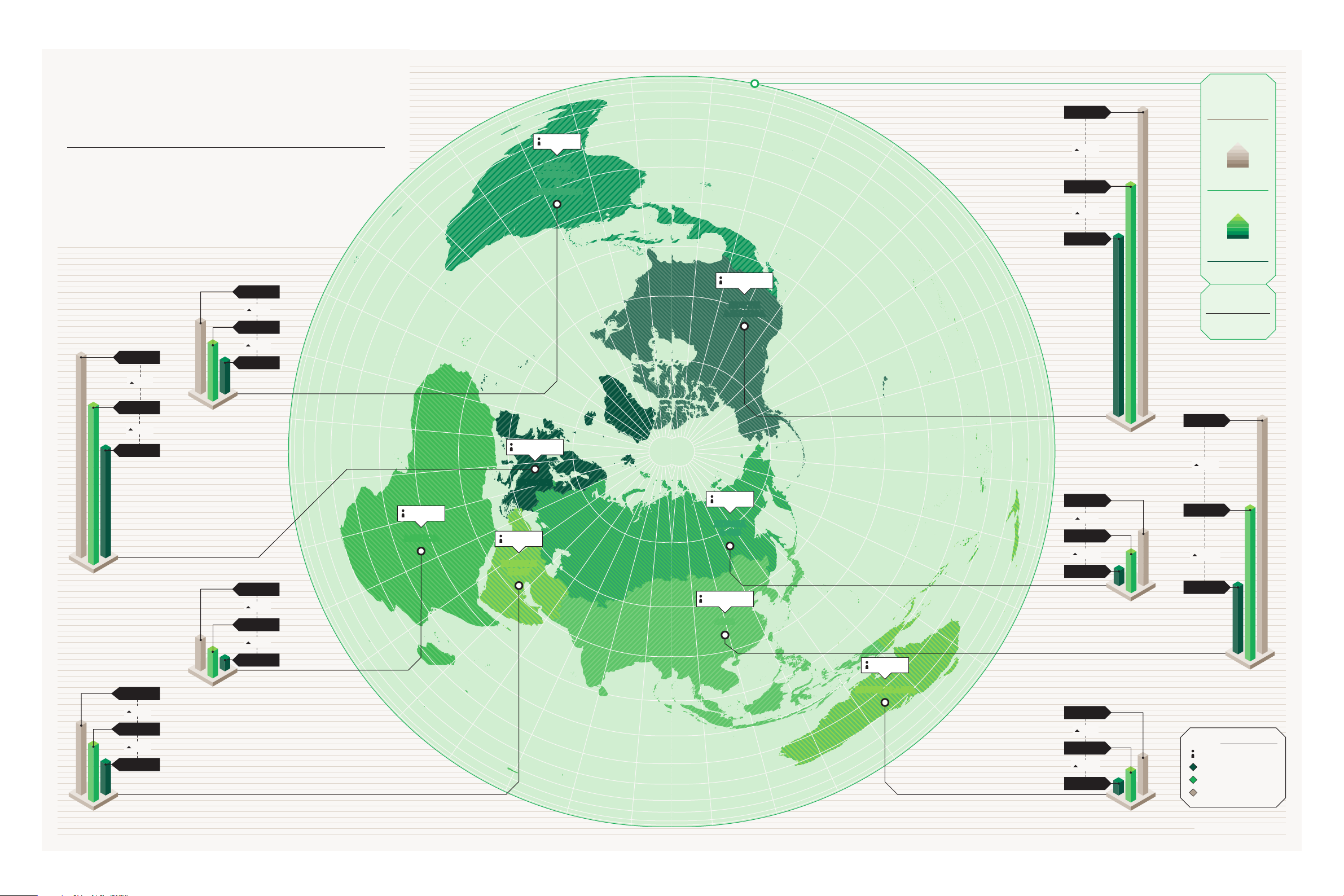








![FUTURE PLANS AND [REDACTED]](https://s3.us-east-1.amazonaws.com/outstation.idea/pdf-mt/2042067499778555904/pdf/c3b3938f-7e7e-44a5-b549-0e726957393d/imgs/page1.png)