Global Family Office Report 2024 PDF Free Download
1 / 86/86
100%

Global Family
Ofce Report
2024
For UBS marketing purposes

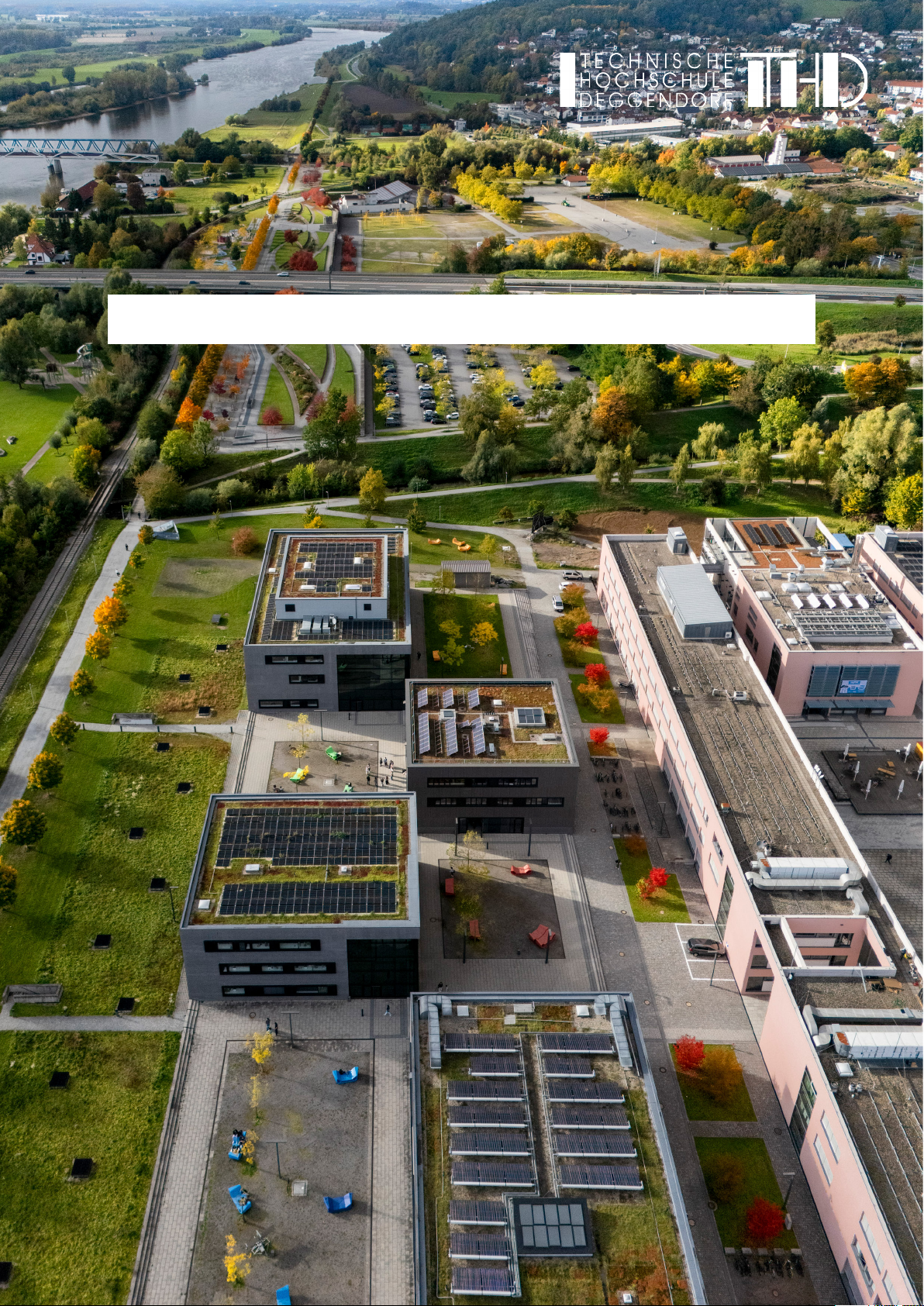
Cover image by Max Rive. Taken with a drone, it’s a panoramic view of the Romsdalen Valley,
a 60-kilometer long valley in western Norway. The photo is a metaphor for how the family office takes
in a broad panorama before setting a strategic path towards its objective.

Foreword
Executive summary
Section 1
Asset allocation
and portfolio
diversification
Section 2
Fixed income
Section 3
Private equity
and real estate
Section 4
Sustainability
and impact
Section 5
Professionalization
and governance
Section 6
Costs and staffing
Regional spotlights
Some facts about
our report
4
6
8
32
38
44
50
58
64
78
Content

Global Family Office Report 20244

Global Family Office Report 2024 5
George Athanasopoulos
Head of Global Family and Institutional Wealth
Co-Head Global Markets
Benjamin Cavalli
Head of Global Wealth Management Strategic Clients
Foreword
We are pleased to present to you our largest Global Family Ofce Report to
date. The 2024 study brings together the insights of 320 single family
offices across seven regions of the world. Representing families with an
average net worth of USD 2.6 billion and covering over USD 600 billion
of wealth, it conrms the report as the most comprehensive and authoritative
analysis of this influential group of investors.
Notably, the 2024 report shows that family offices followed through on the
plans for material shifts in strategic asset allocation foreseen in 2023’s
report. In a move to rebalance portfolios, allocations to developed market
fixed income rose by the largest amount seen in five years. Additionally,
real estate allocations declined at a time when commercial real estate prices
in some regions have corrected. However, family offices do not expect to
implement such big changes this year.
Family offices are most concerned about the danger of a major geopolitical
conflict, both in the near and medium terms. Over a five-year horizon,
they also view climate change as a top risk, alongside high levels of debt.
The bigger data set allows us to rene our analysis, especially by tailoring
ndings to regions. With US tech companies leading the generative AI
revolution, average global asset allocations appear set to remain tilted to
North America. Drill down into the data, though, and allocations
depend on location, with US, European and Swiss family offices preferring
their home markets. We have also analyzed how connected operating
businesses affect asset allocation.
Above all, this report is the result of constructive collaboration with the
contributing families, executives and advisors. We would like to thank them
for making this year’s enhancements possible. We are always trying to
improve the report and welcome your thoughts. In conclusion, we hope
you enjoy the report and its fresh insights.

Global Family Office Report 20246
Material shis in asset
allocation as portfolio
balance returns
Family offices carried out some of their
biggest shifts in strategic asset allo-
cation in 2023, in a move to rebalance
portfolios. In a shift that may reflect
elevated bond yields as much as active
decision-making, they lifted alloca-
tions to developed market fixed income
by the largest amount seen in five
years. Allocations to real estate de-
clined at a time when commercial
real estate prices in some regions have
been falling. Compared to 2023,
fewer family offices expect to make
changes in 2024.
Climate change and
debt crisis emerge as
medium-term risks
The risk of a major geopolitical conflict
is clearly the top concern for family
offices, both in the near and medium
term. Inflation and interest rates are
among the other top concerns over the
next 12 months but in the longer
term they play a less prominent role.
Family offices are more concerned
about climate change and high levels
of debt over the next five years.
Geographical asset allocations
set to remain tilted towards
North America
Family ofces have kept their largest
regional allocations in North America.
Looking ahead, North America and
Asia-Pacific (excluding Greater China)
look set to be the top destinations
of added allocations, with over a third
looking to increase allocations to
each of these regions respectively over
the next ve years. But there remains
a strong home bias, especially in the US
followed by Switzerland and Europe.
Executive summary

Global Family Office Report 2024 7
Confidence increases in
active management
Family ofces say that they are relying
more on active management and/or
manager selection to diversify portfolios.
This comes at a time when the diver-
gence of stock performance has increased.
High-quality short duration xed
income is also favored for diversication,
especially in the US.
With sustainability in
focus, family offices seek
information and advice
For family offices, sustainability is
becoming an essential matter of risk and
opportunity. As many perceive climate
change becoming a major concern,
so they see sustainability as driving risks
and opportunities for both their
operating businesses and investment
portfolios. As sustainability require-
ments become more specic, partly driven
by regulation in sectors such as real
estate, family ofces want more sophis-
ticated information and advice.
Family offices focus on
being investment specialists
first and foremost
Rather than carrying out the full gamut
of tasks to support families, many
family ofces concentrate mainly on
investments in-house. Most family
ofces not only make investment deci-
sions but also execute them. They
also focus primarily on nancial rather
than non-nancial risks. With most
family offices employing few staff,
it is potentially challenging to do
anything more than their core tasks.

Global Family Office Report 20248

Global Family Office Report 2024 9
Asset allocation
and portfolio
diversication
Key messages
1
Following 2023’s
appreciation in
fixed income prices,
family office
weightings in
developed market
bonds have
increased materially,
reaching the high-
est weight in strategic
asset allocation
seen in five years.
2
Geographically,
family offices tend to
have the highest
allocations in North
America. Over
ve years, they plan
to shift still more
capital there, as well
as to Asia-Pacic
(excluding Greater
China). But European
and Swiss family
offices have a strong
home bias towards
Western Europe.
3
There is a notable
increase in faith
in active management
as a means of
portfolio diversifi-
cation.
4
Unsurprisingly,
generative artificial
intelligence (AI)
is the most popular
investment theme
for the next two to
three years.
Section 1

42%
Alternative
asset
classes
10%
Real estate
1 %
Gold / precious
metals
5 %
Hedge
funds
2%
Private
debt
< 1%
Commodities
1%
Infrastructure
1 %
Art and
antiques
58%
Traditional
asset
classes
28%
Equities
24%
Developed
markets
16%
D e v e l o p e d
markets
4%
Emerging
markets
3%
Emerging
markets
19%
F i x e d
income
1 0 %
Cash
22%
Private
equity
1 1 %
Funds / funds
of funds
1 1 %
D i r e c t
investments
Strategic asset allocation 2023
Global Family Office Report 202410
Where the data total does not precisely match the related asset %, this is because we have added the figures
together to two decimal places, which can result in slight variations to the figures when rounded.

Global Family Office Report 2024 11
Global US Latin CH Europe Middle Asia- North SEA
America East Pacific Asia
Traditional asset classes
Equities 28% 28% 30% 31% 28% 27% 26% 25% 29%
Developed markets 24% 26% 23% 29% 25% 22% 21% 20% 23%
Emerging markets 4% 2% 7% 2% 3% 5% 5% 5% 6%
Fixed income 19% 7% 34% 11% 19% 11% 25% 27% 21%
Developed markets 16% 6% 27% 9% 16% 7% 22% 24% 19%
Emerging markets 3% 1% 7% 2% 3% 4% 3% 3% 2%
Cash (or cash equivalent) 10% 6% 5% 14% 8% 11% 14% 14% 13%
Alternative asset classes
Private equity 22% 35% 18% 18% 22% 28% 19% 18% 18%
Direct investments 11% 21% 8% 10% 11% 10% 9% 8% 10%
Funds / funds of funds 11% 14% 10% 8% 11% 18% 10% 10% 8%
Real estate 10% 10% 7% 13% 12% 15% 6% 7% 6%
Hedge funds 5% 8% 2% 3% 4% 5% 6% 6% 5%
Private debt 2% 4% 3% 1% 3% 2% 2% 2% 3%
Gold / precious metals 1% 0% 1% 6% 1% 0% 0% 1% 0%
Art and antiques 1% 1% 0% 2% 1% 1% 1% 0% 3%
Commodities 0% 1% 0% 0% 0% 0% 0% 0% 0%
Infrastructure 1% 1% 1% 1% 1% 1% 0% 0% 1%
Strategic asset allocation varies by region
Regional breakdown for 2023
CH: Switzerland, SEA: Southeast Asia

Global Family Office Report 202412
Most family offices believe that we will have positive US real interest rates for longer
Family offices’ views on interest rates
Global US Latin CH Europe Middle Asia- North SEA
America East Pacific Asia
We will have positive 73% 79% 81% 58% 58% 82% 84% 82% 88%
real interest rates
for longer
Real interest rates will 23% 12% 12% 38% 38% 18% 16% 18% 12%
fluctuate around zero
We will go back to 3% 9% 8% 4% 4%
negative real interest
rates
We will have positive real interest
rates for longer
Real interest rates will fluctuate
around zero
We will go back to negative
real interest rates
73% 23% 3%
Balance is back; stability returns
In 2024’s survey, family office portfolios
appear to be moving back into balance.
Strategic asset allocations for 2023 show
material shifts, as portfolios appear to
adjust for a world of moderating inflation
and declining policy rates. This change
in allocations may partly reflect elevated
bond yields, but it is also consistent
with the moves foreshadowed by last
year’s report.
At the heart of this scenario is the
stabilizing macroeconomic environment.
Inflation and policy rates appear to
have peaked in the US and Europe and
should gradually move lower in what
seems a healthy global economy. Given the
seemingly lower interest rate sensitivity
of the US, almost three quarters (73%) of
family offices say they believe that US
real interest rates will remain positive for
longer. However, European and Swiss
family offices have different expectations:
following their experience of nega-
tive policy rates over the past 10 years,
38% of those in both locations
believe that US real interest rates will
fluctuate around zero.
CH: Switzerland, SEA: Southeast Asia

Global Family Office Report 2024 13
Against that backdrop, family offices’
allocations to developed market bonds have
increased by the largest amount seen
in five years, reintroducing greater balance
between bonds and equities.
On average, they allocated 16% to
developed market bonds in 2023, up from
just 12% in 2022, and plan to maintain
this level in 2024.

Global Family Office Report 202414
Fixed income allocation reaches new high in 2023
Annual change in strategic asset allocation
Fixed income
(developed markets)
Fixed income
(emerging markets)
Equities
(developed markets)
Equities
(emerging markets)
Private equity
(direct investments)
Private equity
(funds/ funds of funds)
Private debt
Hedge funds
Real estate
Infrastructure
Gold/precious metals
Commodities
Cash
(or cash equivalent)
Art and antiques
2019 (actual)
11%
6%
23%
6%
9%
7%
N/A
5%
14%
0%
3%
0%
13%
3%
2024 (plan)
16%
2%
26%
3%
9%
13%
3%
4%
12%
1%
1%
0%
1%
9%
2022 (actual)
12%
3%
25%
6%
9%
10%
7%
13%
0%
2%
1%
9%
2%
2021 (actual)
11%
4%
24%
8%
13%
8%
2% 2%
4%
12%
0%
1%
1%
10%
1%
2023 (actual)
16%
3%
24%
4%
11%
11%
5%
10%
1%
1%
0%
10%
1%
2%
2020 (actual)
13%
5%
24%
8%
10%
8%
N/A
6%
13%
0%
2%
1%
10%
1%
“The shift towards developed markets fixed income does not surprise
me because we have owned little to no xed income over the past
10 to 15 years,” notes the investment ofce head of a Swiss family ofce.
“With the increase in interest rates, it was a natural shift as the asset
class became sufficiently interesting to deploy capital.”

Global Family Office Report 2024 15
“Fixed income begins with the handicap that it’s not tax efcient versus
buy and hold equities,” explains the president of one US family
office. “But let us say that you have fixed income with a yield of 5%
today versus 1% previously. It hits people’s radar screen.
You go from maybe not doing any fixed income to doing some.”
Allocations vary substantially by region,
depending on local macroeconomic
conditions and long-established prefer-
ences. For instance, Latin American
family offices have historically made
high allocations to fixed income
and continue to do so: in 2023, they
allocated 27% to developed market
bonds. In the US, though, family offices
allocated, on average, just 6% to
developed market bonds.
Family offices continue to hold their highest
weightings in developed market equities,
which accounted for almost a quarter (24%)
of portfolios in 2023 on average, slightly
less than 2022’s 25%. In 2024, family
offices plan to lift this allocation somewhat
to 26%. There is a striking contrast with
equities in emerging markets, which made
up only 4% of allocations on average in
2023 – half the 8% level reached in 2020
and 2021.

Global Family Office Report 202416
Turning to private equity, overall allocations
remain steady. Both direct investments
and funds/funds of funds stand at average
weightings of 11% in 2023, up from 9%
and 10% respectively in 2022. For 2024,
though, family offices plan to reduce direct
investments to 9% and raise allocations
in funds/funds of funds to 13%, likely in
search of greater diversification.
Apart from fixed income, the 2024
survey’s biggest change in asset allocations
was in real estate. Globally, family ofces’
average allocations to real estate declined
to 10% in 2023, down from 13% in
2022, as uncertainty over when valuations
will bottom continued and liquid
yield-generating assets such as fixed
income became more attractive.
“I can well understand the finding as we have a shopping center in Canada,
and in the last five years, with COVID, and recently with the higher
interest rates, valuations have taken a beating,” notes the principal of
a Malaysian family who also oversees the family wealth.

Global Family Office Report 2024 17
Fixed income
(developed markets)
Fixed income
(emerging markets)
Equities
(developed markets)
Equities
(emerging markets)
Private equity
(direct investments)
Private equity
(funds / funds of funds)
Private debt
Hedge funds
Real estate
Infrastructure
Gold / precious metals
Commodities
Cash
(or cash equivalent)
Art and antiques
4%
16%
3%
11%
8%
9%
15%
13%
13%
11%
14%
14%
35%
16%
9%
23%
27%
34%
4%
36%
12%
14%
4%
7%
5%
28%
7%
14%
46%
29%
39%
34%
17%6%
23%
28%
27%
10%
7%
21%
10%
29%
Family offices plan to add equities from developed markets
Changes in asset allocation in the next five years
Increase
Stay the same
Decrease
Don’t plan
on investing in
this asset class
Net*
2022
Net*
2021
Net*
2020
Net*
2023
Net*
2024
–18%
–22%
22% 20%
3%
–10%
10% 2%
35%36% 32% 33%
56%57% 18% 18%
42%49% 28% 25%
26%30% 21% 21%
16%0% 4% 12%
22%42% 22% 14%
23%37% 17% 23%
10%15% 9% 4%
9%2% 12% 2%
–18%
–8%
–13%
–7%
8%10% 12% 2%
N/AN/A 15% 23%
–4%
8%
29%
28%
42%
38%
11%
37%
25%
4%
10%
–15%
10%
27%
* Net equals increase minus decrease (i.e., a positive net indicates that more family offices plan to increase than to decrease,
a negative net indicates that more family offices plan to decrease than to increase)
46%
57%
38%
49%
39%
43%
49%
50%
47%
56%
54%
48%
47%
47%

Global Family Office Report 202418

Global Family Office Report 2024 19
For 2024, family offices plan to partially
reverse the decline in real estate
allocation, with the average allocation
recovering to 12%.
Allocations to cash are set to
fall slightly in 2024, which is unsurprising
given that central banks in the US and
Europe are signaling future cuts in policy
rates. While average allocations held
steady at 10% in 2023, family offices plan
to reduce them to 9% in 2024.
Looking forward over five years,
family offices plan to increase allocations in
a range of asset classes. Almost half
(46%) of family offices anticipate raising
their developed market equity alloca-
tions in the next five years. More than
a third (39%) plan to add to direct
private equity investments, and a similar
proportion (34%) to funds/funds of
funds. At the same time, over a third (35%)
intend to add to developed markets
fixed income. Suggesting that they are
becoming more optimistic, more than
a quarter (28%) of family offices plan to
cut cash allocations.
But the uncharacteristic shifts of 2023 –
with its rising fixed income and falling
real estate allocations – appear to be over.
Returning to their habit of making
only minor adjustments to strategic asset
allocation, fewer family offices are plan-
ning changes going forward. On average,
only a little over a quarter (27%) of
family offices intend to make changes to
their strategic asset allocation in
2024 – down from over a third (37%) that
said they planned changes for 2023 in
last year’s report.

Global Family Office Report 202420
Rising allocations in North America
and the Asia-Pacific region
Family offices appear to be strong believers
in American exceptionalism, as US tech
companies lead the generative AI revolution
and occupy a growing share of global
equity markets. Family offices, on average,
have half (50%) of their portfolios in-
vested in North American asset classes,
building on a multiyear theme of
increasing their investments in a region
that has proved resilient to high policy
rates and geopolitical risks, while offer-
ing the prospect of relieving global
labor shortages through AI’s anticipated
productivity gains.
Region invested in: US Latin CH Europe Middle Asia- North SEA
America East Pacific Asia
North America 82% 63% 37% 38% 49% 49% 46% 54%
Western Europe 8% 13% 54% 49% 24% 11% 11% 9%
Asia-Pacic 3% 5% 3% 4% 5% 19% 15% 28%
(excl. Greater China)
Greater China 2% 2% 2% 2% 3% 20% 24% 9%
Latin America 3% 13% 1% 1% 2% 0% 1% 0%
Eastern Europe 2% 2% 2% 5% 0% 0% 1% 0%
Middle East 0% 2% 1% 1% 17% 1% 1% 0%
Africa 0% 0% 1% 0% 0% 0% 0% 0%
% Home investment CH: Switzerland, SEA: Southeast Asia
50%
Δ 2023 +2%
North
America
27%
Δ 2023 –3%
Western
Europe
9%
Δ 2023 0%
Asia-
Pacific
8%
Δ 2023 +1%
Greater
China
2%
Δ 2023 –1%
Latin
America
2%
Δ 2023 0%
Eastern
Europe
2%
Δ 2023 0%
Middle
East
Δ 2023 0%
Africa
<1%
Assets continue to be concentrated in North America
Asset allocation by region (global average)

21Global Family Office Report 2024
“If the US is doing fine, why do we need to invest somewhere else?”
asks the president of a US family office, adding that almost
all its non-real estate assets are in the US. “At the end of the day,
this is an absolute return game, not a relative return game.
You add to that the fact that the prospects for Europe do not
seem as good as in the US.”

Global Family Office Report 202422
By contrast, just over a quarter (27%) of
allocations are in Western Europe,
with its market-leading companies in sectors
such as luxury goods and automation.
Turning to Asia-Pacic, assets in the region
– including markets such as Japan,
India and Australia but excluding Greater
China – accounted for 9% of portfolio
allocations. Meanwhile, Greater China itself
accounted for 8%.
As ever, these broad averages mask
notable local biases. For instance, US
family offices have, on average, 82% of
portfolios allocated to North America
and just 8% to Western Europe. In a mirror
image, Swiss family offices allocated
37% to North America and 54% to Wes-
tern Europe, while Europeans allocated
38% to North America and 49% to Western
Europe. Turning to Asia-Pacific, Euro-
pean and North American family offices
have, on average, just 2% allocated to
Greater China, against North Asian family
offices’ 24% and Southeast Asians’ 9%.
Looking forward over five years, confidence
in North America and Asia-Pacific
(excluding Greater China) is enduring.
Over a third of family offices plan
to increase allocations to North America
(38%) and Asia-Pacific (excluding
Greater China) (35%).
16%
4%
4%
10%
16%
23%
61%
54%
15%
9%
5%
14%
6%
23%
39%
50%
21%
0%
1%
5%
0%
21%
12%
29%
Western Europe
Eastern Europe
Middle East
Africa
Latin America
North America
Greater China
Asia-Pacic
(excl. Greater China)
North America and Asia-Pacific will attract assets
Asset allocation changes by region in the next five years
6%
32%
40%
43%
34%
1%
10%
7%
3%
2%
4%
9%
17%
10%5%
4%
5%
3%
7%
38%
17%16%
35%
16%
Increase my
investments in
this region
Stay the same
Decrease my
investments in
this region
Don’t plan
on investing in
this region
Net*
2022
Net*
2021
Net*
2023
Net*
2024
7%
–3%
3%
1%
3%
29%
30%
0%
68%
57%
52%
52%
55%
52%
50%
52%
* Net equals increase minus decrease (i.e., a positive net indicates that more family offices plan to increase than to decrease,
a negative net indicates that more family offices plan to decrease than to increase)

Global Family Office Report 2024 23

Global Family Office Report 202424
Looking to diversify through active
management, high-quality
short duration fixed income and
hedge funds
Just as balanced portfolios appear to
be back in favor, so too does active manage-
ment. Amid rapid technological change,
shiing rate expectations and uneven growth,
the increased dispersion of returns
offers opportunities for active manage-
ment. Almost four in 10 (39%) family
offices globally state that they are currently
relying more on manager selection
and/or active management to enhance port-
folio diversification, up 4% from 2023.
Corroborating the increased fixed income
weightings, high-quality short duration
fixed income is the second most popular
strategy for diversification, with 35%
diversifying in this way. Finally, hedge funds
are used by a third (33%) of family
offices for diversification.

Global Family Office Report 2024 25
Family offices are looking to diversify through active management
Top six strategies currently used for diversification
Global Δ 2023 US Latin CH Europe Middle Asia- North SEA
America East Pacific Asia
Rely more on manager 39% +4% 32% 37% 31% 43% 37% 42% 38% 50%
selection and/or
active management
High-quality short 35% –1% 47% 37% 26% 33% 10% 44% 45% 41%
duration fixed income
Hedge funds 33% –1% 38% 17% 29% 30% 33% 40% 39% 41%
Tilting portfolio to- 27% –2% 35% 17% 17% 25% 17% 37% 38% 34%
wards more defensive
geographies/ sectors
Increasing our amount 25% +4% 35% 23% 14% 40% 27% 15% 13% 19%
of illiquid assets
High-quality long 25% +15% 18% 27% 14% 25% 17% 34% 36% 28%
duration fixed income
Once again, global averages mask big
regional dierences. In the US, for instance,
high-quality short duration xed income
is by far the most popular means of diversi-
cation, with almost half (47%) of family
offices deploying it. Hedge funds are the
second most popular way to mitigate risk,
according to over a third (38%). By contrast,
active management is most popular
in Europe (43%) and Asia-Pacic (42%).
CH: Switzerland, SEA: Southeast Asia

Global Family Office Report 202426
Articial intelligence Healthtech Automation and robotics
Medical devices Security and safety Green tech
Smart mobility
Circular economyWater scarcityEducation services
Food innovationGenetic therapies
78%
59%
37%45%
35%
70%
52%
35%40%
33%
67%
50%
33%39%
30%
Artificial intelligence is the top ranking investment theme
Likelihood of investing over the next two to three years

Global Family Office Report 2024 27
Artificial intelligence is the most
popular investment theme
From a thematic perspective, it’s to
be expected that generative AI is the most
popular investment theme, with more
than three quarters (78%) of family offices
stating it is likely to be an area of invest-
ment in the next two to three years. This is
closely followed by healthtech (70%)
and then automation and robotics (67%).
Again, there are regional differences re-
lated to where industries have the strongest
presence domestically. Some 83% of US
family offices state they are likely to invest
in AI, while 76% of Swiss family offices
are likely to invest in healthtech.

Global Family Office Report 202428
Risk matters: geopolitics lead
concerns, followed by climate
change over five years
While economies may appear to be
stabilizing, family offices express concern
about a range of investment risks.
Geopolitics is the top concern, but climate
change emerges as a top risk in the
medium term.
Most (61%) say they will take similar
amounts of portfolio risk to 2023 in the
next 12–18 months but appear to nd
today’s fractious geopolitics unsettling.
Over 12 months, 58% say they are
concerned about the possibility of a major
geopolitical conflict and its possible im-
pact on their financial objectives. There also
appear to be concerns that central banks
may only be able to cut interest rates slowly,
with 37% of family offices stating they
have concerns about higher interest rates
and 39% about higher inflation. Corre-
sponding with the drop in real estate asset
allocations, a real estate correction is
also a concern for 39%.
Family offices plan to leave levels of risk unchanged
Managing portfolio risk in the upcoming 12–18 months vs. 2023
Global US Latin CH Europe Middle Asia- North SEA
America East Pacific Asia
I will likely take 21% 15% 27% 13% 19% 20% 27% 29% 21%
on less risk
I will take the 61% 76% 54% 70% 60% 60% 54% 56% 50%
same risk
I will likely take 18% 9% 19% 17% 21% 20% 19% 15% 29%
on more risk
I will likely take on less risk I will take the same risk I will likely take on more risk
21% 61% 18%
CH: Switzerland, SEA: Southeast Asia

Global Family Office Report 2024 29
When asked to look further forward
over five years, longer-term worries come
into sharper focus. While geopolitical
conflict remains the top concern (62%),
almost half (49%) are worried about
climate change and nearly as many (48%)
are concerned about a debt crisis at a
time when Western countries are burdened
by high levels of public debt that might
appear unsustainable.
For the sake of comparison, just 12% cite
they are concerned about the risk of
climate change with regard to their nancial
objectives over the next 12 months
and only 20% worry about a debt crisis.
For the investment manager of a Mexican family office, climate
change is already top of mind as the country has been suffering from
a drought for several years. “To me the finding makes sense,”
he says. “Let me explain why. In Latin America, infrastructure for things
like water does not develop as fast as in developed countries.
It takes time. If you can adapt the infrastructure to harbor resources,
you can at some level mitigate the impact. If your infrastructure
is 30–40 years old, though, the impact is huge.”

Global Family Office Report 202430
Geopolitics is the main risk over the short and medium term
Risks over the next 12 months and five years
Major geopolitical conflict
Higher inflation
Real estate correction
Higher interest rates
Global recession
Supply chain disruptions affecting the
operating business and/or investments
Financial market crisis
Higher energy costs
Technological disruptions affecting the
operating business and/or investments
Debt crisis
Higher taxes
Climate change
Deflation
Migration and the impact on the
operating business
Global health crisis
Food crisis
58% 62%
39% 24%
39% 24%
37% 24%
36% 38%
26% 22%
26% 43%
22% 35%
21% 40%
20% 48%
17% 43%
12% 49%
8% 16%
7% 15%
5% 24%
4% 22%
Next 12 months Next 5 years

Global Family Office Report 2024 31
There are noteworthy variations in family
offices’ top concerns. For instance, the
top concern over the next 12 months among
Latin Americans is inflation – although
they are also concerned about geopolitics,
it appears less of a concern than in
other regions. Technological disruptions
are a greater concern for those family
offices with operating businesses than
those without.
When seeking to hedge risk
in their portfolios, family offices typically
either increase portfolio liquidity (47%)
or reduce exposure to riskier asset classes
(45%). More than a fifth (21%) use
derivative overlays.
Anecdotally, the appetite for risk
depends on the generation of the family in
charge. “Some of China’s first generation
tech entrepreneurs have founded big family
offices and their pioneering spirit often
results in a relatively aggressive investment
style,” notes a Hong Kong family office
executive. “However, in the Chinese fami-
lies where the second or third genera-
tions are assuming leadership, priorities are
tending to shift towards preserving lega-
cy and ensuring the long-term stable growth
of wealth. This generational transition of-
ten results in a more conservative approach.”
How operating businesses
influence strategic asset allocation
The report reveals the relationship
between family offices and connected
operating businesses for the first time
this year. With more than three quarters
(77%) of family offices still having
a related operating business, it is signif-
icant that, on average, almost two
thirds (62%) of family ofces with related
operating businesses state that they
consider the main business’ exposure
when setting strategic asset allocation.
Quite how they do so varies.
Most commonly, almost three quarters
(72%) of those that consider the ex-
posure say that they use strategic asset
allocation as an effective way of
diversifying the operating business’s eco-
nomic exposures. Just over a third
(34%) state that some/all of the liquid
part of the asset allocation acts as
an emergency reserve. And almost as
many (32%) view part of the asset
allocation as a hedge to a wider unexpec-
ted event affecting the operating
business – for example a geopolitical
event or an economic downturn.
The nature of the operating
business may also affect the investment
portfolio in other ways. For instance,
family offices with connected real estate
businesses have lower allocations to
fixed income (14%) than those without
(23%). This may be because real estate
is also a source of income. Additionally,
family offices with businesses in the
real estate sector allocate significantly
more to real estate (22%) in their
investment portfolios than those with-
out (7%).
Finally, having an operating busi-
ness seems to curb risk appetites.
Family offices with connected operating
businesses appear to invest less in
public and private equity than those
without. The exception is family
offices with businesses in the start-up/
growth stages, which invest more
than average in direct private equity
while having lower fixed income
and cash allocations.

Global Family Office Report 202432

Global Family Office Report 2024 33
Section 2
Fixed
income
Key messages
1
As they ramp up bond
allocations, family offices are
mainly doing so through
reducing cash.
2
They are prioritizing
high-quality bonds while
avoiding longer dura-
tion bonds that have greater
interest rate sensitivity.
3
Most family offices are using
fixed income for diversi-
fication, but benefiting from
high yields and gener-
ating a steady income are
also motivations.

Global Family Office Report 202434
Funding higher bond allocations
from cash
With cash rates likely to fall, many family
offices aim to fund their increased
fixed income allocations mainly from cash.
Of those family ofces seeking to add
to fixed income over the next five years,
more than half (53%) say that they
plan to do so by shrinking cash allocations.
Additionally, around a fifth plan to fund
higher fixed income allocations by cutting
their weightings in private equity
(21%) and real estate (20%) respectively.
However, a third (33%) of
family offices that are looking to increase
fixed income allocations and have a
connected operating business say that they
will buy fixed income with the cash-
flows from their operating businesses.
Preferring quality; shorter duration
Family offices with fixed income
investments are prioritizing high-quality
bonds. On average, 40% of fixed
income investments are allocated to
investment-grade corporate bonds
and 36% to high-grade government
or supranational bonds.

Global Family Office Report 2024 35
Investment-grade and high-grade bonds are favored
Type of investments (family offices with fixed income investments in 2023)
Family offices prefer bonds with tenors of one to five years
Tenor of investments (family offices with fixed income investments in 2023)
High-grade bonds (government, supranational)
Investment-grade corporate bonds
High yield corporate bonds
Emerging market bonds
Inflation-linked bonds
Other (leveraged loans, hybrids, etc.)
Up to 2 years
2 up to 5 years
5 up to 10 years
More than 10 years
36%
35%
6%
7%
40%
39%
6%
0%
12%
20%

Global Family Office Report 202436
Family offices are chiefly concentrating on
bonds with tenors of up to five years,
which have the attractions of high yield,
stability and sensitivity to falling poli-
cy rates. On average, 35% of their fixed
income investments have tenors of up
to two years, with a further 39% having
tenors of two to five years. Family of-
fices are reluctant to hold tenors of more
than 10 years, with an average allo-
cation of just 7%.
Motivations: from diversification
to steady income
When asked why they are holding fixed
income, most family offices (60%) with
fixed income investments reply that it is to
diversify portfolios. Half (50%) say it is
to balance risk and almost half (49%) want
to benefit from high yields. Forty-eight
percent say they do so to receive a steady
stream of income. However, there are
interesting regional differences, with US
family offices most commonly stating
that they want to benefit from high yields.
“You have less control with long duration so it could be volatile,”
notes an executive at a Singaporean family office. “The short and the
intermediate terms are where you have a better understanding
and can use to reduce portfolio volatility.”

Global Family Office Report 2024 37

Global Family Office Report 202438

Global Family Office Report 2024 39
Private equity
and real estate
Key messages
Section 3
1
The top concern for investors
in private equity in the next
12 months is the lack of exits
and liquidity.
2
Potentially seeking diversi-
fication, family offices mainly
invest in funds, although
direct investments are also
popular.
3
Real estate investors favor
direct investments in
fully-owned physical property,
although co-investments
are almost as popular in the US.

Global Family Office Report 202440
“We want to see some realizations before people come back to raise
more money,” says the president of a US family office. “I think that is
a similar thing to what most of the endowments are pushing for.
I do not worry about the exits because I think they will happen eventually
but if private equity firms want to raise more funds they will have
to calm down.”

Global Family Office Report 2024 41
Private equity investors worry about
lack of available exits and liquidity
Among family offices investing in private
equity, the slowdown in realizations and
exit activity is the main concern for the next
12 months. Some 61% of them cite this
worry, with a further 48% naming a lack
of liquidity.
There continues to be confidence in the
asset class’s returns. On average, 71% of
family offices investing in private equity
explain that they are doing so to diversify
their investment portfolios, while 71%
think the long-term returns are likely to
be better than in public equities.
Most commonly, private equity
investments are allocated to funds
and funds of funds (62%), which offer the
benefits of diversification and general
partner (GP) expertise. However, many
family offices make their own direct
equity investments, with allocations to
direct investments at 38% – 15% of
allocations are for investments as an active
shareholder, 13% are allocations for
investments as a passive shareholder and
10% of allocations go towards co-
investments alongside a GP. The popularity
of direct investments rises among the
largest family offices. Of those with more
than USD 1 billion in assets almost
half (49%) of allocations go towards
direct investments.
“We like the directs; they are
fun; we think we can do it. It is in our DNA,”
says the CEO of a Benelux family office.

Global Family Office Report 202442
Real estate investors favor
physical property
Turning to real estate, family offices with
real estate investments most commonly buy
fully-owned physical property, making
52% of real estate investments in this way.
However, co-investments in physical real
estate are increasing in popularity, as are
investments in direct closed-end funds,
with allocations of 19% going to each res-
pectively. In the US, co-investments are
almost as popular as direct investments.
While 34% allocations go towards
direct investments, 33% are co-investments.

Global Family Office Report 2024 43
Private equity investments are mostly allocated to funds
Manner of investing (family offices with private equity investments in 2023)
Real estate investors favor physical property
Manner of investing (family offices with real estate investments in 2023)
Private equity funds
Private equity funds of funds
Direct investment(s) in private equity
as an active shareholder
Direct investment(s) in private equity
as a passive shareholder
Direct co-investments in private equity
as an active shareholder
Direct co-investments in private equity
as a passive shareholder
52% –5%
Δ 2023
2%
0%
2%
–1%
1%
13%
10%
8%
2%
15%
Direct investments in fully owned physical
real estate
Co-investments in physical real estate
(i.e., investing with others to buy physical real estate)
Investments in direct closed-end funds
Investments in direct open-end funds
Investments in fund of funds
Listed real estate (e.g., REITs)
52% –8%
Δ 2023
5%
6%
0%
–1%
–2%
5%
19%
4%
1%
19%

Global Family Office Report 202444

Global Family Office Report 2024 45
Sustainability
and impact
Key messages
Section 4
1
With climate and nature increasingly in the
spotlight, family offices that take sustainability
and impact into account commonly consider
it an essential matter of risk and opportunity –
for both their investments and related
operating businesses.
2
As they get more familiar with the topic of
sustainability and impact, family offices want
more sophisticated information and advice.
Global Family Office Report 202446
An essential matter of risk and
opportunity
It appears that sustainability is becoming
an increasingly important topic aecting not
just family offices’ investment portfolios,
but also the long-term outlook of operating
businesses. This is consistent with the
finding that almost half (49%) of family
offices view climate change as a top
risk over the next five years (as reported
in section 1).
More than half (57%) of family offices with
an operating business are either taking
sustainability considerations into account
already for their operating businesses
or plan to do so in the future. Echoing this,
almost half (49%) of these respondents
say that finding the right approach to ad-
dressing the net zero transition and
reducing emissions will be of key importance
to their operating businesses over the
next one to three years.
Several family offices with large
real estate holdings indicate that
sustainability has become critical for them.
Evidently, net zero and the
wider topic of sustainability have become
an everyday matter of both risk and
opportunity. Among those family offices
incorporating sustainability and/or im-
pact considerations, 47% say it is important
to manage financial and non-financial
risks for both their investment portfolios
and business operations, and 42% say
it makes commercial sense by providing
attractive investment and business
opportunities. Beyond these commercial
motivations, 44% state that sustain-
ability is fundamentally important to the
beneficial owner.
A Benelux family ofce CEO notes that sustainability is a key part of his
investment strategy. “We strongly believe in ofce buildings because
we think we can buy them cheap. We can buy them, strip them down and
make them ESG future proof.”

Global Family Office Report 2024 47
For the investment portfolio, sustainability
is far from just a “hygiene factor.” For two
thirds (66%) of family offices, market-
based nancial returns are a dening feature
of sustainable and impact investments,
similar to other more traditional investments.
Also, 44% of family offices either take
or intend to take sustainability or impact
into account in their liquid investment
portfolios, and 45% when making direct
investments in green tech or other
sustainability-related ventures.
Understanding philanthropy
When it comes to philanthropy, almost
a third (32%) of family offices globally are
focusing on and/or looking to better
understand it. This is especially pronounced
in the Asia-Pacific region, where 41%
of family offices agree or strongly agree
that innovative financial approaches like
blended finance or outcomes-based finance
will lead to a convergence of traditional
investing and philanthropy activities.
Philanthropy and charitable giving
appear especially popular in the US and
Asia-Pacific, with 45% of family offices in
both regions saying they currently take
it into account.
As the Malaysian principal and family member
who oversees his family’s wealth explains:
“I’ve been managing our family office for 40 years
and my nephew is taking over now. Usually,
it’s very hard to pass on the reins, but I have
moved to an even better job which is
running the family philanthropic foundation.”

Global Family Office Report 202448

Global Family Office Report 2024 49
Healthcare is the top sustainability
theme, followed by the
climate-related topics net zero
and energy transition
Healthcare is the top-rated sustainability
and impact theme that family offices
are looking to focus on or better understand,
according to 39% of family offices, as
well as net zero and the energy transition
(32%), clean tech/green tech/climate
tech (30%) and education (28%). These are
all themes that lend themselves well to
investors earning a competitive investment
return while simultaneously seeking
to generate a positive impact. Importantly,
these are areas where investors may
find it somewhat easier to measure the
impact achieved.
Requiring more sophisticated
information and advice
As the topic of sustainability matures,
family offices need more information and
advice. Better data analytics to measure
the impact of investments and/or business
operations would help in achieving sus-
tainability and/or impact goals, according
to 37% of respondents. Similarly, 34%
would find educational materials helpful,
with 32% also looking for direct access
to industry experts.
Notably, over half (55%) of family
offices globally strongly agree or agree that
difficulties in accurately measuring impact
are holding them back from allocating more
money to impact investments. However,
as they become more sophisticated in their
approach, family offices appear to
doubt the usefulness of sustainable invest-
ment product labels, with only 36%
stating that labels are important indica-
tors when selecting investments.
Data analytics in demand
Options to better achieve goals (family offices taking sustainability/impact into account)
Data analytics to measure impact of
investments/business operations
Access to educational materials on
sustainability/impact-related topics
Direct access to leading industry sector experts
Networking opportunities with other
family offices
Access to “deal flow”/co-investment
opportunities for early-stage ventures
Access to topical thematic research
37%
31%
34%
25%
27%
32%

Global Family Office Report 202450

Global Family Office Report 2024 51
Professionalization
and governance
Key messages
Section 5
1
Many family offices have
room for further
professionalization.
2
The services carried out
in-house mainly relate
to investment management,
with specialist services
like tax, legal and cyber-
security outsourced.
3
There is a focus on financial
risks rather than the wider
range of risks a family faces,
such as reputational and
medical risks.
Global Family Office Report 202452
Many family offices have room
to professionalize further
While family offices can cover a wide
range of a family’s needs, many appear
to have a narrower scope and room
to professionalize further. For instance,
when it comes to the family office’s key role
of investment management, the picture
is mixed. An average of just 56% of family
offices globally have an investment
committee, with only 44% having a doc-
umented investment process. What’s
more, in Switzerland and Southeast Asia
fewer than 40% of family offices have
documented investment processes (39%
and 38% respectively).
Turning to broader controls, just 44%
globally have an overall governance
framework in place, 40% have cybersecurity
controls (down from 44% last year) and
only 31% have risk management processes
extending beyond investments.

Global Family Office Report 2024 53
The picture looks much better in family
ofces with more than a billion dollars
in assets. More than three quarters (76%)
of these family ofces have an invest-
ment committee and 60% a documented
investment process. Continuing the
comparison, 64% have a governance frame-
work, 68% cybersecurity controls and
44% risk management processes extending
beyond investments. Similar uplis in
scores can be found when comparing rst
generation family ofces with later-stage
family ofces, and family ofces with few
sta versus those with large teams.
This underlines the journey family ofces
go through from inception to maturity.
Most family offices have opportunities for institutionalization
Common governance controls and processes in place
Financial performance measurement process
Investment committee
Regular review process of all the
activities/operations of the family office
Annual performance review process
for all staff members
Annual budgeting process
for the family office
Job descriptions for the roles covered
by the family office
Wealth succession plan
for the family members
Financial reporting software
from an external party
Governance framework
Documented investment process
Cybersecurity controls
Risk management processes
beyond investments
Family office strategy
and/or operating manual
Process to select and review
external parties
Succession plan for the family office
None of these
64%
51%
44%
30%
56%
47%
31%
49%
40%
7%
50%
44%
26%
56%
45%
31%

Global Family Office Report 202454
Performing investments in-house;
outsourcing non-core services
Family offices mainly perform financial
tasks in-house – either around the
management of investment portfolios or
reporting. Almost all family offices
(85%) perform strategic asset allocation
in-house, with 78% carrying out
portfolio risk management, 71% finan-
cial reporting and 71% bookkeeping
and accounting.
Three types of specialist services
tend to be outsourced: legal services
(67%), cybersecurity (57%) and tax plan-
ning (53%). Investment research is
roughly equally performed in-house
(50%) and outsourced (44%).
Some services simply are not
covered by many family offices in any way.
Almost half (47%) of family offices do
not perform lifestyle services. A similar
proportion (45%) does not carry out
pension and/or life assurance planning.
In-house investment professionals
act across asset classes
On average, more than half (52%) of family
offices say that in-house investment
professionals decide and actively execute
the majority of their investment
decisions. A further 27% splits investment
management roughly equally between
in-house teams and external partners.
The split varies across regions. In the US,
for example, 65% conduct most invest-
ment activity in-house. By contrast, in Latin
America and the Middle East the pro-
portion falls to 39% and 31% respectively.
Taking a global average, it’s surprising
that more than a third (37%) of family ofces
with up to three sta members say that
they make and execute most investment
decisions in-house.
Investment professionals concentrate mainly on equities
Top areas of focus for in-house investment professionals (family offices with active investment professionals)
Equities
Liquidity management
Private equity (direct investments)
Private equity (funds/funds of funds)
Bonds (or fixed income)
Real estate/infrastructure
78%
64%
69%
61%
63%
65%

Global Family Office Report 2024
55

Global Family Office Report 202456
Among those family offices that said
they decide and actively execute at least
some of their investments in-house,
they most commonly focus on
equities (78%).
However, 69% focus on liquidity manage-
ment and 63% on fixed income. When
it comes to private equity, 65% concentrate
on direct investments and 64% on funds/
funds of funds. Similarly, 61% focus on real
estate/infrastructure.

Global Family Office Report 2024 57
Most family offices are covered against financial risks
Risks covered by family offices
Financial risks
Cybersecurity risks
Economic risks
Family succession risk
Operational risks
Geopolitical risks
Ownership risks
Business risks
Reputational risks
Family office succession risk
Family risks
Physical risks
Staffing risks
Medical risks and travel emergencies
Environmental/climate risks
None of the above
59%
35%
24%
14%
40%
25%
16%
26%
21%
7%
32%
24%
9%
40%
25%
15%
Managing financial risk first
Corroborating the picture of a primary
focus on investment management
is risk management. Most family offices
concentrate on managing financial
risk, with less emphasis on other types
of risk. An average of 59% say they
have measures and/or procedures in place
to deal with financial risk and 40%
economic risk.1 But only 24% focus on
reputational risks, and 14% address
medical risks and travel emergencies
for the family.
There is some evidence of inade-
quate planning for “key person risk.”
Almost four in 10 (39%) of family offices
say that they currently have key person
risk within the family office, yet only around
a quarter (26%) have a succession plan
in place for the family office to deal with
business risks such as continuity of sta
and services.
The succession opportunity
When it comes to the top-stated purpose of
supporting the generational transfer of
wealth, family offices have an opportunity.
Indicating the magnitude of the wealth
handover to come, it’s estimated that over
the next 20 years more than 1,000
billionaires will pass an estimated USD 1.2
trillion to their children.2 Yet, on aver-
age, just 47% of family offices say that they
currently have a wealth succession plan
in place for family members, showing the
potential for starting to plan how
wealth will pass to the next generation.
1 Financial risks are described as asset diversification, single stock concentration, liquidity, poor
performance loss, etc. Economic risks are described as market downturn, currency depreciation, etc.
2 UBS Billionaire Ambitions Report 2023: The great wealth transfer.

Global Family Office Report 202458
Global Family Office Report 2024 59
Costs and
stafng
Key messages
Section 6
1
Most family offices employ
up to 10 staff, meaning they
likely only have sufficient
resources to carry out their
core tasks.
2
Typically, family offices
support only the first and/or
second generation.
3
Costs are forecast to
stabilize in 2024, after a
small rise in 2023.

Global Family Office Report 202460
Most family offices do not
have the resources for a wide
range of tasks
With most family offices employing just
a small number of staff, they appear to lack
the capacity to do anything more than
their core tasks. The data suggests these
tasks are managing investments and
performing the supporting administration
(see section 5).
Two thirds (66%) of family offices only
employ up to 10 members of staff
(with 20% just employing up to three),
which is typically not enough to carry
out the full gamut of services that might
be expected – from investment manage-
ment through to bookkeeping, philanthropy,
tax and lifestyle support. Also, in 72%
of family offices at least one employee is a
family member. The limited capacity of
family offices can be seen in the fact that
just over a third (37%) of family offices
managing more than USD 1 billion still only
employ up to 10 members of staff.
That said, there are some very well staffed
institutions in this bracket, with a similar
proportion (26%) employing from 21 to 50
people: a few, 8%, employ more than 50.
“Family offices tend to be very lean,” explains a former head of
a Swiss family ofce who now acts as a family ofce advisor. “There is a
tendency to take the really private stuff outside the family office.
I can confirm that most family offices have no more than 10 people.
They think very clearly about make or buy. What can you insource
and what can you outsource? In my view, this is a noticeable change.”

Global Family Office Report 2024 61

Global Family Office Report 202462
More than half of family offices support
only the first (52%) and/or second
(59%) generation. On average, family
ofces support just seven family mem-
bers, for instance paying them an income
or providing supporting services.
Costs are stabilizing
There was a small increase in the costs
of running a family office in 2023,
although they now appear to be stabilizing.
On average globally, the overall pure
cost of operating the family office in 2023
was 39.8 basis points (bps) of assets
under management (AUM), up from 38.1 bps
in 2022. Looking forward to 2024,
planned costs are 40.3 bps.
Scale brings cost benefits. Costs
fall when wealth managed grows from
the USD 100 m to 250 m range to over USD
1 bn. In the former range, actual costs
for 2023 average 43.2 bps, while for the
latter they average 35.2 bps.
As in previous years, the family
office’s largest projected cost in 2024 will
be the cost of running itself, rather than
paying its external partners. The pure cost
of running the family office – including
personnel, infrastructure, IT, etc. – accounts
for 57% of projected costs in 2024.
The next largest cost was asset manage-
ment, at 24%.

Global Family Office Report 2024 63
66%
3%
10%
9%
7%
4%
Staff costs
Legal and/or compliance
Physical infrastructure
IT/technology
Research
Other
Pure family office spending remains the driver of overall cost
Split of overall and operating costs in 2024
24%
9%
7%
3%
57%
Pure cost of running
the family office
Asset management
costs
Banking-related
services fees
External structures
Other

Regional spotlight
United States
14
83
9
3
12
79
15
9
76
We will have positive real
interest rates for longer
Real interest rates will fluctuate
around zero
We will go back to negative
real interest rates
I will likely take on less risk
I will take the same risk
I will likely take on more risk
59%
Alternative
asset
classes
10%
Real
estate
< 1 %
Gold / precious
metals
8%
Hedge
funds
4%
Private
debt
1%
Commodities
1%
Infrastructure
1%
Art and antiques
41%
Traditional
asset
classes
28%
Equities
26%
Developed
markets
6%
D e v e l o p e d
markets
2%
Emerging
markets
1%
Emerging
markets
7%
F i x e d
income
6%
Cash
35%
Private
equity
14%
Funds /
funds
of funds
21%
D i r e c t
investments
Very/somewhat likely
Unsure
Very/somewhat unlikely
Interest rate trend in the
current investment cycle
Portfolio risk in the next
12–18 months vs. 2023
Likelihood to invest in AI
in the next 2–3 years
Strategic asset allocation 2023
Global Family Office Report 202464

Major geopolitical conflict
Higher interest rates
Real estate correction 33%
Higher taxes
Debt crisis
Major geopolitical conflict
Increase our portfolio liquidity
Increase our cash holdings
Reduce our exposure to riskier asset classes
High-quality short duration xed income
Hedge funds
Tilting our portfolio towards more defensive
geographies and sectors
73%
71%
47%
67%
51%
38%
55%
43%
35%
Support generational transfer of wealth
Manage administrative tasks
Invest excess cash from the operating business
Financial performance measurement process
Wealth succession plan for the family members
Cybersecurity controls
78%
83%
53%
78%
50%
75%
57%
37%
Top risks over the next 12 months
Top risks over the next five years
Strategies to hedge against risk within investment portfolio
Strategies to enhance portfolio diversification
Main purposes of the family office’s assets and activities
Family office processes in place
Global Family Office Report 2024 65

Latin America
Regional spotlight
Interest rate trend in the
current investment cycle
Portfolio risk in the next
12–18 months vs. 2023
Likelihood to invest in AI
in the next 2–3 years
Strategic asset allocation 2023
18
68
8
14
12
81
27
19
54
We will have positive real
interest rates for longer
Real interest rates will fluctuate
around zero
We will go back to negative
real interest rates
I will likely take on less risk
I will take the same risk
I will likely take on more risk
31%
Alternative
asset
classes
7%
Real
estate
1%
Gold / precious
metals 2%
Hedge
funds
3%
Private
debt
< 1%
Commodities
1%
Infrastructure
< 1 %
Art and antiques
69%
Traditional
asset
classes
3 0 %
Equities
23%
Developed
markets
27%
D e v e l o p e d
markets
7%
Emerging
markets
7%
Emerging
markets
3 4%
F i x e d
income
5%
Cash
18%
Private
equity
10%
Funds /
funds
of funds
8%
D i r e c t
investments
Very/somewhat likely
Unsure
Very/somewhat unlikely
Global Family Office Report 202466

Top risks over the next 12 months
Top risks over the next five years
Strategies to hedge against risk within investment portfolio
Strategies to enhance portfolio diversification
Main purposes of the family office’s assets and activities
Family office processes in place
Higher inflation
Major geopolitical conflict
Higher interest rates 52%
Climate change
Technological disruptions affecting
the operating business /investments
Higher energy costs
Increase our cash holdings
Increase our portfolio liquidity
Reduce our exposure to riskier asset classes
Rely more on manager selection/active management
High-quality short duration xed income
High-quality long duration fixed income
48%
42%
37%
48%
38%
37%
43%
29%
27%
Support generational transfer of wealth
Diversify away from the operating business
Invest excess cash from the operating business
Regular review process of all the
activities/operations of the family office
Investment committee
Financial performance measurement process
66%
63%
45%
60%
38%
53%
60%
52%
Global Family Office Report 2024 67

Switzerland
Regional spotlight
Interest rate trend in the
current investment cycle
Portfolio risk in the next
12–18 months vs. 2023
Likelihood to invest in AI
in the next 2–3 years
Strategic asset allocation 2023
21
72
4
38
7
58
13
17
70
We will have positive real
interest rates for longer
Real interest rates will fluctuate
around zero
We will go back to negative
real interest rates
I will likely take on less risk
I will take the same risk
I will likely take on more risk
45%
Alternative
asset
classes
1 3 %
Real
estate
< 1%
Commodities 6%
Gold / precious
metals
1 %
Private
debt
3%
Hedge funds
1%
Infrastructure
2%
Art and antiques
55%
Traditional
asset
classes
3 1 %
Equities
29%
Developed
markets
9%
D e v e l o p e d
markets
2%
Emerging
markets
2%
Emerging markets
1 0 %
F i x e d
income
14%
Cash
1 8 %
Private
equity
8%
Funds /
funds
of funds
10%
D i r e c t
investments
Very/somewhat likely
Unsure
Very/somewhat unlikely
Global Family Office Report 202468

Top risks over the next 12 months
Top risks over the next five years
Strategies to hedge against risk within investment portfolio
Strategies to enhance portfolio diversification
Main purposes of the family office’s assets and activities
Family office processes in place
Major geopolitical conflict
Global recession
Financial market crisis 35%
Major geopolitical conflict
Debt crisis
Climate change
Reduce our exposure to riskier asset classes
Increase our portfolio liquidity
Increase our cash holdings
Precious metals
Rely more on manager selection/active management
Hedge funds
71%
38%
34%
65%
34%
31%
61%
25%
29%
Support generational transfer of wealth
Provide income to the family members
Manage administrative tasks
Investment committee
Financial performance measurement process
Regular review process of all the
activities /operations of the family office
64%
69%
64%
58%
64%
56%
62%
35%
Global Family Office Report 2024 69

Europe
Regional spotlight
Interest rate trend in the
current investment cycle
Portfolio risk in the next
12–18 months vs. 2023
Likelihood to invest in AI
in the next 2–3 years
Strategic asset allocation 2023
19
73
4
8
38
58
19
21
60
We will have positive real
interest rates for longer
Real interest rates will fluctuate
around zero
We will go back to negative
real interest rates
I will likely take on less risk
I will take the same risk
I will likely take on more risk
Very/somewhat likely
Unsure
Very/somewhat unlikely
45%
Alternative
asset
classes
1 2 %
Real
estate
1%
Gold / precious
metals
4%
Hedge
funds
3 %
Private
debt
55%
Traditional
asset
classes
28%
Equities
25%
Developed
markets
16%
D e v e l o p e d
markets
3%
Emerging
markets
3%
Emerging
markets
19%
F i x e d
income
8%
Cash
22%
Private
equity
1 1 %
Funds /
funds
of funds
1 1 %
D i r e c t
investments
< 1%
Commodities
1%
Infrastructure
1%
Art and antiques
Global Family Office Report 202470

Top risks over the next 12 months
Top risks over the next five years
Strategies to hedge against risk within investment portfolio
Strategies to enhance portfolio diversification
Main purposes of the family office’s assets and activities
Family office processes in place
Major geopolitical conflict
Real estate correction
Global recession 36%
Major geopolitical conflict
Climate change
Debt crisis
Reduce our exposure to riskier asset classes
Increase our cash holdings
Increase our portfolio liquidity
Rely more on manager selection/active management
Increasing our amount of illiquid assets
High-quality short duration xed income
71%
45%
43%
56%
38%
40%
47%
28%
33%
Support generational transfer of wealth
Provide income to the family members
Diversify away from the operating business
Financial performance measurement process
Financial reporting software from an external party
Investment committee
68%
72%
53%
63%
44%
60%
61%
51%
Global Family Office Report 2024 71

Middle East
Regional spotlight
Interest rate trend in the
current investment cycle
Portfolio risk in the next
12–18 months vs. 2023
Likelihood to invest in AI
in the next 2–3 years
Strategic asset allocation 2023
5
75
20 18 20
20
60
We will have positive real
interest rates for longer
Real interest rates will fluctuate
around zero
I will likely take on less risk
I will take the same risk
I will likely take on more risk
Very/somewhat likely
Unsure
Very/somewhat unlikely
51%
Alternative
asset
classes
1 5 %
Real
estate
< 1%
Gold / precious
metals
< 1%
Commodities
5%
Hedge
funds
2%
Private
debt 49%
Traditional
asset
classes
27%
Equities
22%
Developed
markets
7%
D e v e l o p e d
markets
5%
Emerging
markets
4%
Emerging
markets
11%
F i x e d
income
11%
Cash
27%
Private
equity
1 8 %
Funds /
funds
of funds
10%
D i r e c t
investments
1%
Infrastructure
1%
Art and antiques
82
Global Family Office Report 202472

Top risks over the next 12 months
Top risks over the next five years
Strategies to hedge against risk within investment portfolio
Strategies to enhance portfolio diversification
Main purposes of the family office’s assets and activities
Family office processes in place
Major geopolitical conflict
Higher inflation
Higher interest rates 42%
Financial market crisis
Technological disruptions affecting
the operating business /investments
Major geopolitical conflict
Increase our portfolio liquidity
Reduce our exposure to riskier asset classes
Increase our cash holdings
Rely more on manager selection/active management
Hedge funds
Increasing our amount of illiquid assets
57%
61%
37%
48%
52%
33%
43%
48%
27%
Support generational transfer of wealth
Provide income to the family members
Diversify away from the operating business
Investment committee
Financial performance measurement process
Governance framework
75%
63%
68%
53%
50%
53%
68%
53%
Global Family Office Report 2024 73

North Asia
Regional spotlight
Interest rate trend in the
current investment cycle
Portfolio risk in the next
12–18 months vs. 2023
Likelihood to invest in AI
in the next 2–3 years
Strategic asset allocation 2023
6
89
618
82
29
15
56
We will have positive real
interest rates for longer
Real interest rates will fluctuate
around zero
I will likely take on less risk
I will take the same risk
I will likely take on more risk
Very/somewhat likely
Unsure
Very/somewhat unlikely
34%
Alternative
asset
classes
7%
Real
estate
6%
Hedge
funds
2%
Private
debt
66%
Traditional
asset
classes
2 5 %
Equities
20%
Developed
markets
24%
D e v e l o p e d
markets
5%
Emerging
markets
3%
Emerging
markets
27%
F i x e d
income
14%
Cash
1 8 %
Private
equity
10%
Funds /
funds
of funds
8%
D i r e c t
investments
1%
Gold / precious
metals
< 1%
Art and antiques
< 1%
Infrastructure
< 1%
Commodities
Global Family Office Report 202474

Top risks over the next 12 months
Top risks over the next five years
Strategies to hedge against risk within investment portfolio
Strategies to enhance portfolio diversification
Main purposes of the family office’s assets and activities
Family office processes in place
Major geopolitical conflict
Higher interest rates
Real estate correction 40%
Major geopolitical conflict
Climate change
Financial market crisis
Increase our portfolio liquidity
Reduce our exposure to riskier asset classes
Increase our cash holdings
High-quality short duration xed income
Hedge funds
Rely more on manager selection/active management
70%
62%
45%
41%
50%
39%
41%
41%
38%
Support generational transfer of wealth
Provide income to the family members
Invest excess cash from the operating business
Regular review process of all the
activities/operations of the family office
Financial performance measurement process
Wealth succession plan for the family members
76%
57%
49%
56%
39%
49%
56%
42%
Global Family Office Report 2024 75

Southeast Asia
Regional spotlight
Interest rate trend in the
current investment cycle
Portfolio risk in the next
12–18 months vs. 2023
Likelihood to invest in AI
in the next 2–3 years
Strategic asset allocation 2023
19
78
412
88
21
29
50
We will have positive real
interest rates for longer
Real interest rates will fluctuate
around zero
I will likely take on less risk
I will take the same risk
I will likely take on more risk
Very/somewhat likely
Unsure
Very/somewhat unlikely
36%
Alternative
asset
classes
6%
Real
estate
5%
Hedge
funds
3 %
Private
debt
64%
Traditional
asset
classes
29%
Equities
23%
Developed
markets
1 9 %
D e v e l o p e d
markets
6%
Emerging
markets
2%
Emerging
markets
21%
F i x e d
income
13%
Cash
1 9 %
Private
equity
8%
Funds /
funds
of funds
10%
D i r e c t
investments
1%
Infrastructure
3%
Art and antiques
< 1%
Gold / precious
metals
< 1%
Commodities
Global Family Office Report 202476

Top risks over the next 12 months
Top risks over the next five years
Strategies to hedge against risk within investment portfolio
Strategies to enhance portfolio diversification
Main purposes of the family office’s assets and activities
Family office processes in place
Major geopolitical conflict
Higher inflation
Financial market crisis 41%
Higher taxes
Climate change
Major geopolitical conflict
Reduce our exposure to riskier asset classes
Increase our portfolio liquidity
Increase our cash holdings
Rely more on manager selection/active management
High-quality short duration xed income
Hedge funds
59%
55%
50%
56%
45%
41%
52%
42%
41%
Support generational transfer of wealth
Diversify away from the operating business
Provide income to the family members
Financial performance measurement process
Annual performance review process
for all staff members
Regular review process of all the
activities/operations of the family office
77%
68%
54%
62%
49%
59%
55%
55%
Global Family Office Report 2024 77

Global Family Office Report 202478
Some facts about
our report

Global Family Office Report 2024 79
Wealth covered reaches new heights
Total net worth of founding family
2020 2021 2022 2023 2024
122.6 bn
225.7 bn
4 9 5 . 8 b n
608.0 bn
493.0 bn
2020 2021 2022 2023 2024
1.6 bn
1.2 bn
2.2 bn 2.2 bn
2.6 bn
2020 2021 2022 2023 2024
121
191
230
320
221
320 family offices globally
Sample size year-over-year
Total wealth in survey reaches
USD 608.0 bn
Average total net worth reaches
USD 2.6 bn
Net worth averaging
USD 2.6 billion
The Global Family Office Report 2024
is the fifth of our annual surveys on the
activities of family offices researched
and written in-house. The number of family
offices responding to our survey has
increased to 320, up from 230 last year.
The average net worth of
participating families is USD 2.6 billion.
On average, their family offices man-
age USD 1.3 billion.
Total wealth is calculated based
on number of clients who answered
this question.

Global Family Office Report 202480
Operating business, private wealth managed and staff members have an impact on costs
Pure cost projections of operating the family office in 2024
Operating business Private wealth managed Staff members
With
operating
business
USD 100 m to
USD 250 m
1–3 staff
members
Without
operating
business
USD 251 m to
USD 1.0 bn
4–10 staff
members
USD 1.01 bn
or more
11+ staff
members
39.4 bps
45.0 bps
25.5 bps
42.0 bps 42.3 bps 41.9 bps
34.0 bps
44.8 bps
Generational split
Most of the family offices serve the first
and second generations. Fifty-two percent
serve the first generation and 59% the
second.
Operating businesses
More than three quarters (77%) of family
offices have an active operating busi-
ness. The most common sector of the main
operating business is real estate (13%)
followed by banks/financial services (9%),
consumer goods (7%) and retailing (6%).

Global Family Office Report 2024 81
Regional distribution of 2024 sample
12%
11%
25%
10%
9%
US
Switzerland
Europe
33%
Asia-Pacific
Latin America
Middle East
Global Family Office Report 202482
Methodology
This marks the fifth iteration of the
Global Family Office survey. UBS surveyed
320 of its clients between 18 January
and 22 March 2024. Participants from
across more than 30 countries world-
wide were invited using an online method-
ology. The sample size is significantly
larger than in prior years
Due to rounding, numbers
presented throughout this report may not
add up precisely to the related totals
provided.
UBS Evidence Lab
UBS Evidence Lab is a team of alternative
data experts who work across numer-
ous specialized areas creating insight-ready
datasets. The experts turn data into evi-
dence by applying a combination of tools
and techniques to harvest, cleanse, and
connect billions of data items each month.
The library of assets, covering thousands
of companies of all sizes, across all sectors
and regions, is designed to help inves-
tors answer the questions that matter to
their investment analysis.
Global Family Office Report 2024 83
Managing wealth is our craft
Looking after wealth demands time,
dedication and passion. With UBS, you’ll
benefit from our decades of experience
helping family offices pursue what matters
to them most.
We understand the unique
needs of family offices and we craft per-
sonalized financial solutions that help
them protect and grow their investments,
powered by insights from our
award-winning Chief Investment Office.
As a leading and truly global
wealth manager, present in every major
market, we can connect our clients
with their peers, and leaders and experts
who can inspire and empower them
to achieve their ambitions.
And we’re uniquely placed to draw on our
knowledge and experience to give our
clients unmatched intelligence to inform
their financial decisions.
From our Global Family Office
Report and Billionaire Ambitions Reports to
our Global Wealth Report, we provide
deep insights into the trends that promise
to have a significant impact on the
changing world of wealth.
Helping our clients make the
most of their lives by taking care of their
wealth and investments. That’s what
wealth management means to us. Because,
at UBS, wealth management isn’t
just one thing we do. It’s who we are.
Find out more about
our solutions for family offices at:
ubs.com/family-office-uhnw
Research team:
Stephanie Perryfrost, UBS Evidence Lab
Gabriele Schmidt, UBS Global Wealth
Management
Editor:
Rupert Bruce, Clerkenwell Consultancy
Acknowledgements:
Kaspar Grathwohl
Aline Haerri
Peter Jacober
Urs Kaeser
Maximilian Kunkel
Chrissie Loedolff
Annegret-Kerstin Meier
Eric Schatz
Jan van Bueren
Christiaan van Driel
Michael Viana
Design:
Bureau Collective
Photography:
Cover: Max Rive, p. 4: Dario Viegas,
p. 6 (from left): Noem (Unsplash),
Dan Grinwis (Unsplash), Xi Chen,
p. 7 (from left): Kirill (Unsplash), Luke
Stackpoole, Stocksy, p. 8: Bernardo Lorena
Ponte (Unsplash), p. 13: Daniel J. Schwarz
(Unsplash), p. 18: Note Thanun (Unsplash),
p. 21: Stocksy, p. 23: Westend61,
p. 24: Marina Weishaupt, p. 27: Stocksy,
p. 32: Jasper Garratt (Unsplash),
p. 37: Gigi (Unsplash). P. 38: Fran Silvestre
Arquitectos, p. 40/41: Massimiliano
Donghi (Unsplash), p. 42: Adrian Cuj,
p. 44: Sjoerd Bracké, p. 47: Isaac Matthew
(Unsplash), p. 48: Drew Hays (Unsplash),
p. 50: Torben Eskerod, p. 55: Daniel
J. Schwarz (Unsplash), p. 56: Semina
Psichogiopoulou (Unsplash), p. 58: Stocksy,
p. 61: Alexander Psiuk (Unsplash),
p. 62/63: Brady Stöltzing (Unsplash),
p. 78: Daniel J. Schwarz (Unsplash)
For media inquiries:
mediarelations@ubs.com
EMEA: +41-44-234 85 00
Americas: +1-212-882 58 58
APAC: +852-297-1 82 00

Global Family Office Report 202484
This document has been prepared by UBS Group AG, its
subsidiary or afliate (“UBS”).
This document and the information contained herein are
provided solely for information and UBS marketing pur-
poses. Nothing in this document constitutes investment
research, investment advice, a sales prospectus, or an oer
or solicitation to engage in any investment activities. The
document is not a recommendation to buy or sell any secu-
rity, investment instrument, or product, and does not rec-
ommend any specic investment program or service.
Information contained in this document has not been tai-
lored to the specic investment objectives, personal and
nancial circumstances, or particular needs of any individ-
ual client. Certain investments referred to in this document
may not be suitable or appropriate for all investors. In ad-
dition, certain services and products referred to in the doc-
ument may be subject to legal restrictions and/or license or
permission requirements and cannot therefore be oered
worldwide on an unrestricted basis. No oer of any interest
in any product will be made in any jurisdiction in which the
oer, solicitation, or sale is not permitted, or to any person
to whom it is unlawful to make such oer, solicitation,
or sale.
Although all information and opinions expressed in this
document were obtained in good faith from sources be-
lieved to be reliable, no representation or warranty, express
or implied, is made as to the document’s accuracy, suf-
ciency, completeness or reliability. All information and opin-
ions expressed in this document are subject to change
without notice and may dier from opinions expressed by
other business areas or divisions of UBS. UBS is under no
obligation to update or keep current the information con-
tained herein.
All pictures or images (“images”) herein are for illustrative,
informative or documentary purposes only, in support of
subject analysis and research. Images may depict objects or
elements which are protected by third party copyright,
trademarks and other intellectual property rights. Unless
expressly stated, no relationship, association, sponsorship
or endorsement is suggested or implied between UBS and
these third parties.
Any charts and scenarios contained in the document are for
illustrative purposes only. Some charts and/or performance
gures may not be based on complete 12-month periods
which may reduce their comparability and signicance. His-
torical performance is no guarantee for, and is not an indi-
cation of future performance.
Nothing in this document constitutes legal or tax advice.
UBS and its employees do not provide legal or tax advice.
This document may not be redistributed or reproduced in
whole or in part without the prior written permission of
UBS. To the extent permitted by the law, neither UBS nor
any of its directors, ofcers, employees or agents accept or
assume any liability, responsibility or duty of care for any
consequences, including any loss or damage, of you or any-
one else acting, or refraining to act, in reliance on the in-
formation contained in this document or for any decision
based on it.
Important information in the event this document is distrib-
uted to US Persons or into the United States Wealth Man-
agement Services in the United States are provided by UBS
Financial Services Inc., which is registered with the U.S.
Securities and Exchange Commission as a broker-dealer and
investment advisor, and oering securities, trading, broker-
age and related products and services. As a rm providing
wealth management services to clients, UBS Financial Ser-
vices Inc. oers investment advisory services in its capacity
as an SEC-registered investment advisor and brokerage
services in its capacity as an SEC-registered broker-dealer.
Investment advisory services and brokerage services are
separate and distinct, dier in material ways and are gov-
erned by dierent laws and separate arrangements. It is
important that you understand the ways in which we con-
duct business, and that you carefully read the agreements
and disclosures that we provide to you about the products
or services we oer. For more information, please review
client relationship summary provided at ubs.com/relation-
shipsummary. UBS Financial Services Inc. is a subsidiary of
UBS Group AG. Member FINRA/SIPC.
Important information in the event this document is distrib-
uted by the following domestic businesses (which have
separate local entities to that of the location that prepared
the material)
Bahrain UBS is a Swiss bank not licensed, supervised or
regulated in Bahrain by the Central Bank of Bahrain and
does not undertake banking or investment business activi-
ties in Bahrain. Therefore, Clients have no protection under
local banking and investment services laws and regulations.
Brazil This publication is not intended to constitute a pub-
lic oer under Brazilian law or a research analysis report as
per the denition contained under the Comissão de Valores
Mobiliários (“CVM”) Instruction 598/2018. It is distributed
only for information purposes by UBS Brasil Administradora
de Valores Mobiliários Ltda. and/or of UBS Consenso Inves-
timentos Ltda., entities regulated by CVM.
Canada In Canada, this publication is distributed by UBS
Investment Management Canada Inc. (UBS Wealth Man-
agement Canada). UBS Wealth Management is a registered
trademark of UBS AG. UBS Bank (Canada) is a subsidiary of
UBS AG. Investment advisory and portfolio management
services are provided through UBS Investment Management
Canada Inc., a wholly-owned subsidiary of UBS Bank (Can-
ada). UBS Investment Management Canada Inc. is a regis-
tered portfolio manager and exempt market dealer in all the
provinces with the exception of P.E.I. and the territories. All
information and opinions as well as any gures indicated
during the event are subject to change without notice. At
any time UBS AG (“UBS”) and other companies in the UBS
group (or employees thereof) may have a long or short po-
sition, or deal as principal or agent, in relevant securities or
provide advisory or other services to the issuer of relevant
securities or to a company connected with an issuer. Some
investments may not be readily realizable since the market
in the securities is illiquid and therefore valuing the invest-
ment and identifying the risk to which you are exposed may
be difcult to quantify. Past performance of investments is
not a guarantee of future results and the value of invest-
ments may uctuate over time. For clients and prospective
clients of UBS Bank (Canada) and UBS Investment Manage-
ment Canada Inc., please note that this event has no regard
to the specic investment objectives, nancial situation or
particular needs of any recipient. Neither UBS Bank (Cana-
da) nor UBS Investment Management Canada Inc. is acting
as an advisor or duciary to or for any participant in this
event unless otherwise agreed in writing. Not all products
or services may be available at UBS Bank (Canada). Some
products and services may be legally restricted for residents
of certain countries. For more information on our products
and services, visit https://www.ubs.com/ca/en/wealth_man-
agement/planning_life.html. UBS does not provide tax or
legal advice and you should consult your own independent
advisors for specic advice based on your specic circum-
stances before entering into or refraining from entering into
any investment. You agree that you have provided your
express consent to receive commercial electronic messages
from UBS Bank (Canada), and any other UBS entity within
the UBS global group of companies, with respect to this and
other similar UBS events and to receipt of information on
UBS products and services. You acknowledge and under-
stand that this consent to electronic correspondence may
be withdrawn by you at any time. For further information
regarding how you may unsubscribe your consent, please
contact your UBS Advisor or UBS Bank (Canada) directly at
1-800-268-9709 or https://www.ubs.com/ca/en/wealth_
management/your_relationship/how_to_get/wealth_man
-
agement.html. This document may not be reproduced
or copies circulated without prior written authorization
of UBS.
Czech Republic UBS is not a licensed bank in Czech Repub-
lic and thus is not allowed to provide regulated banking or
investment services in Czech Republic. This communication
and/or material is distributed for marketing purposes and
constitutes a “Commercial Message” under the laws of
Czech Republic in relation to banking and/or investment
services. Please notify UBS if you do not wish to receive any
further correspondence.
Denmark This publication is not intended to constitute a
public oer under Danish law. It is distributed only for in-
formation purposes by UBS Europe SE, lial af UBS Europe
SE with place of business at Sankt Annae Plads 13, 1250
Copenhagen, Denmark, registered with the Danish Com-
merce and Companies Agency, under No. 38 17 24 33. UBS
Europe SE, lial af UBS Europe SE is a branch of UBS Europe
SE, a credit institution constituted under German law in the
form of a Societas Europaea which is authorized by the
German Federal Financial Supervisory Authority (Bundesan-
stalt für Finanzdienstleistungsaufsicht, BaFin), and is subject
to the joint supervision of the European Central Bank, the
German Central Bank (Deutsche Bundesbank) and the Ba-
Fin. UBS Europe SE, lial af UBS Europe SE is furthermore
supervised by the Danish Financial Supervisory Authority
(Finanstilsynet), to which this publication has not been sub-
mitted for approval.
France This publication is not intended to constitute a pub-
lic oer under French law. It is distributed only for informa-
tion purposes by UBS (France) S.A. UBS (France) S.A. is
a French “société anonyme” with share capital of
€ 132.975.556, 69, boulevard Haussmann F-75008 Paris,
R.C.S. Paris B 421 255 670. UBS (France) S.A. is a provider
of investment services duly authorized according to the
terms of the “Code monétaire et nancier”, regulated by
French banking and nancial authorities as the “Autorité de
contrôle prudentiel et de résolution.”
Germany This publication is not intended to constitute a
public oer under German law. It is distributed only for in-
formation purposes by UBS Europe SE, Germany, with place
of business at Bockenheimer Landstrasse 2–4, 60306 Frank-
Disclaimer

furt am Main. UBS Europe SE is a credit institution consti-
tuted under German law in the form of a Societas Europaea,
duly authorized by the European Central Bank (“ECB”), and
supervised by the ECB, the German Central Bank (Deutsche
Bundesbank) and the German Federal Financial Services
Supervisory Authority (Bundesanstalt für Finanzdienstleis-
tungsaufsicht), to which this publication has not been sub-
mitted for approval.
Greece UBS AG and its subsidiaries and afliates (UBS) are
premier global nancial services rms oering wealth man-
agement services to individual, corporate and institutional
investors. UBS AG and UBS Switzerland AG are established
in Switzerland and operate under Swiss law. UBS AG oper-
ates in over 50 countries and from all major nancial cen-
ters. UBS is not licensed as a bank or nancial institution
under Greek legislation and does not provide banking and
nancial services in Greece. Consequently, UBS provides
such services from branches outside of Greece, only.
Hong Kong This publication is distributed by UBS AG Hong
Kong Branch. UBS AG Hong Kong Branch is incorporated in
Switzerland with limited liability.
Indonesia, Malaysia, Philippines, Thailand, Singapore
This communication and any oering material term sheet,
research report, other product or service documentation or
any other information (the “Material”) sent with this com-
munication was done so as a result of a request received by
UBS from you and/or persons entitled to make the request
on your behalf. Shoud you have received the Material erro-
neously, UBS asks that you kindly delete the e-mail and
inform UBS immediately. The Material, where provided, was
provided for your information only and is not to be further
distributed in whole or in part in or into your jurisdiction
without the consent of UBS. The Material may not have
been reviewed, approved, disapproved or endorsed by any
nancial or regulatory authority in your jurisdiction. UBS has
not, by virtue of the Material, made available, issued any
invitation to subscribe for or to purchase any investment
(including securities or products or futures contracts). The
Material is neither an oer nor a solicitation to enter into
any transaction or contract (including future contracts) nor
is it an oer to buy or to sell any securities or products. The
relevant investments will be subject to restrictions and ob-
ligations on transfer as set forth in the Material, and by
receiving the Material you undertake to comply fully with
such restrictions and obligations. You should carefully study
and ensure that you understand and exercise due care and
discretion in considering your investment objective, risk
appetite and personal circumstances against the risk of the
investment. You are advised to seek independent profes-
sional advice in case of doubt. Any and all advice provided
on and/or trades executed by UBS pursuant to the Material
will only have been provided upon your specic request or
executed upon your specic instructions, as the case may
be, and may be deemed as such by UBS and you.
Israel UBS is a premier global nancial rm oering wealth
management, asset management and investment banking
services from its headquarters in Switzerland and its oper-
ations in over 50 countries worldwide to individual, corpo-
rate and institutional investors. In Israel, UBS Switzerland
AG is registered as Foreign Dealer in cooperation with UBS
Wealth Management Israel Ltd., a wholly owned UBS sub-
sidiary. UBS Wealth Management Israel Ltd. is a Portfolio
Manager licensee which engages also in Investment Mar-
keting and is regulated by the Israel Securities Authority.
This publication is intended for information only and is not
intended as an oer to buy or a solicitation of an oer.
Furthermore, this publication is not intended as an invest-
ment advice and/or investment marketing and is not replac-
ing any investment advice and/or investment marketing
provided by the relevant licensee which is adjusted to each
person’s needs. Kindly note that certain products and ser-
vices are subject to legal restrictions and cannot be oered
worldwide on an unrestricted basis.
Italy This publication is not intended to constitute a public
oer under Italian law. It is distributed only for information
purposes by UBS Europe SE, Succursale Italia, with place of
business at Via del Vecchio Politecnico, 3-20121 Milano.
UBS Europe SE, Succursale Italia is subject to the joint su-
pervision of the European Central Bank (“ECB”), the Ger-
man Central Bank (Deutsche Bundesbank), the German
Federal Financial Services Supervisory Authority (Bundesan-
stalt für Finanzdienstleistungsaufsicht), as well as of the
Bank of Italy (Banca d’Italia) and the Italian Financial Mar-
kets Supervisory Authority (CONSOB – Commissione Nazio-
nale per le Società e la Borsa), to which this publication has
not been submitted for approval. UBS Europe SE is a credit
institution constituted under German law in the form of a
Societas Europaea, duly authorized by the ECB.
Jersey UBS AG, Jersey Branch, is regulated and authorized
by the Jersey Financial Services Commission for the conduct
of banking, funds and investment business. Where services
are provided from outside Jersey, they will not be covered
by the Jersey regulatory regime or the Depositors Compen-
sation Scheme. UBS AG, Jersey Branch is a branch of UBS
AG, a public company limited by shares, incorporated in
Switzerland whose registered ofces are at Aeschenvorstadt
1, CH-4051 Basel, and Bahnhofstrasse 45, CH-8001 Zurich.
UBS AG, Jersey Branch’s principal place of business is 1, IFC
Jersey, St Helier, Jersey, JE2 3BX.
Luxembourg This publication is not intended to constitute
a public oer under Luxembourg law. It is distributed only
for information purposes by UBS Europe SE, Luxembourg
Branch (“UBS”), R.C.S. Luxembourg n° B209123, with reg-
istered ofce at 33A, Avenue J. F. Kennedy, L-1855 Luxem-
bourg. UBS is a branch of UBS Europe SE, a credit institution
constituted under German law in the form of a Societas
Europaea (HRB n° 107046), with registered ofce at Bock-
enheimer Landstrasse 2–4, D-60306 Frankfurt am Main,
Germany, duly authorized by the German Federal Financial
Supervisory Authority (Bundesanstalt für Finanzdienstleis-
tungsaufsicht – “BaFin”) and subject to the joint prudential
supervision of BaFin , the central bank of Germany (Deut-
sche Bundesbank) and the European Central Bank. UBS is
furthermore supervised by the Luxembourg prudential su-
pervisory authority (Commission de Surveillance du Secteur
Financier), in its role as host member state authority. This
publication has not been submitted for approval to any
public supervisory authority.
Mexico UBS Asesores México, S.A. de C.V (“UBS Ase-
sores”), an afliate of UBS Switzerland AG, incorporated as
a non-independent investment advisor under the Securities
Market Law, due to the relation with a Foreign Bank. UBS
Asesores was incorporated under the Securities Market Law.
UBS Asesores is a regulated entity and it is subject to the
supervision of the Mexican Banking and Securities Commis-
sion (Comisión Nacional Bancaria y de Valores, “CNBV”)
which exclusively regulates UBS Asesores regarding the
rendering of portfolio management services when invest-
ment decisions are taken on behalf of the client, as well as
on securities investment advisory services, analysis and is-
suance of individual investment recommendations, so that
the CNBV has no surveillance facilities nor may have over
any other service provided by UBS Asesores. UBS Asesores
is registered before the CNBV under Registry number
30060. Such registry will not assure the accuracy or verac-
ity of the information provided to its clients. UBS Asesores
is not part of any Mexican nancial group, is not a bank and
does not receive deposits or hold securities. UBS Asesores
does not oer guaranteed returns. UBS Asesores has re-
vealed any conict of interest that could have before. UBS
Asesores does advertise any banking services and can only
charge the commissions expressly agreed with their clients
for the investment services actually rendered. UBS Asesores
receives commissions from issuers or local or foreign nan-
cial intermediaries that provide services to its clients. You
are being provided with this UBS publication or material
because you have indicated to UBS Asesores that you are a
Sophisticated Qualied Investor located in Mexico.
Monaco This document is not intended to constitute a pub-
lic oering or a comparable solicitation under the Principal
-
ity of Monaco laws, but might be made available for infor-
mation purposes to clients of UBS (Monaco) SA, a regulated
bank which has its registered ofce at 2, avenue de Grande
Bretagne, 98000-Monaco under the supervision of the “Au-
torité de Contrôle Prudentiel et de Résolution” (ACPR) for
banking activities and under the supervision of “Commission
de Contrôle des Activités Financières for nancial activities.”
The latter has not approved this publication.
Nigeria UBS AG and its branches and subsidiaries (UBS) are
not licensed, supervised or regulated in Nigeria by the Cen-
tral Bank of Nigeria (CBN) or the Nigerian Securities and
Exchange Commission (SEC) and do not undertake banking
or investment business activities in Nigeria.
Panama UBS AG Ocina de Representación es regulada y
supervisada por la Superintendencia de Bancos de Panamá.
Licencia para operar como Ocina de Representación Res-
olución S.B.P. No 017-2007. UBS Switzerland AG Ocina de
Representación es regulada y supervisada por la Superin-
tendencia de Bancos de Panamá. Licencia para operar como
Ocina de Representación Resolución S.B.P. No. 0178-2015.
Portugal UBS is not licensed to conduct banking and nan-
cial activities in Portugal nor is UBS supervised by the Por-
tuguese Regulators (Bank of Portugal “Banco de Portugal”
and Portuguese Securities Exchange Commission “Comissão
do Mercado de Valores Mobiliários”).
Russia UBS Switzerland AG is not licensed to provide reg-
ulated banking and/or nancial services in Russia. Informa
-
tion contained in this document refers to products and
services exclusively available through and provided by UBS
Switzerland AG in Switzerland or another UBS entity domi-
ciled outside Russia. UBS employees travelling to Russia are
neither authorized to conclude contracts nor to negotiate
terms thereof while in Russia. Contracts only become bind-
ing on UBS once conrmed in Switzerland or in the location
where the UBS entity is domiciled. The Wealth Management
Advisory Ofce within OOO UBS Bank does not provide
services for which banking license is required in Russia. Cer
-
tain nancial instruments can be oered in Russia only to
the qualied investors. Any attachments and documents
with reference to the specic nancial instruments do not
constitute a personal investment recommendation under
Russian law.
Singapore This publication is distributed by UBS AG Singa-
pore Branch. Clients of UBS AG Singapore branch are asked
to please contact UBS AG Singapore branch, an exempt -
nancial advisor under the Singapore Financial Advisers Act
(Cap. 110) and a wholesale bank licensed under the Singa-
pore Banking Act (Cap. 19) regulated by the Monetary
Authority of Singapore, in respect of any matters arising
from, or in connection with, the analysis or report.
Spain This publication is not intended to constitute a pub-
lic oer under Spanish law. It is distributed only for infor-
mation purposes by UBS Europe SE, Sucursal en España,
with place of business at Calle María de Molina 4, C.P.
28006, Madrid. UBS Europe SE, Sucursal en España is sub-
ject to the joint supervision of the European Central Bank
(“ECB”), the German Central bank (Deutsche Bundesbank),
the German Federal Financial Services Supervisory Author-
ity (Bundesanstalt für Finanzdienstleistungsaufsicht), as well
as of the Spanish supervisory authority (Banco de España),
to which this publication has not been submitted for ap-
proval. Additionally it is authorized to provide investment
services on securities and nancial instruments, regarding
which it is supervised by the Comisión Nacional del Merca-
do de Valores as well. UBS Europe SE, Sucursal en España is
a branch of UBS Europe SE, a credit institution constituted
under German law in the form of a Societas Europaea, duly
authorized by the ECB.
Sweden This publication is not intended to constitute a
public oer under Swedish law. It is distributed only for
information purposes by UBS Europe SE, Sweden Banklial,
with place of business at Regeringsgatan 38, 11153 Stock-
holm, Sweden, registered with the Swedish Companies
Registration Ofce under Reg. No 516406-1011. UBS Eu-
rope SE, Sweden Banklial is a branch of UBS Europe SE, a
credit institution constituted under German law in the form
of a Societas Europaea which is authorized by the German
Federal Financial Supervisory Authority (Bundesanstalt für
Finanzdienstleistungsaufsicht, BaFin), and is subject to the
joint supervision of the European Central Bank, the German
Central Bank (Deutsche Bundesbank) and the BaFin. UBS
Europe SE, Sweden Banklial is furthermore supervised by
the Swedish supervisory authority (Finansinspektionen), to
which this publication has not been submitted for approval.
Taiwan This material is provided by UBS AG, Taipei Branch
in accordance with laws of Taiwan, in agreement with or at
the request of clients/prospects.
UK This document is issued by UBS Wealth Management,
a division of UBS AG which is authorized and regulated by
the Financial Market Supervisory Authority in Switzerland.
In the United Kingdom, UBS AG is authorized by the Pru-
dential Regulation Authority and is subject to regulation by
the Financial Conduct Authority and limited regulation by
the Prudential Regulation Authority. Details about the ex-
tent of regulation by the Prudential Regulation Authority
are available from us on request.
UAE/DIFC UBS is not licensed in the UAE by the Central
Bank of UAE or by the Securities & Commodities Authority.
The UBS AG Dubai Branch is licensed in the DIFC by the
Dubai Financial Services Authority as an authorized rm.
Ukraine UBS is a premier global nancial services rm of-
fering wealth management services to individual, corporate
and institutional investors. UBS is established in Switzerland
and operates under Swiss law and in over 50 countries and
from all major nancial centers. UBS is not registered and
licensed as a bank/nancial institution under Ukrainian leg-
islation and does not provide banking and other nancial
services in Ukraine. UBS has not made, and will not make,
any offer of the mentioned products to the public in
Ukraine. No action has been taken to authorize an oer of
the mentioned products to the public in Ukraine and the
distribution of this document shall not constitute nancial
services for the purposes of the Law of Ukraine “On Finan-
cial Services and State Regulation of Financial Services Mar-
kets” dated 12 July 2001. Any oer of the mentioned prod-
ucts shall not constitute public oer, circulation, transfer,
safekeeping, holding or custody of securities in the territo-
ry of Ukraine. Accordingly, nothing in this document or any
other document, information or communication related to
the mentioned products shall be interpreted as containing
an oer, a public oer or invitation to oer or to a public
oer, or solicitation of securities in the territory of Ukraine.
Electronic communication must not be considered as an
oer to enter into an electronic agreement or other elec-
tronic instrument (“електронний правочин”) within the
meaning of the Law of Ukraine “On Electronic Commerce”
dated 3 September 2015. This document is strictly for pri-
vate use by its holder and may not be passed on to third
parties or otherwise publicly distributed.
© UBS 2024. The key symbol and UBS are among the
registered and unregistered trademarks of UBS.
All rights reserved.
IS2402320
UBS Switzerland AG
P.O. Box
8098 Zurich
ubs.com/family-ofce-uhnw