Restaurant, tech experts share AI, automation, dining experience predictions for 2025 | QSR Web PDF Free Download
1 / 4/4
100%

Restaurant, tech experts share AI, automation, dining experience predictions for 2025 | QSR Web
Restaurant, tech experts share AI,
automation, dining experience
predictions for 2025
Tech and restaurant pros share predictions for what's to come in AI, dining experiences and
automation technology in 2025.
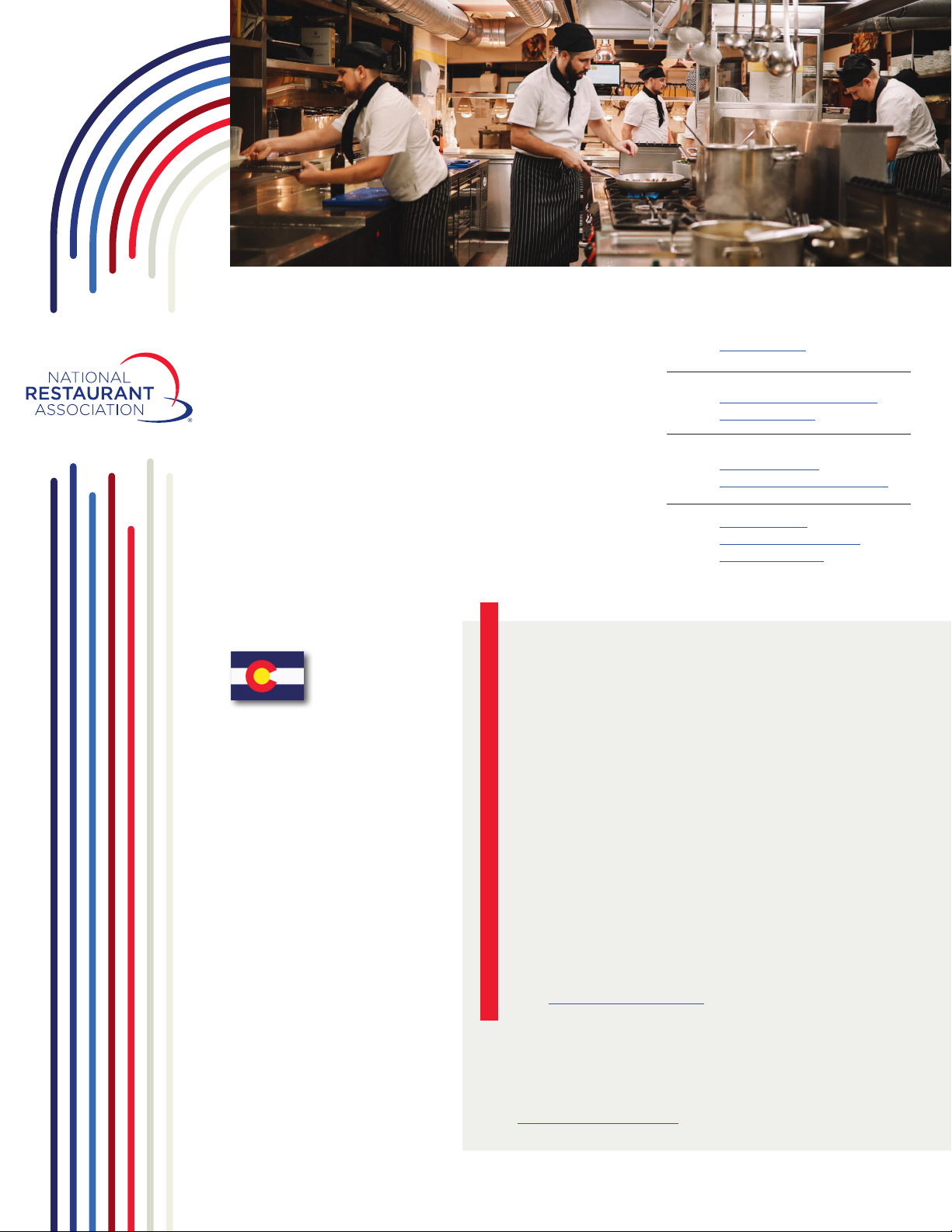
Image: Adobe Stock
Jan. 13, 2025 | by Mandy Wolf Detwiler — Managing Editor, Networld Media Group
The restaurant industry is undergoing a technological revolution. AI-powered
voice assistants are transforming customer interactions, enabling hands-free
ordering, reservations, and inquiries. Cloud kitchens are gaining traction,

offering a flexible and cost-effective model for food businesses. Robotics are
increasingly integrated into kitchens, automating tasks like food preparation and
delivery, enhancing efficiency and potentially lowering labor costs. Contactless
payments and mobile ordering are becoming the norm, providing convenience
and safety for both customers and staff.
These technological advancements are not only streamlining operations but also
enhancing the overall dining experience for customers.
As 2025 kicks off, QSRWeb reached out to restaurant tech industry professionals
to learn what they're expecting in 2025.
Automation and AI on the rise
The restaurant industry will experience a lot of transformation next year, and
that includes more businesses tapping into automation tools across their front-
and back-of-house. Restaurants will continue to face high labor costs that are
causing strain across multiple areas of their business. To address this,
restaurants will look to integrate more technology whether it's self-service
kiosks, automated SMS marketing, catering tools, delivery management, QR code
or mobile ordering. All of these options will help operators streamline
operations, improve efficiency, and grow profitability so they can focus on
delivering high quality food and service. Among the plethora of restaurant tech
offerings, though, the biggest challenge will be finding and understanding which
tools are worth the investment.
—Ming-Tai Huh, head of food and beverage at Square
In 2025, I predict that pizzerias will leverage AI more in several areas, including
phone ordering and online ordering. For online orders, AI can provide
recommendations on pairings, such as adding on specific appetizers or desserts,
based on customer trends and data acquired from the POS system. We anticipate
seeing a shift to more off-premises dining, with an uptick in customers picking up
their own food, versus leveraging third-party delivery services, because
customers are trying to cut back on additional fees. With an increase in off-
premises dining, restaurants are analyzing how they are packaging to-go food, so
that it doesn't get soggy or become inedible. Food costs will continue to be a
challenge next year, but we are seeing shifts in the right direction. Cannoli
Kitchen Pizza will remain focused on catering to the customer by providing high-
quality, consistent food options at an affordable price. Overall, it seems that
people are more positive going into this next year, they're optimistic about the
economy and their jobs, and we anticipate more discretionary spending.
—Austin Titus, president of Cannoli Kitchen Pizza
QSRs go immersive and interactive with
dining experiences
The design — and redesign — of QSRs and fast casual restaurants has
accelerated as brands respond to shifting consumer habits and dining
preferences. Many big brands in the QSR and fast-food spaces are undergoing a
technology-fueled transformation that is designed around improving customer
experiences, boosting order accuracy and limiting wait times. In 2025, QSRs will
build on this technology footprint and identify touchpoints in which they can win
consumers using immersive and interactive engagements. For example, self-
serve kiosks and smartphone order and payment options in which content is
updated and experiences personalized based on who is using the kiosk. Or
interactive menu boards that connect customers' social media and dining
experiences, allowing for photo sharing, song selections and even post
suggestions. And, capturing data from these digital and touchscreen
engagements to spur analytics and make for better business decisions and more
efficient order processing. It's about meeting the needs of all customers —
whether a family needing a swift drive-thru order on the way home from a busy
day or the group of college students who want to catch up, dine in and invest
time in a sit-down meal.
— Misty Chalk, vice president of sales, Americas, at BrightSign
Tech investments center on elevated
experiences
In 2025, technology investments made in the QSR space will focus on customer
experience and choice to improve satisfaction. QSRs are on this journey,
revamping drive-thrus, augmenting counter service, deploying technology tools
to assist staff and more. Every customer is unique and is driven by their own set
of motivators. As a result, restaurants will lean heavily on technology to improve
experience and choice for the widest range of individuals possible. For example,
self-service kiosks and IoT-enabled POS systems provide real-time menu and
loyalty options for patrons, while giving them the freedom and flexibility to order
what they want at their own pace.
Similarly, technology deployment in the drive-thru, such as HD communication
solutions, line-busting tablets and digitized menu boards improve the speed,
accuracy and fulfillment of orders. This is critical to overall satisfaction and
repeat dining. And, in many cases, rethinking signage and content strategies to
keep consumers engaged when in a physical restaurant location, enticing those
who are looking for social and communal experiences where dining isn't strictly
based on price or the quality of food. At the end of the day, meeting consumer
expectations at every different touchpoint with a consistent experience is
challenging. This is where technology can have the most impact in the new year.
— James "Jay" Burdette, senior director of the Enterprise Process
Innovation Center, Panasonic Connect North America
In 2025, the restaurant industry will continue to embrace cloud-based POS
systems as the new standard, providing flexibility, real-time updates and
scalability that empower businesses to manage operations and access data from
anywhere. This shift complements advancements in self-service kiosks and
digital menu automation, which are increasingly tailored to customer
preferences and local offerings. These technologies not only boost efficiency and
accuracy but also free up staff to focus on delivering exceptional guest
experiences. While robotics adoption in QSRs will grow, the human touch will
remain central to food preparation in most U.S. restaurants, blending technology
with tradition.
— John Maieli, channel sales manager for Star Micronics