FAE's Ethics Update 2024 Members in Business PDF Free Download
1 / 261


/261
100%

Disclaimers
The material in this presentation and presented during this update is
designed for, and intended to serve as an aid to, continuing
professional education of CPAs. Due to the certainty of continuous
current developments in the profession affecting CPAs, these
materials are not appropriate to serve as the sole authority for any
opinion or position relating to the subject matter. They must be
supplemented with the authoritative source. Before making any
decision or taking any action you should consult the underlying
authoritative guidance and if necessary, a qualified professional
advisor. The author/instructor, and FAE shall not be held responsible
for any loss sustained by any person who relies solely on this
material or the presentation made by the instructor.
Copyright 2024, Foundation for Accounting Education, Inc. 2

Course Outline
I. Introduction
II. NYS Education Department
•Regulatory structure
•Legislative update
•Laws, Rules & Regulations
III. Professional Ethics Updates
•NYSSCPA/PEC
•Tax Standards & Circular 230
•IESBA/AICPA-PEEC
Copyright 2024, Foundation for Accounting Education, Inc. 3
IV. Enforcement/disciplinary matters
•NYS OPD
•AICPA
•SEC
•PCAOB
V. Ethical theories
VI. Resources
• AICPA & NYSED
VII. Supplemental Materials

I. Introduction
Copyright 2024, Foundation for Accounting Education, Inc. 4

Copyright 2024, Foundation for Accounting Education, Inc.
“In an integrity-first organization,
management speaks frequently about
the importance of integrity, and puts
policies and programs in place to back
their words up with actions”
The EY Global Integrity Report 2024
5
Copyright 2024, Foundation for Accounting Education, Inc.
The EY Global Integrity Report 2024
Based on a survey of 5,464 board members, senior managers,
managers and employees in a sample of large organizations and
public bodies in 53 countries and territories across the Americas,
Asia Pacific and Europe, the Middle East, India and Africa.
Interviews were conducted by the global research agency, Ipsos,
through online panels between October 2023 and January 2024.
6

EY Global
Integrity
Report 2024
Copyright 2024, Foundation for Accounting Education, Inc.
Reveals some good news:
Almost half (49%) of global
respondents think compliance
with their organization’s
standards of integrity has
improved in the last two years.
This marks an increase of 7%
points from our EY Global
Integrity Report 2022 findings.
7

Copyright 2024, Foundation for Accounting Education, Inc.
However, headwinds continue:
•Nearly four out of 10 (38%) global respondents admit they’d be prepared to
behave unethically in one or more ways to improve their own career progression
—more than one and a half times higher than the findings in the last report.
•Employee misconduct is directly influenced by the behaviors they observe from
leaders —where 25% of workers say they’d behave unethically for their own
benefit, the percentage rises to 67% among board members and 51% among
senior management.
•Leaders face pressure to look the other way on misconduct. Nearly two-thirds
(65%) of board members and 57% of senior management feel under pressure not
to report misconduct.
•A lack of training and awareness, and insufficient resources, open the door to
misconduct. More than half (54%) of global respondents say that employees not
understanding policies or requirements, combined with a lack of internal
resources to manage compliance activities, creates opportunities for employees to
violate integrity standards.
8
The EY Global Integrity Report 2024

How Leaders Can Champion An Ethical Workplace
By: Susan Coffey, CEO of Public Accounting Association of International Certified Professional Accountants
Date: July 7, 2023
Copyright 2024, Foundation for Accounting Education, Inc.
“In my career as a certified public accountant, and now as an executive at a
global association representing the accounting profession, ethics have always
been at the forefront of my work.
In my profession, we are required to abide by strict codes of conduct, and we
have robust self-regulatory mechanisms in place. However, pressure to act
unethically can happen in any profession, even those with rigorous
frameworks. Guardrails can help prevent accidents, misunderstandings or
blurring of lines that lead to unethical behavior, but they can’t completely
eliminate them.”
10
https://www.forbes.com/sites/forbesfinancecouncil/2023/07/07/how-leaders-can-champion-an-ethical-workplace/?sh=30f176147028
How You Can Model Ethical Behavior in Your
Organization
Copyright 2024, Foundation for Accounting Education, Inc.
•Immediately taking responsibility for unethical actions that occur in
the workplace
•Modeling ethical leadership every day
•Normalizing discussions about your company’s code of conduct
11
https://www.forbes.com/sites/forbesfinancecouncil/2023/07/07/how-leaders-can-champion-an-ethical-workplace/?sh=30f176147028
What drives ethical behavior
Copyright 2024, Foundation for Accounting Education, Inc.
•Individual values
•Organization culture
•Laws and regulations
•Code of Professional Conduct
•Public trust
12
Public’s Expectation of CPAs in Business
Copyright 2024, Foundation for Accounting Education, Inc.
1. Act honorably
2. Act with integrity and objectivity
3. Comply with professional and regulatory standards and various State Board of
Accountancy requirements for CPAs
4. Keep employers or organizations information confidential
5. Protect employers or organization’s data from data breaches
6. Do not subordinate your judgment to another
7. Exercise due professional care and diligence when performing professional
services
8. Only accept work that you are competent to perform
13

II. NYS Education Department
Regulatory Structure
Legislative Update
Laws Rules & Regulations
Copyright 2024, Foundation for Accounting Education, Inc. 14

Board of Regents
Copyright 2024, Foundation for Accounting Education, Inc.
•17 members
•Elected by the State Legislature for 5 year term and re-election for 5
year concurrent term is permissible
•1 member from each of the State's 13 judicial districts and 4 members
who serve at large
•Meetings every month for two days except for the month of August
•Regents are unsalaried and are reimbursed only for travel and related
expenses in connection with their official duties
https://www.regents.nysed.gov/members
16

Office of the Professions
Copyright 2024, Foundation for Accounting Education, Inc.
•Establishes the requirements for licensure
•Approves the content of accounting programs at educational institutions
•Approves and administers licensing examinations
•Processes licensing applications and issues credentials
•Registers professional corporations and partnerships and CPE providers
•Provides information and advice to state legislature concerning the
professions
•Creates regulations concerning the professions and submits them to the
Board of Regents for approval
17
NYSED Logo

New
Access to NYS
Board for Public
Accountancy &
Peer Review
Oversight
Committee
Meeting Agendas
Copyright 2024, Foundation for Accounting Education, Inc.
•Meeting Minutes
•Public Packet
Board for Public Accountancy Meetings Dates
2024 2025
•Jan 24 Jan 29
•Apr 25* Apr 30*
•July 24 July 30
•Oct 23 Oct 22
*In Person, otherwise Video
https://www.op.nysed.gov/professions/certified-public-accountants/board-committee-
meetings/state-board-meetings-pa
18
NYSED Logo

NY State Board for Public Accountancy
Members & Expiration of term
Copyright 2024, Foundation for Accounting Education, Inc. 20
NYSED Logo
1. Charles Abraham NYC
03/31/27
12. Brian Krist, Esq.
Public Member NYC
06/30/29
2. Carney AuYeung NYC
08/31/24
13. John Lauchert Utica
09/30/27
3. Anthony Basile NYC
06/30/28
14. Danilsa Lopez NYC
03/31/29
4. Anthony M. Bracco NYC
01/31/25
15. Joseph Maffia NYC
03/31/26
5. Alexander Buchholz NYC
10/31/24
16. Maria Moran
(Vice Chair) Albany
04/30/29
6. Elizabeth Bush Syracuse
07/31/26
17. Charles Pezzino Buffalo
12/31/27
7. Ann Burstein Cohen (Chair) Buffalo
04/30/28
18. Kevin S. Richards NYC
04/30/25
8. Crisy Geerholt,
Public Member Albany
06/30/29
19. James Schnell Rochester
09/30/26
9. Gretchen Guenther Collins Albany
03/31/29
20. Thomas Sciametta NYC
01/31/25
10. Timothy Hammond Syracuse
7/31/29
21. Shelly Taleporos Albany
05/31/29
11. Rose Hu Buffalo
12/31/27
https://www.op.nysed.gov/boards/statutory-composition-current-membership

National
Association of
State Board of
Accountancy
“NASBA”
Copyright 2024, Foundation for Accounting Education, Inc.
•Created in 1908, NASBA has
served as a forum for the
nation’s 55 State Boards of
Accountancy
•administers the Uniform
CPA Examination,
•licensed more than 650,000
CPA, and
•regulates the practice of
public accountancy in the
United States 21

NASBA Legislative & Regulatory Support
Copyright 2024, Foundation for Accounting Education, Inc.
Provide a comprehensive monitoring and response network to Boards of Accountancy on
regulatory and legislative issues that affect the Boards, the public and the profession by:
•Monitoring State and Federal legislation and notifying Boards of pending legislation affecting
their jurisdictions
•Monitoring changes to Board rules and regulations
•Maintaining an extensive legislative affairs network and leveraging those contacts to benefit
the Boards
•Supporting Boards facing political threats to their mission to protect the public
•Assisting Boards with resources needed to address legislative and regulatory issues
•Working to promote uniform statutes and rules across the Boards of Accountancy
22
Uniform Accountancy Act (“UAA”)
Standards for Regulations
Copyright 2024, Foundation for Accounting Education, Inc.
•Latter half of the 19th century Great Britain created the public accounting profession
•1896 NYS recognized the designation “certified public accountant” and formally incorporated
on January 28, 1897
•1984 AICPA and NASBA created the first joint model bill, later renamed the UAA
•The UAA is an "evergreen" model licensing law endorsed by the AICPA and NASBA that provides
a uniform approach to regulation of the accounting profession
•The UAA provides a comprehensive system for enhancing public protection, facilitating
consumer choice, and supporting the efficient operation of the capital markets
•8th Edition, January 2018
23

UAA Model Rules
January 2024
Copyright 2024, Foundation for Accounting Education, Inc.
The Model Rules promote uniformity in the regulatory schemes governing the practice of
accountancy in the various jurisdictions.
24
ARTICLE 3 – DEFINITIONS
ARTICLE 4 – STATE BOARD OF ACCOUNTANCY
ARTICLE 5 – CERTIFIED PUBLIC ACCOUNTANTS
ARTICLE 6 – ISSUANCE OF CERTIFICATES AND
RENEWAL OF CERTIFICATES AND
REGISTRATIONS, CONTINUING PROFESSIONAL
EDUCATION AND RECIPROCITY
ARTICLE 7 - PERMITS TO PRACTICE – FIRMS
ARTICLE 10 - ENFORCEMENT ACTIONS
AGAINST LICENSEES
ARTICLE 11 - ENFORCEMENT PROCEDURES –
INVESTIGATIONS
ARTICLE 13 – REINSTATEMENT
ARTICLE 14 - UNLAWFUL ACTS
ARTICLE 23 - SUBSTANTIAL EQUIVALENCY
https://nasba.org/wp-content/uploads/2024/01/January-2024-Model-Rules-1.22.2024-dd.jj-edit-FINAL-CLEAN-VERSION.pdf

NYSSCPA
Advocacy
Legislative
Update
Monthly Email
Copyright 2024, Foundation for Accounting Education, Inc.
A monthly email designed to provide members with insight into how
the NYSSCPA is advocating on their behalf is sent to all members on
the last Thursday of the month.
Have a legislative issue?
The NYSSCPA Government Relations Team wants to help you to be
heard in the halls of power. If you have a suggestion for our
Legislative Agenda, if you are having trouble getting through red tape,
or if you would like assistance in reaching your local or state officials,
please email Media & Government Relations Manager, Jovan C.
Richards, at jrichards@nysscpa.org.
25
May 14, 2024 NYS Lobby Day
Support to Co sponsor financial literacy in high schools and
the power of attorney expansion for e-signature bills and the
team also addressed other issues that the NYSSCPA is paying
close attention to, such as the PTET; BOI; ESG; and taxes on
cannabis

NYS Legislative Update
I. Non-CPA Ownership
II. Ethics CPE Revision
III. Modification to Regulations for new CPA exam structure
IV. Recoupling with the IRS
Copyright 2024, Foundation for Accounting Education, Inc.
26
2024 NYSSCPA Legislative Agenda
https://www.nysscpa.org/advocacy/2024-legislative-agenda#sthash.tOQIXo7c.JXXovn3g.dpbs

I. Non-CPA
Ownership
Chapter 701 of
Laws of 2023
Pertaining to Non-
CPA Ownership
Copyright 2024, Foundation for Accounting Education, Inc.
“allows for non-licensees to be minority owners
of CPA firms, was signed by the Governor on
December 8, 2023. There was a chapter
amendment to the legislation that includes an
effective date of June 8, 2024.
Please visit our answers to frequently asked
questions, and new forms that were developed
and posted to the Registration of Public
Accounting Firms web-page. Please email the
Professional Corporations Unit with any specific
questions at OPCORP@nysed.gov”
27
https://www.op.nysed.gov/chapter-701-laws-2023-pertaining-ownership-cpa-firms

Governor Hochul signing memorandum states….
This bill would allow public accounting firms with minority ownership by
individuals who are not certified public accountants to incorporate in New
York State. Similar laws already exist in forty-eight other states.
I proposed substantially similar legislation in my last two Executive Budget
proposals, and I support the goals of this legislation. By allowing
professionals who are not certified public accountants to become
minority owners of accounting firms, this bill will modernize New York's
incorporation laws, allow New York accounting firms to remain
competitive, and increase the availability of advancement options to a
diverse group of employees. However, certain administrative changes to
the effective date were necessary to allow the State Education Department
sufficient time to make the changes necessary for full implementation.
I have reached an agreement with the Legislature to enact these changes.
On the basis of this agreement, I am pleased to sign this bill.
https://www.nysscpa.org/news/publications/the-trusted-professional/article/gov.-hochul-signs-
non-cpa-ownership-bill-into-law-121123
Copyright 2024, Foundation for Accounting Education, Inc. 27
Copyright 2024, Foundation for Accounting Education, Inc.
“Any firm established for the business purpose of incorporating
as a professional service corporation formed to lawfully engage
in the practice of public accountancy, as such practice is
defined under Article 149 of the Education Law shall be
required to show (1) that a simple majority of the ownership
of the firm, in terms of financial interests and voting rights held
by the firm's owners, belongs to individuals licensed to practice
public accountancy in some state. ...” [Emphasis added]
29

Copyright 2024, Foundation for Accounting Education, Inc.
Current requirement
70.9(b)(5)
Four (4) contact hours of
acceptable professional ethics
must be completed every
three calendar years.
These 4 credits of ethics may
be counted toward your 24 or
40 CPE credits in the calendar
year that you actually
complete the ethics course.
https://www.op.nysed.gov/professions/certifi
ed-public-accountants/mce-questions-answers
30
Proposal by State Board of Accountancy dated
10-24-18
70.9(b)(3)
“For each registration ending on or after
January 2, 2020 [TBD], a registered licensee
who is subject to the continuing
professional education requirement shall be
required to complete at least two credits in
ethics every calendar year period;
including, at a minimum, a two-credit NYS
approved ethics course must be completed
every three calendar years.
The two credits of ethics may be counted
toward the annual requirement in the
calendar year that they are taken.”
https://www.nysscpa.org/news/publications/the-trusted-
professional/article/ethics-cpe-regulatory-changes-set-to-take-
effect-in-2020
II. Ethics CPE Revision

Ethics CPE Disclosure on AICPA website
Copyright 2024, Foundation for Accounting Education, Inc.
IMPORTANT NOTICE ABOUT YOUR CPE CREDIT:
Many states do not accept the AICPA course to meet the
ethics requirement for earning or maintaining a CPA
license. Please contact your state board to determine
which ethics course is required to earn your license
31

Ethics
requirement for
CPA licensed in
multiple
jurisdictions
Copyright 2024, Foundation for Accounting Education, Inc.
An individual who is licensed in multiple
jurisdictions is required to meet the ethic’s
requirement as mandated by the State in which
their principal place of business is located.
A licensee who is licensed in multiple jurisdictions
and whose principal place of business is New York
must take a NYS specific ethics course.
"Principal place of business" means the office
location designated by the licensee from which the
person directs, controls, and coordinates his or her
professional services. §7401-a. Definitions.
32
https://www.op.nysed.gov/professions/certified-public-
accountants/mce-questions-answers #10

Requirement for approved ethics courses for dually
licensed CPA who’s principal place of business is
outside NYS
Copyright 2024, Foundation for Accounting Education, Inc.
1. NY State-registered CPE sponsor that is approved to
provide ethics courses
2. NASBA-approved CPE sponsor
3. Sponsor that is approved by the licensing authority of
the state which is your principal place of business
33

Ethics and/or Regulations Exam Licensure Requirement for CPAs
Exam Required No Exam State Specific Exam
48%
24 States
32%
16 States
Incl. NY
20%
10 States
As of 6-14-24
Copyright 2024, Foundation for Accounting Education, Inc. 34
Source: NASBA

NASBA State and Territories Ethics Exam Requirements for CPA
Licensure (as of 6-14-24)
I. Ethics Exam Required in
24 States
Alabama, Alaska, Arizona,
Connecticut, Delaware, Idaho, Illinois, Iowa, Kansas, Maryland,
Minnesota, Missouri, Montana, Nevada,
New Mexico,
North Dakota, Oklahoma, Oregon, Rhode
Island,
South Carolina,, Tennessee, Vermont, Virginia, Wyoming
Copyright 2024, Foundation for Accounting Education, Inc. 35
II. State Requires a state specific ethics exam and/or regulations exam
in 10 states
California
, Colorado, Nebraska, North Carolina, Ohio, South Dakota, Texas, Utah, Washington,
Wisconsin
III. No ethics exam required in
16 states, District of Columbia and 5 territories
, Arkansas
, Florida, Georgia, Hawaii, Indiana, Kentucky, Louisiana, Maine, Massachusetts,
Michigan, Mississippi,
New Hampshire, New Jersey, New York, Pennsylvania, West Virginia
CN Mariana
s Islands, District of Columbia, Guam, Puerto Rico, US Virgin Island

III. Modifications
to Regulations
for new CPA
Exam structure
Copyright 2024, Foundation for Accounting Education, Inc.
On Sept 28, 2022 the NYS Board of Regents approved
amendment of sections § 52.13, §70.2, §70.3 and §70.4
of the Regulations of the Commissioner of Education
relating to education, examinations, and experience
requirements for licensure in the profession of public
accountancy.
New CPA Evolution CPA Exam-January 2024
Core = Three sections
Financial Accounting and Reporting
Audit
Taxation
Disciplines (chose one)
Business Analysis and Reporting (BAR)
Information Systems and Controls (ISC)
Tax Compliance and Planning (TCP)
36

Copyright 2024, Foundation for Accounting Education, Inc.
CPA Exam Testing Window
On April 21, 2023 the NASBA Board of Directors approved changes to the UAA Model Rule 5-7 for the granting of credit
requirement for sections passed on the Uniform CPA Examination
The revised Rule increases the number of months of conditional credit provided to a candidate from 18-months to 24-
months and provides greater clarity as to a Board’s authority to allowing additional time to candidates
On April 24, 2023 NASBA changed the conditional credit to 30 month period with an effective date of 1-1-24
Advisory Notice – CPA Examination Condition Period | Office of the Professions (nysed.gov)
The New York State Board of Regents, at its November 2023 meeting, approved an amendment to the Commissioner’s
Regulations Section 70.4.c. that extends the credit retention period for the Certified Public Accountant examination
from 18 to 30 months. These regulatory amendments move New York State into alignment with the national standards
for the credit retention requirements.
The regulatory amendment was approved by emergency action and is effective January 1, 2024.
For a detailed view of the regulatory amendments, see the Regent’s website at:
https://www.regents.nysed.gov/sites/regents/files/1123ppca1.pdf.
37

IV. Recoupling
with the IRS
A.9461 & S.8398
Copyright 2024, Foundation for Accounting Education, Inc.
Governor Hochul signed the bill into law
July 21, 2022.
SUMMARY: Coordinates extensions of time to
file state taxes to any extensions of time to
file federal taxes beyond ninety days.
PURPOSE: To allow New York State to enact a
corresponding tax deadline beyond ninety
days, consistent with any deadline extension
by the IRS.
38

Laws, Rules & Regulations
Education Law
Title VIII links to all Articles
Article 149 Public Accountancy
Commissioner's Regulations
Part 52-13 Registration of Curricula, Accountancy
Part 70 Public Accountancy
Rules of the Board of Regents
Part 29 Unprofessional Conduct
29.1 General Provisions
29.10 Special Provisions for the profession of public accountancy
NYS Public Accountancy - Laws, Rules & Regulations (nysed.gov)
Copyright 2024, Foundation for Accounting Education, Inc. 39
NYSED Logo

Education Law & Regulations
NYS Education Law (Article 12)
§ 7401 Definition of practice of public accountancy
§ 7401-a Definitions (7)
§ 7402 Practice of public accountancy and use of title “certified
public accountant” or “public accountant”
§ 7403 State board of accountancy
§ 7404 Requirements for a license as a certified public accountant
§ 7405 Requirements for a license as a public accountant
§ 7406 Limited permits and practice privilege
§ 7407 Exempt provisions
§ 7408 Special provisions
§ 7409 Mandatory continuing education
§ 7410 Mandatory peer review program
https://www.op.nysed.gov/professions/certified-public-
accountants/laws-rules-regulations/article-149
Regulations of the Commissioner (Part 70)
§ 70.1 Definition of practice of public accountancy
§ 70.2 Professional study of public accountancy
§ 70.3 Experience requirements
§ 70.4 Licensing examinations
§ 70.5 Licensure by endorsement
§ 70.6 Limited permits
§ 70.7 Practice by certain out-of-state individuals and firms
§ 70.08 Registration of a firm
§ 70.09 Continuing Education
§ 70.10 Mandatory peer review program
https://www.op.nysed.gov/professions/certified-public-
accountants/laws-rules-regulations/part-70
Copyright 2024, Foundation for Accounting Education, Inc. 40
NYSED Logo

AICPA issues guidance on
potential mobility changes
By Mari Sagedal
December 14, 2023
If your State CPA Licensure
Requirements Change,
Make Sure You Understand
the Compliance
Implications
AICPA & CIMA
Copyright 2024, Foundation for Accounting Education, Inc.
Overview:
CPAs currently benefit from a nationwide licensing system
that allows almost complete freedom to practice virtually or
in-person across states without having to obtain additional
licenses. This is known as practice mobility.
Types of Mobility
1. Automatic Mobility
Alabama, Nebraska, Nevada and North Carolina
2. Mobility Based on Substantial Equivalents
Interstate Practice Compliance Checklist for CPAs from States
With Changing Licensure Requirements
41
https://www.journalofaccountancy.com/news/2023/dec/aicpa-issues-guidance-on-potential-mobility-changes0.html
https://www.nescpa.org/storage/files/70b9311b478d9fcb9ef4081310826809.pdf

§ 7401 Definition of practice
of public accountancy
Copyright 2024, Foundation for Accounting Education, Inc.
a. offering to perform or performing attest and/or compilation services,
as defined in Education Law section 7401-a of this Article;
b. incident to the services described in subdivision (a) of this section,
offering to perform or performing professional services for clients, in
any or all matters relating to accounting concepts and to the recording,
presentation, or certification of financial information or data;
42
§ 7401 Definition of practice of public accountancy
Copyright 2024, Foundation for Accounting Education, Inc.
c. offering to perform or performing, for other persons one or more types of the
following services including but not limited to accounting, management advisory,
financial advisory, and tax exclusive of services within subdivisions one and two of
this section, involving the use of professional skills or competencies of the
licensed accountant as described in the rules of the board of regents, including
professional services rendered to one's employer not required to register under
section seventy-four hundred eight of this article, in any and all matters related to
accounting concepts and to the recording of financial data or information or the
preparation or presentation of financial statements. [emphasis added]
43

§ 70.1(c) Definition of
practice of public
accountancy
Professional skills and
competencies
Copyright 2024, Foundation for Accounting Education, Inc.
The practice of public accountancy shall include
accounting, management advisory, financial
advisory, and tax exclusive of services within
subdivisions (a) and (b) of this section, which
involve, but shall not be limited to, use of the
following professional skills or competencies:
Application of:
i. accounting skills
ii. transaction processing cycles and the control
environment
iii. business law and laws related to fraud
iv. tax law
v. government and not-for-profit accounting
vi. management accounting concepts
vii. finance concept
viii. Identification of potential violations of ethical
behavior
ix. Fraud detection and deterrence
Supplemental Material has slides with details of each application
44

NYS CPA License
Copyright 2024, Foundation for Accounting Education, Inc.
•You remain a CPA in NYS for a lifetime except for the rare
exception of a license suspension, revocation or annulment
•There is a difference, between being licensed as a CPA and
being registered to practice public accountancy in NY under
the state’s definitive scope of practice laws and regulations
45

CPA License Classifications
Copyright 2024, Foundation for Accounting Education, Inc.
1. REGISTERED = the licensee is "active" and allowed to work within the scope
of practice
2. INACTIVE = Licensee is not allowed to work within the scope of practice.
NOT practicing and your status is changed as of the start of the next
registration period.
3. NOT REGISTERED= registration has lapsed without explanation. Licensee is
not allowed to work within the scope of practice.
4. SUSPENDED, REVOKED, or SURRENDERED = pursuant to a disciplinary action
5. RESCINDED= due to an error in issuing the license
6. DECEASED= Department has received reliable notice
46
NYSED Logo

Online License Verification
https://www.op.nysed.gov/verification-search
Name:
Address:
Profession: CERTIFIED PUBLIC ACCOUNTANCY
License No:
Date of Licensure:
Additional Qualification: Not applicable in this profession
Status: REGISTERED
Registered through last day of:
Copyright 2024, Foundation for Accounting Education, Inc.
NYSED Logo
4747

•Online central repository of information about licensed CPAs and public
accounting firms maintained by the NASBA
•Provides a single-search resource covering participating 54 jurisdictions
(except Hawaii) where a person or firm has been licensed. Some states
provide information about registered firms in addition to individuals.
•Multiple state licenses should all appear.
https://www.cpaverify.org/
Copyright 2024, Foundation for Accounting Education, Inc. 48
CPA Verify

Scope of
Practice:
Representation
as a NYS CPA
Copyright 2024, Foundation for Accounting Education, Inc.
Even if a CPA is not actively
providing any of the types of
services described in the
above-referenced scope of
practice provisions for public
accountancy, you are not
permitted to represent
yourself as a CPA unless you
have an active registration to
practice.
https://www.op.nysed.gov/professions/certified-public-accountants/professional-practice
49
What is a representation?
Rule 29.10 (a) (14) (iii)(c)
Copyright 2024, Foundation for Accounting Education, Inc.
“A representation shall include, but not be limited to, any oral, electronic, or
written communication within the control of the licensee, indicating that the
person holds a license, including without limitation the use of titles or
designations on letterheads, reports, business cards, brochures, resumes,
office signs, telephone directories, websites, the Internet, or any other
advertisement, news article, publication, listing, tax return signature, signature
on experience certifications for licensure applicants, the display of licenses as
a certified public accountant or public accountant from this or any other
jurisdiction, or the display of certificates or licenses from other organizations
which have the designation “CPA” or “PA” or use of the title “certified public
accountant” or “public accountant” with the licensee’s name. ”
50
Using CPA Title or Designation
Copyright 2024, Foundation for Accounting Education, Inc.
Use of the title "certified public accountant" or "public accountant" or
designation "CPA" or "PA" shall mean any representation that a person holds a
license as a certified public accountant or public accountant, provided that
representation is
1. made by the licensee,
2. or by someone associated with the licensee who the licensee has knowingly
allowed to make such representation,
3. or by someone serving as the licensee's agent who the licensee has
knowingly allowed to make such representation.
Rule 29.10 (a) (14) (iii)(b) 51

Scope of Practice:
Determining
When An Active
or Inactive
Registration
Statue is
Appropriate
Copyright 2024, Foundation for Accounting Education, Inc.
A New York CPA may decide to leave the
"practice of public accountancy," as defined in
section 7401 of the Education Law and section
70.1 of the Regulations of the Commissioner
of Education (Commissioner's Regulations),
and request to have his or her registration
moved to an inactive status.
However, only a person with an active
registration may use the title "certified
public accountant" or the designation CPA or
may perform any of the services described in
section 70.1 of the Commissioner’s
Regulations, which are listed below.“
52

Scope of Practice:
Serving on a
Board of
Directors or
Board of Trustees
Copyright 2024, Foundation for Accounting Education, Inc.
“A CPA, with an inactive registration, may in some circumstances
be permitted to serve on governing boards of commercial and not-
for-profit entities, or on committees of such governing boards,
without being considered as providing services within the scope of
practice of public accountancy.
Accordingly, a CPA would not be subject to the CPE requirement, as
long as he or she does not provide attest or compilation services,
serve as an employee of the organization, or otherwise provide
services specifically described as being within the scope of practice
of public accountancy.
However, if the CPA serves on a publicly held company’s governing
board or committee and becomes the designated financial expert,
as defined by the Sarbanes Oxley Act of 2002, he or she must
maintain an active registration and be in compliance with the CPE
requirements.”
https://www.op.nysed.gov/professions/certified-public-
accountants/professional-practice
53

Scope of Practice:
Teaching a college
course, CPA review
course, or CPE
course
Added June 2021
Copyright 2024, Foundation for Accounting Education, Inc.
A CPA who teaches a college level
accounting course; a CPA review
course for the CPA examination; or a
formal CPE course offered by an
approved CPE provider must be in
compliance with the CPE
requirements and maintain an
active registration.
https://www.op.nysed.gov/professions/certified-public-
accountants/professional-practice
54

Scope of Practice:
Preparing Tax
Returns for
Family Members
Copyright 2024, Foundation for Accounting Education, Inc.
“A CPA with an inactive registration may be
permitted to prepare income tax returns, and
other tax returns, for himself or herself and family
members, without being considered as providing
services within the scope of practice of public
accountancy, as long as
•he or she does not perform these services for a
fee,
•is not on the Internal Revenue Service’s Tax
Preparer Identification Number (PTIN) registry,
•and does not sign the tax returns as a paid
preparer.
Otherwise, the CPA must be in compliance with the
CPE requirements and maintain an active
registration.”
https://www.op.nysed.gov/professions/certified-public-
accountants/professional-practice
55

Scope of Practice:
Serving as a Trustee,
Executor or Executrix
for Family Members
Added: 4-26-23
Copyright 2024, Foundation for Accounting Education, Inc.
“A CPA with an inactive registration may be permitted
to serve a family member as a trustee of a trust or as
the designated executor or executrix for a family
member’s estate, without being considered as
providing services within the scope of practice of
public accountancy, provided that the licensee does
not perform these services for a fee or commissions.
Notwithstanding this requirement, a trustee of a trust
or executor or executrix of an estate may receive
reimbursement for reasonable and necessary out of
pocket expenses. Otherwise, the CPA must maintain
an active registration and must be in compliance with
the CPE requirements.”
https://www.op.nysed.gov/professions/certified-public-
accountants/professional-practice
56

Out-of-State
Licensed
CPAs
Practicing in
NYS
Copyright 2024, Foundation for Accounting Education, Inc.
•An individual who is licensed as a CPA in
another jurisdiction, practicing in the scope
of practice noted above, (employed by a
public accounting firm or in private industry,
government or academia) and has a
principal place of business in NYS, must
file an application to become licensed
in NYS.
•Initial licensing requirements can be
found here. Licensure by endorsement can
be found here. Questions not found on the
licensing pages may be sent
to CPABD@nysed.gov.
57

Rules of the Board of Regents:
Unprofessional Conduct
General provisions §29.1 (b)
14 Provisions however
4 have been replaced by
§ 29.10
Special provisions for the
profession of public
accountancy §29.10
Sections (a) to (j) with
several sections having
subsections
Copyright 2024, Foundation for Accounting Education, Inc. 58
AICPA Code incorporates many of the same topics as the NYS Rules of the Board of Regents.
https://www.op.nysed.gov/title8/rules-board-regents/part-29

Rules of the Board
of Regents
Part 29
Unprofessional
Conduct
Copyright 2024, Foundation for Accounting Education, Inc.
§ 29.1(a) General provisions.
Unprofessional conduct shall be the
conduct prohibited by this section. The
provisions of these rules applicable to a
particular profession may define
additional acts or omissions as
unprofessional conduct and may
establish exceptions to these general
prohibitions.
59
General Provisions
of Board of
Regents
Unprofessional
Conduct §29.1(b)
Copyright 2024, Foundation for Accounting Education, Inc.
1. Willful or grossly negligent failure to
comply with substantial provisions of
Federal, State or local laws, rules or
regulations governing the practice of
the profession;
2. Exercise undue influence on a client,
including the promotion of the sale of
services;
5. Conduct evidencing moral unfitness to
practice the profession;
60
General Provisions
of Board of
Regents
Unprofessional
Conduct §29.1(b)
Copyright 2024, Foundation for Accounting Education, Inc.
6. Willfully making or filing a false report, or
failing to file a report required by law or by
the Education Department, or willfully
impeding or obstructing such filing, or
inducing another person to do so;
9. Practicing or offering to practice beyond the
permitted law, or accepting and performing
professional responsibilities the licensee
knows or has reason to know licensee is not
competent to perform;
61
General Provisions
of Board of
Regents
Unprofessional
Conduct §29.1(b)
Copyright 2024, Foundation for Accounting Education, Inc.
10. Delegating professional
responsibilities to a person
licensee knows or has reason to
know such person is not qualified
by training, experience or
licensure to perform them;
11. Performing professional services
which have not been duly
authorized by client or client’s
legal representative;
12. Advertising or soliciting not in the
public interest;*
*See 29.10 (a)(10) for specific interpretation
62
General Provisions
of Board of
Regents
Unprofessional
Conduct §29.1(b)
Copyright 2024, Foundation for Accounting Education, Inc.
13.Failing to respond within 30
days to written communication
from the Education Department
and to make available any
relevant records with respect to
an inquiry or complaint about
unprofessional conduct;
14.Violating any term of probation
or condition or limitation
imposed by the Board of
Regents pursuant to Education
Law, Section 6511
63
General Provisions
of Board of
Regents
Unprofessional
Conduct §29.1(b)
Copyright 2024, Foundation for Accounting Education, Inc.
Additional references:
(3),(4),(7) and (8) have been
replaced by §29.10 Special
Provisions for Public
Accountancy
64

Public Accountancy Rules of the Board of Regents
In Lieu of General Provisions
Description
§29.1 (b)
General
Provisions
§29.10
Public
Accountancy
1. Commissions & Referral Fees
(3) (i) (8)
2. Sharing of income
(4) (b)
3. Client
request for copies of documents (7) (a) (8) (vi)
4. Client Confidential Information
(8) (c) *
Copyright 2024, Foundation for Accounting Education, Inc. 65
* Exception included in Public Accountancy Rule
Reform of Board
of Regents
Rules § 29.10
Unprofessional
Conduct
Copyright 2024, Foundation for Accounting Education, Inc.
2013 Project Commenced
2016 NYS Board for Public Accountancy proposed and
submitted changes to the Rules to NYS Counsel of
Legal Affairs
2024 Still pending NYS Counsel review
66

Code of Professional Conduct Adoption
AICPA by Reference
AICPA by Ref w
Exceptions
State CoPC w Ref to AICPA
State CoPC
9
28
8
10
MT ND
MN
OR
ID NY
SD WI
PA
IA
NE
NV
AK NJ
IN
UT IL
CA WV
CO VA
KS MO KY
NC
AZ AR SC
NM
GA
AL
MS
LA
TX
FL
9States that have adopted the AICPA Code of Professional Conduct by Reference
States that have adopted the AICPA Code of Professional Conduct with Exceptions
28
8State Code of Professional Conduct with Reference to AICPA
10 State Code of Professional Conduct
VI
CNMI
PR
GU
HI
OK TN
OH
MI
WY
Grand Total 55
VT
NH
MA
CT RI
DE
MD
DC
WA
CoPC Adoption Status Total
As of June 30, 2022
Copyright 2024, Foundation for Accounting Education, Inc. 67

NASBA AICPA Code of Professional Conduct
Adoption- States only (as of 6-30-22)
States Adopted Code with Exceptions
State Only not adopted Code
State Code with Reference to Code
State Adopted Code by Reference
18%
9 states
10%
5 states
16%
8 states
56%
28 states
50 US States
Excluded 5 territories
Copyright 2024, Foundation for Accounting Education, Inc. 68

NASBA Code of Professional Conduct Adoption
As of 6-30-22
II. Adopted AICPA Code with Exceptions
- 28 States
Colorado, Idaho,
Illinois, Indiana, Iowa, Kansas, Louisiana, Massachusetts, Michigan, Minnesota, Mississippi,
Missouri, Montana, Nevada,
New Hampshire, New Jersey, New Mexico, North Dakota, Oklahoma, Ohio, Oregon,
South Carolina, South Dakota,
Tennessee, Utah, Washington, Wisconsin, Wyoming
Copyright 2024, Foundation for Accounting Education, Inc. 69
I. States Adopted AICPA Code by Reference
- 5 States and 4 Territories
Alaska, Arizona,
Delaware, Rhode Island, Virginia
CN Mariana
s Islands, Guam, Puerto Rico, U.S. Virgin Islands
IV. State Code of Professional Conduct
(Not Adopted) 9 States and District of Columbia
Alabama, Arkansas,
California, Georgia, Hawaii, Maryland, Nebraska, New York, West Virginia
District of Columbia
III. State Code of Professional Conduct with Reference to AICPA Code
- 8 states
Connecticut,
Florida, Kentucky, Maine, North Carolina, Pennsylvania, Texas, Vermont

Proposed index to
the Reform of
Board of Regents
Rules §29.10
As of 10-26-16
Copyright 2024, Foundation for Accounting Education, Inc.
a. Definitions (new)
b. General and Technical Standards (Acct Principles)
c. Confidential Information
d. Applicability of Rules
e. Reportable Events
f. Acts Discreditable
g. Competency Requirements
h. Registration Requirements
i. Fee Arrangements
j. Independence
k. Licensee’s Working Papers and Client Records
l. Advertising & Solicitations
m. Mandatory Peer Review
70

AICPA Code of
Professional Conduct
Acts Discreditable
2.400
Copyright 2024, Foundation for Accounting Education, Inc.
. 010 Discrimination and Harassment in Employment Practices
.020 Solicitation or Disclosure of CPA Examination Questions
& Answers
.030 Failure to File Tax Return or Pay Tax Liability
.040 Negligence in the Preparation of Financial Statements or
Records
.050 Governmental Bodies, Commissions, or Other Regulatory
Agencies
.060 Indemnification and Limitation of Liability Provisions
.070 Confidential Information Obtained from Employment or
Volunteer Activities
.090 False, Misleading, or Deceptive Acts in Promoting or
Marketing Professional Services
.100 Use of the CPA Credential
71

Proposed
§29.10
Definitions
As of 10-26-16
Copyright 2024, Foundation for Accounting Education, Inc.
i. Client
ii. Client-prepared records
iii. Commission
iv. Confidential information
v. Contingent fee
vi. Continuing Professional Education
vii. Firm
viii. GAAP Standards
ix. Inactive Status
x. Licensee
72

Proposed
§29.10
Definitions
As of 10-26-16
Copyright 2024, Foundation for Accounting Education, Inc.
xi. Licensee-prepared records
xii. Licensee’s work products
xiii. Licensee’s working papers
xiv. Professional Services
xv. Referral fee
xvi. Regulatory Body
xvii. Representation
xviii. Substantive alterations
xix. Use of title “certified public
accountant” or “public accountant”
or designation “CPA” or “PA”
73
Current
§ 29.10
Unprofessional
Conduct
Special provisions
for the profession
of public
accountancy
Copyright 2024, Foundation for Accounting Education, Inc.
a. Includes all conduct prohibited
by Section 29.1, except as
provided in this section, and
shall also include the following:
14 provisions
b-j ………………………..
74

§ 29.10
Unprofessional
Conduct
Special provisions for the
profession of public
accountancy
Copyright 2024, Foundation for Accounting Education, Inc.
(a) provisions include:*
(1) Accountant's opinions in financial statements
(4) Forecasts
(5) Independence
(6) Contingency fee arrangements
(7) Independence
(8) Refusing to furnish to a client upon request…..
(10) Soliciting or advertising for clients
(11) Retention and maintenance of workpapers
(12) Determining incompetence or negligence
(13) Competency requirements for attest &
compilation services
(14) Registration with Department of Education
* Provisions (2), (3), and (9) fall into the categories of
acts discreditable, general and technical standards in
the proposed revised Rules
75

§ 29.10 (a)(11)
Workpapers
Effective since
1-3-2003
Copyright 2024, Foundation for Accounting Education, Inc.
i. Applicability of the requirement
ii. Definition
iii. Documentation in work papers
iv. Retention of work papers
v. Availability of work papers to the
department
76

§ 29.10 (a)(11)
Workpapers
Effective since 1-3-2003
Copyright 2024, Foundation for Accounting Education, Inc.
ii. Definition. As used in this paragraph
a. Work papers means the licensee's records of the
procedures applied, the tests performed, the information
supporting, and the material conclusions reached for a work
product produced in the practice of public accountancy as
defined in section 7401 of the Education Law, including but
not limited to an audit, review, compilation, forecast or
projection.
Work papers may include, but are not limited to,
programs used to perform professional services, analyses,
memoranda, letters of confirmation and representations,
copies or abstracts of company documents and schedules or
commentaries prepared or obtained by the licensee.
Work papers may be in handwritten, typewritten, printed,
photocopied, photographed, or electronic form, or in any
other form of letters, words, pictures, sounds, or symbols.
77

§ 29.10 (a)(11)
Workpapers
Effective since 1-3-2003
Copyright 2024, Foundation for Accounting Education, Inc.
ii. Definition
b. Substantive alterations to work papers
means changes to work papers that
alter the nature, timing, extent, and
results of the procedures performed for
the work product; alter the information
obtained and the conclusions reached
for the work product; and alter the
identity of the persons who performed
and reviewed the work for the work
product.
78

§ 29.10 (a)(11)
Workpapers
Effective since 1-3-2003
Copyright 2024, Foundation for Accounting Education, Inc.
III. Documentation in work papers
a. Work papers shall contain sufficient
documentation to enable a reviewer with
relevant knowledge and experience, but
having no previous connection with the
specific work product, to understand the
nature, timing, extent, and results of the
procedures performed for the work
product, information obtained and
conclusions reached for the work product,
and the identity of the persons who
performed and reviewed the work for the
work product.
79

§ 29.10 (a)(11)
Workpapers
Effective since 1-3-2003
Copyright 2024, Foundation for Accounting Education, Inc.
III. Documentation in work papers
b. Within 45 days of the issuance of the
work product, a complete set of work
papers shall be retained. Any
substantive alteration made
subsequent to the issuance of the work
product shall be clearly documented by
indicating the subject of the alteration,
the date of the alteration, and the
reason for the alteration.
c. Substantive alterations to work papers
resulting from post-issuance review
procedures shall be identified in an
addendum to the work papers.
80

§ 29.10 (a)(11)
Workpapers
Effective since 1-3-2003
Copyright 2024, Foundation for Accounting Education, Inc.
IV. Retention of work papers
a. Licensees shall ensure that a formal
written policy is established for the
retention of work papers that is in
accordance with the requirements of this
subparagraph. Licensees employed by an
employer authorized to practice public
accountancy shall have met this
requirement for a formal written policy,
for work papers produced under such
employment, if their employer has
established a formal written policy for the
retention of work papers that is in
accordance with the requirements of this
subparagraph. Such written policy shall
identify the process and authorization
requirements for the destruction of work
papers after the expiration of the
retention period.
81

§ 29.10 (a)(11)
Workpapers
Effective since 1-3-2003
Copyright 2024, Foundation for Accounting Education, Inc.
IV. Retention of work papers
b. For a minimum of 7 years after the date of
issuance of the work product, unless there
is a requirement by law to retain for a
longer period. Work papers may be
retained permanently.
c. Licensees shall ensure that work papers
are retained during the term of a New York
State Education Department investigation
or disciplinary proceeding by the New York
State Education Department that is
reasonably related to such work papers.
Licensees shall not dispose of such work
papers until notified in writing by the New
York State Education Department of the
closure of the investigation or until final
disposition of the disciplinary proceeding.
82

§ 29.10 (a)(11)
Workpapers
Effective since 1-3-2003
Copyright 2024, Foundation for Accounting Education, Inc.
IV. Retention of work papers
d. If work papers are retained in an
electronic form, the licensee shall ensure
that such work papers are capable of
being accessed, for read-only purposes,
throughout the required retention period
established for the work papers and are
safeguarded through sound computer
security procedures to prevent the
unauthorized modification of the work
papers.
e. Work papers shall not be destroyed or
otherwise disposed of at a time or in a
manner that is inconsistent with
applicable requirements of the law.
83
§ 29.10
Unprofessional
Conduct
Special provisions for the
profession of public
accountancy
Copyright 2024, Foundation for Accounting Education, Inc.
b) Allocation of firm profits and compensation to
employees
c) Client Confidentiality
d) Public Accountancy Firms
e) Reportable Events
f) Unprofessional conduct in the practice of public
accounting shall include
(1) Having admitted guilt or having been found
guilty of improper professional practice or
professional misconduct in a SEC, PCAOB
disciplinary proceeding …….
(2) Having voluntarily consented to a revocation or
temporary or permanent suspension of the
authority to appear to practice as an
accountant before the SEC, PCAOB…………
84
§ 29.10
Unprofessional
Conduct
Special provisions for the
profession of public
accountancy
Copyright 2024, Foundation for Accounting Education, Inc.
g) As such practice relates to an audit in
the practice of public accountancy of
an issuer of publicly traded securities
that is subject to the Federal Sarbanes-
Oxley Act of 200 shall include…
h) Practice privilege
i) Definitions (commission and referral
fees including mandatory disclosure)
j) Mandatory Peer Review (new)
85

What is required
under the Attest and
Compilation
Competency Rules?
How many CPE
hours are required?
§ 29.10 (a) (13)
Copyright 2024, Foundation for Accounting Education, Inc.
Any licensee who supervises attest services or signs or
authorizes someone to sign an accountant's report on
the financial statements of a client for attest services
must be in compliance with A, B, and C, and for
compilation services be in compliance with B and C:
a.1. have at least 1,000 hours of experience within
the previous five years in providing attest
services or reporting on financial statements
gained through employment in government,
private industry, public practice or an educational
institution satisfactory to the State Board for
Public Accountancy; or
2. be employed by a firm registered with the
Department pursuant to section 70.8 of the
Regulations of the Commissioner of Education
that has undergone a peer review satisfactory to
the Department which indicates that the firm has
received a rating of pass or pass with
deficiencies; and
86
https://www.op.nysed.gov/professions/certified-
public-accountants/mce-questions-answers #5

What is required
under the Attest and
Compilation
Competency Rules?
How many CPE
hours are required?
§ 29.10 (a) (13)
Copyright 2024, Foundation for Accounting Education, Inc.
For attest and compilation services:
b. completed at least 40 hours of
CPE in the area of accounting,
auditing or attest during the
prior 3 calendar years or in the
calendar year in which the
service is performed; and
c. maintained the level of
education, experience and
professional conduct required
by generally accepted
professional standards, relating
to the attest and/or
compilations services
performed.
87
https://www.op.nysed.gov/professions/certified-public-
accountants/mce-questions-answers #5

What is required
under the Attest and
Compilation
Competency Rules?
How many CPE
hours are required?
§ 29.10 (a) (13)
Copyright 2024, Foundation for Accounting Education, Inc.
The audit partner is ultimately responsible
for all the work on the audit, including the
tax provision and is required to meet the
competency requirements under this rule.
The tax partner, or any other partner
brought in to assist the audit, is functioning
as a consultant to the audit partner and
would not be subject to the requirement to
obtain 40 hours of CPE in accounting,
auditing or attest.
https://www.op.nysed.gov/professions/certified-public-accountants/mce-questions-
answers #5
88

29.10 (a) (14)
Registration
Copyright 2024, Foundation for Accounting Education, Inc.
failing to maintain an active registration
with the Department in accordance with
the requirements of this paragraph when
a licensee engages in the practice of
public accountancy pursuant to
Education Law section 7401 …………
Inactive status- you must request in
writing or online during registration
process, and receive NYSED approval.
Start Online Renewal
89
NYSED Logo

NYS CPA Online
Registration
Renewal
Copyright 2024, Foundation for Accounting Education, Inc.
90
E Licensing

How to
Request
Inactive Status
Online
Copyright 2024, Foundation for Accounting Education, Inc.
“If you are not practicing your profession or using your title
in New York, you may place your registration in inactive
status free of charge.
To do so, you must advise us of your decision to register
inactive.
You can do this online following the steps below or by
answering "no" to question 1 on your paper renewal
registration form, signing and returning the form with no
fee.
If you do not inform us of such a decision, you are subject
to the customary registration fee for your profession.
In the event that you decide to resume practice after an
inactive period, you must reregister your license and meet
any post-licensure requirements imposed on your
profession.”
91
NYSED Logo
Information available at
https://www.op.nysed.gov/registration-
renewal/online-registration-renewal

Copyright 2024, Foundation for Accounting Education, Inc. 92
REGISTRATION RENEWAL ADDENDUM
Public Accountancy
Public Accountancy - CE Reg Renewal Addendum, Page 1 of 2, Rev. 9/23
Continuing Education: Beginning January 1, 2009 each certified public accountant or public accountant
registered to practice in New York State must complete either: 1) a minimum of 24 contact hours in a
concentrated area of study in continuing education for each calendar year period; or 2) a minimum of 40
contact hours of continuing education in any combination of approved subject areas. A minimum of 4
hours of professional ethics must be completed every 3 calendar years. A continuing education fee of $50
per triennium is added to the registration fee. Each licensee must maintain continuing education
certificates for a period of five (5) years and be subject to audit by the New York State Education
Department. With the exception of Item 4, do not send any continuing education documents with this
application.
Individuals who have NOT met the continuing education requirement MUST choose Item 1, 2 or 3.
Individuals who were previously granted an exemption or adjustment to the continuing education
requirement and now want to practice MUST choose Item 4.
Your signature indicates agreement with the terms of the option you have selected

Copyright 2024, Foundation for Accounting Education, Inc. 93
1. I do not intend to practice in New York State and am requesting that my registration be placed in an
INACTIVE STATUS. I have reviewed the scope of practice document under the practice guidelines at
https://www.op.nysed.gov/professions/certified-public-accountants/professional-practice.
As long as your registration remains inactive, you are not responsible for the registration fee or the continuing
education requirement. If you intend to resume practicing in New York State, you must meet certain continuing
education requirements prior to reactivating your registration. You may not practice public accountancy in New
York State if you are not registered.
Name (please print) __________________________________ License number ________________________
Signature ___________________________________________________ Date _______ / _______ / _______
Home telephone number ________________ Work telephone number _________________________________
E-mail address _______________________________________________________________________________
Employer name and address ____________________________________________________________________
Job Title ____________________________________________________________________________________
Job description _______________________________________________________________________________
____________________________________________________________________________________________
Principal place of business ______________________________________________________________________
Public Accountancy - CE Reg Renewal Addendum, Page 1 of 2, Rev. 9/23
NYS Board of Public
Accountancy
Scope of Practice
Review 10-19-22
Copyright 2024, Foundation for Accounting Education, Inc.
Request for Inactive Status:
Licensee requested an Inactive Status of their
registration.
The licensee was found to be working in the
scope of practice.
• Held a position as Director of Operations for a
not-for-profit organization. Providing
financial assistance to constituents.
Fundraising – coordinate for a yearly ask-a-
thon fundraiser event; seek high donors
• Licensee notified of the determination and re-
registered with a regular online registration
renewal.
94
Source: NYS Board of Public Accountancy Minutes
NYS Board of Public
Accountancy
Scope of Practice
Sub-committee Review
5-28-24
Copyright 2024, Foundation for Accounting Education, Inc.
Request for Inactive Status:
Licensee requested an Inactive Status of their
registration.
• Held a position as Senior Account Director at
Cartra Inc in NYC (Equities Management
Firm)
•Licensee managed client relationships and
does do not any accounting or tax work
Decision: The committee concluded that the
licensee was not providing services which meet
the definition of “scope of Practice
95
Source: NYS Board of Public Accountancy Board Packet 7-24-24 pg 48-49

How does a firm
apply for a
registration with
the Board?
Copyright 2024, Foundation for Accounting Education, Inc.
Summary of Registration Process :
•PCs and LLCs must apply to the Professional Corporations Unit
for a Certificate of Authority (PLS-709). Once granted, the firm
files the PLS-709 and other required documents with the NYS
Department of State to form the corporation. The firm then
returns to the Professional Corporations Unit to register the
firm.
•LLPs apply directly to the NYS Department of State to form
their corporation. After forming, the firm applies to the
Professional Corporations Unit for a registration.
•Sole Proprietorship and Partnership formations are dictated
by the county where the firm plans to practice. Most counties
require Partnerships to file a DBA certificate. Not all counties
require or allow a Sole Proprietorship to file a DBA certificate.
Firm owners are required to know the laws that apply in their
respective counties. After filing the firm's DBA certificate in
their local county (where required), the firm applies to the
Professional Corporations Unit for a registration.
Firms are urged to contact the Professional Corporations Unit
at opcorp@nysed.gov for a more detailed registration guide or
call 518-474-3817 ext. 400
https://www.op.nysed.gov/professions/certified-public-accountants/registration-public-
accounting-firms See#5
96
Who is required to
complete
continuing
education?
Copyright 2024, Foundation for Accounting Education, Inc.
“Licensed CPAs and PAs, performing
any accounting, tax, financial or
management advisory work in NYS,
including work performed in
private industry, government
agencies, public accounting firms,
not-for-profits, or an academia
employer, are required to meet the
continuing professional education
requirements.”
97

Mandatory
Annual CPE
Requirements
Copyright 2024, Foundation for Accounting Education, Inc.
https://www.op.nysed.gov/professions/certified-public-
accountants/mce-questions-answers #14 98
Q. If I complete more hours of continuing education than are
required in one year, can I use them toward the hours
required in a subsequent year?
A. No
Section 7409 of the State Education Law clearly states that the
CPE requirement is to be met on an annual basis and that no
credits may be transferred from one year to a subsequent
year.
CPE tracking and reporting runs on a standard January 1 -
December 31 year.

NYSED Random
CPE Audit
Copyright 2024, Foundation for Accounting Education, Inc.
“Monthly, the State Board for
Public Accountancy office
conducts random audits of
licensee CPE records. Failure to
produce comprehensive records
in a timely manner is grounds for
disciplinary action including
suspension or revocation of a
license and/or fines.”
https://www.op.nysed.gov/professions/certified-public-
accountants/mce-questions-answers #6
99

NYS CPA Online
Registration
Renewal
Question #7 CPE
Copyright 2024, Foundation for Accounting Education, Inc.
Since your last registration application
Have you completed the continuing education
required for your profession? Yes or No
Continuing Professional Education (CPE): Effective
January 1, 2009, licensees must meet the annual
CPE requirement each calendar year between
January 1 and December 31.
The question below refers to each full calendar
year during the registration period that is currently
ending.
2024 renewals certifying CPE for years 2021-2023
100

NYS CPA Online
Registration
Renewal
Question #7 CPE
Copyright 2024, Foundation for Accounting Education, Inc.
Licensees who, under public accountancy legislation
effective July 26, 2009, are practicing under the scope
of regulated practice are required to register with the
Department to practice and shall complete either:
1) a minimum of 24 contact hours of acceptable
formal continuing education concentrated in ONE
of the following recognized subject areas:
auditing, accounting, taxation, advisory services,
attest, or specialized knowledge and applications;
or
2) a minimum of 40 contact hours of acceptable
formal continuing education in a combination of
any of the subject areas listed in 1) above.
Additionally, all licensees who are subject to CPE must
complete at least 4 CPE credits of professional ethics
course work every 3 calendar years. These 4 credits
can be combined with 1) or 2) above, in the calendar
year that they are taken.
101
NYS CPA Online
Registration
Renewal
Question #7 CPE
Copyright 2024, Foundation for Accounting Education, Inc.
A licensee who fails to meet the CPE
requirements shall not be issued a
registration certificate and shall not
practice unless and until he or she
completes the required CPE.
Each licensee shall maintain a record of
continuing education completed for not
less than five years and shall make such
records available to the Department upon
request.
102
Five years=2019-2023
NYS CPA Online
Registration
Renewal
Question #7 CPE
Copyright 2024, Foundation for Accounting Education, Inc.
All registrants are assumed to be in practice and
completing CPE.
Adjustments to the requirement may be granted
upon meeting special circumstances. Eligible
adjustments include licensees who are not in
practice due to: personal illness, active military
service or extreme hardship. If you claim an
adjustment, you must provide the State Board for
Public Accountancy with documentation from your
physician, military orders or other documentation
substantiating your claim. CONTACT INFORMATION:
CPABD@nysed.gov, State Board for Public
Accountancy, 89 Washington Avenue, Albany, NY
12234-1000, 518-474-3817 extension 160.
If you answer no to this question you must complete
a Registration Renewal Addendum to request a
Conditional Registration, an Inactive status, or an
Adjustment to the CPE requirements.
103

NYS Online
Registration
Renewal
Affidavit
I hereby certify that all the statements, attestations,
information, and data contained in this application are true,
complete and accurate. I understand that any
misrepresentation or any false or misleading information made
in connection with my application may result in criminal
prosecution and may be cause for disciplinary action, including
the loss of my license; and that the willful failure to register
while continuing to practice my profession constitutes
professional misconduct.
I also understand that the authorized electronic signature
(profession, license number and PIN) used to submit this
application has the same legal validity and enforceability as a
written signature.
Signed under penalty of perjury.

Copyright 2024, Foundation for Accounting Education, Inc. 105
2. I request a CONDITIONAL REGISTRATION.
Conditional registrations are not automatic and may be issued at the Department's discretion. A conditional registration, if
granted, is valid for one year and cannot be renewed or extended. You may request a conditional registration for a one-
year period if you agree to the following four items:
1. pay the full registration fee for the one-year conditional registration;
2. complete, by the conclusion of the one-year conditional registration period, the continuing education hours you
are lacking from your previous registration period;
3. complete, as directed by the State Board for Public Accountancy, the regular continuing education requirement during
the one-year conditional registration period; and
4. pay, by the conclusion of the one-year conditional registration period, the full triennial registration fee for the
remaining 2 years of the registration period
Prior to the end of the one-year conditional registration period, you will be sent a Registration Renewal Application to
renew your registration for the remaining two years of the registration period. You must pay the full triennial registration
fee and submit copies of CPE certificates before you will receive a registration for the remaining two years. Failure to
meet the requirements of the conditional registration may subject you to prosecution for professional misconduct.
Name (please print) _____________________________ License number __________________________
Signature ________________________________________________ Date _______ / _______ / _______
Home telephone number _________________ Work telephone number __________________________
E-mail address _________________________________________________________________________
Public Accountancy - CE Reg Renewal Addendum, Page 1 of 2, Rev. 9/23

How to obtain
AICPA CPE records?
Copyright 2024, Foundation for Accounting Education, Inc.
1. Log into your account
2. Scroll to purchases
3. Scroll down to “Your learning
dashboard” and “Access your
transcripts, certificates,
Learning Tracker, and learning
history” and click “My
Learning”
4. Export Transcript
107

What are the approved NYS continuing education subject areas?
Effective January 1, 2024
Copyright 2024, Foundation for Accounting Education, Inc.
1. Accounting
1. Fraud
2. Auditing
1. Fraud
2. Internal Controls
3. Risk Assessment
4. Service Organization Controls (SOC) Reporting
3. Attestation
4. Taxation
https://www.op.nysed.gov/professions/certified-public-accountants/mce-questions-answers #16 108

What are the approved NYS continuing education subject areas?
Effective January 1, 2024
Copyright 2024, Foundation for Accounting Education, Inc.
5. Advisory Services
1. Behavioral Ethics
2. Business Law
3. Business Management & Organization
4. Communications and Marketing - Note:
Marketing is reviewed on a case-by-case
basis. Promotional marketing or sales are
not accepted.
5. Computer Software & Applications
6. Economics
7. Finance
8. Information Technology
9. Management Services
10.Personal Development
11.Personnel/Human Resources
12.Production
13.Statistics
109
6. Specialized Knowledge and Applications
Related to Specialized Industries
7. Professional Ethics
1. Regulatory Ethics
2. Ethics and Professional Conduct
3. State specific ethics
https://www.op.nysed.gov/professions/certified-public-accountants/mce-questions-answers #16

What are the approved NYS continuing education subject areas?
Effective January 1, 2024
Copyright 2024, Foundation for Accounting Education, Inc.
Note: The subject areas Environmental, Social, and Governance (ESG) and
Data Analytics will be classified depending on the main subject area of the
course.
In order to be eligible for CPE credit, regardless of the subject area, a
course must contribute to the development or maintenance of
professional knowledge. Credit will not be given for courses that focus on
the marketing of professional services or improving the profitability of
an accounting firm or practice.
Click here for a Detailed Description of CPE Subject Areas. Click here for
the NASBA fields of study.
110
https://www.op.nysed.gov/professions/certified-public-accountants/mce-questions-answers #16

CPE
Requirements
for AICPA
Members
Copyright 2024, Foundation for Accounting Education, Inc.
From January 1, 2001, forward, and for each three-year
reporting period thereafter, all AICPA members shall
complete 120 hours or its equivalent of continuing
professional education.
Members shall report compliance with such requirement to
the AICPA each year by paying membership dues and shall
keep appropriate records and submit copies of such on
request of the Institute.
Members who are retired, unemployed or who have
temporarily left the workforce are exempt from the
AICPA's CPE requirement.
Members who place their license/certificate on inactive
status with their state board of accountancy AND do not
hold themselves out as CPAs are exempt from the AICPA's
CPE requirement as long as their state board does not
require CPE while on inactive status.
CPE requirements vary from state to state. Contact your
state board for information concerning your state's specific
requirements.
111

AICPA Online annual membership renewal
Copyright 2024, Foundation for Accounting Education, Inc. 112
aicpa.org/credrecert
IMPORTANT: In making my payment, I
affirm that my information is correct
as shown or amended, that I have
complied with the AICPA Code of
Conduct and with CPE Requirements
for the year ending Dec. 31, 2023. I
have seen and agree with the AICPA
Privacy Policy.
IMPORTANT: In making my
credential/designation payment, I
affirm that I meet all of the
requirements to hold my
qualification(s) as outlined at
aicpa.org/credrecert. I note that
certifications/designations are subject
to audit.

§ 29.10 (e)
Reportable
Events
Copyright 2024, Foundation for Accounting Education, Inc.
Submit a written report within 45 days
if you meet criteria even though all
available appeals have not yet been
exhausted, unless exempted from
disclosure pursuant to paragraph (5)
or excused for good cause as
determined by the department, such
as a circumstance beyond the
licensee's … that prevented timely
compliance:
113

§ 29.10 (e) (2) (i)
Reportable Events
Copyright 2024, Foundation for Accounting Education, Inc.
conviction
of ….a crime that constitutes a
felony or misdemeanor
(yourself, a registered partnership
or public accountancy firm).
conviction
shall include:
•a plea of guilty or no contest,
•or a verdict or finding of guilt that
has been accepted and entered by a
court of competent jurisdiction;
114

§ 29.10 (e) (2) (ii)
Reportable Events
Copyright 2024, Foundation for Accounting Education, Inc.
Court decision awarding a monetary judgment
>$25,000
in a civil action or an arbitration award
proceeding in which the CPA, the registered
partnership, or public accountancy firm is found to be
liable for:
a) negligence, gross negligence, recklessness, or
intentional wrongdoing relating to the practice of
public accountancy in NYS;
b) fraud or misappropriation of funds relating to the
practice of public accountancy in NYS;
c) breach of fiduciary responsibility relating to the
practice of public accountancy in NYS; or
d) preparation, publication, and/or dissemination of
false, fraudulent, and/or materially incomplete or
misleading financial statements, reports, or
information relating to the practice of public
accountancy in NYS 115

§ 29.10 (e) (2) (iii)
Reportable Events
Copyright 2024, Foundation for Accounting Education, Inc.
receipt of written notice of imposition of a disciplinary
penalty upon, …. including but not limited to, censure,
reprimand, sanction, probation, monetary penalty,
suspension, revocation, or other limitation on practice,
relating to the practice of public accountancy, issued by:
•SEC or the PCAOB;
•another agency of the U.S. government that
regulates the practice of public accountancy;
•an agency of the government of another state or
territory of the U.S. that regulates the practice of
public accountancy; or
•an agency of the government of another country
that regulates the practice of public accountancy;
Additional rules under sections 3 to 7 ………
116
Commission
and Referral
Fee
Copyright 2024, Foundation for Accounting Education, Inc.
•Are CPAs permitted to accept
commissions and referral fees?
•Are there differences between the
AICPA and Board of Regents
Rules?
117
§ 29.10 (i)
Definition
Commission and
Referral Fee
Copyright 2024, Foundation for Accounting Education, Inc.
In Lieu of 29.1
Any compensation,
including a referral fee, paid
by a third party to the CPA
and the public accounting
firm that employs CPA, for
recommending or referring
any product or service to be
supplied by another person.
118
§ 29.10 (i)
Commission
and Referral
Fee
Copyright 2024, Foundation for Accounting Education, Inc.
to directly or indirectly, offer, give, solicit, or receive or
agree to receive, a commission for the referral of any
product or service to a client if performing any of the
following services:
a)audit or review of a financial statement;
b)compilation of a financial statement ……
c)an examination of prospective financial
information;
d)and/or any other attest service (not in AICPA Code)
If commissions and or referral fees are permitted a
written disclosure to the client to notify the client of the
receipt of a commission or referral fee is required
119

§ 29.10 (i)
Commission and
Referral Fee
Copyright 2024, Foundation for Accounting Education, Inc.
5. .………………….a written disclosure
statement in
12 point type or larger
containing the following information:
(Next slide)
Currently, the proposed revision to
this Rule eliminates font size which
would is not in the AICPA Code.
120

§ 29.10 (i) 5
Commission
and Referral
Fee
Copyright 2024, Foundation for Accounting Education, Inc.
Disclosure includes
i. a description of the product(s) or services(s) which the
licensee is recommending to the client, the identity of
the third party that is expected to provide the product
or service, the business relationship between the
licensee and the third party, a description of any
commission which may be received by the licensee
and/or the licensee's firm. Where the product(s) or
service(s) cannot be specifically identified at the time of
the initial disclosure, this information shall be included
in a supplemental disclosure which the licensee must
provide to the client within 30 days of receipt of the
commission; and
ii. the dollar amount or value of the commission or the
basis on which such commission shall be computed.
121

III. Professional Ethics Update
NYSSCPA/PEC
Circular 230 &Tax Standards &
IESBA/AICPA-PEEC
Copyright 2024, Foundation for Accounting Education, Inc. 122

Internal
Revenue Code
Provisions
Copyright 2024, Foundation for Accounting Education, Inc.
Examples of standards & ethics rules include (but are not
limited to):
•Preparer penalty rules - IRC §6694 - Understatement of
taxpayer’s liability by tax return preparer
•Confidentiality criminal penalty - IRC §7216 - Disclosure
or use of information by preparers of returns
•Confidentiality civil penalty - IRC §6713 - Disclosure or
use of information by preparers of returns
•Privilege rules - IRC §7525 - Confidentiality privileges
relating to taxpayer communications
•Tax shelter rules - IRC §6111 - Disclosure of reportable
transactions and IRC §6112 - Material advisors of
reportable transactions must keep lists of advisees, etc.
124
Tax
Professional
Standards
Copyright 2024, Foundation for Accounting Education, Inc.
•Circular 230-Regulations
Governing Practice Before the
Internal Revenue Service
•Statement on Standards for Tax
Services “SSTS”
125
Circular 230
Last updated
in 2014
Copyright 2024, Foundation for Accounting Education, Inc.
The Loving and Ridgely tax cases held that Treasury exceeded
its authority in applying Circular 230 to return preparation. In
2020 AICPA recommended that Circular 230 should be
revised in addition to other proposed revisions.
In March of 2021, AICPA wrote a letter to Sharon Fisk,
Director of Office of Professional Responsibility “OPR”
detailing proposed revisions.
In September 2022 Tim McCormally was appointed Interim
Director of OPR previously he was special counsel. Tom
Curtain replaced Tim McCormally as Interim Director of OPR.
Proposed revisions to Circular 230 were expected sometime
in 2023. The AICPA’s Tax Practice Responsibilities Committee
meets annually with the Director of the IRS Office of
Professional Responsibility in November and next expected
update is in November 2024.
126

Revision to the AICPA
Statements on
Standards for Tax
Services (“SSTS”)
Copyright 2024, Foundation for Accounting Education, Inc.
Project began in Fall 2018
•SSTS Revision Task Force, Tax Practice
Responsibilities Committee (“TPRC”), Tax
Executive Committee (“TEC”)
•PEEC also involved
August 26, 2022
Exposure Draft for Revisions to SSTS (Part 1) and
Invitation to Comment (“ITC”) (Part 2) with comments
due December 31, 2022
ITC addresses: potential approaches to effectively
introduce quality management in tax
May 18, 2023
TEC approved revisions effective January 1, 2024
127

SSTS #
Previous
Revised Effective 1
-1-2024
1
Tax Return Positions
General tax guidance (includes new standards
on data protection and reliance on tools)
2
Answers to Questions on Tax Returns
Tax return preparation guidance
3
Certain Procedural Aspects of Preparing
Returns
Advisory Services
4
Use of Estimates
Representation Services (new standard)
5
Departure from a Position Previously
Concluded in an Administrative
Proceeding or Court Decision
6
Knowledge of Error: Return Preparation
and Administrative Proceedings
7
Form and Content of Advice to Taxpayers
Copyright 2024, Foundation for Accounting Education, Inc. 128

Statement on Standards for Tax Services No. 1-4
Effective 1-1-24
Copyright 2024, Foundation for Accounting Education, Inc.
1. Link to the Revised SSTS and Mapping Document
https://www.aicpa-cima.com/resources/toolkit/statements-on-standards-for-
tax-services
2. Interpretation 1-1 and 1-2 of SSTS No. 1 and No. 2
https://www.aicpa-cima.com/resources/download/interpretations-for-ssts-1-
1-2024
3. Frequently Asked Questions (FAQ) for SSTSs
https://www.aicpa-cima.com/resources/download/frequently-asked-
questions-for-ssts-1-1-2024
4. The Tax Advisor-AICPA finalizes new standards on tax positions By: David
J. Holets, CPA August 1, 2023
https://www.thetaxadviser.com/issues/2023/aug/aicpa-finalizes-new-standards-on-tax-
positions.html?utm_source=mnl:cpal&utm_medium=email&utm_campaign=24Oct2023
129

Next
agenda
Copyright 2024, Foundation for Accounting Education, Inc.
The SSTS Revision Task Force is being
reformed to review the existing
guidance on the SSTSs and determine
what revisions, if any, need to be
made to the existing guidance and
propose new guidance to support the
new standards.
Estimated completion for this project
is sometime in 2025.
130

IRS: Identity
Theft Information
for Tax
Professionals
Copyright 2024, Foundation for Accounting Education, Inc.
Resources
•Publication 4557, Safeguarding Taxpayer Data (PDF)
Revised 6/24
•Publication 5293, Data Security Resource Guide (PDF)
•Publication 5199, Tax Preparer Guide to Identity Theft
(PDF)
•NIST’s Small Business Information Security – The
Fundamentals (PDF)
https://www.irs.gov/identity-theft-fraud-scams/identity-
theft-information-for-tax-professionals
131

IRS: Identity Theft
Information for Tax
Professionals
Copyright 2024, Foundation for Accounting Education, Inc.
Report Suspected Identity Theft or Data Loss
You or Your Firm
If you or your firm are the victim of data theft, immediately:
•Report it to your local stakeholder liaison
Liaisons will notify IRS Criminal Investigation and others
within the agency on your behalf. Speed is critical. If
reported quickly, the IRS can take steps to block fraudulent
returns in your clients’ names and will assist you through
the process.
•Email the Federation of Tax Administrators
at StateAlert@taxadmin.org
Get information on how to report victim information to the
states. Most states require that the state attorney general
be notified of data breaches. This notification process may
involve multiple offices.
Find more information at Data Theft Information for Tax
Professionals.
132
https://www.irs.gov/identity-theft-fraud-scams/identity-theft-information-for-tax-
professionals

IRS: Identity
Theft Information
for Tax
Professionals
Copyright 2024, Foundation for Accounting Education, Inc.
Protect Your Clients and Prevent Data Loss
Know your responsibilities
Federal law requires you to create, implement
and maintain an information security plan to
protect client data, no matter the size of your
firm.
Implement a Data Security Plan
Know the Signs of Data Theft
Identify Suspicious Activity
Identify Spear Phishing Scams
https://www.irs.gov/identity-theft-fraud-scams/identity-theft-
information-for-tax-professionals 133

Beneficial Ownership information
(“BOI”)
Copyright 2024, Foundation for Accounting Education, Inc.
“Starting Jan. 1, 2024, most companies created in or registered to do
business in the U.S. will need to report information on their beneficial owners
to the Financial Crimes Enforcement Network (FinCEN) under the Corporate
Transparency Act (CTA).”
https://www.aicpa-cima.com/resources/landing/beneficial-ownership-information-boi-reporting
Access resources to learn about the beneficial ownership information
reporting requirement under FinCEN’s Corporate Transparency Act (CTA).
134

Risk of BOI non-compliance
Copyright 2024, Foundation for Accounting Education, Inc.
Penalties for willfully not complying with the
BOI reporting requirement can result in
criminal and civil penalties of $500 per day and
up to $10,000 with up to two years of jail time
135

International
Ethics Standards
Board for
Professional
Copyright 2024, Foundation for Accounting Education, Inc.
•AICPA is a member body of International
Federation of Accountants (“IFAC”)
•IFAC requires its member bodies to adopt
standards at least as stringent as IESBA
•PEEC considers convergence of revisions to
International Code with limited exceptions (e.g.
federal or state laws that would
prohibit implementing)
•18 Member Board
Laurie Endsley- Vice Chair PwC 2020
Richard Huesken Retired EY 2020
Andrew Mintzer* Hemming Morse 2019
* AICPA representative
136

AICPA
Professional
Ethics
Committee
“PEEC”
Copyright 2024, Foundation for Accounting Education, Inc.
2024 Quarterly Meetings:
•February 20-21, 2024
•May 9-10, 2024
•August 13-14, 2024
•November 12-13, 2024
Note: NYS CPE credit is available but
does not count towards NYS 4 hour
Regulatory Ethics requirement.
https://www.aicpa.org/interestareas/professionalethics.html
137
AICPA PEEC Committee 2024-2025
Copyright 2024, Foundation for Accounting Education, Inc.
1. Catherine Allen
2. Claire Blanton
3. Brian Bluhm
4. Jack Bonner
5. Thomas Campbell *
6. Robert E. Denham *
7. Anna Dourdourekas, Chair
8. Michael Dunn
9. Brendan Fitzgerald
10. Anika Heard
11. Jennifer Kary
*Public Member
138
12. Clare Levinson
13. Randy Milligan
14. Karen Moncrieff
15. Donald Murphy
16. Kenneth Omoruyi
17. Brian Powers
18. Nicolas Preusch
19. Katherine Savage
20. Lisa Snyder
21. Kenya Watts
22. Jimmy Williams

PEEC
Ethically speaking podcasts
* Starting in May 2024, podcasts have been replaced by posting
the recording of PEEC’s open quarterly meetings, similar to what
the ASB does. You will be able to see a time stamp of the
discussion noted on the meeting agenda.
33 Podcasts
2024 1* (Quarterly Meeting) Last Podcast
2023 4 (Quarterly Meetings)
2022 28 (Quarterly Meetings & Other)
https://www.aicpa-cima.com/resources/article/peec-meeting-
information
Goal is to keep members informed on ethical matters
•Standard setting
•Member enrichment
•Enforcement
https://ethicallyspeaking.libsyn.com/
Copyright 2024, Foundation for Accounting Education, Inc. 139

Digital Dose of
Ethics (“DDE”)
Emails
Copyright 2024, Foundation for Accounting Education, Inc.
•Send an email to
peeccoordinator@aicpa.org with the
subject line “I’d like to receive Digital
Dose of Ethics.”
•In the body of the email, indicate if you
want (i) all communication from the
ethics division* or (ii) only DDE.
*All communication meaning, PEEC
meeting agendas and other occasional
emails from the division.
140

2023& 2024 Ethically Speaking Episodes
Copyright 2024, Foundation for Accounting Education, Inc. 141
Episode #
Date Description
Minutes
65
Feb 23,
2024
PEEC’s 1Q 2023 Meeting: Proposed updates to the
Code of Professional Conduct
11
66
May 11
PEEC’s 2Q Meeting: Digital assets, public interest
entities, and more
18
67
Aug 10
PEEC's 3Q meeting: AI, sustainability, changes to
the code and more
18
68
Nov 15
PEEC’s 4Q meeting: Update on national and
international ethics projects
16
69
Feb 23
PEEC’s 1Q 2024 Meeting: AI, private equity and
more
22

2022 Ethically Speaking Episodes
Copyright 2023, Foundation for Accounting Education, Inc. 142
Episode #
Date Description
Minutes
37 Feb 18 PEEC 1 Qtr. 2022 Meeting 20
38 Feb 25
B2B*
Part 1
You are the standard we need 19
39 Mar 4
B2B*
Part 2
Complying with standards 17
41
Mar 11
B2B*
Part 4
Safeguarding your integrity and objectivity 17
42
Mar 11
B2B*
Part 5
Integrity, objectivity, and the Conceptual Framework 21
48 Apr 33
B2B*
Part 11
Acting with honor
24
* B2B= Back to Basics- 13 episodes

2022 Ethically Speaking Episodes
Copyright 2023, Foundation for Accounting Education, Inc. 143
Episode # Date Description Minutes
51
May 19
PEEC 2 Qtr. 2022 Meeting
18
53
June 17
Timely advice for avoiding pitfalls of Soc 2 ® reporting
17
54
July 01
Call the ethics hotline… We’re here for it!
17
56
Aug 05
Highlights from PEEC’s 3 Qtr. 2022 Meeting
22
61
Sept 22
Are you violating the ethics code without even realizing it?
19
63
Oct 20
Mind over bright lines
-Tools for thinking outside the box 17
64
Nov 14
PEEC’s 4Q meeting debrief NOCLAR, private equity in firms,
compliance audits and more
16

Overview
Copyright 2024, Foundation for Accounting Education, Inc.
•Principles
•Framework for fulfilling ethical
responsibilities
•Rules
•Govern the performance of
professional services
•Interpretations
•Authoritative guidance of the
rules
Conceptual Frameworks
144

Online Ethics
Library
Q&A
Introduction
Copyright 2024, Foundation for Accounting Education, Inc.
The answers to these questions and answers (Q&As) are
based on guidance the AICPA Professional Ethics Division
staff provided in response to members’ inquiries. The Q&As
are not rules, regulations, or statements of the Professional
Ethics Executive Committee and, therefore, are not
authoritative guidance. The “Conceptual Framework for
Members in Public Practice” (ET sec. 1.000.010), the
“Conceptual Framework for Independence” (ET sec.
1.210.010), and the “Conceptual Framework for Members in
Business” (ET sec. 2.000.010) should be used in conjunction
with these Q&As. Further, the answers do not address the
requirements of other regulatory bodies, such as the state
boards of accountancy, the Securities and Exchange
Commission (SEC), and the U.S. Government Accountability
Office whose positions may differ from those of the AICPA.
Terms that are defined in the AICPA Code of Professional
Conduct (AICPA code) appear in italics. The first time a
defined term appears in a Q&A, it will be linked. References
to the AICPA code will be cited the first time they appear in a
Q&A section.
The date the Q&A was added or revised appears in brackets
at the end of the answer. Dates are not given for purely
editorial revisions (for example, revised citations for the
AICPA code).
146

Copyright 2024, Foundation for Accounting Education, Inc. 147
10
Examples of a Compliance Audit
50
Objectivity
60
Conflict of Interest
70
Gifts & Entertainment
90
Responding to Noncompliance with Laws and Regulations
100
Independence
105
Network and Network Firms
110
Accounting Firms
120
Affiliates
125
Fees
130
Trust and Estates
140
Loans, Leases, and Guarantees
150
Current Employment or Association with an Attest Client
180
Gifts & Entertainment
200
*Nonattest Services
205
*Management Responsibilities
210
*General Requirements
215
*Documentation Requirements for Performing Nonattest Services
217
*Advisory Services
220
*Appraisal, Valuation, and Actuarial Services
222
*Assisting Attest Clients With Implementing Accounting Standards
230
*Bookkeeping, Payroll, and Other Disbursements
240
*Hosting Services
250
*Information Systems Services
280
*Tax Services
400
General Standards
450
Compliance with Standards
500
Accounting Principles
600
Acts Discreditable
650
Records Requests
670
Transfer of Files and Return of Client Records in Sale, Transfer,
Discontinuance or Acquisition of a Practice
710
Contingent Fees
730
Commission and Referral Fees
800
Advertising and Other Forms of Solicitation
825
Disclosing Client Information in Connection With a Review or Acquisition of
the Member's Practice
850
Confidential Information
Table of Contents – Ethics Q&A
* 200 Section is for Nonattest Services

148
Official Releases through December 2023
Preface: Applicable to All Members
pages 1
-
38
0.100 Overview……………………………………………………………………………………………..
2
-
3
0.200 Structure and Application of the AICPA Code………………………………………
4
-
8
0.300 Principles of Professional Conduct…………………………………………………...
9
-
12
0.400 Definitions…………………………………………………………………………………………..
13
-
30
0.500 Nonauthorative Guidance…………………………………………………………………..
31
0.600 New, Revised, and Pending Interpretations and Other Guidance…………
32
-
34
0.700 Deleted interpretations and Other Guidance……………………………………
35
-
38
Part 1: Members in Public Practice (Rules, Interpretations, and Conceptual Framework)
39
-
228
Part 2: Members in Business (Rules, Interpretations, and Conceptual Framework)
229
-
272
Part 3: Other
273
-
278
Appendix A Council Resolution Designating Bodies to Promulgate Technical Standards
279
-
284
Appendix B Council Resolution Concerning the Form of Organization and Name Rule
285
-
288
Appendix C Revision History Table
289
-
300
Appendix D Mapping Document
301
-
322
Copyright 2024, Foundation for Accounting Education, Inc.

Principles and
Rules of the Code
§0.100.010
Framework for
fulfilling ethical
responsibilities
Copyright 2024, Foundation for Accounting Education, Inc.
“The AICPA bylaws require that members
adhere to the rules of the code.
Compliance with the rules depends
primarily on members’ understanding and
voluntary actions; secondarily on
reinforcement by peers and public opinion;
and ultimately on disciplinary proceedings,
when necessary, against members who fail
to comply with the rules. Members must be
prepared to justify departures from these
rules.
149

Six Principles
Copyright 2024, Foundation for Accounting Education, Inc.
1. Responsibilities (.020)
2. The Public Interest (.030)
3. Integrity (.040)
4. Objectivity and Independence (.050)
5. Due Care (.060)
6. Scope and Nature of Services (.070)
150

Integrity § 0.300.040.03
Copyright 2024, Foundation for Accounting Education, Inc.
requires a member to be, among other things, honest
and candid within the constraints of client
confidentiality. Service and the public trust should not
be subordinated to personal gain and advantage.
Integrity can accommodate the inadvertent error and
the honest difference of opinion; it cannot
accommodate deceit or subordination of principle.”
(emphasis added)
151

Five Rules
Copyright 2024, Foundation for Accounting Education, Inc.
•2.100.001 Integrity & Objectivity
•2.300.001 General Standards
•2.310.001 Compliance with Standards
•2.320.001 Accounting Principles
•2.400.001 Acts Discreditable
152
Twenty-Three
Interpretations
Copyright 2024, Foundation for Accounting Education, Inc.
•2.100.001 Integrity & Objectivity 8
•2.300.001 General Standards 2
•2.310.001 Compliance with Standards 4
•2.400.001 Acts Discreditable 9
153

154
AICPA Code of Professional Conduct Part 2 Members in Business
2.000 Introduction
2.000.010 Conceptual Framework for Members in Business
2.000.020 Ethical Conflicts
2.100 Integrity and Objectivity
2.100.001 Integrity and Objectivity Rule
Interpretations Under the Integrity and Objectivity Rule
2.100.005 Application of the Conceptual Framework for Members in Business and Ethical Conflicts
2.110 Conflicts of Interest
12.110.010 Conflicts of Interest for Members in Business
2.120 Gifts and Entertainment
22.120.010 Offering or Accepting Gifts or Entertainment
2.130 Preparing and Reporting Information
32.130.010 Knowing Misrepresentations in the Preparation and Presentation of Information
42.130.020 Subordination of Judgment
52.130.030 Obligation of a Member to His or Her Employer's External Accountant
2.160 Educational Services
62.160.010 Educational Services
2.170 Pressure to Breach the Rules
72.170.010 Pressure to Breach the Rules
2.180 Responding to Noncompliance with Laws and Regulations (NEW)
82.180.010 Responding to Noncompliance with Laws and Regulations (NEW)
Copyright 2022, Foundation for Accounting Education, Inc.

155
2.300 General Standards
2.300.001 General Standards Rule
Interpretations Under the General Standards Rule
2.300.005 Application of the Conceptual Framework for Members in Business and Ethical Conflicts
9
2.300.010 Competence
10
2.300.030 Submission of Financial Statements
2.310 Compliance with Standards
2.310.001 Compliance with Standards Rule
Interpretations Under the Compliance with Standards Rule
2.310.005 Application of the Conceptual Framework for Members in Business and Ethical Conflicts
2.320 Accounting Principles
2.32
0.001 Accounting Principles Rule
Interpretations Under the Principles Rule
2.320.005 Application of the Conceptual Framework for Members in Business and Ethical Conflicts
11
2.320.010 Responsibility for Affirming That Financial Statements Are In Conformity With the Applicable Financial
Reporting Framework
12
2.320.020 Status of FASB, GASB, Federal Accounting Standards Advisory Board, and IASB
13
2.320.030 Departures From Generally Accepted Accounting Principles
14
2.320.040 Financial Statements Prepared Pursuant to Financial Reporting Frameworks Other than GAAP
Copyright 2022, Foundation for Accounting Education, Inc.

156
2.400 Acts Discreditable
2.400.001 Acts Discreditable Rule
Interpretations Under the Compliance with Standards Rule
2.400.005 Application of the Conceptual Framework for Members in Business and Ethical Conflicts
15
2.400.010 Discrimination and Harassment in Employment Practices
16
2.400.020 Professional Qualifications or Competencies (revised, new title)
17
2.400.030 Failure to File a Tax Return or Pay a Tax Liability
18
2.400.040 Negligence in the Preparation of Financial Statements
19
2.400.050 Governmental Bodies, Commissions, or Other Regulatory Agencies
20
2.400.060 Indemnification and Limitation of Liability Provisions
21
2.400.070 Confidential Information Obtained From Employment or Volunteer Activities
22
2.400.090 False, Misleading, or Deceptive Acts in Promoting or Marketing Professional Services
23
2.400.100 Use of the CPA Credential
Copyright 2022, Foundation for Accounting Education, Inc.

When does
the
Conceptual
Framework
Apply?
Copyright 2022, Foundation for Accounting Education, Inc.
The framework incorporates a
“threats and safeguard” approach,
which is designed to assist in
analyzing relationships and
circumstances that the AICPA code
does not specifically address and in
determining whether such
relationships or circumstances may
result in the violation of any of the
rules in the Code.
157

Conceptual Framework Approach
Copyright 2022, Foundation for Accounting Education, Inc.
•Identify threats
Threat=relationships or circumstances that could compromise compliance
with the rules
i. Adverse interest, ii. Advocacy, iii. Familiarity, iv. Self interest, v. Self review,
vi. Undue influence
•Evaluate the significance of the threats
Acceptable level- a reasonable and informed third party who is aware of the
relevant information would be expected to conclude that compliance with
the rules is not compromised
•Identify and apply safeguards
Safeguards- Actions or other measures that may eliminate a threat or reduce
a threat to an acceptable level.
158
Additional information-Slides 252-260

Copyright 2024, Foundation for Accounting Education, Inc.
Practice Aid
Conceptual framework toolkit
for Members in Business
Practice
Updated June 2022
https://us.aicpa.org/content/dam/aicpa
/interestareas/professionalethics/resour
ces/downloadabledocuments/toolkitsan
daids/conceptual-framework-toolkit-for-
members-in-business-final.pdf
159
Updated to converge
with IESBA Role and
Mindset Code
revisions
Added:
Professional judgment section and examples of
biases that can affect you when identifying,
evaluating, and addressing threats
Toolkit assists in the
implementation of the
Conceptual Framework. It
includes among other
things, a flowchart (see
slide 261) and a worksheet
to aid with applying the
steps of the conceptual
framework that could be
used to document your
assessment.

Professional
Judgement
Copyright 2024, Foundation for Accounting Education, Inc.
“is the application of your training, skill, and experience to the
facts and circumstances.
Consider whether your professional training, skill, and
experience are sufficient to reach an appropriate conclusion or
if consultation is necessary.
It’s important to evaluate threats and safeguards with an
inquiring mind. This means considering the source, relevance,
and adequacy of the information being used along with the
nature, scope, and results of the professional service you are
providing.
Examples include the emergence of new information,
inconsistencies in the information you have obtained, a new
client subsidiary, or a new user of the financial statements.”
160

Copyright 2024, Foundation for Accounting Education, Inc. 161
“Be open to a need for further investigation or action and to be aware of the effects of conscious or unconscious
bias that could affect your professional judgment.
Here are some examples of bias that can affect you when identifying, evaluating, and addressing threats:
1. Anchoring bias – Using an initial piece of information as an anchor against which subsequent information is
inadequately assessed
2. Automation bias – Favoring output generated from automated systems, even when human reasoning or
contradictory information raises questions about whether such output is reliable or fit for purpose
3. Availability bias – Placing more weight on events or experiences that immediately come to mind or are
readily available than on those that are not
4. Confirmation bias – Placing more weight on information that corroborates an existing belief than on
information that contradicts or casts doubt on that belief
5. Groupthink – The tendency for a group of people to discourage individual creativity and responsibility and as
a result reach a decision without critical reasoning or consideration of alternatives
6. Overconfidence bias – The tendency to overestimate one's ability to make accurate assessments of risk or
other judgments or decisions
7. Representation bias – The tendency to base an understanding on a pattern of experiences, events, or beliefs
that are assumed to be representative
8. Selective perception – The tendency for a person's expectations to influence how the person views a
particular matter or person”

Appendix C
Revision History Table- Member in Business
Description
(Not in Appendix C)
Citation
Action
Effective Date
Official Release
1. Professional Qualifications
or Competencies
Formerly called "Solicitation or
Disclosure of CPA Examination
Questions and Answers”
2. NOCLAR
Ethical Conflicts
2.400.020
2.180.010
1.000.020
Added Sept 2023
Added May 2022
Revised
9
-15-2023
06
-30-2023
12
-15-2014
https://us.aicpa.org/content/dam/
aicpa/interestareas/professionalet
hics/community/exposuredrafts/d
ownloadabledocuments/2023/202
3
-professional-qualifications-
official
-release.pdf
https://us.aicpa.org/content/dam/
aicpa/interestareas/professionalet
hics/community/exposuredrafts/d
ownloadabledocuments/2021/561
75896
-2022finalnoclar.pdf
162Copyright 2024, Foundation for Accounting Education, Inc.

Appendix C
Revision History Table- Public Practice
Description
(Not in Appendix C)
Citation
Action
Effective Date
Official Release
1. Publicly traded entity
Public interest entity
0.400.45
0.400.43
Added Dec 2023
Revised Dec 2023
Effective 12
-15-23
Effective for periods
beginning on or after
December 15, 2024, with
early implementation
allowed. For an entity
that, under the revised
definition, is no longer
considered a public
interest entity, the revised
definition is effective
December 15, 2023.
https://us.aicpa.org/cont
ent/dam/aicpa/interestar
eas/professionalethics/c
ommunity/exposuredraft
s/downloadabledocumen
ts/2023/2023
-public-
interest
-entity-official-
release.pdf
163Copyright 2024, Foundation for Accounting Education, Inc.

Appendix C
Revision History Table- Public Practice
Description
(Not in Appendix C)
Citation
Action
Effective
Date
Official Release
2. Determining Fees for an Attest
Engagement
Fee dependency
Conceptual Framework for
Independence
Client Affiliates
1.230.030
1.230.040
1.210.010
1.224.010
1.400.020
Added Sept 2023
Added Sept 2023
Revised Sept 2023
Revised Sept 2023
Revised Sept 2023
1
-1-2025
https://us.aicpa.org/content/dam/
aicpa/interestareas/professionalet
hics/community/exposuredrafts/d
ownloadabledocuments/2023/202
3
-fees-official-release.pdf
164Copyright 2024, Foundation for Accounting Education, Inc.

Appendix C
Revision History Table- Public Practice
Description
(Not in Appendix C)
Citation
Action
Effective Date
Official Release
3. Compliance audit
Compliance audit client
Financial statement attest client
4. Section 529 Plans
5. Assisting Attest Clients with
Implementing Accounting
Standards
6. Unpaid fees
.0400.09
.0400.10
.0400.18
1.240.070
1.295.113
1.230.010
Added Jan 2023
Added Jan 2023
Revised Jan 2023
Revised Sept 2022
Added May 2022
Revised
For compliance
audits
commencing after
6
-15-2023
12
-15-2014
12
-31-2022
12
-31-2022
https://us.aicpa.org/content/dam/a
icpa/interestareas/professionalethic
s/community/exposuredrafts/down
loadabledocuments/2022/2022com
pliance
-audits-final.pdf
https://us.aicpa.org/content/dam/a
icpa/interestareas/professionalethic
s/community/exposuredrafts/down
loadabledocuments/2022/section5
29technicalcorrection.pdf
https://us.aicpa.org/content/dam/a
icpa/interestareas/professionalethic
s/community/exposuredrafts/down
loadabledocuments/2021/2021
-
September
-accounting-standards-
implementation.pdf
https://us.aicpa.org/content/dam/a
icpa/interestareas/professionalethic
s/community/exposuredrafts/down
loadabledocuments/2021/5617589
6
-2022finalunpaidfees.pdf
165Copyright 2024, Foundation for Accounting Education, Inc.

Appendix C
Revision History Table- Public Practice
Description
(Not in Appendix C)
Citation
Action
Effective Date
Official Release
7A.
Beneficially owned, beneficial ownership interest
Conceptual Framework for Independence
Client Affiliates
Loans
Loans & Leases with Financial Institutions
Immediate Family Members
7B. Officers, directors, and beneficial owners
0.040.06
1.210.010
1.224.010
1.260.010
1.260.020
1.270.010
1.000.010
1.120.010
1.285.010
Revised
Revised
Revised
Revised
Revised
Revised
Revised
August 2022
12
-31-2022
12
-31-2022
https://us.aicpa.org/co
ntent/
dam/aicpa/interestare
as/
professionalethics/com
munity/
exposuredrafts/downlo
adabledocuments/
2021/56175896
-
2022finalloans.pdf
https://us.aicpa.org/co
ntent/dam/aicpa/inter
estareas/professionale
thics/community/expo
suredrafts/downloada
bledocuments/2022/of
ficers
-directors-
beneficial
-owners-
final.pdf
166Copyright 2024, Foundation for Accounting Education, Inc.

PEEC releases exposure drafts on recruiting and tax services
Date: June 10, 2024
By: Kelly D. Mullins
Copyright 2024, Foundation for Accounting Education, Inc.
Harmonization with international standards
“One of PEEC's strategic objectives is promoting consistency in global ethics and independence
standards. To accomplish this, PEEC employs a rigorous process of considering the International
Ethics Standards Board for Accountants' projects to evaluate whether related changes will
enhance the AICPA Code of Professional Conduct (the AICPA Code) and better protect the public
interest.
The proposed changes to the "Executive or Employee Recruiting" interpretation (ET
§1.295.135) and the "Tax Services" interpretation (ET §1.295.160) were identified through this
process. PEEC believes these changes will keep the AICPA Code fit for purpose in a rapidly
changing, global environment and serve to protect the public interest by helping members
maintain independence.”
https://www.journalofaccountancy.com/news/2024/jun/peec-releases-exposure-drafts-on-recruiting-and-tax-services.html?utm_source=mnl:cpal&utm_medium=email&utm_campaign=10Jun2024
167

Exposure Draft
Revised interpretation
Recruiting Executives
or Employees
1.295.135
Issued: 6-10-24
Comment Period Ending: 9-10-24
Copyright 2024, Foundation for Accounting Education, Inc.
“PEEC welcomes all feedback on the proposal and has these specific
questions for AICPA members and other interested parties:
1. Do you agree with the addition of the familiarity and undue
influence threats when evaluating recruiting services for
independence?
2. Do you agree with the proposal to prohibit some services for key
positions but allow them for non-key positions?
3. Do you agree with the addition of examples of services that may
be provided by members without impairing independence?
4. Do you think there are any positions at an attest client for which
the member should not advise on candidate competence?
5. Do you agree with the proposal to prohibit members from
negotiating on behalf of an attest client for all positions?
6. Do you agree that the recommended effective date of January 1,
2026, provides adequate time to implement the proposals?
168
https://www.aicpa-cima.com/resources/download/ethics-exposure-draft-proposed-revised-
interpretation-executive-or-employee/

Exposure Draft
Revised interpretation
Tax Services
1.295.160
Issued: 6-10-24
Comment Period Ending: 9-10-24
Copyright 2024, Foundation for Accounting Education, Inc.
“
“ PEEC welcomes all feedback on the proposal and has these specific
questions for AICPA members and other interested parties:
1. What are your thoughts on providing attest clients tax advisory or
tax planning services and, specifically, on those services that may
involve a higher level of uncertainty (as opposed to general tax
advisory or tax planning services)?
2. Do you agree with the proposal to revise the existing “Tax
Services” interpretation to include tax advisory and tax planning
services rather than to create a new interpretation?
3. Do you agree with the addition of the advocacy threat when
evaluating tax services for independence?
4. Do you agree with the proposal to use the more-likely-than-not
threshold for independence?
5. Do you agree that the effective date provides adequate time to
implement the proposals? [Proposed one year after published in
JOA, with early implementation allowed]
169
https://www.aicpa-cima.com/resources/download/ethics-exposure-draft-proposed-revised-
interpretation-tax-services/
Private Equity Deals with CPA firms
Copyright 2024, Foundation for Accounting Education, Inc.
1. March 2024 Grant Thorton LLP and New Mountain Capital LLC
2. February 2024 Baker Tilly US LLP and Hellman & Friedman and Valeas Capital Partners
3. June 2022 Cherry Bekaert LLP and Parthenon Capital
4. April 2022 Citrin Cooperman and New Mountain Capital
5. August 2021 EisnerAmper LLP and TowerBrook Capital Partners
170

Copyright 2024, Foundation for Accounting Education, Inc.
Allan Koltin, CPA, CGMA, head of the Koltin Consulting Group in Chicago,
told the JofA last year that more than half of the top 20 accounting firms
were in "some type of transformative discussion.
In that JofA article, Barry Melancon, CPA, CGMA, the CEO of AICPA & CIMA,
said in a written statement:
"The fact that private equity is interested in the profession is a statement
about the importance of the profession. That's a good third-party
validation. We are seeing lots of private-equity activity but also
tremendous numbers of traditional merger deals among firms. This
demonstrates choice and different approaches for firms, which is always
good as long as the focus on quality remains paramount.“
Source: March 2024 https://www.journalofaccountancy.com/news/2024/mar/grant-thornton-deal-continues-the-private-equity-investment-trend.html
171

CPA Journal March/April 2024 News & Views-Editorial Page 12
Private Equity and the Ethics of the Profession
By: Richard H. Kravitz, MBA, CPA
Copyright 2024, Foundation for Accounting Education, Inc.
The Climate Today
In the spirit of constructive self-reflection, might CPAs take a step back and ask
whether the explosive interest from private equity firms, which have invested
millions of dollars in CPA firms, today might lead to unintended consequences that
might conflict with the profession’s historic obligations to serve the public?
Might investors like these from outside interests take over the management focus of
the CPA firm and negatively impact their decision making, bending in towards
greater profits?
Will a non-CPA majority investment in CPA firms impair objectivity and
independence?
Will legislators and the public ask why CPA firms should be granted a monopoly to
audit public companies if they appear to have forsaken their historical obligation to
serve the public?
172

SEC Press Release
2022-114 June 28, 2022
Copyright 2024, Foundation for Accounting Education, Inc.
Ernst & Young to Pay $100 Million Penalty for Employees Cheating on CPA Ethics
Exams and Misleading Investigation
Largest Penalty Ever Imposed by SEC Against an Audit Firm
“This action involves breaches of trust by gatekeepers within the gatekeeper entrusted
to audit many of our Nation’s public companies. It’s simply outrageous that the very
professionals responsible for catching cheating by clients cheated on ethics exams of all
things,” said Gurbir S. Grewal, Director of the SEC’s Enforcement Division.
“And it’s equally shocking that Ernst & Young hindered our investigation of this
misconduct.
This action should serve as a clear message that the SEC will not tolerate integrity
failures by independent auditors who choose the easier wrong over the harder right.”
https://www.sec.gov/news/press-release/2022-114 173

Texas Hits EY with $3 million penalty
Copyright 2024, Foundation for Accounting Education, Inc.
Accounting Today, November 10, 2023, By: Daniel Hood
“In an agreed consent order, the Texas State Board of
Accountancy has reprimanded Ernst & Young and levied a
$3 million administrative penalty against the Big Four firm.
The penalty — the largest the board has ever assessed
against a CPA firm — stems from a scandal that surfaced in
mid-2022 when the Securities and Exchange Commission
revealed that almost 50 EY audit employees had improperly
shared answer keys to the ethics portion of the CPA exam
between 2017 and 2021, and that hundreds more cheated
on continuing professional education course.” 174

NYS Regents
Action on
Professional
Misconduct
& Discipline
6-11-24
Copyright 2024, Foundation for Accounting Education, Inc.
Ernst & Young LLP NY, NY
Penalty agreed upon: Censure and
Reprimand, $10,000 fine.
Summary:
Registrant did not contest the charge of
during the approximate period of 2017 to
2021, professional employees of registrant
had cheated by sharing answer keys to
ethics exams and/or continuing professional
education assessments, and registrant, on
more than one occasion, failed to
implement adequate controls to detect its
employees cheating.
175

SEC Press Release: 2022-114
Copyright 2024, Foundation for Accounting Education, Inc.
The Order finds that EY violated:
•a PCAOB rule requiring the firm to maintain integrity in the
performance of a professional service
•committed acts discreditable to the accounting profession
•failed to maintain an appropriate system of quality control
EY has admitted the facts underlying these findings and acknowledged
that its conduct violated the integrity standard and provides a basis for
the SEC to impose remedies against the firm pursuant to Sections
4C(a)(2) and (a)(3) of the Exchange Act and Rules 102(e)(1)(ii) and (iii) of
the Commission’s Rules of Practice.
https://www.sec.gov/news/press-release/2022-114
176

SEC Press Release: 2022-114
Copyright 2024, Foundation for Accounting Education, Inc.
“Over multiple years, a significant number of EY audit professionals cheated
on these exams by using answer keys and sharing them with their
colleagues.
From 2017 to 2021, 49 EY audit professionals sent and/or received answer
keys to CPA ethics exams.
In addition, hundreds of other audit professionals cheated on CPE courses,
including those addressing CPAs’ ethical obligations.
And a significant number of EY professionals who did not cheat themselves,
but knew their colleagues were cheating and facilitating cheating, violated
the firm’s Code of Conduct by failing to report this misconduct”.
https://www.sec.gov/news/press-release/2022-114
177
SEC Press Release
2019-95 July 17, 2019
Copyright 2024, Foundation for Accounting Education, Inc.
KPMG Paying $50 Million Penalty for Illicit Use of PCAOB Data and
Cheating on Training Exams
The SEC’s order also finds that numerous KPMG audit professionals
cheated on internal training exams by improperly sharing answers and
manipulating test results.
KPMG agreed to settle the charges by paying a $50 million penalty and
complying with a detailed set of undertakings, including retaining an
independent consultant to review and assess the firm’s ethics and
integrity controls and its compliance with various undertakings.
178
SEC Press Release
2019-95 July 17, 2019
Copyright 2024, Foundation for Accounting Education, Inc.
•The SEC’s order also finds that KPMG audit professionals who had passed
training exams sent their answers to colleagues to help them also attain
passing scores. The exams related to continuing professional education
and training mandated by a prior SEC order finding audit failures. They
sent images of their answers by email or printed answers and gave them
to colleagues. This included lead audit engagement partners who not
only sent exam answers to other partners, but also solicited answers from
and sent answers to their subordinates.
•Furthermore, the SEC’s order finds that certain KPMG audit professionals
manipulated an internal server hosting training exams to lower the score
required for passing. By changing a number embedded in a hyperlink,
they manually selected the minimum passing scores required for
exams. At times, audit professionals achieved passing scores while
answering less than 25 percent of the questions correctly.
179

Law 360
2nd Circ. Drops Fraud Charges Against Ex-KPMG Exec
By Khadrice Rollins Date: December 6, 2023
A Second Circuit panel Tuesday approved federal prosecutors' request to remand the appeals of a
former executive at the accounting firm KPMG and an inspector leader with the PCAOB……
New Definition of ‘Fraud’ Wipes Out High-
Profile Prosecutions
Scandals in auditing, college admissions and a hedge
fund are all hit by Supreme Court ruling
By: David Michaels Date: August 3, 2023
A Rare Justice Department Mea Culpa
Prosecutors admit they were wrong to prosecute a
KPMG fraud case. Apparently miracles happen.
By: WSJ The Editorial Board Date: August 4, 2023
Copyright 2024, Foundation for Accounting Education, Inc. 180
August 2023 Update on Federal Criminal Wire Fraud 2020 Conviction against
KPMG Partner (David Middendorf) and PCAOB Employee (Jeffrey Wada)
PEEC Exposure Draft-
Uniform CPA
Examination and
Continuing
Professional
Education
Issued: March 15, 2023
Comments Due: May 15, 2023
Copyright 2024, Foundation for Accounting Education, Inc.
Background
Several public accounting firms have been sanctioned by the SEC for
employees sharing answer keys to various continuing professional
education (CPE) examinations; consequently, several state boards of
accountancy have taken action against individuals identified in these
instances.
The current Code states that soliciting or disclosing Uniform CPA
Examination content without proper authorization is an act discreditable
to the profession in violation of the “Acts Discreditable Rule” (ET sec.
1.400.001, 2.400.001, or 3.400.001).
PEEC is proposing to expand the interpretation to include question and
answer sharing on examinations taken in connection with CPE courses
unless collaboration is expected and permitted.
As many CPE offerings are based on attendance only, PEEC also included
language to clarify that falsifying attendance checks in any way is also
considered an act discreditable to the profession, in violation of the
“Acts Discreditable Rule” (ET sec. 1.400.001, 2.400.001, or 3.400.001).
181

§2.400.020
Professional Qualifications
or Competencies
Solicitation or
Disclosure of CPA
Examination Questions
and Answers
Copyright 2024, Foundation for Accounting Education, Inc.
Added
.02 A member shall be considered in violation of the “Acts
Discreditable Rule” [2.400.001] if a member engages
in false, misleading, or deceptive acts related to
professional qualifications or competencies. Examples
of such false, misleading, or deceptive acts include:
a. soliciting or knowingly disclosing questions or
answers of any professional education course
examination unless collaboration is expressly
permitted.
b. falsifying or misrepresenting attendance at a
professional education course.
c. tampering with the administration of or
examination grading for any professional
education course or credential.
Effective date: September 15, 2023
182

The promise and
peril of ChatGPT
Copyright 2024, Foundation for Accounting Education, Inc.
JOA May 2023
By: Andrew Kenney
Early adopters are finding uses for ChatGPT in
accounting, but the chatbot raises concerns
about security and accuracy.
“ChatGPT can also pose security risks. Per the
terms of its user agreement, OpenAI is allowed
to use data that users input to the free version
of ChatGPT in order to improve its products.
OpenAI states that it removes personal
identification from such data. Nevertheless,
there is a risk that if users input sensitive data, it
could become part of the database ChatGPT is
trained on — and potentially appear in other
users’ chats.”
183

ChatGPT for
Legal and Tax
Professionals
‘World-Altering
Power’ Requires
Kid Gloves
Copyright 2024, Foundation for Accounting Education, Inc.
CPA Journal July/August 2023
By: Garrett L. Brodeur, Grace Hall, and Ella Tynch
The American Bar Association’s Model Rules of
Professional Conduct (MRPC) “and Circular 230
both require professional ethical judgement, but
Circular 230 appears to prohibit the use of
ChatGPT when tax advisors are providing
“written advice,” creating difficulties for tax
accounting firms and professionals seeking to
streamline costs or provide quicker services.
Given this obstacle, and numerous others, tax
professionals should tread cautiously and treat
ChatGPT as a small piece of the puzzle rather
than a cure-all.”
184
Responding to
Noncompliance
with Laws &
Regulations
“NOCLAR”
2.180.010
Effective: June 30, 2023
Copyright 2024, Foundation for Accounting Education, Inc.
This interpretation sets out your
responsibilities when you encounter
a NOCLAR while considering your
obligations of confidentiality under
the Code 2.400.070
185
Responding to
Noncompliance
with Laws &
Regulations
“NOCLAR”
2.180.010.02
Effective June 30, 2023 and
may be implemented early
Copyright 2024, Foundation for Accounting Education, Inc.
comprises acts of omission or
commission, intentional or
unintentional, that are contrary to the
prevailing laws and regulations and are
committed by the member’s employing
organization or by those charged with
governance, by management, or by
other individuals working for or under
the direction of the employing
organization.
186

NOCLAR
Copyright 2024, Foundation for Accounting Education, Inc.
“When an AICPA member
encounters a known or
suspected NOCLAR, he or she
should alert the appropriate
parties to enable a employing
organization's management and
those charged with governance
to rectify, mitigate the effects of,
or deter the commission of the
NOCLAR.
187
NOCLAR
Summary of
Sections
Copyright 2024, Foundation for Accounting Education, Inc.
•Introduction
•Applicability
•Scope
•Responsibilities of the Employing
Organization’s Management and Those
Charged with Governance
•Responsibilities of Members in Business
•Responsibilities of Members Who Are
Senior Professional Accountants in Business
•Responsibilities of Members Other Than
Those Who Are Senior Professional
Accountants in Business
188
NOCLAR
Applicability
Exempt situations
and services
Copyright 2024, Foundation for Accounting Education, Inc.
a) Personal misconduct unrelated to the business
activities of the employing organization
b) Noncompliance by parties other than
i. the employing organization, ii. those charged with
governance, iii. management, or iv. other individuals
working for under the direction of the employing
organization
c) A member in business involved with
i. A litigation or investigation engagement as
defined in AICPA’s Statement on Standards for
Forensic Services No. 1
ii.A matter where the purpose is to identify, reach
a conclusion regarding, or otherwise respond to
a known or potential NOCLAR
iii. A matter pursuant to which the protections
set forth in IRC Sec. 7525 or any comparable
state and local statues may apply
iv. A matter where the compliance with this
interpretation would cause a violation of law
or regulation
189
NOCLAR
Scope
Copyright 2024, Foundation for Accounting Education, Inc.
This interpretation sets out the approach to be
taken by a member who encounters or is made
aware of noncompliance or suspected
noncompliance with the following:
a. Laws and regulations generally recognized
to have a direct effect on the determination
of material amounts and disclosures in the
employing organization’s financial statements
b. Other laws and regulations that do not
have a direct effect on the determination of
the amounts and disclosures in the
employing organization’s financial
statements, but compliance with which may
be fundamental to the operating aspects of
the client’s business, to its ability to continue
its business, or to avoid material penalties
190

NOCLAR
Examples of Laws & Regulations May Include:
Copyright 2024, Foundation for Accounting Education, Inc.
191
Fraud, corruption and bribery
Money laundering
Securities markets and trading
Banking and other financial products and services
Data protection
Tax and pension liabilities and payments
Environmental protection
Public Health and Safety
Responsibilities
of Members
Who Are Senior
Professional
Accountants in
Business
Copyright 2024, Foundation for Accounting Education, Inc.
.14 Members who are senior professional
accountants in business are directors,
officers, or senior employees able to
exert significant influence over, and
make decisions regarding, the
acquisition, deployment, and control of
the employing organization's human,
financial, technological, physical, and
intangible resources"
192
NOCLAR
Responsibilities of
Members who are
Senior Professional
Accountants in
Business
2.180.010.20
Copyright 2024, Foundation for Accounting Education, Inc.
.20 Are required to disclose a
NOCLAR to external auditors if the
member in business determines
that disclosure is necessary to
provide information that’s needed
for performance of an audit.
193

Journal of Accountancy
NOCLAR: What CPAs in
business should know
By Elizabeth Pittelkow
Kittner, CPA/CITP,
CGMA, CPA
November 1, 2022
Copyright 2022, Foundation for Accounting Education, Inc.
“The Code defines senior professional
accountants in business as "directors, officers,
or senior employees able to exert significant
influence over, and make decisions regarding,
the acquisition, deployment, and control of the
employing organization's human, financial,
technological, physical, and intangible
resources" (see paragraph .14 of ET
§2.180.010).”
Case study
https://www.journalofaccountancy.com/news/202
2/nov/noclar-what-cpa-business-should-know.html
195

Decision Tree
Animation-
What should I do
when I
encounter
noncompliance
with laws and
regulations?
Copyright 2024, Foundation for Accounting Education, Inc. 196
http://view.ceros.com/aicpa/pros-noclar-decision-tree-new-dt-round-1-9-12-22-1/p/1
http://view.ceros.com/aicpa/pros-noclar-decision-tree-new-dt-round-1-9-12-22-1/p/1
Have fun learning how to implement the new
"Noncompliance with Laws and Regulations"
(NOCLAR) interpretations in the Code of
Professional Conduct.
This is an interactive story that you help write, whether
you are a member in business or a member in public
practice. Respond to questions about the services you
provide in your practice or about your role within your
business entity and discover your responsibilities as
outlined by the new interpretations.
http://view.ceros.com/aicpa/pros-noclar-decision-tree-
new-dt-round-1-9-12-22-1/p/1
Inquiries of the Predecessor
Auditor Regarding Fraud and
Noncompliance With Laws and
Regulations,
Amendment to SAS No. 122,
Statements on Auditing Standards:
Clarification and Recodification, as
Amended, section 210, Terms of
Engagement (AICPA, Professional
Standards, AU-C sec. 210)
Effective for audits of financial
statements for periods beginning on
or after June 30, 2023
Copyright 2024, Foundation for Accounting Education, Inc.
“requires an auditor, once
management authorizes the
predecessor auditor to respond,
to inquire of the predecessor
auditor regarding identified or
suspected fraud or NOCLAR”.
197
The Controversial
NOCLAR Proposal
Are Stakeholders in
Favor of Changes
CPA Journal
March/April 2024
By: Yigal M. Rechtman, CPA,
CFE, CITP, CISM and Susanne
O’Callaghan, CPA
Copyright 2024, Foundation for Accounting Education, Inc.
On June 6, 2023, the PCAOB (“Board”) issued for public comment a
proposal to replace AS 2405, Illegal Acts by Clients, in its entirety
with AS 2405, A Company’s Noncompliance with Laws and
Regulations, together with conforming amendments to PCAOB
auditing standards with comment period ending August 7, 2023.
The PCAOB received 140 comment letters.
On March 6, 2024 due to significant public interest in the proposal,
including requests from commenters for the Board to engage in
additional public outreach, the staff of the Office of the Chief
Auditor and the Office of Economic and Risk Analysis hosted a
roundtable to discuss certain aspects of the proposal and related
comments received.
In addition, the Board reopened the comment period for an
additional 21 days from February 26, 2024 to March 18, 2024.
198
https://pcaobus.org/about/rules-rulemaking/rulemaking-dockets/docket-051

Revised Ethical Conflicts 2.000.020
Copyright 2024, Foundation for Accounting Education, Inc.
01 An ethical conflict arises when a member encounters one or both of the
following:
a. Obstacles to following an appropriate course of action due to internal or
external pressures
b. Conflicts in applying relevant professional standards or legal standards
For example, a member suspects a fraud may have occurred, but reporting the
suspected fraud would violate the member’s responsibility to maintain client
confidentiality.
199
07 Effective December 15, 2014. Refer to the “Responding to Noncompliance With Laws and
Regulations” interpretation [2.180.010] of the “Integrity and Objectivity Rule” [2.100.001] for
additional guidance.

New interpretation
Assisting Attest Clients
with Implementing
Accounting Standards
1.295.113
Effective 12-31-2022
Early implementation
permitted
Copyright 2024, Foundation for Accounting Education, Inc.
Provides guidance on how independence could be
affected when a member assists an attest client with
implementing new or existing accounting standards.
The self-review or management participation threats to
compliance with the Independence Rule may exist.
The interpretation provides examples for how to avoid
performing management responsibilities in the delivery
of such services
Nonauthoritative questions and answers regarding
suitable skill, knowledge, and experience are available.
See Ethics Questions & Answers (Q&A) sections 210.02–
.10 of Q&A section 210, Nonattest Services — General
Requirements.
200

Revised Interpretation
Unpaid Fees
1.230.010
Effective 12-31-22
Early implementation
permitted
Copyright 2024, Foundation for Accounting Education, Inc.
•Revised interpretation helps converge Code more closely with SEC and
IESBA
•Provides a principle based approach for whether unpaid fees impairs
independence
•Provides four examples of actions or safeguards that might help
eliminate threats to independence or reduce threats to an acceptable
level. If safeguards can not be applied to reduce threats to an
acceptable level, you are required to discontinue engagement until
the threat can be reduced to an acceptable level.
a. Have an appropriate reviewer who has not provided attest or
nonattest services to the attest client review the attest work
performed before the current-year attest report is issued.
b. Obtain partial payment of the unpaid fees balance before the
current-year attest report is issued such that the remaining
unpaid balance is insignificant to the covered member.
c. Obtain an agreement from the attest client to a payment
schedule before the current-year attest report is issued.
d. Suspend further work on current attest engagements and not
accept new engagements with this attest client.
201

JOA: DOL report of audits of 2020 filing year of Form 5500 points out deficiencies in employee benefit plan audits
Date: 12-15-23
Copyright 2024, Foundation for Accounting Education, Inc.
Findings
In the DOL study, deficiencies were more likely among firms that performed smaller numbers of
EBP audits. Deficiencies were found in 70% of plan audits performed by firms that audit just one
or two plans annually.
As a result of the study, DOL has referred seven deficient engagements to the AICPA
Professional Ethics Division for review and possible disciplinary action. Sue Coffey, CPA,
CGMA, the AICPA's CEO—Public Accounting, said the AICPA Professional Ethics Division and
Peer Review Program are investigating, on an expedited basis, all audits from the study that
were referred to the AICPA, and any disciplinary action by the AICPA will be shared promptly
with the appropriate state boards of accountancy, which could have an impact on licensure.
The report concluded that, overall, firms that "perform more benefit plan audits tend to perform
higher quality work." Also, the leading areas of audit deficiencies, the report said, were areas
unique to EBP auditing, such as participant data, contributions received and receivable, and
benefit payments.
In the study, the EBSA made recommendations in the areas of enforcement, regulations, and
outreach. Among the recommendations were that the EBSA should "work with state licensing
boards to enhance the investigation and sanctioning process for CPAs who perform significantly
deficient audit work" and "encourage state boards of accountancy to accept the results of
investigations performed by the AICPA's Professional Ethics Division.
https://www.journalofaccountancy.com/news/2023/dec/dol-report-points-out-deficiencies-in-employee-benefit-plan-
audits.html?utm_source=mnl:cpal&utm_medium=email&utm_campaign=18Dec2023 202

IV. Enforcement/disciplinary matters
NYS OPD
AICPA
SEC
PCAOB
Copyright 2024, Foundation for Accounting Education, Inc. 203

How many active
licensed CPAs are
there in 53
Jurisdictions?
Copyright 2024, Foundation for Accounting Education, Inc.
As of September 1, 2023 *
(a) 665,612
(b) 672,587
(C) 705,914
(d) 710,286
*Does not include data from Hawaii
or Vermont
204
https://www.nasba.org/blog/2016/05/24/nasba-releases-official-cpa-population-statistic/
https://www.nasba.org/licensure/howmanycpas/

Profession Facts & Data
Copyright 2024, Foundation for Accounting Education, Inc. 205
Organization
Established
Membership Other info
AICPA 1887 421,000
375,659 (2015 Voting Members)
47% Public Accounting
34% Management Accounting
14% Retired & Miscellaneous
3% Government
2% Education
131 countries
NYSSCPA 1897 23,000 NYS-1st state to
license CPA in 1896

CPAs are Registered in NYS
As of July 1, 2024
License Statistics for Certified Public Accountants | Office of the Professions (nysed.gov)
Copyright 2024, Foundation for Accounting Education, Inc. 206
CPA Geographic Distribution
NYS* 44,101 65.8%
Other US 22,007 32.9%
Non US 894 1.3%
Total 67,002 100%
8 Counties
with greater
than 1,000
licensed CPAs
In New York State Based on mailing addresses
County CPA # %
Nassau
8,824
20.01%
NY
6,198
14.05%
Suffolk
4,782
10.84%
Queens
4,669
10.59%
Westchester
3,614
8.19%
Kings
3,843
8.71%
Erie
2,097
4.75%
Monroe
1,584
3.59%
Subtotal
35,611
80.75%
Other (54)
8,490 19.25
%
Total in NYS*
44,101
100.00%

Regents Actions on Professional Misconduct & Discipline by Category
Jan 2004-July 2024 (20 years and 7 months)
0
5
10
15
20
25
30
35
40
45
202420232022202120202019201820172016201520142013201220112010200920082007200620052004
Total # 503 of cases
207Copyright 2024, Foundation for Accounting Education, Inc.
NYS Professional Misconduct Enforcement - Complaint Form (nysed.gov)

Regents Actions on Professional Misconduct & Discipline by Category
January 2004-July 2024 (20 years and 7 months)
283,56%
157, 31%
23, 5%
24, 5%
14, 3%
2, 0%
503 Cases Suspensions (Full, Partial, Stayed)
Surrender
Revocation
Censure/Reprimand (Firm)
Censure/Reprimand (Ind)
Reconsideration
Surrender
208Copyright 2024, Foundation for Accounting Education, Inc.
Suspensions

Regents Enforcement Matters
Examples of License Surrender
1. Audits
2. CPA Exam
3. CPE & Register
4. Fraud
5. Gambling
6. Grand Larceny
Copyright 2024, Foundation for Accounting Education, Inc. 209
7. Money Laundering
8. Reportable events
9. Petit Larceny
10. Registration
11. SEC
12. Tax returns
150 Cases for the period January 2004 to May 2024

Regents
Enforcement
Matters
2022-July 2024
Surrender of
License for CPE
27 cases
Licensee Admitted or did not contest to the charge of:
(1) willful failure to comply with mandatory cpe requirements
Month # of cases
April June July Sept 2022 5
Jan Feb July Sept Oct 2023 5
Jan June 2024 5
(2) failing to comply or timely complete with mandatory cpe requirements
Month # of cases
July 2022 1
Jan Feb Oct 2023 5
Jan June July 2024 4
(3) grossly negligent failure to comply with mandatory cpe requirements
Month # of cases
Sept 2022 1
(4) failing to timely pay a $500.00 fine, failing to complete continuing education
consisting of coursework in ethics, and failing to answer and submit quarterly
questionnaires as requested by the Department, as required by the terms of
probation imposed by the Board of Regents in Order No. 32592 (Slide 232)
Month # of cases
Feb 2024 1
Copyright 2024, Foundation for Accounting Education, Inc. 210
Regents Enforcement
Matters
Examples of Seven
Surrender License for CPE
Nov 2015-December
2020
7 cases
Copyright 2024, Foundation for Accounting Education, Inc.
Admitted to the charge of:
1. failing to complete required cpe
9/20 (2 cases), 1/19, 2/19, 11/15
2. failing to comply with mandatory cpe
6/16
3. failing to complete the required cpe credits for
the registration periods April 1990 to present
3/16
211
Regents Enforcement
Matters
Examples of Surrender
License
Registration
Copyright 2024, Foundation for Accounting Education, Inc.
Admitted to the charge of:
willfully failing to register
7/24, 7/16 and 3/16
212
Regents Enforcement
Matters
Examples of
Surrender License-
Other
Copyright 2024, Foundation for Accounting Education, Inc.
213
Admitted to charges of:
1. Having been convicted of Driving While Intoxicated, a Class E
felony, and of violating a term of probation imposed by the
Board of Regents. (1/08 and 2/01)
2. Having been convicted of promoting Gambling in the 1st
Degree, a class E felony. (2/16)
3. could not successfully defend against the charge of having
failed to timely submit a written report to the State Education
Department of receipt of written notice of a disciplinary
penalty upon him relating to the practice of public
accountancy issued by the SEC. (10/13) (Rule 29.10 (e))
4. Signing a Certification of Employer in support of an
individual's application for licensure as a NY CPA without
examining said certification for accuracy. (9/04)

Regents Enforcement Matters
CPE Suspensions
11-2023
Summary: Licensee did not
contest the charge of failing
to timely complete
mandatory continuing
education credits for the
calendar years of 2017, 2018,
2019, 2020, and 2021.
Action: Application for
consent order granted;
Penalty agreed upon: 2 years
stayed suspension, 2 years
probation, $2,000 fine.
Copyright 2024, Foundation for Accounting Education, Inc. 214
4-15-24
Summary: Licensee did not
contest the charge of failing
to comply with the
mandatory continuing
education requirements to
be registered to practice as a
Certified Public Accountant.
Action: Application for
consent order granted;
Penalty agreed upon: 2 years
stayed suspension, 2 years
probation, $2,500 fine.
3-12-24
Summary: Licensee did not
contest the charge of failing
to comply with the
mandatory continuing
education requirements to
be registered to practice as a
Certified Public Accountant.
Action: Application for
consent order granted;
Penalty agreed upon: 2 years
stayed suspension, 2 years
probation, $2,500 fine.
Regents
Enforcement
Matters
CPE Suspension
Copyright 2024, Foundation for Accounting Education, Inc.
Related: 2-13-24 Surrender
10-19-21
Summary: Licensee admitted to the charge of failing
to timely pay a $500 fine, failing to complete
continuing education coursework in ethics, and failing
to submit quarterly update reports to the
Department, as was required.
Action: Application for consent order granted; Penalty
agreed upon: 1 month actual suspension, 23 months
stayed suspension, 2 years probation, $500 fine.
7-15-19
Summary: Licensee did not contest the charge of
refusing to return client records upon request.
2019 Action: Application for consent order granted;
Penalty agreed upon: 2 years stayed suspension, 2
years probation, $500 fine. 215
Regents Enforcement Matters
CPE Suspensions
7-16-18
Summary: Licensee admitted to the
charge of willfully failing to complete
mandatory continuing education
requirements.
Action: Application for consent order
granted; Penalty agreed upon: 2 years
suspension with leave to apply for a
stay of execution of any unserved
portion thereof upon satisfactory
successful completion of certain
continuing education requirement,
upon service of or earlier termination
of suspension, 2 years probation,
$2,500 fine
11-6-18
Summary: Licensee admitted
to the charge of failure to
timely complete required
continuing education.
Action: Application for
consent order granted;
Penalty agreed upon: 1 year
stayed suspension, 1 year
probation, $1,000 fine.
Copyright 2024, Foundation for Accounting Education, Inc. 216
6-7-21
Summary: Licensee was found
guilty of professional
misconduct for failing to
comply with the mandatory
continuing education
requirements to be registered
to practice certified public
accounting in NYS.
Action: Application for
consent order granted;
Penalty agreed upon: 1 year
stayed suspension, 1 year
probation, $500 fine.

AICPA Annual Disciplinary Report
2019-2023 (5 years)
Copyright 2024, Foundation for Accounting Education, Inc. 217
http://www.aicpa.org/InterestAreas/ProfessionalEthics/Resources/EthicsEnforcement/Pages/default.aspx
Year Opening
New
Closed Ending
Litigation
Deferrals
2023
539 471
(444)
566 66
2022
629 431
(521)
539 77
2021
722 389
(482)
629 81
2020
777 359
(414)
722 78
2019
967 260
(450)
777 116
Total
1,910
(2,311)

Summary of Disposition of Completed Cases
Disciplinary Report 2019-2023 (5 years)
51.20%
48.80%
# of cases 1,968
Code Violation or Failure to Cooperate No Violation or No Further Action
Code Violation or Failure to
Cooperate
1. Expelled or Suspended* 22.1 %
2. Required Corrective Action 18.0 %
3. Admonished* 11.1 %
1. No Further Action 34.0 %
2. No Violation 14.8 %
218Copyright 2024, Foundation for Accounting Education, Inc.

Copyright 2024, Foundation for Accounting Education, Inc.
In cases involving suspension of
membership or where corrective action
is required, respondents are directed to
attend specified CPE courses or perform
other remedial directives.
# of cases being monitored for CPE
completion and follow-up review.
219
Year #
2023 150
2022 150
2021 236
2020 346
2019 450

SEC Charges International Accounting Firm Prager Metis with Hundreds of Auditor
Independence Violations
Copyright 2024, Foundation for Accounting Education, Inc.
FOR IMMEDIATE RELEASE 9-29-23
2023-214
“According to the SEC’s complaint, between approximately December 2017 and October 2020,
Prager improperly included indemnification provisions in engagement letters for more than
200 audits, reviews, and exams. As a result, the complaint alleges, Prager was not
independent from its clients for those engagements, as required under the federal securities
laws. The SEC alleges that Prager continued to sign engagement letters containing
indemnification provisions and also issued “accountant’s reports” in which it purported to be
independent in connection with its audits and exams, even after Prager’s senior partners
repeatedly were notified that inclusion of indemnification provisions in engagement letters
rendered Prager not independent. Many of Prager’s clients included those “accountant’s
reports” in their filings with the SEC. Prager allegedly also failed to advise its clients of its
violations, even after the Public Company Accounting Oversight Board informed Prager that
the indemnification provisions violated the independence requirements of the federal
securities laws.”
https://www.sec.gov/news/press-release/2023-214 220
Marcum LLP
Enforcement Actions
PCAOB Release No. 105-2023-005
June 21, 2023
•Imposing $3 Million Fine and
Requiring First-Ever Changes to
Supervisory Structure, PCAOB
Sanctions Marcum LLP for Significant
Quality Control Violations
•The $3 million fine is the largest
penalty imposed on a non-affiliate
firm (an audit firm that is not a
member of a global network)
SECURITIES EXCHANGE ACT OF 1934
Release No. 97773 / June 21, 2023
•The SEC imposed a $10 Million civil
monetary penalty concerning related
conduct. The PCAOB’s penalty is the
largest it has imposed on a “non-affiliate
firm,” meaning an audit firm that is not a
member of a global network.
Copyright 2024, Foundation for Accounting Education, Inc. 221

SEC Charges Audit Firm Marcum LLP for Widespread Quality Control Deficiencies
Press Release 2023-114 June 21, 2023
Copyright 2024, Foundation for Accounting Education, Inc.
“According to the SEC’s order, over a three-year period, Marcum more than
tripled its number of public company clients, the majority of which were SPACs,
including auditing more than 400 SPAC initial public offerings in 2020 and 2021.
The strain of this growth, however, exposed substantial, widespread, and pre-
existing deficiencies in the firm’s underlying quality control policies, procedures,
and monitoring. These deficiencies permeated nearly all stages of the audit
process and were exacerbated as Marcum took on more SPAC clients.
Moreover, in hundreds of SPAC audits, Marcum failed to comply with audit
standards related to audit documentation, engagement quality reviews, risk
assessments, audit committee communications, engagement partner
supervision and review, and due professional care. Depending on the audit
standard at issue, violations were found in 25-50 percent of audits reviewed,
with even more frequent, nearly wholesale violations found as to certain audit
standards across Marcum’s SPAC practice.”222

PCAOB Release No. 105-2022-025
October 18, 2022
Copyright 2024, Foundation for Accounting Education, Inc.
“PCAOB imposed the largest civil money penalty against an individual in PCAOB history. The Board
imposed separate civil money penalties of $150,000 on audit partner Jonathan B. Taylor, CPA, and
the New York-based firm where he is a partner, Spielman Koenigsberg & Parker LLP (“SKP”), after
Taylor misled PCAOB inspectors and investigators during two PCAOB inspections and a subsequent
PCAOB investigation.”
Summary:
“In anticipation of a PCAOB inspection in 2021 (“2021 Inspection”), Taylor coordinated a months-long
effort involving other SKP professionals to alter and backdate audit work papers, and then made
those work papers available to the inspectors. Taylor made false statements to the inspectors about
whether those work papers had been improperly altered, even after they pointed out modification
dates appearing in the firm’s audit software that suggested the contrary. Following commencement
of a PCAOB investigation regarding this conduct, Taylor provided false and misleading information to
PCAOB investigators. Taylor misled investigators regarding whether engagement quality reviews
(“EQRs”) were performed, when and what kinds of alterations were made to work papers, and
whether SKP had certain documents in its possession. Taylor also represented that his productions on
SKP’s behalf in response to document demands from the investigators were complete—while
withholding thousands of responsive documents, including documents that evidenced Taylor’s
misconduct.”
ht tps :// pcaob-ass ets.az ureed ge.net/pcaob-dev/docs /de fault-source/enfo rcement/d ec ision s/ docum ents/1 05-2022-025-taylo r.pdf ?sfvr sn= eb74 a0a2_ 2 223

PCAOB Release No. 105-2021-005
June 21, 2023
Copyright 2024, Foundation for Accounting Education, Inc.
PCAOB Sanctions Audit Firm and Partner for Independence, Professional Skepticism Failures and
Improper Alteration of Documents
PCAOB imposes $150,000 in total fines, revokes firm’s registration, and permanently bars auditor
from association with any registered public accounting firm
In the Matter of AJ Robbins CPA, LLC and Allan Jeffrie Robbins, CPA,
Specifically, the PCAOB found the following:
•The Firm issued multiple audit reports and interim review engagements between 2016 and 2018
without first obtaining concurring approval for issuance from an engagement quality reviewer.
•The Firm failed to conduct two issuer audits with due professional care and professional skepticism
during 2018.
•The Firm and Robbins failed to cooperate with a PCAOB inspection during 2018 by improperly
altering audit documentation and making misrepresentations to the PCAOB’s inspections staff.
•The Firm failed to maintain its independence from an issuer client in violation of SEC and PCAOB
rules due to a business relationship with an officer and director of that issuer client.
•Robbins directly and substantially contributed to the Firm’s violations. 224

V. Ethical Theories
Copyright 2024, Foundation for Accounting Education, Inc. 225

Philosophical Moral Theories
1. Consequentialism-Utilitarianism
•Greatest good for the greatest #
•Focus on the results/consequences of an action
2. Deontological-Immanual Kant (1724-1804)
•Focuses on obligations or duties motivating a decision or action, what would
be good for all people.
•Golden Rule
3. Virtue Ethics-Aristotle (384-322 BC)
•How does one achieve the good life?
Copyright 2024, Foundation for Accounting Education, Inc. 226
Immanuel Kant

Virtue and the Role of Rules of Ethics
Copyright 2024, Foundation for Accounting Education, Inc.
Virtues help us make sense of and provide a rational for the rules and
provide an intellectual and emotional basis for following the rules
Fairness Courage Temperance
Honesty Charity Obedience
Respect Modesty Patience
227

VI. Resources
NYSED & AICPA
Copyright 2024, Foundation for Accounting Education, Inc. 228

NYSED Contact
information
Practice Issues and Continuing Education
For answers to questions contact:
NY State Education Department
Office of the Professions
State Board for Public Accountancy
89 Washington Avenue
Albany, New York 12234-1000
Phone: 518-474-3817, press 1, then, ext. 160
Fax: 518-474-6375
E-mail: cpabd@mail.nysed.gov
Copyright 2024, Foundation for Accounting Education, Inc. 229

AICPA Ethics Hotline
Copyright 2024, Foundation for Accounting Education, Inc.
“Some ethics matters are black-and-
white. But for all the gray areas, there's
the Ethics Hotline.
If you're an AICPA member with
questions on the Code of Professional
Conduct, you may reach the hotline
either by calling 888-777-7077 Option #2
then Option #3 or emailing
ethics@aicpa.org.”
230

Takeaways
1. File and monitor BOI legislation
2. Check your online license status on CPAverify and NYSED
3. Tax preparers- review revised SSTS effective January 1, 2024, monitor revisions
to Circular 230 and implement a data security plan if you don’t have one
3. Monitor PEEC exposure drafts and ongoing projects
4. Consider sending email to sign up for Digital Dose of Ethics
5. Consider reviewing NOCLAR decision tree animation exercise (Slide 196)
6. Monitor proposed changes to: NYS Rules 29.10 and NYS ethics CPE
7. 8. If applicable, complete NYSED change of name or address form (Slides 234-238)
9. Reach out when in doubt
Copyright 2024, Foundation for Accounting Education, Inc. 231
Copyright 2024, Foundation for Accounting Education, Inc.
He who exercises power by means of his
virtue may be compared to the north star,
which keeps its place while all the other
stars revolve around it.
– Confucius
232
VI. Supplemental Materials
Copyright 2024, Foundation for Accounting Education, Inc. 233

Copyright 2024, Foundation for Accounting Education, Inc. 234
Information about NYS Address Changes
11. Can I change my address using OP Online Registration Renewal?
Yes. You can change your main address using the Online Registration Renewal.
12. Will I get a new registration certificate for my current registration period when I change my address?
Yes. Your address will be updated in two (2) business days. At that time a new registration certificate for the
current period will be sent to the new address and all future correspondence from this office will be directed to
the new address.
13. Can I change my address and then send in the registration application and fee in the regular mail?
Yes. This is possible; however, please consider completing your registration renewal online at the same time.
https://www.op.nysed.gov/registration-renewal/online-registration-renewal

NYSED
How do I
change my
address?
Copyright 2024, Foundation for Accounting Education, Inc.
Information copied from NYS OP link below
Please submit an Address Change Form. You can also Chat, weekdays, 8:30am -
4:30pm EST, to change an address. Just follow the prompts in the link to connect
with an agent.
Your address appears on your Registration Certificate and must be current.
If your address changes, you are required by Education Law to inform the Office of
the Professions within 30 days and to request a new Registration Certificate be
printed and sent to you.
To change your address and have a new Registration Certificate sent to you,
please click on the "Address Change Form" link below and fill in all required fields.
The "Submit" button will send your address change information to the Office of
the Professions.
235
https://op-support.nysed.gov/hc/en-us/articles/360061782033-How-do-I-change-my-
address-

NYSED
How do I
change my
address?
Copyright 2024, Foundation for Accounting Education, Inc.
Please Note
•For applicants who are not yet licensed, to
avoid licensure delays notify the Department
of any change in your mailing address as soon
as possible.
•For licensees, failure to notify the Department
of any change in your mailing address within
30 days of the change may be considered
professional misconduct. It may also delay
renewal and result in late fees to renew the
registration of a professional license.
https://op-support.nysed.gov/hc/en-us/articles/360061782033-
How-do-I-change-my-address-
236

NYSED
Name changes
Copyright 2024, Foundation for Accounting Education, Inc.
Cannot be submitted online.
You must provide written
notification of any name change.
You may complete a Name Change
Form for this purpose and mail it,
along with the supporting
documentation, to the address at
the end of the form, or fax it to
518-474-1449.
237

§ 70.1(c) Definition
of practice of public
accountancy
Professional skills and
competencies
Copyright 2024, Foundation for Accounting Education, Inc.
The practice of public accountancy shall include accounting,
management advisory, financial advisory, and tax exclusive of
services within subdivisions (a) and (b) of this section, which
involve, but shall not be limited to, use of the following
professional skills or competencies:
I. Application of accounting skills, which shall include:
a. preparation of financial statements and note
disclosures;
b. analysis of the effects of transactions on account
balances;
c. analysis of account balances;
d. calculation of key financial ratios and interpretation
of the results of such calculations; and
e. application of appropriate generally accepted
accounting principles in practice.
238

§ 70.1(c)
Definition of
practice of public
accountancy
Professional skills and
competencies
Copyright 2024, Foundation for Accounting Education, Inc.
II. Application of transaction processing cycles and the
control environment, which shall include:
•development of a flow chart to explain operational
processes;
•identification of potential weaknesses in a
company's internal control structure, including
computer information systems controls; and
•evaluation of corporate governance and structure.
III. Identification of potential violations of ethical
behavior;
IV. Fraud detection and deterrence;
239
§ 70.1(c)
Definition of
practice of public
accountancy
Professional skills and
competencies
Copyright 2024, Foundation for Accounting Education, Inc.
V. Application of business law and laws related to
fraud, including:
•cognizance of the fundamental legal principles
associated with contracts, civil and criminal
matters, social goals associated with the legal
system and the role of the justice system;
•recognition of the advantages and disadvantages
of the different forms of business organization;
•recognition of the ethical duties and legal
responsibilities associated with confidentiality;
and
•familiarization with legal restrictions, privacy
laws, and rights of individuals in gathering
evidence of embezzlement, money laundering,
and other issues related to fraud.
240
§ 70.1(c)
Definition of
practice of public
accountancy
Professional skills and
competencies
Copyright 2024, Foundation for Accounting Education, Inc.
VI. Application of tax law:
•application of current federal income
tax laws for individuals and businesses;
•application of current state and local
income tax laws for individuals and
businesses;
•application of financial planning
concepts to current gift and estate tax
laws;
•calculation of payroll taxes; and
•calculation of sales and use taxes;
241
§ 70.1(c)
Definition of
practice of public
accountancy
Professional skills and
competencies
Copyright 2024, Foundation for Accounting Education, Inc.
VII. Application of government and not-for-profit
accounting principles, including:
•analysis of the differences between financial
reporting for a business enterprise and a
government or not-for-profit entity; and
•preparation of financial statements for a
governmental and a not-for-profit organization
by applying appropriate accounting concepts.
VIII. Application of management accounting concepts,
including:
•evaluation of data to support decision-making;
and
•analysis of expenses to reduce a company's costs
and improve profitability.
242
§ 70.1(c)
Definition of
practice of public
accountancy
Professional skills and
competencies
Copyright 2024, Foundation for Accounting Education, Inc.
IX. Application of finance concepts,
including:
•calculation of the time value of
money;
•analysis of debt versus equity in
business financing decisions; and
•evaluation of investment
opportunities using discounted
cash flow, net present value, and
risk analysis.
243

Who is required to report under the Corporate
Transparency Act’s BOI reporting requirement?
Copyright 2024, Foundation for Accounting Education, Inc.
“All domestic and foreign entities that have filed information or registration documents with a
U.S. state (or Indian tribe), unless they meet one of 23 enumerated exemptions (see question
No. C.2 of FAQs https://www.fincen.gov/boi-faqs for a full list of exemptions) including:
•EXEMPT: Large operating entities that meet all of the following criteria:
oEmploy more than 20 people in the U.S.
oHad gross revenue (or sales) over $ 5 million on the prior year’s tax return
oHas a physical office in the U.S.
•Exempt: Publicly traded companies that have registered under Section 102 of SOX”
Source: https://www.aicpa-cima.com/resources/download/beneficial-ownership-information-
boi-faq-for-clients
244

Copyright 2024, Foundation for Accounting Education, Inc. 245
1
Securities reporting issuer
2
Governmental authority
3
Bank
4
Credit union
5
Depository institution holding company
6
Money services business
7
Broker or dealer in securities
8
Securities exchange or clearing agency
9
Other Exchange Act registered entity
10
Investment company or investment adviser
11
Venture capital fund adviser
12
Insurance company
13
State
-licensed insurance producer
14
Commodity Exchange Act registered entity
15
Accounting firm
16
Public utility
17
Financial market utility
18
Pooled investment vehicle
19
Tax
-exempt entity
20
Entity assisting a tax
-exempt entity
21
Large operating company
22
Subsidiary of certain exempt entities
23
Inactive entity
The following
table summarizes
the 23
exemptions:
These entities include publicly traded
companies meeting specified
requirements, many nonprofits, and
certain large operating companies.
Source: https://www.fincen.gov/boi-
faqs C.2 of FAQs

When must companies comply?
Copyright 2024, Foundation for Accounting Education, Inc.
1. New entities (created/registered after December 31, 2023)
Must file within 90 days
from the date of receiving actual or public notice of their creation
or registration becoming effective to file their initial reports
2. Existing entities (created/registered before January 1, 2024)
Must file by January 1, 2025
Reporting companies that have changes to previously filed
information or discover inaccuracies in previously filed must report
within 30 days.
Source: https://www.aicpa-cima.com/resources/download/beneficial-ownership-information-boi-
faq-for-clients 246

FinCEN
Small Entity Compliance Guide (50 pages)
December 2023
Copyright 2024, Foundation for Accounting Education, Inc.
Reporting Requirements
https://www.fincen.gov/sites/default/files/shared/BOI_Small_Compliance_Guide_FINAL_Sept_508C.pdf
“FinCEN estimates that about 6.6 million BOI update reports will be filed in 2024, and about 14.5 million
such reports will be filed annually for 2025 and beyond. The total five-year average of expected BOI
update reports is almost 12.9 million.”
https://www.journalofaccountancy.com/news/2023/sep/fincen-proposes-boi-reports-deadline-
extension-for-certain-companies.html?utm_
247

Small Entity Compliance Guide
December 2023
Copyright 2024, Foundation for Accounting Education, Inc.
If your company is a reporting company, your next step is to identify its beneficial owners.
Who is a beneficial owner of my firm?
A beneficial owner is any individual who, directly or indirectly:
• Exercises substantial control over a reporting company;
• OR
• Owns or controls at least 25 percent of the ownership interests of a reporting company.
Bold italics are defined in CTA 248

Conceptual Framework Definitions
Threat(s)
Relationships or
circumstances that
could compromise
compliance with the
rules.
Safeguards
Actions or other
measures that may
eliminate a threat or
reduce a threat to an
acceptable level.
Copyright 2022, Foundation for Accounting Education, Inc. 249
Acceptable level a reasonable and
informed third party who is aware of
the relevant information would be
expected to conclude that compliance
with the rules is not compromised.

Six Categories
of Threats
2.000.010.09-14
1. Adverse interest
2. Advocacy
3. Familiarity
4. Self-interest
5. Self-review
6. Undue influence
Copyright 2022, Foundation for Accounting Education, Inc. 250

Evaluate the
significance of a
threat (Continued)
Consider both qualitative and quantitative factors
when evaluating the significance of a threat,
including the extent to which existing safeguards
already reduce the threat to an acceptable level.
If conclude that a reasonable and informed third
party who is aware of the relevant information
would be expected to conclude that the threat does
not compromise compliance with the rules, the
threat is at an acceptable level and no requirement
to evaluate the threat any further.
Copyright 2022, Foundation for Accounting Education, Inc. 251
Two Categories of
Safeguards
•Created by the profession,
legislation, or regulation
•Implemented by the employing
organization
Copyright 2022, Foundation for Accounting Education, Inc. 252

Factors affecting
the effectiveness
of safeguards
a. The facts and circumstances specific to a particular
situation
b. The proper identification of threats
c. Whether the safeguard is suitably designed to meet
its objectives
d. The party(ies) who will be subject to the safeguard
e. How the safeguard is applied
f. The consistency with which the safeguard is applied
g. Who applies the safeguard
h. How the safeguard interacts with a safeguard from
another category
i. Whether the employing organization is a public
interest entity
Copyright 2022, Foundation for Accounting Education, Inc. 253

Safeguards-
profession,
legislation, or
regulation
a. Education & training requirements on ethics and professional
responsibilities
b. Continuing education requirements on ethics
c. Professional standards and the threat of discipline
d. Legislation establishing prohibitions and requirements for entities
and employees
e. Competency and experience requirements for professional licensure
f. Professional resources, such as hotlines, for consultation on ethical
issues
Copyright 2022, Foundation for Accounting Education, Inc. 254

Safeguards-
employing
organization
a. A tone at the top emphasizing a commitment to fair financial
reporting and compliance with applicable laws, rules,
regulations, and corporate governance policies
b. Policies and procedures addressing ethical conduct and
compliance with laws, rules, and regulations
c. Audit committee charter, including independent audit
committee members
d. Internal policies and procedures requiring disclosure of
identified interests or relationships among the employing
organization, its directors or officers, and vendors, suppliers,
or customers
e. Internal policies and procedures related to purchasing controls
f. Internal policies and procedures related to customer
acceptance or credit limits
Copyright 2022, Foundation for Accounting Education, Inc. 255

Safeguards-
employing
organization
g. Dissemination of corporate ethical compliance policies and
procedures, including whistle-blower hotlines, the reporting
structure, dispute resolution, or other similar policies, to
promote compliance with laws, rules, regulations, and other
professional requirements
h. Human resource policies and procedures safeguarding against
discrimination or harassment, such as those concerning a
worker’s religion, sexual orientation, gender, or disability
i. Human resource policies and procedures stressing the hiring
and retention of technically competent employees
j. Policies and procedures for implementing and monitoring
ethical policies
k. Assigning sufficient staff with the necessary competencies to
projects and other tasks
l. Policies segregating personal assets from company assets
Copyright 2022, Foundation for Accounting Education, Inc. 256

Safeguards-
employing
organization
m. Staff training on applicable laws, rules, and
regulations
n. Regular monitoring of internal policies and
procedures
o. A reporting structure whereby the internal auditor
does not report to the financial reporting group
p. Policies and procedures that do not allow an internal
auditor to monitor areas where the internal auditor
has operational or functional responsibilities
q. Policies for promotion, rewards, and enforcement of
a culture of high ethics and integrity
r. Use of third-party resources for consultation as
needed on significant matters of professional
judgment
Copyright 2022, Foundation for Accounting Education, Inc. 257

Copyright 2022, Foundation for Accounting Education, Inc. 258
Conceptual Framework Flowchart-
The following flowchart illustrates the steps of the Conceptual Framework:
Source: AICPA Conceptual Framework Toolkit
Recommended

Copyright 2024, Foundation for Accounting Education, Inc. 259

SEC Enforcement Action Coding Results, 2016-2020
Copyright 2024, Foundation for Accounting Education, Inc. 260
Year Total Related Principle
Cases
3. Integrity*
4. Objectivity &
Independence
5. Due Care*
6. Scope & Nature
of Services
2016
44
26
10
29
1
2017
38
29
13
30
8
2018
31
26
4
18
1
2019
43
31
16
37
16
2020
35
22
1
17
0
Total
191
134
44
131
26
Source: CPA Journal March/April 2022 SEC Enforcement Actions Supporting Critical Skills-based Ethics Training By: Roxane DeLaurell, Roger B. Daniels, and Josette Pelzer
Actions linked in these two category demonstrated the member had:
(3) Integrity- Been dishonest with either their client, the public or both
(5) Due Care- Either offered services without possessing the required knowledge to do so, or provided services in a manner that was careless and
disregarded relevant standards.

ABOUT THE
AUTHOR
Copyright 2024, Foundation for Accounting Education, Inc.
Debbie A. Cutler, CPA/CFF CFE, CCEP, is shareholder in the firm of Debra A.
Cutler, CPA, P.C. with more than 35 years of experience in providing dispute
resolution and litigation services including fraud investigations, forensic
accounting and representing CPAs in accounting malpractice and disciplinary
matters.
Ms. Cutler previously spent 10 years providing attest and tax services to
public and private corporations and partnerships. She was a partner with the
firm Kramer Love & Cutler, LLP and was also with the NYC Office of a Big Four
Accounting Firm.
Ms. Cutler is a member of the AICPA and NYSSCPA and past member and
Chair of the AICPA Joint Trial Board. She is currently a member of NYSSCPA
Legislative Task Force and has served on the NYSSCPA Board of Directors and
past member of its Executive Committee and Governance Subcommittee and
many other committees throughout her career. She also has served as a
Council Member of the AICPA and Chair of the NYSSCPA Professional Ethics
Committee and a committee member for 10 years. Ms. Cutler is also a
presenter of Ethics Courses for FAE and has taught Rutgers Business School
MAACY Ethics online course for the past ten years.
261















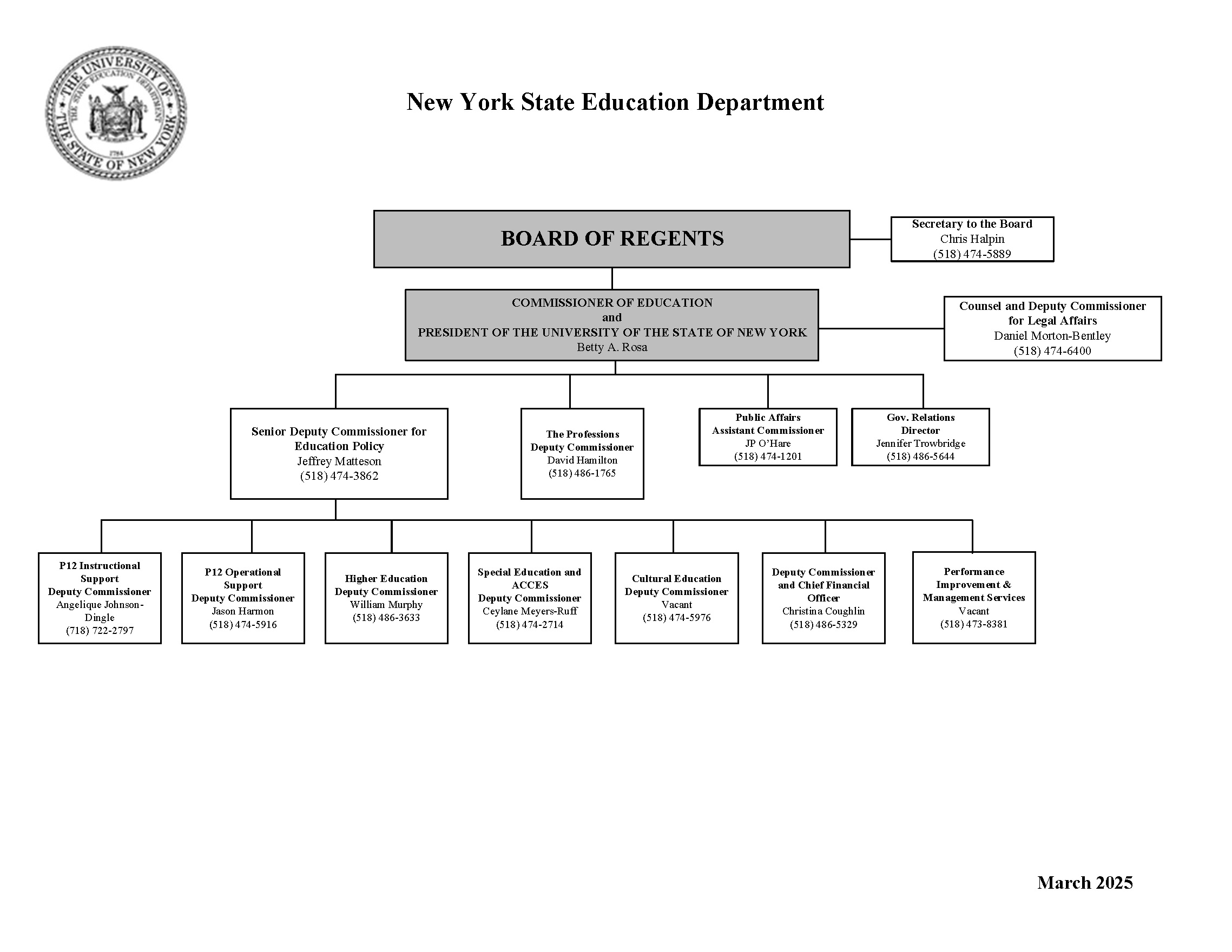
.jpg/250px-Immanuel_Kant_(painted_portrait).jpg&imgrefurl=http://es.wikipedia.org/wiki/Immanuel_Kant&h=162&w=129&sz=8&tbnid=JpeRjH5MMJP4xM&tbnh=0&tbnw=0&prev=/search?q=kant&tbm=isch&tbo=u&zoom=1&q=kant&usg=__EXm56PjXyOwEJJqgrDk8yFBXL8w=&docid=thgRKld_zOU9qM&sa=X&ei=wLiBUK-hOYLWyQHY6oCYAQ&ved=0CG4Q1Rc)